Vero Health & Rehab of Sylva
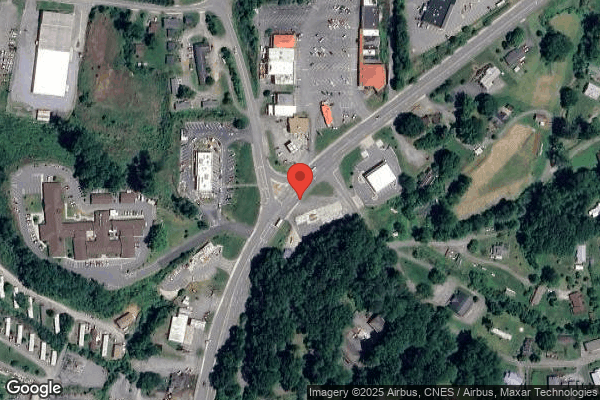

417 Cloverdale Road, Sylva, NC 28779 (828) 631-1600
For profit - Limited Liability company 106 Beds Independent Data: November 2025 7 Immediate Jeopardy citations
Trust Grade
0/100
#409 of 417 in NC
Last Inspection: August 2025

Inspected within the last 6 months. Data reflects current conditions.

Overview

Vero Health & Rehab of Sylva has received an F grade, indicating a poor level of care and significant concerns. Ranking #409 out of 417 facilities in North Carolina, they are in the bottom half, and #2 out of 2 in Jackson County, meaning there is only one other local option that is better. The facility is reportedly improving, with the number of issues decreasing from 29 in 2024 to 7 in 2025, but there are still serious concerns, including $352,421 in fines, which is higher than 99% of facilities in the state. Staffing is a positive aspect, with a low turnover rate, suggesting that staff stay long-term, which can lead to better resident care. However, critical incidents have been reported, such as failing to notify medical providers about a resident's significant health decline and not following up on a resident's critical urology condition, which resulted in severe health complications. Overall, while there are some strengths, the facility's major issues could be a cause for concern for families considering their options.
Trust Score
F
0/100
In North Carolina
#409/417
Bottom 2%
Safety Record
High Risk
Review needed
Inspections
Getting Better
29 → 7 violations
Staff Stability
○ Average
Turnover data not reported for this facility.
Penalties
✓ Good
$352,421 in fines. Lower than most North Carolina facilities. Relatively clean record.
Skilled Nurses
○ Average
RN staffing data not reported for this facility.
Violations
⚠ Watch
67 deficiencies on record. Higher than average. Multiple issues found across inspections.
★☆☆☆☆
1.0
Overall Rating
★☆☆☆☆
1.0
Staff Levels
★☆☆☆☆
1.0
Care Quality
★☆☆☆☆
1.0
Inspection Score
Stable
2024: 29 issues
2025: 7 issues

The Good

  • Full Sprinkler Coverage · Fire safety systems throughout facility
  • No fines on record

Facility shows strength in fire safety.

The Bad

1-Star Overall Rating

Below North Carolina average (2.8)

Significant quality concerns identified by CMS

Federal Fines: $352,421

Well above median ($33,413)

Significant penalties indicating serious issues

The Ugly 67 deficiencies on record

7 life-threatening 6 actual harm
Aug 2025 7 deficiencies
CONCERN (D)

Potential for Harm - no one hurt, but risky conditions existed

Deficiency F0558 (Tag F0558)

Could have caused harm · This affected 1 resident

**NOTE- TERMS IN BRACKETS HAVE BEEN EDITED TO PROTECT CONFIDENTIALITY** Based on observations, record review and interviews with staff and residents, the facility failed to keep a pull cord for the li...

Read full inspector narrative →
**NOTE- TERMS IN BRACKETS HAVE BEEN EDITED TO PROTECT CONFIDENTIALITY** Based on observations, record review and interviews with staff and residents, the facility failed to keep a pull cord for the light above the bed within reach for 2 of 2 residents reviewed for accommodation of needs (Residents #92 and #41).a. Resident #92 was originally admitted to the facility on [DATE]. The quarterly Minimum Data Set (MDS) assessment dated [DATE] indicated Resident #92 had moderate cognitive impairment and had no impairment of her upper extremities. On 8/11/25 at 10:10 AM an observation and interview were conducted with Resident #92. It was observed in her room that her bed was moved towards the center of the room with the headboard up against the wall and the pull cord for the light above her bed hung against the wall on her right side. The pull cord was approximately 15 inches long and was not within reach of Resident #92 when she was in the bed. Resident #92 was asked about the light and if she would like to be able to turn the light on and off herself, and she stated she wanted to but couldn't reach the pull cord. Resident #92 was unsure when she last used the pull cord since it had not been in her reach for some time. b. Resident #41 was admitted to the facility on [DATE]. The quarterly MDS assessment dated [DATE] revealed that Resident #41 had moderate cognitive impairment and had no impairment of her upper extremities. On 8/13/25 at 3:15 PM an observation and interview were conducted with Resident #41. It was observed that the pull cord for Resident #41's light above her bed hung against the wall on the right side of the bed and was out of reach. When interviewed Resident #41 stated that she liked to be able to use the pull cord for the light, but she couldn't reach it. On 8/13/25 at 2:02 PM an interview was conducted with the Maintenance Director. He stated that the facility had a computer system the staff used to enter any maintenance issues. He reviewed the computer system daily and prioritized what needed to be fixed. The Maintenance Director was shown the pull cord for Resident #92. He agreed that the pull cord did not reach Resident #92's bed. He stated that he had recently started employment at the facility and prior to his employment, an audit on the pull cords had been conducted and pull cord extensions and clips had been ordered and received. Additionally, the Maintenance Director was unaware Resident #41 was unable to reach her pull cord from the bed. On 8/14/25 at 1:58 AM an interview was conducted with the Corporate Nurse Consultant. She agreed that if a resident wanted and was able to use a pull cord for a light that the cord should be within their reach to be used.
CONCERN (D)

Potential for Harm - no one hurt, but risky conditions existed

Deficiency F0578 (Tag F0578)

Could have caused harm · This affected 1 resident

**NOTE- TERMS IN BRACKETS HAVE BEEN EDITED TO PROTECT CONFIDENTIALITY** Based on record review and staff interviews, the facility failed to ensure code status information was accurate throughout the m...

Read full inspector narrative →
**NOTE- TERMS IN BRACKETS HAVE BEEN EDITED TO PROTECT CONFIDENTIALITY** Based on record review and staff interviews, the facility failed to ensure code status information was accurate throughout the medical record for 1 of 1 resident reviewed for advance directives (Resident #12).The findings included:Resident #12 was admitted to the facility on [DATE].Resident #12's advance directive care plan, initiated on [DATE], indicated she was a full code. Interventions included to perform cardiopulmonary resuscitation (CPR) if the resident's heart stopped beating and the medical record would indicate the resident's wishes.The admission Minimum Data Set (MDS) assessment dated [DATE] assessed Resident #12 with moderate impairment in cognition. Review of Resident #12's electronic health record (EHR) revealed a physician's order dated [DATE] for a code status of Do Not Resuscitate (DNR). The profile section of Resident #12's EHR also indicated a code status of DNR.Review of the Code Status binder kept at the nurses' station revealed Resident #12 had a DNR form signed by the physician with an effective date of [DATE].During an interview on [DATE] at 10:40 AM, the Social Worker (SW) revealed she reviewed advance directives with the resident and/or Responsible Party. The SW stated either she or the MDS Nurse were responsible for updating a resident's advance directive care plan when their code status had changed. The SW confirmed Resident #12 had a code status of DNR and was not sure why the care plan still had her listed as a full code. The SW recalled during a care plan meeting on [DATE] with Resident #12's family member, advance directives was reviewed and the family member requested a code status of DNR for Resident #12. The SW did not recall Resident #12's advance directives paperwork coming back to her once the form(s) were signed by the family member which was why the care plan did not get updated.During an interview on [DATE] at 10:55 AM, the MDS Nurse explained upon admission, all residents were listed as a full code until advance directives were reviewed with the resident and/or family and the paperwork signed. The MDS Nurse stated when there was a change in a resident's code status, the advance directives paperwork was returned to the SW who would then update the care plan.During an interview on [DATE] at 4:40 PM, the Director of Nursing (DON) revealed the SW was responsible for reviewing advance directives with the resident and/or family and maintaining the code status binders. The DON stated a resident's code status on the care plan should match the code status listed in the resident's EHR and code status binder. The DON stated she would expect for care plans to be updated as needed and the SW was responsible for updating a resident's care plan when there was a change to a resident's code status. The Administrator was out of the facility during the survey and unavailable for an interview.
CONCERN (D)

Potential for Harm - no one hurt, but risky conditions existed

Deficiency F0883 (Tag F0883)

Could have caused harm · This affected 1 resident

**NOTE- TERMS IN BRACKETS HAVE BEEN EDITED TO PROTECT CONFIDENTIALITY** Based on record review, resident and staff interviews, the facility failed to offer, administer, or document the Pneumococcal va...

Read full inspector narrative →
**NOTE- TERMS IN BRACKETS HAVE BEEN EDITED TO PROTECT CONFIDENTIALITY** Based on record review, resident and staff interviews, the facility failed to offer, administer, or document the Pneumococcal vaccine for 1 of 5 residents reviewed for immunizations (Resident #15).The facility policy for Pneumococcal Vaccine revised October 2019 read prior to upon admission, residents will be assessed for eligibility to receive the pneumococcal vaccine series, and when indicated, will be offered the vaccine series within 30 days of admission to the facility unless medically contraindicated or the resident has already been vaccinated. Resident #15 was admitted to the facility on [DATE]. The 5-day Minimum Data Set, dated [DATE] indicated he was cognitively intact. The pneumococcal vaccine section was coded as offered and declined. Review of Resident #15's electronic health record revealed no signed consent, administration, or refusal documentation for the Pneumococcal vaccine. An interview on 8/14/25 at 12:52 PM with Resident #15 revealed he usually kept his immunizations up to date and had not been offered the pneumococcal vaccine since his admission to the facility. An interview on 08/13/2025 at 9:29AM with the Director of Nursing (DON) revealed she was the facility Infection Preventionist. She stated she had been at the facility a few weeks and was unable state if Resident #15 had received or been offered the pneumococcal vaccine. She was also unable to locate any documentation for Resident #15's pneumococcal vaccine status in the paper records located in the DON office, medical records or the electronic health records. An interview on 8/14/25 at 11:49 AM with the Corporate Nurse Consultant revealed there was no reason that Resident #15's pneumococcal vaccine had not been given or documented. She stated she believed it had been completed, and the documentation was unavailable. She stated she was aware there were some areas for improvement in the immunization process but had not yet had time to initiate a new process.
CONCERN (D)

Potential for Harm - no one hurt, but risky conditions existed

Deficiency F0887 (Tag F0887)

Could have caused harm · This affected 1 resident

**NOTE- TERMS IN BRACKETS HAVE BEEN EDITED TO PROTECT CONFIDENTIALITY** Based on record review and staff interviews, the facility failed to determine the status of Resident #15's Covid-19 vaccination ...

Read full inspector narrative →
**NOTE- TERMS IN BRACKETS HAVE BEEN EDITED TO PROTECT CONFIDENTIALITY** Based on record review and staff interviews, the facility failed to determine the status of Resident #15's Covid-19 vaccination to determine if Resident #15 was eligible to receive a dose of the Covid-19 vaccine for 1 of 5 residents reviewed for immunizations (Resident #15).Resident #15 was admitted to the facility on [DATE]. The 5-day Minimum Data Set assessment dated [DATE] indicated Resident #15 was cognitively intact. The Covid-19 vaccine section was coded as the resident was not up to date. Review of Resident #15's electronic health record revealed no signed informed consent, record of administration, or documentation of refusal for the Covid-19 vaccine. The medical record also contained no evidence of past Covid-19 vaccinations that had been administered. An interview on 8/14/25 at 12:52 PM with Resident #15 revealed he usually kept his immunizations up to date and had received prior Covid-19 vaccines. He also revealed he had not been offered the Covid-19 vaccine since his admission to the facility. Resident #15 could not say if he was up to date with the Covid-19 vaccine. An interview on 08/13/2025 at 9:29AM with the Director of Nursing (DON) revealed she was the facility Infection Preventionist. She stated she had been at the facility a few weeks and was unable state if Resident #15 had received or been offered the Covid-19 vaccine. She was also unable to locate any documentation for Resident #15's Covid-19 vaccine status in the paper records located in the DON office, medical records or the electronic health records. An interview on 8/14/25 at 11:49 AM with the Corporate Nurse Consultant revealed there was no reason that Resident #15's Covid-19 vaccine had not been given or documented. She stated she believed it had been completed, and the documentation was unavailable. She stated she was aware there were some areas for improvement in the immunization process but had not yet had time to initiate a new process.
CONCERN (F)

Potential for Harm - no one hurt, but risky conditions existed

Staffing Data (Tag F0851)

Could have caused harm · This affected most or all residents

Based on record review and staff interviews, the facility failed to submit accurate payroll data on the Payroll Based Journal (PBJ) report to the Centers for Medicare and Medicaid Services (CMS) relat...

Read full inspector narrative →
Based on record review and staff interviews, the facility failed to submit accurate payroll data on the Payroll Based Journal (PBJ) report to the Centers for Medicare and Medicaid Services (CMS) related to Registered Nurse (RN) and licensed nursing coverage 24 hours per day for 1 of 1 Federal Fiscal Year quarter reviewed for sufficient nurse staffing (Quarter 2: January 1 - March 31, 2025).The findings included: The PBJ report for the Federal Fiscal Year Quarter 2 2025 (January 1 through March 31) revealed there were no Registered Nurse (RN) hours for 01/09/25, 02/21/25, 02/22/25, 02/23/25, 02/24/25, 02/25/25, 02/26/25, 02/27/25, 02/28/25, and the entire month of March 2025. The PBJ report also noted the facility failed to have licensed nursing coverage 24-hours a day for 02/21/25, 02/22/25, 02/23/25, 02/24/25, 02/25/25, 02/26/25, 02/27/25, 02/28/25, and the entire month of March 2025. Review of the daily staff schedule for 01/09/25 revealed there was no RN onsite. Review of the daily staff schedules and associated time clock detailed reports for 02/21/25, 02/22/25, 02/23/25, 02/24/25, 02/25/25, 02/26/25, 02/27/25, 02/28/25, and the entire month of March 2025 revealed there was a RN onsite for at least 8 hours a day every 24 hours and there was licensed nursing coverage at the facility 24 hours a day.During an interview on 08/13/25 at 2:15 PM, the Human Resources (HR) Director revealed she was responsible for submitting PBJ data to CMS and had done so since the first of the year (2025). The HR Director confirmed she submitted the PBJ data for the CMS Federal Fiscal Quarter 2 (January 1-March 31, 2025) and was not sure why the dates triggered for no RN or licensed nursing coverage. She stated for the triggered date of 01/09/25, the Director of Nursing (DON) would have been in the building; however, the DON was a salaried position and her hours would not show on a time clock punch report. The HR Director explained the process was to upload the data directly from the payroll system, review for accuracy and then submit to CMS. She stated they had started the process of changing payroll systems toward the end of February 2025 and the payroll data submitted to CMS was coming from 2 separate payroll systems which she could only assume was part of the reason the dates in question triggered for no RN and no licensed nursing coverage. The HR Director stated when she submitted the payroll data to CMS for January 1-March 31, 2025, she received notification that the data was received and did not recall getting any error messages. She stated the only thing she could recall that was done differently was that the payroll data was not reviewed for accuracy prior to submitting to CMS. She explained because of the change in payroll systems, they were running out of time to get the PBJ data submitted and they felt it was more important to have the information submitted to CMS on time. During interviews on 08/13/25 at 9:30 AM and 08/14/25 at 8:30 AM, the Corporate Nurse Consultant revealed for overall staffing, there was always a RN for at least 8 hours per day and typically 4 Nurses, one for each unit, every shift. She stated for the date of Thursday 01/09/25, the former Director of Nursing had worked onsite but did not clock in/out because her position was salaried. The Corporate Nurse Consultant explained around March 2025, they switched to a new payroll system which she felt contributed to the PBJ information not being accurate since no RN and no licensed nursing coverage triggered.
MINOR (C)

Minor Issue - procedural, no safety impact

Deficiency F0570 (Tag F0570)

Minor procedural issue · This affected most or all residents

**NOTE- TERMS IN BRACKETS HAVE BEEN EDITED TO PROTECT CONFIDENTIALITY** Based on record review and staff interviews, the facility failed to provide a surety bond that covered the total account balance...

Read full inspector narrative →
**NOTE- TERMS IN BRACKETS HAVE BEEN EDITED TO PROTECT CONFIDENTIALITY** Based on record review and staff interviews, the facility failed to provide a surety bond that covered the total account balance for 55 of 55 residents with funds deposited in the resident trust fund account.The findings included:Review of the Resident Fund Management Service document provided by the Business Office Manager revealed the total balance in the Resident Trust Fund Account was $63,647.25 as of [DATE].Review of the facility's Surety Bond Continuation Certificate provided by the Corporate Nurse Consultant on [DATE] revealed the amount of the bond was for $90,000 and was effective starting on [DATE] and terminated at midnight on [DATE]. During an interview on [DATE] at 2:58 PM, the Business Office Manager revealed the corporate office handled the renewal of the surety bond and she was not sure why the surety bond had expired or what had happened. During an interview on [DATE] at 2:26 PM, the Corporate Nurse Consultant revealed there were 55 residents who had funds deposited in the Resident Trust Fund account. The Corporate Nurse Consultant stated she was unaware that the facility's surety bond had expired and now that they were aware, they were actively working on getting a surety bond in place.The Administrator was out of the facility during the survey and unavailable for an interview.
MINOR (C)

Minor Issue - procedural, no safety impact

Deficiency F0577 (Tag F0577)

Minor procedural issue · This affected most or all residents

Based on observations, staff and resident interviews the facility failed to post survey results in a location accessible to all residents. This deficient practice occurred for 3 out of 4 days of the r...

Read full inspector narrative →
Based on observations, staff and resident interviews the facility failed to post survey results in a location accessible to all residents. This deficient practice occurred for 3 out of 4 days of the recertification survey.The findings included:Observations made on 8/12/25 at 4:40 PM, 8/13/25 at 7:55 AM and 8/14/25 at 8:24 AM revealed the survey results located in the first-floor lobby of the facility in a binder placed in a wall file pocket. The wall file pocket with the binder was located approximately five feet high on the wall. All resident rooms were located on the second floor of the facility which was only accessible by a secured elevator making it difficult for residents to have access to the first floor and survey results located there. The stairwell door on the second floor was locked and required a code to unlock the door again making it difficult for residents to have access to the first floor and survey results. A Resident Council Meeting held on 8/13/25 at 11:07 AM revealed 5 of 5 residents who attended the meeting did not know where the survey results book was located (Resident #37, Resident #41, Resident #18, Resident #62 and Resident #77). After the residents were informed of the location of the survey results binder, all five residents indicated if they wanted to get to the lobby where the survey results binder was located, they would have to ask a staff member to unlock the elevator and accompany them down to the lobby. One resident in a wheelchair indicated she would not be able to reach the binder on her own. An interview with the Social Services Director on 8/14/25 at 8:53 AM revealed the only survey results binder was located in the first-floor lobby. She indicated residents were not allowed to use the elevator on their own, and she considered the location of the survey results binder not accessible to residents without having to ask for assistance. An interview with the Corporate Nurse Consultant on 8/14/25 at 1:07 PM revealed the survey results binder observed in the first-floor lobby was the only survey results binder in the facility. She indicated it was not accessible to the residents due to the locked elevator and because of the height of the file holder on the wall.
Jul 2024 17 deficiencies 1 IJ (1 affecting multiple)
CRITICAL (K) 📢 Someone Reported This

A family member, employee, or ombudsman was alarmed enough to file a formal complaint

Immediate Jeopardy (IJ) - the most serious Medicare violation

Incontinence Care (Tag F0690)

Someone could have died · This affected multiple residents

**NOTE- TERMS IN BRACKETS HAVE BEEN EDITED TO PROTECT CONFIDENTIALITY** Based on record review, observations, and interviews with staff, Nurse Practitioner, Medical Director, and urology office staff ...

Read full inspector narrative →
**NOTE- TERMS IN BRACKETS HAVE BEEN EDITED TO PROTECT CONFIDENTIALITY** Based on record review, observations, and interviews with staff, Nurse Practitioner, Medical Director, and urology office staff the facility failed to follow up with the Urologist for Resident #49 who was hospitalized for obstructing ureteral stones (kidney stones that get stuck in tubes composed of smooth muscle that transport the urine from the kidneys to the bladder) with hydronephrosis (swelling of one or both kidneys due to urine build up), urinary tract infection (UTI), pyelonephritis (an infection of the kidneys) and (a serious condition in which the body responds improperly to an infection). The Resident had a stent (a small tube placed in the ureter that allows the urine to drain) placed for renal stone obstruction on 4/23/24 and returned to the facility on 4/26/24 with a urinary catheter. The discharge summary specified further assessment by Urology next week and also included an order for antibiotics for a UTI. Resident #49 experienced and was treated for two UTIs, urinary pain and a yeast infection due to the antibiotics while waiting to see the urologist. The second UTI diagnosed on [DATE] showed the growth of two organisms which had a greater resistance to antibiotics. The presence of the urinary catheter and the stent both increased the risk of bacterial growth, UTIs and sepsis. In addition, the facility failed to obtain physician orders for use of an indwelling catheter and failed to use a securement device to anchor urinary catheter tubing (Resident #80) and ensure the urine collection bag remained below the level of the resident's bladder (Resident #11). These deficient practices affected 3 of 4 residents reviewed for urinary catheter or urinary tract infection (Resident #49, Resident #80 and Resident #11). Immediate jeopardy began on 5/3/24 when the facility failed to not follow up with urology for Resident #49. Immediate jeopardy was removed on 7/26/24 when the facility implemented a credible allegation of immediate jeopardy removal. The facility remains out of compliance at a lower scope and severity level of E (no actual harm with potential for more than minimal harm that is not immediate jeopardy) to ensure education and monitoring systems put into place are effective. Example #2 and #3 were cited at a S/S of D. Findings included: 1. Review of nurses noted dated 4/22/24 revealed Resident #49's was complaining of stomach pain, nausea and chills. Resident #49 was noted to be shivering and had a temperature of 100.2 and oxygen saturation of 86%, resident placed on 2 liters via nasal canula. The doctor was notified and gave the order to send the resident to the emergency room (ER) for evaluation. Review of Resident #49's hospital Discharge summary dated [DATE] revealed she had been hospitalized from [DATE] to 4/26/24 for obstructing ureteral stones with hydronephrosis, UTI, pyelonephritis due in part to obstructing ureteral stones, and sepsis. Diagnostics showed she had a 5millimeter (mm) stone in the juncture where the kidney meets the ureter and a 4 mm stone in the juncture where the ureter meets the bladder as well as multiple other non-obstructing stones in both kidneys. Urology was consulted during her hospitalization to provide intervention for her urinary obstruction. She was taken to the operating room on 4/23/24 by the urologist and a stent was placed in her left ureter. Her blood culture and urine cultures grew out the organism Klebsiella. Her discharge summary read in part, per infectious disease recommendations will treat with Ciprofloxacin (antibiotic) 500 milligrams (mg) twice daily with end of treatment on 5/2/24, return to the facility today, follow-up with urology next week, urinary catheter to stay in place and be further assessed by urology next week. Resident #49 was readmitted to the facility on [DATE] with diagnoses including renal and ureteral calculous (kidney stones) obstruction with hydronephrosis, urinary tract infection (UTI), acute pyelonephritis (sudden and severe inflammation of the kidney due to a bacterial infection), sepsis, chronic kidney disease, and encounter for surgical aftercare following surgery on the genitourinary system. Review of Resident #49's Medication Administration Record (MAR) for April 2024 and May 2024 revealed an order dated 4/26/24 that read: Ciprofloxacin 500 milligrams (mg) one tablet by mouth every 12 hours for infection until 5/2/24. The MAR revealed all doses of Ciprofloxacin were documented as administered until 5/2/24. There was not a record of a urology appointment that had been scheduled for May 2024 in Resident #49's electronic medical record. Review of Resident #49's electronic medical record revealed there was an order dated 4/26/24 that read: follow up with urology next week. The order was discontinued by the Director of Nursing on 6/6/24. An interview was conducted on 7/12/24 at 11:27 AM with the Director of Nursing (DON). The DON said she had discontinued the order for Resident #49 from 4/26/24 that read follow up with urology next week. The DON said she had been removing old orders on all residents from the electronic computer system and had discontinued the order because it had been old. The DON said she did not check to see if Resident #49 had been to the urologist for follow up prior to discontinuing the order. The DON indicated she thought it had been an old order and had already been taken care of. A History and Physical (H&P) was completed on 5/2/24 by the Medical Director (MD). Under history of present illness, the note read in part: [AGE] year-old female seen at bedside for readmission H&P. Patient recently admitted to the hospital for sepsis and UTI secondary to obstructive stone in the left ureter. The patient underwent several days of IV antibiotics. After appropriate treatment, the patient was sent back to facility for continued rehabilitation. Under the section past surgical history, it read: recent left ureter stent placement. Under the note section labeled physical exam there was not a genitourinary assessment/exam included. The note did not mention Resident #49 needing to follow up with the urologist or her indwelling urinary catheter. The significant change Minimum Data Set (MDS) assessment dated [DATE] revealed Resident #49 was cognitively intact. She was coded for an indwelling catheter. The MDS revealed she was also coded for receiving antibiotics and septicemia (disease caused by the spread of bacteria and their toxins in the blood stream). Review of Resident #49's care plan revised on 5/9/24 revealed she had a care plan in place for an indwelling catheter due to ureter obstruction, pyelonephritis, hydronephrosis, and UTI. The care plan goal was to not have any complications from the indwelling catheter, will not develop a UTI. The care plan interventions included: to follow up urology as recommended, monitor for signs/ symptoms of infection, and catheter care every shift. Further Review of Resident #49's electronic medical record revealed: A medical provider progress note dated 5/29/24 that read in part: Nurse reports that patient has bladder pain on and off. Urinalysis (UA) (a lab used test for an infection in the urine) with Culture and Sensitivity (C&S) (a report used to determine which antibiotic to use to treat an infection) ordered. Lab results showed Resident #49 had a UA completed on 5/30/24. The urine C&S report dated 6/1/24 showed the growth of the organism morganella morganii (bacteria) with a colony count of greater than 100,000 (cultures with greater than 100,000 colony count usually indicate infection). The organism was resistant to multiple antibiotics listed on the urine culture sensitivity report. An order entered by the Medical Director (MD) dated 5/30/24 read: Cephalexin (antibiotic) 500 mg tablet give one tablet by mouth three times a day for infection for 7 days. The order was discontinued on 6/3/24. Review of Resident #49's MAR for May 2024 and June 2024 revealed Cephalexin was given as ordered. A medical provider telehealth visit note dated 6/3/24 read in part: I gave an order to administer Ceftriaxone (antibiotic) 1 gram (gm) intramuscular once daily for 7 days. Patient was ordered Cephalexin prior, started 5/30/2024 until 6/6/2024. I discontinued cephalexin at this time. The note did not indicate why Cephalexin had been discontinued and a new antibiotic had been ordered. An order dated 6/3/24 for Ceftriaxone (antibiotic) 1 gm intramuscularly every 24 hours for infection for 7 days. Review of Resident #49's June 2024 MAR revealed Ceftriaxone was given as ordered. A medical provider progress note dated 6/4/24 read: nurse reports patient complaining of pain 10/10 even after pain medication given. Patient states pain is in groin related to UTI. Order given for Pyridium (a medication used to treat urinary pain) 200 milligram (mg) three times daily as needed for two days. A review of Resident #49's active physician orders revealed an order dated 6/4/24 given by the Medical Director (MD) that had been entered by the Minimum Data Assessment (MDS) Nurse that read: Urology consult/ follow up diagnosis pyelonephritis status post stent placement. A progress note from NP #1 dated 6/27/24 read in part: Being seen today for follow up regarding urinary pain and not feeling well. Nurses report patient states she is not feeling well and having discomfort with urination. Patient reporting discomfort with urination, even though she has an indwelling urinary catheter. Under the section labeled assessment and plans it read: Dysuria: UA and C&S. A progress note from NP #1 dated 6/29/24 read in part: Patient seen today for discomfort with urination and low-grade temp. Will start on antibiotics while awaiting lab results. Urinary tract infection: Previous 5/30/24 sensitivity noted to Ceftriaxone (Rocephin-antibiotic). Orders to give Ceftriaxone 1 gram (gm) give every 24 hours for 7 days intramuscular. Awaiting results from UA C&S. Follow up as soon as possible (ASAP) with urologist regarding indwelling placement status post left ureter stent placement. An order to follow up with the urologist as soon as possible was not located in Resident #49's physician orders. An order dated 6/29/24 that read: Ceftriaxone sodium solution reconstituted 1 gm inject 1 gm intramuscularly every 24 hours for infection related to urinary tract infection for 7 days. The order was discontinued on 7/5/24 the reason for discontinuation read due to sensitivity report shows resistance; antibiotic changed. Review of Resident #49's June 2024 and July 2024 MAR revealed Ceftriaxone had been given as ordered. Lab results showed Resident #49 had a UA that was completed on 7/1/24. The urine C&S report dated 7/4/24 showed the growth of two different organisms, Provedencia Stuartii (bacteria) and Acinetobacter baumannii complex (bacteria) The two organisms were not sensitive to the same antibiotic. Both organisms were resistant to multiple antibiotics listed on the urine culture and sensitivity report. An order dated 7/4/24 that read: Ciprofloxacin 250 mg tablet give one tablet by mouth twice daily related to UTI for 7 days. An order dated 7/5/24 that read: Bactrim (an antibiotic) oral tablet 400-80 mg tablet give one tablet by mouth twice daily for 3 days related to UTI, do not give at the same time as Cipro. A progress note from NP #1 dated 7/8/24 read in part: Urine culture is not sensitive to Rocephin this has been discontinued. There are two bacteria isolation in urine culture: one is sensitive to Cipro (antibiotic); and the other sensitive to Bactrim (antibiotic); patient can take both safely. A medical provider progress note dated 7/11/24 read: Nursing reports resident with severe, yeast infection. Previously on antibiotic for UTI, Diflucan (a medication used to treat fungal infections) 150 mg one dose ordered. An interview was conducted on 7/10/24 at 8:04 AM with the Transportation Aide. The Transportation Aide explained he primarily scheduled the facility resident appointments but that the receptionist helped schedule appointments if he was out on transport. The Transportation Aide said he had scheduled Resident #49's 5/17/24 urology appointment. He said 5/17/24 had been the date the urologist office had been able to get Resident #49 in to be seen. The Transportation Aide said he thought that Resident #49 had refused to go to the urology appointment that had been scheduled for her in May but was not sure. He stated Resident #49's urology appointment in June had been cancelled because another resident had an urgent appointment they needed to go to. The Transportation Aide stated he had been out on transport and that the Receptionist moved and rescheduled Resident #49's 6/14/24 appointment. He said Resident #49 had an upcoming urology appointment scheduled at the end of July on 7/31/24. He explained he looked at appointments when they needed to be moved and decided if appointments were okay to be moved. The Transportation Aide indicated the facility had a new DON and that now he discussed medical appointments that needed to be changed or moved with the DON to make sure it was clinically okay. He was unsure if the receptionist had spoken to anyone to make sure it was okay to move her appointment. He said the receptionist was currently out on medical leave. The Receptionist was unavailable to be interviewed. A telephone interview was conducted on 7/9/24 at 9:05 AM with the Urology Office Appointment Scheduler. The Scheduler stated that Resident #49's original urology appointment had been scheduled for 5/17/24. She said the office had received a call from the facility to cancel /reschedule the appointment, and that the appointment had been rescheduled to 6/14/24. She stated there was not a note as to why the appointment on 5/17/24 had been cancelled and moved. The Scheduler further stated the facility called again on 6/13/24 and had cancelled the appointment for 6/14/24 and rescheduled it for 7/31/24. She said there was a note attached to the appointment re-scheduled for 7/31/24 that said it was the only time and date they had available for a driver to take her. The Scheduler explained the turnaround time for appointments depended on the reason why someone needed to be seen. She said if the needed appointment was related to kidney stones or post-op the office would usually get them in within 2 weeks or sooner. If an initial hospital follow-up appointment had been cancelled the office would not re-schedule the appointment for a month out, she said the office would be able to get them in to be seen sooner. A telephone interview was conducted on 7/9/24 at 10:51 AM with the Urology Office Clinical Coordinator Nurse. She reviewed Resident #49's notes and confirmed she was supposed to follow up with the urology office a week after her hospital discharge on [DATE]. The Urology Office Clinical Coordinator Nurse indicated she thought the reason Resident #49 had not been seen was due to transportation issues with the facility. The Clinical Coordinator stated that if the physician had wanted to Resident #49 her for a follow-up in a week, then ideally Resident #49 should had been seen. She said typically at the one week follow up appointment the office would check to ensure the UTI causing her sepsis had resolved and schedule for surgery to bust the renal stone up. The Clinical Coordinator stated if the stent was in place, it would allow the urine to drain and keep the ureter from becoming blocked again. She said Resident #49 could become septic again if her ureter became blocked again. The Clinical Coordinator was unable to speak to if Resident #49 would have been able to pass the renal stones on her own without having the surgical procedure to break up the stones. She said if the plan was for Resident #49 to come back in a week for follow up, then at the follow up appointment they would have made sure her infection was resolving and set up for surgery to deal with the stones that had caused the urinary blockage and sepsis. She said that Resident #49 had a urology appointment scheduled for 7/31/24 and there was a note on the appointment that stated it was the only date and time the facility had a driver. The Clinical Coordinator explained that some patients kept urinary stents in place for months and some patients had to have them replaced quarterly if the stent was due to a chronic issue. She said a stent did not usually stay in place for a renal stone obstruction. The office was not aware Resident #49 had been treated with antibiotics for two additional UTIs since her hospitalization. She explained a urinary stent could cause urinary irritation and bacteria would accumulate around the device. The Clinical Coordinator stated the stent could cause the urine to have traces of blood in it and would cause the patient to feel uncomfortable because a urinary stent was not comfortable. She said the ureter was opened with the stent and the next step would be to bust up the stones. The Clinical Coordinator further explained after the stones were busted up, the old stent would be removed, and a new stent placed while in the operating room. The Clinical Coordinator stated that the new stent would remain in place for a certain amount of time, then it would be removed, and the ureter assessed for stricture. She could not say if or how long Resident #49's catheter would need to be in place or if the catheter would have been removed at the follow up appointment. She said kidney stones tended to hide infection and that with Resident #49 already having had urosepsis and having a catheter she was at a huge risk of further infection. An interview was conducted on 7/10/24 at 8:15 AM with Resident #49. Resident #49 did not remember anyone coming to talk to her about a urology appointment in May and that she did not remember refusing to go a urology appointment in May. Resident #49 stated she did not remember being told by anyone in June that they needed to change/ reschedule her urology appointment. Resident #49 said she knew she had was supposed to go see the urologist after being in the hospital but was not sure why she had not been. Resident #49 thought she had been doing okay, until she had gotten another infection in her urine. Resident #49 stated she had pain in her bladder and stomach when she had the infections in her urine but said she did not currently have any discomfort. Resident #49 stated she did not have a urinary catheter before she had gone to the hospital and that she would rather have it out than in and if the catheter was able to be removed, she wanted it to be removed An interview was conducted on 7/10/24 at 3:59 PM with the MDS Nurse. The MDS Nurse stated that Resident #49's indwelling catheter had been brought up during a clinical meeting. The MDS said she was unsure which meeting it had come up in, but that it was around the same date (6/4/24) that she had entered the order from the MD for Resident #49 to follow up with the urologist. The MDS Nurse said that she had heard Resident #49 had asked about her indwelling catheter and wanted to know when or if it would be able to come out. The MDS Nurse was unsure who had told her Resident #49 had asked about her indwelling catheter. The MDS nurse stated she had asked the Medical Director (MD) about Resident #49's indwelling catheter regarding if the plan was to keep the catheter in place long term, the diagnosis, and if it was necessary. She said the MD gave her the order to have Resident #49 follow up with urology for her indwelling catheter, pyelonephritis, and the urinary stent. The MDS Nurse had not been aware that when Resident #49 returned to the facility from the hospital on 4/26/24 she was supposed to follow up with urology in a week. She said it was after the MD had given her the order for the urology follow up on 6/4/24 that she realized that Resident #49 had not followed up with urology when she returned to facility as specified on the hospital discharge summary. The MDS Nurse stated the urology appointment for Resident #49 had been made for 6/14/24 but that she was not sure what had come of that appointment. A telephone interview was conducted with NP #1 on 7/10/24 at 12:03 PM. NP #1 said when she saw Resident #49 on 6/29/24 and had placed in her progress note she needed to be seen by urology ASAP, she had also entered the order for a urology referral into the electronic computer system. NP #1 stated she had also verbally let the staff know. NP #1 was certain she had discussed Resident #49 needing to be seen by the urologist for follow up with Unit Manager (UM) #1 and the Director of Nursing (DON). NP #1 indicated she had also told UM #3. NP #1 stated she had not given a time frame that Resident #49 needed to be seen, but that she expected that Resident #49 to be seen as soon as the urology office could get her in. NP #1 stated she had wanted Resident #49 to be seen ASAP for follow up of the stent and evaluation of the urinary catheter because Resident #49 had another UTI, and the current UTI had a greater resistance pattern to antibiotics. NP #1 was concerned if Resident #49 developed another UTI in between her completion of the antibiotic for her current UTI and her going to the urologist it could have a higher antibiotic resistance and required Resident #49 to go back to the hospital to be treated. NP #1 did not know that Resident #49 had missed her other urology appointments but that the appointments for follow up being scheduled a month later was too long. NP #1 stated she did not usually see the urology office being booked out and unable to fit someone in for an appointment. An interview was conducted on 7/10/24 at 12:16 PM with Unit Manager (UM) #1. UM #1 did not remember the NP #1 speaking to her about Resident #49's indwelling catheter, urinary stent, UTTs, or needing to be seen by urology for follow up as soon as possible. UM #1 had not been aware of NP #1's note from 6/29/24 that specified Resident #49 needed to be seen by urology ASAP. UM #1 explained appointments listed on the hospital discharge summary were given to the Transportation Aide and that the Transportation Aide scheduled the appointments. UM #1 said in-house appointment referrals were entered into the electronic computer system by the provider. She said the UMs would go through orders each morning and if there was an order for an appointment/ referral they printed it out and would give it to the Transportation Aide to schedule. UM #1 said the appointment date/ time was not entered into the electronic computer system. UM #1 explained appointment dates/ times were in the appointment book kept at the reception desk. She said the Transportation Aide made a copy of appointments for the week and put the list out at the nurse's station for the current week. She stated the only way to know when a resident had an appointment would be for someone to look at the weekly list of appointments for the current week located at the nurse's station or to call the Transportation Aide. UM #1 explained the facility MD/ NP would not know when a resident had a specialty appointment scheduled unless it was on the current weeks appointment list at the nursing station, because it did not show up in the electronic computer system anywhere that they could see. UM #1 said the Transportation Aide was not clinical and would not know if an appointment was medically necessary versus a routine appointment. She did say the Transportation Aide asked for clinical decision-making support from nursing management when he was unsure. UM #1 stated if a residents appointment needed to be moved because another resident had an urgent appointment need, the Transportation Aide should call that day and re-schedule the appointment for as soon as possible. UM #1 said she thought a cancelled appointment would need to be re-scheduled for within a week if possible. UM #1 stated she had started working at the facility on June 10th and was unaware that Resident #49 was supposed to follow up with urology in a week after her hospital discharge on [DATE] and had not been seen. An Interview was conducted with UM # 2 on 7/10/14 at 12:38 PM. UM #2 indicated she had never been approached by the Transportation Aide about an appointment that needed to be moved or changed. UM #2 said she did not always review the providers notes after they had seen a resident because they did not put the notes into the electronic computer system right away. UM #2 did not remember why Resident #49 did not go to her urology appointment scheduled on 5/17/24. UM #2 said she did not know that Resident #49's appointment on 6/14/24 had to be moved because another resident had an urgent appointment need. UM #2 stated she remembered a patient that needed to have an urgent appointment but that she did not tell the Transportation Aide to bump or move Resident #49's urology appointment to take the other resident. UM #2 said she would tell the Transportation Aide if a resident needed to be seen urgently but that the Transportation Aide did not ask her whose appointment to move or bump to fit in the appointment. She stated if the Transportation Aide had asked her, she would have asked the MD/NP which appointment could be moved or bumped to a later date if that needed to happen. UM #2 did not remember NP #1 discussing Resident #49's urinary issues with her or that Resident #49 needed to be seen by the urologist as soon as possible. UM #2 had not been aware of the NP #1's note on 6/29/24 indicating Resident #49 needed to be seen by urology ASAP. UM #2 indicated Resident #49 needing to be seen by the urologist had been discussed during a clinical meeting but that she did not remember the date of the meeting. UM #2 had known the urology appointment for Resident #49 had been scheduled but had not known that the date had been changed, and that the appointment had been pushed out so far to the end of July. UM #2 had known Resident #49 had received antibiotics for treatment of UTIs but had not attributed that to be a concern. She could not say if Resident #49's UTIs could have been prevented if she had followed up with the urologist sooner. An interview was conducted with UM #3 on 7/10/24 at 1:09 PM. UM #3 stated she had worked at the facility for 6 weeks. UM #3 did not remember NP #1 speaking to her about Resident #49's indwelling catheter, urinary issues, or that she needed to be seen by urology as soon as possible. She said orders and appointments that were needed were discussed in the morning stand up meetings but that she did not remember Resident #49 being discussed. UM #3 stated there was not a good communication flow at the facility about when appointments were scheduled. An interview was conducted with the NP #1 on 7/10/24 at 8:18 AM. NP #1 stated she had been working at the facility for approximately 5 weeks. She said Resident #49 had her indwelling catheter placed when the urinary stent was placed during her hospitalization in April. NP #1 explained she had seen Resident #49 last week and had been trying to find an appropriate diagnosis or medical need to keep the indwelling catheter in place. NP #1 stated she had wanted to remove Resident #49's indwelling catheter due to her having another UTI but wanted to check with urology first. NP #1 explained she had entered a referral for Resident #49 to be seen by urology for follow up of the indwelling catheter and urinary stent. NP #1 stated she had not been aware that Resident #49's hospital discharge summary from 4/26/24 had included for her to follow up with urology in a week. NP #1 explained she knew Resident #49 needed to be seen by urology because she had a stent placed. NP #1 did not know why Resident #49 had not gone to the urologist but knew she needed to be seen. NP #1 stated she felt Resident #49's most current UA with C&S that had a colony count of 30,000-40,000 needed to be treated with antibiotics because of her history of pyelonephritis with sepsis. NP #1 said Resident #49 should have been seen by urology for follow up the week after her hospital discharge. NP #1 stated it was hard to say if her following up with urology when she was supposed to would have prevented her from developing the 2 additional UTI's. She said Resident #49's urinary catheter was an indwelling device and because it was invasive it increased the risk of bacteria growth. NP #1 stated she did not know if Resident #49 needed the surgical procedure to break up her renal stones. NP #1 stated that if Resident #49 had been seen by urology when she was supposed to be seen they could have done the surgical procedure to break up the renal stones sooner if she needed it. NP #1 said Resident #49 should be seen by urology sooner than 7/31/24. NP #1 was worried that when Resident #49's current antibiotics ended that she could potentially develop another UTI that was resistant to everything because Resident #49's most recent UTI showed the growth of two organisms which had a greater resistance to antibiotics. She said Resident #49 needed to be sooner, preferably by next week because Resident #49 would be at high risk of developing another UTI between the time, she completed her current ordered antibiotics and the appointment scheduled on 7/31/24. NP #1 said that it would put Resident #49 at high risk for sepsis or returning to the hospital if she developed another UTI. A telephone interview was conducted on 7/9/24 at 4:45 PM with the MD. He stated Resident #49 should have been seen the week after her hospital discharge by urology for follow up. The MD thought she was doing okay and that there was not a negative impact to Resident #49, but that she should be seen soon for follow up by the urologist. The MD said Resident #49 should be seen sooner than 7/31/24 and it would be preferable to move the appointment up. An interview with the MD on 7/10/24 at 4:30 PM revealed he did not specifically remember giving the order dated 6/4/24 for Resident #49 to follow up with urology. An interview was conducted with the Director of Nursing (DON) on 7/10/24 at 1:55 PM. She stated that appointments were given to the Transportation Aide to schedule. She said once the Transportation Aide made an appointment, he put the appointment date/ time into the appointment book. The DON explained a weekly list of appointments was distributed to the nursing stations and administrative staff. She said if someone wanted to know when an appointment was scheduled further out than the current week, then they would have to look in the appointment book. She said the appointment book was located downstairs at the reception desk. The DON was unsure if everyone knew where the appointment book was located. The DON said she had been at the facility for 6 weeks and was not sure why Resident #49 had been hospitalized in April or why she had an indwelling catheter. The DON stated she was aware that Resident #49 had been treated for two UTIs since she returned from the hospital. The DON did not know that Resident #49 was supposed to have followed up with the urologist in a week when she returned from the hospital on 4/26/24. The DON only recalled one urology appointment in June that had to be rescheduled because another resident needed to go to an appointment. The DON stated no one had approached her to ask if it was medically appropriate to move Resident #49's urology appointment in June. The DON did not remember NP #1 speaking to her about Resident #49's urinary issues or telling her that she needed to be seen by urology ASAP. The DON said that they reviewed physician orders and appointments during the morning meetings and did not remember discussing Resident #49 during the morning meetings. She stated that if the urology office had an appointment that was earlier than 7/31/24 then Resident #49's appointment should have been scheduled sooner. She stated Resident #49 not following up with urology when she was supposed to, could have contributed to her infections. She said Resident #49 should have followed up with the Urologist within a week after her hospital discharge if possible. The DON was unsure where the break in the appointment process was that caused Resident #49's urology appointment to be pushed out so far to the end of July. A follow up telephone interview was conducted with the MD on 7/10/24 at 4:30 PM. The MD
SERIOUS (G) 📢 Someone Reported This

A family member, employee, or ombudsman was alarmed enough to file a formal complaint

Actual Harm - a resident was hurt due to facility failures

Resident Rights (Tag F0550)

A resident was harmed · This affected 1 resident

**NOTE- TERMS IN BRACKETS HAVE BEEN EDITED TO PROTECT CONFIDENTIALITY** 4. Resident # 34 was re-admitted to the facility on [DATE] with diagnoses including dementia, hemiplegia and hemiparesis followi...

Read full inspector narrative →
**NOTE- TERMS IN BRACKETS HAVE BEEN EDITED TO PROTECT CONFIDENTIALITY** 4. Resident # 34 was re-admitted to the facility on [DATE] with diagnoses including dementia, hemiplegia and hemiparesis following cerebral infarction affecting right dominant side. The Minimum Data Set (MDS) quarterly assessment dated [DATE] revealed Resident #34 was cognitively impaired and required substantial/ maximum assistance with eating. Review of Resident #34's care plan dated 1/26/21 and last reviewed 4/16/24 revealed she had a care plan in place for needing assistance with activities of daily living (ADLs) due to cerebral vascular accident (CVA/stroke) and impaired cognition. The care plan interventions included to assist with eating. She had an additional care plan in place for nutritional problems or potential nutritional problems related to the need for mechanically altered pureed foods and nectar thickened liquids, poor dentition, and impaired cognition. The care plan interventions included to provide feeding assistance when she did not feed herself, and that sometimes she needed staff to provide total assistance with meal. A continuous dining observation was performed on 7/8/24 from 12:22 PM through 12:44 PM. At 12:22PM Resident #34 was observed in the dining room. She was sitting in a specialty wheelchair. The chair was pushed up to the dining table. There were 3 other residents seated at the table. The meal tray for Resident #34 was positioned in front of her on the table. NA #3 was observed to be standing beside Resident #34 while she was feeding her. At 12:26 PM an observation of the dining room revealed there were multiple empty extra chairs located throughout the dining room At 12:28 PM NA #3 was observed briefly to sit on her knees on the floor beside Resident #34 as she continued to feed her. At 12:29 PM NA #3 was observed to stand again as she continued to feed Resident #34. At 12:35 PM NA #3 covered the meal plate with the lid. She kneeled beside Resident #34 to give her fluids from a cup and then stood again. NA #3 proceeded to feed resident #34 the ice cream and pudding that was on her meal tray while standing. The NA #3 remained standing for the remainder of the time while feeding Resident #34. At 12:44 PM The NA #3 stopped feeding Resident #34 and she was assisted from the dining room by another staff member. An interview was conducted on 7/8/24 at 12:56 PM with NA #3. She said that there was usually an extra empty chair located at the table for her to sit in while providing feeding assistance. NA #3 said that today the table had been full with 4 residents seated at the table. She said she could have pulled an empty chair over to the table to sit in. NA #3 said since she had already been at Resident #34's table she had not wanted her to be delayed in eating and thought it would be okay to feed her standing up. NA #3 said she had never been told she could not or should not stand to feed a resident. NA #3 said it would make her feel a little bit inferior if someone stood over her while assisting her with eating. An interview was conducted on 7/9/24 at 11:23 AM with Nurse # 3. She said Resident #34 did not feed herself and was dependent on staff to eat. Nurse #3 said NA #3 should have sat beside Resident #34 when she was feeding her. She said you should be at eye level with residents and not hover or stand over them while providing feeding assistance. Nurse #3 said it was a dignity issue if an NA stood while feeding a resident. An interview was conducted on 7/10/24 at 1:55 PM with the Director of Nursing (DON). She said NA #3 should have sat beside Resident #34 while providing feeding assistance. The DON stated it would make her feel rushed if someone was standing while assisting her with eating. An interview was conducted on 7/10/24 at 4:55 PM with the Administrator. She said staff should sit while feeding a resident during meals. The Administrator said this was a dignity issue and that the staff member should be at eye level with the resident when providing meal assistance. The Administrator stated she felt the outcomes from feeding and meal consumption were improved with that approach. She said this also provided a better view of the residents chewing process to ensure safety and swallowing of food. Based on record reviews, observations, and interviews with residents and staff, the facility failed to treat residents in a dignified manner when staff did not allow Resident #51, Resident # 77 and Resident # 8 to leave their rooms due to the facility running out of oxygen tanks for 3 days. Resident # 51 stated she was very upset because she was unable to leave her room to go to church or do any of her daily routine and it made her feel very depressed. She stated that she felt like a caged animal having to stay in her room and felt anxiety over it. Resident #77 stated he had to stay in his room for all those days and was very bored and upset and did not feel it was right for the facility to not have portable tanks so he could do his daily business. Resident #8 stated he had to stay in his room for all those days and was very bored and upset and did not feel it was right for the facility to not have portable tanks so he could do his daily business. In addition, the facility failed to treat Resident #34 in a dignified manner by standing over them while assisting with eating. The reasonable person concept was applied to this example as individuals have expectations of being treated with dignity while dining. This deficient practice affected 4 of 4 residents reviewed for dignity. The findings included: 1. Resident #51 was admitted to the facility on [DATE] with the following diagnoses: chronic respiratory failure with hypoxia, chronic obstructive pulmonary disease (COPD). Resident #51 had a physician order 3/17/24 stating the resident should be administered oxygen at 3 liters per minute via nasal cannula continuously. The Quarterly Minimum Data Set (MDS) dated [DATE] revealed that Resident #51 was cognitively intact. She used a walker or a wheelchair for mobility. She did show signs of shortness of breath with exertion, when sitting and lying flat. She was on oxygen therapy. On 7/08/24 at 3:13 PM an interview with Resident #51 stated about one month ago, on a Friday, she needed a new portable oxygen tank and one of the staff took her to the oxygen tank room to get a new tank. Resident # 51 could not remember who the staff was. The staff person went into the room to get a tank and came out saying there wasn't any. She stated the facility was out of the portable tanks until Tuesday at 3pm. Resident #51 stated that this had never happened before. She stated she was very upset because she was unable to leave her room to go to church or do any of her daily routine and it made her feel very depressed. She stated that she felt like a caged animal having to stay in her room for so many days. She also stated she had anxiety over it. On 7/08/24 at 11:30 AM an interview with Nurse #3 was conducted. Nurse #3 stated that she started working at the facility 6 weeks ago. Nurse #3 stated that she was alerted by a resident on her first day working at the facility that the facility had run out of portable oxygen for about 5 days. Nurse #3 checked the room which holds the portable oxygen tanks and found there were no portable oxygen tanks. She remembers that later that same day there was a delivery of portable oxygen tanks. Nurse #3 stated that this was the only time she knew that the facility ran out of portable tanks. Nurse #3 remembers that Resident #51was upset that day. Nurse #3 stated that Resident #51 needed to always be on oxygen, so she had to stay in her room using the concentrator. On 7/8/24 at 3:29 PM an interview was held with central supply staff. She stated that she took over the position at the end of March. She keeps an inventory of all office supplies and facility supplies. She has a list hanging in her office to write down supplies needed. The portable oxygen tanks are kept in a room off the 100 hall. There is an order placed with vendor every other Tuesday to get more tanks. The staff person stated the facility has never run out of portable oxygen tanks. She stated that the facility did have a power outage and the staff did use more of the portable tanks, but they did not run out. She stated that she has slips for all the deliveries. The delivery receipts were reviewed and showed that 40 tanks were delivered on 4/9/24, 40 tanks delivered on 4/23/24, 110 tanks delivered on 5/7/24, 110 tanks delivered on 5/10/24, 129 tanks delivered on 6/4/24, 78 tanks delivered on 6/18/24 and 119 tanks delivered on 7/2/24 On 7/10/24 at 2:45 PM an interview was conducted with the Director of Nursing (DON). The DON stated that central supply usually orders the oxygen for the facility and had the tank delivery on a schedule and if for some reason the facility runs out before the next scheduled delivery, central supply can call for more tanks to be delivered. The DON states that if staff notices that they need more tanks they can text the central supply staff and sometimes the central supply staff work on the weekends. The DON's understanding was that the facility did not run out of tanks, but only had 2 tanks left. The residents could use their concentrators and still have oxygen needed, but daily activity would be disrupted. On 7/10/24 at 4:54 PM an interview was held with the Administrator. The administrator stated that central supply handles and maintains the portable oxygen tanks. Central supply orders them and returns the empty tanks. Central supply staff keep a log and check to see how many tanks the facility had. The administrator is not aware of the facility running out of portable tanks. The administrator stated she had recently spoken to central supply about making an extra order of tanks to ensure the facility doesn't run out. The administrator stated that there would be no reason to run out of tanks for 3 or 4 days because the staff at the facility can call and get them delivered. 2. Resident #77 was admitted to the facility on [DATE] with diagnoses of acute and chronic respiratory failure with hypoxia (lack of enough oxygen in the tissues to sustain bodily functions) and pulmonary fibrosis (chronic lung disease causing scarring of the lungs making it difficult to breath). Resident #77 had a physician order dated 4/17/24 stating to administer oxygen at 6 liter per minute via nasal cannula continuously and monitor for shortness of breath or oxygen saturation less than 90%. The admission Minimum Data Set (MDS) dated [DATE] revealed that Resident #77 was cognitively intact. He was independent with his mobility. He did show signs of shortness of breath with exertion, when sitting and lying flat. He was on oxygen therapy. On 7/9/24 at 12:30 PM an interview was conducted with Resident #77. Resident #77 stated that he needs to be on continuous oxygen. He stated about 5 weeks ago the facility ran out of portable oxygen tanks. He stated that it was a Friday when the facility ran out of tanks and the facility did not get more until Tuesday. Resident #77 had to stay in his room for all those days and was very bored and upset and did not feel it was right for the facility to not have portable tanks so he could do his daily business. On 7/08/24 at 11:30 AM an interview with nurse #3 was conducted. Nurse #3 stated that she started working at the facility 6 weeks ago. Nurse #3 stated that she was alerted by a resident on her first day working at the facility that the facility had run out of portable oxygen for about 5 days. Nurse #3 checked the room which holds the portable oxygen tanks and found there were no portable oxygen tanks. She remembers that later that same day there was a delivery of portable oxygen tanks. Nurse #3 stated that this was the only time she knew that the facility ran out of portable tanks. Nurse #3 remembered that Resident #77 were upset that day as well. Nurse #3 stated that he needs to always be on oxygen continuously, so he had to stay in his room using the concentrator. On 7/8/24 at 3:29 PM an interview was held with central supply staff. She stated that she took over the position at the end of March. She keeps an inventory of all office supplies and facility supplies. She has a list hanging in her office to write down supplies needed. The portable oxygen tanks are kept in a room off the 100 hall. There is an order placed with vendor every other Tuesday to get more tanks. The staff person stated the facility has never run out of portable oxygen tanks. She stated that the facility did have a power outage and the staff did use more of the portable tanks, but they did not run out. She stated that she has slips for all the deliveries. The delivery receipts were reviewed and showed that 40 tanks were delivered on 4/9/24, 40 tanks delivered on 4/23/24, 110 tanks delivered on 5/7/24, 110 tanks delivered on 5/10/24, 129 tanks delivered on 6/4/24, 78 tanks delivered on 6/18/24 and 119 tanks delivered on 7/2/24. On 7/10/24 at 2:45 PM an interview was conducted with the Director of Nursing (DON). The DON stated that central supply usually orders the oxygen for the facility and had the tank delivery on a schedule and if for some reason the facility runs out before the next scheduled delivery, central supply can call for more tanks to be delivered. The DON states that if staff notices that they need more tanks they can text the central supply staff and sometimes the central supply staff work on the weekends. The DON's understanding was that the facility did not run out of tanks, but only had 2 tanks left. The residents could use their concentrators and still have oxygen needed, but daily activity would be disrupted. On 7/10/24 at 4:54 PM an interview was held with the Administrator. The administrator stated that central supply handles and maintains the portable oxygen tanks. Central supply orders them and returns the empty tanks. Central supply staff keep a log and check to see how many tanks the facility had. The administrator is not aware of the facility running out of portable tanks. The administrator stated she had recently spoken to central supply about making an extra order of tanks to ensure the facility doesn't run out. The administrator stated that there would be no reason to run out of tanks for 3 or 4 days because the staff at the facility can call and get them delivered. 3. Resident #8 was admitted to the facility on [DATE] with the diagnosis of chronic obstructive pulmonary disease. He had a physician order 4/10/24 for oxygen at 2 liter per minute via nasal cannula as needed for shortness of breath. The quarterly MDS dated [DATE] revealed that Resident #8 was cognitively intact and used a wheelchair for mobility. He did not have shortness of breath. On 7/08/24 at 11:30 AM an interview with nurse #3 was conducted. Nurse #3 stated that she started working at the facility 6 weeks ago. Nurse #3 stated that she was alerted by a resident on her first day working at the facility that the facility had run out of portable oxygen for about 5 days. Nurse #3 checked the room which holds the portable oxygen tanks and found there were no portable oxygen tanks. She remembers that later that same day there was a delivery of portable oxygen tanks. Nurse #3 stated that this was the only time she knew that the facility ran out of portable tanks. On 7/9/24 at 12:30 PM an interview was conducted with Resident #8. Resident #8 shared a room with Resident #77 and stated he was also affected by the facility running out of oxygen tanks. Resident #8 stated that he needed to be on oxygen. He stated that about 5 weeks ago the facility ran out of portable oxygen tanks. He stated that it was a Friday when the facility ran out of tanks and the facility did not get more until Tuesday. Resident #8 had to stay in his room for all those days and was very bored and upset and did not feel it was right for the facility to not have portable tanks so he could do his daily business. On 7/8/24 at 3:29 PM an interview was held with central supply staff. She stated that she took over the position at the end of March. She keeps an inventory of all office supplies and facility supplies. She has a list hanging in her office to write down supplies needed. The portable oxygen tanks are kept in a room off the 100 hall. There is an order placed with vendor every other Tuesday to get more tanks. The staff person stated the facility has never run out of portable oxygen tanks. She stated that the facility did have a power outage and the staff did use more of the portable tanks, but they did not run out. She stated that she has slips for all the deliveries. The delivery receipts were reviewed and showed that 40 tanks were delivered on 4/9/24, 40 tanks delivered on 4/23/24, 110 tanks delivered on 5/7/24, 110 tanks delivered on 5/10/24, 129 tanks delivered on 6/4/24, 78 tanks delivered on 6/18/24 and 119 tanks delivered on 7/2/24. On 7/10/24 at 2:45 PM an interview was conducted with the Director of Nursing (DON). The DON stated that central supply usually orders the oxygen for the facility and had the tank delivery on a schedule and if for some reason the facility runs out before the next scheduled delivery, central supply can call for more tanks to be delivered. The DON states that if staff notices that they need more tanks they can text the central supply staff and sometimes the central supply staff work on the weekends. The DON's understanding was that the facility did not run out of tanks, but only had 2 tanks left. The residents could use their concentrators and still have oxygen needed, but daily activity would be disrupted. On 7/10/24 at 4:54 PM an interview was held with the Administrator. The administrator stated that central supply handles and maintains the portable oxygen tanks. Central supply orders them and returns the empty tanks. Central supply staff keep a log and check to see how many tanks the facility had. The administrator is not aware of the facility running out of portable tanks. The administrator stated she had recently spoken to central supply about making an extra order of tanks to ensure the facility doesn't run out. The administrator stated that there would be no reason to run out of tanks for 3 or 4 days because the staff at the facility can call and get them delivered.
CONCERN (D) 📢 Someone Reported This

A family member, employee, or ombudsman was alarmed enough to file a formal complaint

Potential for Harm - no one hurt, but risky conditions existed

Deficiency F0553 (Tag F0553)

Could have caused harm · This affected 1 resident

**NOTE- TERMS IN BRACKETS HAVE BEEN EDITED TO PROTECT CONFIDENTIALITY** Based on record review, and interviews with resident and staff, the facility failed to invite residents and/or their resident re...

Read full inspector narrative →
**NOTE- TERMS IN BRACKETS HAVE BEEN EDITED TO PROTECT CONFIDENTIALITY** Based on record review, and interviews with resident and staff, the facility failed to invite residents and/or their resident representative to participate and provide input in care planning for 2 of 4 residents reviewed for care planning (Resident #27 and Resident #37). The findings included: 1. Resident #27 was admitted to the facility on [DATE]. A review of Resident #27's medical record revealed her last care plan meeting was held on 3/14/24. Resident #27's care plan was last revised on 5/16/24. The quarterly Minimum Data Set (MDS) assessment dated [DATE] indicated Resident #27 was cognitively intact. An interview with Resident #27 on 7/7/24 at 10:38 AM revealed she had not been to a care plan meeting recently. An interview with the Social Worker (SW) on 7/9/24 at 8:21 AM revealed she was responsible for scheduling the care plan meetings. The SW stated that when she started working at the facility in June 2024, she was given a list of residents whose care plan meetings needed to be done because a staff member had quit doing them before she came onboard. The SW stated that she scheduled the care plan meetings right after the MDS was updated and it looked like Resident #27 should have had a care plan meeting done around May 2024 or June 2024 since her last care plan meeting was done on 3/14/24. The SW shared that the late care plan meetings would take time to get done. An interview with the Administrator on 7/10/24 at 5:07 PM revealed that there was a week in May 2024 when they had to reschedule some of the care plan meetings due to a state survey at the facility. 2. Resident #37 was admitted to the facility on [DATE]. A review of Resident #37's medical record revealed his last care plan meeting was held on 3/26/24. The quarterly Minimum Data Set (MDS) assessment dated [DATE] indicated Resident #37 was cognitively intact. Resident #37's care plan was last revised on 6/10/24. An interview with Resident #37 on 7/7/24 at 10:28 AM revealed he had not been to a care plan meeting in a while. An interview with the Social Worker (SW) on 7/9/24 at 8:21 AM revealed she was responsible for scheduling the care plan meetings. The SW stated that when she started working at the facility in June 2024, she was given a list of residents whose care plan meetings needed to be done because a staff member had quit doing them before she came onboard. The SW stated that she scheduled the care plan meetings right after the MDS was updated and it looked like Resident #37 should have had a care plan meeting done around June 2024 since his last care plan meeting was done on 3/26/24. The SW shared that the late care plan meetings would take time to get done. An interview with the Administrator on 7/10/24 at 5:07 PM revealed that there was a week in May 2024 when they had to reschedule some of the care plan meetings due to a state survey at the facility.
CONCERN (D) 📢 Someone Reported This

A family member, employee, or ombudsman was alarmed enough to file a formal complaint

Potential for Harm - no one hurt, but risky conditions existed

Deficiency F0558 (Tag F0558)

Could have caused harm · This affected 1 resident

**NOTE- TERMS IN BRACKETS HAVE BEEN EDITED TO PROTECT CONFIDENTIALITY** Based on observation, record review, and interviews with resident and staff, the facility failed to ensure a dependent resident ...

Read full inspector narrative →
**NOTE- TERMS IN BRACKETS HAVE BEEN EDITED TO PROTECT CONFIDENTIALITY** Based on observation, record review, and interviews with resident and staff, the facility failed to ensure a dependent resident could access a light switch located behind her bed for 1 of 1 resident reviewed for accommodation of needs (Resident #60). Resident #60 was admitted to the facility on [DATE]. Review of Resident #60's medical records revealed she had moved to her current room on 08/07/23. The annual Minimum Data Set (MDS) dated [DATE] coded Resident #60 with intact cognition. The MDS indicated Resident #60 with impairment for both sides of her lower extremities and walking between locations inside the room for more than 10 feet did not occur during the assessment period. During an observation conducted on 07/07/24 at 10:50 AM, the switch for the light fixture behind Resident #60's bed on the wall approximately 5 feet from the floor and 6 feet from the bed was attached with a cord approximately 4 inches in length. Resident #60 was unable to reach the switch cord from the bed if needed. An interview was conducted with Resident #60 on 07/07/24 at 10:52 AM. She stated she had osteoarthritis and was non-ambulatory. She did not have any control of the light fixture behind her bed as she could hardly stand up to reach the broken switch cord on the wall from her bed. She had to rely on nursing staff to control the light fixture for her and it was very inconvenient. Resident #60 added the switch cord was broken since she moved into this room last August. She had never brought up her concern to any staff so far. However, she wanted the maintenance staff to fix the switch cord to accommodate her needs as soon as possible. Subsequent observation conducted on 07/08/24 at 11:12 AM revealed the switch cord for the light fixture behind Resident #60's bed remained inaccessible. During a joint observation conducted with Nurse Aide (NA) #5 and Nurse #5 on 07/09/24 at 12:07 PM, the switch cord for the light fixture behind Resident #60's bed remained inaccessible from her bed. Both nursing staff acknowledged that the switch cord needed to be fixed immediately. An interview was conducted with NA #5 on 07/09/24 at 12:18 PM. She stated that she worked in 300 halls frequently and had provided care for Resident #60 on a regular basis. She did not notice that the switch cord for the light fixture behind Resident #60's bed was broken and inaccessible from her bed. NA #5 explained Resident #60 never voiced accessibility concerns for the light fixture behind her bed when receiving care so far. She stated the light fixture behind Resident #60's bed should always be accessible. During an interview conducted with Nurse #5 on 07/09/24 at 12:20 PM, she confirmed she had provided care for Resident #60 frequently, but she did not notice that the switch cord for the light fixture behind Resident #60's bed was broken and inaccessible from her bed. She added Resident #60 was bed bound and it was important for her to have accessibility to the light fixture behind the bed all the time. An interview was conducted with the Maintenance Director on 07/09/24 at 2:51 PM. He stated that he did not notice the switch cord for Resident #60's light fixture behind her bed was broken and acknowledged that it needed to be fixed as soon as possible. He performed weekly walk throughs for the facility to identify repair needs. Once a month, he would conduct a more detailed walk through that included the interior of residents' rooms and bathrooms. In most cases, he depended on the staff to report repair needs via work orders or verbal notifications. He checked the work order box outside of his office door at least twice daily to ensure all repair needs being addressed in a timely manner. He could not explain why he missed the switch cord for Resident #60 and acknowledged that it had to be fixed immediately. During an interview conducted on 07/09/24 at 4:31 PM, the Director of Nursing (DON) expected the staff to be more attentive to residents' living environment, and to report repair needs to the maintenance department in a timely manner to accommodate residents' needs. An interview was conducted on 07/10/24 at 5:06 PM with the Administrator. She expected nursing staff to pay attention to residents' homes and reported repair needs to the maintenance department in a timely manner. It was her expectation for all the dependent residents to have full accessibility and control of the light fixture behind the bed all the time.
CONCERN (D) 📢 Someone Reported This

A family member, employee, or ombudsman was alarmed enough to file a formal complaint

Potential for Harm - no one hurt, but risky conditions existed

Deficiency F0561 (Tag F0561)

Could have caused harm · This affected 1 resident

**NOTE- TERMS IN BRACKETS HAVE BEEN EDITED TO PROTECT CONFIDENTIALITY** Based on record reviews, resident, and staff interviews, the facility put a resident that had been assessed to be a safe smoker ...

Read full inspector narrative →
**NOTE- TERMS IN BRACKETS HAVE BEEN EDITED TO PROTECT CONFIDENTIALITY** Based on record reviews, resident, and staff interviews, the facility put a resident that had been assessed to be a safe smoker on a supervised smoking schedule for 1 of 2 residents (Resident #83) reviewed for choices. The findings included: The facility's smoking policy dated 5/2024 stated on page 2 under designated smoking times that the facility had designated up to four (4) smoking times daily. Smoking times are posted near the designated smoking area lasting up to thirty (30) minutes. Designated smoking times are subject to change in response to inclement weather or other unforeseen events. Changes in the designated smoking times shall be communicated with residents who smoke. The policy also listed smoking rules and resident policy on violation enforcement. Resident #83 was admitted to the facility on [DATE]. A smoking assessment was completed on Resident #83 on 5/29/24. The assessment found him to be a safe smoker. The quarterly Minimum Data Set (MDS) dated [DATE] revealed that Resident #83 was cognitively intact. He used a wheelchair for mobility and had full range of motion of both upper extremities and on one side of his lower extremity. Resident #83 had an admission care plan dated 6/10/24 that stated that Resident #83 was a smoker and needed to be supervised when smoking. The care plan had the following interventions: all smoking materials were kept at the nurses' station and the resident will ask staff to get the materials before going outside to smoke. The resident was informed of the facility smoking policy. The resident will need staff to accompany him to the designated smoking area and will need staff to stay until the resident had finished smoking. Staff were to ensure the resident was dressed appropriately to go outside to smoke. On 7/7/24 at 10:55 AM an interview was held with Resident #83. He stated that the facility currently allowed residents to smoke 3 times a day, at 9:30 am, 1:30 pm and 4:00 pm. Resident #83 would like the facility to allow him or any other resident a fourth time to smoke. Resident #83 would like the fourth time to be after dinner. Resident #83 stated that he would like to have a cigarette after each meal. Resident #83 understood that the staff would first need to finish with dinner trays before supervising a fourth smoke session. On 7/10/24 at 10:04 AM an interview was held with Activity Aide. He stated that when he was working, he usually supervised the 3 smoking times, which are 9:30 am, 1:30 pm and 4:00 pm. He stated that since he had worked at the facility there had only been 3 times during a 24 hour period to smoke. The Activity Aide was aware that a few residents would like a fourth time to smoke after dinner. He stated that Resident #83 has made it known that he wishes for a fourth smoking break after dinner. Recently at a resident council meeting the fourth smoking time was discussed and the Administrative Assistant told the council that the facility was unable to do a fourth smoke session. The Activity Aide stated he didn't remember if there was a reason why a fourth smoke session could not happen. On 7/10/24 at 2:49 PM an interview was held with the Director Of Nursing (DON). She stated that the facility had conducted education to the staff on supervising residents with smoking and vaping. The DON stated she was not aware of any residents wanting another smoking time. She stated she could not think of a reason not to look into the facility having a fourth smoke break. On 7/10/24 at 10:15 AM an interview was held with the Administrator. The smoking policy was reviewed, and she stated that the policy stated that smoking would be allowed up to 4 times a day which meant the facility could have smoking sessions up to 4 times but not necessarily. The Administrator is aware that a fourth smoke break had been requested by some residents. The Administrator stated the facility had considered a smoke session after dinner and it had been talked about at departmental meetings and at resident council, but currently the facility didn't know who would be available to supervise smoking after dinner.
CONCERN (D) 📢 Someone Reported This

A family member, employee, or ombudsman was alarmed enough to file a formal complaint

Potential for Harm - no one hurt, but risky conditions existed

Report Alleged Abuse (Tag F0609)

Could have caused harm · This affected 1 resident

Based on record review and staff interview, the facility failed to submit an Initial Allegation Report to the State Agency for 1 of 1 resident reviewed for neglect (Resident #238). The findings inclu...

Read full inspector narrative →
Based on record review and staff interview, the facility failed to submit an Initial Allegation Report to the State Agency for 1 of 1 resident reviewed for neglect (Resident #238). The findings included: The facility's policy Abuse Investigations, dated 2017 indicated all reports of resident abuse, neglect and injuries of unknown source shall be promptly and thoroughly investigated by facility management. The facility's policy Reporting Abuse to State Agencies and Other Entities/Individuals, dated 2017 indicated: Should a suspected violation or substantiated incident of mistreatment, neglect, injuries of an unknown source, or abuse be reported, the facility Administrator or his/her designee, will promptly notify the following persons or agencies (verbally and written) of such incident, including law enforcement officials. During a complaint investigation survey on 4/22/24 through 5/22/24, the facility was cited for neglect for Resident #238 when Nurse Aide (NA) #18 neglected to provide incontinence care to Resident #238. Review of the state agency records revealed the facility did not submit an initial report to the State Agency following the notification of neglect through the CMS-2567. An interview with the Administrator on 7/10/24 at 5:07 PM revealed that she was not made aware of neglect while the surveyors were onsite during the complaint investigation survey which ended on 5/22/24. The Administrator stated she found out about neglect on Resident #238 which involved NA #18 when she received the CMS-2567. The Administrator explained that NA #18 was uncomfortable with taking care of Resident #238 and requested to be re-assigned and spoke with the nurse. The nurse was aware that NA #18 was uncomfortable and had agreed to provide personal care for Resident #238. The Administrator stated that she did not file an initial report on NA #18 for neglect to the State Agency because she felt like she thoroughly investigated the issue, and she did not know that NA #18 was neglectful of Resident #238. According to the CMS-2567 from 5/22/24, the Administrator was notified of neglect when she was notified of immediate jeopardy on 5/11/24 at 10:37 AM.
CONCERN (D) 📢 Someone Reported This

A family member, employee, or ombudsman was alarmed enough to file a formal complaint

Potential for Harm - no one hurt, but risky conditions existed

PASARR Coordination (Tag F0644)

Could have caused harm · This affected 1 resident

**NOTE- TERMS IN BRACKETS HAVE BEEN EDITED TO PROTECT CONFIDENTIALITY** Based on record reviews and staff interviews, the facility failed to complete a Preadmission Screening and Resident Review (PASR...

Read full inspector narrative →
**NOTE- TERMS IN BRACKETS HAVE BEEN EDITED TO PROTECT CONFIDENTIALITY** Based on record reviews and staff interviews, the facility failed to complete a Preadmission Screening and Resident Review (PASRR) application for a resident with a new psychiatric diagnosis for 1 of 3 residents (Resident #41) reviewed for PASRR. The findings included: When Resident #41 was admitted to the facility he came with a level 1 PASRR number dated 12/8/2020. Resident #41 was admitted to the facility on [DATE] with the following diagnoses: delusional disorder, dementia with other behavioral disturbances and psychosis not due to a substance or known physiological condition. Resident #41 was prescribed the following medications: On 10/18/23 he was prescribed Risperidone (an anti-psychotic medication) 3 milligrams (mg) given twice a day for mood related to delusional disorder and on 10/26/23 Resident #41 was prescribed Trazodone (an anti-depressant medication) 50mg given at bedtime for insomnia and depression related to delusional disorder. The quarterly Minimum Data Set (MDS) assessment dated [DATE] showed Resident #41 was cognitively intact and no behaviors were exhibited. A physician order dated 6/18/24 revealed behavioral monitoring every shift for paranoia, confabulation (creating false or distorted memories about oneself or the world), exit seeking and depression. The medical record revealed a PASRR application was not completed to determine if a level II PASRR referral (the purpose of the Level II screening is to assure that individuals with serious mental illness entering or residing in Medicaid certified nursing facilities receive appropriate placement and services) was needed due to new psychiatric diagnoses. On 7/09/24 at 9:33 AM an interview was conducted with the Social Worker (SW). She stated she was new to working at the facility and the previous SW was doing the PASRR applications. She stated that a new application for PASRR for Resident #41 had not been done when he was admitted from the hospital with psychiatric diagnoses. On 7/09/24 at 11:54 AM an interview was held with the Administrative Assistant. She stated that she knew a level I PASRR was completed for Resident #41. She did not know that the level I PASRR was dated 12/8/2020, almost 3 years before Resident #41 entered the facility. The Administrative Assistant stated she had not asked the hospital to complete a new PASRR application prior to admission. She also stated that the facility had not completed a new PASRR application for Resident #41. On 7/10/24 at 4:59 PM an interview was conducted with the Administrator. The Administrator stated she knew Resident #41, and he was admitted from the hospital with dementia. The Administrator stated that if he did not have a level II PASRR then he should have. The Administrator said a new PASRR application was needed for a new psychiatric diagnosis or if one was being treated for a qualifying diagnosis. The Administrator did not think Resident #41 had a new diagnosis.
CONCERN (D) 📢 Someone Reported This

A family member, employee, or ombudsman was alarmed enough to file a formal complaint

Potential for Harm - no one hurt, but risky conditions existed

ADL Care (Tag F0677)

Could have caused harm · This affected 1 resident

**NOTE- TERMS IN BRACKETS HAVE BEEN EDITED TO PROTECT CONFIDENTIALITY** Based on record review, observation, and staff interviews, the facility failed to provide nail care and meal assistance to a res...

Read full inspector narrative →
**NOTE- TERMS IN BRACKETS HAVE BEEN EDITED TO PROTECT CONFIDENTIALITY** Based on record review, observation, and staff interviews, the facility failed to provide nail care and meal assistance to a resident dependent on staff. This occurred for 1 of 3 residents (Resident #45) reviewed for activities of daily living (ADL) care. The findings included: Resident # 45 was admitted to the facility on [DATE] with diagnoses including dementia, lack of coordination, and sequelae of cerebral infarction (stroke). The Minimum Data Set (MDS) quarterly assessment dated [DATE] revealed Resident #45 had severe cognitive impairment and required substantial/ maximum assistance with eating and personal hygiene. He had no behaviors or rejection of care documented. Review of Resident #45's care plan last reviewed on 6/18/24 revealed he had a care plan in place for ADL self-care performance deficit related to dementia. The care plan interventions included to check nail length and trim and clean on bath day and as necessary. Further care plan interventions included for staff to provide assistance with bathing, personal hygiene, and eating. A continuous dining observation was conducted on 7/8/24 from 12:20 PM- 1:00 PM and revealed the following: At 12:20 PM Resident #45 was observed sitting at a table in the dining room eating with his hands. His fingernails were long with a dark substance visible under all his nails. His thumb nail was noted to extend over the edge of his fingertip by approximately half an inch. He had his meal tray sitting in front of him on the table. His tray included a plate with the meal being served, an empty clear cup with handles, silverware, a single serve cup of ice cream, and a nutritional milk shake in a carton. The carton and ice cream cup were unopened. Resident #45 was observed attempting to open the milk shake carton but was unable to do so. After attempting to open the carton he sat it on top of his plate. He was observed dipping his fingers into his food and licking the food off of his fingers. He was further observed to scoop food up from his plate with his fingers and place it into his mouth. Nurse Aide (NA) #3 was observed feeding a resident at the table behind Resident #45. Hospitality Aide #1 was also observed assisting with the meal activities in the dining room. Resident #45 was not approached by any of the staff members in the dining room to provide assistance with the items on his tray or to provide meal assistance. At 12:42 PM Hospitality Aide #1 approached Resident #45 and asked him was it good? She said, here use your spoon and handed him the spoon on his tray. The hospitality aide brought Resident #45 a cup of tea and left the table. Resident #45 was observed to place the spoon down and started eating with his hands. At 12:49 PM NA #3 approached Resident #45 and handed him his spoon again and verbally cued him to use the spoon. NA #3 left the table. Resident #45 was observed to put down his spoon and started eating with his hands again. He was observed trying to lift the top off the ice cream cup but was unsuccessful. At 12:53 PM NA #3 approached Resident #45 again at the table and poured his tea into the cup with handles but did not open the milk shake carton, ice cream cup, or assist him with his meal. The milk shake carton remained sitting on the top of his plate. At 12:59 PM NA #3 opened the milk shake carton and ice cream cup. At 1:00 PM the dining observation of Resident #45 ended. He was still seated at the table in the dining room, drinking his milk shake. He had eaten approximately 75 % of his meal. An interview was conducted with NA #3 on 7/8/24 at 12:59 PM. NA #3 said she was Resident #45's assigned NA today. NA #3 said she usually provided meal setup for Resident #45. She said meal setup included cutting up food if needed, opening condiments, and cartons that were on the meal tray. NA #3 said it was not unusual for Resident #45 to eat with his hands and that he ate with his hands often. She said that he used his silverware when staff cued him but went back and used his hands once staff were not with him to provide cues. NA #3 said Resident #45 held the spoon but thought he ate with his hands because it was easier for him. NA #3 confirmed Resident #45's fingernails were long with a brown substance visible underneath the nails. NA #3 shared the condition of Resident #45's fingernails was unhygienic, especially when he ate with his hands. NA #3 said Resident #45 was unable to open cartons and that she should have opened the milk shake carton and ice cream cup for Resident #45 but that it got missed. A follow up interview was conducted with NA #3 on 7/8/24 at 5:49 PM. NA #3 said resident nails should be checked every shift for cleanliness and trimmed during showers. She said nails should also be checked every shift between showers and trimmed if needed. NA #3 said that checking for nail cleanliness was important for Resident #45 because he ate with his hands. NA #3 said Resident #45's nail care had been missed and that his nails needed to be trimmed and cleaned. An interview was conducted on 7/9/24 at 11:33 AM with Nurse #3. She said resident nails should be checked during showers and that they should be trimmed and cleaned if needed. She said if a resident ate with their hands staff were supposed to check that their nails were cleaned and trimmed before meals, but added residents should not be eating with their hands. She said NA #3 should assist residents with their meals and provide feeding assistance and cueing for meals. She said staff working in the dining room should open cartons on the meal tray and provide tray setup for the residents. She did not say how much meal assistance Resident #45 needed. An interview was conducted with Occupational Therapy Assistant (OTA) #1 on 7/9/24 at 4:14 PM. She stated Resident #45 had received occupational therapy services and that the services had ended on 7/4/24. She said occupational therapy had worked with him on feeding because he liked to eat with his hands. OTA #1 said Resident #45 needed supervision, spoon loaded, and cues for eating. She said he needed supervision and encouragement to keep using his utensils. OTA #1 said Resident #45 needed someone to keep cueing him to use his spoon but that once he was cued, he would usually use his spoon if someone was there to supervise and re-cue him if needed. An interview was conducted on 7/10/24 at 1:55 PM with the Director of Nursing (DON). The DON said the staff in the dining room should have opened Resident #45's drink cartons and should have sat with him and cued him to use his spoon or provided feeding assistance if needed. She said that NA's checked nails during showers and trimmed them if needed. The DON said that NA's should be checking under nails for cleanliness daily and before meals, especially for Resident #45 since he used his hands to eat. An interview was conducted with the Administrator on 7/10/24 at 4:55 PM. She said staff in the dining room should have assisted Resident #45 with his meals. She said staff should have sat with him to assist with the meal, provided cues, and opened the items on his tray. The Administrator said nail care should occur as needed. The Administrator said a resident's nails should be trimmed and checked for cleanliness
CONCERN (D) 📢 Someone Reported This

A family member, employee, or ombudsman was alarmed enough to file a formal complaint

Potential for Harm - no one hurt, but risky conditions existed

Deficiency F0688 (Tag F0688)

Could have caused harm · This affected 1 resident

**NOTE- TERMS IN BRACKETS HAVE BEEN EDITED TO PROTECT CONFIDENTIALITY** Based on record review, observations, staff and Nurse Practitioner (NP) interviews the facility failed to apply a hand splint to...

Read full inspector narrative →
**NOTE- TERMS IN BRACKETS HAVE BEEN EDITED TO PROTECT CONFIDENTIALITY** Based on record review, observations, staff and Nurse Practitioner (NP) interviews the facility failed to apply a hand splint to a resident (Resident #43) for management of a contracture. This deficient practice occurred for 1of 3 residents reviewed for positioning and mobility. Findings included: Resident # 43 was re-admitted to the facility on [DATE] with diagnosis including hemiplegia and hemiparesis following cerebral infarction (stroke) affecting right dominant side and contracture of muscle. The annual minimum data set (MDS) assessment dated [DATE] revealed Resident #43 was cognitively impaired. He was not documented for behaviors or rejection of care. The MDS assessment revealed he was dependent for activities of daily living (ADL). Review of Resident #43's electronic medical record revealed he had a care plan which was last reviewed on 5/30/24 for impaired physical mobility. The care plan interventions included wearing right hand-based splint 4-6 hours a day on by 9:00 AM off by 2:00 PM for contracture management and prevention. Review of Resident #43's active physician orders for July 2024 revealed an order dated 2/6/24 that read: Effective 7/1/23 clarification: patient to wear right hand-based splint 4-6 hours a day, every day-on-day shift, on by 9am, off by 2pm for contracture management and prevention. The order was not present on Resident #43's July 2024 medication administration record (MAR) or treatment administration record (TAR). An observation of Resident #43 and his room was completed on 7/7/24 at 2:05 PM. He was observed resting in bed. His right hand was noted to be tight with his 3rd, 4th, and 5th digits drawn inward toward his palm. He did not have a splint in place on his right hand. There was not a splint visible in his room. Additional observations were completed of Resident #43 and his room -on 7/8/24 at 9:16 AM he was observed, and he did not have a splint on his right hand. There was not a splint that was visible in his room. -on 7/8/24 at 11:53 AM he was observed and did not have a splint on his right hand An interview was conducted with Occupational Therapy Assistant (OTA) #1 on 7/9/24 at 9:50 AM. She stated that occupational therapy (OT) had been working with Resident #43 for splint management and that he needed the splint due to a contracture of his right hand. She stated Resident #43's right hand splint was supposed to be worn daily. She looked at Resident #43's therapy record and stated Resident #43 had started OT services on 6/11/24 and had been seen by OT three times a week but that he had been discharged from occupational therapy services on 7/3/24. OTA #1 stated she was not aware that Resident #43 had been discharged from OT on 7/3/24 until today. She explained that Resident #43's original splint had been lost and that OT had ordered a new splint. OTA #1 stated that they had been using the new splint for a couple of weeks and stated he had been tolerating the new splint. OTA #1 stated that Resident #43 did not have a splint in his room because his splint was kept in the therapy closet. She stated the splint was kept in the therapy closet because OT applied/ removed the splint as part of his therapy. OTA #1 stated she had still applied Resident #43's splint on the days he was not scheduled for therapy but that it would not be documented because he was not on therapy caseload those days. OTA #1 stated that she had worked on 7/4/24 and 7/5/24 and had applied Resident #43's right hand splint on those days. She stated she did not work on Saturday 7/6/24 or Sunday 7/7/24 but that the OTA who worked on Saturday would have known to apply the splint for Resident #43 on Saturday. OTA #1 could not say how the OTA who worked on Saturday would have known to apply the splint since he had been discharged from OT service and was no longer on case load. OTA #1 stated she had not applied Resident #43's splint on Monday 7/8/24. She explained that Resident #43 would not have had his splint applied on Sunday 7/7/24 because there had not been a therapist scheduled for Sunday. OTA #1 explained that therapy typically educated nursing on a resident's splint and turned the management of the splint over to nursing before a resident was discharged from therapy. OTA #1 stated that Resident #43's splint had not been turned over to nursing to manage yet and that nursing had not yet been educated on Resident #43's splint. She stated this had not been done because she had not known Resident #43 was going to be discharged from OT on 7/3/24. A telephone interview was conducted on 7/11/24 at 5:36 PM with OTA #3. She stated she had worked on Saturday 7/6/24. OTA #3 stated she did not work with Resident #43 on Saturday and did not apply his splint. OTA #3 stated Resident #43 was not on her schedule to see on Saturday. OTA #3 stated she did not apply splints for residents when they were not on her schedule or on the days she did not see a resident. OTA #3 stated she had not been aware Resident #43 had splint that needed to be applied because he had not been on her schedule. An interview was conducted on 7/9/24 at 10:00 AM with Nurse #4. She stated she was Resident #43's assigned nurse today. Nurse #4 stated that Resident #43 had a right-hand contracture. She stated that Resident #43 did not have a splint for his right hand that nursing applied. A telephone interview was conducted on 7/10/24 with Nurse #2. She stated she had worked the 7AM- 7PM day shift on Sunday 7/7/24 and had been Resident #43's assigned nurse. Nurse #2 stated that Resident #43 did not have a splint for his right hand that he was supposed to wear that she knew of. An interview was conducted with the Nurse Practitioner (NP) #1 on 7/10/24 at 9:58 AM. NP #1 stated that Resident #43 should have had his right-hand splint on every day to help prevent further contracture. She stated if therapy had discharged Resident #43 then they should have turned his splint management over to nursing and educated nursing on applying his splint. An interview was conducted with the Director of Nursing (DON) on 7/10/24 at 1:55 PM. The DON stated Resident #43 should have had his splint applied to prevent his right-hand contracture from worsening. She did not say why it had not been applied or why the order did not show up on the MAR or TAR. An interview was conducted with the Administrator on 7/10/24 at 4:55 PM. She stated Resident #43 should have had his splint in place and that the splint was needed to prevent issues with his contracture.
CONCERN (D) 📢 Someone Reported This

A family member, employee, or ombudsman was alarmed enough to file a formal complaint

Potential for Harm - no one hurt, but risky conditions existed

Accident Prevention (Tag F0689)

Could have caused harm · This affected 1 resident

**NOTE- TERMS IN BRACKETS HAVE BEEN EDITED TO PROTECT CONFIDENTIALITY** Based on record review, observation, and staff interviews, the facility failed to safely transfer a resident from bed to wheelch...

Read full inspector narrative →
**NOTE- TERMS IN BRACKETS HAVE BEEN EDITED TO PROTECT CONFIDENTIALITY** Based on record review, observation, and staff interviews, the facility failed to safely transfer a resident from bed to wheelchair using a total mechanical lift when staff did not lock the wheels of the lift prior to lifting Resident #69 from bed and lowering to his wheelchair. This deficient practice had the potential to cause an injury during transfers using a total mechanical lift for 1 of 6 residents reviewed for accidents (Resident #69). The findings included: Resident #69 was admitted to the facility on [DATE] with diagnoses that included hemiplegia (paralysis that affects one side of the body) and hemiparesis (muscle weakness) following cerebral infarction (stroke) affecting left non-dominant side. Resident #69's care plan dated 11/13/23 indicated he needed extensive/dependent assistance with activities of daily living due to left hemiparesis, and poor posture/positioning. Interventions included Resident #69 needed a total mechanical lift for transfers. The quarterly Minimum Data Set assessment dated [DATE] indicated Resident #69 was cognitively intact, had range of motion impairment on one side of both upper and lower extremities, and was dependent for chair/bed-to-chair transfer. An observation was made on 7/7/24 at 1:50 PM of Resident #69 being transferred from bed to wheelchair using a total mechanical lift by Nurse #1 and Nurse Aide (NA) #1. Nurse #1 brought a green sling into the room, and it was placed underneath Resident #69 while in bed. NA #1 suggested that they crisscross the sling under Resident #69's thighs before securing it to the lift. Nurse #1 positioned the total mechanical lift so that the base was underneath Resident #69's bed frame. Nurse #1 asked NA #1 how to spread the lift's legs and NA #1 instructed Nurse #1 to move the lever from left to right. Nurse #1 moved the lever from left to right and this caused the lift's legs to spread wide. Both staff members secured the sling on the bottom loop onto the total mechanical lift. Without locking the wheels on the total mechanical lift, Nurse #1 proceeded to lift Resident #69 off the bed, moved the lift to where Resident #69 was positioned over his wheelchair and started lowering Resident #69 to his wheelchair without locking the wheels on the lift. While Nurse #1 lowered Resident #69 onto his wheelchair, the lift was observed to be unstable as it kept on moving while Resident #69 was being moved. An interview with Nurse #1 on 7/7/24 at 2:02 PM revealed he had never assisted before in lifting a resident with a total mechanical lift. He stated that he thought he had locked the wheels on the lift prior to moving Resident #69. He stated that he realized that he should have locked the wheels on the lift. An interview with the Rehabilitation Manager (RM) on 7/10/24 at 8:26 AM revealed that while using a total mechanical lift, staff should make sure the lift's legs were spread out so that there was a wide base, and this would cause the lift to less likely tip over during the transfer. The RM stated that staff should make sure that the wheels on the lift were locked as locking the wheels would make it more stable, and prevent the lift from rolling out while the resident was being lifted or lowered with the lift. An interview with the Director of Nursing (DON) on 7/10/24 at 1:56 PM revealed staff should make sure that they were locking the wheels on the lift while using them on a resident.
CONCERN (D) 📢 Someone Reported This

A family member, employee, or ombudsman was alarmed enough to file a formal complaint

Potential for Harm - no one hurt, but risky conditions existed

Respiratory Care (Tag F0695)

Could have caused harm · This affected 1 resident

**NOTE- TERMS IN BRACKETS HAVE BEEN EDITED TO PROTECT CONFIDENTIALITY** Based on observations, record review, resident, staff, and Nurse Practitioner interviews, the facility failed to obtain a physic...

Read full inspector narrative →
**NOTE- TERMS IN BRACKETS HAVE BEEN EDITED TO PROTECT CONFIDENTIALITY** Based on observations, record review, resident, staff, and Nurse Practitioner interviews, the facility failed to obtain a physician's order for the use of supplemental oxygen for 1 of 2 residents reviewed with oxygen (Resident #68). Findings included: Resident #68 was admitted to the facility on [DATE] with diagnoses which included respiratory failure. Resident #68's quarterly Minimum Data Set, dated [DATE] revealed he had severe cognitive impairment and was coded for oxygen use. An observation and interview on 7/07/24 at 1:42 PM with Resident #68 revealed that was wearing oxygen at 2 liters per minute (lpm). The resident stated he wore oxygen due to his breathing problems and he became short of breath without it. Review of Resident #68's physician's orders revealed no order for oxygen. Observations of Resident on 7/08/24 at 11:45 AM and 7/10/24 at 8:30 AM revealed he was wearing oxygen at 2 lpm. An interview on 7/09/24 at 8:00 AM with the Director of Nursing revealed that Resident #68 did not have an order for oxygen and should have. An interview on 7/10/24 at 10:51 AM with the Nurse Practitioner #2 revealed that she was new and unfamiliar with the resident. She stated that any resident with supplemental oxygen should have an order for oxygen. An interview on 7/09/24 at 2:06 PM with the Administrator revealed that residents should have an order for oxygen if they were using oxygen. She stated that it was an oversight that he did not have an order for oxygen.
CONCERN (D) 📢 Someone Reported This

A family member, employee, or ombudsman was alarmed enough to file a formal complaint

Potential for Harm - no one hurt, but risky conditions existed

Deficiency F0726 (Tag F0726)

Could have caused harm · This affected 1 resident

Based on record review, observation and staff interviews, the facility failed to ensure staff was trained on how to use a total mechanical lift for 1 of 1 resident observed for transfers (Resident #69...

Read full inspector narrative →
Based on record review, observation and staff interviews, the facility failed to ensure staff was trained on how to use a total mechanical lift for 1 of 1 resident observed for transfers (Resident #69). This was for 1 of 5 staff members (Nurse #1) reviewed for competency. The findings included: A review of the employee file for Nurse #1 indicated verification of an active license to practice in the state, and a new hire packet dated 6/7/24. The new hire staff orientation checklist did not include training on how to use a lift. Nurse #1 signed the Nurse Supervisor job description on 6/7/24. An observation was made on 7/7/24 at 1:50 PM of Resident #69 being transferred from bed to wheelchair using a total mechanical lift by Nurse #1 and Nurse Aide (NA) #1. Nurse #1 brought a green sling into the room, and it was placed underneath Resident #69 while in bed. NA #1 suggested that they crisscross the sling under Resident #69's thighs before securing it to the lift. Nurse #1 positioned the total mechanical lift so that the base was underneath Resident #69's bed frame. Nurse #1 asked NA #1 how to spread the lift's legs and NA #1 instructed Nurse #1 to move the lever from left to right. Nurse #1 moved the lever from left to right and this caused the lift's legs to spread wide. Both staff members secured the sling on the bottom loop onto the total mechanical lift. Without locking the wheels on the total mechanical lift, Nurse #1 proceeded to lift Resident #69 off the bed, moved the lift to where Resident #69 was positioned over his wheelchair and started lowering Resident #69 to his wheelchair without locking the wheels on the lift. While Nurse #1 lowered Resident #69 onto his wheelchair, the lift was observed to be unstable as it kept on moving while Resident #69 was being moved. An interview with Nurse #1 on 7/7/24 at 2:02 PM revealed he was a travel nurse, and that he worked as the weekend supervisor on Fridays, Saturdays, and Sundays. Nurse #1 stated that he had never assisted before in lifting a resident with a total mechanical lift. He stated that he thought he had locked the wheels on the lift prior to moving Resident #69, but that he realized that he should have locked the wheels on the lift. Nurse #1 further stated that he did not receive training at the facility on how to use their mechanical lifts, and that he did not think that he should because he had experience at other facilities using different kinds of mechanical lifts. An interview with the Certified Occupational Therapist Assistant (COTA) on 7/10/24 at 8:49 AM revealed she was responsible for providing lift training to the nursing staff. The COTA stated that she had a running list of all new hires, but she did not keep up with agency staff and only provided lift training to agency staff as needed. The COTA stated she did not train Nurse #1 on how to use the mechanical lifts because she did not usually come in on the weekends, and there had been only two to three Fridays that she had worked at the facility. The COTA further stated that she used a check off list when providing training to staff, and included in the training was instruction that they had to lock the wheels on the lift prior to moving the resident. An interview with the Director of Nursing (DON) on 7/10/24 at 1:56 PM revealed staff should make sure that they were locking the wheels on the lift while using them on a resident. The DON stated that Nurse #1 told her about not locking the wheels on the total mechanical lift when he transferred Resident #69 from his bed to his wheelchair. She further stated that they needed to have a more extensive orientation list to include the use of lifts and to cover all agency staff.
CONCERN (D) 📢 Someone Reported This

A family member, employee, or ombudsman was alarmed enough to file a formal complaint

Potential for Harm - no one hurt, but risky conditions existed

Deficiency F0883 (Tag F0883)

Could have caused harm · This affected 1 resident

**NOTE- TERMS IN BRACKETS HAVE BEEN EDITED TO PROTECT CONFIDENTIALITY** Based on record review and staff interviews, the facility failed to assess the resident for eligibility and ensure the resident ...

Read full inspector narrative →
**NOTE- TERMS IN BRACKETS HAVE BEEN EDITED TO PROTECT CONFIDENTIALITY** Based on record review and staff interviews, the facility failed to assess the resident for eligibility and ensure the resident was offered the pneumococcal vaccine for 1 of 5 residents reviewed for vaccines (Resident #5). Findings included: Resident #5 was admitted to the facility on [DATE] with diagnoses which included Diabetes Mellitus and hypertension. Resident #5's admission Minimum Data Set, dated [DATE] revealed she had severely impaired cognition. Her pneumococcal vaccination was coded as not up to date and the reason not received was coded as not offered. An interview on 7/08/24 at 1:29 PM with the Infection Preventionist and Director of Nursing (DON) revealed that they were aware that Resident #5 had not been offered or received the pneumococcal vaccine. The DON stated they had been employed at the facility a few weeks and had not had sufficient time to get a resident vaccine audit or vaccines completed. The DON stated that she did not know why the previous Infection Preventionist or DON had not offered or provided the pneumococcal vaccine to Resident #5. An interview on 7/9/24 at 2:10 PM with the Administrator revealed it was an oversight that Resident #5 had not been offered or received the pneumococcal vaccine.
CONCERN (E) 📢 Someone Reported This

A family member, employee, or ombudsman was alarmed enough to file a formal complaint

Potential for Harm - no one hurt, but risky conditions existed

Food Safety (Tag F0812)

Could have caused harm · This affected multiple residents

Based on observations and staff interviews, the facility failed to ensure ready-for-use metal pans and cooking pots were clean and not stacked wet. This occurred for 1 of 2 kitchen observations. They ...

Read full inspector narrative →
Based on observations and staff interviews, the facility failed to ensure ready-for-use metal pans and cooking pots were clean and not stacked wet. This occurred for 1 of 2 kitchen observations. They failed to discard opened food items ready for use within 7 days of opening and failed to discard spoiled produce with white growth in 1 of 1 walk in refrigerators in the kitchen. They also failed to discard 2 loaves of bread with green growth in 1 of 1 dry storage rooms. These practices had the potential to affect food served to residents. The findings included: 1. An initial tour of the kitchen occurred on 7/7/24 at 10:30 AM with the Cook. The initial observation of the dishware storage area, cold food storage, and dry food storage revealed the following: a. Dishware that was ready for use was put away and stacked wet (wet-nested). - 4 out of 7 small square metal pans - 2 out of 5 large rectangle metal pans - 3 out of 3 deep small rectangle metal pans - 2 out of 3 deep small square metal pans b. Dishware that was ready for use was put away and/or stacked dirty. - 2 out of 3 large deep cook pots dirty - 3 out of 5 large rectangle metal pans dirty - 3 out of 3 small deep rectangle metal pans dirty c. The cold food storage had 3 out of 20 cucumbers that were spoiled. The cucumbers were soft, squishy, and had spots of white fuzzy growth. A plastic storage container, the top of the container was covered with clear plastic wrap. The top of the plastic wrap was dated 6/22. d. The dry storage area had 2 out of 6 loaves of bread with visible green and white growth visible on the bread. There was not a date on the bread. An interview was performed with the [NAME] on 7/7/24 at 11:10 AM. She stated that the bread came in a box from the supply company and the date was on the box. She said the bread should have been labeled with a date when it had been removed from the box. She stated the Dietary Manager checked the bread but that no one was assigned to check the bread on a routine schedule for spoilage. The [NAME] said the produce and food stored in the cold storage was supposed to be checked daily. She did not say if someone had checked the items in the cold storage today. She said she was not sure how the mushroom soup and spoiled produce had been missed. She said no one had been served the mushroom soup. An interview was conducted with the Dietary Manager (DM) on 7/9/24 at 3:10 PM. She said the pots and pans should have been allowed to air dry before they were put away. She said the pots and pans should have been checked for cleanliness and that they were dry before they had been put away for next use. She said staff needed to be re-educated. She stated that the produce should have been checked daily for spoilage and that the cold storage should have been checked daily for items that were beyond the date of use. She said once a food item had been opened, it should be dated, and should be used within three days. She said food items that were opened and not used should be discarded after three days. The DM said that there was not someone who was specifically assigned who checked the cold food storage for food items past the date of use or who checked the produce daily, but that it should be checked daily by the staff working. The DM said she checked the dry storage room for expired and spoiled food. She stated she checked the bread daily and that she had checked the bread on Friday. The DM stated that she usually dated the bread when she took it out of the delivery box. She said she had missed dating the bread when she had taken it out of the box on Friday. An interview was conducted on 7/10/24 at 4:55 PM with the Administrator. She stated that the kitchen should have checked for expired and spoiled food. She stated that the pots and pans should have been checked to ensure that they were clean and dry before they were put away.
CONCERN (F) 📢 Someone Reported This

A family member, employee, or ombudsman was alarmed enough to file a formal complaint

Potential for Harm - no one hurt, but risky conditions existed

Safe Environment (Tag F0584)

Could have caused harm · This affected most or all residents

**NOTE- TERMS IN BRACKETS HAVE BEEN EDITED TO PROTECT CONFIDENTIALITY** Based on observations, record review, and interviews with resident and staff the facility failed to maintain the wall and ceilin...

Read full inspector narrative →
**NOTE- TERMS IN BRACKETS HAVE BEEN EDITED TO PROTECT CONFIDENTIALITY** Based on observations, record review, and interviews with resident and staff the facility failed to maintain the wall and ceiling in sanitary condition at 1 of 2 nursing stations (nursing station #1). The facility failed to manage outside water drainage to prevent outside storm water from flooding into 1 of 4 hallways (Hallway #2), 1 of 1 dining room, and 2 of 2 resident rooms (room [ROOM NUMBER] and room [ROOM NUMBER]). Furthermore, the facility failed to clean ceiling air vents located over the food prep and food service area that had a large amount of dark black substance visible on the outside of 3 of 6 vents. The facility also failed to maintain a footboard in good repair for 1 of 1 bed (Resident #37's bed) and failed to maintain a wheelchair in good repair for 1 of 1 resident (Resident #6) reviewed for a safe, clean, comfortable and homelike environment. These deficient practices had the potential to affect all residents residing in the facility. Findings included: 1. An observation on 7/7/24 at 2:40 PM of the common area at nursing station #1 revealed an area on the wall and an area on the ceiling that had a dark black substance visible. The wallpaper was off the wall. Each area was approximately one foot in diameter. The dark black substance had a circular and dotted growth pattern with scattered small areas of gray colored fuzz. There was a brown/orange colored drip line that was moist and extended from the black substance on the ceiling down the wall. Subsequent observation on 7/8/24 at 3:30 PM revealed the conditions remained unchanged. An interview was conducted on 7/8/24 at 4:16 PM with the Maintenance Director. He stated he had been at the facility in his current role for a little over three months. He stated that the black substance on the wall and ceiling had been there since he had started and had not changed. He said he had checked the area previously and thought the area was glue because it had been tacky feeling and that it did not scrape off the wall. He was unsure why the wallpaper had been removed from that area. An interview and observation was completed on 7/8/24 at 4:34 PM of the black substance on the wall and ceiling with the Maintenance Director. He touched the black substance on the wall and ceiling with two of his fingers. When he brought his fingers away from the wall/ ceiling a black residue was visible on his fingers. He touched along the seam of the wall and ceiling and stated the area was moist/ wet. He acknowledged there was a visible drip line from the ceiling extending down the wall. He said he thought the black substance on the wall and ceiling was mold. He stated he thought the area was mold because the area was moist and because of the way the black residue came off onto his fingers when he touched the area. A follow up observation on 7/9/24 10:05 AM of the area revealed the black substance had been cleaned off the ceiling and wall. A follow up interview was conducted with the Maintenance Director on 7/10/24 at 3:14 PM. He said he had cleaned the black substance off the wall and ceiling with a bleach wipe. He said he had looked in the ceiling above the area and that there were pipes that ran above the area but that he had not seen anything leaking. He said there had been condensation and moisture in that area and that he had called a plumbing company to come out and check the pipes in that area. An interview was conducted with the Administrator on 7/10/24 at 4:55 PM. She said she was unsure how long the black substance had been on the ceiling and wall. She stated she had not noticed the black substance on the wall and ceiling. She said if she had noticed the black substance on the wall and ceiling, she would have asked maintenance to check the area and clean it. 2. a. An observation on 7/7/24 at 1:41 PM revealed water flooded and pooled across the bathroom and room floor in rooms [ROOM NUMBERS]. A moisture mark that extended out from the wall approximately 3 feet was observed on the carpet in hallway #2 along the wall outside of room [ROOM NUMBER]. The moisture mark on the carpet extended the length of approximately 8 feet of hallway #2 along the wall. The carpet was wet to touch. Subsequent observation on 7/8/24 at 11:26 AM revealed the carpet in hallway #2 continued to have a moisture mark extending from the wall and was moist to touch. There was a damp/ wet smell present. There was no water observed on the floor in room [ROOM NUMBER] or 217. 2. b. An observation on 7/7/24 at 2:23 PM of the dining room revealed water on the floor in front of the entrance door. The carpet in front of the dining room entrance door had a water moisture mark extending approximately 6 feet out on the carpet. The carpet was wet to touch. Subsequent observation on 7/8/24 at 12:08 PM revealed the carpet in front of the dining room remained wet to touch. A wet/ moist smell was noted. An interview was conducted on 7/8/24 at 4:16 PM with the Maintenance Director. He stated he had been at the facility in his current role for a little over three months. He stated that since he had been at the facility the dining room had flooded 3-4 times. He stated it had flooded into rooms [ROOM NUMBERS] one other time that he was aware of. He stated the flooding was from an issue with the drain located outside of the dining room at the exterior wall of rooms [ROOM NUMBERS]. He said the fooding occurred when it rained. The Maintenance Director stated he had tried things to correct the issue the other times that water had flooded from outside into the building, but that what he had tried had not fixed the issue with the drain. He said he thought that the drainpipe needed to be brought down to ground level so it would drain. He said there was gravel along the exterior building wall at rooms [ROOM NUMBERS]. The Maintenance Director stated he thought the flooding into the resident rooms and hallway had occurred because there was plastic under the gravel and water was getting under the plastic and going into the foundation. He said the gravel and plastic would need to be removed and the ground graded to prevent the rooms from flooding again. A follow up interview was conducted with the Maintenance Director on 7/10/24 at 3:14 PM. He stated that they had cleaned the carpet that had been flooded a few times with the carpet cleaning machine. He said he had placed fans to blow and help the carpet dry. An interview was conducted with the Administrator on 7/10/24 at 4:55 PM. She said she was aware that the dining room had flooded on Sunday during a storm. She said since Sunday she had heard comments that the flooding happened frequently but that she had not been aware before then that the flooding had happened frequently. She said the water coming into the building and resident rooms from the outside was being addressed by Maintenance. 3. An observation of the kitchen on 7/9/24 at 12:35 PM was completed with the Dietary Manager (DM) and revealed 3 out of 6 air vents located over the food preparation and service area had a large amount of black substance with a circular and dotted growth pattern visible on the outside of the vents. An interview with Dietary Manager (DM) was conducted on 7/9/24 at 12:40 PM. She said she was not sure what the black substance on the vents was. She stated that the vents needing to be cleaned had been identified by the health department during the kitchen inspection in October of 2023. She said the health department did not say what the black substance on the vents was but that the vents needed to be cleaned or replaced. The DM said she had told maintenance about the vents needing to be cleaned or replaced when it had come up on the kitchen inspection in October. The DM said she had also mentioned that the vents needed to be cleaned or replaced to the new Maintenance Director. She said each time she had been told by Maintenance they would take care of the vents but that nothing had been done. An interview was conducted with the Health Department Inspector on 7/9/24 at 2:33 PM. She said that the facility kitchen inspection was completed in October 2023 and that the inspection said the outside of the vents in the kitchen needed to be cleaned. She said this was a repeated issue from the facility's previous kitchen inspection. An interview was conducted with the Maintenance Director on 7/10/24 at 3:14 PM. He stated he had not been aware that the kitchen vents needed to be cleaned. He said that the vents needing to be cleaned had not been mentioned to him. The Maintenance Director said he had been under the assumption that the kitchen staff were supposed to clean the stuff in the kitchen. He said he was not aware that the vents needed to be cleaned and that it had been an issue during the last kitchen inspection and had not been addressed. The Maintenance Director said the health department had come to the building yesterday and had looked at the vents in the kitchen. He said the health department inspector said the black substance on the kitchen vents could be mold and had told him to clean them with bleach water. He said the health department had said some of the vents also had dust that needed to be cleaned off. He stated that the kitchen vents would have to be cleaned after hours and that he had set up for the vents to be cleaned on Friday 7/12/24. The Maintenance Director said there had been a couple of spots on the bottom of the walls in two resident rooms (room [ROOM NUMBER] and room [ROOM NUMBER]) that recently had to be replaced because of mold. He said he had taken the baseboard off in rooms [ROOM NUMBERS] because it had been peeling away from the wall. The Maintenance Director said that when he had removed the baseboard, he could see the mold behind it. He said had cut out the area and replaced it. An interview was conducted on 7/10/24 at 4:55 PM with the Administrator. She stated she did not remember if the kitchen vents needing to be cleaned had been an issue during the facility's last kitchen inspection in October 2023. She said she did not remember if the kitchen vents needing to be cleaned had been brought up by the DM previously. The Administrator stated she was not sure why the kitchen vents had not been cleaned. She did not mention if there had been other areas located in the building that had to be repaired due to the growth of black substance. The Administrator stated that the health department had come to the facility yesterday (7/9/24) and they had mentioned that the kitchen vents needed to be cleaned. She said that maintenance was going to clean them. 4. During an interview with Resident #37 on 7/7/24 at 10:28 AM, his footboard was observed coming off his bed on one side when he backed into it with his wheelchair. Resident #37 stated that his footboard needed to be fixed because the screw had come loose. He stated that the footboard had been broken like this for two months, but he was not sure if the Maintenance Director knew about it. A follow-up observation on 7/8/24 at 8:24 AM revealed Resident #37's footboard was missing a screw and was not attached tightly to the bed frame. An interview with Nurse Aide (NA) #2 on 7/10/24 at 8:43 AM revealed she had known about Resident #37's broken footboard a couple of weeks ago, and had told Unit Manager #2 about it because she did not know where the work orders were located. An interview with Unit Manager (UM) #2 on 7/10/24 at 10:16 AM revealed she did not know about Resident #37's footboard needing repair, and that she did not remember NA #2 telling her about the broken footboard. UM #2 stated that if she had known about it, she would have texted the Maintenance Director right away to get it taken care of. She also stated that she did not know that NA #2 did not know where the work orders were located. An observation and interview with the Maintenance Director on 7/9/24 at 2:50 PM revealed staff should fill out a work order or tell him verbally if something needed to be repaired inside a resident's room. The Maintenance Director stated that he did a walk through once a month, but he did not know about Resident #37's broken footboard. He looked at Resident #37's footboard and when he moved it, the footboard came off the bed frame. He stated that he needed to replace the screw, but that he was not aware that it had been broken. An interview with the Administrator on 7/10/24 at 5:07 PM revealed that all department managers did daily rounds, and each had room assignments where they should be looking for equipment that needed repair. The Administrator stated that they had to change Resident #37's foot board a number of times, and the common way to notify the Maintenance Director of needed repairs was verbally. 5. Resident #6 was admitted to the facility on [DATE]. The quarterly Minimum Data Set (MDS) assessment dated [DATE] coded Resident #6 with severe impairment in cognition. The MDS indicated she had impairment for one side of her upper and lower extremities and utilized a wheelchair as the main mobility device for locomotion. Review of the weekly skin assessment from 05/01/24 through 07/08/24 revealed Resident #6's skin was intact without any issues. During an observation conducted on 07/07/24 at 11:21 AM, Resident #6 was seen sitting in her wheelchair outside of her room in the hallway. The armrest for both sides of the wheelchair were observed with multiple spots that were torn, cracked, and ripped with sharp edges approximately 2.5 inches in diameter. Resident #6 was wearing a short sleeves shirt while sitting in the wheelchair with both arms contacting the broken armrests during the observation. An interview was conducted with Resident #6 on 07/07/24 at 11:24 AM. She could not recall how long the armrests for her wheelchair had been in disrepair. She stated she wore a short sleeve shirt most of the time, and the broken armrests had caused skin irritation at times. During a subsequent observation conducted on 07/08/24 at 11:41 AM, Resident #6 was seen sitting in her wheelchair wearing a short sleeve shirt pedaling in the hallway. The armrests remained in disrepair. A joint observation was conducted on 07/09/24 at 12:24 PM with Nurse Aide (NA) #5 and Nurse #5. Resident #6 was seen sitting in her wheelchair wearing a short sleeve shirt in the activity room in 400 halls. The armrests remained in disrepair. An interview was conducted with Nurse Aide (NA) #5 on 07/09/24 at 12:26 PM. She stated she had provided care for Resident #6 in the past few months, but she did not notice the armrests were in disrepair. She added Resident #6 wore a short sleeve shirt frequently and explained the broken portion of the armrests were covered by Resident #6's arms most of the time to make it harder to identify repair needs. During an interview conducted with Nurse #5 on 07/09/24 at 12:28 PM. She stated she had provided care for Resident #6 in the past few months, but she did not notice the armrests for the wheelchair were broken. She acknowledged that it needed to be fixed immediately as it could cause skin irritation. She added the rehab department was responsible for checking the wheelchair routinely and fixing it as needed. An interview was conducted with the Rehab Director on 07/09/24 at 12:34 PM. She stated Resident #6 was under rehab department's caseload, she was responsible to check her wheelchair at least once per month. She could not explain why she missed Resident #6's wheelchair during the monthly audit. For residents who were not under rehab department's caseload, the maintenance department was responsible to check the wheelchair to ensure they were in good repair. She added the rehab department also depended on nursing staff to report repair needs. She acknowledged that the armrests for Resident #6's wheelchair were in disrepair, and it needed to be fixed immediately. During an interview conducted on 07/09/24 at 2:51 PM, the Maintenance Director stated the maintenance department did not check repair needs for wheelchairs on a regular basis. Nursing staff or rehab staff would notify him whenever they identified repair needs for wheelchairs. He did not know Resident #6's wheelchair armrests were broken and acknowledged that they should be fixed immediately. An interview was conducted with the Director of Nursing (DON) on 07/09/24 at 4:31 PM. She expected the staff to be more attentive to resident's mobility devices, and to report all the repair needs to the maintenance department or rehab department in a timely manner. It was her expectation for all the mobility devices to be in good repair at all the times. During an interview conducted on 07/10/24 at 5:06 PM, the Administrator expected the staff to pay attention to the condition of residents' mobility devices and report repair needs in a timely manner. It was her expectation for residents' mobility devices to be in good repair while in the facility.
CONCERN (F) 📢 Someone Reported This

A family member, employee, or ombudsman was alarmed enough to file a formal complaint

Potential for Harm - no one hurt, but risky conditions existed

Infection Control (Tag F0880)

Could have caused harm · This affected most or all residents

2. An observation was completed on 7/8/24 at 12:20 PM of Resident #45 eating in the dining room. Resident #45 was observed sitting at a table in the dining room eating with his hands. His fingernails ...

Read full inspector narrative →
2. An observation was completed on 7/8/24 at 12:20 PM of Resident #45 eating in the dining room. Resident #45 was observed sitting at a table in the dining room eating with his hands. His fingernails were long with a dark substance visible under all his nails. He was observed to dip his fingers into his food and lick the food off of his fingers. He was further observed to scoop food up from his plate with his fingers and place it into his mouth An interview was conducted with NA #3 on 7/8/24 at 12:59 PM. NA #3 said she wiped Resident #45's hands off after meals but that she did not typically do hand hygiene with him before meals. NA #3 said she was Resident #45's assigned NA and that she did not assist him with hand-hygiene before he came to the dining room or while he was in the dining room. NA #3 said she thought hand-hygiene before meals would be important for Resident #45 because he ate with his hands. She said she did not think to do hand-hygiene with Resident #45 because it was not something that they had done before at the facility. An interview was conducted on 7/9/24 at 11:33 AM with Nurse #3. She said that NAs should provide residents with hand-hygiene before meals and check that their nails were clean. An interview was conducted on 7/10/24 at 1:55 PM with the Director of Nursing (DON). The DON said staff should have assisted Resident #45 with hand-hygiene and checked his nails for cleanliness before he ate. An interview was conducted with the Administrator on 7/10/24 at 4:55 PM. She said staff should have assisted Resident #45 with hand- hygiene before his meal and checked his nails for cleanliness. Based on observations, record review, and interviews with staff the facility failed to establish an infection control policy for or implement Enhanced Barrier Precaution (EBP) precautions when Nurse #4 was observed providing care to a resident with a feeding tube (Resident #43) and nursing assistant (NA) #1 failed to wear a gown while performing urinary catheter care and failed to change gloves or perform hand hygiene following catheter care and prior to replacing and touching clean bedding (Resident #80). The facility also failed to implement their hand hygiene policy when they did not provide hand hygiene for a resident who was dependent on staff for hand hygiene prior to eating (Resident #45). This deficient practice occurred for 3 of 3 residents reviewed for infection control. Findings included: 1. a. Review of the facility's infection control policy and procedures revealed no policy for enhanced barrier precautions (EBP). An interview on 7/08/24 at 1:45 PM with the Corporate Nurse revealed she was aware of the EBP requirement and that there was no facility EBP policy. She stated the prior DON and Infection Preventionist had not established or implemented the requirement and could not say why. b. An observation on 7/09/24 at 9:50 AM of Nurse #4 revealed she entered Resident #43's room, and donned gloves. She then opened the resident's abdominal binder at his feeding tube site. She touched the tube feeding dressing gauze. She then leaned over the resident and turned him to reposition him toward her in the bed to check the skin on his side and back for integrity under the binder. Her clothing was noted to be touching the resident's bed and linens. An interview on 7/09/24 at 10:00 AM with Nurse #4 revealed she had heard of EBP. She stated it was for residents who have catheters, wounds, feeding tubes and staff were supposed to wear a gown and gloves when providing direct care. She stated she should have worn a gown along with her gloves when opening his abdominal binder but did not explain why she had not. Nurse #4 stated that she had not seen the facility staff observing EBP before today and was not sure why not. An interview on 7/08/24 at 1:30 PM with the Director of Nursing (DON) and Infection Preventionist revealed they were both aware of the EBP requirements but had not yet implemented the protocols at the facility. The DON stated that she had not had time to provide staff training. c. The facility Urinary Catheter Care policy dated 2017 read in part to ensure that the catheter remains secured with a leg strap to reduce friction and movement at the insertion site. It continued to read to put on gloves and wash the resident's peri area thoroughly, rinse and dry. Discard the soiled linen, remove gloves, wash and dry hands thoroughly. Reposition the bed covers. Resident #80 was observed on 7/10/24 at 9:32 AM as Nursing Assistant (NA) #1 provided urinary catheter care wearing a gown and gloves. Then while wearing the same gloves and without performing hand hygiene, NA#1 removed the top bed sheet and replaced it with a clean bed sheet and a clean blanket. Then she used the bed control to adjust the bed for the resident. An interview on 7/10/24 at 9:55 AM with NA #1 revealed she had worn the same gloves to perform catheter care and change the sheet and blanket. She stated that she got nervous and forgot to remove her gloves and perform hand hygiene. An interview on 7/10/24 at 10:30 AM with the Director of Nursing revealed that NA #1 should have changed her gloves and performed hand hygiene to minimize infection control risks. An interview on 7/08/24 at 1:30 PM with the Director of Nursing (DON) and Infection Preventionist revealed they were both aware of the EBP requirements but had not yet implemented the protocols at the facility. The DON stated that she had not had time to provide staff training.
MINOR (C) 📢 Someone Reported This

A family member, employee, or ombudsman was alarmed enough to file a formal complaint

Minor Issue - procedural, no safety impact

Deficiency F0568 (Tag F0568)

Minor procedural issue · This affected most or all residents

**NOTE- TERMS IN BRACKETS HAVE BEEN EDITED TO PROTECT CONFIDENTIALITY** Based on record review, and interviews with residents, family member, and staff, the facility failed to provide quarterly statem...

Read full inspector narrative →
**NOTE- TERMS IN BRACKETS HAVE BEEN EDITED TO PROTECT CONFIDENTIALITY** Based on record review, and interviews with residents, family member, and staff, the facility failed to provide quarterly statements for 4 of 4 residents reviewed for personal funds (Resident #27, Resident #60, Resident #20, and Resident #52). The findings included: 1. Resident #27 was admitted to the facility on [DATE]. The quarterly Minimum Data Set assessment dated [DATE] indicated Resident #27 was cognitively intact. A review of Resident #27's medical record indicated she was her own responsible party. An interview with Resident #27 on 7/7/24 at 10:37 AM revealed she had a personal funds account at the facility, but she did not get a statement about her current balance. A phone interview with Resident #27's family member on 7/10/24 at 1:43 PM revealed he did not get any statements in the mail about Resident #27's personal funds account. An interview with the Business Office Manager (BOM) on 7/10/24 at 10:55 AM revealed he did not issue statements on personal funds accounts unless the resident requested for one because there was no state-regulated law that he was supposed to give statements regularly, and that there was no requirement to do so. The BOM stated that the system generated a letter that was mailed directly to the residents monthly, but he was not sure if this was a statement about their personal funds account. A follow-up interview with the BOM on 7/10/24 at 2:12 PM revealed he looked into the facility's Resident Fund Management Service (RFMS) which had switched to electronic about a year ago. The BOM stated that he found out that statements had not been sent quarterly and were only sent per request since switching electronically about a year ago. An interview with the Administrator on 7/10/24 at 5:07 PM revealed she was not aware that the quarterly statements were not being mailed to the residents with personal funds account. 2. Resident #60 was admitted to the facility on [DATE]. The annual Minimum Data Set assessment dated [DATE] indicated Resident #60 was cognitively intact. An interview with Resident #60 on 7/10/24 at 6:07 PM revealed she had a personal funds account at the facility, but she did not get a statement about her current balance. An interview with the Business Office Manager (BOM) on 7/10/24 at 10:55 AM revealed he did not issue statements on personal funds accounts unless the resident requested for one because there was no state-regulated law that he was supposed to give statements regularly, and that there was no requirement to do so. The BOM stated that the system generated a letter that was mailed directly to the residents monthly, but he was not sure if this was a statement about their personal funds account. A follow-up interview with the BOM on 7/10/24 at 2:12 PM revealed he looked into the facility's Resident Fund Management Service (RFMS) which had switched to electronic about a year ago. The BOM stated that he found out that statements had not been sent quarterly and were only sent per request since switching electronically about a year ago. An interview with the Administrator on 7/10/24 at 5:07 PM revealed she was not aware that the quarterly statements were not being mailed to the residents with personal funds account. 3. Resident #20 was admitted to the facility on [DATE]. The quarterly Minimum Data Set assessment dated [DATE] indicated Resident #20 was cognitively intact. A review of Resident #20's medical record indicated she was her own responsible party. An interview with Resident #20 on 7/10/24 at 6:09 PM revealed she had a personal funds account at the facility, but she did not get a statement about her current balance. An interview with the Business Office Manager (BOM) on 7/10/24 at 10:55 AM revealed he did not issue statements on personal funds accounts unless the resident requested for one because there was no state-regulated law that he was supposed to give statements regularly, and that there was no requirement to do so. The BOM stated that the system generated a letter that was mailed directly to the residents monthly, but he was not sure if this was a statement about their personal funds account. A follow-up interview with the BOM on 7/10/24 at 2:12 PM revealed he looked into the facility's Resident Fund Management Service (RFMS) which had switched to electronic about a year ago. The BOM stated that he found out that statements had not been sent quarterly and were only sent per request since switching electronically about a year ago. An interview with the Administrator on 7/10/24 at 5:07 PM revealed she was not aware that the quarterly statements were not being mailed to the residents with personal funds account. 4. Resident #52 was admitted to the facility on [DATE]. The annual Minimum Data Set assessment dated [DATE] indicated Resident #52 was cognitively intact. A review of Resident #52's medical record indicated he was his own responsible party. An interview with Resident #52 on 7/10/24 at 6:12 PM revealed he had a personal funds account at the facility, but he did not get a statement about his current balance. An interview with the Business Office Manager (BOM) on 7/10/24 at 10:55 AM revealed he did not issue statements on personal funds accounts unless the resident requested for one because there was no state-regulated law that he was supposed to give statements regularly, and that there was no requirement to do so. The BOM stated that the system generated a letter that was mailed directly to the residents monthly, but he was not sure if this was a statement about their personal funds account. A follow-up interview with the BOM on 7/10/24 at 2:12 PM revealed he looked into the facility's Resident Fund Management Service (RFMS) which had switched to electronic about a year ago. The BOM stated that he found out that statements had not been sent quarterly and were only sent per request since switching electronically about a year ago. An interview with the Administrator on 7/10/24 at 5:07 PM revealed she was not aware that the quarterly statements were not being mailed to the residents with personal funds account.
May 2024 12 deficiencies 5 IJ
CRITICAL (J) 📢 Someone Reported This

A family member, employee, or ombudsman was alarmed enough to file a formal complaint

Immediate Jeopardy (IJ) - the most serious Medicare violation

Notification of Changes (Tag F0580)

Someone could have died · This affected 1 resident

**NOTE- TERMS IN BRACKETS HAVE BEEN EDITED TO PROTECT CONFIDENTIALITY** Based on record reviews, and interviews with resident, staff and the Medical Director, the facility failed to notify a medical p...

Read full inspector narrative →
**NOTE- TERMS IN BRACKETS HAVE BEEN EDITED TO PROTECT CONFIDENTIALITY** Based on record reviews, and interviews with resident, staff and the Medical Director, the facility failed to notify a medical provider of significant changes in a resident's condition (Resident #8) who was observed to be unresponsive to painful stimuli, having low oxygen saturation level and pupil constriction. Nurse #14 suspected drug overdose and administered one dose of Naloxone, also known as Narcan (a medication used to rapidly reverse opioid overdose in an emergency situation) on [DATE] at 9:34 AM and an additional dose at 9:54 AM without notifying a medical provider. Resident #8 responded temporarily to the Narcan doses but at 3:50 PM, he was observed with no heart rate or respiratory rate and was pronounced dead. In addition, the facility failed to notify the Guardian after a resident (Resident #6) tested positive for tetrahydrocannabinol (THC - a compound found in cannabis/marijuana plants). This deficient practice affected 2 of 3 residents reviewed for notification of changes (Resident #8). Immediate jeopardy began on [DATE] when the facility failed to notify a medical provider of significant changes in Resident #8's condition suggestive of a possible drug overdose. The immediate jeopardy was removed on [DATE] when the facility implemented an acceptable credible allegation for immediate jeopardy removal. The facility remains out of compliance at a lower scope and severity level of D (no actual harm with potential for more than minimal harm that is not immediate jeopardy) to ensure education and monitoring systems put into place are effective. Example #2 is out of compliance at a level of D. The findings included: 1. Resident #8 was admitted to the facility on [DATE]. A progress note dated [DATE] at 9:36 AM by Nurse #14 in Resident #8's medical record indicated: Resident #8 was given Narcan per order. Oxygen saturation 68% (normal value 95% or higher), resident not responding to painful stimuli, pupils constricted. Narcan given in each nostril. Resident now 95% on oxygen. Blood pressure 128/72 (normal value less than 120/80), heart rate 84 (normal value 60 to 100 beats per minute), respirations 18 (normal value 12 to 18 breaths per minute) and regular. Another progress note dated [DATE] at 9:47 AM by Nurse #14 in Resident #8's medical record indicated: Resident #8 now resting with eyes closed. Oxygen saturation 98%. No signs/symptoms of pain or shortness of breath. A phone interview with Nurse #14 on [DATE] at 10:56 AM revealed she was working as the weekend supervisor on [DATE] when Agency Nurse #20 alerted her. Nurse #20 told her that she had no idea what to do about Resident #8. When Nurse #14 came into Resident #8's room, he was very sweaty and was not responding. Resident #8 was sitting in his wheelchair at his bedside, and he was slumped over. Nurse #14 stated that she was afraid Resident #8 might fall forward off his wheelchair, so Nurse Aide (NA) #20 helped her put him back in bed. Nurse #14 stated that she administered two doses of Narcan to Resident #8 to try to get him to wake up because she suspected that he might have overdosed from medications he took by himself. Nurse #14 further stated after she gave Resident #8 the two doses of Narcan, he perked up. Nurse #14 said she thought Nurse #20 spoke with the on-call provider while she was busy taking care of Resident #8. Nurse #14 also stated that she did not think to call 911 because it seemed like the two doses of Narcan worked, and she noted on the physician's order that she could give another dose after 10 minutes if the first one did not work. After Nurse #14 administered the second dose, she observed that Resident #8's oxygen saturation was within normal limits, and he was talking to her although he said that he was tired and just wanted to lay there in the bed. Nurse #14 stated that Nurse #20 told her that she had called the doctor, and she thought that Nurse #20 had also called 911. Nurse #14 stated that she knew this was Nurse #20's first day working at the facility. A progress note dated [DATE] at 10:00 AM by Nurse #20 in Resident #8's medical record indicated: Resident #8 was sitting up in wheelchair, very difficult to arouse. Oxygen saturation was 71% on oxygen via nasal cannula. Resident #8 was placed back to bed with head of bed elevated. Somewhat more responsive but continued to nod off. Oxygen saturation increased to the low 80% with deep breaths. Narcan administered by Nurse #14. Narcan somewhat effective, more alert and verbal. Morning medications held. A second progress note dated [DATE] at 12:58 PM by Nurse #20 in Resident #8's medical record indicated: Resident #8 difficult to arouse at this time. Responds to sternal rub (application of painful stimulus with the knuckles of closed fist to the center chest of a patient who is not alert and does not respond to verbal stimuli) with mumbles. Oxygen on per order via nasal cannula. BiPAP (bilevel positive airway pressure which is a form of non-invasive ventilation therapy used to help you breathe) placed on. More verbal and alert at this time. A third progress note dated [DATE] at 3:50 PM by Nurse #20 in Resident #8's medical record indicated: Upon observation, no heart rate or respiratory rate noted. Responsible party aware. Nurse Practitioner aware, order to release body to the funeral home received and noted. Funeral home contacted per family request. A phone interview with Nurse #20 on [DATE] at 12:26 PM revealed NA #21 alerted her that Resident #8 was lethargic. When Nurse #20 checked Resident #8's oxygen saturation, it was dropping so she asked Nurse #14 for help. Resident #8 woke up somewhat after he received the two doses of Narcan. Nurse #20 explained that [DATE] was her very first day working at the facility as an agency nurse and she did not have access at the time to the clinical messaging platform that the facility used to contact the on-call providers. Nurse #20 stated that she did not think about calling the on-call provider because she thought that Nurse #14 took over Resident #8's care when she gave him the Narcan. Nurse #20 explained that during this incident, she was still trying to get her medication pass done, and she thought Nurse #14 was going to take care of Resident #8. Nurse #14 stated she did not recall telling Nurse #14 whether she called the provider or not because she thought Nurse #20 was going to do it. A phone interview with the former Social Worker (SW) on [DATE] at 12:45 PM revealed she was the manager on duty on [DATE]. The former SW stated that when she came in that morning around 9:30 AM, Nurse #14 told her that Resident #8's pupils were pinpoint, and that they needed help to put him back into bed. The former SW stated she observed Resident #8 slumped over in his wheelchair and she thought he was going to die right there. Resident #8's eyes were pinpoint, and she watched Nurse #14 give Resident #8 two doses of Narcan. The former SW further stated that she told Nurse #14 that the facility's policy was to immediately call EMS, call the doctor and send the resident to the hospital after the resident was given Narcan. The former SW stated that she told Nurse #14 to call EMS right after Nurse #14 administered the Narcan to Resident #8. A joint interview was conducted with the Director of Nursing (DON) and the Assistant Director of Nursing (ADON) on [DATE] at 1:11 PM. The ADON stated that she did not know if Nurse #14 notified the provider, but said she would have called the doctor if she was at the facility. An interview with the Medical Director (MD) on [DATE] at 10:21 AM revealed he last saw Resident #8 on [DATE] when he visited him after he had just gotten back from the hospital for COPD and CHF, and he seemed to be doing fine during the visit. The MD stated that he was not notified when Resident #8 died but he found out about it the next day he visited the facility. The MD stated that he did not know that they administered Narcan to Resident #8, and he was not familiar with the facility policy for Narcan. The MD stated that if the policy indicated for staff to notify EMS when administering Narcan, then they should have followed that. The MD confirmed that low oxygen saturation and pupil constriction were signs of overdose, and that Resident #8 should have been sent out to the hospital on [DATE]. The MD added that if an on-call provider was notified about the Narcan doses, then there would be a note in Resident #8's chart and they would have ordered to send him out to the hospital. The Administrator was notified of immediate jeopardy on [DATE] at 2:50 PM. The facility provided the following immediate jeopardy removal plan: Identify those recipients who have suffered, or are likely to suffer, a serious adverse outcome as a result of the noncompliance: The facility failed to notify the medical provider of the suspected drug overdose of Resident #8 who was observed unresponsive to painful stimuli, had low oxygen saturation, and pupil constriction, and received 2 doses of Narcan on [DATE] at 9:34 AM and 9:54 AM. The guidelines for notifying physicians of clinical problems to ensure 1) medical care problems are communicated to the medical staff in a timely, efficient, and effective manner and 2) all significant changes in resident status are assessed and documented in the medical record was not followed in the administration to Resident #8 by Nurse #14. The facility notified the medical provider of the suspected drug overdose of Resident #8 who was observed unresponsive to painful stimuli, low oxygen saturation, and pupil constriction receiving 2 doses of Narcan on [DATE] at 9:34 AM and 9:54 AM on [DATE] by the Director of Nursing Services (DNS). A facility look-back audit of 30 days was completed by the Nurse Consultant on [DATE] to ensure that for any resident that was administered Narcan, the medical provider was notified. The audit did not identify any other residents who were administered Narcan. An audit will be completed by [DATE] by the Nurse Consultant on the number of residents who use opioids, which will include residents that have a diagnosis of opioid abuse disorder that do not have a scheduled or prn opioids. The audit identified 3 residents who have a diagnosis of opioid dependence, one resident has scheduled pain management, and two residents have prn pain management per physician order. Specify the action the entity will take to alter the process or system failure to prevent a serious adverse outcome from occurring or recurring, and when the action will be complete. The specific actions the facility will take to alter the system failure to prevent a serious outcome from reoccurring are: * Re-education to licensed nursing staff, including agency nurses on ensuring the medical provider has been notified of any resident receiving Narcan and activating EMS per physician orders by the Director of Nursing Services/Assistant Director of Nursing (designee) by [DATE]. Licensed nursing staff that are not available on or before [DATE] will not be scheduled until the education has been completed. * Facility wide audit completed by Nurse Consultant by [DATE] to determine if for any resident who received Narcan, the medical provider has been notified. The audit identified 3 residents who have a diagnosis of opioid dependence, one resident has scheduled pain management, and two residents have prn pain management per physician order. * The actions the facility will take to ensure the nurses notify the medical provider of administration of Narcan by the DNS reviewing the 24-hour report on a daily basis for appropriate notification documentation in the Electronic Medical Record (EMR). Agency licensed nurses working at the facility will receive education on notification to the medical provider on administration of Narcan for a suspected overdose by the Director of Nursing Services and/or the Assistant Director of Nursing Services, Unit Managers, and Supervisors. * If the Director of Nursing Services is unavailable the Assistant Director of Nursing will assume this responsibility of reviewing the 24-hour report. * Agency licensed nurses working at the facility will receive education on notification to the medical provider on administration of Narcan for a suspected overdose prior to working their first shift by the DNS/Assistant Director of Nursing (designee). The alleged date of immediate jeopardy removal is [DATE]. The credible allegation for the immediate jeopardy removal was validated on [DATE] with a removal date of [DATE]. A review of in-service education records dated [DATE] indicated education was provided to nurses including agency nurses on ensuring the medical provider has been notified of any resident receiving Narcan and activating EMS per physician orders. Interviews with the nursing staff including agency nurses revealed they had been educated on notifying the medical provider of any resident who receives Narcan for suspected overdose. The audit completed by the Nurse Consultant on [DATE] was reviewed. All residents identified as having orders for Narcan administration had notification of medical providers added to the Narcan order. The facility's date of immediate jeopardy removal of [DATE] was validated. 2. Resident #6 was admitted to the facility on [DATE]. The nurse's progress notes dated [DATE] revealed Resident #6 was found to have slurred speech and unable to sit, stand, or keep his eyes opened at around 8:45 PM. He could not answer questions from the staff but was making the comment I feel good and high. Around 9:00 PM, a urine specimen was obtained per the on-call provider's order for a drug screening. On [DATE] at 1:30 AM, the results from the urine drug screening were obtained and faxed to the on-call provider. A review of medical records indicated Resident #6 had a 12-Panel urine drug screening conducted on [DATE] and was positive for THC. A review of medication administration records (MARs) from [DATE] through [DATE] revealed Resident #6 was not ordered to receive any medications containing THC. During an interview conducted on [DATE] at 3:30 PM, Resident #6 stated he would not take drugs from anyone except nurses in the facility. He attributed the incident to the medications he received from the nurses in the facility prior to the incident. A phone interview was conducted with Nurse #2 on [DATE] at 4:15 PM. She stated she worked second shift from 7 PM to 7 AM on [DATE] evening and was providing care for Resident #6 in 300 Hall. At around 8:45 PM, Resident #6 was brought to her by a staff member from the rehab department with altered mental status, impaired movements, and slurred speech. She contacted the on-call provider immediately and was told to monitor Resident #6's vital signs and collect urine specimen for a drug screening. After obtaining Resident #6's urine specimen, she ordered one of her nurse aides (NA) to bring it to the local hospital immediately and waited for the results. At around 1:30 AM, the results from the urine drug screening confirmed Resident #6 was positive for THC. She faxed the results to the on-call provider immediately and was ordered to report the results to the Director of Nursing (DON). She did not notify Resident #6's Guardian after she received the drug screening results as it was late and non-urgent. She explained after she notified DON and Unit Manager (UM) #2 in the morning, she assumed either one of them would notify the Guardian. During an interview conducted on [DATE] at 10:30 AM, Resident #6's Guardian stated he did not know that Resident #6 was tested positive for THC on [DATE] morning and confirmed none of the staff in the facility had notified him about the drug screening results after the incident. It was his expectation for the facility to notify him within 24 hours after the incident occurred. During an interview conducted on [DATE] at 11:52 AM, UM #2 stated Nurse #2 reported the incident to her on [DATE] in the morning. However, she did not specifically ask her to notify Resident #6's Guardian before leaving for the shift, and she assumed the notification had been made. An interview was conducted with the DON on [DATE] at 12:54 PM. She stated the hall nurse (Nurse #2) was responsible for notifying the Guardian after Resident #6 was tested positive for THC. The UM would be the back-up if the hall nurse was unable to do it. It was her expectation for the hall nurse and the UM to communicate with each other to ensure the Guardian was notified as soon as possible. An interview was conducted with the MD on [DATE] at 1:53 PM. He stated he was being notified of the incident on [DATE] in the morning and expected the Guardian to be notified in a timely manner as well. During an interview conducted on [DATE] at 3:28 PM, the Administrator stated it was her expectation for the facility to notify Resident #6's Guardian regarding the incident in a timely manner.
CRITICAL (J) 📢 Someone Reported This

A family member, employee, or ombudsman was alarmed enough to file a formal complaint

Immediate Jeopardy (IJ) - the most serious Medicare violation

Free from Abuse/Neglect (Tag F0600)

Someone could have died · This affected 1 resident

**NOTE- TERMS IN BRACKETS HAVE BEEN EDITED TO PROTECT CONFIDENTIALITY** 2. Resident #8 was admitted to the facility on [DATE] with diagnosis that included chronic obstructive pulmonary disease (COPD),...

Read full inspector narrative →
**NOTE- TERMS IN BRACKETS HAVE BEEN EDITED TO PROTECT CONFIDENTIALITY** 2. Resident #8 was admitted to the facility on [DATE] with diagnosis that included chronic obstructive pulmonary disease (COPD), acute respiratory failure, shortness of breath and anxiety. A review of Resident #8's comprehensive care plan revealed an activities of daily living plan of care dated [DATE] which included the following interventions: - The resident requires assistance by staff with personal hygiene. - The resident requires assistance by staff with toileting. - The resident requires assistance by staff to move between surfaces. An Annual Minimum Data Set (MDS) assessment dated [DATE] revealed Resident #8 was cognitively intact and was independent for transfers and hygiene. The assessment indicated Resident #8 was independent and continent of bowel and bladder, had no behaviors or rejection of care. A review of Resident #8's physician's order revealed the following: - [DATE] consult for Hospice services for end stage COPD. - [DATE] Morphine Sulfate (concentrate) 20 mg (milligrams)/ mL (milliliter)- administer 0.4 ml every 2 hours for pain or shortness of breath (SOB); hold if sedation. - [DATE] Morphine Sulfate (concentrate) 20 mg (milligrams)/ mL (milliliter)- administer 0.5 ml every 2 hours for pain or shortness of breath (SOB); hold if sedation. - [DATE] Morphine Sulfate (concentrate) 20 mg (milligrams)/ mL (milliliter)- administer 0.75 ml every 2 hours for pain or shortness of breath (SOB); hold if sedation. - [DATE] Morphine Sulfate (concentrate) 20 mg (milligrams)/ mL (milliliter)- administer 1.0 ml every 2 hours for pain or shortness of breath (SOB); hold if sedation. A nurse progress note written on [DATE] at 4:00 AM by Nurse #2 read as follows: Resident is noted to be very busy. He is constantly messing with anything in reach. Objects have been removed for his safety. He is not keeping his O2 (oxygen) in place. Easily anxious with neb (nebulizer) treatments and removes from face. Needs supervision to maintain his O2 placement. Not wanting to take scheduled and routine meds but then easily upset if meds are not given. See MARS (medication administration records) for med administration. Hallucinations off and on. Asking to wear a brief (adult incontinence product) to assist with no movement due to exertion and SOB (shortness of breath). Drinking well. Frequent rounds made. Resident will use call bell at times then he yells out! Call bell is in reach. An interview with Nurse #2 on [DATE] at 4:54 PM revealed she was assigned to care for Resident #8 on night shift from 7:00 PM on [DATE] until 7:00 AM on [DATE]. Nurse #2 indicated Resident #8 was very anxious on that night and she recalled him hallucinating which she assessed to be related to his recent increase in opioid medications. Nurse #2 said although Resident #8 was at baseline continent of bowel and bladder and independent to supervision assistance with toileting, he was more confused that night and staff had convinced him to wear a brief to help him with comfort and to conserve his exertion of him having to get up and down from the bed causing him increase shortness of breath. Nurse #2 stated Resident #8 remained anxious during her shift and she reported these changes to the oncoming nurse at 7:00 AM who she believed to be Nurse #3. A nurse progress note written on [DATE] at 11:47 AM by Nurse #3 read as follows: Res (Resident) is up on side of bed unable to eat lunch due to confusion as well as hallucinations res had a hard time this am with taking breathing treatments writer had to sit with res and hold res hand as well as hold the mask to talk with res due to res felt as if the breathing treatment was suffocating res. Res is crying and tearful due to seeing cats and cars, Res is also wearing a brief at this time due to decline in health status res has made a choice to be comfort measures staff have checked in on resident multiple times this shift. Res is digging through draws (drawers) and making room in disarray as staff walk in throughout checks res is unsure of what he is doing res has had one dose of Morphine (opioid medication used to control pain and aid in breathing during air hunger) this shift as well as morning medications. Staff will continue to check on resident throughout shift. An additional progress note written on [DATE] at 4:43 PM by Nurse #3 read as follows: Res was noted to be laying on the bedroom floor res has a gash noted to the left upper arm res also has pain and discomfort noted to the left hip and femur res is unable to move leg or hip area res is in pain and discomfort res on call provider is notified as well as POA (power of attorney) is notified res is sent to ER (emergency room) for treatment and evaluation at this time. DON (Director of Nursing) is notified for the fall. A review of Resident#8's hospital emergency room report dated [DATE] indicated Resident #8 arrived at the hospital via ambulance status post an unwitnessed fall with complaints of pain to his left hip. Resident #8 was comfort care with some confusion noted but expressed desire to have his hip fixed due to worsening pain when he moved. The report includes a radiological report from a left hip and pelvis x-ray which resulted in a foreshortened subcapital left femoral neck fracture (most common fracture in the elderly population where the fracture line extends through the junction of the head and neck of the femur) and 4 cm (centimeter) laceration to his left upper arm which required 2 layered repair with sutures. The ER report further detailed he had an increase in lethargy (sluggish) and hypoxia (low levels of oxygen in the blood) in the emergency department and as a result was admitted to the intensive care unit. Resident #8 was readmitted to the facility on [DATE] with diagnoses that included an unspecified intracapsular left hip fracture and chronic respiratory failure with hypoxia. An interview with Nurse #3 on [DATE] at 12:19 PM revealed she was assigned to care for Resident #8 on day shift on [DATE] from 7:00 AM to 7:00 PM. Nurse #3 indicated she recalled Resident #8 being very agitated and anxious in the first portion of the shift. Nurse #3 said staff had convinced him to allow assistance to get back in the bed and allow assistance for incontinence by use of wearing a brief to decrease exertion from increase movement and fidgeting. Nurse #3 said she provided him with his medications during the shift but had not provided any incontinence care during her shift. Nurse #3 stated Nurse Aide #18 was assigned to Resident #8 and would have provided him with incontinence care. Nurse #3 said she was standing at her medication cart sometime after her afternoon medication pass was completed and was alerted by Resident #6 (Resident #8's roommate) that she needed to come to the room because Resident #8 had fallen to the floor. Nurse #3 explained she rushed down to Resident #8's room to find him lying on the floor on his side and face facing towards the floor, a heavily soiled brief located around his knees and lying in a puddle of urine. Nurse #3 said he had multiple cuts and gashes on his body, and he was complaining of severe pain in his left hip. Nurse #3 said she recognized the hip was fractured and immediately initiated calling the emergency medical services 9-1-1 line for transport for evaluation and treatment. Nurse #3 stated she sent Resident #8 to the hospital; she was not aware NA #18 had not provided him with incontinence care and she had not assigned his care to another nurse aide on the unit. An interview with Nurse Aide (NA) #18 on [DATE] at 3:38 PM revealed she was assigned to Resident #8 on [DATE] during day shift (7:00 AM to 7:00 PM). NA #18 stated she had gone in to see Resident #18 at approximately 9:00 AM for incontinence care. NA #18 indicated during that care, Resident #8 became very upset and had threatened her to say he would beat her a**. NA #18 said after completing the incontinence care she left the room and told Nurse #3 about the interaction and that she had concerns about providing him with further care. NA #18 stated Nurse #3 gently reminded her that the behaviors Resident #8 was currently exhibiting were not his morning baseline and if he were himself, he would apologize for what he said that he didn't mean any of it. NA #18 indicated this had not reassured her since his threat had caused her to have flashbacks from personal traumas of her past and therefore, she did not provide any further incontinence care to Resident #8 that day. NA #18 stated she periodically stepped in the room to verify that he was breathing until she was called to his room by Nurse #3 stating he had fallen, and she needed assistance. NA #18 said when she arrived at Resident #18's doorway, she saw Resident #8 on the floor with blood on him and the floor, his soiled brief halfway down his legs around his knees and laying in a puddle of urine with his wheelchair resting upon him. NA #18 said this made her feel guilty that she had not provided him with incontinence care, and he had attempted to go by himself as a result. NA #18 said she did not tell Nurse #3 at the time she had not provided him with incontinence care after 9:00 AM that morning. An interview with Nurse Aide (NA) #20 on [DATE] at 9:22 AM revealed that he was not assigned to Resident #8 on that morning ([DATE]) but had gone in to provide him his breakfast tray about 8:00 AM and retrieved a pitcher of tea, a pitcher of water, and a pitcher of ice for Resident #8 upon request at the time of the breakfast delivery. NA #20 said he did not return to Resident #8's room until he was summoned by Nurse #3 shortly after 4:00 PM that afternoon when he was alerted that Resident #8 had fallen. NA #20 indicated he approached Resident #8's room to find him lying on the floor on his side with his brief which was visibly saturated located around his knees and a puddle of urine surrounding him on the floor. NA #20 said Resident #8 was complaining of terrible pain and after initial assessment was sent to the emergency room for evaluation. NA #20 said he was not asked to provide assistance with incontinence care to Resident #8 on [DATE]. An interview with the Director of Nursing on [DATE] at 12:03 PM revealed she had not been aware NA #18 had not provided incontinence care to Resident #8 on [DATE] from 9:00 AM until he fell around 4:00 PM. The DON stated incontinence care should be provided to Resident #8. Based on record reviews, and interviews with staff and the Medical Director, the facility failed to protect a resident's right to be free from neglect when they failed to provide care and services to a resident experiencing a medical emergency. The facility failed to activate emergency response for Resident #8 who was observed to be unresponsive to painful stimuli, having low oxygen saturation level and pupil constriction. Nurse #14 administered two doses of Naloxone, also known as Narcan (a medication used to rapidly reverse opioid overdose in an emergency situation) on [DATE] at 9:34 AM and 9:54 AM, with positive response, for suspicion of drug overdose. At 3:50 PM, Resident #8 was observed with no heart rate or respiratory rate and was pronounced dead. In addtion, on [DATE] the facility neglected to provide incontinence care to Resident #8 who was cognitively intact but experienced mental status changes with new onset of hallucination and confusion and required increased assistance with toileting. Resident #8 had a fall on [DATE] while attempting to go to the bathroom without assistance. Resident #8 was hospitalized with a left hip fracture requiring surgical repair and a four centimeter laceration to the left upper extremity which required two-layer suture repair. This deficient practice affected 1 of 4 residents reviewed for abuse and neglect (Resident #8). Immediate jeopardy began on [DATE] when staff found Resident #8 slumped over, non-responsive with constricted pupils and impaired respiration and administered two doses of Narcan for suspected drug overdose, was not provided emergency medical services, and subsequently died. Immediate jeopardy was removed on [DATE] when the facility implemented a credible allegation of immediate jeopardy removal. Example #2 is out of compliance at a level of G. The findings included: 1. The first example for this tag is cross-referred to: F580 - Based on record reviews, and interviews with resident, staff and the Medical Director, the facility failed to notify a medical provider of significant changes in a resident's condition (Resident #8) who was observed to be unresponsive to painful stimuli, having low oxygen saturation level and pupil constriction. Nurse #14 suspected drug overdose and administered one dose of Naloxone, also known as Narcan (a medication used to rapidly reverse opioid overdose in an emergency situation) on [DATE] at 9:34 AM and an additional dose at 9:54 AM without notifying a medical provider. Resident #8 responded temporarily to the Narcan doses but at 3:50 PM, he was observed with no heart rate or respiratory rate and was pronounced dead. In addition, the facility failed to notify the Guardian after a resident (Resident #6) tested positive for tetrahydrocannabinol (THC - a compound found in cannabis/marijuana plants). This deficient practice affected 2 of 3 residents reviewed for notification of changes. F684 - Based on record reviews, and interviews with staff and the Medical Director, the facility failed to initiate emergency medical services for symptoms of a drug overdose. Resident #8 was slumped over, non-responsive with constricted pupils and impaired respiration. Resident #8 was observed by a facility staff member with no heart rate or respiratory rate and was pronounced dead on [DATE] at 3:50 PM. This deficient practice affected 1 of 3 residents reviewed for quality of care. F726 - Based on record reviews, and staff interviews, the facility failed to ensure nursing staff were trained and competent with responding to medical emergencies, activating emergency procedures with emergency medical services, and notifying medical providers for 1 of 4 residents (Resident #8) reviewed for neglect. Nursing staff failed to notify a medical provider of significant changes in a resident's condition who was observed to be unresponsive to painful stimuli, having low oxygen saturation level and pupil constriction, and failed to immediately initiate emergency procedures with 911. Resident #8 expired on [DATE]. This was for 2 of 2 staff members reviewed for competency (Nurse #20 and Nurse #14). The Administrator was notified of immediate jeopardy on [DATE] at 10:37 AM. The facility provided the following immediate jeopardy removal plan: Identify those recipients who have suffered, or are likely to suffer, a serious adverse outcome as a result of the noncompliance: The facility neglected to activate emergency response for Resident #8 after Nurse #14 administered Narcan on [DATE] at 9:34 [NAME], again at 9:54 AM with positive response for suspicion of drug overdose. In addition, the nurse supervisor did not activate emergency response. All residents who use opioid medications are at risk of overdose and may be subject to the need for Narcan administration and emergency response. An audit will be completed by [DATE] by the Nurse Consultant on the number of residents who are prescribed opioid medication, which will include residents that have a diagnosis of opioid abuse disorder that do not have a scheduled or prn opioids. Specify the action the entity will take to alter the process or system failure to prevent a serious adverse outcome from occurring or recurring, and when the action will be complete. The specific actions the facility will take to alter the system failure to prevent a serious outcome from reoccurring are: * The licensed nursing staff who neglected to activate emergency response were Nurse #14 and Nurse #20. * The facility has filed a report of the neglect to the health care personnel registry on [DATE]. * Education on the facility policy for Abuse and Neglect Prevention was presented to all facility staff beginning [DATE] by the Administrator, Director of Nursing and Assistant Director of Nursing. This educational in-service included the policy and implementation of procedures to prevent abuse and neglect. Included in this education was a review of staff training expectations on preventing, identifying, reporting abuse and neglect. * The facility has filed a report of the neglect to the licensing agency on [DATE]. * The facility has re-educated the licensed nursing staff on the use of Narcan and activation of the emergency response per physician orders by [DATE]. * The actions the facility will take to ensure the nurses have activated the emergency response as indicated in the physician's orders on the administration of Narcan is the DNS will review the 24-hour report on a daily basis for appropriate activation of the emergency response. Feedback will be provided by the DNS addressing any challenges or barriers. * Agency licensed nurses working at the facility will receive education on notification to the medical provider on administration of Narcan for a suspected overdose by the DNS/ Assistant Director of Nursing (designee). * The nurse who responds to the suspected overdose will direct another staff member to activate the emergency response system which is denoted in the revised Narcan Administration Policy [DATE]. The alleged date of immediate jeopardy removal is [DATE]. The credible allegation for the immediate jeopardy removal was validated on [DATE] with a removal date of [DATE]. A review of in-service education records dated [DATE] to [DATE] indicated education was provided to all facility staff including contract staff on the policy for Abuse and Neglect Prevention which included staff training expectations on preventing, identifying, and reporting abuse and neglect. Education was also provided to nurses including agency nurses on the activation of emergency response upon administration of Narcan, and ensuring the medical provider has been notified of any resident receiving Narcan and activating EMS per physician orders. Interviews with staff revealed they had been educated on the facility policy for preventing abuse and neglect. Interviews with the nursing staff including agency nurses revealed they had been educated on activating EMS and notifying the medical provider of any resident who receives Narcan for suspected overdose. The nurses including agency nurses stated they received education on medical emergencies and activation of the emergency response. A review of the revised Narcan administration policy dated [DATE] indicated the nurse who responds to the suspected overdose will direct another staff member to activate EMS. The facility's date of immediate jeopardy removal of [DATE] was validated.
CRITICAL (J) 📢 Someone Reported This

A family member, employee, or ombudsman was alarmed enough to file a formal complaint

Immediate Jeopardy (IJ) - the most serious Medicare violation

Quality of Care (Tag F0684)

Someone could have died · This affected 1 resident

**NOTE- TERMS IN BRACKETS HAVE BEEN EDITED TO PROTECT CONFIDENTIALITY** Based on record reviews, and interviews with staff and the Medical Director, the facility failed to initiate emergency medical s...

Read full inspector narrative →
**NOTE- TERMS IN BRACKETS HAVE BEEN EDITED TO PROTECT CONFIDENTIALITY** Based on record reviews, and interviews with staff and the Medical Director, the facility failed to initiate emergency medical services for symptoms of a drug overdose. Resident #8 was slumped over, non-responsive with constricted pupils and impaired respirations. Resident #8 was observed by a facility staff member with no heart rate or respiratory rate and was pronounced dead on [DATE] at 3:50 PM. This deficient practice affected 1 of 3 residents reviewed for quality of care (Resident #8). Immediate jeopardy began on [DATE] when the facility failed to initiate emergency medical services. Immediate jeopardy was removed on [DATE] when the facility implemented a credible allegation of immediate jeopardy removal. The facility remains out of compliance at a lower scope and severity level of D (no actual harm with potential for more than minimal harm that is not immediate jeopardy) to ensure education and monitoring systems put into place are effective. The findings included: Resident #8 was admitted to the facility on [DATE] with diagnoses that included chronic obstructive pulmonary disease (COPD), acute and chronic respiratory failure, congestive heart failure (CHF), obstructive sleep apnea, anxiety disorder, and panic disorder. Effective [DATE] per physician's order, Resident #8's code status was Do Not Resuscitate (DNR). Resident #8's care plan initiated on [DATE] indicated the resident had COPD related to history of smoking, had chronic and acute respiratory failure, BiPAP (non-invasive ventilation) at night for obstructive sleep apnea, and oxygen via nasal cannula. Interventions included to monitor for difficulty breathing on exertion, signs and symptoms of acute respiratory insufficiency, and anxiety, and oxygen as ordered. Resident #8 also had a care plan initiated on [DATE] that he was on pain medication therapy related to chronic pain, COPD, and severe breathing problems. Interventions included to administer analgesic medications as ordered by physician, monitor/document side effects and effectiveness every shift, monitor for respiratory depression and for increased risk of falls. There was no mention of opioid or Narcan use in Resident #8's care plans. Resident #8 did not have an end of life care plan. A review of the physician's orders in Resident #8's medical record indicated an order for BiPAP with mode/settings: Inspiratory positive airway pressure (IPAP) 22, Expiratory positive airway pressure (EPAP) 18 - Apply at bedtime and remove in morning upon awakening for obstructive sleep apnea. This order started on [DATE] and was discontinued to [DATE] per recommendations from a pulmonologist as Resident #8 could not tolerate it and the resident wanted to be comfortable. The significant change in status Minimum Data Set (MDS) assessment dated [DATE] indicated Resident #8 was cognitively intact, had no behaviors, had range of motion impairment to one side of the lower extremities, and used a wheelchair. He required supervision to partial/moderate assistance with all activities of daily living (ADL). The MDS further indicated that Resident #8 received both scheduled and prn (as needed) pain medications for complaints of frequent pain at a level of 8 (on a scale of 1-10 with 1 being minimal pain and 10 being severe pain). He had shortness of breath or trouble breathing with exertion, when sitting at rest, and when lying flat, and used tobacco. He received anti-anxiety, antidepressant, antibiotic, diuretic, and opioid medications. He also received oxygen therapy but was not coded for receiving hospice care. A physician's order dated [DATE] in Resident #8's medical record indicated Naloxone (also known as Narcan) liquid 4 milligrams (mg)/0.1 milliliter (ml) 0.1 ml in nostril every 24 hours as needed for opioid depression/suspected opioid depression (overdose). CALL 911 TO ACTIVATE EMERGENCY RESPONSE. Naloxone liquid 4 mg/0.1 ml in alternate nostril from first dose if no response from first dose. Validate 911 emergency response activated. Nasal Narcan order - Call 911- May repeat dose every 10 minutes as needed for opioid depression/suspected opioid depression (overdose). A history and physical note documented by the Medical Director on [DATE] in Resident #8's medical record indicated Resident #8 was a long-term care resident who mobilized with wheelchair and was sitting in the hallway. Resident #8 endorsed no complaints of anxiety at this time. He recently was admitted to the hospital for treatment of COPD/CHF exacerbation, and stated he was feeling better after returning to the facility. Review of systems was negative except for cough and shortness of breath. Assessment and plan included COPD - improved since admission to hospital, and CHF - plan to give (diuretic) twice a day for 10 days. A review of Resident #8's Medication Administration Record for [DATE] indicated he received the following medications: * Buspirone (anxiolytic) 5 milligrams (mg) on [DATE] at 8:00 PM by Nurse #2 * Trazodone (antidepressant and sedative) 25 mg on [DATE] at 9:00 PM by Nurse #2 * Alprazolam (sedative use to treat anxiety and panic disorder) 1 mg on [DATE] at 9:00 PM by Nurse #2 * Hydroxyzine (antihistamine used to treat anxiety) 25 mg intramuscularly on [DATE] at 9:29 PM by Nurse #2 and [DATE] at 3:37 AM by Nurse #2 * Oxycodone-Acetaminophen (narcotic used to treat moderate to severe pain) 5-325 mg on [DATE] at 9:26 PM by Nurse #2 and [DATE] at 6:28 AM by Nurse #2 * Lorazepam (sedative) 1 mg on [DATE] at 9:25 PM by Nurse #2 and [DATE] at 6:29 AM by Nurse #2 * Naloxone liquid 4 mg in nostril on [DATE] at 9:34 AM and 9:54 AM by Nurse #14 A progress note dated [DATE] at 3:01 AM by Nurse #2 in Resident #8's medical record indicated: Resident #8 had been restless just about the entire shift. He wanted to argue about everything. He was so easily exerted with just movement. He was wearing oxygen via nasal cannula. He would not rest in the bed, and sat up on the side of the bed with feet hanging off. Both lower legs and feet were noted to be very edematous. Resident #8 was non-compliant with care. Staff not able to reason with this resident. He was using call bell constantly. See Medication Administration Record for all prn medications and scheduled medications given. A phone interview with Nurse #2 on [DATE] at 4:54 PM revealed she worked with Resident #8 on the night before he died. Nurse #2 stated that he rested occasionally but then he would wake up with breathing problems and would quickly be in a panic. Resident #8 had chronic breathing problems, and he wanted his medications given frequently. Nurse #2 shared that she gave all his medications that she could give that night, but nothing seemed to help his air hunger and he was very anxious. Resident #8 was independent with ADL and was able to go in and out of bed by himself. A phone interview with Nurse Aide (NA) #24 on [DATE] at 3:22 PM revealed she worked with Resident #8 on the night before he passed away. NA #24 stated that Resident #8 had increased shortness of breath that night, and he was very anxious. Resident #8 came to the nurses' station that night and then eventually went back to bed in the early morning. A progress note dated [DATE] at 9:36 AM by Nurse #14 in Resident #8's medical record indicated: Resident #8 was given Narcan per order. Oxygen saturation 68% (normal value 95% or higher), resident not responding to painful stimuli, pupils constricted. (Small pupils or constricted pupils are common symptoms of opioid overdose.) Narcan given in nostril. Resident now 95% on oxygen. Blood pressure 128/72 (normal value less than 120/80), heart rate 84 (normal value 60 to 100 beats per minute), respirations 18 (normal value 12 to 18 breaths per minute) and regular. Another progress note dated [DATE] at 9:47 AM by Nurse #14 in Resident #8's medical record indicated: Resident #8 now resting with eyes closed. Oxygen saturation 98%. No signs/symptoms of pain or shortness of breath. A phone interview with Nurse #14 on [DATE] at 10:56 AM revealed she was working as the weekend supervisor on [DATE] when Agency Nurse #20 alerted her. Nurse #20 told her that she had no idea what to do about Resident #8. When Nurse #14 came into Resident #8's room, he was very sweaty and was not responding. Resident #8 was sitting in his wheelchair at his bedside, and he was slumped over. Nurse #14 stated that she was afraid Resident #8 might fall forward off his wheelchair, so NA #20 helped her put him back in bed. Nurse #14 stated that she administered two doses of Narcan to Resident #8 to try to get him to wake up because she suspected that he might have overdosed from medications. Nurse #14 further stated she gave him the two doses of Narcan which perked him up. Nurse #14 said she thought Nurse #20 spoke with the on-call provider while she was busy taking care of Resident #8. Nurse #14 also stated that she did not think to call 911 because it seemed like the two doses of Narcan worked, and she noted on the physician's order that she could give another dose after 10 minutes if the first one did not work. After Nurse #14 administered the second dose, she observed that Resident #8's oxygen saturation was within normal limits, and he was talking to her although he said that he was tired and just wanted to lay there in the bed. Nurse #14 stated that Nurse #20 told her that she had called the doctor, and she thought that Nurse #20 had also called 911. Nurse #14 commented that she thought Nurse #20 was going to call 911 because Resident #8 was Nurse #20's resident, and after giving Resident #8 the two doses of Narcan, Nurse #14 went back to the other side of the building. Nurse #14 stated that she knew this was Nurse #20's first day working at the facility. She denied having been told by the Social Worker to call EMS after she gave him Narcan. Nurse #14 stated she did not think she needed to call 911 because Resident #8 responded to the Narcan doses, and he was DNR. Nurse #14 further stated that she was not familiar with the facility's policy for Narcan administration and had not received training on how to administer Narcan. She found out later around 2:00 PM that Resident #8 took a turn for the worse but because the ADON told her that morning after she gave him Narcan that Resident #8 was DNR, and that he was dying, she didn't think there was anything else she should have done. A progress note dated [DATE] at 10:00 AM by Agency Nurse #20 in Resident #8's medical record indicated: Resident #8 was sitting up in wheelchair, very difficult to arouse. Oxygen saturation was 71% on oxygen via nasal cannula. Resident #8 was placed back to bed with head of bed elevated. Somewhat more responsive but continued to nod off. Oxygen saturation increased to the low 80% with deep breaths. Narcan administered by Nurse #14. Narcan somewhat effective, more alert and verbal. Morning medications held. A second progress note dated [DATE] at 12:58 PM by Nurse #20 in Resident #8's medical record indicated: Resident #8 difficult to arouse at this time. Responded to sternal rub (application of painful stimulus with the knuckles of closed fist to the center chest of a patient who is not alert and does not respond to verbal stimuli) with mumbles. Oxygen on per order via nasal cannula. BiPAP (bilevel positive airway pressure which is a form of non-invasive ventilation therapy used to help you breathe) placed on. More verbal and alert at this time. A third progress note dated [DATE] at 3:50 PM by Nurse #20 in Resident #8's medical record indicated: Upon observation, no heart rate or respiratory rate noted. Responsible party aware. Nurse Practitioner aware, order to release body to the funeral home received and noted. Funeral home contacted per family request. A phone interview with Nurse #20 on [DATE] at 12:52 PM revealed she took care of Resident #8 on the day he died. Nurse #20 stated Resident #8 was not alert and was unresponsive, so she got Nurse #14 to come in his room to see him and they took his vital signs which were the same vital signs recorded by Nurse #14 in her 9:36 AM progress note. Nurse #20 stated that Resident #8's oxygen saturation level was very low. She could not recall the exact numbers, but she remembered it being in the 70s. Nurse #20 said that Nurse #14 administered Narcan to Resident #20. Nurse #20 further stated she was not sure why EMS (Emergency Medical Services) was not notified, and she did not know at the time that EMS was supposed to be notified when Narcan was administered. Nurse #20 shared that she did not look at the order for Narcan because she was not the one who administered it to Resident #8. Nurse #20 recalled Resident #8's pupils being very pinpoint, and he was very lethargic on the day that he died but because Nurse #14 told her that Resident #8 was DNR and that there was nothing else they could do for him, she did not think about calling EMS. Nurse #20 stated she was not familiar with Narcan and had never given it before. She also did not receive training on Narcan administration at the facility prior to her working there. A follow-up phone interview with Nurse #20 on [DATE] at 12:26 PM revealed NA #21 alerted her that Resident #8 was lethargic. When Nurse #20 checked Resident #8's oxygen saturation, it was dropping so she asked Nurse #14 for help. Resident #8 woke up somewhat after he received the two doses of Narcan. During the interview, Nurse #20 stated that she was very nervous because she thought that she might be in trouble. Nurse #20 explained that [DATE] was her very first day working at the facility as an agency nurse and she did not have access at the time to the clinical messaging platform that the facility used to contact the on-call providers. Nurse #20 stated that she did not think about calling the on-call provider because she thought that Nurse #14 took over Resident #8's care when she gave him the Narcan. Nurse #20 explained that during this incident, she was still trying to get her medication pass done, and she thought Nurse #14 was going to take care of Resident #8. Nurse #20 further shared that she asked Nurse #14 if they needed to send Resident #8 to the hospital, but Nurse #14 told her no, and that they were not going to do anything for Resident #8 because he was DNR. Nurse #20 clarified that the progress note she documented in Resident #8's chart at 10:00 AM was entered late and that she referred to this note about what happened to Resident #8 before receiving the two Narcan doses. Nurse #20 confirmed that Resident #8 was somewhat more responsive after the two doses of Narcan, but she was not familiar with him because this was her first time taking care of Resident #8, so she did not know what was normal for him. Resident #8 stayed in bed asleep, and his oxygen saturation went up a little, but he got worse in the afternoon when he became lethargic and unresponsive with no heart rate and no breathing. She notified Nurse #14 but again Nurse #14 told her there was nothing they could do for Resident #8. Nurse #20 stated she could not remember why she did not send Resident #8 to the hospital after he received the two doses of Narcan. She did not think of administering the Narcan again and did not think about calling 911. She further shared that she had never administered Narcan before which was why she asked for help from Nurse #14. A phone interview with Nurse Aide (NA) #21 on [DATE] at 11:03 AM revealed on the day that Resident #8 passed away, he was very lethargic, and she told Nurse #20 that he was unresponsive. NA #21 stated that this was not normal for Resident #8 because he was usually up and about and could get around by himself. NA #21 stated that they tried to wake him up multiple times, but he had extremely low oxygen saturation level according to what Nurse #14 and Nurse #20 told her. He was wheezing and although she could not recall the exact oxygen saturation, she stated that it was in the 70s based on what she remembered Nurse #20 telling her. NA #21 further stated that they tried to sit him up but over the next few hours, he did not get any better. NA #21 shared that Resident #8 briefly opened his eyes after receiving the Narcan doses but within 20 to 30 minutes he was back to being lethargic. Resident #8 was able to answer questions, but he acted tired and went back to sleep. He continued to have wheezing and a few hours later he was actively dying based on what Nurse #14 told her. She reported this to Nurse #20, and she placed Resident #8 on BiPAP which was at the bedside. NA #21 stated she went on to take care of the other residents on the hall so NA #20 could sit with Resident #8. Then they provided postmortem care to Resident #8. A phone interview with NA #20 on [DATE] at 9:22 AM revealed he took care of Resident #8 when he died. NA #20 stated that it was the most horrific experience he had ever had. Resident #8 sat in his wheelchair and had his head down on the rolling table. Resident #8 was slumped over, and he was jerking in and out of consciousness, so they put him back into bed. NA #20 stated that Resident #8 was not able to speak that day. He was very short of breath. NA #20 reported that Resident #8 usually complained of shortness of breath, but he was always alert and oriented, and he was able to move around in his room by himself. NA #20 said that he told Nurse #14 that Resident #8 was not responding and was lethargic. After Nurse #14 gave Resident #8 the Narcan, he woke up for a few minutes and then after a brief period he was back to being unresponsive. NA #20 added that he continued to tell Nurse #20 and Nurse #14 that something was not right with him because his eyes were pinpoint and glazed over even when his head was laid on the pillow. His head was floppy, and his limbs were flaccid. NA #20 further shared that Resident #8 had severe edema in his lower extremities which was worse than usual. He said he attempted to check a pedal pulse on Resident #8 because his legs were so swollen, but he was unable to obtain a pedal pulse for the remainder of the day. He stated that he did not check a pulse anywhere else on Resident #8's body. NA #20 stated that Nurse #14 told him that Resident #8 was actively dying and that there was nothing to be done because he was DNR. NA #20 stated that he stayed with Resident #8 holding his hand because he had known previously that he was afraid of dying alone, and then Resident #8 got quiet and then NA #20 realized that he had passed away. NA #20 hollered for Nurse #20 at approximately 3:50 PM and they came to check on Resident #8 who was pronounced dead. NA #20 provided postmortem care with NA #21 before the funeral director got Resident #8's body. A phone interview with the former Social Worker (SW) on [DATE] at 12:45 PM revealed she was the manager on duty which meant she was in charge of the facility in the absence of the Administrator on [DATE]. The former SW stated that when she came in that morning around 9:30 AM, Nurse #14 told her that Resident #8's pupils were pinpoint, and that they needed help to put him back into bed. The former SW stated she observed Resident #8 slumped over in his wheelchair and she thought he was going to die right there. Resident #8's pupils were pinpoint, and she watched Nurse #14 give Resident #8 two doses of Narcan. The former SW further stated that she told Nurse #14 that the facility's policy was to immediately call EMS, call the doctor and send the resident to the hospital after the resident was given Narcan. The former SW explained that she was training an activity staff member that day, so she left the room after Resident #8 received the two doses of Narcan and she said she thought Nurse #14 was going to send Resident #8 out to the hospital afterwards, but she did not. Later that day, around 2:00 PM, Nurse #14 reported to her that Resident #8 took a turn for the worse, so the former SW asked Nurse #14 if she was going to send Resident #8 out. Nurse #14 did not answer her and just looked at her. The former SW stated that she thought Nurse #14 should know what she was supposed to do because she was the nurse. The former SW stated that she did not want to interfere with nursing because she worked in another department, and she could not tell them what they were supposed to do. The former SW stated that she tried to call the Administrator to alert her as to what was happening in the facility, but she could not get her on the phone. An initial joint interview was conducted with the Director of Nursing (DON) and the Assistant Director of Nursing (ADON) on [DATE] at 1:11 PM. The DON stated that she was not at the facility when Resident #8 died so she did not remember anything that went on that day. The DON stated that she would have to look back at the notes, but she knew that the former Social Worker and Nurse #14 were at the facility on [DATE]. The ADON stated that she knew Resident #8 passed away, but it was expected that he was going to die because he had end-stage COPD and respiratory failure. The ADON stated that from what she remembered, Resident #8 was found unresponsive, but she denied knowing any details regarding Resident #8 receiving Narcan. The ADON shared that each resident had a standby order for Narcan especially if they had opioid medications in cases of opioid overdose, but she was not sure whether the order indicated that they were supposed to call 911 when administering Narcan. The DON stated that if it was specified on the Narcan order to call EMS, the nurses should have followed what was specified on the order. A follow-up interview with Nurse #14 on [DATE] at 8:32 AM revealed she talked to the ADON after she gave two doses of Narcan to Resident #8 and the ADON told her that it was fine, and that she didn't have to do anything else because Resident #8's code status was DNR. Nurse #14 further stated that if the ADON had told her to call 911, she would have called 911, but because he was DNR, the ADON told her they did not need to do anything. Nurse #14 also shared that around 2:00 PM on [DATE] when Resident #8's condition was getting worse, she asked the former Social Worker if she needed to send him out to the hospital. Nurse #14 claimed that the former Social Worker told her that she didn't have to send him out to the hospital because he was DNR. Nurse #14 further shared that Resident #8 had improved after the first dose of Narcan, but she did not know the reason for the persistent lethargy even while he was in bed, so she gave her another dose of Narcan. A follow-up phone interview with the former SW on [DATE] at 11:18 AM revealed she did not say to Nurse #14 not to send Resident #8 to the hospital because he was DNR. The former SW stated that it was not her call. She added that Nurse #14 was the nurse on the floor, and she should have taken care of Resident #8. A follow-up interview with the ADON in the presence of the DON on [DATE] at 3:29 PM revealed that the ADON could vaguely remember if she called or texted Nurse #14 on [DATE] after Nurse #14 gave the two Narcan doses to Resident #8. The ADON stated that she couldn't remember when her conversation with Nurse #14 was and what time, but that the ADON was not surprised that Resident #8 had died but she was surprised that Nurse #14 had given him Narcan. The ADON stated she questioned Nurse #14 why she gave Resident #8 Narcan when he was expected to die. The ADON explained that she was doing verbal education to the staff to help them understand how sick he was. Whenever Resident #8 had issues with his breathing, he wanted to go to the hospital where they would just give him a rescue BiPAP and intravenous diuretics, and then send him back to the facility. The ADON stated she did not remember her exact response to Nurse #14 about the two Narcan doses, but she recalled Nurse #14 telling her that Resident #8 responded a little bit to the Narcan dose. The ADON further explained that she remembered telling Nurse #14 that Resident #8 was unresponsive because he was actively dying. The ADON recalled Nurse #14 told her Resident #8 responded a little bit after she gave him Narcan. An interview with the Medical Director (MD) on [DATE] at 10:21 AM revealed he last saw Resident #8 on [DATE] when he visited him after he had just gotten back from the hospital for COPD and CHF, and he seemed to be doing fine during the visit. The MD stated that Resident #8 was a long-term care resident and his plan of care included providing assistive care and managing his chronic medical issues. The MD stated that he was not notified when Resident #8 died but he found out about it the next day he visited the facility. The MD stated that he did not know that they administered Narcan to Resident #8, and he was not familiar with the facility policy for Narcan. The MD stated that if the policy indicated for staff to notify EMS when administering Narcan, then they should have followed that. The MD confirmed that low oxygen saturation and pupil constriction were signs of overdose, and that Resident #8 should have been sent out to the hospital on [DATE]. The MD added that if an on-call provider was notified about the Narcan doses, then there would be a note in Resident #8's chart and they would have ordered to send him out to the hospital. Resident #8's death certificate indicated date of death was [DATE] and the immediate cause of death was myocardial infarction (heart attack) with the following diagnoses listed as underlying causes: coronary artery disease and congestive heart failure. A follow-up phone interview with the MD on [DATE] at 11:39 AM revealed he put myocardial infarction (MI) on Resident #8's death certificate because that was the most likely cause of his death but if he had known that the nurses had to give him Narcan, he probably would not have put MI without doing further investigation into the cause of his death. The MD stated that he could not put possible overdose on Resident #8's death certificate, and that he would need to have a toxicology report done but this was rarely done unless the family member requested for one to be done. The MD stated that a toxicology report could verify the cause of death but since they did not do this anymore, he said he didn't know what he would have put as the cause of death without investigating further. The MD explained that Narcan was just a temporary fix, and it did not fix or correct the cause of the lethargy. Narcan also had a tendency to wear off quickly which was why it could be given every 10 minutes or so, but it would be nice to have EMS around in case the resident went back into depression. The MD added that Narcan was only used in cases of emergency and any resident who received it needed to be observed and monitored closely. The MD further explained that a positive response from Narcan meant that the Narcan was working in terms of reversing whatever caused the unresponsiveness, but it was only effective up to a certain extent. A phone interview with the Administrator on [DATE] at 11:55 AM revealed she was not aware of Resident #8's passing until the Monday when she came in. The Administrator stated Resident #8 had been having repeated respiratory issues, and she knew that he had been advancing with his COPD and that he was end-stage which meant there was not a lot they could do for him. She stated that she knew Resident #8 had just been through two previous hospitalizations for respiratory distress where he received treatment. The Administrator stated that she did not know the specific date that she found out about Resident #8 having been given Narcan without guessing. She could not say whether Resident #8 should have received emergency treatment after receiving the two Narcan doses. The Administrator was notified of immediate jeopardy on [DATE] at 12:00 PM. The facility provided the following immediate jeopardy removal plan: Identify those recipients who have suffered, or are likely to suffer, a serious adverse outcome as a result of the noncompliance: The facility failed to activate emergency response for Resident #8 after Nurse #14 administered two doses of Narcan on [DATE] at 9:34 AM and 9:54 AM with positive response for suspicion of drug overdose. The facility has re-educated the licensed nursing staff on the use of Narcan and activation of the emergency response per physician orders by [DATE]. Licensed nursing staff that are not available on or before [DATE] will not be scheduled until the education has been completed. The actions the facility will take to ensure the nurses have activated the emergency response as indicated in the physician's orders on the administration of Narcan is the DNS will review the 24-hour report on a daily basis for appropriate activation of the emergency response. Feedback will be provided by the DNS to the licensed nurse addressing any challenges or barriers in the use of Narcan and/or the activation of the emergency response. Re-education was provided to licensed nursing staff about the activation of the emergency response when Narcan is administered. * Agency licensed nurses working at the facility will receive education on activating emergency response when administration of Narcan for a suspected overdose by the DNS/ Assistant Director of Nursing (designee). Specify the action the entity will take to alter the process or system failure to prevent a serious adverse outcome from occurring or recurring, and when the action will be complete. The specific actions the facility will take to alter the system failure to prevent a serious outcome from reoccurring are: * The facility has re-educated the licensed nursing staff on the use of Narcan and activation of the emergency response per physician orders by [DATE]. * The actions the facility will take to ensure the nurses have activated the emergency response as indicated in the physician's orders on the administration of Narcan is the DNS will review the 24-hour report on a daily basis for appropriate activation of the emergency response. Feedback will be provided by the DNS addressing any challenges or barriers. * Agency licensed nurses working at the facility will receive education on notification to the medical provider on administration of Narcan for a suspected overdose by the DNS/ Assistant Director of Nursing (designee). * The nurse who responds to the suspected overdose will direct another staff member to activate the emergency response system, which is denoted in the revised Narcan Administration Policy [DATE]. The alleged date of immediate jeopardy removal is [DATE]. The credible allegation for the immediate jeopardy removal was validated on [DATE] with a removal date of [DATE]. A review of in-service education records dated [DATE] revealed education was provided to nurses including agency nurses on the activation of emergency response upon administration of Narcan, and ensuring the medical provider has been notified of any resident receiving Narcan and activating EMS per physician orders. Interviews with the nursing staff including agency nurses revealed they had been educated on activating EMS and notifying the medical provider of any resident who receives Narcan for suspected overdose, and the revised Narcan administration policy. A review of the revised Narcan administration policy dated [DATE] indicated the nurse who responds to the suspected overdose will direct another staff member to activate EMS. The facility's date of immediate jeopardy removal of [DATE] was validated.
CRITICAL (J) 📢 Someone Reported This

A family member, employee, or ombudsman was alarmed enough to file a formal complaint

Immediate Jeopardy (IJ) - the most serious Medicare violation

Accident Prevention (Tag F0689)

Someone could have died · This affected 1 resident

**NOTE- TERMS IN BRACKETS HAVE BEEN EDITED TO PROTECT CONFIDENTIALITY** 2. Resident #1 was admitted to the facility on [DATE] with diagnoses that included dementia with agitation, bipolar disorder, an...

Read full inspector narrative →
**NOTE- TERMS IN BRACKETS HAVE BEEN EDITED TO PROTECT CONFIDENTIALITY** 2. Resident #1 was admitted to the facility on [DATE] with diagnoses that included dementia with agitation, bipolar disorder, anxiety disorder, insomnia, history of falling, difficulty walking, unsteadiness on feet, muscle weakness, panic disorder, schizoaffective disorder, and cognitive communication deficit. A review of the facility floor plan revealed Resident #1 resided on the 200 hall unit near the 100/200 hall nurses station and approximately 7 resident rooms from the 200 hall emergency exit door. An elopement risk assessment was completed on the following dates prior to her recent readmission: [DATE] and 11/26/23. Resident #1 was determined to be at risk for elopement on both assessments. A review of Resident #1's Admission/readmission Nursing assessment dated [DATE] revealed she had risk alerts for falls and may attempt to exit with wandering listed under mood and behaviors. A review of Resident #1's quarterly Minimum Data Set (MDS) assessment dated [DATE] revealed Resident #1 had moderate cognitive impairment. Resident #2 was not coded with wandering behaviors during the 7-day lookback and required supervision for ambulating 50 feet and make 2 turns. A review of Resident #1's care plan revealed the care plan was initiated on 7/19/23. She was care planned for exit seeking behaviors and elopements and read in part; It is unsafe for me to leave this facility; however, I may attempt to do so. 8/1/23-trying codes on exit doors and the following interventions implemented: 1) When you find me trying to leave, please check to see if I am looking for a specific place or thing. If appropriate, help me to find it. If it is not appropriate, distract me. 2) Perform an elopement assessment on me quarterly and as needed should my cognitive or physical situation change 3) Make sure that my picture is in the elopement book on every floor and in the main lobby. 4) Divert to activity 5) Check on me often and when you do your hourly safety rounds. 6) 15-minute checks until behaviors stops 7) 1:1 until behaviors stops or discharge. An interview with Nurse #10 on 4/24/24 at 8:38 AM revealed she recalled working with Resident #1 on the night of 1/27/24 from 7:00 PM to 1/28/24 at 7:00 AM. Nurse #10 said that although Resident #1 did not exit the facility on that evening she did recall her pulling the fire alarm and pushing on the emergency exit door in an attempt to at one point to exit the facility but was unsuccessful to open the door and redirected by staff. A nurse progress note dated 2/2/24 at 6:06 AM written by Nurse #11 indicated Resident #1 had shown behaviors where she expressed the desire to go outside and stated, Satan was coming after her if she didn't go outside right now. The note indicated staff attempted to redirect Resident #1 by notifying her it was too cold to go outside at the time but Resident #1 continued to go into other resident's rooms to ask them to take her outside. A telephone interview with Nurse #11 on 4/26/24 at 4:21 PM revealed she recalled working with Resident #1 on 2/2/24 when Resident #1 expressed her need to go outside due to Satan coming after her. Nurse #11 stated Resident #1 frequently referred to Satan coming to get her or someone being outside and her need to go outside but had not exited the facility during her shift on 2/2/24. A review of the incident report logs dated 1/1/24 through 4/23/24 revealed no elopement reports for Resident #1 documented. A telephone interview with Visitor #1 on 4/22/24 at 4:55 PM revealed he had arrived at the facility the morning of 2/20/24 at approximately 7:05-7:10 AM to visit a resident at the facility. Visitor #1 stated when he arrived that morning before sunrise (documented sunrise was 7:14 AM), he noticed a female walking and stopping at the front of the facility holding a large handful of mail and wearing nothing but a short-thin cotton night gown, he described as It was hardly fit for sleeping indoors, and no shoes. Visitor #1 stated he immediately thought about how frigid the temperatures were outside, thought she looked cold, and he stopped his automobile near the female and Visitor #1 said he attempted to ask Resident #1 where she was trying to go. Visitor #1 recalled Resident #1 told him she was attempting to go to Asheville, (which was approximately 55 miles away) so he asked her to get in his vehicle to wait with him until Transportation Aide #1 arrived at the facility that morning so she would not freeze to death and maybe [Transportation Aide #1] could take her. Visitor #1 stated Resident #1 willingly entered the front seat of Visitor #1's car and he turned on the heater as high as possible to warm her back up after being in the cold air for an unknown amount of time. Visitor #1 said Resident #1 sat in his car talking until Transportation Aide #1 arrived between 7:25-7:30 AM that morning to let them in the building. Visitor#1 said when the transportation aide arrived that morning, he recalled telling Transportation Aide #1 that he had found the resident alone outside holding the mail from the mailbox. Visitor #1 said he remembered saying, [Transportation Aide], I stopped and let her in before she froze to death out here. Visitor #1 stated he offered to escort Resident #1 upstairs to her room for the transportation aide because he was going that way, but Transportation Aide #1 asked him to stand with her while he clocked in, then they both escorted Resident #1 upstairs. Visitor #1 said Resident #1 stood with him and Transportation Aide #1 at the 300/400 hall nurses' station while they spoke to the nurses (Nurse #2 and Nurse #3); then he left and went to visit his family member who resided in the facility and left Resident #1 with Transportation Aide #1. A review of the recorded weather on AccuWeather for the area of the facility during the night of 2/19/24 for the facility revealed the temperatures was approximately 23 degrees Fahrenheit around 7:00 AM without precipitation on the morning of 2/20/24 when Resident #1 was returned to the facility. A telephone interview with Transportation Aide #1 on 4/22/24 at 5:14 PM revealed he arrived at the facility on 2/20/24 at approximately 7:25 AM. He stated he was always the first staff member to arrive in the front entrance to the facility and he unlocked the door each morning and allows Visitor #1 to enter daily to visit his family. Transportation Aide #1 stated on the morning of 2/20/24, he quickly gathered his belongings to get to the door, but as he approached the front entrance, he noticed a female exiting the passenger side door of Visitor #1's automobile and was bent over gathering something from the front seat wearing a short mini skirt and her legs shining. The Transportation Aide stated he stood there initially startled because Visitor #1 did not usually have anyone accompany him to the facility but within moments the female turned around and looked at him, yelled out [Transportation Aide], I got your mail. The Transportation Aide stated she began walking towards him carrying an arm full of mail and handed it to him. The Transportation Aide said he asked Visitor #1 what occurred, and Visitor #1 had informed him that when he arrived that morning, he noticed Resident #1 was in front of the facility carrying the mail with a limited amount of clothes on and he was concerned she would freeze so he stopped his car and had her get in until someone arrived. The Transportation Aide stated he and Visitor #1 escorted Resident #1 back into the facility and upstairs where he then took Resident #1 back to her unit and asked a nurse aide (he could not recall her name) if she was missing anyone? He then informed the nurse aide Visitor #1 had located Resident #1 outside near the front entrance and had her in his car until the Transportation Aide arrived. The Transportation Aide said he asked the nurse aide if she looked outside for any residents, and she said NA #3 looked around but did not see any residents outside and was unsure if a resident had exited the facility at the time. A handwritten statement dated 2/24/24 written by Nurse Aide (NA) #1 read as follows: the door alarms on 200 hall started going off I want to say between 7:05 AM and 7:15 AM. NA#2 and I walked to the end of the hall to see why the alarm was going off. As we got to the end of the hall, we didn't see anyone near the door and NA #3 came down the hall probably a minute later because we couldn't turn the alarm off. She (NA #3) asked if anyone went outside and checked, and we (NA #1 and NA #2) said no, and NA #3 cut the alarm off. NA #2 walked right (I'm not sure how far right) then she walked left to the dining room and stated she didn't see anyone. NA #3 and I walked back up to the front and that was the end of what happened until [Transportation Aide #1] brought Resident #1 up at about 7:30 AM-ish. An interview with Nurse Aide (NA) #1 on 4/22/24 at 3:58 PM revealed she was scheduled to work on the 200 hall where Resident #1 resided on the night of 2/19/24 from 7:00 PM to 7:00 AM the morning of 2/20/24. NA #1 stated she was an agency NA and began working in November or December of 2023 and had recently transitioned to be a facility employee. She stated she was familiar with Resident #1, she knew Resident #1 had a history of exit seeking behaviors, Resident #1 frequently said she needed to leave the facility for various surgeries and most recently breast surgery, and believed her family was outdoors to transport her to her appointments. She said around shift change (7:00 AM) she heard an alarm going off and she and NA #2 followed the sound and located it to be the emergency exit door at the end of the 200 hall. NA #1 said neither she nor NA #2 knew the code to turn off the alarm that was sounding so another nurse aide (NA #3) came down the hall about that time from another unit and asked if anyone went out the door. NA #1 said both she and NA #2 had not seen anyone exit from that door so they both said No. NA #3 turned off the alarm. NA #1 said NA #3 told NA #2 to check to make sure no resident had gotten outside even if she had not seen anyone exit by taking a quick look outside. NA #1 said she recalled NA #2 being reluctant but went outside and walked briefly to the right of the emergency exit door and to the left and quickly returned into the facility though the cafeteria door (emergency exit door in the kitchen/dining room area which required a key pad code for entry) and said she did not see anyone outside. NA #1 said NA #3 then left the facility as her shift was completed and she said she was getting ready to leave herself at approximately 7:30 AM when she heard staff paged to come to the 300/400 hall nurses' station. NA #1 said she stayed on the hall with the residents and NA #2 responded to the page. NA #1 said she was asked to continue to work on the 200 hall until 11:00 AM when NA #2 abruptly returned to the unit and said she was leaving the facility and would not be returning to work and therefore she continued to work with Resident #1 until 11:00 AM on 2/20/24. NA #1 said later in the shift she was asked to write a statement of what occurred with the alarm at shift change. NA #1 stated shortly following the page on the intercom, Transportation Aide #1 escorted Resident #1 onto the 200-hall unit wearing a short green cotton night gown and said Resident #1 needed to be watched closer because she had exited the facility and Visitor #1 had found her outside the facility. NA #1 said around that time (7:30 AM-7:45 AM), Nurse #5 had arrived on the unit for her shift and was walking towards them and Transportation Aide #1 explained to Nurse #5 what occurred. NA #1 said Nurse #5 then took Resident #1 from Transportation Aide #1 and took her to her room. NA #1 said Resident #1 was initially placed on every 15 minutes checks; however, she continued to attempt to exit the facility and wander off the unit at times. NA #1 said she was difficult to redirect and had increase agitation the remainder of her shift. A telephone interview with NA #2 on 4/24/24 at 11:08 AM revealed she was no longer employed with the facility and had not worked at the facility since 2/20/24. NA #2 stated she thought she heard an alarm sounding when she arrived to work on the morning of 2/20/24 at shift change (7:00 AM) as she had approached the nurses' station at the 100/200 hall desk, and she sat her bag down. NA #2 said she looked around and no other staff seemed alarmed so she initially thought it must be the alarm on the back door where staff entered and exited and continued to obtain shift to shift report from the night shift nurse aide (NA #1). NA #2 said after approximately 30-60 more seconds she continued to hear the noise, she and NA #1 looked at each other and realized the alarm was not coming from the staff exit (a designated locked door in the rear of the facility where staff enter and exit the facility) but another door and proceeded towards the 200 hall and towards its emergency exit door. NA #2 said she and NA #1 quickly reached the 200-hall emergency exit door and attempted to disarm the alarm but did not know the code to turn off the alarm. NA #2 said she did not see any residents in the general proximity of the door on the interior or exterior of the facility from the door while trying to disarm the alarm. NA #2 explained around that time, NA #3 approached them and asked if anyone went outside. NA #2 said both she and NA #1 said they had been giving reports and had not seen anyone near the door and did not see anyone outside. NA #2 said she was asked to go outside and take a look around. NA #2 stated NA #3 opened the door and let her out the door and she said when she exited the 200 hall emergency exit door she walked towards the right side of the facility to the 300/400 hall storage area (a covered awning used on the exterior of the building to store unused furniture and equipment) which was approximately 25-50 feet from the exit door to the right and located in the direction of the front of the facility, then returned towards the staff parking lot (across from the exit door) and returned into the facility through the dining room entrance at the rear of the facility (approximately 50 feet to the left of the 200 hall exit door). NA #2 stated she did not see any residents while she was outside and therefore believed the alarm had sounded faulty from the wind as had occurred before (alarm would sound when door had not been fully opened due to excessive suction from the wind which forced a crack in the door enough to set off the maglock system) until she overheard staff announce to come to the 300/400 hall for a meeting. NA #2 said she told NA #1 to stay on the 200-hall unit and she would respond to the page, so she left the unit and proceeded to the 300/400 hall unit as requested. NA #2 said when she arrived at the 300/400 hall nurses' station, she learned that Resident #1 had exited the facility and been found outside the facility by Visitor #1. NA #2 said Resident #1 was at the 300/400 hall nurses' station with Transportation Aide #1 when she arrived in a short green cloth gown but was then taken to the 200-hall unit during the meeting. A handwritten statement dated 2/20/24 at 8:45 AM written by Nurse Aide #3 (NA #3) read as follows: 7:05 AM- leaving at the end of my shift 300 hall going to the time clock- when I reached the conference room, I heard a door alarm and a screamer (small battery powered alarm which sounds like a siren when activated) going off. I reached the 100/200 hall desk at the same time as NA #4 did coming from the opposite direction. She (NA #4) and I together turned down to 200 to see NA #2 and NA #1 attempting to silence both alarms. As I am coming towards them, I am yelling and motioning for them both to go outside to see if someone had gone out. NA #2 hesitated, then said Really and I stated yes. I watched her exit and turn right, walk a distance, turn back left, walk a distance, and come back towards the door shrugging her shoulders. By now I had the screamer turned off and the door alarm and motion for her to go around the building to come back in. I then asked NA #4 and NA #1 whose rooms were in this back corner and NA #4 stated [Resident 7]. I asked if she thought he could have pushed the door and she replied no, and NA #1 follows by saying I thought it was Resident #1 but she's in the TV room. I made it back to the 100/200 hall desk now and see Nurse #1 walking on 200 hall side of the desk I believe her to being aware and I clocked out and left. I left honestly believing it was a fault in the door. There have been several occasions that 400 hall door has popped open just enough from wind to sound the door alarm. Having personally watched NA #2 outside looking seeing no one and NA #1's statement that Resident #1 was in the TV room I clocked out thinking it was a fault in the door as I've experienced on 400 hall. A telephone interview with Nurse Aide (NA #3) on 4/24/24 at 8:55 AM revealed she was assigned to work the 400 hall on the night shift (7:00 PM of 2/19/24 to 7:00 AM of 2/20/24). NA #3 stated on the morning of 2/20/24 she gave report to the day shift nurse aide and both she and NA #4 had retrieved their belongings and were walking along the corridor between the wings that separate the 300/400 hall from the 100/200 and lead to the staff exit at the back of the facility. NA #3 stated when they had reached the conference room area on the hall, she heard a noise that sounded like an alarm, so she continued to walk towards the 100/200 hall until she realized the noise was an alarm sounding from an emergency exit door on the 200 hall. NA #3 said when she reached the opposite end of the 200 hall where the door was located, she saw both NA #1 and NA #2 at the opposite end of the 200 hall near the door attempting to disarm the alarm, but neither were successful, so she proceeded towards them. NA #3 said when she approached NA #1 and NA #2 she asked them if anyone had exited the facility through that door and they looked at one another and both answered by shaking their heads no. NA #3 said she asked if any of the residents who resided near the exit door could have opened the door and said she recalled asking about Resident #1 specifically and was told by NA #1 she had saw her earlier in the shift with another resident reading the Bible in the activity room on the unit. NA #3 said she told NA #2 to go outside just to make sure a resident had not gone outside, and she would disarm the emergency exit alarm for her. NA #3 said NA #2 then exited the facility and proceeded outdoors as far as she could see towards the right and then came back in front of her to the left and back in the facility through the dining room door shrugging her shoulders and said she did not see anyone out there. NA #3 said she thought the alarm may have sounded faulty (alarm would sound when door had not been fully opened due to excessive suction from the wind which forced a crack in the door enough to set off the maglock system) as had occurred in the past and she left the facility since her shift was completed. NA #3 said a little later that morning she was contacted by Social Worker #1 where she learned Resident #1 had eloped from the facility and she was asked to return to write a written statement of what she recalled that morning, so she returned to the facility to write the statement at around 8:45 AM. A handwritten statement dated 2/20/24 written and signed by NA #4 read in part as follows: I was at the desk giving NA #2 report and heard a loud noise. We didn't know what it was because we had never heard it before, but we followed the sound and seen it was the unit 200 hall exit door. NA #1 and NA #2 ran down to the door as I waited on NA #3 who was walking toward me, and we went down to give the girls the code as NA #3 was the only one who knew it that was right there. NA #2 walks out to the right and didn't see anybody and then walked to the left to the parking lot to come inside through the dining room. As me, NA #1 and NA #3 were coming back up the hall we were thinking someone pushed the door; even joked that [resident not on the sample] did it because it was so quick, and we didn't see anyone. Even mentioned Resident #1's name as we walked by and observed her door still closed as it was left on the last round but never thought she had gotten out and down the hill that fast! Multiple attempts to interview Nurse Aide #4 during the investigation were unsuccessful. A telephone interview with Nurse #2 on 4/23/24 at 5:22 PM revealed she had been assigned to work 300/400 hall during night shift (7:00 PM to 7:00 AM) on the night of 2/19/24 into the morning of 2/20/24. Nurse #2 stated she recalled on the morning of 2/20/24 around 7:30 AM, she was providing shift to shift report to Nurse #3 at the 300/400 hall nurses' station (opposite side of the building from the 200 hall) when she looked up to notice Visitor #1, Transportation Aide #1 and Resident #1 get off the elevator and approach the nurses' station. Nurse #2 indicated Visitor #1 began to explain that he arrived at the facility to see his family member, but this morning he noticed Resident #1 was standing outside alone. Nurse #1 stated Visitor #1 told her and Nurse #3 that he noticed she was not dressed appropriately for the weather and was concerned for her safety since she appeared confused when he spoke to her. Nurse #2 said Visitor #1 had explained he convinced Resident #1 into sitting in his car where it was warm until Transportation Aide #1 arrived to let them in the building that morning. Nurse #2 said she did not appear injured, so she immediately began attempting to call the facility administration beginning with the Director of Nursing (DON), who did not answer. Nurse #2 said she then attempted to contact the Assistant Director of Nursing (ADON) and could not reach her. Nurse #2 said she made a second attempt to reach both the DON and the ADON without success before reaching out to Social Worker #1 who answered the phone immediately. Nurse #2 said Social Worker #1 told her to make sure Resident #1 was safely returned to her unit and have nurses complete a full facility headcount. Nurse #2 said that Social Worker #1 said she would attempt to contact the Administrator who was at a conference and would come to the facility as soon as possible. Nurse #2 said once she hung up with Social Worker #1, both she and Nurse #3 called staff over the intercom to the 300/400 hall nurses' station to request they begin conducting a headcount for resident accountability and to see if anyone may possibly know how Resident #1 had gotten out of the building. Nurse #2 said when staff arrived at the 300/400 hall nurses' station, she learned that an alarm had sounded on the 200-hall unit around shift change. A telephone interview with Nurse #3 on 11/23/24 at 11:04 AM revealed she was assigned to work the 400 hall on day shift (7:00 AM to 7:00 PM) on 2/20/24. Nurse #3 said she had arrived at work that morning and began shift to shift report with Nurse #2 when Visitor #1 and Transportation Aide #1 approached the floor from the elevator escorting Resident #1. Nurse #3 explained when she saw Resident #1, she was wearing a short green cotton gown and thin socks on her feet and carrying an arm full of what appeared to be mail. Nurse #3 said Visitor #1 immediately asked her and Nurse #2, Who is responsible for this woman? He was referring to Resident #1 and began telling both Nurse #2 and Nurse #3 he found her when he arrived at the facility that morning (2/20/24) between 7:05 AM and 7:10 AM and stopped to ask her what she was doing outside. Nurse #3 went on to say both she and Nurse #2 had asked Visitor #1 where he had found Resident #1. She indicated Visitor #1 told them he found her down the road and kept her safe in his car until Transportation Aide #1 arrived at the facility to let them in the facility. Nurse #3 explained Visitor #1 thought she appeared cold and said he had to warm her up because he didn't want her to freeze to death in the bitter cold air outside. Nurse #3 said when Resident #1 did not appear injured from being outside, they instructed Transportation Aide #1 to take Resident #1 back to her room and make her nurse (Nurse #5) aware she had exited the facility and needed monitoring more closely to ensure she did not get out again. Nurse #3 said Transportation Aide #1 escorted Resident #1 back to her unit at that time while both she and Nurse #2 tried to contact the facility's administrative team to let them know what occurred. Nurse #3 said both she and Nurse #2 attempted to contact both the Director of Nursing (DON) and Assistant Director of Nursing (ADON) multiple times without success and tried contacting the Administrator once via telephone unsuccessfully before they reached out to Social Worker #1. Nurse #3 said Social Worker #1 instructed her and Nurse #2 to start conducting a head count to determine if all residents were accounted for in the facility and she would be to the facility in about half an hour or so since staff were unable to reach the DON and ADON. Nurse #3 said after hanging up the phone with Social Worker #1, both she and Nurse #2 called staff over the intercom to the 300/400 hall nurses' station to initiate a headcount. Nurse #3 indicated she and Nurse #2 had begun interviewing staff about their knowledge of what happened on that morning (2/20/24) and learned an alarm sounded on the 200 hall emergency exit door around shift change (7:00 AM). A telephone interview with the Social Worker #1 on 4/23/24 at 12:07 PM revealed she was no longer employed at the facility. She explained she was familiar with Resident #1 and initiated the investigation conducted on 2/20/24 after Resident #1 exited the facility through the 200-hall emergency exit on the unit. Social Worker #1 indicated she was contacted via telephone around 7:30 AM on 2/20/24 by Nurse #2 and Nurse #3 who informed her that Resident #1 had somehow exited the facility and was found by Visitor #1 outside near the front of the building in the cold and he returned her to the facility when Transportation Aide #1 arrived at the facility that morning. Social Worker #1 said she immediately told Nurse #2 and Nurse #3 to begin a headcount of all residents in the building to make sure no other residents had exited the building at the same time and she would be to the facility in about 30 minutes. Social Worker #1 said she arrived at the facility at approximately 8:00 AM that morning and began to collect statements from staff who were present in the facility. Social Worker #1 said when the administrative nurses (DON and ADON) arrived later in the morning between 8:30 AM - 9:00 AM, they assisted in the investigation at that time. Social Worker #1 indicated she contacted the Administrator and notified her of Resident #1's exit from the facility on the morning of 2/20/24. A telephone interview with Maintenance Director #1 on 5/5/24 at 5:50 PM revealed he was no longer employed by the facility; however, he recalled the events on 2/20/24 regarding Resident #1 exiting the facility. Maintenance Director #1 stated he learned of the elopement on the morning of 2/20/24 when a member of the nursing administration team (identified by Maintenance Director #1 to be the Assistant Director of Nursing) communicated an alert on 2/20/24 at 7:48 AM via an external social media communication application called WhatsApp used by facility staff. Maintenance Director #1 stated after he arrived at the facility on the morning of 2/20/24, he checked all emergency exit doors to ensure the alarms were functioning properly and assisted with in-service training by initiating education on the screamer alarms. He said he was able to provide education to available members of staff on day shift. Maintenance Director #1 said he had previously expressed concerns to administration that he had noticed staff ignored alarms. Maintenance Director #1 indicated he had performed an external audit of the external perimeter of the facility where Resident #1 would have traveled from the 200 hall emergency exit door to the front of the facility where the mailbox was located which he described as approximately 150-200 yards and included a steep declining roadway leading to the front parking lot which he was sure Resident #1 had traveled on the morning of 2/20/24 and stated it would have been almost impossible for Resident #1 to have traveled to the front of the facility through the grassy as due to the grade of the hills and uneven surfaces required. A review of the electronic screenshot messages of the alert provided by Maintenance Director #1 was reviewed and revealed the following messages: - Huge problem girls .We had an elopement! [Resident #1] got out 200 hall door no one checked to see if someone went out just turned alarm off .and [Resident #1] was walking down the road. Family member picked her up outside and brought her back in. - It's 24 degrees outside and [Resident #1] was wearing just a shirt. - She's prolly going to need 1:1 until Bx [behavior] stops. She knows how to get out now. - [Assistant Director of Nursing] call me. On 4/23/24 at 7:55 AM, accompanied by Transportation Aide #1, an observation of the area surrounding the 200 hall emergency exit door revealed immediately upon exit of the 200 hall emergency exit door was a paved walkway approximately 10 feet that connects to an adjacent road which lead to a staff parking lot or down a steep hill with a blind curve area leading into the lower parking lot and lead out the road exiting the facility to the main road at the highway. The area where Resident #1 was found by Visitor #1 was at the front of the facility. A concrete area which contained a flagpole, and a mailbox were observed which were next to the road that served as the facility ambulance entrance, staff parking lot, and was along the road entrance into the facility with a posted speed limit sign of 25 miles per hour. An observation and demonstration of the emergency exit door alarm system accompanied by Maintenance Director #2 on 4/22/24 at 2:30 PM revealed a metal door at the end of the hallway. The door was equipped with a maglock system which allowed the door to open after pressing on the handle which was located approximately waist high for 15 seconds. This caused the door to release with an audible but low decimal pitch alarm. Once the door was fully opened, a second alarm was activated, a high pitch siren type alarm began to sound until the door was closed and a code was pressed into the key pad located above the top of the left side of the door. The alarm systems were not electronically wired into an enunciator panel elsewhere in the facility and must be manually disarmed by a staff member. An interview with Nurse #1 on 4/22/24 at 4:20 PM revealed she was the Unit Manager for the 100/200 halls. Nurse #1 stated she had counted narcotics and received report from Nurse #7 at around 6:45 AM when Nurse #7 had to leave her shift early on 2/20/24. Nurse #1 assumed the responsibility for 200 hall until Nurse #5 arrived around 7:30 AM. She said she was in charge of Resident #1's care at the time of the elopement but said she could not recall any residents in the hallway nor had she heard any alarms sounding on the morning of 2/20/24. Nurse #1 said between 7:30 AM- 7:45 AM she heard the intercom page staff to the 300/400 hall and was approached by NA #1 around the same time who informed her that Resident #1 had exited the facility and been found by Visitor #1 that morning. Nurse #1 said following being notified that Resident #1 had exited the facility, she did a head count of her unit to ensure the residents on the 100-hall unit were all visualized. Nurse #1 said after she counted all her residents, she noticed Nurse #5 near the 200 hall emergency exit door and an alarm was going off, but the sound was very faint and was barely loud enough to be heard at the 100 hall nurses' station. Nurse #1 said the alarm could not be heard until she began to approach Nurse #5 on the 200-hall unit. Nurse #1 described the alarm as a low-pitched humming sound and only be[TRUNCATED]
CRITICAL (J) 📢 Someone Reported This

A family member, employee, or ombudsman was alarmed enough to file a formal complaint

Immediate Jeopardy (IJ) - the most serious Medicare violation

Deficiency F0726 (Tag F0726)

Someone could have died · This affected 1 resident

**NOTE- TERMS IN BRACKETS HAVE BEEN EDITED TO PROTECT CONFIDENTIALITY** Based on record reviews, and staff interviews, the facility failed to ensure nursing staff were trained and competent with respo...

Read full inspector narrative →
**NOTE- TERMS IN BRACKETS HAVE BEEN EDITED TO PROTECT CONFIDENTIALITY** Based on record reviews, and staff interviews, the facility failed to ensure nursing staff were trained and competent with responding to medical emergencies, activating emergency procedures with emergency medical services, and notifying medical providers for 1 of 4 residents (Resident #8) reviewed for neglect. Nursing staff failed to notify a medical provider of significant changes in a resident's condition who was observed to be unresponsive to painful stimuli, having low oxygen saturation level and pupil constriction, and failed to immediately initiate emergency procedures with 911. Resident #8 expired on [DATE]. This was for 2 of 2 staff members reviewed for competency (Nurse #20 and Nurse #14). Immediate jeopardy began on [DATE] when nursing staff did not demonstrate competency in responding to a medical emergency. The immediate jeopardy was removed on [DATE] when the facility implemented an acceptable credible allegation of immediate jeopardy removal. The facility remains out of compliance at a lower scope and severity of D (no actual harm with potential for more than minimal harm that is not immediate jeopardy) to complete education and ensure monitoring systems put into place are effective for ensuring all staff are trained and competent before caring for residents in the facility. The findings included: A review of the employee file for Nurse #20 indicated verification of an active license to practice in the state, and a checklist entitled, Agency Staff Facility Orientation. The checklist was initialed and signed by Nurse #20 on [DATE]. Included in the checklist were emergency codes, Narcan, and code blue. A review of the employee file for Nurse #14 indicated she was hired on [DATE] as a charge nurse. A new-hire orientation checklist was completed on [DATE] and verification of an active license to practice in the state was done. The checklist dated [DATE] indicated Nurse #14 was checked off on the location of fire alarms, location and operation of emergency exits, location of fire extinguishers, fire plan, evacuation procedure, emergency telephone numbers, door alarms, and emergency generators. The Nurse Supervisor job description was signed by Nurse #14 and the Director of Nursing on [DATE]. Included in the job description were to assist the charge nurse in monitoring seriously ill patients, and to notify the attending physician and next-of-kin when there is a change in the resident's condition. A progress note dated [DATE] at 9:36 AM by Nurse #14 in Resident #8's medical record indicated: Resident #8 was given Narcan per order. Oxygen saturation 68% (normal value 95% or higher), resident not responding to painful stimuli, pupils constricted. (Small pupils or constricted pupils are common symptoms of opioid overdose.) Narcan given in nostril. Resident now 95% on oxygen. Blood pressure 128/72 (normal value less than 120/80), heart rate 84 (normal value 60 to 100 beats per minute), respirations 18 (normal value 12 to 18 breaths per minute) and regular. Another progress note dated [DATE] at 9:47 AM by Nurse #14 in Resident #8's medical record indicated: Resident #8 now resting with eyes closed. Oxygen saturation 98%. No signs/symptoms of pain or shortness of breath. A progress note dated [DATE] at 10:00 AM by Agency Nurse #20 in Resident #8's medical record indicated: Resident #8 was sitting up in wheelchair, very difficult to arouse. Oxygen saturation was 71% on oxygen via nasal cannula. Resident #8 was placed back to bed with head of bed elevated. Somewhat more responsive but continued to nod off. Oxygen saturation increased to the low 80% with deep breaths. Narcan administered by Nurse #14. Narcan somewhat effective, more alert and verbal. Morning medications held. A second progress note dated [DATE] at 12:58 PM by Nurse #20 in Resident #8's medical record indicated: Resident #8 difficult to arouse at this time. Responds to sternal rub (application of painful stimulus with the knuckles of closed fist to the center chest of a patient who is not alert and does not respond to verbal stimuli) with mumbles. Oxygen on per order via nasal cannula. BiPAP (bilevel positive airway pressure which is a form of non-invasive ventilation therapy used to help you breathe) placed on. More verbal and alert at this time. A phone interview with Nurse #20 on [DATE] at 12:52 PM revealed she took care of Resident #8 on the day he died. Nurse #20 stated Resident #8 was not alert and was unresponsive, so she got Nurse #14 to come in his room to see him and they took his vital signs which were the same vital signs recorded by Nurse #14 in her 9:36 AM progress note. Nurse #20 stated that Resident #8's oxygen saturation level was very low. She could not recall the exact numbers, but she remembered it being in the 70s. Nurse #20 said that Nurse #14 administered Narcan to Resident #20. Nurse #20 further stated she was not sure why EMS (Emergency Medical Services) was not notified, and she did not know at the time that EMS was supposed to be notified when Narcan was administered. Nurse #20 shared that she did not look at the order for Narcan because she was not the one who administered it to Resident #8. Nurse #20 recalled Resident #8's pupils being very pinpoint, and he was very lethargic on the day that he died but because Nurse #14 told her that Resident #8 was DNR (Do Not Resuscitate) and that there was nothing else they could do for him, she did not think about calling EMS. Nurse #20 stated she was not familiar with Narcan and had never given it before. She also did not receive training on Narcan administration at the facility prior to her working there. A follow-up phone interview with Nurse #20 on [DATE] at 12:26 PM revealed that [DATE] was her very first day working at the facility as an agency nurse and she did not have access at the time to the clinical messaging platform that the facility used to contact the on-call providers. Nurse #20 stated that she did not think about calling the on-call provider because she thought that Nurse #14 took over Resident #8's care when she gave him the Narcan. Nurse #20 explained that during this incident, she was still trying to get her medication pass done, and she thought Nurse #14 was going to take care of Resident #8. Nurse #20 further shared that she asked Nurse #14 if they needed to send Resident #8 to the hospital, but Nurse #14 told her no, and that they were not going to do anything for Resident #8 because he was DNR. Nurse #20 confirmed that Resident #8 was somewhat more responsive after the two doses of Narcan, but she was not familiar with him because this was her first time taking care of Resident #8, so she did not know what was normal for him. Resident #8 stayed in bed asleep, and his oxygen saturation went up a little, but he got worse in the afternoon when he became lethargic and unresponsive with no heart rate and no breathing. She notified Nurse #14 but again Nurse #14 told her there was nothing they could do for Resident #8. Nurse #20 stated she could not remember why she did not send Resident #8 to the hospital after he received the two doses of Narcan. She did not think of administering the Narcan again and did not think about calling 911. She further shared that she had never administered Narcan before which was why she asked for help from Nurse #14. The interview further revealed that Nurse #20 started as an agency nurse on [DATE] and later signed a contract with the facility. Nurse #20 stated she received no orientation prior to working at the facility because agency staff did not receive orientation. Nurse #20 stated that she was only given an orientation packet and was asked to sign a checklist, but she did not have time to read over the material before she started working on the floor on [DATE]. Nurse #20 also stated she was not familiar with the facility's policy regarding the administration of Narcan. She further stated that she was not sure how to notify an on-call provider for the facility if needed during a medical emergency. Nurse #20 explained that she did not receive any training from the facility regarding emergency procedures. A phone interview with Nurse #14 on [DATE] at 10:56 AM revealed she was working as the weekend supervisor on [DATE] when Nurse #20 alerted her about Resident #8 being unresponsive. Nurse #14 stated that she administered two doses of Narcan to Resident #8 to try to get him to wake up because she suspected that he might have overdosed from medications. Nurse #14 said she thought Nurse #20 spoke with the on-call provider while she was busy taking care of Resident #8. Nurse #14 further stated that Nurse #20 told her that she had called the doctor, and she thought that Nurse #20 had also called 911. Nurse #14 commented that she thought Nurse #20 had called 911 because Resident #8 was Nurse #20's resident, and after giving Resident #8 the two doses of Narcan, Nurse #14 went back to the other side of the building. Nurse #14 stated that she knew this was Nurse #20's first day working at the facility, and that she was supposed to monitor Nurse #20, but she was also busy on another hall. Nurse #14 stated she did not think she needed to call 911 because Resident #8 responded to the Narcan doses, and he was DNR. Nurse #14 further stated that she was not familiar with the facility's policy for Narcan administration, and had not received training on how to administer Narcan. She found out later around 2:00 PM that Resident #8 took a turn for the worse but because the Assistant Director of Nursing (ADON) told her that morning after she gave him Narcan that Resident #8 was DNR, and that he was dying, she didn't think there was anything else she should have done. During a follow-up interview with Nurse #14 on [DATE] at 8:32 AM, Nurse #14 stated she started as the weekend supervisor on [DATE], but she did not get orientation on her job responsibilities. Nurse #14 stated she remembered signing a job description, but she did not receive formal training on what she needed to do as the weekend supervisor. Nurse #14 also stated that she was the nurse who had been at the facility the longest and she had worked previously as a supervisor nine years ago. A joint interview with the Director of Nursing (DON) and the ADON on [DATE] at 2:34 PM revealed agency nurses who worked per diem received an orientation packet while agency nurses who signed a contract with the facility received at least one shift of orientation while working with another nurse. The DON stated Nurse #20 started as a per diem agency nurse so she would not have gotten a shift orientation before she worked on the floor. The Human Resources Director usually reviewed the packet with agency nurses prior to them working, but Nurse #14 should have monitored Nurse #20 since it was her first day working at the facility, and it was on a weekend. The ADON further stated that Nurse #14 did not get training as a supervisor, and they were not sure whether she used to be supervisor. The DON stated Nurse #14 was expected to read her job description and that they went over her responsibilities with her as a team. An interview with the Administrator on [DATE] at 4:34 PM revealed they put agency nurses through an onboarding list. Nursing went over with them the review of the medication carts. The Administrator stated that typically when agency nurses started, they came in with the knowledge on how to do their job while receiving monitoring from administrative staff. Nurse #14 had worked as a charge nurse, as a Unit Manager, and as the Director of Nursing before at the facility. The Administrator was notified of immediate jeopardy on [DATE] at 10:54 AM. The facility provided the following immediate jeopardy removal plan: Identify those recipients who have suffered, or are likely to suffer, a serious adverse outcome as a result of the noncompliance: The facility failed to ensure nursing staff were trained and competent in responding to medical emergencies, activating emergency response, and notifying medical providers for Resident #8 who received two doses of Narcan on [DATE] at 9:34 AM and 9:54 AM, with positive response, for suspicion of drug overdose. All residents who use opioid medications are at risk of overdose and may be subject to the need for Narcan administration and emergency response. Specify the action the entity will take to alter the process or system failure to prevent a serious adverse outcome from occurring or recurring, and when the action will be complete. The facility needs to have a system in place to provide training and verify competencies for nurses related to responding to medical emergencies, medical provider notification and activation of emergency response. The facility continues to employ agency nurses without providing orientation and training prior to providing care to the residents. * An audit was completed by [DATE] by the Nurse Consultant on the number of residents who are prescribed opioid medication, which will include residents that have a diagnosis of opioid abuse disorder that do not have a scheduled or prn opioids. * The Director of Nursing/Assistant Director of Nursing (designee) has re-educated the licensed nursing staff on medical emergencies and emergency activation response per physician orders on [DATE]. * The actions the Director of Nursing/ Assistant Director of Nursing (designee) will take to ensure the nurses have activated the emergency response as indicated in the physician's orders on the administration of Narcan is the DNS will review the 24-hour report on a daily basis for appropriate activation of the emergency response. Feedback will be provided by the DNS addressing any challenges or barriers, which can require re-education if needed. * Agency licensed nurses working at the facility will receive education on medical emergencies and activation of the emergency response by the DNS/Assistant Director of Nursing (designee). * Licensed nursing staff, including agency staff that are not available on or before [DATE] will not be scheduled until the education has been completed. The Director of Nursing/Assistant Director of Nursing (designee) will provide education on medical emergencies, medical provider notification, and activation of emergency response for the nursing staff unavailable after [DATE] before they start the shift. * The nurse who responds to the suspected overdose will direct another staff member to activate the emergency response system which is denoted in the revised Narcan Administration Policy [DATE]. * The facility will initiate Mock Medical Emergencies Drills on each shift weekly x 4 weeks, and then ongoing monthly upon completion of the licensed nursing education. The first drill took place [DATE]. The DNS and/or the ADNS will critique the drill denoting areas in need of improvement. The alleged date of immediate jeopardy removal is [DATE]. The credible allegation for the immediate jeopardy removal was validated on [DATE] with a removal date of [DATE]. A review of in-service education records dated [DATE] revealed education was provided to nurses including agency nurses on the activation of emergency response upon administration of Narcan, and ensuring the medical provider has been notified of any resident receiving Narcan and activating EMS per physician orders. Interviews with the nursing staff including agency nurses revealed they had been educated on activating EMS and notifying the medical provider of any resident who receives Narcan for suspected overdose. The nurses including agency nurses stated they received education on medical emergencies and activation of the emergency response. Interviews with staff confirmed a mock medical emergency drill was conducted on [DATE] and [DATE] where the nursing staff initiated emergency response and notified the doctor of a suspected drug overdose. The audit completed by the Nurse Consultant on [DATE] was reviewed. All residents identified as having orders for Narcan administration had notification of medical providers added to the Narcan order. A review of the revised policy for Narcan Administration dated [DATE] indicated that the nurse who responds to the suspected overdose will direct another staff member to activate the emergency response system. The facility's date of immediate jeopardy removal of [DATE] was validated.
SERIOUS (G) 📢 Someone Reported This

A family member, employee, or ombudsman was alarmed enough to file a formal complaint

Actual Harm - a resident was hurt due to facility failures

Pharmacy Services (Tag F0755)

A resident was harmed · This affected 1 resident

**NOTE- TERMS IN BRACKETS HAVE BEEN EDITED TO PROTECT CONFIDENTIALITY** Based on record reviews, staff, family, Pharmacist and Medical Director interviews the facility failed to obtain an antianxiety ...

Read full inspector narrative →
**NOTE- TERMS IN BRACKETS HAVE BEEN EDITED TO PROTECT CONFIDENTIALITY** Based on record reviews, staff, family, Pharmacist and Medical Director interviews the facility failed to obtain an antianxiety medication from the pharmacy which caused a resident to miss 3 doses of antianxiety medication for 1 of 5 residents (Resident #7) reviewed for medication errors. This failure resulted in Resident #7 experiencing feelings of panic, sweatiness, crying, shaking and asking for assistance from family to calm down. The findings included: Resident #7 was admitted to the facility on [DATE] with diagnoses including anxiety disorder. Review of Resident #7's physician orders revealed an order dated 04/30/23 for lorazepam one milligram (mg) every twelve hours as needed for anxiety and an order dated 05/01/23 for lorazepam one mg by mouth three times a day for anxiety. The quarterly Minimum Data Set (MDS) assessment dated [DATE] revealed Resident #7 was cognitively intact, had unclear speech, was usually able to make himself understood, and was able to understand others. The MDS also indicated Resident #7 received antianxiety medication during the lookback period. Resident #7's Medication Administration Record (MAR) for April 2024 revealed the doses of lorazepam one mg scheduled for 8:00 AM, 2:00 PM, and 9:00 PM on 04/25/24 were not initialed as administered. An interview with Nurse #17 on 05/08/24 at 1:58 PM revealed she was assigned to care for Resident #7 on 04/25/24 on the 7:00 AM to 11:00 PM shift and was notified in report the morning of 04/25/24 that Resident #7 was out of his scheduled lorazepam 1 mg. Nurse #17 stated Resident #7 had a physician order for prn (meaning as needed) lorazepam one mg every twelve hours, but he was out of that medication also and there was none in the emergency back-up medication dispenser. Nurse #17 explained when she completed her 8:00 AM medication pass, she called pharmacy to ask when Resident #17's lorazepam would be available and was told Resident #17 needed a new prescription for the medication. She stated she notified the ADON and DON that Resident #17 was out of lorazepam one mg, had missed two scheduled doses of lorazepam on 04/25/24, and needed a new prescription to be sent to the pharmacy. Nurse #17 stated she was notified by the ADON that Resident #17's lorazepam would arrive from the pharmacy in the night delivery. She stated the lorazepam did not arrive from pharmacy before she left the night of 04/25/24. An interview with NA #7 on 05/10/24 at 8:10 AM revealed she cared for Resident #7 on 04/25/24 on the 7:00 AM to 7:00 PM shift. She stated Resident #7 did not receive his lorazepam that day and was anxious all day. NA #7 explained Resident #7 repeatedly rang his call light to request his lorazepam, was sweating and shaking, and requested she text his mom and ask her to come to the facility on [DATE]. She stated she texted Resident #7's mom as he requested and tried to reassure Resident #7 that Nurse #17 was working on getting his medication throughout her shift. A telephone interview with Resident #7's mother on 05/06/24 at 11:02 AM revealed 2 nurse aides (NAs) called her on 04/25/24 from Resident #7's cell phone per his request (she was unsure of the exact time of the call) because he had not received his lorazepam. She stated the NAs informed her Resident #7 was in a panic and he wanted her to come to the facility to help him calm down. Resident #7's mother stated she came to the facility to check on Resident #7 and he was panicky and did not want her to leave. She stated she spoke with Nurse #17 on 04/25/24 and the nurse confirmed Resident #7 was out of lorazepam and she was trying to get the medication from pharmacy. Resident #7's mother stated she later found out Resident #7 did not receive any doses of lorazepam on 04/25/24. A telephone interview with the Medical Director on 05/07/24 at 3:06 PM revealed when residents ran out of medication, the on-call Nurse Practitioner (NP) was notified of the need for a prescription refill and a temporary prescription was issued until the regular delivery shipment of medications was received from the pharmacy. He stated he was not notified Resident #7 missed 3 scheduled doses of lorazepam on 04/25/24 and confirmed missing the medication doses would result in an increase in anxiety. A joint interview with the Assistant Director of Nursing (ADON) and Director of Nursing (DON) on 05/08/24 at 1:12 PM revealed Nurse #17 notified the ADON on 04/25/24 that Resident #7 was out of his scheduled lorazepam and needed a new prescription. The ADON explained she logged onto the online forum the facility used to communicate with providers and saw multiple prescription refill requests for Resident #7's lorazepam had been requested and the providers responded that the prescription had been sent to pharmacy electronically. The ADON stated she called the pharmacy and asked for Resident #7's lorazepam to be sent to the facility stat (immediately) and she understood the medication would arrive as soon as possible. The ADON stated stat orders did not mean the same thing in long term care as in acute care, but she thought the medication would arrive sooner than the scheduled pharmacy delivery that occurred nightly between 10:30 PM and midnight. When the ADON and DON were asked why they did not request a prescription be sent electronically by the provider to a local pharmacy and picked up on 04/25/24, they explained they were new to their roles and did not know that was an option. They stated in hindsight, they would have asked the provider to send an electronic prescription for the lorazepam to a local pharmacy and staff would pick it up rather than waiting on the medication to arrive from the facility pharmacy located in Hickory, NC. An interview with the Pharmacist on 05/08/24 at 5:18 PM revealed the last refill request from the facility for lorazepam one mg for Resident #7 prior to 04/25/24 was on 03/15/24. She stated on 03/17/24 sixty lorazepam one mg tablets were delivered to the facility for Resident #7. The Pharmacist confirmed she had no record of a stat request for lorazepam tablets from the facility on 04/25/24 for Resident #7. An interview with the Administrator on 05/10/24 at 4:15 PM revealed it was her understanding that nursing staff had a difficult time getting Resident #7's prescription refilled for lorazepam and when the prescription was obtained and sent to pharmacy, the medication did not arrive in the pharmacy delivery (she could not recall the date). She confirmed Resident #7 missed 3 scheduled doses of lorazepam on the day in question. The Administrator stated in hindsight the Medical Director should have been contacted and a prescription for lorazepam called in to a local pharmacy and picked up, so the resident did not have to miss multiple doses of scheduled medication.
SERIOUS (G) 📢 Someone Reported This

A family member, employee, or ombudsman was alarmed enough to file a formal complaint

Actual Harm - a resident was hurt due to facility failures

Deficiency F0760 (Tag F0760)

A resident was harmed · This affected 1 resident

**NOTE- TERMS IN BRACKETS HAVE BEEN EDITED TO PROTECT CONFIDENTIALITY** Based on record review and staff, Medical Director, and family interviews the facility failed to ensure a resident was free of s...

Read full inspector narrative →
**NOTE- TERMS IN BRACKETS HAVE BEEN EDITED TO PROTECT CONFIDENTIALITY** Based on record review and staff, Medical Director, and family interviews the facility failed to ensure a resident was free of significant medication errors due to failing to administer three scheduled lorazepam (antianxiety medication) doses. The deficient practice was for 1 of 5 residents reviewed for medication errors (Resident #7). This failure resulted in Resident #7 experiencing feelings of panic, sweatiness, crying, shaking and asking for assistance from family to calm down. The findings included: Resident #7 was admitted to the facility on [DATE] with diagnoses including anxiety disorder. Review of Resident #7's physician orders revealed an order dated 04/30/23 for lorazepam one milligram (mg) every twelve hours as needed for anxiety and an order dated 05/01/23 for lorazepam one mg by mouth three times a day for anxiety. The quarterly Minimum Data Set (MDS) assessment dated [DATE] revealed Resident #7 was cognitively intact, had unclear speech, was usually able to make himself understood, and was able to understand others. Resident #7's care plan last updated 03/19/24 revealed he used antianxiety medications related to anxiety disorder. Interventions included administering antianxiety medications as ordered by the physician, and monitoring/recording the occurrence of target symptoms. Resident #7's Medication Administration Record (MAR) for April 2024 revealed the doses of lorazepam one mg scheduled for 8:00 AM, 2:00 PM, and 9:00 PM on 04/25/24 were not initialed as administered. An interview with Nurse #17 on 05/08/24 at 1:58 PM revealed she was assigned to care for Resident #7 on 04/25/24 on the 7:00 AM to 11:00 PM shift and was notified in report the morning of 04/25/24 that Resident #7 was out of his scheduled lorazepam 1 mg. Nurse #17 stated Resident #7 had a physician order for prn (meaning as needed) lorazepam one mg every twelve hours, but he was out of that medication also and there was none in the emergency back-up medication dispenser. Nurse #17 explained when she completed her 8:00 AM medication pass, she called pharmacy to ask when Resident #17's lorazepam would be available and was told Resident #17 needed a new prescription for the medication. She stated she notified the ADON and DON that Resident #17 was out of lorazepam one mg, had missed two scheduled doses of lorazepam on 04/25/24, and needed a new prescription to be sent to the pharmacy. Nurse #17 stated she was notified by the ADON that Resident #17's lorazepam would arrive from the pharmacy in the night delivery. She stated the lorazepam did not arrive from pharmacy before she left the night of 04/25/24. Nurse #17 confirmed Resident #7 was tense all day on 04/25/24, had episodes of crying throughout the day, repeatedly requested his lorazepam, and asked Nurse Aide (NA) #7 to call his mom multiple times throughout the day. She stated she reassured Resident #7 throughout her shift that she was working on obtaining the medication from pharmacy. An interview with NA #7 on 05/10/24 at 8:10 AM revealed she cared for Resident #7 on 04/25/24 on the 7:00 AM to 7:00 PM shift. She stated Resident #7 did not receive his lorazepam that day and was anxious all day. NA #7 explained Resident #7 repeatedly rang his call light to request his lorazepam, was sweating and shaking, and requested she text his mom and ask her to come to the facility on [DATE]. She stated she texted Resident #7's mom as he requested and tried to reassure Resident #7 that Nurse #17 was working on getting his medication throughout her shift. A telephone interview with Resident #7's mother on 05/06/24 at 11:02 AM revealed 2 nurse aides (NAs) called her on 04/25/24 from Resident #7's cell phone per his request (she was unsure of the exact time of the call) because he had not received his lorazepam. She stated the NAs informed her Resident #7 was in a panic and he wanted her to come to the facility to help him calm down. Resident #7's mother stated she came to the facility to check on Resident #7 and he was panicky and did not want her to leave. She stated she spoke with Nurse #17 on 04/25/24 and the nurse confirmed Resident #7 was out of lorazepam and she was trying to get the medication from pharmacy. Resident #7's mother stated she later found out Resident #7 did not receive any doses of lorazepam on 04/25/24. A telephone interview with the Medical Director on 05/07/24 at 3:06 PM revealed when residents ran out of medication, the on-call Nurse Practitioner (NP) was notified of the need for a prescription refill and a temporary prescription was issued until the regular delivery shipment of medications was received from the pharmacy. He stated he was not notified Resident #7 missed 3 scheduled doses of lorazepam on 04/25/24 and confirmed that would be a significant medication error for Resident #7 and would result in an increase in anxiety. A joint interview with the Assistant Director of Nursing (ADON) and Director of Nursing (DON) on 05/08/24 at 1:12 PM revealed Nurse #17 notified the ADON on 04/25/24 that Resident #7 was out of his scheduled lorazepam and needed a new prescription. They stated in hindsight, they would have asked the provider to send an electronic prescription for the lorazepam to a local pharmacy and staff would pick it up rather than waiting on the medication to arrive from the facility pharmacy located in Hickory, NC. An interview with the Administrator on 05/10/24 at 4:15 PM revealed it was her understanding that nursing staff had a difficult time getting Resident #7's prescription refilled for lorazepam and when the prescription was obtained and sent to pharmacy, the medication did not arrive in the pharmacy delivery (she could not recall the date). She confirmed Resident #7 missed 3 scheduled doses of lorazepam on the day in question. The Administrator stated in hindsight the Medical Director should have been contacted and a prescription for lorazepam called in to a local pharmacy and picked up, so the resident did not have to miss multiple doses of scheduled medication.
CONCERN (D) 📢 Someone Reported This

A family member, employee, or ombudsman was alarmed enough to file a formal complaint

Potential for Harm - no one hurt, but risky conditions existed

Deficiency F0563 (Tag F0563)

Could have caused harm · This affected 1 resident

**NOTE- TERMS IN BRACKETS HAVE BEEN EDITED TO PROTECT CONFIDENTIALITY** Based on observation, record reviews, an audio digital file, and interviews from resident, staff, and visitor, the facility fail...

Read full inspector narrative →
**NOTE- TERMS IN BRACKETS HAVE BEEN EDITED TO PROTECT CONFIDENTIALITY** Based on observation, record reviews, an audio digital file, and interviews from resident, staff, and visitor, the facility failed to allow unrestricted visitation by limiting visitation for 1 of 1 resident reviewed for visitation (Resident #3). The findings included: Resident #3 was re-admitted to the facility on [DATE]. An admission Minimum Data Set (MDS) assessment dated [DATE] indicated Resident #3's preferences included the following: It was very important to have family, or a close friend, involved in discussion about care. Review of Resident #3's quarterly MDS dated [DATE] indicated Resident #3 had severe cognitive impairment and required extensive assistance for most activities of daily living (ADL). An observation and interview with Resident #3 and Visitor #1 on 5/6/24 at 9:25 AM revealed Visitor #1 stated that Resident #3 became upset and expressed emotions through tears when she was notified that Social Worker #1 would not be able to visit any longer. Visitor #1 stated Resident #3 always looked forward to and enjoyed visits from Social Worker #1 when she visited after business hours or on weekends. Visitor #1 stated it would be Resident #3's wishes to have Social Worker #1 visit her. A telephone interview with Social Worker #1 on 4/30/24 at 10:57 AM revealed she was no longer employed at the facility but was the former Social Worker and had self-terminated her employment after approximately 25 years of service in the facility. Social Worker #1 stated she resigned from her employment around 4/5/24 and had continued to visit Resident #3 once to twice weekly during the month of April 2024. Social Worker #1 said she received a voicemail from the Administrator on 4/29/24 which indicated she would no longer be extended the luxury to visit and be on the facility premises because she was a self-terminated employee and that this notification would be followed up by a legal notice. A review of the voicemail left on 4/30/24 (time unknown) on Social Worker #1's telephone by the facility Administrator revealed the following audible message: Hey [Social Worker #1] this is [Administrator] calling from [facility name]. Just wanted to touch base with you and let you know as far as visiting or being on the facility premises, we are not going to be able to extend that luxury to you. So, if you have any questions at all about what our policy is about self-termed employees are, please give me a call. We will be following this up with a legal notice to you in regard to this. If you have any questions, don't hesitate to give me a call. Alright, thank you. Bye. Bye. An interview with the Administrator on 5/7/24 at 9:45 AM revealed she had denied visitation to Resident #3. The Administrator stated she had left Social Worker #1 a voicemail regarding her being a self-terminated employee and her not being able to visit any longer because she felt it was best not to allow Social Worker #1 to return to the premises because if she allowed Social Worker #1 to visit then she would have to allow all other self-terminated employees to visit as well which she did not want to do at the time. The Administrator confirmed she had not spoken to Social Worker #1 since the voicemail had been left and stated she had written up a letter regarding Social Worker #1 not being allowed to visit and submitted it to the owner who had chosen for it not to be mailed to Social Worker #1. The Administrator said she had received no further updates regarding the visitation of Social Worker #1 to any resident in the facility from the owner.
CONCERN (E) 📢 Someone Reported This

A family member, employee, or ombudsman was alarmed enough to file a formal complaint

Potential for Harm - no one hurt, but risky conditions existed

Report Alleged Abuse (Tag F0609)

Could have caused harm · This affected multiple residents

**NOTE- TERMS IN BRACKETS HAVE BEEN EDITED TO PROTECT CONFIDENTIALITY** Based on record reviews, and staff interviews, the facility failed to report suspicious white powder and a pill splitter (device...

Read full inspector narrative →
**NOTE- TERMS IN BRACKETS HAVE BEEN EDITED TO PROTECT CONFIDENTIALITY** Based on record reviews, and staff interviews, the facility failed to report suspicious white powder and a pill splitter (device used to cut a pill in half) found in Resident #8's room to local law enforcement after Resident #8 was suspected of drug overdose and was given two doses of Naloxone, also known as Narcan (a medication designed to rapidly reverse opioid overdose in an emergency situation) with positive response. The facility also failed to investigate and preserve potential evidence when they lost the white powder. In addition, the facility failed to submit a complete investigation report and notify Adult Protective Services after Resident #7 alleged abuse from a staff member. This deficient practice affected 2 of 4 residents reviewed for abuse and neglect (Resident #8 and Resident #7). The findings included: 1. The facility's policy Abuse Investigations, dated 2017 indicated all reports of resident abuse, neglect and injuries of unknown source shall be promptly and thoroughly investigated by facility management. The facility's policy Reporting Abuse to State Agencies and Other Entities/Individuals, dated 2017 indicated: Should a suspected violation or substantiated incident of mistreatment, neglect, injuries of an unknown source, or abuse be reported, the facility Administrator or his/her designee, will promptly notify the following persons or agencies (verbally and written) of such incident, including law enforcement officials. Resident #8 was admitted to the facility on [DATE]. A review of Resident #8's Medication Administration Record for March 2024 indicated he received Naloxone liquid 4 milligrams (mg) in nostril on 3/2/24 at 9:34 AM and 9:54 AM. This medication was documented as given by Nurse #14. A phone interview with Nurse #14 on 5/8/24 at 10:56 AM revealed she administered two doses of Narcan to Resident #8 to try to get him to wake up because she suspected that he might have overdosed from medications. Nurse #14 stated she gave Resident #8 the two doses of Narcan which perked him up. After Nurse #14 administered the second dose, she observed that Resident #8's oxygen saturation was within normal limits, and he was talking to her although he said that he was tired and just wanted to lay there in the bed. A phone interview with the former Social Worker (SW) on 5/8/24 at 12:45 PM revealed she worked as the manager on duty on 3/2/24 when Resident #8 died. The former SW stated she observed Resident #8 slumped over in his wheelchair and she thought he was going to die right there. Resident #8's eyes were pinpoint, and she watched Nurse #14 give Resident #8 two doses of Narcan. The former SW claimed that nobody took it seriously when Resident #8 died because on the evening after he died, staff found a pill splitter with white powder in his drawer when they cleaned his room. The former SW stated this was discussed during the morning meeting on 3/4/24 in which the Administrator was present. The former SW stated that they had been suspecting Resident #8 to be doing drugs because he sometimes acted like he was impaired and was on some other medications not prescribed for him. The former SW shared that she brought this concern to the attention of the Administrator, but she was told that it was just an assumption, and no investigation was done. A phone interview with Nurse Aide (NA) #3 on 5/9/24 at 4:05 PM revealed she was in Resident #8's room with NA #22 on the evening of 3/2/24 after Resident #8 died. NA #22 found a pill splitter that had a build-up of white powder. NA #3 stated that the white powder looked like remnants from pills being crushed or cut on the pill splitter. NA #3 stated that they stopped what they were doing and turned in the pill splitter with white powder to Nurse #2 who placed it in a reusable plastic bag. NA #3 stated that she and NA #22 searched Resident #8's entire room because they were worried about him having taken medications that were not given to him by the nurse. NA #3 explained that Resident #8 had been caught with vapes in his room in the past and had medication-seeking behaviors. NA #3 shared that after searching Resident #8's whole room, they did not find anything else. A phone interview with NA #22 on 5/9/24 at 6:52 PM revealed that on the evening when Resident #8 died, she and NA #3 cleaned out his room and found a pill splitter with white powder in the third drawer of his dresser. NA #22 stated that she immediately turned it over to Nurse #2 who locked it in the medication room to give to Nurse #14 who was the weekend supervisor the next day. A phone interview with Nurse #2 on 5/7/24 at 4:54 PM revealed on 3/2/24 after Resident #8 died, NA #3 and NA #22 brought her a pill splitter with white powder residue on it to the nurses' station. Nurse #2 stated that the nurse aides found it in Resident #8's dresser. Nurse #2 said that she placed both items in a reusable plastic bag along with a note and gave it to Nurse #14, but nothing was done about it. During an interview with Nurse #14 on 5/10/24 at 8:32 AM, she shared text messages from the nursing leadership chat between the Administrative nursing team consisting of the Director of Nursing (DON), the Assistant Director of Nursing (ADON), the two Unit Managers, and Nurse #14. Nurse #14 stated she reported through the group chat on the morning of 3/3/24 that a pill splitter was found in Resident #8's belongings. The ADON responded with a text message on 3/3/24 at 10:43 AM: if a pill splitter was found, I don't know how or why. Nurse #14 stated that the pill splitter and the white powder were in two separate plastic bags. She further stated that there was quite a bit of white powder in the bag, and it was enough to fill up about one centimeter from the bottom of the plastic bag. Nurse #14 said she put both bags in the former Social Worker's box which was located in the conference room because her office was locked that day, and she couldn't get in it. A follow-up phone interview with the former SW on 5/10/24 at 11:18 AM revealed Nurse #14 did not put the pill splitter and white powder found in Resident #8's room in her box. The former SW stated that did not even make sense because she was in the building at that time, and if Nurse #14 wanted to hand it to her, she would have given it to her directly. The former SW stated that she never laid her eyes on the pill splitter and the white powder, and if she did, she would have immediately reported it to the Administrator and she would have done something about it. A phone interview with Nurse #21 on 5/9/24 at 11:10 AM revealed she used to be a Unit Manager and she found out about the pill splitter with white powder during the morning meeting on the Monday after Resident #8 died. Nurse #21 stated she couldn't remember if it was given to the former SW, the DON or the ADON, and she did not know if it was disposed of. Nurse #21 stated that the Administrator was present in the morning meeting on 3/4/24. She did not remember the police being notified about the pill splitter and white powder. During a joint interview with the DON and the ADON on 5/10/24 at 3:29 PM, the ADON stated that she became aware about the pill splitter with white powder on 3/3/24, and she was sure it was talked about in the morning meeting on 3/4/24 with the Administrator present. The ADON stated it was out of her hands, and as far as she knew, it was handled between the former SW and the Administrator. During a phone interview with the Administrator on 5/9/24 at 11:55 AM, she initially stated that she was not aware that Resident #8 had passed away until the Monday when she came in to work. The Administrator stated that she was not aware of staff finding a pill splitter with white powder and that this was the first time she had heard about it. The Administrator further stated that she did not know that Resident #8 had his own pill splitter in the room and that she would have to look back and see if she had attended the morning meeting on 3/4/24. 2. The facility's policy Reporting Abuse to State Agencies and Other Entities/Individuals, dated 2017 indicated: Should a suspected violation or substantiated incident of mistreatment, neglect, injuries of an unknown source, or abuse be reported, the facility Administrator or his/her designee, will promptly notify the following persons or agencies (verbally and written) of such incident, including Adult Protective Services (APS). Resident #7 was admitted to the facility on [DATE]. The Incident/Investigation Report by the local county sheriff's office dated 11/9/23 which was not included in the facility's investigation report indicated a text message from Resident #7 to the Unit Manager which read as follows: So, I was just laying here and in comes as--ole to feed me. All he did was slide the tray over to kind of like where my phone is, and he said want to eat? Yeah I said. I didn't even have time to sit up before he crammed the pizza in my mouth and then I kept trying to sit up and he kept pushing me down and he grabbed my tremoring hand and completely made fun of it and then I said, I want someone else. He said, You want some money?!! And when I kept trying to sit up and he kept pushing me back down and saying weird s--t like, why are you not eating? when my mouth was so full of pizza from the first bite and then he finally just gave up and left because he said he had more important things to do than sit there and play my games. Also, one of the times he physically forced me down with a piece of pizza in my mouth and I was like choking. A review of the 5-day investigation report dated 11/14/23 regarding Resident #7's allegation of abuse against Nurse Aide (NA) #23 indicated the incident happened on 11/9/23 and the facility became aware of the incident on 11/9/23 at 4:15 PM. Resident #7 reported to the Unit Manager that NA #23 provided inappropriate feeding assistance. It was felt that he was feeding too fast and that he was not taken seriously. NA #23 was immediately removed from the facility. Additional Details included Resident #7 stated that he was fed inappropriately, held down (NA #23 was attempting to keep Resident #7 from coming out of the bed). Resident #7 became belligerent, hostile and NA #23 perceived him as beating the overbed table. NA #23 reported that since Resident #7's behavior was escalating, he made the decision to leave the room. Another nurse aide was assigned with the resident's meal. The incident was reported to law enforcement on 11/9/23 at 4:30 PM but the notification to the Department of Social Services was blank. Summary of Facility Investigation: After thorough investigation, it was determined that NA #23 concluded that Resident #7 would not require feeding assistance since the meal included finger foods. Resident #7 did self-consume snacks. Resident #7 became combative toward NA #23 and NA #23 left the room. A phone interview with the former Unit Manager (UM) on 5/6/24 at 1:02 PM revealed that she received a text message from Resident #7 that he had an issue with NA #23. Resident #7 relayed to her through text that NA #23 had come to feed him, made fun of him, fed him too fast, and he started choking. Resident #7 indicated on the text message that when he tried to sit up, NA #23 pushed him back down. The former UM stated that when she received the text message from Resident #7, she was in a meeting with the Interim Director of Nursing, the former Social Worker and the Administrator so she went ahead and told them about it. A phone interview with the Interim Director of Nursing (DON) on 5/6/24 at 12:24 PM revealed the former UM received a text message from Resident #7 which was alarming about an abuse allegation against NA #23. The Interim DON stated she completed an investigation by interviewing Resident #7 who indicated to her that NA #23 came into his room, and put his tray down on the bed. NA #23 came back and shoved pizza down into his mouth while he was in a lying position. Resident #7 further alleged that NA #23 took his hand and held him down. The Interim DON stated she did not understand why there was no copy of the text message in the investigation file because she remembered adding it, and she did not know what happened to it. The Interim DON also stated that she ended up unsubstantiating the allegation based on direction from the Administrator, and she was told that the incident was not witnessed. A phone interview with the former Social Worker (SW) on 5/6/24 at 12:39 PM revealed she was aware of Resident #7's text message to the former UM saying to come help him because NA #23 held him down on the bed with his hand and was trying to force pizza down his mouth. The former SW stated that she was asked to interview the alert and oriented residents regarding abuse after the incident, but she was not asked by the Administrator to notify the social worker at APS. An interview with the Administrator on 5/6/24 at 4:21 PM revealed she was notified of the situation with Resident #7 by the former UM. The former UM told the Administrator that Resident #7 texted her a concern about NA #23 regarding the manner and the way with how he went about feeding him. The Administrator stated she was informed of the text message, but she did not see the text message herself. The Administrator further stated that APS was contacted through the sheriff department. A phone interview with the APS Social Worker on 5/7/24 at 12:20 PM revealed APS had not received any report within the last 9 months about Resident #7. She stated that she looked in their system and there was no documentation of APS being notified on anything about Resident #7. She added that she even went to the facility on [DATE] and nobody approached her to notify her about Resident #7's abuse allegation. A follow-up interview with the Administrator on 5/10/24 at 4:34 PM revealed she instructed the former SW to notify APS and she thought she did that. When the former UM told her about the text message from Resident #7, she couldn't remember verbatim what the former UM reported to her other than it was a situation in which Resident #7 texted to the former UM that NA #23 had brought the tray, attempted to feed him and it was too fast. The Administrator stated she did not have a reason as to why she did not look at the text message, and that she did not have any reason to disbelieve what the former UM told her. The Administrator stated that she did not see a copy of the text message in the investigation folder and if the Interim DON said she placed one on it, then she probably kept a separate folder. The Administrator continued to claim that she had never seen Resident #7's text message to the former UM.
CONCERN (E) 📢 Someone Reported This

A family member, employee, or ombudsman was alarmed enough to file a formal complaint

Potential for Harm - no one hurt, but risky conditions existed

Deficiency F0841 (Tag F0841)

Could have caused harm · This affected multiple residents

Based on record review, interviews with staff and the Medical Director (MD), the facility failed ensure the MD was aware of resident care policies related to the administration of Naloxone or Narcan (...

Read full inspector narrative →
Based on record review, interviews with staff and the Medical Director (MD), the facility failed ensure the MD was aware of resident care policies related to the administration of Naloxone or Narcan (a medication designed to rapidly reverse opioid overdose in an emergency situation). This deficient practice had the potential to affect all residents with active orders for Narcan. The findings included: A review of the Medical Director/Attending Physician job description signed by the facility's Medical Director (MD) on 2/1/24 included the following under essential functions and responsibilities: Medical directorship functions include attending and participating in monthly quality assurance and process improvement meetings, participating in quality improvement initiatives, providing guidance to facility staff, overseeing clinical care plan, reviewing and revising (if necessary) facility's clinical guidelines, insuring compliance with state and federal regulations, training facility staff, and supervising facility clinical staff. An interview with the Medical Director (MD) on 5/8/24 at 10:21 AM revealed he started working at the facility as the Medical Director in February 2024. The MD stated that he was not familiar with the facility policy for Narcan. The MD stated that if the policy indicated for staff to notify Emergency Medical Services when administering Narcan, then the staff should have followed the policy. An interview with the Administrator on 5/22/24 at 4:35 PM revealed the current MD took over in mid-January 2024, and he had attended the QA (Quality Assurance) meetings, but he had not been to all of them. The Administrator stated that they discussed random facility policies during the QA meetings. She stated that she did not know that the MD did not know about the facility's Narcan policy, but she knew that he had just been notified of the updated Narcan policy after they discussed the issues identified during the current survey.
CONCERN (E) 📢 Someone Reported This

A family member, employee, or ombudsman was alarmed enough to file a formal complaint

Potential for Harm - no one hurt, but risky conditions existed

QAPI Program (Tag F0867)

Could have caused harm · This affected multiple residents

Based on observations, record reviews, an audio digital file, and interviews from resident, staff, visitor, family, Pharmacist, and Medical Director, the facility's Quality Assessment and Assurance (Q...

Read full inspector narrative →
Based on observations, record reviews, an audio digital file, and interviews from resident, staff, visitor, family, Pharmacist, and Medical Director, the facility's Quality Assessment and Assurance (QAA) Committee failed to maintain implemented procedures and monitor interventions the committee put into place following the recertification surveys conducted on 4/29/21 and 1/20/23 and the complaint investigation surveys conducted on 9/29/21, 1/6/22, 6/7/23, 10/18/23, 11/21/23, 11/30/23, and 12/7/23. This was for seven repeat deficiencies that were cited in the areas of visitation rights, safe and comfortable environment, notification of changes, quality of care, accident hazards, pharmacy services and significant medication errors. Visitation rights was originally cited on 9/29/21 during a complaint investigation survey, and subsequently recited during the complaint investigation survey completed on 5/22/24. Safe and comfortable environment was originally cited on 6/7/23 during a complaint investigation survey and subsequently recited during the complaint investigation survey completed on 5/22/24. Notification of changes was originally cited on 1/6/22 during a complaint investigation survey, and subsequently recited during the complaint investigation surveys completed 6/7/23 and 5/22/24. Quality of care was originally cited on 12/7/23 during a complaint investigation survey, and subsequently recited during the complaint investigation survey completed on 5/22/24. Accident hazards was originally cited on 1/20/23 during the recertification and complaint investigation survey, and subsequently recited during the complaint investigation surveys completed on 11/21/23, 11/30/23, and 5/22/24. Pharmacy services was originally cited on 4/29/21 during the recertification and complaint investigation survey, and subsequently recited during the complaint investigation surveys completed on 6/7/23, 11/30/23, and 5/22/24. Significant medication errors was originally cited on 6/7/23 during a complaint investigation survey, and subsequently recited during the complaint investigation surveys on 10/18/23, and 5/22/24. The continued failure of the facility during ten federal surveys of record shows a pattern of the facility's inability to sustain an effective QAA program. The findings included: This tag is cross referred to: F563 - Based on observations, record reviews, an audio digital file, and interviews from resident, staff, and visitor interviews, the facility failed to allow unrestricted visitation by limiting visitation for 1 of 1 resident reviewed for visitation (Resident #3). During a complaint investigation survey on 9/29/21, the facility imposed a restricted visitation schedule that limited indoor and outdoor visitation of family and friends to 30 minutes per visit. F580 - Based on record reviews, and interviews with resident, staff and the Medical Director, the facility failed to notify a medical provider of significant changes in a resident's condition (Resident #8) who was observed to be unresponsive to painful stimuli, having low oxygen saturation level and pupil constriction. Nurse #14 suspected drug overdose and administered one dose of Naloxone, also known as Narcan (a medication used to rapidly reverse opioid overdose in an emergency situation) on 3/2/24 at 9:34 AM and an additional dose at 9:54 AM without notifying a medical provider. Resident #8 responded temporarily to the Narcan doses but at 3:50 PM, he was observed with no heart rate or respiratory rate and was pronounced dead. In addition, the facility failed to notify the Guardian after a resident (Resident #6) tested positive for tetrahydrocannabinol (THC - a compound found in cannabis/marijuana plants). This deficient practice affected 2 of 3 residents reviewed for notification of changes. During a complaint investigation survey on 6/7/23, the facility failed to notify the physician levetiracetam (an anticonvulsant medication) was not administered as scheduled when the resident was out of the facility. During a complaint investigation survey on 1/6/22, the facility failed to notify a resident's representative of left shoulder x-rays that were obtained and a subsequent transfer to the hospital. F684 - Based on record reviews, and interviews with staff and the Medical Director, the facility failed to initiate emergency medical services for symptoms of a drug overdose. Resident #8 was slumped over, non-responsive with constricted pupils and impaired respiration. Resident #8 was observed by a facility staff member with no heart rate or respiratory rate and was pronounced dead on 3/2/24 at 3:50 PM. This deficient practice affected 1 of 3 residents reviewed for quality of care. During a complaint investigation survey on 12/7/23, the facility failed to complete wound care as ordered by the wound care provider. F689 - Based on observation, record reviews and visitor, family, staff, and Medical Director interviews, the facility failed to enforce their smoking policy, monitor a resident who had a history of non-compliance with the smoking policy for storage of smoking materials, and implement interventions to prevent a resident from vaping in his room with his oxygen on and while his roommate (Resident #6) was in the room. Resident #8, who was on oxygen, was found to have a vape pen in his possession on 2/2/24, 2/16/24, and 3/1/24, and was observed vaping while on oxygen on 3/1/24. An electronic cigarette or vape pen (vaporizer) is a device that simulates tobacco smoking. It contains a heating element which reaches high temperatures and can ignite nasal cannula with oxygen flowing. Vaping while on oxygen placed Resident #8 and Resident #6 at increased risk for fire and combustion. This posed a high likelihood of serious injury to all residents. The facility also failed to prevent a resident with moderate cognitive impairment, a history of wandering and exit seeking behaviors, delusional behavior, and delusions from exiting the facility unsupervised and without staff knowledge (Resident #1). Staff interviews revealed an emergency exit door alarm in hallway of the 200 unit sounded around shift change (7:00 AM) on 2/20/24 and staff disarmed the alarm without initiating a Code Adam (the facility elopement protocol), without conducting a full resident head count to ensure all residents were in the facility at the time, and without conducting a thorough search of the area which was accessible from the exit. Between 7:05 AM and 7:10 AM, a visitor arrived at the facility and found Resident #1 outside, unsupervised, wearing a thin night gown, holding multiple pieces of mail, without shoes, and wearing socks on her feet. The resident was discovered at the front of the facility approximately 120 yards from the 200 hall exit door. The visitor indicated Resident #1 appeared cold, so he had the resident sit in his car with the heat on until the transportation aide arrived at the facility to open the facility door around 7:30 AM. There was a high likelihood of serious injury from falls and hypothermia as temperatures were recorded at 23 degrees Fahrenheit at the approximate time Resident #1 was found outside. In addition, the facility failed to protect a resident from exposure to an illegal substance. As a result, Resident #6 was found to have experienced altered mental status, impaired physical mobility, and slurred speech. The drug screening test conducted by Nurse #2 confirmed Resident #6 was positive for tetrahydrocannabinol (THC- a compound found in cannabis/marijuana plants). These deficient practices affected 3 of 5 residents reviewed for risk for accidents. During a complaint investigation survey on 11/30/23, the facility failed to use a mechanical lift to transfer a non-ambulatory resident. During a complaint investigation survey on 11/21/23, the facility failed to prevent a resident with severe cognitive impairment and a history of wandering and exit seeking behaviors, from exiting the facility unsupervised and without staff knowledge. During a recertification and complaint investigation survey on 1/20/23, the facility failed to conduct smoking assessment periodically. F755 - Based on record reviews, staff, family, Pharmacist and Medical Director interviews the facility failed to obtain an antianxiety medication from the pharmacy which caused a resident to miss 3 doses of antianxiety medication for 1 of 5 residents (Resident #7) reviewed for medication errors. This failure resulted in Resident #7 experiencing feelings of panic, sweatiness, crying, shaking and asking for assistance from family to calm down. During a complaint investigation survey on 11/30/23, the facility failed to obtain a controlled pain medication from the pharmacy. During a complaint investigation survey on 6/7/23, the facility failed to acquire medications ordered for administration resulting in multiple doses of the prescribed medication being missed. During a recertification and complaint investigation survey on 4/29/21, the facility failed to have 2 nurses, or a nurse and a medication aide sign the narcotic count card. F760 - Based on record review and staff, Medical Director, and family interviews the facility failed to ensure a resident was free of significant medication errors due to failing to administer three scheduled lorazepam (antianxiety medication) doses. The deficient practice was for 1 of 5 residents reviewed for medication errors (Resident #7). This failure resulted in Resident #7 experiencing feelings of panic, sweatiness, crying, shaking and asking for assistance from family to calm down. During a complaint investigation survey on 10/18/23, the facility failed to administer a short-acting insulin as ordered by the physician. During a complaint investigation survey on 6/7/23, the facility failed to prevent a significant medication error by not administering 12 doses of Levetiracetam (an anticonvulsant medication) as ordered by the physician. During an interview conducted on 04/24/24 at 3:28 PM, the Administrator acknowledged that the facility had repeated citations. The Administrator stated the facility's QAPI committee had met each time after a state survey, and at least quarterly or as needed, to discuss plans of correction, implement changes, conduct training, and carry out monitoring and audit, as needed. She indicated the facility had done due diligence at its best to remain in compliance. She attributed the repeated citations to frequent changes in management staff and maintenance staff, and lack of sense of urgency by the nursing staff.
CONCERN (F) 📢 Someone Reported This

A family member, employee, or ombudsman was alarmed enough to file a formal complaint

Potential for Harm - no one hurt, but risky conditions existed

Safe Environment (Tag F0584)

Could have caused harm · This affected most or all residents

**NOTE- TERMS IN BRACKETS HAVE BEEN EDITED TO PROTECT CONFIDENTIALITY** Based on observations and staff interviews the facility failed to maintain clean and sanitary floors (bathroom of room [ROOM NUM...

Read full inspector narrative →
**NOTE- TERMS IN BRACKETS HAVE BEEN EDITED TO PROTECT CONFIDENTIALITY** Based on observations and staff interviews the facility failed to maintain clean and sanitary floors (bathroom of room [ROOM NUMBER], 208, 301 rooms 310, 301, 303, 211 ), maintain clean and sanitary privacy curtains (rooms [ROOM NUMBERS]), ensure a baseboard was clean and sanitary (room [ROOM NUMBER]), ensure the toilet was clean and in good repair (room [ROOM NUMBER]), ensure a bathroom was free of lingering odors (room [ROOM NUMBER]), and maintain baseboards in good repair (bathroom of 303 and 114) for 3 of 4 halls (100 hall, 200 hall, and 300 hall ) reviewed for safe, clean, and homelike environment. The findings included: 1. (a). An observation of the shared bathroom floor of room [ROOM NUMBER] on 05/07/24 at 10:35 AM revealed dried yellow and brown stains scattered across the entire floor. Additional observations of the shared bathroom floor of room [ROOM NUMBER] on 05/10/24 at 8:57 AM revealed dried yellow and brown stains scattered across the entire floor. (b). An observation of the bathroom floor of room [ROOM NUMBER] on 05/07/24 at 10:43 AM revealed multiple areas of dried brown/black stains scattered across the floor. Additional observations of the bathroom floor of room [ROOM NUMBER] on 05/08/24 at 8:58 AM and 05/10/24 at 8:23 AM revealed multiple areas of dried brown/black stains scattered across the floor. (c). An observation of the floor of room [ROOM NUMBER] on 05/07/24 at 11:15 AM revealed scattered food debris across the entire floor. Additional observations of the floor of room [ROOM NUMBER] on 05/07/24 at 3:34 PM and 05/08/24 at 9:03 AM revealed scattered food debris across the entire floor. (d). An observation of the floor of room [ROOM NUMBER]-B on 05/07/24 at 11:20 AM revealed the floor was covered with food debris. An observation of the bathroom floor of room [ROOM NUMBER] at the same date and time revealed multiple areas of dried yellow/brown stains across the entire floor and a wad of brown hair was lying on the floor. Additional observations of the floor and bathroom floor of room [ROOM NUMBER] on 05/10/24 at 9:05 AM revealed the entire room floor was covered with food debris and the bathroom floor had multiple areas of dried yellow/brown stains across the entire floor and a wad of brown hair was lying on the floor. (e). An observation of the floor of room [ROOM NUMBER] on 05/08/24 at 9:06 AM revealed scattered food debris across the entire floor. (f). An observation of the floor of room [ROOM NUMBER] on 05/10/24 at 8:55 AM revealed food debris to the entire floor. An interview with Housekeeper #1 on 05/10/24 at 11:50 AM revealed she worked 9:00 AM to 2:00 PM. She stated her assignment on 05/10/24 was 300 hall and 400 hall, any offices upstairs, and the therapy room. Housekeeper #1 stated cleaning each resident room consisted of collecting trash, sweeping and mopping the floors in the rooms and bathrooms, cleaning the sink and toilet, and cleaning baseboards if they appeared dirty. She stated there were days when she was unable to clean all of her assigned rooms before her shift ended and she notified her supervisor if she was unable to finish her assignment. An interview and walking round were conducted with the Housekeeping Director on 05/10/24 at 1:00 PM. She stated routine cleaning of resident rooms included disinfecting all flat surfaces, sweeping and mopping the floor and bathroom floor, cleaning the bathroom sink, toilet, shower, and removing the trash. The Housekeeping Director stated all resident rooms were to be cleaned in the morning if possible and then a second should be performed to see if the rooms needed further attention. She stated she had been short on housekeeping staff, but she rounded on resident rooms to check for concerns and management staff also had a group of rooms they were assigned to check and notify her of any housekeeping concerns. The Housekeeping Director stated she expected bathrooms and resident rooms to be clean. 2. (a) An observation of the privacy curtain between beds in room [ROOM NUMBER] on 05/07/24 at 10:56 AM revealed a large, dried brown/purple stain approximately halfway up the curtain. Additional observations of the privacy curtain between beds in room [ROOM NUMBER] on 05/07/24 at 3:23 PM, on 05/08/24 at 8:27 AM, on 05/08/24 at 12:28 PM, and on 05/10/24 at 8:50 AM revealed a large, dried brown/purple stain approximately halfway up the curtain. (b). An observation of the privacy curtain closest to the door of room [ROOM NUMBER] on 05/10/24 at 8:55 AM revealed scattered dried brown stains. An interview and walking round were conducted with the Housekeeping Director on 05/10/24 at 1:00 PM. She stated she changed room divider curtains monthly and were also checked by housekeeping daily. The Housekeeping Director stated she also changed room divider curtains when she was notified of any concerns, and she was not aware of any concerns with the curtains in rooms [ROOM NUMBERS]. She stated she expected room curtains to be clean and free of stains. 3. An observation of the baseboard of room [ROOM NUMBER]-B to the left of the bed on 05/07/24 at 10:43 AM revealed a dried dark brown stain. Additional observations of the baseboard of room [ROOM NUMBER]-B to the left of the bed on 05/08/24 at 8:58 AM and 05/10/24 at 8:23 AM revealed a dried dark brown stain. An interview and walking round were conducted with the Housekeeping Director on 05/10/24 at 1:00 PM. She stated housekeeping staff should clean baseboards when they were visibly soiled and when rooms were deep cleaned. The Housekeeping Director stated she had been short of staff, but she had just hired a new housekeeper and was hoping that would make her available to do more deep cleaning of resident rooms. 4. An observation of the bathroom of room [ROOM NUMBER] on 05/07/24 at 10:38 AM revealed the entire area around the base of the toilet had yellow and brown stains and a strong odor of urine was noted. Additional observations of the bathroom of room [ROOM NUMBER] on 05/08/24 at 8:54 AM and on 05/10/24 at 8:58 AM revealed the entire area around the base of the toilet had yellow and brown stains and a strong odor of urine was noted. An interview with the Maintenance Director on 05/10/24 at 11:10 AM revealed he checked 4 to 5 random rooms each week for any maintenance issues that may need to be addressed. He stated management staff are assigned a group of rooms they check Monday through Friday and were supposed to notify him of any maintenance concerns. The Maintenance Director stated work order forms were available in a folder outside his door and could be completed and slid under his door and he also accepted verbal work order requests from staff. He stated he was not aware of any concerns with the caulking around the toilet in room [ROOM NUMBER]. An interview and walking round were conducted with the Housekeeping Director on 05/10/24 at 1:00 PM. She stated resident bathrooms were to be cleaned daily and should be free of odors. 5. (a) An observation of the bathroom of room [ROOM NUMBER] on 05/08/24 at 9:06 AM revealed the baseboard behind the toilet was pulling away from the wall. An additional observation of the bathroom of room [ROOM NUMBER] on 05/10/24 at 10:50 AM revealed the baseboard behind the toilet was pulling away from the wall. (b). An observation of the bathroom of room [ROOM NUMBER] on 05/10/23 at 9:03 AM revealed the baseboard behind the toilet was pulling away from the wall. An interview with the Maintenance Director on 05/10/24 at 11:10 AM revealed he checked 4 to 5 random rooms each week for any maintenance issues that may need to be addressed. He stated management staff are assigned a group of rooms they check Monday through Friday and were supposed to notify him of any maintenance concerns. The Maintenance Director stated work order forms were available in a folder outside his door and could be completed and slid under his door and he also accepted verbal work order requests from staff. He stated he was not aware of any concerns with the baseboards in the bathrooms of 303 and 114. The Maintenance Director stated he expected all baseboards to be in good repair. An interview with the Administrator on 05/10/24 at 4:15 PM revealed the maintenance and housekeeping departments had corrected a number of environmental issues over the past few months and still had a number of projects they were planning to address. She stated she expected resident rooms and bathrooms to be clean and free of odor, privacy curtains to be free of stains, and baseboards to be in good repair.
Nov 2023 5 deficiencies 1 Harm
SERIOUS (G) 📢 Someone Reported This

A family member, employee, or ombudsman was alarmed enough to file a formal complaint

Actual Harm - a resident was hurt due to facility failures

Accident Prevention (Tag F0689)

A resident was harmed · This affected 1 resident

**NOTE- TERMS IN BRACKETS HAVE BEEN EDITED TO PROTECT CONFIDENTIALITY** Based on record review, observation, and interviews with resident, staff, and the Medical Director, the facility failed to use a...

Read full inspector narrative →
**NOTE- TERMS IN BRACKETS HAVE BEEN EDITED TO PROTECT CONFIDENTIALITY** Based on record review, observation, and interviews with resident, staff, and the Medical Director, the facility failed to use a mechanical lift to transfer a non-ambulatory resident (Resident #1) for 1 of 3 residents reviewed for accidents. Resident #1 sustained a distal femoral periprosthetic (structure in close relation to an implant) fracture of the left knee after Nurse Aide #1 attempted to transfer her from bed to wheelchair by putting his hands on her and supporting her by holding the back of her pants after her knees buckled as soon as she stood up. The findings included: Resident #1 was admitted to the facility on [DATE] with diagnoses that included cerebral infarction (stroke), generalized muscle weakness, and cognitive communication deficit. Resident #1's care plan initiated on 7/18/23 indicated Resident #1 had an activities of daily living self-care performance deficit related to stroke. She did not stand or ambulate. She preferred to remain in bed much of the time. Resident #1 required mechanical lift with staff assistance for transfers. Resident #1's care plan further indicated that she was at risk for further injury from falls related to impaired cognition. She believed that she could walk but she had not ambulated in over three years per her family member. Interventions included mechanical lift for transfers and no ambulation. The quarterly Minimum Data Set (MDS) assessment dated [DATE] indicated Resident #1 was severely cognitively impaired and required extensive assistance by one person physical assist with bed mobility. Transfer occurred only once or twice during the assessment period, and she required extensive physical assistance. She also required substantial/maximal assistance with lying on her back to sitting on the side of her bed. An untitled and undated report sheet listed all the residents on 200 hall with their shower information, assistance needed, transfer and continence status. Included in this list was Resident #1 and it indicated that she required total assistance and used a mechanical lift for transfers. An incident report dated 11/7/23 at 8:30 AM for Resident #1 indicated that at approximately 8:30 AM, the nurse aide (Nurse Aide #1) was getting Resident #1 up for breakfast when the nurse (Nurse #1) informed him that the resident did not get up for breakfast. Nurse #1 continued with her medication pass when Nurse Aide (NA) #1 came out of Resident #1's room and stated that she was on the floor and asked if she would help him get her back into bed. Nurse #1 asked what happened and was told that her legs gave out while transferring her to the wheelchair from the bed, and that he assisted her to the floor to get help. Nurse #1 walked into the room and Resident #1 was sitting on the floor. She performed a head to toe assessment and took her vital signs. Resident #1 denied hitting her head or having any pain other than left knee pain. Vital signs were within normal limits and two nurse aides (NA #1 and NA #2), and Nurse #1 helped Resident #1 back into bed. Nurse #1 medicated the resident for pain and notified the Physician Assistant (PA) who was in house at the time of the fall. The PA assessed Resident #1 and ordered x-rays. Resident #1's family member came to visit and was notified. A typed statement of NA #1 taken via phone by the Interim Director of Nursing on 11/10/23 indicated that on 11/7/23 early morning, Resident #1 was trying to get out of bed. The resident said she could walk. NA #1 said let's try. Resident #1 slid to the floor and landed on her knees. There was no one else in the room at the time. NA #1 called for assistance. Nurse #1 and NA #2 helped NA #1 pick her up to put her back in bed. NA #1 told Resident #1's family member what happened when she came to the nursing station later day. An initial phone interview with NA #1 on 11/28/23 at 4:15 PM revealed during the fall incident on 11/7/23, Resident #1 slipped and fell to the floor from her bed. NA #1 stated that right before the incident, he asked her if he needed to use a mechanical lift on her and she told him no. Resident #1 had stated she was able to walk and get up by herself and that she had been working with therapy. She tried to get up and slid to the floor while he tried to ease her to the floor. A follow-up phone interview with NA #1 on 11/29/23 at 10:39 AM revealed when he was assigned to care for Resident #1 on 11/7/23, he was not familiar with Resident #1 but when he went into her room, she was anxious, and she was trying to get up. Her upper body was up but her legs were still on the bed. NA #1 stated that this was the first time he saw Resident #1 moving in her bed and she usually stayed in her bed. NA #1 stated that he told her to slow down, hold on and wait but he couldn't stop her from getting on her feet. NA #1 stated that he was not aware of Resident #1's transfer status and he did not receive report from the outgoing shift. NA #1 denied being told by Nurse #1 not to get up Resident #1 for breakfast. NA #1 further revealed that he usually asked his residents if they wanted to get up or not, and whether he needed to use a mechanical lift or not. He stated he did not know anything about a report sheet or a [NAME] and that the facility did not have a system of communicating the transfer status of each resident to the nurse aides especially to the agency aides. NA #1 stated that he was an agency aide, and he was used to this practice at any facility he worked. He emphasized that Resident #1's fall was not his fault and that it was Resident #1's fault because she told him that she could stand up and she even said to him to get out of her way. Then she slid down to the floor from a sitting position on the side of her bed. NA #1 shared that Resident #1 was not able to stand up on her legs when her legs gave out, so he supported her by holding the back of her pants through the waist. Resident #1's buttocks hit the floor first with her legs straight out in front of her. NA #1 alerted Nurse #1 who came to the room to assess Resident #1. NA #1, NA #2 and Nurse #1 assisted Resident #1 off the floor back to her bed by manually lifting her up as directed by Nurse #1. NA #1 and NA #2 lifted Resident #1 by holding her under each arm while Nurse #1 held Resident #1's ankles. A typed statement signed by Nurse #1 on 11/12/23 indicated that on 11/7/23 at approximately 8:30 AM, NA #1 was getting Resident #1 up for breakfast. Nurse #1 informed him that Resident #1 did not get up for breakfast. Nurse #1 continued with her medication pass. NA #1 came out of Resident #1's room and stated that she was on the floor and asked if she would help him get her up and back to bed. Nurse #1 asked him what happened. NA #1 told Nurse #1 that as he was transferring her from the bed to the wheelchair, she had weakness in both legs, and he assisted her to the floor. Nurse #1 walked in the room and did a head-to-toe assessment and took her vital signs. Resident #1 was complaining of left knee pain. Two nurse aides and Nurse #1 assisted her off the floor to bed. Nurse #1 medicated her for pain, notified the PA who was in-house at the time of her fall. The PA assessed Resident #1 and ordered x-rays. Resident #1's family member came in to visit and was notified. A phone interview with Nurse #1 on 11/29/23 at 10:28 AM revealed on the morning of 11/7/23, NA #1 was getting the residents up for breakfast and he went into Resident #1's room to get her up. Nurse #1 stated that she told NA #1 that Resident #1 usually stayed in bed for breakfast, but NA #1 stated that Resident #1 was on his list of residents to get up, so he was going to get her up. Nurse #1 stated that she proceeded with her medication pass when she heard NA #1 asking for help in Resident #1's room. NA #1 told her that he was transferring Resident #1 from the bed to her wheelchair and both of her legs gave out. NA #1 assisted Resident #1 to the floor. Nurse #1 shared that she obtained Resident #1's vital signs and assessed her for any signs of injuries. She asked Resident #1 if she was having any pain and Resident #1 complained of pain of the left knee. After she assessed that Resident #1 was safe to be moved off the floor, NA #1 and NA #2 both grabbed under each arm while Nurse #1 held both ankles. Nurse #1 stated that Resident #1's legs were straight out, and she tried to move her legs as little as possible, so she grabbed her by both ankles. Nurse #1 further revealed that Resident #1 complained of pain the whole time they moved her from the floor to the bed. She stated that Resident #1 usually favored her left side and she tended to lean towards the left and when she was back in the bed, she complained of pain to the whole left lower extremity from the hip to the ankle. Nurse #1 propped Resident #1's left leg on a pillow and when she palpated over her left knee, Resident #1 complained of pain. Resident #1 was not able to give a pain rating, but she was crying and grimacing. Nurse #1 did not observe any obvious deformities. She medicated Resident #1 for pain with Acetaminophen and notified the PA who was at the facility at that time. The PA ordered an x-ray and then she notified Resident #1's family member. Nurse #1 further shared that she was not entirely sure about Resident #1's transfer status and that she would have to look it up, but she knew that the nurse aides had a report sheet that indicated the residents' transfer status. Nurse #1 stated that since being back from the hospital, Resident #1 had not been eating much and she stayed asleep all the time because they kept her medicated for pain. Nurse #1 said that she asked Resident #1 frequently about her pain level and she received pain medications as needed. Resident #1 did not get up out of the bed anymore and had refused to get up due to pain on her left knee. Nurse #1 stated that prior to the fall, Resident #1 was not able to get herself to a sitting position on the side of the bed. She required total assistance from staff to do this. Resident #1's November 2023 Medication Administration Record (MAR) indicated Resident #1 was monitored for pain every shift. On 11/7/23, she had a pain level of 7 out of 10 (0 being no pain and 10 being severe pain) on the day shift after the fall and she received Acetaminophen 650 milligrams (mg) at 9:00 AM. During the evening shift on 11/7/23, she was assessed as having pain level of 3 out of 10 but she did not receive any pain medication. On 11/8/23, Resident #1 had a pain level at 8 out of 10 and was given Acetaminophen 650 mg at 2:07 PM. An interview with NA #2 on 11/29/23 at 2:28 PM revealed she was the other nurse aide who worked with NA #1 on 11/7/23 but she was assigned to the other side of the hall. NA #2 stated that Nurse #1 alerted her and told her that she needed assistance with a fall. When she entered Resident #1's room, NA #1 was in the room with Resident #1 who was sitting up on the floor. NA #2 stated she grabbed the mechanical lift to get Resident #1 off the floor, but the mechanical lift would not lower all the way down to the floor. NA #1 stated the battery probably needed to be charged so they couldn't use the lift. Nurse #1 instructed NA #1 and NA #2 to grab Resident #1 under both arms while Nurse #1 grabbed her ankles. NA #2 stated that she had not taken care of Resident #1 before the fall incident and was not familiar about what her transfer status was at that time. NA #2 shared that the residents' transfer status information could be found in a report sheet at each of the nurses' station and copies were kept in a folder. NA #2 stated that these sheets were given to the nurse aides especially the agency aides and they used them as reference so they would know how to take care of each resident. A progress note dated 11/7/23 by the Physician Assistant (PA) indicated Resident #1 reported sliding out of chair to the floor, landing on her bottom and pain going all the way from her left hip to left knee, difficulty moving her leg. She did not believe she had lower back pain but did land on her tailbone. She denied numbness or tingling in extremity but reported left hip and left knee pain. She recently took Acetaminophen and Ibuprofen with some pain relief, but still hurting. She denied hitting her head. No loss of consciousness. No chest pain or shortness of breath. Resident #1's family member present during exam. No erythematous (red) or bruised joints noted. No joint tenderness over left ankle. Significant knee joint line tenderness on exam and painful range of motion. Mild diffuse left hip discomfort and hip range of motion. Unable to examine the patient's coccyx as she was unable to turn due to left leg discomfort. Sensation in extremities grossly intact and capillary refill normal in toes. Pedal pulses present bilaterally. Lower extremities of equal length, without rotation. Plan: Concerned with patient joint pain, significant weight, and history of injury. Ordering left hip and left knee x-ray as well as sacrum/coccyx x-ray. Non-weightbearing until x-ray results are in. Putting on hold order to change position every 2 hours due to concern of possible fracture. No evidence of neurovascular compromise on exam. Continue monitoring. Acetaminophen as needed for pain. Nursing to report if pain not well-controlled. A review of the physician's orders dated 11/7/23 in Resident #1's medical record indicated the following: coccyx x-ray 2 views, left hip x-ray 2 views, left knee x-ray 2 views to rule out fractures, no weight-bearing until x-ray results are in. A progress noted dated 11/8/23 by the Medical Director (MD) indicated Resident #1 continues with pain at left knee today. X-ray was ordered, results arrived at noon on 11/8/23 and showed fracture of the distal medial condyle of left femur (inner part of the upper expanded section of the thighbone) with prosthesis noted. She was placed on non-weightbearing status and hold on every two hour positioning order yesterday. Patient is at higher risk for fracture at this site due to prosthesis, female and age over [AGE] years old. Suspect osteopenia (condition that occurs when the body doesn't make new bone as quickly as it reabsorbs old bone) due to her limited mobility and postmenopausal status. Immediately following review of the results, emergency medical services (EMS) was contacted, and resident transported to emergency department (ED). Resident #1's hospital Discharge summary dated [DATE] indicated she was transferred to the hospital on [DATE] after presenting for left knee pain after a reported fall at the nursing facility where she resided. Radiographic imaging of the knee demonstrated complex fracture. Computed tomography of left knee showed mildly impacted distal femoral periprosthetic fracture. She was admitted to orthopedic surgery with hospital medicine consulting. Initially, they had planned for surgery but ultimately (the Orthopedist) opted for non-operative conservative care due to the patient's underlying medical conditions and baseline mobility limitations. Per family, she was bedbound at baseline and had been for the last three years. Because of her baseline status and the fact that she had no operative needs, she was discharged back to her living facility. May take Ibuprofen and Acetaminophen for pain, as well as ice and elevation for pain and swelling. Non-weightbearing left lower extremity. Wear hinged knee brace on left lower extremity. Resident #1's November 2023 MAR further indicated that on 11/11/23, she was started on Gabapentin 300 mg by mouth two times a day for pain and on 11/16/23, she received a new medication order for Hydrocodone-Acetaminophen 5-325 mg 2 tablets by mouth every 6 hours as needed for moderate pain. An interview with Resident #1 on 11/28/23 at 10:41 AM revealed she did not remember what happened, but she remembered having fallen off the bed. Resident #1 stated that she broke her leg, but she was not sure which one. Resident #1 stated her leg hurt whenever they moved her, but she couldn't rate her pain level. She also stated that she was currently working with therapy but did not know how often therapy worked with her. During the interview, Resident #1 kept dozing off after each question. An observation of personal care on Resident #1 was made on 11/28/23 at 10:53 AM. Resident #1 was lying in bed asleep with her left leg elevated on a pillow with a knee immobilizer in place. Resident #1 had soft boots in place on both feet. Although Resident #1 was given a pain medication prior to care, she complained of intermittent pain whenever she was turned and moved in bed. She was observed grimacing and would say ow, that hurt. She was unable to rate her pain level. An interview with the Rehabilitation Manager (RM) revealed therapy worked with Resident #1 from July to August 2023 but she only worked with Occupational Therapy (OT) and Speech Therapy. The RM stated that Resident #1 refused an evaluation with Physical Therapy (PT). She stated that Resident #1 was admitted to the facility with a history of a left knee fracture for which she had a prosthesis, so she did not like therapy and did not receive an evaluation from PT because she refused to get up and be moved off her bed. The RM stated that since Resident #1 did not receive a PT screen upon admission to the facility, her transfer status would be obtained from her past medical history. During the interview, the RM pulled up Resident #1's discharge summary from another facility from which she came and noted that Resident #1 was listed as non-ambulatory. The RM stated that using a mechanical lift would be the safest way to transfer Resident #1. She shared that this information was in Resident #1's medical record but she would have to look it up. The RM stated that she found out about Resident #1's fall wherein she obtained a leg fracture, and she did not know how it could have happened. She said that she found out later that a staff member had attempted to transfer Resident #1 without using a mechanical lift. The RM stated that if Resident #1 was attempting to get up from the bed unassisted and she witnessed this, she would have called for help from another staff member and educated Resident #1 to stay in bed until they could get a lift because it was not safe to move her without using a mechanical lift. The RM further shared that after Resident #1 came back from the hospital, PT and OT had started working with her, but she had refused three out of five treatments from PT and said that it was painful, and she was not participating. She was not able to state whether she would have had the ability to get herself to sitting position on the side of the bed prior to the incident because PT never worked with her, and they never got her up out of the bed. An interview with the Medical Director (MD) on 11/29/23 at 12:27 PM revealed the PA was informed that Resident #1 had slid out of chair to the floor, but the MD stated that she did not know that a staff member had attempted to transfer her without using a mechanical lift. The MD stated attempting to let Resident #1 ambulate and stand up possibly led to the fracture on her left leg and this could have been avoided if they had used a mechanical lift on her. An interview with the Interim Director of Nursing (DON) on 11/29/23 at 11:17 AM revealed during her clinical review on 11/8/23, she noted that Resident #1 had been complaining of pain, so she placed her on the doctor's list to be seen for management of pain. The Interim DON stated clinical review included reading the 24-hour report. Resident #1 was noted to have a fracture on her left knee near her prosthesis, so this was reported to the Administrator, and they started an investigation. The Interim DON stated she only found out about the fall incident when Resident #10 was coming back from the hospital on [DATE]. The Interim DON stated she interviewed the nurse on 11/12/23 and found out that Resident #1 had a fall that was not reported to her, but it was reported to the PA. The Interim DON stated that she was not satisfied with the care approach by NA #1 and when she interviewed him, he stated to her that he didn't know how to care for the resident. He said he did not ask other staff members and attempted to get Resident #1 up without using a mechanical lift. He told her that Resident #1 slid down to her knees when she fell, and he also told her that he didn't know how to transfer Resident #1. The Interim DON stated she had educated NA #1 about where to find information regarding transfer status, but he wasn't receptive, and he would not take responsibility for Resident #1's fall. The Interim DON stated this education was just verbal and she didn't document this anywhere, but she did it before he took his first assignment. The Interim DON stated Resident #1 should have been transferred using a mechanical lift with two staff members assisting. She added that she did not believe that Resident #1 was trying to get out of bed on her own because she did not have trunk control and in order to sit up on the edge of her bed, he must have assisted her to do that. The Interim DON stated the nurse should have filled out an incident report and documented the fall incident in Resident #1's medical record. After she found out about the fall, the Interim DON asked Nurse #1 to fill out an incident report for Resident #1's fall on 11/7/23. An interview with the Administrator on 11/30/23 at 5:05 PM revealed she learned of Resident #1's fall on 11/7/23 when it was reported at the clinical team meeting. Her initial understanding was that it was an injury of unknown origin, and they did not know how the injury occurred. The Interim DON started an investigation which involved talking to the staff members who were involved, and other staff members were working that day. Resident #1 was immediately assessed but she could not say anything about the fall. An x-ray was obtained which revealed a fracture. The Administrator stated when she talked to NA #1, he stated that he had just walked in to the building, and he happened to walk by the room. He immediately tried to assist Resident #1 to the floor. NA #1 told her that he learned from Resident #1's family member that Resident #1 tried to get up all the time, thinking that she could walk. The Administrator stated that NA #1 presented the situation as if he had assisted her from falling on her face and he just intervened. After the Interim DON talked to him, they decided to place him on Do Not Return status on 11/9/23.
CONCERN (D) 📢 Someone Reported This

A family member, employee, or ombudsman was alarmed enough to file a formal complaint

Potential for Harm - no one hurt, but risky conditions existed

Resident Rights (Tag F0550)

Could have caused harm · This affected 1 resident

**NOTE- TERMS IN BRACKETS HAVE BEEN EDITED TO PROTECT CONFIDENTIALITY** Based on record review, resident and staff interviews, the facility failed to treat a resident with dignity when Nurse Aide (NA)...

Read full inspector narrative →
**NOTE- TERMS IN BRACKETS HAVE BEEN EDITED TO PROTECT CONFIDENTIALITY** Based on record review, resident and staff interviews, the facility failed to treat a resident with dignity when Nurse Aide (NA) #1 adjusted Resident #8 down in the bed by his ankles when the resident asked to be moved down in the bed for 1 of 3 residents reviewed for dignity (Resident #8). The findings included: Resident #8 was admitted to the facility on [DATE] with diagnoses which included generalized muscle weakness, chronic pain, vertebral compression fractures, and lymphedema. Resident #8's admission Minimum Data Set (MDS) assessment dated [DATE] revealed he was cognitively intact and required substantial/maximal assistance with toileting, showering, lower body dressing, and putting on and taking off footwear, partial/moderate assistance with upper body dressing and dependent with transfers with mechanical lift. Resident #8's care plan dated 10/12/23 had a focus area for needing assistance with activities of daily living (ADL) due to impaired mobility and compression fractures. The interventions included the resident needed extensive assistance of 1 to 2 staff with repositioning, extensive assistance of 1 staff with bathing, and assistance of 2 staff with transfers using mechanical lift. Interview on 11/28/23 at 10:50 AM with Resident #8 revealed he had an issue with a male Nurse Aide (NA) about a month ago or shortly after he was admitted to the facility. He stated the male NA had given him a shower along with another female Nurse Aide (NA) and when they had put him back to bed after his shower, he was too far up towards the head of the bed so he had asked the male NA to help him move down in the bed and the male NA took Resident #8 by the ankles and jerked him down in the bed. Resident #8 further stated he told the male NA not to ever do that to him again because he had back problems and that was not the way to move him down in bed. He said he had reported the incident to the Social Worker and to his nurse (Nurse #3) on that day. Resident #8 indicated the Social Worker had told him that she would take care of the situation. He described the male NA as being 5 foot 10 inches or taller, bulky, weighing more than 200 pounds and described his skin color. Resident #8 stated he had only had him on the one day that he gave him a shower and had not seen him since. He further stated it hurt his ankles when he jerked him down in the bed because they were swollen anyway and was concerned it could have hurt his back but said it didn't. Interview on 11/28/23 at 4:30 PM with the Social Worker revealed Resident #8 had not reported the incident of him being jerked down in the bed by his ankles to her and said if he had she would have immediately reported the incident to the Administrator. She stated she was surprised he had not mentioned it to her because she was in his room almost daily to check on him but said since he had reported the incident, she would notify the Administrator immediately. The Social Worker further stated she considered Resident #8 credible and stated if he said someone jerked him down in the bed it probably happened to him. Telephone interview with Nurse #3 who was assigned to Resident #8 during the 7:00 AM to 7:00 PM shift on 10/17/23 revealed she had cared for Resident #8 on that day. Nurse #3 stated she did not remember Resident #8 telling her anything about someone jerking him down in the bed by the ankles. She stated she would have remembered something like that and would have immediately reported it to her Unit Manager. Nurse #3 further stated Resident #8 was alert and oriented and she would consider what he said to be credible. Review of the shower schedule revealed Resident #8 was scheduled for showers on Tuesdays and Fridays on first shift which is 7:00 AM to 7:00 PM. Review of the nursing schedules for October and November revealed on 10/17/23, Nurse Aide (NA) #1 and NA #3 had worked together on the shower team giving showers on that day and it was a Tuesday and was Resident #8's shower day. Telephone interview on 11/29/23 at 10:46 AM with NA #1 revealed he had worked some days on the shower team and stated if he was on the schedule to work the shower team on 10/17/23 he must have worked with NA #3 giving resident showers. NA #1 described himself as being 5 feet 11 inches to 6 feet, weighing 230 pounds with average muscle mass and said his skin color was black. NA #1 stated he could not remember giving showers to any specific residents but did remember assisting NA #3 with showers at the facility. He further stated he didn't remember any specifics with any residents because he had been to so many different nursing homes to work. NA #1 indicated he didn't recall grabbing any resident by the ankles and jerking them down in the bed and didn't understand why he was being questioned. He said he had been a NA for 5 years and had never been questioned about his performance and hung up the phone. Interview on 11/29/23 at 10:10 AM with NA #3 revealed she worked the shower team frequently and stated different NAs assisted her on some days and some days she did the showers by herself. She reviewed the schedule on 10/17/23 and stated she couldn't recall the exact day but did remember NA #1 assisting her with showers from time to time and if they were on the schedule as giving showers that's what they had done on that day. On 11/29/23 at 10:24 AM NA #3 was accompanied into Resident #8's room and he told her he remembered her being with NA #1 the day the incident occurred but said he didn't think she was in the room when NA #1 had jerked him down in the bed. Resident #8 told NA #3 he remembered her being in and out of the bathroom while NA #1 was giving him his shower and remembered her assisting NA #3 with the mechanical lift in getting him back to bed but Resident #8 didn't recall if NA #3 was in the room when NA #1 had taken him by the ankles and jerked him down in the bed. NA #3 told Resident #8 she did not recall anything happening that day after his shower. When NA #3 left Resident #8's room, she said she didn't see or hear anything about the incident on that day but said if the resident said it happened it must have happened. Interview on 11/29/23 at 8:30 AM with Resident #8 revealed he had spoken with Administrative Assistant #1 and Social Worker on 11/28/23 and had told them about the male N.A jerking him down in the bed by his ankles. He stated he had reminded the Social Worker that he had told her about the male NA manhandling him in the bed but said she stated she didn't recall him telling her about the incident. Interview on 11/29/23 at 9:50 AM with the Social Worker (SW) revealed the facility had started an investigation and Administrative Assistant #1 was pulling schedules for October and November and shower sheets on Resident #8 for October and November. She stated they had not determined who the male NA Resident #8 had described because the description given to them didn't match anyone working at the facility. Interview on 11/30/23 at 4:34 PM with the Director of Nursing (DON) revealed it was her practice to side with the resident and especially given Resident #8 was able to give a description of the NA that fit the description of NA #1 and there were other incidents that had occurred with residents and a complaint against NA #1 from another resident. The DON stated she sat down with the facility team on 11/09/23 and told them NA #1 was not someone they wanted working with the residents at the facility since he had been taking care of a resident who had a fall and fracture and another resident had accused him of feeding him too fast. The DON further stated given the 2 incidents that occurred within days of each other, she had contacted law enforcement in the process of their investigation of the complaint filed by resident of being fed too fast by NA #1 and said he had been escorted out of the building on 11/09/23 by law enforcement. The DON explained she had contacted his agency and asked that he not return to the facility effective 11/10/23. Interview on 11/30/23 at 5:17 PM with the Administrator revealed she had just talked with NA #3 who was with NA #1 on 10/17/23 and NA #3 didn't recall anything about this incident happening while in Resident #8's room providing care. The Administrator stated she had also talked with NA #1 before coming upstairs on 11/30/23 for about an hour on the telephone and he denied adjusting the resident down in the bed by his ankles. She stated NA #1 wanted to know why he had been called by so many people asking questions and questioning his care to residents. The Administrator said they were still investigating the incident and had not made any conclusions as to what may have happened to Resident #8. She further stated Resident #8 was alert and oriented and considered credible with what he had reported.
CONCERN (D) 📢 Someone Reported This

A family member, employee, or ombudsman was alarmed enough to file a formal complaint

Potential for Harm - no one hurt, but risky conditions existed

Pharmacy Services (Tag F0755)

Could have caused harm · This affected 1 resident

**NOTE- TERMS IN BRACKETS HAVE BEEN EDITED TO PROTECT CONFIDENTIALITY** Based on record review, observation and interviews with staff, the Pharmacist and the Medical Director, the facility failed to o...

Read full inspector narrative →
**NOTE- TERMS IN BRACKETS HAVE BEEN EDITED TO PROTECT CONFIDENTIALITY** Based on record review, observation and interviews with staff, the Pharmacist and the Medical Director, the facility failed to obtain a controlled pain medication from the pharmacy for 1 of 5 residents (Resident #10) observed for medication administration. The findings included: Resident #10 was admitted to the facility on [DATE] with diagnoses that included low back pain and chronic pain syndrome. The Physician's Orders in Resident #10's electronic medical record indicated an active order which started on 11/22/23 for Hydrocodone-Acetaminophen oral tablet 5-325 milligrams (mg) - give 1 tablet by mouth every 6 hours as needed for pain. There was a previous order dated 11/14/23 to 11/21/23 for Hydrocodone-Acetaminophen oral tablet 5-325 mg - give 1 tablet every 8 hours as needed for pain for 7 days. Resident #10's Medication Administration Record (MAR) for November 2023 from 11/22/23 to 11/29/23 indicated Resident #10 received 12 doses of Hydrocodone-Acetaminophen 5-325 mg tablets. The last dose was given on 11/29/23 at 8:28 PM. During a medication administration observation on Resident #10 by Nurse #4 on 11/29/23 at 8:46 AM, Resident #10 stated to Nurse #4 that he was hurting and wanted his pain medication. Resident #10 stated that he had chronic back pain and that his pain level was at 10. Nurse #4 stated to Resident #10 that he would need to wait a little bit before he got his pain medication because she would need to get another nurse who had access to the automated dispensing cabinet, and she would need to check the last time he received his pain medication. After Nurse #4 left Resident #10's room at 8:50 AM, she checked the MAR and noted it had been over 6 hours since he had received a pain medication so he could get one. Nurse #4 stated that she would need to get another nurse who had access to the automated dispensing cabinet to retrieve the medication for her because she did not have access because she was an agency nurse. She shared Resident #10's Hydrocodone had been ordered from the pharmacy on 11/22/23 but they still hadn't received it at the facility. At 9:08 AM, Nurse #2 and the Assistant Administrator obtained one tablet of Hydrocodone-Acetaminophen 5-325 mg from the automated dispensing cabinet and gave it to Nurse #4. Nurse #2 also gave Nurse #4 the pharmacy's phone number and instructed her to call. Nurse #4 called the pharmacy and found out that they needed to send a new script for the controlled pain medication. Nurse #4 talked to the Director of Nursing and told her about the need to send a script for Resident #10's Hydrocodone. At 9:18 AM, Nurse #4 was observed administering Resident #10's Hydrocodone. An interview with Nurse #4 (agency nurse) on 11/29/23 at 2:37 PM revealed she saw that Resident #10's Hydrocodone had been ordered on 11/22/23 in the electronic MAR but she couldn't see who had ordered it. She did see that the status on the medication was that it was on order. Nurse #4 stated that she had talked to Nurse #5 who worked on the night shift and Nurse #5 told her that if it was ordered on 11/22/23, it should have been delivered to the facility by now. Nurse #4 stated she was not sure if Nurse #5 had followed up with the pharmacy about Resident #10's Hydrocodone but she had not until she was told to do so on 11/29/23. After she talked to the pharmacy, she found out that they didn't have a script for the order which was why they couldn't send it. Nurse #4 stated she was an agency nurse and had only worked at the facility for three shifts. Nurse #4 stated she had given Resident #10 a dose of his Hydrocodone on 11/25/23, 11/28/23 and 11/29/23 and she had to get all of them from the automated dispensing cabinet. Nurse #4 shared that medications could be re-ordered directly from the electronic MAR, but she was not sure where it indicated if a script was needed. An interview with Nurse #5 on 11/30/23 at 8:16 AM revealed Resident #10 often ran out of his Hydrocodone, and he gets upset because they had to get this medication from the automated dispensing cabinet which takes a long time. Nurse #5 stated it was hard to obtain a controlled medication from the automated dispensing cabinet because two nurses needed to be present and agency nurses were not always given access and even if they were it was only good for 24 hours. Nurse #5 stated she worked for the facility, but she only received access to the automated dispensing cabinet two weeks ago. Nurse #5 further stated that if two nurses who had access were not available on the night shift, she would need to call the Unit Manager and/or the Director of Nursing to have them come in, but the resident would have to wait longer to get his pain medication. Nurse #5 stated that she received report from Nurse #4 on 11/29/23 that Resident #10's Hydrocodone still hadn't come in, but she didn't think of following up with the pharmacy because she had been told that the nurses had been calling, were being told that it was on order and were being advised to just pull from the automated dispensing cabinet. Nurse #5 revealed that she still had to pull the Hydrocodone dose that she gave to Resident #10 on 11/29/23 at 8:30 PM because it didn't get delivered to the facility until 1:00 AM on 11/30/23. She also stated that there were usually 10-12 doses available in the automated dispensing cabinet and she remembered seeing about 5 to 6 doses left when she obtained one on the night of 11/28/23, and there were 4 doses remaining on 11/29/23. A phone interview with the Pharmacist on 11/30/23 at 9:05 AM revealed they had filled Resident #10's order for Hydrocodone the night before and he noted a new order had been entered on 11/29/23 at 10:39 AM which was when a new script was sent to them because the directions had changed on the order. It was delivered to the facility on [DATE] around 1:00 AM. It was changed from every 8 hours to every 6 hours as needed. He stated that before this, it had been filled last on 11/10/23 when they sent the facility a total of 30 doses. Since it was only given as ordered, the nurses would need to re-order it whenever there were only 6 to 9 tablets left. A new script would be needed whenever it was re-ordered from the pharmacy. The Pharmacist continued to state that they did not receive an order for Resident #10's Hydrocodone on 11/22/23 because they did not receive a script for it. He also stated that the automated dispensing cabinet at the facility was last filled with 10 tablets of Hydrocodone 5-325 mg, and they currently had only 4 doses. A phone interview with Nurse #6 on 11/30/23 at 1:20 PM revealed she had asked the Medical Director (MD) to renew Resident #10's order for Hydrocodone on 11/22/23 and told her that they needed a new script for this medication. Nurse #6 stated that the MD was doing rounds at the facility at that time, and she received a verbal order from her which she entered into the electronic medical record. Nurse #6 also stated that she even called pharmacy to let them know to be on the lookout for a script from the doctor for Resident #10's Hydrocodone but she couldn't remember who she talked to at the pharmacy. A phone interview with the MD on 11/30/23 at 1:52 PM revealed that she remembered giving a verbal order to a nurse for Resident #10's Hydrocodone on 11/22/23 but the nurse did not ask her to send a script to the pharmacy. The MD stated she normally sent a script when she was notified by nursing because she wouldn't know when they were due or needed. The MD confirmed that she was asked to write a script for Resident #10's Hydrocodone on 11/29/23. An interview with the Director of Nursing (DON) on 11/30/23 at 4:18 PM revealed they had to have a script when ordering narcotics or controlled medications, and these couldn't be re-ordered over the computer. Resident #10's Hydrocodone needed a script before pharmacy could send it to the facility and she was told by the nurses that there was not one and that they had been obtaining his doses from the automated dispensing cabinet. The DON stated she always asked the nurses whether all medications were available in their cart and had told them that whenever they couldn't find a medication to contact her, and she would call the provider to get a script if it was a controlled medication. The DON stated she was not aware that they had been using the automated dispenser for a week for Resident #10's Hydrocodone. Agency nurses were provided 24-hour access to the automated dispensing cabinet and were educated about the process for re-ordering controlled substances before they start working at the facility.
CONCERN (D) 📢 Someone Reported This

A family member, employee, or ombudsman was alarmed enough to file a formal complaint

Potential for Harm - no one hurt, but risky conditions existed

QAPI Program (Tag F0867)

Could have caused harm · This affected 1 resident

Based on observations, record review and staff interview, the facility's Quality Assessment and Assurance (QAA) Committee failed to maintain implemented procedures and monitor interventions the commit...

Read full inspector narrative →
Based on observations, record review and staff interview, the facility's Quality Assessment and Assurance (QAA) Committee failed to maintain implemented procedures and monitor interventions the committee put into place following the recertification surveys conducted on 4/29/21 and 1/20/23 and the complaint investigation surveys conducted on 6/7/23, 10/18/23 and 11/21/23. This was for four repeat deficiencies that were cited in the areas of resident rights, accident hazards, pharmacy services and infection control. Accident hazards was originally cited on 1/20/23 during the recertification survey, and subsequently recited during two complaint investigation surveys completed on 11/21/23 and 11/30/23. Pharmacy services was originally cited on 4/29/21 during the recertification survey, and subsequently recited during two complaint investigation surveys completed on 6/7/23 and 11/30/23. Resident rights and infection control were originally cited on 10/18/23 during a complaint investigation survey, and subsequently recited during another complaint investigation survey completed on 11/30/23. The continued failure of the facility during six federal surveys of record shows a pattern of the facility's inability to sustain an effective QAA program. The findings included: This tag is cross referenced to: F 550 - Based on record review, resident and staff interviews, the facility failed to treat a resident with dignity when Nurse Aide (NA) #1 adjusted Resident #8 down in the bed by his ankles when the resident asked to be moved down in the bed for 1 of 3 residents reviewed for dignity (Resident #8). During the complaint investigation survey on 10/18/23, the facility failed to treat a resident in a respectful and dignified manner when the Social Worker completed a Brief Interview for Mental Status (BIMS) assessment on 1 of 3 residents reviewed for dignity and respect. This occurred while he was in the therapy gym with other residents and therapists in the same area of the gym. The resident stated it made him feel embarrassed, singled out, and targeted. F 689 - Based on record review, observation, and interviews with resident, staff, and the Medical Director, the facility failed to use a mechanical lift to transfer a non-ambulatory resident (Resident #1) for 1 of 3 residents reviewed for accidents. Resident #1 sustained a distal femoral periprosthetic (structure in close relation to an implant) fracture of the left knee after Nurse Aide #1 attempted to transfer her from bed to wheelchair by putting his hands on her and supporting her by holding the back of her pants after her knees buckled as soon as she stood up. During the complaint investigation survey on 11/21/23, the facility failed to prevent a resident with severe cognitive impairment and a history of wandering and exit-seeking behaviors, from exiting the facility unsupervised and without staff knowledge. During the recertification and complaint survey on 1/20/23, the facility failed to conduct smoking assessment periodically. F 755 - Based on record review, observation and interviews with staff, the Pharmacist and the Medical Director, the facility failed to obtain a controlled pain medication from the pharmacy for 1 of 5 residents (Resident #10) observed for medication administration. During the complaint survey on 6/7/23, the facility failed to acquire medications ordered for administration resulting in multiple doses of the prescribed medication being missed. During the recertification and complaint survey on 4/29/21, the facility failed to have two nurses, or a nurse and a medication aide sign the narcotic count card. F 880 - Based on observation, record review, and staff interviews, the facility failed to implement their infection control policy when Nurse #2 did not perform hand hygiene after removing a soiled dressing with drainage on it and before donning new gloves to cleanse the wound with wound cleanser-soaked gauze. Nurse #2 also failed to perform hand hygiene after cleaning scissors with alcohol, doffing gloves and before donning new gloves to continue with care for 1 of 1 resident (Resident #4) reviewed for wound care. During the complaint survey on 10/18/23, the facility failed to implement their infection control policy when a nurse did not perform hand hygiene after removing a soiled dressing with drainage on it and before donning new gloves to cleanse the wound with saline-soaked gauze. An interview with the Administrator on 11/30/23 at 5:30 PM revealed Nurse #2 was nervous, and she was being human. Nurse #2 had been audited twice by their contracted regional nurses and both reported that she did a great job, and they didn't have any concerns with their wound care observations. The Administrator stated that she wished they could ensure that no resident would fall, elope or have an incident. The Administrator stated that they had always had issues with the pharmacy and they got a different answer depending on who they talked to at the pharmacy.
CONCERN (D) 📢 Someone Reported This

A family member, employee, or ombudsman was alarmed enough to file a formal complaint

Potential for Harm - no one hurt, but risky conditions existed

Infection Control (Tag F0880)

Could have caused harm · This affected 1 resident

Based on observation, record review, and staff interviews, the facility failed to implement their infection control policy when Nurse #2 did not perform hand hygiene after removing a soiled dressing w...

Read full inspector narrative →
Based on observation, record review, and staff interviews, the facility failed to implement their infection control policy when Nurse #2 did not perform hand hygiene after removing a soiled dressing with drainage on it and before donning new gloves to cleanse the wound with wound cleanser-soaked gauze. Nurse #2 also failed to perform hand hygiene after cleaning scissors with alcohol, doffing gloves and before donning new gloves to continue with care for 1 of 1 resident (Resident #4) reviewed for wound care. The findings included: The facility's policy entitled Handwashing/Hand Hygiene which is part of their Infection Control Policies and Procedures last revised on 08/2014 under Policy Interpretation and Implementation read in part: 7. Use an alcohol-based hand rub (ABHR) containing at least 62% alcohol; or alternatively, soap and water for the following situations: a. Before and after direct contact with residents; g. Before handling clean or soiled dressings, gauze pads, etc.; k. After handling used dressings, contaminated equipment, etc.; m. After removing gloves; 8. Hand hygiene is the final step after removing and disposing of personal protective equipment. 9. The use of gloves does not replace hand washing/hand hygiene. Integration of glove use along with routine hand hygiene is recognized as the best practice for preventing healthcare-associated infections. An observation of wound care by Nurse #2 was made on 11/29/23 at 10:50 AM. Nurse #2 washed her hands with soap and water and donned clean gloves. The resident was sitting in his wheelchair with his left leg dependent and his left foot resting on a towel on the floor. Nurse #2, using her scissors, removed the old dressing which had a moderate amount of serous drainage on the dressing. With the same gloves on she proceeded to cleanse the wound with wound cleanser-soaked gauze and repeated the process to get the calcium alginate (a water-insoluble, gelatinous cream-colored substance used for granulating phase of wound repair) out of the wound bed. After removing the calcium alginate she cleansed the wound again and with clean gauze patted the wound dry. Nurse #2 then doffed her gloves, washed her hands with soap and water, and donned clean gloves and cleaned her scissors which she had used to remove the resident's soiled dressing with an alcohol wipe. She then doffed her gloves and donned a clear pair of gloves without sanitizing her hands and proceeded to apply new calcium alginate in the wound bed, covered with an ABD (abdominal gauze pad used to absorb discharge from heavily draining wounds) pad, wrapped with kerlix (bandage roll that provides fast-wicking action, aeration and absorbency to cushion and protect wound areas), and secured with tape with her initials and date. Nurse #2 doffed her gloves and without sanitizing her hands collected her supplies and left the room. An interview on 11/29/23 at 3:30 PM with Nurse #2 revealed she thought the wound care for Resident #4 had gone well. She stated she had education recently on proper handwashing and proper procedure for dressing changes and stated she had been monitored by nursing management on dressing changes. When discussing the dressing change, she initially stated that she didn't need to doff her gloves, sanitize her hands, and don new gloves before cleaning the wound because it was considered dirty. As the discussion continued and she reviewed the handwashing policy and the dressing procedure she realized she needed to have sanitized her hands and donned new gloves before cleaning the wound bed. Additionally, as she reviewed the policies, she realized she should have sanitized her hands after cleaning her scissors and doffing her gloves and before donning new gloves. Nurse #2 further stated it was not because she had not been educated and monitored because she had been and said it was her mistake that it had not been done correctly. An interview on 11/30/23 at 4:29 PM with the interim Director of Nursing (DON) revealed she had educated Nurse #2 herself on proper handwashing and dressing changes and did not understand why she had not done the dressing change correctly. The DON stated she had given Nurse #2 the policy before she went into Resident #4's room to perform the dressing change and stressed to her to slow down, take her time and if she needed to stop and think before proceeding, she could certainly take the time to do so. She further stated some nurses were just more proficient than others and she would have to figure out what to do differently to help Nurse #2 be successful. An interview on 11/30/23 at 5:17 PM with the Administrator revealed they had discussed the education and monitoring they had done to help the nurses to be successful and said they would just have to put Nurse #2 and the other nurses through these processes daily and monitor more closely going forward. The Administrator also stressed she thought Nurse #2 was just nervous having others watching her do the dressing change and they would work with her to make her more comfortable.
Nov 2023 2 deficiencies 1 IJ
CRITICAL (J) 📢 Someone Reported This

A family member, employee, or ombudsman was alarmed enough to file a formal complaint

Immediate Jeopardy (IJ) - the most serious Medicare violation

Accident Prevention (Tag F0689)

Someone could have died · This affected 1 resident

**NOTE- TERMS IN BRACKETS HAVE BEEN EDITED TO PROTECT CONFIDENTIALITY** Based on observations, record review, staff, friend, Physician Assistant (PA), and Medical Director (MD) interviews, the facilit...

Read full inspector narrative →
**NOTE- TERMS IN BRACKETS HAVE BEEN EDITED TO PROTECT CONFIDENTIALITY** Based on observations, record review, staff, friend, Physician Assistant (PA), and Medical Director (MD) interviews, the facility failed to prevent a resident with severe cognitive impairment and a history of wandering and exit seeking behaviors, from exiting the facility unsupervised and without staff knowledge for 1 of 3 sampled residents (Resident #2). During the evening hours on 08/11/23, the Business Office Manager observed Resident #2 approximately 150 yards from the facility walking in the direction of a two-lane main road approximately 100 yards away. The Business Office Manager was able to intercept and escort Resident #2 back to the facility before he reached the two-lane main road which was located on a blind curve and directly across the two-lane road was a wooded area. The posted speed limit sign on the main road was 35 miles per hour (mph) and in the blind curve the posted speed limit was 25 mph. Immediate jeopardy began on 08/11/23 when Resident #2 exited the facility unattended and wandered approximately 150 yards from the facility exit door. Immediate jeopardy was removed on 09/08/23 when the facility implemented an acceptable credible allegation of immediate jeopardy removal. The facility will remain out of compliance at a lower scope and severity of D (no actual harm with more than minimal harm that is not immediate jeopardy) to ensure monitoring systems are in place and the completion of staff education. The findings included: Resident #2 was admitted to the facility on [DATE] with diagnoses that included early onset Alzheimer's disease, non-Alzheimer's dementia, and depression. A review of Resident #2's quarterly Minimum Data Set (MDS) assessment dated [DATE] revealed Resident #2 had severe cognitive impairment. Resident #2 was not coded with wandering behaviors during the 7-day lookback but indicated he ambulated in his room and in the corridor. Review of Resident #2's care plan revealed he was care planned for wandering and read in part; It is unsafe for me to leave this facility; however, I may attempt to do so. I wander without purpose. I sometimes wander into others' rooms or will attempt to get on the elevator. 8/11/23- exited facility, 8/14/23- trying exit doors two times, 8/23/23-Trying exit door. The care plan was initiated on 07/24/2023 and last updated 08/23/23. An Elopement Evaluation was completed dated 07/20/23, Resident #2 scored not at risk for elopement. Two separate Elopement Evaluations forms dated 08/02/23 were started for Resident #2 but were incomplete. Review of a nurse's progress noted dated 08/3/23 at 6:06 PM, read the patient continues with wandering, urinating / defecating in inappropriate places. He has wandered today and has been exit seeking. Patient redirected as able. Will continue to observe and note behaviors as they occur. Will redirect patient as able during times of these behaviors and provide hygiene and safety measures as necessary. The note was written by Nurse #4. Review of a nurse's progress note dated 08/9/23 at 12:37 AM read, wandering, urinating /defecating in inappropriate places. Resident resting in bed with eyes closed. Wandering on and off unit, not in any inappropriate areas noted so far this shift. The note was written Nurse #6. Review of a nurse's progress note dated 08/11/23 at 12:00 PM, read patient has been wandering hallways per usual. The resident had no abnormal urination or defecation and was not noted to be in places he should not be. However, he does have bladder incontinence then walks through the hallways. Staff redirects the patient to toilet, then incontinence care. No complaints or complications noted. No exit seeking behaviors currently. The progress note was written by Nurse #4. Review of an Incident Report dated 08/11/23 at 6:33 PM, revealed that Resident #2 was found outside of the building, and he was returned to the building and assessed. No other information or details were provided about the elopement. The incident report was completed by the Unit Manager. Review of the recorded weather on 08/11/23 for the facility revealed at 6:00 PM, it was 80 degrees Fahrenheit with fair skies and winds at 3 miles per hour. Source - weatherunderground.com. On 08/24/23 at 9:00 AM an observation of the area where Resident #2 eloped on 08/11/22 was located revealed a gravel/dirt path that descended towards the main road. This path was also used as the ambulance/emergency pick-up location. From the top of the path where the hallway 400 doors open, was approximately 250 yards to the two-lane main road which was located on a blind curve and directly across the street was all a large, wooded area. The posted speed limit sign on the main road was 35 miles per hour (mph) and on the blind curve the posted speed limit was 25 mph. A continuous observation on 08/23/23 from 10:44 AM to 10:59 AM of Resident #2 was made and revealed he was walking around all the hallways alone and stopped at various exit doors to look outside. Resident #2 appeared to be inspecting the door and would bend down to look at the door jam and various structures associated with the exit door. In an interview on 08/24/23 at 9:42 AM with the Business Office Manager, he reported that since April 2023, when he started working at the facility, Resident #2 had been a wanderer but hadn't tried to get outside until about 2 weeks ago and was becoming more aggressive in his attempts to exit the building. He stated he recalled that on 08/11/23 it was a hot day and around 6:00 PM - 6:01 PM and he was getting into his car to go home. He stated he saw Resident #2 walking down the gravel/dirt pathway on the 400-hall side of the building. He stated Resident #2 was approximately 150 yards from the exit doors and approximately 100 yards from the main road when he called out to Resident#2 and had to move quickly to intercept Resident#2 as he was a fast walker. He stated there were no staff members following behind him. He stated Resident #2 was wearing pants, t-shirt, tennis shoes, and carrying a coffee cup. He stated he was at the bottom of the pathway, and he yelled out to Resident #2 asking him where he was going. He stated Resident #2 pointed towards the main road, which was about 100 yards away and he kept walking at a fast pace towards the road. The Business Office Manager stated he went to Resident #2 and was able to re-direct him and walked him back into the main entrance and took him up the elevator back to the 200 hallway and he notified the nursing staff. An interview on 08/23/23 at 2:33 PM with Nurse #4, she stated she worked on the 100-200 hallway and took care of Resident #2 almost every day. She stated she was Resident #2's nurse and worked on 08/11/23 when he eloped. She recalled the Business Office Manager brought Resident #2 back to the 200 - hallway from outside and told everyone at the nurses' desk where he found Resident #2. She stated they did not know Resident #2 had gotten out of the building until the Business Office Manager brought him back to the floor. The Director of Nursing and Unit Manager came to the desk and were told about the elopement. The Director of Nursing and Unit Manager stated Resident #2 would be a 1:1 for a while. She stated nothing seemed different about his behavior that day before he exited the building. In an interview on 08/23/23 at 3:40 PM with Nurse Aide (NA) #1, she stated they discussed the residents who were elopement risks in report before their shifts started. She stated she worked the day Resident #2 exited the building on 08/11/23. She stated she didn't know how he got outside without being seen. She stated the permanent NAs knew the residents well but not all the agency NAs knew the residents as well. She stated she tried her best to keep an eye on the at-risk residents, but it was hard because she was so busy completing her patient care duties. An interview with the Unit Manager on 08/23/23 at 1:15 PM revealed Resident #2 had been wandering for a long time, but just started trying to get outside about 2 months ago and he was getting worse. She stated he roamed all day/night, and all the staff knew to watch out for him. She stated they had started him on new medications less than a week ago and hoped it would help with his wandering and agitation behaviors. She stated the elevator and stairwell, that led down to the lobby were next to the 300 nurses' station and were secured. She stated the elevator was key controlled and the key was kept in a drawer on the 300 nurses' station. The Unit Manager stated the stairwell was code pad controlled and they had to push 2 numbers at one time and then a single number which made it harder to manipulate. She stated all their exit/emergency doors that led outside had a regular alarm and an extra loud screamer alarm. She stated if anyone pushed the door push bar the first alarm would go off, and if the door was pushed open the screamer alarm would go off. She stated their Social Worker was trying to find Resident #2 placement at a facility with a locked unit. The Unit Manager stated Resident #2 had gotten out of the building on 08/11/23, and he left the building through the 400 exit/emergency door which was on the same floor as his room. She stated after Resident #2 exited through the 400-hallway door he walked down a gravel path when the Business Office Manager saw Resident #2 walking down the path. She stated they had an elopement book at each nurse's station, and all the departments discussed at the beginning of each shift which residents were elopement risks, so everyone knew who to keep an eye on. She stated after Resident #2 got outside on 08/11/23, they put him on 1:1 supervision and they continued that until his behaviors were under control and then they started every 15-minute safety checks. The exit/emergency door alarm went off, but the screamer alarms were not in place until after he eloped. An interview with Resident #2's friend on 08/23/23 at 2:31 PM explained that Resident #2 was an avid hiker/walker and had been his whole life. He was very agile and walked or hiked frequently before coming to the facility and loved being in the woods. An interview with the facility's Social Worker on 08/23/23 at 2:49 PM stated that Resident #2 was an avid hiker and walked constantly. She stated that she had been looking for alternate placement for Resident #2 on a locked unit but had been unsuccessful at this time. An interview was conducted on 08/23/23 at 12:52 PM with Nurse #3 who stated she usually worked the day shift on the 100-200 hallway and cared for Resident #2 frequently. She stated Resident #2 was known for always walking around in the halls, but the exiting behaviors had just started recently. She stated the permanent staff knew him well and watched him closely. An observation was made on 08/23/23 at 3:27 PM when the Social Worker and a nurse started running to the 400 hallway to see why the alarms for the exit/emergency doors at the end of the 400 hallway were going off. The Activities Assistant came out of the activity room which was directly next to the exit doors and told the Social Worker and nurse that she heard the alarm and came out of the activity room and found Resident #2 standing at the 400 hallway doors pushing the door push bar which sounded the alarm. She stated the doors never opened and he never went outside. She stated she had re-directed Resident #2, and he went back down the hall in the opposite direction. In an interview with the Director of Nursing on 08/24/23 at 1:43 PM, she stated although she had not been working at the facility for very long, she was familiar with Resident #2. The Director of Nursing stated he was a wanderer and exit seeking resident. She stated she was aware he had gotten out of the facility a few weeks ago and knew they placed him on 1:1 supervision until the exit seeking behaviors ceased which she thought was a for a few days. The Director of Nursing stated his behaviors of going to the exit doors or standing by the elevator, had slowed down so now he was on every 15-minute safety checks. She stated she was not aware he pushed the 400-hallway exit/emergency doors push bar yesterday (08/23/23), and she did not hear the alarms. She stated they had realized that many of the staff members did not know about Resident #2's exit seeking behaviors as well as some other at-risk for elopement residents. She stated she has started elopement in-services today that would be presented to all departments. In an interview on 08/23/23 at 3:35 PM with Nurse #2, she stated she was working on the hallway 300-400 medication cart. She stated they had discussed residents who were elopement risks in morning report, and she was aware Resident #2 was an elopement risk. She stated she tried to keep her eye on him, however, she was passing medications throughout the day and did not see him go to the 400 hallway doors today and hit the push bar. She stated they did have a good view of the 400 exit doors from the nurse's station, but she was not usually at desk. She stated she must have been doing something else when Resident #2 went to the 400 hallway doors. She stated the NA # 2 who was working with her had also been very busy taking care of residents. She stated it was difficult to manage a patient care assignment and watch wandering residents as well. In an interview on 08/24/23 at 11:38 AM with the Central Supply-Maintenance Manager, he stated all the exit/emergency doors had their own alarms. He stated when the door push bars were pushed on all exit/emergency doors the regular alarms would sound at 15 seconds and the regular alarm were not very loud. He stated after Resident #2 exited the 400 hallways exit/emergency doors, he suggested they add screamer alarms, in addition to the regular alarms, to all the exit/emergency doors. He stated the screamer alarms had now been put into place on all the exit/emergency doors and they were loud at 120 decibels (sounded like a siren on an emergency vehicle), and they would sound off the minute the door opened. Observation on 08/23/24 at 11:50 AM with the Central Supply-Maintenance Manager, revealed the regular alarm on hallway 400 exit/emergency doors worked after 15 seconds of pushing the door push bar, but when the door was opened the screamer alarm did not work. The Central Supply-Maintenance Manager noticed that the screamer alarm was not set. The Central Supply-Maintenance Manager then re-set the alarm so it would sound off if the doors were opened. The Central Supply-Maintenance Manager was unable to state when the door alarm was last checked because daily logs were not kept. He stated the batteries and alarms were to be checked by the Manager on Duty on the weekends, after any elopement, and a minimum of once a week. He stated he just developed and initiated a log for the alarm checks to be documented. He stated education about checking the screamers and how to set them to the ready to activate had been by word of mouth, but he was going to put together some formal education. During an interview on 08/23/23 at 3:52 PM with the Activities Assistant, she revealed that she knew a few of their residents were elopement risks but could not recall their names or describe them. She stated she was not aware there was an elopement notebook with pictures of the residents who were at risk for elopement. She stated she really didn't know exactly what she was personally supposed to do when an alarm went off, but she knew they would have to figure out if a resident got outside and then find them. Observation on 08/24/23 at 11:30 AM revealed Resident #2 was standing around the elevator and stairwell area next to the 300-400 nurse's station. The elevator key which was attached to a large rectangular piece of brown wood was unsecured on the top corner of the nurses' station counter corner closest to the elevator. An observation on 08/23/23 at 2:50 PM of Resident #2, revealed he was walking to the end of the 300 hallway, when he got to the exit/emergency doors he stopped, stared, and lightly touched the doors for approximately 3 minutes. Resident #2 then turned and walked away and went down the main facility hallway. The staff at the 300 nurse's station desk, Nurse # 2, and Nurse Aide # 2, were not watching him as they were busy with tasks. In a phone interview on 08/28/23 at 9:30 AM with the lobby receptionist, she reported she would watch when people came off the elevator or out of stairwell to ensure no residents were coming down to the lobby unattended. She stated she had an elopement notebook with pictures of the residents who were at high risk of eloping at her desk. She stated she knew they had some residents who would try to escape out of the building, and she was able to name several residents including Resident #2. She stated she recalled Resident #2 came down the elevator about 3 months ago with family members of another resident. She stated she received a call from someone upstairs, she thought it might have been their previous Director of Nursing and was told Resident #2 had gotten on the elevator before they could stop him, and he was on his way down. She stated she was ready and met him and re-directed so he didn't go outside. She stated she could not remember who came down and took Resident #2 back upstairs. She stated all the Administration and Nursing staff were aware of the incident because everyone was talking about it. She thinks the Administrator came out to the lobby when Resident #2 was there, but she was not sure. A phone interview was conducted on 08/28/23 at 4:23 PM with the previous Director of Nursing and she stated that in early June 2023, Resident #2 absolutely did get on the elevator with family members of another resident and got down to the lobby unattended. She stated she could not remember the exact time, but it was after lunch and before 3:00 PM. She stated all the Administration team, and all the department heads, were aware of the event because they discussed it on the same day of the event during their 3:00 PM stand-down daily meeting. She stated no one saw Resident #2 get on the elevator, but he must have been hanging around the elevator and slipped on when another resident's family got on the elevator. She stated he made it down to the lobby. The previous Director of Nursing stated the receptionist in the lobby called up to the floor and reported that Resident #2 was in the lobby. She stated she did not think he made it outside and could not recall who brought Resident #2 back up to the floor. She stated this event must have occurred between June 1, when the Administrator started working at the facility, and June 8, the last day she worked in the facility. She stated there were no changes or interventions put in place after Resident #2 made it down to the lobby. She stated they were not allowed to have enough staff, especially Nurse Aides, and could not have possibly watched all the wanderers adequately to ensure their safety. In a phone interview with a previous Social Worker on 08/28/23 at 4:55 PM, she confirmed that Resident #2 did get in the elevator and made it to the lobby unattended in early June 2023. The former Social Worker also reported Resident #2 had done the same thing in January 2023 when she first started working at the facility. She stated she could not recall much about the January 2023 occurrence because she had just started her job, but she knew Resident #2 had gotten on the elevator and made it to the lobby on his own. She stated the first time he got to the lobby via elevator she thinks the other Social Worker went to the lobby and brought Resident #2 back to the floor, and the second time the receptionist brought him back to the floor. She recalled on the second occurrence, someone from the lobby called up to the floor and said Resident #2 had come down the elevator and was in the lobby. She stated she was concerned about several of their wanderers and worried that they would elope because they did not have enough staff to watch those residents as closely as they needed to be watched. She stated she recalled after the second occurrence of Resident #2 getting down to the lobby, it was discussed on that same day in their stand-down meeting with the Administrator, Director of Nursing, and all other department heads. She stated it was a big discussion but does not recall any plans or interventions put in place for Resident #2's safety. In an interview with the administrator on 08/28/23 at 5:45 PM, she stated she had no recollection or knowledge of Resident #2 ever getting on the elevator and making it down to the lobby on his own. She stated Resident #2 had tried to get on the elevator at times, but he had never been successful which was why they started using an elevator key 2 years ago. In a phone interview on 08/25/23 at 5:15 PM with Physician Assistant #2, she stated she did not recall being notified that Resident #2 had eloped. She stated she had no documentation of his elopement in her notes, and she felt confident that she would have written a note and/or remembered if he had eloped. She stated Resident #2 was not safe to be outside unattended because he had progressive dementia and would not know how to get back to the facility if he wandered off. She stated if he wandered away, he would be in danger because he would not have his medications, someone may hurt him or take advantage of him, he could get hit by a car on the main road which was very close to the building, and there were many other bad things that could have happened to him. She stated she would like to see the staff watch him more closely and perhaps move him to a room furthest from the exits and closest to the nurse's station. Additionally, Physician Assistant #2 stated she felt Resident #2 needed 1:1 supervision. She stated she was going to review his medication for any adjustments that could possibly help. She stated she was going to reach out to the Medical Director on Monday for more assistance. She said she wished they could keep only permanent staff because agency staff came and went so frequently, and they didn't know the residents and that brought so much risk with no continuity of care. A phone interview was conducted on 08/28/23 at 5:41 PM with the Medical Director. She stated that the day after the elopement, the Director of Nursing had called her to report the elopement and they discussed changing medications and possible care plan interventions. The Medical Director stated Resident #2 would not be safe outside unattended as he could be injured or much worse, and an elopement was no small thing. The Administrator was notified of Immediate Jeopardy on 11/13/23 at 4:26 PM. The facility provided the following immediate jeopardy removal plan: The entity's removal plan must: o Identify those recipients who have suffered, or are likely to suffer, a serious adverse outcome as a result of the noncompliance; On 8-11/23 upon reentering the facility, the charge nurse completed a clinical assessment of Resident#2 to ensure that there were no injuries. None were noted. The Director of Nursing, (DON), initiated a head count of all residents to assure all residents were present in the facility. All residents were present. This action was completed on 8-11-23 by the clinical nursing staff, certified nursing assistants, the Unit Nurse Manager, and the Director of Nursing. Notifications were made to the facility Medical Director, (MD) and the responsible party of the event involving Resident #2. The Administrator notified the Social Worker on 8/11/23 of the responsibility for updating the elopement binders with any new admissions that are identified as elopement risk and to remove information for discharged residents from the elopement binders on a weekly basis this was completed on 09/08/23. The Clinical nursing staff began providing 15-minute checks upon Resident#2's reentry into the building on 8-11-2023 to 08/14/23. Then due to the continued exit seeking behavior of Resident #2, the clinical nursing staff were directed to assign 1:1 staffing with Resident #2 from 08/15/23-08/17/23 to ensure that this resident received constant supervision to ensure safety. 15 minutes were resumed on 08/18/23 and continue. This action was initiated on 8-11-23 after observation of continued exit seeking was noted by the clinical nursing staff. The Administrator also directed the Director of Maintenance to complete a facility door audit to ensure that all facility doors were functioning as designed. An audit was conducted on 8-11-2023. All exit doors were found to be in proper working order. In addition, the Director of Maintenance installed screamer alarms to the facility exit doors. The screamer alarms were placed on the exit doors on 8-11-2023 by the Maintenance Director. The Maintenance Director and Assistant Maintenance Director confirmed proper functioning of the screamer alarms on 8/11/23 at the time of installation. The residents care plan was reviewed and modified by the Minimum Data Set (MDS) Nurse on 8/14/23 to include additional interventions to ensure the resident's safety. Interventions implemented: 1) 1:1 supervision, 2) Divert me to an activity, 3) Offer me snacks. The Nurse Unit Manager notified the direct care staff of the modified care plan on 8-11-2023. The facility acknowledges that all residents that are cognitively impaired are at risk of this alleged deficient practice. On 8/11/23 the Nursing Unit Manager reviewed all resident's elopement risk assessments and made a list of those residents who were determined to be at risk for elopement. The list was shared with the Director of Social Work who then confirmed that each of those residents' information (resident face sheet and photograph) was current and in the Elopement Risk binder. This was started on 08/11/23 and completed on 09/08/23. The elopement books were placed at each nursing station by the Social Worker. o Specify the action the entity will take to alter the process or system failure to prevent a serious adverse outcome from occurring or recurring, and when the action will be complete The Administrator notified the Nurse Unit Manager on 8/11/23 of the need to provide education of the facility's elopement policy and procedures and the staff expectations for any exit seeking resident. On 8/11/23 the Administrator notified the Nurse Unit Manager and Director of Nursing of the need began in-services for all facility staff including (full time, part time, and contract agency staff) by the Nurse Unit Manager, Director of Nursing and Administrator on 8-11-2023. The education was provided by various methods including one on one, verbally through phone calls as well as group in-services. The educational in-service covered the content of increasing the awareness and knowledge of the staffing expectations and techniques when intervening with residents that are exhibiting exit seeking behaviors as well as the purpose of the elopement binders, where they are located (each nursing station and reception areas), the placement of screamers/alarms on the exit doors and how to operate them. The in-services were completed on 08/30/23. The educational material used included: 1) Elopement book protocol, 2) Code [NAME]/Elopement Protocol, 3) Emergency Door and Screamer Alarms. Validation of understanding was confirmed verbally during the in servicing, 4) Elopement Policy/Procedure. The Nurse Unit Manager and Director of Nursing were notified on 8/11/23 of the need to provide this education by the Administrator. The Nurse Unit Manager developed the educational material, and the in-services were provided by both the Unit Manager and Director of Nursing and Administrator. The Nurse Unit Manager, Director of Nursing and Administrator provided in-services to the night shift staff as they reported for duty for their 7:00 pm to 7:00 am shift. Weekend staff were educated by the Nurse Unit Manager while she was in the facility performing her Weekend Nurse Supervisor duties. On 8-11-23 the Administrator notified the Corporate Nurse Consultant to add the educational material described above to the new hire orientation packet. The Director of Human Resources tracked to see what employees had been educated by running an employee listing and as each of them in-serviced the staff, they checked those staff members off the list. Any staff that did not receive the education by 8/11/23 will not be allowed to work until they receive the education. The following process for identifying residents at risk for elopement is outlined below. The nursing staff were educated by the Nurse Unit Manager and Administrator on this process as part of the educational and in-services that began on 8/11/23. Elopement risk assessments are completed on admission by the licensed nurses on admission, quarterly and if a significant change in residents occurs. If the resident is assessed as an elopement risk, this information is communicated to the Leadership Team (Administrator, Director of Nursing, MDS Nurse, Social Worker) during daily clinical meetings. The Social Worker then completes the process of placing the information in the elopement book. The information is also included in the resident care plan by the MDS Nurse, who also updates the Kardex (care guide for staff). The Nurse Unit Manager and Administrator monitored and tracked the nursing staff to cross reference the scheduled staff that received in-services and compared to the staff that were not scheduled. The Nurse Unit Manager maintained a list of staff that required education prior to reporting to work. The Nurse Unit Manager was notified of this task on 8-11-2023 by the Administrator. The Elopement Policy and Procedure was added to the new hire orientation packets by the Administrator on 8-11-2023. The Administrator notified the Social Worker on 8/11/23 of the responsibility for updating the elopement binders with any new admissions that are identified as elopement risk and to remove information for discharged residents from the elopement binders on a weekly basis. The Social Worker will also review the information in the elopement books at that time to ensure the information and pictures are up to date. On 8/11/23 The Administrator reiterated to the Minimum Data Set (MDS) nurse the need to ensure that all residents identified as an elopement risk has a proper care plan initiated with the proper interventions noted and kept current and any significant changes will reflect the accurate interventions as it related to interventions to prevent any potential elopements. To ensure any agency staff that did not receive the in-service/education above, the Unit Manager notified the Charge Nurses on 8/11/23 of their responsibility to ask the Agency staff when they report for duty if they have received the education related to (expectations and techniques when intervening with residents that are exhibiting exit seeking behaviors as well as the purpose of the elopement binders, where they are located (each nursing station and reception areas), the placement of screamers/alarms on the exit doors and how to operate them prior to beginning work). If they report no, then the staff person will be educated prior to beginning work. Direct care staff and basic supervision of residents at risk is achieved through care delivery daily by staff using the process outlined above. On 2-21-2023 and 8-14-2023 the Social Worker began contacting other long term care facilities with secured units for possible placement of Resident # 2. IJ removal date is 09/08/23 Validation of the facility's credible allegation of IJ removal for supervision to prevent accidents was conducted on 11/21/23. The initial assessment of Resident #2 was reviewed, as was his care plan that was updated after his elopement on 08/11/23. Resident #2 was placed on every 15-minute check but his exit seeking behavior worsened so he was placed on 1:1 supervision until the exit seeking behaviors decreased. The 1:1 supervision and every 15-minute check logs were reviewed with no [TRUNCATED]
SERIOUS (G) 📢 Someone Reported This

A family member, employee, or ombudsman was alarmed enough to file a formal complaint

Actual Harm - a resident was hurt due to facility failures

Deficiency F0697 (Tag F0697)

A resident was harmed · This affected 1 resident

**NOTE- TERMS IN BRACKETS HAVE BEEN EDITED TO PROTECT CONFIDENTIALITY** Based on observations, record review, and staff and Physician Assistant (PA) #1 interviews the facility failed to administer pai...

Read full inspector narrative →
**NOTE- TERMS IN BRACKETS HAVE BEEN EDITED TO PROTECT CONFIDENTIALITY** Based on observations, record review, and staff and Physician Assistant (PA) #1 interviews the facility failed to administer pain medication to Resident #1 after he yelled out loudly in pain and grabbed his right hip. A mobile x-ray completed at the facility noted a right hip fracture. No pain medication was administered to Resident #1 until he was evaluated at the hospital emergency department for treatment of the right hip fracture later that day. This deficient practice occurred for 1 of 4 residents reviewed for supervision to prevent accidents (Resident #1). The findings included: Resident #1 admitted to the facility on [DATE]. He had diagnosis that included history of pulmonary embolism, dementia, acute deep vein thrombosis, anxiety, restlessness, and agitation. Review of a physician order dated 07/30/23 read; Acetaminophen (Tylenol) 325 milligram (mg) give 650 mg by mouth every four hours as needed for pain. Review of the admission Minimum Data Set (MDS) assessment dated [DATE] revealed Resident #1 was severely cognitively impaired and required extensive assistance with bed mobility, transfers, dressing, toilet use and personal hygiene. The staff assessment of pain revealed no signs verbal or nonverbal reported by Resident #1 during the lookback period. Review of Resident #1's Medication Administration Record (MAR) dated August 2023 revealed that no Acetaminophen was administered to Resident #1 while he was in the facility during the month of August. Further review of the MAR revealed that Resident #1's pain was assessed every shift and was recorded as a 0 as having no pain the entire month of August that Resident #1 was in the facility. Review of a late entry nursing note dated 8/16/23 written by Nurse #1 at 5:44 PM read in part, Resident #1 was noted to be yelling and screaming with combative behaviors upon arrival on shift. Resident #1 unable to be consoled with drinks, snacks, or one on one supervision. He continues to yell for his family. Nothing effective at this time. Staff attempted to stand Resident #1 to reposition, and he yelled loudly in pain and grabbed at right hip and grimaced then immediately sat back down in his wheelchair. Therapy was asked to evaluate Resident #1 as did PA #1 and ordered a mobile X-ray of right hip, pelvis, and femur. The mobile x-ray company was in the building and was able to obtain one view that showed a right femoral fracture. No reports of fall were noted. New order obtained to send Resident #1 to the ED for evaluation. Resident #1 was transported via stretcher to the local ED (emergency department) with all appropriate paperwork. This nurse later spoke with ED nurse who confirmed right hip fracture with surgery pending. Nurse #1 was interviewed via phone on 8/23/23 at 9:00 PM and revealed that she had worked on 8/16/23 from 7:00 AM to 7:00 PM. Nurse #1 stated that Resident #1 was already up in his wheelchair with no pants on when she arrived at work at 7:00AM, while sitting at the nursing station. She stated that Resident #1 was yelling however that he yells at his baseline. Nurse #1 stated that Nurse Aide (NA) #2 assisted Resident #1 back to his room to put on his pants. However, NA #2 was only able to get his pants on to his knees because Resident #1 would not stand up on his right leg to bear weight. Nurse #1 stated that she conducted a body assessment that revealed no bruising and no nonverbal cues of pain, nor did he verbalize any pain at that time, while he continued to be in his wheelchair. Nurse #1 stated that she attempted to assist Resident #1 to go to the bathroom, offered him snacks and drinks hoping that would help calm him down due to his yelling that was different. Resident #1 did not calm down initially however he began to self-propel in his wheelchair down the hall. Nurse #1 stated that Resident #1 self-propelled around the hallway with both of his feet in his wheelchair, but she wanted the Physical Therapy Assistant (PTA) to evaluate Resident #1's right hip. Nurse #1 stated that she knew something was wrong with his right hip as he could not bear weight on his right leg. When the PTA arrived at work, she took Resident #1 to the therapy gym to evaluate him at 9:45AM. After the PTA evaluated Resident #1, she reported to Nurse #1 that he would not bear weight and had complained of pain in the right hip area. So, Nurse #1 stated she contacted PA #1 who had just arrived at the facility around 10:00 AM to 10:30 AM. PA #1 evaluated Resident #1 and ordered an X-ray of the right hip, femur, and pelvis. Nurse #1 stated that the PTA assisted Resident #1 back to bed for the X-ray and he could lay comfortably on his left side but if turned on his back or right side would scream very loud (louder than usual) and verbally say that hurts, ouch and grabbed his right hip in pain. Nurse #1 stated that 45 minutes later, the x-ray results confirmed that it was a fracture of his right hip, and she obtained an order to send Resident #1 to the ED for evaluation. Resident #1 remained in bed until EMS arrived to transfer him to the ED. Nurse #1 confirmed that she did not administer anything to Resident #1 for pain despite being aware that he was hurting. Nurse #1 could not provide a reason why she had not administered any pain medication to Resident #1 on 08/16/23. NA #2 that worked with Resident #1 on 8/16/23 from 7AM until 7PM was unavailable for an interview. Review of a therapy encounter note dated 8/16/23 read Resident #1 demonstrated inability to take a step and favoring right lower extremity. Physical therapy assistant (PTA) asked Resident #1 if he was in pain and he stated, Yes, and indicated his right hip. Upon inspection Resident #1's demonstrated slight external rotation and edema to the right lower extremity when compared to the left lower extremity and pain with passive range of motion hip flex. The note was electronically signed by the PTA. An interview with the PTA was conducted on 8/24/23 at 2:19 PM and revealed that on the morning of 8/16/23 at 9:45 AM, she was asked by Nurse #1 to evaluate Resident #1 because he was not able to stand that morning. The PTA stated she took Resident #1 in his wheelchair to the therapy gym and asked the Occupational Therapy Assistant (OTA) to assist her in the evaluation of Resident #1. She stated that they stood Resident #1 up in the parallel bars but Resident #1 would lean to the left side and not stand on his right leg. The PTA stated she asked Resident #1 to stand on his right leg and he stated that he could not because it hurt. Resident #1 was assisted back to his wheelchair and gentle attempt at passive range of motion Resident #1 would verbalize pain and point to the right hip area. She added that she asked Resident #1 several times about his pain, and he consistently reported verbally pain in the right hip area and would point to the area. Upon closer inspection the PTA stated she noted Resident #1's right lower extremity to be swollen and slightly externally rotated. The PTA stated that the information from their assessment was relayed to Nurse #1 who then obtained an order for an X-ray. An interview was conducted with the Occupational Therapist Assistant (OTA) on 08/24/23 at 9:58AM and revealed on the morning of 08/16/23 she was asked to evaluate Resident #1 because he would not stand on his right leg. The OTA stated that she and the PTA took Resident #1 to the therapy gym in his wheelchair and stood him up in the parallel bars where he would not bear weight on his right leg. The OTA stated she asked Resident #1 to stand on his right leg and he stated he could not, so he was assisted back to his wheelchair. She added that the PTA attempted to lift Resident #1's right leg off the seat of the wheelchair and Resident #1 stated ouch that hurts. The OTA stated that they noted some swelling to his right leg and that it was externally rotated. She added that they reported their findings to Nurse #1 who obtained an order for an X-ray which showed a right hip fracture. Review of a progress note dated 8/16/23 at 1:00 PM written by Physician Assistant (PA) #1 stated that the chief complaint was, inability to ambulate, right hip and leg pain. His note further stated that, Resident #1 had advanced dementia, behavior disturbance and agitation presented for evaluation due to the inability to bear weight on his right leg with hip pain. Resident #1's Nurse and PTA noted that he was not able to bear weight and seemed to be in pain today when attempting to do so. He seems to be in apparent pain when moving his right lower extremity when sitting. Patient was unable to quantify or describe pain but does seem to grimace when palpating the right hip and when extending the right leg. Review of a physician order dated 8/16/23 at 11:17AM read: Right Hip and pelvis x-ray femur, tibia, and fibula. Review of an x-ray report dated 8/16/23 at 12:50 PM read: Acute intertrochanteric right femoral fracture as noted. Review of physician order dated 8/16/23 at 2:15PM read: Send to ER for right hip break. PA #1 was interviewed via phone on 08/25/23 at 3:30 PM and stated that Resident #1 did not verbalize his pain however Resident #1 grimaced during PA #1's assessment. he explained Resident #1 had behaviors and at that point he would not have prescribed any significant pain medication. He stated the X-ray was positive for a right hip fracture so he gave an order to send him to the hospital and would let EMS handle the pain medication. Review of an EMS run report dated 08/16/23 at 2:30 PM indicated that they were called to the facility for reports that Resident #1 had hip fracture. The report stated, Staff (facility) heard Resident #1 crying out in pain and found him lying on his bed. The physical exam revealed Resident #1 had pain on palpation at site of fracture. The EMS reported stated that EMS left the facility at 3:11PM and no there was no documentation of medications administered to Resident #1. Review of hospital records dated 8/16/23 through 8/18/23 revealed per the ED note on 8/16/23 at 3:27 PM Resident #1 was sent for an evaluation after a fall and a mobile x-ray that noted a right hip fracture. The Physician documented Resident #1's pain was worse with movement, improved with rest and there was no attempted treatment prior to arrival. The ED note stated that the goal was to manage his pain. Resident #1 was prescribed Acetaminophen 650mg every six hours as needed by mouth and Morphine 2mg/1ml intravenously every four hours as needed for pain. He had noted pain control while at the hospital. X-rays completed on 8/16/23 noted a comminuted mildly displaced intertrochanteric fracture of the right femur. A CT scan of the head completed on 8/17/23 was negative. Per the Orthopedic consult report on 8/17/23 at 8:30AM, Resident #1's wife declined to have surgery and preferred hospice services as she did not want any significant aggressive interventions. On 8/18/23, he was discharged from the hospital to the local hospice house for comfort measures. The DON was interviewed on 08/25/23 at 3:26 PM via phone who stated that she became aware on 08/16/23 around 1:00 PM that Resident #1 had a hip fracture and was going to be sent to the ED. The DON she assisted Nurse #1 in getting the needed documentation together to send Resident #1 to the ED. The DON did not state if she assessed Resident #1 or if she observed him for pain or behaviors before he was sent out to the hospital. The DON indicated if a resident vocalized pain or had nonverbal cues of pain like grimacing then the nurse assigned to the resident should complete a pain assessment and medicate the resident for pain. If the resident did not have anything ordered for pain, then the medical provider should be notified for orders. The DON could not explain why Resident #1 did not receive anything for pain but stated she would be looking into it. The Administrator was interviewed via phone on 08/25/23 at 3:01 PM who stated that she felt very fortunate that PA #1 was in the facility and Nurse #1 had him assess Resident #1 so quickly. After the x-ray was ordered it was obtained quickly and so where the results. Administrator did not speak to Resident #1's pain or his lack of pain medication. The Administrator was interviewed via phone on 08/25/23 at 3:01 PM who stated that she felt very fortunate that PA #1 was in the facility and Nurse #1 had him assess Resident #1 so quickly. After the x-ray was ordered it was obtained quickly and so where the results. Administrator did not speak to Resident #1's pain or his lack of pain medication.
Oct 2023 7 deficiencies 1 Harm
SERIOUS (G) 📢 Someone Reported This

A family member, employee, or ombudsman was alarmed enough to file a formal complaint

Actual Harm - a resident was hurt due to facility failures

Resident Rights (Tag F0550)

A resident was harmed · This affected 1 resident

**NOTE- TERMS IN BRACKETS HAVE BEEN EDITED TO PROTECT CONFIDENTIALITY** Based on observation, record review, resident, and staff interviews, the facility failed to treat a resident in a respectful and...

Read full inspector narrative →
**NOTE- TERMS IN BRACKETS HAVE BEEN EDITED TO PROTECT CONFIDENTIALITY** Based on observation, record review, resident, and staff interviews, the facility failed to treat a resident in a respectful and dignified manner when the Social Worker completed a Brief Interview for Mental Status (BIMS) assessment on 1 of 3 residents (Resident #12) reviewed for dignity and respect. This occurred while he was in the therapy gym with other residents and therapists in the same area of the gym. Resident #12 stated it made him feel embarrassed, singled out, and targeted. The findings included: Resident #12 was admitted to the facility on [DATE] with diagnoses which included type II diabetes mellitus, chronic pain, low back pain, and cellulitis. A Minimum Data Set (MDS) assessment had not been completed; however, according to the initial nursing assessment completed on 10/06/23, Resident #12 was alert and oriented to person, place, time, and situation. The assessment also revealed the resident required extensive assistance with transfers and his mobility was in a wheelchair. An observation and interview on 10/18/23 at 2:46 PM with Resident #12 and his family member revealed the resident sitting in his wheelchair in his room and was fidgeting in his chair, his eyes were wide open and he was sighing. Resident #12 stated he felt like he was being targeted by the facility administrative staff because the Social Worker (SW) had asked him personal questions in the therapy gym within a distance that both therapy staff and other residents could hear the interview. Resident #12 explained the SW abruptly walked in and looked at me and said I need to ask you some questions. The resident further stated he said okay not knowing what she had to ask him. He said she proceeded with questions that he felt she was asking to test my mental capacities. Resident #12 further stated he answered her questions but was embarrassed that the therapists and other residents in the gym could hear their conversation. He further explained he felt he had been singled out because he had complained yesterday about not getting showers as he preferred and felt like the facility was retaliating against him for complaining and filing a grievance. Resident #12 went on to say that he was not sure he felt safe staying in the facility because he felt like he was being targeted by the administrative staff. An interview was conducted on 10/18/23 at 3:23 PM with the therapy staff including the Rehab Director, Occupational Therapist #1, Certified Occupational Therapy Assistant (COTA) #1, COTA #2 and Physical Therapy Assistant (PT-A) #1. The Occupational Therapist (OT) #1 assigned to work with Resident #12 on 10/18/23 revealed she had completed her session with the resident when the Social Worker (SW) came into the gym and wanted to ask the resident some questions. The OT stated it was not typical that the SW came into the gym to interview residents while receiving therapy but said she stepped back to allow the SW to question the resident. She further stated after the interview Resident #12 seemed offended and was visibly upset according to his facial expressions. The OT indicated Resident #12 said to her, I don't know why she asked me those questions in here. She said she told him she probably asked those questions to complete her assessment of him for his record. The OT further indicated there were other therapists working with other residents in the gym that could have overheard the conversation between the SW and Resident #12. The Rehab Director and COTA #1 stated it was not typical for the SW to come into the rehab gym to question residents about anything and could not remember that ever happening before while therapy was going on with residents. An interview on 10/18/23 at 4:45 PM with the Social Worker (SW) revealed around 10:00 AM or 10:30 AM she had gone into the rehab gym and completed a Brief Interview for Mental Status (BIMS) assessment on Resident #12. She stated there were other residents and therapists in the gym and she was not sure if they could hear the conversation between, she and Resident #12 and said she had not asked him if it was ok to do the interview in the gym. The SW further stated she was in a hurry to get the assessment done because she was behind on her work and had been to the resident's room several times and couldn't find him in the room so she decided to do it in the gym. The SW was aware the resident had filed a grievance about not getting his showers and she had been told by the Unit Manager that he had received 2 showers and a bed bath since admission and they had resolved the grievance with him and he had received a shower just yesterday. She said there was no retaliation about the grievance, she said she simply was behind on her work and had to get the assessment done so she did while he was in the gym. The SW indicated she should not have done the interview in the gym but should have done it in the privacy of Resident #12's room. An interview on 10/18/23 at 5:15 PM with the Administrator revealed she was aware of the conversation with the SW and Resident #12 in the rehab gym. She stated she was not aware of the feelings of the resident and was not aware he felt like they were retaliating against him regarding the grievance. The Administrator further stated she had spoken with the resident about his grievance and it had been resolved and he had been showered yesterday. She indicated there was no retaliation for the grievance the SW was simply behind on the assessment and had taken the opportunity to do the interview in the therapy gym. The Administrator further indicated the interview with the SW and Resident #12 should have taken place in the privacy of the resident's room or in the privacy of the SW's office not in the rehab gym around other therapists and residents.
CONCERN (D) 📢 Someone Reported This

A family member, employee, or ombudsman was alarmed enough to file a formal complaint

Potential for Harm - no one hurt, but risky conditions existed

Comprehensive Assessments (Tag F0636)

Could have caused harm · This affected 1 resident

**NOTE- TERMS IN BRACKETS HAVE BEEN EDITED TO PROTECT CONFIDENTIALITY** Based on record review and staff interviews, the facility failed to complete and transmit a comprehensive Minimum Data Set (MDS)...

Read full inspector narrative →
**NOTE- TERMS IN BRACKETS HAVE BEEN EDITED TO PROTECT CONFIDENTIALITY** Based on record review and staff interviews, the facility failed to complete and transmit a comprehensive Minimum Data Set (MDS) assessments within the regulatory time frame as specified in the Resident Assessment Instrument (RAI) manual for 1 of 5 residents reviewed for resident assessments (Resident #6). Findings included: Resident # 6 was admitted on [DATE]. A review of Resident #6 admission Minimum Data Set (MDS) had an assessment reference date (ARD) 10/2/23 and due date of 10/9/23. The MDS showed it was not complete, and still in progress on 10/18/23. The MDS coordinator was interviewed on 10/18/23 at 12:15 PM and stated she was aware Resident # 6's admission assessment had not been completed. She said there were additional MDS assessments that were not completed or had been transmitted late. The MDS Coordinator stated that Performance Improvement Plan (PIP)was started on 8/28/23 with a completion date of 10/16/23. The PIP was to audit all resident assessments to identify missing and late transmitted assessments and correct them by 10/16/23. She stated the completion date (10/16/23) would be extended because the PIP was not completed due to not having enough help (staff) to complete the assessments on time. The Administrator was interviewed at 5:05 PM on 10/18/2023. She stated the facility had a contracted nurse working part time who was helping with completing and transmitting MDS assessments along with the MDS coordinator. The MDS assessments should have been completed and submitted by the due date.
CONCERN (D) 📢 Someone Reported This

A family member, employee, or ombudsman was alarmed enough to file a formal complaint

Potential for Harm - no one hurt, but risky conditions existed

Deficiency F0760 (Tag F0760)

Could have caused harm · This affected 1 resident

**NOTE- TERMS IN BRACKETS HAVE BEEN EDITED TO PROTECT CONFIDENTIALITY** Based on record review, observations, and interviews with the resident, staff, Physician Assistant and Medical Director, the fac...

Read full inspector narrative →
**NOTE- TERMS IN BRACKETS HAVE BEEN EDITED TO PROTECT CONFIDENTIALITY** Based on record review, observations, and interviews with the resident, staff, Physician Assistant and Medical Director, the facility failed to administer a short-acting insulin as ordered by the physician for 1 of 3 residents (Resident #8) reviewed for medication administration. The findings included: Resident #8 was admitted to the facility on [DATE] with diagnoses that included diabetes. A review of Resident #8's medical record indicated an active physician's order for Insulin Aspart 35 units subcutaneously three times a day for diabetes - call the physician if blood sugar is greater than 400 and less than 60. It was scheduled for 8:00 AM, 12:00 PM and 5:00 PM. An observation of Resident #8 on 10/16/23 at 10:51 AM revealed her talking to Medication Aide (MA) #1 and telling her that she wanted her insulin and that she needed to get her blood sugar checked again because she had already eaten breakfast. MA #1 stated to Resident #8 that she wasn't allowed to give Resident #8's insulin and she would need to get one of the nurses on the other side of the facility to give her insulin. Resident #8 stated that it had been three hours since she ate breakfast, and she was supposed to get her insulin before she ate. MA #1 walked to the other side of the facility and told Nurse #1 that Resident #8 wanted her insulin and blood sugar re-checked. On 10/16/23 at 11:02 AM, Nurse #1 was observed checking Resident #8's blood sugar which was 456 and at 11:10 AM, she administered Resident #8's Insulin Aspart. An interview with Medication Aide (MA) #1 on 10/16/23 at 11:29 AM revealed she was the only one assigned to administer medications to the residents on the 300 and 400 halls. She stated she couldn't give insulin injections but there were two nurses at the other side of the facility. She further stated Nurse #1 was supposed to come and give the insulin injections on her side, but she was not sure why Nurse #1 was late giving them. An interview with Nurse #1 on 10/16/23 at 4:09 PM revealed she did not know that she was supposed to administer the insulin injections on the 300 and 400 halls, and that she only found out when MA #1 informed her when Resident #8 was asking for her insulin. Nurse #1 reported nobody told her she had to cover these two halls. Nurse #1 stated that Resident #8's insulin should have been given to her before breakfast, but she had a whole hall assigned to her, and it was hard to cover two additional halls. Nurse #1 stated she thought she wasn't going to be assigned to do this anymore because she felt it was not safe. An interview with Resident #8 on 10/16/23 at 1:11 PM revealed she was supposed to get a short-acting insulin before eating but no one was around to give her insulin shot. She went ahead and ate breakfast at 8:30 AM and she didn't receive her insulin until almost 11:30 AM. Resident #8 stated that she did not have any signs or symptoms of hyperglycemia. An interview with the Physician Assistant (PA) on 10/17/23 at 12:35 PM revealed that she received a phone call from a nurse at the facility on 10/16/23 around 12:00 PM notifying her that Resident #8's blood sugar was 456. The PA stated she asked whether Resident #8 was having symptoms of hyperglycemia and they reported to her that she was not so she gave an order to have Resident #8's blood sugar rechecked after two hours. The PA further stated she was not informed that Resident #8's Insulin Aspart was not given until after three hours after she ate her breakfast and that the blood sugar was taken after she had already eaten. The PA stated she assumed the blood sugar was taken right before Resident #8's lunch meal. A phone interview with the Medical Director (MD) on 10/17/23 at 9:28 AM revealed Resident #8's Insulin Aspart should be given before meals to cover the increase in blood sugar brought on by the meal. The MD stated that Resident #8 receiving her short-acting insulin three hours after she had eaten a meal was not ideal and was a significant medication error. The MD stated this explained the increase in her blood sugar but since she was asymptomatic and her blood sugars tended to run high anyway, she wouldn't consider it as a negative outcome. An interview with the Unit Manager (UM) on 10/18/23 at 3:16 PM revealed she usually oversaw the medication aides whenever they were assigned to give medications on the hall, but she didn't get in on 10/16/23 until almost 11:00 AM. The UM stated that early in the morning of 10/16/23, she received a call from the night shift nurse reporting to her that a day shift nurse had called out for the day. She stated she had to re-arrange the assignments and ended up assigning MA #1 to the 300 and 400 halls but she left instructions to let the other nurses know that they needed to administer any insulin on those two halls. An interview with the Interim Director of Nursing (DON) on 10/18/23 at 8:41 AM revealed medication aides were supposed to be supervised and overseen by either the Unit Manager or any of the hall nurses. The Interim DON stated she did not know what happened with the delay in Resident #8's receiving her insulin on 10/16/23.
CONCERN (D) 📢 Someone Reported This

A family member, employee, or ombudsman was alarmed enough to file a formal complaint

Potential for Harm - no one hurt, but risky conditions existed

QAPI Program (Tag F0867)

Could have caused harm · This affected 1 resident

Based on observations, record review and staff interview, the facility's Quality Assessment and Assurance (QAA) Committee failed to maintain implemented procedures and monitor interventions the commit...

Read full inspector narrative →
Based on observations, record review and staff interview, the facility's Quality Assessment and Assurance (QAA) Committee failed to maintain implemented procedures and monitor interventions the committee put into place following a complaint investigation survey conducted on 6/7/23. This was for a repeat deficiency that was cited in the area of significant medication error that was originally cited on 6/7/23 during a complaint investigation survey, and subsequently recited during another complaint investigation survey completed on 10/18/23. The continued failure of the facility during two federal surveys of record shows a pattern of the facility's inability to sustain an effective QAA program. The findings included: This tag is cross referenced to: F760 - Based on record review, observations, and interviews with the resident, staff, and Medical Director, the facility failed to administer a short-acting insulin as ordered by the physician for 1 of 3 residents (Resident #8) reviewed for medication administration. During the complaint survey on 6/7/23, the facility failed to prevent a significant medication error by not administering 12 doses of an anticonvulsant medication as ordered by the physician. An interview with the Administrator on 10/18/23 at 5:21 PM revealed the Administrative staff was currently in the process of correcting issues that were previously identified from past surveys and identifying areas for quality improvement. The Administrator stated they needed to strengthen leadership all the way around to implement effective and sustainable systems to maintain compliance.
CONCERN (D) 📢 Someone Reported This

A family member, employee, or ombudsman was alarmed enough to file a formal complaint

Potential for Harm - no one hurt, but risky conditions existed

Infection Control (Tag F0880)

Could have caused harm · This affected 1 resident

Based on observation, record review, and staff interviews, the facility failed to implement their infection control policy when Nurse #2 did not perform hand hygiene after removing a soiled dressing w...

Read full inspector narrative →
Based on observation, record review, and staff interviews, the facility failed to implement their infection control policy when Nurse #2 did not perform hand hygiene after removing a soiled dressing with drainage on it and before donning new gloves to cleanse the wound with saline-soaked gauze for 1 of 3 residents (Resident #1) reviewed for wound care. The findings included: The facility's policy entitled Handwashing/Hand Hygiene which is part of their Infection Control Policies and Procedures last revised on 08/2014 under Policy Interpretation and Implementation read in part: 7. Use an alcohol-based hand rub (ABHR) containing at least 62% alcohol; or alternatively, soap and water for the following situations: a. Before and after direct contact with residents; g. Before handling clean or soiled dressings, gauze pads, etc.; k. After handling used dressings, contaminated equipment, etc.; m. After removing gloves; 8. Hand hygiene is the final step after removing and disposing of personal protective equipment. 9. The use of gloves does not replace hand washing/hand hygiene. Integration of glove use along with routine hand hygiene is recognized as the best practice for preventing healthcare-associated infections. An observation of wound care by Nurse #2 was made on 10/17/23 at 2:30 PM. Nurse #2 washed her hands with soap and water and then donned clean gloves. Resident #1 was sitting in her wheelchair with her right foot resting on the foot pedal of her wheelchair. Nurse #2 removed the old dressing from Resident #1's right foot which had a moderate amount of serous drainage on the dressing. She then doffed her gloves and without sanitizing her hands, donned a new pair of clean gloves. Nurse #2 proceeded to cleanse the wound with saline-soaked gauze. Wearing the same gloves, Nurse #2 patted the wound dry with another dry clean gauze pad. After patting the wound dry, she applied collagen to the wound and then applied a dressing over the collagen and initialed the dressing. Nurse #2 doffed her gloves and without sanitizing her hands collected her supplies and left the room. An interview on 10/17/23 at 3:23 PM with Nurse #2 revealed she was not aware she had not sanitized her hands prior to donning her 2nd pair of clean gloves. She also didn't realize she had not sanitized her hands and changed her gloves prior to applying the collagen to the resident's wound on her foot and covering with a new dressing. Nurse #2 stated she was nervous and said she knew she should have cleansed her hands prior to putting on new gloves but just forgot and said it was an oversight that she didn't change her gloves when moving from a dirty to clean procedure. An interview with Unit Manager #1 who also served as the Infection Preventionist (IP) revealed Nurse #2 should have sanitized her hands each time she removed her gloves. The IP stated any time a nurse went from a dirty to clean procedure she needed to sanitize or wash her hands and don new gloves prior to starting the procedure. An interview on 10/18/23 at 9:21 AM with the Interim Director of Nursing (DON) revealed she had heard about the wound observation with Nurse #2. The DON stated she expected Nurse #2 to clean her hands and don new gloves when moving from a dirty to a clean procedure and said anytime she doffed her gloves she should have sanitized or washed her hands.
CONCERN (E) 📢 Someone Reported This

A family member, employee, or ombudsman was alarmed enough to file a formal complaint

Potential for Harm - no one hurt, but risky conditions existed

Unnecessary Medications (Tag F0759)

Could have caused harm · This affected multiple residents

**NOTE- TERMS IN BRACKETS HAVE BEEN EDITED TO PROTECT CONFIDENTIALITY** Based on record review, observations and interviews with staff and the Medical Director, the facility failed to maintain a medic...

Read full inspector narrative →
**NOTE- TERMS IN BRACKETS HAVE BEEN EDITED TO PROTECT CONFIDENTIALITY** Based on record review, observations and interviews with staff and the Medical Director, the facility failed to maintain a medication error rate of less than 5% as evidenced by medication omissions and wrong dose given (6 medication errors out of 32 opportunities), resulting in a medication error rate of 18.8% for 2 of 3 residents (Resident #10 and Resident #9) observed during medication administration. The findings included: 1. Resident #10 was admitted to the facility on [DATE] with diagnoses that included anemia, constipation and hypertension. A review of the physician's orders in Resident #10's medical record indicated the following active orders: a. Ferrous sulfate tablet 325 milligrams (mg) give one tablet by mouth one time a day at 9:00 AM for supplementation. b. Linaclotide oral capsule 72 micrograms (mcg) give one capsule by mouth once daily at 9:00 AM for constipation. c. Magnesium oxide tablet 400 mg give one tablet by mouth two times a day at 9:00 AM and 9:00 PM for supplementation. During an observation of medication administration to Resident #10 on 10/16/23 at 11:02 AM, Medication Aide (MA) #1 pulled out a tablet from a stock bottle labeled Ferrous gluconate 240 mg tablets. MA #1 administered this tablet along with Resident #10's other scheduled medications. MA #1 did not give Resident #10's dose of Linaclotide and Magnesium oxide. MA #1 stated that she was not going to give Resident #10 her dose of Linaclotide because it was not available in the medication cart and her dose of Magnesium oxide because she would need to clarify the order with the Unit Manager. MA #1 explained that she only had Magnesium oxide available in stock bottles of either 250 mg and 500 mg dosages, and none of these matched the ordered dose for Resident #10. An interview with MA #1 on 10/16/23 at 2:49 PM revealed she did not notice the bottle of Ferrous gluconate and the dosage marked on the label. During the interview, MA #1 looked in the medication cart for a bottle of Ferrous sulfate 325 mg tablets and found one. She stated she should have given the Ferrous sulfate 325 mg tablet instead of the Ferrous gluconate. MA #1 also stated she couldn't find Resident #10's card of Linaclotide and she was not sure whether it was a stock medication or something she needed to re-order from the pharmacy. An interview with the Unit Manager (UM) on 10/18/23 at 3:16 PM revealed she had to show MA #1 Resident #10's Linaclotide tablets which were in the top drawer of the medication cart. MA #1 also reported to her about the discrepancy with Resident #10's Magnesium oxide order which needed updating to accommodate what they had in stock. The UM stated MA #1 did not work as often as the other nurses and was not used to having two different kinds of bottles for Ferrous sulfate and Ferrous gluconate. The UM stated that MA #1 should have slowed down during the medication administration and looked at the medication labels carefully. A phone interview with the Medical Director (MD) on 10/17/23 at 9:28 AM revealed Resident #10 should have received her medications as ordered and if any were not available, the staff should notify the pharmacy and re-order medications whenever needed. An interview with the Interim Director of Nursing (DON) on 10/18/23 at 8:41 AM revealed MA #1 should have checked the medication labels carefully and if she noticed any discrepancy, she should talk to any nurse and clarify the order. 2. Resident #9 was admitted to the facility on [DATE] with diagnoses that included protein calorie malnutrition, muscle weakness, and anemia. A review of the physician's orders in Resident #9's medical record indicated the following active orders: a. Zinc sulfate capsule 220 milligrams (mg) give one capsule by mouth one time a day at 9:00 AM for zinc deficiency. b. Cholecalciferol oral tablet 50 micrograms (mcg) give one tablet by mouth one time a day at 9:00 AM for supplementation. c. Cyanocobalamin tablet 1000 mcg give one tablet by mouth one time a day at 9:00 AM for supplementation. During an observation of medication administration to Resident #9 on 10/16/23 at 11:13 AM, Medication Aide (MA) #1 did not give Resident #9 her scheduled doses of Zinc sulfate, Cholecalciferol and Cyanocobalamin tablets. MA #1 stated she needed to obtain clarification on the orders for these medications. During a follow-up interview with MA #1 on 10/16/23 at 2:52 PM, MA #1 stated that Resident #9's Zinc sulfate was not available, and she still needed to re-order this medication from pharmacy. She also stated that she didn't give Resident #9's Cholecalciferol and Cyanocobalamin tablets because she also couldn't find them in the medication cart. An interview with the Unit Manager (UM) on 10/18/23 at 3:16 PM revealed Resident #9's Zinc sulfate was available, but MA #1 asked her about the order because it came in a lower dosage, and she would have to give five tablets of this medication at a time. The UM also stated that both Cholecalciferol and Cyanocobalamin tablets were available in the medication room, and she had to show MA #1 where the stock medications were kept. A phone interview with the Medical Director (MD) on 10/17/23 at 9:28 AM revealed Resident #9 should have received her medications as ordered and if any were not available, the staff should notify the pharmacy and re-order medications whenever needed. An interview with the Interim Director of Nursing (DON) on 10/18/23 at 8:41 AM revealed MA #1 should have checked the medication labels carefully and if she noticed any discrepancy, she should talk to any nurse and clarify the order.
MINOR (B) 📢 Someone Reported This

A family member, employee, or ombudsman was alarmed enough to file a formal complaint

Minor Issue - procedural, no safety impact

MDS Data Transmission (Tag F0640)

Minor procedural issue · This affected multiple residents

**NOTE- TERMS IN BRACKETS HAVE BEEN EDITED TO PROTECT CONFIDENTIALITY** Based on record review and staff interviews, the facility failed to transmit an admission Minimal Data Set (MDS) within 14 days ...

Read full inspector narrative →
**NOTE- TERMS IN BRACKETS HAVE BEEN EDITED TO PROTECT CONFIDENTIALITY** Based on record review and staff interviews, the facility failed to transmit an admission Minimal Data Set (MDS) within 14 days of the admission date for 1 of 5 sampled residents reviewed for accidents (Resident #4). Findings included: Resident # 4 was admitted on [DATE]. A review of Resident # 4's MDS revealed an assessment reference date (ARD) of 8/17/23. On 10/18/23, the MDS was marked as complete and submitted. The MDS coordinator was interviewed on 10/18/23 at 12:15 PM and stated she was aware of Resident # 4's admission assessment had not been transmitted. She said there were additional MDS assessments that were not completed or had been transmitted late. The MDS Coordinator stated that Performance Improvement Plan (PIP)was started on 8/28/23 with a completion date of 10/16/23. The PIP was to audit all resident assessments to identify missing and late transmitted assessments and correct them by 10/16/23. She stated the completion date (10/16/23) would be extended because the PIP was not completed due to not having enough help (staff) to complete the assessments on time. The Administrator was interviewed at 5:05 PM on 10/18/2023. She stated the facility had a contracted nurse working part time who was helping with completing and transmitting MDS assessments along with the MDS coordinator. The MDS assessments should have been completed and submitted by the due date.
Jun 2023 14 deficiencies
CONCERN (D) 📢 Someone Reported This

A family member, employee, or ombudsman was alarmed enough to file a formal complaint

Potential for Harm - no one hurt, but risky conditions existed

Deficiency F0558 (Tag F0558)

Could have caused harm · This affected 1 resident

**NOTE- TERMS IN BRACKETS HAVE BEEN EDITED TO PROTECT CONFIDENTIALITY** Based on observations, record reviews, resident and staff interviews, the facility failed to provide a bariatric cushion for a r...

Read full inspector narrative →
**NOTE- TERMS IN BRACKETS HAVE BEEN EDITED TO PROTECT CONFIDENTIALITY** Based on observations, record reviews, resident and staff interviews, the facility failed to provide a bariatric cushion for a resident's wheelchair for 1 of 3 residents reviewed for accommodation of needs (Resident #8). Resident #8 reported the wheelchair was uncomfortable to sit in without a cushion which resulted in her not wanting to get up out of bed. Findings included: Resident #8 was admitted to the facility on [DATE]. Her diagnoses included complete immobility due to severe disability or frailty not caused by spinal cord damage or stroke. The quarterly Minimum Data Set (MDS) dated [DATE] revealed Resident #8 had intact cognition. She had impairment of both sides of the lower extremities and used a wheelchair for mobility. During an observation and interview on 05/30/23 at 1:13 PM, Resident #8 voiced she would like to get up out of bed on occasion but she did not have a cushion for her wheelchair and the wheelchair was too uncomfortable to sit in for any length of time without a cushion. She explained she used to have a cushion for her wheelchair but did not recall how long ago that was or what had happened to the wheelchair cushion. Resident #8's wheelchair was placed at the foot of her bed up against the wall with no wheelchair cushion observed on the seat or in her room. During an interview on 06/01/23 at 4:20 PM, the Rehab Manager revealed they used to have a supply of wheelchair cushions but currently did not have any in stock. She stated they had ordered more to have on hand but had not received them. She explained they have had issues with getting equipment and supplies ever since the facility switched to the current medical supplier. The Rehab Manager stated another resident needed a bariatric wheelchair cushion for their wheelchair and since Resident #8 was not getting up out of bed she took Resident #8's wheelchair cushion for the other resident to use. The Rehab Manager could not recall if she had informed Resident #8 she was taking her wheelchair cushion or if she had ordered Resident #8 another one. During an interview on 06/01/23 at 11:11 AM, the Central Supply staff member confirmed they currently did not have any extra wheelchair cushions in stock and explained wheelchair cushions were usually ordered as requested from therapy with the specific type, material and dimensions needed. The Central Supply staff member explained he was only allowed to purchase supplies from one medical supplier and when he contacted the medical supplier, they did not have the wheelchair cushions in stock. During a telephone interview on 06/02/23 at 2:37 PM, Administrator #1 revealed she was unaware Resident #8 did not have a cushion for her wheelchair and she wasn't informed of the issues with getting wheelchair cushions ordered from the facility's current medical supplier until just a few days ago. She stated they received confirmation from the Corporate Executive yesterday to order wheelchair cushions from a different medical supplier.
CONCERN (D) 📢 Someone Reported This

A family member, employee, or ombudsman was alarmed enough to file a formal complaint

Potential for Harm - no one hurt, but risky conditions existed

Deficiency F0561 (Tag F0561)

Could have caused harm · This affected 1 resident

**NOTE- TERMS IN BRACKETS HAVE BEEN EDITED TO PROTECT CONFIDENTIALITY** Based on record review and interviews with the resident and staff the facility failed to provide the resident with preferred met...

Read full inspector narrative →
**NOTE- TERMS IN BRACKETS HAVE BEEN EDITED TO PROTECT CONFIDENTIALITY** Based on record review and interviews with the resident and staff the facility failed to provide the resident with preferred method of bathing for 1 of 1 resident reviewed for choices (Resident #28). The findings included: Resident #28 was admitted to the facility on [DATE] with diagnoses including cerebrovascular accident, dementia, and rheumatoid arthritis. The annual Minimum Data Set (MDS) dated [DATE] assessed Resident #28's cognition as being intact, and she required total assistance with bathing. The care plan last revised on 05/22/23 identified Resident #28 was alert and oriented and able to make daily decisions including decisions about her care with the potential for indecisiveness. Interventions included to offer Resident #28 choices with her care and observe for a decline in her decision-making abilities. During an interview on 05/30/23 at 11:33 AM Resident #28 revealed she received 1 bed bath and 1 shower each week and stated staff were good about giving those as scheduled. Resident #28 revealed she did miss getting a tub bath and stated it had been several months since she had one. Resident #28 revealed she was told she couldn't have a tub bath because the bathtub the facility currently had no longer functioned, and staff did not know when it would be fixed. An interview was conducted on 06/01/23 at 1:18 PM with the Director of Nursing (DON). The DON confirmed the facility did not have a bathtub that was operational and stated the plan was to have the bathtub removed because it is obsolete, and no one could fix it based on the age of the bathtub and to her knowledge there are no plans to replace it. An interview on 06/01/23 at 4:22 PM was conducted with the Corporate Executive/Owner of the facility. The Corporate Executive/Owner stated the bathtub the facility currently had was old and not functioning and their attempts to fix it were unsuccessful. He revealed being told by multiple contractors the parts to fix the bathtub were not available and even if they were the contractor didn't have the knowledge of how to fix the bathtub. The Corporate Executive/Owner revealed his plan was to ideally not to replace the bathtub with a new one but continue trying to fix it but if that was not possible the bathtub would be replaced and reiterated the current plan was to fix it. The Corporate Executive/Owner confirmed there were no other bathtubs in the facility to honor Resident #28's choice to have a tub bath.
CONCERN (D) 📢 Someone Reported This

A family member, employee, or ombudsman was alarmed enough to file a formal complaint

Potential for Harm - no one hurt, but risky conditions existed

Notification of Changes (Tag F0580)

Could have caused harm · This affected 1 resident

**NOTE- TERMS IN BRACKETS HAVE BEEN EDITED TO PROTECT CONFIDENTIALITY** Based on record review and interviews with the Medical Doctor and staff the facility failed to notify the physician levetiraceta...

Read full inspector narrative →
**NOTE- TERMS IN BRACKETS HAVE BEEN EDITED TO PROTECT CONFIDENTIALITY** Based on record review and interviews with the Medical Doctor and staff the facility failed to notify the physician levetiracetam (an anticonvulsant medication) was not administered as scheduled when the resident was out of the facility for 1 of 1 resident reviewed for dialysis (Resident #1). The findings included: Resident #1 was admitted to the facility on [DATE] with diagnoses including end stage renal disease. Review of the physician order for levetiracetam included directions to give 500 milligrams two times a day for epilepsy started on 01/05/23. Review of the physician order revealed Resident #1 was scheduled for dialysis treatments in the morning every Monday, Wednesday, and Friday at an offsite dialysis center location. Review of Resident #1's Medication Administration Record (MAR) for April and May 2023 revealed levetiracetam 500 milligrams give 1 tablet two times a day for epilepsy was scheduled to be administered at 9:00 AM and 9:00 PM. The MAR revealed at 9:00 AM Nurse #4 had initialed on 04/03, 04/05, 04/10, 04/12, 04/17, 04/19, 04/24, 04/26, 05/01, 05/03, 05/08, 05/10 and documented #1. The MAR's chart code indicated #1 meant out of the facility. During an interview on 06/6/23 at 11:14 AM Nurse #4 revealed on Monday, Wednesday, and Friday Resident #1 went to dialysis and was not in the facility at 9:00 AM when levetiracetam was scheduled and she did not give him the medication. Nurse #4 revealed she did not notify the Medical Doctor levetiracetam was not being administered and/or given to Resident #1 on the days he went to dialysis because it would be removed from the body's system by the dialysis process, and she thought the MD was aware it was not being administered. An interview was conducted on 06/07/23 at 11:45 AM with the MD. The MD revealed levetiracetam should be administered twice a day as scheduled to maintain a therapeutic level in the body's system and if not, it was concerning Resident #1 would have a breakthrough seizure. The MD she expected Nurse #4 to notify her or the Physician Assistant for clarification if an order was needed to hold levetiracetam or to reschedule the administration time, so the Resident #1 received the medication. An interview was conducted on 06/07/23 at 12:43 PM with the Director of Nursing (DON). The DON revealed she expected the nurses to call the MD if they were unable to give a scheduled medication for a resident that was consistently out of the facility for dialysis. The DON stated the MD needed to be notified when a resident's scheduled medications weren't administered, and she expected the nurses to call and inform the physician when that occurred. During an interview on 06/07/23 at 12:57 PM Administrator #2 revealed for a resident receiving dialysis treatments the plan of care approach should ensure scheduled medications were received and she expected the nurses discussed with the MD how to manage medications on the days a resident was out of the facility for dialysis treatments.
CONCERN (D) 📢 Someone Reported This

A family member, employee, or ombudsman was alarmed enough to file a formal complaint

Potential for Harm - no one hurt, but risky conditions existed

Deficiency F0655 (Tag F0655)

Could have caused harm · This affected 1 resident

**NOTE- TERMS IN BRACKETS HAVE BEEN EDITED TO PROTECT CONFIDENTIALITY** Based on record review and staff interviews the facility failed to develop a baseline care plan that addressed a resident's indw...

Read full inspector narrative →
**NOTE- TERMS IN BRACKETS HAVE BEEN EDITED TO PROTECT CONFIDENTIALITY** Based on record review and staff interviews the facility failed to develop a baseline care plan that addressed a resident's indwelling catheter for 1 of 1 resident reviewed for baseline care plan (Resident #5). The findings included: Resident #5 was admitted to the facility on [DATE] with diagnoses including Benign Prostatic Hyperplasia. The baseline care plan dated 02/8/23 revealed Resident #5 was occasionally incontinent and did not have an indwelling catheter. The Medical Director's (MD) progress note dated 2/15/23 revealed the presence of an indwelling urinary catheter which had not been mentioned in the hospital discharge summary. Resident #5 had reported to the MD that the hospital had put the catheter in. On 5/31/23 at 2:08 PM the Medical Director was interviewed. She stated that Resident #5 had an indwelling catheter when he was admitted to the facility on [DATE] and it was removed prior to his discharge from the facility on 2/24/23. During an interview on 06/01/23 at 1:40 PM, Minimum Data Set (MDS) Nurse #1 revealed the baseline care plan was completed by the receiving nurse and not by the MDS nurse. On 6/1/23 at 1:00 PM the Director of Nursing (DON) reported that the receiving nurse for Resident #5 did not see that he had an indwelling catheter when he was admitted . The baseline care plan was completed by the receiving nurse without documenting his indwelling catheter. On 6/5/23 at 4:52 PM a telephone interview the receiving Nurse #4 revealed that she did not recall Resident #5 or what was included on his baseline care plan. During a telephone interview on 6/7/23 at 3:03 PM the Administrator #2 stated that the baseline care plan should have been completed accurately to reflect Resident #5's diagnoses and needs.
CONCERN (D) 📢 Someone Reported This

A family member, employee, or ombudsman was alarmed enough to file a formal complaint

Potential for Harm - no one hurt, but risky conditions existed

ADL Care (Tag F0677)

Could have caused harm · This affected 1 resident

**NOTE- TERMS IN BRACKETS HAVE BEEN EDITED TO PROTECT CONFIDENTIALITY** Based on observations, record reviews and staff interviews, the facility failed to provide nail care to 1 of 8 dependent residen...

Read full inspector narrative →
**NOTE- TERMS IN BRACKETS HAVE BEEN EDITED TO PROTECT CONFIDENTIALITY** Based on observations, record reviews and staff interviews, the facility failed to provide nail care to 1 of 8 dependent residents reviewed for activities of daily living (Resident #26). Findings included: Resident #26 was admitted on [DATE] with diagnoses that included acute respiratory failure, congestive heart failure, diabetes and muscle weakness. The admission Minimum Data Set (MDS) dated [DATE] revealed Resident #26 had moderate impairment in cognition. Resident #26 required extensive staff assistance with personal hygiene and displayed no rejection of care during the MDS assessment period. A review of Resident #26's Activities of Daily Living (ADL) care plan, initiated on 05/16/23, addressed an ADL self-care performance deficit related to dementia, impaired balance, gastrointestinal bleed with shock and congestive heart failure. Interventions included: requires staff assistance with personal hygiene, check nail length, trim and clean on bath day and as necessary. An observation and interview was conducted with Resident #26 on 05/30/23 at 11:49 AM. Resident #26 was observed lying in bed with both hands resting on top of the bed cover. All 5 of his fingernails were noted to have a dried, brown substance underneath the free edge of each nail. Resident #26 looked at his fingernails and stated they needed cleaned but when he asked staff they told him they didn't have time. A second observation and interview was conducted with Resident #26 on 05/31/23 at 12:58 PM. Resident #26 was observed lying in bed having just finished eating his lunch. His lunch tray was on the overbed table beside his bed with approximately 75% of the meal eaten. Resident #26's fingernails were noted to have a brown dried substance underneath his nails. Resident #26 stated his hands and nails needed cleaned and would allow staff to clean his fingernails if they offered. An interview was conducted with Nurse Aide (NA) #1 on 05/31/23 at 1:11 PM. NA #1 confirmed she delivered Resident #26's lunch tray and provided him with meal set-up assistance. NA #1 explained she typically checked a resident's hands before meals to make sure they were clean; however, she did not look at Resident #26's hands prior to serving him his lunch meal and had just assumed his hands were clean since he received a shower the evening prior. An interview and observation of Resident #26's fingernails was conducted with the Director of Nursing (DON) on 05/31/23 at 1:58 PM. The DON confirmed Resident #26 had a dried, brown substance underneath the fingernails of each hand. The DON stated his fingernails should have been cleaned prior to him receiving his meal and as needed. An interview was conducted with Administrator #1 on 06/01/23 at 3:49 PM. Administrator #1 stated she would have expected for staff to have cleaned Resident #26's fingernails not just on shower days but as needed and especially before serving him a meal.
CONCERN (D) 📢 Someone Reported This

A family member, employee, or ombudsman was alarmed enough to file a formal complaint

Potential for Harm - no one hurt, but risky conditions existed

Pharmacy Services (Tag F0755)

Could have caused harm · This affected 1 resident

**NOTE- TERMS IN BRACKETS HAVE BEEN EDITED TO PROTECT CONFIDENTIALITY** Based on record review and interviews with resident, staff, Pharmacy Manager, and the Medical Director (MD), the facility failed...

Read full inspector narrative →
**NOTE- TERMS IN BRACKETS HAVE BEEN EDITED TO PROTECT CONFIDENTIALITY** Based on record review and interviews with resident, staff, Pharmacy Manager, and the Medical Director (MD), the facility failed to acquire medications ordered for administration resulting in multiple doses of the prescribed medication being missed for 1 of 2 residents reviewed for the provision of pharmaceutical services to meet residents' needs. (Resident #3) The findings included: Resident #3 was admitted to the facility on [DATE]. His cumulative diagnoses included multiple sclerosis (MS), postherpetic trigeminal neuralgia, and chronic facial pain. Review of Resident #3's history of primary payers revealed he was covered by Medicare from [DATE] through [DATE]. He became private pay from [DATE] through [DATE]. Started from [DATE], Resident #3 was covered by Medicaid of North Carolina. According to the medication records, Resident #3 was his own Power of Attorney. Review of physician orders dated [DATE] revealed Resident #3 had an order to receive one capsule of fingolimod 0.5 milligram (mg) by mouth once daily. This medication was indicated to treat the relapsing forms of MS by slowing down some disabling effects and decreasing the number of relapses of the disease. The average counter price of this medication was over $9,000 for 30 capsules. The care plan for MS initiated on [DATE] revealed Resident #3 had experienced pain due to MS. The goals were to remain free from unrelieved pain or to maintain pain at an acceptable level. Interventions included providing and administering medications as ordered, monitoring pain medications for effectiveness and side effects, and documenting verbal and non-verbal signs and symptoms of pain. Review of facility's morning meeting minutes dated [DATE] revealed medication hold (discontinuation of medications) imposed by the pharmacy for Resident #3 due to non-payment was discussed in the meeting. The Director of Nursing (DON), Assistant Director of Nursing (ADON), Unit Manager (UM), and the Minimum Data Set (MDS) Coordinator had attended the meeting. The Social Worker (SW) and the Business Office Manager (BOM) were not listed in the meeting minutes. Review of Resident #3's electronic Medication Administration Record (MAR) from [DATE] through [DATE] revealed he had not received fingolimod as ordered on the following dates: - On [DATE] at 9:00 AM, the MAR showed no dose of fingolimod was administered. A chart code of 8 was documented on the MAR to indicate Other. The progress notes indicated the medication was unavailable. - On [DATE] at 9:00 AM, the MAR showed no dose of fingolimod was administered. A chart code of 4 was documented on the MAR to indicate Hold medication. - On [DATE] at 9:00 AM, the MAR showed no dose of fingolimod was administered. No chart code was documented, and it was blank on the MAR. - On [DATE] at 9:00 AM, the MAR showed no dose of fingolimod was administered. A chart code of 4 was documented on the MAR to indicate Hold medication. - On [DATE] at 9:00 AM, the MAR showed no dose of fingolimod was administered. A chart code of 8 was documented on the MAR to indicate Other without any documentation to explain it. - On [DATE] at 9:00 AM, the MAR showed no dose of fingolimod was administered. A chart code of 4 was documented on the MAR to indicate Hold medication. The MDS dated [DATE] assessed Resident #3 with intact cognition. He was coded with adequate hearing and vision with clear speech. He received scheduled and as needed pain medications and was taking opioid 4 days in the 7-day assessment periods. Physician's progress notes dated [DATE] revealed there had been a mix-up regarding Resident #3's insurance. He was unable to pay for his medication being billed but discovered that he had coverage through the Veterans Affairs (VA). The physician planned to continue fingolimod as it was essential and discussed tapers on other medications. The physician was contacted later that evening and informed that the VA could have all his medications shipped. The physician recommended continuing all medications as ordered. Nurse's progress notes dated [DATE] revealed Resident #3 was experiencing confusion after lunch. Nurse #2 called the physician and obtained order to send Resident #3 to emergency room (ER) for evaluation. ER indicated Resident #3's symptom was consistent with MS flare. Resident #3 returned to the facility on the same day around 9:30 PM with new order of prednisone 20 mg twice daily. On the same day, the DON documented she had contacted VA staff for fingolimod prescription. VA staff confirmed prescriptions were processed on [DATE] but had not shipped the medications. VA staff stated they had entered an emergency refill request. Review of hospital Discharge summary dated [DATE] revealed Resident #3 arrived ER at 3:32 PM for evaluation due to decreased mental status starting that day. Resident #3 had no fever or chills and was stable. Physical exam revealed the symptoms was consistent with MS flare. The discharge instructions ordered to treat supportively and discharge to the facility in that evening. During an interview conducted on [DATE] at 3:11 PM, the UM stated she began to receive fax notification from the pharmacy in [DATE] (about 3 months before the pharmacy stop supplying medications) due to Resident #3's unpaid balance of over $70,000.00 dollars. When she received the notification again in mid-February, she brought the fax notification to Resident #3 and explained the situation to him, and he expressed understanding. She took the fax notification to the morning meeting on [DATE] (Wednesday) and discussed it with other staff in the meeting. she recalled the former Administrator, SW, DON, and ADON were in that meeting. She was not sure about the BOM. She stated Resident #3 had shown symptoms of MS at times prior to [DATE] even though he was getting fingolimod continuously. Resident #3 was sent to ER due to confusion and weakness. He was stable without distress and returned to the facility a few hours later. An interview was conducted with Resident #3 on [DATE] at 4:28 PM. He stated when he was out of fingolimod intermittently in early May, he was able to eat and talk, and he denied having any pain or difficulty eating in those few days. The only change he had was having double vision when looking at the clock on [DATE]. He was made aware of the outstanding bills with the pharmacy through a facility staff about 3 months prior to medication hold started. During an interview conducted on [DATE] at 9:33 AM, Nurse #2 stated she was alerted by a rehab staff telling her that Resident #3 was unable to do any therapy on [DATE]. She assessed Resident #3 immediately and noted he was having mild confusion and weakness. She called the physician and obtained order to send him to ER. She stated fingolimod was unavailable for Resident #3 on [DATE] and [DATE]. An interview was conducted with the SW on [DATE] at 10:27 AM. She stated Resident #3 had tried to apply for Medicaid after Medicare coverage was ended. The application was pending due to incomplete banking information. She did not know Resident #3 was a VA patient and the medication hold until facility staff began to work on getting his fingolimod around late April. She could not recall any discussion with other staffs regarding medication hold in the morning meeting back in February. She denied receiving any notification from the pharmacy regarding medication hold as they would normally contact the nursing or BOM. During an interview conducted on [DATE] at 11:29 AM, the DON confirmed the SW and the BOM were in the morning meeting on [DATE] to discuss Resident #3's medication hold. On [DATE], she was notified by nursing staff that fingolimod was out for the first day. Nursing attempted to order it from the pharmacy unsuccessfully. When she called VA neurologist on [DATE] to get prescription for fingolimod, the neurologist told her that missing some doses of fingolimod was not very concerning. On the same day, VA staff indicated that they were overnighting fingolimod to the facility. As she did not receive fingolimod on [DATE], she tried to notify VA staff that day but was unable to reach anyone. On [DATE], she contacted VA staff to inform them that fingolimod did not arrive the facility. She stated a nurse found a few capsules of unexpired fingolimod brought in by Resident #3 during admission after [DATE]. Those fingolimod were being administered intermittently before the shipment arrived from VA on [DATE]. She explained all the Hold and Other in MAR for fingolimod indicated it was unavailable. She stated the non-clinical staff included the BOM and SW should coordinate and address the issues proactively and provide follow-up as necessary as appropriate to avoid the medication hold. It was her expectation for all the residents to receive medication as ordered in timely manner without disruptions. An interview was conducted with the MD on [DATE] at 1:41 PM. She stated Resident #3 was noted with double visions intermittently a few months ago and had MS flare several times in the past even though fingolimod was available. She stated Resident #3's symptoms of confusion and weakness were inconsistent with MS flare. She explained MS mainly affecting neurological reactions and very unlikely would trigger symptoms of confusion or weakness. Resident #3 did not experience any pain, difficulty swallowing or other MS related symptoms when he was out of fingolimod intermittently. She disagreed with ER discharge summary indicating Resident #3 was having MS flare on [DATE]. The MD stated MS patient should be clinically okay without fingolimod for up to 2 weeks due to its long half-life and slow drug absorption. During a phone interview conducted on [DATE] at 12:21 PM, the Consultant Pharmacist stated when the pharmacy decided to impose medication hold to Resident #3 due to non-payment, he was not notified as it was a non-clinical issue. He was made aware of the matter after the medication hold was in place. The DON contacted him about a month ago to ask for assistance to obtain the costly fingolimod. He directed the DON to seek help through patient assistance programs or contact the drug manufacturer. He stated when he made a follow-up call a few days later, the DON told him that the issues had been resolved. A phone interview was conducted with the Pharmacy Manager on [DATE] at 3:07 PM. He stated the medication hold due to non-payment was started on [DATE]. The pharmacy had made multiple attempts to contact the facility prior to the medication hold. On [DATE], the pharmacy left a voicemail for the former Administrator and faxed the first notice of discontinuation. On [DATE], the pharmacy called the facility and left a voicemail for the former BOM and faxed the second notice of discontinuation. On [DATE], the pharmacy faxed the final notice and spoke with the DON who stated she would follow-up with the matter. He stated the pharmacy called Resident #3 on [DATE], [DATE]; and [DATE] and all attempts were reached a voicemail. During an interview conducted on [DATE] at 4:24 PM, Administrator #1 stated the facility had proposed a payment plan for the outstanding balance for Resident #3 but was rejected by the pharmacy as they wanted to have a full payment. She stated nursing staff should alert and coordinate with the non-clinical staff and took proactive actions before the medication hold was put in place by the pharmacy. It was her expectation for the facility to ensure all the residents to receive medication as ordered without disruptions. During a phone interview conducted on [DATE] at 5:21 PM, the former BOM stated her last day with the facility was [DATE]. She could not recall she had attended the morning meeting in February to discuss medication hold for Resident #3.
CONCERN (D) 📢 Someone Reported This

A family member, employee, or ombudsman was alarmed enough to file a formal complaint

Potential for Harm - no one hurt, but risky conditions existed

Medication Errors (Tag F0758)

Could have caused harm · This affected 1 resident

**NOTE- TERMS IN BRACKETS HAVE BEEN EDITED TO PROTECT CONFIDENTIALITY** Based on record review and interviews with the Pharmacy Consultant and staff, the facility failed to provide an adequate indicat...

Read full inspector narrative →
**NOTE- TERMS IN BRACKETS HAVE BEEN EDITED TO PROTECT CONFIDENTIALITY** Based on record review and interviews with the Pharmacy Consultant and staff, the facility failed to provide an adequate indication for the use of quetiapine (an antipsychotic medication) and failed to limit its use to 14 days or provide a rationale for the continuation of the medication administered as needed and failed to limit the use to 14 days or provide a rationale for the continuation of lorazepam (an anxiolytic medication used to treat increased anxiety) administered as needed for 1 of 2 residents reviewed for unnecessary psychotropic medications (Resident #1). The findings included: Resident #1 was admitted to the facility on [DATE] with diagnoses including end stage renal disease, panic disorder, and diabetes mellitus. A diagnosis for major depressive disorder was added on 04/03/23. Review of the physician's order for quetiapine 25 milligrams (mg) provided directions to give every four hours as needed for agitation with a start date of 01/05/23 and a discontinue date of 04/03/23. Review of the physician's order for lorazepam 0.5 mg provided directions to give every eight hours as needed for anxiety with a start date of 01/05/23 and discontinue date of 04/18/23. A new order was written on 04/18/23 for lorazepam 0.5 mg give every eight hours as needed for 14 days with a discontinued date of 05/02/23. Review of the Pharmacist Consultant monthly medication review for Resident #1 dated 01/09/23 read in part, if the antipsychotic quetiapine order was to continue, please update the medical record to include: 1) the specific diagnosis/indication requiring treatment that is based upon an assessment of the resident's condition and therapeutic goals; 2) a list of the symptoms or target behaviors including their impact on the resident or others, and 3) documentation that other causes and medications have been considered, that individualized nonpharmacological interventions are in place, and that ongoing monitoring has been ordered. Please discontinue as need quetiapine or add a stop date that does not exceed 14 days from initiation. If the as needed antipsychotic cannot be discontinued at this time, the prescriber should directly examine the resident to determine if the antipsychotic was still needed and document the specific condition being treated prior to issuing a new as needed order. Please discontinue as needed lorazepam, tapering as necessary and if the medication cannot be discontinued at this time, document the indication for use, the intended duration of therapy, and the rationale for the extended time period. Review of the January Medication Administration Record (MAR) revealed as needed lorazepam 0.5 mg was administered on 01/22/23 and quetiapine 25 mg was not administered in January. Review of the February MAR revealed as needed quetiapine 25 mg was administered on 02/07/23 and lorazepam 0.5 mg was administered on 02/05/23, 02/25/23, and 02/28/23. Review of the 02/28/23 Pharmacy monthly medication review revealed no recommendations were made by the Pharmacist Consultant for Resident #1. Review of the March MAR revealed as needed quetiapine 25 mg was not administered and lorazepam 0.5 mg administered on 03/01/23, 03/03/23, 03/04/23, 03/05/23, and 03/07/23. Review of the Pharmacist Consultant monthly medication review for Resident #1 dated 03/30/23 read in part, If the antipsychotic order quetiapine was to continue update the medical record to include: 1) the specific diagnosis/indication requiring treatment based on an assessment of Resident #1's condition and therapeutic goals, 2) provide a list of symptoms or target behaviors including their impact on the resident or others and, 3) documentation that other causes and medications had been considered, individualized nonpharmacological interventions were in place and ongoing monitoring had been ordered. To discontinue lorazepam tapering as necessary and if unable to discontinue document the indication for use, the intended duration of therapy, and the rationale for the extended time period. Review of the admission Minimum Data Set (MDS) dated [DATE] assessed Resident #1's cognition as intact and with no behaviors. The MDS revealed Resident #1 received antianxiety medication for 7 days and no antipsychotic medication during the lookback period. Review of the April MAR revealed as needed quetiapine 25 mg was not administered and discontinued on 04/03/23. The April MAR revealed lorazepam 0.5 mg was not administered and discontinued on 04/18/23 and restarted on 04/18/23 as needed for anxiety for 14 days. Resident #1's care plan last reviewed on 04/17/23 identified the use of antianxiety medications to treat anxiety disorder with interventions including to administer antianxiety medications as ordered by the physician, monitor for side effects, and effectiveness every shift. The care plan identified agitation behaviors demonstrated by Resident #1 and included interventions to provide psychiatric services as needed and notify the Medical Doctor of significant changes in behaviors. During an interview on 06/01/23 at 3:28 PM the Unit Manager (UM) revealed an automatic 14-day stop date was used for antipsychotic and psychotropic medications if ordered as needed unless the physician provided an order to administer for a longer period. The UM revealed the quetiapine and lorazepam were started on 01/05/23 as an admission order on Resident #1's hospital discharge summary and continued as needed from the date of admission through April 2023. The UM revealed the March 2023 recommendations made by the Pharmacy Consultant were addressed by the Medical Doctor (MD) and the Psychiatric Nurse Practitioner (NP). The UM revealed the Psychiatric NP discontinued the quetiapine on 04/03/23 and the MD discontinued and wrote a new order for lorazepam 0.5 mg as needed to include a 14-day stop date on 04/18/23. An interview was conducted on 06/02/23 at 1:04 PM with the Pharmacy Consultant. The Pharmacy Consultant revealed he made recommendations for Resident #1 in January that included a request for a diagnosis for quetiapine and stated agitation was not an appropriate diagnosis for the use of the medication. The Pharmacy Consultant revealed he also recommended a 14 day stop date be added or a rational to address the use of quetiapine and lorazepam with an active physician order to administer as needed. The Pharmacy Consultant revealed he did not make recommendations for Resident #1 in February as he wanted to give the facility enough time to respond to his previous one. He stated both medications were still active physician orders in March, and he made another recommendation since enough time was given for the facility to address his previous recommendations. During an interview on 06/05/23 at 10:43 AM the Director of Nursing (DON) revealed the Pharmacy Consultant sent the January 2023 recommendations for Resident #1 to the previous DON and the facility did not receive it. The DON revealed she started her position on 01/16/23 and since she had received the monthly medication reviews with the Pharmacy Consultant recommendations. The DON revealed she provided the recommendations to the MD and followed up to ensure a response was given and recommendations were corrected, and she kept a log of the monthly reviews and what was done. The DON revealed the Pharmacy Consultant recommendations for quetiapine and lorazepam were received by her on 03/31/23 and Resident #1's quetiapine was discontinued on 04/03/23 and a new physician's order with a 14 day stop date was provide for lorazepam and the medication was restarted due to Resident #1 having increased anxiety and then discontinued. During an interview on 06/07/23 at 12:57 PM the Administrator revealed when the Pharmacy Consultant made recommendations in January 2023, she expected the facility would follow up and make the necessary changes to Resident #1 medical record and physician orders. The Administrator stated when the current DON received the second recommendations from the Pharmacy Consultant on 03/31/23 those were addressed by the facility.
CONCERN (D) 📢 Someone Reported This

A family member, employee, or ombudsman was alarmed enough to file a formal complaint

Potential for Harm - no one hurt, but risky conditions existed

Deficiency F0761 (Tag F0761)

Could have caused harm · This affected 1 resident

**NOTE- TERMS IN BRACKETS HAVE BEEN EDITED TO PROTECT CONFIDENTIALITY** Based on observations, record review, and interviews with the Medical Doctor, resident, and staff the facility failed to safely ...

Read full inspector narrative →
**NOTE- TERMS IN BRACKETS HAVE BEEN EDITED TO PROTECT CONFIDENTIALITY** Based on observations, record review, and interviews with the Medical Doctor, resident, and staff the facility failed to safely secure a bottle of medicated antifungal powder and barrier creams observed being stored in clear sight in resident rooms for 2 of 2 residents reviewed for medication storage (Resident #28 and #8). The findings included: 1. Resident #28 was admitted to the facility on [DATE]. The annual Minimum Data Set (MDS) dated [DATE] assessed Resident #28's cognition was intact, and she required extensive assistance with bed mobility, transfer, toileting, and personal hygiene. Review of the physician orders revealed no active order for miconazole nitrate (an antifungal medication) powder. Review of the physician's order revealed an active order for barrier cream with directions to apply after each incontinence episode with a start date of 03/06/21. Review of the medical records revealed no documentation to indicate Resident #28 was assessed for self-administering medications. During an observation and interview on 05/30/23 at 11:33 AM in the room of Resident #28 a 3-ounce bottle labeled anti-fungal powder with miconazole nitrate 2% with an expiration date of 10/2024 was placed on the overbed table in clear sight. Resident #28 revealed the Nurse Aide (NA) staff used the powder and applied it under her breast and between the skin folds on her abdomen. Resident #28 was unable to recall how often the powder was applied and stated when they remember to do it. Resident #28 revealed she was unable to apply the powder herself. A second observation and interview on 05/30/23 at 4:13 PM revealed the bottle of miconazole nitrate antifungal powder continued to be in clear sight and placed on the overbed table. A tube of barrier cream with 12 % zinc oxide was also observed in clear sight placed on the overbed table. Resident #28 revealed the NA staff used the barrier cream as part of incontinence care. During an interview on 05/30/23 at 4:21 PM NA #4 revealed she was assigned to provide care for Resident #28 and observed the bottle of antifungal powder and tube of barrier cream with zinc oxide place on top of the overbed table and stated it was usually kept there. NA #4 revealed she doesn't apply the antifungal powder the nurses did but she did apply the barrier cream and had used it earlier during incontinence care for Resident #28. An observation and interview were conducted on 05/30/23 at 4:31 PM with Nurse #2. Nurse #2 revealed she was the assigned nurse for Resident #28 and responsible for administering treatments that would included applying an antifungal powder. Nurse #2 observed the bottle of antifungal powder with miconazole nitrate and revealed she was not aware it was being stored on top of the overbed table in the resident's room. Nurse #2 observed the tube of barrier cream with zinc oxide and was unsure if could remain in the resident's room and stated she would need to ask the Unit Manager (UM) and left it in place. Nurse #2 removed the bottle of miconazole powder from the room and stated she would inform the UM. An interview was conducted on 05/30/23 at 4:34 PM with the Unit Manager (UM). The UM stated antifungal powder with miconazole nitrate should not be stored on top of the overbed table in Resident #28's room instead should be kept in treatment cart and was applied by the nurses. The UM revealed she asked Nurse #2 to throw away the bottle of miconazole powder since it was in the room of Resident #28 and there was no active physician's order to use it. The UM revealed the tube of barrier cream with zinc oxide was included in the facility's standing orders and could be left in the resident's room. During an interview on 05/30/23 at 4:44 PM the Director of Nursing (DON) revealed a physician's order was needed for the use of an antifungal powder with miconazole nitrate and it was stored in the treatment cart and the nurses were responsible for applying a medicated powder based on the directions of the physician's order. During an interview on 06/01/23 at 12:47 PM, the Director of Nursing (DON) explained they did not complete a self-administration assessment as the skin protectant creams were left at bedside for NA staff to use after incontinence care was provided. The DON stated they would need to rethink their process and use a skin protectant that does not contain zinc oxide or use another non-medicated cream in order for the skin protectants to remain stored in resident rooms. During an interview on 06/01/23 at 4:22 PM, Administrator #1 stated Resident #28's antifungal powder with miconazole nitrate should not be stored at the bedside in clear sight and there should be a physician's order in place and if self-administering and Resident #28 would be assessed for the ability to safely do so. During an interview on 06/07/23 at 11:45 AM the Medical Doctor (MD) stated antifungal powder with miconazole nitrate was a medication and Resident #28 would need a physician's order for it to be used and kept at the bedside. 2. Resident #8 was admitted to the facility on [DATE]. Her diagnoses included dysuria (pain, burning or discomfort when urinating) and a complete immobility due to severe disability or frailty not caused by spinal cord damage or stroke. Review of Resident #8's medical record revealed the following physician orders: • 07/19/22: apply barrier cream after each incontinent episode, every shift. • 11/15/22: apply zinc oxide to right gluteal crease/thigh, every shift. The quarterly Minimum Data Set (MDS) dated [DATE] revealed Resident #8 had intact cognition. She required extensive staff assistance with toileting and was always incontinent of both bladder and bowel during the MDS assessment period. Review of Resident #8's medical record revealed no documentation she had been assessed for self-administration of medication. An observation of Resident #8's room on 05/31/23 at 11:10 AM revealed one 7-ounce (oz.) tube and two 3.5 oz. tubes of skin protectant containing zinc oxide stored on the seat of her wheelchair. Additional observations of Resident #8's room on 05/31/23 at 9:30 AM and 06/01/23 at 11:45 AM revealed the one 7 oz. tube and two 3.5 oz. tubes of skin protectant containing zinc oxide remained stored on the seat of her wheelchair. During an interview on 06/01/23 at 12:47 PM PM, the Director of Nursing (DON) explained they did not complete a self-administration assessment on Resident #8 as the skin protectant creams were left at bedside for Nurse Aides to use after incontinence care was provided. The DON stated they would need to rethink their process and use a skin protectant that does not contain zinc oxide or use another non-medicated cream in order for the skin protectants to remain stored in resident rooms. During an interview on 06/01/23 at 3:49 PM, Administrator #1 stated when using skin protectant creams containing zinc oxide or other medication, there needed to be a physician order for self-administration or to leave stored at bedside.
CONCERN (E) 📢 Someone Reported This

A family member, employee, or ombudsman was alarmed enough to file a formal complaint

Potential for Harm - no one hurt, but risky conditions existed

Deficiency F0583 (Tag F0583)

Could have caused harm · This affected multiple residents

**NOTE- TERMS IN BRACKETS HAVE BEEN EDITED TO PROTECT CONFIDENTIALITY** 2. Resident #25 was admitted to the facility on [DATE]. A continuous observation was made on 05/31/23 from 12:43 PM to 12:50 PM ...

Read full inspector narrative →
**NOTE- TERMS IN BRACKETS HAVE BEEN EDITED TO PROTECT CONFIDENTIALITY** 2. Resident #25 was admitted to the facility on [DATE]. A continuous observation was made on 05/31/23 from 12:43 PM to 12:50 PM of an unattended computer on the 300/400 Hall medication cart. Nurse #3 left the medication cart out by the nurses' station with the computer screen visible to all that passed by, as she walked down the hall and entered another resident's room. The computer screen showed Resident #25's Protected Health Information (PHI) which included her picture, room number and list of medications. During an interview on 05/31/23 at 12:55 PM, Nurse #3 was unaware she had left Resident #25's PHI visible on the computer screen when she left the medication cart unattended. Nurse #3 explained she was covering both 300 and 400 Halls and it was her first time working 400 Hall. Nurse #3 verified she had received Health Insurance Portability and Accountability Act (HIPAA) training and stated she always tried to keep the computer laptop closed when leaving the medication cart unattended but just forgot. During an interview on 06/01/23 at 12:47 PM, the Director of Nursing (DON) stated all nursing staff had received HIPPA training which included not leaving computer screens unattended with resident PHI visible. The DON stated she would have expected Nurse #3 to utilize the computer's privacy protection screen before leaving the medication cart unattended. During an interview on 06/01/23 at 3:49 PM, Administrator #1 explained Nurse #3 was overwhelmed as it was her first day assigned to 400 Hall. Administrator #1 stated Nurse #3 should not have left a resident's PHI visible on the computer screen when leaving the medication cart unattended. During a telephone interview on 06/06/23 at 2:59 PM, Administrator #2 stated all residents' PHI should be protected and computer screens should not be left visible and unattended on a medication cart. Administrator #2 further stated she expected all the staff to follow the HIPAA guidelines when working in the facility. Based on observation and staff interviews, the facility failed to protect private health information for 2 of 3 medication carts by leaving confidential protected health information unattended and exposed in an area accessible to the public. (Medication cart of 200 Hall and 300 Hall) The findings included: 1. Resident #24 admitted to the facility on [DATE]. A continuous observation was made on 06/01/23 from 4:36 PM through 4:40 PM of an unattended medication cart on the 200 Hall. Nurse #1 left the medication cart with the Medication Administration Record (MAR) in the computer and narcotic logbook on the medication cart opened when she was away providing care in room [ROOM NUMBER]. The computer screen showed the name, picture, and other private health information of Resident #24. The narcotic logbook exposed the name, quantity, and frequency of narcotic used by Resident #24. The surveyor could access other residents' protected health information easily through the computer. Nurse #1 returned to the medication cart approximately 4 minutes later at 4:40 PM. During an interview on 06/01/23 at 4:43 PM, Nurse #1 explained she was distracted by 2 call lights triggered at the same time when she was doing medication pass. She rushed to answer one of the call lights and had forgotten to close the narcotic logbook and the computer screen before leaving the medication cart. She stated that she had Health Insurance Portability and Accountability Act (HIPAA) training at least once yearly and acknowledged that it was her oversight. A phone interview was conducted with the Director of Nursing (DON) on 06/02/23 at 11:17 AM. She expected the nurse to turn on the privacy protection screen and close the narcotic logbook before leaving the medication cart to protect residents' confidential personal and medical information. It was her expectation for all the staff to follow the HIPAA guidelines when working in the facility. During a phone interview conducted on 06/06/23 at 2:59 PM, Administrator #2 stated all residents' confidential personal and health information should be protected. She expected all the staff to follow the HIPAA guidelines when working in the facility.
CONCERN (E) 📢 Someone Reported This

A family member, employee, or ombudsman was alarmed enough to file a formal complaint

Potential for Harm - no one hurt, but risky conditions existed

Safe Environment (Tag F0584)

Could have caused harm · This affected multiple residents

**NOTE- TERMS IN BRACKETS HAVE BEEN EDITED TO PROTECT CONFIDENTIALITY** 4.a An observation of room [ROOM NUMBER] on 5/30/23 at 10:32 AM found in the bathroom an area (4 x 2 inches) directly above the ...

Read full inspector narrative →
**NOTE- TERMS IN BRACKETS HAVE BEEN EDITED TO PROTECT CONFIDENTIALITY** 4.a An observation of room [ROOM NUMBER] on 5/30/23 at 10:32 AM found in the bathroom an area (4 x 2 inches) directly above the trashcan on the wall contained a dried brown smear. The floor behind the toilet was bubbled up with an approximately ¼ inch spit in the flooring material. Additionally, in the bathroom a hole in the wall of the directly beside the door with exposed sheetrock approximately 1 x 1 inches. On 5/31/23 at 3:32 PM an observation of room [ROOM NUMBER]'s bathroom revealed the room remained unchanged from the previous observation. On 6/2/23 at 10:50 AM an observation of room [ROOM NUMBER]'s bathroom revealed the room remained unchanged from the previous observation. b. room [ROOM NUMBER] was observed on 5/30/23 at 12:43 PM and revealed a brown smeared area located on the floor at the base of the toilet. A resident's clothes hamper in the bathroom was full of dirty resident clothes and the floor in-front of the resident's shower contained multiple bath towels. It was also observed that the privacy curtain divider in the room contained a large brownish stain the last 2 feet of the curtain. The floor of the room was observed to have varied debris items on the floor including a plastic wrapper and plastic cup under b-bed. The floor of the room was sticky to touch when walking in the room. Under a-bed and between a-bed and the wall, there were multiple clumps of food debris. Additionally, there was food debris on the floor in front of a-beds dresser. The overbed table leg contained a sticky to touch brownish-reddish area (2 x 1 inches). On 5/31/23 at 3:03 PM an observation of room [ROOM NUMBER] revealed the room to be unchanged from the previous day. On 6/2/23 at 11:00AM an observation in room [ROOM NUMBER] revealed the towels in the bathroom floor had been removed. The room remained unchanged. An observation of room [ROOM NUMBER] on 5/30/23 at 12:58 PM revealed the inside of the bathroom door was scrapped with visible splinters across the width of the door approximately 6 inches above the base of the door. Adjacent to the bathroom door the wall had a hole with exposed drywall that went all the way through the wall (3 x 3 inches). On 5/31/23 at 3:14 PM an observation of room [ROOM NUMBER] revealed the room remained unchanged. On 6/2/23 at 11:07 AM an observation of room [ROOM NUMBER] revealed the room remained unchanged. On 6/1/23 at 2:30 PM a walk around with Administrator #2 the Maintenance supervisor and Housekeeping Supervisor was conducted. room [ROOM NUMBER], 305 and 307 were observed for environmental concerns. The Housekeeping Manager reported that the housekeeping staff (HK) were responsible for cleaning the baseboards, especially behind the toilets. The floors of the rooms were the responsibilities of the HK staff to sweep and mop. The HK staff should be checking the privacy curtains when the room was deep cleaned or when a resident would tell HK the curtain needed to be cleaned. The HK manager stated he wasn't aware of the privacy curtain that contained a stain, and that the laundry staff should pick up dirty clothes to be washed. The Maintenance supervisor stated the doors would be sanded down and repaired and the damaged bathroom walls would be sanded or replaced. The Maintenance supervisor was not aware of the damaged baseboard or flooring behind the toilet, and it would be repaired. 3a. An observation on 05/30/23 at 1:05 PM revealed in room [ROOM NUMBER] the inside lower portion of the bathroom door had 3 small areas of missing wood with splintered edges and the frame of the door the paint was scratched off and missing in multiple areas exposing the metal. The caulking surrounding the base of the toilet had black colored stains and multiple cracks. The rubber-like baseboard surrounding the lower portion of the wall had a buildup of debris. b. An observation on 05/30/23 at 1:19 PM revealed in room [ROOM NUMBER] the lower portion on the inside of the wooden bathroom door had a hole with jagged and splintered edges. The caulking surrounding the base of the toilet was cracked in multiple areas with black colored stains. The rubber-like baseboard surrounding the lower portion of the wall had a build-up of debris and the wall by toilet had brown colored stains. c. An observation on 05/30/23 at 1:22 PM in room [ROOM NUMBER] revealed the wall by the window had two areas of missing paint. The sheetrock on the lower portion of the wall by bed A was torn and damage in several areas. The lower portion of the wooden entry door to the room had areas where the top layer wood was splintering. d. An observation on 05/31/23 at 4:22 PM in room [ROOM NUMBER] revealed the privacy curtain for bed B had 4 small dark colored stains. A walk through and interview were conducted on 06/01/23 from 2:55 PM through 3:17 PM with Administrator #2, the Maintenance Director, and the Housekeeping (HK) Supervisor. The walk through revealed no changes in the environment for rooms 205, 210, 211, and 114. The Maintenance Director observed room [ROOM NUMBER] and stated he didn't recall any report for repairs in room [ROOM NUMBER]. The HK Supervisor observed the baseboard in the bathroom and stated it was the responsibility of HK staff to keep baseboards clean and remove buildup. The HK Supervisor revealed he did check resident rooms for cleanliness including the baseboards in bathrooms. The Maintenance Director stated in the bathrooms where the caulking surrounding the base of the toilet was cracked and stained it needed to be replaced and he would fix the holes in the wooden doors to be smooth without splintered and jagged edges to prevent a resident being injured. The HK Supervisor stated the walls and baseboards were part of the deep clean for a resident's room but if areas were noticed those should be cleaned anytime it was noticed. Observation of the damaged wall in room [ROOM NUMBER], the Maintenance Director revealed it was fixed within the year, but he could sand and replace the sheetrock and repaint the walls including in the bathroom. The Maintenance Director stated he did an occasional walk through and depended on staff to report environmental issues. Observation of the privacy curtain in room [ROOM NUMBER], the HK Supervisor stated HK staff were responsible to ensure privacy curtains were clean and should be checking those when in the resident's room. Based on observations and interviews with residents and staff, the facility failed to maintain walls and baseboards in good repair (rooms 104, 105, 107, 108, 110, 111, 211, 305, 307, 405, and 100 hallway, 300 hallway and 400 hallway); failed to maintain residents' dressers, nightstands and closet door in good repair (108, 109); failed to maintain clean and sanitary room divider curtains (rooms 104,114, 302); failed to repair the doors of residents' rooms observed to have splintered wood and jagged edges (rooms 205, 210, 211, 302, 305, 405); failed to repair holes in the bathroom wall and linoleum floor (room [ROOM NUMBER]); failed to repair a toilet seat that was peeling and a toilet base with a crack on the left side (room [ROOM NUMBER]); failed to ensure residents' overbed tables were sanitary and in good repair (rooms 104, 108, 302); failed to repair the seal surrounding the base of toilets that were cracked and/or had buildup of black colored debris (rooms 104, 106, 205, 210); failed to maintain clean and sanitary rooms and bathroom floors (rooms 112, 210, 302); and failed to repair carpet by the fire doors that was frayed and coming loose (300 hall) for 17 of 51 rooms and 4 of 4 halls reviewed for safe, clean and homelike environment. The facility also failed to ensure residents' wheelchairs were sanitary and in good repair for 8 of 10 wheelchairs observed (wheelchairs #1, #2, #3, #4, #5, #6, #7, #7). The findings included: 1. a. Observations of room [ROOM NUMBER] on 05/30/23 at 10:15 AM and 05/31/23 at 9:00 AM revealed linear scrapes with exposed sheet rock on the wall to the left of the bed by the nightstand. The privacy curtain between the A and B beds had small, dark colored stains. The top of the overbed table for the B bed had areas of dried stains/debris and peeling laminate that had been taped along edges of the right side to hold it together. The caulking surrounding the base of the toilet had black colored stains and multiple cracks. The corner of the wall next to the closet had a section of missing baseboard exposing the sheetrock. b. Observation of room # 105 on 05/31/23 at 9:02 AM revealed exposed sheetrock along the border the wall above the heating and air unit. c. Observation of room [ROOM NUMBER] on 05/31/23 at 9:03 AM revealed the caulking surrounding the base of the toilet had black colored stains. d. Observations of room [ROOM NUMBER] on 05/30/23 at 10:30 AM and 05/31/23 at 9:04 AM revealed the middle portion of the bathroom walls had areas that were patched and unpainted. The top left side of the toilet seat was peeling and flaking. The left side of the toilet base had a thin crack starting at the top of the seat to the middle of the base. The wall just inside the entry door of the room there was a section of missing wallpaper, approximately 5 inches in length, on the wall underneath the hand sanitizer unit. e. Observations of room [ROOM NUMBER] on 05/30/23 at 10:42 AM and 05/31/23 at 9:06 AM revealed the dresser was missing the bottom left drawer. There was a large patched and unpainted are on the front of the closet door. The caulking surrounding the base of the toilet had black colored stains and multiple cracks. There were several areas of unpainted sheetrock on the wall by the mirror. The overbed tables for both A and B beds had areas of dried stains and debris. f. Observations of room [ROOM NUMBER] on 05/30/23 at 11:05 AM and 06/01/23 at 12:59 PM revealed the door of the nightstand for B bed was crooked preventing the door from closing properly. g. Observations of room [ROOM NUMBER] on 05/30/23 at 11:10 AM and 05/31/23 at 9:09 AM revealed exposed sheetrock along the border the wall above the heating and air unit. h. Observation of room [ROOM NUMBER] on 05/31/23 at 9:11 AM revealed unpatched and unpainted scrapes on the wall behind the A bed. i. Observations of room [ROOM NUMBER] on 05/30/23 at 11:20 AM and 05/31/23 at 9:12 AM revealed on the nightstand were 3 bowls stacked inside of each other with dried food debris at the bottom of each bowl. j. Observations on 05/30/23 at 11:38 AM and 05/31/23 at 9:18 AM of the lower portion of the wall between 100 and 200 halls revealed areas of peeling and missing wallpaper. k. Observations of room [ROOM NUMBER] on 05/30/23 at 11:43 AM and 05/31/23 at 9:20 AM revealed chipped and splintered wood of the middle of the inside entry door. l. Observations on 05/30/23 11:44 AM and 05/31/23 at 9:21 AM of the wall across from room [ROOM NUMBER] on 400 hall revealed the corner of the wall had missing and exposed sheetrock from the baseboard to the handrail. m. Observations on 05/30/23 at 11:53 AM and 05/31/23 at 9:30 AM revealed a section of the carpet at the fire doors of 300 Hall was frayed and coming loose from the floor. An environmental walk through and interview were conducted on 06/01/23 from 2:55 PM through 3:17 PM with Administrator #1, Administrator #2, Corporate Executive/Owner, Maintenance Director, and Housekeeping Supervisor. The walk through revealed no changes in the environment for rooms 104, 105, 106, 107, 108, 109, 110, 111, 112, 405 and halls 100, 200, 300 and 400. The Maintenance Director stated in the bathrooms where the caulking surrounded the base of the toilet that were cracked and stained needed to be replaced and he would fix the areas of the wooden doors to be smooth without splintered and jagged edges to prevent a resident from being injured. The Maintenance Director observed the toilet seat and base in room [ROOM NUMBER] and stated he did not recall being informed of the repairs needed. He stated both the toilet seat and base would need to be replaced. The Maintenance Director stated the areas of the walls that were damaged and/or previously patched would need to be sanded and painted and the sheetrock replaced if needed. He stated the area of carpet on the 300 Hall was previously fixed but had come loose again and he would need to figure out something else to do to keep it from loosening until it could be replaced. The Maintenance Director revealed he was aware of most of the environmental issues identified and depended on staff to report repairs needed. The Corporate Executive/Owner stated they were working on a plan for remodeling the facility and the long-term goal was to repair and/or replace the peeling wallpaper on all halls. The Corporate Executive/Owner also explained overbed tables should be kept clean and when staff noticed them in disrepair, they should be removed and replaced. The Housekeeping Supervisor stated it was the responsibility of Housekeeping staff to keep the residents' rooms, bathrooms and overbed tables clean daily and as needed. He further stated Housekeeping staff were responsible checking the cleanliness of privacy curtains when in the residents' rooms. 2. a. Observations of wheelchair #1 on 05/31/23 at 10:05 AM and 06/01/23 at 9:00 AM revealed thick, dried debris on the frame and armrests. b. Observations of wheelchair #2 on 05/31/23 at 10:42 AM and 06/01/23 at 9:05 AM revealed the covering of the armrests were cracked and peeling. c. Observations of wheelchair #3 on 05/31/23 at 11:05 AM and 06/01/23 at 9:11 AM revealed thick, dried debris on the frame. d. Observations of wheelchair #4 on 05/31/23 at 11:32 AM and 06/01/23 at 9:24 AM revealed dried, rust colored stains on the fabric of the lower part of the top backrest and the covering of the left arm rest was cracked. e. Observations of wheelchair #5 on 05/31/23 at 11:33 AM and 06/01/23 at 9:25 AM revealed the fabric of the wheelchair cushion was peeling and there was dried debris on the frame. f. Observations of wheelchair #6 on 05/31/23 at 11:10 AM and 05/31/23 at 9:09 AM revealed several areas of white debris on top part of the seat. g. Observations of wheelchair #7 on 05/31/23 at 11:26 AM and 06/01/23 at 9:27 AM revealed dried debris on the armrests. h. Observations of wheelchair #8 on 05/31/23 at 11:37 AM and 06/01/23 at 9:30 AM revealed dried debris on the frame and armrests. An environmental walk through and interview were conducted on 06/01/23 from 2:55 PM through 3:17 PM with Administrator #1, Administrator #2, Corporate Executive/Owner, Maintenance Director, and Housekeeping Supervisor. The Corporate Executive/Owner agreed the wheelchairs observed had dried debris on the frames and/or armrest and should have been cleaned. The Maintenance Director explained both he and the Rehab Manager worked together to repair wheelchairs when noticed and/or needed. He stated he relied on staff to let him know when repairs were needed. A follow-up interview was conducted with Administrator #1, Administrator #2 and the Corporate Executive/Owner on 06/01/23 at 3:49 PM. The Corporate Executive/Owner stated the cracked armrests on several of the resident's wheelchairs could pose a risk of injury, such as a skin tear, and should have been repaired or replaced.
CONCERN (E) 📢 Someone Reported This

A family member, employee, or ombudsman was alarmed enough to file a formal complaint

Potential for Harm - no one hurt, but risky conditions existed

Deficiency F0688 (Tag F0688)

Could have caused harm · This affected multiple residents

**NOTE- TERMS IN BRACKETS HAVE BEEN EDITED TO PROTECT CONFIDENTIALITY** Based on observations, record review, resident, staff and Medical Doctor (MD) interviews, the facility failed to obtain hand spl...

Read full inspector narrative →
**NOTE- TERMS IN BRACKETS HAVE BEEN EDITED TO PROTECT CONFIDENTIALITY** Based on observations, record review, resident, staff and Medical Doctor (MD) interviews, the facility failed to obtain hand splints as ordered by Occupational Therapy to prevent a decline in muscle tone for 3 of 5 sampled residents reviewed for range of motion (Residents #22, #23, and #15). Findings included: 1. Resident #22 was admitted to the facility on [DATE] with diagnoses that included hemiplegia (paralysis on one side of the body) and hemiparesis (weakness on one side of the body) following cerebral infarction (stroke) affecting the left non-dominant side. Review of the Occupational Therapy progress report and updated therapy plan for the certification period 01/17/23 to 02/15/23 noted, in part, a short-term goal that Resident #22 would tolerate splint and sling wear on the left upper extremity for 2+ hour increments for decreased pain. It was noted that a sling and splint were ordered but had not arrived and an extra-large sling was located to facilitate positioning of the left upper extremity in the interim. The Occupational Therapy progress report and updated therapy plan was signed by the facility MD on 01/18/23. The quarterly Minimum Data Set (MDS) dated [DATE] assessed Resident #22 with intact cognition. The MDS noted Resident #22 required extensive staff assistance with most activities of daily living and had no impairment of the upper extremities for functional range of motion. An observation and interview was conducted with Resident #22 on 05/30/23 at 10:42 AM. Resident #22 was lying in bed with her arm resting on a pillow and no splint in place. On the back of her wheelchair was a splint that had a metal base curved to fit under the forearm/wrist, a foam cylinder to support the palm, and straps to hold it in place during use. Resident #22 revealed she did not have to wear the splint when lying in bed but did wear it on her left hand/wrist when she was up out of bed. Resident #22 stated therapy had ordered her a new splint to wear but she had not received it yet. During telephone interviews on 06/01/23 at 5:59 PM and 06/02/23 at 1:56 PM, the Occupational Therapist (OT) explained when referring to muscle tone it meant the muscles were tighter and were unable to be straightened out without assistance or use of a splint. The degree of the muscle tone varied and if the muscles were able to be straightened out during exercises or use of splint, the muscles rebounded (retracted to a drawn up, tightened position) once the splint was removed or exercises ceased. The OT explained when Resident #22 was first placed on therapy caseload in December 2022, she had mild muscle tone and a resting hand splint was requested on 12/27/22 that was never received. She made a makeshift splint using remnants from another splint with a with foam cylinder for palm support for Resident #22 to use until the resting hand splint was ordered. The OT stated when Resident #22 was put back on therapy caseload in April 2023 she had not received the splint ordered on 12/27/22 and the muscle tone in her left hand had increased from mild to moderate and rebounded quicker. She added a second request for the splint was placed on 05/09/23 that had not been received. The OT explained if Resident #22 had received the splint when it was first requested on 12/27/22, the rebound in her left hand would have improved. During an interview on 06/01/23 at 11:11 AM, the Central Supply staff member confirmed he received a request to order a resting hand splint for Resident #22 on 05/09/23. The Central Supply staff member explained he was only allowed to purchase supplies from one medical supplier and when he contacted the medical supplier, they did not have the item in stock. He couldn't recall the exact date but stated it was the first part of May 2023 when he informed both the Rehab Manager and Administrator #1 the medical supplier did not have the splint and was told by Administrator #1 they would have to talk to the Corporate Executive before they could order the splint elsewhere. The Central Supply staff member stated as of date he had not received authorization to order the splint from another medical supplier. During an interview on 06/01/23 at 4:20 PM and follow-up telephone interview on 06/05/23 at 5:17 PM, the Rehab Manager confirmed a splint was requested for Resident #22 that was never received. She stated a makeshift splint was provided by occupational therapy for Resident #22 to use in the interim. The Rehab Manager revealed they have had issues with getting splints ordered ever since the facility switched to their current medical supplier and explained they used interim interventions the best they could until the requested splint was ordered and received, such as a rolled washcloth placed in the resident's hand to stretch the fingers. During an interview on 06/01/23 at 3:49 PM, the Corporate Executive/Owner stated residents should get the splints they needed based on therapy evaluations. He was unable to provide an answer as to why the splint requested from therapy for Resident #22 was not ordered. He explained splints could be ordered on a case-by-case basis from a different supplier if their current supplier did not have them in stock. During a telephone interview on 06/02/23 at 2:37 PM, Administrator #1 revealed she had not been made aware of the issues with getting the splints ordered from their current medical supplier until just a few days ago and they received confirmation from the Corporate Executive yesterday to order the splints from a different medical supplier. During a telephone interview on 06/06/23 at 11:09 AM, the MD revealed she was not made aware of any issues with getting splints ordered for residents when requested by therapy. The MD explained the makeshift splint that was provided by therapy for Resident #22 would do the same thing to maintain range of motion and prevent contractures as one that was ordered from a medical supplier. The MD stated she was not made aware by the OT of any decline in Resident #22's range of motion or muscle tone and did not feel that the delay in receiving the splint caused her any harm or contributed to the increase in muscle tone (can limit range of motion, cause muscles to stiffen and/or lead to contractures). During a follow-up telephone interview on 06/07/23 at 12:05 PM, the MD revealed Resident #22 had chronic weakness and a very mild flexion contracture in the left hand but she was able to use her right hand to open and stretch the left hand and fingers and perform her own range of motion exercises. The MD explained a resident who would benefit from a splint would not be able to perform their own range of motion exercises based on their physical or cognitive limitations. The MD stated when she examined Resident #22's left hand, it appeared there weren't any further limitations of the left hand and fingers than when she was first admitted to the facility. The MD stated OT were the experts and she would go by their assessment related to Resident #22's muscle tone increasing from mild to moderate and the more they could do to help prevent progression of the contracture would be better for Resident #22. The MD stated she was not sure a splint would have much impact but it would be beneficial for Resident #22 to wear the splint when resting her left hand. 2. Resident #23 was admitted to the facility on [DATE] with diagnoses that included hemiplegia (paralysis on one side of the body) and hemiparesis (weakness on one side of the body) following cerebral infarction (stroke) affecting the left non-dominant side. The quarterly Minimum Data Set (MDS) dated [DATE] assessed Resident #23 with moderate impairment in cognition. The MDS noted Resident #23 required extensive staff assistance with most activities of daily living and had impairment on one side of both the upper and lower extremities. An Occupational Therapy treatment note dated 03/24/23 for Resident #23 read in part, provided left upper extremity passive range of motion to increase engagement in acts and prevent contractures. Resident #23 tolerated 15 to 20 minutes with rest and max assistance to don left hand splint. An Occupational Therapy treatment note dated 05/31/23 for Resident #23 read in part, provided passive range of motion to left upper extremity with emphasis on shoulder/elbow flexion due to presentation of increased tone. Resident #23 tolerated less than 5 minutes of passive range of motion on this date. During telephone interviews on 06/01/23 at 5:59 PM and 06/02/23 at 1:56 PM, the Occupational Therapist (OT) explained when referring to muscle tone it meant the muscles were tighter and were unable to be straightened out without assistance or use of a splint. The degree of the muscle tone varied and if the muscles were able to be straightened out during exercises or use of splint, the muscles rebounded (retracted to a drawn up, tightened position) once the splint was removed or exercises ceased. The OT explained the splint Resident #23 was admitted with could not be adjusted and only she and one other therapist were able to get the splint on by flexing his wrist so that his fingers would open; however, he was not able to tolerate wearing the splint for very long. The OT stated since starting with therapy services, Resident #23 had an increase in muscle tone and on 05/09/23, she placed an order for a new resting hand splint that had not been received to prevent further decline and would improve the rebound in his left hand/wrist. During an interview on 06/01/23 at 11:11 AM, the Central Supply staff member confirmed he received a request to order a resting hand splint for Resident #23 on 05/09/23. The Central Supply staff member explained he was only allowed to purchase supplies from one medical supplier and when he contacted the medical supplier, they did not have the item in stock. He couldn't recall the exact date but stated it was the first part of May 2023 when he informed both the Rehab Manager and Administrator #1 the medical supplier did not have the splint and was told by Administrator #1 they would have to talk to the Corporate Executive before they could order the splint elsewhere. The Central Supply staff member stated as of date he had not received authorization to order the splint from another medical supplier. During an interview on 06/01/23 at 4:20 PM and follow-up telephone interview on 06/05/23 at 5:17 PM, the Rehab Manager confirmed a splint was requested for Resident #23 that was never received. The Rehab Manager revealed they have had issues with getting splints ordered ever since the facility switched to their current medical supplier and explained they used interim interventions the best they could until the requested splint was ordered and received, such as a rolled washcloth placed in the resident's hand to stretch the fingers. During an interview on 06/01/23 at 3:49 PM, the Corporate Executive/Owner stated residents should get the splints they needed based on therapy evaluations. He was unable to provide an answer as to why the splint requested from therapy for Resident #23 was not ordered. He explained splints could be ordered on a case-by-case basis from a different supplier if their current supplier did not have them in stock. During a telephone interview on 06/02/23 at 2:37 PM, Administrator #1 revealed she had not been made aware of the issues with getting the splints ordered from their current medical supplier until just a few days ago and they received confirmation from the Corporate Executive yesterday to order the splints from a different medical supplier. During telephone interviews on 06/06/23 at 11:09 AM and 06/07/23 at 12:05 PM, the MD revealed she was not made aware of any issues with getting splints ordered for residents when requested by therapy. The MD stated if therapy noticed a decline or increase in muscle tone, they typically let her know and she had not been made aware of any concerns. The MD stated OT were the experts and she would go by their assessment related to a resident's muscle tone increasing from mild to moderate. She indicated the more they could do to help prevent progression of a contracture would be beneficial for the resident. 3. Resident #15 was admitted to the facility on [DATE] with diagnoses that included hemiplegia (paralysis on one side of the body) and hemiparesis (weakness on one side of the body) following cerebral infarction (stroke) affecting the right dominant side. The admission Minimum Data Set (MDS) dated [DATE] assessed Resident #15 with severe impairment in cognition. The MDS noted Resident #15 required extensive staff assistance with most activities of daily living and had impairment on one side of both the upper and lower extremities. An Occupational Therapy progress note dated 03/31/23 read in part, provided therapeutic activities with emphasis on passive range of motion in order to prevent contractures and manage discomfort in right upper extremity. Therapist observed decreased range of motion in right wrist and Resident #15 expressed pain during extension of right wrist. During telephone interviews on 06/01/23 at 5:59 PM and 06/02/23 at 1:56 PM, the Occupational Therapist (OT) explained when referring to muscle tone it meant the muscles were tighter and were unable to be straightened out without assistance or use of a splint. The degree of the muscle tone varied and if the muscles were able to be straightened out during exercises or use of splint, the muscles rebounded (retracted to a drawn up, tightened position) once the splint was removed or exercises ceased. The OT states since starting with therapy services, Resident #15 had an increase in muscle tone and on 05/09/23, she placed an order for a resting hand splint that had not been received to prevent further decline and would improve the rebound in her right hand/wrist. During an interview on 06/01/23 at 11:11 AM, the Central Supply staff member confirmed he received a request to order a resting hand splint for Resident #15 on 03/30/23. The Central Supply staff member explained he was only allowed to purchase supplies from one medical supplier and when he contacted the medical supplier, they did not have the item in stock. He couldn't recall the exact date but stated it was the first part of May 2023 when he informed both the Rehab Manager and Administrator #1 the medical supplier did not have the splint requested and was told by Administrator #1 they would have to talk to the Corporate Executive before they could order the splint elsewhere. The Central Supply staff member stated as of date he had not received authorization to order the splint from another medical supplier. During an interview on 06/01/23 at 4:20 PM and follow-up telephone interview on 06/05/23 at 5:17 PM, the Rehab Manager confirmed a splint was requested for Resident #15 that was never received. The Rehab Manager revealed they have had issues with getting splints ordered ever since the facility switched to their current medical supplier and explained they used interim interventions the best they could until the requested splint was ordered and received, such as a rolled washcloth placed in the resident's hand to stretch the fingers. During an interview on 06/01/23 at 3:49 PM, the Corporate Executive/Owner stated residents should get the splints they needed based on therapy evaluations. He was unable to provide an answer as to why the splint requested from therapy for Resident #15 was not ordered. He explained splints could be ordered on a case-by-case basis from a different supplier if their current supplier did not have them in stock. During a telephone interview on 06/02/23 at 2:37 PM, Administrator #1 revealed she had not been made aware of the issues with getting the splints ordered from their current medical supplier until just a few days ago and they received confirmation from the Corporate Executive yesterday to order the splints from a different medical supplier. During telephone interviews on 06/06/23 at 11:09 AM and 06/07/23 at 12:05 PM, the MD revealed she was not made aware of any issues with getting splints ordered for residents when requested by therapy. The MD stated if therapy noticed a decline or increase in muscle tone, they typically let her know and she had not been made aware of any concerns. The MD stated OT were the experts and she would go by their assessment related to a resident's muscle tone increasing from mild to moderate. She indicated the more they could do to help prevent progression of a contracture would be beneficial for the resident.
CONCERN (E) 📢 Someone Reported This

A family member, employee, or ombudsman was alarmed enough to file a formal complaint

Potential for Harm - no one hurt, but risky conditions existed

Deficiency F0760 (Tag F0760)

Could have caused harm · This affected multiple residents

**NOTE- TERMS IN BRACKETS HAVE BEEN EDITED TO PROTECT CONFIDENTIALITY** Based on record review and interviews with the Medical Doctor and staff the facility failed to prevent a significant medication ...

Read full inspector narrative →
**NOTE- TERMS IN BRACKETS HAVE BEEN EDITED TO PROTECT CONFIDENTIALITY** Based on record review and interviews with the Medical Doctor and staff the facility failed to prevent a significant medication error by not administering 12 doses of levetiracetam (an anticonvulsant medication) as ordered by the physician for 1 of 1 resident reviewed for dialysis (Resident #1). The findings included: Resident #1 was admitted to the facility on [DATE]. Resident #1's diagnoses included end stage renal disease and epilepsy (abnormal electrical activity in the brain that causes an involuntary change in body movement or function). Review of the physician order for levetiracetam included directions to give 500 milligrams two times a day for epilepsy started on 01/05/23. Review of the physician order revealed Resident #1 was scheduled for dialysis treatments in the morning every Monday, Wednesday, and Friday at an offsite dialysis center location. Review of the admission Minimum Data Set (MDS) dated [DATE] revealed Resident #1's cognition was assessed as being moderately impaired and he received dialysis treatments. The care plan initiated on 01/19/23 revealed Resident #1 had a seizure disorder and included the intervention to give medications as ordered. Review of Resident #1's Medication Administration Record (MAR) for April and May 2023 revealed levetiracetam 500 milligrams give 1 tablet two times a day for epilepsy was scheduled to be administered at 9:00 AM and 9:00 PM. The MAR revealed at 9:00 AM Nurse #4 had initialed on 04/03, 04/05, 04/10, 04/12, 04/17, 04/19, 04/24, 04/26, 05/01, 05/03, 05/08, 05/10 and documented #1. The MAR's chart code indicated #1 meant out of the facility. Review of the Physician Assistant (PA) progress note revealed she saw Resident #1 on 04/25/23 for the chief complaint of heel ulcers, diabetes, and labs. The PA's note indicated no acute concerns were voiced by Resident #1 or the nursing staff. Review of a PA progress note revealed she saw Resident #1 again on 05/09/23 to follow-up on a reported fever when he arrived at dialysis. The note indicated Resident #1 appeared at baseline with no other symptoms being reported since he returned to the facility and his vital signs were stable and the last recorded temperature was 98.1. The PA continued Resident #1's current medications and made no changes. During an interview on 06/6/23 at 11:14 AM Nurse #4 revealed on Monday, Wednesday, and Friday Resident #1 went to dialysis and was not in the facility at 9:00 AM when levetiracetam was scheduled and she did not give him the medication. Nurse #4 revealed she did not notify the Medical Doctor levetiracetam was not being administered and/or given to Resident #1 on the days he went to dialysis because it would be removed from the body's system by the dialysis process, and she thought the MD was aware it was not being administered. An interview was conducted on 06/07/23 at 11:45 AM with the MD. The MD revealed levetiracetam should be administered twice a day as scheduled to maintain a therapeutic level in the body's system and if not, it was concerning Resident #1 would have a breakthrough seizure and she considered this as significant medication error. The MD revealed Resident #1 had not suffered a breakthrough seizure but expected Nurse #4 to notify her or the PA for clarification if an order was needed to hold levetiracetam or to reschedule the administration time, so Resident #1 received the medication. An interview was conducted on 06/07/23 at 12:43 PM with the Director of Nursing (DON). The DON revealed she expected the nurses to call the MD if they were unable to give a scheduled medication for a resident that was consistently out of the facility for dialysis. The DON stated the MD needed to be notified when a resident's scheduled medications weren't administered, and she expected the nurses to call and inform the physician when that occurred. During an interview on 06/07/23 at 12:57 PM Administrator #2 revealed for a resident receiving dialysis treatments the plan of care approach should ensure scheduled medications were received and she expected the nurses discussed with the MD how to manage medications on the days a resident was out of the facility for dialysis treatments.
CONCERN (E) 📢 Someone Reported This

A family member, employee, or ombudsman was alarmed enough to file a formal complaint

Potential for Harm - no one hurt, but risky conditions existed

Administration (Tag F0835)

Could have caused harm · This affected multiple residents

Based on observations, record reviews, and interviews with residents, staff and Medical Doctor, the facility failed to provide effective leadership and implement effective systems to ensure the facili...

Read full inspector narrative →
Based on observations, record reviews, and interviews with residents, staff and Medical Doctor, the facility failed to provide effective leadership and implement effective systems to ensure the facility was able to obtain splints and wheelchair cushions to meet residents' needs. This failure resulted affected 4 of 6 residents reviewed for range of motion and accommodation of needs (Residents #8, #22, #23, and #15). The findings included: This tag is cross referred to: F558: Based on observations, record reviews, resident and staff interviews, the facility failed to provide a bariatric cushion for a resident's wheelchair for 1 of 3 residents reviewed for accommodation of needs (Resident #8). Resident #8 reported the wheelchair was uncomfortable to sit in without a cushion which resulted in her not wanting to get up out of bed. F688: Based on observations, record review, resident, staff and Medical Doctor (MD) interviews, the facility failed to obtain hand splints as ordered by Occupational Therapy to prevent a decline in muscle tone for 3 of 5 sampled residents reviewed for range of motion (Residents #22, #23, and #15). During a telephone interview on 06/06/23 at 2:00 PM, the Accounts Payable staff member revealed they have had issues with getting splints, wheelchair cushions and other supplies from the facility's medical supply vendor. She explained the medical supply vendor the facility utilized was a third-party vendor and when orders were placed, the medical supply vender reached out to other vendors to locate and obtain the items ordered by the facility. She recalled sometime around the end of 2022 and first part of 2023, therapy had ordered some splints that were never received and the medical supply vender just told her they would look into it when she had contacted them to inquire on the status of the order. She couldn't recall the date but stated she had spoken with the Administrator and Corporate Executive/Owner about the issues they were having with getting supplies and at one point they had looked into getting an account with another medical supply vender but for whatever reason, it did not work out. The Accounts Payable staff member explained corporate had to approve any purchases outside of the facility's current medical supply vendor and they never received confirmation to order the splints requested by therapy from another vendor. During a telephone interview on 06/06/23 at 2:59 PM, Administrator #2 revealed she did not realize staff were having issues with getting supplies from the facility's current medical supply vendor or that they never received approval to order the supplies elsewhere. Administrator #2 stated going forward, she expected staff to communicate when they were having difficulty obtaining supplies from the facility's medical supply vendor so they could obtain the items from another supplier. Administrator #2 further stated she and the Corporate Executive/Owner have spoken about the issue and were working on getting agreements with other medical supply vendors.
MINOR (B) 📢 Someone Reported This

A family member, employee, or ombudsman was alarmed enough to file a formal complaint

Minor Issue - procedural, no safety impact

Assessment Accuracy (Tag F0641)

Minor procedural issue · This affected multiple residents

**NOTE- TERMS IN BRACKETS HAVE BEEN EDITED TO PROTECT CONFIDENTIALITY** 5. Resident #5 was admitted to the facility on [DATE]. His diagnoses included hypertension and Benign Prostatic Hyperplasia (BPH...

Read full inspector narrative →
**NOTE- TERMS IN BRACKETS HAVE BEEN EDITED TO PROTECT CONFIDENTIALITY** 5. Resident #5 was admitted to the facility on [DATE]. His diagnoses included hypertension and Benign Prostatic Hyperplasia (BPH). The admission Minimum Data Set (MDS) assessment dated [DATE] revealed Resident #5 had an indwelling catheter and was coded for being frequently incontinent of bladder. During an interview on 06/01/23 at 1:40 PM, MDS Nurse #1 revealed urinary continence/incontinence information for MDS assessments was pulled over from the Nurse Aide (NA) point of care documentation. She explained if the resident's catheter leaked or was out at any point during the MDS look back period then urinary continence/incontinence was documented by the NAs' and rated on the MDS assessment. MDS Nurse #1 stated urinary incontinence should not have been rated if Resident #5's indwelling catheter was intact during the look back period for the admission MDS assessment dated [DATE]. During an interview on 06/01/23 at 3:49 PM, Administrator #1 stated MDS assessments should be completed accurately and if a resident had an indwelling catheter, urinary incontinence should be marked as 'not rated' on the MDS assessment. During a telephone interview on 06/06/23 at 2:59 PM, Administrator #2 stated she would expect for MDS assessments to be completed accurately. Based on record review and staff interviews, the facility failed to accurately code Minimum Data Set (MDS) assessments in the areas of urinary incontinence and functional status for 5 of 15 sampled residents (Residents #11, #17, #18, #22, and #5). Findings included: 1. Resident #11 was admitted to the facility on [DATE]. His diagnoses included benign prostatic hyperplasia (enlargement of the prostate gland that can cause difficulty with urinating) and obstructive uropathy (condition in which the flow of urine is blocked). The admission Minimum Data Set (MDS) assessment dated [DATE] revealed Resident #11 had an indwelling catheter and was always incontinent of bladder. During an interview on 06/01/23 at 1:40 PM, MDS Nurse #1 revealed urinary continence/incontinence information for MDS assessments was pulled over from the Nurse Aide point of care documentation. She explained if the resident's catheter leaked or was out at any point during the MDS look back period then urinary continence/incontinence was documented by the NAs' and rated on the MDS assessment. MDS Nurse #1 stated urinary incontinence should not have been rated if Resident #11's indwelling catheter was intact during the look back period for the annual MDS assessment dated [DATE]. During an interview on 06/01/23 at 3:49 PM, Administrator #1 stated MDS assessments should be completed accurately and if a resident had an indwelling catheter, urinary incontinence should be marked as 'not rated' on the MDS assessment. During a telephone interview on 06/06/23 at 2:59 PM, Administrator #2 stated she would expect for MDS assessments to be completed accurately. 2. Resident #17 was admitted to the facility on [DATE]. His diagnoses included benign prostatic hyperplasia (enlargement of the prostate gland that can cause difficulty with urinating) and end-stage renal disease. The admission Minimum Data Set (MDS) assessment dated [DATE] revealed Resident #17 had an indwelling catheter and was always continent of bladder. During an interview on 06/01/23 at 1:40 PM, MDS Nurse #1 revealed urinary continence/incontinence information for MDS assessments was pulled over from the Nurse Aide point of care documentation. She explained if the resident's catheter leaked or was out at any point during the MDS look back period then urinary continence/incontinence was documented by the NAs' and rated on the MDS assessment. MDS Nurse #1 stated urinary incontinence should not have been rated if Resident #17's indwelling catheter was intact during the look back period for the annual MDS assessment dated [DATE]. During an interview on 06/01/23 at 3:49 PM, Administrator #1 stated MDS assessments should be completed accurately and if a resident had an indwelling catheter, urinary incontinence should be marked as 'not rated' on the MDS assessment. During a telephone interview on 06/06/23 at 2:59 PM, Administrator #2 stated she would expect for MDS assessments to be completed accurately. 3. Resident #18 was admitted to the facility on [DATE]. His diagnoses included diabetes with diabetic chronic kidney disease and urine retention. a. The quarterly Minimum Data Set (MDS) assessment dated [DATE] revealed Resident #18 had an indwelling catheter and was always incontinent of bladder. b. The quarterly MDS assessment dated [DATE] revealed Resident #18 had an indwelling catheter and was always incontinent of bladder. During an interview on 06/01/23 at 1:40 PM, MDS Nurse #1 revealed urinary continence/incontinence information for MDS assessments was pulled over from the Nurse Aide point of care documentation. She explained if the resident's catheter leaked or was out at any point during the MDS look back period then urinary continence/incontinence was documented by the NAs' and rated on the MDS assessment. MDS Nurse #1 stated urinary incontinence should not have been rated if Resident #18's indwelling catheter was intact during the look back period for the annual MDS assessments dated 04/11/23 and 05/10/23. During an interview on 06/01/23 at 3:49 PM, Administrator #1 stated MDS assessments should be completed accurately and if a resident had an indwelling catheter, urinary incontinence should be marked as 'not rated' on the MDS assessment. During a telephone interview on 06/06/23 at 2:59 PM, Administrator #2 stated she would expect for MDS assessments to be completed accurately. 4. Resident #22 was admitted to the facility on [DATE]. Her diagnoses included hemiplegia (partial or total paralysis on one side of the body) and hemiparesis (weakness on one side of the body) following cerebral infarction (stroke) affecting the left non-dominant side. During an interview on 06/01/23 at 1:40 PM, MDS Nurse #1 confirmed Resident #22 had limited motion of the left upper extremity. MDS Nurse #1 was not sure why the quarterly MDS assessment dated [DATE] was marked as Resident #22 having no impairment in the upper extremities and stated it was an error. During an interview on 06/01/23 at 3:49 PM, Administrator #1 stated MDS assessments should be completed accurately to reflect impairment when a resident was unable to move an extremity independently. During a telephone interview on 06/06/23 at 2:59 PM, Administrator #2 stated she would expect for MDS assessments to be completed accurately.
Jan 2023 3 deficiencies
CONCERN (D)

Potential for Harm - no one hurt, but risky conditions existed

Accident Prevention (Tag F0689)

Could have caused harm · This affected 1 resident

**NOTE- TERMS IN BRACKETS HAVE BEEN EDITED TO PROTECT CONFIDENTIALITY** Based on record review, observation, and interviews with staff and Residents, the facility failed to conduct smoking assessment ...

Read full inspector narrative →
**NOTE- TERMS IN BRACKETS HAVE BEEN EDITED TO PROTECT CONFIDENTIALITY** Based on record review, observation, and interviews with staff and Residents, the facility failed to conduct smoking assessment periodically for 2 of 2 residents assessed for smoking (Resident #43 and #28). Findings included: 1. a. A review of the facility's Smoking Policy revised on 05/27/2017 revealed the staff would review the status of a resident's smoking privileges periodically and consult as needed with the Director of Nursing (DON) and the Attending Physician. Resident #43 admitted to the facility on [DATE] with diagnosis included chronic obstructive pulmonary disease (COPD). The annual Minimum Data Set (MDS) assessment dated [DATE] coded Resident #43 with intact cognition. He was coded as a tobacco user without dependency on oxygen during the assessment. A review of Resident #43's care plan revealed he required supervision when smoking cigarettes per facility policy. The goal was to remain safe when smoking. Interventions included providing supervision when he smoked within the designated times and ensuring he dressed up appropriately before going out to smoke. A review of the smoking assessments for Resident #43 revealed the last quarterly smoking assessment was completed on 10/06/20. During an interview conducted on 01/17/23 at 5:02 PM, Resident #43 acknowledged that he smoked since he had admitted to the facility. He could not recall any staff had ever conducted smoking assessment for him in the past one year. On 01/18/23 at 9:39 AM, Resident #43 was observed smoking in the courtyard with 6 other smokers under the supervision of 2 activity staffs. b. Resident #28 admitted to the facility on [DATE] with diagnosis included COPD. The quarterly MDS assessment dated [DATE] coded Resident #28 with intact cognition with bilateral impairments of her lower extremities. She used wheelchair as her primary mode of mobility devices. She was coded as a tobacco user and dependent on oxygen during the assessment. A review of Resident #28's care plan revealed she required supervision when smoking cigarettes per facility policy. The goal was to remain safe when smoking. Interventions included providing supervision when she smoked within the designated times and ensuring she dressed up appropriately before going out to smoke. A review of the smoking assessments for Resident #28 revealed the last smoking assessment was completed during her admission on [DATE]. During an interview conducted on 01/17/23 at 5:02 PM, Resident #28 who was also the roommate of Resident #43 acknowledged that she smoked since she had admitted to the facility. She could not recall any staff had ever conducted smoking assessment for her in the past one year. On 01/18/23 at 9:39 AM, Resident #28 was observed smoking in the courtyard along with 6 other smokers under the supervision of 2 activity staffs. The oxygen tank was not attached to her wheelchair during the observation. During an interview conducted on 01/18/23 at 3:50 PM, the Medical Director stated it was her expectation for all the smokers to be assessed at least once quarterly. An interview was conducted with the Activity Director on 01/19/23 at 10:48 AM. She stated when a smoker admitted to the facility, she would refer the smoker to nursing department for initial smoking assessment. Nursing staff would assess the smoker in-person to determine if the smoker was a safe or unsafe smoker. She would not allow any resident to smoke in the designated smoking area without the initial smoking assessment in place. If she noticed any smoker with changes in smoking pattern or habits, she would notify the nursing department for a re-assessment. She stated each smoker should be assessed at least once quarterly or as needed to ensure the assessment was up-to-date and for the safety of smokers and residents in the facility. During an interview with Nurse #1, she denied she had ever completed a smoking assessment for Resident #42 and Resident #28 in the past one year. She stated all smokers should be assessed at least once yearly to reflect changes in functions, capabilities, and smoking habits. An interview conducted with the DON on 01/20/23 at 11:11 AM revealed it was her expectation for all the smokers to be assessed at least once yearly or as needed, especially when the smoker had changes in condition. During an interview conducted on 01/20/23 at 11:12 AM, the Administrator expected the facility to follow facility's smoking policy to assess all smokers routinely as outlined in the smoking policy.
CONCERN (E)

Potential for Harm - no one hurt, but risky conditions existed

Food Safety (Tag F0812)

Could have caused harm · This affected multiple residents

Based on observations and staff interviews the facility failed to maintain a clean walk-in refrigerator from an accumulation of a grayish matter and a sticky floor with black stained areas for 1 of 1 ...

Read full inspector narrative →
Based on observations and staff interviews the facility failed to maintain a clean walk-in refrigerator from an accumulation of a grayish matter and a sticky floor with black stained areas for 1 of 1 walk-in refrigerators. Additionally, the facility failed to date opened food in 1 of 1 walk-in refrigerators. This practice had the potential to affect food served to residents. The Findings included 1. On 1/17/23 at 9:26 AM an observation of the walk-in refrigerator with the Dietary Manager (DM) revealed the ceiling, walls, and food storage racks contained grayish matter that was crumbly to touch. The floor of the walk- in refrigerator was sticky when walked on and black stained areas were visible under the food storage racks. The same observation with the DM revealed 1 open to air bag of chopped lettuce that did not contain an open date and 1 opened ham roll product in a sealable plastic bag did not contain an open date. Additionally, one 7.5-quart size container covered with a lid was expired. The container was labeled fortified pudding and dated 1/7 with a use by date of 1/13. The DM immediately removed the items from the walk-in refrigerator. The DM stated in an interview on 1/17/23 at 9:38 AM the walk-in refrigerator was cleaned on a weekly basis on Wednesdays and was not cleaned the previous Wednesday due to recent staff shortage. The DM said the grayish matter looked like dust. The DM stated the lettuce and ham was opened and used on 1/16 and should have been dated by the cook who opened them. The DM said the facility uses the fortified pudding frequently and the fortified pudding was made on 1/16 and the old label should have been removed and replaced with the correct date. The DM said the cook was responsible for checking the dates in the cooler and she was working as the cook today. She was responsible for checking the dates in the walk-in refrigerator at the beginning of their shift and had overlooked checking the dates. The Administrator stated on 1/20/23 at 3:49 PM that food in the walk-in refrigerator should be dated when it was opened. The walk-in refrigerator including the food storage racks should be cleaned regularly.
CONCERN (E)

Potential for Harm - no one hurt, but risky conditions existed

QAPI Program (Tag F0867)

Could have caused harm · This affected multiple residents

Based on observation and staff interviews the facility's Quality Assurance Activity (QAA) committee failed to maintain implemented procedures and monitor interventions that the committee had previousl...

Read full inspector narrative →
Based on observation and staff interviews the facility's Quality Assurance Activity (QAA) committee failed to maintain implemented procedures and monitor interventions that the committee had previously put into place following the facility's 04/29/21 recertification and complaint survey. The failure related to a deficiency that was originally cited during the 7/10/20 complaint survey then cited on the 04/29/21 recertification and complaint survey and was cited on the current recertification and complaint survey of 01/20/23. The recited deficiency was in the area of food safety requirements and store, prepare, distribute and serve food in accordance with professional standards for food service safety. The continued failure of the facility during two surveys of record in the same area showed a pattern of the facility's inability to sustain an effective Quality Assurance program. The Findings included: This tag is cross referenced to: F-812 Based on observations and staff interviews the facility failed to maintain a clean walk-in refrigerator from an accumulation of a grayish matter and a sticky floor with black stained areas for 1 of 1 walk-in refrigerators. Additionally, the facility failed to date opened food in 1 of 1 walk-in refrigerators. This practice had the potential to affect food served to residents. During the recertification and complaint survey of 04/29/21 the facility was cited for F-812 failure to discard expired perishable foods and follow safe food storage guidelines by properly labeling and dating opened/prepared foods. During the complaint survey of 7/10/20 the facility was cited F812 for failure to label food items with a use by date, dispose of spoiled food, and store food at the appropriate temperature for 1 of 1 resident in room refrigerator reviewed for safe food storage (Resident #1). On 01/20/23 at 5:00 PM the Administrator was interviewed and explained the quality assurance committee met monthly and the goal was to be and remain in compliance with CMS regulations.
Understanding Severity Codes (click to expand)
Life-Threatening (Immediate Jeopardy)
J - Isolated K - Pattern L - Widespread
Actual Harm
G - Isolated H - Pattern I - Widespread
Potential for Harm
D - Isolated E - Pattern F - Widespread
No Harm (Minor)
A - Isolated B - Pattern C - Widespread

Questions to Ask on Your Visit

  • "What changes have you made since the serious inspection findings?"
  • "Can I speak with families of current residents?"
  • "What's your RN coverage like on weekends and overnight?"

Our Honest Assessment

Strengths
  • • Licensed and certified facility. Meets minimum state requirements.
Concerns
  • • Multiple safety concerns identified: 7 life-threatening violation(s), 6 harm violation(s), $352,421 in fines, Payment denial on record. Review inspection reports carefully.
  • • 67 deficiencies on record, including 7 critical (life-threatening) violations. These warrant careful review before choosing this facility.
  • • $352,421 in fines. Extremely high, among the most fined facilities in North Carolina. Major compliance failures.
  • • Grade F (0/100). Below average facility with significant concerns.
Bottom line: This facility has 7 Immediate Jeopardy findings. Serious concerns require careful evaluation.

About This Facility

What is Vero Health & Rehab Of Sylva's CMS Rating?

CMS assigns Vero Health & Rehab of Sylva an overall rating of 1 out of 5 stars, which is considered much below average nationally. Within North Carolina, this rating places the facility higher than 0% of the state's 100 nursing homes. A rating at this level reflects concerns identified through health inspections, staffing assessments, or quality measures that families should carefully consider.
How is Vero Health & Rehab Of Sylva Staffed?

CMS rates Vero Health & Rehab of Sylva's staffing level at 1 out of 5 stars, which is much below average compared to other nursing homes.

What Have Inspectors Found at Vero Health & Rehab Of Sylva?

State health inspectors documented 67 deficiencies at Vero Health & Rehab of Sylva during 2023 to 2025. These included: 7 Immediate Jeopardy (the most serious level, indicating potential for serious harm or death), 6 that caused actual resident harm, 49 with potential for harm, and 5 minor or isolated issues. Immediate Jeopardy findings are rare and represent the most serious regulatory concerns. They require immediate corrective action.

Who Owns and Operates Vero Health & Rehab Of Sylva?

Vero Health & Rehab of Sylva is owned by a for-profit company. For-profit facilities operate as businesses with obligations to shareholders or private owners. The facility operates independently rather than as part of a larger chain. With 106 certified beds and approximately 74 residents (about 70% occupancy), it is a mid-sized facility located in Sylva, North Carolina.

How Does Vero Health & Rehab Of Sylva Compare to Other North Carolina Nursing Homes?

Compared to the 100 nursing homes in North Carolina, Vero Health & Rehab of Sylva's overall rating (1 stars) is below the state average of 2.8 and health inspection rating (1 stars) is much below the national benchmark.

What Should Families Ask When Visiting Vero Health & Rehab Of Sylva?

Based on this facility's data, families visiting should ask: "What changes have been made since the serious inspection findings, and how are you preventing similar issues?" "Can you walk me through typical staffing levels on day, evening, and night shifts?" "Can I visit during a mealtime to observe dining assistance and food quality?" "How do you handle medical emergencies, and what is your hospital transfer rate?" These questions are particularly relevant given the facility's Immediate Jeopardy citations and the below-average staffing rating.

Is Vero Health & Rehab Of Sylva Safe?

Based on CMS inspection data, Vero Health & Rehab of Sylva has documented safety concerns. Inspectors have issued 7 Immediate Jeopardy citations (the most serious violation level indicating risk of serious injury or death). The facility has a 1-star overall rating and ranks #100 of 100 nursing homes in North Carolina. Families considering this facility should ask detailed questions about what corrective actions have been taken since these incidents.

Do Nurses at Vero Health & Rehab Of Sylva Stick Around?

Vero Health & Rehab of Sylva has not reported staff turnover data to CMS. Staff turnover matters because consistent caregivers learn residents' individual needs, medications, and preferences. When staff frequently change, this institutional knowledge is lost. Families should ask the facility directly about their staff retention rates and average employee tenure.

Was Vero Health & Rehab Of Sylva Ever Fined?

Vero Health & Rehab of Sylva has been fined $352,421 across 4 penalty actions. This is 9.6x the North Carolina average of $36,603. Fines at this level are uncommon and typically indicate a pattern of serious deficiencies, repeated violations, or failure to correct problems promptly. CMS reserves penalties of this magnitude for facilities that pose significant, documented risk to resident health or safety. Families should request specific documentation of what issues led to these fines and what systemic changes have been implemented.

Is Vero Health & Rehab Of Sylva on Any Federal Watch List?

Vero Health & Rehab of Sylva is not on any federal watch list. The most significant is the Special Focus Facility (SFF) program, which identifies the bottom 1% of nursing homes nationally based on persistent, serious quality problems. Not being on this list means the facility has avoided the pattern of deficiencies that triggers enhanced federal oversight. This is a positive indicator, though families should still review the facility's inspection history directly.