The Graybrier Nursing and Retirement Center
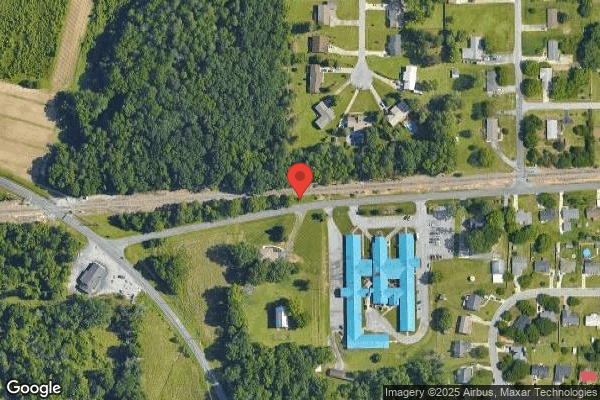
116 Lane Drive, Trinity, NC 27370 (336) 431-8888
For profit - Corporation 128 Beds Independent Data: November 2025
Trust Grade
53/100
#200 of 417 in NC
Last Inspection: October 2024

Within standard 12-15 month inspection cycle. Federal law requires annual inspections.

Overview

The Graybrier Nursing and Retirement Center has received a Trust Grade of C, indicating an average level of care, placing it in the middle of the pack among nursing homes. With a state rank of #200 out of 417 in North Carolina, it is in the top half of facilities, and ranks #3 out of 6 in Randolph County, meaning only two local options are better. However, the facility's trend is concerning as it has worsened, increasing from 3 issues in 2023 to 4 in 2024. Staffing has a good rating of 4 out of 5 stars, but a turnover rate of 64% is high compared to the state average of 49%, suggesting staff may not stay long enough to build strong relationships with residents. There are some serious concerns, including a recent incident where a resident fell out of bed during care, resulting in a hip fracture and other injuries. Additionally, the facility failed to administer blood pressure medications properly for two residents, which could lead to health complications. They also did not update the Do Not Resuscitate status for a resident with severe cognitive impairment, which raises ethical concerns. While the facility has strengths, such as good health inspection ratings, these incidents highlight significant weaknesses that families should consider.

Trust Score
C
53/100
In North Carolina
#200/417
Top 47%
Safety Record
Moderate
Needs review
Inspections
Getting Worse
3 → 4 violations
Staff Stability
⚠ Watch
64% turnover. Above average. Higher turnover means staff may not know residents' routines.
Penalties
○ Average
$8,512 in fines. Higher than 52% of North Carolina facilities. Some compliance issues.
Skilled Nurses
○ Average
Each resident gets 38 minutes of Registered Nurse (RN) attention daily — about average for North Carolina. RNs are the most trained staff who monitor for health changes.
Violations
⚠ Watch
13 deficiencies on record. Higher than average. Multiple issues found across inspections.
★★★☆☆
3.0
Overall Rating
★★★★☆
4.0
Staff Levels
★☆☆☆☆
1.0
Care Quality
★★★★☆
4.0
Inspection Score
Stable
2023: 3 issues
2024: 4 issues

The Good

  • 4-Star Staffing Rating · Above-average nurse staffing levels
  • Full Sprinkler Coverage · Fire safety systems throughout facility
  • No fines on record

Facility shows strength in staffing levels, fire safety.

The Bad

3-Star Overall Rating

Near North Carolina average (2.8)

Meets federal standards, typical of most facilities

Staff Turnover: 64%

17pts above North Carolina avg (46%)

Frequent staff changes - ask about care continuity

Federal Fines: $8,512

Below median ($33,413)

Minor penalties assessed

Staff turnover is elevated (64%)

16 points above North Carolina average of 48%

The Ugly 13 deficiencies on record

1 actual harm
Oct 2024 2 deficiencies
CONCERN (D)

Potential for Harm - no one hurt, but risky conditions existed

Deficiency F0578 (Tag F0578)

Could have caused harm · This affected 1 resident

**NOTE- TERMS IN BRACKETS HAVE BEEN EDITED TO PROTECT CONFIDENTIALITY** Based on record review and staff interviews, the facility failed to update the Do Not Resuscitate (DNR) status for 1 of 32 resid...

Read full inspector narrative →
**NOTE- TERMS IN BRACKETS HAVE BEEN EDITED TO PROTECT CONFIDENTIALITY** Based on record review and staff interviews, the facility failed to update the Do Not Resuscitate (DNR) status for 1 of 32 residents reviewed for Advanced Directives (Resident #10). The findings included: Resident #10 had been admitted on [DATE]. Resident #10's admission Minimum Data Set assessment dated [DATE] indicated she had severe cognitive impairment. A Care Plan with an initiation date of [DATE] and a review date of [DATE] indicated Resident #10 had a Full Code status. The care plan goal was to honor the Full Code status. Interventions included staff will follow the Advanced Directives as written. On [DATE] Resident #10's electronic medical record (EMR) was observed to have Full Code status indicated on the resident dashboard (information banner). In the Advanced Directive section, a scanned copy of a goldenrod Do Not Resuscitate (DNR) form was observed, signed by the physician dated [DATE]. An Advance Directives form was also included noting allow natural death (Do Not Resuscitate [DNR]; no CPR (cardiopulmonary resuscitation) will be given in the event of cardiopulmonary arrest [when the heart stops beating and there is no breathing]) This form was signed by Resident #10's Responsible Party on [DATE] and by her physician on [DATE]. The hard copies of both forms, the goldenrod DNR and the Advance Directives, both of which documented Resident #10 was a DNR, were filed in the Code Status notebook for Resident #10's hallway located at the nurses' station. This notebook contained each resident's face sheet (demographic information), goldenrod form (code status form signed by the physician), and their Advance Directives form. An interview with Nurse #1 was conducted on [DATE] at 10:05 AM. The Nurse stated each resident's code status was noted in the EMR and also in the Code Status notebook located at each nursing station. An interview with the Medical Records Clerk was conducted on [DATE] at 10:28 AM. She stated that after the physician signed the forms (goldenrod DNR and Advance Directives forms), she scans them into the EMR and then places the hard copies into the Code Status notebook at the nurses' station. She explained that each nurses' station had a book with each resident's face sheet, goldenrod and advance directives forms. An interview with Nurse Aide #1 was conducted on [DATE] at 11:08 AM. She stated she regularly cared for Resident #10. She explained the residents' code status could be found in the Code Status notebook at the nurses' station. An interview with the Social Work Assistant was conducted on [DATE] at 3:23 PM. She explained the DNR status and care plans were reviewed quarterly and updated as needed. After reviewing the EMR information for Resident #10, the goldenrod DNR form, the Advance Directives form, and the care plans, she stated the information should match but didn't. During an interview on [DATE] at 9:54 AM the Social Worker (SW) stated she was unsure how the resident's EMR being updated to reflect Resident #10's DNR status had been missed. She explained Resident #10's dashboard had indicated Full Code status, and she used that information to develop and update the Code Status care plan. She also explained that during care plan meetings with Resident #10's family, she would ask if there was any change in the code status but did not clarify what the status was. She stated she was unsure who updated the resident dashboard. During an interview with the Administrator on [DATE] at 10:12 AM he stated upon entry, residents were considered Full Code until the Code Status was determined. He explained he thought the paperwork for Resident #10's Code Status had been completed and scanned into the EMR but the administrative nurse who updated the dashboard didn't see the paperwork. The Administrator also explained the SW developed the care plan with the information on the resident's dashboard. During an interview with Nurse #4 on [DATE] at 10:35 AM she stated any nurse could update the Code Status information. She explained that upon admission Resident #10 had a Full Code status and several days after admission her family signed paperwork for the DNR status. She explained that updating the EMR Code Status update had been missed.
CONCERN (D) 📢 Someone Reported This

A family member, employee, or ombudsman was alarmed enough to file a formal complaint

Potential for Harm - no one hurt, but risky conditions existed

Quality of Care (Tag F0684)

Could have caused harm · This affected 1 resident

**NOTE- TERMS IN BRACKETS HAVE BEEN EDITED TO PROTECT CONFIDENTIALITY** Based on observation, record review, and interviews with the Medical Director and staff, the facility failed to obtain an order ...

Read full inspector narrative →
**NOTE- TERMS IN BRACKETS HAVE BEEN EDITED TO PROTECT CONFIDENTIALITY** Based on observation, record review, and interviews with the Medical Director and staff, the facility failed to obtain an order to delay the removal of sutures until the wound was healed for 1 of 2 residents reviewed for professional standards (Resident #62). The findings included: Resident #62 was admitted to the facility on [DATE] with diagnoses that included Alzheimer's disease and dementia. The admission Minimum Data Set (MDS) dated [DATE] indicated Resident #62 was severely cognitively impaired without mood or behavioral concerns. Review of the nurses' notes revealed an entry dated [DATE] that Resident #62 had a witnessed fall on [DATE]. Resident #62 was taken to the local emergency room for evaluation where she received sutures for a wound to the right side of her forehead. Review of the emergency room discharge paperwork dated [DATE] revealed Resident #62 was supposed to be scheduled for a follow up appointment to have her sutures removed in seven days. Review of the physician's orders transcribed in the chart for Resident #62 uncovered an expired order for suture removal on [DATE]. There was no documentation in the nurse's notes that explained why the order had expired without being completed. There were no further orders or physicians follow up notes regarding suture removal noted in the chart. Review of Resident #62's [DATE] Treatment Administration Record (TAR) revealed the expired order for suture removal but no further orders for removal were documented. The order to remove the sutures was not signed off as completed and left blank. The nurses' notes reviewed for [DATE] contained a note from the night shift nurse who documented Resident #62 had a clean dry dressing over the right brow area with light greenish-yellow bruising. There were no other nurses' notes or documentation about the sutures discovered in the record. A note written by the Wound Care nurse dated [DATE] at 4:40 PM documented Resident #62 had sutures present on her forehead with improved bruising. There was no mention of obtaining an order to remove the sutures. An interview was conducted with Nurse #2 on [DATE] at 12:15 PM. She stated there was an order for suture removal for Resident #62 on [DATE]. She stated she was not working that day, and she was unaware why the sutures had not been removed. The Wound Care Nurse was interviewed on [DATE] at 2:56 PM. She stated on [DATE] the provider noted Resident #62's wound looked wet and soft so the order to remove sutures was extended due to the wound's appearance. The Wound Care Nurse did not write a new order for suture removal. Nurse #5 was interviewed on [DATE] at 9:32 AM. Nurse #5 stated she had worked the morning shift on [DATE]. She verbalized on [DATE] the hospice agency nurse had visited Resident #62, and they jointly assessed her sutures that day. Nurse #5 stated the hospice nurse told her she didn't think the wound looked good enough to remove the sutures and she agreed with her. Nurse #5 indicated she had decided not to remove the sutures, but she did not notify the NP or Medical Director of the wound's condition to obtain a new order because she thought the hospice nurse was going to contact the provider instead. An observation on [DATE] at 12:10 PM revealed Resident #62 had sutures on the right side of her forehead. The laceration's edges were clean, dry and approximated. Minimal pale pink discoloration was noted around the site. The Nurse Practitioner (NP) was interviewed on [DATE] at 3:34 PM. She stated that she had not assessed Resident #62 previously because residents who received hospice care were followed by the facility's Medical Director. She stated that the resident was added to her list to be seen on[DATE] for evaluation for suture removal. The Medical Director was interviewed on [DATE] at 10:50 AM. He stated that Resident #62 had fallen and suffered a laceration on [DATE]. He stated he had told the Wound Care nurse to leave the sutures in place for at least ten days during one of his daily phone calls with her, but he was unsure of the exact date. He stated that he was unsure why the order was not changed for Resident #62.
Jun 2024 1 deficiency
CONCERN (D) 📢 Someone Reported This

A family member, employee, or ombudsman was alarmed enough to file a formal complaint

Potential for Harm - no one hurt, but risky conditions existed

Accident Prevention (Tag F0689)

Could have caused harm · This affected 1 resident

**NOTE- TERMS IN BRACKETS HAVE BEEN EDITED TO PROTECT CONFIDENTIALITY** Based on observations, record reviews, resident and staff interviews, the facility failed to secure Resident #1 in a mechanical ...

Read full inspector narrative →
**NOTE- TERMS IN BRACKETS HAVE BEEN EDITED TO PROTECT CONFIDENTIALITY** Based on observations, record reviews, resident and staff interviews, the facility failed to secure Resident #1 in a mechanical lift per manufacturer's instructions and failed to provide a safe transfer which resulted in a fall. This deficient practice was for 1 of 3 residents reviewed for supervision to prevent accidents. The findings included: Manufactures guidelines for the U-Sling or Divided Leg Sling indicated this sling has full coverage along the patient ' s back, with two divided straps that crisscross under the patient ' s legs. The crisscrossed legs ensure that the patient doesn ' t slide out of the sling during transport. Resident #1 was admitted to the facility on [DATE] with the following diagnoses, Dementia, Alzheimer ' s Disease, anxiety, and history of cerebrovascular event (CVA). Resident #1 ' s quarterly Minimum Data Set (MDS) assessment dated [DATE] indicated she was cognitively intact. She was dependent on staff for all transfers and had a range of motion (ROM) limitation to both lower extremities. She also had 1 fall with minor injury. Resident #1 ' s care plan, revised on 05/01/24, had a focus that indicated she had impaired physical mobility, and required a mechanical lift for transfers. She was unable to stand or ambulate, causing her to be at risk of injury. She also had decreased ROM to bilateral lower extremities. The interventions included for staff to provide the appropriate level of assistance to promote safety. Another focus read she had the potential for fall related injuries. Resident #1 required assistance with bed mobility and transfers due to diagnoses of Alzheimer ' s Disease, Dementia, CVA, and she was unable to stand. The care plan also indicated she had an assisted fall from the mechanical lift during a transfer. The interventions included that she required staff assistance with transfers by a mechanical lift, and for staff to use appropriate size sling for mechanical lift. Incident report dated 03/27/24 revealed Resident #1 was being transferred from the bed to her chair with the mechanical lift when she slipped through the opening at the bottom of the harness and guided onto the floor by 2 NAs. She did not hit her head. Neuro checks were initiated. The resident ' s cognition was at baseline, she was verbally responsive, and able to make needs known. An abrasion was noted to the right side/under breast/upper abdominal area with no bleeding or bruising observed at that time. Resident #1 complained of pain in her right leg. An X-ray was ordered of her right femur (thigh bone), right knee, right tibia/fibula (2 bones of the lower leg), or right and left foot. The X-ray was completed, awaiting results. Resident #1 had an active order for tramadol 25mg to be given as needed every 8 hours for complaints of pain. Resident #1 received tramadol for complaints of right leg pain with effective results. Review of X-ray results, dated 03/27/24, revealed no fractures and no soft tissue swelling identified for the right femur, right knee, right tibia/fibula, or right and left foot. An interview was conducted on 06/04/24 at 11:20 AM with Resident #1. She stated she had a fall from the mechanical lift in her room. She stated during the transfer there were 2 Nursing Assistants (NAs) present during the transfer. She further stated she started sliding out of the pad and the NAs guided her to the floor while protecting her head. She also stated she thought the pad had 3 hooks and only 2 were hooked but was not sure how she fell out. She indicated she had a bruised bottom and leg but no other injuries. An interview was conducted on 06/04/24 at 2:15 PM with the Unit Coordinator. She stated she was the first to respond to the fall with Resident #1 on 03/27/24. Upon entering the room, the mechanical lift pad was disconnected from the lift. She stated the Nursing Assistants (NAs) reported that all 6 hooks were fastened and locked in place prior to the transfer. The resident was on the floor with the NAs. There were 2 NAs that were in the residents ' room during the transfer. She indicated Resident #1complained of some discomfort to her right leg and she had a small abrasion under her right breast area. The Unit Coordinator assessed the range of motion to extremities and assisted with getting Resident #1 to bed. The Unit Coordinator verified NA #2 had received training during the hiring process and was given check offs for mechanical lift transfers and bed mobility and repositioning. Review of training and education revealed Nursing Assistant #2 received training for mechanical lift transfers and bed mobility and repositioning. An interview was conducted on 06/04/24 at 2:30 PM with Nursing Assistant (NA) #1. She verified she was one of the NAs in the room when Resident #1 fell from the sling during a transfer with the mechanical lift. She stated all 6 hooks were connected properly prior to lifting the resident. She also stated she does not know how the resident slid out; it was a freak accident. She further stated she and the other NA assisted the resident to the floor. The sling was the correct size. Review of a statement written by Nursing Assistant (NA) #2 dated 03/27/24 revealed when preparing Resident #1 for a transfer using the mechanical lift, she hooked all 6 hooks securely in place, however, she forgot to cross the bottom portion of the pad before hooking those straps. When using a half body lift pad, you should cross the bottom of straps of the lift pad. A phone interview was conducted on 06/04/24 at 4:10 PM with Nursing Assistant (NA) #2 she verified she wrote the statement dated 03/27/24. She stated when preparing Resident #1 for the transfer using the mechanical lift, she forgot to cross the bottom portion of the pad straps before hooking those straps which caused her to slide out the bottom of the lift pad. In a follow up interview on 06/04/24 at 3:55 PM with the Unit Coordinator she stated she agreed with the statement written by Nursing Assistant (NA) #2. She further stated the reason Resident #1 fell was because the NA forgot to cross the bottom portion of the pad before hooking those straps. Education was done with all nurses and NAs following the incident. An interview was conducted with the Director of Nursing (DON) on 06/04/24 at 4:16 PM. She was not aware of the incident involving the transfer of Resident #1 as she started her employment on 04/29/24 with the facility. She indicated she expected nursing staff to apply and transfer residents with mechanical lifts per manufactures guidelines.
Jan 2024 1 deficiency 1 Harm
SERIOUS (G) 📢 Someone Reported This

A family member, employee, or ombudsman was alarmed enough to file a formal complaint

Actual Harm - a resident was hurt due to facility failures

Accident Prevention (Tag F0689)

A resident was harmed · This affected 1 resident

**NOTE- TERMS IN BRACKETS HAVE BEEN EDITED TO PROTECT CONFIDENTIALITY** Based on observation, record review, and interviews of resident, staff, and physician, the facility failed to provide care in a ...

Read full inspector narrative →
**NOTE- TERMS IN BRACKETS HAVE BEEN EDITED TO PROTECT CONFIDENTIALITY** Based on observation, record review, and interviews of resident, staff, and physician, the facility failed to provide care in a safe manner that prevented Resident #1 from rolling out of her bed during the provision of personal care. Resident #1 fell from her bed onto the floor and sustained a hematoma to her right temple and laceration to her lower right leg. Resident #1 was sent to the Emergency Department and was diagnosed with a closed hip fracture next to her hardware from a previous hip fracgture, laceration of the right lower leg that was too wide to suture, pain, and right temple hematoma head injury. This deficient practice affected one of two sampled residents (Resident#1). Findings included: Resident #1 was admitted to the facility on [DATE] with the diagnoses of venous insufficiency of the extremities, acute kidney failure, chronic pain, deep vein thrombosis with anticoagulant administration, diabetes, polyneuropathy, and osteoarthritis. Resident #1's quarterly Minimum Data Set, dated [DATE] documented she had an intact cognition, a minimal hearing deficit, wore a hearing aide, had clear speech, and understands/understood. The resident was coded dependent for bathing and transfers and required substantial/maximal assist for bed mobility. Active diagnoses were diabetes, venous insufficiency of the extremities, kidney failure, osteoarthritis, and polyneuropathy. The resident had scheduled, and as needed pain medication provided. The worst pain over the past 5 days was a score of a 2 (score rating 0 to 10 with 10 being the worst). The resident had one fall since admission with minor injury. The resident was receiving an anticoagulant and opioid pain medication. Resident #1's care plan dated 11/15/23 documented she was at risk for alteration in skin integrity related to incontinence and cellulitis, chronic pain from arthritis, and falls. A review of the Facility Incident Accident Report dated 12/21/23 at 11:22 am written by Nurse #1 documented Resident #1 had a witnessed fall, reported by Nursing Assistant (NA) #1. A head-to-toe assessment was completed by Nurse #1: skin tear right lower leg with bruise/discoloration and laceration noted. NA #1 observed Resident #1's fall with injury. NA #1 informed Nurse #1 she was changing the resident's brief and bedding. The NA rolled the resident towards her when she took her hands off the resident, the resident kept rolling and fell off the bed. The resident was dependent on staff for transfers. The resident was alert and oriented to person, place, and situation. The resident had impaired hearing. The resident's blood pressure was 142/79, pulse 80 and regular, respirations 18, temperature 98.2, and oxygen saturation was 94%. A pain assessment revealed a pain score was 8 on a scale of 0 to 10 with 10 being the worst. First aid was provided to the resident' lower right leg wound with sterile dressing to cover. Emergency Medical Services were called via 911 telephone call and the resident was sent to the Emergency Department. Follow up interventions per the Supervisor investigating added side rails on both sides of the bed and a two-person assist for care. The description of the incident: Resident #1 was yelling out help me upon walking into the room (Nurse #1). The resident was on the floor on her back undressed from the waist down. There was a large bleeding laceration to the right lower leg, bruising above the right eye and skin tear to the left elbow was evident upon assessment. The resident complained of left side and right leg pain. On 1/18/24 at 2:40 pm an interview was conducted with Nurse #1. Nurse #1 stated she was assigned to Resident #1 on 12/21/23 day shift. In the morning the nurse heard the resident yelling help me. Nurse #1 entered the resident's room and NA #1 was coming around the bed to assist Resident #1 who had fallen off the bed onto the floor. Nurse #1 stated the resident was on the floor next to her bed and had a large injury to the lower right leg that was bleeding, a small skin tear to the left elbow, and a hematoma on the right side of her temple. Nurse #1 stated she immediately dressed the wound with a dressing, notified the physician, and called 911 for immediate transfer to the Emergency Department. The resident was complaining of pain to the right lower leg wound. Once the resident was cared for, Nurse #1 asked NA #1 what happened when Resident #1 fell. Nurse #1 stated NA #1 informed her that during incontinence care and linen change, when the resident was rolled to her left side, the resident rolled forward and off the bed. The resident had not rolled on her own before and was able to remain side lying for care. Nurse #1 had not observed NA #1 use her phone during the shift. On 1/19/24 at 4:45 pm an interview was conducted with NA #1. NA #1 stated she was assigned to Resident #1 on 12/21/23 day shift. The resident received incontinence care in the morning. The resident had a large, loose stool that went onto the linen. The resident was rolled to her right side (window side), cleaned and linen changed. The resident was able to remain on her right side for care. The resident was then rolled to her left side (door side) to continue cleaning her of incontinence when the resident reached over the side of the bed towards the tray table and then continued rolling out of the bed onto the floor. The resident had been cared for and able to side lie on the right and left side before. The bed was elevated to waist height for care when the resident fell. Nurse #1 came into the room to assist the resident. NA #1 stated the resident was hard of hearing and the NA had to lean over the resident to be heard. NA #1 stated she was not on her phone during care provided to the resident or any other care. NA #1 was trying to communicate with the resident and talked with the resident during care. The resident was looking the other way and could not see you to know you were talking to them. The Administrator wrote a timeline documented on 12/21/23 at 11:30 am: Resident #1 had a fall from her bed during care. NA #1 was providing incontinence care, the resident reached towards the side of the bed and rolled towards her stomach and off the bed. The resident informed her assigned nurse, and another NA that NA #1 was on her phone when the resident fell off the bed. Following the incident, NA #1 was interviewed, and documentation completed by the Director of Nursing (DON). NA #1 informed the DON she was not on her phone. Nurse #1 had not observed NA #1 use her phone during the shift. NA #1 was reapproached on 12/21/23 to clarify about earbud use and she stated no, NA #1 was not using her phone or ear buds. Review of investigation documents: The day of the accident, 12/21/23, the family member called the Administrator. The family member requested NA #1 no longer care for Resident #1 and that the resident was larger and care would have been physically impossible for one staff member. On 12/22/23 the resident stated she had not seen NA #1 on the phone but heard her talking to someone. The resident was hard of hearing. NA #1 was removed from work since a resident injury had occurred. The resident returned from the hospital on [DATE]. Orders were obtained for 2-person assistance for care and bilateral (both sides) bed rails for bed mobility. A hand-written statement dated 12/21/23 documented by NA #1: NA #1 went into Resident #1's room to perform incontinence care. The resident's brief and bedding was soiled with stool. Resident #1's bed was raised to NA #1's waist height for changing. NA #1 rolled the patient (Resident #1) to the left side. The resident was rolled and stopped on her side. The resident was nervous and went to reach towards that side and rolled further towards her stomach and onto the floor. Resident #1's hospital Emergency Department record and discharge summary visit dated 12/22/23 documented the Resident fell off the bed during care at the facility. She sustained multiple closed right hip fractures next to her hardware from a previous hip fracture, a hematoma to the right temple area, and a large laceration/evulsion that was 18 centimeters long by 15 centimeters wide. The physician was unable to approximate the wound edges to close/suture because the skin was so fragile, and the wound was too wide. The resident complained of acute pain of the right lower leg wound. There was frank bleeding that stopped. A non-adherent dressing was applied, and care was to be followed up at the facility. The hip fracture was non-surgical and had minimal pain. The head scan revealed there was no bleeding inside. Resident #1's physician progress note dated 12/22/23 documented a right lower extremity wound and for Resident #1 to follow up at the wound clinic. Antibiotics were ordered at the Emergency Department for cellulitis. The resident had severe pain and Tramadol 50 milligrams was ordered and ineffective. The Tramadol was increased to 100 milligrams and Oxycodone 5 milligrams every 6 hours as needed was ordered. The Pregabalin was increased to 50 milligrams twice a day (for neuropathy pain). On 1/17/24 at 6:12 pm an interview was conducted with the Physician. He stated the facility had informed him of Resident #1's fall and the Emergency Department (ED) visit. The Physician stated he was not informed of the particulars of how the resident fell and the NA's role. The Quality Assurance members had not discussed this accident/incident yet. He stated he was following the resident's right lower leg wound. The physician stated he saw the wound on 12/21/23 and it was very bad, large, and bleeding. The Emergency Department physician could not close the wound, it was too wide. The Physician stated the wound was getting better but because the resident was bedbound, had diabetes, heart disease, very fragile skin, and was on chronic blood thinner, the wound would take a long time to heal. Since the resident had been bedbound for some time, she was at a high risk of fracture with falls. On 1/17/24 at 3:55 pm an observation and interview was done of Resident #1. She was in her bed in a hospital gown. The resident no longer had the bruise to the right forehead. She was lying on a large, air mattress bed with bilateral side rails. The bed had an air mattress and was the same bed/mattress the resident fell out of. The side rails were added after the fall and fit the bed with no gap. The resident had a dressing to the right lower leg that covered most of her calf in place. The resident was interviewed and able to state that she fell out of bed. The NA rolled her off the bed during care and she fell to the floor (before side rails were placed). The resident stated she was in a lot of pain after falling and her lower right leg had a bad injury that was currently open, not healing, and very painful with the dressing change. The resident had not remembered reaching while being rolled for care. The resident stated she was concerned about the size of the wound and what would happen to her leg. The resident commented she was receiving her pain medication. The resident also commented at present, the resident had no pain from the wound just her usual arthritis. On 1/18/23 at 12:30 pm an observation of Resident #1's wound assessment and care by the Wound Nurse was done. The dressing was removed, and yellow and serous drainage was present on the dressing. The wound appeared large and took up more than half of the calf in length and three quarters of the calf in width on the outer side of the leg. The outer edges of the wound were granulating, and the center appeared to be approximately 2 to 3 centimeters deep with uneven tissue and 3 areas of black tissue. The area around the wound was light pink. The Wound Care Nurse commented that the black tissue was bruising from a hematoma that developed in the wound, not necrotic tissue. On 1/18/24 at 2:05 pm an interview was conducted with the Medication Aide. The Medication Aide stated she was not aware of nursing staff being informed of the accident, how it happened, or education/in-service provided. The interventions added were bed rails at the resident's request to hold on for bed mobility and two staff for bed mobility and care.
Jun 2023 3 deficiencies
CONCERN (D)

Potential for Harm - no one hurt, but risky conditions existed

ADL Care (Tag F0677)

Could have caused harm · This affected 1 resident

**NOTE- TERMS IN BRACKETS HAVE BEEN EDITED TO PROTECT CONFIDENTIALITY** Based on record reviews, observations, and staff interviews, the facility failed to trim and clean dependent residents' nails (R...

Read full inspector narrative →
**NOTE- TERMS IN BRACKETS HAVE BEEN EDITED TO PROTECT CONFIDENTIALITY** Based on record reviews, observations, and staff interviews, the facility failed to trim and clean dependent residents' nails (Residents #46 and #32) and failed to provide showers as scheduled (Resident #42). This was for 3 of 3 residents reviewed for Activities of Daily Living (ADLs). The findings included: 1. Resident #46 was initially admitted to the facility on [DATE] with diagnoses which included chronic kidney disease, macular degeneration, and hypertension. A quarterly Minimum Data Set (MDS) assessment dated 04/0423 indicated Resident #46's cognition was moderately impaired and displayed no behaviors or rejection of care. She required limited assistance from staff for personal hygiene and total dependence on staff for bathing. Resident #46's active care plan, last reviewed 04/04/23, indicated she required assistance with all ADL care related to functional decline. The interventions, in part, included provide assistance with bathing as needed and ensure her preferred way of bathing is honored. A review of Resident #46's nursing progress notes from 05/22/23 to 06/01/23 revealed no refusals of nail care documented. On 05/30/23 at 10:21 AM, an observation of Resident #46 occurred while she was in her room, sitting in her wheelchair. Underneath her fingernails on her right hand contained a thick dark substance. Resident #46 was observed on 05/31/23 at 3:10 PM, in the dining room with other residents and eating a cookie. Her nails were unchanged from prior observation. On 06/01/23 at 9:01 AM, Resident #46 was observed sitting in her wheelchair in her room. Her fingernails remained with dark substance under the nails to the right hand. An observation and interview occurred with Nurse Aide (NA) #5 on 06/01/23 at 9:48 AM. She indicated she was familiar with Resident #46 and her care needs. She stated she was the NA assigned to care for Resident #46 on 05/30/23. 05/31/23, and 06/01/23. She stated Resident #46 did not refuse care and was receptive to assistance by the staff. She stated she gave Resident #46 a bed bath every morning. She stated nail care should be completed when there was a need during a shower or personal care. An observation occurred with NA #5 of Resident #46's nails. NA #5 confirmed a dark substance was under the nails to the right hand and stated she had not noticed the need for nail care during her morning care. The Director of Nursing was interviewed on 06/01/23 at 10:03 AM and stated she would expect fingernails to be observed on shower days and during personal care with nail care rendered as needed. 2. Resident #32 was admitted to the facility on [DATE] with diagnosis that included dementia with behavioral disturbances, paranoid schizophrenia, and heart failure. A quarterly Minimum Data Set (MDS) assessment dated 04/0423 indicated Resident #32's cognition was moderately impaired. She exhibited verbal behavioral symptoms directed toward others 1 to 3 days, other behavioral symptoms not directed toward others occurred daily, and rejection of care on 1 to 3 days during the observation period. She was totally dependent on staff x 2 for personal hygiene and totally dependent on staff x 1 for bed mobility, dressing, eating, toilet use, and bathing. She had range of motion (ROM) impairment on both sides of upper and lower extremities. Resident #32's active care plan, last reviewed 04/05/23, revealed a focus that read Resident #32 had an ADL self-care performance deficit and required assistance with bed mobility, transfers, toileting and hygiene related to Dementia with behavioral disturbances and decreased range of motion (ROM) to bilateral upper extremities (BUE). Interventions included she required extensive to total assistance. A review of Resident #32's nursing progress notes from 05/15/23 to 06/01/23 revealed no refusals of nail care documented. A review of Resident #32's personal hygiene and showers/baths under Activities of Daily Living (ADL) documentation revealed no refusals documented. An observation was conducted with Resident #32 on 05/30/23 at 1:09 PM. She was observed in bed in her room resting. Fingernails on left hand were long, extending out 1/8th to 1/2 of an inch past the tip of fingers. Left hand contracted, pointer finger and pinky fingernail resting on palm of left hand with slight indentions to areas where the nails were resting. Middle fingernail 1/2 inch long extended out with no contact with skin. Middle fingernail and pinky on left hand also jagged on the ends. Fingernails on her right hand were long and jagged, extending out 1/8th to 1/4th of an inch past the tip of fingers. A continuous observation was conducted with Resident #32 on 05/31/23 at 9:27 AM through 10:32 AM. Resident #32 yelling out hey. Nurse #4 went into her room and asked Resident #32 what was wrong and if she needed anything. Resident #32 stated my hands are hurting, take these things off. (Splint and carrot to hands). Nurse removed splints from hands and Resident #32 stated that was better. When nurse left room, she started yelling again. An interview with Nurse #4 was conducted on 05/31/23 at 9:28 AM. Nurse #4 stated she had worked at the facility for 20+ years. She stated Resident #4 had just received a shower and that normally after requesting a shower she will yell out afterwards. She also stated this was her normal behavior. She yells out often and she had several medication adjustments, but nothing seems to help it. Staff go in and redirect and talk with her when she yells out. An interview with Resident #32 was conducted on 05/31/23 at 9:33 AM. She stated she just had a shower as she was yelling out at times during interview. She denied pain or discomfort. Stated she didn't know why she was yelling. She then stated staff needed to cut her nails because they were too long and were hurting. She further stated staff had not cut her nails in a long time. Review of shower sheets which were located at the nurses ' station in a binder revealed Resident #32 ' s shower days are every Wednesday and Saturday. No documented refusal of showers or nail care on the written and signed sheets. An interview with Nurse Aide (NA) #7 was conducted on 05/31/23 at 2:14 PM. She stated she normally provided nail care when she gave a resident their shower/bath. She was the direct care NA for Resident #32 for first shift from 05/30/23 through 06/01/23. She also stated she normally cared for Resident #32, and she gave her a bed bath on non-shower days. She then stated Resident #32 received a shower this AM, but she did not cut her nails because she was yelling out. She also stated her nails are very long and jagged and need to be cut because they are digging into her palm. She further stated she had not tried to go back and cut them this shift but she would reattempt at this time. If the resident refused, she would notify the nurse and would then document under comments on the Activities of Daily Living (ADL) flow sheet. An interview was conducted on 05/31/23 at 2:22 PM with Nurse #4. She stated she would document shower/bath and/or nail care refusals in the residents nursing notes when the NAs notified her. A continuous observation was conducted on 05/31/23 at 2:25 PM of NA #7 and NA #8 cutting & filing Resident #32 ' s nails. Resident was tolerating well, no yelling out observed. NA #8 stated they are long. The Director of Nursing was interviewed on 06/01/23 at 10:03 AM and stated she would expect fingernails to be observed on shower days and during personal care with nail care rendered as needed. She also stated the NA should also inform the nurse and document the refusal on the shower record. 3. Resident #42 was admitted to the facility on [DATE] with diagnoses that included difficulty in walking, lymphedema, and venous insufficiency. The admission Minimum Data Set (MDS) assessment dated [DATE] indicated Resident #42 was cognitively intact and displayed no behaviors or rejection of care. She required extensive assistance for bathing. Resident #42's active care plan, dated 4/13/23, included a care area for self-care deficit related to resident requires assistance in all Activities of Daily Living (ADLs) related to functional decline and diagnosis of arthritis. The interventions included assistance of one person for ADLs (bathing, toileting, transfers, personal hygiene). A review of the nursing progress notes from 4/11/23 until 5/30/23 revealed Resident #42 required limited to extensive assistance for ADLs and had one refusal specific to scheduled showers on 4/21/23. A review of the medical records indicated Resident #42 was to receive a shower every Tuesday and Friday on the 3:00 PM to 11:00 PM shift. A review of Resident #42's shower/bathing records for April 2023 and May 2023 indicated she had not received any showers on her scheduled shower days. An interview occurred with Resident #42 on 5/30/23 at 12:30 PM, and stated she was to receive showers on Tuesday and Friday evenings. She recalled being offered a shower once on those days but had refused as she was already in bed and felt it was too late in the evening. She stated she had only received sponge baths on those scheduled days. Resident #42 stated there was a nurse aide (NA) on Saturday that offered her showers sometimes. On 5/31/23 at 3:15 PM, an interview occurred with NA #1 who stated he was familiar with Resident #42 and scheduled to care for her at times on the 3:00 PM to 11:00 PM shift. He stated he normally offered a bed bath/sponge bath to Resident #42 on her scheduled shower days but was unable to state why. He could not confirm or deny attempts to provide the scheduled showers on the Tuesday and Fridays that were not documented as refused or given in the personal care records. A phone interview occurred with NA #3 on 6/1/23 at 9:37 AM who was familiar with Resident #42. She explained she worked the weekend day shift and would offer a shower to Resident #42 when time allowed or if Resident #42 asked for one. A phone interview was completed with NA #4 on 6/1/23 at 11:36 AM, who worked the 3:00 PM to 11:00 PM shift and was assigned to care for Resident #42 at times. She was unable to confirm or deny attempts to provide the scheduled showers on Tuesdays and Fridays that were not documented as refused or given in the personal care records. The Director of Nursing (DON) was interviewed on 6/1/23 at 10:00 AM. She reviewed the shower sheets for Resident #42 and confirmed she was to receive a shower on the 3:00 PM to 11:00 PM shift on Tuesday and Friday. The DON stated she was unaware Resident #42 was not being provided her showers as scheduled but stated if a resident refused, the NA should alert the nurse so a progress note could be written, and an alternate means of bathing provided. The DON added the NA should also document the refusal on the shower record.
CONCERN (D)

Potential for Harm - no one hurt, but risky conditions existed

Respiratory Care (Tag F0695)

Could have caused harm · This affected 1 resident

**NOTE- TERMS IN BRACKETS HAVE BEEN EDITED TO PROTECT CONFIDENTIALITY** Based on observations, staff interviews and record review, the facility failed to implement the standing order for changing an o...

Read full inspector narrative →
**NOTE- TERMS IN BRACKETS HAVE BEEN EDITED TO PROTECT CONFIDENTIALITY** Based on observations, staff interviews and record review, the facility failed to implement the standing order for changing an oxygen (O2) nasal cannula tubing and failed to initiate the order to change the water container used to humidify the O2 for Resident #134. This was for 1 of 2 residents reviewed for respiratory care. The findings included: Resident #134 was admitted on [DATE] with Acute Renal Failure, Cerebral Vascular Accident (CVA) and Chronic Obstructive Pulmonary Disease (COPD). Review of a nursing note dated 5/19/23 at 6: 02 PM read Resident #134's blood pressure dropped to 76/44 while on the therapy bike with a O2 saturation of 79% on room air. Resident #134 was taken back to his room where his blood pressure was 102/62 and his oxygen saturation was 76 % on room air. The standing order for O2 at 2 liters per minute (L/M) via nasal cannula tubing was initiated and his O2 saturation percent increased to 99%. The Medical Director (MD) was notified and he ordered the continuation of his oxygen, a stat (immediate) chest x-ray, stat bloodwork and the administration of Rocephin (antibiotic) intramuscularly on 5/20/23 and 5/21/23. The chest x-ray results dated 5/19/23 were positive for pulmonary infiltrates present in his right lung based compatible with pneumonia. Review of Resident #134's May 2023 orders included an order dated 5/19/23 for O2 at 2L/M using a nasal canula tubing continuously to maintain a O2 saturation of 90% or above. The order also read for the nurse to check placement of oxygen, settings, concentrator function and O2 saturation percent every shift. There were no orders to change his nasal cannula tubing and humidification water container weekly. Review of Resident #134's electronic standing orders included an order to change the O2 tubing and the container of humidifying water every Tuesday night shift (7:00 PM-7:00 AM). This order was not marked as initiated. The admission Minimum Data Set, dated [DATE] indicated Resident #134 had severe cognitive impairment, no behaviors and coded for the use of O2 while at the facility. Resident #134 was care planned on 5/26/23 for the use of supplemental O2 due to his COPD and recent diagnosis of pneumonia. Interventions included O2 per nasal cannula as ordered by the MD. Resident #134 was observed on 5/30/23 at 11:45 AM. He was lying in bed with his unlabeled nasal cannula tubing and a container of humidifying water in use with his O2 concentrator running at the ordered rate. Review of Resident #134's May 2023 medication administration record (MAR) and his treatment administration record (TAR) did not include anything about changing his O2 tubing and the container of humidifying water. Resident #134 was observed on 5/30/23 at 4:02 PM. His O2 tubing and container of humidifying water were unchanged from previous observation. An observation was completed on 5/31/23 at 11:00 AM with the Treatment Nurse. She stated the facility did not routinely label oxygen tubing or containers of humidifying water when changed but rather it was charted on the electronic medical record on the MAR or TAR and would pop up when it was due again. She stated the tubing and the container of humidifying water were changed weekly on the night shift. Resident #134 was observed on 6/1/23 at 10:15 AM. His O2 tubing and container of humidifying water were unchanged from previous observation. An interview was completed on 6/1/23 at 10:20 AM with Nurse #2. She stated there were standing orders to change the oxygen tubing and the container of humidifying water weekly on the night shift. Nurse #2 reviewed the electronic medical record, but she stated she found no documented evidence that the standing order was ever initiated on 5/19/23. An observation was completed on 6/1/23 at 10:30 AM with Nurse #1. He stated the nurses were supposed to put a label with the date on the oxygen tubing and date the container of humidifying water were replaced. Nurse #1 stated if the standing order to change his oxygen tubing and container of humidifying water were initiated in the electronic medical order, it would appear on the TAR for the night shift nurse to do. Nurse #1 verified that the standing order to change oxygen tubing and the container of humidifying water weekly was not initiated when the original order was put in on 5/19/23. An interview was completed on 6/1/23 at 10:55 AM with Nurse #3. She recalled the evening Resident #134 experienced a drop in his blood pressure and oxygen saturation level. She initiated the standing order for supplemental oxygen but it appeared she did not initiate the standing order to change his oxygen tubing and his container of humidifying water weekly. An interview was completed on 6/1/23 at 11:55 AM with the Director of Nursing (DON). She stated when Nurse #3 initiated the standing order for supplemental oxygen on 5/19/23, she forgot to also initiate the standing order to change his oxygen tubing and the container of humidifying water weekly on Tuesday nights. The DON stated it appeared that Resident #134 had been using the same oxygen tubing and container of humidifying water since 5/19/23.
CONCERN (D)

Potential for Harm - no one hurt, but risky conditions existed

Deficiency F0761 (Tag F0761)

Could have caused harm · This affected 1 resident

**NOTE- TERMS IN BRACKETS HAVE BEEN EDITED TO PROTECT CONFIDENTIALITY** Based on observations and staff interviews the facility failed to date multi-dose medications upon opening on 2 of 3 medication ...

Read full inspector narrative →
**NOTE- TERMS IN BRACKETS HAVE BEEN EDITED TO PROTECT CONFIDENTIALITY** Based on observations and staff interviews the facility failed to date multi-dose medications upon opening on 2 of 3 medication carts reviewed (Upper [NAME] River, and Lower [NAME] River medication carts). The findings included: A. An observation was conducted on 05/31/23 at 11:05 AM of the medication cart on Upper [NAME] River Hall in the presence of Medication aide (MA) #1 and Nurse #1. The observation revealed no opened date on the following multi-dose medications: 1. One multi-dose package of Ipratropium Bromide and Albuterol Sulfate 0.5mg/3ml inhalation vials. 2. One multi-dose package of Albuterol Sulfate 0.63mg/3ml inhalation vials. 3. One Tresiba (insulin degludec) FlexTouch® insulin pen (150units left in pen). Medication Aide (MA) #1 removed the undated medications from the medication cart. Nurse #1 stated he did not notice the insulin was not dated. He stated insulin should be labeled and dated when opened. An interview was conducted with MA #1 on 05/31/23 at 2:01 PM. She stated she was aware the nebulizer treatments were to be dated when opened and she removed them from the medication cart. B. An observation was conducted on 05/31/23 at 2:06 PM of the medication cart on the Lower [NAME] River Hall in the presence of Medication aide (MA) #2. The observation revealed 1 multi-dose opened pack of Ipratropium Bromide and Albuterol Sulfate 0.5mg/3ml inhalation package with 1 individual vial left in package with no opened date. MA #2 verified the multi-dose pack of Ipratropium Bromide and Albuterol Sulfate 0.5mg/3ml inhalation package was not dated. MA #2 stated she was aware it was to be dated when opened and she removed them from the medication cart. An interview was conducted on 05/31/23 at 2:11 PM with Nurse #1. He confirmed he did administer the Tresiba (insulin degludec) FlexTouch this AM. He stated he did not realize the pen was not dated. He was aware the pen should have been dated when opened. An interview was conducted on 05 06/01/23 at 12:24 PM with the Director of Nursing (DON). She stated nurses were to date all nebulizer packages and insulin vials and pens upon opening and they should be checking dates daily prior to administration.
Jan 2022 6 deficiencies
CONCERN (D)

Potential for Harm - no one hurt, but risky conditions existed

Resident Rights (Tag F0550)

Could have caused harm · This affected 1 resident

**NOTE- TERMS IN BRACKETS HAVE BEEN EDITED TO PROTECT CONFIDENTIALITY** Based on record review, observations, and staff interviews, the facility failed to provide a privacy cover for 1 of 3 resident r...

Read full inspector narrative →
**NOTE- TERMS IN BRACKETS HAVE BEEN EDITED TO PROTECT CONFIDENTIALITY** Based on record review, observations, and staff interviews, the facility failed to provide a privacy cover for 1 of 3 resident reviewed for urinary catheters (Resident # 15). The findings included: Resident #15 was admitted to the facility on [DATE] with diagnoses that included paraplegia and neuromuscular dysfunction of the bladder. The resident's admission Minimum Data Set (MDS) dated [DATE] indicated Resident #15 was cognitively intact, had functional hearing and vision, could understand others and could be understood by others. The resident required extensive assistance with all activities of daily living, personal hygiene and toileting. Resident #15 was coded for indwelling urinary catheter during the assessment period. Resident #15's comprehensive care plan updated 10/24/2021 had a focus for indwelling urinary catheter related to neuromuscular dysfunction of the bladder. The resident's medical record revealed a physician's order dated 10/24/2021 for foley catheter care every shift and an order to ensure privacy bag to foley drainage bag each shift. On 1/03/2022 at 11:34 AM the urinary drainage bag, containing urine, was observed from the hall. The drainage bag was positioned on the door side of the bed, off the floor, with no privacy cover on the drainage bag. On 1/03/2022 at 11:51 AM an interview was conducted with Resident #15. She stated she does usually have a cover over her urinary drainage bag. She was not sure why there wasn't one on the bag at that time. She stated she keeps her door closed most of the day but she does go out of the facility frequently and she would not want others to see her urinary drainage bag without a cover. During a wound care observation on 1/04/2022 at 1:51 PM, the urinary drainage bag was observed without a privacy cover. Unit manager #1 who was also the treatment nurse provided the wound care. On 1/05/22 at 3:33 PM an interview was conducted with Nurse # 9 who was assigned to Resident #15. She stated all residents should have a privacy cover on their urinary drainage bag. She was not aware Resident #15 did not have a privacy cover and she was not sure why Resident #15 did not have a privacy cover on her bag. She stated the resident was a very private person. On 1/05/22 at 3:34 PM an interview was conducted with Unit Manager #1. She stated all residents with urinary catheters should have a privacy cover on their urinary drainage bag. She was not certain why Resident #15 did not have one, but they did have privacy covers in the facility and they would get her one.
CONCERN (D)

Potential for Harm - no one hurt, but risky conditions existed

PASARR Coordination (Tag F0644)

Could have caused harm · This affected 1 resident

**NOTE- TERMS IN BRACKETS HAVE BEEN EDITED TO PROTECT CONFIDENTIALITY** Based on record review and staff interview, the facility failed to refer a resident with a new diagnosis of mental illness to th...

Read full inspector narrative →
**NOTE- TERMS IN BRACKETS HAVE BEEN EDITED TO PROTECT CONFIDENTIALITY** Based on record review and staff interview, the facility failed to refer a resident with a new diagnosis of mental illness to the state for Pre-admission Screening and Resident Review (PASARR) Level 11 evaluation and determination for 1 of 2 sampled residents reviewed for PASARR (Resident #89). Findings included: Resident #89 was admitted to the facility on [DATE] with multiple diagnoses including Paranoid Schizophrenia. The annual Minimum Data Set (MDS) assessment dated [DATE] indicated that Resident #89 was not evaluated for PASARR Level 11. Review of the PASARR screening form revealed that a Level 1 PASARR screen was performed prior to admission to the facility. The screening form was sent by the hospital on 1/30/2017. The facility's Social Worker (SW) was interviewed on 1/6/22 at 9:10 AM. The SW stated that she just started working at the facility as a social worker. She indicated that when a resident had a new diagnosis of mental illness, a referral should have been sent to the state for Level 11 reevaluation. She reported that the last PASARR screening for Resident #89 was on 1/30/2017 and she was admitted on [DATE] with a diagnosis of Paranoid Schizophrenia. She stated that she didn't know why the reevaluation was not performed for the resident. The Administrator was interviewed on 1/6/22 at 11:44 AM. The Administrator stated that the previous SW might have missed to send the information to the state for a Level 11 PASARR evaluation when the resident was admitted with a diagnosis of Paranoid Schizophrenia
CONCERN (D)

Potential for Harm - no one hurt, but risky conditions existed

Pressure Ulcer Prevention (Tag F0686)

Could have caused harm · This affected 1 resident

**NOTE- TERMS IN BRACKETS HAVE BEEN EDITED TO PROTECT CONFIDENTIALITY** Based on observations, record reviews, resident and staff interviews, the facility failed to provide an air mattress overlay as ...

Read full inspector narrative →
**NOTE- TERMS IN BRACKETS HAVE BEEN EDITED TO PROTECT CONFIDENTIALITY** Based on observations, record reviews, resident and staff interviews, the facility failed to provide an air mattress overlay as ordered by a physician (Resident #291) and failed to have accurate setting for air mattress (Resident #79) for 2 of 6 residents reviewed for pressure ulcers. The findings included: 1.Resident #291 was admitted to the facility on [DATE] with diagnoses that included Parkinson's disease and a stage four pressure ulcer. Resident #291's admission Minimum Data Set (MDS) was not available. The resident's baseline care plan dated 12/31/2021 had a focus for impaired skin integrity. Resident #291's active order history revealed an order for air mattress overlay with a start date of 12/31/2021 and a stop date of 1/3/2022. The order was restarted on the same date 1/3/2022. On 1/03/2022 at 11:12 AM an interview was conducted with Resident #291. She stated she had a wound on her bottom that was painful. She stated she was told by facility staff she would be placed on an air mattress, but she had been there several days and still was not on an air mattress. Observed resident was on a regular mattress. On 1/04/2022 at 10:07 AM an interview was conducted with Nurse #9. She stated she was assigned to Resident #291 and confirmed the resident had a pressure injury to her sacral area. When asked about the order for the air mattress she stated the resident did have an order for an air mattress, but the resident had not been out of the bed long enough for her to get the mattress set up. Nurse #9 confirmed the order was from 12/31/2022 (4 days prior). An interview was conducted with unit manager #1 who also served as the treatment nurse, on 1/4/2022 at 10:10 AM. She stated she was aware Resident #291 had an order for an air mattress overlay and she believed the nurse was waiting until the resident was up out of bed to put the air mattress in place. She acknowledged the order was from 12/31/2021. 01/04/22 01:53 PM during a wound care observation, the resident was observed to have a stage four pressure ulcer to the sacrum. The resident was not on an air mattress. A second interview was conducted with Unit Manager #1 who was also the treatment nurse on 1/05/2022 at 3:30 PM. She stated she would not speculate as to why Resident #291 did not get an air mattress on admission [DATE]. A phone interview was conducted with the medical director on 1/06/2022 at 10:44 AM. He stated he would have expected the resident to have been placed on an air mattress on her admission date, 12/31/2022 or shortly after due to her stage four pressure ulcer. He was not sure why that would not have been done. 2.Resident # 79 was admitted to the facility on [DATE]. The resident had a diagnosis of stage four pressure ulcer. The resident's significant change Minimum Data Set (MDS) dated [DATE] indicated the resident was mildly cognitively impaired and total dependent for bed mobility and all activities of daily living. She had a stage four pressure injury during the assessment period. Resident #79's comprehensive care plan, update on 12/17/2021 had a focus for alteration in skin integrity. Active orders for Resident #79 included an order for an air mattress overlay with a start date of 9/7/2021 and an order for wound care consult with a start date of 9/21/2021. Resident #79's medical record revealed she was evaluated by a wound care physician every 4-6 weeks. The wound care physician's most recent assessment dated [DATE] indicated the wound was much larger, most likely due to protein malnutrition and pressure. On 1/04/2022 at 10:05 AM observed Resident #79's air mattress was set on 550 pounds (lbs). The residents most recent documented weight was 241 lbs. on 12/2/2022. A wound care observation was conducted on 1/04/2022 at 11:03 AM. Resident #79 had a large stage four sacral wound. On 1/04/2022 at 11:10 AM immediately following wound care, an interview was conducted with the treatment nurse. She stated the air mattress should be set according to the resident's weight. She acknowledged the mattress was set on 550lbs. She further stated she was not sure of the resident's most recent weight, but she was certain the resident was not 550lbs. When asked who sets up the air mattresses, she stated the nursing staff were responsible for placing the mattress on the bed and ensure proper settings and function. An interview was conducted with Nurse #11 on 1/04/2022 at 4:11 PM. She stated she checked the mattress to make sure it was inflating but she had not looked at the settings.
CONCERN (E)

Potential for Harm - no one hurt, but risky conditions existed

Deficiency F0757 (Tag F0757)

Could have caused harm · This affected multiple residents

**NOTE- TERMS IN BRACKETS HAVE BEEN EDITED TO PROTECT CONFIDENTIALITY** Based on record reviews, and staff, Nurse Practitioner and Medical Director interviews, the facility failed to hold blood pressu...

Read full inspector narrative →
**NOTE- TERMS IN BRACKETS HAVE BEEN EDITED TO PROTECT CONFIDENTIALITY** Based on record reviews, and staff, Nurse Practitioner and Medical Director interviews, the facility failed to hold blood pressure medications as ordered for 2 of 13 residents whose medications were reviewed (Residents #50 and #83). The findings included: 1) Resident #50 was admitted to the facility on [DATE] with diagnoses that included hypertension. Review of Resident #50's physician orders included an order dated 8/18/21 for Hydralazine (used to treat hypertension) 50 milligrams (mg) 1 tablet by mouth three times a day. Hold for systolic blood pressure less than or equal to 110 or diastolic blood pressure less than or equal to 60. The annual Minimum Data Set (MDS) assessment dated [DATE] indicated Resident #50 was alert and oriented. The November 2021 and December 2021 Medication Administration Records (MARs) were reviewed and revealed Resident #50 had received Hydralazine, despite the systolic blood pressure (SBP) below 110 or diastolic blood pressure (DBP) below 60 on the following dates: - 11/13/21- DBP was 55 - 11/14/21- SBP was 101 and DBP was 59 - 11/22/21- DBP was 59 - 12/7/21- DBP was 58 - 12/11/21- SBP was 106 and DBP was 53 - 12/16/21- SBP was 103 - 12/30/21- DBP was 58 An interview occurred with Nurse #2 on 1/6/22 at 9:25 AM, who was assigned to Resident #50 on 12/7/21. Nurse #2 indicated she was aware the resident had parameters to hold the Hydralazine. She reported the blood pressure was taken by the nursing assistants (NAs) and recorded on the MAR. Nurse #2 reviewed the December 2021 MAR, verified the Hydralazine was administered despite the DBP being below 60 when it should have been withheld and responded it was an oversight. On 1/6/22 at 10:22 AM, a phone interview occurred with Nurse #3 who was assigned to Resident #50 on 11/13/21 and 11/14/21. The November 2021 MAR was reviewed with her and she stated even though the NA's obtained vital signs to include blood pressure, she manually checked Resident #50's blood pressure before administering Hydralazine due to the hold parameters ordered. She was unable to recall why the Hydralazine was administered outside the parameters other than to say it was an error on her part and the medication should have been withheld. A phone interview occurred with the Nurse Practitioner (NP) on 1/6/22 at 10:30 AM and stated if the resident had received a few dosages of Hydralazine outside of the parameters it would not have caused any serious harm. The NP added she would have expected the nurses to follow the orders for Hydralazine parameters as written though. The Director of Nursing (DON) was interviewed on 1/6/22 at 12:19 PM and stated she expected the nurses to follow doctor's orders including blood pressure medications with parameters to hold. The DON further stated she expected the nurses to check the blood pressure right before administering the medication. 2) Resident #83 was admitted to the facility on [DATE] with diagnoses that included hypertension. Review of Resident #83's physician orders included an order dated 10/13/21 for Lisinopril (used to treat hypertension) 1 tablet by mouth one time a day. Hold for systolic blood pressure (SBP) less than 100, diastolic blood pressure (DBP) less than 60 or heart rate (HR) less than 60. A quarterly Minimum Data Set (MDS) assessment dated [DATE] indicated Resident #83 was alert and oriented. The November 2021, December 2021, and January 2022 Medication Administration Records (MARs) were reviewed and revealed Resident #83 had received Lisinopril, despite the SBP below 100 or DBP below 60 on the following dates: - 11/1/21 DBP was 55 - 11/7/21 DBP was 55 - 11/8/21 DBP was 58 - 11/11/21 DBP was 55 - 11/19/21 DBP was 59 - 11/30/21 DBP was 54 - 12/1/21 DBP was 54 - 12/10/21 DBP was 57 - 12/19/21 DBP was 58 - 12/20/20 SBP was 97 and DBP was 53 - 12/22/21 DBP was 57 - 12/26/21 DBP was 55 - 12/28/21 DBP was 58 - 1/3/22 SBP was 96 and DBP was 60 An interview occurred with Medication Aide (MA) #1 on 1/5/22 at 12:38 PM. She was assigned to Resident #83 on 11/8/21, 11/11/21, 11/30/21, 12/1/21, 12/20/21, 12/22/21, 12/26/21, 12/28/21 and 1/3/22. MA #1 indicated she was aware the resident had parameters to hold the Lisinopril. She reported she rechecked Resident #83's blood pressure prior to administering the medication but put in the values provided by the nursing assistants (NAs) and didn't document what she obtained. MA #1 reviewed the November 2021, December 2021 and January 2022 MARs and verified the Lisinopril appears to have been administered despite the SBP below 100 and DBP below 60. She added the medication should have been withheld and stated it was an oversight. On 1/6/22 at 8:40 AM, a phone call was placed to Nurse #4 who had been assigned to Resident #83 on 12/10/21, 12/19/21 and 12/26/21. A message was left for a return call that was not received during the course of the survey. Nurse #5 was interviewed on 1/6/22 at 9:24 AM, who was assigned to Resident #83 on 11/19/21. She was aware the resident had parameters to hold the blood pressure medications. After reviewing the November 2021 MAR, she verified the resident's DBP was documented as 59, should have withheld the Lisinopril and felt like it was an oversight. An interview occurred with Nurse #2 on 1/6/22 at 9:25 AM, who was assigned to Resident #83 on 11/7/21. After reviewing the November 2021 MAR, she verified the resident had parameters to hold the blood pressure medication, the documented DBP was 55 requiring the medication to be held and felt it was an error on her part. A phone interview occurred with the Medical Director on 1/6/22 at 10:33 AM and stated he would have expected the nursing staff to have followed the orders regarding Lisinopril blood pressure parameters, however he felt there was no serious harm caused as he monitored her lab work very closely. The Director of Nursing (DON) was interviewed on 1/6/22 at 12:19 PM and stated she expected the nurses to follow doctor's orders including blood pressure medications with parameters to hold. The DON further stated she expected the nurses to check the blood pressure right before administering the medication.
MINOR (B)

Minor Issue - procedural, no safety impact

Transfer Notice (Tag F0623)

Minor procedural issue · This affected multiple residents

**NOTE- TERMS IN BRACKETS HAVE BEEN EDITED TO PROTECT CONFIDENTIALITY** 3. Resident # 90 was admitted to the facility on [DATE] with diagnoses that included hypertension (high blood pressure), diabete...

Read full inspector narrative →
**NOTE- TERMS IN BRACKETS HAVE BEEN EDITED TO PROTECT CONFIDENTIALITY** 3. Resident # 90 was admitted to the facility on [DATE] with diagnoses that included hypertension (high blood pressure), diabetes type 2, and congestive heart failure. The resident's admission Minimum Data Set (MDS) dated [DATE] indicated the resident had moderately impaired cognition, required extensive assistance for activities of daily living, and received oxygen. Review of MDS assessments revealed Resident #90 was admitted to the acute hospital on [DATE] through 12/3/2020 and again on 12/8/2020. The hospital Discharge summary dated [DATE] revealed Resident #90 was admitted to the hospital on [DATE] due to acute on chronic hypoxic respiratory failure (low oxygen saturation) and COVID-19 infection and was discharge back to the facility on [DATE]. Hospital Discharge summary dated [DATE] revealed the resident was admitted for acute on chronic hypoxic respiratory failure due to COVID-19 pneumonia on 12/8/2020 and discharged home on [DATE]. Nurse Unit Manager #1 was interviewed on 1/06/22 at 9:48 AM. The Unit Manager stated that when a resident was transferred/discharged to the hospital, the RP was called to notify her/him that the resident was discharged to the hospital. She added that she didn't know that the RP or the resident should be notified in writing of the reason for the discharge. Resident #90's RP was interviewed via phone on 1/06/2022 at 10:57 AM. She stated she got a phone call from the facility notifying her of the resident's change in status, but she did not receive anything in writing from the facility regarding reason for discharge to the hospital. On 1/06/2022 at 9:51 AM an interview was conducted with the admission and discharge coordinator. She stated she does not send out a written notice of reason for discharge when a resident goes to the hospital. The Administrator was interviewed on 1/6/22 at 11:40 AM. The Administrator stated that a notice of transfer/discharge was sent to the RP when a resident was discharged . When asked for a copy of the notice, the Administrator provided a notice of discharge/transfer with date of transfer 11/27/2020 and the reason for the transfer it is necessary for your welfare and your needs can not be met in this facility. There was no specific reason for the transfer/discharge documented on the notice. The Administrator was unable to provide a copy of the discharge notice for the discharge date of 12/8/2020. Based on record review and interview with the resident or responsible party (RP) and staff, the facility failed to notify the resident or the RP in writing of the reason for the discharge to the hospital for 3 of 3 sampled residents reviewed for hospitalizations (Residents #140, #1 & # 90). Findings included: 1. Resident #140 was admitted to the facility on [DATE]. Review of the nurse's note dated 12/11/21 at 6:49 PM revealed that Resident #140's hemoglobin level was low, and she was sent to the emergency room (ER) for evaluation. Resident #140 was readmitted back to the facility on [DATE]. Nurse Unit Manager #1 was interviewed on 1/06/22 at 9:48 AM. The Unit Manager stated that when a resident was transferred/discharged to the hospital, the RP was called to notify her/him that the resident was discharged to the hospital. She added that she didn't know that the RP should be notified in writing of the reason for the discharge. The RP of Resident #140 was interviewed on 1/06/22 at 10:01 AM. The RP stated that when the resident was discharged to the hospital, she had not received a letter notifying her of the reason for hospitalization. Nurse # 7 was interviewed on 1/6/22 at 11:10 AM. The Nurse reported that she normally notified the RP by phone when a resident was discharged to the hospital. She added that she didn't know that she had to notify the RP in writing of the reason for the discharge to the hospital. The Administrator was interviewed on 1/6/22 at 11:40 AM. The Administrator stated that a notice of transfer/discharge was sent to the RP when a resident was discharged . When asked for a copy of the notice, the Administrator was unable to provide a proof that the RP was notified in writing of the reason for the hospitalization. 2. Resident #1 was admitted to the facility on [DATE]. The Minimum Data Set (MDS) assessments revealed that Resident #1 was discharged to the acute hospital on 2/17/21 and 3/5/21. The quarterly MDS assessment dated [DATE] indicated that the resident had moderate cognitive impairment. The nurse's notes did not have information regarding the resident's discharge/transfer to the hospital on 2/17/21 and 3/5/21. The hospital discharge summary revealed that Resident #1 was admitted to the hospital on [DATE] due to gastrointestinal (GI) bleed and on 3/5/21 due to infection to the hip joint. Resident #1 was readmitted back to the facility on 2/20/21 and 3/11/21. Nurse Unit Manager #1 was interviewed on 1/06/22 at 9:48 AM. The Unit Manager stated that when a resident was transferred/discharged to the hospital, the RP was called to notify her/him that the resident was discharged to the hospital. She added that she didn't know that the RP or the resident should be notified in writing of the reason for the discharge. Resident #1 was interviewed on 1/06/22 at 10:56 AM. The resident stated that she was admitted to the hospital twice months ago, and she had not received any letter from the facility notifying her of the reason for her hospitalization. Nurse # 7 was interviewed on 1/6/22 at 11:10 AM. The Nurse reported that she normally notified the RP by phone when a resident was discharged to the hospital. She added that she didn't know that she had to notify the RP or the resident in writing of the reason for the discharge to the hospital. The Administrator was interviewed on 1/6/22 at 11:40 AM. The Administrator stated that a notice of transfer/discharge was sent to the RP when a resident was discharged . When asked for a copy of the notice, the Administrator provided a notice of discharge/transfer with date of transfer 2/17/21 and the reason for the transfer it is necessary for your welfare and your needs can not be met in this facility. There was no specific reason for the transfer/discharge documented on the notice. The Administrator was unable to provide a copy of the discharge notice for the discharge date of 3/5/21.
MINOR (B)

Minor Issue - procedural, no safety impact

Medical Records (Tag F0842)

Minor procedural issue · This affected multiple residents

**NOTE- TERMS IN BRACKETS HAVE BEEN EDITED TO PROTECT CONFIDENTIALITY** Based on record reviews and staff interviews, the facility failed to maintain accurate medical records in the area of medication...

Read full inspector narrative →
**NOTE- TERMS IN BRACKETS HAVE BEEN EDITED TO PROTECT CONFIDENTIALITY** Based on record reviews and staff interviews, the facility failed to maintain accurate medical records in the area of medication management for 2 of 13 residents' whose medications were reviewed (Residents #50 and #83). The findings included: 1) Resident #50 was admitted to the facility on [DATE] with diagnoses that included hypertension. Review of Resident #50's physician orders included an order dated 8/18/21 for Hydralazine (used to treat hypertension) 50 milligrams (mg) 1 tablet by mouth three times a day. Hold for systolic blood pressure less than or equal to 110 or diastolic blood pressure less than or equal to 60. The annual Minimum Data Set (MDS) assessment dated [DATE] indicated Resident #50 was alert and oriented. The November 2021, December 2021, and January 2022 Medication Administration Records (MARs) were reviewed and revealed there was no documented blood pressure to indicate the reason why Hydralazine was withheld on the following: 11/1/21 at 2:00 PM 11/27/21 at 8:00 PM 12/12/21 at 2:00 PM 12/15/21 at 8:00 PM 12/20/21 at 8:00 PM 12/21/21 at 8:00 PM 12/22/21 at 8:00 PM 12/27/21 at 8:00 PM 12/28/21 at 8:00 PM 1/2/22 at 8:00 PM 1/3/22 at 8:00 PM 1/4/22 at 8:00 PM A phone call was placed to Nurse #10 on 1/6/22 at 8:42 AM, who was assigned to Resident #50 on 11/27/21 and 1/2/22. A message was left for a return call which was not received during the survey. A phone interview occurred with Nurse #1 on 1/6/22 at 3:00 PM. She was assigned to Resident #50 on 12/15/21, 12/20/21, 12/21/21, 12/22/21, 12/27/21, 12/28/21, 1/3/22 and 1/4/22. She reported she most likely held the blood pressure medication due to the parameters to withhold. She was unable to state why she didn't document the blood pressure value on the MARs. The Director of Nursing (DON) was interviewed on 1/6/22 at 12:19 PM and stated she expected the nurses to obtain and document blood pressure values on the MARs when indicated and per physician orders. 2) Resident #83 was admitted to the facility on [DATE] with diagnoses that included hypertension. Review of Resident #83's physician orders included an order dated 10/13/21 for Lisinopril (used to treat hypertension) 1 tablet by mouth one time a day. Hold for systolic blood pressure (SBP) less than 100, diastolic blood pressure (DBP) less than 60 or heart rate (HR) less than 60. A quarterly Minimum Data Set (MDS) assessment dated [DATE] indicated Resident #83 was alert and oriented. The November 2021 and December 2021 Medication Administration Records (MARs) were reviewed and revealed there was no documented blood pressure or heart rate to indicate the reason why Lisinopril was withheld on 11/26/21, 12/6/21, 12/8/21, 12/15/21 and 12/16/21. An interview occurred with Medication Aide (MA) #1 on 1/5/22 at 12:38 PM, who was assigned to Resident #83 on 12/6/21. MA #1 reviewed the December 2021 and verified there was no blood pressure or heart rate documented to indicate the reason why Lisinopril was withheld and stated it was an oversight. A phone interview was conducted with Nurse #6 on 1/6/22 at 9:55 AM. She was assigned to Resident #83 on 12/8/21, 12/15/21 and 12/16/21. After reviewing the December 2021 MAR with her she stated she had recently started at the facility within the last few months and was still trying to learn the Electronic Medical Record (EMR) system. Nurse #6 added she obtained Resident #83's blood pressure and heart rate before administering the medication and felt the medication was withheld due to the parameters. She acknowledged the incomplete documentation on the MAR and stated it was an error on her part. The Director of Nursing (DON) was interviewed on 1/6/22 at 12:19 PM and stated she expected the nurses to obtain and document blood pressure values on the MARs when indicated and per physician orders
Understanding Severity Codes (click to expand)
Life-Threatening (Immediate Jeopardy)
J - Isolated K - Pattern L - Widespread
Actual Harm
G - Isolated H - Pattern I - Widespread
Potential for Harm
D - Isolated E - Pattern F - Widespread
No Harm (Minor)
A - Isolated B - Pattern C - Widespread

Questions to Ask on Your Visit

  • "Why is there high staff turnover? How do you retain staff?"
  • "Can I speak with families of current residents?"
  • "What's your RN coverage like on weekends and overnight?"

Our Honest Assessment

Strengths
  • • Licensed and certified facility. Meets minimum state requirements.
Concerns
  • • 13 deficiencies on record, including 1 serious (caused harm) violation. Ask about corrective actions taken.
  • • Grade C (53/100). Below average facility with significant concerns.
  • • 64% turnover. Above average. Higher turnover means staff may not know residents' routines.
Bottom line: Mixed indicators with Trust Score of 53/100. Visit in person and ask pointed questions.

About This Facility

What is The Graybrier Nursing And Retirement Center's CMS Rating?

CMS assigns The Graybrier Nursing and Retirement Center an overall rating of 3 out of 5 stars, which is considered average nationally. Within North Carolina, this rating places the facility higher than 99% of the state's 100 nursing homes. This mid-range rating indicates the facility meets federal standards but may have areas for improvement.

How is The Graybrier Nursing And Retirement Center Staffed?

CMS rates The Graybrier Nursing and Retirement Center's staffing level at 4 out of 5 stars, which is above average compared to other nursing homes. Staff turnover is 64%, which is 17 percentage points above the North Carolina average of 46%. High turnover can affect care consistency as new staff learn residents' individual needs.

What Have Inspectors Found at The Graybrier Nursing And Retirement Center?

State health inspectors documented 13 deficiencies at The Graybrier Nursing and Retirement Center during 2022 to 2024. These included: 1 that caused actual resident harm, 10 with potential for harm, and 2 minor or isolated issues. Deficiencies causing actual harm indicate documented cases where residents experienced negative health consequences.

Who Owns and Operates The Graybrier Nursing And Retirement Center?

The Graybrier Nursing and Retirement Center is owned by a for-profit company. For-profit facilities operate as businesses with obligations to shareholders or private owners. The facility operates independently rather than as part of a larger chain. With 128 certified beds and approximately 105 residents (about 82% occupancy), it is a mid-sized facility located in Trinity, North Carolina.

How Does The Graybrier Nursing And Retirement Center Compare to Other North Carolina Nursing Homes?

Compared to the 100 nursing homes in North Carolina, The Graybrier Nursing and Retirement Center's overall rating (3 stars) is above the state average of 2.8, staff turnover (64%) is significantly higher than the state average of 46%, and health inspection rating (4 stars) is above the national benchmark.

What Should Families Ask When Visiting The Graybrier Nursing And Retirement Center?

Based on this facility's data, families visiting should ask: "How do you ensure continuity of care given staff turnover, and what is your staff retention strategy?" "Can I visit during a mealtime to observe dining assistance and food quality?" "How do you handle medical emergencies, and what is your hospital transfer rate?" "Can I speak with family members of current residents about their experience?" These questions are particularly relevant given the facility's high staff turnover rate.

Is The Graybrier Nursing And Retirement Center Safe?

Based on CMS inspection data, The Graybrier Nursing and Retirement Center has a clean safety record: no substantiated abuse findings (meaning no confirmed cases of resident harm), no Immediate Jeopardy citations (the most serious violation level indicating risk of serious injury or death), and is not on the Special Focus Facility watch list (a federal program monitoring the lowest-performing 1% of nursing homes). The facility has a 3-star overall rating and ranks #1 of 100 nursing homes in North Carolina. While no facility is perfect, families should still ask about staff-to-resident ratios and recent inspection results during their visit.

Do Nurses at The Graybrier Nursing And Retirement Center Stick Around?

Staff turnover at The Graybrier Nursing and Retirement Center is high. At 64%, the facility is 17 percentage points above the North Carolina average of 46%. High turnover means new staff may not know residents' individual needs, medications, or preferences. It can also be disorienting for residents, especially those with dementia who rely on familiar faces. Families should ask: What is causing the turnover? What retention programs are in place? How do you ensure care continuity during staff transitions?

Was The Graybrier Nursing And Retirement Center Ever Fined?

The Graybrier Nursing and Retirement Center has been fined $8,512 across 1 penalty action. This is below the North Carolina average of $33,164. While any fine indicates a compliance issue, fines under $50,000 are relatively common and typically reflect isolated problems that were subsequently corrected. Families should ask what specific issues led to these fines and confirm they've been resolved.

Is The Graybrier Nursing And Retirement Center on Any Federal Watch List?

The Graybrier Nursing and Retirement Center is not on any federal watch list. The most significant is the Special Focus Facility (SFF) program, which identifies the bottom 1% of nursing homes nationally based on persistent, serious quality problems. Not being on this list means the facility has avoided the pattern of deficiencies that triggers enhanced federal oversight. This is a positive indicator, though families should still review the facility's inspection history directly.