Wadesboro Health & Rehab Center


2051 Country Club Road, Wadesboro, NC 28170 (704) 694-4106
For profit - Corporation 66 Beds SABER HEALTHCARE GROUP Data: November 2025
Trust Grade
68/100
#210 of 417 in NC
Last Inspection: May 2025

Inspected within the last 6 months. Data reflects current conditions.

Overview

Wadesboro Health & Rehab Center has a Trust Grade of C+, indicating it is slightly above average but not outstanding. It ranks #210 out of 417 facilities in North Carolina, placing it in the bottom half of state options, and #2 out of 2 in Anson County, meaning there is only one other local facility that performs better. The facility is improving, with the number of reported issues decreasing from 8 in 2024 to 4 in 2025. Staffing is a strength, as it has a 4 out of 5-star rating with a turnover rate of only 30%, significantly lower than the state average. While there are no fines recorded, recent inspections revealed concerns such as improper food labeling and dating practices, which could impact food safety for residents. Overall, Wadesboro Health & Rehab Center has strengths in staffing and a positive trend, but families should consider the noted compliance issues when making their decision.


Trust Score
C+
68/100
In North Carolina
#210/417
Top 50%
Safety Record
Low Risk
No red flags
Inspections
Getting Better
8 → 4 violations
Staff Stability
✓ Good
30% annual turnover. Excellent stability, 18 points below North Carolina's 48% average. Staff who stay learn residents' needs.
Penalties
✓ Good
No fines on record. Clean compliance history, better than most North Carolina facilities.
Skilled Nurses
○ Average
Each resident gets 38 minutes of Registered Nurse (RN) attention daily — about average for North Carolina. RNs are the most trained staff who monitor for health changes.
Violations
⚠ Watch
19 deficiencies on record. Higher than average. Multiple issues found across inspections.
★★★☆☆
3.0
Overall Rating
★★★★☆
4.0
Staff Levels
★★☆☆☆
2.0
Care Quality
★★★☆☆
3.0
Inspection Score
Stable
2024: 8 issues
2025: 4 issues

The Good

  • 4-Star Staffing Rating · Above-average nurse staffing levels
  • Low Staff Turnover (30%) · Staff stability means consistent care
  • Full Sprinkler Coverage · Fire safety systems throughout facility
  • No fines on record
  • Staff turnover is low (30%)

    18 points below North Carolina average of 48%

Facility shows strength in staffing levels, staff retention, fire safety.

The Bad

3-Star Overall Rating

Near North Carolina average (2.8)

Meets federal standards, typical of most facilities

Chain: SABER HEALTHCARE GROUP

Part of a multi-facility chain

Ask about local staffing decisions and management

The Ugly 19 deficiencies on record

May 2025 4 deficiencies
CONCERN (D)

Potential for Harm - no one hurt, but risky conditions existed

Assessment Accuracy (Tag F0641)

Could have caused harm · This affected 1 resident

**NOTE- TERMS IN BRACKETS HAVE BEEN EDITED TO PROTECT CONFIDENTIALITY** Based on record review and staff interviews, the facility failed to code the Minimum Data Set (MDS) assessment accurately in the...

Read full inspector narrative →
**NOTE- TERMS IN BRACKETS HAVE BEEN EDITED TO PROTECT CONFIDENTIALITY** Based on record review and staff interviews, the facility failed to code the Minimum Data Set (MDS) assessment accurately in the area of falls (Resident #32) for 1 of 3 residents reviewed for accidents. The findings included: Resident #32 was admitted to the facility on [DATE] with diagnoses that included a history of a fracture to the right knee and muscle weakness. A review of Resident #32's medical record revealed she had a self-reported fall on 1/3/25 that resulted in a skin tear to her left hip since the admission MDS assessment on 12/2/24. A quarterly MDS assessment dated [DATE] indicated that Resident #32 was cognitively intact. She was not coded with any falls since the last assessment. On 5/6/25 at 10:19 AM, an interview occurred with the MDS Nurse #2 who reviewed the MDS assessment dated [DATE] as well as Resident #32's medical record. MDS Nurse #2 confirmed Resident #32 had a documented fall with a skin tear on 1/3/25 and should have been coded as a fall with minor injury. She stated it was an oversight. The Director of Nursing was interviewed on 5/6/25 at 1:42 PM and stated that it was her expectation for the MDS to be coded accurately in the area of falls.
CONCERN (D)

Potential for Harm - no one hurt, but risky conditions existed

Comprehensive Care Plan (Tag F0656)

Could have caused harm · This affected 1 resident

**NOTE- TERMS IN BRACKETS HAVE BEEN EDITED TO PROTECT CONFIDENTIALITY** Based on record review, observations and staff interviews, the facility failed to develop an individualized person-centered care...

Read full inspector narrative →
**NOTE- TERMS IN BRACKETS HAVE BEEN EDITED TO PROTECT CONFIDENTIALITY** Based on record review, observations and staff interviews, the facility failed to develop an individualized person-centered care plan in the area of smoking for 1 of 1 resident reviewed for smoking (Resident #58). The findings included: Resident #58 was admitted to the facility on [DATE] with diagnoses that included wedge compression fracture of first lumbar vertebra, hypertension, and pain. The admission Minimum Data Set (MDS) assessment dated [DATE] indicated Resident #58's cognition was intact. The MDS indicated Resident #58 used tobacco. Review of Resident #58's active care plan, dated 04/30/25, revealed no care plan related to smoking. An observation and interview were conducted on 05/06/25 from 8:55 AM through 09:20 AM with Resident #58 in the smoking area. She safely lit, smoked, discarded ashes and disposed of cigarette safely. No concerns were observed with Resident #58 while she was smoking. She stated she had smoked since she was admitted to the facility. An interview was conducted on 05/07/25 at 8:32 AM with MDS Coordinator #2. She verified there were no areas on Resident #58's care plan to include smoking until 05/06/25. She stated it was an oversight that this was not added on Resident #58's care plan prior to 05/06/25. An interview was conducted on 05/07/25 at 8:52 AM with the Director of Nursing. She indicated Resident #58's care plan should have included a focus related to smoking. An interview was conducted on 05/07/25 at 9:02 AM with the Administrator. She stated Resident #58's care plan should have included a focus related to smoking.
CONCERN (D)

Potential for Harm - no one hurt, but risky conditions existed

Deficiency F0658 (Tag F0658)

Could have caused harm · This affected 1 resident

**NOTE- TERMS IN BRACKETS HAVE BEEN EDITED TO PROTECT CONFIDENTIALITY** Based on record review and staff interviews, the facility failed to transcribe the correct route of medication administration fo...

Read full inspector narrative →
**NOTE- TERMS IN BRACKETS HAVE BEEN EDITED TO PROTECT CONFIDENTIALITY** Based on record review and staff interviews, the facility failed to transcribe the correct route of medication administration for 1 of 1 resident reviewed with gastric feeding tube (Resident #2). The findings included: Resident #2 was originally admitted to the facility on [DATE] with diagnoses that included cerebrovascular disease, and dysphagia (difficulty swallowing). Resident #2 had recently been hospitalized from [DATE] through 4/6/25. A quarterly Minimum Data Set (MDS) assessment dated [DATE] indicated Resident #2 had severely impaired cognition, had a feeding tube and received all nutrition and fluids via a feeding tube. Review of Resident #2's active care plan, last reviewed 4/25/25, included a focus area for being at risk for nutrition and dehydration due to nothing by mouth (NPO) status and tube feed. The active May 2025 physician orders included the following orders: - An order dated 4/6/25 read; NPO - An order dated 4/6/25 for Briviact (an antiseizure medication) 10 milligrams (mg) per milliliter (ml). Give 10 ml orally twice a day. - An order dated 4/7/25 for Hydrocodone-Acetaminophen 5-325 mg one tablet orally three times a day as needed. - An order dated 4/7/25 for Lacosamide (an antiseizure medication) 10 mg per ml. Give 15 ml orally twice a day. All other medications were written to be provided through the gastric feeding tube. On 5/6/25 at 9:26 AM, an interview occurred with Nurse #1 who had transcribed the order for Briviact on 4/6/25. She explained that she entered the medication, dose and frequency into the Electronic Medical Record (EMR) but failed to change the medication route to gastrostomy tube (G-tube). She stated the system default route was oral. On 5/6/25 at 9:39 AM, an interview was conducted with the Unit Manager who had transcribed the orders for Hydrocodone-Acetaminophen and Lacosamide on 4/7/25. He explained that he entered the medication, dose and frequency into the EMR but failed to change the medication route to via G-tube. He explained the EMR system default route was oral. An interview occurred with Nurse #2 on 5/6/25 at 11:00 AM. She was working the medication cart for Resident #2's hall and had administered Resident #2's medications earlier. Nurse #2 confirmed that Resident #2 did not receive any medications orally and she had not provided the morning doses of Briviact or Lacosamide by mouth. The Director of Nursing (DON) was interviewed on 5/6/25 at 1:42 PM. She reviewed Resident #2's physician orders and confirmed the route for the Briviact, Hydrocodone-Acetaminophen and Lacosamide were entered as oral instead of via G-tube. She further explained that when entering the medications into the EMR the default route was oral, and she felt it was an oversight that the nursing staff failed to change the route to G-tube. The DON stated it was her expectation for all medication administration routes to be entered correctly when the order was received.
CONCERN (E)

Potential for Harm - no one hurt, but risky conditions existed

Food Safety (Tag F0812)

Could have caused harm · This affected multiple residents

Based on observations and staff interviews the facility failed to discard leftover food stored past the use by date in 1 of 1 walk-in cooler. The facility also failed to label and date leftover frozen...

Read full inspector narrative →
Based on observations and staff interviews the facility failed to discard leftover food stored past the use by date in 1 of 1 walk-in cooler. The facility also failed to label and date leftover frozen food removed from its original packaging in 1 of 1 reach-in freezer and 1 of 1 deep freezer. This practice had the potential to affect food served to residents. The findings included: Observations during the initial tour of the main kitchen with Dietary Aide #1 on 05/04/25 at 11:03 AM, revealed the following: a. In the reach-in freezer the following leftover frozen food removed from its original packaging were observed: -1/4 bag of beef riblets with no label or date. -1/2 of large bag of fish fillets with no label or date. An interview was conducted on 05/04/25 at 11:10 AM with Dietary Aide #1. She stated a date should have been written on the bags of leftover frozen foods when they were opened. She stated whoever opened the items were the ones responsible for writing the open date on it. She indicated the Dietary Manager checks the freezers and coolers daily. b. In the deep freezer the following leftover frozen food removed from its original packaging was observed on 05/04/25 at 11:15 AM with the Dietary Manager. -1/4 bag of mixed vegetables with no label or date. c. In the walk-in cooler the following items were observed on 05/04/25 at 11:25 AM with the Dietary Manager. - one gallon size bag of corn bread pieces with an open date of 04/24/25. - one gallon size bag with 20 precooked crescent rolls with an open date of 04/19/25. There were white and blue fuzzy spots present on 2 of the crescent rolls. - two 14 oz bags of mini bagels with an open date of 04/15/25. An interview was conducted on 05/04/25 at 11:25 AM with the Dietary Manager. She explained when an item was opened the date should be written on the item at that time. The Dietary Manager also stated items in the cooler should be discarded within 7 days. Items in the freezer should include date of delivery and an open date upon opening the item. An interview was conducted on 05/06/25 at 11:32 AM with Dietary [NAME] #2. She stated food items in the cooler should be discarded after 7 days and all food items should be dated when they were opened. The also stated the Dietary Manager checks the coolers and freezers daily for dated and/or expired food items. A follow-up interview was conducted on 05/06/25 at 11:42 AM with the Dietary Manager (DM). She stated she was responsible for monitoring the freezer and coolers for dated and labeled food items. She explained the cooks could also check for dated, expired, or labeled items but there was no one assigned to perform the tasks. She indicated staff turnover could have been a reason for food items not being dated upon opening in the freezers and items not being discarded after 7 days in the coolers. She then stated that the kitchen cooks and aides were to put the leftover food in an airtight container/baggy and write their initials and open date on the containers and store in the cooler. The DM indicated that all frozen foods must be dated to ensure proper rotation by expiration dates. An interview was conducted on 05/07/25 at 9:02 AM with the Administrator. She stated she was unaware that dietary staff were not labeling or dating opened food items and that they were not discarding opened food items within 7 days. She explained that she expected the Dietary Manager and kitchen staff to properly label, date, and discard prepared food items per regulations and for education to be provided during orientation and reeducation to current staff as needed.
Jun 2024 6 deficiencies
CONCERN (D)

Potential for Harm - no one hurt, but risky conditions existed

Comprehensive Assessments (Tag F0636)

Could have caused harm · This affected 1 resident

**NOTE- TERMS IN BRACKETS HAVE BEEN EDITED TO PROTECT CONFIDENTIALITY** Based on record reviews and staff interviews, the facility failed to complete an annual comprehensive assessment within the requ...

Read full inspector narrative →
**NOTE- TERMS IN BRACKETS HAVE BEEN EDITED TO PROTECT CONFIDENTIALITY** Based on record reviews and staff interviews, the facility failed to complete an annual comprehensive assessment within the required time frame (Resident #29) for 1 of 15 sampled residents. The findings included: Resident #29 was admitted to the facility on [DATE]. A review of Resident #29's Minimum Data Set (MDS) assessments revealed an admission MDS completed on 5/4/24, and Quarterly MDS assessments completed on 8/4/23, 11/4/23, 2/4/24 and 5/6/24. The annual assessment was not completed. On 6/25/24 at 11:10 AM, an interview occurred with the MDS Nurse #1. She reviewed the MDS assessments that had been completed for Resident #29 and stated that the quarterly MDS assessment that was completed on 5/6/24 should have been an annual assessment. She further explained the facility had recently transitioned to a new Electronic Medical Record (EMR) system in April 2024 and felt it was an oversight due to the transition that another quarterly assessment was completed instead of an annual assessment. The Administrator was interviewed on 6/25/24 at 1;30 PM and stated that she would expect the annual MDS assessment to be completed in the required time frame for Resident #29.
CONCERN (D)

Potential for Harm - no one hurt, but risky conditions existed

Comprehensive Care Plan (Tag F0656)

Could have caused harm · This affected 1 resident

**NOTE- TERMS IN BRACKETS HAVE BEEN EDITED TO PROTECT CONFIDENTIALITY** Based on record review and staff interviews, the facility failed to develop a comprehensive care plan for the presence of a neph...

Read full inspector narrative →
**NOTE- TERMS IN BRACKETS HAVE BEEN EDITED TO PROTECT CONFIDENTIALITY** Based on record review and staff interviews, the facility failed to develop a comprehensive care plan for the presence of a nephrostomy tube (a tube that let's urine drain from the kidney through an opening in the skin on the back-Resident #2), and a skin condition (Resident #34). This was for 2 of 15 resident care plans reviewed. The findings included: 1) Resident #2 was originally admitted to the facility on [DATE]. She was hospitalized from [DATE] to 2/29/24 and found to have a complex urinary tract infection due to a kidney stone. At that time a left sided nephrostomy tube was placed. A quarterly Minimum Data Set (MDS) assessment dated [DATE] indicated Resident #2 had severe cognitive impairment. She was coded with an indwelling catheter. Review of the active care plan, last revised 6/14/24, did not include the presence of a nephrostomy tube. On 6/25/24 at 10:50 AM, an interview occurred with MDS Nurses #1 and #2 who reviewed Resident #2's active care plan. They confirmed a care plan was not developed for the presence of a nephrostomy tube but should have been and stated it was an oversight. The Administrator was interviewed on 6/25/24 at 1:30 PM and stated it was her expectation for the care plan to be person centered and should have included the presence of the nephrostomy tube for Resident #2. 2) Resident #34 was admitted to the facility on [DATE]. A physician progress note dated 4/25/24 indicated Resident #34 was seen for skin lesions to the scalp and left ear and had a history of skin cancers to his head in the past. A referral was made to dermatology. A review of Resident #34's medical record revealed he was seen by the dermatologist and had a procedure completed to remove skin cancer lesions to his scalp and left ear on 5/21/24. The annual Minimum Data Set (MDS) assessment dated [DATE] indicated Resident #34 was cognitively intact and was coded for open lesions other than ulcers, rashes or cuts. A review of the May 2024 physician orders included an order dated 5/24/24 to cleanse the scalp and left ear gently with soap and water twice a day and apply a thin layer of Vaseline. Review of the active care plan, last revised 5/31/24, did not include the skin condition to Resident #34's scalp and left ear. On 6/25/24 at 10:50 AM, an interview occurred with MDS Nurse #1 and #2 who reviewed Resident #34's active care plan and MDS assessment dated [DATE]. They confirmed a care plan was not developed for the skin condition to Resident #34's scalp and left ear but should have been and stated it was an oversight. The Administrator was interviewed on 6/25/24 at 1:30 PM and stated it was her expectation for the care plan to be person centered and should have included the skin condition to Resident #34's scalp and left ear.
CONCERN (D)

Potential for Harm - no one hurt, but risky conditions existed

Tube Feeding (Tag F0693)

Could have caused harm · This affected 1 resident

**NOTE- TERMS IN BRACKETS HAVE BEEN EDITED TO PROTECT CONFIDENTIALITY** Based on record review, observations, and staff interviews, the facility failed to change a gastrostomy tube dressing site that ...

Read full inspector narrative →
**NOTE- TERMS IN BRACKETS HAVE BEEN EDITED TO PROTECT CONFIDENTIALITY** Based on record review, observations, and staff interviews, the facility failed to change a gastrostomy tube dressing site that was ordered to be completed daily for 1 of 2 residents reviewed for gastrostomy tubes (Resident #31). The findings included: Resident #31 was admitted to the facility 1/9/2024 with diagnoses including stroke and gastrostomy tube for feeding. Resident #31's medical record was reviewed, and a physician order dated 4/25/2024 ordered for daily gastrostomy site dressing to be completed by cleaning the site and applying clean gauze. The quarterly Minimum Data Set (MDS) assessment dated [DATE] assessed Resident #31 was severely cognitively impaired, and he received tube feeding nutrition daily. The treatment record for Resident #31 indicated the gastrostomy tube dressing change had been changed on 6/22/2024 and 6/23/2024. Resident #31 was observed on Monday 6/24/2024 at 2:05 PM. A gastrostomy tube with a dressing was noted and the dressing was dated Friday 6/21/2024. The gastrostomy dressing appeared to be wet with a clear, light yellow, odorless drainage. Nurse #1 was interviewed at the time of the observation, and she reported the gastrostomy dressing was ordered to be changed daily and she was going to change the dressing in a few minutes. The Director of Nursing (DON) was interviewed on 6/24/2024 at 2:17 PM. The DON explained that the weekend supervisor was responsible for completing all treatments in the facility during the weekend. The DON reported the dressing should have been changed by the weekend supervisor. MDS Nurse #1 was interviewed on 6/25/2024 at 9:03 AM. MDS Nurse #1 reported she was responsible for the treatments and wound care on the weekend as the weekend supervisor. MDS Nurse #1 ran a report of the treatments that were due for Resident #31 and the gastrostomy dressing change was not on the report. MDS Nurse #1 explained that she was not aware the gastrostomy dressing needed to be changed and she would have changed the dressing if it was on her report. The Administrator was interviewed on 6/25/2024 at 1:23 PM and she reported the gastrostomy dressing change was not entered into the electronic medical record as a treatment and the dressing change was not completed by the weekend supervisor. The Administrator reported she expected gastrostomy dressing changes to be added to the treatment plan so dressing changes were not missed.
CONCERN (D)

Potential for Harm - no one hurt, but risky conditions existed

Infection Control (Tag F0880)

Could have caused harm · This affected 1 resident

Based on record review, observations, and staff interviews, the facility failed to implement the facility's policy for enhanced barrier precautions for 1 of 11 residents reviewed for infection control...

Read full inspector narrative →
Based on record review, observations, and staff interviews, the facility failed to implement the facility's policy for enhanced barrier precautions for 1 of 11 residents reviewed for infection control (Resident #31). The findings included: The facility infection control policy with a revision date of 4/15/2024 read, in part: Enhanced Barrier Precautions are intended to prevent the transmission of multi-drug resistant organisms via contaminated hand and clothing of healthcare workers to high-risk residents. Resident #31 was observed in bed on 6/23/2024 at 10:52 AM. There was no sign on the door indicating EBP were in place and no caddy with Personal Protective Equipment (PPE) outside of his door. Resident #31 was noted to have tube feeding (on hold) and a wound dressing was noted to his left lower leg. Incontinence care for Resident #31 was observed with Nursing Assistant (NA) #1 and NA #2 on 6/24/2024 at 2:03 PM. NA #1 and NA #2 performed hand hygiene and applied gloves but did not don gowns to provide incontinence care to Resident #31. When asked if providing incontinence care for Resident #31 required any additional PPE, NA #1 stated there was not a sign on the door, so there was no need for additional PPE. Nurse #1 was interviewed on 6/24/2024 at 2:05 PM. Nurse #1 explained because Resident #31 had a chronic wound and a gastrostomy tube, he should have EBP in place and the NAs should have worn appropriate PPE to provide care. Nurse #1 explained the signs on the door and the PPE carts outside the door communicated to staff and visitors that EBP were in place for residents. The Infection Control nurse was interviewed on 6/24/2024 at 2:10 PM and she reported that due to Resident #31's wound and gastrostomy tube, the NAs should have applied gowns and gloves to provide incontinence care. The Infection Control nurse explained that when Resident #31 was moved to his current room the sign for EBP was not moved with him. The Infection Control nurse reported the signs on the door and PPE carts communicated to staff and visitors that EBP were in place. An interview was conducted with the Director of Nursing (DON) on 6/24/2024 at 2:17 PM. The DON explained any resident with an indwelling device, such as a gastrostomy tube for feeding, and/or a chronic wound should have Enhanced Barrier Precautions implemented to prevent the transmission of pathogens or possible contamination of the indwelling device or wound. The DON reported Resident #31 was moved from a room and the signage for EBP was not moved with him. The DON reported she expected all residents with an indwelling device or chronic wound to have a physician order for EBP, a sign on their door, and a PPE caddy available for staff to use the appropriate PPE. The DON reported EBP were communicated in report to the staff, the signs on the door, and the PPE carts by the resident rooms. The Administrator was interviewed on 6/25/2024 at 1:23 PM and she reported that staff had received infection control education and should be able to recognize when a resident required EBP.
CONCERN (E)

Potential for Harm - no one hurt, but risky conditions existed

Assessment Accuracy (Tag F0641)

Could have caused harm · This affected multiple residents

**NOTE- TERMS IN BRACKETS HAVE BEEN EDITED TO PROTECT CONFIDENTIALITY** Based on staff interviews and record review, the facility failed to accurately code the Minimum Data Set (MDS) assessments in th...

Read full inspector narrative →
**NOTE- TERMS IN BRACKETS HAVE BEEN EDITED TO PROTECT CONFIDENTIALITY** Based on staff interviews and record review, the facility failed to accurately code the Minimum Data Set (MDS) assessments in the areas of trach care (Resident #17), prognosis (Resident #47), discharge (Resident #63), and medication (Resident #41 and #55). This was for 5 of 17 residents reviewed for MDS accuracy. The findings included: 1. Resident #17 was admitted to the facility on [DATE] with diagnoses that included a tracheostomy. The quarterly MDS assessment dated [DATE] indicated Resident #17 ' s cognition was intact. The special treatments, procedures, and programs section for tracheostomy care while a resident was not coded. Review of Resident #17 ' s active orders revealed an order that read in part to change inner cannula of trach daily for infection control, the medication administration record (MAR) was signed daily as being completed. Another order read to change trach ties weekly on Tuesdays for infection control, the MAR was signed every Tuesday as being completed. An interview was conducted on 06/25/24 at 1:45 PM with MDS Coordinator #1. She verified Resident #17 had a tracheostomy and that she did not code the special treatments, procedures, and programs section. She stated it was an oversight that she did not code tracheostomy care on his MDS assessment. An Interview was conducted on 06/25/24 at 2:20 PM with the Administrator. She stated she expected the MDS assessments to be accurately coded. 2. Resident #47 was admitted to the facility on [DATE] with diagnoses that included Dementia Disorder. Record review revealed Resident #47 started receiving Hospice services on 08/17/22. Review of Resident #47 ' s orders revealed an order that read in part that resident was admitted to Hospice Services for significant decline in overall health and a decline in status was expected related to terminal illness. Resident #47's active care plan, last revised on 02/28/24, included a focus area that read Resident #47 was on Hospice services for significant decline in overall health. Has expected to decline in status related to terminal illness. The interventions included for staff to contact hospice for changes in resident condition and to keep resident comfortable. The quarterly MDS assessment dated [DATE] indicated Resident #47 ' s cognition was severely impaired. The health conditions section for Resident #47 under prognosis was coded as not having a condition or chronic disease that may result in a life expectancy of less than 6 months although she was coded as receiving Hospice services while being a resident. An interview was conducted on 06/25/24 at 1:45 PM with MDS Coordinator #1. She verified Resident #47's Health Conditions section for terminal prognosis was coded as No. She stated she was aware Resident #47 was being followed by Hospice and it was an oversight that she miscoded this question. She verified the resident was covered by Hospice and had a life expectancy of 6 months or less. An Interview was conducted on 06/25/24 at 2:20 PM with the Administrator. She stated she expected the MDS assessments to be accurately coded. 3. Resident #63 was admitted to the facility on [DATE] with diagnoses that included type 2 diabetes mellitus and closed fracture with routine healing. The discharge MDS assessment dated [DATE], identification information section under discharge status indicated Resident #63 was discharged to a short-term general hospital. Review of a Nursing Progress Note dated 04/15/24 revealed that Resident #63 was discharged home with son. Review of Discharge summary, dated [DATE], revealed Resident #63 was discharged home with family. An interview was conducted on 06/25/24 at 1:45 PM with MDS Coordinator #1. She verified Resident #63's Identification Information section under discharge status was coded as being discharged to a short-term general hospital. She stated she was aware Resident #63 was discharged home and it was an oversight that she miscoded this question. An Interview was conducted on 06/25/24 at 2:20 PM with the Administrator. She stated she expected the MDS assessments to be accurately coded. 4. Resident #41 was admitted to the facility on [DATE] with diagnoses that included essential (primary) hypertension and primary pulmonary hypertension. Review of Resident #41 ' s active orders revealed an order for furosemide (used to treat high blood pressure (hypertension), heart failure and a buildup of fluid in the body) 40 milligram (mg) tablet once a day, 1 tablet, with a start date of 04/10/24. The admission MDS assessment dated [DATE] indicated Resident # 41 was not coded for diuretics. An Interview was conducted on 06/25/24 at 1:45 PM with MDS Coordinator #2. She verified she did not code that Resident #41 received diuretics during the look back period of his admission assessment. She stated she overlooked Resident #41's diuretic medication order when she was completing his assessment. It was an oversight that she did not code the diuretic on his MDS assessment. An Interview was conducted on 06/25/24 at 2:20 PM with the Administrator. She stated she expected the MDS assessments to be accurately coded and that care plans should be patient centered. 5. Resident #55 was admitted to the facility on [DATE] with diagnoses that included anxiety disorder and dementia with mood disorder. a. A review of Resident #55's physician orders included orders dated 3/26/24 for Trazodone (an antidepressant medication) 50 milligrams one tablet by mouth once a day and Duloxetine (an antidepressant medication) 30 milligrams three capsules by mouth one a day. A review of the May 2024 Medication Administration Record (MAR) showed that Resident #55 received the antidepressant medications during the 7-day look back period for the 5/9/24 MDS assessment (5/3/24 through 5/9/24). A review of the quarterly Minimum Data Set (MDS) assessment dated [DATE] did not have antidepressant medications coded. b. A review of Resident #55's physician orders included an order dated 5/1/24 for Macrobid (an antibiotic) 100 milligrams 1 capsule by mouth twice a day with a stop date of 5/8/24. A review of the May 2024 MAR showed that Resident #55 received the antibiotic medication during the 7-day look back period for the 5/9/24 MDS assessment (5/3/24 through 5/8/24). A review of the quarterly MDS assessment dated [DATE] did not have antibiotic medications coded. On 6/25/24 at 10:50 AM, an interview occurred with MDS Nurse #1 and #2, who reviewed the MDS assessment dated [DATE] as well as Resident #55's medical record. MDS Nurse #1 stated she failed to include the antidepressant and antibiotic medications on the assessment and felt it was an oversight. Both MDS Nurse #1 and #2 stated the MARs should be reviewed carefully to code the medication section of the MDS assessment accurately. The Administrator was interviewed on 6/25/24 at 1:30 PM and stated she would expect the MDS assessments to be accurately.
CONCERN (E)

Potential for Harm - no one hurt, but risky conditions existed

Food Safety (Tag F0812)

Could have caused harm · This affected multiple residents

Based on observations, and staff interviews the facility failed to discard opened food items ready for use within 7 days of opening in 1 of 1 walk-in refrigerators and in 1 of 2 reach-in refrigerators...

Read full inspector narrative →
Based on observations, and staff interviews the facility failed to discard opened food items ready for use within 7 days of opening in 1 of 1 walk-in refrigerators and in 1 of 2 reach-in refrigerators. The facility also failed to label, and date opened food items in 1 of 1 walk-in refrigerators and in 1 of 2 reach-in refrigerators. This practice had the potential to affect food served to residents. The findings included: Observations during the initial tour of the main kitchen with Dietary Cook/Aide #1 on 06/23/24 at 10:55 AM, revealed the following: a. In the walk-in refrigerator the following items were observed. -32 oz pack (3/4 full) sliced Virginia baked ham-no open date. -21 hot dogs in a zip lock bag with an opening date of 06/11/24. -Twelve 8 ounce (oz) bowls with a yellow pudding like substance in them that were not dated and were not covered. - Forty-eight 8 oz bowls with a yellow pudding like substance in them were not dated. b. In the reach-in refrigerator #1 the following items were observed. -2 pounds of sliced turkey with no open date. -1/4 of quart sized zip lock bag with sliced onions with an opening date of 06/11/24. -1/4 of a gallon size zip-lock bag with sliced cheese with no open date. -3-pound container of Pimento cheese spread with an opening date of 03/19/24. On 06/23/24 at 10:55 AM an interview was conducted with Dietary Cook/Aide #1. She stated the Dietary Manager (DM) checks the coolers and freezers for undated foods and expired food, use by dates. She also stated she was unaware how many days items could be stored in the coolers before discarding them. She verified staff were to label and date items after opening or preparing. Dietary Cook/Aide #1 discarded the above items at the end of the initial tour. On 06/23/24 at 10:59M an interview was conducted with Dietary [NAME] #2, and Dietary Aide #1. They both stated they were unaware how many days items could be stored in the coolers before discarding them. They verified staff were to label and date items after opening or preparing. On 06/23/24 at 12:10 PM an interview was conducted with the Dietary Manager (DM). She verified all items that were not dated or had not been removed within 7 days had been discarded. She stated she forgot to date the sliced lunch meat in the coolers and did not remove the dated food items that were unused after 7 days. A follow-up interview was conducted on 06/24/24 at 10:56 AM with the Dietary Manager (DM). She stated she was the only one responsible for monitoring the freezer and coolers for food dates and labels. She also stated she tries to check the opened items and discard dates daily or at least every other day. She indicated she had been having staffing issues lately and she had been covering shifts. She also indicated she had forgotten to check the coolers and freezers. She then stated, I dropped the ball on it, I just have to make it right now. She then stated that the kitchen cooks and aides are to put the food in an airtight container/baggy and write their initials and open date on the containers. She then stated she needed to reeducate staff.
May 2024 2 deficiencies
CONCERN (D) 📢 Someone Reported This

A family member, employee, or ombudsman was alarmed enough to file a formal complaint

Potential for Harm - no one hurt, but risky conditions existed

Drug Regimen Review (Tag F0756)

Could have caused harm · This affected 1 resident

**NOTE- TERMS IN BRACKETS HAVE BEEN EDITED TO PROTECT CONFIDENTIALITY** Based on record review, Consultant Pharmacist, and physician interviews, the Consultant Pharmacist failed to provide recommendat...

Read full inspector narrative →
**NOTE- TERMS IN BRACKETS HAVE BEEN EDITED TO PROTECT CONFIDENTIALITY** Based on record review, Consultant Pharmacist, and physician interviews, the Consultant Pharmacist failed to provide recommendations when the facility failed to follow admission orders for warfarin (a blood thinning medication used to prevent stroke) for Resident #1, which resulted in Resident #1 missing 8 doses of warfarin (4/10, 4/11, 4/12, 4/13, 4/14, 4/15, 4/16 and 4/17/2024). This was for 1 of 3 residents reviewed for medication errors. The findings included: The hospital discharge instructions dated 4/10/2024 ordered warfarin 2.5 milligrams to be given daily except for Tuesday and Thursday. Resident #1 was admitted to the facility on [DATE] with diagnoses including atrial fibrillation and hypertension. The admission Minimum Data Set, dated [DATE] assessed Resident #1 to be severely cognitively impaired. The MDS did not document Resident #1 was taking anticoagulant medications. A nursing note written by the Assistant Director of Nursing (ADON) dated 4/10/2024 documented the ADON called the hospital to clarify the warfarin order. Review of Resident #1's medical record revealed no order for warfarin was written or in the medical record. A pharmacist consultation note dated 4/16/204 was reviewed and the note did not indicate warfarin had not been transcribed from the hospital discharge orders. The note indicated recommendations had been made for a topical cream and an antipsychotic medication. Review of the medication administration record revealed Resident #1 did not receive 8 doses of warfarin (4/10, 4/11, 4/12, 4/13, 4/14, 4/15, 4/16 and 4/17/2024). The physician was interviewed on 5/14/2024 at 2:14 PM. The physician explained she was conducting a chart review of Resident #1 on 4/17/2024 and discovered the warfarin order from the hospital on 4/10/2024 had been clarified by the ADON, but an order had not been entered into the electronic charting system. The physician reported she called the Director of Nursing (DON) and reported the error and ordered warfarin for Resident #1 on 4/17/2024The physician reported Resident #1 did not experience any adverse effects from not taking the warfarin for 8 days. The Consultant Pharmacist was interviewed by phone on 5/14/2024 at 3:54 PM. The Pharmacist reported when the facility had a new admission, she reviewed the discharge hospital orders and checked those orders against the orders entered in the electronic documentation system. The Pharmacist reported she did not specifically recall reviewing Resident #1's hospital discharge orders. The Pharmacist explained the facility had changed electronic documentation systems and the hospital discharge orders had not been scanned into the system on 4/16/2024 when she reviewed Resident #1's medications. The DON was interviewed on 5/14/2024 at 4:22 PM. The DON reported she was not aware the Consultant Pharmacist was unable to review Resident #1's hospital discharge orders when she reviewed her admission records.
CONCERN (E) 📢 Someone Reported This

A family member, employee, or ombudsman was alarmed enough to file a formal complaint

Potential for Harm - no one hurt, but risky conditions existed

Deficiency F0760 (Tag F0760)

Could have caused harm · This affected multiple residents

**NOTE- TERMS IN BRACKETS HAVE BEEN EDITED TO PROTECT CONFIDENTIALITY** Based on record review, staff, Nurse Practitioner, and physician interviews, the facility failed to follow an order for warfarin...

Read full inspector narrative →
**NOTE- TERMS IN BRACKETS HAVE BEEN EDITED TO PROTECT CONFIDENTIALITY** Based on record review, staff, Nurse Practitioner, and physician interviews, the facility failed to follow an order for warfarin (a blood thinner used to prevent stroke in a patient with atrial fibrillation [an abnormal heart rhythm]) (Resident #1) and failed to follow a physician order from a physician consultation visit for a blood pressure medication (Resident #2) for 2 of 3 residents reviewed for significant medication errors. Resident #1 did not receive 8 doses of warfarin, and Resident #2 did not receive 23 doses of blood pressure medication. The findings included: 1. The hospital discharge instructions for Resident #1 dated 4/10/2024 ordered warfarin 2.5 milligrams to be given daily except for Tuesday and Thursday. Resident #1 was admitted to the facility on [DATE] with diagnoses including atrial fibrillation and hypertension. The admission Minimum Data Set (MDS) dated [DATE] assessed Resident #1 to be severely cognitively impaired. The MDS did not document Resident #1 was taking anticoagulant medications. A nursing note written by the Assistant Director of Nursing (ADON) dated 4/10/2024 documented the ADON called the hospital to clarify the warfarin order. Review of Resident #1's medical record revealed no order for warfarin was written or in the medical record. Review of the medication administration record revealed Resident #1 did not receive 8 doses of warfarin (4/10, 4/11, 4/12, 4/13, 4/14, 4/15, 4/16 and 4/17/2024). Resident #1 was admitted to the hospital on [DATE]. The emergency room notes dated 4/17/2024 documented Resident #1 was admitted for an irregular heart rate and change in mental status. emergency room notes dated 4/17/2024 ordered lab work to check the efficiency of warfarin. The prothrombin time (PT) was 14.3 (normal range 11.8 to 14.4) and the International Normalized Ratio (INR) 1.1 (therapeutic range 2.0-3.0). This test determines if the warfarin is in therapeutic range. The notes documented the PT/INR was sub-therapeutic and Resident #1 was started on an injectable blood thinner. Resident #1 returned to the facility on 4/18/2024. Physician orders for Resident #1 revealed an order dated 4/18/2024 for apixaban (a blood thinner) 2.5 milligrams to be given 2 times per day. A physician note dated 4/23/2024 documented Resident #1 was discharged from the hospital on 4/18/2024 and warfarin was discontinued and apixaban was initiated. An interview was conducted with the ADON on 5/14/2024 at 2:04 PM. The ADON explained she was helping the Unit Manager (UM) with the admission of Resident #1 on 4/10/2024. The ADON reported the warfarin order was not clear, and she had called the hospital to talk to the discharging physician and she received clarification of the order. The ADON explained she had told the UM the clarified order for the warfarin and she thought the UM had entered the warfarin orders into the system. The ADON said that she was not aware Resident #1 had not received warfarin since 4/10/2024 until she was admitted to the hospital on [DATE]. The physician was interviewed on 5/14/2024 at 2:14 PM. The physician explained she was conducting a chart review of Resident #1 on 4/17/2024 and discovered the warfarin order from the hospital on 4/10/2024 had been clarified by the ADON, but an order had not been entered into the electronic charting system. The physician reported she call the Director of Nursing (DON) and reported the error and ordered warfarin for Resident #1 on 4/17/2024, but Resident #1 was sent to the hospital for an irregular heart rate and a change in her mental status. The physician explained she consulted with the emergency department physician, and they recommended apixaban for Resident #1. The physician reported that when Resident #1 returned to the facility, they started the apixaban. The physician stated that a blood thinner was used for stroke prevention in patients with atrial fibrillation. The physician reported Resident #1 did not experience any adverse effects from not taking the warfarin for 7 days. The UM was interviewed on 5/14/2024 at 2:35 PM. The UM explained he was the floor nurse when Resident #1 was admitted , and he and the ADON worked together to enter Resident #1's orders into the electronic documentation system. The UM said he had not understood the warfarin order for Resident #1 and had asked the ADON to call the hospital to get clarification. The UM reported the ADON had received clarification and he thought the ADON had entered the order into the system. The UM said that typically, during the morning meeting each day, the staff would review the admission charts for accuracy, but that did not happen with Resident #1 and that was why the warfarin order was missed. An interview with the DON was conducted on 5/14/2024 at 4:22 PM. The DON reported the morning meeting review of Resident #1's admission did not occur because the facility had just gone live with a new electronic documentation system and the process was not followed. The DON reported when the physician discovered the medication error, the facility immediately reviewed new admissions from the past 30 days and put a plan of correction in place to prevent future errors. The DON reported she expected the nurses to check behind each other and not assume someone else entered orders into the electronic documentation system and for the daily morning meeting to review all new admission orders against the electronic documentation system. 2. Resident #2 was admitted to the facility on [DATE] with diagnoses including congestive heart failure and diabetes. The quarterly Minimum Data Set assessment dated [DATE] documented Resident #2 was cognitively intact. A nephrology (kidney doctor) note and physician order dated 3/25/2024 ordered amlodipine (a blood pressure medication) 10 milligrams to be administered 1 time per day. The physician orders for Resident #2 were reviewed. An order dated 3/29/2024 ordered amlodipine 5 milligrams to be administered 1 time per day. Review of the medication administration record revealed Resident #2 did not receive 23 doses of amlodipine 10 milligrams (3/26, 3/27, 3/28, 3/29, 3/30, 3/31, 4/1, 4/2, 4/3, 4/4, 4/5, 4/6, 4/7, 4/8, 4/9, 4/10, 4/11, 4/12, 4/13, 4/14, 4/15, 4/16, 4/17/2024). Review of Resident #2's blood pressure results revealed the following: 3/7/2024 120/81 (normal) 4/3/2024 118/83 (normal) A physician note dated 4/2/2024 was reviewed. The physician note documented review of Resident #2's blood pressure results and noted consultations with psychiatry and optometry, but no mention was made of the nephrology consultation. The physician note documented Resident #2 was taking amlodipine 5 milligrams 1 time per day. A nurse practitioner note dated 4/16/2024 documented his diagnoses of hypertensive heart disease with kidney failure and noted his medication amlodipine 5 milligrams 1 time daily. The note documented need for cardiology and nephrology referrals. A physician order dated 4/17/2024 ordered amlodipine 10 milligrams to be administered 1 time per day. An interview was conducted with the Assistant Director of Nursing (ADON) on 5/14/2024 at 2:04 PM. The ADON explained she was auditing charts after the transcription error was found on 4/17/2024 and discovered the nephrology consultation note with the order to increase Resident #2's amlodipine to 10 milligrams per day. The ADON explained that when Resident #2 returned from the nephrology appointment, he had returned with a packet and the order was in the packet, but the nurse assigned to him had not reviewed the packet. The physician was interviewed on 5/14/2024 at 2:24 PM and reported she was not aware of the medication change ordered by the nephrologist. The physician explained that the blood pressure medication was used to help the kidneys when a patient had kidney disease and he did not have adverse effects from not receiving the increase in blood pressure medication for 23 days. The nurse practitioner was interviewed by phone on 5/14/2024 at 4:10 PM. The nurse practitioner reported she was aware Resident #2 had a nephrology consultation but was not certain when she became aware of the consultation and did not know the amlodipine order was changed during the consultation. The Director of Nursing (DON) was interviewed on 5/14/2024 at 4:22 PM. The DON explained Resident #2 took a packet with him to the nephrology consult that was returned with him with the order to increase the amlodipine to 10 milligrams, but that packet was not reviewed by his assigned nurse. The DON reported a new process was implemented to include a new form sent with residents when they go out to a physician visit and staff nurses are expected to review this packet upon the resident's return to the facility. This packet included resident medication information, demographics, and a form for new orders. The DON explained the residents who go out to a physician appointment are reviewed during the morning meeting and the packet is checked against the electronic documentation system for accuracy. The facility plan of correction dated 4/18/2024 was reviewed and it documented the discovery of the medication omission for Resident #1 by the physician on 4/17/2024. This error lead the facility to conduct audits on 4/17/2024 for all admissions in the past 30 days and during the audit process, it was discovered Resident #2 had a medication order from the nephrology consultant that was not transcribed into the system. A root cause analysis was conducted on 4/17/2024, and it was determined the facility failed to follow the process of using the admission check list and this resulted in the medication error for Resident #1 and the missed medication change for Resident #2. The facility audited all resident charts to check the accuracy of orders entered in to the electronic documentation system on 4/17/2024. No other errors were found. Education was provided by the DON on 4/17/2024 to the ADON, the UM, and all nursing staff related to transcriptions of orders, validation of order transcription, as well as medications that require lab monitoring. This education was provided to nurses in person or over the phone. The facility implemented an order listing report audit to be conducted 5 times per week for 12 weeks to cross reference physician orders with the electronic documentation system. New admission charts will be audited daily for validation of all medications, orders will be clarified, lab work will be obtained as needed and the orders will be checked for accuracy. An ad hoc Quality Assessment and Performance Improvement team met on 4/18/2024 to discuss the medication error and put the plan of correction in place. The facility plan of correction was validated on 5/14/2024 by reviewing the education provided to the nursing staff, reviewing the audits conducted on new admissions and residents returning from physician visits, interviewing nursing staff, the ADON, the Unit Manager, and the Director of Nursing regarding their procedures with new admissions and residents returning from physician visits. Quality Assessment and Performance Improvement ad hoc meeting notes from 4/18/2024 were reviewed. The facility plan of correction date of 4/18/2024 was validated.
May 2023 7 deficiencies
CONCERN (D)

Potential for Harm - no one hurt, but risky conditions existed

Assessment Accuracy (Tag F0641)

Could have caused harm · This affected 1 resident

**NOTE- TERMS IN BRACKETS HAVE BEEN EDITED TO PROTECT CONFIDENTIALITY** 4. Resident #60 was admitted on [DATE] with diagnoses which included type 2 diabetes, hypertension, and chronic obstructive pulm...

Read full inspector narrative →
**NOTE- TERMS IN BRACKETS HAVE BEEN EDITED TO PROTECT CONFIDENTIALITY** 4. Resident #60 was admitted on [DATE] with diagnoses which included type 2 diabetes, hypertension, and chronic obstructive pulmonary disease with exacerbation. Resident #60's discharge Minimum Data Set (MDS) assessment dated [DATE] indicated the resident was discharged to acute hospital setting and return was not anticipated. The Discharge summary, dated [DATE], indicated Resident #60 participated in therapy during his stay and was discharged to another nursing home per resident/family request. The discharge instruction notes located in Resident #60's electronic medical record, dated 03/31/23, indicated the discharge destination was to another nursing home. On 05/17/23 at 1:34 PM an interview was conducted with MDS Nurse #1. She reviewed Resident #60's discharge MDS assessment dated [DATE] and stated the discharge was coded for acute hospital setting with return not anticipated. She reviewed the resident's discharge summary and stated the MDS assessment was coded in error. She stated the MDS assessment should have been coded to reflect the resident was discharged to another nursing home. During an interview with the Director of Nursing (DON) 05/17/23 at 3:15 PM she stated it was her expectation the MDS assessment be coded accurately. 3. Resident #55 was admitted to the facility on [DATE] with diagnoses that included muscle weakness and chronic kidney disease. The quarterly Minimum Data Set (MDS) assessment dated [DATE] indicated Resident #55 had clear speech and was able to make self-understood and understood others. The Cognitive Patterns including the Brief Interview for Mental Status (BIMS), and the Mood sections were not marked as assessed. On 5/17/23 at 1:30 PM, an interview occurred with the MDS Nurse #2, who indicated the former Social Worker had completed the cognition and mood sections on Resident #55's quarterly MDS assessment dated [DATE]. She was unable to state why the sections were not completed correctly but an interview with Resident #55 should have been attempted for both sections. The Director of Nursing was interviewed on 5/18/23 at 10:16 AM and stated it was her expectation for all residents to be assessed accurately in the areas of cognition and mood. Based on record review and staff interview, the facility failed to accurately code the Minimum Data Set (MDS) assessments for 4 of 16 sampled residents whose MDS were reviewed (Residents #9, #31, #55 & # 60). Findings included: 1. Resident # 31 was admitted to the facility on [DATE]. Resident #31 had a physician's order dated 2/21/23 for Seroquel (an antipsychotic medication) 100 milligrams (mgs.) give 1 tablet by mouth 3 times a day for dementia with psychosis. Resident #31 had a physician's order dated 3/2/23 to decrease the Seroquel to 100 mgs - give ½ tablet by mouth 3 times a day. The significant change in status MDS assessment dated [DATE] indicated that Resident #31 had received an antipsychotic medication during the assessment period and a gradual dose reduction (GDR) for the antipsychotic medication had not been attempted. MDS Nurse #1 was interviewed on 5/17/23 at 10:10 AM. The MDS Nurse had reviewed the physician's orders for the Seroquel and verified that a GDR had been attempted. She indicated she missed the order for the GDR and she would complete a correction MDS. The Director of Nursing (DON) was interviewed on 5/18/23 at 10:18 AM. The DON stated she expected the MDS assessments to be accurate. 2. Resident #9 was admitted to the facility on [DATE]. The significant change in status Minimum Data Set (MDS) assessment dated [DATE] indicated that cognitive patterns and mood sections were not assessed. The assessment further indicated that the resident was able to make self-understood sometimes and able to understand others sometimes. MDS Nurse #1 was interviewed on 5/17/23 at 10:10 AM. She reported that Resident #9 was nonverbal but able to answer questions by shaking/nodding his head. She stated that the Social Services Director was responsible for completing cognitive patterns and mood sections of the MDS and she expected the Social Services Director to try to interview the resident. The Social Services Director was interviewed on 5/17/23 at 10:11 AM. She reported that she was responsible for completing cognitive patterns and mood sections on the MDS assessments. She stated that the resident was nonverbal, so she did not try to interview the resident. She indicated that she was new to MDS, started 2 months ago, and she was still learning. The Director of Nursing (DON) was interviewed on 5/18/23 at 10:18 AM. The DON stated she expected the MDS assessments to be accurate.
CONCERN (D)

Potential for Harm - no one hurt, but risky conditions existed

Deficiency F0658 (Tag F0658)

Could have caused harm · This affected 1 resident

**NOTE- TERMS IN BRACKETS HAVE BEEN EDITED TO PROTECT CONFIDENTIALITY** 3. Resident #47 was admitted to the facility on [DATE] with diagnoses that included Guillain-Barre syndrome. The resident's ann...

Read full inspector narrative →
**NOTE- TERMS IN BRACKETS HAVE BEEN EDITED TO PROTECT CONFIDENTIALITY** 3. Resident #47 was admitted to the facility on [DATE] with diagnoses that included Guillain-Barre syndrome. The resident's annual Minimum Data Set (MDS) dated [DATE] indicated the resident was cognitively impaired and required extensive assistance with all activities of daily living including eating. The resident's comprehensive care plan, last revised on 5/11/2023, contained a focus for nutritional risk related to chewing difficulties and altered consistency diet. The care plan indicated the resident had a percutaneous endoscopic gastrostomy (PEG) for medications only. Interventions included administering medications via PEG tube as ordered. Resident # 47's medical record contained the following physician orders: Crush each tablet and empty each capsule into at least 5ml of water or other appropriate liquid. Flush the tube with at least 30 ml of water or other appropriate liquid prior to and after each medication administration via tube separately. Flush between medications. The order was dated 1/24/2023. Give Sertraline 1 tablet by mouth every 12 hours for major depressive disorder. Give Percocet 5-325, 1 tablet by mouth every 12 hours for chronic pain. Give Gabapentin 600mg , 1 tablet by mouth two times a day for neuropathy. Give folic acid, 1 tablet by mouth in the morning for supplement. Give buspirone 15mg, 1 tablet by moth two times daily for anxiety. On 5/17/2023 at 10:15AM an interview was conducted with Resident #47. She stated she took all of her medications via PEG tube. She further stated she took all of her meals by mouth. On 5/17/2023 at 12:04 PM an interview was conducted with the Unit Manger. She stated she was covering the medication cart assigned to Resident #47. She stated she was very familiar with the resident. The resident originally had difficulty with swallowing which prompted the PEG placement for nutrition and medications. The resident had since regained some function and was taking an altered diet by mouth. However, all of her medications were still administered via the PEG tube. On 5/18/2023 at 10:00 AM an interview was conducted with the Director of Nursing (DON). She stated the resident takes nutrition by mouth and medications via PEG tube. She confirmed the resident was getting the medication via PEG tube and not by mouth. She felt is was an error in transcribing the medication order. It was her expectation all medication orders reflect the correct route of administration. Based on record reviews and staff interviews, the facility failed to transcribe the correct medication administration route for 3 of 5 residents reviewed for unnecessary medications (Residents #13, #55 and #47). The findings included: 1. Resident #13 was originally admitted to the facility on [DATE] with diagnoses which included gastro-esophageal reflux disease (GERD). A quarterly Minimum Data Set (MDS) assessment dated [DATE] indicated Resident #13 was cognitively intact and was independent after setup with eating. The active May 2023 physician orders included an order dated 3/7/23 for Tums 500 milligrams (mg) give three tablets enterally (by a feeding tube) at bedtime for GERD. All other medications were written to be provided by mouth. On 5/16/23 at 11:25 AM, an interview occurred with Nurse #1 who was working the medication cart for Resident #13's hall and had administered medications earlier. The nurse confirmed Resident #13 received all his medications by mouth and did not have a feeding tube. Nurse #1 acknowledged the Medication Administration Record (MAR) read for Tums to be provided enterally, which was inaccurate as all his medications were provided by mouth. A phone interview was conducted with Nurse #2 on 5/16/23 at 1:52 PM and confirmed Resident #13 received all his medication by mouth and did not have a feeding tube. An interview was held with the Unit Manager on 5/17/23 at 11:02 AM. She was the nurse that had confirmed the Tums order for Resident #13. The Unit Manager explained she verified the medication, dose and frequency in the Electronic Medical System but must have hit the wrong button and chose enterally for the route rather than by mouth. On 5/18/23 at 10:16 AM, the Director of Nursing (DON) was interviewed and reviewed Resident #13's physician orders. She confirmed the route for the Tums was entered as enterally instead of by mouth. The DON felt it was an oversight that the nurse chose enteral rather than by mouth. The DON stated it was her expectation for all medication administration routes to be entered correctly when the order was received and verified. 2. Resident #55 was admitted to the facility on [DATE] with diagnoses that included dysphagia (difficulty swallowing). A quarterly Minimum Data Set (MDS) assessment dated [DATE] indicated Resident #55 was able to understand others and make self-understood. She required total assistance with eating and received 51% or more of calories and 501 milliliters (ml) or more of fluids via a feeding tube. Review of Resident #55's active care plan, last reviewed 3/1/23, revealed Resident #55 required a feeding tube. The active May 2023 physician orders included the following: An order dated 11/30/22 for Gabapentin 300 milligrams (mg). Give one capsule by mouth three times a day for peripheral neuropathy. An order dated 3/27/23 for Cyanocobalamin 500 micrograms (mcg). Give two tablets by mouth one time a day for Guillain-Barre syndrome. Vistaril 25 mg. Give one capsule by mouth every six hours as needed for pruritis (itching). All other medications were written to be provided through the gastric feeding tube. On 5/16/23 at 11:23 AM, an interview occurred with Resident #55 who stated she received supplemental tube feed during the evening hours and took all her medications via the feeding tube. She explained she had a tough time swallowing at times and did not like to take her medications by mouth. On 5/16/23 at 1:11 PM, an interview occurred with Nurse #1 who was working the medication cart for Resident #55's hall and had administered her medications earlier. The nurse confirmed Resident #55 did not take her medications by mouth but received all of them by the feeding tube. Nurse #1 was the nurse who had taken the order for Gabapentin 300mg. She reviewed the order and confirmed it should have read to take via the feeding tube and not by mouth. Nurse #2 was interviewed by phone on 5/16/23 at 1:52 PM and was familiar with Resident #55. She confirmed Resident #55 received all her medication via the feeding tube and not by mouth. The Wound Nurse was interviewed on 5/16/23 at 2:00 PM. She was the nurse that transcribed the Cyanocobalamin 500 mcg order for Resident #55. The Wound Nurse explained she entered the medication, dose and frequency into the Electronic Medical System but failed to change the medication route to enterally (feeding tube). On 5/18/23 at 10:16 AM, the Director of Nursing (DON) was interviewed and reviewed Resident #55's physician orders. She confirmed the route for the Gabapentin, Cyanocobalamin and Vistaril were entered as by mouth instead of enterally as Resident #55 preferred to receive her medications via the feeding tube. The DON felt it was an oversight and stated it was her expectation for all medication administration routes to be entered correctly when the order was received and verified. Multiple phone calls were made to Nurse #3 who had taken the order for Vistaril 25mg and were unsuccessful.
CONCERN (D)

Potential for Harm - no one hurt, but risky conditions existed

Pressure Ulcer Prevention (Tag F0686)

Could have caused harm · This affected 1 resident

**NOTE- TERMS IN BRACKETS HAVE BEEN EDITED TO PROTECT CONFIDENTIALITY** 2. Resident #40 was admitted on [DATE] with diagnoses that included dysphagia. The resident's significant change Minimum Data Se...

Read full inspector narrative →
**NOTE- TERMS IN BRACKETS HAVE BEEN EDITED TO PROTECT CONFIDENTIALITY** 2. Resident #40 was admitted on [DATE] with diagnoses that included dysphagia. The resident's significant change Minimum Data Set (MDS) dated [DATE] indicated the resident was cognitively intact, required extensive assistance with activities of daily living, had a stage 3 pressure injury that was not present on admit, and had pressure reducing devices in bed. Resident #40's comprehensive care plan was last revised 4/26/2023 had a focus for impaired skin integrity related to impaired mobility. Interventions included use of pressure relieving devices as ordered. Resident #40's medical record included a physician's order dated 4/28/2023 for air mattress to bed. The medical record also included an order dated 5/16/2023 for wound care. The order read; clean sacral wound with wound cleaner, apply calcium alginate with silver and cover with dry dressing three times weekly on Monday, Wednesday, and Friday. On 5/15/23 at 11:00 AM, an observation was made of Resident #40 lying in bed. The alternating pressure reducing mattress machine was set at 250 lbs. per weight setting. The machine had settings of 50 lbs., 100 lbs., 150 lbs., 200 lbs., 250 lbs., 300 lbs., 350 lbs., and 400 lbs. and indicated to set according to the resident's weight per pounds. On 5/16/2023 at 10:00AM Resident #40 was observed lying in bed watching her ipad. The alternating pressure reducing mattress was set at 250 lbs. On 5/16/23 at 11:27 AM, an interview was conducted with the Wound Nurse. She explained maintenance placed the alternating air mattresses on the resident's beds as ordered but she was responsible for setting the machines and monitoring the mattresses. She further stated she normally used the lock out button so the weight settings could not be altered. The Wound Nurse confirmed Resident #40's alternating air mattress was on 250 lbs. She verified Resident #40's weight was 132 lbs. per her medical record and set the machine correctly. The Wound Nurse was unable to explain why the mattress machine had been set incorrectly for Resident #40's weight. The Director of Nursing was interviewed on 5/18/23 at 10:16 AM and stated she expected the alternating pressure reducing mattress machine to be set according to the resident's weight as indicated on the machine. Based on record reviews, observations and staff interviews, the facility failed to ensure the alternating pressure reducing air mattress was set according to the resident's weight for 2 of 2 residents reviewed for pressure ulcers (Residents #24 and #40). The findings included: 1. Resident #24 was admitted to the facility on [DATE]. Her diagnoses included dementia, fracture of left hip, and osteoarthritis. A significant change in status Minimum Data Set (MDS) assessment dated [DATE] indicated Resident #24 had severe cognitive impairment. She was coded as having a pressure ulcer over a bony prominence and one stage 4 pressure ulcer. She had a pressure reducing device to the bed. A review of Resident #24's active care plan, last reviewed 3/22/23, included the following focus areas: - Potential for alteration in skin integrity and prevention of recurrent bruising. The interventions included an air mattress as ordered. - Resident has impaired skin integrity related to Stage IV to the sacrum. The interventions included an air mattress as ordered. Resident #24's weight on 5/1/23 was 129 pounds (lbs.). A review of Resident #24's medical record from 11/21/22 to 5/16/23 revealed wound care was provided to a sacral pressure ulcer. A review of the active May 2023 physician orders included an order for an air mattress to the bed. On 5/15/23 at 10:56 AM, an observation was made of Resident #24, who was lying in bed. The alternating pressure reducing mattress machine was set at 250 lbs. per weight setting. The machine had settings of 50 lbs., 100 lbs., 150 lbs., 200 lbs., 250 lbs., 300 lbs., 350 lbs., and 400 lbs. and indicated to set according to the resident's weight per pounds. Resident #24 was observed lying in bed with her eyes closed on 5/16/23 at 11:03 AM. The alternating pressure reducing mattress was set at 250 lbs. On 5/16/23 at 11:15 AM, an interview occurred with the Wound Nurse. She explained maintenance placed the alternating air mattresses on the resident's beds as ordered but she was responsible for setting the machines and monitoring the mattresses. She further stated she normally used the lock out button so the weight settings could not be altered. An observation occurred of Resident #24's alternating air mattress and confirmed the weight setting was on 250 lbs. She verified Resident #24's weight was 129 lbs. and set the machine correctly. The Wound Nurse was unable to explain why the mattress machine had been set incorrectly for Resident #24's weight. The Director of Nursing was interviewed on 5/18/23 at 10:16 AM and stated she expected the alternating pressure reducing mattress machine to be set according to the resident's weight as indicated on the machine.
CONCERN (D)

Potential for Harm - no one hurt, but risky conditions existed

Medication Errors (Tag F0758)

Could have caused harm · This affected 1 resident

**NOTE- TERMS IN BRACKETS HAVE BEEN EDITED TO PROTECT CONFIDENTIALITY** Based on record review and staff interview, the facility failed to limit the timeframe for a psychotropic medication (any drug t...

Read full inspector narrative →
**NOTE- TERMS IN BRACKETS HAVE BEEN EDITED TO PROTECT CONFIDENTIALITY** Based on record review and staff interview, the facility failed to limit the timeframe for a psychotropic medication (any drug that affects the brain activities associated with mental processes and behavior) ordered to be given on an as needed (PRN) basis for 2 of 2 residents whose medications were reviewed (Residents #31 & #28). Findings included: 1. Resident #31 was admitted to the facility on [DATE] with multiple diagnoses including anxiety disorder. Resident #31 had a physician's order dated 3/31/23 for Lorazepam (an antianxiety drug) 0.5 milligrams (mgs) - 1 tablet by mouth 3 times a day for anxiety. This order was discontinued on 4/3/23. The significant change in status Minimum Data Set (MDS) assessment dated [DATE] indicated that Resident #31 had moderate cognitive impairment and she had received an antianxiety medication for 6 days during the assessment period. Resident #31 had a physician's order dated 4/11/23 for a Lorazepam 0.5 mgs by mouth every 6 hours PRN for anxiety. The order did not have a stop date. The April 2023 Medication Administration Records (MARs) revealed that Resident #31 had received Lorazepam on 4/14/23 at 8:53 PM and on 4/19/23 at 1:31 AM. The May 2023 MARs revealed that Resident #31 had received Lorazepam on 5/3/23 at 7:54 AM, 5/5/23 at 8:01 PM, 5/6/23 at 8:12 AM, 5/8/23 at 2:11 PM, 5/10/12 at 11:54 PM, 5/11/23 at 8:06 PM, 5/12/23 at 12:55 PM, 5/13/23 at 7:42 AM, 5/14/23 at 8:36 AM, 5/15/23 at 7:10 AM and 7:56 PM and on 5/17/23 at 2:00 PM. Nurse #4 was interviewed on 5/17/23 at 1:10 PM. The nurse reported that she had received an order from the hospice nurse for a Lorazepam 0.5 mgs by mouth every 6 hours PRN on 4/11/23 and she transcribed it into the computer. The Nurse stated that she was aware that an order for PRN psychotropic medication required a stop date of 14 days, but she forgot to ask the hospice nurse for a stop date. The Director of Nursing (DON) was interviewed on 5/18/23 at 10:18 AM. The DON stated she would have expected orders for PRN psychotropic medications including Lorazepam to have a stop date even for hospice residents. 2. Resident #28 was admitted to the facility on [DATE] with multiple diagnoses including anxiety disorder. Resident #28 had a physician's order dated 4/27/23 for a Lorazepam 0.5 mgs by mouth every 6 hours PRN for anxiety. The order did not have a stop date. The admission MDS assessment dated [DATE] indicated that Resident #28 had memory and decision-making problems and she had received an antianxiety medication for 4 days during the assessment period. The April 2023 Medication Administration Records (MARs) revealed that Resident #28 had received Lorazepam on 4/28/23 at 7:25 AM and on 4/29/23 at 8:39 AM and 8:23 PM. The May 2023 MARs revealed that Resident #28 had received Lorazepam on 5/3/23 at 2:12 PM and 8:11 PM, 5/4/23 at 3:10 AM and 8:27 PM, 5/6/23 at 7:47 AM, 5/8/23 at 8:47 AM and 8:39 PM, 5/9/23 at 8:32 AM and 9:11 PM, 5/10/23 at 8:45 AM, 5/11/23 at 12:30 AM and 5:01 PM, 5/13/23 at 7:43 AM, 5/14/23 at 8:26 AM, 5/15/23 at 7:09 AM and 7:59 PM, and on 5/16/23 at 7:28 AM. The Unit Manager was interviewed on 5/17/23 at 10:55 AM. The Unit Manager reported that Resident #28 was admitted to the facility with an order of Lorazepam 0.5 mgs by mouth every 6 hours PRN on 4/27/23 and she transcribed it into the computer. The Unit Manager stated that she was aware that an order for PRN psychotropic medication required a stop date of 14 days, but she missed it for Resident #28. The Director of Nursing (DON) was interviewed on 5/18/23 at 10:18 AM. The DON stated she would have expected orders for PRN psychotropic medications including Lorazepam to have a stop date even for hospice residents.
CONCERN (E)

Potential for Harm - no one hurt, but risky conditions existed

Drug Regimen Review (Tag F0756)

Could have caused harm · This affected multiple residents

**NOTE- TERMS IN BRACKETS HAVE BEEN EDITED TO PROTECT CONFIDENTIALITY** Based on record reviews and interviews with staff, Pharmacy Consultant and facility's Nurse Practitioner, the facility failed to...

Read full inspector narrative →
**NOTE- TERMS IN BRACKETS HAVE BEEN EDITED TO PROTECT CONFIDENTIALITY** Based on record reviews and interviews with staff, Pharmacy Consultant and facility's Nurse Practitioner, the facility failed to act upon recommendations made by the Pharmacy Consultant for 1 of 5 residents whose medications were reviewed (Resident #18). The findings included: Resident #18 was most recently admitted to the facility on [DATE] with diagnoses which included peripheral vascular disease, heart disease, and hypertension. A review of the active physician's order revealed an order dated 11/20/22 for Apixaban (an anticoagulant) 2.5 milligrams (mg) one tablet by mouth two times a day related to presence of unspecified artificial hip joint. Another active physician's orders indicated an order dated Clopidogrel (an anticoagulant) 75 mg one tablet by mouth one time a day for history for deep vein thrombosis. A Pharmacy Consultation report dated 03/22/23 indicated Resident #18 received Apixaban 2.5 mg twice a day and Clopidogrel 75 mg every day. The report indicated a reevaluation of the continued use of both agents and to consider discontinued use of Clopidogrel for history of deep vein thrombosis. The facility's Nurse Practitioner responded on 03/24/23 and checked the box that indicated I accept the recommendations(s) above, please implement as written. Review of the March 2023 Medication Administration Record (MAR) revealed Resident #18 was administered Apixaban and Clopidogrel 3/24/23 through 3/31/23. A review of Resident #18's April 2023 and May 2023 Medication Administration Record (MAR) revealed she received both Apixaban and Clopidogrel every day. Resident #18's quarterly Minimum Data Set (MDS) assessment dated [DATE] indicated she was cognitively intact, and she received anticoagulant medication 7 of 7 days. An interview occurred with the Pharmacy Consultant on 05/17/23 at 1:16 PM. She stated Resident #18 could be on dual anticoagulant therapy, but she requested a recommendation to discontinue Clopidogrel in March. She stated she did not get notification of the Nurse Practitioner's response to her recommendation. She stated she would speak with the facility's staff to determine if they have addressed the recommendations. The Unit Manager was interviewed on 05/17/23 at 3:20 PM. She stated pharmacy recommendations were faxed or emailed to her by the Pharmacy Consultant. She stated she would follow up with the Medical Director or Nurse Practitioner regarding the Pharmacy Consultant's recommendations. She stated she did not process the order for Resident #18 on 3/24/23 because she thought the Medical Director wanted to continue both the Apixaban and Clopidogrel. A phone interview was conducted with the Nurse Practitioner on 05/17/23 at 2:46 PM, who stated she agreed with the pharmacy recommendation made in March to discontinue Resident #18's Clopidogrel and she expected the facility to follow through. The Director of Nursing (DON) was interviewed on 05/17/23 at 9:59 AM. She stated the Unit Manager received the Pharmacy Consultant's recommendations and reviewed them with the Nurse Practitioner and Medical Director. The Nurse Practitioner had the ability to discontinue medications in the resident's electronic medical record. She stated the discontinuation of the Clopidogrel recommendation would have shown up in the electronic medical record if the Nurse Practitioner put the order in, and the resident's nurse would have to acknowledge it since the order is flagged for acknowledgement in the resident's electronic medical record. She stated the discontinuation of Clopidogrel was not put in by the Nurse Practitioner. She stated she expected the pharmacy recommendation for Resident #18 to be completed if the Nurse Practitioner agreed with the recommendation.
CONCERN (E)

Potential for Harm - no one hurt, but risky conditions existed

Deficiency F0760 (Tag F0760)

Could have caused harm · This affected multiple residents

**NOTE- TERMS IN BRACKETS HAVE BEEN EDITED TO PROTECT CONFIDENTIALITY** Based on record reviews and interviews with the Nurse Practitioner and the Medical Director, the facility failed to ensure antic...

Read full inspector narrative →
**NOTE- TERMS IN BRACKETS HAVE BEEN EDITED TO PROTECT CONFIDENTIALITY** Based on record reviews and interviews with the Nurse Practitioner and the Medical Director, the facility failed to ensure anticoagulation therapy was restarted after surgical procedure for 1 of 1 resident (Resident #40) reviewed for anticoagulant use. The findings included: Resident #40 was admitted on [DATE] with diagnoses that included atrial fibrillation (irregular heart rhythm), hypertension (high blood pressure), and history of a cerebral infarct (stroke). The resident's significant change Minimum Data Set (MDS) dated [DATE] indicated the resident was cognitively intact, required extensive assistance with activities of daily living, had an indwelling urinary catheter, and received anticoagulation therapy 7 out of 7 days. Resident #40's comprehensive care plan was last revised 4/26/2023 had a focus for risk complications related to anticoagulation therapy. Interventions included giving medication as ordered and calling Medical Director with any side effects. Resident #40's medical record included a visit summary from the surgical clinic dated 3/28/2023. The summary indicated the resident was evaluated and deemed a candidate for suprapubic catheter placement. The discharge plan included discontinuing her anticoagulant, Apixaban, three days prior to surgical procedure. The Medication Administration Record (MAR) for April 2023 revealed the anticoagulant Apixaban was discontinued on 4/17/2023. Resident #40's discharge summary from the surgical clinic dated 4/21/2023 indicated the resident had a suprapubic catheter placed. The discharge summary indicated the resident should resume taking the anticoagulant Apixaban on Monday (3 days post procedure). Nurse Practitioner (NP) #1 assessed Resident #40 on her return to the facility 4/21/2023. There was no indication she ordered the anticoagulant to be restarted 72 hours post procedure. Resident #40s MARs for April and May 2023 revealed the anticoagulant Apixaban was never restarted. A pharmacy review was conducted 4/18/2023 with no irregularities noted. A pharmacy review for May 2023 had not yet been completed. On 5/17/2023 at 10:17 AM an interview was conducted with the Medical Director. He stated he did not recall why Resident #40 was on an anticoagulant, he would have to go back and look at her medical record. He further stated he was not aware the anticoagulant was not restarted. On 5/17/2023 at 3:03 PM a phone interview was conducted with the Nurse Practitioner. She stated the anticoagulant was stopped due to the placement of the suprapubic catheter. She was not sure why the anticoagulant was not restarted. The resident returned from the clinic late on Friday and the discharge summary may not have been available to her at that time. She would have expected the anticoagulant to have been restarted 3 days post procedure per the surgical clinic's discharge summary. She further stated she had restarted the resident on anticoagulant 5/17/2023.
CONCERN (E)

Potential for Harm - no one hurt, but risky conditions existed

QAPI Program (Tag F0867)

Could have caused harm · This affected multiple residents

Based on record reviews, observations, Nurse Practitioner, Pharmacy Consultant, and staff interviews, the facility's Quality Assurance and Performance Improvement (QAPI) committee failed to maintain i...

Read full inspector narrative →
Based on record reviews, observations, Nurse Practitioner, Pharmacy Consultant, and staff interviews, the facility's Quality Assurance and Performance Improvement (QAPI) committee failed to maintain implemented procedures and monitor interventions the committee put into place following the annual recertification survey on 11/18/21. This was for four deficiencies that were cited in the areas of Accuracy of Assessments, Reporting and Acting on Reports of Drug Irregularities, Drug Regimen is Free From Unnecessary Psychotropic Meds and Significant Med Errors. The duplicate citations during two federal surveys of record shows a pattern of the facility's inability to sustain an effective QAPI program. The findings included: These citations are cross referenced to: F641- Based on record review and staff interview, the facility failed to accurately code the Minimum Data Set (MDS) assessments for 4 of 16 sampled residents whose MDS were reviewed (Residents #9, #31, #55 & #9). During the facility's recertification survey of 11/18/21, the facility failed to code the Minimum Data Set (MDS) assessments accurately in the areas of smoking and disposition for 2 of 25 sampled residents reviewed. In an interview with the Administrator on 05/18/23 at 9:40 AM, she felt the repeat citation in MDS accuracy was felt to be related to human error. F756- Based on record reviews and interviews with staff, Pharmacy Consultant and facility's Nurse Practitioner, the facility failed to act upon recommendations made by the Pharmacy Consultant for 1 of 5 residents whose medications were reviewed (Resident #18). During the facility's recertification survey of 11/18/21, the Pharmacy Consultant failed to address the use of an as needed (PRN) psychotropic medication without a stop date for 1 of 6 residents reviewed for unnecessary medications. In an interview with the Administrator on 05/18/23 at 9:40 AM, she stated this error should have been addressed by the Pharmacist Consultant because she reviewed the orders. F758- Based on record review and staff interview, the facility failed to limit the timeframe for a psychotropic medication (any drug that affects the brain activities associated with mental processes and behavior) ordered to be given on an as needed (PRN) basis for 2 of 2 residents whose medications were reviewed (Residents #31 & #28). During the facility's recertification survey of 11/18/21 the facility failed to ensure an as needed (PRN) psychotropic medication was time limited in duration for 1 of 6 residents reviewed for unnecessary medications. In an interview with the Administrator on 05/18/23 at 9:40 AM, she felt like it was an oversight. F760- Based on record reviews and interviews with the Nurse Practitioner and the Medical Director, the facility failed to ensure anticoagulation therapy was restarted after surgical procedure for 1 of 1 resident (Resident #40) reviewed for anticoagulant use. During the facility's recertification survey of 11/18/21 the facility failed to ensure residents were free of significant medication errors for 1 of 1 reviewed for medication errors. In an interview with the Administrator on 05/18/23 at 9:40 AM, she stated this error should have been addressed by the Pharmacist Consultant because she reviewed the orders.
Understanding Severity Codes (click to expand)
Life-Threatening (Immediate Jeopardy)
J - Isolated K - Pattern L - Widespread
Actual Harm
G - Isolated H - Pattern I - Widespread
Potential for Harm
D - Isolated E - Pattern F - Widespread
No Harm (Minor)
A - Isolated B - Pattern C - Widespread

Questions to Ask on Your Visit

  • "Can I speak with families of current residents?"
  • "What's your RN coverage like on weekends and overnight?"

Our Honest Assessment

Strengths
  • • No major safety red flags. No abuse findings, life-threatening violations, or SFF status.
  • • No fines on record. Clean compliance history, better than most North Carolina facilities.
  • • 30% annual turnover. Excellent stability, 18 points below North Carolina's 48% average. Staff who stay learn residents' needs.
Concerns
  • • 19 deficiencies on record. Higher than average. Multiple issues found across inspections.
Bottom line: Mixed indicators with Trust Score of 68/100. Visit in person and ask pointed questions.

About This Facility

What is Wadesboro Health & Rehab Center's CMS Rating?

CMS assigns Wadesboro Health & Rehab Center an overall rating of 3 out of 5 stars, which is considered average nationally. Within North Carolina, this rating places the facility higher than 99% of the state's 100 nursing homes. This mid-range rating indicates the facility meets federal standards but may have areas for improvement.
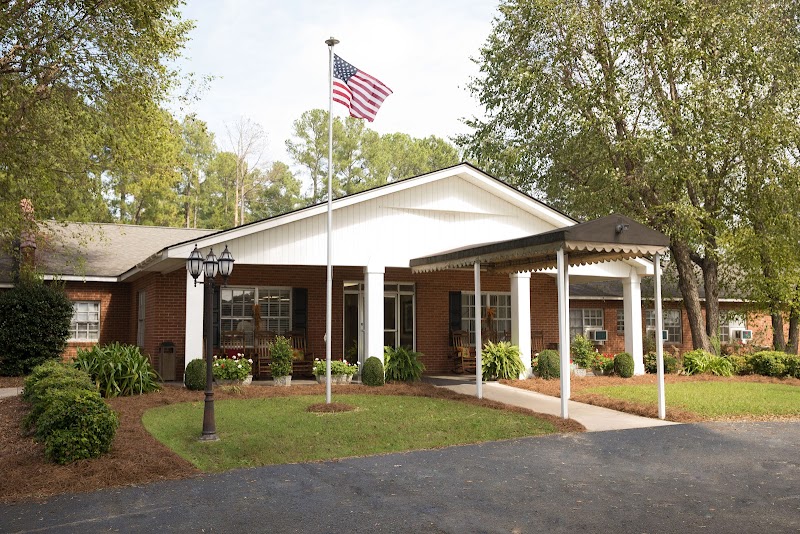
How is Wadesboro Health & Rehab Center Staffed?

CMS rates Wadesboro Health & Rehab Center's staffing level at 4 out of 5 stars, which is above average compared to other nursing homes. Staff turnover is 30%, compared to the North Carolina average of 46%. This relatively stable workforce can support continuity of care.

What Have Inspectors Found at Wadesboro Health & Rehab Center?

State health inspectors documented 19 deficiencies at Wadesboro Health & Rehab Center during 2023 to 2025. These included: 19 with potential for harm.

Who Owns and Operates Wadesboro Health & Rehab Center?

Wadesboro Health & Rehab Center is owned by a for-profit company. For-profit facilities operate as businesses with obligations to shareholders or private owners. The facility is operated by SABER HEALTHCARE GROUP, a chain that manages multiple nursing homes. With 66 certified beds and approximately 58 residents (about 88% occupancy), it is a smaller facility located in Wadesboro, North Carolina.

How Does Wadesboro Health & Rehab Center Compare to Other North Carolina Nursing Homes?

Compared to the 100 nursing homes in North Carolina, Wadesboro Health & Rehab Center's overall rating (3 stars) is above the state average of 2.8, staff turnover (30%) is significantly lower than the state average of 46%, and health inspection rating (3 stars) is at the national benchmark.

What Should Families Ask When Visiting Wadesboro Health & Rehab Center?

Based on this facility's data, families visiting should ask: "Can I visit during a mealtime to observe dining assistance and food quality?" "How do you handle medical emergencies, and what is your hospital transfer rate?" "Can I speak with family members of current residents about their experience?"

Is Wadesboro Health & Rehab Center Safe?

Based on CMS inspection data, Wadesboro Health & Rehab Center has a clean safety record: no substantiated abuse findings (meaning no confirmed cases of resident harm), no Immediate Jeopardy citations (the most serious violation level indicating risk of serious injury or death), and is not on the Special Focus Facility watch list (a federal program monitoring the lowest-performing 1% of nursing homes). The facility has a 3-star overall rating and ranks #1 of 100 nursing homes in North Carolina. While no facility is perfect, families should still ask about staff-to-resident ratios and recent inspection results during their visit.

Do Nurses at Wadesboro Health & Rehab Center Stick Around?

Staff at Wadesboro Health & Rehab Center tend to stick around. With a turnover rate of 30%, the facility is 16 percentage points below the North Carolina average of 46%. Low turnover is a positive sign. It means caregivers have time to learn each resident's needs, medications, and personal preferences. Consistent staff also notice subtle changes in a resident's condition more quickly. Registered Nurse turnover is also low at 25%, meaning experienced RNs are available to handle complex medical needs.

Was Wadesboro Health & Rehab Center Ever Fined?

Wadesboro Health & Rehab Center has no federal fines on record. CMS issues fines when nursing homes fail to meet care standards or don't correct problems found during inspections. The absence of fines suggests the facility has either maintained compliance or corrected any issues before penalties were assessed. This is a positive indicator, though families should still review recent inspection reports for the full picture.

Is Wadesboro Health & Rehab Center on Any Federal Watch List?

Wadesboro Health & Rehab Center is not on any federal watch list. The most significant is the Special Focus Facility (SFF) program, which identifies the bottom 1% of nursing homes nationally based on persistent, serious quality problems. Not being on this list means the facility has avoided the pattern of deficiencies that triggers enhanced federal oversight. This is a positive indicator, though families should still review the facility's inspection history directly.