Wallace Rehabilitation and Healthcare Center
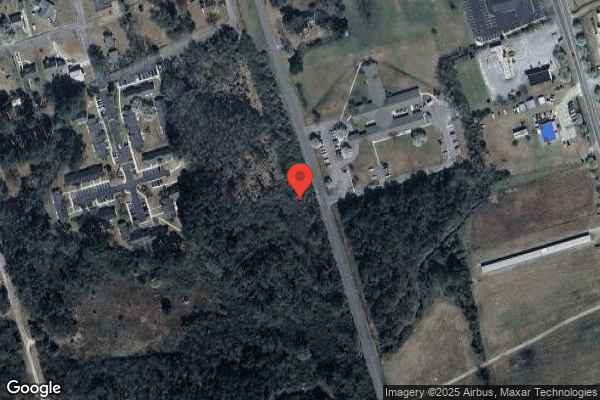
647 S East Railroad Street, Wallace, NC 28466 (910) 285-9700
For profit - Limited Liability company 80 Beds SIMCHA HYMAN & NAFTALI ZANZIPER Data: November 2025
Trust Grade
90/100
#72 of 417 in NC
Last Inspection: February 2025

Within standard 12-15 month inspection cycle. Federal law requires annual inspections.

Overview

Wallace Rehabilitation and Healthcare Center has an excellent Trust Grade of A, indicating it is highly recommended and performing well compared to other facilities. It ranks #72 out of 417 nursing homes in North Carolina, placing it in the top half, and is the best option out of three facilities in Duplin County. The facility shows an improving trend, having reduced its issues from three in 2024 to none in 2025. Staffing is average with a 3/5 rating and a turnover rate of 41%, which is below the state average. While there have been no fines, the facility has faced concerns regarding infection control practices, such as failing to perform hand hygiene during wound care and not properly indicating oxygen use outside resident rooms. Overall, it has strong ratings in health inspections and quality measures, but families should be aware of these specific incidents as they consider care for their loved ones.

Trust Score
A
90/100
In North Carolina
#72/417
Top 17%
Safety Record
Low Risk
No red flags
Inspections
Getting Better
3 → 0 violations
Staff Stability
○ Average
41% turnover. Near North Carolina's 48% average. Typical for the industry.
Penalties
✓ Good
No fines on record. Clean compliance history, better than most North Carolina facilities.
Skilled Nurses
⚠ Watch
Each resident gets only 28 minutes of Registered Nurse (RN) attention daily — below average for North Carolina. Fewer RN minutes means fewer trained eyes watching for problems.
Violations
✓ Good
Only 5 deficiencies on record. Cleaner than most facilities. Minor issues only.
★★★★★
5.0
Overall Rating
★★★☆☆
3.0
Staff Levels
★★★★★
5.0
Care Quality
★★★★★
5.0
Inspection Score
Stable
2024: 3 issues
2025: 0 issues

The Good

  • 5-Star Quality Measures · Strong clinical quality outcomes
  • Full Sprinkler Coverage · Fire safety systems throughout facility
  • No fines on record
  • Staff turnover below average (41%)

    7 points below North Carolina average of 48%

Facility shows strength in quality measures, fire safety.

The Bad

Staff Turnover: 41%

Near North Carolina avg (46%)

Typical for the industry

Chain: SIMCHA HYMAN & NAFTALI ZANZIPER

Part of a multi-facility chain

Ask about local staffing decisions and management

The Ugly 5 deficiencies on record

Feb 2024 3 deficiencies
CONCERN (D)

Potential for Harm - no one hurt, but risky conditions existed

Respiratory Care (Tag F0695)

Could have caused harm · This affected 1 resident

**NOTE- TERMS IN BRACKETS HAVE BEEN EDITED TO PROTECT CONFIDENTIALITY** Based on record review, observations and staff interviews, the facility failed to place signage indicating oxygen was in use out...

Read full inspector narrative →
**NOTE- TERMS IN BRACKETS HAVE BEEN EDITED TO PROTECT CONFIDENTIALITY** Based on record review, observations and staff interviews, the facility failed to place signage indicating oxygen was in use outside resident rooms for 2 of 3 residents reviewed for oxygen use (Resident #228 and Resident # 69). Findings included: 1. Resident #69 was admitted to the facility on [DATE], and diagnoses included congestive heart failure. Resident #69 was discharged from the facility on 1/27/2024 to the hospital and was readmitted to the facility on [DATE]. The admission Minimum Data Set (MDS) assessment dated [DATE] indicated Resident #69 was cognitively intact, was not experiencing shortness of breath and was not receiving oxygen therapy. Physician orders dated 1/8/2024 included an order for oxygen at 2 liters per minute via nasal cannula as needed to keep oxygen saturations greater than 90%. On 2/1/2024, Resident #69's re-admission physician orders included oxygen at 2 liters per minute via nasal cannula continuously every shift for congestive heart failure and hypoxia (low oxygen in the blood). A physician note dated 2/2/2024 recorded Resident #69 was still requiring oxygen therapy, and Resident #69 was receiving oxygen via nasal cannula. On 2/5/2024 at 2:40 p.m., Resident #69 was observed wearing oxygen via nasal cannula at 2 liters per minute. There was no warning signage observed indicating oxygen was in use located outside the room or on the door frame. On 2/6/2024 at 8:28 a.m., there was no warning signage observed indicating oxygen was in use located outside the room or on the door frame. On 2/6/2023 at 2:16 p.m. in an interview with Unit Nurse Manager #1 and Unit Nurse Manager #2 (the assigned nurse on re-admission), Unit Nurse Manager #2 stated after reviewing Resident #69's electronic medical record, she could not positively say Resident #69 was using oxygen when readmitted to the facility. Unit Nurse Manager #1 explained based on the hospital's discharge summary it was reported Resident #69 was using oxygen on arrival to the facility, and Resident #69 was to continue the use of oxygen until weaned off oxygen at the facility. Unit Nurse Manager #1 stated the facility used red Oxygen in Use. No Smoking magnetic signage outside the room on the door frames to communicate oxygen was in use in the room. She stated Resident #69 was using oxygen, and nursing staff was responsible for placing and checking that the Oxygen in Use. No Smoking warning signage was outside the room on the door frame. When asked why Resident #69 did not have warning signage indicating oxygen was in use outside the room, she stated the warning signage was magnetic and could have gotten knocked off the door frame. On 2/7/2024 at 8:57 a.m. in an interview with the Director of Nursing, she stated Resident #69 should have an Oxygen in Use. No Smoking warning signage outside the room on the door frame due to receiving oxygen, and nursing staff were responsible for placing the warning signage outside the room on the door frame. She further stated checking the use of oxygen and ensuring placement of the warning signage on the door frame was a task for the nursing staff to observe for compliance when completing daily rounds on residents in the facility. She stated she did not have an explanation why a warning signage was not on Resident #69's door frame when observed on 2/5/2024 and 2/6/2024 and reported there were ambulatory confused residents on the hall where Resident #69 resided that would remove items off the walls and door frames at times. 2. Resident #228 was admitted to the facility on [DATE], and diagnoses included chronic obstructive pulmonary disease (COPD) and pneumonia. Physician orders dated 1/20/2024 included oxygen via nasal cannula at 2 liters per minute to keep oxygen saturation greater than 91% as needed due to pneumonia. Resident #228's care plan dated 1/20/2024 indicated Resident #228 was receiving oxygen therapy for a respiratory illness. Interventions included humified oxygen set at 2 liters per minute via nasal cannula continuously. The admission Minimum Data Set (MDS) assessment dated [DATE] indicated Resident #228 was cognitively intact and was receiving oxygen therapy. Nursing documentation dated 2/5/2024 recorded Resident #228 was using oxygen. On 2/5/2024 at 10:45 a.m., Resident #228 was observed receiving oxygen at 2 liters per minute via nasal cannula. There was no warning signage that oxygen was in use observed outside Resident #228's room on the door frame. On 2/6/2024 at 8:30 a.m. there was no warning signage reporting oxygen was in use observed outside Resident #228's room on the door frame. In an interview with Unit Nurse Manager #1 on 2/7/2024, she stated after completing an interview on 2/6/2023 at 2:16 p.m. related to oxygen and the use of warning signage, she asked other unit managers to assist her in conducting rounds to check to ensure residents receiving oxygen had a warning signage, Oxygen in Use. No Smoking, outside the room on the door frame. She stated she recalled at some point Resident #228 having the warning signage, Oxygen in Use. No Smoking outside the room on the door frame and didn't know why the warning signage was not on the door frame on 2/5/2024 and 2/.6/2024. She explained unit nurse managers tried to check that the magnetic warning signage was outside the room on the door frame when completing daily rounds on the residents and explained sometimes unit nurse managers were pulled to complete other tasks which interrupted them from completing rounds on the residents. In an interview with Unit Nurse Manager #3 on 2/7/2024, she stated on 2/6/2024, after an initial interview with Unit Nurse Manager #1 on 2/6/2024 at 2:16 p.m. about oxygen warning signage, she completed rounds on Resident #228 and placed the warning signage, Oxygen in Use. No Smoking outside Resident #228's room on the door frame. On 2/7/2024 at 8:57 a.m. in an interview with the Director of Nursing, she stated Resident #228 should have an Oxygen in Use. No Smoking warning signage outside the room on the door frame due to receiving oxygen, and nursing staff were responsible for placing the warning signage outside the room on the door frame. She further stated checking the use of oxygen and ensuring placement of the warning signage on the door frame was a task for the nursing staff to observe for compliance when completing daily rounds on residents in the facility. She stated she did not have an explanation why a warning signage was not on Resident #69's door frame when observed on 2/5/2024 and 2/6/2024 and reported there were ambulatory confused residents on the hall where Resident #69 resided that would remove items off the walls and door frames at times.
MINOR (B) 📢 Someone Reported This

A family member, employee, or ombudsman was alarmed enough to file a formal complaint

Minor Issue - procedural, no safety impact

Safe Environment (Tag F0584)

Minor procedural issue · This affected multiple residents

**NOTE- TERMS IN BRACKETS HAVE BEEN EDITED TO PROTECT CONFIDENTIALITY** Based on observations and resident and staff interviews, the facility failed to maintain walls in good repair in 4 of 8 rooms (R...

Read full inspector narrative →
**NOTE- TERMS IN BRACKETS HAVE BEEN EDITED TO PROTECT CONFIDENTIALITY** Based on observations and resident and staff interviews, the facility failed to maintain walls in good repair in 4 of 8 rooms (Rooms 203-2, 207-1, 207-2, 214-1, and 215-1) on the 200 hallway. Findings included: a. During tours of room [ROOM NUMBER]-2 on 2/5/24 at 11:30 AM and 2/7/24 at 1:30 PM, an observation revealed scratches on the wall and missing paint behind the resident's bed. An interview was conducted with the resident in room [ROOM NUMBER]-2 on 2/8/24 at 10:48 AM. She stated she had resided in her room for 1 ½ years and the wall behind her bed had always been scratched with missing paint. She shared she would like for the wall to be patched and repainted. b. During tours of room [ROOM NUMBER]-1 on 2/5/24 at 11:11 AM and 2/7/24 at 1:33 PM, an observation revealed scratches on the wall and missing paint behind the resident's bed. An interview was conducted with the resident in room [ROOM NUMBER]-1 on 2/5/24 at 11:12 AM. He acknowledged there were scratches on the wall behind his bed and said, Every room has them. c. During tours of room [ROOM NUMBER]-2 on 2/5/24 at 11:02 AM and 2/7/24 at 1:34 PM, an observation revealed scratches on the wall and missing paint behind the resident's bed. An interview was conducted with the resident in room [ROOM NUMBER]-2 on 2/5/24 at 11:03 AM. He stated the scratches on the wall had been there since he resided in the room (about 3 years). He said he had not told any of the facility staff about the scratches on the wall. d. During tours of room [ROOM NUMBER]-1 on 2/5/24 at 11:23 AM and 2/7/24 at 1:34 PM, an observation revealed gouges in the wall and exposed sheetrock behind the resident's bed. e. During tours of room [ROOM NUMBER]-1 on 2/5/24 at 3:02 PM and 2/7/24 at 1:35 PM, an observation revealed scratches on the wall and missing paint behind the resident's bed. The Maintenance Director was interviewed on 2/08/24 at 10:20 AM. He explained there was a clipboard at the nurse's station where staff wrote down repair issues that needed to be addressed and he checked the clipboard throughout the day. He added staff also called or texted him with repair needs. The Maintenance Director shared he walked through the building daily and if he saw something that needed to be repaired, he took care of it. He stated he had not routinely audited rooms for repairs. He said he was currently working on installing wall boards behind residents' beds. He did not have a specific schedule for when the wall boards would be installed, rather, he did them as he got to them. He said he was the only maintenance employee and had worked on installing the wall boards for the past six months. A tour of rooms 203-2, 207-1, 207-2, 214-1 and 215-1 was conducted with the Maintenance Director and Administrator on 2/8/24 at 10:30 AM. The Maintenance Director explained the scratches/gouges in the walls were from the beds hitting the walls which then removed the paint from the walls. The Administrator verified the walls should be repaired so that each resident's room maintained a homelike environment. In an interview with the [NAME] President of Clinical Operations on 2/08/24 at 11:00 AM, she explained that on 1/3/24 rooms 203, 207, 214 and 215 had been noted in the computer system that repairs were needed. She added some of the walls were chronic issues where the bed was moved so staff could operate a mechanical lift and subsequently scratched the wall. On 2/08/24 at 11:40 AM, observations of rooms 203, 207, 214 and 215 were conducted with Medication Aide #1. In an interview with Medication Aide #1 on 2/8/24 at 11:42, she shared the scratches on the wall behind the bed of room [ROOM NUMBER]-2 been there for at least the last few months. She further stated the walls in rooms [ROOM NUMBER] had been scratched/gouged for at least the last two months. She said the scratches on the wall came from the bed being pushed up against the wall. A follow up interview was conducted with the [NAME] President of Clinical Operations and the Maintenance Director on 2/08/24 at 11:46 AM. The [NAME] President said the facility had sent environmental room audits weekly to the corporate office. She explained each time the audit was completed, the facility reiterated to the corporate office that a work order needed to be approved for an outside contractor to come in and repair the walls. She said the facility had sent 4-6 work order notices to the corporate office regarding wall repair. The Maintenance Director added if it were just paint issues, he could install a wall board, but if there were gouges, the wall needed to be repaired first before it could be painted.
MINOR (C)

Minor Issue - procedural, no safety impact

Deficiency F0577 (Tag F0577)

Minor procedural issue · This affected most or all residents

Based on observations, resident and staff interviews, the facility failed to display survey results in a location accessible to residents during 3 of 3 observations of the facility. Findings included...

Read full inspector narrative →
Based on observations, resident and staff interviews, the facility failed to display survey results in a location accessible to residents during 3 of 3 observations of the facility. Findings included: During a tour of the facility on 2/5/24 at 9:45 AM, the survey results were not located in the building. An observation of the front lobby revealed a desk area near the entrance. On the desk there was a visitor sign in book, a red plastic bin that contained facemasks, and written information about infection control. Tours of the facility on 2/5/24 at 2:36 PM and 2/6/24 at 1:00 PM revealed the survey results were not located in the building. A Resident Council group meeting was conducted on 2/6/24 at 2:00 PM. During the meeting, the residents indicated they did not know where the survey results were located. The Resident Council President shared she had been at the facility for a year and did not know the location of the survey results. Resident #60 stated she also did not know the location of the survey results book. An interview was completed with the Receptionist on 2/6/24 at 2:21 PM. He explained the survey results book was located behind his desk. The book was not visible when a resident or visitor faced the front of the receptionist's desk. The Receptionist said the book had been on his desk 2/5/24 and 2/6/24. He thought someone may have updated the survey results book and placed it on the desk instead of on the coffee table in the front lobby area where it was usually kept for residents/visitors. In an interview with the Director of Nursing (DON) on 2/06/24 at 2:43 PM, she explained the survey book was typically on the coffee table in the front lobby. She said there was a sign posted on a cabinet in the activities room/office that identified the location of the survey results. She said the activities room/office was unlocked 24 hours a day. The DON stated there was also a sign on the desk in the front lobby area where visitors signed in that identified the location of the survey results. During the interview, an observation of the desk with the DON revealed the sign had been covered up by a red plastic bin that contained facemasks. On 2/08/24 at 1:09 PM an interview was conducted with the Administrator. She said the survey results book was always on the bottom shelf of the coffee table in the front lobby. The Administrator stated she was unsure if in the hustle and bustle of the survey process, the Receptionist moved it from the coffee table.
Sept 2022 2 deficiencies
CONCERN (D)

Potential for Harm - no one hurt, but risky conditions existed

QAPI Program (Tag F0867)

Could have caused harm · This affected 1 resident

Based on staff interview and record review, the facility Quality Assessment and Assurance (QAA) Committee failed to maintain implemented procedures and monitor these interventions the committee put in...

Read full inspector narrative →
Based on staff interview and record review, the facility Quality Assessment and Assurance (QAA) Committee failed to maintain implemented procedures and monitor these interventions the committee put into place following the 04/14/2021 recertification survey. This was for a recited deficiency in the area of infection control. This deficiency was cited again on the current recertification survey. The continued failure during two federal surveys of record shows a pattern of the facility's inability to sustain an effective QAA program. The findings included: This tag is cross referenced to: F880 - Based on record review, observation and staff interviews, the facility failed to ensure staff followed the facility's infection control procedures by not performing hand hygiene when donning and doffing Personal Protective Equipment (gloves) during wound care for 1 of 1 resident observed for pressure ulcer wound care (Resident #60). During the recertification survey of 04/14/21, the facility was cited F880 Infection Control for failure to ensure staff wore Personal Protective Equipment (face masks) correctly while working in the facility. During an interview with the Administrator on 09/23/22 at 2:26 p.m., the Administrator indicated the QAA Committee meets on the last Friday of every month and the Director of Nursing and the Infection Control are included in attendance.
CONCERN (D)

Potential for Harm - no one hurt, but risky conditions existed

Infection Control (Tag F0880)

Could have caused harm · This affected 1 resident

Based on record review, observation and staff interviews, the facility failed to ensure staff followed the facility's infection control procedures by not performing hand hygiene when donning and doffi...

Read full inspector narrative →
Based on record review, observation and staff interviews, the facility failed to ensure staff followed the facility's infection control procedures by not performing hand hygiene when donning and doffing Personal Protective Equipment (gloves) during wound care for 1 of 1 resident observed for pressure ulcer wound care (Resident #60). The findings included: Review of the facility's Infection Control: Hand Hygiene policy, released January 2022, read in part, Effective hand hygiene reduces the incidence of healthcare associated infections . B. Indications for Hand Hygiene Using Alcohol-based Hand Sanitizer include: #7 Before donning gloves; #8 After removing gloves . An observation of Resident #60's wound care was conducted on 09/22/22 at 9:42 a.m. Nurse #1 administered the wound care to the resident's left buttock area, assisted by Nursing Assistant (NA) #1; also in attendance was the facility's wound care medical doctor who assessed Resident #60s wound once the soiled dressing had been removed. Upon the start of the wound care, Nurse #1 washed her hands and donned gloves and set up wound care supplies on the covered overbed table. Nurse #1 removed the soiled dressing from the resident and disposed the soiled dressing. Nurse #1 then doffed her gloves and donned clean gloves. Nurse #1 then cleansed the wound. At 9:46 a.m., Nurse #1 doffed her gloves and donned clean gloves and did not wash her hands in between the glove change. Nurse #1 applied a petroleum dressing over wound. At 9:47 a.m., doffed her gloves and donned clean gloves, did not washing her hands and applied additional petroleum dressings to the wound bed. At 9:48 a.m., Nurse #1 doffed her gloves and donned clean gloves and did not wash her hands. At 9:51 a.m., Nurse #1 doffed her gloves and donned clean gloves, did not wash her hands, and cleared the overbed table of wound care supplies, sanitized her bandage scissors with an alcohol wipe, doffed her gloves and then went into the bathroom located in the resident's room and washed her hands. During an interview with Nurse #1 on 09/22/22 at 10:05 a.m., Nurse #1 was asked what she should do after doffing and before donning gloves and she did not answer. After prompting if she should have washed her hands after doffing and before donning clean gloves during the wound care procedure, Nurse #1 stated no and explained she had followed the new company's policy which she kept on a clipboard located on her treatment cart and proceeded to show this surveyor the policy. The worksheet Nurse #1 produced was a piece of paper with a check-list on it which was titled 16. Wound Dressing Change Observation. There was no author listed and no created/revised date noted on this worksheet. Nurse #1 referred to the third column on the worksheet which heading read as Hand Hygiene before and after dressing change and to the fourth column which heading read as Clean gloves donned before and doffed after dressing change. Nurse #1 further explained because of these instructions, she only had washed her hands before beginning the wound care and after the wound care was completed. A second interview with Nurse #1 was conducted on 09/22/22 at 10:20 a.m., at her request. Nurse #1 stated she knew she was supposed to wash her hands before donning and after doffing gloves and had become distracted while she provided wound care and had forgotten to do so. An interview was conducted with the Administrator on 09/22/22 at 1:27 p.m. When asked why she thought Nurse #1 did not wash her hands after doffing the soiled gloves and before donning the clean gloves, the Administrator thought Nurse #1 had become distracted during the wound care observation secondary to being observed by a surveyor, a medical doctor, a nursing assistant and the resident. The Administrator explained staff education regarding hand hygiene had already begun and stated the following week a public health nurse from the North Carolina Department of Health & Human Services, Division of Public Health, would be in the facility to monitor handwashing techniques by the staff. The Administrator stated it was her expectation the staff follow facility policy and procedure for handwashing when donning and doffing gloves.
Understanding Severity Codes (click to expand)
Life-Threatening (Immediate Jeopardy)
J - Isolated K - Pattern L - Widespread
Actual Harm
G - Isolated H - Pattern I - Widespread
Potential for Harm
D - Isolated E - Pattern F - Widespread
No Harm (Minor)
A - Isolated B - Pattern C - Widespread

Questions to Ask on Your Visit

  • "Can I speak with families of current residents?"
  • "What's your RN coverage like on weekends and overnight?"

Our Honest Assessment

Strengths
  • • Grade A (90/100). Above average facility, better than most options in North Carolina.
  • • No major safety red flags. No abuse findings, life-threatening violations, or SFF status.
  • • No fines on record. Clean compliance history, better than most North Carolina facilities.
  • • Only 5 deficiencies on record. Cleaner than most facilities. Minor issues only.
Concerns
  • • No significant concerns identified. This facility shows no red flags across CMS ratings, staff turnover, or federal penalties.
Bottom line: Generally positive indicators. Standard due diligence and a personal visit recommended.

About This Facility

What is Wallace Rehabilitation And Healthcare Center's CMS Rating?

CMS assigns Wallace Rehabilitation and Healthcare Center an overall rating of 5 out of 5 stars, which is considered much above average nationally. Within North Carolina, this rating places the facility higher than 99% of the state's 100 nursing homes. This rating reflects solid performance across the metrics CMS uses to evaluate nursing home quality.

How is Wallace Rehabilitation And Healthcare Center Staffed?

CMS rates Wallace Rehabilitation and Healthcare Center's staffing level at 3 out of 5 stars, which is average compared to other nursing homes. Staff turnover is 41%, compared to the North Carolina average of 46%. This relatively stable workforce can support continuity of care.

What Have Inspectors Found at Wallace Rehabilitation And Healthcare Center?

State health inspectors documented 5 deficiencies at Wallace Rehabilitation and Healthcare Center during 2022 to 2024. These included: 3 with potential for harm and 2 minor or isolated issues.

Who Owns and Operates Wallace Rehabilitation And Healthcare Center?

Wallace Rehabilitation and Healthcare Center is owned by a for-profit company. For-profit facilities operate as businesses with obligations to shareholders or private owners. The facility is operated by SIMCHA HYMAN & NAFTALI ZANZIPER, a chain that manages multiple nursing homes. With 80 certified beds and approximately 75 residents (about 94% occupancy), it is a smaller facility located in Wallace, North Carolina.

How Does Wallace Rehabilitation And Healthcare Center Compare to Other North Carolina Nursing Homes?

Compared to the 100 nursing homes in North Carolina, Wallace Rehabilitation and Healthcare Center's overall rating (5 stars) is above the state average of 2.8, staff turnover (41%) is near the state average of 46%, and health inspection rating (5 stars) is much above the national benchmark.

What Should Families Ask When Visiting Wallace Rehabilitation And Healthcare Center?

Based on this facility's data, families visiting should ask: "Can I visit during a mealtime to observe dining assistance and food quality?" "How do you handle medical emergencies, and what is your hospital transfer rate?" "Can I speak with family members of current residents about their experience?"

Is Wallace Rehabilitation And Healthcare Center Safe?

Based on CMS inspection data, Wallace Rehabilitation and Healthcare Center has a clean safety record: no substantiated abuse findings (meaning no confirmed cases of resident harm), no Immediate Jeopardy citations (the most serious violation level indicating risk of serious injury or death), and is not on the Special Focus Facility watch list (a federal program monitoring the lowest-performing 1% of nursing homes). The facility has a 5-star overall rating and ranks #1 of 100 nursing homes in North Carolina. While no facility is perfect, families should still ask about staff-to-resident ratios and recent inspection results during their visit.

Do Nurses at Wallace Rehabilitation And Healthcare Center Stick Around?

Wallace Rehabilitation and Healthcare Center has a staff turnover rate of 41%, which is about average for North Carolina nursing homes (state average: 46%). Moderate turnover is common in nursing homes, but families should still ask about staff tenure and how the facility maintains care continuity when employees leave.

Was Wallace Rehabilitation And Healthcare Center Ever Fined?

Wallace Rehabilitation and Healthcare Center has no federal fines on record. CMS issues fines when nursing homes fail to meet care standards or don't correct problems found during inspections. The absence of fines suggests the facility has either maintained compliance or corrected any issues before penalties were assessed. This is a positive indicator, though families should still review recent inspection reports for the full picture.

Is Wallace Rehabilitation And Healthcare Center on Any Federal Watch List?

Wallace Rehabilitation and Healthcare Center is not on any federal watch list. The most significant is the Special Focus Facility (SFF) program, which identifies the bottom 1% of nursing homes nationally based on persistent, serious quality problems. Not being on this list means the facility has avoided the pattern of deficiencies that triggers enhanced federal oversight. This is a positive indicator, though families should still review the facility's inspection history directly.