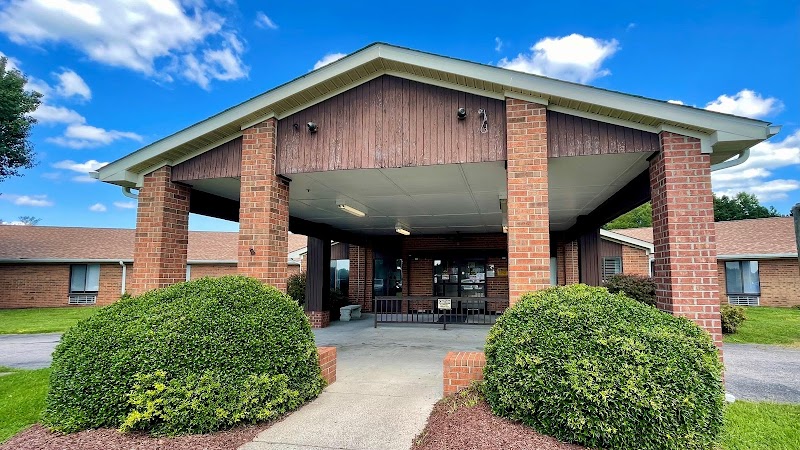
Warren Hills Nursing Center
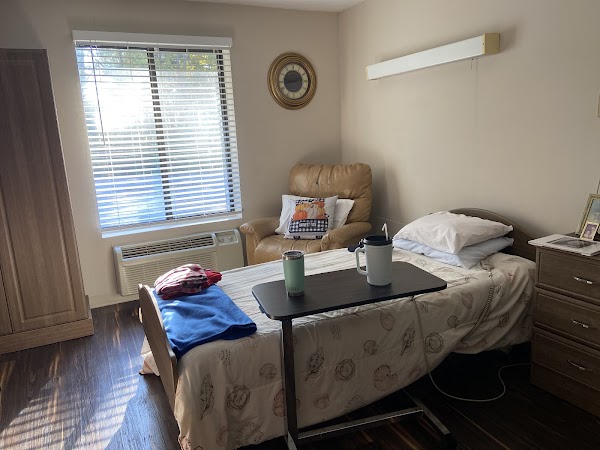
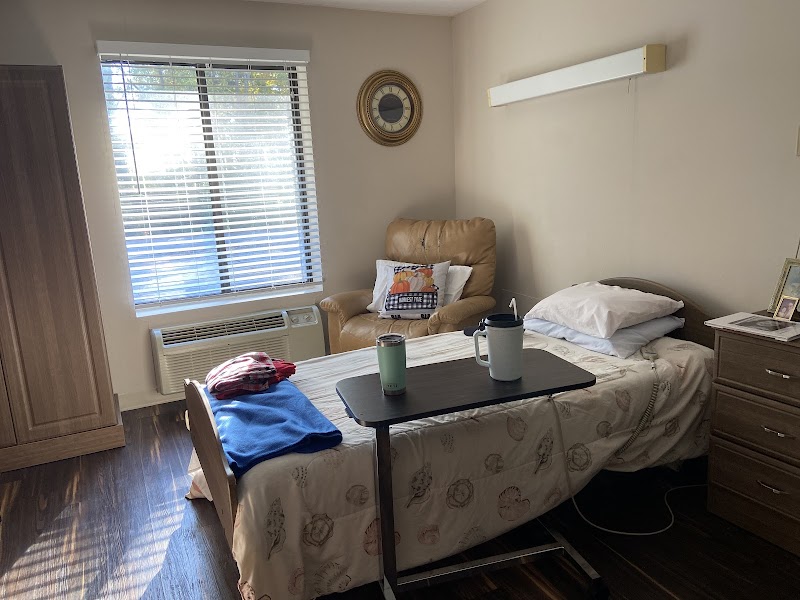
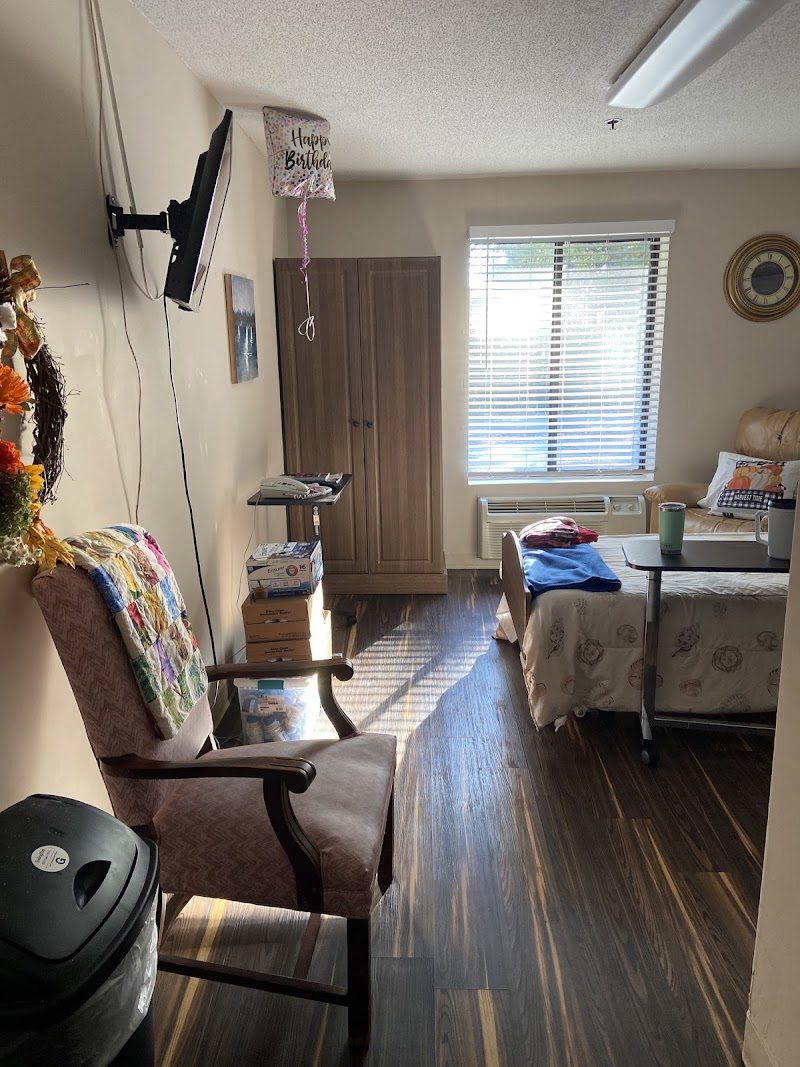
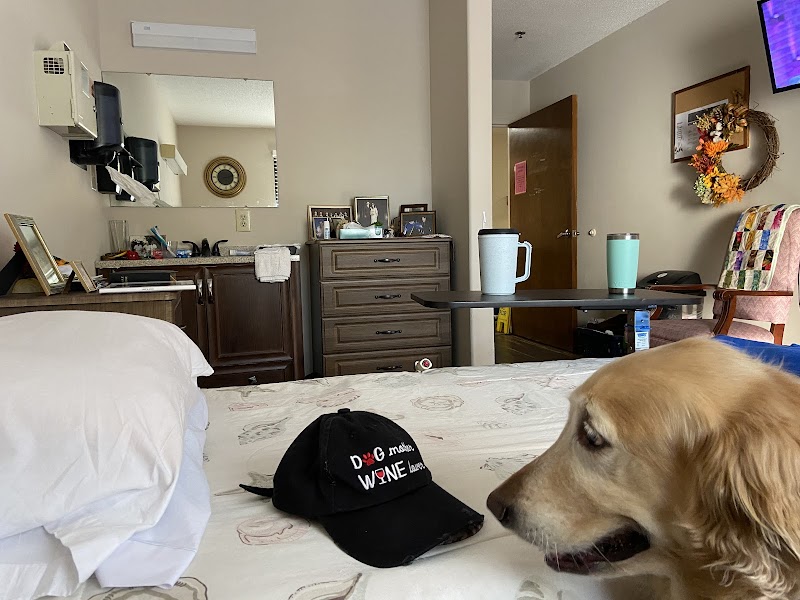
864 US HWY 158 Business West, Warrenton, NC 27589 (252) 257-2011
For profit - Corporation 140 Beds LIBERTY SENIOR LIVING Data: November 2025
Trust Grade
70/100
#136 of 417 in NC
Last Inspection: November 2024

Within standard 12-15 month inspection cycle. Federal law requires annual inspections.

Overview

Warren Hills Nursing Center has a Trust Grade of B, indicating it is a good option for families seeking care, falling within the 70-79 range on the grading scale. It ranks #136 out of 417 facilities in North Carolina, placing it in the top half, and is the only option available in Warren County. The facility's condition is stable, with five issues identified in both 2023 and 2024, and it has not faced any fines, which is a positive sign. However, staffing is a concern, with a low rating of 2 out of 5 stars and a turnover rate of 55%, which is higher than the state average. Specific incidents noted include a failure to provide residents with the opportunity to formulate advance directives and inadequate cleanliness in food service equipment, which could impact resident safety and well-being.
Trust Score
B
70/100
In North Carolina
#136/417
Top 32%
Safety Record
Low Risk
No red flags
Inspections
Holding Steady
5 → 5 violations
Staff Stability
⚠ Watch
55% turnover. Above average. Higher turnover means staff may not know residents' routines.
Penalties
✓ Good
No fines on record. Clean compliance history, better than most North Carolina facilities.
Skilled Nurses
⚠ Watch
Each resident gets only 20 minutes of Registered Nurse (RN) attention daily — below average for North Carolina. Fewer RN minutes means fewer trained eyes watching for problems.
Violations
⚠ Watch
16 deficiencies on record. Higher than average. Multiple issues found across inspections.
★★★★☆
4.0
Overall Rating
★★☆☆☆
2.0
Staff Levels
★★☆☆☆
2.0
Care Quality
★★★★☆
4.0
Inspection Score
Stable
2023: 5 issues
2024: 5 issues

The Good

  • Full Sprinkler Coverage · Fire safety systems throughout facility
  • No fines on record

Facility shows strength in fire safety.

The Bad

Staff Turnover: 55%

Near North Carolina avg (46%)

Frequent staff changes - ask about care continuity

Chain: LIBERTY SENIOR LIVING

Part of a multi-facility chain

Ask about local staffing decisions and management

Staff turnover is elevated (55%)

7 points above North Carolina average of 48%

The Ugly 16 deficiencies on record

Nov 2024 5 deficiencies
CONCERN (D)

Potential for Harm - no one hurt, but risky conditions existed

Deficiency F0559 (Tag F0559)

Could have caused harm · This affected 1 resident

**NOTE- TERMS IN BRACKETS HAVE BEEN EDITED TO PROTECT CONFIDENTIALITY** Based on record review, staff and resident interviews, the facility failed to provide written notification of a roommate change ...

Read full inspector narrative →
**NOTE- TERMS IN BRACKETS HAVE BEEN EDITED TO PROTECT CONFIDENTIALITY** Based on record review, staff and resident interviews, the facility failed to provide written notification of a roommate change for 1 of 1 resident reviewed for notification of a change (Resident #37). The findings included: Resident # 37 was admitted to the facility on [DATE]. The quarterly Minimum Data Set (MDS) assessment dated [DATE] revealed Resident #37 was cognitively intact. An interview was completed on 11/18/24 at 10:00 a.m. with Resident #37. Resident #37 stated approximately 2 to 3 weeks ago she received a new roommate. Resident #37 stated prior to that day she was in a room alone. The Resident stated she went out to an appointment and when she returned, she had a new roommate. Resident #37 stated she had not received written or verbal notification she would be getting a new roommate. Review of facility records revealed Resident #37 received a new roommate on 10/29/24. There was no documentation in the medical record for Resident #37 indicating a discussion or notification of a new roommate in October 2024. An interview was completed on 11/20/24 at 2:10 p.m. with the facility's Social Worker (SW). The SW stated it was her process to contact residents and their responsible party prior to the resident receiving a new roommate. The SW revealed she only notified a resident and their Responsible Party (RP) verbally and not in writing when there was a change in roommates. The SW stated she did not notify Resident #37 or their RP verbally or in writing that Resident #37 would be getting a roommate. The SW was unable to say why she did not provide notification. An interview was completed on 11/21/24 at 11:30 a.m. with the Director of Nursing and the facility Administrator. The Administrator stated it was his expectation a resident and their RP would be notified of a roommate change verbally and in writing prior to the roommate change.
CONCERN (D)

Potential for Harm - no one hurt, but risky conditions existed

PASARR Coordination (Tag F0644)

Could have caused harm · This affected 1 resident

**NOTE- TERMS IN BRACKETS HAVE BEEN EDITED TO PROTECT CONFIDENTIALITY** Based on record review and staff interviews, the facility failed to refer a resident with a serious mental illness for a Level I...

Read full inspector narrative →
**NOTE- TERMS IN BRACKETS HAVE BEEN EDITED TO PROTECT CONFIDENTIALITY** Based on record review and staff interviews, the facility failed to refer a resident with a serious mental illness for a Level II Preadmission Screening and Resident Review (PASRR) for 1 of 2 residents reviewed for PASRR (Resident #34). Findings included: Resident #34 was admitted to the facility on [DATE] and readmitted on [DATE]. On 8/7/2023 Resident #34 was diagnosed with delusional disorder. A Level I PASRR determination notification letter dated 3/3/2020 indicated No further PASRR screening is required unless a significant change occurs with the individual's status which suggest a diagnosis of mental illness or mental retardation or, if present, suggests a change in treatment needs for those conditions. No facility documentation was discovered indicating a Level II PASRR referral had been completed for Resident #34 after the diagnosis of a serious mental illness had been made. An interview with the Social Worker (SW) on 11/20/2024 at 2:50 p.m. revealed she was not aware Resident #34's Level II PASRR screening had not been completed. She stated the Admissions Director would let her know if a resident required screening. During an interview with the Admissions Director on 11/21/2024 at 9:35 a.m. she revealed she checked residents' PASRR screening upon admission. She explained she had failed to check Resident #34's PASRR upon readmission. After reviewing his diagnosis, she indicated Resident #34 met the criteria for serious mental illness and she should have submitted a referral for a Level II PASRR screening. During an interview with the Administrator on 11/21/2024 at 10:35 a.m. he revealed he was not aware Resident#34's PASRR screening had not been completed upon readmission and explained this was a problem.
CONCERN (D)

Potential for Harm - no one hurt, but risky conditions existed

Deficiency F0761 (Tag F0761)

Could have caused harm · This affected 1 resident

Based on observation, staff interviews, the facility failed to dispose/discard expired medications in 1 of 3 medication carts (600 Hall medication cart) observed for medication storage. The findings i...

Read full inspector narrative →
Based on observation, staff interviews, the facility failed to dispose/discard expired medications in 1 of 3 medication carts (600 Hall medication cart) observed for medication storage. The findings included: An observation was conducted of the 600 Hall medication cart on 11/21/24 at 10:48 AM. One opened bottle of Senna -Plus with an expiration date of October 2024 was found on the cart. An interview was conducted with Medication Aide #2 on 11/21/24 at 10:50 AM. Mediation Aide #2 stated the medication should have been discarded. Medication Aide #2 stated the medication aide/ nurse assigned to the cart was responsible for checking for expired medications each shift. An interview was conducted with the Director of Nursing (DON)on 11/21/24 at 11:28 AM. The DON stated the medication aides and nurses assigned to the medication cart were responsible for checking carts for expired medication. The DON stated expired medications were to be removed from the cart immediately. An interview was conducted with the Administrator on 11/21/24 at 1:28 PM. The Administrator stated the medication aides and nurses assigned to the medication cart were responsible for checking carts for expired medication. The Administrator stated expired medications were to be removed from the cart immediately.
CONCERN (E)

Potential for Harm - no one hurt, but risky conditions existed

Deficiency F0578 (Tag F0578)

Could have caused harm · This affected multiple residents

**NOTE- TERMS IN BRACKETS HAVE BEEN EDITED TO PROTECT CONFIDENTIALITY** Based on record review, resident, and staff interviews, the facility failed to provide written documentation for advance directi...

Read full inspector narrative →
**NOTE- TERMS IN BRACKETS HAVE BEEN EDITED TO PROTECT CONFIDENTIALITY** Based on record review, resident, and staff interviews, the facility failed to provide written documentation for advance directive information and the opportunity to formulate an advance directive for 13 of 22 residents reviewed for advanced directives. Residents #57, #71, #58, #55, #70, #68, #29, #72, #38, #52, #65, #61, #45. The findings included: a. Resident #57 was admitted to the facility on [DATE]. Resident #57 had severe cognitive impairment. Review of a physician ' s order dated 7/24/24 revealed Resident #57 was a full code. There was no documentation in the medical record for education regarding formulation of an advance directive or documentation that an opportunity to formulate an advance directive was offered to the resident or their responsible party. b. Resident #71 was admitted to the facility on [DATE]. Resident #57 was cognitively intact. Resident #71 held a physician order for full code. There was no documentation in the medical record for education regarding formulation of an advance directive or documentation that an opportunity to formulate an advance directive was offered to the resident or their responsible party. c. Review of Resident #58 was admitted to the facility on [DATE]. Resident #58 was cognitively intact. Review of a physician ' s order dated 9/25/24 revealed Resident #58 was a full code. There was no documentation in the medical record for education regarding formulation of an advance directive or documentation that an opportunity to formulate an advance directive was offered to the resident or their responsible party. d. Resident #55 was admitted to the facility on [DATE].Resident #55 had moderate cognitive impairment. Resident #55 held a physician order for full code. There was no documentation in the medical record for education regarding formulation of an advance directive or documentation that an opportunity to formulate an advance directive was offered to the resident or their responsible party. e. Resident #70 was admitted to the facility on [DATE]. Resident #70 was cognitively intact. Review of a physician ' s order dated 10/23/23 revealed Resident #70 was a full code. There was no documentation in the medical record for education regarding formulation of an advance directive or documentation that an opportunity to formulate an advance directive was offered to the resident or their responsible party. f. Resident #68 ' s was admitted to the facility on [DATE]. Resident #68 was cognitively intact. Resident #68 held a physician order for full code. There was no documentation in the medical record for education regarding formulation of an advance directive or documentation that an opportunity to formulate an advance directive was offered to the resident or their responsible party. g. Resident #29 was admitted to the facility on [DATE]. Resident #29 had severe cognitive impairment. Resident #29 held a physician order for Do Not Resuscitate (DNR). There was no documentation in the medical record for education regarding formulation of an advance directive or documentation that an opportunity to formulate an advance directive was offered to the resident or their responsible party. h. Resident #72 was admitted to the facility on [DATE]. Resident #72 was cognitively intact. Resident #72 held a physician order for full code. There was no documentation in the medical record for education regarding formulation of an advance directive or documentation that an opportunity to formulate an advance directive was offered to the resident or their responsible party. i. Resident #38 was admitted to the facility on [DATE]. Resident #38 was cognitively intact. Resident #38 held a physician order for Do Not Resuscitate (DNR). There was no documentation in the medical record for education regarding formulation of an advance directive or documentation that an opportunity to formulate an advance directive was offered to the resident or their responsible party. j. Resident #52 was admitted to the facility on [DATE]. Resident #52 was cognitively intact. Resident #52 held a physician order for full code. There was no documentation in the medical record for education regarding formulation of an advance directive or documentation that an opportunity to formulate an advance directive was offered to the resident or their responsible party. k. Resident #65 was admitted to the facility on [DATE]. Resident #65 had severe cognitive impairment. Resident #65 held a physician order for full code. There was no documentation in the medical record for education regarding formulation of an advance directive or documentation that an opportunity to formulate an advance directive was offered to the resident or their responsible party. l. Resident #61 was admitted to the facility on [DATE]. Resident #61 was cognitively intact. Resident #61 held a physician order for full code. There was no documentation in the medical record for education regarding formulation of an advance directive or documentation that an opportunity to formulate an advance directive was offered to the resident or their responsible party. m. Resident #45 was admitted to the facility on [DATE]. Resident #45 was cognitively intact. Resident #45 held a physician order for full code. There was no documentation in the medical record for education regarding formulation of an advance directive or documentation that an opportunity to formulate an advance directive was offered to the resident or their responsible party. An interview was conducted with the Social Worker on 11/21/24 at 1:06 PM. The Social Worker stated advance directives were reviewed during the care plan meeting. She stated the review of advance directives was documented on the Care Plan assessment or in the Social Services assessment upon admission and readmission. The Social Worker stated she filled out an advance directive form to show that advance directive was discussed with the residents or family during care planning. The Social Worker stated the Advance Directive form was uploaded into the electronic medical record. There was no documentation of education regarding formulation of an advance directive or documentation that an opportunity to formulate an advance directive was offered to the resident or their responsible party on the advance directive form. An interview was conducted with the Administrator on 11/21/24 at 1:30 PM. The Administrator stated the education and discussion of Advanced Directives should have been documented for each resident in the facility. The Administrator stated he expected that residents would be reassessed for advance directives when readmitted and during the care plan meeting.
MINOR (B)

Minor Issue - procedural, no safety impact

Transfer Notice (Tag F0623)

Minor procedural issue · This affected multiple residents

**NOTE- TERMS IN BRACKETS HAVE BEEN EDITED TO PROTECT CONFIDENTIALITY** Based on record review and staff interviews, the facility failed to provide written notification for reason of discharge to the ...

Read full inspector narrative →
**NOTE- TERMS IN BRACKETS HAVE BEEN EDITED TO PROTECT CONFIDENTIALITY** Based on record review and staff interviews, the facility failed to provide written notification for reason of discharge to the Ombudsman for 4 of 6 residents reviewed for hospitalization (Resident #38, Resident #51, Resident #61, Resident #71). The findings included: a. Resident #71 was admitted to the facility on [DATE]. Resident #71 transferred to the hospital on 7/15/2024 and returned to the facility on 7/19/2024. A record review revealed there was no documentation the Ombudsman received written notification for transfer to the hospital. b. Resident #51 was admitted to the facility on [DATE]. Resident #51 transferred to the hospital on [DATE] and returned to the facility on [DATE]. A record review revealed there was no documentation the Ombudsman received written notification for transfer to the hospital. c. Resident #38 was admitted to the facility on [DATE]. Resident #38 transferred to the hospital on 6/15/2024 and returned to the facility on 6/27/2024. A record review revealed there was no documentation the Ombudsman received written notification for transfer to the hospital. d. Resident #61 was admitted to the facility on [DATE]. Resident #61 transferred to the hospital on [DATE] and returned to the facility on [DATE]. Additionally, Resident #61 transferred to the hospital on 9/10/2024 and returned to the facility on 9/12/2024. A record review revealed there was no documentation the Ombudsman received written notification for transfer to the hospital. During an interview with the Social Worker (SW) on 11/19/2024 at 12:58 p.m. she revealed she had not sent discharge information to the Ombudsman's office for those residents who were sent to the hospital. The SW reported she was not aware she had to send written notification to the Ombudsman when a resident transferred to the hospital. During an interview with the Administrator on 11/21/2024 at 10:30 a.m. he revealed he was not aware the SW had not submitted monthly discharge reports to the Ombudsman. He stated it was the responsibility of the SW to send discharge notifications to the Ombudsman.
Sept 2023 5 deficiencies
CONCERN (D) 📢 Someone Reported This

A family member, employee, or ombudsman was alarmed enough to file a formal complaint

Potential for Harm - no one hurt, but risky conditions existed

Comprehensive Care Plan (Tag F0656)

Could have caused harm · This affected 1 resident

**NOTE- TERMS IN BRACKETS HAVE BEEN EDITED TO PROTECT CONFIDENTIALITY** Based on observation, record review, and staff interviews the facility failed to develop a written individualized person-centere...

Read full inspector narrative →
**NOTE- TERMS IN BRACKETS HAVE BEEN EDITED TO PROTECT CONFIDENTIALITY** Based on observation, record review, and staff interviews the facility failed to develop a written individualized person-centered care plan in the area of pressure ulcer for 1 of 4 residents reviewed for pressure ulcers (Resident #58). The findings included: Resident #58 was admitted to the facility on [DATE]. The nursing admission skin check dated 8/24/23 revealed Resident #58 had an open area to the right heel. Review of Resident #58's care plan developed on 8/24/23 revealed no care plan for the right heel pressure ulcer. The Weekly Skin Check dated 8/25/23 revealed Resident #58 had a stage 3 pressure ulcer to her right heel which was present upon admission. A physician order dated 8/25/23 to clean wound with wound cleanser, apply [non-adhering wound treatment], and wrap with gauze daily. The Minimum Data Set (MDS) admission assessment dated [DATE] revealed Resident #58 was coded for a stage 3 pressure ulcer which was present upon admission. An interview was conducted on 9/14/23 at 8:45 am with the MDS Nurse who revealed she was responsible to develop a written care plan for Resident #58's pressure ulcer but she stated she was not aware of Resident #58's pressure ulcer until this week. The MDS Nurse was unable to state how she coded Resident #58 for a pressure ulcer on her assessment on 8/31/23 but did not develop a written care plan. During an interview on 9/14/23 at 10:11 am the Wound Treatment Nurse revealed she documented Resident #58's right heel pressure ulcer information in her medical record with treatment orders upon admission to the facility. She stated the MDS Nurse was able to review the information from the medical record to develop a written care plan for Resident #58's right heel pressure ulcer. An interview with the Director of Nursing (DON) on 9/14/23 at 10:24 am revealed the MDS Nurse was responsible for implementing resident care plans. The DON stated the MDS Nurse was able to review the information in the medical record and develop a written care plan for Resident #58's right heel pressure ulcer. During an interview on 9/14/23 at 10:46 am the Administrator revealed the MDS Nurse was responsible to develop the written care plans. The Administrator stated pressure ulcers were typically communicated to the MDS Nurse by the weekly wound report and review of admissions when pressure ulcers were present.
CONCERN (D)

Potential for Harm - no one hurt, but risky conditions existed

Respiratory Care (Tag F0695)

Could have caused harm · This affected 1 resident

**NOTE- TERMS IN BRACKETS HAVE BEEN EDITED TO PROTECT CONFIDENTIALITY** Based on observations, record review, resident interviews, staff interviews, and Medical Director interview, the facility failed...

Read full inspector narrative →
**NOTE- TERMS IN BRACKETS HAVE BEEN EDITED TO PROTECT CONFIDENTIALITY** Based on observations, record review, resident interviews, staff interviews, and Medical Director interview, the facility failed to obtain a physician order for supplemental oxygen for 2 of 3 residents reviewed for oxygen (Resident #26 and Resident #45). Findings included: 1. Resident #26 was admitted to the facility on [DATE] with diagnoses which included chronic obstructive pulmonary disease (COPD), congestive heart failure (CHF), and dependence on supplemental oxygen. Review of the Nursing admission assessment dated [DATE] by Nurse #1 revealed Resident #26 had oxygen in place at 2 liters (L) via nasal canula (NC) upon admission to the facility. Record review of the Minimum Data Set (MDS) admission assessment dated [DATE] revealed Resident #26 was cognitively intact and was coded for supplemental oxygen use. Observations on 9/11/23 at 9:59 am an 9/12/23 at 12:20 pm Resident #26 was observed with oxygen at 2 liters via NC in use. During an interview on 9/11/23 at 10:05 am Resident #26 stated he used oxygen at home prior to admission and had used the oxygen since he arrived at the facility. Record review of Resident #26's physician orders revealed no order for supplemental oxygen. An interview was conducted with Nurse #1 on 9/12/23 at 1:22 pm who revealed a physician order was required for Resident #26's oxygen. Nurse #1 was unable to state why Resident #26's oxygen order was missed. An interview was completed on 9/14/23 at 10:31 am with the Director of Nursing (DON) who revealed when Resident #26 admitted to the facility with oxygen in place the admitting nurse should have obtained and entered an order for supplemental oxygen. The DON was unable to state how the supplemental oxygen order for Resident #26 was missed. A telephone interview was conducted on 9/14/23 at 9:35 am with the Medical Director who revealed a physician order was required for supplemental oxygen. He stated when Resident #26 admitted to the facility with oxygen in place the order should have been obtained. 2. Resident #45 was admitted to the facility on [DATE] with diagnoses which included pneumonia, respiratory failure with hypoxia, and anxiety. Resident #45 was discharged to the hospital on 8/03/23 and returned to the facility on 8/21/23. Review of the hospital discharge record dated 8/21/23 revealed no order for supplemental oxygen for Resident #45. The Nursing admission assessment dated [DATE] by Nurse #1 revealed Resident #45 had oxygen at 2 liters per nasal canula in place upon admission to the facility. The Minimum Data Set (MDS) significant change assessment dated [DATE] revealed Resident #45 was coded for oxygen use during the lookback period. Observations on 9/11/23 at 11:05 am and 9/12/23 at 8:37 am Resident #45 was observed with oxygen at 2 liters via nasal canula in use. Record review of Resident #45's physician orders revealed no order for supplemental oxygen. An interview was conducted with Nurse #1 on 9/12/23 at 1:22 pm who revealed a physician order was required for Resident #45's oxygen but he was unable to state how the oxygen order was missed. An interview was completed on 9/14/23 at 10:31 am with the Director of Nursing (DON) who revealed when Resident #45 readmitted with oxygen in place the admitting nurse should have obtained and entered an order for supplemental oxygen. The DON stated Resident #45 had an oxygen order in place before her discharge to the hospital and it was missed when she returned. A telephone interview was conducted on 9/14/23 at 9:35 am with the Medical Director who revealed a physician order was required for supplemental oxygen. He stated when Resident #45 was admitted to the facility with oxygen in place the order should have been obtained.
CONCERN (D)

Potential for Harm - no one hurt, but risky conditions existed

Medication Errors (Tag F0758)

Could have caused harm · This affected 1 resident

**NOTE- TERMS IN BRACKETS HAVE BEEN EDITED TO PROTECT CONFIDENTIALITY** Based on record review, staff interviews, Physician interviews, Hospice Administrator interview, and Pharmacy Consultant intervi...

Read full inspector narrative →
**NOTE- TERMS IN BRACKETS HAVE BEEN EDITED TO PROTECT CONFIDENTIALITY** Based on record review, staff interviews, Physician interviews, Hospice Administrator interview, and Pharmacy Consultant interview, the facility failed to ensure Physician orders for as needed (PRN) psychotropic medications were time limited in duration for 1 of 5 residents reviewed for unnecessary medication (Resident #45). The findings included: Resident #45 was admitted to the facility on [DATE] with diagnoses which included anxiety and major depressive disorder. Resident #45 was discharged to the hospital on 8/03/23 and returned to the facility on 8/21/23 under hospice services. A physician order dated 8/21/23 for lorazepam (an anxiety medication) 0.5 milligram (mg) every 4 hours as needed (PRN) for anxiety without a stop date. The Note to Attending Physician/Prescriber dated 8/21/23 revealed the facility was notified by the Pharmacy Consultant that Resident #45's PRN lorazepam medication did not have a stop date. The Minimum Data Set (MDS) significant change assessment dated [DATE] revealed Resident #45 was not coded for behaviors and had not received medication for anxiety during the lookback period. Review of the Medication Administration Record for August 2023 and September 2023 revealed Resident #45 had not been administered the PRN lorazepam. During an interview on 9/13/23 at 2:30 pm the Director of Nursing (DON) revealed when a resident was on hospice services and a pharmacy recommendation was received, she would forward the information to hospice for review and wait to hear from them. She stated she was not sure if she had received a response for Resident #45's PRN lorazepam order. The DON stated she was ultimately responsible for the pharmacy recommendations and was to ensure they were addressed and completed when received. A telephone interview was conducted on 9/13/23 at 3:04 pm with the Pharmacy Consultant who revealed when a PRN psychotropic medication was noted to not have a stop date the facility would be notified, and a response was requested from the prescriber to add a stop date. The Pharmacy Consultant stated if the facility had not responded to the pharmacy recommendation before the next monthly review a second notification would be sent to the facility. The Pharmacy Consultant stated the expectation was that the facility would follow-up and complete the recommendation for Resident #45's PRN lorazepam prior to the next monthly visit. A telephone interview was conducted on 9/13/23 at 6:15 pm with the Hospice Administrator who revealed she did not recall receiving any recommendations from the facility pharmacy to add a stop date to the PRN lorazepam, but stated the orders were written by the facility physician so the facility was responsible to adjust Resident #45's PRN lorazepam order if required. A telephone interview was conducted on 9/14/23 at 9:01 am with the Nurse Practitioner who revealed she was aware of the 14-day stop date requirement for PRN psychotropic medication, and she stated she normally would order for 14 days and re-evaluate if the medication was still needed. The Nurse Practitioner stated she must have missed the stop date for Resident #45's PRN lorazepam order. A telephone interview on 9/14/23 at 9:40 am with the Medical Director revealed the facility was responsible to notify him when a response was not received from another provider regarding the pharmacy recommendation for a 14-day stop date for Resident #45's PRN lorazepam and he would address the pharmacy recommendation. An interview was conducted with the Administrator on 9/14/23 at 10:49 am who revealed the DON should have reached out to the Medical Director to obtain a stop date for Resident #45's PRN lorazepam.
CONCERN (E)

Potential for Harm - no one hurt, but risky conditions existed

Food Safety (Tag F0812)

Could have caused harm · This affected multiple residents

Based on observations, record review and staff interviews the facility failed to maintain food service equipment without a build up of debris on 3 of 4 pieces of cookline equipment (top/bottom convect...

Read full inspector narrative →
Based on observations, record review and staff interviews the facility failed to maintain food service equipment without a build up of debris on 3 of 4 pieces of cookline equipment (top/bottom convection oven, gas range oven) observed for cleanliness, and failed to remove excessive ice buildup and clean 2 of 2 nourishment refrigerators observed for cleanliness. These practices had the potential to affect facility residents. The findings included: During the initial tour of the kitchen on 9/11/23 at 9:52AM observation of the double stacked convection oven revealed a buildup of dark charred food debris on the bottom of both the top and bottom stacked convection ovens. The bottom convection oven door had a buildup of grease on the inside of the doors and lower inside rim of the oven. The gas range oven had a buildup of dark black food debris on the bottom of the oven. A second observation of the convection ovens and gas range oven on 9/14/23 at 8:55 AM revealed the ovens to be in the same condition. Observation of the 600-hall nourishment refrigerator on 9/11/23 at 11:25 AM revealed a 2-inch buildup of ice on the top, bottom, and left sides of the freezer. Inside the front ice debris was a 2-inch by 3-inch pink stain. During observation on 9/14/23 at 8:29 AM the 300-hall nourishment refrigerator was observed. The freezer top shelf had frozen paper debris stuck and the shelf was sticky to touch. On 9/14/23 at 8:32 AM observation of the 600-hall nourishment refrigerator revealed a 2-inch buildup of ice on the top, bottom and left sides of the freezer. Inside the front ice debris was a 2-inch by 3-inch pink stain. During an interview on 9/14/23 at 9:03 AM the Dietary Manager revealed the convection ovens were scheduled to be cleaned and on the scheduled day staff called out and had not been cleaned. He indicated environmental services were responsible for cleaning the nourishment refrigerators. During an interview on 9/14/23 at 10:12 AM the Director of Nursing stated the Environmental Service should have a cleaning list and follow it.
CONCERN (E)

Potential for Harm - no one hurt, but risky conditions existed

QAPI Program (Tag F0867)

Could have caused harm · This affected multiple residents

Based on observations, record review and staff interview the facility's Quality Assessment and Assurance (QAA) Committee failed to maintain implemented procedures and monitor interventions the committ...

Read full inspector narrative →
Based on observations, record review and staff interview the facility's Quality Assessment and Assurance (QAA) Committee failed to maintain implemented procedures and monitor interventions the committee put in place following a recertification and complaint survey of 4/8/2022. This was for one recited deficiency on the current recertification and complaint survey in the area of Food and Nutrition Services (F812). The continued failure during two federal surveys of record shows a pattern of the facility's inability to sustain an effective QAA program. The findings included: This tag is cross referenced to: F812: Based on observations, record review, and staff interviews the facility failed to maintain food service equipment without a buildup of debris on 3 of 4 pieces of cookline equipment (top/bottom convection oven, gas range oven) observed for cleanliness, and failed to remove excessive ice buildup and clean 2 of 2 nourishment refrigerators observed for cleanliness. These practices had the potential to affect all residents. During the recertification and complaint survey of 4/8/2022 the facility was cited for failing to maintain kitchen equipment in a clean and sanitary condition to prevent cross contamination. An interview was completed on 9/14/2023 at 10:56am with the Administrator. The Administrator indicated the QAA committee met monthly to discuss the facility's ongoing performance improvement plans. The Administrator stated there was a current monitoring plan in place related to the identified F812 deficient practice. The Administrator explained the monitoring plan included the use of a cleaning schedule and cleaning list that must be followed. The Administrator indicated it was her expectation the facility continued to follow the QAA process and monitor identified issues within the facility to sustain complaince.
Apr 2022 6 deficiencies
CONCERN (D)

Potential for Harm - no one hurt, but risky conditions existed

Deficiency F0688 (Tag F0688)

Could have caused harm · This affected 1 resident

**NOTE- TERMS IN BRACKETS HAVE BEEN EDITED TO PROTECT CONFIDENTIALITY** Based on observation, record review, and staff interviews, the facility failed to place palm protector to hand for contracture m...

Read full inspector narrative →
**NOTE- TERMS IN BRACKETS HAVE BEEN EDITED TO PROTECT CONFIDENTIALITY** Based on observation, record review, and staff interviews, the facility failed to place palm protector to hand for contracture management for 1 of 2 residents observed for range of motion. (Resident #23). Findings included: Resident #23 was admitted to the facility on [DATE] with diagnoses which included stroke, contracture of left hand, and left sided hemiparesis (weakness on one side of body). Record review of Resident #23 ' s care plan dated 5/27/21 revealed care plan for alteration in musculoskeletal status related to contracture of the left hand with interventions which included resident to wear palm protector daily. Remove only when bathing. A physician order dated 8/03/21 for palm protector to left hand at all times, may remove to wash. Record review of the Minimum Data Set (MDS) Quarterly assessment dated [DATE] revealed Resident #23 had moderately impaired cognition, impairment of upper/lower extremity x 1 side, and was not coded for behaviors. An observation on 4/04/22 at 11:45 AM Resident #23 was in bed and did not have the palm protector in place on the left hand. The palm guard was not observed on bed, bedside table, or floor. An observation on 4/05/22 at 11:39 AM revealed Resident #23 was in bed and did not have the palm protector in place on the left hand. The palm guard was not observed on bed, bedside table, or floor. During an interview on 4/05/22 at 3:41 PM Nurse Aide (NA) #1 stated Resident #23 had the ability to remove the palm protector but did not recall if the palm protector was in place during her shift. During an interview on 4/05/22 at 3:52 PM Support Nurse #1 revealed she placed the palm guard on Resident #23 in the morning but was not able to state why it was not in place at time of observation. An observation on 4/06/22 at 8:23 AM revealed Resident #23 was sitting in wheelchair and did not have the palm protector in place on the left hand. The palm guard was not observed on bed, bedside table, or floor. During an interview on 4/06/22 at 1:48 PM Nurse #1 revealed Resident #23 refused the palm protector when she asked but did not have a chance to attempt to place palm protector later. During an interview on 4/06/22 at 1:57 PM the Rehab Director revealed Resident #23 had the ability to attempt to remove the palm protector from her left hand and stated the staff needed to ensure the splint was in place properly on her left hand. She stated the Nurses and NA ' s have been educated on how to properly apply the palm protector. The Rehab Director reported she was not notified Resident #23 was not compliant with the palm protector. An observation on 4/07/22 at 8:36 AM revealed Resident #23 was in bed and did not have the palm protector in place on the left hand. The palm guard was not observed on bed, bedside table, or floor. During an interview on 4/07/22 at 9:19 AM the Director of Nursing (DON) revealed she was notified the palm protector was not in place for Resident #23. The DON stated she was unable to locate the palm protector but was able to obtain one from therapy and placed it on Resident #23. During an interview on 4/07/22 at 11:40 AM NA #2 stated Resident #23 did not refuse to wear the palm protector and she did not observe her remove it once in place. During a phone interview on 4/07/22 at 12:28 PM the Physician stated he expected the order to be followed as written. During an interview on 4/07/22 at 4:33 PM the Administrator revealed a physician order or recommendation was to be in place and followed by staff.
CONCERN (E)

Potential for Harm - no one hurt, but risky conditions existed

Deficiency F0760 (Tag F0760)

Could have caused harm · This affected multiple residents

**NOTE- TERMS IN BRACKETS HAVE BEEN EDITED TO PROTECT CONFIDENTIALITY** Based on record review, staff interviews, and physician interview, the facility failed to hold blood pressure medication when bl...

Read full inspector narrative →
**NOTE- TERMS IN BRACKETS HAVE BEEN EDITED TO PROTECT CONFIDENTIALITY** Based on record review, staff interviews, and physician interview, the facility failed to hold blood pressure medication when blood pressure was below parameters as ordered by physician for 1 of 1 resident reviewed for medication administration. (Resident #66). Findings included: (1) Resident #66 was admitted to the facility on [DATE] with diagnoses which included bradycardia (low heart rate), hypertension, and chronic systolic and diastolic congestive heart failure. A physician order dated 12/14/20 for hydralazine HCI (blood pressure medication) 50 milligram (mg) tablet by mouth every 8 hours; hold for systolic blood pressure (SBP) less than 100 millimeters of mercury (mmHg) or diastolic blood pressure (DBP) less than 70 mmHg. Record review of Resident #66 ' s MAR for March and April 2022 revealed the order parameters for the hydralazine HCI were listed on the MAR and required the blood pressure to be entered before documentation of the medication administration. The MAR record report revealed the hydralazine HCI was administered 20 times with DBP below order parameters on following dates and times: 3/1/22 at 12:00 am DBP was 61 mmHg. 3/3/22 at 12:00 am DBP was 69 mmHg. 3/12/22 at 12:00 am DBP was 54 mmHg. 3/13/22 at 12:00 am DBP was 56 mmHg. 3/14/22 at 12:00 am DBP was 63 mmHg. 3/15/22 at 8:00 am DBP was 61 mmHg. 3/16/22 at 4:00 pm DBP was 60 mmHg. 3/17/22 at 12:00 am DBP was 60 mmHg. 3/18/22 at 12:00 am DBP was 57 mmHg. 3/19/22 at 4:00 pm DBP was 64 mmHg. 3/22/22 at 12:00 am DBP was 58 mmHg. 3/23/22 at 12:00 am DBP was 52 mmHg. 3/28/22 at 12:00 am DBP was 66 mmHg. 3/31/22 at 12:00 am DBP was 62 mmHg. 4/01/22 at 12:00 am DBP was 58 mmHg. 4/02/22 at 8:00 am DBP was 62 mmHg. 4/02/22 at 4:00 pm DBP was 65 mmHg. 4/03/22 at 8:00 am DBP was 65 mmHg. 4/03/22 at 4:00 pm DBP was 64 mmHg. 4/06/22 at 12:00 am DBP was 52 mmHg. Record review of Resident #66 ' s medical record from 3/1/22 through 4/6/22 revealed no negative outcome related to hydralazine being administered outside of parameters. During an interview on 4/7/22 at 2:06 pm Medication Aide #1 revealed she was aware of Resident #66 ' s blood pressure medication parameters and was unable to state why she administered the medication on 3/19/22. Medication Aide #1 stated she took the blood pressure before the medication was administered, but she may have been rushed when she gave the medication to Resident #66. During an interview on 4/7/22 at 2:16 PM Nurse #3 revealed she was aware of the blood pressure parameters for Resident #66 ' s blood pressure medications. Nurse #3 stated she may have given the medication because Resident #66 ' s SBP was usually high when she checked it before giving the medications, but she was unable to state for sure why she administered the medications on 3/3/22, 3/12/22, 3/13/22, 3/14/22, 3/16/22, 3/17/22, 3/18/22, 3/22/22, 3/23/22, 3/28/22, 4/1/22 and 4/6/22. She stated the facility had provided education on blood pressure medication and monitoring for parameters which included taking the blood pressure before giving the medication. Attempts to contact Nurse #1 and Nurse #2, who administered medication to Resident #66 on 3/1/22, 3/15/22, 3/31/22, 4/2/22, and 4/3/22 were not successful. During an interview on 4/7/22 at 12:05 pm the Director of Nursing (DON) revealed the Nurses were expected to follow physician orders as written. She stated the medications should have been held when the parameters were not met. During an interview on 4/7/22 at 12:22 pm the Physician revealed the blood pressure parameters were ordered for Resident #66 for his severe diastolic heart failure. The Physician stated the parameters were expected to be followed by the Nurses and he stated if the Nurse had a question about administering the medication, they were able to call him at any time. During an interview on 4/7/22 at 4:35 pm the Administrator stated the staff were expected to follow Resident #66 ' s physician orders as written.
CONCERN (E)

Potential for Harm - no one hurt, but risky conditions existed

Deficiency F0761 (Tag F0761)

Could have caused harm · This affected multiple residents

Based on observation and staff interviews the facility failed to discard expired medications for 2 of 2 medication carts reviewed for medication storage. (Middle Hall Med Cart, 300 Hall Med Cart) Find...

Read full inspector narrative →
Based on observation and staff interviews the facility failed to discard expired medications for 2 of 2 medication carts reviewed for medication storage. (Middle Hall Med Cart, 300 Hall Med Cart) Findings included: 1. During an observation of the Middle Hall medication cart for medication storage on 4/6/22 at 12:13 PM, an opened and accessed Advair Discuss with an opened date of 2/19/22 was in the drawer. The manufacturer's label revealed that medication was to be discarded 30 days after opening. An interview was conducted with Medication Aide #2 on 4/6/22 at 12:27 PM. Medication Aide #2 stated that she was unaware that the medication had expired. Medication Aide #2 stated she reordered medication when the medications ran out. An interview was conducted with Nurse #4 on 4/6/22 at 12:32 PM. Nurse #4 stated that medication carts were to be checked by night shift for expired medications. An interview was conducted with the Director of Nursing (DON) on 4/6/22 at 4:12 PM. The DON stated night shift nurses were responsible for checking the medication carts for expired medication. The DON stated cart checks were part of the night shift nursing duties. 2. During an observation of the 300 Hall Medication Cart on 4/7/22 at 9:04 AM, a bottle of opened and accessed Combigan eye drops had an open date of 12/23/21. The manufacturer's instruction stated to discard opened medication 4 weeks after opening. An opened and accessed bottle of Xalatan was in the drawer with an open date of 1/27/22. The manufacturer's label stated to store opened medication at room temperature for 6 weeks. An opened and accessed bottle of Olapatidine Solution .02% (an eye medication) had an opened date of 2/14/22. The medication label read 2 drops to both eyes twice daily for 14 days. An interview was conducted with Support Nurse #1 on 4/7/22 at 9:20 AM. Support Nurse #1 stated that night shift was responsible for checking the medication carts nightly for expired medication. An interview was conducted with the Director of Nursing on 4/7/22 4:12 PM. The DON stated that she expected that expired medications would be removed from the medication cart and discarded. 3. An observation of the 300 Hall Medication Cart on 4/7/22 at 9:04 AM, 17 pills (different sizes, shapes, color) and 3 half pills (white in color) were loose in the medication cart. An interview was conducted with Support Nurse #1 on 4/7/22 at 9:20 AM stated that she was not aware that the loose pills were in the cart. Support Nurse #1 stated that night shift was responsible for checking the medication carts nightly for expired medication. An interview was conducted with the Director of Nursing (DON)on 4/7/22 at 4:12 PM. The DON stated night shift nurses were responsible for checking the medication carts for expired medication. 4. An observation of the 300 Hall Medication Cart on 4/7/22 at 9:04 AM. A bottle of one daily multivitamin with minerals had an expiration date of 3/22. An interview was conducted with Support Nurse #1 on 4/7/22 at 9:20 AM. Support Nurse #1 stated that she was unaware that the medication was expired. She immediately discarded the medication. An interview was conducted with the night shift nurse (Nurse #6) on 4/7/22 at 4:00 PM. Nurse #6 stated that night shift had a checklist that they followed each night, and the checklist did include checking the medication cart for expired medication. Nurse #6 stated she could not recall the exact days for checking the medication cart but knew that it was assigned at least two days a week to check medication cart for expired medications. Nurse #6 stated it was the responsibility of the nurse administering the medication to check the expiration date prior to giving the medication. An interview was conducted with the Director of Nursing on 4/7/22 4:12 PM. The DON stated that she expected that expired medications would be removed from the medication cart and discarded.
CONCERN (E)

Potential for Harm - no one hurt, but risky conditions existed

Infection Control (Tag F0880)

Could have caused harm · This affected multiple residents

**NOTE- TERMS IN BRACKETS HAVE BEEN EDITED TO PROTECT CONFIDENTIALITY** 2. During an observation on 4/04/22 at 11:00 AM room [ROOM NUMBER] had an isolation precaution sign posted on door. There was no...

Read full inspector narrative →
**NOTE- TERMS IN BRACKETS HAVE BEEN EDITED TO PROTECT CONFIDENTIALITY** 2. During an observation on 4/04/22 at 11:00 AM room [ROOM NUMBER] had an isolation precaution sign posted on door. There was not a isolation supply bin with required PPE outside of room [ROOM NUMBER]. The isolation signage posted on door of room [ROOM NUMBER] stated the following: Special Airborne Contact Precautions All healthcare personnel must: Clean hands before entering and when leaving room. Wear gown when entering room and remove before leaving. Wear N95 or higher respirator before entering room and remove after exiting. Protective eyewear (face shield or goggles). Wear gloves when entering room and remove before leaving. During an observation on 4/04/22 at 11:10 AM a blue bag hung on each wall in middle of Hall 300 which had Personal Protection Equipment (PPE) supplies which included isolation gowns and gloves but did not have N95 masks or protective eyewear. During an observation on 4/04/22 at 12:58 PM Support Nurse #1 entered room [ROOM NUMBER] without isolation gown or gloves to deliver lunch tray to resident. During an observation on 4/04/22 at 1:00 PM Nurse Aide (NA) #3 entered room [ROOM NUMBER] without isolation gown, gloves, or N95 mask on. During an interview on 4/04/22 at 1:04 PM Support Nurse #1 revealed the residents in room [ROOM NUMBER] were on isolation and PPE was required to be worn in the room. She stated she should have put the gown and gloves on before entering the room but just did not think about it since she was just delivering the tray. During an observation on 4/04/22 at 1:24 PM NA #4 entered room [ROOM NUMBER] without isolation gown, gloves or N95 mask on. During an interview on 4/04/22 at 1:26 PM NA #4 revealed she was not aware room [ROOM NUMBER] was on isolation precautions because she did not see the sign and there was not a bin in front of the door. She stated she did not work on the hall and was just talking to the other NA in the room. During an interview on 4/04/22 at 1:27 PM NA #3 revealed she was not aware room [ROOM NUMBER] was on isolation precautions until she was in the room and overheard the conversation with other staff member. NA #3 stated when a resident was on isolation there was normally a cart outside of the room with the N95 masks. NA #3 stated she did not look for the sign before entering and did not see the sign until she left the room. During an observation on 4/05/22 at 8:11 AM NA #5 entered room [ROOM NUMBER] without gown, gloves, or N95 mask on. During an interview on 4/05/22 at 8:16 AM NA #5 revealed she was not aware room [ROOM NUMBER] was on isolation precautions because she did not see a sign before she entered. NA #5 stated she saw the isolation sign once she entered the room but just dropped off the breakfast tray and left the room. During an interview on 4/07/22 the Director of Nursing (DON) revealed room [ROOM NUMBER] was on isolation precautions and the correct isolation precaution signage was posted on the door stating the isolation requirement. She stated the staff should have also received report about the isolation precautions. The DON stated the normal process was to place a bin with N95 masks and eye protection on each hall when needed but not at individual doors. The DON reported the blue isolation bags which were hung on the wall of each hall held the gowns, gloves, N95 masks, and eye protection. She stated all staff were educated on where to locate supplies and all staff were able to obtain the supplies when needed. During an interview on 4/07/22 the Administrator revealed the correct isolation precautions signage was present and if supplies were needed all the staff would be able to obtain from storage closet on hall. Based on observation, record review and staff interview, the facility failed to follow the Centers for Disease Control and Prevention (CDC) guidelines for personal protective equipment when 6 of 6 staff members (Nurse #4, Support Nurse #1, NA #3, NA #4, NA #5) were observed entering 3 of 7 resident's rooms on isolation precautions without wearing isolation gowns and gloves. (Rooms 628, 312) The findings included: Record review of the Infection Prevention and Control Standards Policy dated 5/2020 and last revised on 3/2021 revealed transmission-based precautions would be utilized for airborne isolation with appropriate use of Personal Protective Equipment (PPE). Observation of the 600 Hall isolation rooms on 4/4/22 at 1:05 PM revealed signs on the door for all healthcare personnel to follow the Special Airborne Contact Precautions for COVID-19 before entering the room. The instructions read in part to clean hands before entering room and when leaving the room, wear a gown when entering the room and remove before leaving, N95 or higher respirator before entering and remove after exiting, protective eyewear or face shield, and to wear gloves when entering room and remove before leaving the room. PPE including gowns, gloves and N95 masks were available outside the room doors. 1.On 4/4/22 at 1:06 PM Nurse #4 was observed entering an isolation room (room [ROOM NUMBER]) wearing a N95 mask and protective eyewear. An interview was conducted with Nurse #4 on 4/4/22 at 1:19 PM. Nurse #4 stated that she did not realize that the resident was on special airborne contact isolation. Nurse #4 stated that she should have had a gown and gloves on before entering the room. An interview was conducted with the Director of Nursing (DON) on 4/6/22 at 4:12 PM. The DON stated that isolation rooms had signage on the doors that instructed the staff on what personal protective equipment they needed when entering the room. The DON stated that residents on isolation are reviewed during shift-to-shift report.
CONCERN (F)

Potential for Harm - no one hurt, but risky conditions existed

Food Safety (Tag F0812)

Could have caused harm · This affected most or all residents

Based on observation and staff interview the facility failed to maintain the kitchen equipment clean and in a sanitary condition to prevent cross contamination by failing to clean 2 of 2 plate warmers...

Read full inspector narrative →
Based on observation and staff interview the facility failed to maintain the kitchen equipment clean and in a sanitary condition to prevent cross contamination by failing to clean 2 of 2 plate warmers. The findings included: During the meal observation on 4/06/22 at 11:35 AM the tray line area was observed. The first 3 cylinder well plate warmer was observed with dark black dried food particles inside each well and the middle well had crumpled up foil in the bottom. The second 3 cylinder well plate/pellet warmer was observed to have dark black dried food particles in each well and the middle well had ketchup packets in the bottom of the well. During a second observation of the kitchen on 4/07/22 at 9:46 AM the first 3-cylinder plate warmer was observed with dark black dried food particles inside each well and the middle well had crumpled up foil in the bottom. The second 3 cylinder well plate/pellet dispenser was observed to have dark black dried particles in each well and the middle well had ketchup packets in the bottom. In an interview on 4/07/22 the Dietary Manager indicated they were transitioning from one contract dining service to another service and the cleaning schedules needed to be updated. He stated he would add the plate warmers to the weekly cleaning schedule and have staff clean the plate dispensers. In an interview on 4/07/22 the Administrator indicated she would want staff to clean all the kitchen equipment, including the plate dispensers.
MINOR (C)

Minor Issue - procedural, no safety impact

Deficiency F0570 (Tag F0570)

Minor procedural issue · This affected most or all residents

**NOTE- TERMS IN BRACKETS HAVE BEEN EDITED TO PROTECT CONFIDENTIALITY** Based on review of the Resident Trust Fund Accounts, the Surety Bond, and staff interviews, the facility failed to provide a sur...

Read full inspector narrative →
**NOTE- TERMS IN BRACKETS HAVE BEEN EDITED TO PROTECT CONFIDENTIALITY** Based on review of the Resident Trust Fund Accounts, the Surety Bond, and staff interviews, the facility failed to provide a surety bond that covered the total balance for 62 of 62 residents with funds deposited in the resident trust account. The findings included: A record review of the facility trust account on [DATE] revealed 62 residents had a total of $49,200.27 in the trust account. A review of the facility Surety Bond read in part: Residents of Liberty Common Nursing and Rehabilitation of [NAME] County [DATE] in the just and full some of $45,000. An interview was conducted with the Administrator on [DATE] at 4:18 PM. The Administrator stated she was unaware that the surety bond had expired. The Administrator stated that the corporate office of the facility was responsible for renewing the surety bond for the facility. The Administrator stated that a request had been submitted to increase the surety bond amount up to $50,000.
Understanding Severity Codes (click to expand)
Life-Threatening (Immediate Jeopardy)
J - Isolated K - Pattern L - Widespread
Actual Harm
G - Isolated H - Pattern I - Widespread
Potential for Harm
D - Isolated E - Pattern F - Widespread
No Harm (Minor)
A - Isolated B - Pattern C - Widespread

Questions to Ask on Your Visit

  • "Why is there high staff turnover? How do you retain staff?"
  • "Can I speak with families of current residents?"
  • "What's your RN coverage like on weekends and overnight?"

Our Honest Assessment

Strengths
  • • No major safety red flags. No abuse findings, life-threatening violations, or SFF status.
  • • No fines on record. Clean compliance history, better than most North Carolina facilities.
Concerns
  • • 16 deficiencies on record. Higher than average. Multiple issues found across inspections.
  • • 55% turnover. Above average. Higher turnover means staff may not know residents' routines.
Bottom line: Mixed indicators with Trust Score of 70/100. Visit in person and ask pointed questions.

About This Facility

What is Warren Hills Nursing Center's CMS Rating?

CMS assigns Warren Hills Nursing Center an overall rating of 4 out of 5 stars, which is considered above average nationally. Within North Carolina, this rating places the facility higher than 99% of the state's 100 nursing homes. This rating reflects solid performance across the metrics CMS uses to evaluate nursing home quality.
How is Warren Hills Nursing Center Staffed?
CMS rates Warren Hills Nursing Center's staffing level at 2 out of 5 stars, which is below average compared to other nursing homes. Staff turnover is 55%, which is 9 percentage points above the North Carolina average of 46%. High turnover can affect care consistency as new staff learn residents' individual needs.

What Have Inspectors Found at Warren Hills Nursing Center?

State health inspectors documented 16 deficiencies at Warren Hills Nursing Center during 2022 to 2024. These included: 14 with potential for harm and 2 minor or isolated issues.

Who Owns and Operates Warren Hills Nursing Center?

Warren Hills Nursing Center is owned by a for-profit company. For-profit facilities operate as businesses with obligations to shareholders or private owners. The facility is operated by LIBERTY SENIOR LIVING, a chain that manages multiple nursing homes. With 140 certified beds and approximately 91 residents (about 65% occupancy), it is a mid-sized facility located in Warrenton, North Carolina.

How Does Warren Hills Nursing Center Compare to Other North Carolina Nursing Homes?

Compared to the 100 nursing homes in North Carolina, Warren Hills Nursing Center's overall rating (4 stars) is above the state average of 2.8, staff turnover (55%) is near the state average of 46%, and health inspection rating (4 stars) is above the national benchmark.

What Should Families Ask When Visiting Warren Hills Nursing Center?

Based on this facility's data, families visiting should ask: "How do you ensure continuity of care given staff turnover, and what is your staff retention strategy?" "Can you walk me through typical staffing levels on day, evening, and night shifts?" "Can I visit during a mealtime to observe dining assistance and food quality?" "How do you handle medical emergencies, and what is your hospital transfer rate?" These questions are particularly relevant given the facility's high staff turnover rate and the below-average staffing rating.

Is Warren Hills Nursing Center Safe?

Based on CMS inspection data, Warren Hills Nursing Center has a clean safety record: no substantiated abuse findings (meaning no confirmed cases of resident harm), no Immediate Jeopardy citations (the most serious violation level indicating risk of serious injury or death), and is not on the Special Focus Facility watch list (a federal program monitoring the lowest-performing 1% of nursing homes). The facility has a 4-star overall rating and ranks #1 of 100 nursing homes in North Carolina. While no facility is perfect, families should still ask about staff-to-resident ratios and recent inspection results during their visit.

Do Nurses at Warren Hills Nursing Center Stick Around?

Staff turnover at Warren Hills Nursing Center is high. At 55%, the facility is 9 percentage points above the North Carolina average of 46%. High turnover means new staff may not know residents' individual needs, medications, or preferences. It can also be disorienting for residents, especially those with dementia who rely on familiar faces. Families should ask: What is causing the turnover? What retention programs are in place? How do you ensure care continuity during staff transitions?

Was Warren Hills Nursing Center Ever Fined?

Warren Hills Nursing Center has no federal fines on record. CMS issues fines when nursing homes fail to meet care standards or don't correct problems found during inspections. The absence of fines suggests the facility has either maintained compliance or corrected any issues before penalties were assessed. This is a positive indicator, though families should still review recent inspection reports for the full picture.

Is Warren Hills Nursing Center on Any Federal Watch List?

Warren Hills Nursing Center is not on any federal watch list. The most significant is the Special Focus Facility (SFF) program, which identifies the bottom 1% of nursing homes nationally based on persistent, serious quality problems. Not being on this list means the facility has avoided the pattern of deficiencies that triggers enhanced federal oversight. This is a positive indicator, though families should still review the facility's inspection history directly.