Smoky Mountain Health and Rehabilitation Center

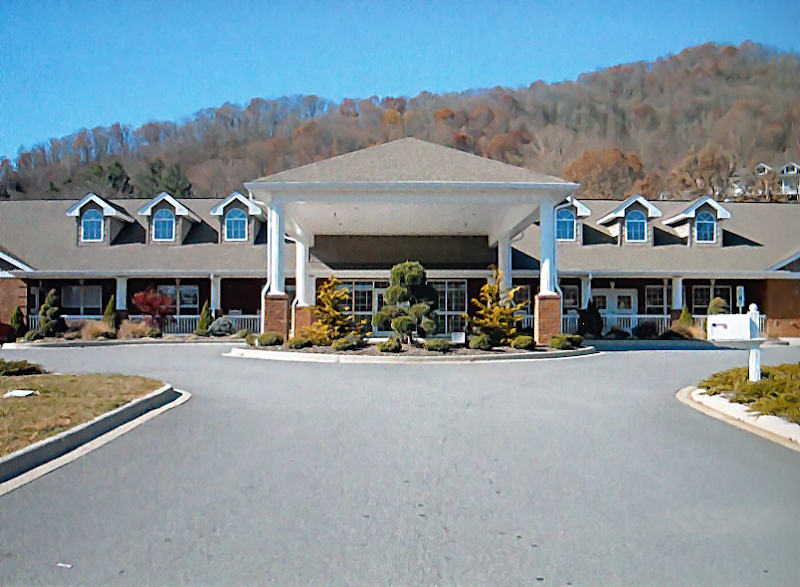
1349 Crabtree Road, Waynesville, NC 28785 (828) 454-9260
For profit - Corporation 50 Beds PRINCIPLE LONG TERM CARE Data: November 2025
Trust Grade
65/100
#123 of 417 in NC
Last Inspection: February 2025

Within standard 12-15 month inspection cycle. Federal law requires annual inspections.

Overview

Smoky Mountain Health and Rehabilitation Center has a Trust Grade of C+, indicating it is slightly above average but not without its issues. It ranks #123 out of 417 facilities in North Carolina, placing it in the top half, and #1 out of 5 in Haywood County, meaning it is the best option locally. However, the facility's trend is worsening, as it went from 3 issues in 2023 to 4 in 2025. Staffing is a mixed bag with a 3/5 rating and a concerning 71% turnover rate, which is significantly higher than the state average of 49%. Notably, there were no fines recorded, and the facility has better RN coverage than 87% of North Carolina facilities, which is a positive aspect since RNs can identify issues that CNAs might overlook. On the downside, some recent incidents raised concerns. For example, the facility served a smaller portion of cod to residents on a mechanical soft diet than required, which could have affected their nutritional needs. Additionally, there was a significant weight loss noted in one resident that had not been recorded properly in their assessments, indicating potential oversight in monitoring health changes. Lastly, a medication cart was found to contain expired items, raising questions about the adherence to medication management protocols. Overall, while there are strengths in RN coverage and no fines, families should weigh these against the staffing concerns and recent incidents reported.
Trust Score
C+
65/100
In North Carolina
#123/417
Top 29%
Safety Record
Low Risk
No red flags
Inspections
Getting Worse
3 → 4 violations
Staff Stability
⚠ Watch
71% turnover. Very high, 23 points above average. Constant new faces learning your loved one's needs.
Penalties
✓ Good
No fines on record. Clean compliance history, better than most North Carolina facilities.
Skilled Nurses
✓ Good
Each resident gets 43 minutes of Registered Nurse (RN) attention daily — more than average for North Carolina. RNs are trained to catch health problems early.
Violations
⚠ Watch
13 deficiencies on record. Higher than average. Multiple issues found across inspections.
★★★★☆
4.0
Overall Rating
★★★☆☆
3.0
Staff Levels
★★★★☆
4.0
Care Quality
★★★★☆
4.0
Inspection Score
Stable
2023: 3 issues
2025: 4 issues

The Good

  • 4-Star Quality Measures · Strong clinical quality outcomes
  • Full Sprinkler Coverage · Fire safety systems throughout facility
  • No fines on record

Facility shows strength in quality measures, fire safety.

The Bad

Staff Turnover: 71%

25pts above North Carolina avg (46%)

Frequent staff changes - ask about care continuity

Chain: PRINCIPLE LONG TERM CARE

Part of a multi-facility chain

Ask about local staffing decisions and management

Staff turnover is very high (71%)

23 points above North Carolina average of 48%

The Ugly 13 deficiencies on record

Feb 2025 4 deficiencies
CONCERN (D) 📢 Someone Reported This

A family member, employee, or ombudsman was alarmed enough to file a formal complaint

Potential for Harm - no one hurt, but risky conditions existed

Comprehensive Assessments (Tag F0636)

Could have caused harm · This affected 1 resident

**NOTE- TERMS IN BRACKETS HAVE BEEN EDITED TO PROTECT CONFIDENTIALITY** Based on record review and staff interviews, the facility failed to complete the Care Area Assessment (CAA) comprehensively to a...

Read full inspector narrative →
**NOTE- TERMS IN BRACKETS HAVE BEEN EDITED TO PROTECT CONFIDENTIALITY** Based on record review and staff interviews, the facility failed to complete the Care Area Assessment (CAA) comprehensively to address the underlying causes and contributing factors of the triggered areas for 2 of 5 sampled residents reviewed for unnecessary medications (Residents #10 and Resident #11). The findings included: a. Resident #10 was admitted to the facility on [DATE] with diagnoses including non-Alzheimer's dementia, anxiety disorder, and osteoarthritis. A review of Section V (CAA Summary) of the significant change in status MDS assessment dated [DATE] revealed 10 care areas were triggered for Resident #10. The MDS Coordinator did not provide any information in the analysis of findings for 9 of the 10 triggered areas to describe the nature of Resident 10's problems, possible causes, contributing factors, risk factors related to the care area, and reasons to proceed with care planning for the following triggered care areas: 1. Delirium 2. Cognitive loss/dementia 3. Visual functions 4. Communication 5. Urinary incontinence and indwelling catheter 6. Behavioral symptoms 7. Falls 8. Pressure ulcer/injury 9. Psychotropic drug usage b. Resident #11 was admitted to the facility on [DATE] with diagnoses including diabetes mellitus, non-Alzheimer's dementia, anxiety disorder, and depression. A review of Section V (CAA Summary) of the annual MDS assessment date 08/23/24 revealed 8 care areas were triggered for Resident #11. The facility did not provide any information in analysis of findings for all 8 triggered areas to describe the nature of Resident 11's problems, possible causes, contributing factors, risk factors related to the care area, and reasons to proceed with care planning for the following triggered care areas: 1. Cognitive loss/dementia 2. Activities of daily living functional/rehabilitation potential 3. Urinary incontinence and indwelling catheter 4. Mood stated 5. Falls 6. Nutritional status 7. Pressure ulcer/injury 8. Psychotropic drug use During an interview conducted on 02/04/25 at 9:55 AM, the MDS Coordinator confirmed 9 of the 10 triggered care areas for Resident #10's MDS dated [DATE] and all 8 triggered care areas for Resident #11's MDS dated [DATE] were submitted without providing pertinent information in the analysis of findings in Section V. She explained she started working as the MDS Coordinator last November and both MDS assessments were submitted by the former MDS Coordinator. She did not know how both incidents occurred and acknowledged that it was an error to submit an annual or significant change in status MDS without completing analysis of findings for all the triggered areas comprehensively. On 02/04/25 at 11:25 AM an interview was conducted with the Director of Nursing. She stated all the CAAs must be individualized and completed comprehensively. It was her expectation for the MDS Coordinators to complete the analysis of findings for all the triggered areas in Section V comprehensively before submission. An interview was conducted with the Administrator on 02/04/25 at 2:54 PM. She expected the MDS Coordinator to follow MDS guidelines to ensure all the CAAs included at least the nature of problems, causative factors, and reasons to proceed to care plan before submission.
CONCERN (D) 📢 Someone Reported This

A family member, employee, or ombudsman was alarmed enough to file a formal complaint

Potential for Harm - no one hurt, but risky conditions existed

PASARR Coordination (Tag F0644)

Could have caused harm · This affected 1 resident

**NOTE- TERMS IN BRACKETS HAVE BEEN EDITED TO PROTECT CONFIDENTIALITY** Based on record review and staff interviews, the facility failed to ensure a Preadmission Screening and Resident Review (PASRR) ...

Read full inspector narrative →
**NOTE- TERMS IN BRACKETS HAVE BEEN EDITED TO PROTECT CONFIDENTIALITY** Based on record review and staff interviews, the facility failed to ensure a Preadmission Screening and Resident Review (PASRR) application was completed for a resident who had a new psychiatric diagnosis for 1 of 1 resident (Resident #10) reviewed for PASRR. The findings included: Resident #10 was admitted to the facility 9/2/23 with diagnoses that included polyosteoarthritis, and generalized anxiety disorder. Resident #10's care plan initiated on 4/8/24 indicated Resident #10 had actual acute confusional state characterized by behaviors, altered thought process, delusions and hallucinations related to legal blindness and hearing deficit. A review of Resident #10's medical record indicated hallucinations was added to her diagnoses list effective 8/1/24. There was no information in Resident #10's medical record regarding the PASRR number or if a new application for PASRR was completed by facility staff after Resident #10 was diagnosed with hallucinations. The most recent quarterly Minimum Data Set assessment dated [DATE] indicated Resident #10 did not have hallucinations. An interview with the Social Worker (SW) on 2/3/25 at 3:07 PM revealed he had worked at the facility since the end of November 2024, but he did not have anything to do with PASRR. The SW stated that the Business Office Manager was responsible for PASRR, but he was able to look up Resident #10's PASRR information during the interview. The SW shared that Resident #10 currently had a PASRR Level I. An interview with the Business Office Manager on 2/3/25 at 3:11 PM revealed she was responsible for obtaining the PASRR information prior to residents being admitted to the facility, but she was not sure who would have submitted a new PASRR application for residents who had new mental health diagnoses. The Business Office Manager stated that the previous Social Worker used to be responsible for PASRR, but after she left employment the Business Office Manager had taken over obtaining the PASRR information for the new admissions. During a follow-up interview with the Business Office Manager on 2/5/25 at 8:33 AM, she retrieved Resident #10's PASRR information which revealed that the last time a request for evaluation was submitted was on 8/29/23 wherein Resident #10 was given a PASRR Level I. The Business Office Manager stated that the previous Social Worker was responsible for submitting a new PASRR application whenever there were new mental health diagnoses, but she did not know who was supposed to do it now. An interview with the Administrator on 2/5/25 at 8:38 AM revealed the Admissions Director and the Business Office Manager shared responsibility in obtaining PASRR information for new residents. The Administrator stated that they talked about any new mental health diagnoses in the morning meetings, and the Social Worker would be responsible for submitting a new PASRR application, but he had not been trained yet. She further stated that the current Social Worker was getting ready to be trained on the PASRR process. The Administrator shared that the previous Social Worker used to deal with PASRR, but they did have a vacancy at some point, which could have contributed to the PASRR applications not being done.
CONCERN (D) 📢 Someone Reported This

A family member, employee, or ombudsman was alarmed enough to file a formal complaint

Potential for Harm - no one hurt, but risky conditions existed

Respiratory Care (Tag F0695)

Could have caused harm · This affected 1 resident

**NOTE- TERMS IN BRACKETS HAVE BEEN EDITED TO PROTECT CONFIDENTIALITY** Based on observations, record review, and staff interviews, the facility failed to post cautionary and safety signage outside a ...

Read full inspector narrative →
**NOTE- TERMS IN BRACKETS HAVE BEEN EDITED TO PROTECT CONFIDENTIALITY** Based on observations, record review, and staff interviews, the facility failed to post cautionary and safety signage outside a resident's room that indicated the use of oxygen for 1 of 1 resident reviewed for respiratory care (Resident #239). The findings included: Resident #239 was admitted to the facility on [DATE] with diagnoses that included acute respiratory failure with hypoxia (a condition in which there is an inadequate supply of oxygen to the body's tissues). A review of Resident #239's physician orders revealed an order dated 01/17/25 for oxygen to be administered continuously via nasal cannula at 2 liters per minute, may titrate to keep oxygen (O2) saturation greater than 90%. A review of the admission Minimum Data Set (MDS) dated [DATE] indicated Resident #239 was cognitively intact and coded for oxygen use. An observation on 02/02/25 at 11:54 AM revealed Resident #239 sitting in his wheelchair by his bed with oxygen being administered by an oxygen concentrator. He was holding the nasal cannula in his left hand and indicated he had just removed the nasal cannula to go to the bathroom. There was no signage posted outside Resident #239's room indicating supplemental oxygen was in use. An observation of Resident #239 on 02/03/25 at 8:13 AM revealed he was sitting in his wheelchair by his bed with oxygen being administered via nasal cannula by an oxygen concentrator. There was no cautionary or safety signage posted outside his room indicating supplemental oxygen was in use. An interview conducted on 02/04/25 9:46 AM with Nurse #1 revealed when there was a new resident with orders for oxygen, the nurse who completed the admission would place oxygen in use signage on the resident's door. She indicated any staff member who was aware of oxygen being in use could put up a sign. She was not aware Resident #239 did not have oxygen signage posted. On 02/04/25 at 9:52 AM an interview was held with the Director of Nursing (DON). She indicated the nurse who admitted a new resident was responsible for placing the oxygen in use signage on the resident's door. The DON continued to voice the oxygen in use signage should have been placed on Resident #239's door and was not certain why the signage was not in place. An interview with the Administrator on 02/05/25 at 9:43 AM revealed nurses should validate physician orders related to oxygen and place oxygen signage on the resident's door.
CONCERN (D) 📢 Someone Reported This

A family member, employee, or ombudsman was alarmed enough to file a formal complaint

Potential for Harm - no one hurt, but risky conditions existed

Deficiency F0761 (Tag F0761)

Could have caused harm · This affected 1 resident

Based on observations, staff interviews and record review, the facility failed to remove expired medication in accordance with manufacturer's expiration date and failed to date a time sensitive eye dr...

Read full inspector narrative →
Based on observations, staff interviews and record review, the facility failed to remove expired medication in accordance with manufacturer's expiration date and failed to date a time sensitive eye drops after it was opened and stored at room temperature for 1 or 2 medications carts observed during medication storage checks (Medication Cart #1). The findings included: Review of the manufacturer's package insert for Latanoprost eye drops revealed an unopened bottle should be stored under refrigeration between 36° to 46° Fahrenheit (F) and protected from light. Once opened, Latanoprost may be stored at room temperature up to 77° F for up to six weeks. An observation was conducted on 02/03/25 at 3:49 PM for Medication Cart #1 in the presence of Nurse #2. The observation revealed the following: - One opened bottle of Latanoprost 0.005% eye drop (medication used to treat glaucoma) for Resident #14 was stored at room temperature without an opening date and ready to be used. A sticker for the nurse to record the opening date remained blank. - One opened bottle of docusate sodium liquid (Medication used to prevent and treat occasional constipation) with concentration of 50 milligrams (mg) per 5 milliliters (ml) expired on 01/31/25 with 15 ounces remaining in the bottle and ready to be used. Review of physician's orders revealed Resident #14 had an active order to receive one drop of Latanoprost solution in both eyes once daily in the evening started 04/18/24. The medication administration records indicated Resident #14 had received Latanoprost eye drops as ordered since its initiation on 04/18/24. During an interview conducted on 02/03/25 at 3:53 PM, Nurse #2 stated the medication carts were checked thoroughly by the third shift nurse on each Sunday to ensure proper storage condition and discard expired medications. Nurse #2 stated they had been instructed to check the medication for expiration each time before administration. She did not know why the eye drops and the stool softener laxative was not identified by the nurse who checked the medication cart last Sunday. She acknowledged that the eye drops needed to be dated after the bottle had been opened and stored in the room temperature, and the expired docusate solution needed to be discarded. An interview was conducted with the Director of Nursing (DON) on 02/04/25 at 10:17 AM. She stated it was her expectation for all the nurses to date latanoprost eye drops once a new bottle was opened, and keep the facility free of expired medication all the time. During an interview conducted with the Administrator on 02/04/25 at 2:54 PM, she expected nursing staff to check the expiration date of medication routinely and date latanoprost once it was opened. It was her expectation for all the nurses to follow the manufacturer's guidelines to ensure the facility was free of expired medications.
Sept 2023 3 deficiencies
CONCERN (D) 📢 Someone Reported This

A family member, employee, or ombudsman was alarmed enough to file a formal complaint

Potential for Harm - no one hurt, but risky conditions existed

Deficiency F0583 (Tag F0583)

Could have caused harm · This affected 1 resident

**NOTE- TERMS IN BRACKETS HAVE BEEN EDITED TO PROTECT CONFIDENTIALITY** Based on observations, record review, and staff interviews the facility failed to maintain a resident's privacy by checking her ...

Read full inspector narrative →
**NOTE- TERMS IN BRACKETS HAVE BEEN EDITED TO PROTECT CONFIDENTIALITY** Based on observations, record review, and staff interviews the facility failed to maintain a resident's privacy by checking her fingerstick blood glucose in the dining room in the presence of other residents and a visitor for 1 of 1 resident (Resident #17). The reasonable person concept was applied to this deficiency and a reasonable person would expect privacy when their fingerstick blood sugar was checked. Findings included: Resident #17 was admitted to the facility 03/06/18 with diagnoses including diabetes and non-Alzheimer's dementia. Review of Resident #17's Physician orders revealed an order dated 07/06/23 to check her blood sugar three times a day and as needed. The quarterly Minimum Data Set (MDS) dated [DATE] revealed Resident #17 was severely cognitively impaired. An observation of Resident #17 on 09/26/23 at 12:26 PM revealed she was sitting in the dining room eating lunch. Three other residents were observed sitting at the table with Resident #17 and were also eating lunch. Nurse #1 approached Resident #17 and checked her fingerstick blood glucose at the dining table. Nurse #1 did not offer to move Resident #17 to a private location. Four additional residents and a visitor were present in the dining room when Nurse #1 checked Resident #17's fingerstick blood glucose. In an interview with Nurse #1 on 09/26/23 at 12:45 PM she confirmed that she should have assisted Resident #17 to private location to check her fingerstick blood glucose. She explained that at the facility where she was previously employed residents' fingerstick blood glucose were routinely checked in the dining room, and she checked Resident #17's fingerstick blood glucose in the dining room while she was eating out of habit. An interview with the Director of Nursing (DON) on 09/28/23 at 3:37 PM revealed she expected that any resident should have their fingerstick blood glucose checked in a private area unless the resident requested otherwise.
CONCERN (D) 📢 Someone Reported This

A family member, employee, or ombudsman was alarmed enough to file a formal complaint

Potential for Harm - no one hurt, but risky conditions existed

ADL Care (Tag F0677)

Could have caused harm · This affected 1 resident

**NOTE- TERMS IN BRACKETS HAVE BEEN EDITED TO PROTECT CONFIDENTIALITY** Based on record review, observations, and interviews with staff, the facility failed to ensure personal and oral hygiene was pro...

Read full inspector narrative →
**NOTE- TERMS IN BRACKETS HAVE BEEN EDITED TO PROTECT CONFIDENTIALITY** Based on record review, observations, and interviews with staff, the facility failed to ensure personal and oral hygiene was provided for a resident dependent on staff to trim and clean visibly dirty fingernails and brush and clean visibly dirty dentures for 1 of 2 residents reviewed for activities of daily living (Resident #35). Findings included: Resident #35 was admitted to the facility on [DATE] with diagnoses including dementia, Alzheimer's disease, and cerebrovascular accident (stroke). The quarterly Minimum Data Set (MDS) assessment dated [DATE] indicated Resident #35 cognition was significantly impaired and extensive assistance was needed for personal hygiene. The MDS assessment did not identify Resident #35 had rejection of care behaviors during the lookback period. Resident #35's care plan for activities of daily living (ADL) and personal care revised on 09/25/23 read in part, Care would be completed with staff support as appropriate to maintain or achieve the highest practical level of functioning. Interventions included provide limited to extensive assistance. a. A continuous observation on 09/25/23 from 12:37 PM to 1:05 PM revealed Resident #35 eating lunch in his room while in bed without assistance from staff. Resident #35 used silverware to eat food from the plate and used his right hand to pick up a piece of bread and take a bite. The middle and ring fingernails on the right hand had a buildup of a thick, dark-colored substance underneath the nails that started at the tip of the finger to approximately the middle part of the nail. The fingernails were approximately 1 centimeter (cm) past the tip of the finger. An observation made on 09/25/23 at 4:06 PM revealed Resident #35's meal tray was removed from the overbed table and there was no change in the appearance of the fingernails on the right hand. The index, middle and ring finger on the left hand were approximately 1 cm past the tip of the finger and a thick dark-colored substance was observed underneath the nails. The buildup started at the tip of the finger to approximately the middle part of the nail. During the observation Resident #35 used the tips of his fingers on the left hand to rub his left eye. An observation and interview were conducted on 09/25/23 at 4:27 PM with the Director of Nursing (DON). The DON observed Resident #35's fingernails on both the left and right hand with the thick, dark-colored substance underneath the nails. The DON stated she would expect nursing staff to offer nail care when the resident's nails are visibly dirty and before Resident #35 started to eat the lunch meal. The DON asked Resident #35, who agreed to allow Nurse Aide (NA) #1 to trim and clean his fingernails. An interview was conducted on 09/26/23 at 2:36 PM with NA #1. NA #1 confirmed she worked the day shift and was assigned to provide personal hygiene care for Resident #35 on 09/25/23. NA #1 stated she did not notice Resident #35's fingernails were dirty prior to the lunch meal and did not provide nail care. NA #1 revealed the DON instructed her to provide nail care and she was able to clean and cut Resident #35's fingernails and he did not reject the care. During an interview on 09/28/23 at 3:55 PM the Administrator stated nursing staff followed the facility's protocol and policy for nail care and if the resident was accepting of the care it was provided. b. Resident #35's care plan for oral hygiene revised on 09/26/23 revealed a care deficit with teeth and the oral cavity related to poor fitting dentures and included the intervention to refer for dental services for lost or damaged dentures. During an observation on 09/26/23 at 4:31 PM Resident #35 willingly showed his upper and lower dentures. Both the upper and lower dentures appeared unclean with a buildup of debris that was white in color and affected multiple teeth and areas on the gums. An observation and interview were conducted on 09/27/23 at 12:06 PM with the DON. There was no change in the appearance of Resident #35's upper and lower dentures and both continued to have a buildup of white colored debris. The DON asked Resident #35 if she could clean his dentures and instructed him to remove them from his mouth and put them on the napkin she held in her hand. Resident #35 followed the instructions and removed both the upper and lower dentures and gave them to the DON. The DON cleaned the dentures and applied a denture adhesive then placed them back into Resident #35's mouth. Resident #35 accepted the care and was able to follow cues from the DON without refusal. The DON stated denture/oral hygiene care was done in the morning and at night and Resident #35 would refuse care at times and would need to ask the assigned NA if denture care was provided on 09/26/23 and 09/27/23. An interview was conducted on 09/27/23 at 4:11 PM with NA #1. NA #1 revealed she was also assigned to provide care for Resident #35 the morning of 09/26/23. NA #1 stated she offered denture care but Resident #35 refused and residents have the right to refuse care and she was unsure what to do if they did. An interview was conducted on 09/27/23 at 12:15 PM with NA #1. NA #1 revealed she was assigned to provide care for Resident #35 on the morning of 09/27/23. NA #1 stated she did not get Resident #35 out of bed, and she did not provide his denture/oral hygiene care. NA #1 revealed she did not provide denture care because Resident #35 was already out of bed and dressed and she assumed the NA who dressed him also provided denture/oral hygiene care. An interview was conducted on 09/27/23 at 12:27 PM with NA #2. NA #2 stated she was instructed to obtain Resident #35's weight and got him out of bed and dressed on the morning of 09/27/23. NA #2 stated she did not provide Resident #35's denture/oral hygiene care. An interview was conducted on 09/28/23 at 3:44 PM with the DON. The DON revealed oral care was provided in the morning before breakfast and she expected NA staff to offer and provide denture/oral hygiene care. The DON revealed it was a misunderstanding when NA #2 got Resident #35 out of bed and dressed to be weighed and NA #1 assumed denture/oral hygiene care was done. The DON stated NA #1 did not check to ensure Resident #35 received denture/oral hygiene care the morning of 09/27/23 and should have. During an interview on 09/28/23 at 3:55 PM the Administrator revealed the nursing staff followed the facility's protocol and policy for denture/oral hygiene care and if the resident was accepting of the care it was provided.
CONCERN (E) 📢 Someone Reported This

A family member, employee, or ombudsman was alarmed enough to file a formal complaint

Potential for Harm - no one hurt, but risky conditions existed

Menu Adequacy (Tag F0803)

Could have caused harm · This affected multiple residents

Based on a lunch meal tray line observation, record review, and staff interviews the facility failed to serve cod in a three-ounce portion per the menu. This failure had the potential to affect 15 res...

Read full inspector narrative →
Based on a lunch meal tray line observation, record review, and staff interviews the facility failed to serve cod in a three-ounce portion per the menu. This failure had the potential to affect 15 residents with orders for mechanical soft diet texture. Findings included: The menu for the lunch meal on 09/26/23 for residents receiving a mechanical soft diet was 3 ounces of baked cod, a half cup of au gratin potatoes, a half cup of green peas, and a dinner roll. A continuous observation of the lunch meal tray line on 09/26/23 from 12:00 PM through 12:15 PM revealed [NAME] #1 began plating food and used a number 16 scoop (contained 2-2.25 ounces) to plate cod for residents receiving a mechanical soft diet. [NAME] #1 was observed giving a level scoop of cod using the number 16 scoop. During the observation [NAME] #1 dropped the number 16 scoop into an open area on the steam table and retrieved a number 8 scoop (contained 4-5 ounces) from a drawer close to the steam table and continued plating the cod for residents receiving a mechanical soft diet texture. [NAME] #1 did not use a consistent and level scoop when plating the cod using the number 8 scoop. An interview with the Certified Dietary Manager (CDM) on 09/26/23 at 12:15 PM revealed the menu spreadsheet indicated which utensil was to be used to provide the correct portion size for each item served. She stated a number 8 scoop should have been used to serve fish to residents receiving a mechanical soft diet texture. During a follow-up interview with the CDM on 09/26/23 at 2:43 PM she confirmed the cook or the person plating the food was responsible for ensuring the correct utensil was used to serve the correct portion size. She stated [NAME] #1 was nervous and she felt that contributed to him using the incorrectly sized serving scoop. In an interview with [NAME] #1 on 09/26/23 at 2:48 PM he stated the menu indicated which serving utensil was to be used to provide the correct portion size for each item served, but because residents who received a regular diet were receiving a 3-ounce portion of cod, he used a number 16 scoop because that was the closest scoop to 3-ounces he had available. [NAME] #1 stated after he dropped the number 16 scoop in the steam table, the number 8 scoop was the closest scoop available to him without stopping the tray line and per the menu he should have been using the number 8 scoop anyway. Review of the menu for the lunch meal on 09/26/23 at 3:56 PM revealed an X in the column for the portion size of cod for residents receiving a mechanical soft diet. An interview with the Regional Dietary Consultant on 09/28/23 at 3:57 PM revealed the X on the menu in the column indicating portion size for cod for residents receiving a mechanical soft diet meant they were to receive the same portion size of cod as residents receiving a regular diet. He stated residents receiving a mechanical soft diet for the lunch meal on 09/26/23 should have received a 3-ounce portion of cod and confirmed residents did not receive the correct portion size. An interview with the Administrator on 09/28/23 at 3:34 PM revealed she expected dietary staff to follow the menu and for residents to receive the correct portion size.
Mar 2022 6 deficiencies
CONCERN (D)

Potential for Harm - no one hurt, but risky conditions existed

Abuse Prevention Policies (Tag F0607)

Could have caused harm · This affected 1 resident

**NOTE- TERMS IN BRACKETS HAVE BEEN EDITED TO PROTECT CONFIDENTIALITY** Based on record review and staff interviews, the facility failed to implement their abuse policy and procedure in the areas of p...

Read full inspector narrative →
**NOTE- TERMS IN BRACKETS HAVE BEEN EDITED TO PROTECT CONFIDENTIALITY** Based on record review and staff interviews, the facility failed to implement their abuse policy and procedure in the areas of protection and reporting by: 1) not immediately suspending the staff members suspected to have been involved in the alleged abuse, pending the outcome of the investigation, which allowed them to continue providing care to residents and 2) not reporting an allegation of staff-to-resident abuse to Adult Protective Services for 1 of 3 residents reviewed for abuse (Resident #7). Findings included: A review of the facility policy titled, Abuse, Neglect, or Misappropriation of Resident Property Policy, revised 3/10/2017 and read in part, Employees accused of being directly involved in allegations of abuse, neglect, exploitation, or misappropriation of property will be suspended immediately from duty pending the outcome of the investigation. The Administrator will ensure for all allegations that involve abuse .Adult Protective Services are notified immediately but no later than 2 hours after the allegation is received and determination of alleged abuse is made. Resident #7 was admitted to the facility on [DATE] with diagnoses including Parkinson's Disease. Review of the quarterly Minimum Data Set (MDS) assessment dated [DATE] revealed Resident #7 was severely cognitively impaired. A review of an abuse investigation dated 10/23/21 revealed Resident #7 told a staff member, a big black girl slapped me last night. Resident #7 made the statement to the Payroll/Receptionist on 10/23/21 at 12:30pm during her rounds as the manager on call. She notified the nurses in the facility and the interim Administrator. On 10/23/21, the Payroll/Receptionist interviewed residents and none had any concerns about being abused. Residents were interviewed again on 10/24/21 and 10/25/21 with no negative outcomes. Staff were interviewed and abuse education was conducted by Nurse #2 on 10/23/21. There was no documentation that Adult Protective Services was notified. An interview with the Payroll/Receptionist on 3/2/22 at 8:39am revealed on 10/23/21 at 12:30pm, she was making rounds in the facility when Resident #7 stated a big black girl slapped him last night. She notified the interim Director of Nursing. She stated she did not report the allegation to Adult Protective Services, stating that was outside of her scope. She stated on 10/24/21, the interim Administrator instructed her to take Nurse Aide #1 (NA) and NA #2 into the conference room and get their statements. The interim Administrator talked with NA #1 and NA #2 by phone. NA #1 and NA #2 were suspended on 10/24/21 around noon. Review of NA #1's statement, dated 10/24/21, revealed the resident room #'s for which she provided care on 10/23/21 and that no resident said she hurt them. Review of NA #2's statement, dated 10/24/21, revealed the resident names for which she provided care on 10/23/21, which included Resident #7. Review of the time records provided by the facility revealed the following: NA #1 worked: 10/22/21 6:57am-7:04pm 10/23/21 6:58am-7:07pm 10/24/21 7:03am-12:25pm NA #2 worked: 10/22/21 6:58am-7:03pm 10/23/21 6:59am-7:06pm 10/24/21 7:04am-12:53pm An interview with NA #2 on 3/2/22 at 10:56am revealed she was an agency nurse aide who worked 12 hour shifts during the day at the facility. On 10/23/21, she worked 7am-7pm and cared for Resident #7 during her shift. No one said anything to her on 10/23/21 about there being an allegation of abuse. On 10/24/21, she reported to work at 7am and she cared for Resident #7 on 10/24/21 as well. Around noon she was called to the conference room where the interim Administrator talked with her over the phone. NA #2 stated the interim Administrator suspended her for an allegation of abuse, but she was not told who made the allegation or who the allegation was against. An interview with NA #1 on 3/2/22 at 1:11pm revealed she was an agency nurse aide who worked 12 hour shifts during the day at the facility. On 10/23/21 she worked 7am-7pm but did not care for Resident #7. On 10/24/21, she worked 7am-noon. Around noon she was called to the conference room where the interim Administrator talked with her over the phone. NA #2 stated the interim Administrator suspended her for an allegation of abuse, stating she fit the description stated by the resident. An interview with the interim Director of Nursing (DON) on 3/4/22 at 9:29am revealed she was not in the facility on 10/23/21 or 10/24/21, stating it was in her contract that she was not required to be in the facility on the weekends. She stated Charge Nurse #1 was going to investigate the allegation. An interview with the interim Administrator on 3/4/22 at 1:11pm revealed the facility's Administrator was out of the state the weekend of 10/23/21 through 10/24/21 and she was covering in the Administrator's absence. She stated she was notified of the allegation on 10/23/21, but unable to recall who notified her or at what time. She stated when she was notified, she was traveling and was not in the facility. She stated she delegated the investigation to Charge Nurse #1, who would have notified all parties, including Adult Protective Services. She stated there was no employee in the building that met the description of the abuser or that worked during the night of 10/22/21. The two NAs that were suspended did not work the night of 10/22/21. Since they fit the description stated by the resident, NA #1 and NA #2 were suspended on 10/24/21. The interim Administrator stated both NAs were suspended to protect the residents. She was not able to state why both NA #1 and NA #2 were not suspended immediately after becoming aware of the allegation. The interim Administrator confirmed she did not notify Adult Protective Services after the allegation was made as she was traveling and not in the facility. An interview with Charge Nurse #1 on 3/4/22 at 6:00pm revealed she was one of the nurses working in the facility on 10/23/21 and the afternoon of 10/24/21. On 10/23/21, she was notified by the Administrator via text to fill out the 24-hour report. The information on the report was provided by the interim Administrator. Charge Nurse #1 stated she was not instructed to do anything else nor was she instructed to report the allegation to Adult Protective Services. She stated the interim Administrator was going to notify Adult Protective Services. She stated NA #1 and NA #2 were suspended on 10/24/21 and she was unsure why they were not suspended immediately after the allegation was made. She confirmed she did not call Adult Protective Services about the allegation. An interview with the Administrator on 3/4/22 at 4:23pm revealed she was out of the state on 10/23/21 and 10/24/21. An interim Administrator was covering in her absence. Upon the Administrator's return to the facility, she completed and signed the 5 day report, dated 10/29/21. The Administrator stated she could not speak to why NA #1 and NA #2 were allowed to work until noon on 10/24/21 since she was not involved in the investigation at the time they were suspended. She confirmed that it was the facility's policy to immediately suspend employees accused of abuse pending the outcome of the investigation.
CONCERN (D)

Potential for Harm - no one hurt, but risky conditions existed

Comprehensive Care Plan (Tag F0656)

Could have caused harm · This affected 1 resident

**NOTE- TERMS IN BRACKETS HAVE BEEN EDITED TO PROTECT CONFIDENTIALITY** Based on record review and staff interviews, the facility failed to develop comprehensive, individualized care plans that addres...

Read full inspector narrative →
**NOTE- TERMS IN BRACKETS HAVE BEEN EDITED TO PROTECT CONFIDENTIALITY** Based on record review and staff interviews, the facility failed to develop comprehensive, individualized care plans that addressed the areas of antidepressant and diuretic medications for 1 of 12 sampled residents reviewed (Resident #8). Findings included: Resident #8 was admitted to the facility on [DATE] with diagnoses that included chronic kidney disease, heart failure, diabetes, and depression. Review of Resident #8's active care plans, initiated on 11/29/21 and last reviewed/revised 02/18/22, revealed no care plans that addressed antidepressant or diuretic medication use. The admission Minimum Data Set (MDS) dated [DATE] indicated that Resident #8 received antidepressant and diuretic medications 7 of 7 days during the MDS assessment period. Review of Resident #8's February 2022 Medication Administration Record (MAR) revealed the following physician orders: • Trazodone (antidepressant) 50 mg at bedtime for sleep. • Celexa (antidepressant) 20 milligrams (mg) once a day for depression. • Furosemide (diuretic) 20 mg once a day for fluid retention. During an interview on 03/02/22 at 10:14 AM, the MDS Nurse explained she typically care planned any medications a resident was taking such as anticoagulants, antidepressants, pain, and diuretics that included interventions to monitor for side effects and notify the physician as needed. The MDS Nurse confirmed Resident #8 received antidepressant and diuretic medications during the 7-day MDS assessment period for the assessment dated [DATE]. She added both should have been included in her comprehensive care plan. The MDS Nurse stated it was an oversight and explained she had only been in the position for approximately 2 months and was still learning the process. During an interview on 03/03/22 at 10:31 AM, the Director of Nursing (DON) revealed prior to the MDS Nurse starting employment at the facility, floor nurses were completing care plans and they have since revised the process so that the MDS Nurse would be responsible for ensuring care plans were developed. The DON confirmed Resident #8 received antidepressant and diuretic medications during the MDS assessment period of 12/20/21 and care plans should have been developed and included in her comprehensive care plan. During an interview 03/03/22 at 3:24 PM, the Administrator stated she would expect for care plans to be comprehensive, and plans developed for each resident as indicated. The Administrator added the MDS Nurse was new in her position and was being trained by the Regional MDS Consultant.
CONCERN (D)

Potential for Harm - no one hurt, but risky conditions existed

Infection Control (Tag F0880)

Could have caused harm · This affected 1 resident

Based on observations and interviews with staff the facility failed to perform hand hygiene before meal tray setup and after contact with objects in the resident's environment during the delivery and ...

Read full inspector narrative →
Based on observations and interviews with staff the facility failed to perform hand hygiene before meal tray setup and after contact with objects in the resident's environment during the delivery and service of meals for 1 of 3 staff observed for infection control (Medication Aide #1). The findings included: Review of the facility's Infection Control Manual dated 03/10/20 read in part: The most effective single method for the prevention of infection is hand hygiene. Handwashing Procedure of when should you wash your hands included before and after contact with a resident. The use of an alcohol-based hand sanitizer (hand sanitizer that contains at least 60% alcohol) may be used unless the hands are visibly soiled. A continuous observation of meal tray delivery and setup was conducted on 02/28/22 at 12:39 PM through 02/28/22 at 12:45 PM. Medication Aide (MA) #1 was not observed to perform hand hygiene before he removed a meal tray from the food cart. MA #1 entered Resident #21's room and placed the meal tray on the bedside table then unwrapped the napkin and removed the silverware. MA #1 grabbed the fork by the handle and placed it in a food item then removed the lid from a cup of coffee. MA #1 then left the room and without performing hand hygiene retrieved a second meal tray from the food cart. MA #1 entered Resident #387's room and placed the meal tray on the bedside table. MA #1 grabbed Resident #387's walker and wheelchair by the handles and moved those items out of his way. MA #1 unwrapped the napkin and removed the fork and knife and placed those items beside the plate of food. MA #1 grabbed the bedside table and repositioned closer to the resident. Without performing hand hygiene MA #1 left room and retrieved a third meal tray from the food cart. MA #1 entered Resident #15's room and placed the meal tray on bedside table. Resident #15 requested to leave the tray as is and MA #1 left the room. MA #1 located a dispenser of alcohol-based hand sanitizer attached to the wall on the hallway where meals were being served and sanitized his hands. An interview was conducted with MA #1 on 02/28/22 at 12:59 PM. MA #1 stated he was not sure about when to perform hand hygiene when serving meal trays to residents. MA #1 revealed he had always been told to do hand hygiene every third room when serving meal trays and that's what he did. MA #1 was unsure what the facility's policy was about meal trays service between resident rooms but stated if he touched a resident or their personal items such as handles on a wheelchair or walker, he should've performed hand hygiene. An interview was conducted on 03/03/22 at 4:36 PM with the Administrator. The concerns of meal tray delivery and setup were shared. The Administrator stated the Director of Nursing (DON) was responsible for infection control and deferred questions related to hand hygiene during meal tray service to her. During an interview on 03/03/22 at 5:51 PM the observation of meal tray delivery and setup for residents was shared with the DON. The DON stated she expected facility staff to perform hand hygiene or at least use an alcohol-based hand sanitizer after the handles of a resident's wheelchair and walker were touched.
CONCERN (E)

Potential for Harm - no one hurt, but risky conditions existed

Assessment Accuracy (Tag F0641)

Could have caused harm · This affected multiple residents

**NOTE- TERMS IN BRACKETS HAVE BEEN EDITED TO PROTECT CONFIDENTIALITY** 4. Resident # 2 was admitted to the facility on [DATE] with diagnoses that included stroke and dementia. Review of the Dietary ...

Read full inspector narrative →
**NOTE- TERMS IN BRACKETS HAVE BEEN EDITED TO PROTECT CONFIDENTIALITY** 4. Resident # 2 was admitted to the facility on [DATE] with diagnoses that included stroke and dementia. Review of the Dietary Manager's progress note dated 2/8/2022 revealed Resident #2 experienced significant weight loss over the last 90 to 180 days. Review of the Registered Dietician's progress notes dated 2/11/2022 indicated Resident #2's current body weight was 147 pounds, and the resident experienced a 12% weight loss in the last 90 days. Review of weights recorded in the medical record for Resident #2 revealed she weighed 171pounds on 8/10/2021 and 145 pounds on 2/17/2022. This indicated a 15.2% weight loss in this 6-month period. Review of the Minimum Data Set (MDS) Significant Change in Status assessment dated [DATE] did not indicate Resident #2 had experienced significant weight loss. The Dietary Manager was interviewed on 3/3/2022 at 9:45 AM. She revealed the MDS for Resident #2 dated 2/17/2022 should have indicated she had a significant weight loss. A telephone interview was conducted with the Regional MDS Consultant on 3/3/2022 at 12:38 PM. She stated the MDS dated [DATE] for Resident #2 was incorrect and did not reflect the resident's significant weight loss. During an interview 3/3/2022 at 3:24 PM, the Administrator stated not indicating the significant weight loss on Resident #2's MDS dated [DATE] was an error. Based on record review and staff interviews the facility failed to accurately code Minimum Data Set (MDS) assessments in the areas of fall, medications, weight loss, discharge, and restraints for 5 of 12 sampled residents (Residents #1, #2, #3, #38, and #8). Findings included: 1.a. Resident #1 was admitted to the facility 06/04/19 with a diagnosis of heart failure. Review of Resident #1's Physician orders revealed the following: Warfarin sodium (a blood thinner medication) 3 milligrams (mg) was ordered once a day on 12/23/21. Review of Resident #1's December 2021 and January 2022 Medication Administration Records (MAR) revealed she received warfarin sodium as ordered. The quarterly Minimum Data Set (MDS) dated [DATE] reflected Resident #1 did not receive anticoagulant (blood thinner) medication during the look back period. An interview with the MDS Coordinator on 03/02/22 at 09:29 AM confirmed Resident #1 received anticoagulant medication. She stated the quarterly MDS should have reflected Resident #1 received anticoagulant medication on a daily basis and was an error. An interview with the Director of Nursing (DON) on 03/03/22 at 11:02 AM revealed she expected the MDS to be completed correctly but the MDS Coordinator was new and was still receiving training. An interview with the Administrator on 03/03/22 at 04:28 PM revealed she expected the MDS to be completed correctly. 1.b. Review of a note written by Nurse #5 on 12/10/21 at 11:21 PM revealed Resident #1 had an unwitnessed fall, sustained a laceration to her forehead, and was transported to the hospital. The quarterly Minimum Data Set (MDS) dated [DATE] reflected Resident #1 had not had a fall since admission/entry or prior assessment. An interview with the MDS Coordinator on 03/02/22 at 09:29 AM revealed she was new to the role of MDS Coordinator and did not have computer access to review Resident #1's medical record for December 2021. An interview with the Director of Nursing (DON) on 03/03/22 at 11:02 AM revealed she expected the MDS to be completed correctly but the MDS Coordinator was new and was still receiving training. An interview with the Administrator on 03/03/22 at 04:28 PM revealed she expected the MDS to be completed correctly. 2. Resident #3 was admitted to the facility 07/26/21 with a diagnosis of non-Alzheimer's dementia. Review of Resident #3's Physician's orders revealed the following: Seroquel (an antipsychotic medication) 25 milligrams (mg) 2 tablets at bedtime was ordered 01/07/22. Seroquel 25mg 1 tablet every day was ordered 01/08/22. Review of Resident #3's January 2022 MAR revealed she received Seroquel as ordered. The quarterly Minimum Data Set (MDS) dated [DATE] indicated Resident #3 did not receive antipsychotic medication during the look back period. An interview with the MDS Coordinator on 03/02/22 at 09:29 AM confirmed Resident #3 received antipsychotic medication. She stated the quarterly MDS should have reflected Resident #3 received antipsychotic medications on a daily basis and was an error. An interview with the Director of Nursing (DON) on 03/03/22 at 11:02 AM revealed she expected the MDS to be completed correctly but the MDS Coordinator was new and was still receiving training. An interview with the Administrator on 03/03/22 at 04:28 PM revealed she expected the MDS to be completed correctly. 3. Resident #8 was admitted to the facility on [DATE] with diagnoses that included depression. A 5-day PPS assessment dated [DATE] noted Resident #8 had intact cognition and required supervision with bed mobility. The assessment also indicated bed rails were used daily as a physical restraint. During an observation and interview on 02/28/22 at 9:40 AM, Resident #8 was observed lying in bed with ¼ bed rails in use. Resident #8 explained she used the bed rails to help with bed mobility and they did not restrict her movement. During an interview on 03/03/22 at 10:31 AM, the Minimum Data Set (MDS) Registered Nurse (RN) explained she had only been in the position for approximately 2 months and was still learning the process. The MDS RN further explained when she completed the PPS assessment on 01/16/22 she did not realize it meant the bed rails were a restraint and confirmed Resident #8 used them to assist with bed mobility. She added the bed rails were noted as restraints in error since they did not meet the definition of a restraint and did not restrict Resident #8's movement. During an interview on 03/03/22 at 10:31 AM, the Director of Nursing (DON) revealed the MDS RN was new to the position and still learning the process. The DON stated she would expect for MDS and PPS assessments to be completed accurately. During an interview 03/03/2022 at 3:24 PM, the Administrator stated the MDS RN was new in her position and was being trained by the Regional MDS Consultant. The Administrator stated she would expect for MDS and PPS assessments to be completed accurately. 5. Resident #38 was admitted to the facility on [DATE] with diagnoses including aftercare following knee replacement surgery. Review of the MDS discharge assessment dated [DATE] noted Resident #38 had been discharge-return not anticipated to an acute hospital. Review of the care plan revealed Resident #38 was to return home with home health services after a short stay for rehabilitation. Review of a nursing progress note dated 11/12/21 revealed Resident #38 had been discharged to home with home health services. An interview with the MDS nurse on 3/2/22 at 9:05am revealed the MDS assessment should have noted Resident #38 had been discharged to the community. An interview with the Director of Nursing on 3/3/22 at 10:36am revealed she expected MDS assessments to be accurate.
CONCERN (E)

Potential for Harm - no one hurt, but risky conditions existed

Deficiency F0761 (Tag F0761)

Could have caused harm · This affected multiple residents

Based on observations and staff interview the facility failed to remove expired medications that were available for resident use from 2 of 2 medication carts and 1 of 1 medication storage rooms observ...

Read full inspector narrative →
Based on observations and staff interview the facility failed to remove expired medications that were available for resident use from 2 of 2 medication carts and 1 of 1 medication storage rooms observed for medication storage. Findings included: 1. An observation of the medication cart for even numbered rooms of 200 hall and all of 300 hall on 03/03/22 at 01:29 PM revealed an opened 887 milliliter (ml) bottle of UTI-Stat (a ready-to-drink liquid for urinary tract health) with an expiration date of 01/11/22 and an opened bottle of ceravite tablets (a multivitamin) with an expiration date of 01/2022 were available for resident use in the medication cart. An interview with Nurse #4 on 03/03/22 at 01:30 PM revealed she was assigned the medication cart for the even numbered rooms of the 200 hall and all the rooms for 300 hall on 03/03/22 on the 07:00 AM to 07:00 PM shift. She stated medication carts were to be checked daily for expired medication and she had not checked her medication cart since she began her shift at 07:00 AM. Nurse #4 stated she had not administered ceravite or UTI-Stat on her shift on 03/03/22. An interview with the Director of Nursing (DON) on 03/03/22 at 01:55 PM revealed she expected nursing staff to check expiration dates of medications at the time of administration and medication carts were to be checked for expired medications each night shift. The DON stated she had developed 2 check off lists of tasks, one for the day shift and one for the night shift, that were to be completed each shift. She explained a task on the night shift check off list included checking medication carts for expired medications. A follow-up interview with the DON on 03/03/22 at 02:15 PM revealed she reviewed the check off list of tasks for night shift for past 4 nights and night shift nursing staff had accidentally completed the day shift check off lists, which did not include checking medication carts for expired medications. An interview with the Administrator on 03/03/22 at 04:28 PM revealed she expected medications to be used or discarded on or before their expiration date. 2. An observation of the medication cart for the odd numbered rooms of 200 hall and all of 100 hall on 03/03/22 at 01:33 PM revealed an opened 887 ml bottle of Pro-Stat (a liquid protein supplement) with an expiration date of 02/26/22 was available for resident use in the medication cart. An interview with Medication Aide (MA) #2 on 03/03/22 at 01:35 PM revealed she was assigned the medication cart for the odd numbered rooms of 200 hall and all of 100 hall on 03/03/22 for the 07:00 AM to 03:00 PM shift. She stated she did not check expiration dates of medication on the cart unless she had to add or replace a medication to her medication cart. MA #2 stated she thought medication carts were checked for expired medications on night shift. She stated she had not administered any Pro-Stat on 03/03/22 because all residents who were scheduled to receive Pro-Stat on her shift refused the supplement. An interview with the Director of Nursing (DON) on 03/03/22 at 01:55 PM revealed she expected nursing staff to check expiration dates of medications at the time of administration and medication carts were to be checked for expired medications each night shift. The DON stated she had developed 2 check off lists of tasks, one for the day shift and one for the night shift, that were to be completed each shift. She explained a task on the night shift check off list included checking medication carts for expired medications. A follow-up interview with the DON on 03/03/22 at 02:15 PM revealed she reviewed the check off list of tasks for night shift for past 4 nights and night shift nursing staff had accidentally completed the day shift check off lists, which did not include checking medication carts for expired medications. An interview with the Administrator on 03/03/22 at 04:28 PM revealed she expected medications to be used or discarded on or before their expiration date. 3. An observation of the medication storage room on 03/03/22 at 01:49 PM revealed two 887 ml bottles of UTI-Stat with an expiration date of 01/11/22 were available for resident use. An interview with the Director of Nursing (DON) on 03/03/22 at 01:55 PM revealed she expected night shift nursing staff to check the medication storage room for expired medications each shift. The DON stated she had developed 2 check off lists of tasks, one for the day shift and one for the night shift, that were to be completed each shift. She explained a task on the night shift check off list included checking the medication storage room for expired medications. A follow-up interview with the DON on 03/03/22 at 02:15 PM revealed she reviewed the check off list of tasks for night shift for past 4 nights and night shift nursing staff had accidentally completed the day shift check off lists, which did not include checking the medication storage room for expired medications. An interview with the Administrator on 03/03/22 at 04:28 PM revealed she expected medications to be used or discarded on or before their expiration date.
MINOR (B)

Minor Issue - procedural, no safety impact

Deficiency F0661 (Tag F0661)

Minor procedural issue · This affected multiple residents

**NOTE- TERMS IN BRACKETS HAVE BEEN EDITED TO PROTECT CONFIDENTIALITY** Based on record review and staff interviews the facility failed to complete a recapitulation of stay for 1 of 2 closed records r...

Read full inspector narrative →
**NOTE- TERMS IN BRACKETS HAVE BEEN EDITED TO PROTECT CONFIDENTIALITY** Based on record review and staff interviews the facility failed to complete a recapitulation of stay for 1 of 2 closed records reviewed for planned discharge (Resident #88). Findings included: Resident #88 was admitted to the facility 03/05/21 with diagnoses including heart failure and arthritis. The admission Minimum Data set (MDS) dated [DATE] revealed Resident #88 was cognitively intact, discharge planning was in place, and he expected to be discharged to the community. Review of the medical record revealed Resident #88 was discharged to the community 04/16/21. Review of Resident #88's electronic medical record (EMR) revealed no discharge summary that included all the components of a recapitulation of stay. An interview with the Social Worker (SW) on 03/02/22 at 5:22 PM revealed the Administrator had a check-off form/audit tool that was completed after a resident was discharged . She stated the form included the resident's disposition and if any social services, dietary information, clinical information, or post discharge instructions were provided. She stated that served as a recapitulation of a resident's stay and this form was completed for Resident #88. An interview with the Administrator on 03/03/22 at 03:07 PM revealed discharge documentation included a d/c summary, a nurse's note, a SW's note, an order summary, discharge instructions and plan of care that were completed at or near the time of discharge and were each a separate document. She explained a Discharge Item Checklist/Audit was completed after discharge. The Administrator confirmed there was not a comprehensive document that served as recapitulation of stay. A follow-up interview with the Administrator on 03/03/22 at 04:35 PM revealed she was familiar with the elements that needed to be included in a recapitulation of stay due to her previous work as an Administrator in another state. She explained the facility was following the discharge documentation requirements from the corporation but she was going to talk with the company to see if modifications could be made to discharge documentation procedures to meet the regulation requirements.
Understanding Severity Codes (click to expand)
Life-Threatening (Immediate Jeopardy)
J - Isolated K - Pattern L - Widespread
Actual Harm
G - Isolated H - Pattern I - Widespread
Potential for Harm
D - Isolated E - Pattern F - Widespread
No Harm (Minor)
A - Isolated B - Pattern C - Widespread

Questions to Ask on Your Visit

  • "Why is there high staff turnover? How do you retain staff?"
  • "Can I speak with families of current residents?"
  • "What's your RN coverage like on weekends and overnight?"

Our Honest Assessment

Strengths
  • • No major safety red flags. No abuse findings, life-threatening violations, or SFF status.
  • • No fines on record. Clean compliance history, better than most North Carolina facilities.
Concerns
  • • 13 deficiencies on record. Higher than average. Multiple issues found across inspections.
  • • 71% turnover. Very high, 23 points above average. Constant new faces learning your loved one's needs.
Bottom line: Mixed indicators with Trust Score of 65/100. Visit in person and ask pointed questions.

About This Facility

What is Smoky Mountain Health And Rehabilitation Center's CMS Rating?

CMS assigns Smoky Mountain Health and Rehabilitation Center an overall rating of 4 out of 5 stars, which is considered above average nationally. Within North Carolina, this rating places the facility higher than 99% of the state's 100 nursing homes. This rating reflects solid performance across the metrics CMS uses to evaluate nursing home quality.
How is Smoky Mountain Health And Rehabilitation Center Staffed?

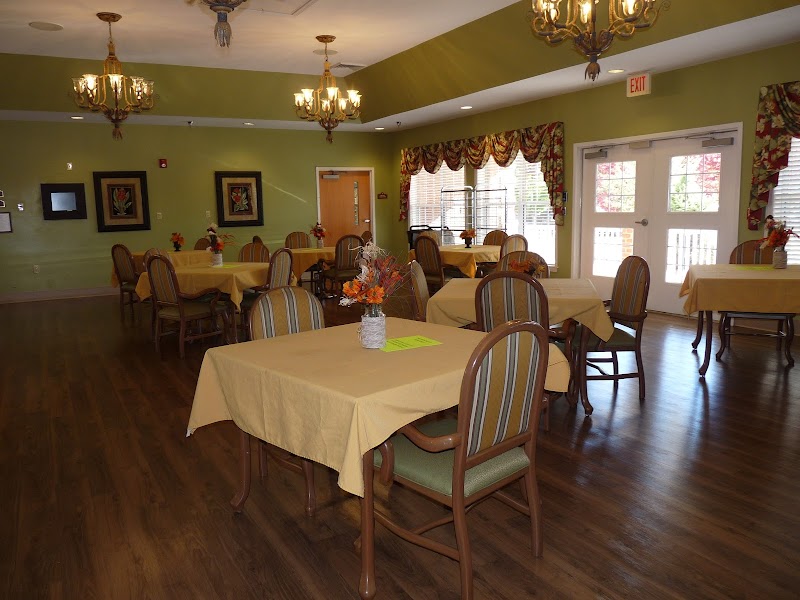
CMS rates Smoky Mountain Health and Rehabilitation Center's staffing level at 3 out of 5 stars, which is average compared to other nursing homes. Staff turnover is 71%, which is 25 percentage points above the North Carolina average of 46%. High turnover can affect care consistency as new staff learn residents' individual needs. RN turnover specifically is 64%, which is notably high. RNs provide skilled clinical oversight, so turnover in this role can affect medical care quality.

What Have Inspectors Found at Smoky Mountain Health And Rehabilitation Center?

State health inspectors documented 13 deficiencies at Smoky Mountain Health and Rehabilitation Center during 2022 to 2025. These included: 12 with potential for harm and 1 minor or isolated issues.
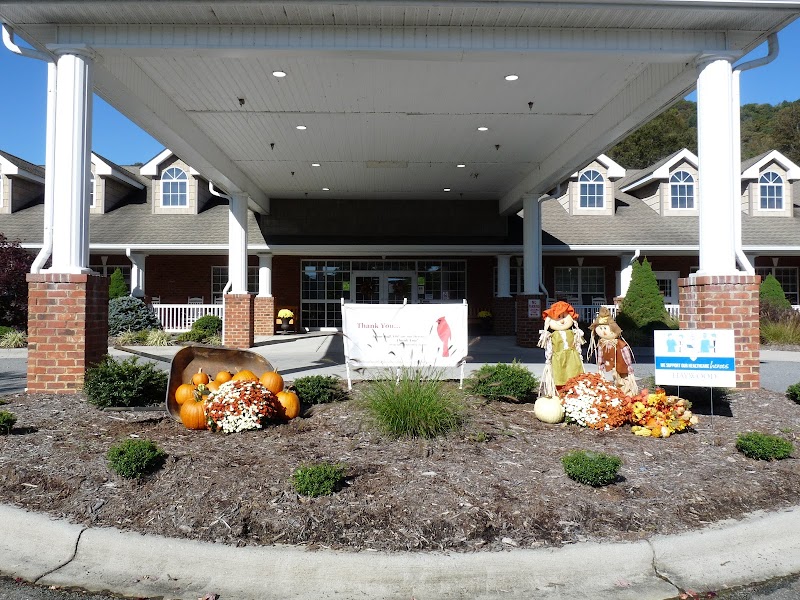
Who Owns and Operates Smoky Mountain Health And Rehabilitation Center?

Smoky Mountain Health and Rehabilitation Center is owned by a for-profit company. For-profit facilities operate as businesses with obligations to shareholders or private owners. The facility is operated by PRINCIPLE LONG TERM CARE, a chain that manages multiple nursing homes. With 50 certified beds and approximately 44 residents (about 88% occupancy), it is a smaller facility located in Waynesville, North Carolina.

How Does Smoky Mountain Health And Rehabilitation Center Compare to Other North Carolina Nursing Homes?

Compared to the 100 nursing homes in North Carolina, Smoky Mountain Health and Rehabilitation Center's overall rating (4 stars) is above the state average of 2.8, staff turnover (71%) is significantly higher than the state average of 46%, and health inspection rating (4 stars) is above the national benchmark.

What Should Families Ask When Visiting Smoky Mountain Health And Rehabilitation Center?

Based on this facility's data, families visiting should ask: "How do you ensure continuity of care given staff turnover, and what is your staff retention strategy?" "Can I visit during a mealtime to observe dining assistance and food quality?" "How do you handle medical emergencies, and what is your hospital transfer rate?" "Can I speak with family members of current residents about their experience?" These questions are particularly relevant given the facility's high staff turnover rate.

Is Smoky Mountain Health And Rehabilitation Center Safe?

Based on CMS inspection data, Smoky Mountain Health and Rehabilitation Center has a clean safety record: no substantiated abuse findings (meaning no confirmed cases of resident harm), no Immediate Jeopardy citations (the most serious violation level indicating risk of serious injury or death), and is not on the Special Focus Facility watch list (a federal program monitoring the lowest-performing 1% of nursing homes). The facility has a 4-star overall rating and ranks #1 of 100 nursing homes in North Carolina. While no facility is perfect, families should still ask about staff-to-resident ratios and recent inspection results during their visit.

Do Nurses at Smoky Mountain Health And Rehabilitation Center Stick Around?

Staff turnover at Smoky Mountain Health and Rehabilitation Center is high. At 71%, the facility is 25 percentage points above the North Carolina average of 46%. Registered Nurse turnover is particularly concerning at 64%. RNs handle complex medical decisions and coordinate care — frequent RN changes can directly impact care quality. High turnover means new staff may not know residents' individual needs, medications, or preferences. It can also be disorienting for residents, especially those with dementia who rely on familiar faces. Families should ask: What is causing the turnover? What retention programs are in place? How do you ensure care continuity during staff transitions?

Was Smoky Mountain Health And Rehabilitation Center Ever Fined?

Smoky Mountain Health and Rehabilitation Center has no federal fines on record. CMS issues fines when nursing homes fail to meet care standards or don't correct problems found during inspections. The absence of fines suggests the facility has either maintained compliance or corrected any issues before penalties were assessed. This is a positive indicator, though families should still review recent inspection reports for the full picture.

Is Smoky Mountain Health And Rehabilitation Center on Any Federal Watch List?

Smoky Mountain Health and Rehabilitation Center is not on any federal watch list. The most significant is the Special Focus Facility (SFF) program, which identifies the bottom 1% of nursing homes nationally based on persistent, serious quality problems. Not being on this list means the facility has avoided the pattern of deficiencies that triggers enhanced federal oversight. This is a positive indicator, though families should still review the facility's inspection history directly.