The Greens at Weaverville
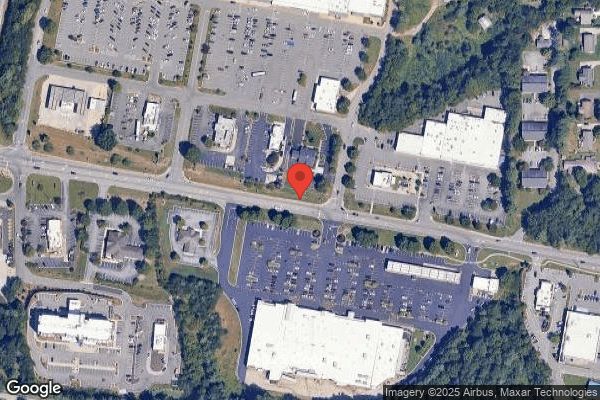
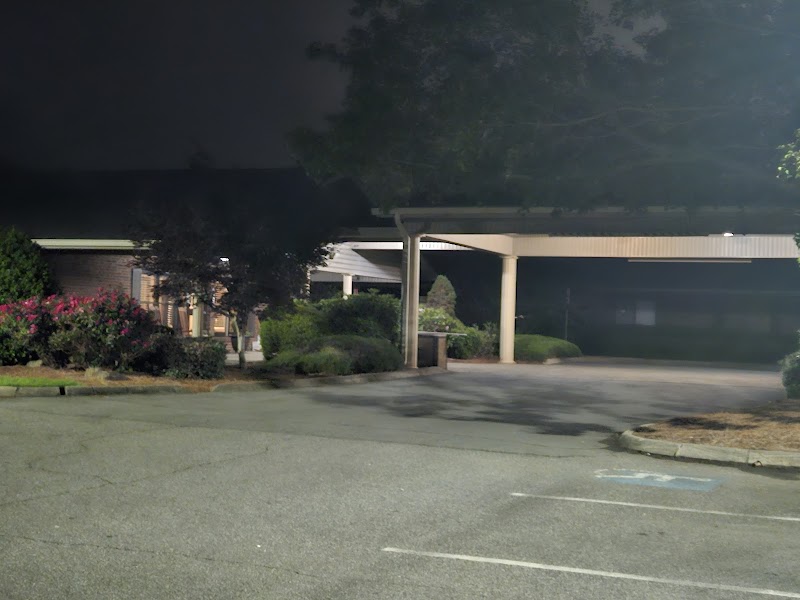
78 Weaver Boulevard, Weaverville, NC 28787 (828) 645-4297
For profit - Limited Liability company 122 Beds CCH HEALTHCARE Data: November 2025
Trust Grade
75/100
#132 of 417 in NC
Last Inspection: July 2025

Inspected within the last 6 months. Data reflects current conditions.

Overview

The Greens at Weaverville has received a Trust Grade of B, indicating it is a good facility, which suggests a solid choice for families considering care options. It ranks #132 of 417 nursing homes in North Carolina, placing it within the top half, and #6 out of 19 in Buncombe County, meaning only five local facilities are better. The facility is improving, with the number of issues decreasing from 3 in 2024 to 2 in 2025. Staffing is a concern with a 69% turnover rate, significantly higher than the state average, although they have good RN coverage, exceeding 96% of North Carolina facilities. While there have been no fines, some areas for improvement were noted, including incidents where expired food was found in the kitchen and a failure to assess residents' ability to self-administer medications, indicating potential risks in food safety and medication management.

Trust Score
B
75/100
In North Carolina
#132/417
Top 31%
Safety Record
Low Risk
No red flags
Inspections
Getting Better
3 → 2 violations
Staff Stability
⚠ Watch
69% turnover. Above average. Higher turnover means staff may not know residents' routines.
Penalties
✓ Good
No fines on record. Clean compliance history, better than most North Carolina facilities.
Skilled Nurses
✓ Good
Each resident gets 58 minutes of Registered Nurse (RN) attention daily — more than average for North Carolina. RNs are trained to catch health problems early.
Violations
⚠ Watch
11 deficiencies on record. Higher than average. Multiple issues found across inspections.
★★★★☆
4.0
Overall Rating
★★★☆☆
3.0
Staff Levels
★★☆☆☆
2.0
Care Quality
★★★★☆
4.0
Inspection Score
Stable
2024: 3 issues
2025: 2 issues

The Good

  • Full Sprinkler Coverage · Fire safety systems throughout facility
  • No fines on record

Facility shows strength in fire safety.

The Bad

Staff Turnover: 69%

23pts above North Carolina avg (46%)

Frequent staff changes - ask about care continuity

Chain: CCH HEALTHCARE

Part of a multi-facility chain

Ask about local staffing decisions and management

Staff turnover is elevated (69%)

21 points above North Carolina average of 48%

The Ugly 11 deficiencies on record

Jul 2025 2 deficiencies
CONCERN (D)

Potential for Harm - no one hurt, but risky conditions existed

Comprehensive Care Plan (Tag F0656)

Could have caused harm · This affected 1 resident

**NOTE- TERMS IN BRACKETS HAVE BEEN EDITED TO PROTECT CONFIDENTIALITY** Based on record review and interviews, the facility failed to care plan a resident who had a physician's order for an antipsycho...

Read full inspector narrative →
**NOTE- TERMS IN BRACKETS HAVE BEEN EDITED TO PROTECT CONFIDENTIALITY** Based on record review and interviews, the facility failed to care plan a resident who had a physician's order for an antipsychotic medication. This was for 1 of 5 residents reviewed for unnecessary medication (Resident #86).Findings includedResident #86 was admitted on [DATE] with diagnoses that included adjustment disorder.Resident #86's admission Minimum Data Set (MDS) assessment dated [DATE] coded her cognitively intact and indicated she had received an antipsychotic during the 7-day look back period. Resident #86 had a physician's order dated 6/23/25 for quetiapine fumarate oral tablet 50 milligram (antipsychotic). With instructions to give 1 tablet by mouth at bedtime for adjustment disorder with other symptoms. A review of Resident #86's care plan that was dated last reviewed on 6/30/25 found no care plan for antipsychotic medication use. On 7/31/25 at 10:22 AM, MDS Nurse #1 stated Resident #86's care plan had not included a care plan for an antipsychotic medication. MDS Nurse #1 added the physician's order for an antipsychotic medication was added on 6/23/25 and should have been care planned for Resident #86. All new physician's orders are reviewed each morning during the interdisciplinary team (IDT) meeting and Resident #86's antipsychotic medication order was missed.The Administrator was interviewed on 7/31/25 at 2:56 PM. She stated all residents who had received an antipsychotic medication needed to have a care plan for antipsychotic medication. The care plan needed to be added when the medication was ordered for the residents. The Administrator stated the order for the antipsychotic medication was missed when reviewed by the MDS nurses during the IDT morning meeting the morning after the order was written.
CONCERN (E)

Potential for Harm - no one hurt, but risky conditions existed

Food Safety (Tag F0812)

Could have caused harm · This affected multiple residents

Based on observations and interviews with staff, the facility failed to remove expired food with signs of spoilage stored for use in 1 of 3 refrigerators (the walk-in refrigerator). This had the poten...

Read full inspector narrative →
Based on observations and interviews with staff, the facility failed to remove expired food with signs of spoilage stored for use in 1 of 3 refrigerators (the walk-in refrigerator). This had the potential to affect food served to the residents in the facility.Findings includedOn 7/28/25 at 10:15 AM an observation with the Dietary Manager (DM) in the walk-in refrigerator found a box of yellow squash with a written date of 7/9. The box of yellow squash was located underneath an additional box of yellow squash with a written date of 7/14 stored on the second shelf. The yellow squash dated 7/9 were observed to contain dark, splotchy and sunken in areas and the squash was not firm to touch. Furthermore, 1 squash located in the bottom of the box was broken into two pieces and was mushy when touched. The DM stated during the observation the yellow squash needed to be thrown out. The DM immediately removed and threw away the yellow squash. A follow-up interview with the DM was conducted on 7/31/25 at 12:56 PM. He stated it was his responsibility to check all food storage areas in the kitchen every morning for expired or out of date food. The DM stated he had checked the walk-in refrigerator on 7/28/25 prior to the observation with the state surveyor and he had overlooked the bad squash.The Administrator was interviewed on 7/31/25 at 2:56 PM. The Administrator stated any food past expiration or produce that had gone bad should have been discarded.
Jun 2024 3 deficiencies
CONCERN (D)

Potential for Harm - no one hurt, but risky conditions existed

PASARR Coordination (Tag F0644)

Could have caused harm · This affected 1 resident

**NOTE- TERMS IN BRACKETS HAVE BEEN EDITED TO PROTECT CONFIDENTIALITY** 2. Resident #86 was readmitted to the facility on [DATE] with the diagnosis of anxiety disorder and bipolar disorder. The admiss...

Read full inspector narrative →
**NOTE- TERMS IN BRACKETS HAVE BEEN EDITED TO PROTECT CONFIDENTIALITY** 2. Resident #86 was readmitted to the facility on [DATE] with the diagnosis of anxiety disorder and bipolar disorder. The admission Minimum Data Set (MDS) dated [DATE] revealed that Resident #86 was moderately cognitively intact. She was not depressed, and she displayed no behaviors. Resident #86 had a diagnosis of anxiety and bipolar disorder. On 6/11/24 at 10:06 AM an interview was conducted with the Social Services Director (SSD). The SSD stated she started working at the facility in November 2023. She has been reviewing and going through the Preadmission Screening and Resident Reviews (PASRR) for each resident to ensure they are correct. She printed off the PASRR for Resident #86. The PASRR was dated September 7, 2023. The PASRR stated that no further PASRR screening was required unless a significant change occurs with the resident's status which suggests a diagnosis of mental illness or mental retardation. The SSD stated she has not yet uploaded The PASRR Level I into the Point Click Care (PCC) but would do so today. On 6/12/24 at 11:39 AM a second interview with the SSD was conducted. The SSD stated that the level II PASRR for Resident #86 should have been done back on 9/7/23. She is going through them now and making sure they are correct. On 6/12/24 at 2:44 PM an interview with the Administrator was conducted. He was unable to speak to the PASRRs or what happened, but he did speak to the SW and he knows she will be very diligent in looking into all the PASRRs and ensure they are correct. Based on record reviews and staff interviews, the facility failed to ensure a Preadmission Screening and Resident Review (PASRR) Level II was completed for 2 of 2 residents (Resident #80 and Resident #86) reviewed for PASRR. The findings included: 1. Resident #80 was originally admitted to the facility on [DATE] and was re-admitted on [DATE]. A review of Resident #80's medical record indicated bipolar disorder was added to her diagnoses list effective 6/5/23. There was no information in Resident #80's medical record regarding PASRR. An interview with the Social Services Director (SSD) on 6/12/24 at 9:13 AM revealed she started working at the facility in November 2023, and she was responsible for PASRR. The SSD stated she knew Resident #80 had been at the facility for a while even before she started working at the facility. During the interview, the SSD searched for PASRR information in Resident #80's medical record and agreed that she could not find any. She looked up Resident #80's PASRR from the North Carolina Medicaid Uniform Screening Tool website and found a PASRR Level I Determination Notification letter dated 11/30/22. The SSD stated the application for PASRR was submitted on 11/30/22 with dementia as the primary diagnosis and with no mental disorder. She further stated that there was an issue with the psychiatric provider letting her know about mental diagnoses, and that she would have submitted an application for PASRR Level II if she had known about Resident #80's diagnosis of bipolar disorder. The SSD added that she recently asked the psychiatric provider to let her know of any new mental health disorders. She further shared that there had been a breakdown in communication, and as she continued in her current position, she had been finding things that should have been done by the previous Social Worker. An interview with the Minimum Data Set (MDS) Coordinator on 6/12/24 at 10:41 AM revealed Resident #80 had been diagnosed with bipolar disorder by the psychiatric provider on 6/5/23. The MDS Coordinator stated that the psychiatric provider was supposed to communicate with the Social Worker, and the Social Worker was supposed to apply for a PASRR Level II for the new mental health disorder diagnosis. An interview with the Administrator on 6/12/24 at 2:24 PM revealed he could not speak as to why the PASRR Level II was missed for Resident #80, but that they were now doing a full audit of all residents. The Administrator stated that this was another system that they needed to work on.
CONCERN (D)

Potential for Harm - no one hurt, but risky conditions existed

Deficiency F0692 (Tag F0692)

Could have caused harm · This affected 1 resident

**NOTE- TERMS IN BRACKETS HAVE BEEN EDITED TO PROTECT CONFIDENTIALITY** Based on record review, observations, and interviews with resident, staff, Registered Dietitian and the Medical Director, the fa...

Read full inspector narrative →
**NOTE- TERMS IN BRACKETS HAVE BEEN EDITED TO PROTECT CONFIDENTIALITY** Based on record review, observations, and interviews with resident, staff, Registered Dietitian and the Medical Director, the facility failed to provide a nutritional supplement and double protein as ordered by the Registered Dietitian for 1 of 4 residents (Resident #90) reviewed for nutrition. The findings included: Resident #90 was admitted to the facility on [DATE] with the diagnoses of diabetes and a pressure ulcer on left buttocks. On 2/1/24 Resident #90 was weighed using a sit-down scale and his weight was 253.0 pounds. The quarterly Minimum Data Set (MDS) dated [DATE] revealed that Resident #90 was alert and cognitively intact. He had no weight loss. Resident #90's care plan dated 5/15/24 stated he was to have dysphagia (difficulty swallowing) advanced meats and mechanically altered diet for all food categories. The interventions included to provide and serve supplements as ordered and provide and serve diet as ordered. On 4/24/24 Resident #90 was weighed using a total mechanical lift and his weight was 229.4 pounds. 5/28/24 Resident #90 was weighed using a total mechanical lift and he weighed 215.8 pounds. Resident #90 had a physician order stating that Resident #90 was at risk for malnutrition and ordered double protein and fortified pudding with meals starting 6/6/24. On 6/9/24 at 10:33 AM an interview was conducted with Resident #90. Resident #90 stated he did not like to eat bread at his meals and the ground food didn't taste good. Resident #90 stated he had lost some weight. On 6/10/24 at 12:21 PM observation was made of Resident #90's lunch tray and ticket. The tray had chocolate ice cream but no fortified pudding. A single portion of protein was observed on the tray. The lunch ticket did not list fortified pudding or double protein. The resident ate approximately 50 % of his meal. On 6/10/24 at 12:30 PM an interview and observation was conducted with the Registered Dietitian (RD). The RD checked Resident #90's lunch ticket and noticed that it did not have the double portion of protein, nor the fortified pudding listed. The RD stated that she will need to check the ticket system to see why it was not correct and she will fix it. The RD stated that the fortified pudding and double protein was to increase caloric intake due to weight loss and pressure ulcer. On 6/10/24 at 3:38 PM an interview was conducted with the Medical Director (MD). The MD stated she just spoke to the RD about Resident #90 last week. The MD stated that some of the weights listed for him were fluid overload. The MD stated that the RD did her own orders. The MD stated Resident #90 had a poor prognosis. The MD was not aware of the fortified pudding or double protein but agreed that if it was ordered he should be receiving it. The MD did not believe there was any negative impact on weight loss and pressure ulcer with the order not starting on 6/6/24. On 6/11/24 at 2:57 PM an interview was conducted with the Unit Manager who confirmed the order for fortified pudding and double protein for Resident #90. The Unit Manager thought that once she confirmed the order then the RD finished the process to get the order started by sending an email. On 6/11/24 at 3:30 PM a second interview was conducted with the RD. The RD stated that Resident #90 had poor intake and was barely eating a single portion of the protein and did not feel him missing a double portion would make much difference with his weight loss or on his pressure ulcer. On 6/11/24 at 4:09 PM an interview was conducted with the Dietary District Manager (DDM) and Dietary Manager (DM). The DDM displayed her email chain on the computer. The email chain showed she received an email on 6/3/24 and the next one was on 6/10/24. The DDM stated she never received the 6/6/24 email regarding the diet order and that is why the ticket was incorrect. The DDM stated that the 6/6/24 order did not start when it should have. On 6/12/24 at 11:35 AM an interview was conducted with the DON. She stated the RD did her own orders and the orders are then confirmed usually by the Unit Manager. The facility had a meeting each week called the At-Risk Meeting to go over any resident with weight loss issues. The meeting was usually on Monday. This past Monday the facility did not have the meeting because of the survey going on. If they had the meeting, then they would have caught the diet order change for Resident #90. On 6/12/24 at 2:40 PM an interview with the Administrator was conducted. The Administrator stated that the RD would send out an email when there is a diet order change. The facility would look through the system to make sure dietary orders are not being missed.
CONCERN (E) 📢 Someone Reported This

A family member, employee, or ombudsman was alarmed enough to file a formal complaint

Potential for Harm - no one hurt, but risky conditions existed

Food Safety (Tag F0812)

Could have caused harm · This affected multiple residents

Based on observations and staff interviews the facility failed to maintain a clean and sanitary kitchen floor, date an opened nutritional supplement and food in 1 of 3 nourishment rooms (300 hall), cl...

Read full inspector narrative →
Based on observations and staff interviews the facility failed to maintain a clean and sanitary kitchen floor, date an opened nutritional supplement and food in 1 of 3 nourishment rooms (300 hall), clean and sanitize an ice scoop and holder for 1 of 3 ice chests, and date opened cheese in the walk-in refrigerator. This practice had the potential to affect food served to all residents. The findings included: a. An observation of the kitchen on 6/9/24 at 9:44 AM found the kitchen floor tiles to be covered with a black substance and sticky when walked on as evidenced by the sound that was made when the floor was walked on, and the surveyor's shoes stuck to the floor. The black substance and sticky floor were not contained to one area of the kitchen floor and was spread throughout the kitchen. An observation of the kitchen floor on 6/11/24 at 12:18 PM found the kitchen floor unchanged. The floor areas underneath and directly around 3 food prep tables were found to contain food and other debris. b. An observation of the 300-nourishment room refrigerator was conducted on 6/11/24 at 10:54 AM with the District Food Service Manager and a Dietary Aide. The refrigerator contained an opened nutritional supplement and an opened ready to use container of applesauce that did not contain an open date or use by date. Dietary Aide #1 stated on 6/11/24 at 11:01 AM she had checked all the nourishment rooms around 7:00 AM that day and did not see the open items. c. An observation of the 300-nourishment room on 6/11/24 at 11:14 AM with the District Food Service Manager and Dietary Aide #1 found a cart that contained an ice chest with an ice scoop and ice scoop holder attached to the cart. The ice scoop was observed to be in the ice scoop container with approximately 2 inches of water and the tip of the scoop was resting in the water. The water contained multiple black and brown specks. The District Food Service Manager stated during the observation that the kitchen was not responsible for ensuring the ice carts were taken to the kitchen for cleaning. She stated the kitchen did not provide or replace the equipment on the ice cart and that the nursing department kept up with the daily maintenance of the ice carts. Dietary Aide #1 stated on 6/11/24 at 11:16 AM the ice carts were brought to the kitchen by nurses or nursing aides and left at random times during the day to be washed and sanitized. Dietary Aide #1 was not sure when the cart had last been cleaned. The Director of Nursing (DON) was interviewed on 6/12/124 at 1:20 PM. She stated the ice carts were taken down to the kitchen each morning by the nurses or nursing aides to be cleaned and sanitized. The ice cooler, ice scoops and ice scoop holders were removed from the cart, cleaned and replaced. The DON said the ice carts were then retrieved by the nurses or nursing aides and taken back to each nursing unit. The DON stated the ice scoop holder should not have contained water and the ice scoop should not have been touching the water. d. An observation of the walk-in refrigerator on 6/11/24 at 11:57 AM with the DM found a bag of shredded cheese on a storage shelf that did not have an open or use by date. The DM immediately removed the shredded cheese from the walk-in refrigerator. The Dietary Manager (DM) was interviewed on 6/11/24 at 1:37 PM. The DM stated the opened shredded cheese found in the walk-in refrigerator should have contained an open date and use by date. He said the shredded cheese was used to make salads for the lunch meal that day and was placed back into the walk-in refrigerator without being dated. The DM stated he did checks in the morning to look for expired and non-dated food and did not find any. The DM said the items found in the 300-nourishment refrigerator should have been dated when opened before placing them into the refrigerator. He said the nourishment rooms were checked each day in the morning, and the opened items found were not in the refrigerator when checked that morning. The DM stated the kitchen floors are spot swept and moped several times each day, and that walking on the floor before it dried kept the floor from looking clean. He stated the kitchen floor was hosed two times a week on Sunday and Wednesday, and the floor was not hosed on the previous Sunday. The DM stated the cleaning list schedule was assigned to the job (Cook, dietary aide) each shift and not to an individual staff member. The cleaning list schedule was not signed or marked by the staff when a cleaning task was completed, and the DM would check to ensure the cleaning was completed. The Administrator was interviewed on 6/12/24 at 2:23 PM. He stated the kitchen had a performance improvement project (PIP) that began in July 2023. The PIP included properly dating and labeling food and the dietary staff had been educated and in serviced several times. He said audits of the kitchen had been ongoing and could not provide explanation for the food items found that were not dated. The Administrator stated the kitchen needed to utilize the cleaning list schedules to ensure cleaning tasks had been assigned and completed. The Administrator stated the ice chest and ice scoops should be cleaned and sanitized when dirty and as scheduled.
Apr 2023 6 deficiencies
CONCERN (D) 📢 Someone Reported This

A family member, employee, or ombudsman was alarmed enough to file a formal complaint

Potential for Harm - no one hurt, but risky conditions existed

Resident Rights (Tag F0550)

Could have caused harm · This affected 1 resident

**NOTE- TERMS IN BRACKETS HAVE BEEN EDITED TO PROTECT CONFIDENTIALITY** Based on record review and resident and staff interviews, the facility failed to treat a resident in a dignified and respectful ...

Read full inspector narrative →
**NOTE- TERMS IN BRACKETS HAVE BEEN EDITED TO PROTECT CONFIDENTIALITY** Based on record review and resident and staff interviews, the facility failed to treat a resident in a dignified and respectful manner when Nurse Aide #1 spoke and acted in a manner that made a resident feel uncomfortable for 1 of 7 residents reviewed for dignity (Resident #21). Findings included: Resident #21 was admitted to the facility on [DATE] with diagnoses that included left tibia (larger bone in the lower leg) and fibula (smaller bone in the lower leg) fractures. The quarterly Minimum Data Set (MDS) dated [DATE] assessed Resident #21 with intact cognition. Resident #21 required physical assistance of one to two staff members with transfers, bed mobility and toileting. During an interview on 04/03/23 at 10:43 AM, Resident #21 revealed on Saturday 04/01/23, NA #1 had just finished cleaning her up after an incontinence episode when within minutes she had another incontinent episode where urine leaked out from her brief onto the bed. Resident #21 stated that while NA #1 was cleaning her up the second time, NA #1 started walking back and forth around her bed telling Resident #21 that she (NA #1) was praying the devil out of her. Resident #1 stated NA #1's behavior made her feel very uncomfortable as if NA #1 thought she (Resident #21) was the devil. Resident #21 stated she reported the incident to the Administrator this morning. During a telephone interview on 04/05/23 at 12:31 PM, NA #1 stated on Saturday (04/01/23) after changing Resident #1, she started assisting her roommate with care when Resident #21 told her she had another incontinent episode. NA #1 explained she didn't realize the brief she had placed on Resident #21 was too big which caused urine to leak out onto the bed. NA #1 recalled Resident #21 was being argumentative and accusing NA #1 of not believing she had an incontinent episode even after NA #1 told her she could see the bed was wet. NA #1 stated it was possible she said to herself, Lord help me as she was providing care to Resident #21 but never told Resident #21 she was praying the devil out of her. During a follow-up telephone interview on 04/05/23 at 8:09 PM, NA #1 stated she had thought further about the incident with Resident #21 on 04/01/23 and felt Resident #21 may have misunderstood her. NA #1 explained when dealing with difficult situations, she drew on her faith and would say to herself, devil, I rebuke you in an effort to bring herself peace and not react negatively to a situation. NA #1 stated it was possible Resident #21 heard NA #1 make the comment to herself and thought it was directed at her (Resident #21). During a follow-up interview on 04/06/23 at 2:29 PM, Resident #21 clarified she had not misunderstood the situation with NA #1. Resident #21 stated when NA #1 was providing her care, NA #1 did not make the comment devil I rebuke you softly to herself but instead used a loud tone while walking around the bed and made the comment directly to Resident #21. Resident #21 stated she was never fearful of NA #1 but was bothered by NA #1's behavior because she (Resident #21) was unable to walk or get out of bed on her own to leave the room. Resident #21 restated the incident just made her feel very uncomfortable. During an interview on 04/05/23, the Administrator stated he spoke with Resident #21 the morning of 04/03/23 regarding the alleged incident with NA #1. The Administrator stated NA #1 had worked at the facility through a staffing agency for about a month and there had been no reported issues with her performance. The Administrator stated he notified the staffing agency NA #1 was suspended from working at the facility while he finished conducting an investigation. The Administrator stated disrespectful behavior, whether actual or perceived, was never acceptable. He stated residents should always be treated with respect and never made to feel otherwise.
CONCERN (D) 📢 Someone Reported This

A family member, employee, or ombudsman was alarmed enough to file a formal complaint

Potential for Harm - no one hurt, but risky conditions existed

PASARR Coordination (Tag F0644)

Could have caused harm · This affected 1 resident

**NOTE- TERMS IN BRACKETS HAVE BEEN EDITED TO PROTECT CONFIDENTIALITY** Based on record review and staff interviews, the facility failed to request a Preadmission Screening and Resident Review (PASRR)...

Read full inspector narrative →
**NOTE- TERMS IN BRACKETS HAVE BEEN EDITED TO PROTECT CONFIDENTIALITY** Based on record review and staff interviews, the facility failed to request a Preadmission Screening and Resident Review (PASRR) for a resident with a new mental health diagnosis for 1 of 1 resident reviewed for PASRR (Resident #44). Findings included: Resident #44 was admitted to the facility on [DATE]. Her diagnoses included panic disorder, major depressive disorder, and psychotic disorder with delusions due to a known physiological condition. The North Carolina Medicaid Uniform Screening Tool (NC MUST) inquiry dated 04/06/23 revealed Resident #44 had a Level I PASRR effective 10/11/22. A Psychiatrist progress note dated 01/26/23 revealed in part, Resident #44 had been having some delusions that her water was poisoned and hearing people talking to her. It was further noted Resident #44 reported feeling restless, anxious, and realized people were not in the room with her but still worried about the voices. The assessment and plan noted a new diagnosis of psychotic disorder with delusions due to known physiological condition with plans to consider medication at a future visit. Review of Resident #44's list of cumulative diagnoses contained in her medical record revealed a new diagnosis of psychotic disorder with delusions due to known physiological condition with an onset date of 01/27/23. The significant change Minimum Data Set (MDS) dated [DATE] revealed Resident #44 was not currently considered by the state Level II PASRR process to have a serious mental illness and/or intellectual disability. During interviews on 04/05/23 at 11:57 AM and 04/06/23 at 10:10 AM, the Social Worker (SW) explained typically the Psychiatrist or nursing staff notified him of residents with a new mental health diagnosis and he would submit a referral to PASRR requesting a Level II evaluation. The SW did not recall being notified Resident #44 was diagnosed with a new mental health condition on 01/27/23 and confirmed he had not requested a Level II PASRR evaluation for Resident #44 until 04/05/23. During an interview on 04/06/23 at 5:16 PM, the Administrator stated the SW should have been made aware when Resident #44 was diagnosed with a new mental health condition so that he could have requested a Level II PASRR evaluation.
CONCERN (D) 📢 Someone Reported This

A family member, employee, or ombudsman was alarmed enough to file a formal complaint

Potential for Harm - no one hurt, but risky conditions existed

Deficiency F0658 (Tag F0658)

Could have caused harm · This affected 1 resident

**NOTE- TERMS IN BRACKETS HAVE BEEN EDITED TO PROTECT CONFIDENTIALITY** Based on record review and staff and resident interviews the facility failed to correctly enter an order to obtain a speech ther...

Read full inspector narrative →
**NOTE- TERMS IN BRACKETS HAVE BEEN EDITED TO PROTECT CONFIDENTIALITY** Based on record review and staff and resident interviews the facility failed to correctly enter an order to obtain a speech therapy (ST) evaluation as ordered by a Nurse Practitioner (NP) for 1 of 4 residents (Resident #76) reviewed for therapy services. Findings included: Resident #76 was admitted to the facility 02/08/23 with multiple diagnoses including dysphagia (difficulty swallowing). Resident #76 had a Physician order dated 02/10/23 to receive a mechanical soft diet (a diet consisting of foods that could be swallowed safely). The admission Minimum Data Set (MDS) dated [DATE] revealed Resident #76 was cognitively intact and received a mechanically altered diet. The nutrition care plan initiated 02/15/23 revealed Resident #76 had a nutritional problem related in part to a diagnosis of dysphagia and interventions included providing her diet as ordered and monitoring her meal intakes. NP #1's progress note revealed Resident #76 was seen for diet/swallowing on 03/07/23. The note further stated Resident #76 verbalized concern with her dietary restrictions, was requesting speech-language therapy re-evaluate her for aspiration (inhaling food or fluid into the airway), and denied difficulty chewing or swallowing food. Resident #76's orders revealed an order dated 3/08/23 for speech-language therapy to evaluate her to increase her diet consistency. Review of Resident #76's medical record did not contain any documentation that a ST evaluation was completed on or after 03/08/23. An interview with Resident #76 on 04/03/23 at 10:07 AM revealed she received a chopped meat diet and she did not have a chewing or swallowing problem and refused to eat chopped meat. She stated she had requested to have her diet changed to a regular diet but no one had changed it. An interview with the Director of Rehab on 04/05/23 at 8:18 AM revealed Resident #76 was placed on the ST case load on 02/9/23 and was discharged from ST on 03/03/23. She confirmed Resident #76 had not received any additional ST services since 03/03/23 and was not aware of any orders for a ST evaluation after 03/03/23. An interview with the Director of Nursing (DON) on 04/06/23 at 4:59 PM revealed the order for ST to evaluate Resident #76 dated 03/08/23 was placed in the computer by nursing staff as a one time order and one time orders fell off the active order list at midnight each night. She stated if the order had been entered into the computer as a routine order it would have remained on Resident #76's active orders and would have notified the therapy department Resident #76 had a new order for ST evaluation. The DON stated since the order was not entered into the computer correctly ST was not aware of the order and that is why Resident #76 did not receive a ST evaluation as ordered on 03/08/23. She stated residents should receive therapy consults as ordered.
CONCERN (D) 📢 Someone Reported This

A family member, employee, or ombudsman was alarmed enough to file a formal complaint

Potential for Harm - no one hurt, but risky conditions existed

Deficiency F0761 (Tag F0761)

Could have caused harm · This affected 1 resident

**NOTE- TERMS IN BRACKETS HAVE BEEN EDITED TO PROTECT CONFIDENTIALITY** Based on observations, staff and resident interviews, and record review the facility failed to secure medication for 1 of 1 resi...

Read full inspector narrative →
**NOTE- TERMS IN BRACKETS HAVE BEEN EDITED TO PROTECT CONFIDENTIALITY** Based on observations, staff and resident interviews, and record review the facility failed to secure medication for 1 of 1 resident (Resident #10) observed with medication at bedside. The findings included: Resident #10 was admitted to the facility on [DATE] with diagnoses including a stage 3 pressure ulcer. A review of Resident #10's physician's orders revealed an order dated 12/16/22 to clean wound with wound cleaner and apply zinc with collagen every shift and as needed. The annual Minimum Data Set (MDS) dated [DATE] revealed she was cognitively intact. On 11/25/22 Resident #10's self-administration of medication assessment documented Resident #10 was not able to self-administer medications. An observation of Resident #10's room and interview were conducted on 4/3/23 at 10:09 AM. The Resident was alert and lying in bed. A container labeled zinc oxide with collagen paste was on the overbed table. The Resident stated the zinc oxide with collagen paste was left on her overbed table a lot of the time. Nurse # 1 stated in an interview on 4/3/23 at 10:45 AM the zinc oxide with collagen paste was left on the overbed table after application earlier in the morning. She said it should have been locked up in the treatment cart after use and the paste contained 25% zinc concentration. The Director of Nursing (DON) stated on 4/6/23 at 3:13 PM that zinc oxide is labeled with the resident's name and date and should be stored in the treatment cart when not in use. It was not standard protocol to leave it in a resident's room.
CONCERN (E) 📢 Someone Reported This

A family member, employee, or ombudsman was alarmed enough to file a formal complaint

Potential for Harm - no one hurt, but risky conditions existed

Deficiency F0554 (Tag F0554)

Could have caused harm · This affected multiple residents

**NOTE- TERMS IN BRACKETS HAVE BEEN EDITED TO PROTECT CONFIDENTIALITY** Based on observations, record review, and interviews the facility failed to assess the ability of residents to self-administer m...

Read full inspector narrative →
**NOTE- TERMS IN BRACKETS HAVE BEEN EDITED TO PROTECT CONFIDENTIALITY** Based on observations, record review, and interviews the facility failed to assess the ability of residents to self-administer medications for 3 of 3 residents reviewed for self-administration of medication (Resident #35, Resident #39, and Resident #7). Findings included: 1. Resident #35 was admitted to the facility 06/17/22 with multiple diagnoses including spinal stenosis (when the spaces in the spine narrow and cause pressure on the spinal cord and nerve roots). The quarterly Minimum Data Set (MDS) dated [DATE] revealed Resident #35 was cognitively intact. Review of the medical record revealed no documentation that Resident #35 had been assessed for self-administration of medication. An observation of Resident #35's room on 04/03/23 at 11:32 AM revealed the following: a. a 15 milliliter (ml) bottle of carboxymethylcellulose sodium 0.5% eye drops (eye drops that help with dry eyes) sitting on the overbed table b. a 1.76 ounce (oz) tube of diclofenac sodium topical gel 1% (a topical anti-inflammatory pain-relieving gel) in a bath basin sitting on the floor by Resident #35's bed c. a box of 4% lidocaine patches (patches that help with pain relief) sitting on top of Resident #35's chest of drawers beside her bed An interview with Resident #35 on 04/03/23 at 11:32 AM revealed she put the eye drops in her eyes when she felt like she needed them, she put the diclofenac gel on her knees once a day, and placed the lidocaine patches on her lower back daily. She stated her daughter brought her the medications from home. Observations of Resident #35's room on 04/04/23 at 2:44 PM, 04/05/23 at 11:50 AM, and 04/06/23 at 4:19 PM revealed the eye drops, diclofenac gel, and lidocaine patches remained in the same locations. An interview with the Director of Nursing (DON) on 04/06/23 at 4:59 PM revealed no medications should be left at the bedside unless the resident had been assessed as safe to self-administer medications. She stated if a resident was assessed as safe to self-administer medications, then a physician's order was obtained to leave the medications in the room, including over the counter (OTC) medications. The DON confirmed Resident #35 had not been assessed to self-administer medication and should not have had eye drops, diclofenac gel, or lidocaine patches in her room. She stated she had removed multiple medications from Resident #35's room and her family kept bringing medications to her. 2. Resident #39 was admitted to the facility 11/11/22 with multiple diagnoses including non-Alzheimer's dementia. Review of the quarterly Minimum Data Set (MDS) dated [DATE] revealed Resident was moderately cognitively impaired. Review of the medical record revealed no documentation that Resident #39 had been assessed for self-administration of medication. An observation of Resident #39's overbed table on 04/03/23 at 11:42 AM revealed a tube of triamcinolone cream 0.1% (an antifungal cream) and 2 tubes of diclofenac sodium 1% gel (a topical anti-inflammatory pain-relieving gel) sitting on top of the table. Another tube of triamcinolone cream 0.1% cream and diclofenac sodium gel 1% were sitting in a storage basket beside Resident #39's bed. An interview with Resident #39 on 04/03/23 at 11:42 AM revealed he put the triamcinolone cream on his toes for fungus and he put the diclofenac gel on his knees for pain. An observation of the storage basket sitting beside Resident #39's bed on 04/04/23 at 2:18 PM revealed a tube of triamcinolone cream 0.1% and a tube of diclofenac sodium gel 1% were sitting in the basket. An observation of Resident #39's overbed table on 04/05/23 at 11:51 AM revealed 2 tubes of diclofenac sodium gel 1% and 1 tube of triamcinolone cream 0.1% were sitting on top of the table. An observation of the storage basket sitting beside Resident #39's bed revealed a tube of triamcinolone cream 0.1% was sitting in the basket. An interview with the Director of Nursing (DON) on 04/06/23 at 4:59 PM revealed no medications should be left at the bedside unless the resident had been assessed as safe to self-administer medications. She stated if a resident was assessed as safe to self-administer medications, then a physician's order was obtained to leave the medications in the room, including over the counter (OTC) medications. The DON confirmed Resident #39 had not been assessed to self-administer medication and should not have had diclofenac gel and triamcinolone cream in his room. She stated she had removed multiple medications from Resident #39's room and his family kept bringing medications to him. 3. Resident #7 was admitted to the facility 02/15/23 with diagnoses including diabetes and arthritis. The admission Minimum Data Set (MDS) dated [DATE] revealed Resident #7 was moderately cognitively impaired. Review of the medical record revealed no documentation that Resident #7 had been assessed for self-administration of medication. An observation of Resident #7's overbed table on 04/03/23 at 9:30 AM revealed a 10 milliliter (ml) bottle of carboxymethylcellulose sodium 1% gel eye drops (eye drops that help with dry eyes) was sitting on the table. An interview with Resident #7 on 04/03/23 at 9:30 AM revealed nursing staff put the drops in his eyes because he didn't have the hand strength to open the bottle and apply the drops. An observation of Resident #7's overbed table on 04/05/23 at 11:48 AM revealed a 10 milliliter (ml) bottle of carboxymethylcellulose sodium 1% gel eye drops (eye drops that help with dry eyes) was sitting on the table. An interview with the Director of Nursing (DON) on 04/06/23 at 4:59 PM revealed no medications should be left at the bedside unless the resident had been assessed as safe to self-administer medications. She stated if a resident was assessed as safe to self-administer medications, then a physician's order was obtained to leave the medications in the room, including over the counter (OTC) medications. The DON confirmed Resident #7 had not been assessed to self-administer medication and should not have had eye drops in his room. She stated she had removed eye drops from Resident #7's room on multiple occasions and his family kept bringing him more eye drops.
CONCERN (E) 📢 Someone Reported This

A family member, employee, or ombudsman was alarmed enough to file a formal complaint

Potential for Harm - no one hurt, but risky conditions existed

Food Safety (Tag F0812)

Could have caused harm · This affected multiple residents

**NOTE- TERMS IN BRACKETS HAVE BEEN EDITED TO PROTECT CONFIDENTIALITY** Based on observations and staff interviews the facility failed to remove expired food, and to date and label opened food in 1 of...

Read full inspector narrative →
**NOTE- TERMS IN BRACKETS HAVE BEEN EDITED TO PROTECT CONFIDENTIALITY** Based on observations and staff interviews the facility failed to remove expired food, and to date and label opened food in 1 of 3 kitchen refrigerators. The facility failed to remove expired resident food in 1 of 2 nourishment refrigerators (nourishment room [ROOM NUMBER]). Additionally, the facility failed to maintain a clean wall behind the dish machine free of black matter and maintain and repair a leaking dish machine pipe. This practice had the potential to affect food served to residents. The findings included 1. On 4/03/23 at 8:15 AM an observation of the walk-in refrigerator in the kitchen revealed multiple stored food items that were expired or stored without a use by date. The Dietary Manager was not present at the time of the observation. The second shelf of the walk-in refrigerator contained as followed: 1 opened bag of French toast not dated. 2-quart plastic container of lettuce dated 3-27 and use by 3-30. 2-quart container of chicken broth dated 3-26 and use by 4-2. 1 plastic bag with Swiss written on it and dated 2-25 use by 3-15. 1 plastic bag containing sliced cheese not dated. 1 opened plastic bag containing shredded cheese not dated. 1 plastic bag containing ham not dated. 3-quart container of cooked rice half full dated 3-22 to 3-30. 3.5-quart container of salsa dated 3-23 use by 3-29. 3.5-quart container half full of ketchup dated 3-24 use by 3-3. 2-quart container of lime gelatin dated 3-17 use by 3-24. 3.5- quart chicken salad dated 3-23 use by 3-30. 1 plastic bag containing turkey dated 3-25 and use by 4-2. On 4/3/23 at 8:40 AM a dietary aide reported there were new staff that worked the previous weekend and overlooked the items in the walk-in refrigerator. She stated that all dietary staff normally dated items and checked expiration dates of food in the refrigerators. On 4/5/23 at 10:32AM the District Dietary Manager stated that all food in the walk-in refrigerator should have been dated and removed if expired. The manager should have checked for dates and expired food, but also any dietary staff should have checked for dates when in the walk-in refrigerator. 2. A follow-up visit to the kitchen on 4/05/23 at 10:19 AM revealed the wall area directly behind the dish machine contained an approximately 24 by 12 inch splotchy blackish matter that was crumbly to touch in some areas. On 4/05/23 at 10:32 AM the District Dietary Manager in training stated the dish machine area was assigned to be cleaned every Tuesday night by the dietary staff. She said the dietary staff assigned to clean the area the previous day (Tuesday) did not clean it as assigned by the cleaning schedule. 3. On 4/5/23 at 10:19AM an observation in the kitchen with the District Dietary Manager revealed a leaking hot water pipe with a steady drip on the top of the dish machine. The dish machine was identified as a high temperature machine that used hot water to sanitize the dishes. The dish machine water temperature gauge revealed a wash temperature of 170 degrees Fahrenheit and a rinse temperature of 195 degrees Fahrenheit with both exceeding the minimum temperature requirements (150 and 180 degrees respectively). On 4/5/23 at 10:32 AM the District Dietary Manager stated she was unaware of the leaking pipe and did not know how long it had been leaking. The District Dietary Manager was covering for the Dietary Manager who was on vacation. The Maintenance Director was interviewed on 4/5/23 at 4:10 PM and stated he was unaware of the leaking pipe on the dish machine. He made rounds in the kitchen daily to check for any maintenance issues and the kitchen staff would inform him of any maintenance issue they had. 4. On 4/5/23 at 11:00 AM an observation of nourishment room [ROOM NUMBER] with the District Dietary Manager revealed a resident's container of watermelon was dated use by 3/31/23. The container of watermelon was removed and disposed of by the District Dietary Manager. The District Dietary Manager stated the dietary aides check the nourishment rooms 3 times daily for expired items and to restock any needed items. The container of watermelon should have been removed by a dietary aide. The Administrator stated on 4/6/23 at 5:13 PM that any expired food in refrigerators should have been thrown out by the kitchen staff and food should have been dated and labeled. The dish machine area should have been cleaned by the kitchen staff and the dish machine should have been maintained and repaired when leaking.
Understanding Severity Codes (click to expand)
Life-Threatening (Immediate Jeopardy)
J - Isolated K - Pattern L - Widespread
Actual Harm
G - Isolated H - Pattern I - Widespread
Potential for Harm
D - Isolated E - Pattern F - Widespread
No Harm (Minor)
A - Isolated B - Pattern C - Widespread

Questions to Ask on Your Visit

  • "Why is there high staff turnover? How do you retain staff?"
  • "Can I speak with families of current residents?"
  • "What's your RN coverage like on weekends and overnight?"

Our Honest Assessment

Strengths
  • • No major safety red flags. No abuse findings, life-threatening violations, or SFF status.
  • • No fines on record. Clean compliance history, better than most North Carolina facilities.
Concerns
  • • 11 deficiencies on record. Higher than average. Multiple issues found across inspections.
  • • 69% turnover. Above average. Higher turnover means staff may not know residents' routines.
Bottom line: Generally positive indicators. Standard due diligence and a personal visit recommended.

About This Facility

What is The Greens At Weaverville's CMS Rating?

CMS assigns The Greens at Weaverville an overall rating of 4 out of 5 stars, which is considered above average nationally. Within North Carolina, this rating places the facility higher than 99% of the state's 100 nursing homes. This rating reflects solid performance across the metrics CMS uses to evaluate nursing home quality.
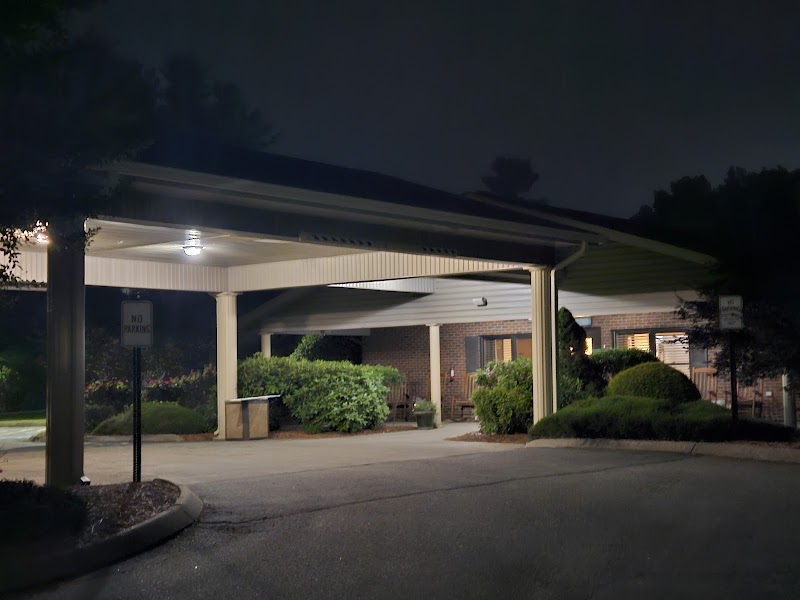
How is The Greens At Weaverville Staffed?

CMS rates The Greens at Weaverville's staffing level at 3 out of 5 stars, which is average compared to other nursing homes. Staff turnover is 69%, which is 23 percentage points above the North Carolina average of 46%. High turnover can affect care consistency as new staff learn residents' individual needs. RN turnover specifically is 66%, which is notably high. RNs provide skilled clinical oversight, so turnover in this role can affect medical care quality.

What Have Inspectors Found at The Greens At Weaverville?

State health inspectors documented 11 deficiencies at The Greens at Weaverville during 2023 to 2025. These included: 11 with potential for harm.
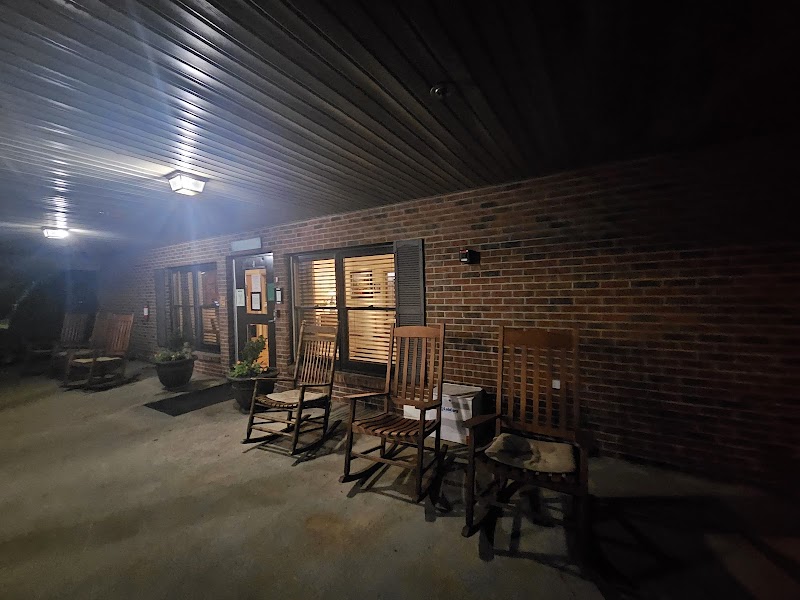
Who Owns and Operates The Greens At Weaverville?

The Greens at Weaverville is owned by a for-profit company. For-profit facilities operate as businesses with obligations to shareholders or private owners. The facility is operated by CCH HEALTHCARE, a chain that manages multiple nursing homes. With 122 certified beds and approximately 92 residents (about 75% occupancy), it is a mid-sized facility located in Weaverville, North Carolina.

How Does The Greens At Weaverville Compare to Other North Carolina Nursing Homes?

Compared to the 100 nursing homes in North Carolina, The Greens at Weaverville's overall rating (4 stars) is above the state average of 2.8, staff turnover (69%) is significantly higher than the state average of 46%, and health inspection rating (4 stars) is above the national benchmark.

What Should Families Ask When Visiting The Greens At Weaverville?

Based on this facility's data, families visiting should ask: "How do you ensure continuity of care given staff turnover, and what is your staff retention strategy?" "Can I visit during a mealtime to observe dining assistance and food quality?" "How do you handle medical emergencies, and what is your hospital transfer rate?" "Can I speak with family members of current residents about their experience?" These questions are particularly relevant given the facility's high staff turnover rate.

Is The Greens At Weaverville Safe?

Based on CMS inspection data, The Greens at Weaverville has a clean safety record: no substantiated abuse findings (meaning no confirmed cases of resident harm), no Immediate Jeopardy citations (the most serious violation level indicating risk of serious injury or death), and is not on the Special Focus Facility watch list (a federal program monitoring the lowest-performing 1% of nursing homes). The facility has a 4-star overall rating and ranks #1 of 100 nursing homes in North Carolina. While no facility is perfect, families should still ask about staff-to-resident ratios and recent inspection results during their visit.

Do Nurses at The Greens At Weaverville Stick Around?

Staff turnover at The Greens at Weaverville is high. At 69%, the facility is 23 percentage points above the North Carolina average of 46%. Registered Nurse turnover is particularly concerning at 66%. RNs handle complex medical decisions and coordinate care — frequent RN changes can directly impact care quality. High turnover means new staff may not know residents' individual needs, medications, or preferences. It can also be disorienting for residents, especially those with dementia who rely on familiar faces. Families should ask: What is causing the turnover? What retention programs are in place? How do you ensure care continuity during staff transitions?

Was The Greens At Weaverville Ever Fined?

The Greens at Weaverville has no federal fines on record. CMS issues fines when nursing homes fail to meet care standards or don't correct problems found during inspections. The absence of fines suggests the facility has either maintained compliance or corrected any issues before penalties were assessed. This is a positive indicator, though families should still review recent inspection reports for the full picture.

Is The Greens At Weaverville on Any Federal Watch List?

The Greens at Weaverville is not on any federal watch list. The most significant is the Special Focus Facility (SFF) program, which identifies the bottom 1% of nursing homes nationally based on persistent, serious quality problems. Not being on this list means the facility has avoided the pattern of deficiencies that triggers enhanced federal oversight. This is a positive indicator, though families should still review the facility's inspection history directly.