The Carrolton of Williamston
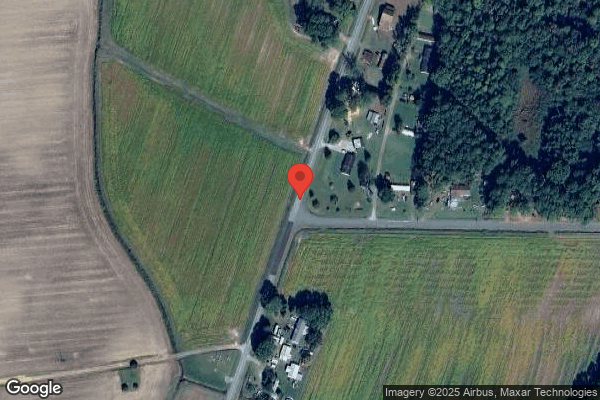
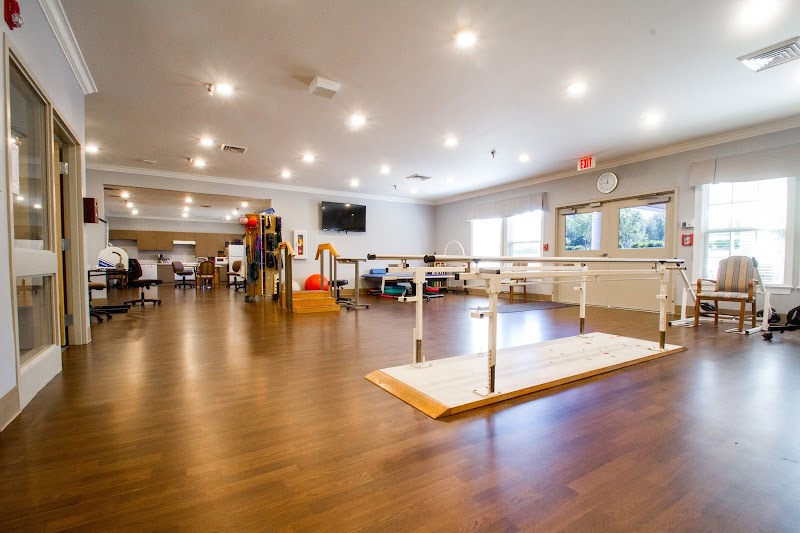
119 Gatling Street, Williamston, NC 27892 (252) 792-1616
For profit - Corporation 154 Beds CARROLTON NURSING HOMES Data: November 2025
Trust Grade
25/100
#294 of 417 in NC
Last Inspection: July 2025

Inspected within the last 6 months. Data reflects current conditions.

Overview

The Carrolton of Williamston has received an F trust grade, indicating significant concerns and a poor reputation among nursing homes. Ranked #294 out of 417 facilities in North Carolina, they fall into the bottom half, suggesting there are many better options available. However, it is worth noting that the facility is improving, having reduced its issues from 22 in 2024 to just 5 in 2025. Staffing at the home is average, with a turnover rate of 41%, which is slightly better than the state average, but the facility has faced serious incidents, including a failure to administer important medications on time, causing a resident to remain in bed due to dizziness, and unsafe care leading to a resident sustaining a fracture. While there are some strengths, such as improved trends in issues, the significant past problems and current fines totaling $61,491 are concerning for families considering this facility.
Trust Score
F
25/100
In North Carolina
#294/417
Bottom 30%
Safety Record
High Risk
Review needed
Inspections
Getting Better
22 → 5 violations
Staff Stability
○ Average
41% turnover. Near North Carolina's 48% average. Typical for the industry.
Penalties
✓ Good
$61,491 in fines. Lower than most North Carolina facilities. Relatively clean record.
Skilled Nurses
⚠ Watch
Each resident gets only 23 minutes of Registered Nurse (RN) attention daily — below average for North Carolina. Fewer RN minutes means fewer trained eyes watching for problems.
Violations
⚠ Watch
49 deficiencies on record. Higher than average. Multiple issues found across inspections.
★★☆☆☆
2.0
Overall Rating
★★★☆☆
3.0
Staff Levels
★★★☆☆
3.0
Care Quality
★★☆☆☆
2.0
Inspection Score
Stable
2024: 22 issues
2025: 5 issues

The Good

  • Full Sprinkler Coverage · Fire safety systems throughout facility
  • No fines on record
  • Staff turnover below average (41%)

    7 points below North Carolina average of 48%

Facility shows strength in fire safety.

The Bad

2-Star Overall Rating

Below North Carolina average (2.8)

Below average - review inspection findings carefully

Staff Turnover: 41%

Near North Carolina avg (46%)

Typical for the industry

Federal Fines: $61,491

Above median ($33,413)

Moderate penalties - review what triggered them

Chain: CARROLTON NURSING HOMES

Part of a multi-facility chain

Ask about local staffing decisions and management

The Ugly 49 deficiencies on record

3 actual harm
Jul 2025 5 deficiencies
CONCERN (D) 📢 Someone Reported This

A family member, employee, or ombudsman was alarmed enough to file a formal complaint

Potential for Harm - no one hurt, but risky conditions existed

Deficiency F0558 (Tag F0558)

Could have caused harm · This affected 1 resident

**NOTE- TERMS IN BRACKETS HAVE BEEN EDITED TO PROTECT CONFIDENTIALITY** Based on record review, observations, resident interview and staff interviews, the facility failed to place a resident's call li...

Read full inspector narrative →
**NOTE- TERMS IN BRACKETS HAVE BEEN EDITED TO PROTECT CONFIDENTIALITY** Based on record review, observations, resident interview and staff interviews, the facility failed to place a resident's call light device within reach to allow for the resident to request assistance as needed for 1 of 2 residents reviewed for accommodation of needs (Resident #90). Findings included: Resident #90 was admitted to the facility on [DATE] with diagnoses including stroke and aphasia (difficulty speaking). The quarterly Minimum Data Set assessment dated [DATE] indicated Resident #90 was severely cognitively impaired with no range of motion impairments to upper and lower extremities and was dependent on staff to provide assistance with all activities of daily living and mobility. The pain assessment in the MDS assessment indicated Resident #92 was not receiving a pain medication regimen or as needed pain medications and was not experiencing pain. On 6/30/2025 at 3:30pm, the beige colored string exiting from the call light wall device on the left side of the bed was observed lying on top of the light fixture in Resident #90's room above Resident #90's head of the bed. Resident #90 was observed repeatedly moving her left hand off the side of the bed and lying her hand on her chest and pointing to her right cheek area, where a tear was observed running down the right side of her face from the outer right eye. During the interview with Resident #90 on 6/30/2025 at 3:30 pm, Resident #90 was asked if she could use the call light device to call for help if the call light device was in her reach. Resident #90 moved her head up and down to answer yes and moved her mouth to answer in a low soft voice yes. Resident #90 also moved her head up and down to answer yes and moved her mouth to answer in a low soft voice yes when asked if she was experiencing pain. In an interview with Nurse #4 on 6/30/2025 at 3:40 pm, she stated Resident #90 couldn't pull the string connected to the call light wall device or push a button-control call light device to call for help. Nurse #4 was informed Resident #90 was pointing to the tear running down her face and indicating she was in pain when asked and pointing to her cheek area. Nurse #4 was observed walking toward Resident #90's room. On 6/30/2025 at 4:25 pm, Resident #90 was observed lying in the bed. There was a dark brown string observed attached to the beige colored string exiting from the call light wall device on the left side of the bed and the brown string was observed lying across Resident #90's waist. Resident #90 was observed gripping the brown string and picking up the brown string that was lying across the waist without difficulty. In a follow up interview with Nurse #4 on 7/2/2025 at 2:58 pm, she stated on 6/30/2025 Resident #90 complained she was uncomfortable in the position she was lying in and was repositioned up in the bed and the head of the bed was elevated. She stated upon entering the resident's room, the string to the call light wall device was positioned up on the light fixture out of Resident #90's reach. Nurse #4 stated she did not know why the string to the call light device was up on the light fixture out of Resident #90's reach on 6/30/2025 and had recommended Resident #90's call light device be changed to a flat call light device that she could better operate with her hands. In an interview with the Interim Director of Nursing on 7/1/2025 at 5:47pm , she stated Resident #90 could pull the string to activate the call light device. She stated Resident #90's call light device was to be within her reach at all times.
CONCERN (D)

Potential for Harm - no one hurt, but risky conditions existed

Deficiency F0582 (Tag F0582)

Could have caused harm · This affected 1 resident

**NOTE- TERMS IN BRACKETS HAVE BEEN EDITED TO PROTECT CONFIDENTIALITY** Based on record review and staff interviews, the facility failed to provide a Centers for Medicare and Medicaid Services (CMS) S...

Read full inspector narrative →
**NOTE- TERMS IN BRACKETS HAVE BEEN EDITED TO PROTECT CONFIDENTIALITY** Based on record review and staff interviews, the facility failed to provide a Centers for Medicare and Medicaid Services (CMS) Skilled Nursing Facility Advanced Beneficiary Notice (SNF-ABN) form 10555 prior to discharge from Medicare Part A skilled services for 2 of 3 residents reviewed for beneficiary protection notification review (Resident #38 and Resident #54). The findings included: 1. Resident #38 was admitted to the facility on [DATE]. He was readmitted to Medicare Part A skilled services on 3/11/25. Resident #38's Medicare Part A skilled services ended on 3/28/25. He remained in the facility. Record review revealed there was no documentation Resident #38 or his responsible party were issued a SNF-ABN. During an interview with the facility social worker on 7/2/25 at 3:40 PM she stated it was her job to issue the SNF-ABN. She further stated there was an error in processing and Resident #38 did not receive the correct notification. An interview was conducted with the Administrator on 7/2/25 at 6:01 PM who indicated Resident #38 should have received the SNF-ABN as required by Federal guidelines. 2. Resident #54 was admitted to the facility on [DATE]. She was admitted to Medicare Part A skilled services on 4/17/25. Resident #54's Medicare Part A skilled services ended on 6/13/25. She remained in the facility. Record review revealed there was no documentation Resident #54 or her responsible party were issued a SNF-ABN. During an interview with the facility social worker on 7/2/25 at 3:40 PM she stated she was responsible for issuing the SNF-ABN. She further stated there was an error in processing and Resident #54 did not receive the correct notification. An interview was conducted with the Administrator on 7/2/25 at 6:01 PM who indicated Resident #54 should have received the SNF-ABN as required by Federal guidelines.
CONCERN (D) 📢 Someone Reported This

A family member, employee, or ombudsman was alarmed enough to file a formal complaint

Potential for Harm - no one hurt, but risky conditions existed

Safe Environment (Tag F0584)

Could have caused harm · This affected 1 resident

**NOTE- TERMS IN BRACKETS HAVE BEEN EDITED TO PROTECT CONFIDENTIALITY** Based on record review, observations, resident interview and staff interviews, the facility failed to provide maintenance servic...

Read full inspector narrative →
**NOTE- TERMS IN BRACKETS HAVE BEEN EDITED TO PROTECT CONFIDENTIALITY** Based on record review, observations, resident interview and staff interviews, the facility failed to provide maintenance services to a resident room that was observed with damaged sheetrock on the wall to the left side of the bed, a dresser with visible damage and a broken track for the bottom drawer and a bathroom cabinet with doors that did not latch and the pressboard in the bottom of the cabinet was observed sunken inward and covered with a dirty white thin board with dry white paper towel lying flat to the surface observed in the right back corner with dry black material covering over half of the paper towel for 1 of 1 resident reviewed for homelike environment on 1 of 6 halls in the facility (Resident #92). The findings included: A review of the census revealed Resident #92 was moved into room [ROOM NUMBER] on 1/1/2025. Resident #92's quarterly Minimum Data Set assessment dated [DATE] indicated Resident #92 was cognitively intact. A review of undated maintenance logs recorded a work order #2554 that stated the walls needed repair and paint in Resident #92's room. Work order #2557 dated 1/6/2025 recorded that the baseboard behind the bed needed repair and work order #2558 dated 1/6/2025 recorded that the bathroom floor fixtures and the toilet needed repaired in Resident #92's room. On 6/30/2025 at 11:17 am, the right side of Resident #92's bed was observed pushed up against the wall. There was torn sheetrock on the wall approximately 8 inches above the right side rail and the torn sheetrock on the wall continued below the right side rail. There was also torn sheetrock observed in the corner of the wall behind the head of the bed. The left side of Resident #92's dresser was observed with dry cracked and buckled wood four inches from the floor. On 6/30/2025 at 11:17 am in an interview with Resident #92, she stated when she moved into the room the walls were torn and staff at the facility were aware of the torn sheetrock on the walls. Resident #92 stated the male staff member who brought the resident's bed into the room the day she moved into the room stated at that time they would need to fix the wall. On 7/1/2025 at 8:41 am, two wooden cabinet doors were observed open approximately 2 inches in the bathroom of Resident 92's room. The two wooden cabinet doors would not close or latch and there were dry white specks observed on the two wooden cabinet doors in the bathroom. There was a sunken inward dry pressboard observed inside the wooden cabinet in the bathroom that had been covered with a dirty white thin board. There was a dry white paper towel lying flat to the surface in the right back corner of the cabinet with dry black material covering half of the dry paper towel. On 7/1/2025 at 8:45 am, the bottom drawer of Resident #92's wooden dresser was observed unsteady and off track. The wooden drawer (measuring approximately 24 inches in length and 6 inches in height) continued to move forward when opening the dresser drawer and human physical strength was used to prevent the heavy wooden drawer from falling to the floor. On 7/1/2025 at 8:45 am in an interview with Resident #92, she stated she was unable to remember who she voiced her concerns about the wooden dresser and bathroom cabinet. Resident #92 stated the staff was aware because she had dropped the dresser drawer on her foot ( x-ray revealed no fracture) and the staff could see the walls and bathroom cabinet when in Resident #92's room. On 7/2/2025 at 6:30 pm in an interview with Resident #92, she stated she washed herself daily in the attached bathroom. On 7/2/2025 at 3:07 pm in an interview with Nurse #4, she stated the bottom drawer of the wooden dresser did not work correctly and the bathroom cabinet was damaged with swelling of the wood. Nurse #4 stated the damaged walls occurred prior to Resident #92 moving into the room and the maintenance department had been informed of the needed repairs. Nurse #4 was unable to recall when the maintenance department was informed of the needed repairs in Resident #92's room but stated it was after Resident #92 moved into the room. On 7/3/2025 at 9:12 am in an interview with the Maintenance Assistant, he stated resident rooms were checked weekly for repairs and he was not aware of the repairs needed in Resident #92's room [ROOM NUMBER]/2/2025. He stated he did not recall the wall in Resident #92's room being scratched up when Resident #92 was moved into the room. On 7/3/2025 at 8:57am, the Maintenance Director was observed pulling the bottom drawer from the wooden dresser that continued to move forward and nearly came out of the wooden dresser on to the floor. On 7/3/2025 at 8:57 am in an interview with Maintenance Director, he explained the torn sheetrock in Resident #92's room came from a previous resident rising the bed up and down with the bed positioned close to the wall. He explained when Resident #92 was moved into the room, it was a quick move and didn't have time to make the repairs to the wall. He stated the bottom of the wooden dresser was caved in and the dresser drawer was not on track to stop the dresser drawer from continuing to be pulled forward and out of the wooden dresser. He explained that water damage to the wooden dresser occurred due to toileting running at some point in time. He explained that the staff reported damage or needed repairs resident rooms through a communication system. The Maintenance Director explained he was not aware of the damaged dresser and bathroom cabinet in Resident #92's room until he was informed by staff on 7/2/25. He explained that the maintenance department had been completing resident room remodeling that started in another part of the facility, and they had not gotten to Resident #92's room to make needed repairs. He stated while remodeling, the maintenance department would attend to needed repairs when there were resident complaints. The Maintenance Director further stated the bathroom cabinet in Resident #92's room was not useable. On 7/1/2025 at 5:31 pm in an interview with the Interim Director of Nursing (DON), she stated when Resident #92 pulled the dresser drawer completely out on 1/5/2025 and it fell on her foot. The dresser drawer was not broken and she was able to be put back into the wooden dresser and replaced on the track. The interim DON explained that the physician was notified, and an x-ray was performed that showed there was no fracture. She stated Resident #92 had bruising to the foot. In a follow up interview on 7/3/2025 at 1:04pm, the Interim DON stated it was the top drawer that Resident #92 pulled out and dropped on her foot on 1/5/2025. On 7/3/2025 at 1:10 pm in an interview with the Administrator, she stated the facility had been conducting some remodeling and six months was too long to wait for repairs to the walls, dresser and bathroom cabinet in Resident #92's room. She stated the facility's goal was to maintain a homelike environment in the residents' rooms.
CONCERN (D)

Potential for Harm - no one hurt, but risky conditions existed

Assessment Accuracy (Tag F0641)

Could have caused harm · This affected 1 resident

**NOTE- TERMS IN BRACKETS HAVE BEEN EDITED TO PROTECT CONFIDENTIALITY** Based on record review and staff interviews, the facility failed to accurately code the Minimum Data Set (MDS) assessment in the...

Read full inspector narrative →
**NOTE- TERMS IN BRACKETS HAVE BEEN EDITED TO PROTECT CONFIDENTIALITY** Based on record review and staff interviews, the facility failed to accurately code the Minimum Data Set (MDS) assessment in the area of behaviors for 1 of 26 residents whose MDS assessments were reviewed (Resident #167). Findings included: Resident #167 was admitted to the facility on [DATE] with diagnoses that included dementia. A progress note dated 9/13/24 revealed Resident #167 had behaviors including spitting and urinating on the floor. These behaviors were not directed towards others. A progress note dated 9/15/24 revealed Resident #167 refused to have a nursing assessment completed including blood pressure taken. He placed his sheet over his head and refused to answer any questions. A progress note dated 9/17/24 indicated Resident #167 adjusted his brief and voided on the floor. Resident #167's admission Minimum Data Set (MDS) assessment dated [DATE] was coded for having verbal behaviors directed toward others for 1-3 days during the 7-day lookback period. There were no other behavioral symptoms or rejection of care coded. On 7/2/25 at 3:44 PM during an interview with MDS Coordinator #1, she stated the 9/17/24 MDS for Resident #167 should have been coded for having rejection of care and other behaviors. She stated it was a coding error. An interview was conducted with the Administrator on 7/2/25 at 6:01 PM. She stated Resident #167's MDS assessment dated [DATE] should have accurately reflected behaviors present during the 7-day lookback period.
CONCERN (D)

Potential for Harm - no one hurt, but risky conditions existed

Deficiency F0761 (Tag F0761)

Could have caused harm · This affected 1 resident

**NOTE- TERMS IN BRACKETS HAVE BEEN EDITED TO PROTECT CONFIDENTIALITY** Based on manufacturer directions, observations and staff interviews, the facility failed to remove 3 multi-dose insulin injector...

Read full inspector narrative →
**NOTE- TERMS IN BRACKETS HAVE BEEN EDITED TO PROTECT CONFIDENTIALITY** Based on manufacturer directions, observations and staff interviews, the facility failed to remove 3 multi-dose insulin injector pens that were expired in 2 of 5 medication carts ([NAME] medication cart and Split medication cart), remove expired medication in 1 of 5 medication carts (Split medication cart), and remove 1 opened and expired vial of Pneumococcal vaccine in 1 of 1 medication storage room refrigerator reviewed for medication storage and labeling. The findings included: a. The manufacturer's directions for lispro insulin injector pen stated it should be discarded 28 days after opening. An observation of the [NAME] medication cart on 7/3/25 at 9:23 am revealed one Lispro insulin injector pen that was open and dated 5/20/25. Interview with Nurse # 5 during the medication cart observation on 7/3/25 at 9:23 am and stated the insulin pen should have been removed after 28 days. b. An observation of the Split medication cart on 7/3/25 at 9:30 am revealed two Lispro insulin injector pens that were opened and dated 6/2/25 and a opened bottle of docusate sodium liquid (a medication primarily used as a stool softener) with the expiration date of 1/31/25. Interview with Nurse #5 during the medication cart observation on 7/3/25 at 9:30 am stated the insulins pen should have been removed after 28 days and the docusate sodium liquid should have been removed in January 2025. c. An observation of the medication storage room on 7/3/25 at 9:35 am revealed an opened vial of Pneumococcal vaccine in a plastic bag with an expiration date of 8/12/24 and no open date on the vial or plastic bag. Interview with the interim Director of Nursing (DON) during the medication storage room observation on 7/3/25 at 9:35 am, stated the vial should have been dated when opened and removed when the vial expired. The interim DON did not know when the vial had been opened. The interim DON further stated herself and the nursing staff were responsible for regularly checking the medication carts for expired medications and the medication storage room refrigerators for expired medications and/or vaccines. During an interview with the Administrator on 7/3/25 at 1:50 pm, she stated the nursing staff were responsible for dating the insulin pen injectors when opened and discarding them after 28 days. The Administrator further stated the nursing staff were responsible for checking and removing expired medications from the medication carts. The Administrator indicated all nursing staff were responsible for checking the medication storage room regularly and removing expired medications and vaccines from the refrigerators. The Administrator added that no residents had received the pneumococcal vaccine in the last 6 months.
Nov 2024 3 deficiencies
CONCERN (D) 📢 Someone Reported This

A family member, employee, or ombudsman was alarmed enough to file a formal complaint

Potential for Harm - no one hurt, but risky conditions existed

Resident Rights (Tag F0550)

Could have caused harm · This affected 1 resident

**NOTE- TERMS IN BRACKETS HAVE BEEN EDITED TO PROTECT CONFIDENTIALITY** Based on record review and staff interview the facility failed to treat a resident in a dignified manner for one (Resident #4) o...

Read full inspector narrative →
**NOTE- TERMS IN BRACKETS HAVE BEEN EDITED TO PROTECT CONFIDENTIALITY** Based on record review and staff interview the facility failed to treat a resident in a dignified manner for one (Resident #4) of three residents reviewed for dignity. Findings included: Resident #4 had a diagnosis of Alzheimer's disease and resided on a locked dementia unit in the facility. Documentation on the most recent quarterly Minimum Data Set assessment dated [DATE] coded Resident #4 as severely cognitively impaired with no moods or behaviors. An interview was conducted with Medication Aide (Med Aide) #3 on 11/7/2024 at 9:56 AM. Med Aide #3 stated on 9/28/2024 he was in the hallway after the evening meal with a view visible into the day room of the dementia unit. Med Aide #3 stated Resident #4 was standing up and he witnessed Nurse Aide (NA) #1 grab the shirt of Resident #4 and push Resident #4 into the chair telling her to sit down. Med Aide #3 stated NA #1 pushed Resident #4 harder than necessary making the chair hit the wall. Med Aide #3 revealed he heard Resident #4 state, I'm telling and NA #1 responded, Go ahead. Med Aide #3 confirmed he went to the Nurse to report what he witnessed on behalf of Resident #4. NA #1 did not respond to requests for an interview. The facility Administrator was interviewed on 11/6/2024 at 2:03 PM. The Administrator stated she was notified immediately of what Med Aide #3 witnessed on the dementia unit on 9/28/2024. The Administrator stated she interviewed NA #1 about what had occurred. The Administrator revealed she was told by NA #1, she forcibly put Resident #4 into the chair because she was going to get up and bother other residents. The Administrator stated she felt like NA #1 was admitting to treating Resident #4 disrespectfully and NA #1 could not have known what Resident #4 was going to do as she routinely just walked around the unit not bothering anyone. The facility provided the following corrective action plan with a completion date of 10/4/2024: The immediate actions taken for the resident found to have been affected: Resident #4, a resident in the dementia unit, was treated disrespectfully on 9/28/2024 by NA #1. Med Aide #3 observed NA #1, grab a resident by her shirt, forcing her into the day room and pushing her into her chair hard. Med Aide #3 immediately told the nurse what he observed. Resident #3 was assessed by the nurse and there were no visible signs of injury per the nursing assessment. Resident #4 was assessed by the nurse for pain and for emotional distress. Resident #4 did not display any signs or symptoms of discomfort, anxiety, or being upset. The nurse immediately notified the Charge Nurse who called the Director of Nursing and Administrator. NA #1 was immediately suspended and escorted from the facility due to her disrespectful behavior with the resident. An abuse investigation was immediately begun, and the incident was reported to the state agency. The nurse notified the physician and the family member of Resident #4. Identification of other residents having the potential to be affected: The facility determined the behavior of NA #1 was inappropriate and resulted in failure to treat Resident #4 with dignity and respect. All residents are at risk for a negative impact if they are not treated with dignity and respect. Actions taken/systems put into place to reduce the risk of future occurrences: Resident interviews were initiated on 9/28/2024 and 100% of cognitively intact residents in the facility were interviewed by the Social Worker. No additional issues with inappropriate undignified behavior, abuse, or neglect were identified. The Nursing Staff initiated skin assessments on 9/28/2024 and 100% of all cognitively impaired residents, to include the residents on the dementia unit, were assessed. There were no issues identified. Education was initiated by the Director of Nursing on 9/28/2024 for all nursing staff members. The subject of the education was treating residents with dignity, prevention of abuse and neglect, resident protection, and reporting. How the corrective actions will be monitored to ensure deficient practice will not reoccur: Daily rounds were initiated on 9/28/2024 by the senior management team for 10 % of the resident population to ensure that residents are treated with dignity and respect always. In the event there are areas of concern identified; immediate action will be taken to protect the residents. Daily rounding results will be reviewed in the monthly Quality Assurance Performance Improvement committee meetings to identify on-going issues and opportunities for improvement. The corrective action plan completion date was 10/4/2024. The facility's corrective action plan was verified on 11/07/2024 by the following: Interviews and record review verified Resident #4 was assessed for pain, injury, or emotional distress on 9/28/2024. Record review revealed all cognitively impaired residents were assessed for injury while cognitively intact residents were interviewed for any mistreatment including incidents involving dignity issues. Interviews with nursing staff revealed they were educated on treating residents with dignity and reporting violations of resident mistreatment. Record reviews and interviews confirmed daily rounds by the senior management team were being completed to ensure residents were treated with dignity. The compliance date of 10/4/2024 was validated.
CONCERN (D) 📢 Someone Reported This

A family member, employee, or ombudsman was alarmed enough to file a formal complaint

Potential for Harm - no one hurt, but risky conditions existed

Pressure Ulcer Prevention (Tag F0686)

Could have caused harm · This affected 1 resident

**NOTE- TERMS IN BRACKETS HAVE BEEN EDITED TO PROTECT CONFIDENTIALITY** Based on record review, staff interviews, and wound care physician interview the facility failed to accurately document a reside...

Read full inspector narrative →
**NOTE- TERMS IN BRACKETS HAVE BEEN EDITED TO PROTECT CONFIDENTIALITY** Based on record review, staff interviews, and wound care physician interview the facility failed to accurately document a resident's admission skin assessment, initiate treatment for a pressure ulcer, complete a weekly assessment, and administer treatments as ordered according to the care plan for one (Resident #6) of three residents reviewed for pressure sore care. Findings included: Resident #6 was originally admitted to the facility on [DATE] and discharged back to the hospital on [DATE]. Resident #6 had multiple diagnoses some of which included type 2 diabetes mellitus, severe quadriparesis/neuropathy, coronary artery disease, congestive heart failure, tracheostomy status, percutaneous gastrostomy tube, cerebral vascular accident, dysphagia, and pressure sore injury to sacrum and left buttock. Documentation on the hospital discharge summary for Resident #6 dated 9/24/2024 included physician orders for a sacral pressure injury, left medial buttock tissue loss as well as left knee pressure injury. The wound care physician orders included in part the following: sacrum and left buttock: start Santyl ointment with [gauze dressing] to wound bed, Cleanse with normal saline during each dressing change, apply Santyl nickel thick to entire wound base, followed by moist dressing within wound margins, cover with [foam] sacral border dressing upside down, change daily and [as needed] drainage/soilage. Santyl ointment is a prescription medication that removes dead tissue from wounds so they can start to heal. Documentation on the care plan dated as initiated on 9/25/2024 revealed Resident #6 had a focus area for a Stage 4 pressure ulcer on her sacrum relative to deconditioning, immobility, and activity intolerance. Some of the interventions listed on the care plan were to administer treatments as ordered and monitor for effectiveness, assess/record/monitor wound healing at least every week and as needed, measure length, depth where possible, assess and document status of wound perimeter, wound bed, and healing progress, report improvements and declines to the medical doctor, and refer to wound specialist. Documentation on the nursing admission screening dated 9/25/2024 revealed Resident #6 was assessed by Nurse #2 as having, unstageable to sacrum, red open area to right buttock, trach (tracheostomy) stoma, PEG (percutaneous gastrostomy) tube incision intact. There were no measurements of length, width, or depth of the wounds. There was no description of the perimeter of the wounds or the wound bed. Documentation on a skin observation tool dated 9/25/2024 revealed Resident #6 was assessed by Nurse #2 with, unstageable wound to sacrum, open area to right buttock, bruises to abdomen, PEG tube sit, [and] trach stoma to neck. There were no measurements of length, width, or depth of the wounds. There was no description of the perimeter of the wounds or the wound bed. Documentation on a weekly observation tool initiated by Nurse #2 dated 9/25/2024 was blank and did not include any information regarding the wounds of Resident #6. Documentation in an admission nursing note written by Nurse #2 revealed Resident #6 had an Unstageable wound noted to sacrum, dressing in place. Open area noted right buttock, dressing in place. An interview with Nurse #2 was conducted on 11/7/2024 at 12:54 PM. Nurse #2 stated she asked the Director of Nursing (DON) to help her assess the wounds on Resident #6 upon admission. Nurse #2 stated she observed the wound on the sacrum of Resident #6 to be a small, light brown wound covered in necrotic tissue and the area on the right buttock to be a small, reddened area. Nurse #2 recalled that both wounds had bandages. An interview was conducted with the DON on 9/25/2024 at 11:42 AM. The DON stated she observed the sacral pressure area on admission along with Nurse #2 on 9/25/2024. The DON explained on admission the sacral wound was about the size of a lemon slice, with adherent brown necrotic tissue that was dry with no drainage. The DON said the wound on the right buttock was a very small red open stage 3 pressure area. The DON explained the facility did not know Resident #6 had wounds prior to her coming to the facility and an air mattress was obtained for her on 9/26/2024. There were no physician orders for a wound care treatment for the right buttock initiated on 9/25/2024. There was no documentation on the treatment administration record (TAR) of wound care for the right buttock wound from 9/26/2024 to 10/2/2024. Documentation in the physician orders dated as initiated on 9/26/2024 and discontinued on 10/02/2024 revealed Resident #6 was to have 250 units/gram of Santyl external ointment (Collagenase) applied to her sacral area topically every day shift for wound care. Documentation on the treatment September administration record (TAR) revealed the treatment record was blank on 9/26/2024 for the wound care order for the sacral wound of Resident #6. Review of the daily nursing schedule for 9/26/2024 revealed Nurse #7 was assigned to perform treatments for the hallway which Resident #6 resided. Nurse #7 was interviewed on 11/7/2024 at 12:27 PM. Nurse #7 revealed he did not recall if he provided a wound care treatment to the sacral area of Resident #6 on 9/26/2024 and he did not recall what the wound looked like when Resident #6 was first admitted . Documentation on an initial wound evaluation and management summary dated 10/1/2024 written by the facility consultant wound care physician revealed the sacral and right buttock wounds of Resident #6 were assessed and the following information was provided. The wound care physician documented the Stage 4 sacral wound to be 7 centimeters (cm) in length, 8 cm in width, and 1.5 cm in depth with heavy serous exudate and 100% necrotic tissue. The sacral wound was debrided, and the nonviable tissue was removed. The dressing treatment plan was for Dakin's solution to be applied twice daily for 30 days, packed with Kling dressing soaked in ¼ strength Dakin's solution twice a day, covered with a superabsorbent gelling fiber with silicone foam border dressing. The wound care physician documented the Stage 3 pressure wound on the right buttock of Resident #6 to be 2 cm in length, 1.5 cm in width, and 0.2 cm in depth with light serous exudate and 100 % slough. The wound care physician surgically removed the nonviable tissue on the Stage 3 pressure wound on the right buttock. The dressing treatment plan for the stage 3 pressure wound on the right buttock was for Alginate calcium silver with a gauze island border dressing applied once daily. The admission Minimum Data Set (MDS) assessment dated [DATE] coded Resident #6 as having one Stage 3 present on admission and one stage 4 present of admission. The assessment also coded Resident #6 as having a pressure reducing devise for the bed, nutrition/hydration interventions, pressure injury/ulcer care, and application of nonsurgical dressings. Resident #6 was also coded as requiring substantial or total dependence for assistance with mobility. There was no weekly observation tool in the electronic medical record of Resident #6 dated 10/2/2024. Documentation on a physician's orders revealed Resident #6 had an order initiated on 10/2/2024 for the sacrum wound to be cleansed with quarter strength Dakin's solution then pack with Dakin's moistened Kling twice a day, every day shift and night shift. Documentation on physician orders revealed Resident #6 had an order initiated on 10/3/2024 for the right buttock to be cleaned with normal saline or wound cleaner, calcium alginate with silver applied, and a border gauze dressing to be completed every day. Documentation on the October TAR revealed Resident #6 did not receive wound care as ordered for the daily right buttock treatment or the twice daily treatment for the sacrum on 10/4/2024 and 10/5/2024. Review of the daily nursing schedule for 10/4/2024 revealed Nurse #7 on the 7:00 AM to 3:00 PM shift and Nurse #5 on the 3:00 PM to 11:00 PM shift was assigned to provide wound care treatments for the hallway which Resident #6 resided. Review of the daily nursing schedule for 10/5/2024 revealed Nurse #7 on the 7:00 AM to 3:00 PM shift and Nurse #9 on the 3:00 PM to 11:00 PM shift was assigned to provide wound care treatments for the hallway which Resident #6 resided. Nurse #7 was interviewed on 11/7/2024 at 12:50 PM. Nurse #7 stated if he did not check off the treatment as being completed for Resident #6 then he would have passed it off to the next nurse shift nurse. Nurse #7 could not recall what the wound looked like on 10/4/2024 and 10/5/2024 but he recalled when he provided wound care treatments to Resident #6 on the morning of 10/6/2024, the wound had a lot of necrotic tissue and smelled very bad. Nurse #5 was interviewed on 11/7/2024 at 1:07 PM. Nurse #5 stated she did not recall doing wound care for Resident #6 on 10/4/2024 and did not recall Nurse #7 telling her the wound care treatments were not completed on the morning shift on 10/4/2024. Nurse #5 explained she had just returned from an absence from the facility, and she was working as a hall nurse on 10/4/2024. Nurse #5 further explained she was the wound care nurse at the facility, and she would have completed the treatments for Resident #6 if she had been asked by Nurse #7 to do so. Nurse # 9 was interviewed on 11/7/2024 at 1:43 PM. Nurse #9 stated she did not recall if she was asked by Nurse #7 to complete the wound care treatments for Resident #6 on 10/5/2024. Nurse #9 explained she was the MDS nurse who was helping out on the floor on 10/5/2024 but, she could not recall if she did wound care treatments for Resident #6 on that day. An interview was conducted with the DON on 9/25/2024 at 11:42 AM. The DON stated the nurses were responsible for doing wound treatments on their assigned halls and all treatment orders should have been completed for Resident #6. The DON acknowledged the sacral wound of Resident #6 did deteriorate very quickly. An interview was conducted with the facility Administrator on 11/7/2024 at 3:05 PM. The Administrator stated it was not best practice to not do treatments and not document treatments. An interview was conducted on 11/7/2024 at 2:01 PM with the facility wound care consultant physician who completed the initial wound evaluation for Resident #6 on 10/1/2024. The wound care physician provided the following information. A deep tissue injury wound can deteriorate very quicky. The stage 4 pressure sore on the sacral area of Resident #4 could have had an unknown depth with damage that was previously done.
CONCERN (E) 📢 Someone Reported This

A family member, employee, or ombudsman was alarmed enough to file a formal complaint

Potential for Harm - no one hurt, but risky conditions existed

Infection Control (Tag F0880)

Could have caused harm · This affected multiple residents

**NOTE- TERMS IN BRACKETS HAVE BEEN EDITED TO PROTECT CONFIDENTIALITY** Based on record review, observation, and staff interview the facility failed to follow their infection control policy and proced...

Read full inspector narrative →
**NOTE- TERMS IN BRACKETS HAVE BEEN EDITED TO PROTECT CONFIDENTIALITY** Based on record review, observation, and staff interview the facility failed to follow their infection control policy and procedures for enhanced barrier precautions for one (Nurse #5) of three nursing staff members observed for infection control procedures. Findings included: Review of the facility policy on enhanced barrier precautions, dated as implemented on 11/1/2024, revealed the following information. The facility will have the discretion on how to communicate to staff which residents require to use of enhanced barrier precautions (EBP), as long as staff are aware of which residents require to use of EBP prior to providing high-contact care activities. Personal protective equipment (PPE) for enhanced barrier precautions is only necessary when performing high-contact care activities and may not need to be donned prior to entering the resident's room. 1. Resident #6 was readmitted to the facility on [DATE] with diagnoses of Stage 4 pressure ulcer and presence of a tracheostomy tube. Observation on initial tour on 11/6/2024 at 10:22 AM revealed Resident #6 did not have an enhanced barrier precaution sign on her door and did not have any personal protective equipment (PPE) on or near her door. Upon entering the room after knocking to request permission, Nurse #5 responded and stated she had just finished up providing wound care for Resident #6. Two additional staff members were in the room with Nurse #5. It was observed there was no PPE in the room of Resident #6. An interview was conducted with Nurse #5 on 11/7/2024 at 9:49 AM. Nurse #5 acknowledged on the previous day, 11/6/2024, when she performed wound care for Resident #6, she and the two staff members assisting her did not wear gowns when performing wound care. Nurse #5 stated that when Resident #6 was first admitted there was an Enhanced Barrier Precautions sign and PPE on her door, but for some reason when her room was deep cleaned the sign was removed and not put back up. Nurse #5 stated she knew she needed to wear a gown when performing wound care for a chronic stage 4 pressure ulcer, but she had forgotten due to a lack of the sign. An interview with the Director of Nursing (DON) was conducted on 11/7/2024 at 11:42 AM. The DON confirmed Nurse #5 should have worn a gown while she was providing wound care for Resident #6 on 11/6/2024. The DON confirmed an enhanced barrier precaution sign should have been on the door along with PPE supplies on the door so staff could wear a gown while performing resident care activities to include wound care, bathing, changing linens, and personal hygiene. The DON did not know when or why the sign was removed from the door of Resident #6. The DON explained the staff was trained in the requirements to wear gowns as enhanced barrier precautions for residents with wounds and the PPE was available on every hall. The DON further explained the nursing staff needed to be retrained on when enhanced barrier precautions were needed. An interview was conducted with the Administrator on 11/7/2024 at 3:05 PM. The Administrator stated the facility policy was to have enhanced barrier precaution signs on the door of residents who require wound care and staff need to wear gowns when performing wound care and personal care for those residents. The Administrator stated someone removed the enhanced barrier precaution signs on the door of Resident #6 when her room was deep cleaned when she went to the hospital and the sign was not replaced. The Administrator indicated additional training was needed for the staff on enhanced barrier precautions. 2. Resident #8 had diagnoses of stage 4 pressure ulcer and Type 2 diabetes. An observation of the door of Resident #8 on 11/7/2024 at 8:41 AM revealed a sign posted entitled, Enhanced Barrier Precautions. The sign stated in part, All Healthcare Personnel must: Wear gloves and gown for the following High-Contact Resident Car Activities: One of the activities on the sign for which gloves and a gown were to be worn was for wound care: any skin opening requiring a dressing. There were no visible gowns or gloves available in the hallway or on the door of Resident #8 Nurse #5, the wound care nurse, was observed approaching the room of Resident #8 on 11/7/2024 at 8:43 AM and prepared her supplies to perform wound care to include multiple pairs of gloves. Nurse #5 entered the room of Resident #8 and performed wound care without donning a gown. Nurse #5 was interviewed directly after completion of the wound care for Resident #8 on 11/7/2024 at 8:52 AM. Nurse #5 acknowledged she did not wear a gown while she was performing wound care for Resident #8 as directed to do so on the enhanced barrier precaution sign on her door. Nurse #10, who was standing at her medication cart directly across the hallway, reminded Nurse #5 in that moment that a gown and gloves must be worn while caring for residents with wound care requiring a dressing, a central line, urinary catheter, feeding tube, and/or a tracheostomy. Nurse #5 said she was aware of the need for a gown while providing wound care, but she forgotten to do so. An interview with the Director of Nursing was conducted on 11/7/2024 at 11:42 AM. The Director of Nursing confirmed Nurse #5 should have worn a gown while she was providing wound care for Resident #8.
Mar 2024 19 deficiencies 2 Harm
SERIOUS (G) 📢 Someone Reported This

A family member, employee, or ombudsman was alarmed enough to file a formal complaint

Actual Harm - a resident was hurt due to facility failures

Deficiency F0725 (Tag F0725)

A resident was harmed · This affected 1 resident

Based on observations, record review, resident interview, staff interviews and a Physician interview, the facility failed to provide sufficient nursing staff to ensure a resident was administered morn...

Read full inspector narrative →
Based on observations, record review, resident interview, staff interviews and a Physician interview, the facility failed to provide sufficient nursing staff to ensure a resident was administered morning scheduled medications in the allotted time frame for 1 of 1 resident reviewed for significant medications (Resident #211). Resident #211 not receiving her scheduled morning medications in the allotted time frame caused Resident #211 to remain in bed for fear of falling due to feeling dizzy. Findings included: This tag is cross reference to: F760: Based on record review, observation, resident interview, staff interviews and a Physician interview, the facility failed to administer significant medications of a resident's medication regimen in the scheduled time frame that caused the resident to remain in bed for fear of falling due to feeling dizzy for 1 of 1 resident reviewed for administration of significant medications (Resident #211). In an interview with the Director of Nursing (DON) on 3/13/2024 at 11:15 a.m., she explained on 3/13/2024 due to the call out of a scheduled medication aide, NA (Medication Aide) #7 was assigned both the sparks unit and skills unit medication cart. She explained usually one nurse/medication aide was assigned the sparks unit and skills unit medication carts since the skills unit fluctuated in the number of residents and the level of care on the unit. She stated Nurse #6 was assigned to the cover the sparks unit and skills unit for nursing tasks, and it would have been best if she (DON) had assigned Nurse #6 to one of the medication carts so the administration of medications were administered in the scheduled time frame for Resident #211. The Director of Nursing reported attendance issues among the nursing staff and the issue of not having enough staff for the five medications carts had caused a delay in scheduled medications administered in the allotted time frame. She stated as the DON she had been assigned a medication cart to administered medications due to not having enough staff, and the facility was slowly hiring nurses and nurse aides. In an interview with the Administrator on 3/13/2024 at 4:36 p.m., she stated Resident #211 should have received her medications one hour before or after the scheduled time and explained the reason Resident #211 received her medications late was because a medication aide called out on 3/12/2024. She explained due to the residents on the sparks unit having fewer medications, one nurse/medication aide was assigned the sparks unit and skills unit medications cart when there were limited nurses/medications aides in the facility. She stated retaining enough nurses/medications aides for the five medication carts in the facility was a challenge. She stated nursing staff worked overtime to help cover staff needs and the facility made every effort to ensure residents received their scheduled medications in a timely manner. She also stated she continued to work in recruiting new nursing staff.
SERIOUS (G) 📢 Someone Reported This

A family member, employee, or ombudsman was alarmed enough to file a formal complaint

Actual Harm - a resident was hurt due to facility failures

Deficiency F0760 (Tag F0760)

A resident was harmed · This affected 1 resident

**NOTE- TERMS IN BRACKETS HAVE BEEN EDITED TO PROTECT CONFIDENTIALITY** Based on record review, observation, resident interview, staff interviews and a Physician interview, the facility failed to admi...

Read full inspector narrative →
**NOTE- TERMS IN BRACKETS HAVE BEEN EDITED TO PROTECT CONFIDENTIALITY** Based on record review, observation, resident interview, staff interviews and a Physician interview, the facility failed to administer significant medications of a resident's medication regimen in the scheduled time frame that caused the resident to remain in bed for fear of falling due to feeling dizzy for 1 of 1 resident reviewed for administration of significant medications (Resident #211). Findings included: Resident #211 was admitted to the facility on [DATE] with diagnoses including hypertension, atrial fibrillation, epilepsy (seizures), anxiety and pain. Resident #211's care plan dated 2/29/2024 included a focus for hypertension and atrial fibrillation, and interventions included giving antihypertensive medications as physician ordered and monitoring for side effects. Resident #211's care plan also included the use of anti-anxiety and seizure medications. Interventions included administering the medications as ordered by the physician, monitoring for side effects and effectiveness of the medications and seizure precautions. The admission Minimum Data Set (MDS) assessment dated [DATE] indicated Resident #211 was cognitively intact and received anti-anxiety medications, opioids (pain relief medications) and antiplatelets (medications that prevent the blood to clot). A review of physician's orders indicated Resident #211 was ordered the following significant medications in her medication regimen on 2/29/2024: * Metoprolol Tartrate oral tablet 25 milligrams (mg) two tablets by mouth two times a day for hypertension. * Lorazepam oral tablet 0.5 mg one tablet by mouth two times a day for anxiety. * Lisinopril oral tablet 20 mg one tablet by mouth one time a day for hypertension. * Levetiracetam oral tablet 500 mg one tablet by mouth two times a day for seizure. * Dronedarone HCl oral tablet 400mg one tablet by mouth two times a day for heart failure. * Aspirin Enteric Coated Tablet Delayed Release 81mg one tablet by mouth two times a day for coronary artery disease/atrial fibrillation. A review of Resident #211's March Medication Administration Record (MAR) reported Metoprolol Tartrate, Lorazepam, Lisinopril, Dronedarone HCL and Aspirin were scheduled for administration at 8:30 a.m. daily and given. A review of Resident #211's medication audit report from 3/1/2024 to 3/12/2024 reported Resident #211 received her scheduled 8:30 a.m. medications after the one-hour time frame for administration on the following dates: * On 3/2/2024, Nurse #1 recorded medications were administered at 10:55 a.m. * On 3/3/2024, NA (Medications Aide) #7 recorded medications were recorded administered between 10:13am and 10:19 a.m. * On 3/4/2024. Nurse #3 recorded medications were administered at 11:06 a.m. * On 3/8/2024, NA (Medications Aide) #7 recorded medications were administered between 10:56 a.m. and 11:00 a.m. * On 3/12/2024, NA (Medications Aide) #7 recorded medications were administered between 10:57 a.m. and 11:02 a.m. A review of Resident #211's blood pressure readings indicated a slight elevation on 3/3/2024 at 4:46 a.m. with a reading of 140/86, 3/3/2024 at 3:21 a.m. with a reading of 138/85, and on 3/11/2024 at 1:01 a.m. 142/74. On 3/10/2024 at 10:34 a.m. in an interview with Resident #211, she said the nursing staff usually administered her medications between 8:00 am and 9:00 a.m., and there was one day since admission she received her scheduled morning medications at 11:00 a.m. She explained the morning she received her morning medications at 11:00 a.m., she was feeling dizzy by the time her medications were administered. She said she spoke to the nurse about receiving her morning medications earlier in the morning. She was unable to recall the date when her medications were given at 11:00 a.m. and the name of the nurse she had spoken with about receiving her medications earlier in the morning. On 3/12/2024 at 8:21 a.m. in a follow up interview with Resident #211, she explained she didn't take her medications at home late in the morning and would experience dizziness, trembling and jitters when her medications were administered later in the morning around 11:00 a.m. She stated the dizziness, trembling and jitters disappeared after receiving her morning medications. On 3/12/2024 at 9:27 a.m. NA (medications Aide) #7 was observed exiting the sparks unit with a medications cart and moving to the skills unit medication cart to begin the scheduled morning medications. In an interview with NA (medications Aide) #7 on 3/12/2024 at 9:27 a.m., she explained she was assigned both medications carts for the sparks unit and the skills unit, and Nurse #6 and the Director of Nursing (DON) knew she was assigned both medications carts. She said had the keys to both medication carts since reporting to work at 7:00 a.m., and no one had been to get the keys for the skills medication cart to start the scheduled morning medications for the residents. She stated medications were to be administered one hour before or after the scheduled time, and due to starting the skills hall medication administration at this time, she would not be able to administered the residents' their scheduled morning medications on time. On 3/12/2024 at 11:05 a.m., NA (medications Aide) #7 was observed in Resident #211 room and the skills unit medication cart outside the Resident #211 door. NA (medications Aide) #7 stated she had just administered Resident #211 her scheduled morning medications. In an interview with Resident #211 on 3/12/2024 at 11:08 a.m., she stated she had asked three times for her scheduled morning medications and had just received her medications. She stated that due to feeling dizzy she had stayed in the bed so she wouldn't fall. Resident #211 denied needing to get out of bed while waiting to receive her medications and stated the dizziness would go away now that she had been administered her scheduled morning meds. In an interview with Nurse #4 on 3/13/2024 at 2:44 p.m., he stated he couldn't recall why the medications were given after the scheduled time frame on 3/2/2024 to Resident #211. He explained usually there was one nurse or medication aide assigned to both the sparks unit medication cart and the skills unit medication cart, and it was not unusual for residents' medications to be administered medications after the scheduled time frame. He further stated on 3/2/2024 he did not inform the physician Resident #211's mediations were administered after the scheduled time frame and was not a usual practice. Attempts to interview Nurse #3 were unsuccessful. In an interview with Nurse #6 on 3/13/2024 at 2:35 p.m., she stated as unit manager she notified the physician when medications were administered after the scheduled time frame and called the physician on 3/12/2024. She stated she was not aware on 3/2/2024, 3/3/2024, 3/4/2024 and 3/8/2024 Resident #211 received her medications after the scheduled time frame. She explained on 3/12/2024 NA (Medication Aide) #7 was assigned the medication cart for the sparks and skills unit because there were only four nurses/medication aides scheduled and there were five medication carts in the facility. She stated she did not work the medication cart often, and the Director of Nursing (DON) made the decision when the unit manager worked a medication cart if not enough staff. She said on 3/12/2024, the DON made decision for her to not work a medication cart. In an interview with the Director of Nursing (DON) on 3/13/2024 at 11:15 a.m., she explained scheduled medications were to be administered one hour before or after the scheduled time, and Resident #211 receiving her scheduled morning medications after 11:00 a.m. was not acceptable. The DON explained usually with one medication aide and a nurse covering the hall, residents' medications were administered in the scheduled allotted time frame. She explained on 3/13/2024 due to a scheduled medication aide calling out, NA (Medication Aide) #7 was assigned both the sparks unit and skills unit medication cart. She stated Nurse #6 was assigned to the cover sparks unit and skills unit for nursing tasks and it would had been best if she had been assigned one of the medication carts for administration of medications in the scheduled time frame for Resident #211. In a phone interview with Physician #1 on 3/13/2024 at 1:54 p.m., he stated Resident #211's scheduled morning medications should be administered in the allotted time frame. He explained the nursing staff informed him on 3/12/2024 there was a delay in administering Resident #211's medications and noted the reason was due to staffing. He stated Resident #211 receiving her scheduled morning medications two hours after the allotted scheduled time frame was not acceptable and should not cause any harm. He explained that Resident #211 not receiving the Metoprolol Tartrate (a medication for high blood pressure) medication timely could have caused some slight dizziness. Physician #1 said he was not notified of Resident #211 not receiving her morning scheduled medications in the allotted time frame on 3/2/2024, 3/3/2024, 3/4/2024 and 3/8/2024, and the facility needed to improve in administering scheduled medications in a timely manner. In an interview with the Administrator on 3/13/2024 at 4:27 p.m., she explained that due to residents' complaints of receiving medications late, the nursing staff received an in-service in administering medications in a timely manner one to two months ago. She stated Resident #211 should have received her medications one hour before or after the scheduled time.
CONCERN (D) 📢 Someone Reported This

A family member, employee, or ombudsman was alarmed enough to file a formal complaint

Potential for Harm - no one hurt, but risky conditions existed

Resident Rights (Tag F0550)

Could have caused harm · This affected 1 resident

**NOTE- TERMS IN BRACKETS HAVE BEEN EDITED TO PROTECT CONFIDENTIALITY** Based on record review and staff interviews, the facility failed to ensure staff communicated to a resident in a respectful and ...

Read full inspector narrative →
**NOTE- TERMS IN BRACKETS HAVE BEEN EDITED TO PROTECT CONFIDENTIALITY** Based on record review and staff interviews, the facility failed to ensure staff communicated to a resident in a respectful and dignified manner for 1 of 2 resident reviewed for dignity (Resident #93). The reasonable person concept was applied to this deficiency as individuals have the expectation to be addressed by staff using language and tone that portrays respect and dignity. Findings included: Resident #93 was admitted to the facility on [DATE], and her diagnoses included intellectual disabilities. The quarterly Minimum Data Set (MDS) assessment dated [DATE] indicated Resident #93 was cognitively intact and exhibited no behaviors in the seven-day look back period. The MDS assessment also indicated Resident #93 was incontinent of urine and stool and required assistance with activities of daily living including toileting and mobility in bed and transfers. A psychiatric physician note dated 1/18/2024 reported Resident #93 had an intellectual disability. The psychiatric physician recorded Resident #93's depression was stable with current medication regimen, and the staff had reported no behaviors recently. A review of the daily nursing assignment sheet dated 1/22/2024 recorded Nurse Aide (NA) #10 worked 11:00 p.m. to 7:00 a.m. shift and was assigned to Resident #93. The daily nursing assignment sheet dated 1/23/2024 recorded NA #5 worked 7:00 a.m. to 3: 00 p.m. and her assignment consisted of residents at the far end of the hall from Resident #93's room. A review of an undated written statement from NA #5 reported as NA #5 was walking by Resident #93's room, she heard NA #10 saying to Resident #93, Didn't I tell you about this damn sh**. You don't want to go back to the hospital. A written statement dated 1/24/2024 10:20 a.m. recorded an interview with Resident #93 by the Social Worker. The written statement reported when Resident #93 was asked to tell the Social Worker if anything happened yesterday (1/23/2024) with anything, the Resident could not think of anything. Resident #93 was asked again if she was sure nothing happened, and Resident #93 replied, Everything was fine. In an interview with NA #5 on 3/12/2024 at 7:02 a.m., she stated when she arrived to work around 6:30 a.m. and while walking pass Resident #93's closed door, she overheard NA #10 fussing and cursing at Resident #93. She stated NA #10 said, Didn't I tell you about that damn shit. You going right back to the hospital to Resident #93. NA #5 reported she did not hear Resident #93 say anything in response and did not enter the room to determine what was occurring behind the closed door. She said she did not speak to NA #10 about the incident or inform the assigned nurse to Resident #93. She stated she informed the Director of Nursing and the Administrator after they reported to work. In a phone interview with NA #10 on 3/12/2024 at 12:10 p.m., she recalled working 1/22/2024 11:00 p.m. to 7:00 a.m. and receiving a call from the Administrator late in the evening on 1/23/2024 questioning her about cursing at Resident #93. NA #10 stated she did not curse or raise her voice at Resident #93 the morning of 1/23/2024, and she was placed on suspension while the facility investigated the incident. She stated she received a call after one to two weeks and was informed she was not allowed to return to work. During the survey, Resident #93 was hospitalized and was unable to conduct an interview with Resident #93 due to her medical condition. In an interview with the Social Worker on 3/13/2024 at 7:50 a.m., she described Resident #93's mental status like that of an elementary child. She recalled obtaining a statement from Resident #93 on 1/23/2024 and stated based on her opinion, she could not say it was true or not because Resident #93 was the type of person who would not want to get anyone in trouble. She reported not observing any change in Resident #93's behaviors after the incident. In an interview with the Director of Nursing (DON) on 3/13/2024 at 11:52 a.m., she stated on 1/23/2024 she overheard NA #5 discussing with other nurse aides how NA #10 was rude, cursing and raising her voice with Resident #93. She explained she went to inform the Administrator, who was out of the facility at the time, because she was new to the role as DON (1/8/2024) and did not know the process for reporting verbal abuse to the state agency. She stated on 1/23/2024 when she saw Resident #93 as she was leaving the facility she questioned Resident #93 if any yelling or cussing occurred the morning of 1/23/2024, and Resident #93 said, Oh Yah. She explained she did not mention any staff members names to Resident #93 because she did not know how to proceed with the investigation. She stated Resident #93 was informed to let the DON know if staff cursed and raised their voices at her and reassured Resident #93 the staff were there to help her with her needs. In an interview with the Administrator on 3/13/2024 at 5:07 p.m., she explained upon learning NA #5 overheard NA #10 cursing at Resident #93 on 1/23/2024, NA #10 was placed on suspension and stated she was not aware of any prior disciplinary issues for NA #10. She stated Resident #93 was easy to redirect and was known to smear feces (stool) everywhere at times, and when NA #10 was questioned, she stated she was in Resident #93's room providing incontinent care. The Administrator said NA #10 reported she did not curse at Resident #93 and refused to write a statement of what happened in Resident #93's room on the morning of 1/23/2024. She explained since there was a witness that heard NA #10 curse and raise her voice at Resident #93, the incident was substantiated, and NA #10 was terminated.
CONCERN (D) 📢 Someone Reported This

A family member, employee, or ombudsman was alarmed enough to file a formal complaint

Potential for Harm - no one hurt, but risky conditions existed

Accident Prevention (Tag F0689)

Could have caused harm · This affected 1 resident

**NOTE- TERMS IN BRACKETS HAVE BEEN EDITED TO PROTECT CONFIDENTIALITY** Based on record review, resident interview, and staff interviews, the facility failed to implement effective interventions to pr...

Read full inspector narrative →
**NOTE- TERMS IN BRACKETS HAVE BEEN EDITED TO PROTECT CONFIDENTIALITY** Based on record review, resident interview, and staff interviews, the facility failed to implement effective interventions to prevent a severely cognitively impaired resident (Resident #46) from hitting another resident (Resident #31) in the face two days after he initially exhibited physically aggressive behaviors directed toward another resident (Resident #55). Resident #31 sustained a scratch to the face as a result of the incident. This was for 1 of 4 residents reviewed for accidents (Resident #46). Findings included: 1. Resident #46 was admitted to the facility on [DATE] with diagnoses which included dementia and schizoaffective disorder. The Minimum Data Set (MDS) Quarterly assessment dated [DATE] revealed Resident #46 was severely cognitively impaired and required supervision of 1 person for locomotion on the unit. Resident #46 was coded with no physical behaviors directed towards others. As of 7/24/23 Resident #46's comprehensive care plan revealed no evidence the resident had any physical behaviors directed toward other residents. a. Resident #55's Minimum Data Set (MDS) Quarterly assessment dated [DATE] revealed Resident #55 was severely cognitively impaired. Nursing Progress note dated 7/25/23 and written by Nurse #2 revealed at approximately 7:30 PM, Nurse #2 was called onto the locked unit because Resident #46 had hit Resident #55 in the face. Resident #46 was sitting on his buttocks on the floor. Resident #55 was hit in face, in return hit Resident #46 back knocking him to the floor. Both residents were separated. The Administrator was notified, who then notified the Director of Nursing (DON). The Medical Director (MD) was also called and notified. A new order was received for Resident #46 of Ativan 1 milligram (mg) now. Ativan was given. Both residents continued to be separated and Resident #46 was currently in bed with his eyes closed. Review of Resident #46's physician orders revealed on 7/25/23 Ativan 1 milligram (mg) was given one time only. Review of the Initial Allegation Report dated 7/25/23 and completed by the Administrator revealed the incident occurred on 7/25/23. The facility was notified the same day at 7:30 PM. Resident #46 hit Resident #55. Law Enforcement was notified. Review of the Investigation Report dated 7/31/23 and completed by the Administrator revealed the incident on 7/25/23 occurred in the day room of the locked unit. The witness to the event was Nursing Assistant (NA) #3. Resident #46 hit Resident #55 unprovoked. Resident #55 got up from her chair and hit Resident #46 back. Both residents were separated, and safety was assured for both with redirection as indicated. The facility had to substantiate the abuse because the residents did make contact with each other. There were not any injuries, and the facility quickly responded to ensure safety for both parties involved in the altercation. The facility could not have anticipated the interaction of the residents. Staff increased monitoring of both residents. A Psychiatry service referral was made for Resident #46 due to the unprovoked response. The Department of Social Services (DSS) was notified but did not conduct an investigation. An interview was conducted with NA #3 on 3/12/24 at 10:32 AM. She revealed she was assigned to the locked unit in the evening of 7/25/23. NA #3 indicated that she was sitting next to Resident #46 and Resident #55 was sitting with other residents nearby. Resident #46 was standing and began to say [Resident #55] has my money. NA #3 told him that Resident #55 did not have any money, and the bank was closed. He (Resident #46) then hit her (Resident #55) in the mouth, and NA #3 jumped up to separate them. She called for help and another staff member (name unknown) brought Resident #55 to her room, and Resident #46 remained in the dining room of the locked unit. She notified Nurse #2. Nurse #2 was interviewed by phone on 3/13/24 at 9:17 AM, and she revealed that she no longer worked at the facility. Nurse #2 stated she did not witness the incident on 7/25/23. NA #3 notified her and took her to the locked unit. After she was notified, the residents were already separated by 2 staff members (names unknown). During an interview with the Administrator on 3/13/24 at 8:27 AM, she revealed that the incident between Residents #46 and #55 was an isolated incident. He hit her, and she hit him back. They were separated immediately, and both were redirected. No injuries were noted, and staff made more frequent rounds of both residents. Psychiatric services were referred for Resident #46 due to an unprovoked response. The Administrator stated that the allegation was substantiated because it did occur. b. Resident #31's Minimum Data Set (MDS) Quarterly assessment dated [DATE] revealed Resident #31 was moderately cognitively impaired. Review of a Health Status note dated 7/27/23 and written by Nurse #2 revealed that at approximately 9:00 AM, it was reported to her that Resident #46 was cussing and walked by Resident #31 in the hallway. Resident #31 told him to be quiet. Staff attempted to re-direct her (Resident #31), but Resident #46 hit her. Both parties were separated. An open area noted to Resident #31's left cheek, and she complained of left sided jaw pain. An x-ray was ordered to her left jaw. The Administrator and MD were notified. Review of a Health Status note dated 7/27/23 and written by Nurse #2 revealed an x-ray was performed on Resident #31's left jaw. Results were pending. Review of x-ray results to the left mandible (jawbone) of Resident #31 dated 7/27/23 revealed no abnormalities of the mandible were identified in the available views, and there was not any evidence of acute bony injury. Review of a Skin Referral dated 7/27/23 revealed Resident #31 had a scratch to the left cheek. Review of a Psychiatry Progress Note dated 7/27/23 and written by the Psychiatry Physician Assistant (PA) revealed Resident #46 was in physical altercations twice this week. Resident #46 walked up to another resident on 7/25/23 and punched Resident #55 in the face, which was witnessed by staff. Today, Resident #31 stated Resident #46 hit her in the face, leaving a red mark. This incident was unwitnessed. As a result, changes to Resident #46's medication regimen included: Increase scheduled Ativan to 0.75 mg twice daily. Start Ativan 0.5 mg tab by mouth every 12 hours as needed for agitation. Hold for sedation. Review of Resident #46's physician orders revealed Ativan was increased to 0.75 mg twice daily for anxiety on 7/27/23. Also on 7/27, Ativan 0.5 mg was added every 12 hours as needed for agitation. Review of the Initial Allegation Report dated 7/27/23 and completed by the Administrator revealed the facility became aware on 7/27/23 at 9:00 AM. Resident #46 hit Resident #31 on the left side of her face while in the locked unit. A skin assessment was completed on Resident #31, and a scratch to the left side of her face resulted. Law enforcement was notified. Review of the Investigation Report dated 8/2/23 and completed by the Administrator revealed Resident #31 was antagonizing Resident #46, per staff, prior to him hitting her. A scratch to the side of Resident #31's face was noted. Staff applied ice to the area to decrease the chance of swelling. No mental anguish was identified. DSS was notified and did not complete an investigation. Resident #31 was interviewed on 3/13/24 at 5:33 PM, and she revealed that on the date of the incident, Resident #46 was in the hallway cussing. She went out to tell him not to cuss around women. He then struck her in the face. Staff responded and cleaned her wound. Review of the Activities Director's witness statement dated 7/27/23 read: At 9:05 AM, the [former] Activity Aide came to her office to report that [Resident #31] had a 'scar' that [Resident #46] had hit her . The former Activity Aide was interviewed by phone on 3/12/24 at 9:29 AM. She revealed that she witnessed the incident on 7/27/23 between Residents #46 and #31. Resident #46 was cursing in the hallway and appeared mad. He approached Resident #31, but he did not hit her. She stated she needed to call this surveyor back but never did. Review of the witness statement by Medication Aide [MA] #1 (date not specified) revealed that it read: I, [MA #1], witnessed [Residents #46 and #31] exchanging harsh words. (Resident #46) began swinging in the air in the direction of [Resident #31], and [she] was swinging her walker in the direction of him. I intervened and separated them. It was then that I noticed a scratch on the left side of Resident #31's face. MA #1 was interviewed on 3/12/24 at 10:51 AM, and she revealed that she was performing medication pass on 7/27/23, and Resident #46 was already having behavioral issues or in a mood (agitated). At first, he was just walking and fussing at the residents. Resident #46 said something to Resident #31 and she said something back. MA #1 could not recall what was said or if he (Resident #46) hit her (Resident #31). Resident #31 had a scratch on her face. MA #1 stated she could not recall all the exact details. She approached both residents after she locked her medication cart, and the NA (unknown name) helped separate the residents. Nurse #2 was working that day, and she (MA #1) notified her of the incident. Nurse #2 notified the Administrator, who visited the locked unit and assigned another NA (name unknown) to provide 1:1 supervision for Resident #46. An interview was conducted with Nurse #2 on 3/13/24 at 9:17 AM. She indicated on 7/27/23 the residents were already separated when she came to the locked unit and were monitored by separate staff members. Skin assessments were performed on both residents. During an interview with the Psychiatry Nurse Practitioner (NP) on 3/12/24 at 2:45 PM, she revealed that the Psychiatry PA who worked at the facility in July 2023 was no longer employed at the facility. She began in October 2023. The Psychiatry NP stated when a resident had behaviors, facility staff would contact her. She made recommendations, and the MD wrote the orders. She often recommended that residents be separated and put on 1:1 supervision for a specified period. They may need medication adjustment, if agitated. NA #2, who worked during the day shift on the locked unit on 7/27/23, was interviewed. She indicated she did not witness the incident between Resident #46 and Resident #31 on 7/27/23. NA #2 stated she could not recall if she was aware that Resident #46 was aggressive with another resident 2 days prior. She indicated if she knew about Resident #46's incident on 7/25/23, she would have closely monitored him and checked on him frequently. NA #1, who worked on the locked unit during the day on 7/27/23, was interviewed. She revealed that she did not recall the incident that took place on 7/27/23 between Residents #46 and #31. NA #1 stated she was not aware that Resident #46 was aggressive 2 days prior to 7/27/23. She stated redirection and close monitoring would have helped prevent Resident #46 hit Resident #31. During an interview with the Administrator on 3/13/24 at 8:27 AM, she revealed that when the sun went down, Resident #31 turned into someone else. On 7/27/23, Resident #31 tried to get Resident #46 to quiet down, and she was the instigator. The Administrator stated Resident #31 told her that he (Resident #46) hit her. They were separated immediately, and Psychiatry services were referred. A skin check was completed for Resident #31, and she changed rooms. She indicated that the allegation of abuse was substantiated because it happened. The Administrator stated that monitoring was increased on 7/25 for Resident #46 but maybe not enough. Ideally, he would not have hit Resident #31 on 7/27/23. Resident #46 should have been on 1:1 supervision beginning 7/25/23 to prevent the 7/27 incident from occurring. During that time, there were enough staff to assign 1:1 supervision. If 2 residents were arguing, then they should have been separated immediately to prevent further escalation.
CONCERN (D)

Potential for Harm - no one hurt, but risky conditions existed

Deficiency F0761 (Tag F0761)

Could have caused harm · This affected 1 resident

Based on observations and staff interviews, the facility failed secure the keys for a medication cart when Medication Aide #7 left the medication cart keys for the skilled-hall medication cart in Resi...

Read full inspector narrative →
Based on observations and staff interviews, the facility failed secure the keys for a medication cart when Medication Aide #7 left the medication cart keys for the skilled-hall medication cart in Resident #211's room. This deficient practice was for 1 of 5 medication carts in the facility. Findings included: On 3/12/2024 at 11:05 a.m., Medication Aide #7 was observed locking the skilled-hall medication cart and positioning the medication cart against the wall outside Resident #211's door before walking down the hall away from Resident #211's door. On 3/12/2024 at 11:08 a.m., during an interview with Resident #211, she picked up a double ring key chain and stated the Medication Aide #7 had left the keys in her room after administering her medications. Three keys were observed on one ring and four keys were observed on the other ring. On 3/12/2024 at 11:11a.m., when Medication Aide #7 returned to Resident #211's room, Resident #211 was observed holding up the double ring key chain and stating, You forgot these. Medication Aide #7 with a surprise facial gesture stated, Oh and gathered the keys from Resident #211. Medication Aide #7 explained the keys were to the skilled-hall medication cart. On 3/12/2024 at 11:13 a.m. in an interview with Medication Aide #7, she stated the keys were to the skilled-hall medication cart positioned outside Resident #211's room and should always be kept in her possession. In a follow up interview with Medication Aide #7 on 3/13/2024 at 3:05 p.m., she stated she had laid the keys to the medication cart down in Resident #211's room to administer her medications, and Resident #211 had some questions about her discharge medications. She explained when she left Resident #211's room to address her questions, she forgot to get the keys to the skilled-hall medication cart. On 3/13/2024 at 12:10 p.m. in an interview with the Director of Nursing, she stated keys to the skilled hall medication cart were to remain in Medication Aide #7 as all times and leaving the keys in Resident #211's room was not acceptable practice.
CONCERN (D)

Potential for Harm - no one hurt, but risky conditions existed

Medical Records (Tag F0842)

Could have caused harm · This affected 1 resident

**NOTE- TERMS IN BRACKETS HAVE BEEN EDITED TO PROTECT CONFIDENTIALITY** Based on record review, observation and staff interviews, the facility failed to complete an accurate medical record related to ...

Read full inspector narrative →
**NOTE- TERMS IN BRACKETS HAVE BEEN EDITED TO PROTECT CONFIDENTIALITY** Based on record review, observation and staff interviews, the facility failed to complete an accurate medical record related to documentation of the treatment for pressure ulcers for 1 of 4 residents reviewed for pressure ulcers (Resident #19). Findings included: Resident #19 was admitted to the facility on [DATE]. Physician orders dated 2/29/2024 included an order to cleanse the right heel with wound cleaner, to apply collagen particles before applying calcium silver alginate and a foam heel dressing and to secure the dressing with kerlix (a wrap to hold primary and secondary dressings in place) every other day for wound healing. A review of the March 2024 Treatment Administration Record (TAR) for Resident #19 indicated Nurse #3 recorded providing treatment of the right heel pressure ulcer on 3/11/2024. During observation of wound care to Resident #19's right heel pressure ulcer on 3/12/2024 at 10:05 a.m., the old foam dressing to the right heel was observed dated 3/9/2024 with Nurse Aide #6 initials. On 3/12/2024 at 10:12 a.m. in an interview with the Director of Nursing (the nurse who provided Resident #19's wound care on 3/12/202), she stated Nurse #3 had documented on 3/11/2024 changing the pressure ulcer dressing to the right heel on Resident #19's TAR. She stated obviously based on the date (3/9/2024) and initials (Nurse Aide #6) on the right heel dressing when she changed Resident #19's right heel dressing, Nurse #3 did not change the right heel dressing on 3/11/2024. The Director of Nursing explained Nurse Aide #6 was a Medication Aide and Nurse Aide II who had been trained to help the Wound Care Nurse with Stage I and Stage II dressing changes. The Director of Nursing further explained due to the absence of the Wound Care Nurse, she had informed Nurse #3 on 3/11/2024 she was responsible for Resident #19's wound care, and Nurse #3 assured her she had performed Resident #19's wound care. Attempts to interview Nurse #3 were unsuccessful. In another interview with the Director of Nursing (DON) on 3/13/2024 at 11:35 a.m., she explained Nurse #3 falsified documentation on Resident #19's TAR by documenting wound care to the right heel was performed on 3/11/2024. She stated Nurse #3 had not answered her calls to discuss the documentation of wound care, and documentation should be accurate on Resident #19's TAR. In an interview with the Administrator on 3/13/2024 at 5:04 p.m., she stated documentation on Resident #19's TAR should reflect adequate documentation that treatments were recorded correctly.
CONCERN (E) 📢 Someone Reported This

A family member, employee, or ombudsman was alarmed enough to file a formal complaint

Potential for Harm - no one hurt, but risky conditions existed

Safe Environment (Tag F0584)

Could have caused harm · This affected multiple residents

**NOTE- TERMS IN BRACKETS HAVE BEEN EDITED TO PROTECT CONFIDENTIALITY** Based on observation and staff interviews, the facility failed to ensure bathrooms (room [ROOM NUMBER], #60, #61, #65, #67/69, #...

Read full inspector narrative →
**NOTE- TERMS IN BRACKETS HAVE BEEN EDITED TO PROTECT CONFIDENTIALITY** Based on observation and staff interviews, the facility failed to ensure bathrooms (room [ROOM NUMBER], #60, #61, #65, #67/69, #70) on the locked unit were free of fecal matter or black/brown matter on various surfaces for 6 of 10 bathrooms reviewed for clean and homelike living environment. The findings included: On 3/10/24, a Sunday, at 1:02 PM, an observation of the bathroom between rooms [ROOM NUMBERS], rooms on the locked unit, revealed the inner and outer parts of the toilet had multiple areas of dried black matter. room [ROOM NUMBER] was occupied by 2 residents, and room [ROOM NUMBER] was occupied by 1 resident. The residents of these rooms were able to use the bathroom on their own or with supervision assistance by staff. On 3/10/24 at 1:03 PM, an observation of the bathroom in room [ROOM NUMBER], a room on the locked unit, revealed brown matter on multiple areas of the toilet. room [ROOM NUMBER] was occupied by 1 resident. The resident of this room was able to use the bathroom on her own. On 3/10/24 at 1:04 PM, an observation of the bathroom in room [ROOM NUMBER] revealed multiple areas of a dried brown matter along the inner rim of the toilet. room [ROOM NUMBER] was occupied by 2 residents. The residents were able to use the bathroom on their own or with supervision assistance by staff. During a continuous observation and interview with the Environmental Services Manager (ESM) on 3/10/24 from 1:05 PM until 1:16 PM, she revealed that every resident room and bathroom were cleaned daily and deep cleaned monthly. Deep cleaning consisted of moving furniture to clean behind and below surfaces, clean the floors and the walls of the bathrooms, and in addition to mopping and sweeping, the floor was also polished. She stated there should have been 4 housekeepers scheduled each day for the whole facility, but on 3/9/24 and 3/10/24 only 2 housekeepers were in the building. An observation of room [ROOM NUMBER], on the locked unit, revealed multiple areas of brown matter on the inside of the toilet bowl and on the outer rim. ESM confirmed the observation and identified the brown matter as feces. Observation of room [ROOM NUMBER]on the locked unit, revealed a dried, light brown matter on the toilet cover that the ESM was able to wipe off. The ESM stated she would have a housekeeper clean the locked unit after lunch meal, and it should take them about 2 hours to clean. On 3/11/24 at 8:07 AM, an observation was made in the bathroom between rooms [ROOM NUMBERS] and brown matter was smeared all over the toilet paper roll sitting on the handlebar next to toilet. On 3/11/24 at 8:10 AM, an observation was made in the bathroom of room [ROOM NUMBER]. [NAME] matter was all over the commode cover, on the toilet seat, and on the floor. On 3/11/24 at 10:09 AM, an observation was made of the bathroom in room [ROOM NUMBER]. The brown matter on the toilet and commode was cleaned slightly, but a brown residue remained on the toilet seat and inside the toilet bowl. An interview was conducted with the Administrator on 3/13/24 at 8:11 AM. She revealed the locked unit should be cleaned daily and as needed. The Administrator indicated she had not heard of any complaints about resident bathrooms. She further stated Housekeeping was short staffed often and cleaned the locked unit at some point on the same day. She stated that fecal matter on the toilets would need to be cleaned as soon as possible.
CONCERN (E) 📢 Someone Reported This

A family member, employee, or ombudsman was alarmed enough to file a formal complaint

Potential for Harm - no one hurt, but risky conditions existed

Pressure Ulcer Prevention (Tag F0686)

Could have caused harm · This affected multiple residents

**NOTE- TERMS IN BRACKETS HAVE BEEN EDITED TO PROTECT CONFIDENTIALITY** 3. Resident #77 was admitted to the facility on [DATE] with diagnoses including history of prostate cancer, Chronic Obstructive ...

Read full inspector narrative →
**NOTE- TERMS IN BRACKETS HAVE BEEN EDITED TO PROTECT CONFIDENTIALITY** 3. Resident #77 was admitted to the facility on [DATE] with diagnoses including history of prostate cancer, Chronic Obstructive Pulmonary Disorder (COPD), and a sacral pressure sore. Resident #77 Minimum Data Set, dated [DATE] revealed Resident #77 had short- and long-term memory and severely impaired decision making. Resident #77 was totally dependent on staff for all Activities of Daily Living. Resident #77 was at risk of pressure ulcers and had 1 unstageable pressure ulcer which was present on admission. Resident #77's care plan updated 3/3/24 revealed he had a Stage 4 pressure ulcer on his sacrum with osteomyelitis. The treatment listed on the care plan was Silver Alginate and a foam dressing. Interventions included to administer treatments as ordered and monitor for effectiveness. Record review of Resident #77's physician's orders revealed a wound treatment order dated 1/21/24 to clean the unstageable pressure ulcer with normal saline/wound cleanser. Apply calcium silver alginate and cover with a foam dressing every day shift for wound healing. Record review of Resident #77's wound consultant Progress Notes Report dated 3/6/24 revealed the treatment order was Change to Dakin's 0.5% wet to moist gauze covered with super absorbent dressing - change daily. An interview was conducted on 3/13/24 at 8:33 AM with the Wound Care Nurse and the Wound Care Physician Assistant. The Wound Care Nurse stated when the Wound Care Physician Assistant changed the treatment orders, the Wound Care Nurse usually wrote the wound care order change. If the Wound Care Nurse was not available, the nurse on the hall had the responsibility to change any wound care order from a provider in her absence. Observation on 3/13/24 at 9:20 AM of Resident #77's wound dressing change by the Wound Care Nurse. Resident #77's wound bed was beefy red with a small amount of slough in the center. Resident #77's wound had copious amounts of drainage. There was no odor. The Wound Care Physician Assistant measured the wound in centimeters 6.6 x3.8 tunneling was 15cm at 3 o'clock, 7cm at 12 o'clock and 0.9 cm at 9 o'clock. During the interview the wound was scraped by the Wound Care Physician Assistant, who described removing the slough to encourage tissue growth. The wound was dressed in Calcium Alginate and a foam silicone dressing. In an interview with the Wound Care Physician Assistant on 3/13/24 at 9:30 AM, she changed the treatment order on 3/6/24 to Dakin's 0.5% wet to moist gauze covered with a super absorbent dressing the be changed daily. However, because the wound was draining and had not progressed, she would change the order back to calcium silver alginate and with a foam dressing. The Wound Care Nurse indicated that the staff had not changed the order from the wound visit on 3/6/24 while the Wound Care Nurse was on leave. Review of the Treatment Administration Record for March 2024 revealed Resident #77 received the calcium silver alginate and foam dressing treatment every day shift from 3/6/24 through 3/11/24. Record review revealed that on 3/6/24 that Nurse #5 was the assigned nurse and responsible for the dressing change. In an interview 3/13/24 at 11:08 AM with Nurse #5 indicated that she changed the dressing order on 3/6/24 but did not recall who worked with the Wound Care Physician Assistant that day. She did not know how the wound care orders were communicated to the facility from the Wound Care Physician Assistant. She stated that if she made rounds with the Wound Care Physician Assistant, she would have known there was a change. She stated that she did not know who was responsible for putting the wound care orders into the medical record system, that the Wound Care Nurse always changed those. In an interview on 3/13/24 at 11:15 AM, the Wound Care Physician Assistant indicated on 3/6/24, NA #6 made rounds with her. She said that the wound care notes were sent to the facility. In an interview with Nurse #6 on 3/13/24 at 11:47 am, she stated she was also the unit manager. She said she was responsible for confirming the physician orders and the Wound Care Nurse updated the wound care orders. The Wound Care Physician Assistant sent the order change by email to the Director of Nurses (DON). The DON would update the orders or would delegate the order updates to Nurse #6 or the floor nurse. Nurse #6 indicated that on 3/6/24, the Wound Care Nurse was not on duty, and she was not aware of any change to any wound treatments. Interview on 3/13/14 at 1:48PM with the DON revealed that the wound care nurse was responsible for changing wound orders made by the Wound Care Physician Assistant. She indicated she did not know how the wound care nurse obtained the order changes. She stated she was provided the wound care consultant treatment notes via email for all residents treated. Review of the reports with the DON revealed that the documents included the order changes in bold print. When asked if the bold printed text was considered an order, the DON said Yes. She stated she should have had someone change the orders. 2. Resident #104 was admitted to the facility on [DATE] with diagnoses that included a stage 3 pressure ulcer of other site, diabetes, and hypertension. Review of the admission Minimum Data Set (MDS) dated [DATE] assessed Resident #104 as moderately cognitively impaired and required supervision or touching assistance with rolling left to right in bed. The MDS indicated a stage 3 pressure ulcer was present on admission and a pressure reducing device was used for the bed. The care plan revised on 1/24/24 identified Resident #104 had a stage 3 pressure ulcer to her sacrum on admission. Interventions included: administer treatments as ordered and monitor for effectiveness, educate the resident/family/caregivers as to causes of skin breakdown, and follow facility policies/protocols for the prevention/treatment of skin breakdown. Review of the documented weights for Resident #104 revealed on 3/4/24 the resident weighed 140.6 pounds (lbs.). Observations on 3/10/24 at 11:56 AM and 3/12/24 at 8:18 AM revealed Resident #104 was in bed with an alternating pressure air mattress in place that was functioning. The air mattress settings were locked, and the weight set at 350 lbs. During both observations, Resident #104 complained that the air mattress was lumpy and caused pain to the sacral pressure ulcer site. The Wound Care Nurse was interviewed on 3/13/24 at 8:38 AM. She revealed that Resident #104's air mattress setting was supposed to be at 120 lbs. During her rounds, the Wound Care Nurse indicated that she would double check the air mattress settings for all residents with wounds. She stated Resident #104 never complained that the air mattress caused her pain in the sacral area. During an interview with the Wound Care Physician Assistant on 3/13/24 at 8:45 AM, she revealed that Resident #104's air mattress should have been set at the appropriate setting. During rounds, she and the Wound Care Nurse would correct the settings if not accurate. An observation and interview were conducted on 3/13/24 at 9:00 AM with Nurse #1. Nurse #1 observed Resident #104 in bed with the alternating pressure air mattress functioning and the settings locked and the weight at 350 lbs. Nurse #1 stated Resident #104 did not weigh 350 lbs. and that maintenance usually set up the air mattresses in resident rooms. Nurse #1 then adjusted the weight setting to 150 lbs., which was closest to Resident #104's weight value. An interview was conducted with the Maintenance Director on 3/13/24 at 9:10 AM. He stated the air mattresses were calibrated by the resident's weight. He indicated that he did not adjust the settings on the air mattresses, he only installed them when needed. The Maintenance Director revealed the Wound Care Nurse adjusted the correct settings. The Director of Nursing (DON) was interviewed on 3/13/24 at 9:41 AM. She revealed according to the manufacturer, the resident's weight determines the setting. The Wound Care Nurse was responsible for setting the weight on Resident #104's air mattress. The DON indicated that the Wound Care Nurse just came back to the facility after being away for 3-4 days. She stated that she was not aware of Resident #104's complaint related to the firmness of the air mattress. The DON revealed that she did not know why Resident #104's air mattress was set to 350 lbs. She stated she had discussed with the Maintenance Director last week about the air mattress control settings and witnessed him turn the weight all the up in a resident's room. She notified him that was incorrect. The Maintenance Director told her that was what he was told to do. The air mattress was supposed to pressure reducing. The DON stated that if it was on the wrong setting, the pressure ulcer could worsen or a new pressure ulcer could develop on the bony prominence. During an interview with the Administrator on 3/13/24 at 9:58 AM, she revealed that maintenance puts the air mattresses in the rooms. The Wound Care Nurse researched the resident's weight and adjusted the settings for the air mattress. The Administrator stated she was not sure why Resident #104's air mattress was set to 350 lbs. The Wound Care Nurse checked the air mattress settings when providing wound care. She indicated that she was not aware Resident #104 complained the air mattress was too lumpy and caused her pain. Based on record review, observations, staff interviews and interviews with Wound Care Physician Assistant (PA), the facility failed to (1) perform wound care to a pressure ulcer per physician's order (Resident #19), (2) set the alternating pressure air mattress at the correct setting based on the resident's weight (Resident #104), and (3) change the treatment for a pressure ulcer when ordered by the Wound Care PA (Resident #77) for 3 of 4 residents reviewed for pressure ulcers. The findings included: 1. Resident #19 was admitted to the facility on [DATE], and diagnoses included dementia and right hip fracture. Resident #19's care plan dated 1/14/2024 included a focus for a right heel suspected deep tissue injury (SDTI). Interventions included administration of treatments as ordered by the physician and monitor effectiveness of treatments. The quarterly Minimum Data Set (MDS) assessment dated [DATE] indicated Resident #19 was moderately cognitively impaired and was receiving treatments for a pressure ulcer. Wound Care PA notes reported an odorless slough adherence to the right heel pressure ulcer, tenderness and mild redness to the skin around the wound on 2/21/2024. Visible necrotic tissue was debrided, and Resident #19 was stated on Doxycycline, an antibiotic, for seven days. On 3/6/2024, the Wound Care PA documented improvement of Resident #19's right heel pressure ulcer measuring 1.05 x 1.5 x 0.7 x 0.3 centimeters with 90% pink granulated tissue and 10% yellow tissue and moderate amounts of serosanguineous drainage. Physician orders dated 2/29/2024 included an order to cleanse the right heel with wound cleaner, to apply collagen particles before applying calcium silver alginate and a foam heel dressing and to secure the dressing with kerlix (a wrap to hold primary and secondary dressings in place) every other day for wound healing. A review of the March 2024 Treatment Administration Record (TAR) for Resident #19 indicated Nurse #3 recorded providing treatment of the right heel pressure ulcer on 3/11/2024. During observation of wound care to Resident #19's right heel pressure ulcer on 3/12/2024 at 10:05 a.m., the old foam dressing to the right heel was observed dated 3/9/2024 with NA #6 initials. On 3/12/2024 at 10:12 a.m. in an interview with the Director of Nursing (the nurse who provided Resident #19's wound care on 3/12/202), she stated Nurse #3 had documented on 3/11/2024 changing the pressure ulcer dressing to the right heel on Resident #19's TAR and stated obviously based on the date and NA #6 initials (who was a NA II that had been trained to help with stage I and Stage II pressure ulcer dressings) on the right heel dressing it was not changed. The Director of Nursing explained due to the absence of the Wound Nurse, she had informed Nurse #3 on 3/11/2024 she was responsible for Resident #19's wound care, and Nurse #3 assured her she had performed Resident #19's wound care. Attempts to interview Nurse #3 were unsuccessful. On 3/13/2024 at 8:30 a.m. in an interview with the Wound Care Nurse and the Wound Care PA, they stated Resident #19's right heel pressure ulcer was treated with antibiotics in February due to increased pain and inflammation to the area. They stated Resident #19's right heel pressure ulcer had improved and was slowing decreasing in size. They stated in the absence of the wound nurse, the nursing staff were responsible for changing Resident #19's right heel pressure ulcer dressing every other day as ordered.
CONCERN (E)

Potential for Harm - no one hurt, but risky conditions existed

Deficiency F0698 (Tag F0698)

Could have caused harm · This affected multiple residents

**NOTE- TERMS IN BRACKETS HAVE BEEN EDITED TO PROTECT CONFIDENTIALITY** Based on observations, record review and staff and physician interviews, the facility failed to obtain post dialysis vital signs...

Read full inspector narrative →
**NOTE- TERMS IN BRACKETS HAVE BEEN EDITED TO PROTECT CONFIDENTIALITY** Based on observations, record review and staff and physician interviews, the facility failed to obtain post dialysis vital signs, record post dialysis weights, and maintain ongoing communication with the dialysis facility for 1 of 1 resident reviewed for dialysis (Resident #58). Findings included: Resident #58 was admitted to the facility on [DATE] with diagnoses which included renal insufficiency and dependence on renal dialysis. The quarterly Minimum Data Set, dated [DATE] revealed that Resident #58 was cognitive intact. He was also coded for dialysis. Review of Resident #58's care plan last reviewed 2/6/24 indicated a focus for dialysis related to renal failure with an intervention check and change dressing daily at access site and monitor for signs/symptoms of bleeding, hemorrhage, and septic shock. Review of Resident #58's Physician's orders revealed an order dated 2/29/24 record post dialysis weight and vitals upon return every Tuesday, Thursday, and Saturday. Review of Resident #58's February Medication Administration Record (MAR) revealed that he was ordered to have post dialysis vital signs at 2:00 P.M. every Tuesday, Thursday, and Saturday. Of the 10 days he went to dialysis, there were 7 days documented. The MAR showed vital signs were not documented on the following days: - 2/2/24: documented as daily checks by Medication Aide #2 - 2/10/24: documented as resident absent from facility by Nurse #1 - 2/13/24: documented as resident absent from facility by Nurse #1 Review of Resident #58's medical record for February 2024 showed he had a weight entered on 2/2/24 of 119.9 pounds and on 2/29/24 of 130.9 pounds. There was no weight entered on 2/1/24, 2/3/24, 2/10/24, 2/13/24, 2/17/24, 2/20/24, or 2/22/24. Resident #58 was in the hospital on 2/24/24 and 2/27/24. Revie of Resident #58's March MAR revealed he was ordered to have post dialysis vital signs at 2:00 P.M. every Tuesday, Thursday, and Saturday. Of the 4 days he went to dialysis, there was 1 day of vital signs documented. The MAR showed vital signs were not documented on the following days: - 3/5/24: documented as resident absent from facility by Nurse #1 - 3/7/24: documented as resident absent from facility by Nurse #1 - 3/10/24: documented as resident refused by Medication Aide #3 - 3/12/24: documented as resident absent from facility by Nurse #1 Review of Resident #58's medical record for March 2024 showed he had a weight entered on 3/2/24 he of 127.3 pounds and on 3/5/24 of 127.3 pounds. There was no weight entered on 3/7/24 or 3/12/24. Review of Resident #58's dialysis communication forms located at the nursing station showed there were no communication sheets dated 2/2/24, 2/10/24, and 2/13/24. There was an uncompleted dialysis communication form for 3/5/24, 3/10/24, and 3/12/24. The dialysis communication form dated 3/1/24 and 3/7/24 were completed. An interview was conducted on 3/13/24 at 2:02 P.M. with Resident #58. Resident #58 indicated he usually left for dialysis treatment a little before 7:00 A.M. and returned to the facility after his dialysis treatments between 11:30 A.M. and 12:00 P.M. During the interview, he explained there was a dialysis communication form used between the facility and the dialysis facility that included his vital signs and pre and post dialysis treatment weight. Resident #58 indicated he brought the form back with him from each dialysis appointment. He explained when he arrived at the facility, his assigned nurse did not always take his vital signs or ask about his weight. During the interview Resident #58 stated on 3/12/24, he returned from dialysis about 12:00 P.M. and his assigned nurse did not take his vital signs when he returned. An interview was conducted on 3/13/24 at 11:17 P.M. with Nurse #1 who was assigned Resident #58 on 3/12/24. Nurse #1 stated he did not take Resident #58's vital signs on 3/12/24 when he returned from dialysis because he was not aware the resident had returned to the facility. Nurse #1 stated when Resident #58 returned from dialysis his vital signs should be assessed and documented in his medication record. During the interview, Nurse #1 stated when Resident #58 returned from dialysis without a completed dialysis communication form, he did not follow up with the dialysis clinic to get the missing information. No reason was given as to why Nurse #1 did not follow up with the dialysis clinic. When Nurse #1 reviewed Resident #58's MAR for February 2023 and March 2023, he stated he documented absent from facility because he does not always see Resident #58 prior to the end of his shift at 3:00 P.M. An interview was attempted with Medication Aide #2 to inquire about the daily checks documented the MAR for 2/2/24, was unsuccessful. An interview was conducted on 3/13/24 at 11:28 A.M. with the Unit Manager. During the interview the Unit Manager stated the assigned nurse was responsible for entering a resident's vital signs and post dialysis weight when the resident returned from dialysis. The Unit Manager explained when a resident returned from dialysis with an uncompleted dialysis communication form, the assigned nurse was responsible for calling the dialysis clinic to follow up. The Unit Manager stated on 3/12/24, Resident #58 returned to the facility from dialysis at about 12:00 P.M. An interview was conducted on 3/13/24 at 3:20 P.M. with the Director of Nursing (DON). The DON indicated when Resident #58 returned from a dialysis appointment, staff should be getting his vital signs and entering his post treatment weight into his medical record as ordered. The DON explained if the information was not provided through the dialysis communication form, the assigned nurse had the responsibility to contact the dialysis facility to get the information. During the interview, the DON stated Resident #58 usually arrived back at the facility around 1:00 P.M. The DON stated she was unaware the staff had not documented vital signs or weights for Resident #58 when he returned from his dialysis appointments, and she was unsure why this hadn't been done. An interview was conducted on 3/13/24 at 1:12 P.M. with the Administrator who stated the nursing staff should be following the physician orders by documenting vital signs and post dialysis weights when Resident #58's returned from dialysis treatments.
CONCERN (E)

Potential for Harm - no one hurt, but risky conditions existed

Deficiency F0729 (Tag F0729)

Could have caused harm · This affected multiple residents

**NOTE- TERMS IN BRACKETS HAVE BEEN EDITED TO PROTECT CONFIDENTIALITY** Based on observation, record review and staff interviews, the facility failed to monitor the North Carolina (NC) Nurse Aide (NA)...

Read full inspector narrative →
**NOTE- TERMS IN BRACKETS HAVE BEEN EDITED TO PROTECT CONFIDENTIALITY** Based on observation, record review and staff interviews, the facility failed to monitor the North Carolina (NC) Nurse Aide (NA) Registry to ensure 5 of 47 nurse aides employed at the facility remained listed on the NC Nurse Aide Registry with an active Nurse Aide I certification (NA #6, NA #9, NA #4, NA #1,and NA #8). Findings included: 1. On [DATE] at 8:12 a.m., NA #6, who was a Medication Aide, was observed passing medications to Resident #59. A review of NA #6's employment record reported a hired date as [DATE], and NA #6's verification report listed the NA I expiration date as [DATE] for the NC Nurse Aide Registry, and the NC Medication Aide Registry listed an expiration date of [DATE]. A review of daily nursing assignment schedules since [DATE] listed NA #6 assigned as a medication aide on the following dates: * [DATE] 7am-3pm; 8pm and 5am on the Skills and Sparks Unit. * [DATE] 7am-3 pm and 3 pm- 11pm on the Skills and Sparks Unit. * [DATE] 7am-3 pm and 3 pm- 11pm on the Skills and Sparks Unit. * [DATE] 3pm-11pm on the Skills and Sparks Unit. * [DATE] 7am-3 pm and 3 pm- 11pm on the Skills and Sparks Unit. * [DATE] 7am-3 pm and 3 pm- 11pm on the Skills and Sparks Unit. * [DATE] 3 pm- 11pm on the Skills and Sparks Unit. * [DATE] 7am-3 pm on the Skills and Sparks Unit. * [DATE] 3pm-11pm on the Skills and Sparks Unit. * [DATE] 3pm-11pm on the [NAME] Unit. * [DATE] 7am-3 pm and 5am on the [NAME] Unit. * [DATE] 3pm-11pm on the Skills and Sparks Unit. * [DATE] 7am-3 pm on the [NAME] Unit. * [DATE] 7am-3 pm and 3 pm- 11pm on the [NAME] Unit. * [DATE] 7am-3 pm and 3 pm- 11pm on the Skills and Sparks Unit. * [DATE] 3pm-11pm on the [NAME] Unit. * [DATE] 3pm-11pm on the [NAME] Unit. * [DATE] 3pm-11pm on the [NAME] Unit. * [DATE] 7am-3 pm and 3 pm- 11pm on the [NAME] Unit. * [DATE] 3pm-11pm on the Skills and Sparks Unit. * [DATE] 7am-3 pm on the Skills and Sparks Unit and 3 pm- 11pm on the [NAME] Unit. * [DATE] 7am-3 pm on the [NAME] Unit and 3 pm- 11p NA #6 was removed from schedule. On [DATE] at 1:30 p.m., a review of the electronic NC Nurse Aide I Registry listed NA #6's NA I certification expired as of [DATE], and the NC Medication Aide Registry listed NA #6's expiration date as [DATE]. A review of NA #6's employee timesheet since [DATE] listed NA #6 working the following dates: * On [DATE] at 5:06 pm to 11:22pm as Cerified Nurse Aide (CNA) I Medication Aide. * On [DATE] at 3:19pm to 8:04am on [DATE] as CNA I Medication Aide. * On [DATE] at 3:45pm to 10:07 pm as CNA I Medication Aide. * On [DATE] at 7:50 am to 10:03 pm as CNA I Medication Aide. * On [DATE] at 9:39 am to 3:21 pm as CNA I Medication Aide. * On [DATE] at 7:19am to 10:02 pm as CNA I Medication Aide. * On [DATE] at 8:53 am to 10:08 pm as CNA I Medication Aide. * On [DATE] at 8:33 am to 7:11pm as CNA I Medication Aide. * On [DATE] at 7:01am to 4:55 pm as CNA I Medication Aide. In an interview with NA #6 on [DATE] at 4:20 pm, he stated he had been a NA I since 2014 and a Medication Aide since 2020, and his assignments mainly consisted of being a medication aide due to the shortage of nurses in the facility. He said the Administrator informed him at 2:45 pm that day his NA I certification was expired, and he was removed from his assignment to go home. He explained he knew he had to have a NA I certification to work as a medication aide and thought the past DON had sent the information into the NC Nurse Aide Registry for renewal of his NA I certification. He stated no one at the facility had mentioned his NA I certification had expired before that day. In an interview with the Administrator on [DATE] at 4:34 pm, she stated medication aides had to have a current NA I certification to practice as a medication aide, and the Director of Nursing (DON) was responsible for monitoring nursing certification/licensure for expirations and renewals. She explained there had been six different DONs in the facility over the last year, and NA #6's NA I certification expiration had fell through the cracks. She further stated the facility was conducting an immediate audit to ensure all Nurse Aide certifications had not expired from the NC Nurse Aide Registry. In an interview with the Director of Nursing (DON) on [DATE] at 11:04 am, she stated she had been slowly learning the role of DON since starting in the role as DON on [DATE]. She explained no one had informed her to track/monitor nurse aide certifications for expirations, and she did not know who was responsible for the task prior to this week. She further stated she was not aware NA #6's NA I certification had expired and a NA I certification was required with a medication aide certification. 2. a. On [DATE] at 5pm, a review of the audit conducted by the facility on [DATE] to ensure Nurse Aide certifications had not expired from the NC Nurse Aide Registry reported Nurse Aide (NA) #9's NA I certification expired on [DATE]. A review of NA #9's employment timesheet since [DATE] reported she worked as a nurse aide of the following dates: * On [DATE] from 8:29 am to 3:04 pm. * On [DATE] from 7:05 am to 3:10 pm. * On [DATE] from 7:12 am to 7:00 pm. * On [DATE] from 7:38 am to 3:01 pm. * On [DATE] from 7:26 am to 3:11 pm. * On [DATE] from 7:12 am to 3:05 pm. * On [DATE] from 9:19 am to 3:01 pm. b. On [DATE] at 5pm, a review of the audit conducted by the facility on [DATE] to ensure Nurse Aide certifications had not expired from the NC Nurse Aide Registry reported Nurse Aide (NA) #4's NA I certification expired on [DATE]. A review of NA #4's employment timesheet since [DATE] reported she worked as a Nurse Aide II of the following dates: * On [DATE] from 3:05 pm to 7:17 am on [DATE]. * On [DATE] from 3:48 pm to 7:08 am on [DATE]. * On [DATE] from 3:41 pm to 7:16 am on [DATE]. * On [DATE] from 3:09 pm to 7:15 am on [DATE]. * On [DATE] from 3:21 pm to 7:25 am on [DATE]. * On [DATE] from 3:22 pm to 7:13 am on [DATE]. * On [DATE] from 3:04 pm to 7:10 am on [DATE]. * On [DATE] from 3:26 pm to 5:00 pm c. On [DATE] at 5pm, a review of the audit conducted by the facility on [DATE] to ensure Nurse Aide certifications had not expired from the NC Nurse Aide Registry reported Nurse Aide (NA) #1's NA I certification expired on [DATE]. A review of NA #1's employment timesheet sine [DATE] reported she worked as a Nurse Aide/Medication Aide of the following dates: * On [DATE] from 7:39 am to 10:21 pm. * On [DATE] from 7:33 am to 2:48 pm. * On [DATE] from 7:31am to 2:35 pm. * On [DATE] from 7:29 am to 2:42 pm. * On [DATE] from 7:29 am to 11:08 pm. * On [DATE] frp, 7:38 am to 3:04 pm. * On [DATE] from 7:44 am to 8:15am. d. On [DATE] at 5pm, a review of the audit conducted by the facility on [DATE] to ensure Nurse Aide certifications had not expired from the NC Nurse Aide Registry reported Nurse Aide (NA)#8's NA I certification expired on [DATE]. A review of NA #8's employment timesheet reported he working as a nurse aide of the following dates: * On [DATE] from 2:59 pm to 11:07 pm. * On [DATE] from 2:52 pm to 11:08 pm. * On [DATE] from 2:55 pm to 11:13 pm. In an interview with the Director of Nursing (DON) on [DATE] at 11:04 am, she explained she started in the role of DON on [DATE], and she was slowly learning the role and duties of the DON. She explained she was not aware NA #9's, NA #4's, NA #1's and NA #8's NA I certifications had expired from the NC Nurse Aide Registry until the Administrator conducted an audit conducted on all nurse aides on [DATE] to ensure Nurse Aide certifications had not expired from the NC Nurse Aide Registry. She explained Accounts Payable Personnel was responsible for verifying NA I certifications when new nurse aides were hired, and she did not know that she was responsible for monitoring NA I certification for expiration on the NC Nurse Aide Registry until this week. In an interview with the Administrator on [DATE] at 4:44 pm, she stated the Director of Nursing was responsible for monitoring NA I certifications for expiration and renewal on the NC Nurse Aide Registry, and it was in the DON job description. The Administrator further stated she wasn't sure the DON was aware of her responsibility to monitor the certifications of the nurse aides due to limited time of orientation. She explained on [DATE], NA #9, NA #4, NA #1 and NA #8 were sent home if working and removed from daily nursing assignments. She explained they would not be allowed to work until their NA I certification was renewed and posted on the NA Nurse Aide Registry as active.
CONCERN (E)

Potential for Harm - no one hurt, but risky conditions existed

Deficiency F0730 (Tag F0730)

Could have caused harm · This affected multiple residents

Based on staff interviews and record reviews, the facility failed to complete a performance review every 12 months for 4 of 5 nursing assistants (NAs) reviewed to ensure in-service education was desig...

Read full inspector narrative →
Based on staff interviews and record reviews, the facility failed to complete a performance review every 12 months for 4 of 5 nursing assistants (NAs) reviewed to ensure in-service education was designed to address the outcome of the performance reviews (NA #4, NA #7, NA #6, and NA #5). Findings included: 1. NA (Nurse Aide) #4's personnel file was reviewed and revealed a date of hire of 10/1/20. The personnel file for NA #4 did not include evidence a performance review had been completed since the NA's date of hire. Attempts were made to reach NA #4 for an interview were unsuccessful. An interview was conducted on 3/13/24 at 3:40 P.M. with the Director of Nursing (DON). During the interview, the DON stated she was unaware she was required to complete NA performance review until this past Monday 3/11/24. She shared the performance reviews had not been completed due to turnover in the position of the DON. The DON explained she had not provided individual training to NA #4 based on the outcome of her performance evaluation. An interview was conducted on 3/13/24 at 5:10 P.M. with the Administrator who stated there were no performance evaluations in NA #4's personnel file. The Administrator indicated the facility currently did not have a Staff Development Coordinator and therefore, responsibilities from this position fell to the DON for completion. The Administrator stated the DON was aware her job responsibilities included completing and tracking NA performance evaluations. During the interview, the Administrator stated there had been a high turnover in the DON position and she felt these responsibilities were overlooked in error. 2. NA #7's personnel file was reviewed and revealed a date of hire of 10/1/20. The personnel file for NA #7 did not include evidence a performance review had been completed since the NA's date of hire. Attempts were made to reach the NA for an interview were unsuccessful. An interview was conducted on 3/13/24 at 3:40 P.M. with the Director of Nursing (DON). During the interview, the DON stated she was unaware she was required to complete NA performance review until this past Monday 3/11/24. She shared the performance reviews had not been completed due to turnover in the position of the DON. The DON explained she had not provided individual training to NA#7 based on the outcome of her performance evaluation. An interview was conducted on 3/13/24 at 5:10 P.M. with the Administrator who stated there were no performance evaluations in NA #7's personnel file. The Administrator indicated the facility currently did not have a Staff Development Coordinator and therefore, responsibilities from this position fell to the DON for completion. The Administrator stated the DON was aware her job responsibilities included completing and tracking NA performance evaluations. During the interview, the Administrator stated there had been a high turnover in the DON position and she felt these responsibilities were overlooked in error. 3. NA #6's personnel file was reviewed and revealed a date of hire of 9/7/22. The personnel file for NA #6 did not include a performance review for September 2023. . An interview was conducted on 3/12/24 at 1:29 P.M. with NA #6. During an interview with NA #6, he stated the facility had not completed a performance review in the past twelve months and he was unable to recall if the facility had ever evaluated his work during his employment at the facility. An interview was conducted on 3/13/24 at 3:40 P.M. with the Director of Nursing (DON). During the interview, the DON stated she was unaware she was required to complete NA performance review until this past Monday 3/11/24. She shared the performance reviews had not been completed due to turnover in the position of the DON. The DON explained she had not provided individual training to NA #6 based on the outcome of his performance evaluation. An interview was conducted on 3/13/24 at 5:10 P.M. with the Administrator who stated there were no performance evaluations in NA #6's personnel file. The Administrator indicated the facility currently did not have a Staff Development Coordinator and therefore, responsibilities from this position fell to the DON for completion. The Administrator stated the DON was aware her job responsibilities included completing and tracking NA performance evaluations. During the interview, the Administrator stated there had been a high turnover in the DON position and she felt these responsibilities were overlooked in error. 4. NA #5's personnel file was reviewed and revealed a date of hire of 10/4/22. The personnel file for NA #5 did not include a performance review for October 2023. An interview was conducted on 3/12/24 at 1:00 P.M. with NA #5. During an interview with NA #5, she stated the facility had not completed a performance review in the past twelve months and she was unable to recall if the facility had ever evaluated her work during her employment at the facility. An interview was conducted on 3/13/24 at 3:40 P.M. with the Director of Nursing (DON). During the interview, the DON stated she was unaware she was required to complete NA performance review until this past Monday 3/11/24. She shared the performance reviews had not been completed due to turnover in the position of the DON. The DON explained she had not provided individual training to NA #5 based on the outcome of her performance evaluation. An interview was conducted on 3/13/24 at 5:10 P.M. with the Administrator who stated there was no performance evaluation in NA #5's personnel file. The Administrator indicated the facility currently did not have a Staff Development Coordinator and the responsibilities from this position fell to the DON to complete. The Administrator stated the DON was aware of her job responsibilities of training and performance evaluations for NA to be completed and tracked. During the interview, the Administrator stated there had been a high turnover in the DON position and she felt these responsibilities were overlooked in error.
CONCERN (E)

Potential for Harm - no one hurt, but risky conditions existed

Deficiency F0805 (Tag F0805)

Could have caused harm · This affected multiple residents

Based on a lunch meal tray line observation, staff interviews and record review the facility failed to provide a pureed food item with a smooth consistency. This failure had the potential to affect 9 ...

Read full inspector narrative →
Based on a lunch meal tray line observation, staff interviews and record review the facility failed to provide a pureed food item with a smooth consistency. This failure had the potential to affect 9 of 105 residents with diet orders for a pureed diet texture. The findings included: A review of the Diet Order Report dated 3/12/24 revealed 9 residents with diet orders for a pureed diet texture. Review of the menus revealed the facility followed the National Dysphagia Diet (NDD) for residents with diet orders for a pureed diet texture. The NDD recorded a dysphagia pureed diet required all foods pureed and thickened, if necessary, to a pudding-like consistency, lump free, requiring little to no chewing. A continuous observation of the lunch meal tray line on 3/12/24 from 11:43 AM - 11:56 AM revealed [NAME] #1 recorded the internal temperature of the food items stored on the tray line intended for the lunch meal service, including pureed egg noodles. The pureed egg noodles were observed with a lumpy consistency smaller than pea-sized when the food was stirred. [NAME] #1 stated she intended to serve the pureed egg noodles as it was. The District Manager observed the lumpy consistency and told [NAME] #1: There are chunks in there but all squishy. The District Manager removed the pureed egg noodles from the tray line to further blend. The pureed egg noodles were a smooth pureed consistency. Cook #1 was interviewed on 3/12/24 at 12:44 PM. She stated that puree consistency was supposed to look like baby food, smooth, and no chunks. [NAME] #1 stated she had learned how to prepare the pureed food on her own from previous work experience. She revealed that she did not pay attention to the pureed egg noodles before placing on the tray line because she was not the one who prepared it. She indicated that the puree foods were prepared the day before, but she did not know by whom. An interview was conducted with the Dietary Manager on 3/12/24 at 12:46 PM. She revealed that Dietary Aide #1 had prepared the pureed egg noodles. The DM indicated that puree consistency was supposed to be like pudding. She stated that Dietary Aides participate in the preparation of pureed food and other parts of the meal. She further stated that [NAME] #1 should have inspected the pureed food before placed on the tray line. The DM revealed that Dietary Aide #1 was re-hired 2 weeks ago, and training/education was provided upon rehire. An interview was conducted on 3/12/24 at 12:48 PM with the District Manager. She confirmed that there were lumps in the pureed egg noodles. The Speech Therapist (ST) was interviewed on 3/12/24 at 4:06 PM. She revealed she began at the facility in January 2023 as needed. The ST stated she had not seen pureed foods that caused concern or to question the consistency. However, she normally visited the facility twice weekly. If pureed foods were lumpy, they could be a choking hazard and could lead to aspiration pneumonia. The ST indicated that the expected consistency of puree foods should be like baby food. If a food was modified with a machine, it should have a uniform consistency, which can be achieved by liquids or corn starch or bread or milk. The Administrator stated in an interview on 3/13/24 at 8:16 AM that whatever the diet order said in the medical record was the expected consistency. She stated that the kitchen staff should have further blended the pureed egg noodles immediately, and it should have never touched the tray line with a lumpy consistency.
CONCERN (E)

Potential for Harm - no one hurt, but risky conditions existed

Deficiency F0839 (Tag F0839)

Could have caused harm · This affected multiple residents

**NOTE- TERMS IN BRACKETS HAVE BEEN EDITED TO PROTECT CONFIDENTIALITY** Based on observations, record review, North Carolina Board of Nursing (NCBON) verification registry and staff interviews, the fa...

Read full inspector narrative →
**NOTE- TERMS IN BRACKETS HAVE BEEN EDITED TO PROTECT CONFIDENTIALITY** Based on observations, record review, North Carolina Board of Nursing (NCBON) verification registry and staff interviews, the facility failed to ensure Nurse #3, who was observed providing resident care at the facility, maintained a current and active professional nursing licenses with the NCBON for 1 of 12 nurses reviewed. Finding included: A review of the nursing licensure audit conducted by the facility on [DATE] reported Nurse #3's license expired on [DATE]. The electric NCBON Registry listed Nurse #3's license with an expiration date of [DATE]. A review of the employee time sheet for Nurse #3 indicated she had worked at the facility since [DATE] on the following dates: * [DATE] from 7:22 a.m. to 3:25 p.m. * [DATE] from 7:02 a.m. to 3:00 p.m. * [DATE] from 7:12 a.m. to 7:34 p.m. * [DATE] from 7:19 a.m. to 3:33 p.m. * [DATE] from 7:25 a.m. to 3:08 p.m. * [DATE] from 7:36 a.m. to 3:24 p.m. * [DATE] from 7:15 a.m. to 3:23 p.m. * [DATE] from 7:00 a.m. to 3:25 p.m. On [DATE] at 10:30 a.m., Nurse #3 was observed working on the Skills Unit (the hall that housed residents that were admitted for rehabilitation therapy). On [DATE] at 8:49 a.m., Nurse #3 was observed conducting a medication pass to Resident #211 on the Skills Unit. Attempts to reach Nurse #3 for an interview were unsuccessful. In an interview with Accounts Payable Personnel on [DATE] at 4:21 p.m., she stated she was responsible for only verifying nursing licensure before conducting background checks on new employees and was not responsible for keeping a record of when nursing licenses expired. She explained she provided the DON with a list of the licensure dates when new nurses were employed, and the DON was responsible for keeping up when Nurse #3's license expired. She stated the last DON kept a record of when each nurses' license expired and was unsure if the new DON was aware she was responsible to monitor expiration of Nurse #3's license. In an interview with the Director of Nursing (DON) on [DATE] at 11:04 a.m., she explained she was not aware Nurse #3's license had expired on [DATE] until the Administrator informed her on [DATE]. She stated Nurse #3 last worked at the facility on [DATE], and she had not been able to contact Nurse #3 per phone. She further explained there had been no changes in Nurse #3 responsibilities as a nurse at the facility since the expiration date. The DON stated she started at the facility as the DON on [DATE] and had not been tracking nursing licenses for expirations because she had not been informed it was her responsibility. The DON further stated she had not reported to the NCBON that Nurse #3 had worked without an active nursing license. In an interview with the Administrator on [DATE] at 1:01 p.m., she stated when she conducted a licensure audit for all nursing staff on [DATE], she discovered Nurse #3's license expired on [DATE]. She explained initially Accounts Payable did the verification of nursing licensure for new employees before providing the licensure information to the DON, and the DON was responsible for monitoring expiration of Nurse #3's license. The Administrator stated since the new DON's employment, she had reviewed the DON job description with the DON and was unsure if the DON had the information needed to monitor expiration of Nurse #3's license. The Administrator further stated she had not reported Nurse #3 to the NCBON for working without a license but would notify the agency that day.
CONCERN (E)

Potential for Harm - no one hurt, but risky conditions existed

QAPI Program (Tag F0867)

Could have caused harm · This affected multiple residents

**NOTE- TERMS IN BRACKETS HAVE BEEN EDITED TO PROTECT CONFIDENTIALITY** Based on observation, resident interview, Wound Care Physician Assistant interview, staff interviews and record review, the faci...

Read full inspector narrative →
**NOTE- TERMS IN BRACKETS HAVE BEEN EDITED TO PROTECT CONFIDENTIALITY** Based on observation, resident interview, Wound Care Physician Assistant interview, staff interviews and record review, the facility's Quality Assessment and Assurance (QAA) Committee failed to maintain implemented procedures and monitor interventions put into place by the Committee following the recertification and complaint investigation surveys of 6/10/21 and 11/18/22 and the complaint investigation surveys of 2/27/23 and 9/7/23. This was for 6 deficiencies that were recited on the current recertification and complaint investigation survey of 3/13/24 in the areas of Resident Rights (F550), Environment (F584),Treatment and Services for Pressure Sores (F686), Supervision to Prevent Accidents (F689), Medication Storage (F761), and Complete/Accurate Medical Records (F842). The continued failure of the facility during four federal surveys of record shows a pattern of the facility's inability to sustain an effective QAA Program. The findings included: This tag is cross referenced to: F550: Based on record review and staff interviews, the facility failed to ensure staff communicated to a resident in a respectful and dignified manner for 1 of 2 resident reviewed for dignity (Resident #93). The reasonable person concept was applied to this deficiency as individuals have the expectation to be addressed by staff using language and tone that portrays respect and dignity. During the recertification and complaint investigation survey of 6/10/21, the facility was cited for failing to ensure residents were spoken to in an appropriate manner and for staff to sit while feeding residents. During the recertification and complaint investigation survey of 11/18/22, the facility was cited for failing to ensure residents were spoken to in a dignified manner when a staff member scolded a resident. F584: Based on observation and staff interviews, the facility failed to ensure bathrooms (room [ROOM NUMBER], #60, #61, #65, #67/69, #70) on the locked unit were free of fecal matter or black/brown matter on various surfaces for 6 of 10 bathrooms reviewed for clean and homelike living environment. During the recertification and complaint investigation survey of 11/18/22, the facility was cited for failing to ensure the walls and lighting fixtures on 3 of 4 units were maintained in good repair. F686: Based on record review, observations, staff interviews and interviews with Wound Care Physician Assistant (PA), the facility failed to (1) perform wound care to a pressure ulcer per physician's order (Resident #19), (2) set the alternating pressure air mattress at the correct setting based on the resident's weight (Resident #104), and (3) change the treatment for a pressure ulcer when ordered by the Wound Care PA (Resident #77) for 3 of 4 residents reviewed for pressure ulcers. During the recertification and complaint investigation survey of 11/18/22, the facility was cited for failing to update a physician's order for wound treatment and failed to apply to correct treatment to the wound. F689: Based on record review, resident interview, and staff interviews, the facility failed to implement effective interventions to prevent a severely cognitively impaired resident (Resident #46) from hitting another resident (Resident #31) in the face two days after he initially exhibited physically aggressive behaviors directed toward another resident (Resident #55). Resident #31 sustained a scratch to the face as a result of the incident. This was for 1 of 4 residents reviewed for accidents (Resident #46). During the recertification and complaint investigation survey of 11/18/22, the facility was cited for failing ensure an outlet with exposed wiring was not accessible to residents. During a complaint investigation survey on 2/27/23, the facility failed to provide care in a safe manner resulting in a hematoma and a left ankle fracture for a resident. F761: Based on observations and staff interviews, the facility failed secure the keys for a medication cart when Medication Aide #7 left the medication cart keys for the skilled-hall medication cart in Resident #211's room. This deficient practice was for 1 of 5 medication carts in the facility. During the recertification and complaint investigation survey of 11/18/22, the facility was cited for failing to keep medications locked in an unattended treatment cart. During a recertification and complaint investigation survey on 6/10/21, the facility failed to discard expired medications, to monitor the temperature for refrigerated medications, and to ensure unattended medications carts were locked. F842: Based on record review, observation and staff interviews, the facility failed to complete an accurate medical record related to documentation of the treatment for pressure ulcers for 1 of 4 residents reviewed for pressure ulcers (Resident #19). During a complaint investigation survey on 9/7/23, the facility failed to accurately document wound treatments provided to residents. In an interview on 03/13/24 at 06:25 PM, the Administrator said the QAA Committee monitored issues that were cited on previous surveys but only for a short length of time relative to the issue and were not reviewed again.
CONCERN (E)

Potential for Harm - no one hurt, but risky conditions existed

Deficiency F0947 (Tag F0947)

Could have caused harm · This affected multiple residents

Based on record review and staff interviews, the facility failed to ensure at least 12 hours of annual training to include dementia and areas of weakness as determined in the nursing aides' performanc...

Read full inspector narrative →
Based on record review and staff interviews, the facility failed to ensure at least 12 hours of annual training to include dementia and areas of weakness as determined in the nursing aides' performance reviews were completed for 4 Nursing Assistants (NA #4, NA #7, NA #6, and NA #5) of 5 reviewed for staffing. Findings included: a) NA (Nursing Aide) #4's date of hire was 10/1/20. Review of NA #4's Education/In-service records did not include evidence of training for areas of weakness as determined in the NA's performance review. b) NA # 7's date of hire was 10/1/20. Review of NA #4's Education/In-service records did not include evidence of training for areas of weakness as determined in the NA's performance review. c) NA #6's date of hire was 9/7/22. Review of NA #4's Education/In-service records did not include evidence of training for areas of weakness as determined in the NA's performance review. d) NA #5's date of hire was 10/4/22. Review of NA #4's Education/In-service records did not include evidence of training for areas of weakness as determined in the NA's performance review. Review of a dementia in-service training dated 1/23/24 showed NA #5 had not signed the attendance roster. No other in-service was provided to show NA #5 had completed dementia training. An interview was conducted on 3/13/24 at 3:40 P.M. with the Director of Nursing (DON). During the interview, the DON stated the NA performance reviews had not been completed due to high turnover in the DON position. The DON explained she had conducted training with staff through in-services for dementia and abuse, but she had not provided individual training to the NAs based on the outcome of their performance evaluations. The DON did not provide a reason why NA #5 had not completed the dementia training. An interview was conducted on 3/13/24 at 5:10 P.M. with the Administrator who stated there were no annual training logs kept showing the courses the NAs had completed. The Administrator indicated the in-services completed by staff in January 2024 did not provide the length of hours for each in-service and she was unable to determine how many hours the training lasted. The Administrator indicated the facility currently did not have a Staff Development Coordinator and therefore, responsibilities from this position fell to the DON. The Administrator stated the DON was aware her job responsibilities included completing annual training on all staff. During the interview, the Administrator stated there had been a high turnover in the DON position and she felt these responsibilities were overlooked in error.
CONCERN (F)

Potential for Harm - no one hurt, but risky conditions existed

Deficiency F0727 (Tag F0727)

Could have caused harm · This affected most or all residents

Based on record reviews and staff interviews, the facility failed to have a Registered Nurse (RN) for at least eight consecutive hours a day, 7 days a week, to designate a director of nursing (DON) wh...

Read full inspector narrative →
Based on record reviews and staff interviews, the facility failed to have a Registered Nurse (RN) for at least eight consecutive hours a day, 7 days a week, to designate a director of nursing (DON) who worked on a full-time basis, and to have the DON only serve as a charge nurse when the average daily census was 60 residents or less for 23 of 39 days reviewed for staffing. Findings included: The nursing staff schedule and staff posting was reviewed from 2/1/24 through 3/10/24. The daily staff sheet indicated a Registered Nurse (RN) was not scheduled for at least eight consecutive hours a day on 2/3/24. Review of staff timecard dated 2/3/24 showed there was not an RN on duty at the facility that day. Review of the staffs' timecards dated 2/10/24 showed one RN worked. The RN was scheduled for the day shift 7:00 A.M. to 3:00 P.M. The timecard showed the RN worked from 7:49 A.M. to 3:29 P.M. for a total of 7 hours and 40 minutes. Review of the DON time punches for the week of 2/15/24 through 2/21/24 showed the DON worked 29.36 hours in the DON role. - 2/15/24, Thursday: DON hours logged 9:30 A.M. to 3:00 P.M., RN hours logged 3:01 P.M. to 12:08 A.M./ total DON hours 5.30, total RN hours 9.07 - 2/16/24, Friday: RN hours logged 3:19 P.M. to 11:37 P.M./ total RN hours 8.18 - 2/17/24, Saturday: RN hours logged 2:15 P.M. to 9:57 P.M./ total RN hours 7.42 - 2/19/24, Monday: DON hours logged 9:01 A.M. to 3:05 P.M./ total DON hours 6.04 - 2/20/24, Tuesday: DON hours logged 7:06 A.M. to 4:50 P.M./ total DON hours 9.44 - 2/21/24, Wednesday: DON hours logged 8:32 A.M. to 5:30 P.M./ total DON hours 8.58 Review of the DON time punches showed the week of 2/22/24 through 2/28/24 the DON worked 30.47 hours in the DON role. - 2/22/24, Thursday: DON hours logged 8:29 A.M. to 3:00 P.M.; RN hours logged 3:01 P.M. to 11:25 P.M./ total DON hours 6.32, total RN hours 8.24 - 2/23/24, Friday: DON hours logged 12:11 P.M. to 3:00 P.M./ total DON hours 2.49 - 2/24/24, Saturday: RN hours logged 3:01 A.M. to 10:42 A.M. and 3:23 P.M. to 11:20 P.M./ total RN hours 7.41 and 7.57 - 2/26/24, Monday: DON hours logged 8:48 A.M. to 5:10 P.M./ total DON hours 8.22 - 2/27/24, Tuesday: DON hours logged 9:30 A.M. to 4:52 P.M./ total DON hours 7.22 - 2/28/24, Wednesday: DON hours logged 8:37 A.M. to 3:00 P.M., RN hours logged 3:01 P.M. to 11:25 P.M. / total DON hours 6.23, total RN hours 8.24 Review of the DON time punches for the week of 2/29/24 through 3/6/24 showed the DON worked 37.02 hours in the DON role. - 2/29/24, Thursday: DON hours logged 9:44 A.M. to 5:27 P.M./ total DON hours 7.43 - 3/2/24, Saturday: DON hours logged 3:14 P.M. to 8:57 P.M. / total DON hours 5.43 - 3/3/24, Sunday: DON hours logged 3:08 P.M. to 12:07 A.M./ total DON hours 8.59 - 3/6/24, Wednesday: DON hours logged 4:55 P.M. to 8:52 P.M./ total DON hours 15.57 During the week of 2/29/24 through 3/6/24 the DON was on the schedule with a resident assigned on 3/2/24 during the shift from 3:00 P.M. -11:00 P.M. and 3/3/24 during the shift from 3:00 P.M. - 11:00 P.M. The facility had a census greater than 60 residents. An interview was conducted on 3/13/24 at 12:30 P.M. with Scheduler #2 who stated she was aware an RN was to be scheduled for 8 consecutive hours each day. She indicated the facility no longer had agency staff working at the building and she was not always able to find a RN available to work. The Scheduler explained when she was unable to find the RN coverage, she filled the schedule with other licensed nurses to meet resident needs. During the interview, Scheduler #2 explained the Administrator and the Director of Nursing were aware of the lack of RN coverage because they reviewed the schedule weekly when it was created. An interview was conducted on 3/13/24 at 4:54 P.M. with the Director of Nursing (DON) who stated when the schedule was completed, she reviewed it to ensure the schedule had enough staff to meet resident needs. The DON indicated she was unaware of the requirement that the facility needed a RN for eight consecutive hours a day. The DON explained the facility only had one RN other than herself, and they had been unsuccessful at hiring additional RNs. The DON explained the facility does not work with agency staff at this time. During the interview, the DON indicated when staff called out, she tried to find coverage and when she was unable to find any coverage, she worked on the medication cart to meet resident needs. She further explained she had also been assigned the medication cart, typically on the evening 3:00 P.M. to 11:00 P.M. shift, when no one else was available. The DON stated she tried to complete her responsibilities as DON any time she had a free minute, no matter if she was working in the DON role or as a nurse on the medication cart. The DON indicated when she was assigned to a medication cart with a resident assignment, she had gotten pulled away by staff to handle DON responsibilities. During the interview, the DON indicated the facility census had been approximately 102 since she started in January 2024. An interview was conducted on 3/13/24 at 1:08 P.M. with the Administrator who stated she was aware of the requirement a RN worked eight consecutive hours in a day and to her knowledge the facility had a RN scheduled to meet these needs. The Administrator stated she was not aware a RN had not worked a scheduled shift until the shift had already passed. The Administrator indicated she had a limited number of RNs employed at her facility and this made it difficult to cover the RN hour requirements. During the interview, the Administrator stated the facility had one RN hired full time, one RN hired part time, and the DON assisted on the floor as needed. The Administrator explained the facility did not have any agency staff working at this time and there were no waivers in place. The Administrator stated she was aware the DON was unable to serve as a charge nurse if the facility census was greater than 60 and she stated the DON was picking up the 3:00 P.M. to 11:00 P.M shift after her DON responsibilities were completed. During the interview, the Administrator further indicated if she had been made aware the DON responsibilities were not being completed, she would pull staff from a sister facility to provide assistance.
CONCERN (F)

Potential for Harm - no one hurt, but risky conditions existed

Administration (Tag F0835)

Could have caused harm · This affected most or all residents

Based on record review, North Carolina Board of Nursing Registry, observations, resident interviews, staff interviews and a Physician interview, the facility failed to provide effective leadership and...

Read full inspector narrative →
Based on record review, North Carolina Board of Nursing Registry, observations, resident interviews, staff interviews and a Physician interview, the facility failed to provide effective leadership and oversight to ensure the Director of Nursing (DON) implemented her responsiblities in these areas: sufficiently staffing the facility to administer medications in a timely manner, having a registered nurse work eight consecutive hours daily and a DON who worked full time and only serves as a charge nurse when census was less than 60 residents, monitoring and tracking expiration of nursing licenses (Nurse #3) and nurse aide certifications (NA #9, NA # 4, NA #1, and NA #8), completing yearly performance evaluations for nurse aides (NA #4, NA #7, NA #6 and NA #5) and providing and monitoring 12 hours of annual training for nurse aides ( NA #4, NA #7, NA #6 and NA #5). This deficient practice had the potential to affect 105 of 105 facility residents. Findings included: This tag is cross reference to: F725: Based on observations, record review, resident interview, staff interviews and a Physician interview, the facility failed to provide sufficient nursing staff to ensure a resident was administered morning scheduled medications in the allotted time frame for 1 of 1 resident reviewed for significant medications (Resident #211). Resident #211 not receiving her scheduled morning medications in the allotted time frame caused Resident #211 to remain in bed for fear of falling due to feeling dizzy. F727: Based on record reviews and staff interviews, the facility failed to have a Registered Nurse (RN) for at least eight consecutive hours a day, 7 days a week, to designate a director of nursing (DON) who worked on a full-time basis, and to have the DON only serve as a charge nurse when the average daily census was 60 residents or less for 23 of 39 days reviewed for staffing. F729: Based on observation, record review and staff interviews, the facility failed to monitor the North Carolina (NC) Nurse Aide (NA) Registry to ensure 5 of 47 nurse aides employed at the facility remained listed on the NC Nurse Aide Registry with an active Nurse Aide I certification (NA #6, NA #9, NA #4, NA #1,and NA #8). F730: Based on staff interviews and record reviews, the facility failed to complete a performance review every 12 months for 4 of 5 nursing assistants (NAs) reviewed to ensure in-service education was designed to address the outcome of the performance reviews (NA #4, NA #7, NA #6, and NA #5). F839: Based on observations, record review, North Carolina Board of Nursing (NCBON) verification registry and staff interviews, the facility failed to ensure Nurse #3, who was observed providing resident care at the facility, maintained a current and active professional nursing licenses with the NCBON for 1 of 12 nurses reviewed. F947: Based on record review and staff interviews, the facility failed to ensure at least 12 hours of annual training to include dementia and areas of weakness as determined in the nursing aides' performance reviews were completed for 4 Nursing Assistants (NA #4, NA #7, NA #6, and NA #5) of 5 reviewed for staffing. In an interview with the Administrator on 3/13/2024 at 6:00 p.m., she explained in June 2023 the corporate office made the decision not to use agency nursing staff in the facility, and due to the location of the facility in the non-healthcare community, she was finding it hard to recruit nurses to the facility. She explained the Director of Nursing had only had a few days with another sister facility's Director of Nursing (DON) since her employment date 1/8/2023 and the facility could not locate the DON's competency worksheets since her employment. She explained that due to her (the Administrator) nursing background, she helped to ensure resident care was provided and assisted with Minimum Data Set (MDS) assessments as needed. She stated she needed a staff development position in the facility to minimize workload of the DON and herself, and there had been an increase the nursing pay scale in attempt to attract nurses to the facility.
MINOR (B)

Minor Issue - procedural, no safety impact

Deficiency F0638 (Tag F0638)

Minor procedural issue · This affected multiple residents

**NOTE- TERMS IN BRACKETS HAVE BEEN EDITED TO PROTECT CONFIDENTIALITY** Based on record review and staff interview the facility failed to complete quarterly Minimum Data Set (MDS) assessments within t...

Read full inspector narrative →
**NOTE- TERMS IN BRACKETS HAVE BEEN EDITED TO PROTECT CONFIDENTIALITY** Based on record review and staff interview the facility failed to complete quarterly Minimum Data Set (MDS) assessments within the 14-day required timeframe for 3 of 41 residents reviewed for quarterly Minimum Data Set (MDS) assessments (Resident #29, Resident #16, and Resident #75). Findings included: 1. Resident #29 was admitted to the facility on [DATE]. Review of the quarterly Minimum Data Set (MDS) dated [DATE] showed the assessment was signed as completed on 9/11/23. An interview was conducted with the MDS Nurse on 3/13/24 at 8:25 A.M. The MDS nurse indicated she was aware of the timeline requirements for completion of the MDS assessments and unsure why Resident #29's quarterly assessment was completed late. An interview was conducted with the Administrator on 3/13/24 at 1:01 P.M. The Administrator stated she had identified late MDS assessments during a spot check and worked to get them caught up. She stated she was aware of the required completion date had been missed and stated the deadline shouldn't have been missed. 2. Resident #16 was admitted to the facility on [DATE]. Review of the quarterly Minimum Data Set (MDS) dated [DATE] showed the assessment was signed as completed on 1/8/24. An interview was conducted with the MDS Nurse on 3/13/24 at 8:25 A.M. The MDS nurse indicated she was aware of the timeline requirements for completion of the MDS assessments and unsure why Resident #16's quarterly assessment was completed late. An interview was conducted with the Administrator on 3/13/24 at 1:01 P.M. The Administrator stated she had identified late MDS assessments during a spot check and worked to get them caught up. She stated she was aware of the required completion date had been missed and stated the deadline shouldn't have been missed. 3. Resident #75 was admitted into the facility on 1/6/23 with diagnoses of dementia, diabetes, and hypertension. A review of Resident #75's medical record revealed a quarterly MDS assessment with an Assessment Reference Date (ARD) of 8/14/23 was completed on 8/29/23. The MDS Nurse was interviewed on 3/13/24 at 8:25 AM. She stated that she had 14 days from the ARD to complete quarterly assessments. The MDS Nurse explained she should have completed the quarterly assessment for Resident #75 sooner and could not provide a reason for why it was late. An interview was conducted with the Administrator on 3/13/24 at 9:38 AM. She revealed that MDS assessments should be completed within 14 days of the ARD date.
MINOR (C)

Minor Issue - procedural, no safety impact

Staffing Information (Tag F0732)

Minor procedural issue · This affected most or all residents

Based on record review and staff interviews, the facility failed to display accurate daily nursing staffing information, the resident census on each shift, and/or maintain the daily nurse staff postin...

Read full inspector narrative →
Based on record review and staff interviews, the facility failed to display accurate daily nursing staffing information, the resident census on each shift, and/or maintain the daily nurse staff posting on file for 39 out of 39 days from February 2024 and March 2024 reviewed for staffing. Findings included: A review of the nursing staff posting (report of nursing staff directly responsible for resident care) for February 1, 2024, through March 10, 2024, was conducted. The staffing posting included the day shift 7:00 AM - 3:00 PM, the evening shift 3:00 PM - 11:00PM and the night shift 11:00 PM - 7:00 AM. Each shift listed the category for Registered Nurses (RNs), Licensed Practical Nurses (LPNs), Nursing Assistance (NAs) and Medication Assistant, the census (number of residents in the facility), a column for actual hours worked and a column for staffing total. The number of unlicensed and licensed staff and actual hours worked during the evening shift, the night shift, and the facility census were not documented during the evening shift and night shift for the following days: 2/1/24, 2/2/24, 2/5/24, 2/6/24. 2/7/24, 2/12/24, 2/13/24, 2/16/24, 2/19/24, 2/20/24, 2/23/24, 2/24/24, 2/25/24, 2/26/24, 2/27/24, 2/28/24, 3/1/24, 3/4/24, 3/5/24, and 3/7/24. The number of unlicensed and licensed staff and actual hours worked during the night shift and the facility census were not documented for the following days: 2/9/24, and 2/10/24. Review of the Daily Nursing Staff sheet dated 3/10/24 showed the resident census was not completed for the evening shift and night shift. The facility was unable to provide staffing sheets for 2/3/24, 2/4/24, 2/8/24, 2/11/24, 2/14/24, 2/15/24, 2/17/24, 2/18/24, 2/21/24, 2/22/24, 3/2/24, 3/3/24, 3/6/24, 3/8/24, and 3/9/24. An interview was conducted on 3/12/23 at 10:09 A.M. with Front Desk Staff #1 who stated she filled out the daily nursing staff sheet for the shifts she was assigned to work at the front desk. The Front Desk Staff #1 indicated when she arrived in the morning for her shift, either the Scheduler took her the schedule for that day, or she went to the Scheduler to get the schedule. She used the information on the daily schedule to complete the daily nursing staff sheet. During the interview, the Front Desk Staff #1 indicated when her shift ended prior to the start of the 3:00 P.M. shift, her replacement was responsible for completing the daily nurse staffing sheet for the evening shift. The Front Desk Staff #1 was unsure who completed the daily nurse staffing sheet for the night shift. An interview was conducted on 3/12/24 at 5:25 P.M. with the Front Desk Staff #2. During the interview Front Desk Staff #2 stated the individual assigned to work the front desk during the first shift was responsible for completing the daily nursing staff posting sheet and she explained the sheet was completed prior to her arriving for her shift. The Front Desk Staff #2 indicated she had not completed the daily nursing staff sheet and did not review the daily nursing staff sheet when she started her work shift. An interview was conducted on 3/12/24 at 10:05 A.M. with the Administrator. During the interview, the Administrator stated the individual assigned to work the front desk was responsible for filling out the daily nursing staff sheet and posting the completed sheet on the window at the front entrance of the building. The Administrator indicated the daily nursing staff sheet should have been completed for each shift and then posted in the window where it was visible for anyone entering the building.
Sept 2023 1 deficiency
MINOR (B) 📢 Someone Reported This

A family member, employee, or ombudsman was alarmed enough to file a formal complaint

Minor Issue - procedural, no safety impact

Medical Records (Tag F0842)

Minor procedural issue · This affected multiple residents

**NOTE- TERMS IN BRACKETS HAVE BEEN EDITED TO PROTECT CONFIDENTIALITY** Based on record review and interviews, the facility failed to maintain accurate documentation on the Treatment Administration Re...

Read full inspector narrative →
**NOTE- TERMS IN BRACKETS HAVE BEEN EDITED TO PROTECT CONFIDENTIALITY** Based on record review and interviews, the facility failed to maintain accurate documentation on the Treatment Administration Record (TAR) for physician ordered wound treatments for 3 of 3 residents (Resident #1, Resident #2, Resident #3) reviewed for wound care. Findings included: 1). Resident #1 was admitted to the facility on [DATE]. Resident #1's physician orders dated 7/4/23 indicated the following wound care treatment orders: full strength 0.5% sodium hypochlorite solution apply to the following areas: left top of foot, right top of foot, right ankle and left hip. Cleanse all areas with sodium hypochlorite solution. Cover areas to right and left foot and ankle with Hydrofera blue (an antibacterial foam) dressing cut to size, extra absorbent pads and wrap with gauze. Apply Hydrofera blue dressing to the left hip, cover with extra absorbent pads and foam dressing. Review of Resident # 1's August Treatment Administration Record (TAR) revealed no documentation of the physician ordered wound care treatment to the left and right dorsal foot, right ankle, and left ischium on the following dates: 8/6/23, 8/9/23, 8/12/23, 8/15/23, and 8/27/23. Interview with the Wound Care Nurse on 9/6/23 at 12:20 PM revealed she completed the wound care for the facility Monday through Friday, unless her assignment was changed, and she was assigned to work the floor. The Wound Care Nurse stated on the weekends and weekdays if she was working the floor, the floor nurses were responsible for completing the wound care treatments for their assigned residents. The Wound Care Nurse stated she completed all ordered wound care on the days she worked, and she must have forgotten to sign on the TAR for the treatments some of the days. Interview on 9/7/23 at 12:50 PM with Nurse #2 indicated he was assigned to Resident #1 on Sunday 8/27/23. Nurse #2 indicated he must have forgotten to sign for Resident #1's wound care treatment on 8/27/23. Interview with the interim Director of Nursing (DON) on 9/6/23 at 2:10 PM revealed she was in the position at the facility since 9/5/23. The DON revealed she was aware that there was an issue with documentation of the wound care treatments in the facility and she initiated a Performance Improvement Plan on 9/6/23 including in-service education with all nurses regarding documentation of wound care treatments. The DON indicated all wound care treatments should be documented when completed. Interview with the Administrator on 9/6/23 at 2:45 PM revealed she expected that wound care treatments would be completed as ordered and documented when done. 2). Resident #2 was admitted to the facility on [DATE]. Resident #2's physician orders dated 8/8/23 indicated the following wound care treatment order: apply sodium hypochlorite full-strength solution to the sacrum, the area at the base of the spine, every day for wound healing. Cleanse with sodium hypochlorite solution and pack with gauze soaked with solution and cover with foam dressing every day. Review of Resident #2's August Treatment Administration Record revealed no documentation of the physician ordered wound care treatment on the following dates: 8/24/23, 8/25/23, 8/26/23, 8/27/23 and 8/29/23. Interview with the Wound Care Nurse on 9/6/23 at 12:20 PM revealed she completed the wound care treatments for all residents in the facility with wounds Monday through Friday, unless her assignment changed, and she was assigned to work the floor. The Wound Care Nurse stated on the weekends and on weekdays if she was working the floor, the floor nurses were responsible for completing the wound care treatments for their assigned residents. The Wound Care Nurse stated she completed all ordered wound care when she worked, and she must have forgotten to sign on the TAR for the treatments on some days. Interview on 9/6/23 at 1:30 PM with Nurse #1 revealed she was assigned to Resident #2 on Thursday 8/24/23 and Tuesday 8/29/23. Nurse #1 stated she always did her treatments as ordered. Nurse #1 did not recall if she was responsible for the wound care treatment for Resident #2 on 8/24/23 and 8/29/23 or if the Wound Care Nurse was. Interview on 9/7/23 at 12:50 PM with Nurse #2 indicated he was assigned to Resident #2 on Friday 8/25/23, Saturday 8/26/23 and Sunday 8/27/23. Nurse #2 indicated he must have forgotten to sign for Resident #2's wound care treatment on 8/26/23 and 8/27/23. Nurse #2 could not recall if he was responsible for Resident #2's wound care treatment on Friday or if the Wound Care Nurse was. Interview with the interim Director of Nursing (DON) on 9/6/23 at 2:10 PM revealed she was in the position at the facility since 9/5/23. The DON revealed she was aware that there was an issue with documentation of the wound care treatments in the facility and she initiated a Performance Improvement Plan on 9/6/23 including in-service education with all nurses regarding documentation of wound care treatments. The DON indicated all wound care treatments should be documented when completed. Interview with the Administrator on 9/6/23 at 2:45 PM revealed she expected that wound care treatments would be completed as ordered and documented when done. 3). Resident #3 was admitted to the facility on [DATE]. Resident #3's physician orders dated 8/5/23 indicated the following wound care treatment: cleanse right buttock with normal saline, apply silver gel, an antimicrobial skin and wound gel, cover with gauze and foam dressing every day shift for wound healing. Review of Resident #3's August Treatment Administration Record revealed no documentation of the physician ordered wound care treatment on the following dates: 8/6/23, 8/9/23, 8/12/23, 8/15/23, 8/17/23, 8/18/23, 8/24/23, 8/25/23, 8/26/23, 8/27/23, 8/28/23 and 8/29/23. Interview with the Wound Care Nurse on 9/6/23 at 12:20 PM revealed she completed the wound care for all residents in the facility Monday through Friday, unless her assignment was changed, and she was assigned to work the floor instead. The Wound Care Nurse stated on the weekends and days during the week when her assignment was changed to work the floor instead, the floor nurses were responsible for completing the wound care treatments for their assigned residents. The Wound Care Nurse stated she completed all ordered wound care when she worked, and she must have forgotten to sign some days on the TAR for the treatments. Interview on 9/6/23 at 1:30 PM with Nurse #1 revealed she was assigned to Resident #3 on 8/24/23, and 8/29/23. Nurse #1 stated she always completed her treatments as ordered. Nurse #1 could not recall if she was responsible for completing the wound care treatments on Thursday 8/24/23 and Tuesday 8/29/23 or if the Wound Care Nurse was assigned to treatments those days. Interview on 9/7/23 at 12:50 PM with Nurse #2 indicated he was assigned to Resident #3 on Saturday 8/26/23, Sunday 8/27/23 and Monday 8/28/23. Nurse #2 indicated he must have forgotten to sign for Resident #2's wound care treatment on 8/26/23 and 8/27/23. He could not recall if the Wound Care Nurse completed the wound care treatment for Resident #3 on Monday 8/28/23 or if he was responsible for the treatment and had forgotten to sign for it. Interview with the interim Director of Nursing (DON) on 9/6/23 at 2:10 PM revealed she was in the position at the facility since 9/5/23. The DON revealed she was aware that there was an issue with documentation of the wound care treatments in the facility and she initiated a Performance Improvement Plan on 9/6/23 including in-service education with all nurses regarding documentation of wound care treatments. The DON indicated all wound care treatments should be documented when completed. Interview with the Administrator on 9/6/23 at 2:45 PM revealed she expected that wound care treatments would be completed as ordered and documented when done.
Feb 2023 3 deficiencies 1 Harm
SERIOUS (G) 📢 Someone Reported This

A family member, employee, or ombudsman was alarmed enough to file a formal complaint

Actual Harm - a resident was hurt due to facility failures

Accident Prevention (Tag F0689)

A resident was harmed · This affected 1 resident

**NOTE- TERMS IN BRACKETS HAVE BEEN EDITED TO PROTECT CONFIDENTIALITY** Based on record review, staff interview, physician assistant interview, and physician interview the facility failed to provide c...

Read full inspector narrative →
**NOTE- TERMS IN BRACKETS HAVE BEEN EDITED TO PROTECT CONFIDENTIALITY** Based on record review, staff interview, physician assistant interview, and physician interview the facility failed to provide care in a safe manner resulting in a hematoma and a left ankle fracture for one (Resident #1) of three residents reviewed for accidental falls. Findings included: Resident #1 had cumulative diagnoses some of which included epilepsy (seizure disorder), hemiplegia (paralysis of one side of the body) and hemiparesis (weakness or inability to move one side of the body) affecting right non-dominate side, and cerebral infarction. Resident #1 had a current physician's order initiated on 10/19/2022 for 500 milligrams of Keppra to be administered as one tablet two times a day for a seizure disorder. Documentation on the medication administration record revealed Resident #1 received the seizure medication as ordered for the month of January 2023. Documentation on a quarterly Minimum Data Set assessment dated [DATE] revealed Resident #1 had severe cognitive impairment, was coded as requiring extensive assistance of one for bed mobility and total dependence on one for bathing. Resident #1 was also coded as having range of motion impairment on one side of upper and lower extremities with incontinence of both bowel and bladder. Documentation on the care plan dated 12/9/2022 had a focus area for a resident care guide. Some of the interventions listed were, aide of 1 or 2 people and no side rails. Documentation in a late entry health status note written by Nurse #1 dated 1/25/2023 at 5:21 AM stated, Staff was washing up resident, when she turned him over to change his bedding he fell on the floor. 911 was called and resident was taken to the hospital for evaluation. Family and [Medical Doctor] aware. Nurse #1 was interviewed on 2/16/2023 at 12:39 PM. Nurse #1 described the following events and actions taken on 1/25/2023 when Resident #1 fell out the bed. Nurse #1 stated that at approximately 4:40 AM NA #1 came running down the hall calling her to come quick because Resident #1 fell out of the bed. Nurse #1 ran down the hall to the room of Resident #1 to find him on the floor next to the bed face down. Nurse #1 explained she asked Resident #1 if he was okay. Resident #1 was talking but was complaining of being in pain. Nurse #1 stated she immediately went to get more help and found two more nurses to assist her because Resident #1 was a large person and therefore a lot of help was needed. Nurse #1 explained that every time Resident #1 was touched he complained of pain and complained of leg pain. Nurse #1 did not think it was a good idea to move Resident #1 because of his complaints of pain. Nurse #1 asked one of the other nurses in the room to go call 911. Nurse #1 stated she tried to get the vital signs for Resident #1 but was only able to get his temperature because he was laying face down. Nurse #1 stated her concern was that Resident #1 might have broken something and more damage could have occurred if he was moved. Nurse #1 revealed that EMS (emergency medical services) arrived quickly and requested the use of a mechanical hydraulic lift pad and mechanical hydraulic lift to move Resident #1 to the stretcher. Nurse #1 revealed with the assistance of the facility nurses, the EMS staff were able to get Resident #1 on the stretcher to take him to the hospital. Nurse #1 stated that as soon as Resident #1 was leaving with EMS, she called the on-call physician assistant and the responsible party for Resident #1. Nurse Aide (NA) #1 was interviewed on 2/16/2023 at 1:34 PM. NA #1 explained the following events and actions taken on 1/25/2023 when Resident #1 fell out of bed. NA #1 revealed she was very familiar with Resident #1 and had bathed him on her own many times. NA #1 stated she was giving Resident #1 a bath, had completed the bath, and had started to change the sheets. NA #1 stated Resident #1 was positioned on his left side and he had his left hand hanging on to the head of the bed. NA #1 revealed she went to the foot of the bed to get the pad on correctly and fit the sheet around the mattress when Resident #1 rolled out of the bed onto the floor, and she could not catch him. NA #1 explained Resident #1 was a big man who, just tipped over before I could get around the bed to catch him. NA #1 further explained Resident #1 tried to grab the nightstand next to his bed, but he just fell right on his face on the floor. NA #1 said she ran to get the nurse at the end of the hall. NA #1 explained she helped to clean up Resident #1 and stayed with him and the nurses until EMS arrived. Documentation in an emergency department note dated 1/25/2023 revealed the emergency department performed a left knee x-ray, CT (computed Tomography) scan of the cervical spine, and a CT scan of the head of Resident #1. Degenerative changes were noted on the left knee x-ray, degenerative changes on the CT of the cervical spine, and old cerebral infarcts noted on the head CT scan. The discharge assessment in the emergency room stated, Patient awake, alert and oriented x 3. No cognitive and/or functional deficits noted. Patient verbalized understanding of disposition instructions. Patient awake and alert. Documentation in a health status note dated 1/25/2023 at 9:05 AM written by Nurse #2 stated, Assessed resident upon return room from [hospital]. Resident appeared shaken from fall. Visibly shaken, shoulders vibrating. Placed on list for visit from provider today. denies pain at this time. bed in low position, call bell in reach. Nurse #2 was interviewed on 2/16/2023 at 3:21 PM and revealed she was the unit manager. Nurse #2 stated she went to assess Resident #1 as soon as he came back from the hospital on 1/25/2023. Nurse #2 stated Resident #1 was not complaining of pain when he returned to the facility but appeared visibly shaken and trembling. Nurse #2 stated she made sure the physician saw Resident #1 after he returned from the hospital on 1/25/2023. Documentation in a physician progress note dated 1/25/2023 stated in part under the plan portion of the note, Reassured him that he is not going to die. He checked out ok at the ER. Will order Ativan 0.5 mg (milligrams) [twice a day] for chronic anxiety and tremor .Apparently, he fell hard and hit his head and was shaken from the fall. Resident #1 had a physician's order initiated on 1/26/2023 for 0.5 milligrams of Ativan to be administered as one tablet by mouth two times a day for anxiety. Documentation on the Medication Administration Record for January 2023 revealed Resident #1 received Ativan as ordered beginning on 1/26/2023. An interview was conducted with NA #5 on 2/17/2023 at 10:30 AM. NA #5 confirmed she was very familiar with Resident #1 working on the 7:00 AM to 3:00 PM shift on the hallway he resided. NA #5 confirmed she was assigned to care for Resident #1 on 1/27/2023 and 1/28/2023. NA #5 stated that in the days after his fall Resident #1 did not complain of acute pain to her and his legs were not swollen or appear injured. NA #5 stated after the fall on 1/25/2023, Resident #1 stopped feeding himself and he seemed, out of it. NA #5 stated that at the time of the interview Resident #1 was doing a little better in that he was again able to feed himself, but he was not back 100% verbally. Documentation on a health status note dated 1/29/2023 at 11:20 AM written by Nurse #6 stated, Resident unresponsive during medication administration, Nurse alert, to find resident breathing heavily eyes rolling episode lasted 2 minutes. [Nurse Practitioner name] informed order send to ER (emergency room) for evaluation follow up for previous fall injury to head right side. Seizure activity. [Resident representative] informed [name]. Documentation on an emergency room notes from the hospital dated 1/29/2023 revealed Resident #1 arrived in the emergency room at 11:44 AM. The documentation under the exam portion revealed Resident #1 was complaining of leg pain and assessed as having pain and swelling in his left lower leg, left ankle, left foot, with increased tenderness to internal rotation of the left lower leg. The exam portion also revealed Resident #1 was assessed as having right lower ankle and foot swelling and edema. X-rays of the pelvis, left tibia and fibula, left foot, and left ankle were taken in the emergency room. Resident #1 was discharged back to the facility on 1/29/2023 with a diagnosis of nondisplaced facture of lateral malleolus of left fibula (ankle fracture just above the ankle joint) and a fracture of lower end of left tibia (shin bone fracture near the ankle). Nurse #6 was interviewed on 2/17/2023 at 9:45 AM. Nurse #6 explained she was the nurse who was on the hallway assigned to care for Resident #1 when he returned from the hospital on 1/25/2023, working the 7:00 AM to 7:00 PM shift. Nurse #6 revealed Resident #1 was not his normal self in that he was quiet and shaking with nervousness. Nurse #6 stated Resident #1 did not complain of pain, but he had a huge protruding lump on the right side of his head. Nurse #6 explained she performed an assessment of Resident #1 when he returned on 1/25/2023 from the ER and did not note any pain or swelling to his legs at that time. Nurse #6 stated she did not receive any reports from the nurse aides of any pain or swelling in the legs of Resident #1 in the days after the fall. Nurse #6 revealed that on 1/29/2023 Resident #1 did take his medications at around 9:00 AM but he did not seem like himself. Nurse #6 stated she checked on Resident #1 again on 1/29/2023 at around 11:00 AM and his eyes were rolled back in his head, shaking, and not responding to questions. Nurse #1 said she knew Resident #1 had a diagnosis of a seizure disorder and she had concern perhaps something was missed when he was sent to the hospital for assessment after the fall on 1/25/2023. Nurse #1 revealed Resident #1 had not had any seizure activity in the last few years since she had been coming to the facility as an agency nurse. Nurse #1 stated she contacted the Nurse Practitioner, and an order was received to send Resident #1 to the ER. Nurse #1 revealed Resident #1 was returned to the facility from the emergency department on 1/29/2023 with his left foot wrapped and a diagnosis of fractures of the left tibia and fibula. Nurse #1 also revealed that at that time it was noted Resident #1 had a swollen right leg. Documentation on an orthopedic consultation dated 1/31/2023 revealed Resident #1 had a fracture of the left lower tibia and fibula and a right sided tibia/fibula fracture of 6 to 8 weeks of age with minimal healing. Documentation on a physician's progress note for Resident #1 dated 2/1/2023 stated, He had a fall on 1/25/23 and went to ER. He had a hematoma on right forehead, no other findings noted, no changes made. He was then sent back to the ER on [DATE] due to seizure like activity and recent fall. He was [diagnosed] with left Tibia/Fibula fracture, splinted, and sent back to the facility for [follow up] with [Orthopedics]. Staff reported [right lower extremity] pain as well and hospital reported that they did not x-ray the right lower extremity. X-ray showed fracture and he was sent to ER on [DATE] and diagnosed with distal femur fracture (right) and put in knee immobilizer. He has oxycodone 5 [milligrams] [every] 6 hours [as needed] for pain. An interview was conducted with the Director of Nursing (DON) on 2/16/2023 at 12:21 PM. After an investigation into the fall of Resident #1 a discussion was held in the morning meeting discussing the fall the next day (1/26/2023). The DON stated the facility ordered a bariatric bed for Resident #1 and put upper side rails on his bed so he could grab onto them during care. The DON also stated education materials were distributed to all the nursing staff on 1/26/2023 letting everyone know Resident #1 required 2 people for the provision of activities of daily living and repositioning as well as to let nursing administration know if a bed was too small or side rails were needed. The DON confirmed the care plan was updated at that time to reflect 2 people were needed for the provision of care for Resident #1 and the use of side rails for mobility. An interview was conducted with the facility Administrator on 2/17/2023 at 11:30 AM who indicated the cause of the fall for Resident #1 was poor positioning of the resident during care. The Administrator elaborated and stated that although Resident #1 was a large man, the bed he was in prior to the fall was big enough for him and he did not need side rails. The Administrator reiterated that if Resident #1 had been positioned correctly he would not have fallen. The Administrator stated NA #1 was retrained in positioning of residents and a four-point plan was being initiated to make sure all staff are trained in positioning of residents to prevent further occurrence of this type of accident. An interview was conducted with the facility physician assistant (PA #1) on 2/23/2023 at 2:40 PM. PA #1 stated on 1/25/2023 the hospital took a CT (computerized tomography) scan of the head of Resident #1 and reported to the facility there were no abnormalities such as a brain bleed. PA #1 further explained the stress of the fall and the fracture put Resident #1 at continued risk for break through seizure activity despite being on medication for seizures. PA #1 stated she was not sure if the seizure-like activity Resident #1 had was an actual seizure on 1/29/2023 because she was not there to witness it. PA #1 elaborated to say the hospital did not report to the facility on 1/29/2023 Resident #1 had a seizure and there was no treatment or medication changes made as a result of the seizure-like activity on 1/29/2023. An interview was conducted with the physician (MD #1) for Resident #1 on 2/27/2023 at 11:26 AM. MD #1 stated Resident #1 was on medication for seizures and he had not known him to have any seizure activity while he was a resident in the facility. MD #1 revealed he doubted Resident #1 had a seizure on 1/29/2023. MD #1 further revealed Resident #1 was a very debilitated resident who was hard to assess. MD #1 stated Resident #1 would have been in a postictal state for a period if he had a seizure and there was not enough of a description in the nursing notes to prove he had a seizure. (A postictal state is a period that begins when a seizure subsides and ends when a patient returns to baseline. It typically lasts between 5 and 30 minutes.)
CONCERN (D) 📢 Someone Reported This

A family member, employee, or ombudsman was alarmed enough to file a formal complaint

Potential for Harm - no one hurt, but risky conditions existed

Report Alleged Abuse (Tag F0609)

Could have caused harm · This affected 1 resident

**NOTE- TERMS IN BRACKETS HAVE BEEN EDITED TO PROTECT CONFIDENTIALITY** Based on record review and staff interview the facility failed to report to the state agency an injury of unknown origin and ini...

Read full inspector narrative →
**NOTE- TERMS IN BRACKETS HAVE BEEN EDITED TO PROTECT CONFIDENTIALITY** Based on record review and staff interview the facility failed to report to the state agency an injury of unknown origin and initiate an investigation into a right leg fracture for one (Resident #1) of one resident reviewed for injuries of unknown origin. Findings included: Resident #1 was admitted to the facility on [DATE] and had cumulative diagnoses some of which included hemiplegia (paralysis of one side of the body) and hemiparesis (weakness or inability to move one side of the body) affecting right non-dominate side, and cerebral infarction. Documentation on a health status note in the medical record of Resident #1 dated 1/29/2023 at 11:20 AM written by Nurse #6 stated, Resident unresponsive during medication administration, Nurse alert, to find resident breathing heavily eyes rolling episode lasted 2 minutes. [Nurse Practitioner name] informed order send to ER (emergency room) for evaluation follow up for previous fall injury to head right side. Seizure activity. [Resident representative] informed [name]. Nurse #6 was interviewed on 2/17/2023 at 9:45 AM. Nurse #6 revealed that on 1/29/2023 Resident #1 did take his medications at around 9:00 AM but he did not seem like himself. Nurse #6 stated she checked on Resident #1 again on 1/29/2023 at around 11:00 AM and his eyes were rolled back in his head, shaking, and not responding to questions. Nurse #1 stated she contacted the Nurse Practitioner, and an order was received to send Resident #1 to the ER. Nurse #1 revealed Resident #1 was returned to the facility from the emergency department on 1/29/2023 with his left foot wrapped and a diagnosis of fractures of the left tibia and fibula. Nurse #1 also revealed that at that time it was noted Resident #1 had a swollen right leg. The Assistant Director of Nursing (ADON) was interviewed on 2/17/2023 at 11:44 AM. The ADON explained that along with Nurse #6 she was helping to assess Resident #1 when he returned from the hospital on 1/29/2023. The ADON further explained that the hospital had only x-rayed the left leg of Resident #1 and had not x-rayed the right leg. The ADON confirmed the right leg appeared swollen and was painful to the touch when Resident #1 was removed from the gurney onto his bed. The ADON explained that a mobile x-ray was called to the facility to take x-rays of the right leg. The ADON stated the mobile x-rays showed that Resident #1 had a fracture of the right leg and Resident #1 was subsequently sent back to the hospital for evaluation. The ADON stated Resident #1 returned to the facility with a splint on his upper right leg at the knee. The ADON explained an orthopedic appointment was made the following day for Resident #1. Documentation on a mobile imaging report dated 1/30/2023 revealed in the findings Resident #1 had an old fracture of the proximal fibula (calf bone near knee). There is a fracture of the distal tibia (shin bone) with minimal healing. Documentation on an Orthopedic consultation dated 1/31/2023 revealed Resident #1 was experiencing pain in both legs after a fall at the facility and had a healing displaced tibia/fibula fracture shaft fracture on the right side estimated to be 6 to 8 weeks old. Resident #1 was to be kept in a knee immobilizer on the right side. The documentation noted Resident #1 did not recall another injury to his legs. An interview was conducted with the facility Administrator on 2/24/2023 at 1:45 PM. The facility Administrator confirmed Resident #1 was residing in the facility 6 to 8 weeks ago when the fracture of right leg was estimated to have occurred. The Administrator stated the facility had not reported the injury of unknown origin to the state agency and had not yet started an investigation into the fractures sustained on the right leg of Resident #1. The Administrator explained that shortly after it was discovered Resident #1 had fractures in both legs he had another hospital admission that took him from the facility for 8 days and it was just a lot going on for this resident.
CONCERN (D) 📢 Someone Reported This

A family member, employee, or ombudsman was alarmed enough to file a formal complaint

Potential for Harm - no one hurt, but risky conditions existed

QAPI Program (Tag F0867)

Could have caused harm · This affected 1 resident

Based on observation, staff and resident interviews, and record review the facility's Quality Assessment and Assurance Committee failed to maintain implemented procedures and monitor the interventions...

Read full inspector narrative →
Based on observation, staff and resident interviews, and record review the facility's Quality Assessment and Assurance Committee failed to maintain implemented procedures and monitor the interventions that the committee put into place following the recertification survey completed 11/18/2022. This was for one repeat deficiency in the area of supervision to prevent accidents that was originally cited on 11/18/2022 during a recertification survey. The continued failure of the facility during two federal surveys showed a pattern of the facility's inability to sustain an effective Quality Assessment and Assurance Program. The findings included: This citation is cross referenced to: F689:During the complaint investigation completed 2/17/2023 the facility failed to provide care in a safe manner resulting in a hematoma and a left ankle fracture for one (Resident #1) of three residents reviewed for accidental falls. During the recertification survey completed 11/18/2022 the facility failed to provide a hazard free environment by leaving an electrical outlet uncovered with exposed wires for 1 of 6 residents reviewed for accidents. An interview was conducted with the Assistant Director of Nursing (ADON) on 2/17/2023 at 11:44 AM. The ADON stated that the facility did have a quality assurance process for reviewing falls in the facility and monitoring accidents. The ADON stated the facility did research into what happened, made sure interventions were in place, follow-up on interventions, and the resident was made into a focus resident so that staff can be kept updated. The facility Administrator was interviewed on 2/17/2023 at 11:30 AM. The facility Administrator stated that the facility recently had a Quality Assurance Performance Improvement meeting and all of the citations from the most recent recertification survey were discussed to include F689 supervision to prevent accidents. The Administrator revealed the monitoring tools for F689 were discussed but the most recent accident with Resident #1 was not documented as discussed.
Nov 2022 18 deficiencies
CONCERN (D)

Potential for Harm - no one hurt, but risky conditions existed

Resident Rights (Tag F0550)

Could have caused harm · This affected 1 resident

**NOTE- TERMS IN BRACKETS HAVE BEEN EDITED TO PROTECT CONFIDENTIALITY** Based on observation, staff interviews, and record review the facility failed to treat residents in a dignified manner by scoldi...

Read full inspector narrative →
**NOTE- TERMS IN BRACKETS HAVE BEEN EDITED TO PROTECT CONFIDENTIALITY** Based on observation, staff interviews, and record review the facility failed to treat residents in a dignified manner by scolding a resident after the resident overturned a mop bucket for 1 of 3 residents reviewed for dignity (Resident #71). Findings included: Resident #71 was admitted to the facility on [DATE]. His active diagnoses included aphasia, cerebral infarction due to unspecified occlusion or stenosis of left middle cerebral artery, flaccid hemiplegia affecting right dominate side, difficulty in walking, occlusion and stenosis of left carotid artery, and major depressive disorder. Resident #71's minimum data set assessment dated [DATE] revealed he was assessed as moderately cognitively impaired and had no behaviors. His hearing was assessed as adequate with unclear speech. Resident #71 was sometimes understood and usually understood others. Resident #71's care plan dated 11/15/22 revealed he was care planned for a communication problem related to expressive aphasia. The interventions included to allow adequate time to respond, repeat as necessary, do not rush, request clarification from the resident to ensure understanding, face when speaking, make eye contact, ask yes/no questions if appropriate, use simple, brief, consistent words/cues, and use alternative communication tools as needed. During observation on 11/15/22 at 11:36 AM a loud bang was heard on the hall. Resident #71 was observed in his wheelchair in the hallway with Housekeeper #1 standing in front of him, Housekeeper #1's janitor's cart was next to Housekeeper #1 on her left side (the resident's right side) and the mop water bucket from the janitor's cart was overturned in between Resident #71 and Housekeeper #1. The mop water was spilling out on the floor around Resident #71. Housekeeper #1 was standing approximately five feet away from Resident #71. Housekeeper #1 extended her arms out to her sides, leaned forward towards the resident in an aggressive manner, and yelled at Resident #71, See what you did!? Are you happy now!? Resident #71 attempted to back his wheelchair away from Housekeeper #1. Medication Aide #1 was observed to move towards the situation as Housekeeper #1 then turned and walked briskly off the hall stating in an elevated voice, I'm done, I'm leaving! I'm not working anymore! Medication Aide #1 was observed to attempt redirecting Resident #71 to his room. Resident #71 gestured to the floor when medication aide asked if he was okay and then he propelled his chair away from the staff member. During an interview on 11/15/22 at 11:40 AM Medication Aide #1 stated she saw Housekeeper #1 yell at Resident #71 See what you did!? Are you happy now!? I'm done, I'm leaving. Medication Aide #1 stated this was not appropriate behavior for staff to resident interactions and she went to separate the two and speak with the resident to see what had happened and to ensure the resident was safe. She stated staff were trained to never raise their voice or speak in an accusatory manner to residents. She further stated staff had tried using a communication board several times with Resident #71, but he threw the communication boards away when staff brought them to his room. She concluded even though communication was difficult, staff should never speak in an accusatory tone with any resident. During an interview on 11/17/22 at 11:20 AM the Housekeeping Supervisor stated the language, tone, and raised voice used by Housekeeper #1 would not be tolerated among her staff as her staff was expected to treat residents with dignity and respect. She stated she also verbally speaks with each staff member and makes them aware she is available and all they need to do if something happens is walk away and get her for help and she would take care of it. During an interview on 11/17/22 at 4:01 PM the Director of Nursing stated based on the information reported to her by her staff who witnessed the incident, this was a dignity concern, and no resident should be spoken to in an undignified manner. Resident #71 refused to be interviewed by the surveyor. Housekeeper #1 was unavailable for interview.
CONCERN (D)

Potential for Harm - no one hurt, but risky conditions existed

Deficiency F0553 (Tag F0553)

Could have caused harm · This affected 1 resident

**NOTE- TERMS IN BRACKETS HAVE BEEN EDITED TO PROTECT CONFIDENTIALITY** Based on record review, staff and resident interviews the facility failed to invite 1 of 1 resident (Resident #389) reviewed for...

Read full inspector narrative →
**NOTE- TERMS IN BRACKETS HAVE BEEN EDITED TO PROTECT CONFIDENTIALITY** Based on record review, staff and resident interviews the facility failed to invite 1 of 1 resident (Resident #389) reviewed for care plan meetings. Findings included: Resident #389 was admitted to the facility on [DATE]. The admission Minimum Data Set (MDS) dated [DATE] revealed Resident #389 was moderately cognitively impaired. Review of Resident #389's medical record revealed a progress note dated 11-16-22 written by the facility's Social Worker (SW) stating an interdisciplinary care plan meeting was held that included activities, SW and a nursing assistant. The note indicated Resident #389's legal representative did not attend, and the care plan was reviewed and updated. During an interview with the SW on 11-17-22 at 11:25am, the SW stated she had not invited Resident #389 to her care plan meeting on 11-16-22. The SW explained She did not invite the resident because the resident was moderately cognitively impaired, and she does not invite a resident to care plan meeting unless the resident was cognitively intact. The SW further explained she had not mentioned or informed Resident #389 of the care plan meeting. Resident #389 was interviewed on 11-17-22 at 11:30am. Resident #389 was unaware a care plan meeting to discuss her care was held. She also stated she would have liked to have been informed about care plan meetings and would have attended if invited. A telephone interview occurred with Resident #389's legal representative on 11-17-22 at 11:40am. The legal representative stated he had not been informed by the facility or the SW of a care plan meeting on 11-16-22 for Resident #389. He stated he had not received a phone call or a letter informing him of the meeting. During a follow up interview with the SW on 11-17-22 at 11:55am, the SW stated she had mailed Resident #389's legal representative a letter on 11-9-22 informing him of the care plan meeting on 11-16-22. The Director of Nursing (DON) was interviewed on 11-17-22 at 11:58am. The DON explained a care plan meeting should involve nursing, nursing assistant, dietary, therapy, SW, activities, Administrator, DON, resident and the resident's legal representative. The DON also said every resident should be invited to a care plan meeting regardless of their cognitive status and if the resident was unable to come to the meeting, then the meeting should be moved to the resident. The Administrator was interviewed on 11-18-22 at 2:21pm. The Administrator explained she was aware of Resident #389 and her legal representative not attending the care plan meeting on 11-16-22 and that another care plan meeting was held with the legal representative later in the day on 11-17-22. She stated she expected residents and their legal representatives to be invited to the care plan meeting.
CONCERN (D)

Potential for Harm - no one hurt, but risky conditions existed

Deficiency F0554 (Tag F0554)

Could have caused harm · This affected 1 resident

**NOTE- TERMS IN BRACKETS HAVE BEEN EDITED TO PROTECT CONFIDENTIALITY** Based on record review, observation, resident, staff and Physician interview the facility failed to assess 1 of 4 resident (Resi...

Read full inspector narrative →
**NOTE- TERMS IN BRACKETS HAVE BEEN EDITED TO PROTECT CONFIDENTIALITY** Based on record review, observation, resident, staff and Physician interview the facility failed to assess 1 of 4 resident (Resident #45) to determine if self-administration of medication through a feeding tube was clinically appropriate. Findings included: Resident #45 was admitted to the facility on [DATE] with multiple diagnoses that included moderate protein-calorie malnutrition and gastrostomy status. Review of the Resident #45's Physician orders since admission revealed no Physician order for Resident #45 to self-administer medication. Review of Resident #45's medical record revealed no documentation of a Medication Self-Administration Form, or documentation of education had been completed with Resident #45 to self-administer her own medication. Physician order dated 12-21-17 revealed an order for Resident #45 to have nothing by mouth (NPO). The quarterly Minimum Data Set (MDS) dated [DATE] revealed Resident #45 was cognitively intact and required extensive assistance with one person for eating. The MDS also revealed documentation the resident received enteral feedings. Resident #45's care plan dated 9-29-22 revealed a goal she would demonstrate adequate knowledge and technical ability to carry out task. The interventions included ask resident to verbalize understanding and demonstrate proper technique for administration of medications, observe self-administration of medication and document, reassess competency to self-administer medication on a consistent basis. An observation of medication administration occurred on 11-16-22 at 6:54am in conjunction with an interview with Nurse #2. Nurse #2 confirmed Resident #45 was on enteral feedings and had received her medication through her feeding tube. Nurse #2 explained Resident #45 administered her own medication through her feeding tube. The Director of Nursing (DON) was interviewed on 11-16-22 at 9:13am. The DON confirmed Resident #45 self-administered her medication through her feeding tube. The DON said she did not know if the resident had been provided education or an assessment had been completed for the resident to self-administer medication. During an interview with Resident #45 conducted on 11-16-22 at 9:30am, Resident #45 stated she routinely administered her own medications to herself through her feeding tube. The Administrator was interviewed on 11-18-22 at 2:21pm. The Administrator discussed being made aware of the issue with Resident #45 self-administering her medications. She explained an order and an assessment had been completed on 11-16-22 once the issue had been brought to the staff's attention. The Administrator stated she did not know why an order and an assessment had not been completed previously because she was not employed at the facility at that time.
CONCERN (D)

Potential for Harm - no one hurt, but risky conditions existed

Deficiency F0657 (Tag F0657)

Could have caused harm · This affected 1 resident

**NOTE- TERMS IN BRACKETS HAVE BEEN EDITED TO PROTECT CONFIDENTIALITY** Based on observations, record review and staff interviews the facility failed to revise the comprehensive care plan in the areas...

Read full inspector narrative →
**NOTE- TERMS IN BRACKETS HAVE BEEN EDITED TO PROTECT CONFIDENTIALITY** Based on observations, record review and staff interviews the facility failed to revise the comprehensive care plan in the areas of pressure ulcers (Resident #67) and antianxiety medication (Resident #50). This was for 2 of 23 residents whose care plans were reviewed. Findings included: 1. Resident #67 was admitted to the facility on [DATE]. A review of Resident #67's quarterly Minimum Data Set (MDS) assessment dated [DATE] revealed he was severely cognitively impaired. He was at risk for pressure ulcers. He had no unhealed pressure ulcers. A review of the comprehensive care plan for Resident #67 revealed a focus area initiated on 7/29/22 of suspected deep tissue injury to bilateral heels. The goal last revised on 11/16/22 was for Resident #67 to show signs of healing. An intervention was pressure relieving boots bilaterally. On 11/15/22 at 3:05 PM Resident #67 was observed in bed. He was not observed to be wearing pressure relieving boots. On 11/17/22 at 11:21 AM Resident #67 was observed in bed. He was not observed to be wearing pressure relieving boots. On 11/17/22 at 11:24 AM an interview with Medication Aide #1 indicated she was caring for Resident #67. She went on to say she was not aware of Resident #67 needing to wear pressure relieving boots. She stated she did not have access to care plans. She went on to say Resident #67 had some pressure relieving boots in his closet, but normally the nurse would let her know if she needed to put these on a resident. On 11/17/22 at 11:31 AM an interview with Nurse #2 indicated she was caring for Resident #67 that day. She stated this was her first day back to work in a couple of weeks. She went on to say if a resident needed to wear pressure relieving boots it would be listed on the Treatment Administration Record (TAR). She further indicated Resident #67 did not have pressure relieving boots listed on his TAR. Nurse #2 stated she had not had a chance to review any residents' care plans that day and did not know if Resident #67 had pressure relieving boots on his care plan. She went on to say she knew Resident #67 used pressure relieving boots at one time but she did not think he still needed them. On 11/17/22 at 2:27 PM an interview with the Treatment Nurse revealed she was familiar with Resident #67. She stated at one time she initiated pressure relieving boots as an intervention because he developed deep tissue injuries on his heels. She stated Resident #67 was doing much better, was up and walking, and the deep tissue injuries were healed as of 9/14/22. She went on to say Resident #67 no longer needed pressure relieving boots. She further indicated the MDS Nurse would be the person to remove them from Resident #67's care plan. On 11/17/22 at 2:36 PM an interview with MDS Nurse #1 indicated Resident #67's last interdisciplinary team (IDT) meeting was on 11/2/22. She stated she should have removed the pressure relieving boots from Resident #67's care plan at that time as he no longer needed them but they had not been. She went on to say this had been an oversight on her part. On 11/18/22 at 3:18 PM an interview with the Director of Nursing (DON) indicated resident care plans should be accurate and should be revised to reflect their status. 2. Resident #50 was admitted to the facility on [DATE] with a diagnosis of anxiety disorder. A review of Resident #50's quarterly Minimum Data Set (MDS) assessment dated [DATE] revealed she was severely cognitively impaired. She did not receive any antianxiety medications in the 7 day look back period of this assessment. A review of Resident #50's medical record revealed a physician's order dated 2/16/22 for lorazepam 0.5 milligram (mg) tablet every 8 hours as needed for anxiousness. It further revealed this order was discontinued on 2/28/22 due to ineffectiveness. There were no additional orders for lorazepam found in Resident #50's medical record. A review of Resident #50's comprehensive care plan last revised on 8/24/22 revealed a focus area initiated on 2/16/22 of antianxiety medication (lorazepam). On 11/17/22 at 2:44 PM an interview with MDS Nurse #1 indicated she would have been responsible for removing the antianxiety medication focus area for lorazepam from Resident #50's care plan after the 8/24/22 interdisciplinary team (IDT) meeting as Resident #50 was no longer taking that medication. She stated this was just an oversight on her part. On 11/18/22 at 3:18 PM an interview with the Director of Nursing (DON) indicated resident care plans should be accurate and should be revised to reflect their status.
CONCERN (D)

Potential for Harm - no one hurt, but risky conditions existed

Accident Prevention (Tag F0689)

Could have caused harm · This affected 1 resident

**NOTE- TERMS IN BRACKETS HAVE BEEN EDITED TO PROTECT CONFIDENTIALITY** Based on observation, staff and resident interviews, and record review the facility failed to provide a hazard free environment ...

Read full inspector narrative →
**NOTE- TERMS IN BRACKETS HAVE BEEN EDITED TO PROTECT CONFIDENTIALITY** Based on observation, staff and resident interviews, and record review the facility failed to provide a hazard free environment by leaving an electrical outlet uncovered with exposed wires for 1 of 6 residents reviewed for accidents (Resident #4). Findings included: Resident #4 was admitted to the facility on [DATE]. Resident #4's minimum data set assessment dated [DATE] revealed she was assessed as cognitively intact. During observation of Resident #4's room on 11/15/22 at 2:43 PM an electrical outlet cover was observed ajar, and electrical wires were observed uncovered in Resident #4's room under the room's air-conditioning unit. During an interview on 11/15/22 at 2:45 PM Resident #4 stated it did not bother her that the outlet was uncovered but understood it could be a safety issue for someone else. During observation on 11/16/22 at 2:50 PM the electrical outlet was observed to still have exposed electrical wiring and the cover was still ajar. During an interview on 11/16/22 at 2:54 PM Medication Aide #2 stated she was Resident #4's Medication Aide for that day. She stated if staff had concerns with a resident's room needing repairs to avoid being a hazard, they would report the issue to the Maintenance Director via his electronic work order tracking system. She concluded she did not notice the outlet wires were uncovered. During an interview on 11/16/22 at 2:55 PM the Director of Nursing stated the outlet should not have been uncovered and it should have been reported to maintenance During an interview on 11/16/22 at 3:02 PM the Maintenance Director stated when staff identified issues with a resident's room that required his attention, they enter it into his electronic work order tracking system. Resident #4's room outlet was not in the system, and he was not aware of any concerns with Resident #4's outlet not being covered. He concluded it appeared a screw was missing on the cover. During an interview on 11/18/22 at 2:25 PM the Administrator stated the electrical outlet should have been covered and was a hazard to the residents.
CONCERN (D)

Potential for Harm - no one hurt, but risky conditions existed

Deficiency F0761 (Tag F0761)

Could have caused harm · This affected 1 resident

**NOTE- TERMS IN BRACKETS HAVE BEEN EDITED TO PROTECT CONFIDENTIALITY** 2. Observation of a medication cart located on Peele Hall occurred on 11-15-22 at 2:30pm. Nurse #5 was present during the examin...

Read full inspector narrative →
**NOTE- TERMS IN BRACKETS HAVE BEEN EDITED TO PROTECT CONFIDENTIALITY** 2. Observation of a medication cart located on Peele Hall occurred on 11-15-22 at 2:30pm. Nurse #5 was present during the examination of the medication cart. The observation revealed Humalog (insulin) 100 (milligrams)mg/ (milliliter)ml multi-vial that was unopened in the top drawer of the medication cart. The multi-vial had a label to refrigerate until opened. Nurse #5 was interviewed on 11-15-22 at 2:37pm. The nurse stated she was unaware how often the medication carts were checked for expired or unopened medication and was unaware the unopened multi-vial insulin needed to be refrigerated. The Director of Nursing (DON) was interviewed on 11-15-22 at 2:42pm. The [NAME] explained the hall nurse, Unit Manager or Pharmacist should be checking the medication carts every week. She stated she expected the nurses to be checking the insulins for the date the insulin was opened and the expiration date prior to using. The DON also said if there was an insulin unopened, the insulin needed to stay in the refrigerator until it was needed. During an interview with the Administrator on 11-18-22 at 2:21pm, the Administrator stated the Humalog should have remained in the refrigerator until it was needed. She explained the facility provided training to the nurses on medication storage but was unaware if Nurse #5 had the training. Based on observation and staff interviews the facility failed to keep medications locked while unattended for 1 of 1 treatment carts observed and failed to refrigerate insulin for 1 of 3 medications carts observed (Treatment Cart #1, Medication Cart #1). Findings included: During observation on [DATE] at 10:49 AM Treatment Cart #1 was observed unattended in the main entry hallway with a housekeeper next to the unlocked cart. At 11:50 AM a therapist was observed passing the unlocked treatment cart. During an interview on [DATE] at 10:51 AM the Treatment Nurse stated treatment carts were to be locked when left unattended due to the medications in the cart. She further stated she remembered something she forgot and left the cart in the entrance hallway unlocked and forgot to lock it and should have locked it. During observation with the Treatment Nurse on [DATE] at 10:52 AM the treatment cart was observed to contain items including barrier film normal saline, vitamin A&D ointment barrier spray, Minerin cream, bacitracin ointment, Iodoform packing strips, antifungal powder, Thera Antifungal body powder, silver alginate bandages, Povidone-Iodine USP swab sticks, Neosporin, Nystatin cream USP, Mupirocin Ointment, Ketoconazole cream, Santyl cream, med honey, and hydrocortisone cream. During an interview on [DATE] at 4:13 PM the Director of Nursing stated treatment carts were to be locked when unattended.
CONCERN (D)

Potential for Harm - no one hurt, but risky conditions existed

Food Safety (Tag F0812)

Could have caused harm · This affected 1 resident

Based on observations and staff interviews the facility failed to have a barrier between a nurse aide's (Nurse Aide #1) bare hands and ready to eat food for 1 of 4 dining observations. This practice h...

Read full inspector narrative →
Based on observations and staff interviews the facility failed to have a barrier between a nurse aide's (Nurse Aide #1) bare hands and ready to eat food for 1 of 4 dining observations. This practice had the potential to affect food served to a resident. Findings included: During observation on 11/16/22 at 7:34 AM Nurse Aide #1 was observed providing a meal tray to a resident in their room. She was observed to move the tray over the bed, adjust the height of the tray, and then remove the heat top off the tray. She then held the resident's piece of toast with her bare hand as she spread jelly on the toast. During an interview on 11/16/22 at 7:41 AM Nurse Aide #1 stated she knew not to touch resident food and to hand sanitize following touching resident items, but she was moving fast and did not realize it. During an interview on 11/16/22 at 7:45 AM the Director of Nursing stated staff were not to touch resident food with bare hands and the nurse aide should not have touched the toast. She concluded staff had been educated on this.
CONCERN (D)

Potential for Harm - no one hurt, but risky conditions existed

QAPI Program (Tag F0867)

Could have caused harm · This affected 1 resident

Based on observations, resident and staff interviews and record review, the facility's Quality Assurance (QA) process failed to implement, monitor, and revise as needed the action plan developed for t...

Read full inspector narrative →
Based on observations, resident and staff interviews and record review, the facility's Quality Assurance (QA) process failed to implement, monitor, and revise as needed the action plan developed for the survey 11/22/19 and 6/10/21 in order to achieve and sustain compliance. This was for 5 recited deficiencies on a recertification survey on 11/18/22. The deficiencies were in the areas of dignity, the right to forms of communication in private, care plan timing and revision, storage of drugs and biologicals, and sanitary food service. The continued failure during these federal surveys of record showed a pattern of the facility's inability to sustain an effective QA program. The findings included: This tag is cross-referenced to: F550 - Based on observation, staff interviews, and record review the facility failed to treat residents in a dignified manner by scolding a resident after the resident overturned a mop bucket for 1 of 3 residents reviewed for dignity (Resident #71). During the recertification and complaint investigation survey of 6/10/21 the facility was cited for failing to treat residents in a dignified manner as evidenced by staff standing while providing assistance with eating and failing to prevent staff from making inappropriate verbal statements to residents. During the recertification and complaint investigation survey of 11/22/19 the facility was cited for failing to treat a resident with dignity and respect by labelling a resident who required assistance with meals as a feeder and providing a meal tray to a resident 20 minutes prior to the rest of the residents eating in the dining room. F576 - Based on staff and resident interviews and record review the facility failed to provide access to resident funds during the weekend for 2 of 2 residents reviewed for personal funds. (Resident #4, Resident #12) During the recertification and complaint investigation survey of 11/22/19 the facility was cited for failing to deliver mail to residents on Saturdays. F657 - Based on observations, record review and staff interviews the facility failed to revise the comprehensive care plan in the areas of pressure ulcers (Resident #67) and antianxiety medication (Resident #50). This was for 2 of 23 residents whose care plans were reviewed. During the recertification and complaint investigation survey of 6/10/21 the facility was cited for failing to update a care plan for siderails. During the recertification and complaint investigation survey of 11/22/19 the facility was cited for failing to review and/or revise the care plan to reflect the individual care needs. F761 - Based on observation and staff interviews the facility failed to keep medications locked while unattended for 1 of 1 treatment carts observed and failed to refrigerate insulin for 1 of 3 medication carts observed (Treatment Cart #1, Medication Cart #1). During the recertification and complaint investigation survey of 6/10/21 the facility was cited for failing to discard expired medications, failing to monitor the temperature of a medication storage refrigerator containing medications, and failing to lock an unattended medication storage cart. F812 - Based on observations and staff interviews the facility failed to have a barrier between a nurse aide's (Nurse Aide #1) bare hands and ready to eat food for 1 of 4 dining observations. This practice had the potential to affect food served to a resident. During the recertification and complaint investigation survey of 11/22/19 the facility was cited for failing to date milk shakes after removal from the freezer in order to track the shelf life; failing to use an ice scoop in a manner to prevent contamination; and failing to keep dirty and clean dishes separate in the kitchen. During an interview on 11/18/22 at 4:19 PM the Administration stated her first day at work with this facility was on 11/7/22 and she had not had sufficient time to fully familiarize herself with this facility and was unsure why these repeated deficiencies were ongoing at this time.
CONCERN (D)

Potential for Harm - no one hurt, but risky conditions existed

Deficiency F0883 (Tag F0883)

Could have caused harm · This affected 1 resident

**NOTE- TERMS IN BRACKETS HAVE BEEN EDITED TO PROTECT CONFIDENTIALITY** Based on record review and staff interviews the facility failed to provide a pneumococcal vaccine (a vaccine which can prevent a...

Read full inspector narrative →
**NOTE- TERMS IN BRACKETS HAVE BEEN EDITED TO PROTECT CONFIDENTIALITY** Based on record review and staff interviews the facility failed to provide a pneumococcal vaccine (a vaccine which can prevent a type of bacterial lung infection) in accordance with the signed informed consent. This was for 1 of 5 residents (Resident #80) reviewed for immunizations. Findings included: A review of the Advisory Committee on Immunization Practice (ACIP) recommendations titled Use of 15-Valent Pneumococcal Conjugate Vaccine (PCV) and 20-Valent PCV Among U.S. Adults: Updated Recommendations of the Advisory Committee on Immunization Practices dated 1/28/2022 revealed in part, Recommendations for use of 15-valent PCV in series with 23-valent pneumococcal polysaccharide vaccine (PPSV) or 20-valent PCV in PCV-naïve adults aged greater than or equal to19 years; Adults aged greater than or equal to 65 years who have not previously received PCV or whose previous vaccination history is unknown should receive 1 dose of PCV (either PCV20 or PCV15). When PCV15 is used, it should be followed by a dose of PPSV23. A review of the facility policy titled Pneumococcal Vaccine last revised on 9/14/22 revealed in part, Each resident will be assessed for pneumococcal immunization upon admission. Each resident will be offered a pneumococcal vaccine unless it is medically contraindicated or the resident has already been immunized. A pneumococcal vaccine is recommended for all adults 65 years and older. Resident #80 was admitted to the facility on [DATE] with a diagnosis of dementia. A review of her quarterly Minimum Data Set (MDS) assessment dated [DATE] revealed she was [AGE] years old. She was severely cognitively impaired. She had not received the pneumococcal vaccine. A review of a facility corporate Pneumococcal Vaccine Consent form for Resident #80 dated 2/10/22 signed by Resident #80's Representative (RP) revealed Resident #80 had no medical contraindications to receiving the vaccine. It further indicated the RP read the 2021-2022 Pneumococcal Vaccine Information Statement, understood the risks and benefits of the vaccine, and provided consent for Resident #80 to receive this. A review of Resident #80's medical record revealed a physician's order dated 2/10/22 may give pneumococcal vaccine according to acceptable standards of clinical practice or unless medically contraindicated (consent at admission) entered by Nurse #1. Further review did not reveal any documentation evidence of administration of the vaccine or a refusal. Attempts at telephone interview with Resident #80's RP were unsuccessful. On 11/18/22 at 12:18 PM an interview with the Corporate Infection Preventionist (IP) revealed the facility process was to determine a resident's pneumococcal vaccination status on their admission to the facility. She stated if a resident had no history of receiving a pneumococcal vaccine one would be offered. She went on to say Resident #80 had an informed consent for the pneumococcal vaccine dated 2/10/22 and the vaccine should have been administered by now and it's administration documented. The Corporate IP further indicated if Resident #80 had refused administration of the vaccine the refusal should be documented in her medical record. She further indicated it would be the admitting nurse's responsibility to verify the history of pneumococcal vaccine on admission and to get a physician's order to administer the vaccine if one was indicated. On 11/18/22 at 12:34 PM in an interview Nurse #1 stated she was the admitting nurse for Resident #80. She further indicated she did enter the facility standing order for the pneumococcal vaccine for Resident #80 on 2/10/22. She went on to say she was not aware this meant she was supposed to make sure Resident #80 received the vaccine. On 11/18/22 at 3:18 PM an interview with the Director of Nursing indicated someone should have followed up to make sure Resident #80 received her pneumococcal vaccine. She went on to say the facility was currently working on a process to ensure everyone knew who was responsible for doing what with regards to vaccines.
CONCERN (E)

Potential for Harm - no one hurt, but risky conditions existed

Deficiency F0561 (Tag F0561)

Could have caused harm · This affected multiple residents

**NOTE- TERMS IN BRACKETS HAVE BEEN EDITED TO PROTECT CONFIDENTIALITY** Based on observations, record review, and interviews with staff and residents, the facility failed to ensure residents who had p...

Read full inspector narrative →
**NOTE- TERMS IN BRACKETS HAVE BEEN EDITED TO PROTECT CONFIDENTIALITY** Based on observations, record review, and interviews with staff and residents, the facility failed to ensure residents who had perishable food items brought into the facility had a location to store their food. This deficient practice affected 5 members of the Resident Council (Residents #22, #25, #35, #41, #55) and 1 of 3 residents reviewed for choices (Resident #56). The findings included: Review of the Resident Council Meeting Minutes dated 10/25/22 indicated this was an emergency meeting for the purpose of reviewing the memo titled Food Safety and Resident Room Refrigerators. The minutes revealed that residents were informed that personal refrigerators would be removed. The memo read in part; Perishable food could not be left with the resident as they had nowhere to store perishable food. The memo also stated that food could not be placed in one of the facility ' s refrigerators because all opened food must have an expiration date and the facility could not place food in their refrigerators that had been eaten from to ensure the safety, sanitary storage, handling, and consumption. The memo did not indicate that the facility would provide an alternative place for items that needed refrigeration to be stored. During a Resident Council meeting on 11/16/22 at 2:00 PM with Residents #35, #55, #22, #41, and #25, they stated their personal refrigerators in their rooms were removed and they were told that the facility could not be responsible for storing their food. The Residents stated they were only allowed to have nonperishable food. The Residents stated they were not made aware of an area for their personal food to be stored. Resident #56 was admitted to the facility on [DATE] and her most recent Minimum Data Set assessment dated [DATE] indicated her cognition was intact. An interview was conducted with Resident #56 on 11/17/22 at 10:05 AM. The resident stated that her personal refrigerator in her room had been removed by the facility. Resident #56 stated she was concerned about not having anywhere to store food when her family brought meals from home. Resident #56 stated that she was not made aware of an area for personal food to be stored after the refrigerator was removed. An interview was conducted with Nursing Assistant (NA) #2 on 11/17/22 at 7:22PM. NA #2 stated that residents could receive food from the outside, but she was not aware of where the food was being kept since the resident ' s personal refrigerators were removed. An interview was conducted with NA #1 on 11/17/22 at 10:19 AM. NA #1 stated residents could receive food from the outside. NA #1 stated she had not been made aware of an alternative place for resident ' s personal food items to be refrigerated. NA #1 indicated she was unaware of any resident receiving perishable food from outside of the facility since the personal refrigerator policy had changed. An interview was conducted with the Assistant Director of Nursing (ADON) on 11/16/22 at 07:43 PM. The ADON stated that resident ' s personal refrigerators were recently removed but she was not aware of any area where she resident ' s personal food was to be stored. An interview was conducted with the Administrator on 11/17/22 at 2:45PM. The Administrator stated that the personal refrigerators had been removed due to electrical concerns. She stated that there was a refrigerator in the employee breakroom where residents could place their food. The Administrator reported that residents could ask the staff to get their food from the refrigerator in the breakroom and staff would bring the food out to them. When asked how the facility informed the residents of the change to their personal refrigerator protocol she indicated the residents were notified of the removal of their personal refrigerators by memo and at an in person meeting. She added that a letter was sent to the resident representatives by mail. When asked how residents, their representatives, and staff were made aware of the new protocol for where resident perishable food items previously stored in their personal refrigerators could be stored now, she was unable to provide an explanation.
CONCERN (E)

Potential for Harm - no one hurt, but risky conditions existed

Deficiency F0576 (Tag F0576)

Could have caused harm · This affected multiple residents

**NOTE- TERMS IN BRACKETS HAVE BEEN EDITED TO PROTECT CONFIDENTIALITY** Based on observation, staff interviews, and record review the facility failed to provide residents with access to the use of a t...

Read full inspector narrative →
**NOTE- TERMS IN BRACKETS HAVE BEEN EDITED TO PROTECT CONFIDENTIALITY** Based on observation, staff interviews, and record review the facility failed to provide residents with access to the use of a telephone in a place where calls could be made without being overheard for 1 of 3 residents reviewed for privacy. (Resident #2). The findings included: Resident #2 was admitted to the facility on [DATE] with a readmission on [DATE]. Review of the most recent Minimum Data Set (MDS) dated [DATE] revealed that Resident #2 was cognitively intact. An observation was conducted on 11/15/22 at 1:06 PM of Resident #2 on the telephone at the nurse's station. Resident #2 could be heard talking on the phone. An observation was conducted on 11/17/22 at 2:22 PM of Resident #2 on the telephone at the nurse's station. Resident #2 could be heard talking on the telephone. There were multiple staff and residents present around the nurse's station. An interview was conducted with Resident #2 on 11/18/22 at 2:40 PM. Resident #2 stated that he hated having to talk on the phone at the nurse's station. He stated that there was no privacy and staff sometimes asked him about things they heard him talk about on the phone. Resident #2 stated that the facility used to have cordless telephones for the residents to use. He stated that he could not recall the last time the cordless telephones were available for residents to use. Resident #2 reported he used the phone at the nurse's station several times a week. An interview was conducted with the Administrator on 11/18/22 at 2:45 PM. She stated that staff had looked for the cordless telephones and were unable to locate them. The Administrator further stated that the facility tried to accommodate the residents as best they could. The Administrator stated that she expected residents to have a private area to talk on the phone without being overheard.
CONCERN (E)

Potential for Harm - no one hurt, but risky conditions existed

Safe Environment (Tag F0584)

Could have caused harm · This affected multiple residents

**NOTE- TERMS IN BRACKETS HAVE BEEN EDITED TO PROTECT CONFIDENTIALITY** Based on observation and staff interviews the facility failed to maintain resident walls and lighting fixtures in good repair. T...

Read full inspector narrative →
**NOTE- TERMS IN BRACKETS HAVE BEEN EDITED TO PROTECT CONFIDENTIALITY** Based on observation and staff interviews the facility failed to maintain resident walls and lighting fixtures in good repair. This occurred on 3 of 4 halls ([NAME], Skilled and Sparks halls) reviewed for environment. Findings included: 1. Observation of [NAME] Hall revealed the following. a. room [ROOM NUMBER] was observed on 11-15-22 at 10:30am. The room was observed to have rust on the over the bed light fixture, the ceiling light had a missing cover exposing the florescent light bulbs and there was paint scrapped off the wall exposing the plaster at the head of the resident's bed. A second observation of room [ROOM NUMBER] was completed on 11-18-22 at 10:15am with the Maintenance Director and the Environmental Manager. The second observation revealed rust on the over the bed light fixture, the ceiling light had a missing cover exposing the florescent light bulbs and there was paint scrapped off the wall exposing the plaster at the head of the resident's bed. The Environmental Manager was interviewed on 11-18-22 at 10:34am. The Environmental Manager stated she had not noticed the issue with the light fixture during her daily walk around rounds. She explained the housekeepers should be cleaning light fixtures if they are dirty during their daily cleaning of the room. The Maintenance Director was interviewed on 11-18-22 at 10:38am. The Maintenance Director stated he was unaware of the issues in room [ROOM NUMBER]. He stated staff could report the issues through the facility's computer system, verbally or leaving a work order in his mailbox. 2. Observation of the Skilled Hall revealed the following. a. room [ROOM NUMBER] was observed on 11-15-22 at 10:02am. The observation revealed 2 holes in the wall, one on each side of the heating/air unit with each hole measuring approximately 6 inches by 4 inches and paint was removed from the wall allowing the plaster to be exposed next to the resident's bed. During a second observation of room [ROOM NUMBER] on 11-18-22 at 10:18am with the Maintenance Director and the Environmental Manager, the observation revealed 2 holes in the wall, one on each side of the heating/air unit with each hole measuring approximately 6 inches by 4 inches and paint was removed from the wall allowing the plaster to be exposed next to the resident's bed. The Maintenance Director was interviewed on 11-18-22 at 10:38am. The Maintenance Director explained he made daily rounds of the facility but did not inspect resident rooms. He stated his daily rounds focused on safety violations and he was unaware of the issues in room [ROOM NUMBER]. 3. Observation of the Sparks Hall revealed the following. a. The observation of the Sparks Hall occurred on 11-15-22 at 10:47am revealed the walls on either side of the hall at the bottom had several holes and the baseboards were peeling off allowing a resident to possibly obtain plaster or cut themselves if they were to grab a loose piece of baseboard. A second observation of the Sparks Hall occurred on 11-18-22 at 10:20am with the Maintenance Director and the Environmental Manager. The observation revealed the walls on either side of the hall at the bottom had several holes and the baseboards were peeling off. The Maintenance Director was interviewed on 11-18-22 at 10:38am. The Maintenance Director stated he had been aware of some of the issues on the Sparks Hall, but he stated there was not a plan to correct any of the issues. b. room [ROOM NUMBER] was observed on 11-15-22 at 10:48am. The observation revealed the baseboards in the bathroom were peeling off the wall allowing a small hole in the wall and paint peeling off the dressers exposing wood. During a second observation of room [ROOM NUMBER] on 11-18-22 at 10:22am with the Maintenance Director and the Environmental Manager revealed the baseboards in the bathroom were peeling off the wall allowing a small hole in the wall and paint peeling off the dressers exposing wood. The Maintenance Director was interviewed on 11-18-22 at 10:38am. The maintenance Director stated he was unaware of the issues found in room [ROOM NUMBER]. An interview with the facility's Corporate Manager occurred on 11-18-22 at 11:00am. The Corporate Manager discussed the facility had 52 rooms recently renovated and supplied a renovation worksheet for the 52 rooms dated 6-6-22. The Corporate Manager stated the facility had plans on moving the residents to the renovated area but had not completed the task. She also stated the facility did not have a time frame or written plan in place to complete the needed repairs. On 11-18-22 at 11:37am, the Corporate Manager provided a sheet of paper outlining a plan for continued renovations and when the residents would be moved to the new renovated area. She stated prior to the observations made with the Maintenance Director and Environmental Manager on 11-18-22 there had not been a plan in place for further renovations. The Administrator was interviewed on 11-18-22 at 2:21pm. The Administrator discussed the building being old and repairs needed to be made but said the facility was in the process of doing upgrades.
CONCERN (E)

Potential for Harm - no one hurt, but risky conditions existed

Pressure Ulcer Prevention (Tag F0686)

Could have caused harm · This affected multiple residents

**NOTE- TERMS IN BRACKETS HAVE BEEN EDITED TO PROTECT CONFIDENTIALITY** Based on record review, observation, staff and Physician interview, the facility failed to initiate new treatment orders for pre...

Read full inspector narrative →
**NOTE- TERMS IN BRACKETS HAVE BEEN EDITED TO PROTECT CONFIDENTIALITY** Based on record review, observation, staff and Physician interview, the facility failed to initiate new treatment orders for pressure ulcer treatment and perform pressure ulcer treatment as ordered by the Physician for 1 of 4 resident (Resident #25) reviewed for pressure ulcers. Findings included: Resident #25 was admitted to the facility on [DATE] with multiple diagnoses that included pressure ulcer of buttock and hip unstageable. The quarterly Minimum Data Set (MDS) dated [DATE] revealed Resident #25 was cognitively intact and was documented for her pressure ulcers. Resident #25's care plan dated 10-21-22 revealed a goal that her pressure ulcer would show signs of healing and remain free from infection. The interventions for the goal were administer medications as ordered, administer treatments as ordered. Physician order from the wound care clinic dated 10-28-22 revealed an order for Resident #25 to have her right hip wound cleaned with soap and water, then apply Prisma (wound treatment) to wound bed and cover with foam dressing. There was no indication this order had been received or processed by facility staff. A review of Resident #25's Treatment Administration Record (TAR) for the months of October and November 2022 revealed the order from the wound care clinic dated 10-28-22 was not documented on the TAR. Resident #25's TAR for the month of October and November 2022 revealed the resident was receiving the following pressure ulcer treatment to her right hip; clean right hip with Dakin's (antiseptic cleaner) 0.5% and apply Dakin's moist gauze daily. Resident #25 was interviewed on 11-15-22 at 12:31pm. The resident discussed having a pressure ulcer on her right hip and stated it had been there for a long time. Resident #25 explained she went to the wound care clinic monthly and saw their wound care physician. She stated the facility Treatment Nurse provided the pressure ulcer treatments once a day. An observation of Resident #25's right hip pressure ulcer care with the facility's Treatment Nurse occurred on 11-15-22 at 3:37pm. Resident #25's wound bed was beefy red with pink edges and minimal drainage. There were no signs or symptoms of an infection present. The Treatment Nurse cleaned the pressure ulcer with normal saline, applied calcium alginate with silver then covered with a foam dressing. The Treatment Nurse was interviewed on 11-16-22 at 12:20pm. The Treatment Nurse initially stated she was unaware of the Physician order from the wound clinic for Prisma and the pressure ulcer to be cleaned with soap and water but then stated the facility had not been able to receive Prisma for the past 2 months, so she had been using calcium alginate with silver for Resident #25's right hip pressure ulcer since 10-28-22. She also explained she had been using an antiseptic cleanser until 11-14-22 when she changed to the normal saline cleanser. The Treatment Nurse stated she was unaware she had to write an order if she was substituting a treatment. She also stated she had not discussed the change in treatment with the wound care clinic and added she had discussed the change in treatment with the facility Physician. An attempt was made to contact the wound care clinic Physician on 11-16-22 at 2:00pm. A message was left for a return call. A telephone interview occurred with the facility Physician on 11-17-22 at 3:35pm. The facility Physician stated he did not remember the Treatment Nurse discussing a change in Resident #25's wound care treatment. He stated the Treatment Nurse had the discretion to substitute products but that he would expect an order to be written. The Director of Nursing (DON) was interviewed on 11-17-22 at 3:46pm. The DON stated she was unaware of the wound care clinic's order for Resident #25 written on 10-28-22 and was not aware the order had not been transcribed onto the TAR. The DON said she would expect the Treatment Nurse to follow the Physician orders and if there had to be a change, the change would be discussed with the Physician and an order written. During an interview with the Administrator on 11-18-22 at 2:21pm, the Administrator stated she expected staff to follow up with the wound care clinic and any changes be discussed with the Physician and an order written.
CONCERN (E)

Potential for Harm - no one hurt, but risky conditions existed

Infection Control (Tag F0880)

Could have caused harm · This affected multiple residents

4. A physician's order for Resident #79 dated 11/16/22 indicated contact precautions (everyone entering the room is to wear a gown and gloves) related to shingles (a reactivation of the chicken pox vi...

Read full inspector narrative →
4. A physician's order for Resident #79 dated 11/16/22 indicated contact precautions (everyone entering the room is to wear a gown and gloves) related to shingles (a reactivation of the chicken pox virus in the body causing a painful rash). On 11/16/22 at 2:45 PM an continuous observation revealed Resident #79 was asleep on his bed in his room on the memory care unit. A contact precautions sign was clearly posted on his room door. The sign specified all persons entering the room must perform hand hygiene before entering and before leaving the room, wear gloves when entering the room and when touching his intact skin, surfaces, or articles in close proximity and wear a gown when entering the room and whenever anticipating that clothing would touch items or potentially contaminated environmental surfaces. Housekeeper #2 was observed to enter Resident #79's room after performing hand hygiene and putting on gloves. She was not observed to wear a gown. Housekeeper #2 cleaned Resident #79's bedside table and other room surfaces, mopped his floor, and emptied his trash can. She exited his room, disposed of his trash bag, removed her gloves, and performed hand hygiene. She then put on a new pair of gloves and entered another resident's room. On 11/16/22 at 3:04 PM an interview with Housekeeper #2 indicated she saw the contact precautions sign posted on his door. She stated she normally would follow the instructions on contact precautions signs. She went on to say when she needed to wear a gown to enter a resident's room the gowns would be located at the entrance to the room. She further indicated because there were no gowns at the entrance to Resident #79's room she did not think she needed to wear one. On 11/18/22 at 8:07AM an interview with the Housekeeping Supervisor indicated Housekeeper #2 received education on following instructions specified on contact precautions signs which included wearing a gown when entering the room. She stated Resident #79 resided on the memory care unit. She went on to say because of the special needs of these residents, personal protection equipment (PPE) including gowns were kept in the nursing office on this unit rather than at the entrance to the room. The Housekeeping Supervisor stated Housekeeper #2 should have asked the nurse or another staff member when she didn't see the gowns at Resident #79's room entrance if she didn't know where they were kept. On 11/18/22 at 10:04 AM an interview with the Infection Preventionist Nurse (IP) indicated Resident #79 resided on the memory care unit. She stated due to the special needs of the residents on this unit, PPE including gowns was kept in the nursing office on this unit rather than at the entrance to the room. She went on to say Housekeeper #2 should have worn a gown as instructed on the contact precautions sign before entering Resident #79's room to clean. She further indicated if there were no gowns located at the room entrance and Housekeeper #2 did not know where they were kept, she should have asked another staff member. On 11/18/22 at 3:18 PM an interview with the Director of Nursing (DON) indicated PPE including gowns were kept in the nursing office on the memory care unit rather than at the room entrances. She stated Housekeeper #2 should have followed the instructions on the contact precautions sign posted on Resident #79's room door and worn a gown when she entered his room to prevent the spread of infection. She went on to say if Housekeeper #2 did not know where PPE was kept on this unit, she should have asked someone. Based on observation, record review, staff and Physician interviews, the facility failed to follow infection control practices when 4 of 4 staff members (Medication Aide #2, Medication Aide #4, Treatment Nurse, and Housekeeper #2) failed to perform hand hygiene between tasks and don a gown when entering a resident's room (Resident #79) who was on contact precautions. Findings included: Review of the facility's Hand Hygiene policy dated 10-1-22 revealed in part; perform hand hygiene prior to donning gloves and immediately after removing gloves. 1. An observation of Medication pass occurred on 11-16-22 at 8:10am with Medication Aide #2. The Medication Aide was observed to don a pair of gloves, pick up the resident's medication from the medication cart, walk into the resident's room, place the medication on the resident's table touching the top of the table, providing the resident with his medication in pill form with a glass of water touching the rim of the cup after the resident had drank the water, then provided the resident his inhaler medication touching the mouth piece of the inhaler after the resident used the inhaler and then without changing gloves or performing hand hygiene, the Medication Aide provided the resident his eye drops touching the residents eye lids. Medication Aide #2 was interviewed on 11-16-22 at 8:15am. The Medication Aide stated she had received education on passing medication by the Pharmacist and was not aware she should have performed hand hygiene and changed her gloves prior to providing the resident his eye drops. The Director of Nursing (DON) was interviewed on 11-16-22 at 9:13am. The DON stated the proper procedure would have been for Medication Aide #2 to remove her gloves, perform hand hygiene and don another pair of gloves prior to providing the resident with his eye drops. 2. An observation of medication pass occurred on 11-16-22 at 8:20am with Medication Aide #4. The Medication Aide was observed preparing a resident's medication that included pills and creams. The Medication Aide was observed to don a pair of gloves without performing hand hygiene then walked into the resident's room and provided the resident with his pills and cream. The Medication Aide was observed washing his hands prior to leaving the resident room. During an interview with Medication Aide #4 on 11-16-22 at 8:39am, the Medication Aide stated he was aware he should perform hand hygiene prior to donning his gloves but stated he was nervous and forgot. He also discussed receiving education from the Pharmacist on passing medication which included hand hygiene. The Director of Nursing (DON) was interviewed on 11-16-22 at 9:13am. The DON stated Medication Aide #4 had received education on proper hand hygiene which included performing hand hygiene prior to donning gloves. She stated she would have expected the Medication Aide to perform hand hygiene between tasks and donning gloves. The facility Pharmacist was interviewed on 11-16-22 at 1:15pm. The Pharmacist stated she observed one medication pass a month and provided a yearly in-service on general medication administration. She clarified that she does not speak of hand hygiene specifically unless she was discussing a medication that required immediate hand hygiene. 3. An observation of wound care occurred on 11-15-22 at 3:37pm with the Treatment Nurse. The Treatment Nurse was observed to don a pair of gloves, clean the resident's wound, remove her gloves and without performing hand hygiene donned another pair of gloves to place a clean dressing on the resident's wound. The Treatment Nurse was observed to wash her hands prior to leaving the resident's room. During an interview with the Treatment Nurse on 11-15-22 at 3:44pm, the Treatment Nurse stated she was aware she should have performed hand hygiene prior to donning another pair of gloves but stated she did not have any hand sanitizer and she did not want to turn her back on the resident leaving her wound exposed to go wash her hands. She said if she would have had an assistant, she would have washed her hands prior to donning a new pair of gloves. A telephone interview occurred with the facility's Physician on 11-17-22 at 3:35pm. The Physician stated he would have expected staff to perform hand hygiene between residents, between activities and prior to donning gloves. The Director of Nursing (DON) was interviewed on 11-17-22 at 3:46pm. The DON stated she would have wanted to see the Treatment Nurse perform hand hygiene between steps in the wound care process to include performing hand hygiene after cleaning the wound and applying a clean dressing. The Administrator was interviewed on 11-18-22 2:21pm. The Administrator stated the facility had provided education on hand hygiene and did not know why staff were not performing hand hygiene. She said she expected staff to follow the hand hygiene policy.
CONCERN (E)

Potential for Harm - no one hurt, but risky conditions existed

Deficiency F0925 (Tag F0925)

Could have caused harm · This affected multiple residents

**NOTE- TERMS IN BRACKETS HAVE BEEN EDITED TO PROTECT CONFIDENTIALITY** Based on record review, observations, and staff interviews, the facility failed to maintain an effective pest control program fo...

Read full inspector narrative →
**NOTE- TERMS IN BRACKETS HAVE BEEN EDITED TO PROTECT CONFIDENTIALITY** Based on record review, observations, and staff interviews, the facility failed to maintain an effective pest control program for 1 of 4 halls reviewed for pests ([NAME] Hall). The findings included: Pest control summary of services from the pest control service were reviewed for the following dates of 1/24/22, 2/24/22, 3/18/22, 4/19/22, 5/19/22, 6/27/22. 7/25/22, 8/22/22, 9/29/22, 11/1/22. There were no recommendations on the materials summaries. Observation of the [NAME] unit on 11/15/22 at 12:52 PM flies were visible in room [ROOM NUMBER]. Resident #27 was observed to fan by his head to remove the fly. Observation of the [NAME] unit on 11/15/22 at 1:38 PM flies were visible in room [ROOM NUMBER]. Resident #44 was observed to swat a fly with a fly swatter he had in his hand. An interview was conducted with Resident #44 on 11/17/22 at 2:12 PM. Resident #44 was cognitively intact. Resident #44 stated that he always kept a fly swatter in his room. He stated that flies were an issue, and something needed to be done about them. An observation was conducted of the [NAME] unit on 11/17/22 at 12:43 PM. Resident #21 was observed sitting up in bed with his eyes closed. His uncovered tray was sitting on the bedside table and Resident #21 was observed with a fly sitting on his forehead and another fly sitting on his head. There were multiple flies in resident's room. An interview was conducted with Resident #21 on 11/17/22 at 12:58 PM. Resident #21 had moderate cognitive impairment. He stated that the flies were so aggravating, and something needed to be done about them. Resident #21 stated that he wished he had a fly swatter to kill the flies. An interview was conducted with Nursing Assistant (NA) #1 on 11/17/22 at 1:10 PM. NA #1 stated that the staff would normally get a fly swatter from maintenance when there were flies on the unit. The NA stated that she had verbally mentioned the issue to the Maintenance Director. The NA stated that there had been issues with flies in the facility at times. An interview was conducted with the Maintenance Director on 11/17/22 at 2:48 PM. The Maintenance Director stated that pest control service visited the facility once a month to spray for bugs. He stated the treatment did not target flies. The Maintenance Director stated that the facility did have a fly fan outside the entrance door to the facility but there were no other measures in place to control flies. He stated that the staff could ask for a fly swatter to kill the flies but the resident's did not have their own. The Maintenance Director further stated that any time there was a concern about pests the pest control service was immediately called to have them treat the facility as soon as possible. He stated that he had seen a few flies at times and staff had requested fly swatters to kill the flies. An interview was conducted with the Administrator on 11/17/22 at 3:20 PM. The Administrator stated that the pest control service was conducted monthly and as needed. She stated that she had not been made aware of any issues with flies in the facility.
CONCERN (F)

Potential for Harm - no one hurt, but risky conditions existed

Deficiency F0574 (Tag F0574)

Could have caused harm · This affected most or all residents

Based on interviews with the Resident Council members and facility staff, the facility failed to post information and contact information about the State Survey Agency and the local ombudsman program....

Read full inspector narrative →
Based on interviews with the Resident Council members and facility staff, the facility failed to post information and contact information about the State Survey Agency and the local ombudsman program. This occurred for 6 of 6 cognitively intact residents who regularly attended the Resident Council meetings (Residents #35, 55, 22, 41, 390, and 25). The findings included: A review of the Resident Council meeting minutes from 10/21 through 11/22 revealed the resident rights section did not contain information on the contact information for the state survey agency or the local ombudsman. During a group meeting on 11/16/22 at 2:00 PM with Residents # 35, 55, 22, 41, 390, and 25, they stated they regularly attended the Resident Council meeting. The Residents stated they did not know the number to contact the state survey agency. The residents stated they did not know who the Ombudsman was or how to contact the Ombudsman. The residents further revealed that they did not know who their current Ombudsman was, and the information had not been posted for almost a year. An observation and interview were conducted with the Social Worker on 11/16/22 at 3:03 PM. The Social Worker revealed that the information was usually kept posted on the wall near the nurse's station. The Social Worker stated that the information was not there, and she was not sure when it had been removed. A tour of the facility was conducted on 11/16/22 at 3:13 PM with the Administrator. There was no posting of the state survey agency and information in the facility. During the tour there was no posting of the Ombudsman's name and contact information. An interview was conducted with the Administrator on 11/16/22 at 4:02 PM. The Administrator stated she was not aware that the state survey information and ombudsman name and contact information were not available to the residents.
MINOR (B)

Minor Issue - procedural, no safety impact

Deficiency F0567 (Tag F0567)

Minor procedural issue · This affected multiple residents

**NOTE- TERMS IN BRACKETS HAVE BEEN EDITED TO PROTECT CONFIDENTIALITY** Based on staff and resident interviews and record review the facility failed to provide access to resident funds during the week...

Read full inspector narrative →
**NOTE- TERMS IN BRACKETS HAVE BEEN EDITED TO PROTECT CONFIDENTIALITY** Based on staff and resident interviews and record review the facility failed to provide access to resident funds during the weekend for 2 of 2 residents reviewed for personal funds. (Resident #4, Resident #12) Findings included: a. Resident #4 was admitted to the facility on [DATE]. Resident #4's Minimum Data Set assessment dated [DATE] revealed she was assessed as cognitively intact. During an interview on 11/15/22 at 2:39 PM Resident #4 stated there was no way to get to her money on the weekends. She stated she would have to ask for her money on Friday or wait until Monday. b. Resident #12 was admitted to the facility on [DATE]. Resident #12's Minimum Data Set assessment dated [DATE] revealed she was assessed as moderately cognitively impaired. During an interview on 11/15/22 at 2:08 PM Resident #12's visitor stated she did not think money was available on the weekend for resident accounts. She stated she had seen most residents needed to get money on Friday or wait until Monday and believed it was the same for Resident #12. During an interview on 11/16/22 at 12:18 PM Medication Aide #2 stated she did not think money was available on weekends but would ask a manager if she was asked by a resident for petty cash on the weekend. During an interview on 11/16/22 at 12:19 PM Medication Aide #3 stated she did not know if money was available on weekends, but she would ask the Activities Director. During an interview on 11/16/22 at 12:22 PM the Activities Director stated petty cash was kept on a medication cart, but it no longer was something the facility did to the best of her knowledge. She concluded Receptionist #1 would know more because she used to put the money on the cart for the weekend. During an interview on 11/16/22 at 12:24 PM Receptionist #1 stated a long time ago they used to put money on a nurse's cart for petty cash for the weekends. She stated an old administrator told her to stop doing this, and to her knowledge, the residents needed to get money on Friday to have it on the weekend. During an interview on 11/17/22 at 4:15 PM the Director of Nursing stated money used to be kept on a locked medication cart for the weekend petty cash for residents. She stated when the business office manager left, this practice got missed and it had not been brought up to the administrations as a concern until yesterday. She concluded money should be available on weekends for residents. During an interview on 11/17/22 at 4:39 PM the Administrator stated money should be available to residents on the weekend who have accounts with the facility.
MINOR (C)

Minor Issue - procedural, no safety impact

Deficiency F0577 (Tag F0577)

Minor procedural issue · This affected most or all residents

Based on interviews with the Resident Council members and facility staff, the facility failed to inform residents of the location of the state inspection results. This occurred for 6 of 6 cognitively ...

Read full inspector narrative →
Based on interviews with the Resident Council members and facility staff, the facility failed to inform residents of the location of the state inspection results. This occurred for 6 of 6 cognitively intact residents who regularly attended the Resident Council meetings. (Residents #35, 55, 22, 41, 390, and 25). The findings included: During a group meeting on 11/16/22 at 2:00 PM with Residents # 35, 55, 22, 41, 390, and 25, they stated the state inspection results were not made available for residents to read. The Residents stated they did not know the location of the state inspection results. An observation was conducted of the facility with the Administrator on 11/16/22 at 3:13 PM. The Administrator was unable to locate the state inspection results. During an interview with the Nursing Home Administrator on 11/16/22 at 3:15 PM, she stated that she was used to the survey inspection results being in a binder in the front lobby. The Administrator stated she was not aware that the state inspection results were not available to the residents.
Understanding Severity Codes (click to expand)
Life-Threatening (Immediate Jeopardy)
J - Isolated K - Pattern L - Widespread
Actual Harm
G - Isolated H - Pattern I - Widespread
Potential for Harm
D - Isolated E - Pattern F - Widespread
No Harm (Minor)
A - Isolated B - Pattern C - Widespread

Questions to Ask on Your Visit

  • "Can I speak with families of current residents?"
  • "What's your RN coverage like on weekends and overnight?"

Our Honest Assessment

Strengths
  • • 41% turnover. Below North Carolina's 48% average. Good staff retention means consistent care.
Concerns
  • • Multiple safety concerns identified: 3 harm violation(s), $61,491 in fines. Review inspection reports carefully.
  • • 49 deficiencies on record, including 3 serious (caused harm) violations. Ask about corrective actions taken.
  • • $61,491 in fines. Extremely high, among the most fined facilities in North Carolina. Major compliance failures.
  • • Grade F (25/100). Below average facility with significant concerns.
Bottom line: Trust Score of 25/100 indicates significant concerns. Thoroughly evaluate alternatives.

About This Facility

What is The Carrolton Of Williamston's CMS Rating?

CMS assigns The Carrolton of Williamston an overall rating of 2 out of 5 stars, which is considered below average nationally. Within North Carolina, this rating places the facility higher than 0% of the state's 100 nursing homes. A rating at this level reflects concerns identified through health inspections, staffing assessments, or quality measures that families should carefully consider.
How is The Carrolton Of Williamston Staffed?

CMS rates The Carrolton of Williamston's staffing level at 3 out of 5 stars, which is average compared to other nursing homes. Staff turnover is 41%, compared to the North Carolina average of 46%. This relatively stable workforce can support continuity of care.

What Have Inspectors Found at The Carrolton Of Williamston?

State health inspectors documented 49 deficiencies at The Carrolton of Williamston during 2022 to 2025. These included: 3 that caused actual resident harm, 41 with potential for harm, and 5 minor or isolated issues. Deficiencies causing actual harm indicate documented cases where residents experienced negative health consequences.

Who Owns and Operates The Carrolton Of Williamston?

The Carrolton of Williamston is owned by a for-profit company. For-profit facilities operate as businesses with obligations to shareholders or private owners. The facility is operated by CARROLTON NURSING HOMES, a chain that manages multiple nursing homes. With 154 certified beds and approximately 112 residents (about 73% occupancy), it is a mid-sized facility located in Williamston, North Carolina.

How Does The Carrolton Of Williamston Compare to Other North Carolina Nursing Homes?

Compared to the 100 nursing homes in North Carolina, The Carrolton of Williamston's overall rating (2 stars) is below the state average of 2.8, staff turnover (41%) is near the state average of 46%, and health inspection rating (2 stars) is below the national benchmark.

What Should Families Ask When Visiting The Carrolton Of Williamston?

Based on this facility's data, families visiting should ask: "Can I visit during a mealtime to observe dining assistance and food quality?" "How do you handle medical emergencies, and what is your hospital transfer rate?" "Can I speak with family members of current residents about their experience?"

Is The Carrolton Of Williamston Safe?

Based on CMS inspection data, The Carrolton of Williamston has a clean safety record: no substantiated abuse findings (meaning no confirmed cases of resident harm), no Immediate Jeopardy citations (the most serious violation level indicating risk of serious injury or death), and is not on the Special Focus Facility watch list (a federal program monitoring the lowest-performing 1% of nursing homes). The facility has a 2-star overall rating and ranks #100 of 100 nursing homes in North Carolina. While no facility is perfect, families should still ask about staff-to-resident ratios and recent inspection results during their visit.

Do Nurses at The Carrolton Of Williamston Stick Around?

The Carrolton of Williamston has a staff turnover rate of 41%, which is about average for North Carolina nursing homes (state average: 46%). Moderate turnover is common in nursing homes, but families should still ask about staff tenure and how the facility maintains care continuity when employees leave.

Was The Carrolton Of Williamston Ever Fined?

The Carrolton of Williamston has been fined $61,491 across 3 penalty actions. This is above the North Carolina average of $33,694. Fines in this range indicate compliance issues significant enough for CMS to impose meaningful financial consequences. Common causes include delayed correction of deficiencies, repeat violations, or care failures affecting resident safety. Families should ask facility leadership what changes have been made since these penalties.

Is The Carrolton Of Williamston on Any Federal Watch List?

The Carrolton of Williamston is not on any federal watch list. The most significant is the Special Focus Facility (SFF) program, which identifies the bottom 1% of nursing homes nationally based on persistent, serious quality problems. Not being on this list means the facility has avoided the pattern of deficiencies that triggers enhanced federal oversight. This is a positive indicator, though families should still review the facility's inspection history directly.