Wilson Healthcare and Rehabilitation Center
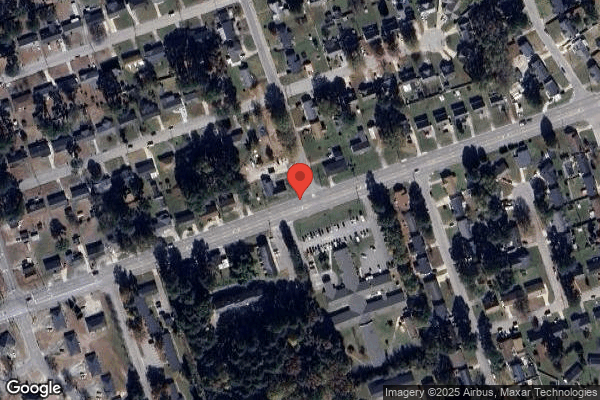
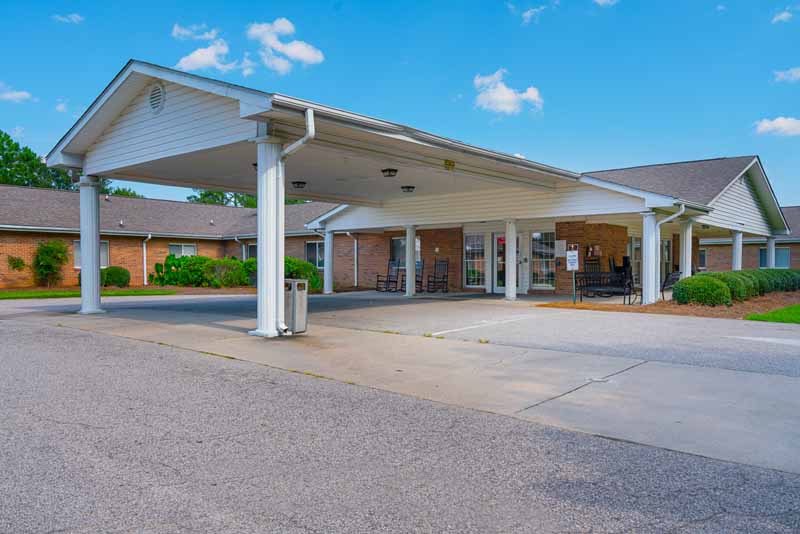
2501 Downing St SW, Wilson, NC 27893 (252) 237-6300
For profit - Limited Liability company 81 Beds SIMCHA HYMAN & NAFTALI ZANZIPER Data: November 2025
Trust Grade
80/100
#141 of 417 in NC
Last Inspection: January 2025

Within standard 12-15 month inspection cycle. Federal law requires annual inspections.

Overview

Wilson Healthcare and Rehabilitation Center in Wilson, North Carolina has a Trust Grade of B+, which means it is above average and generally recommended for families seeking care. It ranks #141 out of 417 facilities in North Carolina, placing it in the top half, but only #4 out of 5 in Wilson County, indicating limited local competition. The facility is improving, with reported issues decreasing from 3 in 2023 to 1 in 2025. However, staffing is a concern, with a rating of 2 out of 5 stars and a turnover rate of 51%, which is about average for the state. On the positive side, the facility has had no fines, which is a good sign of compliance. There is average RN coverage, meaning registered nurses are available to catch potential health issues. Nevertheless, there have been some concerning incidents, such as food items being stored without dates, which could affect food safety, and urinary catheter bags touching the floor, increasing infection risk for some residents. Overall, while there are strengths in compliance and safety, families should be mindful of staffing challenges and specific care issues.
Trust Score
B+
80/100
In North Carolina
#141/417
Top 33%
Safety Record
Low Risk
No red flags
Inspections
Getting Better
3 → 1 violations
Staff Stability
⚠ Watch
51% turnover. Above average. Higher turnover means staff may not know residents' routines.
Penalties
✓ Good
No fines on record. Clean compliance history, better than most North Carolina facilities.
Skilled Nurses
⚠ Watch
Each resident gets only 24 minutes of Registered Nurse (RN) attention daily — below average for North Carolina. Fewer RN minutes means fewer trained eyes watching for problems.
Violations
○ Average
8 deficiencies on record. Average for a facility this size. Mostly minor or procedural issues.
★★★★☆
4.0
Overall Rating
★★☆☆☆
2.0
Staff Levels
★★★☆☆
3.0
Care Quality
★★★★☆
4.0
Inspection Score
Stable
2023: 3 issues
2025: 1 issues

The Good

  • Full Sprinkler Coverage · Fire safety systems throughout facility
  • No fines on record

Facility shows strength in fire safety.

The Bad

Staff Turnover: 51%

Near North Carolina avg (46%)

Higher turnover may affect care consistency

Chain: SIMCHA HYMAN & NAFTALI ZANZIPER

Part of a multi-facility chain

Ask about local staffing decisions and management

The Ugly 8 deficiencies on record

Jan 2025 1 deficiency
CONCERN (D)

Potential for Harm - no one hurt, but risky conditions existed

Incontinence Care (Tag F0690)

Could have caused harm · This affected 1 resident

**NOTE- TERMS IN BRACKETS HAVE BEEN EDITED TO PROTECT CONFIDENTIALITY** Based on observations, staff interviews, and record review, the facility failed to keep a urinary catheter bag from touching the...

Read full inspector narrative →
**NOTE- TERMS IN BRACKETS HAVE BEEN EDITED TO PROTECT CONFIDENTIALITY** Based on observations, staff interviews, and record review, the facility failed to keep a urinary catheter bag from touching the floor to reduce the risk of infection for 2 of 4 residents (Resident #86 and Resident #13) reviewed with urinary catheters. The findings included: 1. Resident #86 was admitted to the facility on [DATE] with diagnoses that included retention of urine, benign prostatic hyperplasia (a non-cancerous condition that causes the prostate gland to enlarge), and obstructive and reflux uropathy (urinary tract conditions that occur when urine can't flow normally). An admission Minimum Data Set (MDS) assessment dated [DATE] revealed Resident #86 was moderately cognitively impaired. The assessment indicated Resident #86 was dependent upon staff for all his activities of daily living (ADL). Resident #86 was coded for an indwelling catheter. Resident #86's care plan dated 11/2/24 revealed focus areas for catheter care and at risk for infection. An initial observation was conducted on 1/6/25 at 10:40 AM of Resident #86. He was observed lying in his bed. His urinary catheter bag was inside a blue privacy bag and was hanging off the bed frame on the resident's left side of the bed resting on the floor. Additional observations of Resident #86 were conducted on 1/6/25 at 11:27 AM and 2:33 PM. Resident #86's urinary catheter bag remained inside a blue privacy bag and was hanging off the bed frame on the resident's left side of the bed resting on the floor. An interview was conducted on 1/6/25 at 2:37 PM with Nurse #1. She stated the urinary catheter bag was in the privacy bag. An interview was conducted with the Director of Nursing (DON) on 1/8/25 at 1:59 PM. She stated her expectation was that urinary catheter bags were kept off the floor to prevent infection. An interview was conducted with the Infection Preventionist (IP) on 1/9/25 at 10:22 AM. She stated the blue privacy bag was on the urine bag itself and served as a layer of protection between the urine collection bag and the floor to prevent infection. An interview was conducted on 1/9/25 at 11:01 AM with the Administrator. He stated the urinary catheter bag should not touch the ground and if it did, it was changed out immediately to prevent infection. On 1/10/25 at 12:04 PM, the Administrator provided documentation from the manufacturer of the urinary catheter bag utilized for Resident #86 that indicated the catheter bag had an anti-reflux chamber that prevents urine from flowing back into the bladder, which can reduce the risk of infection. 2.Resident #13 was re-admitted to the facility on [DATE] with diagnoses which included congestive heart failure, recurrent urinary tract infections (UTI), and neuromuscular dysfunction of the bladder. A quarterly Minimum Data set (MDS) dated [DATE] revealed Resident #13 was cognitively intact. She was dependent upon staff for toileting hygiene and was incontinent of urine. Resident #13's care plan dated 11/15/24 revealed a focus for bladder incontinence with a history of urinary tract infections (UTIs). Physician orders revealed Resident #13 had an order to insert an indwelling urinary catheter on 1/3/25 for urinary retention. An additional review of physician orders revealed the indwelling urinary catheter was discontinued on 1/6/25. An initial observation was conducted on 1/6/25 at 11:40 am of Resident #13 as she was lying in her bed. A urinary catheter bag inside a privacy bag was observed to be hanging off the bed frame on the resident's right side of the bed. The entire bottom of the privacy bag was resting on the floor. An additional observation was conducted on 1/6/25 at 12:25 pm, Resident #13's urinary catheter bag was inside a privacy bag and was observed to be hanging off the bedframe on the resident's right side of the bed. The entire bottom of the privacy bag was resting on the floor. In an interview with Nurse #3 on 1/7/25 at 9:15 am, she stated she was the hall nurse assigned to care for Resident #13. Nurse #3 was asked what her thoughts were about the position of the resident's urinary catheter bag. She replied, It shouldn't touch the floor to prevent infection. During an interview with Nurse Aide (NA) #2 on 1/8/25 at 8:47 am, she stated the catheter bag and tubing should not be on the floor to reduce the risk of infection. An interview was conducted with the Director of Nursing (DON) on 1/8/25 at 1:59 PM. She stated her expectation was that urinary catheter bags were kept off the floor to prevent infection. An interview was conducted with the Infection Preventionist (IP) on 1/9/25 at 10:22 AM. She stated the blue privacy bag was on the urine bag itself and served as a layer of protection between the urine collection bag and the floor to prevent infection. An interview was conducted on 1/9/25 at 11:01 AM with the Administrator. He stated the urinary catheter bag should not touch the ground and if it did, it was changed out immediately to prevent infection.
Sept 2023 2 deficiencies
CONCERN (D)

Potential for Harm - no one hurt, but risky conditions existed

Assessment Accuracy (Tag F0641)

Could have caused harm · This affected 1 resident

**NOTE- TERMS IN BRACKETS HAVE BEEN EDITED TO PROTECT CONFIDENTIALITY** 4. Resident #94 was admitted to the facility on [DATE]. A progress note dated 08/16/23 stated Resident #94 was scheduled to dis...

Read full inspector narrative →
**NOTE- TERMS IN BRACKETS HAVE BEEN EDITED TO PROTECT CONFIDENTIALITY** 4. Resident #94 was admitted to the facility on [DATE]. A progress note dated 08/16/23 stated Resident #94 was scheduled to discharge home on [DATE]. A progress note dated 08/17/23 stated the Resident discharged from the facility at 12:30 PM. The note indicated discharge papers were signed by the Resident and no problems or concerns were voiced by the Resident. A Discharge Return Not Anticipated Minimum Data Set (MDS) assessment dated [DATE] revealed the Resident was cognitively intact and was coded as being discharged to an acute hospital. An interview was completed on 09/20/23 at 11:42 AM with MDS Nurse #2. The Nurse reviewed Resident #94's Discharge MDS and confirmed the discharge status was coded incorrectly and should have been coded as a discharge to the community. An interview was completed on 09/20/23 at 12:25 PM with the Administrator. He indicated the MDS assessment should accurately reflect the discharge status of a resident. The Administrator stated the incorrect documentation was due to human error and not a breakdown in the MDS process. 3. Resident #33 was admitted to the facility 08/01/2023 with a diagnosis of cerebral infarction (stroke). Resident #33's electronic medical record (EMR) revealed he weighed 192.0 pounds on 08/01/2023. The admission Minimum Data Set (MDS) assessment dated [DATE] listed Resident #33's weight as 058 pounds. An interview was completed with MDS Nurse #1 on 09/20/2023 at 10:42 AM. MDS #1 stated that 058 pounds was not an accurate weight for Resident #33. She further stated that the Dietary Manager was responsible for filling in the weight on the MDS assessment. MDS #1 indicated that she was responsible for making sure the MDS assessment was coded accurately. An interview was conducted with the Administrator on 09/20/2023 at 2:00 PM. The Administrator stated that Resident #33's weight of 058 pounds was just a human error. He further stated he didn't think there was a breakdown in the MDS process, just a human mistake. Based on record review and staff interviews, the facility failed to accurately code the Minimum Data Set (MDS) Assessments for 4 of 30 residents reviewed in the areas of dialysis, wandering, weight, and discharge (Resident #145, Resident #91, Resident #33, and Resident #94). Findings included: 1. Resident #145 was admitted to the facility on [DATE]. Diagnoses included, in part, end stage renal disease (ESRD) with hemodialysis. Review of a physician order dated 09/07/23 revealed an order for dialysis treatments on Tuesday, Thursday, and Saturday for Resident #145. A nursing progress note written on 09/09/23 at 7:38 AM revealed Resident left the facility via wheelchair to go to dialysis. Resident was alert and verbal and vital signs were stable. The MDS 5-day admission assessment dated [DATE] revealed Resident #145 was moderately cognitively impaired and was not coded as receiving dialysis. Review of Resident #145's care plan dated 09/13/23 revealed a plan of care for hemodialysis related to ESRD. Interventions included after returning from dialysis check for thrill and bruit 2 times per shift on dialysis days Tuesday/Thursday and Saturday and daily. An interview was conducted with the MDS Nurse #1 on 09/20/23 at 12:30 PM. MDS Nurse #1 revealed when she completed the MDS assessments she reviewed the electronic medical record (EMR) to include the discharge summary, the nursing progress notes and physician orders to determine how to accurately code for dialysis residents. She stated she should have coded Resident #145 for receiving dialysis services and added, there was an error in coding and she missed it. An interview was conducted with the Administrator on 09/20/23 at 2:00 PM. The Administrator stated the MDS should have been coded accurately to reflect the resident's care. The Administrator further added he felt that the mistake was human error and not a breakdown in MDS. 2. Resident #91 was admitted to the facility on [DATE]. Diagnoses included, in part, dementia with agitation, restlessness and agitation, and altered mental status. A nursing progress note written on 09/02/2023 by Nurse #1 revealed Resident #91 was having increased agitation, wandering into rooms, attempting to stand/walk, and unable to redirect. The physician was notified, and an order was obtained for 0.25 milligrams of alprazolam (an antianxiety medication) as needed every 12 hours for one week. The MDS 5-day admission assessment dated [DATE] revealed Resident #91 was severely cognitively impaired. The MDS was not coded to reflect Resident #91 had any wandering behaviors. A review of Resident #91's care plan dated 09/06/23 revealed the resident was an elopement risk due to impaired cognitive status secondary to dementia as evidenced by wandering aimlessly and potential for attempt to leave facility. Interventions included, in part, initiating safety checks as indicated, observe for exit seeking behaviors and provide diversion activities. An interview with Nurse #1 on 09/19/23 at 11:35 AM revealed when Resident #91 was first admitted he was very confused and had exit seeking behaviors and required a wander guard (a wearable bracelet which alerts staff if the resident wanders close to a monitored door) which was placed on him on 09/08/23. An interview with MDS Nurse #1 on 09/20/23 at 12:30 PM revealed when she completed the MDS assessments she reviewed the electronic medical record (EMR) to include the nursing progress notes, and physician orders, to determine how to accurately code behaviors. She stated she should have coded Resident #91 for wandering based on the nursing note written by Nurse #1. She stated she just missed it and it was an error. An interview was conducted with the Administrator on 09/20/23 at 2:00 PM. The Administrator stated the MDS should have been coded accurately to reflect the resident's care. The Administrator further added he felt that the mistake was human error and not a breakdown in MDS.
CONCERN (E)

Potential for Harm - no one hurt, but risky conditions existed

Food Safety (Tag F0812)

Could have caused harm · This affected multiple residents

Based on observation and staff interviews the facility failed to a) ensure that prepared foods were labeled and dated when stored in the walk-in refrigerator and, b) failed to date leftover foods stor...

Read full inspector narrative →
Based on observation and staff interviews the facility failed to a) ensure that prepared foods were labeled and dated when stored in the walk-in refrigerator and, b) failed to date leftover foods stored for use. These practices had the potential to affect food served to residents in the facility. Findings included: During the initial tour of the kitchen on 09/17/23 at 12:30 PM the following was observed in the presence of the Kitchen Manager: a. The walk-in refrigerator was observed with the following: a 4-quart plastic container of macaroni salad covered with clear plastic wrap with no date, a metal container covered with clear plastic wrap labeled Pureed Pork for Dinner with no date, and a metal container covered with clear plastic wrap and labeled Pureed Food for Dinner with no date or food specification. b. The reach-in refrigerator was observed with the following: a partially used thickened lemon-flavored water with no open date, a container of apple sauce partially used with no open date, a container of vanilla yogurt partially used with no open dated, and 3 small Styrofoam bowls filled with a cream-colored food and covered with clear plastic wrap with no open date or food specification. In an interview with the Dietary Manager-in-Training (MIT) on 09/17/23 at 12:30 PM during the inspection of the food storage, he stated he had made rounds that morning and checked foods for dates. He explained that he thought the food in the reach in fridge that had been opened did not need to be labeled with a date. He noted it was his second day of employment at the facility. In an interview with the Kitchen Manager on 09/17/23 at 12:30 PM she stated all the kitchen staff had been educated and knew that any food in storage that had been opened or prepared had to be identified, labeled, and dated. In an interview with the Administrator on 09/20/23 at 12:15 PM he stated the Dietary MIT told him he had not had a chance to check food storage for labeling on the morning of 9/17/23 and he felt that was the reason open food items in the refrigerators were not dated.
Aug 2023 1 deficiency
CONCERN (D) 📢 Someone Reported This

A family member, employee, or ombudsman was alarmed enough to file a formal complaint

Potential for Harm - no one hurt, but risky conditions existed

Report Alleged Abuse (Tag F0609)

Could have caused harm · This affected 1 resident

**NOTE- TERMS IN BRACKETS HAVE BEEN EDITED TO PROTECT CONFIDENTIALITY** Based on record review and staff interview the facility failed to report a staff to resident abuse allegation to the state agenc...

Read full inspector narrative →
**NOTE- TERMS IN BRACKETS HAVE BEEN EDITED TO PROTECT CONFIDENTIALITY** Based on record review and staff interview the facility failed to report a staff to resident abuse allegation to the state agency, Adult Protective Services, and law enforcement as required for 1 of 1 resident (Resident #1) reviewed for abuse. Findings included: Resident #1 was admitted to the facility on [DATE]. During an interview with Nurse #1 on 8/9/23 at 10:05 AM who stated she was working on 7/23/23 and observed Nurse Aide #1 (NA #1) hit Resident #1. She stated she ensured the resident was safe and NA #1 was off the hall and was not working with any residents. Nurse #1 stated she contacted the Staff Development Nurse at approximately 7:30 PM who stated she would contact the Administrator. Nurse #1 stated she told the Administrator she had witnessed NA #1 strike Resident #1. An interview was conducted with the Administrator on 8/9/23 at 11:30 AM. He reported he was contacted by the Staff Development Nurse on 7/23/23 at 7:50 PM about potential abuse and immediately began an investigation. He reported he interviewed Nurse #1, NA #1, other staff on duty and residents. The Administrator indicated after he conducted the investigation, he determined the abuse was unsubstantiated. He finished his investigation on 7/23/23 at 9:15 PM. He reported he did not report the abuse allegation to the State because he determined no abuse had occurred. The Administrator stated Nurse #1 and NA #1 had a dispute over patient assignments the night before and he felt it was retaliation. He stated he consulted with the facility Nurse Consultant on 7/23/23 at approximately 9:30 PM, and they determined a report to the state agency, Adult Protective Services, and law enforcement was not necessary. During an interview with the facility Nurse Consultant on 8/9/23 at 2:49 PM she stated she spoke with the Administrator and the [NAME] President of Operations on 7/23/23 at 9:30 PM, and they concluded reporting to the state agency, Adult Protective Services and law enforcement was not necessary because the Administrator completed the investigation within two hours and did not substantiate the allegations.
Apr 2022 4 deficiencies
CONCERN (D)

Potential for Harm - no one hurt, but risky conditions existed

Deficiency F0692 (Tag F0692)

Could have caused harm · This affected 1 resident

**NOTE- TERMS IN BRACKETS HAVE BEEN EDITED TO PROTECT CONFIDENTIALITY** Based on staff interviews and record review, the facility failed to address a weight loss issue for one of three residents (Resi...

Read full inspector narrative →
**NOTE- TERMS IN BRACKETS HAVE BEEN EDITED TO PROTECT CONFIDENTIALITY** Based on staff interviews and record review, the facility failed to address a weight loss issue for one of three residents (Resident #46). Findings included: A review of the medical record indicated Resident #46 was admitted [DATE] with diagnoses including stroke, dementia, coronary artery disease and Peripheral Vascular Disease. The Quarterly Minimum Data Set (MDS) dated [DATE] noted Resident #46 was moderately impaired for cognition and needed extensive assistance for all daily care with the help of one person. The MDS noted Resident #46 could feed himself. The section of the MDS about weight loss indicated no or unknown weight loss. There was no care plan for Resident #46 for nutrition. A review of weights in the resident record revealed a weight of 154 lbs. on 10/6/21 with a gradual loss each month until 4/8/22 when the weight was listed as 136 lbs. This was a loss of 11.4 % in six months. There was no recorded weight for the month of March. In an interview on 4/27/22 at 7:46 AM, the Dietary Manager (DM) stated monthly weights are done by the first Wednesday of every month. The DM noted she meets with the RD when the RD comes to the facility. The DM noted the person who records the weights for the Director of Nursing gives them to her (the DM), and the DM makes a list or texts the RD and lets the RD know which residents need to be seen by the RD. The DM also said the Director of Nursing may let her know a resident that the RD needs to see. The DM stated she puts the weights into a program called Mealtracker when she gets them. A dietary note written on 3/25/22 included information from the Dietary Manager on Resident #46 and his weight loss and that Resident #46 would be referred to the Registered Dietician (RD). On 4/26/22 at 4:00 PM, an interview was conducted with the RD who stated she comes to the facility weekly. The RD stated she did not know why there was no weight for Resident #46 for March, she did not do weights, the nurses did weights. In a telephone interview of 4/27/22 at 11:11 AM, the RD stated she usually runs a report on Tuesdays. The RD stated she did not know why she did not see that Resident #46 had been indicated for weight loss after the DM wrote the note on 3/25/22. The RD stated she did not see it until Friday April 22, called and talked to the nurses on Monday April 25, and was told he was eating, the RD wrote a note and ordered fortified foods. I guess I just didn ' t see it the RD stated about the weight loss.
CONCERN (D)

Potential for Harm - no one hurt, but risky conditions existed

Tube Feeding (Tag F0693)

Could have caused harm · This affected 1 resident

**NOTE- TERMS IN BRACKETS HAVE BEEN EDITED TO PROTECT CONFIDENTIALITY** Based on observations, record review and staff interviews, the facility failed to ensure a bottle of tube feeding formula was di...

Read full inspector narrative →
**NOTE- TERMS IN BRACKETS HAVE BEEN EDITED TO PROTECT CONFIDENTIALITY** Based on observations, record review and staff interviews, the facility failed to ensure a bottle of tube feeding formula was discarded within twenty-four hours when opened for use. The facility also failed to label the storage package for tube feeding syringe when opened for use and failed to label the water bag for flushes with a date when opened for use for 1 of 1 resident reviewed for tube feedings (Resident #40). This practice had the potential for causing contamination. Findings included: Manufacturer guidelines for the tube feeding formula stated tube feeding formula containers must be discarded at twenty-four hours after opening. Resident #40 was admitted to the facility 4/3/2020. His diagnoses included cerebral infarction (stroke) and dysphagia (difficulty swallowing). Resident #40's initial care plan dated 4/3/2020 revealed he required a tube feeding due to dysphagia. Interventions included checking for tube placement and gastric contents and checking physician orders for current tube feeding orders. Interventions also stated Resident #40 was dependent on tube feedings and water flushes. A review of the physician orders revealed on 4/23/2021 to change tube feeding syringe every twenty-four hours every night shift. A review of the physician orders revealed on 12/2/2021 to flush GT with 250 milliliters of water every four hours per pump for GT flush. A review of the physician orders revealed on 2/23/2022 to administer tube feeding formula controlled at 40 milliliters per hour continuous via GT and document amount given each shift. The Quarterly Minimum Data Set (MDS) assessment dated [DATE] indicated Resident #40 was severely cognitively impaired and required total assistance with eating by receiving tube feedings and fluids through a gastrostomy tube (GT). Resident #40's tube feeding formula was observed on 4/25/2022 at 10:39 a.m. infusing at 40 milliliters per hour via pump, and the tube feeding formula bottle was labeled 4/23/2022 with a black sharpie. The opened tube feeding syringe storage packet and a thousand milliliter bag of water connected to infuse flushes every four hours were observed hanging beside the tube feeding formula with no date or label indicating when they were opened for use. The unit coordinator stated on 4/25/2022 at 10:45 a.m. in an interview, 4/23/2022 labeled on the tube feeding formula bottle indicated when the tube feeding formula was started. She stated tube feeding formula was changed every twenty-four hours on the night shift and should had been changed by the assigned night shift nurse and dated 4/25/2022. On 4/26/2022 at 8:30 a.m. in an interview with the unit coordinator, she stated the bag for water flushes and the tube feeding syringe were to be changed and dated also daily on the night shift. On 4/27/2022 at 4:57 p.m. in an interview with Nurse #1, she stated she worked night shift the weekend of 4/23/2022 and 4/24/2022 and was assigned Resident #40. She stated the tube feeding formula bottle, administration tubing, and water bag was changed nightly every twenty-four hours and it was scheduled on the Medication Administration Record (MAR) and recorded in the computer. She stated she could not recall changing Resident #40's tube feeding formula, bag for water and tube feeding syringe on 4/24/2022 on the night shift and sometimes the 3p.m. to 11p.m. staff member changed the tube feeding formula. A review of the daily staffing assignment sheets revealed Nurse #1 worked a twelve-hour night shift both 4/23/2022 and 4/24/2022. Review of the March 2022 and April 2022 MAR revealed staff documented changing the tube feeding syringe, water flushes at 250 milliliters every four hours, and tube feeding formula at forty milliliters per hour and three hundred and twenty milliliters of formula infused every shift. There was no documentation of changing the tube feeding formula bottle every night shift. The Director of Nursing (DON) stated in an interview on 4/28/2022 at 4:15 p.m. tube feeding formulas were changed out every twenty-four hours, and nursing staff were to write date and time when formula was started on the bottle. She stated tube feeding syringe and bag of water was also changed every twenty-four hours and was to be dated or labeled with date when started. She stated a set of tube feeding orders populated in the computer, and nurses were to check tube feeding orders based on needs of the resident. She stated she thought the nurse placed the wrong date on the tube feeding formula because the formula would have run out if started on 4/23/2022 as the formula bottle was marked.
CONCERN (D)

Potential for Harm - no one hurt, but risky conditions existed

Deficiency F0761 (Tag F0761)

Could have caused harm · This affected 1 resident

**NOTE- TERMS IN BRACKETS HAVE BEEN EDITED TO PROTECT CONFIDENTIALITY** Based on observations, record review, and staff interviews the facility failed to date insulin pens when opened and failed to di...

Read full inspector narrative →
**NOTE- TERMS IN BRACKETS HAVE BEEN EDITED TO PROTECT CONFIDENTIALITY** Based on observations, record review, and staff interviews the facility failed to date insulin pens when opened and failed to dispose of expired insulin pens in 1 of 4 medication carts inspected (300 hall back cart). Findings included: On [DATE] at 2:00 PM the 300 hall back medication cart was inspected with the Unit Coordinator. One Novalog FlexPen (a diabetic medication) was observed opened with no open date documented. One Insulin Aspart FlexPen (a diabetic medication) was observed with an expiration date of [DATE]. The Unit Coordinator stated the insulin pens should not be in the medication cart. A review of the manufacturer's recommendations for the use of Novalog FlexPen and Insulin Aspart FlexPen revealed they can be used up to 28 days after the initial opening. The Unit Coordinator was interviewed on [DATE] at 2:40 PM and stated it was the morning nurse's responsibility to discard the expired insulin. She stated the morning nurses should have filled out the Insulin Cart Audit Tool which included writing down the insulins in the cart with open and expiration dates and the expired insulin should have been thrown out. On [DATE] at 2:50 PM an interview was conducted with Medication Aid #1 who was working with the 300 hall back cart and stated she was responsible for filling out the Insulin Cart Audit Tool. She stated she had forgotten to do it this morning.
MINOR (C)

Minor Issue - procedural, no safety impact

Staffing Information (Tag F0732)

Minor procedural issue · This affected most or all residents

Based on observations, record review and staff interviews, the facility failed to post complete and accurate nurse staffing data summaries for 11 of 118 days reviewed for nurse staffing data. (1/3/202...

Read full inspector narrative →
Based on observations, record review and staff interviews, the facility failed to post complete and accurate nurse staffing data summaries for 11 of 118 days reviewed for nurse staffing data. (1/3/2022, 2/12/2022, 2/18/2022, 2/20/2022, 2/25/2022, 3/19/2022, 3/20/2022, 4/2/2022, 4/25/2022. 4/26/2022, and 4/27/2022) Findings included: On 4/25/2022 at 9:30 a.m., a nurse staffing data summary for 4/25/2022 was observed in a clear plastic folder hanging on the bulletin board at the beginning of the 300-hall behind the nursing station. Nurse staffing data summaries dated 4/25/2022 to 4/29/2022 were observed located in the plastic folder, and each one was dated printed on 3/25/2022. Nurse staffing data summary dated 4/25/2022 revealed 1-certified medication aide (CMA), 5- nurse aides (NA), 3- licensed practical nurse (LPN), 1- restorative aide, 1- unit coordinator and 1-wound nurse for the 7a.m. to 3p.m. shift. The 3p.m. to 11p.m. shift indicated 1-CMA, 2- NA and 2-LPN, and the 11p.m. to 7a.m. shift indicated 5-NA and 1-LPN. There was no registered nurse (RN) coverage indicated on the nurse staffing data summary dated 4/25/2022. The daily nursing assignment sheet dated 4/25/2022 revealed the following were scheduled: 7a.m. to 3p.m. shift indicated 2-CMA, 7-NA, 2-LPN, 1-restorative aide, 1- unit coordinator and 2- treatment nurses (LPN); 3p.m. to 11p.m. shift indicated 1-CMA, 6-NA and 3-LPN; 11p.m. to 7a.m. shift indicated 5-NA and 1-LPN and 2-RN. Based on the daily nursing assignment sheet, the posted staffing data summary dated 4/25/2022 did not include one CMA, two nurse aides for the 7a.m. to 3p.m. shift, did not included four nurse aides and one LPN for the 3p.m. to 11p.m. shift and did not include two registered nurses (RN) for the 11p.m. to 7a.m. shift. On 4/26/2022 at 8:30 a.m., nursing staffing data summary dated 4/26/2022 was observed posted. Census was listed as 76, and the 7a.m. to 3p.m. shift included 1-CMA, 4-NA, 4-LPN, 1- restorative aide and 1-unit coordinator. The 3p.m. to 11p.m. shift indicated 1-CMA, 3-NA and 2-LPN, and the 11p.m. to 7a.m. shift indicated 5-NA and 1-LPN. There was no RN coverage noted on the posted nurse staffing summary dated 4/26/2022. The daily nursing assignment sheet dated 4/26/2022 revealed the following were scheduled: 7a.m. to 3p.m. shift indicated 1-CMA, 8-NA, 3- LPN, 1- restorative aide, 1-unit coordinator, 1-treatment nurse (LPN) and 1-Assistant Director of Nursing (House-RN); 3p.m. to 11p.m. indicated 1-CMA, 7-NA and 3-LPN; 11p.m.to 7a.m. shift indicated 5-NA, 1-LPN and 2-RN. Based on the daily nursing assignment sheet, the posted staffing data summary dated 4/26/2022 did not include four nurse aides and one RN for the 7a.m. to 3p.m. shift, did not include four nurse aides and one LPN for the 3p.m. to 11p.m. shift and did not included two RNs for the 11p.m. to 7a.m. shift. On 4/27/2022 at 9:00 a.m. nursing staffing data summary dated 4/27/2022 was observed posted. Census was recorded as 76, and the 7a.m. to 3p.m. shift included 1-CMA, 4-NA, 4-LPN, 1-restorative aide and 1 unit coordinator. The 3p.m. to 11p.m. shift indicated 1-CMA, 1-NA and 2-LPN, and the 11p.m to 7a.m. shift indicated 5-NA and 1-LPN. There was no RN coverage recorded on the nursing staffing data summary dated 4/27/2022. The daily nursing assignment sheet dated 7/27/2022 revealed the following were scheduled: 7a.m. to 3p.m. shift indicated 1-CMA, 7-NA, 2-LPN, 1-restorative aide, 1 unit coordinator, 1 treatment nurse(LPN) and 1-staff development coordinator (House-RN); 3p.m. to 11p.m. shift indicated 1-CMA, 8-NA and 3-LPN; 11p.m. to 7a.m. shift indicated 4-NA, 1-LPN and 2-RN. Based on the daily nursing assignment sheet, the posted staffing data summary dated 4/27/2022 did not include three nurse aides and one RN and listed an additional LPN for the 7a.m. to 3p.m. shift, did not include seven nurse aides and one LPN for the 3p.m. to 11p.m. shift and did not included two RNs and listed an additional nurse aide for the 11p.m. to 7a.m. shift. On 4/27/2022, a review of posted nurse staffing data summaries and daily nursing assignment sheets dated January 2022 to April 24, 2022 revealed inaccurate completion of the posted nurse staffing data summaries for RN coverage for the following dates: 1/3/2022, 2/12/2022, 2/18/2022, 2/20/2022, 2/25/2022, 3/19/2022, 3/20/2022, 4/2/2022. On 4/27/2022 at 9:04 am updated posted nurse staffing data summary dated 4/25/2022 and 4/26/2022 revealed hand-written corrections with a black ink pen. Corrections included circling the number printed, marking through the number printed and writing a different number and circling, and writing RN as a category and marking the hours the RN worked. On 4/27/2022 at 9:04 a.m. in an interview with the Director of Nursing (DON), she stated she printed posted nurse staffing data summaries two to three weeks in advance, and the scheduler printed daily nursing assignment sheets on the evening prior to the next day and recorded the census. She stated nursing schedules changed daily and posted nurse staffing data summaries dated 4/25/2022, 4/26/2022 and 4/27/2022 did not reflect accurate nurse staffing data because the posted nurse staffing data summary was not updated to reflect changes in the daily nursing assignments sheets until the day after posted. She stated posted nurse staffing data summaries dated 1/3/2022, 2/12/2022, 2/18/2022, 2/20/2022, 2/25/2022, 3/19/2022, 3/20/2022, 4/2/2022 were inaccurate because a computerized scheduling program did not recognize and list office personnel staffing as registered nurses on the daily nursing assignment sheets. On 4/28/2022 at 8:53 a.m. during an interview with the scheduler, she stated she or the DON posted the nurse staffing data summaries ahead of time. She stated she printed the posted nurse staffing data summaries about one week before and placed in the designated area. She stated she printed the daily staff assignment sheets at five o ' clock daily and left at the nurse's station for the next day, and the census was completed every twenty-four hours at midnight. She stated when MDS nurses (both RN) and ADON worked as a staff nurse, the computerized scheduling program did not generate a posted nurse staffing data summary that reflected RN coverage. She stated posted nurse staffing data summaries were updated by the DON. On 4/28/2022 at 4:24 p.m. during an interview with the Administrator, she stated posted nurse staffing data summary was to be complete and accurate when posted.
Understanding Severity Codes (click to expand)
Life-Threatening (Immediate Jeopardy)
J - Isolated K - Pattern L - Widespread
Actual Harm
G - Isolated H - Pattern I - Widespread
Potential for Harm
D - Isolated E - Pattern F - Widespread
No Harm (Minor)
A - Isolated B - Pattern C - Widespread

Questions to Ask on Your Visit

  • "Can I speak with families of current residents?"
  • "What's your RN coverage like on weekends and overnight?"

Our Honest Assessment

Strengths
  • • Grade B+ (80/100). Above average facility, better than most options in North Carolina.
  • • No major safety red flags. No abuse findings, life-threatening violations, or SFF status.
  • • No fines on record. Clean compliance history, better than most North Carolina facilities.
Concerns
  • • No significant concerns identified. This facility shows no red flags across CMS ratings, staff turnover, or federal penalties.
Bottom line: Generally positive indicators. Standard due diligence and a personal visit recommended.

About This Facility

What is Wilson Healthcare And Rehabilitation Center's CMS Rating?

CMS assigns Wilson Healthcare and Rehabilitation Center an overall rating of 4 out of 5 stars, which is considered above average nationally. Within North Carolina, this rating places the facility higher than 99% of the state's 100 nursing homes. This rating reflects solid performance across the metrics CMS uses to evaluate nursing home quality.
How is Wilson Healthcare And Rehabilitation Center Staffed?

CMS rates Wilson Healthcare and Rehabilitation Center's staffing level at 2 out of 5 stars, which is below average compared to other nursing homes. Staff turnover is 51%, compared to the North Carolina average of 46%. RN turnover specifically is 64%, which is notably high. RNs provide skilled clinical oversight, so turnover in this role can affect medical care quality.

What Have Inspectors Found at Wilson Healthcare And Rehabilitation Center?

State health inspectors documented 8 deficiencies at Wilson Healthcare and Rehabilitation Center during 2022 to 2025. These included: 7 with potential for harm and 1 minor or isolated issues.

Who Owns and Operates Wilson Healthcare And Rehabilitation Center?

Wilson Healthcare and Rehabilitation Center is owned by a for-profit company. For-profit facilities operate as businesses with obligations to shareholders or private owners. The facility is operated by SIMCHA HYMAN & NAFTALI ZANZIPER, a chain that manages multiple nursing homes. With 81 certified beds and approximately 94 residents (about 116% occupancy), it is a smaller facility located in Wilson, North Carolina.

How Does Wilson Healthcare And Rehabilitation Center Compare to Other North Carolina Nursing Homes?

Compared to the 100 nursing homes in North Carolina, Wilson Healthcare and Rehabilitation Center's overall rating (4 stars) is above the state average of 2.8, staff turnover (51%) is near the state average of 46%, and health inspection rating (4 stars) is above the national benchmark.

What Should Families Ask When Visiting Wilson Healthcare And Rehabilitation Center?

Based on this facility's data, families visiting should ask: "Can you walk me through typical staffing levels on day, evening, and night shifts?" "Can I visit during a mealtime to observe dining assistance and food quality?" "How do you handle medical emergencies, and what is your hospital transfer rate?" "Can I speak with family members of current residents about their experience?" These questions are particularly relevant given the below-average staffing rating.

Is Wilson Healthcare And Rehabilitation Center Safe?

Based on CMS inspection data, Wilson Healthcare and Rehabilitation Center has a clean safety record: no substantiated abuse findings (meaning no confirmed cases of resident harm), no Immediate Jeopardy citations (the most serious violation level indicating risk of serious injury or death), and is not on the Special Focus Facility watch list (a federal program monitoring the lowest-performing 1% of nursing homes). The facility has a 4-star overall rating and ranks #1 of 100 nursing homes in North Carolina. While no facility is perfect, families should still ask about staff-to-resident ratios and recent inspection results during their visit.

Do Nurses at Wilson Healthcare And Rehabilitation Center Stick Around?

Wilson Healthcare and Rehabilitation Center has a staff turnover rate of 51%, which is about average for North Carolina nursing homes (state average: 46%). Moderate turnover is common in nursing homes, but families should still ask about staff tenure and how the facility maintains care continuity when employees leave.

Was Wilson Healthcare And Rehabilitation Center Ever Fined?

Wilson Healthcare and Rehabilitation Center has no federal fines on record. CMS issues fines when nursing homes fail to meet care standards or don't correct problems found during inspections. The absence of fines suggests the facility has either maintained compliance or corrected any issues before penalties were assessed. This is a positive indicator, though families should still review recent inspection reports for the full picture.

Is Wilson Healthcare And Rehabilitation Center on Any Federal Watch List?

Wilson Healthcare and Rehabilitation Center is not on any federal watch list. The most significant is the Special Focus Facility (SFF) program, which identifies the bottom 1% of nursing homes nationally based on persistent, serious quality problems. Not being on this list means the facility has avoided the pattern of deficiencies that triggers enhanced federal oversight. This is a positive indicator, though families should still review the facility's inspection history directly.