Brunswick Cove Nursing Center
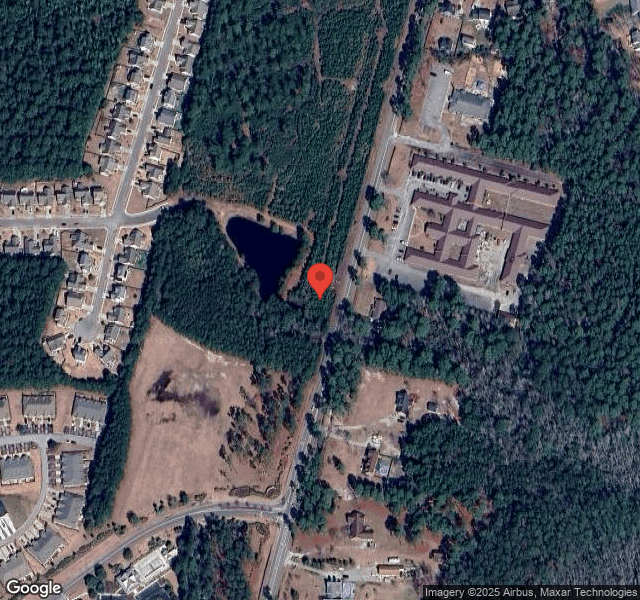

1478 River Road, Winnabow, NC 28479 (910) 371-9894
For profit - Limited Liability company 175 Beds Independent Data: November 2025
Trust Grade
45/100
#154 of 417 in NC
Last Inspection: July 2024

Within standard 12-15 month inspection cycle. Federal law requires annual inspections.

Overview

Brunswick Cove Nursing Center has a Trust Grade of D, indicating below-average performance with some concerns about care quality. They rank #154 out of 417 facilities in North Carolina, placing them in the top half, and #2 out of 5 in Brunswick County, meaning only one local option is better. Unfortunately, the facility is worsening, with issues increasing from 6 in 2023 to 8 in 2024. Staffing is relatively stable with a 0% turnover rate, which is significantly better than the state average of 49%. However, the $166,525 in fines is concerning, as it is higher than 84% of facilities in the state, suggesting repeated compliance issues. While the center has average RN coverage, there have been specific incidents of concern, including inadequate water temperature for sanitizing dishes, which could affect food safety, and failure to schedule necessary medical appointments for residents, delaying critical care. Despite some strengths like stable staffing, families should weigh these weaknesses carefully when considering this facility for their loved ones.
Trust Score
D
45/100
In North Carolina
#154/417
Top 36%
Safety Record
High Risk
Review needed
Inspections
Getting Worse
6 → 8 violations
Staff Stability
○ Average
Turnover data not reported for this facility.
Penalties
○ Average
$166,525 in fines. Higher than 50% of North Carolina facilities. Some compliance issues.
Skilled Nurses
○ Average
Each resident gets 33 minutes of Registered Nurse (RN) attention daily — about average for North Carolina. RNs are the most trained staff who monitor for health changes.
Violations
⚠ Watch
25 deficiencies on record. Higher than average. Multiple issues found across inspections.
★★★☆☆
3.0
Overall Rating
★★★☆☆
3.0
Staff Levels
★★☆☆☆
2.0
Care Quality
★★★☆☆
3.0
Inspection Score
Stable
2023: 6 issues
2024: 8 issues

The Good

  • Full Sprinkler Coverage · Fire safety systems throughout facility
  • No fines on record

Facility shows strength in fire safety.

The Bad

3-Star Overall Rating

Near North Carolina average (2.8)

Meets federal standards, typical of most facilities

Federal Fines: $166,525

Well above median ($33,413)

Significant penalties indicating serious issues

The Ugly 25 deficiencies on record

Jul 2024 8 deficiencies
CONCERN (D) 📢 Someone Reported This

A family member, employee, or ombudsman was alarmed enough to file a formal complaint

Potential for Harm - no one hurt, but risky conditions existed

Notification of Changes (Tag F0580)

Could have caused harm · This affected 1 resident

**NOTE- TERMS IN BRACKETS HAVE BEEN EDITED TO PROTECT CONFIDENTIALITY** Based on record review, Physician interview, Nurse Practitioner (NP) interview, staff interviews, and Responsible Party (RP) int...

Read full inspector narrative →
**NOTE- TERMS IN BRACKETS HAVE BEEN EDITED TO PROTECT CONFIDENTIALITY** Based on record review, Physician interview, Nurse Practitioner (NP) interview, staff interviews, and Responsible Party (RP) interview, the facility failed to notify the resident's (Resident #89) Responsible Party (RP) and the facility Physician of the resident's fall and change in condition for 1 of 4 sampled residents reviewed for change of condition. Findings included: Resident #89 was originally admitted to the facility on [DATE]; she was readmitted on [DATE]. Her diagnoses included malignant neoplasm of colon, weakness, malignant neoplasm of unspecified ovary. Review of the significant change Minimum Data Set (MDS) dated [DATE] revealed Resident #89 was cognitively intact. She was independent concerning mobility which included sitting to lying, chair/bed to chair transfer, toilet transfer, tub/shower transfer, walking 10 ft, walking 50 feet with 2 turns, and walking 150ft. She was in hospice care. Review of Resident#89's electronic medical record (EMR) listed her daughter #1 as her responsible person (RP). Review of Nurse #1's progress notes revealed on 7/14/2024 resident #89 was found lying on the floor beside her bed. She had fallen out of bed and hit her head on the trash can. She was found to have a 1/2-centimeter (cm) laceration over left eyebrow. Resident #89's family who lived locally, (daughter #2 and resident #89's son in law), came to visit her. The nursing documentation further stated resident #89 knew daughter #2 and her son in law and spoke with them at that time. An interview was conducted on 07/23/24 12:28 PM with Nurse #1. She stated she did not witness the fall. She added resident #89 was in hospice and had a do not resuscitate order (DNR). She stated she was notified by Nurse #2 that resident fell and had a gash on her head. She stated resident #89 was placed back to bed and she was still talking at that time. Nurse #1 asked Nurse #2 if resident needed to go out. Nurse #1 stated Nurse #2 called resident #89's hospice nurse. Nurse #1 stated daughter #2 and son in law came to visit resident #89 and was informed about the fall. Nurse #1 added daughter #2 came to the nursing desk to tell them resident #89 fell asleep and they would come back another time. Nurse #1 stated the hospice nurse arrived and stated the hospice nurse called the physician and daughter #1 (RP) in North Dakota (ND) who told her she did not want resident #89 to be sent out. Nurse #1 added the next day the Nurse Practitioner (NP) came in and spoke to daughter #2 and son in law (who live locally), as well as daughter #1. The hospice supervisor was present as well. Daughter #1 living in ND was put on speaker phone and stated she did not want resident #89 sent out. An interview was conducted on 7/23/24 at 3:00pm with daughter #2 who was present after resident #89 fell. She stated she and her husband walked into resident #89's room and was told by staff resident had just fallen. She stated resident #89 responded to her. Approximately 15-20 minutes later resident #89's eyes closed, and she started snoring. She then called her brother, who lives locally and told him something wasn't right. At that point resident #89 opened her eyes, leading daughter #2 to think she was overreacting. She stated she went out to nursing desk and told them resident#89 was asleep and they would come back. She stated around 7pm her sister/resident #89's RP called her and told her the hospice nurse called her and informed her resident #89 fell and she had symptoms of a possible brain bleed. An interview was conducted on 7/23/24 at 2:41pm with resident #89's daughter #1/RP. She stated she found out about resident #89's fall and unconscious state from the Hospice Nurse the evening of 7/14/2024. Daughter #1 was not notified by the facility until the next day that resident #89 fell and was not responsive. An interview was conducted on 07/24/24 at 11:56 AM with Nurse #2. She stated she recalled resident #89 fell and hit her head. She believes she was the one who called hospice. She stated she was present when hospice came, however does not recall a phone conversation with resident #89's RP. She does recall another daughter being present. She stated resident #89 had been declining in the previous weeks. She recalled that resident #89 was alert at the time she left her shift. An interview was conducted on 07/24/24 at 2:29 PM with the Hospice Nurse. She stated the facility called her about resident #89's fall. She arrived at the facility between 5:30-6:00pm on 7/14/2024 and spoke to Nurse #2 who told her resident #89 had a small cut on her forehead and was talking since the last report. The hospice nurse stated she walked into resident #89's room, found her lying in bed asleep and snoring. She attempted to wake her, performed a sternal rub, and got no response. She checked her pupils which were pin-point and fixed. She stated she then went down to the nurse's station and called resident #89's RP to inform her what happened. The RP told the Hospice Nurse the facility hadn't contacted her yet about it. The Hospice Nurse and resident #89's RP discussed the options of sending her to the hospital or keeping her at the facility and keeping her comfortable; the RP told the Hospice Nurse not to send resident #89 out, to just keep her comfortable. After leaving the facility, the hospice nurse stated resident #89's RP called her back and told her she was concerned after speaking to a male nurse, that resident would not be made comfortable/monitored for seizures/get the care she needed. The Hospice Nurse stated she told the RP she would stay the night with her and returned to the facility around 9:30pm. The Hospice Nurse stated she stayed with resident and received updated pain medication orders from as needed to every 2 hours after speaking with her hospice physician. The Hospice Nurse stated she did not notice any seizure activity. Review of the Nurse Practitioner's progress note dated 7/15/2024 revealed she was not made aware of this resident #89's condition until she came in to do rounds. The NP's progress note indicated she had a detailed conversation with resident #89's son, Hospice Nurse, and her RP (via telephone) at which time resident #89's RP wanted her to have comfort measures only. The NP's progress note included that the facility staff/hospice team were made aware of the importance of contacting teamhealth whenever there is a change and or a need to speak to a provider regarding her care. During an interview on 7/24/24 at 10:41AM with the facility Nurse Practitioner she indicated resident #89's RP did not want her sent out. She added she would expect to be notified of any changes in status. An interview was conducted with the facility physician on 7/24/24 at 11:33 AM, who stated per review of NP's progress note dated 7/15/24, she was not notified of resident #89's fall until 7/15/24. He further added that his review of on call records for his practice revealed no notations of any incoming calls from facility on 7/14/2024-7/15/2024. Although he was not on call on 7/14/2024, he would expect the facility to contact the on-call provider for changes in a resident's condition.
CONCERN (D)

Potential for Harm - no one hurt, but risky conditions existed

Deficiency F0582 (Tag F0582)

Could have caused harm · This affected 1 resident

**NOTE- TERMS IN BRACKETS HAVE BEEN EDITED TO PROTECT CONFIDENTIALITY** Based on record review and staff interviews, the facility failed to provide a Centers for Medicare and Medicaid Services (CMS) S...

Read full inspector narrative →
**NOTE- TERMS IN BRACKETS HAVE BEEN EDITED TO PROTECT CONFIDENTIALITY** Based on record review and staff interviews, the facility failed to provide a Centers for Medicare and Medicaid Services (CMS) Skilled Nursing Facility Advanced Beneficiary Notice (SNF ABN) (form 10055) prior to discharge from Medicare Part A skilled services for 2 of 3 (Resident #112 and Resident #115) residents reviewed for beneficiary protection review. The findings included: 1. Resident #112 was admitted to the facility on [DATE] and admitted to Medicare Part A services. Resident #112's admission Minimum Data Set assessment dated [DATE] revealed the resident had moderate cognitive impairment. Resident #112's Medicare Part A skilled services ended on 4/30/24 and he remained in the facility. Review of Resident #112's medical records revealed a NOMNC (Notice of Medicare Non-Coverage) was signed on 4/26/24. Record review revealed no SNF ABN was provided to the resident. An interview was conducted with Resident #112 on 7/25/24 at 12:05 PM and he stated he could not recall signing or receiving any forms when his Medicare Part A skilled services ended. An interview was conducted with the facility Social Worker on 7/23/24 at 11:51AM who stated he did not complete the SNF ABN form when Resident #112 remained in the facility. He stated he was unaware the SNF ABN form was necessary when a resident remained in the facility after Medicare Part A skilled services ended. An interview was conducted with the facility Administrator on 7/25/24 at 12:15 PM who stated she was unaware the SNF ABN form was necessary when a resident remained in the facility after Medicare Part A skilled services ended. 2. Resident #115 was admitted to the facility on [DATE] and admitted to Medicare Part A skilled services. Resident #115's admission Minimum Data Set assessment dated [DATE] revealed the resident hadsevere cognitive impairment. Resident #115's Medicare Part A skilled services ended on 2/9/24 and he remained in the facility. Review of Resident #115's medical records revealed a NOMNC was signed by the resident on 2/6/24. Record review revealed no SNF ABN was provided to the resident. An interview was conducted with the facility Social Worker on 7/23/24 at 11:51AM who stated he did not complete the SNF ABN form when Resident #115 remained in the facility. He stated he was unaware the SNF ABN form was necessary when a resident remained in the facility after Medicare Part A skilled services ended. An interview was conducted with the facility Administrator on 7/25/24 at 12:15 PM who stated she was unaware the SNF ABN form was necessary when a resident remained in the facility after Medicare Part A skilled services ended.
CONCERN (D)

Potential for Harm - no one hurt, but risky conditions existed

Comprehensive Care Plan (Tag F0656)

Could have caused harm · This affected 1 resident

**NOTE- TERMS IN BRACKETS HAVE BEEN EDITED TO PROTECT CONFIDENTIALITY** Based on record reviews, observation, resident and staff interviews the facility failed to develop a comprehensive person-center...

Read full inspector narrative →
**NOTE- TERMS IN BRACKETS HAVE BEEN EDITED TO PROTECT CONFIDENTIALITY** Based on record reviews, observation, resident and staff interviews the facility failed to develop a comprehensive person-centered care plan for the focus areas of antidepressant and antiplatelet medications, continence and indwelling catheter for 3 of 30 residents (Resident #76, Resident #99 and Resident #283) reviewed for comprehensive care plans. Findings included: 1.Resident #76 was admitted to the facility on [DATE] with diagnoses of depression, anxiety and insomnia. Review of Resident #76's electronic health record revealed a progress note dated 6/27/24 at 9:00 PM which indicated resident was alert and required minimal assistance with care. Resident #76 was continent of bowel and bladder and was non ambulatory. Review of Resident #76's annual Minimum Data Set (MDS) assessment dated [DATE] indicated resident was cognitively intact, was always continent of bladder and occasionally incontinent of bowel. The MDS indicated Resident #76 received antianxiety, antidepressant, antibiotic, opioid, and antiplatelet medications. The Care Area Assessment (CAA) for psychotropic medication dated 6/28/24 indicated to proceed to the care plan to address psychotropic medication use. Review of Resident #76's care plan last updated on 6/28/24 revealed a focus area of occasional bladder incontinence and at risk for skin breakdown. Resident #76's care plan did not include a focus area of antidepressant or antiplatelet medication use. Review of Resident #76's July 2024 electronic Medication Administration Record revealed electronically signed entries for duloxetine (an antidepressant medication) 60 milligram (mg) once per day, doxepin (an antidepressant medication) 50 mg 2 capsules at bedtime for insomnia, and aspirin 81 mg once per day. An interview was conducted with Resident #76 on 7/22/24 at 1:15 PM. Resident #76 stated she was able to take herself to the bathroom and was continent of bowel and bladder. An interview was conducted on 7/25/24 at 10:15 AM with MDS Coordinator #1. MDS Coordinator #1 stated care plans should be accurate and reflect the resident's current condition. MDS Coordinator #1 stated medications including antidepressants and antiplatelet medications should be included in the care plan. MDS Coordinator #1 verified Resident #76 received antidepressants and antiplatelet medications and should have been included in the resident's care plan. MDS Coordinator #1 further indicated Resident #76's care plan did not accurately reflect resident's continence and toileting ability An interview was conducted on 7/25/24 at 3:15 PM with the Director of Nursing (DON). The DON stated she expected the care plans would be person centered and accurately reflect the resident's condition including medications and continence. 2. Resident #99 was admitted to the facility on [DATE] with diagnoses of stroke and peripheral vascular disease. Review of Resident #99's significant change Minimum Data Set (MDS) assessment dated [DATE] indicated resident was cognitively intact, was frequently incontinent of bladder and always incontinent of bowel. Resident #99 was coded as having received antiplatelet and anticoagulant medications. The Care Area Assessment (CAA) for incontinence dated 5/20/24 indicated to proceed to the care plan to address bladder and bowel incontinence. Review of Resident #99's most recent care plan dated 5/20/24 revealed a focus area of incontinence of bladder. Interventions included notifying nursing if incontinent during activities and clean peri area with each incontinence episode. Resident #99's care plan did not include incontinence of bowel, constipation or medications received for constipation. Resident #99's care plan did not include a focus area of antiplatelet medication use. Review of Resident #99's July 2024 electronic Medication Administration Record revealed electronically signed entries for: aspirin 81 mg one time per day for prevention, clopidogrel bisulfate 75 mg one time per day related to history of transient ischemic attack and cerebral infarct, polyethylene glycol 17 gram (gm) once per day for constipation, senna glycoside 8.6 mg give 2 tablets at bedtime for constipation. An interview and observation were conducted with Resident #99 on 7/22/24 at 11:51 AM. Resident #99 stated she had incontinence of bowel and bladder, required incontinence care with thorough cleansing of her peri area and had areas of skin breakdown. Observation indicated Resident #99 had a small bruise on her hand. Resident #99 stated she received blood thinning medication and bruised easily. An interview was conducted with MDS Coordinator #1 on 7/25/24 at 10:15 AM. MDS Coordinator #1 stated the care plans were to be accurate and include the resident's current condition. MDS Coordinator #1 stated Resident #99's care plan should have included bowel incontinence and medications. An interview was conducted on 7/25/24 at 3:15 PM with the DON. The DON stated she expected the care plans would be person centered and accurately reflect the resident's condition including incontinence and medications. 3. Resident #283 was admitted on [DATE] with diagnosis which included in part urinary retention. Review of Resident #283's physician orders revealed an order dated 12/26/23 for indwelling catheter to bedside drainage due to urinary retention. Review of Resident #283's admission MDS dated [DATE] revealed resident was cognitively intact, had an indwelling catheter and was always incontinent of bladder and bowel. The Care Area Assessment (CAA) for incontinence/catheter dated 12/26/23 was reviewed and indicated to proceed to the care plan to address use of a catheter. Review of a care plan dated 12/26/23 revealed a focus area of bowel and bladder incontinence. The goal indicated resident will remain free from skin breakdown due to incontinence and brief use. Interventions included Resident #283 used disposable briefs, cleanse peri-area after incontinence episodes, and check frequently for incontinence. Resident #283's care plan did not include a focus area of indwelling catheter. An interview was conducted with MDS Coordinator #1 on 7/25/24 at 10:15 AM. MDS Coordinator #1 stated the care plans should be accurate and include the resident's current condition. MDS Coordinator #1 indicated indwelling catheter should have been included in Resident #283's care plan. An interview was conducted on 7/25/24 at 3:15 PM with the DON. The DON stated she expected the care plans would be person centered and accurately reflect the resident's condition. The DON indicated an indwelling catheter should have been included in the care plan.
CONCERN (D)

Potential for Harm - no one hurt, but risky conditions existed

Respiratory Care (Tag F0695)

Could have caused harm · This affected 1 resident

**NOTE- TERMS IN BRACKETS HAVE BEEN EDITED TO PROTECT CONFIDENTIALITY** Based on record review, observations, staff and physician interviews, the facility failed to apply signage indicating the use of...

Read full inspector narrative →
**NOTE- TERMS IN BRACKETS HAVE BEEN EDITED TO PROTECT CONFIDENTIALITY** Based on record review, observations, staff and physician interviews, the facility failed to apply signage indicating the use of oxygen outside the resident's room for 2 of 2 residents reviewed for oxygen use (Resident #11 and Resident #112). The findings included: 1. Resident #11 was admitted to the facility on [DATE] with diagnoses which included asthma. The care plan dated 6/19/24 indicated Resident #11 was using oxygen continuously at 2 LPM (liters per minutes). Review of the admission Minimum Data Set (MDS) assessment dated [DATE] indicated Resident #11 was cognitively intact and coded for the use of oxygen. A physician's order for Resident #11 dated 7/18/24 for 2 LPM oxygen continuous via nasal cannula and checks every shift. During an observation and interview on 7/22/24 at 10:14 am, there was no signage outside Resident #11's room indicating the use of oxygen. Resident #11 was observed not wearing her oxygen via nasal cannula at 2 LPM. The oxygen concentrator was observed on the left side of the bed in Resident #11's room. She stated she did not need oxygen. In an observation on 7/24/24 at 11:12 am, there was no signage outside Resident #11's room indicating the use of oxygen. The oxygen concentrator was observed on the left side of the bed in Resident #11's room. Resident #11 was observed not wearing her oxygen via nasal cannula at 2 LPM. During an interview with MA #2 (Medication Aide) on 7/23/24 at 2:58 pm, she stated Resident #11 was on continuous oxygen at 2 LPM. On 7/23/24 at 3:00 pm in an interview with Nurse #1, she explained she did not recognize there was no Oxygen in use, no smoking signage outside her door. She stated an Oxygen in use, no smoking signage should have been placed outside Resident #11's door when the oxygen was ordered by the physician or when nursing staff recognized the signage was not outside the door. On 7/24/24 at 2:36 pm in during an interview with the Director of Nursing, she stated nursing should have placed an Oxygen in use, no smoking sign on Resident #11's door indicating oxygen in use when the order was written by the physician. She further explained the nursing staff should have placed the Oxygen in use, no smoking sign outside Resident #11's when they placed the oxygen concentrator in her room. During an interview with the physician on 7/24/24 at 11:35 am, he stated Resident #11 had an order for continuous oxygen at 2 LPM via nasal cannula. He further stated the staff did not inform him Resident #11 was not wearing her oxygen. He indicated Resident # 11's oxygen saturation rates were within normal limits and there was no adverse outcome for Resident #11 not wearing her oxygen. 2. Resident #112 was admitted to the facility on [DATE] with diagnoses which included congestive heart failure, chronic respiratory failure, interstitial pulmonary disease. A physician's order for Resident #112 dated 3/4/24 revealed 2 LPM oxygen continuous via nasal cannular and checks every shift. Review or the quarterly Minimum Data Set (MDS) assessment dated [DATE] indicated Resident #112 was cognitively intact and coded for the use of oxygen. During an observation on 7/22/24 at 11:00 am, there was no signage outside Resident #112's room indicating the use of oxygen. The oxygen concentrator was observed by the bedside in Resident #112's room. Resident #112 was observed sitting in the dining room watching television without his oxygen. In an observation on 7/23/24 at 11:00 am, there was no signage outside Resident #112's room indicating the use of oxygen. The oxygen concentrator was observed on the left side of the bed in Resident #112's room. Resident #112 was observed not wearing his oxygen. During an interview with Resident #112 on 7/23/24 at 11:09 am, stated he did take his oxygen off when he was not in his room. He liked to go to the dining room and watch television. He further stated he would wear his oxygen while he was in his room. During an interview on 7/23/24 at 3:15 pm with Nurse #5, she indicated it was the nursing staff's responsibility for placing the red oxygen signage on Resident #112's door. She further indicated she did not know why Resident #112 did not have the oxygen signage on his door. She also stated that he would take his oxygen off when he was not in his room. On 7/24/24 at 2:36 pm in during an interview with the Director of Nursing, she stated nursing should have placed an Oxygen in use, no smoking sign on Resident #112's door indicating oxygen in use when the order was written by the physician. She further explained the nursing staff should have placed the Oxygen in use, no smoking sign outside Resident #112's when they placed the oxygen concentrator in his room. During an interview with the physician on 7/24/24 at 11:35 am, he stated Resident #112 had an order for continuous oxygen at 2 LPM via nasal cannula. He indicated he was aware of Resident # 112 removing his oxygen while out of his room. He indicated his saturation rates were within normal limits and there was no adverse outcome for Resident #112 not wearing his oxygen while out of his room.
CONCERN (E)

Potential for Harm - no one hurt, but risky conditions existed

Assessment Accuracy (Tag F0641)

Could have caused harm · This affected multiple residents

**NOTE- TERMS IN BRACKETS HAVE BEEN EDITED TO PROTECT CONFIDENTIALITY** Based on record review and staff interviews, the facility failed to code the Minimum Data Set (MDS) assessments accurately in th...

Read full inspector narrative →
**NOTE- TERMS IN BRACKETS HAVE BEEN EDITED TO PROTECT CONFIDENTIALITY** Based on record review and staff interviews, the facility failed to code the Minimum Data Set (MDS) assessments accurately in the areas of medication, dental and continence for 4 of 30 residents whose MDS assessments were reviewed (Resident # 283, Resident #99, Resident #76 and Resident #115). Findings included: 1. Resident # 283 was admitted on [DATE] with diagnosis which included major depressive disorder. Review of Resident #283's physician orders revealed an order dated 12/19/23 for Aripiprazole 5 milligrams (mg). Give 1 tablet by mouth every 12 hours related to major depressive disorder. Review of Resident #283's December 2023 electronic Medication Administration Record revealed resident received Aripiprazole 5 mg 1 tablet every 12 hours related to major depressive disorder. Review of Resident #283's admission Minimum Data Set (MDS) dated [DATE] revealed resident was cognitively intact and had no behaviors. The MDS indicated Resident #283 received an antipsychotic medication, an antidepressant and anticoagulant. The antipsychotic medication review was coded as no antipsychotic medication was not received since admission. An interview was conducted with MDS Coordinator #1 on 7/25/24 at 10:15 AM. MDS Coordinator #1 stated it was an error that the antipsychotic medication was not coded on the MDS assessment. An interview was conducted on 7/25/24 at 3:15 PM with the Director of Nursing (DON). The DON revealed that she expected that the MDS assessments would be completed accurately. 2. Resident # 99 was admitted to the facility on [DATE] with medical diagnosis which included: diabetes, stroke and peripheral vascular disease. Review of Resident #99's significant change Minimum Data Set (MDS) assessment dated [DATE] indicated resident was cognitively intact and had no broken natural teeth. An interview and observation were conducted with Resident #99 on 7/22/24 at 11:51 AM. Observation revealed Resident #99 had multiple broken upper teeth. Resident #99 stated her cardiologist advised she was not a candidate for dental procedures. An interview was conducted with MDS Coordinator #1 on 7/25/24 at 10:15 AM. MDS Coordinator #1 stated Resident #99's MDS assessment was miscoded when the dental section indicated resident did not have any dental issues. MDS Coordinator #1 stated the MDS assessments should be accurate and include the resident's current condition. An interview was conducted with the DON on 7/25/24 at 3:15 PM. The DON revealed that she expected that the MDS assessments would be completed accurately. 3. Resident #76 was admitted to the facility on [DATE] with diagnosis of chronic obstructive pulmonary disease and failure to thrive. Review of Resident #76's electronic health record revealed a progress note dated 6/27/24 at 9:00 PM which indicated the resident was alert, required minimal assistance with care and was continent of bowel and bladder. Review of Resident #76's annual Minimum Data Set (MDS) assessment dated [DATE] indicated resident was always continent of bladder and occasionally incontinent of bowel. An interview was conducted with Resident #76 on 7/22/24 at 1:15 PM. Resident #76 stated she was able to take herself to the bathroom and was continent of bowel and bladder. An interview was conducted with the MDS Coordinator #1 on 7/25/24 at 10:15 AM. MDS Coordinator #1 indicated it was human error that bowel and bladder was miscoded on Resident #76's annual MDS assessment dated [DATE]. An interview was conducted with the DON on 7/25/24 at 3:15 PM. The DON stated she expected that the MDS assessments would be completed accurately. 4. Resident #115 was admitted to the facility on [DATE] with diagnoses that included depression, dementia and agitation. A review of the physician's orders revealed Resident #115 received olanzapine (an antipsychotic medication) 10 mg at bedtime since 3/11/24 for delusions. Resident #115's most recent Minimum Data Set (MDS) assessment dated [DATE], a quarterly assessment revealed Resident #115 was assessed as having severe cognitive impairment. He received antipsychotic and antianxiety medication during the lookback period. The assessment was further coded as antipsychotics not being received on the question related to gradual dosage reduction of antipsychotic medication. During an interview with MDS Coordinator #1 on 7/24/24 at 4:12 PM she stated Resident #115 received antipsychotic medication during the lookback period and the assessment question regarding a gradual dose reduction was coded incorrectly. An interview was conducted with the DON on 7/25/24 at 3:15 PM. The DON stated she expected that the MDS assessments would be completed accurately.
CONCERN (E)

Potential for Harm - no one hurt, but risky conditions existed

Deficiency F0685 (Tag F0685)

Could have caused harm · This affected multiple residents

**NOTE- TERMS IN BRACKETS HAVE BEEN EDITED TO PROTECT CONFIDENTIALITY** Based on record review, staff, Nurse Practitioner and Physician interviews, the facility failed to ensure a resident had an opht...

Read full inspector narrative →
**NOTE- TERMS IN BRACKETS HAVE BEEN EDITED TO PROTECT CONFIDENTIALITY** Based on record review, staff, Nurse Practitioner and Physician interviews, the facility failed to ensure a resident had an ophthalmology appointment scheduled as ordered on 1/11/24, 2/13/24 and 3/26/24 resulting in the resident not seen until 4/19/24 and failed to obtain the retinol specialist appointment recommended by the ophthalmologist for 1 of 1 resident (Resident #101) reviewed for vision. Findings included: Resident #101 was admitted on [DATE] with diagnoses which included post traumatic brain injury and Parkinson's Disease. Resident #101's electronic health record revealed a Nurse Practitioner progress note dated 1/11/24 which indicated resident had a visual disturbance and the note indicated the resident needed to see an ophthalmologist. Resident #101's electronic health record revealed a physician order entered by Nurse #8 dated 1/11/24 for ophthalmology consult for visual disturbances of the left eye with history of cataract about 10 years ago. An interview was conducted with Nurse #8 on 7/25/24 at 2:50 PM. Nurse #8 stated she worked at the facility through an agency. Nurse #8 stated she was not able to enter orders in the computer, did not know why the order showed that she entered it. Nurse #8 stated she did not know anything about an order for an ophthalmologist consult for Resident #101. Resident #101's electronic health record revealed a Neurology consultation note dated 2/5/24 which indicated resident complained of acute visual changes which started 4 weeks ago. The note indicated Resident #101 was very concerned about his vision and needed an ophthalmologist appointment for vision concerns. Resident #101's electronic health record revealed a 2/13/24 physician progress note which indicated a second request was made for resident to have an ophthalmology appointment. Resident #101had a new complaint of diplopia (double vision) and vision changes. Resident #101's electronic health record revealed a physician order entered by Nurse #7 dated 2/13/24 for an ophthalmology appointment due to visual changes and diplopia (double vision). Attempts were made to interview Nurse #7 via phone with messages left. No return call was received. Resident #101's electronic health record revealed a physician progress note dated 3/18/24. The physician note stated neurology requested resident to have an appointment with ophthalmology secondary to double vision to the left eye. The note further indicated on the last encounter 1 month ago, an ophthalmologist appointment was requested. Resident #101 continued to complain of left sided vision changes. Resident #101's electronic health record revealed a 3/26/24 Nurse Practitioner (NP) progress note which indicated an order was written once again for a referral to an ophthalmologist due to visual changes and blurred vision of the left eye. Resident #101's electronic health record revealed a physician order entered by Nurse #7 dated 3/26/24 for an ophthalmology consult for evaluation of blurred vision. Attempts were made to interview Nurse #7 via phone with messages left. No return call was received. Resident #101's electronic health record revealed a 4/19/24 ophthalmology chart note which indicated resident presented for a first eye exam. The ophthalmology chart note indicated Resident #101 had a comprehensive eye exam and presented with right eye blurriness and left eye was totally blurry. Resident #101 was unable to see out of the left eye. The note stated Resident #101 required urgent referral within 1 to 2 weeks to a retinol specialist for further assessment and possible treatment. Resident #101's quarterly Minimum Data Set (MDS) dated [DATE] indicated resident was cognitively intact and had adequate vision. Resident #101's care plan last revised on 6/4/24 revealed vision was not addressed. An interview was conducted with Resident #101 on 7/22/24 at 11:50 AM. Resident #101 stated his main concern was that he needed to see a retinol specialist. Resident #101 expressed concern about his vision and the need for an appointment to find out more about what was going on with his eye. He indicated there were no changes with his daily function. An interview was conducted with the Medical Records Specialist on 7/24/24 at 4:30 PM. The Medical Records Specialist indicated she was responsible for coordinating podiatry, dental and ophthalmology visits for the facility. The Medical Records Specialist indicated typically the facility provided ophthalmology services in house but the company the facility used did not have a provider to send to the facility since August 2023. The Medical Records Specialist stated she informed the Director of Nursing that there was not an ophthalmologist available to provide services at the facility. An interview was conducted with MDS Coordinator #1 on 7/25/24 at 10:15 AM. She stated she tested his vision for the MDS assessment by having him identify objects and read a sentence. MDS Coordinator #1 stated if a resident's record had an order for a referral to see a specialist and she did not see evidence that it was done, she would discuss it with the provider and follow up with staff regarding the appointment. MDS Coordinator #1 stated she did not recall any follow up that she had completed regarding the ophthalmologist or retinol specialist appointments for Resident #101. A follow up interview with MDS Coordinator #1 was conducted on 7/25/24 at 12:05 PM. MDS Coordinator #1 stated a care plan meeting was held with Resident #101 on 6/17/24 and during the meeting, he stated he was worried about his vision. The DON attended the meeting and put in a request for the physician to discuss the results of his April ophthalmologist appointment. MDS Coordinator #1 stated Resident #101 was scheduled for a follow up appointment with the ophthalmologist on 8/7/24 at 2:30 PM. An interview was conducted with the Transportation Specialist on 7/25/24 at 2:45. The Transportation Specialist stated she was responsible for scheduling appointments after she received an appointment tracker form from the nurse with the order written by the physician or NP. After she received the form, the Transportation Specialist stated she faxed the resident's demographic records to the office and would wait a few days or weeks to call the office to see if the appointment could be scheduled. The transportation specialist was unable to provide an appointment tracker form for Resident #101 for ophthalmologist or retinol specialist appointments or records of calls that she made to obtain the appointments. The Transportation Specialist was unable to recall why there was a delay in obtaining Resident #101's ophthalmology appointment. The Transportation Specialist stated she did not know about the order for the retinol specialist consult for Resident #101. An interview was conducted with the Nurse Practitioner (NP) on 7/25/24 at 10:45 AM. The NP stated she wrote orders for appointments and there was a delay in obtaining them. The NP stated it was hard to get appointments made for residents. The NP stated it was important for Resident #101's overall care to be seen by the ophthalmologist and the retinol specialist. The NP indicated the facility should follow orders to obtain appointments. An interview was conducted with the Physician on 7/24/24 at 11:45 AM. The Physician stated he was not sure why there was a delay in obtaining appointments. The Physician indicated referrals were always a problem and obtaining appointments with specialists could be difficult. The Physician stated orders were rewritten several times for the ophthalmology appointment for Resident #101 as it was not made. The Physician stated he expected the facility should follow up to clarify if an appointment had been made by the ophthalmologist for the resident to be seen by the retinol specialist and the nursing staff should communicate the status of appointments. An interview was conducted with the Director of Nursing (DON) on 7/25/24 at 3:15 PM. The DON stated there was a system process failure with the referrals for appointments. When an order was written for a consult or an appointment, the nurse was supposed to complete an appointment tracker form and give it to the Transportation Specialist. The DON stated Nurse #7 worked as needed (PRN) and may not have been aware of the process for obtaining appointments. The DON further indicated the consult note from the ophthalmologist was scanned into the electronic record and may not have been reviewed by the NP or physician. The DON stated she expected that when a provider wrote an order for an appointment it would be obtained in a timely manner and the status of the order would be communicated to the provider.
CONCERN (E)

Potential for Harm - no one hurt, but risky conditions existed

Drug Regimen Review (Tag F0756)

Could have caused harm · This affected multiple residents

**NOTE- TERMS IN BRACKETS HAVE BEEN EDITED TO PROTECT CONFIDENTIALITY** Based on record review, staff interviews and Consultant Pharmacist interview the facility failed to ensure the facility staff re...

Read full inspector narrative →
**NOTE- TERMS IN BRACKETS HAVE BEEN EDITED TO PROTECT CONFIDENTIALITY** Based on record review, staff interviews and Consultant Pharmacist interview the facility failed to ensure the facility staff reviewed pharmacy recommendations and documented any action taken or a rationale for no action taken on the pharmacy request for 1 of 5 residents reviewed for drug regimen review (Resident #115). The findings included: Resident #115 was admitted to the facility on [DATE] with diagnoses that included depression, dementia and agitation. A review of the physician's orders revealed Resident #115 received olanzapine (antipsychotic medication) 10 milligrams (mg) at bedtime since 3/11/24 for psychotic disturbance with mood disturbance and anxiety. A review of the electronic medical record revealed there was no AIMS (Abnormal Involuntary Movement Scale) completed. Resident #115's most recent Minimum Data Set (MDS) assessment dated [DATE], a quarterly assessment, revealed Resident #115 was assessed as having severe cognitive impairment. He received antipsychotic and antianxiety medication during the lookback period. Review of the Consultant Pharmacist's notes revealed an AIMS assessment was recommended on 3/20/24, 4/16/24, 5/22/24, and 6/17/24. There were no responses to the recommendations on the Medication Regiment Reviews. An interview on 7/25/24 at 2:03 PM with the Consultant Pharmacist revealed an AIMS assessment should have been done due to Resident #115 being placed on antipsychotic medication. An interview was conducted with the current Director of Nursing (DON) on 7/24/24 at 11:02 AM who stated the Consultant Pharmacist's recommendations should be reviewed and addressed by the DON or designee. She stated an AIMS should have been completed when the resident was placed on an antipsychotic medication and every 92 days afterwards.
CONCERN (E) 📢 Someone Reported This

A family member, employee, or ombudsman was alarmed enough to file a formal complaint

Potential for Harm - no one hurt, but risky conditions existed

Medication Errors (Tag F0758)

Could have caused harm · This affected multiple residents

**NOTE- TERMS IN BRACKETS HAVE BEEN EDITED TO PROTECT CONFIDENTIALITY** Based on record review and staff and Consulting pharmacist interviews, the facility failed to complete an AIMS (Abnormal Involun...

Read full inspector narrative →
**NOTE- TERMS IN BRACKETS HAVE BEEN EDITED TO PROTECT CONFIDENTIALITY** Based on record review and staff and Consulting pharmacist interviews, the facility failed to complete an AIMS (Abnormal Involuntary Movement Scale) assessment for 1 of 5 residents (Resident #11) reviewed for unnecessary medications who received psychotropic medications. The findings included: Resident #115 was admitted to the facility on [DATE] with diagnoses that included psychotic disturbance with mood disturbance and anxiety. A review of the physician's orders revealed Resident #115 received olanzapine (antipsychotic medication) 10 milligrams (mg) at bedtime since 3/11/24 for delusions. A review of the electronic medical record revealed there was no AIMS completed. Resident #115's most recent Minimum Data Set (MDS) assessment dated [DATE], a quarterly assessment, revealed Resident #115 was assessed as having severe cognitive impairment. He received antipsychotic and antianxiety medication during the lookback period. Review of the Consultant Pharmacist's notes revealed an AIMS assessment was recommended on 3/20/24, 4/16/24, 5/22/24, and 6/17/24. An interview on 7/25/24 at 2:03 PM with the Consultant Pharmacist revealed an AIMS assessment should have been done due to Resident #115 being placed on antipsychotic medication. An interview was completed with the Quality Assurance Nurse on 7/24/24 at 11:07 AM who stated it must have been an oversight. She reported she was responsible for completing the AIMS when recommended by the consulting pharmacist. During an interview with the Director of Nursing on 7/24/24 at 11:02 AM she stated after reviewing Resident #115's record he had never had an AIMS assessment completed. She stated it should have been done but the computer system did not automatically trigger for nursing staff to do the assessment.
Jul 2023 1 deficiency
CONCERN (D) 📢 Someone Reported This

A family member, employee, or ombudsman was alarmed enough to file a formal complaint

Potential for Harm - no one hurt, but risky conditions existed

Resident Rights (Tag F0550)

Could have caused harm · This affected 1 resident

**NOTE- TERMS IN BRACKETS HAVE BEEN EDITED TO PROTECT CONFIDENTIALITY** Based on record review and resident, family and staff interviews, the facility failed to speak to a resident in a respectful man...

Read full inspector narrative →
**NOTE- TERMS IN BRACKETS HAVE BEEN EDITED TO PROTECT CONFIDENTIALITY** Based on record review and resident, family and staff interviews, the facility failed to speak to a resident in a respectful manner for 1 of 1 resident reviewed for dignity and respect (Resident #1). The findings included: Resident #1 was admitted to the facility on [DATE] with diagnoses which included, in part, acute ischemic heart disease, chronic obstructive pulmonary disease, congestive heart failure and weakness. Review of Resident #1's admission Minimum Data Set (MDS), dated [DATE], revealed she was cognitively intact and required the extensive assistance of staff for bed mobility, toileting and personal hygiene. The MDS assessment indicated Resident #1 was always incontinent of her bowels and bladder. Review of Resident #1's Care Plan, dated 05/04/23, revealed she had an Activities of Daily Living (ADL) self-care performance deficit related to limited mobility. An interview was conducted with Resident #1 on 07/05/23 at 12:07 p.m. Resident #1's family member was present at the time of the interview. When asked if the staff treated her with dignity and respect, Resident #1 said, sometimes and sometimes they are rude to me. When asked to explain further or to give an example, Resident #1 explained she did not want to get anyone in trouble or fired nor did she want anyone to come into her room at night to accuse her of getting them in trouble. At that time, Resident #1's family remarked to her that she should tell of an incident she had told him about during their visit - an incident that occurred that morning. Resident #1 stated she was not sure of the exact time, but thought it had been between the hours of 4:00 a.m. to 6:00 a.m. She explained she had pushed her call bell to request assistance for incontinent care and NA #1 had entered her room to provide care. Resident #1 explained NA #1 spoken rudely to her during the task. When asked if she had reported the incident to anyone, Resident #1 indicated she had informed Nurse #1 when he came in her room to give her medication and she thought he had reported it to the dayshift nurse, Nurse #2. During an interview with Nurse #2 on 07/05/23 at 12:56 p.m., Nurse #2 stated Nurse #1 reported Resident #1 had complained about NA #1 being rude towards her. Nurse #2 explained NA #1 was from another country and had an accent when speaking. Nurse #2 explained Resident #1 might have perceived NA #1 was being rude because NA #1 sometimes spoke loudly when talking with residents in an effort to make herself better heard and understood. Nurse #2 further explained that Nurse #1 had reported to her that after he had spoken with NA #1 about the resident's complaint and how NA #1 then returned to Resident #1's room with two other nursing assistants (NA #2 and NA #3) and began questioning Resident #1, wanting to know why she had complained, that she had not been trying to hurt her, and asked the resident why she would have lied about the incident. During an interview with NA #1 on 07/05/23 at 3:22 p.m., NA #1 explained she entered Resident #1's room to provide incontinent care just before 6:00 a.m. After explaining to the resident the care she was going to perform, NA #1 stated Resident #1 consented and then she put the head of the bed down and asked the resident to turn. NA #1 explained Resident #1 has a lot of pain and instead of physically helping the resident turn to her side, she asked the resident to turn in the bed and then she provided the incontinent care. NA #1 stated she later heard the resident had complained against her and she went back to Resident #1's room and brought NA #2 and NA #3 with her to confront the resident and asked her, why did you lie on me? NA #1 stated she did not point her fingers at the resident, nor did she raise her voice. NA #1 further explained that Nurse #1 had told her Resident #1 had been crying and complained she had been rough with her during the care. NA #1 stated she probably should not have returned to Resident #1's room and also stated that she did not bring the two other nursing assistants with her, that they had followed her in. During an interview with Nurse #1 on 07/05/23 at 4:49 p.m., Nurse #1 stated he had entered Resident #1's room around 6:00 a.m. to give her medication. He explained the resident was upset, anxious and tearful and when he had asked her what had happened to upset her, she told him NA #1 had been rude with her during care and she was not used to being treated that way. Nurse #1 indicated he told her he would speak with NA #1. Nurse #1 stated he went on down the hall to continue his medication pass when he saw a group of nursing assistants down the hall by the other nurses' station. He stated as he was explaining to them that one size does not fit all in regard to the type of care they provide different residents, NA #1 came out of a resident's room and told him the resident had lied to him about her having treated the resident rudely. He stated after their meeting, he saw NA #1 walk down the hall with NA #2 and NA #3 and clarified he did not know they were on their way to Resident #1's room, that he just thought the three of them were going on a break together. Nurse #1 stated he continued his medication pass when he heard NA #1 yelling from inside of Resident #1's room and he immediately walked back down the hall to the resident's room. He explained NA #2 was standing in the doorway of Resident #1's room and NA #1 and NA #3 were standing over the resident's bed and NA #1 was yelling at the resident, what are you lying for, what are you lying for, you're lying and stated NA #1 just kept yelling and repeating the same statements over and over to the resident. Nurse #1 stated he thought Resident #1 was frightened and he called the nursing assistants to come out of the resident's room. When asked if he had ever had any in-service trainings on abuse, Nurse #1 said he knew what he saw and heard was verbal abuse and reiterated it was definitely verbal abuse. Nurse #1 stated the yelling by NA #1 was so loud that another resident (Resident #2) had come out of his room to see what the commotion was about and when he saw the nursing assistants coming out of Resident #1's room he told them, you're getting paid to take care of the residents, not yell at them. A second interview was conducted with Resident #1 on 07/06/232 at 9:06 a.m. Resident #1 stated she had a good night. The resident also remarked that she was in her right mind and said she was not scared of the nursing assistants, but they had hurt her feelings. Resident #1 explained the way she had been yelled at by NA #1 was just rude and that Nurse #1 had told her their behavior was unacceptable. Resident #1 stated she does not like anyone treating her like dirt. An interview was conducted with Resident #2 on 07/06/23 at 9:16 a.m. Resident #2's MDS, dated [DATE], indicated he was cognitively intact. Resident #2 explained he did not see the nursing assistants, but he heard them. He stated he left his room to go and get his medications from Nurse #1 and stated he heard NA #1 screaming, not yelling at Resident #1 from within Resident #1's room. Resident #2 stated when the nursing assistants left Resident #1's room, he told them (as they passed him going back up the hall), they pay to stay here, and you get paid to take care of them and if you were to ever talk to me that way you wouldn't have a job. Resident #2 indicated the nursing assistants did not respond to him. An interview was conducted with NA #2 on 07/06/23 at 9:41 a.m. NA #2 explained she had only gone to Resident #1's room to gather the trash from the room and the bathroom. NA #2 stated NA #1 was just talking with the resident, asking her why she would lie and say the things she did to Nurse #1. NA #2 indicated NA #1 used her normal tone of voice but did keep repeating her questions to the resident. NA #2 stated Resident #1 was hysterical and that she kept changing her story to NA #1. NA #2 explained that she thought Resident #1 thought they were going to do something to her because she saw all of us in there. NA #2 stated she felt it might have been intimidating to the resident because she might have thought we were going to do something to her but indicated they were not planning on doing anything to the resident, that NA #1 just wanted to know why the resident thought she had been rude with her during the care. NA #2 stated she told NA #1 to come on, we've got other residents to get changed as they work together to help each other make rounds. NA #2 stated the other nursing assistant involved, NA #3, had been standing beside NA #1 at the resident's bed and indicated that NA #3 did not say anything to the resident and had told NA #1, come on, let's go. An interview was conducted with NA #3 on 07/06/23 at 10:09 a.m. NA #3 explained she was assigned to take care of Resident #1 from 11:00 p.m. to 7:00 a.m. on 07/04/23. NA #3 explained she had gone to the resident's room to get her sister (NA #1) out of the room because she knew that in this line of care, we are not supposed to argue with residents. NA #3 explained after NA #1 kept asking the questions over and over, it got loud, and she did not want the situation to escalate and stated she grabbed NA #1's hand and between her and NA #2, they got NA #1 out of Resident #1's room. When asked to describe their positions in the room in relation to the resident lying in her bed, NA #2 explained Resident #1's bed faced the door, with the head of the bed against the wall where the window was. She further explained the resident's right side of the bed was against the wall and NA #1 was on the left side of the bed by the foot of the bed. NA #3 explained she was just inside the door to the room until she went up to NA #1 and took her by the hand and encouraged her to walk away. NA #3 stated she felt that NA #1 was not upset, that she just wanted to know why the resident told the nurse what she did. During an interview with the Administrator on 07/06/23 at 9:25 a.m., the Administrator explained NA #1 is not from the United States and speaks with an accent that can sometimes be difficult to understand. The Administrator felt the way she spoke with Resident #1 on the morning of 07/05/23 was secondary to her sociocultural perspective in that she spoke loudly to the resident to make herself better understood. The Administrator indicated that she will be doing one-to-one training with NA #1 as well as sensory training with all of her staff.
May 2023 5 deficiencies
CONCERN (D)

Potential for Harm - no one hurt, but risky conditions existed

Deficiency F0657 (Tag F0657)

Could have caused harm · This affected 1 resident

**NOTE- TERMS IN BRACKETS HAVE BEEN EDITED TO PROTECT CONFIDENTIALITY** Based on record review, staff and Responsible Party (RP) interviews, the facility failed to invite the RP to the care plan meeti...

Read full inspector narrative →
**NOTE- TERMS IN BRACKETS HAVE BEEN EDITED TO PROTECT CONFIDENTIALITY** Based on record review, staff and Responsible Party (RP) interviews, the facility failed to invite the RP to the care plan meeting for 1 of 1 resident (Resident #81) reviewed for care plans. Findings included: Resident #81 was admitted to the facility on [DATE] with diagnoses which included Alzheimer's dementia and Diabetes Mellitus. Review of Resident #81's 2/2/23 admission Minimum Data Set assessment revealed resident had severe cognitive impairment and required extensive assistance or total dependence for most activities of daily living. An interview on 5/22/23 at 2:20 PM with Resident #81's RP revealed she had not been invited to a care plan meeting. An interview on 5/23/23 at 3:02 PM with the Social Worker (SW) revealed he was responsible for inviting the RP to the care plan meetings. He stated he did not keep records or documentation about inviting an RP to a care plan meeting. The SW stated that the RP should have been invited to the care plan meeting and that Resident #81 had a care plan meeting on 3/07/23. An interview on 5/24/23 at 9:37 AM with the Director of Nursing (DON), Assistant Director of Nursing (ADON) and the Administrator revealed Resident #81's RP should have been invited to the care plan meeting.
CONCERN (D) 📢 Someone Reported This

A family member, employee, or ombudsman was alarmed enough to file a formal complaint

Potential for Harm - no one hurt, but risky conditions existed

Accident Prevention (Tag F0689)

Could have caused harm · This affected 1 resident

**NOTE- TERMS IN BRACKETS HAVE BEEN EDITED TO PROTECT CONFIDENTIALITY** Based on observation, record review and staff interview, the facility failed to complete a smoking assessment for 1 of 1 residen...

Read full inspector narrative →
**NOTE- TERMS IN BRACKETS HAVE BEEN EDITED TO PROTECT CONFIDENTIALITY** Based on observation, record review and staff interview, the facility failed to complete a smoking assessment for 1 of 1 resident (Resident #51) reviewed for smoking. Findings included: Review of the undated Smoking Policy read in part that the smoking evaluation will be performed upon admission and residents will be reevaluated on at least a quarterly basis. Resident #51 was admitted to the facility on [DATE] with diagnoses which included hypothyroidism and arthritis. The admission Minimum Data Set, dated [DATE] indicated Resident #51 had moderately impaired cognition. She was coded as independent or supervision for activities of daily living. She was coded to be a current tobacco smoker. A smoking observation on 5/22/23 at 2:16 PM and 5/23/23 at 10:20 AM revealed resident out smoking with no concerns noted. Review of Resident #51's electronic health record and paper chart did not reveal a completed smoking assessment. An interview on 5/22/23 at 2:50 PM with Resident #51 revealed she was a smoker. She stated she kept her own cigarettes and lighter and was able to go smoke whenever she wanted. An interview on 5/23/23 at 2:59 PM with the Social Worker (SW) revealed he was responsible for completing the residents' smoking assessments and maintaining the resident list of smokers. He stated he did not have Resident #51 listed as a smoker and had not completed a smoking assessment for her. He stated he determined who was a smoker by observation of the smoking area and did not ask the residents on admission if they smoked. An interview on 5/24/23 at 9:37 AM with the Director of Nursing (DON), Assistant Director of Nursing (ADON) and the Administrator revealed Resident #51 was on the resident list of smokers and should have had a completed smoking assessment by the SW. They stated that the SW must have overlooked completing Resident #51's smoking assessment.
CONCERN (E)

Potential for Harm - no one hurt, but risky conditions existed

Food Safety (Tag F0812)

Could have caused harm · This affected multiple residents

Based on observation and staff interviews, the facility failed to date foods stored for use in one of one kitchen walk-in refrigerator. Findings included: A tour was conducted on 5/22/23 at 10:10 AM, ...

Read full inspector narrative →
Based on observation and staff interviews, the facility failed to date foods stored for use in one of one kitchen walk-in refrigerator. Findings included: A tour was conducted on 5/22/23 at 10:10 AM, with the Dietary Manager of the kitchen walk-in refrigerator. Observations were made of 4 prepared side salads with no date, 8 wrapped sandwiches with no date, 2 blocks of cheese with no date, and an opened bag of sliced turkey with no date. During an interview on 5/22/23 at 10:15 AM, the Dietary Manager revealed that it was everyone in the kitchen's responsibility to ensure foods stored in the walk-in refrigerator were labeled and dated. She revealed she rounded frequently to ensure things were labeled in the walk-in refrigerator. During an interview on 5/25/23 at 8:30 AM, the Registered Dietitian indicated food and nutrition staff received frequent in-servicing on labeling and dating foods stored in the walk-in refrigerator. During an interview on 5/25/23 at 11:15 AM, the Administrator revealed she monitors the kitchen walk-in refrigerator occasionally. She revealed it was the responsibility of food and nutrition staff to ensure foods stored in the walk-in refrigerator were dated.
CONCERN (E)

Potential for Harm - no one hurt, but risky conditions existed

QAPI Program (Tag F0867)

Could have caused harm · This affected multiple residents

Based on observations, record review, and staff interviews, the facility ' s Quality Assurance and Performance Improvement (QAPI) committee failed to maintain implemented procedures and monitor these ...

Read full inspector narrative →
Based on observations, record review, and staff interviews, the facility ' s Quality Assurance and Performance Improvement (QAPI) committee failed to maintain implemented procedures and monitor these interventions that the committee put into place in February of 2022. This was for one recited deficiency in the area of food and nutrition services. The continued failure of the facility during the two federal surveys of record shows a pattern of the facility ' s inability to sustain and effective QAPI program. Findings included: This tag is cross referenced to: F812: Based on observation and staff interviews, the facility failed to date foods stored for use in one of one kitchen walk-in refrigerator. This had the potential to affect 106 of 106 residents. During the recertification survey of 2/10/22, the facility was cited for F812 for failure to date and discard foods from the walk-in refrigerator and nourishment room refrigerators. During an interview on 5/25/23 at 8:30 AM, the Registered Dietitian (RD) indicated that she attended QAPI meetings when she was able. She indicated that labeling foods in the refrigerator was an ongoing issue, but she believed the facility had made progress. The RD indicated she checked the walk-in refrigerators frequently to ensure foods were labeled and dated. During an interview on 5/25/23 at 11:15 AM, the Administrator revealed food and nutrition issues were discussed each month in QAPI meetings. She indicated that she checked the refrigerators in the kitchen frequently and had not found any issues.
MINOR (B)

Minor Issue - procedural, no safety impact

Staffing Data (Tag F0851)

Minor procedural issue · This affected multiple residents

Based on record review and Administrator interview, the facility failed to submit the Payroll Based Journal (PBJ) data for the 3rd, and 4th quarters in fiscal year (FY) 2022 and 1st quarter in fiscal ...

Read full inspector narrative →
Based on record review and Administrator interview, the facility failed to submit the Payroll Based Journal (PBJ) data for the 3rd, and 4th quarters in fiscal year (FY) 2022 and 1st quarter in fiscal year 2023. Findings included: Review of the Centers for Medicare and Medicaid Services (CMS) PBJ Staffing Data Report Certification and Survey Provider Enhanced Reports (CASPER Report 1705D) revealed no data was submitted for: - April 1 - June 30 (FY Quarter 3 2022) - July 1 - September 30 (FY Quarter 4 2022) - October 1 - December 31 (FY Quarter 1 2023) An interview with the Administrator on 5/23/23 at 2:30 PM revealed she was aware that the data had not been submitted. She stated she was responsible for submitting the staffing. She stated she was aware of the problem and had contacted the CMS help desk but had been unable to resolve the issue.
Feb 2022 11 deficiencies
CONCERN (D)

Potential for Harm - no one hurt, but risky conditions existed

Deficiency F0561 (Tag F0561)

Could have caused harm · This affected 1 resident

**NOTE- TERMS IN BRACKETS HAVE BEEN EDITED TO PROTECT CONFIDENTIALITY** 2. Resident #74 was admitted to the facility on [DATE] with diagnosis including coronary artery disease (CAD), peripheral vascul...

Read full inspector narrative →
**NOTE- TERMS IN BRACKETS HAVE BEEN EDITED TO PROTECT CONFIDENTIALITY** 2. Resident #74 was admitted to the facility on [DATE] with diagnosis including coronary artery disease (CAD), peripheral vascular disease (PVD) and heart failure. The quarterly Minimum Data Set (MDS) dated [DATE] had Resident #74 coded as cognitively intact and needed total dependence on staff for activities of daily living (ADL). The comprehensive care plan dated 02/09/2022 had focus of an ADL self-care performance deficit with interventions including dependent on mechanical lift x 2 staff members for transfers. Review of the facilities shower schedule revealed Resident #74's shower days were Mondays and Thursdays during day shift. An observation of Resident #74 was conducted on 02/06/2022 at 2:31 PM. Resident #74 was in bed, watching television with head of bed elevated, her table was in front of her with water, books and knitting equipment. She appeared to be neat and clean. An interview with Resident #74 was conducted on 02/06/22 at 2:31 PM. The resident stated showers were very important to her and she would like to have her 2 scheduled showers and not just the one shower a week. The staff tells her there is not enough staff to get her to the shower room on both days because she had to use a mechanical lift. An interview with Nursing Assistant (NA) #1 was conducted on 02/08/2022 at 1:50 PM. The NA stated she was familiar with Resident #74's care and was her NA every shower day in January which were Mondays and Thursdays. Resident #74 was required to have two (2) people to transfer her using the mechanical lift, but Mondays were usually shorter in staffing, and it was very difficult to find assistance to help with transfer using a mechanical lift. The NA also stated if the resident did not get a shower on Mondays, then she would get them on Thursdays and the documentation was missed for the showers but only missed 4 out of the 9 showers. The NA also stated she had not discussed this issue with her nurse. An interview with Nurse #1 was conducted on 02/07/2022 at 1:03 PM. The nurse stated there had been days when residents had not received their showers on their scheduled days and that was due to a shortage of staff on the 300 halls at times. The nurse also stated if the residents did not receive a shower on their shower days, then they received a full bed bath. An interview with the Director of Nursing (DON) was conducted on 02/08/2022 at 2:31 PM. The DON stated Resident #74's scheduled shower days were Mondays and Thursdays. She is required to have two (2) people to transfer her using the mechanical lift and the staff were supposed to ask for help to assist with transfer to showers and there has been effort to increase employees but believed there were enough staff to complete all ADL task in a timely manner and the residents shower schedule was expected to be followed. Based on observation, record review, resident interview, and staff interviews the facility failed to provide showers as scheduled for 2 of 2 residents sampled for choices. (Resident #7 and #74). Finding included: 1. Resident #7 was admitted to the facility on [DATE] with diagnoses which included, in part, low back pain and weakness. A review of Resident #7's Minimum Data Set (MDS), dated [DATE], indicated Resident #7 was cognitively intact and required limited assistance with bed mobility, personal hygiene and dressing and extensive assistance with transfers and toileting. For bathing, the assessment was marked, 8-Activity Itself Did Not Occur. The MDS indicated Resident #7 had impairment on both sides of her lower extremities and required a wheelchair as a mobility device. A review of Resident #7's Care Plan, last updated 01/30/22, included a problem of Activities of Daily Care (ADL) self-care performance deficit related to (medical diagnosis) and interventions included, in part, (1) able to shower independently with set-up in shower room with care products, (2) required total assist from staff for transfer on and off shower chair, and (3) total assist with total lift times two staff members. A review of Resident #7's shower schedule revealed she was scheduled to have a shower on the 3:00 p.m. to 11:00 p.m. shift on Tuesdays and Fridays. A review of Resident #7's Bathing Documentation from 01/01/22 through 02/08/22 revealed no documentation of having received a shower on January 4, 7, 11, 14, 18, 21, 25, 28 and February 4 and 8. During an observation and interview with Resident #7 on 02/10/22 at 12:41 p.m., Resident #7 was observed with greasy hair and when asked about her hair, she explained that while she was scheduled to get showers on Tuesdays and Fridays, she seldom got one. Resident #7 She stated she could not remember when her last shower was taken. Resident #7 explained staff usually tell her they are short staffed as an explanation as to why they cannot give her a shower. During a telephone interview with Nursing Assistant (NA) #3 on 02/10/22 at 11:00 a.m., NA #3 stated she had been assigned to care for Resident #7 on 01/25/22. NA #3 stated she left work early at 8:00 p.m. on that date and did not have time to give Resident #7 a shower. During a telephone interview with NA #4 on 02/10/22 at 11:13 a.m., NA #4 stated she had been assigned to care for Resident #7 on 01/04/22, 02/01/22, 02/04/22 and 02/08/22. NA #4 explained she had not given Resident #7 a shower on those dates because the resident transferred using a total lift which required two staff members. NA #4 stated on those dates, she only had access to a Personal Care Assistant (PCA) and a PCA could not use the total lift. When asked if she had asked the nurse on the hall for assistance, NA #4 stated she had not. During a telephone interview with the Director of Nursing (DON) on 02/10/22 at 10:00 a.m., the DON stated it was her expectation staff follow the residents' shower schedule and provide showers. The DON explained if a resident refused their shower or if there are any concerns about giving the shower, the NA was to discuss the concerns with their nurse or with her. During a telephone interview with the Administrator on 02/10/22 at 1:06 p.m., the Administrator explained a PCA cannot operate a total lift, however, a PCA can be the second person spot during a total lift transfer if they have been trained and had the skill checked off on their check-off list. The Administrator stated it was her expectation staff provide showers to residents as per the shower schedule.
CONCERN (D)

Potential for Harm - no one hurt, but risky conditions existed

Deficiency F0567 (Tag F0567)

Could have caused harm · This affected 1 resident

**NOTE- TERMS IN BRACKETS HAVE BEEN EDITED TO PROTECT CONFIDENTIALITY** Based on record review, Responsible Party and staff interviews, the facility failed to provide access to the resident personal f...

Read full inspector narrative →
**NOTE- TERMS IN BRACKETS HAVE BEEN EDITED TO PROTECT CONFIDENTIALITY** Based on record review, Responsible Party and staff interviews, the facility failed to provide access to the resident personal funds after the facility banking hours for 1 of 1 resident reviewed (Resident #31). Findings included: Resident #31 was admitted to the facility on [DATE]. A review of Resident #31's quarterly Minimum Data Set, dated [DATE], revealed Resident #31 was severely cognitively impaired. During an interview with Resident #31's Responsible Party (RP) on 02/07/22 at 9:44 a.m., the RP stated the resident had a personal funds account at the facility. She indicated she was able to access the resident's personal funds account during normal business hours Monday through Friday, but she had not known if she could access the personal funds account on weekends or evenings (non-banking hours). During an interview with the Business Office Manager (BOM) on 02/07/22 at 12:03 p.m., the BOM confirmed Resident #31 had a personal funds account. The BOM stated residents and/or their RPs had access to personal funds Monday through Friday, from 10:00 a.m. until 3:40 p.m. The BOM stated she completed the paperwork for the transaction and the facility's secretary was the person who gave out the money. The BOM stated residents and/or the RP did not have access to personal funds on weekends or evenings (non-banking hours). During an interview with the Administrator on 02/10/22 at 1:06 p.m., the Administrator stated, in the past, if a resident and/or RP needed money from a personal funds account after the facility's banking hours and if the request had been made in advance, she had always made sure the money was available. The administrator stated going forward, a plan would be put in place so that residents and/or their RPs had access to personal funds on weekends and evenings per the regulation.
CONCERN (D)

Potential for Harm - no one hurt, but risky conditions existed

Deficiency F0569 (Tag F0569)

Could have caused harm · This affected 1 resident

**NOTE- TERMS IN BRACKETS HAVE BEEN EDITED TO PROTECT CONFIDENTIALITY** Based on record review, Responsible Party (RP) interview and staff interviews, the facility failed to notify the RP when a resid...

Read full inspector narrative →
**NOTE- TERMS IN BRACKETS HAVE BEEN EDITED TO PROTECT CONFIDENTIALITY** Based on record review, Responsible Party (RP) interview and staff interviews, the facility failed to notify the RP when a resident's personal funds account reached $200 less than the Social Security Income (SSI) resource limit for 1 of 1 resident reviewed for personal funds (Resident #31). Findings included: Resident #31 was admitted to the facility on [DATE]. Resident #31's quarterly Minimum Data Set (MDS), dated [DATE], indicated she was severely cognitively impaired. Record review of Resident #31's Trust-Transaction History from 01/01/2021 through 12/31/21 revealed Resident #31's personal funds had reached $200 of the SSI resource limit in January 2021. During an interview with Resident #31's RP on 02/07/22 at 9:44 a.m., the RP stated she has not received any notifications of Resident #31's personal funds account having reached $200 of the eligibility limit. During an interview with the Business Office Manager (BOM) on 02/07/22 at 12:03 p.m., the BOM stated she was aware a resident's personal fund account had a limit and that she was supposed to notify the resident and/or RP when the account reached $200 less than the SSI resource limit. The BOM reviewed her records and verified Resident #31's account balance was within $200 of the SSI resource limit in January 2021 and revealed she could find no documentation that indicated she had contacted Resident #31's RP to notify of this information. During an interview with the Administrator on 02/10/22 at 1:06 p.m., the Administrator stated it was the responsibility of the BOM to contact the residents' RPs about resident funds reaching $200 of the eligibility limit. The Administrator stated, going forward, the BOM was to complete this task and document it has been done.
CONCERN (D)

Potential for Harm - no one hurt, but risky conditions existed

PASARR Coordination (Tag F0644)

Could have caused harm · This affected 1 resident

**NOTE- TERMS IN BRACKETS HAVE BEEN EDITED TO PROTECT CONFIDENTIALITY** Based on observations, record review, and staff interviews the facility failed to complete a Preadmission Screening and Resident...

Read full inspector narrative →
**NOTE- TERMS IN BRACKETS HAVE BEEN EDITED TO PROTECT CONFIDENTIALITY** Based on observations, record review, and staff interviews the facility failed to complete a Preadmission Screening and Resident Review (PASARR) level II screening for residents with a new mental health diagnosis for 2 of 2 residents sampled for PASARR level II. (Resident #5, #21 ) Finding included: 1.Resident #5 was admitted to the facility on [DATE] with diagnosis including unspecified psychosis not due to a substance or known physiological condition. The quarterly Minimum Data Set (MDS) dated [DATE] indicated Resident #5 was moderately cognitively impaired and had delusions. Resident #5's diagnosis included delusional disorders, psychotic disorder (other than schizophrenia), and anxiety disorder. The annual MDS dated [DATE] revealed Resident #5 was not currently considered for a PASARR level II to have serious mental illness and/or intellectual disability or a related condition. The comprehensive care plan dated 01/31/2021 included a focus of being at risk for delirium related to diagnosis of psychosis. Resident #5's diagnoses list included: unspecified psychosis not due to a substance or known physiological condition 07/18/2017, delusional disorder added 12/04/2017, anxiety disorder added 10/24/2019, and unspecified mood (affective) disorder added 08/11/2020. The January Medication Administration Record (MAR) revealed an order dated 09/23/2020 for Quetiapine Fumarate (an antipsychotic medication), give 200 mg by mouth two times a day related to delusional disorders. An interview with the Social Worker (SW) was conducted on 02/07/2022 at 11:11 AM. The SW stated he was aware of the mental health diagnosis and the PASARR level II was not completed due to oversite. An interview was conducted with the Administrator on 02/07/2022 at 2:24 PM. The Administrator stated the task is solely the responsibility of the SW but when there is a new mental health diagnosis there should be a PASARR level II screening should be completed. 2. Resident #21 was first admitted [DATE] and readmitted [DATE] with a diagnosis of cerebral infarction. The quarterly Minimum Data Set (MDS) dated [DATE] indicated Resident #21 was coded as severely cognitively impaired and included a diagnosis of psychotic disorder (other than schizophrenia). The comprehensive care plan dated 12/05/2021 included a focus of has a mood problem related to traumatic brain injury (TBI). Resident #21's diagnoses list included: unspecified mood affective disorder dated 12/16/2020. An interview with the Social Worker (SW) was conducted on 02/07/2022 at 11:11 AM. The SW stated he was aware when there is a new mental health diagnosis, then a new PASARR level II screening should be completed. The SW also stated the PASARR level II was not completed because he was not aware that he needed to complete an application for a PASARR level II when an established resident got a new mental health diagnosis and stated he was not always informed when an established resident gets a new psych diagnosis. An interview was conducted with the Administrator on 02/07/2022 at 2:24 PM. The Administrator stated the task is solely the responsibility of the SW but when there is a new mental health diagnosis there should be a PASARR level II screening should be completed.
CONCERN (D)

Potential for Harm - no one hurt, but risky conditions existed

Incontinence Care (Tag F0690)

Could have caused harm · This affected 1 resident

**NOTE- TERMS IN BRACKETS HAVE BEEN EDITED TO PROTECT CONFIDENTIALITY** Based on observations, record review, and staff interviews, the facility failed provide catheter care by allowing the urine coll...

Read full inspector narrative →
**NOTE- TERMS IN BRACKETS HAVE BEEN EDITED TO PROTECT CONFIDENTIALITY** Based on observations, record review, and staff interviews, the facility failed provide catheter care by allowing the urine collection bag and tubing to rest on the floor for 1 of 3 residents (Resident #38) reviewed for urinary catheters. Findings included: Resident #38 was admitted to the facility on [DATE] with diagnoses that included obstructive uropathy (a condition in which urine flow was blocked) and anxiety. A significant change Minimum Data Set (MDS) dated [DATE] revealed Resident #38 was cognitively intact and required extensive assistance with toileting, dressing, and hygiene. The MDS did not indicate Resident #38 refused care. A Care Plan dated 9/17/21 focused on Resident #38's catheter included a goal to be free of urinary tract infections (UTI) and catheter-related trauma through the review period. Interventions included check tubing for kinks, monitor and document urinary output, observe for signs of UTI, observe catheter site and report abnormalities, and change catheter per doctor's orders. Upon entry to the facility on 2/6/22 at 12:20 PM, an observation was made of Resident #38 sleeping in his bed with his catheter urine collection bag hooked to the side of his bed. The bed was in low position and the urine collection bag rested on the floor. An observation was made on 2/7/22 at 11:45 AM of Resident #38 in his wheelchair in the unit dining room. His catheter bag was suspended in a cloth carrying bag under the wheelchair with the tubing resting on the floor. During an interview on 2/7/22 at 12:00 PM, Nurse #3 indicated she did not know the tubing was on the floor and it should have been tucked in the carrying bag with the urine collection bag. She revealed catheter tubing on the floor was an infection control issue. In an observation on 2/7/22 at 12:05 PM, Nurse #3 donned gloves and tucked Resident #38's catheter tubing into the cloth carrying case. During an interview on 2/7/22 at 1:45 PM, the Director of Nursing (DON) and Assistant DON revealed the Nurse Aide (NA) should have put the tubing in the carrying bag with the catheter bag. During an interview on 2/8/22 at 9:50 AM, NA #5 indicated staff tucked the catheter tubing into the cloth carrying bag but it falls back out. She revealed the tubing should not touch the floor. An observation was made on 2/8/22 at 12:10 PM, of Resident #38 in his wheelchair in the dining room. His catheter bag was suspended in a cloth carrying bag under his wheelchair with the tubing resting on the floor. An observation was made on 2/8/22 at 2:40 PM of Resident #38 in bed with his catheter bag hanging on the side of his bed. The bed was in lowest position with the catheter bag resting on the floor.
CONCERN (D)

Potential for Harm - no one hurt, but risky conditions existed

Deficiency F0725 (Tag F0725)

Could have caused harm · This affected 1 resident

Based on observations, record review, resident and staff interviews, the facility failed to provide nursing staff of sufficient quantity resulting in residents not getting showers per preference. This...

Read full inspector narrative →
Based on observations, record review, resident and staff interviews, the facility failed to provide nursing staff of sufficient quantity resulting in residents not getting showers per preference. This effected 2 of 2 resident (Resident #74 and #7) reviewed for choices. The findings included: This tag is cross referenced to: F561: Based on observation, record review, resident interview, and staff interviews the facility failed to provide showers as scheduled for 2 of 2 residents sampled for choices. (Resident #74 and #7). During an interview on 2/7/22 at 1:00 PM, Nurse #1 revealed there were days when residents had not received their showers due to being short staffed. During an interview on 2/8/22 at 1:50 PM, NA#1 revealed that Mondays were short staffed, and it was difficult for her give showers. During an interview on 2/8/22 at 2:30 PM, the Director of Nursing (DON) indicated the facility had been trying to get more employees, but she believed there was enough staff to provide care. During an interview on 2/9/22 at 3:45 PM, the Administrator revealed that they were short staffed but did have enough staff to provide showers.
CONCERN (D)

Potential for Harm - no one hurt, but risky conditions existed

Pharmacy Services (Tag F0755)

Could have caused harm · This affected 1 resident

**NOTE- TERMS IN BRACKETS HAVE BEEN EDITED TO PROTECT CONFIDENTIALITY** Based on observations, record review, and staff interviews the facility failed to ensure 2 of 5 sampled residents (Resident #294...

Read full inspector narrative →
**NOTE- TERMS IN BRACKETS HAVE BEEN EDITED TO PROTECT CONFIDENTIALITY** Based on observations, record review, and staff interviews the facility failed to ensure 2 of 5 sampled residents (Resident #294 and Resident #79) observed during medication administration, received their scheduled medications. Findings included: 1. Resident #294 was admitted to the facility on [DATE] with diagnoses including cirrhosis of the liver. The admission Minimum Data Set (MDS) dated [DATE] had Resident #294 coded as cognitively intact and needing limited assistance with activities of daily living (ADL). A review of the medication ordering and receiving policy dated June 09, 2015, revealed in part to reorder medications 3-4 days in advance to assure adequate supply is on hand. A review of the facility medication ordering and receiving policy dated June 09, 2015, revealed in part to reorder medications 3-4 days in advance to assure adequate supply is on hand. A review of Resident #294's physician's orders revealed 01/28/2022 Lactulose (used to treat constipation) 20 gram (GM)/30 milliliters (ML), 01/29/2022 a woman's multivitamin, 02/02/2022 Spironolactone (a potassium-sparing water pill) Tablet 50 milligram (MG), 02/05/2022 Furosemide (also known as a water pill) 40 MG, and on 02/02/2022 Phytonadione (Vitamin K a medication used to prevent bleeding in people with blood clotting problems) tablet 5 MG once a day by mouth for supplement. An observation of Resident #294's medication administration on 500 hall was conducted on 02/08/2022 at 9:22 AM with Nurse #2. Nurse #2 was observed administering a woman's multivitamin, Spironolactone tablet 50 MG, Furosemide 40 MG, Lactulose 30 ML and Phytonadione tablet 5 MG. The Phytonadione 5 MG tablet was not administered. An interview with Nurse #2 was conducted on 02/08/2022 at 9:31 AM. The nurse stated the Phytonadione 5 MG tablet was not in the cart. He stated it was not ordered for a refill. The nurse also stated when residents' medication gets down to 4 or 5, it should be reordered using the computer on the cart and that had not happened, and he did not know why it had not been reordered. The nurse stated he will speak to the physician for further instructions. An interview with the Director of Nursing (DON) was conducted on 02/08/2022 at 11:03 AM. The DON stated medications are to be reordered within 4 days to avoid missing medications and this medication should have been reordered sooner. The DON also stated when there is a missed medication, the physician, and pharmacy should have been called to get new instructions. The physician was called and gave an order to hold medication until it was delivered. 2. Resident #79 was admitted to the facility on [DATE] with diagnosis including cerebrovascular disease. The quarterly Minimum Data Set (MDS) dated [DATE] had Resident #79 coded as moderately cognitively impaired and totally dependent on staff for activities of daily living (ADL). A review of the facility medication ordering and receiving policy dated June 09, 2015, revealed in part to reorder medications 3-4 days in advance to assure adequate supply is on hand. An interview with Nurse #3 on 02/08/2022 at 10:08 AM. The nurse stated Resident #79's Carafate tablet had run out and was ordered the day before but had not been delivered. The nurse also called the pharmacy and called the physician to make them aware. The nurse also stated she was not the nurse on the hall when it should have been reordered, which is 4 or 5 days until the last tablet to avoid missing medications. An interview with the DON was conducted on 02/08/2022 at 11:03 AM. The DON stated medications are to be reordered within 4 days to avoid missing medications and this medication should have been reordered sooner. The DON also stated when there is a missed medication, the physician, and pharmacy should have been called to get new instructions. Nurse #3 followed those procedures, and the physician was called and gave an order to hold medication until it was delivered.
CONCERN (D)

Potential for Harm - no one hurt, but risky conditions existed

Unnecessary Medications (Tag F0759)

Could have caused harm · This affected 1 resident

Based on observations, record review, and staff interviews the facility failed to ensure it was free of medication error rates greater than 5% as evidenced by 2 medication errors out of 26 opportuniti...

Read full inspector narrative →
Based on observations, record review, and staff interviews the facility failed to ensure it was free of medication error rates greater than 5% as evidenced by 2 medication errors out of 26 opportunities, resulting in a medication error rate of 7.69% for 2 of 5 sampled residents observed during medication administration. (Resident #294 and Resident #79) Findings included: 1. A review of Resident #294's physician's orders revealed 01/28/2022 Lactulose (used to treat constipation) 20 gram (GM)/30 milliliters (ML), 01/29/2022 a woman's multivitamin for supplement, 02/02/2022 Spironolactone (a potassium-sparing water pill) tablet 50 milligram (MG), 02/05/2022 Furosemide (also known as a water pill) 40 MG, and 02/02/2022 Phytonadione (Vitamin K a medication used to prevent bleeding in people with blood clotting problems) tablet 5 MG once a day by mouth for supplement. An observation of Resident #294's medication administration on 500 hall was conducted on 02/08/2022 at 9:22 AM with Nurse #2. Nurse #2 was observed administering a woman's multivitamin, Spironolactone tablet 50 MG, Furosemide 40 MG, Lactulose 30 ML. The Phytonadione 5 MG tablet was not administered. An interview with Nurse #2 was conducted on 02/08/2022 at 9:31 AM. The nurse stated the Phytonadione 5 MG tablet was not in the cart. He stated it was not ordered for a refill. The nurse also stated when residents' medication gets down to 4 or 5, it should be reordered using the computer on the cart and that had not happened, and he did not know why it had not been reordered. The nurse stated he will speak to the physician for further instructions. An interview with the DON was conducted on 02/08/2022 at 11:03 AM. The DON stated medications were to be reordered within 4 days to avoid missing medications and this medication should have been reordered sooner. The DON also stated when there is a missed medication, the physician, and pharmacy should have been called to get new instructions. 2. A review of Resident #79's physician's order dated 08/10/2021 revealed an order for 1 gram (GM) of Carafate (for ulcer prevention) by mouth two times a day for heartburn, 08/10/2021 Pantoprazole Sodium (used to treat heart burn) 40 MG by mouth one time a day for gastrointestinal (GI) upset, 08/10/2021 Lisinopril (to decrease elevated blood pressure) 20 milligram (MG) by mouth once a day for essential (primary) hypertension, 08/10/2021 Aspirin (a pain reliever) 325 MG by mouth one time a day for unspecified cerebrovascular disease, 09/29/2021 Acetaminophen (a pain reliever) 650 MG by mouth three times a day for hemiplegia, unspecified affecting left nondominant side, , 09/30/2021 Senna-Docusate Sodium (treats constipation) 8.6-50 MG tablet by mouth two times a day for constipation, 12/21/2021 Vitamin D3 2000 international unit (IU) for vitamin D deficiency, 10/18/2021 Olopatadine (to treat itching and redness) 1 drop each eye, 12/17/2021 Hydrocortisone cream 2% (relieves skin discomfort) to left arm rash topically two times a day for dermatitis and 02/01/2022 Lidocaine patches 4% (pain patch) to left and right shoulders. An observation of Resident #79's medication on 400 hall was conducted on 02/08/2022 at 10:05 AM with Nurse #3. Nurse #3 was observed to administer Lisinopril 20 MG, Acetaminophen 650 MG, Aspirin 325 MG, Senna-Docusate Sodium Tablet 8.6-50 MG, Protonix 40 MG, Vitamin D3 2000 IU, Olopatadine 1 drop each eye, Lidocaine patches 4%, and Hydrocortisone cream 2%. The Carafate 1 GM tablet was not administered. An interview with Nurse #3 on 02/08/2022 at 10:08 AM. The nurse stated Resident #79's Carafate tablet had run out and was ordered the day before but had not been delivered. The nurse called the pharmacy and called the physician to make them aware. The nurse also stated she was not the nurse on the hall when it should have been reordered, which is 4 or 5 days until the last tablet to avoid missing medications. An interview with the DON was conducted on 02/08/2022 at 11:03 AM. The DON stated medications were to be reordered within 4 days to avoid missing medications and this medication should have been reordered sooner. The DON also stated when there is a missed medication, the physician, and pharmacy should have been called to get new instructions. Nurse #3 followed those procedures, and the physician was called and gave an order to hold medication until it was delivered.
CONCERN (D)

Potential for Harm - no one hurt, but risky conditions existed

Deficiency F0761 (Tag F0761)

Could have caused harm · This affected 1 resident

Based on observations, and staff interviews the facility failed to secure an unattended medication cart for 1 of 5 carts (500 hall cart) for medication carts reviewed for medication storage. Findings...

Read full inspector narrative →
Based on observations, and staff interviews the facility failed to secure an unattended medication cart for 1 of 5 carts (500 hall cart) for medication carts reviewed for medication storage. Findings included: On 02/08/2022 at 9:22 AM, Nurse #2 was passing medications on the 500 halls. A continuous observation for 9 minutes revealed Nurse #2 picked up the medicine cup for Resident #20 from the medication cart, shut the drawers and locked computer. The nurse walked down the hall into Resident #20's room and left the medication cart unlocked. He did not have a view of the medication cart from inside the resident's room and there were staff and residents observed passing by the unlocked cart. An interview with Nurse #2 was conducted on 02/08/2022 at 9:33 AM. The nurse stated he usually locks the cart when he walks away but forgot to do it today. An interview with the Director of Nursing (DON) was conducted on 02/08/2022 at 11:03 AM. The DON stated it was unfortunate that the cart was left unlocked. The DON also stated there had not had any issues with unlocked carts and expected the carts to be locked before walking away.
CONCERN (F)

Potential for Harm - no one hurt, but risky conditions existed

Food Safety (Tag F0812)

Could have caused harm · This affected most or all residents

Based on observation, record review, and staff interviews, the facility failed to have system to ensure the water temperature of the low temp dish machine reached the minimum 120 degrees Fahrenheit fo...

Read full inspector narrative →
Based on observation, record review, and staff interviews, the facility failed to have system to ensure the water temperature of the low temp dish machine reached the minimum 120 degrees Fahrenheit for washing and sanitizing dishware as specified in the manufacturer's recommendations, failed to remove outdated food intended for use in the walk-in refrigerator, and failed to label foods in nourishment food refrigerators (100 hall, 300 hall, 400 hall). These practices had the potential to effect food served and distributed to all residents. Findings included: 1. Review of the low temp dish machine's manufacturer's specification sheet indicated a minimum required temperature of 120 degrees Fahrenheit (F). During an observation on 2/8/22 from 1:40-2:00 PM, eight cycles were run by Dietary Aid #2 of the dish machine containing lunch dishes with temperatures ranging between 100-105 degrees F for the wash and rinse cycles. A manufacturer's sticker on the dish machine indicated a minimum temperature of 120 degrees Fahrenheit required for wash and rinse cycles. The temperatures were taken by the machine's built-in thermometer and with an external thermometer. Dietary Aid #2 demonstrated testing the sanitizer using a test strip indicating 200 parts per million (ppm). A log titled Three Compartment Sink Sanitizer Log was used for monitoring the dish machine sanitizer levels. The log was marked satisfactory for each day of the month of February 2022. Temperature was not indicated on the sheet. During an interview on 2/8/22 at 2:05 PM, Dietary Aid #2 revealed he does not track the temperature of the dish machine, only the sanitizer levels. He indicated he takes the temperature and tests the sanitizer using test strips daily and marks the log satisfactory or unsatisfactory. He stated the sanitizer level should be 200 ppm and the temperature should be 165 degrees F. During an interview on 2/8/22 at 2:10 PM, the Dietary Manager revealed the person who runs the dish machine was responsible for monitoring the temperature and testing the sanitizer before each wash cycle. He revealed they were tracking the sanitizer levels but not the temperature of the dish machine. The Three Compartment Sink Log was used because they needed a form to track the sanitizer levels. During an interview on 2/10/22 at 12:40 PM, the administrator revealed her understanding when they purchased the dish machine was that there was no minimum temperature requirement as it was a low temperature, chemical dish machine. 2. During an observation on 2/6/22 at 11:20 AM of the kitchen walk in refrigerator, a large container of bacon grease labeled 12/17/21 was observed. During an interview on 2/6/22 at 11:30 AM, the registered dietitian (RD) revealed the bacon grease should have been thrown out after one week from the labeled date written on the container. She indicated the walk-in refrigerator was checked once a week and old food was thrown out. 3. On 2/6/22 at 3:50 PM, a tour with the RD was made of the resident nourishment rooms on all halls. The 100-hall refrigerator revealed a plastic container with sliced cheese and sausage inside with a resident's name and room number but no date, a glass container of canned peaches with no label, a grocery bag of sliced cheese with no label or date. The observation of the 300-hall refrigerator revealed three wrapped sandwiches with no label or date, two iced teas with no label or date, a large water bottle filled with red liquid with no label or date. The observation of the 400-hall refrigerator revealed one and a half wrapped sandwiches with no label or date. During an interview on 2/6/22 at 4:00 PM, the RD stated it was the nursing staff's responsibility to label and date all food items put into the nourishment room refrigerators. Food brought from outside the facility for residents should be labeled with their name and date and thrown out after 24 hours. During an interview on 2/7/22 at 2:20 PM, the Administrator indicated it was the responsibility of the food and nutrition department to ensure all foods in the nourishment room refrigerators were labeled and dated and discarded appropriately.
MINOR (C)

Minor Issue - procedural, no safety impact

Deficiency F0888 (Tag F0888)

Minor procedural issue · This affected most or all residents

**NOTE- TERMS IN BRACKETS HAVE BEEN EDITED TO PROTECT CONFIDENTIALITY** Based on observations, record review and staff interviews, the facility failed to implement the facility policy for unvaccinated...

Read full inspector narrative →
**NOTE- TERMS IN BRACKETS HAVE BEEN EDITED TO PROTECT CONFIDENTIALITY** Based on observations, record review and staff interviews, the facility failed to implement the facility policy for unvaccinated employees when two unvaccinated staff members were observed wearing a KN95 mask while working inside the facility (Dietary Aide #1, Nursing Assistant #2). Findings included: The facility's Covid-19 Vaccination Policy, created 01/04/22, included, Following Mask Requirements: unvaccinated employees who have not completed their primary vaccination series to use a NIOSH-approved N95 or equivalent or higher-level respirator for source control, regardless of whether they are providing direct patient care to or otherwise interacting with patients. As requested, the administrator provided a list of unvaccinated employees that included Dietary Aide #1 and Nursing Assistant (NA) #2. An observation of Dietary Aide #1, an unvaccinated staff member, was made on 02/08/22 at 10:19 a.m. She was observed wearing a KN95 mask while working in the kitchen within 6 feet of other dietary department employees. During an interview with Dietary Aide #1 on 02/08/22 at 10:20 a.m., Dietary Aide #1 confirmed she had not received the Covid-19 vaccination. When asked if she had to do anything different as an unvaccinated staff member, she explained she must wear an N95 mask if she leaves the kitchen to go to other parts of the facility. A second observation of and interview with Dietary Aide #1 was made on 02/08/22 at 12:40 p.m. At this time, Dietary Aide #1 was observed to be wearing an N95 mask. Dietary Aide #1 explained she had been told by the Administrator she should be wearing an N95 mask at all times because she was unvaccinated. An observation of Nursing Assistant (NA) #2, an unvaccinated staff member, was made on 02/08/22 at 10:30 a.m. NA #2 was observed leaving a resident's room (215A) holding a trash bag in a gloved hand and wearing a KN95 mask. During an interview with NA #2 on 02/08/22 at 10:31 a.m., NA #2 confirmed she had not received the Covid-19 vaccination. When asked, NA #2 explained she had provided incontinent care to the resident in room [ROOM NUMBER]A in addition to getting him dressed. NA #2 explained she did not have take any additional precautions as an unvaccinated employee except getting tested for Covid-19 twice a week. A second observation of and interview with NA #2 was made on 02/08/22 at 12:34 p.m. At this time, NA #2 was observed wearing an N95 mask. When asked why she had not been wearing an N95 mask earlier, she explained she had forgotten she had been told about having to wear an N95 mask at all times because she was unvaccinated. NA #2 further explained the Director of Nursing (DON) had come to her and told her she needed to switch out her KN95 mask to an N95 mask and reminded her she signed a paper acknowledging the new policy. NA #2 stated she vaguely remembered signing the paper about unvaccinated staff needing to wear an N95 mask. NA #2 stated N95 masks were located in the infection control nurse's office/lab, across the hall from the Station I entry where she enters the building. During an interview with the Dietary Manager on 02/08/22 at 10:13 a.m., the Dietary Manager stated he thought unvaccinated staff were supposed to be wearing an N95 mask however he stated he was not aware that unvaccinated staff had to wear an N95 mask in all parts of the facility. During an interview with the Infection Control Nurse (Nurse #4) and the Administrator on 02/08/22 at 1:00 p.m., they explained every person who works in the facility was provided a copy of the Staff Vaccination Policy. The Administrator further explained the policy was discussed with the staff and an acknowledgement statement was signed by the staff. A copy of the signed acknowledgement statements for Dietary Aide #1 (signed on 01/28/22) and NA #2 (signed on 01/26/22) was provided. During an interview with the Administrator on 02/10/22 at 1:06 p.m., the Administrator stated unvaccinated staff were made aware of the requirement to use an N95 mask and signatures were obtained from staff indicating they had been made aware of the policy. The Administrator explained going forward, the unvaccinated staff members' supervisors will be expected to ensure their unvaccinated staff are wearing N95 masks. The Administrator stated N95 masks will now be made available to staff dietary department, therapy department and Station 1 in order for unvaccinated staff to easily access them.
Understanding Severity Codes (click to expand)
Life-Threatening (Immediate Jeopardy)
J - Isolated K - Pattern L - Widespread
Actual Harm
G - Isolated H - Pattern I - Widespread
Potential for Harm
D - Isolated E - Pattern F - Widespread
No Harm (Minor)
A - Isolated B - Pattern C - Widespread

Questions to Ask on Your Visit

  • "Can I speak with families of current residents?"
  • "What's your RN coverage like on weekends and overnight?"

Our Honest Assessment

Strengths
  • • Licensed and certified facility. Meets minimum state requirements.
Concerns
  • • Multiple safety concerns identified: $166,525 in fines. Review inspection reports carefully.
  • • 25 deficiencies on record. Higher than average. Multiple issues found across inspections.
  • • $166,525 in fines. Extremely high, among the most fined facilities in North Carolina. Major compliance failures.
  • • Grade D (45/100). Below average facility with significant concerns.
Bottom line: Trust Score of 45/100 indicates significant concerns. Thoroughly evaluate alternatives.

About This Facility

What is Brunswick Cove Nursing Center's CMS Rating?

CMS assigns Brunswick Cove Nursing Center an overall rating of 3 out of 5 stars, which is considered average nationally. Within North Carolina, this rating places the facility higher than 99% of the state's 100 nursing homes. This mid-range rating indicates the facility meets federal standards but may have areas for improvement.
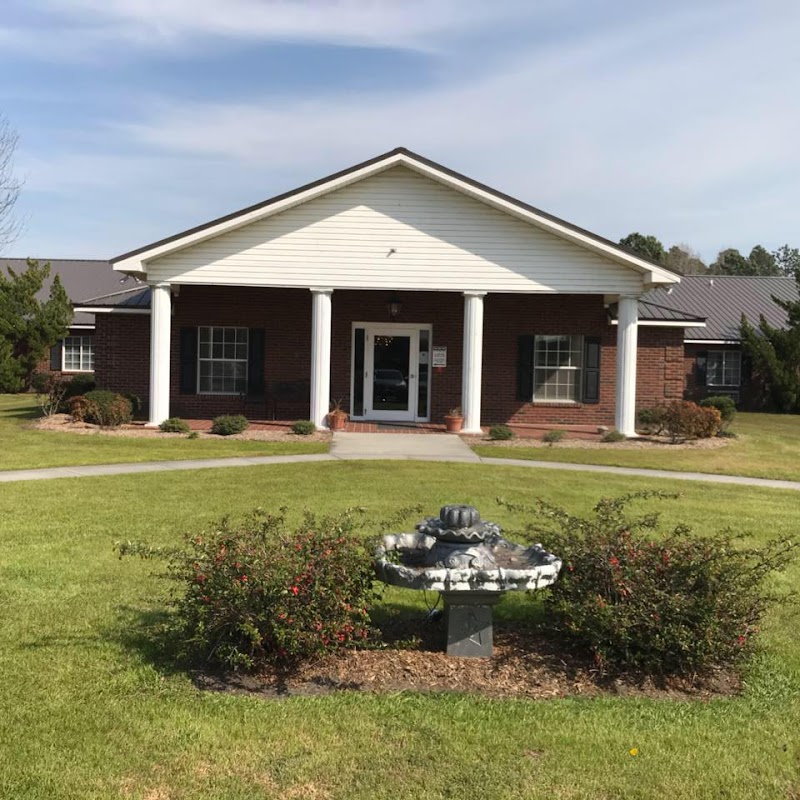
How is Brunswick Cove Nursing Center Staffed?
CMS rates Brunswick Cove Nursing Center's staffing level at 3 out of 5 stars, which is average compared to other nursing homes.

What Have Inspectors Found at Brunswick Cove Nursing Center?

State health inspectors documented 25 deficiencies at Brunswick Cove Nursing Center during 2022 to 2024. These included: 23 with potential for harm and 2 minor or isolated issues.

Who Owns and Operates Brunswick Cove Nursing Center?

Brunswick Cove Nursing Center is owned by a for-profit company. For-profit facilities operate as businesses with obligations to shareholders or private owners. The facility operates independently rather than as part of a larger chain. With 175 certified beds and approximately 118 residents (about 67% occupancy), it is a mid-sized facility located in Winnabow, North Carolina.

How Does Brunswick Cove Nursing Center Compare to Other North Carolina Nursing Homes?

Compared to the 100 nursing homes in North Carolina, Brunswick Cove Nursing Center's overall rating (3 stars) is above the state average of 2.8 and health inspection rating (3 stars) is at the national benchmark.

What Should Families Ask When Visiting Brunswick Cove Nursing Center?

Based on this facility's data, families visiting should ask: "Can I visit during a mealtime to observe dining assistance and food quality?" "How do you handle medical emergencies, and what is your hospital transfer rate?" "Can I speak with family members of current residents about their experience?"

Is Brunswick Cove Nursing Center Safe?

Based on CMS inspection data, Brunswick Cove Nursing Center has a clean safety record: no substantiated abuse findings (meaning no confirmed cases of resident harm), no Immediate Jeopardy citations (the most serious violation level indicating risk of serious injury or death), and is not on the Special Focus Facility watch list (a federal program monitoring the lowest-performing 1% of nursing homes). The facility has a 3-star overall rating and ranks #1 of 100 nursing homes in North Carolina. While no facility is perfect, families should still ask about staff-to-resident ratios and recent inspection results during their visit.

Do Nurses at Brunswick Cove Nursing Center Stick Around?

Brunswick Cove Nursing Center has not reported staff turnover data to CMS. Staff turnover matters because consistent caregivers learn residents' individual needs, medications, and preferences. When staff frequently change, this institutional knowledge is lost. Families should ask the facility directly about their staff retention rates and average employee tenure.

Was Brunswick Cove Nursing Center Ever Fined?

Brunswick Cove Nursing Center has been fined $166,525 across 24 penalty actions. This is 4.8x the North Carolina average of $34,744. Fines at this level are uncommon and typically indicate a pattern of serious deficiencies, repeated violations, or failure to correct problems promptly. CMS reserves penalties of this magnitude for facilities that pose significant, documented risk to resident health or safety. Families should request specific documentation of what issues led to these fines and what systemic changes have been implemented.

Is Brunswick Cove Nursing Center on Any Federal Watch List?

Brunswick Cove Nursing Center is not on any federal watch list. The most significant is the Special Focus Facility (SFF) program, which identifies the bottom 1% of nursing homes nationally based on persistent, serious quality problems. Not being on this list means the facility has avoided the pattern of deficiencies that triggers enhanced federal oversight. This is a positive indicator, though families should still review the facility's inspection history directly.