Zebulon Rehabilitation Center
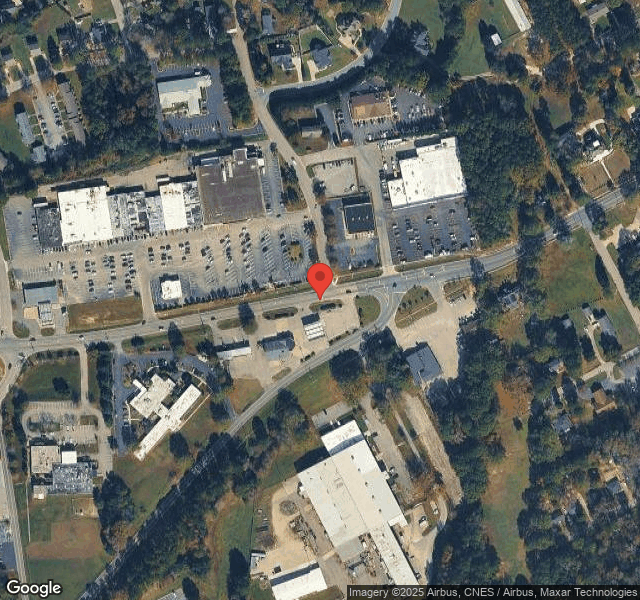
509 West Gannon Avenue, Zebulon, NC 27597 (919) 269-9621
For profit - Corporation 60 Beds SOVEREIGN HEALTHCARE HOLDINGS Data: November 2025
Trust Grade
70/100
#222 of 417 in NC
Last Inspection: July 2025

Inspected within the last 6 months. Data reflects current conditions.

Overview

Zebulon Rehabilitation Center has a Trust Grade of B, indicating it is a good choice for care, though it is in the bottom half of North Carolina facilities, ranking #222 out of 417. In Wake County, it ranks #15 out of 20, meaning there are better local options available. The facility's trend is stable, with 2 issues reported in both 2024 and 2025, showing no worsening in performance. Staffing is a concern, rated only 1 out of 5 stars, with a high turnover rate of 48%, which is slightly below the state average. While there have been no fines, the center has less RN coverage than 91% of state facilities, which is troubling since more RN oversight can help catch issues earlier. Some specific incidents noted during inspections include the failure to provide necessary assistance for facial shaving to residents who need help with personal hygiene, and a lack of proper medication storage when a medication cart was left unlocked and unattended. Additionally, there was an error in documenting a resident's dialysis treatment in their care plan. While the facility has strengths, including good health inspection scores and no fines, these concerns highlight areas that families should consider carefully.

Trust Score
B
70/100
In North Carolina
#222/417
Bottom 47%
Safety Record
Low Risk
No red flags
Inspections
Holding Steady
2 → 2 violations
Staff Stability
⚠ Watch
48% turnover. Above average. Higher turnover means staff may not know residents' routines.
Penalties
✓ Good
No fines on record. Clean compliance history, better than most North Carolina facilities.
Skilled Nurses
⚠ Watch
Each resident gets only 16 minutes of Registered Nurse (RN) attention daily — below average for North Carolina. Fewer RN minutes means fewer trained eyes watching for problems.
Violations
⚠ Watch
11 deficiencies on record. Higher than average. Multiple issues found across inspections.
★★★☆☆
3.0
Overall Rating
★☆☆☆☆
1.0
Staff Levels
★★★★☆
4.0
Care Quality
★★★★☆
4.0
Inspection Score
Stable
2024: 2 issues
2025: 2 issues

The Good

  • 4-Star Quality Measures · Strong clinical quality outcomes
  • Full Sprinkler Coverage · Fire safety systems throughout facility
  • No fines on record

Facility shows strength in quality measures, fire safety.

The Bad

3-Star Overall Rating

Near North Carolina average (2.8)

Meets federal standards, typical of most facilities

Staff Turnover: 48%

Near North Carolina avg (46%)

Higher turnover may affect care consistency

Chain: SOVEREIGN HEALTHCARE HOLDINGS

Part of a multi-facility chain

Ask about local staffing decisions and management

The Ugly 11 deficiencies on record

Jul 2025 2 deficiencies
CONCERN (D)

Potential for Harm - no one hurt, but risky conditions existed

Assessment Accuracy (Tag F0641)

Could have caused harm · This affected 1 resident

**NOTE- TERMS IN BRACKETS HAVE BEEN EDITED TO PROTECT CONFIDENTIALITY** Based on record review and staff interviews, the facility failed to accurately code the Minimum Data Set (MDS) assessment in the...

Read full inspector narrative →
**NOTE- TERMS IN BRACKETS HAVE BEEN EDITED TO PROTECT CONFIDENTIALITY** Based on record review and staff interviews, the facility failed to accurately code the Minimum Data Set (MDS) assessment in the areas of dialysis and medications. This was for 1 of 1 resident (Resident #60) reviewed for dialysis and 1 of 5 residents (Resident #9) reviewed for unnecessary medications.Findings included:1. Resident #60 was admitted to the facility on [DATE].A physician's order for Resident #60 dated 5/30/25 revealed she received dialysis (a treatment for kidney failure) three times weekly on Monday, Wednesday and Friday.A review of Resident #60's July 2025 Medication Administration Record (MAR) revealed documentation indicating she received dialysis on 7/9/25 and 7/14/25.A review of Resident #60's quarterly MDS assessment dated [DATE] revealed she was not coded for receiving dialysis.On 7/22/25 at 1:17 PM an interview with the MDS Coordinator indicated she coded Resident #60's quarterly MDS assessment dated [DATE] in error. She reported she used a worksheet when she completed MDS assessments, and on the worksheet, she had for Resident #60's MDS assessment dated [DATE] she noted Resident #60 received dialysis. The MDS coordinator stated she meant to code Resident #60 for receiving dialysis on the 7/14/25 quarterly MDS assessment but she had not.2. Resident #9 was admitted to the facility on [DATE].A review of Resident #9's physician's orders for June 2025 did not reveal any orders to administer insulin to Resident #9. A physician's order dated 6/12/25 revealed to administer Plavix (an antiplatelet medication) 75 milligrams (mg) by mouth daily to Resident #9 for blood clot prevention.A review of Resident #9's June 2025 Medication Administration Record (MAR) did not reveal any documentation indicating an insulin injection was administered to her. It further revealed documentation indicating that Plavix 75 mg was administered to Resident #9 daily as ordered by her physician.A review of Resident #9's 5-day Minimum Data Set (MDS) assessment dated [DATE] revealed she was coded as receiving 1 insulin injection and not coded as receiving antiplatelet medication during the look-back period of the assessment.In an interview on 07/23/2025 at 8:30 AM the MDS Coordinator stated she coded Resident #9's MDS assessment dated [DATE]. She reported the look back period for this assessment would be from 6/11/25-6/17/25. She indicated the coding of an insulin injection would be an error as there was no documentation Resident #9 received one. The MDS Coordinator stated documentation on Resident #9's MAR indicated Resident #9 received antiplatelet medication during the look back period of the 6/17/25 MDS assessment. She indicated her lack of coding this antiplatelet medication on Resident #9's 6/17/25 MDS assessment would be an error. She reported she had the worksheet she used for coding Resident #9's 6/17/25 MDS assessment indicating she had the anticipation of coding the antiplatelet medication, but she missed it and did not know why.On 7/24/25 at 11:24 AM an interview with the Administrator indicated resident's MDS assessments should be accurately coded to reflect the care and medications residents received.On 7/24/25 at 11:50 AM an interview with the Director of Nursing indicated that resident's MDS assessments should be accurately coded to reflect the care and medications residents received.
CONCERN (D)

Potential for Harm - no one hurt, but risky conditions existed

Deficiency F0761 (Tag F0761)

Could have caused harm · This affected 1 resident

Based on observation and staff interviews, the facility failed to keep medications in a locked medication cart for 1 of 2 medication carts observed (Medication Cart #1).Findings included:During contin...

Read full inspector narrative →
Based on observation and staff interviews, the facility failed to keep medications in a locked medication cart for 1 of 2 medication carts observed (Medication Cart #1).Findings included:During continuous observation on 7/22/25, which started at 8:30 AM, Medication Cart #1 was observed unlocked and unattended on the 100-hall. A nurse aide was observed near the unlocked medication cart, and she passed it as she moved to and entered another resident's room. One resident was observed on the hall and was 3 rooms away from the unlocked medication cart and then entered the room he was sitting in front of at 8:32 AM. At 8:32 AM a nurse aide walked past the unlocked medication cart. At 8:33 AM a human resources staff member walked past the unlocked medication cart. At 8:33 AM a nurse aide walked past the unlocked medication cart and at 8:34 AM a nurse aide and human resources staff member walked past the unlocked medication cart. At 8:35 AM a nurse aide walked past the unlocked medication cart. At 8:36 AM 2 nurse aides walked past the unlocked medication cart. At 8:37 AM a nurse aide walked past the unlocked medication cart. At 8:38 AM an occupational therapist walked past the unlocked medication cart pushing a resident in a wheelchair down the hall. At 8:39 AM an occupational therapist walked past the unlocked medication cart. At 8:40 AM a maintenance staff member and nurse aide walked past the unlocked medication cart. At 8:41 AM the Unit Manager walked up to the surveyor to ask if the surveyor needed anything and noted that the medication cart was unlocked and locked the medication cart. During an interview on 7/22/25 at 8:41 AM the Unit Manager stated the 100-hall medication cart was left unlocked and unattended and should have been locked when left unattended. He stated Nurse #1 was the one responsible for the 100-hall medication cart. She stated this was a safety hazard because with the cart unlocked people including staff, residents, and visitors could get into the medications and this also created a privacy issue due to resident names in the medications on the cart.During an interview on 7/22/25 at 8:45 AM Nurse #1 stated she usually locked her medication cart prior to leaving it unattended so no one else could go into the medication cart. She stated she thought she had locked the medication cart and did not know why it was unlocked.During an interview on 7/22/25 at 9:47 AM the Director of Nursing stated medication carts were to be locked when unattended. She concluded this was for the safety of the residents and staff.
Jun 2024 2 deficiencies
CONCERN (D)

Potential for Harm - no one hurt, but risky conditions existed

Deficiency F0554 (Tag F0554)

Could have caused harm · This affected 1 resident

**NOTE- TERMS IN BRACKETS HAVE BEEN EDITED TO PROTECT CONFIDENTIALITY** Based on observations, record review, and resident and staff interviews the facility failed to complete a self-administration of...

Read full inspector narrative →
**NOTE- TERMS IN BRACKETS HAVE BEEN EDITED TO PROTECT CONFIDENTIALITY** Based on observations, record review, and resident and staff interviews the facility failed to complete a self-administration of medication assessment and care plan self-administration of medication before leaving medication at the bedside for 1 of 5 residents (Resident #5) reviewed for unnecessary medication. Findings included: Resident #5 was admitted to the facility on [DATE] with a diagnosis of chronic obstructive pulmonary disease. A review of Resident #5's quarterly Minimum Data Set (MDS) assessment dated [DATE] revealed she was cognitively intact. She had impaired functional limitation of range of motion of her upper extremity on one side. Resident #5's record revealed a physician's order dated 5/20/24 for albuterol 90 microgram inhaler 2 puffs inhale orally every 6 hours as needed for wheezing and shortness of breath, may leave at bedside, entered by Nurse #1. No assessment for self-administration of medication was found in Resident #5's record. Resident #5's comprehensive care plan dated last revised on 6/13/24 did not reveal any focus area or interventions regarding self-administration of medication. On 6/25/24 at 8:03 AM Resident #5 was observed returning to her bed from the restroom. She was observed to be short of breath. Resident #5 was observed to sit on the side of her bed, pick up a hand held albuterol (a bronchodilator which opens airways in the lungs) medication inhaler from her bedside table, and administer 2 puffs of the medication to herself orally. An interview with Resident #5 indicated this medication was her rescue respiratory medication. She stated she had been taking the medication for 3 years. She went on to say she took 2 puffs of the medication when she felt short of breath which really helped. Resident #5 reported that because it could take from 15 to 30 minutes for a nurse to come when she needed this medication, her physician allowed her to keep the medication with her to use herself. On 6/26/24 at 1:49 PM an interview with Nurse #1 indicated he obtained the physician's order for Resident #5 to keep her albuterol inhaler at her bedside on 5/20/24. He stated Resident #5 had requested this. He went onto say while he had made sure Resident #5 could use the medication safely herself and would keep the inhaler with her so it would not be accessible to any other residents, he had not completed a self-administration of medication assessment for Resident #5 or added self-administration of medication to her care plan. Nurse #1 reported he knew he was supposed to do these things but had gotten busy and forgotten. On 6/26/24 at 1:54 PM in an interview the Director of Nursing (DON) stated Nurse #1 should have completed a self-administration of medication assessment form and added self-administration of medication to Resident #5's care plan when he obtained the physician's order for Resident #5 to keep her albuterol medication at her bedside. On 6/27/24 at 10:56 AM an interview with the Administrator indicated there should have been a self-administration of medication assessment completed prior to Resident #5 being allowed to keep her inhaler at her bedside and self-administration of medication should have been added to Resident #5's care plan.
CONCERN (D)

Potential for Harm - no one hurt, but risky conditions existed

Assessment Accuracy (Tag F0641)

Could have caused harm · This affected 1 resident

**NOTE- TERMS IN BRACKETS HAVE BEEN EDITED TO PROTECT CONFIDENTIALITY** 2. Resident #31 was admitted to the facility on [DATE] with a diagnosis of coronary artery disease. A review of Resident #31's q...

Read full inspector narrative →
**NOTE- TERMS IN BRACKETS HAVE BEEN EDITED TO PROTECT CONFIDENTIALITY** 2. Resident #31 was admitted to the facility on [DATE] with a diagnosis of coronary artery disease. A review of Resident #31's quarterly Minimum Data Set (MDS) assessment dated [DATE] revealed he was moderately cognitively impaired. He received anticoagulant (blood thinning) medication. A review of Resident #31's May 2024 Medication Administration Record (MAR) did not reveal any documentation anticoagulant medication was administered to Resident #31. A review of Resident #31's physician's orders did not reveal any orders for anticoagulant medication. On 6/26/24 at 10:08 AM an interview with the MDS Coordinator indicated she completed the medication section of Resident #31's MDS assessment dated [DATE]. She stated the look back period for this section would have been 7 days prior to the assessment date. She reported she would have used Resident #31's MAR as a reference to complete the section. She further indicated she did not see now where Resident #31 received any anticoagulant medication. She stated she completed the section incorrectly. The MDS Coordinator stated she could not say why she made the error. On 6/26/24 at 10:44 AM in an interview the Administrator stated Resident #31's MDS assessments should accurately reflect the medication he was receiving. Based on staff interviews and record review the facility failed to accurately code anticoagulant use on a Minimum Data Set (MDS) assessment for 2 of 3 resident reviewed for resident assessments. (Resident #52, Resident #31) Findings included: 1. Resident #52 was admitted to the facility on [DATE]. Her active diagnoses included stroke, hypertension, and diabetes mellitus. Review of Resident #52's admission Minimum Data Set assessment dated [DATE] revealed she was coded as receiving an anticoagulant. Review of Resident #52's Medication Administration Record for 4/2024 and 5/2024 revealed she did not receive an anticoagulant medication during the 7-day lookback period of the Minimum Data Set assessment. During an interview on 6/26/24 at 10:09 AM the MDS Coordinator stated Resident #52 was not on an anticoagulant medication and it was coded inaccurately on the 5/2/24 admission Minimum Data Set assessment. During an interview on 6/26/24 at 10:44 AM the Administrator stated MDS assessments should accurately reflect the medications the resident was receiving.
Mar 2023 7 deficiencies
CONCERN (D)

Potential for Harm - no one hurt, but risky conditions existed

Deficiency F0582 (Tag F0582)

Could have caused harm · This affected 1 resident

**NOTE- TERMS IN BRACKETS HAVE BEEN EDITED TO PROTECT CONFIDENTIALITY** Based on record reviews and staff interviews, the facility failed to provide a Centers for Medicare and Medicaid Services (CMS) ...

Read full inspector narrative →
**NOTE- TERMS IN BRACKETS HAVE BEEN EDITED TO PROTECT CONFIDENTIALITY** Based on record reviews and staff interviews, the facility failed to provide a Centers for Medicare and Medicaid Services (CMS) Skilled Nursing Facility Advanced Beneficiary Notice (SNF-ABN) prior to discharge from Medicare Part A skilled services to 1 of 3 residents reviewed for beneficiary protection notification review (Resident #34). The findings included: Resident #34 was admitted to the facility on [DATE]. A review of Resident 34's admission Minimum Data Set (MDS) dated [DATE] revealed that she was cognitively intact. A review of the medical record revealed a CMS-10123 Notice of Medicare Non-Coverage (NOMNC) letter was issued to Resident #34 which explained Medicare Part A coverage for skilled services would end on 10/26/22 which was signed by Resident #34 on 10/24/22. Resident #34 remained in the facility at the time the survey was being conducted from 3/27/23 through 3/31/23. A review of the medical record revealed a CMS-10055 SNF-ABN (Skilled Nursing Facility Advanced Beneficiary Notice) was not provided to Resident #34 or their Responsible Party. On 3/31/23 at 11:25 am an interview was completed with the Business Office Manager (BOM). The BOM confirmed that the CMS-10123 NOMNC was issued when she was notified Resident #34's Medicare Part A coverage for skilled services was ending. The BOM confirmed that neither Resident #34 nor Resident #34's Responsible Party was issued a CMS-10055 SNF-ABN prior to Medicare Part A services ending. The BOM stated that the social worker was responsible for issuing SNF-ABN but that there had not been a social worker employed at the facility when Resident #34's SNF-ABN should have been issued. The BOM stated the SNF-ABN should have been issued because Resident #34 had 50 benefit days remaining. She revealed that she was responsible for issuing SNF-ABN while there was no social worker, but stated that she must have overlooked Resident #34's. An interview was completed with the Administrator on 3/31/23 at 11:28 am. He revealed that when a resident was coming off Medicare Part A services and the resident had days remaining a SNF-ABN should be issued.
CONCERN (D)

Potential for Harm - no one hurt, but risky conditions existed

Respiratory Care (Tag F0695)

Could have caused harm · This affected 1 resident

**NOTE- TERMS IN BRACKETS HAVE BEEN EDITED TO PROTECT CONFIDENTIALITY** 2. Resident #54 was readmitted to the facility on [DATE]. Review of the resident's cumulative diagnosis did not reveal a diagnos...

Read full inspector narrative →
**NOTE- TERMS IN BRACKETS HAVE BEEN EDITED TO PROTECT CONFIDENTIALITY** 2. Resident #54 was readmitted to the facility on [DATE]. Review of the resident's cumulative diagnosis did not reveal a diagnosis which would indicate breathing impairment and/or the need for the use of supplemental oxygen. A review of Resident #54's hospital Discharge summary dated [DATE] revealed that Resident #54 was not receiving oxygen at the time of hospital discharge. Resident #54's admission Minimum Data Set (MDS) dated [DATE] revealed that he was not cognitively intact. He was not coded for the use of oxygen. Resident #54's care plan last updated 3/19/23 revealed Resident #54 was at risk for impaired gas exchange and ineffective airway clearance related to oxygen clearance. Care plan interventions did not include supplemental oxygen. A review of the March 2023 physician orders revealed no order for supplemental oxygen use. A review of the March Medication Administration Record (MAR) revealed documented oxygen saturation data taken while resident was receiving oxygen via nasal canula on 3/18/23, 3/19/23, 3/20/23, 3/22/23 and 3/27/23. Further review revealed no documentation on the MAR to administer the resident oxygen. An observation made on 3/27/23 at 11:57 AM revealed Resident #54 with oxygen in his nares via nasal cannula at 2 liters per minute. An additional observation was made on 3/27/23 at 12:26 PM when Resident #54 was receiving feeding assistance from a staff member in his room. Resident #54 was observed with oxygen in his nares via nasal cannula at 2 liters per minute. An interview was conducted with the Nurse Practitioner (NP) on 3/29/23 at 1:30 PM. The NP stated that he thought that Resident #54 was receiving supplemental oxygen due to diagnosis of obesity and hypoventilation. The NP added that he thought the resident was on supplemental oxygen when he returned from the hospital on 3/18/23. An interview with Nurse #2 on was completed on 3/29/23 at 2:07 PM. Nurse #2 stated Resident #54 wore supplemental oxygen at times. Nurse #2 explained that she knew which residents should be receiving oxygen by looking at the MAR. A follow-up interview and record review were completed with Nurse #2 on 03/30/23 at 10:34 AM. Nurse #2 reviewed Resident #54's March MAR and stated she did not see an order for supplemental oxygen. Nurse #2 stated that she did not know why Resident #54 would be placed on oxygen. During an interview with Director of Nursing (DON) on 3/31/23 at 10:16 AM she revealed residents receiving oxygen should have a physician's order in place for oxygen and an order for monitoring oxygen saturation. An interview with the Administrator was conducted on 3/31/23 at 11:48 AM. The Administrator stated that there should have been an oxygen order in place. Based on observations, record reviews, resident, staff, Nurse Practitioner and Hospice Nurse interviews, the facility failed to obtain orders for the use of oxygen for 2 of 3 residents reviewed for oxygen use (Resident #4 and Resident #54). The findings included: 1.Resident #4 was originally admitted to the facility on [DATE] and subsequently readmitted on [DATE] with diagnoses that included chronic obstructive pulmonary disease (COPD), acute and chronic respiratory failure with hypoxia (absence of enough oxygen in the tissues), and history of pneumonia. Resident #4's quarterly Minimum Data Set (MDS) dated [DATE] revealed Resident was cognitively intact and used oxygen while at the facility. Resident #4's care plan last updated and reviewed on 03/27/23 showed Resident #4 had impaired gas exchange related to COPD and respiratory failure. The interventions included oxygen as ordered and vital signs as ordered. A review of Resident #4's electronic medical record revealed no physician orders for oxygen use or monitoring of oxygen saturation. Review of electronic medical administration record (eMAR)/treatment administration record (eTAR) showed no documentation about oxygen or monitoring of Resident's oxygen saturation between 02/18/23 and 3/28/23. Vital signs record from February to March 2023 revealed no oxygen saturation documented since 2/17/23 (96% on oxygen via nasal cannula) Observation of Resident #4 on 03/27/23 at 10:00 AM revealed she was receiving oxygen via nasal cannula. Resident was visiting with Hospice Chaplain. Observation and interview with Resident #4 on 03/28/23 at 10:33 AM showed that she was receiving oxygen via nasal cannula at 3 liters per minute. Oxygen tubing was in place and portable oxygen tank was running continuously. Oxygen concentrator was observed in room. Resident #4 had a wet cough that she reported was somewhat productive. She said there was a chest x-ray scheduled for 03/28/23. Resident #4 reported she is supposed to receive oxygen at 3 liters per minute continuously due to having COPD and history of pneumonia. An interview with Nurse #1 on 03/30/23 at 2:06 PM revealed she had worked with Resident #4 on 3/26/23 on the day shift and resident received oxygen at 3 liters per minute on her shift. Nurse #1 could not recall if she had checked Resident #4's oxygen saturation but she stated that Resident #4 had her own pulse oximeter and she used it regularly to check her own oxygen saturation. Nurse #1 stated that there should have been an order in place for oxygen even when Resident #4 came back from the hospital. Nurse #1 stated there should have been an order to monitor Resident #4's oxygen saturation as well. Nurse #1 stated the Unit Manager, or the Director of Nursing usually entered orders in the EMR (electronic medical record) for new admits or re-admits. A phone interview with Nurse #2 on 03/29/23 at 6:11 PM revealed Resident #4 received oxygen for shortness of breath, and she had been using it for at least the past six months that she had taken care of her. Nurse #1 stated she was not sure why there was not a physician's order in place for Resident #4's oxygen. She further stated that Resident #4 was usually on her oxygen concentrator when she was in her room, and she rarely had to change the setting on her oxygen concentrator. On 3/28/23 during the day shift, the physical therapist notified her that Resident #4's oxygen saturation went down to 88-89% but when she checked Resident #4's oxygen saturation, it was around 91% on 3 liters per minute of oxygen. An interview with the Unit Manager on 03/30/23 at 2:21 PM revealed Resident #4 should have an order for oxygen and an order to check her oxygen saturation at least every shift. The Unit Manager confirmed Resident #4 did not have an order in place for oxygen and monitoring of oxygen saturation. He stated that it had not been brought to his attention that Resident #4 did not have a physician's order for oxygen. He further stated the oxygen order must have been missed when Resident #4 came back to the facility from the hospital on 2/21/23 and her admission orders did not include an order for oxygen. An interview with the Nurse Practitioner (NP) on 03/29/23 at 1:30 PM revealed Resident #4 was receiving oxygen because she was on hospice, and it was used for comfort due to her diagnosis of COPD. She was recently diagnosed with pneumonia and was currently being treated with antibiotics. The NP stated that Resident #4 should have an order for oxygen to be given to keep her oxygen saturation greater than 90%. He also stated that the nurses should be monitoring and documenting her oxygen saturation. During an interview with Director of Nursing (DON) on 03/31/23 at 10:16 AM she revealed residents receiving oxygen should have a physician's order in place for oxygen and an order for monitoring oxygen saturation. The DON stated Resident #4's oxygen order was missed because it wasn't included in her admission orders from the hospital when she returned to the facility after her most recent hospitalization.
CONCERN (D)

Potential for Harm - no one hurt, but risky conditions existed

Deficiency F0761 (Tag F0761)

Could have caused harm · This affected 1 resident

Based on observation and staff interviews, the facility failed to discard an expired medication available for use in 1 of 2 medication carts (200 hall medication cart). The findings included: An obser...

Read full inspector narrative →
Based on observation and staff interviews, the facility failed to discard an expired medication available for use in 1 of 2 medication carts (200 hall medication cart). The findings included: An observation on 3/30/2023 at 1:47 PM of the 200 hall medication cart with the Unit Manager revealed a large opened bottle of Sodium Bicarbonate (antacid used to relieve heartburn and acid ingestion) which was marked with an expiration date of 1/2023. The bottle contained white round tablets and it was approximately ¼ full. An interview with the Unit Manager on 3/30/2023 at 2:00 PM revealed that the night shift nurse was responsible for checking the medication carts weekly. The Unit Manager stated that he checked the medication carts whenever there were changes in the medication orders or when a medication was discontinued and needed to be returned to the pharmacy. The Unit Manager also stated he last looked at the 200 hall medication cart a couple of weeks ago. Nurse #1, during a telephone interview on 3/30/2023 at 2:18 PM, indicated that she did not remember giving any Sodium Bicarbonate tablet during the day shift on 3/30/2023. She did not notice the bottle of expired Sodium Bicarbonate on the 200 hall medication cart. An interview with the Director of Nursing on 3/30/2023 at 2:30 PM revealed that the Unit Manager was supposed to check the medication carts weekly for expired medications.
CONCERN (D)

Potential for Harm - no one hurt, but risky conditions existed

Deficiency F0806 (Tag F0806)

Could have caused harm · This affected 1 resident

**NOTE- TERMS IN BRACKETS HAVE BEEN EDITED TO PROTECT CONFIDENTIALITY** Based on observations and family, Registered Dietician (RD), and staff interviews, and record review, the facility failed to hon...

Read full inspector narrative →
**NOTE- TERMS IN BRACKETS HAVE BEEN EDITED TO PROTECT CONFIDENTIALITY** Based on observations and family, Registered Dietician (RD), and staff interviews, and record review, the facility failed to honor food preferences for 1 of 1 sampled resident reviewed for preferences (Resident #41). Resident #41 was admitted to the facility on [DATE] with the diagnoses of stroke and dementia. Resident #41's quarterly Minimum Data Set (MDS) dated [DATE] revealed Resident #41 had impaired decision making and needed supervision with eating. Review of the RD note dated 03/08/22 showed a physician order for a No added salt with regular texture foods, and fortified foods. No meat, only tuna and baked fish per Resident #41. An observation of the lunch menu for 03/27/23 revealed the following: • Honey mustard pork roast • Wild rice pilaf • Buttered spinach • Bread or roll with margarine During the lunch dining room observation on 03/27/23 at 12:10 PM, Resident #41 was observed sitting at the table and not eating. Review of Resident #41's meal ticket revealed a no added salt, regular texture diet with dislikes of pork roast, pork loin, and chicken listed. Resident #41's lunch meal tray consisted of spinach, rice, and pork roast. The observation further revealed the Rehab Manager asking Resident #41 if she wanted something else. The Rehab Manager went to the kitchen and returned with a peanut butter and jelly sandwich. Resident #41 did not eat the sandwich and stated she did not want it. An observation of the lunch menu for 03/28/23 revealed oven fried chicken as the meat for the day. An observation of Resident #41's lunch tray on 03/28/23 at 12:30 PM revealed Resident #41 received mashed potatoes and gravy, mixed vegetables, and a meat patty with gravy. Resident #41's meal was set up in her room and she was observed looking at the food and not eating. Resident #41 was not able to report what type of meat the meat patty was. An observation of the lunch meal on 03/29/23 at 01:09 PM for Resident #41 revealed she had a tray with meatballs and noodles. Resident #41 was observed looking at her food and not eating the meal, however she was observed eating the desert. During an interview via telephone with Resident #41's responsible party (RP) on 03/28/23 at 11:12 AM, the RP revealed Resident #41 was a vegetarian when she admitted to the facility. The RP continued to explain Resident #41 was not a big meat eater but did sometimes prefer fish. An interview was completed on 03/29/23 at 04:07 PM with Rehab Manager regarding the lunch observation on 03/27/23. The Rehab Manager stated Resident #41 told her that she did not like the meal she had so she offered Resident #41 a peanut butter and jelly sandwich because she thought it would be more appealing to Resident #41. An interview was completed on 03/30/23 at 03:08 PM with the Dietary Manager. She revealed she would speak to residents upon admission and weekly about food preferences. The Dietary Manager reported Resident #41 could say what she wanted to eat and ate only baked fish and tuna when she admitted to the facility. The Dietary Manager reported she would speak with Resident #41 and her RP to update food preferences and if needed she could accommodate a diet with more vegetables. An interview was completed via telephone with the Registered Dietician (RD) on 03/30/23 at 04:15 PM. The RD revealed Resident #41's preferences were fish and tuna, and she did not like other meats. The RD further explained Resident #41 mainly ate vegetables and fish. The RD voiced Resident #41 should not have been served pork or chicken if her preferences were fish and tuna. During an interview with the Administrator on 03/31/23 at 10:35 AM he stated residents should be asked about their preferences and the meal tickets match with orders and preferences.
CONCERN (D)

Potential for Harm - no one hurt, but risky conditions existed

QAPI Program (Tag F0867)

Could have caused harm · This affected 1 resident

Based on observations, staff interviews and record review, the facility's Quality Assessment and Assurance Committee (QAA) failed to maintain implemented procedures and monitor interventions the commi...

Read full inspector narrative →
Based on observations, staff interviews and record review, the facility's Quality Assessment and Assurance Committee (QAA) failed to maintain implemented procedures and monitor interventions the committee put into place following the 2/11/22 annual recertification surveys. This was for F695- Respiratory/Tracheostomy Care and Suctioning. This deficiency was cited again on the annual recertification survey 3/31/23. This continued failure of the facility during two consecutive recertification surveys shows a pattern of the facility's inability to sustain an effective QAA program. The findings included: This tag is cross referenced to: F695- Respiratory/Tracheostomy Care and Suctioning: Based on observations, record reviews, resident, staff, Nurse Practitioner and Hospice Nurse interviews, the facility failed to obtain orders for the use of oxygen for 2 of 3 residents reviewed for oxygen use (Resident #4 and Resident #54). During the recertification survey conducted on 2/11/22 the facility failed to obtain orders for the use of supplemental oxygen for 1 of 3 residents reviewed for oxygen use. During an interview on 3/31/23 at 1:19 PM the Administrator explained a breakdown in the system occurred due to human error. The Administrator continued to explain human error caused the lack of physician order for oxygen use. He stated the facility had implemented standing orders for oxygen use with oxygen saturation monitoring.
CONCERN (E)

Potential for Harm - no one hurt, but risky conditions existed

ADL Care (Tag F0677)

Could have caused harm · This affected multiple residents

**NOTE- TERMS IN BRACKETS HAVE BEEN EDITED TO PROTECT CONFIDENTIALITY** Based on observations, resident and staff interviews, and record review, the facility failed to provide facial shaving for resid...

Read full inspector narrative →
**NOTE- TERMS IN BRACKETS HAVE BEEN EDITED TO PROTECT CONFIDENTIALITY** Based on observations, resident and staff interviews, and record review, the facility failed to provide facial shaving for residents who required extensive assistance for 2 of 3 residents reviewed for activities of daily living care. (Resident #4 and Resident #24) The findings included: 1.Resident #4 was originally admitted to the facility on [DATE], with diagnoses that included Congestive Heart Failure (CHF), Chronic Obstructive Pulmonary Disease (COPD), and Multiple Sclerosis (MS). Resident had history of recurrent hospital admission. Resident #4's care plan revised on 10/24/22 showed a focus for Activities of Daily Living (ADL) self-care performance deficit due to decreased strengthening and activity intolerance. Interventions included 1 person assistance with personal hygiene. Resident #4's quarterly Minimum Data Set (MDS) dated [DATE] revealed she was cognitively intact with no rejection/refusal of care or behaviors. Resident #4 required extensive assistance with personal hygiene. An observation of Resident #4 on 03/27/23 at 10:00 AM revealed there was facial hair on her chin and upper lip that was approximately ½ to ¾ inches long. During an observation and interview of Resident #4 on 03/28/23 at 10:06 AM the facial hair to her upper lip and chin was still visible and approximately ½ to ¾ inches long. Resident #4 shared that her face was shaved every 2 or 3 weeks, but she did not want the hair on her face and she was not always asked to be shaved during care. Resident #4 reported that if it was her choice, she would not have the facial hair. Resident #4 was unable to recall the last time she had been shaved. Review of the medical record indicated Resident #4 was sent out of the facility on 03/29/23 to the hospital. An interview on 03/30/23 at 10:25 AM with Nurse Aide #6 (NA) revealed she had cared for Resident #4 on the 7:00 AM - 3:00 PM shift on 03/28/23. NA #6 said she did not notice the facial hair during daily care. NA #6 reported that a resident could be shaved even if it was not a shower day. NA #6 revealed that she usually worked with Resident #4 and could not recall the Resident refusing care During a telephone interview on 03/29/23 at 6:11 PM with Nurse #6 she revealed she had worked with Resident #4 on 03/28/23 during the 7:00 AM - 3:00 PM shift. Nurse #6 said she did not notice the facial hair on Resident #4 but would have taken care of it if the resident had said something to her. Nurse #6 reported she did not ask the female residents about facial hair because it was a touchy subject, and they can be embarrassed by the question. An interview conducted with Director of Nursing (DON) on 03/31/23 at 10:16 AM revealed NAs should be checking residents for facial hair during daily care and showers. Shaving was supposed to be offered during showers and were a part of activities of daily living (ADL) care. Refusals of grooming care needed to be documented. The DON stated she would like to see all residents asked about their facial hair and would like to see them shaved if that was what the resident desired. 2. Resident #24 was admitted to the facility on [DATE] with diagnoses that included stroke and hemiplegia. Resident #24's care plan that was reviewed and revised on 01/11/23 revealed a focus for activities of daily living (ADL) self-care performance deficit due to general weakness. Interventions included assist of 1 person for personal hygiene. Resident #24's quarterly Minimum Data Set (MDS) dated [DATE] revealed she had moderate cognitive impairment. Resident #24 required extensive assistance with personal hygiene. There were no episodes of behaviors or rejection/refusal of care. An observation and interview with Resident #24 on 03/27/23 at 10:49 AM revealed she had facial hair to her upper lip and chin approximately an ½ inch long. Resident #24 stated she did not want the facial hair and if she could, she would want to have it shaved. Resident #24 reported she had been shaved by staff previously but was unable to recall the last time she had been asked by staff or assisted with shaving. An observation and interview of Resident #24 on 03/28/23 at 9:33 AM revealed the facial hair on her chin had been shaved, but the facial hair remained on her upper lip. Resident #24 said she wanted the hair on her upper lip to be shaved as well. Resident #24 reported her chin had been shaved the previous day, but did not say anything about her upper lip to staff. An interview was completed with NA #2 on 03/29/23 at 2:15 PM. NA #2 reported if a resident had facial hair and wanted to be shaved then she would assist them with shaving, even if it was not their scheduled bath day. NA #2 reported Resident #24 received a bed bath this that morning due to the resident not feeling well the previous evening. During the interview with NA #2 an observation was conducted of and Resident #24. NA #2 noted the facial hair to Resident #24's upper lip. Resident #24 informed NA #2 that she wanted to be shaved going forward due to not liking the facial hair. An observation on 03/30/23 at 09:00 AM of Resident #24 revealed facial hair was still visible on her upper lip. An interview with NA #6 was completed on 03/30/23 at 10:25 AM and revealed she had cared for Resident #24 on the 7:00 AM - 3:00 PM shift on 03/28/23. NA #6 reported during ADL care she looked for facial hair on female residents and if the resident reported she wanted to be shaved, the NA would assist with shaving. NA #6 reported residents could be shaved even if it was not during their shower. During this interview with NA #6 an observation was conducted of Resident #24. NA #6 verified there was facial hair on Resident #24's upper lip. Resident #24 told NA #6 that she wanted the facial hair gone. NA #6 verbalized to Resident #24 that she would assist her with shaving. NA #6 reported that she usually cared for Resident #24 and could not recall Resident #24 ever refusing care and was unable to recall seeing the facial hair previously. During an interview with the Director of Nursing (DON) on 03/31/23 at 10:16 AM she revealed the NA's should be checking residents for facial hair during daily care and showers. Refusals of grooming care were to be documented. The DON stated she would like to see all residents asked about their facial hair and would like to see them shaved if that was what the resident desired.
MINOR (C)

Minor Issue - procedural, no safety impact

Staffing Information (Tag F0732)

Minor procedural issue · This affected most or all residents

Based on observations, review of the daily nursing staff postings, and staff interviews the facility failed to include the resident census information on the daily nursing staff posting for 7 of 9 day...

Read full inspector narrative →
Based on observations, review of the daily nursing staff postings, and staff interviews the facility failed to include the resident census information on the daily nursing staff posting for 7 of 9 days reviewed. The findings included: On 3/27/23 at 12:33 PM an observation was made of the facility's daily nurse staffing which was posted on the wall in the hallway across from the nurse's station. There was no census number listed on the nurse staffing sheet. A follow up observation was made on 3/27/23 at 2:59 PM. The census data had not been added. On 3/28/23 at 8:32 AM an observation of the posted nurse staffing sheet revealed no census data. On 3/29/23 at 8:44 AM an observation of the posted nurse staffing sheet revealed no census data. A follow-up observation on 3/29/23 at 11:10 AM revealed that the posted nurse staffing sheet had not been updated to include the resident census. The daily posted nurse staffing sheets were reviewed for 3/23/23 through 3/26/23. The filed daily posted nurse staffing sheets did not include the facility census data. On 3/31/23 at 9:43 AM a phone interview with Nurse #5 was completed. She stated that she worked 11:00 PM through 7:00 AM shift often and worked that shift on 3/28/23. She explained she did not include the resident census when filling out the posted nurse staffing sheet. On 03/31/23 at 12:10 PM a phone interview was completed with Nurse #4. Nurse #4 confirmed she worked the 11:00 PM - 7:00 AM shift and when she filled out the nursing staff posting she did not include the resident census. On 03/31/23 at 11:07 AM an interview was completed with the Director of Nursing (DON). The DON stated that 11:00 PM through 7:00 AM nurse was responsible for filing out the census data on the staffing sheet. An interview was conducted with the Administrator on 03/31/23 at 11:28 AM. He confirmed that the 11:00 PM through 7:00 AM nurse was responsible for posting the census data on posted nurse staffing sheets. He added that the census data should have been updated with any changes in census information throughout the shifts.
Understanding Severity Codes (click to expand)
Life-Threatening (Immediate Jeopardy)
J - Isolated K - Pattern L - Widespread
Actual Harm
G - Isolated H - Pattern I - Widespread
Potential for Harm
D - Isolated E - Pattern F - Widespread
No Harm (Minor)
A - Isolated B - Pattern C - Widespread

Questions to Ask on Your Visit

  • "Can I speak with families of current residents?"
  • "What's your RN coverage like on weekends and overnight?"

Our Honest Assessment

Strengths
  • • No major safety red flags. No abuse findings, life-threatening violations, or SFF status.
  • • No fines on record. Clean compliance history, better than most North Carolina facilities.
Concerns
  • • 11 deficiencies on record. Higher than average. Multiple issues found across inspections.
Bottom line: Mixed indicators with Trust Score of 70/100. Visit in person and ask pointed questions.

About This Facility

What is Zebulon Rehabilitation Center's CMS Rating?

CMS assigns Zebulon Rehabilitation Center an overall rating of 3 out of 5 stars, which is considered average nationally. Within North Carolina, this rating places the facility higher than 99% of the state's 100 nursing homes. This mid-range rating indicates the facility meets federal standards but may have areas for improvement.

How is Zebulon Rehabilitation Center Staffed?
CMS rates Zebulon Rehabilitation Center's staffing level at 1 out of 5 stars, which is much below average compared to other nursing homes. Staff turnover is 48%, compared to the North Carolina average of 46%.

What Have Inspectors Found at Zebulon Rehabilitation Center?

State health inspectors documented 11 deficiencies at Zebulon Rehabilitation Center during 2023 to 2025. These included: 10 with potential for harm and 1 minor or isolated issues.

Who Owns and Operates Zebulon Rehabilitation Center?

Zebulon Rehabilitation Center is owned by a for-profit company. For-profit facilities operate as businesses with obligations to shareholders or private owners. The facility is operated by SOVEREIGN HEALTHCARE HOLDINGS, a chain that manages multiple nursing homes. With 60 certified beds and approximately 56 residents (about 93% occupancy), it is a smaller facility located in Zebulon, North Carolina.

How Does Zebulon Rehabilitation Center Compare to Other North Carolina Nursing Homes?

Compared to the 100 nursing homes in North Carolina, Zebulon Rehabilitation Center's overall rating (3 stars) is above the state average of 2.8, staff turnover (48%) is near the state average of 46%, and health inspection rating (4 stars) is above the national benchmark.

What Should Families Ask When Visiting Zebulon Rehabilitation Center?

Based on this facility's data, families visiting should ask: "Can you walk me through typical staffing levels on day, evening, and night shifts?" "Can I visit during a mealtime to observe dining assistance and food quality?" "How do you handle medical emergencies, and what is your hospital transfer rate?" "Can I speak with family members of current residents about their experience?" These questions are particularly relevant given the below-average staffing rating.

Is Zebulon Rehabilitation Center Safe?

Based on CMS inspection data, Zebulon Rehabilitation Center has a clean safety record: no substantiated abuse findings (meaning no confirmed cases of resident harm), no Immediate Jeopardy citations (the most serious violation level indicating risk of serious injury or death), and is not on the Special Focus Facility watch list (a federal program monitoring the lowest-performing 1% of nursing homes). The facility has a 3-star overall rating and ranks #1 of 100 nursing homes in North Carolina. While no facility is perfect, families should still ask about staff-to-resident ratios and recent inspection results during their visit.

Do Nurses at Zebulon Rehabilitation Center Stick Around?

Zebulon Rehabilitation Center has a staff turnover rate of 48%, which is about average for North Carolina nursing homes (state average: 46%). Moderate turnover is common in nursing homes, but families should still ask about staff tenure and how the facility maintains care continuity when employees leave.

Was Zebulon Rehabilitation Center Ever Fined?

Zebulon Rehabilitation Center has no federal fines on record. CMS issues fines when nursing homes fail to meet care standards or don't correct problems found during inspections. The absence of fines suggests the facility has either maintained compliance or corrected any issues before penalties were assessed. This is a positive indicator, though families should still review recent inspection reports for the full picture.

Is Zebulon Rehabilitation Center on Any Federal Watch List?

Zebulon Rehabilitation Center is not on any federal watch list. The most significant is the Special Focus Facility (SFF) program, which identifies the bottom 1% of nursing homes nationally based on persistent, serious quality problems. Not being on this list means the facility has avoided the pattern of deficiencies that triggers enhanced federal oversight. This is a positive indicator, though families should still review the facility's inspection history directly.