ASHLEY MEDICAL CENTER NURSING HOME
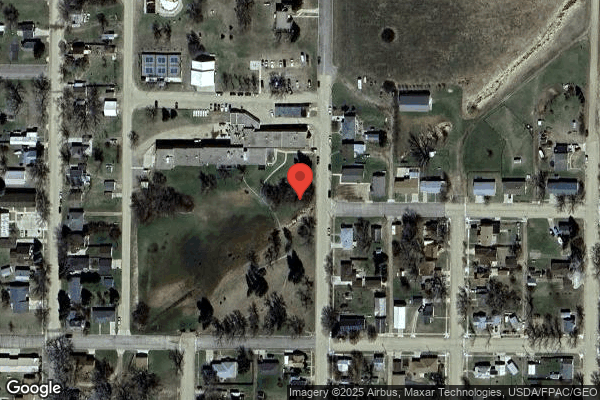
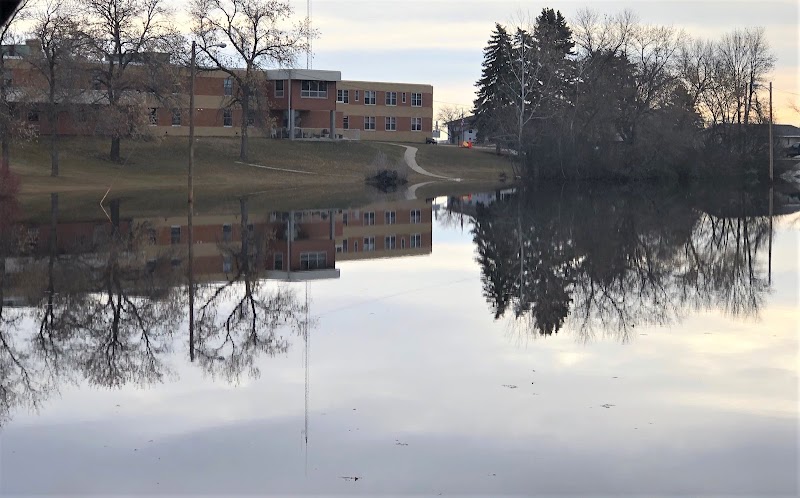
612 CENTER AVE N, ASHLEY, ND 58413 (701) 288-3433
For profit - Corporation 31 Beds Independent Data: November 2025
Trust Grade
70/100
#34 of 72 in ND
Last Inspection: July 2025

Inspected within the last 6 months. Data reflects current conditions.

Overview

Ashley Medical Center Nursing Home in Ashley, North Dakota has a Trust Grade of B, indicating it is a good choice among nursing facilities. It ranks #34 out of 72 in the state, placing it in the top half of all facilities, and #2 out of 2 in McIntosh County, meaning only one other option is available locally. The facility's trend is stable, as the number of issues has remained consistent over the past two years. Staffing is a strength, with a 4-star rating and zero turnover, which is significantly better than the state average of 48%. There are no fines on record, but there were some concerning findings, such as not providing a resident access to their personal phone, which could lead to feelings of loneliness, and failing to accurately update care plans, which affects the quality of care. Overall, while there are strengths in staffing and financial compliance, there are notable weaknesses in resident communication and care plan accuracy that families should consider.

Trust Score
B
70/100
In North Dakota
#34/72
Top 47%
Safety Record
Low Risk
No red flags
Inspections
Holding Steady
3 → 3 violations
Staff Stability
○ Average
Turnover data not reported for this facility.
Penalties
✓ Good
No fines on record. Clean compliance history, better than most North Dakota facilities.
Skilled Nurses
✓ Good
Each resident gets 76 minutes of Registered Nurse (RN) attention daily — more than 97% of North Dakota nursing homes. RNs are the most trained staff who catch health problems before they become serious.
Violations
○ Average
7 deficiencies on record. Average for a facility this size. Mostly minor or procedural issues.
★★★☆☆
3.0
Overall Rating
★★★★☆
4.0
Staff Levels
★☆☆☆☆
1.0
Care Quality
★★★★☆
4.0
Inspection Score
Stable
2024: 3 issues
2025: 3 issues

The Good

  • 4-Star Staffing Rating · Above-average nurse staffing levels
  • Full Sprinkler Coverage · Fire safety systems throughout facility
  • No fines on record

Facility shows strength in staffing levels, fire safety.

The Bad

3-Star Overall Rating

Near North Dakota average (3.1)

Meets federal standards, typical of most facilities

The Ugly 7 deficiencies on record

Jul 2025 3 deficiencies
CONCERN (D)

Potential for Harm - no one hurt, but risky conditions existed

Deficiency F0557 (Tag F0557)

Could have caused harm · This affected 1 resident

Based on observation and staff interview, the facility failed to provide access to a personal phone for 1 of 1 sampled resident (Resident #13). Failure to place a resident's personal phone within reac...

Read full inspector narrative →
Based on observation and staff interview, the facility failed to provide access to a personal phone for 1 of 1 sampled resident (Resident #13). Failure to place a resident's personal phone within reach limits the residents' ability to communicate with friends and family and may result in loneliness.Findings include: Review of the facility admission packet occurred on 07/02/25. This packet contained A Guide to Your Rights as a Resident of a Nursing Facility in North Dakota. Page 16 of this document stated, You have the right to safe, clean and comfortable surroundings, allowing you to keep your personal belongings to the extent space permits. The facility must provide you with reasonable accommodation for your personal needs and preferences.Observations of Resident #13 occurred on 07/01/25 at 10:25 a.m., 11:50 a.m., 1:25 p.m., and 07/02/25 at 11:00 a.m. The resident was in her recliner, wheelchair, or bed and the personal phone on the windowsill behind the resident's recliner. A sign on the wall stated, Please put phone on table daily. Replace on jack [charger] PM Bedtime. Thank you. On 07/02/25 at 11:00 a.m., Resident #13 stated, I would like the phone where I can reach it.During an interview on 07/02/25 at 1:05 p.m. two administrative staff members (#1 and #2) confirmed the resident has the right to access her phone.
CONCERN (D)

Potential for Harm - no one hurt, but risky conditions existed

Assessment Accuracy (Tag F0641)

Could have caused harm · This affected 1 resident

**NOTE- TERMS IN BRACKETS HAVE BEEN EDITED TO PROTECT CONFIDENTIALITY** Based on record review, review of the Long-Term Care Facility Resident Assessment Instrument (RAI) 3.0 User's Manual (Version 1....

Read full inspector narrative →
**NOTE- TERMS IN BRACKETS HAVE BEEN EDITED TO PROTECT CONFIDENTIALITY** Based on record review, review of the Long-Term Care Facility Resident Assessment Instrument (RAI) 3.0 User's Manual (Version 1.19.1), and staff interview, the facility failed to ensure accurate coding of the Minimum Data Set (MDS) for 2 of 12 sampled residents (Resident #11 and #13). Failure to accurately complete the MDS does not allow each resident's assessment to reflect their current status/needs and may affect the accurate development of a comprehensive care plan, and the care provided to the residents. Findings include:SECTION E: BehaviorThe Long-Term Care Facility RAI User's Manual, revised October 2024, pages E-1 to E-2 stated, . E0100: Potential Indicators of Psychosis . Hallucinations . Delusions . Review the resident's medical record for the 7-day look-back period. Coding Instructions . Code based on behaviors observed and/or thoughts expressed in the last 7 days rather than the presence of a medical diagnosis.Review of the medical record for Resident #13 occurred on all days of survey. The review of the quarterly MDS, dated [DATE], showed staff coded delusions. Review of the medical record for the seven-day look-back period failed to identify Resident #13 experienced delusions.SECTION N: MedicationsThe Long-Term Care Facility RAI User's Manual, revised October 2024, pages N-1 to N-4 stated, . N0300: Injections: . Coding Instructions . Record the number of days during the 7-day look-back period . that the resident received any type of medication, antigen, vaccine, etc., by injection.- Review of Resident #11's medical record occurred on all days of survey. A significant change MDS, dated [DATE], showed facility staff coded section N0300 indicating Resident #11 received an injection one time during the seven-day look back period. The medical record failed to identify the resident received an injection. During an interview on 07/02/25 at 10:44 a.m., an administrative staff member (#2) confirmed the MDSs were coded incorrectly for Resident #11 and Resident #13.
CONCERN (D)

Potential for Harm - no one hurt, but risky conditions existed

Deficiency F0657 (Tag F0657)

Could have caused harm · This affected 1 resident

**NOTE- TERMS IN BRACKETS HAVE BEEN EDITED TO PROTECT CONFIDENTIALITY** Based on record review, review of facility policy, and staff interview, the facility failed to review and revise care plans to r...

Read full inspector narrative →
**NOTE- TERMS IN BRACKETS HAVE BEEN EDITED TO PROTECT CONFIDENTIALITY** Based on record review, review of facility policy, and staff interview, the facility failed to review and revise care plans to reflect the resident's current status for 1 of 2 sampled residents (Resident #3) reviewed for anticoagulation (blood thinner) therapy. Failure to update care plans limited the staff's ability to communicate needs and ensure continuity of care.Findings include:Review of the facility policy titled [NAME] Medical Center Baseline Care Plan and Care Plan Policy occurred on 07/02/25. This policy, dated January 2019, stated, . The development, implementation, and maintenance of a resident's comprehensive plan of care is an interdisciplinary process. Care Plans are to be reviewed within 7 days of MDS [Minimum Data Set] completion every 3 months unless otherwise specified by goal time frames.Review of Resident #3's medical record occurred on all days of survey. A physician's order included Coumadin (an anticoagulant) daily. The admission MDS dated [DATE], identified an anticoagulant use.Resident #3's current care plan lacked problem, goals, or interventions for anticoagulation therapy.During an interview on 07/02/25 at 11:49 a.m., an administrative nurse (#1) confirmed staff failed to revise Resident #3's care plan.
Jun 2024 3 deficiencies
CONCERN (D)

Potential for Harm - no one hurt, but risky conditions existed

Accident Prevention (Tag F0689)

Could have caused harm · This affected 1 resident

Based on observation, record review, review of the facility policies, and staff interview, the facility failed to properly utilize assistive devices necessary to prevent accidents and/or injury for 1 ...

Read full inspector narrative →
Based on observation, record review, review of the facility policies, and staff interview, the facility failed to properly utilize assistive devices necessary to prevent accidents and/or injury for 1 of 3 sampled residents (Resident #12) observed during gait belt transfer and 1 of 4 sampled residents (Resident #19) observed during a mechanical stand lift transfer. Failure to use a gait belt or ensure proper use of a stand lift during transfers placed residents at risk for injury. Findings include: Review of the policy titled Gait Belt Policy occurred on 06/04/24. This undated policy stated, . The belt should be placed near the waist unless previous diagnosis exist. Make sure the belt is snug on the user. Additional tightenings [sic] may be appropriate when the patient stands up. Hold onto the belt with the hand or hands under the belt . Observations on 06/03/24 at 5:00 p.m. showed a certified nurse aide (CNA) (#2) assisted Resident #12 with a transfer from the wheelchair to the bed. The CNA (#2) placed a gait belt loosely around the resident's chest and proceeded to transfer the resident. During the transfer the resident had difficulty standing and turning. The gait belt slid up under the resident's arms and provided no support to the resident during the transfer. The CNA (#2) failed to place the gait belt at the resident's waist and failed to tighten the gait belt prior to transfer or when standing the resident. Observation on 06/04/24 at 1:25 p.m. showed a CNA (#3) assisted Resident #12 from the wheelchair to the bed. The CNA placed a gait belt loosely around the resident's waist and proceeded to transfer the resident. The resident had difficulty standing and turning. The resident's chair alarm sounded and a nurse (#4) entered the room and assisted with the transfer. During the transfer, the gait belt slid up under resident's arms and provided no support to the resident. The CNA (#3) failed to tighten the gait belt prior to transfer and the CNA (#3) and nurse (#4) failed to tighten and readjust the gait belt during the transfer. During an interview on 06/05/24 at 2:41 p.m., and administrative nurse (#5) confirmed staff are expected to place the gait belt around the resident's waist, make it snug, and readjust as needed. Review of Resident #19's care plan identified, . Assist [Resident #19] with transfers for safety, provide varied level of assist as needed usually Medi-lift [mechanical sit to stand lift] for transfers, at times he does not comprehend to safely participate in transfers with Medi-lift, use Hoyer Lift [full body mechanical lift]. Observations on 06/03/24 at 3:36 p.m., showed a CNA (#6) assisted Resident #19 to stand with a sit to stand lift from the recliner. After the CNA had the resident in a standing position, the CNA pulled down the resident's pants and removed the brief. The CNA left the resident unattended and obtained supplies. The resident let go of the handles on the lift and began to fidget and move around which caused the lift to move as the brakes were not locked in place. The CNA reminded the resident multiple times to hold onto the lift handles but the resident did not until the CNA completed all cares. The CNA then put the resident's hands on the lift handles, moved the stand lift over to the wheelchair, and lowered the resident into the wheelchair. The CNA failed to lock the wheels of the sit to stand lift and failed to ensure Resident #19 held onto the lift handles.
CONCERN (D)

Potential for Harm - no one hurt, but risky conditions existed

Deficiency F0761 (Tag F0761)

Could have caused harm · This affected 1 resident

Based on observation, review of resident record, review of facility policy, and staff interview, the facility failed to ensure accurate labeling of medications for 1 of 1 sampled resident (Resident #2...

Read full inspector narrative →
Based on observation, review of resident record, review of facility policy, and staff interview, the facility failed to ensure accurate labeling of medications for 1 of 1 sampled resident (Resident #26) observed during insulin administration. Failure to obtain a new medication label from the pharmacy for an insulin pen or affix a label noting change in the directions, may result in residents receiving an incorrect dose of insulin. Findings include: Review of the facility policy Medication Administration and Safe Handling Policy/Procedure occurred on 06/05/24. This undated policy stated, . The correct label should be on the medication from [name of pharmacy]. If the dose changes, [name of pharmacy] will be contacted for a new label, and the nurse will put a Change of Directions sticker on the medication to refer to the order until a new label comes. Observation on 06/03/24 at 11:48 a.m. showed a nurse (#1) removed a Novolog insulin pen from the top drawer of the medication cart to prepare for administration. The current label included the resident's name and directions for administration. The label instructions stated to administer 8 units in the morning, 14 units at lunch and 16 units in the evening. Review of Resident #26's current physician orders identified to administer 15 units at 8:00 a.m., 15 units at 11:30 a.m. and 16 units at 5:30 p.m. The nurse (#1) confirmed the label affixed to the insulin pen as incorrect and a new label should have been ordered.
CONCERN (D)

Potential for Harm - no one hurt, but risky conditions existed

Infection Control (Tag F0880)

Could have caused harm · This affected 1 resident

Based on observation, review of facility policy, and staff interview, the facility failed to ensure staff followed enhanced barrier precautions for 1 of 2 sampled resident (Resident #20) observed duri...

Read full inspector narrative →
Based on observation, review of facility policy, and staff interview, the facility failed to ensure staff followed enhanced barrier precautions for 1 of 2 sampled resident (Resident #20) observed during cares. Failure to follow infection control practices related to enhanced barrier precautions may result in the spread of infections within the facility. Findings include: Review of the facility policy titled Enhanced Barrier precautions occurred on 06/05/24. This policy, dated 04/29/24, stated . when implementing Enhanced Barrier Precautions it is critical to ensure that staff have awareness of the facility's expectations about hand hygiene and gown/glove use . disinfect lifts between each resident and adhere to recommended infection control prevention practices . Observation on 06/04/24 at 2:00 p.m. showed two certified nurse aides (CNAs) (#6 and #8) entered Resident #20's room. Signage identified enhanced barrier precautions. The CNAs donned gloves and gowns and assisted Resident #20 to bed using a full body lift. The CNAs removed the resident's soiled brief and provided incontinence cares. Without removing the soiled gloves and donning clean gloves, the CNAs, applied a clean brief, adjusted the residents clothing, bedding, catheter, and lift. The CNAs (#6 and #8) then removed their gloves, and exited the room with the lift. The CNAs failed to disinfect the lift after use and perform hand hygiene after leaving the room. During an interview on 06/04/24 3:27 p.m., an administrative nurse (#5) stated she expects staff to sanitize all mechanical lifts between residents.
May 2023 1 deficiency
CONCERN (D)

Potential for Harm - no one hurt, but risky conditions existed

Infection Control (Tag F0880)

Could have caused harm · This affected 1 resident

Based on observation, review of facility policy, and staff interview, the facility failed to follow standards of infection control for 2 of 2 supplemental residents (Resident #9 and #10) observed duri...

Read full inspector narrative →
Based on observation, review of facility policy, and staff interview, the facility failed to follow standards of infection control for 2 of 2 supplemental residents (Resident #9 and #10) observed during personal cares. Failure to follow infection control practices regarding hand hygiene has the potential for transmission of communicable diseases and infections to residents, staff, and visitors. Findings include: Review of the facility policy titled Policy for Hand Hygiene occurred on 05/10/23. This undated policy stated, . Hand hygiene is required in the following situations. Before and after assisting a resident with personal cares . After removing gloves . - Observation on 05/08/23 at 4:15 p.m. showed two certified nurse aides (CNAs) (#2 and #3) donned gloves and checked Resident #10's brief. The CNA (#3) cleansed the rectal area of stool using a wet wipe and removed her gloves. Without performing hand hygiene, the CNA (#3) donned clean gloves and assisted in applying a clean brief, adjusted the resident's clothing, raised the head of bed, provided the resident a drink of water, gave the resident her rosary, moved the bedside table, removed her gloves, and exited the room without performing hand hygiene. The CNA (#3) failed to perform hand hygiene between glove changes and before exiting the room. - Observation on 05/08/23 at 4:52 p.m. showed two CNAs (#1 and #2) changing Resident #9 in bed. Both CNAs performed hand hygiene, donned gloves, and repositioned Resident #9 to remove the incontinent product. One CNA (#1) provided perineal cares and applied a new incontinent product while the other CNA (#2) positioned the resident. Both CNAs removed their soiled gloves following perineal care. One CNA (#1) failed to perform hand hygiene upon exiting the resident's room. During an interview on 05/10/23 at 4:40 p.m., two administrative nurses (#4 and #5) confirmed they expected staff to perform hand hygiene between glove change and before exiting the resident's room.
Understanding Severity Codes (click to expand)
Life-Threatening (Immediate Jeopardy)
J - Isolated K - Pattern L - Widespread
Actual Harm
G - Isolated H - Pattern I - Widespread
Potential for Harm
D - Isolated E - Pattern F - Widespread
No Harm (Minor)
A - Isolated B - Pattern C - Widespread

Questions to Ask on Your Visit

  • "Can I speak with families of current residents?"
  • "What's your RN coverage like on weekends and overnight?"

Our Honest Assessment

Strengths
  • • No major safety red flags. No abuse findings, life-threatening violations, or SFF status.
  • • No fines on record. Clean compliance history, better than most North Dakota facilities.
Concerns
  • • No major red flags. Standard due diligence and a personal visit recommended.
Bottom line: Mixed indicators with Trust Score of 70/100. Visit in person and ask pointed questions.

About This Facility

What is Ashley Medical Center's CMS Rating?

CMS assigns ASHLEY MEDICAL CENTER NURSING HOME an overall rating of 3 out of 5 stars, which is considered average nationally. Within North Dakota, this rating places the facility higher than 0% of the state's 100 nursing homes. This mid-range rating indicates the facility meets federal standards but may have areas for improvement.

How is Ashley Medical Center Staffed?

CMS rates ASHLEY MEDICAL CENTER NURSING HOME's staffing level at 4 out of 5 stars, which is above average compared to other nursing homes.

What Have Inspectors Found at Ashley Medical Center?

State health inspectors documented 7 deficiencies at ASHLEY MEDICAL CENTER NURSING HOME during 2023 to 2025. These included: 7 with potential for harm.

Who Owns and Operates Ashley Medical Center?

ASHLEY MEDICAL CENTER NURSING HOME is owned by a for-profit company. For-profit facilities operate as businesses with obligations to shareholders or private owners. The facility operates independently rather than as part of a larger chain. With 31 certified beds and approximately 27 residents (about 87% occupancy), it is a smaller facility located in ASHLEY, North Dakota.

How Does Ashley Medical Center Compare to Other North Dakota Nursing Homes?

Compared to the 100 nursing homes in North Dakota, ASHLEY MEDICAL CENTER NURSING HOME's overall rating (3 stars) is below the state average of 3.1 and health inspection rating (4 stars) is above the national benchmark.

What Should Families Ask When Visiting Ashley Medical Center?

Based on this facility's data, families visiting should ask: "Can I visit during a mealtime to observe dining assistance and food quality?" "How do you handle medical emergencies, and what is your hospital transfer rate?" "Can I speak with family members of current residents about their experience?"

Is Ashley Medical Center Safe?

Based on CMS inspection data, ASHLEY MEDICAL CENTER NURSING HOME has a clean safety record: no substantiated abuse findings (meaning no confirmed cases of resident harm), no Immediate Jeopardy citations (the most serious violation level indicating risk of serious injury or death), and is not on the Special Focus Facility watch list (a federal program monitoring the lowest-performing 1% of nursing homes). The facility has a 3-star overall rating and ranks #100 of 100 nursing homes in North Dakota. While no facility is perfect, families should still ask about staff-to-resident ratios and recent inspection results during their visit.

Do Nurses at Ashley Medical Center Stick Around?

ASHLEY MEDICAL CENTER NURSING HOME has not reported staff turnover data to CMS. Staff turnover matters because consistent caregivers learn residents' individual needs, medications, and preferences. When staff frequently change, this institutional knowledge is lost. Families should ask the facility directly about their staff retention rates and average employee tenure.

Was Ashley Medical Center Ever Fined?

ASHLEY MEDICAL CENTER NURSING HOME has no federal fines on record. CMS issues fines when nursing homes fail to meet care standards or don't correct problems found during inspections. The absence of fines suggests the facility has either maintained compliance or corrected any issues before penalties were assessed. This is a positive indicator, though families should still review recent inspection reports for the full picture.

Is Ashley Medical Center on Any Federal Watch List?

ASHLEY MEDICAL CENTER NURSING HOME is not on any federal watch list. The most significant is the Special Focus Facility (SFF) program, which identifies the bottom 1% of nursing homes nationally based on persistent, serious quality problems. Not being on this list means the facility has avoided the pattern of deficiencies that triggers enhanced federal oversight. This is a positive indicator, though families should still review the facility's inspection history directly.