KNIFE RIVER CARE CENTER
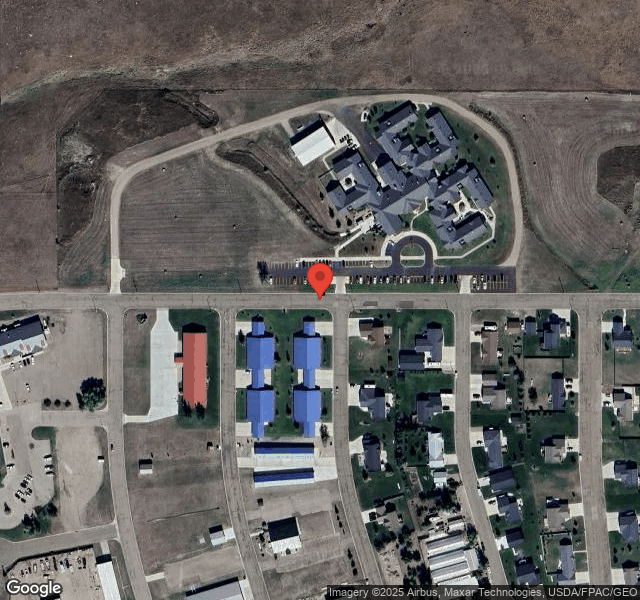
118 22ND ST NE, BEULAH, ND 58523 (701) 873-4322
Non profit - Corporation 86 Beds Independent Data: November 2025 2 Immediate Jeopardy citations
Trust Grade
6/100
#39 of 72 in ND
Last Inspection: February 2025

Within standard 12-15 month inspection cycle. Federal law requires annual inspections.

Overview

Knife River Care Center in Beulah, North Dakota has received a Trust Grade of F, indicating significant concerns about the quality of care provided. Ranking #39 out of 72 facilities in the state places it in the bottom half, though it is the only nursing home in Mercer County. The facility is showing signs of improvement, with issues decreasing from five in 2024 to two in 2025. Staffing is a strong point, rated 5 out of 5 stars with a turnover rate of 52%, which is average for the state. However, the home has incurred $53,531 in fines, which is higher than 75% of facilities in North Dakota, pointing to ongoing compliance issues. Specific incidents of concern include a resident who suffered burns from hot coffee due to improper temperature monitoring and failure to maintain a safe environment. Additionally, there was a critical failure to follow infection control practices during a COVID-19 outbreak, which could have put residents at serious risk. There was also a serious incident where a resident experienced physical abuse, highlighting the need for better staff supervision and immediate response to such situations. Overall, while there are strengths in staffing, the facility's history of incidents and fines raises important questions for families considering this option.

Trust Score
F
6/100
In North Dakota
#39/72
Bottom 46%
Safety Record
High Risk
Review needed
Inspections
Getting Better
5 → 2 violations
Staff Stability
⚠ Watch
52% turnover. Above average. Higher turnover means staff may not know residents' routines.
Penalties
✓ Good
$53,531 in fines. Lower than most North Dakota facilities. Relatively clean record.
Skilled Nurses
✓ Good
Each resident gets 69 minutes of Registered Nurse (RN) attention daily — more than 97% of North Dakota nursing homes. RNs are the most trained staff who catch health problems before they become serious.
Violations
⚠ Watch
30 deficiencies on record. Higher than average. Multiple issues found across inspections.
★★★☆☆
3.0
Overall Rating
★★★★★
5.0
Staff Levels
★★★★☆
4.0
Care Quality
★★☆☆☆
2.0
Inspection Score
Stable
2024: 5 issues
2025: 2 issues

The Good

  • 5-Star Staffing Rating · Excellent nurse staffing levels
  • 4-Star Quality Measures · Strong clinical quality outcomes
  • Full Sprinkler Coverage · Fire safety systems throughout facility
  • No fines on record

Facility shows strength in staffing levels, quality measures, fire safety.

The Bad

3-Star Overall Rating

Near North Dakota average (3.1)

Meets federal standards, typical of most facilities

Staff Turnover: 52%

Near North Dakota avg (46%)

Higher turnover may affect care consistency

Federal Fines: $53,531

Above median ($33,413)

Moderate penalties - review what triggered them

The Ugly 30 deficiencies on record

2 life-threatening 1 actual harm
Feb 2025 2 deficiencies
CONCERN (D) 📢 Someone Reported This

A family member, employee, or ombudsman was alarmed enough to file a formal complaint

Potential for Harm - no one hurt, but risky conditions existed

Safe Environment (Tag F0584)

Could have caused harm · This affected 1 resident

Based on observation, review of facility cleaning logs, and family and staff interview, the facility failed to ensure a safe, clean, comfortable, and homelike environment for 2 of 11 sampled residents...

Read full inspector narrative →
Based on observation, review of facility cleaning logs, and family and staff interview, the facility failed to ensure a safe, clean, comfortable, and homelike environment for 2 of 11 sampled residents (Resident #32 and #65) who required a wheelchair. Failure to maintain a safe, clean, and sanitary environment may lead to injury from unsafe equipment, does not provide a homelike living area for residents, and fails to promote quality of life. Findings include: - Observation on 02/24/25 at 9:57 a.m. showed Resident #32's wheelchair in disrepair, with the vinyl of the armrest pads cracked, missing pieces, and flaking. During an interview on 02/26/25 at 11:28 a.m., a staff member (#4) confirmed the armrest pads need replacement. - During an interview on 02/24/25 at 4:50 p.m., a family member (#1) of Resident #65 stated staff do not clean his Broda chair (special type of wheelchair) or his room, noting tissues and a lollipop stick on the floor. The family member pointed to dried feces on the frame of the Broda chair. Observation showed a dried brown substance with the odor of feces on the metal frame and on the middle crossbars beneath the seat. Observation on 02/25/25 at 3:24 p.m. showed Resident #65's Broda chair contained food debris in the area between the seat and chair sides, in the pocket-like area at the top of the leg rests, and on the arm rests. The dried feces remained on the frame. A certified nurse aide (CNA) (#5) agreed the chair needed cleaning and took it to the shower to clean it. Review of the facility's Nite [sic] Shift Wheelchair/Walker & [NAME] Cleaning Schedule occurred on 02/25/25. The schedules for December 2024 - February 2025 showed Resident #65's Broda chair scheduled for weekly cleaning every Saturday night and showed staff failed to sign off on this task for seven of the 12 scheduled weeks. During an interview on 02/25/25 at 3:38 p.m., an administrative nurse (#1) stated she expected staff to clean the wheelchairs on the night shift weekly as scheduled.
CONCERN (D) 📢 Someone Reported This

A family member, employee, or ombudsman was alarmed enough to file a formal complaint

Potential for Harm - no one hurt, but risky conditions existed

Accident Prevention (Tag F0689)

Could have caused harm · This affected 1 resident

Based on observation, record review, review of manufacturer's instructions, and staff interview, the facility failed to provide adequate assistance for 1 of 4 sampled residents (Resident #40) observed...

Read full inspector narrative →
Based on observation, record review, review of manufacturer's instructions, and staff interview, the facility failed to provide adequate assistance for 1 of 4 sampled residents (Resident #40) observed during a ceiling lift transfer. Failure to ensure proper use of the ceiling lift, including use of the sling/straps, placed the resident at risk for a fall and injury. Findings include: Review of the manufacturer's instructions for the Maxi Sky 2 (ceiling lift) stated, . Method 1-Cross-through, legs closed with crossing straps . Review of Resident #40's medical record occurred on all days of survey. The current care plan stated, . The resident has limited physical mobility r/t [related to] contractures, weakness . requires a ceiling track for transfers . Observation on 02/24/25 at 10:28 a.m. showed a certified nurse aid (CNA) (#3) transferred Resident #40 from the wheelchair to the bed. The CNA attached the leg strap loops of the sling to the spreader bar and failed to use the cross-through method. During an interview on 02/26/25 at 9:34 a.m., a nursing supervisor (#4) confirmed staff should use the cross-through method with the sling straps, especially with Resident #40 due to his muscle weakness.
Nov 2024 2 deficiencies
CONCERN (D) 📢 Someone Reported This

A family member, employee, or ombudsman was alarmed enough to file a formal complaint

Potential for Harm - no one hurt, but risky conditions existed

Free from Abuse/Neglect (Tag F0600)

Could have caused harm · This affected 1 resident

**NOTE- TERMS IN BRACKETS HAVE BEEN EDITED TO PROTECT CONFIDENTIALITY** Based on review of the facility reported incident and investigation documents, record review, and review of facility policy, the...

Read full inspector narrative →
**NOTE- TERMS IN BRACKETS HAVE BEEN EDITED TO PROTECT CONFIDENTIALITY** Based on review of the facility reported incident and investigation documents, record review, and review of facility policy, the facility failed to ensure residents remained free from abuse for 1 of 1 sampled resident (Resident #2) who experienced physical abuse. Failure to ensure an environment free from abuse placed Resident #2 and all other residents residing in the memory care unit at risk for abuse, fear, anxiety, and/or psychosocial harm. This citation is considered past non-compliance based on review of the corrective action the facility implemented following the incident. Findings include: The surveyor determined a deficient practice existed on 11/12/24. The facility implemented and completed corrective action on 11/12/24. Review of the facility policy titled ABUSE PROHIBITION POLICY occurred on 11/26/24. This policy, dated 09/05/24, stated, . Residents must not be subject to abuse by anyone, including, but not limited to, . other residents . Abuse shall be defined as follows . 'Abuse' shall mean the willful infliction of injury . resulting in physical harm or pain or mental anguish . 'Physical abuse' shall include hitting, slapping, pinching, and kicking. Review of the facility reported incident information identified on 11/12/24 at 2:00 p.m. two staff nurses (#1 and #2) heard moaning outside an office. The nurses found Resident #2 lying on the floor on his back outside the office and observed Resident #1 seated in a wheelchair kicking Resident #2 in the lower leg. One of the nurses immediately removed Resident #1 to ensure Resident #2's safety. Review of Resident #1's medical record occurred on 11/26/24. A quarterly Minimum Data Set (MDS), dated [DATE], identified severely impaired cognition. The care plan stated, . has a behavior problem r/t [related to] childhood trauma. LOCOMOTION . ambulates via wheelchair per self-and/or staff assistance, depending on his day . becomes aggressive towards other residents . is/has a potential to become agitated r/t dementia . has a behavior problem (physical and verbal symptoms) r/t dementia . Resident #1's progress notes stated the following: * 11/12/24 at 3:49 p.m., . At 1400 [2:00 p.m.] I found resident in wheelchair kicking another resident who was on the floor. Staff interjected. Family and provider updated. * 11/12/24 at 5:29 p.m., . Resident placed on 15 minute checks 24/7 [around the clock] for duration of investigation. Staff were educated on 15 minute checks and redirection as needed. * 11/15/24 at 10:37 a.m., . Called [Power of Attorneys name] and offered a room change to a different unit and she stated no that WW [Whispering Winds memory care unit] is now his home. - Review of Resident #2's medical record occurred on 11/26/24. A quarterly MDS, dated [DATE], identified severely impaired cognition. The care plan stated, . ambulates independently without any assistive device . is a wanderer r/t Disoriented to place, impaired safety awareness, Resident wanders aimlessly . is/has potential to be verbally aggressive r/t Dementia and hostility . has potential to be physically and verbally aggressive r/t dementia. has a communication problem r/t cognitive deficits. Has dx of early onset Alzheimer's disease and dementia. Is sometimes understood and usually understands . Resident #2's progress notes stated the following: * 11/12/24 at 3:36 p.m., . At 1400 I heard resident moaning so myself and another nurse went to see why he was moaning, he was on the floor on his back and another resident was in a wheelchair beside him kicking him. Resident kicking was removed, myself and other staff assessed resident and got him upright, no injuries noted, resident denies discomfort at this time, . Family and provider updated. Based on the following information, non-compliance at F600 is considered past non-compliance. The facility implemented corrective actions as follows: * The interdisciplinary team met to problem solve and implement changes and interventions for resident care and safety. * Notified providers of the incident. * Notified resident representatives of the incident and actions implemented. * Education provided to all staff on the Whispering Winds unit on action plan and behavioral interventions that work best for Residents #1 and #2.
CONCERN (D) 📢 Someone Reported This

A family member, employee, or ombudsman was alarmed enough to file a formal complaint

Potential for Harm - no one hurt, but risky conditions existed

Deficiency F0657 (Tag F0657)

Could have caused harm · This affected 1 resident

Based on record review, the facility failed to review and revise care plans to reflect residents' current status for 1 of 2 sampled residents (Resident #1). Failure to update Resident #1's care plan l...

Read full inspector narrative →
Based on record review, the facility failed to review and revise care plans to reflect residents' current status for 1 of 2 sampled residents (Resident #1). Failure to update Resident #1's care plan limited staffs ability to communicate needs and ensure continuity of care. Findings include: Review of Resident #1's medical record occurred on 11/26/24. The nursing progress notes stated the following: * 03/19/24 at 2:37 p.m., . Resident struck another resident. Resident kicking unit doors stating he is going to hell, resident told staff he was going to hang himself. * 03/25/24 at 10:26 p.m., . Resident had behaviors tonight, mentioned about committing suicide . * 04/06/24 at 3:32 p.m., . CNA [certified nurse aid] reported . res [resident] sitting in his wheelchair . began talking about his bandages on his hands to the CNA, he became increasingly verbally agitated and then stated, '. I'm just gonna commit suicide!' . Resident #1's care plan failed to include history of suicidal ideation.
Aug 2024 2 deficiencies 1 Harm
SERIOUS (G) 📢 Someone Reported This

A family member, employee, or ombudsman was alarmed enough to file a formal complaint

Actual Harm - a resident was hurt due to facility failures

Free from Abuse/Neglect (Tag F0600)

A resident was harmed · This affected 1 resident

**NOTE- TERMS IN BRACKETS HAVE BEEN EDITED TO PROTECT CONFIDENTIALITY** Based on review of the facility reported incident and investigation documents, record review, review of facility policy, and sta...

Read full inspector narrative →
**NOTE- TERMS IN BRACKETS HAVE BEEN EDITED TO PROTECT CONFIDENTIALITY** Based on review of the facility reported incident and investigation documents, record review, review of facility policy, and staff interview, the facility failed to ensure residents remain free from abuse for 1 of 1 sampled resident (Resident #1) who experienced physical abuse. Failure to immediately investigate an incident of physical abuse and provide necessary services to protect residents from harm resulted in an unsafe environment and the potential for further harm. This citation is considered past non-compliance based on review of the corrective action the facility implemented immediately following the incident. Findings include: This surveyor determined a deficient practice existed on 08/10/24. The facility implemented corrective action and completed on 08/13/24. Review of the facility policy titled Abuse Prohibition Policy occurred on 08/14/24. This policy, revised November 2023, stated, . Residents must not be subject to abuse by anyone, including, but not limited to, facility staff, other residents, consultants or volunteers, staff of other agencies serving the individual, family members or legal guardians, friends, or other individuals. Abuse shall be defined as follows: . 'Physical abuse' shall include hitting, slapping, pinching, and kicking. Any alleged violation(s) should be recorded and reported immediately to the facility Administrator and/or designee. All alleged acts or suspected acts of abuse, neglect, or misappropriation of resident property reported shall be immediately and thoroughly investigated and reported . Any investigation may be expanded to include law enforcement officials at any phase of the investigation where there is a reasonable suspicion to indicate that a criminal act has been committed. Review of the facility reported incident information identified on 08/10/24 at 2:30 p.m. Resident #1's daughter came to the facility to visit. The activity aide observed the daughter had her hand around Resident #1's arm and described the grip as a firm grip causing the arm to be a different color. The activity aide followed Resident #1 and her daughter to the resident room. Resident #1 pulled away from the daughter and [name of daughter] simultaneously slapped Resident #1 across the face. The activity aide involved the charge nurse and removed the daughter from the situation. Review of Resident #1's medical record occurred on 08/14/24. An admission Minimum Data Set (MDS), dated [DATE], identified severely impaired cognition. Review of the progress notes identified the following: * 08/10/24 at 2:06 p.m., Activities director, [name of staff member], reported res [resident] daughter was in res room slapping her in the face. This nurse, [name of staff member], LPN [licensed practical nurse] went to the room and asked daughter to leave facility and tell daughter abuse is not tolerated at this facility. * 08/12/24 at 11:18 am, Updated provider regarding situation on Sat [Saturday] and that resident hands are bruiesed [sic] and concern of left hand 3rd digit. Provider asked that we have her seen by her today, and son be present. Son in agreement. * 08/12/24 at 9:55 p.m., Offered ice wrapped in towel for her L [left] dislocated middle finger. Resident was doing cold compress for 20 min. Review of the physician Order Summary Report dated, 08/12/24, identified a fracture of the mid and distal portion of proximal phalanx and possible dislocation of middle joint of third finger. To ER [emergency room] for reduction, splinting . Review of the facility's investigation document, completed by the administrative staff member (#1), identified the following notes; . On 8/12/24 . I then went to interview [Resident #1]. [Resident #1] did not remember what happened. I did observe massive dark bruises to [Resident #1] hands and her finger was bent in an abnormal way. [Resident #1] was not willing to show me her upper arms to check for bruising. The medical record lacked monitoring and/or documentation of Resident #1's skin condition such as bruising, condition of fingers/hands, and pain or discomfort following the reported incident on 08/10/24 until 08/12/24, two days later, after Resident #1 returned from the emergency room. During an interview the afternoon of 08/14/24 when asked about the lack of documentation regarding Resident #1's bruising and her finger bent in an abnormal way, an administrative staff member (#1) reported they are in the process of completing staff interviews. Based on the following information, non-compliance at F600 is considered past non-compliance. The facility implemented corrective actions as follows: * The interdepartmental team met to problem solve, implement changes and interventions for resident care and safety. * Providers were notified, follow up care and treatment provided. * The local police department and Women's Action Resource Center (WARC) were notified and involved. * A No Trespassing order to be served to the family member. * The Resident Representative(s) and State Ombudsman was notified of the incident and actions implemented. * Education to all managers regarding the facility abuse policy, reporting time period, response to allegations of abuse, and action plan implemented. * All staff education regarding the facility abuse policy, notification to management staff, assuring resident safety/protection and the facility action plan implemented.
CONCERN (D) 📢 Someone Reported This

A family member, employee, or ombudsman was alarmed enough to file a formal complaint

Potential for Harm - no one hurt, but risky conditions existed

Report Alleged Abuse (Tag F0609)

Could have caused harm · This affected 1 resident

**NOTE- TERMS IN BRACKETS HAVE BEEN EDITED TO PROTECT CONFIDENTIALITY** Based on review of the facility reported incident (FRI), record review, review of facility policy, and staff interview, the faci...

Read full inspector narrative →
**NOTE- TERMS IN BRACKETS HAVE BEEN EDITED TO PROTECT CONFIDENTIALITY** Based on review of the facility reported incident (FRI), record review, review of facility policy, and staff interview, the facility failed to report an incident of abuse for 1 of 1 sampled resident (Resident #1) who experienced physical abuse to the State Survey Agency (SSA) . Failure to report an event of physical abuse in the prescribed time frame does not comply with regulations established to protect residents. This citation is considered past non-compliance based on review of the corrective action the facility implemented immediately following the incident. Findings include: This surveyor determined a deficient practice existed on 08/10/24. The facility implemented corrective action and completed on 08/13/24. Review of the facility policy titled Abuse Prohibition Policy occurred on 08/14/24. This policy, revised November 2023, stated, . Residents must not be subject to abuse by anyone, including, but not limited to, facility staff, other residents, consultants or volunteers, staff of other agencies serving the individual, family members or legal guardians, friends, or other individuals. Abuse shall be defined as follows: . 'Physical abuse' shall include hitting, slapping, pinching, and kicking. Any alleged violation(s) should be recorded and reported immediately to the facility Administrator and/or designee. The Administrator or his/her designee will report to other officials through established procedures and in accordance with State law (including to the State survey and certification agency) as warranted. The Administrator or his designee shall report the allegation to the State survey and certification agency within a 24-hour time period unless the event resulted in serious bodily injury then it needs to be within 2 hours. Review of Resident #1's medical record occurred on 08/14/24. An admission Minimum Data Set (MDS), dated [DATE], identified severely impaired cognition. A nurse's note, dated 08/10/24 at 2:06 p.m., stated, Activities director, [name of staff member], reported res [resident] daughter was in res room slapping her in the face. This nurse, [name of staff member], LPN [licensed practical nurse] went to the room and asked daughter to leave facility and tell daughter abuse is not tolerated at this facility. During an interview the afternoon of 08/14/24, an administrative staff member (#1) reported he/she received a phone call from the charge nurse on 08/10/24, regarding the incident, and that the charge nurse had instructed the daughter to leave the facility. The administrative staff member (#1) reported on 08/12/24, he/she began an investigation and notified the SSA. During an interview the afternoon of 08/14/24, an administrative staff member (#2) confirmed the facility did not report the incident to the SSA within the required 2 to 24-hour time period. Based on the following information, non-compliance at F609 is considered past non-compliance. The facility implemented corrective actions as follows: * The interdepartmental team met to problem solve and implement changes. * Education to all managers regarding the facility abuse policy and reporting time period to state survey agency. * All staff education regarding the facility abuse policy, assuring resident safety and protection and notification to management staff.
Jul 2024 1 deficiency 1 IJ (1 affecting multiple)
CRITICAL (K) 📢 Someone Reported This

A family member, employee, or ombudsman was alarmed enough to file a formal complaint

Immediate Jeopardy (IJ) - the most serious Medicare violation

Accident Prevention (Tag F0689)

Someone could have died · This affected multiple residents

**NOTE- TERMS IN BRACKETS HAVE BEEN EDITED TO PROTECT CONFIDENTIALITY** Based on observation, record review, and staff interview, the facility failed to ensure an environment free of accident hazards ...

Read full inspector narrative →
**NOTE- TERMS IN BRACKETS HAVE BEEN EDITED TO PROTECT CONFIDENTIALITY** Based on observation, record review, and staff interview, the facility failed to ensure an environment free of accident hazards for 1 of 1 sampled resident (Resident #5) who experienced a burn related to hot coffee. Failure to ensure appropriate coffee/water temperatures resulted in Resident #5 sustaining burns and placed all residents at risk for serious burns/injuries. During the on-site facility reported incident (FRI) investigation, the team consulted with the State Survey Agency (SSA) and determined an Immediate Jeopardy (IJ) situation existed on 07/03/24. A nursing progress note, dated 07/03/24 at 1:03 p.m., stated, . Resident fell asleep at the table and spill [sic] hot coffee on her lap. Taken back to her room, pants removed. Large area of redness to bilateral thighs (top and inner) with blistering noted. The IJ resulted from temperature readings obtained from the coffee/hot water machine, a lack of temperature monitoring by staff, and an injury to a resident. This finding placed residents in immediate danger due to hot temperatures and potential for serious burns. *07/08/24 at 5:58 p.m. the survey team notified the administrator of the IJ situation, provided the IJ template, and requested a plan for removal of the IJ. *07/09/24 at 8:30 a.m. the survey team reviewed and accepted the facility's removal plan for the IJ. The removal plan contained the following: *Education sent to all staff members who worked on 07/08/24. A mass notice sent to all staff on 07/08/24 informing them they will be provided education before the start of their next shifts. *Education included training staff members on the correct procedure for taking temperatures of hot liquids and ensuring the beverages are less than 140 degrees Fahrenheit (F) prior to serving them to residents. *Education identified staff are not to serve hot beverages to resident that temped higher than 140 degrees Fahrenheit (F) and to hold the beverage until the temperature is less than 140 degrees (F) before serving the beverage to a resident. *07/10/24, the survey team verified the implementation of the removal plan as of 07/08/24 and the IJ removal. The deficient practice remained at a G scope and severity following the removal of the immediate jeopardy. Findings include: Review of Resident #5's medical record occurred on 07/08/24. Nursing progress notes included the following: - 07/03/24 at 1:03 p.m. Resident fell asleep at the table and spill [sic] hot coffee on her lap. Taken back to her room, pants removed. Large area of redness to bilateral thighs (top and inner) with blistering noted. Assisted to bed and placed in a gown. Call placed to [physician's name] office. Awaiting return call. [Family's name] notified. - 07/03/24 at 3:15 p.m. IDT [interdisciplinary team] met and reviewed incident regarding resident spilling her coffee. Resident to have covered mugs for all hot liquids. - 07/04/24 at 7:47 a.m. L) [left] thigh has 5 large fluid filled blister [sic]. R) [right] has 1 fluid filled blister. cleansed with gentle soap and water. Applied bacitracin [antibiotic ointment]. Telfa to cover with kerlix [a gauze strip] to hold dressing in place. Resident #5's care plan identified a focus initiated on 01/17/23, which stated, Resident is at risk for injury related to hot liquids. She has spilled tea on her hand, arm and thighs in the past . Remind staff to assure that resident has a coffee mug with a cover. RESIDENT DOES REMOVE COVERS FROM MUGS . During an interview on 07/08/24 at 1:18 p.m., an administrative nurse (#2) identified the mug lids were not on the meal ticket or the dietary care plan at the time Resident #5 spilled her coffee in the dining room. Staff interviews conducted by the facility while investigating Resident #5's coffee spill failed to identify a lid on the coffee cup or that during the meal the resident removed the lid. During an interview on 07/08/24 at 3:45 p.m., an administrative staff member (#1) confirmed the tray provided to Resident #5 at the noon meal on 07/03/24 lacked a lid on the hot beverage. Temperatures obtained by the dietary staff member (#3) with the surveyor on the afternoon of 07/08/24 showed the following: * Harvest Lane kitchenette: Coffee 170 degrees F * Whispering Winds kitchenette: Coffee 164 degrees F, hot water 186.9 degrees F * [NAME] Lane kitchenette: Coffee 161 degrees F, hot water 178.5 degrees F * Coffee/cappuccino machine: Coffee 171.1 degrees F, and cappuccino 155.7 degrees F During interviews on the afternoon of 07/08/24 with staff members from administration (#1 and #2) and dietary (#3, #4, and #5), all confirmed the facility failed to monitor the temperature of hot beverages before, on the day of, or since Resident #5 experienced burns from hot coffee.
Dec 2023 14 deficiencies
CONCERN (D)

Potential for Harm - no one hurt, but risky conditions existed

Deficiency F0558 (Tag F0558)

Could have caused harm · This affected 1 resident

Based on observation and review of the facility policy, the facility failed to provide reasonable accommodation of needs regarding call lights for 3 supplemental residents (Residents #26, #45 and #50)...

Read full inspector narrative →
Based on observation and review of the facility policy, the facility failed to provide reasonable accommodation of needs regarding call lights for 3 supplemental residents (Residents #26, #45 and #50). Failure to ensure the resident can reach/access the call light may result in unmet needs and the inability to call for help. Findings include: Review of the facility policy titled Call Lights: Accessibility and Timely Response occurred on 12/21/23. This policy, revised 01/20/23, stated, .Staff will ensure the call light is within reach of the resident and secured. - Observation on 12/18/23 at 12:39 p.m. showed Resident #45 in the recliner, and the call light located on the floor under the end of the bed out of reach of the resident. - Observation on 12/20/23 at 8:45 a.m. showed Resident #26 in the recliner, and the call light attached to the bed. Observations on all days of the survey showed the call light not within the resident's reach. - Observation on 12/20/23 at 3:28 p.m. showed Resident #50 in a wheelchair, and the call light located across the bed next to the wall out of reach of the resident. During an interview on 12/21/23 at 12:55 p.m., an administrative staff member (#3) stated she expected call lights to be within the resident's reach.
CONCERN (D)

Potential for Harm - no one hurt, but risky conditions existed

Deficiency F0561 (Tag F0561)

Could have caused harm · This affected 1 resident

**NOTE- TERMS IN BRACKETS HAVE BEEN EDITED TO PROTECT CONFIDENTIALITY** Based on observation, record review, review of professional reference, and resident interview, the facility failed to honor resi...

Read full inspector narrative →
**NOTE- TERMS IN BRACKETS HAVE BEEN EDITED TO PROTECT CONFIDENTIALITY** Based on observation, record review, review of professional reference, and resident interview, the facility failed to honor resident choices for 1 of 19 sampled residents (Resident #10) who use incontinence products. Failure to honor Resident #10's choice to choose an incontinence product does not respect their autonomy or right to determine what is significant to their care and well-being. Findings include: A Guide to Your Rights as a Resident of a Nursing Facility In North Dakota, from the Long- Term Care Ombudsman, updated 03/21/23, page 17, stated, . You can make choices about how you want to live your life that are significant to you. This includes deciding how you want to spend your time, what you would like your daily schedule and routine to be and what your health care wishes are that are consistent with your personal beliefs, values, interests, as well as assessments and plans of care. In an interview on 12/18/23 at 1:25 p.m., Resident #10 reported that the facility staff discontinued the resident's use of a pad with a pullup due to the increased risk for infection if the pad were to stay on too long. Resident #10 reported she was independent with toileting and currently wore a pullup. Resident #10 reported she stayed wet in just a pullup for a longer amount of time because she relied on staff for assistance to remove the pullup and the wait times can be long. Resident #10 reported she was able to remove the pad on her own and would like to use a pad with a pullup to maintain her independence. Review of Resident #10's medical record occurred on all days of survey and revealed a Brief Interview for Mental Status (BIMS) score of 15 from a Minimum Data Set (MDS) dated [DATE]. The resident's care plan, updated 08/22/23, stated, TOILET USE: The resident is able to: toilet herself but sometimes needs x1 [of one] staff assistance. A Communication progress note, dated 10/27/23, stated, Resident stated to this writer that she was upset. When asked why resident stated she would like to a have a Tena [incontinence product brand] pad in her brief because she 'dribbles' and would prefer to throw away the pad opposed to the brief. This writer stated understanding and that she would note the conversation. An Alert Note, dated 12/02/23, stated, Resident stated to this writer that she would like to be allowed the addition of an incontinence pad in her brief. Resident stated that she does not want to wear more absorbent briefs . Resident is alert and oriented to person, place, time and situation. Resident stated she wanted everyone to know and except [sic] that she would like to use a pad. This writer stated understanding. A Physician Visit Note, dated 12/20/23, stated, . Booster [absorbent product without a waterproof backing] pads with pullup would help. The facility failed to acknowledge the resident's choice and preference for incontinence products.
CONCERN (D)

Potential for Harm - no one hurt, but risky conditions existed

Safe Environment (Tag F0584)

Could have caused harm · This affected 1 resident

Based on observation, review of facility policy, and staff interview, the facility failed to ensure a safe, clean, comfortable, and homelike environment for 2 of 6 units (Golden Grain and Fruit Blosso...

Read full inspector narrative →
Based on observation, review of facility policy, and staff interview, the facility failed to ensure a safe, clean, comfortable, and homelike environment for 2 of 6 units (Golden Grain and Fruit Blossom) in the facility and one resident room on Golden Grain observed during the survey. Failure to maintain a clean, comfortable, and sanitary environment does not provide a homelike living area for residents and fails to promote quality of life. Findings include: Review of the facility policy titled HOUSEKEEPING POLICY occurred on 12/21/23. This policy, dated May 2022, stated, . Clean, sanitary, and pleasant environment, are essential to the care of the residents and staff. Resident care areas, . dining areas, . and living areas require a high quality of sanitation to be maintained. Review of the facility's Housekeeping/Laundry Daily checklist occurred on 12/21/23. This checklist showed staff complete daily housekeeping in resident rooms and lounge areas. Observations during survey showed the following: * 12/18/23 at 11:54 a.m., Fruit Blossom hallway tissues, and other unidentified items of garbage on the floor. * 12/18/23 at 12:13 p.m., resident room (Golden Grain) several broken toothpicks, pieces of food, and tissues on the floor. * 12/19/23 at 8:48 a.m., resident room (Golden Grain) several broken toothpicks, pieces of food, and tissues remained on the floor from the previous day. * 12/21/23 at 8:15 a.m., Golden Grain dayroom food on the floor. * 12/21/23 at 8:15 a.m., Golden Grain hallway food and pieces of tissue on floor. During an interview on 12/21/23 at 9:32 a.m., a housekeeping supervisor (#9) stated staff should clean resident rooms, hallways, and lounge areas daily.
CONCERN (D)

Potential for Harm - no one hurt, but risky conditions existed

Deficiency F0657 (Tag F0657)

Could have caused harm · This affected 1 resident

Based on observation, record review, review of facility policy, and resident and staff interview, the facility failed to review and revise comprehensive care plans to reflect the residents' current st...

Read full inspector narrative →
Based on observation, record review, review of facility policy, and resident and staff interview, the facility failed to review and revise comprehensive care plans to reflect the residents' current status for 2 of 21 sampled residents (Resident #15 and #27). Failure to review and revise the care plan limited staff's ability to communicate needs and ensure continuity of care. Findings include: Review of the facility policy,CARE PLAN POLICY, occurred on 12/21/23. This policy, dated 12/01/23, stated, . 5. Review of care plans by individual members is expected to occur at the time of the quarterly care conference and on an ongoing basis as the resident's condition changes so that additions or deletions can be made . - Review of Resident #15's medical record occurred on all days of survey. Resident #15's care plan, reviewed on the morning of 12/19/23, identified the following: . The resident has open area of the left great toe r/t [related to] fragile skin and pressure on toe. Review of a Wound - Weekly Observation Tool, dated 11/29/23, stated, Pressure injury to tip of left great toe has heled [sic] at this time. There is [sic] no open areas noted. During an interview on the morning of 12/19/23, a supervisory nurse (#6) stated Resident #15's left toe is no longer open. - Review of Resident #27's medical record occurred on all days of survey. The Resident's care plan stated, . The resident has oral/dental health problems . She has an upper denture for her top teeth . A progress note, dated 02/14/23, stated, CNA (Certified Nurse Aide) [CNA's name] reported to the nurse the res. [resident] is missing her dentures - the CNA looked all over the res.'s [resident's] room as well. During an interview on 12/20/23 at 8:01 a.m., Resident #27 stated, My dentures have been lost for a long time now. The facility failed to review and revise Resident #27's care plan to reflect her current dental status.
CONCERN (D)

Potential for Harm - no one hurt, but risky conditions existed

Pressure Ulcer Prevention (Tag F0686)

Could have caused harm · This affected 1 resident

Based on observation and record review, the facility failed to provide care and services to aid the healing or to prevent the development of pressure ulcers for 1 of 1 supplemental resident (Resident ...

Read full inspector narrative →
Based on observation and record review, the facility failed to provide care and services to aid the healing or to prevent the development of pressure ulcers for 1 of 1 supplemental resident (Resident #26) with pressure ulcers. Failure to apply the blue pressure relief boot may result in worsening and/or the development of pressure ulcers. Findings include: Review of Resident #26's medical record occurred on all days of survey. Diagnoses included pressure ulcer of right heel, stage 2. Current physician's orders included, Blue pressure relief boot at all times to R [right] foot. The December treatment administration record showed from 12/18/23 to 12/21/23 staff initialed the application of the blue pressure relieving boot. Observations on 12/18/23 to 12/21/23 showed Resident #26 without the blue pressure relieving boot to the right foot. During an interview on 12/21/23 at 12:55 p.m., an administrative staff member (#3) stated she expected staff to follow physician orders.
CONCERN (D)

Potential for Harm - no one hurt, but risky conditions existed

Incontinence Care (Tag F0690)

Could have caused harm · This affected 1 resident

**NOTE- TERMS IN BRACKETS HAVE BEEN EDITED TO PROTECT CONFIDENTIALITY** Based on observation, review of facility policy, record review, and staff interview, the facility failed to provide appropriate ...

Read full inspector narrative →
**NOTE- TERMS IN BRACKETS HAVE BEEN EDITED TO PROTECT CONFIDENTIALITY** Based on observation, review of facility policy, record review, and staff interview, the facility failed to provide appropriate services and assistance to maintain bowel/bladder continence for 1 of 12 sampled residents (Resident #23) who required toileting assistance/incontinence care. Failure to provide toileting assistance may result in unnecessary incontinence and a loss of dignity. Findings include: Review of the facility's Incontinence Policy occurred on 12/21/23. This policy, dated 11/03/23, stated, . Policy Statement: Based on the resident's assessment, all residents that are incontinent will receive appropriate treatment and services. Review of Resident #23's medical record occurred on all days of survey and included a diagnosis of dementia. The resident's current Minimum Data Set (MDS), dated [DATE], identified frequently incontinent of bladder and continent of bowel. Resident #23's care plan stated, . TOILET USE: The resident requires supervision as he allows.The resident has urinary and bowel incontinence. INCONTINENT: Check resident as needed for incontinence. Change clothing PRN [as needed] after incontinence episodes. A bowel and bladder assessment, dated 11/01/23, stated, . Good candidate for retraining . Observations during survey showed the following: * 12/19/23 at 9:43 a.m. Resident #23 asleep in his bed, a soaker pad on the resident's recliner soiled with feces, soiled clothes on the floor by the recliner and in the bathroom. The resident's room and hallway had a strong odor. * 12/19/23 at 11:41 a.m. Resident #23 struggled and moaned as he ambulated into the bathroom by himself. The back of his pants and his bedspread were soiled with feces. * 12/19/23 at 11:51 a.m. Resident #23 seated on the side of the bed as he attempted to put his pants on. The resident's room and hallway had a strong odor. * 12/19/23 at 11:58 a.m. Resident #23 stood by the closet and naked from the waist down. When the resident saw this surveyor he pointed to the bathroom. The surveyor summoned a facility staff member to the resident's room. * 12/19/23 at 4:37 p.m. Resident #23 sat in his recliner with his pants soiled with feces. * 12/20/23 at 7:56 a.m. Resident #23 sat on the edge of the bed naked and a strong odor was noted in the room. The surveyor informed a staff member the resident needed assistance and the CNA (certified nurse aide) (#14) stated she would notify another CNA. During an interview on 12/20/23 at 8:50 a.m., when asked about Resident #23's toileting and frequent bowel incontinence observed on 12/19/23, an administrative nurse (#5) stated the resident often refuses toileting. Resident #23's toileting and behavior task record for 12/19/23 - failed to show the resident refused toileting and/or incontinence cares.
CONCERN (D)

Potential for Harm - no one hurt, but risky conditions existed

Respiratory Care (Tag F0695)

Could have caused harm · This affected 1 resident

Based on observation, record review, review of facility policy, and staff interview, the facility failed to provide the necessary care and services for 1 of 3 sampled residents (Resident #130) receivi...

Read full inspector narrative →
Based on observation, record review, review of facility policy, and staff interview, the facility failed to provide the necessary care and services for 1 of 3 sampled residents (Resident #130) receiving oxygen. Failure of maintain respiratory supplies by routinely changing and documenting the replacement of the cannula/tubing may compromise the integrity of the cannula/tubing and could result in adverse effects for the resident. Findings include: Review of the facility policy titled Oxygen Concentrator Procedure occurred on 12/21/23. This policy, dated 12/01/23, stated, . 10. Cannulas . should be changed weekly. Observation on all days of survey showed Resident #130 with continuous oxygen administered at 2 liters per nasal cannula either by an oxygen concentrator in the resident's room or a portable oxygen unit on the back of the resident's chair. The oxygen concentrator and the portable unit each had separate nasal cannula and tubing. Review of Resident #130's medical record lacked an order to change the oxygen tubing and cannula. During an interview on 12/20/23 at 5:14 p.m., a supervisory nurse (#6) stated oxygen tubing is changed every Sunday and staff document this in the Treatment Administration Record (TAR), however, review of the TAR failed to identify staff documentation of cannula/tubing changes. The nurse confirmed the record lacked documentation of staff changing the tubing weekly.
CONCERN (D)

Potential for Harm - no one hurt, but risky conditions existed

Deficiency F0761 (Tag F0761)

Could have caused harm · This affected 1 resident

Based on observation, record review, and review of facility policy, the facility failed to ensure safe and secure storage of medicated shampoo in 1 of 5 medication carts (memory unit). Failure to stor...

Read full inspector narrative →
Based on observation, record review, and review of facility policy, the facility failed to ensure safe and secure storage of medicated shampoo in 1 of 5 medication carts (memory unit). Failure to store the medicated shampoo properly may result in unauthorized access and has the potential to cause resident harm. Findings include: Review of the facility policy titled Medication System Procedure occurred on 12/21/23. This policy dated December 2023 stated, . I. Medications set-up for dispensing must remain in nurse/CMA Certified[medication aide] possession or line of sight . Observations of the memory unit on 12/20/23 at 8:45 a.m., showed a bottle of medicated shampoo sitting on a bedside table in the hallway. Two residents sat near the medicated shampoo without a nurse/CMA in line of sight. During an interview on 12/21/23 at 12:55 p.m., an administrative staff member (#3) confirmed that the medicated shampoo should be stored in the medication cart until it is needed.
CONCERN (D)

Potential for Harm - no one hurt, but risky conditions existed

Deficiency F0790 (Tag F0790)

Could have caused harm · This affected 1 resident

Based on observation, review of facility policy, record review, and resident and staff interviews, the facility failed to assist with obtaining dental services to meet the needs of 1 of 1 sampled resi...

Read full inspector narrative →
Based on observation, review of facility policy, record review, and resident and staff interviews, the facility failed to assist with obtaining dental services to meet the needs of 1 of 1 sampled resident (Resident #27) with lost dentures. Failure to assist the resident in making an appointment may have resulted in chewing and/or eating difficulties, weight loss, delayed dental care and/or dental complications. Findings include: Review of the facility policy titled DENTAL SERVICES POLICY occurred on 12/21/23. This policy, dated April 2023, stated, . For residents with lost or damaged dentures, the facility will refer the resident for dental services within three days . During an interview on 12/20/23 at 8:01 a.m., Resident #27 stated, My dentures have been lost for a long time now. Observation on all days of survey showed Resident #27 without an upper denture. Review of Resident #27's medical record occurred on all days of survey. The medical record included the following progress notes: * 02/14/23 at 5:26 p.m., . CNA [Certified Nurse Aide] [CNA's name] reported to the nurse the res. [resident] is missing her dentures - the CNA looked all over the res.'s [resident's] room as well. Left a message with social services on their voice mail to follow up. * 03/07/23 stated, . Followed up with daughter in law [daughter-in- law's name] regarding missing dentures. During an interview on 12/21/23 an administrative staff member, (#13) confirmed the facility failed to offer and/or assist Resident #27 with scheduling a dental appointment within 3 days following the loss of her dentures.
CONCERN (D)

Potential for Harm - no one hurt, but risky conditions existed

Infection Control (Tag F0880)

Could have caused harm · This affected 1 resident

Based on observation, review of facility policy, and staff interview, the facility failed to follow standards of infection control for 1 of 10 sampled residents (Resident #64) observed during personal...

Read full inspector narrative →
Based on observation, review of facility policy, and staff interview, the facility failed to follow standards of infection control for 1 of 10 sampled residents (Resident #64) observed during personal cares. Failure to practice infection control standards related to hand hygiene during personal cares has the potential to spread infection throughout the facility. Findings include: Review of the facility policy titled Employee Hand Hygiene Procedure occurred on 12/21/23. This policy, revised 08/11/23, stated, .if your task requires gloves, perform hand hygiene prior to donning gloves, and immediately after removing gloves. Observation on 12/18/23 at 12:25 p.m. showed a certified nurse aide (CNA) (#4) performed perineal cares for Resident #64. The CNA (#4) cleansed the resident's perineal area, discarded the wet incontinent product, removed his gloves, donned a new pair of gloves, and placed a clean incontinent product on the resident. The CNA (#4), without performing hand hygiene, opened a powder drink packet and the resident's water mug, then emptied the packet inside. The CNA (#4) handled the television remote and moved the resident's call button. The CNA failed to perform hand hygiene between glove changes and before completing other tasks. During an interview on 12/21/23 at 12:55 p.m., an administrative staff member (#3) confirmed he/she expected staff to follow hand hygiene practices.
CONCERN (E)

Potential for Harm - no one hurt, but risky conditions existed

Resident Rights (Tag F0550)

Could have caused harm · This affected multiple residents

Based on review of facility policy, review of resident council meeting minutes, and resident interviews, the facility failed to respect each resident's dignity and individuality and care for residents...

Read full inspector narrative →
Based on review of facility policy, review of resident council meeting minutes, and resident interviews, the facility failed to respect each resident's dignity and individuality and care for residents in a manner and an environment that promotes, maintains, or enhances the quality of life for 2 of 21 sampled residents (Residents C and E) and 2 supplemental residents (Residents A and D). Failure to provide cares in a respectful manner and respect personal property does not preserve the residents' personal dignity or enhance their quality of life. Findings include: Review of the policy titled, Promoting/Maintaining Resident Dignity occurred on 12/21/23. This policy, dated December 2022, stated, . All staff members are involved in providing care to residents to promote and maintain dignity and respect resident rights. Respect the resident's living space and personal possessions. Review of Resident Council meeting minutes occurred on 12/20/23. August 2023 Resident Council meeting minutes stated, It was mentioned by [Resident name] that CNAs should be limited to the amount of time they spend on their cell phones. September 2023 Resident Council meeting minutes stated, Cell phones- [Resident name] feels they should only be used on break. [Resident name] said she doesn't know if staff are talking to them or their phones. During confidential interviews, residents reported the following: * 12/18/23 at 12:13 p.m., Resident E stated, Staff are on their cell phones when in my room. * 12/18/23 at 12:40 p.m., in regards to call lights, Resident A stated my call light will be on and they [staff] just walk by. Resident A also stated, I feel like a second class citizen. * 12/18/23 at 1:17 p.m., Resident C stated, Last week when I had my bath the gal [CNA] grabbed onto both sides of my skin, you know my love handles to hold me up because I couldn't do it myself. The staff make fun of me and laugh at me. * 12/20/23 at 8:01 a.m., Resident C stated, I'm third class to them, they act like they are deaf when I talk to them. They holler at me like I'm a dog, I feel so mistreated. They threw a card I had got from my niece's family with a picture and when I asked her why she threw it she said it was old. That's my stuff not theirs. * 12/20/23 at 11:18 a.m. identified Resident D felt cell phone use in resident rooms and halls is still an issue. During an interview on 12/21/21 at 1:20 p.m. an administrative staff member (#13) stated he expects staff to treat all residents with respect and dignity and are not allowed to have cell phones in resident care areas.
CONCERN (E)

Potential for Harm - no one hurt, but risky conditions existed

Deficiency F0692 (Tag F0692)

Could have caused harm · This affected multiple residents

**NOTE- TERMS IN BRACKETS HAVE BEEN EDITED TO PROTECT CONFIDENTIALITY** Based on observation, record review, and resident and staff interviews, facility staff failed to offer fluids to 1 of 21 sampled...

Read full inspector narrative →
**NOTE- TERMS IN BRACKETS HAVE BEEN EDITED TO PROTECT CONFIDENTIALITY** Based on observation, record review, and resident and staff interviews, facility staff failed to offer fluids to 1 of 21 sampled residents (Resident #63) and 1 supplemental resident (Resident #43) during cares who required staff assistance for fluid intake and failed to provide water consistently for 4 of 21 sampled residents (Resident #6, #23, #27 and #67) and 2 supplemental residents (Resident #13, and #66). Failure to provide water to all residents consistently and provide assistance with fluid intake may result in dehydration, constipation, and urinary tract infections (UTIs). Findings include: - Review of Resident #63's medical record occurred on all days of survey. A quarterly Minimum Data Set (MDS), dated [DATE], identified Resident #63 required substantial/maximal assistance with eating, in which the helper does more than half the effort. A dietary note, dated 11/21/23, stated, . Staff assist resident with intake - green mug with handle is used to aid in self-feeding - staff report occasionally resident will give himself a drink. Resident #63's current care plan identified the following: The resident has dehydration or potential fluid deficit r/t [related to] Diuretic use, use/side effects of medication . Ensure the resident has access to water whenever possible. Observation of a staff member providing cares for Resident #63 occurred on 12/20/23 at 10:50 a.m. The CNA (certified nurse aide) (#7) checked Resident #63's brief and then transferred the resident from the bed to the wheelchair. The CNA (#7) failed to offer water or other fluids to the resident. - Review of Resident #43's medical record occurred on all days of survey and included a diagnosis of dementia. The care plan identified the following: . The resident requires assistance by . staff for locomotion using W/C [wheelchair] . Encourage . fluid intake . Observation of a staff member providing cares for Resident #43 occurred on 12/18/23 at 2:15 p.m. The CNA (#14) failed to offer water or other fluids to the resident. Observations during survey included the following: * 12/20/23 at 8:25 a.m. Resident #23's water pitcher was empty. * 12/20/23 at 8:01 a.m. Resident #27's water pitcher was empty. The resident stated, They didn't bring water to me all afternoon yesterday. * 12/20/23 at 8:28 a.m. Resident #66's water pitcher was empty and the resident stated, Every once in awhile they bring fresh ice water. * 12/20/23 at 8:26 a.m. Resident #67's water pitcher was empty. During an interview on 12/19/23 at 9:35 a.m., Resident #6 stated, The only time I get my water refilled is a when the water girl is here a few days a week. During an interview on 12/20/23 at 11:18 a.m. Resident #13 reported when there is not a designated staff person to fill water pitchers, the resident has to request water or the pitchers do not get refilled. Resident #13 reported the facility does not have staff to fill water pitchers in the resident's rooms on the weekends. During an interview on 12/21/23 at 4:40 p.m., an administrative nurse (#15) agreed staff providing fresh water to all residents has been an ongoing issue.
CONCERN (E)

Potential for Harm - no one hurt, but risky conditions existed

Menu Adequacy (Tag F0803)

Could have caused harm · This affected multiple residents

**NOTE- TERMS IN BRACKETS HAVE BEEN EDITED TO PROTECT CONFIDENTIALITY** Based on observation, review of menus, and staff and resident interviews, the facility failed to serve food according to prepare...

Read full inspector narrative →
**NOTE- TERMS IN BRACKETS HAVE BEEN EDITED TO PROTECT CONFIDENTIALITY** Based on observation, review of menus, and staff and resident interviews, the facility failed to serve food according to prepared menus for 3 of 3 units observed ([NAME] Lane, Harvest Lane, and Whispering Winds) during meals. Failure to serve food according to the portion sizes listed on the menu may result in inadequate nutrition and either weight loss or gain. Findings include: During a interview on 12/18/23 in the afternoon, (Resident B) stated, My only concern is portion sizes of meals are not enough. Observation of [NAME] Lane's breakfast tray line on 12/19/23 showed the following portion sizes served to residents and what the menu required: - Oatmeal #8 scoop, 1/2 cup (Menu: #6 scoop, 2/3 cup) - Cream of Wheat cereal #8 scoop, 1/2 cup (Menu: #6 scoop, 2/3 cup) Observation of Harvest Lane's lunch tray line on 12/19/23 showed the following portion sizes served to residents and what the menu required: - Chicken Fajita #16 scoop, 2 ounces (Menu: 3 ounces) - Pureed Chicken #12 scoop, 1/3 cup (Menu: #8 scoop, 1/2 cup) - Mechanical soft burger #16 scoop, 2 ounces (Menu: #10 scoop 3 1/3 ounces) - Pickled Beets 3-ounce ladle (Menu: #8 scoop, 1/2 cup) - Pureed Pickled Beets #12 scoop, 1/3 cup (Menu: #8 scoop, 1/2 cup) - Pureed Apple Crisp #12 scoop, 1/3 cup (Menu: #8 scoop, 1/2 cup) Observation of [NAME] Lane's lunch tray line on 12/19/23 showed the following portion sizes served to residents and what the menu required: - Chicken Fajita #16 scoop, 2 ounces (Menu: 3 ounces) - Pickled Beets served with tongs (Menu: #8 scoop, 1/2 cup) - Pureed Beef #12 scoop, 3 ounces (Menu: #8 scoop, 4 ounces) - Pureed Chicken #16 scoop, 2 ounces (Menu: #8 scoop, 4 ounces) Observation of Whispering Winds's lunch tray line on 12/20/23 showed the following portion sizes served to residents and what the menu required: - Carrots 2-ounce ladle (Menu: #8 scoop, 1/2 cup) - Pureed Carrots #16 scoop, 1/4 cup (Menu: #10 scoop, 3/8 cup) - Pureed Chicken Pot Pie #16 scoop, 1/4 cup (Menu: #8 scoop 1/2 cup) - Sauerkraut #10 scoop, 3/8 cup (Menu: 1/2 cup) Observation of Harvest Lane's lunch tray line on 12/20/23 showed the following portion sizes served to residents and what the menu required: - Sauerkraut #16 scoop, 1/4 cup (Menu: 1/2 cup) - Pureed Chicken Pot Pie #16 scoop, 1/4 cup (Menu: #8 scoop, 1/2 cup) - Pureed Carrots #12 scoop, 1/3 cup (Menu: #10 scoop, 3/8 cup) Observation of [NAME] Lane's lunch tray line on 12/20/23 showed the following portion sizes served to residents and what the menu required: - Carrots 2-ounce scoop (Menu: #8 scoop, 1/2 cup) - Mashed potatoes #12 scoop, 1/3 cup (Menu: #8 scoop, 1/2 cup) During an interview the morning of 12/21/23, an administrative dietary staff member (#8) confirmed staff should use the portion sizes listed on the menu when serving food for meals.
CONCERN (E)

Potential for Harm - no one hurt, but risky conditions existed

Food Safety (Tag F0812)

Could have caused harm · This affected multiple residents

**NOTE- TERMS IN BRACKETS HAVE BEEN EDITED TO PROTECT CONFIDENTIALITY** Based on observation, review of facility policy, and staff interview, the facility failed to serve food in a sanitary manner for...

Read full inspector narrative →
**NOTE- TERMS IN BRACKETS HAVE BEEN EDITED TO PROTECT CONFIDENTIALITY** Based on observation, review of facility policy, and staff interview, the facility failed to serve food in a sanitary manner for 2 of 3 kitchenettes ([NAME] Lane and Harvest Lane). Failure to change gloves when the type of food being handled has changed or after touching the face and prior to handling ready-to-eat food has the potential to result in cross-contamination and/or food borne illness. Findings include: Review of the facility policy, Maintaining a Sanitary Tray Line occurred on 12/21/23. This policy, dated 08/10/23, stated, Policy: To provide an organized tray line that provides food . in a manner to prevent the spread of bacteria that may cause food borne illness. Compliance Guidelines: . 3. During tray assembly, staff should: a. Use gloves when handling food items. b. Use utensils such as tongs, serving spoons, etc. to handle food as much as possible. c. Wear gloves when direct contact with the hands and food occur. d. Wear gloves before handling ready-to-eat foods such as salads, fruits, sandwiches, breads, etc. e. Wash hands before and after wearing or changing gloves . g. Change gloves when activities are changed, or when the type of food being handled is changed, or when leaving the work station. h. Change gloves after sneezing coughing or touching your face, hands, or hair with gloved hand. - Observation of tray line in the Harvest Lane kitchenette occurred on 12/19/23 at 11:36 a.m. A dietary staff member (#10) wore gloves while using utensils to dish food onto resident plates, handling diet sheets, and retrieving items from the refrigerator. Without changing gloves, the staff member (#10) reached into a bag to place bread on several residents' plates. The staff member failed to change gloves after touching various items and prior to handling ready-to-eat food. - Observation of tray line in the [NAME] Lane kitchenette occurred on 12/19/23 at 12:00 p.m. A dietary staff member (#11) wore gloves while using utensils to dish food onto residents' plates. Observation showed the staff member handling the diet sheets and touching his/her face. Without changing gloves, the staff member (#11) reached into a bag to place bread on several residents' plates. Later in the observation, the staff member used the same gloved hands to take a lettuce salad from a container and place it onto two plates. The staff member failed to change gloves after touching utensils and his/her face and prior to handling ready-to eat food. - Observation of tray line in the Harvest Lane kitchenette occurred on 12/20/23 at 11:46 a.m. A dietary staff member (#12) wore gloves while using utensils to dish food onto resident plates. Observation showed the staff member handling the diet sheets, retrieving items from the refrigerator, and then with the same gloved hands, reached into a bag for bread, placed a chocolate bar on a plate, and handled lettuce and cheese with the gloved hands to place on top of the taco meat. (The containers with the lettuce and cheese did not have utensils in them). The staff member failed to change gloves after touching various items and prior to handling ready-to-eat food. During an interview on the morning of 12/21/23, an administrative dietary staff member (#8) confirmed staff should change gloves when changing tasks.
Dec 2022 9 deficiencies 1 IJ (1 affecting multiple)
CRITICAL (K)

Immediate Jeopardy (IJ) - the most serious Medicare violation

Infection Control (Tag F0880)

Someone could have died · This affected multiple residents

1. Based on observation, review of facility policy, and staff interview, the facility failed to ensure staff followed infection control practices for 1 of 3 sampled residents (Resident #71) on transmi...

Read full inspector narrative →
1. Based on observation, review of facility policy, and staff interview, the facility failed to ensure staff followed infection control practices for 1 of 3 sampled residents (Resident #71) on transmission based precautions related to positive COVID-19 status. Failure to provide and properly utilize personal protective equipment (PPE) for residents on transmission based precautions has the potential to spread the COVID-19 virus to other residents, personnel, and visitors. During the on-site survey, the team determined a potential Immediate Jeopardy (IJ) situation existed on 11/28/22 at 4:30 p.m. The IJ potential resulted from observations of improper use of PPE and lack of staff knowledge/education regarding infection control practices and procedures. These findings placed residents in immediate danger due to the potential spread of the COVID-19 virus. * 11/28/22 at 2:25 p.m.-The survey team contacted the management staff at the State Survey Agency (SSA) to report the findings and to discuss a potential IJ situation. * 11/28/22 at 4:30 p.m.- The survey team notified the facility's administrator, director of nursing (DON), of the IJ and requested they develop a plan for removal of the immediate jeopardy.The team provided the facility with the IJ template. * 11/28/22 at 4:55 p.m.- The SSA notified the regional office of the immediate jeopardy situation. * 11/29/22 at 8:25 a.m.- The facility provided a written removal plan (via verbal and e-mail) for the IJ. * 11/29/22 at 9:22 a.m.- The survey team reviewed and accepted the facility's written plan. * 11/29/22 at 10:00 a.m.- The survey team conducted staff observations and interviews. The survey team identified discrepancies in facility staff infection control practices and requested the facility administrator, DON and IP [infection preventionist] develop additional measures for removal of the immediate jeopardy. * 11/29/22 at 10:30 a.m.- The facility provided a revised written plan for the removal for the IJ. * 11/29/22 at 1:30 p.m.- The survey team reviewed and accepted the facility's revised written plan of correction for the IJ. * 11/29/22 at 1:50 p.m.- The survey team notified the facility administration and removed and reduced the IJ from a scope and severity of K to a scope and severity of E. * 11/29/22 at 1:50 p.m.- The SSA notified the CMS [Center for Medicare and Medicaid Services] location of the removal of the immediate jeopardy. Findings include: Review of the facility policy titled Infection Prevention and Control Program occurred on 12/01/22. this policy, revised August 2022, stated, . Transmission-based precautions [TBP] and Isolation Precautions refer to the actions (precautions) implemented . that are based upon the means of transmission (airborne, contact, and droplet) in order to prevent or control infections . facility staff will apply TBP to residents who are known or suspected to be infected with certain infectious agents requiring additional controls to prevent transmission . Review of the facility policy titled, . Personal Protective Equipment (PPE) Guidance occurred on 12/01/22. This policy, revised November 2022, stated, . PPE when caring for known/suspected COVID-19 residents . a N95 mask, eye protection, gloves, and gown must be worn at all times with every resident interaction . donning and doffing should be done in accordance with current Center for Disease Control [CDC] and Center for Medicare and Medicaid Services [CMS] and the North Dakota Department of Health [NDDOH] guidance, procedure . Review of Resident #71's medical record occurred on 11/28/22. Diagnoses included COVID19 positive on 11/22/22. The current care plan identified Resident #71 on airborne and contact precautions related to COVID 19 infection . Resident infection will be resolved without complications . Keep resident room door closed if possible to maintain resident's safety . Resident to quarantine in room . Staff to wear N95 mask when in room . Staff will donn and doff PPE appropriately when entering resident's room . Observation on 11/28/22 at 11:40 a.m. showed signage stating . Droplet precautions . Stop . everyone must clean their hands with sanitizer before entering and when leaving the room . make sure their eyes, nose and mouth are fully covered before room entry . remove face protection before room exit . Donning PPE full Garb: Gown, N95 respirator, face shield, gloves, bouffant . Doffing PPE full garb: Gown and gloves, bouffant, face shield, N95 respirator . Observation on 11/28/22 at 11:25 a.m. showed a certified nurse aide (CNA) (#5) entered Resident #71's room wearing a surgical mask and failed to donn a N95 mask, gown, face shield or gloves or perform hand hygiene. The CNA (#5) exited the room with the same surgical mask, was not wearing other PPE, failed to perform hand hygiene, and carried a meal tray with dishes (no paper products) down the hall to the kitchen. During an interview on 11/28/22 at 11:40 a.m., a CNA (#5) stated she failed to donn and doff the proper PPE (N95 mask, faceshield or goggles, gown, gloves) or hand sanitize when entering and exiting a COVID19 positive resident room. During an interview on 11/28/22 at 4:30 p.m., an administrative nurse (#1) stated she expected all staff to donn/doff appropriate PPE and perform hand hygiene when entering and exiting a COVID19 positive resident room. THIS IS A REPEAT DEFICIENCY FROM THE SURVEY COMPLETED ON 08/23/21. 2. Based on observation, record review, review of facility policy, and staff interview, the facility failed to follow standards of infection control for 3 of 9 sampled residents (Residents #20, #32, and #50) observed during cares. Failure to follow infection control standards has the potential for transmission of communicable diseases and infections to residents, staff, and visitors. Findings include: SANITATION Review of the facility policy/procedure titled Knife River Care Center Standard Precautions occurred on 12/01/22. This policy, dated September 2022, stated, . Body fluids considered potentially infectious include: . All body fluids, secretions, and excretions except sweat . 9. Clean up spills of blood or other infectious material in the following manner . b. disinfect the surface with a tuberculocide/germicide supplied by the facility . Observation on 11/28/22 at 4:16 p.m. showed a certified nurse assistant (CNA) (#7) donned gloves and emptied a urinary catheter bag for Resident #32, in the process of emptying the bag, the CNA (#7) spilled urine on the floor. The CNA (#7) wiped up the urine with a paper towel after finishing emptying the bag, completed hand hygiene and left the room without disinfecting the floor. Record review of facility Infection Log dated October 2022 occurred on 11/29/22. This log shows Resident #32 having a urinary infection and was on contact precautions. During an interview on the afternoon of 12/01/22, an administrative nurse (#1) confirmed the floor should have been disinfected according to facility policy. PERINEAL CARE Review of the facility policy titled Perineal Care occurred on 12/01/22. This policy, dated January 2022, stated, . It is the practice of this facility to provide perineal care to all incontinent residents . to . prevent infection . front to back . Review of Resident #20's medical record occurred on all days of survey. The care plan stated, .The resident has an ADL [activities of daily living] self-care deficit . Requires extensive assist from 1 staff to assist resident with routine toileting . provide peri cares . During an observation on 11/29/22 at 4:38 p.m., a CNA (#8) assisted Resident #20 to the bathroom. The resident was incontinent of urine and while performing perineal cares the CNA wiped, the resident's perineum from the back to the front, right groin, back to front again and left groin. The CNA failed to provide proper perineal cares to prevent risk of infection. During an interview on 12/01/22 at 8:09 a.m., an administrative staff nurse (#1) stated she expected staff to use proper infection control practices when providing perineal cares. HAND HYGIENE Review of the facility policy/procedure titled Knife River Care Center Employee Handwashing Procedure occurred on 12/01/22. This policy, dated 6/22/22, stated, . Wash Hands (at a minimum) . Before and after each resident contact . After contact with any body fluids, After handling any contaminated items (linens, soiled briefs, garbage, etc.) . Observation on 11/30/22 at 11:00 a.m. showed a CNA (#3) donned gloves and provided perineal care for Resident #50. The CNA (#3) cleansed the rectal area of stool, removed her gloves, donned clean gloves, applied a brief, and removed her gloves. Without performing hand hygiene, the CNA (#3) positioned the resident's pillows, blankets, call light and applied heel booties. During an interview on the afternoon of 12/01/22, an administrative nurse (#1) stated she expected staff to remove gloves and perform hand hygiene after perineal care before continuing other resident cares.
CONCERN (D) 📢 Someone Reported This

A family member, employee, or ombudsman was alarmed enough to file a formal complaint

Potential for Harm - no one hurt, but risky conditions existed

Report Alleged Abuse (Tag F0609)

Could have caused harm · This affected 1 resident

Based on record review, review of the facility policy, and resident and staff interview, the facility failed to report a incident of potential neglect immediately to the State Survey Agency (SSA), for...

Read full inspector narrative →
Based on record review, review of the facility policy, and resident and staff interview, the facility failed to report a incident of potential neglect immediately to the State Survey Agency (SSA), for 1 of 1 sampled resident (Resident #32) who experienced injuries. Failure to report the potential neglect and the results of the facility's investigation to the SSA, placed Resident #32 and other residents at risk for possible neglect and/or further injury. Findings include: Review of the facility policy titled Abuse Prohibition Policy, occurred on 12/01/22. This policy, dated August 2022, stated, . Neglect shall mean failure to provide goods and services necessary to avoid physical harm . All alleged acts or suspected acts of abuse, neglect . shall be immediately and thoroughly investigated and reported . in accordance with state law (including to the state survey and certification agency) . a report shall be made to the State Survey & Certification Agency State Licensure within five (5) days of the reporting of the alleged incident . During an interview on 11/28/22 at 2:10 p.m., Resident #32 stated, I was being taken for a bath and my feet were dragging on the ground causing carpet burns to my toes, I did not have my blue boots on or pedals for the wheelchair. Review of the investigation completed by the facility occurred on the morning of 11/30/22, it stated, 10/27/2022 [Nurse's name], UM [unit manager], asked resident, [name of resident], what happened to his right great and right second toe. [Name of resident] reported that injury happened when a CNA's [certified nursing aid] were pushing him to his bath and his toe drug on the ground. [Nurse's name] educated staff to make sure his blue boots are on when on the way to the bath house. During an interview on 12/01/22 at 9:20 a.m., two administrative staff members (#1 and #4) confirmed the facility failed to report resident #32's injury to the SSA. Refer to F689.
CONCERN (D)

Potential for Harm - no one hurt, but risky conditions existed

Deficiency F0637 (Tag F0637)

Could have caused harm · This affected 1 resident

**NOTE- TERMS IN BRACKETS HAVE BEEN EDITED TO PROTECT CONFIDENTIALITY** THIS IS A REPEAT DEFICIENCY FROM THE SURVEY COMPLETED ON 08/23/21 Based on record review, staff interview, and review of the Lon...

Read full inspector narrative →
**NOTE- TERMS IN BRACKETS HAVE BEEN EDITED TO PROTECT CONFIDENTIALITY** THIS IS A REPEAT DEFICIENCY FROM THE SURVEY COMPLETED ON 08/23/21 Based on record review, staff interview, and review of the Long-Term Care Facility Assessment Instrument (RAI) 3.0 User's Manual, the facility failed to complete a significant change in status assessment (SCSA) for 1 of 20 sampled residents (Resident #20). Failure to identify the need for and complete a SCSA may limit the facility's ability to accurately assess the resident's status and develop an appropriate care plan. Findings include: The Long-Term Care Facility RAI 3.0 User's Manual (Version 1.15), dated October 2019, page 2-22 stated, . A 'significant change' is a major decline or improvement in a resident's status that: 1. Will not normally resolve itself without staff intervention . 2. Impacts more than one area of the resident's health status; and 3. Requires interdisciplinary review and/or revision of the care plan. and page 2-25 stated, A SCSA is appropriate if there are either two or more areas of decline or two or more areas of improvement. This may include two changes within a particular domain (e.g., [for example] two areas of ADL [Activities of Daily Living] decline or improvement mobility, transfers, walking in corridor and toileting. Review of Resident #20's medical record occurred on all days of survey. An annual Minimum Data Set (MDS), dated [DATE], identified the resident required limited staff assist with walking in the room, walking in the corridor, locomotion on the unit, and physical behaviors. The next scheduled quarterly MDS, dated [DATE], identified Resident #20 required extensive staff assistance with walking in the room, walking in the corridor, locomotion on the unit and physical and verbal behaviors. The record lacked evidence the staff identified and/or completed a SCSA following Resident #20's declines in activities of daily living. During an interview on 12/01/22 at 8:27 a.m., a staff member (#9) confirmed the facility staff failed to complete a significant change in status assessment for Resident #20.
CONCERN (D) 📢 Someone Reported This

A family member, employee, or ombudsman was alarmed enough to file a formal complaint

Potential for Harm - no one hurt, but risky conditions existed

Assessment Accuracy (Tag F0641)

Could have caused harm · This affected 1 resident

**NOTE- TERMS IN BRACKETS HAVE BEEN EDITED TO PROTECT CONFIDENTIALITY** THIS IS A REPEAT DEFICIENCY FROM THE SURVEY COMPLETED ON 08/23/21. Based on record review, review of the Long-Term Care Facility...

Read full inspector narrative →
**NOTE- TERMS IN BRACKETS HAVE BEEN EDITED TO PROTECT CONFIDENTIALITY** THIS IS A REPEAT DEFICIENCY FROM THE SURVEY COMPLETED ON 08/23/21. Based on record review, review of the Long-Term Care Facility Resident Assessment Instrument (RAI) 3.0 User's Manual (Version 1.17.1), and staff interview, the facility failed to ensure accurate coding of the Minimum Data Set (MDS) for 1 of 20 sampled residents (Resident #32). Failure to accurately complete the MDS does not allow each resident's assessment to reflect their current status/needs and may affect the accurate development of a comprehensive care plan and the care provided to the residents. Findings include: The Long-Term Care Facility RAI User's Manual, revised October 2019, page N-6 stated, . Coding Instructions N0410A-H: Code medications according to the pharmacological classification, not how they are being used. N0410B, Antianxiety: Record the number of days an anxiolytic medication was received by the resident at any time during the 7-day look-back period (or since admission/entry or reentry if less than 7 days). Review of Resident #32's medical record occurred on all days of survey. A physician order dated 08/19/21 showed an order for hydroxyzine HCl Tablet (antihistamine) Give 25 mg [milligrams] by mouth at bedtime for Insomnia. Review of the quarterly MDS, dated [DATE], identified N0410B coded for the use of an antianxiety medication seven of seven days during the look-back period. During an interview on the morning of 12/01/22, the MDS coordinator (#2) confirmed the facility inaccurately coded hydroxyzine as an antianxiety medication.
CONCERN (D)

Potential for Harm - no one hurt, but risky conditions existed

Deficiency F0657 (Tag F0657)

Could have caused harm · This affected 1 resident

**NOTE- TERMS IN BRACKETS HAVE BEEN EDITED TO PROTECT CONFIDENTIALITY** Based on observation, record review, review of facility policy, and resident and staff interview, the facility failed to review ...

Read full inspector narrative →
**NOTE- TERMS IN BRACKETS HAVE BEEN EDITED TO PROTECT CONFIDENTIALITY** Based on observation, record review, review of facility policy, and resident and staff interview, the facility failed to review and revise comprehensive care plans to reflect the residents' current status for 3 of 20 sampled residents (Resident #20, #57, and #65). Failure to review/revise the care plans to reflect residents' current status limited the staff's ability to communicate needs and ensure continuity of care for each resident. Findings include: Review of the facility policy titled Care Plan Policy occurred on 12/01/22. This policy, dated February 2022, stated, Review of care plans . on an ongoing basis as the resident's condition changes so that additions or deletions can be made to assure that: a. They reflect the resident's medical and nursing assessment by incorporating identified problem areas. - Review of Resident #20's medical record occurred on all days of survey and included the diagnosis of Post Traumatic Stress Disorder (PTSD). The care plan stated, . Res [Resident] is able to ambulate independently . Observations showed the following: * 11/29/22 at 4:38 p.m., a certified nursing assistant (CNA) (#8) ambulated Resident #20 with hands on assistance. * 11/30/22 at 8:23 a.m., a CNA (#10) ambulated Resident #20 with hands on assistance. Fall risk assessments dated, 08/29/22 and 10/18/22 stated, . Cannot walk unassisted . Progress notes included the following: * 8/09/22 at 4:45 p.m., stated, . Annual MDS [minimum data set] review completed . [Resident #20's name] walks to all destinations with her FWW [front wheeled walker] with staff assist . * 10/18/22 6:28 p.m., stated, . Quarterly MDS review completed. [Resident #20's name] walks to all destinations with her FWW [front wheeled walker] with staff assist . The facility failed to review and revise Resident #20's care plan to update increased assistance with ambulation. A quarterly MDS, dated , 10/18/22, identified a diagnosis of PTSD. The facility failed to address Resident #20's diagnosis of PTSD on the care plan and lacked specific interventions to avoid triggers for the resident's PTSD. During an interview on 12/01/22 at 8:19 a.m., an administrative nurse (#1) confirmed the facility failed to update Resident #20's care plan regarding ambulation and included a diagnosis PTSD. - Review of Resident #57's medical record occurred on all days of survey. The current care plan, stated, . The resident has an ADL [activities of daily living] self-care performance deficit r/t [related to] Limited Mobility. LOCOMOTION: Resident uses a power w/c [wheelchair] for locomotion in facility and requires set-up assistance. A Therapy Daily Encounter note dated 10/28/22 stated . Res. [resident] has had incidents with power wc since this am reported by nsg. [nursing] staff . it was decided due to several incidents with power wc the Res. is not able to use it at this time. Last power wheelchair assessment was completed on 07/19/2022. During an interview on 12/01/2022 at 09:20 a.m., an administrative staff member (#1) agreed staff failed to update the care plan to the current locomotion needs. - Review of Resident #65's medical record occurred on all days. The care plan stated, . The resident has an ADL self-care performance deficit r/t dementia . The quarterly MDS, dated [DATE], indicated the resident required extensive assist with toileting. The facility failed to address Resident #65's toileting needs on the care plan. During an interview on 12/01/22 at 8:19 a.m., an administrative nurse (#1) verified the facility failed to address toileting for Resident #65's care plan.
CONCERN (D)

Potential for Harm - no one hurt, but risky conditions existed

Pressure Ulcer Prevention (Tag F0686)

Could have caused harm · This affected 1 resident

Based on observation, record review, and resident interview, the facility failed to ensure staff provided appropriate interventions to prevent new ulcers from developing for 1 of 4 sampled residents (...

Read full inspector narrative →
Based on observation, record review, and resident interview, the facility failed to ensure staff provided appropriate interventions to prevent new ulcers from developing for 1 of 4 sampled residents (Residents #32) with physician orders for pressure ulcer treatment/prevention. Failure to implement ordered interventions has the potential for the development of new pressure ulcers that can result in pain and/or infection for residents. Findings include: During an observation and interview on 11/28/22 at 2:10 p.m., and 11/30/22 at 4:11 p.m., it was observed that Resident #32 did not have on pressure relieving boots and Resident #32 stated, no one has offered to put on my boots Review of Resident #32's medical record occurred on all days of survey. The Physician orders stated: * Dated 12/05/18, Resident to wear foam boots daily unless resident refuses. * Dated 06/15/22, Ensure Blue Boots (to relieve pressure) are on @ (at) ALL times - even when in W/C (wheelchair) * Dated 07/21/22, L) (left) heel: Aquaphor (gauze dressing) to heel. Wear blue boots at ALL TIMES. The care plan, revised on 04/28/21, stated, The resident has paraplegia, limited mobility and needs assistance with his Activities of Daily Living.The resident will remain free of complications related to immobility, including contractures, thrombus (blood clot) formation, skin-breakdown. Heel flotation boots to be on at all times while in bed. Observations completed on 11/28/22, 11/29/22, and 11/30/22 showed facility staff failed to apply Resident #32's pressure relieving boots. Review of Resident #32's November Treatment Administration Record (TAR) staff signed that pressure relieving boots were applied daily. During an interview on 12/01/22 at 9:20 a.m., with administrative staff members (#1 and #4) confirmed staff failed to apply pressure relieving boots as ordered and failed to document any refusals from the resident.
CONCERN (D) 📢 Someone Reported This

A family member, employee, or ombudsman was alarmed enough to file a formal complaint

Potential for Harm - no one hurt, but risky conditions existed

Accident Prevention (Tag F0689)

Could have caused harm · This affected 1 resident

**NOTE- TERMS IN BRACKETS HAVE BEEN EDITED TO PROTECT CONFIDENTIALITY** 1. Based on information provided by the complainant, observation, record review, review of facility policy, and staff and reside...

Read full inspector narrative →
**NOTE- TERMS IN BRACKETS HAVE BEEN EDITED TO PROTECT CONFIDENTIALITY** 1. Based on information provided by the complainant, observation, record review, review of facility policy, and staff and resident interviews, the facility failed to provide appropriate supervision and devices to prevent an accident for 1 of 1 resident (Resident #32) who received an injury when transported by staff to the bathing area. Failure to ensure staff utilized bilateral foam boots and/or wheelchair foot pedals caused an injury to Resident #32's toes. Findings include: Information provided by the complainant indicated the resident was not in his chair properly and staff let his feet drag on the floor which caused open wounds. Review of the facility policy titled Incidents and Accidents occurred on 12/01/22. This policy, revised October 2022, stated, Accident refers to any unexpected or unintentional incident, which results or may result in injury or illness to a resident.The following incidents/accidents require to be reported .Observed accidents/incidents . resident injuries due to staff handling. Review of Resident #32's medical record occurred on all days of survey. Resident #32 has medical diagnosis of diabetes, diabetic neuropathy, paraplegia, and history of pressure ulcers. Current Physician orders stated, Cleanse R) [right] big toe, and second right toe with NS [normal saline] then cover with bandaid every day and prn [as needed]. Monitor for any s/s [signs or symptoms] of infection. Observation on the morning of 11/28/22 showed, black scabs to Resident's #32's right big toe and right second toe. During an interview on 11/28/22 at 2:10 p.m., Resident #32 stated, I was being taken for a bath and my feet were dragging on the ground causing carpet burns to my toes, I did not have my blue boots on or pedals for the wheelchair. During an interview on 12/01/22 at 9:20 a.m., administrative staff members (#1 and #4) stated, staff failed to properly transport the resident with blue boots on and/or pedals on the wheelchair causing injury to toes. 2. Based on observation, record review, review of facility policy, and staff interview, the facility failed to provide adequate supervision and assistive devices necessary to prevent accidents for 1 of 3 sampled residents (Resident #20) observed during a gait belt transfer. Failure to utilize the gait belt during transfers placed Resident #20 at risk of an accident and/or injury. Findings include: Review of the facility policy titled AMBULATING/TRANSFERRING A RESIDENT WITH A GAIT BELT occurred on 12/01/22. This policy, revised February 2022, stated, Purpose: To ensure staff will use gait belts when assisting with ambulation/transfers for residents who are care planned as unsafe to ambulate/transfer independently. Review of Resident #20's medical record occurred on all days of survey and included a diagnosis of Alzheimer's disease. A quarterly Minimum Data Set (MDS), dated [DATE], identified the resident required limited assist with ambulation and extensive assist with transfers. Review of fall risk assessments dated, 08/29/22 and 10/18/22 identified, . Cannot walk unassisted . Observations of staff assistance with Resident #20 showed the following: * 11/29/22 at 4:38 p.m., showed a certified nursing assistant (CNA) (#8) transferred Resident #20 from the recliner using the resident's walker. The CNA lifted under Resident #20's left arm to stand. The resident unable to stand, the CNA again lifted under the resident's left arm and the resident stood. The CNA held onto the back of the resident's pants while the resident ambulated to the bathroom. After the resident finished toileting the CNA again lifted the resident under the left arm to assist to a standing position. The bag on the resident's walker contained a gait belt. * 11/30/22 at 8:23 a.m., showed a CNA (#10) assisted Resident #20 from a dining chair to a standing position. The CNA attempted to use a gait belt and the resident refused. The CNA lifted under the resident's left arm three times until the resident was able to stand up. The CNAs (#8 and #10) failed to use the gait belt when transferring Resident #20. During an interview on 12/01/22 at 8:19 a.m., an administrative nurse (#1) stated staff are expected to use the gait belt during all assisted transfers and should not lift under the resident's arms or pull on their pants even if the resident refuses to use the gait belt.
CONCERN (D)

Potential for Harm - no one hurt, but risky conditions existed

Deficiency F0761 (Tag F0761)

Could have caused harm · This affected 1 resident

**NOTE- TERMS IN BRACKETS HAVE BEEN EDITED TO PROTECT CONFIDENTIALITY** Based on observation, facility policy review, and staff interview, the facility failed to ensure the safe and secure storage of ...

Read full inspector narrative →
**NOTE- TERMS IN BRACKETS HAVE BEEN EDITED TO PROTECT CONFIDENTIALITY** Based on observation, facility policy review, and staff interview, the facility failed to ensure the safe and secure storage of drugs and biologicals in 1 of 4 medication carts observed. Failure to lock the medication cart may result in unauthorized access to medications. Findings include: Review of the facility policy titled Medications System Procedure occurred on 12/01/22. This policy, revised July 2022, stated, . J. Keeping med (medication) cart locked at all times unless dispensing medication . - Observation on 11/29/22 from 11:06 a.m. to 11:15 a.m., showed the certified medication aid (CMA) (#5) stepping into a resident room and leaving the medication cart ([NAME] Lane) unlocked. Further observation showed unidentified staff members and residents walking by the unlocked and unattended medication cart. During an interview on 12/01/22 at 9:20 a.m., with administrative staff members (#1 and #4) confirmed that staff failed to lock the unattended medication cart.
CONCERN (D) 📢 Someone Reported This

A family member, employee, or ombudsman was alarmed enough to file a formal complaint

Potential for Harm - no one hurt, but risky conditions existed

Deficiency F0888 (Tag F0888)

Could have caused harm · This affected 1 resident

**NOTE- TERMS IN BRACKETS HAVE BEEN EDITED TO PROTECT CONFIDENTIALITY** Based on record review, facility policy review, review of professional reference, and staff interview, the facility failed to en...

Read full inspector narrative →
**NOTE- TERMS IN BRACKETS HAVE BEEN EDITED TO PROTECT CONFIDENTIALITY** Based on record review, facility policy review, review of professional reference, and staff interview, the facility failed to ensure staff completed the primary COVID19 vaccination series for 2 of 2 staff member (Staff A and B) reviewed who were partially vaccinated. Failure to ensure staff completed all recommended doses of the vaccination series for a multi-dose COVID19 vaccine placed residents and staff at risk for COVID19 infection. Findings include: Review of the facility policy titled Covid19 Vaccination occurred on 12/01/22. This policy, dated 12/20/21, stated, . staff documentation related to the COVID19 vaccine includes at a minimum: the offering of the COVID19 vaccine or information on obtaining the COVID19 vaccine; and the COVID19 vaccine status of staff and related information as indicated by the National Health Care Safety Network (NHSN) . effective March 15, 2022, all Knife River Care Center (KRCC) employees are required to be fully vaccinated against the coronavirus unless exemption has been granted . Review of the Centers for Disease Control and Prevention (CDC) guidelines for Pfizer COVID19 Vaccine found at www.cdc.gov/coronavirus.[NAME].gov.au stated, . Pfizer-BioTech COVID-19 Vaccine . Number of shots: 2 doses in primary series, second dose given 3 weeks (or 21 days) after first dose . may be given up to 42 days (6 weeks) after first dose . Review of staff COVID19 vacination records showed Staff A and Staff B received the first dose of Pfizer COVID19 vaccine on 08/15/22. The records lacked a date for Staff A and Staff B's second dose of Pfizer COVID-19. During an interview in the afternoon on 12/01/22, an infection control nurse (#6) confirmed Staff A and B did not complete the second dose of Pfizer COVID19 vaccine and were not fully vaccinated. The facility failed to ensure all staff are fully vaccinated for COVID19.
Understanding Severity Codes (click to expand)
Life-Threatening (Immediate Jeopardy)
J - Isolated K - Pattern L - Widespread
Actual Harm
G - Isolated H - Pattern I - Widespread
Potential for Harm
D - Isolated E - Pattern F - Widespread
No Harm (Minor)
A - Isolated B - Pattern C - Widespread

Questions to Ask on Your Visit

  • "What changes have you made since the serious inspection findings?"
  • "What safeguards are in place to prevent abuse and neglect?"
  • "Can I speak with families of current residents?"
  • "What's your RN coverage like on weekends and overnight?"

Our Honest Assessment

Strengths
  • • Licensed and certified facility. Meets minimum state requirements.
Concerns
  • • Multiple safety concerns identified: Federal abuse finding, 2 life-threatening violation(s), 1 harm violation(s), $53,531 in fines. Review inspection reports carefully.
  • • 30 deficiencies on record, including 2 critical (life-threatening) violations. These warrant careful review before choosing this facility.
  • • $53,531 in fines. Extremely high, among the most fined facilities in North Dakota. Major compliance failures.
  • • Grade F (6/100). Below average facility with significant concerns.
Bottom line: This facility has a substantiated abuse finding. Extreme caution advised. Explore alternatives.

About This Facility

What is Knife River's CMS Rating?

CMS assigns KNIFE RIVER CARE CENTER an overall rating of 3 out of 5 stars, which is considered average nationally. Within North Dakota, this rating places the facility higher than 0% of the state's 100 nursing homes. This mid-range rating indicates the facility meets federal standards but may have areas for improvement.
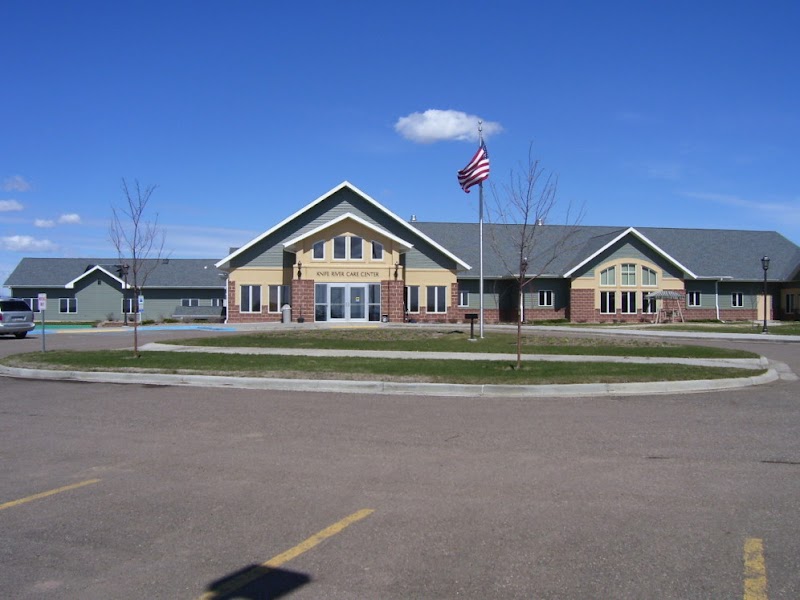
How is Knife River Staffed?

CMS rates KNIFE RIVER CARE CENTER's staffing level at 5 out of 5 stars, which is much above average compared to other nursing homes. Staff turnover is 52%, compared to the North Dakota average of 46%.

What Have Inspectors Found at Knife River?

State health inspectors documented 30 deficiencies at KNIFE RIVER CARE CENTER during 2022 to 2025. These included: 2 Immediate Jeopardy (the most serious level, indicating potential for serious harm or death), 1 that caused actual resident harm, and 27 with potential for harm. Immediate Jeopardy findings are rare and represent the most serious regulatory concerns. They require immediate corrective action.
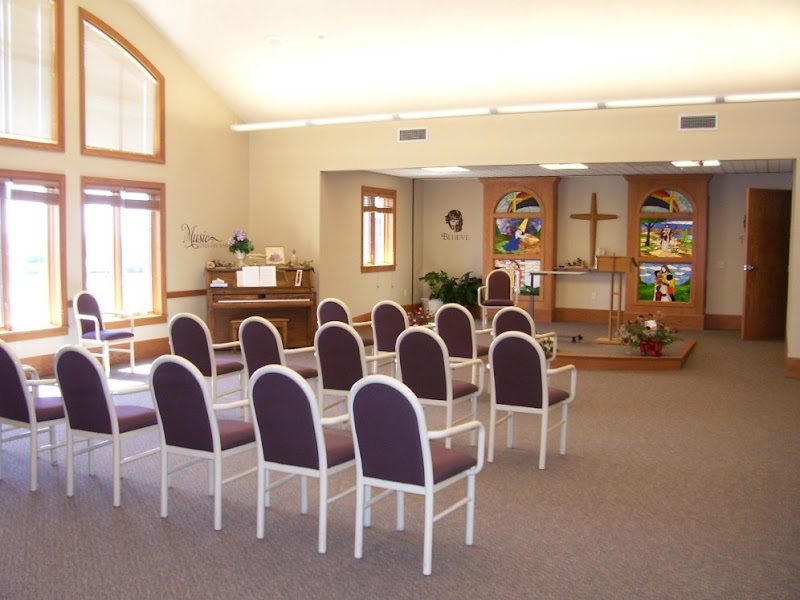
Who Owns and Operates Knife River?

KNIFE RIVER CARE CENTER is owned by a non-profit organization. Non-profit facilities reinvest revenue into operations rather than distributing to shareholders. The facility operates independently rather than as part of a larger chain. With 86 certified beds and approximately 78 residents (about 91% occupancy), it is a smaller facility located in BEULAH, North Dakota.

How Does Knife River Compare to Other North Dakota Nursing Homes?

Compared to the 100 nursing homes in North Dakota, KNIFE RIVER CARE CENTER's overall rating (3 stars) is below the state average of 3.1, staff turnover (52%) is near the state average of 46%, and health inspection rating (2 stars) is below the national benchmark.

What Should Families Ask When Visiting Knife River?

Based on this facility's data, families visiting should ask: "What changes have been made since the serious inspection findings, and how are you preventing similar issues?" "What safeguards and monitoring systems are in place to protect residents from abuse or neglect?" "Can I visit during a mealtime to observe dining assistance and food quality?" "How do you handle medical emergencies, and what is your hospital transfer rate?" These questions are particularly relevant given the facility's Immediate Jeopardy citations and the substantiated abuse finding on record.

Is Knife River Safe?

Based on CMS inspection data, KNIFE RIVER CARE CENTER has documented safety concerns. The facility has 1 substantiated abuse finding (meaning confirmed case of resident harm by staff or other residents). Inspectors have issued 2 Immediate Jeopardy citations (the most serious violation level indicating risk of serious injury or death). The facility has a 3-star overall rating and ranks #100 of 100 nursing homes in North Dakota. Families considering this facility should ask detailed questions about what corrective actions have been taken since these incidents.

Do Nurses at Knife River Stick Around?

KNIFE RIVER CARE CENTER has a staff turnover rate of 52%, which is 6 percentage points above the North Dakota average of 46%. Moderate turnover is common in nursing homes, but families should still ask about staff tenure and how the facility maintains care continuity when employees leave.

Was Knife River Ever Fined?

KNIFE RIVER CARE CENTER has been fined $53,531 across 2 penalty actions. This is above the North Dakota average of $33,614. Fines in this range indicate compliance issues significant enough for CMS to impose meaningful financial consequences. Common causes include delayed correction of deficiencies, repeat violations, or care failures affecting resident safety. Families should ask facility leadership what changes have been made since these penalties.

Is Knife River on Any Federal Watch List?

KNIFE RIVER CARE CENTER is not on any federal watch list. The most significant is the Special Focus Facility (SFF) program, which identifies the bottom 1% of nursing homes nationally based on persistent, serious quality problems. Not being on this list means the facility has avoided the pattern of deficiencies that triggers enhanced federal oversight. This is a positive indicator, though families should still review the facility's inspection history directly.