BAPTIST HEALTH & REHAB
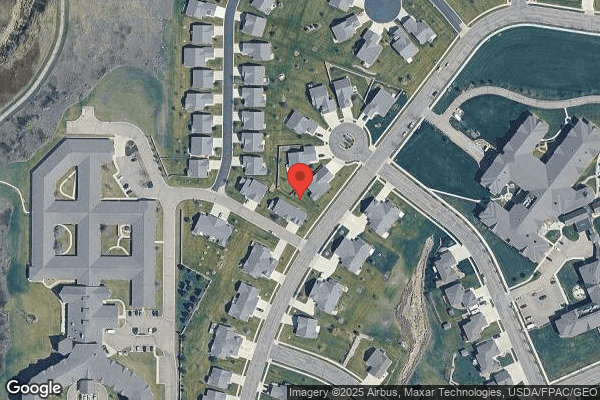

3400 NEBRASKA DRIVE, BISMARCK, ND 58503 (701) 223-3040
Non profit - Church related 140 Beds CASSIA Data: November 2025 1 Immediate Jeopardy citation
Trust Grade
26/100
#44 of 72 in ND
Last Inspection: April 2025

Within standard 12-15 month inspection cycle. Federal law requires annual inspections.

Overview

Baptist Health & Rehab has received a Trust Grade of F, indicating significant concerns about the quality of care provided. Ranking #44 out of 72 facilities in North Dakota places them in the bottom half, and #4 out of 6 in Burleigh County shows that only two other local options are available, one of which is better. The facility is improving, with issues decreasing from 8 to 6 over the past year, but they still face serious challenges, including a critical incident where a resident's ventilator care was mishandled, leading to a life-threatening situation. Staffing is a strength, earning 5 out of 5 stars, with an average turnover rate of 50%, meaning staff are generally stable. However, the facility has also faced fines totaling $17,978, which is concerning, and they provide less RN coverage than 80% of other state facilities, indicating potential gaps in care.

Trust Score
F
26/100
In North Dakota
#44/72
Bottom 39%
Safety Record
High Risk
Review needed
Inspections
Getting Better
8 → 6 violations
Staff Stability
⚠ Watch
50% turnover. Above average. Higher turnover means staff may not know residents' routines.
Penalties
✓ Good
$17,978 in fines. Lower than most North Dakota facilities. Relatively clean record.
Skilled Nurses
✓ Good
Each resident gets 47 minutes of Registered Nurse (RN) attention daily — more than average for North Dakota. RNs are trained to catch health problems early.
Violations
⚠ Watch
16 deficiencies on record. Higher than average. Multiple issues found across inspections.
★★☆☆☆
2.0
Overall Rating
★★★★★
5.0
Staff Levels
★★★☆☆
3.0
Care Quality
★☆☆☆☆
1.0
Inspection Score
Stable
2024: 8 issues
2025: 6 issues

The Good

  • 5-Star Staffing Rating · Excellent nurse staffing levels
  • Full Sprinkler Coverage · Fire safety systems throughout facility
  • No fines on record

Facility shows strength in staffing levels, fire safety.

The Bad

2-Star Overall Rating

Below North Dakota average (3.1)

Below average - review inspection findings carefully

Staff Turnover: 50%

Near North Dakota avg (46%)

Higher turnover may affect care consistency

Federal Fines: $17,978

Below median ($33,413)

Minor penalties assessed

Chain: CASSIA

Part of a multi-facility chain

Ask about local staffing decisions and management

The Ugly 16 deficiencies on record

1 life-threatening 3 actual harm
Jul 2025 1 deficiency 1 IJ
CRITICAL (J) 📢 Someone Reported This

A family member, employee, or ombudsman was alarmed enough to file a formal complaint

Immediate Jeopardy (IJ) - the most serious Medicare violation

Respiratory Care (Tag F0695)

Someone could have died · This affected 1 resident

Based on review of a facility reported incident (FRI) investigation, record review, policy review, and staff interview, the facility failed to provide appropriate respiratory care for 1 of 1 closed re...

Read full inspector narrative →
Based on review of a facility reported incident (FRI) investigation, record review, policy review, and staff interview, the facility failed to provide appropriate respiratory care for 1 of 1 closed resident record (Resident #1) who required respiratory support from a ventilator. Failure to provide care consistent with professional standards of practice and the physician's orders may have resulted in or contributed to Resident #1's death and placed all other ventilator-dependent residents at risk of injury or death. This citation is considered past non-compliance based on review of the corrective action the facility implemented immediately following discovery of the incident.The State Survey Agency (SSA) conducted an on-site investigation and determined an Immediate Jeopardy (IJ) situation existed on 07/15/25 when a nurse (#3) delegated a non-qualified staff member (#2) to turn off Resident #1's ventilator, and the nurse (#3) failed to disconnect the resident from the ventilator and deflate the tracheostomy cuff. The survey team notified the administrator and the director of nursing (DON) of the IJ, provided the IJ template, and requested a plan for removal of the IJ on 07/21/25 at 12:52 p.m. The SSA received the removal plan on 07/21/25 at 1:16 p.m. and accepted the removal plan and verified implementation at 2:40 p.m. The survey team confirmed by interview and record review the facility removed the IJ on 07/15/25 and corrected the deficient practice prior to the start of the survey on 07/16/25, therefore considered past non-compliance. The deficient practice remained at a G scope and severity following the removal of the IJ. Findings include: Review of the facility policy titled Tracheostomy [surgically created opening in the neck into the windpipe] Care and suctioning of resident with tracheostomy occurred on 07/16/25. This policy, dated 03/10/25, stated, . [Tracheostomy] Tubes can come with or without a cuff. These cuffs can be filled with air or foam.Review of the facility policy titled Trilogy Non-Invasive Ventilator (NIV) occurred on 07/16/25. This policy, dated 03/10/25, stated, . Responsibility: Licensed nurse . Cuffed tracheostomies should always have the cuff inflated during NIV use unless otherwise ordered by the physician. Monitor alarms as needed . Review of Resident #1's medical record occurred on 07/16/25. Diagnoses included chronic respiratory failure with hypoxia (low level of oxygen in body tissues). The care plan stated, Alteration in comfort related to Chronic respiratory failure with hypoxia, trach [tracheostomy], . pneumonia, and URI [upper respiratory infection] . apnea [cessation of breathing] . Approach: . Trach cares per facility protocol and physician orders. Trilogy machine per physician orders . A physician's order, dated 10/09/17, included a ventilator used daily at bedtime from 8:00 p.m. to 7:00 a.m. An order, dated 01/15/18, stated, Inflate cuff with 8 ml [milliliter] of STERILE WATER while on the Trilogy. Deflate cuff when not on the trilogy, twice a day. A nurse's note, dated 07/15/25 at 8:21 a.m., stated, Nurse went to resident's room and found resident to be unresponsive and without a pulse. 2 nurses confirmed death. On 07/15/25, the facility initiated a root cause analysis (RCA) of the event as part of their investigation. The RCA, completed 07/16/25, stated, Resident's [#1] trilogy was alarming so [name of medication aide (MA) (#2)] entered the resident's room to check on resident. Resident did not appear in distress. He asked the nurse what to do about the alarming trilogy machine. [Name of nurse (#3)], LPN [licensed practical nurse] told [name of MA (#2)] to turn the machine off and that he would be in to take care of it in a minute. [Name of MA (#2)] turned the machine off. Approximately an hour later, when [name of nurse (#4)], LPN entered the room to do [name of Resident #1]'s breathing treatments, [name of Resident #1] had passed away. During an interview on 07/16/25 at 3:14 p.m., a MA (#2) stated on 07/15/25 at about 7:05-7:10 a.m., he heard an alarm beeping from Resident #1's breathing machine (ventilator). The MA (#2) went to the desk and observed the night nurse (#3) giving report to the day nurse (#5) and asked them if he should turn the machine off and one nurse (#3) said yes. I asked how do you do that, push the button? The nurse [#3] said 'yes.' I returned to the room, selected the power button, and pushed it off. The MA (#2) stated after he turned the ventilator off, I made sure she was breathing, and she looked like she was. Then I asked the nurse, 'Being she still has that breathing apparatus on, she can still breathe, right?' The MA (#2) stated the nurse (#3) said yes. During an interview on 07/16/25 at 6:02 p.m., a nurse (#5) stated she received report from the night nurse (#3) on 07/15/25 starting at 7:00 a.m. During the report, the nurse (#5) stated two certified nurse aides (CNAs) reported they thought Resident #1's respirations were increased. The nurse (#5) stated about 5-10 minutes later, the MA (#2) came and asked, Can I turn that machine off, it's beeping - [Resident #1]'s vent. [Nurse #3] said 'yes.' [MA #2] asked, 'Where is the button to turn it off' and [nurse (#3)] said, 'If you look at the front of the machine, it is the power button.' The nurse (#5) stated the night nurse usually removed the ventilators from residents by the time her shift started, So, this was unusual to still be on. She stated the MA (#2) returned to the desk and asked, Are you sure she can breathe with that machine turned off. [Nurse #3] said 'yes.' During an interview on 07/16/25 at 2:21 p.m., a nurse (#4) stated she found Resident #1 unresponsive with no breathing or circulation on 07/15/25 at about 8:15 a.m. The nurse observed Resident #1's trach tube connected to the ventilator, which was turned off. When asked who is responsible to turn on/off the ventilator, the nurse (#4) stated, A nurse should be doing everything with the vents.During an interview on 07/16/25 at 1:50 p.m., a nurse (#1) explained a nurse deflated the trach cuff when removing a resident from the ventilator and inflated the cuff when connecting to the ventilator. She stated, Only nurses are allowed to connect or disconnect the vent from the trach or inflate/deflate the cuff. Only nurses check on the vent alarm to see if there is a concern.The facility failed to ensure only nurses or other qualified staff turned off a resident's ventilator.The facility completed the following steps to remove the immediacy and correct the deficient practice:* Completed an investigation of the incident by interviewing staff working the shift prior to and following the incident.* Placed the MA (#2) and the nurse (#3) on administrative leave during the investigation and then terminated the nurse (#3).* Education provided to all facility staff who worked on 07/15/25. Provided the policy on Change in Condition and Delegation, along with education on tracheostomies and ventilators, and providing care within your scope of practice to all staff on 07/15/25 to read and sign before their next shift. Nursing management staff assigned to be on site and provide education to all nurses prior to their next shift. * Provided the policies on the Trilogy Non-Invasive Ventilator, tracheostomy site care, and suctioning on 07/15/25, and information on the importance of acting quickly to assess alarms and change in conditions to all nurses on 07/16/25 to review and sign prior to providing patient care.* Started a Root Cause Analysis (RCA) of the incident on 07/15/25 and completed it on 07/16/25.
Apr 2025 2 deficiencies
CONCERN (D)

Potential for Harm - no one hurt, but risky conditions existed

Tube Feeding (Tag F0693)

Could have caused harm · This affected 1 resident

Based on observation, record review, review of facility policy, and staff interview, the facility failed to provide appropriate treatment/services to prevent complications from a gastrostomy tube (G-t...

Read full inspector narrative →
Based on observation, record review, review of facility policy, and staff interview, the facility failed to provide appropriate treatment/services to prevent complications from a gastrostomy tube (G-tube) (a tube inserted through the abdomen that brings nutrition directly to the stomach) for 1 of 1 sampled resident (Resident #47) observed with a G-tube. Failure to flush the tube with water before and after medications may lead to dehydration and G-tube occlusion. Findings include: Review of the facility policy titled Medication via enteral tube occurred on 04/16/25. This policy, dated 06/26/23, stated, . Administering each medication separately and flushing between each medication is considered standard of practice . flush tube with 30 cc [cubic centimeters] of water . administer each prepared medication flushing with 5-10 cc warm water after each medication. attach syringe to feeding tube and flush it with 30 cc warm water . Review of Resident #47's medical record occurred on all days of survey and identified G-tube placement. Observation on 04/14/25 at 3:37 p.m. showed a nurse (#2) checked Resident #47's G-tube placement and administered medications mixed with water via the G-tube. The medications were slow to flow down the tubing and the nurse kneaded the tubing while administering. The nurse (#2) failed to flush Resident #47's G-tube before and after administering medications. During an interview on 04/16/25 at 1:50 p.m., an administrative nurse (#3) confirmed nursing staff failed to flush the G-tube per policy.
CONCERN (D)

Potential for Harm - no one hurt, but risky conditions existed

Infection Control (Tag F0880)

Could have caused harm · This affected 1 resident

**NOTE- TERMS IN BRACKETS HAVE BEEN EDITED TO PROTECT CONFIDENTIALITY** Based on observation, record review, and review of facility policy, the facility failed to follow standards of infection control...

Read full inspector narrative →
**NOTE- TERMS IN BRACKETS HAVE BEEN EDITED TO PROTECT CONFIDENTIALITY** Based on observation, record review, and review of facility policy, the facility failed to follow standards of infection control and prevention for 3 of 6 sampled residents (Residents #49, #73 and #436) on enhanced barrier precautions (EBP) and observed during cares. Failure to follow EBP during tracheostomy (an opening through the neck into the windpipe) and percutaneous gastrostomy (PEG) tube (feeding device inserted into the stomach through the abdomen) care for Resident #49, tracheostomy care (cleaning the airway tube and surrounding skin) for Resident #436, and wound care for Resident #73 has the potential to spread infection throughout the facility. Findings include: Review of the facility policy titled Transmission-based precautions and enhanced barrier precautions occurred on 04/16/25. This policy, revised 05/03/24, stated, . requiring gown and glove use for enhanced barrier precautions include . feeding tube, tracheostomy/ventilator . Wound care: Any skin opening requiring a dressing . - Review of Resident #49's medical record occurred on all days of survey. Medical devices included a tracheostomy and PEG tube. The current care plan stated, . requires enhanced barrier precautions . Observations on 04/15/25 at 8:12 a.m. showed an EBP sign on the inside of Resident #49's room. A nurse (#1) entered the room and without applying gloves and a gown, removed a soiled 4 x 4 gauze dressing from the PEG site and removed the nebulizer equipment from the tracheostomy site. The nurse (#1) failed to follow EBP and apply a gown and gloves during high contact cares. - Review of Resident #73's medical record occurred on all days of survey. A quarterly Minimum Data Set (MDS), dated [DATE], identified an unstageable pressure injury/ulcer. A progress note, dated 04/08/25, identified an order to clean and wrap the right foot wounds twice a day. An observation on 04/15/25 at 9:16 a.m. showed a nurse (#6) entered Resident #73's room, applied gloves, and provided wound care. The nurse (#6) failed to follow EBP and apply a gown during high contact wound care. - Review of Resident #436's medical record occurred on all days of survey. Medical devices included a tracheostomy and a PEG tube. The current care plan stated, . requires enhanced barrier precautions . Observation on the afternoon of 04/14/25 showed an EBP sign inside of Resident #436's room. A nurse (#2) suctioned the resident's tracheostomy wearing sterile gloves. The staff nurse (#2) failed to follow EBP and apply a gown during high contact cares.
Jan 2025 2 deficiencies 1 Harm
SERIOUS (G) 📢 Someone Reported This

A family member, employee, or ombudsman was alarmed enough to file a formal complaint

Actual Harm - a resident was hurt due to facility failures

Accident Prevention (Tag F0689)

A resident was harmed · This affected 1 resident

**NOTE- TERMS IN BRACKETS HAVE BEEN EDITED TO PROTECT CONFIDENTIALITY** Based on observation, record review, review of the facility reported incident, review of the facility policy, and staff intervie...

Read full inspector narrative →
**NOTE- TERMS IN BRACKETS HAVE BEEN EDITED TO PROTECT CONFIDENTIALITY** Based on observation, record review, review of the facility reported incident, review of the facility policy, and staff interview, the facility failed to ensure a resident received adequate supervision and assistive devices to prevent accidents for 1 of 1 sampled resident (Resident #1) investigated for a fall. Failure to ensure staff used a mechanical lift properly and verified proper installation of attachments to the Broda chair (specialized wheelchair) resulted in a fall from the mechanical lift. Finding include: Review of the facility policy titled Floor based, Full Body Sling Lift use occurred on 01/23/25. This policy, dated 10/27/21, stated, . Transfer resident from chair to bed . Push the UP button on the hand control for the lift until there is slight tension on the sling loops. PERFORM SAFETY CHECK i. Once there is tension on the loops, double check each loop to be sure each is securely in the hook. ii. Double-check the position and stability of all straps and other equipment. v. Lift the resident about 2 inches off the surface and verify that weight is evenly spread between the straps of the sling. vi. Verify the resident will not slide out of the sling or tip backward or forward. Review of the facility reported incident, stated, . At approximately 1815 [6:15 p.m.] on 1/4/25, a resident, [Resident #1], was involved in a witnessed fall during a transfer with a full body lift. The nurse on duty was promptly notified and called to the resident's room. The CNAs [certified nurse aides] involved in the incident [CNA names], explained that they were transferring the resident from a broda wheelchair to the bed using a full body lift per the residents [sic] care plan. During the transfer, the residents [sic] sling became caught on part of the wheelchair. In an attempt to free the sling, the CNA moved the resident's wheelchair, causing the lift to become unbalanced. As a result, the lift struck the CNA in the head, and a portion of the lift subsequently made contact with the residents [sic] face. This impact caused a skin tear above the resident's right eye and on the bridge of his nose. The lift then tipped over on its left side and fell onto the floor causing the resident to fall from a height of about 3 feet onto his bottom while still in the sling. The resident reported no pain, aside from discomfort related to the skin tear. A raised area potentially a hematoma was noted to residents [sic] back. Resident #1's nursing progress notes stated the following: * 01/04/25 at 8:10 p.m. After further assessment this nurse found a lump on the resident's right lower back, upon palpation resident said bump was painful. No redness or bruising was found at this time and bump was blanchable. Family was called and updated and consented to sending in. This nurse called on call to get order to send resident in for further assessment. Metro ambulance arrived about 2100 [9:00 p.m.] . * 01/05/25 at 3:15 p.m. This nurse spoke with resident's wife, [name]. Per [wife's name], the sutures above resident's right eye are dissolvable. An email from the facility's purchasing employee, dated 01/14/25, stated, [Staff member name] and I met and looked at chair [Resident #1's Broda chair]. I found the handles at the end of arm rest were placed upside down which could have been where the sling got caught, but I'm not sure. I adjusted them to the proper placement. An Occupational therapist note, dated 12/09/24 at 5:02 p.m., stated, Review of broda chair . Resident continues using the broda chair for comfort per family request. (The therapist failed to mention the handles at the end of the arm rests.) During an interview on the afternoon of 01/23/25 while observing Resident #1's Broda chair an administrative nurse (#1) explained that the handles on the resident's Broda chair were turned downwards and therefore the sling could have easily been caught on these handles. This staff member was unsure how long the handles had been on the Broda chair and if the resident utilized the handles.
CONCERN (D) 📢 Someone Reported This

A family member, employee, or ombudsman was alarmed enough to file a formal complaint

Potential for Harm - no one hurt, but risky conditions existed

Report Alleged Abuse (Tag F0609)

Could have caused harm · This affected 1 resident

Based on record review, review of the facility reported incident, review of facility policy, and staff interview, the facility failed to report an incident of abuse within 24 hours to the State Survey...

Read full inspector narrative →
Based on record review, review of the facility reported incident, review of facility policy, and staff interview, the facility failed to report an incident of abuse within 24 hours to the State Survey Agency (SSA) for 1 of 1 sampled resident (Resident #2) who experienced an injury. Failure to report an event of potential abuse in the required time frame does not comply with regulations established to protect residents. This citation is considered past noncompliance based on review of the corrective action the facility implemented. Findings include: The surveyor determined a deficient practice existed on 11/02/24. The facility implemented and completed corrective action on 11/08/24. Review of the facility policy titled Vulnerable Adult - ND [North Dakota] occurred on 01/23/25. This policy, dated 10/14/22, stated, . Report all alleged violations . no later than 24 hours if the events that cause the allegation do not involve abuse or do not result in serious bodily injury to the North Dakota Department of Health . The facility investigation report stated, . On Friday 11/01/24, at the afternoon social, resident [Resident #3] grabbed [Resident #2's] finger and bent it back. Health Department . notified 11/04/24. Resident #2's nursing progress note, dated 11/02/24 at 10:18 a.m., stated, Resident was in activities on Friday. During activities he had a fellow resident pull his right pointer finger. Now today the finger is swollen by the joint . He reports mild discomfort to the finger. During an interview on the afternoon of 01/23/25, an administrative nurse (#1) confirmed the facility failed to report this incident to the SSA within 24 hours. Based on the following information, noncompliance at F609 is considered past noncompliance. The facility implemented corrective actions as follows: * An email was sent to all facility staff on 11/05/24 defining abuse and to report any form of abust the the manager and the SSA within 24 hours. * On 11/08/24, education related to abuse was assigned to all facility staff to be completed within one week. *Additionally, the facility directors and team leads were required to print off the email sent on 11/05/24, along with the definition of abuse and reporting guidelines, and have staff sign and acknowledge when they completed the education.
Jan 2025 1 deficiency 1 Harm
SERIOUS (G) 📢 Someone Reported This

A family member, employee, or ombudsman was alarmed enough to file a formal complaint

Actual Harm - a resident was hurt due to facility failures

Accident Prevention (Tag F0689)

A resident was harmed · This affected 1 resident

**NOTE- TERMS IN BRACKETS HAVE BEEN EDITED TO PROTECT CONFIDENTIALITY** Based on record review, review of the facility reported incident, investigation documents, and review of the facility policy, th...

Read full inspector narrative →
**NOTE- TERMS IN BRACKETS HAVE BEEN EDITED TO PROTECT CONFIDENTIALITY** Based on record review, review of the facility reported incident, investigation documents, and review of the facility policy, the facility failed to ensure a resident received adequate supervision and assistive devices to prevent accidents for 1 of 1 sampled resident (Resident #1) investigated for falls. Failure to ensure staff use a gait belt during transfers resulted in a fracture and hospitalization. This citation is considered past non-compliance based on review of the corrective actions the facility implemented immediately following the incident. Findings include: The surveyor determined a deficient practice existed on 12/18/24. The facility implemented and completed corrective action on 12/20/24. Review of the facility policy titled Fall assessment and managing fall risk occurred on 01/02/25. This policy, dated 03/28/24, stated, . If a resident is on the floor after falling they should be lifted with a mechanical lift to ensure safety. Transfer/gait belt use is required during any transfer or ambulation where the resident needs stand by or higher level of assistance during transfers or ambulation. When a resident falls, the nurse is responsible to assess the resident . prior to moving the resident. Review of the facility reported incident report, dated 12/18/24, stated, . At 1735 [5:35 p.m.] CNA [certified nurse aide] came to nurses station and reported that the resident was on the floor. This nurse entered room and found resident sitting in her recliner. The CNA then reported that the resident fell but she was able to get her into her recliner. Resident stated, I hit my head. The CNA reported the resident fell onto the floor and she go [sic] her up and put her into her recliner. bump on her head . weakness to left leg and reports pain . when tries to push on nurses hand. This nurse updated resident's son . placed call to on call [provider's name] . order received: OK to send to . ER [emergency room] for evaluation post fall . The facility investigation report stated, . the CNA had assisted the resident from the dining area back to her room. the resident requested to sit in her recliner. The resident later described to the nurse that the CNA had set the recliner at an angle and told her to stand while the CNA went to grab a cushion. The resident, thinking the CNA was behind her, stood up and fell. The resident pointed towards the middle of the room when asked where the CNA was. According to the CNA, the resident had asked her to help lift her from the floor, which she did, before sitting the resident back into the recliner. The CNA also reported that a gait belt was not used at the time of the fall, nor was the full body lift utilized to help the resident into the recliner. Review of Resident #1's medical record occurred on 01/02/25. The quarterly Minimum Data Set (MDS), dated [DATE], identified a Brief Interview for Mental Status (BIMS) score of 15, indicating intact cognition. The resident's care plan stated, . History of falls . Transfer and ambulate within room with FWW [front wheeled walker], gait belt, assist of 1 [one staff]. Offer to ambulate back to her room from dining room with FWW, gait belt, assist of 1 with wheelchair to follow. at risk for fractures r/t [related to] DX [diagnosis] osteopenia [weak bones prone to fractures] . Review of Resident #1's progress notes identified the following: * 12/18/24 at 7:19 p.m., Witnessed Fall: At 1735 CNA came to nurses station and reported that the resident was on the floor. This nurse entered room and found resident sitting in her recliner. This nurse asked if she fell on her floor or was the fall prevented. Resident stated, 'I hit my head.' . The CNA reported the resident fell onto the floor and she go [sic] her up and put her into her recliner. New order received: OK to send to . ER for evaluation post fall, on blood thinners, bumped back of head and c/o [complaints of] of [sic] left thigh pain. Review of Resident #1's emergency room visit notes, dated 12/18/24, identified a left hip fracture and the resident evaluated by an orthopedic surgeon. Based on the following information, non-compliance at F689 is considered past non-compliance. The facility implemented corrective actions as follows: * Completed immediate education on gait belt use and transfer policy and procedure to staff working on the neighborhood where the resident resided. * The provider and resident representative notified of the incident and the resident transferred to the emergency room. * Placed CNA (#1) on administrative leave on 12/18/24 until further investigation and education provided. * Completed written education through the facility notification system to all direct care staff regarding gait belt use, transfer safety, and referencing resident care plans for ordered transfer status on 12/20/24. * Implemented required completion of skill competency for all direct care staff related to gait belt use and proper transfer technique in and out of wheelchairs. * Updated the orientation competency checklist to include gait belt use and proper transfer technique for new hire and travel direct care staff. * An in-depth root cause analysis completed on 12/19/24.
Mar 2024 7 deficiencies
CONCERN (D)

Potential for Harm - no one hurt, but risky conditions existed

Deficiency F0604 (Tag F0604)

Could have caused harm · This affected 1 resident

Based on observation, record review, review of facility policy, and staff interview, the facility failed to assess the use of a wheelchair seatbelt and vest straps as a possible restraint for 1 of 2 s...

Read full inspector narrative →
Based on observation, record review, review of facility policy, and staff interview, the facility failed to assess the use of a wheelchair seatbelt and vest straps as a possible restraint for 1 of 2 sampled residents (Resident #2) observed with a wheelchair seat belt and vest straps . Failure to assess the wheelchair seatbelt and vest straps as possible restraints, monitor their use, and evaluate the need for continued use placed Resident #2 at risk for an unnecessary restraint and injury related to their use. Findings include: Review of the facility policy titled Physical assistive device assessment occurred on 03/07/24. This policy, dated 02/27/23, stated, . When appropriate, physical assistive devices will be used for resident safety, assisting with positioning or mobility and/or to help achieve and maintain a resident's highest practicable level of functioning. All assistive devices will be assessed by the interdisciplinary team to assess the risk versus benefit of the device. *Prior to initiation of the device. *A quarterly review of the assessment with the MDS [Minimum Data Set] schedule. *With significant changes in health status. Licensed nurse will conduct the assessment of the assistive device(s), utilizing the designated observation in the EHR [electronic health record]. This assesses whether the physical device properly meets the resident needs and medical symptom that the device is employed to address. This assessment will minimally include . if the device will restrict the resident in any way, How the device will assist the resident, Evaluation of the resident ability to safely use the device, potential risks of the device. Review of Resident #2's medical record occurred on all days of survey. The current care plan failed to address the wheelchair seat belt and vest straps. Observations showed the following: * 03/04/24 at 4:28 p.m.: Resident up in wheelchair. Seat belt and vest straps in place. * 03/07/24 at 9:54 a.m.: Resident up in wheelchair. Seat belt and vest straps in place. The record lacked evidence of an assessment regarding the use of the wheelchair seatbelt and vest straps as possible restraints, monitoring, and evaluation of their continued indications for use. During an interview the morning of 03/07/24, an administrative nurse (#1) confirmed the record lacked an assessment or ongoing evaluation and monitoring of Resident #2's continued use of the wheelchair seat belt and vest straps.
CONCERN (D)

Potential for Harm - no one hurt, but risky conditions existed

Deficiency F0657 (Tag F0657)

Could have caused harm · This affected 1 resident

Based on observation, record review, review of facility policy, and staff interview, the facility failed to review and revise the comprehensive care plan to reflect the current status for 3 of 28 samp...

Read full inspector narrative →
Based on observation, record review, review of facility policy, and staff interview, the facility failed to review and revise the comprehensive care plan to reflect the current status for 3 of 28 sampled residents (Resident #2, #63, and #99). Failure to review and revise the care plan limited staff's ability to communicate needs and ensure continuity of care. Findings include: Review of the facility policy titled Care plan and baseline care plan occurred on 03/07/24. This policy, revised 10/14/22, stated, . The resident care plan is constantly changing. It is to be updated routinely in the electronic record to reflect resident's current condition. Care plans are updated with MDS [Minimum Data Set] /Care conference schedule and as needed to assure that they are an accurate reflection of the resident and their care needs. - Review of Resident #2's medical record occurred on all days of survey. The current care plan stated, Impaired physical mobility: potential for falls r/t [related to] impaired mobility . W/C [wheelchair] for locomotion. Observations on 03/04/24 at 4:28 p.m. and 03/07/24 at 9:54 a.m. showed Resident #2 in a wheelchair with seat belt and vest straps in place. Resident #2's current care plan lacked the interventions of the wheelchair seat belt and vest straps. - Review of Resident #63's medical record occurred on all days of survey. The current care plan stated,. Impaired physical mobility: potential for falls r/t impaired mobility . W/C for locomotion. An occupational therapy evaluation, completed 12/06/23, stated, . Clinical Impressions/Findings: Residents custom seating equipment arrived this date. Pelvic belt to be fabricated and installed by seating specialist. Observations on 03/05/24 at 10:14 a.m. and 03/06/24 at 10:45 a.m. showed Resident #63 in a wheelchair with seat belt, vest straps, and foot straps in place. Resident #63's current care plan lacked the interventions of the wheelchair seat belt, vest straps, and foot straps. During an interview the morning of 03/07/24, an administrative nurse (#1) confirmed the care plans for Resident #2 and Resident #63 failed to include the assistive devices to be used when the residents were in their wheelchairs. Review of the facility policy titled Dialysis occurred on 03/05/24. This policy, dated 11/06/23, stated, . Residents who require dialysis will receive this service consistent with professional standards of practice . The coordinated, person-centered care plan will include . Adverse responses/complications to dialysis and treatment of these complications included how to manage concerns with the vascular access device [fistula] . - Review of Resident #99's medical record occurred on all days of survey. Resident #99's current care plan stated, . Dialysis . Type of dialysis access: Left upper arm Arteriovenous fistula . Resident #99's care plan lacked the interventions to monitor the fistula for adverse responses/complications and how to manage concerns with the fistula.
CONCERN (D)

Potential for Harm - no one hurt, but risky conditions existed

Deficiency F0658 (Tag F0658)

Could have caused harm · This affected 1 resident

Based on observation, record review, review of facility policy, review of professional reference, and staff interview, the facility failed to follow professional standards of nursing practice for 1 of...

Read full inspector narrative →
Based on observation, record review, review of facility policy, review of professional reference, and staff interview, the facility failed to follow professional standards of nursing practice for 1 of 1 supplemental resident (Resident #135) observed during medication administration. Failure of staff to ensure residents swallowed medications, reported behaviors during medication administration, and re-administered unswallowed or refused medications may lead to adverse health conditions. Findings include: Review of the facility policy titled Medication administration occurred on 03/07/24. This policy, revised 07/18/19, stated, . Medications will be administered by licensed nurses or trained medication aides . under the supervision of a licensed nurse. Review of Kozier & Erb's Fundamentals of Nursing: Concepts, Process, and Practice, 11th ed., Pearson Education, Inc., Massachusetts, page 837, stated, . Administering Medications Safely . Some older people may be confused by the prescription of several medications and may passively accept their medications from nurses but not swallow them, spitting out tablets or capsules after the nurse leaves the room. For this reason, the nurse is advised to stay with clients until they have swallowed the medications. page 840, stated, . Medication Administration. Stay with the client until all medications have been swallowed. Rationale: The nurse must see the client swallow the medication before the drug administration can be recorded. The nurse may need to check the client 's mouth to ensure that the medication was swallowed and not hidden inside the cheek. If medication was refused or omitted, record this fact on the appropriate record; document the reason, when possible, and the nurse's actions according to agency policy. Review of Resident #135's medical record occurred on 03/05/24. Diagnoses included Alzheimer's disease. Observations identified the following: * 03/05/24 at 8:18 a.m. showed a medication aide (MA) (#4) administered medications from a cup to Resident #135. After the MA walked away, before ensuring the resident had swallowed the medication, Resident #135 removed a pill from her mouth and placed it on top of her water cup lid * 03/05/24 at 8:25 a.m. showed the MA (#4) observed the pill on top of Resident #135's water cup lid, picked the pill up and placed it in the garbage. The MA did not re-administer the medication. Review of the electronic medical administration record (EMAR), dated 03/05/24 from 7:00 a.m. to 10:00 a.m. identified the following medications signed off by the MA (#4). ASA chewable 81 milligrams (mg) Eliquis 2.5 mg (blood thinner) Fludrocortisone 0.1 mg (steroid) Memantine 5 mg (treat Alzheimer's) Risperdal 2 mg (antipsychotic) Tylenol 325 mg 2 tablets During an interview on 03/05/24 at 5:38 p.m., the staff nurse (#7) confirmed the MA (#4) failed to notify her of any medication concerns with Resident #135. During an interview on 03/05/24 at 5:39 p.m., the MA (#4) initially denied Resident #135 spitting out a medication with the morning medication pass. After the surveyor informed the MA of the observation, the MA (#4) stated she administered the medication later. On 03/05/24 at 5:41 p.m., an administrative nurse (#1) verified the incident had not been reported to the unit nurse, and the medical record showed no documentation of the incident. During an interview on 03/06/24 at 2:12 p.m., an administrative nurse (#1) confirmed staff had not re-administered any medication to Resident #135 during the previous morning's medication pass.
CONCERN (D)

Potential for Harm - no one hurt, but risky conditions existed

Deficiency F0679 (Tag F0679)

Could have caused harm · This affected 1 resident

**NOTE- TERMS IN BRACKETS HAVE BEEN EDITED TO PROTECT CONFIDENTIALITY** Based on observation, record review, review of facility policy, and family interview, the facility failed to provide an ongoing ...

Read full inspector narrative →
**NOTE- TERMS IN BRACKETS HAVE BEEN EDITED TO PROTECT CONFIDENTIALITY** Based on observation, record review, review of facility policy, and family interview, the facility failed to provide an ongoing program of meaningful activities designed to meet the interests and physical, mental, and psychosocial well-being for 1 of 5 sampled residents (Resident #60) dependent on staff for activities. Failure to provide meaningful activities for residents limited Resident #60's ability to reach her highest practicable level of physical, mental, and psychosocial well-being. Findings include: During an interview on 03/05/24 at 10:50 a.m., a family member (A) stated, [Resident #60] sits out by the nurses' station. They [residents] are always sitting in the lounge. They are lined up and not stimulated. Not one aide will be sitting there, engaging them. I can go up any time of the day, but there is no one interacting with them. Review of the facility policy titled One to One Therapeutic Activity Programs occurred on 03/07/24. This policy, revised 05/01/22, stated, . One to One Activity programs will be provided per assessed needs for sensory stimulation . alternative individual program choices . One to One Activity Programs may include but are not limited to . Music Therapy . Sensory visits with a theme . Pet Therapy Visits, Reading Out Loud, Spiritual programs . Physical Movement . Social or emotional support visits . Grooming such as manicures . Favorite snacks or taste activities . Outdoor walks or exposure . Review of Resident #60's medical record occurred on all days of survey. The admission Minimum Data Set (MDS), dated [DATE], identified animals, books, music, the outdoors, and religious services were very important to Resident #60. The current care plan stated, . [Resident #60] typically enjoys activities such as listening to music, attending Catholic services, going outdoors when the weather is good, social gatherings, small sensory activities, reading group, current events and special events as tolerated. Observations on all days of survey showed Resident #60 sitting/dozing in her wheelchair in the lounge with the television on in the background and not participating in any individual or group activities. Review of the activity log, dated January 1-March 5, 2024, showed facility staff failed to provide any activity programming and/or provided Resident #60 approximately 15 minutes of programming on 33 of the 65 days reviewed. Staff failed to provide the variety of activities Resident #60 enjoyed as listed in the care plan.
CONCERN (D)

Potential for Harm - no one hurt, but risky conditions existed

Deficiency F0692 (Tag F0692)

Could have caused harm · This affected 1 resident

Based on observation, record review, review of professional reference, review of facility policy, and family interview, the facility failed to offer fluids to 1 of 3 sampled residents (Resident #60) w...

Read full inspector narrative →
Based on observation, record review, review of professional reference, review of facility policy, and family interview, the facility failed to offer fluids to 1 of 3 sampled residents (Resident #60) who were observed during cares and required staff assistance for fluid intake. Failure to provide assistance with fluid intake may result in dehydration, constipation, and urinary tract infections (UTIs). Findings include: During an interview on 03/05/24 at 10:50 a.m., following cares, a family member (A) indicated staff often fail to offer liquids, stating, Here [on the bedside table] sits her [Resident #60's] water. She's had three UTIs in the last few months. Review of the facility policy titled Hydration occurred on 03/07/24. This policy, dated 04/13/23, stated, . Each resident will receive and the facility will provide fluids, including water and other liquids consistent with resident needs and preferences and sufficient to maintain proper hydration . CNA [certified nurse aide] staff will provide and encourage intake of fluids on a daily and routine basis as part of daily care. Review of Kozier & Erb's Fundamentals of Nursing: Concepts, Process, and Practice, 11th ed., Pearson Education, Inc., Massachusetts, page 677, stated, . Infection Prevention . Inform of the importance of maintaining sufficient fluid intake to promote urine production and output. This helps flush the bladder and urethra of microorganisms. Review of Resident #60's medical record occurred on all days of survey. Diagnoses included dementia, dysphagia, and history of constipation and urinary tract infections (12/19/23, 01/22/24 and 02/08/24). The physician's orders, dated March 2024, identified, . Diet . mildly thick liquids. close supervision. Feeding assist . The current care plan also identified, . Encourage intake of fluids . Nursing to assess for dehydration . decreased urine output, constipation . infection . Observations throughout the survey showed staff providing Resident #60's cares without offering liquids and/or Resident #60 sitting in her wheelchair in the lounge with no liquids available.
CONCERN (D)

Potential for Harm - no one hurt, but risky conditions existed

Deficiency F0698 (Tag F0698)

Could have caused harm · This affected 1 resident

Based on record review, policy and procedure review, professional reference review, and resident and staff interviews, the facility failed to provide the care and services consistent with professional...

Read full inspector narrative →
Based on record review, policy and procedure review, professional reference review, and resident and staff interviews, the facility failed to provide the care and services consistent with professional standards of practice for 2 of 3 sampled residents (#79 and #99) on hemodialysis with an arterial-venous fistula (vascular access for hemodialysis). Failure to assess the hemodialysis vascular access site (fistula) may result in complications and adverse effects, such as clotting and possible loss of the access site. Findings include: Review of the facility policy titled Dialysis occurred on 03/05/24. This policy, dated 11/06/23, stated, Responsibility: Licensed Nurse 1. Residents who require dialysis will receive this service consistent with professional standards of practice . 2. Facility will provide ongoing assessment of the resident's condition and will monitor for complications before and after each dialysis treatment received at a certified dialysis facility. 4. The coordinated, person-centered care plan will include: . f. Adverse responses/complications to dialysis and treatment of these complications included how to manage concerns with the vascular access device. Review of the Core Curriculum for the Dialysis Technician - A Compressive Review of Dialysis, Fifth Edition, page 121 and 127 states, . Vascular access makes chronic hemodialysis (HD) possible . An access is an HD patient's lifeline. Each access must be cared for as if it is the last one a patient can have. access failure means loss of the HD life-line. The access must be repaired or replaced - if the patient has a site left. Access problems can cause hospital stays, surgery illness, limb loss, and death. Examine the fistula [vascular access] . listen for Bruit - the sound and pitch of whooshing (a higher or louder pitch may mean stenosis [a narrowing of the blood vessel]). Feel for: skin temperature - more warmth (could be infection) or cold (could mean less blood flow). Thrill - should be present and constant, not a strong pulse. A fistula should have a strong flow of blood. Teach . patients to feel their thrill at least once a day . a change in the thrill (or the volume of the bruit) can mean blood flow through the access is slowing down. The fistula may be clotting, and quick action could help save it. - During an interview on 03/04/24 at 3:03 p.m., Resident #79 stated he has a fistula in his arm for hemodialysis. Review of Resident #79's medical record occurred on all days of survey. Resident #79's current care plan stated, Approach Start Date: 08/29/2023 . Resident is scheduled for hemodialysis 3 days a week. Check fistula site every shift. Monitor bruit in fistula every HS [bedtime] . Review of Resident #79's nurses' progress notes, from December 1st, 2023 to March 4th, 2024, identified nursing staff failed to monitor the resident's fistula for bruit and/or thrill on 30 of 31 days in December, 27 of 31 days in January, 27 of 29 days in February, and 0 of 4 days in March. - Review of Resident #99's medical record occurred on all days of survey. The current care plan stated, . Dialysis on Tue [Tuesday], Thur. [Thursday], and Saturday . Type of dialysis access: Left upper arm Arteriovenous fistula . Monitor for S/SX [signs/symptoms] of fluid excess such as . increased blood pressure, full bounding pulse . No blood pressure readings in Left arm d/t [due/to] shunt . If Dialysis access dislodges, is bleeding or develops a hematoma, apply pressure to the site and notify the provider. In the event of uncontrolled bleeding, call 911 . Monitor access site for S/SX of infection . Review of the nurses' progress notes, dated February 6-March 5, 2024, identified nursing staff failed to monitor Resident #99's fistula for bruit on 15 of the 29 days. During an interview on 03/07/24 at 12:00 p.m., an administrative nurse (#1) agreed facility staff failed to monitor Resident 99's fistula for complications, stating, Since there is no order, they [nursing staff] would not be prompted to write a progress note. The facility failed to obtain a physician's order/ensure staff assessed Resident #79 and #99's fistula sites consistent with professional standards for dialysis vascular access.
CONCERN (D)

Potential for Harm - no one hurt, but risky conditions existed

Infection Control (Tag F0880)

Could have caused harm · This affected 1 resident

Based on observation, record review, facility policy review, and staff interview, the facility failed to follow standards of infection control for 3 of 10 sampled residents (#60, #124, and #131) obser...

Read full inspector narrative →
Based on observation, record review, facility policy review, and staff interview, the facility failed to follow standards of infection control for 3 of 10 sampled residents (#60, #124, and #131) observed during cares. Failure to follow infection control standards during perineal cares and with transmission-based precautions (TBP) has the potential to transmit infections to residents, staff, and visitors. Findings include: TRANSMISSION BASED PRECAUTIONS Review of the facility policy titled COVID -19 protocol occurred on 03/05/24. This policy, dated 09/16/20, stated, . Employees providing care for COVID-19 positive residents will wear N-95 masks, gown, gloves and eye protection . Review of Resident #131's medical record occurred on all days of survey. The progress notes identified the following: * 03/01/2024 at 4:22 p.m., . [resident] is being admitted to the hospital. tested Covid + [positive] . * 03/03/2024 at 6:53 p.m., Resident returned from the hospital. Resident was diagnoses [sic] with COVID on 3/01/24. Resident is on Droplet and contact isolation . Observations showed the following: * 03/04/24 at 9:48 a.m., signage on Resident #131's door for contact and droplet/contact precautions. The signage directed staff to wear gown, gloves, face mask and eye protection before entering the resident's room. Observation also showed isolation supplies stored outside the resident's room. * 03/05/24 at 9:15 a.m., a certified nurse aide (CNA) (#5) entered Resident #131's room without eye protection. * 03/05/24 at 9:30 a.m., a CNA (#5) entered Resident #131's room and sat at the resident's bedside with no eye protection in place. Facility staff failed to use the appropriate personal protective equipment for encounters with Resident #131 who was on contact/droplet precautions. PERINEAL CARE Review of the facility policy titled Perineal care occurred on 03/07/24. This policy, dated 05/01/19, stated, . Wash the perineal area [groin] . Wash and rinse the rectal area thoroughly. Observation on 03/05/24 at 9:50 a.m. showed a CNA (#2) provided perineal care for Resident #124 by cleansing the rectal area prior to the perineal area. The CNA failed to provide perineal care in the correct order to prevent the risk of infection for Resident #124. During an interview on 03/07/24 at 1:28 p.m., two administrative staff members (#1 and #3) confirmed the CNA should clean the perineal area before the rectal area. HAND HYGIENE Review of the facility policy titled Hand Hygiene occurred on 03/07/24. This policy, dated 01/11/24, stated, . Hand washing/sanitizing is necessary . Before and after providing care to resident . After handling . urine . Observation on 03/06/24 at 4:06 p.m. showed two CNAs (#8 and #9) assisted Resident #60 with toileting. One CNA (#8) donned gloves, provided perineal care, adjusted Resident #60's clothing, transferred/lowered her into the wheelchair utilizing a stand lift, removed the sling, placed Resident #60's glasses on her face and feet on the foot pedals, straightened and then patted Resident #60's hair into place, made the bed, removed her gloves, and washed her hands. The CNA (#8) failed to remove her gloves and perform hand hygiene after toileting the resident and prior to performing other tasks.
Jan 2024 1 deficiency 1 Harm
SERIOUS (G) 📢 Someone Reported This

A family member, employee, or ombudsman was alarmed enough to file a formal complaint

Actual Harm - a resident was hurt due to facility failures

Accident Prevention (Tag F0689)

A resident was harmed · This affected 1 resident

Based on record review, review of the facility reported incident investigation, review of facility policy, and staff interview, the facility failed to ensure an environment free of hazards for 1 of 2 ...

Read full inspector narrative →
Based on record review, review of the facility reported incident investigation, review of facility policy, and staff interview, the facility failed to ensure an environment free of hazards for 1 of 2 sampled residents (Resident #1) injured while consuming a hot beverage. Failure to provide the appropriate adaptive drinking aids with a mug for hot beverages contributed to Resident #1's injuries This citation is considered past non-compliance based on review of the corrective action the facility implemented immediately following the incident. Findings include: The surveyors determined a deficient practice existed on 09/30/23. The facility implemented corrective action and completed all staff education on 10/06/23. Review of the facility policy titled Hot Liquid Screen occurred on 01/31/24. This policy, updated 01/26/24, stated, Policy: The purpose of the hot liquid screen is to assess the Resident's ability to safely drink hot liquids independently. Procedures: 1. Each resident will be assessed at their initial nutritional assessment, at their quarterly nutrition assessment and as needed. 2. Modifications and/or adaptive equipment will be provided per assessment if resident is not able to drink hot liquids independently. Review of Resident #1's medical record occurred on 01/31/24 and included the diagnoses of Parkinson's disease, muscle weakness, and reduced mobility. Review of Resident #1's care plan stated, . Nutrition/Hydration: . Resident needs close supervision for safety with eating and drinking foods and liquids. Approach Start Date: 08/30/2023 Diet per MD [physician] order. Close Supervision . liquids in plastic mugs w/ [with] lids and straws . Review of Resident #1's progress notes identified the following: *09/30/23 at 9:00 a.m. NUTRITION: Request by nursing was made Friday morning 09/29/23 after breakfast as resident had spilled coffee on her hand and leg during breakfast meal. It was agreed upon that we would place all liquids in plastic mugs with lids and straws to prevent further mishaps and spilling from resident. I will update her meal card to reflect this and will update her supervision to close supervision. Dietitian will monitor and follow up. *10/01/23 at 11:12 a.m. 09/30/23 resident spilled hot liquids on her at supper time. Lids and straws were not in place at this time. Resident was noted to have burns on inner thighs. Cold wash cloths was [sic] put in place. Nurse assessed an hour later. Two burns were noted on the R [right] inner thigh but the redness to the surrounding area was no longer visible. Bacitracin [antibiotic ointment] was applied along with cold ice pack. See wound management for details. Provider and family aware. CNAs [certified nurse aides] were educated that resident is needing more help with drinks as she is shaky at times and is more at risk for spilled [sic] even with lids and a straws. Review of Wound Management Detail Report identified the following: *09/30/23 at 6:57 p.m. Both burn areas described as Partial thickness: redness, blistered, moist, painful. The burn measurements identified as follows: one the length of four centimeters (cm) and width of five cm. the second burn the length of one cm and width of one cm. *10/01/23 at 1:44 p.m. Both burn areas described as Superficial: painful, no edema, redness, blanches with pressure. The burn measurements identified as follows: one the length of two centimeters (cm) and width of one cm. the second burn the length of one cm and width of one cm. *10/03/23 at 12:00 p.m., Indicated, only one blister remains to right inner thigh. The burn described as partial thickness: redness, blistered, moist, painful . Comments: Fluid filled blister remains to right inner thigh. Surrounding skin is intact with no further erythema or concerns. Burn measurement identified as a length of 0.6 cm and width of 1.2 cm. The facilities investigation report dated 10/05/23 included the following documentation: . On 09/29/23, Resident spilled coffee on her hand and leg during the breakfast meal. The team lead, [name of staff] and dietician, [name of staff] met to discuss the situation. [name of staff] completed a hot liquid screen on [Resident #1] and decided that we would place all liquids for resident in plastic mugs with lids and straws in hopes to prevent further mishaps and that resident should be close supervision. Resident's meal cards were updated to reflect liquids in plastic coffee mugs with lids, straws and close supervision. Supervision and adaptive equipment lists were also updated. On Saturday, 09/30/23, resident was eating supper and accidentally spilled her hot chocolate on herself. A CNA that usually does not work that neighborhood, was helping on [name of neighborhood] that day. She was assisting residents and serving liquids to them before mealtime. The CNA served [Resident #1] a cup of hot chocolate. However, the root cause analysis revealed that the CNA was not aware that [Resident #1] was supposed to have lids/straws with all liquids. So, the hot chocolate did not have a cover/lid on it, nor was there a straw in it. [Resident #1] states that she went to set down her cup of hot chocolate and she set the glass to close to the edge of the table. The liquid spilled on her lap causing redness and irritation. During an interview on 01/31/24 at 1:45 p.m. an administrative staff member (#1) stated she expects facility staff to follow the dietary's list of adaptive equipment for the specific residents. Based on the following information, non-compliance at F689 is considered past non-compliance. The facility implemented corrective actions for the deficient practice by: *The facility completed an investigation with interviews of staff that determined the cause of the incident (lack of lid on mug). *Provided immediate staff education regarding resident safety with hot liquids and reminder to follow the resident's menu card list of adaptive equipment. The facility addressed measures put in place and implemented systemic changes to ensure the deficient practice does not recur by: *On 10/02/23 Implemented the use of a dining information binder located in each kitchenette for staff to follow the specific adaptive equipment needs for a resident. *On 10/06/23 provided all staff education via written information e-mailed to all unit managers/charge nurses who then provided verbal and written education to all staff on individual units to include staff initials to acknowledge education received. *Implemented weekly temperature taking of brewed coffee and hot water in all kitchenettes. *Implemented audits to verify resident specific adaptive equipment lists are consistent in the dining information binder and resident care plan, and complete observations to ensure the appropriate adaptive equipment in place for the resident. *Implemented random staff interviews to ensure staff members are aware of the location of the adaptive equipment binder and supplies, with immediate education provided to staff when needed.
Mar 2023 2 deficiencies
CONCERN (D) 📢 Someone Reported This

A family member, employee, or ombudsman was alarmed enough to file a formal complaint

Potential for Harm - no one hurt, but risky conditions existed

Assessment Accuracy (Tag F0641)

Could have caused harm · This affected 1 resident

**NOTE- TERMS IN BRACKETS HAVE BEEN EDITED TO PROTECT CONFIDENTIALITY** Based on record review, review of the Long-Term Care Facility Resident Assessment Instrument (RAI) 3.0 User's Manual (Version 1....

Read full inspector narrative →
**NOTE- TERMS IN BRACKETS HAVE BEEN EDITED TO PROTECT CONFIDENTIALITY** Based on record review, review of the Long-Term Care Facility Resident Assessment Instrument (RAI) 3.0 User's Manual (Version 1.17.1), and staff interview, the facility failed to ensure accurate coding of the Minimum Data Set (MDS) for 1 of 27 sampled residents (Resident #101). Failure to accurately complete the MDS results in an inaccurate reflection of the resident's current status and may affect the development of the comprehensive care plan and the care provided to the resident. Findings include: The Long-Term Care Facility RAI User's Manual, revised October 2019, page N-6 states, . N0410B, Antianxiety: Record the number of days an anxiolytic medication was received by the resident at any time during the 7-day look-back period . Review of Resident #101's medical record occurred on all days of survey. The quarterly MDS, dated [DATE], identified staff coded Section N410B anti-anxiety use on 7 of 7 days of the look-back period. The record failed to show an order for an anti-anxiety medication. During an interview on 03/22/23 at 2:55 p.m., a nurse (#1) confirmed Resident #101 has never received an anti-anxiety medication and confirmed the 02/12/23 quarterly MDS was marked in error.
CONCERN (D) 📢 Someone Reported This

A family member, employee, or ombudsman was alarmed enough to file a formal complaint

Potential for Harm - no one hurt, but risky conditions existed

PASARR Coordination (Tag F0644)

Could have caused harm · This affected 1 resident

**NOTE- TERMS IN BRACKETS HAVE BEEN EDITED TO PROTECT CONFIDENTIALITY** Based on record review, review of the North Dakota Provider Manual Preadmission Screening and Resident Review (PASARR) and Level...

Read full inspector narrative →
**NOTE- TERMS IN BRACKETS HAVE BEEN EDITED TO PROTECT CONFIDENTIALITY** Based on record review, review of the North Dakota Provider Manual Preadmission Screening and Resident Review (PASARR) and Level of Care Screening Procedures for Long Term Care Services, and staff interview, the facility failed to complete a status change assessment for 1 of 3 sampled residents (Resident #44) reviewed for PASARR. Failure to complete a change in status assessment with a newly diagnosed mental illness may result in the delivery of care and services that are inconsistent with the resident's needs. Findings include: The North Dakota PASARR Provider Manual, revised December 2020, page 13, states, . Change in Status Process . Whenever the following events occur, nursing facility staff must contact [the contracted agency] to update the Level I screen for determination of whether a first time or updated Level II evaluation must be performed. These situations suggest that a significant change in status has occurred: . If an individual with MI, ID, and/or RC [mental illness, intellectual disability, and conditions related to intellectual disability referred to in regulatory language as related conditions or RC] was not identified at the Level I screen process, and that condition later emerged or was discovered. Review of Resident #44's medical record occurred on all days of survey and identified an original PASARR completed on 08/11/20. Upon admission to the facility on [DATE], the resident was prescribed Seroquel (an antipsychotic medication) and received a new diagnosis of psychotic disorder with delusions due to known physiological condition. The record lacked evidence of an updated PASARR being completed which included the new diagnosis and medication. During an interview on 03/23/23 at 2:20 p.m., an administrative staff member (#2) confirmed the facility failed to complete a new PASARR for Resident #44.
Understanding Severity Codes (click to expand)
Life-Threatening (Immediate Jeopardy)
J - Isolated K - Pattern L - Widespread
Actual Harm
G - Isolated H - Pattern I - Widespread
Potential for Harm
D - Isolated E - Pattern F - Widespread
No Harm (Minor)
A - Isolated B - Pattern C - Widespread

Questions to Ask on Your Visit

  • "What changes have you made since the serious inspection findings?"
  • "Can I speak with families of current residents?"
  • "What's your RN coverage like on weekends and overnight?"

Our Honest Assessment

Strengths
  • • Licensed and certified facility. Meets minimum state requirements.
Concerns
  • • Multiple safety concerns identified: 1 life-threatening violation(s), 3 harm violation(s). Review inspection reports carefully.
  • • 16 deficiencies on record, including 1 critical (life-threatening) violation. These warrant careful review before choosing this facility.
  • • $17,978 in fines. Above average for North Dakota. Some compliance problems on record.
  • • Grade F (26/100). Below average facility with significant concerns.
Bottom line: Trust Score of 26/100 indicates significant concerns. Thoroughly evaluate alternatives.

About This Facility

What is Baptist Health & Rehab's CMS Rating?

CMS assigns BAPTIST HEALTH & REHAB an overall rating of 2 out of 5 stars, which is considered below average nationally. Within North Dakota, this rating places the facility higher than 0% of the state's 100 nursing homes. A rating at this level reflects concerns identified through health inspections, staffing assessments, or quality measures that families should carefully consider.
How is Baptist Health & Rehab Staffed?

CMS rates BAPTIST HEALTH & REHAB's staffing level at 5 out of 5 stars, which is much above average compared to other nursing homes. Staff turnover is 50%, compared to the North Dakota average of 46%.

What Have Inspectors Found at Baptist Health & Rehab?

State health inspectors documented 16 deficiencies at BAPTIST HEALTH & REHAB during 2023 to 2025. These included: 1 Immediate Jeopardy (the most serious level, indicating potential for serious harm or death), 3 that caused actual resident harm, and 12 with potential for harm. Immediate Jeopardy findings are rare and represent the most serious regulatory concerns. They require immediate corrective action.

Who Owns and Operates Baptist Health & Rehab?

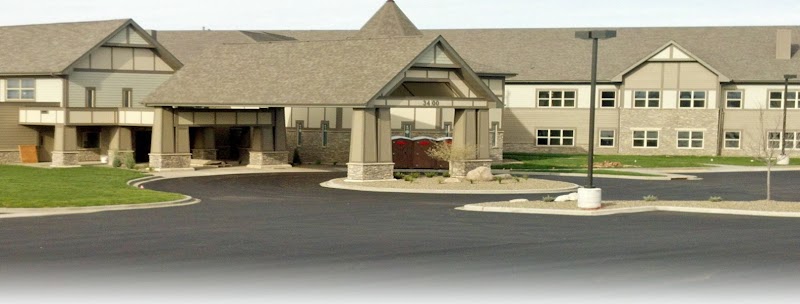
BAPTIST HEALTH & REHAB is owned by a non-profit organization. Non-profit facilities reinvest revenue into operations rather than distributing to shareholders. The facility is operated by CASSIA, a chain that manages multiple nursing homes. With 140 certified beds and approximately 133 residents (about 95% occupancy), it is a mid-sized facility located in BISMARCK, North Dakota.

How Does Baptist Health & Rehab Compare to Other North Dakota Nursing Homes?

Compared to the 100 nursing homes in North Dakota, BAPTIST HEALTH & REHAB's overall rating (2 stars) is below the state average of 3.1, staff turnover (50%) is near the state average of 46%, and health inspection rating (1 stars) is much below the national benchmark.

What Should Families Ask When Visiting Baptist Health & Rehab?

Based on this facility's data, families visiting should ask: "What changes have been made since the serious inspection findings, and how are you preventing similar issues?" "Can I visit during a mealtime to observe dining assistance and food quality?" "How do you handle medical emergencies, and what is your hospital transfer rate?" "Can I speak with family members of current residents about their experience?" These questions are particularly relevant given the facility's Immediate Jeopardy citations.

Is Baptist Health & Rehab Safe?

Based on CMS inspection data, BAPTIST HEALTH & REHAB has documented safety concerns. Inspectors have issued 1 Immediate Jeopardy citation (the most serious violation level indicating risk of serious injury or death). The facility has a 2-star overall rating and ranks #100 of 100 nursing homes in North Dakota. Families considering this facility should ask detailed questions about what corrective actions have been taken since these incidents.

Do Nurses at Baptist Health & Rehab Stick Around?

BAPTIST HEALTH & REHAB has a staff turnover rate of 50%, which is about average for North Dakota nursing homes (state average: 46%). Moderate turnover is common in nursing homes, but families should still ask about staff tenure and how the facility maintains care continuity when employees leave.

Was Baptist Health & Rehab Ever Fined?

BAPTIST HEALTH & REHAB has been fined $17,978 across 2 penalty actions. This is below the North Dakota average of $33,259. While any fine indicates a compliance issue, fines under $50,000 are relatively common and typically reflect isolated problems that were subsequently corrected. Families should ask what specific issues led to these fines and confirm they've been resolved.

Is Baptist Health & Rehab on Any Federal Watch List?

BAPTIST HEALTH & REHAB is not on any federal watch list. The most significant is the Special Focus Facility (SFF) program, which identifies the bottom 1% of nursing homes nationally based on persistent, serious quality problems. Not being on this list means the facility has avoided the pattern of deficiencies that triggers enhanced federal oversight. This is a positive indicator, though families should still review the facility's inspection history directly.