GOOD SAMARITAN SOCIETY AUGUSTA PLACE A PROSPERA CO
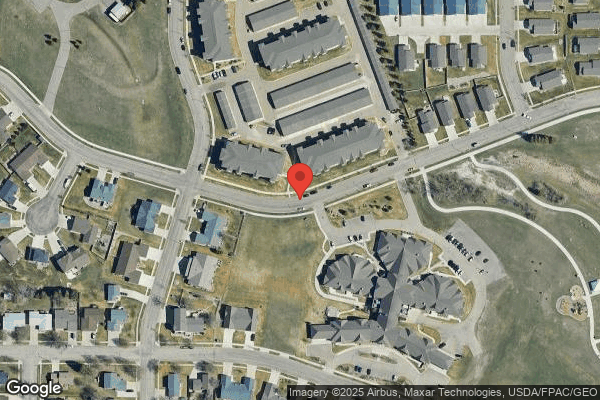
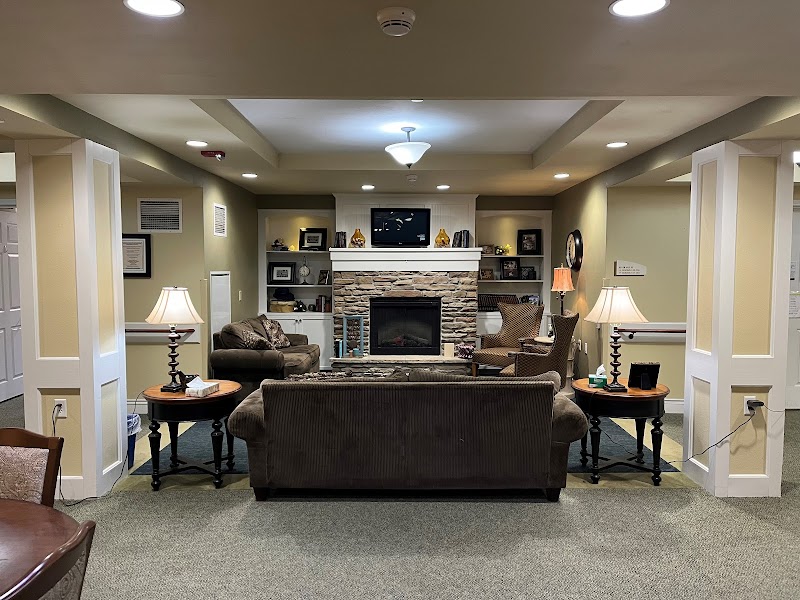
301 LORRAIN DRIVE, BISMARCK, ND 58503 (701) 255-1084
Non profit - Corporation 48 Beds GOOD SAMARITAN SOCIETY Data: November 2025
Trust Grade
53/100
#37 of 72 in ND
Last Inspection: January 2025

Within standard 12-15 month inspection cycle. Federal law requires annual inspections.

Overview

Good Samaritan Society Augusta Place A Prospera Co in Bismarck, North Dakota has a Trust Grade of C, indicating it is average-neither great nor terrible compared to other facilities. It ranks #37 out of 72 nursing homes in the state, placing it in the bottom half, and #3 out of 6 in Burleigh County, meaning only two local options are rated higher. The facility is improving, as the number of issues reported has decreased from 9 to 4 over the past year. Staffing is a strength here, with a 4/5 star rating and a turnover rate of 45%, which is below the state average. However, the facility has faced some serious incidents, including a medication error that contributed to a resident's hospitalization and a recent injury from a hot beverage spill. Additionally, there were concerns about inadequate sanitization in the kitchen, which raises infection risk. Overall, while there are strengths in staffing and a trend toward improvement, families should be aware of the serious incidents and ongoing compliance issues.

Trust Score
C
53/100
In North Dakota
#37/72
Bottom 49%
Safety Record
Moderate
Needs review
Inspections
Getting Better
9 → 4 violations
Staff Stability
⚠ Watch
45% turnover. Above average. Higher turnover means staff may not know residents' routines.
Penalties
⚠ Watch
$16,036 in fines. Higher than 95% of North Dakota facilities. Major compliance failures.
Skilled Nurses
✓ Good
Each resident gets 61 minutes of Registered Nurse (RN) attention daily — more than 97% of North Dakota nursing homes. RNs are the most trained staff who catch health problems before they become serious.
Violations
⚠ Watch
19 deficiencies on record. Higher than average. Multiple issues found across inspections.
★★★☆☆
3.0
Overall Rating
★★★★☆
4.0
Staff Levels
★★★★☆
4.0
Care Quality
★★★☆☆
3.0
Inspection Score
Stable
2024: 9 issues
2025: 4 issues

The Good

  • 4-Star Staffing Rating · Above-average nurse staffing levels
  • 4-Star Quality Measures · Strong clinical quality outcomes
  • Full Sprinkler Coverage · Fire safety systems throughout facility
  • No fines on record

Facility shows strength in staffing levels, quality measures, fire safety.

The Bad

3-Star Overall Rating

Near North Dakota average (3.1)

Meets federal standards, typical of most facilities

Staff Turnover: 45%

Near North Dakota avg (46%)

Higher turnover may affect care consistency

Federal Fines: $16,036

Below median ($33,413)

Minor penalties assessed

Chain: GOOD SAMARITAN SOCIETY

Part of a multi-facility chain

Ask about local staffing decisions and management

The Ugly 19 deficiencies on record

2 actual harm
Jan 2025 4 deficiencies
CONCERN (D) 📢 Someone Reported This

A family member, employee, or ombudsman was alarmed enough to file a formal complaint

Potential for Harm - no one hurt, but risky conditions existed

Deficiency F0657 (Tag F0657)

Could have caused harm · This affected 1 resident

Based on record review and staff interview, the facility failed to review and revise care plans to reflect the residents' current status for 2 of 13 sampled residents (Resident #33 and #39). Failure t...

Read full inspector narrative →
Based on record review and staff interview, the facility failed to review and revise care plans to reflect the residents' current status for 2 of 13 sampled residents (Resident #33 and #39). Failure to update care plans limited the staffs' ability to communicate needs and ensure continuity of care. Findings include: - Review of Resident #33's medical record occurred on all days of survey. A physician's order, dated 07/16/24, stated, Hiprex [antibiotic/antibacterial medication] Oral Tablet 1 GM [gram] . Give 1 tablet by mouth two times a day for prevent uti [urinary tract infection]. The current care plan stated, . Monitor/document for s/s [sign/symptoms of] UTI . The facility failed to update Resident #33 care plan to include a medication to prevent UTIs. - Review of Resident #39's medical record occurred on all days of survey. A physician's order, dated 09/23/24, stated, Hiprex Oral Tablet 1 GM . Give 1 tablet by mouth two times a day for Recurrent [sic] UTIs. The current care plan stated, . Monitor/document for s/s UTI . The facility failed to update Resident #39's care plan to include a medication for recurring UTIs. During an interview on 01/30/25 at 12:19 p.m., an administrative nurse (#1) confirmed staff failed to revise Resident #33 and Resident #39's care plans.
CONCERN (D) 📢 Someone Reported This

A family member, employee, or ombudsman was alarmed enough to file a formal complaint

Potential for Harm - no one hurt, but risky conditions existed

Deficiency F0658 (Tag F0658)

Could have caused harm · This affected 1 resident

Based on observation, review of facility policy, review of manufacturer's instructions, and staff interview, the facility failed to ensure staff followed standards of practice for 1 of 2 residents (Re...

Read full inspector narrative →
Based on observation, review of facility policy, review of manufacturer's instructions, and staff interview, the facility failed to ensure staff followed standards of practice for 1 of 2 residents (Resident #33) observed for insulin preparation and administration. Failure to properly prime an insulin pen and administer insulin correctly may result in residents receiving an inaccurate dose of insulin. Findings include: Review of the facility policy titled Insulin Administration, Insulin Pens, Insulin Pumps occurred on 01/30/25. This policy, revised 09/05/24, stated, . Insulin Pen. Turn the dosage knob to '2' units to prime the pen. 10.) Holding the pen with the needle pointing upwards, press the button until at least a drop of insulin appears. 11.) Dial in the ordered dose of units. Inject the dose into the chosen site. Be sure to wait 6 seconds to ensure that the full dose has been delivered. Review of manufacturer's Instructions For Use of Lantus occurred on 01/30/25 and stated, . Injecting your Lantus Dose: Place your thumb on the injection button. Then press all the way in and hold. Keep the injection button held in and when you see '0' in the dose window, slowly count to 10. This will make sure you get your full dose. After holding and slowly counting to 10, release the injection button. Observation on 01/29/25 at 11:30 a.m. showed a staff nurse (#9) prepared Resident #33's Lantus insulin pen for administration. The nurse (#9) primed the insulin pen holding the pen down towards the garbage can. The nurse (#9) administered the insulin and immediately removed the needle from the resident's skin. The nurse failed to hold the pen upward when priming, hold the injection button in and count to 10. During an interview on 01/30/25 at 12:24 p.m., an administrative nurse (#1) stated she expected staff to prime an insulin pen with the needle upright and to hold the needle into the skin per policy/instructions.
CONCERN (E) 📢 Someone Reported This

A family member, employee, or ombudsman was alarmed enough to file a formal complaint

Potential for Harm - no one hurt, but risky conditions existed

Food Safety (Tag F0812)

Could have caused harm · This affected multiple residents

Based on observation, review of manufacturer's instructions and staff interview, the facility failed to sanitize surfaces in 1 of 1 facility kitchen. Failure to ensure the concentration of quaternary ...

Read full inspector narrative →
Based on observation, review of manufacturer's instructions and staff interview, the facility failed to sanitize surfaces in 1 of 1 facility kitchen. Failure to ensure the concentration of quaternary (quat) sanitizing solution is within manufacturer's guidelines may result in an incorrect solution concentration. Inadequate sanitization of the kitchen surfaces places residents at risk for foodborne illness. Findings include: Review of the manufacturer's instructions for Ecolab's Oasis 146 Multi-Quat Sanitizer occurred on 01/29/25. This information identified a concentration of 150- 400 ppm (parts per million) for effective sanitizing. Observation during the initial kitchen tour on 01/27/25 at 10 a.m., showed a dietary staff member (#11) wiped a food-prep counter in the kitchen with a cloth from a bucket of solution. The dietary staff (#10) identified the solution in the bucket as the quat disinfecting solution she obtained from the main kitchen earlier that morning. Upon request, the dietary staff member (#10) tested the solution twice using expired Hydrion QT 40 test strips. The results measured 50-100 ppm, below the 150-400 ppm manufacturer's recommendation. Observation in the kitchen on 01/30/25 at 10:20 a.m., showed an administrative staff (#2) tested a bucket of pre-mixed quat solution prepared for disinfection of the kitchen counters. The quat solution tested below 100 ppm, and staff discarded it. Testing of a second bucket of pre-mixed quat solution showed 100 ppm and staff discarded it. During an interview on 01/30/25 at 10:30 a.m., an administrative staff (#2) stated staff are expected to test quat solution with up to date test strips and assure the solution is mixed to the correct concentration.
CONCERN (E) 📢 Someone Reported This

A family member, employee, or ombudsman was alarmed enough to file a formal complaint

Potential for Harm - no one hurt, but risky conditions existed

Infection Control (Tag F0880)

Could have caused harm · This affected multiple residents

Based on observation, review of facility policy, and staff interview, the facility failed to follow standards of infection control and prevention for 5 of 13 sampled residents (Resident #20, #30, #36,...

Read full inspector narrative →
Based on observation, review of facility policy, and staff interview, the facility failed to follow standards of infection control and prevention for 5 of 13 sampled residents (Resident #20, #30, #36, #38 and #200) and one supplemental resident (Resident #2) observed during cares and medication pass. Failure to practice infection control standards related to enhanced barrier precautions (EBP), droplet precautions, and hand hygiene, has the potential to spread infection throughout the facility. Findings include: Review of the facility policy titled Hand Hygiene occurred on 01/28/25. This policy, revised on 03/29/22, stated, . Policy: . All employees in patient cares areas . will adhere to . Hand Hygiene . 3 After bodily Fluid/Glove Removal . according to standard precautions . 2. Hand hygiene should be performed after glove removal . Procedure: HCW [Health Care Workers] will use waterless alcohol-based hand sanitizer or soap and water to clean their hands: . After removing gloves regardless of task completed . After contact with a patient's excretions . When moving from contaminated body site to clean body site during patient care . Review of the facility policy titled Standard and Transmission-Based Precautions occurred on 01/28/25. This policy, reviewed/revised on 04/02/2024, stated, . Standard precautions apply to . all body fluids . excretions . Standard precautions include handwashing, personal protective equipment, cleaning of resident care equipment . Enhanced Barrier Precautions . refer to the use of gown and gloves during high-contact resident care activities . Enhanced Barrier Precautions are needed for . Residents with Indwelling Medical Devices (. indwelling urinary catheters, feeding tubes .) . High-Contact Resident care Activities include: Transfers, dressing, assisting during bathing, providing hygiene, changing briefs . contact while assisting with transfers . Droplet Precautions will be used in addition to standard precautions for a resident/patient known or suspected to be infected with microorganism transmitted by droplet . clear signage on the door or wall outside of the resident room indicating the type of Precautions and required PPE [personal protective equipment] . - Review of Resident #30's medical record occurred on all days of survey. The current care plan stated, . The resident needs Enhanced Barrier Precautions related to indwelling catheter and feeding tube. Observation on 01/27/25 at 9:43 a.m. showed an enhanced barrier precaution sign outside of Resident #30's room. A certified nurse aid (CNA) (#6) entered Resident #30's room without applying a gown to complete morning cares. With gloved hands, the CNA (#6) completed personal and catheter cares. Without removing the gloves and performing hand hygiene, the CNA performed perineal cares after a bowel movement. Without removing the soiled gloves or performing hand hygiene, the CNA (#6) continued with the rest of the morning cares, including placing clothing on the resident. - Review of Resident #200's medical record occurred on all days of survey. The current care plan stated, . The resident has an ADL [activities of daily living] self care performance deficit . check resident . for incontinence/toileting needs . Observation on 01/27/25 at 1:32 p.m. showed a CNA (#6) performed perineal cares for Resident #200 after a bowel movement. After completing cares, the CNA (#6) failed to remove his/her gloves, applied a new brief, pulled up the resident's pants, and adjusted the resident's shirt. The CNA then removed the soiled gloves and without performing hand hygiene, placed a blanket over the resident, placed the call light within reach of the resident, and opened the window blind. During an interview on 01/30/25 at 12:19 p.m., an administrative nurse (#1) confirmed she expected staff to remove gloves and perform hand hygiene after perineal cares, and for staff to follow the policy when providing high-contact cares for residents in enhanced barrier precautions. - Review of Resident #36's medical record occurred on all days of survey. The current care plan stated, . requires enhanced barrier precautions . monitor lung sounds . Observation on 01/27/25 at 2:43 p.m. showed a staff nurse (#4) entered Resident #36's room and assessed lung sounds with a stethoscope. After the assessment, the nurse placed the stethoscope around her neck, left the room, and walked down the hall. The nurse (#4) failed to disinfect the stethoscope. During an interview on 01/30/24 at 12:20 p.m., an administrative nurse (#1) stated she expected staff to sanitize medical equipment used for a resident on EBP. - Review of Resident #20's medical record occurred on all days of survey. The care plan stated, The resident needs Enhanced Barrier Precautions related to indwelling catheter. Observation on 01/28/25 at 8:43 a.m. showed a CNA (#7) transferred Resident #20 from the wheelchair to the recliner. The CNA (#7) stated, the resident is in EBP for his foley catheter and staff only need a gown when working with the catheter. The CNA (#7) failed to wear a gown when transferring Resident #20. During an interview on 01/30/25 at 12:14 p.m., an administrative nurse (#1) stated she expected staff to wear a gown for all transfers in EBP rooms. - Observation on 01/29/25 at 11:45 a.m., showed a Medication Aide (MA) (#8) administered eye drops to Resident #2. The MA (#8) applied gloves, administered the eye drops, removed the gloves, and left the room without performing hand hygiene. The MA returned to the medication cart and failed to perform hand hygiene. During an interview on 01/30/25 at 12:24 p.m., an administrative nurse (#1) stated she expected staff to perform hand hygiene after administering eye drops. - Review of Resident #38's medical record occurred on all days of survey. Diagnosis included influenza. Observation on 01/27/25 at 4:09 p.m., showed a droplet precautions sign outside of Resident #38's room. A CNA (#5) entered Resident #38's room and performed toileting and transferring cares. After cares, the CNA (#38) exited the room and failed to remove his mask. During an interview on 01/30/24 at 12:20 p.m., an administrative nurse (#1) stated she expected staff to remove PPE after cares in a droplet precautions room.
Aug 2024 1 deficiency 1 Harm
SERIOUS (G) 📢 Someone Reported This

A family member, employee, or ombudsman was alarmed enough to file a formal complaint

Actual Harm - a resident was hurt due to facility failures

Deficiency F0760 (Tag F0760)

A resident was harmed · This affected 1 resident

**NOTE- TERMS IN BRACKETS HAVE BEEN EDITED TO PROTECT CONFIDENTIALITY** Based on record review, review of the facility reported incident investigation, review of facility policy, and staff interview, ...

Read full inspector narrative →
**NOTE- TERMS IN BRACKETS HAVE BEEN EDITED TO PROTECT CONFIDENTIALITY** Based on record review, review of the facility reported incident investigation, review of facility policy, and staff interview, the facility failed to ensure residents remained free from significant medication errors for 1 of 4 sampled residents (Resident #1) receiving insulin. Failure to administer insulin according to a physician's order may have contributed to Resident #1's hyperglycemia (elevated blood sugar level) and hospitalization. This citation is considered past noncompliance based on review of the corrective action the facility implemented immediately following the incident. Findings include: The surveyor determined a deficient practice existed on 07/30/24. The facility implemented corrective action on 07/30/24 and completed staff education and began audits on 07/31/24. Review of the facility policy titled Medication: Administration Including Scheduling and Medication Aides occurred on 08/01/24. This policy, dated 05/21/24, stated, . Medications are administered to the resident according to the 'Six Rights.' . PROCEDURE . 4. Follow the 'Six Rights': Right medication, right dose . 5. Perform three checks: Read the label on the medication container and compare with the MAR [Medication Administration Record] when removing the container from the supply drawer, when placing the medication in an administration cup/syringe and just before administering the medication. The initial facility reported incident form, dated 07/30/24, stated, . Resident [#1] was sent to ER [emergency room] to monitor high blood sugar. The resident received multiple doses of Lantus [long-acting insulin] but should have received HumaLOG [fast-acting insulin]. Resident #1's 07/30/24 orders included: * Lantus SoloStar Pen insulin 22 units subcutaneously (sq) at bedtime daily * HumaLOG (Lispro) KwikPen insulin sq per sliding scale before meals, with 8 units if blood sugar 351-400 milligrams/deciliter (mg/dl) Resident #1's vital sign record showed the following blood sugar levels on 07/30/24: * 7:00 a.m., 379 mg/dl * 11:00 a.m., 456 mg/dl * 4:00 p.m., 566 mg/dl A progress note, dated 08/01/24 at 10:05 a.m., stated, Upon investigation of incident dated 7/30/24 . LPN [licensed practical nurse] stated she gave [NAME] [sic] throughout the day [07/30/24]. At 7:30 [a.m.] resident received 8 units of [NAME] [sic] instead of Humalog. LPN received an additional telephone order at 11:00 [a.m.] from the provider for an additional 2 units of (short acting) Humalog. LPN administered total of 10 units of [NAME] instead of Humalog. LPN followed up again with provider at 1600 [4:00 p.m.] and received another order for 10 units of (short acting) Humalog. 10 units of [NAME] [sic] was administered instead of Humalog at 1600. During an interview on 08/01/24 at 12:20 p.m., an administrative nurse (#1) stated the nurse (#3) coming on duty on 07/30/24 at 6 p.m. asked the nurse (#2) what insulin she gave Resident #1, and the nurse (#2) showed her the Lantus pen which she confirmed she used instead of the Humalog insulin pen each time that day (July 30th). Based on the following information, noncompliance at F760 is considered past noncompliance. The facility implemented the corrective actions to ensure the deficient practice does not recur by: * The facility conducted an investigation on 07/30/24 with interviews of staff that determined the cause of the incident. Nursing staff failed to follow all the Rights of medication administration. Resident #1 received the wrong type of insulin. * Provided 1 on 1 education immediately after the incident on 07/30/24 with the involved staff regarding the proper medication administration process. * Suspended the nurse until the investigation was completed. * Provided education to nursing staff prior to the start of their shifts beginning on the evening of 07/30/24. Will continue with education on the Six Rights of medication administration by the Director of Nursing or designee from August 1-16, 2024. * On 07/31/24 began audits of insulin administration during med pass to ensure residents receive the correct insulin and nurses follow the Rights of medication administration.
May 2024 1 deficiency 1 Harm
SERIOUS (G) 📢 Someone Reported This

A family member, employee, or ombudsman was alarmed enough to file a formal complaint

Actual Harm - a resident was hurt due to facility failures

Accident Prevention (Tag F0689)

A resident was harmed · This affected 1 resident

Based on observation, record review, review of the facility reported incident investigation, and resident and staff interview, the facility failed to ensure an environment free of hazards for 1 of 1 s...

Read full inspector narrative →
Based on observation, record review, review of the facility reported incident investigation, and resident and staff interview, the facility failed to ensure an environment free of hazards for 1 of 1 sampled resident (Resident #1) injured while consuming a hot beverage. Failure to place the hot beverage lid securely to the cup resulted in an injury to Resident #1. This citation is considered past non-compliance based on review of the corrective action the facility implemented immediately following the incident. Findings include: Interviews with Resident #1 occurred on the morning of 05/09/24. The resident stated she likes the lid of her hot beverages loosened to allow them to cool and staff assist her with the hot beverages. She stated, on the day of the burn, staff placed the hot beverage in front of her with the lid loosened and she forgot to wait for assistance and the hot liquid spilled onto her chest. Random observations on 05/09/24 showed secured likds on hot beverages. Review of Resident #1's medical record occurred on 05/09/24. The nurse's progress notes identified the following: * 05/08/24 at 7:30 a.m., Late Entry: Note Text: RN [registered nurse] was informed in report by night shift nurse of area of blistering on resident's chest. At approximately 0730 [7:30 a.m.], RN assessment resident's chest. RN noted blister and small area of redness surrounding blister and above the blister. Resident denied pain at the site. RN confirmed that resident was on provider's list to be seen on rounds 5/8/24. * 05/08/24 at 9:35 a.m., Late Entry: Note Text: Provider saw resident on rounds and assessed blister and area of redness on chest at approximately 0930 [9:30 a.m.]. Resident reported that provider assessed area and had discussed that new orders would be written for area discussed above. * 05/08/24 at 4:15 p.m., Late Entry: Note Text: Received faxed order from [physicians name] at 1312 [1:12 p.m.] for the following: Silvadene [an antibiotic cream used to treat moderate burns] to Burn Chest Wall BID [twice a day] PRN [as needed] for Burn Chest Wall. * 05/08/24 at 10:19 p.m., incident, On 5/7/24 at 1900 [7:00 p.m.] staff reported to author that resident has a hot tea spill on her chest. Staff took resident to her room and removed her shirt and assessed area which was red and measured 2 inches x [by] 3 inches at this time. Cool washcloth applied to chest area for 20 minutes. Area was still red at this time and left open to air. Resident put on rounds list for Md [physician] to see Wed. [Wednesday] morning 5/8/24. Nurse assessed the area again at end of shift. At this time redness was gone and a blister had formed measuring 3 inches x .5 inch. The care plan, in place on 05/07/24 (at the time of the burn), stated, Focus: HOT BEVERAGES/SOUP; [Resident #1] has impaired ability to manage hot beverages and soups R/T [related to] arthritis in hands and shoulder. Interventions: *HOT BEVeRAGE AND SOUP SAFETY: Provide a cup with lid. *Supervise at all times while drinking hot beverages and eating soup. Focus: Nutrition . Interventions . Staff assist resident to eat meals. Provided 1:1 supervision. Straws are ok. Based on the following information, non-compliance at F689 is considered past non-compliance. The facility implemented corrective actions for the deficient practice by: * Completing an investigation that determined the primary cause of the accident (not securing the lid to the hot beverage cup). * Provided education immediately to all staff through a text communication on 05/08/24 stating facility staff are to ensure all hot liquid covers are securely fastened before giving them to residents to prevent injury and burns. * Interview on 05/09/24 at 11:30 a.m. with two administrative staff members (#1 and #2) and a corporate staff member (#3) identified the facility will reiterate hot beverage safety at the next CNA meeting this month. The surveyor determined a deficient practice existed on 05/07/24. The facility implemented corrective action and completed training to all staff on 05/08/24.
Jan 2024 7 deficiencies
CONCERN (D)

Potential for Harm - no one hurt, but risky conditions existed

Assessment Accuracy (Tag F0641)

Could have caused harm · This affected 1 resident

**NOTE- TERMS IN BRACKETS HAVE BEEN EDITED TO PROTECT CONFIDENTIALITY** THIS IS A REPEAT DEFICIENCY FROM THE SURVEY COMPLETED ON 01/19/23 Based on record review, review of the Long-Term Care Facility ...

Read full inspector narrative →
**NOTE- TERMS IN BRACKETS HAVE BEEN EDITED TO PROTECT CONFIDENTIALITY** THIS IS A REPEAT DEFICIENCY FROM THE SURVEY COMPLETED ON 01/19/23 Based on record review, review of the Long-Term Care Facility Resident Assessment Instrument (RAI) 3.0 User's Manual (Version 1.18.11), and staff interview, the facility failed to ensure accurate coding of the Minimum Data Set (MDS) for 2 of 12 sampled residents (Resident #29 and #44) and one supplemental resident (Resident #12). Failure to accurately complete the MDS does not allow each resident's assessment to reflect their current status/needs and may affect the accurate development of a comprehensive care plan and the care provided to the residents. Findings include: SECTION E: BEHAVIORS The Long-Term Care Facility RAI User's Manual, revised October 2023, page E-1, stated, Intent: The items in this section identify behavioral symptoms in the last seven days that may cause distress to the resident, or may be distressing or disruptive to facility residents, staff members or the care environment. These behaviors may place the resident at risk for injury, isolation, and inactivity and may also indicate unrecognized needs, preferences or illness. Page E-4 stated, . E0200C: Behavioral Symptom-Presence & Frequency. Note presence of symptoms and their frequency. C. Other behavioral symptoms not directed towards others (e.g., verbal/vocal symptoms like screaming, disruptive sounds) . Review of Resident #44's medical record occurred on all days of survey. Review of nursing progress notes from 10/19/23 through 10/25/23 (the 7-day look back period) showed the following: * 10/20/23 at 2:43 p.m., . shouting out most of the morning. * 10/22/23 at 5:51 a.m., . screamed intermittently between 0100 [1:00 a.m.] and 0200 [2:00 a.m.] and then between 040430 [sic] to 0510 [5:10 a.m.]. * 10/24/23 at 11:14 a.m., . shouting out loud repeatedly since he has been in his w/c [wheelchair]. * 10/25/23 at 7:32 p.m., . Yelling on and off during the shift, upset several residents at supper . The quarterly Minimum Data Set (MDS), dated [DATE], showed staff failed to code section E200 for behaviors for Resident #44. During an interview on 01/18/24 11:46 a.m., an administrative staff member (#2) confirmed staff failed to code Resident #44's MDS correctly. SECTION I: ACTIVE DIAGNOSES The Long-Term Care Facility RAI User's Manual, revised October 2023, page I-8, stated, . Code diseases that have a documented diagnosis in the last 60 days and have a direct relationship to the resident's current functional status, cognitive status, mood or behavior status, medical treatments, nursing monitoring, or risk of death during the 7-day look-back period . Check off each active disease. Check all that apply. If a disease or condition is not specifically listed, enter the diagnosis and International Classification of Diseases [ICD] code in item I8000, Additional active diagnosis. Review of Resident #29's medical record occurred on all days of survey. The record showed ZyPREXA [an antipsychotic medication] . for paranoia . ordered on 11/22/23. The quarterly MDS, dated [DATE], showed staff failed to code Resident #29's diagnosis of paranoia. During an interview on 01/18/24 11:46 a.m., an administrative staff member (#2) confirmed the facility failed to code paranoia as an active diagnosis on Resident #29's MDS. SECTION N: MEDICATIONS The Long-Term Care Facility RAI User's Manual, revised October 2023, pages N-6 to N-8, stated, N0415: High-Risk Drug Classes . Coding Instructions: Code all high-risk medications according to their pharmacological classification, not how they are being used. N0415I1. Antiplatelet: Check if an antiplatelet medication (e.g. clopidogrel) was taken by the resident at any time during the 7-day observation period . Review of Resident #12's medical record occurred on all days of survey. Physician's orders included clopidogrel, initiated on 01/31/23. The annual MDS, dated [DATE], showed staff failed to code Resident #12's use of an antiplatelet medication. During an interview on 01/18/24 at 10:58 a.m., an administrative staff member (#2) confirmed the facility failed to code clopidogrel on the MDS.
CONCERN (D)

Potential for Harm - no one hurt, but risky conditions existed

PASARR Coordination (Tag F0644)

Could have caused harm · This affected 1 resident

Based on record review, review of the North Dakota Provider Manual Preadmission Screening and Resident Review (PASARR) and Level of Care Screening Procedures for Long Term Care Services, and staff int...

Read full inspector narrative →
Based on record review, review of the North Dakota Provider Manual Preadmission Screening and Resident Review (PASARR) and Level of Care Screening Procedures for Long Term Care Services, and staff interview, the facility failed to complete a status change assessment for 1 of 2 sampled residents (Resident #29) reviewed for PASARR. Failure to complete a change in status assessment with a newly diagnosed mental illness may result in the delivery of care and services inconsistent with the resident's needs. Findings include: The North Dakota PASARR Provider Manual, revised 12/29/20, page 13 states, . Change in Status Process . Whenever the following events occur, nursing facility staff must contact Maximus to update the Level I screen for determination of whether a first time or updated Level II evaluation must be performed. These situations suggest that a significant change in status has occurred: . If an individual with MI, ID, and/or RC (mental illness, intellectual disability, and conditions related to intellectual disability [referred to in regulatory language as related conditions or RC]) was not identified at the Level I screen process, and that condition later emerged or was discovered. Review of Resident #29's medical record occurred on all days of survey and identified a Level I PASARR completed on 03/03/23. The record showed Resident #29 received a new diagnosis of paranoia on 11/22/23. The record lacked evidence the facility completed a change in status assessment with the new diagnosis. During an interview on 01/18/24 at 9:39 a.m., an administrative staff member (#2) confirmed the facility failed to submit another PASARR for Resident #29 following the new diagnosis.
CONCERN (D)

Potential for Harm - no one hurt, but risky conditions existed

Accident Prevention (Tag F0689)

Could have caused harm · This affected 1 resident

Based on observation, record review, review of manufacturer's instructions, and staff interview, the facility failed to provide adequate supervision and assistive devices necessary to prevent accident...

Read full inspector narrative →
Based on observation, record review, review of manufacturer's instructions, and staff interview, the facility failed to provide adequate supervision and assistive devices necessary to prevent accidents for 1 of 4 sampled residents (Resident #9) observed during a transfer utilizing a sit-to-stand mechanical lift transfer. Failure to ensure proper use of a stand lift during transfers placed the resident at risk for accidents and injury. Findings include: Review of the facility policy titled Safe Resident Handling, dated January 2023, stated, . enables caregivers to safely support residents who require partial or total assistance to ambulate, transfer and reposition . mobility equipment . refers to sit to stand lifts . slings a resident uses with mobility tasks . caregivers with perform am TIME OUT safety stop while the resident is in a sling or harness and still over the surface . to ensure all straps are secure before moving away from the surface . this is to be completed once the straps are taut, but before the resident leaves the surface . Review of Resident #9's medical record occurred on all days of survey. The current care plan stated to transfer . EZ stand lift with two assist and seat sling . Observation on 01/16/24 at 1:27 p.m. showed two certified nurse aides (CNAs) (#8 and #11) attached the harness, the shin strap of the sit-to-stand mechanical lift, the resident yelled, ouch, and, it hurts, and grimaced as the CNAs raised the lift. The harness straps pulled upward into Resident #9's armpits, her shoulders raised to her ear level and her elbows extended horizontally. The CNAs failed to apply the seat sling before they transferring Resident #9 from the wheelchair to the toilet. The CNA (#9) noticed the harness loosely positioned on the resident, and tightened the strap while the resident sat on the toilet. As the resident hung with the harness under her armpits, she stated, ouch and grimaced while the CNAs transferred her across the room to her recliner chair. One of the CNAs (#11) asked Resident #9 if she felt better after being lowered into her recliner, and Resident #9 responded Yes. During an interview on 01/16/24 at 4:40 p.m., an administrative nurse (#1) stated the CNAs are expected to provide safe transfers.
CONCERN (D)

Potential for Harm - no one hurt, but risky conditions existed

Deficiency F0757 (Tag F0757)

Could have caused harm · This affected 1 resident

Based on record review, review of facility policy, and staff interview, the facility failed to ensure the resident's medication regimen remained free of unnecessary medications for 1 of 3 sampled resi...

Read full inspector narrative →
Based on record review, review of facility policy, and staff interview, the facility failed to ensure the resident's medication regimen remained free of unnecessary medications for 1 of 3 sampled residents (Resident #44) reviewed for antipsychotic medications. Failure to consistently monitor residents while on the medication may result in the residents experiencing adverse consequences related to the antipsychotic medication. Findings include: Review of the facility policy titled Tardive Dyskinesia occurred on 01/18/24. This policy, reviewed 02/07/23, stated, . Tardive Dyskinesia (TD) is an involuntary movement disorder that may appear after use of neuroleptic medications [antipsychotics]. Upon initiation of antipsychotic medication therapy, a baseline assessment shall be completed . Positive screenings will be . considered in the continuation of drug therapy . The User-Defined Assessment (UDA) utilized by the facility for Abnormal Involuntary Movement Scale (AIMS) assessments, stated, . Abnormal Involuntary Movement Scale . Required at least every six months when resident is receiving an antipsychotic medication. Review of Resident #44's medical record occurred on all days of survey. Physician's orders included Risperdal (an antipsychotic) initiated on 07/29/22. The record identified the facility completed an AIMS on 04/24/23. During an interview on 01/18/24 at 11:46 a.m., an administrative staff member (#1) stated the facility completes AIMS assessments when an antipsychotic medication is started and every six months thereafter and confirmed the facility failed to complete an AIMS assessment for Resident #44 six months after April 2023.
CONCERN (D)

Potential for Harm - no one hurt, but risky conditions existed

Deficiency F0761 (Tag F0761)

Could have caused harm · This affected 1 resident

Based on observation, record review, review of facility policy, and staff interview, the facility failed to ensure appropriate labeling of medications for 1 of 6 residents (Resident #45) observed duri...

Read full inspector narrative →
Based on observation, record review, review of facility policy, and staff interview, the facility failed to ensure appropriate labeling of medications for 1 of 6 residents (Resident #45) observed during medication administration. Failure to ensure medication cards contain the correct administration information may result in medication errors and adverse drug effects. Findings include: Review of the facility policy titled Medications: Acquisition Receiving Dispensing and Storage occurred on 01/18/24. This policy, revised 02/02/23, stated, . Licensed nursing employees are responsible for ordering from pharmacy . and checking all new orders of medications from the physician's orders . The medication orders/changes are communicated to the pharmacy. All medications . are packaged in accordance with . state pharmacy rules. Observation on 01/17/24 at 9:46 a.m. showed a nurse (#5) administered Resident #45's medications. The pharmacy labels on the cards identified Lorazepam 0.5 mg [milligrams] 1 tablet BID [two times a day] and every 6 hours PRN [as needed] and Oxycodone 5 mg 1 tablet BID and every 6 hours PRN. Review of Resident #45's medical record identified the physician discontinued the PRN orders for Lorazepam and Oxycodone on 11/06/23. During an interview on 01/17/24 at 2:30 p.m., an administrative nurse (#1) confirmed she expected staff to communicate order changes to pharmacy and a new label to be affixed by pharmacy.
CONCERN (D)

Potential for Harm - no one hurt, but risky conditions existed

Food Safety (Tag F0812)

Could have caused harm · This affected 1 resident

Based on observation, review of facility policy, and staff interview, the facility failed to maintain sanitary food service in 1 of 3 kitchenettes (Eagle Bend). Failure to ensure safe transportation o...

Read full inspector narrative →
Based on observation, review of facility policy, and staff interview, the facility failed to maintain sanitary food service in 1 of 3 kitchenettes (Eagle Bend). Failure to ensure safe transportation of foods to resident rooms and ensure utilization of sanitary food service equipment has the potential to result in contamination of food and spread illness to resident, staff, and visitors. Findings Include: Review of the facility policy titled Safe Meal Service occurred on 01/18/24. This policy, reviewed 01/11/23, stated, . Meals served in resident's rooms . need to be covered during transportation. Upon completion of the meal by the resident in their room, nursing will document the necessary detail of food consumption before placing the used tray into the enclosed 'dirty' cart in the kitchenette. The Nutrition and Food Services employees will retrieve the tray to bring back to the dish room for processing. Observation on 01/18/24 at 8:47 a.m. showed a certified nurse aide (CNA) (#9) transported a meal tray to Resident #8's room. The tray contained three uncovered cups of liquids. The CNA arrived outside the resident's room, placed the tray on the hallway floor, donned the necessary personal protective equipment (PPE), and carried items from the food tray into the resident's room. The CNA (#9) then doffed the PPE, removed the serving tray from the hallway floor, and placed the tray in the middle of a stack of clean serving trays to be used to serve additional residents' meals. During interviews on 01/18/24 at 10:11 a.m. and 10:47 a.m., administrative staff members (#3 and #9) agreed staff should not place room trays containing food items on the floor, cover items delivered to residents, and place the dirty meal tray onto the dirty cart.
CONCERN (E)

Potential for Harm - no one hurt, but risky conditions existed

Deficiency F0804 (Tag F0804)

Could have caused harm · This affected multiple residents

**NOTE- TERMS IN BRACKETS HAVE BEEN EDITED TO PROTECT CONFIDENTIALITY** Based on observation, review of facility policy, review of food temperature logs, review of resident council meeting minutes, an...

Read full inspector narrative →
**NOTE- TERMS IN BRACKETS HAVE BEEN EDITED TO PROTECT CONFIDENTIALITY** Based on observation, review of facility policy, review of food temperature logs, review of resident council meeting minutes, and resident, family, and staff interviews, the facility failed to serve hot foods at palatable temperatures on 3 of 3 units (Pine Ride, [NAME] Hills, and Eagle Bend). Failure to serve foods at a temperature acceptable to residents may result in decreased intake, weight loss, and inadequate nutrition. Findings include: Review of the facility policy titled Food Temperature Monitoring - Food and Nutrition Services occurred on 01/18/24. This policy, revised 12/21/23, stated, . Proper holding temperature - Temperature required for food safety ( . hot food > [greater than] 135 degrees Fahrenheit) . Proper serving temperature - A temperature that is . appetizing to the resident . Food is cooked, reheated or cooled to ensure proper holding temperatures . Food temperatures are taken and recorded before each meal service. Periodically, temperatures are taken at other times during or at the end of meal service to ensure temperatures are held within acceptable ranges . hot foods should be served at 135 degrees Fahrenheit or higher. Interviews on the morning of 01/16/24 identified the following: * Resident A - The food is sometimes cold. I eat it anyway. * Resident B - Eats in her room. The food is sometimes cold, and she will not eat it if it's cold. * Family member AA - Feeds her family member and the food does not come very warm, the only thing hot is the soup. Review of resident council meeting minutes for September - December 2023 occurred on 01/16/24 and identified the following: * November 22, 2023 minutes stated, Food is sometimes cold by the time it is served to them. * December 27, 2023 minutes stated, Residents said the food is always cold when they receive it. During an interview on 01/16/23 at 10:20 a.m., a dietary manager (#3) reported staff take food temperatures in the main kitchen before taking food to kitchenettes for service, in the kitchenettes at beginning of service, in the middle of service, and at the end of the service. Review of temperature logs from November 1, 2023 to January 17, 2024 identified the following: * [NAME] Hills - 20 days with temperatures recorded below 135 degrees. * Pine Ridge - 2 days with temperatures recorded below 135 degrees. * Eagle Bend - 5 days with temperatures recorded below 135 degrees. Observation on 01/18/24 at 8:54 a.m. showed Resident #6 asked a staff nurse (#6) for a breakfast room tray. The nurse asked a dietary staff member (#7) to prepare a breakfast tray for the resident and to include French toast. Observation showed the breakfast foods on a rolling cart and not in the steam table. The dietary staff member (#7) placed two pieces of French toast on a plate, placed a cover over the plate, and handed the plate to the nurse (#6). The surveyor asked the dietary staff (#7) to obtain a temperature reading of the French toast. The thermometer read 126 degrees. Without reheating the French toast, the dietary staff member replaced the cover on the plate and handed it to the nurse (#6). The nurse then asked the dietary staff member what the temperature should be. The dietary staff (#7) member responded, Oh about 140 to 145 degrees. The nurse asked the dietary staff member to reheat the French toast. The dietary staff reheated the toast, the nurse asked for a temperature reading, and the temperature reading read under 140 degrees. The nurse again asked the dietary staff member to reheat the French toast with the last temperature reading 165 degrees. During an interview on 01/18/24 at 7:51 a.m., a dietary manager (#3) stated he expected staff to serve food at 135 degrees or above and monitor and maintain the food temperature for the entire service. During an interview on 01/18/24 at 10:47 a.m., a dietary manager (#3) confirmed dietary staff member (#7) failed to follow food safety requirements and stated if the French toast was not at the holding temp of 135 degrees, he would expect staff to reheat the French toast to 165 degrees before serving it to Resident #6.
Jan 2023 6 deficiencies
CONCERN (D)

Potential for Harm - no one hurt, but risky conditions existed

Safe Environment (Tag F0584)

Could have caused harm · This affected 1 resident

Based on observation, review of facility policy, record review, and staff interview, the facility failed to ensure a safe, clean, comfortable, homelike environment for 1 of 1 sampled resident (Residen...

Read full inspector narrative →
Based on observation, review of facility policy, record review, and staff interview, the facility failed to ensure a safe, clean, comfortable, homelike environment for 1 of 1 sampled resident (Resident #46) with a personal fan. Failure to clean personal fans does not provide a comfortable/homelike environment and has the potential to place the resident at risk for injury or illness. Findings include: Review of the facility policy titled Cleaning of the Resident Personal Fans occurred on 01/19/23. This policy, dated 01/01/17, stated, PURPOSE: Process for ensuring residents personal fans are kept clean . PROCEDURE: 1. Family is to make facility aware . 2. Maintenance is to ensure the fan is in good working condition . Observation on 01/17/23 at 11:50 a.m., showed Resident #46 seated in the recliner chair with oxygen administered by nasal cannula. A small fan located on the overbed table blew air directly toward the resident. The outside fan cover/grate and fan blade contained visible dust. After an unidentified staff member transferred Resident #46 to the bed, the staff member placed the small fan on the overbed table next to the bed, the fan blew air directly toward the resident. Review of Resident #46's medical record occurred on all days of the survey. Diagnoses included acute and chronic respiratory failure with hypoxia, pneumonia, and chronic obstructive pulmonary disease. Resident #46's current care plan stated, . Resident currently utilizing oxygen continuously due to acute/chronic respiratory failure. During an interview on 01/19/23 at 11:00 a.m., an administrative staff member #1 stated his/her expectation is all staff should clean dirty equipment in resident's rooms.
CONCERN (D)

Potential for Harm - no one hurt, but risky conditions existed

Assessment Accuracy (Tag F0641)

Could have caused harm · This affected 1 resident

**NOTE- TERMS IN BRACKETS HAVE BEEN EDITED TO PROTECT CONFIDENTIALITY** - Review of Resident #28's medical record occurred on January 17-18, 2023. A medication order, dated 01/08/20, stated, Clopidogr...

Read full inspector narrative →
**NOTE- TERMS IN BRACKETS HAVE BEEN EDITED TO PROTECT CONFIDENTIALITY** - Review of Resident #28's medical record occurred on January 17-18, 2023. A medication order, dated 01/08/20, stated, Clopidogrel Bisulfate Tablet 75 MG, Give 75 mg by mouth one time a day for CVA. Resident #28's quarterly MDS, dated [DATE], identified an anticoagulant coded for seven days. The record failed to show an order for an anticoagulant. During an interview on 01/19/23 at 9:52 a.m., an administrative nurse (#2) confirmed she coded the MDSs incorrectly for the medication. SECTION P: RESTRAINTS AND ALARMS The Long-Term Care Facility RAI User's Manual, revised October 2019, page P-9 stated, P0200: Alarms . Coding instructions: Identify all alarms that were used at any time (day or night) during the 7-day look-back period. Code 0, not used: if the device was not used during the 7-day look-back period. Code 1, used less than daily: if the device was used less than daily. Code 2, used daily: if the device was used on a daily basis during the look-back period. Coding Tips, Bed alarm includes devices such as a sensor pad placed on the bed or a device that clips to the resident's clothing. Chair alarm includes devices such as a sensor pad placed on the chair or wheelchair or a device that clips to the resident's clothing. Observation on 01/17/23 at 1:00 p.m. showed Resident #26 used both a bed and a chair alarm. Review of Resident #26's medical record occurred on all days of survey. A progress note dated 10/05/22 at 11:20 a.m. stated, . bed alarm on and working properly. Facility staff completed a Physical Device and Restraint Assessment on 10/10/22 which identified the devices of silent alarm to bed and chair. The care plan identified the intervention Monitor [resident's name] every 30 minutes for fall, prevention, silent alarm to bed and chair dated 10/10/22. Review of the quarterly MDS, dated [DATE], identified the facility coded sections P0200 A. Bed Alarm and B. Chair alarm, as 0 not used. During interviews on the morning of 01/19/23, the administrative staff (#1 and #2) confirmed the staff failed to code Resident #26's MDS for a bed and chair alarm. - Review of Resident #7's medical record occurred on January 17-18, 2023. A medication order, dated 01/14/21, stated, Clopidogrel Bisulfate Tablet 75 MG, Give 75 mg by mouth in the morning related to atherosclerosis [narrowing of arteries caused by buildup of plaque] . The quarterly MDS, dated [DATE], identified an anticoagulant coded for seven days. The record failed to show an order for an anticoagulant. Based on observation, record review, review of the Long-Term Care Facility Resident Assessment Instrument (RAI) 3.0 User's Manual (Version 1.17.1), and staff interview, the facility failed to ensure accurate coding of the Minimum Data Set (MDS) for 2 of 14 sampled residents (Resident #26 and #28) and one supplemental resident (Resident #7). Failure to accurately complete the MDS does not allow each resident's assessment to reflect their current status/needs and may affect the accurate development of a comprehensive care plan and the care provided to the residents. Findings include: SECTION N: MEDICATIONS The Long-Term Care Facility RAI User's Manual, revised October 2019, page N-6 and N7 stated, . Coding Instructions N0410A-H: Code medications according to the pharmacological classification, not how they are being used. N0410E, Anticoagulant [blood thinner] . Record the number of days an anticoagulant medication was received by the resident at any time during the 7-day look-back period (or since admission/entry or reentry if less than 7 days). Do not code antiplatelet medications such as aspirin/extended release, dipyridamole, or clopidogrel here. - Review of Resident #26's medical record occurred on all days of survey. A medication order, dated 04/21/21, stated, Clopidogrel Bisulfate [Plavix, a platelet aggregation inhibitor] Tablet 75 mg [milligrams] by mouth one time a day for acute CVA [cerebral vascular accident] The quarterly MDS, dated [DATE], identified an anticoagulant medication coded for seven days. The record failed to show an order for an anticoagulant.
CONCERN (D)

Potential for Harm - no one hurt, but risky conditions existed

Deficiency F0658 (Tag F0658)

Could have caused harm · This affected 1 resident

Based on observation, record review, review of facility policy, review of professional reference, and staff interview, the facility failed to ensure staff followed standards of practice for 1 of 1 res...

Read full inspector narrative →
Based on observation, record review, review of facility policy, review of professional reference, and staff interview, the facility failed to ensure staff followed standards of practice for 1 of 1 resident (Resident #23) observed during administration of short acting insulin. Failure to administer rapid-acting insulin within five to ten minutes of a meal may result in a hypoglycemic (low blood sugar) reaction. Findings include: Review of the facility policy titled MEDICATION ADMINISTRATION occurred on 01/18/23. This policy, dated April 2022, stated, PURPOSE: . To provide safe administration of medication to residents by a nurse or CMA [certified medication aide] . PROCEDURES: 1. Follow the '6 rights' in medication administration at all times. a. Right resident b. Right medication . e. Right time . Review of the facility guideline regarding Humalog insulin by the Therapeutic Research Center, dated September 2021, stated, . Humalog is rapid acting human insulin analog indicated to improve glycemic control in adults and children with diabetes mellitus . usual frequency . Inject subcutaneously within five to ten minutes before a meal . Review of Resident #23's medical record occurred on all days of survey. Diagnoses included diabetes mellitus. Observation on 01/17/23 at 11:10 a.m., showed a nurse (#6) administered five units of Humalog insulin to Resident #23 per physician's orders. The nurse left the room and failed to offer any drink or food. At 11:28 a.m., an unidentified staff member brought the resident to the dining room. Resident #23 received the meal tray at 11:43 a.m., 33 minutes after receiving Humalog Insulin. During an interview on 01/19/23 at 10:00 a.m., an administrative staff member (#5) confirmed rapid-acting insulin should be injected within five to ten minutes before a meal.
CONCERN (D)

Potential for Harm - no one hurt, but risky conditions existed

Accident Prevention (Tag F0689)

Could have caused harm · This affected 1 resident

Based on observation, record review, review of facility policy, and staff interview, the facility failed to provide adequate assistance for 1 of 4 sampled residents (Resident #42) who required assista...

Read full inspector narrative →
Based on observation, record review, review of facility policy, and staff interview, the facility failed to provide adequate assistance for 1 of 4 sampled residents (Resident #42) who required assistance for repositioning. Failure to ensure the correct technique in repositioning puts the resident at risk for pain and/or injury. Findings include: Observation on 01/17/23 at 12:54 p.m., showed two certified nurse aides (CNAs) (#3 and #4) assisted Resident #42 with repositioning in a recliner. The CNAs reached under the resident arms, grabbed the back of his pants, and lifted the resident further back into the recliner. Review of the facility policy/procedure titled Gait-Transfer Belt - LTC [Long Term Care] occurred on 01/19/22. This policy, dated 05/03/22, stated,. Do not use the pants/slacks belt as a gait (transfer) belt. Upward movement of the belt can cause male residents severe pain. During an interview on 01/19/23 at 9:22 a.m., administrative staff (#1 and #5) stated they expect staff not to lift under the arms and use the back of the pants to lift/reposition a resident.
CONCERN (D)

Potential for Harm - no one hurt, but risky conditions existed

Deficiency F0761 (Tag F0761)

Could have caused harm · This affected 1 resident

Based on observation, review of facility policy, and staff interview, the facility failed to accurately label multi-dose insulin pens for 1 of 1 resident (Resident #23). Failure to label multi-dose in...

Read full inspector narrative →
Based on observation, review of facility policy, and staff interview, the facility failed to accurately label multi-dose insulin pens for 1 of 1 resident (Resident #23). Failure to label multi-dose insulin pens with the date opened increases the risk of residents receiving outdated medications with reduced medication efficacy. Findings include: Review of the facility policy titled Medication Administration, Insulin Administration occurred on 01/18/23. This policy dated August 2022, stated, . For medication designed for multiple administrations (e.g., insulin), the employee opening the mediation writes the open date on the label to promote correct administration . check label on vial carefully to ensure correct date vial was opened . Observations on 01/17/23 of insulin pens showed the following: * 11:10 a.m., a staff nurse (#6) administered Humalog insulin to Resident #23. The insulin pen failed to contain an open date. During the observation, the nurse (#6) confirmed the pen lacked an open date and stated the insulin pen should be dated. * 11:12 a.m., showed Resident #23's Lantus Insulin pen, located in the mediation cart, lacked a date when opened. During an interview on 01/19/23 at 10:00 a.m., an administrative nurse (#5) confirmed staff failed to date the insulin pens when opened.
CONCERN (D)

Potential for Harm - no one hurt, but risky conditions existed

Safe Environment (Tag F0921)

Could have caused harm · This affected 1 resident

Based on observation, review of the North Dakota Plumbing Code, and staff interview, the facility failed to provide an air gap for 1 of 4 ice machines (main kitchen) observed. Failure to provide the r...

Read full inspector narrative →
Based on observation, review of the North Dakota Plumbing Code, and staff interview, the facility failed to provide an air gap for 1 of 4 ice machines (main kitchen) observed. Failure to provide the required air gap for the ice machine has the potential to allow contamination of these machines in the event of a sewer back up. Findings include: Review of the 2018 North Dakota Plumbing Code, Section 801.2 Air Gap or Air Break Required, stated, Indirect waste piping shall discharge into the building drainage system through an air gap or air break as set forth in this code. Where a drainage air gap is required by this code, the minimum vertical distance as measured from the lowest point of the indirect waste pipe or the fixture outlet to the flood-level rim of the receptor shall be not less than 1 inch (25.4 mm). Section 801.3.3 Food-Handling Fixtures, stated, Food-preparation sinks, steam kettles, potato peelers, ice cream dipper wells, and similar equipment shall be indirectly connected to the drainage system by means of an air gap. Bins, sinks, and other equipment having drainage connections and used for the storage of unpackaged ice used for human ingestion, or used in direct contact with ready-to-eat food, shall be indirectly connected to the drainage system by means of an air gap. Each indirect waste pipe from food-handling fixtures or equipment shall be separately piped to the indirect waste receptor and shall not combine with other indirect waste pipes. The piping from the equipment to the receptor shall be not less than the drain on the unit and in no case less than 1/2 of an inch (15 mm). Observations on 01/17/23 at 10:45 a.m. and on 01/19/23 at 9:40 a.m. showed the following in the main kitchen: * The end of the ice machine drainpipes laying directly on the grate of the floor drain. During an interview on 01/19/22 at 10:45 a.m., an administrative staff member (#1) confirmed the ice machine failed to have an air gap.
Understanding Severity Codes (click to expand)
Life-Threatening (Immediate Jeopardy)
J - Isolated K - Pattern L - Widespread
Actual Harm
G - Isolated H - Pattern I - Widespread
Potential for Harm
D - Isolated E - Pattern F - Widespread
No Harm (Minor)
A - Isolated B - Pattern C - Widespread

Questions to Ask on Your Visit

  • "Can I speak with families of current residents?"
  • "What's your RN coverage like on weekends and overnight?"

Our Honest Assessment

Strengths
  • • Licensed and certified facility. Meets minimum state requirements.
Concerns
  • • 19 deficiencies on record, including 2 serious (caused harm) violations. Ask about corrective actions taken.
  • • $16,036 in fines. Above average for North Dakota. Some compliance problems on record.
  • • Grade C (53/100). Below average facility with significant concerns.
Bottom line: Mixed indicators with Trust Score of 53/100. Visit in person and ask pointed questions.

About This Facility

What is Good Samaritan Society Augusta Place A Prospera Co's CMS Rating?

CMS assigns GOOD SAMARITAN SOCIETY AUGUSTA PLACE A PROSPERA CO an overall rating of 3 out of 5 stars, which is considered average nationally. Within North Dakota, this rating places the facility higher than 0% of the state's 100 nursing homes. This mid-range rating indicates the facility meets federal standards but may have areas for improvement.

How is Good Samaritan Society Augusta Place A Prospera Co Staffed?

CMS rates GOOD SAMARITAN SOCIETY AUGUSTA PLACE A PROSPERA CO's staffing level at 4 out of 5 stars, which is above average compared to other nursing homes. Staff turnover is 45%, compared to the North Dakota average of 46%. This relatively stable workforce can support continuity of care. RN turnover specifically is 57%, which is notably high. RNs provide skilled clinical oversight, so turnover in this role can affect medical care quality.

What Have Inspectors Found at Good Samaritan Society Augusta Place A Prospera Co?

State health inspectors documented 19 deficiencies at GOOD SAMARITAN SOCIETY AUGUSTA PLACE A PROSPERA CO during 2023 to 2025. These included: 2 that caused actual resident harm and 17 with potential for harm. Deficiencies causing actual harm indicate documented cases where residents experienced negative health consequences.

Who Owns and Operates Good Samaritan Society Augusta Place A Prospera Co?

GOOD SAMARITAN SOCIETY AUGUSTA PLACE A PROSPERA CO is owned by a non-profit organization. Non-profit facilities reinvest revenue into operations rather than distributing to shareholders. The facility is operated by GOOD SAMARITAN SOCIETY, a chain that manages multiple nursing homes. With 48 certified beds and approximately 47 residents (about 98% occupancy), it is a smaller facility located in BISMARCK, North Dakota.

How Does Good Samaritan Society Augusta Place A Prospera Co Compare to Other North Dakota Nursing Homes?

Compared to the 100 nursing homes in North Dakota, GOOD SAMARITAN SOCIETY AUGUSTA PLACE A PROSPERA CO's overall rating (3 stars) is below the state average of 3.1, staff turnover (45%) is near the state average of 46%, and health inspection rating (3 stars) is at the national benchmark.

What Should Families Ask When Visiting Good Samaritan Society Augusta Place A Prospera Co?

Based on this facility's data, families visiting should ask: "Can I visit during a mealtime to observe dining assistance and food quality?" "How do you handle medical emergencies, and what is your hospital transfer rate?" "Can I speak with family members of current residents about their experience?"

Is Good Samaritan Society Augusta Place A Prospera Co Safe?

Based on CMS inspection data, GOOD SAMARITAN SOCIETY AUGUSTA PLACE A PROSPERA CO has a clean safety record: no substantiated abuse findings (meaning no confirmed cases of resident harm), no Immediate Jeopardy citations (the most serious violation level indicating risk of serious injury or death), and is not on the Special Focus Facility watch list (a federal program monitoring the lowest-performing 1% of nursing homes). The facility has a 3-star overall rating and ranks #100 of 100 nursing homes in North Dakota. While no facility is perfect, families should still ask about staff-to-resident ratios and recent inspection results during their visit.

Do Nurses at Good Samaritan Society Augusta Place A Prospera Co Stick Around?

GOOD SAMARITAN SOCIETY AUGUSTA PLACE A PROSPERA CO has a staff turnover rate of 45%, which is about average for North Dakota nursing homes (state average: 46%). Moderate turnover is common in nursing homes, but families should still ask about staff tenure and how the facility maintains care continuity when employees leave.

Was Good Samaritan Society Augusta Place A Prospera Co Ever Fined?

GOOD SAMARITAN SOCIETY AUGUSTA PLACE A PROSPERA CO has been fined $16,036 across 2 penalty actions. This is below the North Dakota average of $33,239. While any fine indicates a compliance issue, fines under $50,000 are relatively common and typically reflect isolated problems that were subsequently corrected. Families should ask what specific issues led to these fines and confirm they've been resolved.

Is Good Samaritan Society Augusta Place A Prospera Co on Any Federal Watch List?

GOOD SAMARITAN SOCIETY AUGUSTA PLACE A PROSPERA CO is not on any federal watch list. The most significant is the Special Focus Facility (SFF) program, which identifies the bottom 1% of nursing homes nationally based on persistent, serious quality problems. Not being on this list means the facility has avoided the pattern of deficiencies that triggers enhanced federal oversight. This is a positive indicator, though families should still review the facility's inspection history directly.