ST GABRIEL'S COMMUNITY
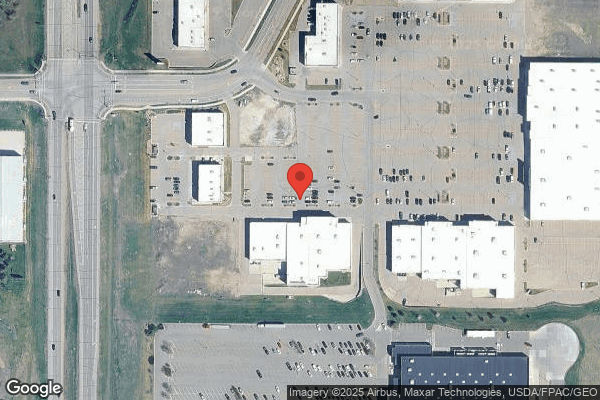
4580 COLEMAN STREET, SUITE 1, BISMARCK, ND 58503 (701) 751-4224
Non profit - Corporation 72 Beds BENEDICTINE HEALTH SYSTEM Data: November 2025
Trust Grade
90/100
#16 of 72 in ND
Last Inspection: June 2025

Inspected within the last 6 months. Data reflects current conditions.

Overview

St. Gabriel's Community in Bismarck, North Dakota has received an impressive Trust Grade of A, indicating it is highly recommended and performs excellently compared to other facilities. It ranks #16 out of 72 nursing homes in North Dakota, placing it in the top half, and #2 out of 6 in Burleigh County, meaning only one local facility is rated higher. However, the trend is concerning as the number of issues found has worsened from 3 in 2024 to 5 in 2025. Staffing is a strength, with a 5/5 rating and a turnover rate of 32%, which is significantly lower than the state average, ensuring that staff are familiar with residents. Notably, there have been no fines, which is a positive sign, but some specific incidents included failures in infection control practices for several residents and issues with accurately coding resident assessments, which could impact care plans. Overall, while the facility has strong staffing and no fines, families should be aware of the recent trend of increasing issues and specific concerns regarding infection control and medication management.

Trust Score
A
90/100
In North Dakota
#16/72
Top 22%
Safety Record
Low Risk
No red flags
Inspections
Getting Worse
3 → 5 violations
Staff Stability
○ Average
32% turnover. Near North Dakota's 48% average. Typical for the industry.
Penalties
✓ Good
No fines on record. Clean compliance history, better than most North Dakota facilities.
Skilled Nurses
✓ Good
Each resident gets 64 minutes of Registered Nurse (RN) attention daily — more than 97% of North Dakota nursing homes. RNs are the most trained staff who catch health problems before they become serious.
Violations
⚠ Watch
12 deficiencies on record. Higher than average. Multiple issues found across inspections.
★★★★★
5.0
Overall Rating
★★★★★
5.0
Staff Levels
★★☆☆☆
2.0
Care Quality
★★★★☆
4.0
Inspection Score
Stable
2024: 3 issues
2025: 5 issues

The Good

  • 5-Star Staffing Rating · Excellent nurse staffing levels
  • Full Sprinkler Coverage · Fire safety systems throughout facility
  • No fines on record
  • Staff turnover below average (32%)

    16 points below North Dakota average of 48%

Facility shows strength in staffing levels, fire safety.

The Bad

Staff Turnover: 32%

14pts below North Dakota avg (46%)

Typical for the industry

Chain: BENEDICTINE HEALTH SYSTEM

Part of a multi-facility chain

Ask about local staffing decisions and management

The Ugly 12 deficiencies on record

Jun 2025 5 deficiencies
CONCERN (D)

Potential for Harm - no one hurt, but risky conditions existed

Assessment Accuracy (Tag F0641)

Could have caused harm · This affected 1 resident

**NOTE- TERMS IN BRACKETS HAVE BEEN EDITED TO PROTECT CONFIDENTIALITY** Based on record review, review of the Long-Term Care Facility Resident Assessment Instrument (RAI) 3.0 User's Manual (Version 1....

Read full inspector narrative →
**NOTE- TERMS IN BRACKETS HAVE BEEN EDITED TO PROTECT CONFIDENTIALITY** Based on record review, review of the Long-Term Care Facility Resident Assessment Instrument (RAI) 3.0 User's Manual (Version 1.19.1), and staff interview, the facility failed to ensure accurate coding of the Minimum Data Set (MDS) for 1 of 17 sampled residents (Residents #25). Failure to accurately complete the MDS does not allow each resident's assessment to reflect their current status and may affect the accurate development of a comprehensive care plan and the care provided to the residents. Findings include: Review of Resident #25's medical record occurred on all days of survey and identified hospitalizations from 02/28/25 to 03/03/25 for a urinary tract infection and from 04/09/25 to 04/10/25 for hematuria (blood in the urine). Active diagnosis included malignant neoplasm of the bladder. Medications included Bactrim DS (an antibiotic) for seven days, initiated on 03/03/25. SECTION I: ACTIVE DIAGNOSES The Long-Term Care Facility RAI User's Manual, revised October 2024, pages I-5 and I-8, stated, . Active Diagnoses in the Last 7 Days - Check all that apply . Coding Instructions. Code diseases that have a documented diagnosis in the last 60 days and have a direct relationship to the resident's current functional status . medical treatments, nursing monitoring . during the 7-day look-back period . Resident #25's significant change MDS, dated [DATE], and a quarterly MDS, dated [DATE], showed the facility failed to code the diagnosis of cancer at Section I0100. SECTION J: HEALTH CONDITIONS The Long-Term Care Facility RAI User's Manual, revised October 2024, pages J-29 through J-30, stated, . J1550: Problem Conditions (cont.) . Steps for Assessment 1. Review the medical record, interview staff . for any indications that the resident had . internal bleeding during the 7-day look-back period. Coding Instructions. Check all that apply . J1550D, internal bleeding . Coding Tips . Internal bleeding . Clinical indicators include . hematuria . Resident #25's quarterly MDS, dated [DATE], showed the facility failed to code Section J1550D, internal bleeding. SECTION N: MEDICATIONS The Long-Term Care Facility RAI User's Manual, revised October 2024, pages N-4 and N-6, stated, . N0415: HIGH-RISK DRUG CLASSES: Uses and Indication . Coding Instructions. Code all high-risk drug class medications . Column 1: Check if the resident is taking any medications by pharmacological classification during the 7-day observation period . Resident #25's quarterly MDS, dated [DATE], showed the facility failed to code Section N0415F, antibiotic. During an interview on 06/26/25 at 10:36 a.m., an MDS staff member (#7) confirmed staff failed to accurately code the MDS.
CONCERN (D)

Potential for Harm - no one hurt, but risky conditions existed

Deficiency F0658 (Tag F0658)

Could have caused harm · This affected 1 resident

Based on observation, record review, review of facility policy, review of manufacturer's instructions, and staff interview, the facility failed to ensure staff followed professional standards of pract...

Read full inspector narrative →
Based on observation, record review, review of facility policy, review of manufacturer's instructions, and staff interview, the facility failed to ensure staff followed professional standards of practice for 1 of 2 sampled residents (Resident #26) reviewed for insulin use and 1 of 6 sampled residents (Resident #41) observed during insulin preparation. Failure to follow physician's orders for out-of-range blood sugar levels and failure to properly prime insulin pens may result in residents receiving an inaccurate dose of insulin and/or result in adverse health events. Findings include: Review of the manufacturer's instructions for the Humalog [a type of insulin]Kwik Pen occurred on 06/26/25. These instructions, revised May 2025, stated, . Priming your pen . priming your pen means removing the air from the needle and cartridge that may collect during normal use and ensures that the pen is working correctly . if you do not prime the pen before each injection, you may get too much or too little insulin . to prime your pen, turn the dose knob to select 2 units . hold your pen with the needle pointing up. Tap the cartridge holder gently to collect air bubbles at the top of the cartridge . continue holding your pen with needle pointing up . push the dose knob until it stops . you should see insulin at the tip of the needle . Review of the facility policy titled Diabetic Management occurred on 06/26/25. This policy, dated 2001, stated, . The care and services to manage diabetes mellitus is directed by the providers orders and relevant protocols and guidelines. - Review of Resident #26's medical record occurred on all days of survey. Diagnoses included diabetes mellitus. Physician's orders stated, Blood sugar checks TID [three times a day] Call PCP [primary care provider] if blood glucose is greater than 400 [milligrams per deciliter (mg/dl)] or less than 70 . Review of Resident #26's blood sugar levels from March 26, 2025 through June 24, 2025 identified the following: * 04/16/25 at 7:32 p.m., 455 mg/dl * 05/20/25 at 8:18 p.m., 454 mg/dl * 06/02/25 at 8:04 p.m., 484 mg/dl * 06/04/25 at 7:57 p.m., 459 mg/dl Resident #26's medical record lacked documentation staff notified the physician regarding the blood sugar levels over 400 mg/dl. - Observations on 06/24/25 at 12:10 p.m. and 5:03 p.m. showed a nurse (#5) primed Resident #41's insulin pen horizontally. During interviews on 06/26/25 at 11:49 a.m., and 12:28 p.m., administrative nurse (#1), stated she expected nursing staff to prime the insulin pen with the needle pointing up and notify the physician regarding out of range blood sugar levels.
CONCERN (D)

Potential for Harm - no one hurt, but risky conditions existed

Quality of Care (Tag F0684)

Could have caused harm · This affected 1 resident

Based on record review, policy and procedure review, and staff interview, the facility failed to ensure appropriate care and services for 1 of 1 sampled resident (Resident #117) reviewed for fecal imp...

Read full inspector narrative →
Based on record review, policy and procedure review, and staff interview, the facility failed to ensure appropriate care and services for 1 of 1 sampled resident (Resident #117) reviewed for fecal impaction. Failure to follow bowel protocol interventions may have contributed to Resident #117's fecal impaction. Findings include: Review of the facility policy, Bowel Management Protocol, occurred on 06/25/25. This undated policy stated, Purpose: To ensure proper bowel function and management. Procedure: 1. Bowel management report will be pulled daily. Nurse will refer to bowel protocol if no bowel movement unless otherwise indicated. * Day 3 (greater than 48 hours since last BM [bowel movement]) - offer 4 ounces prune juice - if no results - Senna [medication for constipation] 2 tablets PO [per oral] per SHO [Standing House Orders] Utilize SHO for additional Bowel management options. * Day 4 (greater than 72 hours since last BM) - Bisacodyl Suppository [medication for constipation] 10 mg [milligrams] rectally per SHO. If no results - Complete Bowel Assessment and notify Provider of assessment findings that may indicate the need for further intervention. Day 5 (greater than 96 hours since last BM) Complete Bowel Assessment and contract Provider for further instructions. Review of the Standing House Orders for Symptom Management occurred on 06/25/25. This document, dated February 2025, stated, The following Standing House Orders for Symptom Management are to provide support and palliation to patients/residents . Bowel: Constipation (if no bowel movement in [greater than] 48 hours; Perform steps sequentially) * Consider rectal check to determine if impaction is present. * Encourage 2000 ml [milliliters] daily fluid intake . * Consult nutrition services for dietary recommendations. * Give Sennoside 8.6 mg 2 tablets by mouth daily PRN [as needed] . if no BM by day three, offer/give Bisacodyl suppository 10 mg: rectally . * Reattempt Senna or Bisacodyl if no results after 24 hours and notify provider. Review of Resident #117's medical record occurred on all days of survey. The care plan stated, Problem Start Date: 10/02/2024 I am at risk for constipation related to impaired mobility, variable meal intakes, . and hx [history] of constipation. Long Term Goal . I will have a BM [bowel movement] at least every 4 days . Approach Start Date: 10/02/24 Administer meds as ordered, observe for effectiveness and side effects . Follow facility bowel protocol . Monitor my bowel patterns and for s/s [signs/symptoms] of constipation . Review of nurse's notes identified the following: 06/04/25 at 2:30 p.m., CNA [certified nursing aide] reported at shift change that guest requested Prune juice earlier today. 06/05/25 10:51 a.m., Guest had an unresponsive episode in the dining room where he became pale and hypotensive. Three staff members attempted to wake him up and he opened his eyes, but he was not able to talk. EMS [emergency medical system] was called and they arrived several minutes later .Guest left with EMS .and guest was then taken to [name of hospital] . 06/05/25 at 4:51 p.m., Guest is being admitted . for UTI [urinary tract infection]/fecal impaction. 06/08/25 at 2:20 p.m., Guest returned . was recently admitted to [name of hospital] r/t UTI and fecal impaction, guest has been having bowel movements, last BM today, received orders for new laxatives . Review of the Physician's History and Physical, dated 06/05/25, stated, . CT [computed tomography] scan [abdominal imaging procedure] showing a large stool burden - continue aggressive bowel regimen and enema . He [resident] states he has been having more trouble with stooling lately . he was given an enema in the ED [emergency department] . Review of Resident #117's bowel movement log showed a medium bowel movement on 06/01/25 and no further bowel movement prior to Resident #117's hospitalization on 06/05/25. The medical record failed to show staff initiated the bowel protocol on 06/04/25 (Day 3 -greater than 48 hours since last bowel movement) and failed to show nursing staff administered Senna or implemented any of the other interventions in the SHO after the resident failed to have a bowel movement after requesting prune juice. During an interview on 06/25/25, an administrative nurse (#1) confirmed the medical record lacked evidence nursing staff implemented the bowel management protocol interventions.
CONCERN (D)

Potential for Harm - no one hurt, but risky conditions existed

Accident Prevention (Tag F0689)

Could have caused harm · This affected 1 resident

**NOTE- TERMS IN BRACKETS HAVE BEEN EDITED TO PROTECT CONFIDENTIALITY** Based on review of a facility reported incident (FRI) investigation, record review, review of facility policy, and staff intervi...

Read full inspector narrative →
**NOTE- TERMS IN BRACKETS HAVE BEEN EDITED TO PROTECT CONFIDENTIALITY** Based on review of a facility reported incident (FRI) investigation, record review, review of facility policy, and staff interview, the facility failed to ensure adequate supervision and/or monitoring for 1 of 1 sampled resident (Resident #49) with an elopement. Failure to identify the resident's risk for elopement and implement, monitor, and modify individualized resident-centered interventions when necessary placed all residents at risk for elopement and injuries.Findings include:The facility reported incident investigation, dated 06/15/25, stated footage showed Resident #49 exited the front doors of the facility at 6:31 p.m. and at 6:40 p.m., resident is seen walking in parking lot using her 4WW [wheeled walker] going east towards [NAME] street . The investigation stated a bystander notified the facility by phone at 8:01 p.m. of Resident 49's elopement and whereabouts. Review of the facility policy titled Elopement occurred on 06/26/25. This policy, dated December 2024, stated, . Purpose . To maintain safety of residents who are at risk of wandering and/or active elopement. Policy: Associates will engage in interventions to prevent wandering and active elopement. The nurse or social services will evaluate each resident's potential for wandering upon admission and as needed.Review of Resident #49's medical record occurred on all days of survey and identified admission to the facility on [DATE]. Diagnosis included dementia. The care plan, dated 06/16/25, stated, . I may wander about in my environment I have been known to exit seek and have a history of elopement.Resident #49's progress notes included the following:* 05/21/25 at 9:25 p.m. Guest is noted to be confused- talking about going 'upstairs' to get her stuff; looking for 'the car' that they used in the party last night; looking for people that her husband brought with him to their house tonight. Guest was reminded that she is currently in the nursing home; agreed to stay and sleep here tonight .* 05/23/25 6:48 at a.m. Presented to nurses station w/ [with] her water cup and a water bottle in her night gown. Said dhe (sic) was looking for water and found it. She is now heading to Bowling, SD [South Dakota]. She says her car is out front and she plans on taking that. I asked her if she would like to get dressed before she left and she agreed to that. Was walked back to her room and was able to be redirected.* 05/23/25 at 2:34 p.m. completed 5 day assessment: triggered severe for cognition .* 05/24/25 at 9:44 p.m. was noted wandering the hall ways, getting inside 151 room.* 5/26/25 at 1:23 p.m. has been noted to be wandering into the therapy room when no staff are in there without her walker.*05/26/25 at 8:41 p.m. was seen wandering around and was seen sitting at room [ROOM NUMBER].* 05/27/25 at 7:19 a.m. was found wandering in the 100's hall this AM after report. Unit doors were closed for safety.* 05/27/25 at 9:56 p.m. was found at 1930 [7:30 p.m.] standing with her walker outside 157's room. Stated she didn't know where she was.* 05/30/25 at 9:08 p.m. Noted to be wandering a lot this evening on the hallways .* 05/31/25 at 12:03 p.m. was found wandering on a neighboring unit . before lunch. Guest was brought back and doors to . unit were shut.* 06/01/25 at 8:42 a.m. has been found wandering off unit, in halls in other guests rooms.* 06/01/25 at 11:50 a.m. found at the end of the 50's hall standing facing the door.* 06/07/25 at 4:25 p.m. has been wandering throughout . halls excessively this afternoon. Occasionally goes to unlocked double doors and looks out. Stated she is 'trying to see where my car is so I can go home' . Has looked into several guests rooms .* 06/14/25 at 9:48 p.m. restless tonight.* 06/15/2025 at 8:45 p.m. exited the building at 6:30 pm with 4WW. Facility staff alerted via a telephone by bystander sitting on her walker off campus. I told bystander to stay with guest until staff got there. Author arrived and found guest sitting on her walker with bystanders. She was communicating with them, but noted to be confused and stated she was in Wisconsin. She appeared calm and not in distressed but fatigued. Resident then transferred into the car without issue. Upon return to facility guest was assessed, she was given a snack and fluids. VS [vital signs] and skin assessed. HS [hour of sleep] cares were done and guest requested her CPAP [continuous positive airway pressure]. Order obtained for a wander guard and the wander guard was placed on her Rt [right] wrist.Resident 49's medical record showed an initial care conference on 06/03/25 but failed to address the wandering. During an interview on 06/26/25 at 11:12 a.m., an administrative staff member (#1) verified the facility lacked documentation of an assessment of Resident #49's elopement risk related to the resident's behaviors after admission. The facility failed to reevaluate Resident #49's elopement risk when she began exhibiting wandering behaviors, looking for her car, and wanting to leave the facility, The facility failed to recognize the behaviors as possible signs of elopement and implement individualized interventions to prevent an elopement.
CONCERN (D)

Potential for Harm - no one hurt, but risky conditions existed

Infection Control (Tag F0880)

Could have caused harm · This affected 1 resident

Based on observation, record review, review of facility policy, and staff interview, the facility failed to follow standards of infection control and prevention for 2 of 2 sampled residents (Resident ...

Read full inspector narrative →
Based on observation, record review, review of facility policy, and staff interview, the facility failed to follow standards of infection control and prevention for 2 of 2 sampled residents (Resident #12 and #117) in Enhanced Barrier Precautions (EBP). Failure to practice infection control standards related to EBP has the potential to spread infection throughout the facility. Findings include: Review of the facility policy titled Enhanced Barrier Precautions occurred on 06/25/25. This policy, dated 04/01/24, stated, . Procedure: Enhanced Barrier Precautions expands the use of Personal Protective Equipment (PPE) beyond situations in which exposure to blood and body fluids is anticipated. It also refers to the use of gown and gloves during high-contact resident care activities that provide opportunities for transfer of MDROs [multi-drug resistant organisms] to staff hands and clothing. Enhanced Barrier Precautions: Applies to: All residents with any of the following: . Chronic wounds . urinary catheters . PPE used for these situations: During high-contact resident care activities . Transferring . Changing briefs or assisting with toileting . Chronic wound care: any skin opening requiring a dressing . - Review of Resident #12's medical record occurred on all days of survey. The care plan stated, . I require Enhanced Barrier Precautions r/t [related to] presence of indwelling foley catheter . Observation on 06/24/25 at 8:38 a.m. showed a nurse (#5) and a certified nurse aide (CNA) (#6) wore appropriate PPE in Resident #12's room while performing wound cares in bed. After completing the wound cares, the CNA (#6) removed her gown and gloves, performed hand hygiene, and applied new gloves. Without wearing a gown, the CNA assisted the nurse to place a sling underneath the resident and utilized a full body ceiling lift to transfer the resident to a recliner. - Review of Resident #117's medical record occurred on all days of survey. The resident's care plan stated, Problem . I require Enhanced Barrier Precautions r/t presence of indwelling foley . Observation on 06/24/25 at 9:30 a.m. showed two CNAs (#3 and #4) entered Resident #117's room, applied gloves, and without donning a gown, assisted the resident to transfer from his bed to the wheelchair. The CNAs (#3 and #4) failed to apply gowns prior to the transfer. During an interview on 06/26/25 at 8:53 a.m., an administrative staff member (#2) stated she expected staff to wear gowns during high-contact resident cares/transfers for residents on EBP.
Jun 2024 3 deficiencies
CONCERN (D) 📢 Someone Reported This

A family member, employee, or ombudsman was alarmed enough to file a formal complaint

Potential for Harm - no one hurt, but risky conditions existed

Notification of Changes (Tag F0580)

Could have caused harm · This affected 1 resident

**NOTE- TERMS IN BRACKETS HAVE BEEN EDITED TO PROTECT CONFIDENTIALITY** Based on record review, family interview, and staff interview, the facility failed to notify the physician of a resident's rejec...

Read full inspector narrative →
**NOTE- TERMS IN BRACKETS HAVE BEEN EDITED TO PROTECT CONFIDENTIALITY** Based on record review, family interview, and staff interview, the facility failed to notify the physician of a resident's rejection of a prescribed medication for 1 of 1 sampled resident (Resident #2) with a pattern of refusing a medication. Failure to notify the physician of the rejection of Ativan (antianxiety medication) may have prevented the physician from altering the treatment/care provided to the resident. Findings include: Upon request for a policy, on 06/11/24 at 5:30 p.m., an administrative nurse (#4) stated the facility does not have a policy related to notification of the physician. During an interview on the afternoon of 06/10/24, a family member (#1) expressed concern staff failed to administer scheduled Ativan. The family member stated the staff asked Resident #2 if the resident wanted the morning dose of Ativan (May 18) and the resident said no. The family member stated Resident #2 can't make that decision as the resident doesn't know yes from no. Review of Resident #2's medical record occurred on all days of survey. The quarterly Minimum Data Set (MDS), dated [DATE], identified no speech, sometimes understood, understands others, severe cognitive impairment, and rejection of cares on one to three days of the look-back period. Diagnoses included aphasia (comprehension and communication disorder), anxiety disorder, dementia, and epilepsy (seizure disorder). A physician's order, dated 03/19/24, stated, lorazepam [Ativan] . 0.5mg [milligrams]; oral. Special Instructions: re [regarding]: anxiety, seizures . Four Times A Day [at] 07:00 AM, 01:00 PM, 07:00 PM, 01:00 AM. The Medication Administration Record (MAR) showed Resident #2 refused Ativan seven times: the 1:00 a.m. dose of Ativan on May 4, 9, 10, 16, 17, and 18, and the 7:00 a.m. dose on May 18. During an interview on 06/11/24 at 3:44 p.m., a supervisory nurse (#12) stated she would inform the doctor if a resident repeatedly refused a medication, but was unaware if staff notified the doctor of Resident #2's refusal of Ativan.
CONCERN (D) 📢 Someone Reported This

A family member, employee, or ombudsman was alarmed enough to file a formal complaint

Potential for Harm - no one hurt, but risky conditions existed

Assessment Accuracy (Tag F0641)

Could have caused harm · This affected 1 resident

**NOTE- TERMS IN BRACKETS HAVE BEEN EDITED TO PROTECT CONFIDENTIALITY** Based on record review, review of the Long-Term Care Facility Resident Assessment Instrument (RAI) 3.0 User's Manual (Version 1....

Read full inspector narrative →
**NOTE- TERMS IN BRACKETS HAVE BEEN EDITED TO PROTECT CONFIDENTIALITY** Based on record review, review of the Long-Term Care Facility Resident Assessment Instrument (RAI) 3.0 User's Manual (Version 1.18.11), and staff interview, the facility failed to ensure accurate coding of the Minimum Data Set (MDS) for 3 of 18 sampled residents (Resident #13, #55, and #62). Failure to accurately complete the MDS does not allow each resident's assessment to reflect their current status/needs and may affect the accurate development of a comprehensive care plan and the care provided to the residents. Findings include: SECTION N: MEDICATIONS The Long-Term Care Facility RAI User's Manual, revised October 2023, pages N-6 to N-8 stated, . N0415: High-Risk Drug Classes: Use and Indication . Coding Instructions . N0415E1. Anticoagulant (e.g., [for example] warfarin, heparin, or low-molecular weight heparin): Check if an anticoagulant medication was taken by the resident at any time during the 7-day look-back period . N0415H1. Opioid: Check if an opioid medication was taken by the resident at any time during the 7-day look-back period . N0415I1. Antiplatelet: Check if an antiplatelet medication (e.g., . clopidogrel) was taken by the resident at any time during the 7-day observation period. - Review of Resident #13's medical record occurred on all days of survey. A physician's order, dated 12/18/23, stated, Tramadol [opioid] 50 mg [milligram] tablet three times a day . re [regarding]: low back pain. The quarterly MDS, dated [DATE], showed staff failed to identify Resident #13 received an opioid. During an interview on 06/12/24 at 2:37 p.m., a nurse manager (#11) stated staff should have coded opioid on the MDS. - Review of Resident #55's medical record occurred on all days of survey. A physician's order, dated 12/31/23, indicated Eliquis (anticoagulant) 2.5 mg twice a day. The quarterly MDS, dated [DATE], showed staff coded N0415I1. Antiplatelet and failed to code N0415E1. Anticoagulant. During an interview on 06/11/24 at 5:15 p.m., an administrative nurse (#4) confirmed Section N of the quarterly MDS was coded incorrectly for Resident #55. SECTION O: SPECIAL TREATMENTS, PROCEDURES, AND PROGRAMS The Long-Term Care Facility RAI User's Manual, revised October 2023, page O-7, stated, . Hospice Care: Code residents identified as being in a hospice program for terminally ill persons where an array of services is provided for the palliation and management of terminal illness and related conditions. - Review of Resident #62's medical record occurred on all days of survey. A nurse's note, dated 03/05/24 at 4:54 p.m., stated, Received new order from [name of physician] today: Hospice consult placed and will schedule admission visit for tomorrow. The care plan, dated 03/06/24, stated, . Advance Care Planning: I am receiving Hospice services . The significant change MDS, dated [DATE], showed staff failed to identify Resident #62 received hospice care. During an interview on 06/12/24 at 12:08 p.m., a nurse manager (#11) stated staff missed coding hospice on the MDS.
CONCERN (E) 📢 Someone Reported This

A family member, employee, or ombudsman was alarmed enough to file a formal complaint

Potential for Harm - no one hurt, but risky conditions existed

Infection Control (Tag F0880)

Could have caused harm · This affected multiple residents

Based on observation, review of facility policy, and staff interview, the facility failed to follow standards of infection control and prevention for 6 of 15 sampled residents (Resident #15, #19, #30,...

Read full inspector narrative →
Based on observation, review of facility policy, and staff interview, the facility failed to follow standards of infection control and prevention for 6 of 15 sampled residents (Resident #15, #19, #30, #55, #59, and #65) observed during cares. Failure to practice infection control standards related to use of personal protective equipment (PPE) and hand hygiene has the potential to spread infection throughout the facility. Findings include: Review of the facility policy titled Hand Hygiene occurred on 06/12/24. This policy, dated June 2017, stated, . Hand hygiene simply means cleaning hands using either handwashing (washing hands with soap and water), or antiseptic hand rub (i.e. alcohol-based hand sanitizer, including foam or gel). Times to Perform Hand Hygiene are, but not limited to: . Before and after direct resident contact . Before and after entering isolation precaution setting . Before and after assisting a resident with personal cares . Before and after handling peripheral vascular catheters and other invasive devices . Before and after assisting a resident with toileting - wash hands with soap and water . after contact with a resident's mucous membranes and body fluids or excretions . After handling soiled or used linens, dressings, bedpans, catheters and urinals . After removing gloves or aprons . Review of the facility policy titled Enhanced Barrier Precautions occurred on 06/12/24. This policy, dated April 2024, stated, .Enhanced Barrier Precautions (EBP) expands the use of Personal Protective Equipment (PPE) beyond situations in which exposure to blood and body fluids is anticipated. Indwelling medical devices (e.g. central lines.) . - Observation on 06/11/24 at 7:59 a.m. showed Resident #55 lying in bed and a PPE cart located outside the room with an Enhanced Barrier Precautions sign on top of the cart. Two certified nurse aides (CNAs) (#5 and #6) donned gowns and gloves and entered the room. The CNA (#5) assisted the resident from the bed to the bathroom and onto the toilet. The CNA assisted the resident to remove her night clothes, removed her gloves, applied new gloves, and offered the resident a washcloth for morning cares. The CNA (#5) placed a paper towel on the floor, obtained a graduated container, emptied Resident #55's urine collection bag into the container, removed her gloves, applied new gloves, applied the resident's knee length socks, secured the urine collection bag to the resident's left leg, assisted the resident with her brief, pants, and shoes, removed her gloves, and applied new gloves. The CNA (#5) placed the resident's walker in front of the resident to stand, completed perineal cares, removed her gloves, applied new gloves, and assisted the resident to pull up her brief and pants. The CNA removed her gloves, applied new gloves, assisted the resident to the sink, handed her a toothbrush/toothpaste, and began combing the resident's hair. The CNA emptied the container of urine into the toilet, removed her gloves, obtained the resident's glasses from the nightstand, gave the glasses to the resident, applied new gloves, and assisted the resident out of the bathroom. The resident ambulated out of the room to the dining room, both CNAs performed hand hygiene and exited the room. The CNA (#5) failed to complete hand hygiene between glove changes, after handling the resident's urine collection bag and graduated container and before touching other surfaces. - Observation on 06/11/24 at 9:08 a.m., showed Resident #59 seated on the toilet. Two CNAs (#8 and #9) entered the room, performed hand hygiene and donned gloves. The CNA (#8) provided perineal care, removed her gloves, and without performing hand hygiene, applied new gloves and transferred Resident #59 to the wheelchair. The CNA (#8) failed to perform hand hygiene between glove changes when performing perineal care. - Observation on 06/11/24 at 9:17 a.m. showed the CNA (#7) donned gloves, assisted Resident #15 onto the toilet, completed perineal cares, removed her gloves, applied new gloves, discarded the wet brief into the garbage, removed her gloves, applied new gloves, assisted the resident with a clean brief and pulled up her pants. With the same gloves, CNA (#7) guided the resident into the recliner chair, placed the call light, applied the oxygen nasal cannula, turned on the oxygen concentrator machine, removed her gloves, hand sanitized, and exited the room. The CNA (#7) failed to complete hand hygiene between glove changes and when toileting a resident. - Observation on 06/11/24 at 12:53 p.m. showed Resident #19 seated in a wheelchair in his room and PPE cart located outside the room with an Enhanced Barrier Precautions sign on top of the cart. Two CNAs (#1 and #2) donned gowns and gloves, entered the room, and transferred Resident #19 from the wheelchair to the bed. The CNA (#2) emptied the contents of the resident's urine collection bag into a graduated container. Without removing the gloves or performing hand hygiene, the CNA (#2) adjusted the resident in bed and placed the call light. The CNAs (#1 and #2) removed their gowns and gloves, performed hand hygiene, and exited the room. The CNA (#2) failed to change gloves and perform hand hygiene after handling the resident's urine collection bag and graduated container and before touching other surfaces. - Observation on 06/11/24 at 1:28 p.m. showed Resident #30 seated in a wheelchair in his room and a PPE cart located outside the room with an Enhanced Barrier Precautions sign on top of the cart. The CNA (#7) donned a gown and gloves, entered the room, applied a gait belt, positioned the walker in front of the resident, and assisted Resident #30 into the bathroom. The CNA lowered the resident's pants and brief and assisted the resident to sit on the toilet. The CNA removed her gloves, applied a new pair of gloves, obtained a graduated container, emptied the resident's urine collection bag into the container, removed her gloves, applied new gloves, and prepared the resident's bed, lowered the covers and adjusted the pillow. The CNA removed her gown and gloves and exited the room to get a package of disposable wipes. The CNA (#7) returned with the package of wipes, failed to hand sanitize, donned a gown and gloves, and entered the resident room. While in the resident's bathroom, the CNA removed the resident's brief, removed her gloves, applied new gloves, assisted the resident with a clean brief, assisted the resident to stand, used the disposable wipes to cleanse the rectal area following a bowel movement, removed the gloves, applied new gloves, secured the brief, pulled the resident's pants up, and held onto the gait belt as the resident walked to the bed. The CNA removed the gloves, applied new gloves, covered the resident with the blanket, placed the TV control and bedside table next to the resident. The CNA removed the gloves, applied new gloves, discarded the urine contents into the toilet, removed the gloves, applied new gloves, removed the garbage bag from the bathroom, removed her PPE, hand sanitized, and exited the room. The CNA (#7) failed to complete hand hygiene between glove changes when toileting a resident, and exiting/returning to a resident room in EBP. During an interview on 06/12/24 at 12:40 p.m. an administrative nurse (#3) stated she expected staff to remove gloves and perform hand hygiene when moving from a dirty to clean task and when changing gloves. Observations on the mornings of 06/10/24 and 06/11/24 showed a PPE cart located outside of Resident #65's room with an Enhanced Barrier Precautions sign and a bottle of hand sanitizer on top of the cart and PPE (i.e., gowns and gloves) located within the drawers of the cart. Observation on 06/12/24 at 8:18 a.m. of an intravenous (IV) antibiotic administration through Resident #65's Peripherally Inserted Central Catheter (PICC) line showed a lack of a PPE cart outside of Resident #65's room. The staff nurse (#10) performed hand hygiene, donned gloves, administered IV antibiotic, removed the gloves, performed hand hygiene, and exited Resident #65's room. During an interview on the morning of 06/12/24, the staff nurse (#10) stated she hadn't worked this unit in a while and was unaware if Resident #65 was on any precautions. The staff nurse (#10) failed to don appropriate PPE when entering Resident #65's room according to the residents' EBP. During an interview on the morning of 06/12/24, an administrative nurse (#3) confirmed Resident #65 continued to be on EBP.
Jul 2023 4 deficiencies
CONCERN (D)

Potential for Harm - no one hurt, but risky conditions existed

Safe Environment (Tag F0584)

Could have caused harm · This affected 1 resident

Based on observation, record review, and staff interview, the facility failed to ensure a safe, clean, comfortable, homelike environment for 1 of 5 sampled residents (Resident #18) on oxygen. Failure ...

Read full inspector narrative →
Based on observation, record review, and staff interview, the facility failed to ensure a safe, clean, comfortable, homelike environment for 1 of 5 sampled residents (Resident #18) on oxygen. Failure to clean a personal fan and the oxygen concentrator filter does not provide a safe and clean environment and has the potential to place the resident at risk for illness. Findings include: The facility failed to provide a policy/procedure for the cleaning of personal fans and changing/cleaning the oxygen concentrator filters. Observation on 07/10/23 at 03:08 p.m. showed Resident #18 lying in bed with oxygen administered by nasal cannula while a fan blew air toward the resident. Observation showed the fan cover/grate and fan blade covered in dust and debris. Observation on 7/12/23 at 10:08 a.m. showed Resident #18 lying in bed with oxygen administered by nasal cannula. Observation showed the oxygen concentrator filter covered in dust and debris. Review of Resident #18's medical record occurred on all days of the survey. Diagnoses included respiratory failure. During an interview on 07/13/23 at 11:38 a.m., an administrative staff member (#1) stated the expectation is for all staff to clean dirty equipment in residents' rooms.
CONCERN (D)

Potential for Harm - no one hurt, but risky conditions existed

PASARR Coordination (Tag F0644)

Could have caused harm · This affected 1 resident

Based on record review, review of the North Dakota Provider Manual Preadmission Screening and Resident Review (PASRR) and Level of Care Screening Procedures for Long Term Care Services, facility staff...

Read full inspector narrative →
Based on record review, review of the North Dakota Provider Manual Preadmission Screening and Resident Review (PASRR) and Level of Care Screening Procedures for Long Term Care Services, facility staff interview, and PASRR agency staff interview, the facility failed to complete a status change assessment for 1 of 2 sampled residents (Resident #2) reviewed for PASRR. Failure to complete a change in status assessment with a newly diagnosed mental illness and/or new or increased behaviors may result in the delivery of care and services inconsistent with the resident's needs. Findings include: The North Dakota PASRR Provider Manual, revised December 2020, page 13, states, . Change in Status Process: Whenever the following events occur, nursing facility staff must contact [the contracted agency] to update the Level I screen for determination of whether a first time or updated Level II evaluation must be performed. These situations suggest that a significant change in status has occurred: . If an individual with MI, ID, and/or RC [mental illness, intellectual disability, and conditions related to intellectual disability (referred to in regulatory language as related conditions or RC)] was not identified at the Level I screen process, and that condition later emerged or was discovered. If a resident experiences increased symptoms or behavioral problems related to MI, ID and/or RC. Review of Resident #2's medical record occurred on all days of survey and showed the following: * A PASRR Level I screen outcome, dated 01/25/22, stated, No Level II required. There is no evidence of a PASRR condition or an intellectual/developmental disability or a serious behavioral health condition. If changes occur or new information refutes these findings, a new screen must be submitted. The Level 1 form included mental health diagnoses of suspected anxiety disorder and adjustment disorder with depressed mood; the medical conditions included underlying dementia with progression. * On 7/22/22, the resident started on Risperidone, which was discontinued on 08/26/22 when the provider prescribed Seroquel (both medications are antipsychotics). Resident #2's progress notes showed the following: * 07/22/2022 at 2:32 p.m., . [health care provider] was updated about guests [the resident's] increased anxiety at night time. Order: start trial of Risperidone. Take 0.125mg [milligrams] by mouth at bedtime. Dx [diagnosis] dementia with agitation. may need to increase if behaviors continue. * 08/19/2022 at 5:18 a.m., Guest is agitated, combative and hit the CNA [certified nurse aide] when doing cares. A Psychiatry consult, dated 02/20/23, listed diagnoses, in part, as recurrent major depression, generalized anxiety disorder, psychotic disorder with delusions due to known physiological condition, dementia with psychotic disturbance, and dementia with agitation. The medical record lacked evidence of an updated Level I PASRR screen with the new antipsychotic medications and diagnoses of major depression, generalized anxiety disorder, and psychotic disorder with delusions. During an interview on 07/13/23 at 11:45 a.m., an administrative staff member (#2) confirmed the facility failed to complete a change in status Level I screen for Resident #2 due to the belief the resident's psychotic disorder was related to her dementia. During an interview on 07/13/23 at 12:05 p.m., a North Dakota PASRR consultant agency staff member (#3) stated due to the resident's increased behaviors, consult with psychiatry services, and the addition of new medications, the facility should have submitted a Level 1 screen at that time as that was a status change. She stated, It is up to our clinician to decide on recommendations based on the change in behaviors and medications and on the dementia.
CONCERN (D)

Potential for Harm - no one hurt, but risky conditions existed

Deficiency F0645 (Tag F0645)

Could have caused harm · This affected 1 resident

Based on record review, staff interview, and Preadmission Screening and Resident Review (PASRR) agency staff interview, the facility failed to complete a Level I PASRR for 1 of 2 sampled residents (Re...

Read full inspector narrative →
Based on record review, staff interview, and Preadmission Screening and Resident Review (PASRR) agency staff interview, the facility failed to complete a Level I PASRR for 1 of 2 sampled residents (Resident #60) reviewed for PASRR. Failure to complete the required Level I screen within 30 days as indicated increased the potential for not identifying/providing needed mental health services. Findings include: Review of the medical record for Resident #60 occurred on all days of survey. Diagnoses included unspecified intellectual disabilities, bipolar disorder, and unspecified dementia. A Level 1 PASRR screening, completed on 12/27/22, identified a Level I outcome rationale: 30 Day COVID-19 Categorical Approval- A 30 day or less stay in the NF [nursing facility] is authorized. Re-screening must occur by or before the 30 day if the individual is expected to remain in the NF beyond the authorization timeframe. The record lacked evidence of the re-screening in 30 days. The facility completed a Level of Care (LOC) screen on 01/23/23, however failed to complete a PASRR Level 1 re-screen at that time. During an interview on 07/13/23 at 11:45 a.m., an administrative staff member (#2) confirmed the facility failed to complete a Level I re-screen for Resident #60. During an interview on 07/13/23 at 12:05 p.m., a North Dakota PASRR consultant agency staff member (#3) stated re-screening meant the facility needed to submit a Level 1 screen and a LOC screen.
CONCERN (D)

Potential for Harm - no one hurt, but risky conditions existed

Deficiency F0658 (Tag F0658)

Could have caused harm · This affected 1 resident

Based on observation, record review, review of professional reference, policy review, and staff interview, the facility failed to transcribe a medication order accurately and verify the correct medica...

Read full inspector narrative →
Based on observation, record review, review of professional reference, policy review, and staff interview, the facility failed to transcribe a medication order accurately and verify the correct medication during medication administration in accordance with professional standards for 1 of 5 residents (Resident #50) observed during med pass. Failure to accurately transcribe medication orders and ensure the pharmacy label matches the Medication Administration Record (MAR) when passing medications may result in residents receiving the wrong medication and cause adverse health effects. Findings include: Kozier & Erb's Fundamentals of Nursing: Concepts, Process, and Practice, 11th Edition eText, 2021, Pearson, Boston, Massachusetts, page 838, stated, . Administering Oral Medications . Compare the label of the medication container or unit-dose package against the order on the MAR or computer printout. The facility policy titled Administering Medications occurred on 07/12/23. This policy, dated 2020, stated, . The person preparing or administering the medication will contact the provider if there are questions or concerns regarding medication. With any irregularities, appropriate notifications will be completed for clarification. Observation on 07/12/23 at 8:00 a.m. during med pass showed a nurse (#4) administered two tablets from a pharmacy medication card labeled as Senna Plus (senna 8.6 milligrams [mg] [laxative]/docusate 50 mg [stool softener]) to Resident #50. Review of Resident #50's medical record occurred on 07/12/23. A physician's order, dated 04/07/22, stated, senna [OTC] [over-the-counter] tablet; 8.6 mg; amt [amount]: 2 tabs [tablets]; oral. Special Instructions: BID [twice a day] . During an interview on 07/12/23 at 10:18 a.m., a supervisory nurse (#5) verified the medication card's pharmacy label differed from the MAR. During an interview on 07/12/23 at 10:46 a.m., an administrative nurse (#1) provided a copy of a form labeled Physician Orders for Resident #50. The order, dated 04/07/22, stated, [increase] Senna S [Senna Plus] ii [2] po [orally] BID constipation. The nurse (#1) confirmed the transcriber failed to enter the Plus (S) part of the Senna Plus order. The facility failed to recognize the discrepancy between the physician's order and the MAR for over a year.
Understanding Severity Codes (click to expand)
Life-Threatening (Immediate Jeopardy)
J - Isolated K - Pattern L - Widespread
Actual Harm
G - Isolated H - Pattern I - Widespread
Potential for Harm
D - Isolated E - Pattern F - Widespread
No Harm (Minor)
A - Isolated B - Pattern C - Widespread

Questions to Ask on Your Visit

  • "Can I speak with families of current residents?"
  • "What's your RN coverage like on weekends and overnight?"

Our Honest Assessment

Strengths
  • • Grade A (90/100). Above average facility, better than most options in North Dakota.
  • • No major safety red flags. No abuse findings, life-threatening violations, or SFF status.
  • • No fines on record. Clean compliance history, better than most North Dakota facilities.
  • • 32% turnover. Below North Dakota's 48% average. Good staff retention means consistent care.
Concerns
  • • 12 deficiencies on record. Higher than average. Multiple issues found across inspections.
Bottom line: Generally positive indicators. Standard due diligence and a personal visit recommended.

About This Facility

What is St Gabriel'S Community's CMS Rating?

CMS assigns ST GABRIEL'S COMMUNITY an overall rating of 5 out of 5 stars, which is considered much above average nationally. Within North Dakota, this rating places the facility higher than 99% of the state's 100 nursing homes. This rating reflects solid performance across the metrics CMS uses to evaluate nursing home quality.

How is St Gabriel'S Community Staffed?

CMS rates ST GABRIEL'S COMMUNITY's staffing level at 5 out of 5 stars, which is much above average compared to other nursing homes. Staff turnover is 32%, compared to the North Dakota average of 46%. This relatively stable workforce can support continuity of care.

What Have Inspectors Found at St Gabriel'S Community?

State health inspectors documented 12 deficiencies at ST GABRIEL'S COMMUNITY during 2023 to 2025. These included: 12 with potential for harm.

Who Owns and Operates St Gabriel'S Community?

ST GABRIEL'S COMMUNITY is owned by a non-profit organization. Non-profit facilities reinvest revenue into operations rather than distributing to shareholders. The facility is operated by BENEDICTINE HEALTH SYSTEM, a chain that manages multiple nursing homes. With 72 certified beds and approximately 70 residents (about 97% occupancy), it is a smaller facility located in BISMARCK, North Dakota.

How Does St Gabriel'S Community Compare to Other North Dakota Nursing Homes?

Compared to the 100 nursing homes in North Dakota, ST GABRIEL'S COMMUNITY's overall rating (5 stars) is above the state average of 3.1, staff turnover (32%) is significantly lower than the state average of 46%, and health inspection rating (4 stars) is above the national benchmark.

What Should Families Ask When Visiting St Gabriel'S Community?

Based on this facility's data, families visiting should ask: "Can I visit during a mealtime to observe dining assistance and food quality?" "How do you handle medical emergencies, and what is your hospital transfer rate?" "Can I speak with family members of current residents about their experience?"

Is St Gabriel'S Community Safe?

Based on CMS inspection data, ST GABRIEL'S COMMUNITY has a clean safety record: no substantiated abuse findings (meaning no confirmed cases of resident harm), no Immediate Jeopardy citations (the most serious violation level indicating risk of serious injury or death), and is not on the Special Focus Facility watch list (a federal program monitoring the lowest-performing 1% of nursing homes). The facility has a 5-star overall rating and ranks #1 of 100 nursing homes in North Dakota. While no facility is perfect, families should still ask about staff-to-resident ratios and recent inspection results during their visit.

Do Nurses at St Gabriel'S Community Stick Around?

ST GABRIEL'S COMMUNITY has a staff turnover rate of 32%, which is about average for North Dakota nursing homes (state average: 46%). Moderate turnover is common in nursing homes, but families should still ask about staff tenure and how the facility maintains care continuity when employees leave.

Was St Gabriel'S Community Ever Fined?

ST GABRIEL'S COMMUNITY has no federal fines on record. CMS issues fines when nursing homes fail to meet care standards or don't correct problems found during inspections. The absence of fines suggests the facility has either maintained compliance or corrected any issues before penalties were assessed. This is a positive indicator, though families should still review recent inspection reports for the full picture.

Is St Gabriel'S Community on Any Federal Watch List?

ST GABRIEL'S COMMUNITY is not on any federal watch list. The most significant is the Special Focus Facility (SFF) program, which identifies the bottom 1% of nursing homes nationally based on persistent, serious quality problems. Not being on this list means the facility has avoided the pattern of deficiencies that triggers enhanced federal oversight. This is a positive indicator, though families should still review the facility's inspection history directly.