ST VINCENT'S - A PROSPERA COMMUNITY
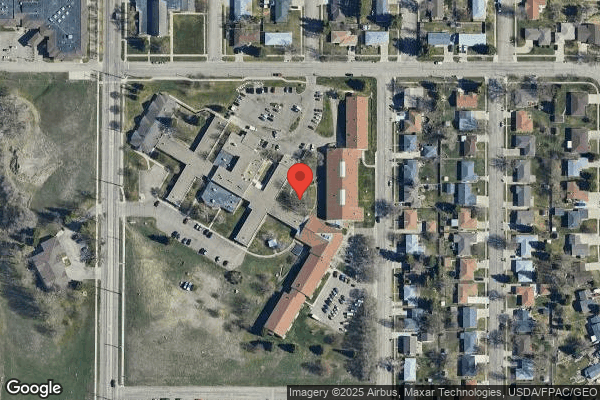
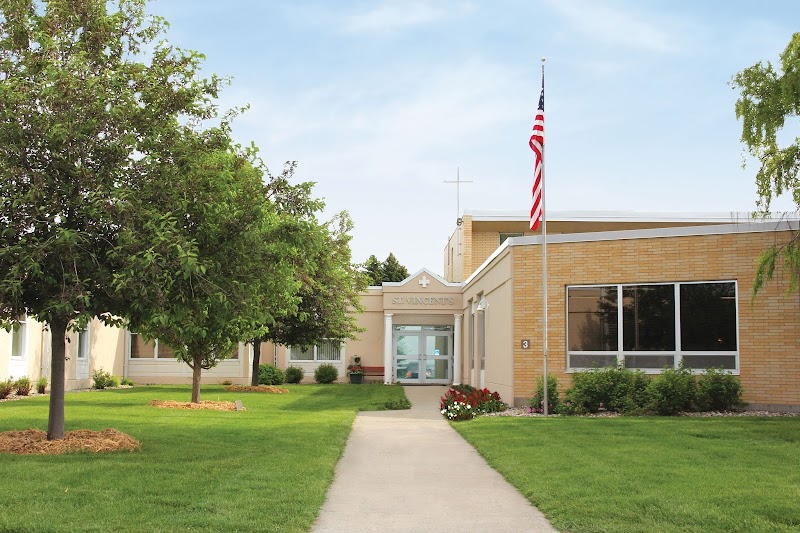
1021 N 26TH ST, BISMARCK, ND 58501 (701) 323-1999
Non profit - Corporation 97 Beds GOOD SAMARITAN SOCIETY Data: November 2025
Trust Grade
0/100
#68 of 72 in ND
Last Inspection: April 2025

Within standard 12-15 month inspection cycle. Federal law requires annual inspections.

Overview

St. Vincent's - A Prospera Community has received a Trust Grade of F, indicating significant concerns about its operations and care quality. It ranks #68 out of 72 nursing homes in North Dakota, placing it in the bottom half of facilities in the state, and #6 out of 6 in Burleigh County, meaning there are no better local options. Unfortunately, the facility's situation is worsening, with issues increasing from 12 in 2024 to 20 in 2025. Staffing is a relative strength, rated 4 out of 5 stars, but with a turnover rate of 50%, which is average for the state. However, the $67,236 in fines is concerning, as it exceeds the fines of 79% of facilities in North Dakota, suggesting ongoing compliance problems. Specific incidents noted by inspectors include a failure to keep residents free from abuse, as one resident exhibited inappropriate behavior, creating anxiety for others. Additionally, another resident was improperly managed with psychotropic medications, which should not be used for staff convenience. There was also a serious issue with a resident suffering significant weight loss due to inadequate monitoring and care. While staffing levels are decent, these serious deficiencies highlight significant weaknesses that families should consider when researching this facility.

Trust Score
F
0/100
In North Dakota
#68/72
Bottom 6%
Safety Record
High Risk
Review needed
Inspections
Getting Worse
12 → 20 violations
Staff Stability
⚠ Watch
50% turnover. Above average. Higher turnover means staff may not know residents' routines.
Penalties
✓ Good
$67,236 in fines. Lower than most North Dakota facilities. Relatively clean record.
Skilled Nurses
✓ Good
Each resident gets 44 minutes of Registered Nurse (RN) attention daily — more than average for North Dakota. RNs are trained to catch health problems early.
Violations
⚠ Watch
40 deficiencies on record. Higher than average. Multiple issues found across inspections.
★☆☆☆☆
1.0
Overall Rating
★★★★☆
4.0
Staff Levels
★★★★☆
4.0
Care Quality
★☆☆☆☆
1.0
Inspection Score
Stable
2024: 12 issues
2025: 20 issues

The Good

  • 4-Star Staffing Rating · Above-average nurse staffing levels
  • 4-Star Quality Measures · Strong clinical quality outcomes
  • Full Sprinkler Coverage · Fire safety systems throughout facility
  • No fines on record

Facility shows strength in staffing levels, quality measures, fire safety.

The Bad

1-Star Overall Rating

Below North Dakota average (3.1)

Significant quality concerns identified by CMS

Staff Turnover: 50%

Near North Dakota avg (46%)

Higher turnover may affect care consistency

Federal Fines: $67,236

Well above median ($33,413)

Moderate penalties - review what triggered them

Chain: GOOD SAMARITAN SOCIETY

Part of a multi-facility chain

Ask about local staffing decisions and management

The Ugly 40 deficiencies on record

3 actual harm
Apr 2025 20 deficiencies 2 Harm
SERIOUS (G) 📢 Someone Reported This

A family member, employee, or ombudsman was alarmed enough to file a formal complaint

Actual Harm - a resident was hurt due to facility failures

Free from Abuse/Neglect (Tag F0600)

A resident was harmed · This affected 1 resident

**NOTE- TERMS IN BRACKETS HAVE BEEN EDITED TO PROTECT CONFIDENTIALITY** 2. Based on record review, review of facility policy, and staff interview, the facility failed to ensure residents remained free...

Read full inspector narrative →
**NOTE- TERMS IN BRACKETS HAVE BEEN EDITED TO PROTECT CONFIDENTIALITY** 2. Based on record review, review of facility policy, and staff interview, the facility failed to ensure residents remained free from abuse for 1 of 1 sampled resident (Resident #243) who had explosive outbursts and/or inappropriate behaviors towards other residents. Failure to assess, care plan, and operationalize an effective plan of care resulted in an unsafe environment and anxiety/fear for residents residing on the same unit as Resident #243. Findings include: Review of the facility policy titled Abuse and Neglect occurred on 04/03/25. This policy, revised 07/22/24, stated, . The resident has the right to be free from abuse . Residents must not be subjected to abuse by anyone, including, but not limited to . other residents . Alleged or suspected violations involving any mistreatment . or abuse . will be reported immediately to the administrator. Review of Resident #243's medical record occurred on all days of survey. Diagnoses included anxiety, cerebral infarction (stroke), dementia, and mental disorder requiring continuous supervision. The physician's orders, dated 03/26/25, showed the resident received Carbamazepine for aggressive behaviors and Hydroxyzine HCI and Olanzapine for anxiety and/or depression. The progress notes identified the following: * 01/10/25 at 1:19 a.m., Resident is moody, sarcastic, irritable, verbal aggression towards others with much swearing. Resident has explosive temper. * 01/11/25 at 9:55 p.m., Resident . Brought to commons area and he became angry . yelling obscenities . He was very inappropriate to the point of being abusive, and this took place in front of other residents. * 01/25/25 at 8:31, p.m., . Later on in dayroom, [Resident #243] urinated in emesis bag, and was yelling loudly . He was swearing, and urine noted to be on floor and table. * 01/28/25 at 9:27 a.m., Resident was in the family room spitting on the walls and floor. * 01/29/25 at 11:30 a.m., [Resident #243] was sitting at the nurse's station with several residents sitting around him. He . talked for several minutes on his cell phone continually using foul language in a loud voice. When he was done on phone this author informed him that if he is going to use that kind of language, he needed to go back to his room so the other people didn't have to hear it. He stated 'that they can't hear or see so what difference does it make.' * 01/29/25 at 3:40 p.m., resident spent most of the shift, yelling and swearing . Staff was putting other residents down that were sitting at the table he was at. * 01/30/25 at 9:00 p.m., [Staff] called [NAME] ER [emergency room] to talk to Dr [doctor] about resident [sic] aggressive behavior towards . other residents. Explained that resident . has made comments that [sic] with residents around that they are all here to die, they just drool and stare he was told to not say those things and resident will keep saying them. Facility expressed to hospital ER that the resident was a risk to himself and others . Resident [sic] are nervous around him. Expressed our concern for safety of others due to resident behavior and that he poses a threat. * 01/31/25 at 9:00 a.m., Resident sitting at nurses station eating breakfast another male resident sitting at the nurses station. The other male resident stated 'to [Resident #243] why are you giving the nurses around here a hard time.' [Resident #243] stated 'what the hell do you know about it.' The other male resident stated 'you need to show some respect were you raised that way to show no respect.' [Resident #243] stated to other male resident 'I am going to kick your [blaspheme] you mother [blaspheme].' The other male resident stated 'I'm going to bust your [blaspheme] face up.' Nurse instructed caregiver to remove other male resident from the table. * 01/31/25 at 9:18 p.m., . Resident . Urinating in dayroom in urinal and leaving on table. Reported by staff from day shift that he was swearing directly to other residents. * 02/03/25 at 1:40 a.m., . Resident . Requests to sit at table in commons area with other residents and as he does will frequently urinate into an emesis bag and lay the bag on the table. He becomes angry at staff when the bag is removed, he continues to do this while sitting at the table and urinates in front of other residents . and family members that pass through the commons area. * 02/10/25 at 10:00 a.m., . Notified hospital that due [to] safety of residents . we were not going to be able to take [Resident #243] back to [facility] and that we were going to be discharging him effective today. Explained that we are just not able to meet his needs due to his aggression and behaviors . * 02/10/25 at 12:43 p.m., Notified Son that facility was going to be discharging resident due to safety concerns for other residents . and we are not able to meet his needs. Explained to [daughter] why the facility was discharging resident due to not being able to meet his needs, due to safety concerns from residents . * 02/10/25 at 1:51 p.m., Hospital called [facility] to discuss [Resident #243's] return. [Staff] talked with the hospital social worker about [Resident #243] and his behaviors . Facility is unable to meet [Resident #243's] needs, posing safety concerns to residents . * 03/24/25 at 9:21 a.m., Touched based with daughter to see how residents weekend was and if there was anything new the facility would need to know. Resident was started on a new anxiety medication and seemed to have a good weekend. Stated our plans was to still admit resident Wednesday morning at 10:30 am. * 03/27/25 at 12:59 p.m., . from 10pm to 12:40am [Resident #243] rang his call light 14 times, asked resident what could we do to help him make his transition back, resident stated that he will call when he needs staff. I did explain that we are going to have to talk more if it starts affecting other resident . We did also talk about appropriate place to urinate, explained that we can not urinate in emesis bags that is not what they are used for and it is an infection control concern. * 03/30/25 at 3:25 p.m., . [Resident #243] . is manipulating staff's time and screams and yells when he doesn't get immediate assistance. He was noted to roam the hallways and knocks and yells on other residents doors, opening them to look for staff to help him . He opened another residents door as staff was assisting this resident with putting her bra on. It was also reported several times from other residents and family members about his inappropriate language, complaints regarding food served and his appearance in the main dinning room. There has been requests to file formal complaints on this matter. It has been verbalized by other residents . of being fearful of this resident due to his explosive outbursts and behaviors. Staff have also been receiving complaints of behaviors in the commons area of urinating in emesis bags in front of other resident or family members . passing through. Educated resident about this behavior/habit but he continues with this behavior. Resident #243's current care plan stated, . [Resident #243] has a hx [history] of behavioral symptoms such as yelling and swearing at staff. At times he can be vulgar with his choice of words and say racist comments to the staff, and refused cares. Provide a calm, quite atmosphere . Re-direct resident to not swear . The care plan failed to address Resident #243's explosive outbursts and/or inappropriate behaviors towards other residents. During an interview on 04/03/25 at 12:20 p.m., when asked questions regarding the incident that occurred on 01/31/25, an administrative staff member (#1) stated, I didn't know about this. I will be submitting a report today and doing an investigation. The facility failed to assess and monitor Resident #243's patterns of behavior in an effort to protect other residents from abuse and minimize his aggressive and/or inappropriate behaviors towards other residents. The facility failed to ensure Resident #243 did not infringe upon the rights of other residents to be free from verbal abuse. 1. Based on record review, review of facility policy, and resident, family, and staff interviews, the facility failed to ensure residents remained free from physical and mental abuse for 1 of 1 confidential resident (Resident A) with allegations of abuse. Failure to provide services necessary to avoid mental/emotional distress and physical harm resulted in fear and an unsafe environment for Resident A and has the potential for all residents to experience psychosocial harm. Findings include: Review of the facility policy titled Abuse and Neglect occurred on 04/03/25. This policy, revised 07/22/24, stated, . The resident has the right to be free from abuse . Residents must not be subjected to abuse by anyone, including, but not limited to . employees . Review of Resident A's medical record occurred on all days of the survey. Diagnoses included vertigo and hemiplegia/hemiparesis of the left side. The annual Minimum Data Set (MDS), dated [DATE], identified intact cognition and substantial assistance required for activities of daily living. The current care plan identified assist of one with sit-to-stand lift for transfers when the resident had complaints of vertigo. During confidential interviews on 03/31/25 through 04/02/25, Resident A and a family member #1 reported the following: * Some staff are rough during cares and identified certified nurse aides (CNAs) (#7 and #8). * If Resident A expressed concern regarding roughness, the CNAs would be rougher the next time. * Resident A's hands would hit the side rail and door frames when turned and transferred by staff. * Staff pulled the resident to a sitting position by the back of Resident A's neck. * Resident A expressed fear and retaliation from a CNA (#8). * Resident A expressed emotional/mental distress regarding being a burden to the facility's staff. Observations on all days of survey showed a bruise to Resident A's left hand. The resident indicated the bruise occurred while staff transferred him/her about a week ago. Review of the medical record lacked documentation of the bruise. During an interview on 04/03/25 at 12:24 p.m., an administrative nurse (#2) confirmed she was aware of Resident A's abuse allegation but unaware of any bruises. Refer to 609 and 610
SERIOUS (G) 📢 Someone Reported This

A family member, employee, or ombudsman was alarmed enough to file a formal complaint

Actual Harm - a resident was hurt due to facility failures

Deficiency F0605 (Tag F0605)

A resident was harmed · This affected 1 resident

**NOTE- TERMS IN BRACKETS HAVE BEEN EDITED TO PROTECT CONFIDENTIALITY** Based on observation, record review, and review of the North Dakota Resident's Rights Guide, the facility failed to ensure resid...

Read full inspector narrative →
**NOTE- TERMS IN BRACKETS HAVE BEEN EDITED TO PROTECT CONFIDENTIALITY** Based on observation, record review, and review of the North Dakota Resident's Rights Guide, the facility failed to ensure residents remained free of chemical restraints for 1 of 1 sampled resident (Resident #37) with an as needed (PRN) psychotropic medication. Failure to assess resident behaviors in an effort to determine causative/precipitating factors, develop a behavioral care plan, and implement individualized interventions in an attempt to manage behaviors resulted in the frequent utilization of psychotropic medications to control Resident #37's behavior. Findings include: Review of the North Dakota Long Term Care Ombudsman Program Resident's Rights Guide, dated 03/21/23, pages 12-13 stated, . Chemical . Restraints may not be used for the convenience of the staff or for disciplinary reasons . Chemical Restraints means a 'psychopharmacological drug that is used for discipline or convenience' . Review of Resident #37's medical record occurred on all days of survey. Diagnoses included vascular dementia, anxiety disorder, Alzheimer's Disease, restlessness and agitation. Physician's orders identified the following: * 12/17/24 Ativan (an antianxiety medication) 0.5 milligrams (mg) every six hours PRN for restlessness, agitation, and anxiety. * 01/14/25 Ativan 0.5 mg at 4:00 p.m. and continue 0.5 mg every six hours PRN for agitation, restlessness and anxiety. * 03/04/25 Change order to ativan 0.5 mg twice a day at 4:00 p.m. and bedtime. Continue PRN 0.5 mg every six hours as needed for agitation, restlessness and anxiety. Observations of Resident #37 showed the following: * 03/31/25 at 12:55 p.m. asleep in the recliner, curled up in a ball. A certified nurse aide (CNA) (#15) shook the resident's right shoulder and stated the resident's name several times. The resident did not respond and her eyes remained closed. Two CNAs (#14 and #15) utilized the sit to stand lift (mechanical lift) to transfer the resident from the recliner to the wheelchair and to the bathroom. The CNAs physically placed the resident's hands on the assist bars of the sit to stand lift. The resident's eyes remained closed with no response during toileting. * 04/01/25 at 11:35 a.m. asleep in the wheelchair with head resting on chest. * 04/02/25 at 10:20 a.m. asleep in the recliner and leaning to the left side. A CNA (#16) shook the resident's right shoulder and stated the resident's name several times. The resident did not respond and her eyes remained closed. Another CNA (#15) stated, We'll need to use the pal lift [sit to stand lift]. Resident #37's current care plan stated, . has impaired cognitive function or impaired thought processes R/T [related to] Alzheimer's Disease . AMBULATION/LOCOMOTION/TRANSFERS: [Resident's name] is able to walk with Ax1 [assist of one staff] gait belt and FWW [front wheeled walker] on the unit. Ativan for anxiety . has a mood problem r/t major depressive disorder and anxiety . (depression and anxiety): Attempt non-pharmacological interventions: loves visiting with the staff and enjoys listening to the TV. The care plan failed to address and specify Resident #37's behaviors and types of non-pharmacological interventions. An admission Minimum Data Set (MDS), dated [DATE] and a quarterly MDS, dated [DATE], showed Resident #37 did not exhibit wandering, rejection of care, verbal, physical and/or other behaviors. Review of Resident #37's electronic medication administration record (EMAR) from December 18th, 2024, through February 28, 2025, (approximately 73 days), identified staff administered PRN Ativan 50 times. The nursing progress notes indicated the facility staff administered PRN Ativan due to the resident's restlessness, agitation, rudeness to staff, refusing cares, aggression to the staff, and wanting to leave the facility. The medical record included the following progress notes: * 01/14/25 at 11:02 a.m., . Seen by psych, [psychiatry] resident improved. * 01/19/25 at 3:09 p.m., . Mood and behavior team met for month of December [2024] she comments about going home and becomes restless at times . * 01/30/25 at 2:10 p.m., . Mood and behavior team met for the month of January [2025] her behaviors have been much. [sic] No new concerns for mood or behavior were noted at this time. * 02/26/25 at 4:43 p.m., . Mood and behavior team met for the month of February [2025]. There are no concerns with mood or behavior wise noted for the month. * 03/13/25 at 2:34 p.m., . Behavior team met for month of March [2025]. Resident less anxious and wanting to sleep more. A physician's progress note dated, 03/04/25, stated, . Review of MAR does indicate PRN ativan is used often. Will schedule a bedtime dose in addition to afternoon dose and continue PRN. has PRN Ativan 0.5 mg [milligrams] every 6 hours as needed. MAR indicates that in the last month, she did use ativan 10x [times] with needing it twice on two of those days. Overall improved and not so problematic . Failure to assess and implement behavioral and non-pharmacological interventions before utilization of PRN Ativan may have contributed to the resident's increased sleeping, and decreased responsiveness to staff.
CONCERN (D) 📢 Someone Reported This

A family member, employee, or ombudsman was alarmed enough to file a formal complaint

Potential for Harm - no one hurt, but risky conditions existed

Resident Rights (Tag F0550)

Could have caused harm · This affected 1 resident

Based on observation, review of facility policy and staff interview, the facility failed to provide care in a manner that maintained, enhanced, and respected the resident's dignity and individuality f...

Read full inspector narrative →
Based on observation, review of facility policy and staff interview, the facility failed to provide care in a manner that maintained, enhanced, and respected the resident's dignity and individuality for 2 of 2 supplemental residents (Resident #6 and #16) who received insulin and blood glucose checks. Failure to administer insulin and perform blood glucose checks in a private area does not preserve the resident's personal dignity, infringes upon the resident's rights to privacy, and has the potential to affect the resident's psychosocial well-being. Findings include: Review of the facility policy titled Resident Dignity occurred on 04/03/25. This policy, revised 12/11/24, stated, PURPOSE: To assist with respecting and ensuring residents rights . The interdisciplinary team will assist all staff members in maintaining the dignity of every resident . respecting resident's private space . providing the resident with privacy . confidentiality. Observations showed nursing procedures completed in the commons area as follows: * 04/01/25 at 11:43 a.m., a nurse (#20) performed a blood glucose check, pulled up Resident #6's shirt and administered insulin in the resident's abdomen as multiple residents and staff observed. * 04/02/25 at 8:25 a.m., a nurse (#20) performed a blood glucose check, pulled up Resident #16's shirt and administered insulin in the resident's abdomen as multiple residents and staff observed. During an interview on the afternoon of 04/03/25, an administrative nurse (#2) stated she expected staff to take residents to a private area to perform blood glucose checks and administer insulin.
CONCERN (D) 📢 Someone Reported This

A family member, employee, or ombudsman was alarmed enough to file a formal complaint

Potential for Harm - no one hurt, but risky conditions existed

Deficiency F0553 (Tag F0553)

Could have caused harm · This affected 1 resident

Based on record review, review of the facility's policy, and staff interview, the facility failed to ensure the right to participate in the development and implementation of the person-centered plan o...

Read full inspector narrative →
Based on record review, review of the facility's policy, and staff interview, the facility failed to ensure the right to participate in the development and implementation of the person-centered plan of care for 1 of 1 sampled resident (#243) reviewed for care planning. Failure to afford Resident #243 and/or a family representative the opportunity to participate in the care planning process restricted their right to make decisions/provide input regarding any potential changes to Resident #243's care, treatment, and/or interventions. Findings include: Review of the facility policy titled Advanced Care Planning occurred on 04/03/25. This policy, revised on 12/02/24, stated, . Purpose: To provide each resident the opportunity to make decisions regarding medical care . assist residents to make their choices known regarding well-being and treatment . Residents and resident surrogate or proxy decision makers have the right to make decisions concerning medical care, including the right to accept or to refuse medical . treatment. During an interview on 04/03/25 at 12:24 p.m., an administrative nurse (#2) reported staff conduct care conferences every quarter, after a significant change, and after a hospitalization. Review of Resident #243's medical record occurred on all days of survey. The progress notes lacked evidence the facility invited Resident #243 and/or a family representative to care conferences following admission/quarterly assessments on 05/06/24, 10/30/24, and 01/30/25. Facility staff failed to afford Resident #243 and/or his family representative the opportunity to participate in the care planning process on a quarterly basis and/or after each hospitalization and failed to inform him, in advance, of changes to the plan of care.
CONCERN (D) 📢 Someone Reported This

A family member, employee, or ombudsman was alarmed enough to file a formal complaint

Potential for Harm - no one hurt, but risky conditions existed

Report Alleged Abuse (Tag F0609)

Could have caused harm · This affected 1 resident

**NOTE- TERMS IN BRACKETS HAVE BEEN EDITED TO PROTECT CONFIDENTIALITY** Based on record review, review of the facility's policy, and resident, family, and staff interviews, the facility failed to ensu...

Read full inspector narrative →
**NOTE- TERMS IN BRACKETS HAVE BEEN EDITED TO PROTECT CONFIDENTIALITY** Based on record review, review of the facility's policy, and resident, family, and staff interviews, the facility failed to ensure all alleged violations involving abuse were reported immediately to the administrator of the facility and to other officials (including the State Survey Agency) for 1 of 1 sampled resident (Resident #243) and 1 confidential resident (Resident A). Failure to report Resident A's allegation of abuse to the state agency, and an incident involving Resident #243 and another resident to the administrator and State agency placed all residents at risk of mistreatment, verbal abuse, and/or experiencing anxiety/fear. Findings include: Review of the facility policy titled Abuse and Neglect occurred on 04/03/25. This policy, revised on 07/22/24, stated, . suspected violations involving any mistreatment . or abuse . will be reported immediately to the administrator. Designated agencies will be notified in accordance with state law, including the State Survey and Certification Agency. Results of all investigations will be reported to the administrator or designated representative and to other officials in accordance with state law, including to the state survey and certification agency . - Review of Resident A's medical record occurred on all days of the survey. The annual Minimum Data Set (MDS), dated [DATE], identified intact cognition and required substantial assistance for activities of daily living. During confidential interviews on 03/31/25 through 04/02/25, Resident A and a family member #1 reported the following: * Staff are rough during cares. * When assisted to a seated position, staff grab the resident by the back of his/her neck. * Indicated a bruise to his/her left hand occurred when Resident A's hand hit the side rail while staff transfered him/her. * Staff disregard requests when answering the his/her call light. During an interview on 04/03/25 at 12:24 p.m., an administrative nurse (#2) confirmed the facility failed to report Resident A's allegations to the state agency. - Review of Resident #243's medical record occurred on all days of survey. Diagnoses included anxiety, cerebral infarction (stroke), dementia, and mental disorder requiring continuous supervision. A progress note, dated 01/31/25 at 9:00 a.m., stated, Resident [#243] sitting at nurses station eating breakfast another male resident sitting at the nurses station. The other male resident stated to [sic] [Resident #243] 'why are you giving the nurses around here a hard time.' [Resident #243] stated 'what the hell do you know about it.' The other male resident stated 'you need to show some respect were you raised that way to show no respect.' [Resident #243] stated to other male resident 'I am going to kick your [blaspheme] you mother [blaspheme].' The other male resident stated 'I'm going to bust your [blaspheme] face up.' Nurse instructed caregiver to remove other male resident from the table. During an interview on 04/03/25 at 12:20 p.m., when asked what steps the facility took when Resident #243 threatened another resident on 01/31/25, an administrative staff member (#1) stated, I didn't know about this. Facility staff failed to identify Resident #243's explosive outbursts and/or inappropriate behaviors as abusive and failed to report the incident that occurred on 01/31/25 to the administrator and State agency.
CONCERN (D) 📢 Someone Reported This

A family member, employee, or ombudsman was alarmed enough to file a formal complaint

Potential for Harm - no one hurt, but risky conditions existed

Investigate Abuse (Tag F0610)

Could have caused harm · This affected 1 resident

**NOTE- TERMS IN BRACKETS HAVE BEEN EDITED TO PROTECT CONFIDENTIALITY** Based on record review, review of facility policy, and resident, family, and staff interviews, the facility failed to thoroughly...

Read full inspector narrative →
**NOTE- TERMS IN BRACKETS HAVE BEEN EDITED TO PROTECT CONFIDENTIALITY** Based on record review, review of facility policy, and resident, family, and staff interviews, the facility failed to thoroughly investigate alleged violations of abuse for 1 of 1 sampled resident (Resident #243) and 1 confidential resident (Resident A). Failure to thoroughly investigate Resident #243's incidents of abusive behavior and Resident A's allegations of abuse, ensure the protection of other residents during the investigation, implement corrective actions, and evaluate the effectiveness of the actions, placed all residents at risk for mistreatment, verbal abuse, and/or experiencing anxiety/fear. Findings include: Review of the facility policy titled Abuse and Neglect occurred on 04/03/25. This policy, revised on 07/22/24, stated, . The location will have evidence that all alleged or suspected violations are thoroughly investigated and will prevent further potential abuse while the investigation is in process. If the alleged or suspected violation is verified, appropriate corrective action will be taken. - Review of Resident A's medical record occurred on all days of the survey. The annual Minimum Data Set (MDS), dated [DATE], identified intact cognition and required substantial assistance for activities of daily living. During confidential interviews on 03/31/25 through 04/02/25, Resident A and a family member #1 reported the following: * Staff are rough during cares. * When assisted to a seated position, staff grab the resident by the back of his/her neck. * Indicated a bruise to his/her left hand occurred when Resident A's hand hit the side rail while staff transfered him/her. * Staff disregard requests when answering the his/her call light. An administrative staff member (#1) provided a document regarding CNA (#7's) performance. An excerpt, dated 12/04/24 stated, . [administrative staff member name] sent [administrative staff member name] and I an e-mail letting us know that she talked to [name of CNA (#7)] this morning about the abuse allegation and sent her home for administrative leave. The document failed to show any information about the allegation/investigation. During an interview on 04/03/25 at 12:24 p.m., an administrative nurse (#2) confirmed she was aware of Resident A's allegations. - Review of Resident #243's medical record occurred on all days of survey. Diagnoses included anxiety, cerebral infarction (stroke), dementia, and mental disorder requiring continuous supervision. A progress note, dated 01/31/25 at 9:00 a.m., stated, Resident [#243] sitting at nurses station eating breakfast another male resident sitting at the nurses station. The other male resident stated to[Resident #243] 'why are you giving the nurses around here a hard time.' [Resident #243] stated 'what the hell do you know about it.' The other male resident stated 'you need to show some respect were you raised that way to show no respect.' [Resident #243] stated to other male resident 'I am going to kick your [blaspheme] you mother [blaspheme].' The other male resident stated 'I'm going to bust your [blaspheme] face up.' Nurse instructed caregiver to remove other male resident from the table. During an interview on 04/03/25 at 12:20 p.m., when asked what steps the facility took when Resident #243 threatened another resident on 01/31/25, an administrative staff member (#1) stated, I didn't know about this. The facility failed to thoroughly investigate the incident that occurred on 01/31/25 between Resident #243 and another resident and the allegations by Resident A, prevent further potential verbal abuse and mistreatment while the investigation is in process, and implement appropriate corrective actions.
CONCERN (D) 📢 Someone Reported This

A family member, employee, or ombudsman was alarmed enough to file a formal complaint

Potential for Harm - no one hurt, but risky conditions existed

Transfer Notice (Tag F0623)

Could have caused harm · This affected 1 resident

**NOTE- TERMS IN BRACKETS HAVE BEEN EDITED TO PROTECT CONFIDENTIALITY** Based on record review, review of facility policy, and staff interview, the facility failed to provide the resident or the resid...

Read full inspector narrative →
**NOTE- TERMS IN BRACKETS HAVE BEEN EDITED TO PROTECT CONFIDENTIALITY** Based on record review, review of facility policy, and staff interview, the facility failed to provide the resident or the resident's representative a written notice of transfer or a copy of the notice to the State Long Term Care Ombudsman for 2 of 6 sampled residents (Resident #78 and #243) reviewed for hospital transfer. Failure to provide a written copy of the transfer notice does not allow the resident and/or their representative to make an informed decision regarding their rights and does not allow the ombudsman to be aware of facility practices regarding transfer and discharge or advocate on the resident's behalf. Findings include: Review of the facility policy titled Discharge and Transfer occurred on 04/03/25. This policy, revised on 03/28/25, stated, . Before a location transfers or discharges a resident, the location must . Notify the resident and the resident's representative of the transfer . and the reason for the move in writing . When a resident is temporarily transferred on an emergency basis to an acute care center, a notice of transfer must be provided to the resident and resident representative as soon as practicable before the transfer. Copies of notices for emergency transfers must also still be sent to the ombudsman . A location must provide and document sufficient preparation and orientation to residents to ensure safe and orderly . discharge from the location. Sufficient preparation and orientation means the location informs the resident where he or she is going and takes steps under its control to minimize anxiety and ensure safe transportation. - Review of Resident #78's medical record occurred on all days of survey and identified a hospital transfer on 01/07/25. The medical record lacked evidence the facility provided the resident and/or representative with a written transfer notice or a copy of the transfer to the ombudsman. During an interview on 04/02/25, a social service staff member (#17) confirmed the facility did not have a copy of the transfer notice provided to Resident #78 or their representative or to the ombudsman for the hospitalization on 01/07/25. - Review of Resident #243's medical record occurred on all days of survey and identified hospital transfers on 03/30/25. A Notice of Transfer for Hospitalization form, dated 03/30/25, indicated the resident received written notification on 04/01/25, two days after the transfer. The facility failed to provide Resident #243 with a written notice prior to transferring him to the hospital on [DATE].
CONCERN (D) 📢 Someone Reported This

A family member, employee, or ombudsman was alarmed enough to file a formal complaint

Potential for Harm - no one hurt, but risky conditions existed

Deficiency F0637 (Tag F0637)

Could have caused harm · This affected 1 resident

**NOTE- TERMS IN BRACKETS HAVE BEEN EDITED TO PROTECT CONFIDENTIALITY** Based on record review, review of the Long-Term Care Facility Resident Assessment Instrument (RAI) 3.0 User's Manual and staff i...

Read full inspector narrative →
**NOTE- TERMS IN BRACKETS HAVE BEEN EDITED TO PROTECT CONFIDENTIALITY** Based on record review, review of the Long-Term Care Facility Resident Assessment Instrument (RAI) 3.0 User's Manual and staff interview, the facility failed to complete a significant change in status assessment (SCSA) for 1 of 3 sampled residents (Resident #37) who experienced a significant change in status. Failure to determine the need for and complete a SCSA in response to a resident's decline limited the facility's ability to accurately assess the resident's status and identity and implement appropriate care approaches. Findings include: The Long-Term Care Facility RAI 3.0 User's Manual (Version 1.18.11), dated October 2023, page 2-24 stated, . A 'significant change' is a major decline or improvement in a resident's status that: 1. Will not normally resolve itself without staff intervention . 2. Impacts more than one area of the resident's health status; and 3. Requires interdisciplinary review and/or revision of the care plan. and Page 2-27 stated, A SCSA is appropriate if there are either two or more areas of decline or two or more areas of improvement. Any decline in an ADL [activities of daily functioning] physical functioning area (e.g., self-care or mobility) (at least 1) where a resident is newly coded as partial/moderate assistance, substantial/maximal assistance, dependent, resident refused, or the activity was not attempted since last assessment and does not reflect normal fluctuations in that individual's functioning. Review of Resident #37's medical record occurred on all days of survey. An admission Minimum Data Set (MDS), dated [DATE], identified supervision required with oral hygiene and moderate/partial assistance required with taking on/off socks and shoes. A quarterly MDS, dated [DATE], identified as moderate/partial assistance required with oral hygiene, maximum/substantial assistance required with taking on/off shoes and socks and a weight loss. The record lacked evidence facility staff identified and/or completed a SCSA following Resident #37's decline in activities of daily living and weight loss. During an interview on 04/03/25 at 11:16 a.m., an administrative staff nurse (#13) verified Resident #37 declined with oral hygiene, taking on/off shoes and socks, and had a weight loss.
CONCERN (D) 📢 Someone Reported This

A family member, employee, or ombudsman was alarmed enough to file a formal complaint

Potential for Harm - no one hurt, but risky conditions existed

Deficiency F0658 (Tag F0658)

Could have caused harm · This affected 1 resident

Based on record review, review of professional reference, and staff interview, the facility failed to follow professional standards of practice for 1 of 1 sampled resident (Resident #1) with high bloo...

Read full inspector narrative →
Based on record review, review of professional reference, and staff interview, the facility failed to follow professional standards of practice for 1 of 1 sampled resident (Resident #1) with high blood glucose readings. Failure to notify the provider of high blood glucose levels as ordered may result in adverse outcomes for the resident. Findings include: Kozier & Erb's Fundamentals of Nursing, Concepts, Process and Practice, 11th Edition eText 2021, Pearson, Boston, Massachusetts, page 63, stated, Carrying Out a Physician's: Nurses are expected to analyze procedures and medications ordered by the physician or primary care provider. If the order is neither ambiguous nor apparently erroneous, the nurse is responsible for carrying it out. Review of Resident #1's medical record occurred on all days of survey and included a diagnoss of type 2 diabetes mellitus. A physician's order, dated 10/10/24 stated, ACCU-CHECKS [blood glucose monitoring] before meals. Call PCP [Primary Care Provider] if BS [blood sugar] is < [less than] 60 or > [greater than] 400. Review of Resident #1's Blood Sugar Summary, dated January 1 - March 31, 2025, showed the following blood glucose readings: * 01/24/25 at 12:22 p.m. - 567.0 mg/dL [milligrams per deciliter] * 01/26/25 at 5:21 p.m. - 404.0 mg/dL The medical record lacked documentation the facility notified Resident #1's provider of the elevated blood glucose levels. During an interview on 04/03/25 at 2:47 p.m., an administrative staff member (#1) confirmed staff failed to notify the physician of Resident #1's high blood sugar levels on the above dates.
CONCERN (D)

Potential for Harm - no one hurt, but risky conditions existed

ADL Care (Tag F0677)

Could have caused harm · This affected 1 resident

Based on observation, record review, review of professional reference, and staff interview, the facility failed to provide appropriate toileting and perineal care for 1 of 4 sampled residents (Residen...

Read full inspector narrative →
Based on observation, record review, review of professional reference, and staff interview, the facility failed to provide appropriate toileting and perineal care for 1 of 4 sampled residents (Resident #293) observed for toileting who required staff assistance. Failure to provide toileting assistance as care planned and proper perineal care may result in a loss of dignity and placed the resident at risk for skin breakdown, decreased self-esteem, and urinary tract infections (UTI). Findings include: Kozier & Erb's Fundamentals of Nursing: Concepts, Process and Practice, 11th Edition eText, 2021, Pearson, Boston, Massachusetts, page 892, stated, Fecal and Urinary Incontinence: Moisture from incontinence promotes skin maceration [tissue softened by prolonged wetting or soaking] and makes the epidermis [skin] more easily eroded and susceptible to injury . Page 1221 stated, . scheduled toileting, attempts to keep clients dry by having them void at regular intervals, such as every 2 to 4 hours. The goal is to keep the client dry . - Review of Resident #293's medical record occurred on all days of survey. The care plan stated, . TOILET USE: Resident requires check and change. Resident can be unaware of when he is wet/soiled. BRIEF USE: Resident uses incontinence products for heavy incontinence. Check every 2-3 hours and prn [as needed]. Observations of Resident #293 on 03/31/25 showed the following: * At 2:12 p.m., seated in a wheelchair in the activity room attempted to self-propel and stated to staff, I have to go, let me go. A CNA (#11) told the resident to stay there and sit down. * At 3:50 p.m., seated in a wheelchair and stated, I have to go and attempted to self-propel the wheelchair down the hallway. Two CNAs (#11 and #12) told the resident to stay there and did not assist the resident to the bathroom. * At 4:21 p.m., urine ran down Resident #293's wheelchair and on to the floor in the activity room. Review of Resident #293 toileting chart on the afternoon of 3/31/2025 showed staff toileted the resident at 01:33 p.m. and 05:00 p.m. (39 minutes after the incontinent episode observed in the activity room). During an interview on 03/31/25 at 5:18 p.m., an administrative nurse (#10) stated he/she expected staff to toilet residents as care planned and as needed. The facility staff failed to toilet Resident #293 as care planned.
CONCERN (D) 📢 Someone Reported This

A family member, employee, or ombudsman was alarmed enough to file a formal complaint

Potential for Harm - no one hurt, but risky conditions existed

Accident Prevention (Tag F0689)

Could have caused harm · This affected 1 resident

2. Based on record review, review of the facility reported incident (FRI) and investigation, and review of facility policy, the facility failed to provide appropriate supervision and/or assistance to ...

Read full inspector narrative →
2. Based on record review, review of the facility reported incident (FRI) and investigation, and review of facility policy, the facility failed to provide appropriate supervision and/or assistance to prevent an accident for 1 of 1 sampled resident (Resident #243) who fell during transport from the facility van. Failure to properly position the anti-rollbacks resulted in Resident #243's fall/injury and placed all residents transferred with the van at risk for falls/injury. This citation is considered past non-compliance based on review of the corrective actions the facility implemented immediately following the incident. Findings include: The surveyor determined a deficient practice existed on 10/11/24. The facility implemented and completed corrective action on 10/16/24. Review of the facility policy titled Vehicle Transfer occurred on 04/03/25. This policy, revised 12/02/24, stated, . Incorporating safe resident handling practices . into . vehicle transfers reduces the risk of injury for both the resident and employee. It is the responsibility of the licensed nurse to determine the most appropriate method of transfer based on the resident's support needs. Occasionally employees will accompany the resident to medical appointments. Review of Resident #243's medical record occurred on all days of survey. Diagnoses included abnormal posture, dementia, hemiparesis secondary to cerebral vascular accident (CVA), and obesity. The care plan, dated 03/14/25, stated, . [Resident #243] has an ADL [activities of daily living] self-care performance deficit . Continuous oxygen per nasal cannula. 3 liters. Anti-tip bars on wheel chair . When Loading/Unloading into facility Van. Staff will position upwards while going up and down the ramp for safety. Once situated in the van or off the ramp staff will be [sic] position anti-tip bars on wheel chair downward. [Resident #243] is at risk for falls R/T needing assist for transfers with complete mechanical lift . 10/11/24 Resident had a fall while coming out of the van going to an appointment. Review of the FRI, dated 10/11/24, stated, Resident was being transferred to eye appointment, driver had completed the transport safely she [driver] had removed all safety devices and was starting to back wheelchair out of the van down the ramp. While taking the resident down the ramp resident anti roll back [bar] caught the edge of the ramp, with the weight of the resident, oxygen and wheelchair the staff member was not able to hold on to the resident and the resident was lowered down to the floor of the ramp. Driver was not able to say for sure if the resident hit his head resident state [sic] he did. Driver did call 911 clinic staff did come out and help until EMS arrived. A progress note, dated 10/11/2024 at 4:28 p.m., stated, Resident denies pain or nausea, denies dizziness. Describes incident this am, and states he may have landed on the back of his head. No lump or bruising seen. He is requesting tylenol and cyclobenzaprine [a muscle relaxant]. The facility final FRI investigation report stated, Facility went out and checked all residents' wheelchairs and made staff aware of what residents have anti-rollbacks on their chairs, we did add statement under ADLs on their care plan [sic] that follows * Anti Rollbacks PREFERENCES: When loading/Unloading into facility Van. Staff will position upwards going up and down the ramp for safety. Once situated in the van or off the ramp Anti Rollbacks will be positioned downward. The facility failed to ensure Resident #243's anti-rollbacks were properly positioned while being transferred up/down the van ramp. Based on the following information, non-compliance at F689 is considered past non-compliance. The facility implemented corrective actions for other residents who may be affected by the deficient practice as follows: * Completed an investigation into Resident #243's fall, * Updated the care plan for all residents with anti-rollback wheelchairs, * Re-education and competency evaluations provided to all facility drivers regarding anti-rollback wheelchairs on 10/11/24, and * Implemented audits on van transfers. 1. Based on observation, record review, review of facility policy, and staff interview, the facility failed to provide adequate assessment and/or assistive devices necessary to prevent accidents for 2 of 7 sampled residents (Resident #25 and #37) who required assistance with transfers. Failure to provide appropriate assessment and use assistive devices during transfers placed the residents at risk of accidents and injury. Findings include: Review of the facility policy titled Gait-Transfer Belt occurred on 04/02/25. This policy, revised 05/02/24, stated, . a device used for stability and/or support for a short time during the actual transfer . Review of the facility policy titled Safe Resident Handling occurred on 04/03/25. This policy, stated, . Skilled . Licensed Nurses . Responds timely to caregivers reports of changes in the resident mobility and . The following documentation is used: To identify the resident's most appropriate method of transfer: Sit-Stand-Walk Data Collection Tool . used to identify resident needs for appropriate method of transfer . - Review of Resident #25's medical record occurred on all days of the survey. The care plan stated, . AMBULATION/TRANSFERS/MOBILITY: Assist of 1, gait belt . Observation on 04/01/25 at 11:05 a.m. showed a certified nurse aide (CNA) (#3) transferred Resident #25 from the bed to the wheelchair. The CNA reached under Resident #25's buttocks, assisted her to stand and stabilized her at the waist/arm to pivot to the wheelchair. The resident verbalized weakness in her legs during the pivot. The CNA (#3) reached under Resident #25's arm to boost and stabilize the resident, then transferred Resident #25 from the toilet back to the wheelchair. The CNA (#3) failed to use a gait belt during the transfers. - Review of Resident #37's medical record occurred on all days of survey. The care plan stated, . [Resident's name] has an ADL [activities of daily living] self care performance deficit . is able to walk with Ax1 [staff assistance of 1] gaitbelt and FWW [front wheeled walker] on the unit. WC [wheelchair] if needed for distances. Nurse to assess for changes in transfer. Observation on 03/31/25 at 12:55 p.m. showed Resident #37 asleep in the recliner. A (CNA) (#15) shook the resident's right shoulder and called her name several times as she attempted to wake the resident. The resident did not respond, and her eyes remained closed. Two CNAs (#14 and #15) used the sit to stand lift (mechanical lift) to transfer the resident from the recliner to the wheelchair, assisted the resident to the bathroom, and again used the sit to stand lift to transfer Resident #37 to the toilet. The CNAs physically placed the resident's hands on the assist bars of the sit to stand lift. The resident's eyes remained closed with no response during toileting. The facility failed to ensure a licensed nurse or therapy completed an assessment to ensure this method of transfer was safe for the resident. Observation on 04/02/25 at 10:20 a.m. showed Resident #37 asleep in the recliner, and leaned to the left side. The sit to stand lift was located beside the recliner chair. A CNA (#16) shook the resident's right shoulder and called her name several times as he attempted to wake the resident. The resident did not respond, and her eyes remained closed. When asked how the resident is to be transferred the CNA (#16) stated, We can pivot transfer her with one or we can use the pal lift [sit to stand mechanical lift]. The CNA (#15) stated they were going to assist the resident to the bathroom and they need to use the pal lift. The CNA (#16) stated, I will go ask the nurse. The CNA (#16) returned from talking to the nurse and stated, She [the nurse] said to not toilet her right now, and just to reposition her. The medical record lacked documentation to identify the resident's most appropriate method of transfer. During an interview on the afternoon of 04/03/25, an administrative nurse (#2) stated if gait belts are used, it would be reflected in the care plan and confirmed the medical record lacked a therapy or nursing sit-stand-walk data collection tool/assessment for Resident #37.
CONCERN (D) 📢 Someone Reported This

A family member, employee, or ombudsman was alarmed enough to file a formal complaint

Potential for Harm - no one hurt, but risky conditions existed

Medication Errors (Tag F0758)

Could have caused harm · This affected 1 resident

Based on record review, review of facility policy and staff interview, the facility failed to ensure medication orders include a rationale and duration for the use of an as needed (PRN) psychotropic m...

Read full inspector narrative →
Based on record review, review of facility policy and staff interview, the facility failed to ensure medication orders include a rationale and duration for the use of an as needed (PRN) psychotropic medication for 1 of 1 sampled resident (Resident #37) who received PRN psychotropic medications. Failure to ensure PRN psychotropic medication orders are limited to 14 days and document a rationale for continued use places residents at risk for receiving unnecessary medications and experiencing adverse consequences related to their use. Findings include: Review of the facility policy titled Psychotropic Medications occurred on 04/03/25. This policy, dated December 2024, stated, . PRN orders for psychotropic drugs are limited to 14 days. If the attending physician or prescribing practitioner believes that it is appropriate for the PRN order to be extended beyond 14 days, he or she should document their rationale in the resident's medical record and indicate the duration for the PRN order. Review of Resident #37's medical record occurred on all days of survey. Diagnoses included dementia and anxiety. Physician's orders included the following: * 12/17/24 Ativan (an antianxiety medication) 0.5 milligrams (mg) every six hours PRN for restlessness, agitation, and anxiety. The order failed to include an end date. * 01/14/25 (28 days after the initiation of the Ativan), Ativan 0.5 mg at 4:00 p.m. and continue 0.5 mg every six hours PRN for agitation, restlessness and anxiety for 90 days. The medical record lacked a rationale for continued use of the PRN order. * 03/04/25 (20 days after the last review), the provider changed the Ativan order to 0.5 mg twice a day at 4:00 p.m. and bedtime and to continue PRN Ativan 0.5 mg every six hours as needed for agitation, restlessness and anxiety 60 days. A provider note, dated 03/04/25, stated, overall improved and not so problematic . The medical record lacked a rationale for continued use of the PRN order. During an interview on 04/03/25 at 1:37 p.m., an administrative staff member (#1) stated she expected staff/physicians to follow the facility's policy regarding PRN psychotropic medication orders.
CONCERN (D) 📢 Someone Reported This

A family member, employee, or ombudsman was alarmed enough to file a formal complaint

Potential for Harm - no one hurt, but risky conditions existed

Deficiency F0761 (Tag F0761)

Could have caused harm · This affected 1 resident

Based on observation, facility policy, record review and staff interview the facility failed to ensure accurate reconciliation and storage of medications for 1 of 2 sampled residents (Resident #68) ob...

Read full inspector narrative →
Based on observation, facility policy, record review and staff interview the facility failed to ensure accurate reconciliation and storage of medications for 1 of 2 sampled residents (Resident #68) observed during medication pass. Failure to reconcile and dispose of medications may result in medications errors and the potential for drug diversion. Findings include: Review of the facility policy titled, Medications: Acquisition Receiving Dispensing Storage occurred on 04/03/25. This policy, dated 03/04/25, stated, .Controlled: . To provide verification and reconciliation of all controlled medications . For all schedule II-controlled medications . the nurse/going off shift unlocks the controlled medication storage unit and then will go to the narcotic count book and read each controlled substance to the on-coming nurse . the on-coming nurse will verify the physical medication count matches the remaining amount listed in the controlled substance book for each medication . the on-coming nurse will physically examine the containers/packages of each controlled medication for evidence of tampering (opened packages) . should evidence of tampering be present, an incident report should be completed and the director of nursing notified immediately . if the physical count is NOT in agreement with the controlled substance book, the error must be completed prior to the end of shift and reported to the director of nursing before staff administering medications for the shift leave the building . Review of Resident #68's medical record occurred on all days of survey. The current physician orders included Morphine Sulfate Concentrate 20 mg/ml (milligrams per milliliter). Give 0.25 ml oral four times a day for pain and 0.25 ml every hour as needed. Observation on 04/02/25 at 8:40 a.m., showed a staff nurse (#23) opened the medication cart, obtained Resident #68's empty morphine sulfate bottle. Review of the narcotic count sheet showed 4.25 ml of morphine sulfate remained in the bottle. During an interview on the afternoon of 04/02/25, an administrative nurse (#2) stated she expected staff to reconcile and report discrepancies with narcotic medications immediately to nursing management per facility policy.
CONCERN (D) 📢 Someone Reported This

A family member, employee, or ombudsman was alarmed enough to file a formal complaint

Potential for Harm - no one hurt, but risky conditions existed

Infection Control (Tag F0880)

Could have caused harm · This affected 1 resident

**NOTE- TERMS IN BRACKETS HAVE BEEN EDITED TO PROTECT CONFIDENTIALITY** Based on observation, record review, review of facility policy, and staff interview, the facility failed to follow standards of ...

Read full inspector narrative →
**NOTE- TERMS IN BRACKETS HAVE BEEN EDITED TO PROTECT CONFIDENTIALITY** Based on observation, record review, review of facility policy, and staff interview, the facility failed to follow standards of infection control and prevention for 1 of 5 sampled residents (Resident #78) in Enhanced Barrier Precautions (EBP) and 1 of 4 sampled residents (Resident #25) who required staff assistance with perineal care. Failure to practice infection control standards related to EBP, urinary catheter care, and perineal care has the potential to spread infection throughout the facility. Findings include: Review of the facility policy, Standard and Transmission-Based Precautions occurred on 04/03/25. This policy, dated, 04/02/24, stated, Purpose: . To prevent the spread of infection . Enhanced Barrier Precautions (EBP): Enhanced barrier precautions expand the use of PPE [personal protective equipment] beyond situations in which exposure to . body fluids is anticipated and refer to the use of gown and gloves during high-contact resident care activities . Enhanced Barrier Precautions are needed for residents with . Indwelling Medical devices (. indwelling urinary catheters). High-Contact Resident Care Activities include: . device care or use (. urinary catheter). Review of the facility policy titled Perineal Care occurred on 04/03/25. This policy, revised 07/29/24, stated, . using gentle downward strokes from the front to the back of the perineum . - Review of Resident #78's medical record occurred on all days of survey. The care plan stated, . The resident requires Enhanced Barrier Precautions (EBP) R/T [related to]: foley catheter. Instruct staff to wear disposable gloves and gown when performing high contact resident care activities . Observation on 04/02/25 at 11:11 a.m. showed Resident #78's room with signage for EBP on the door and a supply cart located at the entrance of the room. The certified nurse aide (CNA) (#4) entered the room to empty the resident's urinary drainage bag. The CNA applied gloves, failed to apply a gown, cleaned the end of catheter tubing with an alcohol swab, emptied urine into a collection container, then emptied the urine into the toilet. The CNA (#4) failed to apply a gown when providing high-contact care (emptying a urinary drainage bag) for Resident #78. - Review of Resident #25's medical record occurred on all days of survey. Diagnoses include acute cystitis without hematuria (bladder inflammation without blood in urine) and a history of urinary tract infections. The quarterly Minimum Data Set (MDS), dated [DATE], identified occasionally incontinent of urine and a UTI within the last 30 days. Review of Resident #25's laboratory values over the past six months showed positive urine cultures in November 2024, February 2025, and March 2025 (indicating UTIs). The resident was hospitalized from [DATE]-18, 2025 related to a UTI requiring IV (intravenous) antibiotics. The current care plan stated, . at risk for bladder infections R/T [related to] HX [history] of UTI . Monitor/document for s/s [signs and symptoms] UTI . TOILET USE: . Wears a liner in her own undergarments. Peri [perineal] care assist of 1 . Observations of Resident #25 on 04/01/25 showed the following: * At 8:05 a.m., A certified nursing assistant (CNA) (#3) assisted Resident #25 to the toilet. Resident #25 wore two briefs and a liner and stated it was hard to sleep and uncomfortable. The CNA (#3) took a washcloth from the basin filled with soapy water and wiped Resident #25's perineal area from back to front and then wiped back to front. During an interview on 04/01/25 at 8:05 a.m. the CNA (#3) confirmed staff are not supposed to double brief residents. During an interview the afternoon of 04/03/25, an administrative staff member (#1) confirmed she expected staff to wear a gown when performing high contact care for a resident in EBP and two administrative staff members (#1 and #2) confirmed perineal cares were not completed correctly.
CONCERN (E) 📢 Someone Reported This

A family member, employee, or ombudsman was alarmed enough to file a formal complaint

Potential for Harm - no one hurt, but risky conditions existed

Deficiency F0657 (Tag F0657)

Could have caused harm · This affected multiple residents

**NOTE- TERMS IN BRACKETS HAVE BEEN EDITED TO PROTECT CONFIDENTIALITY** Based on observation, record review, review of facility policy, and staff interview, the facility failed to review and revise ca...

Read full inspector narrative →
**NOTE- TERMS IN BRACKETS HAVE BEEN EDITED TO PROTECT CONFIDENTIALITY** Based on observation, record review, review of facility policy, and staff interview, the facility failed to review and revise care plans to reflect the residents' current status for 5 of 23 sampled residents (Residents #37, #76, #243, and #443). Failure to update care plans limited the staffs' ability to communicate needs and ensure continuity of care. Findings include: Review of the facility policy titled Care Plan occurred on 04/03/25. This policy, dated 12/02/24, stated, . POLICY: Residents will receive and be provided with the necessary care and services to attain or maintain the highest practicable well-being in accordance with the comprehensive assessment. Each resident will have an individualized, person-centered, comprehensive plan of care . The plan of care will be modified to reflect the care currently required/provided for the resident. - Review of Resident #37's medical record occurred on all days of survey. Diagnoses included dementia and anxiety. A physician's order, dated 12/17/24, stated ativan (an antianxiety medication) 0.5 milligrams (mg) every six hours PRN for restlessness, agitation, and anxiety. Resident #37's current care plan stated, . has impaired cognitive function or impaired thought processes R/T [related to] . Alzheimer's Disease . document/report to health care provider any changes in cognitive function, specifically changes in: decision making ability, memory, recall and general awareness, difficulty expressing self, difficulty understanding others, level of consciousness, mental status. DEMENTIA / IMPAIRED THOUGHTS: Attempt non-pharmacological interventions: Reduce any distractions- turn off TV [television], radio, close door etc. [ec cetera] . Ativan for anxiety . has a mood problem r/t . major depressive disorder and anxiety . (depression and anxiety): Attempt nonpharmacological interventions: loves visiting with staff and enjoys listening to TV. Review of Resident #37's electronic medication administration record (EMAR) from December 18th, 2024, through February 28, 2025, (approximately 73 days), identified staff administered PRN Ativan 50 times. The nursing progress notes indicated the facility staff administered PRN Ativan due to the resident's restlessness, agitation, rudeness to staff, refusing cares, aggression to the staff, and wanting to leave the facility. Resident #37's care plan failed to address and specify the resident's behaviors and types of non-pharmacological interventions. - Review of Resident #76's medical record occurred on all days of survey. The record identified a lesion/boil to the resident's inner thigh on 03/16/25 and to the back of the head on 03/19/25. The provider ordered Bacitracin (topical antibioitic) and a warm compress to the area on 03/16/15 and Doxycycline (an antibiotic medication) on 03/19/25. Resident #76's care plan failed to address the skin issues and antibiotic use. - Review of Resident #243's medical record occurred on all days of survey. Diagnoses included Alzheimer's disease, anxiety, dementia, depression, and mental disorder. Staff indicated the resident posed a serious threat to other residents and described him as having an explosive temper and indicated he put other residents down, yelled obscenities at/in front of other residents, threatened other residents, roamed the halls knocking on/opening the doors to other residents' rooms while looking for staff, spit on the walls and floor in the family room, and urinated in emesis bags in front of other residents/their family members in the commons area. Resident #243's care plan failed to address his behaviors towards other residents residing in the facility. Resident 243's medical record also showed a diagnosis of diabetes mellitus. The current physician's orders included 100 units/milliliter Insulin Lispro Injection Solution per sliding scale four times a day for diabetes. Resident #243's care plan failed to address symptoms of diabetes and/or the possible complications that may occur. - Review of Resident #443's medical record occurred on all days of survey. Diagnoses included quadriplegia and an abdominal wound. A quarterly Minimum Data Set (MDS), dated [DATE], indicated Resident #443 is at risk for developing pressure ulcers. Resident #443's care plan lacked a problem, goal, and interventions related to the resident's abdominal wound and high risk for developing pressure ulcers.
CONCERN (E) 📢 Someone Reported This

A family member, employee, or ombudsman was alarmed enough to file a formal complaint

Potential for Harm - no one hurt, but risky conditions existed

Deficiency F0725 (Tag F0725)

Could have caused harm · This affected multiple residents

Based on observation, record review, review of facility policy, review of facility assessment, review of resident council meeting minutes, review of call light logs, review of staffing schedule, confi...

Read full inspector narrative →
Based on observation, record review, review of facility policy, review of facility assessment, review of resident council meeting minutes, review of call light logs, review of staffing schedule, confidential resident and family interviews, and staff interviews, the facility failed to ensure sufficient nursing staff and related services are available at all times to meet the residents' needs for 2 of 23 sampled residents (Resident #243 and #293) and 11 confidential residents (Resident A, B, C, D, E, F, G, H, I, J, and K) who required staff assistance. Failure to provide sufficient staffing does not promote each resident's rights, physical, mental, and psychosocial well-being, and/or provide a safe environment for the residents. Findings include: Review of the facility assessment occurred on 04/03/25. The assessment stated, . [Facility] utilizes an interdisciplinary approach to meet the needs of our population and its individuals across all shift [sic] including nights and weekends . As the needs of the population change as indicated by the number of residents served, acuity levels, MDS [Minimum Data Set] results and care plans the staffing pattern is adjusted to meet those needs. We consider variability in care needs across day, evening, and night shifts, including weekends and holidays, and adjust as necessary. We confirm needs are met by engaging in frequent communication with residents, their families and representatives with regular care conferences, rounding, quality assurance audits, resident group meetings, availability of suggestion/concern forms and email surveys. Review of the facility policy titled Call Light occurred on 04/02/25. This policy, revised 07/29/24, stated, When resident's call light is observed/heard, go to the resident's room promptly. Review of the resident council meeting minutes, dated November 2024-February 2025, identified the following resident concerns: * Call light was on for long periods of time. * Call light was on for 30 minutes to a hour. The Resident Council met on 03/31/25 at 1:20 p.m. The residents voiced the following concerns during the meeting: * Resident F stated he/she has waited 30 minutes for his/her call light to be answered. He/she also reported activities are often delayed and/or cut short due to a lack of staff. * Resident G stated he/she has waited 30 minutes for his/her call light to be answered, especially at 8:00 a.m., 2:00 p.m., or 10:00 p.m. * Resident H stated he/she has waited over 30 minutes for his/her call light to be answered, and has experienced pain/discomfort waiting to go to the bathroom. He/she also reported the activities department was short staffed. Confidential resident and family interviews identified the following: * 03/31/25 Resident A stated, call lights were not answered around shift change, certified nurse aides (CNAs) seem rushed, and he/she has been left in the bathroom for long periods of time. * 03/31/25 Resident B stated, staff are so busy and rushed in the evening and after 10:00 p.m., they don't always check on me during the night. * 03/31/25 Resident C stated, he/she has waited 30-40 minutes at times for the call light to be answered. Stated, it is worse around 3:00 p.m. Sometimes they forget about me, they forget my breakfast and lunch and then they bring it to me late. Resident C stated one time they forgot to give me the call light (Resident not able to access call light on his/her own) and I was without it from 10:00 p.m. until 3:00 a.m. and then I started yelling and they came. Resident C stated there have been a few other times staff have forgotten to place the call light and he/she has just had to wait for a staff member to come. The resident stated he/she has tried calling the nurses' station, but not able to get through. * 03/31/25 Resident D stated, staff are so busy in the evening, I have to wait about 1/2 hour for my call light to be answered. * 03/31/25 Resident E stated, one time they came in and turned off the call light and said someone would be right in, but then they didn't come back for an hour. * 03/31/25 Resident J stated, I had to wait one hour for help to the bathroom. I can't hold it that long. Review of the call light log confirmed a wait time of 59 minutes on 03/30/25. * 03/31/25 Resident K stated, The aide [CNA] told me to press the light when I was done on the toilet. I kept calling and calling and she never came back. * 03/31/25 Family Member #1 stated when she called on the phone, she could not get ahold of the nurse's station, the call light was not always placed in reach of the resident, oral cares were not completed, and the resident was not dressed/toileted timely for appointments. * 03/31/25 Family Member #2 stated the facility is short of staff on weekends and evenings and there is not enough staff to assist residents who need help with eating * 04/01/25 When asked about staff's response time after the call light is activated, Resident I stated, I have to wait 30 to 45 minutes, and staff are rushed and short, not enough help. Review of the call light logs from 03/26/25 to 04/01/25 showed the following: * Resident C waited 22 minutes or greater on 14 occasions, with the longest time being 51 minutes. * Resident D waited 20 minutes or greater on ten occasions, with the longest time being 33 minutes. - Review of Resident #243's medical record occurred on all days of survey. The progress notes identified the following: * 01/26/25 at 3:21 p.m., resident was yelling, swearing at staff in the AM, upset about PM shift the previous night. Upset about having to wait for his call light to be answered at bedtime. * 02/01/25 at 5:46 a.m., Resident slept till 0330 [3:30] am he stated he put on his light and was waiting to long for the cna. Nurse was notified by cna that resident called the police to help him, police had asked if resident was safe and the cna stated he is sitting in his wheelchair at the nurses table. Police officers left facility at that time . - Review of Resident #293's medical record occurred on all days of survey. The care plan stated, . TOILET USE: Resident requires check and change. Resident can be unaware of when he is wet/soiled. BRIEF USE: Resident uses incontinence products for heavy incontinence. Check every 2-3 hours and prn [as needed]. Observations of Resident #293 on 03/31/25 showed the following: * At 2:12 p.m., seated in a wheelchair in the activity room, attempted to self-propel, and stated, I have to go, let me go. A CNA (#11) told the resident to stay there and sit down. * At 3:50 p.m., seated in a wheelchair stated, I have to go. The resident attempted to self-propel the wheelchair down the hallway and two CNAs (#11 and #12) told the resident to stay there and did not assist the resident to the bathroom. * At 4:21 p.m., showed urine ran down the wheelchair and on to the floor in the activity room. Review of Resident #293 toileting documentation for 03/31/25 showed the staff last toileted the resident at 1:33 p.m. During an interview on 03/31/25 at 5:18 p.m., an administrative nurse (#10) stated he expected staff to toilet residents as care planned and as needed. On 03/31/25 at 3:36 p.m. and 5:00 p.m., staff interviews identified the following: * A nurse (#21) reported being responsible for 37 to 57 residents during each shift. She also indicated there are days she is not able to complete all her assigned duties during the shift. * An administrative staff member (#22) reported staffing is based on the census, and stated weekends are staffed the same as weekdays, except for baths. Residents are bathed Monday-Friday. During an interview on 04/03/25 at 8:38 a.m. an administrative staff member (#1) stated she expected call light wait times under 15 minutes or under 20 minutes during mealtimes.
CONCERN (F) 📢 Someone Reported This

A family member, employee, or ombudsman was alarmed enough to file a formal complaint

Potential for Harm - no one hurt, but risky conditions existed

Deficiency F0804 (Tag F0804)

Could have caused harm · This affected most or all residents

**NOTE- TERMS IN BRACKETS HAVE BEEN EDITED TO PROTECT CONFIDENTIALITY** Based on observation, review of facility policy, test tray, and resident interviews, the facility failed to serve foods at palat...

Read full inspector narrative →
**NOTE- TERMS IN BRACKETS HAVE BEEN EDITED TO PROTECT CONFIDENTIALITY** Based on observation, review of facility policy, test tray, and resident interviews, the facility failed to serve foods at palatable temperatures in 3 of 3 units ([NAME] Place, Sacred Heart Place, and [NAME] Place). Failure to serve food at a temperature that is acceptable and palatable to residents' places residents at risk of decreased intake, weight loss, and nutritional decline. Findings include: Review of the facility policy titled Dining Service Standards occurred on 04/03/25. This policy, dated 06/13/24, stated, . Definitions: Food Distribution - the process of getting food to the resident. This may include holding hot foods in a steam table or cold foods under refrigeration for temperature control, dispensing food portions for individual residents, and dining services including service to resident room. Meals assembled in the kitchen and delivered to residents' rooms or dining area must be covered individually or in a mobile food cart. PURPOSE: To provide an overview of desired expectations for a pleasant and positive dining experience . POLICY: . Residents will be provided meals that are nourishing, attractive, and palatable and are served at . appetizing temperature. Review of the facility policy titled Food Temperature Monitoring - Food and Nutrition Services occurred on 04/03/25. This policy, dated 12/16/24, stated, . Definitions: . Proper serving temperature - A temperature that is appetizing to the resident . this is the temperature when the food reaches the resident. Procedure: . Test tray monitoring occurs as a part of quality assurance monitoring to ensure temperatures are acceptable when the location uses room trays or satellite dining rooms. Temperatures for test trays are based on proper serving temperature, not tray line holding temperatures based on food safety. Test tray is checked after all residents have been served. Sacred Heart Place and Emmanual Place Resident Interviews and Observations: - Observation on 03/31/25 at 11:40 a.m. showed Resident #393 in his room eating lunch. The resident stated, The food is always cold. - During an interview on 03/31/25 at 11:58 a.m., Resident #44 stated the hot food is not always hot, she always eats in her room, and the toast is always cold because they make it ahead of time. -During an interview on 03/31/25 at 12:17 p.m., Resident #33 stated he always eats in his room for the evening meal and the food is not hot. - During an interview on 03/31/25 at 12:25 p.m., Resident #40 stated most of the time the food is cold, as I get my tray late. - Observation on 04/01/25 at 8:40 a.m., showed Resident #38 laying in bed with his breakfast tray at the bedside. The resident stated, I'm waiting to eat. She [the CNA assisting him] went to go make me some toast that is warm. - During an interview on 04/01/25 at 10:14 a.m., Resident #8 stated, Dining room food is cold when served. - Observation on 04/01/25 at 11:20 a.m. showed Resident #393 assisted to the dining room by a CNA. The resident stated, I'm going to the dining room because when I get my food in my room it is ice cold. - During an interview on 04/01/25, at 11:58, Resident #44 stated, the food is not hot - During an interview on 04/01/25 at 12:05 p.m., Resident #11 stated she ate in the dining room today and the temperature of the food was hot, but when she eats in her room by the time it gets to me it is cool. [NAME] Place Test Tray: Upon request, the kitchen staff sent a meal test tray in a cart to [NAME] Place. The cart arrived at 11:52 a.m. A staff member took the last tray out of the cart at 12:15 p.m. and delivered it to a resident. The surveyor took the test tray out at the same time, brought it to the conference room, and checked the temperatures of each food item. Temperatures were as follows: Chicken 104.8 degrees Fahrenheit (F), Zucchini 98 degrees F, Pasta 94 degrees F. The surveyors tasted the meal, and all confirmed the food was lukewarm, not hot.
CONCERN (F) 📢 Someone Reported This

A family member, employee, or ombudsman was alarmed enough to file a formal complaint

Potential for Harm - no one hurt, but risky conditions existed

Food Safety (Tag F0812)

Could have caused harm · This affected most or all residents

Based on observation, review of professional reference, and staff interview, the facility failed to maintain cold storage areas and kitchen equipment in a sanitary manner for 1 of 1 kitchen. Failure t...

Read full inspector narrative →
Based on observation, review of professional reference, and staff interview, the facility failed to maintain cold storage areas and kitchen equipment in a sanitary manner for 1 of 1 kitchen. Failure to clean fans, ceilings, walls in areas where food is stored and failure to ensure a cleanable surface for kitchen equipment has the potential for contamination of food and may result in a foodborne illness. Findings Include: The 2022 Food and Drug Administration (FDA) Food Code, Chapter 3 Food, Section 3-305 Preventing Contamination From the Premises, Section 3-305.11 states, A. Food shall be protected from contamination by storing the food: . 2) Where it is not exposed to . dust, or other contamination. The 2022 Food and Drug Administration (FDA) Food Code, Annex 3, Chapter 4 Equipment, . Section 4-101.11 Characteristics . equipment is subject to deterioration because of its nature, i.e., intended use over an extended period of time. Surfaces that are unable to be routinely cleaned and sanitized because of the materials used could harbor foodborne pathogens . Inability to effectively wash, rinse and sanitize the surfaces of food equipment may lead to the buildup of pathogenic organisms transmissible through food. The initial observation of the kitchen occurred on 03/31/25 at 11:40 a.m.m The final observation of the kitchen occurred on 04/03/25 at 12:00 p.m. with an administrative dietary staff member (#9). Observation on both days showed the following: * Walk in Cooler - accumulation of thick, dark black dust/dirt on the fan and accumulation of dust on the ceiling/wall around two separate condenser fans. * Walk in Freezer - accumulation of dark black dust/dirt on the fan and accumulation of dust on the wall/ceiling around the condenser fan. * Oven - handles of one reach-in oven covered with peeling/tattered duct tape, making it a non-cleanable surface. During an interview on 04/03/25 at 1:00 p.m., the administrative dietary staff member (#9) confirmed the presence of peeling/tattered duct tape on the oven doors and confirmed he expected staff to clean the black dust/dirt from the fans, walls, and ceilings in the walk-in cooler and freezer.
CONCERN (F) 📢 Someone Reported This

A family member, employee, or ombudsman was alarmed enough to file a formal complaint

Potential for Harm - no one hurt, but risky conditions existed

Deficiency F0865 (Tag F0865)

Could have caused harm · This affected most or all residents

Based on review of the State Agency (SA) facility files, survey findings, review of facility policy, and staff interview, the facility failed to develop a Quality Assurance and Performance Improvement...

Read full inspector narrative →
Based on review of the State Agency (SA) facility files, survey findings, review of facility policy, and staff interview, the facility failed to develop a Quality Assurance and Performance Improvement (QAPI) process to evaluate and identify problems and opportunities to improve services/outcomes, decrease or prevent likelihood of problems or occurrence of adverse events, and ensure compliance with federal requirements. Findings include: Review of the facility policy titled Quality Assurance and Performance Improvement - QAPI occurred on 04/03/25. This policy, revised on 10/09/23, stated, . The QAPI program uses data to monitor the effectiveness and safety of services and quality of care; identify and prioritize problems and process improvement opportunities and takes action to address areas in need of improvement. Performance Improvement project activity will be monitored for progress and sustainability by the location. Review of the state agency files indicated the facility failed to maintain compliance at F657, F725, F761, F804, F812, and F880 as indicated by deficiencies cited during the last standard survey on 02/29/24. Refer to the F657, F725, F761, F804, F812, and F880 for specific findings. During an interview on 04/03/25 at 12:00 p.m., two administrative staff members (#18 and #19) indicated they developed a plan of correction, conducted audits throughout the year, and monitored performance. They also completed spot audits to ensure improvements were maintained. Failure of the facility to effectively utilize QA resulted in continued noncompliance in the following areas: * F657 Care Plan Revisions * F725 Sufficient Nursing Staff * F761 Label and Store Medications * F804 Palatable Foods * F812 Store, Prepare, and Serve Food in Sanitary Manor * F880 Infection Control
MINOR (C) 📢 Someone Reported This

A family member, employee, or ombudsman was alarmed enough to file a formal complaint

Minor Issue - procedural, no safety impact

Staffing Information (Tag F0732)

Minor procedural issue · This affected most or all residents

Based on observation and review of facility policy, the facility failed to ensure posting of accurate staffing information on 2 of 4 days of survey (March 31 and April 2, 2025). Failure to post accura...

Read full inspector narrative →
Based on observation and review of facility policy, the facility failed to ensure posting of accurate staffing information on 2 of 4 days of survey (March 31 and April 2, 2025). Failure to post accurate staffing data does not allow residents and visitors to be aware of the number of licensed and unlicensed staff on duty each shift. Findings include: Review of the facility policy titled Nursing Staff Daily Posting Requirements occurred on 04/03/25. This policy, revised on 12/02/24, stated, . skilled care locations will post daily the staffing and resident census at the beginning of each shift and update as appropriate . Observation of the daily staffing report occurred on all days of survey as follows: * 03/31/25 at 3:50 p.m., the date of the report showed 03/29/25. * 04/02/25 at 10:25 a.m., the date of the report showed 04/03/25. The facility failed to ensure staffing information was posted on the correct day.
Feb 2024 12 deficiencies 1 Harm
SERIOUS (G) 📢 Someone Reported This

A family member, employee, or ombudsman was alarmed enough to file a formal complaint

Actual Harm - a resident was hurt due to facility failures

Deficiency F0692 (Tag F0692)

A resident was harmed · This affected 1 resident

Based on record review, review of facility policy, and staff interview, the facility failed to provide the necessary care and services for 1 of 5 sampled residents (Resident #77) identified with weigh...

Read full inspector narrative →
Based on record review, review of facility policy, and staff interview, the facility failed to provide the necessary care and services for 1 of 5 sampled residents (Resident #77) identified with weight loss. Failure to evaluate Resident #77's weights, monitor intake of nutritional supplements, and implement additional interventions resulted in a significant weight loss. Findings included: Review of the facility policy titled Weight and Height occurred on 02/29/24. This policy, revised 09/18/23, stated, . To ensure that the resident maintains acceptable parameters of nutritional status regarding weight . to monitor weight loss or gain in a resident . Residents at nutritional risk will be weighed weekly . Weight Procedure . 7. If weight varies by more than three percent, reweigh resident and document. Report weight to licensed nurse. 8. The licensed nurse should notify the director of food and nutrition (DFN) within 24 hours regarding any significant weight change. Significant weight change is defined as five percent in 30 days, 7.5 percent in 90 days, and 10 percent in 180 days. Review of Resident #77's medical record occurred on all days of survey. Diagnoses included dementia, congestive heart failure, edema, and protein calorie malnutrition. Review of physician's orders included: * 12/19/23 - House Supplement Plus (a nutritional supplement) two times a day for 8 oz (ounces). * 12/13/23 - Gelatein (a protein jello) one time a day. * 12/22/23 - Knee high compression socks on in the morning off at bedtime for edema. * 12/18/23 - 01/18/24 - Furosemide 20 mg (milligrams) in the morning for hypertension related to edema. * 01/24/24 - Furosemide 20 mg in the morning for hypertension. The current care plan stated, . has nutritional problem or potential nutritional problem R/T [related to] diagnoses including but not limited to protein-calorie malnutrition . dementia . edema . Interventions . order for medical nutritional supplement . Weigh per policy . Review of Resident #77's weight record showed the following: * 12/18/23 173.6 Lbs (pounds) * 12/25/23 173.2 Lbs * 01/02/24 168.0 Lbs * 01/09/24 157.0 Lbs (11 pounds or 6% in 7 days) * 01/16/24 155.0 Lbs (a loss of 18.6 pounds or 10% in 30 days) * 01/23/24 154.0 Lbs * 01/30/24 158.4 Lbs * 02/06/24 153.0 Lbs * 02/13/24 151.4 Lbs * 02/20/24 147.6 Lbs * 02/27/24 145.0 Lbs (28.6 pound loss or 16% loss in less than 90 days) Review of Resident #77's medication administration record for February 2024 showed the resident consumed 50% of the house supplement and protein supplement each day. The medical record lacked nursing assessments related to edema and monitoring of weekly weights, documentation of re-weighs, notification of the DFN or dietician of significant weight loss, evaluation of existing interventions, and the implementation of additional interventions to prevent further significant weight loss. During an interview on 02/28/24 at 11:20 a.m., the dietician (#18) confirmed staff failed to obtain re-weighs and notify her or the DFN that Resident #77 only consumed 50% of the supplements on a consistent basis. During an interview on 02/28/24 at 3:15 p.m., an administrative nurse (#5) identified that the system did not trigger a weight loss percentage for certified nurse aides, they would have to identify a 3% weight loss on their own and notify the nurse. She stated Resident #77 received a diuretic and some weight loss could be attributed to that. She agreed the medical record lacked re-weighs for Resident #77, documentation of weight loss due to diuretic use, and notification of the dietician or DFN of significant weight loss.
CONCERN (D) 📢 Someone Reported This

A family member, employee, or ombudsman was alarmed enough to file a formal complaint

Potential for Harm - no one hurt, but risky conditions existed

Assessment Accuracy (Tag F0641)

Could have caused harm · This affected 1 resident

**NOTE- TERMS IN BRACKETS HAVE BEEN EDITED TO PROTECT CONFIDENTIALITY** Based on record review, review of the Long-Term Care Facility Resident Assessment Instrument (RAI) 3.0 User's Manual (Version 1....

Read full inspector narrative →
**NOTE- TERMS IN BRACKETS HAVE BEEN EDITED TO PROTECT CONFIDENTIALITY** Based on record review, review of the Long-Term Care Facility Resident Assessment Instrument (RAI) 3.0 User's Manual (Version 1.18.11), and staff interview, the facility failed to ensure accurate coding of the Minimum Data Set (MDS) for 1 of 20 sampled residents (Resident #76) and 1 supplemental resident (Resident #18). Failure to accurately complete the MDS does not allow each resident's assessment to reflect their current status/needs and may affect the development of a comprehensive care plan and the care provided to the residents. Findings include: The Long-Term Care Facility RAI User's Manual, revised October 2023, pages A-30 through A-32, Section A: Identification Information, stated for Item A1500: Preadmission Screening and Resident Review (PASRR). Coding Instructions . Code 1, yes: if PASRR Level II screening determined that the resident has a serious mental illness and/or ID/DD or related condition, and continue to A1510, Level II Preadmission Screening and Resident Review (PASRR) Conditions. - Review of Resident #18's medical record occurred on 02/27/24. A PASRR Level II Outcome, dated 02/05/24, stated, . PASRR Determination Explanation: You meet PASRR inclusion criteria for Serious Mental Illness because you have been diagnosed with the following: Major Depressive Disorder recurrent in Partial Remission and Generalize Anxiety Disorder. Resident #18's admission MDS, dated [DATE], showed the facility failed to code yes for A1500. - Review of Resident #76's medical record occurred on all days of survey. A PASRR Level II Outcome, dated 07/18/23, stated, . PASRR Determination Explanation: You meet PASRR inclusion criteria for Serious Mental Illness because you have been diagnosed with the following: Schizophrenia. Resident #76's admission MDS, dated [DATE], showed the facility failed to code yes for A1500. During an interview on 02/28/24 at 5:00 p.m., a social services staff member (#1) stated staff should have coded Item A1500 yes on Resident #18 and #76's admission MDSs.
CONCERN (D) 📢 Someone Reported This

A family member, employee, or ombudsman was alarmed enough to file a formal complaint

Potential for Harm - no one hurt, but risky conditions existed

Deficiency F0657 (Tag F0657)

Could have caused harm · This affected 1 resident

**NOTE- TERMS IN BRACKETS HAVE BEEN EDITED TO PROTECT CONFIDENTIALITY** Based on observation, record review, and staff interview, the facility failed to review and revise the comprehensive care plan t...

Read full inspector narrative →
**NOTE- TERMS IN BRACKETS HAVE BEEN EDITED TO PROTECT CONFIDENTIALITY** Based on observation, record review, and staff interview, the facility failed to review and revise the comprehensive care plan to reflect the current status for 2 of 20 sampled residents (Resident #39 and #77). Failure to revise the care plan for Resident #39 and follow the care plan for Resident #77 limited the staff's ability to communicate care needs and ensure continuity of care for each resident. Findings include: - Review of Resident #39's medical record occurred on all days of survey. Diagnoses included mild intellectual disabilities, cognitive communication deficit, and unsteadiness on feet. Nurses' progress notes identified the following: * 10/30/23 at 7:34 p.m., . was noted to be exit-seeking tonight, going to exit door and asking people to take her outside. * 11/04/23 at 7:30 p.m., . She has been exit seeking, initially just out the first door at start of shift. Then she got her jacket and after supper staff [name] saw her through the window, she was down the sidewalk with her walker. Refused to come back with this nurse, tried to hit . * 01/14/24 at 5:16 p.m., . brought another mug of water out of dining room (dietary had been told NOT to give her any, she may have taken another resident's) and headed for the north exit door. This nurse and two staff stopped her, she put herself in corner banging the window. We had to bring her back to the unit with a wheelchair as she refused to walk . * 02/22/24 at 5:52 p.m., . Resident threw water on floor in Dining Room and when spoken to about it, she became mad and hit her hand on window. Resident wanted to go outside so this author escorted her outdoors. An elopement risk assessment, dated 02/15/24, identified Resident #39 at risk for elopement. Resident #39's care plan lacked a problem, goals, and interventions for exit seeking and elopement. During an interview on the morning of 02/29/24, two administrative staff members (#2 and #15) confirmed Resident #39's care plan lacked a problem, goals and interventions for exit seeking and elopement. - Review of Resident #77's medical record occurred on all days of survey. The current care plan stated, . TRANSFER: Assist of 1, gait belt and FWW [front wheeled walker] . Observations showed the following: * 02/26/24 at 4:04 p.m., two certified nurse aides (CNAs) (#7 and #8) transferred Resident #77 from a recliner with a mechanical sit to stand lift. * 02/27/24 at 3:40 p.m., two CNAs (#9 and #12) transferred the resident from the wheelchair to the bathroom with a mechanical stand lift. During an interview on 02/28/24 at 10:44 a.m., an administrative staff member (#15) stated he was not aware the staff transferred Resident #77 with a mechanical sit to stand lift and he expected staff to follow the care plan for transfers.
CONCERN (D) 📢 Someone Reported This

A family member, employee, or ombudsman was alarmed enough to file a formal complaint

Potential for Harm - no one hurt, but risky conditions existed

Quality of Care (Tag F0684)

Could have caused harm · This affected 1 resident

1. Based on observation, record review, review of facility policy, and staff interview, the facility failed to provide the necessary care and services to 1 of 3 sampled residents (Resident #19) with s...

Read full inspector narrative →
1. Based on observation, record review, review of facility policy, and staff interview, the facility failed to provide the necessary care and services to 1 of 3 sampled residents (Resident #19) with skin tears. Failure to assess/document the cause and reassess/monitor current skin issues and treatments has the potential for further skin breakdown and resident discomfort. Findings include: Review of the facility policy titled Skin Tear Treatment and Prevention occurred on 02/29/24. This policy, revised 04/26/23, stated . Purpose . To identify and treat skin tears as soon as possible . To promote early wound healing . To prevent further destruction of skin or infection . Procedure . 8. Check area of skin tear at least daily . 9. Document size (measure) of skin tear and shape (drawing); also document treatment and any other pertinent information . Observation on 02/27/24 at 3:15 p.m. showed two certified nurse aides (CNAs) (#9 and #10) transferred Resident #19 from the bed to the wheelchair with a full body mechanical lift. Resident #19 had a bruise to the right shin, a small scab to the lower left shin, a skin tear to the top of the left hand covered with steri-strips (thin adhesive strips that can be used to close small wounds), and a skin tear to the left shin covered with tegaderm (clear protective covering) and steri-strips. Resident #19's care plan identified, . Date Initiated: 07/20/2022 . SKIN: . has fragile skin that may bruise or tear easily if bumped. High risk for skin injury - use extra caution during transfers and bed mobility to prevent striking arms, legs, and hands against any sharp or hard surface. The medical record lacked documentation on how bruising and skin tears to Resident #19's left hand and left shin occurred, treatment applied to the left shin, and daily documentation of observation and treatment to skin tear. During an interview on 02/28/24 at 3:15 p.m., an administrative nurse (#5) stated she expected staff to document how bruises/tears occurred, the treatment, and follow-up assessments. 2. Based on observation, record review, review of facility policy, and staff interview, the facility failed to ensure appropriate care and services for 1 of 2 sampled residents (Resident #49) with orders for a hand splint. Failure to apply the hand splint placed Resident #49 at risk for progression of hand contractures, discomfort, and pain. Findings include: Review of the facility policy titled Physician/Practitioner Orders- Rehab/Skilled occurred on 02/29/24. This policy, revised 03/29/23, stated, . Purpose: To provide individualized care to each resident by obtaining appropriate, accurate and timely physician/practitioner orders. Policy: A physician. must provide orders for the resident's immediate care, consistent with the resident's present physical . needs. Review of Resident #49's medical record occurred on all days of survey. Diagnoses included left hand contracture, left hand muscle weakness, hemiplegia and hemiparesis following cerebral infarction affecting the left non-dominant side. The current physician's orders stated, . Left hand splint to be worn during the day and removed at HS [bedtime] . The current care plan stated, . needs to wear a Left hand splint/ compression garment on in AM [morning] and off at HS. Observations of Resident #49 showed the following: * 02/26/24 11:17 a.m., seated in a wheelchair without a hand splint to the left hand. * 02/26/24 03:37 p.m., two certified nurse aides (CNAs) (#8 and #16) transferred the resident from the wheelchair to bed. The CNAs (#8 and #16) failed to place the hand splint on Resident #49's left hand. * 02/27/24 08:56 a.m., seated in a wheelchair eating breakfast in the dining room without a hand splint to the left hand. * 02/28/24 11:58 a.m., seated in a wheelchair waiting in the dining room for lunch without a hand splint to the left hand. Review of Resident #49's treatment administration record for February 2024, showed staff documented the hand splint in place on all days during all shifts. During an interview on 02/28/24 at 4:53 p.m., an administrative nurse (#15) stated, I expect staff to follow the orders and care plan for the left-hand splint and not to document what wasn't done.
CONCERN (D) 📢 Someone Reported This

A family member, employee, or ombudsman was alarmed enough to file a formal complaint

Potential for Harm - no one hurt, but risky conditions existed

Tube Feeding (Tag F0693)

Could have caused harm · This affected 1 resident

Based on observation, record review, review of facility policy, and staff interview, the facility failed to ensure care and services to prevent complications of enteral feeding for 1 of 1 sampled resi...

Read full inspector narrative →
Based on observation, record review, review of facility policy, and staff interview, the facility failed to ensure care and services to prevent complications of enteral feeding for 1 of 1 sampled resident(Resident #19) observed with gastrostomy tube (PEG) (a tube inserted through the abdomen that brings nutrition directly to the stomach) feedings. Failure to flush the tube with the correct amount of water before and after feeding administration may lead to dehydration and other complications. Findings include: Review of the facility policy titled Tube-Gastrostomy or Jejunostomy-Enteral Feeding, Care, Replacement or Removal occurred on 02/29/24. This policy, revised 12/04/23, stated, . a resident who is fed by a . gastrostomy tube will receive appropriate treatment and services to prevent . dehydration, metabolic abnormalities . PROCEDURE 1. Verify physician order . 8. Flush tube with water before and after intermittent feedings . Review of Resident #19's medical record occurred on all days of survey. Diagnosis included gastrostomy status. A current physician's order stated, FEEDING-GRAVITY/BOLUS: Fibersource HN [feeding formula] 250 ml [milliliter] bolus [given all at once] per PEG tube 2x [two times] daily. Flush with 125 ml [of water] before and after feeding. Observation on 02/28/24 at 2:25 p.m., showed a nurse (#14) performed hand hygiene, donned gloves, positioned the resident, and checked placement of the PEG tube. The nurse (#14) flushed the PEG tube with 50 ml of sterile water, administered the prescribed formula, and flushed the PEG tube with another 50 ml of sterile water. The nurse (#14) failed to flush Resident #19's PEG tube with 125 ml of water before and after administering the prescribed formula. During an interview on 02/28/24 at 2:49 p.m., an administrative nurse (#15) confirmed he expected the nurse to follow the physician's order for water flushes.
CONCERN (D) 📢 Someone Reported This

A family member, employee, or ombudsman was alarmed enough to file a formal complaint

Potential for Harm - no one hurt, but risky conditions existed

Respiratory Care (Tag F0695)

Could have caused harm · This affected 1 resident

Based on observation, record review, review of facility policy, and resident and staff interviews, the facility failed to provide respiratory care for 1 of 7 sampled residents (Resident #78) and 1 sup...

Read full inspector narrative →
Based on observation, record review, review of facility policy, and resident and staff interviews, the facility failed to provide respiratory care for 1 of 7 sampled residents (Resident #78) and 1 supplemental resident (Resident #52) receiving oxygen by nasal cannula. Failure to administer oxygen according to the physician's order and maintain clean equipment may result in complications and compromise the residents' respiratory status. Findings include: Review of the facility policy titled Oxygen Administration, Safety, Mask Types occurred on 02/29/24. This policy, dated 06/30/23, stated, . Oxygen Cylinder . Turn gauge to start flow rate at prescribed liters per minute (per physician's orders) . Oxygen Concentrator . Turn flow rate control slowly clockwise until center of ball in flow rate indicator moves up to number of liters per minute as ordered by physician. Cleaning the concentrator / Filters and Inspections . Clean filters according to manufacturer's instructions . Review of the manufacturer's instructions occurred on 02/29/24. The instructions state, . inspect and clean it [filter] once weekly. - Review of Resident #52's medical record occurred 02/27/24. Diagnoses included acute respiratory failure with hypoxia and shortness of breath. Observation on 02/26/24 at 11:04 a.m., showed Resident #52's oxygen concentrator filter visibly dirty with dust and debris. During an interview on 02/28/24 at 4:44 p.m., an administrative nurse (#5) stated she expected staff to clean the filter as instructed. Failure to clean the oxygen concentrator filter may result in improper oxygen levels and contaminates delivered to the resident. - Review of Resident #78's medical record occurred on all days of survey. Diagnoses included chronic obstructive pulmonary disease (COPD) and chronic respiratory failure. The care plan stated, . has an ADL [activities of daily living] self-care performance deficit . and requires use of oxygen to maintain saturation. Has complications with anxiety at times leading to shortness of breath. Resident #78's physician's order, dated 01/17/24, stated, O2 [oxygen] 2L/NC [liters per nasal cannula] continuous, every shift for O2 use. Observations of Resident #78's oxygen showed the following: *02/26/24 at 1:22 p.m., O2 at 3L/NC connected to an oxygen tank on the wheelchair. *02/27/24 at 8:35 a.m., O2 at 3L/NC connected to an oxygen tank. *02/27/24 at 2:14 p.m., O2 at 4L/NC connected to an oxygen tank. Observation showed the tank empty. The surveyor summoned a certified nurse aide (CNA) to check the tank. The CNA (#4) wheeled Resident #78 to the oxygen storage room and exchanged the tank for a full tank. The CNA set the flow rate at 3 liters. *02/27/24 at 4:04 p.m., O2 at 3L/NC, in hall. *02/28/24 at 11:21 a.m., Resident #78 in room with O2 at 3L/NC connected to the oxygen concentrator. During an interview on 02/29/24 at 11:34 a.m., an administrative nurse (#5) stated she expected staff to follow Resident #78's order for 2 liters of oxygen. Failure to set the oxygen flow rate per the physician order and ensure a full oxygen tank may lead to hypoxia, shortness of breath, and increased anxiety.
CONCERN (D) 📢 Someone Reported This

A family member, employee, or ombudsman was alarmed enough to file a formal complaint

Potential for Harm - no one hurt, but risky conditions existed

Unnecessary Medications (Tag F0759)

Could have caused harm · This affected 1 resident

Based on observation, review of facility policy, and staff interview, the facility failed to ensure a medication error rate of less than five percent for 1 of 1 sampled resident (Resident #44) and two...

Read full inspector narrative →
Based on observation, review of facility policy, and staff interview, the facility failed to ensure a medication error rate of less than five percent for 1 of 1 sampled resident (Resident #44) and two supplemental residents (Resident #12 and #31) observed receiving insulin. Four medication errors occurred during staff administration of 29 medications, resulting in an 13% error rate. Failure to properly prepare and administer medications may result in residents receiving an ineffective dose and experiencing adverse reactions. Findings include: Review of the facility policy titled Medications: Insulin Administration, Insulin Pens, Insulin Pumps occurred on 02/29/24. This policy, dated 12/14/23, stated, . Insulin Pen . Remove the protective pull tab from the needle and screw it onto the pen . Remove both the plastic outer cap and inner needle cap. 10. Turn the dosage knob to '2' units to prime pen. 11. Holding the pen with the needle pointing upwards, press the button until at least a drop of insulin appears. Inject the dose into the chosen site. Be sure to wait about 6 seconds to ensure that the full dose has been delivered . - Observation of medication administration showed the following: * 02/26/24 at 4:45 p.m. showed a licensed nurse (#17) prepared a Lispro insulin pen for Resident #44. The nurse (#17) wiped the tip of the insulin pen with an alcohol swab, applied a needle, and without removing the needle cap dialed the pen to three units and primed the insulin pen. * 02/26/24 at 4:50 p.m. showed a licensed nurse (#17) prepared a Humalog insulin pen for Resident #31. The nurse (#17) wiped the tip of the insulin pen with an alcohol swab, applied a needle, and without removing the needle cap dialed the pen to three units and primed the insulin pen. * 02/27/24 at 8:20 a.m. showed a licensed nurse (#14) prepared a Novolog insulin pen and a Tresiba insulin pen for Resident #12. The nurse (#14) wiped the tip of the insulin pens with an alcohol swab, applied a needle, and without removing the needle caps dialed each pen to two units and held each pen horizontally to prime the insulin pen. After injecting the insulin the nurse (#14) held the needle in the skin 2-3 seconds. During interviews on the morning and afternoon of 02/29/24, an administrative nurse (#5) stated she expected staff to remove the cap from the needle of the insulin pen and hold the pen upwards when priming and to keep the needle in the skin for 6 seconds.
CONCERN (E) 📢 Someone Reported This

A family member, employee, or ombudsman was alarmed enough to file a formal complaint

Potential for Harm - no one hurt, but risky conditions existed

Deficiency F0725 (Tag F0725)

Could have caused harm · This affected multiple residents

Based on information provided by complainants, observation, and staff, resident, and family interviews, the facility failed to ensure sufficient staff available to promptly respond to residents' call ...

Read full inspector narrative →
Based on information provided by complainants, observation, and staff, resident, and family interviews, the facility failed to ensure sufficient staff available to promptly respond to residents' call lights for 2 of 20 sampled residents (Resident #20 and #50) and 3 of 3 confidential residents (Resident A, B, and C) who require staff assistance. Failure to promptly respond to resident calls for assistance may result in residents experiencing unmet needs and may negatively affect the residents' physical, mental, and psychosocial well-being. Findings include: Information provided by the complainants identified concerns with extended call light response times, which resulted in incontinent episodes. During interviews, when asked about sufficient staff/response to call lights, residents and family members made the following statements: * 02/26/24 at 10:59 a.m., Resident A indicated staff do not answer call lights timely. Resident A stated, I'm usually wet or poop my pants. Resident A's family member stated, You don't want to fall or have an emergency between 2:00 p.m. and 2:30 p.m., which is shift change or 11:00 a.m. and 11:30 a.m., when it's lunch break. * 02/26/24 at 11:24 a.m., Resident B indicated that she knows they certified nurse aides (CNA's) are working short staffed because the CNA's tell her. Resident B stated, It takes 20 to 30 minutes for them to answer my call light. Resident B has requested to have a bath more than once a week but was told there is not enough staff to schedule you more than that. * 02/26/24 at 1:11 p.m., Resident #50 indicated that the facility is short staffed especially at night, you can wait up to an hour before your call light is answered and by then you have wet yourself. Staff come in, turn your light off, and don't come back to help you. * 02/27/24 at 9:31 a.m., Resident #20 indicated that he feels unseen, they [CNA's] rush in and out and don't give me time to tell them what I need or want. They [CNA's] sigh or grunt when I ask to have my channel changed or if I need a drink of water. They [CNA's] can clearly see I cannot use my hands. I don't ask for much, I just want to be heard and have the respect I deserve. * 02/27/24 at 4:51 p.m., Resident C indicated call light response times can be as long as 2 hours. Observation on 02/27/24 at 09:17 a.m. showed a CNA (#21) told Resident #20 I was the only CNA this morning for an hour, and it was crazy. During an interview on 02/29/24 at 2:45 p.m., an administrative staff member (#2) stated she expected staff to answer call lights within 15 minutes.
CONCERN (E) 📢 Someone Reported This

A family member, employee, or ombudsman was alarmed enough to file a formal complaint

Potential for Harm - no one hurt, but risky conditions existed

Deficiency F0761 (Tag F0761)

Could have caused harm · This affected multiple residents

**NOTE- TERMS IN BRACKETS HAVE BEEN EDITED TO PROTECT CONFIDENTIALITY** Based on observation, review of facility policy, and staff interview, the facility failed to ensure the safe and secure storage ...

Read full inspector narrative →
**NOTE- TERMS IN BRACKETS HAVE BEEN EDITED TO PROTECT CONFIDENTIALITY** Based on observation, review of facility policy, and staff interview, the facility failed to ensure the safe and secure storage of medications, accurately label multi-dose insulin pens, and properly store medications and vacutainer tubes (blood draw tubes) in 3 of 3 medications carts/rooms (Sacred Heart Place, [NAME] Place, and [NAME] Place). Failure to ensure proper storage of medications, correctly label multidose insulin pens with an open/discard date, ensure an appropriate label and discard expired medications and vacutainer tubes increases the risk of residents receiving the wrong medication, outdated medications, and staff utilizing outdated laboratory supplies. Findings include: MEDICATION STORAGE Review of the facility policy titled Medications: Acquisition Receiving Dispensing and Storage occurred on 02/29/24. This policy, dated 03/02/23, stated, . Purpose: . The location will routinely check for expired medications and necessary disposal will be done . Review of the facility policy titled Medications: Controlled occurred on 02/29/24. This policy, dated 06/13/23, stated, . Purpose: . To provide safe storage for all controlled medications . Observation on 02/26/24 showed the following: * Sacred Heart Place medication room: two red top vacutainers with expiration dates of 06/30/21 and 05/31/22. * [NAME] Place medication room: one red top vacutainer tube with an expiration date of 11/30/22, two blue top tubes with an expiration date of 8/31/22, and glucose gel with an expiration date of 04/2023. * [NAME] Place medication cart with Hyfiber liquid medication (for constipation) with an expiration date of 11/19/23. Observation of the [NAME] Place medication cart on 02/27/24 at 10:45 a.m. with a medication aide (MA) (#11) showed numerous medication cards of absenting (a controlled medication for nerve pain) with non-controlled medications and not double locked. The MA (#11) confirmed the facility counted gabapentin and did not double lock the medication. INSULIN PENS Review of the facility policy titled Medications: Insulin Administration, Insulin Pens, Insulin Pumps occurred on 02/29/24. This policy, dated 12/14/23, stated, . Multi-dose vials should have open date written on the vial . Observation of the [NAME] Place medication cart occurred on 02/26/24 at 4:45 p.m. with a licensed nurse (#12) and showed six insulin pens without an open/discard date and one insulin pen contained a label only identifying the resident's last name. During an interview on 02/29/24 at 10:04 a.m., an administrative staff member (#5) confirmed she expected staff to discard expired medications and vacutainer tubes, to date insulin pens, and ensure all pens have a complete label and confirmed staff failed to double lock gabapentin.
CONCERN (E) 📢 Someone Reported This

A family member, employee, or ombudsman was alarmed enough to file a formal complaint

Potential for Harm - no one hurt, but risky conditions existed

Deficiency F0804 (Tag F0804)

Could have caused harm · This affected multiple residents

**NOTE- TERMS IN BRACKETS HAVE BEEN EDITED TO PROTECT CONFIDENTIALITY** Based on information received from the complainant, observation, review of facility policy, and resident, family, and staff inte...

Read full inspector narrative →
**NOTE- TERMS IN BRACKETS HAVE BEEN EDITED TO PROTECT CONFIDENTIALITY** Based on information received from the complainant, observation, review of facility policy, and resident, family, and staff interviews, the facility failed to serve foods at palatable temperatures in 2 of 3 units (Scared Heart Place and [NAME] Place). Failure to serve foods at a temperature acceptable to residents may result in decreased intake, weight loss, and inadequate nutrition. Findings include: Information received from the complainant identified concerns with residents receiving cold food. Review of the facility policy titled Food Temperature Monitoring-Food Nutrition Services occurred on 02/28/24. This policy, dated 12/21/23, stated, . Proper serving temperature- A temperature that is both appetizing to the resident and minimizes the risk for scalding and burns; this is the temperature when the food reaches the resident. hot foods should be served at 135 degrees Fahrenheit or higher. Review of the facility policy titled Room-Tray Service-Food and Nutrition occurred on 02/28/24. This policy, dated 04/25/23, stated, . Purpose: To provide meals to residents who choose to eat in their rooms . To serve meals in a timely manner to ensure safe and acceptable food temperatures. - During an interview on 02/26/24 at 11:24 a.m., Resident #71 stated, the food is bland and not hot . I frequently have to ask to have my food warmed up. - During an interview on 02/26/24 at 11:47 a.m., Resident #45 stated, the food is never hot, I don't ask them to warm it up, I just eat it cold. - During an interview on 02/26/24 at 11:55 a.m., a family member (AA), stated, My mom is usually fed last and the food is sometimes cold. During an interview on 02/26/24 at 1:11 p.m., Resident #50 stated, The food is terrible, I wouldn't feed it to my dog . it's never hot. - During an interview on 02/26/24 at 3:19 p.m., Resident #85 stated, The food could be a little hotter, when I eat in my room it is cold a lot of times. This morning the cheese omelet was cold and tasted like rubber. The resident believed the food sat by the nurses' station for 20-30 minutes before staff delivered the tray to the resident's room. - During an interview on 02/27/24 at 9:31 a.m., Resident #20 stated, the food is never hot when I get it. Observation of tray line occurred on 02/27/24 and showed an unidentified food service assistant dished up 10 room trays and placed them in a large cart. The cart left the dining room at 11:35 a.m. and at 12:02 p.m., before serving the last tray of food, the following temperatures were obtained: Chicken Cordon Bleu - 109 degrees Baked Potato - 126 degrees Buttered Cauliflower - 99 degrees During an interview on the morning of 02/29/24 an administrative nurse (#5) stated food could get cold if not served within 30 minutes.
CONCERN (E) 📢 Someone Reported This

A family member, employee, or ombudsman was alarmed enough to file a formal complaint

Potential for Harm - no one hurt, but risky conditions existed

Infection Control (Tag F0880)

Could have caused harm · This affected multiple residents

**NOTE- TERMS IN BRACKETS HAVE BEEN EDITED TO PROTECT CONFIDENTIALITY** Based on observation, review of facility policy, and staff interview, the facility failed to follow standards of infection contr...

Read full inspector narrative →
**NOTE- TERMS IN BRACKETS HAVE BEEN EDITED TO PROTECT CONFIDENTIALITY** Based on observation, review of facility policy, and staff interview, the facility failed to follow standards of infection control for 4 of 20 sampled residents (Resident #9, #20, #77, and #79) observed and for 2 of 3 (Sacred Heart Place and [NAME] Place) utility rooms. Failure to practice infection control standards related to hand hygiene, glove use, clean surfaces, follow transmission based precautions (TBP), and ensure the availability of proper personal protective equipment (PPE) in the soiled utility rooms has the potential to spread infection throughout the facility. Findings include: HAND HYGIENE/GLOVE USE Review of the facility policy titled Hand Hygiene occurred on 02/09/24. This policy, revised 03/29/22, stated, . Purpose: . To establish hand hygiene as the single most important factor in preventing the spread of disease-causing organisms to patients and personnel in healthcare settings . All employees in patient care areas . will adhere to the 4 Moments of Hand Hygiene . 3. After bodily Fluid/Glove removal . - Observation on 02/26/24 at 4:04 p.m., showed two CNAs (#7 and #8) entered Resident #77's room, performed hand hygiene, donned gloves, and transferred the resident from the wheelchair to the toilet with a mechanical sit to stand lift. The CNA (#8) removed the resident's soiled brief, removed her gloves, and without performing hand hygiene, donned clean gloves and placed a clean brief on the resident. The CNA (#8) cleansed the perineal area of bowel movement (BM), pulled up the brief, and removed her soiled gloves. Without performing hand hygiene, the CNA (#8) donned clean gloves, transferred Resident #77 to the wheelchair, and applied the resident's stockings. - Observation on 02/26/24 at 4:54 p.m., showed two nurses (#14 and #15) entered Resident #79's room, performed hand hygiene, and donned gloves prior to changing Resident #79's Foley catheter (indwelling catheter). The nurse (#15) sanitized the overbed table and the nurse (#14) placed the catheter supplies on it. The nurse (#14) removed Resident #79's catheter, removed her gloves, and without performing hand hygiene, donned sterile gloves to insert the new catheter. The resident's knees moved and disrupted the sterile field, and the urine collection bag fell into the trash bin. The nurse (#15) removed his gloves, performed hand hygiene, exited the room to retrieve another catheter kit and collection bag, and returned with the supplies. Without performing hand hygiene, the nurse (#15) donned gloves and assisted nurse (#14) with the procedure. During an interview on 02/29/24 at 1:56 p.m., an administrative nurse (#5) stated, I expect the staff to follow the policy regarding hand hygiene. DRESSING CHANGE Observation on 02/27/24 at 11:24 a.m., showed staff nurse (#19) set clean supplies for a tracheostomy dressing change on an unsanitized and cluttered bedside table. During an interview on 02/28/24 at 5:30 p.m., an administrative nurse (#5) stated she expected staff to follow aseptic (free from contamination) procedures when doing tracheostomy cares/dressing changes. TRANSMISSION BASED PRECAUTIONS Review of the facility policy titled Standard and Transmission-Based Precautions occurred on 02/29/24. This policy, revised 12/07/23, stated, . Purpose . To prevent the spread of infection . Contact Precautions . Contact precautions will be used in addition to standard precautions for residents/patients with known or suspected infections or evidence of syndromes that represent an increased risk for contact transmission . Use of Personal Protective Equipment [PPE] . Post clear signage on the door or wall outside of the resident room indicating the type of Precautions and required PPE. Review of Resident #9's medical record occurred on all days of survey. A current physician's order stated, . Resident placed in Enhanced Barrier Precautions d/t [due to] ESBL [drug resistant bacteria] infection. The current care plan stated, . Focus: . has an ADL [activities of daily living] self care performance deficit . Currently on enhanced precaution isolation for VRE [drug resistant bacteria] colonization in urine. Gown and gloves for all bathing and bathroom needs. Focus: . has a VRE colonization. CONTACT PRECAUTIONS: Wear gowns and gloves when changing contaminated linens. Observation on 02/26/24 at 10:59 a.m., showed Resident #9's door open and a sign on the door stated, Contact precautions (in addition to Standard Precautions) Visitors: please ask the nursing staff for instructions before entering. Everyone entering and leaving this room must - perform hand hygiene - Doctors and staff must wear gowns/gloves perform hand hygiene with waterless antiseptic or soap and water before entering and when leaving the patient room. Use dedicated or disposable equipment. Observation on 02/27/24 at 10:14 a.m. showed a CNA (#6) brought a mechanical sit to stand lift into Resident #9's room, washed her hands with soap and water, exited the room and donned a gown and gloves. The CNA (#6) entered the room again, transferred Resident #9 to the toilet with the sit to stand lift, performed perineal cares, and transferred Resident #9 to the wheel chair. The CNA (#6) removed the gown, wiped the toilet with a sanitizer wipe, removed her gloves, and without performing hand hygiene exited the room. During an interview on 02/27/24 at 10:14 a.m., the CNA (#6) indicated staff only dons PPE when taking Resident #9 to the bathroom Because it's [the infection] in her urine. During an interview on 02/27/24 at 4:50 p.m., an administrative nurse (#5) confirmed Resident #9 is on enhanced barrier precautions, and expected the signage on the door and care plan to match that, and staff to don and use PPE correctly. UTILITY ROOMS Review of the facility policy titled Laundry Resource Packet occurred on 02/29/24. This policy, revised 01/22/24, stated, . Use of Hoppers . Definitions: Hopper- A clinic service sink designated for the use of pre-rinsing soiled laundry. Staff members should wear appropriate personal protective equipment in addition to any applicable hopper guards when rinsing linens and laundry in a hopper. Gloves, gown, mask, and eye protection and/or face shield are recommended. Observation of the Sacred Heart Place soiled utility room on 02/27/24 at 3:30 p.m. with a CNA (#12) showed a hopper sink with no splash guard. A sign posted above the hopper sink stated, When spraying clothes in the hopper room you must wear the following PPE: Face shield (Disposable), gloves, gown, PPE is provided & (and) kept in the signed cabinet The utility room contained gloves and no other PPE. Observation of the [NAME] Place soiled utility room on 02/27/24 at 3:40 p.m. with an administrative nurse (#13) showed a hopper sink with no splash guard. The utility room failed to have PPE available for staff. During an interview on 02/28/24 at 1:20 p.m., an administrative nurse (#5) stated she expected staff to use PPE when using the hopper sink and the PPE available in the soiled utility room.
CONCERN (F) 📢 Someone Reported This

A family member, employee, or ombudsman was alarmed enough to file a formal complaint

Potential for Harm - no one hurt, but risky conditions existed

Food Safety (Tag F0812)

Could have caused harm · This affected most or all residents

Based on observation, review of facility policy, and staff interview, the facility failed to prepare, store, and serve food in a sanitary manner in 1 of 1 kitchen. Failure to proper monitor the saniti...

Read full inspector narrative →
Based on observation, review of facility policy, and staff interview, the facility failed to prepare, store, and serve food in a sanitary manner in 1 of 1 kitchen. Failure to proper monitor the sanitizer concentration may result in a foodborne illness. Findings include: Review of the facility policy titled Sanitizing Food Contact Surfaces-Food and Nutrition occurred on 02/28/24. This policy, dated 05/11/23, stated, . Sanitizing solution: Mix sanitizing solution chemicals in the recommended concentration level for maximum efficiency. Refer to the manufacturer's information for proper concentrations measured in parts per million (ppm). Observation in the kitchen on 02/26/24 at 10:45 a.m. showed two buckets containing a sanitizing solution. The dietary manager (#20) tested each bucket and obtained a result of 170 ppm. The manager stated (and the test strip bottle indicated) the concentration should be at least 272 ppm, and mixed up a new bucket of sanitizing solution. Again, the results identified 170 ppm. The manager (#20) looked at the sanitizer and stated, someone put the wrong chemical in the dispensing area. The manager identified staff used a different type of chemical in the sanitizing buckets and were not testing it with the appropriate testing strips. The facility failed to provide evidence dietary staff of monitored the sanitizer concentration levels. During an interview on 02/28/24 at 4:35 p.m., an unidentified dietary aide stated he mixed a bucket of sanitizing solution. The dietary manager (#20) tested the solution and the results showed 170 ppm. The dietary manager identified staff used using the incorrect chemical in the sanitizer bucket.
Mar 2023 3 deficiencies
CONCERN (D)

Potential for Harm - no one hurt, but risky conditions existed

Accident Prevention (Tag F0689)

Could have caused harm · This affected 1 resident

Based on observation, review of professional reference, and staff interview, the facility failed to provide assistance and/or assistive devices necessary to ensure safety and prevent accidents or inju...

Read full inspector narrative →
Based on observation, review of professional reference, and staff interview, the facility failed to provide assistance and/or assistive devices necessary to ensure safety and prevent accidents or injury for 1 of 4 sampled residents (Residents #51) observed during pivot transfers. Failure to transfer residents properly puts the resident at risk for injury and/or falls. Findings include: Review of the facility educational step by step document titled Use lifting and transfer devices when indicated occurred on 03/01/23. This document, dated October 2022, stated, . 24. position the chair at a 45-degree angle to the bed and on the unaffected side . 26. Position yourself to guard and guide the patient . in front and just to one side.stand on the affected side to protect the flaccid upper extremity and prevent knee buckling during transfer . 29. Assist the patient in pivoting toward the chair and away from the affected side . Review of Resident #51's medical record occurred on all days of survey and included a diagnosis of Alzheimer's/Dementia disease, left-sided hemiparesis [weakness or inability to move one side of the body] due to cerebral infarction, and neurological neglect. Observation on 02/28/23 at 4:18 p.m. showed a CNA (#3) transferred Resident #51 to his wheelchair. The CNA failed to guide the resident by standing on his unaffected side and pivoting him toward his affected side. Due to this, the resident was unsteady and fell back into his wheelchair, causing it to tip backward. Observation on 03/01/23 at 12:03 p.m. showed a CNA (#4) transferred Resident #51 to his wheelchair. After several attempts to assist the resident into a standing position the CNA cued the resident to turn this way and no, turn this way. The resident, frustrated, stated, saying this way doesn't help [expletive], which way. The CNA failed to guide the resident by standing on his unaffected side and pivoting him toward his affected side. Due to this, the resident was unsteady and fell back into his wheelchair, causing it to tip backward During an interview on 03/01/23 at 1:10 p.m., an administrative nurse (#1) stated she expects staff to notify nursing of decline in mobility and expects staff to properly pivot residents with hemiparesis as educated.
CONCERN (E)

Potential for Harm - no one hurt, but risky conditions existed

Deficiency F0558 (Tag F0558)

Could have caused harm · This affected multiple residents

THIS IS A REPEAT DEFICIENCY FROM THE SURVEY COMPLETED ON 10/14/21. Based on observation, review of the facility policy, and resident, family, and staff interviews, the facility failed to provide reaso...

Read full inspector narrative →
THIS IS A REPEAT DEFICIENCY FROM THE SURVEY COMPLETED ON 10/14/21. Based on observation, review of the facility policy, and resident, family, and staff interviews, the facility failed to provide reasonable accommodation of needs regarding call lights for 4 of 19 sampled residents (Resident #74, #81, #386, and #436) and 3 supplemental residents (Residents #42, #53, and #437). Failure to place call lights within reach and to answer call lights in a timely manner resulted in or may result in discomfort and incontinence. Findings include: Review of the facility policy titled Call Light occurred on 03/02/23. This policy, dated 10/21/22, stated, . When resident's call light is observed/heard, go to resident's room promptly . Respond to request as soon as possible. Turn call light off and inquire about resident's request . When leaving the room, place call light within easy reach of resident . - During an interview on the morning of 02/27/23, Resident #42 stated, One day I waited an hour for staff to answer my call light. I needed help getting my socks on. - During an interview on 02/27/23 at 11:08 a.m., Resident #437 stated, I get upset sometimes when I have my [call] light on and guys/gals [staff] walk right by. It can take up to half an hour to answer my light. - During an interview on 02/27/23 at 1:14 p.m., Resident #81 stated there is a staff shortage on weekends and it is during this time when the resident felt most anxious about receiving care. The resident stated, It can take up to 20 minutes to answer [the call light]. - During an interview on 02/27/23 at 1:25 p.m., Resident #53 reported at times it takes 45 minutes to an hour for staff to answer the call light. -During an interview on 02/27/23 at 3:26 p.m., the Resident #386 stated, it can be 15 to 20 minutes for staff to answer [call] lights. The resident stated, he had waited a total of one hour the morning of 02/27/23 before any staff came to assist, he had already been incontinent, and needed assistance to the bathroom. - Observation on 02/27/23 at 11:17 a.m. showed Resident #74 in the recliner, and the call light attached to the bed. The call light was not within reach. - During an interview on 02/27/23 at 12:33 p.m., Resident #436 stated sometimes staff set the call light too far away, and she cannot reach it to call for assistance. - During an interview on 02/28/23 at 9:40 a.m., family member (A) and family member (B) stated, the call light is not by [the resident] every time they come to visit. - Observation on 02/28/23 at 10:50 a.m., showed Resident #74 in the wheelchair with the call light attached to the bed. The call light was not within reach. - Observation on 03/02/23 at 9:35 a.m. showed Resident #74 reclined back in the recliner and the call light was on the bedside table. The bedside table was not within reach for the resident to use the call light. During an interview on 03/02/23 at 8:48 a.m., an administrative staff member (#1) stated she expected staff to answer call lights within 15-20 minutes, but respond sooner to see what the resident needed. She expected staff to assist the resident right away if the resident needed to toilet.
CONCERN (E)

Potential for Harm - no one hurt, but risky conditions existed

Infection Control (Tag F0880)

Could have caused harm · This affected multiple residents

**NOTE- TERMS IN BRACKETS HAVE BEEN EDITED TO PROTECT CONFIDENTIALITY** THIS IS A REPEAT DEFICIENCY FROM THE SURVEY COMPLETED ON 10/14/21. Based on observation, review of facility policy, and staff in...

Read full inspector narrative →
**NOTE- TERMS IN BRACKETS HAVE BEEN EDITED TO PROTECT CONFIDENTIALITY** THIS IS A REPEAT DEFICIENCY FROM THE SURVEY COMPLETED ON 10/14/21. Based on observation, review of facility policy, and staff interview, the facility failed to follow standards of infection control for 3 of 14 sampled residents (Residents #24, #34, and #56) and 2 supplemental residents (Resident #3 and #388) observed during cares. Failure to practice infection control standards related to hand hygiene and urine disposal has the potential to spread infection throughout the facility. Findings include: HAND HYGIENE Review of the facility policy titled Hand Hygiene occurred on 03/01/23. This policy, dated 03/29/22, stated, . All employees in patient care area will adhere to the 4 Moments of Hand Hygiene . 1. Entering room [ROOM NUMBER]. Before Clean Task 3. After Bodily Fluid/Glove Removal 4. Exiting Room . - Observation on 02/27/23 at 12:51 p.m. showed two certified nurse assistants (CNAs) (#5 and #6) donned gloves and transferred Resident #34 into the bed. The CNA (#5) provided perineal care, opened the closet door, raised the head of bed, and applied bilateral heel boots. The CNA (#5) failed to remove his/her gloves and perform hand hygiene after perineal care before completing other tasks. - Observation on 02/28/23 at 9:05 a.m. showed a CNA (#4) donned gloves and transferred Resident #388 into the bathroom. The CNA (#4) removed the resident's pants and soiled incontinence product (pull-up), and without removing gloves and performing hand hygiene, applied a clean pull-up, wet a washcloth and washed Resident #388's face. - Observation on 02/28/23 at 12:40 p.m. showed two CNAs (#10 and #11) donned gloves and transferred Resident #56 into bed. The CNA (#10) cleansed the rectal area of stool, removed his/her gloves, and without performing hand hygiene, adjusted the resident's clothing, applied heel boots, lowered the bed, and covered the resident. The CNA (#10) failed to perform hand hygiene after perineal care before completing other tasks. - Observation on 02/28/23 at 4:06 p.m. showed two CNAs (#12 and #13) checked Resident #24's brief. The CNA (#12) stated the resident did not need a clean brief and adjusted the resident's pants. The CNAs transferred the Resident #24 to the wheelchair. The CNA (#12) exited the room without performing hand hygiene, walked down the hall, and entered another resident room. During an interview on 03/02/23 at 9:50 a.m., an administrative staff member (#1) confirmed she expected staff to perform hand hygiene when going in/out of a resident's room and to remove gloves and perform hand hygiene after perineal cares. SURFACE CONTAMINATION Review of the facility policy titled Catheter: Care, Insertion and Removal, Drainage Bags, Irrigation, Specimen occurred on 03/01/23. This policy, dated 02/10/23, stated, . Procedure . When emptying the catheter bag, . avoid placing the container on the floor. Do not allow tip of tubing to touch sides of the measuring container or any surface. Wash and dry measuring container according to location procedure. - Observation on 02/27/23 at 1:57 p.m. showed a certified nursing assistant (CNA) (#4) emptied Resident #3's urine collection bag contents into a measuring container. The CNA discarded the urine into the toilet, used water from the resident's sink to rinse the container, and discarded the contents into the sink. During an interview on 03/02/23 at 9:05 a.m., three administrative staff (#7, #8, and #9) confirmed the staff failed to discard the rinse contents from the urine measuring container appropriately.
Nov 2022 5 deficiencies
CONCERN (D) 📢 Someone Reported This

A family member, employee, or ombudsman was alarmed enough to file a formal complaint

Potential for Harm - no one hurt, but risky conditions existed

Report Alleged Abuse (Tag F0609)

Could have caused harm · This affected 1 resident

**NOTE- TERMS IN BRACKETS HAVE BEEN EDITED TO PROTECT CONFIDENTIALITY** Based on observation, record review, review of facility policy, and staff interview, the facility failed to immediately report a...

Read full inspector narrative →
**NOTE- TERMS IN BRACKETS HAVE BEEN EDITED TO PROTECT CONFIDENTIALITY** Based on observation, record review, review of facility policy, and staff interview, the facility failed to immediately report all injuries of unknown origin to the supervising nurse for 1 of 1 sampled resident (Resident #10) who sustained a bruise to her left inner thigh. Failure to immediately report the bruise to the supervising nurse per facility policy, placed Resident #10 and other residents at risk for possible abuse and/or further injury. Findings include: Review of the facility policy titled Incident Report occurred on 11/17/22. This policy, revised 04/05/22, stated, . Incident - an event with or without injury . or a deviation from the standard of care that includes, but is not limited to, a physical injury . The Incident Report is completed for each resident incident that occurs. The investigation will be initiated by a supervisor or a member of the investigation team as soon as possible after the incident has occurred. Review of Resident #10's medical record occurred on all days of survey and identified diagnoses of dementia and obesity. The annual Minimum Data Set (MDS), dated [DATE], identified the resident required extensive assistance from two staff members for bed mobility and toileting, and total assistance from two staff members for transfers. The current care plan identified, . Total lift with assist of 2 . Do not use crisscross sling. [Resident #10] is at risk for skin impairment . HX [History] of bruising . Monitor skin with each care encounter and report redness, breakdown, or bruising to Nurse. Observations showed the following: * On 11/15/22 at 11:20 a.m., two certified nursing assistants (CNAs) (#3 and #4) lowered Resident #10 onto the bed utilizing a full body lift. The CNAs (#3 and #4) unhooked the sling from the lift, rolled Resident #10 onto her side, moved the sling out of the way, and provided peri-cares. Nurse (#5) applied a barrier cream/ointment to her buttocks. When the nurse (#5) stepped back, the surveyor identified a bruise to Resident #10's left inner thigh. The nurse (#5) confirmed the area was bruised, and stated, They get a lot of bruises. The CNAs (#3 and #4) adjusted the resident's clothing/sling and transferred her back into the wheelchair. After they completed the transfer, one of the CNAs (#4) pulled on the sling strap that was under Resident #10's leg and stated, Maybe when we do this, it causes those bruises. * On the afternoon of 11/15/22, a unit manager (#6) entered Resident #10's room to view the bruise. The unit manager (#6) confirmed there was a quarter-sized purple bruise [a bruise typically turns purple one-to-two days post injury] on Resident 10's left inner thigh approximately two inches above the knee, and stated, I wasn't aware of that [the bruise]. Facility staff failed to report the bruise on Resident #10's left inner thigh (a suspicious injury located in an area not generally vulnerable to trauma) to the supervising nurse prior to 11/15/22 and failed to investigate the cause of the injury and reasonably conclude potential abuse/neglect did not take place.
CONCERN (D) 📢 Someone Reported This

A family member, employee, or ombudsman was alarmed enough to file a formal complaint

Potential for Harm - no one hurt, but risky conditions existed

Quality of Care (Tag F0684)

Could have caused harm · This affected 1 resident

**NOTE- TERMS IN BRACKETS HAVE BEEN EDITED TO PROTECT CONFIDENTIALITY** Based on observation, record review, review of facility policy, and staff interview, the facility failed to provide the necessar...

Read full inspector narrative →
**NOTE- TERMS IN BRACKETS HAVE BEEN EDITED TO PROTECT CONFIDENTIALITY** Based on observation, record review, review of facility policy, and staff interview, the facility failed to provide the necessary care/services to reassess/monitor 1 of 1 sampled resident (Resident #10) with moisture associated skin damage. Failure to reassess/monitor Resident #10's skin condition in a timely manner may have contributed to her continued skin breakdown. Findings include: Review of the facility policy titled Skin Assessment Pressure Ulcer Prevention and Documentation Requirements occurred on 11/17/22. This policy, revised 04/26/22, stated, . PURPOSE: To systematically assess residents regarding risk of skin breakdown, To accurately document observations and assessments of residents . To appropriately use prevention techniques . A systematic skin inspection will be made daily by the nursing assistant assigned to those residents at risk for skin breakdown. The registered nurse should record the type of wound and the degree of tissue damage . the location of the area, the measurements and . wound characteristics. Review of Resident #10's medical record occurred on all days of survey and identified diagnoses of dementia, obesity, candidiasis (yeast infection), and edema. The annual Minimum Data Set (MDS), dated [DATE], identified the resident as at risk for pressure ulcers and without any moisture associated skin damage. The current physician's orders identified, . Open area to coccyx, moisture. Cleanse area and apply 3M no sting barrier spray x 3 with dry time between applications. every other day. Apply aloe vista to area with cares. one time a day every other day for open moisture area. The current care plan identified, . [Resident #10] is at risk for skin impairment R/T [related to] decreased mobility . occasional incontinence . Monitor skin with each care encounter and report redness, breakdown, or bruising to Nurse . Keep skin clean and dry. Use lotion on dry skin. The skin observations [weekly assessment] identified the following: * 10/18/22, . Coccyx open area with redness . Follow up weekly. * 10/25/22, . Weekly f/u [follow-up] . The nurse failed to describe the wound. * 11/01/22, . An 0.3 cm x 0.3 cm open area that is red to coccyx . Weekly [follow-up] . Observation on 11/15/22 at 11:20 a.m., showed two certified nursing assistants (#3 and #4) (CNAs) completed Resident #10's peri-cares as she laid on the bed. A small, red, open area, approximately 1 x .5 centimeter in diameter, could be seen at the top of her gluteal cleft. When they finished toileting the resident, a nurse (#5) confirmed the area was open and applied a barrier cream/ointment to her buttocks. During an interview on 11/17/22 at 1:30 p.m., a managerial nurse (#6) reported he expects nursing staff to assess wounds when they are first identified and weekly thereafter. The nurse (#6) confirmed Resident #10's medical record lacked evidence staff reassessed her wound and provided a copy of the last skin observation made on 11/01/22 (16 days prior to the interview). Facility staff failed to reassess/monitor Resident #10's moisture associated skin damage/the open area on her buttocks in a timely manner and failed to determine if the current interventions continued to be beneficial.
CONCERN (E) 📢 Someone Reported This

A family member, employee, or ombudsman was alarmed enough to file a formal complaint

Potential for Harm - no one hurt, but risky conditions existed

Deficiency F0657 (Tag F0657)

Could have caused harm · This affected multiple residents

Based on information provided by the complainants, observation, record review, and review of facility policy, the facility failed to review/revise comprehensive care plans to reflect the current statu...

Read full inspector narrative →
Based on information provided by the complainants, observation, record review, and review of facility policy, the facility failed to review/revise comprehensive care plans to reflect the current status for 4 of 15 sampled residents (Resident #2, #9, #10, #14) and 1 resident discharged from the facility (#18). Failure to review and revise care plans limited staffs' ability to communicate needs and ensure continuity of care. Findings include: Information provided by the complainants indicated staff failed to update the care plans to reflect the residents' current status. Review of the facility policy titled Care Plan occurred on 11/17/22. This policy, revised 09/22/22, stated, . Each resident will have an individualized, person-centered, comprehensive plan of care that will include measurable goals and timetables directed toward achieving and maintaining the resident's optimal medical, nursing, physical, functional, spiritual, emotional, psychosocial, and educational needs. This plan will be modified to reflect the care currently required/provided for the resident. - Review of Resident #2's medical record occurred on all days of survey. The current care plan identified, . requires assist of 1 with bathing tasks. No tub baths until cleared by Ortho [orthopedics]. The bathing record, dated October 18-November 16, 2022, identified Resident #2 received a shower on October 26th, and a whirlpool bath on November 9th and 16th. The care plan failed to reflect Resident #2's current bathing needs. - Review of Resident #9's medical record occurred on all days of survey. The current care plan identified, . BATHING: 1 assist for BID [twice daily] and PRN [as needed] partial/bed baths. The bathing record, dated October 17-November 16, 2022, identified Resident #9 received a whirlpool bath on October 23rd and November 14th, and a shower on November 7th. The care plan failed to reflect Resident #9's current bathing needs. - Observation on 11/14/22 at 1:46 p.m. showed Resident #10 receiving oxygen via nasal cannula as she laid in bed watching tv. Review of Resident #10's medical record occurred on all days of survey. The current physician's orders identified, . O2 [oxygen] at 1-4 liters per minute per nasal cannula or 5-7 liters per minute per face mask prn for shortness of breath, cyanosis [a bluish discoloration of the skin, nails, lips, and around the eyes] or hypoxia [a condition where a region of the body is deprived of an adequate supply of oxygen] every shift. The current care plan failed to reflect Resident #10's current need for/use of oxygen via nasal cannula. - Review of Resident #14's medical record occurred on all days of survey. The current care plan stated, . has a Foley Catheter. Catheter cares per facility policy. Open non-blanchable area to sacrum. Observation on 11/15/22 at 9:35 a.m. showed Resident #14 with no foley catheter. A physician's order, dated 10/18/22, stated Discontinue indwelling catheter. Review of Wound RN [registered nurse] Assessment, dated 11/08/22, stated, No evidence of broken skin to area. Skin is blanchable [indication of normal blood flow]. A staff nurse (#2) confirmed on 11/15/22 at 9:50 a.m., that Resident #14's sacrum was healed. Progress notes dated 09/04/22, stated, . Resident calling out for help, resident stating, I'm scared, I don't know where I'm at. and 09/15/22, stated, . Threatened to punch OT [occupational therapy] when she was evaluation [sic] her if she wouldn't stop. The current care plan failed to reflect Resident #14's current toileting needs, skin condition, and behaviors. - Review of Resident #18's medical record occurred on all days of survey. The current care plan identified, . NO TUB BATHS OR SHOWERS AT THIS TIME. Partial/bed baths BID and PRN. The bathing record, dated October 18-November 16, 2022, identified Resident #18 received whirlpool baths on October 21st and 28th, and November 4th. The care plan failed to reflect Resident #18's current bathing needs.
CONCERN (E) 📢 Someone Reported This

A family member, employee, or ombudsman was alarmed enough to file a formal complaint

Potential for Harm - no one hurt, but risky conditions existed

ADL Care (Tag F0677)

Could have caused harm · This affected multiple residents

**NOTE- TERMS IN BRACKETS HAVE BEEN EDITED TO PROTECT CONFIDENTIALITY** Based on information provided by the complainants, record review, review of facility policy, and staff interview, the facility f...

Read full inspector narrative →
**NOTE- TERMS IN BRACKETS HAVE BEEN EDITED TO PROTECT CONFIDENTIALITY** Based on information provided by the complainants, record review, review of facility policy, and staff interview, the facility failed to provide assistance with activities of daily living (ADLs) for 4 of 15 sampled residents (Resident #2, #6, #9, and #12) who required staff assistance for bathing. Failure to assist residents who cannot bathe independently may result in poor personal-hygiene and decreased self-esteem. Findings include: Information provided by the complainants' indicated staff failed to bathe residents as scheduled. Review of the facility policy titled Bathing occurred on 11/17/22. This policy, revised 08/24/22, stated, . PURPOSE: To promote cleanliness and general hygiene . To assist resident with personal care, To promote safety for the resident in the bath . - Review of Resident #2's medical record occurred on all days of survey. The record identified diagnoses of dementia, obesity, and muscle weakness. The admission Minimum Data Set (MDS), dated [DATE], identified the resident required extensive assistance from one staff member for bathing. The current care plan also identified, . requires assist of 1 with bathing tasks . The bathing record, dated October 18-November 16, 2022, identified staff failed to bathe (in a shower or whirlpool bathtub) Resident #2 on November 2nd. The resident went approximately 13 days without a shower or whirlpool bath. -Review of Resident #6's medical record occurred on all days of survey. The record identified a diagnosis of dementia. The annual MDS, dated [DATE], identified the resident as totally dependent upon one staff member for bathing. The bathing record, dated October 18-November 16, 2022, identified staff failed to bathe (in a shower or whirlpool bathtub) Resident #6 on November 1st. The resident went approximately 13 days without a shower or whirlpool bath. - Review of Resident #9's medical record occurred on all days of survey. The record identified a diagnosis of dementia. The quarterly MDS, dated [DATE], identified the resident as totally dependent upon one staff member for bathing. The bathing record, dated October 18-November 16, 2022, identified staff failed to bathe (in a shower or whirlpool bathtub) Resident #9 on October 17th and 31st. The resident went approximately 14 days without a shower or whirlpool bath. - Review of Resident #12's medical record occurred on all days of survey. The record identified diagnoses of dementia, adult failure to thrive, and muscle weakness. The significant change MDS, dated [DATE], identified the resident as total dependent upon one staff member for bathing. The current care plan also identified, . requires assist of 1 with bathing tasks . The bathing record, dated October 18-November 16, 2022, identified staff failed to bathe (in a whirlpool bathtub) Resident #12 on November 7th. The resident went approximately 13 days without a whirlpool bath. During an interview on 11/17/22 at 1:00 p.m., when asked questions pertaining to the bathing records, an administrative staff member (#1) acknowledged some of the residents failed to receive their weekly showers or whirlpools. The administrative staff member (#1) indicated staff tried to cover the baths if/when the staff members assigned to bathing were on leave.
CONCERN (E) 📢 Someone Reported This

A family member, employee, or ombudsman was alarmed enough to file a formal complaint

Potential for Harm - no one hurt, but risky conditions existed

Incontinence Care (Tag F0690)

Could have caused harm · This affected multiple residents

**NOTE- TERMS IN BRACKETS HAVE BEEN EDITED TO PROTECT CONFIDENTIALITY** Based on information provided by the complainants, record review, and review of facility policy, the facility failed to provide ...

Read full inspector narrative →
**NOTE- TERMS IN BRACKETS HAVE BEEN EDITED TO PROTECT CONFIDENTIALITY** Based on information provided by the complainants, record review, and review of facility policy, the facility failed to provide appropriate assistance to maintain bowel/bladder continence for 11 of 15 sampled residents (Resident #2, #3, #4, #5, #6, #8, #9, #10, #12, #14, and #15). Failure to provide toileting assistance may result in unnecessary incontinence, a loss of dignity, and place residents at risk of urinary tract infections (UTIs). Findings include: Information provided by the complainants' indicated staff failed to toilet residents as scheduled. Review of the facility policy titled Bowel & [and] Bladder: Evaluation, Assessment, Toileting Programs occurred on 11/17/22. This policy, revised 04/26/22, stated, . PURPOSE . To achieve a comfortable voiding schedule with the least amount of incontinent episodes . Based on the resident's comprehensive assessment, the location will ensure that each resident with bowel and bladder incontinence will receive appropriate treatment and services to restore as much normal bowel or bladder functioning as possible. - Review of Resident #2's medical record occurred on all days of survey. The admission Minimum Data Set (MDS), dated [DATE], identified the resident required extensive assistance from one staff member for toileting. The current care plan stated, . requires assist of 1 with toileting and hygiene every 2-3 hours and prn [as needed]. The toileting record, dated November 3-15, 2022, identified the time span between toileting attempts varied from two hours to approximately 14.5 hours. - Review of Resident #3's medical record occurred on all days of survey. The quarterly MDS, dated [DATE], identified the resident required extensive assistance from one staff member for toileting. The current care plan stated, . Assist of 1 . to the bathroom every 2-3 hrs. and prn . has a Hx [history] of urinary tract infections and is prone to recurrent UTI's . The toileting record, dated November 3-15, 2022, identified the time span between toileting attempts varied from two hours to approximately 9 hours. - Review of Resident #4's medical record occurred on all days of survey. The significant change MDS, dated [DATE], identified the resident required extensive assistance from one staff member for toileting. The current care plan stated, . 1 assist . to the bathroom every 2-3 hrs. and PRN on the day and pm [evening] shift and 2 [twice]/noc [night] shift and PRN. The toileting record, dated November 3-15, 2022, identified the time span between toileting attempts varied from two hours to approximately 9.5 hours. - Review of Resident #5's medical record occurred on all days of survey. The quarterly MDS, dated [DATE], identified the resident required extensive assistance from one staff member for toileting. The current care plan stated, . has urine incontinent episodes. 1 assist . to the bathroom every 2-3 hrs. and PRN on the day and PM shift and 2x [two times]/noc. shift and PRN. The toileting record, dated November 3-15, 2022, identified the time span between toileting attempts varied from two hours to approximately 14.25 hours. - Review of Resident #6's medical record occurred on all days of survey. The annual MDS, dated [DATE], identified the resident required extensive assistance from two staff members for toileting. The current care plan stated, . Assist of 1 every 2-3 hours and PRN to check and change. Has bowel and bladder incontinence. The toileting record, dated November 3-15, 2022, identified the time span between toileting attempts varied from two hours to approximately 15 hours. - Review of Resident #8's medical record occurred on all days of survey. The quarterly MDS, dated [DATE], identified the resident required extensive assistance from one staff member for toileting. The current care plan stated, . requires assist of 1 with toileting and hygiene every 2-3 hours and PRN. The toileting record, dated November 3-15, 2022, identified the time span between toileting attempts varied from two hours to approximately 14.25 hours. - Review of Resident #9's medical record occurred on all days of survey. The quarterly MDS, dated [DATE], identified the resident required extensive assistance from one staff member for toileting. The current care plan stated, . 1 assist . to the bathroom every 2-3 hrs. [hours] and PRN on the Day and PM shift and 2x [times]/night shift and PRN. The toileting record, dated November 3-15, 2022, identified the time span between toileting attempts varied from two hours to approximately 12.25 hours. - Review of Resident #10's medical record occurred on all days of survey. The annual MDS, dated [DATE], identified the resident required extensive assistance from two staff members for toileting. The current care plan stated, . Check and change [Resident #10] every 2-3 hrs [hours] and PRN. is at an increased risk for Urinary Tract Infections d/t [due/to] incontinence of bladder and at times bowel. The toileting record, dated November 3-15, 2022, identified the time span between toileting attempts varied from two hours to approximately 14.75 hours. - Review of Resident #12's medical record occurred on all days of survey. The significant change MDS, dated [DATE], identified the resident required extensive assistance from two staff members for toileting. The current care plan stated, . requires staff assist of 1 with checking and changing q [every] 2-3 hours and prn. The toileting record, dated November 3-15, 2022, identified the time span between toileting attempts varied from two hours to approximately 14.25 hours. - Review of Resident #14's medical record occurred on all days of survey. The quarterly MDS, dated [DATE], identified the resident required extensive assistance from one staff member for toileting. The current care plan stated, . Wears an incontinence brief for protection. Check and change every 2-3 hours and PRN. Resident #14's toilet use record, dated November 3-15, 2022, identified the time span between toileting attempts varied from two hours to approximately 9 hours. - Review of Resident #15's medical record occurred on all days of survey. The quarterly MDS, dated [DATE], identified the resident required extensive assistance from one staff member for toileting. The current care plan stated, She is incontinent of bowel and bladder. 1 assist to check and change every 2-3 hrs. and PRN. Resident #15's toilet use record dated November 3-15, 2022, identified the time span between toileting attempts varied from two hours to approximately 15.25 hours.
Understanding Severity Codes (click to expand)
Life-Threatening (Immediate Jeopardy)
J - Isolated K - Pattern L - Widespread
Actual Harm
G - Isolated H - Pattern I - Widespread
Potential for Harm
D - Isolated E - Pattern F - Widespread
No Harm (Minor)
A - Isolated B - Pattern C - Widespread

Questions to Ask on Your Visit

  • "What safeguards are in place to prevent abuse and neglect?"
  • "Can I speak with families of current residents?"
  • "What's your RN coverage like on weekends and overnight?"

Our Honest Assessment

Strengths
  • • Licensed and certified facility. Meets minimum state requirements.
Concerns
  • • Multiple safety concerns identified: Federal abuse finding, 3 harm violation(s), $67,236 in fines. Review inspection reports carefully.
  • • 40 deficiencies on record, including 3 serious (caused harm) violations. Ask about corrective actions taken.
  • • $67,236 in fines. Extremely high, among the most fined facilities in North Dakota. Major compliance failures.
  • • Grade F (0/100). Below average facility with significant concerns.
Bottom line: This facility has a substantiated abuse finding. Extreme caution advised. Explore alternatives.

About This Facility

What is St Vincent'S - A Prospera Community's CMS Rating?

CMS assigns ST VINCENT'S - A PROSPERA COMMUNITY an overall rating of 1 out of 5 stars, which is considered much below average nationally. Within North Dakota, this rating places the facility higher than 0% of the state's 100 nursing homes. A rating at this level reflects concerns identified through health inspections, staffing assessments, or quality measures that families should carefully consider.
How is St Vincent'S - A Prospera Community Staffed?

CMS rates ST VINCENT'S - A PROSPERA COMMUNITY's staffing level at 4 out of 5 stars, which is above average compared to other nursing homes. Staff turnover is 50%, compared to the North Dakota average of 46%.

What Have Inspectors Found at St Vincent'S - A Prospera Community?

State health inspectors documented 40 deficiencies at ST VINCENT'S - A PROSPERA COMMUNITY during 2022 to 2025. These included: 3 that caused actual resident harm, 36 with potential for harm, and 1 minor or isolated issues. Deficiencies causing actual harm indicate documented cases where residents experienced negative health consequences.
Who Owns and Operates St Vincent'S - A Prospera Community?

ST VINCENT'S - A PROSPERA COMMUNITY is owned by a non-profit organization. Non-profit facilities reinvest revenue into operations rather than distributing to shareholders. The facility is operated by GOOD SAMARITAN SOCIETY, a chain that manages multiple nursing homes. With 97 certified beds and approximately 93 residents (about 96% occupancy), it is a smaller facility located in BISMARCK, North Dakota.

How Does St Vincent'S - A Prospera Community Compare to Other North Dakota Nursing Homes?

Compared to the 100 nursing homes in North Dakota, ST VINCENT'S - A PROSPERA COMMUNITY's overall rating (1 stars) is below the state average of 3.1, staff turnover (50%) is near the state average of 46%, and health inspection rating (1 stars) is much below the national benchmark.

What Should Families Ask When Visiting St Vincent'S - A Prospera Community?

Based on this facility's data, families visiting should ask: "What safeguards and monitoring systems are in place to protect residents from abuse or neglect?" "Can I visit during a mealtime to observe dining assistance and food quality?" "How do you handle medical emergencies, and what is your hospital transfer rate?" "Can I speak with family members of current residents about their experience?" These questions are particularly relevant given the substantiated abuse finding on record.

Is St Vincent'S - A Prospera Community Safe?

Based on CMS inspection data, ST VINCENT'S - A PROSPERA COMMUNITY has documented safety concerns. The facility has 1 substantiated abuse finding (meaning confirmed case of resident harm by staff or other residents). The facility has a 1-star overall rating and ranks #100 of 100 nursing homes in North Dakota. Families considering this facility should ask detailed questions about what corrective actions have been taken since these incidents.

Do Nurses at St Vincent'S - A Prospera Community Stick Around?

ST VINCENT'S - A PROSPERA COMMUNITY has a staff turnover rate of 50%, which is about average for North Dakota nursing homes (state average: 46%). Moderate turnover is common in nursing homes, but families should still ask about staff tenure and how the facility maintains care continuity when employees leave.

Was St Vincent'S - A Prospera Community Ever Fined?

ST VINCENT'S - A PROSPERA COMMUNITY has been fined $67,236 across 3 penalty actions. This is above the North Dakota average of $33,751. Fines in this range indicate compliance issues significant enough for CMS to impose meaningful financial consequences. Common causes include delayed correction of deficiencies, repeat violations, or care failures affecting resident safety. Families should ask facility leadership what changes have been made since these penalties.

Is St Vincent'S - A Prospera Community on Any Federal Watch List?

ST VINCENT'S - A PROSPERA COMMUNITY is not on any federal watch list. The most significant is the Special Focus Facility (SFF) program, which identifies the bottom 1% of nursing homes nationally based on persistent, serious quality problems. Not being on this list means the facility has avoided the pattern of deficiencies that triggers enhanced federal oversight. This is a positive indicator, though families should still review the facility's inspection history directly.