TOWNER COUNTY LIVING CTR
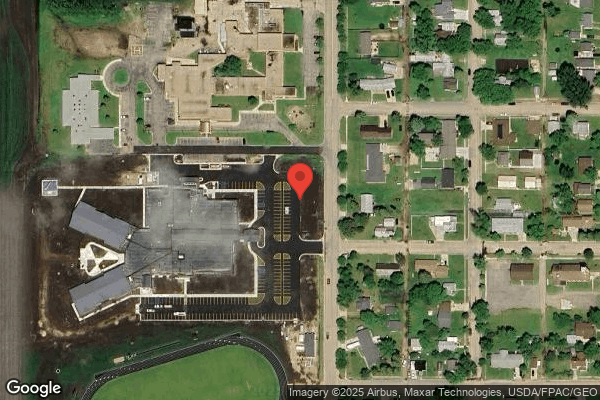
228 1ST AVE, CANDO, ND 58324 (701) 968-2600
Non profit - Corporation 26 Beds Independent Data: November 2025
Trust Grade
83/100
#18 of 72 in ND
Last Inspection: September 2024

Within standard 12-15 month inspection cycle. Federal law requires annual inspections.

Overview

Towner County Living Center in Cando, North Dakota, has a Trust Grade of B+, indicating it is above average and recommended for families researching nursing home options. It ranks #18 out of 72 facilities in North Dakota, placing it in the top half, and is the only nursing home in Towner County, making it the best local option. The facility is improving, with issues decreasing from 6 in 2023 to only 2 in 2024. Staffing is a strong point, with a 5-star rating and good RN coverage, exceeding 97% of state facilities, although the staff turnover rate is average at 53%. However, the facility did receive $3,523 in fines, which is concerning, and recent inspections revealed issues such as serving beverages at improper temperatures and failing to conduct regular medication reviews, which could impact resident care. Overall, while Towner County Living Center has notable strengths, families should also be aware of the areas needing improvement.

Trust Score
B+
83/100
In North Dakota
#18/72
Top 25%
Safety Record
Low Risk
No red flags
Inspections
Getting Better
6 → 2 violations
Staff Stability
⚠ Watch
53% turnover. Above average. Higher turnover means staff may not know residents' routines.
Penalties
✓ Good
$3,523 in fines. Lower than most North Dakota facilities. Relatively clean record.
Skilled Nurses
✓ Good
Each resident gets 88 minutes of Registered Nurse (RN) attention daily — more than 97% of North Dakota nursing homes. RNs are the most trained staff who catch health problems before they become serious.
Violations
⚠ Watch
15 deficiencies on record. Higher than average. Multiple issues found across inspections.
★★★★★
5.0
Overall Rating
★★★★★
5.0
Staff Levels
★★★★★
5.0
Care Quality
★★★★☆
4.0
Inspection Score
Stable
2023: 6 issues
2024: 2 issues

The Good

  • 5-Star Staffing Rating · Excellent nurse staffing levels
  • 5-Star Quality Measures · Strong clinical quality outcomes
  • Full Sprinkler Coverage · Fire safety systems throughout facility
  • No fines on record

Facility shows strength in staffing levels, quality measures, fire safety.

The Bad

Staff Turnover: 53%

Near North Dakota avg (46%)

Higher turnover may affect care consistency

Federal Fines: $3,523

Below median ($33,413)

Minor penalties assessed

The Ugly 15 deficiencies on record

Sept 2024 2 deficiencies
CONCERN (D)

Potential for Harm - no one hurt, but risky conditions existed

Deficiency F0761 (Tag F0761)

Could have caused harm · This affected 1 resident

Based on observation, record review, review of facility policy, and staff interview, the facility failed to ensure accurate labeling of medications for 1 of 2 sampled residents (Resident #22) with a g...

Read full inspector narrative →
Based on observation, record review, review of facility policy, and staff interview, the facility failed to ensure accurate labeling of medications for 1 of 2 sampled residents (Resident #22) with a gastrostomy tube (G-tube)observed during medication pass. Failure to ensure appropriate labeling of medications placed residents at risk for medication errors and/or injury. Findings include: Review of the facility policy titled Labeling of Medications occurred on 09/24/24. This policy, dated July 2024, stated, . 1. All medications will be labeled in accordance with applicable federal and state requirements and current accepted pharmaceutical principals and practices . 2. Labels for individual drug containers must include: . i. The route of administration . 10. The pharmacy must be informed of any order changes or changes in directions for the use of the medications . - Review of Resident #22's medical record occurred on all days of survey and included a physician's order to administer medications via G-tube. - Observation during medication pass on 09/24/24 at 2:49 p.m. showed a staff nurse (#2) administered five medications to Resident #22, via G-tube. Review of the instruction on the medication cartridge for Resident #22, . give by MOUTH, crushed, in pudding . During an interview on 09/24/24 at 2:06 p.m., an administrative nurse (#1) confirmed medications need to be labeled according to physician's orders.
CONCERN (E)

Potential for Harm - no one hurt, but risky conditions existed

Deficiency F0804 (Tag F0804)

Could have caused harm · This affected multiple residents

Based on observation, review of facility policy, and resident and staff interviews, the facility failed to serve beverages at palatable temperatures in 1 of 2 meals observed. Failure to serve foods at...

Read full inspector narrative →
Based on observation, review of facility policy, and resident and staff interviews, the facility failed to serve beverages at palatable temperatures in 1 of 2 meals observed. Failure to serve foods at palatable temperatures to residents may result in decreased intake, weight loss, and inadequate nutrition. Findings include: Review of the facility policy titled Food Storage occurred on 09/24/24. This undated policy, stated, .Purpose: to store food under sanitary conditions to protect it from contamination and outdating . 11. dairy products . must be stored at temperatures between 33-40 degrees Fahrenheit . During an interview on 09/23/24 at 2:15 p.m., Resident A stated, The cold drinks are warm. Observation of the breakfast meal occurred on 09/24/24 at 8:38 a.m. showed staff served residents their milk from three half gallon cartons sitting in a pan of water. Temperatures obtained showed the following: * Whole milk at 50 degrees Fahrenheit * 2% milk at 49 degrees Fahrenheit * Chocolate milk at 60 degrees Fahrenheit During an interview on 09/24/24 at 08:56 a.m., a dietary staff (#3) confirmed she expected staff to serve food at an acceptable temperature.
Sept 2023 6 deficiencies
CONCERN (D) 📢 Someone Reported This

A family member, employee, or ombudsman was alarmed enough to file a formal complaint

Potential for Harm - no one hurt, but risky conditions existed

PASARR Coordination (Tag F0644)

Could have caused harm · This affected 1 resident

Based on record review, review of the North Dakota Provider Manual for Preadmission Screening and Resident Review (PASRR) and Level of Care Screening Procedures for Long Term Care Services, and staff ...

Read full inspector narrative →
Based on record review, review of the North Dakota Provider Manual for Preadmission Screening and Resident Review (PASRR) and Level of Care Screening Procedures for Long Term Care Services, and staff interview, the facility failed to complete a status change assessment for 1 of 1 sampled resident (Resident #7) reviewed for PASRR. Failure to complete a change in status assessment with a newly diagnosed mental illness and/or change in treatment may result in the delivery of care and services that are inconsistent with residents' needs. Findings include: The North Dakota PASRR Provider Manual, revised December 2020, page 13, states, . Change in Status Process: Whenever the following events occur, nursing facility staff must contact [the contracted agency] to update the Level I screen for determination of whether a first time or updated Level II evaluation must be performed. These situations suggest that a significant change in status has occurred: . If an individual with MI, ID, and/or RC [mental illness, intellectual disability, and conditions related to intellectual disability (referred to in regulatory language as related conditions or RC)] was not identified at the Level I screen process, and that condition later emerged or was discovered. Review of Resident #7's medical record occurred on all days of survey. A PASRR Level I screen outcome, dated 01/13/22, stated, Facility knows very little about the resident's history. He denies any hx [history] of psych [psychiatric] treatment . however we have not been able to verify this. A PASRR Level II evaluation is not required at this time . The Level 1 form included mental health diagnoses of major depression and dementia. Psychiatry Provider Notes showed the following: * On 08/02/22, the psychiatry provider added a diagnosis of psychotic disorder with delusions due to known physiological condition and increased the resident's Aripiprazole to 15 mg. * On 11/09/22, the resident's Aripiprazole increased to 20 mg related to major depressive disorder and psychotic disorder with delusions due to known physiological condition. The medical record lacked evidence of an updated Level I PASRR screen with the new antipsychotic medication and diagnosis of psychotic disorder with delusions due to known physiological condition. During an interview on 09/07/23 at 11:21 a.m., an administrative staff member (#2) confirmed the facility failed to complete a change in status Level I screen for Resident #7 and agreed a newly diagnosed psychotic disorder required submission of an updated Level I PASRR screen.
CONCERN (D) 📢 Someone Reported This

A family member, employee, or ombudsman was alarmed enough to file a formal complaint

Potential for Harm - no one hurt, but risky conditions existed

Deficiency F0657 (Tag F0657)

Could have caused harm · This affected 1 resident

**NOTE- TERMS IN BRACKETS HAVE BEEN EDITED TO PROTECT CONFIDENTIALITY** Based on record review, review of facility policy, and staff interview, the facility failed to review and revise the comprehensi...

Read full inspector narrative →
**NOTE- TERMS IN BRACKETS HAVE BEEN EDITED TO PROTECT CONFIDENTIALITY** Based on record review, review of facility policy, and staff interview, the facility failed to review and revise the comprehensive care plan to reflect the current status for 1 of 12 sampled residents (Resident #4). Failure to review and revise the care plan limited staffs' ability to communicate needs and ensure continuity of care. Findings include: Review of the facility policy titled Resident Care Plan occurred on 09/07/23. This policy, dated 08/16/18, stated, . the care plan will include measurable objectives and timetables to meet a resident's medical, nursing, and psychological needs as identified by the comprehensive assessment. The comprehensive care plan will be reviewed and revised by the Interdisciplinary Team on a quarterly basis at minimum and on an ongoing basis to reflect changes in resident status. Review of Resident #4's medical record occurred on all days of survey. The record identified a diagnosis, dated 07/20/22, of nicotine dependence with withdrawal. An annual Minimum Data Set (MDS), dated [DATE], indicated the resident cognitively intact and independent with mobility and transfers. Review of Resident #4's progress notes showed the following: * 07/16/23 at 7:34 p.m., He [resident] stated he is having a lot of anxiety lately. hands were shaking . Resident stated a cigarette would relaxme [sic] now. 1505 [3:05 p.m.] notified Provider on call. Order received for Ativan [treats anxiety] . While talking on the phone with HCP [health care provider], noticed resident walking towards front door 1515 [3:15 p.m.] Attempted to find resident . and he was unable to be located in the facility. 1610 [4:10 p.m.] Resident arrived back into the facility with walker . stated that he went to a 'friends house to drink a beer and smoke a cigarette.' . * 07/17/23 at 9:44 a.m., . States that the medication is not working anddoes [sic] not do anything but he knows a cigarette would help. Resident #4's care plan failed to identify nicotine dependence/withdrawal and interventions to address the problem. During an interview on 09/07/23 at 10:23 a.m., two administrative staff members (#1 and #2) agreed Resident #4's care plan failed to address nicotine dependence/withdrawal and interventions tried and/or refused by the resident to address this diagnosis.
CONCERN (D) 📢 Someone Reported This

A family member, employee, or ombudsman was alarmed enough to file a formal complaint

Potential for Harm - no one hurt, but risky conditions existed

Deficiency F0805 (Tag F0805)

Could have caused harm · This affected 1 resident

Based on observation, record review, and staff interview, the facility failed to provide food in a form to meet individual needs for 1 of 1 sampled resident with an order for ground meat (Resident #76...

Read full inspector narrative →
Based on observation, record review, and staff interview, the facility failed to provide food in a form to meet individual needs for 1 of 1 sampled resident with an order for ground meat (Resident #76). Failure to provide ground meat as ordered may result in reduced intakes and chewing/swallowing difficulties. Findings include: Review of Resident #76's medical record occurred on all days of survey. A physician's order, dated 08/29/23, stated, Regular diet, Regular texture, Thin consistency, Ground Meat. The resident's care plan also identified a regular diet with ground meat. Observation on 09/05/23 at 5:55 p.m. showed Resident #76 eating dinner in the dining room. Staff served the resident whole sausage links which were not chopped/ground. Observation on 09/06/23 at 5:47 p.m. showed Resident #76 eating dinner in the dining room. Staff served the resident a hamburger on a bun which was not chopped/ground. During an interview on the afternoon of 09/07/23, an administrative nurse (#1) identified Resident #76 is to have ground meats related to poor dentition.
CONCERN (D) 📢 Someone Reported This

A family member, employee, or ombudsman was alarmed enough to file a formal complaint

Potential for Harm - no one hurt, but risky conditions existed

Food Safety (Tag F0812)

Could have caused harm · This affected 1 resident

Based on observation, facility policy, and staff interview, the facility failed to serve, prepare, and store food in a safe and sanitary manner for 1 of 1 kitchen. Failure to label and date food with ...

Read full inspector narrative →
Based on observation, facility policy, and staff interview, the facility failed to serve, prepare, and store food in a safe and sanitary manner for 1 of 1 kitchen. Failure to label and date food with the expiration date, discard expired food, and ensure dishware and food is free from dust/debris increased the risk for contamination and has the potential to result in foodborne illness to residents, staff, and visitors. Findings include: Review of the facility policy titled Dietary Services occurred on 09/06/23. This undated policy stated, . food/leftovers must be dated, labeled, covered . toxic cleaning materials must be stored and used in such a manner as not to contaminate food . stored in a separate room . Observationsof the kitchen occurred on 09/05/23 at 1:54 p.m. and showed the following: - One package of turkey and ham with an expiration date of 8/24/23. - One undated package of cooked chicken. - One undated, unlabeled, and uncovered container of a custard dessert. - One undated and uncovered container of pudding. - One undated container of cooked carrots. - One undated open package of pancake mix. - One bin of flour dated 12-16-2021. - One bin container of sugar dated 12-16-2021. - One container of Quat Oasis [a disinfecting cleaner] with expiration date June 2023. - A box fan visibly soiled with dust blowing in the direction of the food preparation area. During an interview on 09/07/23 at 9:11 a.m., a dietary manager (#5) confirmed food is to be dated and labeled, expired chemicals must be discarded and fans should be cleaned.
CONCERN (D) 📢 Someone Reported This

A family member, employee, or ombudsman was alarmed enough to file a formal complaint

Potential for Harm - no one hurt, but risky conditions existed

Infection Control (Tag F0880)

Could have caused harm · This affected 1 resident

Based on observation and review of facility policy, the facility failed to follow standards of infection control for 2 of 7 sampled residents (Resident #6 and #14) observed while receiving toileting a...

Read full inspector narrative →
Based on observation and review of facility policy, the facility failed to follow standards of infection control for 2 of 7 sampled residents (Resident #6 and #14) observed while receiving toileting assistance. Failure to follow infection control practices regarding hand hygiene during cares has the potential for transmission of communicable diseases and infections to residents, staff, and visitors. Findings include: Review of the facility policy titled Infection Control - Hand Hygiene occurred on 09/07/23. This policy, dated July 2023, stated, . The Centers for Medicare and Medicaid State Operations Manual indicates that hand hygiene should be performed . Before and after assisting a resident with personal cares . before and after assisting a resident with toileting . after removing gloves . The use of gloves does not replace handwashing/hand hygiene. - Observation on 09/05/23 at 3:37 p.m. showed a certified nurse aide (CNA) (#3) assist Resident #14 with toileting. Resident #14 placed her left hand on the toilet riser to lower herself onto and off the toilet. The CNA (#3) provided perineal cares, pulled up the resident's underwear, removed her gloves, and assisted the resident to ambulate to her recliner. Without performing hand hygiene, the CNA (#3) opened the resident's blinds and positioned the resident's snacks, coffee mug, and other personal items located on the overbed table within the resident's reach. The Resident (#14) then opened a bag of chips and began eating them. The CNA (#3) failed to perform hand hygiene after providing Resident #14 perineal cares and removing her gloves and failed to offer/provide Resident #14 hand hygiene after toileting. - Observation on 09/05/23 at 4:20 p.m. showed two CNA's (#3 and #4) provide care to Resident (#6) while in bed. Both CNAs removed the resident's soiled pants, brief, and bed protector pad. The CNA (#3) cleansed the perineal area, removed her gloves, and without performing hand hygiene, put a new pair of gloves on. Both CNAs placed a new brief and pants on the resident and utilized a full body mechanical lift to transfer the resident to her wheelchair. The CNA (#3) removed her gloves, and without performing hand hygiene, placed palm protectors in both resident's hands, placed glasses on the resident's face, and then performed hand hygiene. The CNA (#4) failed to remove gloves/perform hand hygiene throughout the observation and failed to perform hand hygiene prior to exiting the resident's room.
CONCERN (E) 📢 Someone Reported This

A family member, employee, or ombudsman was alarmed enough to file a formal complaint

Potential for Harm - no one hurt, but risky conditions existed

Drug Regimen Review (Tag F0756)

Could have caused harm · This affected multiple residents

Based on record review, review of facility policy, and staff interview, the facility failed to ensure the consultant pharmacist completed and reported the drug regimen reviews at least monthly for 5 o...

Read full inspector narrative →
Based on record review, review of facility policy, and staff interview, the facility failed to ensure the consultant pharmacist completed and reported the drug regimen reviews at least monthly for 5 of 5 sampled residents (Resident #2, #5, #6, #7, and #16) selected for unnecessary medication review. Failure to complete and report drug regimen reviews may result in residents receiving unnecessary medications and experiencing adverse consequences related to the medications. Findings include: Review of the facility policy titled Pharmacy Monthly Medication Review of LTC [Long Term Care] Residents occurred on 09/07/23. This undated policy, stated, . Review new orders since the last month's review. Scan medication profile/Physician Order Sheet for compliance with the DRUG REGIMEN REVIEW GUIDELINES (DRR). Review of Residents #2, #5, #6, #7, and #16's medical records occurred on all days of survey. The record identified the most recent drug regimen reviews dated as follows: * Resident #2 - 05/31/23 * Resident #5 - 03/31/23 * Resident #6 - 04/30/23 * Resident #7 - 03/31/23 * Resident #16 - 05/31/23 During an interview on 09/07/23 at 9:42 a.m., an administrative nurse (#7) confirmed the consultant pharmacist (#6) failed to complete the required monthly drug regimen reviews.
Jun 2022 7 deficiencies
CONCERN (D)

Potential for Harm - no one hurt, but risky conditions existed

Assessment Accuracy (Tag F0641)

Could have caused harm · This affected 1 resident

**NOTE- TERMS IN BRACKETS HAVE BEEN EDITED TO PROTECT CONFIDENTIALITY** Based on observation, record review, and review of the Long-Term Care Facility Resident Assessment Instrument (RAI) 3.0 User's M...

Read full inspector narrative →
**NOTE- TERMS IN BRACKETS HAVE BEEN EDITED TO PROTECT CONFIDENTIALITY** Based on observation, record review, and review of the Long-Term Care Facility Resident Assessment Instrument (RAI) 3.0 User's Manual (Version 1.17.1), the facility failed to complete a Minimum Data Set (MDS) that accurately reflected the resident's status for 1 of 1 sampled resident (Resident #1) with a feeding tube. Failure to accurately code the MDS may negatively affect the development of a comprehensive care plan and the care provided to the residents. Findings include: SECTION K: SWALLOWING/NUTRITIONAL STATUS The Long-Term Care Facility RAI Manual, revised October 2019, page K-13, stated, . [K0710]A. Proportion of total calories the resident received through parenteral [taken into the body in a manner other than through the digestive canal] or tube feeding [tube inserted into the digestive canal]. 1. 25% or less. 2. 26-50%. 3. 51% or more. [K0710]B. Average fluid intake per day by IV [intravenously - into a person's veins] or tube feeding. 1. 500 cc [cubic centimeter - one cc is equal to one milliliter]/day or less. 2. 501 cc/day or more. Review of Resident #1's medical record occurred on all days of survey. Diagnoses included dysphagia following a cerebral vascular accident (trouble swallowing after a stroke) and gastrostomy status tube (G-tube) (an artificial external opening into the stomach for nutritional support). A physician's order, dated 05/02/22, stated, Jevity 1.5 Cal [calorie]/Fiber Liquid (Nutritional Supplements) Give 10 ounce [sic] via G-Tube four times a day for Health Maintenance. and the resident's care plan indicated, . I am currently getting my nutrition and fluids through my G-tube r/t [related to] Dysphagia. A nutritional progress note, dated 04/26/22 at 11:04 a.m., stated, . continues with tube feedings -Jevity . [oral] intake at meals remains poor, mostly 0-25%. The facility failed to code section K0710A (percentage of caloric intake via tube feeding) and K0710B (average fluid intake per day via tube feeding) on Resident #1's quarterly MDS dated [DATE].
CONCERN (D)

Potential for Harm - no one hurt, but risky conditions existed

Deficiency F0658 (Tag F0658)

Could have caused harm · This affected 1 resident

**NOTE- TERMS IN BRACKETS HAVE BEEN EDITED TO PROTECT CONFIDENTIALITY** Based on observation, record review, review of facility policy, and staff and resident interview, the facility failed to follow ...

Read full inspector narrative →
**NOTE- TERMS IN BRACKETS HAVE BEEN EDITED TO PROTECT CONFIDENTIALITY** Based on observation, record review, review of facility policy, and staff and resident interview, the facility failed to follow professional standards of practice for 1 of 3 sampled residents (Resident #22) reviewed for pain management. Failure to regularly monitor and assess pain per the facility policy may result in ineffective management and treatment of the resident's pain. Findings include: Review of the facility policy titled Pain Management Policy occurred on 06/29/22. This policy, dated November 2006, stated, Residents experiencing pain will have that pain managed to their acceptable level thereby allowing them to reach their highest practicable level of functioning and well-being. Pain assessments will be completed on all residents on a quarterly arid [sic] PRN [as needed] basis. Residents will be re-assessed by the nursing staff weekly for four weeks after each pain medication change or until pain is managed satisfactorily. Pain assessments will be done q [every] week on residents with scheduled pain medication and charted on the Pain Assessment Sheet. Observation and Interviews showed the following: * 06/27/22 at 12:26 p.m., Resident #22 stated, My neck is bad. I have a headache. He motioned with his hand over the left side/rear part of his head, explained he had a fall in the past, indicated he still has a raised area on his head from the fall, and stated, This is where it always hurts. * 06/29/22 at 3:27 p.m., Resident #22 grimaced and verbalized oh, oh, oh while getting himself up and out of the recliner. When asked what was wrong, he stated he had pain to both legs. Review of Resident #22's medical record occurred on all days of survey identified diagnoses of cervicalgia (neck pain), left knee osteoarthritis (inflammation of the joint), and a left hip fracture in December 2021. The record identified the resident received scheduled pain medications and had four pain medication changes since admission on [DATE]. The record lacked evidence of completed weekly pain assessments for the scheduled pain medications and for the added/changed pain medication orders (26 missed weekly assessments). During an interview on 06/29/22 at 5:10 p.m., an administrative staff member (#2) confirmed the facility failed to follow its policy on pain assessments for Resident #22.
CONCERN (D)

Potential for Harm - no one hurt, but risky conditions existed

Accident Prevention (Tag F0689)

Could have caused harm · This affected 1 resident

Based on observation, review of facility policy and procedure, and staff interview, the facility failed to provide adequate supervision and assistive devices necessary to prevent accidents for 2 of 7 ...

Read full inspector narrative →
Based on observation, review of facility policy and procedure, and staff interview, the facility failed to provide adequate supervision and assistive devices necessary to prevent accidents for 2 of 7 sampled residents (Resident #6 and #21) observed during a gait belt transfer. Failure to utilize the gait belt during transfers placed Residents at risk of accidents and/or injury. Finding include: Review of the facility policy titled . GAIT BELT. FALL PREVENTION PROTOCOL POLICY AND PROCEDURE. This policy, revised August 2013, stated, . to assure the safety of the residents and staff when assisting with a transfer or ambulation a gait belt will be used . all residents who require assist with transfers and do not require an electric lift will utilize a gait belt with all transfers . with MD/NP (Medical Doctor/Nurse Practitioner) order . -Review of Resident #6's medical record occurred on all days of survey and identified diagnoses of chronic low back pain and dementia. The current care plan stated, . I have limited physical mobility r/t [related to] weakness, fatigue, and impaired balance . I am at risk for falls r/t psychoactive drug use, confusion, gait/balance . I require assist of 1 with 4 WW [four wheeled walker] with gait belt with transferring . The current physician orders stated, . use gait belt for all transfers . Observations showed the following: * 06/27/22 at 3:52 p.m., a certified nursing assistant (CNA) (#4) transferred Resident #6 from the wheelchair without a gait belt and instead grabbed the residents pants. * 06/29/22 at 8:32 a.m., a CNA (#3) transferred Resident #6 to/from the wheelchair and toilet without a gait belt and instead grabbed the resident's pants. During an interview on 06/29/22 at 4:26 p.m., an administrative staff member (#2) stated staff should transfer Resident #6 using a gait belt as care planned and per physician's order. - Review of Resident #21's medical record occurred on all days of survey and identified a diagnosis of cerebrovascular disease. The current care plan stated, . I have limited physical mobility r/t Weakness . Transfer with FWW [front-wheeled walker] with gait belt and minimal assist of 1[assistance of at least one staff]. Observation on 06/28/22 at 11:36 a.m. showed a CNA (#3) assisted Resident #21 from a sitting to standing position without using a gait belt, and instead, grabbed onto both resident's hands. During an interview on 06/29/22 at 5:10 p.m., an administrative staff member (#2) confirmed staff should transfer Resident #21 using a gait belt as care planned.
CONCERN (D)

Potential for Harm - no one hurt, but risky conditions existed

Tube Feeding (Tag F0693)

Could have caused harm · This affected 1 resident

**NOTE- TERMS IN BRACKETS HAVE BEEN EDITED TO PROTECT CONFIDENTIALITY** Based on observation, record review, review of facility policy, and staff interview, the facility failed to provide the care and...

Read full inspector narrative →
**NOTE- TERMS IN BRACKETS HAVE BEEN EDITED TO PROTECT CONFIDENTIALITY** Based on observation, record review, review of facility policy, and staff interview, the facility failed to provide the care and services to prevent potential complications for 1 of 1 sampled resident (Resident #1) receiving nutrition by a gastrostomy tube (an artificial external opening into the stomach for nutritional support). Failure to verify placement of the gastrostomy tube prior to administering nutrition and change/replace the feeding syringe every 24 hours has the potential to result in adverse events such as aspiration pneumonia and infection. Findings include: Review of the facility policy titled TUBE FEEDINGS occurred on 06/29/22. This policy, revised July 2022, stated, . gastric (G) . tubes are used to supply nutrition and hydration . Change . feeding set (tubing and appropriate syringe) every 24 hours. Insert 30 cc [cubic centimeter - one cc is equal to one milliliter] of air into the feeding tube while holding the stethoscope over the epigastrium [upper abdomen immediately over the stomach] to listen for gurgling sound. (If none is heard, do not start feeding and report to supervisor or charge nurse.) . Review of Resident #1's medical record occurred on all days of survey and identified diagnoses of dysphagia following a cerebral vascular accident (trouble swallowing after a stroke), adult failure to thrive, and gastrostomy status. The current care plan indicated, . I am currently getting my nutrition and fluids through my G-tube r/t [related to] Dysphagia. Check for tube placement and gastric contents/residual volume per facility protocol . Resident #1's physician's orders stated the following: * 12/10/21, NI [nursing instruction]: check placement of G-Tube Per TCLC [[NAME] County Living Center] tube feeding policy four times a day for placement. * 06/16/21, Replace 60cc syringe daily . * 05/02/22, Jevity 1.5 Cal [calorie]/Fiber Liquid (Nutritional Supplement) Give 10 ounce via G-Tube four times a day for Health Maintenance. Observations showed the following: * 06/27/22 at 4:20 p.m., a staff nurse (#5) utilized a syringe dated 06/24/22 to administer a water bolus and Jevity feeding per Resident #1's gastrostomy tube. The nurse failed to check placement of the tube prior to administering the water/Jevity, and failed to replace the syringe. * 06/28/22 at 8:50 a.m., a staff nurse (#6) utilized a syringe dated 06/24/22 to administer Resident #1's water bolus and Jevity feeding. The nurse failed to replace the syringe. During an interview on 06/29/22 at 5:10 p.m., an administrative staff member (#2) stated she expected staff to replace Resident #1's feeding syringe every 24 hours.
CONCERN (D)

Potential for Harm - no one hurt, but risky conditions existed

Deficiency F0761 (Tag F0761)

Could have caused harm · This affected 1 resident

Based on observation, review of facility policy, and staff interview, the facility failed to store medications at the correct temperature in 1 of 1 medication refrigerator. Failure to maintain the med...

Read full inspector narrative →
Based on observation, review of facility policy, and staff interview, the facility failed to store medications at the correct temperature in 1 of 1 medication refrigerator. Failure to maintain the medication refrigerator temperature within an acceptable range increases the risk of residents receiving improperly stored medications with reduced efficacy. Findings include: Review of the facility policy titled Storage of Drugs occurred on 06/28/22. This undated policy stated, . Twice daily temperature checks are taken on the medication room refrigerator. The monthly report is stored on the refrigerator. Temperature shall be maintained at 35-45 degrees. A thermometer shall be in the refrigerator at all times to properly monitor the temperature. Observation of the medication room occurred on 06/28/22 at 2:45 p.m. with a licensed nurse (#1) and showed a locked medication refrigerator containing multiple boxes of insulin pens, Dulcolax and Tylenol suppositories, and Ativan (antianxiety) injectables. The thermometer identified a temperature of 23 degrees Fahrenheit (F). The Temperature Recording Chart for the medication refrigerator stated, Temperature Range: 35-46 degrees F (ideal temp [temperature] 40-44). If the temperature is out of range, adjust fridge or call maintenance. Review of the refrigerator temperature log for the month of June 2022 identified five days the temperature was below 35 degrees F. The facility failed to take corrective action for the low temperature readings. During an interview on 06/28/22 at 3:05 p.m., an administrative nurse (#2) confirmed facility staff should adjust the refrigerator temperature or notify maintenance when the temperature is out of the recommended range.
CONCERN (E)

Potential for Harm - no one hurt, but risky conditions existed

Food Safety (Tag F0812)

Could have caused harm · This affected multiple residents

THIS IS A REPEAT DEFICIENCY FROM THE STANDARD SURVEY COMPLETED 04/22/21. Based on observation, review of facility policy, and staff interview, the facility failed to prepare, store, and serve food und...

Read full inspector narrative →
THIS IS A REPEAT DEFICIENCY FROM THE STANDARD SURVEY COMPLETED 04/22/21. Based on observation, review of facility policy, and staff interview, the facility failed to prepare, store, and serve food under sanitary conditions in 1 of 1 kitchen. Failure to monitor fridge and freezer temperatures, monitor the quaternary (quat) sanitizer concentration, serve food in a sanitary manner, and maintain a clean kitchen may result in unsafe food storage/preparation and foodborne illness. Findings include: Review of the facility policy titled Infection Prevention and Control - Dietary Service occurred on 06/29/22. This policy, revised February 2016, stated, . Director of Food Service Responsibilities: . Provide for the proper receipt and storage of all food supplies. Food Storage: . Food must be stored sufficiently above floor level and away from walls. All staple food should be stored in a clean dry place 8 inches to 12 inches off the floor on food dollies or shelves. Proper Food Handling: Foods are prepared and served with clean tongs, scoops, spatulas, or other suitable implements so as to avoid manual contact of prepared foods. Dietary Housekeeping: . Ranges and grills should be cleaned daily. All work surfaces, utensils, and equipment should be cleaned and sanitized after each use. Review of the facility policy titled Testing Sanitizer Concentration occurred on 06/29/22. This policy dated March 2016, stated, . Sanitizing solution is dispensed with a metered dispenser located above the 3 compartment sink. Staff will test sanitizer concentration of sanitizing solution with quaternary test strips. Staff will record the concentration on the record provided . indicating the location of the solution being tested, i.e. sink, squirt bottle, bucket for cloths. If test number is within acceptable range product may be used as intended. If acceptable concentrations are not met, they will be re-checked. The dietary director or maintenance will be notified if solution does not meet acceptable ranges. Observation of the kitchen occurred on 06/27/22 at 12:30 p.m. with a dietary aide (#7), and showed the following: * The top of the dishwasher showed a large amount of water mineralization. * The toaster oven showed a excessive amount of crumbs in the oven and on the floor. * A large mixer stand with a large amount of debris on the stand. * A window air conditioner unit by the dishwasher and clean dishes showed a large amount of dust and lint blowing onto the clean dishes. * The dry storage area contained multiple boxes of chips, Prosource and supplements on the floor. * The walk in cooler contained multiple boxes of muffins and mighty shakes on the floor * The stove top was soiled with food and grease. Review of the facility kitchen logs for June 2022 identified the following: * The Sanitizer Concentration not recorded 24 of 27 days * The daily cleaning checklist for the week of June 19-25 not documented 6 of 7 days, and no documentation the week of June 26-July 2nd. * The dishwasher Temperature Record not recorded 20 of 27 days with incomplete readings for each use (Breakfast / Lunch / Dinner) * The Food Temperature Record not recorded 17 of 27 days for breakfast and lunch, and 26 of 27 days for the dinner meal. During an interview on 06/27/22 at 12:30 p.m., a dietary aide (# 7) stated the facility shares a dietary manager with the hospital, but the manager is not currently coming to the facility. Observations of the kitchen and meal service on 06/29/22 at 8:15 a.m. identified the stove top remained dirty with food and grease, the window air conditioner unit in the dishwasher area remained dirty with dust and lint, and the mixer stand remained dirty with debris. The dietary aide (#8) was unable to test the mixed quat in the bucket related to no availability of test strips. Observation of the meal service on 06/29/22 at 8:41 a.m. showed a dietary aide (#8) touching multiple services with gloved hands (microwave, milk cartons, fridge handle), then picking up toast with the same gloves and placing it on multiple residents plates. During an interview on 06/29/22 at 10:36 a.m., an administrative nurse (#7) confirmed the facility hired a new dietary manager that is at the hospital is not currently coming to the facility.
CONCERN (E)

Potential for Harm - no one hurt, but risky conditions existed

Infection Control (Tag F0880)

Could have caused harm · This affected multiple residents

THIS IS A REPEAT DEFICIENCY FROM THE PREVIOUS STANDARD SURVEY COMPLETED 04/22/21 Based on observation, record review, review of facility policy, review of professional reference, and staff interview, ...

Read full inspector narrative →
THIS IS A REPEAT DEFICIENCY FROM THE PREVIOUS STANDARD SURVEY COMPLETED 04/22/21 Based on observation, record review, review of facility policy, review of professional reference, and staff interview, the facility failed to follow infection control practices for 7 of 12 sampled residents (Resident #1, #5, #6, #9, #20, #21, and #22) observed during cares and meals. Failure to follow infection control practices related to hand hygiene, catheter care, dressing changes, and use of personal protective equipment (PPE), has the potential for transmission of communicable diseases and infections to residents and staff. Findings include: PERSONAL PROTECTIVE EQUIPMENT (PPE) Review of the facility policy titled COVID-19 Plan occurred on 06/29/22. This policy, revised June 2022, stated, . Employees will be provided with facemasks or a higher level of respiratory protection by the employer. Facemasks must be worn by employees over the nose and mouth when providing direct patient care or when in direct contact (within 6 feet) of patients. Review of the facility policy titled Pandemic Plan - Respiratory Illness occurred on 06/29/22. This policy, revised April 2022, stated, . Healthcare personnel should wear well-fitting source control at all times while they are in the facility. The only exception should be: Source control may be removed in the breakrooms only while eating . Source control may be removed by staff in their office, as long as they are not within 6 feet of others. During the entrance conference on 06/27/22, two administrative staff (#1 and #2) stated they expected all staff to wear an N95 (type of particulate-filtering respirator) mask when in resident care areas and when providing resident cares. Observations showed the following: * 06/28/22 at 8:46 a.m., a certified nurse aid (CNA) (#3) provided cares for Resident #1 with an N95 mask under his nose. The CNA frequently pulled the mask down from his nose and mouth while communicating with the resident. * 06/28/22 at 9:01 a.m., a CNA (#3) wore his N95 mask under his nose while assisting Resident #5 into a wheelchair and pulled the mask down from his nose and mouth while speaking to other residents and staff in the hallway. * 06/28/22 at 9:09 a.m., a dietary aide (#7) served breakfast with no mask in place and handed plated food to staff located on the other side of the serving window less than 6 feet away. * 06/28/22 at 11:24 am., a CNA (#3) assisted a staff nurse (#6) in Resident #21's room. The CNA wore an N95 mask under his nose. * 06/29/22 at 08:32 a.m., a CNA (#3) performed cares on Resident #6 with no mask in place, exited the room, put an N95 mask on his face below the nose, and walked down the hallway. During an interview on 06/28/22 at 9:23 a.m., an infection control nurse (#1) confirmed the facility expected kitchen staff to wear a surgical mask when serving food. During an interview on 06/29/22 at 5:10 p.m., an administrative staff member (#2) verified she expected the N95 mask to cover a staff's nose and mouth. HAND HYGIENE Review of the facility policy titled Hand Hygiene occurred on 06/29/22. This policy, revised June 2017, stated, . Hand hygiene is generally considered the most important single procedure for preventing health care-associated infections . Antiseptics can reduce the microbial contamination . all employees will utilize good handwashing technique between each patient contact . handwashing is the most important factor in infection control . hands must be washed routinely at the following times: before patient contact . after body fluid exposure . after touching a patient . after touching patient surroundings . before leaving the patient room . Review of the facility policy titled Gloving occurred on 06/29/22. This undated policy stated, . Wash hands after removing gloves. Gloves do not replace hand hygiene. Observations showed the following: * 06/27/22 at 3:27 p.m., a CNA (#4) performed perineal cares on Resident #1. Without removing his gloves, the CNA grabbed both handles of the resident's walker and placed the walker in front of the resident. The resident grabbed the handles of the walker while transferring from the toilet to the wheelchair. The CNA (#4) failed to remove his gloves and perform hand hygiene prior to touching walker handles. The CNA (#4) removed his gloves but failed to perform hand hygiene prior to exiting Resident #1's room. * 06/27/22 at 4:48 p.m., a CNA (#9) entered Resident #20's room and assisted with toileting. After cares, the CNA (#9) removed his gloves and failed to perform hand hygiene prior to exiting the resident's room. * 06/28/22 at 3:57 p.m., a CNA (#4) removed his gloves after draining urine from Resident # 22's catheter bag, removed his gloves, and failed to perform hand hygiene prior to exiting the resident's room and assisting other residents. During an interview on 06/29/22 at 5:10 p.m., an administrative staff member (#2) stated she expected staff to perform hand hygiene before/after removing gloves and between clean/dirty tasks. The staff member (#2) also agreed the CNA (#4) should have followed hand hygiene/glove use protocol after performing Resident #1's perineal cares. DRESSING CHANGE The facility failed to provide a policy on dressing changes. Review of professional reference found at https://courses.cdc.train.org/Module10C_WoundCare_LTC/module_10c_wound_care_lesson_2_24_hand_hygiene_and_ppe_use_during_wound_care.html indicated, . Hand hygiene should be performed before and after wound care, even if gloves will be worn. Hand hygiene should also be performed after removal of PPE, including if gloves are changed during the procedure. Environmental surfaces . can also serve as sources of pathogen transmission if they are not properly cleaned and disinfected . any surface . that could have been contaminated . should be immediately cleaned and disinfected after the procedure. Review of Resident #9's medical record occurred on all days of survey and identified a diagnosis of a non-pressure chronic ulcer of the left foot. A physician's order stated, Gelling Fiber +AG [silver] dressing [designed to help create the optimal healing environment] to bottom of left foot - change every 2 days - Cover with Silicone foam [an absorbent self-adherent dressing] every day shift every other day . Observation on 06/29/22 at 11:25 a.m. showed a staff nurse (#5) performed a dressing change to Resident #9's left foot. The nurse failed to follow standard infection control practices related to glove use, hand hygiene, supply use, moving between clean/dirty tasks, and environmental surfaces during the dressing change. During an interview on 06/29/22 at 5:10 p.m., an administrative staff member (#2) confirmed the staff nurse (#5) failed to follow proper infection control practice during Resident #9's dressing change. EMPTYING CATHETER BAGS - Observation on 06/28/22 at 2:20 p.m. showed a CNA (#3) placed a graduate (measuring container) on Resident #22's floor, drained urine from the resident's catheter bag into the graduate, and placed it on top of the resident's dresser to obtain a measurement. The CNA carried the graduate to the bathroom, dumped the urine into the toilet, obtained water directly from the sink faucet to rinse the graduate, and emptied the rinse water into the toilet. The CNA (#3) failed to disinfect Resident #22's dresser surface after removing the urine filled graduate, and failed to use a clean container in the resident's bathroom sink to obtain rinse water for the graduate. - Observation on 06/28/22 at 2:28 p.m. showed a CNA (#3) placed a graduate container on the footrest of Resident #21's recliner, drained urine from the resident's catheter bag into the graduate, removed the graduate from the footrest, and placed it on the resident's end table adjacent to the recliner. The CNA carried the graduate to the bathroom, dumped the urine into the toilet, obtained water directly from the sink faucet to rinse the graduate, and emptied the rinse water into the toilet. The CNA (#3) failed to disinfect Resident #21's end table surface after removing the urine filled graduate and failed to use a clean container in the resident's bathroom sink to obtain rinse water for the graduate. During an interview on 06/29/22 at 5:10 p.m., an administrative staff member (#2) confirmed she expected staff to use a clean container to obtain water from resident bathroom sinks to rinse graduates contaminated with urine and sanitize contaminated surfaces.
Understanding Severity Codes (click to expand)
Life-Threatening (Immediate Jeopardy)
J - Isolated K - Pattern L - Widespread
Actual Harm
G - Isolated H - Pattern I - Widespread
Potential for Harm
D - Isolated E - Pattern F - Widespread
No Harm (Minor)
A - Isolated B - Pattern C - Widespread

Questions to Ask on Your Visit

  • "Can I speak with families of current residents?"
  • "What's your RN coverage like on weekends and overnight?"

Our Honest Assessment

Strengths
  • • Grade B+ (83/100). Above average facility, better than most options in North Dakota.
  • • No major safety red flags. No abuse findings, life-threatening violations, or SFF status.
  • • $3,523 in fines. Lower than most North Dakota facilities. Relatively clean record.
Concerns
  • • 15 deficiencies on record. Higher than average. Multiple issues found across inspections.
Bottom line: Generally positive indicators. Standard due diligence and a personal visit recommended.

About This Facility

What is Towner County Living Ctr's CMS Rating?

CMS assigns TOWNER COUNTY LIVING CTR an overall rating of 5 out of 5 stars, which is considered much above average nationally. Within North Dakota, this rating places the facility higher than 99% of the state's 100 nursing homes. This rating reflects solid performance across the metrics CMS uses to evaluate nursing home quality.
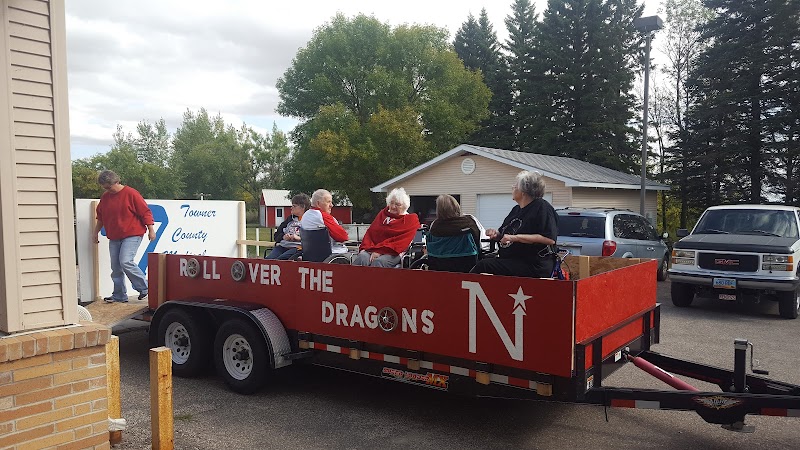
How is Towner County Living Ctr Staffed?

CMS rates TOWNER COUNTY LIVING CTR's staffing level at 5 out of 5 stars, which is much above average compared to other nursing homes. Staff turnover is 53%, compared to the North Dakota average of 46%.

What Have Inspectors Found at Towner County Living Ctr?

State health inspectors documented 15 deficiencies at TOWNER COUNTY LIVING CTR during 2022 to 2024. These included: 15 with potential for harm.

Who Owns and Operates Towner County Living Ctr?

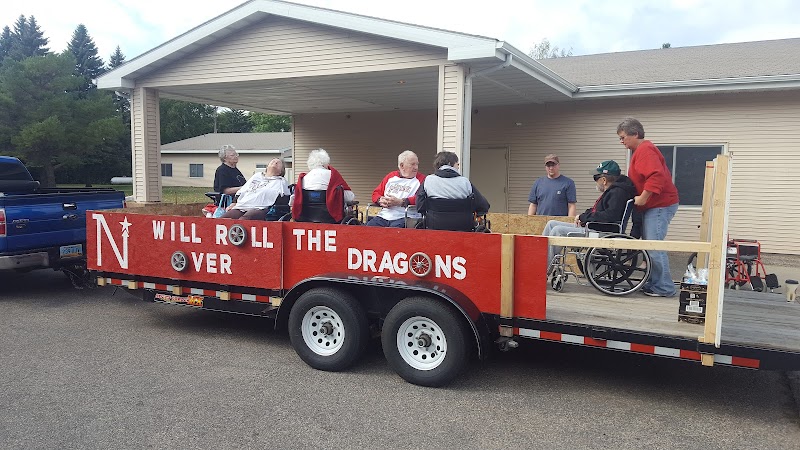
TOWNER COUNTY LIVING CTR is owned by a non-profit organization. Non-profit facilities reinvest revenue into operations rather than distributing to shareholders. The facility operates independently rather than as part of a larger chain. With 26 certified beds and approximately 27 residents (about 104% occupancy), it is a smaller facility located in CANDO, North Dakota.
How Does Towner County Living Ctr Compare to Other North Dakota Nursing Homes?

Compared to the 100 nursing homes in North Dakota, TOWNER COUNTY LIVING CTR's overall rating (5 stars) is above the state average of 3.1, staff turnover (53%) is near the state average of 46%, and health inspection rating (4 stars) is above the national benchmark.

What Should Families Ask When Visiting Towner County Living Ctr?

Based on this facility's data, families visiting should ask: "Can I visit during a mealtime to observe dining assistance and food quality?" "How do you handle medical emergencies, and what is your hospital transfer rate?" "Can I speak with family members of current residents about their experience?"

Is Towner County Living Ctr Safe?

Based on CMS inspection data, TOWNER COUNTY LIVING CTR has a clean safety record: no substantiated abuse findings (meaning no confirmed cases of resident harm), no Immediate Jeopardy citations (the most serious violation level indicating risk of serious injury or death), and is not on the Special Focus Facility watch list (a federal program monitoring the lowest-performing 1% of nursing homes). The facility has a 5-star overall rating and ranks #1 of 100 nursing homes in North Dakota. While no facility is perfect, families should still ask about staff-to-resident ratios and recent inspection results during their visit.

Do Nurses at Towner County Living Ctr Stick Around?

TOWNER COUNTY LIVING CTR has a staff turnover rate of 53%, which is 7 percentage points above the North Dakota average of 46%. Moderate turnover is common in nursing homes, but families should still ask about staff tenure and how the facility maintains care continuity when employees leave.

Was Towner County Living Ctr Ever Fined?

TOWNER COUNTY LIVING CTR has been fined $3,523 across 1 penalty action. This is below the North Dakota average of $33,114. While any fine indicates a compliance issue, fines under $50,000 are relatively common and typically reflect isolated problems that were subsequently corrected. Families should ask what specific issues led to these fines and confirm they've been resolved.

Is Towner County Living Ctr on Any Federal Watch List?

TOWNER COUNTY LIVING CTR is not on any federal watch list. The most significant is the Special Focus Facility (SFF) program, which identifies the bottom 1% of nursing homes nationally based on persistent, serious quality problems. Not being on this list means the facility has avoided the pattern of deficiencies that triggers enhanced federal oversight. This is a positive indicator, though families should still review the facility's inspection history directly.