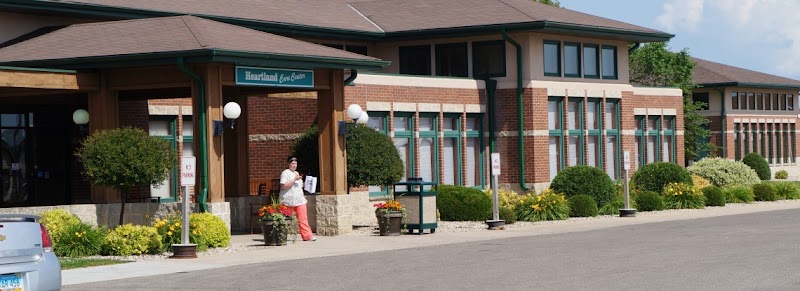
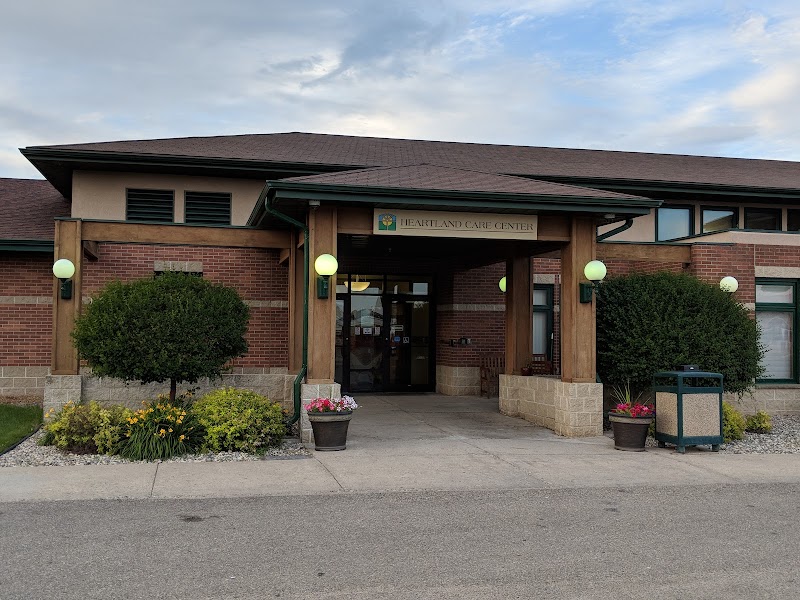
EVENTIDE HEARTLAND

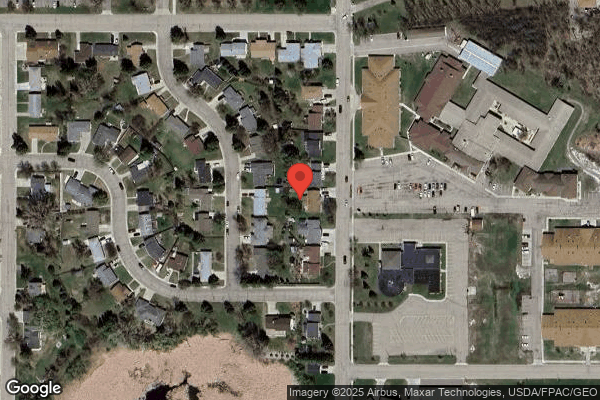
620 14TH AVE NE, DEVILS LAKE, ND 58301 (701) 662-4905
Non profit - Corporation 78 Beds Independent Data: November 2025
Trust Grade
43/100
#47 of 72 in ND
Last Inspection: April 2025

Within standard 12-15 month inspection cycle. Federal law requires annual inspections.

Overview

Eventide Heartland in Devils Lake, North Dakota, has a Trust Grade of D, indicating below-average performance and some concerns regarding care quality. With a state rank of #47 out of 72 facilities, they fall in the bottom half, but they are the only nursing home in Ramsey County. The facility appears to be improving, as issues have decreased from 7 in 2024 to 6 in 2025. Staffing is a relative strength, with a turnover rate of 0%, much lower than the state average, meaning staff are likely familiar with the residents. However, the facility has faced some serious issues, including a failure to prevent a resident from being exposed in public areas, leading to emotional distress, and a concerning 35% medication error rate that could result in residents receiving incorrect doses. While there are positive aspects, families should be aware of these significant weaknesses when considering care for their loved ones.

Trust Score
D
43/100
In North Dakota
#47/72
Bottom 35%
Safety Record
Moderate
Needs review
Inspections
Getting Better
7 → 6 violations
Staff Stability
○ Average
Turnover data not reported for this facility.
Penalties
✓ Good
$8,190 in fines. Lower than most North Dakota facilities. Relatively clean record.
Skilled Nurses
✓ Good
Each resident gets 44 minutes of Registered Nurse (RN) attention daily — more than average for North Dakota. RNs are trained to catch health problems early.
Violations
⚠ Watch
27 deficiencies on record. Higher than average. Multiple issues found across inspections.
★★☆☆☆
2.0
Overall Rating
★★★☆☆
3.0
Staff Levels
★★☆☆☆
2.0
Care Quality
★★☆☆☆
2.0
Inspection Score
Stable
2024: 7 issues
2025: 6 issues

The Good

  • Full Sprinkler Coverage · Fire safety systems throughout facility
  • No fines on record

Facility shows strength in fire safety.

The Bad

2-Star Overall Rating

Below North Dakota average (3.1)

Below average - review inspection findings carefully

Federal Fines: $8,190

Below median ($33,413)

Minor penalties assessed

The Ugly 27 deficiencies on record

1 actual harm
Apr 2025 6 deficiencies
CONCERN (D)

Potential for Harm - no one hurt, but risky conditions existed

Deficiency F0657 (Tag F0657)

Could have caused harm · This affected 1 resident

Based on record review, facility policy review, and staff interview, the facility failed to review and revise the comprehensive care plan to reflect the current status for 2 of 20 sampled residents (R...

Read full inspector narrative →
Based on record review, facility policy review, and staff interview, the facility failed to review and revise the comprehensive care plan to reflect the current status for 2 of 20 sampled residents (Resident #29 and #58). Failure to revise the care plan limited the ability of staff to communicate care needs and ensure continuity of care for each resident. Findings include: Review of the facility policy titled Care Plans occurred on 04/28/25. This policy, revised November 2021, stated, . develop a person-centered care plan . that reflects the actual care, condition. The comprehensive care plan . will be reviewed and updated monthly and as needed. Review of the facility policy titled Smoking/Tobacco Free occurred on 04/29/25. This policy, revised January 2024, stated, . maintain a policy where all buildings, grounds . are free of tobacco products. Use of tobacco products . are not permitted. - Review of Resident #29's medical record occurred on all days of survey. The care plan, dated 02/24/25, stated, . Will be assessed to be safe to smoke if she does engage in this activity. Resident will safely use tobacco products off facility grounds and not incur any injury from smoking. Resident instructed to keep cigarettes/lighter at the nurses station if she has in facility. Charge nurse will give resident cigarettes and will be notified of residents leaving facility to smoke. During an interview on 04/29/25 at 10:12 a.m., an administrative nurse (#1) stated, Resident #29 is a former smoker, but has not smoked since admission to the facility. During an interview on 04/30/25 at 12:23 p.m., an administrative nurse (#1) agreed staff failed to update the resident's care plan. - Review of Resident #58's medical record occurred on all days of survey and included diagnoses of hemiplegia and hemiparesis (paralysis on one side of the body) following cerebral infarction (blood clot in the brain) affecting the right dominant side. Physician's orders included an ankle-foot orthosis (AFO) brace to the right lower leg and ankle, monitor the daily application and for possible skin breakdown. Observation on all days of survey showed Resident #58 wore an AFO to the right lower leg and ankle. The care plan failed to include an AFO to Resident #58's right lower leg and ankle. During an interview on 04/30/25 at 10:40 a.m., an administrative staff member (#1) agreed staff failed to update the care plan to include the AFO.
CONCERN (D)

Potential for Harm - no one hurt, but risky conditions existed

Deficiency F0658 (Tag F0658)

Could have caused harm · This affected 1 resident

1. Based on observation, record review, policy review, professional reference, and staff interview, the facility failed to follow professional standards of practice for medication administration for 1...

Read full inspector narrative →
1. Based on observation, record review, policy review, professional reference, and staff interview, the facility failed to follow professional standards of practice for medication administration for 1 of 7 residents (Resident #19) observed during medication administration. Failure to document medications at the time of administration does not reflect the actual time of administration and may cause adverse effects for the resident. Findings include: Review of the facility policy titled Medication - Administration and Storage occurred on 04/30/25. This policy, dated March 2025, stated, . documentation . immediately following administration. Kozier & Erb's Fundamentals of Nursing, Concepts, Process and Practice, 11th Edition eText, 2021, Pearson, Boston, Massachusetts, page 836, stated, . Ten Rights of Medication Administration . Right Documentation . Document medication administration after giving it . The record [medication administration record] should . include the exact time of administration . Observation on 04/29/25 at 4:15 p.m. showed a medication aide (MA) (#3) administered the following medications to Resident #19: * Metoprolol (blood pressure medication) scheduled at 5:00 p.m. * Seroquel (antipsychotic) scheduled at 8:00 p.m. * Metolazone (diuretic) scheduled at 5:30 p.m. * Olanzapine (antipsychotic) scheduled at 8:00 p.m. * Polyethylene Glycol Powder (treats constipation) scheduled at 5:30 p.m. * Saccharomyces boulardii (probiotic) scheduled at 8:00 p.m. * Docusate Sodium (treats constipation) scheduled at 5:30 p.m. * Genteal Tears (artificial tears eye drops) Ophthalmic Solution scheduled at 5:30 p.m. * Potassium Chloride scheduled at 9:00 p.m. * Rivaroxaban (medication to prevent blood clots) scheduled at 9:00 p.m. Following the medication administration, the MA (#3) returned to the medication cart and only signed off the metoprolol as administered. When asked when she will sign the other medications as administered the MA stated, When they turn yellow [indicating the correct time for the medication to be given] on the MAR [medication administration record]. During an interview on 04/30/25 at 11:35 a.m., an administrative nurse (#1) stated she expected staff to document medications at the time of administration. 2. Based on observation, record review, and staff interview, the facility failed to provide care and services for 1 of 2 sampled residents (Resident #58) with an ankle foot orthosis (AFO). Failure to place the order for an AFO brace on the treatment administration record (TAR) may result in staff not applying the AFO or monitoring its use and may delay healing of the foot and ankle. Findings include: Observation on all days of survey showed Resident #58 wore an AFO to the right lower leg and ankle. Review of Resident #58's medical record occurred on all days of survey and included diagnoses of hemiplegia and hemiparesis (paralysis on one side of the body) following cerebral infarction (blood clot in the brain) affecting the right dominant side. Physician's orders included an AFO brace to the right lower leg and ankle, monitor daily application of the AFO, and monitor for skin breakdown. During an interview on 04/30/25 at 10:40 a.m., an administrative staff member (#1) stated she expected staff to update Resident #58's treatment record related to the AFO.
CONCERN (D)

Potential for Harm - no one hurt, but risky conditions existed

Accident Prevention (Tag F0689)

Could have caused harm · This affected 1 resident

**NOTE- TERMS IN BRACKETS HAVE BEEN EDITED TO PROTECT CONFIDENTIALITY** Based on observation, record review, review of facility policy, review of operator's instructions, and staff interview, the faci...

Read full inspector narrative →
**NOTE- TERMS IN BRACKETS HAVE BEEN EDITED TO PROTECT CONFIDENTIALITY** Based on observation, record review, review of facility policy, review of operator's instructions, and staff interview, the facility failed to ensure residents received adequate supervision/assistance to prevent accidents for 1 of 4 residents (Resident #9) observed during a sit-to-stand mechanical lift transfer. Failure to utilize a mechanical lift properly, complete a nursing assessment, and implement a safe transfer method placed Resident #9 at risk for pain and/or injury. Findings include: Review of the EZ Way Smart Stand [type of sit-to-stand mechanical lift] 400, 500 & 800 lb [pound] Capacities Operator's Instructions occurred on 04/30/25. The operator's instructions, revised 09/29/23, on page 2-6, stated, . Patients should be able to bear some weight, have upper body strength and be able to follow simple commands. Review of the facility policy titled Standing Lifts occurred on 04/30/25. This policy, dated January 2024, stated . Use of this lift is participatory on the part of the resident and they must be able to balance and bear-weight. Have the resident hold onto the handle grips. Review of Resident #9's medical record occurred on all days of survey. Diagnoses included Alzheimer's disease, osteoarthritis, and anxiety. The quarterly Minimum Data Set (MDS), dated [DATE], identified substantial/maximum assistance with transfers. The care plan stated, . Transfer: Assist of 1 [staff] with PAL [sit to stand mechanical lift], may use assist of 2 [staff] with behaviors/syncope episodes. A physician's order, dated 04/24/25, stated, . OT [occupational therapy] starting to demonstrate increase in shoulder abduction during PAL transfer. A nursing progress note, dated 04/25/25 stated, . Order for OT . Indication/Diagnosis: weakness with transfers. Observation on 04/28/25 at 10:20 a.m. showed a certified nurse aide (CNA) (#8) transferred Resident #9 from the wheelchair to the toilet utilizing a sit-to-stand mechanical lift. The CNA placed the lift harness around the resident's waist and then physically placed the resident's hands on the handle grips of the lift. During the transfer the resident failed to hold onto the handle grips, the harness slid up the resident's back to the axilla area, the resident leaned forward with both elbows turned outward and raised above the shoulders. Facility staff failed to complete a nursing assessment to provide Resident #9 with an alternative safe transfer option before assessment by OT. During an interview on 04/30/25 at 10:34 a.m., an administrative staff member (#9) verified staff should have completed a nursing assessment to provide an alternate safe transfer method for Resident #9 until OT assessed the resident.
CONCERN (D)

Potential for Harm - no one hurt, but risky conditions existed

Infection Control (Tag F0880)

Could have caused harm · This affected 1 resident

**NOTE- TERMS IN BRACKETS HAVE BEEN EDITED TO PROTECT CONFIDENTIALITY** Based on observation, record review, and review of facility policy, the facility failed to follow standards of infection control...

Read full inspector narrative →
**NOTE- TERMS IN BRACKETS HAVE BEEN EDITED TO PROTECT CONFIDENTIALITY** Based on observation, record review, and review of facility policy, the facility failed to follow standards of infection control and prevention for 3 of 14 sampled residents (Resident #19, #25 and #46) observed during cares. Failure to practice infection control standards related to hand hygiene and enhanced barrier precautions (EBP) has the potential to spread infection throughout the facility. Findings include: Review of the facility policy titled Infection Control - Enhanced Barrier Precautions occurred on 04/30/25. This policy, revised December 2024, stated, . Enhanced barrier precautions are used to limit or prevent the spread of resistant organisms during high-contact resident care activities. These may be indicated for residents with . chronic wounds that include pressure ulcers . venous ulcers . gown and gloves must be worn during high-contact resident care activities such as . wound care for chronic wounds requiring a dressing . Review of the facility policy titled Hand Hygiene occurred on 04/30/25. This policy, dated November 2024, stated . Hand hygiene will be done: a. Before and after resident contact (before you leave the room) b. Before every clean procedure c. After every dirty procedure . - Review of Resident #19's medical record occurred on all days of survey. The current care plan stated, . is on Enhanced Barrier Precautions for presence of RLE [right lower extremity] venous ulcer . increased risk for infections . Observation on 04/27/25 at 1:03 p.m. showed a nurse (#5) entered Resident #19's room, applied gloves, and provided wound care. The nurse (#5) failed to follow EBP and apply a gown during high contact wound care. - Review of Resident #46's medical record occurred on all days of survey. A quarterly MDS, dated [DATE], identified an indwelling foley catheter. The current care plan stated, . is at increased risk of infections related to foley catheter . on Enhanced Barrier Precautions . Observation on 04/27/25 at 1:51 p.m. showed a certified nurse aide (CNA) (#6) entered Resident #46's room, donned gloves, and provided catheter care. The CNA (#6) failed to follow EBP and don a gown during high contact catheter care. - Observation on 04/27/25 at 3:45 p.m. showed a CNA (#7) assisted Resident #25 with perineal care. The CNA (#7) applied gloves, performed perineal care, applied a clean brief, assisted the resident off the toilet, collected the garbage, exited the room, threw away the garbage, and removed the soiled gloves. Without performing hand hygiene, the CNA reentered the room and assisted the resident to the commons area in the wheelchair. The CNA (#7) failed to remove the soiled gloves after providing perineal care and failed to perform hand hygiene. During an interview on 04/30/25 at 11:45 a.m. and 12:29 p.m., an administrative nurse, (#1) stated she expected facility staff to follow appropriate hand hygiene and EBP.
CONCERN (E)

Potential for Harm - no one hurt, but risky conditions existed

Unnecessary Medications (Tag F0759)

Could have caused harm · This affected multiple residents

Based on observation, record review, review of facility policy, and staff interview, the facility failed to ensure a medication error rate of less than five percent for 5 of 7 residents (Resident #2, ...

Read full inspector narrative →
Based on observation, record review, review of facility policy, and staff interview, the facility failed to ensure a medication error rate of less than five percent for 5 of 7 residents (Resident #2, #19, #20, #21, and #58) observed during medication administration. Thirteen medication errors occurred during staff administration of 37 medications, resulting in a 35% error rate. Failure to properly prime insulin pens and administer medications at the correct time may result in residents receiving an ineffective and/or inaccurate dose and experience adverse reactions. Findings include: Review of the facility policy titled Medication - Administration and Storage occurred on 04/30/25. This policy, dated March 2025, stated, . POLICY: Medications will be administered according to the following directives. Medications will be considered as given at the correct time if administered one hour before or one hour after the scheduled time. Review of the facility policy titled Insulin - Subcutaneous occurred on 04/30/25. This policy, dated September 2024, stated, . Remove cap from insulin pen . Prime the insulin pen . pointing upward . - Observation on 04/29/25 at 11:18 a.m. showed a staff nurse (#2) prepared Resident #58's Humalog insulin pen for administration. The nurse primed the insulin pen holding the pen down towards the garbage can. - Observation on 04/29/25 at 11:37 a.m. showed a staff nurse (#2) prepared Resident #21's Humalog insulin pen for administration. The nurse primed the insulin pen holding the pen down towards the garbage can. - Observation on 04/29/25 at 5:01 p.m. showed a staff nurse (#4) prepared Resident #20's Humalog insulin pen for administration. The nurse primed the insulin without removing the cap. - Observation on 04/29/25 at 4:15 p.m. showed a Medication Aide (MA) (#3) administered the following medications to Resident #19: * Seroquel (antipsychotic) scheduled at 8:00 p.m. * Metolazone (diuretic) scheduled at 5:30 p.m. * Olanzapine (antipsychotic) scheduled at 8:00 p.m. * Polyethylene Glycol Powder (treats constipation) scheduled at 5:30 p.m. * Saccharomyces boulardii (probiotic) scheduled at 8:00 p.m. * Docusate Sodium (treats constipation) scheduled at 5:30 p.m. * Genteal Tears (artificial tears eye drops) Ophthalmic Solution scheduled at 5:30 p.m. * Potassium Chloride scheduled at 9:00 p.m. * Rivaroxaban (medication to prevent blood clots) scheduled at 9:00 p.m. When the MA (#3) prepared Resident #19's medications she stated, He likes all his meds [medications] at this time. I've gotten to know how he likes things and I realize that is not how they are set up. Record review showed the MA (#3) failed to administer the medications at the scheduled times or within one hour before or after. Observation on 04/29/25 at 4:32 p.m. showed a MA (#3) administered Cymbalta (antidepressant) to Resident #2, scheduled to be administered at 3:00 p.m. Record review showed the MA (#3) failed to administer the medication at the scheduled time or within one hour before or after. During an interview on 04/30/25 at 11:35 a.m., an administrative nurse (#1) stated she expected staff to prime insulin pens with the cap off and with the needle pointed upright. The nurse also stated, It is unacceptable for staff to administer medications at anytime other than an hour before or an hour after the scheduled medication time.
MINOR (C)

Minor Issue - procedural, no safety impact

Staffing Information (Tag F0732)

Minor procedural issue · This affected most or all residents

Based on observation, review of facility policy, and staff interview, the facility failed to ensure posting of accurate and complete staffing information on 1 of 4 days of survey (April 27, 2025). Fai...

Read full inspector narrative →
Based on observation, review of facility policy, and staff interview, the facility failed to ensure posting of accurate and complete staffing information on 1 of 4 days of survey (April 27, 2025). Failure to post accurate staffing data does not allow residents and visitors to be aware of the number of licensed and unlicensed staff on duty each shift. Findings include: Review of the facility policy titled Staffing Levels occurred on 04/30/25. This policy, revised on February 2024, stated, . the Director of Nursing is responsible for ensuring that nursing hours are posted daily . determines the level of nursing hours for the facility . Observation on 04/27/25 at 12:02 p.m., showed a staffing report dated 04/25/25. The facility failed to update the number of licensed and unlicensed staff working the days of 04/26/25 and 04/27/25. During an interview on 04/30/25 at 12:22 p.m., an administrative staff member (#1) stated she expected the charge nurse to complete and post a daily census/staffing report.
Dec 2024 3 deficiencies
CONCERN (D) 📢 Someone Reported This

A family member, employee, or ombudsman was alarmed enough to file a formal complaint

Potential for Harm - no one hurt, but risky conditions existed

Deficiency F0625 (Tag F0625)

Could have caused harm · This affected 1 resident

Based on record review, review of facility policy, and staff interview, the facility failed to provide the resident and/or the resident's representative a written bed hold notice for 1 of 1 closed rec...

Read full inspector narrative →
Based on record review, review of facility policy, and staff interview, the facility failed to provide the resident and/or the resident's representative a written bed hold notice for 1 of 1 closed record (Resident #10) reviewed for hospital transfers. Failure to provide a written copy of the bed hold notice does not allow the resident and/or their representatives to make an informed decision regarding their care. Findings include: Review of the facility policy titled Bed-Hold occurred on 12/04/24. This policy, revised October 2021, stated, . Upon transfer/admission to the hospital, the Social Worker or designee will complete the following information with the resident/responsible party. * Review Notice of Transfer For Hospitalization (ND [North Dakota]) . and obtain signature. * Review Bed Hold form and obtain signature. * Provide a signed copy to the resident/responsible party. * Ensure that a copy of the notice(s) accompanies the resident to the hospital. * File the signed forms in the resident's electronic health record. Review of Resident #10's medical record occurred on all days of survey and identified a hospital transfer occurred on 11/18/24. The medical record lacked documentation the facility provided Resident #10 and/or the resident's representative with a written bed hold notice. During an interview on 12/04/24 at 4:45 p.m., an administrative staff member (#2) confirmed staff failed to provide the required bed hold notice to the resident and/or the resident's representative upon transfer to the hospital.
CONCERN (D) 📢 Someone Reported This

A family member, employee, or ombudsman was alarmed enough to file a formal complaint

Potential for Harm - no one hurt, but risky conditions existed

Accident Prevention (Tag F0689)

Could have caused harm · This affected 1 resident

**NOTE- TERMS IN BRACKETS HAVE BEEN EDITED TO PROTECT CONFIDENTIALITY** Based on record review, review of the facility reported incident and investigation documents, and review of facility policy, the...

Read full inspector narrative →
**NOTE- TERMS IN BRACKETS HAVE BEEN EDITED TO PROTECT CONFIDENTIALITY** Based on record review, review of the facility reported incident and investigation documents, and review of facility policy, the facility failed to provide appropriate supervision and/or assistance to prevent an accident for 1 of 1 resident (Resident #1) who fell during a mechanical stand lift transfer. Failure to provide two-person assistance and failure to utilize the shin strap resulted in Resident #1's fall from the stand lift, injury, and placed all residents transferred via a stand lift at risk for falls and/or injury. This citation is considered past non-compliance based on review of the corrective actions the facility implemented immediately following the incident. Findings include: The surveyor determined a deficient practice existed on 09/17/24. The facility completed the corrective action on 09/23/24. The final facility reported incident report, dated 09/17/24, stated, . The charge nurse was outside of room and heard resident calling for help in a loud tone, nurse immediately went in to investigate. Upon entering the room, the nurse witnessed [Resident #1] on the floor with the wheelchair behind her. The PAL [type of mechanical lift] lift jacket was secured around mid-upper chest; the residents' [sic] hands were outstretched above her head, not touching the lift handles. Residents' [sic] lower legs and feet were resting on the right side of PAL foot board. Leg straps were not secured in place at the time of fall. [Name of certified nurse aide (CNA #1)], the CNA working with resident that evening, was seen standing at operating pad of PAL lift. [Resident #1's] right hip grazed the foot pedal of the wheelchair in [sic] which caused an abrasion to her right hip. RCM [Resident Care Manager] witnessed several transfers with resident . The transfers witnessed went without concern, therefore the care plan was left as assist x [times] 2 staff via Pal Lift. Review of the facility policy titled Standing Lifts occurred on 12/04/24. This policy, revised January 2024, stated, . Secure leg straps around the resident's lower legs for additional security and support if appropriate. Review of Resident #1's medical record occurred on all days of survey. The quarterly Minimum Data Set (MDS), dated [DATE], identified dependance on staff for sit-to-stand transfers. The current care plan stated, . assist of two for all transfers for safety of resident . transfers from wheelchair, recliner, or toilet PAL lift assist x 2 with . leg strap secured. The progress notes stated the following: * 09/17/24 at 11:59 p.m., . Time of fall: 2000 [8:00 p.m.] . Fall had acquired [sic] during transfer via PAL lift. Abrasion to R) [right] hip . Staff educated to follow plan of care appropriately. Resident is to be assist x 2 for all transfers. * 09/18/24 at 8:00 a.m. and 4:00 p.m., . Resident ROM [range of motion] as before fall. She said her right hip is sore but denies any other pain. * 09/28/24 at 8:40 a.m., . has a healed scratch to right lateral hip and small pink scratch to her left upper scapula [shoulder blade] . Based on the following information, non-compliance at F689 is considered past non-compliance. The facility implemented corrective actions to ensure the deficient practice does not recur by: * Completing an investigation on 09/17/24, including an interview with the CNA #1 who transferred Resident #1 via a stand lift. * Determining the CNA #1 provided assistance without waiting for her coworker and failed to utilize the shin strap during the stand lift transfer resulting in Resident #1's fall from the lift, injury, and placed all residents at risk for falls with/without injury. * Suspending the CNA #1 on 09/17/24 and removing her from her position on 09/23/24. * Immediately re-educating every CNA who worked the evening shift on 09/17/24 on the importance of following the care plan and the severity of falls involving mechanical lifts. * Observing the CNAs transferring Resident #1 to ensure there were no immediate safety concerns. * Referring Resident #1 to Physical Therapy for reassessment of her transfer abilities. * Educating all staff who operate the mechanical stand lift on the use of the lift, the different safety concerns when operating the lift, and the importance of following the care plans as written. * Completing quality assurance audits to ensure resident safety during lift transfers.
CONCERN (D) 📢 Someone Reported This

A family member, employee, or ombudsman was alarmed enough to file a formal complaint

Potential for Harm - no one hurt, but risky conditions existed

Medical Records (Tag F0842)

Could have caused harm · This affected 1 resident

Based on record review, facility incident report, and staff interview, the facility failed to ensure a complete and accurate medical record for 1 of 4 sampled residents (Resident #9) reviewed for resi...

Read full inspector narrative →
Based on record review, facility incident report, and staff interview, the facility failed to ensure a complete and accurate medical record for 1 of 4 sampled residents (Resident #9) reviewed for resident-to-resident altercations. Failure to have a complete and accurate medical record limited staff's access to the most recent medical information regarding the residents. Findings include: Review of a facility incident report, dated 11/12/24, stated, Staff overheard elevated voices and went to intervene. When approached, both residents had their hands placed onto the walker attempting to take it away from one another. No physical contact was noted resident to resident during this situation. During an interview on 12/03/24 at 5:04 p.m., an administrative nurse (#2) confirmed the other resident involved in the incident, dated 11/12/24, was Resident #9. Review of Resident #9's medical record occurred on all days of survey and included a diagnosis of Alzheimer's Disease. The medical record lacked documentation related to the 11/12/24 incident between Residents #4 and #9. During an interview on 12/03/24 at 5:33 p.m., an administrative nurse (#2) confirmed Resident #9's medical record lacked documentation related to the 11/12/24 incident and would expect documentation to be completed for both residents related to this incident.
Apr 2024 4 deficiencies
CONCERN (D)

Potential for Harm - no one hurt, but risky conditions existed

Deficiency F0558 (Tag F0558)

Could have caused harm · This affected 1 resident

THIS IS A REPEAT DEFICIENCY FROM THE SURVEY COMPLETED ON 02/15/23. Based on observation, record review, review of facility policy, and staff interview, the facility failed to ensure reasonable accommo...

Read full inspector narrative →
THIS IS A REPEAT DEFICIENCY FROM THE SURVEY COMPLETED ON 02/15/23. Based on observation, record review, review of facility policy, and staff interview, the facility failed to ensure reasonable accommodation of needs regarding call lights for 1 of 3 sampled residents (Resident #227) with a soft touch call light. Failure to place Resident #227's call light within reach may result in an inability to call for help, discomfort, increased falls, and/or incontinence. Findings include: Review of the facility's policy titled Standard of Care occurred on 04/18/24. This policy, revised January 2024, stated, . The following standards of care will be followed in proving care to the residents . Call light will be accessible for residents in their rooms . Review of Resident #227's medical record occurred on all days of survey. Diagnoses included weakness and history of falls. The current care plan stated, . High risk for falls . Keep call light within reach at all times when in room (soft touch) . Resident not to be left in room alone in wheelchair without supervision . Resident is assist x [times] 2 for toileting hygiene . Observation on 04/15/24 at 4:08 p.m., showed two certified nurse aides (CNAs) (#2 and #3) entered Resident #227's room and observed him attempting to get out of bed. He indicated he had to use the bathroom. Resident #227 did not have a call light in reach. After toileting, the CNAs (#2 and #3) transferred Resident #227 to a Broda chair (high back recliner) and left him in the room alone with no call light in reach. During an interview on 04/18/24 at 11:32 a.m., an administrative nurse (#1) stated the facility's standard of care is every resident has their call light within reach.
CONCERN (D)

Potential for Harm - no one hurt, but risky conditions existed

Assessment Accuracy (Tag F0641)

Could have caused harm · This affected 1 resident

**NOTE- TERMS IN BRACKETS HAVE BEEN EDITED TO PROTECT CONFIDENTIALITY** Based on record review, review of the Long-Term Care Facility Resident Assessment Instrument (RAI) 3.0 User's Manual (Version 1....

Read full inspector narrative →
**NOTE- TERMS IN BRACKETS HAVE BEEN EDITED TO PROTECT CONFIDENTIALITY** Based on record review, review of the Long-Term Care Facility Resident Assessment Instrument (RAI) 3.0 User's Manual (Version 1.18.11), and staff interview, the facility failed to ensure accurate coding of the Minimum Data Set (MDS) for 1 of 22 sampled residents (Resident #1). Failure to accurately complete the MDS does not allow each resident's assessment to reflect their current status/needs and may affect the accurate development of a comprehensive care plan and the care provided to the residents. Findings include: The Long-Term Care Facility RAI Manual, revised October 2023, page N-7, stated, . N0415: High-Risk Drug Classes: . N0415A 1. Antipsychotics: Check if an antipsychotic medication was taken by the resident at any time during the 7-day look-back period . Review of Resident #1's medical record occurred on all days of survey. The quarterly MDS, dated [DATE], showed Section N0415A coded as the resident received an antipsychotic medication within the 7-day look back period. The residents medical record lacked documentation Resident #1 received an antipsychotic during the look-back period. During an interview on 04/18/24 at 9:24 a.m., the MDS coordinator (#9) agreed staff miscoded Section N0415A on Resident #1's MDS.
CONCERN (D)

Potential for Harm - no one hurt, but risky conditions existed

Deficiency F0657 (Tag F0657)

Could have caused harm · This affected 1 resident

Based on record review, review of facility policy, and staff interview, the facility failed to review and revise the comprehensive care plan to reflect the resident's current status for 1 of 22 sample...

Read full inspector narrative →
Based on record review, review of facility policy, and staff interview, the facility failed to review and revise the comprehensive care plan to reflect the resident's current status for 1 of 22 sampled residents (Resident #227). Failure to revise the care to reflect Resident #227's current status limited the staff's ability to communicate needs and ensure continuity of care for residents. Findings include: Review of the facility policy titled Care Plans occurred on 04/18/24. This policy, revised November 2021, stated, . Pertinent information to properly care for the resident will be added to the NAR/CNA [nurse aide record/certified nurse aide] care plan for continuity of care . Care plans will be updated and changes will be made as they occur to ensure the most current care plan for the resident . any changes made to the comprehensive care plan will also be updated in the NAR/CNA care plan for accuracy . Review of Resident #227's medical record occurred on all days of survey. Resident #227's care plan, dated 04/10/24, stated, . Transfers: transfer/mobility assist x [times] 2 with pal [sit-to-stand] lift . On 04/15/24, the revised care plan stated, . TRANSFERS: Hoyer [full-body mechanical] lift x 2 for transfers . Observation on 04/16/24 at 11:19 a.m. showed two certified nurse aides (CNAs) (#4 and #5) assisted Resident #227 from the wheelchair to the toilet and back utilizing a mechanical sit-to-stand lift. When the CNAs (#4 and #5) raised Resident #227 in the stand lift, he failed to bear weight and remained in a semi-seated position. When asked how Resident #227 should be transferred, the CNAs (#4 and #5) indicated with a sit-to-stand lift as per report and the NAR/CNA care plan. The facility failed to update Resident #227's NAR/CNA care plan to reflect the current transfer method. During an interview on 04/16/24 at 12:11 p.m., an administrative nurse (#1) confirmed Resident #227's NAR/CNA care plan failed to include the new transfer information.
CONCERN (D) 📢 Someone Reported This

A family member, employee, or ombudsman was alarmed enough to file a formal complaint

Potential for Harm - no one hurt, but risky conditions existed

Accident Prevention (Tag F0689)

Could have caused harm · This affected 1 resident

THIS IS A REPEAT DEFICIENCY FROM THE SURVEY COMPLETED ON 04/20/23. 1. Based on observation, record review, review of facility policy, and staff interview, the facility failed to ensure residents recei...

Read full inspector narrative →
THIS IS A REPEAT DEFICIENCY FROM THE SURVEY COMPLETED ON 04/20/23. 1. Based on observation, record review, review of facility policy, and staff interview, the facility failed to ensure residents received adequate supervision/assistance to prevent accidents for 1 of 4 sampled residents (Resident #227) observed during stand lift transfers. Failure to ensure staff utilized the correct lift during transfers caused Resident #227 discomfort/pain and placed him at risk for possible injury. Findings include: Review of the facility policy titled Falls-Resident occurred on 04/18/24. This policy, revised March 2022, stated, . Purpose: To prevent falls, reduce injury . initiate the care plan for high risk of injury related to potential of falls . update the care plan with updated interventions . Review of Resident #227's medical record occurred on all days of survey. Diagnoses included chronic pain, weakness, and history of falls with hip fracture. Resident #227's care plan, dated 04/10/24 stated, . Transfers: transfer/mobility assist x [times] 2 [staff] with pal [sit-to-stand] lift . On 04/15/24, the revised care plan stated, . TRANSFERS: Hoyer [full-body mechanical] lift x 2 for transfers . Observation on 04/16/24 at 11:19 a.m. showed two certified nurse aides (CNAs) (#4 and #5) assisted Resident #227 from the wheelchair to the toilet and back utilizing a mechanical sit-to-stand lift. When the CNAs (#4 and #5) raised Resident #227 in the stand lift, he failed to bear weight and remained in a semi-seated position while they provided perineal cares and throughout the transfers to/from the bathroom. The harness straps pulled upward into Resident #227's armpits, raising his shoulders to ear level, as his left arm hung at his side. Resident #227 grimaced and stated, Ouch, Ouch, I am slipping. When asked how Resident #227 should be transferred, the CNAs (#4 and #5) indicated with a sit-to-stand lift as per report and the CNA pocket care plan. The CNAs stated they were unaware of any changes made to Resident #227's care plan. During an interview on 04/16/24 at 12:11 p.m., an administrative nurse (#1) confirmed staff updated Resident #227's care plan on 4/15/24 but not the CNA's care plan and she expected staff to transfer Resident #227 with a Hoyer lift. 2. Based on observation, review of facility reported incident (FRI) reports, review of medical records and facility policies, and staff interview, the facility failed to provide appropriate supervision to prevent an elopement for 1 of 1 resident (Resident #21) who eloped from the Memory Care Unit (MCU). Failure to ensure a secure environment contributed to Resident #21's ability to elope from the unit on two separate occasions. This citation is considered past non-compliance based on review of the corrective actions the facility implemented immediately following the incident. Findings include: Review of the facility policy titled Elopement Prevention and Missing Residents occurred on 04/18/24. This policy, revised June 2023, stated, . Conduct a thorough search of the facility and grounds . Upon finding the resident . assess the resident for injuries .The resident's Care Plan will be reviewed and updated. Complete an incident report . Take immediate action to decrease risk of repeated event with resident involved . Review of Resident #21's medical record occurred on April 15-18, 2024. The current care plan stated, . ELOPEMENT: Risk for elopement R/T cognitive deficits and wandering. Assess/record/report to MD [medical doctor] risk factor for potential elopement such as: Wandering, Repeated requests to leave facility, Statements such as 'I'm leaving' or 'I'm going home,' Attempts to leave facility, Elopement attempts from previous facility or hospital. If resident is missing from facility, follow elopement protocol, notify MD and family immediately . An Initial Allegation of Mistreatment, Abuse, Neglect or Theft and Facility Reported Incidents Reporting Form, dated 10/08/23 at 8:00 a.m., stated, . [Resident #21] eloped from the MCU. He was found outside the west door standing in the grass. A Vulnerable Adult Report, dated 10/13/23 at 12:00 p.m., stated, . At that time, one MCU staff was on break and one was left on the floor. They had just done rounds prior to staff going on break and [Resident #21] appeared to be sleeping in bed. The CNA [certified nurse aide] that remained on the floor was not near the west door at the time that [Resident #21] eloped. The CNA heard the alarm and immediately went to the door. [Resident #21] was easily redirected back into the facility and assessed for injury. He was put on 15 min [minute] checks for 24 hours with no further elopement attempts. Facility will implement that when a staff goes on break in the MCU from 6 p [p.m.]-6 a [a.m.], another staff, whether it be another CNA or a nurse, will try [to] help cover the floor to help ensure there is 2 staff present, as possible. An internal memo, dated 10/13/24, stated, . there was an elopement out of the memory care unit. We need to ensure this doesn't happen again. Therefore, from the hours of 6p [p.m.]-6a [a.m.], we will need to make sure that there is always 2 staff back in the MCU. So when anyone takes a break, it will need to be communicated to the nurses on the floor and someone will have to go back and cover the floor while that person is on break. This is also part of the corrective action we submitted to the state. Nurses . this does need to be enforced for the safety of our residents and facility. A progress note, dated 3/22/24 at 5:26 a.m., stated, Resident awake for most of the night, did try getting out main door, was able to be redirected to the TV lounge where he rested in the recliner for the rest of the morning. An Initial Allegation of Mistreatment, Abuse, Neglect or Theft and Facility Reported Incidents Reporting Form, dated 03/24/24 at 3:40 a.m., stated, . [Resident #21] eloped from the facility and made it off premises. He exited the east door of MCU and got down the street. Nurses called the on call MD and they were advised to monitor resident. Distal extremities were initially red but have returned to normal skin color and are blanchable. The Door alarm was sounding, but it did not pick up on the pager system. Had mtnc [Maintenance] check pager system and he discovered that the system was working properly, but the pagers hadn't been cleared at shift change so the alert was delayed getting to the pagers. He reset the pagers and educated the nursing staff on the importance of clearing the pagers at shift change. The progress notes identified: * 03/24/24 at 6:30 a.m., . A body audit was performed. Ears, nose, hands and feet were cold to touch and red. MD was notified and order given to monitor for effects of cold temperature. Family was notified. Resident is currently asleep in his bed and body temperature is 97.5. A Vulnerable Adult Report, dated 03/29/24 at 2:17 p.m., stated, . [Resident #21's] . admission BIMS [cognitive assessment] was 5/15 [indicating severe impairment]. He was unaware of safety and would continue to self-transfer. On 05/04/23 he was transferred into the MCU . [Resident #21] is a frequent exit seeker, but redirects well. [Resident #21] eloped out of the building from the east MCU door. This door is secured but will open after pushing it for 15 seconds. The door alarm did sound but one staff was outside on a break and another staff was in a room. A memo was placed in October informing all staff that there has to be adequate staff back in the MCU at all times and that they are to get a replacement for any break time . The CNA did not have someone . replace her for this break. was aware of the expectations . Education was given to the CNA . that there is to always be two staff on the floor for the safety of our residents. DON [Director of Nursing] reminded the NOC [night] nurses of the expectations. A performance improvement plan is being written up for the employee who failed to follow coverage requirements. NOC nurses . have been monitoring breaks since the time of this elopement and staff are now getting replacements when they leave the floor. Facility did discuss findings of elopement with his Physician in person. No concerns voiced by PCP [primary care provider]. During an observation/interview on 04/17/24 at 4:00 p.m., an administrative nurse (#1) showed the surveyor the location where staff found Resident #21, approximately a block and a half away from the facility. The nurse (#1) stated, The CNA did not get anyone to cover for her when she took her break. The CNAs weren't wearing their walkies [walkie-talkie/pagers]. Although staff outside the unit were wearing their walkies, they were full [unable to take more messages] and would ring delayed. The nurse (#1) stated the facility added the task of monitoring CNA breaks to the RN's duties and later indicated the walkies were considered part of the staff's uniform. Facility staff signed a form that stated, I understand that the pager is part of the uniform . I understand that it is my responsibility to ensure I know how to utilize the pager and its functions to full potential. Based on the following information, non-compliance at F689 is considered past non-compliance. The facility implemented corrective actions for the resident affected by the deficient practice by: * Assessing Resident #21 following each elopement, * Completing investigations following each elopement, * Determining the CNA failed to ensure adequate coverage prior to leaving the unit, * Identifying the paging system did not sound, and * Identifying staff failed to wear their pagers. The facility also put measures in place to ensure the deficient practice does not reoccur by: * Placing Resident #21 on 15-minute checks, * Educating/re-educating staff regarding staffing expectations on the unit, * Adding monitor appropriate coverage on the unit to the nurses' job duties, * Having Maintenance check the paging system and then educating staff regarding the importance of clearing their pagers during shift change, * Educating staff regarding the expectation they wear their pagers as part of their uniform, and * Implementing a performance improvement plan for the CNA involved in both elopement incidents. The survey team determined a deficient practice existed on 03/24/24. The facility implemented various corrective actions on 10/08/23 and again after 03/24/24, immediately placing Resident #21 on 15-minute checks, ensuring equipment was functional, educating staff regarding uniform and staffing expectations, and completing quality assurance audits.
Apr 2023 9 deficiencies
CONCERN (D)

Potential for Harm - no one hurt, but risky conditions existed

Deficiency F0583 (Tag F0583)

Could have caused harm · This affected 1 resident

Based on observation, review of professional reference, and staff interview, the facility failed to provide confidentiality of electronic medication administration records (eMAR) for 2 of 3 medication...

Read full inspector narrative →
Based on observation, review of professional reference, and staff interview, the facility failed to provide confidentiality of electronic medication administration records (eMAR) for 2 of 3 medication carts (Front and New Wing). Failure to close or lock the eMAR may result in unauthorized viewing of confidential resident records by other residents, unlicensed staff, and visitors. Findings include: Kozier & Erb's Fundamentals of Nursing, Concepts, Process and Practice, 11th Edition eText, 2021, Pearson, Boston, Massachusetts, page 234, stated, . ensure the privacy and confidentiality of client information stored in computers. Do not leave client information displayed on the monitor where others may see it. Observations on 04/18/23 from 11:25 a.m. until 12:07 p.m. showed staff left the medication carts unattended with the residents' eMARs visible on three separate occasions. During an interview on 04/18/23 at 5:00 p.m., an administrative nurse (#1) confirmed she expected nursing staff to close or lock the computer screen when they leave medication carts unattended.
CONCERN (D)

Potential for Harm - no one hurt, but risky conditions existed

Report Alleged Abuse (Tag F0609)

Could have caused harm · This affected 1 resident

**NOTE- TERMS IN BRACKETS HAVE BEEN EDITED TO PROTECT CONFIDENTIALITY** Based on record review, review of facility policy, and staff interview, the facility failed to identify and report to the State ...

Read full inspector narrative →
**NOTE- TERMS IN BRACKETS HAVE BEEN EDITED TO PROTECT CONFIDENTIALITY** Based on record review, review of facility policy, and staff interview, the facility failed to identify and report to the State Survey Agency (SSA) a incident of serious bodily injury for 1of 3 sampled residents (Resident #65) who experienced injury. Failure to identify and report an event that resulted in serious bodily injury does not comply with regulations established to protect residents. Findings include: Review of facility policy titled Vulnerable Adult - North Dakota occurred on 04/20/23. This policy, dated May 2022, stated, . POLICY: It is the policy of Eventide that all staff, residents, and families are required to report suspected abuse or neglect of vulnerable adults. The DON [director of nursing] or designee shall be responsible for maintaining a log of any suspected and/or actual cases of abuse or neglect. Once discovered, report to the North Dakota Department of Health occurs as follow: All alleged violations involving abuse, neglect, exploitation or mistreatment, including injuries of unknown source and misappropriation of resident property are to be reported: Immediately but not later than 2 hours after the allegation is made if the events that cause the allegation involve abuse or result in serious bodily injury. Immediately but not later than 24 hours if the cause of the allegation do not involve abuse and do not result in serious bodily injury. Review of Resident #65's medical record occurred on 04/18/23. The medical record included the following progress notes: * 03/07/23 11:42 p.m. Time of fall: 2205 [10:05 p.m.] Description of event: writer arrived for shift and was informed that res [resident] had just fell. [Staff name], informed writer that res was found lying on floor on left side just outside of the bathroom. Bathroom door was open partially. Res states she was trying to go to bathroom, but don't know what happened to cause fall. she also states she don't [sic] what she hid [sic] her head but she knew that she hit. res was assessed and noted to have lump the size of baseball on left side of head. res reported feeling nauseous immediately after fall. writer called oncall manager, then provider. Was the fall witnessed?: no . Did the resident hit their head?: res has lump on left side of head about size of baseball . Action Plan/Intervention: after assessment, vital signs, and neuro assessment, writer spoke with [doctor's name] who ordered she be sent to ER [emergency room] for further assessment. res sent to ER by ambulance at 2241 [10:41 p.m.] . * 3/8/2023 at 6:39 a.m. Order(s) received: Admit to CHI St [NAME]. Indication/Diagnosis: hematoma left side of head, concussion, . Review of SSA records lacked evidence the facility reported Resident #65's unwitnessed fall that resulted in injury and transfer to the hospital. During an interview on 04/18/23 at 6:06 p.m., when asked about the facility's reporting process, an administrative nurse (#1) stated the facility felt the fall had not involved a major injury, and no SSA report was needed. Refer to F689
CONCERN (D)

Potential for Harm - no one hurt, but risky conditions existed

Transfer Notice (Tag F0623)

Could have caused harm · This affected 1 resident

Based on record review and staff interview, the facility failed to provide the resident's representative and/or the State Long Term Care (LTC) Ombudsman a written notice of transfer for 1 of 6 sampled...

Read full inspector narrative →
Based on record review and staff interview, the facility failed to provide the resident's representative and/or the State Long Term Care (LTC) Ombudsman a written notice of transfer for 1 of 6 sampled residents (Resident #65) with a recent hospital transfer. Failure to provide a written copy of the transfer notice does not allow the resident and/or their representative to make an informed decision regarding their rights or inform the Ombudsman of the transfer. Findings include: Review of Resident #65's medical record occurred on 04/18/23 and identified a hospital transfer on from 03/07/23. The residents' medical record lacked evidence of a transfer notice given to the residents' representative, and/or the ombudsman. During an interview on 04/18/23 at 3:29 p.m., an administrative staff member (#8) verified the facility did not provide a transfer notice to Resident #65's representative and/or to the ombudsman.
CONCERN (D)

Potential for Harm - no one hurt, but risky conditions existed

Deficiency F0637 (Tag F0637)

Could have caused harm · This affected 1 resident

**NOTE- TERMS IN BRACKETS HAVE BEEN EDITED TO PROTECT CONFIDENTIALITY** Based on record review, staff interview, and review of the Long-Term Care Facility Resident Assessment Instrument (RAI) 3.0 User...

Read full inspector narrative →
**NOTE- TERMS IN BRACKETS HAVE BEEN EDITED TO PROTECT CONFIDENTIALITY** Based on record review, staff interview, and review of the Long-Term Care Facility Resident Assessment Instrument (RAI) 3.0 User's Manual, the facility failed to complete a significant change in status assessment (SCSA) for 1 of 2 sampled residents (Resident #55) who experienced a significant change in status. Failure to determine the need for and complete a SCSA in response to a resident's decline limited the facility's ability to accurately assess the resident's status, and identity and implement appropriate care approaches. Findings include: The Long-Term Care Facility RAI 3.0 User's Manual (Version 1.15), dated October 2019, page 2-22 stated, . A 'significant change' is a major decline or improvement in a resident's status that: 1. Will not normally resolve itself without staff intervention . 2. Impacts more than one area of the resident's health status; and 3. Requires interdisciplinary review and/or revision of the care plan. and page 2-25 stated, A SCSA is appropriate if there are either two or more areas of decline or two or more areas of improvement. This may include two changes within a particular domain (e.g., [for example] two areas of ADL [Activities of Daily Living] decline or improvement mobility, transfers, walking in corridor and toileting. Review of Resident #55's medical record occurred on all days of survey. A Minimum Data Set, dated [DATE], identified the resident required supervision with walking in the room, walking in the corridor, locomotion on the unit, locomotion off the unit, and transfers and limited assistance with bathing. The medical record identified Resident #55 had a fall on 03/17/23 that resulted in a right fibula (leg) fracture. Review of Certified Nurse Aide (CNA) activities of daily living flow sheets from 03/20/23 to 04/17/23 identified Resident #55 required extensive to total dependence with bathing and transfers, and extensive assistance with walking in the room and corridor, and with locomotion on and off the unit. Observations showed: * 04/17/23 at 1:57 p.m. two CNAs (#6 and #7) provided physical assistance while they transferred Resident #55 from the wheelchair to the toilet. * 04/18/23 at 8:03 a.m. a CNA (#6) provided physical assistance when she transferred Resident #55 from the wheelchair to the bathroom using the sit to stand mechanical lift. The record lacked evidence the staff identified and/or completed a SCSA following Resident #55's decline in activities of daily living. During an interview on 04/19/23 at 2:30 p.m., a staff member (#5) confirmed the facility staff failed to complete a significant change in status assessment for Resident #55.
CONCERN (D)

Potential for Harm - no one hurt, but risky conditions existed

Pressure Ulcer Prevention (Tag F0686)

Could have caused harm · This affected 1 resident

Based on observation, record review, and staff interview, the facility failed to provide care and services to promote healing of pressure ulcers for 1 of 3 sampled residents with a pressure ulcer (Res...

Read full inspector narrative →
Based on observation, record review, and staff interview, the facility failed to provide care and services to promote healing of pressure ulcers for 1 of 3 sampled residents with a pressure ulcer (Resident #31). Failure to compleete dressing changes as ordered may result in worsening of pressure ulcers. Findings include: Review of Resident #31's medical record occurred on all days of survey. Physician orders stated, 4/5/23 Unstageable ulcer to coccyx: cleanse with saline and apply dry gauze dressing 3x [three times] a day and prn [as needed] if soiled/wet. for wound care . Review of Resident #31's treatment administration record (TAR) showed staff failed to complete the 6:00 a.m. dressing change to the coccyx on April 6, 8, 9, 12, 13, 14, 16, and 17 (8 of 14 days reviewed). During an interview on 04/20/23 at 8:00 a.m., an administrative staff member (#1) agreed the record lacked documentation for completion of the 6:00 a.m. dressing changes on the dates reviewed.
CONCERN (D)

Potential for Harm - no one hurt, but risky conditions existed

Accident Prevention (Tag F0689)

Could have caused harm · This affected 1 resident

Based on observation, record review, review of facility policy, and staff interview, the facility failed to provide adequate supervision necessary to prevent accidents for 1 of 1 supplemental resident...

Read full inspector narrative →
Based on observation, record review, review of facility policy, and staff interview, the facility failed to provide adequate supervision necessary to prevent accidents for 1 of 1 supplemental resident (Resident #65) identified with a fall and 1 of 3 sampled residents (Resident #55) transferred with a sit to stand mechanical lift. Failure to provide adequate assistance as careplanned for toileting and transfers may have resulted in a fall with injury for Resident #65 and placed all residents requiring assistance at risk for falls and/or injuries. Findings include: Review of the facility policy titled Falls - Resident occurred on 04/20/23. This policy, dated March 2022, stated, . PURPOSE: . To prevent falls, reduce injury, assess the resident, and ultimately improve the quality of life of our residents. All residents will be assessed for fall risk upon admission . - Review of Resident #65's medical record occurred on 04/18/23 and included a history of falling. The admission care plan, dated 03/07/23 stated, . TOILETING: Need extensive assist of 1 staff member. Offer toileting every 2 hours. ACTUAL FALL related to mobility deficit . Has poor safety awareness. THOUGHT PROCESS: Resident is alert and oriented to person, sometimes place or general time of day. Has short and long term memory deficits. May have declining cognition. Scores for severe cognitive impairment . The medical record included the following progress note: * 03/07/2023 at (11:42 p.m.) - Time of fall: 2205 [10:05 p.m.] Description of event: writer arrived for shift and was informed that res [resident] had just fell. [Staff name], informed writer that res was found lying on floor on left side just outside of the bathroom. Bathroom door was open partially. Res states she was trying to go to bathroom, but don't know what happened to cause fall. she also states she don't [sic] what she hid [sic] her head but she knew that she hit. res was assessed and noted to have lump the size of baseball on left side of head. res reported feeling nauseous immediately after fall. ordered she be sent to ER [emergency room] for further assessment. res sent to ER by ambulance at 2241 [10:41 p.m.]. Review of the certified nurse aide (CNA) task flow sheets, dated 03/07/23, showed staff failed to document toileting assistance for Resident #65 from 1:48 p.m. to 10:05 p.m. (the time of the resident's fall and transfer to the hospital). During an interview on 04/20/23 at 10:58 a.m., an administrative nurse (#14) agreed the medical record lacked evidence staff had assisted Resident #65 with toileting on 03/07/23. Failure to assist Resident #65 with toileting as care planned may have resulted in the resident's fall with injury and transfer to the hospital. - Review of Resident #55's medical record occurred on all days of survey and included a previous fall with fracture. The current care plan stated, . Pal [sit to stand mechanical lift] assist of 2 for all transfers . Observation on 04/18/23 at 1:57 p.m. showed one CNA (#6) transferred Resident #55 from the wheelchair to the bathroom with a sit to stand lift. During an interview on 04/18/23 at 10:56 a.m., a therapy staff member (#13) confirmed the resident still required the assistance of two staff with all sit to stand lift transfers. During an interview on 04/20/23 at 10:09 a.m., an administrative nurse (#1) confirmed staff are expected to follow the resident's care plan.
CONCERN (D)

Potential for Harm - no one hurt, but risky conditions existed

Unnecessary Medications (Tag F0759)

Could have caused harm · This affected 1 resident

Based on observation, record review, review of facility policy, review of professional reference, and professional interview, the facility failed to ensure a medication error rate of less than five pe...

Read full inspector narrative →
Based on observation, record review, review of facility policy, review of professional reference, and professional interview, the facility failed to ensure a medication error rate of less than five percent for 2 of 8 residents (Resident #28 and #61) observed during medication administration. Two medication errors occurred during staff administration of 27 medications, resulting in a 7% error rate. Failure to properly administer medications may result in residents receiving an ineffective dose and experiencing adverse reactions. Findings include: Review of the facility policy titled Medication, Documentation on the eMAR [electronic medication administration record] occurred on 04/18/23. This policy, revised May 2021, stated, . Staff will administer the medication according to the instructions on the eMAR . Review of the facility policy titled Insulin - Subcutaneous occurred on 04/18/23. This policy, revised May 2022, stated, . Insulin will be administered as ordered. Insulin Pen . Pull off the inner needle shield . Prime the insulin pen . With the pen pointing upward . Select the prescribed insulin dose by turning the knob . Observation during medication pass on 04/18/23 showed the following: * At 8:39 a.m., a nurse (#9) administered Nateglinide 120 milligram (mg) to Resident #61 after completing breakfast. The physician's order identified to administer this medication before meals. * At 11:38 a.m., a nurse (#2) read Resident #28's physician's order in the eMAR and determined the resident was to receive eight units of Lispro insulin. The nurse (#2) attached a needle to Resident #28's Lispro insulin pen, dialed the dose to two units, held the pen horizontally and pushed the button to expel the air (prime the pen) without removing the inner needle cap. The nurse (#2) then realized there were only three units left in the pen, administered the three units, and stated I will give him the extra five units after he is done eating. At 12:07 p.m., the nurse (#2) had still not administered the additional five units of Lispro to Resident #28 (29 minutes later). During a phone interview on 04/18/23 at 4:21 p.m., a pharmacist (#10) confirmed the efficacy of the Nateglinide could be affected if taken after meals. The pharmacist (#10) stated staff should administer the total dose of the Lispro insulin at the same time.
CONCERN (D)

Potential for Harm - no one hurt, but risky conditions existed

Deficiency F0761 (Tag F0761)

Could have caused harm · This affected 1 resident

Based on observation, record review, review of professional reference, and staff interview, the facility failed to ensure accurate labeling of medications for 2 of 5 residents (Resident #10 and #23) o...

Read full inspector narrative →
Based on observation, record review, review of professional reference, and staff interview, the facility failed to ensure accurate labeling of medications for 2 of 5 residents (Resident #10 and #23) observed for insulin administration. Failure to correctly label medications to match the current physician orders increased the risk of residents receiving an inaccurate dose of insulin and placed the residents at risk for an adverse reaction (a blood sugar too high or too low). Findings include: Information found at https://www.nccmerp.org/recommendations-enhance-accuracy-administration-medications, revised 05/01/15, stated, . Healthcare professionals only administer medications that are properly labeled, and labels should be read during the following . When reaching for or preparing the medication; Immediately before administering the medication . - Review of Resident #10's medical record occurred on all days of survey and identified an order for Novolog insulin 12 units three times a day. Observation on 04/18/23 at 11:38 a.m., showed a nurse (#2) reviewed Resident #10's Novolog insulin order entered in the electronic medication administration record (eMAR), removed the insulin vial from its box, and drew up 12 units of the Novolog. The patient label on the insulin box identified to administer Novolog insulin 10 units three times a day. When asked about the discrepancy between the label and the physician's order, the nurse (#2) stated, There have been changes to insulin orders. We must not have asked for new labels [from the pharmacy]. The nurse confirmed the order as 12 units and administered the Novolog to Resident #10. - Review of Resident #23's medical record occurred on 04/19/23 and identified an order for Humalog insulin inject per sliding scale three times a day: 100-399 administer 8 units, 400-449 administer 10 units. Observation on 04/18/23 at 11:35 a.m., showed a nurse (#11) obtained Resident #23's blood sugar reading of 378. The nurse proceeded to check the Humalog insulin order entered in the eMAR, removed the insulin vial from its box, and drew up 8 units of the Humalog. The resident label on the insulin box identified to administer insulin 10 units in the morning, 7 units at 1100 (11:00 a.m.) and 1700 (5:00 p.m.). When asked about the discrepancy between the label and the physician's order, the nurse (#11) stated, The label on the insulin box and vial is an old order when [doctors name] was her doctor. The nurse confirmed the order as 8 units and administered the Humalog to Resident #23. Observation on 04/19/23 at 08:52 a.m., showed a nurse (#12) reviewed Resident #23's Humalog insulin order entered into the eMAR. The resident label on the insulin box identified to administer insulin 10 units in the morning, 7 units at 1100 and 1700. When asked about the discrepancy between the label and the physician's order, the nurse (#12) stated, That order was changed. During an interview on 04/18/23 at 5:00 p.m., an administrative nurse (#1) stated she expected the nurse to call pharmacy for new labels when new insulin orders come in.
CONCERN (D)

Potential for Harm - no one hurt, but risky conditions existed

Infection Control (Tag F0880)

Could have caused harm · This affected 1 resident

**NOTE- TERMS IN BRACKETS HAVE BEEN EDITED TO PROTECT CONFIDENTIALITY** Based on observation, professional reference, review of facility policy, and staff interview, the facility failed to follow infe...

Read full inspector narrative →
**NOTE- TERMS IN BRACKETS HAVE BEEN EDITED TO PROTECT CONFIDENTIALITY** Based on observation, professional reference, review of facility policy, and staff interview, the facility failed to follow infection control practices for 1 of 4 sampled residents (Resident #270) observed during wound care and 1 of 5 supplemental residents (Resident #26) observed during insulin administration. Failure to practice appropriate infection control during wound care and medication administration has the potential for transmission of communicable diseases and infections to residents, staff, and visitors. Findings include: Review of facility policy titled Dressing Changes/Bandages occurred on 04/19/23. This policy, revised March 2022, stated, . Policy: all dressing changes will be completed in a clean and/or sterile technique as appropriate for wound care. Purpose: To avoid cross-contamination of wounds. Procedure: . Perform hand hygiene, don [apply] gloves, remove old dressing and place in plastic bag. remove gloves and perform hand hygiene, don gloves, clean wound as appropriate with saline or prescribed solution, . remove soiled gloves and perform hand hygiene, don gloves, apply loose woven gauze, apply additional layers as needed, apply thicker woven pad, if need, remove soiled gloves and perform hand hygiene . WOUND CARE - Observation on 04/18/23 at 8:57 a.m. showed a staff nurse (#3) performed wound care and dressing changes to multiple sites on Resident #270. The nurse (#3) performed hand hygiene, donned gloves, removed the stockinette and gauze stretch wrap from the wound on the resident's right lower extremity. After discarding the outer dressings, the nurse removed the ABD pad (heavy gauze pad used to absorb discharges from draining wounds) which was soiled with an approximate 3-centimeter ring of yellow/brown drainage and laid it on the bed. The nurse, without changing gloves, obtained a vial of sterile saline from the overbed table, opened the saline, and applied it to the gauze packing in the wound then removed the gauze. The nurse dried the wound bed with another piece of gauze. Using a sterile cotton tipped applicator, the nurse packed the wound with a new gauze pad, taped a new ABD in place, wrapped the extremity with new gauze stretch wrap and re-applied the stockinette. The nurse (#3) failed to change her gloves or complete hand hygiene between dirty and clean procedures. Wearing the same soiled gloves, the nurse (#3) removed the stretch gauze wrap on Resident #270's left ankle/foot and discarded it, removed her gloves, performed hand hygiene, and donned new gloves. The nurse removed the soiled ABD from the left ankle/foot and placed it on the bed underneath the foot. The nurse poured Dakin's (a solution used to cleanse wounds) on the anterior (top of foot) wound and dried the wound with a clean piece of gauze. Using the same piece of gauze, the nurse poured Dakin's solution on the posterior (back of foot) wound and dried the wound. The nurse applied betadine (a topical antiseptic) to both wounds, discarded the soiled ABD that was used as the barrier on the bed, applied a clean ABD, and wrapped the foot/ankle with stretch wrap gauze. The nurse failed to place a clean barrier on the bed, wash hands and apply new gloves when moving sites, removing soiled dressings, and applying clean dressings. During an interview on 04/20/23 at 8:00 a.m., an administrative nurse (#1) agreed the nurse should follow the dressing change policy. MEDICATION ADMINISTRATION Findings include: [NAME], [NAME], and Frandsen's Kozier & Erb's Fundamentals of Nursing: Concepts, Process, and Practice, 11th ed., Pearson Education, Inc., Massachusetts, page 854 stated, . Prepare the medication vial for drug withdrawal. Remove the protective cap or clean the rubber cap of a previously opened vial with an antiseptic wipe by rubbing in a circular motion. Rationale: -The antiseptic cleans the cap and reduces the number of microorganisms. - Observation on 04/18/23 at 11:35 a.m., showed a nurse (#3) prepared an insulin injection for Resident #26 using an open vial of Novolog. Without cleansing the rubber stopper, the nurse inserted the syringe into the vial, injected the required units of air, and filled the syringe with 4 units of insulin. The nurse failed to use aseptic technique for insulin preparation.
Feb 2023 5 deficiencies 1 Harm
SERIOUS (G) 📢 Someone Reported This

A family member, employee, or ombudsman was alarmed enough to file a formal complaint

Actual Harm - a resident was hurt due to facility failures

Free from Abuse/Neglect (Tag F0600)

A resident was harmed · This affected 1 resident

**NOTE- TERMS IN BRACKETS HAVE BEEN EDITED TO PROTECT CONFIDENTIALITY** Based on record review, review of facility policies/procedures, review of the facility's investigation reports, and staff interv...

Read full inspector narrative →
**NOTE- TERMS IN BRACKETS HAVE BEEN EDITED TO PROTECT CONFIDENTIALITY** Based on record review, review of facility policies/procedures, review of the facility's investigation reports, and staff interviews, the facility failed to ensure freedom from neglect for 1 of 1 closed resident record (Resident #3) who experienced exposure of his/her body while residing in the facility. Failure of staff to provide supervision/assistance unnecessary exposure of Resident #3 ' s body in public areas of the facility and may have resulted in emotional distress and loss of dignity. Findings include: Review of the facility policy titled Vulnerable Adult -North Dakota occurred 02/15/23. This policy, revised May 2022, stated, . Neglect - failure to provide goods and services necessary to avoid physical harm, pain, mental anguish, or emotional distress. Abuse also includes the deprivation by an individual, including a caretaker, of goods or services that are necessary to attain or maintain physical, mental and psychosocial well-being . caretaker neglect - failure of the caretaker to provide necessary food, clothing, shelter, health care, or supervision . Review of the facility's Vulnerable Adult Report, dated 01/18/23, stated, Date/Time of incident: 01/14/2023 @ [at]0545 [5:45 a.m.] . housekeeping came to work around 0540 AM [5:40 a.m.]. [Housekeeper (#3)] stated that she saw resident sitting in the recliner without any clothes on. At 0545 AM [5:45 a.m.] [staff nurse (#4)] came into work. When she walked to the front nurse's station she saw resident sitting in the recliner with no clothes on. Review of Resident #3's medical record occurred on all days of survey. An admission Minimum Data Set (MDS), dated [DATE], identified severe cognitive impairment and extensive assistance with dressing. Diagnoses included dementia and left femur fracture. Review of physician's orders identified the following: * 01/06/23 hydroxyzine HCL (an anxiety medication) 25 milligrams by mouth every 8 hours as needed for agitation. * 01/08/23 oxycodone HCL (a narcotic pain medication) 5 milligrams by mouth every 6 hours as needed for pain. A nursing progress note dated, 01/14/23 at 5:04 a.m., stated, Resident awake all night disrobing, wandering and yelling at staff. Staff attempted to redirect her offered snacks and activates [sic]. Behaviors continued throughout the night. Staff 1:1 [one to one] with resident this NOC [night]. Resident #3's care plan stated, . alteration in comfort . evidence by need of pain management r/t [related to] L) [left] hip fracture . give pain Rx [medication] as ordered . mood/behavior: resident noted to pull her call light out of wall and swing it at staff . medications as ordered . 1:1 visits. During an interview on 02/14/23 at 2:45 p.m., a staff nurse (#4) stated when she arrived to work on 01/14/23, around 5:40 a.m. she found Resident #3 sitting in one of our big red recliner chairs with the feet up by the med room, she was naked . she had a hospital gown tucked to the side. She identified that the night nurse (#8) was in the nurse's station and then asked the night nurse (#8), Can we call someone to help her? [The night nurse (#8)] said 'What do you want me to do about it she's been like this all night.' And she wouldn't call a CNA [certified nursing assistant], wouldn't give me a walkie [handheld communication device]. The staff nurse (#4) identified she found a CNA (#5) walking into work, and they assisted Resident #3 to dress. The staff nurse (#4) stated the undressing was not a new behavior for Resident #3, and as they assisted Resident #3 to dress for the day, the resident was not distressed or aware she had been naked in a public area. During an interview on 02/14/23 at 2:10 p.m., a CNA (#5) confirmed she assisted the staff nurse (#4) to dress Resident #3 when she arrived to work on the morning of 01/14/23 and Resident #3 sat undressed in a recliner by the medication room across from the nurse's station. She also confirmed the undressing behavior was not new for Resident #3, and while assisting Resident #3 she appeared in no distress. The medical record lacked documentation of attempts made or administration of as needed pain or anxiety medications on 01/13/23 from 6:00 p.m. to 6:45 a.m. on 01/14/23. The staff nurse (#4) stated the taped report for the night shift of 01/13/23 did not address Resident #3's behaviors or any interventions implemented by staff to address them. The facility staff failed to provide goods and services to maintain a dignified existence and avoid emotional distress for of Resident #3 by ensuring she was always dressed while in public areas of the facility, and that all interventions were implemented to meet her physical, mental and psychosocial needs.
CONCERN (D) 📢 Someone Reported This

A family member, employee, or ombudsman was alarmed enough to file a formal complaint

Potential for Harm - no one hurt, but risky conditions existed

Deficiency F0557 (Tag F0557)

Could have caused harm · This affected 1 resident

**NOTE- TERMS IN BRACKETS HAVE BEEN EDITED TO PROTECT CONFIDENTIALITY** Based on information provided by the facility, record review, and staff interview, the facility failed to promote care in a mann...

Read full inspector narrative →
**NOTE- TERMS IN BRACKETS HAVE BEEN EDITED TO PROTECT CONFIDENTIALITY** Based on information provided by the facility, record review, and staff interview, the facility failed to promote care in a manner that maintained or enhanced the residents' dignity for 1 of 1 closed resident record (Resident #3) requiring assistance with ADLs. Failure to ensure the residents remained dressed/covered in public areas of the facility does not promote mental well-being and may lead to a resident's loss of dignity. Findings included: - Review of Resident #3's medical record occurred on all days of survey. An admission Minimum Data Set (MDS), dated [DATE], identified severe cognitive impairment and extensive assistance with dressing. A nursing progress note, dated 01/14/23 at 5:04 a.m., stated, Resident awake all night disrobing . Behaviors continued throughout the night. Review of the facility's Vulnerable Adult Report, dated 01/18/23, stated, Date/Time of incident: 01/14/2023 @ [at]0545 [5:45 a.m.] . housekeeping came to work around 0540 AM. [Housekeeper (#3)] stated that she saw resident sitting in the recliner without any clothes on. At 0545 AM [staff nurse (#4)] came into work. When she walked to the front nurse's station she saw resident sitting in the recliner with no clothes on. Facility staff failed to maintain Resident #3 ' s dignity by allowing her to remain in public areas unclothed. During an interview on 02/14/23 at 3:05 p.m., two administrative nurses (#1 and #2) stated they expected staff to ensure residents were dressed/covered at all times in public areas of the facility.
CONCERN (D) 📢 Someone Reported This

A family member, employee, or ombudsman was alarmed enough to file a formal complaint

Potential for Harm - no one hurt, but risky conditions existed

Deficiency F0558 (Tag F0558)

Could have caused harm · This affected 1 resident

Based on information provided by the complainant, observation, record review, and staff interview, the facility failed to provide reasonable accommodation of needs regarding call lights for 1 of 4 sam...

Read full inspector narrative →
Based on information provided by the complainant, observation, record review, and staff interview, the facility failed to provide reasonable accommodation of needs regarding call lights for 1 of 4 sampled residents (Resident #1) observed for ability to access the call lights. Failure to ensure Resident #1 can reach/access the call light may result in an inability to call for help, increased falls, and/or incontinence. Findings include: The complainant reported residents cannot access their call light when needed. Review of Resident #1's medical record occurred on all days of survey. Diagnoses included glaucoma, anxiety, and heart failure. Resident #1's current care plan stated, . Vision: Impaired vision . Thought Process: Resident is alert and oriented to person, with short and long term memory deficits. keep call light with in reach at times with in room . Observations of Resident #1 showed the following: * 02/14/23 at 1:21 p.m., the resident resting in bed, and the call light hanging on the wall at the head of the bed out of the resident's reach. A sign posted on the wall stated, Please make sure my call light is in my hand. * 02/14/23 at 4:20 p.m., the resident sitting on the edge of the bed, and the call light lying on the bed approximately three inches from the resident's right hip. When asked if he/she could find the call light, Resident #1 was unable to locate the call light without directions. During an interview on 02/14/23 at 4:20 p.m., when asked what he/she would do if unable to locate the call light and needed assistance, Resident #1 stated, I would just get up and walk over there, and indicated the direction of the bathroom. During an interview on 02/14/23 at 5:45 p.m., an administrative nurse (#1) stated the standard of care is for all residents to have access to the call light.
CONCERN (D) 📢 Someone Reported This

A family member, employee, or ombudsman was alarmed enough to file a formal complaint

Potential for Harm - no one hurt, but risky conditions existed

Report Alleged Abuse (Tag F0609)

Could have caused harm · This affected 1 resident

Based on review of State Survey Agency reports, review of the facility investigation reports, review of facility policy, and staff interview, the facility failed to report to the administrator and the...

Read full inspector narrative →
Based on review of State Survey Agency reports, review of the facility investigation reports, review of facility policy, and staff interview, the facility failed to report to the administrator and the State Survey Agency within two hours a potential incident of neglect for 1 of 1 closed resident record reviewed (Resident #3). Failure to report alleged incidents of neglect prevented a timely investigation and placed all residents at risk of neglect. Findings include: Review of the facility policy titled Vulnerable Adult - North Dakota occurred 02/15/23. This policy, revised May 2022, stated, . all staff . are required to report suspected abuse or neglect of vulnerable adults. Once discovered, report to the North Dakota Department of Health occurs as follow [sic]: . All alleged violations involving abuse, neglect . are to be reported immediately but not later than 2 hours after the allegation is made if the events that cause the allegation involve abuse . When resident abuse, neglect . is suspected it should be reported immediately and not to exceed two hours, to any of the following . Your immediate supervisor . Charge Nurse . Resident Care Manger . Director of Nursing . Executive Director . Social Services Department . During an interview on 02/14/23 at 3:05 p.m., two administrative nurses (#1 and #2) identified the staff nurse (#4) completed an Employee Education & Feedback form about the incident on 01/14/23 and placed it under the door of administrative nurse (#2), and failed to call or notify anyone in any other manner. They confirmed the housekeeper (#3) failed to notify anyone regarding the incident. The State Surveying Agency received an initial allegation report on 01/18/23, four days after the incident of alleged neglect. The facility staff failed to report the incident of alleged neglect to facility administration and the State Survey Agency within 2 hours. See F600
CONCERN (D) 📢 Someone Reported This

A family member, employee, or ombudsman was alarmed enough to file a formal complaint

Potential for Harm - no one hurt, but risky conditions existed

Respiratory Care (Tag F0695)

Could have caused harm · This affected 1 resident

Based on information provided by the complainant, observation, record review, review of facility policy, and staff interview, the facility failed to provide the necessary care and services for 1 of 2 ...

Read full inspector narrative →
Based on information provided by the complainant, observation, record review, review of facility policy, and staff interview, the facility failed to provide the necessary care and services for 1 of 2 sampled residents (Resident #2) receiving oxygen. Failure of staff to ensure a physician's order is present prior to administering oxygen may complicate a resident's respiratory status. Findings include: The complainant alleged staff failed to provide appropriate care for residents receiving oxygen. Review of the facility policy titled Oxygen Use & Storage occurred 02/15/23. This policy, revised March 2021, stated, Oxygen will be administered per practitioner orders . Document use on the eTAR [electronic treatment administration record] . Observation of Resident #2 showed the following: * 02/14/23 at 1:21 p.m., the resident resting in bed with wearing oxygen from a concentrator set at 4 liters (L) via nasal cannula (NC). * 02/14/23 at 4:22 p.m., the resident sitting in the recliner wearing oxygen from the concentrator running at 4L via NC. * 02/15/23 at 8:15 a.m., the resident sitting the wheelchair wearing oxygen from the concentrator running at 4L via NC. Review of Resident #2's medical record occurred on all days of survey and included diagnoses of chronic obstructive pulmonary disease and congestive heart failure. The current physician's orders and eTAR failed to include an order for oxygen or documentation of oxygen administration. During an interview on 02/14/23 at 5:30 p.m., two administrative nurses (#1 and #2) confirmed they expected all residents receiving oxygen to have a physician's order and documentation on the resident's eTAR.
Understanding Severity Codes (click to expand)
Life-Threatening (Immediate Jeopardy)
J - Isolated K - Pattern L - Widespread
Actual Harm
G - Isolated H - Pattern I - Widespread
Potential for Harm
D - Isolated E - Pattern F - Widespread
No Harm (Minor)
A - Isolated B - Pattern C - Widespread

Questions to Ask on Your Visit

  • "Can I speak with families of current residents?"
  • "What's your RN coverage like on weekends and overnight?"

Our Honest Assessment

Strengths
  • • Licensed and certified facility. Meets minimum state requirements.
Concerns
  • • 27 deficiencies on record, including 1 serious (caused harm) violation. Ask about corrective actions taken.
  • • Grade D (43/100). Below average facility with significant concerns.
Bottom line: Trust Score of 43/100 indicates significant concerns. Thoroughly evaluate alternatives.

About This Facility

What is Eventide Heartland's CMS Rating?

CMS assigns EVENTIDE HEARTLAND an overall rating of 2 out of 5 stars, which is considered below average nationally. Within North Dakota, this rating places the facility higher than 0% of the state's 100 nursing homes. A rating at this level reflects concerns identified through health inspections, staffing assessments, or quality measures that families should carefully consider.

How is Eventide Heartland Staffed?

CMS rates EVENTIDE HEARTLAND's staffing level at 3 out of 5 stars, which is average compared to other nursing homes.

What Have Inspectors Found at Eventide Heartland?

State health inspectors documented 27 deficiencies at EVENTIDE HEARTLAND during 2023 to 2025. These included: 1 that caused actual resident harm, 25 with potential for harm, and 1 minor or isolated issues. Deficiencies causing actual harm indicate documented cases where residents experienced negative health consequences.

Who Owns and Operates Eventide Heartland?

EVENTIDE HEARTLAND is owned by a non-profit organization. Non-profit facilities reinvest revenue into operations rather than distributing to shareholders. The facility operates independently rather than as part of a larger chain. With 78 certified beds and approximately 70 residents (about 90% occupancy), it is a smaller facility located in DEVILS LAKE, North Dakota.

How Does Eventide Heartland Compare to Other North Dakota Nursing Homes?

Compared to the 100 nursing homes in North Dakota, EVENTIDE HEARTLAND's overall rating (2 stars) is below the state average of 3.1 and health inspection rating (2 stars) is below the national benchmark.

What Should Families Ask When Visiting Eventide Heartland?

Based on this facility's data, families visiting should ask: "Can I visit during a mealtime to observe dining assistance and food quality?" "How do you handle medical emergencies, and what is your hospital transfer rate?" "Can I speak with family members of current residents about their experience?"

Is Eventide Heartland Safe?

Based on CMS inspection data, EVENTIDE HEARTLAND has a clean safety record: no substantiated abuse findings (meaning no confirmed cases of resident harm), no Immediate Jeopardy citations (the most serious violation level indicating risk of serious injury or death), and is not on the Special Focus Facility watch list (a federal program monitoring the lowest-performing 1% of nursing homes). The facility has a 2-star overall rating and ranks #100 of 100 nursing homes in North Dakota. While no facility is perfect, families should still ask about staff-to-resident ratios and recent inspection results during their visit.

Do Nurses at Eventide Heartland Stick Around?

EVENTIDE HEARTLAND has not reported staff turnover data to CMS. Staff turnover matters because consistent caregivers learn residents' individual needs, medications, and preferences. When staff frequently change, this institutional knowledge is lost. Families should ask the facility directly about their staff retention rates and average employee tenure.

Was Eventide Heartland Ever Fined?

EVENTIDE HEARTLAND has been fined $8,190 across 1 penalty action. This is below the North Dakota average of $33,161. While any fine indicates a compliance issue, fines under $50,000 are relatively common and typically reflect isolated problems that were subsequently corrected. Families should ask what specific issues led to these fines and confirm they've been resolved.

Is Eventide Heartland on Any Federal Watch List?

EVENTIDE HEARTLAND is not on any federal watch list. The most significant is the Special Focus Facility (SFF) program, which identifies the bottom 1% of nursing homes nationally based on persistent, serious quality problems. Not being on this list means the facility has avoided the pattern of deficiencies that triggers enhanced federal oversight. This is a positive indicator, though families should still review the facility's inspection history directly.