SMP HEALTH - MARYHILL

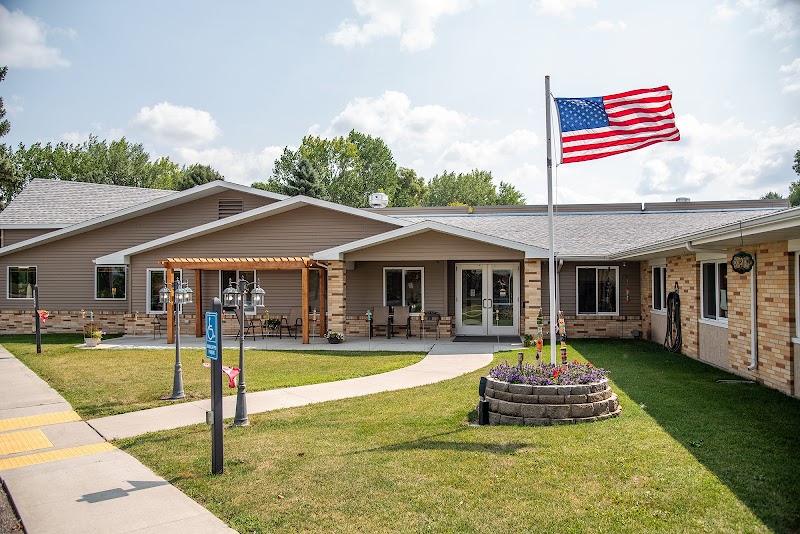
110 HILLCREST DR, ENDERLIN, ND 58027 (701) 437-3544
For profit - Corporation 42 Beds SMP HEALTH Data: November 2025 1 Immediate Jeopardy citation
Trust Grade
61/100
#28 of 72 in ND
Last Inspection: September 2024

Within standard 12-15 month inspection cycle. Federal law requires annual inspections.

Overview

SMP Health - Maryhill has a Trust Grade of C+, which means it is slightly above average but not exceptional. It ranks #28 out of 72 nursing homes in North Dakota, placing it in the top half, and #2 out of 3 in Ransom County, indicating only one facility nearby is rated higher. The facility is improving, having reduced its issues from 10 in 2023 to just 2 in 2024. Staffing is a strong point with a 5-star rating and a turnover rate of 38%, which is lower than the state average, suggesting that staff members remain for longer periods and are familiar with the residents. However, there are concerning aspects as well, including $10,036 in fines, which is average for the state, and less RN coverage than 82% of other facilities, which could affect the quality of care. Specific incidents of concern include a critical finding where a medication aide administered insulin to a non-alert resident without providing food, risking a dangerous drop in blood sugar. Additionally, the facility was cited for failing to properly sanitize dining room surfaces, which could potentially expose residents to foodborne illnesses. Lastly, there was a finding related to a medication staff member who was not properly registered, which raises concerns about the safety of medication administration. Overall, while there are strengths in staff retention and recent improvements, families should consider these serious weaknesses when researching this facility.

Trust Score
C+
61/100
In North Dakota
#28/72
Top 38%
Safety Record
High Risk
Review needed
Inspections
Getting Better
10 → 2 violations
Staff Stability
○ Average
38% turnover. Near North Dakota's 48% average. Typical for the industry.
Penalties
⚠ Watch
$10,036 in fines. Higher than 81% of North Dakota facilities, suggesting repeated compliance issues.
Skilled Nurses
✓ Good
Each resident gets 42 minutes of Registered Nurse (RN) attention daily — more than average for North Dakota. RNs are trained to catch health problems early.
Violations
⚠ Watch
20 deficiencies on record. Higher than average. Multiple issues found across inspections.
★★★★☆
4.0
Overall Rating
★★★★★
5.0
Staff Levels
★★☆☆☆
2.0
Care Quality
★★★☆☆
3.0
Inspection Score
Stable
2023: 10 issues
2024: 2 issues

The Good

  • 5-Star Staffing Rating · Excellent nurse staffing levels
  • Full Sprinkler Coverage · Fire safety systems throughout facility
  • No fines on record
  • Staff turnover below average (38%)

    10 points below North Dakota average of 48%

Facility shows strength in staffing levels, fire safety.

The Bad

Staff Turnover: 38%

Near North Dakota avg (46%)

Typical for the industry

Federal Fines: $10,036

Below median ($33,413)

Minor penalties assessed

Chain: SMP HEALTH

Part of a multi-facility chain

Ask about local staffing decisions and management

The Ugly 20 deficiencies on record

1 life-threatening
Sept 2024 1 deficiency
CONCERN (E)

Potential for Harm - no one hurt, but risky conditions existed

Food Safety (Tag F0812)

Could have caused harm · This affected multiple residents

Based on observation, review of facility policy, review of manufacturer's instructions, and staff interview, the facility failed to sanitize surfaces in 1 of 1 facility dining room. Failure to ensure ...

Read full inspector narrative →
Based on observation, review of facility policy, review of manufacturer's instructions, and staff interview, the facility failed to sanitize surfaces in 1 of 1 facility dining room. Failure to ensure the concentration of quaternary (quat) sanitizing solution is within manufacturer's guidelines may result in an incorrect solution concentration, inadequate sanitization of dining room surfaces, and places residents at risk for foodborne illness. Findings include: Review of the facility policy titled Cleaning Tables and Counters occurred on 09/11/24. This policy, revised February 2023, stated, . (counters, tables), apply a 200-400 ppm [parts per million] quaternary solution with a cloth . making sure that the surface remains completely visibly wet for at least 60 seconds and let air dry. Review of manufacturer's instructions for Oasis 146 Multi-Quat Sanitizer identified a concentration of 150 ppm - 400 ppm active quat for effective sanitizing. Observation in the dining room on 09/09/24 at 11:40 a.m. showed a dietary staff member (#5) wiping the kitchen serving counter and dining room tables/chairs with the Oasis 146 quat sanitizing solution. When asked to test the solution, the dietary staff member (#5) tested the solution twice showing a concentration of 50 ppm. During an interview on 09/09/24 at 11:58 a.m., a dietary supervisor (#4) stated she expected staff to mix the quat solution in the correct concentration.
Apr 2024 1 deficiency
CONCERN (E) 📢 Someone Reported This

A family member, employee, or ombudsman was alarmed enough to file a formal complaint

Potential for Harm - no one hurt, but risky conditions existed

Deficiency F0836 (Tag F0836)

Could have caused harm · This affected multiple residents

Based on record review and staff interview, the facility failed to comply with the North Dakota Administrative Code (NDAC), Chapter 33-43-01-20 Medication assistant I and II initial registration and r...

Read full inspector narrative →
Based on record review and staff interview, the facility failed to comply with the North Dakota Administrative Code (NDAC), Chapter 33-43-01-20 Medication assistant I and II initial registration and renewal for 1 of 1 staff member (#4) administering medications to residents as a medication assistant (MA). Failure to ensure qualified staff administered medication increases the risk for adverse consequences. Findings include: NDAC, Section 33-43-01-20 Individuals may not be employed as a medication assistant I or medication assistant II or hold themselves out to be a medication assistant I or medication assistant II unless the individual holds a registration as a medication assistant I or medication assistant II on the department's nurse aide registry. Individuals with delegated responsibility for administration of medication to a client as a medication assistant II must hold a current status on the department's registry as a certified nurse aide . 3. Individuals may obtain initial medication assistant II registration by successfully completing a department-approved medication assistant II program. Review of staff member #4's employee file occurred on 04/03/24 and lacked verification of a current North Dakota MA registry. Review of facility schedules for the dates of October 29, 2023, to December 02, 2023, showed staff member (#4) scheduled as a MA on 17 shifts and for the dates of January 28, 2024, to February 24, 2024, for 12 shifts. Review of facility electronic medication administration records (MAR) showed staff (#4) administered medications from July 2023, through February 2024 to residents. During an interview on 04/03/24 at 4:45 p.m., an administrative staff member (#1) confirmed staff member (#4) administered medications and the facility failed to verify medication assistant registration. Based on the following information, non-compliance at F836 is considered past non-compliance. The facility addressed the corrective action accomplished for the MAII and all facility residents affected by the deficient practice by: * The facility pursued a Human Resources portal through their payroll company to ensure staff licensing/registration information tracked for license/registry verification/expiration. This process began on 02/05/24. * On 02/23/24 the facility found staff member #4 lacked a current North Dakota MA registry. Facility management immediately removed staff member #4 from MAII duty. * On 02/26/24 facility management revised the policy/procedure titled License Verification. This policy, currently dated March 2024, stated, . All personnel that require a license of certification shall be verified through the appropriate issuing agency upon employment and renewal thereafter during the term of employment. The policy outlined the process and responsibility for license verification effective 03/01/24. * On 02/27/24 and 02/28/24 clinical staff education regarding License Verification policy/procedure. * On 03/21/24 all staff education regarding License Verification policy/procedure. The surveyor determined the facility discovered the deficient practice on 02/23/24. The facility implemented corrective action on 02/23/24 and completed clinical staff education on 02/27/24 and 02/28/24, and all staff education on 03/21/24.
Oct 2023 10 deficiencies 1 IJ
CRITICAL (J)

Immediate Jeopardy (IJ) - the most serious Medicare violation

Deficiency F0726 (Tag F0726)

Someone could have died · This affected 1 resident

Based on observation, review of facility policy, record review, and staff interview, the facility failed to ensure the competency of nursing staff for 1 of 1 nursing staff (#7) observed during insulin...

Read full inspector narrative →
Based on observation, review of facility policy, record review, and staff interview, the facility failed to ensure the competency of nursing staff for 1 of 1 nursing staff (#7) observed during insulin administration (#143) . Failure to provide a meal or juice with in 5-10 minutes after administering short acting insulin, administering insulin to a nonarousable resident, and failure to notify a nurse of a resident's altered status may result in harm to facility residents. During the standard survey, the team determined an Immediate Jeopardy (IJ) situation existed on 10/03/23 at 2:00 p.m. The IJ resulted from a medication aide administering short acting insulin to a resident not alert enough to consume food thus, putting the resident at risk for a reaction from low blood sugar. The staff member who administered the insulin lacked awareness of the side effect of failing to provide food after administration of short acting insulin. The staff also failed to notify the nurse of Resident #143's altered status. * 10/03/23 at 2:34 p.m., The survey team contacted the State Survey Agency (SSA) to report the findings and discuss potential immediate jeopardy (IJ). The survey team was instructed to verify further details. * 10/03/23 at 3:49 p.m., The survey team contacted the SSA again for further discussion regarding the potential IJ situation and verified the presence of IJ. * 10/03/23 at 4:08 p.m., The SSA contacted the survey team after discussion with the CMS (Centers for Medicare & Medicaid Services) location and verified the presence of IJ. * 10/03/23 at 5:15 p.m., The survey team notified the administrator, and the director of nursing (DON), of the IJ situation, provided them with the IJ template, and requested they develop a plan for removal of the immediate jeopardy. * 10/04/23 at 8:55 a.m., The administrator, and the DON presented the IJ removal plan for the survey team to review. The removal plan contained the following: * DON completed a comprehensive assessment including vitals, attempted to arouse the resident, attempted to offer food and drink, and updated Resident #143's medical provider. * Inservice and education on facility policy/procedure for administering short acting insulin, appropriate actions/interventions to ensure resident safety with the staff member directly involved in the deficient practice, all nursing staff on duty, and on-coming staff. * Review of facility policies and resources for questions/concerns. * 10/04/23 at 11:16 a.m., The survey team reviewed and accepted the facility's removal plan for the IJ. The survey team verified the implementation of the removal plan as of 10/03/23. The deficient practice remained at an D scope and severity following the removal of the IJ. Findings include: Review of the facility policy titled Insulin occurred on 10/05/23. This policy, dated February 2022, stated, . Policy: It is the policy of this facility .to prevent adverse effects on a resident's condition. short acting insulin should be administered at the start of the meal. (10 minutes max [maximum] prior to the start of eating). If a resident doesn't eat after getting insulin the charge nurse should be notified and proper, follow up and monitoring completed. Review of Resident #143's medical record occurred on all days of survey and included a diagnosis of diabetes mellitus. A physician's order, dated 09/28/23, stated, . Novolog 20 units subcutaneous four times a day . Observations on 10/03/23 showed the following: * 11:57 a.m. a medication aide (#7) entered Resident #143's room to check his blood sugar and administer insulin. The MA (#7) said the resident's name and he would open his eyes and fall back asleep. The medication aide attempted to wake the resident by rubbing his arms and cheek with no response from the resident. The medication aide checked the resident's blood sugar with the results of 174 milligrams per deciliter (mg/dl), administered 20 units of Novolog insulin [a fast acting insulin], and exited the room. * 1:04 p.m. a Certified Nurse Aide (CNA) (#4) attempted unsuccessfully to awaken Resident #143 to provide the meal. Staff returned the tray to the kitchen. * 1:12 p.m. This surveyor informed an administrative staff member (#1) of the situation concerning Resident #143. The administrative staff member informed the MA she needed to check Resident #143's blood sugar at this time. * 1:19 p.m. The administrative staff member (#1) and MA (#7) checked Resident #143's blood sugar with the results of 136 mg/dl. *1:21 p.m. The administrative staff member (#1) went to the kitchen to get Resident #143 some food. * 3:07 p.m. a MA (#7) checked Resident #143's blood sugar with a result of 102 mg/dl. * 3:17 p.m. a MA (#7) stated,I did not know that [the resident needs to eat with in 5-10 minutes after administering a rapid acting insulin] until they told me [earlier today]. * 4:23 p.m. a MA (#8) checked Resident #143's blood sugar with a result of 86 mg/dl. During an interview on 10/03/23 at 5:27 p.m., an administrative staff member (#1) confirmed she expected staff to administer short acting insulin with a meal, inform the nurse if a resident is not eating after short acting insulin administration, and if a resident is nonarousable.
CONCERN (D)

Potential for Harm - no one hurt, but risky conditions existed

Resident Rights (Tag F0550)

Could have caused harm · This affected 1 resident

Based on observation, record review, review of facility policy, and resident, family, and staff interviews, the facility failed to assess, develop, and implement interventions to promote dignity for 1...

Read full inspector narrative →
Based on observation, record review, review of facility policy, and resident, family, and staff interviews, the facility failed to assess, develop, and implement interventions to promote dignity for 1 of 1 sampled resident (Resident #3) with concerns regarding toileting/incontinence. Failure to determine appropriate toileting methods caused Resident #3 embarrassment and/or psychosocial harm. Findings include: Review of the facility policy titled Standard of Care Policy occurred on 10/05/23. This policy, dated August 2023, stated, . Each resident is treated with dignity and respect. During an interview on 10/02/23 at 4:02 p.m., Resident #3 verbalized frustration when staff utilized that sling thing [full body lift] to get up and down. They [staff] told me to go to the bathroom in my pants. During an interview on 10/02/23 at 4:03 p.m., a family member (A) reported Resident #3 has been upset since staff started utilizing the Hoyer lift (full body mechanical lift) and stopped toileting the resident in the bathroom. A current physician ordered medication caused several loose stools per day. The resident is upset when unable to utilize the bathroom and is incontinent even when attempting to hold it. Review of Resident #3's medical record occurred on all days of survey and showed a physician's order, dated 06/02/23 for lactulose (a medication known to cause loose stools) to be administered three times per day. The current care plan stated, . TOILET USE: I require assistance to use toilet. The current certified nurse aide (CNA) Activities of Daily Living (ADL) sheet identified staff assist with scheduled toileting every 2-3 hours. Observation on 10/04/23 at 11:55 a.m. showed two CNAs (#2 and #3) completed an incontinence check/change for Resident #3. The CNAs transferred the resident from the bed to the wheelchair utilizing the Hoyer lift. Staff failed to offer the resident any other options for toileting to avoid incontinence. During an interview on 10/05/23 at 9:27 a.m., a CNA (#3) stated, . We just have [Resident #3] go in his pants and check and change him in bed. The facility failed to toilet Resident #3's according to his abilities/preferences which resulted in a loss of dignity, frustration, and avoidable incontinence. See F690
CONCERN (D)

Potential for Harm - no one hurt, but risky conditions existed

Notification of Changes (Tag F0580)

Could have caused harm · This affected 1 resident

Based on record review, review of facility policy, and staff interview, the facility failed to notify the resident's physician of a change in condition for 1 of 1 sampled resident (Resident #3) who ex...

Read full inspector narrative →
Based on record review, review of facility policy, and staff interview, the facility failed to notify the resident's physician of a change in condition for 1 of 1 sampled resident (Resident #3) who experienced a change in bowel status. Failure to notify the physician of these changes may have prevented the physician from altering the treatment/care provided to the resident. Findings include: Review of the facility policy titled Notification of Changes occurred on 10/05/23. This policy, dated 07/04/23, stated, . The purpose of this policy is to ensure the facility promptly . consults the resident's physician . Circumstances requiring notification include: . 3. Circumstances that require a need to alter treatment. Review of Resident #3's medical record occurred on all days of survey. Diagnoses included cirrhosis of the liver and metabolic encephalopathy (a brain disease). A physicians order, dated 06/02/23, stated, Lactulose Solution (a medication known to cause loose stools) 10 GM [grams]/15ML [milliliters] Give 30 ml by mouth three times a day Review of a fax sent to the facility from Resident #3's Geriatric Internist on 09/29/23 stated, . With the lactulose, he needs to be having 3 or 4 BM's [bowel movements] per day. follow number of BM's per day and if not having enough we can increase the lactulose dose. Review of Resident #3's BM record showed the following: * 09/29/23 - Two BMs * 09/30/23 - No BMs * 10/01/23 - One BM * 10/02/23 - No BMs * 10/03/23 - One BM The medical record lacked documentation the facility updated Resident #3's geriatric internist regarding his lack of BMs. During an interview on 10/04/23 at 5:39 p.m., an administrative nurse (#1) confirmed she was not aware of the lack of BMs the resident had since the physician's order on 09/29/23.
CONCERN (D)

Potential for Harm - no one hurt, but risky conditions existed

Deficiency F0657 (Tag F0657)

Could have caused harm · This affected 1 resident

Based on record review, review of facility policy, and staff interview, the facility failed to review and revise comprehensive care plans to reflect the residents' current status for 3 of 15 sampled r...

Read full inspector narrative →
Based on record review, review of facility policy, and staff interview, the facility failed to review and revise comprehensive care plans to reflect the residents' current status for 3 of 15 sampled residents (Resident #9, #12, and #35). Failure to review and revise the care plan limited staffs' ability to communicate needs and ensure continuity of care. Findings include: Review of the facility policy titled Comprehensive Care Plans occurred on 10/05/23. This policy, revised August 2022, stated, . It is the policy of this facility to develop and implement a comprehensive person-centered care plan for each resident . the care planning process will begin upon admission and ongoing with changes. - Review of Resident #9's medical record occurred on all days of survey. Diagnoses included type 2 diabetes mellitus. The physician's orders included short-acting insulin with blood glucose monitoring three times a day. Resident #9's care plan lacked problem, goals, and interventions related to diabetes mellitus. - Review of Resident #12's medical record occurred on all days of survey. Diagnoses included type 2 diabetes mellitus. The physician's orders included long-acting insulin with blood glucose monitoring twice a week and as needed. Resident #12's care plan lacked problem, goals, and interventions related to diabetes mellitus. - Review of Resident #35's medical record occurred on all days of survey. Diagnoses included type 2 diabetes mellitus. The physician's orders included blood glucose monitoring daily. Resident #35's care plan lacked problem, goals, and interventions related to diabetes mellitus. During an interview on 10/05/23 at 2:00 p.m., an administrative nurse (#1) stated she expected staff to update the care plans to include diabetes mellitus and interventions.
CONCERN (D)

Potential for Harm - no one hurt, but risky conditions existed

Deficiency F0658 (Tag F0658)

Could have caused harm · This affected 1 resident

Based on observation, review of facility policy, review of professional reference, and staff interview, the facility failed to follow professional standards of practice regarding medication administra...

Read full inspector narrative →
Based on observation, review of facility policy, review of professional reference, and staff interview, the facility failed to follow professional standards of practice regarding medication administration and monitoring blood sugars for 1 of 2 sampled residents (Resident #143) and 1 supplemental resident (Resident #8) observed during medication pass. Failure to ensure the resident eats within 5-10 minutes of receiving a rapid acting insulin and failure to monitor blood sugars per physician orders may result in a hypoglycemic reaction (low blood sugar), diabetic coma and/death and failure to ensure residents receive the correct medications may result in serious adverse health effects. Findings include: Review of the facility policy titled Insulin occurred on 10/05/23. This policy, dated February 2022, stated, . Policy: It is the policy of this facility .to prevent adverse effects on a resident's condition. short acting insulin's should be administered at the start of the meal. (10 minutes max [maximum] prior to the start of eating). If a resident doesn't eat after getting insulin the charge nurse should be notified and proper, follow up and monitoring completed. Kozier & Erb's Fundamentals of Nursing, Concepts, Process and Practice, 11th Edition eText, 2021, Pearson, Boston, Massachusetts, pages 831-832, stated, . Administer only medications personally prepared . pages 838-840 stated, . Administering Oral Medications . Gather the MAR(s) [medication administration records] for each client together so that medications can be prepared for one client at a time. Rationale . reduces the chance of errors. - Review of Resident #143's medical record occurred on all days of survey and included a diagnosis of diabetes mellitus. A physician's order, dated 09/28/23, stated, . Novolog 20 units subcutaneous four times a day . - Observations on 10/03/23 showed the following: * 11:57 a.m. a medication aide (MA) (#7) entered Resident #143's room to check the resident's blood sugar and administer insulin. The MA (#7) said the resident's name and he would open his eyes and fall back asleep. The MA attempted to wake the resident by rubbing his arms and cheek with no response from the resident. The MA then checked the resident's blood sugar, obtained a result of 174, administered 20 units of Novolog insulin [a rapid acting insulin], and exited the room. The resident failed to arouse during the finger stick or the injection. * 1:04 p.m. a certified nurse aide (CNA) (#4) entered Resident #143's room to bring him his dinner tray, 59 minutes after the MA administered his insulin. When the CNA stated the resident's name, the resident responded by opening his eyes and immediately went back to sleep. The CNA attempted to awaken the resident without success stating his name repeatedly, rubbing his arms and hands. The CNA took the resident's dinner to the MA (#7) and stated, [Resident #143's name] is zonked, could you take his dinner tray to the kitchen to keep it warm. The MA took the resident's tray to the kitchen and failed to notify the nurse of the situation. The facility failed to ensure the resident ate after administering rapid acting insulin, and notify the nurse about being unable to arouse Resident #143. Refer to F726 - Observation of medication pass occurred on 10/04/23 at 8:45 a.m. with a MA (#5). The MA prepared Resident #8's medication as a licensed nurse (#6) entered the medication room and stated, she needed [Resident #24's] medications. The MA (#5) stopped preparing the medications for Resident #8 and prepared Resident #24's medications, while the nurse (#6) stood on the opposite side of the medication cart. The MA (#5) crushed the medications, added pudding to the cup and handed the medications to the nurse. The nurse (#6) administered medications prepared by the MA (#5). During an interview on 10/05/23 at 2:00 p.m. an administrative nurse (#1) stated she expected staff to administer medications they had prepared. BLOOD SUGARS Review of the facility policy titled Diabetic Blood Glucose Checks occurred on 10/05/23. This policy, dated August 2023, stated, . PURPOSE Any resident with diabetes will have his/her blood glucose monitored as ordered by the physician. - Review of Resident #143's medical record occurred on all days of survey and included a diagnosis of diabetes mellitus. A physician's order, dated 09/28/23, stated, . Novolog [a rapid acting insulin] 20 units subcutaneous four times a day for Diabetes If BS [blood sugar] is under 150 do not give Novolog . The staff administered rapid acting insulin without verifying Resident #143's blood sugar was over 150 on the following dates and times: * 10/02/23 at 8:00 p.m. * 10/03/23 at 8:00 p.m. * 10/04/23 at 8:00 a.m. During an interview on 10/05/23 at 2:32 p.m., an administrative nurse (#1) stated she expected staff to check blood sugars before administering the insulin.
CONCERN (D)

Potential for Harm - no one hurt, but risky conditions existed

Accident Prevention (Tag F0689)

Could have caused harm · This affected 1 resident

Based on observation, review of facility policy, and staff interview, the facility failed to provide adequate supervision and assistive devices necessary to prevent accidents for 2 of 6 sampled reside...

Read full inspector narrative →
Based on observation, review of facility policy, and staff interview, the facility failed to provide adequate supervision and assistive devices necessary to prevent accidents for 2 of 6 sampled residents (Resident #12 and #143) observed during a gait belt transfers. Failure to use a gait belt during transfers placed the residents at risk of accidents and injury. Findings include: Review of the policy titled Use of Gait Belt occurred on 10/04/23. This policy, dated May 2023, stated, It is the policy of this facility to use gate belts with residents that require hands on extensive assist to ambulate or transfer for the purpose of safety. Observations showed the following: * 10/03/23 at 9:49 a.m., a certified nurse aide (CNA) (#4) transferred Resident #143 from the wheelchair to the recliner without a gait belt. The CNA (#4) lifted under both of the resident's arms while the resident held onto the CNA's elbows. * 10/03/23 at 11:45 a.m., a CNA (#2) transferred Resident #12 from the toilet to the wheelchair without a gait belt. The CNA (#2) pushed upward on the resident's back and held onto the waist band of the resident's pants during the transfer. The CNA (#2) transferred the Resident #12 to the recliner by holding the resident's hands and pulling the resident up to a standing position. During an interview on 10/05/23 at 2:00 p.m., an administrative nurse (#1) stated she expected staff to use a gait belt with transfers.
CONCERN (D)

Potential for Harm - no one hurt, but risky conditions existed

Incontinence Care (Tag F0690)

Could have caused harm · This affected 1 resident

Based on observation, record review, and resident, family, and staff interviews, the facility failed to provide appropriate services and assistance to maintain bowel/bladder continence for 1 of 6 samp...

Read full inspector narrative →
Based on observation, record review, and resident, family, and staff interviews, the facility failed to provide appropriate services and assistance to maintain bowel/bladder continence for 1 of 6 sampled residents (Resident #3) observed during toileting/incontinence care. Failure to provide toileting assistance may result in unnecessary incontinence, a loss of dignity, and avoidable skin issues. Findings include: Review of the facility policy titled Bowel and Bladder Program occurred on 10/05/23. This policy, dated April 2023, stated, . PURPOSE: [Facility Name] will provide appropriate programs and treatments for our residents . to restore and maintain as much normal bowel and bladder function as possible. During an interview on 10/02/23 at 4:02 p.m., Resident #3 verbalized frustration when staff utilized that sling thing [full body lift] to get up and down. They [staff] told me to go to the bathroom in my pants. During an interview on 10/02/23 at 4:03 p.m., a family member (A) reported Resident #3 has been upset since staff started utilizing the Hoyer lift (full body mechanical lift) and stopped toileting the resident in the bathroom. A current physician ordered medication caused several loose stools per day. The resident is upset when unable to utilize the bathroom and is incontinent even when he has tried to hold it. Review of Resident #3's medical record occurred on all days of survey. The care plan stated, . TOILET USE: I require assistance to use toilet. The certified nurse aide (CNA) Activities of Daily Living (ADL) sheet identified staff assist with scheduled toileting every 2-3 hours for Resident #3. Progress notes included the following: * 08/15/23 at 2:26 p.m., . discharge: Physical Therapy . Patient finished therapy with the current transfer status of Pivot transfer into his chair, bed, and bathroom ModA [moderate assist] x1 [with one staff]. He was able to do this many times and consistently. * 08/28/23 at 12:55 p.m., . Therapy . UPDATE: OTR [Occupational Therapist Registered] has been notified from several staff that pt [patient] is having increased difficulty transferring with 1 person assist consistently and safely. Recommending 2 person assist for all transfers at this time. * 09/08/23 at 11:16 a.m., . Nurse note . Focus: room change/transfer Observation: RA's [restorative therapy aides] reported res [resident] having difficulties with transfers since room change. Action: Will use a pal-lift [sit to stand lift] at this time and have PT/OT [physical therapy/occupational therapy] assess. * 09/08/23 at 12:28 p.m., . Therapy . UPDATE: OT completed transfer assessment with restorative. Recommend standing lift at this time for all transfers. * 09/24/23 at 3:14 p.m., . Nurse note . Observation: resident noted to have increased weakness, loss of appetite, and overall decline during shift. resident [sic] currently having difficulty using PAL stand lift; staff requesting to use hoyer lift for resident transfers until resident can be evaluated by therapy. Action: resident switched to 2 person hoyer lift for transfers d/t [due to] increased weakness and decline for safety until evaluation. The record lacked evidence of a PT/OT evaluation since 09/24/23. During an interview on 10/04/23 at 5:39 p.m., an administrative staff member (#1) verified Resident #3 had not received a PT or OT evaluation for transfer methods since 09/24/23. Observation on 10/04/23 at 11:55 a.m. showed two CNAs (#2 and #3) completed an incontinence check/change for Resident #3. The CNAs transferred the resident from the bed to wheelchair utilizing the Hoyer lift. Staff failed to offer the resident any other options for toileting to avoid incontinence. During an interview on 10/05/23 at 9:25 a.m., a CNA (#4) reported staff have not attempted to utilize a Hoyer toilet sling for Resident #3. During an interview on 10/05/23 9:27 a.m., a CNA (#3) reported no knowledge of a toilet sling and no bathroom toileting since Resident #3 changed to a hoyer lift for all transfers. The CNA stated, . We just have him go in his pants and check and change him in bed. During an interview on 10/05/23 at 9:29 a.m., a CNA (#5) reported staff have not attempted to toilet Resident #3 with a toilet sling and stated, [The resident] is a check and change. Facility staff failed to provide/attempt alternate toileting methods consistent with Resident #3's verbalized needs/requests, which resulted in avoidable incontinence, decreased dignity, and risk of skin breakdown. See F550
CONCERN (D)

Potential for Harm - no one hurt, but risky conditions existed

Respiratory Care (Tag F0695)

Could have caused harm · This affected 1 resident

Based on observation, record review, review of facility policy, and staff interviews, the facility failed to provide respiratory care consistent with professional standards of practice for 2 of 4 samp...

Read full inspector narrative →
Based on observation, record review, review of facility policy, and staff interviews, the facility failed to provide respiratory care consistent with professional standards of practice for 2 of 4 sampled residents (Resident #23 and #143) receiving oxygen by nasal cannula. Failure to administer oxygen according to the physician's order may result in complications and compromise the residents' respiratory status. Findings include: Review of the facility policy titled OXYGEN ADMINISTRATION OF occurred on 10/05/23. This policy, dated February 2022, stated, Procedure: 1. Check physician's orders . for flow rate . - Review of Resident #23's medical record occurred on all days of survey and identified a physician's order, dated 05/15/23, stated, Oxygen at 2-4 liters continuous for dyspnea per nasal cannula . Observations showed the following: * 10/04/23 at 10:26 a.m. Resident #23 received oxygen per nasal cannula at 1.5 liters per minute (LPM). * 10/05/23 at 9:29 a.m. Resident #23 received oxygen per nasal cannula at 1.5 LPM. During an interview on 10/05/23 at 9:29 a.m., a medication aide (#5) verified Resident #23's oxygen was set at 1.5 LPM. - Review of Resident #143's medical record occurred on all days of survey and identified a physician's order, dated 9/28/23, stated, O2 [oxygen] @ [at] 4 LPM per nasal cannula continuous . Observations showed the following: * 10/02/23 at 5:07 p.m. Resident #143 received oxygen per nasal cannula at 3 LPM. * 10/04/23 at 10:38 a.m. Resident #143 received oxygen per nasal cannula at 3.5 LPM. * 10/04/23 at 4:25 p.m. Resident #143 received oxygen per nasal cannula at 3.5 LPM. * 10/05/23 at 12:01 p.m. Resident #143 received oxygen per nasal cannula at 3.5 LPM. During an interview on 10/05/23 at 12:01 p.m., a licensed nurse (#6) verified Resident #143's oxygen per nasal cannula was set at 3.5 LPM and turned the oxygen to 4 LPM. During an interview on 10/05/23 at 2:35 p.m., an administrative staff member (#1) stated she expected staff to administer oxygen at the rate ordered by the physician.
CONCERN (D)

Potential for Harm - no one hurt, but risky conditions existed

Infection Control (Tag F0880)

Could have caused harm · This affected 1 resident

Based on observation, review of facility policy, and staff interview, the facility failed to follow standards of infection control for 2 of 6 sampled residents (Resident #3 and #18) observed during pe...

Read full inspector narrative →
Based on observation, review of facility policy, and staff interview, the facility failed to follow standards of infection control for 2 of 6 sampled residents (Resident #3 and #18) observed during personal cares. Failure to practice infection control standards related to hand hygiene has the potential to spread infection throughout the facility. Findings include: Review of the policy titled Infection Prevention and Control Program occurred on 10/04/23. This policy, dated May 2023, stated, . Glove Hygiene (Always make sure that resident is safe prior to glove removal and washing hands) . Perform hand hygiene immediately after removal of gloves . - Observation on 10/04/23 at 11:55 a.m. showed two certified nurse aides (CNAs) (#2 and #3) assisted Resident #3 with a check and change. One CNA (#3) donned gloves and performed incontinence care as the other CNA (#2) assisted with turning the resident. After removing her gloves the CNA (#3) repositioned the resident's bedside table, opened the curtain, repositioned the resident's call light, placed a pillow behind the resident's head and right arm, touched the resident's headset and remote, moved the wheelchair, and covered the resident with a blanket before performing hand hygiene. - Observation on 10/04/23 at 4:00 p.m. showed two CNAs (#2 and #3) transferred Resident #18 onto the toilet. One CNA (#3) performed perineal care as the resident stood near the toilet. With visible stool on the wipe, the CNA (#3) completed perineal cares and assisted the resident into the wheelchair. After removing her gloves the CNA (#3) positioned the wheel chair at the sink, obtained a hand towel for the resident, repositioned the wheelchair, assisted the resident into the recliner, moved the resident's fluids closer to the resident, and covered the resident with a blanket before performing hand hygiene. The CNA (#3) failed to perform hand hygiene after glove removal and before completing other tasks. During an interview on 10/05/23 at 2:00 p.m., an administrative nurse (#1) stated she expected staff to perform hand hygiene after glove removal after the resident is in a safe position.
MINOR (B)

Minor Issue - procedural, no safety impact

Staffing Information (Tag F0732)

Minor procedural issue · This affected multiple residents

Based on observation and staff interview, the facility failed to post complete and accurate daily staff information for 3 of 4 days of survey (October 02-04, 2023). Failure to post accurate staffing d...

Read full inspector narrative →
Based on observation and staff interview, the facility failed to post complete and accurate daily staff information for 3 of 4 days of survey (October 02-04, 2023). Failure to post accurate staffing data does not allow residents and visitors knowledge of the number of licensed and unlicensed staff on duty each shift. Findings include: Observation on October 02-04, 2023, showed the daily staff posting outside of the nurse's station. The posting showed staffing data for the night shift only, and no staffing for the day and evening shift the entire day. During an interview on 10/05/23 at 2:00 p.m., an administrative nurse (#1) stated she expected night shift to complete the staffing form and staff to make changes if needed.
Sept 2022 8 deficiencies
CONCERN (D)

Potential for Harm - no one hurt, but risky conditions existed

Deficiency F0554 (Tag F0554)

Could have caused harm · This affected 1 resident

Based on observation, record review, review of facility policy, staff and resident interview, the facility failed to ensure the interdisciplinary team assessed the appropriateness to self-administer m...

Read full inspector narrative →
Based on observation, record review, review of facility policy, staff and resident interview, the facility failed to ensure the interdisciplinary team assessed the appropriateness to self-administer medications (SAM) for 1 of 1 sampled resident (Resident #13) with medications observed in the resident's room. Failure to determine whether SAM is a safe practice has the potential to limit a resident's right to SAM or result in a medication error and/or harm to a resident. Findings include: Review of the facility policy titled Medication Self-Administration occurred on 09/14/22. This policy, dated 07/2015, stated, . Policy: Resident's who desire to and are assessed capable may self-administer their medications.Upon completion of the BIMS [Brief Interview for Mental Status], with a score 13 or greater, the physician will be contacted for the appropriateness of self-administration and an order obtained. An individualized care plan will be developed for the implementation of the self-administration program based on the resident's abilities. Observation on 09/13/22 at 9:22 a.m. showed a medication cup containing multiple pills and a plastic cup containing white powder located on the table in front of Resident #13. The resident reported she was waiting for her breakfast to arrive. During an interview on 09/13/22 at 9:22 a.m., Resident #13 stated she had an inhaler to use for her asthma symptoms. When asked where she keeps the inhaler, she reported it is kept in her room, she then retrieved an Atrovent inhaler from her personal bag and stated, I took it with to my appointment yesterday, I usually keep it on my night stand next to my phone. Observation on 09/14/22 at 12:20 p.m., showed the Atrovent inhaler located in Resident #13's room on the bedside stand. Review of Resident #13's medical record occurred on September 13-14, 2022. The record identified a BIMS score of 15 an indication of intact cognition. The record lacked a SAM assessment, a provider order, and documentation on the care plan indicating Resident #13 can safely self-administer medications. During an interview on 09/14/22 12:25 p.m., an administrative nurse (#1) confirmed staff failed to complete the SAM for Resident #13.
CONCERN (D)

Potential for Harm - no one hurt, but risky conditions existed

Assessment Accuracy (Tag F0641)

Could have caused harm · This affected 1 resident

**NOTE- TERMS IN BRACKETS HAVE BEEN EDITED TO PROTECT CONFIDENTIALITY** Based on record review and review of the Long-Term Care Facility Resident Assessment Instrument (RAI) 3.0 User's Manual (Version...

Read full inspector narrative →
**NOTE- TERMS IN BRACKETS HAVE BEEN EDITED TO PROTECT CONFIDENTIALITY** Based on record review and review of the Long-Term Care Facility Resident Assessment Instrument (RAI) 3.0 User's Manual (Version 1.17.1), the facility failed to complete a Minimum Data Set (MDS) that accurately reflected the resident's status for 1 of 2 sampled residents (Resident #27) reviewed for weight loss. Failure to accurately code the MDS may negatively affect the development of a comprehensive care plan and the care provided to the residents. Findings include: The Long-Term Care Facility RAI User's Manual, revised October 2019, page K-5 to K-6 stated, . K0300: Weight loss . compare the resident's weight in the current observation period to his or her weight in the observation period 30 days ago. If the current weight is less than the weight in the observation period 30 days ago, calculate the percentage of weight loss . compare the resident's weight in the current observation period to his or her weight 180 days ago. If the current weight is less than the weight in the observation period 180 days ago, calculate the percentage of weight loss. Coding Instructions . Code 0, no or unknown: if the resident has not experienced weight loss of 5% or more in the past 30 days or 10% or more in the last 180 days . Code 2, yes, not on physician-prescribed weight-loss regimen: if the resident has experienced a weight loss of 5% or more in the past 30 days or 10% or more in the last 180 days . Review of Resident #27's medical record occurred on all days of survey. A quarterly MDS, dated [DATE], identified section K0300 coded for weight loss. Review of Resident #27's weight documentation identified the following: * 01/28/22 weight 126 lbs (pounds) * 06/27/22 122 lbs * 07/28/22 117 lbs (4% weight loss in 30 days and 7% in 180 days) The facility staff failed to accurately code the quarterly MDS as 0 indicating Resident #27 did not have a 5% weight loss in 30 days or a 10% weight loss in 180 days.
CONCERN (D)

Potential for Harm - no one hurt, but risky conditions existed

Deficiency F0658 (Tag F0658)

Could have caused harm · This affected 1 resident

Based on observation, review of facility policy, review of professional literature, and staff interview, the facility failed to follow professional standards of practice for 2 of 2 sampled residents (...

Read full inspector narrative →
Based on observation, review of facility policy, review of professional literature, and staff interview, the facility failed to follow professional standards of practice for 2 of 2 sampled residents (Resident #1 and #15) who received insulin during medication pass. Failure to disinfect the rubber seal of insulin pens increases risk of infection to residents and failure to indicate an open date and/or expiration date on insulin pens may result in reduced efficacy of the insulin. Findings include: Review of the facility policy titled Insulin Pen occurred on 09/15/22. This policy, revised February 2022, stated, Insulin pens must be clearly labeled with the . expiration date. Insulin pens should be disposed of after 28 days or according to manufacturer's recommendation. Review of information found at https://pi.lilly.com/us/humalog-kwikpen-um.pdf, stated, . HUMALOG KwikPen . Preparing your Pen . Wipe the Rubber Seal with an alcohol swab. Review of information found at https://www.lantus.com/dam/jcr:817aed9c-a677-4cd6-a6b3-d93d8aba629a/lantus-solostar-pen-guide.pdf, stated, . HOW TO STORE YOUR OPENED LANTUS SOLOSTAR PEN . after 28 days, throw your opened Lantus pen away . Review of information found at https://uspl.lilly.com/basaglar/basaglar.html#ug0, stated, . BASAGLAR KwikPen . Do not use your Pen . for more than 28 days after you first start using the Pen. Observation on 09/14/22 at 9:24 a.m. showed a medication aide (#4) prepared Resident #15's Humalog insulin pen. The aide failed to disinfect the rubber seal on the pen prior to attaching the needle. Observation during review of the north medication cart on 09/14/22 at 9:37 a.m. showed Resident #1's Basaglar insulin pen and Resident #15's Lantus insulin pen showed both pens lacked an open and/or expiration date. During an interview on 09/14/22 at 2:35 p.m. an administrative nurse (#1) stated she expected staff to label insulin pens with expiration dates.
CONCERN (D)

Potential for Harm - no one hurt, but risky conditions existed

Accident Prevention (Tag F0689)

Could have caused harm · This affected 1 resident

Based on observation, record review, review of facility policy, and professional reference review, the facility failed to provide adequate supervision and assistive devices necessary to prevent accide...

Read full inspector narrative →
Based on observation, record review, review of facility policy, and professional reference review, the facility failed to provide adequate supervision and assistive devices necessary to prevent accidents for 1 of 4 sampled residents (Resident #9) observed during gait belt transfers. Failure to properly use a gait belt during transfer placed the resident at risk of accidents and/or injury. Findings include: Review of the facility policy titled Resident Handling/Transfers occurred on 09/15/22. This policy, dated February 2022, stated, It is the policy of this facility to ensure that residents are handled and transferred safely to prevent or minimize risks for injury . Handling aids may include gait belts . Staff members are expected to maintain compliance with safe handling/transfer practices. Kozier & Erb's Fundamentals of Nursing, Concepts, Process and Practice, 11th Edition eText, 2021, Pearson, Boston, Massachusetts, page 1126, stated, Assisting a Client to Ambulate . If the client is a low safety risk . use a gait/transfer belt for standby assist as needed and assistive devices as needed . and 1-2 caregivers. Make sure the belt is pulled snugly around the client's waist and fastened securely. Grasp the belt at the client's back . Review of Resident #9's medical record occurred on all days of survey. Diagnoses included repeated falls and abnormalities of gait and mobility. The care plan stated, ADLS [activities of daily living]: I have, limited physical mobility r/t [related to] Disease Process . Refer to ADL sheet . The ADL sheet, dated 09/13/22, stated, Transfers . A1 [assist with one]. Refer to F657. Observation on 09/13/22 at 11:04 a.m. showed a certified nurse aide (CNA) (#2) and a nurse (#3) applied a gait belt loosely under Resident #9's breasts and assisted the resident to stand by pulling up with the gait belt with one hand and under the resident's axilla with the other hand. The gait belt slid upward over the resident's chest to the level of her neck. The staff members physically turned the resident and sat her in the recliner because she could not pivot her feet. The staff failed to tighten or readjust the gait belt with the transfer.
CONCERN (D)

Potential for Harm - no one hurt, but risky conditions existed

Medication Errors (Tag F0758)

Could have caused harm · This affected 1 resident

Based on record review, facility policy review, and staff interview, the facility failed to ensure orders for as needed (PRN) psychotropic drugs were limited to 14 days for 1 of 5 sampled residents (R...

Read full inspector narrative →
Based on record review, facility policy review, and staff interview, the facility failed to ensure orders for as needed (PRN) psychotropic drugs were limited to 14 days for 1 of 5 sampled residents (Resident #21) reviewed for unnecessary medications. Failure to ensure the physician renewed the PRN order after 14 days may result in the resident receiving an unnecessary medication. Findings include: Review of the facility titled PSYCHOTROPIC MEDICATION POLICY occurred on 09/15/22. This policy, revised December 2021, stated, . Psychotropic medications include: anti-anxiety, hypnotic, antipsychotic and antidepressant classes of drugs. If a PRN antianxiety or antipsychotic medication is ordered, nursing staff will monitor the effects/side effects of the medication and observe frequency and time of day that the medication is given over a 1-2 week period. The physician should be notified at that time to schedule antianxiety medications or antipsychotic medications if needed. Review of Resident #21's medical record occurred on all days of survey. Diagnoses included dementia with Lewy bodies, psychotic disorder with delusions, and anxiety. Physician's orders included the following: * Start date 07/03/22, Ativan Tablet 0.5 MG (LORazepam) [antianxiety] Give 0.5 mg [milligrams] by mouth every 8 hours as needed for agitation . * Start date 07/15/22, ZyPREXA Tablet (OLANZapine) [antipsychotic] Give 5 mg by mouth every 8 hours as needed for behaviors related to DEMENTIA WITH LEWY BODIES . Resident #21's medical record lacked evidence the attending physician or prescribing practitioner evaluated the resident for the appropriateness of the medications after 14 days.
CONCERN (E)

Potential for Harm - no one hurt, but risky conditions existed

Deficiency F0657 (Tag F0657)

Could have caused harm · This affected multiple residents

**NOTE- TERMS IN BRACKETS HAVE BEEN EDITED TO PROTECT CONFIDENTIALITY** THIS IS A REPEAT DEFICIENCY FROM THE SURVEY CONDUCTED ON 07/22/21 Based on observation, record review, review of facility policy...

Read full inspector narrative →
**NOTE- TERMS IN BRACKETS HAVE BEEN EDITED TO PROTECT CONFIDENTIALITY** THIS IS A REPEAT DEFICIENCY FROM THE SURVEY CONDUCTED ON 07/22/21 Based on observation, record review, review of facility policy, and staff interview, the facility failed to review and revise comprehensive care plans to reflect the status for 6 of 15 sampled residents (Residents #9, #11, #20, #21, #24, and #28). Failure to review and revise the care plan limited staffs' ability to communicate needs and ensure continuity of care. Findings include: Review of the facility policy titled Comprehensive Care Plans occurred on 09/14/22. This policy, revised September 2022, stated, . The care planning process will begin upon admission and ongoing with changes . The comprehensive care plan will be reviewed and revised by the interdisciplinary team after each comprehensive and quarterly MDS [Minimum Data Set] assessment. The comprehensive care plan will include measurable objectives and timeframes to meet the resident's needs as identified in the resident's comprehensive assessment. - Observation on 09/13/22 at 11:04 a.m. showed a certified nursing assistant (CNA) (#2) and a nurse (#3) pivot transferred Resident #9 from the bed to the recliner. One CNA (#2) stated . resident should be reassessed for transfer. Review of Resident #9's medical record occurred on all days of survey. The quarterly MDS, dated [DATE], indicated extensive assistance of two or more staff for transfers. A Stop and Watch progress note, dated 05/23/22, stated, . it was very difficult transferring resident with 2 assist from her bed to wheel chair, wheel chair to toilet and then getting her off the toilet, resident had no strength and went limp, . Action: . transferred with pal [mechanical sit-to-stand] lift with assist of 2 . The care plan stated ADLS [activities of daily living]: I have, limited physical mobility r/t [related to] Disease Process . Refer to ADL sheet . The ADL sheet, dated 09/13/22, stated, Transfers . A1 [assist with one]. The care plan and/or ADL sheet did not accurately reflect Resident #9's transfer needs. During an interview on 09/15/22 at 12:36 p.m., an administrative nurse (#1) confirmed Resident #9's care plan and/or ADL sheet failed to reflect current transfer needs. - Review of Resident #20's medical record occurred on all days of survey. A physician's order, dated 12/21/21, stated, Accucheck qid [four times a day] and 2am BS [blood sugar] < [less than] 60 or > [greater than] 500, if BS consistency over 400, notify physician . The care plan, dated 08/02/22, stated, BS's [sic] as ordered. Report to MD [medical doctor] BS's [sic] <40 and >600. The care plan failed to accurately reflect the physician's order. During an interview on 09/14/22 at 08:49 a.m., an administrative nurse (#1) confirmed staff failed to update Resident #20's care plan to coincide with the physician's orders. - Review of Resident #24's medical record occurred on all days of survey. The progress notes from 06/19/22 to 09/12/22 showed nine falls. During the timeframe, the falls precautions in place included a call light within reach, frequent rounding, the bed in a low position, the room free of clutter, and if the resident recently toileted. The care plan, dated 07/27/22, stated, . TRANSFER: I use assist of one for transfers. I do not always call for assistance. Be sure my call light is within reach and encourage me to use it for assistance as needed. It is noted that I may not always call for assistance when needed. The ADL sheet, dated 09/13/22, stated, Fall Prevention . BL [bed in lowest position when in bed]. The care plan and/or ADL sheet did not identify the documented interventions to decrease the risk of falls in the progress notes related to the resident's falls. During an interview on 09/15/22 at 1:45 p.m., an administrative nurse (#1) confirmed the care plan and/or ADL sheet failed to include the additional interventions identified in the progress notes related to Resident #24's fall risk. - Review of Resident #21's medical record occurred on all days of survey. Review of Resident #21's January 1 through September 13, 2022 progress notes showed behavior entries related to wandering into other resident rooms and verbal and/or physical aggression towards residents and staff. Resident #21's care plan lacked problems, goals, and interventions to address these behaviors. - Review of Resident #28's medical record occurred on all days of survey. The record showed Resident #28 experienced four falls 06/10/22 through 08/26/22. Resident #28's care plan lacked a problem, goals, and interventions to address the falls. - Review of Resident #11's medical record occurred on all days of survey. The quarterly MDS, dated [DATE], identified one fall without injury and one fall with injury. The progress notes showed the resident fell while ambulating independently in her room, once in May requiring neurological checks due to hitting her head on the wall and once in June without injury. The care plan stated, . I may have an ADL Self Care Performance Deficit r/t Dementia. I have a hx [history] of hip and pelvic fracture. I like to be independent and often refuse staff assistance. The care plan failed to have a problem, goals, and interventions to address the resident's fall risk. During an interview on 09/13/22 at 4:43 p.m., an administrative nurse (#1) stated Resident #11 had a prior falls care plan, was unsure why it was deleted, and agreed the resident's current care plan should address falls.
CONCERN (E)

Potential for Harm - no one hurt, but risky conditions existed

Menu Adequacy (Tag F0803)

Could have caused harm · This affected multiple residents

Based on observation, policy review, review of menus, and staff interview, the facility failed to serve food according to prepared menus during 1 of 1 observation of tray line (noon meal on 09/14/22)....

Read full inspector narrative →
Based on observation, policy review, review of menus, and staff interview, the facility failed to serve food according to prepared menus during 1 of 1 observation of tray line (noon meal on 09/14/22). Failure to serve food according to menus may result in inadequate nutrition and weight loss. Findings include: Review of the facility policy titled Altered Portions occurred on 09/15/22. This undated policy stated, . Altered portion sizes will be served upon request however, small or double portions require a physician's order. Small portions are planned on the menu to meet nutritional needs. Observation of the noon meal tray-line on 09/14/22 showed the following portion sizes served to residents and what the menu required: * Regular diet - Wax beans: 3 ounce (3/8 cup). Staff served less than the menu's required amount of 1/2 cup. * Small diet - Roast beef: 1/2 slice (about 1.5 ounces). Staff served less than the menu's required amount of 2 ounces. During an interview on 09/14/22 during the noon meal, a dietary staff member (#5) stated for small portions she cuts the serving size in half. She stated the staff sliced the roast beef but didn't weigh the meat or know what a slice weighed. During an interview on 09/14/22 at 3:04 p.m., a dietary supervisor (#6) stated the staff should have weighed the meat slices to ensure a size of 3 ounces.
CONCERN (E)

Potential for Harm - no one hurt, but risky conditions existed

Food Safety (Tag F0812)

Could have caused harm · This affected multiple residents

Based on observation, review of facility policy, and staff interview, the facility failed to ensure food is stored, prepared, and served in a sanitary manner for 2 of 2 kitchens (Main and Activity Roo...

Read full inspector narrative →
Based on observation, review of facility policy, and staff interview, the facility failed to ensure food is stored, prepared, and served in a sanitary manner for 2 of 2 kitchens (Main and Activity Room kitchen) and 2 of 2 nourishment stations (West and North). Failure to store food properly, maintain clean cooking/storage areas, use food by best by date, and label food may result in the spread of foodborne illness to residents, staff, and visitors. Findings include: Review of the following undated facility policies occurred on 09/15/22 and stated the following: * Food Storage . Plastic container with tight-fitting covers must be used for storing cereals, cereal products, flour, sugar, . All containers must be legible and accurately labeled. All refrigerator units are kept clean . All food should be covered, labeled and dated. All foods . will be consumed by their safe use by dates, or frozen (where applicable) or discarded. * Cleaning Instructions: Ranges . The range will be cleaned after each use. Spills and food particles will be wiped up as they occur. * Cleaning Instructions: Ovens . Ovens will be cleaned as needed and according to the cleaning schedule (at least once every two weeks). * Cleaning Instructions: Microwave Oven . The microwave oven will be kept clean, sanitized and odor free. Observation of the main kitchen occurred on 09/12/22 at 11:20 a.m. and showed the following: - gas stove top and inner oven soiled with baked-on food and debris - counter/tray next to gas stove covered with food debris - three-door freezer with food debris/residue on inside floor - one can of 50-ounce cream of chicken soup with a Best By date of 12/16/21 and five cans with Best By dates of 05/13/22, with one can dented on top seam - open/folded over bag of Spanish rice in a 36-ounce box with spilled rice covering the bottom of the box. The rice lacked an open date. - box with eight sprouted potatoes The dietary tour occurred on 09/14/22 at 3:04 p.m. with a dietary supervisor (#6). Observation showed the following: * Main Kitchen: - three-door freezer continued to have food debris/residue on the inside floor. The dietary supervisor stated she might have missed this pantry freezer when she updated the cleaning schedules. She later verified the cleaning list lacked this freezer. - gas stove top, oven, and counter/tray remained soiled - The dietary supervisor stated staff do first in, first out with new deliveries and wrote the date on the can when received. The cream of chicken cans with the Best By dates of 12/16/21 and 05/13/22 contained receipt dates of 01/30/22 and 06/18/22 respectively. The dietary supervisor was uncertain why staff accepted the cans as they would typically return outdated, broken or dented cans. - a precooked ham in the walk-in refrigerator lacked a date when taken from the freezer. * Activity Room kitchen: - undated and open unsealed bags of brown sugar, chocolate chips, white sugar, and box of baking soda - undated container of liquid butter alternative - undated and unlabeled clear plastic container of white substance, identified by the dietary supervisor as sugar - expired jar of marshmallow cream, with date of 06/03/22 * [NAME] Nourishment station: - microwave soiled on inside - four containers of ready-to-eat jello with expiration dates of 08/29/21. * North Nourishment station: - microwave soiled and peeling paint on inside - bottom of oven soiled - two containers of ready-to-eat jello with expiration dates of 08/29/21. During an interview on 09/15/22 at 1:15 p.m., a dietary supervisor (#6) stated the facility had no policy on discarding potatoes and they are to use their best judgement. She confirmed the sprouting potatoes should have been discarded.
Understanding Severity Codes (click to expand)
Life-Threatening (Immediate Jeopardy)
J - Isolated K - Pattern L - Widespread
Actual Harm
G - Isolated H - Pattern I - Widespread
Potential for Harm
D - Isolated E - Pattern F - Widespread
No Harm (Minor)
A - Isolated B - Pattern C - Widespread

Questions to Ask on Your Visit

  • "What changes have you made since the serious inspection findings?"
  • "Can I speak with families of current residents?"
  • "What's your RN coverage like on weekends and overnight?"

Our Honest Assessment

Strengths
  • • 38% turnover. Below North Dakota's 48% average. Good staff retention means consistent care.
Concerns
  • • Multiple safety concerns identified: 1 life-threatening violation(s). Review inspection reports carefully.
  • • 20 deficiencies on record, including 1 critical (life-threatening) violation. These warrant careful review before choosing this facility.
  • • $10,036 in fines. Above average for North Dakota. Some compliance problems on record.
Bottom line: Mixed indicators with Trust Score of 61/100. Visit in person and ask pointed questions.

About This Facility

What is Smp Health - Maryhill's CMS Rating?

CMS assigns SMP HEALTH - MARYHILL an overall rating of 4 out of 5 stars, which is considered above average nationally. Within North Dakota, this rating places the facility higher than 99% of the state's 100 nursing homes. This rating reflects solid performance across the metrics CMS uses to evaluate nursing home quality.

How is Smp Health - Maryhill Staffed?

CMS rates SMP HEALTH - MARYHILL's staffing level at 5 out of 5 stars, which is much above average compared to other nursing homes. Staff turnover is 38%, compared to the North Dakota average of 46%. This relatively stable workforce can support continuity of care.

What Have Inspectors Found at Smp Health - Maryhill?

State health inspectors documented 20 deficiencies at SMP HEALTH - MARYHILL during 2022 to 2024. These included: 1 Immediate Jeopardy (the most serious level, indicating potential for serious harm or death), 18 with potential for harm, and 1 minor or isolated issues. Immediate Jeopardy findings are rare and represent the most serious regulatory concerns. They require immediate corrective action.

Who Owns and Operates Smp Health - Maryhill?

SMP HEALTH - MARYHILL is owned by a for-profit company. For-profit facilities operate as businesses with obligations to shareholders or private owners. The facility is operated by SMP HEALTH, a chain that manages multiple nursing homes. With 42 certified beds and approximately 39 residents (about 93% occupancy), it is a smaller facility located in ENDERLIN, North Dakota.

How Does Smp Health - Maryhill Compare to Other North Dakota Nursing Homes?

Compared to the 100 nursing homes in North Dakota, SMP HEALTH - MARYHILL's overall rating (4 stars) is above the state average of 3.1, staff turnover (38%) is near the state average of 46%, and health inspection rating (3 stars) is at the national benchmark.

What Should Families Ask When Visiting Smp Health - Maryhill?

Based on this facility's data, families visiting should ask: "What changes have been made since the serious inspection findings, and how are you preventing similar issues?" "Can I visit during a mealtime to observe dining assistance and food quality?" "How do you handle medical emergencies, and what is your hospital transfer rate?" "Can I speak with family members of current residents about their experience?" These questions are particularly relevant given the facility's Immediate Jeopardy citations.

Is Smp Health - Maryhill Safe?

Based on CMS inspection data, SMP HEALTH - MARYHILL has documented safety concerns. Inspectors have issued 1 Immediate Jeopardy citation (the most serious violation level indicating risk of serious injury or death). The facility has a 4-star overall rating and ranks #1 of 100 nursing homes in North Dakota. Families considering this facility should ask detailed questions about what corrective actions have been taken since these incidents.

Do Nurses at Smp Health - Maryhill Stick Around?

SMP HEALTH - MARYHILL has a staff turnover rate of 38%, which is about average for North Dakota nursing homes (state average: 46%). Moderate turnover is common in nursing homes, but families should still ask about staff tenure and how the facility maintains care continuity when employees leave.

Was Smp Health - Maryhill Ever Fined?

SMP HEALTH - MARYHILL has been fined $10,036 across 1 penalty action. This is below the North Dakota average of $33,179. While any fine indicates a compliance issue, fines under $50,000 are relatively common and typically reflect isolated problems that were subsequently corrected. Families should ask what specific issues led to these fines and confirm they've been resolved.

Is Smp Health - Maryhill on Any Federal Watch List?

SMP HEALTH - MARYHILL is not on any federal watch list. The most significant is the Special Focus Facility (SFF) program, which identifies the bottom 1% of nursing homes nationally based on persistent, serious quality problems. Not being on this list means the facility has avoided the pattern of deficiencies that triggers enhanced federal oversight. This is a positive indicator, though families should still review the facility's inspection history directly.