FOUR SEASONS HEALTH CARE INC
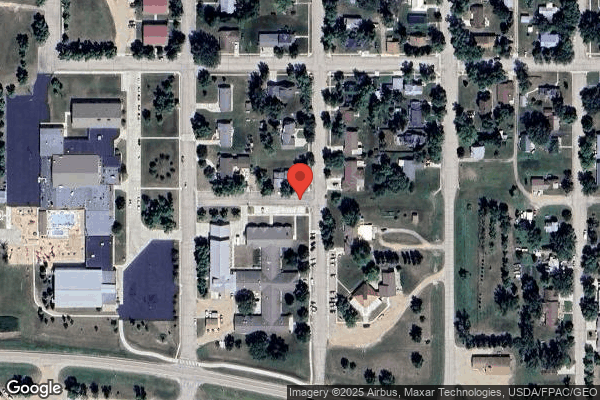
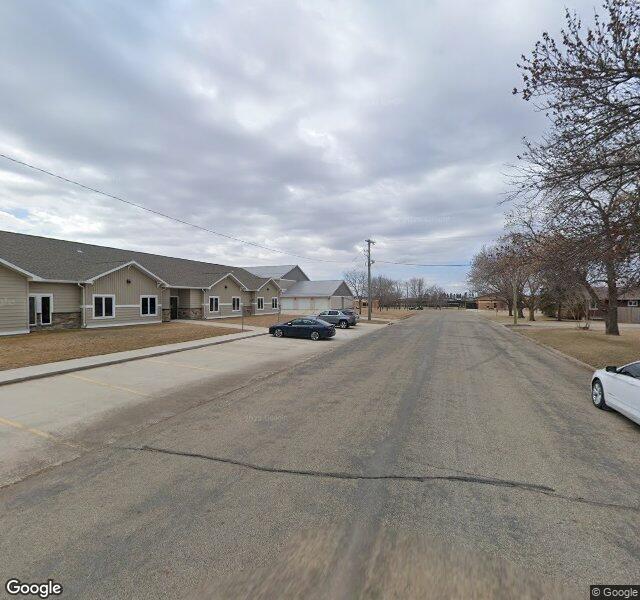
483 4TH ST SW, FORMAN, ND 58032 (701) 724-6211
Non profit - Other 33 Beds Independent Data: November 2025 1 Immediate Jeopardy citation
Trust Grade
0/100
#58 of 72 in ND
Last Inspection: October 2024

Within standard 12-15 month inspection cycle. Federal law requires annual inspections.

Overview

Four Seasons Health Care Inc in Forman, North Dakota has received a Trust Grade of F, indicating significant concerns about the quality of care provided. Ranking #58 out of 72 facilities in the state places it in the bottom half, though it is the only option in Sargent County. Despite having a staffing rating of 4 out of 5 stars, suggesting good staff presence, the facility has a concerning history of fines totaling $135,559, which is higher than all other facilities in North Dakota. Recent inspections revealed serious issues, including a failure to protect a resident from sexual abuse and inadequate supervision leading to a resident's fall that caused injury. While the facility shows an improving trend in addressing issues, it is essential to weigh these strengths against the alarming deficiencies noted.

Trust Score
F
0/100
In North Dakota
#58/72
Bottom 20%
Safety Record
High Risk
Review needed
Inspections
Getting Better
14 → 1 violations
Staff Stability
⚠ Watch
50% turnover. Above average. Higher turnover means staff may not know residents' routines.
Penalties
⚠ Watch
$135,559 in fines. Higher than 75% of North Dakota facilities, suggesting repeated compliance issues.
Skilled Nurses
✓ Good
Each resident gets 65 minutes of Registered Nurse (RN) attention daily — more than 97% of North Dakota nursing homes. RNs are the most trained staff who catch health problems before they become serious.
Violations
⚠ Watch
33 deficiencies on record. Higher than average. Multiple issues found across inspections.
★☆☆☆☆
1.0
Overall Rating
★★★★☆
4.0
Staff Levels
★★☆☆☆
2.0
Care Quality
★☆☆☆☆
1.0
Inspection Score
Stable
2024: 14 issues
2025: 1 issues

The Good

  • 4-Star Staffing Rating · Above-average nurse staffing levels
  • Full Sprinkler Coverage · Fire safety systems throughout facility
  • No fines on record

Facility shows strength in staffing levels, fire safety.

The Bad

1-Star Overall Rating

Below North Dakota average (3.1)

Significant quality concerns identified by CMS

Staff Turnover: 50%

Near North Dakota avg (46%)

Higher turnover may affect care consistency

Federal Fines: $135,559

Well above median ($33,413)

Significant penalties indicating serious issues

The Ugly 33 deficiencies on record

1 life-threatening 4 actual harm
Sept 2025 1 deficiency 1 IJ
CRITICAL (J) 📢 Someone Reported This

A family member, employee, or ombudsman was alarmed enough to file a formal complaint

Immediate Jeopardy (IJ) - the most serious Medicare violation

Free from Abuse/Neglect (Tag F0600)

Someone could have died · This affected 1 resident

**NOTE- TERMS IN BRACKETS HAVE BEEN EDITED TO PROTECT CONFIDENTIALITY** Based on review of a FRI, record review, review of facility policy, and staff interview, the facility failed to ensure residents...

Read full inspector narrative →
**NOTE- TERMS IN BRACKETS HAVE BEEN EDITED TO PROTECT CONFIDENTIALITY** Based on review of a FRI, record review, review of facility policy, and staff interview, the facility failed to ensure residents remained free from abuse for 1 of 1 sampled resident (Resident #2) who experienced unwanted sexual contact from another resident (Resident #1). Failure to protect Resident #2 from sexual abuse placed this resident and all residents at risk for psychosocial harm and mental and emotional distress.During the on-site FRI investigation survey, the survey team consulted the State Survey Agency (SSA) and determined noncompliance with regulatory requirements existed on 08/23/25. On 09/15/25, the SSA consulted with Centers for Medicare and Medicaid (CMS) Regional Office and determined an Immediate Jeopardy (IJ) situation existed on 08/23/25. The facility failed to protect Resident #2 from sexual abuse. *On 09/16/25 at 1:19 p.m., the survey team notified the administrator (#1) and Director of Nursing (DON) (#2) of the IJ situation, provided the IJ template, and requested the facility's removal plan for the IJ.*On 09/17/25 at 9:00 a.m., the SSA reviewed and accepted the removal plan. *On 09/24/25 at 5:00 p.m., the survey team verified the implementation of the removal plan as of 08/23/25 and the IJ removal. The deficient practice remained at a scope and severity of a G following the removal of the IJ. The facility completed the following steps to remove the immediacy and correct the deficient practice: *Implemented individualized care plan interventions including behavioral interventions for residents who exhibit sexual behaviors to reduce the threat or occurrence of incidents that may not be consensual between two residents. Updated Resident #2's care plan interventions to include her behavior of disrobing and hourly behavior monitoring. Updated Resident #1's care plan at the time of the incident to include monitoring of whereabouts and safety. Additional plans included referral and treatment for hypersexuality. *Completed chart audits for all resident who scored a Brief Interview of Mental Status (BIMS) lower than 12 to identify if sexual abuse occurred. Interviewed all residents identified as interviewable regarding any safety concerns. *Implemented 1:1 supervision for Resident #1 if he displays sexual intentions towards any residents.*Immediate implementation of the revised facility abuse/neglect policy to redefine sexual abuse as nonconsensual sexual contact of any type with a resident. *Implemented a policy and procedure to provide a provision of intermediate 1:1 care, to include a staff calling tree, as well as a weekend on call rotation of department managers who will be available to assist with 1:1 care should the need arise.*Educated all staff on 09/19/25. Off duty staff will be educated prior to their next shift. Education included the updated policy and procedure and 1:1 supervision as needed. Findings include:Review of the facility policy titled Abuse and Neglect occurred on 08/28/25. This policy, dated 05/13/19, stated, All residents have the right to be free from verbal, sexual, physical, and mental abuse . Residents must not be subjected to abuse by anyone, including . other residents . Sexual abuse includes, but is not limited to, sexual harassment, sexual coercion, or sexual assault .Review of Resident #1's medical record occurred on 08/28/25. Diagnoses included dementia. The Minimum Data Set (MDS), dated [DATE], identified severe cognitive impairment. Review of Resident #2's medical record occurred on 08/28/25. Diagnoses included dementia. The MDS, dated [DATE], identified severe cognitive impairment. The initial FRI report, received by the SA on 08/25/25 at 11:28 a.m., identified nonconsensual sexual contact between Resident #1 and #2 occurred on 08/23/25. After the third occurrence, the facility initiated one to one (1:1) supervision for Resident #1.The facility's final investigation report, dated 08/25/25, stated, . At approximately 1315 [1:15 p.m.] on August 23, 2025, in the resident lounge area, a staff member found [Resident #1] with his face in the breast area of [Resident #2]. When the staff member asked [Resident #1] what he was doing, he stated, 'I was just talking to her.' [Resident #2] was removed from the lounge area and taken to a location closer to the nurse's station for observation. [Resident #1] was redirected to his room and counseled that this behavior was inappropriate. at 1330 [1:30 p.m.], [Resident #1] was again observed by staff kissing this female resident on the mouth in the lounge area. Noted that [Resident #2] exhibits wander behaviors, and per her normal, routinely strolls into the lounge frequently and back out. This area has the ability for monitoring over the facility camera system. At 1330 [1:30 p.m.] [Resident #2] again removed from the lounge area and into the nurses station for safety. While staff were attending to other residents, [Resident #1] sought out [Resident #2] and at 1345 [1:45 p.m.] was observed touching [Resident #2] inappropriately. [Resident #1] was again immediately redirected to his room. Staff continued monitoring both residents following the series of incidents.During an interview on the afternoon of 08/28/25, an administrative nurse (#1) reported both residents remain on hourly checks, and no further interactions have occurred.The Facility failed to protect Resident #2 from inappropriate and unwanted sexual contact from Resident #1 and the sexual contact continued two more times before the facility implemented 1:1 supervision.
Oct 2024 14 deficiencies 1 Harm
SERIOUS (G) 📢 Someone Reported This

A family member, employee, or ombudsman was alarmed enough to file a formal complaint

Actual Harm - a resident was hurt due to facility failures

Quality of Care (Tag F0684)

A resident was harmed · This affected 1 resident

Based on record review, review of facility policy, and staff interview, the facility failed to provide necessary care and services for 1 of 1 closed record resident (Resident #28) reviewed. Failure to...

Read full inspector narrative →
Based on record review, review of facility policy, and staff interview, the facility failed to provide necessary care and services for 1 of 1 closed record resident (Resident #28) reviewed. Failure to assess, monitor and implement interventions in response to Resident #28's decline in condition may have contributed to the resident's death. Findings include: Review of the facility policy titled Vital Signs occurred on 10/30/24. This policy, dated 12/12/23, stated, . 'Vital signs' are indicators of health status, including temperature, pulse, blood pressure, respiratory rate, oxygen saturation, and pain. Vital signs shall be obtained at least in the following circumstances: . When the resident's general condition changes. When a resident reports nonspecific symptoms of physical distress (e.g., [example] feeling 'funny' or 'different'). Acceptable ranges for adults: . Oxygen saturation: > [greater than] 90% [percent]. Review of Resident #28's medical record occurred on 10/30/24. Diagnoses included chronic obstructive pulmonary disease (COPD), pulmonary fibrosis (damaged lung tissue), and congestive heart failure (CHF). The baseline care plan identified the resident as independent with bed mobility, transfers, walking, toileting and eating, assistance of one with locomotion grooming/hygiene and bathing and oxygen use at two liters per minute. The care plan also stated the resident, Wants to do as much as possible for himself but feels weak so at least offer assist and supervise. The medical record identified Resident #28 admission date of 08/30/24. The record lacked documentation in the nurse progress notes for August 30, 31, and September 1, 2024. The nurse progress notes dated 09/02/24 stated the following: * At 4:06 p.m. Note Text: Vitals completed. O2 [oxygen] sat [saturation] 81% at 3 liters. Resident has normal respirations at 20 per minute and non labored. and denies shortness of breath. * At 6:22 p.m. Note Text: Resident states he is not feeling well. Vitals are stable and has no fever. O2 sat 89%. It is warm in his room so fan is moved to blow on him per his request. The nurse progress notes dated 09/03/24 stated the following: * At 3:20 a.m. Note Text: Resident told this nurse he is dying and can't eat because it's too hard to breathe. This nurse mentioned Hospice and resident stated, 'That is a great idea because I am definitely dying.' This nurse will pass message on to the day nurse. * At 6:50 a.m. Note Text: Called [family member's name], the president's [sic] son and informed him of his dad's condition. Resident is having SOB [short of breath]. Poor appetite. He said he did not eat or drink for four days. [Resident #28] asked for the nurse's opinion. Informed will consult with the provider and get back to him. Called [Resident #28's son] again but went to his voice. Left message that his dad is on his way to the emergency. Left phone number to call back. * At 7:30 a.m. Note Text: Called the [name of clinic] and spoke with [name of physician] nurse, [name of nurse] Informed her that the resident is having SOB and had not been eating or drinking. [name of nurse] said she will check with [name of physician] and call back. [Name of physician] called and ordered ER [emergency room] transfer for evaluation. Resident sent to the ER via ambulance 0820 [8:20 a.m.]. * At 8:00 a.m. COMMUNICATION - with Physician* Situation: SOB. Accessory muscle for breathing. Background: Poor appetite. SOB. Oxygen 2L [liters] NC [nasal cannula]. Assessment (RN) [registered nurse]/Appearance (LPN) [licensed practical nurse]: BP [blood pressure] 98/62, P [pulse]-96, r[respirations]- 28, Oxygen 82, T[temperature]-97.3. Recommendations [sic]: Send to ER via Ambulance to [name of town]. * At 8:20 a.m. Transfer to Hospital Summary* Note Text: Resident had been experiencing SOB and poor appetite. Complained of pain as well but said 'pain is a lesser evil. I can't breathe' [name of physician] ordered ER transfer for evaluation. * At 8:21 a.m. Note Text: Report given to the ER nurse. Resident on his way in Ambulance to the ER. * At 9:25 a.m. Note Text: [name of person], Nurse from the [name of town] Hospital called and reported that the patient passed away today at 0908 [9:08 a.m.]. Family notified per the nurse. During an interview the morning of 10/30/24, an administrative nurse (#2) confirmed the medical record lacked nurse progress notes for August 30, 31, and September 1, 2024. The medical record lacked documentation or evidence of the following; * An assessment, treatment interventions, and/or symptom management interventions, and/or physician notification on 09/02/24 at 4:06 p.m., when the resident was on three liters of oxygen with an oxygen saturation of 81% and again at 6:22 p.m. (almost two and a half hours later), when the resident's oxygen saturation was 89%. * Vital signs or assessment of resident condition from 09/02/24 at 6:22 p.m. until 09/03/24 at 3:20 a.m. (almost nine hours later) when the resident reported to nurse he is dying and can't eat because it's too hard to breathe. * Physician notification of a change in resident condition when Resident #28 first reported difficulty breathing and statements of dying on 09/03/24 at 3:20 a.m. until four hours later at 7:30 a.m. when the facility first contacted the physician's clinic. The facility failed to promptly identify and intervene for an acute change in a resident's condition resulting in an actual decline in health status, delayed treatment, and a negative outcome.
CONCERN (D) 📢 Someone Reported This

A family member, employee, or ombudsman was alarmed enough to file a formal complaint

Potential for Harm - no one hurt, but risky conditions existed

Deficiency F0625 (Tag F0625)

Could have caused harm · This affected 1 resident

Based on record review, review of facility policy, and staff interview, the facility failed to provide the resident or the resident's representative a written bed hold notice at the time of the transf...

Read full inspector narrative →
Based on record review, review of facility policy, and staff interview, the facility failed to provide the resident or the resident's representative a written bed hold notice at the time of the transfer or if an emergency, within 24 hours for 1 of 2 sampled residents (Resident #23) reviewed for hospital transfers. Failure to provide a written copy of the bed hold notice in a timely manner does not allow the resident and/or their representative to make an informed decision regarding their rights. Findings include: Review of the facility policy titled Bed Hold Notice Upon Transfer occurred on 10/30/24. This policy, dated 12/12/23, stated, . Before a resident is transferred to the hospital . the facility will provide to the resident and/or the resident representative written information that specifies . The duration of the state bed-hold policy . The reserved bed payment policy . The facility policies regarding bed-hold periods . Conditions upon which the resident would return to the facility . In the event of an emergency transfer of a resident, the facility will provide within 24 hours written notice of the facility's bed-hold policies . Review of Resident #23's medical record occurred on all days of survey and identified a hospital transfer occurred on 06/30/24. The medical record identified the facility provided the resident and/or representative with a written bed hold notice on 07/08/24, eight days after the transfer. During an interview on 10/29/24 at 10:15 a.m., an administrative staff member (#3) confirmed staff provided the required bed hold notice to the resident and/or their representative eight days after the resident was transferred to the hospital.
CONCERN (D) 📢 Someone Reported This

A family member, employee, or ombudsman was alarmed enough to file a formal complaint

Potential for Harm - no one hurt, but risky conditions existed

PASARR Coordination (Tag F0644)

Could have caused harm · This affected 1 resident

Based on record review, review of the North Dakota Provider Manual Preadmission Screening and Resident Review (PASARR) and Level of Care Screening Procedures for Long Term Care Services, and staff int...

Read full inspector narrative →
Based on record review, review of the North Dakota Provider Manual Preadmission Screening and Resident Review (PASARR) and Level of Care Screening Procedures for Long Term Care Services, and staff interview, the facility failed to complete a status change assessment for 1 of 1 sampled resident (Resident #8) reviewed for PASARR. Failure to complete a change in status assessment with a newly diagnosed mental illness may result in the delivery of care and services that are inconsistent with the resident's needs. Findings include: The North Dakota PASARR Provider Manual, revised December 2020, page 13, stated, . Change in Status Process . Whenever the following events occur, nursing facility staff must contact [the contracted agency] to update the Level I screen for determination of whether a first time or updated Level II evaluation must be performed. These situations suggest that a significant change in status has occurred: . If an individual with MI, ID, and/or RC [mental illness, intellectual disability, and conditions related to intellectual disability referred to in regulatory language as related conditions or RC] was not identified at the Level I screen process, and that condition later emerged or was discovered. Review of Resident #8's medical record occurred on all days of survey and identified the following; * PASARR completed on 08/13/21. * Progress note, dated 09/22/24, . communication with physician . updated on resident's delusion's [sic] and hallucinations that he has been having over the last month or more. * Progress note, dated 09/24/24, . communication with physician . Recommendations: New orders received and observed by fax from [name of physician] . increase Quetiapine [antipsychotic medication] to 37.5 mg [milligram] in PM [evening]. The record lacked evidence facility staff completed a PASARR related to the new diagnoses of delusions and hallucinations. During an interview on 10/29/24 at 1:32 p.m., a social services staff member (#3) confirmed the facility failed to complete a change in status Level 1 screen for Resident #8.
CONCERN (D) 📢 Someone Reported This

A family member, employee, or ombudsman was alarmed enough to file a formal complaint

Potential for Harm - no one hurt, but risky conditions existed

Deficiency F0657 (Tag F0657)

Could have caused harm · This affected 1 resident

Based on observation, record review, review of facility policy, and staff interview, the facility failed to review and revise care plans to reflect the residents' current status for 3 of 12 sampled re...

Read full inspector narrative →
Based on observation, record review, review of facility policy, and staff interview, the facility failed to review and revise care plans to reflect the residents' current status for 3 of 12 sampled residents (Resident #4, #10, and #23). Failure to update care plans limited the staffs' ability to communicate needs and ensure continuity of care. Findings include: Review of the facility policy titled Comprehensive Care Plans occurred on 10/30/24. This policy, dated 10/29/24, stated, . The comprehensive care plan will be reviewed and revised by the interdisciplinary team after each comprehensive and quarterly MDS [Minimum Data Set] assessment. - Review of Resident #4's medical record occurred on all days of survey. A nursing home recertification of care, dated 07/10/24, stated, Resident does not currently have a foley catheter in place. Observation on 10/28/24 at 3:30 p.m. failed to identify the presence of an indwelling catheter. The current care plan stated, . I have an indwelling catheter . During an interview on 10/30/24 at 11:56 a.m., an administrative nurse (#2) confirmed staff failed to revise Resident #4's care plan following the removal of the foley catheter. - Review of Resident #10's medical record occurred on all days of survey. A physician order, dated 07/29/24, included Eliquis (an anticoagulant medication) five milligrams (mg) two times a day. The current care plan stated, . Staff will monitor me for any bleeding problems that may be due to Plavix (an antiplatelet medication) use. - Review of Resident #23's medical record occurred on all days of survey and identified warfarin [an anticoagulant medication] discontinued on 05/01/24. The care plan stated, . Staff will do PT/INR (a blood test done for people on warfarin) checks as ordered, and change Coumadin [warfarin] dose as directed. The facility staff failed to review and revise Resident #10 and #23's care plans following medication changes.
CONCERN (D) 📢 Someone Reported This

A family member, employee, or ombudsman was alarmed enough to file a formal complaint

Potential for Harm - no one hurt, but risky conditions existed

Deficiency F0658 (Tag F0658)

Could have caused harm · This affected 1 resident

Based on observation, record review, review of facility policy, review of professional reference, and staff interview, the facility failed to follow professional standards of practice for 1 of 1 resid...

Read full inspector narrative →
Based on observation, record review, review of facility policy, review of professional reference, and staff interview, the facility failed to follow professional standards of practice for 1 of 1 resident (Resident #14) observed receiving a topical medication. Failure to administer topical medications according to physician orders may result in adverse outcomes for the resident. Findings include: Review of the facility policy titled Medication Administration occurred on 10/30/24. This policy, dated 05/15/24, stated . Medications are administered . as ordered by the physician and in accordance with professional standards of practice . administer medication as ordered in accordance with manufacturer specifications . Skidmore-Roth's Mosby's 2023 NURSING DRUG REFERENCE, 36th Edition eTEXT, 2023, Elsevier Inc., pages 365-367, stated, . diclofenac sodium [Voltaren] . Topical gel route . Use only for osteoarthritis, mild to moderate pain . use dosing card to measure . Observations during medication pass on 10/28/24 at 10:00 a.m. showed a staff nurse (#4) removed a box of Voltaren gel from the medication cart and carried the box into Resident #14's room. The nurse (#4) dispensed an undetermined amount of the gel from the tube into his/her gloved hand and applied the gel up and down the resident's left arm and partial left shoulder. The nurse (#4) dispensed another undetermined amount of the gel into the same gloved hand and applied the gel starting at the resident's right upper arm, down to the right wrist, and then onto the right back shoulder area. Review of Resident #14's medical record occurred on all days of survey. Physician's orders, dated 03/24/22, identified . Voltaren Gel . Apply to shoulder and knees topically two times a day for OA [osteoarthritis] 2 grams for shoulders and 4 grams for knees . and . Voltaren Gel . Apply to affected areas topically every 24 hours as needed for pain 2 grams for shoulders and 4 grams for knees . The nurse (#4) failed to measure the correct dose of Voltaren gel and apply as ordered. During an interview on 10/30/24 at 11:29 a.m., an administrative staff member (#1) agreed the nurse (#4) failed to follow the provider orders for accurately measuring and applying the medication.
CONCERN (D) 📢 Someone Reported This

A family member, employee, or ombudsman was alarmed enough to file a formal complaint

Potential for Harm - no one hurt, but risky conditions existed

Accident Prevention (Tag F0689)

Could have caused harm · This affected 1 resident

1. Based on observation, record review, and review of facility policy, the facility failed to properly utilize assistive devices necessary to prevent accidents and/or injury for 1 of 3 sampled residen...

Read full inspector narrative →
1. Based on observation, record review, and review of facility policy, the facility failed to properly utilize assistive devices necessary to prevent accidents and/or injury for 1 of 3 sampled residents (Resident #11) observed during a gait belt transfer. Failure to utilize a gait belt during transfers placed the resident at risk for falls and/or injury. Findings include: Review of the policy titled Use of Gait Belt occurred on 10/30/24. This policy, dated 04/04/24, stated, . It is the policy . to use gait belts with residents that cannot independently ambulate or transfer for the purpose of resident and staff safety. Observation on 10/28/24 at 10:44 a.m. showed a licensed nurse (#4) assisted Resident #11 to stand up from a sitting position by placing her arm under the resident's arm. The nurse failed to utilize a gait belt during the transfer. Review of Resident #11's medical record occurred on all days of survey and identified repeated falls. The care plan, dated 07/20/23, stated, . Staff will assist me with transfer and locomotion . 2. Based on observation, record review, review of a facility incident report, and staff interview, the facility failed to ensure the safety of 1 of 1 resident (Resident #20) who ingested non-toxic craft paint. Failure to ensure craft paint is secured in a locked cabinet placed Resident #20's safety and health at risk. Findings include: Review of the policy titled Supplies & Equipment occurred on 10/30/24. This policy, dated 07/10/19, stated . When not in use, supplies and equipment are stored in designated activity storage. Review of Resident #20's medical record occurred on all days of survey and included diagnoses of dementia, restlessness, agitation, and wandering. A progress note dated 08/03/24, stated, . Resident was found with a battle [sic] of craft paint on his arms, mouth, and pant [sic]. The nurse was not sure of how much the resident might have consumed. resident [sic] tongue and teeth were all blue from the paint. Nurse called the on-call provider who gave an order to send resident to the ER for evaluation. Review of the facility's incident report, dated 08/03/24, stated, . Storage of Paint: . The cabinet door does have a key to unlock it hanging beside it and staff are aware that it needs to be always locked. Keeping any liquids that could potentially be drank by a resident with altered mental status out of reach and in a locked cabinet, cupboard, or room. Observation on 10/29/24 at 1:11 p.m., with an administrative nurse (#1) showed the activities supply cabinet unlocked. The administrative nurse (#1) confirmed the cabinet should be locked.
CONCERN (D) 📢 Someone Reported This

A family member, employee, or ombudsman was alarmed enough to file a formal complaint

Potential for Harm - no one hurt, but risky conditions existed

Deficiency F0761 (Tag F0761)

Could have caused harm · This affected 1 resident

Based on observation, review of facility policy, and staff interview, the facility failed to ensure medications were properly dated, expired medications are discarded, and medications were securely st...

Read full inspector narrative →
Based on observation, review of facility policy, and staff interview, the facility failed to ensure medications were properly dated, expired medications are discarded, and medications were securely stored in 2 of 3 storage areas (treatment cart and medication room). Failure to store all medications securely may result in unauthorized access to medications (treatment cart) and failure to dispose of expired medications and date an opened multi-dose vial (medication room) may result in reduced efficacy of the medications. Findings include: Review of the facility policy titled Medication Storage occurred on 10/30/24. This policy, reviewed 05/15/24, stated, . All drugs and biologicals will be stored in locked compartments (i.e., medications carts, cabinets, drawers .) . During a medication pass, medications must be under the direct observation of the person administering medications or locked in the medication storage area/cart. Review of the facility policy titled Multi-Dose Vials occurred on 10/30/24. This policy, dated 11/10/23, stated, . Multi-dose vials will be re-labeled with a beyond use date, 28 days after the vial is opened or punctured . - Observation on 10/28/24 at 9:10 a.m. showed a staff nurse (#4) obtained medication from a treatment cart and entered a Resident's room. Observation showed the treatment cart remained unlocked and unattended for approximately 20 minutes. During this time residents and staff walked past the unlocked cart and one resident stood next to the cart without the nurse present. - Observation on 10/28/24 at 10:50 a.m. of the treatment cart contents with the nurse (#4) showed multiple topical medications and nebulizer medications. - Observation on 10/29/24 at 3:14 p.m. of the medication room with a staff nurse (#5) present showed a locked refrigerator contained: * Three acetaminophen suppositories expired 12/31/23. * An opened, undated multi-dose vial of tubersol (tuberculosis testing solution). During an interview on 10/30/24 at 7:44 a.m., an administrative staff member (#1) stated she expected staff to lock the treatment cart unattended or out of sight.
CONCERN (D) 📢 Someone Reported This

A family member, employee, or ombudsman was alarmed enough to file a formal complaint

Potential for Harm - no one hurt, but risky conditions existed

Infection Control (Tag F0880)

Could have caused harm · This affected 1 resident

Based on observation, record review, and review of facility policy, the facility failed to follow standards of infection control and prevention for 1 of 1 sampled resident (Resident #11) observed duri...

Read full inspector narrative →
Based on observation, record review, and review of facility policy, the facility failed to follow standards of infection control and prevention for 1 of 1 sampled resident (Resident #11) observed during wound cares. Failure to practice infection control standards related to enhanced barrier precautions, has the potential to spread infection throughout the facility. Findings include: Review of the facility's policy titled Enhanced Barrier Precautions occurred on 10/30/24. This policy, dated 09/18/24, stated, . 'Enhanced Barrier Precautions' (EBP) refer to an infection control intervention designed to reduce transmission of multidrug-resistant organisms that employs targeted gown and gloves use during high contact resident care activities . An order for enhanced barrier precautions will be obtained for residents with . Wounds . High-contact resident care activities include . Wound care: any skin opening requiring a dressing . - Review of Resident #11's medical record occurred on all days of survey. A physician's order dated 10/14/24, stated, Daily dressing changes to abdominal wound and prn [as needed]. The care plan stated, . I have a wound on my right abdomen. Staff applies dressing as ordered by hospice. Observation on 10/28/24 at 10:44 a.m. showed Resident #11's room lacked EBP signage. A staff nurse (#4) entered the room, applied gloves and changed ther resident's abdominal wound dressing. The nurse failed to apply a gown for the dressing change. The facility staff failed to obtain an order and follow EBP according to the facility's policy.
CONCERN (E) 📢 Someone Reported This

A family member, employee, or ombudsman was alarmed enough to file a formal complaint

Potential for Harm - no one hurt, but risky conditions existed

Safe Environment (Tag F0584)

Could have caused harm · This affected multiple residents

Based on observation, review of facility policy, and staff interview, the facility failed to ensure a safe, clean, comfortable, and homelike environment in multiple areas of the facility (supply room,...

Read full inspector narrative →
Based on observation, review of facility policy, and staff interview, the facility failed to ensure a safe, clean, comfortable, and homelike environment in multiple areas of the facility (supply room, laundry room, oxygen storage room, and resident rooms) observed during survey. Failure to maintain a safe, clean, comfortable, and sanitary environment and keep resident care equipment clean and properly stored does not provide a homelike area for residents or promote quality of life. Findings include: Review of the facility policy titled Oxygen Concentrator occurred on 10/30/24. This policy, dated 10/23/24, stated, . An 'oxygen concentrator' is a medical device that extracts oxygen from room air by filtering out or separating the nitrogen from the oxygen. Keep concentrators covered when not in use. Care of the Concentrator . Nurse responsibilities . The main body cabinet should be dusted when needed . Observations during survey showed the following: - Clean Supply Room: * An oxygen concentrator with a layer of dust on the outside and filter. * Oxygen tubing and a mask attached to the concentrator laid on the floor beside the machine. A portable liquid oxygen tank and a nebulizer machine sat on the floor next to the concentrator. - Laundry room: * Visible dust/debris on a fan grate and blades blowing into the clean laundry area. - Oxygen storage room: * Two ceiling vents had a thick layer of dust accumulation. * Floor tiles cracked/broken and a visible layer of fine dirt along the perimeter of the floor. * Ceiling tiles with water leak marks. - Resident rooms: * Rooms on Unit A with scuff marks, chipped paint, and gouges/paint scratched off walls. * An overbed table in room B8 with an approximate two-inch strip of missing laminate along the entire front length of the table with wood exposed, and a large area of loose laminate on the right top side of the table. * The top of the oxygen concentrator in room B8 covered in dust. During an interview the afternoon of 10/29/24, a maintenance staff member (#10) confirmed the facility failed to have a process for identifying areas within the facility and/or resident rooms in need of cleaning or repairs. He/she reported being unaware of any resident room concerns. During an interview on 10/30/24 at 11:29 a.m., an administrative staff member (#1) stated he/she expected staff to clean/sanitize oxygen and nebulizer equipment removed from a resident's room prior to storage and dispose of items such as oxygen tubing and oxygen masks in the resident's room.
CONCERN (E) 📢 Someone Reported This

A family member, employee, or ombudsman was alarmed enough to file a formal complaint

Potential for Harm - no one hurt, but risky conditions existed

Assessment Accuracy (Tag F0641)

Could have caused harm · This affected multiple residents

**NOTE- TERMS IN BRACKETS HAVE BEEN EDITED TO PROTECT CONFIDENTIALITY** Based on observation, record review, review of the Long-Term Care Facility Resident Assessment Instrument (RAI) 3.0 User's Manua...

Read full inspector narrative →
**NOTE- TERMS IN BRACKETS HAVE BEEN EDITED TO PROTECT CONFIDENTIALITY** Based on observation, record review, review of the Long-Term Care Facility Resident Assessment Instrument (RAI) 3.0 User's Manual (Version 1.19.1), and staff interview, the facility failed to ensure accurate coding of the Minimum Data Set (MDS) for 8 of 12 sampled residents (Resident #3, #4, #6, #11, #15, #20, #23, and #24). Failure to accurately complete the MDS does not allow each resident's assessment to reflect their current status/needs and may affect the accurate development of a comprehensive care plan and the care provided to the residents. Findings include: SECTION H - BLADDER AND BOWEL The Long-Term Care Facility RAI User's Manual, revised October 2024, page H-2, stated, . Check next to each appliance that was used at any time in the past 7 days. H0100A, indwelling catheter . - Review of Resident #4's medical record occurred on all days of survey. A nursing home recertification of care, dated 07/10/24, stated, Resident does not currently have a foley catheter in place. Observation on 10/28/24 at 3:30 p.m. showed no indwelling catheter present. Review of the MDS, dated [DATE], Section H0100A, indicated the presence of an indwelling catheter. SECTION N: MEDICATIONS The Long-Term Care Facility RAI User's Manual, revised October 2024, page N-3, stated, . N0350: Insulin . Coding Instructions . Enter in Item N0350A, the number of days during the 7-day look-back period . that insulin injections were received. - Review of Resident #11's medical record occurred on all days of survey. The physician's orders included Insulin Glargine (used to control high blood sugar) in the evening for diabetes mellitus 2. The facility failed to code insulin use on the significant change in status MDS, dated [DATE]. The Long-Term Care Facility RAI User's Manual, revised October 2024, pages N-6 to N-8, stated, . Code all high-risk drug class medications according to their pharmacological classification . N0415: High-Risk Drug Classes . Coding Instructions . N0415I1. Antiplatelet: Check if an antiplatelet medication (e.g., [example] aspirin/extended release .) was taken by the resident at any time during the 7-day observation period. - Review of Resident #3's medical record occurred on all days of survey. The physician's orders included aspirin. The facility failed to code the antiplatelet medication on the quarterly MDS, dated [DATE]. - Review of Resident #6's medical record occurred on all days of survey. The physician's orders included aspirin. The facility failed to code the antiplatelet medication on the quarterly MDS, dated [DATE]. - Review of Resident #15's medical record occurred on all days of survey. The physician's orders included aspirin. The facility failed to code the antiplatelet medication on the annual MDS, dated [DATE]. - Review of Resident #20's medical record occurred on all days of survey. The physician's orders included aspirin. The facility failed to code the antiplatelet medication on the annual MDS, dated [DATE]. - Review of Resident #23's medical record occurred on all days of survey. The physician's orders included aspirin. The facility failed to code the antiplatelet medication on the quarterly MDS, dated [DATE]. - Review of Resident #24's medical record occurred on all days of survey. The physician's orders included aspirin. The facility failed to code the antiplatelet medication on the quarterly MDS, dated [DATE]. During interviews the morning of 10/30/24, an administrative nurse (#2) confirmed staff failed to code the MDSs correctly for Residents #3, #4, #6, #11, #15, #20, #23 and #24.
CONCERN (E) 📢 Someone Reported This

A family member, employee, or ombudsman was alarmed enough to file a formal complaint

Potential for Harm - no one hurt, but risky conditions existed

Deficiency F0725 (Tag F0725)

Could have caused harm · This affected multiple residents

Based on confidential resident interviews, the facility failed to ensure the availability of sufficient nursing staff to respond to residents' needs for 3 of 3 confidential residents (Residents A, B, ...

Read full inspector narrative →
Based on confidential resident interviews, the facility failed to ensure the availability of sufficient nursing staff to respond to residents' needs for 3 of 3 confidential residents (Residents A, B, and C). Failure to provide sufficient staffing for resident needs/assistance may negatively affect the residents' physical, mental, and psychosocial well-being. Findings include: During confidential interviews the morning of 10/30/24, Resident's A, B, and C (identified as interviewable by the resident's most recent Brief Interview for Mental Status (BIMS) score) stated the following: * Resident A - Not enough staff at night. The resident reported a wait time of 20-30 minutes about every night for toileting clean up assistance ever since I've been here [several weeks]. * Resident B - The facility is shorthanded. I need two people and they can't help me. So, I have to wait [until a second person is available]. My pad will be wet. I have to sit in it. I get sore. The resident stated this occurs after he/she receives evening cares and throughout the night. * Resident C - I wait 1-2 hours for my pain cream for my knees. The resident indicated the wait time for the pain cream occurs on all shifts The facility failed to provide sufficient staffing to meet the needs and assistance required by residents during the overnight shift.
CONCERN (E) 📢 Someone Reported This

A family member, employee, or ombudsman was alarmed enough to file a formal complaint

Potential for Harm - no one hurt, but risky conditions existed

Food Safety (Tag F0812)

Could have caused harm · This affected multiple residents

Based on observation, review of facility policy, and staff interview, the facility failed to prepare and store food in a sanitary manner in 1 of 1 kitchen and 1 of 2 resident refrigerators (main lobby...

Read full inspector narrative →
Based on observation, review of facility policy, and staff interview, the facility failed to prepare and store food in a sanitary manner in 1 of 1 kitchen and 1 of 2 resident refrigerators (main lobby). Failure to ensure proper concentration of sanitizer solution, apply an identifying label and an open date on food items brought into the facility, and ensure cleanliness in a resident refrigerator has the potential to affect food quality/preparation and may result in the spread of foodborne illness to residents, staff, and visitors. Findings include: Review of the facility policy titled Food Storage occurred on 10/30/24. This undated policy stated, . Food will be stored in an area that is clean . and free from contaminates. Scoops must be provided for bulk foods (such as sugar, flour, spices). Scoops are not to be stored in food . but are kept covered in a protected area near the containers. Review of the facility policy titled Resource: Food Safety for Your Loved One occurred on 10/30/24. This undated policy stated, If you plan to bring food into the facility . please be sure that the food is handled safely. Food or beverages should be labeled and dated to monitor for food safety . Foods in unmarked or unlabeled containers should be marked with the current date the food item was stored . - Observations on 10/27/24 during the kitchen tour showed the following: * A metal scoop in the flour bin. * An unlabeled, undated shaker containing a liquid located inside a reach-in cooler in the kitchen. A dietary staff member (#6) identified the container contained milk and oatmeal and belonged to a staff person. * An unidentified dietary staff member tested the sanitizer concentration in a bucket used to wipe down resident dining room tables. The results showed out-of-range (high). The test strips showed an expiration date of September 2024. - Observation on the morning of 10/30/24 showed dried liquid substances on two shelves inside a refrigerator located in the main lobby used to store foods brought in by family. During an interview on 10/30/24 at 10:38 a.m., the dietary manager (#8) stated she expected scoops for bulk foods be placed outside the storage bins in protective containers, all staff foods brought into the facility be labeled, dated, and stored away from resident foods, and verified the sanitizer test strips expired and may have altered the test results of the sanitizer bucket water.
CONCERN (F) 📢 Someone Reported This

A family member, employee, or ombudsman was alarmed enough to file a formal complaint

Potential for Harm - no one hurt, but risky conditions existed

Deficiency F0865 (Tag F0865)

Could have caused harm · This affected most or all residents

Based on review of the State Agency (SA) facility files, review of the facility Quality Assurance and Performance Improvement (QAPI) program, review of facility policy, survey findings, and staff inte...

Read full inspector narrative →
Based on review of the State Agency (SA) facility files, review of the facility Quality Assurance and Performance Improvement (QAPI) program, review of facility policy, survey findings, and staff interview, the facility failed to develop a QAPI process to evaluate and identify problems and opportunities to improve services/outcomes, decrease or prevent likelihood of problems or occurrence of adverse events, and ensure compliance with federal requirements. Findings include: Review of the facility policy titled QAPI Change Process occurred on 10/30/24. This policy, dated 10/02/24, stated, . The QAA [Quality Assessment and Assurance] Committee utilizes a systematic approach to performance improvement, including analysis of data, corrective action, and performance tracking. As corrective actions are taken, the committee continues to collect and analyze data to determine the effectiveness of any changes. Once actions are implemented, the facility continues to track performance to ensure that improvements are realized and sustained. Performance on the measures are discussed in QAA Committee meetings. Data is analyzed, and the process continues as appropriate. Review of the state agency files indicated the facility failed to maintain compliance at F625, F657, F684, F689, F812, and F880 as indicated by deficiencies cited during the last standard survey on 11/08/2023 and the comparative and extended Federal Monitoring Survey (FMS) on 12/04/23. Refer to F625, F657, F684, F689, F812, and F880 for specific findings. During an interview the morning of 10/30/24, administrative staff members (#1) and (#8) stated management staff monitor areas identified as needing improvement based on the previous survey results. Failure of the facility to effectively utilize QA resulted in continued noncompliance in the following: * F625 Notice Of Bed Hold Policy Before/upon Transfer * F657 Care Plan Timing And Revision * F684 Quality Of Care * F689 Free Of Accident Hazards/supervision/devices * F812 Food Procurement, store/prepare/serve-Sanitary * F880 Infection Prevention and Control
MINOR (C) 📢 Someone Reported This

A family member, employee, or ombudsman was alarmed enough to file a formal complaint

Minor Issue - procedural, no safety impact

Staffing Information (Tag F0732)

Minor procedural issue · This affected most or all residents

Based on observation, review of facility policy, and staff interview, the facility failed to ensure posting of accurate and complete staffing information on 3 of 4 days of survey (October 27-29, 2024)...

Read full inspector narrative →
Based on observation, review of facility policy, and staff interview, the facility failed to ensure posting of accurate and complete staffing information on 3 of 4 days of survey (October 27-29, 2024). Failure to post accurate staffing data does not allow residents and visitors to be aware of the number of licensed and unlicensed staff on duty each shift. Findings include: Review of the facility policy titled Daily Nurse Staffing Form occurred on 10/30/24. This undated policy stated, . requires skilled nursing facilities and nursing facilities to post daily for each shift the number of licensed and unlicensed staff directly responsible for resident care in the facility. Observations of a clipboard located by the nurse's station containing the facility daily staffing reports showed the facility failed to update the number of licensed and unlicensed staff working each shift from October 27 - 29, 2024. During an interview on 10/30/24 at 11:29 a.m., an administrative staff member (#1) stated she expected the charge nurse to complete and post a daily census/staffing report.
Nov 2023 5 deficiencies
CONCERN (D)

Potential for Harm - no one hurt, but risky conditions existed

Deficiency F0655 (Tag F0655)

Could have caused harm · This affected 1 resident

Based on record review, review of facility policy, and staff interview, the facility failed to implement a baseline care plan within 48 hours of admission for 1 of 1 new admission (Resident #130). Fai...

Read full inspector narrative →
Based on record review, review of facility policy, and staff interview, the facility failed to implement a baseline care plan within 48 hours of admission for 1 of 1 new admission (Resident #130). Failure to develop and implement a baseline care plan in a timely manner may result in care that is inconsistent with residents' needs. Findings include: Review of the facility policy titled Care Plan Policy and Procedure occurred on 11/08/23. This policy, dated 01/01/23, stated, . A baseline care plan will be started within 48 hours of a resident's admission. The care plan team includes but is not limited to these departments: 1. Activities 2. Dietary 3. Social Services Designee 4. Nursing/MDS [Minimum Data Set] Coo [coordinator] 5. C.N.A. [certified nurse aide/Restorative Aide . Review of Resident #130's medical record occurred on all days of survey and identified an admission date of 10/19/23. Diagnoses included hypertension, Alzheimer's disease, and unspecified urinary incontinence. The resident's initial care plan included a dietary care plan but lacked information related to other care areas necessary to ensure proper care and meet the resident's needs. During an interview on the morning of 11/08/23, an MDS nurse (#1) confirmed staff failed to develop a baseline care plan within 48 hours of Resident #130's admission.
CONCERN (D)

Potential for Harm - no one hurt, but risky conditions existed

Deficiency F0657 (Tag F0657)

Could have caused harm · This affected 1 resident

**NOTE- TERMS IN BRACKETS HAVE BEEN EDITED TO PROTECT CONFIDENTIALITY** Based on observation, record review, review of facility policy, and resident and staff interview, the facility failed to review ...

Read full inspector narrative →
**NOTE- TERMS IN BRACKETS HAVE BEEN EDITED TO PROTECT CONFIDENTIALITY** Based on observation, record review, review of facility policy, and resident and staff interview, the facility failed to review and revise care plans to reflect residents' current status for 3 of 13 sampled residents (Resident #12, #14, and #15). Failure to update care plans limited staffs' ability to communicate needs and ensure continuity of care. Findings include: Review of the facility policy titled Care Plan occurred on 11/08/23. This policy, dated 06/20/18, stated, . It is the policy of this facility that an individualized activity care plan be developed and maintained for each resident . This plan contains activities that the resident enjoys . activity plans are reviewed and/or revised as necessary but at least quarterly. - Review of Resident #12's medical record occurred on all days of survey. Diagnoses included dementia and psychotic disorder. The current care plan stated, . I enjoy watching TV (television), enjoy my phone, like to read some. Church is important to me. I like to watch the news. The comprehensive Minimum Data Set, dated [DATE], identified keeping up on the news and having magazines, books and newspapers available to her as being very important. During an interview on 11/06/23 at 1:17 p.m. Resident #12 was lying in bed and stated, . I wish they had more things to do, they have no crafts and I like puzzles, reading the newspaper, magazines or books and playing cards too . Resident #12's care plan lacked individualized activities specific to her interests and designed to meet her needs and enhance her well-being. -Review of Resident #14's medical record occurred on all days of survey. Diagnoses included a history of prostate cancer and a urostomy (an artificial passage that directs urine away from the bladder). During an interview on 11/07/23 at 8:40 a.m., a certified nurse aide (CNA) (#2) stated Resident #14 has a urostomy with a drainage bag. The CNA stated the resident can empty the bag himself but sometimes asks for help. Observation on the morning of 11/08/23 showed a urostomy to the lower left side of Resident #14's abdomen. Resident #14's current care plan lacked problems, goals, and interventions related to the urostomy. - Review of Resident #15's medical record occurred on all days of survey. Observations throughout the survey showed a pommel cushion (a padded cushion used to help with positioning) in Resident #15's wheelchair, and when in bed, the CNAs applied padded heel rings To Resident #15's legs. During an interview on the morning of 11/07/23, a CNA (#2) stated the heel rings helped to keep Resident #15's heels elevated and off the mattress. Resident #15's current care plan lacked problems, goals, and interventions related to the pommel cushion and padded heel rings.
CONCERN (D)

Potential for Harm - no one hurt, but risky conditions existed

Deficiency F0658 (Tag F0658)

Could have caused harm · This affected 1 resident

Based on observation, review of facility policy and staff interview, the facility failed to follow professional standards of practice for 1 of 1 insulin administration observed during medication admin...

Read full inspector narrative →
Based on observation, review of facility policy and staff interview, the facility failed to follow professional standards of practice for 1 of 1 insulin administration observed during medication administration. Failure to properly prepare an insulin pen may result in a resident receiving an inaccurate dose of insulin. Findings include: Review of the policy Insulin Pen occurred on 11/07/23. This policy, dated 10/31/23, stated . h. Prime the insulin pen: i Dial 2 units by turning the dose selector clockwise. ii With needle pointing up, push the plunger, and watch to see that at least one drop of insulin appears on the tip of the needle. Observation on 11/07/23 at 12:01 p.m. showed the nurse (#6) primed an insulin pen pointed sideways, rather than pointed up, before administering the insulin to a resident. During an interview on 11/08/23 at 8:04 a.m., an administrative staff member (#5) stated confirmed the nurse failed to prime the pen correctly when told of the insulin observed primed sideways.
CONCERN (D)

Potential for Harm - no one hurt, but risky conditions existed

Deficiency F0679 (Tag F0679)

Could have caused harm · This affected 1 resident

**NOTE- TERMS IN BRACKETS HAVE BEEN EDITED TO PROTECT CONFIDENTIALITY** Based on observation, review of facility policy, record review, and staff and resident interview, the facility failed to provide...

Read full inspector narrative →
**NOTE- TERMS IN BRACKETS HAVE BEEN EDITED TO PROTECT CONFIDENTIALITY** Based on observation, review of facility policy, record review, and staff and resident interview, the facility failed to provide individualized, meaningful activities for 1 of 13 sampled residents (Resident #12) dependent on staff for activity participation. Failure to implement an individualized activity program to meet the interests/needs of dependent residents may have a negative effect on their overall well-being. Findings include: Review of the facility policy titled, Activity Program occurred on 11/08/23. This policy, dated June 2018, stated, . It is the policy of this facility that an ongoing program of activities to designed to meet the needs of each resident. 1) This facility's activity program is designed to meet the interests and the physical, mental and psychosocial well-being of each resident. During an interview on 11/06/23 at 1:17 p.m. Resident #12 was in her room alone, in bed and stated, . I wish they had more things to do, they have no crafts and I like puzzles, reading the newspaper, magazines or books and playing cards too . Review of Resident # 12's medical record occurred on all days of survey. The current care plan stated, . I enjoy watching TV (television), enjoy my phone, like to read some. Church is important to me. I like to watch the news. The comprehensive Minimum Data Set, dated [DATE], identified keeping up on the news and having magazines, books and newspapers available to her as being very important. During an interview on 11/07/23 at 9:35 a.m. a certified nurse aide (#3) stated, Resident #12 does not get out of bed very often and is in her room alone the majority of the time. The Activity Participation Logs identified the following: * September 1-30, 2023 - 15 days with no activities. * October 1-31st, 2023 - 29 days with no activities. The activity log failed to include activities important to Resident #12. Observations on all days of survey showed Resident #12 in bed, alone in her room, including for meals. Observation showed no newspapers, magazines or books in the resident's room. During an interview on 11/08/23 at 10:02 a.m., Resident #12 was in her room alone, in bed, and stated, I love reading the newspaper. The [area newspaper] was my priority. Before I sat down to breakfast I always read it. I'm missing out on so much that's going on and I also don't get to see the obituaries. I also like to read the [local county newspaper]. The resident indicated the facility received the [area newspaper], however she had to go to up front to read the newspaper, stated, That's a lot of hassle for the staff. When asked if staff provided 1:1 visits with her in her room, Resident #12 stated, No, they don't have time for that. I wish they had more time to just even visit with me. During an interview on 11/08/23 at 10:40 a.m. an Activity staff member (#5) confirmed the facility received the two specific newspapers the resident liked to read and agreed the facility failed to provide individualized activities for Resident #12.
CONCERN (D)

Potential for Harm - no one hurt, but risky conditions existed

Quality of Care (Tag F0684)

Could have caused harm · This affected 1 resident

**NOTE- TERMS IN BRACKETS HAVE BEEN EDITED TO PROTECT CONFIDENTIALITY** Based on record review, review of professional reference, review of facility policy, and staff interview, the facility failed to...

Read full inspector narrative →
**NOTE- TERMS IN BRACKETS HAVE BEEN EDITED TO PROTECT CONFIDENTIALITY** Based on record review, review of professional reference, review of facility policy, and staff interview, the facility failed to provide care and services to maintain the resident's highest level of well-being for 1 of 1 sampled resident (Resident #14) with a transfer to the emergency room (ER) for a change in health status. Failure to monitor and assess the resident's condition on an on-going basis may have resulted in worsening respiratory symptoms and a delay in treatment. Findings include: Kozier & Erb's Fundamentals of Nursing: Concepts, Process, and Practice, 11th Edition eText, 2021, Pearson, Boston, Massachusetts, page 517, stated, . Pulse . As age increases, the average pulse rate gradually decreases . Older Adult . Pulse Average (and Ranges) . 70 (60-100) . Page 532 stated, . Blood Pressure . The American College of Cardiology and the American Heart Association (Cifu & [NAME], 2017) define normal blood pressure as systolic less than 120 mmHg [millileters of mercury] and diastolic less than 80 mmHg . Above those values, intervention is recommended. Page 538 stated, . Normal oxygen saturation is 95% to 100% . Review of the facility policy titled Notification of Changes Policy occurred on 11/08/23. This policy, dated 04/10/23, stated, . The facility must inform the resident, consult with the resident's physician and/or notify the resident's family member or legal representative when there is a change requiring such notification. Circumstances requiring notification include: . Significant change in the resident's physical, mental or psychosocial condition such as deterioration in health . Circumstances that require a need to alter treatment. Review of the facility policy titled Vital Signs and Weights occurred on 11/08/23. This policy, dated 05/22/23, stated, . Nurses entering vital signs and wights [sic] are responsible for comparing the current to the previous vital signs and weights and taking appropriate action when variances are noted . Charge nurses are to notify dietary manager and DON [director of nursing] of any weight changes of 5% in 30 days or 10% in 180 days . Update MD [medical doctor] for any areas of concerns relating to weight gain/loss PRN [as needed] . Nursing judgment must be used when resident health status changes. These residents will have vital signs/weights done more frequently as warranted by nursing policies, nursing judgments, and MD orders. Review of Resident #14's medical record occurred on all days of survey. Diagnoses included a history of lung cancer and pneumonia. Resident #14's medical record identified the following weight gain: 09/05/23 133.0 pounds (Lbs) 09/12/23 137.5 Lbs 09/19/23 143.0 Lbs 09/26/23 148.5 Lbs 10/04/23 151.5 Lbs (13% weight gain in 30 days) 10/10/23 155.5 Lbs (13% weight gain in 30 days) 10/17/23 158.5 Lbs (10% weight gain in 30 days) 10/23/23 164.5 Lbs (10% weight gain in 30 days) 10/27/23 170.0 Lbs *The record lacked evidence facility staff notified the physician of the resident's weight gain Resident #14's physician's orders included: Check Full set of Vitals every shift while awake for Edema, Abnormal lung sounds (start date 10/25/23). *10/25/23: Evening shift BP 178/80, Pulse 114, oxygen (O2) saturations (sats) 90%. The record failed to identify vital signs obtained on the night shift of 10/25/23 *10/26/23: Day Shift BP 155/102, Pulse 115, O2 sats 95%; Evening Shift BP 146/88, Pulse 74, O2 sats 91%; Night Shift BP 168/83, Pulse 100, O2 sats 99% *10/27/23: Day Shift BP 160/106, Pulse 118, O2 sats 91%; Evening Shift BP: 170/100, Pulse 116, O2 sats 91% Resident #14's nurses' notes and medication administration record (MAR) identified the following: *10/18/23 at 3:45 p.m.: . [physician] here to see resident for recertification of nursing homecare. Lungs, heart, bilateral lower extremities assessed with wheezing noted in lungs and 2-3 plus edema in BLE [bilateral lower extremities]. Resident did voice that he felt like he had a cold coming on. Start PRN DuoNeb [bronchodilators that relax muscles in the airways and increase air flow to the lungs] treatments for wheezing/SOB [shortness of breath], monitor oxygen saturations when SOB. *10/20/23 at 4:41 a.m. PRN nebulizer administered for complaints of tight chest and phlegm, audible wheeze *10/23/23 at 1:33 a.m.: . Apply Oxygen at 2 liters per nasal cannula or mask as needed for oxygen saturations below 90%. Notify MD per request for SOB. O2 is at 93% RA [room air]. Resident requested O2 for one hour. He is now back on RA . *10/23/23 at 6:49 a.m. PRN nebulizer administered, no rationale documented *10/24/23 at 6:28 a.m. and 2:26 p.m., PRN nebulizers administered, no rationale documented with either administration *10/25/23 at 5:59 a.m. PRN nebulizer administered for complained of shortness of breath. Oxygen level 80%. Nebulizer given and O2 2L nasal canula [sic] applied. The medical record lacked evidence of physician notification at this time. *10/25/23 at 8:46 a.m.: . Resident complain of shortness of breath, a 2 L [liters] of oxygen and a nebulizer was administered. The resident pull [sic] out the nebulizer and the oxygen tubing indicating they are not helping him breath [sic]. His 02 [oxygen] reading was 88. The head of his bed was elevated and he later put back his oxygen tubing. Crackles was [sic] noted while he breath [sic] in and out. He is being monitor [sic]. *10/25/23 at 13:15 p.m.: . Resident was assess [sic] and I notice [sic] a [sic] increase in his weight, and also discover [sic] a 1-2+ edema. He is still complaining of shortness of breath. A 2L of oxygen has been administered. *10/25/23 at 3:20 p.m.: . [physician] called back to be updated on resident after message left by nursing. Resident has increased complaints of shortness of breath and not feeling quite right. Resident refuses to leave oxygen on or to finish a prn nebulizer treatment. Day shift nurse assessed resident and reported the following abnormal lung sounds throughout all fields, bilateral lower extremity pitting edema of 2-3 plus, shortness of breath, weight is up significantly in the last 2 days. Reccomendations [sic]: New orders received to start Lasix [a diuretic] 40 mg [milligrams] orally daily, K+ [potassium] 20 meq [milliequivalent] orally daily, Daily weights in am [morning], monitor blood pressures and oxygen saturations every shift while awake. TED hose to bilateral lower extremities for edema. The record identified the TED hose were unavailable from 10/25/23 until the resident's hospital transfer on 10/27/23. The record also identified staff failed to obtain a daily weight on 10/26/23, and the most recent weight at this time was obtained on 10/23/23. *10/25/23 at 4:14 p.m.: . Resident notified of new orders from [physician] to help with his shortness of breath, bilateral pitting edema in lower extremities, and weight gain. Resident is not really happy about having to make [sic] more medications, but if it makes him feel better, he will try it. Resident encouraged to elevate his feet in between meals to help reduce edema. Resident voiced understanding, but then will in another sentence say he isn't going to lay down today as it is hard to breath. Residents head of his bed is elevated to assist to breathe easier, oxygen is available, but is not wanting to use it. *10/25/23 at 4:28 p.m.: . Resident removed oxygen at 1450 [2:50 p.m.]. This writer went to check on the status of interventions per PCP [primary care provider]. At 1455 [2:55 p.m.] this writer went back to see the resident to let the resident know PCP was aware and would be giving new orders. This writer encouraged the resident to put oxygen back on, resident stated That thing doesn't work referring to the oxygen concentrator. Oxygen is able to be felt through nasal cannula by this writer. Resident also states That damn thing gets turned off and on all day and it doesn't work either. Encouraged resident to elevate legs instead of sitting at the edge of bed with legs hanging down. Resident refused at this time to elevate legs. *10/25/23 at 8:26 p.m.: . Resident is now in bed and legs are elevated. Denies SOB. 1st dose of lasix was administered this evening. Residents cough is wet, productive. *10/26/23 at 6:27 a.m. PRN nebulizer administered, no rationale documented *10/26/23 at 5:12 p.m. PRN nebulizer administered for Resident SOB *The medical record lacked evidence staff obtained a weight, monitored/assessed the resident's respiratory status and edema, or updated the physician regarding the resident's abnormal vital signs on 10/26/23. *10/27/23 at 1:17 p.m. PRN nebulizer administered, no rationale documented *10/27/23 at 1:52 p.m.: . Resident using accessory muscles and having SOB. Crackles to upper lobes bilateral. Lower lobes diminished, poor air exchange. Resident did allow neb [nebulizer] treatment at 1330 [1:30 p.m.], resident reports ineffective. Resident did allow oxygen to be placed via nasal cannula at 3-4lpm. Oxygen 87% RA. Oxygen after O2 90%. Elevated BP [blood pressure] 160/106. Elevated pulse 118. PCP notified at this time. Will await interventions. Resident is resting well in bed. Legs elevated. *10/27/23 at 2:40 p.m.: . [physician's assistant] called back on fax received from day shift charge nurse. Weight increase from BLE edema, chest congestion, SOB, wheezing, oxygen use at 2L/NC [nasal cannula]. Resident had nebulizer treatment, Lasix, and potassium added to his daily medications this week by [physician] . Resident assessed with audible expiratory wheezes noted upper lobes, use of accessory muscles with breathing, oxygen per nasal canula at 2L/NC. Pulse and blood pressure elevated as he is talking about needing to get home but is slid down in bed with chin tucked against his chest. Repositioned and started to breathe easier. New orders receive [sic] to give him an extra dose of Lasix 40 mg orally today at 4pm. If resident does not improve with extra Lasix, use of oxygen, PRN nebulizer treatments nurse may send him to the ER for evaluation anytime this weekend. *10/27/23 at 3:36 p.m.: . residents sister called saying the resident does not sound ok. She wondered whether he has a pneumonia. Resident experiencing SOB. Lasix increased. Will continue to monitor. On O2 2L . The record lacked evidence of updates to/communication with Resident #14's family prior to this note. *10/27/23 at 7:18 p.m.: . 1915 [7:15 p.m.]: Resident sent to the ER by Ambulance for SOB. Pitting edema. Resident did not respond to Lasix 40 mg one time order. He continued to decline. The resident was hospitalized from [DATE] to 11/02/23. He returned with orders for Cefdinir (an antibiotic) for diagnosis of pneumonia and Lasix for a diagnosis of congestive heart failure. The MAR failed to identify when staff administered oxygen except one occasion on 10/23/23, although nurse's notes after that date referenced the use of oxygen by staff. During an interview on the morning of 11/08/23, an administrative nurse (#5) confirmed Resident #14's medical record lacked evidence of ongoing assessment/monitoring by staff related to his change/decline in respiratory status.
Aug 2023 1 deficiency 1 Harm
SERIOUS (G) 📢 Someone Reported This

A family member, employee, or ombudsman was alarmed enough to file a formal complaint

Actual Harm - a resident was hurt due to facility failures

Accident Prevention (Tag F0689)

A resident was harmed · This affected 1 resident

Based on record review, review of the facility reported investigation, review of facility policies, review of personnel records, and staff interview, the facility failed to provide appropriate and suf...

Read full inspector narrative →
Based on record review, review of the facility reported investigation, review of facility policies, review of personnel records, and staff interview, the facility failed to provide appropriate and sufficient supervision to prevent accidents for 1 of 1 sampled resident (Resident #1) who fell out of a mechanical lift. Failure to follow the nursing care plan resulted in Resident #1's fall, which caused pain, bruising and fractures. This citation is considered past non-compliance based on review of the corrective action the facility implemented immediately following the incident. Findings include: Review of the facility policy titled Safe Resident Handling/Transfers occurred on 08/30/23. This policy, revised 04/10/23, stated, .residents are handled and transferred safely to prevent or minimize risks for injury. Compliance Guidelines:. 10. Two staff members must be utilized when transferring residents with a mechanical lift (Hoyer). Review of Resident #1's medical record occurred on 08/30/23 and include the diagnoses of chronic pain, disorders of bone density, and adjustment disorder with depressed mood. Review of Resident #1's care plan stated, .I am at risk for falls due to body control problems, cognitive loss.I need two staff to assist me to transfer with hoyer lift. Facility reported the incident to the state agency and immediately started their investigation. The facility's investigation report, dated 08/14/23, included the following documentation: Time line of events: * 08/14/23 at 6:56 a.m. Administrative staff member (#1) spoke with CNA (#2) who found Resident #1. The CNA stated Between 6:15 and 6:30 a.m. knocked on [resident room number] to get hoyer lift (door was shut). When I entered curtain was partially pulled. [resident name] bed was empty and wheel chair was empty. [resident] was in the other bed in the room that had no sheets or pillows. (stripped clean) [resident] head was in the middle of the bed one leg cramed [sig] to the footboard and the other leg was over the footboard. Pants and brief was down by [resident] thighs. Sling was under resident but not crossed through the legs. When [CNA #2] walked in and seen [resident] in the other bed I asked 'why is she over here?' [CNA #5] said 'cause [resident] was sliding so [CNA #5] hurried and put [resident] here.' Then finished helping her out of the bed and into the wheel chair. Resident was complaining of leg pain so [CNA #2] told MA #4 and nurse #3 right away. The [MA #4] looked at the leg/ankle then noticed the swelling. * 08/14/23 at 6:58 a.m. Administrative nurse (#1) interviewed CNA (#5). CNA (#5) said he/she was transferring Resident #1 with the Hoyer lift on his/her own and almost lost [resident name]. * 08/14/23 at 7:10 a.m. Nurse (#3) notified [name of community hospital] that Resident #1 would be coming to the ER [Emergency Room] to be assessed. Message left for Resident #1's family member. * 08/14/23 at 2:00 p.m. Nursing staff met for huddle in training room. Reviewed policies and procedures on mechanical lifts, safe transfers and residents care plans. * 08/14/23 at 7:19 p.m. Resident #1 having increased pain with transfers. Provider notified and orders received. * 08/15/23 at 9:15 a.m. Resident #1 taken to [name of community hospital] and then later transferred to [name of higher level of care hospital] During an interview on 08/30/23 at 11:00 a.m. administrative staff member (#1) stated she expects facility staff to follow care plans, care cards and policies and procedures. Based on the following information, non compliance at F689 is considered past non-compliance. The facility implemented corrective actions for the deficient practice by: *The facility completed an investigation with interviews of staff present on 08/14/23. *The investigation showed the CNA (#5), failed to follow policies and procedures on mechanical lifts and failed to follow the resident's care plan. *The facility suspended CNA (#5) pending the investigation and notified the state agency. The facility addressed the deficient practise and implemented systemic changes to ensure the deficient practice does not recur by: Educated all nursing staff on the following policies and procedures: *Safe Resident Handling/Transfers *Using the Hoyer lift *Using the Standing lift *Abuse and Neglect *Fall Prevention Program *Informing the Quality Assurance committee and implementing audits. The surveyor determined a deficient practice existed on 08/14/23. The facility implemented corrective action on 08/14/23 and completed nursing education by 08/15/23.
Mar 2023 2 deficiencies 1 Harm
SERIOUS (G) 📢 Someone Reported This

A family member, employee, or ombudsman was alarmed enough to file a formal complaint

Actual Harm - a resident was hurt due to facility failures

Accident Prevention (Tag F0689)

A resident was harmed · This affected 1 resident

**NOTE- TERMS IN BRACKETS HAVE BEEN EDITED TO PROTECT CONFIDENTIALITY** Based on record review, review of facility policy, review of facility's fall investigation report, and staff interview, the faci...

Read full inspector narrative →
**NOTE- TERMS IN BRACKETS HAVE BEEN EDITED TO PROTECT CONFIDENTIALITY** Based on record review, review of facility policy, review of facility's fall investigation report, and staff interview, the facility failed to provide appropriate and sufficient supervision to prevent accidents for 1 of 1 sampled resident (Resident #4) who fell out of a mechanical lift. Failure to communicate nursing assessments which identified the resident required more assistance with transfers and failure to re-evaluate transfer methods resulted in Resident #4's fall, which caused pain, bruising, and a fracture. Findings include: Review of the facility policy titled POLICY AND PROCEDURE ON USING PAL LIFT occurred on 03/27/23. This policy, dated 10/01/22, stated, POLICY: It is the policy . to ensure that each resident is safely transferred using the PAL [mechanical sit-to stand lift] Lift. PROCEDURE: The PAL Lift is used on residents who are able to use their hands to hang onto the handles and who are able to stand on their legs. When using the PAL Lift, the following will be completed: . OT [occupational therapy] /PT [Physical Therapy] to evaluate for any concerns on PAL Lift transfers. PAL Lifts should never be used on residents who cannot hang onto the PAL Lift handles or who cannot or can no longer stand up using their legs. If a resident can no longer stand using their legs, or they are not able to hang onto the handles for whatever reason, the Hoyer Lift [mechanical full-body lift] may need to be used. This change will be determined by the Charge nurse, Director of Nursing, or OT/PT. PAL Lifts may be utilized by one caregiver unless otherwise care planned. Review of Resident #4's medical record occurred on 03/27/23 and identified multiple sclerosis, muscle spasms, bladder cancer (on Hospice), and a proximal humerus fracture [a break of the shoulder at the top of the upper arm bone]. Review of Resident #4's Hospice Notes identified the following: * 03/07/23 (11 days prior to Resident #4's fall from the mechanical sit-to-stand lift) Functional: patient continues to require sit to stand lift for all transfers. Was utilizing hoyer lift on admit but then graduated to sit to stand. However, patient noted to have increased difficulty with sit to stand lift transfer as she continue (sic) to attempt to lay back during transfer and required physical assistance from staff to stand up straight. Patient also noted in past month to have decreased ability to bear weight on legs during transfer. Patient continues to be extensive assist with feeding, bathing, toileting and dressing. * 03/14/23 . Patient . apprears very fatigued. during assessment. Staff to continue monitoring safety with sit to stand lift transfers. A quarterly Minimum Data Set (MDS) dated [DATE] (six days prior to Resident #4's fall from the mechanical sit-to-stand lift) identified Resident #4 required extensive assist of two persons with transfers. Review of Resident #4's care plan and the CNA (certified nurse aide) care card, prior to the fall on 03/18/23, identified the following: Care Plan: I can again be transferred with the PAL lift and one assist. Staff will use the hoyer lift if I become weak and am unable to stand well. CNA Care Card: Assist x 1 with PAL Resident #4's nurses' notes identified the following: * 03/18/23 at 2:30 p.m., Incident Note . Staff reported she was hooked up to the Pal lift and while they were trying to transfer her, she started to not stand well and they had to lower her to the floor. She denies any injury. This nurse did move all of her limbs and she did not complain of pain. She did not hit her head. Family and hospice both notified of fall, and we will go back to hoyer lift for transfers. * 03/18/23 at 6:54 p.m., Pain Note . Resident displayed grimace and stated ouch. This writer and aide palpated extremities to see where and how resident reacted. Resident unable to verbalize where pain was located. movement to upper R) [right] arm shoulder area resident held breath, squeezed eyes shut, clenched teeth. Resident does have pain to R) arm/shoulder area. Son agrees area looks and feels swollen. This writer noted shoulder area is swollen, no bruising, slightly warm. Unknown if swelling is related to arthritis or injury from fall. This writer will touch base with Hospice for further instructions. * 03/18/23 at 9:13 p.m., Health Status Note . Sling to R) arm in place, resident tolerated applying sling well. Cold pack applied for 20 minutes. Light bruising is now starting to show up to upper R) bicep. * 03/19/23 at 9:40 a.m., Post Fall Note . Resident has been sleepy this morning after receiving prn Morphine during the night for right shoulder pain. No bruising noted to upper area of right shoulder. Edema present in scapula area, no pain on palpitation of site. Staff education given on supporting arm with sling, use of Hoyer lift for all transfers, and to tell nurse if increased pain is noted from resident. * 03/20/23 at 8:34 a.m., Post Fall Note - Late entry: Resident has bruising to right bicep from incident/fall that occurred on Saturday. Area has edema present and is tender to touch. Poor range of motion where sling was under her shoulder. Resident does grimace with movement of arm. Hospice nurse does plan to see resident today . Sling in place to immobilize area as suggested by . Hospice. Staff did report pain with turning this am with cares and advised to use 2 staff with increased pain. Resident has morphine sulfate concentrate solution for pain as needed every hour that can be given. * 03/21/23 at 9:45 a.m., Health Status Note . This nurse heard resident yelling out in pain and went in to check on resident, travel CNA [certified nurse aide] was in her room assisting resident to get AM [morning] cares done and up for the day. This nurse noted large blue/purple bruise on lower front of shoulder around the underneath. Resident vocalized pain and face grimacing noted. Another CNA came to assist resident, resident was unable to lift arm more than 1 inch off of bed. MS [morphine sulfate] was given for shoulder pain . PC [phone call] made to hospice requesting clarification to what type of immobilization device they were wanting to use on resident. Hospice nurse stated she would call MD [medical doctor] to get clarification and ordered MS to be scheduled QID [four times a day] while awake. * 03/21/23 at 12:32 p.m., Health Status Note . Order received to schedule MS and for OT to eval [evaluate] resident for an immobilizing device for right arm, hospice is to use their own therapy contact, hospice ordered x-ray to be done and will be done at . clinic tomorrow AM. * 03/22/23 at 9:54 a.m., Health Status Note . Staff assist x2 . this morning with AM cares. Resident grimaced and vocalized signs and sx [symptoms] of pain with arm movements. MS is provided for pain management. * 03/22/23 at 1:20 p.m., COMMUNICATION - with Family . Resident's daughter, [name] called to talk to DON regarding findings from appointment . [Daughter] voiced the provider talked to her to let her know that resident had a break right below the shoulder and that they were looking at setting up a consultation with orthopedics. Review of the radiology report, dated 03/22/23, stated, Indication: Shoulder Injury. Impression: Acute comminuted proximal humerus fracture . Review of Resident #4's Medication Administration Record (MAR) from March 1-27, 2023, identified Resident #4 received Morphine Sulfate 2 mg on the following dates and times: 03/18/23 at 7:59 p.m. 03/19/23 at 12:00 am, 5:12 p.m. and 10:33 p.m. 03/20/23 at 4:42 a.m. 03/21/23 to 03/27/23 - four times a day Resident #4 did not require any morphine sulfate prior to 03/18/23. An investigation report, dated 03/23/23, stated, Investigation Report: Sit to Stand Incident/Fall. [name of nurse] called to speak with DON about an incident/fall that occurred while resident was in the lift. Resident was strapped into the lift per policy as stated by staff, resident's knees buckled and arms went up (chicken winged) putting pressure on her upper arms and under her shoulders. [Name of nurse] requested we change how we transfer the resident from a sit to stand to a Hoyer lift for safety. [name of nurse] notified the Primary care physician via fax, verbally told Hospice, and called the Family about incident. An Incident Review Quality Assurance Form, signed by the DON and Administrator on 03/23/23, stated, Transfer in progress when she [Resident #4] started to not stand properly and staff at (sic) to lower her. Results of investigation: Sit to stand lift policy and procedure followed by CNA. Family was aware of resident not standing well with lift at all times per Hospice prior to fall, declined use of hoyer for resident dignity. No abuse or neglect found by staff and family. Review of Hospice notes and the facility nurses' notes prior to the fall failed to identify communication to family about changing transfer method from a sit-to-stand lift to a Hoyer lift. An interview with a nursing staff member (#1) occurred on 03/27/23 at 12:56 p.m. When asked how the resident was transferred prior to the fall, the staff member stated she was transferred with the sit-to-stand lift with one person, but at times she was transferred with a Hoyer lift. The staff member (#1) stated the way of transferring was always changing. An interview with a certified nurse aide (CNA) (#4) occurred on 03/27/23 at 1:11 p.m. The CNA stated Resident #4 was a sit-to-stand lift transfer with one person prior to her fall, but states the resident was getting weaker at that time. During an interview on 03/27/23 at 1:42 p.m., a CNA (#3) stated Resident #4 was a sit-to-stand lift transfer with one person prior to her fall, but that sometimes it went back and forth between a sit-to-stand lift and a Hoyer lift. The CNA stated she talks with the charge nurse if they change the type of mechanical lift transfer. An interview with a CNA (#2), who transferred Resident #4 when she fell out of the lift, occurred on 03/27/23 at 2:00 p.m. The CNA stated she was transferring Resident #4 from the wheelchair to her bed with the sit-to-stand lift. Resident #4 was not able to hold onto the handlebars of the lift and the resident refused to stand up. The resident ended up hanging with her arms over the lift belt, slid out of the sling, and she helped the resident to the floor. The CNA stated she was instructed to transfer Resident #4 with the sit-to-stand lift. During an interview on 03/27/23 at 4:40 p.m., an administrative nurse (#5) stated Resident #4's care plan, at the time of the fall, stated if the resident is weak, staff should use the Hoyer lift, but the nurse has to make that judgement, not the CNA.The nurse (#5) stated Therapy completes an assessment to determine assistance requirements. Review of therapy notes identified physical therapy staff last evaluated Resident #4 on 09/09/21 (18 months ago) and stated Reviewed transfers with facility. Res.[resident] is a standing with one and that is appropriate. The Hospice note from 03/07/23 identified Resident #4 was having difficulty with the sit-to- stand lift and in the past month had decreased ability to bear weight during transfer. The MDS note, dated 03/12/13 identified Resident #4 required extensive assist of two persons for transfers. The facility failed to implement interventions based on these assessments and change the plan of care for staff to safely transfer Resident #4. Based on the PAL lift policy, the PAL lift should not be used for residents who cannot hang on to the handles or can no longer stand up and a Hoyer lift may need to be used. A change in type of lift should be evaluated by the charge nurse, DON, or OT/PT. The facility staff failed to communicate nursing assessments and re-evaluate transfer methods when Resident #4 had a decreased ability to bear weight, which resulted in a fall, pain, bruising, and fracture.
CONCERN (D) 📢 Someone Reported This

A family member, employee, or ombudsman was alarmed enough to file a formal complaint

Potential for Harm - no one hurt, but risky conditions existed

Report Alleged Abuse (Tag F0609)

Could have caused harm · This affected 1 resident

Based on information provided by the complainant, record review, review of State Survey Agency reports, review of facility policy, and staff interview, the facility failed to report to the State Surve...

Read full inspector narrative →
Based on information provided by the complainant, record review, review of State Survey Agency reports, review of facility policy, and staff interview, the facility failed to report to the State Survey Agency a potential incident of neglect for 1 of 1 sampled resident (Resident #4) who fell out of a mechanical lift. Failure to report an abuse allegation and the results of the facility's investigation to the State Survey Agency placed all residents at risk for possible neglect and subsequent injury. Findings include: Review of the facility policy titled Abuse and Neglect Policy occurred on 03/27/23. This policy, dated 05/30/2019, stated, POLICY: All residents have the right to be free from . physical abuse . negligence. Definitions: . Neglect: Means failure to provide goods and services necessary to avoid physical harm, mental anguish . IDENTIFICATION: 1. Any staff witnessing or possessing knowledge of any act or suspected act . involving . neglect, or abuse, including injuries of unknown origin, such as bruising, skin tears, and/or fractures . must IMMEDIATELY notify the charge nurse, who in turn will notify the DON [Director of Nursing], ASSISTANT DON, the COMPLIANCE OFFICER, ADMINISTRATOR or the SOCIAL SERVICE DESIGNEE. INVESTIGATION: PROCEDURE:1. Report of Alleged Incident: The charge nurse on duty and/or the DON . will conduct a physical examination of any alleged victim as soon as possible but no later than two hours following the allegation. 2. Notify State Health Department: The Administrator, DON Assistant DON, Compliance Officer and/or Social Service Designee will notify the State Health Department WITHIN 24 HOURS, alerting them of the alleged incident and of the initiation of the investigation. 4. Time Frame of Investigation: Investigations must be documented, and all findings reported in writing to the Administrator as soon as possible following the alleged incident. The Administrator, DON/Assistant DON, Compliance Officer and/or Social Service Designee will, by the fifth working day notify the State Department of Health of the investigative results. The complainant reported a resident fell out of a mechanical lift which resulted in pain, bruising, and a bone fracture. The complainant alleged the facility failed to report the allegation to the State Agency. Resident #4's nurse' notes identified the following: * 03/18/23 at 2:30 p.m., Incident Note . Staff reported she was hooked up to the Pal [sit-to-stand] lift and while they were trying to transfer her, she started to not stand well and they had to lower her to the floor. She denies any injury. This nurse did move all of her limbs and she did not complain of pain. * 03/18/23 at 6:54 p.m., Pain Note . Resident displayed grimace and stated ouch. This writer and aide palpated extremities to see where and how resident reacted. Resident unable to verbalize where pain was located. However, movement to upper R) [right] arm shoulder area resident held breath, squeezed eyes shut, clenched teeth. Resident does have pain to R) arm/ shoulder area. Resident's son came in at this time to visit resident. Son agrees area looks and feels swollen. This writer noted shoulder area is swollen, no bruising, slightly warm when getting resident up for dinner meal. Unknown if swelling is related to arthritis or injury from fall. * 03/18/23 at 7:22 p.m., Health Status Note . This writer contacted Hospice at this time. [name of Hospice nurse] reports: utilize PRN [as needed] morphine to manage pain . If available, use a sling to R) arm. Use ice to decrease swelling and pain as needed. * 03/18/23 at 9:13 p.m., Health Status Note . Sling to R) arm in place, resident tolerated applying sling well. Cold pack applied for 20 minutes. Light bruising is now starting to show up to upper R) bicep. * 03/19/23 at 9:40 a.m., Post Fall Note . Resident has been sleepy this morning after receiving prn Morphine during the night for right shoulder pain. No bruising noted to upper area of right shoulder. Edema present in scapula area, no pain on palpitation of site. * 03/20/23 at 8:34 a.m., Post Fall Note . Late entry: Resident has bruising to right bicep from incident/fall that occurred on Saturday. Area has edema present and is tender to touch. Poor range of motion where sling was under her shoulder. Resident does grimace with movement of arm. * 03/21/23 at 9:45 a.m., Health Status Note . This nurse heard resident yelling out in pain and went in to check on resident, travel CNA [certified nurse aide] was in her room assisting resident to get AM [morning] cares done and up for the day. This nurse noted large blue/purple bruise on lower front of shoulder around the underneath. Resident vocalized pain and face grimacing noted. * 03/21/23 at 12:32 p.m., Health Status Note . hospice ordered x-ray . will be done at . clinic tomorrow AM. Review of the radiology report, dated 03/22/23, stated, Indication: Shoulder Injury. Impression: Acute comminuted proximal humerus fracture [a break of the shoulder at the top of the upper arm bone]. Review of State Agency records lacked evidence the facility reported Resident #4's fall out of the mechanical lift or the fractured humerus. During an interview on the afternoon of 03/27/23, when asked about their reporting process, an administrative nurse (#5) stated the facility did not report the incident to the state agency because they did not feel the event involved abuse or neglect. Facility staff failed to report Resident #4's incident of falling out of the mechanical lift and the fractured humerus bone and failed to report the results of their investigation within five working days of the incident. Refer to F689
Sept 2022 10 deficiencies 1 Harm
SERIOUS (G)

Actual Harm - a resident was hurt due to facility failures

Accident Prevention (Tag F0689)

A resident was harmed · This affected 1 resident

**NOTE- TERMS IN BRACKETS HAVE BEEN EDITED TO PROTECT CONFIDENTIALITY** 1. Based on observation, policy review, review of the Volaro Operator's Manual, record review, and staff interview, the facility...

Read full inspector narrative →
**NOTE- TERMS IN BRACKETS HAVE BEEN EDITED TO PROTECT CONFIDENTIALITY** 1. Based on observation, policy review, review of the Volaro Operator's Manual, record review, and staff interview, the facility failed to provide adequate assistance for 3 of 5 sampled residents (Resident #1, #4, and #6) observed during a sit-to-stand mechanical lift transfer. Failure to ensure proper use of the stand lift, and use the leg strap caused the residents unnecessary pain/discomfort and placed them at risk of possible injury. Findings include: Review of the facility policy titled POLICY AND PROCEDURE ON USING PAL [mechanical] LIFT occurred on 09/14/22. This policy, reviewed October 2021, stated, . POLICY . ensure that each resident is safely transferred using the pal lift. 1. All straps will be buckled unless resident specifically requests no straps. Review of the Volaro Operator's Manual occurred on 09/14/2022. These operator's instructions, stated, . ATTACHING SLING TO LIFT . have him hold onto the handle grips. attach the colored loops to the positive-locking J hooks. NOTE: Make sure you use the same colored loops on each J hook. - Review of Resident #1's medical record occurred on all days of survey and included the diagnoses of bursitis (inflammation) to right and left shoulders. The current care plan stated, I have . shoulder pain at all times. I am alert and able to report pain . I need assistance with my activities of daily living . I need the stand-up lift and one assist for transfer . Observation on 09/11/22 at 4:31 p.m. showed a certified nursing assistant (CNA) (#8) assisted Resident #1 out of the recliner using the sit to stand lift. The CNA applied the sling around the resident's abdomen, secured the buckle, attached the gray colored loops to the handle bars and not the J hooks, and told the resident to put her hands on the handle bars. Utilizing the lift, the CNA transferred the resident onto the toilet. During the transfer, the harness sling slid up the resident's back to the axilla area, and the resident leaned forward, causing the resident's elbows to bow outward above the shoulders. While lowering the resident onto the toilet and pulling the resident's pants down the resident stated, Oh I'm going down, I'm slipping and both of the resident's hands fell off the handle bars. The resident fell approximately 3 inches onto the toilet. The CNA left the sling loops connected to the handle bars while the resident used the toilet. When the resident finished, the CNA instructed the resident to place her hands on the square handle bar and attempted to lift the resident off the toilet. The resident stated, I'm slipping again, my arms, oh mercy. The CNA then lowered the resident to the toilet again. The CNA stated, Let's try using the blue loops, and changed the gray loops to the blue loops, attaching them again to the handle bar. The CNA attempted to lift the resident with the sit to stand. The resident stated, My arms and shoulders hurt, oh my arms, ouch (expletive) it hurts ouch ouch. The CNA lowered the resident to the toilet again and stated, Let's try a different lift that's not so hard on your arms and shoulders. The CNA called for assistance with the transfer and requested staff bring a different lift. At 4:45 p.m., a nurse (#16) entered the resident's room with a different sit to stand lift. Using the new lift, observation showed the nurse attached the loops to the correct hooks, secured the feet strap and proceeded to transfer the resident to her wheelchair. Once seated in the wheelchair the resident stated, Oh does that feel good. - Review of Resident #4's medical record occurred on all days of survey and included the diagnoses of osteoporosis and dementia. The current care plan stated, I have . shoulder pain at all times. I am alert and able to report pain . I need assistance with my activities of daily living . I need the Pal [sit to stand] lift and one assist with transfers. Observation on 09/11/22 at 4:16 p.m. showed a CNA (#8) used the sit to stand lift and transferred Resident #4 from her recliner to the toilet. The CNA applied the sling around the resident's abdomen, secured the buckle, attached the gray colored loops and not the J hooks, and told the resident to put her hands on the square handle bar. During the transfer, the harness sling slid up the resident's back to the axilla area, and the resident leaned forward, causing the resident's elbows to bow outward above the shoulders. When the resident finished using the toilet, the CNA attempted to lift the resident off the toilet. The resident stated, Oh boy, that hurts. The CNA then lowered the resident to the toilet again. The CNA changed from the gray loops to the blue loops, attaching them again to the handle bar. The CNA transferred the resident from the toilet to the wheelchair. Again during the transfer, the harness sling slid up the resident's back to the axilla area, and the resident leaned forward, causing the resident's elbows to bow outward above the shoulders. When the CNA was placing the resident in the wheelchair, the resident's buttocks were lower than the wheelchair and the CNA had to tip the wheelchair forward to get the resident seated. - Observation of care on 09/12/22 at 9:26 a.m. showed a CNA (#2) transferred Resident #6 from the toilet to his wheelchair using a sit to stand lift. As the CNA (#2) transferred the resident, observation showed the sling around Resident #6's torso loose, and the velcro strap not closed, the CNA (#2) failed to tighten the loose belt. As Resident #6 semi- squatted in the lift, his elbows rose almost level with his shoulders. The CNA (#2) failed to ensure the torso strap was fitted properly before transferring the resident, which may put him at risk for injury. During an interview on 09/12/22 at 2:30 p.m., an administrative nurse (#3) stated she expected staff to use the sit to stand lift correctly by securing the sling loops to the positive-locking J hooks (and not the handle bar) and using the leg straps at all times when transferring a resident. 2. Based on observation, record review, facility policy, and staff interview, the facility failed to ensure residents received adequate supervision and/or monitoring to prevent elopements from the facility for 1 of 1 sampled resident (Resident #19) coded for elopement. Failure to provide adequate supervision and monitoring may result in avoidable accidents and/or injury. Findings include: Review of the facility policy titled ELOPEMENT ASSESSMENT FOR NEW ADMITS occurred on 09/14/22. This policy, dated May 2020, stated, . POLICY . To ensure the safety of new residents on admission. 2. If resident is at high risk for elopement a Wanderguard will be placed. Review of Resident #19's medical record occurred on all days of the survey and identified an admission date of 07/19/22. The record included the diagnoses of cognitive communication deficits, delirium, suicidal ideations, and unspecified psychosis. The current care plan stated, . I have behaviors. I try to leave the building, I hit out at staff, am very paranoid. Staff needs to monitor me closely . I have tried to go out the window multiple times. Staff has a wanderguard on me to alert staff if I am trying to leave out the door. Staff monitors often to make sure I do not go out the window. I have removed the wanderguard so staff needs to try to reapply and check often to make sure that I still has this on. Review of Resident #19's electronic treatment record showed on 08/30/22 the facility discontinued monitoring the resident's wanderguard twice a day. Observations on all days of survey showed Resident #19 without a wanderguard. The admission Minimum Data set (MDS), dated [DATE] identified the resident wandered 1-3 times a week. Review of Resident #19's Risk Assessment, dated 07/19/22, indicated the resident scored a 9 out of 10 potential risk factors and was at risk for elopement. Nursing progress notes included the following: * 07/30/22 at 9:07 p.m., . Resident becomes more restless after family leaves. Resident is trying to exit out door 8 x 2 [attempted to exit out of door 8 twice]. * 07/31/22 at 6:31 a.m., . Resident is up in the hall early this am looking for her husband. Resident has her clothes packed up in boxes and folded on her bed. Other personal items also packed up. She is looking for [husband's name] to take her home. * 07/31/22 at 9:15 a.m., . Resident declined to allow staff to assist her with am cares until now. She has a couple staff only today that she is trusting. Increased delusions noted this morning . * 8/10/22 at 5:40 a.m., . Attempted Elopement. CNA was walking on the B wing hall way when she saw someone standing in front of the exit door in A wing. She notified writer through the walkie and writer ran after the resident. resident [sic] was pushing the door to go out and had also tried to push the automatic door button for the door to open. * 8/30/22 at 11:34 a.m., . Resident has shown no signs of elopement behaviors since initial admit, Resident has exhibited no behaviors. Current medication schedule has been working effectively for resident. During an interview on 09/14/22 at 10:00 a.m., an administrative staff member (#3) confirmed the facility failed to adequately assess the resident's current elopement risk and did not complete another risk assessment prior to removing her wanderguard.
CONCERN (D)

Potential for Harm - no one hurt, but risky conditions existed

Deficiency F0554 (Tag F0554)

Could have caused harm · This affected 1 resident

Based on observation, record review, review of facility policy, and staff interview, the facility failed to ensure the interdisciplinary team assessed the appropriateness to self-administer medication...

Read full inspector narrative →
Based on observation, record review, review of facility policy, and staff interview, the facility failed to ensure the interdisciplinary team assessed the appropriateness to self-administer medications (SAM) for 2 of 2 sampled residents (Resident #17 and #22) and one supplemental resident (Resident #2) with medications left for the resident to self-administer later in the day. Failure to determine whether SAM is a safe practice has the potential to result in a medication error and/or harm to a resident. Findings include: Review of the facility policy titled Resident Self-Administration of Medication occurred on 09/13/22. This policy, dated July 2020, stated, . A resident may only self-administer medications after the facility's interdisciplinary team has determined which medications may be self-administered safely. The results of the interdisciplinary team assessment are recorded on the Medication Self-Administration Assessment Form, which is placed in the resident's medical record. - Observation of medication pass on 09/12/22 at 5:15 p.m. showed a medication assistant (MA) (#5) administered medications to Resident #22. The MA obtained Resident #22's Ipratropium-Albuterol nebulizer medication (used for shortness of breath and chest congestion) and set it on the medication cart stating, I will set this up and she will do it herself. Resident #22's medical record lacked a SAM assessment. - Observation of medication pass on 09/12/22 at 5:20 p.m. showed a MA (#5) administered medications to Resident #17. The MA dished up Tums E-X, set the medication on the table and stated, Take an hour after you eat. Resident #17's medical record lacked a SAM assessment. - Observation of medication pass on 09/13/22 at 8:00 a.m. showed a MA (#4) administered medications to Resident #2. The MA placed Resident #2's Ipratropium-Albuterol nebulizer medication and Trelegy inhaler (Respiratory Combination Inhaler) into her walker bag with instructions to use in her room. Resident #2's medical record lacked a SAM assessment. During an interview on 09/13/22 at 10:32 a.m., a supervisory nurse (#3) confirmed staff failed to complete SAM assessments for the above residents.
CONCERN (D)

Potential for Harm - no one hurt, but risky conditions existed

Deficiency F0578 (Tag F0578)

Could have caused harm · This affected 1 resident

**NOTE- TERMS IN BRACKETS HAVE BEEN EDITED TO PROTECT CONFIDENTIALITY** Based on observation, record review, policy review, and staff interview, the facility failed to ensure the resident's right to r...

Read full inspector narrative →
**NOTE- TERMS IN BRACKETS HAVE BEEN EDITED TO PROTECT CONFIDENTIALITY** Based on observation, record review, policy review, and staff interview, the facility failed to ensure the resident's right to request, refuse, and/or discontinue treatment for 1 of 14 sampled residents (Resident #28) reviewed for advanced directives. Failure to ensure all methods of communication and/or documentation of code status accurately reflected the resident/resident representative wishes has the potential to limit his/her access to life-sustaining services or result in unwanted treatment. Findings include: Review of the policy titled Advance Directives occurred on [DATE]. This policy, reviewed/revised [DATE], stated, . It is the policy of this facility to ensure that a resident's choice about advance directives be respected . Changes . must be submitted to the facility, in writing. Review of Resident #28's medical record occurred on [DATE]. A physician's order, dated [DATE], stated, DNR [Do Not Resuscitate]. The most recent Physician's Order For Life Sustaining Treatment (POLST) form, signed and dated by the resident on [DATE], identified Yes CPR [Cardiopulmonary Resuscitation]. The current care plan stated, I do not want CPR if my heart would stop. During an interview on [DATE] at 3:10 p.m., an administrative staff nurse (#3) stated, If there's a heart on the resident's name plate on their door it means to do CPR. Observation on [DATE] and [DATE] showed a large red heart and a small red heart on Resident #28's name plate outside of her room. During an interview on [DATE] at 4:25 p.m., a social service staff member (#11) stated Resident #28's code status changed from CPR to DNR [DATE] and confirmed there is still a heart on Resident #28's name plate indicating CPR. On [DATE] 3:54 p.m., a social service staff member (#11) presented a copy of an updated POLST document to the surveyor. The POLST form, signed by Resident #28 on [DATE] indicated, Comfort measures only. The facility failed to ensure all methods of communication and/or documentation accurately reflected Resident #28's code status wishes and may have resulted in unwanted treatment.
CONCERN (D)

Potential for Harm - no one hurt, but risky conditions existed

PASARR Coordination (Tag F0644)

Could have caused harm · This affected 1 resident

Based on record review, facility policy, and staff interview, the facility failed to complete a status change assessment for 1 of 1 sampled residents (Resident #19) reviewed for Preadmission Screening...

Read full inspector narrative →
Based on record review, facility policy, and staff interview, the facility failed to complete a status change assessment for 1 of 1 sampled residents (Resident #19) reviewed for Preadmission Screening and Resident Review (PASARR). Failure to complete a change in status assessment with a newly diagnosed mental illness may result in the delivery of care and services that are inconsistent with the resident's needs. Findings include: Review of the facility policy titled Resident Assessment - Coordination with PASARR Program occurred on 09/14/22. This policy, revised July 2021, stated, . 9. Any resident who exhibits a newly evident or possible serious mental disorder, intellectual disability, or a related condition will be referred promptly to the state mental health intellectual disability authority for a level II resident review. Examples include: . a. A resident who exhibits behavioral, psychiatric, or mood related symptoms suggesting the presence of a mental health disorder . Review of Resident #19's medical record occurred on all days of survey and identified an original PASARR completed on 07/18/22. A physician's order, dated 07/25/22, included Seroquel (antipsychotic medication) 25 milligrams related to a new diagnosis of unspecified psychosis. Another physician's order, dated 07/28/22, included Mitrazapine {antidepressant medication) 15 milligrams related to a new diagnosis of suicidal ideations. The record lacked evidence of an updated PASARR which included the diagnosis of schizophrenia with psychotic disorder. During an interview on 09/14/22 at 8:50 a.m., an administrative staff member (#3) agreed the facility failed to complete a new level 1 screen when Resident #19 received a new mental health diagnosis.
CONCERN (D)

Potential for Harm - no one hurt, but risky conditions existed

Unnecessary Medications (Tag F0759)

Could have caused harm · This affected 1 resident

Based on observation, record review, review of facility policy, and staff interview, the facility failed to ensure a medication error rate of less than five percent for 1 of 7 residents (Resident #14)...

Read full inspector narrative →
Based on observation, record review, review of facility policy, and staff interview, the facility failed to ensure a medication error rate of less than five percent for 1 of 7 residents (Resident #14) observed during medication administration. Two medication errors occurred during staff administration of 29 medications, resulting in a 6% error rate. Failure to properly administer medications may result in residents receiving an ineffective dose and experiencing adverse consequences. Findings include: Review of the facility policy titled Medication Administration occurred on 09/13/22. This policy, revised 09/13/22, stated, . Medications are administered . as ordered by the physician . Compare medication . with MAR [medication administration record] to verify resident name, medication name, form, dose, route and time. Review of Resident #14's medical record occurred on 09/12/22. A physician's order stated, GenTeal Tears solution . (Artificial Tear Solution) instill 2 drop [sic] in both eyes every 4 hours as needed for dry eyes Observation on 09/12/22 at 11:45 a.m. showed a medication assistant (MA) (#5) administered Genteal eye drops to Resident #14. The MA administered one drop in each eye. Observation on 09/13/22 at 8:20 a.m. showed a MA (#5) administered Genteal eye drops to Resident #14. The MA administered one drop in each eye. The MA failed to compare the medication to the MAR or read the directions on the eye drop box which stated, . Instill two drops in both eyes . During an interview on 09/13/22 at 8:22 a.m., the MA (#5) stated, Oh he is supposed to get two drops.
CONCERN (D)

Potential for Harm - no one hurt, but risky conditions existed

Deficiency F0761 (Tag F0761)

Could have caused harm · This affected 1 resident

Based on observation, review of facility policy, and staff interview, the facility failed to store all medications in a secure manner in 1 of 1 medication cart. Failure to store all medications secure...

Read full inspector narrative →
Based on observation, review of facility policy, and staff interview, the facility failed to store all medications in a secure manner in 1 of 1 medication cart. Failure to store all medications securely may result in unauthorized access to medications and/or medication errors. Findings include: Review of the facility policy titled Medication Storage occurred on 09/14/22. This policy, dated 07/28/21, stated, . All drugs and biologicals will be stored in locked compartments . During a medication pass, medications must be under the direct observation of the person administering medications or locked in the medication storage/cart. Observation on 09/12/22 at 11:45 a.m. showed a medication assistant (MA) (#5) passing medications in the dining room, the medication cart remained unlocked in a nearby room out of view of the MA. Observation on 09/13/22 at 4:56 p.m. showed a MA (#15) passing medications in the dining room, the medication cart remained unlocked in a nearby hallway out of view of the MA. The MA (#15) left a medication cup containing several medications on top of the cart as the MA walked away to assist visitors at the front door. During an interview on the morning of 09/14/22, an administrative staff member (#3) stated she expected staff to lock the medication cart when it is not within view and not leave medications unattended on the medication cart.
CONCERN (D)

Potential for Harm - no one hurt, but risky conditions existed

Deficiency F0887 (Tag F0887)

Could have caused harm · This affected 1 resident

Based on record review, and staff interview, the facility failed to offer the COVID19 vaccine and provide education to unvaccinated residents (and/or their legal representatives) regarding the benefit...

Read full inspector narrative →
Based on record review, and staff interview, the facility failed to offer the COVID19 vaccine and provide education to unvaccinated residents (and/or their legal representatives) regarding the benefits and potential side effects of receiving the vaccination for 1 of 5 sampled residents (Resident #19) reviewd for immunizations. Failure to offer the COVID19 vaccine to all residents, provide education to residents (or their legal representatives), and document the refusal of the vaccine has the potential for non-immunized residents to contract COVID19 and spread the infection to other residents, visitors, and staff. Findings include: Review of Resident #19's medical record occurred on all days of survey. The record failed to show the facility assessed contraindications to the vaccine, provided the resident/resident representative with risks and benefits of receiving the vaccine, or a signed declination. During an interview on 09/14/22 at 10:15 a.m., an administrative nurse (#3) confirmed the facility lacked documentation for Resident #19 COVID19 vaccine refusal.
CONCERN (E)

Potential for Harm - no one hurt, but risky conditions existed

Infection Control (Tag F0880)

Could have caused harm · This affected multiple residents

MASKS - Observation on 09/12/22 at 12:10 p.m. showed an unidentified housekeeper going in and out of a resident's room wearing a surgical mask below their nose. - Observation on 09/12/22 at 5:00 p.m. ...

Read full inspector narrative →
MASKS - Observation on 09/12/22 at 12:10 p.m. showed an unidentified housekeeper going in and out of a resident's room wearing a surgical mask below their nose. - Observation on 09/12/22 at 5:00 p.m. showed an unidentified dietary aide in the dining room wearing a surgical mask below their nose. - Observation on 09/13/22 at 8:26 a.m. showed a MA (#4) going in and out of resident rooms passing medications with the surgical mask below their nose. - Observation on 09/13/22 at 1:53 p.m. showed the charge nurse (#12) at the nurses' station with the N95 mask on their chin, talking with two unidentified staff members. - Observation on 9/14/22 at 8:20 a.m. showed a staff nurse (#12) at the nurse's station with the N95 mask under their chin. - Observation on 09/14/22 at 8:33 a.m. showed a CNA (#9) in the hallway with a surgical mask below their nose. - Observation on 09/14/22 at 8:57 a.m. showed a CNA (#9) standing by the medication cart with a surgical mask below their nose. During an interview on 09/13/22 at 5:10 p.m., an administrative nurse (#3) identified she expects all staff to be wearing their masks appropriately. MEDICATION PASS Observation during medication pass on 09/13/22 at 4:42 p.m. showed a medication aide (MA) (#4) obtained Resident #2's medications and dropped two of the pills on top of the medication cart. The MA (#4) picked up the pills, using her bare hand, placed them into the medication cup, and administered the medications to Resident #2. Based on observation, review of facility policy, and staff interview, the facility failed to follow standards of infection control for 2 of 8 sampled residents (Residents #7 and #12) and 2 supplemental residents (Resident #2 and #5) observed during cares and/or treatments. Failure to follow infection control standards has the potential for transmission of communicable diseases and infections to residents, staff, and visitors. Findings include: Review of the facility policy/procedure titled Hand Hygiene occurred on 09/14/22. This policy, dated August 2019, stated, . Hand hygiene is indicated and will be performed under the conditions listed in, but not limited to, the attached hand hygiene table. TABLE: After handling items potentially contaminated with blood, body fluids, secretions, or excretions . After assistance with personal body functions (e.g., elimination, hair grooming, smoking,) . Additional considerations: . The use of gloves does not replace hand hygiene. If your task requires gloves, perform hand hygiene prior to donning gloves, and immediately after removing gloves. HAND HYGIENE - Observation on 09/11/22 at 3:19 p.m. showed a certified nurse aide (CNA) (#6) donned gloves and provided perineal care for Resident #12. The CNA (#6) cleansed the frontal perineal area then reached up with a soiled glove and moved Resident #12's neck pillow. The CNA (#6) cleaned the resident of stool, placed a new brief, redressed the resident, and removed her gloves. Without performing hand hygiene, the CNA (#6) pulled up the resident's covers, gave her the call light, lowered the bed, and assisted with placement of the neck pillow. The CNA (#6) then gathered the garbage and left the room without performing hand hygiene. The CNA (#6) failed to perform hand hygiene after perineal care and before moving to other tasks. - Observation on 09/11/22 at 4:57 p.m. showed Resident #5 lying in bed as a CNA (#6) donned gloves, completed perineal care, and without removing her gloves, assisted the resident to turn in bed by holding the resident's hand. The CNA (#6) removed her gloves, pulled up the resident's pants, placed the hoyer sling under the resident, and left the room without performing hand hygiene. - Observation on 09/11/22 at 05:19 p.m. showed two CNAs (#7 and #8) donned gloves and provided perineal care for Resident #12. The CNA (#7) provided cleansing and without removing her gloves, assisted Resident #12 to a sitting position so the other CNA (#8) could place a sling for a stand lift transfer. The CNA (#7) used the controls on the lift while the other CNA (#8) positioned the resident into the wheelchair. The CNAs (#7) failed to remove her gloves and perform hand hygiene after perineal care and before moving to other tasks. - Observation on 09/12/22 at 9:36 a.m. showed a CNA (#9) assisted Resident #7 with toileting in a communal bathroom. The CNA (#9) used a dry towel type product sprayed with a cleanser for perineal care. The CNA (#9) sprayed cleanser on each towel as she used them, holding the spray bottle with the hand she used to complete perineal care. At one point, the CNA (#9) wiped stool off her gloved hand then picked up the spray bottle and sprayed the cleanser onto a towel. The CNA (#9) performed hand hygiene, took the resident to her room, and returned to the bathroom to clean up. The CNA (#9) repeatedly used a communal bottle of cleansing spray with soiled gloves and failed to sanitize the bottle at the end of care. During an interview on 09/14/22 at 09:45 a.m a supervisory staff member (#3) stated she expected staff to remove gloves and perform hand hygiene after cares and before leaving the room.
CONCERN (E)

Potential for Harm - no one hurt, but risky conditions existed

Safe Environment (Tag F0921)

Could have caused harm · This affected multiple residents

Based on observation, review of the North Dakota Plumbing Code, and staff interview, the facility failed to provide an air gap for 2 of 2 food handling fixtures located in the kitchen area. Failure to...

Read full inspector narrative →
Based on observation, review of the North Dakota Plumbing Code, and staff interview, the facility failed to provide an air gap for 2 of 2 food handling fixtures located in the kitchen area. Failure to provide the required air gap for the food preparation sink and the ice machine has the potential to allow contamination of these food preparation areas during a sewer back up. Findings include: Review of the 2018 North Dakota Plumbing Code, section 801.2 Air Gap or Air Break Required, stated, Indirect waste piping shall discharge into the building drainage system through an air gap or air break as set forth in this code. Where a drainage air gap is required by this code, the minimum vertical distance as measured from the lowest point of the indirect waste pipe or the fixture outlet to the flood-level rim of the receptor shall be not less than 1 inch (25.4 mm). Section 801.3.3 Food-Handling Fixtures, stated, Food-preparation sinks, steam kettles, potato peelers, ice cream dipper wells, and similar equipment shall be indirectly connected to the drainage system by means of an air gap. Bins, sinks, and other equipment having drainage connections and used for the storage of unpackaged ice used for human ingestion, or used in direct contact with ready-to-eat food, shall be indirectly connected to the drainage system by means of an air gap. Each indirect waste pipe from food-handling fixtures or equipment shall be separately piped to the indirect waste receptor and shall not combine with other indirect waste pipes. The piping from the equipment to the receptor shall be not less than the drain on the unit and in no case less than 1/2 of an inch (15 mm). Observations on 09/13/22 at 3:05 p.m. showed the following: * The food prep sink drainpipe lacked an air gap. * The drainpipe for the ice machine lacked an air gap. Observations on 09/14/22 at 10:30 a.m. showed the following: * A small drainpipe extended from the food preparation sink almost to the bottom of a receptor pipe (larger pipe a small pipe drains into). The facility failed to ensure a one-inch air gap between the food preparation sink drainpipe and the rim of the receptor pipe. * The ice machine drainpipe extended into the floor sink in the janitor closet off the kitchen. The pipe ended two inches past the lip of the floor drain sink. The facility failed to ensure a one-inch air gap between the ice machine drainpipe and the rim of the floor drain sink. During interviews on 09/13/22 at 3:05 p.m. and 09/14/22 at 10:30 a.m., the dietary manager (#14) and maintenance director (#13) confirmed the food preparation sink and the ice machine failed to have the required air gaps.
MINOR (B)

Minor Issue - procedural, no safety impact

Deficiency F0582 (Tag F0582)

Minor procedural issue · This affected multiple residents

Based on review of Medicare Part A letters/notices, facility policy, and staff interview, the facility failed to provide the Skilled Nursing Facility Advance Beneficiary Notice of Non-coverage (SNFABN...

Read full inspector narrative →
Based on review of Medicare Part A letters/notices, facility policy, and staff interview, the facility failed to provide the Skilled Nursing Facility Advance Beneficiary Notice of Non-coverage (SNFABN) form and Notice of Medicare Non-coverage (NOMNC) form two days in advance of discharge for 2 of 3 residents (Resident #16 and #79) reviewed for discharge from Medicare Part A services. Failure to provide Medicare Part A letters/notices within the required time frame has the potential to limit the residents' right to an expedited review of service termination (NOMNC) and to exercise their rights to Medicare Part A services (SNFABN). Findings include: Review of the facility policy titled Advance Beneficiary Notices occurred on 09/14/22. This policy, dated 01/02/22, stated, . It is the policy of this facility to provide timely notices regarding Medicare eligibility and coverage. For Part A items and services, the facility shall use the Skilled Nursing Facility Advance Beneficiary Notice (SNFABN), Form CMS-10055. Notice of Medicare Non-Coverage (NOMNC), Form CMS-10123, shall be issued to the resident/representative when Medicare covered service(s) are ending, no matter if resident is leaving the facility or remaining in the facility. This informs the resident on how to request an appeal or expedited determination from their Quality Improvement Organization (QIO). To ensure that the resident, or representative, has enough time to make a decision whether or not to receive the services in question and assume financial responsibility, the notice shall be provided at least two days before the end of a Medicare covered Part A stay . Review of the Medicare notices provided showed facility staff failed to provide the forms two days before Resident #16's services ended on 07/07/22 and before Resident #79's ended on 09/07/22. During an interview on 09/13/22 at 2:45 p.m., a managerial staff member (#1) agreed the facility failed to provide two days advance notice to Resident #16 and #79 regarding the end of their Medicare Part A benefits.
Understanding Severity Codes (click to expand)
Life-Threatening (Immediate Jeopardy)
J - Isolated K - Pattern L - Widespread
Actual Harm
G - Isolated H - Pattern I - Widespread
Potential for Harm
D - Isolated E - Pattern F - Widespread
No Harm (Minor)
A - Isolated B - Pattern C - Widespread

Questions to Ask on Your Visit

  • "What changes have you made since the serious inspection findings?"
  • "What safeguards are in place to prevent abuse and neglect?"
  • "Can I speak with families of current residents?"
  • "What's your RN coverage like on weekends and overnight?"

Our Honest Assessment

Strengths
  • • Licensed and certified facility. Meets minimum state requirements.
Concerns
  • • Multiple safety concerns identified: Federal abuse finding, 1 life-threatening violation(s), Special Focus Facility, 4 harm violation(s), $135,559 in fines. Review inspection reports carefully.
  • • 33 deficiencies on record, including 1 critical (life-threatening) violation. These warrant careful review before choosing this facility.
  • • $135,559 in fines. Extremely high, among the most fined facilities in North Dakota. Major compliance failures.
  • • Grade F (0/100). Below average facility with significant concerns.
Bottom line: This facility has a substantiated abuse finding. Extreme caution advised. Explore alternatives.

About This Facility

What is Four Seasons Health Care Inc's CMS Rating?

CMS assigns FOUR SEASONS HEALTH CARE INC an overall rating of 1 out of 5 stars, which is considered much below average nationally. Within North Dakota, this rating places the facility higher than 0% of the state's 100 nursing homes. A rating at this level reflects concerns identified through health inspections, staffing assessments, or quality measures that families should carefully consider.

How is Four Seasons Health Care Inc Staffed?

CMS rates FOUR SEASONS HEALTH CARE INC's staffing level at 4 out of 5 stars, which is above average compared to other nursing homes. Staff turnover is 50%, compared to the North Dakota average of 46%. RN turnover specifically is 60%, which is notably high. RNs provide skilled clinical oversight, so turnover in this role can affect medical care quality.

What Have Inspectors Found at Four Seasons Health Care Inc?

State health inspectors documented 33 deficiencies at FOUR SEASONS HEALTH CARE INC during 2022 to 2025. These included: 1 Immediate Jeopardy (the most serious level, indicating potential for serious harm or death), 4 that caused actual resident harm, 26 with potential for harm, and 2 minor or isolated issues. Immediate Jeopardy findings are rare and represent the most serious regulatory concerns. They require immediate corrective action.

Who Owns and Operates Four Seasons Health Care Inc?

FOUR SEASONS HEALTH CARE INC is owned by a non-profit organization. Non-profit facilities reinvest revenue into operations rather than distributing to shareholders. The facility operates independently rather than as part of a larger chain. With 33 certified beds and approximately 23 residents (about 70% occupancy), it is a smaller facility located in FORMAN, North Dakota.

How Does Four Seasons Health Care Inc Compare to Other North Dakota Nursing Homes?

Compared to the 100 nursing homes in North Dakota, FOUR SEASONS HEALTH CARE INC's overall rating (1 stars) is below the state average of 3.1, staff turnover (50%) is near the state average of 46%, and health inspection rating (1 stars) is much below the national benchmark.

What Should Families Ask When Visiting Four Seasons Health Care Inc?

Based on this facility's data, families visiting should ask: "What changes have been made since the serious inspection findings, and how are you preventing similar issues?" "What safeguards and monitoring systems are in place to protect residents from abuse or neglect?" "Can I visit during a mealtime to observe dining assistance and food quality?" "How do you handle medical emergencies, and what is your hospital transfer rate?" These questions are particularly relevant given the facility's Immediate Jeopardy citations and the substantiated abuse finding on record.

Is Four Seasons Health Care Inc Safe?

Based on CMS inspection data, FOUR SEASONS HEALTH CARE INC has documented safety concerns. The facility has 1 substantiated abuse finding (meaning confirmed case of resident harm by staff or other residents). Inspectors have issued 1 Immediate Jeopardy citation (the most serious violation level indicating risk of serious injury or death). The facility is currently on the Special Focus Facility watch list (a federal program monitoring the lowest-performing 1% of nursing homes nationwide). The facility has a 1-star overall rating and ranks #100 of 100 nursing homes in North Dakota. Families considering this facility should ask detailed questions about what corrective actions have been taken since these incidents.

Do Nurses at Four Seasons Health Care Inc Stick Around?

FOUR SEASONS HEALTH CARE INC has a staff turnover rate of 50%, which is about average for North Dakota nursing homes (state average: 46%). Moderate turnover is common in nursing homes, but families should still ask about staff tenure and how the facility maintains care continuity when employees leave.

Was Four Seasons Health Care Inc Ever Fined?

FOUR SEASONS HEALTH CARE INC has been fined $135,559 across 4 penalty actions. This is 3.9x the North Dakota average of $34,434. Fines at this level are uncommon and typically indicate a pattern of serious deficiencies, repeated violations, or failure to correct problems promptly. CMS reserves penalties of this magnitude for facilities that pose significant, documented risk to resident health or safety. Families should request specific documentation of what issues led to these fines and what systemic changes have been implemented.

Is Four Seasons Health Care Inc on Any Federal Watch List?

FOUR SEASONS HEALTH CARE INC is currently an SFF Candidate, meaning CMS has identified it as potentially qualifying for the Special Focus Facility watch list. SFF Candidates have a history of serious deficiencies but haven't yet reached the threshold for full SFF designation. The facility is being monitored more closely — if problems continue, it may be added to the official watch list. Families should ask what the facility is doing to address the issues that led to this status.