GARRISON MEM HOSP NSG FAC
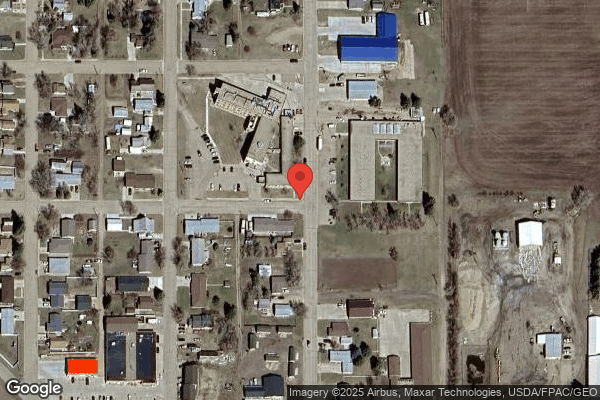
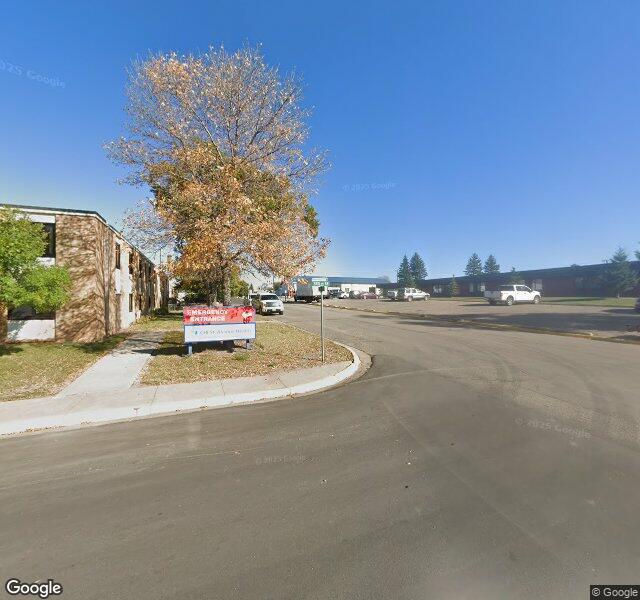
407 3RD AVE SE, GARRISON, ND 58540 (701) 463-2275
Non profit - Church related 26 Beds COMMONSPIRIT HEALTH Data: November 2025
Trust Grade
48/100
#48 of 72 in ND
Last Inspection: February 2025

Within standard 12-15 month inspection cycle. Federal law requires annual inspections.

Overview

Garrison Memorial Hospital Nursing Facility has received a Trust Grade of D, indicating below average quality with some concerns about care. It ranks #48 out of 72 facilities in North Dakota, placing it in the bottom half overall, and it is the second-best option out of two in McLean County. The facility is improving, with issues decreasing from 8 in 2023 to 7 in 2025. Staffing is a strength, with a rating of 4 out of 5 stars and a turnover rate of 0%, meaning staff are stable and familiar with the residents. However, the facility has $17,492 in fines, which is concerning and higher than 78% of facilities in the state, suggesting ongoing compliance issues. Specific incidents include the facility failing to provide a registered nurse for eight consecutive hours on two occasions, which could jeopardize resident safety. Additionally, the dietary manager did not maintain the required certification, raising potential health risks. Lastly, care plans for some residents were not updated to reflect their current needs, which could hinder effective communication and care continuity. Overall, while there are notable strengths in staffing, there are significant weaknesses that families should consider.

Trust Score
D
48/100
In North Dakota
#48/72
Bottom 34%
Safety Record
Low Risk
No red flags
Inspections
Getting Better
8 → 7 violations
Staff Stability
○ Average
Turnover data not reported for this facility.
Penalties
⚠ Watch
$17,492 in fines. Higher than 88% of North Dakota facilities, suggesting repeated compliance issues.
Skilled Nurses
✓ Good
Each resident gets 178 minutes of Registered Nurse (RN) attention daily — more than 97% of North Dakota nursing homes. RNs are the most trained staff who catch health problems before they become serious.
Violations
⚠ Watch
23 deficiencies on record. Higher than average. Multiple issues found across inspections.
★★☆☆☆
2.0
Overall Rating
★★★★☆
4.0
Staff Levels
★★★☆☆
3.0
Care Quality
★★☆☆☆
2.0
Inspection Score
Stable
2023: 8 issues
2025: 7 issues

The Good

  • 4-Star Staffing Rating · Above-average nurse staffing levels
  • Full Sprinkler Coverage · Fire safety systems throughout facility
  • No fines on record

Facility shows strength in staffing levels, fire safety.

The Bad

2-Star Overall Rating

Below North Dakota average (3.1)

Below average - review inspection findings carefully

Federal Fines: $17,492

Below median ($33,413)

Minor penalties assessed

Chain: COMMONSPIRIT HEALTH

Part of a multi-facility chain

Ask about local staffing decisions and management

The Ugly 23 deficiencies on record

Feb 2025 7 deficiencies
CONCERN (D) 📢 Someone Reported This

A family member, employee, or ombudsman was alarmed enough to file a formal complaint

Potential for Harm - no one hurt, but risky conditions existed

Deficiency F0658 (Tag F0658)

Could have caused harm · This affected 1 resident

Based on observation, policy review, and staff interview, the facility failed to follow professional standards of practice for medication administration for 2 of 13 sampled residents (Residents #1 and...

Read full inspector narrative →
Based on observation, policy review, and staff interview, the facility failed to follow professional standards of practice for medication administration for 2 of 13 sampled residents (Residents #1 and #15) and one supplemental resident (Resident #14). Failure to follow a physician's order, document medications after administration, properly prime insulin pens, and provide privacy during insulin administration, may impede the therapeutic effectiveness of the medications, cause adverse events such as medication errors and low blood sugar, and infringes upon the residents right to privacy. Findings include: Kozier & Erb's Fundamentals of Nursing: Concepts, Process, and Practice, 11th Edition eText, 2021, Pearson, Boston, Massachusetts, page 63, stated, . Carrying Out a Physician's Orders . Nurses are expected to analyze procedures and medications ordered by the physician or primary care provider. It is the nurse's responsibility to seek clarification of ambiguous or seemingly erroneous orders from the prescriber. Review of the facility policy titled Medication Administration occurred on 02/27/25. This policy, dated February 2008, stated, . All medications should be charted immediately after they are given . Insulin, accuchecks . will not be given in the dining room. This will be done to assure the right of personal privacy and confidentiality of all residents. Review of the facility policy titled Insulin Pen Use occurred on 02/27/25. This policy dated 2010, stated, . prime safety needle with 2 units prior to each administration . hold pen with needle pointing up . - Review of Resident #1's medical record occurred on all days of survey. Diagnoses included polyneuropathy (nerve damage causing numbness and pain). A physician's order, dated 01/29/25, stated, Hydrocodone-APAP [an opioid pain medication] 5-325 milligrams (mg) QAC [before every meal] and QHS [bedtime]. Resident #1's nursing progress note, dated 01/31/25 at 4:04 p.m., stated, [Resident] has been confused today and whiney. [Resident] sleeping frequently today. Provider on call notified . and scheduled hydrocodone order was changed from QID [4 times a day] to BID [twice a day]. Resident #1's medication administration record (MAR) identified the resident received hydrocodone at 8:00 a.m. and 12:00 p.m. and showed the resident received a third dose of hydrocodone at 8:00 p.m. During an interview on 02/25/25 at 5:20 p.m. an administrative nurse (#2) confirmed Resident #1 received a third dose of hydrocodone after the physician changed the order to twice a day. - Observation on 02/25/25 at 11:58 a.m. showed a nurse (#13) documented Resident #14's blood sugar and insulin administration on the medication administration record (MAR) at 12:00 p.m. The nurse then prepared a Humalog Kwikpen (insulin) and primed the pen holding the pen downward. The nurse (#13) documented medication administration prior to administration and failed to prime the insulin pen pointing upward per facility policy. - Observation on 02/25/25 at 12:10 p.m. showed a nurse (#13) documented Resident #15's blood sugar and insulin administration on the (MAR) at 12:00 p.m. The nurse prepared a Fiasp FlexTouch (Insulin) pen and primed the pen holding the pen downward. The nurse (#13) brought Resident #15 to the dining room table where three residents were seated, pulled up the resident's shirt, and injected the insulin in the abdomen. The nurse (#13) documented medication administration prior to administration, failed to prime the insulin pen pointing upward per facility policy and failed to provide privacy for the resident. During an interview on 02/25/25 at 1:33 p.m., an administrative nurse (#2) stated she expected nurses to document medications after they are administered, follow facility policy for priming of insulin pens, and provide privacy when administering insulin.
CONCERN (D) 📢 Someone Reported This

A family member, employee, or ombudsman was alarmed enough to file a formal complaint

Potential for Harm - no one hurt, but risky conditions existed

Accident Prevention (Tag F0689)

Could have caused harm · This affected 1 resident

**NOTE- TERMS IN BRACKETS HAVE BEEN EDITED TO PROTECT CONFIDENTIALITY** Based on observation, record review, and staff interviews, the facility failed to provide assistive devices necessary to prevent...

Read full inspector narrative →
**NOTE- TERMS IN BRACKETS HAVE BEEN EDITED TO PROTECT CONFIDENTIALITY** Based on observation, record review, and staff interviews, the facility failed to provide assistive devices necessary to prevent accidents for 2 of 4 sampled residents (Residents #1 and #13) observed without wheelchair foot pedals. Failure to use wheelchair foot pedals while transporting residents, places all residents at risk for falls and/or injury. Findings include: The facility failed to provide a policy for foot pedal use upon request. - Review of Resident #1's medical record occurred on all days of survey. The quarterly Minimum Data Set (MDS), dated [DATE], identified functional limitations in range of motion with lower extremity impairment on both sides and dependance on staff for wheelchair transfers. The current care plan stated, . Self-Care Deficit R/T [related to] old hip fracture . Locomotion is total assistance of one staff once in wheelchair. During an observation on 02/24/25 at 1:04 p.m., a certified nurse aide (CNA) (#7) wheeled Resident #1 to the activity room. The resident's left foot dragged on the floor and became twisted under the wheelchair. The CNA stopped the wheelchair, straightened the resident's leg and proceeded down the hall. The CNA (#7) stated the left foot pedal was missing and she does not know where it is. During an interview on 02/27/25 at 12:00 p.m., an administrative nurse (#2) stated she expected staff to apply foot pedals on a wheelchair when the resident cannot lift their feet. - Review of Resident #13's medical record occurred on all days of survey. The quarterly MDS, dated [DATE], identified dependence on staff for wheelchair transfers. The current care plan stated, . is total assistance of one staff once in wheelchair. During an observation on 02/24/25 at 3:50 p.m., two CNAs (#7 and #8) transferred Resident #13 from the recliner to another resident's wheelchair without foot pedals on it. The CNA (#7) pushed the resident down the hallway. The resident put his legs out and then bent them so they were under the wheelchair. The CNA (#7) stopped, straightened the resident's legs, and proceeded down the hallway. The CNA stated she did not know the location of Resident #13's wheelchair. The CNA (#7) failed to use Resident #13's wheelchair with foot pedals during locomotion. During an interview on 02/27/25 at 12:10 p.m., an administrative nurse (#2) stated she expected staff to apply foot pedals on Resident #13's wheelchair.
CONCERN (D) 📢 Someone Reported This

A family member, employee, or ombudsman was alarmed enough to file a formal complaint

Potential for Harm - no one hurt, but risky conditions existed

Deficiency F0692 (Tag F0692)

Could have caused harm · This affected 1 resident

Based on record review, review of facility policy, and staff interview, the facility failed to maintain acceptable parameters of nutritional status for 2 of 2 sampled residents (Residents #1 and #5) w...

Read full inspector narrative →
Based on record review, review of facility policy, and staff interview, the facility failed to maintain acceptable parameters of nutritional status for 2 of 2 sampled residents (Residents #1 and #5) with documented weight variances. Failure to obtain weights and reassess weight variances may delay needed treatment for weight loss/gain and alter the resident's ability to maintain a sufficient health/nutritional status. Findings include: Review of the facility policy titled Weighing Residents occurred on 02/27/25. This policy, reviewed February 2023, stated, . It is important to maintain adequate nutritional status . The early identification of residents with, or at risk for, impaired nutrition or hydration status may allow the interdisciplinary team to develop and implement interventions to stabilize or improve nutritional status before complications arise. Monthly weights will be completed by the second week of the month. Weights will be recorded in the EMR [electronic medical record]. Residents will have a consistent method for being weighed . Nurses are responsible for making sure aides get and document those weights. A weight variance report will be completed the third week of each month. Any resident with a loss of 5% or greater will be re-weighed that week to validate that month's weight. Review of the facility policy titled Vital Signs Routine occurred on 02/27/25. This policy, dated March 2015, stated, . Any time that you observe anything abnormal, make sure that you report this to the Charge Nurse. - Review of Resident #1's medical record occurred on all days of survey. Diagnoses included chronic kidney disease with congestive heart failure. The current care plan stated, . 06/07/23 . Monthly weight Once A Day on 1st Wed [Wednesday] of the Month . Physician's orders included Furosemide (a diuretic) 40 milligrams (mg) daily and monthly weights on the first Wednesday of the month Resident #1's monthly weight record dentified the following: 02/10/25 167.8 pounds 01/08/25 172.4 pounds 12/02/24 175.8 pounds 11/05/24 158.8 pounds (17 pound weight loss in 1 month) 10/03/24 180.7 pounds 09/04/24 181.6 pounds (18.4 pound weight loss in less than 1 week) 09/02/24 200 pounds 05/07/24 to 09/01/24 Not Taken 05/06/24 190 pounds Facility staff failed to obtain Resident #1's weight for three months (June-August 2025), failed to identify weight variances or weight loss, and assess any related causes for Resident #1's weight fluctuations. - Review of Resident # 5's medical record occurred on all days of survey. Diagnoses included hypertension. Physician's orders included Furosemide) 20 mg twice a day and weight on the first Tuesday of the month. Resident #5's monthly weight record identified the following: 02/10/25 147.1 pounds (7 pounds in 1 month) 01/08/25 154.8 pounds 01/03/25 148.3 pounds No weight recorded in December 11/05/24 150.9 pounds 10/30/24 150.9 pounds 10/01/24 152.4 pounds 08/06/24 153 pounds Facility staff failed to weigh Resident #5 as ordered in September and December 2024. During an interview on 02/27/25 at 12:00 p.m., an administrative staff nurse (#2) expected the charge nurse to monitor weights and confirmed they failed to run monthly weight variance reports per their policy.
CONCERN (D) 📢 Someone Reported This

A family member, employee, or ombudsman was alarmed enough to file a formal complaint

Potential for Harm - no one hurt, but risky conditions existed

Deficiency F0761 (Tag F0761)

Could have caused harm · This affected 1 resident

Based on observation, review of facility policy, and staff interview, the facility failed to ensure accurate labeling of 3 of 3 insulin pens observed during review of medication storage. Failure to ob...

Read full inspector narrative →
Based on observation, review of facility policy, and staff interview, the facility failed to ensure accurate labeling of 3 of 3 insulin pens observed during review of medication storage. Failure to obtain a label for an insulin pen and identify the resident's name and date opened may result in a resident receiving another resident's insulin or outdated insulin. Findings include: Review of the facility policy titled Insulin pen use occurred on 02/27/25. This policy, revised in 2010, stated, . All Insulin pens must have patient identification label and date opened . Review of the facility policy titled Storage of Insulin occurred on 02/27/25. This policy, revised May 2015 stated, . Insulin pens, stored in cart, once they are used, must have [resident's] name and date on the pen . - Observation on 02/26/25 at 10:00 a.m. showed an administrative nurse (#2) obtained three insulin pens from the medication cart. All three pens lacked a resident's name and an opened date. During an interview on 02/26/25 at 10:14 a.m., an administrative nurse (#2) confirmed she expected staff to follow facility policy and ensure staff label insulin pens with the correct identifying information, and expected the pens to include dosing information.
CONCERN (D) 📢 Someone Reported This

A family member, employee, or ombudsman was alarmed enough to file a formal complaint

Potential for Harm - no one hurt, but risky conditions existed

Infection Control (Tag F0880)

Could have caused harm · This affected 1 resident

Based on observation, review of facility policy, and staff interview, the facility failed to follow standards of infection control and prevention for 2 of 8 sampled residents (Resident #5 and #13) and...

Read full inspector narrative →
Based on observation, review of facility policy, and staff interview, the facility failed to follow standards of infection control and prevention for 2 of 8 sampled residents (Resident #5 and #13) and 1 supplemental resident (Resident #6) requiring stand lift transfers. Failure to practice infection control standards related to disinfection of equipment has the potential to spread infection throughout the facility. Findings include: Review of the facility policy titled Patient Multi-Use Devices, occurred on 02/27/25. This policy, dated February 2011, stated, . As part of the infection control prevention program, all patient/resident multi-use medical devices must be disinfected between patient/resident uses. These include but are not limited to . Mechanical lift devices . - Observation on 02/24/25 at 1:40 p.m. showed a certified nurse aide (CNA) (#8) transferred Resident #6 from the toilet to a wheelchair using a stand lift. After completing the transfer, the CNA failed to sanitize the lift. When asked if there was a policy for sanitizing the lifts, the CNA (#8) replied, housekeeping does that. - Observation on 02/24/25 at 3:58 p.m. showed two CNAs (#7 and #8) transferred Resident #13 from the toilet to a wheelchair using a stand lift. After completing the transfer, the CNAs failed to sanitize the lift and pushed it to another resident's room. - Observation on 02/24/25 at 4:10 p.m. showed a CNA (#7) and a nurse (#6) transferred Resident #5 from the toilet to a wheelchair using a stand lift. After completing the transfer, the nurse (#6) failed to sanitize the lift and pushed it to a storage room. During an interview on the afternoon of 02/25/25, an administrative staff member (#11) provided a Lifts and Stands Maintenance Record showing housekeeping cleans the lifts twice a month and stated, But staff clean them after each use. During an interview on 02/27/25 at 12:00 p.m., an administrative nurse (#2) stated she expected staff to sanitize the lift between resident use.
CONCERN (E) 📢 Someone Reported This

A family member, employee, or ombudsman was alarmed enough to file a formal complaint

Potential for Harm - no one hurt, but risky conditions existed

Deficiency F0657 (Tag F0657)

Could have caused harm · This affected multiple residents

Based on record review, review of facility policies, and staff interview, the facility failed to review and revise care plans to reflect the residents' current status for 4 of 12 sampled residents (Re...

Read full inspector narrative →
Based on record review, review of facility policies, and staff interview, the facility failed to review and revise care plans to reflect the residents' current status for 4 of 12 sampled residents (Residents #1, #4, #5, and #7). Failure to update care plans limited the staffs' ability to communicate needs and ensure continuity of care. Findings include: Review of the facility policy titled Interdisciplinary Care Plan and Care Plan Meeting occurred on 02/26/25. This policy, dated December 2023, stated, . C. Develop a care plan based upon information from the Interdisciplinary Team. Review of the facility policy titled Care Conference and Resident Centered Care Plan occurred on 02/26/25. This policy, dated June 1985, stated, . 2. The care plan will include . b) Physician orders . c) Dietary orders . 3. The . care plan will be . b. Developed by an interdisciplinary team, that includes . i. the attending physician . iv. dietary staff member . c. Reviewed and revised . by each member . 5. A comprehensive resident-centered care plan will be developed and implemented for . a) Services . furnished to the resident to attain or maintain their highest practicable . well-being . 8. Care plans will . be reviewed . as needed. - Review of Resident #1's medical record occurred on all days of survey. Current physician's orders included verify monthly weight on the first Wednesday of the month. Review of Resident #1's current care plan stated, . admission Care Assist Task: 06/07/23-Monthly weight once a day on 1st Wed [Wednesday] of the month . Resident has kidney disease and neuropathy, related to diabetes mellitus . 10/22/2020-Monitor weight weekly . The facility failed to remove contradicting orders from Resident #1's care plan. - Review of Resident #4's medical record occurred on all days of survey. Current physician's orders included restorative nursing ambulation program with a platform walker and assistance of 2 with a wheelchair to follow 3-5 days a week. Review of Resident #4's current care plan stated, . 02/06/25 Restorative Nursing Ambulation Program-Ambulation with platform [NAME] with assist of 2 with wheelchair to follow 3-5 days a week . ADLs [activities of daily living] 01/27/2021 Ambulate with assist of one and front wheeled walker, 1x/d [one time per day], 3-5x's/week, [three to five times a week] . The facility failed to remove contradicting orders from Resident #4's care plan. - Review of Resident #5's medical record occurred on all days of survey. Current physician's orders included verify monthly weight completed once a day on the 1st Tuesday of the month. Review of Resident #5's current care plan stated, . admission Care Assist Task 05/02/2023 Monthly weight-Once A Day on 1st Tue [Tuesday] of the Month . 04/21/2017 Vital signs and weight weekly and PRN [as needed] . The facility failed to remove contradicting orders from Resident #5's care plan. - Review of Resident #7's medical record occurred on all days of survey. Current physician's order included monthly weights on the first of the month, and a diet order for a diabetic/regular consistency, low potassium diet. Resident #7's current care plan failed to identify orders for monthly weights and type of diet. During an interview on 02/25/25 at 4:45 p.m., an administrative nurse (#2) agreed staff failed to update the residents' care plans.
CONCERN (E) 📢 Someone Reported This

A family member, employee, or ombudsman was alarmed enough to file a formal complaint

Potential for Harm - no one hurt, but risky conditions existed

Deficiency F0865 (Tag F0865)

Could have caused harm · This affected multiple residents

Based on review of the State Agency (SA) facility files, survey findings, and staff interview, the facility failed to develop a Quality Assurance and Performance Improvement (QAPI) process to evaluate...

Read full inspector narrative →
Based on review of the State Agency (SA) facility files, survey findings, and staff interview, the facility failed to develop a Quality Assurance and Performance Improvement (QAPI) process to evaluate and identify problems and opportunities to improve services/outcomes, decrease or prevent likelihood of problems or occurrence of adverse events, and ensure compliance with federal requirements. Findings include: Review of the state agency files indicated the facility failed to maintain compliance at F658 as indicated by a deficiency cited during the last standard survey on 12/20/23. Refer to F658. During an interview on 02/27/25 at 11:53 a.m., an administrative staff member (#1) stated, We work with quality on the hospital side, we do QA [quality assurance] audits here [for the nursing home] and bring those results to the hospital meeting. When asked what the facility did to develop the plan of correction and conduct audits following the federal survey, an administrative nurse (#2) stated she thought staff completed audits for a year. The administrative staff members (#1 and #2) listed two issues the facility currently audited and neither issue reflected any of the last standard survey's citations. Failure of the facility to establish a separate nursing home QA committee and effectively utilize QA resulted in continued noncompliance at F658.
Dec 2023 8 deficiencies
CONCERN (D)

Potential for Harm - no one hurt, but risky conditions existed

Deficiency F0554 (Tag F0554)

Could have caused harm · This affected 1 resident

Based on observation, record review, review of facility policy, resident interview, and staff interview, the facility failed to remove medication from the bed side for 1 of 1 sampled resident (Residen...

Read full inspector narrative →
Based on observation, record review, review of facility policy, resident interview, and staff interview, the facility failed to remove medication from the bed side for 1 of 1 sampled resident (Resident #6) assessed as not able to self-administer medications (SAM). Failure to remove medication from the resident's room for a resident assessed as not able to self-administer medications may result in medication errors and/or harm to the resident. Findings include: Review of the facility policy Self-Administration of Medication occurred on 12/20/23. This policy, dated 1990, stated, . Each resident has the right to self-administer medications only if an interdisciplinary team determines that it is clinically appropriate. Nursing staff is responsible for safe and adequate drug storage on the Units of all drugs unless physician orders for bedside use. Review of Resident #6's medical record occurred on all days of survey. The record contained a staff assessment for self-administration of medications completed on 11/27/23. The SAM evaluation stated, . Is it appropriate for resident to self - administer any medications? 'No'. A physician's order included, . I am not able to self-administer my own medication. Observation on 12/19/23 at 9:29 a.m. showed a bottle of [a brand of topical muscle spray] on the bedside table in Resident #6's room. Observation on 12/20/23 at 12:15 p.m. showed Resident #6 seated in her recliner chair in her room, a bottle of [a brand of topical muscle spray] was located on the table next to her. When asked if she uses the muscle spray, Resident #6 stated she hasn't used it for a while now. When asked where she applies the muscle spray, she reported she applies it to the back of her neck, on her wrists and stated, I like that stuff. When asked if the staff assist her to apply it, she stated, They haven't yet, I haven't asked them to. During an interview on 12/20/23 at 1:15 p.m., an administrative staff member (#2) confirmed Resident #6 is not appropriate to self-administer medications and medication should not be left in her room.
CONCERN (D) 📢 Someone Reported This

A family member, employee, or ombudsman was alarmed enough to file a formal complaint

Potential for Harm - no one hurt, but risky conditions existed

Deficiency F0583 (Tag F0583)

Could have caused harm · This affected 1 resident

Based on observation, review of facility policy, and staff interview, the facility failed to promote privacy and confidentiality of the medication administration records for 1 of 3 days of survey. Fai...

Read full inspector narrative →
Based on observation, review of facility policy, and staff interview, the facility failed to promote privacy and confidentiality of the medication administration records for 1 of 3 days of survey. Failure to promote resident privacy may result in viewing of resident records by other residents, visitors, or unlicensed staff. Findings include: Review of the facility policy titled Medication Administration occurred on 12/20/23. This policy, dated February 2008, stated, . 10. Procedure For Passing Medications: . B. Keep the electronic MAR [EMAR] closed while not in use . - Observation on 12/18/23 at 4:53 p.m. showed the medication cart A unattended with the EMAR opened to resident's information. The nurse (#4) returned to the medication cart at 4:59 p.m. - Observation on 12/18/23 at 4:59 p.m. showed a nurse (#4) documented a blood sugar for a resident on the EMAR, prepared an insulin for administration, gathered supplies, took the resident to her room, and failed to secure the EMAR, leaving the resident's information in view. The nurse returned to the medication cart at 5:06 p.m. During an interview on 12/19/23 at 1:14 p.m., two administrative nurses (#2 and #3) stated they expected nurses to follow facility policy for securing of the EMAR. The facility failed to promote privacy and confidentiality of the resident's MAR when unattended by staff.
CONCERN (D)

Potential for Harm - no one hurt, but risky conditions existed

Deficiency F0625 (Tag F0625)

Could have caused harm · This affected 1 resident

Based on record review, review of facility policy, and staff interview, the facility failed to provide the resident or resident's representative a written bed hold notice for 3 of 3 residents (Residen...

Read full inspector narrative →
Based on record review, review of facility policy, and staff interview, the facility failed to provide the resident or resident's representative a written bed hold notice for 3 of 3 residents (Resident #3, #5, and #17) reviewed for hospital transfers. Failure to provide a written copy of the bed hold notice and include the reserve bed amount does not allow the resident and/or their representative to make an informed decision regarding their rights. Findings include: Review of the facility policy Discharge or Transfer of Residents occurred on 12/20/23. This policy, dated October 2017, stated, . To improve care coordination by providing information to the resident/family if going home or the receiving health care organization and provider that can help them provide quality care to our residents. Forms Used: . Bedhold Notice Form. - Review of Resident #3's medical record occurred on all days of survey. Hospital transfers occurred on 04/28/23, 05/23/23, 06/16/23, 10/28/23 and 11/09/23. The record lacked documentation the facility provided the resident and/or their representative with a written bed hold notice or the reserve bed hold amount at the time of each of the above hospital transfers. - Review of Resident #5's medical record occurred on all days of survey. A hospital transfer occurred on 03/12/23. The record lacked documentation the facility provided the resident and/or their representative with a written bed hold notice or the reserve bed hold amount at the time of the transfer. - Review of Resident #17's medical record occurred on all days of survey. A hospital transfer occurred on 11/21/23. The record lacked documentation the facility provided the resident and/or their representative with a written bed hold notice or the reserve bed hold amount at the time of the transfer. During an interview on 11/19/23 at 4:55 p.m., an administrative staff member (#2) confirmed the facility staff failed to provide bed hold notices to Resident's #3, #5, and #17 or their representatives when transferred to the hospital.
CONCERN (D)

Potential for Harm - no one hurt, but risky conditions existed

Deficiency F0658 (Tag F0658)

Could have caused harm · This affected 1 resident

Based on observation, record review, policy review, and staff interview, the facility failed to follow professional standards of practice for medication administration for 1 of 2 sampled residents (Re...

Read full inspector narrative →
Based on observation, record review, policy review, and staff interview, the facility failed to follow professional standards of practice for medication administration for 1 of 2 sampled residents (Resident #17) who received insulin and 1 of 1 sampled resident (Resident #13) who received eye drops. Failure to document medication administrations after administration, prime insulin pens, and follow the physician's orders when administering medications may impede the therapeutic effectiveness of the medications, cause adverse events such as medication errors and low blood sugar. Findings include: Review of the facility policy titled Medication Administration occurred on 12/20/23. This policy, dated February 2008, stated, . Medications are administered only pursuant to a Provider's Orders. 2. Medication Administration Record: A. All medications administered . must be recorded on the electronic MAR . All medications should be charted immediately after they are given . 3. Responsibilities: A. The professional nurse is responsible for the correct administration of medications as ordered by the doctor. Review of the facility policy titled Insulin Pen Use occurred on 12/20/23. This policy, dated 2010, stated, . prime safety needle with 2 units prior to each administration . - Observation on 12/18/23 at 4:59 p.m. showed a nurse (#4) documented a blood sugar of 176 for Resident #17 and documented insulin administration. The nurse prepared a Humalog Kwikpen (insulin) for administration by placing a needle on the end of the pen, gathered supplies, and took Resident #17 to her room. The nurse (#4) administered 9 units of Humalog insulin to Resident #17 without priming the insulin pen. Resident #17 continued into the dining room for the supper meal. The nurse (#4) stated the 9 units of insulin she administered were the sliding scale plus meal coverage. Review of Resident #17's medical record occurred on all days of survey. Current physician's orders included Humalog Kwik Pen . Per Sliding Scale . If Blood Sugar is 151 to 200, give 5 Units. At meal time add extra units for meal coverage 2 units for 1/2 meal and 4 units for whole meal. The nurse (#4) documented medication administration prior to administration, failed to prime the insulin pen prior to insulin administration, and failed to assess Resident #17's meal intake prior to administration of additional insulin per physician's orders. - Observation on 12/19/23 at 9:04 a.m. showed a nurse (#5) administered Timolol Maleate 0.5% (eye drops) to Resident #13. At 9:07 a.m. the nurse administered Brimodine Tartrate 0.2% (eye drops) to Resident #13. Review of Resident #13's medical record occurred on all days of survey. A current physician's order stated . Brimodine Tartrate 0.2% eye gtt [drop] 1 drop OU [both eyes] BID [two times a day], separate from other eye drops by 10 minutes . The nurse (#5) failed to wait 10 minutes before administering the Brimodine eye drop to Resident #13 per physician's orders. During an interview on 12/19/23 at 1:14 p.m., two administrative nurses (#2 and #3) stated they expected nurses to follow physician's orders as written, document medications after they are administered, and follow facility policy for priming of insulin pens.
CONCERN (D)

Potential for Harm - no one hurt, but risky conditions existed

Unnecessary Medications (Tag F0759)

Could have caused harm · This affected 1 resident

Based on observation, record review, review of facility policy, and staff interview, the facility failed to ensure a medication error rate of less than five percent for 2 of 6 residents (Resident #13 ...

Read full inspector narrative →
Based on observation, record review, review of facility policy, and staff interview, the facility failed to ensure a medication error rate of less than five percent for 2 of 6 residents (Resident #13 and #17) observed during medication pass. Three medication errors occurred during staff administration of 28 medications, resulting in a 10% error rate. Failure to administer medications correctly and per physician's orders may result in residents receiving an ineffective dose and experiencing adverse side effects such as low blood sugars. Findings include: Review of the facility policy titled Medication Administration occurred on 12/20/23. This policy, dated February 2008, stated, . Medications are administered only pursuant to a Provider's Orders. 3. Responsibilities: A. The professional nurse is responsible for the correct administration of medications as ordered by the doctor. Review of the facility policy titled Insulin Pen Use occurred on 12/20/23. This policy, dated 2010, stated, . prime safety needle with 2 units prior to each administration . Review of Resident #17's medical record occurred on all days of survey. Current physician's orders included Humalog Kwik Pen . Per Sliding Scale . If Blood Sugar is 151 to 200, give 5 Units. At meal time add extra units for meal coverage 2 units for 1/2 meal and 4 units for whole meal. - Observation on 12/18/23 at 4:49 p.m. showed a nurse (#4) documented a blood sugar of 176 for Resident #17. The nurse prepared Humalog Kwikpen (short acting insulin) for administration to Resident #17 by placing a needle on the end of the pen, gathered supplies and took Resident #17 to her room. The nurse (#4) dialed the insulin pen to 9 and administered 9 units of Humalog insulin to Resident #17. The nurse (#4) failed to prime the insulin pen and failed to assess Resident #17's meal intake prior to insulin administration. Review of Resident #13's medical record occurred on all days of survey. A current physician's order stated . Brimodine Tartrate 0.2% eye gtt [drop] 1 drop OU [both eyes] BID [two times a day], separate from other eye drops by 10 minutes . - Observation on 12/19/23 at 9:04 a.m. showed a nurse (#5) administered Timolol Maleate 0.5% (eye drops) to Resident #13. At 9:07 a.m. the nurse administered Brimodine Tartrate 0.2% (eye drops) to Resident #13. The nurse (#5) failed to wait 10 minutes before administering the Brimodine eye drop to Resident #13 per physician's orders. During an interview on 12/19/23 at 1:14 p.m., two administrative nurses (#2 and #3) stated they expected nurses to follow physician's orders as written, and follow facility policy for priming of insulin pens.
CONCERN (D)

Potential for Harm - no one hurt, but risky conditions existed

Deficiency F0849 (Tag F0849)

Could have caused harm · This affected 1 resident

Based on record review and staff interview, the facility failed to ensure residents records contained the hospice election form for 1 of 2 residents (Resident #12) and the certification of a terminal ...

Read full inspector narrative →
Based on record review and staff interview, the facility failed to ensure residents records contained the hospice election form for 1 of 2 residents (Resident #12) and the certification of a terminal illness for 2 of 2 residents (Resident #9 and #12) receiving hospice services. Failure to obtain these documents limits staff's ability to ensure coordination of care between the facility and the hospice. Findings include: - Review of Resident #9's medical record occurred on all days of survey and identified Resident #9 elected Hospice services on 02/10/23. The medical record lacked the physician's certification of the terminal illness. - Review of Resident #12's medical record occurred on all days of survey and identified Resident #12 elected Hospice services on 09/14/23. The medical record lacked the hospice election form and the physician's certification of the terminal illness. During an interview on 12/20/23 at 10:45 a.m., an administrative nurse (#7) confirmed the medical records for Resident #9 lacked the certification of the terminal illness and Resident #12 lacked both the certification of terminal illness and the hospice election form.
CONCERN (F) 📢 Someone Reported This

A family member, employee, or ombudsman was alarmed enough to file a formal complaint

Potential for Harm - no one hurt, but risky conditions existed

Deficiency F0727 (Tag F0727)

Could have caused harm · This affected most or all residents

Based on review of nurse staffing schedules, staff time sheets, and staff interview, the facility failed to provide the services of a registered nurse (RN) for eight consecutive hours a day, seven day...

Read full inspector narrative →
Based on review of nurse staffing schedules, staff time sheets, and staff interview, the facility failed to provide the services of a registered nurse (RN) for eight consecutive hours a day, seven days a week, for 2 of 91 days reviewed (05/14/23 and 05/26/23). Failure to ensure sufficient, qualified nursing staff are available eight consecutive hours a day has the potential to affect the health and safety of all the residents residing in the facility. Findings include: On 12/18/23, the facility provided a copy of the nurse staffing schedules, and nurse time sheets for the period of April 1 - June 30, 2023. A review of the schedules showed the facility failed to have the required RN coverage on 05/14/23 and 05/26/23. During an interview on 12/19/23 at 2:05 p.m., an administrative staff member (#2) confirmed the facility lacked RN coverage on the above dates.
CONCERN (F)

Potential for Harm - no one hurt, but risky conditions existed

Deficiency F0801 (Tag F0801)

Could have caused harm · This affected most or all residents

Based on staff interview, the facility failed to ensure 1 of 1 dietary manager (#1) maintained the proper qualifications to serve as the director of food and nutrition services. Failure to ensure staf...

Read full inspector narrative →
Based on staff interview, the facility failed to ensure 1 of 1 dietary manager (#1) maintained the proper qualifications to serve as the director of food and nutrition services. Failure to ensure staff have the qualifications to carry out the functions of food and nutrition services has the potential to result in foodborne illness to residents, staff, and visitors. Findings include: During an interview on 12/19/23 at 9:15 a.m., a dietary manager (#1) stated she failed to complete the required number of continuing education hours to maintain certified dietary manager (CDM) certification, and it expired on 11/30/23. The facility failed to ensure the dietary manager (#1) maintained CDM certification.
Nov 2022 8 deficiencies
CONCERN (D) 📢 Someone Reported This

A family member, employee, or ombudsman was alarmed enough to file a formal complaint

Potential for Harm - no one hurt, but risky conditions existed

Resident Rights (Tag F0550)

Could have caused harm · This affected 1 resident

Based on observation, record review, review of facility policy, and staff interview, the facility failed to provide care for 1 of 2 sampled residents (Resident #4) with an indwelling catheter in a man...

Read full inspector narrative →
Based on observation, record review, review of facility policy, and staff interview, the facility failed to provide care for 1 of 2 sampled residents (Resident #4) with an indwelling catheter in a manner and environment that maintained, enhanced, and respected the resident's dignity. Failure to cover the resident's catheter drainage bag does not preserve the resident's personal dignity or enhance their quality of life. Findings include: Review of the facility policy titled Catheter Care occurred on 11/30/22. This policy, revised 11/28/22, stated, It is the policy of this facility to ensure that residents with indwelling catheters receive appropriate catheter care and maintain their dignity and privacy when indwelling catheters are in use. Privacy bags will be available and catheter drainage bags will be covered at all times while in use. Observations of Resident #4 showed the following: * 11/28/22 at 12:30 p.m., The catheter drainage bag (containing urine), hanging below the wheelchair arm rest and not covered. * 11/28/22 at 3:58 p.m., The catheter drainage bag hanging below the wheelchair arm rest and not covered. * 11/29/22 at 7:54 a.m., The catheter drainage bag hanging by wheelchair footrests and only partially covered with a pillow case. Review of Resident #4's medical record occurred on all days of survey. The care plan stated, . Store collection bag [of catheter] inside a protective dignity pouch . During an interview on 11/30/22 at 8:34 a.m., a nurse manager (#1) confirmed she expected urine drainage bags be covered.
CONCERN (D) 📢 Someone Reported This

A family member, employee, or ombudsman was alarmed enough to file a formal complaint

Potential for Harm - no one hurt, but risky conditions existed

Deficiency F0658 (Tag F0658)

Could have caused harm · This affected 1 resident

Based on observation, record review, review of facility policy, resident interview, and staff interview, the facility failed to follow professional standards of practice regarding skin assessments for...

Read full inspector narrative →
Based on observation, record review, review of facility policy, resident interview, and staff interview, the facility failed to follow professional standards of practice regarding skin assessments for 3 of 5 sampled residents (Resident #3, #16, and #19) observed with skin issues. Failure to identify and treat skin concerns, document skin assessments, notify/obtain a physician's order or write an appropriate standing order may result in worsening of the skin issues and/or infections. Findings include: Review of the facility policy titled Risk Assessment and Skin Care Policy occurred on 11/29/22. This policy, dated November 2020, stated, . Ongoing assessment of skin can be done at time of physical assessment, bathing, changing dressings, exercise routines, or other patient care activities . Document all wounds found during assessment . - Observation on 11/28/22 at 11:48 a.m. showed a staff nurse (#2) entered Resident #3's room and identified a reddened area on Resident #3's inner crease of the right elbow. The resident complained of the area itching to the staff nurse. Review of Resident #3's medical record occurred on all days of survey. The medical record lacked a progress note or physician's order for treatment of the identified reddened skin area. During an interview on 11/29/22 at 4:50 p.m., an administrative nurse (#1) confirmed staff failed to write a progress note regarding the assessment and provide treatment to the reddened area. - Observation on 11/28/22 at 4:02 p.m. showed the certified nursing assistant (CNA) (#5) provided cares for Resident #19 and reported the resident had a skin tear on her left shoulder, right shin and back of calf. Review of Resident #19's medical record occurred on all days of survey. Review of the progress notes identified the following: * 11/14/22 1:10 p.m., Resident returned from acute/swing bed . Resident has 3 wounds noted upon readmit to facility. Wounds noted to have happened after admit date to acute care. Wound (1) 11/8/22 skin tear to left lateral elbow, wound (2) 11/11/22 skin tear to right pretibial [shin] and wound (3) 11/11/22 skin tear to right medial ankle. Allevyn dressings [dressings used for wounds] intact to areas. * 11/20/22 4:43 a.m., Resident was found on bathroom floor. has a skin tear on her left shoulder. * 11/22/22 4:00 a.m., . Resident noted to have multiples wounds in different areas of her body. Resident has a skin tear to left shoulder and left forearm dressing intact. Resident also has skin tear to left lateral elbow, and skin tear to right medial ankle. Order in place to change these dressing every 3 days. Allevyn dressing intact at the time . Will monitor skin tears and update as needed. Review of physician's orders stated the following: * 11/17/22 Measure skin tear on right shin weekly and document in wound management site until healed. * 11/18/22 Protective dressing to right shin skin tear until healed. During an interview on 11/30/22 at 9:52 a.m., an administrative nurse (#1) failed to provide copies of the weekly skin assessments per request. She confirmed the medical record failed to show wound assessments for Resident #19. The facility failed to accurately and consistently document, assess, and monitor Resident #3, #16 and #19's skin issues. - During an interview on 11/28/22 at 11:23 a.m., Resident #16 reported a slit on his right side where the butt and top of my leg meet [gluteal fold] and It hurts. It seems to open and close when I move. Observation on 11/28/22 at 2:24 p.m., while staff performed personal cares, showed an adhesive dressing to Resident #16's mid pubic region. During an interview on 11/28/22 at 3:05 p.m., when asked if Resident #16 had any dressings in place and/or scheduled to be changed, a nurse (#2) stated No. Observation on 11/29/22 at 5:19 p.m., showed a nurse (#8) completed a skin assessment on Resident #16. The nurse confirmed an intact dressing to the resident's mid pubic region and identified it as a protective dressing. The nurse stated she could not determine who placed the dressing or how long the dressing had been in place because the protective dressing lacked a date and initials. As the nurse (#8) removed the resident's brief, the brief adhered to the resident's buttocks, and showed small, scattered blood spots on the brief. Also present were three parallel approximate one to two inch linear open areas (slits) to the right gluteal fold and an approximate one-inch linear slit present to the resident's left gluteal fold. Review of Resident #16's medical record occurred on all days of survey. The record lacked documentation in the progress notes, the medication administration record (MAR), and/or physician's orders related to the open skin areas and the protective dressing. During interviews on 11/29/22 at 4:22 p.m. and on 11/30/22 at 8:02 a.m., an administrative nurse (#1) agreed staff failed to follow the facility's skin protocol and stated she expects the nurses to do the following: * Assess skin areas of concern when identified/reported and document a progress note and/or a wound assessment. * Notify the provider or the on-call provider the same day and/or when at the facility for rounds when a skin issue occurs and/or they apply a dressing. * Date all dressings, including protective dressings, document on the MAR for follow-up, and change the dressings every three days or if they become soiled, unless otherwise directed by a provider.
CONCERN (D) 📢 Someone Reported This

A family member, employee, or ombudsman was alarmed enough to file a formal complaint

Potential for Harm - no one hurt, but risky conditions existed

Quality of Care (Tag F0684)

Could have caused harm · This affected 1 resident

**NOTE- TERMS IN BRACKETS HAVE BEEN EDITED TO PROTECT CONFIDENTIALITY** Based on observation, record review, review of professional literature, and staff interview, the facility failed to ensure 3 of ...

Read full inspector narrative →
**NOTE- TERMS IN BRACKETS HAVE BEEN EDITED TO PROTECT CONFIDENTIALITY** Based on observation, record review, review of professional literature, and staff interview, the facility failed to ensure 3 of 5 sampled residents (Resident #1, #6, and #11) observed during meals received the care and services necessary to attain the highest degree of safety possible. Failure to ensure staff properly positioned residents and are cognizant of/respond to signs and symptoms of dysphagia during meals placed these residents at risk of aspiration. Findings include: [NAME] B. Swigert's The Source for Dysphagia; Third Edition, LinguiSystems, Inc., Illinois, 2007, page 125 and educational handouts identified, . During the oral intake of . foods and/or liquids, it is optimal for a patient to be seated at a 90 degree angle, whether in a bed or in a chair. This position must be maintained during and following the meal. Repositioning is frequently required during the meal. Even a slightly reclined position while eating greatly increases the risk of premature loss of food over the back of the tongue. Signs and symptoms of aspiration: Coughing . Throat clearing, Wet gurgling voice after swallowing . - Review of Resident #1's medical record occurred on all days of survey. Diagnoses included transient ischemic attack (TIA) [stroke-like attack] and cerebral infarction [stroke] without residual deficits. The quarterly Minimum Data Set (MDS), dated [DATE], identified extensive assistance of one person required for eating. A swallowing evaluation, dated 05/11/21, stated, . Resident is to be upright for all oral intake to remain upright for 20-30 min after oral intake. Observations of Resident #1 in the dining room showed the following: * 11/28/22 at 12:03 p.m., The resident sat reclined in the wheelchair. A certified nursing assistant (CNA) (#4) provided liquid to the resident. The resident coughed after drinking liquid. * 11/28/22 at 5:02 p.m., The resident sat reclined in the wheelchair. A staff nurse (#2) administered crushed medications to the resident. The resident coughed and used her tongue to move the medications around. The nurse failed to offer fluids to the resident. * 11/29/22 from 12:13 p.m. to 12:27 p.m., The resident sat reclined in the wheelchair and the resident's head and torso leaned to the right of the wheelchair while a CNA (#5) fed the resident. The resident frequently coughed and cleared her throat throughout the meal. During an interview on 11/30/22 12:02 p.m., an administrative nurse (#1) confirmed there is no policy specific to proper positioning of residents while eating. She stated, It is common sense to adjust (the resident). The facility failed to position Resident #1 upright and as close to 90 degrees as possible prior to serving each meal. Failure to implement these interventions placed the resident at risk for aspiration. - Review of Resident #6's medical record occurred on all days of survey. Diagnoses included history of traumatic brain injury and dementia. The resident's care plan stated . Is on a pureed diet as has history of pocketing [food]. Has swallowing issues and coughing while eating. Eating is total assistance . Resident #6's progress notes stated the following: * 10/28/22 at 3:35 p.m., RA [restorative aid] had PT [physical therapy] look at resident in Juditta chair [reclining wheelchair] to see if she had any suggestions to help him sit up straight. Resident at the time was sitting with buttocks to the (L) [left] and sitting more on his (R) [right] side. RA straightened resident up and PT said if he is sitting properly in Juditta chair he sits pretty good. * 11/04/22 at 4:01 p.m., resident changed to nectar thicken [sic] liquids. When drinking fluids he has been displaying for several days of having difficulty swallowing thin liquids and coughing up liquid. At risk and has HX [history] of aspiration. Observation on 11/28/22 at 12:03 p.m. showed a CNA (#5) fed Resident #6 while he leaned forward and to the right. The resident coughed periodically throughout the noon meal. - Review of Resident # 11's medical record occurred on all days of survey. Diagnoses included Alzheimer's disease and dementia. The resident's care plan stated, . Provide Total assistance for meals. A progress note, dated 11/04/22 at 3:58 p.m., stated, . resident changed to nectar thicken [sic] liquids. When drinking fluids he has been displaying for several days of having difficulty swallowing thin liquids and making gurgling sounds. At risk for aspiration. Observation on 11/28/22 at 12:03 p.m. showed Resident #11 slouched in a reclining wheelchair with his head below the headrest and his bottom near the edge of the wheelchair seat while a CNA (#5) fed him. The CNA stated, He keeps sliding down in his chair. The CNA continued to feed the resident his entire meal without repositioning. The resident coughed, cleared his throat, and made gurgling sounds frequently throughout the noon meal. During an interview on 11/29/22 at 9:39 a.m., a therapy staff member (#3) stated Resident #11 does not require any positioning devices, confirmed Resident #11 frequently slides down in his wheelchair, and stated, They [nursing staff] just need to pull him back up. During an interview on 11/30/22 at 10:27 a.m., an administrative staff member (#1) stated the facility has no formal assessments completed by the therapy department for positioning while feeding and stated staff should have assured proper positioning for Residents #6 and #11 throughout their meals prior to feeding.
CONCERN (D) 📢 Someone Reported This

A family member, employee, or ombudsman was alarmed enough to file a formal complaint

Potential for Harm - no one hurt, but risky conditions existed

Pressure Ulcer Prevention (Tag F0686)

Could have caused harm · This affected 1 resident

Based on observation, record review, review of facility policy, and staff interview, the facility failed to provide the necessary treatment/services to promote the healing and prevent the worsening of...

Read full inspector narrative →
Based on observation, record review, review of facility policy, and staff interview, the facility failed to provide the necessary treatment/services to promote the healing and prevent the worsening of pressure ulcers for 1 of 2 sampled residents (Resident #18) with pressure ulcers. Failure to consistently monitor, measure, and identify changes may lead to the worsening of Resident #18's pressure ulcers. Findings include: Review of the facility policy titled Risk Assessment and Skin Care Policy occurred on 11/29/22. This policy, dated November 2020, stated, . Ongoing assessment of skin can be done at time of physical assessment, bathing, changing dressings, exercise routines, or other patient care activities . Document all wounds found during assessment . Observation on 11/28/22 at 3:40 p.m. showed Resident #18 lying on the bed with a dressing on her left and right buttocks. Two CNAs (#5 and #6) performed incontinence cares. Both confirmed the resident had two pressure ulcers. Review of Resident #18's medical record occurred on all days of survey. The progress note, dated 11/14/22 at 3:07 p.m., stated Resident returned to Nrsg [nursing] Facility . Note two new stage 2 shearing wounds to right and left buttock area (Left butt cheek site measures 2 X 2cm [centimeter] and Right butt cheek site measures 2 X 2cm also). Both shearing sites have a pink wound base with No slough [dead skin tissue]. Protective dressings applied. Resident #18's current care plan stated, . Pressure Ulcer . Returned from Acute Care 11/14/22 with 2 areas on buttocks stage 2 . Protective dressing to 2 shearing wounds to right and left buttock area until healed . Measure right and left buttock skin tear wounds weekly and document under wound management. The care plan lacked interventions for turning and repositioning the resident every two hours. Review of Resident #18's physician's orders identified the following: * 11/17/22 Measure right and left buttock skin tear wounds weekly and document under wound management. * 11/18/22 Protective dressing to 2 shearing wounds to right and left buttock area until healed . During an interview on 11/30/22 at 10:12 a.m., an administrative nurse (#1) verified no weekly skin assessments were documented under wound management since the initial progress note on 11/14/22. The nurse agreed the care plan lacked turning and repositioning interventions, and the record lacked documentation of any repositioning.
CONCERN (D) 📢 Someone Reported This

A family member, employee, or ombudsman was alarmed enough to file a formal complaint

Potential for Harm - no one hurt, but risky conditions existed

Accident Prevention (Tag F0689)

Could have caused harm · This affected 1 resident

Based on observation, record review, review of facility policy, and staff interview, the facility failed to provide assistive devices necessary to prevent accidents for 1 of 2 sampled residents (Resid...

Read full inspector narrative →
Based on observation, record review, review of facility policy, and staff interview, the facility failed to provide assistive devices necessary to prevent accidents for 1 of 2 sampled residents (Resident #12) observed during ambulation. Failure to use a gait belt during ambulation placed the resident at risk of an accident and/or injury. Findings include: Review of the facility policy titled Gait Belt Usage occurred on 11/30/22. This policy, revised September 2022, stated, In order to ensure safe patient transfers, gait belts should be used when transferring or ambulating patients to assist in the prevention of falls . Gait belts must be used with all residents/patients needing assistance . Review of Resident #12's medical record occurred on all days of survey. The current care plan stated, . Recent fall with no fractures . Staff to assist her with ambulation using gait belt . Observation on 11/28/22 before lunch and dinner showed a staff member (#3) ambulated Resident #3 to the dining room without using a gait belt. During an interview on 11/30/22 at 11:24 a.m., an administrative staff member (#1) stated, The standard for everyone that needs assistance is that the gait belt is to be used with ambulation.
CONCERN (D) 📢 Someone Reported This

A family member, employee, or ombudsman was alarmed enough to file a formal complaint

Potential for Harm - no one hurt, but risky conditions existed

Deficiency F0726 (Tag F0726)

Could have caused harm · This affected 1 resident

Based on record review and staff interview, the facility failed to complete competency skills evaluations for 1 of 3 certified nurse assistants (CNAs) (Staff A). Failure to monitor the skills/techniqu...

Read full inspector narrative →
Based on record review and staff interview, the facility failed to complete competency skills evaluations for 1 of 3 certified nurse assistants (CNAs) (Staff A). Failure to monitor the skills/techniques of the CNA may result in physical or psychological harm to the residents through improper care. Findings include: Review of the CNA (Staff A's) individual employee records identified the following: * Hire date: 05/01/15 * Competencies currently remain incomplete since hire date (seven years of employment) for modified bed bath, recording urine output, modified passive range of motion, catheter care for female resident, foot care on one foot, and perineal care for female resident. During an interview on 11/30/22 at 1:51 p.m., an administrative nurse (#1) verified Staff A's competencies are incomplete.
CONCERN (D) 📢 Someone Reported This

A family member, employee, or ombudsman was alarmed enough to file a formal complaint

Potential for Harm - no one hurt, but risky conditions existed

Staffing Information (Tag F0732)

Could have caused harm · This affected 1 resident

Based on facility staffing documents and staff interview, the facility failed to post complete and accurate daily staff information for 12 of 23 days (November 6, 8-13, 15, 19, 21, 23, and 26, 2022) r...

Read full inspector narrative →
Based on facility staffing documents and staff interview, the facility failed to post complete and accurate daily staff information for 12 of 23 days (November 6, 8-13, 15, 19, 21, 23, and 26, 2022) reviewed. Failure to post accurate staffing data does not allow residents and visitors knowledge of the number of licensed and unlicensed staff on duty each shift. Findings include: An administrative nurse (#1) provided staffing data on 11/29/22 at 11:55 a.m. The staffing data dated November 6-28, 2022 showed staff failed to consistently post complete and accurate staffing information. During an interview on 11/30/22 at 1:51 p.m., an administrative nurse (#1) verified the facility staff failed to routinely update the staffing data.
CONCERN (D) 📢 Someone Reported This

A family member, employee, or ombudsman was alarmed enough to file a formal complaint

Potential for Harm - no one hurt, but risky conditions existed

Medication Errors (Tag F0758)

Could have caused harm · This affected 1 resident

Based on record review and staff interview, the facility failed to ensure a medication regimen free from unnecessary medications for 1 of 1 sampled resident (Resident #6) reviewed for as needed (PRN) ...

Read full inspector narrative →
Based on record review and staff interview, the facility failed to ensure a medication regimen free from unnecessary medications for 1 of 1 sampled resident (Resident #6) reviewed for as needed (PRN) lorazepam (anti-anxiety medication). Failure to limit PRN psychotropic drug orders to 14 days (or provide a rationale to extend the order beyond 14 days) may result in residents receiving unnecessary medications and experiencing adverse consequences related to their use. Findings include: Review of Resident #6's medical record occurred on all days of survey. Diagnoses included dementia with behavioral disturbance, schizophrenia, major depressive disorder, and anxiety disorder. A physician's order, dated 10/05/22, stated, . lorazepam . 0.5 mg [milligrams]; amt [amount]: every 6 hours PRN; oral Special Instructions: . Put on Doctor rounds to be renewed. As Needed . A progress note, dated 10/05/22 at 1:58 p.m., stated, [Provider's name] here . Reviewed medications . and renewed the Ativan [lorazepam] PRN. Review of the physician's progress notes and/or orders showed the provider failed to document a rationale to extend the order beyond 14 days. The physician had not renewed the PRN lorazepam order since 10/05/22 (56 days). During an interview the afternoon of 11/30/22, an administrative staff member (#1) confirmed the provider failed to review the PRN lorazepam every 14 days or provide a rationale to extend the order beyond 14 days.
Understanding Severity Codes (click to expand)
Life-Threatening (Immediate Jeopardy)
J - Isolated K - Pattern L - Widespread
Actual Harm
G - Isolated H - Pattern I - Widespread
Potential for Harm
D - Isolated E - Pattern F - Widespread
No Harm (Minor)
A - Isolated B - Pattern C - Widespread

Questions to Ask on Your Visit

  • "Can I speak with families of current residents?"
  • "What's your RN coverage like on weekends and overnight?"

Our Honest Assessment

Strengths
  • • No major safety red flags. No abuse findings, life-threatening violations, or SFF status.
Concerns
  • • 23 deficiencies on record. Higher than average. Multiple issues found across inspections.
  • • $17,492 in fines. Above average for North Dakota. Some compliance problems on record.
  • • Grade D (48/100). Below average facility with significant concerns.
Bottom line: Trust Score of 48/100 indicates significant concerns. Thoroughly evaluate alternatives.

About This Facility

What is Garrison Mem Hosp Nsg Fac's CMS Rating?

CMS assigns GARRISON MEM HOSP NSG FAC an overall rating of 2 out of 5 stars, which is considered below average nationally. Within North Dakota, this rating places the facility higher than 0% of the state's 100 nursing homes. A rating at this level reflects concerns identified through health inspections, staffing assessments, or quality measures that families should carefully consider.

How is Garrison Mem Hosp Nsg Fac Staffed?

CMS rates GARRISON MEM HOSP NSG FAC's staffing level at 4 out of 5 stars, which is above average compared to other nursing homes.

What Have Inspectors Found at Garrison Mem Hosp Nsg Fac?

State health inspectors documented 23 deficiencies at GARRISON MEM HOSP NSG FAC during 2022 to 2025. These included: 23 with potential for harm.

Who Owns and Operates Garrison Mem Hosp Nsg Fac?

GARRISON MEM HOSP NSG FAC is owned by a non-profit organization. Non-profit facilities reinvest revenue into operations rather than distributing to shareholders. The facility is operated by COMMONSPIRIT HEALTH, a chain that manages multiple nursing homes. With 26 certified beds and approximately 15 residents (about 58% occupancy), it is a smaller facility located in GARRISON, North Dakota.

How Does Garrison Mem Hosp Nsg Fac Compare to Other North Dakota Nursing Homes?

Compared to the 100 nursing homes in North Dakota, GARRISON MEM HOSP NSG FAC's overall rating (2 stars) is below the state average of 3.1 and health inspection rating (2 stars) is below the national benchmark.

What Should Families Ask When Visiting Garrison Mem Hosp Nsg Fac?

Based on this facility's data, families visiting should ask: "Can I visit during a mealtime to observe dining assistance and food quality?" "How do you handle medical emergencies, and what is your hospital transfer rate?" "Can I speak with family members of current residents about their experience?"

Is Garrison Mem Hosp Nsg Fac Safe?

Based on CMS inspection data, GARRISON MEM HOSP NSG FAC has a clean safety record: no substantiated abuse findings (meaning no confirmed cases of resident harm), no Immediate Jeopardy citations (the most serious violation level indicating risk of serious injury or death), and is not on the Special Focus Facility watch list (a federal program monitoring the lowest-performing 1% of nursing homes). The facility has a 2-star overall rating and ranks #100 of 100 nursing homes in North Dakota. While no facility is perfect, families should still ask about staff-to-resident ratios and recent inspection results during their visit.

Do Nurses at Garrison Mem Hosp Nsg Fac Stick Around?

GARRISON MEM HOSP NSG FAC has not reported staff turnover data to CMS. Staff turnover matters because consistent caregivers learn residents' individual needs, medications, and preferences. When staff frequently change, this institutional knowledge is lost. Families should ask the facility directly about their staff retention rates and average employee tenure.

Was Garrison Mem Hosp Nsg Fac Ever Fined?

GARRISON MEM HOSP NSG FAC has been fined $17,492 across 1 penalty action. This is below the North Dakota average of $33,254. While any fine indicates a compliance issue, fines under $50,000 are relatively common and typically reflect isolated problems that were subsequently corrected. Families should ask what specific issues led to these fines and confirm they've been resolved.

Is Garrison Mem Hosp Nsg Fac on Any Federal Watch List?

GARRISON MEM HOSP NSG FAC is not on any federal watch list. The most significant is the Special Focus Facility (SFF) program, which identifies the bottom 1% of nursing homes nationally based on persistent, serious quality problems. Not being on this list means the facility has avoided the pattern of deficiencies that triggers enhanced federal oversight. This is a positive indicator, though families should still review the facility's inspection history directly.