MARIAN MANOR HEALTHCARE CENTER
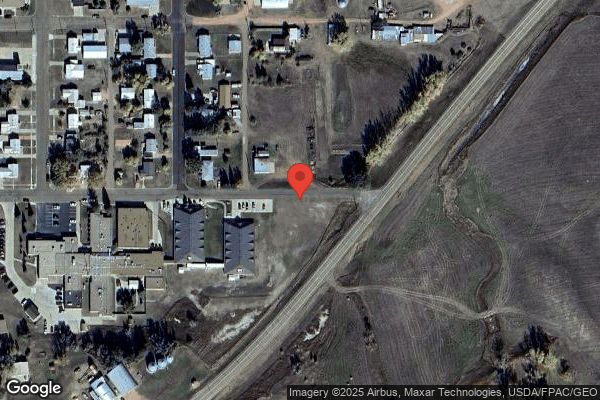
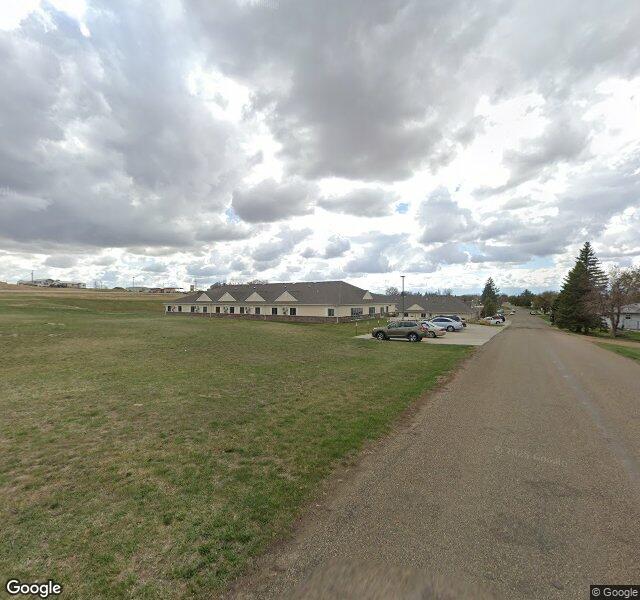
604 ASH AVE E, GLEN ULLIN, ND 58631 (701) 348-3107
Non profit - Corporation 54 Beds Independent Data: November 2025 1 Immediate Jeopardy citation
Trust Grade
28/100
#63 of 72 in ND
Last Inspection: March 2025

Within standard 12-15 month inspection cycle. Federal law requires annual inspections.

Overview

Marian Manor Healthcare Center has received a Trust Grade of F, indicating significant concerns about the facility's quality of care. Ranking #63 out of 72 in North Dakota places it in the bottom half of nursing homes in the state and #4 out of 5 in Morton County, where only one local option is better. The facility’s performance is stable, maintaining six issues from both 2024 and 2025, but it has concerning fines totaling $35,130, which are higher than 76% of facilities in North Dakota. Staffing is a positive aspect, with a 4/5 rating and a turnover rate of 0%, well below the state average, indicating that staff members are stable and familiar with residents' needs. However, there have been critical incidents, including a resident suffering a first-degree burn due to inadequate supervision while using an electric heating pad, as well as failures in food safety practices, such as serving outdated food items.

Trust Score
F
28/100
In North Dakota
#63/72
Bottom 13%
Safety Record
High Risk
Review needed
Inspections
Holding Steady
6 → 6 violations
Staff Stability
○ Average
Turnover data not reported for this facility.
Penalties
✓ Good
$35,130 in fines. Lower than most North Dakota facilities. Relatively clean record.
Skilled Nurses
✓ Good
Each resident gets 101 minutes of Registered Nurse (RN) attention daily — more than 97% of North Dakota nursing homes. RNs are the most trained staff who catch health problems before they become serious.
Violations
⚠ Watch
14 deficiencies on record. Higher than average. Multiple issues found across inspections.
★☆☆☆☆
1.0
Overall Rating
★★★★☆
4.0
Staff Levels
★★★★☆
4.0
Care Quality
★☆☆☆☆
1.0
Inspection Score
Stable
2024: 6 issues
2025: 6 issues

The Good

  • 4-Star Staffing Rating · Above-average nurse staffing levels
  • 4-Star Quality Measures · Strong clinical quality outcomes
  • Full Sprinkler Coverage · Fire safety systems throughout facility
  • No fines on record

Facility shows strength in staffing levels, quality measures, fire safety.

The Bad

1-Star Overall Rating

Below North Dakota average (3.1)

Significant quality concerns identified by CMS

Federal Fines: $35,130

Above median ($33,413)

Moderate penalties - review what triggered them

The Ugly 14 deficiencies on record

1 life-threatening
Mar 2025 6 deficiencies 1 IJ
CRITICAL (J) 📢 Someone Reported This

A family member, employee, or ombudsman was alarmed enough to file a formal complaint

Immediate Jeopardy (IJ) - the most serious Medicare violation

Accident Prevention (Tag F0689)

Someone could have died · This affected 1 resident

**NOTE- TERMS IN BRACKETS HAVE BEEN EDITED TO PROTECT CONFIDENTIALITY** 1. Based on observation, record review, review of facility policy, and staff interview, the facility failed to provide adequate ...

Read full inspector narrative →
**NOTE- TERMS IN BRACKETS HAVE BEEN EDITED TO PROTECT CONFIDENTIALITY** 1. Based on observation, record review, review of facility policy, and staff interview, the facility failed to provide adequate supervision for 2 of 3 sampled residents (Resident #38 and #204) with orders for electric heating pad use. Failure to provide adequate supervision during heating pad use resulted in a burn for Resident #38 and placed Resident #204 and all other residents who use heating pads at risk for burns. During the on-site recertification survey, the team consulted with the State Survey Agency (SSA) and determined an Immediate Jeopardy (IJ) situation existed on 02/07/24. The IJ was identified when a physician's order in Resident #38's medical record, dated 02/08/24, included a treatment for and a diagnosis of a first degree burn to the resident's right hip from an electric heating pad. This finding placed all residents who use an electric heating pad in immediate danger for burns. * 03/11/25 at 10:27 a.m., The survey team notified the administrator and the director of nursing (DON) of the IJ situation, provided the IJ template, and requested a plan for removal of the IJ. * 03/11/25 at 1:09 p.m., The survey team reviewed and accepted the facility's removal plan for the IJ. The removal plan contained the following: * Reviewed all resident medical records for electric heating pad use. Found eight residents with orders. Two of the eight residents had electric heating pads in their rooms which the staff removed. * Staff ensured all resident rooms free from electric heating pads. * All facility owned electric heating pads discarded. * Electric heating pad usage removed from all resident orders. * The updated electric heating pad policy stated, As of 03/11/25 Electric Heating Pads are no longer allowed for use in this facility. * The admission handbook updated to reflect the new policy. * The facility's medical provider notified about the new policy. * Residents, families, and staff notified via electronic and/or paper communication about the new electric heating pad policy. * 03/11/25 at 2:40 p.m., The survey team verified the implementation of the removal plan as of 03/11/25 and the IJ removal. The deficient practice remained at a G scope and severity following the removal of the IJ. Findings include: Review of the facility policy titled HEATING PAD occurred on 03/10/25. This policy, dated December 2024, stated, . Procedure . 3. Set the control to low and plug into . outlet. 4. After the pad warms up you may adjust the control to a warmer setting-watching closely that no increased redness or burns occur. 5. Begin timing the application. Remove heat pad after 15-20 minutes or as ordered. If resident is competent and wishes to use heating pad for more than 10-minute time limit . they must sign a 'Release from Responsibility' form. - Review of the facility's incident report related to Resident #38's burn, dated 02/07/24 at 11:45 p.m., stated, . Describe the Incident/Possible Causes: fragile skin, other: heating pad left on longer than 20 minutes (estimated 2.5 - 3 hours) CNA [certified nurse aide's name] called writer into room to show that heating pad was left on resident's right hip. Upon removal, a large reddened area was present. Heating pad setting was on medium. Usual application time is approximately 8:30 p.m. and heating pad was discovered in place at approximately 11:30 p.m. Time: 03:33 AM [3:33 a.m.] Writer assessed area once again and most of the redness dissipated but still has some blotches or reddened skin near top of pelvis . Review of Resident #38's medical record occurred on all days of survey. A provider visit note, dated 02/08/24, stated . [Resident #38] . requested to have her right hip evaluated, as she and nursing noted that she has a burn on her right hip. Nursing notes that [Resident #38] does have orders to use an electric heating pad, that can be in contact with her skin for up to 20 mins [minutes]. [Resident] notes that she thought the heating pad was turned up too high yesterday and 'fried' her. Nursing notes that the heating pad was left on the patient for about 5 hours. Review of Resident #38's physician's orders identified the following: * 11/01/23, Apply hydrocollator [a heating device which stores temperature controlled moist hot packs] or heating pad [electric] to right hip for 20 minutes daily at bedtime . * 02/08/24, Bacitracin [antibiotic topical ointment] TID [three times a day] to R [right] hip x [for] 7 days, cover w/ [with] Telfa [a non-stick wound dressing] after application. Dx [diagnosis]: 1st degree burn [a mild burn injury of the outermost layer of the skin] R hip. D/C [discontinue] order for heating pad, only use hot packs for up to 20 minutes at a time. * 02/12/24, Bacitracin & [and] telfa to blisters R hip Bid [twice a day] until healed. Review of Resident #38's nursing progress notes, dated February 8-20, 2024, showed the following: * 02/08/24 at 6:22 a.m., . Right hip burn is already starting to form blisters and has one site that is peeling, skin periphery [outer edge] is reddened. * 02/08/24 at 2:30 p.m., . has two blisters but not puffy. * 02/08/24 at 10:00 p.m., . on right hip, redness surrounding blistered area, approximately 2 [cm] [centimeters] x [by] 5 cm. * 02/09/24 at 1:52 p.m., . Burns are blistered and fluid filled. Slightly reddened periphery. * 02/20/24 at 10:23 p.m., . right hip blister, dry healed; will d/c treatment. The facility failed to monitor Resident #38's use of the heating pad which resulted in a burn. - Review of Resident #204's medical record occurred on all days of survey. A physician's order, dated 03/05/25, stated, . Heating pad to areas of pain/discomfort x [for] 15-20 minutes as needed. May keep at bedside to use at own discretion . Observation on 03/10/25 at 5:02 p.m. showed Resident #204 in her room with a heating pad on the high temperature setting located on her upper legs and knees. The resident stated she brought the heating pad from her home and confirmed the pad does not have an automatic shut off. During interviews on 03/10/25 at 4:28 p.m. and at 5:33 p.m., an administrative nurse (#1) stated heating pad means electric heating pads, and some residents use heating pads at their own discretion. The administrative nurse (#1) also stated CNAs apply/remove heating pads and monitor the length of time the pad is in place and a nurse confirms the CNA completed the treatment and documents the treatment completion in the Resident's treatment administration record (TAR). The administrative nurse (#1) confirmed Resident #38's TAR failed to show a start and stop time for the heating pad use and Resident #204's TAR lacked documentation of electric heating pad use. 2. Based on observation, record review, review of facility policy, and staff interview, the facility failed to properly utilize assistive devices necessary to prevent accidents and/or injury for 2 of 3 sampled residents (Resident #21 and #41) observed during transfers. Failure to provide transfer assistance, utilize gait belts, and lock wheelchairs placed the residents at risk for falls and/or injury. Findings include: Review of the facility policy titled Transferring Resident with Transfer (gait) Belt occurred on 03/12/25. This policy, dated December 2024, stated, . It is the policy of this facility to use a gait/transfer belt to guide and support residents who: require assistance with transfer . - Review of Resident #21's medical record occurred on all days of survey. Diagnoses included weakness, ataxic gait (poor muscle control), difficulty walking, unsteadiness on feet, and dementia. A quarterly Minimum Data Set (MDS), dated [DATE], identified the resident required substantial/maximal assistance with bed to chair transfers. The care plan stated, I have alteration in . mobility . hx [history] of falls . gait problems . unsteadiness on my feet . Observation on 03/11/25 at 11:23 a.m., showed two CNAs (#3 and #4) entered Resident #21's room. Without staff assistance, the resident sat up in his bed, and in a hunched over position and an unsteady shuffled gait, placed himself into a wheelchair. The right brake of the wheelchair was not locked and the wheelchair moved backwards. Both CNAs (#3 and #4) failed to provide Resident #21 transfer assistance and failed to ensure both wheelchair brakes were locked. - Review of Resident #41's medical record occurred on all days of survey. Diagnoses included hemiplegia (paralysis to one side of the body), muscle weakness, dizziness, and repeated falls. A quarterly MDS, dated [DATE], identified substantial/maximal assistance required with transfers on and off the toilet. The CNA care card identified, . medical staff recommends pivot [transfer] assist of one [staff] with gait belt . Observation on of 3/11/25 at 11:00 a.m. showed a CNA (#3) positioned Resident #41's wheelchair in front of the toilet. The resident used a grab bar to pull herself to a partial standing position, and with an unsteady gait, hopped on her right toes towards the toilet. The residents left foot drug along the floor, and she stumbled during the transfer. The CNA (#3) failed to utilize a gait belt and provide Resident #41 transfer assistance. During an interview on 03/13/25 at 12:20 p.m., an administrative nurse (#1) confirmed she expected staff to utilize a gait belt during Resident #21 and #41's transfers and expected staff to notify nursing of difficult transfers. 3. Based on observation, review of Safety Data Sheets (SDS), and staff interview, the facility failed to ensure an environment free of accident hazards in 1 of 3 open kitchen areas (200 wing). Failure to store chemicals in locked cupboards placed residents in this household at risk for injury. Findings include: Review of an untitled and undated facility policy occurred on 03/13/25. This policy stated, . Housekeepers must keep a constant [NAME] out for chemicals that are within a resident's reach. If it says on the chemical product to keep out of reach of children the product MUST be stored . in the CNA storage room. Observation on the morning of 03/13/25 identified chemicals in unlocked cupboards in an open kitchen area in the 200 wing. Residents frequented the area and could access the cupboards. The cupboards contained the following: * Underneath the sink, an uncovered can of Lysol Disinfectant Aerosol Spray. * Above the right side of the sink, three covered cans of Airworks Aerosol Air Freshener. * Above the microwave, two covered cans of Airworks Aerosol Air Freshener, one container of Clorox Healthcare Hydrogen Peroxide Cleaner Disinfectant Wipes, and one container of Clorox Healthcare Bleach Germicidal Wipes. Review of the SDS for the chemicals identified the following: * Lysol Disinfectant Aerosol Spray, . CAUTION Causes moderate eye irritation. Do not spray in eyes, on skin or on clothing. KEEP OUT OF REACH OF CHILDREN . * Airworks Aerosol Air Freshener, . Eye Contact: Causes eye irritation. Skin Contact: May cause irritation. Ingestion: Pain, nausea, vomiting and diarrhea. Inhalation: May cause nasal discomfort and coughing. * Clorox Healthcare Bleach Germicidal Wipes, . KEEP OUT OF REACH OF CHILDREN . CAUTION: liquid causes moderate eye irritation. Do not get into eyes or on clothing. Wash thoroughly with soap and water after handling . * Clorox Healthcare Hydrogen Peroxide Cleaner Disinfectant Wipes, . KEEP OUT OF REACH OF CHILDREN . CAUTION: Causes moderate eye irritation. Avoid contact with eyes or clothing. Wash thoroughly with soap and water after handling . During an interview on 03/13/25 at 8:46 a.m., a staff member (#8) stated residents utilize the open kitchen area on Wing 200 as a space outside of their rooms to relax and read. During an interview on 03/13/25 at 8:52 a.m., an administrative nurse (#1) stated she expected staff to store aerosol sprays and disinfectant wipes in locked cupboards/areas.
CONCERN (D)

Potential for Harm - no one hurt, but risky conditions existed

Report Alleged Abuse (Tag F0609)

Could have caused harm · This affected 1 resident

Based on record review, review of facility policy, review of the facility investigation report, and staff interview, the facility failed to report an incident of potential neglect to the State Survey ...

Read full inspector narrative →
Based on record review, review of facility policy, review of the facility investigation report, and staff interview, the facility failed to report an incident of potential neglect to the State Survey Agency (SSA) for 1 of 1 sampled resident (Resident #38) who experienced a burn from an electric heating pad. Failure to report an event of potential neglect to the SSA in the required time frame placed Resident #38 and other residents at risk for burns. Findings include: Review of the facility titled ABUSE PROHIBITION PLAN occurred on 03/11/25. This policy, dated December 2024, stated, The resident has the right to be free from . neglect . Neglect includes the failure of the facility, its employees, or service providers to provide goods or carry out resident services as directed or ordered by the physician or other authorized personnel necessary to avoid physical harm, pain, mental anguish or emotional distress. Failure to give proper attention to residents, or failure to carry out resident services through indifference, disregard for patient care, or careless oversight are examples of neglect. An alleged violation is a situation or occurrence that is observed or reported by staff . but has not yet been investigated. Alleged violations must be recorded and reported to the Administrator and/or Director of Nursing immediately. Immediate reporting will be faxed or sent via email to the State Health Department . Immediate means as soon as possible, but no later than 2 hours after the allegation is made, if the events that cause the allegation involve abuse or result in serious bodily injury. If the events that cause the allegation does not involve abuse and does not result in serious bodily injury, it must be reported not to exceed 24 hours after discovery of the incident. The Administrator or the Director of Nursing shall report the result of all investigations to the State Survey and Certification Agency within 5 working days of the incident. Review of Resident #38's medical record occurred on all days of survey. Physician's orders identified the following: * 11/01/23, Apply hydrocollator [a heating device which stores temperature controlled moist hot packs] or heating pad [electric] to right hip for 20 minutes daily at bedtime . * 02/08/24, Bacitracin [anitbiotic topical ointment] TID [three times a day] to R [right] hip x [for] 7 days, cover w/ [with] Telfa [a non-stick wound dressing] after application. Dx [diagnosis]: 1st degree burn [a mild burn injury of the outermost layer of the skin] R hip. D/C [discontinue] order for heating pad, only use hot packs for up to 20 minutes at a time. Review of the facility's incident report, dated 02/07/24 at 11:45 p.m., stated, . Describe the Incident/Possible Causes: fragile skin, other: heating pad left on longer than 20 minutes (estimated 2.5 - 3 hours) CNA [certified nurse aide's name] called writer into room to show that heating pad was left on resident's right hip. Upon removal, a large reddened area was present. Heating pad setting was on medium. Usual application time is approximately 8:30 p.m. and heating pad was discovered in place at approximately 11:30 p.m. Time: 03:33 AM [3:33 a.m.] Writer assessed area once again and most of the redness dissipated but still has some blotches or reddened skin near top of pelvis . A nursing progress note, dated 02/08/24 at 6:22 a.m., stated, Right hip burn is already starting to form blisters and has one site that is peeling, skin periphery is reddened. Resident #38's medical record lacked evidence the facility reported the burn to the SSA as possible abuse/neglect. During an interview on 03/10/24 at 4:28 p.m., an administrative nurse (#1) confirmed the facility failed to report Resident #38's burn to the SSA
CONCERN (D) 📢 Someone Reported This

A family member, employee, or ombudsman was alarmed enough to file a formal complaint

Potential for Harm - no one hurt, but risky conditions existed

Deficiency F0625 (Tag F0625)

Could have caused harm · This affected 1 resident

Based on record review, review of facility policy, and staff interview, the facility failed to ensure the resident or their representative chose to accept or decline a bed hold for 2 of 3 sampled resi...

Read full inspector narrative →
Based on record review, review of facility policy, and staff interview, the facility failed to ensure the resident or their representative chose to accept or decline a bed hold for 2 of 3 sampled residents (Resident #38 and #46) reviewed for hospitalizations. Failure to obtain a resident or their representative's bed hold choice does not allow the resident and/or their representative to make an informed decision regarding their rights. Findings include: Review of the facility policy titled Bed Hold occurred on 03/13/25. This policy, dated December 2024, stated, Notices of the . Bed Hold/Release notice will be given at each hospitalization . The resident or responsible party is to choose which they would like either to hold or release the bed . - Review of Resident #38's medical record occurred on all days of survey and identified a hospitalization on 01/29/25. The record failed to identify if the resident and/or their representative accepted or declined a bed hold. An office staff member (#6) provided an undated and unsigned bed hold form for the hospital stay. The office staff member (#6) stated she emailed a copy of the bed hold form to Resident #38's representative on 01/30/25, had not heard back from the representative, and failed to contact the representative after sending the email. - Review of Resident #46''s medical record occurred on all days of survey and identified a hospitalization on 01/11/25. The record failed to identify if the resident or their representative accepted or declined a bed hold. A progress note, dated 01/12/25 at 6:58 a.m., stated, . Bed hold/release form sent to [resident's power of attorney name]. The office staff member (#6) stated she emailed a copy of the bed hold form to Resident #38's representative on 01/12/25, had not heard back from the representative, and failed to contact the representative after sending the email. During an interview on 03/12/25 at 2:44 p.m., the office staff member (#6) confirmed the facility failed to contact Resident #38 and #46's representatives to accept or decline a bed hold during their hospital stays.
CONCERN (D) 📢 Someone Reported This

A family member, employee, or ombudsman was alarmed enough to file a formal complaint

Potential for Harm - no one hurt, but risky conditions existed

Assessment Accuracy (Tag F0641)

Could have caused harm · This affected 1 resident

**NOTE- TERMS IN BRACKETS HAVE BEEN EDITED TO PROTECT CONFIDENTIALITY** Based on record review, review of the Long-Term Care Facility Resident Assessment Instrument (RAI) 3.0 User's Manual (Version 1....

Read full inspector narrative →
**NOTE- TERMS IN BRACKETS HAVE BEEN EDITED TO PROTECT CONFIDENTIALITY** Based on record review, review of the Long-Term Care Facility Resident Assessment Instrument (RAI) 3.0 User's Manual (Version 1.19.1), and staff interview, the facility failed to ensure accurate coding of the Minimum Data Set (MDS) for 1 of 12 sampled residents (Resident #30). Failure to accurately complete the MDS does not allow each resident's assessment to reflect their current status/needs and may affect the accurate development of a comprehensive care plan and the care provided to the residents. Findings include: The Long-Term Care Facility RAI User's Manual, revised October 2024, page A-32, stated, . Complete if A0310A = 01 . Annual assessment . Coding Instructions Code A, Serious mental illness: if resident has been diagnosed with a serious mental illness . Review of Resident #30's medical record occurred on all days of survey. The medical record included the diagnosis of paranoid schizophrenia. The facility failed to code the serious mental illness on the annual MDS, dated [DATE]. During an interview on 03/13/25 at 12:10 p.m., administrative staff members (#1 and #5) confirmed staff failed to code Resident #30's MDS for a serious mental health illness.
CONCERN (D) 📢 Someone Reported This

A family member, employee, or ombudsman was alarmed enough to file a formal complaint

Potential for Harm - no one hurt, but risky conditions existed

Deficiency F0657 (Tag F0657)

Could have caused harm · This affected 1 resident

Based on observation, record review, review of facility policy, and staff interview, the facility failed to review and revise care plans to reflect the residents' current status for 3 of 12 sampled re...

Read full inspector narrative →
Based on observation, record review, review of facility policy, and staff interview, the facility failed to review and revise care plans to reflect the residents' current status for 3 of 12 sampled residents (Resident #21, #22, and #38). Failure to update care plans limited the staffs' ability to communicate needs and ensure continuity of care. Findings include: Review of the facility policy titled Nursing Care Plans occurred on 03/12/25. This policy, dated December 2024, stated, A nursing care plan directs the resident's nursing care . The Care plan should be written individually for each resident, making it resident-centered. Planning is to be continuous (on-going) . Review of the facility policy titled Trauma Informed Care occurred on 3/12/25. This policy, dated December 2024, stated, . The facility will collaborate with resident trauma survivors . to develop and implement individualized care plan interventions. Trigger specific interventions will identify ways to mitigate or decrease the effect of the trigger . and will be added to the resident's care plan. - Review of Resident #21's medical record occurred on all days of survey. Diagnoses included post-traumatic stress disorder (PTSD). The facility failed to update Resident #21's care plan to reflect triggers and interventions related to history of PTSD. - Review of Resident #22's medical record occurred on all days of survey. Diagnoses included PTSD. The facility failed to update Resident #22's care plan to reflect triggers and interventions related to history of PTSD. During an interview on 03/13/25 at 12:19 p.m., an administrative nurse (#1) confirmed the facility failed to update Resident #21 and #22's care plans to reflect triggers and interventions for PTSD. - Review of Resident #38's medical records occurred on all days of survey. The record identified a physician's order for oxygen use. Observations on all days of survey showed the resident wore oxygen per nasal cannula. Resident #38's care plan lacked a problem, goal, and interventions related to oxygen use. During an interview on 03/12/25 at 11:55 a.m., an administrative nurse (#2) confirmed Resident #38's care plan lacked a specific problem for oxygen use.
CONCERN (F) 📢 Someone Reported This

A family member, employee, or ombudsman was alarmed enough to file a formal complaint

Potential for Harm - no one hurt, but risky conditions existed

Staffing Data (Tag F0851)

Could have caused harm · This affected most or all residents

Based on review of the Electronic Staffing Data Submission Payroll-Based Journal (PBJ) Long-Term Care Facility Policy Manual and staff interview the facility failed to submit direct care staffing info...

Read full inspector narrative →
Based on review of the Electronic Staffing Data Submission Payroll-Based Journal (PBJ) Long-Term Care Facility Policy Manual and staff interview the facility failed to submit direct care staffing information based on payroll data to the Electronic Staffing Data Submission PBJ for 1 of 4 reporting periods (Quarter #4). Failure to submit direct care staffing information may result in inaccurate representation of the level of staff in the facility which can impact the quality of care delivered. Findings include: The June 2022, version 2.6 Electronic Staffing Data Submission Payroll-Based Journal (PBJ), pages 1-3, stated, . Direct care staffing and census data will be collected quarterly, and is required to be timely and accurate . Facilities that do not meet these requirements will be considered noncompliant and subject to enforcement actions by CMS [Centers for Medicare and Medicaid Services] . Review of the PBJ Data Staff Report CASPER Report (a CMS report) 1705D FY (fiscal year) Quarter 4 (July 1 - September 30, 2024) occurred on 03/12/25, and stated, . Failed to Submit Data for the Quarter . Triggered . During a phone interview on 03/12/25 at 11:08 a.m., an office staff member (#7) confirmed the facility failed to submit staffing data for the reporting period listed on the report.
Jan 2024 6 deficiencies
CONCERN (D)

Potential for Harm - no one hurt, but risky conditions existed

Transfer Notice (Tag F0623)

Could have caused harm · This affected 1 resident

Based on record review and staff interview, the facility failed to provide the resident or the resident's representative a written notice of transfer for 1of 1 resident (Resident #22) reviewed for hos...

Read full inspector narrative →
Based on record review and staff interview, the facility failed to provide the resident or the resident's representative a written notice of transfer for 1of 1 resident (Resident #22) reviewed for hospital transfer. Failure to provide a written copy of the transfer notice does not allow the resident and/or their representative to make an informed decision regarding their rights. Findings include: Review of Resident #22's medical record occurred on all days of survey. A hospital transfer occurred on 12/21/23. The medical record lacked documentation the facility provided the resident and/or representative with a written transfer notice. During an interview on 01/24/24 at 4:45 p.m., an administrative staff member (#2) confirmed the facility failed to provide written notice of a transfer to the family/representative.
CONCERN (D)

Potential for Harm - no one hurt, but risky conditions existed

Deficiency F0625 (Tag F0625)

Could have caused harm · This affected 1 resident

Based on record review, review of facility policy, and staff interview, the facility failed to provide the resident or resident's representative a written bed hold notice for 1 of 1 resident (Resident...

Read full inspector narrative →
Based on record review, review of facility policy, and staff interview, the facility failed to provide the resident or resident's representative a written bed hold notice for 1 of 1 resident (Resident #22) reviewed for hospital transfer. Failure to provide a written copy of the bed hold notice and include the reserve bed amount does not allow the resident and/or their representative to make an informed decision regarding their rights. Findings include: Review of the facility policy Bed Hold occurred on 01/25/24. This undated policy, stated, Before a resident is transferred to a hospital or goes on therapeutic leave, the facility will provide written information to the resident and a family member or legal representative that specifies the duration of the bed-hold policy. The resident, or a person acting on behalf of the resident, must request that the bed be held and informed of the charges. Review of Resident #22's medical record occurred on all days of survey. A hospital transfer occurred on 12/21/23. The medical record lacked documentation the facility provided the resident and/or their representative with a written bed hold notice or the reserve bed hold amount. During an interview on 01/24/24 at 4:45 p.m., an administrative staff member (#2) confirmed the facility failed to provide a written bed hold notice or the reserve bed hold amount to the family/representative.
CONCERN (D)

Potential for Harm - no one hurt, but risky conditions existed

Assessment Accuracy (Tag F0641)

Could have caused harm · This affected 1 resident

**NOTE- TERMS IN BRACKETS HAVE BEEN EDITED TO PROTECT CONFIDENTIALITY** Based on record review, review of the Long-Term Care Facility Resident Assessment Instrument (RAI) User's Manual (Version 1.18.1...

Read full inspector narrative →
**NOTE- TERMS IN BRACKETS HAVE BEEN EDITED TO PROTECT CONFIDENTIALITY** Based on record review, review of the Long-Term Care Facility Resident Assessment Instrument (RAI) User's Manual (Version 1.18.11), and staff interview, the facility failed to ensure accurate coding of the Minimum Data Set (MDS) for 2 of 7 residents (Resident #4 and #31) prescribed Aspirin. Failure to accurately complete the MDS for medications taken by the residents may affect the accurate development of a comprehensive care plan and the care provided to the residents. Findings include: The Long-Term Care Facility RAI User's Manual, dated October 2023, pages N-1, and N-6 to N-8 stated, Section N Medications . N0415: High-Risk Drug Classes . Coding Instructions: Code all high-risk medications according to their pharmacological classification, not how they are being used. N0415I1. Antiplatelet: Check if an antiplatelet medication (e.g., [for example] aspirin/extended release . ) was taken by the resident at any time during the 7-day observation period . - Review of Resident #4's medical record occurred on all days of survey. A physician's order, dated 12/19/23, stated, Aspirin 325mg [milligram] EC [Enteric Coated] by mouth daily [antiplatelet medication] . The admission MDS, dated [DATE], showed staff failed to code Resident #4's use of an antiplatelet medication. - Review of Resident #31's medical record occurred on all days of survey. A physician's original order, dated 2/19/23, state, Aspirin 325mg EC tab 1 tab by mouth daily . The quarterly MDS, dated [DATE], showed staff failed to code Resident #31's use of an antiplatelet medication. During an interview on 01/23/24 at 11:38 a.m., an administrative nurse (#4) identified the aspirin should have been coded as an antiplatelet medication.
CONCERN (E)

Potential for Harm - no one hurt, but risky conditions existed

Food Safety (Tag F0812)

Could have caused harm · This affected multiple residents

Based on observation, review of facility policy, and staff interview, the facility failed to prepare, store, and serve food in a sanitary manner in 1 of 1 kitchen. Failure to discard outdated food ite...

Read full inspector narrative →
Based on observation, review of facility policy, and staff interview, the facility failed to prepare, store, and serve food in a sanitary manner in 1 of 1 kitchen. Failure to discard outdated food items and monitor the sanitizer concentration may result in unsafe food storage/preparation and foodborne illness. Findings include: OUTDATED FOOD ITEMS Review of the facility policy titled Food Safety Requirements occurred on 01/25/24. This policy, revised January 2024, stated, . Practices to maintain safe refrigerated storage include . Labeling, dating, and monitoring refrigerated food . so it is used by its use-by date, or . discarded . Observation of the kitchen on 01/22/24 at 11:00 a.m. and 01/24/24 at 11:18 a.m. showed six quart-sized cartons of buttermilk sitting on a shelf in the walk-in refrigerator. Each carton was dated 01/06/24 (19 days past the use-by date). A managerial dietary staff member (#3) confirmed she would discard the outdated buttermilk. SANITIZER Review of the facility policy titled Sanitation Inspection occurred on 01/25/24. This policy, revised January 2024, stated, . The department shall establish a sanitation program for food services . The dietary manager shall develop and provide food service personnel with standard operating procedures for sanitation . Observation on 01/22/24 at 11:00 a.m. showed a bucket filled with a sanitizer solution in the food preparation area of the kitchen. A managerial dietary staff member (#3) indicated the sanitizer solution contained chlorine and asked a staff member to retrieve test strips from the other room. The dietary staff member (#5) returned with test strips, tested the solution, and obtained a reading of 170 ppm (parts-per-million), which is outside the acceptable 50-100 ppm range for a chlorine solution. During an interview on 01/23/24 at 3:15 p.m., the managerial dietary staff member (#3) stated, I think we used the wrong test strips yesterday. I think we used [brand name] test strips. I'm not sure what the chemical is. [Name of corporation] brings it. When asked how staff typically mix the sanitizer solution, the dietary staff member (#5) stated, I usually do a quarter cup, like two ounces, like two lids full. When asked if they monitor the concentration of the solution, the managerial dietary staff member (#3) stated, No, we don't have a log for this.
CONCERN (E)

Potential for Harm - no one hurt, but risky conditions existed

Safe Environment (Tag F0921)

Could have caused harm · This affected multiple residents

Based on observation, review of the North Dakota Plumbing Code, and staff interview, the facility failed to provide an air gap for 1 of 1 two-compartment sink observed in the main kitchen. Failure to ...

Read full inspector narrative →
Based on observation, review of the North Dakota Plumbing Code, and staff interview, the facility failed to provide an air gap for 1 of 1 two-compartment sink observed in the main kitchen. Failure to provide the required air gap for a two-compartment sink has the potential to allow contamination of the sink in the event of a sewer back up. Findings include: Review of the 2018 North Dakota Plumbing Code, Section 801.2 Air Gap or Air Break Required, stated, Indirect waste piping shall discharge into the building drainage system through an air gap or air break as set forth in this code. Where a drainage air gap is required by this code, the minimum vertical distance as measured from the lowest point of the indirect waste pipe or the fixture outlet to the flood-level rim of the receptor shall be not less than 1 inch (25.4 mm). Section 801.3.3 Food-Handling Fixtures, stated, Food-preparation sinks, steam kettles, potato peelers, ice cream dipper wells, and similar equipment shall be indirectly connected to the drainage system by means of an air gap. Bins, sinks, and other equipment having drainage connections and used for the storage of unpackaged ice used for human ingestion or used in direct contact with ready-to-eat food, shall be indirectly connected to the drainage system by means of an air gap. Each indirect waste pipe from food-handling fixtures or equipment shall be separately piped to the indirect waste receptor and shall not combine with other indirect waste pipes. The piping from the equipment to the receptor shall be not less than the drain on the unit and in no case less than 1/2 of an inch (15 mm). Observations on 01/23/24 at 3:15 p.m. and 01/24/24 at 11:18 a.m. showed the end of a two-compartment sink drainpipe ending approximately three inches below the rim of a cut out in the tiled flooring that contained the grease trap/floor drain. During an interview on 01/24/24 at 2:15 p.m., a maintenance staff member (#1) confirmed the two-compartment sink failed to have an air gap.
MINOR (C)

Minor Issue - procedural, no safety impact

Staffing Information (Tag F0732)

Minor procedural issue · This affected most or all residents

Based on observation, review of facility policy, and staff interview, the facility failed to ensure posting of accurate and complete staffing information on 3 of 4 days of survey (January 22-24, 2024)...

Read full inspector narrative →
Based on observation, review of facility policy, and staff interview, the facility failed to ensure posting of accurate and complete staffing information on 3 of 4 days of survey (January 22-24, 2024). Failure to post accurate staffing data does not allow residents and visitors to be aware of the number of licensed and unlicensed staff on duty each shift. Findings include: Review of the facility's Posting of Staff policy occurred on 01/25/24. This undated policy stated, . The charge nurse will be responsible to do the staffing report daily. The nurse with C by her name will fill out the form for the next shift . Observation of the daily staffing report occurred on January 22-24, 2024. The report failed to identify all categories of licensed and unlicensed nursing staff directly responsible for resident care per shift on the three days observed. During an interview on 01/25/24 at 10:25 a.m., an administrative nurse (#2) agreed the posting of staff should have been updated at the beginning of every shift. The facility failed to ensure the posted staffing information was accurate and complete.
Mar 2023 2 deficiencies
CONCERN (D)

Potential for Harm - no one hurt, but risky conditions existed

Deficiency F0558 (Tag F0558)

Could have caused harm · This affected 1 resident

Based on observation, record review, and resident and staff interview, the facility failed to provide reasonable accommadations for 1 of 1 sampled resident (Resident #24) who requested a bed positioni...

Read full inspector narrative →
Based on observation, record review, and resident and staff interview, the facility failed to provide reasonable accommadations for 1 of 1 sampled resident (Resident #24) who requested a bed positioning device. Failure to apply Resident #24's repositioning device in a timely manner may result in pain and place the resident at risk for falls. Findings include: Review of Resident #24's medical record occurred on all days of survey. Diagnoses included ankle fracture. The current care plan, dated 03/21/23, stated, . at risk for falls due to: History of falls . maintain safe environment and free of falls related to injury . wear boot at all times on ankle except when resting in bed . elevate . reposition ankle as needed . administer pain medication . Observation on 03/27/23 at 10:58 a.m. showed Resident #24 lying in bed with the right leg elevated on two pillows and the foot touching the foot board on the bed. The resident complained of right leg and back pain while trying to move his foot away from the foot board. During an interview on 03/27/23 at 10:58 a.m., Resident #24 stated he requested staff apply the bed trapeze from the other bed in his room to his bed or to switch beds on 03/09/23. The resident stated he requires staff assistance to position his right leg and the trapeze would aid in his mobility. Observation on the afternoon of 03/27/23, showed staff installed a bed trapeze on Resident #24's bed. Review of the resident's progress notes, dated 03/28/23 at 01:57 p.m., stated . a late entry for 03/09/23: Resident requesting a trapeze over his bed as had used one in the hospital and wanted it for repositioning . Physical Therapy placed a note in the maintenance book to have one placed . Staff installed the bed trapeze 18 days after the resident request. During a interview on 03/28/23 at 2:01 p.m., an administrative nurse (#4) stated she expected staff to install Resident #24's positioning equipment timely. During a interview on 03/29/23 at 11:07 a.m., an administrative nurse (#3) stated the facility failed to make reasonable accommodations for Resident #24's mobility equipment and update the care plan and care card.
CONCERN (E)

Potential for Harm - no one hurt, but risky conditions existed

Food Safety (Tag F0812)

Could have caused harm · This affected multiple residents

Based on observations, review of facility policies, and staff interviews, the facility failed to label and date food, and discard food beyond the use by date in 2 of 5 resident refrigerators (Resident...

Read full inspector narrative →
Based on observations, review of facility policies, and staff interviews, the facility failed to label and date food, and discard food beyond the use by date in 2 of 5 resident refrigerators (Residents #6 and #27) and 2 of 2 facility snack/nourishment refrigerator (100 wing and central nurses station). Failure to label and date food items and discard food beyond the use by date may result in the spread of foodborne illness to residents, staff, and visitors. Findings include: Review of the facility policy titled Resident Refrigerators occurred on 03/28/23. This policy, dated March 2011, stated . food is to be checked for spoilage. Review of the facility policy titled Use and Storage of Food Brought in by Family or Visitors occurred on 03/28/23. This policy, revised January 2023, stated . food items . must be labeled with content and dated. the facility may refrigerate labeled and dated prepared items . If not consumed within 3 days, food will be thrown away by facility staff. An observation of Resident #6's refrigerator, on 03/27/23 at 9:45 a.m., identified the following: * Labeled ham with a use by date of 03/19/23. (eight days past the use by date) * Labeled fleischkuekle (deep fried dumpling with seasoned ground beef) with a use by date of 03/18/23. (nine days past the use by date) An observation of Resident #27's refrigerator, on 03/27/23 at 10:17 a.m., identified a unlabeled and undated medium size plastic container containing unidentifiable food. An observation of the facility's snack/nourishment refrigerator/freezer (100 wing), on 03/27/23 at 11:18 a.m., identified the following: * Unlabeled and undated piece of cream type pie. * Three unlabeled and undated small plastic containers containing unidentifiable food. An observation of the facility's snack/nourishment refrigerator (by the central nurse's station), on 03/27/23 at 11:27 a.m., identified the following: * Labeled cheese with a use by date of 03/15/23. (12 days past the use by date) * Labeled white bread with use by date of 03/25/23. (two days past the use by date) * Labeled luncheon meat with use by date of 03/25/23. (two days past the use by date) During a interview on 03/27/23 at 9:45 a.m., a CNA (certified nursing assistant) (#2) stated the housekeeping staff, CNAs, and nurses are responsible for maintaining resident refrigerators and the snack/nourishment refrigerator/freezer (100 Wing). During a interview on 03/29/23 at 10:07 a.m., an administrative staff member (#1) stated that kitchen staff are responsible for monitoring and cleaning of the snack/nourishment refrigerator (by the central nurse's station).
Understanding Severity Codes (click to expand)
Life-Threatening (Immediate Jeopardy)
J - Isolated K - Pattern L - Widespread
Actual Harm
G - Isolated H - Pattern I - Widespread
Potential for Harm
D - Isolated E - Pattern F - Widespread
No Harm (Minor)
A - Isolated B - Pattern C - Widespread

Questions to Ask on Your Visit

  • "What changes have you made since the serious inspection findings?"
  • "Can I speak with families of current residents?"
  • "What's your RN coverage like on weekends and overnight?"

Our Honest Assessment

Strengths
  • • Licensed and certified facility. Meets minimum state requirements.
Concerns
  • • Multiple safety concerns identified: 1 life-threatening violation(s), $35,130 in fines. Review inspection reports carefully.
  • • 14 deficiencies on record, including 1 critical (life-threatening) violation. These warrant careful review before choosing this facility.
  • • $35,130 in fines. Higher than 94% of North Dakota facilities, suggesting repeated compliance issues.
  • • Grade F (28/100). Below average facility with significant concerns.
Bottom line: Trust Score of 28/100 indicates significant concerns. Thoroughly evaluate alternatives.

About This Facility

What is Marian Manor Healthcare Center's CMS Rating?

CMS assigns MARIAN MANOR HEALTHCARE CENTER an overall rating of 1 out of 5 stars, which is considered much below average nationally. Within North Dakota, this rating places the facility higher than 0% of the state's 100 nursing homes. A rating at this level reflects concerns identified through health inspections, staffing assessments, or quality measures that families should carefully consider.

How is Marian Manor Healthcare Center Staffed?

CMS rates MARIAN MANOR HEALTHCARE CENTER's staffing level at 4 out of 5 stars, which is above average compared to other nursing homes.

What Have Inspectors Found at Marian Manor Healthcare Center?

State health inspectors documented 14 deficiencies at MARIAN MANOR HEALTHCARE CENTER during 2023 to 2025. These included: 1 Immediate Jeopardy (the most serious level, indicating potential for serious harm or death), 12 with potential for harm, and 1 minor or isolated issues. Immediate Jeopardy findings are rare and represent the most serious regulatory concerns. They require immediate corrective action.

Who Owns and Operates Marian Manor Healthcare Center?

MARIAN MANOR HEALTHCARE CENTER is owned by a non-profit organization. Non-profit facilities reinvest revenue into operations rather than distributing to shareholders. The facility operates independently rather than as part of a larger chain. With 54 certified beds and approximately 48 residents (about 89% occupancy), it is a smaller facility located in GLEN ULLIN, North Dakota.

How Does Marian Manor Healthcare Center Compare to Other North Dakota Nursing Homes?

Compared to the 100 nursing homes in North Dakota, MARIAN MANOR HEALTHCARE CENTER's overall rating (1 stars) is below the state average of 3.1 and health inspection rating (1 stars) is much below the national benchmark.

What Should Families Ask When Visiting Marian Manor Healthcare Center?

Based on this facility's data, families visiting should ask: "What changes have been made since the serious inspection findings, and how are you preventing similar issues?" "Can I visit during a mealtime to observe dining assistance and food quality?" "How do you handle medical emergencies, and what is your hospital transfer rate?" "Can I speak with family members of current residents about their experience?" These questions are particularly relevant given the facility's Immediate Jeopardy citations.

Is Marian Manor Healthcare Center Safe?

Based on CMS inspection data, MARIAN MANOR HEALTHCARE CENTER has documented safety concerns. Inspectors have issued 1 Immediate Jeopardy citation (the most serious violation level indicating risk of serious injury or death). The facility has a 1-star overall rating and ranks #100 of 100 nursing homes in North Dakota. Families considering this facility should ask detailed questions about what corrective actions have been taken since these incidents.

Do Nurses at Marian Manor Healthcare Center Stick Around?

MARIAN MANOR HEALTHCARE CENTER has not reported staff turnover data to CMS. Staff turnover matters because consistent caregivers learn residents' individual needs, medications, and preferences. When staff frequently change, this institutional knowledge is lost. Families should ask the facility directly about their staff retention rates and average employee tenure.

Was Marian Manor Healthcare Center Ever Fined?

MARIAN MANOR HEALTHCARE CENTER has been fined $35,130 across 1 penalty action. The North Dakota average is $33,430. While any fine indicates a compliance issue, fines under $50,000 are relatively common and typically reflect isolated problems that were subsequently corrected. Families should ask what specific issues led to these fines and confirm they've been resolved.

Is Marian Manor Healthcare Center on Any Federal Watch List?

MARIAN MANOR HEALTHCARE CENTER is not on any federal watch list. The most significant is the Special Focus Facility (SFF) program, which identifies the bottom 1% of nursing homes nationally based on persistent, serious quality problems. Not being on this list means the facility has avoided the pattern of deficiencies that triggers enhanced federal oversight. This is a positive indicator, though families should still review the facility's inspection history directly.