SMP HEALTH - ST ALOISIUS
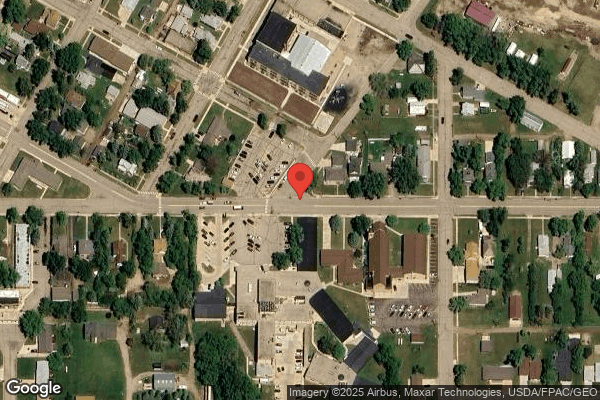
325 E BREWSTER ST, HARVEY, ND 58341 (701) 324-4651
Non profit - Church related 70 Beds Independent Data: November 2025
Trust Grade
85/100
#12 of 72 in ND
Last Inspection: March 2025

Within standard 12-15 month inspection cycle. Federal law requires annual inspections.

Overview

SMP Health - St. Aloisius in Harvey, North Dakota has a Trust Grade of B+, which means it is above average and recommended for families looking for care. It ranks #12 out of 72 facilities in the state, placing it in the top half, and is the only nursing home in Wells County. The facility is improving, with issues decreasing from five in 2024 to one in 2025. Staffing is a strong point, with a 5/5 rating and a turnover rate of 32%, significantly lower than the state average of 48%. Notably, there have been no fines recorded, indicating compliance with regulations. However, there are some weaknesses to consider. The facility has had concerns regarding dementia care for one resident, which affected their well-being. Additionally, there were issues with the secure storage of medications, as one medication cart was not locked, raising the risk of unauthorized access. Lastly, there were concerns about hot water temperatures exceeding safe limits, posing a burn risk to residents. Overall, while there are significant strengths, families should be aware of these areas needing improvement.

Trust Score
B+
85/100
In North Dakota
#12/72
Top 16%
Safety Record
Moderate
Needs review
Inspections
Getting Better
5 → 1 violations
Staff Stability
○ Average
32% turnover. Near North Dakota's 48% average. Typical for the industry.
Penalties
✓ Good
No fines on record. Clean compliance history, better than most North Dakota facilities.
Skilled Nurses
✓ Good
Each resident gets 64 minutes of Registered Nurse (RN) attention daily — more than 97% of North Dakota nursing homes. RNs are the most trained staff who catch health problems before they become serious.
Violations
○ Average
7 deficiencies on record. Average for a facility this size. Mostly minor or procedural issues.
★★★★★
5.0
Overall Rating
★★★★★
5.0
Staff Levels
★★★★☆
4.0
Care Quality
★★★★☆
4.0
Inspection Score
Stable
2024: 5 issues
2025: 1 issues

The Good

  • 5-Star Staffing Rating · Excellent nurse staffing levels
  • 4-Star Quality Measures · Strong clinical quality outcomes
  • Full Sprinkler Coverage · Fire safety systems throughout facility
  • No fines on record
  • Staff turnover below average (32%)

    16 points below North Dakota average of 48%

Facility shows strength in staffing levels, quality measures, fire safety.

The Bad

Staff Turnover: 32%

14pts below North Dakota avg (46%)

Typical for the industry

The Ugly 7 deficiencies on record

1 actual harm
Mar 2025 1 deficiency
CONCERN (E)

Potential for Harm - no one hurt, but risky conditions existed

Accident Prevention (Tag F0689)

Could have caused harm · This affected multiple residents

**NOTE- TERMS IN BRACKETS HAVE BEEN EDITED TO PROTECT CONFIDENTIALITY** Based on observation, review of facility policy, and resident and staff interviews, the facility failed to maintain acceptable h...

Read full inspector narrative →
**NOTE- TERMS IN BRACKETS HAVE BEEN EDITED TO PROTECT CONFIDENTIALITY** Based on observation, review of facility policy, and resident and staff interviews, the facility failed to maintain acceptable hot water temperatures for 1 of 2 units (Unit A) observed for water temperature. Failure to ensure acceptable hot water temperatures has the potential for burn injuries to residents, visitors, and staff. Findings include: Review of the facility policy titled Hot Water Temperature Check occurred on 03/04/25. This policy, dated 12/21/11, stated, The domestic hot water must be kept at 110 degrees or less for the safety of our patients, visitors, and employees. The water temperature will be monitored at various locations throughout the facility to ensure that it stays at 110 degrees or less. The temperature in the tank will be monitored by the gauge on the tank. 2. A thermometer will be used at various sinks throughout the facility. Observation on 03/04/25 showed the following water temperatures in resident bathrooms: 09:41 a.m. - room [ROOM NUMBER] 125 degrees Fahrenheit (F) 09:42 a.m. - room [ROOM NUMBER] 124.5 degrees F During an interview on 03/04/25 at 10:08 a.m., two maintenance staff members (#2 and #3) stated staff check the water temperature gauge at the distribution valve where the hot and cold water mix and not in the resident rooms. The staff members stated they expected water temperatures in resident rooms at 110 degrees F or less. Observations on 03/05/25 at 8:15 a.m. showed 23 resident rooms on Unit A with water temperatures between 119.3 - 123.8 degrees F. During a confidential interview on 03/05/25 at 8:40 a.m., Resident A stated the water has been pretty hot. When asked if he/she ever received a burn from the hot water, Resident A stated, No. During an interview on 03/05/25 at 8:54 a.m., a maintenance staff member (#2) reported the water temperature at 124 degrees F at the distribution valve.
Jan 2024 5 deficiencies 1 Harm
SERIOUS (G)

Actual Harm - a resident was hurt due to facility failures

Deficiency F0744 (Tag F0744)

A resident was harmed · This affected 1 resident

Based on observation, record review, and resident interviews, the facility failed to provide appropriate dementia care and services for 1 of 1 sampled resident (Resident #65) with a diagnosis of demen...

Read full inspector narrative →
Based on observation, record review, and resident interviews, the facility failed to provide appropriate dementia care and services for 1 of 1 sampled resident (Resident #65) with a diagnosis of dementia and wandering behaviors. Failure to adequately assess for necessary care and services, and monitor behaviors and implement effective behavior management interventions resulted in a decreased level of psychosocial well-being for Resident #65 as well as other residents affected by the behaviors. Findings include: The facility failed to provide a policy on dementia care. Review of Resident #65's medical record occurred on all days of survey. Diagnoses included dementia, psychotic and mood disturbance, anxiety and restlessness, and agitation. Current physician's orders included: * Seroquel (an antipsychotic) 50 milligrams (mg) by mouth three times a day (started on 12/29/23) related to dementia, psychotic and mood disturbance and anxiety. * Remeron (an antidepressant) 0.75 mg tablet by mouth one time a day (started on 01/17/24) related to restlessness and agitation. Resident #65's current care plan stated, . Focus . Alteration in thought process . and impaired communication related to Dementia . Interventions . Accept memory deficits . Assess individuals stress level . Call resident by name . Cue and supervise as needed . Repeat information . Give simple direct directions . Focus . Alteration in behavior as indicated by restlessness, insomnia, agitated, combative, easily annoyed and angered, has been noted to wander throughout the unit daily . Encourage resident to attend and participate in activities . NP [nurse practitioner] to consult . Secure care lock [device to notify staff if the resident attempts to exit the building] . [Resident's name] likes to carry rosary with her and it provides comfort . [Resident's name] loves animals and responds well to sitting with the animatronic cat . INTERESTS: her dog . Introduce resident to staff and residents. Show resident where activity calendar is in activity room, where activity board and menu are located in hallway and where activities will take place . Staff will do 1:1 visits as needed . Resident #65's nurses' notes identified the following: * 01/03/24 at 11:29 a.m. Narrative: 12-28-23 @ [at] 18:10 [6:10 p.m.] Nurse was informed that this resident was in the room of another resident. She was found lying on the floor between the bed and the window. * 01/04/24 at 4:39 p.m. Resident removed her slip on and urinated on the side of her bed. She then wandered out to the common area. Writer assisted her back to her room and into the bathroom, cares provided. A new slip on [incontinent product] and pants put on. Resident then pulled the pants and slipon [sic] down to her ankles and attempted to walk. Writer removed pants and underwear she had around her waist; put on the slip on. * 01/08/24 at 1:58 p.m. Resident has been wandering the unit most of shift. She has been going into other residents rooms and at times picking up items- she took and wore a pair of glasses . * 01/08/24 at 10:03 p.m. Resident has wandered a lot this shift especially the first half of shift. She has been in numerous resident rooms going [sic] resident drawers and picking up personal items. * 01/09/24 at 4:48 a.m. Resident made a direct and concentrated attempt to exit through the new entrance. Two staff persons intervened to direct her away and back towards safety before she could get out. Resident became combative and started yelling. * 01/09/24 at 1:45 p.m. Resident has been in and out [sic] multiple residents rooms this shift. Resident was found rummaging through other residents belongs when she was in their rooms. Staff has assisted resident back to her room multiple times. Resident was in her room and voided on floor. When staff was cleaning up the urine, resident stated, Is he still in here? CNA [certified nurse aide] said, there is no one else in here. Resident pointed to the urine on the floor and stated that [expletive]. * 01/09/24 at 3:12 p.m. Continually going into other Residents room this afternoon, other Residents are becoming upset. It is getting harder to redirect this Resident. * 01/09/24 at 3:27 p.m. Resident went into another Residents room and took his shoes, throwing them into hallway. * 01/09/24 at 6:40 p.m. Resident has been in and out of other residents rooms, removing items (ie: shirt). Moving furniture in the common area. Walked down towards the kitchen pulled down her pants and pooped on the floor. * 01/10/24 2:58 p.m. Resident wandered across the hall. She was found laying on top of the resident in bed 1 with her pants and slip-on between the door and the bed and urine in the trashcan [sic] next to it. Resident difficult to redirect to her room. * 01/11/24 at 1:54 a.m. Resident was found standing in room with her fists up. 2 staff entered room and calmed resident down. Resident had removed her pants and slip on. She then urinated next to the bed on the floor. She then placed her Christmas tree in the urine. Staff cleaned up the resident and the room. She was assisted back to bed. About 10 minutes later she wandered out to the common area. * 01/11/24 at 8:43 p.m. Resident has been wandering the unit throughout the shift. She is wandering into other resident's rooms and going through their belongings. She then went into a different residents room and laid down at the foot of the bed. Difficult to redirect. * 01/12/24 at 3:36 a.m. Resident is on contact precautions for Influenza, she has no concept of what this means. She exited her room and was found in [another room]. She had voided on the floor [in this room]. She was found sitting on the resident [in this room] having a bowel movement. * 01/12/24 at 8:31 a.m. Addendum: Visited with nursing staff [staff name] to confirm and resident appeared to be sitting at the foot end of the bed on residents leg. Other resident appeared unaware of situation of being defecated on. * 01/16/24 at 11:12 p.m. Resident wandered this shift . assisted into bed twice and resident got up and went across the hall to another room. CNA found her with her pants down sitting on another residents bed. * 01/17/24 at 7:59 p.m. Resident wandering halls and into other resident's rooms. Swinging at anyone who attempts to redirect her. She wandered over to unit A Meadow Lane dayroom and sat in recliner and fell asleep. she was found in a resident's bed up on A [unit A]. * 01/18/24 at 7:36 a.m. Resident wander [sic] out of her room and into the activity room around 430 [4:30 a.m.] and urinated on a chair. Staff assisted her back to her room and cleaned her up. She went back to bed for another hour then got up and wandered the unit. Resident is not willing to talkto [sic] writer and walks faster when writer attempts to talk to her. Review of Resident #65's activity logs showed only six 1:1 activities with Resident #65 in the last 30 days. Observations on all days of survey showed Resident #65 wandering throughout the facility including several resident rooms, therapy room, dining room, and other areas within the facility. During a confidential interview on 01/16/24 at 2:45 p.m. Resident A stated, woken up a few nights ago by Resident #65 who had entered the resident's room in the middle of the night. During an observation on the afternoon of 01/17/24 showed two CNAs (#4 and #5) entered Resident #31's room to assist her from bed. Resident #65 followed the CNAs into the room. Resident #31 stated, Oh that [expletive]. Get her out of here. The CNA (#4) stated, Ok, ok, she's going, and assisted Resident #65 from Resident #31's room. The facility failed to assess and monitor patterns and trends of behaviors in an effort to minimize Resident #65's behaviors, recognize unmet needs, or prevent situations/triggers which may lead to behaviors or physical aggression toward staff and other residents. The facility failed to develop an effective behavior management program, consistently implement purposeful and meaningful activities in an attempt to manage the behaviors exhibited by Resident #65, evaluate the behavior management program on a continuous basis, and modify interventions as needed. The facility failed to ensure Resident #65 did not infringe upon the rights of others while still allowing her to achieve her highest level of well-being.
CONCERN (D)

Potential for Harm - no one hurt, but risky conditions existed

Pressure Ulcer Prevention (Tag F0686)

Could have caused harm · This affected 1 resident

**NOTE- TERMS IN BRACKETS HAVE BEEN EDITED TO PROTECT CONFIDENTIALITY** Based on observation, record review, and staff interview, the facility failed to provide the necessary treatment/services to pre...

Read full inspector narrative →
**NOTE- TERMS IN BRACKETS HAVE BEEN EDITED TO PROTECT CONFIDENTIALITY** Based on observation, record review, and staff interview, the facility failed to provide the necessary treatment/services to prevent and/or promote healing or worsening of a pressure injury for 1 of 3 sampled residents (Resident #63) observed with a pressure injury. Failure to identify/report a skin issue may result in the development/worsening of a pressure injury and delayed treatment of Resident #63's pressure injury. Findings include: Review of Resident #63's medical record occurred on all days of survey. Diagnoses included dementia, Parkinson's disease, and diabetes. The admission Minimum Data Set (MDS), dated [DATE], identified at risk of developing pressure ulcers, required a pressure reducing device for chair, and no pressure ulcers/skin issues. The care plan stated, . Potential for impaired skin integrity related to Bladder Incontinence, Bowel incontinence, Impaired Mobility . Inspect skin daily with cares and report any impairment. The record failed to show assessment, monitoring or documentation for a pressure injury since admission. On 01/17/24 at 9:57 a.m., a certified nurse aide (CNA) (#7) provided incontinence care for Resident #63. Observation showed a small black scab/injury to coccyx directly over a bony prominence surrounded by skin discoloration. The CNA indicated nursing was aware of this scab/injury. Observation of Resident #63 pressure injury occurred on 01/18/24 at 7:56 a.m. with an administrative nurse (#2) present. The administrative nurse (#2) agreed that it is an area of concern and reported being unaware of this skin issue. During an interview on 01/18/24 at 11:21 a.m., an administrative staff member (#1) stated she expected staff to follow facility procedures and report any skin concerns to nursing staff.
CONCERN (D)

Potential for Harm - no one hurt, but risky conditions existed

Unnecessary Medications (Tag F0759)

Could have caused harm · This affected 1 resident

Based on observation, record review, review of facility policy, and staff interview, the facility failed to ensure a medication error rate of less than five percent for 2 of 10 residents (Resident #55...

Read full inspector narrative →
Based on observation, record review, review of facility policy, and staff interview, the facility failed to ensure a medication error rate of less than five percent for 2 of 10 residents (Resident #55 and #60) observed during medication administration. Three medication errors occurred during staff administration of 29 medications, resulting in an 10.14% error rate. Failure to properly prepare and administer medications may result in residents receiving an ineffective dose and experiencing adverse reactions. Findings include: Review of the Prescribing information for NovoLog insulin, found at www.novo-pi.com/novolog.pdf) occurred on 01/18/24. This undated document, stated, Instructions for use. E. Turn the dose selector to select 2 units. F. Hold your NovoLog FlexPen with the needle pointing up. G. Keep the needle pointing upwards, press the push-button all the way in. The dose selector returns to zero. Observation of medication administration on 01/16/24 at 4:25 p.m. showed a nurse (#8) prepared a Novolog insulin pen and a Novolog 70/30 insulin pen for Resident #55. The nurse (#8) applied a needle to each pen, removed the needle caps, and held each pen horizontally to prime. Observation of medication administration on 01/16/24 at 4:48 p.m. showed a nurse (#8) prepared a Novolog insulin pen for Resident #60. The nurse (#8) applied a needle, removed the needle cap, dialed the pen, and held the pen horizontally to prime. The nurse (#8) failed to prime the insulin pens vertically. During an interview on 01/18/24 at 10:45 a.m., an administrative staff member (#1) confirmed the nurse failed to prime the insulin pens correctly.
CONCERN (E)

Potential for Harm - no one hurt, but risky conditions existed

Infection Control (Tag F0880)

Could have caused harm · This affected multiple residents

Based on observation, record review, review of professional reference, policy review and staff interview, the facility failed to follow standards of infection control for 1 of 12 sampled residents (Re...

Read full inspector narrative →
Based on observation, record review, review of professional reference, policy review and staff interview, the facility failed to follow standards of infection control for 1 of 12 sampled residents (Resident #28) and 1 supplemental resident (Resident #39) observed during perineal cares and 1 of 1 sampled resident (Resident #65) on transmission-based precautions (TBP). Failure to follow infection control standards during perineal cares and with TBP has the potential to transmit infections to residents, staff, and visitors. Findings include: PERINEAL CARES Review of the policy/procedure titled Perineal cares (Peri-Cares) occurred on 01/18/24. This policy/procedure, dated June 2023, stated, .Washes genital area, moving from front to back. dries genital area moving from front to back. Review of Resident #39's medical record occurred on 01/17/23. Diagnoses include urinary incontinence, retention of urine, and history of urinary tract infection. During an observation on 01/16/24 at 12:58 p.m., a certified nurse aide (CNA) (#3) assisted Resident #39 with incontinence cares. The CNA (#3) wiped the resident's perineum from the back to the front three times. The CNA failed to provide proper perineal cares to prevent risk of infection to the resident. Review of Resident #28's medical record occurred on all days of survey. Diagnoses include urinary incontinence. During an observation on 01/16/24 at 1:10 p.m., a certified nurse aide (CNA) (#3) assisted Resident #28 with incontinence cares. The CNA (#3) wiped the resident's perineum from the back to the front three times. The CNA failed to provide proper perineal cares to prevent risk of infection to the resident. During an interview on 01/18/24 at 11:21 a.m., an administrative nurse (#1) stated she expected staff to follow policy/procedures. TRANSMISSION BASED PRECAUTIONS Review of the facility policy titled ISOLATION/TRANSMISSION BASED PRECAUTIONS occurred on 01/18/24. This policy, dated June 2019, stated, .It is our policy to take appropriate precautions including isolation to prevent transmission of infectious agents. Contact Precautions: . Intended to prevent transmission of infectious agents, including epidemiolgically [sic] important micro-organisms, which are spread by direct or indirect contact with the resident or the resident's environment. The CDC guidance found at: https://www.cdc.gov/flu/professionals/infectioncontrol/ltc-facility-guidance.htm, dated 11/14/23. The guidance stated, . Droplet Precautions should be implemented for residents with suspected or confirmed influenza for 7 days after illness onset or until 24 hours after the resolution of fever and respiratory symptoms, whichever is longer, while a resident is in a healthcare facility. Because residents with influenza may continue to shed influenza viruses while on antiviral treatment, infection control measures to reduce transmission, including following Standard and Droplet Precautions, should continue while the resident is taking antiviral therapy. - Review of Resident #65's medical record occurred on all days of survey and a physician's order, dated 01/12/24, for Oseltamivir Phosphate [antiviral medication] oral capsule 75 mg (milligrams) by mouth two times a day related to Influenza A. Progress notes for Resident #65 showed the following: * 01/11/24 at 4:55 p.m. [Doctor's name] notified of resident hoarse sounding in voice & [and] nasally sounding like coming down with an URI [upper respiratory infection]/cold. Temp [temperature] check x2 [twice] with temporal [forehead] thermometer with readings of 99.9 and 100.2 [degrees Fahrenheit]. * 01/11/24 at 6:03 p.m. [Resident #65's family name] updated . Positive for Influenza A. * 01/11/24 at 8:43 p.m. Resident has been wandering the unit throughout the shift. She is wandering into other resident's rooms and going through their belongings. She then went into a different residents room and laid down at the foot of the bed. * 01/12/24 at 3:36 a.m. Resident is on contact precautions for Influenza, she has no concept of what this means. She exited her room and was found in [another resident's room]. She had voided on the floor by [one of the beds]. She was found sitting on the resident [of the other bed] having a bowel movement. The facility failed to limit Resident #65's movement within the facility while isolation/TBP with Influenza A.
CONCERN (F)

Potential for Harm - no one hurt, but risky conditions existed

Deficiency F0761 (Tag F0761)

Could have caused harm · This affected most or all residents

Based on observation, review of facility policy, and staff interview, the facility failed to ensure safe and secure storage of controlled medications for 4 of 4 medication carts (Cart #1 and #2 on Uni...

Read full inspector narrative →
Based on observation, review of facility policy, and staff interview, the facility failed to ensure safe and secure storage of controlled medications for 4 of 4 medication carts (Cart #1 and #2 on Unit A and Cart #1 and #2 on Unit B) and failed to lock 1 of 4 medication carts (Cart #2 on Unit B) observed during medication administration. Failure to store medications securely may result in unauthorized access to medications and/or medication errors. Findings include: Review of the facility policy titled Medication Storage occurred on 01/18/24. This policy, dated August 2021, stated, . 1. General guidelines: a. All drugs and biologicals will be stored in locked compartments. c. During medication pass, medications must be. locked in the medication storage area/cart. Review of the facility policy titled Medication Administration occurred on 01/18/24. This policy, dated September 2021, stated, . 5. The medication cart is used for medication pass. It is locked when not visualized. No medications are to be accessible on top of the cart. Observation of medication aide (MA) (#9) assigned to medication pass on Cart #1/Unit A on 01/16/2024 at 2:37 p.m. showed gabapentin (nerve pain medication) not under dual lock in the medication cart. Observation of MA (#10) and nurse (#8) assigned to medication pass on Cart #1 and Cart #2 on Unit B on the afternoon of 01/16/2024 showed controlled medications not under dual lock in the medication cart. Nurse (#8) stated, The scheduled controlled drugs are in each person's section. It is the same in every med cart in this facility. Observation of Cart #2 on Unit B occurred on 01/16/24 at 4:48 p.m. showed a nurse (#8) left a tube of Diclofenac gel (topical pain relief gel) on top of the unlocked medication cart and walked into Resident # 60's room.
Jan 2023 1 deficiency
CONCERN (D)

Potential for Harm - no one hurt, but risky conditions existed

Deficiency F0583 (Tag F0583)

Could have caused harm · This affected 1 resident

Based on observation, review of facility policy, and staff interview, the facility failed to provide privacy and confidentiality of medication administration records (MAR) for 1 of 7 residents (Reside...

Read full inspector narrative →
Based on observation, review of facility policy, and staff interview, the facility failed to provide privacy and confidentiality of medication administration records (MAR) for 1 of 7 residents (Resident #63) observed during medication administration. Failure to lock the MAR may result in unauthorized viewing of confidential resident records by other residents, unlicensed staff, and/or visitors. Findings include: Review of facility policy titled Medication Administration occurred on 01/11/23. This policy, revised September 2021 stated, . electronic medication administration records (eMars) are kept locked when not in direct use. Observation on 01/11/23 at 11:10 a.m. and 11:22 a.m. showed a nurse (#1) left the medication cart unattended, walked down the hall, and entered the resident's room leaving the MAR visible. During an interview on 01/12/23, an administrative nurse (#1) confirmed nursing staff should close the computer screen when they leave the medication cart unattended.
Understanding Severity Codes (click to expand)
Life-Threatening (Immediate Jeopardy)
J - Isolated K - Pattern L - Widespread
Actual Harm
G - Isolated H - Pattern I - Widespread
Potential for Harm
D - Isolated E - Pattern F - Widespread
No Harm (Minor)
A - Isolated B - Pattern C - Widespread

Questions to Ask on Your Visit

  • "Can I speak with families of current residents?"
  • "What's your RN coverage like on weekends and overnight?"

Our Honest Assessment

Strengths
  • • Grade B+ (85/100). Above average facility, better than most options in North Dakota.
  • • No fines on record. Clean compliance history, better than most North Dakota facilities.
  • • 32% turnover. Below North Dakota's 48% average. Good staff retention means consistent care.
Concerns
  • • 7 deficiencies on record, including 1 serious (caused harm) violation. Ask about corrective actions taken.
Bottom line: Generally positive indicators. Standard due diligence and a personal visit recommended.

About This Facility

What is Smp Health - St Aloisius's CMS Rating?

CMS assigns SMP HEALTH - ST ALOISIUS an overall rating of 5 out of 5 stars, which is considered much above average nationally. Within North Dakota, this rating places the facility higher than 99% of the state's 100 nursing homes. This rating reflects solid performance across the metrics CMS uses to evaluate nursing home quality.

How is Smp Health - St Aloisius Staffed?

CMS rates SMP HEALTH - ST ALOISIUS's staffing level at 5 out of 5 stars, which is much above average compared to other nursing homes. Staff turnover is 32%, compared to the North Dakota average of 46%. This relatively stable workforce can support continuity of care.

What Have Inspectors Found at Smp Health - St Aloisius?

State health inspectors documented 7 deficiencies at SMP HEALTH - ST ALOISIUS during 2023 to 2025. These included: 1 that caused actual resident harm and 6 with potential for harm. Deficiencies causing actual harm indicate documented cases where residents experienced negative health consequences.

Who Owns and Operates Smp Health - St Aloisius?

SMP HEALTH - ST ALOISIUS is owned by a non-profit organization. Non-profit facilities reinvest revenue into operations rather than distributing to shareholders. The facility operates independently rather than as part of a larger chain. With 70 certified beds and approximately 61 residents (about 87% occupancy), it is a smaller facility located in HARVEY, North Dakota.

How Does Smp Health - St Aloisius Compare to Other North Dakota Nursing Homes?

Compared to the 100 nursing homes in North Dakota, SMP HEALTH - ST ALOISIUS's overall rating (5 stars) is above the state average of 3.1, staff turnover (32%) is significantly lower than the state average of 46%, and health inspection rating (4 stars) is above the national benchmark.

What Should Families Ask When Visiting Smp Health - St Aloisius?

Based on this facility's data, families visiting should ask: "Can I visit during a mealtime to observe dining assistance and food quality?" "How do you handle medical emergencies, and what is your hospital transfer rate?" "Can I speak with family members of current residents about their experience?"

Is Smp Health - St Aloisius Safe?

Based on CMS inspection data, SMP HEALTH - ST ALOISIUS has a clean safety record: no substantiated abuse findings (meaning no confirmed cases of resident harm), no Immediate Jeopardy citations (the most serious violation level indicating risk of serious injury or death), and is not on the Special Focus Facility watch list (a federal program monitoring the lowest-performing 1% of nursing homes). The facility has a 5-star overall rating and ranks #1 of 100 nursing homes in North Dakota. While no facility is perfect, families should still ask about staff-to-resident ratios and recent inspection results during their visit.

Do Nurses at Smp Health - St Aloisius Stick Around?

SMP HEALTH - ST ALOISIUS has a staff turnover rate of 32%, which is about average for North Dakota nursing homes (state average: 46%). Moderate turnover is common in nursing homes, but families should still ask about staff tenure and how the facility maintains care continuity when employees leave.

Was Smp Health - St Aloisius Ever Fined?

SMP HEALTH - ST ALOISIUS has no federal fines on record. CMS issues fines when nursing homes fail to meet care standards or don't correct problems found during inspections. The absence of fines suggests the facility has either maintained compliance or corrected any issues before penalties were assessed. This is a positive indicator, though families should still review recent inspection reports for the full picture.

Is Smp Health - St Aloisius on Any Federal Watch List?

SMP HEALTH - ST ALOISIUS is not on any federal watch list. The most significant is the Special Focus Facility (SFF) program, which identifies the bottom 1% of nursing homes nationally based on persistent, serious quality problems. Not being on this list means the facility has avoided the pattern of deficiencies that triggers enhanced federal oversight. This is a positive indicator, though families should still review the facility's inspection history directly.