WESTERN HORIZONS CARE CENTER
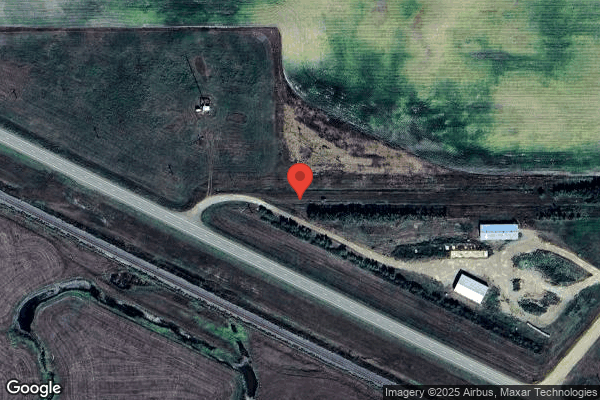
1104 HWY 12, HETTINGER, ND 58639 (701) 567-2401
Non profit - Corporation 45 Beds Independent Data: November 2025 1 Immediate Jeopardy citation
Trust Grade
3/100
#72 of 72 in ND
Last Inspection: July 2024

Within standard 12-15 month inspection cycle. Federal law requires annual inspections.

Overview

Western Horizons Care Center has received a Trust Grade of F, indicating significant concerns and poor performance. It ranks #72 out of 72 nursing homes in North Dakota, placing it in the bottom tier of facilities in the state, although it is the only option in Adams County. Although the facility's trend is improving, with the number of issues decreasing from 15 in 2024 to 5 in 2025, it still faces serious challenges. Staffing is a relative strength with a rating of 4 out of 5 stars, but a 60% turnover rate is concerning compared to the state average of 48%. There have been serious incidents reported, including a failure to provide adequate supervision during resident transfers, leading to potential falls and injuries, as well as a case of sexual abuse between residents, highlighting ongoing safety issues that families should carefully consider.

Trust Score
F
3/100
In North Dakota
#72/72
Bottom 1%
Safety Record
High Risk
Review needed
Inspections
Getting Better
15 → 5 violations
Staff Stability
⚠ Watch
60% turnover. Above average. Higher turnover means staff may not know residents' routines.
Penalties
✓ Good
$45,451 in fines. Lower than most North Dakota facilities. Relatively clean record.
Skilled Nurses
✓ Good
Each resident gets 56 minutes of Registered Nurse (RN) attention daily — more than average for North Dakota. RNs are trained to catch health problems early.
Violations
⚠ Watch
34 deficiencies on record. Higher than average. Multiple issues found across inspections.
★☆☆☆☆
1.0
Overall Rating
★★★★☆
4.0
Staff Levels
★☆☆☆☆
1.0
Care Quality
★☆☆☆☆
1.0
Inspection Score
Stable
2024: 15 issues
2025: 5 issues

The Good

  • 4-Star Staffing Rating · Above-average nurse staffing levels
  • Full Sprinkler Coverage · Fire safety systems throughout facility
  • No fines on record

Facility shows strength in staffing levels, fire safety.

The Bad

1-Star Overall Rating

Below North Dakota average (3.1)

Significant quality concerns identified by CMS

Staff Turnover: 60%

14pts above North Dakota avg (46%)

Frequent staff changes - ask about care continuity

Federal Fines: $45,451

Above median ($33,413)

Moderate penalties - review what triggered them

Staff turnover is elevated (60%)

12 points above North Dakota average of 48%

The Ugly 34 deficiencies on record

1 life-threatening 3 actual harm
Sept 2025 4 deficiencies 2 Harm
SERIOUS (G) 📢 Someone Reported This

A family member, employee, or ombudsman was alarmed enough to file a formal complaint

Actual Harm - a resident was hurt due to facility failures

Free from Abuse/Neglect (Tag F0600)

A resident was harmed · This affected 1 resident

**NOTE- TERMS IN BRACKETS HAVE BEEN EDITED TO PROTECT CONFIDENTIALITY** Based on record review, facility policy review, and review of the facility reported incident (FRI) investigation, the facility f...

Read full inspector narrative →
**NOTE- TERMS IN BRACKETS HAVE BEEN EDITED TO PROTECT CONFIDENTIALITY** Based on record review, facility policy review, and review of the facility reported incident (FRI) investigation, the facility failed to ensure residents remained free from abuse for 1 of 1 closed record (Resident #40) who experienced sexual abuse from another resident. Failure to protect residents from sexual abuse resulted in fear, anxiety, and mental anguish. This citation is considered past non-compliance based on review of the corrective actions the facility implemented immediately following the incident. Findings include:The survey team determined a deficient practice existed on 04/27/25. The facility implemented corrective action immediately, completed corrective action on 04/28/25, and continued with staff education and monitoring. Review of the facility policy titled Abuse, Neglect and Exploitation occurred on 09/03/25. This policy, revised May 2025, stated, Each resident has the right to be free from abuse . Residents must not be subject to abuse by anyone, including . other residents . Sexual Abuse is non-consensual sexual contact of any type .The initial FRI, dated 04/28/25, stated, On 4/28/25 OT [occupational therapy] approached DON [director of nursing] and administrator stating [Resident #40] had reported to her that [Resident #15] had put her [sic (his)] hand down her shirt while she was sitting in the dining room, asked her if she liked it, in which [Resident #40] shook her head no. The 5-day FRI investigation, dated 05/01/25, indicated at the end of a therapy session on 04/28/25 staff asked Resident #40 if she would like to stay in her room or go out to main area. Resident #40 replied, I am kind of scared to go out of my room. When asked why, she explained being left alone in the dining room the night before with Resident #15. Resident #40 stated, He touched me, and it really upset me. He reached his hand down my shirt, between my breast, and began rubbing up and down.I don't ever want it to happen again. The facility's review of the dining room video surveillance showed on 04/27/25 at 6:55 p.m. Resident #15 approached Resident #40, rubbed his hand on her chest, and walked away a few moments later.Review of Resident #40's medical record occurred on 09/03/25. Diagnoses included anxiety and post-traumatic stress disorder. An admission Minimum Data Set (MDS), dated [DATE], identified Resident #40 as cognitively intact. Based on the following information, non-compliance at F600 is considered past non-compliance. The facility implemented correction actions for all resident who may be affected by the deficient practice as follows:* Completed an immediate investigation following the incident. * Notified both residents' families of the incident. * Notified the physician of the incident. * Moved Resident #15 to another hallway of the building, occupied by male residents only.* Implemented one-hour checks on Resident #15's location.* Required staff to ensure Resident #15's is not left alone in same room with a female resident. * Educated all staff present during 04/28//25 shift and each shift thereafter, regarding the incident and monitoring Resident #15's location. * Updated care plans for Resident #15 and Resident #40. * Conducted a staff meeting on 05/01/2025 to further educate regarding abuse, and Responding to Resident's Sexually Inappropriate Behavior.
SERIOUS (G) 📢 Someone Reported This

A family member, employee, or ombudsman was alarmed enough to file a formal complaint

Actual Harm - a resident was hurt due to facility failures

Accident Prevention (Tag F0689)

A resident was harmed · This affected 1 resident

**NOTE- TERMS IN BRACKETS HAVE BEEN EDITED TO PROTECT CONFIDENTIALITY** Based on record review, review of facility procedure, review of manufacturer's use instructions, and staff interview, the facili...

Read full inspector narrative →
**NOTE- TERMS IN BRACKETS HAVE BEEN EDITED TO PROTECT CONFIDENTIALITY** Based on record review, review of facility procedure, review of manufacturer's use instructions, and staff interview, the facility failed to ensure each resident received adequate supervision and assistive devices to prevent accidents for 1 of 1 sampled resident (Resident #8) who fell from a mechanical lift. Failure to safely use the mechanical lift resulted in a fall with injury. This citation is considered past non-compliance based on review of the corrective action the facility implemented immediately following the incident. Findings include:The surveyor determined a deficient practice existed on 09/02/25. The facility immediately implemented corrective action, completed corrective action on 09/04/25, and continued with staff education and monitoring. Review of the facility procedure Use of Hoyer (Full Body) Lift occurred on 09/04/25. This undated procedure stated, . Mechanical Lift from Bed to Chair . Positioned the lift under the bed and widened the base of the lift.Review of the Volaro Series 4 Lift Operator's Manual occurred on 09/04/24. This manual, dated March 2019, stated, . Safety Notes . Lift legs must be fully extended into the wide position when lifting a patient or resident. Lifting from Bed to Chair using the Divided Leg Sling: . If the base is in the narrow position, adjust it to the widest position once you are clear from the bed and always before turning the lift. General Procedure Guide for Training . 19. Check the legs are in the wide position . If base position must remain in a narrow position, make sure the lift area between the bed and chair are clear of any obstacles. Widen once clear from bed.Review of Resident #8's medical record occurred on all days of survey. Diagnoses included hemiplegia [paralysis of one side of the body]. The current care plan stated, . requires Mechanical Lift (hoyer) with (2) [two] staff assistance for transfers.Review of Resident #8's nurse's notes identified the following:*09/02/25 at 9:10 a.m., . [Resident #8] was in the process of being transferred from the bed to the Broda [tilt-in-space mobile positioning chair] chair. [Resident#8] is tall and his legs do not bend so he needs to be placed in the Broda chair sideways. His legs will hit the bar of the lift if he is put in the chair forward. [Resident #8's] foot became entangled in the Broda chair and as a result the hoyer lift began to tilt sideways. One aid grabbed his feet and the other grabbed his head and [Resident #8] was placed on the ground. RN [registered nurse] was paged to the room patient was laying on his back on the floor. Asked patient from top to bottom if any area was hurting him and he stated 'no'. It was noted that his left great toe had a laceration at the time and was bleeding. ER [emergency room] nurse called and EMS [emergency medical services] called. Family notified of transfer to the hospital.*09/02/25 at 09:18 a.m., . Received report from [name] RN at hospital. [Resident #8] has no injuries from the fall. dermabond [a sterile liquid skin adhesive] on . left great toe and steristrips .*09/04/25 at 2:25 a.m., . resident moaned in pain. Knee has some swelling now to it, and he complained of pain upon ROM [range of motion] of Left knee and leg. Will continue to evaluate this leg. Will offer resident an ice pak [sic] to knee.*09/04/25 at 6:55 a.m., . Resident has swelling in his left knee which is migrating up to his Left hip. Ice was applied x2 [two times] which did not offer reduced swelling. Patient c/o [complained of] 10/10 pain upon moving him. This nurse called his son . who requested him being sent to ER for evaluation that may have not been noted on his last ER visit.*09/04/25 at 11:11 a.m., . This nurse spoke to nurse . at [critical access hospital] who stated resident would be transferred out due to left hip fracture .Interviews with staff identified the following:*09/02/25 at 10:50 a.m. a certified nurse aide (CNA) (#3) confirmed the resident fell while she and another CNA (#4) transferred the resident from the bed to the Broda chair. The CNA (#3) confirmed the base/legs of the mechanical lift were closed while they moved Resident #8 from the bed to the Broda chair, the resident's leg caught on the chair, and the lift tipped on it's left side with the resident landing on the floor. The CNA (#3) confirmed staff kept the base/legs closed in order to get the lift under the Broda chair. *09/03/25 at 3:35 p.m., two CNAs (#5 and #6) confirmed they approach Resident #8's Broda chair from the side and the base/legs of the mechanical lift stay closed during transfers. The facility failed to ensure staff widened the base/legs of the mechanical lift while transferring Resident #8. Based on the following information, non-compliance at F689 is considered past non-compliance. The facility implemented corrective actions for all residents who may be affected by the deficient practice as follows:*Completed an investigation into Resident #8's fall.*Assessed and transferred Resident #8 for treatment.*Educated CNAs and nurses on proper mechanical lift use.*Sent an educational message to all CNAs and nurses via the HomeBase scheduling app regarding proper mechanical lift use on 09/04/25.*Educated all CNAs and nurses working 09/04/25 on proper mechanical lift use.
CONCERN (D) 📢 Someone Reported This

A family member, employee, or ombudsman was alarmed enough to file a formal complaint

Potential for Harm - no one hurt, but risky conditions existed

Deficiency F0628 (Tag F0628)

Could have caused harm · This affected 1 resident

Based on record review, review of facility policy, and staff interview, the facility failed to provide the resident or their representative and the State Long Term Care Ombudsman a written notice of t...

Read full inspector narrative →
Based on record review, review of facility policy, and staff interview, the facility failed to provide the resident or their representative and the State Long Term Care Ombudsman a written notice of transfer and bed-hold notice for 1 supplemental resident (Resident #10) reviewed for hospitalizations. Failure to provide a notice of transfer and a bed-hold notice does not allow the resident and/or their representative to make informed decisions regarding their rights, or inform the Ombudsman of the transfer. Findings include:Review of the facility policy titled Bed Hold Policy occurred on 09/04/25. This policy, dated 05/15/25, stated, . will provide written information to the resident or resident's representative regarding the bed hold policy prior to a transfer . the resident or resident's representative will be provided written information regarding the bed hold policy. will be notified in writing the reasons for the move in a language and manner they understand. The facility will send a copy of the notice to a representative of the Office of the State Long term Care Ombudsman.Review of Resident #10's medical record occurred on 09/03/25. A nurse's note, dated 04/28/25 at 3:09 p.m., stated, . Clinic called at 1500 [3:00 p.m.] and stated that [Resident #10] was admitted for hyponatremia and hypoxia. The medical record lacked a written notice of transfer, a written notice of bed-hold, and notification of the transfer to the State Long Term Care Ombudsman.During an interview on 09/03/25 at 9:15 a.m., two administrative staff members (#1 and #7) confirmed the facility failed to complete a written notice of transfer form, a written bed-hold, and notify the Ombudsman.
CONCERN (E) 📢 Someone Reported This

A family member, employee, or ombudsman was alarmed enough to file a formal complaint

Potential for Harm - no one hurt, but risky conditions existed

Deficiency F0761 (Tag F0761)

Could have caused harm · This affected multiple residents

**NOTE- TERMS IN BRACKETS HAVE BEEN EDITED TO PROTECT CONFIDENTIALITY** Based on observation, review of facility policy, and staff interview, the facility failed to store meds and biologicals appropri...

Read full inspector narrative →
**NOTE- TERMS IN BRACKETS HAVE BEEN EDITED TO PROTECT CONFIDENTIALITY** Based on observation, review of facility policy, and staff interview, the facility failed to store meds and biologicals appropriately in 2 of 4 medication storage and supply areas (West Wing medication cart and [NAME] Wing medication room). Failure to secure medications in the medication cart and to dispose of expired needles has the potential for unauthorized access of medications and has the potential for inaccurate laboratory results. Findings include:Review of the facility policy titled Expiration of Medications and Supplies occurred on [DATE]. This policy, dated [DATE], stated, . 2. Weekly on every Wednesday, the CMA [certified medication aide]/nurse working on the East and [NAME] Nurses' station will check . the medication room . for . supply expiration dates . Any expired . supplies will be disposed of after removal from . medication rooms .The facility failed to provide a policy regarding locking the medication cart.-Observation on [DATE] of the [NAME] wing medication cart showed the cart unlocked and unattended from 11:51 to 11:56 a.m. and from 12:30 to 12:34 p.m. with residents nearby. -Observation of the [NAME] wing medication storage room occurred on [DATE] at 1:44 p.m. and showed the following:* Three boxes of needles used for lab draws expired in [DATE].* Three individually wrapped needles used for lab draws expired in [DATE].During an interview on [DATE] at 4:20 p.m., two administrative staff members (#1 and #2) stated they expected staff to close and lock the medication carts when unattended and audit the medication rooms for expired supplies.
Jan 2025 1 deficiency 1 Harm
SERIOUS (G) 📢 Someone Reported This

A family member, employee, or ombudsman was alarmed enough to file a formal complaint

Actual Harm - a resident was hurt due to facility failures

Accident Prevention (Tag F0689)

A resident was harmed · This affected 1 resident

**NOTE- TERMS IN BRACKETS HAVE BEEN EDITED TO PROTECT CONFIDENTIALITY** Based on observation, record review, review of the facility reported incident (FRI) report, review of facility investigation doc...

Read full inspector narrative →
**NOTE- TERMS IN BRACKETS HAVE BEEN EDITED TO PROTECT CONFIDENTIALITY** Based on observation, record review, review of the facility reported incident (FRI) report, review of facility investigation documents and camera footage, and staff interview, the facility failed to ensure resident safety for 1 of 1 sampled resident (Resident #1) who eloped from the facility. Failure to ensure door alarms are engaged and in working order allowed Resident #1 to elope from the facility and sustain injuries. Findings include: Review of the Initial Allegation of Mistreatment, Abuse, Neglect, or Theft and Facility Reported Incidents Reporting Form occurred on 01/14/25. This form, dated 01/10/25, stated, . Date of the allegation: 01/10/25 . Time of the allegation: 0215 am [2:15 a.m.] . [Resident #1] . Amount of injury unknown at this time. Awaiting additional report from hospital. At this time, we only know resident has a cut on his head and abrasions to his body. Resident is frequently exit-seeking and attempts elopement. It is unknown at this time how resident was able to elope the building as all doors were checked by Charge Nurse and all found to be locked, and door alarms are in working order. Resident wears wander guard. At approximately 0215 [2:15 a.m.] Charge Nurse received a call from the hospital asking if resident was missing . Review of Resident #1's medical record occurred on 01/14/25. Diagnoses included dementia and adjustment disorder. A quarterly Minimum Data Set (MDS), dated [DATE], identified severely impaired cognition. The current care plan stated, . has an elopement risk/wanderer r/t [related to] impaired safety awareness . wander guard as ordered . is a HIGH risk for falls r/t Confusion, Deconditioning, Gait/balance problems . A Wandering Risk Assessment, dated 10/04/24, identified the resident at moderate risk for wandering. Review of Resident #1's nurses' notes identified the following: * 01/10/25 at 6:02 a.m., (late entry for a call received at approximately 2:45 a.m.), Facility phone rang and it was the ER [emergency room] nurse from the hospital. We were asked if there were any of our resident's [sic] missing, as the ambulance was dispatched for an elderly man in his socks and brief. This nurse stated that there have been no alarms that havegone [sic] off as the door [sic] all have alarms on them. After call ended, all staff went and looked in rooms. This nurse found resident's [Resident #1] room to be empty.This shift he had been to the nurses [sic] station multiple times to ask for coffee. He would then go to his room, or to the recliner to watch TV. Resident was not found in the building. This nurse called ER back and stated that we could not find this particular resident. Gave the ER nurse a description of resident and name. While on the phone with the ER, the nurse stated that the resident was able to give his name and it was our resident. Ambulance was going to transport resident to ER to get a full check-up. * 01/10/25 at 9:03 a.m., . returned to [facility] from the hospital ER [sic] .When asked how he was able to get out . said 'I just walked out' but he could not recall where and when. [Resident #1] stated that it was 'dark and cold' and when he asked if he fell he stated 'more than once.' . There were no scrapes or bruises on his head. He has a tegaderm [transparent dressing] on his right wrist, and he has scrapes on the second, third and forth [sic] digits on his right hand. The left hand has scrapes on the second and third digits. The left knee is scraped, the right knee is scraped. The right great toe is missing the toenail. * 01/11/25 at 2:16 a.m., Resident has a blister that has formed on his right second digit/index finger. The tip of the thumb is also reddened and firm. He has complaints of pain/discomfort of that thumb. Clear dressing was applied to the blister for now. The blister is fluid filled and intact. Blister may be related to latent frost bite effects. Paperwork from Hospital Doctor also states to monitor hand and feet for any evidence of frost bite for the next 48-72 hours. The ER note, dated 01/10/25 at 5:58 a.m., stated, . He [Resident #1] was out in the cold for an undertermined [sic] period of time in light clothing and no shoes. His body temp [temperature] was 36 degrees [Celsius/96.8 degrees Fahrenheit] on arrival to the ER. He was found by travelers passing through town and they put him in their vehicle until the ambulance arrived. It was likely lower prior to getting in the vehicle. He fits the category [sic] of mild hypothermia [dangerously low body temperature]. there is slight swelling in the soft tissue above the patella [knee cap] in the right knee. Review of the facility investigation documents occurred on 01/14/25. These documents identified the following: * The DON (Director of Nursing) called the administrator at 3:00 a.m. on 01/10/25 and informed her Resident #1 eloped from the facility and transferred to the local emergency department. DON and administrator arrived at facility at approximately 4:00 a.m., interviewed staff, and confirmed ER contacted facility at 2:45 a.m. to ask if a resident was missing from the facility due to ambulance call. * Review of camera footage identified Resident #1 ambulated throughout the facility from 12:15 a.m. to 12:58 a.m. then entered his room at 12:58 a.m. At 1:59 a.m. Resident #1 exited his room and at 2:00 a.m. exited the building through an emergency exit [Door 4A]. The alarm failed to sound. The camera footage showed Resident #1 dressed in long pants, a long sleeve shirt, and gripper socks. * A community member found Resident #1 0.2 miles to the east of the facility at approximately 2:30 a.m. Emergency medical services arrived at 3:00 a.m. and transported the resident to the ER. * An audit of all emergency exit door alarms on 01/10/25 showed two of six door alarms were not engaged. * Initiation of documented checks of all emergency exit alarms on each shift to ensure alarms are engaged began on 01/10/25. * Initiation of documented 30-minute visual checks on Resident #1 began on 01/10/25 upon return from ER. Further review of Resident #1's nurses' notes identified the following: * 01/14/25 at 2:53 a.m., Resident was reported by CNA [certified nurse aide] to be outside from the patio door. He was shaking the fence at the gate trying to get it open. He walked out with no coat on and no shoes. Just had grip socks on. CNA was able to redirect him back inside and resident cooperated with the redirection. CNA reported that the resident stated he was trying to go home. Observation on 01/14/25 at 9:36 a.m. showed a staff member (#4) opened the patio door. The alarms failed to sound. The staff member (#4) identified both alarms were battery powered and he needed to replace them. The staff member (#4) stated he noticed he noted the alarms to sound funny on 01/13/25 and indicated he planned to replace the batteries on 01/13/25 but failed to do so. Review of the facility camera footage occurred on 01/14/24 at 2:10 p.m. with an administrative staff member (#1). The footage showed Resident #1 exited the patio door at 1:16 a.m., the door alarms failed to sound. A CNA (#7) exited the nurses' station report room approximately one minute later at 1:17 a.m. and redirected the resident back into the facility. Observation of all facility doors and door alarms occurred on the morning of 01/14/25 and showed 12 exit doors with three different alarm systems in place. The six emergency exit doors (door 1A, 2A, 2B, 3A, 3B, and 4A) showed alarms that required a key to turn the alarm on and off. Resident #1 eloped from door 4A. Four doors (main entrance, door 2, 3, and 4) utilized the wander guard alarm system. The two remaining doors, one leading onto the enclosed patio, and one on the east side of the building, utilized two window/door alarms on each door. Audit forms for all emergency exit doors attached to each emergency exit and showed sign off each shift for engagement of the alarm. All emergency exit alarms were in on position. During an interview on 01/14/25 at 9:00 a.m., an administrative staff member (#1) confirmed two of the emergency exit door alarms were in the off position when checked by her on 01/10/25. She stated the only way to clear/stop the alarm sound required staff to turn it off then back on with the key, and the nurses and maintenance staff have keys to reset the alarms. She stated she expected staff to check the function of all door alarms weekly and confirmed the facility lacked documentation of the weekly alarm function tests.
Nov 2024 2 deficiencies
CONCERN (D) 📢 Someone Reported This

A family member, employee, or ombudsman was alarmed enough to file a formal complaint

Potential for Harm - no one hurt, but risky conditions existed

Free from Abuse/Neglect (Tag F0600)

Could have caused harm · This affected 1 resident

**NOTE- TERMS IN BRACKETS HAVE BEEN EDITED TO PROTECT CONFIDENTIALITY** Based on record review, review of facility policy, and staff interviews, the facility failed to ensure residents remained free f...

Read full inspector narrative →
**NOTE- TERMS IN BRACKETS HAVE BEEN EDITED TO PROTECT CONFIDENTIALITY** Based on record review, review of facility policy, and staff interviews, the facility failed to ensure residents remained free from resident to resident abuse for 1 of 1 sampled residents (Resident #3) who experienced unwanted sexual contact with another resident. Failure to identify sexual abuse placed residents at risk for mental and emotional distress. Findings include: Review of the facility policy titled Abuse, Neglect and Exploitation occurred on 11/14/24. This policy, revised 03/02/22, stated, . Each resident has the right to be free from abuse . Residents must not be subject to abuse by anyone, including, but not limited to; . other residents . 'Abuse' means the willful infliction of injury, unreasonable confinement, intimidation, or punishment with resulting physical harm, pain or mental anguish.'Sexual Abuse' is non-consensual sexual contact of any type with a resident . The facility will consider utilization of the following tips for prevention of abuse, neglect, and exploitation of residents: . Provide education on what constitutes abuse . Assess, monitor and develop appropriate plans of care for residents with inappropriate sexual behavior, whether towards staff or other residents. - Review of Resident #1's medical record occurred on 11/14/24. Diagnoses included dementia, adjustment disorder, mood disturbance, and anxiety. A quarterly Minimum Data Set (MDS), dated [DATE], identified moderate cognitive impairment and independent for ambulation with an assistive device. The care plan, dated 04/11/24, stated, . has also been sexually inappropriate to female staff. Intervene as necessary to protect the rights and safety of others. Review of progress notes identified the following: * 11/20/23 at 2:57 p.m., . [provider name] saw resident r/t [related to] female staff reports of resident's continued inappropriate behavior towards them . new order as follows: 'Start Paxil [an antidepressant used to treat sexual inhibition].' * 01/05/24 at 11:31 p.m., . Resident does have sexually inappropriate behaviors to female resident/staff at times. * 06/20/24 at 2:48 p.m., Resident was sitting next to a female resident [Resident #3] and put his hand on the upper part of her leg. I removed it and placed it on his knee. later [sic] he again had it on her crotch. I removed his hand and put her at the front table. - Review of Resident #3's medical record occurred on 11/14/24. Diagnoses included depression, and anxiety. A quarterly MDS, dated [DATE], identified severe cognitive impairment. Resident #3's medical record lacked documentation of the interaction with Resident #1 on 06/20/24. During an interview on 11/14/24 at 1:20 p.m., administrative nurse (#2) reported being unaware of the incident of touching between Resident #1 and #3, and confirmed she expected staff to report it. During an interview on 11/14/24 at 1:47 p.m., staff member (#4) confirmed she witnessed the touching between Resident #1 and #3, stated she separated the residents, and explained to Resident #1 that the touch was inappropriate. The staff member (#4) identified Resident #3 as uncomfortable with Resident #1's touch and unsure if she reported it to anyone.
CONCERN (D) 📢 Someone Reported This

A family member, employee, or ombudsman was alarmed enough to file a formal complaint

Potential for Harm - no one hurt, but risky conditions existed

Report Alleged Abuse (Tag F0609)

Could have caused harm · This affected 1 resident

**NOTE- TERMS IN BRACKETS HAVE BEEN EDITED TO PROTECT CONFIDENTIALITY** Based on record review, review of facility policy, and staff interview the facility failed to report an incident of resident-to-...

Read full inspector narrative →
**NOTE- TERMS IN BRACKETS HAVE BEEN EDITED TO PROTECT CONFIDENTIALITY** Based on record review, review of facility policy, and staff interview the facility failed to report an incident of resident-to-resident abuse to the State Survey Agency (SSA) for 1 of 1 sampled residents (Resident #3) who experienced abuse. Failure to report resident-to-resident abuse allegations and the results of the facility's investigation to the SSA placed all residents at risk for possible abuse. Findings include: Review of the facility policy titled Abuse, Neglect and Exploitation occurred on 11/14/24. This policy, revised 03/02/22, stated, . Each resident has the right to be free from abuse . Residents must not be subject to abuse by anyone, including, but not limited to; . other residents . 'Abuse' means the willful infliction of injury, unreasonable confinement, intimidation, or punishment with resulting physical harm, pain or mental anguish.'Sexual Abuse' is non-consensual sexual contact of any type with a resident . Anyone in the facility can report suspected abuse . When abuse, neglect or exploitation is suspected . Notify the Director of Nursing and Administrator . In response to allegations of abuse . the facility must: . Ensure that all alleged violations involving abuse . are reported . not later than 24 hours . to the administrator of the facility and to other official (including the State Survey Agency . ) in accordance with State law . - Review of Resident #1's medical record occurred on 11/14/24. Diagnoses included dementia, adjustment disorder, mood disturbance, and anxiety. A quarterly Minimum Data Set (MDS), dated [DATE], identified moderate cognitive impairment and independent for ambulation with an assistive device. The care plan, dated 04/11/24, stated, . has also been sexually inappropriate to female staff. Intervene as necessary to protect the rights and safety of others. A progress note, dated 6/20/24 at 2:48 p.m., stated, Resident was sitting next to a female resident [Resident #3] and put his hand on the upper part of her leg. I removed it and placed in on his knee. later [sic] he again had it on her crotch. I removed his hand and put her at the front table. - Review of Resident #3's medical record occurred on 11/14/24. Diagnoses included depression, and anxiety. A quarterly MDS, dated [DATE], identified severe cognitive impairment. Resident #3's medical record lacked documentation of the interaction with Resident #1 on 06/20/24. The facility failed to report the above incident to the administrator and the SSA. During an interview on 11/14/23 at 1:20 p.m., administrative nurse (#2) reported being unaware of the incident between Resident #1 and #3, and confirmed the incident had not been reported to the SSA.
Jul 2024 12 deficiencies
CONCERN (D)

Potential for Harm - no one hurt, but risky conditions existed

Deficiency F0554 (Tag F0554)

Could have caused harm · This affected 1 resident

Based on observation, record review, review of facility policy, and staff interview, the facility failed to assess for self-administration of medications for 1 of 1 supplemental resident (Resident #19...

Read full inspector narrative →
Based on observation, record review, review of facility policy, and staff interview, the facility failed to assess for self-administration of medications for 1 of 1 supplemental resident (Resident #19) observed with medications at bedside. Failure to evaluate the resident's ability to safely self-administer medications may result in medication errors and/or harm to the resident. Findings include: Review of the facility policy Resident Self-Administration of Medication occurred on 07/24/24. This policy, dated August 2017, stated, . Each resident who desires to self-administer medication may be permitted to do so if the facility's interdisciplinary team has determined that the practice would be safe for the resident and other residents of the facility. Self-administration should be written in the care plan once safety has been established. Observation on 07/21/24 at 3:09 p.m., showed one bottle of Visine [eye drop], one bottle of Clear Eyes [eye drop] and one small container of Vicks [vapor rub] in an open bedside dresser drawer, all the containers were unlabeled. Review of Resident #19's medical record occurred on all days of survey. The record lacked an assessment and a physician's order for Resident #19 to self-administer medications and lacked orders for all three medications. During an interview on 07/24/24 at 12:17 p.m., an administrative nurse (#1) confirmed the facility failed to complete an assessment and obtain a physician's order for Resident #19 to self-administer medications, and stated she would expect the facility to assess the resident's ability to independently administer these medications.
CONCERN (D)

Potential for Harm - no one hurt, but risky conditions existed

Deficiency F0582 (Tag F0582)

Could have caused harm · This affected 1 resident

Based on record review and review of Medicare Part A letters/notices, the facility failed to ensure the resident and/or their representative completed the Skilled Nursing Facility Advance Beneficiary ...

Read full inspector narrative →
Based on record review and review of Medicare Part A letters/notices, the facility failed to ensure the resident and/or their representative completed the Skilled Nursing Facility Advance Beneficiary Notice of Non-Coverage (SNFABN) for 1 of 3 residents (Resident #40) reviewed for termination of Medicare Part A services. Failure to ensure the completion of the SNFABN limited the resident/representative's ability to exercise their rights regarding Medicare Part A services. Findings include: Review of Medicare Part A beneficiary notices identified Resident #40 discharged from Medicare Part A on 03/20/24. The SNFABN failed to identify if the resident/her representative chose to continue services, discontinue services, or request a demand bill. Review of Resident #40's medical record occurred on 07/24/24. The record lacked documentation indicating whether the resident/resident representative wanted services to continue with the understanding they would be responsible for payment or wanted services to discontinue when the Medicare Part A coverage ended.
CONCERN (D)

Potential for Harm - no one hurt, but risky conditions existed

Assessment Accuracy (Tag F0641)

Could have caused harm · This affected 1 resident

**NOTE- TERMS IN BRACKETS HAVE BEEN EDITED TO PROTECT CONFIDENTIALITY** Based on record review, review of the Long-Term Care Facility Resident Assessment Instrument (RAI) 3.0 User's Manual (Version 1....

Read full inspector narrative →
**NOTE- TERMS IN BRACKETS HAVE BEEN EDITED TO PROTECT CONFIDENTIALITY** Based on record review, review of the Long-Term Care Facility Resident Assessment Instrument (RAI) 3.0 User's Manual (Version 1.18.11), and staff interview, the facility failed to ensure accurate coding of the Minimum Data Set (MDS) for 2 of 13 sampled residents (Resident #11 and #32). Failure to accurately complete the MDS does not allow each resident's assessment to reflect their current status/needs and may affect the accurate development of a comprehensive care plan and the care provided to the residents. Findings include: SECTION N: MEDICATIONS The Long-Term Care Facility RAI User's Manual, revised October 2023, pages N-6 to N-7 stated, . N0415: High-Risk Drug Classes: Use and Indication . Coding Instructions . N0415B1. Antianxiety: Check if an antidepressant medication was taken by the resident at any time during the 7-day look-back period . N0415C1. Antidepressant: Check if an antidepressant medication was taken by the resident at any time during the 7-day look-back period . N0415D1. Hypnotic: Check if a hypnotic medication was taken by the resident at any time during the 7-day look-back period . N0415F1. Antibiotic: Check if an antibiotic medication was taken by the resident at any time during the 7-day look-back period. - Review of Resident #11's medical record occurred on all days of survey. The annual MDS, dated [DATE], showed the facility coded N0415C1 and N0415F1, indicating the resident received an antidepressant and antibiotic during the seven-day look back period. The medical record failed to identify an antidepressant or an antibiotic administered in the look-back period. - Review of Resident #32's medical record occurred on all days of survey. The quarterly MDS, dated [DATE], showed the facility coded N0415B1 indicating the resident received an antianxiety during the seven-day look back period. The medical record failed to identify an antianxiety administered during the look-back period. The Resident's #32's Medicare five-day MDS, dated [DATE], showed the facility coded N0415B1 and N0415D indicating the resident received a hypnotic during the seven-day look back period. The medical record failed to identify an antidepressant or hypnotic administered during the look-back period. During an interview on 07/24/24 at 12:17 p.m., an administrative nurse (#1) confirmed staff coded Section N of the MDS's incorrectly for Resident #11 and Resident #32.
CONCERN (D)

Potential for Harm - no one hurt, but risky conditions existed

Deficiency F0645 (Tag F0645)

Could have caused harm · This affected 1 resident

Based on record review and staff interview, the facility failed to ensure an accurate Pre-admission Screening and Resident Review (PASARR) for 1 of 2 sampled residents (Resident #31) reviewed with PAS...

Read full inspector narrative →
Based on record review and staff interview, the facility failed to ensure an accurate Pre-admission Screening and Resident Review (PASARR) for 1 of 2 sampled residents (Resident #31) reviewed with PASARR services. Failure to accurately complete the PASARR screening created the potential for not identifying/providing needed mental health services. Findings include: Review of Resident #31 medical record occurred on all days of survey. admission diagnoses included dementia, anxiety, dissociative identity disorder, major depression, PTSD [post-traumatic stress disorder], and bipolar disorder. A Level 1 PASARR screening completed by the facility prior to admission failed to include Resident #32's diagnoses of PTSD and bipolar disorder. During an interview on 07/24/24 at 12:17 p.m., an administrative staff (#1) stated he/she would expect provider diagnoses to be reviewed and entered correctly on the PASARR screening.
CONCERN (D)

Potential for Harm - no one hurt, but risky conditions existed

Deficiency F0657 (Tag F0657)

Could have caused harm · This affected 1 resident

**NOTE- TERMS IN BRACKETS HAVE BEEN EDITED TO PROTECT CONFIDENTIALITY** Based on observation, record review, review of facility policy, and staff interview, the facility failed to review and revise ca...

Read full inspector narrative →
**NOTE- TERMS IN BRACKETS HAVE BEEN EDITED TO PROTECT CONFIDENTIALITY** Based on observation, record review, review of facility policy, and staff interview, the facility failed to review and revise care plans for 3 of 13 sampled residents (Resident #3, #9 and #36). Failure to review and revise the care plan limited staff's ability to communicate needs, ensure the continuity of care, and may negatively impact the care provided to residents. Findings include: Review of the facility policy titled COMPREHENSIVE CARE PLANS occurred on 07/24/24. This policy, dated 01/30/18, stated, The facility will develop and implement a baseline care plan for each resident . 6. The comprehensive care plan will be reviewed and revised by the interdisciplinary team after each comprehensive and quarterly MDS (Minimum Data Set) assessment, and any significant changes. 7. The comprehensive care plan will include measurable objectives and timeframes to meet the resident's needs. - Review of Resident #3's medical record occurred on all days of survey. Diagnoses included malignant neoplasm of unspecified site of right female breast cancer. An admission Minimum Data Set (MDS) dated [DATE], identified a weight loss of 5% or more in the last month or 10% or more in last 6 months. A nutrition/dietary Note, dated 07/03/24, stated, . Nutr. [nutrition] Dx [diagnosis]: Unintentional wt. [weight] loss r/t [related to] poor appetite, nausea & [and] vomiting w/ [with] reduced oral intake secondary to chronic medical condition (cancer) as evidenced by approximate 20 lb [pound] or 9.5% unintentional wt. loss in 6 months or less per patient report and confirmed via past weight records . Resident #3's care plan lacked a problem, goals, and interventions related to weight loss. During an interview on 07/24/24 at 9:09 a.m. an administrative staff member (#1) confirmed staff failed to update Resident #3's care plan with a problem, goals, and interventions related to weight loss. - Observation on all days of survey showed Resident #9 without dentures. Review of Resident #9's medical record occurred on all days of survey. Diagnoses included Bipolar Disorder, Anxiety Disorder, Mood Disorder, Spinal Stenosis, and Weakness. The current care plan stated: Focus: [resident name] has an ADL (Activities of Daily Living) self-care performance deficit . Interventions: ORAL CARE: [resident name] has upper dentures . needs substantial assistance to complete oral care. Coordinate arrangements for dental care. A Mini Nutritional Assessment completed on 05/06/24 showed a score of 5.0 which indicated Resident #9 malnourished. The care plan lacked nutritional interventions. During an interview on 07/22/24 at 9:30 a.m., Resident #9 stated she has upper dentures which do not fit right and would like to have new shiny ones that work. During an interview on 07/24/24 at 10:30 a.m., a certified nurse aide (CNA) (#2) stated Resident #9 did not have dentures for a long time. - Review of Resident #36's medical record occurred on all days of survey. Diagnoses included Chronic Kidney Disease, Hypertension, Edema, Diabetes, Altered Mental Status, and Anemia. The care plan lacked problems, goals and interventions related to diabetes, diuretic use, anemia, and excessive weight loss. During an interview on 07/24/24 at 11:45 a.m., an administrative staff member (#1) confirmed resident's care plans have not been reviewed/or revised timely.
CONCERN (D)

Potential for Harm - no one hurt, but risky conditions existed

Accident Prevention (Tag F0689)

Could have caused harm · This affected 1 resident

Based on observation, review of facility policy, resident and staff interviews, the facility failed to ensure an environment free of accident hazards for 1 of 1 supplemental resident (Resident #19) ob...

Read full inspector narrative →
Based on observation, review of facility policy, resident and staff interviews, the facility failed to ensure an environment free of accident hazards for 1 of 1 supplemental resident (Resident #19) observed with a torn and raised strip of flooring. Failure to ensure flooring is in good repair may result in falls and/or injury. Findings include: Review of the facility policy titled Falls occurred on 07/24/24. This policy, dated October 2018, stated, . [Facility name] provides an environment free from accident hazards over which the facility has control and provides supervision and assistive devices to each resident to prevent avoidable accidents. Observation on 07/21/24 at 2:04 p.m., showed an approximately 15 inch length, torn and raised strip of laminate flooring in front of Resident #19's recliner. During an interview on 07/21/24 at 3:09 p.m., Resident #19 stated that the floor had been like that for some time. Resident #19 state that he should ask for assistance, as he has a history of falls, but will self-transfer from the recliner to the wheelchair. During an interview on 07/24/24 at 12:17 p.m., an administrative staff member (#1) confirmed the flooring will need replacement as soon as possible.
CONCERN (D)

Potential for Harm - no one hurt, but risky conditions existed

Deficiency F0699 (Tag F0699)

Could have caused harm · This affected 1 resident

Based on record review, review of facility policy, and staff interview, the facility failed to identify a history of trauma, and/or trauma triggers for 2 of 2 sampled residents (Resident #4 and #31) r...

Read full inspector narrative →
Based on record review, review of facility policy, and staff interview, the facility failed to identify a history of trauma, and/or trauma triggers for 2 of 2 sampled residents (Resident #4 and #31) reviewed for Post-Traumatic Stress Disorder (PTSD) and/or Trauma. Failure to identify a resident's history of trauma and/or trauma triggers may cause re-traumatization. Findings include: Reviewed of a facility policy titled Trauma-Informed Care occurred on 07/23/24. This policy, implemented 05/01/19, stated . WHCC [West Horizen Care Center] will have sufficient staff with the appropriate competencies and skill sets to provide nursing and related services. These competencies and skill sets will include . Develop a care plan to address past trauma which is driven by triggers for trauma (per resident and family). If a resident has experienced trauma in the past, interventions will be put in place on the care plan to assist in coping with the triggers of a past trauma. Care plan will be updated as necessary to include interventions if new triggers arise. - Review of Resident #4's medical record occurred on all days of survey. Diagnoses included PTSD. A physician's order stated Venlafaxine HCI ER [hydrochloride] [extended release] (an antidepressant medication) Give 150 mg [milligrams] by mouth in the morning for depression, anxiety related to POST TRAUMATIC STRESS DISORDER, CHRONIC. A psychiatry provider note, dated 04/22/24, stated, . Recheck of Anxiety disorders. Onset followed traumatic event (TBI) [Traumatic Brain Injury]. Currently the symptoms occur monthly and last for hours. Associated symptoms include poor concentration, irritability, and depression symptoms . Resident #4's medical record lacked a trauma assessment, identification of potential triggers, and a trauma care plan. - Review of Resident #31's medical record occurred on all days of survey. Diagnoses included PTSD. The admitting MDS [Minimum Data Set] dated 12/04/23 identified a diagnosis of PTSD. The current care plan included PTSD as a diagnosis but failed to identify triggers and interventions to prevent re-traumatization. A psychiatry provider note, dated 11/09/23, stated, . Past Medical History . PTSD. Resident #31's medical record lacked a trauma assessment, potential triggers, and a trauma care plan. During an interview on 07/24/24 at 9:09 a.m. an administrative staff member (#1) confirmed they would have expected staff to interview family and/or the resident, if applicable, and review psych notes for potential triggers related to the resident's diagnosis of PTSD.
CONCERN (D)

Potential for Harm - no one hurt, but risky conditions existed

Deficiency F0790 (Tag F0790)

Could have caused harm · This affected 1 resident

**NOTE- TERMS IN BRACKETS HAVE BEEN EDITED TO PROTECT CONFIDENTIALITY** Based on observation, record review, review of facility policy, and resident and staff interview, the facility failed to assist ...

Read full inspector narrative →
**NOTE- TERMS IN BRACKETS HAVE BEEN EDITED TO PROTECT CONFIDENTIALITY** Based on observation, record review, review of facility policy, and resident and staff interview, the facility failed to assist in obtaining dental care to meet the needs of 1 of 2 sampled residents (Resident #9) with ill fitting dentures. Failure to assist the resident in making an appointment, may result in chewing difficulties and/or eating difficulties, and unplanned weight loss. Findings include: Review of the facility policy titled DENTAL SERVICES occurred on 07/24/24. This policy, dated 09/01/07, stated, Routine and emergency dental services are available to meet the resident's oral health services in accordance with the resident's assessment and plan of care . 6. Social Services personnel will be responsible for assisting the resident/family in making dental appointments and transportation as necessary . Observation on all days of survey showed Resident #9 without dentures. Review of Resident #9's medical record occurred on all days of survey. A quarterly minimum data set (MDS), dated [DATE], identified mouth or facial pain, discomfort or difficulty with chewing. The current care plan stated, . Focus: [resident name] has an ADL (activities of Daily Living) self-care performance deficit . Interventions: ORAL CARE: [resident name] has upper dentures . needs substantial assistance to complete oral care. Coordinate arrangements for dental care. An Oral/Dental Assessment, dated 03/20/24, identified Resident #9's last dental exam as 06/05/23. A Mini Nutritional Assessment, dated 05/06/24, identified a score of 5.0 which indicated Resident #9 is malnourished. A weight change note, dated 05/06/24, identified Resident #9 triggered for a 10% weight loss in 180 days. During an interview on 07/22/24 at 09:30 a.m., Resident #9 stated she has upper dentures which do not fit right and she would like to have new shiny ones that work. During an interview on 07/24/24 at 10:30 a.m., a certified nurse aide (CNA) (#2) stated Resident #9 did not have dentures for a long time. During an interview on 07/24/24 at 11:40 a.m., an administrative staff member (#1) stated Resident #9 often refused appointments and confirmed the record lacked documentation of the refusals.
CONCERN (D)

Potential for Harm - no one hurt, but risky conditions existed

Deficiency F0806 (Tag F0806)

Could have caused harm · This affected 1 resident

Based on record review, review of facility policy, review of resident council meeting minutes, and staff interview, the facility failed to ensure resident allergens/preferences were communicated to di...

Read full inspector narrative →
Based on record review, review of facility policy, review of resident council meeting minutes, and staff interview, the facility failed to ensure resident allergens/preferences were communicated to dietary staff for 2 of 13 sampled residents (Resident #6 and #31). Failure to ensure resident allergens/preferences were communicated to staff may result in residents experiencing an intolerance to a specific food, a moderate-to-severe allergic reaction, and/or inadequate nutrition. Findings include: Review of the facility policy titled Food Allergies and Intolerances occurred on 07/24/24. This policy, revised 05/18/09, stated, . Residents with food allergies and/or intolerances will be identified upon admission and steps will be taken to prevent resident exposure to the allergen(s). Food allergies can trigger moderate allergic reactions . or can be severe and life threatening. Food intolerances are unpleasant reactions to specific foods . Review of the facility policy titled Resident Food Preferences occurred on 07/24/24. This policy, revised 09/01/07, stated, . nursing staff will identify a resident's food preferences. The resident's clinical record . will document the resident's likes and dislikes and special dietary instructions . - Review of the Resident Council Meeting Minutes, dated 06/25/24, stated, . [Resident #6] requested not being served asparagus or broccoli . Review of Resident #6's medical record occurred on 07/24/24. The record identified an allergy to medications and no food preferences. Review of Resident #6's diet card occurred on 07/22/24 at 10:25 a.m. The diet card failed to include any known food preferences. - Review of Resident #31's medical record occurred on 07/24/24. The record identified an allergy to mushrooms and no food preferences. Review of Resident #31's diet card occurred on 07/22/24 at 10:25 a.m. The diet card failed to include any known food allergies or preferences. During an interview on 07/22/24 at 10:25 a.m., when asked if any of the residents had a known food allergy, a dietary staff member (#4) reported, [Resident #31] is allergic to mushrooms. The dietary staff member (#4) confirmed Resident #31's diet card failed to include any food allergies or preferences.
CONCERN (E)

Potential for Harm - no one hurt, but risky conditions existed

Food Safety (Tag F0812)

Could have caused harm · This affected multiple residents

Based on observation, review of facility policy, and staff interview, the facility failed to prepare and/or store food in a sanitary manner in 1 of 1 kitchen and 2 of 2 kitchenettes. Failure to ensure...

Read full inspector narrative →
Based on observation, review of facility policy, and staff interview, the facility failed to prepare and/or store food in a sanitary manner in 1 of 1 kitchen and 2 of 2 kitchenettes. Failure to ensure proper concentration of the sanitizer solution and failure to apply an identifying label and/or open date to food items has the potential to affect food quality/preparation and may result in the spread of foodborne illness to residents, staff, and visitors. Findings include: SANITIZING FOOD PREP AREAS During an interview on 07/22/24 at 10:25 a.m., when asked to test the solution in the sanitizing bucket, a dietary staff member (#4) stated, EcoLab was here a couple of weeks ago to replace some parts [of the automatic dispenser]. The sanitizer is not working. The sanitizer bucket isn't right. I just have hot water in there. LABELING/DATING FOODS Review of the facility policy titled Food Receiving and Storage occurred on 07/24/24. This policy, revised 05/18/09, stated, . Food shall be . stored in a manner that complies with safe food handling practices. All foods stored in the refrigerator or freezer will be covered, labeled and dated . Observations on 07/21/24 at 12:15 p.m. and 2:10 p.m. and on 07/22/24 at 10:25 a.m. showed the following: * [NAME] Kitchenette Refrigerator - cranberry juice with a resident's name, but no open date - a sandwich and two slices of pie undated * Kitchen Silver Refrigerator - noodles undated * Kitchen Big Chest Freezer - staff identified cod in an unsealed bag undated * Kitchen Little Chest Freezer near Big Chest Freezer - churros undated * Kitchen Chest Freezer near Kitchen - bread dough and garlic bread undated * Kitchen Chest Freezer near Water Heater - donuts undated * Kitchen Upright Freezer - staff identified chicken cordan blue, chicken strips, and fish sticks with no identifying label or date - corn dogs in an unsealed bag - staff identified pork patties with no open date During an interview on 07/21/24 at 12:15 p.m. and 2:10 p.m., a dietary staff member (#3) confirmed she expected staff to label and date food items when opened and throw away outdated food items. During an interview on 07/22/24 at 10:25 a.m., a dietary staff member (#4) also confirmed she expected staff to label and date food items when opened and throw away outdated food items.
CONCERN (E)

Potential for Harm - no one hurt, but risky conditions existed

Safe Environment (Tag F0921)

Could have caused harm · This affected multiple residents

Based on observation, review of the North Dakota Plumbing Code, and staff interview, the facility failed to provide an air gap for 2 of 2 multi-compartment sinks observed in the main kitchen. Failure ...

Read full inspector narrative →
Based on observation, review of the North Dakota Plumbing Code, and staff interview, the facility failed to provide an air gap for 2 of 2 multi-compartment sinks observed in the main kitchen. Failure to provide the required air gap for a multi- compartment sink has the potential to allow contamination of the sink in the event of a sewer back-up. Findings include: Review of the 2018 North Dakota Plumbing Code, Section 801.2 Air Gap or Air Break Required, stated, Indirect waste piping shall discharge into the building drainage system through an air gap or air break as set forth in this code. Where a drainage air gap is required by this code, the minimum vertical distance as measured from the lowest point of the indirect waste pipe or the fixture outlet to the flood-level rim of the receptor shall be not less than 1 inch (25.4 mm). Section 801.3.3 Food-Handling Fixtures, stated, Food-preparation sinks, steam kettles, potato peelers, ice cream dipper wells, and similar equipment shall be indirectly connected to the drainage system by means of an air gap. Bins, sinks, and other equipment having drainage connections and used for the storage of unpackaged ice used for human ingestion or used in direct contact with ready-to-eat food, shall be indirectly connected to the drainage system by means of an air gap. Each indirect waste pipe from food-handling fixtures or equipment shall be separately piped to the indirect waste receptor and shall not combine with other indirect waste pipes. The piping from the equipment to the receptor shall be not less than the drain on the unit and in no case less than 1/2 of an inch (15 mm). Observations on all days of survey showed the end of a two-compartment sink drainpipe joined with the end of a three-compartment sink drainpipe ending approximately two inches below the rim of a cut out in the tiled flooring that contained the floor drain. The facility failed to provide the required air gap for the multi-compartment sinks. During an interview on 07/21/24 at 12:15 p.m., a dietary staff member (#3) indicated the three-compartment sink was used to thaw something in water and to drain vegetables. During an interview on 07/22/24 at 10:25 a.m., a dietary staff member (#4) indicated the two-compartment sink was used for food prep. During an interview on 07/24/24 at 7:45 a.m., a maintenance staff member (#5) reported a plumber recently worked on the drainpipe and informed him that's how it has to be.
CONCERN (E)

Potential for Harm - no one hurt, but risky conditions existed

Deficiency F0925 (Tag F0925)

Could have caused harm · This affected multiple residents

Based on observation, review of facility policy, and resident and staff interviews, the facility failed to maintain an effective pest control barrier for 1 of 1 kitchen and 1 of 2 dining rooms (West)....

Read full inspector narrative →
Based on observation, review of facility policy, and resident and staff interviews, the facility failed to maintain an effective pest control barrier for 1 of 1 kitchen and 1 of 2 dining rooms (West). Failure to maintain the integrity of the doors has the potential to allow the entrance of mice and other pests. Finding included: Review of the facility policy Pest Control occurred on 07/24/24. This policy, dated 01/01/09, stated, . This facility maintains an on-going pest control program to ensure that the building is kept free of insects and rodents. Windows are screened at all times. During an interview on 07/21/24 at 1:38 p.m., Resident #31 indicated there is an ant and fly problem in the west dining room and the facility was not doing anything about it. Observations showed the following: * 07/21/24 at 12:15 p.m., Rows of glasses air-drying on a shelved cart in the dishwashing area with two flies walking across the clean glasses and gnats flying in the food prep area in the kitchen. * 07/21/24 at 1:52 p.m., Several dead flies and gnats lying on the window ledge and floor and a large winged bug on the floor near the ice machine in the west dining room. * 07/22/24 10:21 a.m., Ants and a centipede crawling on the west dining room floor. * During the evening meal on 07/22/24, a menu plan located on the hood of the steam table with two flies walking across the paper and flying under the hood and directly above the food. A dietary staff member (#4) attempted to deter the flies from landing on the food. Observation on all days of survey showed: * Several gnats crawling/flying on or near the plants in the plant center near the facility entrance. * An open window with no screen in a glass-enclosed entrance to the dining room with visible gaps between the interior door and door frame. During an interview on 07/21/24 at 12:15 p.m., a dietary staff member (#3) stated, We have both bugs, flies and gnats, and mice. I haven't seen that many gnats today. We found a mouse in the sticky trap last week. The back door doesn't fit the foundation. You can see dirt coming through. During an interview on 07/22/24 at 7:45 a.m., a maintenance staff member (#5) stated, The delivery guys don't close the door [kitchen entrance] behind them. I am going to replace the weather strip on the door to the outside. We had one mouse this year.
Jun 2024 1 deficiency
CONCERN (D) 📢 Someone Reported This

A family member, employee, or ombudsman was alarmed enough to file a formal complaint

Potential for Harm - no one hurt, but risky conditions existed

Accident Prevention (Tag F0689)

Could have caused harm · This affected 1 resident

Based on review of the facility reported incident (FRI) report, the facility's investigation report, review of facility policy, and resident and staff interview, the facility failed to ensure an envir...

Read full inspector narrative →
Based on review of the facility reported incident (FRI) report, the facility's investigation report, review of facility policy, and resident and staff interview, the facility failed to ensure an environment free of accident hazards for 1 of 1 resident (Resident #1) while bathing. Failure to ensure staff utilized electronic devices safely and not while a resident is in or near water placed the resident at risk for serious injury. This citation is considered past non-compliance based on review of the corrective actions the facility implemented immediately after learning of the incident. Findings include: Review of the facility policy titled Bath/Shower Tub occurred on 06/19/24. This policy, revised June 2024, stated, . Electronic devices are not to be near bathtub or shower while resident is bathing, in or near standing water. Review of the facility's initial report, dated 06/10/24, identified. Daughter in law came to DON [Director of Nursing] and reported that Resident #1 stated that in her last bath with [name of certified nurse aid (CNA)] as the bath aid that she started to blow dry her hair, while still in the tub full of water. Review of the weekly bath scheduled showed Resident #1 scheduled for tub bath on Tuesday and Friday's. Review of the daily nursing staff assignments showed CNA (#1) scheduled as the bath aid on 06/07/24. During an interview on 06/19/24 at 10:40 a.m., Resident #1 reported she is assisted with a tub bath two times a week and stated, one day I was in the full tub of water and she [CNA #1] grabbed the hair dryer, I told her I don't think you're supposed to use that when I am in the tub. She dried one side of my hair and when I got out of the tub she dried the other side. During an interview on 06/19/24 at 12:20 p.m., an administrative nurse (#2) stated she was notified of the incident on Monday, 06/10/24, by a family member of Resident #1, and immediately sent a message through the staff messaging system to the three bath aids which stated, absolutely no circumstances can you blow dry a resident's hair while they are in a bath full of water. Also, on 06/10 and 06/11, 2024 the administrative nurse (#2) along with the facility administrator completed face-to-face education with each bath aid. Based on the following information, non-compliance at F689 is considered past non-compliance. The facility implemented corrective actions for the resident affected by the deficient practice by: * Completing an investigation following the incident, and * Determining the CNA failed to follow safety practice during a resident bath. The facility implemented measures to ensure the deficient practice does not recur by: * Educating/re-educating bath aides starting on 06/10/24 regarding tub/shower safety, * Revising the facility policy titled, Bath/Shower Tub to include the wording of, Electronic devices are not to be near bathtub or shower while resident is bathing, in or near standing water. * Continued CNA education on Bath/Shower Tub policy, * Adding an audit tool to monitor use of hair dryer as a quality assurance measure. This surveyor determined a deficient practice existed on 06/07/24. The facility implemented corrective actions by 06/11/24 and continues with staff education and safety monitoring.
Aug 2023 10 deficiencies 1 IJ (1 affecting multiple)
CRITICAL (K)

Immediate Jeopardy (IJ) - the most serious Medicare violation

Accident Prevention (Tag F0689)

Someone could have died · This affected multiple residents

Based on observation, record review, review of facility policy, review of manufacturer's instructions, and staff interview, the facility failed to provide appropriate and sufficient supervision and/or...

Read full inspector narrative →
Based on observation, record review, review of facility policy, review of manufacturer's instructions, and staff interview, the facility failed to provide appropriate and sufficient supervision and/or assistive devices for 3 of 4 sampled residents (Resident #19, #23, and #29) observed during a transfer. Failure to provide adequate assistance and/or use the assistive devices appropriately during transfers placed the residents at risk for accidents, falls, and/or injuries. During the standard survey, the team determined an Immediate Jeopardy (IJ) situation existed on 08/15/23 at 7:55 a.m. The IJ resulted from staff failure to provide sufficient supervision and use the assistive device (mechanical lift) in a manner to avoid a fall and/or potential injury. * 08/15/23 at 8:12 a.m., The survey team contacted the State Survey Agency (SSA) to report the findings and discuss potential immediate jeopardy (IJ). * 08/15/23 at 8:25 a.m., The SSA contacted the survey team after discussion with the CMS (Centers for Medicare & Medicaid Services) location and verified the presence of IJ. *08/15/23 at 8:35 a.m., The survey team notified the administrator, the administrator in training (AIT), and the director of nursing (DON), of the IJ situation, provided them with the IJ template, and requested they develop a plan for removal of the immediate jeopardy. * 08/15/23 at 2:55 p.m., The AIT, and the DON presented the IJ removal plan for the survey team to review. The removal plan contained the following: * Inservice and education on facility policy/procedure for mechanical lifts, appropriate actions/interventions to ensure resident safety and dignity with the staff member directly involved in the deficient practice, all nursing staff on duty, and on-coming staff. * Review of each resident's transfer requirements as outlined in their individual care plans. * Review of facility policies and resources for questions/concerns. * Review and revision of staff orientation with clear and defined roles/responsibilities defined to ensure all staff receive the necessary orientation in a timely manner. * 08/15/23 at 4:15 p.m., The survey team reviewed and accepted the facility's removal plan for the IJ. The survey team verified the implementation of the removal plan. The deficient practice remained at an E scope and severity following the removal of the IJ. Findings include: Review of the facility policy titled Transferring a Resident Using a Mechanical Lift occurred on 08/15/23. This policy, dated July 2018, stated, . General Guidelines At least two (2) nursing assistants are needed to safely move a resident with a mechanical lift. Staff must be trained and demonstrate competency using the specific machines or devices utilized in the facility. Before using the lift device, assess the resident's current condition, including: . Does the resident express fear or appear anxious about the use of a lift? Is the resident agitated, resistant, or combative? . The manufacturer's instructions for the Volaro Series 5 Stand stated, . The most important part of the lifting experience is applying the SLING properly. Position the wings of the sling under the arms and make sure they are centered. Be sure the person's arms are located outside the fabric. Attaching Sling to Lift . The shin rest has a built-in safety support strap. The strap helps those who need the added security and support. This will keep their shins and feet securely in place. - Review of Resident #23's medical record occurred on all days of survey. The current care plan stated, . ADL [activity of daily living] performance deficit r/t [related to] Dementia, Pain (chronic back pain), and SOB [shortness of breath] due to diagnosis of COPD [chronic obstructive pulmonary disease]. Toilet use: [resident name] requires extensive assistance of (2) staff for toileting. Transfer: [resident name] is able to: use sit to stand lift and staff assistance x's 2 to complete transfers. behavior problem of exhibiting s/s [signs and symptoms] of physical aggression and verbal abuse directed at staff. Approach/Speak in a calm manner. Divert attention. Remove from situation and take to alternate location as needed. Observation on 08/14/23 at 3:11 p.m. showed a certified nurse aid (CNA) (#3) utilized the sit-to-stand lift to toilet Resident #23. The CNA attempted to maneuver the lift into the resident's bathroom. Resident #23 stated, No, it's not going to work, No, No, No! The CNA realized she could not get the lift into the bathroom and the resident stated, I told you so. The CNA transferred Resident #23 into the wheelchair and instructed the resident to lift his feet as she pushed the wheelchair. The wheelchair foot pedals remained out to the sides of the chair and caught on the door frame as the CNA (#3) exited the room, the left foot pedal caught on a cart located in the hallway. The CNA stopped, adjusted the foot pedals, placed Resident #23's feet onto the pedals, and continued to the main bathroom located adjacent to the nurse station. The CNA utilized the sit-to-stand lift and placed Resident #23 onto the toilet, the resident stated, I don't want to be in here. At 3:24 p.m., the CNA (#3) utilized the sit-to-stand lift to transfer Resident #23 off the toilet. With the upper body sling in place, the CNA raised the resident to a standing position without applying the shin/leg strap. With the resident in a standing position on the lift, the CNA proceeded to remove the incontinent product and tore the side seam of the product. Resident #23 yelled, Don't tear that! Don't tear that! The CNA continued to remove the product. Resident #23 released his hands from the handle grips and brought both arms inside the sling and held onto the bar directly in front of him. The CNA instructed Resident #23 she needed to remove his pants, the CNA attempted to lift the residents' left leg out of the pant leg. Resident #23 yelled, Don't do that! as he made a fist with his left hand and hit the CNA on her shoulder two to three times. The resident's upper body began to slide out from under the sling. The CNA (#3) stood behind the resident and wrapped her arms around the resident's upper body and under his arms to hold him up until a wheelchair was placed under the resident and additional staff arrived to provide assistance. During an interview on 08/15/23 at 2:55 p.m., two administrative staff members (#1 and #2) confirmed staff are expected to follow the resident care plans and stated it is facility policy for two staff to assist with all mechanical lift transfers. Facility staff failed to: * Communicate with the resident in a manner that maintained and enhanced the resident's individuality which resulted in psychosocial distress for the resident. * Follow the care plan to provide sufficient supervision and assistance with transferring and toileting a resident. * Secure the safety straps on the mechanical lift device appropriately which resulted in a near fall from the mechanical lift. - Review of Resident #19's medical record occurred on all days of survey. The care plan stated, .Transfers . requires 2 assistance using the sit to stand lift. Observation on 08/14/23 at 2:20 p.m. showed two CNAs (#4 and #6) transferred Resident #19 from the wheelchair to the bed by each CNA lifting under the resident's axilla and pulling up on her pants. The CNAs failed to use the sit to stand lift to transfer Resident #19. - Review of Resident #29's medical record occurred on all days of survey. The care plan stated, . Transfer: . able to: independently transfer. Please provide stand by assistance . Observation on 08/15/23 at 10:45 a.m. showed two CNAs (#6 and #7) assisted Resident #29 with toileting. The CNAs (#6 and #7) used the walker, a gait belt, and assist of two onto the toilet. When finished, the two CNAs (#6 and #7) assisted the resident to stand, without using the walker, one CNA (#6) lifted under the resident's right axilla, and one (#7) used the gait belt. The CNA (#6) grabbed the back of Resident #29's pants, pushed the resident around to line up with the wheelchair and the resident sat down in the wheelchair.
CONCERN (D)

Potential for Harm - no one hurt, but risky conditions existed

Notification of Changes (Tag F0580)

Could have caused harm · This affected 1 resident

Based on record review, resident representative interview, and staff interview, the facility failed to notify the resident's representative for 1 of 1 resident (Resident #29) treated for an infection....

Read full inspector narrative →
Based on record review, resident representative interview, and staff interview, the facility failed to notify the resident's representative for 1 of 1 resident (Resident #29) treated for an infection. Failure to promptly notify the resident representative of the infection limited their ability to make informed decisions regarding medical care. Findings include: Review of Resident #29's medical record occurred all days of survey. A clinic/consultant referral, dated 08/12/23, stated, open areas on feet, possible cellulitis, edema. Bactrim [an antibiotic] x [times] 7 days; Elevation of extremities; Continue Ace [an elastic wrap] @ [at] night. Physician orders included the following: * 08/12/23, Bactrim Oral Tablet 400-80 MG [milligrams] . Give 1 tablet by mouth two times a day for BLE [bilateral lower extremities] infection for 7 Days give two tablets initially then 1 tablet every 12 hours * 08/14/23, traMADol HCL Oral Tablet 50 MG [pain medication] . Give 1 tablet my mouth two times a day for Pain for 7 Days. During an interview on 08/16/23 at 9:40 a.m., Resident #29's representative (A) stated they were not notified of treatment for an infection and pain. During an interview on 08/17/23 at 12:50 p.m., two administrative staff members (#1 and #2) confirmed staff should have notified the representative of changes to Resident #29's status and treatment.
CONCERN (D)

Potential for Harm - no one hurt, but risky conditions existed

Transfer Notice (Tag F0623)

Could have caused harm · This affected 1 resident

Based on record review and staff interview, the facility failed to provide the resident or the resident's representative a written notice of transfer for 3 of 3 residents (Resident #14, #15 and #29) r...

Read full inspector narrative →
Based on record review and staff interview, the facility failed to provide the resident or the resident's representative a written notice of transfer for 3 of 3 residents (Resident #14, #15 and #29) reviewed for hospital transfers. Failure to provide a written copy of the transfer notice does not allow the resident and/or their representative to make an informed decision regarding their rights or inform the Ombudsman of the transfer. Findings include: Record review identified the following hospital transfers: Resident #14 on 06/30/23 Resident #15 on 11/29/22, 07/02/23, and 07/05/23 Resident #29 on 07/13/23 The residents' medical records lacked documentation the facility provided the resident and/or representative with a written transfer notice. During an interview on 08/17/23 at 12:50 p.m., two administrative staff members (#1 and #2) indicated they were not aware the transfer notice needed to be provided in writing and confirmed the facility failed to send a copy to the family/representative.
CONCERN (D)

Potential for Harm - no one hurt, but risky conditions existed

Deficiency F0637 (Tag F0637)

Could have caused harm · This affected 1 resident

**NOTE- TERMS IN BRACKETS HAVE BEEN EDITED TO PROTECT CONFIDENTIALITY** Based on record review and review of the Long-Term Care Facility Resident Assessment Instrument (RAI) 3.0 User's Manual, the fac...

Read full inspector narrative →
**NOTE- TERMS IN BRACKETS HAVE BEEN EDITED TO PROTECT CONFIDENTIALITY** Based on record review and review of the Long-Term Care Facility Resident Assessment Instrument (RAI) 3.0 User's Manual, the facility failed to complete a significant change in status assessment (SCSA) for 1 of 12 sampled residents (Resident #34). Failure to determine the need for and complete a SCSA in response to a resident's decline limited the facility's ability to accurately assess the resident's status, and identity and implement appropriate care approaches. Findings include: The Long-Term Care Facility RAI 3.0 User's Manual (Version 1.15), dated October 2017, page 2-22 stated, . A 'significant change' is a major decline or improvement in a resident's status that: 1. Will not normally resolve itself without staff intervention . 2. Impacts more than one area of the resident's health status; and 3. Requires interdisciplinary review and/or revision of the care plan. and page 2-25 stated, A SCSA is appropriate if there are either two or more areas of decline or two or more areas of improvement. This may include two changes within a particular domain (e.g., [for example] two areas of ADL [Activities of Daily Living] decline or improvement mobility, transfers, walking in corridor and toileting. Review of Resident #34's medical record occurred on all days of survey. A quarterly Minimum Data Set (MDS), dated [DATE], identified the resident required limited assistance with walking in the room and corridor, locomotion on and off the unit, limited assistance with bathing, occasionally incontinent of urine, and no evidence of delirium (sudden confusion). A quarterly MDS, dated [DATE], identified the resident did not walk in the room and the corridor, required total assistance with locomotion on and off the unit, extensive assistance with bathing, always incontinent of urine, and the presence of delirium. The medical record identified Resident #34 had a fall on 05/13/23 that resulted in a patella (kneecap) fracture. The record lacked evidence the staff identified and/or completed a SCSA following Resident #34's decline in activities of daily living.
CONCERN (D)

Potential for Harm - no one hurt, but risky conditions existed

Deficiency F0658 (Tag F0658)

Could have caused harm · This affected 1 resident

**NOTE- TERMS IN BRACKETS HAVE BEEN EDITED TO PROTECT CONFIDENTIALITY** Based on record review, review of professional reference, and staff interview, the facility failed to follow professional standa...

Read full inspector narrative →
**NOTE- TERMS IN BRACKETS HAVE BEEN EDITED TO PROTECT CONFIDENTIALITY** Based on record review, review of professional reference, and staff interview, the facility failed to follow professional standards of practice for 1 of 1 supplemental resident (Resident #35) with orders for a protime (blood clotting test). Failure to follow physician's orders for monitoring a protime may result in bleeding or excessive bruising for the resident. Findings include: [NAME], [NAME], and Frandsen's Kozier & Erb's Fundamentals of Nursing: Concepts, Process, and Practice, 10th ed., Pearson Education, Inc., Massachusetts, page 68, states, . Carrying Out a Physician's Orders . If the order is neither ambiguous not apparently erroneous, the nurse is responsible for carrying it out. - Review of Resident #35's medical record occurred on all days of survey. Current diagnoses included long term and current use of anticoagulant (blood thinner). Physician's orders dated, 05/24/23, identified Warfarin (blood thinner) 5 milligrams (mg) by mouth 6 days a week and 7.5 mg on Sunday. Protime every 6 weeks. Review of Resident #35's lab record showed a protime completed on 05/18/23 (13 weeks ago). The facility failed to do a protime every 6 weeks as ordered. During an interview on 08/17/23 at 11:00 a.m., an administrative nurse (#1) confirmed the facility failed to do the protime as ordered.
CONCERN (D)

Potential for Harm - no one hurt, but risky conditions existed

Deficiency F0948 (Tag F0948)

Could have caused harm · This affected 1 resident

Based on observation, record review, and staff interview, the facility failed to ensure 1 of 1 staff member completed the appropriate training to assist residents with meals. Failure to assure staff h...

Read full inspector narrative →
Based on observation, record review, and staff interview, the facility failed to ensure 1 of 1 staff member completed the appropriate training to assist residents with meals. Failure to assure staff have completed a State-approved feeding assistant training program has the potential to cause harm to the residents. Findings include: Observation of dining on 08/14/23 at 11:48 a.m. showed a staff member (#5) feeding Resident #39. During an interview on 08/16/23 at 1:35 p.m., the staff member (#5) confirmed she had not gone through any training program for feeding assistants. During an interview on 08/17/23 at 12:50 p.m., an administrative staff member (#2) stated she failed to check the training of staff member #5.
CONCERN (E)

Potential for Harm - no one hurt, but risky conditions existed

Deficiency F0657 (Tag F0657)

Could have caused harm · This affected multiple residents

- Review of Resident #34's medical record occurred on all days of survey. The care plan stated, . Wander Alert: check daily for accurate functioning . Ace wrap right leg daily- on in AM and off at HS ...

Read full inspector narrative →
- Review of Resident #34's medical record occurred on all days of survey. The care plan stated, . Wander Alert: check daily for accurate functioning . Ace wrap right leg daily- on in AM and off at HS [hour of sleep]. Observations on all days of the survey showed Resident #34 without a wander alert bracelet or an ace wrap. During an interview on the afternoon of 08/16/23, an administrative nurse (#1) reported staff discontinued Resident #34's wander alert bracelet. - Review of Resident #35's medical record occurred on all days of survey. Current diagnoses included long term and current use of an anticoagulant (blood thinner). Physician's orders dated 05/24/23, identified Warfarin (blood thinner) 5 milligrams (mg) by mouth 6 days a week and 7.5 mg on Sunday. Resident #35's care plan failed to identify the resident received a blood thinner. - Review of Resident #39's medical record occurred on all days of survey. The care plan stated, . [Resident name] has order for PRN [as needed] psychotropic medications r/t [related to] Behavior management. During an interview on the afternoon of 08/16/23 an administrative nurse (#1) stated, the physician discontinued Resident #39's PRN psychotropic medication on 07/20/23. Based on observation, record review, policy review, and staff interview, the facility failed to review and revised comprehensive care plan to reflect the current status for 6 of 12 sampled residents (Resident #4, #13, #14, #29, #34, and #39) and one supplemental resident (Resident #35). Failure to review and revise the care plan limited staffs' ability to communicate needs and ensure continuity of care. Findings include: Review of the facility policy titled Comprehensive Care Plans occurred on 08/17/23. This revised policy, dated 07/20/22, stated, . 6. The comprehensive care plan will be reviewed and revised by the interdisciplinary team after each comprehensive and quarterly MDS [Minimum Date Set] assessment, and any significant changes. 10. Following hospitalization, the care plan will be updated to reflect the changes in care that is needed. 11. When there is a change in cares needed, staff noting the change will report this to the designated staff member(s) that will make the changes on the care plan. - Review of Resident #4's medical record occurred on all days of survey. The care plan stated, Eating/Nutrition: . [Resident #4] chooses also to pick up foods like pancakes with syrup and etc. with his hands . Observations during the noon meal on 08/14/23 and 08/15/23 showed facility staff served a pureed diet and assisted the resident with eating. Resident #4 would drink from a glass independently, after staff handed it to him. - Review of Resident #13's medical record occurred on all days of survey. The care plan stated, . Moon boots (pressure relieving boots) on while in bed. 4 oz (ounce) Arginaid Liquid Supplement TID (three times daily). Observations on all days of the survey showed staff failed to apply Resident #13's moon boots while in bed and failed to give the Arginaid liquid supplements. During an interview on the morning of 08/17/23 a Medication Aide (#9) stated Resident #13's Arginaid was discontinued on 07/18/23. - Review of Resident #14's medical record occurred on all days of survey. The care plan stated, Transfer: [Resident #24] uses a sit to stand x [times] 2 staff for assistance with transfers. Observation of care on 08/14/23 at 10:54, showed the certified nurse aide (CNA) (#7) transferred the the resident assist of one with a gait belt. - Review of Resident #29's medical record occurred on all days of survey. The record identified a hospitalization in July 2023. The current care plan stated, Walk to Dine . Eating [Resident #29] is able to: eat independently after set up. Toilet Use: [Resident #29] is able to: independently perform toileting tasks, but requires supervision. Transfer: [Resident #29] is able to: independently transfer. Please provide stand by assistance and reminder for [resident] to utilize her walker for ambulation. Locomotion: The resident requires supervision or limited assistance by (1) staff for locomotion using a front wheeled walker. Observations for Resident #29 showed the following: *08/14/23 at the noon meal, showed CNA (#8) assisted her with dining after resident was brought to the dining table in a wheelchair. *08/14/23 at 12:17 p.m. a CNA (#8) transferred with a gait belt, walker, and assist of one staff. *08/15/23 at 10:45 a.m. two CNAs (#7 and #8) transferred the resident from the wheelchair to the toilet using a gait belt, walker, and assist of two. After toileting the CNAs (#7 and #8) transferred the resident back to the wheelchair with only a gait belt. During an interview on 08/17/23 at 12:50 p.m., two administrative staff members (#1 and #2) confirmed Residents #4, #14, and #29 care plans had not been reviewed and revised to reflect the resident's current status.
CONCERN (E)

Potential for Harm - no one hurt, but risky conditions existed

Infection Control (Tag F0880)

Could have caused harm · This affected multiple residents

Based on observation, review of facility policy, and staff interview, the facility failed to follow standards of infection control for 6 of 12 sampled residents (Resident #4, #10, #13, #23, and #39) a...

Read full inspector narrative →
Based on observation, review of facility policy, and staff interview, the facility failed to follow standards of infection control for 6 of 12 sampled residents (Resident #4, #10, #13, #23, and #39) and 1 supplemental resident (#35) observed during personal cares or transfers. Failure to practice infection control standards related to hand hygiene, glove use, and multiple resident use equipment (mechanical lifts) has the potential to spread infection throughout the facility. Findings include: Review of the facility policy titled Hand Hygiene Policy and Procedure occurred on 08/16/23. This policy, dated 03/12/22, stated, . Indications for handwashing . When moving from a contaminated body site to a clean body site during resident care . AFTER REMOVING GLOVES . Remove gloves promptly after use, before touching non-contaminated items and environmental surfaces . HAND HYGIENE - Observation on 08/14/23 at 12:56 p.m. showed two certified nurse aides (CNAs) (#4 and #6) performed perineal care for Resident #13. The CNA (#6) cleansed the frontal area of stool, removed her gloves, failed to perform hand hygiene, and donned clean gloves. Both CNAs (#4 and #6) continued to clean stool from the resident, failed to remove their gloves, and perform hand hygiene before dressing, repositioning, adjusting the pillows, and giving Resident #13 the call light. - Observation on 08/14/23 at 1:58 p.m. showed a CNA (#8) donned gloves and assisted Resident #10 to change a wet brief and pants. The CNA removed the brief, cleansed the perineal area, applied a skin protectant cream, applied a clean brief, used a disposable wipe to cleanse the seat of the wheelchair and removed the gloves. The CNA failed to perform hand hygiene and assisted the resident to sit in the wheelchair. The CNA donned gloves, emptied the garbage, placed the resident's wet pants and socks in a bag, assisted the resident to put on clean pants, used the walkie-talkie to page housekeeping, turned the bathroom light off, closed the door, and removed the gloves. - Observation on 08/15/23 at 9:41 a.m. showed two CNAs (#6 and #7) donned gloves and assisted Resident #10 with toileting. The CNA (#7) completed perineal cleansing after a bowel movement, removed gloves, failed to perform hand hygiene, applied a clean brief, adjusted the waist band of the resident's pants, assisted the resident to sit in the wheelchair, removed the mechanical lift sling and leg strap, and opened the door for the resident to exit the room. - Observation on 08/15/23 at 10:01 a.m. showed two CNAs (#6 and #7) donned gloves and assisted Resident #23 with toileting. The CNA (#7) cleansed the resident's back side, applied a clean brief, adjusted the resident's pants, removed the gloves, failed to perform hand hygiene, positioned the resident into the wheelchair and adjusted the back of the resident's shirt. - Observation on 08/15/23 at 2:11 p.m. showed two CNAs (#7 and #10) donned gloves and assisted Resident #23 with toileting. The CNA (#7) cleansed the perineal area, failed to change gloves and perform hand hygiene, applied a clean brief, adjusted the resident's pants and shirt, and assisted the resident into the recliner chair. - Observation on 08/16/23 at 10:32 a.m. showed two CNAs (#7 and #8) donned gloves and assisted Resident #23 with toileting. The CNA (#8) completed perineal cares, applied a clean brief, adjusted the resident's pants, removed the gloves, failed to perform hand hygiene, assisted the resident to the wheelchair, and removed the lift sling and leg strap. DISINFECTING LIFTS Review of the facility policy titled Preventive Maintenance Invacare Policy occurred on 08/17/23. This policy, dated 07/13/21, stated, . Staff is to clean lift with a Cavi Wipe (disinfecting wipe) between each resident. Observation during the survey showed staff failed to disinfect mechanical lifts with a Cavi wipe after or between each resident use as follows: * 08/14/23 at 12:56 p.m. Resident #13 full body lift * 08/14/23 at 1:30 p.m. Resident #39 sit to stand lift * 08/15/23 at 9:41 a.m. Resident #10 sit to stand lift * 08/15/23 at 10:01 a.m. Resident #23 sit to stand lift * 08/15/23 at 10:19 a.m. Resident #4 full body lift * 08/15/23 at 2:11 p.m. Resident #23 sit to stand lift * 08/15/23 at 2:30 p.m. Resident #35 sit to stand lift During an interview on 08/17/23 at 11:20 a.m., an administrative nurse (#1) stated she expected staff to remove gloves after perineal care, perform hand hygiene between glove changes, and disinfect the lifts after each resident.
CONCERN (F)

Potential for Harm - no one hurt, but risky conditions existed

Deficiency F0882 (Tag F0882)

Could have caused harm · This affected most or all residents

Based on review of staff's certification, review of facility policy, and staff interview, the facility failed to designate an individual who has completed specialized training in infection prevention ...

Read full inspector narrative →
Based on review of staff's certification, review of facility policy, and staff interview, the facility failed to designate an individual who has completed specialized training in infection prevention and control, to be responsible for the facility's Infection Prevention and Control Program. Failure to employ an Infection Control Preventionist (ICP) may affect all residents, staff, and visitors, placing them at risk for acquiring infectious diseases. Findings include: Review of the facility policy titled Infection Preventionist occurred on 08/17/23. This policy, dated, 11/13/17, stated, Western Horizon Care Center will provide an Infection Preventionist that will be responsible for coordinating the implementation and updating of our established infection prevention and control policies and practices. During an interview on 08/17/23 at 11:30 a.m., an administrative nurse (#1) confirmed the facility failed to have a staff member with specialized training in infection prevention and control.
MINOR (C)

Minor Issue - procedural, no safety impact

Deficiency F0625 (Tag F0625)

Minor procedural issue · This affected most or all residents

Based on record review and staff interview, the facility failed to provide the resident or resident's representative a written bed hold notice for 3 of 3 residents (Resident #14, #15 and #29) reviewed...

Read full inspector narrative →
Based on record review and staff interview, the facility failed to provide the resident or resident's representative a written bed hold notice for 3 of 3 residents (Resident #14, #15 and #29) reviewed for hospital transfers. Failure to provide a written copy of the bed hold notice does not allow the resident and/or their representative to make an informed decision regarding their rights. Findings include: Record review identified the following hospital transfers: Resident #14 on 06/30/23 Resident #15 on 11/29/22, 07/02/23, and 07/05/23 Resident #29 on 07/13/23 The bed hold notices for the hospital transfers identified facility staff obtained verbal consent to hold the bed. The residents' medical records lacked documentation the facility provided the resident and/or their representative with a written bed hold notice. During an interview on 08/17/23 at 12:50 p.m. two administrative staff members (#1 and #2) indicated they were not aware the bed hold needed to be provided in writing.
May 2022 4 deficiencies
CONCERN (D)

Potential for Harm - no one hurt, but risky conditions existed

Deficiency F0625 (Tag F0625)

Could have caused harm · This affected 1 resident

Based on record review, and staff interview, the facility failed to provide a written copy of the bed hold notice to the resident or their representative for 1 of 1 sampled resident (Resident #4) with...

Read full inspector narrative →
Based on record review, and staff interview, the facility failed to provide a written copy of the bed hold notice to the resident or their representative for 1 of 1 sampled resident (Resident #4) with a recent hospital transfer. Failure to provide a written bed hold notice does not allow the resident and/or their representative to make an informed decision regarding their rights. Findings include: - Review of Resident #4's medical record occurred on all days of survey and identified a hospitalization from May 16-18, 2022. The record lacked evidence the facility provided the resident and/or the resident's representative a written copy of the bed hold form. During an interview on 05/18/22 at 11:00 a.m., an administrative staff (#9) agreed the medical record lacked a written bed hold form or documentation stating the resident and/or the resident's representative received the form.
CONCERN (D)

Potential for Harm - no one hurt, but risky conditions existed

Deficiency F0658 (Tag F0658)

Could have caused harm · This affected 1 resident

Based on observation, review of facility policy, and staff interview, the facility failed to follow professional standards of practice for 2 of 2 residents (Residents #16 and #32) observed during insu...

Read full inspector narrative →
Based on observation, review of facility policy, and staff interview, the facility failed to follow professional standards of practice for 2 of 2 residents (Residents #16 and #32) observed during insulin administration. Failure to properly prepare an insulin pen per facility policy may result in residents receiving an inaccurate dose of insulin. Findings Include Review of the facility policy titled Insulin Pens occurred on 05/18/22. This policy, dated 12/26/21, stated, . 7. Remove the needle caps. Remove the outer cap and save. Remove the inner cap and throw it away. - Observation on 05/17/22 at 7:50 a.m., showed the nurse (#3) obtained two insulin pens for Resident #16. For each pen, the nurse (#3) attached a needle and without removing the caps primed the insulin pens. - Observation on 05/17/22 at 8:05 a.m., showed the nurse (#3) obtained two insulin pens for Resident #32. For each pen, the nurse (#3) attached a needle and without removing the caps primed the insulin pens. During an interview on the afternoon of 05/17/22, an administrative nurse (#2) indicated the nurse (#3) should have removed the caps before priming the insulin pens.
CONCERN (D)

Potential for Harm - no one hurt, but risky conditions existed

Pressure Ulcer Prevention (Tag F0686)

Could have caused harm · This affected 1 resident

**NOTE- TERMS IN BRACKETS HAVE BEEN EDITED TO PROTECT CONFIDENTIALITY** Based on observation, record review, review of facility policy, and resident and staff interview, the facility failed to provide...

Read full inspector narrative →
**NOTE- TERMS IN BRACKETS HAVE BEEN EDITED TO PROTECT CONFIDENTIALITY** Based on observation, record review, review of facility policy, and resident and staff interview, the facility failed to provide the necessary treatment/services to prevent the occurrence and promote the healing of pressure ulcers for 1 of 3 sampled residents (Resident #8) identified with pressure ulcers. Failure to clarify physician orders to heal the resident's pressure ulcer may result in deterioration of the ulcer and result in further skin breakdown and/or ulcers. Findings include: Review of the facility policy titled Pressure Ulcer Staging occurred on 05/18/22. This policy, revised February 2022, stated, . Protect skin of incontinent patients from exposure to moisture. Use protective dressings. Review of the facility policy titled Notifying Clinicians occurred on 05/18/22. This policy, revised 03/21/22, stated, . If there is any question, the Physician, Physician assistants, and/or Nurse Practitioner, the order must be clarified. During an interview on 05/16/22 at 10:35 a.m., Resident #8 stated she had a sore spot on her bottom. Review of Resident #8's medical record occurred on all days of survey. Resident #8's current care plan stated, SKIN ISSUES: [resident] is at risk for skin issues related to incontinence and decreased mobility. [resident] has moisture associated skin damage to her coccyx and buttocks. A skin assessment dated [DATE] stated, ONGOING OPEN AREA TO SACRUM, BLANCHABLE REDNESS TO BUTTOCKS AREA. NO NEW SKIN ISSUES NOTED. Current physician orders stated: * SACRAL MEPILEX BORDER DRESSING - CLEAN AREA WITH NS [normal saline], PAT DRY AND APPLY MEPILEX BORDER DRESSING. CHANGE EVERY 3 DAYS AND PRN [as needed] (WHEN SOILED) every 72 hours for open area on buttocks dated 04/15/2022. * Apply collagen powder to wounds daily (ok to mix with Vaseline) every day shift related to PRESSURE ULCER OF SACRAL REGION, STAGE 1 apply to wounds on buttocks/sacral area dated 4/16/2022. Observation on 05/17/22 at 4:02 p.m., showed two CNAs' (#5 and #6) transferred Resident #8 from wheelchair to bed with use of a mechanical lift. During the transfer, the resident repeatedly cried out oh my butt hurts. The CNAs' (#5 and #6) completed perineal care for urinary incontinence. Resident #8's buttocks showed multiple open areas to each buttock and an open area to the resident's sacrum. The resident cried out that hurts repeatedly with each peri wipe to the broken skin areas. No dressing observed to the resident's buttocks/sacral area. A facility nurse (#7), completed skin care for Resident #8's buttocks and sacrum, but failed to apply a dressing to the area. During an interview on 05/18/22 at 8:24 a.m., a nurse (#8) stated Resident #8 is frequently incontinent of urine, requires frequent incontinent cares, and confirmed the Mepilex is to stay on for 3 days but doesn't stay on due to the resident's incontinence. Nurse #8 clarified the Collagen/Vaseline mixtures is to be applied to Resident #8's buttocks/sacral area daily, and when asked how this could be completed when the order is to change the Mepilex every 3 days, nurse #8 replied, the Mepilex does not stay on. During an interview on 05/18/22 at 9:27 a.m., an administrative nurse (#1), confirmed staff should be replacing Mepilex to Resident #8's buttocks/sacral site if not on with each wound care. During an interview on 05/18/22 at 10:15 a.m., an administrative nurse (#2) stated staff failed to discontinue the order for the Mepilex every 3rd day when the new order for the Collagen and Vaseline mixture was received, and stated she understood the order stated to apply a new Mepilex with each dressing change. The facility failed to clarify physician orders for providing pressure ulcer care for Resident #8.
CONCERN (D)

Potential for Harm - no one hurt, but risky conditions existed

Deficiency F0761 (Tag F0761)

Could have caused harm · This affected 1 resident

Based on observation, review of facility policy, and staff interview, the facility failed to discard expired medications in 1 of 2 medication storage rooms (West) and 2 of 2 medication carts (East and...

Read full inspector narrative →
Based on observation, review of facility policy, and staff interview, the facility failed to discard expired medications in 1 of 2 medication storage rooms (West) and 2 of 2 medication carts (East and West). Failure to discard expired medications increases the risk of residents receiving outdated medications with reduced efficacy. Findings include: Review of the facility policy titled Administration of Meds [Medications] occurred on 05/18/22. This policy dated August 2017, stated, . The expiration date on the medication label must be checked prior to administering. When opening a multi-dose container, the open date shall be recorded on the container. Observation of medication storage on 05/18/22 at 10:30 a.m. with the Certified Medication Aide (CMA) (#4) showed the following: West medication cart: - one bottle acetaminophen 500 mg (milligrams), opened 05/01/22, expired 01/22 - one bottle aspirin 81 mg, opened 04/16/22, expired 01/22 East medication cart: - one bottle aspirin 81 mg, opened 05/13/22, expired 01/22 West Medication storage room: - 25 bottles aspirin 81 mg, expired 01/22 The CMA (#4) stated they had just ordered the aspirin, and she had not checked the expiration date when she placed it in the medication storage room for use.
Understanding Severity Codes (click to expand)
Life-Threatening (Immediate Jeopardy)
J - Isolated K - Pattern L - Widespread
Actual Harm
G - Isolated H - Pattern I - Widespread
Potential for Harm
D - Isolated E - Pattern F - Widespread
No Harm (Minor)
A - Isolated B - Pattern C - Widespread

Questions to Ask on Your Visit

  • "What changes have you made since the serious inspection findings?"
  • "Why is there high staff turnover? How do you retain staff?"
  • "Can I speak with families of current residents?"
  • "What's your RN coverage like on weekends and overnight?"

Our Honest Assessment

Strengths
  • • Licensed and certified facility. Meets minimum state requirements.
Concerns
  • • Multiple safety concerns identified: 1 life-threatening violation(s), 3 harm violation(s), $45,451 in fines. Review inspection reports carefully.
  • • 34 deficiencies on record, including 1 critical (life-threatening) violation. These warrant careful review before choosing this facility.
  • • $45,451 in fines. Higher than 94% of North Dakota facilities, suggesting repeated compliance issues.
  • • Grade F (3/100). Below average facility with significant concerns.
Bottom line: Trust Score of 3/100 indicates significant concerns. Thoroughly evaluate alternatives.

About This Facility

What is Western Horizons's CMS Rating?

CMS assigns WESTERN HORIZONS CARE CENTER an overall rating of 1 out of 5 stars, which is considered much below average nationally. Within North Dakota, this rating places the facility higher than 0% of the state's 100 nursing homes. A rating at this level reflects concerns identified through health inspections, staffing assessments, or quality measures that families should carefully consider.

How is Western Horizons Staffed?

CMS rates WESTERN HORIZONS CARE CENTER's staffing level at 4 out of 5 stars, which is above average compared to other nursing homes. Staff turnover is 60%, which is 14 percentage points above the North Dakota average of 46%. High turnover can affect care consistency as new staff learn residents' individual needs.

What Have Inspectors Found at Western Horizons?

State health inspectors documented 34 deficiencies at WESTERN HORIZONS CARE CENTER during 2022 to 2025. These included: 1 Immediate Jeopardy (the most serious level, indicating potential for serious harm or death), 3 that caused actual resident harm, 29 with potential for harm, and 1 minor or isolated issues. Immediate Jeopardy findings are rare and represent the most serious regulatory concerns. They require immediate corrective action.

Who Owns and Operates Western Horizons?

WESTERN HORIZONS CARE CENTER is owned by a non-profit organization. Non-profit facilities reinvest revenue into operations rather than distributing to shareholders. The facility operates independently rather than as part of a larger chain. With 45 certified beds and approximately 33 residents (about 73% occupancy), it is a smaller facility located in HETTINGER, North Dakota.

How Does Western Horizons Compare to Other North Dakota Nursing Homes?

Compared to the 100 nursing homes in North Dakota, WESTERN HORIZONS CARE CENTER's overall rating (1 stars) is below the state average of 3.1, staff turnover (60%) is significantly higher than the state average of 46%, and health inspection rating (1 stars) is much below the national benchmark.

What Should Families Ask When Visiting Western Horizons?

Based on this facility's data, families visiting should ask: "What changes have been made since the serious inspection findings, and how are you preventing similar issues?" "How do you ensure continuity of care given staff turnover, and what is your staff retention strategy?" "Can I visit during a mealtime to observe dining assistance and food quality?" "How do you handle medical emergencies, and what is your hospital transfer rate?" These questions are particularly relevant given the facility's Immediate Jeopardy citations and the facility's high staff turnover rate.

Is Western Horizons Safe?

Based on CMS inspection data, WESTERN HORIZONS CARE CENTER has documented safety concerns. Inspectors have issued 1 Immediate Jeopardy citation (the most serious violation level indicating risk of serious injury or death). The facility has a 1-star overall rating and ranks #100 of 100 nursing homes in North Dakota. Families considering this facility should ask detailed questions about what corrective actions have been taken since these incidents.

Do Nurses at Western Horizons Stick Around?

Staff turnover at WESTERN HORIZONS CARE CENTER is high. At 60%, the facility is 14 percentage points above the North Dakota average of 46%. High turnover means new staff may not know residents' individual needs, medications, or preferences. It can also be disorienting for residents, especially those with dementia who rely on familiar faces. Families should ask: What is causing the turnover? What retention programs are in place? How do you ensure care continuity during staff transitions?

Was Western Horizons Ever Fined?

WESTERN HORIZONS CARE CENTER has been fined $45,451 across 2 penalty actions. The North Dakota average is $33,533. While any fine indicates a compliance issue, fines under $50,000 are relatively common and typically reflect isolated problems that were subsequently corrected. Families should ask what specific issues led to these fines and confirm they've been resolved.

Is Western Horizons on Any Federal Watch List?

WESTERN HORIZONS CARE CENTER is not on any federal watch list. The most significant is the Special Focus Facility (SFF) program, which identifies the bottom 1% of nursing homes nationally based on persistent, serious quality problems. Not being on this list means the facility has avoided the pattern of deficiencies that triggers enhanced federal oversight. This is a positive indicator, though families should still review the facility's inspection history directly.