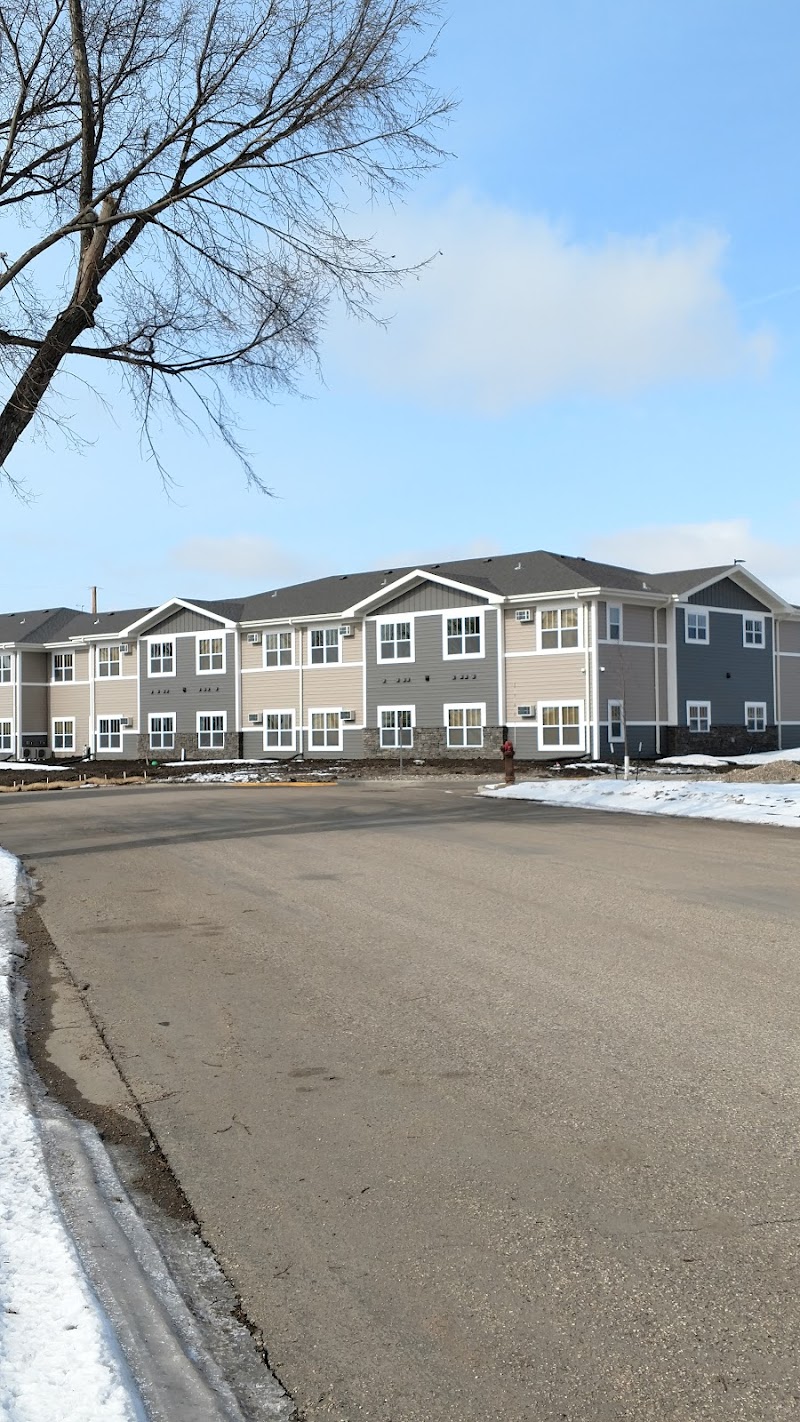
EVENTIDE JAMESTOWN

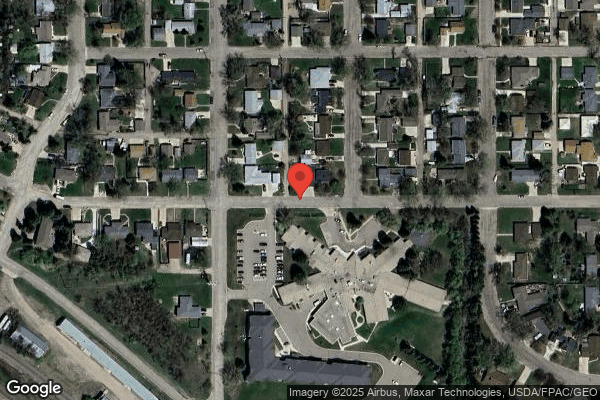
1300 2ND PL NE, JAMESTOWN, ND 58401 (701) 252-5881
Non profit - Corporation 79 Beds Independent Data: November 2025 1 Immediate Jeopardy citation
Trust Grade
46/100
#36 of 72 in ND
Last Inspection: April 2024

Within standard 12-15 month inspection cycle. Federal law requires annual inspections.

Overview

Eventide Jamestown has received a Trust Grade of D, indicating below-average performance with some concerns in care quality. It ranks #36 out of 72 facilities in North Dakota, placing it in the top half, but it is the second option in Stutsman County, suggesting limited local choices. The facility is improving, having reduced issues from 6 in 2023 to 2 in 2024, but still has significant weaknesses. Staffing is a positive aspect, with a turnover rate of 0%, meaning the staff remains stable, but the RN coverage is concerning, being less than that of 79% of state facilities. Notable incidents include a serious failure to start CPR for a resident who requested it, which may have contributed to their death, and a critical issue where a resident received insulin from another resident's pen, creating a serious health risk. Overall, while there are strengths in staffing stability, the facility has serious safety concerns that families should consider carefully.

Trust Score
D
46/100
In North Dakota
#36/72
Top 50%
Safety Record
High Risk
Review needed
Inspections
Getting Better
6 → 2 violations
Staff Stability
○ Average
Turnover data not reported for this facility.
Penalties
○ Average
$9,217 in fines. Higher than 51% of North Dakota facilities. Some compliance issues.
Skilled Nurses
○ Average
Each resident gets 41 minutes of Registered Nurse (RN) attention daily — about average for North Dakota. RNs are the most trained staff who monitor for health changes.
Violations
⚠ Watch
14 deficiencies on record. Higher than average. Multiple issues found across inspections.
★★★☆☆
3.0
Overall Rating
★★★☆☆
3.0
Staff Levels
★★★☆☆
3.0
Care Quality
★★★☆☆
3.0
Inspection Score
Stable
2023: 6 issues
2024: 2 issues

The Good

  • Full Sprinkler Coverage · Fire safety systems throughout facility
  • No fines on record

Facility shows strength in fire safety.

The Bad

3-Star Overall Rating

Near North Dakota average (3.1)

Meets federal standards, typical of most facilities

Federal Fines: $9,217

Below median ($33,413)

Minor penalties assessed

The Ugly 14 deficiencies on record

1 life-threatening 1 actual harm
Apr 2024 2 deficiencies
CONCERN (D)

Potential for Harm - no one hurt, but risky conditions existed

Assessment Accuracy (Tag F0641)

Could have caused harm · This affected 1 resident

**NOTE- TERMS IN BRACKETS HAVE BEEN EDITED TO PROTECT CONFIDENTIALITY** Based on record review, review of the Long-Term Care Facility Resident Assessment Instrument (RAI) 3.0 User's Manual (Version 1....

Read full inspector narrative →
**NOTE- TERMS IN BRACKETS HAVE BEEN EDITED TO PROTECT CONFIDENTIALITY** Based on record review, review of the Long-Term Care Facility Resident Assessment Instrument (RAI) 3.0 User's Manual (Version 1.18.11), and staff interview, the facility failed to ensure accurate coding of the Minimum Data Set (MDS) for 2 of 20 sampled residents (Resident #2 and #75). Failure to accurately complete the MDS does not allow each resident's assessment to reflect their current status/needs and may affect the accurate development of a comprehensive care plan and the care provided to the residents. Findings include: SECTION A - IDENTIFICATION INFORMATION The Long-Term Care Facility RAI User's Manual, revised October 2023, pages A-30 through A-32, Section A: . Coding Instructions . Code 1, yes: if PASRR Level II screening determined that the resident has a serious mental illness and/or ID [Intellectual Disability] or related condition, and continue to A1510, Level II Preadmission Screening and Resident Review (PASRR) Conditions. - Review of Resident #2's medical record occurred on all days of survey. Diagnoses include mild intellectual disabilities. The annual MDS's reviewed from April 2017, 2018, 2019, and 2021 showed A1500 coded Yes. The annual MDS, dated [DATE], showed staff failed to code yes for A1500. During an interview on 04/03/24 at 11:42 a.m., an administrative staff member (#1) confirmed staff failed to code item A1500 as yes on Resident #2's annual MDS. SECTION K - SWALLOWING/NUTRITIONAL STATUS The Long-Term Care Facility RAI User's Manual, revised October 2023, page K-8, states, . weight should be monitored on a continuing basis; weight gain should be assessed . Code . yes, not on physician-prescribed weight-gain regimen: if the resident has experienced a weight gain of . 10% or more in the last 180 days, and the weight gain was not planned and prescribed by a physician. Review of Resident #75's medical record occurred on all days of survey. The admission MDS, dated [DATE], showed a weight of 168 pounds and the quarterly MDS, dated [DATE], showed a weight of 203 pounds (a weight gain of 20%). The facility failed to code K0310 for a weight gain of greater than 10% on the MDS dated [DATE]. During an interview on 03/19/24 at 12:55 p.m., an administrative staff member (#2) confirmed staff failed to code a weight gain greater than 10% on Resident #75's quarterly MDS.
CONCERN (D)

Potential for Harm - no one hurt, but risky conditions existed

Accident Prevention (Tag F0689)

Could have caused harm · This affected 1 resident

**NOTE- TERMS IN BRACKETS HAVE BEEN EDITED TO PROTECT CONFIDENTIALITY** Based on observation, record review, review of the operations manual for the mechanical lift, and staff interview, the facility ...

Read full inspector narrative →
**NOTE- TERMS IN BRACKETS HAVE BEEN EDITED TO PROTECT CONFIDENTIALITY** Based on observation, record review, review of the operations manual for the mechanical lift, and staff interview, the facility failed to provide adequate supervision and/or assistive devices for 2 of 20 sampled residents (Resident #29 and #43) with call lights and 1 of 3 sampled residents (Resident #29) with stand lifts. Failure to ensure proper use of a mechanical sit-to-stand lift and/or proper placement of a call lights placed Resident #29 and #43 at risk for injury. Findings include: Review of facility's Operator's Instructions for the [NAME] 3000 Stand Lift, occurred on 04/04/24. The instructions, dated November 2014, stated, . Have patient place feet on the foot plate and position their shins into the shin pad . position the sling around the patient's lower back . with the resident's arms outside the sling . fasten the support strap securely; the strap should be tight, but comfortable for the patient . carefully push the [NAME] 3000 in closer make full lower leg contact with the knee support . fasten support strap around the patient's legs . the strap should be tight, but comfortable . Encourage the resident to lean forward to enable the sling to be placed around his/her lower back . when raising the resident with a standing lift . the resident's body posture shall go from seated to standing position . - Review of Resident #29's medical record occurred on all days of survey. Diagnoses included dementia, Parkinson's disease, and skin breakdown. A physician's order, dated March 2024, stated, Heel Boots on at all times except with transfers . The current care plan stated, . Transfer: Assist of 1 with sit to stand . Use caution and go slow with transfers and repositioning . Keep call light within reach . Resident has a soft touch call light . Don't leave resident in the room in wheelchair unattended . Keep at nurses' desk for closer monitoring as needed . Observations showed the following: * 04/01/24 at 3:25 p.m., Resident #29 laid in his bed with heel boots on both feet. A certified nurse aide (CNA) (#5) transferred Resident #29 utilizing a sit-to-stand lift. The CNA (#5) positioned Resident #29's feet on the foot plate and failed to remove the heel boots and apply the support strap around the legs. Resident #29 remained in a semi-seated position while the CNA performed the transfer. The harness straps pulled upward into Resident 29's armpits, raising his shoulders to ear level. * 04/02/24 at 8:40 a m., a CNA (#4) exited Resident #29's room. The resident remained alone until 9:25 a.m. (45 minutes). Resident #29 sat in his wheelchair with his back facing the bed and the soft touch call light on the bed and out of reach. The CNA (#4) failed to ensure Resident #29 could reach the call light and left the resident unattended. -Review of Resident #43's medical record occurred on all days of survey. Diagnoses included dementia, a history of falls, and a left tibia fracture. A physician's order, dated March 2024, stated, . left brace needs to be on for transfers . hoyer lift for transfers . The current care plan stated, . Risk for Injury r/t [related to] potential for falls . fracture of left tibia . anticipate and meet needs . be sure call light is within reach and respond promptly to all requests for assistance . Ambulation: non ambulatory . non weight bearing on left lower extremity . Observations showed the following: * 04/02/24 at 3:22 p.m., Resident #43 laid in bed, calling out, Where is my call light? Where is my urinal? They don't give it to me. Observation showed the call light on the opposite end of the room and out of reach. * 04/02/24 at 4:20 p.m., Resident #43 laid in bed, while two CNAs (#6 and #7) provided cares. After completing the cares, the CNAs exited the room, leaving the call light on the dresser and out of reach of the resident. The CNAs (#6 and #7) failed to ensure Resident #43 had access to his call light. During an interview on the morning on 04/04/24, an administrative staff member (#1) indicated she expects staff to provide adequate supervision and assistive devices to ensure residents' safety.
Mar 2023 6 deficiencies 1 IJ
CRITICAL (J)

Immediate Jeopardy (IJ) - the most serious Medicare violation

Infection Control (Tag F0880)

Someone could have died · This affected 1 resident

Based on record review, review of professional reference, and staff interview, the facility failed to ensure appropriate infection control standards during insulin administration for 1 of 1 sampled re...

Read full inspector narrative →
Based on record review, review of professional reference, and staff interview, the facility failed to ensure appropriate infection control standards during insulin administration for 1 of 1 sampled resident (Resident #45) who reported receiving another resident's insulin. Failure to ensure residents do not share insulin pens may result in the spread of bloodborne pathogens. During a survey started on 03/13/23, the team determined a deficiency existed regarding insulin administration and bloodborne pathogens. Based on the review of the results of the survey, the State Survey Agency (SSA) team determined an Immediate Jeopardy (IJ) situation existed, but this was not conveyed to the facility until 03/21/23. The IJ situation resulted from an interview and record review of Resident #45, who used insulin pens and received insulin from another resident's insulin pen. This finding placed Resident #45 in immediate danger due to incorrect insulin pen use and the potential for the spread of bloodborne pathogens between residents. See F760. * 03/21/23 at 12:30 p.m., the SSA notified the CMS location of the IJ and the CMS location agreed. * 03/21/23 at 2:03 p.m., the survey team and a SSA manager called the facility and notified the administrator and director of nursing of the IJ and requested a removal plan be submitted to the SSA. The SSA emailed the IJ template to the administrator of the facility. * 03/21/23 at 6:30 p.m., the SSA received by email and then approved the removal plan from the facility. * 03/22/23 at 3:30 p.m., the survey team removed and reduced the IJ situation from a scope/severity of J to a scope and severity of D. * 03/22/23 at 5:00 p.m., the SSA notified the regional office of the immediate jeopardy removal. Findings include: Review of the manufacturer's guidelines for the Lantus SoloStar Pre-filled pen (a long-acting insulin), found at https://products.sanofi.us/Lantus/Lantus.html#S5.5, stated, . WARNINGS AND PRECAUTIONS . Never share a LANTUS SoloStar Prefilled Pen, Syringe, or Needle Between Patients. Sharing poses a risk for transmission of blood-borne pathogens. Review of Resident #45's medical record occurred on 03/15/23. Diagnoses included Type II diabetes mellitus (DM). Physician's orders included Levemir FlexTouch Solution Pen-injector 30 units subcutaneously daily. Review of an incident report identified the following: *12/04/22 at 7:44p.m.: Administered wrong insulin to resident [Resident #45]. Administered 30 Lantus instead of 30 Levmier [sic] for evening dose. Resident asked to see pen. Writer went back and look [sic] at pen and noticed gave the wrong insulin. Resident asked to see insulin pen for evening dose. She noticed it was gray. Called on-call Doctor. She said do to [sic] nothing. They are both long acting. The facility failed to inform the provider the insulin pen belonged to another resident and the potential for bloodborne pathogen exposure. Information received from the facility on 03/20/23 at 3:30 p.m. identified the insulin pen used for Resident#45 had previously been used for another resident.
SERIOUS (G)

Actual Harm - a resident was hurt due to facility failures

Deficiency F0678 (Tag F0678)

A resident was harmed · This affected 1 resident

**NOTE- TERMS IN BRACKETS HAVE BEEN EDITED TO PROTECT CONFIDENTIALITY** Based on record review, review of the facility reported incident investigation, review of facility policy and procedure, review ...

Read full inspector narrative →
**NOTE- TERMS IN BRACKETS HAVE BEEN EDITED TO PROTECT CONFIDENTIALITY** Based on record review, review of the facility reported incident investigation, review of facility policy and procedure, review of personnel records, and staff interview, the facility failed to immediately start Cardiopulmonary Resuscitation (CPR) on 1 of 1 closed resident record (Resident #179) who requested CPR in the event of absence of pulse or respirations. Failure to immediately start CPR may have contributed to Resident #179's death. This citation is considered past non-compliance based on review of the corrective action the facility implemented following the incident. Findings include: Review of the facility policy and procedure titled CPR/AED [Cardiopulmonary Resuscitation /Automated External Defibrillator] CODE LEVEL occurred on [DATE]. This policy, revised [DATE], stated, . All licensed nurses of [facility] will be CPR/AED certified. CPR with the use of AED will be initiated as recommended by the American Heart Association (AHA) . The AHA urges all potential rescuers to initiate CPR unless: 1) a valid DNR [do not resuscitate] order is in place, 2) obvious signs of clinical death (e.g. [for example] rigor mortis, decapitation, or decomposition) are present . CPR is to be performed until an AED arrives on the scene . The licensed nurses trained in the use of CPR/AED will do the following . determine unresponsiveness, activate the EMS [Emergency Medical Services] system, follow AHA guidelines for CPR and emergency cardiac care . Review of Resident #179's medical record occurred on [DATE]. A CODE LEVEL FOR CARDIOPULMONARY RESUSCITATION form, signed by Resident #179 on [DATE] and by the resident's physician on [DATE], stated, Indicate the Code Level orders for this patient/resident. (Check one). The resident placed a X mark by CODE LEVEL 1: All available reasonable technology is used in the event of cardiac or respiratory arrest. Review of progress notes identified the following: * [DATE] at 10:45 a.m. Resident's emergency contact was notified that ambulance is in facility and performing live [sic] saving measures on resident. * [DATE] at 11:08 a.m. Resident had no P [pulse], B/P [blood pressure], or respirations . The facility's investigation report dated [DATE] included the following documentation: * . After being notified of resident on the floor. [name of nurse] sought out and found 1 CNA [certified nursing assistant] and stated resident was on the floor and asked if CNA would need help getting resident off the floor. CNA reported yes. Nurse then walked to other side of the building to find TMA [trained medication aide] to help with lift. CNA arrived at the scene of resident first and attempted to arrouse [sic] and get vitals but was unsuccessful. CNA left room where she met TMA coming toward room and stated a nurse was needed and resident is not responding. TMA turned around and reported this to travel nurse. Travel nurse proceeded to pick up phone and called Resident Care Manager and inform that resident was on the floor and was not responding. No indication of emergency was relayed, and no effort was made by the travel nurse to assess resident or begin CPR. Nurse manager arrived on site with travel nurse and immedietly [sic] assessed resident and activated emergency response and travel nurse left the scene and did not return to [sic]. Upon interview with travel nurse, she informed DON [director of nursing] that she couldn't do CPR because she had work restriction from a prior incident of falling at work. No proof or documentation of these restrictions were brought to any one [sic] in the facility. The facility had no knowledge of restrictions. The travel nurse failed to assess resident and failed to initiate CPR when resident was a Code Level 1. Travel nurse contract ended effective immediately. Report sent to NDBON [North Dakota Board of Nursing]. During an interview on [DATE] at 2:21 p.m., an administrative staff member (#1) stated they expected nursing staff to immediately initiate CPR on Resident #179. Review of personnel records on [DATE] identified: * All licensed nurses held current CPR certification, including Nurse #6 (at time of employment). * Nurse #6's orientation in 2021 included code status, AED, and how to reach EMS services. Based on the following information, non-compliance at F678 is considered past non-compliance. The facility implemented corrective actions for the deficient practice by: * Completing an investigation with interviews of staff who were present on [DATE]. * Determining the investigation showed staff failed to follow CPR policy. * Initially suspending (Nurse #6) then terminating the nurse's contract on [DATE]. * Notifying the appropriate state agencies. The facility addressed measures put in place and implemented systemic changes to ensure the deficient practice does not recur by: * Providing education to all nursing staff on the facility's emergency procedure for CPR during a nursing meeting/education on [DATE]. * Informing the Risk Management committee on [DATE] and determining predisposing factors and what will be implemented. The survey team determined a deficient practice existed on [DATE]. The facility implemented corrective action on [DATE] and completed nursing education by [DATE].
CONCERN (D)

Potential for Harm - no one hurt, but risky conditions existed

Deficiency F0583 (Tag F0583)

Could have caused harm · This affected 1 resident

Based on observation and staff interview, the facility failed to provide confidentiality of electronic medication administration records (eMAR) for 1 of 4 medication carts observed during survey. Fail...

Read full inspector narrative →
Based on observation and staff interview, the facility failed to provide confidentiality of electronic medication administration records (eMAR) for 1 of 4 medication carts observed during survey. Failure to close or lock the eMAR may result in unauthorized viewing of confidential resident records by other residents, unlicensed staff, and visitors. Findings include: Observations on 03/14/23 between 8:15 a.m. to 8:30 a.m. identified an unattended medication cart located in the 300 hallway with the computer screen open, revealing a resident's picture, name, medications and dosages. During an interview on 03/16/23, an administrative nurse (#1) confirmed nursing staff are expected to close or lock the computer screen when medication carts are left unattended.
CONCERN (D)

Potential for Harm - no one hurt, but risky conditions existed

Assessment Accuracy (Tag F0641)

Could have caused harm · This affected 1 resident

**NOTE- TERMS IN BRACKETS HAVE BEEN EDITED TO PROTECT CONFIDENTIALITY** Based on record review, review of the Long-Term Care Facility Resident Assessment Instrument (RAI) 3.0 User's Manual (Version 1....

Read full inspector narrative →
**NOTE- TERMS IN BRACKETS HAVE BEEN EDITED TO PROTECT CONFIDENTIALITY** Based on record review, review of the Long-Term Care Facility Resident Assessment Instrument (RAI) 3.0 User's Manual (Version 1.17), and staff interview, the facility failed to ensure the Minimum Data Set (MDS) accurately reflected the residents' status for 1 of 1 sampled resident (Resident #58). Failure to accurately complete Section N (medications) of the MDS, may negatively affect the development of a comprehensive care plan, and the care provided to the residents. Findings include: The Long-Term Care Facility RAI Manual, revised October 2019, page N-7, stated, . N0410H, Opioid: Record the number of days an opioid medication was received by the resident at any time during the 7-day look-back period. Review of Resident #58's medical record occurred on 03/15/23. The current physician's orders lacked an order for an opioid. A quarterly MDS, dated [DATE], identified staff coded section N for opioid use all seven days of the look-back period. During an interview on 03/16/23 at 8:58 a.m., an administrative nurse (#1) confirmed staff coded section N of the MDS incorrectly for Resident #58.
CONCERN (D)

Potential for Harm - no one hurt, but risky conditions existed

Accident Prevention (Tag F0689)

Could have caused harm · This affected 1 resident

Based on observation, review of professional references, and staff interview, the facility failed to provide assistance and/or assistive devices necessary to ensure safety and prevent accidents or inj...

Read full inspector narrative →
Based on observation, review of professional references, and staff interview, the facility failed to provide assistance and/or assistive devices necessary to ensure safety and prevent accidents or injury for 1 of 9 sampled residents (Resident #40) observed during mechanical sit to stand lift transfers. Failure to transfer residents properly puts the resident at risk for pain, injury, and/or falls. Findings include: Review of the facility policy and procedure document titled Standing lifts occurred on 03/16/23. This document, dated September 2020, stated, . 11. Place the resident's feet on the footplate . 13. Have the resident hold onto the handle grips . 15. Ensure the resident's arms are located outside of the sling . Review of Resident #40's medical record occurred on all days of survey and included a diagnosis of functional quadriplegia and contracture. Observation on 03/14/23 at 10:08 a.m. showed a nurse (#2) and a certified nursing assistant (CNA) (#3) transfer Resident #40 from the wheelchair to the bed and back to the wheelchair with a mechanical sit to stand lift. The resident's feet did not touch the footplate, he/she failed to grasp the handle grips, and he/she arms were on the inside of the sling. During an interview on 03/16/23 at 1:10 p.m., an administrative nurse (#1) stated she expected staff to follow policy and procedure for transfers.
CONCERN (D)

Potential for Harm - no one hurt, but risky conditions existed

Deficiency F0760 (Tag F0760)

Could have caused harm · This affected 1 resident

**NOTE- TERMS IN BRACKETS HAVE BEEN EDITED TO PROTECT CONFIDENTIALITY** Based on record review, review of professional reference, and resident and staff interview, the facility failed to administer me...

Read full inspector narrative →
**NOTE- TERMS IN BRACKETS HAVE BEEN EDITED TO PROTECT CONFIDENTIALITY** Based on record review, review of professional reference, and resident and staff interview, the facility failed to administer medication in accordance with professional standards for 1 of 1 sampled resident (Resident #45) who reported receiving the wrong type of insulin. Failure to administer the correct insulin may result in adverse health effects for residents. This citation is considered past non-compliance based on review of the corrective action the facility implemented following the incident. Findings include: [NAME], [NAME], and Frandsen's Kozier & Erb's Fundamentals of Nursing: Concepts, Process, and Practice, 11th ed., Pearson Education, Inc., New Jersey, page 835-836, stated, . Certain aspects of medication administration are important for the nurse to check each time a medication is administered. These are referred to as the rights. Right Medication . The medication given was the medication ordered . Right Client . Medication is given to the intended client . Review of Resident #45's medical record occurred on March 15, 2023. The quarterly Minimum Data Set (MDS), dated [DATE], identified intact cognition. Physician's orders included Levemir FlexTouch Solution Pen-injector 30 units subcutaneously daily. During an interview on 03/15/23 at 8:05 a.m., Resident #45 identified a nurse (#13) gave the resident Lantus insulin instead of the ordered Levemir 30 units subcutaneously. Resident #45, stated, This happened approximately 6 weeks ago. The nurse didn't notice it, I asked her if I could see the [insulin] pen, and that's when I noticed that the insulin pen was gray colored and my Levemir pen is blue. That is when she realized it. She [the nurse] told me she called the provider and then told me, 'The doctor says that both insulins [the one ordered for resident - Levemir, and the one administered - Lantus] are both long acting, and that nothing needed to be done.' I never heard anything else since then. During an interview on 03/15/23 at 10:30 a.m., an administrative staff member (#1) stated, There was an incident report filed and there was no follow-up monitoring [of Resident #45] required by the staff per the provider orders, as resident remained asymptomatic by her own admission. Review of the facility incident report occurred on 03/15/23, and identified the incident occurred on 12/04/22 at 7:44 p.m. Based on the following information, non-compliance at F760 is considered past non-compliance. The facility addressed measures put in place and implemented the following systemic changes: * Provided education to all nursing staff regarding administering the right insulin to the right resident during the monthly nurses meeting on 02/01/23.
Nov 2021 6 deficiencies
CONCERN (D)

Potential for Harm - no one hurt, but risky conditions existed

PASARR Coordination (Tag F0644)

Could have caused harm · This affected 1 resident

Based on record review, review of the North Dakota Provider Manual Preadmission Screening and Resident Review (PASARR) and Level of Care Screening Procedures for Long Term Care Services, and staff int...

Read full inspector narrative →
Based on record review, review of the North Dakota Provider Manual Preadmission Screening and Resident Review (PASARR) and Level of Care Screening Procedures for Long Term Care Services, and staff interview, the facility failed to complete a status change assessment for 1 of 3 sampled residents (Resident #3) reviewed for PASARR. Failure to complete a change in status assessment with a newly diagnosed mental illness may result in the delivery of care and services that are inconsistent with the resident's needs. Findings include: The North Dakota PASARR Provider Manual, revised August 2015, page 13, stated, . Change in Status Process . Whenever the following events occur, nursing facility staff must contact Ascend to update the Level I screen for determination of whether a first time or updated Level II evaluation must be performed. These situations suggest that a significant change in status has occurred . If an individual with MI, ID, and/or RC (mental illness, intellectual disability, and conditions related to intellectual disability [referred to in regulatory language as related conditions or RC]) was not identified at the Level 1 screen process, and condition later emerged to was discovered . Review of Resident #3's medical record occurred on all days of survey and identified a Level I PASARR completed on 01/22/19. The record showed Resident #3 received new diagnoses of panic disorder and major depressive disorder on 03/05/20. The record lacked evidence the facility completed an updated Level I screening/change in status assessment with the added diagnoses. During an interview on 11/03/21 at 4:01 p.m., a managerial staff member (#2) confirmed the facility failed to submit another PASARR for Resident #3 following the new diagnoses.
CONCERN (D)

Potential for Harm - no one hurt, but risky conditions existed

Deficiency F0698 (Tag F0698)

Could have caused harm · This affected 1 resident

**NOTE- TERMS IN BRACKETS HAVE BEEN EDITED TO PROTECT CONFIDENTIALITY** Based on record review, review of facility policy, and resident and staff interview, the facility failed to ensure residents rec...

Read full inspector narrative →
**NOTE- TERMS IN BRACKETS HAVE BEEN EDITED TO PROTECT CONFIDENTIALITY** Based on record review, review of facility policy, and resident and staff interview, the facility failed to ensure residents received the care and services consistent with professional standards of practice for 1 of 2 sampled residents (Resident #1) receiving hemodialysis outside the facility. Failure to ensure physician's orders for hemodialysis, fluid restriction, and to assess/monitor hemodialysis vascular access site (arterial-venous fistula) on a regular basis can result in missed dialysis appointments, fluid overload, and complications with access function and possible loss of the access site. Findings include: Review of the facility policy titled Hemodialysis Access Sites occurred on 11/03/21. This policy, revised September 2019, stated, . AV [arterial-venous] fistula should be monitored for thrill and bruit daily. Thrill - palpated vibration over site . Bruit - able to auscultate the swishing sound from the turbulence of blood in the fistula . During an interview on the morning of 11/01/21 Resident #1 stated he/she received hemodialysis on Tuesdays, Thursdays, and Saturdays and had an AV fistula to the left arm. Review of Resident #1's medical record occurred all days of survey. Diagnoses include end stage renal disease and dependence on renal dialysis. An annual minimum data set (MDS) dated [DATE] indicated Resident #1 received dialysis while a resident. Review of Resident #1's care plan showed a fluid restriction of 1500 ml (milliliters), hemodialysis on Tuesdays, Thursdays, and Saturdays, and assessment of bruit and thrill twice a day. Resident #1's physician's orders lacked orders for dialysis, frequency of dialysis treatments, and fluid restriction. The medical record lacked documentation of the twice daily assessment of bruit and thrill of the AV fistula. During an interview on 11/03/21 at 10:20 a.m., two administrative nurses (#3 and #4) agreed the medical record lacked documentation.
CONCERN (D)

Potential for Harm - no one hurt, but risky conditions existed

Medication Errors (Tag F0758)

Could have caused harm · This affected 1 resident

**NOTE- TERMS IN BRACKETS HAVE BEEN EDITED TO PROTECT CONFIDENTIALITY** Based on record review, review of facility policy, and staff interview the facility failed to ensure orders for as needed (PRN) ...

Read full inspector narrative →
**NOTE- TERMS IN BRACKETS HAVE BEEN EDITED TO PROTECT CONFIDENTIALITY** Based on record review, review of facility policy, and staff interview the facility failed to ensure orders for as needed (PRN) psychotropic drugs were limited to 14 days for 1 of 2 sampled resident (Resident #53) receiving a PRN antianxiety medication. Failure to ensure the physician renewed the PRN order after 14 days may result in the resident receiving an unnecessary medication. Findings include: Review of the facility policy titled Psychotropic Medication Use occurred on [DATE]. This policy, revised [DATE], stated, . PRN (as needed) orders for psychotropic medications are limited to 14 days . If the physician believes that the PRN order should be extended beyond the 14 days, the physician must document rationale in the medical record. Review of Resident #53's medical record occurred on all days of survey and identified a physician's order dated [DATE], which stated, Continue PRN Alprazolam then re-evaluate in 30 days. Review of Resident #53's nursing progress notes identified staff administered the PRN Alprazolam on [DATE] after the order expired. Staff failed to discontinue the medication or obtain a new physician's order for the PRN Alprazolam after 30 days ([DATE]). During an interview on [DATE] at 3:30 p.m., an administrative nurse (#4) agreed the staff failed to have the PRN Alprazolam re-evaluated as ordered and obtain a new physician's order for the PRN anti-anxiety medication.
CONCERN (D)

Potential for Harm - no one hurt, but risky conditions existed

Deficiency F0849 (Tag F0849)

Could have caused harm · This affected 1 resident

Based on record review, review of the Hospice contract, and staff interview, the facility failed to ensure residents' records contained the most recent hospice plan of care and recertification of term...

Read full inspector narrative →
Based on record review, review of the Hospice contract, and staff interview, the facility failed to ensure residents' records contained the most recent hospice plan of care and recertification of terminal illness for 1 of 3 sampled residents (Resident #29) receiving hospice services. Failure to obtain these documents limits staff's ability to ensure coordination of care between the facility and the hospice. Findings include: The hospice contract for (hospice agency name), dated 07/27/10, stated, . A copy of the POC [plan of care] will be in the SNF's [skilled nursing facility] chart and a matching document will be in the resident's Hospice chart at the Hospice office. The POC will be updated as changes occur . Review of Resident #29's medical record occurred on all days of survey. Diagnoses included chronic respiratory failure with hypoxia. Resident #29 elected hospice services on 06/23/21, with the certification period ending 09/20/21. Resident #29's medical record contained a plan of care and certification of terminal illness, both dated 06/23/21. Resident #29's medical record lacked a current hospice plan of care and certification of terminal illness for the recertification period beginning 09/21/21. During an interview on the afternoon of 11/03/21, an administrative nurse (#2) confirmed Resident #29's medical record lacked the recertification information related to hospice.
CONCERN (E)

Potential for Harm - no one hurt, but risky conditions existed

ADL Care (Tag F0677)

Could have caused harm · This affected multiple residents

Based on observation, record review, and staff interview, the facility failed to provide dining supervision/assistance for 3 of 5 sampled residents (Resident #3, #44, and #67) and 1 supplemental resid...

Read full inspector narrative →
Based on observation, record review, and staff interview, the facility failed to provide dining supervision/assistance for 3 of 5 sampled residents (Resident #3, #44, and #67) and 1 supplemental resident (Resident #27) in the special care unit. Failure to cue and to supervise/assist residents during mealtimes may result in decreased intake and/or unplanned weight loss. Findings include: Observation of the special care unit dining room on 11/01/21 showed residents seated in two different areas separated by a kitchenette. During a confidential family member interview on 11/01/21 at 4:47 p.m., the family member (A) stated the residents seated on one side do not receive the supervision and assistance needed during mealtimes. Review of Resident #3, #27, #44, and #67's medical records occurred on all days of survey. The records identified the residents had diagnoses of Alzheimer's and/or dementia and required supervision to physical assist of one person with eating. Observations on 11/01/21 of Residents #3, #44, and #67, seated on the side of the dining room mentioned by the family member, showed the following: * 11:32 a.m., Resident #44 slept at the dining room table, awoke when the staff set down the plate, and immediately fell asleep with his/her head hanging. At 11:57 a.m. (twenty-five minutes later), a staff member walked by and stated the resident should wake up and eat before the food got cold. The resident looked up at the staff member and immediately fell asleep after the staff member walked away. The resident consumed only a few bites of the meal and at 12:02 p.m., a staff member removed the plate from the table. * 12:03 p.m., Resident #3 picked at the food on the plate with a fork. A staff member walked by and stated, Are you going to eat anymore? and walked to the other side of the dining room to feed another resident. The resident consumed approximately 25 percent of the meal. * 4:38 p.m., Resident #67 left the dining room table and returned to her room. A family member brought the resident back to the table. The family member noted no knife or butter available to the resident to cut up the chicken or butter the bun. The family member requested butter and a knife, cut up the chicken, and buttered the bun for the resident. Observations on 11/02/21 of Residents #3, #27, and #44, seated on the side of the dining room mentioned by the family member, showed the following: *11:36 a.m., staff gave Resident #44 a fork and a spoon with the meal and the resident was unable to cut the hot turkey sandwich with the fork. * 11:39 a.m., staff gave Resident #3 a fork and a spoon with the meal and the resident struggled to cut the hot turkey sandwich with the fork, eating only a few bites of the sandwich. * 11:40 a.m., staff gave Resident #27 a spoon and fork with the meal. The resident ate some of the vegetables off the plate, tried to cut the hot turkey sandwich with a fork, and fell asleep at the table three minutes after staff set down the plate. At 12:13 p.m. (30 minutes later), a staff member walked up to the table, and stated, [Resident's name], are you going to eat a little bit more? You have oranges here for dessert. The staff member moved the bowl of oranges closer to the resident, walked away, and the resident immediately fell back asleep. During an interview on 11/03/21 at 11:32 a.m., administrative nurse (#3 and #4) agreed the facility needs to look at mealtime processes in the special care unit to ensure all residents are receiving the utensils and assistance needed on both sides of the dining room.
CONCERN (F)

Potential for Harm - no one hurt, but risky conditions existed

Deficiency F0838 (Tag F0838)

Could have caused harm · This affected most or all residents

Based on record review and staff interview, the facility failed to conduct a facility-wide assessment to evaluate the resident population and identify the resources needed to competently provide care ...

Read full inspector narrative →
Based on record review and staff interview, the facility failed to conduct a facility-wide assessment to evaluate the resident population and identify the resources needed to competently provide care and services to residents during both day-to-day operations and emergencies. This failure has the potential to affect all residents residing in the facility. Findings include: Review of the Facility Assessment on 11/03/21 showed it lacked information related to personnel listing and staff competencies and lacked completed information related to medical and non-medical equipment. During an interview on 11/03/21 at 2:56 p.m., an administrative staff member (#1) confirmed the current facility assessment lacked all required elements.
Understanding Severity Codes (click to expand)
Life-Threatening (Immediate Jeopardy)
J - Isolated K - Pattern L - Widespread
Actual Harm
G - Isolated H - Pattern I - Widespread
Potential for Harm
D - Isolated E - Pattern F - Widespread
No Harm (Minor)
A - Isolated B - Pattern C - Widespread

Questions to Ask on Your Visit

  • "What changes have you made since the serious inspection findings?"
  • "Can I speak with families of current residents?"
  • "What's your RN coverage like on weekends and overnight?"

Our Honest Assessment

Strengths
  • • Licensed and certified facility. Meets minimum state requirements.
Concerns
  • • Multiple safety concerns identified: 1 life-threatening violation(s), 1 harm violation(s). Review inspection reports carefully.
  • • 14 deficiencies on record, including 1 critical (life-threatening) violation. These warrant careful review before choosing this facility.
  • • Grade D (46/100). Below average facility with significant concerns.
Bottom line: Trust Score of 46/100 indicates significant concerns. Thoroughly evaluate alternatives.

About This Facility

What is Eventide Jamestown's CMS Rating?

CMS assigns EVENTIDE JAMESTOWN an overall rating of 3 out of 5 stars, which is considered average nationally. Within North Dakota, this rating places the facility higher than 0% of the state's 100 nursing homes. This mid-range rating indicates the facility meets federal standards but may have areas for improvement.

How is Eventide Jamestown Staffed?

CMS rates EVENTIDE JAMESTOWN's staffing level at 3 out of 5 stars, which is average compared to other nursing homes.

What Have Inspectors Found at Eventide Jamestown?

State health inspectors documented 14 deficiencies at EVENTIDE JAMESTOWN during 2021 to 2024. These included: 1 Immediate Jeopardy (the most serious level, indicating potential for serious harm or death), 1 that caused actual resident harm, and 12 with potential for harm. Immediate Jeopardy findings are rare and represent the most serious regulatory concerns. They require immediate corrective action.

Who Owns and Operates Eventide Jamestown?

EVENTIDE JAMESTOWN is owned by a non-profit organization. Non-profit facilities reinvest revenue into operations rather than distributing to shareholders. The facility operates independently rather than as part of a larger chain. With 79 certified beds and approximately 70 residents (about 89% occupancy), it is a smaller facility located in JAMESTOWN, North Dakota.

How Does Eventide Jamestown Compare to Other North Dakota Nursing Homes?

Compared to the 100 nursing homes in North Dakota, EVENTIDE JAMESTOWN's overall rating (3 stars) is below the state average of 3.1 and health inspection rating (3 stars) is at the national benchmark.

What Should Families Ask When Visiting Eventide Jamestown?

Based on this facility's data, families visiting should ask: "What changes have been made since the serious inspection findings, and how are you preventing similar issues?" "Can I visit during a mealtime to observe dining assistance and food quality?" "How do you handle medical emergencies, and what is your hospital transfer rate?" "Can I speak with family members of current residents about their experience?" These questions are particularly relevant given the facility's Immediate Jeopardy citations.

Is Eventide Jamestown Safe?

Based on CMS inspection data, EVENTIDE JAMESTOWN has documented safety concerns. Inspectors have issued 1 Immediate Jeopardy citation (the most serious violation level indicating risk of serious injury or death). The facility has a 3-star overall rating and ranks #100 of 100 nursing homes in North Dakota. Families considering this facility should ask detailed questions about what corrective actions have been taken since these incidents.

Do Nurses at Eventide Jamestown Stick Around?

EVENTIDE JAMESTOWN has not reported staff turnover data to CMS. Staff turnover matters because consistent caregivers learn residents' individual needs, medications, and preferences. When staff frequently change, this institutional knowledge is lost. Families should ask the facility directly about their staff retention rates and average employee tenure.

Was Eventide Jamestown Ever Fined?

EVENTIDE JAMESTOWN has been fined $9,217 across 1 penalty action. This is below the North Dakota average of $33,171. While any fine indicates a compliance issue, fines under $50,000 are relatively common and typically reflect isolated problems that were subsequently corrected. Families should ask what specific issues led to these fines and confirm they've been resolved.

Is Eventide Jamestown on Any Federal Watch List?

EVENTIDE JAMESTOWN is not on any federal watch list. The most significant is the Special Focus Facility (SFF) program, which identifies the bottom 1% of nursing homes nationally based on persistent, serious quality problems. Not being on this list means the facility has avoided the pattern of deficiencies that triggers enhanced federal oversight. This is a positive indicator, though families should still review the facility's inspection history directly.