MAPLE MANOR CARE CENTER
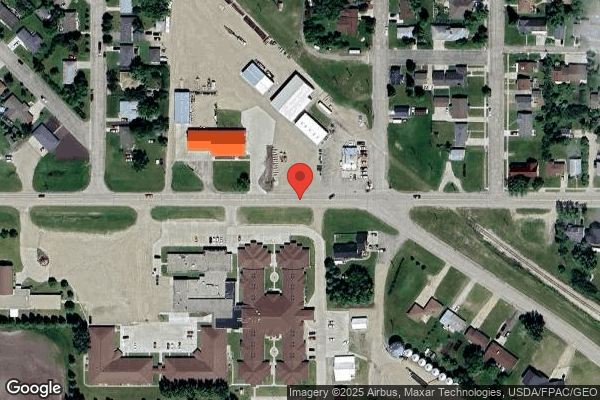

1116 9TH AVE, LANGDON, ND 58249 (701) 256-2987
For profit - Partnership 49 Beds Independent Data: November 2025
Trust Grade
30/100
#62 of 72 in ND
Last Inspection: July 2024

Within standard 12-15 month inspection cycle. Federal law requires annual inspections.

Overview

Maple Manor Care Center has received a Trust Grade of F, indicating significant concerns about the quality of care provided. Ranking #62 out of 72 facilities in North Dakota places it in the bottom half, while being the only option in Cavalier County means families have no local alternatives. The facility's trend is stable, with 6 issues reported in both 2024 and 2025, and although staffing is a strength with a 4/5 star rating and a 0% turnover rate, there are some serious deficiencies that cannot be overlooked. For instance, two residents experienced unresolved pain due to inadequate pain management plans, and there was a serious incident where CPR was not performed for a resident who had requested it, contributing to their death. Despite having no fines and average RN coverage, the overall poor health inspection rating and concerning incidents highlight significant weaknesses that families should carefully consider.

Trust Score
F
30/100
In North Dakota
#62/72
Bottom 14%
Safety Record
Moderate
Needs review
Inspections
Holding Steady
6 → 6 violations
Staff Stability
○ Average
Turnover data not reported for this facility.
Penalties
✓ Good
No fines on record. Clean compliance history, better than most North Dakota facilities.
Skilled Nurses
✓ Good
Each resident gets 52 minutes of Registered Nurse (RN) attention daily — more than average for North Dakota. RNs are trained to catch health problems early.
Violations
⚠ Watch
33 deficiencies on record. Higher than average. Multiple issues found across inspections.
★☆☆☆☆
1.0
Overall Rating
★★★★☆
4.0
Staff Levels
★☆☆☆☆
1.0
Care Quality
★★☆☆☆
2.0
Inspection Score
Stable
2024: 6 issues
2025: 6 issues

The Good

  • 4-Star Staffing Rating · Above-average nurse staffing levels
  • Full Sprinkler Coverage · Fire safety systems throughout facility
  • No fines on record

Facility shows strength in staffing levels, fire safety.

The Bad

1-Star Overall Rating

Below North Dakota average (3.1)

Significant quality concerns identified by CMS

The Ugly 33 deficiencies on record

2 actual harm
Sept 2025 6 deficiencies 1 Harm
SERIOUS (G) 📢 Someone Reported This

A family member, employee, or ombudsman was alarmed enough to file a formal complaint

Actual Harm - a resident was hurt due to facility failures

Deficiency F0697 (Tag F0697)

A resident was harmed · This affected 1 resident

**NOTE- TERMS IN BRACKETS HAVE BEEN EDITED TO PROTECT CONFIDENTIALITY** Based on observation, record review, review of professional reference, and resident and staff interview, the facility failed to ...

Read full inspector narrative →
**NOTE- TERMS IN BRACKETS HAVE BEEN EDITED TO PROTECT CONFIDENTIALITY** Based on observation, record review, review of professional reference, and resident and staff interview, the facility failed to develop and provide an effective pain management regimen to meet resident needs for 2 of 14 sampled residents (Resident #4 and #5) reviewed for pain management. Failure to develop, implement, and provide an effective pain management plan resulted in unresolved pain and discomfort and decreased quality of life. Findings include:Kozier & Erb's Fundamentals of Nursing, Concepts, Process and Practice, 11th Edition eText, 2021, Pearson, Boston, Massachusetts, pages 625-626, stated, . pain is a physical and emotional experience . Pain interferes with functional abilities and quality of life. Severe and persistent pain affects all body systems, causing potentially serious health problems while increasing the risk of complications and delays in healing. Pain management is the alleviation of pain or a reduction in pain to a level of comfort that is acceptable to the client. Page 631 stated, . the nurse must act to promote optimal and appropriate pain control. and page 645 stated, . A preventive approach to pain management involves the provision of measures to treat the pain before it occurs or before it becomes severe . - Review of Resident #4's medical record occurred on all days of survey. The record identified on hospice services for a terminal illness. The care plan stated, I am at risk for pain. My pain will be well controlled . Give medications as ordered . The physician's orders included the following:* Baclofen (muscle relaxant) tablet 20 milligrams (mg) four times a day, start date 12/15/23.* Morphine Sulfate (opioid for severe pain) Oral Concentrate 0.3 milliliters (ml) every 4 hours, start date 07/30/25.* Morphine Sulfate Oral Concentrate 0.3 ml every 1 hour as needed (PRN), start date 07/30/25.Observation on 09/09/25 at 10:16 a.m. showed Resident #4 in bed, contractures to both legs, and two certified nurse aides (CNAs) (#9 and #10) provided morning cares. When the CNAs rolled the resident from side to side and moved/spread his legs, the resident repeatedly stated, It's bad. It's bad. Oh, it's bad and Oh that hurts really bad. It hurts really bad though. The CNAs asked the resident multiple times to relax. The resident stated, I'm trying to relax. When asked if the resident received any pain medication prior to the start of cares, the CNA (#9) stated, He gets morphine round [sic] the clock. He gets it in 45 minutes.Observation on 09/10/25 at 10:42 a.m. showed Resident #4 in bed and a CNA (#6) provided morning cares. When the CNA moved the resident's legs to apply a clean brief, the resident stated, Ouch. Hurts really bad.Review of Resident #4's medication and treatment administration records (MAR/TARs) for September 1-9, 2025, identified scheduled morphine administered every four hours and the PRN morphine administered only once on 09/03/25 at 10:00 a.m.The nursing staff failed to effectively utilize the PRN morphine to promote optimal pain control before providing cares to Resident #4. - Review of Resident #5's medical record occurred on all days of survey. Diagnoses included diabetic neuropathy [nerve pain] and a left foot ulcer. The care plan stated, . I have chronic pain r/t [related to] osteoarthritis and Diabetic neuropathy . Evaluate the effectiveness of pain interventions. Review for compliance, alleviating of symptoms, dosing schedules and resident satisfaction with results . Notify MD [medical doctor]/NP [nurse practitioner] of an increase of pain levels. The physician's orders included the following:* Left diabetic foot ulcer dressing changes twice a day in the morning and at bedtime. * Gabapentin tablet 600 mg three times a day for diabetic neuropathy, start date 04/25/25* Oxycodone-Acetaminophen tablet 10-325 mg every 4 hours as needed for pain, start date 06/12/25.Review of the quarterly Minimum Data Set (MDS), dated [DATE], identified intact cognition and a pain rating of 8 out of 10 (10 being the worst pain) and pain almost constantly which frequently affected sleep and day-to-day activities. Observation of 09/09/25 at 1:41 p.m. showed a nurse (#4) completed Resident #5's dressing change to the left foot. The resident displayed facial grimacing, muscle tension, under-the-breath vocal sounds, and moved her head back and forth throughout the entire dressing change procedure. During an interview on the afternoon of 09/09/25, Resident #5 stated, I've been on the same pain med [medication (the resident referred to oxycodone)] since 2014. I keep asking for a different family [drug class] to see if that helps, and I wish it was like when I was in the hospital. They would give me morphine with dressing changes.Review of Resident #5's MAR/TARs for September 1-9, 2025 related to morning dressing changes identified the following:* 09/02/25, no PRN oxycodone administered. * 09/03/25, the PRN oxycodone administered 1 hour and 37 minutes after the dressing change.* 09/04/25, the PRN oxycodone administered at 6:57 a.m., the same time the dressing change signed out.* 09/08/25, the PRN oxycodone administered 3 hours and 37 minutes before the dressing change.The facility failed to implement measures to prevent and/or treat Resident #5's pain before it occurred to promote optimal pain control before dressing changes. The medical record lacked evidence the facility notified Resident #5's provider related to increased pain with dressing changes or consider scheduled pain medications.During an interview on 09/10/25 at 3:51 p.m., an administrative nurse (#1) stated, We could do more [to help control Resident #4 and #5's pain].
CONCERN (D) 📢 Someone Reported This

A family member, employee, or ombudsman was alarmed enough to file a formal complaint

Potential for Harm - no one hurt, but risky conditions existed

Deficiency F0657 (Tag F0657)

Could have caused harm · This affected 1 resident

Based on observation, record review, review of facility policy, and staff interview, the facility failed to review and revise the comprehensive care plan to reflect the current status for 3 of 14 samp...

Read full inspector narrative →
Based on observation, record review, review of facility policy, and staff interview, the facility failed to review and revise the comprehensive care plan to reflect the current status for 3 of 14 sampled residents (Resident #3, #11, and #32). Failure to review and revise the care plan as the needs change for the resident limited the ability of staff to communicate care needs and ensure continuity of care for each resident.Findings include: Review of the facility policy titled Care Plans, Comprehensive Person-Centered occurred on 09/10/25. The revised policy, dated March 2025, stated, . Assessments of residents are ongoing, and care plans are revised as information about the residents and the residents' conditions change. -Observation on the afternoon of 09/08/25 showed facility staff changed Resident #32's brief and left his/her pants down and around the ankles and covered with a blanket. On 09/09/25 at 3:39 p.m., observation showed the resident lying in bed without pants and covered with a blanket. Review of Resident #32's medical record occurred on all days of survey. The current care plan failed to identify no pants while in bed. During an interview on 09/10/25 at 8:41 a.m., an administrative nurse (#1) confirmed the care plan lacked Resident #32's choice of having pants removed while lying in bed. -Review of Resident #3's medical record occurred on all days of survey. A code status form, signed and dated by the resident on 03/22/25, showed do not resuscitate (DNR). A physician's order, dated 05/30/25, and the resident's electronic health record (EHR) identification ribbon identified DNR. The current care plan identified a full code status. During an interview on 09/09/25 at 3:18 p.m., an administrative staff member (#2) confirmed facility staff failed to revise Resident #3's care plan when the code status changed to DNR. - Review of Resident #11's medical record occurred on all days of survey. The physician's orders included Seroquel (an antipsychotic medication) started on 05/09/25. The care plan lacked a problem, goal, or interventions related to the use of an antipsychotic medication. During an interview on 09/10/2025 at 11:55 a.m. an administrative nurse (#1) confirmed staff failed to revise Resident #11's care plan to reflect the use of an antipsychotic medication.
CONCERN (D) 📢 Someone Reported This

A family member, employee, or ombudsman was alarmed enough to file a formal complaint

Potential for Harm - no one hurt, but risky conditions existed

Deficiency F0658 (Tag F0658)

Could have caused harm · This affected 1 resident

Based on observation, review of facility policy, review of professional reference, and staff interview, the facility failed to follow professional standards of practice for 2 of 3 sampled residents (R...

Read full inspector narrative →
Based on observation, review of facility policy, review of professional reference, and staff interview, the facility failed to follow professional standards of practice for 2 of 3 sampled residents (Residents #3 and #5) observed during medication pass. Failure to disinfect the rubber seal of insulin pens increases the risk of infection to residents and failure to follow manufacturer instructions for eye drop administration may impede the effectiveness of the eye drops. Findings include: Review of the facility policy titled Insulin Administration occurred on 09/10/25. This policy, dated May 2025, stated, . Pull off the pen cap. Wipe the rubber seal with an alcohol swab. Information found at https://www.drugs.com/pro/pataday-once-daily-relief.html, revised 08/14/25, stated, . Pataday (treatment for dry eyes) . Package Insert/Prescribing Info [information] . if using other ophthalmic products while using this product, wait at least 5 minutes between each product . -Observation on 09/09/25 at 9:14 a.m. showed a nurse (#4) administered Pataday eye drops to both of Resident #5's eyes. At 9:16 a.m. (two minutes later) the nurse administered Xiidra eyedrops (treatment for dry eyes) to both eyes. The nurse (#4) failed to wait at least five minutes between administering two different eye products. During an interview on 09/10/25 at 12:45 p.m., an administrative staff member (#2) agreed the nurse should wait at least five minutes between administration of two eye drops. -Observation on 09/10/25 at 8:09 a.m. showed a nurse (#3) prepared an insulin pen for Resident #3. The nurse failed to wipe the rubber seal with an alcohol swab before applying the needle to the insulin pen. During an interview on the afternoon of 09/10/25, an administrative nurse (#1) confirmed she expected staff to wipe the rubber seal of an insulin pen with an alcohol swab before applying the needle.
CONCERN (D) 📢 Someone Reported This

A family member, employee, or ombudsman was alarmed enough to file a formal complaint

Potential for Harm - no one hurt, but risky conditions existed

Accident Prevention (Tag F0689)

Could have caused harm · This affected 1 resident

**NOTE- TERMS IN BRACKETS HAVE BEEN EDITED TO PROTECT CONFIDENTIALITY** Based on observation, record review, and staff interview, the facility failed to properly utilize assistive devices for 1 of 4 s...

Read full inspector narrative →
**NOTE- TERMS IN BRACKETS HAVE BEEN EDITED TO PROTECT CONFIDENTIALITY** Based on observation, record review, and staff interview, the facility failed to properly utilize assistive devices for 1 of 4 sampled residents (Resident #16) reviewed for falls. Failure to properly use a bed and chair alarm placed the resident at risk for falls. Findings include:Review of Resident #16's medical record occurred on all days of survey. Diagnosis included dementia and anxiety. The current care plan stated, . I am at risk for falls . Silent fall alarms on chair and bed. A Quarterly Minimum Data Set (MDS) dated [DATE] identified a bed and chair alarm used daily. A Fall Risk Evaluation, completed 08/23/24 identified a Fall Risk Score of 18 (High Risk of falls). Observations on all days of survey showed Resident #16's chair and bed alarm unplugged and not functioning. During an interview on 09/10/2025 at 8:44 a.m., an administrative nurse (#1) confirmed Resident #16's bed and chair alarm were unplugged, was not aware if the resident was able to unplug the alarms, and expected staff to ensure the alarms are functional.
CONCERN (E) 📢 Someone Reported This

A family member, employee, or ombudsman was alarmed enough to file a formal complaint

Potential for Harm - no one hurt, but risky conditions existed

Food Safety (Tag F0812)

Could have caused harm · This affected multiple residents

Based on observations and review of facility policy, the facility failed to serve food in accordance with professional standards for food safety in 1 of 2 dining rooms (north dining room). Failure to ...

Read full inspector narrative →
Based on observations and review of facility policy, the facility failed to serve food in accordance with professional standards for food safety in 1 of 2 dining rooms (north dining room). Failure to ensure no bare-hand contact with ready-to-eat food has the potential to result in a food borne illness. Findings include: Review of the facility policy titled Kitchen and Service Kitchen Safe Practice Guidelines occurred on 09/10/25. This policy, dated 07/14/25, stated, . When handling clean dishes care will be taken to minimize hand contact with food surfaces. plates [will be touched] on the outside rim . Review of the facility policy titled Serving Meals occurred on 09/10/25. This policy, dated 07/13/25, stated, . Staff will serve meal without touching prepared food. Review of the facility policy titled Dietary Infection Control and Glove Usage occurred on 09/10/25. This policy, dated 07/14/25, stated, . Change Gloves after . touching hair or face with gloved hands. -Observations of food service showed the following:*On 09/09/25 at 7:45 a.m., a dietary staff member (#13) placed a plate with a breakfast sandwich on it in the microwave, touching the top of the plate with her bare right thumb. The staff member then removed the heated sandwich/plate from the microwave, placed grapes on the plate, touching them with her bare hand, and touched the top of the plate with her bare right thumb as she handed the plate to another staff member.*On 09/09/25 at 12:17 p.m., two dietary staff members (#13 and #14) touched the top of dished and/or reheated plates with their bare thumbs. The dietary staff member (#13) also touched her face and face mask with her bare hand as she dished and passed plates.
CONCERN (E) 📢 Someone Reported This

A family member, employee, or ombudsman was alarmed enough to file a formal complaint

Potential for Harm - no one hurt, but risky conditions existed

Infection Control (Tag F0880)

Could have caused harm · This affected multiple residents

Based on observation, record review, review of professional reference, and staff interview, the facility failed to follow standards of infection control and prevention for 2 of 14 sampled residents (R...

Read full inspector narrative →
Based on observation, record review, review of professional reference, and staff interview, the facility failed to follow standards of infection control and prevention for 2 of 14 sampled residents (Residents #4 and #5) observed during personal cares. Failure to practice infection control standards during medication administration and resident cares has the potential to spread infection throughout the facility. Findings include:Review of the Centers for Disease Control (CDC) Frequently Asked Questions (FAQS) about Enhanced Barrier Precautions in Nursing Homes at https://www.cdc.gov/long-term-care-facilities/hcp/prevent-mdro/faqs.html, dated 06/28/24, stated, 1 . Enhanced Barrier Precautions [EBP] involve gown and glove use during high-contact resident care activities for residents known to be colonized or infected with a MDRO [multidrug-resistant organism] as well as those at increased risk of MDRO acquisition (e.g., residents with wounds or indwelling medical devices). 9 . Adherence to other recommended infection prevention practices including performing hand hygiene, cleaning and disinfection of environmental surfaces . proper handling of indwelling medical devices, and care of wounds is also critical.Review of the CDC Clinical Safety: Hand Hygiene for Healthcare Workers at https://www.cdc.gov/clean-hands/hcp/clinical-safety/index.html, dated 02/27/24, stated, . Know when to clean your hands . after touching a patient or patient's surroundings. After contact with blood, body fluids, or contaminated surfaces. Immediately after glove removal. Know when to wear (and change) gloves. Gloves are not a substitute for hand hygiene. When to change gloves and clean hands . If gloves become soiled with blood or body fluids after a task. If moving from work on a soiled body site to a clean body site on the same patient or if clinical indication for hand hygiene occurs.- Review of Resident #5's medical record occurred on all days of survey and identified EBP related to an open left foot wound.Observation on 09/09/25 at 8:49 a.m. showed a nurse (#4) prepared Resident #5's oral medications, insulin pens, and eye drops for administration. The nurse (#4) applied personal protective equipment (PPE) outside the resident's room, entered the room, and placed the medications onto the resident's overbed table without placing a barrier or disinfecting the table. After administration, the nurse (#4) removed the PPE, carried the insulin pens and the container that held one of the eye drop bottles out of the room, and without sanitizing the pens and the eye drop bottle/container, placed them back into the medication cart. - Review of Resident #4's medical record occurred on all days of survey and identified EBP for multiple open wounds, an indwelling catheter, and MDROs.Observation of Resident #4's cares showed the following:* 09/09/25 at 10:16 a.m., two certified nurse aides (CNAs) (#9 and #10) provided perineal cares. The CNA (#10) failed to remove the soiled gloves prior to opening the resident's nightstand to remove and apply a skin barrier cream. With the same gloves, the CNA (#9) repeatedly reached into her pocket to answer calls from a walkie talkie and placed it back into her pocket. The CNA (#9) failed to sanitize the walkie talkie prior to exiting the room.* The afternoon on 09/09/25, a CNA (#10) emptied the catheter bag into a container. The CNA poured the urine into the toilet, obtained water from the bathroom sink, and poured the water into the toilet. When asked if she ever uses the sprayer located beside the toilet, the CNA stated never and I don't think it works. Observation on 09/10/25 at 12:03 p.m. showed a CNA (#11) emptied the urine from the catheter bag into a container, poured the urine into the toilet, and utilized the sprayer to rinse out the container. * 09/10/25 at 10:56 a.m., a CNA (#6) assisted with positioning Resident #4 while two nurses (#7 and #8) performed multiple dressing changes. Throughout the observation, the CNA (#6) removed soiled dressings from the resident's ankle, shin, toe, and foot. When the CNA (#6) removed the soiled dressing from the foot, the CNA stated, It smells, folded the dressing in half, and handed it to the nurse. The CNA failed to remove the soiled gloves, perform hand hygiene, and apply clean gloves before adjusting the resident's clothing and bedding. After the observation, when asked if CNAs typically remove Resident #4's dressings, a nurse (#7) stated, She [CNA #6] normally does not do that [remove dressings]. I didn't say anything as she already touched them.During an interview on the afternoon of 09/10/25, an administrative staff member (#2) stated she expected staff to place medications on a clean surface, sanitize items after use and before placing them back into the medication cart, change gloves and perform hand hygiene between clean and dirty tasks, and nurses to remove dressings from resident wounds.
Jul 2024 6 deficiencies
CONCERN (D)

Potential for Harm - no one hurt, but risky conditions existed

Resident Rights (Tag F0550)

Could have caused harm · This affected 1 resident

Based on observation, record review, review of facility policy, confidential interview, and staff interview, the facility failed to provide resident care for 2 of 11 sampled residents (Resident #8 and...

Read full inspector narrative →
Based on observation, record review, review of facility policy, confidential interview, and staff interview, the facility failed to provide resident care for 2 of 11 sampled residents (Resident #8 and #14) requiring assistance with activities of daily living in a manner that promotes, maintains, or enhances their quality of life. Failure to cover a urinary catheter leg bag (Resident #8) and failure to clean and shave resident's face and change the soiled shirt (Resident #14) has the potential to affect the resident's psychosocial well being and personal dignity. Findings include: Review of the facility policy titled Dignity occurred on 07/10/24. This policy, revised February 2024, stated, Each resident shall be cared for in a manner that promotes and enhances his or her sense of well-being, level of satisfaction with life, and feeling of self-worth and self-esteem. Staff are expected to promote dignity and assist residents: for example: helping the resident to keep urinary catheter bags covered. Review of the facility policy titled Activities of Daily Living (ADLs), Supporting occurred on 07/10/24. This policy, revised March 2024, stated, . Residents who are unable to carry out activities of daily living independently will receive the services necessary to maintain good nutrition, grooming and personal and oral hygiene. - Review of #8's medical record occurred on all days of survey. The current care plan stated, . I require assist of one for most ADL's . Observations throughout the day on 07/08/24 showed Resident #8's urinary catheter leg bag (containing urine) exposed below the resident's pant leg and uncovered. Observations on 07/09/24 at 12:09 p.m. and 5:20 p.m., and on 07/10/24 at 7:53 a.m. showed Resident #8 seated at the dining room table with the urinary catheter leg bag (containing urine) exposed below the resident's pant leg and uncovered. During an interview on 07/10/24 at 11:21 a.m., and administrative nurse (#1) stated staff are expected to cover resident's urine catheter leg bag at all times. -Review of Resident #14's medical record occurred on all days of survey. The current care plan stated, . I require assist. of 1 for all ADL's. I have an ADL self-care performance deficit r/t [related to] cognition/mobility. PERSONAL HYGIENE/ORAL CARE: I am an assist of one. DRESSING: I am an assist of one. An interview occurred 07/08/24 at 5:12 p.m. with Individual A. This individual stated Resident #14 is frequently unshaven and has a dirty face and clothing. Observations on 07/08/24 at 11:15 to 11:53 a.m.showed Resident #14 seated in a wheelchair in the front lobby or the dining room wtih an unshaven face, a soiled shirt, and food debris on his face. Observations on 07/09/24 from 8:34 a.m. to 12:12 p.m. showed Resident #14 seated in a wheelchair in the front lobby or in the dining room with an unshaven face, a soiled shirt, and food debris on his face. At 1:12 p.m., a progress note stated Resident #14 allowed a certified nurse aide (CNA) to wash his face but refused to have his shirt changed. Resident #14 remained unshaven and in the same soiled shirt the rest of the observation day. Observation on 07/10/24 at 9:00 a.m. showed Resident #14 seated in a wheelchair in the front lobby with his shirt and face soiled with food. The above observations showed facility staff had multiple encounters with Resident #14, but failed to change his soiled shirt, shave and wash his face. During an interview on 07/10/24 at 11:19 a.m., an administrative nurse (#1) confirmed Resident #14 frequently has a soiled shirt or dirty face and staff are expected staff to change his shirt and wash his face.
CONCERN (D)

Potential for Harm - no one hurt, but risky conditions existed

Deficiency F0658 (Tag F0658)

Could have caused harm · This affected 1 resident

1. Based on record review, review of facility policy, review of professional reference, and staff interview, the facility failed to follow professional standards of practice for 1 of 1 sampled residen...

Read full inspector narrative →
1. Based on record review, review of facility policy, review of professional reference, and staff interview, the facility failed to follow professional standards of practice for 1 of 1 sampled residents (Resident #15) reviewed with orders for specific parameters for blood glucose levels. Failure to notify the physician of high blood glucose levels as ordered placed the resident at risk for delayed treatment and adverse health events. Findings include: Kozier & Erb's Fundamentals of Nursing, Concepts, Process and Practice, 11th Edition eText, 2021, Pearson, Boston, Massachusetts, page 63, stated, Nurses are expected to analyze procedures and medications ordered by the physician or primary care provider. Review of the facility policy titled Physician, Physician Assistant, Nurse Practitioner or Clincal Nurse Specialist Lab Notification occurred on 07/10/24. This policy, revised 03/11/24, stated, . The physician . will determine parameters for 'immediate' and 'non-immediate' lab results. Notification parameters for 'immediate' lab results will be included in lab order. Immediate notifications. Call physician. with lab result and resident current condition. Review of Resident #15's medical record occurred on all days of survey. Diagnoses included Type 2 Diabetes Mellitus. A physician's order, dated 10/11/22, stated, Notify provider if blood glucose [sugar] is above 400 or below 70. Review of Resident #15's blood glucose levels from 05/10/24 through 07/10/24 showed the following: * 05/23/24: 445.0 mg/dL [milligrams per deciliter]. * 05/28/24: 436.0 mg/dL The medical record lacked documentation the facility notified Resident #15's provider of the elevated blood glucose levels. During an interview on 07/10/24 at 12:30 p.m., an administrative nurse (#1) confirmed the staff failed to notify the provider of Resident #15's elevated blood glucose levels. 2. Based on observation and review of facility policy, the facility failed to follow professional standards of practice for 1 of 1 supplemental resident (Resident #34) observed for insulin preparation and administration. Failure to prime the insulin pen and administer the insulin over the required length of time may result in the resident receiving an inaccurate dose. Findings include: Review of the facility policy titled Insulin Administration occurred on 07/10/24. This policy, dated 06/14/24, stated, Purpose: To provide guidelines for the safe administration of insulin to residents with diabetes. Steps in the procedure for (insulin pen) administration . Prime the insulin pen. Priming means removing air bubbles from the needle. You must prime the pen before each injection. To prime the insulin pen, turn the dosage knob to the 2 units indicator. With the pen pointing upward, push the knob all the way. At least one drop of insulin should appear. Depress the plunger and remove the needle after approximately five (5) seconds. Observation on 07/08/24 at 5:20 p.m. showed a medication aide (MA) (#2) prepared Resident #34's Novolog insulin pen for administration. The MA (#2), without priming the insulin pen, dialed the insulin pen to the prescribed units, inserted the needle into the resident's abdomen, depressed the plunger and removed the needle without waiting the required length of time. During an interview on 07/10/24 at 11:35 a.m., an administrative staff member (#1) confirmed she expected staff to follow the policy for priming insulin pens and administering insulin.
CONCERN (D)

Potential for Harm - no one hurt, but risky conditions existed

Accident Prevention (Tag F0689)

Could have caused harm · This affected 1 resident

Based on observation, record review, review of professional reference, and staff interviews, the facility failed to provide supervision to prevent accidents for 1 of 2 sampled residents (Resident #33)...

Read full inspector narrative →
Based on observation, record review, review of professional reference, and staff interviews, the facility failed to provide supervision to prevent accidents for 1 of 2 sampled residents (Resident #33) observed during a gait belt transfer. Failure to provide supervision of certified nurse aides (CNAs) by a licensed nurse regarding resident transfer assistance may result in unnecessary pain, falls and/or injury for residents. Findings included: Review of the North Dakota Administration Code (NDAC) online at www.ndlegis.gov/information/acdata/pdf/33-43-01.pdf stated, . 33-43-01-12. Supervision and delegation of nursing interventions. An individual on the department's nurse aide registry [CNA] may perform nursing interventions which have been delegated by a licensed nurse. An individual on the departments nurse aide registry as delegated and supervised by a licensed nurse . Review of Resident #33's medical record occurred on all days of survey and included diagnoses of weakness and dementia. The current care plan stated, . TRANSFER: Resident is transfer of 1-2 depending on pt [patient] tolerance. If resident is shakier, will assist of 2 PRN [as needed]. A physical therapy note, dated 06/05/24, stated, Transfer of 1-2 depending on pt tolerance. If [Resident #13] is more shaky, use assist of 2 as needed. PT [physical therapy] observed transfer attempt with assist of 1 today and was safer with assist of 2. Observation on 07/08/24 at 4:01 p.m. showed Resident #33 seated in the wheelchair. A CNA (#8) placed the gait belt on Resident #33, placed a front wheeled walker (FWW) in front of the resident and assisted the resident to a standing position. As the resident attempted to stand, she was shaky, unsteady, and leaned backwards as she placed her left hand on the FWW and her right hand on the wall. The CNA (#8) continued to assist the resident to ambulate to the bathroom. During an interview on 07/10/24 at 12:35 p.m., when asked if Resident #33 is transferred with one or two assist, a CNA (#8) stated, I always just use one assist because that's what they told me to do. Observation on 07/10/24 at 11:28 a.m., showed a CNA (#7) attempted to assist Resident #33 from the bed to the wheelchair. The resident refused to get out of the bed. When asked how the CNA (#7) would have transferred the resident out of bed the CNA stated, She's a pivot transfer with one person. When asked if the CNA ever used two staff to transfer the resident, the CNA stated, She [Resident #33] had a fall a few months ago and then we started to use two staff sometimes. It depends on the kind of day she (Resident #33) is having. I can decide if I should use one or two assist to transfer her. During an interview on 07/10/24 at 1:26 p.m., an administrative nurse (#1) stated she expected the nurse to assess Resident #33 to make the decision if the resident needed to be transferred with two staff.
CONCERN (D)

Potential for Harm - no one hurt, but risky conditions existed

Incontinence Care (Tag F0690)

Could have caused harm · This affected 1 resident

Based on observation, record review, review of a professional reference, and staff interview, the facility failed to provide appropriate toileting for 1 of 6 sampled residents (Resident #33) who requi...

Read full inspector narrative →
Based on observation, record review, review of a professional reference, and staff interview, the facility failed to provide appropriate toileting for 1 of 6 sampled residents (Resident #33) who required staff assistance with toileting. Failure to provide toileting may result in a loss of dignity and placed the resident at risk for skin breakdown, poor grooming/hygiene, decreased self-esteem, urinary tract infections, and risk for fall and/or injuries. Findings include: Kozier & Erb's Fundamentals of Nursing: Concepts, Process and Practice, 11th Edition eText, 2021, Pearson, Boston, Massachusetts, page 892, stated, Fecal and Urinary Incontinence: Moisture from incontinence promotes skin maceration [tissue softened by prolonged wetting or soaking] and makes the epidermis [skin] more easily eroded and susceptible to injury. Digestive enzymes in feces, urea in urine . also contribute to skin excoriation [area of loss of the superficial layers of the skin] . Any accumulation of secretions . is irritating to the skin, harbors microorganisms, and makes an individual prone to skin breakdown and infection. Page 1221 stated, Managing Urinary Incontinence . Habit training, also referred to as timed or prompted voiding and scheduled toileting, attempts to keep clients dry by having them void at regular intervals, such as every 2 to 4 hours. The goal is to keep the client dry . Review of Resident #33's medical record occurred on all days of survey and included a diagnosis of dementia. The care plan stated, . TOILET USE: The resident is an assist of 1 . Observation on 07/08/24 at 4:01 p.m. showed a certified nurse aide (CNA) (#8) assisted Resident #33 to the bathroom. The resident's saturated incontinent product leaked urine through the resident's jeans. Observation on 07/10/24 at 11:29 a.m. showed a CNA (#7) changed resident #33's incontinent product and showed it saturated with urine. Review of Resident #33's toileting record, dated June 9th through July 9th, 2024, identified 56 occasions where staff failed to assist the resident with toileting every three hours. The log showed gaps of approximately 3.5 to 12 hours between staff assistance with toileting. During an interview on 07/10/24 at 1:26 p.m., an administrative staff member (#1) stated she expected staff to assist residents with toileting every 2-3 hours.
CONCERN (E)

Potential for Harm - no one hurt, but risky conditions existed

Deficiency F0804 (Tag F0804)

Could have caused harm · This affected multiple residents

**NOTE- TERMS IN BRACKETS HAVE BEEN EDITED TO PROTECT CONFIDENTIALITY** Based on observation, review of facility policy, and resident and staff interviews, the facility failed to serve foods at palata...

Read full inspector narrative →
**NOTE- TERMS IN BRACKETS HAVE BEEN EDITED TO PROTECT CONFIDENTIALITY** Based on observation, review of facility policy, and resident and staff interviews, the facility failed to serve foods at palatable temperatures on 2 of 3 days of survey (July 8-9, 2024). Failure to serve foods at a temperature acceptable to residents may result in decreased intake, weight loss, and inadequate nutrition. Findings include: Review of the facility policy titled Food Temperatures occurred on 07/10/24. This policy, dated 07/13/23, stated, . Foods will be served at the appropriate temperatures to ensure good flavor and to prevent food borne illnesses. All hot food items will be served to the resident at the temperature of at least 140 degrees. During an interview on 07/08/24, Resident A stated, The food is always cold. Observation of the noon meal occurred on 07/08/24 at 12:25 p.m. in dining room [ROOM NUMBER]-3 and showed a cook (#5) dished the final resident tray. A temperature of the three-bean vegetable showed a reading of 72.5 degrees Fahrenheit (F). Observation of the evening meal occurred on 07/09/24 at 5:35 p.m. in dining room [ROOM NUMBER]-3. The surveyors asked for a meal tray after all the residents had received their meals. Temperatures were obtained and showed the following: *Macaroni and Cheese at 132 degrees F *Mashed Potatoes at 139 degrees F *Green Peas at 95 degrees F During an interview on 07/10/24 at 11:45 a.m., an administrative staff member (#4) agreed she expected staff to serve food to residents at an acceptable temperature.
CONCERN (E)

Potential for Harm - no one hurt, but risky conditions existed

Food Safety (Tag F0812)

Could have caused harm · This affected multiple residents

Based on observation, review of facility policy, and staff interview, the facility failed to store food in a sanitary manner in 1 of 1 main kitchen. Failure to apply an identifying label to food and a...

Read full inspector narrative →
Based on observation, review of facility policy, and staff interview, the facility failed to store food in a sanitary manner in 1 of 1 main kitchen. Failure to apply an identifying label to food and add an open date has the potential to affect food quality/preparation and may result in the spread of foodborne illness to residents, staff, and visitors. Findings include: Review of the facility policy titled Storage and Cooking of Food occurred on 07/10/24. This policy, dated July 2023, stated, . Food Storage . Foods which have been opened or prepared will be placed in an enclosed container, dated and labeled. If food is ever found undated these will be thrown without exception. Observation of the main kitchen occurred on 07/08/24 at 11:20 a.m. with a dietary manager (#6) and showed the following: Walk-in Refrigerator: *Four individually dished containers identified as taco sauce by a dietary staff member with no identifying label or prepared date. *One brick of a white substance identified as cream cheese but not sure, by a dietary staff member with an unidentifiable date and no identifying label. *Two disposable bowls of a pudding like dessert and a crumble type dessert covered with unsealed plastic wrap with no identifying label or date. *One 1/2 full gallon size zip top plastic bag of sliced strawberries with no identifying label or date. *Three 1/2 full bags of shredded cheese with no open date. *One 1/4 full open jar of peach preserves with no open date. *A tray holding an onion, apples, and oranges with one orange soft and showing dark spots. *A tray with four containers of fruit juice sitting in spilled juice, with dark, sticky spots. Walk-in Freezer: *Three 1/2 full bags of frozen potato tots and french fries with no open dates. *A zip top plastic bag with what dietary staff identified as omelet patties, with no identifying label or open date. *An open bag of sausage patties and an open bag of sausage links inside their respective boxes which showed an open date of the box, but not the individual bags. Walk In Cooler: *One box of oranges, one of the oranges soft and black. Dry Storage: *Four open bags of pudding mix within a zip top plastic bag, with no open date. *One open bag of croutons wrapped in plastic wrap with no open date. During an interview on 07/10/24 at 11:45 a.m., an administrative staff member (#4) confirmed she expected staff to label and date food items when opened and throw away food items if not identifiabe.
Aug 2023 9 deficiencies
CONCERN (D) 📢 Someone Reported This

A family member, employee, or ombudsman was alarmed enough to file a formal complaint

Potential for Harm - no one hurt, but risky conditions existed

Deficiency F0582 (Tag F0582)

Could have caused harm · This affected 1 resident

Based on review of Medicare Part A letters/notices, Centers for Medicare and Medicaid Services instructions, and staff interview, the facility failed to provide the Skilled Nursing Facility Advance Be...

Read full inspector narrative →
Based on review of Medicare Part A letters/notices, Centers for Medicare and Medicaid Services instructions, and staff interview, the facility failed to provide the Skilled Nursing Facility Advance Beneficiary Notice of Non-coverage (SNFABN) form and Notice of Medicare Non-coverage (NOMNC) form two days in advance of discharge for 2 of 3 residents (Resident #23 and #38) discharged from Medicare Part A services. Failure to provide Medicare Part A letters/notices within the required time frame has the potential to limit the residents' right to an expedited review of service termination (NOMNC) and/or to exercise their rights to Medicare Part A services (SNFABN). Findings include: Review of [Medicare Advantage/Health Plan] Expedited Determination Notices (MA) webpage on 08/09/23, at https://www.cms.gov/medicare/medicare-general-information/bni/downloads/instructions-for-notice-of-medicare-non-coverage-nomnc.pdf, stated, . The NOMNC must be delivered at least two calendar days before Medicare covered services end or the second to last day of service if care is not being provided daily. Review of the Medicare notices provided by the facility on occurred on 08/09/23, and showed facility staff failed to provide the forms two calendar days before Resident #23's services ended on 06/30/23, and before Resident #38's services ended on 04/04/23. During an interview on 08/09/23 at 10:05 a.m., an administrative staff member (#2) confirmed she expected staff to provide termination of Medicare Part A services letters/notices to residents or resident representatives two days prior to the end of the resident's Medicare Part A services.
CONCERN (D) 📢 Someone Reported This

A family member, employee, or ombudsman was alarmed enough to file a formal complaint

Potential for Harm - no one hurt, but risky conditions existed

Transfer Notice (Tag F0623)

Could have caused harm · This affected 1 resident

Based on record review, review of facility policy, and staff interview, the facility failed to provide the resident or their representative and/or the State Long Term Care Ombudsman written notice of ...

Read full inspector narrative →
Based on record review, review of facility policy, and staff interview, the facility failed to provide the resident or their representative and/or the State Long Term Care Ombudsman written notice of transfer for 1 of 4 residents (Resident #30) with a recent hospital transfer. Failure to provide a written copy of the transfer notice does not allow the resident and/or their representative to make an informed decision regarding their rights or inform the Ombudsman of the transfer. Findings include: Review of the facility policy titled Transfer or Discharge Notice occurred on 08/09/23. This policy, revised March 2021, stated, . Under the following circumstances, the notice is given as soon as it is practicable but before the transfer . the resident and representative are notified in writing . A copy is sent to the Office of the State Long-Term Care Ombudsman at the same time the notice of transfer or discharge is provided to the resident and representative. Review of Resident #30's medical record occurred on all days of survey and identified a hospital transfer on 07/23/23. The resident's medical record lacked evidence the resident/representative received a copy of the transfer notice and the facility informed the State Ombudsman of the hospital transfer. During an interview on 08/09/23 at 12:35 p.m., administrative member (#1) stated, We are unable to produce a copy of [Resident #30's name] transfer form.
CONCERN (D) 📢 Someone Reported This

A family member, employee, or ombudsman was alarmed enough to file a formal complaint

Potential for Harm - no one hurt, but risky conditions existed

Assessment Accuracy (Tag F0641)

Could have caused harm · This affected 1 resident

**NOTE- TERMS IN BRACKETS HAVE BEEN EDITED TO PROTECT CONFIDENTIALITY** Based on record review, review of the Long-Term Care Facility Resident Assessment Instrument (RAI) 3.0 User's Manual (Version 1....

Read full inspector narrative →
**NOTE- TERMS IN BRACKETS HAVE BEEN EDITED TO PROTECT CONFIDENTIALITY** Based on record review, review of the Long-Term Care Facility Resident Assessment Instrument (RAI) 3.0 User's Manual (Version 1.17.1), and staff interview, the facility failed to ensure accurate coding of the Minimum Data Set (MDS) for 2 of 15 sampled residents (Resident #8 and #9). Failure to accurately complete the MDS does not allow each resident's assessment to reflect their current status/needs and may affect the accurate development of a comprehensive care plan and the care provided to the residents. Findings include: SECTION H: BLADDER AND BOWEL The Long-Term Care Facility RAI User's Manual, revised October 2019, page H-2 states, . Suprapubic catheters and nephrostomy tubes should be coded as an indwelling catheter (H0100A) only and not as an ostomy (H0100C) . Review of Resident #8's medical record occurred on all days of survey. A physician's order, dated 05/18/23, identified the resident as having a suprapubic catheter. The annual MDS, dated [DATE], identified the resident as having an ostomy. During an interview on the afternoon of 08/09/23, two administrative staff members (#2 and #3) confirmed staff coded Resident #8's MDS incorrectly. SECTION O: SPECIAL TREATMENTS, PROCEDURES, AND PROGRAMS The Long-Term Care Facility RAI User's Manual, revised October 2019, page O-5 states, . Code residents identified as being in a hospice program . Review of Resident #9's medical record occurred on all days of survey. A physician's order, dated 12/30/22, identified the resident admitted to hospice. The significant change MDS, dated [DATE], failed to reflect the resident received hospice services. During an interview on 08/09/23 at 3:35 p.m., an administrative staff member (#2) agreed staff coded Resident #9's MDS incorrectly.
CONCERN (D) 📢 Someone Reported This

A family member, employee, or ombudsman was alarmed enough to file a formal complaint

Potential for Harm - no one hurt, but risky conditions existed

PASARR Coordination (Tag F0644)

Could have caused harm · This affected 1 resident

Based on record review, review of the North Dakota Provider Manual for Preadmission Screening and Resident Review (PASARR) and Level of Care Screening Procedures for Long Term Care Services, and staff...

Read full inspector narrative →
Based on record review, review of the North Dakota Provider Manual for Preadmission Screening and Resident Review (PASARR) and Level of Care Screening Procedures for Long Term Care Services, and staff interview, the facility failed to complete a status change assessment for 1 of 1 sampled resident (Resident #28) with a newly diagnosed mental illness. Failure to complete a change in status assessment may result in the delivery of care and services that are inconsistent with residents' needs. Findings include: The North Dakota PASARR Provider Manual, revised 12/29/20, page 13 states, . Change in Status Process . Whenever the following events occur, nursing facility staff must contact Maximus to update the Level I screen for determination of whether a first time or updated Level II evaluation must be performed. These situations suggest that a significant change in status has occurred: . If an individual with MI, ID, and/or RC (mental illness, intellectual disability, and conditions related to intellectual disability [referred to in regulatory language as related conditions or RC]) was not identified at the Level I screen process, and that condition later emerged or was discovered. Review of Resident #28's medical record occurred on all days of survey. The record showed an initial PASARR completed November 2022, prior to the resident's admission to the facility, and identified a diagnosis of dementia and no mental illness. The resident's current diagnosis list identifies a diagnosis of anxiety disorder and schizophrenia as of admission to the facility. The record lacked evidence the facility completed a Level I screening/change in status assessment with the addition of the two diagnoses upon admission. During an interview on 08/09/23 at 3:52 p.m., two administrative staff members (#2 and #3) confirmed the facility failed to contact Maximus to update the Level I screen with the addition of the new diagnoses.
CONCERN (D) 📢 Someone Reported This

A family member, employee, or ombudsman was alarmed enough to file a formal complaint

Potential for Harm - no one hurt, but risky conditions existed

Deficiency F0657 (Tag F0657)

Could have caused harm · This affected 1 resident

Based on observation, record review, review of facility policy, and staff interview, the facility failed to review and revise comprehensive care plans to reflect the current status for 3 of 15 sampled...

Read full inspector narrative →
Based on observation, record review, review of facility policy, and staff interview, the facility failed to review and revise comprehensive care plans to reflect the current status for 3 of 15 sampled residents (Resident #8, #17, and #35). Failure to review and revise the care plan limited staffs' ability to communicate needs and ensure continuity of care. Findings include: Review of the facility policy titled Care Plans, Comprehensive Person-Centered occurred on 08/09/23. This policy, revised March 2022, stated, . care plans are revised as information about the resident and the resident's condition change. -Review of Resident #8's medical record occurred on all days of survey. A progress note, dated 07/13/23, stated, . does have positioning wedges, but continually rolls himself to different position . Observations on 08/08/23 and 08/09/23 showed the resident utilized positioning devices (positioning wedges and leg spacer). The current care plan lacked information related to Resident #8's use of positioning devices. During an interview on 08/09/23 at 2:38 p.m., an administrative nurse (#3) confirmed the current care plan failed to reflect the resident's need for positioning devices. - Review of Resident #17's medical record occurred on all days of survey. Review of nursing progress notes showed the following: * 07/31/23 at 1:26 p.m., . Resident is COVID-19 positive. Resident moved to an empty household at this time to quarantine. * 08/07/23 at 2:30 p.m., . Resident remains on isolation precautions. - Review of Resident #35's medical record occurred on all days of survey. Review of nursing progress notes showed the following: * 07/31/23 at 10:30 a.m., . Binax covid test completed, positive result . * 08/07/23 at 2:46 p.m., . Resident remains on isolation precautions . Observation on 08/07/23 at 2:16 p.m., showed an isolation cart in the hall outside of Resident #35's room, and a sign on the door which stated, airborne precautions. During an interview on 08/09/23 at 10:20 a.m., two administrative nurses (#3 and #4) agreed Resident #17 and #35's care plans lacked problems, goals, and interventions related to COVID-19 and transmission based precautions.
CONCERN (D) 📢 Someone Reported This

A family member, employee, or ombudsman was alarmed enough to file a formal complaint

Potential for Harm - no one hurt, but risky conditions existed

Drug Regimen Review (Tag F0756)

Could have caused harm · This affected 1 resident

Based on record review and staff interview, the facility failed to ensure the consultant pharmacist reported drug regimen irregularities for 2 of 5 sampled residents (Resident #18 and #25) selected fo...

Read full inspector narrative →
Based on record review and staff interview, the facility failed to ensure the consultant pharmacist reported drug regimen irregularities for 2 of 5 sampled residents (Resident #18 and #25) selected for drug regimen review. Failure to report drug regimen irregularities and act upon recommendations may result in residents receiving unnecessary medications and experiencing adverse consequences related to their use. Findings include: - Review of Resident #18's medical record occurred on all days of survey. Diagnoses included impulse disorder, major depressive disorder, anxiety disorder, and avoidant personality disorder. A Fax Communication to Physician, dated 03/12/23, noted the resident has been on Abilify (antipsychotic medication) since 01/19/22. The medical record lacked evidence to show the consultant pharmacist communicated the need for a gradual dose reduction (GDR) to the resident's physician at any time from January 2022 to March 2023. - Review of Resident #25's medical record occurred on 08/09/23. A Fax Communication to Physician, dated 04/12/23, noted the resident has been on Seroquel (an antipsychotic medication) since 12/28/20. The medical record lacked evidence to show the consultant pharmacist communicated the need for a GDR to the resident's physician at any time within the past year. During an interview on 08/09/23 at 3:56 p.m., an administrative staff member (#3) confirmed the consultant pharmacist failed to communicate the irregularity to the staff.
CONCERN (D) 📢 Someone Reported This

A family member, employee, or ombudsman was alarmed enough to file a formal complaint

Potential for Harm - no one hurt, but risky conditions existed

Medication Errors (Tag F0758)

Could have caused harm · This affected 1 resident

Based on record review, review of facility policy, and staff interview, the facility failed to ensure a medication regimen free from unnecessary medications for 2 of 5 sampled residents (Resident #18 ...

Read full inspector narrative →
Based on record review, review of facility policy, and staff interview, the facility failed to ensure a medication regimen free from unnecessary medications for 2 of 5 sampled residents (Resident #18 and #25) selected for medication regimen review. Failure to attempt a gradual dose reduction (GDR) or identify contraindications for a GDR may result in residents receiving unnecessary medications and experiencing adverse consequences related to their use. Findings include: Review of the facility policy titled Tapering Medication and Gradual Dose Reduction occurred on 08/09/23. This undated policy stated, . Residents who use psychotropic medications shall receive gradual dose reductions, unless clinically contraindicated, in an effort to discontinue the use of such drugs. Within the first year after a resident is admitted on a psychotropic medication or after the resident has been started on a psychotropic medication, the staff and practitioner shall attempt a GDR in two separate quarters (with at least one month between attempts), unless clinically contraindicated. After the first year, the facility shall attempt a GDR at least annually, unless clinically contraindicated. - Review of Resident #18's medical record occurred on all days of survey. Diagnoses included impulse disorder, major depressive disorder, anxiety disorder, and avoidant personality disorder. A Fax Communication to Physician, dated 03/12/23, noted that the resident has been on Abilify (antipsychotic medication) since 01/19/22. The medical record lacked evidence to show the provider attempted a GDR (or identified contraindications) at any time from January 2022 to March 2023. - Review of Resident #25's medical record occurred on 08/09/23. A Fax Communication to Physician, dated 04/12/23, stated, . Resident has been on Lorazepam [an antianxiety medication] since 5/3/22 and Seroquel [an antipsychotic medication] 50 mg [milligrams] since 12/28/20. Would you like to try any gradual dose reductions? . The medical record lacked evidence to show the provider attempted a GDR (or identified contraindications) for the Seroquel within the past year. During an interview on 08/09/23 at 3:56 p.m., an administrative staff member (#3) confirmed the facility failed to attempt a GDR for the residents' medication.
CONCERN (D) 📢 Someone Reported This

A family member, employee, or ombudsman was alarmed enough to file a formal complaint

Potential for Harm - no one hurt, but risky conditions existed

Deficiency F0868 (Tag F0868)

Could have caused harm · This affected 1 resident

Based on review of Quality Assurance and Performance Improvement (QAPI) meeting minutes, facility policy, and staff interview, the facility failed to ensure participation by the medical director for 1...

Read full inspector narrative →
Based on review of Quality Assurance and Performance Improvement (QAPI) meeting minutes, facility policy, and staff interview, the facility failed to ensure participation by the medical director for 1 of 3 quarterly meetings (May 9, 2023) reviewed. Findings include: Review of the facility policy titled Quality Assurance and Performance Improvement occurred on 08/09/23. This policy, revised 01/20/23, stated, . The QAPI Committee shall be interdisciplinary and shall: a. Consist at a minimum of: . The Medical Director or his/her designee . Meet at least quarterly . Review of QAPI meeting minutes occurred on 08/09/23. The May 9, 2023 QAPI meeting minutes failed to identify the medical director attended the meeting or reviewed meeting minutes. During an interview on 08/09/23 at 1:48 p.m., an administrative staff member (#1) stated she could not find evidence the medical director attended the meeting or reviewed the minutes.
CONCERN (D) 📢 Someone Reported This

A family member, employee, or ombudsman was alarmed enough to file a formal complaint

Potential for Harm - no one hurt, but risky conditions existed

Infection Control (Tag F0880)

Could have caused harm · This affected 1 resident

TRANSMISSION BASED PRECAUTIONS 2. Based on observation, review of facility policy, and staff interview, the facility failed to follow infection control standards for 2 of 2 residents (Resident #17 and...

Read full inspector narrative →
TRANSMISSION BASED PRECAUTIONS 2. Based on observation, review of facility policy, and staff interview, the facility failed to follow infection control standards for 2 of 2 residents (Resident #17 and #35) on isolation precautions related to positive COVID-19 status. Failure to place visible isolation signage, close doors, and properly utilize personal protective equipment (PPE) for residents on isolation/transmission based precautions has the potential to spread the COVID-19 virus to other residents, staff, and visitors. Findings Include: Review of the facility policy titled Isolation - Categories of Transmission-Based Precautions, occurred on 08/09/23. This policy, revised September 2022, stated, . Transmission-based precautions are initiated when a resident develops signs and symptoms of an infection . When a resident is placed on transmission-based precautions, appropriate notification is placed on the room entrance door . so that personnel and visitors are aware of the need for and the type of precaution . The signage informs the staff of the type of CDC [Centers for Disease Control] precaution(s), instructions for use of PPE, and/or instructions to see a nurse before entering the room. Review of the facility policy titled Coronavirus disease (COVID-19) Identification and Management of Ill Residents, occurred on 08/09/23. This policy, revised September 2022, stated, . Residents with signs and/or symptoms of COVID-19 (SARS-COV-2 infection) are identified and isolated to help control the spread of infection to other residents, staff and visitors . Residents with . confirmed SARS-CoV-2 infection are placed in a single-person room. The door will be kept closed . Staff who enter the room of a resident with . confirmed SARS-CoV-2 infection will adhere to standard precautions and use a NIOSH [National Institute for Occupational Safety & Health]-approved particulate respirator with N95 filters or higher, gown, gloves, and eye protection (ie., goggles or a face shield that covers the front and sides of the face) . During the entrance conference interview on 08/07/23 at 1:33 p.m., an administrative nurse (#3) identified Residents #17 and #35 as COVID-19 positive and in transmission based precautions. She further identified Resident #17 as moved to the isolation unit, Household 100. - Observation on 08/07/23 at 2:16 p.m., showed an isolation cart in the hallway outside of Resident #35's room, and a sign on the door stated, Airborne precautions everyone must: clean their hands, including before entering and when leaving the room. Put on a fit tested N-95 or higher level respirator before room entry. The sign failed to identify the need for staff to apply gown and gloves prior to entering the room. - Observation on 08/08/23 at 10:05 a.m., showed closed double doors to the Household 100 hallway, previously identified as the designated COVID-19 unit, an isolation cart in the hallway outside the doors. The doors lacked signs that identified the isolation unit, instructions for PPE use, and/or instructions to see the nurse. - Observation on 08/08/23 at 10:16 a.m., showed a certified nurse aide (CNA) (#5) exited Resident #35's room wearing a gown, N95 respirator, goggles, and donned gloves from isolation cart, removed several large garbage bags from a roll of garbage bags laying on the isolation cart, and returned to the resident's room. - Observation on 08/09/23 at 10:13 a.m., showed the door to Resident #17's room open, and the resident sitting in the wheelchair. During an interview on 08/09/23 at 10:20 a.m., two administrative nurses (#3 and #4) confirmed they expected staff to remove all PPE prior to exiting a resident room, close the door for a resident in transmission based precautions and agreed they expected staff to post appropriate signs identifying the PPE needed to enter both Resident #35's room and the COVID isolation unit (Household 100) where Resident #17 was currently isolated. HAND HYGIENE 1. Based on observation, review of professional reference, and staff interview, the facility failed to follow standards of infection control for 1 of 4 sampled residents (Resident #24) observed while receiving toileting assistance. Failure to follow infection control practices regarding hand hygiene during cares has the potential for transmission of communicable diseases and infections to residents, staff, and visitors. Findings include: Review of the Centers for Disease Control (CDC) document titled When and How to Wash Your Hands, page 1, reviewed November 15, 2022, found at https://www.cdc.gov/handwashing/when-how-handwashing.html, stated, . Washing hands can . prevent the spread of respiratory and diarrheal infections. Germs can spread from person to person or from surfaces to people when you: Touch your eyes, nose, and mouth with unwashed hands . eat food and drinks with unwashed hands. Touch surfaces or objects that have germs on them . Key Times to Wash Hands . before . eating food . After using the toilet . Observation on 08/08/23 at 11:07 a.m. showed a certified nurse aide (CNA) (#6) assist Resident #24 with toileting. Resident #24 placed both her hands on the toilet seat to lower herself onto and off the toilet. After toileting, the CNA (#6) assisted Resident #24 to a table in the dining room and gave her a drink. The CNA (#6) failed to offer/provide Resident #24 hand hygiene after toileting or before giving the resident her drink. During an interview on 08/09/23 at 12:35 p.m., an administrative staff member (#1) stated she expected staff to offer hand hygiene to residents after toileting.
Nov 2022 1 deficiency 1 Harm
SERIOUS (G) 📢 Someone Reported This

A family member, employee, or ombudsman was alarmed enough to file a formal complaint

Actual Harm - a resident was hurt due to facility failures

Deficiency F0678 (Tag F0678)

A resident was harmed · This affected 1 resident

**NOTE- TERMS IN BRACKETS HAVE BEEN EDITED TO PROTECT CONFIDENTIALITY** Based on record review, review of the facility reported incident investigation, review of facility policies, review of personnel...

Read full inspector narrative →
**NOTE- TERMS IN BRACKETS HAVE BEEN EDITED TO PROTECT CONFIDENTIALITY** Based on record review, review of the facility reported incident investigation, review of facility policies, review of personnel records, and staff interview, the facility failed to perform Cardiopulmonary Resuscitation (CPR) on 1 of 1 resident (Resident #1) who requested CPR in the event of absence of pulse or respirations. Failure to perform CPR contributed to Resident #1's death. This citation is considered past non-compliance based on review of the corrective action the facility implemented immediately following the incident. Findings include: Review of the facility policy titled Emergency Procedure-Cardiopulmonary Resuscitation occurred on [DATE]. This policy, revised [DATE], stated, . Personnel have completed training on the initiation of cardiopulmonary resuscitation (CPR) and basic life support (BLS), including defibrillation, for victims of sudden cardiac arrest. If an individual (resident, visitor, or staff member) is found unresponsive and not breathing normally, a licensed staff member who is certified in CPR/BLS shall initiate CPR unless: a. It is known that a Do Not Resuscitate (DNR) order that specifically prohibits CPR and/or external defibrillation exists for that individual; or b. there are obvious signs of irreversible death (e.g., rigor mortis, decapitation or decomposition). Emergency Procedure-Cardiopulmonary Resuscitation . If an individual is found unresponsive, briefly assess for abnormal or absence of breathing. If sudden cardiac arrest is likely, begin CPR: Instruct a staff member to activate the emergency response system (code) and call 911. Instruct a staff member to retrieve the automatic external defibrillator. Verify or instruct a staff member to verify the DNR or code status of the individual. Initiate the basic life support (BLS) sequence of events. Review of Resident #1's medical record occurred on [DATE] and identified medical diagnoses of atherosclerotic heart disease, coronary artery disease, heart failure, and hypertension. Resident #1's DO NOT RESUSCITATE (DNR) REQUEST FORM signed by Resident #1 and Resident #1's physician on [DATE] stated, I understand the 'Do Not Resuscitate' order. (Check one). The resident placed a check mark by I want to be resuscitated. Physician's rounds/orders review, dated [DATE], showed, FULL CODE . order status active, order date [DATE] . Resident #1's most recent care plan stated . Advanced Directives Full Code . Review of progress notes identified the following: * [DATE] at 2:23 p.m. Care conference was held. Those in attendance was Interdisciplinary Team [IDT] and [resident name]. Family declined invite. Advanced directives were discussed and will remain as full code. * [DATE] at 4:20 a.m. Resident was found at this time to have cold lips, blue, eyes fixed and no reaction to light, no pulse, no heartbeat or respirations, [name] power of attorney [POA] was contacted and gave the ok to release the body to [name of funeral home] upon medical doctor [MD's] order. * [DATE] at 5:00 a.m. [family] arrived to see resident and did have priest come and deliver residents last rights. * [DATE] at 6:41 a.m. Signed fax back [from physician] at this time in regards to residents time of death and ok to release body to [name of funeral home]. The facility's investigation report dated [DATE] included the following documentation: * Staff #2 interview [DATE] I received an for your information [FYI] call from [Nurse #3] during the night shift notifying me that she had found an unresponsive resident with no pulse. [Nurse #3] stated that the resident was cold, lips were blue, eyes fixed, and she wasn't sure how long he had been like this. [Nurse #3] stated that she was going to call the resident's POA and the funeral home. Upon hanging up the phone with [Nurse #3] I became worried that the resident she had called about was a full code. I immediately texted and call her back, which she did not immediately answer as she was on the phone with the POA. She quickly returned my call. I stated that I thought the resident was a full code, so I asked if they started CPR and called 911. She confirmed that he was a full code but stated that the resident was cold, blue, and pupils were fixed. I stated that I still thought that CPR needed to be started and 911 called. [Nurse #3] stated to me again that he looked like he had been gone for some time and the body was cold. She repeated that he was blue/pale and pupils were fixed with no pulse or breath sounds. She also stated that the POA had already been called for permission to release the body. I stated that she needed to call the on-call physician for more guidance as I was under the impression that we needed to start CPR. I instructed [Nurse #3] to call me back when she found out. Shortly thereafter, [Nurse #3] called me back and reported that the physician told her that she did not have to do CPR since the POA gave approval to release the body. During an interview on [DATE] at 4:35 p.m., two administrative staff members (#1 and #2) stated they expected staff to initiate CPR on Resident #1. Based on the following information, non-compliance at F678 is considered past non-compliance. The facility implemented corrective actions for the deficient practice by: *Completing an investigation with interviews of staff who were present on [DATE]. *Determining the investigation showed staff failed to follow CPR policy and resulted in a resident's death. *Providing 1 on 1 education immediately after the incident with involved staff regarding the facility's emergency procedure for cardiopulmonary resuscitation. *Suspending (Nurse #3) for three days pending investigation and notifying the appropriate state agency. The facility addressed measures put in place and implemented systemic changes to ensure the deficient practice does not recur by: *Providing education to all nursing staff on the facility's emergency procedure for cardiopulmonary resuscitation and providing staff with copies of the policy beginning on [DATE] through the weekend of [DATE]. *Informing the Quality Assurance committee on [DATE] and determining what audits will be implemented. The surveyor determined a deficient practice existed on [DATE]. The facility implemented corrective action on [DATE] and completed nursing education by [DATE].
May 2022 11 deficiencies
CONCERN (D)

Potential for Harm - no one hurt, but risky conditions existed

Deficiency F0561 (Tag F0561)

Could have caused harm · This affected 1 resident

Based on observation, record review, review of professional reference, and resident and staff interview, the facility failed to honor resident choices for 1 of 1 sampled resident (Resident #20) who fe...

Read full inspector narrative →
Based on observation, record review, review of professional reference, and resident and staff interview, the facility failed to honor resident choices for 1 of 1 sampled resident (Resident #20) who felt he was not allowed to refuse his medication. Failure to honor Resident #20's choice to refuse his medication does not respect his autonomy or right to determine what is significant to his care and well-being. Findings include: A Guide to Your Rights as a Resident of a Nursing Facility In North Dakota, from the Long Term Care Ombudsman, updated 08/01/2019, page 8, stated, . You can request, refuse or discontinue treatment to include medications. When doing so you should be notified by your doctor of any medical consequences of your decisions. During an interview on 05/09/22 at 3:05 p.m., Resident #20 stated, I just got back from a doctor's appointment and I had to change my pants. I asked them not to give me any 'bladder' pills but they did it anyway, so I had to pee in the van and my pants were all wet. I just came to my room to change them. During an interview on 05/10/22 at 5:05 p.m., Resident #20 identified he left the facility at 9:00 a.m. on 05/09/22 to go to his doctor's appointment in Grand Forks. He again stated, I told them not to give me a bladder pill, but they didn't listen. Review of Resident #20's medical record occurred on all days of survey and included a diagnosis of urine retention and a physician's order for Bumex (diuretic) 1 milligram (mg) by mouth daily. Resident # 20's care plan stated, . I have bladder incontinence r/t [related to] use of lasix [similar to Bumex] and Bowel Incontinence at times as well. Toileting: Independent. Resident #20's medication administration record (MAR) for 05/09/2022 showed Bumex 1 mg administered orally at 8:00 a.m. During an interview on 05/12/22 at 8:35 a.m., two administrative staff members (#1 and #6) agreed it is the resident's right to refuse a medication.
CONCERN (D)

Potential for Harm - no one hurt, but risky conditions existed

Transfer Notice (Tag F0623)

Could have caused harm · This affected 1 resident

- Review of Resident #35's medical record occurred on all days of survey and identified a hospitalization from March 30 - April 5, 2022. The record lacked evidence the facility completed a Notice of T...

Read full inspector narrative →
- Review of Resident #35's medical record occurred on all days of survey and identified a hospitalization from March 30 - April 5, 2022. The record lacked evidence the facility completed a Notice of Transfer or provided the State LTC Ombudsman written notice of transfer for this hospitalization. During an interview on 05/11/22 at 10:00 a.m., a social services staff member (#3) agreed the record lacked a Notice of Transfer for Resident #35. During an interview on 05/12/22 at 8:35 a.m., an administrative nurse (#1) agreed the record lacked a Notice of Transfer. Based on record review and staff interview, the facility failed to provide the resident or their representative and/or the State Long Term Care (LTC) Ombudsman a written notice of transfer for 3 of 3 sampled residents (Resident #30, #35, and #96) with a recent hospital transfer. Failure to provide a written copy of the notice of transfer form does not allow the resident and/or their representative to make an informed decision regarding their rights or inform the Ombudsman of the transfer. Findings include: The facility failed to provide a policy regarding notice of transfers upon request. - Review of Resident #30's medical record occurred on all days of survey and identified a hospitalization from March 26-30, 2022. The record contained a Notice of Transfer form noting Resident #30's representative received verbal notification of the transfer on 03/26/22. The record lacked evidence the facility provided the resident and/or the resident's representative a copy of the notice of transfer for this hospitalization. - Review of Resident #96's medical record occurred on all days of survey and identified a hospitalization from April 20-22, 2022. The record contained a Notice of Transfer form noting Resident #96's representative received verbal notification of the transfer on 04/20/22. The record lacked evidence the facility provided the resident and/or the resident's representative a copy of the notice of transfer for this hospitalization. During an interview on 05/11/22 at 1:25 p.m., an administrative nurse (#1) stated, Most likely the notice of transfer was not given to the resident and/or resident's representative.
CONCERN (D)

Potential for Harm - no one hurt, but risky conditions existed

Deficiency F0625 (Tag F0625)

Could have caused harm · This affected 1 resident

- Review of Resident #35's medical record occurred on all days of survey and identified a hospitalization from March 30 - April 5, 2022. The record contained a Bed Hold Policy form noting Resident #35...

Read full inspector narrative →
- Review of Resident #35's medical record occurred on all days of survey and identified a hospitalization from March 30 - April 5, 2022. The record contained a Bed Hold Policy form noting Resident #35's representative provided verbal consent for the bed hold on 03/30/22. The record lacked evidence the facility provided the resident and/or the resident's representative a written copy of the bed hold form. During an interview on 05/11/22 at 10:00 a.m., a social services staff member (#3) agreed the record lacked evidence the family received the bed hold form. During an interview on 5/12/22 at 8:35 a.m., an administrative nurse (#1) agreed the record lacked evidence the facility gave a bed hold form to the resident and/or resident's representative. Based on record review, policy review, and staff interview, the facility failed to provide a written copy of the bed hold notice to the resident or their representative for 3 of 3 sampled residents (Resident #30, #35, and #96) with a recent hospital transfer. Failure to provide a written bed hold notice does not allow the resident and/or their representative to make an informed decision regarding their rights. Findings include: Review of the facility policy titled Bed Hold Notice Upon Transfer occurred on 05/11/22. This policy, dated January 2020, stated, At the time of transfer for hospitalization or therapeutic leave, the facility will provide to the resident and/or the resident representative written notice which specifies the duration of the bed-hold policy . - Review of Resident #30's medical record occurred on all days of survey and identified a hospitalization from March 26-30, 2022. The record contained a Bed Hold Policy form noting Resident #30's representative provided verbal consent for the bed hold on 03/26/22. The record lacked evidence the facility provided the resident and/or the resident's representative a written copy of the bed hold form. - Review of Resident #96's medical record occurred on all days of survey and identified a hospitalization from April 20-22, 2022. The record contained a Bed Hold Policy form noting Resident #96's representative provided verbal consent for the bed hold on 04/20/22. The record lacked evidence the facility provided the resident and/or the resident's representative a written copy of the bed hold form. During an interview on 05/11/22 at 1:25 p.m., an administrative nurse (#1) stated, Most likely the bed hold form was not given to the resident and/or resident's representative.
CONCERN (D)

Potential for Harm - no one hurt, but risky conditions existed

Deficiency F0657 (Tag F0657)

Could have caused harm · This affected 1 resident

**NOTE- TERMS IN BRACKETS HAVE BEEN EDITED TO PROTECT CONFIDENTIALITY** Based on record review, policy review, and staff interview, the facility failed to ensure staff reviewed and revised comprehensi...

Read full inspector narrative →
**NOTE- TERMS IN BRACKETS HAVE BEEN EDITED TO PROTECT CONFIDENTIALITY** Based on record review, policy review, and staff interview, the facility failed to ensure staff reviewed and revised comprehensive care plans to reflect the residents' current status for 3 of 15 sampled residents (Resident #9, #30, and #33). Failure to review and revise the care plans limited staffs' ability to communicate needs and ensure continuity of care. Findings include: Review of the facility policy titled Comprehensive Care Plans occurred on 05/11/22. This policy, revised 01/29/21, stated, The comprehensive care plan will be reviewed and revised by the interdisciplinary team after each assessment, including both the comprehensive and quarterly review assessments. Other factors identified by the interdisciplinary team, or in accordance with the resident's preferences, will also be addressed in the plan of care. - Review of Resident #9's medical record occurred on all days of survey. Diagnoses included centrilobular emphysema (lung disorder). A physician's order, dated 01/24/22, stated, O2 [oxygen] continuous 2L [liters]/min [minute] Nasal Cannula . Resident #9's current care plan stated, I have a diagnosis of centrilobular emphysema. My [oxygen] level is 3L per my Doctors orders but I will change it to 2L via nasal cannula. Remind me to leave my oxygen at 3L per doctors orders. During an interview on 05/11/22 at 5:49 p.m., an administrative staff member (#11) confirmed staff should have revised Resident #9's care plan. - Review of Resident #33's medical record occurred on all days of survey. Diagnoses included hemiplegia affecting left nondominant side and pain in unspecified joint. The resident's current care plan stated, TRANSFER: I need assist of 2 staff and gait belt. Observations on 05/10/22 at 11:08 a.m. showed Resident #33 used a cane and transferred independently from a motorized scooter to the bed. A while later, the resident stood from the bed and completed a self transfer back to the motorized scooter without staff assistance or use of a gait belt. During an interview on 05/12/22 at 8:50 a.m., an administrative nurse (#1) confirmed staff should have revised Resident #33's care plan. - Review of Resident #30's medical record occurred on all days of survey. A physician's order, dated 12/29/21, stated, Regular diet, Ground texture, Regular consistency. Small portions per resident request. The quarterly Minimum Data Set (MDS), dated [DATE], listed a weight of 110 pounds, a loss of 5% or more in the last month or a loss of 10% or more in the last six months, and not on a physician-prescribed weight loss program. Review of Resident #30's weights showed a greater than 10% loss over six months on 04/04/22 and a greater than 5% loss over one month on 04/21/22. See F692. The staff failed to revise Resident #30's care plan to include a problem, goal, and interventions related to a significant weight loss.
CONCERN (D)

Potential for Harm - no one hurt, but risky conditions existed

Deficiency F0658 (Tag F0658)

Could have caused harm · This affected 1 resident

INSULIN PENS 3. Based on observation, review of facility policy, and staff interview, the facility failed to follow professional standards of practice for 2 of 2 sampled residents (Resident #21 and #9...

Read full inspector narrative →
INSULIN PENS 3. Based on observation, review of facility policy, and staff interview, the facility failed to follow professional standards of practice for 2 of 2 sampled residents (Resident #21 and #96) receiving insulin. Failure to date insulin pens increases the risk of residents receiving medication with reduced efficacy. Findings include: Review of the facility policy titled Insulin Pen occurred on 05/11/22. This policy, revised February 2021, stated, . Insulin pens should be disposed of after 28 days or according to manufacturer's recommendations. Observation of medication pass occurred on 05/10/22 at 10:15 a.m. with a licensed nurse (#2). Review of insulin pens showed the following: * Resident #21's Novolog insulin flex pen failed to have an open date or a discard date. * Resident #21's Lantus insulin pen failed to have a discard date. * Resident #96's Basaglar insulin pen failed to have a discard date. During an interview on 05/11/22 at 11:15 a.m., an administrative nurse (#1) stated she expected insulin pens to have an opened and discard date. PHYSICIAN'S ORDERS 1. Based on record review, policy review, and staff interview, the facility failed to follow professional standards of practice regarding physicians' orders for 2 of 15 sampled residents (Resident #14 and #21). Failure to ensure staff followed physicians' orders may result in adverse harm to residents. Findings include: Review of facility policy titled Pressure Sore Policy occurred on 05/12/22. This policy, dated 01/22/20, stated, . Assess and measure pressure ulcer by inputting wound measurements in TAR [treatment administration record] . INTERVENTION 1. Contact physician/nurse practitioner and obtain order for treatment. - Review of Resident #14's medical record occurred on all days of survey. A physician's order, dated 12/06/21, stated, Cleanse wound to right lateral heel with NS [normal saline] and gauze. Apply Aquacel [type of wound dressing] cut to fit or slightly larger than area to wound, cover with Mipilex or Allevyn [types of wound dressings]. Change every Monday, Wednesday and Friday. Review of Resident #14's TAR from January through April 2022 showed staff failed to document dressing changes as completed on the following dates: *01/05/22, 01/14/22, 01/21/22, 01/28/22, 01/31/22 *02/02/22, 02/07/22, 02/09/22 *03/18/22, 03/21/22, 03/23/22, 03/25/22 *04/01/22, 04/11/22, 04/18/22 A physician's order, dated 12/07/21, stated, Nursing Order - Measure wound every Monday until healed. every day shift every Mon [Monday] . Review of Resident #14's TAR from January through April 2022 showed staff failed to measure the wound on the following dates: 01/31/22 and 02/07/22 During an interview on 05/12/22 at 8:50 a.m., an administrative nurse (#1) confirmed staff failed to follow physician's orders regarding dressing changes and wound measurements. - Review of Resident #21's medical record occurred on all days of survey. Diagnoses included Type 2 Diabetes Mellitus. A physician's order, dated 05/28/21, stated, NovoLOG FlexPen Solution [insulin] . Inject as per sliding scale: . Notify Provider if [blood glucose] over 400. Review of Resident #21's blood glucose readings from January through May 2022 showed the following: *01/19/22 a blood glucose of 450 milligrams per deciliter (mg/dl) *01/21/22 a blood glucose of 455 mg/dl *05/01/22 a blood glucose of 402 mg/dl Resident #21's medical record lacked documentation staff notified the provider of the blood glucose levels above 400. During an interview on 05/12/22 at 8:50 a.m., an administrative nurse (#1) confirmed staff failed to follow physician's order for Resident #21. ALTERING A MEDICAL RECORD 2. Based on observation, record review, professional reference, and staff interview, the facility failed to follow professional standards of practice for 1 of 1 resident (Resident #26) whose medical record had been altered. Failure to ensure medical record documentation remains intact may result in an inability to accurately assess resident needs. Findings include: The facility failed to provide a policy or procedure regarding staff changing entries in a resident's medical record. Kozier & Erb's Fundamentals of Nursing, Concepts, Process and Practice, 11th Edition eText, 2021, Pearson, Boston, Massachusetts, Chapter 14: Documenting and Reporting page 247-248, and page 250 stated, . Accuracy . Notations on records must be accurate and correct. When using computerized charting, the nurse needs to be aware of the agency's policy and process for correcting documentation mistakes. Care that is omitted because of the client's condition or refusal of treatment must also be recorded. Document what was omitted, why it was omitted, and who was notified. Don't . Alter a record even if requested by a superior or a primary care provider. - Review of Resident #26's medical record occurred on 05/10/22. Weight records from 10/28/21 through 03/30/22 showed weekly weights with strikethrough markings indicating incorrect. Progress notes lacked documentation of a reason for the weights being eliminated and if new weights were obtained. During an interview on 05/10/22 at 1:44 p.m., a dietary manager (#7) stated he struck out the weights and noted them as incorrect, because they aren't correct, I think they [referring to staff] were just writing something in. When asked if new weights were obtained, the dietary manager (#7) replied no. During an interview on 05/10/22 at 2:37 p.m., an administrative nurse (#1) agreed Resident #26's weights should not be marked as incorrect without the appropriate documentation. The nurse (#1) confirmed the facility lacked a policy or procedure for making changes to a medical record.
CONCERN (D)

Potential for Harm - no one hurt, but risky conditions existed

Accident Prevention (Tag F0689)

Could have caused harm · This affected 1 resident

Based on observation, record review, and staff interviews, the facility failed to provide adequate assistance for 3 of 9 sampled residents (Residents #10, #26, and #35) observed during repositioning a...

Read full inspector narrative →
Based on observation, record review, and staff interviews, the facility failed to provide adequate assistance for 3 of 9 sampled residents (Residents #10, #26, and #35) observed during repositioning and/or transfers. Failure to use proper transfer and repositioning techniques places residents at risk for pain and/or injury. Findings include: The facility failed to provide a policy for resident transfers upon request. - Review of Resident #10's medical record occurred on all days of survey. Diagnoses included right above the knee amputation. The current care plan stated, . I require assist of two staff for all ADL's [activities of daily living] . I use a hoyer lift [mechanical lift] with assist of two staff for all transfers. Observation on 05/10/22 at 1:45 p.m. showed two certified nursing assistants (CNAs) (#9 and #10) transferred Resident #10 from the bed to the wheelchair. Resident #10 required repositioning in the wheelchair and both CNAs (#9 and #10) lifted the resident under the arms to reposition. During an interview on 05/11/22 at 10:00 a.m., an administrative nurse (#1) stated, We do not promote lifting under the arms. - Review of Resident #26's medical record occurred on all days of survey. The current care plan stated, . I need extensive assistance of one staff with the following: Transfers . Walking: I have a front wheeled walker that I use for transfers. I use the W/C [wheelchair] for mobility. I need someone to take me to/from where I want/need to be. I am able to transfer with assist of one staff and my walker. During an observation on 05/10/22 at 8:44 a.m., a CNA (#8) entered Resident #26's room. The CNA applied a gait belt, placed the resident's walker in front of the wheelchair, and cued the resident to hold onto walker. The CNA lifted on the gait belt to assist Resident #26 to a standing position. As the resident started to stand, the wheelchair rolled backwards and lodged on a bookshelf. The CNA acknowledged that the wheelchair brakes should have been locked. - Review of Resident #35's medical record occurred on all days of survey. The care plan stated, . ADL/Mobility: I require assist of 1 for most ADL's r/t [related to] impaired balance. I am nervous about falling. Safety: I need a lot [sic] of queuing to help with tasks. Transfer: I need extensive assist of one staff member to assist with stand pivot transfer. During an observation on 05/10/22 at 8:30 a.m., a CNA (#8) entered Resident #35's room to transfer the resident from a wheelchair to a recliner. The CNA applied a gait belt, placed the resident's walker in front of the wheelchair, cued the resident to hold onto the walker, and lifted on the gait belt to assist the resident to stand. As the resident started to stand, the wheelchair rolled backwards and lodged against the bed. The CNA (#8) failed to lock the wheelchair brakes during a resident transfer. During an interview on 05/12/22 at 8:35 a.m. two administrative nurses (#1 and #6), when asked if they expected the wheelchair brakes to be locked, responded yes and acknowledged the facility does not have a policy for transfers.
CONCERN (D)

Potential for Harm - no one hurt, but risky conditions existed

Deficiency F0692 (Tag F0692)

Could have caused harm · This affected 1 resident

**NOTE- TERMS IN BRACKETS HAVE BEEN EDITED TO PROTECT CONFIDENTIALITY** - During an interview on 05/10/22 at 8:15 a.m., Resident #26's family (#1) stated approximately six months ago they requested to...

Read full inspector narrative →
**NOTE- TERMS IN BRACKETS HAVE BEEN EDITED TO PROTECT CONFIDENTIALITY** - During an interview on 05/10/22 at 8:15 a.m., Resident #26's family (#1) stated approximately six months ago they requested to have supplements because they felt their family member was losing weight. The facility only started giving the supplements after their meeting last month at which time she weighed 133 pounds. The family stated the resident's usual weight was about 158 pounds. Review of Resident #26's medical record occurred on all days of survey. Diagnoses included dementia, Type 2 Diabetes Mellitus, deficiency of B group vitamins, and anemia. The quarterly MDS, dated [DATE], identified a weight of 133 pounds with weight loss. The annual MDS, dated [DATE], identified a weight of 154 pounds. This is a weight loss of 13.6% in three months. A dietary note, dated 03/24/22, stated, . Resident comes out to the dining room for all Three meals . Resident weighs 154 . This progress note showed a discrepancy in the resident's weight recorded two days later (03/26/22) in the quarterly MDS. Resident #26's care conference note, dated 04/07/22, stated, . Those in attendance were [name of family member] via phone, Dietary manager, both resident care coordinators, Social Worker Designee, Activity Coordinator and D.O.N. [director of nursing] . Dietary: . current weight is 133, three months ago it was 138 and 6 months ago it was 150, which is a 17-pound loss. continues to be on a regular, pureed diet. meal intake ranged from 50% to 75% over the last 30 days. [Family] requested that [resident] receive soft foods such as mashed potatoes, cottage cheese etc. We discussed possible interventions to keep [resident] from continued weight loss such as starting on 4oz of ensure twice a day, providing pudding for her 2pm and 8pm snack, having someone stay with her until her snack is completed . A physician's order, dated 03/15/22, stated, Regular diet Ground texture, Regular consistency . A current nursing order stated, Vitals - Weight on Mondays NO later then [sic] 10am. Resident #26's care plan, revised 04/09/22, stated, . I am at risk for nutritional problems r/t [related to] cognitive deficits. I need assist of one with meals and snacks. Obtain and record weight daily. I require assist of one staff with meals. I receive 4 oz [ounces] of ensure two times per day. The vital sign record identified Resident #26's weight as: 10/27/21 146.8 lbs 03/30/22 133.2 lbs 04/25/22 138 lbs There is a discrepancy of weights between the dates shown. Subsequent record review showed the dietary manager crossed out the weekly weights for the months of November 2021 through March 29, 2022 and noted incorrect. During an interview on 05/10/22 at 1:44 p.m., the dietary manager (#7) indicated he altered the weight record, crossing off weights he felt were not correct, stating, I think staff were just writing something in. When asked if staff re-weighed the resident, he said no. The dietary manager stated he reviewed weights weekly and no weight loss triggered for Resident #26 with the documented weights in the 150's. During an interview on 05/10/22 at 2:37 p.m., an administrative nurse (#1) stated she was unaware staff crossed out the weights in the resident's record and agreed the facility staff failed to accurately monitor Resident #26's weights and provide supplemental interventions. Failure to consistently obtain accurate weights may have contributed to incorrect assessment of weight changes. Based on observation, record review, and staff interview, the facility failed to ensure acceptable parameters of nutritional status for 2 of 3 sampled residents (Resident #26 and #30) with weight loss. Failure to adequately monitor and evaluate weights, complete nutritional assessments, assess the effectiveness of existing interventions, and re-evaluate the need for updated or additional interventions may result in weight loss, inadequate nutrition, and/or delayed wound healing. Findings include: The facility failed to provide a nutrition or weight loss policy upon request. - Review of Resident #30's medical record occurred on all days of survey. Diagnoses included unspecified anemia, vitamin B12 deficiency anemia, and history of colon cancer. A physician's order, dated 12/29/21, stated, Regular diet, Ground texture, Regular consistency. Small portions per resident request. The quarterly Minimum Data Set (MDS), dated [DATE], identified a weight of 110 pounds (lbs), a loss of 5 percent (%) or more in the last month or a loss of 10% or more in the last six months, and not on a physician-prescribed weight loss program. Review of Resident #30's weights showed a greater than 5% loss over one month on 01/31/22 and 04/25/22 and a greater than 10% loss over six months on 04/04/22 as shown in the weights below: 10/04/21 (124.0 lbs) 12/28/21 (127.9 lbs) 01/31/22 (119.5 lbs) = 6.6 % loss in one month 03/21/22 (120.0 lbs) 04/04/22 (110.4 lbs) = 11.0 % loss in six months 04/25/22 (107.1 lbs) = 10.7 % loss in one month The current care plan stated, Nutrition: I have a good appetite and eat independently in my room . I will maintain weight and nutritional balance . I like small portions. I will ask for more food if I am still hungry . weigh weekly . The care plan failed to address Resident #30's significant weight loss. The medical record lacked weekly weights. A quarterly dietary profile assessment, completed on 04/12/22, identified Resident #30's appetite as fair and listed no supplements. The staff failed to document or address Resident #30's weight loss. Observations of Resident #30 throughout the survey showed the resident ate independently. During an interview on 05/11/22 at 2:27 p.m., an administrative nurse (#1) and a dietary manager (#7) stated Resident #30 will not take supplements and only wants small portions. Both staff failed to explain the facility's system for identifying weight loss to ensure the dietician completed an assessment and implemented interventions. The dietary manager (#7) failed to provide documentation of any discussions or interventions regarding Resident #30's weight loss.
CONCERN (D)

Potential for Harm - no one hurt, but risky conditions existed

Deficiency F0757 (Tag F0757)

Could have caused harm · This affected 1 resident

**NOTE- TERMS IN BRACKETS HAVE BEEN EDITED TO PROTECT CONFIDENTIALITY** Based on record review, review of facility policy, and staff interview, the facility failed to ensure the resident's medication ...

Read full inspector narrative →
**NOTE- TERMS IN BRACKETS HAVE BEEN EDITED TO PROTECT CONFIDENTIALITY** Based on record review, review of facility policy, and staff interview, the facility failed to ensure the resident's medication regimen remained free of unnecessary medications for 3 of 3 sampled residents (Resident #16, #19, and #33) receiving antipsychotic medications. Failure to establish a baseline by assessing for abnormal involuntary movements before starting an antipsychotic and to monitor periodically while on the medication may result in the resident experiencing adverse consequences related to the antipsychotic medication. Findings include: Review of facility policy titled DISCUS [Dykinesia Identification System Condensed User Scale - an assessment used to identify side effects of antipsychotic medications] Item Definitions occurred on 05/12/22. This policy, dated 01/22/20, stated, . The [NAME] using the DISCUS should be completely familiar with these terms and definitions in order to properly assess residents on antipsychotic therapy. HOW OFTEN ARE THEY DONE. Base line and every 6 months or other wise [sic] specified by the Doctor. The facility staff failed to provide an Abnormal Involuntary Movement Scale (AIMS) assessment policy. - Review of Resident #16's medical record occurred on all days of survey. The electronic medication administration record (EMAR) and physician's orders identified the resident received risperidone (antipsychotic medication) 0.5 milligrams (mg) twice a day with a start date of May 2021. Resident #16's medical record identified an AIMS assessment completed on 6/03/21 and lacked any further AIMS assessments. During an interview on 05/11/22 at 3:56 p.m., an administrative nurse (#1) confirmed staff failed to complete any further AIMS assessments for Resident #16 and stated she expected staff to complete an assessment every six months. - Review of Resident #19's record occurred on all days of survey. A physician's order, dated 01/13/22, stated, Abilify [antipsychotic medication] Tablet 5 MG . Give 1 tablet by mouth one time a day related to unspecified mood disorder. Resident #19's medical record lacked documentation of a completed DISCUS assessment per policy. During an interview on 05/12/22 at 9:17 a.m., an administrative nurse (#1) confirmed staff failed to complete a DISCUS assessment on Resident #19. - Review of Resident #33's medical record occurred on all days of survey. A physician's order, dated 01/19/22, stated, Aripiprazole [antipsychotic medication] Tablet 2 MG. Give 2 mg by mouth one time a day for Mood/Behavior. Resident #33's medical record lacked documentation of a completed DISCUS assessment per policy. During an interview on 05/12/22 at 9:32 a.m., an administrative nurse (#1) confirmed staff failed to complete a DISCUS assessment for Resident #33.
CONCERN (E)

Potential for Harm - no one hurt, but risky conditions existed

Deficiency F0578 (Tag F0578)

Could have caused harm · This affected multiple residents

**NOTE- TERMS IN BRACKETS HAVE BEEN EDITED TO PROTECT CONFIDENTIALITY** - Review of Resident #10's medical record occurred on all days of survey and identified the resident as cognitively intact. The ...

Read full inspector narrative →
**NOTE- TERMS IN BRACKETS HAVE BEEN EDITED TO PROTECT CONFIDENTIALITY** - Review of Resident #10's medical record occurred on all days of survey and identified the resident as cognitively intact. The record lacked a physician's order regarding the code status or other documentation related to Resident #10's decision regarding a code status. During the morning of [DATE], the facility provided a DNR Request Form signed by Resident #10 on [DATE]. The form identified Resident #10 as a full code and lacked a physician's signature. Based on record review, review of facility policy, and staff interview, the facility failed to ensure the residents' right to request, refuse, and/or discontinue treatment for 5 of 15 sampled residents (Resident #9, #10, #17, #21, and #95) reviewed for advance directives. Failure to discuss the residents' resuscitation status with the resident and/or the resident's representative and ensure the medical record accurately reflected each resident's code level limited the facility's ability to communicate to direct care staff and emergency personnel the residents' choice in the event of a medical emergency. Findings include: Review of the facility policy titled Code Status Procedure occurred on [DATE]. This undated policy stated, . The circumstances surrounding the Code Level . will be documented . The orders must be reviewed monthly or more often if medically indicated. - Review of Residents #9's medical record occurred all days of survey. The record lacked a physician's order regarding code status and documentation the facility staff discussed with the resident or resident representative, their choice to receive cardiopulmonary resuscitation (CPR) or do not resuscitate (DNR) and obtain signed documentation of their choice. - Review of Resident #17's medical record occurred all days of survey. The record lacked a physician's order regarding code status and documentation the facility staff discussed with the resident or resident representative, their choice to receive CPR or DNR and obtain signed documentation of their choice. During an interview on [DATE] at 5:55 p.m., a social services staff member (#3) and administrative nurse (#4) confirmed the staff failed to add the code level order to the order summary of the residents' medical records and failed to communicate the residents' wishes. -Review of Resident #21's medical record occurred on all days of survey and identified the resident as cognitively intact. A physician's order stated, . DNR: Do Not Resuscitate. The medical record identified a progress note, dated [DATE], which indicated Resident #21 and his guardian discussed changing his code status from DNR to CPR. During an interview on [DATE] at 10:48 a.m., an administrative staff member (#5) confirmed staff failed to complete the code status change request to accurately reflect Resident #21's code level. - Review of Resident #95's medical record occurred on all days of survey. The record lacked a physician's order regarding code status. On [DATE] at 5:00 p.m., a social services staff member (#3) provided a Do Not Resuscitate (DNR) Request Form. The form showed Resident #95 selected I do not want to be resuscitated and was signed by Resident #95, a registered nurse (RN), and the physician on [DATE]. The facility scanned the DNR form into the electronic health record and added DNR to the resident's demographic information on [DATE]th, 15 days after the order. The physician's order summary lacked the DNR order.
CONCERN (E)

Potential for Harm - no one hurt, but risky conditions existed

Infection Control (Tag F0880)

Could have caused harm · This affected multiple residents

Based on observation, review of facility policy, and staff interview, the facility failed to follow infection control practices for 5 of 15 sampled residents (Resident #10, #14, #25, #33, and #96). Fa...

Read full inspector narrative →
Based on observation, review of facility policy, and staff interview, the facility failed to follow infection control practices for 5 of 15 sampled residents (Resident #10, #14, #25, #33, and #96). Failure to follow infection control practices during a dressing change (Resident #14), foley catheter cares (Resident #10 and #25), medication administration (Resident #33), and when performing a blood glucose check (Resident #96) has the potential to spread infection to other residents, staff, and visitors. Findings Include: FOLEY CATHETER CARE Review of the facility policy titled Catheter Bag Emptying Policy occurred on 05/11/22. This undated policy stated, . Empty catheter into graduate cylinder 5.) Before closing the foley bag, clean with an alcohol swab . - Observation on 05/09/22 at 2:43 p.m. showed a certified nursing assistant (CNA) (#9) emptied Resident #10's urinary catheter bag into a graduate cylinder. While emptying the catheter bag, the CNA allowed the urine drainage port to touch the sides of the graduate and failed to clean the drainage port with an alcohol swab. The CNA (#9) dumped the urine into the toilet, obtained water directly from the sink faucet to rinse the graduate, and emptied the rinse water into the toilet. - Observation on 05/10/22 at 2:10 p.m. showed a CNA (#8) emptied Resident #25's urinary catheter bag into a graduate cylinder. The CNA (#8) dumped the urine into the toilet, obtained water directly from the sink faucet to rinse the graduate, and emptied the rinse water into the toilet. During an interview on 05/11/22 at 1:29 p.m., an administrative nurse (#1) stated she expected staff to use the handheld sprayer in the resident's bathroom to rinse a graduate cylinder and not obtain water directly from the sink faucet. MEDICATION ADMINISTRATION The facility failed to provide a Medication Administration policy upon request. Observation during medication pass on 05/11/22 at 8:05 a.m. showed a licensed nurse (#12) obtained Resident #33's medications and dropped one of the pills on top of the medication cart. The nurse (#12) picked up the pill, using bare hand contact, placed it into the medication cup, and administered the medications to Resident #33. During an interview on 05/11/22 at 11:15 a.m., an administrative nurse (#1) stated she expected staff to discard a pill if dropped on the medication cart. BLOOD GLUCOSE MONITORING Observation on 05/11/22 at 11:47 a.m. showed a nurse (#13) performed a blood glucose monitoring check on Resident #96. The nurse used a lancet needle to obtain blood from the resident's finger and failed to obtain enough blood for the blood glucose machine to provide a result. Without changing gloves, the nurse (#13) obtained another glucose monitoring strip from the container and performed the test. The nurse (#13) failed to remove her gloves and perform hand hygiene before obtaining a new blood glucose monitoring strip from the container used for multiple residents. During an interview on 5/11/22 at 12:15 p.m., an administrative nurse (#1) confirmed the nurse may have contaminated the bottle of glucose monitoring strips and confirmed the nurse (#13) discarded the bottle of strips. DRESSING CHANGE Observation on 05/11/22 at 2:04 p.m. showed a nurse (#13) entered Resident #14's room to perform a dressing change to a pressure ulcer on the right heel. The nurse placed the supplies (scissors, skin prep wipes, packaged dressing, gauze, and saline solution) on the bedside table, sanitized hands, and began the dressing change. The nurse (#13) failed to provide a clean surface/barrier for the supplies prior to performing wound care. During an interview on 05/12/22 at 9:32 a.m., an administrative nurse (#6) confirmed she expected staff to provide a clean surface or sanitize the area for supplies when performing a dressing change.
CONCERN (F)

Potential for Harm - no one hurt, but risky conditions existed

Antibiotic Stewardship (Tag F0881)

Could have caused harm · This affected most or all residents

Based on review of facility guideline/pre-antibiotic checklist and staff interview, the facility failed to consistently implement ongoing review for an antibiotic stewardship program. Failure to imple...

Read full inspector narrative →
Based on review of facility guideline/pre-antibiotic checklist and staff interview, the facility failed to consistently implement ongoing review for an antibiotic stewardship program. Failure to implement a system of antibiotic monitoring to ensure the correct indication, dose, and duration may result in adverse outcomes, the unnecessary use of antibiotics, and the development of antibiotic-resistant organisms. Findings include: Review of the facility guideline/pre-antibiotic checklist titled Agency for Healthcare Research and Quality: Four Moments of Antibiotic Decision Making Form occurred on 05/12/22. This guideline, dated June 2021, stated, . form is to help team incorporate the four moments of antibiotic decision making into daily practice in your facility . help identify opportunities to make changes that improve systems around antibiotic use . directions: use form when a complete blood count (CBC), urinalysis/urine culture, or antibiotic is ordered for a resident in your facility . review cases once or twice weekly . name of antibiotic, diagnosis, symptom onset . recurring issue . what measures have been into place prior to calling physician . does resident have a catheter . vitals . increased fluids . cough, diarrhea, stomach cramps . care-planned . when was last time this antibiotic taken . diagnostic testing done . labs, xrays, urine analysis . family notified, resident education given, staff education given . During an interview the morning of 05/12/2022, two administrative nurses (#1 and #6) when asked to provide information about the facility antibiotic stewardship process, failed to provide documentation or logs. The administrative nurses confirmed the facility failed to consistently implement a protocol to monitor for antibiotic stewardship for residents on antibiotics.
Understanding Severity Codes (click to expand)
Life-Threatening (Immediate Jeopardy)
J - Isolated K - Pattern L - Widespread
Actual Harm
G - Isolated H - Pattern I - Widespread
Potential for Harm
D - Isolated E - Pattern F - Widespread
No Harm (Minor)
A - Isolated B - Pattern C - Widespread

Questions to Ask on Your Visit

  • "Can I speak with families of current residents?"
  • "What's your RN coverage like on weekends and overnight?"

Our Honest Assessment

Strengths
  • • No fines on record. Clean compliance history, better than most North Dakota facilities.
Concerns
  • • 33 deficiencies on record, including 2 serious (caused harm) violations. Ask about corrective actions taken.
  • • Grade F (30/100). Below average facility with significant concerns.
Bottom line: Trust Score of 30/100 indicates significant concerns. Thoroughly evaluate alternatives.

About This Facility

What is Maple Manor's CMS Rating?

CMS assigns MAPLE MANOR CARE CENTER an overall rating of 1 out of 5 stars, which is considered much below average nationally. Within North Dakota, this rating places the facility higher than 0% of the state's 100 nursing homes. A rating at this level reflects concerns identified through health inspections, staffing assessments, or quality measures that families should carefully consider.

How is Maple Manor Staffed?

CMS rates MAPLE MANOR CARE CENTER's staffing level at 4 out of 5 stars, which is above average compared to other nursing homes.

What Have Inspectors Found at Maple Manor?

State health inspectors documented 33 deficiencies at MAPLE MANOR CARE CENTER during 2022 to 2025. These included: 2 that caused actual resident harm and 31 with potential for harm. Deficiencies causing actual harm indicate documented cases where residents experienced negative health consequences.

Who Owns and Operates Maple Manor?

MAPLE MANOR CARE CENTER is owned by a for-profit company. For-profit facilities operate as businesses with obligations to shareholders or private owners. The facility operates independently rather than as part of a larger chain. With 49 certified beds and approximately 34 residents (about 69% occupancy), it is a smaller facility located in LANGDON, North Dakota.

How Does Maple Manor Compare to Other North Dakota Nursing Homes?

Compared to the 100 nursing homes in North Dakota, MAPLE MANOR CARE CENTER's overall rating (1 stars) is below the state average of 3.1 and health inspection rating (2 stars) is below the national benchmark.

What Should Families Ask When Visiting Maple Manor?

Based on this facility's data, families visiting should ask: "Can I visit during a mealtime to observe dining assistance and food quality?" "How do you handle medical emergencies, and what is your hospital transfer rate?" "Can I speak with family members of current residents about their experience?"

Is Maple Manor Safe?

Based on CMS inspection data, MAPLE MANOR CARE CENTER has a clean safety record: no substantiated abuse findings (meaning no confirmed cases of resident harm), no Immediate Jeopardy citations (the most serious violation level indicating risk of serious injury or death), and is not on the Special Focus Facility watch list (a federal program monitoring the lowest-performing 1% of nursing homes). The facility has a 1-star overall rating and ranks #100 of 100 nursing homes in North Dakota. While no facility is perfect, families should still ask about staff-to-resident ratios and recent inspection results during their visit.

Do Nurses at Maple Manor Stick Around?

MAPLE MANOR CARE CENTER has not reported staff turnover data to CMS. Staff turnover matters because consistent caregivers learn residents' individual needs, medications, and preferences. When staff frequently change, this institutional knowledge is lost. Families should ask the facility directly about their staff retention rates and average employee tenure.

Was Maple Manor Ever Fined?

MAPLE MANOR CARE CENTER has no federal fines on record. CMS issues fines when nursing homes fail to meet care standards or don't correct problems found during inspections. The absence of fines suggests the facility has either maintained compliance or corrected any issues before penalties were assessed. This is a positive indicator, though families should still review recent inspection reports for the full picture.

Is Maple Manor on Any Federal Watch List?

MAPLE MANOR CARE CENTER is not on any federal watch list. The most significant is the Special Focus Facility (SFF) program, which identifies the bottom 1% of nursing homes nationally based on persistent, serious quality problems. Not being on this list means the facility has avoided the pattern of deficiencies that triggers enhanced federal oversight. This is a positive indicator, though families should still review the facility's inspection history directly.