GOOD SAMARITAN SOCIETY - LARIMORE
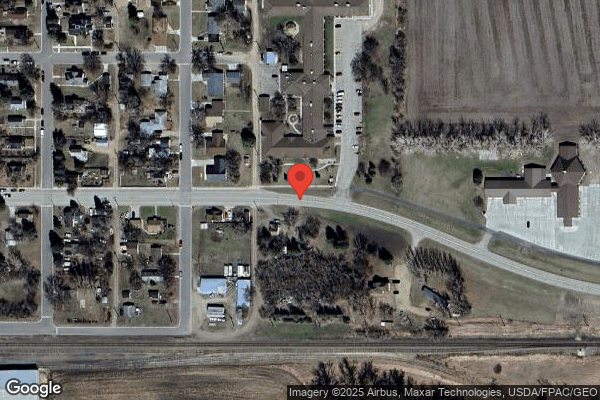

501 E FRONT ST, LARIMORE, ND 58251 (701) 343-6244
Non profit - Corporation 40 Beds GOOD SAMARITAN SOCIETY Data: November 2025
Trust Grade
0/100
#60 of 72 in ND
Last Inspection: February 2025

Within standard 12-15 month inspection cycle. Federal law requires annual inspections.

Overview

Good Samaritan Society - Larimore has received a Trust Grade of F, indicating significant concerns and a poor overall reputation. They rank #60 out of 72 nursing homes in North Dakota, placing them in the bottom half of facilities in the state, and they are last among the three options in Grand Forks County. Unfortunately, the facility is worsening, with issues increasing from 14 in 2024 to 17 in 2025. Staffing is a concern, with a rating of 2 out of 5 stars and a turnover rate of 77%, which is much higher than the state average of 48%. Although they have average RN coverage, recent inspections revealed serious incidents, such as a resident falling during a transfer due to improper use of assistive devices and another resident suffering from continued weight loss due to a lack of monitoring and intervention. Overall, while there are some strengths, the numerous issues and poor ratings suggest families should proceed with caution when considering this facility.

Trust Score
F
0/100
In North Dakota
#60/72
Bottom 17%
Safety Record
High Risk
Review needed
Inspections
Getting Worse
14 → 17 violations
Staff Stability
⚠ Watch
77% turnover. Very high, 29 points above average. Constant new faces learning your loved one's needs.
Penalties
○ Average
$22,663 in fines. Higher than 71% of North Dakota facilities. Some compliance issues.
Skilled Nurses
○ Average
Each resident gets 36 minutes of Registered Nurse (RN) attention daily — about average for North Dakota. RNs are the most trained staff who monitor for health changes.
Violations
⚠ Watch
46 deficiencies on record. Higher than average. Multiple issues found across inspections.
★☆☆☆☆
1.0
Overall Rating
★★☆☆☆
2.0
Staff Levels
★★☆☆☆
2.0
Care Quality
★☆☆☆☆
1.0
Inspection Score
Stable
2024: 14 issues
2025: 17 issues

The Good

  • Full Sprinkler Coverage · Fire safety systems throughout facility
  • No fines on record

Facility shows strength in fire safety.

The Bad

1-Star Overall Rating

Below North Dakota average (3.1)

Significant quality concerns identified by CMS

Staff Turnover: 77%

31pts above North Dakota avg (46%)

Frequent staff changes - ask about care continuity

Federal Fines: $22,663

Below median ($33,413)

Minor penalties assessed

Chain: GOOD SAMARITAN SOCIETY

Part of a multi-facility chain

Ask about local staffing decisions and management

Staff turnover is very high (77%)

29 points above North Dakota average of 48%

The Ugly 46 deficiencies on record

3 actual harm
Jul 2025 1 deficiency 1 Harm
SERIOUS (G) 📢 Someone Reported This

A family member, employee, or ombudsman was alarmed enough to file a formal complaint

Actual Harm - a resident was hurt due to facility failures

Accident Prevention (Tag F0689)

A resident was harmed · This affected 1 resident

Based on record review, review of the facility reported incident (FRI), and review of facility policy, the facility failed to properly utilize assistive devices necessary to prevent accidents for 1 of...

Read full inspector narrative →
Based on record review, review of the facility reported incident (FRI), and review of facility policy, the facility failed to properly utilize assistive devices necessary to prevent accidents for 1 of 1 sampled resident (Resident #1) who fell during a staff assisted transfer. Failure to utilize the gait belt resulted in Resident #1's fall/fracture and placed all residents transferred with a gait belt at risk for injury. This citation is considered past non-compliance based on review of the corrective actions the facility implemented immediately following the incident.Findings Include:The surveyor determined a deficient practice existed on 06/17/25. The facility implemented corrective action immediately and completed corrective action on 07/07/25. Review of the facility policy titled Gait Belt-Therapy & Rehab occurred on 07/09/25. This policy, dated September 2024, stated, Gait belts are used to aid patients during transfers and/or ambulation. The gait belt provides a firm grasping surface for the healthcare provider, protects the patient from accidental trauma, and helps reduce healthcare provider injury.Review of the initial FRI, dated 06/17/25, stated, Resident had a fall at this time. CNA [certified nurse aide] [#1] called nurse on walkie to let this nurse know that resident had an assisted fall to the floor during transfer from wheelchair to recliner. Resident was being transferred with 1 staff assist and states that her knees gave out. Resident assisted into recliner with hoyer [mechanical] lift and 2 staff assist. CNA reported that she observed resident hitting her head on dresser. Review of Resident #1's medical record occurred 07/09/25. Diagnoses included right hip fracture. The care plan stated, . The resident has an ADL [activities of daily living] self-care performance deficit R/T [related to] weakness E/B [evidenced by] need for assist . TRANSFER: Resident requires assist of 1 .Resident #1's progress notes, dated 06/17/25, stated, at 8:21 p.m., . Resident had a fall at this time. At 10:05 p.m. Resident sent to ER [emergency room] at this time for 10/10 [a numerical pain rating] pain in R) hip.The facility failed to ensure staff utilized a gait belt while assisting Resident #1. Based on the following information, non-compliance at F689 is considered past non-compliance. The facility implemented the following corrective actions to ensure all residents affected by the deficient practice were transferred in an appropriate manner:* Completed an investigation into Resident #1's fall/right hip fracture.* Educated CNA (#1) following the incident on 06/17/25 and 06/30/25.* Provided staff education regarding staff-assisted transfers/gait belt use via electronic messages and/or posted memos on 06/25/25 and 07/07/25.
Feb 2025 16 deficiencies
CONCERN (D) 📢 Someone Reported This

A family member, employee, or ombudsman was alarmed enough to file a formal complaint

Potential for Harm - no one hurt, but risky conditions existed

Free from Abuse/Neglect (Tag F0600)

Could have caused harm · This affected 1 resident

**NOTE- TERMS IN BRACKETS HAVE BEEN EDITED TO PROTECT CONFIDENTIALITY** Based on review of the facility reported incident and investigation documents, record review, policy review, and staff interview...

Read full inspector narrative →
**NOTE- TERMS IN BRACKETS HAVE BEEN EDITED TO PROTECT CONFIDENTIALITY** Based on review of the facility reported incident and investigation documents, record review, policy review, and staff interview, the facility failed to protect the resident's right to be free from abuse from 1 of 1 sampled resident (Resident #10) who displayed sexual behaviors towards other residents. Failure to protect residents from sexual abuse may result in fear, anxiety, mental anguish, and physical injury. Findings include: Review of the facility policy titled Abuse and Neglect - Rehab/Skilled occurred on 02/12/25. This policy, revised 07/22/24, stated, . Purpose . To ensure that residents are not subjected to abuse by anyone, including, but not limited to . other residents . To ensure that all identified incidents of alleged or suspected abuse/neglect . are promptly reported and investigated. Review of Resident #10's medical record occurred on all days of survey. A Minimum Data Set (MDS), dated [DATE], identified severe cognitive impairment. The care plan, dated 10/05/24, stated, The resident has displayed inappropriate sexual advances towards another resident . Resident will be redirected when exhibiting inappropriate sexual advances . Contact health care provider to report new behavior and seek input - Monitor the involved residents and know their whereabouts - Provide involved residents with opportunities for socialization in supervised areas - Touching female resident: tell him to stop, immediately re-direct and report to nurse. Review of the facility investigation report occurred on 02/11/25. This report, dated 10/5/24, stated, [Resident #10] approached a female resident [initials] seated in wheelchair in hallway by nurse's station and touched her breast. Incident witnessed by staff member who immediately intervened saying '[Resident #10] you cannot do that / that's inappropriate' and [Resident #10] removed his hand from the resident's breast. Female resident showed no response to being touched. This report included interviews from other female residents and stated: *[Female resident's name] . '[Resident #10], he is one of the residents here, has touched my leg before (as she says this points to top middle of her thigh). I told him to stop and he did.' . *[Female resident's name] - . '[Resident #10] has touched me on my leg before (as she says this she points to her thigh.) I told him don't do that, and he stopped.' . [Female resident's name] also reported that '[Resident #10] has asked me if he could touch me before (pointing at her breasts) and I said no, so he went on' . 'it's only been happening for a month now.' . Review of Resident #10's progress notes identified the following: *11/01/24 at 1:49 p.m. Resident was seen by staff member touching a female residents leg. Writer visited with resident about what staff had reported when asked he admitted that he had touched her [sic] stated 'she likes it' writer explained that it is inappropriate to touch her or any ladies in the facility. *01/02/25 at 3:57 p.m. Resident was seen rubbing a female residents upper thigh in the dining room during lunch. Interaction was immediately stopped and the residents were separated. Daughter was notified about the incident. Education provided to [Resident #10] about appropriate behavior. During an interview on the morning of 02/13/25, a nurse (#5) stated Resident #10's interactions on 11/01/24 and 01/02/25 have been with Resident #12. Review of Resident #12's medical record occurred on all days of survey and identified a diagnosis of dementia. The MDS, dated [DATE], identified short-and-long term memory problems. The facility failed to recognize Resident #10's behaviors as sexual abuse and implement/update interventions to prevent the behaviors.
CONCERN (D) 📢 Someone Reported This

A family member, employee, or ombudsman was alarmed enough to file a formal complaint

Potential for Harm - no one hurt, but risky conditions existed

Report Alleged Abuse (Tag F0609)

Could have caused harm · This affected 1 resident

**NOTE- TERMS IN BRACKETS HAVE BEEN EDITED TO PROTECT CONFIDENTIALITY** Based on record review, review of facility policy, and staff interview, the facility failed to report incidents of resident-to-r...

Read full inspector narrative →
**NOTE- TERMS IN BRACKETS HAVE BEEN EDITED TO PROTECT CONFIDENTIALITY** Based on record review, review of facility policy, and staff interview, the facility failed to report incidents of resident-to-resident abuse to the State Survey Agency (SSA) for 1 of 1 sampled resident (Resident #10) who exhibited sexual behaviors. Failure to report incidents of sexual abuse may result in unwanted physical and/or sexual contact and may cause all residents to experience fear, anxiety, and psychosocial harm. Findings include: Review of the facility policy titled Abuse and Neglect - Rehab/Skilled occurred on 02/12/25. This policy, revised 07/22/24, stated, . Purpose . To ensure that residents are not subjected to abuse by anyone, including, but not limited to . other residents . To ensure that all identified incidents of alleged or suspected abuse/neglect . are promptly reported and investigated. Designated agencies will be notified . including the State Survey and Certification Agency. Review of Resident #10's medical record occurred on all days of survey. A Minimum Data Set (MDS), dated [DATE], identified severe cognitive impairment. The care plan, dated 10/05/24, stated, The resident has displayed inappropriate sexual advances towards another resident . Review of Resident #10's progress notes identified the following: *11/01/24 at 1:49 p.m. Resident was seen by staff member touching a female residents leg. Writer visited with resident about what staff had reported when asked he admitted that he had touched her [sic] stated 'she likes it' writer explained that it is inappropriate to touch her or any ladies in the facility. *01/02/25 at 3:57 p.m. Resident was seen rubbing a female residents upper thigh in the dining room during lunch. Interaction was immediately stopped and the residents were separated. Daughter was notified about the incident. Education provided to [Resident #10] about appropriate behavior. The facility failed to report the above incidents to the SSA. During an interview on the afternoon of 02/12/25, a supervisory nurse (#1) stated staff failed to inform her of Resident #10's behavior on 01/02/25.
CONCERN (D) 📢 Someone Reported This

A family member, employee, or ombudsman was alarmed enough to file a formal complaint

Potential for Harm - no one hurt, but risky conditions existed

Assessment Accuracy (Tag F0641)

Could have caused harm · This affected 1 resident

**NOTE- TERMS IN BRACKETS HAVE BEEN EDITED TO PROTECT CONFIDENTIALITY** Based on record review, review of the Long-Term Care Facility Resident Assessment Instrument (RAI) 3.0 User's Manual (Version 1....

Read full inspector narrative →
**NOTE- TERMS IN BRACKETS HAVE BEEN EDITED TO PROTECT CONFIDENTIALITY** Based on record review, review of the Long-Term Care Facility Resident Assessment Instrument (RAI) 3.0 User's Manual (Version 1.19.1), and staff interview, the facility failed to ensure accurate coding of the Minimum Data Set (MDS) for 3 of 12 sampled residents (#14, #15, and #183). Failure to accurately complete the MDS does not allow each resident's assessment to reflect their current status and may affect the accurate development of a comprehensive care plan and the care provided to the residents. Findings include: SECTION I: ACTIVE DIAGNOSES The Long-Term Care Facility RAI User's Manual, revised October 2024, pages I-5 and I-8, stated, . Active Diagnoses in the Last 7 Days - Check all that apply . Coding Instructions: Code diseases that have a documented diagnosis in the last 60 days and have a direct relationship to the resident's current functional status . during the 7-day look-back period . - Review of Resident #14's medical record occurred on all days of survey. The care plan stated, The resident has indwelling catheter R/T [related to] urine retention E/B [evidenced by] need for catheter. Date initiated: 12/11/2023 . A physician's progress note, dated 10/17/24, listed the diagnosis of benign prostatic hyperplasia (BPH) with urinary obstruction and chronic indwelling Foley catheter. The annual MDS, dated [DATE], identified an indwelling catheter, but failed to indicate a related diagnosis. The Care Area Assessment (CAA) for Urinary Incontinence/Indwelling Catheter stated, Resident triggered CAA related to presence of Foley catheter. Staff monitor for pain/discomfort related to Foley and monitor for S/S [signs/symptoms] of UTIs [urinary tract infections]. Staff provide catheter care every shift. He is at risk for developing complications related to Foley. During an interview on 02/12/25 at 11:58 a.m., an MDS nurse (#5) agreed staff failed to code BPH and/or urinary obstruction on Resident #14's annual MDS. SECTIONS N: MEDICATIONS The Long-Term Care Facility RAI User's Manual, revised October 2024, pages N-6 to N-8, stated, . Code all high-risk drug class medications according to their pharmacological classification . N0415: High-Risk Drug Classes . Coding Instructions: . N0415I1. Antiplatelet: Check if an antiplatelet medication (e.g. [example] aspirin/extended release . was taken by the resident at any time during the 7-day observation period. - Review of Resident #15's medical record occurred on all days of survey. Medications included daily aspirin. The facility failed to code the antiplatelet medication on the quarterly MDS, dated [DATE]. - Review of Resident #183's medical record occurred on all days of survey. Medications included daily aspirin. The facility failed to code the antiplatelet medication on the quarterly MDS, dated [DATE]. During an interview on 02/13/25 at 11:50 a.m., administrative staff member (#1) confirmed facility staff failed to code antiplatelet use for Resident #15 and #183.
CONCERN (D) 📢 Someone Reported This

A family member, employee, or ombudsman was alarmed enough to file a formal complaint

Potential for Harm - no one hurt, but risky conditions existed

Deficiency F0655 (Tag F0655)

Could have caused harm · This affected 1 resident

Based on record review, review of facility policy, and staff interview, the facility failed to implement a baseline care plan to fully reflect the resident's needs for 1 of 2 sampled residents (Reside...

Read full inspector narrative →
Based on record review, review of facility policy, and staff interview, the facility failed to implement a baseline care plan to fully reflect the resident's needs for 1 of 2 sampled residents (Resident #179) newly admitted to the facility. Failure to develop and implement a complete baseline care plan may result in care that is inconsistent with residents' needs. Findings include: Review of the facility policy titled Comprehensive Care Plan And Care Conferences occurred on 02/13/25. This policy, dated 01/31/25, stated, . Baseline Care Plan. If utilized, review the Pre-admission Data Collection and other admission information . to develop an initial care plan that includes specific interventions including but not limited to: Initial goals . physician orders . and resident-specific care. Review of Resident #179's medical record occurred on all days of survey and identified an admission date of 02/03/25. Diagnoses included diabetes and hydrocephalus (accumulation of fluid in the brain). Physician's orders included, Lantus Solo Star (Insulin) . Inject 40 unit . one time a day for blood sugar and Acetazolamide [a diuretic medication] ER [Extended Release] . Give 500 mg by mouth two times a day for obstructive hydrocephalus. The resident's base line care plan, dated 02/03/25, stated, . The resident is on diabetic therapy . Monitor resident condition based on clinical practice guidelines or clinical standards of practice r/t [related to] use of acetazolamide . Resident #179's care plan incorrectly identified Acetazolamide as a treatment for diabetes, failed to address the use of insulin and interventions for blood sugar irregularities, and failed to correctly identify the use of a diuretic and interventions for complications of hydrocephalus. During an interview on 02/13/25 at 11:50 a.m., two administrative staff members (#1 and #2) confirmed staff failed to develop an accurate baseline care plan for Resident #179.
CONCERN (D) 📢 Someone Reported This

A family member, employee, or ombudsman was alarmed enough to file a formal complaint

Potential for Harm - no one hurt, but risky conditions existed

Accident Prevention (Tag F0689)

Could have caused harm · This affected 1 resident

Based on observation, record review, review of facility policy, and staff interview, the facility failed to provide adequate supervision for 1 of 1 sampled residents (Resident #16) who smoked. Failure...

Read full inspector narrative →
Based on observation, record review, review of facility policy, and staff interview, the facility failed to provide adequate supervision for 1 of 1 sampled residents (Resident #16) who smoked. Failure to ensure the resident smoked outside in the designated area and to keep cigarettes and lighters locked in a cabinet placed all residents at risk for injury. Findings include: Review of the facility policy titled Smoking and Tobacco Use occurred on 02/12/25. The policy, dated 11/27/24, stated, . Smoking and tobacco use inside Society-owned buildings is not permitted . Smoking and tobacco use is permitted only in acceptable outdoor, location-designated areas. Review of the facility policy titled Smokers Policy occurred on 02/12/25. The policy, dated 12/24/24, stated, . Smoking is permitted in the smokers shed located on the North end of the building. It is not permitted to smoke anywhere else on this campus. Smoking is not permitted anywhere inside this building . Review of Resident #16's medical record occurred on all days of survey. The care plan stated, The resident uses tobacco products E/B [evidence by] smoking cigarettes . Check resident for lighter and cigarettes when returning from smoking . store cigarettes and lighter at nurse's station. A Tobacco Use Evaluation, dated 06/06/23, identified the resident as safe to smoke independently and indicated the resident could have two cigarettes at a time. Resident #16's progress notes stated: *12/12/24 at 9:11 a.m. Resident found smoking in Wellness Center entryway by CMA [certified medication aide]. She instructed resident to go outside to designated smoking area. Writer noted resident smoking just outside the wellness center door and talked to him about following the rules per our facility policy. *12/12/24 8:26 p.m. Resident found smoking in entryway between wellness center and outdoors. When found smoking, resident rolled his eyes at staff member, then snuffed cigarette out on carpet. Resident was informed that smoking is not in this area . This is the second time in less than 12h [hours] that resident has been caught smoking indoors. *12/14/24 6:47 a.m. resident in front of wellness center smoking. Resident wheelchair's back to the entrance door and is on the concrete slope. informed there is a designated smoking area he should be smoking [sic] for safety. Observation on the afternoon of 02/11/25 and the morning of 02/12/25 showed cigarettes and lighters stored in an unlocked storage room in an open box attached to the wall. The open box contained a lock with the key in the locking mechanism. During an interview on 02/12/25 at 12:01 p.m., an administrative staff member (#7) stated staff are expected to keep the box with the cigarettes and lighters closed and locked with the key kept in the nurse's medication cart. The staff member (#7) locked the box and handed the keys to a nurse (#3) and the nurse stated, I had not heard that. During an interview on the morning of 02/13/25, an administrative nurse (#2) stated Resident #16 should not smoke inside the facility or right next to the building.
CONCERN (D) 📢 Someone Reported This

A family member, employee, or ombudsman was alarmed enough to file a formal complaint

Potential for Harm - no one hurt, but risky conditions existed

Incontinence Care (Tag F0690)

Could have caused harm · This affected 1 resident

**NOTE- TERMS IN BRACKETS HAVE BEEN EDITED TO PROTECT CONFIDENTIALITY** Based on observation, record review, review of a professional reference, and staff interview, the facility failed to provide app...

Read full inspector narrative →
**NOTE- TERMS IN BRACKETS HAVE BEEN EDITED TO PROTECT CONFIDENTIALITY** Based on observation, record review, review of a professional reference, and staff interview, the facility failed to provide appropriate toileting for 2 of 9 sampled residents (Resident #4 and #8) who required staff assistance with toileting. Failure to provide toileting may result in a loss of dignity and placed the residents at risk for skin breakdown, poor grooming/hygiene, decreased self-esteem, urinary tract infections, and fall and/or injuries. Findings include: Kozier & Erb's Fundamentals of Nursing: Concepts, Process and Practice, 11th Edition eText, 2021, Pearson, Boston, Massachusetts, page 892, stated, Fecal and Urinary Incontinence: Moisture from incontinence promotes skin maceration [tissue softened by prolonged exposure to being wet or soaked] and makes the epidermis [skin] more easily eroded and susceptible to injury. Digestive enzymes in feces, urea in urine . also contribute to skin excoriation [area of loss of the superficial layers of the skin] . Any accumulation of secretions . is irritating to the skin, harbors microorganisms, and makes an individual prone to skin breakdown and infection. Page 1221 stated, Managing Urinary Incontinence . Habit training, also referred to as timed or prompted voiding and scheduled toileting, attempts to keep clients dry by having them void at regular intervals, such as every 2 to 4 hours. The goal is to keep the client dry . -Review of Resident #4's medical record occurred on all days of survey and included a diagnosis of multiple sclerosis (MS). The Minimum Data Set (MDS), dated [DATE], identified always incontinent of urine and frequently incontinent of bowel. The care plan stated, . The resident has an ADL [activities of daily living] self-care performance deficit R/T [related to] MS E/B [evidence by] needing assist. TOILETING: Toileting schedule: offer upon rising before and after meals, bedtime and prn [as needed] . The resident has bladder incontinence R/T decreased mobility and MS E/B frequently incontinent of bladder . The resident has impaired cognitive function R/T MS E/B poor safety awareness, some cognitive impairment. Observations showed the following: *02/11/25 at 10:58 a.m. The certified nurse aide (CNA #8) entered Resident #4's room and offered to toilet and reposition, and the resident refused. The CNA (#8) stated, this is a constant [referring to refusal of toileting] with [resident name], he is in the morning and then not until bed [referring to the time he will allow toileting or check and change]. *02/11/25 at 1:15 p.m. The CNA (#8) entered Resident #4's room and offered to toilet and reposition, and the resident refused. *02/11/25 at 2:59 p.m. The CNA (#8) entered resident #4's room and offered to toilet and reposition, and the resident refused. The CNA (#8) failed to check Resident #4's brief, encourage toileting or repositioning, provide education, or notify the nurse of the resident's refusal during the above observations. Review of Resident #4's toileting record, dated January 14 - February 12, 2025, identified the following: *Two days, not checked/changed or toileted for 24 hours. *Twelve days, checked/changed or toileted one time in 24 hours. *Eleven days, checked/changed or toileted two times in 24 hours. *Five days, checked/changed or toileted three times in 24 hours. -Review of Resident #8's medical record occurred on all days of survey and included a diagnosis of bipolar disorder. The MDS, dated [DATE], identified frequently incontinent of urine and occasionally incontinent of bowel. The care plan stated, . The resident has bowel incontinence and needs assist and has loose stools at times . The resident has bladder incontinence and needs assist . The resident has an ADL self-care performance deficit R/T bipolar and no desire to complete tasks at times E/B need for assist .TOILET USE: Resident requires assist of 1 wears incontinent products . Toileting schedule: offer upon rising before and after meals, bedtime and PRN . Resident needs a lot of encouragement as refuse [sic] cares at times. needs assist with all incontinent episodes . The resident has impaired thought processes . E/B impaired judgment. Observations showed the following: *02/10/25 at 2:25 p.m. Resident #8 in bed and covered with blanket. The CNA (#8) asked if he had used the toilet today and the resident responded no. *02/11/25 at 11:45 a.m. Resident #8 sitting in dining room with a strong odor of feces. The CNA (#8) asked if he had used the toilet today and the resident responded no. *02/11/25 at 12:28 p.m. Resident #8 walked down the hallway to his room with feces on his shirt and pants and laid down in bed. *02/11/25 at 12:50 p.m. This surveyor asked the CNA (#8) to check on Resident #8 as he had soiled his shirt and pants. The CNA (#8) entered his room and asked the resident if he needed the bathroom, and the resident responded no. The CNA (#8) stated, I smell BM [bowel movement], let's go to the bathroom. The resident stated no and told the CNA to come back at 2:00 p.m. The CNA (#8) stated, the resident frequently refuses toileting cares and, all we can do is come back later. When asked about the facility procedure, the CNA thought about it and stated, I guess, I better let the nurse know. The nurse (#10) entered the room and with encouragement and education, assisted the resident to the bathroom. Review of Resident #8's toileting record, dated January 14 - February 12, 2025, identified the following: * Three days, not checked/changed or toileted for 24 hours. * Thirteen days, checked/changed or toileted one time in 24 hours. * Nine days, checked/changed or toileted two times in 24 hours. * Four days, checked/changed or toileted three times in 24 hours. * One day, checked/changed or toileted four times in 24 hours. During an interview on 02/12/25 at 10:49 a.m., when asked about Resident #4 and Resident #8's toileting record and observations, a nursing staff member (#3) stated, Staff are expected to let nursing know of any refusal of cares, and agreed, the resident's record lacked documentation of refusals.
CONCERN (D) 📢 Someone Reported This

A family member, employee, or ombudsman was alarmed enough to file a formal complaint

Potential for Harm - no one hurt, but risky conditions existed

Deficiency F0698 (Tag F0698)

Could have caused harm · This affected 1 resident

Based on record review, policy review, and staff interviews, the facility failed to provide the care and services consistent with professional standards of practice for 1 of 1 sampled resident (#183) ...

Read full inspector narrative →
Based on record review, policy review, and staff interviews, the facility failed to provide the care and services consistent with professional standards of practice for 1 of 1 sampled resident (#183) currently receiving dialysis. Failure to receive dialysis treatment communication may result in an unidentified change in the resident's condition. Findings include: Review of the facility policy titled Dialysis Services occurred on 02/13/25. This policy, dated 09/25/24, stated, . Care plan dialysis care specific to the resident: for example, unique nutritional needs or fluid restriction, avoid B/P [blood pressure] in arm with fistula, any other restrictions per provider. Provide education specific to the resident and their support system. Review of Resident #183's medical record occurred on all days of survey. A nursing order, dated 02/07/25, stated, Complete UDA [user defined assessment]: Clinical Monitoring - Dialysis: prior to departure of dialysis and after returning from dialysis two times a day every Mon, Wed, Fri [Monday, Wednesday, Friday] for dialysis monitoring. The current care plan stated, . The resident needs . hemodialysis R/T [related to] chronic kidney disease stage 4. Dialysis at [facility name] three times per week via fistula Lt [left] upper arm . Encourage resident to go for the scheduled dialysis appointments. Monday, Wednesday and Friday . Do not draw blood from Lt arm . Do not take blood pressure in Lt arm . Monitor/document/report to health care provider PRN [as needed] for s/s [signs/symptoms] of the following: Bleeding, hemorrhage, bacteremia, septic shock [infections] . The medical record lacked documentation of communication from the dialysis unit regarding Resident #183's condition during and after treatment. During an interview on 02/13/25 at 9:05 a.m., a staff nurse (#3) stated staff send an order sheet, medication list, and a copy of Resident #183's care plan with the resident to the dialysis facility. The nurse (#3) confirmed the dialysis facility does not send any further communication. During an interview on 02/13/25 at 11:50 a.m., two administrative staff members (#1 and #2) confirmed nursing staff do not receive hand off communication about the dialysis run from the dialysis unit regarding the resident's condition during and after treatments.
CONCERN (D) 📢 Someone Reported This

A family member, employee, or ombudsman was alarmed enough to file a formal complaint

Potential for Harm - no one hurt, but risky conditions existed

Unnecessary Medications (Tag F0759)

Could have caused harm · This affected 1 resident

Based on observation, record review, review of facility policy, review of professional reference, and staff interview the facility failed to ensure a medication error rate of less than five percent fo...

Read full inspector narrative →
Based on observation, record review, review of facility policy, review of professional reference, and staff interview the facility failed to ensure a medication error rate of less than five percent for 3 of 5 residents (Resident #2, #4, and #5) observed during medication administration. Four medication errors occurred during staff administration of 26 medications, resulting in a fifteen percent error rate. Failure to properly prepare and administer medications may result in residents receiving an ineffective dose and experiencing adverse reactions. Findings include: Review of the facility policy titled Medication: Insulin Administration, Insulin Pens, Insulin Pumps occurred on 02/13/25. This policy, dated 09/05/24, stated, . Insulin Pen . Turn the dosage knob to '2' units to prime the pen. Holding the pen with the needle pointing upwards, press the button until at least a drop of insulin appears. Review of the facility policy titled Medications: Crushing occurred on 02/13/25. This policy, dated 01/31/24, stated, . Some medications, such as sustained release medications among others, are not to be crushed or chewed. Skidmore-Roth's Mosby's 2023 Nursing Drug Reference, 36th Edition eText, 2023, Elsevier - Evolve, page 704, stated, . Isosorbide Mononitrate - Do not break, crush, or chew . Information found at https://www.drugs.com/mtm/slow-mag.html, page 3, stated, How should I take Slow-Mag? . Swallow the tablet whole and do not crush, chew, or break it . - Review of Resident #2's medical record occurred on all days of survey. Physician's orders identified Slow-Mag (a delayed release combination calcium/magnesium supplement) and Isosorbide Mononitrate ER (extended release) (medication used to control chest pain). Observation on 02/12/25 at 8:28 a.m. showed a medication aide (MA) (#4) dispensed a Slow-Mag tablet and an Isosorbide Mononitrate ER tablet from Resident #2's medication card, placed the tablets into a cup along with other scheduled medications, poured the medications from the cup into a plastic sleeve, and crushed the medications. The MA then poured the crushed contents into pudding and administered the medications to Resident #2. The MA (#4) failed to follow manufacturer's instructions and crushed the Isosorbide Mononitrate ER and Slow-Mag. - Observations on 02/12/25 showed the following: * At 11:55 a.m., a nurse (#3) prepared a Humalog insulin pen for Resident #4. The nurse applied a needle, dialed the pen to two units, and with the needle pointed down, dispensed the insulin into a sink. * At 12:17 p.m., a nurse (#3) prepared an Insulin Lispro pen for Resident #5. The nurse applied a needle, dialed the pen to two units, and with the needle pointed down, dispensed the insulin into a sink. The nurse (#3) failed to prime the insulin pens with the needle pointed up. During an interview on 02/13/25 at 11:50 a.m., an administrative staff member (#1) stated she expected staff to prime insulin pens vertically and not crush delayed or extended-release medications.
CONCERN (E) 📢 Someone Reported This

A family member, employee, or ombudsman was alarmed enough to file a formal complaint

Potential for Harm - no one hurt, but risky conditions existed

Deficiency F0657 (Tag F0657)

Could have caused harm · This affected multiple residents

Based on record review, review of facility policy, and staff interview, the facility failed to review and revise care plans to reflect the residents' current status for 4 of 12 sampled residents (Resi...

Read full inspector narrative →
Based on record review, review of facility policy, and staff interview, the facility failed to review and revise care plans to reflect the residents' current status for 4 of 12 sampled residents (Resident #3, #15, #24, and #183). Failure to update care plans limited the staffs' ability to communicate needs and ensure continuity of care. Findings include: Review of the facility policy titled Comprehensive Care Plan And Care Conferences occurred on 02/13/25. This policy, dated 01/31/25, stated, . The care plan is driven by identified resident issues/conditions and their unique characteristics, strengths and needs. In addition to updates during a care plan review, care plans must be revised as the resident's needs/status changes. - Review of Resident #3's medical record occurred on all days of survey. A physician's order, dated 12/03/24, stated, FSBS (Finger Stick Blood Sugar) 2 times a day and PRN as needed . Oxygen . at night . The care plan stated, . The resident has altered respiratory r/t [related to] need for O2 [oxygen] at all times . The care plan failed to identify Resident #3's blood sugar checks and to revise the oxygen needs. During an interview on 02/13/25 at 10:02 a.m., an administrative staff member (#2) confirmed staff failed to update Resident #3's care plan. - Review of Resident #15's medical record occurred on all days of survey. The care plan identified Enhanced Barrier Precautions (EBP) but the medical record failed to include a diagnosis or problem related to the need for EBP. Physician orders included, oxycodone (a narcotic pain medication) oral tablet 5 milligrams (MG) Give 5 mg by mouth every 12 hours as needed for moderate or severe pain. The care plan failed to identify the problem and interventions related to pain control. - Review of Resident #24's medical record occurred on all days of survey. Physician orders included, furosemide (a diuretic medication) oral tablet 20 MG Give 2 tablet by mouth one time a day for edema. The care plan failed to identify the problem and interventions related to edema. During an interview on 02/13/25 at 10:23 a.m., an administrative staff member (#2) confirmed staff failed to update Resident #15's and Resident #24's care plan. - Review of Resident #183's medical record occurred on all days of survey. A physician's order, dated 8/22/24, stated, 2000 cc [a unit of measurement] fluid restriction to be divided as follows: 1000 cc-Dietary, 500cc-Nursing, day shift, 500cc eve [evening]/NOC [night] . Document amount received q [every] shift. The current care plan stated, . Resident meets criteria for protein calorie malnutrition dx [diagnosis] and R/T [related to] current diet . 200 cc fluid rst. [restriction]. The facility failed to correctly state Resident #183's fluid restriction on the care plan. During an interview on 02/13/25 at 11:50 a.m., an administrative staff member (#2) confirmed Resident #183's care plan was incorrect.
CONCERN (E) 📢 Someone Reported This

A family member, employee, or ombudsman was alarmed enough to file a formal complaint

Potential for Harm - no one hurt, but risky conditions existed

Deficiency F0725 (Tag F0725)

Could have caused harm · This affected multiple residents

Based on review of resident council minutes, staffing record review, confidential resident and family interviews, and staff interview, the facility failed to provide sufficient nursing staff and relat...

Read full inspector narrative →
Based on review of resident council minutes, staffing record review, confidential resident and family interviews, and staff interview, the facility failed to provide sufficient nursing staff and related services to meet the residents' needs for 4 of 4 residents (Resident B, C, D, and E) who require staff assistance. Failure to provide sufficient nursing staff may result in residents experiencing unmet needs, poor hygiene, incontinence, and skin issues and may negatively affect the residents' physical, mental, and psychosocial well-being. Findings include: Review of the resident council meeting minutes, dated November 2024-February 2025, identified the following resident concerns: waiting too long to use the bathroom, no clean towels provided over the weekend, on-going problem with weekend trash removal from rooms, waiting too long for call lights to be answered, staff turn off the call light without asking what the resident needed and leave the room, often only one CNA on the floor, and not enough staff. Resident and family interviews identified the following: * 02/10/25 at 1:01 p.m., Resident B stated, They fill up the place but don't have enough staff. In the last two weeks [the facility] brought in eight new people [residents] but no more staff. All three shifts don't have enough staff. Resident B stated he/she experienced incontinence while waiting for assistance, sometimes waiting a half-hour. * 02/10/25 at 2:40 p.m., Resident C stated when first admitted staff answered the call light in about five minutes, but now I can wait over an hour. * 02/10/25 at 3:35 p.m., Resident D stated, They are short on help, it often takes 20 minutes or more [answer call light] and by then you either [expletive] your pants or piss your pants. * 02/11/25 at 11:31 a.m., Family member E stated [resident name] said it takes up to a half-hour to answer call lights. The family member said they've visited at various times of the day and have witnessed call light wait times up to a half-hour and there is not enough help. During an interview on the morning of 02/13/25, a staff scheduler (#6) stated they increased the amount of CNA staff about 2-3 weeks ago when the census increased. Review of the staffing records from February 1-13, 2025 showed the facility failed to staff the total amount of increased CNA coverage on four of the past 13 days and a bath aide on two days. Refer to F600, F690, and F809.
CONCERN (E) 📢 Someone Reported This

A family member, employee, or ombudsman was alarmed enough to file a formal complaint

Potential for Harm - no one hurt, but risky conditions existed

Deficiency F0809 (Tag F0809)

Could have caused harm · This affected multiple residents

Based on observation, review of resident council minutes, and resident and staff interviews, the facility failed to provide snacks to residents within the facility. Failure to provide snacks may resul...

Read full inspector narrative →
Based on observation, review of resident council minutes, and resident and staff interviews, the facility failed to provide snacks to residents within the facility. Failure to provide snacks may result in hunger, weight loss, and hypoglycemia (low blood sugar) for diabetic residents. Findings include: Upon request on the afternoon of 02/11/25, the facility failed to provide a policy on snacks. Review of the resident council meeting minutes, dated November 2024-February 2025, identified the following resident concerns: *11/27/24, Evening snack pass is happening more often but still not consistently. *12/18/24, Evening snack pass is inconsistent; residents still need to ask for evening snack. *01/14/25, The snack cart remains problematic. One resident often wanders and touches the food on the cart. [Resident #15] reported inconsistency in passing snacks to residents in their rooms. During an interview on 02/10/25 at 2:44 p.m., Resident #15 stated the snacks are delivered to the nurse's station and that's where they stay, they are not delivered to residents in their rooms. Resident #15 stated this happens way too often and I'm a diabetic and I sometimes need that snack. Observations on 02/11/25 showed the following: *3:04 p.m., Snacks delivered on a cart to the nursing station. *3:11 p.m., Resident #12 removed the plastic wrap from the plate of snack bars and touched then while several staff members stood or walked nearby. *3:15 p.m., An unidentified resident sat in the lounge and asked a certified nurse aide (CNA) (#11) for a snack. The CNA (#11) pulled the snack cart into the lounge and obtained a snack bar for the resident. Before the CNA could give the resident the snack bar, this surveyor informed the CNA another resident had touched the bars. During an interview on the afternoon of 02/11/25, a dietary manager (#9) stated, The kitchen provides the snacks, and we usually put them by the nurse's station. But we are not responsible for delivering them.
CONCERN (E) 📢 Someone Reported This

A family member, employee, or ombudsman was alarmed enough to file a formal complaint

Potential for Harm - no one hurt, but risky conditions existed

Food Safety (Tag F0812)

Could have caused harm · This affected multiple residents

Based on observation, review of facility policy, review of professional reference, and staff interview, the facility failed to ensure food is stored in accordance with professional standards for food ...

Read full inspector narrative →
Based on observation, review of facility policy, review of professional reference, and staff interview, the facility failed to ensure food is stored in accordance with professional standards for food service sanitation in 1 of 1 kitchen. Failure to ensure food is stored, prepared, and served in a sanitary environment may result in contamination for residents, visitors, and staff. Findings include: Review of the facility policy titled Food-Supply Storage -Food and Nutrition Services occurred on 02/12/25. This policy, revised on 05/07/24, stated, . Storeroom layout: 1. All food/supply items are stored six inches off the floor. 20. Employee . food/fluids are not stored in the preparation kitchen cooler/freezer or dry storage. Review of the facility policy titled Employee Hygiene and Dress Code occurred on 02/12/25. This policy, revised 06/12/24, stated, . Hairnets or hair restraints . are used: a. When cooking, preparing, assembling food or ingredients. This includes dish rooms and storage areas. Hair is to be covered completely . The 2022 Food and Drug Administration (FDA) Food Code, Chapter 3-16, stated, . 3-305.11 Food Storage. FOOD shall be protected from contamination by storing the FOOD: (1) In a clean, dry location; (2) Where it is not exposed to splash, dust, or other contamination . Annex 3 Page 100, stated, . 3-305.12 Food Storage, Prohibited Areas. Pathogens can contaminate and/or grow in food that is not stored properly. Drips of condensate . can be sources of microbial contamination for stored food. Observations of the kitchen showed the following: * On 02/10/25 at 1:32 p.m., The walk-in freezer contained condensation and ice-build-up on the ceiling and floor and boxes of food sat directly on the iced floor. The walk-in refrigerator contained a closed medication box and an unopened bottle of cola. The dietary manager (#9) stated, the medication and cola belong to a dietary staff member and, should not be in here we have an employee refrigerator. * On 02/13/25 at 10:03 a.m. Observation of the walk-in refrigerator at this time showed six large bundles of flowers. During an interview on 02/13/25 at 10:49 a.m., two administrative staff members (#1 and #2) confirmed kitchen coolers are to remain free from personal items, medications, and flowers.
CONCERN (F) 📢 Someone Reported This

A family member, employee, or ombudsman was alarmed enough to file a formal complaint

Potential for Harm - no one hurt, but risky conditions existed

Deficiency F0801 (Tag F0801)

Could have caused harm · This affected most or all residents

Based on staff interview, the facility failed to ensure 1 of 1 dietary manager (#9) obtained the proper qualifications to serve as the director of food and nutrition services. Failure to ensure staff ...

Read full inspector narrative →
Based on staff interview, the facility failed to ensure 1 of 1 dietary manager (#9) obtained the proper qualifications to serve as the director of food and nutrition services. Failure to ensure staff have the qualifications to carry out the functions of food and nutrition services has the potential to result in foodborne illness to residents, staff, and visitors. Findings include: During an interview on 02/10/25 at 1:52 p.m., the dietary manager (#9) stated he is currently enrolled in a certified dietary manager course but has not completed it. The facility failed to ensure the dietary manager (#9) completed the required education for a certified dietary manager, certified food service manager, or a national certification for food service management and safety from a national certifying body.
CONCERN (F) 📢 Someone Reported This

A family member, employee, or ombudsman was alarmed enough to file a formal complaint

Potential for Harm - no one hurt, but risky conditions existed

Deficiency F0865 (Tag F0865)

Could have caused harm · This affected most or all residents

Based on review of the State Agency (SA) facility files, survey findings, and staff interview, the facility failed to develop a Quality Assurance and Performance Improvement (QAPI) process to evaluate...

Read full inspector narrative →
Based on review of the State Agency (SA) facility files, survey findings, and staff interview, the facility failed to develop a Quality Assurance and Performance Improvement (QAPI) process to evaluate and identify problems and opportunities to improve services/outcomes, decrease or prevent likelihood of problems or occurrence of adverse events, and ensure compliance with federal requirements. Findings include: Review of the state agency files indicated the facility failed to maintain compliance at F657, F690, F725, F759, and F812 as indicated by deficiencies cited during the last standard survey on 02/01/24. Refer to F657, F690, F725, F759, and F812 for specific findings. During an interview on 02/13/25 at 12:01 p.m., an administrative staff member (#10) stated, We work as a team to develop the plan of correction and conduct audits following the federal survey. She stated the facility departments conducted various audits monthly, but was unaware if staff monitored the areas recited, other than care planning, Failure of the facility to effectively utilize QA resulted in continued noncompliance in the following areas: * F657 Care Plan Timing and Revision * F690 Bowel/Bladder Incontinence * F725 Sufficient Nursing Staff * F759 Free of Medication Errors * F812 Food Procurement, Store/Prepare/Serve-Sanitary
CONCERN (F) 📢 Someone Reported This

A family member, employee, or ombudsman was alarmed enough to file a formal complaint

Potential for Harm - no one hurt, but risky conditions existed

Deficiency F0882 (Tag F0882)

Could have caused harm · This affected most or all residents

Based on review of employee files, review of facility policy, and staff interview, the facility failed to employ an individual who has completed specialized training in infection prevention and contro...

Read full inspector narrative →
Based on review of employee files, review of facility policy, and staff interview, the facility failed to employ an individual who has completed specialized training in infection prevention and control, to be responsible for the facility's Infection Prevention and Control program. Failure to employ an Infection Control Preventionist (ICP) may affect all residents, staff, and visitors, placing them at risk for acquiring infectious diseases. Findings include: Review of the facility policy titled Infection Preventionist and Control Program occurred on 02/13/25. This policy, dated 12/02/24, stated, . The SNF [Skilled Nursing Facility] Infection Preventionist must . Have completed specialized training in infection prevention and control . During an interview on 02/10/25 at 4:14 p.m., an administrative nurse (#1) confirmed the facility failed to have a staff member with specialized training in infection prevention and control.
MINOR (C) 📢 Someone Reported This

A family member, employee, or ombudsman was alarmed enough to file a formal complaint

Minor Issue - procedural, no safety impact

Staffing Information (Tag F0732)

Minor procedural issue · This affected most or all residents

Based on observation, record review, and staff interview, the facility failed to ensure posting of accurate staffing information on 4 of 4 days of survey (February 10-13, 2025). Failure to post accura...

Read full inspector narrative →
Based on observation, record review, and staff interview, the facility failed to ensure posting of accurate staffing information on 4 of 4 days of survey (February 10-13, 2025). Failure to post accurate staffing data does not allow residents and visitors to be aware of the number of licensed and unlicensed staff on duty each shift. Findings include: Observation on all days of survey showed the Daily Staffing form posted in the hall by the residents' dining room. Review of the staffing forms showed the facility failed to post accurate information regarding the number of unlicensed staff working each shift from February 10-13, 2025. During an interview on the morning of 02/13/25, an administrative nurse (#1) and staffing scheduler (#6) agreed the daily staffing forms were incorrect.
Feb 2024 14 deficiencies 1 Harm
SERIOUS (G) 📢 Someone Reported This

A family member, employee, or ombudsman was alarmed enough to file a formal complaint

Actual Harm - a resident was hurt due to facility failures

Deficiency F0692 (Tag F0692)

A resident was harmed · This affected 1 resident

Based on observation, record review, review of facility policy, and staff interview, the facility failed to maintain acceptable parameters of nutritional status for 1 of 2 sampled residents (Resident ...

Read full inspector narrative →
Based on observation, record review, review of facility policy, and staff interview, the facility failed to maintain acceptable parameters of nutritional status for 1 of 2 sampled residents (Resident #81) with weight loss. Failure to routinely monitor and evaluate weights, ensure timely weight loss interventions and consistently implement them, accurately document intakes, and periodically review existing interventions and evaluate the need for updated interventions resulted in continued weight loss for Resident #81. Findings include: Review of the facility policy titled Weight and Height occurred on 02/01/24. This policy, dated 09/18/23, stated, . PURPOSE . To ensure that the resident maintains acceptable parameters of nutritional status regarding weight . To monitor weight loss or gain in a resident . All residents are weighed at a minimum of weekly for the first four weeks following admission . Residents at nutritional risk will be weighed weekly . Review of the facility policy titled Nutrition and Hydration - Food and Nutrition occurred on 02/01/24. This policy, dated 04/12/23, stated, . POLICY: The location ensures that each resident maintains acceptable parameters of nutritional status such as usual body weight or desirable body weight range and electrolyte balance unless the resident's clinical condition demonstrates that this is not possible or resident preferences indicate otherwise. Provide nutritional care and services to each resident, consistent with the resident's comprehensive assessments and periodic reassessments. a. Identify, implement, monitor and modify interventions (as appropriate) that are consistent with the resident's assessed needs, choices, preferences, goals and current professional standards of practice to maintain acceptable parameters of nutritional status. b. Monitor weight and intake of food and drinks. Review of Resident #81's medical record occurred on all days of survey. Diagnoses included diabetes mellitus Type II, hypertension, and deafness. An admission Mini-Nutritional Assessment (MNA), completed by the dietician on 10/26/23, identified a score of 10, indicating at risk of malnutrition. The current care plan identified, . The resident has unplanned/unexpected weight loss R/T [related to] nausea and poor intakes. Date Initiated: 01/15/2024 . Resident will maintain weight between # [pounds] 155-165 . Resident prefers fluids to help maintain/increase weight. Resident loves drinking juices and boosts. offer food first then fluids if less than 50% intake at meals. The record lacked evidence of implementation of a care plan related to weight loss prior to 01/15/24. Weights obtained since admit included: *10/19/23 194.4 pounds (Lbs) (admission weight) *11/16/23 179.5 Lbs *12/07/23 161.0 Lbs *12/14/23 no weight recorded *12/21/23 159.5 Lbs *12/28/23 159.5 Lbs *01/04/24 158.5 Lbs *01/11/24 no weight recorded *01/19/24 160.8 Lbs *01/25/24 156.0 Lbs *Staff failed to monitor Resident #81's weight for four weeks following admit. Staff failed to monitor the resident's weight weekly after the dietician determined the resident to be at nutritional risk. The weights obtained by staff showed a 14.9 lb weight loss (7.6%) in 30 days (October 19-November 16), and an additional 18.5 lb weight loss (10.3%) over the next three weeks (November 16-December 7). Dietary notes identified the following: *11/20/23 at 12:45 p.m.: . Wt: [weight] 179.5#, down 15# or 8% in the past month = significant loss. This is resident's 2nd weight since admission. Some of the weight loss may be r/t [related to] fluids as resident was started on bumex [a diuretic started on 11/08/23] d/t [due to] poor kidney function. Intake averages 50%. Staff has been giving soup and pizza in place of other items that resident doesn't seem to like. She drinks apple juice at meals, and will eat Boost pudding when offered. Wrote down questions for resident re: [regarding] food. She pointed to snacks on the piece of paper and nodded her head when I mentioned do you like cookies, pudding, yogurt?. Will add fortified to diet order and recommend a high kcal [kilocalorie] snack between meals. Will continue to monitor weekly weights. The record identified staff failed to obtain weekly weights until ordered by the physician on 12/06/23. Review of nursing assessments during this time showed Resident #81 had 1+ edema (slight pitting that disappears rapidly) to 2+ (deeper than 1, disappears in 10-15 seconds) edema in her bilateral lower extremities. *12/04/23 at 12:23 p.m., . Notified of continued poor intake. Resident is only eating 25% meals this past week. No new weight available. Visited with resident's daughters about weight loss and poor appetite. They provided a list of food likes and dislikes. Posted list in kitchen. Resident was given preferred foods at noon meal today, and still refused to eat most of it. She would look at it and shake her head. She is being offered high kcal snack between meals and a high kcal shake at 2 pm. Continue to offer and encourage intake as resident will accept. *12/18/23 at 12:09 p.m.: . Wt: 161#, significant weight loss of 10% in 3 weeks. Resident's appetite remains very poor. She is eating 25% or less at most meals. She is refusing her favorite foods. Staff reports that she has been drinking well. Will add 240 ml [milliliters] Boost [a nutritional supplement] BID [twice a day] between meals. Continue to encourage intake as resident will accept. *01/04/24 at 12:13 p.m.: . Wt: 158#, down 3# in the past month. Weight has stabilized since starting 240 ml Boost BID. Meal intakes remain poor for the most part, eating 25% at meals with an occasional 75-100%. The kitchen offers preferred foods. Resident continues to c/o [complain of] abdominal pain. Unsure if any testing has been done to determine cause. Continue current plan. Observations identified the following: *01/29/24 12:06 p.m.: Resident #81's breakfast tray, containing one piece of toast and 240 ml of supplement, on top of a toaster in the living room area. The tray was untouched, and intake records for the meal identified 0-25% eaten. *01/30/24 at 8:43 a.m.: Resident #81 eating breakfast in the living room area. The tray contained toast and 240 ml of supplement. Resident #81 drank the supplement but did not attempt to eat the toast. A certified nurse aide (CNA) removed the tray and failed to offer Resident #81 other foods/fluids. *01/30/24 at 11:45 a.m.: An unidentified CNA took Resident #81 to the dining room. Observation showed no supplement given during the morning medication pass. *01/30/24 at 11:58 a.m.: Resident #81 sat a table in the dining room. The resident drank 240 ml of supplement and 120 ml of water. At 12:10 p.m., staff brought the resident her meal tray, which consisted of 120 ml juice, pasta, a breadstick, and cheesecake. The resident drank her juice and ate two bites of cheesecake. Throughout the meal, Resident #81 repeatedly lifted her drink glasses to her mouth and tried to take additional drinks from the empty glasses. Observation showed a CNA sat with her at the table, assisting another resident to eat. At 12:35 p.m., the CNA asked the resident if she was ready to go and removed her from the dining room. The CNA and other staff failed to offer Resident #81 additional food/fluids. Intake records for this meal identified staff documented the resident ate 26-50%. Failure of staff to accurately document intakes misrepresents actual intakes consumed by the resident and may result in a delay of additional nutritional interventions necessary to prevent further weight loss. *01/30/24 at 2:08 p.m.: Resident #81 received 120 ml (not 240 ml as ordered) of supplement, of which she drank 100%. During an interview on 01/30/24 at 4:22 p.m., a medication aide (MA) (#3) identified the nurses sign off the supplement in the medication administration record (MAR). The MA identified the supplement comes from the dietary department (around 2:00 p.m.), and the CNAs pass it out. The MA stated the drink Resident #81 had was her afternoon supplement. *01/31/24 at 9:10 a.m.: Resident #81 seated in the living room area with her breakfast tray, consisting of toast and 240 ml supplement. At 9:29 a.m., a staff member attempted to feed the resident a bite of toast, which the resident did not want. The resident consumed 100% of her supplement. The staff member then removed the tray and failed to offer the resident additional food/fluids. *01/31/24 at 11:45 a.m.: Staff brought Resident #81 to the dining room for lunch. Observation showed Resident #81 did not receive a supplement during the morning medication pass (between the breakfast meal and the lunch meal). During an interview on 01/31/24 at 1:38 p.m., a MA (#8) stated she does not give residents supplements, and they come from the dietary department. The MA stated the supplement listed on the MAR for the a.m. medication pass is the one Resident #81 receives at lunch, and the supplement for the p.m. medication pass will be given at supper. The MA stated the dietary department gives the supplements, but the nurses or MAs sign them off in the MAR. The MAR identified, House Supplement two times a day Give 240 ML of Boost BID. Start Date 12/22/2023, scheduled for the a.m. and p.m. medication pass. The MAR identified staff recorded the supplement intakes as check marks (and not the actual amount in milliliters). During an interview on the morning of 02/01/24, an administrative nurse (#4) stated the nurses or MAs should give the supplements as they are listed on the MAR. The facility failed to routinely monitor and assess Resident #81's weight, which resulted in delayed interventions for weight loss and a 33.4 pound weight loss (17%) in less than two months. The facility also failed to accurately document intakes and consistently implement existing weight loss interventions which may have contributed to further weight loss.
CONCERN (D) 📢 Someone Reported This

A family member, employee, or ombudsman was alarmed enough to file a formal complaint

Potential for Harm - no one hurt, but risky conditions existed

Resident Rights (Tag F0550)

Could have caused harm · This affected 1 resident

Based on observation and review of facility policy, the facility failed to provide care in a manner that maintained or enhanced resident dignity for 2 of 17 sampled residents (Resident #9 and #11). Fa...

Read full inspector narrative →
Based on observation and review of facility policy, the facility failed to provide care in a manner that maintained or enhanced resident dignity for 2 of 17 sampled residents (Resident #9 and #11). Failure to provide privacy during toileting does not enhance the residents' quality of life. Findings include: Review of the facility policy titled Resident Dignity occurred on 02/01/24. This policy, dated 11/16/23, stated, . The location will promote care for residents in a manner and in an environment that maintains or enhances each resident's dignity and respect . Ideas for maintaining a resident's dignity may include, but not be limited to: . Respecting resident's private space and property. Treating residents with respect . - Observation on 01/29/24 at 1:38 p.m. showed an unidentified certified nurse aide (CNA) exited Resident #9's room, leaving the door open. Observation showed the bathroom door also open, and Resident #9 seated on the toilet. - Observation on 01/29/24 at 4:27 p.m. showed Resident #11's room and bathroom doors open, and Resident #11 seated on the toilet. The resident stated, She [the CNA] was in here but she had someone else in the bathroom. When asked if the surveyor should close the bathroom door, Resident #11 replied, Yeah, that would be good. The CNAs failed to close Resident #9 and #11's doors to provide privacy and maintain dignity while toileting.
CONCERN (D) 📢 Someone Reported This

A family member, employee, or ombudsman was alarmed enough to file a formal complaint

Potential for Harm - no one hurt, but risky conditions existed

ADL Care (Tag F0677)

Could have caused harm · This affected 1 resident

Based on record review, review of facility policy, and resident interview, the facility failed to ensure residents received the necessary service to maintain personal hygiene for 1 of 16 sampled resid...

Read full inspector narrative →
Based on record review, review of facility policy, and resident interview, the facility failed to ensure residents received the necessary service to maintain personal hygiene for 1 of 16 sampled residents (Resident #12) who required staff assistance for bathing. Failure to provide assistance to residents who cannot perform the bathing task independently may result in poor hygiene, skin issues and decreased self-esteem. Findings include: Review of the facility policy titled Bathing occurred on 01/31/24. This policy, revised 08/29/23, stated . To promote cleanliness and general hygiene . to stimulate circulation of the skin. Review of Resident #12's medical record occurred on all days of survey. Diagnoses included Psoriasis (condition of the skin). The care plan stated, . Resident requires extensive assist of 1 for bathing . Psoriasis needs: monitor skin rashes for infection . notify nurse immediately of any new areas of skin breakdown noted during bath. Resident #12's bathing record identified baths scheduled twice per week on Mondays and Thursdays. Review of the December 1-31, 2023 bathing record identified the resident received five of eight scheduled baths. Review of the January 1-25, 2024 bathing record showed Resident #12 received three of eight scheduled baths. During an interview on 01/30/24 at 2:00 p.m., Resident #12 stated there is not enough staff, and sometimes they are not getting a bath because staff are too busy. He stated the lack of bathing increases the itching from his psoriasis.
CONCERN (D) 📢 Someone Reported This

A family member, employee, or ombudsman was alarmed enough to file a formal complaint

Potential for Harm - no one hurt, but risky conditions existed

Pressure Ulcer Prevention (Tag F0686)

Could have caused harm · This affected 1 resident

Based on observation, record review, review of facility policy, and staff and resident interview, the facility failed to provide care and services to promote the healing or prevent the development of ...

Read full inspector narrative →
Based on observation, record review, review of facility policy, and staff and resident interview, the facility failed to provide care and services to promote the healing or prevent the development of pressure ulcers for 3 of 17 sampled residents (Resident #15, #80, and #81). Failure to provide pressure relief interventions may result in the deterioration of existing pressure ulcers and/or the development of new pressure ulcers. Findings include: Review of the facility policy titled Skin Assessment Pressure Ulcer Prevention and Documentation occurred on 02/01/24. This policy, dated 04/26/23, stated, . Developing an individualized repositioning schedule is required for those residents unable to position themselves . The bruise/contusion/skin tear/abrasion should be monitored weekly and any changes and/or progress toward healing should be documented on the Skin Observation UDA [user defined assessment] . - Review of Resident #15's medical record occurred on all days of survey. Diagnoses included diabetes mellitus type II. The care plan stated, . The resident has potential for pressure ulcer development R/T [related to] Immobility, Incontinence, Diabetes . Assist to turn/reposition at least every 2 hours. Tilt and space wheelchair used to aid in repositioning . Physician's orders included: Cleanse area to (R) [right] buttock with normal saline and apply mepilex [a foam dressing] every 72 hours . and Heels [sic] protect boots to B/L [bilateral] feet at all time [sic] for off load . A Braden Scale for Predicting Pressure Sore Risk, dated 01/25/24, identified a score of 11 (high risk). Review of Resident #15's Skin Observation assessments identified the following: *12/07/23: . R) buttock skin shear 1 x [by] 0.2 cm [centimeter] and Mepilex applied. *12/14/23: . Left [sic, right] buttock skin shear 1 cm x 0.2 cm and Mepilex Sacral dressing applied. R) buttock skin shear 1 x 0.2 cm and Mepilex applied. *12/21/23: . redness noted to coccyx- sacral mepilex applied per orders . *01/18/24: . Coccyx slight redness/intact scab remained to coccyx area . Mepilex to coccyx for protection and change every 72 hrs [hours] and PRN [as needed] . Resident #15's medical record lacked weekly assessments of the right buttock/coccyx area between 12/21/23 and 01/18/24 and after 01/18/24. Observation on 01/30/24 from 8:10 a.m. until 12:35 p.m. (approximately 4.5 hours), and on 01/31/24 from 8:15 a.m. until 2:11 p.m. (approximately 6 hours) showed Resident #15 seated in her wheelchair without repositioning by staff. Observations throughout the day on 01/30/24 showed Resident #15 in her wheelchair without bilateral heel boots in place. Staff failed to reposition Resident #15 every two hours and failed to ensure the resident wore bilateral heel boots at all times. - Review of Resident #80's medical record occurred on all days of survey. Diagnoses included peripheral vascular disease and a pressure ulcer to the left heel. The care plan stated, . potential for further pressure ulcer development R/T stays in bed majority of day and cath [catheter] in place . Interventions . Inform resident/family of any new area of skin breakdown . Provide pressure relieving device on bed and chair . Notify nurse immediately of any new areas of skin breakdown: redness, blisters, bruises, discoloration, etc. noted during bath or daily care. The care plan lacked interventions specific to Resident #80's left heel ulcer. Resident #80's nurses' notes identified the following: *01/02/24 at 8:16 p.m.: . Resident is a new admission from [hospital name] . Has a wound to left heel with a Mepilex in place. Must wear a Prevalon boot [a pressure relieving foam boot] @ [at] all times. *01/05/24 at 3:09 p.m.: . Has P/U [pressure ulcer] to L) [left] heel and xeroform [petroleum gauze] and Mepilex applied per order. *01/07/24 at 2:43 p.m.: . P/U to L) heel present upon admission and mepilex intact and heel protective boot on at all times. *01/11/24 at 8:30 p.m.: . Has a 0.6 x 0.6 [centimeter] o/a [open area] to left heel. Applied a new Mepilex to pressure area left heel. *01/15/24 at 11:57 p.m.: . Resident does not keep heel boot on left foot. Is restless et [and] moves about in bed. *01/16/24 at 3:14 p.m.: . Resident left with ambulance staff to be evaluated in ER [emergency room] for altered mental status . *01/24/24 at 10:41 p.m.: . Resident re-admitted to Center from hospital . Unstageable pressure ulcer left heel has a Mepilex in place. *A wound assessment, dated 01/26/24, stated, . In healing process unstageable P/U . Left heel intact slight peeled skin 2x 1.4 cm . Mepilex applied . Observations throughout the day on 01/30/24 showed Resident #80 remained in bed without a pressure relieving device/mattress, her heel resting directly on a regular mattress, and a blue heel boot (for pressure relief) on the floor or on top of a box in the resident's room. During an interview on 01/30/24 at 9:29 a.m., Resident #80 stated, It's ok [her heel]. I need to get them [the staff] to put my boot on, though. The resident stated she wears her boot most of time, and sometimes I kick it off if it gets too hot. Observations showed staff entered the resident's room throughout the day but failed to assist Resident #80 with the pressure relief boot. Observations throughout the day on 01/31/24 showed Resident #80 remained in bed without a pressure relieving device/mattress, her heel resting directly on a regular mattress, and a blue heel boot on the floor. At 11:47 a.m., Resident #80 stated, I should have them [the staff] put it on. Maybe it will stop me from sliding down in bed. Observations on the morning of 02/01/24 showed Resident #80 remained in bed without a pressure relief device and her heel resting directly on the mattress. The facility failed to implement interventions for pressure relief of Resident #80's left heel. - Review of Resident #81's medical record occurred on all days of survey. The care plan stated, . has potential for pressure ulcer development R/T Immobility, Incontinence . Assist to turn/reposition every 2 hours . Provide pressure reducing device on bed and chair. 12-25-23 Foam boot to left heel at all times for protection. A Braden Scale for Predicting Pressure Sore Risk, dated 01/19/24, identified a score of 9 (very high risk). Observations on 01/30/24 from 9:00 a.m. until 4:06 p.m. showed Resident #81 seated in her wheelchair in the TV area or dining room. Staff failed to reposition the resident for approximately seven hours. Observations on 01/31/24 from 8:53 a.m. until 3:00 p.m. showed Resident #81 seated in her wheelchair in the TV area or dining room. Staff failed to reposition the resident for approximately six hours. During an interview on the morning of 02/01/24, an administrative nurse (#1) stated staff should assess the area to Resident #15's coccyx weekly. During an interview on the afternoon of 02/01/24, an administrative nurse (#1) confirmed staff should reposition Resident #15 and #81 and keep pressure off Resident #80's left heel.
CONCERN (D) 📢 Someone Reported This

A family member, employee, or ombudsman was alarmed enough to file a formal complaint

Potential for Harm - no one hurt, but risky conditions existed

Accident Prevention (Tag F0689)

Could have caused harm · This affected 1 resident

Based on observation, record review, review of facility policy, and staff and resident interview, the facility failed to provide appropriate and sufficient supervision and/or assistive devices for 2 o...

Read full inspector narrative →
Based on observation, record review, review of facility policy, and staff and resident interview, the facility failed to provide appropriate and sufficient supervision and/or assistive devices for 2 of 15 sampled residents (Resident #11 and #25) observed during transfers. Failure to provide appropriate assistance and assistive devices during transfers placed the residents at risk for accidents, falls, and/or injuries. Findings include: Review of the policy/procedure titled Safe Resident Handling Program Resource Packet occurred on 01/30/24. This policy, revised 08/01/23, stated, .The Care Plan is part of the communication process to the caregiver. Interventions must include. the type and size of the sling, the size of the harness, and the number of employees required for safety . - Review of Resident #11's medical record occurred on all days of survey. The current care plan stated, . TRANSFER: Resident requires limited assist of 1 [staff member] pivot transfer . The resident is at risk for falls R/T [related to] balance problems and left sided weakness from cva [cerebrovascular accident, i.e., stroke]. Found on floor 09/12/2023 . Educate resident about safety reminders and to call for assist with transfers and toileting . A fall investigation, dated 09/12/23, identified Resident #11 had a fall in the bathroom after getting up from the toilet and attempting to self-transfer. The investigation failed to identify if Resident #11 used her call light. Observation on 01/30/24 at 8:53 a.m. showed Resident #11 seated in her wheelchair by her bed with the call light on. At 9:09 a.m., a certified nurse aide (CNA) entered the room, shut off the call light, and left the room. Observation showed Resident #11 had already self-transferred to the toilet. During an interview on 01/30/24 at 10:40 a.m., Resident #11 stated, If you put your light on, they'll [staff] come and help. But usually by the time they get here I'm already on the toilet. The resident stated sometimes she cannot wait that long for staff to assist her. - Review of Resident #25's medical record occurred on all days of survey. The care plan stated, . TRANSFER: Extensive assist of 2 with sit to stand lift medium size harness . Toilet use: Resident requires extensive assist of 2 . Observation on 01/30/24 at 8:53 a.m. showed two CNAs (#5 and #6) transferred Resident #25 from the bed to the toilet with the sit-to-stand mechanical lift. At the end of the observation, Resident #25 reported to the CNAs (#5 and #6) the harness they used was too small, and he required the medium sized harness that hung on the bathroom door. The CNAs failed to use the appropriately sized harness for the resident while transferring. Observation on 01/30/24 at 1:47 p.m. showed a CNA (#6) assisted Resident #25 off the toilet with a mechanical sit-to-stand lift. The CNA failed to request assistance from another staff member for the transfer. During an interview on 02/01/24 at 12:24 p.m., an administrative staff member (#1) confirmed facility staff failed to follow Resident #25's care plan for transfers.
CONCERN (D) 📢 Someone Reported This

A family member, employee, or ombudsman was alarmed enough to file a formal complaint

Potential for Harm - no one hurt, but risky conditions existed

Incontinence Care (Tag F0690)

Could have caused harm · This affected 1 resident

Based on observation and record review, the facility failed to provide appropriate incontinence care for 1 of 15 sampled residents (Resident #15) who required staff assistance with toileting. Failure ...

Read full inspector narrative →
Based on observation and record review, the facility failed to provide appropriate incontinence care for 1 of 15 sampled residents (Resident #15) who required staff assistance with toileting. Failure to provide incontinence care may result in a loss of dignity and placed residents at risk for skin breakdown and urinary tract infections (UTIs). Findings include: Review of Resident #15's medical record occurred on all days of survey. Diagnoses included dementia and a hospitalization in November 2023 for a UTI. The care plan identified, . check and change q [every] 2-3 hours during the day and q 4 [hours] at night . TOILET USE: Resident is not toileted . A skin assessment, dated 01/18/24, stated, . Coccyx . slight redness/intact scab remained to coccyx area and Mepilex applied for protection. Observations on 01/30/24 from 8:10 a.m. until approximately 11:45 a.m. showed Resident #15 seated in her wheelchair in the living room area. At 11:45 a.m., staff took the resident to the dining for lunch, and at approximately 12:35 p.m., brought the resident to her room to lie down. Staff failed to check and change the resident during this time (approximately 4.5 hours). Observation on 01/31/24 from 8:15 a.m. until approximately 11:45 a.m. showed Resident #15 seated in her wheelchair in the living room area. At 11:45 a.m., staff took the resident to the dining room for lunch. After lunch, staff brought the resident to the living room where she remained in her wheelchair until 2:11 p.m. (approximately six hours). At 2:40 p.m., observation showed Resident #15 lying in bed. Bowel and bladder charting for the afternoon of 01/31/24 showed Resident #15 was incontinent of urine and a large bowel movement. The facility staff failed to provide incontinence cares for Resident #15 for periods of 4.5 to 6 hours, placing the resident at risk for further skin breakdown and UTIs.
CONCERN (D) 📢 Someone Reported This

A family member, employee, or ombudsman was alarmed enough to file a formal complaint

Potential for Harm - no one hurt, but risky conditions existed

Deficiency F0699 (Tag F0699)

Could have caused harm · This affected 1 resident

Based on record review, review of facility policy, and staff interview, the facility failed to identify a history of trauma, and/or trauma triggers for 1 of 2 sampled residents (Resident #3) reviewed ...

Read full inspector narrative →
Based on record review, review of facility policy, and staff interview, the facility failed to identify a history of trauma, and/or trauma triggers for 1 of 2 sampled residents (Resident #3) reviewed for Post-Traumatic Stress Disorder (PTSD) and/or Trauma. Failure to identify a resident's history of trauma and/or trauma triggers may cause re-traumatization. Findings include: Review of the facility policy and procedure titled Trauma Informed Care occurred on 01/31/24. This policy/procedure dated 11/16/23, stated, . Staff will ensure that residents who experience trauma receive culturally competent, trauma-informed care . accounting for residents' experiences and preferences in order to eliminate or mitigate triggers that may cause re-traumatization . Review of Resident #3's medical record occurred on all days of survey. The record showed a diagnosis of PTSD. A psychiatry provider note, dated 09/25/23, stated, . patient endorses history meeting DSM [Diagnostic and Statistical Manual of Mental Disorders] criteria for PTSD. Symptoms include nightmares, flashbacks, startle response, and intrusive thoughts/memories. The patient will also have significant panic when these occur. Symptoms can occur in any setting . The record lacked development of a plan of care that identified the resident's history of trauma, symptoms, and/or potential triggers which may cause re-traumatization. During an interview on 02/01/24 at 12:24 p.m., an administrative staff member (#1) confirmed the facility failed to identify/develop a care plan for Resident #3's PTSD and its potential triggers.
CONCERN (D) 📢 Someone Reported This

A family member, employee, or ombudsman was alarmed enough to file a formal complaint

Potential for Harm - no one hurt, but risky conditions existed

Deficiency F0727 (Tag F0727)

Could have caused harm · This affected 1 resident

Based on review of facility policy, review of the facility's nursing staff schedules, and staff interview, the facility failed to provide the services of a registered nurse (RN) for eight consecutive ...

Read full inspector narrative →
Based on review of facility policy, review of the facility's nursing staff schedules, and staff interview, the facility failed to provide the services of a registered nurse (RN) for eight consecutive hours a day, seven days a week, for 2 of 92 days reviewed (10/7/23 and 10/28/23). Failure to ensure sufficient, qualified nursing staff are available eight consecutive hours a day has the potential to affect the health and safety of all residents residing in the facility. Findings Include: Review of the facility policy titled Nursing Services Staff occurred on 01/31/24. This policy, revised October 2023, stated, . The location will use the services of a registered nurse for at least eight consecutive hours a day, seven days a week . Review of the nursing schedule for the time period of 10/01/23 to 12/31/23 showed showed the facility lacked the required RN coverage on 10/07/23 and 10/28/23. During an interview on 01/31/24 at 10:38 a.m., an administrative nurse (#1) confirmed the facility lacked eight consecutive hours of RN coverage on 10/07/23 and 10/28/23.
CONCERN (D) 📢 Someone Reported This

A family member, employee, or ombudsman was alarmed enough to file a formal complaint

Potential for Harm - no one hurt, but risky conditions existed

Deficiency F0760 (Tag F0760)

Could have caused harm · This affected 1 resident

Based on record review, facility policy review, and staff interview, the facility failed to ensure residents remained free from significant medication errors for 1 of 1 supplemental resident (Resident...

Read full inspector narrative →
Based on record review, facility policy review, and staff interview, the facility failed to ensure residents remained free from significant medication errors for 1 of 1 supplemental resident (Resident #17) reviewed who experienced a medication error. Failure to practice professional standards of medication administration resulted in Resident #17 receiving a double dose of Methadone (a narcotic analgesic), a missed dose of Lorazepam (an antianxiety medication), and an as needed (PRN) dose of Morphine Sulfate (narcotic analgesic) too early which have resulted in negative health outcomes. Findings include: Review of the facility policy titled Medication: Administration Including Scheduling and Medication Aides. This policy, revised 03/29/23, stated . Follow the 'Six Rights': Right medication, right dose, right resident, right route, right time, and right documentation. Perform three checks: Read the label on the medication container and compare with the MAR when removing the container from the supply drawer, when placing the medication in an administration cup/syringe and just before administering the medication. Review of Resident #17's medical record occurred on 01/30/24. Diagnoses included pain in unspecified joint and anxiety disorder. Physician's orders included the following: *Methadone HCI (hydrochloride) tablet 5 milligrams (mg), 1 tablet by mouth three times a day for chronic pain *Lorazepam tablet 0.5 mg, 1 tablet by mouth two times a day related to anxiety disorder *Morphine Sulfate, 6 mg by mouth every 4 hours as needed for pain, may give 2 hours after scheduled Methadone An Incident Report, dated 01/19/24 at 7:42 p.m., stated, Med [medication] Aid gave a dose of Methadone (5mg) instead of her [Resident #17's] dose of Lorazepam (0.5mg) during the PM [evening] med pass at 1942 [7:42 p.m.]. He also gave her [Resident #17] a PRN dose of her Morphine (0.3ml) at the same time. I gave her scheduled Methadone dose at 2113 [9:15 p.m.]. We discovered the mistake during our count of the cart at 2230 [10:30 p.m.]. During an interview on 02/01/23 at 12:24 p.m., an administrative staff member (#1) confirmed the above incident resulted in significant medication errors for Resident #17.
CONCERN (D) 📢 Someone Reported This

A family member, employee, or ombudsman was alarmed enough to file a formal complaint

Potential for Harm - no one hurt, but risky conditions existed

Deficiency F0761 (Tag F0761)

Could have caused harm · This affected 1 resident

Based on observation, review of facility policy, and staff interview the facility failed to ensure safe and secure storage of controlled medications for 1 of 1 medication cart. Failure to store medica...

Read full inspector narrative →
Based on observation, review of facility policy, and staff interview the facility failed to ensure safe and secure storage of controlled medications for 1 of 1 medication cart. Failure to store medications securely may result in unauthorized access to medications and/or medication errors. Findings include: Review of the facility policy titled Medication Storage occurred on 01/31/24. This policy, dated August 2021, stated, . 1. General guidelines: a. All drugs and biologicals will be stored in locked compartments. during medication pass, medications must be. locked in the medication storage area/cart. Review of the facility policy titled Medication Administration occurred on 01/31/24. This policy, dated March 2023, stated, . controlled drugs . and other drugs subject to possible abuse will be stored in separate, locked, permanently fixed compartments . Review of the facility policy titled Medications: Controlled occurred on 1/31/24. This policy, dated June 2023, stated . Controlled Medications: . schedules II-V, have a potential for abuse . Observations during medication pass on 01/29/24 at 4:51 p.m. and 01/30/24 at 1:10 p.m. showed pregabalin and Gabapentin (schedule V controlled medications) stored throughout the medication cart and not double locked. During an interview on 01/31/24 at 10:45 a.m., an administrative staff member (#1) confirmed staff failed to double lock pregabalin and Gabapentin.
CONCERN (E) 📢 Someone Reported This

A family member, employee, or ombudsman was alarmed enough to file a formal complaint

Potential for Harm - no one hurt, but risky conditions existed

MDS Data Transmission (Tag F0640)

Could have caused harm · This affected multiple residents

Based on record review, review of the Centers for Medicare and Medicaid Services (CMS) internet Quality Improvement Evaluation System (iQIES), and review of the Long-Term Care Facility Resident Assess...

Read full inspector narrative →
Based on record review, review of the Centers for Medicare and Medicaid Services (CMS) internet Quality Improvement Evaluation System (iQIES), and review of the Long-Term Care Facility Resident Assessment Instrument (RAI) 3.0 User's Manual (Version 1.18.11), the facility failed to electronically transmit completed Minimum Data Sets (MDSs) to iQIES for 1 of 17 sampled residents (Resident #230) and 2 supplemental residents (Resident #82 and #181). The facility also failed to transmit entry tracking within 14 days of admission for 3 of 17 sampled residents (Resident #81, #230, and #231) and 2 supplemental residents (Resident #82 and #181). Failure to follow the MDS data submission specifications does not meet the intended regulatory requirements. Findings include: The Long-Term Care Facility RAI 3.0 User's Manual (Version 1.18.11), page 5-1, stated, Transmitting MDS Data. All Medicare and/or Medicaid-certified nursing homes . must transmit required MDS data records to CMS' Internet Quality Improvement and Evaluation System (iQIES). Required MDS records are those assessments and tracking records that are mandated under OBRA [Omnibus Budget Reconciliation Act] . Review of the medical records and iQIES for Residents #82, #181, and #230 showed the facility failed to submit the following MDSs: *Resident #82: admission MDS with an Assessment Reference Date (ARD) of 04/23/23 and a quarterly MDS with an ARD of 10/16/23 *Resident #181: quarterly MDS with an ARD of 10/09/23 *Resident #230: admission MDS with an ARD of 10/17/23 The Long-Term Care Facility RAI 3.0 User's Manual (Version 1.18.11), page 2-38, states, . Assessment Management Requirements and Tips for Entry Tracking Records: . Must be submitted no later than the 14th calendar day after the entry (entry date (A1600) + 14 calendar days) . Review of the medical records and iQIES for Resident #81, #82, #181, #230, and #231 showed the following entry tracking records submitted more than 14 calendar days from admission to the facility: *Resident #81: entry date 10/19/23, submitted 11/03/23 (1 day late) *Resident #82: entry date 04/17/23, submitted 05/04/23 (4 days late) *Resident #181: entry date 07/11/23, submitted 07/26/23 (1 day late) *Resident #230: entry date 10/17/23, submitted 11/03/23 (3 days late) *Resident #231: entry date 10/05/23, submitted 11/03/23 (15 days late)
CONCERN (E) 📢 Someone Reported This

A family member, employee, or ombudsman was alarmed enough to file a formal complaint

Potential for Harm - no one hurt, but risky conditions existed

Deficiency F0657 (Tag F0657)

Could have caused harm · This affected multiple residents

Based on observation, record review, review of facility policy, and staff interview, the facility failed to review and revise care plans for 5 of 17 sampled residents (Resident #9, #15, #80, #81, and ...

Read full inspector narrative →
Based on observation, record review, review of facility policy, and staff interview, the facility failed to review and revise care plans for 5 of 17 sampled residents (Resident #9, #15, #80, #81, and #231). Failure to update care plans with residents' current care needs may negatively impact the care provided to residents. Findings include: Review of the facility policy titled Care Plan occurred on 02/01/24. This policy, dated 11/01/23, stated, . This plan of care will be modified to reflect the care currently required/provided for the resident. The interdisciplinary team will review care plans at least quarterly. Care plans also will be reviewed, evaluated and updated when there is a significant change in the resident's condition. - Review of Resident #9's medical record occurred on all days of survey. The care plan identified, . TRANSFER: Total assist of 2 with total lift [full body mechanical lift] . Revision on: 01/15/2024 . Observations during the survey showed staff transferred Resident #9 with a sit to stand mechanical lift and not the total lift. - Review of Resident #15's medical record occurred on all days of survey. The care plan stated, . The resident has potential for pressure ulcer development R/T [related to] Immobility . Physician's orders included bilateral heel boots worn at all times to off load pressure. The care plan failed to include the use of heel boots for pressure ulcer prevention. - Review of Resident #80's medical record occurred on all days of survey and identified an unstageable pressure ulcer to the left heel. The care plan stated, . The resident has potential for further pressure ulcer development R/T stays in bed majority of day . The care plan failed to identify the left heel pressure ulcer and interventions to promote healing. - Review of Resident #81's medical record occurred on all days of survey. The care plan stated, . TOILET USE: Resident requires extensive assist of 2. Q [every] 2 hours. Catheter removed 10/25/2023 . The resident has unplanned/unexpected weight loss R/T nausea and poor intakes. Resident loves drinking juices and boosts [nutritional supplement]. offer food first then fluids if less than 50% intake at meals. Observations on all days of survey showed Resident #81 with a catheter in place. A nurse's note, dated 11/26/23 at 2:47 p.m., stated, . Communication/Visit with Physician . Catheter placed. A dietary note, dated 12/18/23 at 12:09 p.m. stated, . Wt: [weight] 161# [pounds], significant weight loss of 10% in 3 weeks. Will add 240 ml [milliliters] Boost BID [twice a day] between meals. Resident #81's care plan failed to include the reinsertion of the catheter and the Boost added for weight loss. During an interview on the morning of 02/01/24, an administrative nurse (#4) agreed staff failed to update Resident #9, #15, #80, and #81's care plans. - Review of Resident #231's medical record occurred on all days of survey. A physician's order, dated 01/22/24, included aspiration precautions. The care plan failed to include a concern of aspiration or interventions to prevent aspiration. During an interview on 02/01/24 at 12:24 p.m., an administrative staff member (#1) confirmed the facility staff failed to update Resident #231's care plan.
CONCERN (F) 📢 Someone Reported This

A family member, employee, or ombudsman was alarmed enough to file a formal complaint

Potential for Harm - no one hurt, but risky conditions existed

Deficiency F0725 (Tag F0725)

Could have caused harm · This affected most or all residents

Based on observation, record review, review of facility policy, review of resident council meeting minutes, and resident, staff and family interviews, the facility failed to ensure sufficient nursing ...

Read full inspector narrative →
Based on observation, record review, review of facility policy, review of resident council meeting minutes, and resident, staff and family interviews, the facility failed to ensure sufficient nursing staff and related services available at all times to meet the residents' needs for 5 of 16 sampled residents (Residents #9, #11, #12, #24, and #25) who required assistance. Failure to provide sufficient staffing may result in residents experiencing falls, poor hygiene, incontinence, and skin issues and may negatively affect the residents physical, mental, and psychosocial well-being Findings include: Review of the facility policy titled Nursing Services Staff occurred on 01/31/24. This policy, revised October 2023, stated, . The facility must have sufficient nursing staff with the appropriate competencies and skills sets to provide nursing and related services to assure resident safety and attain or maintain the highest practicable physical, mental, and psychosocial well-being of each resident. Review of the resident council meeting minutes, dated October 2023-January 2024, identified the following resident concerns: * There are cutbacks on CNAs [certified nursing assistants] and it's affecting us. * Nights are the worst for call light response time. * They come in at 6:30 p.m. and ask if we're ready for bed! If we say no, we won't see them again until 10:30 -11:00 p.m. * There is 1 CNA on for the whole facility. * Snack cart not going around to the rooms. Observation on 01/29/24 at 4:27 p.m. showed Resident #11 in the bathroom with the call light on. At 4:49 p.m. (22 minutes later), staff entered the room to provide assistance. Resident interviews on 01/29/24 identified the following: *At 12:22 p.m., Resident #12 stated, They [the facility] don't have nearly enough help. He also stated on Sunday morning (01/28/24) there was one CNA for the whole facility for awhile, and That's not right. *At 1:43 p.m., Resident #24 reported the facility is short staffed in the nursing department with only one or two CNAs per shift, resulting in call lights not being answered timely. I have waited an hour to an hour and a half for staff to answer my call light at times. *At 1:53 p.m., Resident #9 stated residents sometimes have to wait awhile to have their call light answered. Resident #9 stated, They [the facility] could use more help. They're always looking [for staff]. *At 1:57 p.m., Resident #25 reported he soiled his pants waiting an hour to an hour and a half for staff to answer his call light. The resident also stated he missed his morning physical therapy one day because staff did not assist him with getting dressed in time. *At 2:43 p.m., Resident #11 stated, Oh, yes, they are short staffed. *At 4:45 p.m., Resident #25 stated, Now they're [the staff] telling me they have to have two [staff] to get me up because you're [the surveyors] here. It's hard enough to get one person to help now you say they have to have two. Resident #25's care plan identified two staff members required for transfers. Resident and family interviews on 01/30/24 identified the following: *At 9:59 a.m., family member #1 stated on 01/28/24, their family member did not receive a lunch tray until 3:00 p.m. Family member #1 also stated the facility is short staffed and do not get their family member up in his chair because they do not have enough staff. *At 10:40 a.m., Resident #11 stated, If you put your light on, they'll [staff] come and help. But usually by the time they get here I'm already on the toilet. The resident identified sometimes she cannot wait that long for staff to assist her. *At 2:00 p.m., Resident #12 stated the facility is short staffed, residents wait a long time for staff assistance, and sometimes residents are not receiving a bath because staff are too busy. During an interview on the afternoon of 01/31/24, an administrative nurse (#4) acknowledged the facility is short staff on many shifts. Refer to F677, F686, F689, F690, and F692.
CONCERN (F) 📢 Someone Reported This

A family member, employee, or ombudsman was alarmed enough to file a formal complaint

Potential for Harm - no one hurt, but risky conditions existed

Food Safety (Tag F0812)

Could have caused harm · This affected most or all residents

Based on observation, review of facility policy, review of professional reference, review of product information, and staff interview, the facility failed to store, prepare, and serve food in a sanita...

Read full inspector narrative →
Based on observation, review of facility policy, review of professional reference, review of product information, and staff interview, the facility failed to store, prepare, and serve food in a sanitary manner for 1 of 1 kitchen. Failure to label, date and discard food, monitor and record sanitizing levels of the dishwashing machine, and ensure the appropriate concentration levels of sanitizer solution has the potential to affect food quality and may result in the spread of foodborne illness to residents, staff, and visitors. Findings include: FOOD STORAGE Review of the facility's policy titled Food Storage occurred on 01/31/24. This policy, revised November 2010, stated, . foods opened will be placed in an enclosed container, dated and labeled . the date/time the original container is opened . expiration dates will be checked on a regular basis and foods/fluids which have expired will be discarded . A tour of the kitchen occurred on 01/29/24 at 1:30 p.m. with a dietary manager (#7). Observation in the walk-in freezer showed the following opened and undated food items: * One box of chicken breasts covered with frost/ice * One box of pork rib patties covered with frost/ice * One container of ham covered with frost/ice During an interview on 01/29/24 at 1:30 p.m., a dietary manager (#7) stated she expected staff to cover and date food when opened and discard freezer damaged food. DISHWASHER Review of the facility's policy and procedure titled Dishwashing occurred on 01/29/24. This policy, revised March 2009, stated, .Check temperatures for proper temperature for wash and rinse cycles each meal service . 150 F [Fahrenheit] wash . 180 F rinse . (160 F or greater at the rack and dish/utensil surfaces) . record temperature on dish machine temperature log . dish machine using hot water to sanitize . if temperatures are outside acceptable parameters, staff will notify the director of dietary services (DDS) or maintenance before proceeding with dishwashing . A tour of the kitchen occurred on 01/29/24 at 1:30 p.m. with a dietary manager (#7). Observation in the dishwashing room showed a dietary staff member (#9) washing the lunch meal dishes using a high temperature dishwashing machine. The staff member ran two loads of dishes through the dishwasher, with the dishwasher reaching a maximum temperature of 155 degrees F at the dish level. The dietary manager (#7) asked the dietary staff member (#9) to drain the dishwasher, refill with hot water, and run the machine again. The staff member rewashed the dishes, and the maximum temperature reached 161 degrees F the dish level. Review of the dishwasher temperature logs from November 1, 2023 through January 28, 2024, showed staff failed to record dishwasher temperatures for 16 of 89 days, and 18 of 73 documented entries showed out of range temperatures. Staff failed to monitor and record temperatures at each meal service and report to the DDS or maintenance when temperatures were out of range. During an interview in the afternoon on 01/29/24, a dietary manager (#7) verified staff failed to monitor and record dishwasher temperatures at each meal service. SANITIZING SOLUTIONS Review of the facility policy titled, Sanitizing Solutions occurred on 02/01/24. This policy, revised November 2012, stated, . To promote the effective use of solutions on direct contact surfaces used for food areas . Review of Oasis 146 Multi-Quat sanitizer product information occurred on 01/29/24 and stated, Oasis 146 is an effective sanitizer against Escherichia coli and Staphylococcus aureus on food contact surfaces . 150 ppm [parts per million] to 400 ppm Quat Range . The Food and Drug Administration (FDA) Food Code 2022, Page 453, stated, . The use of chemical sanitizers requires minimum concentrations of the sanitizer during the final rinse step to ensure sanitization . A tour of the kitchen occurred on 01/29/24 at 1:30 p.m. with a dietary manager (#7). Observation showed a dietary aide (#9) wiped counters and dining room tables with a cloth from a container of sanitizer solution. The dietary manager (#7) stated the container held a mixture of water and Oasis Multi-Quat sanitizer used for cleaning the kitchen. When asked to test the concentration of the sanitizer, the dietary manager obtained a result of 100 ppm. The dietary aide (#9) mixed a new container of sanitizer solution, and retested the solution at 300 ppm. During an interview in the afternoon on 01/29/24, a dietary manager (#7) verified staff failed to ensure appropriate sanitizer concentration.
Feb 2023 13 deficiencies
CONCERN (D)

Potential for Harm - no one hurt, but risky conditions existed

Notification of Changes (Tag F0580)

Could have caused harm · This affected 1 resident

Based on record review and review of facility policy, the facility failed to immediately notify the resident's physician for 1 of 1 sampled resident (Resident #20) who experienced a fall with head inj...

Read full inspector narrative →
Based on record review and review of facility policy, the facility failed to immediately notify the resident's physician for 1 of 1 sampled resident (Resident #20) who experienced a fall with head injury. Failure to promptly notify the physician of a fall with possible head injury limited his/her ability to make informed decisions regarding the resident's medical care. Findings include: Review of the facility policy titled Falls Prevention and Management occurred on 02/08/23. This policy, reviewed/revised on 03/30/22, stated, . For a fall . For residents with suspected head injury, physicians should be notified by phone . Review of Resident #20's medical record occurred on all days of survey. Diagnoses included a fall and rib fracture. A fall incident report, dated 09/12/22, identified, . Resident [#20] stated she fell in her room around 15:00 [3:00 p.m.], but didn't tell anyone. 'I was walking in my room et [and] didn't have my walker. I lost my balance et fell. I hit my head (indicating the back of her head) on the floor.' . No injuries noted @ [at] time resident reported incident to writer. Resident relates usual pain unrelated to fall. States she has a mild headache et right sided rib pain. The incident report identified the nurse notified facility staff and family, but failed to notify the physician. Staff failed to notify the physician of Resident #20's fall with possible head injury and complaints of a mild headache and rib pain after the fall.
CONCERN (D)

Potential for Harm - no one hurt, but risky conditions existed

Transfer Notice (Tag F0623)

Could have caused harm · This affected 1 resident

Based on record review and staff interview, the facility failed to provide the resident and/or their representative and the State Long Term Care Ombudsman written notice of transfer for 1 of 5 sampled...

Read full inspector narrative →
Based on record review and staff interview, the facility failed to provide the resident and/or their representative and the State Long Term Care Ombudsman written notice of transfer for 1 of 5 sampled residents (Resident #2) with hospital transfers. Failure to provide a written notice of transfer does not allow the resident and/or representative to make an informed choice regarding the resident's rights. Failure to notify the Ombudsman does not allow the Ombudsman to provide assistance to the resident and/or representative if needed. Findings include: Review of Resident #2's medical record occurred on all days of survey and identified a hospitalization on 10/14/22. The medical record lacked evidence the facility provided a written transfer notice to the resident and/or their representative, and the Ombudsman. During an interview on 02/07/23 at 4:46 p.m., an administrative staff member (#1) confirmed the medical record lacked a written transfer notice for the 10/14/22 hospitalization.
CONCERN (D)

Potential for Harm - no one hurt, but risky conditions existed

Deficiency F0679 (Tag F0679)

Could have caused harm · This affected 1 resident

**NOTE- TERMS IN BRACKETS HAVE BEEN EDITED TO PROTECT CONFIDENTIALITY** Based on observation, record review, facility policy review, and family and staff interviews, the facility failed to provide an ...

Read full inspector narrative →
**NOTE- TERMS IN BRACKETS HAVE BEEN EDITED TO PROTECT CONFIDENTIALITY** Based on observation, record review, facility policy review, and family and staff interviews, the facility failed to provide an ongoing program of meaningful activities designed to meet the interests and physical, mental, and psychosocial well-being for 2 of 2 sampled residents (Resident #4 and #14) dependent on staff for activities. Failure to provide the appropriate activities limited Resident #4 and #14's ability to reach his highest practicable level of physical, mental, and psychosocial well-being. Findings include: Review of the facility policy titled, Activity Program, occurred on 02/08/23. This policy, reviewed/revised 10/14/22, stated, . Based on the comprehensive assessment, care plan, and the preferences of each resident, the location provides an ongoing program to support residents in their choices of activities. Both location-sponsored group and individual activities and independent activities are designed to meet the interests of and support the physical, mental, and psychosocial well-being of each resident . - Review of Resident #4's medical record occurred on all days of survey, and identified diagnoses including Alzheimer's dementia, anxiety, and an adjustment disorder. The quarterly Minimum Data Set (MDS), dated [DATE], identified a Brief Interview for Mental Status (BIMS) score of 4, indicating severe cognitive impairments. The current care plan identified, . The resident has alteration in activity involvement . Provide the Daily Chronicle, Today's Devotion & Activity Calendar to inform her about in room, group, & [and] facility activities. Invite, encourage and remind resident of scheduled activities, assisting to, during, and from locations as needed. Provide 1:1 [one-to-one] visits for social interaction & allow her time to talk about & express her concerns . and to check for & assist with activity needs as needed. Resident's preferred activities are: visiting, music activities, reading the newspapers she subscribes to, devotions & church services. During an interview on 02/05/23 at 3:10 p.m., Resident #4's family member stated, She gets so bored in here. Every day is the same. Observations showed the following: * 02/05/23 at 1:38 p.m Resident #4 self-propelled her wheelchair into the hallway and stated, I'm lonesome for my family. I'm so sad. I don't know what to do. I sit here alone. * 02/08/23 at 8:30 a.m., Resident #4 self-propelled her wheelchair into the hallway and asked the surveyor, It there anything for me to do this morning? Observations on all days of survey showed Resident #4 sitting in her wheelchair in the doorway to her room or in the hallway, often asking the staff members who walked by, What should I do? Where should I go? Staff failed to engage Resident #4 in any of the meaningful activities listed on her care plan. During an interview on 02/06/23 at 2:53 p.m., an activities staff member (#15) reported they provide residents with cognitive impairments 1:1 visits close to ten minutes in length. During an interview on the morning of 02/07/23, another activities staff member (#21) indicated the visits are closer to five minutes in length. The activity log, dated January 1-February 5, 2023, showed despite Resident #4's severe cognitive impairments, staff marked her as independent in looking at books, current events/news, devotions [provided in written form], in-room activity packets, and as actively participating in a bingo game and a trivia/word game. - Review of Resident #14's medical record occurred on all days of survey and identified diagnoses including dementia, anxiety, and an adjustment disorder with depressed mood. The quarterly MDS, dated [DATE], identified a BIMS score of 3, indicating severe cognitive impairments. The current care plan identified, . The resident has alteration in activity involvement . Invite, encourage and remind resident of scheduled activities, assisting to, from, and during as needed . Provide pm [evening] 1:1 visits for social interaction and to invite & encourage her to come to activities. Allow her time to express her feelings about not wanting to be here and wanting to go home. In the past she liked attending devotions, church, & communion services, sing-a-longs, music activities, bingo, special events, parties, reading & doing word search puzzles. Observations showed the following: * 02/05/23 at 2:55 p.m., Resident #14 asleep on her bed. The activity calendar showed staff scheduled hymn singing at 2:30 p.m. * 02/06/23 at 9:45 a.m. and 10:58 a.m., Resident #14 asleep on her bed. * 02/06/23 at 1:11 p.m., Resident #14 sat in the hallway. Staff failed to engage Resident #14 in any of the meaningful activities listed on her care plan. * 02/06/23 at 2:00 p.m., Resident #14 sat in her wheelchair, bent at the waist, with her forehead resting face down on the bed. As two certified nursing assistants (CNAs) (#17 and #18) prepared to transfer Resident #14 into bed, she cried and stated, I wanna die. One CNA (#18) responded, You'll feel better after a nap. As the two CNAs transferred Resident #14, she cried and stated, I wanna lay down and die. I wanna die. One CNA (#18) asked, How was lunch? While the two CNAs provided incontinence cares, Resident #14 repeated, I wanna die. I wanna die. Kill me. As the two CNAs completed cares, Resident #14 continued to repeat I wanna die. When asked, the CNAs (#17 and #18) indicated this was a fairly common behavior for [Resident #14]. The activity calendar showed staff scheduled a valentine sing-a-long at 2:30 p.m. Staff failed to offer Resident #14 a snack, an activity listed on her care plan, or call her family. The activity log, dated January 1-February 5, 2023, showed despite Resident #14's severe cognitive impairments, staff marked her as independent in looking at books, current events/news, devotions, in-room activity packets, and as actively participating in a bingo game and a trivia/word game. A progress note, dated 10/17/22, identified, . She continues to want to get the Daily Chronicle, Today's Devotion and activity sheets/packets when asked but does not always do anything with them. The facility failed to provide meaningful activities designed to meet Resident #4 and #14's interests and enhance their physical, mental, and psychosocial well-being. During an interview on the evening of 02/08/23, an administrative staff member (#1) indicated she expects staff to provide activities appropriate for the resident's current cognitive status.
CONCERN (D) 📢 Someone Reported This

A family member, employee, or ombudsman was alarmed enough to file a formal complaint

Potential for Harm - no one hurt, but risky conditions existed

Quality of Care (Tag F0684)

Could have caused harm · This affected 1 resident

Based on information provided by the complainants, information provided during a family interview, observation, record review, review of facility policy, and staff interview, the facility failed to pr...

Read full inspector narrative →
Based on information provided by the complainants, information provided during a family interview, observation, record review, review of facility policy, and staff interview, the facility failed to provide the necessary care and services to maintain the highest practicable physical well-being for 1 of 4 sampled residents (Resident #23) who required staff assistance for repositioning. Failure to provide repositioning assistance may result in pain/discomfort and/or skin breakdown. Findings include: Information provided by the complainants indicated staff failed to reposition residents as scheduled/as needed. During interviews on 02/06/23 at 10:00 a.m. and 02/08/23 at 10:10 a.m., Resident #23's family members stated Resident #23 was recently diagnosed with progressive congestive heart failure (CHF), and as a family, opted for the resident to remain at the facility for end of life care. The family felt staff were not attending to the resident's needs and reported the resident had laid in the same position for hours. Family reported observing Resident #23 in the same position, flat on his back, from 10:30 a.m. to 6:00 p.m. on 02/05/23. Review of Resident #23's medical record occurred on all days of survey, and identified diagnoses including newly diagnosed congestive heart failure, and urinary retention. A physician's communication, dated 02/05/23 at 6:40 p.m., identified an order for a Foley (indwelling) catheter to straight drainage. The current care plan stated . The resident has indwelling catheter R/T [related to] urine retention . The care plan failed to reflect the resident's change of condition and end of life cares. Observations of Resident #23 showed the following: * 02/05/23: Lying in bed, on his back from 2:00 p.m. to 5:00 p.m. A review of the resident's repositioning log showed staff repositioned him once at 11:45 p.m. * 02/06/23: Lying in bed, on his back from 10:00 a.m. to 3:15 p.m. Upon request at 3:15 p.m., two nurses (#2 and #8) repositioned the resident onto his left side and applied pressure relieving boots. A review of the resident's repositioning log showed staff repositioned him at 5:59 a.m., 2:14 p.m., and 11:59 p.m. This is a discrepancy with the observation at 3:15 p.m. During an interview on 02/08/23 at 8:30 p.m., an administrative nurse (#2) confirmed staff should reposition the residents, especially if their condition deteriorates. During an interview on the evening of 02/08/23, two administrative staff members (#1 and #2) indicated they expect staff to follow the care plan if an intervention is scheduled at specific times/intervals.
CONCERN (D) 📢 Someone Reported This

A family member, employee, or ombudsman was alarmed enough to file a formal complaint

Potential for Harm - no one hurt, but risky conditions existed

Accident Prevention (Tag F0689)

Could have caused harm · This affected 1 resident

Based on observation, record review, review of facility policy, and resident and staff interviews, the facility failed to assess the abilities of 1 of 2 sampled residents (Resident #15) who continued ...

Read full inspector narrative →
Based on observation, record review, review of facility policy, and resident and staff interviews, the facility failed to assess the abilities of 1 of 2 sampled residents (Resident #15) who continued to smoke at the facility. Failure to assess the resident's abilities and smoking risk factors may result in an avoidable accident and/or burn. Findings include: Review of facility policy titled Smoking and Tobacco Use occurred on 02/08/23. This policy, reviewed/revised 10/13/22, stated, . Upon admission, all residents . who smoke or use tobacco products will be assessed using the Tobacco Use Assessment. Assessments also will be administered if a resident . has a change in cognitive ability, judgement, manual dexterity and/or mobility. Review of Resident #15's medical record occurred on all days of survey, and identified diagnoses including cerebral infarction (stroke) and left-sided weakness. The medical record failed to include a Tobacco Use Assessment. During an interview on 02/05/23 at 1:25 p.m., Resident #15 stated, I smoke. There is a smoke shack outside. Observation on 02/06/23 at 1:00 p.m., showed Resident #15 smoking in the shack behind the facility. During an interview on 02/08/23 at 2:50 p.m., an administrative staff member (#1) confirmed nursing staff failed to complete a Tobacco Use Assessment for Resident #15.
CONCERN (D)

Potential for Harm - no one hurt, but risky conditions existed

Deficiency F0727 (Tag F0727)

Could have caused harm · This affected 1 resident

Based on review of the nursing staff schedule, review of facility policy, and staff interview, the facility failed to provide the services of a registered nurse (RN) for eight consecutive hours a day ...

Read full inspector narrative →
Based on review of the nursing staff schedule, review of facility policy, and staff interview, the facility failed to provide the services of a registered nurse (RN) for eight consecutive hours a day for 5 of 184 days reviewed (08/27/22, 09/19/22, 09/25/22, 01/14/23, and 01/29/23). Failure to ensure sufficient, qualified nursing staff are available on a daily basis has the potential to affect all the residents residing in the facility. Findings include: Review of the facility policy titled Nursing Services Staff occurred on 02/08/23. This policy, reviewed/revised 10/21/22, stated, . The location will use the services of a registered nurse for at least eight consecutive hours a day, seven days a week . The facility provided a copy of the nurse's schedule for the time period of 08/01/22 to 01/31/23. A review of the schedule showed the facility lacked the required RN coverage on 08/27/22, 09/19/22, 09/25/22, 01/14/23, and 01/29/23. During an interview on the afternoon of 02/08/23, an administrative nurse (#2) confirmed the facility lacked eight consecutive hours of RN coverage on 08/27/22, 09/19/22, 09/25/22, 01/14/23, and 01/29/23.
CONCERN (D)

Potential for Harm - no one hurt, but risky conditions existed

Medication Errors (Tag F0758)

Could have caused harm · This affected 1 resident

Based on record review, review of facility policy, and staff interview, the facility failed to ensure each resident's medication regimen was free from unnecessary medications for 1 of 1 sampled reside...

Read full inspector narrative →
Based on record review, review of facility policy, and staff interview, the facility failed to ensure each resident's medication regimen was free from unnecessary medications for 1 of 1 sampled resident (Resident #15) who received an as needed (PRN) psychotropic medication. Failure to include documentation regarding the clinical justification/specific circumstances for continued use of the PRN psychotropic medication beyond 14 days and failure to establish a stop date may result in the resident receiving a medication for an excessive duration and/or experiencing adverse side effects related to its use. Findings include: Review of the facility policy titled Psychotropic Medications occurred on 02/08/23. This policy, reviewed/revised 12/09/22, stated, . PRN orders for psychotropic drugs are limited to 14 days. If the attending physician or prescribing practitioner believes that it is appropriate for the PRN order to be extended beyond 14 days, he or she should document their rationale in the resident's medical record and indicate the duration for the PRN order. prn orders for anti-psychotic drugs are limited to 14 days and cannot be renewed unless the attending physician or prescribing practitioner evaluates the resident for the appropriateness of the medication. Review of Resident #15's medical record occurred on all days of survey. The physician's orders identified an active order for Olanzapine (an antipsychotic medication), dated 01/04/23, which stated, Give 1 [5 milligram] tablet by mouth every 24 hours as needed for nausea. Give nightly PRN. The facility failed to obtain an order to extend the psychotropic medication beyond the original 14 days or include the rational/specific circumstances for its extended use and a stop date established by the prescriber. During an interview on 02/07/23 at 2:50 p.m., an administrative nurse (#2) confirmed the facility failed to obtain a new order for the extended use of Resident #15's prn Olanzapine medication.
CONCERN (E)

Potential for Harm - no one hurt, but risky conditions existed

Deficiency F0658 (Tag F0658)

Could have caused harm · This affected multiple residents

Based on observation, record review, review of professional reference, and staff interview, the facility failed to follow professional standards of practice for 4 of 16 sampled residents (Resident #5,...

Read full inspector narrative →
Based on observation, record review, review of professional reference, and staff interview, the facility failed to follow professional standards of practice for 4 of 16 sampled residents (Resident #5, #15, #20, #21), 1 supplemental resident (Resident #6), and 1 discharged resident (Resident #81). Failure to follow physician's orders for blood glucose monitoring/insulin administration (Resident #6), monitoring for signs/symptoms of hypertension (Resident #21), flushing a feeding tube (Resident #15), weighing residents (Resident #5, #15, and #20), and performing neuro-checks following a fall with possible head injury (Resident #20), and an unwitnessed fall (Resident #81) may result in delayed identification and treatment of the residents' medical conditions. Findings include: Kozier & Erb's Fundamentals of Nursing, Concepts, Process and Practice, 11th Edition eText, 2021, Pearson, Boston, Massachusetts, page 62, stated, . Carrying Out a Physician's Order. Nurses are expected to analyze procedures and medications ordered by the physician or primary care provider. If the order is neither ambiguous nor apparently erroneous, the nurse is responsible for carrying it out. - A review of Resident #6's medical records occurred on 02/07/23. Diagnoses included Type 2 Diabetes Mellitus. Current physician's orders included: * 01/25/23 Humalog (a fast-acting insulin) KwikPen Solution Pen-injector 100 unit/ml (milliliter) Inject 16 units subcutaneously two times a day. * 01/25/23 Fasting Blood Glucose checks three times a day every Monday, Wednesday and Friday. Call medical doctor (MD) if blood sugar is higher than 500. Observation on 02/07/23 at 01:40 p.m. showed a staff nurse (#6) at the medication cart and prepared to administer insulin. The nurse (#6) dialed the insulin pen to 5 units and without removing the needle cap, held the pen horizontally to prime. Review of Resident #6's Treatment Administration Records (TARs), dated January 25 - February 8, 2023, showed the following: * 01/27/23 (Friday) at 6:00 a.m., no blood sugar obtained as ordered. * 01/28/23 at 5:00 p.m., no scheduled insulin administered. * 01/29/23 at 12:00 p.m. and 5:00 p.m., no scheduled insulin administered. * 01/30/23 at 5:00 p.m., no scheduled insulin administered. * 02/01/23 (Wednesday) at 6:00 a.m., no blood sugar obtained as ordered. Blood sugar results were in the range of 117 to 199 during the timeframe of January 27th to February 1st. During an interview on 02/07/23 at 3:00 p.m., an administrative nurse (#2) confirmed it is their policy to prime insulin pens with 2 units and hold vertically in order to observe the drop of insulin. - Review of Resident #21's medical record occurred on all days of survey and identified diagnoses including atrial fibrillation and hypertension. The physician's orders stated, Monitor BP [blood pressure] and HR [heart rate] 2/daily [two times daily], call if less than 90/40 or if experiences symptoms of lightheadedness, dizziness, or feeling like fainting. The TAR, dated January 1-February 7, 2023, identified staff failed to assess Resident #21's blood pressure and heart rate twice a day on January 2, 3, 4, 12, 21, 30, and 31. - Review of Resident #15's medical record occurred on all days of survey. The physician's orders stated, Flush feeding tube 4 x [times] a day with 50 cc [cubic centimeters] water, four times a day for GJ [gastrostomy jejunostomy]-tube. The TAR, dated January 1-February 7, 2023, identified staff failed to flush Resident #15's feeding tube four times a day on 01/27/23, 01/29/23, and 02/01/23. A progress note, dated 01/02/23 at 8:17 p.m., stated, . resident was newly dx [diagnosed] with cancer . A Dietitian Assessment, dated 01/12/23, stated, Resident has dx malignant neoplasm . A GJ-tube [feeding tube] has been placed for nutrition support in the future. Meal intakes averaged 31% over the past week. Weight 138# (1/3/23) . Weight 3 months ago was 144# (10/4/22). House Supplement is provided . to promote nutritional adequacy. Suggest to increase . in light of poor meal intakes. The current care plan identified, . Weigh weekly . Review of Resident #15's weights from November 29, 2022-February 3, 2023 showed the following: * 11/29/22 139.0 lbs * 12/10/22 137.0 lbs (11 days between weights) * 12/20/22 138.5 lbs (10 days between weights) * 12/27/22 137.0 lbs * 01/03/23 138.0 lbs * 01/31/23 128.0 lbs (28 days between weights) - Review of Resident #5's medical record occurred on all days of survey. A Dietitian Assessment, dated 10/13/22, stated, . At risk for malnutrition . Resident is a new admit with dx [diagnoses] metastatic cancer, heart failure, morbid obesity. meal intakes 76-100%. A nutritional status note, dated 01/12/23 at 10:12 a.m., stated . Most recent weight 334# (9/27/22). Meal intakes averaged 66% over the past week. has a cancerous tumor wound . currently being treated for cellulitis . A decline is anticipated. Will continue to monitor. The current care plan identified, . Weight weekly . Review of Resident #5's weights from September 27, 2022-February 3, 2023 showed only one weight taken on 09/27/22 of 334.0 pounds (lbs). - Review of Resident #20's medical record occurred on all days of survey. Diagnoses included adult failure to thrive, anorexia, and fall with rib fracture. The progress notes identified the following: * 11/01/22 at 1:30 p.m., . The resident has [a] nutritional problem resident is under weight she only weighs 76 lbs [pounds] . * 11/21/22 at 1:40 p.m., . The resident has [a] nutritional problem resident is under weight she only weighs 68 lbs she has lost 8 lbs since being admitted . Resident is not meeting care plan goals of maintaining weight between 80-90 lbs. The current care plan identified, . Weigh weekly . Review of Resident #20's weights from November 11, 2022-February 3, 2023 showed the following: * 11/11/22 68.5 lbs * 12/06/22 68.5 lbs (25 days between weights) * 12/10/22 67.0 lbs * 12/16/22 68.0 lbs * 12/29/22 68.5 lbs (13 days between weights) * 12/30/22 68.5 lbs * 01/14/23 66.0 lbs (15 days between weights) * 01/22/23 65.0 lbs * 02/03/23 Staff failed to document any additional weights. (12 days since last weight) A fall incident report, dated 09/12/22, identified, . Resident [#20] stated she fell in her room . but didn't tell anyone. 'I was walking in my room et [and] didn't have my walker. I lost my balance et fell. I hit my head (indicating the back of her head) on the floor.' . No injuries noted @ [at] time resident reported incident to writer. Resident relates usual pain unrelated to fall. States she has a mild headache et right sided rib pain. A Neuro Check report, dated 09/12/22, stated, Resident is lethargic d/t [due/to] medications she is taking. Staff failed to complete neurological assessments per facility policy. - Review of Resident #81's medical record occurred on all days of survey. A fall incident report, dated 09/12/22, identified, . staff called writer in room, resident found in room, head beneath wheelchair, appears resident slipped out of chair, oriented to self, situation and denied having pain. Resident just wants to get off the floor. Staff notified resident resident [sic] has a fall . Resident was lying on her back, no apparent injuries, no skin issues. Range [of motion] within normal limits. Hoyer lifted from floor with two assist. Vitals within normal limits. Staff completed two Neuro Check reports on 09/12/22, but failed to complete additional neuro-checks. During an interview on 02/07/23 at 5:00 p.m., an administrative nurse (#3) confirmed staff failed to complete neurological assessments per facility policy. During an interview on the evening of 02/08/23, two administrative staff members (#1 and #2) indicated they expect staff to follow the physician's order if an intervention is scheduled at specific times/intervals.
CONCERN (E) 📢 Someone Reported This

A family member, employee, or ombudsman was alarmed enough to file a formal complaint

Potential for Harm - no one hurt, but risky conditions existed

ADL Care (Tag F0677)

Could have caused harm · This affected multiple residents

**NOTE- TERMS IN BRACKETS HAVE BEEN EDITED TO PROTECT CONFIDENTIALITY** Based on information provided by the complainants, record review, review of Resident Council Meeting Minutes, review of facility...

Read full inspector narrative →
**NOTE- TERMS IN BRACKETS HAVE BEEN EDITED TO PROTECT CONFIDENTIALITY** Based on information provided by the complainants, record review, review of Resident Council Meeting Minutes, review of facility policy, and staff interview, the facility failed to provide assistance with activities of daily living (ADLs) for 4 of 16 sampled residents (Residents #3, #14, #18, and #20) and 1 of 2 supplemental residents (Resident #8) who required staff assistance. Failure to provide assistance to residents with bathing and shaving may result in poor personal hygiene and decreased self-esteem. Findings include: Information provided by the complainants indicated staff failed to bathe residents as scheduled. Review of Resident Council Meeting Minutes occurred on 02/06/23. The 12/15/22 and 01/19/23 meeting minutes identified residents had . Concerns about pulling the bath aide and restorative aides when they are short [staffed] on the floor. Review of the facility policy titled Routine Practice occurred on 02/08/23. This policy, dated 11/02/22, stated, . considered routine practice . Baths/showers per week . - Review of Resident #3's medical record occurred on all days of survey. The current care plan identified, . BATHING: Resident requires extensive assist of 1 . Resident #3's bathing record (Thursday tub baths), dated January 8-February 6, 2023, identified staff failed to complete a tub bath one out of four weeks. - Review of Resident #8's medical record occurred on all days of survey. The most recent Minimum Data Set (MDS), dated [DATE], identified, . Bathing . Total dependence . The current care plan failed to address bathing/shower needs. Resident #8's bathing record (Monday tub baths), dated January 8-February 6, 2023, identified staff failed to complete a tub bath two out of four weeks. - Review of Resident #14's medical record occurred on all days of survey. The current care plan identified, . BATHING: Resident requires extensive assist of 1 . Resident #14's bathing record (Friday tub baths), dated January 1-February 3, 2023, identified staff failed to complete a tub bath two out of four weeks. - Review of Resident #18's medical record occurred on all days of survey. The current care plan identified, .BATHING: Resident requires extensive assist of 1 . Resident #18's bathing record (Thursday tub baths), dated January 8-February 6, 2023, identified staff failed to complete a tub bath one out of four weeks. - Review of Resident #20's medical record occurred on all days of survey. The current care plan identified, . BATHING: Resident requires limited assist of 1 . Resident #20's bathing record (Friday tub baths), dated January 1-February 3, 2023, identified staff failed to complete a tub bath two out of four weeks. During an interview on the evening of 02/08/23, two administrative staff members (#1 and #2) indicated they expect staff to follow the care plan if an intervention is scheduled at specific times/intervals. Facility staff failed to ensure residents were bathed in a tub, whirlpool, or shower on a weekly basis per facility policy. A review of the facility policy titled Restorative-Grooming occurred on 02/08/23. This policy, revised May 2022, stated, . To assist the resident to complete grooming activities . grooming programs for the resident can include . shaving . - Review of Resident #26's medical record occurred on all days of survey. The resident's current care plan stated, . The resident has an ADL self care performance deficit R/T [related to] weakness E/B [evidenced by] need for assist . PERSONAL HYGIENE: Resident requires extensive assist of 1 . Observations on all days of survey showed Resident #26 unshaven, with thick neck and facial hair. During an interview on 02/08/23 at 8:30 p.m., an administrative nurse (#2) reported she expects staff to groom residents as needed.
CONCERN (E) 📢 Someone Reported This

A family member, employee, or ombudsman was alarmed enough to file a formal complaint

Potential for Harm - no one hurt, but risky conditions existed

Deficiency F0725 (Tag F0725)

Could have caused harm · This affected multiple residents

THIS IS A REPEAT DEFICIENCY FROM THE SURVEY COMPLETED ON 10/21/21. Based on information provided by the complainant, observation, record review, review of facility policy, review of resident council m...

Read full inspector narrative →
THIS IS A REPEAT DEFICIENCY FROM THE SURVEY COMPLETED ON 10/21/21. Based on information provided by the complainant, observation, record review, review of facility policy, review of resident council meeting minutes, and resident, confidential family, and staff interviews, the facility failed to ensure sufficient nursing staff and related services are available at all times to meet the residents' needs for 7 of 16 sampled residents (Resident #5, #11, #15, #16, #20, #23, and #131) and 4 supplemental residents (Resident #7, #10, #12, and #27) who required staff assistance. Failure to provide sufficient staffing does not promote each resident's rights and physical, mental, and psychosocial well-being and/or provide a safe environment for the residents. Findings include: Information provided by the complainants identified the facility failed to: * adequately staff the evening/night shift * respond to call lights in a timely manner * bathe residents as care-planned/scheduled * toilet residents in a timely manner * reposition residents * offer snacks Review of the facility policy titled Nursing Services occurred on 02/08/23. This policy, reviewed/revised 10/21/22, stated, . The facility must have sufficient nursing staff with the appropriate competencies and skills sets to provide nursing and related services to assure resident safety and attain or maintain the highest practicable physical, mental, and psychosocial well-being of each resident, as determined by resident assessments and individual plans of care and considering the number, acuity and diagnoses of the facility's resident population in accordance with the facility assessment. Review of the resident council meeting minutes, dated November 2022-January 2023, identified the following resident concerns: * short-staffed, * bath aides and restorative aides were being pulled when short-staffed, * only one certified nursing assistant (CNA) assigned to the evening/night shift, * no social worker. Confidential resident interviews identified the following: * residents wait up to an hour for staff to respond to call lights, * evening snacks have not been offered for at least three months. Resident and confidential family interviews identified the following: * 02/05/23 at 1:25 p.m., Resident #15 stated, There is never enough staff. I've had to wait maybe half an hour. On Saturday, I slid out of my chair. I was sitting on the floor for about half an hour. I put on the light, and no one came. * 02/05/23 at 1:48 p.m., Resident #10 stated, Enough staff, no. If you ring, it takes quite a while to get help. I think they are short-staffed here. I've waited up to 45 minutes. He also indicated he had been incontinent while waiting for staff to respond to his call light. * 02/05/23 at 1:50 p.m., Resident #131 stated, I can call for help but it will sometimes take them up to an hour to come. There's not enough people here to help. Resident #131 answered No when asked if staff offer toileting assistance. * 02/05/23 at 2:16 p.m., Resident #16 stated, I can tell you right off the bat they're very short of help for months at least Press your button, [it] can take an hour and a half. One CNA for the whole place at night! * 02/05/23 at 2:20 p.m., Resident #11 stated, When they're short they pull the bath aide to work the floor. They don't have enough help. * 02/05/23 at 2:51 p.m., Resident #5 indicated staff are not always quick to respond to call lights. * 02/05/23 at 2:59 p.m., Resident #27 stated, They hire them and the next thing you know they're gone. Resident #27 indicated he sometimes [has to wait] up to 45 minutes to go to the bathroom. He has waited in the bathroom a long time, for help to get off the toilet. * 02/05/23 at 3:29 p.m., Resident #12 indicated staff are not quick to respond to call lights. * 02/05/23 at 3:30 p.m., Resident #20 stated, I know they have a problem, a shortage of help. * 02/06/23 at 9:48 a.m., Resident #7 stated, Girls are excellent. They are short of workers but they can only do so much. * 02/06/23 at 10:00 a.m., 02/07/23 at 2:13 p.m., and 02/08/23 at 10:10 a.m., Resident #23's family reported waiting up to an hour for someone to respond to the resident's call light. They stated Resident #23 had laid in the same position for hours, and while numerous call lights were going off on the evening of 02/06/23, four staff members were observed gathered near the nurses' station, laughing, high fiving each other, and talking about the state being here. * 02/08/23 at 2:13 p.m., Resident #16 stated, . there is one person for one shift .they are short of help. Staff interviews identified the following: * staff do not pass snacks at night, * the facility does not have a licensed social worker providing oversight for the social work designee. See F677, F684, F689, F690, F809, and L1910.
CONCERN (E)

Potential for Harm - no one hurt, but risky conditions existed

Deficiency F0809 (Tag F0809)

Could have caused harm · This affected multiple residents

Based on information provided by the complainant, observation, review of facility policy, and resident and staff interviews, the facility failed to distribute snacks for 3 of 3 sampled residents (Resi...

Read full inspector narrative →
Based on information provided by the complainant, observation, review of facility policy, and resident and staff interviews, the facility failed to distribute snacks for 3 of 3 sampled residents (Residents #5, #11, and #16) and 1 of 1 supplemental resident (Resident #12) who expressed concerns regarding the fact they no longer receive bedtime (HS) snacks. Failure to provide snacks in the evening according to the scheduled meal times does not meet the needs and/or preferences of the residents. Findings include: Information provided by the complainant indicated staff failed to offer/provide snacks as scheduled. The complainant alleged one resident eventually stopped asking for bedtime snacks. Review of the facility policy titled Frequency of Meals and Snacks occurred on 02/08/23. This policy, dated 01/13/23, stated, . Employees and/or nursing are responsible for distribution of the snacks . A snack is offered to all residents each night. Observation on 02/07/23 at 3:46 p.m., showed facility meal/snack times posted in the dining room as follows: * Breakfast at 8:00 a.m. * Lunch at 12:00 p.m. * Snack at 2:00 p.m. * Supper at 5:00 p.m. * Evening snack at 7:00 p.m. Resident interviews identified the following: * 02/05/23 at 2:16 p.m., Resident #16 stated, . snack in the morning and afternoon, but I have to ask for it. They used to come around in the evening, but now they don't. [They] haven't done that for at least three months. * 02/05/23 at 2:51 p.m., Resident #5 indicated she is bed ridden and snacks are not offered. * 02/05/23 at 3:32 p.m., Resident #12 stated, Snacks are sometimes provided, but not every time. * 02/05/23 at 3:48 p.m., Resident #11 stated, I think they have them [snacks] in the parlor. During an interview on 02/07/23 at 10:50 a.m., a staff nurse (#7) stated, . The residents get snacks during the day, at morning, and afternoon coffee [in the dining room]. They don't pass snacks at night and [I'm] unsure why that had [sic] changed. Facility staff failed to offer/provide snacks to all residents each night per policy.
CONCERN (E)

Potential for Harm - no one hurt, but risky conditions existed

Food Safety (Tag F0812)

Could have caused harm · This affected multiple residents

Based on observations, review of facility policy, review of professional reference, review of product information, and staff interviews, the facility failed to label and date food, discard food beyond...

Read full inspector narrative →
Based on observations, review of facility policy, review of professional reference, review of product information, and staff interviews, the facility failed to label and date food, discard food beyond the use by date, ensure staff have access to clean handwashing sinks, ensure food is prepared in a sanitary area using clean utensils, ensure the use and documentation of appropriate concentration levels of sanitizer solution, and avoid contamination from nonfood items in 1 of 1 kitchen and 1 of 1 parlor nourishment center refrigerator/freezer. Failure to store, prepare, and serve food in a sanitary manner has the potential to affect food quality and may result in the spread of foodborne illness to residents, staff, and visitors. Findings include: Review of the facility policy titled Date Marking occurred on 02/08/23. This policy, dated 05/03/22, stated . When TCS [Time/temperature Control for Safety Foods] food is received, employees: . Observe for use by date . This is an expiration date. When TCS food has been opened but remains in storage, employees: Ensure that ready-to-eat TCS foods opened at the location are clearly date-marked for: . The date or day by which the food shall be consumed on the premises . or discarded. A food item is discarded when: . The TCS item is beyond the use by date. Review of the facility policy titled Cleaning Schedule occurred on 02/08/23. This policy, dated 01/12/23, stated . Cabinets, drawers . Clean and sanitize between uses and at the end of the day. Empty and clean drawers weekly. The facility failed to provide a policy related to sanitization solutions. Review of Oasis 146 Multi-Quat sanitizer product information occurred on 02/16/23, and stated Oasis 146 is an effective sanitizer against Escherichia coli and Staphylococcus aureus on food contact surfaces . 150 ppm to 400 ppm Quat Range . The Food and Drug Administration (FDA) Food Code 2022: - Page 157, states, . Cleaning of Plumbing Fixtures. PLUMBING FIXTURES such as HANDWASHING SINKS . shall be cleaned as often as necessary to keep them clean. - Page 453, stated, . Testing devices to measure the concentration of sanitizing solutions are required for 2 reasons: 1. The use of chemical sanitizers requires minimum concentrations of the sanitizer during the final rinse step to ensure sanitization; and 2. Too much sanitizer in the final rinse water could be toxic. A tour of the kitchen occurred on 02/05/23 at 1:30 p.m. with a dietary staff member (#16). Observation showed the following: * Undated and unlabeled 2.5L [liter] container of beef rice soup, uncooked noodles stored in a metal container, and sandwiches. * Undated sliced cheese and angel food cake. * Undated raisin bread, wheat bread, english muffins, and cranberry bread. * Food items dated and not discarded included: - Container of balsamic chicken - use by date of 12/23/22. (44 days past the use by date.) - Container of red beets - use by date of 1/20/23. (15 days past the use by date.) - Monterey jack cheese - use by date of 1/29/23. (Six days past the use by date.) - Container of chicken noodle soup - use by date of 2/2/23. (Three days past the use by date.) * Both handwashing sinks visibly soiled. * Cupboard doors in food preparation area covered with food splatter. * Two food tongs visibly soiled with a brown substance stored in a drawer with clean utensils. Observation of the facility's snack/nourishment refrigerator/freezer, occurred on 02/05/23 at 2:16 p.m., and revealed the following: * The freezer contained several resident reusable ice packs, one of which had an ace bandage. The freezer also contained bread and ice cream served to the residents. * The refrigerator contained an opened, unlabeled half pint 2% milk carton and a container of cherries labeled free 2/2/23. Observations related to the Oasis 146 Multi-Quat sanitizer solution, on 02/06/23 at 9:14 a.m., showed the supervisor (#14) and a dietary staff member (#19) were unable to locate testing strips for the Multi-Quat sanitizer, were unsure of the correct Multi-Quat solution concentration range, and confirmed they do not keep a log of the concentration levels. Interviews with dietary and management staff are as follows: * 02/05/23 at 2:25 p.m., a staff nurse (#20) identified the cherries labeled free 2/2/23 failed to specify a resident name and discarded the cherries. * 02/06/23 at 9:03 a.m., the nutrition and food services supervisor (#14) confirmed the handwashing sinks and cupboard doors in the food preparation area were soiled. * 02/06/23 9:28 a.m., the nutrition and food services supervisor (#14) confirmed staff should not store resident treatment items with food and should label food items with the resident's name and use by date. * 02/08/23 at 3:55 p.m., the nutrition and food services supervisor (#14) stated he expected staff to label and date food stored in the walk-in cooler and dry food storage room, and discard expired or beyond the use by date for food items. The facility failed to maintain a clean and sanitary kitchen and provide a policy for sanitization solutions.
CONCERN (F)

Potential for Harm - no one hurt, but risky conditions existed

Deficiency F0801 (Tag F0801)

Could have caused harm · This affected most or all residents

Based on staff interview, the facility failed to ensure 1 of 1 nutrition and food services supervisor (#14) obtained the proper qualifications to serve as the director of food and nutrition services. ...

Read full inspector narrative →
Based on staff interview, the facility failed to ensure 1 of 1 nutrition and food services supervisor (#14) obtained the proper qualifications to serve as the director of food and nutrition services. Failure to ensure staff have the qualifications to carry out the functions of food and nutrition services has the potential to result in foodborne illness to residents, staff, and visitors. Findings include: During an interview on 02/08/23 at 12:46 p.m., the nutrition and food services supervisor (#14) confirmed that he: * Has not yet completed the certified dietary manager's course * Is not a certified food service manager * Lacks national certifications for food service management and safety * Does not have an associate's or higher degree in food service management and hospitality * Does not have experience as a director of food and nutrition services. The facility failed to ensure the supervisor (#14) met qualifications to serve as the director of food and nutrition services.
Dec 2022 2 deficiencies 1 Harm
SERIOUS (G) 📢 Someone Reported This

A family member, employee, or ombudsman was alarmed enough to file a formal complaint

Actual Harm - a resident was hurt due to facility failures

Accident Prevention (Tag F0689)

A resident was harmed · This affected 1 resident

**NOTE- TERMS IN BRACKETS HAVE BEEN EDITED TO PROTECT CONFIDENTIALITY** Based on record review, review of facility policy, and staff interview, the facility failed to provide appropriate devices to se...

Read full inspector narrative →
**NOTE- TERMS IN BRACKETS HAVE BEEN EDITED TO PROTECT CONFIDENTIALITY** Based on record review, review of facility policy, and staff interview, the facility failed to provide appropriate devices to secure a wheelchair and provide sufficient supervision to prevent accidents for 1 of 1 sampled resident (Resident #1) during a van transport. Failure to safely transport a wheelchair bound resident resulted in a fall and a fracture for Resident #1 and placed all residents requiring van transportation at risk for falls and injury. Findings include: Review of the facility policy titled Abuse And Neglect occurred on 12/21/22. This policy, revised 10/13/22, stated, .Purpose . The location will have evidence that all alleged or suspected violations are thoroughly investigated. Procedure . 2. The charge nurse or licensed nurse will be notified immediately, assess the situation to determine whether any emergency treatment or action is required and complete an initial investigation. If this is an injury of unknown origin, he or she also will attempt to determine the cause of injury. The facility failed to provide a policy/procedure for securing a wheelchair in a van. Review of Resident #1's medical record occurred on 12/21/22 and showed a diagnoses of displaced supracondylar (the thigh bone, or femur, is broken at the knee) fracture without intercondylar (extending into the knee) extension of lower end of left femur, subsequent encounter for closed fracture with routine healing. The current care plan stated, The resident is at risk for falls R/T [related to] needs assist with all areas of mobility. The resident has dementia E/B [evidenced by] significant memory loss and impaired judgement skills . Resident understands consistent, simple, direct sentences. The progress notes identified the following: * 10/10/22 at 07:55 p.m., . Resident was a near miss incident while out of facility returning from appointment. Driver called into the facility explaining that the resident slipped out of the chair because she put her arms up while in the van [the facility understood the resident slid under the shoulder harness] onto the footrest. The resident was pulled back into the seat 2 person assist and returned to the facility. Resident denied pain and no injuries were noted. Son [name] and administrator made aware. Resident will be encouraged to keep arms down, dycem [an anti-slip pad] applied to seat and no blanket will be provided. * 10/13/22 at 08:00 a.m., . Resident is having increased pain to left knee. Call placed to physician for X-ray order. Order received and resident will go to [name of community] lab via facility van driver for X-ray. POA [power of attorney] made aware. * 10/13/22 at 04:07 p.m., . Per physician resident x-ray showed a fractured left femur. Family is aware . The facility failed to provide van transportation logs that show departures, arrivals, and resident name when requested. The facility provided before and after a trip inspection reports for December 19, 20, and 21, 2022. No further inspection reports were provided. During an interview on 12/21/22 at 12:10 p.m., an administrative staff member (#1) stated the corporate office directed an investigation into the incident be performed. As part of the investigation, the facility re-enacted the scenario on 11/22/22 and discovered the wheelchair harness should go over the shoulders of the resident and through the sides of the wheelchair, rather than around it and the van failed to have the appropriate harness. The facility immediately took the van out of use and ordered a new harness.
CONCERN (D) 📢 Someone Reported This

A family member, employee, or ombudsman was alarmed enough to file a formal complaint

Potential for Harm - no one hurt, but risky conditions existed

Report Alleged Abuse (Tag F0609)

Could have caused harm · This affected 1 resident

Based on record review, review of State Survey Agency reports, review of facility policy, and staff interview, the facility failed to report timely to the State Survey Agency a potential incident of n...

Read full inspector narrative →
Based on record review, review of State Survey Agency reports, review of facility policy, and staff interview, the facility failed to report timely to the State Survey Agency a potential incident of neglect for 1 of 1 sampled resident (Resident #1) who experienced a fall from a wheelchair during van transport. Failure to report all alleged incidents of neglect placed all residents at risk of neglect and subsequent injury. Findings include: Review of the facility policy titled Abuse And Neglect occurred on 12/21/22. This policy, revised 10/13/22, stated, . Purpose . To ensure that all identified incidents of alleged or suspected abuse/neglect, including injuries of unknown origin, are promptly reported and investigated. Designated agencies will be notified in accordance with state law, including the State Survey and Certification Agency. If there is an allegation of abuse, neglect, exploitation or mistreatment, including injuries of unknown source . and/or there is serious bodily injury, then it will be reported immediately, but not later than two hours after the allegation is made. Resident #1's progress notes identified the following: * 10/10/22 at 07:55 p.m., . Resident was a near miss incident while out of facility returning from appointment. Driver called into the facility explaining that the resident slipped out of the chair because she put her arms up while in the van [the facility understood the resident slid under the shoulder harness] onto the footrest. The resident was pulled back into the seat 2 person assist and returned to the facility. Resident denied pain and no injuries were noted. * 10/13/22 at 08:00 a.m., . Resident is having increased pain to left knee. Call placed to physician for X-ray order. * 10/13/22 at 04:07 p.m., . Per physician resident x-ray showed a fractured left femur. Review of the facility reported incident (FRI) identified Resident #1 slid out of her wheelchair during a van transport on 10/10/22 and was diagnosed with a fractured left femur on 10/13/22. The facility reported the fall to the State Survey Agency on 11/23/22 (44 days later). During interviews on 12/21/22 at 12:10 p.m., an administrative staff member (#1) stated the facility reported the incident on 11/23/22 as directed by the regional clinical coordinator. See F689
Understanding Severity Codes (click to expand)
Life-Threatening (Immediate Jeopardy)
J - Isolated K - Pattern L - Widespread
Actual Harm
G - Isolated H - Pattern I - Widespread
Potential for Harm
D - Isolated E - Pattern F - Widespread
No Harm (Minor)
A - Isolated B - Pattern C - Widespread

Questions to Ask on Your Visit

  • "Why is there high staff turnover? How do you retain staff?"
  • "Can I speak with families of current residents?"
  • "What's your RN coverage like on weekends and overnight?"

Our Honest Assessment

Strengths
  • • Licensed and certified facility. Meets minimum state requirements.
Concerns
  • • Multiple safety concerns identified: Special Focus Facility, 3 harm violation(s). Review inspection reports carefully.
  • • 46 deficiencies on record, including 3 serious (caused harm) violations. Ask about corrective actions taken.
  • • $22,663 in fines. Higher than 94% of North Dakota facilities, suggesting repeated compliance issues.
  • • Grade F (0/100). Below average facility with significant concerns.
Bottom line: This facility is on CMS's Special Focus list for poor performance. Consider alternatives strongly.

About This Facility

What is Good Samaritan Society - Larimore's CMS Rating?

CMS assigns GOOD SAMARITAN SOCIETY - LARIMORE an overall rating of 1 out of 5 stars, which is considered much below average nationally. Within North Dakota, this rating places the facility higher than 0% of the state's 100 nursing homes. A rating at this level reflects concerns identified through health inspections, staffing assessments, or quality measures that families should carefully consider.

How is Good Samaritan Society - Larimore Staffed?

CMS rates GOOD SAMARITAN SOCIETY - LARIMORE's staffing level at 2 out of 5 stars, which is below average compared to other nursing homes. Staff turnover is 77%, which is 31 percentage points above the North Dakota average of 46%. High turnover can affect care consistency as new staff learn residents' individual needs. RN turnover specifically is 75%, which is notably high. RNs provide skilled clinical oversight, so turnover in this role can affect medical care quality.

What Have Inspectors Found at Good Samaritan Society - Larimore?

State health inspectors documented 46 deficiencies at GOOD SAMARITAN SOCIETY - LARIMORE during 2022 to 2025. These included: 3 that caused actual resident harm, 42 with potential for harm, and 1 minor or isolated issues. Deficiencies causing actual harm indicate documented cases where residents experienced negative health consequences.

Who Owns and Operates Good Samaritan Society - Larimore?

GOOD SAMARITAN SOCIETY - LARIMORE is owned by a non-profit organization. Non-profit facilities reinvest revenue into operations rather than distributing to shareholders. The facility is operated by GOOD SAMARITAN SOCIETY, a chain that manages multiple nursing homes. With 40 certified beds and approximately 32 residents (about 80% occupancy), it is a smaller facility located in LARIMORE, North Dakota.

How Does Good Samaritan Society - Larimore Compare to Other North Dakota Nursing Homes?

Compared to the 100 nursing homes in North Dakota, GOOD SAMARITAN SOCIETY - LARIMORE's overall rating (1 stars) is below the state average of 3.1, staff turnover (77%) is significantly higher than the state average of 46%, and health inspection rating (1 stars) is much below the national benchmark.

What Should Families Ask When Visiting Good Samaritan Society - Larimore?

Based on this facility's data, families visiting should ask: "How do you ensure continuity of care given staff turnover, and what is your staff retention strategy?" "Can you walk me through typical staffing levels on day, evening, and night shifts?" "Can I visit during a mealtime to observe dining assistance and food quality?" "How do you handle medical emergencies, and what is your hospital transfer rate?" These questions are particularly relevant given the facility's high staff turnover rate and the below-average staffing rating.

Is Good Samaritan Society - Larimore Safe?

Based on CMS inspection data, GOOD SAMARITAN SOCIETY - LARIMORE has documented safety concerns. The facility is currently on the Special Focus Facility watch list (a federal program monitoring the lowest-performing 1% of nursing homes nationwide). The facility has a 1-star overall rating and ranks #100 of 100 nursing homes in North Dakota. Families considering this facility should ask detailed questions about what corrective actions have been taken since these incidents.

Do Nurses at Good Samaritan Society - Larimore Stick Around?

Staff turnover at GOOD SAMARITAN SOCIETY - LARIMORE is high. At 77%, the facility is 31 percentage points above the North Dakota average of 46%. Registered Nurse turnover is particularly concerning at 75%. RNs handle complex medical decisions and coordinate care — frequent RN changes can directly impact care quality. High turnover means new staff may not know residents' individual needs, medications, or preferences. It can also be disorienting for residents, especially those with dementia who rely on familiar faces. Families should ask: What is causing the turnover? What retention programs are in place? How do you ensure care continuity during staff transitions?

Was Good Samaritan Society - Larimore Ever Fined?

GOOD SAMARITAN SOCIETY - LARIMORE has been fined $22,663 across 2 penalty actions. This is below the North Dakota average of $33,306. While any fine indicates a compliance issue, fines under $50,000 are relatively common and typically reflect isolated problems that were subsequently corrected. Families should ask what specific issues led to these fines and confirm they've been resolved.

Is Good Samaritan Society - Larimore on Any Federal Watch List?

GOOD SAMARITAN SOCIETY - LARIMORE is currently an SFF Candidate, meaning CMS has identified it as potentially qualifying for the Special Focus Facility watch list. SFF Candidates have a history of serious deficiencies but haven't yet reached the threshold for full SFF designation. The facility is being monitored more closely — if problems continue, it may be added to the official watch list. Families should ask what the facility is doing to address the issues that led to this status.