GOOD SAMARITAN SOCIETY MILLER POINTE A PROSPERA CO
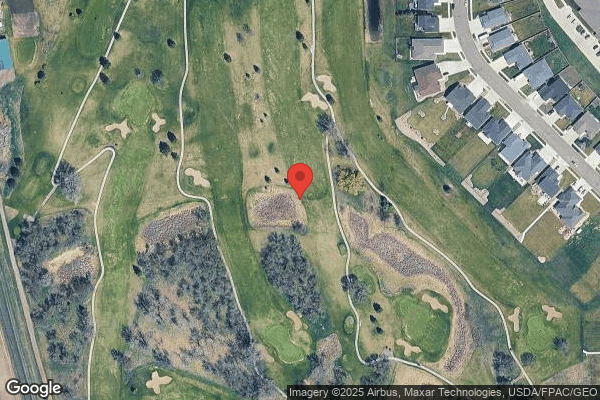
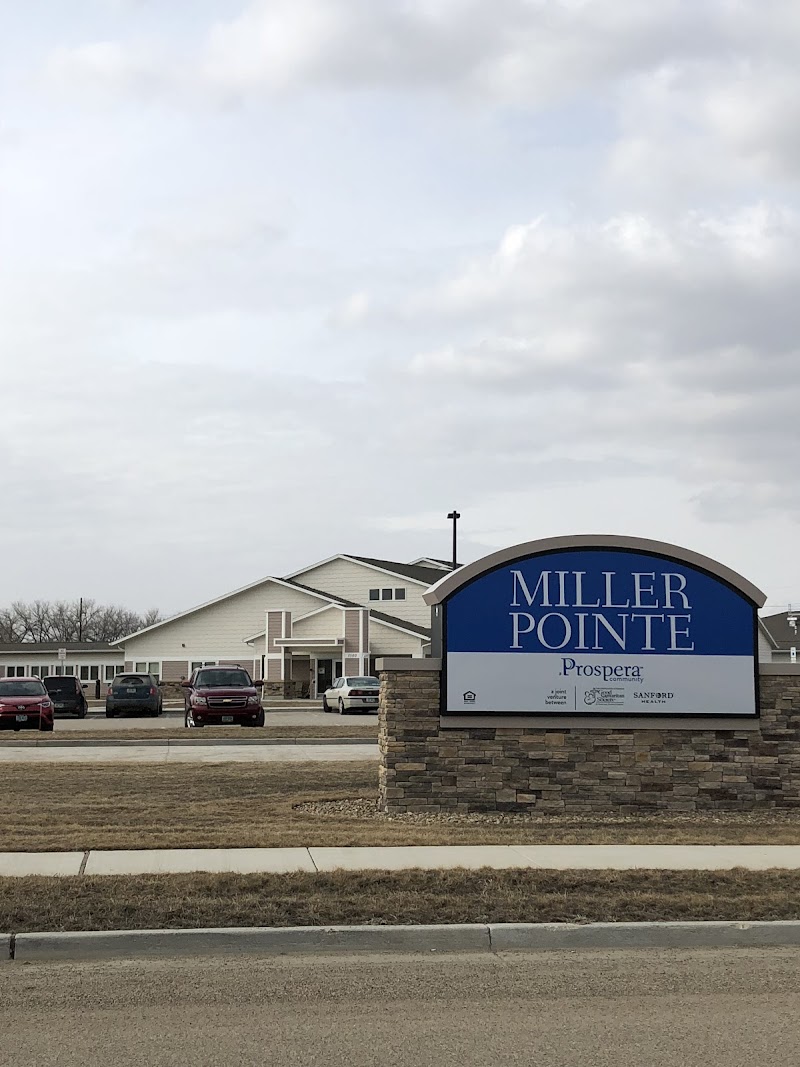
3500 21ST ST SE, MANDAN, ND 58554 (701) 323-1300
Non profit - Corporation 120 Beds GOOD SAMARITAN SOCIETY Data: November 2025 1 Immediate Jeopardy citation
Trust Grade
33/100
#38 of 72 in ND
Last Inspection: November 2024

Within standard 12-15 month inspection cycle. Federal law requires annual inspections.

Overview

Good Samaritan Society Miller Pointe in Mandan, North Dakota has a Trust Grade of F, indicating significant concerns about the quality of care provided. They rank #38 out of 72 facilities in North Dakota, placing them in the bottom half, and #3 out of 5 in Morton County, meaning there are only two local options that are better. The facility is showing signs of improvement; the number of reported issues decreased from three in 2024 to one in 2025. Staffing is a strong point here with a 5-star rating and a turnover rate of 40%, which is better than the state average. However, the facility has faced serious incidents, including a critical failure to use safety devices that led to a resident's fall and fracture, and a serious failure to provide CPR to a resident when needed, raising concerns about the overall safety and responsiveness of care.

Trust Score
F
33/100
In North Dakota
#38/72
Bottom 48%
Safety Record
High Risk
Review needed
Inspections
Getting Better
3 → 1 violations
Staff Stability
○ Average
40% turnover. Near North Dakota's 48% average. Typical for the industry.
Penalties
⚠ Watch
$54,670 in fines. Higher than 78% of North Dakota facilities, suggesting repeated compliance issues.
Skilled Nurses
○ Average
Each resident gets 41 minutes of Registered Nurse (RN) attention daily — about average for North Dakota. RNs are the most trained staff who monitor for health changes.
Violations
⚠ Watch
20 deficiencies on record. Higher than average. Multiple issues found across inspections.
★★★☆☆
3.0
Overall Rating
★★★★★
5.0
Staff Levels
★★☆☆☆
2.0
Care Quality
★★☆☆☆
2.0
Inspection Score
Stable
2024: 3 issues
2025: 1 issues

The Good

  • 5-Star Staffing Rating · Excellent nurse staffing levels
  • Full Sprinkler Coverage · Fire safety systems throughout facility
  • No fines on record
  • Staff turnover below average (40%)

    8 points below North Dakota average of 48%

Facility shows strength in staffing levels, fire safety.

The Bad

3-Star Overall Rating

Near North Dakota average (3.1)

Meets federal standards, typical of most facilities

Staff Turnover: 40%

Near North Dakota avg (46%)

Typical for the industry

Federal Fines: $54,670

Above median ($33,413)

Moderate penalties - review what triggered them

Chain: GOOD SAMARITAN SOCIETY

Part of a multi-facility chain

Ask about local staffing decisions and management

The Ugly 20 deficiencies on record

1 life-threatening 2 actual harm
Mar 2025 1 deficiency 1 IJ
CRITICAL (J) 📢 Someone Reported This

A family member, employee, or ombudsman was alarmed enough to file a formal complaint

Immediate Jeopardy (IJ) - the most serious Medicare violation

Accident Prevention (Tag F0689)

Someone could have died · This affected 1 resident

Based on observation, record review, review of the facility reported incident (FRI), review of facility training records, review of facility policy, review of manufacturer's guide, and staff interview...

Read full inspector narrative →
Based on observation, record review, review of the facility reported incident (FRI), review of facility training records, review of facility policy, review of manufacturer's guide, and staff interview, the facility failed to utilize devices necessary to prevent accidents and/or injury for 2 of 2 sampled residents (Resident #1 and #2) observed while in a spa chair. Failure to utilize the spa chair safety belt resulted in Resident #1 experiencing a fall and fracture and placed all residents at risk for falls and/or injury. During the on-site FRI investigation, the surveyor consulted with the State Survey Agency (SSA) and determined an Immediate Jeopardy (IJ) situation existed on 02/23/25. The IJ resulted from the facility's failure to utilize the spa safety belt and the resident sustained a fracture. * 02/27/25 at 9:47 a.m. the surveyor notified the administrator and administrative nurses of the IJ situation, provided them with the IJ template, and requested a plan for removal of the IJ * 02/27/25 at 12:02 p.m., the surveyor and SSA reviewed and accepted the facility's removal plan. The removal plan contained the following: * Assessment and care plan changes for the residents observed, if needed. * Education for all the bath aides as well as skill validations will be completed on 02/27/25 * Plans for auditing the effectiveness of the training. * Reviewed and determination the current bathing policy will remain unchanged. * 02/27/25 at 3:04 p.m., the surveyor verified the implementation of the removal plan. The deficient practice remained at a scope and severity of a G following the removal of the IJ. Findings include: Review of the facility policy/procedure titled Bathing occurred on 02/26/25. This policy, dated 09/03/24, stated, . The use of safety measures and equipment are designed to reduce the risk of injury to resident during a bathing experience. The manufacturer's directions for operating and maintaining equipment should be followed including the use of waist and chest safety belts/straps. Review of the [manufacturer's name] Transfers and Stretcher Safe Operation [and] Maintenance Manual occurred on 02/26/25. This guide, dated 10/16/20, pages 7-10, stated, . 9. All residents must always be securely safety belted at the waist when using any of the . Lift Systems. 22. Once the Transfer [spa lift chair] is clear of the spa, lower the Transfer to the lowest position . 24. Release the safety belts from around the resident and transfer the resident using proper nursing techniques and assistance as required. Review of the FRI, submitted to the SSA on 02/24/25, identified Resident#1 fell from the bath chair and sustained a nasal fracture on 02/23/25. - Review of Resident #1's medical record occurred February 26-27, 2025. The care plan identified the resident required assistance of one staff member for transfers using a mechanical stand lift, dressing, and bathing. Observation on 02/26/25 at 7:56 a.m. showed the certified nurse aide (CNA) (#4) completed Resident #1's bath. The CNA (#4) stood in front of the resident as she dressed him. Resident #1 sat in the spa lift chair without the safety belt in place and his feet approximately 12 inches off the floor. The CNA (#4) failed to follow facility policy and the manufacturer's guide related to safety belt use and the spa lift chair in the lowest position before dressing the resident. - Review of Resident #2's medical record occurred February 26-27, 2025. The care plan identified assistance of one staff for bathing. Observation on 02/26/25 at 8:34 a.m. showed the CNA (#5) assisted Resident #2 on to the spa chair. The CNA (#5) failed to place the safety belt around the resident and raised the spa chair so Resident #2's feet were off the ground. During an interview on 02/26/25 at 12:25 p.m., administrative staff members (#1, #2, and #3) confirmed they expected staff to apply the safety belt and leave it in place while the residents are in the spa lift chair.
Nov 2024 1 deficiency
CONCERN (E)

Potential for Harm - no one hurt, but risky conditions existed

Infection Control (Tag F0880)

Could have caused harm · This affected multiple residents

1. Based on observation, record review, review of facility policy, and staff interview, the facility failed to follow standards of infection control and prevention for 1 of 3 sampled residents with an...

Read full inspector narrative →
1. Based on observation, record review, review of facility policy, and staff interview, the facility failed to follow standards of infection control and prevention for 1 of 3 sampled residents with an indwelling catheter (Resident #163) and 2 of 3 residents (Residents #34 and #89) on transmission-based precautions (TBP). Failure to practice infection control standards related to enhanced barrier precautions (EBP) and TBP has the potential to spread infection throughout the facility. Findings include: Review of the facility policy titled Standard and Transmission-Based Precautions occurred on 11/07/24. This policy, revised 04/02/24, stated, . Purpose. To explain the use of transmission-based precautions. To assist in determining the appropriate type and duration of precautions for resident, included standard precautions and transmission-based precautions (e.g., contact, droplet and airborne) . Standard precautions should be used by all employees, contract workers . Standard precautions include handwashing, personal protective equipment, cleaning of resident care equipment . Enhanced barrier precautions (EBP) expand the use of PPE [personal protective equipment] beyond situations in which exposure to blood and body fluids is anticipated and refer to the use of gown and gloves during high-contact resident care activities that provide opportunities for transfer of MDROs [multi drug resistant organisms] to staff hands and clothing. Enhanced Barrier Precautions are needed for residents . with indwelling urinary catheters. Airborne Isolation. Airborne precautions are needed, as recommended . to appropriate type of precautions for residents/patients known or suspected to be infected with infectious agents . Post clear signage on the door or wall outside of the resident room indicating the type of precautions and required PPE. Gown, Gloves, N-95 or equivalent respirator, Eye protection. Use disposable noncritical resident/patient care equipment . or implement resident /patient dedicated use of such equipment. Observation on 11/05/24 at 11:40 a.m. showed a sign requiring transmission-based precautions on the door of two Covid-19 positive residents. A contract provider (#3) donned an N-95 mask and entered the room. The provider exited the room wearing the N95 mask, walked down the hall and spoke with another Covid-19 positive resident who had entered the hallway in a wheelchair. The provider (#3) touched the resident's arm, and listened to the resident's lungs with a stethoscope (a medical instrument used to listen to someone's heart or lungs). The provider replaced the stethoscope around her neck and proceeded down the hall, wearing the same N-95 mask. The provider failed to apply the recommended PPE consisting of gown, gloves, and eye shield prior to entering a Covid-19 positive resident room, remove the N-95 mask upon exiting the room, don a new N-95 mask and recommended PPE before interacting with another Covid-19 positive resident, sanitize the contaminated stethoscope, and remove the N-95 mask before leaving the resident area. The facility verified the provider removed the N-95 mask and performed hand hygiene before leaving the unit. During an interview on 11/07/24 at 11:20 a.m., an administrative nurse (#4) confirmed contract staff are expected to wear correct PPE and follow facility policy for transmission-based precautions. - Review of Resident #163's medical record occurred on all days of survey. Physician's orders included an indwelling catheter. Observation on 11/05/24 at 8:15 a.m. showed Resident #163 with an indwelling catheter and not placed on EBP. During an interview on 11/05/24 at 8:43 a.m., a nurse (#6) confirmed Resident #163's indwelling catheter and lack of EBP in place. 2. Based on observation, record review, review of facility policy, and staff interview, the facility failed to follow standards of infection control and prevention for 1 of 1 sampled resident (Resident #26) with an ileostomy (an artificial opening from the small intestine through the abdomen to empty bowels). Failure to practice infection control standards has the potential to spread infection throughout the facility. Review of the facility policy titled Ostomy of the Intestinal Tract occurred on 11/07/24. This policy, revised 03/29/24, stated, . For pouch emptying, Bedpan, toilet or measuring device, Gloves, Tissue . Review of a skills checklist titled Colostomy/Ileostomy Pouch Emptying Clinical Skill Checklist occurred on 11/07/24. This checklist, dated December, 2017, stated, . remove pouch from appliance (closed system) and empty into toilet, bedpan or other measuring device. Review of Resident #26's medical record occurred on all days of survey. Diagnoses included ileostomy status. Physician's orders stated, Empty ileostomy bag every shift and PRN (as needed). The current care plan stated, . Ileostomy . Nursing staff to perform the following cares: empty bag, report to nurse if dressing/skin barrier becomes soiled, keep skin clean and dry around site . Observation on 11/05/24 at 10:17 a.m. showed a certified nurse aide (CNA) (#5) emptied Resident #26's ileostomy bag. The CNA performed hand hygiene, donned gloves, removed the ileostomy bag and wiped bowel movement from around the stoma (artificial opening). The CNA (#5) placed the full ostomy bag under the resident's bathroom sink faucet, filled the bag with water, and carried the bag to the toilet to empty contents three times. After doffing gloves and performing hand hygiene the CNA turned off the faucet, donned clean gloves without first performing hand hygiene, returned to the resident, and cleansed the frontal perineal area. Without removing gloves the CNA took a walkie-talkie (used to communicate with other staff) out of her pocket, and called the nurse. The CNA placed the walkie-talkie on the resident's overbed table and completed cares. The CNA (#5) failed to properly clean an ostomy bag, complete hand hygiene/glove change, and disinfect equipment. During an interview on 11/07/24 at 11:20 a.m., an administrative nurse (#1) confirmed she expected staff to follow the proper procedure for emptying/cleaning an ileostomy pouch and to follow infection control procedures for hand hygiene, cleaning of equipment and resident's items.
Sept 2024 2 deficiencies 1 Harm
SERIOUS (G) 📢 Someone Reported This

A family member, employee, or ombudsman was alarmed enough to file a formal complaint

Actual Harm - a resident was hurt due to facility failures

Accident Prevention (Tag F0689)

A resident was harmed · This affected 1 resident

Based on record review, policy review, review of staff education, review of facility reported incident, and resident interview, the facility failed to ensure each resident received adequate supervisio...

Read full inspector narrative →
Based on record review, policy review, review of staff education, review of facility reported incident, and resident interview, the facility failed to ensure each resident received adequate supervision and assistive devices to prevent accidents for 1 of 1 sampled resident (Resident #1) who fell out of a mechanical lift. Failure to safely use the mechanical lift resulted in a fall with injury for Resident #1. This citation is considered past non-compliance based on review of the corrective action the facility implemented immediately following the incident. Findings include: The surveyor determined a deficient practice existed on 09/11/24. The facility immediately implemented corrective action and completed corrective action on 09/16/24. Review of the facility policy, Safe Resident Handling Program Overview occurred on 09/17/24. This policy, dated 02/28/24, stated, . Policy: . goal is to maintain a safe living . environment for residents . All caregivers . must receive thorough, documented training prior to conducting mobilization . Care givers will perform a TIME OUT safety stop while the resident is in a sling or harness and still over the surface of the bed or chair to ensure that all straps are secure before moving away from the surface. This is to be competed once the straps are taut, but before the resident leaves a surface. Review of final investigation of the facility reported incident, dated 09/17/24, stated, [name of resident] fell in his room witnessed while being transferred in a total lift by 2 staff. Staff did not loop sling on lower left side and hook to lift appropriately. Assessment completed and nurse noted right knee was swollen and indent noted. Resident was immediately seen by floor nurse post fall and assessment completed. Resident alert and orientated post fall. No concerns of abuse or neglect noted. Staff members that were involved with transfer were immediately interviewed and education provided. Competency completed by registered nurse on 2 staff post incident. Administration reviewed all staff meeting competency and education reviewed at that time. Discussed lift education with those due for annual education. Resident did not have any concerns and did not want to be seen by a provider until his primary was due to round 9/13/2024. On provider visit she discussed getting an Xray and he finally agreed. Preliminary showed fractures of right tibia and fibula. Results of Investigation: Resident was transferred with total lift by 2 staff. One staff member did not loop sling bottom appropriately which resulted in resident falling out of lift. Resident had seen orthopedics and has immobilizer . Final Action Taken: No indication of abuse or neglect. Staff education completed and competency done with 2 staff involved incident immediately. During an interview with Resident #1 on 09/17/24 at 9:00 a.m. regarding the fall from the mechanical lift, the resident stated, it was just an accident, one strap wasn't hooked up right. The resident stated his leg bent behind him, but he didn't have any pain because of his paraplegia. Resident #1 stated he didn't go to the emergency room (ER) right after it happened because there wasn't anything they could do about it anyway. Review of Resident #1's medical record occurred on the morning of 09/17/24. The record identified Resident #1 as cognitively intact and able to make decisions. Review of nursing progress notes identified the following: * 09/11/24 at 12:49 p.m., This nurse was called to residents' room. Resident was on the ground with one strap attached to the Hoyer lift and the left strap was not attached. CNA [certified nursing aide] stated that the strap was not looped into the other strap on the left side. Resident uses a multipurpose sling. Resident was being transferred from his w/c [wheelchair] back into his bed. Resident stated his leg got bent back when he fell to the floor. Residents right knee was slightly swollen and had a small indent on it under the knee. Resident did not bump his head. Resident denied any pain. Resident is a paraplegic. This nurse did ROM [range of motion] on residents left knee. Resident was Hoyer [mechanical lift device] lifted back to bed and vitals were took which were WDL's [within normal limits] for resident. This nurse assessed resident and found no bruising on resident. This nurse had therapy assess residents' knee while back in bed. A note was left for provider and resident will be seen on Friday as resident would like to see [name of provider] PA-C [Physician's Assistant - Certified]. This nurse called residents wife and explained thoroughly everything noted. * 09/12/24 at 3:55 p.m., Fall team met to discuss recent fall, education has been completed including competency with staff present during fall, all staff competency and education reviewed and discussed with those due for annual education. * 09/13/24 at 5:43 p.m., . Resident returned from his x-ray. Resident has 2 fractures in his right knee and was sent to ER. Resident denied surgery and has a splint on his right knee. Resident is suppose [sic] to see ortho in a week but at this time is going to think on it since he is being discharged next week. Resident had no other new orders noted. Residents' wife is aware of all the new orders listed and resident's wife was at ER with resident. Based on the following information, non-compliance at F689 is considered past non-compliance. The facility implemented corrective actions as follows: * The employees involved in the incident were immediately re-educated on Safe Resident Handling and use of the mechanical lift and slings. * Provider and family notified of the fall and follow up care and treatment provided. * Education provided to all staff members on Safe Resident Handling, including use of various lift devices, types and sizes of slings, and mechanical lift scenarios.
CONCERN (D) 📢 Someone Reported This

A family member, employee, or ombudsman was alarmed enough to file a formal complaint

Potential for Harm - no one hurt, but risky conditions existed

Report Alleged Abuse (Tag F0609)

Could have caused harm · This affected 1 resident

Based on review of the facility reported incident, review of facility policy, and record review, the facility failed to report an incident of potential neglect to the State Survey Agency (SA) for 1 of...

Read full inspector narrative →
Based on review of the facility reported incident, review of facility policy, and record review, the facility failed to report an incident of potential neglect to the State Survey Agency (SA) for 1 of 1 sampled resident (Resident #1) who fell out of a mechanical lift. Failure to report an event of potential neglect in the required time frame does not comply with regulations established to protect residents. Findings include: Review of the facility policy, Abuse and Neglect, occurred on 09/19/24. This policy, dated 07/22/24, stated, PURPOSE: * To ensure that employees are knowledgeable regarding the reporting and investigative process of abuse and neglect allegations in the location .* To ensure that all identified incidents of alleged or suspected abuse/neglect . are promptly reported and investigated. PROCEDURE: . 4. Notification procedures: a. Alleged or suspected violations involving any mistreatment, neglect . will be reported immediately to the administrator. b. In case of absence of the administrator, follow the chain of command for notification (director of nursing services, social worker, etc.). Designated agencies will be notified in accordance with state law, including the State Survey and Certification Agency. ii. If there is an allegation that does not involve abuse and there is no serious bodily injury, then it will be reported not later than 24 hours after the allegation is made. Review of the facility reported incident, received by the SA on 09/13/24, indicated Resident #1 fell from a full body lift on 09/11/24. Review of the final investigation report, dated 09/17/24, stated, [name of resident] fell in his room witnessed while being transferred in a total lift by 2 staff. Staff did not loop sling on lower left side and hook to lift appropriately. Assessment completed and nurse noted right knee was swollen and indent noted. Review of the facility reported incident identified the facility reported Resident #1's fall out of a mechanical lift on 09/13/24, two days after the incident occurred. Facility staff failed to report an incident of potential neglect within the required timeline of 24 hours. Refer to F689.
Oct 2023 7 deficiencies
CONCERN (D) 📢 Someone Reported This

A family member, employee, or ombudsman was alarmed enough to file a formal complaint

Potential for Harm - no one hurt, but risky conditions existed

Deficiency F0583 (Tag F0583)

Could have caused harm · This affected 1 resident

Based on observation and staff interview, the facility failed to promote privacy and confidentiality of the medication administration records (MAR) on 2 of 6 units (300 and 400 unit) observed. Failure...

Read full inspector narrative →
Based on observation and staff interview, the facility failed to promote privacy and confidentiality of the medication administration records (MAR) on 2 of 6 units (300 and 400 unit) observed. Failure to promote resident privacy and lock computer screens may result in unauthorized viewing of resident records by other residents, visitors, or unlicensed staff. Findings include: Observations of computer screens on 10/17/23 showed the following: * At 8:26 a.m. to 8:37 a.m., an unattended computer at the nurse's station located in the 300 unit with the MAR opened and revealing a resident's picture, name, medications, and dosages. * At 8:42 a.m., a nurse (#4) left an unattended computer at the nurse's station located in the 400 unit with the MAR opened and revealing a resident's picture, name, medications, and dosages. During an interview on the morning of 10/19/23, an administrative nurse (#1) confirmed she expected staff to lock computer screens when unattended. The facility failed to promote privacy and confidentiality of the residents' MARs when unattended by staff.
CONCERN (D) 📢 Someone Reported This

A family member, employee, or ombudsman was alarmed enough to file a formal complaint

Potential for Harm - no one hurt, but risky conditions existed

Transfer Notice (Tag F0623)

Could have caused harm · This affected 1 resident

Based on record review, review of facility policy, and staff interview, the facility failed to provide the resident or their representative and/or the State Long Term Care Ombudsman written notice of ...

Read full inspector narrative →
Based on record review, review of facility policy, and staff interview, the facility failed to provide the resident or their representative and/or the State Long Term Care Ombudsman written notice of transfer for 3 of 5 sampled residents (Resident #30, #47, and #68) with a hospital transfer. Failure to provide a written copy of the transfer notice does not allow the resident and/or their representative to make an informed decision regarding their rights or inform the Ombudsman of the transfer. Findings include: Review of the facility policy titled Discharge And Transfer occurred on 10/19/23. This policy, dated 12/27/22, stated, Before a location transfers or discharges a resident, the location must: 1. Notify the resident and the resident's representative of the transfer or discharge and the reason for the move in writing . the location must send a copy of the . form to a representative of the Office of the State Long-Term Care Ombudsman . - Review of Resident #30's medical record occurred on all days of survey and identified a hospital transfer on 08/04/23. The resident's medical record lacked evidence the facility provided a written notice/copy of the transfer form to the resident/representative or informed the State Ombudsman of the hospital transfer. - Review of Resident #47's medical record occurred on all days of survey and identified a hospital transfer on 08/07/23. The resident's medical record lacked evidence the facility provided a written notice/copy of the transfer form to the resident/representative or informed the State Ombudsman of the hospital transfer. - Review of Resident #68's medical record occurred on all days of survey and identified hospital transfers on 04/11/23 and 08/03/23. The resident's medical record lacked evidence the facility provided a written notice/copy of the transfer forms to the resident/representative or informed the State Ombudsman of the hospital transfers. During an interview on the afternoon of 10/18/23, an administrative staff member (#1) stated she was unable to produce a copy of Resident #47's transfer form for the hospital transfer on 08/07/23. During an interview on 10/19/23 at 1:52 p.m., an administrative staff member (#12) agreed Resident #30 and #68's medical records lacked transfer forms for their hospital transfers.
CONCERN (D) 📢 Someone Reported This

A family member, employee, or ombudsman was alarmed enough to file a formal complaint

Potential for Harm - no one hurt, but risky conditions existed

Deficiency F0625 (Tag F0625)

Could have caused harm · This affected 1 resident

**NOTE- TERMS IN BRACKETS HAVE BEEN EDITED TO PROTECT CONFIDENTIALITY** Based on record review and staff interview, the facility failed to provide a bed-hold notice to 1 of 5 sampled residents (Reside...

Read full inspector narrative →
**NOTE- TERMS IN BRACKETS HAVE BEEN EDITED TO PROTECT CONFIDENTIALITY** Based on record review and staff interview, the facility failed to provide a bed-hold notice to 1 of 5 sampled residents (Resident #30) with a transfer to the hospital. Failure to provide the facility's bed-hold notice does not allow residents or their legal representatives to make informed choices regarding their readmission rights. Findings include: Review of Resident #30's medical record occurred on all days of survey and identified a transfer to the hospital on [DATE]. The record lacked evidence the facility provided a bed hold notice to the resident and/or their representative. During an interview on 10/19/23 at 1:52 p.m., an administrative staff member (#12) confirmed Resident #30's medical record lacked a bed hold form for the hospital transfer on 06/17/23.
CONCERN (D) 📢 Someone Reported This

A family member, employee, or ombudsman was alarmed enough to file a formal complaint

Potential for Harm - no one hurt, but risky conditions existed

Deficiency F0657 (Tag F0657)

Could have caused harm · This affected 1 resident

**NOTE- TERMS IN BRACKETS HAVE BEEN EDITED TO PROTECT CONFIDENTIALITY** Based on observation, record review, review of facility policy, and resident and staff interview, the facility failed to review ...

Read full inspector narrative →
**NOTE- TERMS IN BRACKETS HAVE BEEN EDITED TO PROTECT CONFIDENTIALITY** Based on observation, record review, review of facility policy, and resident and staff interview, the facility failed to review and revise comprehensive care plans to reflect the current status for 2 of 25 sampled residents (Resident #39 and #81). Failure to review and revise the care plan limited staffs' ability to communicate needs and ensure continuity of care and safety. Findings include: Review of the facility policy titled Care Plan occurred on 10/19/23. This policy, dated 09/22/22, stated, The care plan will emphasize the care and development of the whole person ensuring that the resident will receive appropriate care and services. It will address the relationship of items or services required and facility responsibility for providing these services. The interdisciplinary team will review care plans at least quarterly. Care plans also will be reviewed, evaluated and updated when there is a significant change in the resident's condition. - During an interview on 10/16/23 at 3:29 p.m., Resident #39 expressed concern of having to use a bed pan for toileting and lack of physical therapy, and stated, I have these spells. They say I fall over. Review of Resident #39's medical record occurred on all days of survey. Diagnoses included orthostatic hypotension (excessive drop in blood pressure when an upright position is assumed) and syncope and collapse (fainting/passing out). The record showed Resident #39 as non-ambulatory, discharged from physical therapy on 09/07/23 due to drop in blood pressures with position changes, and use of a bed pan for safety related to syncopal episodes while on the toilet. Resident #39's care plan failed to address a problem, goal, or interventions related to orthostatic hypotension and/or syncope and their effects on the resident's activities of daily living (ADLs) and physical therapy. - Review of Resident #81's medical record occurred on all days of survey. Diagnoses included dysphagia (swallowing disorder). A Speech Therapy note, dated 08/18/22, stated, . Patient now is noted to have improved cooperation, and family is requesting ST [speech therapy] reassessment following bringing dentures to facility. Upper and lower dentures present . The Speech Therapy Discharge summary, dated [DATE], stated, . Patient additionally consistently spitting out dentures upon placement. The current care plan stated, ORAL CARE: Assist of 2 for ADL. Has some of his own teeth. Observation on 10/17/23 at 9:29 a.m. showed the resident without dentures. During an interview on 10/18/23 at 1:48 p.m., an administrative staff member (#1) stated Resident #81 has a history of taking out the dentures and throwing them. The care plan failed to address Resident #81's dentures.
CONCERN (D) 📢 Someone Reported This

A family member, employee, or ombudsman was alarmed enough to file a formal complaint

Potential for Harm - no one hurt, but risky conditions existed

ADL Care (Tag F0677)

Could have caused harm · This affected 1 resident

Based on observation, record review, review of facility policy, and family and staff interview, the facility failed to provide assistance with activities of daily living (ADL) for 1 of 17 sampled resi...

Read full inspector narrative →
Based on observation, record review, review of facility policy, and family and staff interview, the facility failed to provide assistance with activities of daily living (ADL) for 1 of 17 sampled residents (Resident #81) requiring substantial assistance with dressing or transfers. Failure to dress and assist the resident out of bed may result in decreased self-esteem and quality of life. Findings include: Review of the facility policy titled Activities of Daily Living occurred on 10/19/23. This policy, dated 11/29/22, stated, . Policy. Any resident who is unable to carry out activities of daily living will receive necessary services to maintain good nutrition, grooming, and personal and oral hygiene. ADLs are those necessary tasks conducted in the normal course of a resident's daily life. Included in these are the following: . 3. Dressing: Selecting, obtaining and putting on, fastening and taking off items of clothing . 4. Mobility: Transferring to or from a bed, chair or wheelchair, ambulating inside by . using wheelchair if seated. Review of Resident #81's medical record occurred on all days of survey. Diagnoses included hemiplegia (paralysis of one side of the body) and hemiparesis (condition that causes weakness or paralysis on one side of the body) following cerebral infarction (stroke). A physician's order, dated 04/28/23, stated, If resident is alert and awake at anytime during the day make sure and get him up for a few hours. one time a day for getting out of bed. The current care plan stated, ADL's: The resident has an ADL self care performance deficit . DRESSING/GROOMING: Assist of 2 for ADL . TRANSFER: Assist of 2 and Hoyer [mechanical lift]. Everyday after lunch offer resident to get dressed and out of bed to sit in hearth area or outside if nice. A progress note, dated 05/26/23, stated, . She [family member] was wondering how much her Dad got up . She also brought him up some new clothes. During an interview on 10/17/23 at 11:28 a.m., a family member (#1) stated that she brought clothes to the facility but Resident #81 was in a night gown when she would come to visit. Family member (#1) stated Resident #81 likes to be outside, feel the weather, socialize and be around other people. She expressed concerns that Resident #81 stayed in bed all day and if the resident is left in his room too long, he gets depressed, causing an increase in antidepressants to compensate. Observation on 10/16/23 at 3:30 p.m. and 10/18/23 at 2:13 p.m. showed Resident #81 in bed in a hospital gown. During an interview on 10/18/23 at 3:14 p.m., a nurse (#6) confirmed staff do not document the resident's refusal to get dressed. Facility staff failed to provide care to Resident #81 as ordered by the physician and/or as stated in the care plan.
CONCERN (E) 📢 Someone Reported This

A family member, employee, or ombudsman was alarmed enough to file a formal complaint

Potential for Harm - no one hurt, but risky conditions existed

Deficiency F0658 (Tag F0658)

Could have caused harm · This affected multiple residents

Based on observation, review of professional reference, and staff interview, the facility failed to follow professional standards of practice regarding medication administration for 19 of 20 unidentif...

Read full inspector narrative →
Based on observation, review of professional reference, and staff interview, the facility failed to follow professional standards of practice regarding medication administration for 19 of 20 unidentified residents on the 100 unit. Failure to follow professional standards for safe medication preparation and administration placed the residents at risk of receiving the wrong medication. Findings include: Kozier & Erb's Fundamentals of Nursing, Concepts, Process and Practice, 11th Edition eText, 2021, Pearson, Boston, Massachusetts, pages 838-840, stated, . Administering Oral Medications . Organize the supplies. Gather the MAR(s) [medication administration records] for each client together so that medications can be prepared for one client at a time. Rationale . reduces the chance of errors. Safety . Label all medications, medication containers, and other solutions . Note: Medication containers include syringes, medicine cups, and basins, Rationale: Medications or other solutions in unlabeled containers are unidentifiable. Errors, sometimes tragic, have resulted from medications and other solutions being removed from their original containers and placed into unlabeled containers. Observation on 10/16/23 at 4:01 p.m. showed the 100 unit's medication cart with clear plastic medication cups located on top of the cart labeled with numbers 1 through 19. Medications were dispensed in most of the cups. When asked about the medications in the cups, a nurse (#13) stated she was getting her OTC [over-the counter] meds [medications] ready. The nurse (#13) further stated, I always do [pre-dish medications] or I wouldn't get my supper [medications] passed. During an interview on 10/19/23 at 9:04 a.m., an administrative nurse (#14) stated she expected staff not to pre-dish medications.
CONCERN (E) 📢 Someone Reported This

A family member, employee, or ombudsman was alarmed enough to file a formal complaint

Potential for Harm - no one hurt, but risky conditions existed

Infection Control (Tag F0880)

Could have caused harm · This affected multiple residents

Based on observation, review of facility policy, and staff interview, the facility failed to follow infection control practices on 2 of 2 units with Covid positive residents (Unit 500 and 600). Failur...

Read full inspector narrative →
Based on observation, review of facility policy, and staff interview, the facility failed to follow infection control practices on 2 of 2 units with Covid positive residents (Unit 500 and 600). Failure to follow infection control practices related to Personal Protective Equipment (PPE) has the potential to transmit infections to other residents, staff, and visitors. Findings include: Review of the facility policy titled Personal Protective Equipment (PPE) occurred on 10/19/23. This policy, dated October 2022, stated, . masks, eye protection or face shields to be worn whenever splashes, spray, spatter or droplets of blood or potentially infectious materials may occur and contaminate the employee's eyes, nose, or mouth . mask or face shield . fit flexible band to nose bridge . fit snug to face and below chin . place over face and adjust to fit . Observations on 10/16/23 showed the following: * 12:13 p.m., a dietary aide (#8) entered Resident #97's room without wearing goggles or a face shield. A Contact Precautions, stating to wear an N95 mask (a particle-filtering face mask), hung on Resident #97's door. * 12:18 p.m., a certified nurse aide (CNA) (#11) entered Resident #71's room without wearing goggles or a face shield. A Droplet Precautions sign hung on Resident #71's door. * 12:50 p.m., a dietary aide (#8) entered Resident #97's room without wearing goggles or a face shield. Observations on 10/17/23 of 500 and 600 units showed the following: * 8:13 a.m., a dietary aide (#9) on the 600 unit prepared food plates in the kitchenette while interacting with residents and staff wearing a surgical mask below his/her chin. * 8:17 a.m., a nurse (#6) on the 600 unit interacted with residents and staff wearing a surgical mask below his/her chin. * 09:36 a.m., a nurse (#6) on the 600 unit interacted with residents and staff wearing a surgical mask below his/her chin. * 11:20 a.m., a dietary aide (#9) on the 600 unit prepared resident food plates in the kitchenette and interacted with staff and residents wearing a surgical mask below his/her chin. * 11:35 a.m., a staff member entered the 500 unit and failed to appy a mask. * 3:20 p.m., a nurse (#6) on the 600 unit interacted with residents and staff wearing a surgical mask below his/her nose. Observations on 10/18/23 of the 600 unit showed the following: * 11:02 a.m., a nurse (#6) interacted with residents and staff wearing a surgical mask hanging from the ear. * 11:23 a.m., a dietary aide (#9) prepared food plates in the kitchenette while interacting with residents and staff wearing a surgical mask below his/her chin. During an interview on the morning on 10/19/23, an administrative nurse (#1) stated she expects staff to wear PPE appropriately when working with COVID positive residents and areas where they reside.
Sept 2023 1 deficiency
CONCERN (D) 📢 Someone Reported This

A family member, employee, or ombudsman was alarmed enough to file a formal complaint

Potential for Harm - no one hurt, but risky conditions existed

Accident Prevention (Tag F0689)

Could have caused harm · This affected 1 resident

**NOTE- TERMS IN BRACKETS HAVE BEEN EDITED TO PROTECT CONFIDENTIALITY** Based on observation, record review, review of facility policy, manufacturer resources, and staff interviews, the facility faile...

Read full inspector narrative →
**NOTE- TERMS IN BRACKETS HAVE BEEN EDITED TO PROTECT CONFIDENTIALITY** Based on observation, record review, review of facility policy, manufacturer resources, and staff interviews, the facility failed to ensure residents received adequate supervision/assistance to prevent accidents for 1 of 4 sampled residents (Resident #3) who required a full body mechanical lift with sling for transfers. Failure to ensure staff utilize the proper size sling for each resident placed all residents who transfer with a mechanical lift at risk for accident and/or injury. Findings include: Review of the facility policy titled SRHP-Safe Resident Handling Program Overview-R/S, LTC occurred on 09/14/23. This policy, revised 01/11/23, stated, . This program includes mobility and bathing equipment, program elements to support the use of equipment, employee training and a 'Culture of Safety'. Mechanical lifting equipment and/or other approved resident handling aids must be used to prevent manual lifting . Mobility equipment - Refers to total lift, ceiling lift, sit-to-stand, stand aid and walkers. Includes any device that utilizes a sling or harness and assists a resident with mobilization tasks. Review of FDA Patient Lift Safety Guide at https://ezlifts.com/resources, dated 09/14/23, stated, . Select Patient's Sling Size . SLING TOO LARGE: Patient may slip out . SLING TOO SMALL: Patient may fall out. Review of EZ Way Sling Sizing Chart occurred on 09/14/23. This form, revised 07/31/18, stated, . Beige M [medium] . Burgundy L [large] . Color Coding is used on the binding of slings . Review of Resident #2's medical record occurred on 09/14/23. The current care plan stated, . self care performance deficit R/T [related to] limited mobility/generalized weakness . TRANSFER: Assist of 2 [two] with hoyer [full body mechanical lift]. Medium standard sling. Observation on 09/14/23 at 11:03 a.m., showed two certified nurse aides (CNAs) (#1 and #2) place a white mesh sling with burgundy binding under Resident #3. The CNAs transferred Resident #3 from the bed to the wheelchair with a mechanical lift. The CNA (#1) stated the sling was a large regular, and showed the tag on the sling. The CNAs both explained the [NAME]/careplan identified the sling size to use for every resident. The CNA (#1) showed the surveyor Resident #3's [NAME] from the bathroom, which stated, . medium standard sling . During an interview on 09/14/23 at 1:00 p.m., administrative staff members (#3 and #4) confirmed they expected staff to use the correct size sling to transfer residents with mechanical lifts.
Jan 2023 1 deficiency
CONCERN (D) 📢 Someone Reported This

A family member, employee, or ombudsman was alarmed enough to file a formal complaint

Potential for Harm - no one hurt, but risky conditions existed

Incontinence Care (Tag F0690)

Could have caused harm · This affected 1 resident

**NOTE- TERMS IN BRACKETS HAVE BEEN EDITED TO PROTECT CONFIDENTIALITY** Based on information provided by the complainant, record review, and review of facility policy, the facility failed to provide a...

Read full inspector narrative →
**NOTE- TERMS IN BRACKETS HAVE BEEN EDITED TO PROTECT CONFIDENTIALITY** Based on information provided by the complainant, record review, and review of facility policy, the facility failed to provide appropriate toileting assistance for 1 of 2 sampled residents (Resident #2) careplanned to be check-and-changed every two-to-three hours. Failure to provide incontinence cares may result in a loss of dignity and place residents at risk of skin breakdown. Findings include: Information provided by the complainant indicated staff failed to toilet residents as scheduled. The complainant indicated he/she observed a resident sitting in his/her wheelchair, soaked in urine. Review of the facility policy titled Bowel and Bladder: Incontinence Program occurred on 01/18/23. This policy, revised 01/10/23, stated, . Resident will be checked for dryness/incontinence every two hours unless otherwise ordered by the physician and/or written in the plan of care. Resident should be kept clean, dry, odor free, with skin integrity maintained . - Review of Resident #2's medical record occurred on 01/18/23. The quarterly Minimum Data Set (MDS), dated [DATE], identified the resident as frequently incontinent of urine, always incontinent of bowel, and at risk for pressure ulcers. The current care plan stated, . The Resident has bladder incontinence . Assist of 2 [staff members] for . check and change. Offer ever 2-3 hours . Resident is at risk for alterations to skin integrity . Keep skin clean and dry . Reposition every 2 hours and PRN [as needed] . Resident #2's toileting record, dated December 18, 2022-January 17, 2023, identified the following timespans between check and change and incontinence cares: * greater than (>) 3.5 hours: 23 occasions * > 4 hours: 20 occasions * > 5 hours: 9 occasions * > 6 hours: 6 occasions * > 9 hours: 2 occasions * > 10 hours: 1 occasion * > 11 hours: 3 occasions The toileting records showed facility staff failed to check and change Resident #2 as careplanned 64 times in one month.
Nov 2022 1 deficiency 1 Harm
SERIOUS (G) 📢 Someone Reported This

A family member, employee, or ombudsman was alarmed enough to file a formal complaint

Actual Harm - a resident was hurt due to facility failures

Deficiency F0678 (Tag F0678)

A resident was harmed · This affected 1 resident

Based on record review, review of the facility reported incident investigation, review of facility policy, personnel record review, and staff interview, the facility failed to immediately start Cardio...

Read full inspector narrative →
Based on record review, review of the facility reported incident investigation, review of facility policy, personnel record review, and staff interview, the facility failed to immediately start Cardiopulmonary Resuscitation (CPR) on 1 of 4 closed resident records (Resident #1) who requested CPR in the event of absence of pulse or respirations. Failure to immediately start CPR may have contributed to Resident #1's death and placed all residents requiring CPR at risk for death. This citation is considered past non-compliance based on review of the corrective action the facility implemented immediately following the incident. Findings include: Review of the facility policy titled Advance Directive including Cardiopulmonary Resuscitation (CPR) and Automated External Defibrillator (AED) occurred on 11/16/22. This policy, revised 07/21/22, stated, . PURPOSE: To provide each resident the opportunity to make decisions regarding future medical care . Initiation of Cardiopulmonary resuscitation (CPR): 1. If cardiac arrests [sic] occurs, CPR must be initiated unless the resident has: a. A valid DNR [do not resuscitate] order on file . 2. The resident has obvious signs of clinical death (e.g., rigor mortis [stiffening of the joints/muscles of a body a few hours after death], dependent lividity [settling of the blood in the dependent portion of the body postmortem, causing a purplish red discoloration of the skin.] .) 3. The initiation of CPR could cause injury or peril to the rescuer. Review of Resident #1's medical record occurred on 11/16/22. Diagnoses included severe protein-calorie malnutrition, adult failure to thrive, anorexia (eating disorder), interstitial pulmonary disease (group of lung conditions that causes scarring of lung tissue), atherosclerotic heart disease of native coronary artery (hardening of the arteries supplying blood to the heart), COVID-19 (coronavirus disease), and bifascicular block (conduction abnormality of the heart). A physician's order, dated 08/17/22, stated, ND POLST [North Dakota Physician Orders for Life Sustaining Treatment] (A): CPR/Attempt Resuscitation. The progress notes, dated 11/09/22, identified the following: * 9:25 a.m., . Level of consciousness: Alert. Verbal. Responds to stimuli. Orientation: Person. Place. Time. Situation. Other circulatory issues: None. Related System: Respiratory Infection is potentially a result of COVID-19. Resident is in isolation Airborne precautions. Contact isolation precautions. Single room isolation . All services are being rendered in the resident's room. All meals are brought to the room and cares are done in the room. Other Notes: Resident takes off oxygen. * 9:28 a.m., . Continues to have moist cough and oxygen dependent. She refuses to keep the oxygen in place. Remains in isolation. * 12:40 p.m., . Informed daughter that resident had stopped breathing and facility staff started CPR. Facility called 911 and will be transported to [name of hospital]. * 1:27 p.m. [staff failed to note entry as a late entry], . RN [registered nurse] called to room via floor staff. Upon assessment resident was not breathing and no pulse noted, body temp warm, CPR started. 911 called. EMS [emergency medical services] arrived LUCAS [automated chest compression system] in place, Artificial airway placed, Line accessed [sic] placed. Paper work given to EMS. Report called to Emergency department. * 4:30 p.m., . Late Entry: Date and time vital signs ceased: 1228 [12:28 p.m.] . Name/date/time Provider/Coroner pronounced death: Time of death 1319 [1:19 p.m.] [Name of hospital] ED [Emergency Department,] MD [medical doctor] notified via phone 1630 [4:30 p.m.] Date, time and details of family/responsible party notification: 1319 via ED staff . The initial report to the State Survey Agency (SSA) Initial Allegation of Mistreatment, Abuse, Neglect, or Theft and Facility Reported Incidents Reporting Form regarding an incident on 11/09/22 concerning Resident #1 and a nurse (#1) stated, . Briefly describe the alleged incident and/or injury: Registered nurse on duty did not initiate CPR immediately on full code resident. The facility's final report to the SSA stated, . Date and time of the Allegation/Incident: 11/9/22 12:23 [p.m.] 8. Briefly Describe the Alleged Incident and/or Injury: C.N.A. [certified nurse aide] found resident unresponsive and called nurse on duty for assistance. Nurse promptly reported to resident room and staff called for additional support. [Nurse #1] directed staff to obtain crash cart. [Nurse #1] did not initiate CPR immediately. Additional staff were called to room, [Nurse #2] initiated CPR immediately upon arrival. Resident left facility with active CPR in progress with EMS staff. Provider and family updated at time of incident. 9. How do you plan to protect all residents during the time you are investigating this allegation? Immediately post incident all staff involved were interviewed. Education on CPR policy was completed on all licensed nurses. Results of Investigation: Nurse [#1] educated on CPR policy and counseled per administration and human resources. Final Action Taken: Nurse [#1] verbalized understanding of immediately performing CPR per policy indicators. Review of the facility's investigation identified the following timeline of events on 11/09/22 per the unit camera footage: * 12:23 p.m. - [CNA #3] enters room with meal and comes out of room to call for help * 12:24 p.m. - [CNA #4] enters room and [CNA #4] exits room and [CNA #3] waits in doorway * 12:24 p.m. - [Nurse #1] enters room * 12:25 p.m. - [CNA #4] brings crash cart * 12:27 p.m. - [Nurse #1] peaks out of bubble [plastic covering for isolation purposes over Resident #1's room door] and appears to be calling someone for help. * 12:27 p.m. - [Nurse #2] enters the room and initiates CPR * 12:28 p.m. - [Nurse #1] grabs [back] board off crash cart. * 12:29 p.m. - [CNA #3] pushes crash cart into resident room. * 12:31 p.m. - [Administrative staff member #5] take AED into room * 12:36 p.m. - EMS arrives in building [exits building after 11 minutes] The facility's investigation included the following staff interviews completed on 11/09/22: * CNA #3 - . [CNA #3] went to [Resident #1's] room walkied [walkie talkie] for nurse as [Resident #1] was not responsive. [Nurse #1] told [CNA #3] that resident had passed after checking pulse. [Nurse #1] did not give any instructions to [CNA #3]. [CNA #3] called [Nurse #2] for assistance. * CNA #4 - [CNA #3] and [CNA #4] were taking resident food trays to those Covid positive residents when [CNA #3] found [Resident #1] unresponsive. [CNA #3] called [Nurse #1] on the walkie to request assistance. [Nurse #1] came to resident room within two minutes. [Nurse #1] did not start compressions. [Nurse #1] told [CNA #4] to grab crash cart. Compressions were started as soon as [Nurse #2] arrived a few minutes later. * Nurse #1 - [CNA #3] called [Nurse #1] in to [Resident #1's] room. [Nurse #1] responded to request within two minutes. [CNA #3] said she thinks [Resident #1] had died. Before [Nurse #1] went in, asked [CNA #4] to get the [crash] cart. [Nurse #1] knew she was a full code. [Nurse #1] did not start compressions initially. [Nurse #1] called 911 as [Nurse #2] started compressions. [Nurse #2] did compressions, followed by [CNA #3] followed by [Nurse #1]. [Nurse #1] stated her mind froze when it came to doing CPR. * Nurse #2 - Responded to a call to room [Resident #1's room number]. When [Nurse #2] got to room, nurse on duty [Nurse #1] told [Nurse #2] this resident was a full code. [Nurse #2] initiated CPR and instructed [Nurse #1] to call 911. [Nurse #2 was assisted by [CNA #3] and [Nurse #1] with the code. During an interview on 11/16/22 at 9:30 a.m., an administrative nurse (#6) stated Resident #1 tested positive for COVID-19 in the week prior to the incident, and the facility placed the resident and her room in an isolation bubble with plastic sheeting with a zipper opening over her door. Once the nurse (#1) donned personal protective equipment (PPE) and entered the room, she assessed Resident #1 and determined the resident lacked a pulse and respirations and her extremities felt cold. The administrative nurse (#6) stated the nurse (#1) froze and didn't know what to do immediately as she felt the resident had been expired for a while and CPR would be futile. During this time, the nurse (#1) actively sought and called on the walkie for help and the crash cart and activated the EMS protocol. Once the crash cart arrived, the nurse (#1) retrieved the ambu (artificial manual breathing unit) bag and got things ready to start CPR. The administrative nurse (#6) stated when the second nurse (#2) arrived, the nurse (#2) started CPR even though the nurse's (#2) initial assessment and impression was Resident #1 had been deceased for some time. During an interview on 11/16/22 at 11:34 a.m., an administrative staff member (#5) verified the nurse (#1) checked Resident #1's pulse several times between 12:24 and 12:25 p.m. on 11/09/22, retrieved items from the crash cart outside the isolation wall, and called for the second nurse and EMS. Staff removed the barrier wall to take the crash cart inside Resident #1's room. The administrative staff member (#5) stated the second nurse (#2) stated during the investigation that starting CPR two or three minutes earlier would not have changed the outcome as the resident was already gone. She stated the nurse (#1) realized afterwards she should have started CPR immediately. At 1:57 p.m., an administrative staff member (#5) stated the camera time stamp included a second hand and showed the nurse (#1) entered Resident #1's room at 12:24:59 p.m., peaked out of bubble to call for help at 12:27:14, and the other nurse (#2) entered and started CPR at 12:27:48 p.m. Review of personnel records on 11/16/22 identified: * All licensed nurses held current CPR certification, including Nurse #1. * All staff completed annual advance directive education in the past year. * All licensed nurses completed Mock Code Education between May and August 2022. * The administrator, CNAs, medication assistants, and activities assistants completed Response to an Unconscious Person between April and August 2022. * Nurse #1's orientation in 2021 included oxygen and supplies, code status, death & dying process, orientation to crash cart, AED, and how to reach EMS services. Based on the following information, non-compliance at F678 is considered past non-compliance. The facility implemented the corrective action for the resident affected by the deficient practice by: * Completing an investigation with interviews of staff who assisted Resident #1 during the incident on 11/16/22. * Determining the investigation showed Nurse #1 failed to follow the CPR policy which may have contributed to Resident #1's death. * Providing one-on-one education with Nurse #1 on the CPR policy immediately after the incident. The facility addressed measures put in place and implemented systemic changes to ensure the deficient practice does not recur by: * Providing all nurses with face-to-face education on the policy for Advance Directives/CPR following the incident on 11/09/22. * Continuing with evaluation of all code situations and/or conducting mock codes a minimum of twice yearly, a practice started in 2020. The facility provided additional training based on outcomes of the mock and real codes (one mock code and four actual codes in the past 12 months). The survey team determined a deficient practice existed on 11/09/22. The facility implemented corrective action on 11/09/22 and completed nursing education on 11/11/22.
Sept 2022 6 deficiencies
CONCERN (D)

Potential for Harm - no one hurt, but risky conditions existed

Assessment Accuracy (Tag F0641)

Could have caused harm · This affected 1 resident

**NOTE- TERMS IN BRACKETS HAVE BEEN EDITED TO PROTECT CONFIDENTIALITY** Section M. Skin Conditions The Long-Term Care Facility RAI Manual, revised October 2019, page M-29, stated, M1040: Other Ulcers,...

Read full inspector narrative →
**NOTE- TERMS IN BRACKETS HAVE BEEN EDITED TO PROTECT CONFIDENTIALITY** Section M. Skin Conditions The Long-Term Care Facility RAI Manual, revised October 2019, page M-29, stated, M1040: Other Ulcers, Wounds and Skin Problems . 3. Examine the resident and determine whether any ulcers, wounds, or skin problems are present. G. Skin Tear(s). Review of Resident #89's medical record occurred on all days of survey. The quarterly MDS, dated [DATE], identified no skin tear for Resident #89 under M1040. The resident's Medication Administration Record (MAR) showed the resident received three days of dressing changes within the seven-day look-back period for a skin tear. The facility failed to code Resident #89's skin tear. During an interview on 09/01/22 at 11:00 a.m., two administrative nurses (#8 and #9) confirmed Resident #89 had a skin tear. Section N. Medications The Long-Term Care Facility RAI Manual, revised October 2019, page N-3, stated, . N0350: Insulin . Count the number of days insulin injections were received and/or insulin orders changed. Page N-6, stated, . N0410A, Antipsychotic: Record the number of days an antipsychotic medication was received by the resident at any time during the 7-day look-back period . Review of Resident #73's medical record occurred on all days of survey. The quarterly MDS, dated [DATE], identified changes to the insulin orders, and the resident received insulin injections on seven days and an antipsychotic medication on two days within the seven-day look-back period. Resident #73's medical record lacked a physician's order for insulin and evidence of insulin administration. The MAR showed the resident received the antipsychotic medication on seven days. During an interview on 09/01/22 at 8:26 a.m., two administrative nurses (#8 and #9) confirmed they inaccurately coded the insulin orders, injections, and antipsychotic use for Resident #73. Based on record review, review of the Long-Term Care Facility Resident Assessment Instrument (RAI) 3.0 User's Manual (Version 1.17.1), review of facility policy, and staff interview, the facility failed to complete Minimum Data Sets (MDSs) that accurately reflected the residents' status for 3 of 24 sampled residents (Resident #73, #89, and #106). Failure to accurately code the MDS may negatively affect the development of comprehensive care plans and the care provided to the residents. Findings include: Review of the facility policy titled MDS 3.0 RAI - Rehab/Skilled & Therapy and Rehab occurred on 09/01/22. This policy, revised 06/06/22, stated . During the observation period each team member will review the EMR [electronic medical record] to determine if there is accurate documentation to support coding for the MDS. Section A: Identification Information The Long-Term Care Facility RAI Manual, revised October 2019, page A-21 to A-23, stated, . Section A1500: Preadmission Screening and Resident Review (PASRR) . Coding instructions: Code 0, no, and skip to A1550 . Code 1, yes: if PASRR Level II screening determined that the resident has a serious mental illness . and continue to A1510 . - Review of Resident #106's medical record occurred on all days of survey. Diagnoses included schizophrenia. The record showed a PASRR Level I completed on 03/27/19, followed by the referral and completion of a Level II. The annual MDS, dated [DATE], showed section A1500 coded 0, as No, which resulted in the staff member failing to code section A1510. During an interview on 08/30/22 at 10:55 a.m., a supervisory staff member (#2) confirmed staff failed to correctly code A1500.
CONCERN (D)

Potential for Harm - no one hurt, but risky conditions existed

ADL Care (Tag F0677)

Could have caused harm · This affected 1 resident

**NOTE- TERMS IN BRACKETS HAVE BEEN EDITED TO PROTECT CONFIDENTIALITY** Based on record review, facility policy, and resident/family and staff interviews, the facility failed to assist with activities...

Read full inspector narrative →
**NOTE- TERMS IN BRACKETS HAVE BEEN EDITED TO PROTECT CONFIDENTIALITY** Based on record review, facility policy, and resident/family and staff interviews, the facility failed to assist with activities of daily living (ADL's) for 3 of 24 sampled residents (Resident #24, #80 and #109) who required staff assistance for bathing. Failure to provide assistance to residents who cannot perform the bathing task independently may result in poor personal hygiene and decreased self- esteem. Findings include: Review of the facility policy titled Bathing occurred on 09/01/22. This policy, dated August 2022, stated, . to promote cleanliness and general hygiene . comfort and well being . assist resident . to provide resident with personal care in bathing . - On 08/29/22 at 12:06 p.m., Resident #24 reported she has gone several days without a whirlpool bath, various staff members implied they often do not have bath aides due to staffing issues, and her baths her baths are rescheduled depending on when they have staff available. * Resident #24's medical record occurred on all days of survey. The current care plan identified, . assist of one for whirlpool bath or shower . - Resident #24's whirlpool bathing (in a bathtub)/shower record, dated May-August 2022, showed the following: * May 9-18, 2022, ten days without a bath/shower. * June 6-16, 2022, eleven days without a bath/shower. * July 27-August 8, 2022, twelve days without a bath/shower. * Staff documented sponge/did not occur on five occasions between May-August, 2022. - On 08/29/22 at 9:08 a.m., Resident #80's family member stated she has had many conversations with staff and administration over the past few months regarding her father not receiving his scheduled baths. She reported her father does not consistently receive his weekly baths and was told by various staff they do not consistently have a bath aide available to bathe residents. - Resident #80's medical record occurred on all days of survey. the current care plan identified, . Assist of 2 for whirlpool or shower per resident preference . Resident #80's bathing /shower record, dated May-August 2022, showed the following: * May 8-13, 2022, six days without a bath/shower. * May 26-June 17, 22, twenty-three days without a bath/shower. * June 19-126, 2022, eight days without a bath/shower. * June 18-29, 2022, 12 days without a bath/shower. * July 7-12, 2022, six days without a bath/shower. * July 27-August 5, nine days without bath/shower. * Staff documented sponge bath on two occasions between May-August, 2022. - On 08/31/22 at 10:26 a.m., Resident #109 reported she has had one whirlpool bath since coming to the facility on [DATE]. Various staff members have told her they often have staffing shortages, and they did not know when she will be able to get her baths. When she requested more baths, staff suggested she talk to the unit manager. The resident reported COVID went through the unit, and once off quarantine, the situation of not getting enough baths has not improved. Resident 109's medical record occurred on all days of survey. The current care plan identified, . Assist of one for whirlpool or shower per resident preference . - Resident #109's bathing /shower record, dated July-August 2022, showed the following: From July 26 - August 25, 2022, the resident went twenty-three days without a whirlpool bath/shower, and had two bed baths on 8/12/22 and 8/19/22. During an interview on 08/31/22 at 7:33 a.m., when asked questions regarding bathing, a nurse (#18) reported bath aides are at times taken off the bathing task and moved to work the floor. The nurse stated she is unsure if families have been informed of the reason behind the changes to the bathing schedules. During an interview on 08/31/22 at 2:20 p.m., when discussing the bathing concerns, an administrative nurse (#1) reported they are now tracking baths in an effort to determine why residents are not receiving baths, and acknowledged the facility lacked staff for bathing.
CONCERN (D)

Potential for Harm - no one hurt, but risky conditions existed

Deficiency F0888 (Tag F0888)

Could have caused harm · This affected 1 resident

Based on record review and review of facility policy/exemption form, the facility failed to ensure 2 of 7 staff members unvaccinated for COVID-19 (Staff A and B) met all requirements for a medical exe...

Read full inspector narrative →
Based on record review and review of facility policy/exemption form, the facility failed to ensure 2 of 7 staff members unvaccinated for COVID-19 (Staff A and B) met all requirements for a medical exemption. Failure to ensure medical exemptions contained the required information allows staff to remain unvaccinated, placing residents, staff and visitors at risk for infections with COVID-19. Findings include: Review of facility policy titled COVID-19 Immunization, Employee - Enterprise occurred on 08/31/22. This policy, dated 08/25/2022, stated, . COVID-19 vaccination should be required for all employees, . unless exempt for medical . purposes . Any employee who desires to abstain from the COVID-19 vaccination due to a medical contraindication must indicate such election . Written documentation signed by the employee's personal healthcare provider indicating which of the authorized COVID-19 vaccines are clinically contraindicated for the employee to receive and the recognized clinical reasons for the contraindication . Review of the Request for Medical Exemption from COVID-19 form occurred on 08/31/22. This form stated, . Any person who has a medical contraindication to the COVID-19 vaccination may be exempt from receiving the COVID-19 vaccination upon such person's election supported by documentation from their personal healthcare provider. The medical documentation must be signed by MD [medical doctor], DO [doctor of osteopathy] or advanced practice provider and be based on evidence-based practice. Review of Staff A's Request for Medical Exemption from COVID-19 form occurred on 08/31/22. The medical provider's note, signed and dated on 06/29/22, identified the following as the clinical reason to not receive the COVID-19 vaccination: At this time due to medical history, it is best for [Staff #3] to not get the vaccination. The medical exemption for Staff A failed to identify the recognized clinical reasons for contraindication to the COVID-19 vaccine. -Review of Staff B's Request for Medical Exemption from COVID-19 form occurred on 08/31/22. The medical provider's note, signed and dated on 07/07/22, identified the following as the clinical reason to not receive the COVID-19 vaccination: Due to medical reasons known to this patient. The medical exemption for Staff B failed to identify the recognized clinical reasons for contraindication to the COVID-19 vaccine.
CONCERN (E)

Potential for Harm - no one hurt, but risky conditions existed

Deficiency F0658 (Tag F0658)

Could have caused harm · This affected multiple residents

**NOTE- TERMS IN BRACKETS HAVE BEEN EDITED TO PROTECT CONFIDENTIALITY** MEDICATION ADMINISTRATION 1. Based on observation, record review, and review of manufacturer's guidelines, the facility failed ...

Read full inspector narrative →
**NOTE- TERMS IN BRACKETS HAVE BEEN EDITED TO PROTECT CONFIDENTIALITY** MEDICATION ADMINISTRATION 1. Based on observation, record review, and review of manufacturer's guidelines, the facility failed to ensure staff followed professional standards of practice for 1 of 1 sampled resident (Resident #31) observed receiving an inhaler. Failure to instruct the resident on proper inhalation medication administration has the potential to result in the resident receiving an inaccurate dose of medication and/or experiencing adverse consequences. Findings include: Review of the manufacturer's guidelines for Trelegy Ellipta Aerosol Powder (Respiratory Combo Inhalant) occurred on 08/30/22. The guidelines, revised September 2020, stated, . While holding inhaler away from mouth, breathe out (exhale) fully. Do not breathe into the mouthpiece. Inhale your medicine. Put the mouthpiece between your lips, close lips firmly around it . Take one long, steady, deep breath in through your mouth . Do not block air vent with your fingers . Remove inhaler from mouth and hold your breath for about 3 or 4 seconds (or as long as it is comfortable for you) . Breathe out slowly and gently . Close inhaler . Rinse your mouth with water after you have used the inhaler and spit it out. Review of Resident #31's medical record occurred on 08/30/22. A physician's order, dated 01/07/2022, stated, Trelegy Ellipta Aerosol Powder Breath Activated 100-62.5-25 MCG [micrograms]/INH [inhalation], Inhale one puff PO [by mouth] Daily. Rinse mouth after use. Observation on 08/30/22 at 8:30 a.m. showed a medication assistant (MA) (#15) administered the Trelegy Inhaler to resident #31. Resident #31 took six short puffs from inhaler, without any education/instructions from the MA (#15). After six short puffs, Resident #31 swished his or her mouth with water and swallowed. The MA (#15) failed to instruct Resident #31 to take one puff from the inhaler and to rinse and spit out the water. OXYGEN 3. Based on observation, record review, review of facility policy, and staff interview, the facility failed to provide the necessary care and services for 1 of 24 sampled residents (Resident #96) with orders for continuous oxygen. Failure to provide oxygen (O2) as ordered may result in adverse health effects. Findings include: Review of the facility policy titled Oxygen Use occurred on 08/31/22. This undated policy stated, . Oxygen is considered a medication and requires a practitioner's order . Adjust the oxygen flowmeter to the prescribed flow rate . Review of Resident #96's medical record occurred on all days of survey. The record included diagnoses of emphysema, chronic obstructive pulmonary disease, and dependence on supplemental oxygen. The current physician's order stated, Oxygen at 2 liters via NC [nasal cannula] continuous. Check SATS [saturation levels] BID [twice daily] . The resident's current care plan stated, . Oxygen at 2 liters via NC continuous. Check SATS BID. Observations of Resident #96's oxygen concentrator occurred on all days of survey. All observations showed the resident's concentrator set at 3 liters rather than the prescribed flow rate of 2 liters. During an interview on 09/01/22 at 11:30 a.m., an administrative nurse (#1) confirmed that the facility failed to ensure the resident's oxygen concentrator was at the prescribed flow rate of 2 liters. BLOOD GLUCOSE MONITORING 2. Based on record review, review of facility policy, and staff interview, the facility failed to ensure staff followed standards of practice for 1 of 5 sampled residents (Resident #53) selected for unnecessary medication review. Failure to notify the physician of abnormal blood glucose levels may result in untreated hypoglycemia (low blood glucose level) or hyperglycemia (high blood glucose level). Findings include Review of the facility policy titled Notification of Change occurred on 09/01/22. This policy, dated 04/26/22, stated, . A facility must immediately . consult with the resident's physician . a need to discontinue or change an existing form of treatment or to commence a new form of treatment. Review of Resident #53's medical record occurred on all days of survey. Diagnoses included diabetes mellitus. The quarterly Minimum Data Set (MDS), dated [DATE], identified the resident required insulin injections for all seven days of the assessment period. The physician's orders identified, . For blood glucose results greater than 400, call provider. Review of Resident #53's blood glucose levels showed facility staff failed to notify the physician of high blood glucose levels on the following dates: 08/13/22 - 406 mg/dl [milligrams per decilitre] 07/08/22 - 443 mg/dl 06/19/22 - 427 mg/dl 05/22/22 - 406 mg/dl 05/08/22 - 437 mg/dl During an interview on 08/31/22 at 9:53 a.m., an administrative nurse (#1) confirmed staff failed to notify the physician of blood glucose levels over 400.
CONCERN (E)

Potential for Harm - no one hurt, but risky conditions existed

Food Safety (Tag F0812)

Could have caused harm · This affected multiple residents

Based on observation, review of facility policy, review of professional reference, and staff interview, the facility failed to ensure food is stored, prepared, and served in a sanitary manner for 1 of...

Read full inspector narrative →
Based on observation, review of facility policy, review of professional reference, and staff interview, the facility failed to ensure food is stored, prepared, and served in a sanitary manner for 1 of 1 kitchen (main kitchen) and 1 of 6 dining areas (Unit 600). Failure to properly store thawing raw meat in the cooler and failure to use a barrier when touching ready-to-eat food has the potential to result in cross-contamination and/or food borne illness. Findings include: THAWING RAW MEAT The 2017 FDA (Food and Drug Administration) Food Code, Annex 3 - Public Health Reasons, Section 3.302.11 Packaged and Unpackaged Food - Protection, Separation, Packaging, and Segregation, stated, It is important to separate foods in a ready-to-eat form from raw animal foods during storage . to prevent them from becoming contaminated by pathogens that may be present in or on the raw animal foods. product handling, drippage during the freezing process, partial thawing or incomplete seals on the package increase the risk of cross-contamination from these products. With regard to the storage of different types of raw animal foods . it is the intent of this Code to require separation based on anticipated microbial load and raw animal food type (species). Separating different types of raw animal foods from one another during storage . will prevent cross-contamination from one to the other. The required separation is based on a succession of cooking temperatures . which are based on thermal destruction data and anticipated microbial load. For example, to prevent cross-contamination, fish and pork, which are required to be cooked to an internal temperature of 145 degrees Fahrenheit (F) . shall be stored above or away from raw poultry, which is required to be cooked to an internal temperature of 165 degrees F. due to its considerable higher anticipated microbial load. Review of the facility policy Proper Thawing Methods - Food and Nutrition Services occurred on 08/31/22. This policy, dated 05/16/22, stated, . To maintain food quality/safety during the thawing process. 1. In the refrigerator a. Place raw meats on the bottom shelf in a drip-proof container so that there is no chance of juices splashing on ready-to-eat foods. - Observations of the walk - in cooler in the main kitchen showed the following: 08/29/22 at 7:55 a.m. * Bottom shelf: Tub of thawing raw pork chops, a box of thawing raw ground beef, and a box of cream cheese. * Shelf above the bottom shelf: Pan of thawing raw pork chops, a pan of pre-cooked lasagna, and a container of hard boiled eggs. The facility failed to ensure the raw, thawing meats were stored to prevent cross contamination with ready-to-eat foods (cream cheese, hard-boiled eggs) or other meats which require a lower cooking temperature. 08/31/22 at 2:15 p.m. * Bottom shelf: Pan of thawing raw ground beef. * Shelf above the bottom shelf: Pan of thawing raw turkey. The facility failed to ensure the raw turkey, which requires a higher cooking temperature (165 degrees F) than the ground beef (155 degrees F), was stored on the bottom shelf, or below the ground beef to prevent cross-contamination. BARE HAND CONTACT WITH READY-TO-EAT FOOD - Review of the facility policy/procedure titled Hand Washing and Glove Use - Food Nutrition Services occurred on 09/04/17. This policy, dated 08/11/22, stated, . Employees do not touch any food with bare hands - ready-to-eat or otherwise. Proper utensils such as tissue, spatula, tongs, and single-use gloves should be used for food handling to reduce the risk of cross contamination. . Observation on 08/30/22 at 5:36 p.m. in the 600 unit showed a Food Service Assistant (FSA) (#10) repeatedly reached into a plastic bag of cookies with their bare hand and gave a cookie to each resident who wanted one. The FAS (#10) failed to use a utensil or glove when removing the cookies from the bag. During an interview on 09/01/22 at 9:31 a.m., managerial dietary staff members (#11 and #12) confirmed staff should not touch ready to eat foods with their bare hands.
CONCERN (E)

Potential for Harm - no one hurt, but risky conditions existed

Infection Control (Tag F0880)

Could have caused harm · This affected multiple residents

**NOTE- TERMS IN BRACKETS HAVE BEEN EDITED TO PROTECT CONFIDENTIALITY** BLOOD GLUCOSE METERS Review of the facility policy, Blood Glucose Monitoring, Disinfecting and Cleaning occurred on 08/31/22. Th...

Read full inspector narrative →
**NOTE- TERMS IN BRACKETS HAVE BEEN EDITED TO PROTECT CONFIDENTIALITY** BLOOD GLUCOSE METERS Review of the facility policy, Blood Glucose Monitoring, Disinfecting and Cleaning occurred on 08/31/22. This policy, dated 05/03/22, stated, . According to CMS [Centers for Medicare and Medicaid Services] requirements and best practice, blood glucose meters should be cleaned and disinfected after each use whether the meter is assigned to a resident or is shared among residents. Cleaning and disinfecting can be completed by using a commercially available EPA [Environmental Protection Agency] registered disinfectant or germicide wipe. - Observation on 08/29/22 at 11:28 a.m. showed a licensed nurse (#17) performed a blood glucose monitoring check on Resident #26. After completing the task, the nurse (#17) placed the glucose meter in a basket on top of clean supplies (alcohol swabs, lancets, and open gauze pads). - Observation on 08/29/22 at 11:45 a.m. showed a licensed nurse (#16) performed a blood glucose monitoring check on Resident #82. After completing the task, the nurse (#16) placed the glucose meter in a basket on top of clean supplies (alcohol pads, lancets, and open gauze pads). Both nurses (#17 and #16) failed to disinfect the glucose meter prior to placing it in the basket of clean supplies. During an interview on the afternoon of 08/31/22, an administrative nurse (#1) confirmed staff should not place the glucose meter back in the basket of clean supplies prior to disinfection. - Observation of a dressing change on 08/31/22 at 9:55 a.m., showed a nurse (#18) completed a dressing change to Resident #84's a right heel pressure ulcer. The nurse entered Resident #84's room carrying two packages of partially opened 4 x 4 gauze dressings soaked with Dakin solution. She dropped both packages on the floor, and placed them on a counter. The nurse removed the soiled dressing from Resident #84's right heel, and then removed her soiled gloves without performing hand hygiene. The nurse (#18) bent down in front of the resident and placed a clean pair of gloves on her knee. As she reached for the resident's right heel, the gloves accidentally fell on the floor. The nurse picked up the gloves and put them on. Then she cleansed the wound, applied a dressing and wrapped the wound with gauze. The nurse failed to dispose of the gloves and dressings that fell on the floor and obtain clean ones. During an interview following the dressing change, the nurse (#18), confirmed she should have obtained a clean pair of gloves and dressings and sanitized her hands during the dressing change. HAND HYGIENE Review of the facility policy titled Hand Hygiene occurred on 09/01/22. This policy, dated 03/29/22, stated, . All employees in patient care areas . will adhere to the 4 Moments of Hand Hygiene. 1. Entering room [ROOM NUMBER]. Before clean task 3. After Bodily Fluid/Glove Removal 4. Exiting Room . Hand hygiene should be performed after glove removal. - Observation on 08/29/22 at 11:28 a.m. showed a licensed nurse (#17) failed to perform hand hygiene before donning gloves to obtain Resident #26's blood glucose level. After obtaining the blood glucose reading, the licensed nurse (#17) removed her gloves, and exited the room without performing hand hygiene. - Observation on 08/29/22 at 11:45 a.m. showed a licensed nurse (#16) failed to perform hand hygiene before donning gloves to obtain Resident #82's blood glucose level. After obtaining the blood glucose reading, the licensed nurse (#16) removed her gloves, and exited the room without performing hand hygiene. - Observation on 08/29/22 at 4:04 p.m. showed Resident #76 lying in bed as two certified nurse aides (CNAs) (#5 and #6) donned gloves and performed perineal care. One CNA (#5) completed frontal care and the other CNA (#6) completed care to the buttocks area. Without removing their gloves or performing hand hygiene, both CNAs (#5 and #6) placed the lift sling under the resident, used the full body lift to assist the resident out of bed, and transferred the resident into the bathroom. Both CNAs (#5 and #6) removed their gloves and performed hand hygiene after placing the resident onto the toilet. The CNAs (#5 and #6) failed to remove their gloves and perform hand hygiene after performing perineal care. - Observation on 08/29/22 at 4:49 p.m. showed a CNA (#7) wearing gloves and empting Resident #102's catheter bag. The CNA (#7) emptied the catheter into a graduate, emptied the graduate into the toilet, obtained water from the bathroom sink, rinsed the graduate, and emptied the rinse water into the toilet. The CNA (#7) removed the gloves, and without performing hand hygiene put on a clean pair of gloves, returned to Resident #102, and placed the catheter bag into a privacy bag. The CNA (#7) removed the gloves and without performing hand hygiene transported the resident to the dining room. - Observation on 08/30/22 at 2:30 p.m. showed a CNA (#3) emptied Resident #32's Foley catheter. The CNA (#3) emptied the urine into the toilet, collected the dirty laundry, removed her gloves and exited the room without performing hand hygiene. PERSONAL PROTECTIVE EQUIPMENT - MASKS/GOGGLES During an interview on the morning of 08/29/22, an administrative nurse (#1) indicated staff are to wear masks and goggles in all resident care areas outside of the Covid-19 isolation rooms. - Observation on 08/30/22 at 8:25 a.m. showed a medication assistant (MA) (#15) wearing a mask below her nose while preparing and administrating medications. - Observation on 08/31/22 at 8:05 a.m. showed a CNA (#20) wearing a mask under her chin and no goggles while pushing a resident to the dining room table. - Observation on 08/31/22 at 12:15 p.m. showed a food service assistant (FSA) (#14) wearing a mask below her nose while preparing the food steam-table prior to serving lunch. Based on observation, review of facility policy, and staff interview, the facility failed to follow infection control practices for 4 of 15 sampled residents (Residents #32, #76, #89 and #102) and 3 supplemental residents (Resident #26, #82 and #84) observed during cares and/or treatments. Failure to follow infection control practices has the potential for transmission of communicable diseases and infections to residents, staff, and visitors. Findings include: WOUND CARE - Observation on 08/30/22 at 9:16 a.m. showed a nurse (#13) completed dressing changes to Resident #89's four wounds. The nurse set up a clean field, donned gloves, cut and removed the kerlix (gauze bandage roll) and telfa (a non stick absorbent pad) with noted drainage from the two wounds near the left wrist and elbow, and threw them in the garbage. Without changing gloves, the nurse poured Dakin's solution (an antiseptic used to prevent infection) into a package of gauze and used the gauze to clean both wounds. The nurse then removed her gloves, sanitized her hands, and donned clean gloves. The nurse applied a telfa pad to the wound near the elbow, removed the blood stained telfa pad and placed it on the clean work surface, used her gloved fingers to apply Medihoney (a wound gel made from honey) to the wound, reapplied the telfa, wrapped the wound with kerlix, and cut the kerlix, before taping the dressing. The nurse failed to separate the gauze pads before using them to clean the two wounds near the wrist and elbow, failed to use an applicator rather than gloved fingers to apply the Medihoney, and failed to consistently perform hand hygiene between glove changes. - Observation on 08/31/22 at 9:40 a.m. showed nurse (#13) completed dressing changes to Resident #102's left arm, both heels. After obtaining supplies and entering the resident's room, the nurse performed hand hygiene, double gloved, and began the dressing change. The nurse set up a clean field and placed a pill cup containing Medihoney and an open package containing two cotton swabs on the field. The nurse opened three dressings placed them on the overbed table, picked each dressing up to write a date and placed them on the field. The nurse then removed the resident's shoes and socks before removing the dressings from his left arm and both heels. The nurse then removed the top layer of gloves, cleansed the open wounds, applied Medihoney with cotton swabs, and covered the wounds with a Mepilex (an antimicrobial foam bandage) dressing. The nurse then removed the second pair of gloves. Double gloving is not an acceptable practice, as it prevents appropriate hand hygiene.
Understanding Severity Codes (click to expand)
Life-Threatening (Immediate Jeopardy)
J - Isolated K - Pattern L - Widespread
Actual Harm
G - Isolated H - Pattern I - Widespread
Potential for Harm
D - Isolated E - Pattern F - Widespread
No Harm (Minor)
A - Isolated B - Pattern C - Widespread

Questions to Ask on Your Visit

  • "What changes have you made since the serious inspection findings?"
  • "Can I speak with families of current residents?"
  • "What's your RN coverage like on weekends and overnight?"

Our Honest Assessment

Strengths
  • • 40% turnover. Below North Dakota's 48% average. Good staff retention means consistent care.
Concerns
  • • Multiple safety concerns identified: 1 life-threatening violation(s), 2 harm violation(s), $54,670 in fines. Review inspection reports carefully.
  • • 20 deficiencies on record, including 1 critical (life-threatening) violation. These warrant careful review before choosing this facility.
  • • $54,670 in fines. Extremely high, among the most fined facilities in North Dakota. Major compliance failures.
  • • Grade F (33/100). Below average facility with significant concerns.
Bottom line: Trust Score of 33/100 indicates significant concerns. Thoroughly evaluate alternatives.

About This Facility

What is Good Samaritan Society Miller Pointe A Prospera Co's CMS Rating?

CMS assigns GOOD SAMARITAN SOCIETY MILLER POINTE A PROSPERA CO an overall rating of 3 out of 5 stars, which is considered average nationally. Within North Dakota, this rating places the facility higher than 0% of the state's 100 nursing homes. This mid-range rating indicates the facility meets federal standards but may have areas for improvement.
How is Good Samaritan Society Miller Pointe A Prospera Co Staffed?

CMS rates GOOD SAMARITAN SOCIETY MILLER POINTE A PROSPERA CO's staffing level at 5 out of 5 stars, which is much above average compared to other nursing homes. Staff turnover is 40%, compared to the North Dakota average of 46%. This relatively stable workforce can support continuity of care.

What Have Inspectors Found at Good Samaritan Society Miller Pointe A Prospera Co?

State health inspectors documented 20 deficiencies at GOOD SAMARITAN SOCIETY MILLER POINTE A PROSPERA CO during 2022 to 2025. These included: 1 Immediate Jeopardy (the most serious level, indicating potential for serious harm or death), 2 that caused actual resident harm, and 17 with potential for harm. Immediate Jeopardy findings are rare and represent the most serious regulatory concerns. They require immediate corrective action.

Who Owns and Operates Good Samaritan Society Miller Pointe A Prospera Co?

GOOD SAMARITAN SOCIETY MILLER POINTE A PROSPERA CO is owned by a non-profit organization. Non-profit facilities reinvest revenue into operations rather than distributing to shareholders. The facility is operated by GOOD SAMARITAN SOCIETY, a chain that manages multiple nursing homes. With 120 certified beds and approximately 115 residents (about 96% occupancy), it is a mid-sized facility located in MANDAN, North Dakota.
How Does Good Samaritan Society Miller Pointe A Prospera Co Compare to Other North Dakota Nursing Homes?

Compared to the 100 nursing homes in North Dakota, GOOD SAMARITAN SOCIETY MILLER POINTE A PROSPERA CO's overall rating (3 stars) is below the state average of 3.1, staff turnover (40%) is near the state average of 46%, and health inspection rating (2 stars) is below the national benchmark.

What Should Families Ask When Visiting Good Samaritan Society Miller Pointe A Prospera Co?

Based on this facility's data, families visiting should ask: "What changes have been made since the serious inspection findings, and how are you preventing similar issues?" "Can I visit during a mealtime to observe dining assistance and food quality?" "How do you handle medical emergencies, and what is your hospital transfer rate?" "Can I speak with family members of current residents about their experience?" These questions are particularly relevant given the facility's Immediate Jeopardy citations.

Is Good Samaritan Society Miller Pointe A Prospera Co Safe?

Based on CMS inspection data, GOOD SAMARITAN SOCIETY MILLER POINTE A PROSPERA CO has documented safety concerns. Inspectors have issued 1 Immediate Jeopardy citation (the most serious violation level indicating risk of serious injury or death). The facility has a 3-star overall rating and ranks #100 of 100 nursing homes in North Dakota. Families considering this facility should ask detailed questions about what corrective actions have been taken since these incidents.

Do Nurses at Good Samaritan Society Miller Pointe A Prospera Co Stick Around?

GOOD SAMARITAN SOCIETY MILLER POINTE A PROSPERA CO has a staff turnover rate of 40%, which is about average for North Dakota nursing homes (state average: 46%). Moderate turnover is common in nursing homes, but families should still ask about staff tenure and how the facility maintains care continuity when employees leave.

Was Good Samaritan Society Miller Pointe A Prospera Co Ever Fined?

GOOD SAMARITAN SOCIETY MILLER POINTE A PROSPERA CO has been fined $54,670 across 1 penalty action. This is above the North Dakota average of $33,626. Fines in this range indicate compliance issues significant enough for CMS to impose meaningful financial consequences. Common causes include delayed correction of deficiencies, repeat violations, or care failures affecting resident safety. Families should ask facility leadership what changes have been made since these penalties.

Is Good Samaritan Society Miller Pointe A Prospera Co on Any Federal Watch List?

GOOD SAMARITAN SOCIETY MILLER POINTE A PROSPERA CO is not on any federal watch list. The most significant is the Special Focus Facility (SFF) program, which identifies the bottom 1% of nursing homes nationally based on persistent, serious quality problems. Not being on this list means the facility has avoided the pattern of deficiencies that triggers enhanced federal oversight. This is a positive indicator, though families should still review the facility's inspection history directly.