MINOT HEALTH AND REHAB, LLC
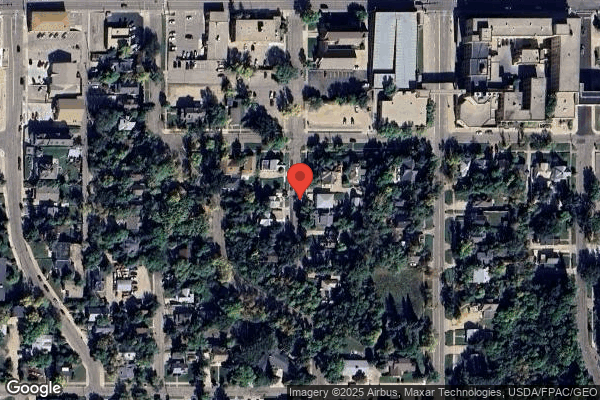
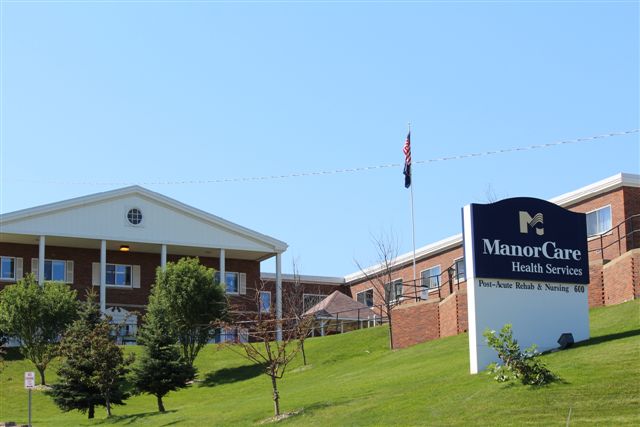
600 S MAIN ST, MINOT, ND 58701 (701) 852-1255
For profit - Limited Liability company 108 Beds NORTH SHORE HEALTHCARE Data: November 2025 1 Immediate Jeopardy citation
Trust Grade
0/100
#64 of 72 in ND
Last Inspection: June 2025

Inspected within the last 6 months. Data reflects current conditions.

Overview

Minot Health and Rehab, LLC has received a Trust Grade of F, indicating significant concerns and a poor overall rating. They rank #64 out of 72 facilities in North Dakota, placing them in the bottom half of the state. However, they are ranked #1 out of 2 in Ward County, meaning there is only one local option that is better. The facility is showing signs of improvement, having reduced the number of issues from seven in 2024 to six in 2025. Staffing is average with a rating of 3 out of 5 stars, but the turnover rate is concerning at 73%, significantly higher than the state average of 48%. The facility has incurred $38,376 in fines, which is average for the state but still raises concerns about compliance. They offer more RN coverage than 93% of North Dakota facilities, which is a positive aspect as RNs can address issues that CNAs might miss. However, there have been serious incidents, including failure to protect residents from sexual abuse, where multiple residents experienced unwanted contact, and a resident developed a stage IV pressure ulcer due to inadequate care. Overall, while there are some strengths, such as RN coverage, the facility's poor trust grade and specific incidents of abuse and neglect are significant red flags for families considering this nursing home.

Trust Score
F
0/100
In North Dakota
#64/72
Bottom 12%
Safety Record
High Risk
Review needed
Inspections
Getting Better
7 → 6 violations
Staff Stability
⚠ Watch
73% turnover. Very high, 25 points above average. Constant new faces learning your loved one's needs.
Penalties
✓ Good
$38,376 in fines. Lower than most North Dakota facilities. Relatively clean record.
Skilled Nurses
✓ Good
Each resident gets 72 minutes of Registered Nurse (RN) attention daily — more than 97% of North Dakota nursing homes. RNs are the most trained staff who catch health problems before they become serious.
Violations
⚠ Watch
18 deficiencies on record. Higher than average. Multiple issues found across inspections.
★☆☆☆☆
1.0
Overall Rating
★★★☆☆
3.0
Staff Levels
★☆☆☆☆
1.0
Care Quality
★★☆☆☆
2.0
Inspection Score
Stable
2024: 7 issues
2025: 6 issues

The Good

  • Full Sprinkler Coverage · Fire safety systems throughout facility
  • No fines on record

Facility shows strength in fire safety.

The Bad

1-Star Overall Rating

Below North Dakota average (3.1)

Significant quality concerns identified by CMS

Staff Turnover: 73%

27pts above North Dakota avg (46%)

Frequent staff changes - ask about care continuity

Federal Fines: $38,376

Above median ($33,413)

Moderate penalties - review what triggered them

Chain: NORTH SHORE HEALTHCARE

Part of a multi-facility chain

Ask about local staffing decisions and management

Staff turnover is very high (73%)

25 points above North Dakota average of 48%

The Ugly 18 deficiencies on record

1 life-threatening 2 actual harm
Jun 2025 6 deficiencies
CONCERN (D) 📢 Someone Reported This

A family member, employee, or ombudsman was alarmed enough to file a formal complaint

Potential for Harm - no one hurt, but risky conditions existed

Deficiency F0658 (Tag F0658)

Could have caused harm · This affected 1 resident

Based on record review, review of professional reference, and staff interview, the facility failed to provide care in accordance with professional standards for 1 of 5 sampled residents (Resident #21)...

Read full inspector narrative →
Based on record review, review of professional reference, and staff interview, the facility failed to provide care in accordance with professional standards for 1 of 5 sampled residents (Resident #21) reviewed for unnecessary medications. Failure to transcribe physician's orders and obtain laboratory tests as ordered may result in adverse health effects. Findings include: Kozier & Erb's Fundamentals of Nursing, Concepts, Process and Practice, 11th Edition eText, 2021, Pearson, Boston, Massachusetts, page 63, stated, Nurses are expected to analyze procedures . ordered by the physician or primary care provider. If the order is neither ambiguous nor apparently erroneous, the nurse is responsible for carrying it out. Review of Resident #21's medical record occurred on all days of survey and identified a physician's order, dated 03/26/25, for six blood tests. The medical record lacked documentation of the completion of the laboratory tests. During an interview on 06/09/25 at 11:20 a.m., two administrative staff members (#1 and #2) identified facility staff failed to transcribe the written order for the blood tests into the electronic medical record and failed to ensure collection of the blood specimens.
CONCERN (D) 📢 Someone Reported This

A family member, employee, or ombudsman was alarmed enough to file a formal complaint

Potential for Harm - no one hurt, but risky conditions existed

ADL Care (Tag F0677)

Could have caused harm · This affected 1 resident

Based on observation, record review, family interview, and staff interview, the facility failed to provide the necessary services to 1 of 7 sampled residents (Resident #17) dependent on staff for bath...

Read full inspector narrative →
Based on observation, record review, family interview, and staff interview, the facility failed to provide the necessary services to 1 of 7 sampled residents (Resident #17) dependent on staff for bathing. Failure to provide bathing as scheduled may result in poor personal hygiene and decreased self-esteem. Findings include: During an interview, on 06/09/25, at 12:28 p.m., a family member (A) stated Resident #17's fingernails have not been clean and questioned if the resident is getting his/her weekly baths. The family member stated, according to staff, the resident will refuse bathing at times. Observations of Resident #17's fingernails on 06/09/25 and 06/10/25 showed two nails on each of Resident #17's hands with dark areas under the nails. Review of Resident #17's medical record occurred on all days of survey. The care plan stated, ADL [activities of daily living] self-care deficit as evidenced by weakness . Bathing/Showering: Assist of 1, Transfer: Assist of 2 . Review of Resident #17's ADL Tasks/Intervention documentation showed bath/showers scheduled once a week on Mondays. - Review of Resident #17's March, April, and May 2025 bathing record records showed the following: * March: received two and refused two of five scheduled baths/showers. The medical record lacked documentation of refusal or completion of one scheduled bath/shower. * April: refused four of four scheduled baths/showers. The medical record lacked documentation of any completed baths/showers. * May: received one and refused one of four scheduled baths/showers. The medical record lacked documentation of refusal or completion of two scheduled baths/showers. During an interview on 06/10/25 at 5:45p.m., an administrative nurse (#1) confirmed Resident #17's bathing record lacked documentation staff provided bathing assistance as scheduled.
CONCERN (D) 📢 Someone Reported This

A family member, employee, or ombudsman was alarmed enough to file a formal complaint

Potential for Harm - no one hurt, but risky conditions existed

Deficiency F0849 (Tag F0849)

Could have caused harm · This affected 1 resident

**NOTE- TERMS IN BRACKETS HAVE BEEN EDITED TO PROTECT CONFIDENTIALITY** Based on record review, review of the hospice contract, review of facility policy, and staff interview, the facility failed to e...

Read full inspector narrative →
**NOTE- TERMS IN BRACKETS HAVE BEEN EDITED TO PROTECT CONFIDENTIALITY** Based on record review, review of the hospice contract, review of facility policy, and staff interview, the facility failed to ensure residents' records contained the hospice election form for 2 of 2 sampled residents (Resident #5 and #20) receiving hospice services. Failure to obtain the hospice election form limits staff's ability to ensure coordination of care between the facility and the hospice. Findings include: The hospice contract for (hospice agency name), signed August 6, 2018, stated, . Coordination of Services: . providing Facility with a copy of each Hospice Patient's hospice election form. Review of the facility policy titled, Hospice Services Facility Agreement, occurred on 06/10/25. This policy dated 07/15/22, stated, The designated member of the facility working with hospice representative is responsible for: . Obtaining the following information from the hospice: . Hospice election form. - Review of Resident #5's medical record occurred on all days of survey. A nurse's note, dated 08/19/24 at 4:00 p.m., stated, . Resident elected to enroll with [name] Hospice for end of life cares . The medical record lacked a hospice election of benefits form. - Review of Resident #20's medical record occurred on all days of survey. A physician's order dated 03/10/25 identified an order to admit to hospice. A nurse's note, dated 03/10/25 at 10:57 a.m., stated . [name of nurse] with [name of facility] Hospice here to admit resident to hospice. Resident #20's medical record failed to contain the hospice election form. During an interview on the afternoon of 06/10/25 at 5:12 p.m., an administrative nurse (#1) confirmed Resident #5 and #20's medical records lacked a hospice election form.
CONCERN (E) 📢 Someone Reported This

A family member, employee, or ombudsman was alarmed enough to file a formal complaint

Potential for Harm - no one hurt, but risky conditions existed

Safe Environment (Tag F0584)

Could have caused harm · This affected multiple residents

Based on observation, review of facility policy, review of facility housekeeping checklist, and resident and staff interview, the facility failed to ensure a safe, clean, comfortable, homelike environ...

Read full inspector narrative →
Based on observation, review of facility policy, review of facility housekeeping checklist, and resident and staff interview, the facility failed to ensure a safe, clean, comfortable, homelike environment for 6 of 14 sampled residents (Resident #3, #7, #16, #23, #25, #133) and 2 supplemental residents (Resident #4 and #9) and 1 of 1 storage rooms. Failure to maintain equipment and maintain a safe, clean, sanitary environment may result in injuries does not provide a homelike living area for residents or promote quality of life. Findings include: Review of the facility policy, Resident/Patient Room Cleaning, occurred on 06/10/25. This policy, dated 02/02/25, stated, SCOPE: . committed to providing a safe, clean, and hygienic environment for residents, staff, and visitors . Room Cleaning: . Rooms will be regularly cleaned and disinfected . Walls . Between scheduled cleanings, walls will be spot-cleaned when they are visibly soiled. Privacy curtains should be changed whenever they are visible dirty or damaged, . and /or on a regular schedule as determined by Environmental Services management and Infection Preventionists. Review of the facility HKP [housekeeping] Daily Sheet occurred on 06/10/25. This undated checklist stated, . Steps - DEEP CLEAN . Clean ceilings, vents, . Observation on June 8-9, 2025, showed the following in resident rooms: * Resident #3: a non-functioning light in the bathroom. The resident stated the light had not been working for about two weeks and that he told a couple of staff members about it. * Resident #4: masking tape with dried paint covering the edges of the kick plate on the bottom half of the door to the resident's room. * Resident #7: visible dust/debris on the ceiling vent in the bathroom. * Resident #9: a window screen with a large hole and a broken thermostat on the wall outside of the bathroom. * Resident #16: visible dust/debris on the ceiling vent and a missing cover on the ceiling light in the bathroom. * Resident #23: soiled wallpaper, visible debris to the vent/fan, and brown spots around the vent/fan in the resident's bathroom. The privacy curtain next to the resident's bed had dark spots approximately halfway down. The resident stated, This is someone's blood. The north wall, adjacent to the door, showed a black substance the length of the wall. A window screen showed three holes the resident taped cotton over To block the bugs from coming in. * Resident #25: blue painter's tape with dried paint covering the bottom half of the outside of the door to the resident's room. * Resident #133: torn wallpaper next to the sink in the resident's room. * Storage Room: blue painter's tape with dried paint covering the edges of the kick plate on the bottom half of the door to the storage room in the north wing hallway. During an interview on 06/09/25 at 2:45 p.m., the housekeeping supervisor (#3) confirmed staff clean privacy curtains weekly and when visibly soiled and confirmed Resident #23's privacy curtain was soiled. The supervisor also confirmed staff deep clean all resident rooms monthly. During an interview on 06/10/25 at 3:38 p.m., two administrative staff members (#4 and #5) confirmed the facility failed to remove the painter's tape in a timely manner. An administrative staff member (#4) stated staff had not informed him/her of the missing cover on the bathroom light in Resident #16's room or the non-functioning light in Resident #3's bathroom. The administrative staff members stated they expected staff to report maintenance concerns/needs by completing a maintenance request form or entering the request into the TELS system (The Equipment Lifecycle System - a computer program to track maintenance).
CONCERN (E) 📢 Someone Reported This

A family member, employee, or ombudsman was alarmed enough to file a formal complaint

Potential for Harm - no one hurt, but risky conditions existed

Deficiency F0628 (Tag F0628)

Could have caused harm · This affected multiple residents

**NOTE- TERMS IN BRACKETS HAVE BEEN EDITED TO PROTECT CONFIDENTIALITY** Based on record review, review of facility policy, and staff interview, the facility failed to provide the resident or their rep...

Read full inspector narrative →
**NOTE- TERMS IN BRACKETS HAVE BEEN EDITED TO PROTECT CONFIDENTIALITY** Based on record review, review of facility policy, and staff interview, the facility failed to provide the resident or their representative and the State Long Term Care Ombudsman a written notice of transfer and bed-hold notice for 4 of 4 sampled residents (Resident #3, #7, #11, and #26) and 1 closed record (Resident #32) reviewed for hospital transfers. Failure to provide a written notice of transfer, a written copy of the bed-hold notice that includes the reserve bed amount, or notify the State Ombudsman of the transfer does not allow the residents and/or their representative to make informed decisions regarding their rights or inform the State Ombudsman of the transfer. Findings include: Review of the facility policy titled Transfer and Discharge (including AMA) [against medical advice] occurred on 06/10/25. This policy, dated 2022, stated, . Emergency Transfers/Discharges-initiated by the facility for medical reasons . Complete and send with the resident (or provide as soon as practicable) a Transfer Form . Social Services Director, or designee, shall provide notice of transfer to a representative of State Long-Term Care Ombudsman via monthly list. Review of the facility policy titled Bed Hold Notice occurred on 06/11/25. This policy, dated 04/23/25, stated, . the policy of this facility to provide written information to the resident and/or the resident representative regarding bed hold practices . at the time of, a transfer for hospitalization . the facility will provide the resident and/or the resident representative written information that specifies: . b. The reserve bed payment policy . - Review of Resident #3's medical record occurred on all days of survey and identified a hospitalization from 02/21/25 to 02/24/25. The facility failed to provide a bed hold to the resident/representative, and failed to provide the State Ombudsman a copy of the transfer notice. -Review of Resident #7's medical record occurred on all days of survey and identified a hospitalization from 03/07/25 to 03/09/25. The facility failed to provide the State Ombudsman a copy of the transfer notice. - Review of Resident #11's medical record occurred on all days of survey and identified the following: * hospitalized [DATE] to 10/20/24. The medical record lacked a written notice of bed hold or transfer notice form and lacked documentation the facility notified the State Ombudsman of the transfer. * hospitalized [DATE] to 04/08/25. The written bed hold notice lacked a reserve bed payment amount and the transfer notice form lacked evidence the facility notified the State Ombudsman of the transfer. - Review of Resident #26's medical record occurred on all days of survey and identified hospitalizations on 03/10/25 to 03/12/25 and 03/23/25 to 03/27/25. The written bed hold notices lacked a reserved bed payment amount and the transfer notices lacked evidence the facility notified the State Ombudsman of the transfers. - Review of Resident #32's closed medical record occurred on 06/10/25 and identified a hospitalization from 03/31/25 to 04/03/25. The facility failed to provide the resident and/or resident representative with a notice of transfer or bed hold. During interviews ont the afternoon of 06/09/25, an administrative nurse (#1) confirmed the above records lacked the required documentation for transfer notices, bed holds, and notification to the State Ombudsmen regarding transfers.
CONCERN (E) 📢 Someone Reported This

A family member, employee, or ombudsman was alarmed enough to file a formal complaint

Potential for Harm - no one hurt, but risky conditions existed

Assessment Accuracy (Tag F0641)

Could have caused harm · This affected multiple residents

**NOTE- TERMS IN BRACKETS HAVE BEEN EDITED TO PROTECT CONFIDENTIALITY** Based on record review, review of the Long-Term Care Facility Resident Assessment Instrument (RAI) 3.0 User's Manual (Version 1....

Read full inspector narrative →
**NOTE- TERMS IN BRACKETS HAVE BEEN EDITED TO PROTECT CONFIDENTIALITY** Based on record review, review of the Long-Term Care Facility Resident Assessment Instrument (RAI) 3.0 User's Manual (Version 1.19.1), and staff interview, the facility failed to ensure accurate coding of the Minimum Data Set (MDS) for 4 of 14 sampled residents (Resident #5, #7, #20, and #23) and one closed record (Resident #30). Failure to accurately complete the MDS does not allow each resident's assessment to reflect their current status/needs and may affect the accurate development of a comprehensive care plan and the care provided to the resident. Findings include: SECTION A: IDENTIFICATION INFORMATION The Long-Term Care Facility RAI User's Manual, revised October 2024, pages A-30 through A-32, stated, A1500: Preadmission Screening and Resident Review (PASRR) . Complete if SCSA [significant change in status assessment] . Review the PASRR report provided by the State if Level II screening was required . Code 1, yes: if PASRR Level II screening determined that the resident has a serious mental illness . Page A-42, stated, Discharge Status. Review the medical record including the discharge plan and discharge orders for documentation of discharge location. Code 01, Home/Community: if the resident was discharged to a private home . - Review of Resident #23's medical record occurred on all days of survey. A PASRR, dated 05/06/24 stated, . You meet PASRR inclusion criteria for Serious Mental Illness . A significant change in status assessment MDS, dated [DATE] failed to identify a serious mental illness. - Review of Resident #30's medical record occurred on 06/10/25. A progress note dated 4/10/2025 at 8:00 a.m., stated, Late Entry: Resident indicates she would like to DC [discharge] home today. Husband [name] indicates he is okay taking resident home. A Transfer Notice completed 04/10/25 and a physician's order written 04/10/25 identified discharge to home. The Admission/Discharge Return Not Anticipated MDS, dated [DATE], identified Resident #30 discharged to a nursing home. SECTION I: ACTIVE DIAGNOSES The Long-Term Care Facility RAI User's Manual, revised October 2024, page I-1, stated, . code diseases that have a direct relationship to the resident's current functional status, cognitive status, mood or behavior status, medical treatments . Review of Resident #7's medical record occurred on all days of survey. A physician's order dated 01/04/25 identified, Duloxetine, an antidepressant, for depression. The quarterly MDS, dated [DATE], failed to include an active diagnosis of depression. SECTION J: HEALTH CONDITIONS The Long-Term Care Facility RAI User's Manual, revised October 2024, page J-27, stated, . J1400: Prognosis . Code 1, yes: if the medical record includes physician documentation: 1) that the resident is terminally ill; or 2) the resident is receiving hospice services. Review of Resident #20's medical occurred on all days of survey. A physician's order dated 03/10/25, admission to hospice care. A progress noted dated 03/10/25, stated, [name of nurse] with [name of hospice] here to admit resident to hospice. The significant change MDS dated [DATE] failed to identify the resident's prognosis in section J1400. SECTION M: SKIN CONDITIONS The Long-Term Care Facility RAI User's Manual, revised October 2024, pages M-37 and M-38, stated, . Skin and Ulcer/Injury Treatments . Review the medical record, including treatment records . for documented skin treatments during the past 7 days . Coding instructions Check all that apply in the last 7 days . M1200I, Application of dressings to feet (with or without topical medications) . Review of Resident #5's medical record occurred on all days of survey. A physician's order, dated 11/22/24, stated, Cleanse bilateral lower extremities with hibiclens [antibacterial] soap, apply calcium alginate dressing [highly absorbent wound dressings] to open areas, apply 4x4 gauze, wrap with roll gauze, and secure with tape. Review of the February 2025 treatment administration record identified facility staff changed the dressings to Resident #5's bilateral lower extremities on three of seven days during the look back period. The quarterly MDS, dated [DATE], failed to include application of a dressing. SECTION O: SPECIAL TREATMENTS, PROCEDURES, AND PROGRAMS The Long-Term Care Facility RAI User's Manual, revised October 2024, page O-3, stated, . Coding Instructions for Column b. While a Resident. Check all treatments, procedures, and programs that the resident received . within the last 14 days. Page O-7 stated, Hospice Care. Code residents identified as being in a hospice program for terminally ill persons where an array of services is provided for the palliation and management of terminal illness and related conditions. Review of Resident #20's medical record occurred on all days of survey and identified a physician's order dated 03/10/25 for admission to hospice care. A progress noted dated 03/10/25, stated, [name of nurse] with [name of hospice] here to admit resident to hospice. The significant change MDS dated [DATE] failed to identify hospice care. During an interview the afternoon of 06/10/25, an administrative nurse (#1) confirmed the facility failed to accurately code Resident #5, Resident #7, Resident #20, Resident #23, and Resident #20's MDSs.
Dec 2024 1 deficiency 1 IJ (1 affecting multiple)
CRITICAL (K) 📢 Someone Reported This

A family member, employee, or ombudsman was alarmed enough to file a formal complaint

Immediate Jeopardy (IJ) - the most serious Medicare violation

Free from Abuse/Neglect (Tag F0600)

Someone could have died · This affected multiple residents

**NOTE- TERMS IN BRACKETS HAVE BEEN EDITED TO PROTECT CONFIDENTIALITY** Based on record review, review of facility documents, Medicaid Fraud Control Unit (MFCU) investigation and interview, review of ...

Read full inspector narrative →
**NOTE- TERMS IN BRACKETS HAVE BEEN EDITED TO PROTECT CONFIDENTIALITY** Based on record review, review of facility documents, Medicaid Fraud Control Unit (MFCU) investigation and interview, review of facility policy, and staff interview, the facility failed to ensure residents remained free from sexual and mental abuse for 5 of 30 residents (Resident #1, #2, #3, #4, and #5) and 1 of 1 closed record (Resident #7) identified on a staff members electronic device through the review of images/videos. Failure to protect residents from sexual abuse may result in mental and emotional distress, and physical injury. This citation is considered past non-compliance based on review of the corrective action the facility implemented immediately following the incident. During the on-site investigation of the facility reported incident, the survey team consulted with the State Survey Agency (SSA) on 12/30/24 at 5:17 p.m. and determined an Immediate Jeopardy (IJ) situation existed. Investigation determined IJ began on 06/06/24 when the first image/video of a facility resident was sent by a staff member. On 12/13/24 law enforcement notified an administrative staff member (#1) of the arrest of a staff member (#2) who had inappropriate images/videos of possible residents on an electronic device. The survey team notified the administrator of the IJ on 12/30/24 at 6:08 p.m. The survey team confirmed by interview and record review that the IJ was removed on 12/13/24, and the deficient practice corrected on 12/19/24, prior to the start of the survey and was therefore past non-compliance. Findings include: Review of the facility policy titled Abuse, Neglect and Exploitation occurred on 12/31/24. This policy, revised July 2022, stated, . It is the policy of this facility to provide protections for the health, welfare and rights of each resident by developing and implementing written policies and procedures that prohibit and prevent abuse . 'Staff' includes employees . 'Willful' means the individual must have acted deliberately . 'Sexual Abuse' is non-consensual sexual contact of any type with a resident . 'Mental Abuse' . includes abuse that is facilitated or caused by nursing home staff taking or using photographs or recording in any manner that would demean or humiliate a resident(s). The components of the facility abuse prohibition plan . 1. Screening . Potential employees will be screened for a history of abuse . I. Background, reference, and credentials' checks shall be conducted on potential employees . II. Employee Training . A. New employees will be educated on abuse . B. Existing staff will receive annual education through planned in-services and as needed. C. Training topics will include: 1. Prohibiting and preventing all forms of abuse . 2. Identifying what constitutes abuse . III. Prevention of Abuse . The facility will implement policies and procedures to prevent and prohibit all types of abuse . A. Establishing a safe environment . by establishing policies and protocols for preventing sexual abuse . B. Identifying, correcting and intervening in situations in which abuse . is more likely to occur . IV. Identification of Abuse . A. The facility will have written procedures to assist staff identifying the different types of abuse . B. Possible indicators of abuse include . 9. Evidence of photographs or videos of a resident tat are demeaning or humiliating in nature, regardless of whether the resident provided consent and regardless of the resident's cognitive status. Review of the facility policy titled Employee Social Media Use occurred on 12/31/24. This policy, revised June 2022, stated, . It is the policy of this company to avoid inappropriate use of social media and to protect the residents . 1. Employees are strictly prohibited from transmitting by way of any electronic media any resident-related image or information that may be reasonably anticipated to violate resident rights to confidentiality or privacy. This includes information that could degrade or embarrass the resident. 2. Photographs or recordings of a resident . without . written consent, is prohibited. Examples include taking unauthorized photographs/videos of: . d. taking unauthorized photographs or recordings of residents in any state of dress or undress . Emailed documentation received from MFCU on 12/20/24 identified the actions of a staff member which involved images and videos of residents of the facility. During an interview on 12/27/24 at 5:00 p.m., a MFCU investigator (#1) confirmed the identity of 6 residents of the facility. - Review of Residents #1's medical record occurred on 12/30/24. A quarterly Minimum Data Set (MDS), dated [DATE], identified intact cognition. - Review of Residents #2's medical record occurred on 12/30/24. A quarterly MDS, dated [DATE], identified intact cognition. - Review of Residents #3's medical record occurred on 12/30/24. A quarterly MDS, dated [DATE], identified moderately impaired cognition. - Review of Residents #4's medical record occurred on 12/30/24. A quarterly MDS, dated [DATE], identified moderately impaired cognition. - Review of Residents #5's medical record occurred on 12/30/24. A quarterly MDS, dated [DATE], identified severely impaired cognition. - Review of Resident #7's closed record occurred on 12/30/24. A discharge return not anticipated MDS, dated [DATE], identified severely impaired cognition. During an interview on 12/30/24 at 12:30 p.m., an administrative staff member (#1) confirmed law enforcement contacted the facility to report staff member (#2's) arrest, and confirmed the steps the facility completed in response. The facility completed the following steps to remove the immediacy and correct the deficient practice: * Terminated staff member (#2) on 12/13/24. * Educated all staff on-duty and all on-coming staff on facility's policy/procedure for abuse, neglect and exploitation, and social media use on 12/13/24. * Completed assessments of all residents on 12/13/24. * Notified the medical director. * Reviewed facility policies and resources and updated as necessary by 12/19/24. * Interviewed all staff to identify any allegation of misconduct to include taking of inappropriate photos/videos of residents, beginning 12/14/24 and concluding 12/19/24. * Maintained contact with law enforcement agencies to identify possible affected residents and appropriate next steps. * Implemented behavior monitoring for all residents identified.
Dec 2024 1 deficiency 1 Harm
SERIOUS (G) 📢 Someone Reported This

A family member, employee, or ombudsman was alarmed enough to file a formal complaint

Actual Harm - a resident was hurt due to facility failures

Free from Abuse/Neglect (Tag F0600)

A resident was harmed · This affected 1 resident

**NOTE- TERMS IN BRACKETS HAVE BEEN EDITED TO PROTECT CONFIDENTIALITY** Based on review of a facility reported incident, record review, review of facility policy, and staff interviews, the facility fa...

Read full inspector narrative →
**NOTE- TERMS IN BRACKETS HAVE BEEN EDITED TO PROTECT CONFIDENTIALITY** Based on review of a facility reported incident, record review, review of facility policy, and staff interviews, the facility failed to ensure residents remained free from abuse for 1 of 1 sampled resident (Resident #2) who experienced unwanted sexual contact from another resident. Failure to protect the resident from sexual abuse placed the resident at risk for mental and emotional distress. This citation is considered past noncompliance based on review of the corrective actions the facility implemented immediately following the incident. Findings include: Review of the facility policy titled Abuse, Neglect and Exploitation occurred on 12/02/24. This policy, revised 07/15/22, stated, . It is the policy of this facility to provide protections for the health, welfare and rights of each resident by developing and implementing written policies and procedures that prohibit and prevent abuse . 'Sexual Abuse' is non-consensual sexual contact of any type with a resident. Review of the facility reported incident, dated 11/27/24, stated, [Staff member #2] was walking in the hall and noticed [Resident #1] had his Right [sic] hand down [Resident #2's] pants in the front. - Review of Resident #1's medical record occurred on 12/02/24. A quarterly Minimum Data Set (MDS), dated [DATE], identified the resident as cognitively intact. Resident #1's nursing progress note dated 11/27/24 3:32 p.m. stated, Resident to resident incident reported by [staff member name] who witnessed incident between resident and other resident residing in [resident room number]. Incident reported to nursing staff, ED [Executive Director], and Social services. Local law enforcement notified of incident. This social worker attempted to interview resident, resident would not acknowledge or answer questions, laying in bed. Resident placed on temporary 1 to 1. This Social worker attempted to notify DPOA [durable power of attorney] no answer, unable to leave message. PCP [primary care physician] notified of incident. - Review of Resident #2's medical record occurred on 12/02/24. Diagnosis included dementia and Parkinson's disease. An admission MDS, dated [DATE], identified the resident with severely impaired cognition. Resident #2' nursing progress note dated 11/27/24 at 5:22 p.m. stated, Resident to resident incident observed by [staff title] which was reported to nursing staff, ED, and Social service. Resident was safely removed from vicinity of the other resident of [room number]. Local law enforcement was contacted by this social worker. Mood assessment completed-assessment score [number shows] s/s [signs and symptoms] of minor depression noted. Resident was able to briefly describe the incident. resident [sic] reports she does not feel in danger, and is not scarred [sic] of the other resident. Resident continues with normal routine. Daughter [name] notified of incident, PCP notified of incident. Resident to be monitored for any alterations in mood, behavior or changes in routine. During an interview on 12/02/24 at 10:30 a.m. an administrative staff member (#1) reported Resident #1 remained on 1 to 1 monitoring by staff and the resident was planning to discharge home on [DATE]. During an interview on 12/02/24 at 12:08 p.m. staff member (#2) confirmed on 11/27/24 around 2:00 p.m. staff member (#2) was down the hall and saw Resident #1 in the hall with his wheelchair side to side with Resident #2. Resident #1's right hand was down the front of Resident #2's pants. Resident #2 looked distressed and was swatting [Resident #1] away. Resident #1 started laughing and moved away before the staff member could get there. The facility failed to protect Resident #2 from non-consensual sexual contact. Based on the following information, non-compliance at F600 is considered past non-compliance. The facility implemented corrective actions for the resident affected by the deficient practice and put measures in place to ensure the deficient practice does not reoccur by: * Immediately implemented 1 to 1 staff supervision/monitoring for Resident #1. * Moved Resident #1's roommate to another room. * Reeducated staff regarding 1 to 1 supervision and on the abuse, neglect, and exploitation policy. * Interviewed other residents to determine if any other abuse occurred. * Reported the concern to the North Dakota Department of Health and Human Services, * Reported the concern to local Police Department. The surveyor determined a deficient practice existed on 11/27/24. The facility implemented corrective action and staff education on 11/27/24.
May 2024 5 deficiencies 1 Harm
SERIOUS (G) 📢 Someone Reported This

A family member, employee, or ombudsman was alarmed enough to file a formal complaint

Actual Harm - a resident was hurt due to facility failures

Pressure Ulcer Prevention (Tag F0686)

A resident was harmed · This affected 1 resident

Based on record review, review of facility policy, and staff interview, the facility failed to provide the necessary care and services to prevent the development of a pressure ulcer for 1 of 1 supplem...

Read full inspector narrative →
Based on record review, review of facility policy, and staff interview, the facility failed to provide the necessary care and services to prevent the development of a pressure ulcer for 1 of 1 supplemental resident (Resident #138) identified as having a stage IV pressure ulcer and exposed hardware. Failure to evaluate risk factors that may impact the development of a pressure ulcer, and implement, monitor, and modify interventions to reduce those risk factors resulted in Resident #138 developing an avoidable, facility-acquired pressure ulcer. This citation is considered past non-compliance based on review of the corrective actions the facility implemented immediately following the incident. Findings include: Review of the facility policy titled Pressure Injuries and Non-pressure Injuries occurred on 05/16/24. This policy, revised 07/20/22, stated, . For those residents admitted with, or who subsequently developed a pressure injury or impaired skin integrity, they will receive care, treatment, and services that seek to promote healing, prevent infection, and prevent further development of pressure injuries/impaired skin integrity. Complete a head-to-toe skin check and document findings on the Skin Review - Weekly . Assess current wounds at least every seven days, or more frequently as needed (e.g., decline in wound, presence of infection, wound healed). Stage 4 Pressure Injury: Full-thickness skin and tissue loss with exposed or directly palpable fascia [connective tissue that surrounds cells, nerves, joints, and organs], muscle, tendon, ligament, cartilage, or bone in the ulcer. Slough and/or eschar [dark, crusty tissue that covers a wound] may be visible. Epibole (rolled edges), undermining and/or tunneling often occur. Depth varies by anatomical location. Review of Resident #138's medical record occurred on all days of survey. The physician's orders identified, . Right lateral malleolus [ankle bone] non healing surgical wound - Using sterile technique, cleanse with NS [normal saline] and pat dry. Apply a bordered foam dressing. Change daily and PRN [as needed] when soiled more than 50% or dislodged until healed. Monitor for signs/symptoms of infection one time a day . Right lateral malleolus stage IV pressure ulcer - Using sterile technique, cleanse with NS and pat dry. Apply Calcium Alginate AG [dressing] cut to fit wound bed and secure with a bordered foam. Change every 3 days and PRN when soiled more than 50% or dislodged until healed one time a day every 3 days . CAM high tide boot [orthopedic device that limits ankle and foot movement and protects the area during recovery], rt [right] ankle. May remove at rest for ROM [range of motion]. every shift . Notify DON [Director of Nursing] immediately if resident has any of the following: 1. pain to right outer ankle, 2. elevated temp [temperature], 3. redness to wound, 4. odor to wound every shift . The most recent care plan identified, The resident has . pressure ulcer or potential for pressure ulcer development . Administer treatment as ordered and monitor for effectiveness . Monitor/document/report PRN any changes in skin status, appearance, color, wound healing, s/sx [signs/symptoms] of infection, wound size . stage . Do not massage over bony prominences . Actual surgical incision at right leg r/t [related to] ORIF [a type of surgery used to stabilize and heal a broken bone] . Administer treatment per MD [medical doctor] order . Report evidence of infection such as purulent drainage, swelling, localized heat, increased pain . At risk for alteration in skin integrity related to immobility and weakness . Observe skin condition with ADL [activities of daily living] care daily, report abnormalities . Resident #138's progress notes identified the following: * 11/14/23 at 8:19 p.m., Resident got admitted to the building from . hospital . Resident is .here for PT [physical therapy] OT [occupational therapy] and over all strengthening. He was admitted to . hospital, because of a fall and a Brocken [sic] rt ankle . currently post-surgery to rt ankle. * 11/20/23 at 4:33 p.m., Resident had an appointment with Dr. [doctor] . for his S/p [status post] ORIF rt ankle. He was placed in CAM high tide boot, rt ankle. The weekly skin reviews, dated November 17-December 22, 2023, addressed bruising to Resident #138's bilateral upper extremities and right thigh, scabs to the right lower leg, redness to the buttocks, groin, and scrotum, and a pressure ulcer to the coccyx. Staff failed to address the surgical incision to Resident #138's right ankle. Additional progress notes identified the following: * 12/23/23 at 4:44 p.m., Dr. in to see resident at this time to look at resident's right ankle. Orders received for sterile dressing change daily and to monitor for signs/symptoms of infection. Currently no infection noted. Wound bed is pink and intact with minimal serous drainage. * 12/24/23 at 11:06 a.m., . On 12/23/23, DON was [sic] notified wound nurse that resident had hardware visible to right ankle. The current status is Res [resident] seen by provider. New orders received. Res admitted to [Hospital] for assessment of surgical repair. The weekly skin review, dated 12/23/23, identified, Pressure injury acquired . in house . Stage IV PU [pressure ulcer] to right lateral malleolus 4.5 x 6 x -.7 cm [centimeters] 80% hardware exposure and 20% granulation, 10% crust along the wound edge from approximately 11 to 3 o'clock which may be epibole. Shiney [sic] epithelial edge from 4 to 6 [o'clock]. Mild to moderate serosanguinous drainage smeared across the bedsheets. The [sic] denies pain, chills, N/V [nausea/vomiting] or feeling feverish. Was to see Dr. about weight bearing status and healing post hardware placement on 12/21 but missed the appointment. As per facility policy and the Resident 138's care plan, the facility failed to: * Assess/monitor Resident #138's right lateral malleolus non-healing surgical wound during the daily dressing changes. * Document/report any changes in wound status, appearance, color, wound healing, signs/symptoms of infection, wound size, and stage. * Identify the facility acquired pressure ulcer prior to it developing into a stage 4 ulcer with the exposed hardware. During an interview on 05/15/24 at 10:30 a.m., two administrative nurses (#1 and #4) indicated they recognized the issue and addressed it by educating their staff and initiating a performance improvement project. Based on the following information, non-compliance at F686 is considered past non-compliance. The facility implemented corrective actions for the resident affected by the deficient practice by: * Assessing the pressure ulcer to Resident #138 right ankle. * Completing an investigation into the facility acquired pressure ulcer. * Determining nursing staff failed to document wound measurements on the admission skin assessment. * Determining nursing staff failed to complete non-pressure weekly tracker assessments. * Determining nursing staff removed pressure relieving interventions from the care plan. The facility also put measures in place to ensure the deficient practice does not reoccur by: * Educating Resident #138 regarding the need for pressure relieving interventions. * Updating Resident #138's care plan. * Auditing other residents with surgical wounds and/or cam boots. * Updating other residents' care plans. * Educating staff regarding skin injuries and interventions. * Adding surgical skin areas and wounds to the wound tracker (computer program). * Completing weekly audits on skin injuries. This surveyor determined a deficient practice existed on 12/23/23. The facility implemented corrective action and completed all staff education by 12/27/23.
CONCERN (D) 📢 Someone Reported This

A family member, employee, or ombudsman was alarmed enough to file a formal complaint

Potential for Harm - no one hurt, but risky conditions existed

Notification of Changes (Tag F0580)

Could have caused harm · This affected 1 resident

1. Based on record review, review of facility policy, and staff interview, the facility failed to notify the resident representative for 1 of 1 sampled resident (Resident #2) reviewed for care confere...

Read full inspector narrative →
1. Based on record review, review of facility policy, and staff interview, the facility failed to notify the resident representative for 1 of 1 sampled resident (Resident #2) reviewed for care conferences. Failure to notify the resident representative of the care conferences does not allow the representative to be fully informed of the resident's current status. Findings include: Review of the facility policy titled, Comprehensive Care Plan occurred on 05/16/24. This policy, dated 09/23/2022, stated, Policy: . The comprehensive care plan will be prepared by an interdisciplinary team, that includes, but is not limited to: . e. the resident and the resident's representative, to the extent practicable. 7. The facility will attempt alternate methods for refusal of treatment and services and document such attempts in the clinical record, including discussions with the resident and/or resident representative. Review of Resident #2's medical record occurred all days of survey. The record identified resident representative (A) as the primary power of attorney for medical and financial decisions and listed as first emergency contact. The record lacked evidence the facility notified the resident representative (A) of a care conference. During an interview on the morning of 05/14/24, resident representative (A) stated, I haven't been contacted by anyone regarding the plans for my mom's care or anything since she's been in there. I just found out in March that she's been there. During an interview on 05/15/24, at 11:30 a.m., an administrative staff member (#5) confirmed that he/she failed to notify the resident's representative (A) to attend the care conferences. 2. Based on record review, review of facility policy, and staff interview, the facility failed to notify the physician of a change in condition for 1 of 1 supplemental resident (Resident #137) who experienced high blood sugars. Failure to notify the physician of blood sugar results above the ordered parameters may result in complications to the resident and prevent the physician from evaluating/prescribing an appropriate treatment plan. Findings include: Review of the facility policy titled Change in Condition of the Resident occurred on 05/16/24. This policy, revised 09/20/22, stated, . When a resident presents with a possible change of condition . Assess/evaluate the resident. The assessment/evaluation could include . blood glucose levels . Notify resident's physician . include date, time, what was conveyed, any orders received (each time notified) . - Review of Resident #137's medical record occurred on all days of survey. Diagnoses included type 2 diabetes mellitus with hyperglycemia. Medications included, . Levemir . inject . two times a day . Metformin . by mouth every morning and at bedtime . Novolog . Inject as per sliding scale . Contact MD [medical doctor] if BS is >[greater than] 300 and < [less than] 80 . The current care plan stated, . Endocrine system r/t [related to] DM II [Diabetes Mellitus Type 2] . Administer medication per MD orders . Obtain glucometer readings and report abnormalities as ordered . Report symptoms of hyperglycemia . Review of the blood sugars log, dated January 20-March 9, 2024, showed the following: * 01/27 354 milligrams per deciliter (mg/dL) * 01/28 369 mg/dL * 01/29 303 mg/dL and 329 mg/dL * 01/31 315 mg/dL * 02/02 312 mg/dL * 02/03 343 mg/dL * 02/19 343 mg/dL * 02/20 316 mg/dL * 03/03 397 mg/dL * 03/06 321 mg/dL * 03/08 381 mg/dL Review of the medical record showed the facility failed to notify Resident #137's physician of the high blood sugar readings. During an interview on 05/15/24 at 10:30 a.m., two administrative nurses (#1 and #4) confirmed facility staff failed to notify Resident #137's physician of the high blood sugar readings. The record lacked evidence the facility notified the resident representative. During an interview on the morning of 05/14/24, Resident representative (A) stated, I haven't been contacted by anyone regarding the plans for my mom's care or anything since she's been in there. I just found out in March that she's been there. I found out because my sister sent me a note attached to a bill. The note said, 'By the way, mom fell and hurt herself and is now at this place'. During an interview on 05/15/24, at 11:30 a.m., an administrative staff member (#5) confirmed that he/she failed to notify the resident's representative to attend the care conferences and regarding the significant change in Resident #2's status. Provider Notification Based on record review, review of facility policy, and staff interview, the facility failed to notify the physician of a change in condition for 1 of 1 supplemental resident (Resident #137) reviewed who experienced high blood sugars. Failure to notify the physician of blood sugar results above the ordered parameters may result in complications to the resident and prevent the physician from evaluating/prescribing an appropriate treatment plan. Findings include: Review of the facility policy titled Change in Condition of the Resident occurred on 05/16/24. This policy, revised 09/20/22, stated, . When a resident presents with a possible change of condition . Assess/evaluate the resident. The assessment/evaluation could include . blood glucose levels . Notify resident's physician . include date, time, what was conveyed, any orders received (each time notified) . - Review of Resident #137's medical record occurred on all days of survey. Diagnoses included type 2 diabetes mellitus with hyperglycemia. Medications included, . Levemir . inject . two times a day . Metformin . by mouth every morning and at bedtime . Novolog . Inject as per sliding scale . Contact MD [medical doctor] if BS is >[greater than] 300 and < [less than] 80 . The current care plan also stated, . Endocrine system r/t [related to] DM II [Diabetes Mellitus Type 2] . Administer medication per MD orders . Obtain glucometer readings and report abnormalities as ordered . Report symptoms of hyperglycemia . Review of the Blood Sugars Log, dated January 20-March 9, 2024, showed the following: * 01/27 354 milligrams per deciliter (mg/dL) * 01/28 369 mg/dL * 01/29 303 mg/dL and 329 mg/dL * 01/31 315 mg/dL * 02/02 312 mg/dL * 02/03 343 mg/dL * 02/19 343 mg/dL * 02/20 316 mg/dL * 03/03 397 mg/dL * 03/06 321 mg/dL * 03/08 381 mg/dL Review of the medical record showed the facility failed to notify Resident #137's physician of the high blood sugar readings. During an interview on 05/15/24 at 10:30 a.m., two administrative nurses (#1 and #4) confirmed facility staff failed to notify Resident #137's physician of the high blood sugar readings.
CONCERN (D)

Potential for Harm - no one hurt, but risky conditions existed

Assessment Accuracy (Tag F0641)

Could have caused harm · This affected 1 resident

**NOTE- TERMS IN BRACKETS HAVE BEEN EDITED TO PROTECT CONFIDENTIALITY** Based on record review, review of the Long-Term Care Facility Resident Assessment Instrument (RAI) 3.0 User's Manual (Version 1....

Read full inspector narrative →
**NOTE- TERMS IN BRACKETS HAVE BEEN EDITED TO PROTECT CONFIDENTIALITY** Based on record review, review of the Long-Term Care Facility Resident Assessment Instrument (RAI) 3.0 User's Manual (Version 1.18.11), and staff interview, the facility failed to ensure accurate coding of the Minimum Data Set (MDS) for 4 of 12 sampled residents (Resident #2, #18, and #28). Failure to accurately complete the MDS does not allow each resident's assessment to reflect their current status/needs and may affect the accurate development of a comprehensive care plan and the care provided to the residents. Findings include: SECTION A: Identification Information The Long-Term Care Facility RAI Manual, revised October 2023, pages A-30 through A-32, stated, . A1500: Preadmission Screening and Resident Review (PASRR). Coding Instructions . Code 1. yes: if PASRR Level II screening determined that the resident has a serious mental illness and/or ID/DD [intellectual disability/developmental disability] or related condition, and continue to A1510, Level II Preadmission Screening and Resident Review (PASRR) Conditions. Review of Resident #18's medical record occurred on all days of survey. A PASRR Level II Outcome, dated 06/06/23, stated, . PASRR Determination Explanation: You meet PASRR including criteria for Serious Mental Illness because you have been diagnosed with the following: Bipolar II Disorder. Resident #18's Significant Change MDS, dated [DATE], showed the facility failed to code yes for A1500. During an interview on 05/15/24 at 2:00 p.m., a social services staff member (#5) stated facility staff coded A1500 incorrectly. SECTION N: Medications The Long-Term Care Facility RAI Manual, revised October 2023, page N-2 and N-3 stated, . N0300: Injections. Record the number of days during the 7-day look-back period. that the resident received any type of medication. by injection. Insulin injections are counted in this item . Count the number of days that the resident received any type of injection while a resident of the nursing home. N0350: Insulin . Count the number of days insulin injections were received . Review of Resident #2's medical record occurred on all days of survey. Physician orders included Trulicity Subcutaneous Solution, a medicine used to control high blood sugar, once a week. Resident #2's quarterly MDS, dated [DATE], showed the facility coded N0300 for 7 days rather than one day and coded N0350 for 7 days. Trulicity is not an insulin and is not coded at N0350. During an interview the afternoon of 05/15/24, an MDS coordinator (#1) confirmed facility staff coded the MDS incorrectly. The Long-Term Care Facility RAI Manual, revised October 2023, page N-7 stated, . N0415G1. Diuretic: Check if a diuretic medication was taken by the resident at any time during the 7-day look-back period (or since admission/entry or reentry if less than 7 days) . Review of Resident #28's medical record occurred on all days of survey. Physician orders included Chlorthalidone, a diuretic, daily for high blood pressure. Resident #28's admission MDS, dated [DATE], showed the facility failed to code the use of a diuretic for N0415G. During an interview the afternoon of 05/15/24, an MDS coordinator (#1) confirmed the facility staff coded the MDS incorrectly.
CONCERN (D)

Potential for Harm - no one hurt, but risky conditions existed

Deficiency F0658 (Tag F0658)

Could have caused harm · This affected 1 resident

Based on observation and review of facility policy, the facility failed to follow professional standards of practice for 2 of 2 sampled residents (Resident #6 and #16) observed for insulin preparation...

Read full inspector narrative →
Based on observation and review of facility policy, the facility failed to follow professional standards of practice for 2 of 2 sampled residents (Resident #6 and #16) observed for insulin preparation and administrations. Failure to properly prepare insulin pens and administer the insulin correctly may result in residents receiving an inaccurate dose. Findings include: Review of the policy Insulin Administration occurred on 05/15/24. This policy, revised October 2022, stated . Holding pen with the needle pointing up, tap the cartridge. Press the injection button all the way in until the dose selector is back to 0. A stream or drop of insulin should appear at the tip of the needle. Insert the needle and press the injection button until the dose selector is back to 0. Continue to press the injection button until the needle has been pulled out from the skin. Keep the needle in the skin for up to 10 seconds . Observation on 05/14/24 at 7:46 a.m. showed a nurse (#2) prepared a NovoLog insulin pen for administration. The nurse inserted the needle into Resident #6's abdomen and pressed the injection button until the dose selector reached 0 and immediately removed the needle. The nurse (#2) failed to keep the needle in the skin up to 10 seconds. Observation on 05/14/24 at 11:47 a.m. showed a nurse (#3) prepared an Asepet insulin pen for Resident #16. The nurse (#3) dialed the pen to 2 and primed the pen horizontally. The nurse (#3) failed to prime the insulin pen as per facility policy.
CONCERN (D)

Potential for Harm - no one hurt, but risky conditions existed

Deficiency F0761 (Tag F0761)

Could have caused harm · This affected 1 resident

Based on observation, review of facility policy, and staff interview, the facility failed to ensure accurate labeling of medications for 1 of 2 residents (Resident #6) observed during medication admin...

Read full inspector narrative →
Based on observation, review of facility policy, and staff interview, the facility failed to ensure accurate labeling of medications for 1 of 2 residents (Resident #6) observed during medication administration. Failure to obtain a medication label for an insulin pen and identify and open date may result in a resident receiving an incorrect or ineffective dose of insulin. Findings include: Review of the facility policy Insulin Administration occurred on 05/15/24. This policy, revised October 2022, stated, . If a new pen is obtained from the refrigerator . document the date open on the pen body. Verify that the Medication/RX [prescription] Label matches the Medication Administration Record [MAR]. Right resident, medication, dose, dosage form, frequency, and route. Observation on 05/14/24 at 7:46 a.m., showed a nurse (#2) prepared insulin for Resident #6. The nurse removed a plastic bag labeled with Resident #6's name from the medication cart. The bag contained contained NovoLog and Tresiba insulin pens. The nurse (#2) removed the insulin pens from the bag. The NovoLog pen lacked a medication label with the resident's name and administration instructions. The Tresiba insulin pen lacked an open date. During an interview on 05/16/24 at 1:00 p.m., and administrative nurse (#4) confirmed she expected staff to follow facility policy and insure insulin pens have a label and an open date.
May 2023 5 deficiencies
CONCERN (D)

Potential for Harm - no one hurt, but risky conditions existed

Resident Rights (Tag F0550)

Could have caused harm · This affected 1 resident

Based on observation, review of facility policy, and resident and staff interview, the facility failed to provide dignity for 1 of 1 sampled resident (Resident #21). Failure to address the resident wi...

Read full inspector narrative →
Based on observation, review of facility policy, and resident and staff interview, the facility failed to provide dignity for 1 of 1 sampled resident (Resident #21). Failure to address the resident with the name of the resident's choice does not preserve the resident's personal dignity or enhance the quality of life and places the resident at risk for anger, anxiety, lack of self-esteem, and other forms of emotional distress. Findings include: Review of the facility policy titled Resident Rights occurred on 05/08/23. This policy, revised in September 2022, stated, .Do not use nicknames when addressing or referring to a resident, unless the resident asks that you do. other such names . shows disrespect for the resident. During an observation of cares on 05/07/23 at 2:11 p.m., a registered nurse (#3) referred to and called Resident #21 Bud multiple times. During an interview on 05/07/23 at 4:41 p.m., Resident #21 stated he did not like to be called Bud because that is not his name. During an interview on 05/09/23 at 10:45 a.m., when asked questions pertaining to dignity, two administrative staff members (#1 and #2) stated they expected staff to follow policy and resident's rights, and address residents as they wish to be addressed.
CONCERN (D)

Potential for Harm - no one hurt, but risky conditions existed

Deficiency F0583 (Tag F0583)

Could have caused harm · This affected 1 resident

Based on observation, review of facility policy, and resident and staff interview, the facility failed to provide personal privacy for 1 of 5 sampled residents (Resident #26) observed during a glucome...

Read full inspector narrative →
Based on observation, review of facility policy, and resident and staff interview, the facility failed to provide personal privacy for 1 of 5 sampled residents (Resident #26) observed during a glucometer check and insulin administration, and 1 of 12 sampled residents (Resident #335) observed during personal cares. Failure to provide privacy in a manner/environment that maintains bodily privacy does not preserve the resident's right to privacy or enhance their quality of life. Findings include: BLOOD GLUCOSE MONITORING AND INSULIN ADMINISTRATION Review of the facility policy titled Blood Glucose Monitoring occurred on 05/08/23. This policy, revised 08/05/22, stated, . Provide Privacy. Review of facility policy titled Insulin Administration - Pen occurred on 05/08/23. This policy, revised October 2022, stated, Provide for resident privacy. Review of facility policy titled Resident Rights occurred on 05/08/23. This policy, revised July 2022, stated, . The resident has the right to personal privacy . When providing cares, always provide privacy . Observations on 05/07/23 at 12:10 p.m. showed a nurse (#3) performed a blood sugar check on Resident #26 ' s finger and then pulled the resident's shirt up exposing their abdomen and administered the inulin. This occurred during the noon meal with other residents and staff present in the dining room. During an interview on 05/09/23 at 10:45 a.m., two administrative staff members (#1 and #2) stated they expected staff to follow facility policies and resident rights. TOILETING Observation on 05/07/23 at 4:00 p.m. showed a certified nurse aide (CNA) (#6) ambulated Resident #335 to the bathroom. The CNA donned gloves and without closing the bathroom door lowered the resident's pants and assisted her to sit on the toilet. The resident's roommate was laying on her bed with a direct view into the bathroom. During an interview on 05/08/23 at 8:10 a.m., Resident #335 stated. Often they [staff] sit me on the toilet without shutting the door. Once I'm sitting, I can't stand up to close it. There have been times when my roommate will have to tell staff to shut the door. During an interview on 05/10/23 at 2:35 p.m., an administrative staff member (#1) agreed she expected staff to provide privacy during toileting.
CONCERN (D)

Potential for Harm - no one hurt, but risky conditions existed

Quality of Care (Tag F0684)

Could have caused harm · This affected 1 resident

**NOTE- TERMS IN BRACKETS HAVE BEEN EDITED TO PROTECT CONFIDENTIALITY** Based on observation, record review, and resident and staff interview, the facility failed to ensure appropriate care and servic...

Read full inspector narrative →
**NOTE- TERMS IN BRACKETS HAVE BEEN EDITED TO PROTECT CONFIDENTIALITY** Based on observation, record review, and resident and staff interview, the facility failed to ensure appropriate care and services for 1 of 5 sampled resident (Resident #335) reviewed for edema (fluid retention). Failure to ensure timely and consistent implementation of support stockings may result in worsening edema. Findings include: Review of Resident #335's medical record occurred on all days of survey and identified diagnoses of transient ischemic attacks (small strokes), cerebral infarction (stroke), and hypertension. A physician's order, dated 05/01/23, stated, Apply ted hose [support stockings to control edema] to BLE [bilateral lower extremities]-on am [morning], remove at hs [hour of sleep] every morning and at bedtime for edema. Resident #335's current care plan stated . Edema/excess fluid volume as evidenced edema bilateral lower extremities . compression stockings . on/am, off/hs . A progress note, dated 05/03/23 at 11:59 p.m., stated, . Resdient [sic] has some swelling to lower extremity edema/order for [NAME] Hose in place. A daily skilled note, dated 05/06/23 at 11:59 p.m., stated, . Late Entry . Edema present: Yes, . Bilateral lower extremities. Observation and interview on 05/07/23 at 01:54 p.m. showed Resident #335 lying in bed with her feet elevated on a pillow with visible edema to both lower legs and no support stockings present. The resident stated, I've had trouble with edema and have worn ted socks since I was [AGE] years old, but I couldn't put them on now and they haven't said anything [about getting them]. Observation on 05/07/23 at 4:00 p.m., showed staff assisted the resident to the bathroom and she did not have support stockings on. Observation on 05/08/23 at 9:00 a.m. showed Resident #335 in bed with no support stockings on lower legs. During an interview on 05/09/23 at 1:52 p.m., Resident #335 stated, This morning they [staff] put these on [mesh stockinette's] [a gauze like product used for skin protection or to keep a bandage in place, it does not have compression for edema]. I don't know why, they aren't ted stockings. The resident has visible edema present to both lower legs. A review of Resident #335's treatment administration record (TAR) from May 7-9, 2023, showed the following: 05/07/23 TED Hose initialed as applied in the morning and removed at bedtime. (Resident did not have TED hose on) 05/08/23 TED Hose initialed as refused in the morning but removed at bedtime. (Resident did not have TED hose on) 05/09/23 TED Hose initialed as applied in the morning. (Resident has stockinette's on) During an interview on 05/09/23 at 02:35 p.m., an administrative staff nurse (#1) agreed staff should apply TED hose as ordered and to document correctly.
CONCERN (D)

Potential for Harm - no one hurt, but risky conditions existed

Deficiency F0688 (Tag F0688)

Could have caused harm · This affected 1 resident

Based on record review, facility policy, and resident and staff interview, the facility failed to ensure 1 of 2 sampled residents (Resident #24) reviewed for restorative therapy received the services ...

Read full inspector narrative →
Based on record review, facility policy, and resident and staff interview, the facility failed to ensure 1 of 2 sampled residents (Resident #24) reviewed for restorative therapy received the services developed by the therapy staff. Failure to consistently provide restorative nursing/therapy services may adversely affect the residents' abilities to maintain their range of motion (ROM), balance, strength, and mobility. Findings include: Review of facility policy titled Prevention of Decline in Range of Motion occurred on 05/09/23. This policy, revised 02/02/23, stated, . The facility in collaboration with the medical director, director of nurses and as appropriate, physical/occupational consultant shall establish and utilize a systematic approach for prevention of decline in range of motion, including the assessment, appropriate care planning, and preventive care. Preventive Care. Staff will be educated on basic, restorative nursing care that does not require the use of a qualified therapist or licensed nurse oversight. Review of Resident #24's medical record occurred on all days of survey. The current care plan stated, . Impaired Functional mobility due to weakness, obesity, respiratory failure . Nursing will provide assistance as needed for transfers and ambulation. At risk for falls r/t [related to] medication, deconditioning/weakness . Follow Therapy recommendations for transfers, mobility, and ambulation . Review of a physical therapy discharge note, dated 04/07/23, stated, . Resident discharged from PT [physical therapy] on 4/7/23. Analysis of Functional Outcome/Clinical Impression states 'Overall, patient has made fair-good progress throughout PT. Because of patient progress and variable participation in PT, feel that she is appropriate to continue progression of LE [lower extremity] strengthening, core stability, and ambulation with RNP [restorative nursing program]. The patient is agreeable to this.' . Discharging to RNP (Supine [laying on back] LE strengthening HEP [home exercise program], sitting EOB [edge of bed], standing near EOB with FWW [front wheeled walker], sitting up in w/c [wheelchair] 30-60 mins [minutes]/day, and ambulate to bathroom with FWW. The record lacked documentation of a restorative nursing program. Observation of Resident #24 on all days of survey showed the resident in bed. During an interview on 05/08/23 at 4:23 p.m., an administrative nurse (#1) stated the facility does not have a current restorative program but are currently working on putting one in place. The medical record lacked evidence of restorative nursing provided to the resident for the dates of April 26-May 8, 2023.
CONCERN (D)

Potential for Harm - no one hurt, but risky conditions existed

Infection Control (Tag F0880)

Could have caused harm · This affected 1 resident

Based on observation, review of facility policy, and staff interview, the facility failed to follow infection control practices for 3 of 11 sampled residents (Resident #21, #185, and #235) observed du...

Read full inspector narrative →
Based on observation, review of facility policy, and staff interview, the facility failed to follow infection control practices for 3 of 11 sampled residents (Resident #21, #185, and #235) observed during dressing changes and/or blood glucose monitoring. Failure to follow infection control practices for wound care (Resident #21) and blood glucose monitoring (Resident #185 and #235) has the potential for transmission of communicable diseases and infections to residents, staff, and visitors. Findings include: WOUND CARE Review of the facility policy Clean Dressing Change occurred on 05/08/23. This policy, dated 07/20/22, stated, . 5. Set up clean field on the overbed table with needed supplies for wound cleansing and dressing application . a. If table is soiled, wipe clean. b. Place a disposable cloth or linen saver on the overbed table. d. use no-touch techniques . (i.e. use tongue blade or applicator) . 15. dress wound as ordered. 16. [NAME] with initials and date. - Observation on 05/07/23 at 2:11 p.m. showed a staff nurse (#3) completed a dressing change to Resident #21's groin area. The nurse placed the clean wound care supplies on the overbed table without first cleaning the table and placing a disposable cloth on the surface. With a gloved hand the nurse reached into his pocket and removed scissors and a sterile water ampule. After removing the supplies from his pocket the nurse then proceeded to pack the wound with Iodoform [type of gauze dressing] using a finger rather than a no-touch technique. Nurse (#3) failed to apply clean gloves and sanitize hands before applying the dressings to the wound. When finished with the procedure the nurse (#3) wiped off the overbed table with hand sanitizer. BLOOD GLUCOSE METERS Review of the facility policy Blood Glucose Monitoring occurred on 05/08/23. This revised policy, dated 08/05/22, stated, . Procedure: . 8. Clean intended site with an alcohol pad and allow to dry completely do not wave hand to dry puncture site .11. Wipe away the first drop of blood using a gauze pad. 18. Remove and discard gloves and perform hand hygiene, 19. Clean and disinfect glucometer as per manufacturer's instructions. - Observation on 05/07/23 at 11:48 a.m., showed a staff nurse (#3) performed a blood glucose monitoring check on Resident #235, using the resident's individual blood glucose monitor. After cleansing the resident's finger with an alcohol pad, the staff nurse (#3) waved his hand to dry it failing to let the finger air dry, then punctured the finger and failed to wipe away the first drop of blood. After completing the task, the nurse (#3) dropped the monitor and disinfecting wipe into the garbage, then retrieved both items from the garbage, and proceeded to use the same wipe to disinfect the monitor. - Observation on 05/07/23 at 4:06 p.m., showed a staff nurse (#4) performed a blood glucose monitoring check on Resident #185, using the resident's individual blood glucose monitor. After completing the task, the nurse (#4) proceeded to apply hand sanitizer directly onto gloved hands and rubbed it onto the glucometer. Both nurses (#3 and #4) failed to disinfect the residents' individual glucose monitors per facility policy. During an interview on the afternoon of 05/09/23, two administrative staff members (#1 and #2) confirmed that they expected staff to follow facility policy and procedure.
Understanding Severity Codes (click to expand)
Life-Threatening (Immediate Jeopardy)
J - Isolated K - Pattern L - Widespread
Actual Harm
G - Isolated H - Pattern I - Widespread
Potential for Harm
D - Isolated E - Pattern F - Widespread
No Harm (Minor)
A - Isolated B - Pattern C - Widespread

Questions to Ask on Your Visit

  • "What changes have you made since the serious inspection findings?"
  • "What safeguards are in place to prevent abuse and neglect?"
  • "Why is there high staff turnover? How do you retain staff?"
  • "Can I speak with families of current residents?"
  • "What's your RN coverage like on weekends and overnight?"

Our Honest Assessment

Strengths
  • • Licensed and certified facility. Meets minimum state requirements.
Concerns
  • • Multiple safety concerns identified: Federal abuse finding, 1 life-threatening violation(s), 2 harm violation(s), $38,376 in fines. Review inspection reports carefully.
  • • 18 deficiencies on record, including 1 critical (life-threatening) violation. These warrant careful review before choosing this facility.
  • • $38,376 in fines. Higher than 94% of North Dakota facilities, suggesting repeated compliance issues.
  • • Grade F (0/100). Below average facility with significant concerns.
Bottom line: This facility has a substantiated abuse finding. Extreme caution advised. Explore alternatives.

About This Facility

What is Minot Health And Rehab, Llc's CMS Rating?

CMS assigns MINOT HEALTH AND REHAB, LLC an overall rating of 1 out of 5 stars, which is considered much below average nationally. Within North Dakota, this rating places the facility higher than 0% of the state's 100 nursing homes. A rating at this level reflects concerns identified through health inspections, staffing assessments, or quality measures that families should carefully consider.
How is Minot Health And Rehab, Llc Staffed?

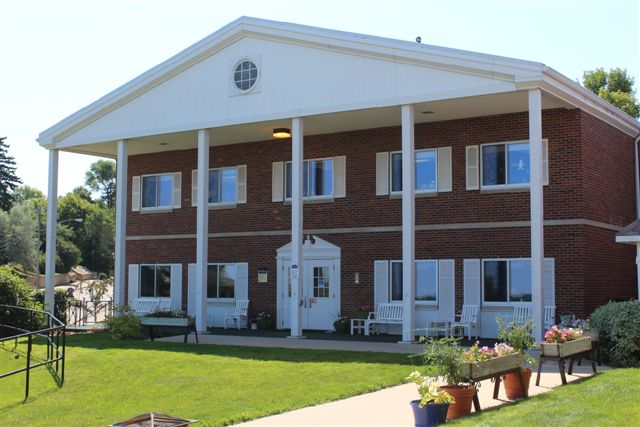
CMS rates MINOT HEALTH AND REHAB, LLC's staffing level at 3 out of 5 stars, which is average compared to other nursing homes. Staff turnover is 73%, which is 27 percentage points above the North Dakota average of 46%. High turnover can affect care consistency as new staff learn residents' individual needs. RN turnover specifically is 78%, which is notably high. RNs provide skilled clinical oversight, so turnover in this role can affect medical care quality.

What Have Inspectors Found at Minot Health And Rehab, Llc?

State health inspectors documented 18 deficiencies at MINOT HEALTH AND REHAB, LLC during 2023 to 2025. These included: 1 Immediate Jeopardy (the most serious level, indicating potential for serious harm or death), 2 that caused actual resident harm, and 15 with potential for harm. Immediate Jeopardy findings are rare and represent the most serious regulatory concerns. They require immediate corrective action.
Who Owns and Operates Minot Health And Rehab, Llc?

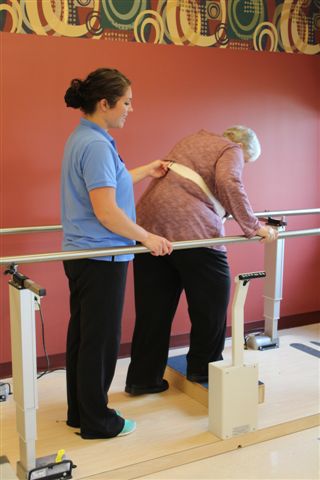
MINOT HEALTH AND REHAB, LLC is owned by a for-profit company. For-profit facilities operate as businesses with obligations to shareholders or private owners. The facility is operated by NORTH SHORE HEALTHCARE, a chain that manages multiple nursing homes. With 108 certified beds and approximately 29 residents (about 27% occupancy), it is a mid-sized facility located in MINOT, North Dakota.
How Does Minot Health And Rehab, Llc Compare to Other North Dakota Nursing Homes?

Compared to the 100 nursing homes in North Dakota, MINOT HEALTH AND REHAB, LLC's overall rating (1 stars) is below the state average of 3.1, staff turnover (73%) is significantly higher than the state average of 46%, and health inspection rating (2 stars) is below the national benchmark.

What Should Families Ask When Visiting Minot Health And Rehab, Llc?

Based on this facility's data, families visiting should ask: "What changes have been made since the serious inspection findings, and how are you preventing similar issues?" "What safeguards and monitoring systems are in place to protect residents from abuse or neglect?" "How do you ensure continuity of care given staff turnover, and what is your staff retention strategy?" "Can I visit during a mealtime to observe dining assistance and food quality?" These questions are particularly relevant given the facility's Immediate Jeopardy citations, the substantiated abuse finding on record, and the facility's high staff turnover rate.

Is Minot Health And Rehab, Llc Safe?

Based on CMS inspection data, MINOT HEALTH AND REHAB, LLC has documented safety concerns. The facility has 1 substantiated abuse finding (meaning confirmed case of resident harm by staff or other residents). Inspectors have issued 1 Immediate Jeopardy citation (the most serious violation level indicating risk of serious injury or death). The facility has a 1-star overall rating and ranks #100 of 100 nursing homes in North Dakota. Families considering this facility should ask detailed questions about what corrective actions have been taken since these incidents.

Do Nurses at Minot Health And Rehab, Llc Stick Around?

Staff turnover at MINOT HEALTH AND REHAB, LLC is high. At 73%, the facility is 27 percentage points above the North Dakota average of 46%. Registered Nurse turnover is particularly concerning at 78%. RNs handle complex medical decisions and coordinate care — frequent RN changes can directly impact care quality. High turnover means new staff may not know residents' individual needs, medications, or preferences. It can also be disorienting for residents, especially those with dementia who rely on familiar faces. Families should ask: What is causing the turnover? What retention programs are in place? How do you ensure care continuity during staff transitions?

Was Minot Health And Rehab, Llc Ever Fined?

MINOT HEALTH AND REHAB, LLC has been fined $38,376 across 2 penalty actions. The North Dakota average is $33,463. While any fine indicates a compliance issue, fines under $50,000 are relatively common and typically reflect isolated problems that were subsequently corrected. Families should ask what specific issues led to these fines and confirm they've been resolved.

Is Minot Health And Rehab, Llc on Any Federal Watch List?

MINOT HEALTH AND REHAB, LLC is not on any federal watch list. The most significant is the Special Focus Facility (SFF) program, which identifies the bottom 1% of nursing homes nationally based on persistent, serious quality problems. Not being on this list means the facility has avoided the pattern of deficiencies that triggers enhanced federal oversight. This is a positive indicator, though families should still review the facility's inspection history directly.