GOOD SAMARITAN SOCIETY - OAKES
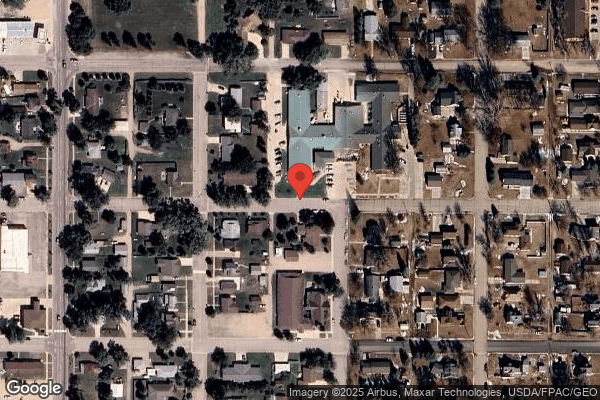
213 N 9TH ST, OAKES, ND 58474 (701) 742-3274
Non profit - Corporation 52 Beds GOOD SAMARITAN SOCIETY Data: November 2025
Trust Grade
75/100
#22 of 72 in ND
Last Inspection: October 2024

Within standard 12-15 month inspection cycle. Federal law requires annual inspections.

Overview

Good Samaritan Society - Oakes has a Trust Grade of B, indicating it is a good choice among nursing homes, though not the best available. It ranks #22 out of 72 facilities in North Dakota, placing it in the top half statewide, and is #2 out of 2 in Dickey County, meaning there is only one other local option. The facility is improving, with a significant drop in reported issues from 9 in 2024 to just 1 in 2025. Staffing is a strong point, rated 5 out of 5 stars, with a turnover rate of 40%, which is better than the state average. Notably, there have been no fines reported, but there are concerns about infection control practices and a reduction in bathing assistance, which some families feel is detrimental to residents' care. Specific incidents include a resident's family expressing concern that the facility reduced bathing frequency from twice a week to once due to staffing cuts, and failures in infection control practices were observed, such as inadequate hand hygiene and glove use among staff during resident care. While the facility has some strengths, such as excellent staffing and no fines, these weaknesses in care practices raise important questions for families considering this home.

Trust Score
B
75/100
In North Dakota
#22/72
Top 30%
Safety Record
Low Risk
No red flags
Inspections
Getting Better
9 → 1 violations
Staff Stability
○ Average
40% turnover. Near North Dakota's 48% average. Typical for the industry.
Penalties
✓ Good
No fines on record. Clean compliance history, better than most North Dakota facilities.
Skilled Nurses
✓ Good
Each resident gets 56 minutes of Registered Nurse (RN) attention daily — more than average for North Dakota. RNs are trained to catch health problems early.
Violations
⚠ Watch
17 deficiencies on record. Higher than average. Multiple issues found across inspections.
★★★★☆
4.0
Overall Rating
★★★★★
5.0
Staff Levels
★★☆☆☆
2.0
Care Quality
★★★☆☆
3.0
Inspection Score
Stable
2024: 9 issues
2025: 1 issues

The Good

  • 5-Star Staffing Rating · Excellent nurse staffing levels
  • Full Sprinkler Coverage · Fire safety systems throughout facility
  • No fines on record
  • Staff turnover below average (40%)

    8 points below North Dakota average of 48%

Facility shows strength in staffing levels, fire safety.

The Bad

Staff Turnover: 40%

Near North Dakota avg (46%)

Typical for the industry

Chain: GOOD SAMARITAN SOCIETY

Part of a multi-facility chain

Ask about local staffing decisions and management

The Ugly 17 deficiencies on record

Jul 2025 1 deficiency
CONCERN (D) 📢 Someone Reported This

A family member, employee, or ombudsman was alarmed enough to file a formal complaint

Potential for Harm - no one hurt, but risky conditions existed

Pressure Ulcer Prevention (Tag F0686)

Could have caused harm · This affected 1 resident

Based on record review, review of facility policy, and staff interview, the facility failed to provide the necessary care and services for 1 of 2 sampled residents (Resident #2) with a pressure ulcer ...

Read full inspector narrative →
Based on record review, review of facility policy, and staff interview, the facility failed to provide the necessary care and services for 1 of 2 sampled residents (Resident #2) with a pressure ulcer and 1 closed record (Resident #3). Failure to routinely assess and monitor progression of pressure ulcers has the potential to result in complications. Findings include: Review of the facility policy titled, Pressure Ulcer/Wound Care Resource Packet, occurred on 07/07/25. This policy, revised 07/07/25, stated, . Wound care management may include the management and treatment of surgical wounds, pressure ulcers, diabetic ulcers and skin conditions, as well as arterial and venous ulcers. Promotion of healing . and prevention of complications is extremely important, as well as accurate assessment and documentation. Wound Data Collection UDA [User Defined Assessment] completed by licensed nurse and is required for documenting daily monitoring, is required at least weekly when skin integrity is impaired or open area is present (i.e., pressure ulcer, surgical wound, venous ulcer) and is required to be used daily and with every treatment . Wound RN [registered nurse] Assessment UDA is required at least every seven days and as needed when skin integrity is impaired or open area is present. - Review of Resident #2's medical record occurred on 07/07/25 and identified a diagnosis of peripheral vascular disease (reduced blood flow to the limbs) and a pressure ulcer on the right heel. Review of the Wound Data Collection UDA and the Wound RN Assessment UDA from 12/09/24 to 06/22/25 identified facility staff failed to measure Resident #2's pressure ulcer and failed to consistently document wound characteristics. - Review of Resident #3's medical record occurred on 07/07/25 and identified a pressure ulcer on the sacrum (an area of the lower back near the buttocks), present on admission in September 2024 until discharge in March 2025. Review of the Wound Data Collection UDA and the Wound RN Assessment UDA from October 2024 to February 2025 identified facility staff failed to consistently measure Resident #3's pressure ulcer at least weekly. The documents identified the following: October 2024 - lacked measurements for two weeks (between October 1st and 21st) January 2025 - lacked measurements for 1 week (between January 15th and 28th) February 2025 - lacked measurements for 2 weeks (between February 6 and 27th) Interviews with nursing staff on 07/07/25 identified the following: * 5:30 p.m., A nurse (#3) stated she does not measure wounds and only the registered nurses do the measuring. The nurse stated she is not sure how often wounds should be measured. * 6:10 p.m., A nurse (#2) stated she measures wounds, but is not sure how often they should be measured. The nurse stated the computer alerts them as to when it should be done and the alert can come at any time of the day - on the day shift or the night shift. * 6:20 p.m., A nurse (#4) stated she is not sure how often wounds are measured but it is on the assignment sheet if they need to be measured. During an interview on 07/07/25 at 7:05 p.m., an administrative nurse (#1) indicated nursing staff (registered nurses and licensed practical nurses) are expected to assess and measure pressure ulcers/wounds weekly and confirmed staff are not always completing this assessment.
Oct 2024 8 deficiencies
CONCERN (D)

Potential for Harm - no one hurt, but risky conditions existed

Resident Rights (Tag F0550)

Could have caused harm · This affected 1 resident

Based on review of facility policy and resident interview, the facility failed to provide care in a manner that maintained, enhanced, and respected the resident's dignity and individuality for 1 of 1 ...

Read full inspector narrative →
Based on review of facility policy and resident interview, the facility failed to provide care in a manner that maintained, enhanced, and respected the resident's dignity and individuality for 1 of 1 confidential resident (Resident B) who voiced concerns regarding nighttime toileting preferences Failure to honor the resident's choice for toileting does not enhance the resident's quality of life and may result in decreased self-esteem, decreased quality of life, emotional harm and increased pain. Findings include: Review of the facility policy titled Resident Dignity occurred on 10/03/24. This policy, dated November 2023, stated, . PURPOSE . To assist with respecting and ensuring resident rights. will promote care for residents in a manner and in an environment that maintains or enhances each resident's dignity and respect in full recognition of her individuality. During a confidential resident interview on 10/01/24 at 2:50 p.m., Resident B stated, I use the sit-to-stand lift during the day and evening, but I compromised with them to use the bedpan at night from 10:00 p.m. to 6:00 a.m. so they wouldn't have to have two CNAs [certified nurse aides] over on this side. I don't want to use the bedpan, I prefer to get up and use the toilet. I also have back problems, so sitting on the bedpan makes that pain worse. The facility failed to treat Resident B with dignity by honoring the resident's preferred method of toileting at night.
CONCERN (D)

Potential for Harm - no one hurt, but risky conditions existed

Deficiency F0625 (Tag F0625)

Could have caused harm · This affected 1 resident

Based on record review, review of facility policy, and staff interview, the facility failed to provide the resident or the resident's representative a written bed hold notice for 1 of 5 sampled reside...

Read full inspector narrative →
Based on record review, review of facility policy, and staff interview, the facility failed to provide the resident or the resident's representative a written bed hold notice for 1 of 5 sampled residents (Resident #35) reviewed for hospital transfers. Failure to provide a written copy of the bed hold notice does not allow the resident and/or their representative to make an informed decision regarding their rights. Findings include: Review of the facility policy titled Bed-Hold occurred on 10/03/24. This policy, dated 12/07/23, stated, . At the time of . transfer . , the location will provide written information to the resident or resident representative that specifies: 1. The duration of the state bed-hold policy, if any, during which a resident is permitted to return and resume residence. 2. The reserve bed payment policy in the state plan. 3. The location's policies regarding bed-hold periods permitting a resident to return. Review of Resident #35's medical record occurred on all days of survey and identified a hospital transfer occurred on 06/12/24. The medical record lacked documentation the facility provided the resident and/or representative with a written bed hold notice. During an interview on 10/02/24 at 2:03 p.m., an administrative staff member (#1) confirmed staff failed to provide the required bed hold notice to the resident and/or their representative upon transfer to the hospital.
CONCERN (D)

Potential for Harm - no one hurt, but risky conditions existed

Deficiency F0637 (Tag F0637)

Could have caused harm · This affected 1 resident

**NOTE- TERMS IN BRACKETS HAVE BEEN EDITED TO PROTECT CONFIDENTIALITY** Based on record review and review of the Long-Term Care Facility Resident Assessment Instrument (RAI) 3.0 User's Manual, the fac...

Read full inspector narrative →
**NOTE- TERMS IN BRACKETS HAVE BEEN EDITED TO PROTECT CONFIDENTIALITY** Based on record review and review of the Long-Term Care Facility Resident Assessment Instrument (RAI) 3.0 User's Manual, the facility failed to complete a significant change in status assessment (SCSA) for 1 of 3 sampled residents (Resident #26) who experienced a significant change in status. Failure to determine the need for and complete a SCSA in response to a resident's decline limited the facility's ability to accurately assess the resident's status and identity and implement appropriate care approaches. Findings include: The Long-Term Care Facility RAI 3.0 User's Manual (Version 1.18.11), dated October 2023, page 2-24 stated, . A 'significant change' is a major decline or improvement in a resident's status that: 1. Will not normally resolve itself without staff intervention . 2. Impacts more than one area of the resident's health status; and 3. Requires interdisciplinary review and/or revision of the care plan. and page 2-27 stated, A SCSA is appropriate if there are either two or more areas of decline or two or more areas of improvement. Any decline in an ADL [activities of daily functioning] physical functioning area (e.g., self-care or mobility) (at least 1) where a resident is newly coded as partial/moderate assistance, substantial/maximal assistance, dependent, resident refused, or the activity was not attempted since last assessment and does not reflect normal fluctuations in that individual's functioning. Review of Resident #26's medical record occurred on all days of survey. A quarterly Minimum Data Set (MDS), dated [DATE], identified the resident as independent with ambulation, personal hygiene, toilet transfer, sitting to lying position, lying to sitting position, sitting to standing, bed to chair transfer, moderate/partial assistance with lower body dressing and taking on/off socks and shoes and toileting hygiene, always continent of bowel and bladder, and did not use a wheelchair. The medical record identified the resident had a fall on 07/09/24 resulting in a right lower leg fracture and hospitalization from 07/09/24 to 07/12/24. A quarterly MDS, dated [DATE], identified the resident unable to ambulate, required a wheelchair for locomotion, frequently incontinent of bowel and bladder, dependent on staff for lower body dressing and taking on/off socks and shoes, required substantial/maximal assistance with personal hygiene, and partial moderate assistance with toilet transfer, sitting to lying position, lying to sitting position, sitting to standing, and bed to chair transfer. The record lacked evidence facility staff identified and/or completed a SCSA following Resident #26's decline in activities of daily living.
CONCERN (D)

Potential for Harm - no one hurt, but risky conditions existed

Assessment Accuracy (Tag F0641)

Could have caused harm · This affected 1 resident

**NOTE- TERMS IN BRACKETS HAVE BEEN EDITED TO PROTECT CONFIDENTIALITY** Based on record review, review of the Long-Term Care Facility Resident Assessment Instrument (RAI) 3.0 User's Manual (Version 1....

Read full inspector narrative →
**NOTE- TERMS IN BRACKETS HAVE BEEN EDITED TO PROTECT CONFIDENTIALITY** Based on record review, review of the Long-Term Care Facility Resident Assessment Instrument (RAI) 3.0 User's Manual (Version 1.18.11), and staff interview, the facility failed to ensure accurate coding of the Minimum Data Set (MDS) for 3 of 12 sampled residents (Resident #25, #32, and #40). Failure to accurately complete the MDS does not allow each resident's assessment to reflect their current status/needs and may affect the development of a comprehensive care plan and the care provided to the residents. Findings include: SECTION GG: FUNCTIONAL ABILITIES AND GOALS The Long-Term Care Facility RAI Manual, revised October 2023, pages GG-14 through GG-16, stated, . GG0130 Self-Care . Steps for Assessment 1. Assess the resident's self-care performance based on direct observation, incorporating resident self-reports and reports from qualified clinicians, care staff, or family documented in the resident's medical record during the assessment period. Coding instructions . Code 06, Independent: if the resident completes the activity by themselves with no assistance from a helper. Code 05, Setup or clean-up assistance: if the helper sets up or cleans up; resident completes activity. Code 03, Partial/moderate assistance: if the helper does LESS THAN HALF the effort. Helper lifts, holds, or supports trunk or limbs, but provides less than half the effort. Review of Resident #25's medical record occurred all days of survey. A Functional Abilities - Current Performance Assessment, dated 05/30/24, identified the resident required partial/moderate assistance for oral hygiene and walking 50 feet and 150 feet with two turns. The annual MDS, dated [DATE], identified the resident required setup or cleanup assistance for oral hygiene and independent with walking 50 feet and 150 feet with two turns. During an interview on 10/01/24 at 4:36 p.m., an administrative staff member (#1) confirmed staff failed to code the MDS correctly for Resident #25. SECTION N: MEDICATIONS The Long-Term Care Facility RAI User's Manual, revised October 2023, pages N-6 through N-7, stated, . N0415: High-Risk Drug Classes: Use and Indication . Coding Instructions . N0415A1. Antipsychotic: Check if an antipsychotic medication was taken by the resident at any time during the 7-day look-back period . N0415B1. Antianxiety: Check if an anxiolytic medication was taken by the resident at any time during the 7-day look-back period . N0415G1. Diuretic: Check if a diuretic medication was taken by the resident at any time during the 7-day look-back period . Pages N-12 through N-13, stated, . N0450: Antipsychotic Medication Review . Coding Instructions for N0450A . Code 1, yes: if antipsychotics were received on a routine basis only . - Review of Resident #32's medical record occurred on all days of survey. The Admission/5 day (hospital return) MDS, dated [DATE], identified Section N0415 coded for an antianxiety medication. Review of the medication administration record (MAR) for August 2024 showed Resident #32 received Risperdal (an antipsychotic) during the look back period and lacked evidence the resident received an antianxiety medication. During an interview on 10/04/24 at 4:40 p.m., an administrative staff member (#1) confirmed Resident #32 received an antipsychotic medication, not an antianxiety, and staff failed to code the MDS correctly. - Review of Resident #40's medical record occurred on all days of survey. An admission MDS, dated [DATE], showed Section N coded for a diuretic medication. Review of the July 2024 MAR lacked evidence Resident #40 received a diuretic during the look back period. During an interview on 10/03/24 at 10:30 a.m., an administrative staff member (#1) confirmed Resident #40 did not receive a diuretic and staff failed to code the MDS correctly.
CONCERN (D)

Potential for Harm - no one hurt, but risky conditions existed

Dental Services (Tag F0791)

Could have caused harm · This affected 1 resident

Based on record review, review of facility policy and resident interview, the facility failed to assist in obtaining dental services to meet the needs of 1 of 1 resident (Resident #3) with a lost bot...

Read full inspector narrative →
Based on record review, review of facility policy and resident interview, the facility failed to assist in obtaining dental services to meet the needs of 1 of 1 resident (Resident #3) with a lost bottom denture. Failure to promptly refer for dental services and/or assess the resident's ability to eat and drink adequately without a bottom denture may result in decreased intakes, unplanned weight loss, and choking. Findings include: Review of the facility policy titled Denture and Oral Care, Dental Health Assessment, Dental Services occurred on 10/03/24. This policy dated June 2024, stated, . Referral for dental services for lost or damaged dentures must occur within three days of discovery of the lost or damaged denture. If the referral is more than three days, the location must provide documentation of what they did to ensure the resident could still eat and drink adequately while awaiting dental services and document the extenuating circumstances that led to the delay. Review of Resident #3's medical record occurred on all days of survey. A progress note, dated 09/06/24, stated. [Resident #3's name] states she is missing her her [sic] bottom denture. She said she had them on Wednesday night but she couldn't find them on Thursday morning. She said she had staff look for them and they couldn't find them. She is going to call the dentist to see if there is a warranty . During an interview on 10/02/24 at 1:35 p.m., Resident #3 stated, I feel like they [Resident #3's lower denture] got thrown in the garbage by accident. When asked how the this affected her eating Resident #3 said she eats soft foods. The facility failed to refer Resident #3 for dental services within three days after being notified of the resident's missing lower denture and failed to complete an assessment of Resident #3's ability to eat and drink adequately.
CONCERN (E)

Potential for Harm - no one hurt, but risky conditions existed

Infection Control (Tag F0880)

Could have caused harm · This affected multiple residents

**NOTE- TERMS IN BRACKETS HAVE BEEN EDITED TO PROTECT CONFIDENTIALITY** Based on observation, record review, review of facility policy, and staff interview, the facility failed to follow standards of ...

Read full inspector narrative →
**NOTE- TERMS IN BRACKETS HAVE BEEN EDITED TO PROTECT CONFIDENTIALITY** Based on observation, record review, review of facility policy, and staff interview, the facility failed to follow standards of infection control practice for 4 of 12 sampled residents (Resident #17, #22, #32 and #39) and 5 supplemental residents (Resident #2, #6, #13, #21, and #31) observed during cares. Failure to follow infection control practices during resident cares related to hand hygiene, glove use, and enhanced barrier precautions (EBP) has the potential to spread infection throughout the facility. Findings include: Review of the facility policy titled Standard and Transmission -Based Precautions occurred on 10/03/24. This policy, dated April 2024, stated, Enhanced barrier precautions expand the use of PPE [personal protective equipment] beyond situations in which exposure to blood and body fluids is anticipated and refer to the use of gown and gloves during high-contact resident care activities that provide opportunities for transfer of MDROs [multi-drug resistant organisms] to staff hands and clothing. High-Contact Resident Care Activities include: Transfers . assisting with toileting . Review of the facility policy titled Hand Hygiene occurred on 10/02/24. This policy, dated 03/29/22, stated, . Definitions . Patient Zone . It contains the patient and their immediate surroundings. Typically includes intact skin of the patient and all inanimate surfaces that are touched by or in direct physical contact with the patient. Policy . All employees in patient care areas . will adhere to the 4 moments of Hand Hygiene and 2 Zones of Hand Hygiene. 1. Entering room [ROOM NUMBER]. Before Clean Task 3. After Bodily Fluid/Glove Removal 4. Exiting room [ROOM NUMBER]. Zones: Patient zone . ENHANCED BARRIER PRECAUTIONS: - Review of Resident #22's medical record occurred on all days of survey. The care plan stated, The resident requires Enhanced Barrier Precautions (EBP) R/T [related to] surgical wound to left leg. A sign on the resident's door and a supply cart located in the room identified EBP for Resident #22. Observation on 09/30/24 at 12:48 p.m. showed a certified nurse aide (CNA) (#3) and a licensed nurse (#4) entered Resident #22's room with a stand lift, transferred the resident from the wheelchair to the toilet, provided toileting cares, and transferred the resident back to the wheelchair. The CNA and the nurse failed to wear a gown during the high-contact resident cares. Observation on 10/01/24 at 8:42 a.m. showed two CNAs (#2 and #3) entered Resident #22's room with a stand lift, transferred the resident from the wheelchair to the toilet, provided toileting cares, and transferred the resident back to the wheelchair. The CNAs failed to wear a gown during the high-contact resident cares. - Review of Resident #32's medical record occurred on all days of survey. The care plan stated, .The resident requires Enhanced Barrier Precautions (EBP) R/T open wounds d/t [due to] osteomyelitis [bone infection] on bilateral [both sides], multiple toes. A sign on the resident's door and a supply cart located in the room identified EBP for Resident #32. Observation on 10/01/24 at 5:49 p.m. showed a CNA (#2) entered Resident #39's room with a stand lift, transferred the resident from a wheelchair to the bathroom, provided toileting cares, and transferred the resident to a recliner. The CNA failed to wear a gown during the high-contact resident care. During an interview on 10/03/24 at 11:14 a.m. an administrative staff member (#1) stated she expected staff to wear appropriate PPE during high contact cares for residents on EBP. HAND HYGIENE: - Observation on 10/01/24 at 12:48 p.m. showed two CNAs (#2 and #3) entered Resident #39's room, donned gloves without first completing hand hygiene, and provided the resident personal cares. Both CNAs acknowledged failure to complete hand hygiene upon entering the resident's room and donning gloves. - Observation on 10/01/24 at 1:11 p.m. showed a CNA (#2) provided fluids to Residents #2, #6, #13, #17, #21, and #31 by picking up a water mug located on the resident's bedside table in their room. The CNA (#2) failed to perform hand hygiene after assisting each resident with water and before assisting the next resident.
CONCERN (F)

Potential for Harm - no one hurt, but risky conditions existed

Deficiency F0725 (Tag F0725)

Could have caused harm · This affected most or all residents

- Review of Resident D's medical record occurred on 10/02/24. The current care plan stated, . The resident has a need for restorative intervention due to ADL [activities of daily living] self-care per...

Read full inspector narrative →
- Review of Resident D's medical record occurred on 10/02/24. The current care plan stated, . The resident has a need for restorative intervention due to ADL [activities of daily living] self-care performance deficit/limited physical mobility activity intolerance . Resident will maintain current level of function in ADL's . The care plan also identified the resident required bathing assistance. During a confidential family interview on 10/02/24 at 3:18 p.m., Family member #2 expressed concern regarding the facility no longer providing the restorative therapy program for residents and decreased bathing for residents receiving two baths per week to one bath per week as Resident D previously received. When asked about these changes, the family member stated, We were told these cuts were due to staffing, and we don't feel they should be taking things away from residents, especially baths and the restorative program. Isn't that the residents right to have therapy and two baths a week if they choose to? - Review of Resident B's medical record occurred on all days of survey and identified the resident's most recent BIMS scored a 15, indicating intact cognition. The care plan identified the resident required toileting assistance. During an interview the afternoon of 10/01/24, Resident B stated, They don't have enough staff. I've had to wait several times at least 30 to 45 minutes for someone to answer my light when I need to go to the bathroom. A couple weeks ago I had to wet myself in the bed because I couldn't hold it any longer. During an interview on 10/03/24 at 9:51 a.m., an administrative staff member (#1) stated, We decreased staff, decreased the number of baths per week, and discontinued the restorative therapy program around 09/19/24. Based on record review, confidential resident and family interviews, and staff interviews, the facility failed to provide sufficient nursing staff to meet the residents' needs for 4 of 4 confidential residents (Resident A, B, C, and D) and family members (Family member #1 and #2). Failure to provide sufficient nursing staff may result in residents experiencing falls, poor hygiene, incontinence, and skin issues and may negatively affect the residents' physical, mental, and psychosocial well-being. Findings include: - Review of Resident A's medical record occurred on 09/30/24 and identified the resident's most recent Brief Interview for Mental Status (BIMS) scored a 15, indicating intact cognition. The care plan stated, . The resident has a need for restorative intervention due to Limited mobility . Resident will maintain current level of function . Care plan interventions included use of an exercise bike, an arm machine, and static standing (seated wheelchair to standing). The care plan also identified the resident required bathing assistance. During an interview on 09/30/24 at 4:50 p.m., Resident A expressed concern with decrease in bathing from twice per week to once per week and stated, We don't get restorative therapy anymore either, which I liked. I got it every other day. I need it for my leg. I really liked it. It really helped. When asked about these changes, Resident A stated, I was told they don't have enough staff. - During an interview on 10/01/24 at 5:49 p.m., a confidential family member (#1) stated, I wish they had more staff. Sometimes [Resident C] has to sit in his/her poop for a long time.
MINOR (C)

Minor Issue - procedural, no safety impact

Staffing Information (Tag F0732)

Minor procedural issue · This affected most or all residents

Based on review of the daily staffing information, review of the nurse schedule, and staff interview, the facility failed to post daily staffing data for all shifts on 9 of 11 days reviewed (September...

Read full inspector narrative →
Based on review of the daily staffing information, review of the nurse schedule, and staff interview, the facility failed to post daily staffing data for all shifts on 9 of 11 days reviewed (September 22 - October 2, 2024). Failure to post accurate staffing data does not allow residents and visitors to be aware of the number of licensed and unlicensed staff on duty each shift. Findings include: Review of the daily staffing data and the nursing staff schedule from September 22 - October 2, 2024, showed on 11 of the days, staff failed to post the number of staff working on nine day shifts, two evening shifts, and five night shifts. During an interview on 10/03/24 at 10:59 a.m., an administrative staff member (#1) confirmed staff failed to post staffing data for each shift on some days.
Jan 2024 1 deficiency
CONCERN (D) 📢 Someone Reported This

A family member, employee, or ombudsman was alarmed enough to file a formal complaint

Potential for Harm - no one hurt, but risky conditions existed

Accident Prevention (Tag F0689)

Could have caused harm · This affected 1 resident

**NOTE- TERMS IN BRACKETS HAVE BEEN EDITED TO PROTECT CONFIDENTIALITY** Based on information provided by the complainant, record review, review of facility policy, and staff interview, the facility fa...

Read full inspector narrative →
**NOTE- TERMS IN BRACKETS HAVE BEEN EDITED TO PROTECT CONFIDENTIALITY** Based on information provided by the complainant, record review, review of facility policy, and staff interview, the facility failed to ensure adequate supervision for 1 of 5 sampled residents (Resident #2) who experienced falls. Failure to provide supervision put the resident at risk of falls and/or injury. Findings include: Review of the facility policy titled Fall Prevention and Management - Rehab/Skilled, Therapy & Rehab occurred on 01/04/24. This policy, dated March 2023, stated, . 3. Care plan the appropriate interventions, including personalizing all [sic] areas. 4. Communicate fall risks and interventions to prevent a fall before it occurs per the 24-Hour Report, care plan and [NAME], daily stand-up meeting, and/or Fall Committee meetings. The complainant identified concerns related to resident falls. Review of Resident #2's medical record occurred on 01/04/24. A care plan intervention, dated 09/20/23, stated, Monitor resident every hour. Progress notes identified the resident fell on [DATE] and 10/25/23, and one resulted in a skin tear to the elbow. The facility failed to provide documentation to show hourly rounding occurred. On 01/04/24 at 12:45 p.m., an administrative staff member (#1) confirmed facility staff failed to ensure hourly rounding was being completed and documented.
Jul 2022 7 deficiencies
CONCERN (D)

Potential for Harm - no one hurt, but risky conditions existed

Assessment Accuracy (Tag F0641)

Could have caused harm · This affected 1 resident

**NOTE- TERMS IN BRACKETS HAVE BEEN EDITED TO PROTECT CONFIDENTIALITY** Based on record review, review of the Long-Term Care Facility Resident Assessment Instrument (RAI) 3.0 User's Manual (Version 1....

Read full inspector narrative →
**NOTE- TERMS IN BRACKETS HAVE BEEN EDITED TO PROTECT CONFIDENTIALITY** Based on record review, review of the Long-Term Care Facility Resident Assessment Instrument (RAI) 3.0 User's Manual (Version 1.17.1), and staff interview, the facility failed to complete a Minimum Data Set (MDS) that accurately reflected the resident's status for 2 of 2 sampled residents (Resident #25 and #31) reviewed for pressure ulcers. Failure to accurately code the MDS may negatively affect the development of a comprehensive care plan and the care provided to the residents. Findings include: The Long-Term Care Facility RAI Manual, revised October 2019, pages M-3 through M-15, stated, . pressure ulcer/injury risk factors . include the following: . co-morbid conditions, such as . diabetes mellitus . cognitive impairment . healed pressure ulcers, especially Stage 3 or 4 which are more likely to have recurrent breakdown. M0150: Risk of Pressure Ulcers/Injuries . Coding Instructions, Code 0, no: if the resident is not at risk for developing pressure ulcers/injuries. Code 1, yes: if the resident is at risk for developing pressure ulcers/injuries based on a review of information gathered . M0300: Current Number of Unhealed Pressure Ulcers/Injuries at Each Stage. Review the history of each pressure ulcer in the medical record. If the pressure ulcer has ever been classified at a higher numerical stage than what is observed now, it should continue to be classified at the higher numerical stage. M0300B. Stage 2: Partial thickness loss of dermis [underneath the outer layer of skin] presenting as a shallow open ulcer . Coding Instructions . M0300B1, Enter the number of pressure ulcers that are currently present and whose deepest anatomical stage is Stage 2. Enter 0 if no Stage 2 pressure ulcers are present . M0300C: Stage 3 Pressure Ulcers: Full thickness tissue loss. Subcutaneous fat may be visible, but bone, tendon or muscle is not exposed. Coding Instructions . M0300C1, Enter the number of pressure ulcers that are currently present and whose deepest anatomical stage is Stage 3. Enter 0 if no Stage 3 pressure ulcers are present . - Review of Resident #25's medical record occurred on all days of survey. The record identified diagnoses of Type 2 Diabetes Mellitus and mild cognitive impairment. The current care plan stated, . potential for skin breakdown R/T [related to] aging process and history of pressure ulcer to coccyx [tailbone] E/B [evidenced by] fragile skin . The physician's orders included the following: * 01/06/22, Skin [NAME] [aids in keeping skin free of irritation] to coccyx to help prevent further skin breakdown twice weekly and prn [as needed] in the morning every Tue [Tuesday], Fri [Friday] . * 05/12/22, Get Ointment topically to help heal and prevent breakdown of coccyx with cares. BID [twice a day] PRN . Review of Resident #25's quarterly MDS, dated [DATE], showed section M0150 coded 0, no indicating not at risk for pressure ulcers. The facility failed to code 1, Yes on section M0150 on the MDS. - Review of Resident #31's medical record occurred on all days of survey and identified a Stage 3 pressure ulcer on the left third toe. A physician's order, dated 05/18/22, stated, Mepilex [foam dressing] top [sic] to affected area change Tues and Fri and PRN. Review of Resident #31's wound assessments for the left inner third toe showed the following: * 05/18/22, a Stage 3 new open area, granulation (new connective tissue) and slough (a layer/mass of dead tissue separated from surrounding healthy tissue) in the center of the wound. * 05/25/22, a Stage 2 pressure ulcer with epithelialized (covering wound surfaces) tissue and minimal granulation. * 06/14/22, a Stage 2 pressure ulcer with new pink epithelialized tissue forming. Review of Resident #31's quarterly MDS, dated [DATE], showed Section M0300B coded for a Stage 2 pressure ulcer. The facility failed to code Resident #31's pressure ulcer as a Stage 3 on the MDS. During an interview on 07/13/22 at 5:34 p.m., an administrative staff member (#3) confirmed staff failed to accurately code section M of the MDS for Resident #25 and Resident #31.
CONCERN (D)

Potential for Harm - no one hurt, but risky conditions existed

Deficiency F0657 (Tag F0657)

Could have caused harm · This affected 1 resident

**NOTE- TERMS IN BRACKETS HAVE BEEN EDITED TO PROTECT CONFIDENTIALITY** Based on observation, record review, review of facility policy, and resident and staff interview, the facility failed to ensure ...

Read full inspector narrative →
**NOTE- TERMS IN BRACKETS HAVE BEEN EDITED TO PROTECT CONFIDENTIALITY** Based on observation, record review, review of facility policy, and resident and staff interview, the facility failed to ensure staff reviewed and revised comprehensive care plans to reflect the residents' status for 2 of 17 sampled residents (Resident #17 and #44). Failure to review and revise the care plans limited staffs' ability to communicate needs and ensure continuity of care. Findings include: Review of the facility policy titled Comprehensive Care Plan and Care Conferences occurred on 07/14/22. This policy, dated 07/01/22, stated, . the care plan is driven by identified resident issues/conditions and their unique characteristics, strengths and needs. When implemented in accordance with standards of good clinical practice, the care plan becomes a powerful, practical tool representing the best approach to providing quality care and quality life. Care plans are to be reviewed with each MDS [Minimum Data Set] completed. In addition to updates during a care plan review, care plans must be revised as the resident's needs/status changes. - Review of Resident #17's medical record occurred on all days of survey. Diagnoses included pancytopenia (deficiency of all three cellular components of the blood-red cells, white cells, and platelets), benign prostatic hyperplasia (BPH) (enlarged prostate gland), rhabdomyolysis (breakdown of muscle due to muscle injury), and urine retention. The current care plan, stated, The resident has urine retention/poor urine output . nurse to assess need for straight cath [catheter-tube to drain urine] daily as needed . Progress notes showed the following: * 05/16/22 at 9:08 a.m., Upon skin check noted on residents left shoulder 6 cm bruise. he doesn't recall how he could have received this bruise. * 05/20/22 at 5:10 p.m., . [Resident's wife] is requesting resident to be seen in the ER (emergency room) to evaluate bruise to left shoulder. * 05/20/22 at 8:26 p.m., . Resident returned from . ER . DX [diagnosis] Contusion [bruise] to left shoulder . * 05/24/22 at 9:45 a.m., . received orders to d/c [discontinue] straight cath. order as indwelling foley cath . Resident #17's care plan failed to include goals and interventions related to pancytopenia and the facility failed to revise the care plan when the catheter changed from straight catheter to Foley catheter. - Review of Resident #44's medical record occurred on all days of survey and identified a diagnosis of chronic lymphocytic leukemia (type of cancer of the blood and bone marrow). The quarterly MDS, dated [DATE], included a diagnosis of cancer. During an interview on 07/11/22 at 1:48 p.m., Resident #44 stated I have leukemia. Resident #44's care plan lacked a problem, goal, and interventions for the chronic lymphocytic leukemia. During an interview on 07/13/22 at 5:34 p.m., an administrative staff member (#3) expected staff to revise resident care plans when diagnoses and physician's orders are added and/or discontinued.
CONCERN (D)

Potential for Harm - no one hurt, but risky conditions existed

Deficiency F0658 (Tag F0658)

Could have caused harm · This affected 1 resident

1.Based on observation, review of facility policy, review of professional reference, and staff interview, the facility failed to ensure staff followed professional standards of practice for 3 of 3 sup...

Read full inspector narrative →
1.Based on observation, review of facility policy, review of professional reference, and staff interview, the facility failed to ensure staff followed professional standards of practice for 3 of 3 supplemental residents (#16, #43, and #348) observed during medication administration. Failure to ensure residents consumed their medications, and staff administered rapid acting insulin within 5-10 minutes of a meal may result in an adverse consequence for the residents. Findings include: -The Nursing 2017 Drug Handbook, 37th edition, Wolters Kluwer, Philadelphia, page 790, stated regarding Rapid-Acting insulin,. give subcutaneous [by injection] immediately (5 to 10 minutes) before a meal. Observation on 07/11/22 at 4:45 p.m. showed a nurse (#8) administered 14 units of NovoLog rapid acting insulin to Resident #16. Observation showed the resident received his meal tray at 5:36 p.m. (51 minutes later). During an interview on 07/13/22 at 1:30 p.m., an administrative nurse (#3) stated rapid-acting insulin should be administered 15 minutes before meals. - Review of the facility policy titled Medication Administration occurred on 07/13/22. This policy, revised April 2021, stated, . Procedure: . do not leave medications at the bedside or at the table unless there is a specific physician order to leave the medication with the resident, stay with the resident until the medication is taken and you observe the resident swallow . During the evening meal on 07/11/22 at 5:29 p.m., observation showed a nurse (#8) placed Resident #43 and #348's medications in medication cups containing medications on the table next to the residents and failed to observe the residents consume the medications. During an interview on 07/13/22 at 01:46 p.m., an administrative nurse (#3) stated Resident #43 and #348 lacked physicians' orders or an evaluation to self-administer medication and she expected staff to stay with the residents until they consumed all the medication. 2. Based on record review and staff interview, the facility failed to follow professional standards of practice for 1 of 2 sampled residents (Resident #349) reviewed for physicians' orders with a foley catheter. Failure to wrtie a telephone order physician's order may result in adverse consequences to the resident. Findings include: Review Resident #349 medical record occurred on all days of survey. The record showed the facility admitted the resident with an indwelling catheter. On 06/22/22 the facility received a physician's order to remove the indwelling catheter and nursing staff completed the order. A Fax Communication to Physician, dated 06/27/22, stated, Came on shift this AM. Resident was in a lot of pain [and] abdomen was distended. Resident stated she had an awful weekend felt like she had to pee all the time. Nursing progress notes showed an unidentified nurse called the on call provider and received a verbal order to re-insert the indwelling catheter and get a urine for C&S [culture and sensitivity, a test for urinary tract infection (UTI)]. The record showed the indwelling catheter was re-inserted and a urine C& S was completed and sent to the lab. The record lacked documentation the facility wrote a telephone order to re-insert the indwelling catheter and obtain a urine sample for C&S. During an interview on 07/14/22 at 12:05 p.m., an administrative staff member (#3) confirmed facility staff failed to write a telephone order for Resident #349.
CONCERN (D)

Potential for Harm - no one hurt, but risky conditions existed

Deficiency F0744 (Tag F0744)

Could have caused harm · This affected 1 resident

**NOTE- TERMS IN BRACKETS HAVE BEEN EDITED TO PROTECT CONFIDENTIALITY** Based on observation, record review, review of facility policy, and staff interviews, the facility failed to ensure 1 of 13 samp...

Read full inspector narrative →
**NOTE- TERMS IN BRACKETS HAVE BEEN EDITED TO PROTECT CONFIDENTIALITY** Based on observation, record review, review of facility policy, and staff interviews, the facility failed to ensure 1 of 13 sampled residents (Resident #21) who was diagnosed with dementia, received the appropriate treatment and services to attain the highest practicable well-being. Specifically, the facility failed to identify the resident's risk for elopement and implement adequate interventions to ensure the resident's safety. This failure may result in increased behaviors, agitation, and elopement for the residents. Findings include: Review of the facility policy titled Elopement occurred on 07/14/22. This policy, revised 01/12/22, stated, PURPOSE . To clearly define the mechanisms and procedures for monitoring residents at risk for elopement. To provide a system of documentation for the prevention of . To Minimize risk for elopement through individualized interventions. Review of Resident #21's medical record occurred on all days of survey. Diagnoses included restlessness, agitation, and dementia. The current care plan stated, The resident has impaired cognitive function R/T [related to] . dementia . Wanderguard [alert device]- Secure care at all times for elopement risk. The care plan failed to include specific interventions related to the resident's behaviors and agitation. The progress notes showed the following: * 07/01/22 at 2:54 p.m., Resident attempting to ambulate independently in hallway with unsteady gait. Two assist for safety with one staff pushing w/c [wheelchair] behind resident. Resident became agitated stating he was going uptown to get a beer and attempted to look for a door to go out. * 07/05/22 at 1:11 a.m., Resident was up ambulating in halls last evening gait unsteady and refused any cues to use his w/c - set off alarm as he was going to go look for his family . * 07/08/22 at 4:16 p.m., Resident ambulating independently to door and when staff intervened, stated, that he was going to walk uptown for some [NAME]. Pushed at staff and swore at staff to move out of his way. Observation on 07/12/22 at 1:31 p.m., showed Resident #21 stood at the south hallway door with facility staff present and attempting to redirect the resident. The resident stated he wanted to get the door open so he could go to Minnesota. After 10 minutes, the resident ambulated down the hallway to the north hallway door and stated, I need to get out that door. Observation showed the resident's gait was unsteady and he refused to allow staff to assist him with ambulation, use the gait belt, or sit in the wheelchair. After another 5 minutes, Resident #21 ambulated to his room and sat on the edge of his bed. During an interview on 07/14/22 at 11:49 a.m., an administrative staff member (#3) confirmed staff failed to implement individualized interventions for elopement for Resident #21.
CONCERN (D)

Potential for Harm - no one hurt, but risky conditions existed

Deficiency F0761 (Tag F0761)

Could have caused harm · This affected 1 resident

Based on observation and staff interview, the facility failed to properly store medications and laboratory supplies for 4 of 4 storage areas (West and East medication rooms and carts). Failure to disc...

Read full inspector narrative →
Based on observation and staff interview, the facility failed to properly store medications and laboratory supplies for 4 of 4 storage areas (West and East medication rooms and carts). Failure to discard expired medications, culture swabs and vacutainers (blood specimen collection tubes) and ensure medication refrigerators were free of excessive ice buildup, increases the risk of residents receiving damaged or outdated medications with reduced efficacy and staff utilizing outdated laboratory supplies. Findings include: -Observation of the [NAME] medication room and medication cart occurred on 07/12/22 at 3:36 p.m. with a nurse (#4) and identified the following: * One grey top vacutainer expired 06/30/22. * Four, 20 gauge, one inch Intravenous needles expired 04/30/22. * One 22 gauge, one inch intravenous needle expired 05/31/22. * One suction machine yanker expired 11/01/21. -Observation of the East medication room and cart on 07/12/22 at 3:56 p.m. with a nurse (#3) identified the following: *Two boxes of Acid Reducer (generic)10 milligrams (mg) and 20 mg , expired 6/2022. * Medication refrigerator freezer with four to five inches of ice buildup on three sides and condensation on the bottom of the refrigerator. The refrigerator contained two damp boxes of insulin pens. During an interview on 07/12/22 at 3:56 p.m., an administrative nurse (#3) verified the medication rooms and carts contained expired lab equipment and medications, and ice buildup in the medication refrigerators.
CONCERN (E)

Potential for Harm - no one hurt, but risky conditions existed

Deficiency F0726 (Tag F0726)

Could have caused harm · This affected multiple residents

Based on observation and staff interview, the facility failed to ensure nursing staff were able to locate the necessary equipment and how to operate 2 of 3 suction machines (West Unit). Failure to ens...

Read full inspector narrative →
Based on observation and staff interview, the facility failed to ensure nursing staff were able to locate the necessary equipment and how to operate 2 of 3 suction machines (West Unit). Failure to ensure the suction machines were functional and equipment available placed residents at risk for choking and aspiration. Findings include: Observation on 07/12/22 at 3:36 p.m. showed a supervisory nurse (#3) and two other nurses (#4, and #9) failed to properly set-up and operate the two suction machines located on the [NAME] unit. During an interview on 07/12/22 at 3:46 p.m., a supervisory nurse (#3) verified the facility nurses failed to locate supplies and properly set-up the suction machines located on the [NAME] unit.
CONCERN (E)

Potential for Harm - no one hurt, but risky conditions existed

Infection Control (Tag F0880)

Could have caused harm · This affected multiple residents

- Observation on 07/12/22 at 3:10 p.m. showed two CNAs (#1 and #2) applied gloves and transferred Resident #349 onto the bedside commode using a full body lift. The CNA (#2) cleansed the resident, app...

Read full inspector narrative →
- Observation on 07/12/22 at 3:10 p.m. showed two CNAs (#1 and #2) applied gloves and transferred Resident #349 onto the bedside commode using a full body lift. The CNA (#2) cleansed the resident, applied a clean brief, pulled up the resident's pants, transferred her to the bed, and adjusted the blankets wearing the same pair of gloves. The CNA (#2) removed her gloves, failed to perform hand hygiene and placed the lift in a storage room across the hall. The CNA (#1) without removing her gloves placed the commode in the storage room. The CNAs (#1 and #2) failed to disinfect the lift and the commode after resident use, failed to remove gloves after a task, and failed to perform hand hygiene before exiting the room. Based on observation, record review, review of facility policy, review of professional reference, and staff interview, the facility failed to follow infection control practices for 5 of 17 sampled residents (Resident #17, #20, #21, #40, and #349) observed during cares. Failure to follow infection control practices related to hand hygiene, catheter care, and use of personal protective equipment (PPE), has the potential for transmission of communicable diseases and infections to residents and staff. Findings include: PERSONAL PROTECTIVE EQUIPMENT Review of professional reference found at https://www.cdc.gov/coronavirus/2019-ncov/easy-to-read/mask-guidance.html, updated March 2022, stated, . The mask must cover your nose . The mask must be snug on your face . Observations on 07/12/22 showed the following: * 11:01 a.m., a certified nurse assistant (CNA) (#2) provided cares for Resident #20 with a surgical mask under her nose. * 10:05 a.m., a CNA (#2) assisted Resident #40 with various requests in his room with a surgical mask under her nose. * 11:12 a.m., a CNA (#2) provided cares for Resident #17 with a surgical mask under her nose. * 1:31 p.m., a CNA (#2) ambulated Resident #21 in the hallway with a surgical mask under her nose. * 3:15 a.m., two CNAs (#1 and #2) exited Resident #349's room with their surgical masks under their nose. HAND HYGIENE/SANITIZING LIFTS Review of the facility policy titled Hand Hygiene occurred on 07/14/22. This policy, revised 03/29/22, stated, . PURPOSE . To establish hand hygiene as the single most important factor in preventing the spread of disease-causing organisms to patients and personnel in healthcare. Patient Zone: . contains the patient and their immediate surrounding. Typically includes . all inanimate surfaces that are touched by or indirect physical contact with the patient. All employees are responsible for maintaining adequate hand hygiene . All employees in patient care areas . will adhere to . Hand Hygiene. [when] Entering Room, Before Clean Task, After Bodily Fluid/Glove Removal, Exiting Room, Zones . Glove use: Change gloves when moving from dirty to a clean . performing hand hygiene in between changing gloves. Hand hygiene must be performed after removal regardless of task. Observation on 07/12/22 at 3:10 p.m. showed two CNAs (#1 and #2) applied gloves and transferred Resident #349 onto a bedside commode using a full body lift. The CNA (#2) provided perineal cares. Without changing gloves and performing hand hygiene, the CNA (#2) applied a clean brief, pulled up the resident's pants, transferred her to the bed, and adjusted the blankets. The CNA (#2) then removed her gloves, failed to perform hand hygiene, and placed the lift in a storage room across the hall. The CNA (#1), without removing her gloves, placed the commode in the storage room. The CNAs (#1 and #2) failed to disinfect the lift and the commode after resident use, failed to remove gloves after a task, and failed to perform hand hygiene before exiting the room. CATHETER CARES Review of the facility policy titled Catheter: Care, Insertion, Removal, Drainage Bags, Irrigation, Specimen occurred on 07/14/22. This policy, revised April 2022, stated . Catheter Care-Indwelling . Provide perineal cares with soap and water . Use a clean washcloth . to clean the perineal area and the portion of the catheter in contact with the perineum . Use a clean section of the washcloth . for each stroke. Cleanse away . to avoid contaminating the urinary tract. Emptying Catheter Drainage Bag . place a moisture resistant barrier beneath the measuring container and avoid placing the container on the floor. Open drainage port and allow urine to drain into measuring container . When done, clean drainage port tip with alcohol wipe . Observations on 07/12/22 at 11:12 a.m. showed a CNA (#2) emptied Resident #17's catheter bag. The CNA placed a measuring container and an alcohol wipe directly on the floor. The CNA (#2) opened the drainage port, drained the urine into the container, used the alcohol wipe from the floor to clean the drainage port tip, and secured the tip to the catheter bag. The CNA (#2) carried the container to the bathroom, dumped the urine into the toilet, obtained water directly from the sink faucet to rinse the container, and emptied the rinse water into the toilet. The CNA (#2) failed to place a barrier under the container, properly disinfect the catheter drainage port, and use a clean container in the resident's bathroom sink to obtain rinse water for the measuring container. Observation on 07/13/22 at 9:48 a.m., showed two CNA's (#6 and #7) provided perineal and catheter care to Resident #17. The CNA (#6) utilized a washcloth to cleanse bowel movement (BM) from the resident's left groin crease, folded the washcloth, and cleansed around the catheter tube. The CNA placed the washcloth into a basin of soap and water, rinsed the washcloth, and completed perineal cares. The CNA (#6) removed her gloves, and without performing hand hygiene, applied new gloves, and assisted the CNA (#7) to apply a clean brief and pull up the resident's pants. The CNA (#6) removed her gloves, and without performing hand hygiene, left the resident's room, returned with a full body mechanical lift, and assisted the CNA (#7) to transfer the resident into his wheelchair. The CNA (#6) failed to follow appropriate infection control practices related to hand hygiene, incontinent care, and catheter care. During an interview on 07/13/22 at 5:34 p.m., an administrative staff member (#3) confirmed staff failed to follow proper infection control practices when Resident #17's catheter bag emptied, and perineal and catheter cares provided.
Understanding Severity Codes (click to expand)
Life-Threatening (Immediate Jeopardy)
J - Isolated K - Pattern L - Widespread
Actual Harm
G - Isolated H - Pattern I - Widespread
Potential for Harm
D - Isolated E - Pattern F - Widespread
No Harm (Minor)
A - Isolated B - Pattern C - Widespread

Questions to Ask on Your Visit

  • "Can I speak with families of current residents?"
  • "What's your RN coverage like on weekends and overnight?"

Our Honest Assessment

Strengths
  • • No major safety red flags. No abuse findings, life-threatening violations, or SFF status.
  • • No fines on record. Clean compliance history, better than most North Dakota facilities.
  • • 40% turnover. Below North Dakota's 48% average. Good staff retention means consistent care.
Concerns
  • • 17 deficiencies on record. Higher than average. Multiple issues found across inspections.
Bottom line: Generally positive indicators. Standard due diligence and a personal visit recommended.

About This Facility

What is Good Samaritan Society - Oakes's CMS Rating?

CMS assigns GOOD SAMARITAN SOCIETY - OAKES an overall rating of 4 out of 5 stars, which is considered above average nationally. Within North Dakota, this rating places the facility higher than 99% of the state's 100 nursing homes. This rating reflects solid performance across the metrics CMS uses to evaluate nursing home quality.

How is Good Samaritan Society - Oakes Staffed?

CMS rates GOOD SAMARITAN SOCIETY - OAKES's staffing level at 5 out of 5 stars, which is much above average compared to other nursing homes. Staff turnover is 40%, compared to the North Dakota average of 46%. This relatively stable workforce can support continuity of care.

What Have Inspectors Found at Good Samaritan Society - Oakes?

State health inspectors documented 17 deficiencies at GOOD SAMARITAN SOCIETY - OAKES during 2022 to 2025. These included: 16 with potential for harm and 1 minor or isolated issues.

Who Owns and Operates Good Samaritan Society - Oakes?

GOOD SAMARITAN SOCIETY - OAKES is owned by a non-profit organization. Non-profit facilities reinvest revenue into operations rather than distributing to shareholders. The facility is operated by GOOD SAMARITAN SOCIETY, a chain that manages multiple nursing homes. With 52 certified beds and approximately 42 residents (about 81% occupancy), it is a smaller facility located in OAKES, North Dakota.

How Does Good Samaritan Society - Oakes Compare to Other North Dakota Nursing Homes?

Compared to the 100 nursing homes in North Dakota, GOOD SAMARITAN SOCIETY - OAKES's overall rating (4 stars) is above the state average of 3.1, staff turnover (40%) is near the state average of 46%, and health inspection rating (3 stars) is at the national benchmark.

What Should Families Ask When Visiting Good Samaritan Society - Oakes?

Based on this facility's data, families visiting should ask: "Can I visit during a mealtime to observe dining assistance and food quality?" "How do you handle medical emergencies, and what is your hospital transfer rate?" "Can I speak with family members of current residents about their experience?"

Is Good Samaritan Society - Oakes Safe?

Based on CMS inspection data, GOOD SAMARITAN SOCIETY - OAKES has a clean safety record: no substantiated abuse findings (meaning no confirmed cases of resident harm), no Immediate Jeopardy citations (the most serious violation level indicating risk of serious injury or death), and is not on the Special Focus Facility watch list (a federal program monitoring the lowest-performing 1% of nursing homes). The facility has a 4-star overall rating and ranks #1 of 100 nursing homes in North Dakota. While no facility is perfect, families should still ask about staff-to-resident ratios and recent inspection results during their visit.

Do Nurses at Good Samaritan Society - Oakes Stick Around?

GOOD SAMARITAN SOCIETY - OAKES has a staff turnover rate of 40%, which is about average for North Dakota nursing homes (state average: 46%). Moderate turnover is common in nursing homes, but families should still ask about staff tenure and how the facility maintains care continuity when employees leave.

Was Good Samaritan Society - Oakes Ever Fined?

GOOD SAMARITAN SOCIETY - OAKES has no federal fines on record. CMS issues fines when nursing homes fail to meet care standards or don't correct problems found during inspections. The absence of fines suggests the facility has either maintained compliance or corrected any issues before penalties were assessed. This is a positive indicator, though families should still review recent inspection reports for the full picture.

Is Good Samaritan Society - Oakes on Any Federal Watch List?

GOOD SAMARITAN SOCIETY - OAKES is not on any federal watch list. The most significant is the Special Focus Facility (SFF) program, which identifies the bottom 1% of nursing homes nationally based on persistent, serious quality problems. Not being on this list means the facility has avoided the pattern of deficiencies that triggers enhanced federal oversight. This is a positive indicator, though families should still review the facility's inspection history directly.