GOOD SAMARITAN SOCIETY - PARK RIVER
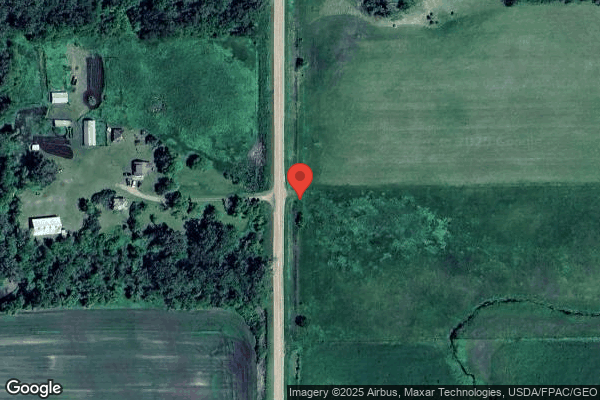

301 SOUTH COUNTY ROAD 12B, PARK RIVER, ND 58270 (701) 284-7115
For profit - Corporation 44 Beds GOOD SAMARITAN SOCIETY Data: November 2025
Trust Grade
35/100
#61 of 72 in ND
Last Inspection: July 2024

Within standard 12-15 month inspection cycle. Federal law requires annual inspections.

Overview

Good Samaritan Society - Park River has received a Trust Grade of F, indicating significant concerns about the quality of care provided at this facility. It ranks #61 out of 72 nursing homes in North Dakota, placing it in the bottom half of the state's facilities, and it is the second-ranked option in Walsh County, where only one other facility is available. While the trend is improving, with issues decreasing from 17 in 2024 to 6 in 2025, there are still serious staffing concerns; residents reported long wait times for assistance, highlighting a lack of sufficient nursing staff. Staffing is a relative strength with a 4/5 star rating and RN coverage better than 84% of state facilities, but the 56% turnover rate is concerning as it is higher than the state average. The facility also faces multiple deficiencies, including failure to ensure proper food safety protocols and accurate resident assessments, which can impact care quality, although there have been no fines recorded, indicating no current compliance issues.

Trust Score
F
35/100
In North Dakota
#61/72
Bottom 16%
Safety Record
Low Risk
No red flags
Inspections
Getting Better
17 → 6 violations
Staff Stability
⚠ Watch
56% turnover. Above average. Higher turnover means staff may not know residents' routines.
Penalties
✓ Good
No fines on record. Clean compliance history, better than most North Dakota facilities.
Skilled Nurses
✓ Good
Each resident gets 52 minutes of Registered Nurse (RN) attention daily — more than average for North Dakota. RNs are trained to catch health problems early.
Violations
⚠ Watch
31 deficiencies on record. Higher than average. Multiple issues found across inspections.
★☆☆☆☆
1.0
Overall Rating
★★★★☆
4.0
Staff Levels
★☆☆☆☆
1.0
Care Quality
★★☆☆☆
2.0
Inspection Score
Stable
2024: 17 issues
2025: 6 issues

The Good

  • 4-Star Staffing Rating · Above-average nurse staffing levels
  • Full Sprinkler Coverage · Fire safety systems throughout facility
  • No fines on record

Facility shows strength in staffing levels, fire safety.

The Bad

1-Star Overall Rating

Below North Dakota average (3.1)

Significant quality concerns identified by CMS

Staff Turnover: 56%

Near North Dakota avg (46%)

Frequent staff changes - ask about care continuity

Chain: GOOD SAMARITAN SOCIETY

Part of a multi-facility chain

Ask about local staffing decisions and management

Staff turnover is elevated (56%)

8 points above North Dakota average of 48%

The Ugly 31 deficiencies on record

Aug 2025 3 deficiencies
CONCERN (D) 📢 Someone Reported This

A family member, employee, or ombudsman was alarmed enough to file a formal complaint

Potential for Harm - no one hurt, but risky conditions existed

Deficiency F0657 (Tag F0657)

Could have caused harm · This affected 1 resident

Based on observation, record review, review of facility policy, and staff interview, the facility failed to review and revise the comprehensive care plans to reflect the residents' current status for ...

Read full inspector narrative →
Based on observation, record review, review of facility policy, and staff interview, the facility failed to review and revise the comprehensive care plans to reflect the residents' current status for 2 of 14 sampled residents (Resident #12 and #28). Failure to update care plans limited staffs' ability to communicate needs and ensure continuity of care for each resident. Findings include: Review of the facility policy titled Care Plan occurred on 08/20/25. This policy, revised December 2024 stated, . The plan of care will be modified to reflect the care currently required/provided for the resident. -Observation on 8/18/25 at 4:00 p.m. showed a certified nurse aide (CNA) (#3) transferred Resident #28 from the wheelchair to the bathroom using a sit to stand mechanical lift. Review of Resident #28's medical record occurred on all days of survey. The care plan stated, Pivot transfer with one assist using the gait belt for toileting.Transfer: Resident requires AX1 [assist times one] staff to stand pivot transfer with gait belt. During an interview on 08/20/25 at 1:09 p.m. a staff nurse (#4) confirmed Resident #28 transferred using a sit-to-stand lift. -Review of Resident #12’s medical record occurred on all days of survey and showed a weight loss of greater than 10% in one month. The care plan, stated, The resident has unplanned/unexpected weight loss R/T [related to] (SPECIFY) E/B [evidenced by] (SPECIFY) Resident will maintain weight between (SPECIFY: ______ and ______ lbs.) by review date. Weigh (SPECIFY FREQ. [Frequency])” The care plan failed to include interventions and goals related to Resident #12's weight loss.
CONCERN (E) 📢 Someone Reported This

A family member, employee, or ombudsman was alarmed enough to file a formal complaint

Potential for Harm - no one hurt, but risky conditions existed

Deficiency F0725 (Tag F0725)

Could have caused harm · This affected multiple residents

Based on review of facility policy, review of call light logs, and resident, family, and staff interviews, the facility failed to ensure sufficient nursing staff and related services are available at ...

Read full inspector narrative →
Based on review of facility policy, review of call light logs, and resident, family, and staff interviews, the facility failed to ensure sufficient nursing staff and related services are available at all times to meet the residents' needs for 2 of 8 sampled residents (Resident #30 and #39), one supplemental resident (Resident #26) and 1 confidential resident (Resident A) who required staff assistance. Failure to provide sufficient staffing does not promote each resident's rights, physical, mental, and psychosocial well-being, and/or provide a safe environment for the residents. Findings Include: Review of the facility policy titled Call Light occurred on 08/20/25. This policy, revised 07/08/25, stated, When residents call light is observed/heard, go to the resident's room promptly. Respond to request as soon as possible. Resident and family interviews occurred on the morning/afternoon of 08/18i25 and identified the following: * Resident A stated they are short of staff here, it takes 30 minutes to answer my call light. * Resident #26 stated it can take 30 minutes for staff to answer my call light. * Resident #30 reported it has been up to half an hour or more before staff answer the call light, identified having to wait on the toilet a long time, and “they forget about me. *Resident #30's family member identified concerns with call lights being answered timely on various shifts, and Resident #30 has waited up to an hour for staff to answer the call light and has had urinary incontinence due to waiting. *Resident #39 stated, it can take 45 minutes to get my call light answered and I talked to staff, and nothing changed. Review of the call light logs from 08/14/25 to 08/18/25 showed the following and call light response: * Resident #39 waited 25 minutes or greater on 7 occasions and the longest wait 50 minutes. * Resident #26 waited 25 minutes or greater on 6 occasions and the longest wait 53 minutes. *The call light logs from 7/17/25 to 8/18/25 showed Resident #30 waited 17 to 22 minutes or greater on 9 occasions and the longest wait 27 minutes. During an interview on the morning of 08/21/25 an administrative nurse (#1) confirmed the call light log showed staff failed to answer call lights promptly. During confidential staff interviews on 08/20/25 at 11:03 a.m., confidential staff members (B, C, D, E, F) stated the staff worked short most shifts, administration was aware, and the shortages continued in resident care areas and in the dining room with feeding assistance.
CONCERN (E) 📢 Someone Reported This

A family member, employee, or ombudsman was alarmed enough to file a formal complaint

Potential for Harm - no one hurt, but risky conditions existed

Food Safety (Tag F0812)

Could have caused harm · This affected multiple residents

Based on observation, review of professional reference, review of facility policy, and staff interview, the facility failed to ensure food is prepared and stored in a clean and sanitary manner in 2 of...

Read full inspector narrative →
Based on observation, review of professional reference, review of facility policy, and staff interview, the facility failed to ensure food is prepared and stored in a clean and sanitary manner in 2 of 2 kitchen/nutrition centers (main kitchen and nutrition center) observed. Failure to ensure cleanliness of the kitchen and proper food storage has the potential for contamination of food and may result in a foodborne illness to residents, visitors, and staff. Findings include: The 2022 Food and Drug Administration (FDA) Food Code, Chapter 4, Section 4-6, pages 20-21, Section 4-601.11 Equipment, Food-Contact Surfaces, Nonfood-Contact Surfaces, and Utensils, stated, . (A) EQUIPMENT FOOD-CONTACT SURFACES and UTENSILS shall be clean to sight and touch. (C) Non FOOD-CONTACT SURFACES of EQUIPMENT shall be kept free of an accumulation of dust, dirt, FOOD residue, and other debris. Review of the facility policy titled Food Preparation -Food and Nutrition occurred on 08/19/25. This policy, dated March 2025, stated, . Regular cleaning/sanitizing of equipment, utensils and work surfaces are performed during food preparation as needed . Observation of the main kitchen occurred on 08/18/25 at 12:55 p.m. with dietary staff member (#8) and showed the following:* An accumulation of dirt and debris on the floor, and a large, blackened area under the three-compartment sink.* An accumulation of a sticky substance on the lip of the oven hood.* An accumulation of a sticky substance on the outside of all the cabinet doors within the kitchen.* An accumulation of food residue on the back splash and walls behind the food prep area and food prep sink.* An accumulation of debris in the utensil and other storage drawers that contain food and miscellaneous dishware. * An accumulation of a sticky yellow substance around the inside rims of a silverware divider within a utensil drawer.* Visible dried particles of red colored food on pan covers on a storage shelf.* Visible food debris on the bottom of the reach in refrigeration unit, along with a sticky dark pink substance on the sides and bottom of the unit.* The reach in freezer unit contained a large unopened bag of onion rings with layers of ice buildup within the bag.* One ceiling fan with an accumulation of dust and hanging debris in the dishwashing area.The walk-in refrigerator showed:*An accumulation of grey-green mold on the underside of the two-fan condenser unit.*An accumulation of debris on all the metal wired shelving units.The walk-in freezer showed: * One open, unlabeled, and undated bag of chicken cordon blue.* One open, unlabeled, and undated bag of skinless chicken breast.* One open, unlabeled, and undated bag of hushpuppies.*Observation of the nutrition freezer on 08/19/25 at 12:52 p.m. showed a large blue gel ice pack stored beside ice cream cups.During an interview on 08/20/25 at 11:23 a.m., a dietary staff member (#8) stated he expected staff to clean all areas of the kitchen and store food properly.
Feb 2025 3 deficiencies
CONCERN (D) 📢 Someone Reported This

A family member, employee, or ombudsman was alarmed enough to file a formal complaint

Potential for Harm - no one hurt, but risky conditions existed

ADL Care (Tag F0677)

Could have caused harm · This affected 1 resident

Based on observation, record review, and review of facility policy, the facility failed to provide activities of daily living (ADLs) for 1 of 4 sampled residents (Resident #2) and 1 closed record (Res...

Read full inspector narrative →
Based on observation, record review, and review of facility policy, the facility failed to provide activities of daily living (ADLs) for 1 of 4 sampled residents (Resident #2) and 1 closed record (Resident #1) dependent on staff for personal hygiene and bed mobility. Failure to assist residents who cannot perform personal hygiene and bed mobility independently may result in poor hygiene, skin issues, and decreased self-esteem. Findings include: Review of the facility policy titled Activities of Daily Living occurred on 02/19/25. This policy, dated, December 2024, stated, . Any resident who is unable to carry out activities of daily living (ADL's) will receive necessary services to maintain . grooming and personal hygiene . ADLs are those necessary tasks conducted in the normal course of a resident's daily life. Included in these are the following: 1. General Personal, Daily Hygiene/Grooming: Care of hair . nails . - Review of Resident #1's medical record occurred on all days of survey and identified an admission date of 10/03/24. The resident expired on 10/05/24, approximately 48 hours after admission. The current care plan stated, . The resident has an ADL self care performance deficit R/T [related to] weakness . Bed mobility . Assist of one . Review of Resident #1's bed mobility/repositioning log, dated October 3 through October 5, 2024, identified the following: * 10/03/24 staff assisted with bed mobility at 2:34 p.m. and not again until 7:01 p.m. (4.5 hours later). * 10/03/24 staff assisted with bed mobility at 7:01 p.m. and not again until 12:57 a.m. (almost 6 hours later). 10/04/24 staff assisted with bed mobility at 9:25 a.m. and not again until 8:41 p.m. (11 hours later). - Review of Resident #2's medical record occurred on all days of survey. The current care plan stated, . The resident has an ADL self care performance deficit . PERSONAL HYGIENE . Resident requires assist of one with personal hygiene. Observation on 02/18/25 at 4:26 p.m. showed Resident #2 in a wheelchair in the hallway with uncombed hair and long, dirty fingernails. Observation on 02/19/25 at 11:50 a.m. showed Resident #2 in the dining room wearing a shirt soiled with food and long, dirty fingernails. The facility failed to assist dependent residents with personal hygiene and bed mobility.
CONCERN (D) 📢 Someone Reported This

A family member, employee, or ombudsman was alarmed enough to file a formal complaint

Potential for Harm - no one hurt, but risky conditions existed

Incontinence Care (Tag F0690)

Could have caused harm · This affected 1 resident

**NOTE- TERMS IN BRACKETS HAVE BEEN EDITED TO PROTECT CONFIDENTIALITY** Based on observation, record review, policy review, review of a professional reference, and staff interview, the facility failed...

Read full inspector narrative →
**NOTE- TERMS IN BRACKETS HAVE BEEN EDITED TO PROTECT CONFIDENTIALITY** Based on observation, record review, policy review, review of a professional reference, and staff interview, the facility failed to provide appropriate toileting for 2 of 4 sampled residents (Resident #4 and #5) and 1 closed record (Resident #1) who required staff assist with toileting. Failure to provide toileting may result in a loss of dignity and placed the residents at risk for skin breakdown, poor grooming/hygiene, decreased self-esteem, urinary tract infections, and risk for fall and/or injuries. Findings include: Review of the facility policy titled Activities of Daily Living occurred on [DATE]. This policy, dated [DATE], stated, . Any resident who is unable to carry out activities of daily living [ADLs] will receive necessary services . ADLs are those necessary tasks conducted in the normal course of a resident's daily life. Included in these are the following .Toileting . Kozier & Erb's Fundamentals of Nursing: Concepts, Process and Practice, 11th Edition eText, 2021, Pearson, Boston, Massachusetts, page 892, stated, Fecal and Urinary Incontinence: Moisture from incontinence promotes skin maceration [tissue softened by prolonged wetting or soaking] and makes the epidermis [skin] more easily eroded and susceptible to injury. Digestive enzymes in feces, urea in urine . also contribute to skin excoriation [area of loss of the superficial layers of the skin] . Any accumulation of secretions . is irritating to the skin, harbors microorganisms, and makes an individual prone to skin breakdown and infection. Page 1221 stated, Managing Urinary Incontinence . Habit training, also referred to as timed or prompted voiding and scheduled toileting, attempts to keep clients dry by having them void at regular intervals, such as every 2 to 4 hours. The goal is to keep the client dry . - Review of Resident #1's medical record occurred on all days of survey and identified an admission date of [DATE]. The resident expired on [DATE], approximately 48 hours after admission. The current care plan stated, . The resident has an ADL deficit r/t [related to] weakness . TOILET USE: . Resident requires a full lift and 2 assist with toileting . Review of Resident #1's toileting log, dated [DATE] through [DATE], identified the following: * [DATE] staff assisted with toileting at 2:35 p.m. and not again until 8:38 p.m. (6 hours later). * [DATE] staff assisted with toileting at 8:38 p.m. and not again until 12:57 a.m. (4 hours later). [DATE] staff assisted with toileting at 9:25 a.m. and not again until 8:41 p.m. (11 hours later). - Review of Resident #4's medical record occurred on all days of survey. The current care plan stated, . The resident has an ADL self care performance deficit . TOILET USE . Toilet per assist of one on arising . Observation on [DATE] at 4:45 p.m. showed two certified nurse aides (CNAs) (#4 and #5) assisted Resident #4 to the bathroom. The resident's saturated incontinent product leaked urine through the resident's pants. The toileting log showed the resident last toileted at 1:48 p.m. - Review of Resident #5's medical record occurred on all days of survey. The current care plan stated, . The resident has an ADL deficit . TOILET USE: . Resident uses assist of one and gaitbelt to toilet. Toileting schedule: Assist of one to toilet between 1530-1630 [3:30-4:30 p.m.] . and prn [as needed]. Observation on [DATE] at 3:50 p.m. showed two CNAs (#2 and #3) transferred Resident #5 from the recliner to the wheelchair and then to the commons area in the facility. The CNAs failed to offer toileting assistance to the resident. During an interview on [DATE] at 12:36 p.m., an administrative staff member (#1) stated she expected staff to assist residents with toileting per the care plan.
CONCERN (D) 📢 Someone Reported This

A family member, employee, or ombudsman was alarmed enough to file a formal complaint

Potential for Harm - no one hurt, but risky conditions existed

Infection Control (Tag F0880)

Could have caused harm · This affected 1 resident

**NOTE- TERMS IN BRACKETS HAVE BEEN EDITED TO PROTECT CONFIDENTIALITY** Based on observation, record review, review of facility policy, and staff interview, the facility failed to follow standards of ...

Read full inspector narrative →
**NOTE- TERMS IN BRACKETS HAVE BEEN EDITED TO PROTECT CONFIDENTIALITY** Based on observation, record review, review of facility policy, and staff interview, the facility failed to follow standards of infection control and prevention for 1 of 3 sampled residents (Resident #6) observed during cares. Failure to practice infection control standards related to hand hygiene has the potential to spread infection throughout the facility. Findings include: Review of the facility policy titled Hand Hygiene occurred on 02/19/25. This policy, dated March 2022, stated, . Policy: . All employees in patient cares areas . will adhere to . Hand Hygiene . 3 After bodily Fluid/Glove Removal . according to standard precautions . 2. Hand hygiene should be performed after glove removal . Procedure: HCW [Health Care Workers] will use waterless alcohol-based hand sanitizer or soap and water to clean their hands: . After removing gloves regardless of task completed . After contact with a patient's excretions . Review of Resident #6's medical record occurred on all days of survey. The Minimum Data Set (MDS), dated [DATE], identified dependent on staff for toilet hygiene. Observation on 02/18/25 at 4:04 p.m. showed two certified nurses aides (CNAs) (#2 and #3) donned gloves and transferred Resident #6 with the sit to stand lift from the wheelchair to the bed. The CNA (#3) cleaned the sit to stand lift with sanitizing wipes, checked and changed the resident's brief, obtained the tube of barrier cream left on the resident's bed, and placed it in the resident's top dresser drawer. The CNAs (#2 and #3) then transferred the resident back to the wheelchair using the sit to stand lift. The CNA (#3) cleaned the lift with the same gloves she donned at the start of the cares. CNA (#3) failed to change gloves and complete hand hygiene between tasks and after completing personal resident care. During an interview on 02/19/25 at 12:32 p.m., an administrative nurse (#1) confirmed she expected staff to remove gloves and perform hand hygiene after perineal cares.
Jul 2024 8 deficiencies
CONCERN (D) 📢 Someone Reported This

A family member, employee, or ombudsman was alarmed enough to file a formal complaint

Potential for Harm - no one hurt, but risky conditions existed

Notification of Changes (Tag F0580)

Could have caused harm · This affected 1 resident

Based on record review and review of facility policy, the facility failed to follow physician's orders for 1 of 3 sampled residents (Resident #17) and 1 closed record (Resident #86) reviewed who exper...

Read full inspector narrative →
Based on record review and review of facility policy, the facility failed to follow physician's orders for 1 of 3 sampled residents (Resident #17) and 1 closed record (Resident #86) reviewed who experienced high and/or low blood sugars. Failure to notify the physician of blood sugar results above and/or below the ordered parameters may result in complications to the resident and prevent the physician from evaluating the need to alter treatment. Findings include: Review of the facility policy titled Blood Glucose Monitoring, Disinfecting and Cleaning occurred on 07/11/24. This policy, dated 01/31/24, stated, . If the medical provider has identified a low and high blood sugar for a resident . when the blood sugar varies from the baseline entered. the nurse will notify physician if necessary, per parameters. - Review of Resident #17's medical record occurred on all days of survey. Diagnoses included type two diabetes mellitus. Medications included, Insulin Aspart Injection Solution 100 UNIT/ML [milliliter] . related to TYPE 2 DIABETES MELLITUS WITH UNSPECIFIED COMPLICATIONS . For BS [blood sugar] > [greater than] 451 call MD [medical doctor]. Review of the January-July 2024 blood sugars log showed the following: * 01/03/24 - 453 mg/dL (milligrams per deciliter) * 01/07/24 - 458 mg/dL Review of the medical record showed the facility failed to notify Resident #17's physician of the blood sugar readings greater than 451. - Review of Resident #86's medical record occurred on all days of survey. Diagnoses included type two diabetes mellitus with hypoglycemia (low blood sugars) and insulin use. Medications included 10 milligrams (mg) Glipizide extended release one time a day, 20 units Humalog (short-acting insulin) two times a day (start date 03/29/24), 25 units Humalog one time a day (start date 03/30/24), 80 units Lantus (long-acting insulin) one time a day, and 500 mg Metformin HCI (Hydrochloride) (oral medication used to control high blood sugar) twice a day. The physician's orders included, Call MD when blood sugars < (lesser than) 70 mg/dL or > 400 mg/dL. Review of the December 2023 blood sugars log identified a reading of 67 mg/dL on 12/27/23. The progress notes identified, * 04/24/24, . Residents blood sugar was 62 [mg/dL] this morning. * 04/26/24, . Residents blood sugar was 65 [mg/dL] this morning. A progress note, dated 04/27/24, further identified the facility transferred Resident #86 to the emergency room after she received Glucagon (medication used to treat low blood sugar) for a blood sugar reading of 42 mg/dL. Review of the medical record showed staff failed to notify Resident #86's physician of the low blood sugar readings on 12/27/23, 04/24/24, and 04/26/24.
CONCERN (D) 📢 Someone Reported This

A family member, employee, or ombudsman was alarmed enough to file a formal complaint

Potential for Harm - no one hurt, but risky conditions existed

Deficiency F0582 (Tag F0582)

Could have caused harm · This affected 1 resident

Based on record review, review of Medicare Part A letters/notices, and staff interview, the facility failed to ensure the resident and/or their representative completed the Skilled Nursing Facility Ad...

Read full inspector narrative →
Based on record review, review of Medicare Part A letters/notices, and staff interview, the facility failed to ensure the resident and/or their representative completed the Skilled Nursing Facility Advance Beneficiary Notice of Non-Coverage (SNFABN) for 1 of 3 supplemental residents (Resident #16) discharged from Medicare Part A in the past six months. Failure to ensure the completion of the SNFABN limited the resident/representative's ability to exercise their rights regarding Medicare Part A services. Findings include: Review of Medicare Part A beneficiary notices identified Resident #16 discharged from Medicare Part A on 04/03/24. The SNFABN failed to identify if the resident and/or her representative chose to continue or discontinue services or request a demand bill. Review of Resident #16's medical record occurred on 07/11/24. The record lacked documentation the resident and/or representative was informed of options related to billing and services when Medicare Part A coverage ended. During an interview on the morning of 07/11/24, an administrative staff member (#1) confirmed staff failed to document whether staff informed Resident #16 and/or her representative of their options related to billing and services when Medicare Part A coverage ended.
CONCERN (D) 📢 Someone Reported This

A family member, employee, or ombudsman was alarmed enough to file a formal complaint

Potential for Harm - no one hurt, but risky conditions existed

Deficiency F0657 (Tag F0657)

Could have caused harm · This affected 1 resident

**NOTE- TERMS IN BRACKETS HAVE BEEN EDITED TO PROTECT CONFIDENTIALITY** THIS IS A REPEAT DEFICIENCY FROM THE COMPLAINT SURVEY COMPLETED ON 03/12/24. Based on observation, record review, review of faci...

Read full inspector narrative →
**NOTE- TERMS IN BRACKETS HAVE BEEN EDITED TO PROTECT CONFIDENTIALITY** THIS IS A REPEAT DEFICIENCY FROM THE COMPLAINT SURVEY COMPLETED ON 03/12/24. Based on observation, record review, review of facility policy, and staff interview, the facility failed to review and revise care plans to reflect residents' current status for 2 of 12 sampled residents (Resident #17 and Resident #25). Failure to update care plans limited staffs' ability to communicate needs and ensure continuity of care. Findings include: Review of the facility policy titled Care Plan-R/S [rehab/skilled], LTC [long-term care], Therapy & Rehab occurred on 07/11/24. This policy, dated November 2023, stated, . POLICY . Each resident will have an individualized, person-centered, comprehensive plan of care . Any problems, needs and concerns identified will be addressed through the use of departmental assets, the Resident Assessment Instrument (RAI) and review of the physician's orders. This plan of care will be modified to reflect the care currently required/provided for the resident. - Review of Resident #17's medical record occurred on all days of survey. The current care plan stated, The resident has an ADL [activities of daily living] self care performance deficit only in bathing, otherwise, is independent. Date Initiated: 11/03/2023 Revision on: 11/21/2023 . A quarterly Minimum Data Set (MDS), dated [DATE], identified the resident required setup or cleanup assistance for eating and partial/moderate staff assistance for oral hygiene, toileting hygiene, upper and lower body dressing, putting on/taking off footwear, and personal hygiene. The facility failed to updated Resident #17's care plan to reflect the care needs and staff assistance required. During an interview on 07/11/24 at 10:20 a.m., an administrative staff member (#1) confirmed staff failed to revise the care plan to reflect the changes in ADLs. - Review of Resident 25's medical record occurred on all days of survey. The current care plan, dated 04/26/24, stated, . The resident is at risk for falls R/T [related to] Osteoporosis and abnormalities of gait and mobility E/B [evidenced by] history of falls, hx [history] of femur fracture prior to admit. Modify to maximize safety. Observations on 07/09/24 and 07/10/24 showed a fall mat placed on the floor beside the resident's bed. Review of progress notes showed the following: *10/09/23 at 3:37 p.m., . Encouraged to wait for staff to help to prevent another fall. Falls mat @ [at] bedside. *02/22/24 at 10:59 p.m., . Found resident sitting on the floor by her bed on top of the mat by her bed. *05/29/24 at 4:42 a.m., . Steady on feet and will attempt to self transfer. Falls [sic] mat @ [at] bedside. Resident #25's care plan failed to address the use of a fall mat at bedside. During an interview on 07/11/24 at 10:26 a.m., an administrative staff member (#1) confirmed staff failed to revise the the care plan to reflect the use of a fall mat.
CONCERN (D) 📢 Someone Reported This

A family member, employee, or ombudsman was alarmed enough to file a formal complaint

Potential for Harm - no one hurt, but risky conditions existed

Accident Prevention (Tag F0689)

Could have caused harm · This affected 1 resident

**NOTE- TERMS IN BRACKETS HAVE BEEN EDITED TO PROTECT CONFIDENTIALITY** THIS IS A REPEAT DEFICIENCY FROM THE SURVEY COMPLETED ON 06/08/23. Based on observation, record review, review of facility polic...

Read full inspector narrative →
**NOTE- TERMS IN BRACKETS HAVE BEEN EDITED TO PROTECT CONFIDENTIALITY** THIS IS A REPEAT DEFICIENCY FROM THE SURVEY COMPLETED ON 06/08/23. Based on observation, record review, review of facility policy, and staff interview, the facility failed to ensure residents received adequate supervision/assistance to prevent accidents for 1 of 1 sampled resident (Resident #15) observed during a sit-to-stand lift transfer. Failure to ensure proper use of a leg strap as care planned placed Resident #15 at risk for possible injury. Findings include: Review of the facility policy titled Safe Resident Handling Equipment-Competency Validation Checklist occurred on 07/11/24. This policy, dated March 2023, stated, . Checks resident care plan or [NAME] prior to transfer for type of equipment to be used, type and size of sling and amount of assistance required . If directed by care plan or location specific procedure, uses the shin/calf strap when the resident requires additional lower extremity support . Applies the shin/calf strap when the resident is in a seated position, before rising to a standing position. - Review of Resident #15's medical record occurred on all days of survey. Diagnoses included hemiplegia and hemiparesis following cerebral infarction affecting left non-dominant side, muscle spasm, and polyneuropathy. The current care plan stated, . TRANSFER - Transfer Between Surfaces: Use SS-M [sit-to-stand lift with medium sling] with leg strap, assist of 1 for transfers. Observation on 07/09/24 at 11:10 a.m., showed a certified nurse aide (CNA) (#2) transferred Resident #15 from the bed to the toilet using the sit-to-stand lift. The CNA applied the sling to the resident and fastened the buckle then attached the sling to the lift. The CNA cued the resident to hold onto the lift bars and to place their feet on the platform. The CNA lifted the resident to a standing position, transferred to the bathroom and lowered to the toilet. After toileting, the CNA lifted the resident to a standing position, completed cares, and transferred the resident to the wheelchair. The CNA failed to apply the leg strap during transfers between surfaces. During an interview on 07/11/24 at 10:26 a.m., an administrative staff member (#1) confirmed the staff should apply the leg strap as care planned for the resident.
CONCERN (D) 📢 Someone Reported This

A family member, employee, or ombudsman was alarmed enough to file a formal complaint

Potential for Harm - no one hurt, but risky conditions existed

Unnecessary Medications (Tag F0759)

Could have caused harm · This affected 1 resident

Based on observation and review of facility policy, the facility failed to ensure a medication error rate of less than five percent for 1 of 7 residents (Resident #7) observed during medication admini...

Read full inspector narrative →
Based on observation and review of facility policy, the facility failed to ensure a medication error rate of less than five percent for 1 of 7 residents (Resident #7) observed during medication administration. Two medication errors occurred during staff administration of 25 medications, resulting in an eight percent error rate. Failure to properly prepare and administer medications may result in residents receiving an ineffective dose and experiencing adverse reactions. Findings include: Review of the facility policy titled Medication: Insulin Administration, Insulin Pens, Insulin Pumps occurred on 07/11/24. This policy, dated 12/14/23, stated, . Insulin Pen . Remove the protective pull tab from the needle and screw it onto the pen . Remove both the plastic outer cap and inner needle cap. 10. Turn the dosage knob to '2' units to prime pen. 11. Holding the pen with the needle pointing upwards, press the button until at least a drop of insulin appears. Inject the dose into the chosen site. Be sure to wait about 6 seconds to ensure that the full dose has been delivered. Observation of medication administration on 07/10/24 at 7:43 a.m. showed a nurse (#9) prepared a Levemir (long-acting) insulin pen and a Fiasp (rapid-acting) insulin pen for Resident #7. The nurse applied a needle, dialed each pen to two units, and held each pen horizontally to prime the insulin pen. After injecting the insulin, the nurse (#9) removed the needle from the skin immediately. Failure to prime an insulin pen correctly and inject the insulin with proper technique may result in the resident receiving less than the full dose.
CONCERN (D) 📢 Someone Reported This

A family member, employee, or ombudsman was alarmed enough to file a formal complaint

Potential for Harm - no one hurt, but risky conditions existed

Deficiency F0761 (Tag F0761)

Could have caused harm · This affected 1 resident

Based on observation, review of facility policy, and staff interview, the facility failed to ensure accurate labeling of medications in 1 of 2 medication carts (300/400 cart) observed during medicatio...

Read full inspector narrative →
Based on observation, review of facility policy, and staff interview, the facility failed to ensure accurate labeling of medications in 1 of 2 medication carts (300/400 cart) observed during medication administration. Failure to obtain a label for an insulin pen and identify an open date may result in a resident receiving an incorrect or ineffective dose of insulin. Findings include: Review of the facility policy titled Medication: Insulin Administration, Insulin Pens, Insulin Pumps occurred on 07/11/24. This policy, dated 12/14/23, stated, . Insulin Pen . Insulin pens must be clearly labeled with the name or other identifiers to verify that the correct pen is used on the correct person. Verify provider order, the expiration date and the number of days the pen has been open. - Observation on 07/10/24 at 8:17 a.m. showed a nurse (#5) prepared Resident #15's Humalog insulin pen for administration. The nurse obtained the pen from a bin labeled with the resident's name. The pen lacked a label with the resident's name or other identifying information and lacked an open date. - Observation on the morning of 07/10/24, during a check of insulin pens in the 300/400 wing medication cart, identified Resident #136's Tresiba (long-acting) insulin pen lacked an open date. During an interview on 07/10/24 at 8:30 a.m., a nurse (#5) stated, Whoever opens a pen is supposed to date it when opened.
CONCERN (D) 📢 Someone Reported This

A family member, employee, or ombudsman was alarmed enough to file a formal complaint

Potential for Harm - no one hurt, but risky conditions existed

Infection Control (Tag F0880)

Could have caused harm · This affected 1 resident

-Review of Resident #3's medical record occurred on all days of survey. The current care plan stated, . The resident requires Enhanced Barrier Precautions (EBP) R/T [related to] indwelling medical dev...

Read full inspector narrative →
-Review of Resident #3's medical record occurred on all days of survey. The current care plan stated, . The resident requires Enhanced Barrier Precautions (EBP) R/T [related to] indwelling medical device suprapubic catheter . [NAME] gown and gloves when performing high contact care activities including: dressing, bathing, transferring, providing hygiene such as shaving or brushing teeth, changing linens, repositioning, checking and changing, device care and/or use, and wound care. Observation on 07/09/24 at 10:45 a.m. showed Resident #3 completing exercises with a restorative nursing aide (#7) in the therapy room. The aide proceeded to complete exercises with the resident's hands, shoulders, and feet. The aide (#7) failed to donn the appropriate PPE as required. Observation on 07/09/24 at 3:50 p.m., showed two certified nurse aides (CNAs) (#2 and #8) emptied Resident #3's catheter bag. The CNAs donned gloves, performed cares, doffed their gloves, sanitized their hands, and exited the room. The CNAs failed to don gowns as required. During an interview on 07/11/24 at 10:26 a.m., an administrative staff (#1) confirmed staff should don PPE as required. Based on observation, record review, review of facility policy, and staff interview, the facility failed to follow standards of infection control for 2 of 2 sampled residents (Resident #1 and #3) observed with enhanced barrier precautions (EBP). Failure to practice infection control standards by ensuring staff use the proper personal protective equipment (PPE) has the potential to transmit infections to residents, staff, and visitors. Findings include: Review of the facility policy titled Standard and Transmission-Based Precautions, All Service Lines occurred on 07/11/24. This policy, revised 04/02/24, stated, . Purpose . To prevent the spread of infection . Enhanced Barrier Precautions . Enhanced barrier precautions expand the use of PPE beyond situations in which exposure to blood and body fluids is anticipated and refer to the use of gown and gloves during high-contact resident care activities that provide opportunities for transfer of MDROs [multi drug resistant organisms] . Enhanced barrier precautions are needed for . Residents with Indwelling Medical devices (. indwelling urinary catheters, feeding tubes .) . - Review of Resident #1's medical record occurred on all days of survey. Current physician's orders included tube feeding formula/water flushes and gastrostomy (artificial opening into the stomach) tube site care daily and as needed (PRN). Observation on 07/09/24 at 3:11 p.m. showed Enhanced Barrier Precautions signs on Resident #1's doorframe and on top of the supply cart in the room. A nurse (#4) performed hand hygiene and gloved, flushed Resident #1's feeding tube, administered a PRN medication, then flushed and capped the tube. The nurse removed the soiled dressing from the gastrostomy tube site, cleansed the area, applied a new dressing, and performed hand hygiene and glove changes where indicated. The nurse (#4) failed to wear a gown as required.
CONCERN (E) 📢 Someone Reported This

A family member, employee, or ombudsman was alarmed enough to file a formal complaint

Potential for Harm - no one hurt, but risky conditions existed

Assessment Accuracy (Tag F0641)

Could have caused harm · This affected multiple residents

**NOTE- TERMS IN BRACKETS HAVE BEEN EDITED TO PROTECT CONFIDENTIALITY** Based on record review, review of the Long-Term Care Facility Resident Assessment Instrument (RAI) 3.0 User's Manual (Version 1....

Read full inspector narrative →
**NOTE- TERMS IN BRACKETS HAVE BEEN EDITED TO PROTECT CONFIDENTIALITY** Based on record review, review of the Long-Term Care Facility Resident Assessment Instrument (RAI) 3.0 User's Manual (Version 1.18.11), and staff interview, the facility failed to ensure accurate coding of the Minimum Data Set (MDS) for 5 of 12 sampled residents (#1, #3, #13, #15, and #25). Failure to accurately complete the MDS does not allow each resident's assessment to reflect their current status/needs and may affect the development of a comprehensive care plan and the care provided to the residents. Findings include: SECTION GG: FUNCTIONAL ABILITIES AND GOALS The Long-Term Care Facility RAI Manual, revised October 2023, pages GG-14, GG-15, and GG-21, states . Individualized care plans should be based on an accurate assessment of the resident's self-performance and the amount and type of support being provided to the resident. Steps for Assessment 1. Assess the resident's self-care performance based on direct observation, incorporating resident self-reports and reports from qualified clinicians, care staff, or family documented in the resident's medical record during the assessment period. CMS [Centers for Medicare & Medicaid Services] anticipates that an interdisciplinary team of qualified clinicians is involved in assessing the resident during the assessment period. A dash (-) indicates 'No information.' CMS expects dash use to be a rare occurrence. - Review of Resident #3's medical record occurred all days of survey and included diagnoses of hemiplegia (partial or total paralysis on one side of the body) and hemiparesis (one-sided muscle weakness caused by brain, spinal cord, or nerve problems) following cerebral infarction (stroke) affecting left dominant side. Resident #3's quarterly MDS, dated [DATE], showed Section GG with dashes in the areas of oral hygiene, upper and lower body dressing, putting on footwear, and transfers. The MDS failed to identify the resident's ability or assistance required in these areas. - Review of Resident #13's medical record occurred all days of survey. The record identified diagnoses of Parkinson's disease (progressive disorder that affects the nervous system and causes tremors, stiffness, and slow movement) with dyskinesia (uncontrolled, involuntary movements of the face, arms or legs) and dementia. Resident #13's quarterly MDS, dated [DATE], showed Section GG with dashes in the areas of oral hygiene, toileting hygiene, showering/bathing, upper body dressing, lower body dressing, and putting on/taking off footwear. The MDS failed to identify the resident's ability or assistance required in these areas. - Review of Resident #15's medical record occurred on all days of survey and included diagnoses of hemiplegia and hemiparesis following cerebral infarction affecting left non-dominant side. Resident #15's annual MDS, dated [DATE], showed Section GG with dashes in the areas of oral hygiene, toileting, upper and lower body dressing, putting on footwear, personal hygiene, and transfers. The MDS failed to identify the resident's ability or assistance required in these areas. - Review of Resident #25's medical record occurred on all days of survey and included diagnoses of pain in left shoulder, polyneuropathy (damage to multiple peripheral nerves), and abnormalities of gait and mobility. Resident #25's quarterly MDS, dated [DATE], showed Section GG with dashes in the areas of oral hygiene, bathing, upper and lower body dressing, putting on footwear, and transfers. The MDS failed to identify the resident's ability or assistance required in these areas. During an interview on 07/10/24 at 2:12 p.m., an administrative nurse (#6) agreed staff failed to code the MDS correctly for Residents #3, #13, #15, and #25. SECTION K: SWALLOWING/NUTRITIONAL STATUS The Long-Term Care Facility RAI Manual, revised October 2023, page K-10, states, . K0520. Nutritional Approaches: Check all of the following nutritional approaches that apply . Performed while a resident of this facility and within the last 7 days . B. Feeding tube . C. Mechanically altered diet - require change in texture of food or liquids (e.g., pureed food, thickened liquids) D. Therapeutic diet (e.g. low salt, diabetic, low cholesterol) . Review of Resident #1's medical record occurred all days of survey. The physician's orders identified a feeding tube, Osmolite (type of tube feeding formula), and a pureed (mechanically altered) diet. Resident #1's quarterly MDS, dated [DATE], identified a therapeutic diet, and failed to identify a feeding tube or a mechanically altered diet. During an interview on 07/11/24 at 9:20 a.m., a dietary manager (#3) agreed staff failed to code the MDS correctly for Resident #1.
Mar 2024 9 deficiencies
CONCERN (D) 📢 Someone Reported This

A family member, employee, or ombudsman was alarmed enough to file a formal complaint

Potential for Harm - no one hurt, but risky conditions existed

Deficiency F0558 (Tag F0558)

Could have caused harm · This affected 1 resident

Based on observation, review of facility policy, and staff interview, the facility failed to provide reasonable accommodation of needs regarding call lights for 1 of 1 sampled resident (Resident #2) o...

Read full inspector narrative →
Based on observation, review of facility policy, and staff interview, the facility failed to provide reasonable accommodation of needs regarding call lights for 1 of 1 sampled resident (Resident #2) observed during cares. Failure to ensure residents can reach/access the call light may result in unmet needs and the inability to call for help. Findings included: Review of the facility policy titled Call Light occurred on 03/12/24. This policy, dated 08/01/23, stated, . When leaving the room, place call light within easy reach of resident. Observations on 03/12/24 in Resident #2's room showed the following: * At 8:42 a.m., a certified nurse aide (CNA) (#2) completed cares, assisted the resident into his/her recliner, exited the room, and failed to place the call light within the resident's reach. * At 9:03 a.m., asleep in the recliner and the call light out of reach. * At 9:20 a.m., remained in the recliner with the call light out of reach. During an interview on 03/12/23 at 4:15 p.m., an administrative staff member (#1) stated she expected staff to ensure all residents' call lights are within their reach prior to exiting the resident's room.
CONCERN (D) 📢 Someone Reported This

A family member, employee, or ombudsman was alarmed enough to file a formal complaint

Potential for Harm - no one hurt, but risky conditions existed

Grievances (Tag F0585)

Could have caused harm · This affected 1 resident

Based on review of facility grievances, review of facility policy, resident interview, and staff interviews, the facility failed to implement an effective grievance system for 1 of 1 sampled resident ...

Read full inspector narrative →
Based on review of facility grievances, review of facility policy, resident interview, and staff interviews, the facility failed to implement an effective grievance system for 1 of 1 sampled resident (Resident #3) with a grievance regarding missing items. Failure to act upon resident and/or their representatives' grievances may result in continued resident dissatisfaction. Findings included: Review of the facility policy titled Grievances, Suggestions or Concerns occurred on 03/12/24. This policy, dated November 2023, stated, . PURPOSE To document concerns, investigate findings and plans of corrections. To develop a systemic approach in resolving grievances as a tool to ensure continuous quality of care . The grievance will be documented . The grievance official will issue a written grievance decision to the individuals filing the concern and to the administrator. The written grievance decision must include the date the grievance was received, a summary statement of the resident's grievance, the steps taken to investigate the grievance, a summary of the pertinent findings or conclusions regarding the resident's concern(s), a statement as to whether the grievance was confirmed or not confirmed, any corrective action taken by the facility as a result of the grievance, and the date the written decision was issued. During an interview on 03/12/24 at 2:15 p.m., Resident #3 stated he/she was missing a jacket and had reported it missing about a month ago and I haven't heard anything about it since then. During an interview on 03/12/24 at 4:40 p.m., an administrative staff member (#6) confirmed Resident #3 had informed her of the missing jacket about a month ago and she failed to complete a missing item report, investigate the grievance, and follow up with the resident. The facility failed to ensure Resident #3's right to file a grievance included documentation, investigation, and follow up with the resident and/or their representative regarding the missing item.
CONCERN (D) 📢 Someone Reported This

A family member, employee, or ombudsman was alarmed enough to file a formal complaint

Potential for Harm - no one hurt, but risky conditions existed

Deficiency F0657 (Tag F0657)

Could have caused harm · This affected 1 resident

Based on record review, review of facility policy, and resident interview, the facility failed to review and revise the comprehensive care plan to reflect the current status for 2 of 4 sampled residen...

Read full inspector narrative →
Based on record review, review of facility policy, and resident interview, the facility failed to review and revise the comprehensive care plan to reflect the current status for 2 of 4 sampled residents (Residents #1 and #2). Failure to review and revise care plans limits staff's ability to communicate needs and ensure continuity of care. Findings include: Review of the facility policy titled Comprehensive Care Plan And Care Conferences occurred on 03/12/24. This policy, dated 12/04/23, stated, PURPOSE To develop a person-centered care plan for each resident that includes measurable objectives and timetables to meet his or her physical, mental, spiritual and psychological wellbeing. To provide an ongoing method of assessing, implementing, evaluating and updating the resident's care plan to help maintain the resident's highest practicable level of function . - Review of Resident #1's medical record occurred on all days of survey. The resident's care plan stated, . SUPPORT STOCKINGS: Apply and/or remove single layer tubigrip to bilateral lower extremities on AM [morning], off HS [bedtime]. During an interview on 03/12/24 at 2:30 p.m., Resident #1 reported she no longer wears the tubigrips. The resident stated, They cut off my circulation and I didn't like them. The facility failed to update Resident #1's care plan to reflect refusal to wear and/or remove use of the tubigrips. - Review of Resident #2's medical record occurred on all days of survey. Diagnoses included unspecified stage ulcers to the left and right heels and repeated falls. A provider order, dated 02/12/24, stated, . [right] heel protector - wear boots cont'ly [continuously] unless walking. L [left] heel . heel protector . wear cushioning boots cont'ly unless walking . Nursing progress notes dated February 16, 17, 20, 23, 26 and 28, 2024 indicated a bed and chair alarm used for Resident #2's safety. Resident #2's care plan lacked use of cushioned boots and bed and chair alarms.
CONCERN (D) 📢 Someone Reported This

A family member, employee, or ombudsman was alarmed enough to file a formal complaint

Potential for Harm - no one hurt, but risky conditions existed

Pressure Ulcer Prevention (Tag F0686)

Could have caused harm · This affected 1 resident

Based on observation, record review, review of facility policy, and staff interview, the facility failed to provide care and services to promote the healing or prevent the development of pressure ulce...

Read full inspector narrative →
Based on observation, record review, review of facility policy, and staff interview, the facility failed to provide care and services to promote the healing or prevent the development of pressure ulcers for 1 of 2 sampled residents (Resident #2) with current pressure ulcers. Failure to consistently apply pressure relieving devices as ordered may result in the deterioration of new/existing pressure ulcers and delayed healing. Findings include: Review of the facility policy titled Pressure Ulcer Treatment and Intervention Guidelines occurred on 03/12/24. This policy, dated 02/01/24, stated, . Consider Wound Care Guidelines for routine skin care and when initiating treatment for residents with wounds. Elevate heels off bed as indicated (e.g. utilize foam heel lift boots .). Review of Resident 2's medical record occurred on 03/12/24. Diagnoses included unspecified stage ulcers to the left and right heels. A nursing progress note, dated 02/12/24 at 2:32 p.m., stated, . Resident returned from clinic appt [appointment] with [the] following orders . Wear cushioning boots continually unless walking. A provider order written on a Clinic Referral Form, dated 02/12/24, stated, . [right] heel protector - wear boots cont'ly [continuously] unless walking. L [left] heel . heel protector . wear cushioning boots cont'ly unless walking . Resident #2's Medication Administration Record (MAR), Treatment Administration Record (TAR), and care plan lacked an order and/or intervention for use of cushioned heel boots. Observations of Resident #2 on 03/12/24 showed the following: * At 8:20 a.m., self-propelled in a wheelchair with no cushioned boots in place. * At 8:42 a.m., resting in the recliner in his/her room with no cushioned boots in place. * At 9:05 a.m., remained sleeping in the recliner with no cushioned boots in place. * At 9:30 a.m., a licensed nurse (#2) changed the dressings to the resident's bilateral heels and instructed a certified nurse aide (CNA) (#3) to place the cushioned boots onto the resident's feet and stated, [He/She is supposed to have them [the cushioned boots] on at all times. The CNA (#3) responded, I didn't know that and then placed both boots on the resident's feet. * At 11:12 a.m., the CNA (#3) removed the cushioned boots, assisted the resident to a standing position, and transferred the resident into the wheelchair. The CNA failed to place the cushioned boots back on the resident's feet and wheeled the resident to the dining room for lunch. * At 1:15 p.m., sleeping in the recliner in his/her room with no cushioned boots in place. * At 1:38 p.m., the nurse (#2) reminded the CNA (#3) to apply the cushioned boots to the resident's feet. The CNA then applied the cushioned boots to the resident's feet. During interviews on 03/12/24 at 2:56 p.m. and at 3:00 p.m., when asked how the CNAs know what type of assistance and cares are required for their assigned residents, a CNA (#5) stated, It's on the charting screen and a CNA (#4) stated, I communicate with other staff persons [I'm] working with and also most of the residents are alert enough to tell us.
CONCERN (D) 📢 Someone Reported This

A family member, employee, or ombudsman was alarmed enough to file a formal complaint

Potential for Harm - no one hurt, but risky conditions existed

Accident Prevention (Tag F0689)

Could have caused harm · This affected 1 resident

Based on observation, record review, review of facility policy, and staff interview, the facility failed to use an assistive device necessary to safely transfer a resident and ensure the chair alarm i...

Read full inspector narrative →
Based on observation, record review, review of facility policy, and staff interview, the facility failed to use an assistive device necessary to safely transfer a resident and ensure the chair alarm is in place to prevent accidents for 1 of 1 sampled resident (Resident #2) observed during a transfer. Failure to use a gait belt, lock the wheelchair brakes during the transfer, and place the chair alarm may result in falls and/or injuries to the resident. Findings include: Review of the facility policy titled Fall Prevention occurred on 03/12/24. This policy, dated March 2023, stated, . PURPOSE To promote resident well-being . After a fall, a resident may experience lifestyle changes due to impaired function, decreased mobility and lost independence. It is our obligation to provide the safest environment possible for the residents trusted to our care. Review of the facility policy titled Gait-Transfer Belt occurred on 03/12/24. This policy, dated April 2023, stated, . PURPOSE To safely stabilize a transfer . To aid the residents in maintaining balance . Review of Resident #2's medical record occurred on 03/12/24. The care plan stated, . The resident has had an actual fall with minor injury R/T [related to] abnormalities of gait and mobility, anxiety E/B [evidenced by] falls, weakness, and impulsiveness. Assist of 1 [staff] to toilet and change product . A progress note, dated 02/26/24 at 2:05 p.m., stated, . Resident uses [sic] call light to notify staff that he fell. It is evident with blood spots at spaces in his room. His chair alarm is on the floor next to his recliner. Observation on 03/12/24 at 8:32 a.m., showed a certified nurse aide (CNA) (#3) assisted Resident #2 from the wheelchair to a standing position by lifting under the resident's left arm. During incontinent cares, the resident needed to sit down in the wheelchair twice. The CNA failed to lock the wheelchair brakes, and as the resident sat down, the wheelchair rolled back. Upon completion of the incontinent cares, the CNA transferred the resident into the recliner. The chair alarm pad lay on the floor beside the resident's recliner. At 8:42 a.m., the CNA exited the room and failed to place the chair alarm pad. The CNA also failed to use a gait belt and lock the wheelchair brakes while providing cares and transferring the resident. Observation on 03/12/24 at 11:12 a.m. showed a CNA (#3) assisted Resident #2 from the recliner to a standing position by lifting under the resident's right arm twice during check and change incontinent cares. During an interview on 03/12/24 at 4:44 p.m., an administrative nurse (#1) stated she expected staff to lock resident wheelchairs during transfers and use a gait belt and place chair alarm pads if indicated.
CONCERN (D) 📢 Someone Reported This

A family member, employee, or ombudsman was alarmed enough to file a formal complaint

Potential for Harm - no one hurt, but risky conditions existed

Incontinence Care (Tag F0690)

Could have caused harm · This affected 1 resident

Based on record review, review of professional reference, and staff interview the facility failed to provide appropriate toileting/check and change cares for 1 of 4 sampled residents (Resident #2) who...

Read full inspector narrative →
Based on record review, review of professional reference, and staff interview the facility failed to provide appropriate toileting/check and change cares for 1 of 4 sampled residents (Resident #2) who required staff assistance with toileting. Failure to provide toileting/check and change cares as care planned may result in a loss of dignity and placed the resident at risk for skin breakdown and urinary tract infections (UTIs). Findings include: Kozier & Erb's Fundamentals of Nursing: Concepts, Process and Practice, 11th Edition eText, 2021, Pearson, Boston, Massachusetts, page 892, stated, Fecal and Urinary Incontinence: Moisture from incontinence promotes skin maceration (tissue softened by prolonged wetting or soaking) and makes the epidermis more easily eroded and susceptible to injury. Digestive enzymes in feces, urea in urine . also contribute to skin excoriation (area of loss of the superficial layers of the skin .). Any accumulation of secretions . is irritating to the skin, harbors microorganisms, and makes an individual prone to skin breakdown and infection. Page 1221 stated, Managing Urinary Incontinence . Habit training, also referred to as timed or prompted voiding and scheduled toileting, attempts to keep clients dry by having them void at regular intervals, such as every 2 to 4 hours. The goal is to keep the client dry . Review of Resident #2's medical record occurred on 03/12/24 and included diagnoses of dementia, weakness, abnormalities of gait and mobility and repeated falls. The care plan stated, . The resident has episodes of bowel and bladder incontinence . Check/remind to toilet every 2-3 hours and prn [as needed] during the day. Allow to sleep undisturbed at least 4 hours at night. A physician order, dated 02/12/24, stated, Mepilex Dressing to coccyx. Change daily. Check prn [as needed] to avoid stool underneath dressing. every day shift for Skin breakdown coccyx related to PRESSURE ULCER OF LEFT BUTTOCK, STAGE 3 . Review of Resident #2's toileting record, dated February 12, 2024-March 12, 2024, identified 43 occasions where staff failed to check and change the resident as care planned. The record showed gaps of approximately 4 hours to 12 hours between the check and changes. During an interview on 03/12/24 at 5:00 pm. an administrative staff member (#1) stated she expected staff to provide toileting/check and change cares to all residents per their care plan.
CONCERN (D) 📢 Someone Reported This

A family member, employee, or ombudsman was alarmed enough to file a formal complaint

Potential for Harm - no one hurt, but risky conditions existed

Infection Control (Tag F0880)

Could have caused harm · This affected 1 resident

Based on observation, review of professional reference, and staff interview, the facility failed to follow standards of infection control for 1 of 4 sampled residents (Resident #2) observed during inc...

Read full inspector narrative →
Based on observation, review of professional reference, and staff interview, the facility failed to follow standards of infection control for 1 of 4 sampled residents (Resident #2) observed during incontinence cares. Failure to follow infection control standards has the potential to spread infections to residents, staff, and visitors. Findings include: Kozier & Erb's Fundamentals of Nursing: Concepts, Process and Practice, 11th Edition eText, 2021, Pearson, Boston, Massachusetts, page 678, stated, Table 31.5 Nursing Interventions That Break the Chain of Infection. Interventions: Ensure that articles are correctly cleaned and disinfected or sterilized before use. Rationales: Correct cleaning, disinfecting, and sterilizing reduce or eliminate microorganisms . reduces the likelihood of transmission. Intervention . Dispose of feces . in appropriate receptacles. Rationale . feces may contain many microorganisms. Observation on 03/12/24 at 8:32 a.m., showed Resident #2 seated in a wheelchair wearing a nasal cannula attached to an oxygen concentrator. A certified nurse aide (CNA) (#3) assisted the resident to a standing position from the wheelchair and provided incontinence cares while standing. During the incontinence cares, the resident's oxygen tubing and the outside of the clean brief came in contact with feces present on a disposable pad located on the wheelchair seat. Without applying a clean brief, the CNA (#3) pulled up the resident's pants and transferred him into the recliner. The CNA (#3) then used a skin cleansing wipe, not a disinfectant wipe, to wipe the feces off the resident's oxygen tubing. The CNA (#3) failed to place a clean brief on Resident #2 and disinfect or replace oxygen tubing after contact with the feces. During an interview on 03/12/24 at 4:50 p.m., an administrative staff member (#1) stated she expected staff to change an incontinence product soiled with feces and disinfect the portion of the oxygen tubing contaminated with feces or replace the tubing.
CONCERN (E) 📢 Someone Reported This

A family member, employee, or ombudsman was alarmed enough to file a formal complaint

Potential for Harm - no one hurt, but risky conditions existed

Resident Rights (Tag F0550)

Could have caused harm · This affected multiple residents

Based on observation, review of facility grievances, review of the North Dakota Long Term Care Ombudsman Program's Guide to Resident Rights, and staff interview, the facility failed to treat residents...

Read full inspector narrative →
Based on observation, review of facility grievances, review of the North Dakota Long Term Care Ombudsman Program's Guide to Resident Rights, and staff interview, the facility failed to treat residents with respect and dignity and failed to provide resident care in a manner and an environment that promotes, maintains, or enhances their quality of life on 1 of 1 days of survey. Failure to treat residents with dignity and speak respectfully has the potential to affect the residents' psychosocial wellbeing. Findings include: The North Dakota Long Term Care Ombudsman Program's Guide to Resident Rights, updated 03/21/23, stated, . The facility must treat you courteously, fairly and with dignity. Observation on 03/12/24 at 8:05 a.m. showed three unidentified certified nurse aides (CNAs) and three unidentified residents sitting at a table in the dining room. The three staff members conversed amongst themselves and failed to interact with the three residents. At 8:15 a.m., one of the three unidentified CNAs started to pound two fingers loudly on the table and stated, [Resident's first name]. [Resident's first name]. Hey you better wake up and eat. Another unidentified resident at a different table with the same first name stated, I am eating. The unidentified CNA stated, No not you [Resident's first and last] but this [Resident's first name] at this table. Review of facility grievances filed in the last 6 months included: * On 10/04/23, Resident didn't feel attitude of facility staff were encouraging to him. * On 12/01/23, Facility staff not approachable. * On 12/20/23, Resident stated when he/she puts the call light on, the facility staff come in and say in an unpleasant tone, What do you want? The resident stated on a grievance he/she does not feel like he/she should be treated like this. During an interview on 03/12/24 at 4:50 p.m., an administrative nurse (#1) stated she expected staff to treat all residents with respect and dignity.
CONCERN (E) 📢 Someone Reported This

A family member, employee, or ombudsman was alarmed enough to file a formal complaint

Potential for Harm - no one hurt, but risky conditions existed

Deficiency F0725 (Tag F0725)

Could have caused harm · This affected multiple residents

Based on observation, review of facility policy, review of facility call light logs, resident interviews, and staff interview, the facility failed to promptly respond to residents' call lights for 4 o...

Read full inspector narrative →
Based on observation, review of facility policy, review of facility call light logs, resident interviews, and staff interview, the facility failed to promptly respond to residents' call lights for 4 of 4 confidential residents (Residents A, B, C, and D) who required staff assistance. Failure to promptly respond to resident calls for assistance may result in residents experiencing unmet needs and may negatively affect the residents' physical, mental, and psychosocial well-being. Findings include: Review of the facility policy titled Call Light occurred on 03/12/24. This policy, dated 08/01/23, stated, . 2. When resident's call light is observed/heard, go to the resident's room promptly. 3. Respond to request as soon as possible. Turn call light off and inquire about resident's request. Observations on 03/12/24 at 2:39 p.m. showed Resident C activated the call light and stated to the surveyor he/she needed to be changed. At 2:56 p.m., a certified nurse aide (CNA) (#5) entered the resident's room, inquired about the resident's needs, and stated she would return shortly. At 3:00 p.m., the CNA (#5) and an unidentified CNA returned to the resident's room and began to assist the resident with toileting needs (21 minutes after the call light initially activated). During an interview on 03/12/24 at 2:35 p.m., when asked about sufficient staff/response to call lights, Resident A stated, It depends on who is working for call lights to be answered. I have waited 30 minutes or a little longer. Review of the facility call light logs from 02/01/24 through 02/03/24 identified length of time between resident call light activated and deactivated for the following: * On 02/01/24, Resident B = 34 minutes. * On 02/02/24, Resident B = 27 minutes. * On 02/02/24, Resident C = 54 minutes. * On 02/03/24, Resident D = 74 minutes. During an interview on 03/12/24 at 4:15 p.m., an administrative staff member (#1) indicated staff should answer call lights within ten minutes.
Jun 2023 3 deficiencies
CONCERN (D)

Potential for Harm - no one hurt, but risky conditions existed

Deficiency F0658 (Tag F0658)

Could have caused harm · This affected 1 resident

**NOTE- TERMS IN BRACKETS HAVE BEEN EDITED TO PROTECT CONFIDENTIALITY** 1. Based on observation, review of facility policy, and staff interview, the facility failed to follow professional standards of...

Read full inspector narrative →
**NOTE- TERMS IN BRACKETS HAVE BEEN EDITED TO PROTECT CONFIDENTIALITY** 1. Based on observation, review of facility policy, and staff interview, the facility failed to follow professional standards of practice for 3 of 5 residents (Resident #2, #7 and #17) observed for insulin pen preparation. Failure to properly prepare insulin pens per policy may result in the resident receiving an inaccurate dose of insulin. Findings include: Review of the facility policy titled Medication: Insulin Administration, Insulin Pens occurred on 06/07/23. This policy, dated 04/26/23, stated, . 9. Remove both the plastic outer cap and needle cap. 10. Turn the dosage knob to '2' units to prime pen. 11. Holding the pen with the needle pointing upwards, press the button until at least a drop of insulin appears. - Observation on 06/05/23 at 4:30 p.m. showed a nurse (#6) prepared two insulin pens to administer insulin to Resident #7. The nurse cleansed the tip of each pen with an alcohol swab, attached a needle and without removing the needle cap, primed both insulin pens at a horizontal angle. The nurse (#6) failed to remove the needle covers and hold the device upward to prime the pen. - Observation on 06/06/23 at 12:22 p.m. showed a nurse (#3) prepared an insulin pen to administer insulin to Resident #17. The nurse removed the outer and inner covers, held the pen horizontally and turned the dose knob to two units. The nurse (#3) failed to hold the device upward to prime the pen. - Observation on 06/07/23 at 8:25 a.m. showed a nurse (#4) prepared an insulin pen to administer insulin to Resident #2. The nurse removed the outer and inner covers, held the pen horizontally and turned the dose knob to two units. The nurse (#4) failed to hold the device upward to prime the pen. During an interview on 06/07/23 at 3:06 p.m., an administrative nurse (#2) stated she expects the nurses to prime the insulin pen with the needle pointed upward and not horizontal/sideways. 2. Based on observation, review of professional reference, record review, and staff interview, the facility failed to follow professional standards of practice for 1 of 4 sampled residents (Resident #22) with orders for wound dressings. Failure to follow physician's orders regarding dressing changes may result in delayed assessment, treatment, and worsening of the wound. Findings include: [NAME], [NAME], and Frandsen's Kozier & Erb's Fundamentals of Nursing: Concepts, Process, and Practice, 10th ed., Pearson Education, Inc., Massachusetts, page 68, states, . Carrying Out a Physician's Orders . If the order is neither ambiguous not apparently erroneous, the nurse is responsible for carrying it out. - Review of Resident #22's medical record occurred on all days of survey. Current diagnoses included a pressure ulcer to the left heel. A physician's order, stated . cleanse area . apply a foam dressing to left heel every 3rd day for altered skin integrity . after bath days . and as needed . Observation on 06/07/23 at 3:59 p.m., showed Resident #22's left heel wound lacked a dressing. Review of Resident #22's treatment administration record (TAR) on 06/07/23 identified staff failed to complete the dressing change on the left heel pressure ulcer on 06/07/23 at 10:00 a.m. after the resident's bath. During an interview on 06/07/23 at 4:10 p.m., a staff nurse (#3) stated she was not aware the resident had a bath today or the dressing was removed from the residents' left heel. The resident's left heel wound lacked a dressing from 10:00 a.m. to 4:25 p.m. (over 6 hours). During an interview on 06/07/23 at 4:30 p.m., an administrative nurse (#7) confirmed staff are expected to change dressings as ordered by the physician.
CONCERN (D)

Potential for Harm - no one hurt, but risky conditions existed

Accident Prevention (Tag F0689)

Could have caused harm · This affected 1 resident

**NOTE- TERMS IN BRACKETS HAVE BEEN EDITED TO PROTECT CONFIDENTIALITY** Based on observation, record review, review of facility policy, and staff interviews, the facility failed to ensure residents re...

Read full inspector narrative →
**NOTE- TERMS IN BRACKETS HAVE BEEN EDITED TO PROTECT CONFIDENTIALITY** Based on observation, record review, review of facility policy, and staff interviews, the facility failed to ensure residents received adequate supervision/assistance to prevent accidents for 2 of 6 sampled residents (Resident #20 and #31) who required a mechanical lift for transfers. Failure to ensure proper use of a mechanical lift placed all residents at risk for accident and/or injury. Findings include: Review of the facility policy, Mobility Support and Positioning occurred on 06/07/23. This policy dated 03/29/23, stated, . A calf strap is used when the resident requires additional lower extremity support or as a reminder not to step off the footplate while the sit-to-stand is in motion. If directed by the [NAME]/kiosk/care plan or service plan fasten the shin straps to keep shins and feet in place. The shin/calf strap is used when the resident requires additional lower extremity support or a reminder to not step off the foot plate while the sit-to-stand is in motion. Apply the shin/calf strap when the resident is in a seated position, before rising to a standing position . alternate methods of leg strap placement may be necessary for some residents as instructed . - Review of Resident #31's medical record occurred on all days of survey. The care plan stated, . TRANSFER - Transfer Between Surfaces: with SS-M [Sit-to-stand, mechanical lift], leg strap, and staff assist of 1 . Observation on 06/06/23 at 10:18 a.m. showed a certified nurse aide (CNA) (#1) applied a lift sling and transferred Resident #31 from the wheelchair to the toilet with the use of a sit-to-stand mechanical lift. The CNA (#1) failed to apply the resident's calf strap. Observation on 06/06/23 at 1:30 p.m. showed a CNA (#1) applied a lift sling and transferred Resident #31 from the wheelchair to the toilet with the use of a sit-to-stand mechanical lift. The CNA failed to apply the resident's calf strap. During an interview on 06/08/23 at 10:50 a.m., an administrative staff (#2) confirmed staff are expected to attach the calf strap when using a mechanical standing lift if the resident's care plan indicates it. - Review of Resident #20's medical record occurred on all days of survey. The care plan stated, . resident has a foley catheter for bladder incontinence . Observation on 06/06/23 at 10:31 a.m., showed a nurse (#7) and a CNA (#8) transfered Resident #20 from the bed to a wheelchair with the use of a full body mechanical lift. During the transfer, CNA (#8) applied a mesh lift sling in between the resident's legs. The tubing to the collection bag became tangled in the sling, pulling the tubing tightly, causing pain to the resident. This observer intervened and stopped the transfer. CNA (#7) unwrapped the tangled catheter tubing in the sling, and completed the transfer. During an interview on 06/07/23 at 4:30 p.m., an administrative nurse (#7) confirmed staff are expected to use caution to prevent injury when transferring residents with the mechanical lift.
CONCERN (E)

Potential for Harm - no one hurt, but risky conditions existed

Deficiency F0578 (Tag F0578)

Could have caused harm · This affected multiple residents

**NOTE- TERMS IN BRACKETS HAVE BEEN EDITED TO PROTECT CONFIDENTIALITY** THIS IS A REPEAT CITATION FROM THE STANDARD SURVEY CONDUCTED ON [DATE] Based on record review, review of facility policy, and st...

Read full inspector narrative →
**NOTE- TERMS IN BRACKETS HAVE BEEN EDITED TO PROTECT CONFIDENTIALITY** THIS IS A REPEAT CITATION FROM THE STANDARD SURVEY CONDUCTED ON [DATE] Based on record review, review of facility policy, and staff interview, the facility failed to ensure the residents' rights to request, refuse, and/or discontinue treatment for 5 of 13 sampled residents (Resident #20, #27, #29, #31, and #240) reviewed for advance directives. Failure to discuss the residents' resuscitation status with the resident and/or the resident's representative and ensure the medical record accurately reflected each resident's code level limited the facility's ability to communicate to direct care staff and emergency personnel the residents' choice in the event of a medical emergency. Findings include: Review of the facility policy titled Advance Care Planning occurred on [DATE]. This policy, revised [DATE], stated, . Once the staff member has determined the wishes of the resident/healthcare decision-maker, the physician will be notified of the resident's wishes and asked to give orders. - Review of the medical records for Residents #20, #27, #29, #31, and #240 occurred all days of survey. All records lacked documentation the facility staff discussed with the resident or resident representative their choice to receive cardiopulmonary resuscitation (CPR) or do not resuscitate (DNR) and obtain signed documentation of their choice. During an interview on [DATE] at 3:30 p.m., an administrative nurse (#2) and a social services staff member (#5) confirmed staff failed to discuss with the resident or resident representative their choice regarding CPR and/or DNR.
Jan 2022 5 deficiencies
CONCERN (D)

Potential for Harm - no one hurt, but risky conditions existed

Deficiency F0583 (Tag F0583)

Could have caused harm · This affected 1 resident

**NOTE- TERMS IN BRACKETS HAVE BEEN EDITED TO PROTECT CONFIDENTIALITY** Based on observation, review of professional reference, and staff interview, the facility failed to promote privacy and confiden...

Read full inspector narrative →
**NOTE- TERMS IN BRACKETS HAVE BEEN EDITED TO PROTECT CONFIDENTIALITY** Based on observation, review of professional reference, and staff interview, the facility failed to promote privacy and confidentiality of medication administration records (MAR) on 2 of 4 days (01/04/22 and 01/05/22) days of survey. Failure to close the MAR may result in unauthorized viewing of resident records by other residents, unlicensed staff and/or visitors. Findings include: Kozier & Erb's Fundamentals of Nursing, Concepts, Process and Practice, 11th Edition eText, 2021, Pearson, Boston, Massachusetts, page 234, stated, . ensure the privacy and confidentiality of client information stored in computers. Do not leave client information displayed on the monitor where others may see it. Observations showed the medication cart unattended with a resident's MAR visible on the computer screen during the following times: * 01/04/22 at 2:44 p.m. showed a licensed nurse (#6) leave the cart, returning after retrieving medications(approximately 12 minutes). * 01/05/22 at 4:08 p.m. showed a licensed nurse (#6) leave the cart and enter room [ROOM NUMBER] (approximately 5 minutes). * 01/05/22 at 4:30 p.m. showed a licensed nurse (#6) leave the cart and enter room [ROOM NUMBER] (approximately 7 minutes). During an interview on 01/06/22, an administrative nurse (#2) confirmed nursing staff should close the computer screen when the medication cart is left unattended.
CONCERN (D)

Potential for Harm - no one hurt, but risky conditions existed

Grievances (Tag F0585)

Could have caused harm · This affected 1 resident

Based on observation, review of facility policy, resident and staff interviews, and review of the Resident Council minutes, the facility failed to ensure prompt resolution of grievances from 8 of 11 c...

Read full inspector narrative →
Based on observation, review of facility policy, resident and staff interviews, and review of the Resident Council minutes, the facility failed to ensure prompt resolution of grievances from 8 of 11 confidential residents (Residents A, C, D, E, H, I, J, and K) attending the resident council interview. Failure to address the residents' concerns in a timely manner resulted in continued dissatisfaction regarding unsteady dining room tables and administering injections in the dining room. Findings include: Review of the facility policy titled Resident Groups occurred on 01/06/22. This policy, dated 09/28/21, stated, . ensure that residents are provided a means of voicing grievances and participating in decision making . All grievances discussed at the group meeting will be written in meeting minutes and filed on the Suggestion or Concern form (#213). The procedure for handling the grievance will be followed. Each department will respond to the resident group recommendations, concerns and grievances as requested and as appropriate, the plan of correction submitted to the administrator. Review of Resident Council meeting minutes from June - November 2021 occurred on 01/04/22. The meeting minutes identified the residents voiced the following concerns: * November, . Tables 10 and 6 are wobbly. Insulin shots are given in the dining room during meals. The facility failed to provide December's Resident Council meeting minutes. During the Resident Council interview on 01/04/22 at 2:30 p.m., the residents made the following statements regarding dining room tables and injection administration in the dining room during meals: * Resident A and J stated, Our [dining room] table is wobbly. * Resident E and I stated, Mine [dining room table] is like that too. * Resident H stated, My [dining room] table shakes, and it has been like that for months. * Resident C, D, and K confirmed that some of the dining room tables are wobbly. * Resident H stated, I do not like them to give shots in the dining room, some residents do not like it. We have told them before, and they are still doing it. * Resident J stated, They give the shots right at the table, are they able to do that? * Resident A stated, I think they should do that [shots] somewhere else. * Resident C stated, I get mine [insulin injection] in there [dining room]. * Resident E stated, I don't like them giving shots when I am eating, they just did it today. * Resident D confirmed that some people don't want to see that [shots] in the dining room. Observation on 01/04/21 at 4:24 p.m. showed the dining room tabletops (table #5, #6, #7, #9, and #10) loosely moved side to side when touched. Observation on 01/05/21 at 12:11 p.m. showed a licensed nurse (#2) administered an insulin injection to Resident #34's abdomen while the resident sat at the dining room table. Residents seated on both sides and across from the resident witnessed the injection while eating their meal. Observation on 01/05/21 at 12:20 p.m. showed a licensed nurse (#2) administered an insulin injection to Resident #2's abdomen while standing at the medication cart parked near the dining room entrance. Multiple residents witnessed the injection as they entered the dining room. During an interview on 01/05/21 at 5:20 p.m., a social services staff member (#7) confirmed she failed to create a work order to fix the dining room tables following the November 2021 Resident Council meeting or complete the Suggestion or Concern form for the tables and insulin administration in the dining room during meals.
CONCERN (D)

Potential for Harm - no one hurt, but risky conditions existed

Accident Prevention (Tag F0689)

Could have caused harm · This affected 1 resident

Based on observation, record review, review of facility policy, and staff interview, the facility failed to use an assistive device necessary to prevent accidents for 1 of 4 sampled residents (Residen...

Read full inspector narrative →
Based on observation, record review, review of facility policy, and staff interview, the facility failed to use an assistive device necessary to prevent accidents for 1 of 4 sampled residents (Resident #18) observed during gait belt transfers. Failure to use a gait belt may result in falls and/or injuries. Findings include: Review of the facility policy titled Gait-Transfer Belt occurred on 01/06/22. This policy, revised April 2021, stated, . PURPOSE To safely stabilize a transfer . 5. Do not use the pants/slacks belt as a gait (transfer) belt. - Review of Resident #18's medical record occurred on all days of survey. Diagnoses included dementia and osteoarthritis. The current care plan stated, . The resident has an ADL (Activities of Daily Living) self care performance deficit R/T [related to] pain and weakness . - Observation on 01/04/22 at 11:07 a.m., showed a certified nursing assistant (CNA) (#3) assisted Resident #18 from the bed to the wheelchair, guiding her to sit in the wheelchair by grasping the back of her pants. The CNA then pushed the resident's wheelchair into the bathroom up to the toilet and, without using a gait belt, assisted her to stand by grasping the back of her pants. The CNA pulled down the resident's pants and guided/pushed the resident's buttocks onto the toilet, stopping halfway through and rested the resident's buttocks on her leg. Upon completion of toileting, the CNA instructed the resident to stand and stated, I'll help you, as she lifted under the resident's arm. The resident appeared unsteady and had to sit back down on the toilet three times while the CNA put a new product on the resident and pulled up her pants. - Observation on 01/05/22 at 11:58 a.m. showed a certified nursing assistant (CNA) (#4) assisted Resident #18 from the bed to the wheelchair guiding her to sit in the wheelchair by grasping the back of her pants. The CNA then pushed the resident's wheelchair into the bathroom up to the toilet and, without using a gait belt, assisted her to stand by grasping the back of her pants. The CNA pulled down the resident's pants and guided/pushed the resident's buttocks onto the toilet. Upon completion of toileting, the CNA put a new product on the resident and pulled up her pants. The CNA then grasped the back of the resident's pants to turn her buttocks into the wheelchair and hit the resident's head on the wall. The resident loudly stated, Ow. During an interview on 01/06/22 at 10:44 a.m., an administrative nurse (#2) agreed if staff assist Resident #18 with transfers they should be using a gait belt.
CONCERN (D)

Potential for Harm - no one hurt, but risky conditions existed

Food Safety (Tag F0812)

Could have caused harm · This affected 1 resident

Based on observation, review of facility policy, review of professional reference, and staff interview, the facility failed to store and label food appropriately in 1 of 1 kitchen (main kitchen). Fail...

Read full inspector narrative →
Based on observation, review of facility policy, review of professional reference, and staff interview, the facility failed to store and label food appropriately in 1 of 1 kitchen (main kitchen). Failure to label food to identify the expiration date and discard expired food has the potential to result in foodborne illness to residents, staff, and visitors and decrease food quality. Failure to store food safely has the potential to cause cross-contamination. Findings include: Review of the facility's policy titled Date Marking occurred on 1/05/22. This policy, revised May 2021, stated, To provide guidelines for proper date-marking to ensure that food is handled and stored safely . When TCS [time/temperature control for safety food] is received, employees . Observe for vendor's date of delivery and if not available, date-mark the item with the delivery date . Observe for USE by date or USE or Freeze by date. This is an expiration date . food items should remain in their original container/packaging . If the items are removed from the original container/package, individual items are labeled and dated with date of receiving . as much as possible, store food items in the original container to retain manufacturer date guidance . A food item is discarded when . the container or package does not bear a date or day . The TCS item is beyond the USE by date . The 2017 FDA (Food and Drug Administration) Food Code, Chapter 3.3 - Preventing Food and Ingredient Contamination, Section 3-302.11, stated, . (A) FOOD shall be protected from cross contamination by . storing the FOOD in packages, covered container, or wrappings . A dietary tour occurred on 1/03/22 at 1:18 p.m. Observation of food storage in the walk in freezer showed an angel food cake out of the original container/package and not labeled with the date prepared or a discard date, and three packages of biscuits in their original container/package, but not labeled with a discard date. Observation of food storage in the walk in refrigerator showed one container of grape juice out of the original container/package and not labeled or dated with a discard date. Observation of the dry food storage room in the main kitchen showed the following items beyond their use by/expiration dates: * One bottle of Karo syrup, use by date of 07/05/20 * Four boxes of instant oatmeal, use by date of 03/02/19 * Seven boxes of instant oatmeal, use by date of 11/13/19 * Four containers of instant coffee, use by date of 10/15/19 Observation of food storage in the walk in refrigerator and main refrigerator in the kitchen showed the following items uncovered/without lids: * Two bowls of blueberries with whipped cream * The spouts on two boxes of juice During an interview on 01/05/22 at 10:49 a.m., the dietary manager (#1) verified staff failed to label food items with a received and/or discard date, discard expired food, and cover food to prevent contamination. The facility failed to follow their policies related to date-marking for food safety/quality, discard food items by the use by date, and store food to prevent contamination.
CONCERN (E)

Potential for Harm - no one hurt, but risky conditions existed

Deficiency F0578 (Tag F0578)

Could have caused harm · This affected multiple residents

**NOTE- TERMS IN BRACKETS HAVE BEEN EDITED TO PROTECT CONFIDENTIALITY** Based on record review and resident and staff interview, the facility failed to ensure the residents' rights to request, refuse,...

Read full inspector narrative →
**NOTE- TERMS IN BRACKETS HAVE BEEN EDITED TO PROTECT CONFIDENTIALITY** Based on record review and resident and staff interview, the facility failed to ensure the residents' rights to request, refuse, and/or discontinue treatment for 5 of 16 sampled residents (Resident #2, #10, #14, #27, and #195) reviewed for advance directives. Failure to discuss the residents' resuscitation status with the resident and/or the resident's representative and ensure the medical record accurately reflected each resident's code level limited the facility's ability to communicate to direct care staff and emergency personnel the residents' choice in the event of a medical emergency. Findings include: - Review of the medical records for Residents #2, #10, #14, and #195 occurred all days of survey. All records lacked documentation the facility staff discussed with the resident or resident representative, their choice to receive cardiopulmonary resuscitation (CPR) or do not resuscitate (DNR) and obtain signed documentation of their choice. During an interview on [DATE] at 2:31 p.m., a social services staff member (#7) reported the facility staff transferred/transcribed the residents' code status order from the transferring facility and agreed the facility staff failed to document the discussion of the code status choice with the residents and/or resident representatives. -Review of Resident #27's medical record occurred on all days of survey and identified the resident as cognitively intact. The resident's demograpic information stated, . ADVANCE DIRECTIVE: Resuscitate (CPR) . The resident's admission orders, dated [DATE], stated, . DNR [Do Not Resuscitate] . The medical record identified the following progress note: [DATE]- Care conference note- Discussed advanced directives, resident wishes to be DNR, will work on getting the order changed. During an interview on [DATE] at 4:46 p.m., when asked about his wishes regarding CPR or DNR, Resident #27 stated, I don't want any life saving measures.
Understanding Severity Codes (click to expand)
Life-Threatening (Immediate Jeopardy)
J - Isolated K - Pattern L - Widespread
Actual Harm
G - Isolated H - Pattern I - Widespread
Potential for Harm
D - Isolated E - Pattern F - Widespread
No Harm (Minor)
A - Isolated B - Pattern C - Widespread

Questions to Ask on Your Visit

  • "Why is there high staff turnover? How do you retain staff?"
  • "Can I speak with families of current residents?"
  • "What's your RN coverage like on weekends and overnight?"

Our Honest Assessment

Strengths
  • • No major safety red flags. No abuse findings, life-threatening violations, or SFF status.
  • • No fines on record. Clean compliance history, better than most North Dakota facilities.
Concerns
  • • 31 deficiencies on record. Higher than average. Multiple issues found across inspections.
  • • Grade F (35/100). Below average facility with significant concerns.
  • • 56% turnover. Above average. Higher turnover means staff may not know residents' routines.
Bottom line: Trust Score of 35/100 indicates significant concerns. Thoroughly evaluate alternatives.

About This Facility

What is Good Samaritan Society - Park River's CMS Rating?

CMS assigns GOOD SAMARITAN SOCIETY - PARK RIVER an overall rating of 1 out of 5 stars, which is considered much below average nationally. Within North Dakota, this rating places the facility higher than 0% of the state's 100 nursing homes. A rating at this level reflects concerns identified through health inspections, staffing assessments, or quality measures that families should carefully consider.

How is Good Samaritan Society - Park River Staffed?

CMS rates GOOD SAMARITAN SOCIETY - PARK RIVER's staffing level at 4 out of 5 stars, which is above average compared to other nursing homes. Staff turnover is 56%, which is 10 percentage points above the North Dakota average of 46%. High turnover can affect care consistency as new staff learn residents' individual needs.

What Have Inspectors Found at Good Samaritan Society - Park River?

State health inspectors documented 31 deficiencies at GOOD SAMARITAN SOCIETY - PARK RIVER during 2022 to 2025. These included: 31 with potential for harm.

Who Owns and Operates Good Samaritan Society - Park River?

GOOD SAMARITAN SOCIETY - PARK RIVER is owned by a for-profit company. For-profit facilities operate as businesses with obligations to shareholders or private owners. The facility is operated by GOOD SAMARITAN SOCIETY, a chain that manages multiple nursing homes. With 44 certified beds and approximately 39 residents (about 89% occupancy), it is a smaller facility located in PARK RIVER, North Dakota.

How Does Good Samaritan Society - Park River Compare to Other North Dakota Nursing Homes?

Compared to the 100 nursing homes in North Dakota, GOOD SAMARITAN SOCIETY - PARK RIVER's overall rating (1 stars) is below the state average of 3.1, staff turnover (56%) is near the state average of 46%, and health inspection rating (2 stars) is below the national benchmark.

What Should Families Ask When Visiting Good Samaritan Society - Park River?

Based on this facility's data, families visiting should ask: "How do you ensure continuity of care given staff turnover, and what is your staff retention strategy?" "Can I visit during a mealtime to observe dining assistance and food quality?" "How do you handle medical emergencies, and what is your hospital transfer rate?" "Can I speak with family members of current residents about their experience?" These questions are particularly relevant given the facility's high staff turnover rate.

Is Good Samaritan Society - Park River Safe?

Based on CMS inspection data, GOOD SAMARITAN SOCIETY - PARK RIVER has a clean safety record: no substantiated abuse findings (meaning no confirmed cases of resident harm), no Immediate Jeopardy citations (the most serious violation level indicating risk of serious injury or death), and is not on the Special Focus Facility watch list (a federal program monitoring the lowest-performing 1% of nursing homes). The facility has a 1-star overall rating and ranks #100 of 100 nursing homes in North Dakota. While no facility is perfect, families should still ask about staff-to-resident ratios and recent inspection results during their visit.

Do Nurses at Good Samaritan Society - Park River Stick Around?

Staff turnover at GOOD SAMARITAN SOCIETY - PARK RIVER is high. At 56%, the facility is 10 percentage points above the North Dakota average of 46%. High turnover means new staff may not know residents' individual needs, medications, or preferences. It can also be disorienting for residents, especially those with dementia who rely on familiar faces. Families should ask: What is causing the turnover? What retention programs are in place? How do you ensure care continuity during staff transitions?

Was Good Samaritan Society - Park River Ever Fined?

GOOD SAMARITAN SOCIETY - PARK RIVER has no federal fines on record. CMS issues fines when nursing homes fail to meet care standards or don't correct problems found during inspections. The absence of fines suggests the facility has either maintained compliance or corrected any issues before penalties were assessed. This is a positive indicator, though families should still review recent inspection reports for the full picture.

Is Good Samaritan Society - Park River on Any Federal Watch List?

GOOD SAMARITAN SOCIETY - PARK RIVER is not on any federal watch list. The most significant is the Special Focus Facility (SFF) program, which identifies the bottom 1% of nursing homes nationally based on persistent, serious quality problems. Not being on this list means the facility has avoided the pattern of deficiencies that triggers enhanced federal oversight. This is a positive indicator, though families should still review the facility's inspection history directly.