MOUNTRAIL BETHEL HOME
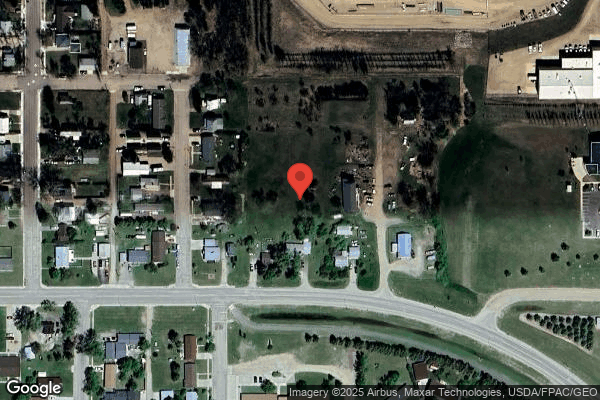
615 6TH ST SE, STANLEY, ND 58784 (701) 628-2442
Non profit - Corporation 36 Beds Independent Data: November 2025 1 Immediate Jeopardy citation
Trust Grade
33/100
#42 of 72 in ND
Last Inspection: December 2024

Within standard 12-15 month inspection cycle. Federal law requires annual inspections.

Overview

Mountrail Bethel Home has received a Trust Grade of F, indicating significant concerns about the facility's operations and care quality. Ranked #42 out of 72 nursing homes in North Dakota, it sits in the bottom half of all state facilities, but it is the only option in Mountrail County. The facility is currently improving, with the number of issues decreasing from 12 in 2023 to 8 in 2024. Staffing is a strong point, earning a 5-star rating, but the turnover rate is 58%, which is average for the state. However, the facility has incurred $35,028 in fines, which is concerning and suggests ongoing compliance issues. Additionally, there have been serious incidents, including failures to provide 24-hour licensed nurse coverage, which can jeopardize resident safety, and inadequate treatment for a resident with a urinary tract infection, causing pain and risk of further complications. Overall, while there are strengths in staffing, significant weaknesses in care quality and compliance remain a concern.

Trust Score
F
33/100
In North Dakota
#42/72
Bottom 42%
Safety Record
High Risk
Review needed
Inspections
Getting Better
12 → 8 violations
Staff Stability
⚠ Watch
58% turnover. Above average. Higher turnover means staff may not know residents' routines.
Penalties
✓ Good
$35,028 in fines. Lower than most North Dakota facilities. Relatively clean record.
Skilled Nurses
✓ Good
Each resident gets 56 minutes of Registered Nurse (RN) attention daily — more than average for North Dakota. RNs are trained to catch health problems early.
Violations
⚠ Watch
31 deficiencies on record. Higher than average. Multiple issues found across inspections.
★★★☆☆
3.0
Overall Rating
★★★★★
5.0
Staff Levels
★★☆☆☆
2.0
Care Quality
★★☆☆☆
2.0
Inspection Score
Stable
2023: 12 issues
2024: 8 issues

The Good

  • 5-Star Staffing Rating · Excellent nurse staffing levels
  • Full Sprinkler Coverage · Fire safety systems throughout facility
  • No fines on record

Facility shows strength in staffing levels, fire safety.

The Bad

3-Star Overall Rating

Near North Dakota average (3.1)

Meets federal standards, typical of most facilities

Staff Turnover: 58%

12pts above North Dakota avg (46%)

Frequent staff changes - ask about care continuity

Federal Fines: $35,028

Above median ($33,413)

Moderate penalties - review what triggered them

Staff turnover is elevated (58%)

10 points above North Dakota average of 48%

The Ugly 31 deficiencies on record

1 life-threatening 1 actual harm
Dec 2024 7 deficiencies
CONCERN (D) 📢 Someone Reported This

A family member, employee, or ombudsman was alarmed enough to file a formal complaint

Potential for Harm - no one hurt, but risky conditions existed

Notification of Changes (Tag F0580)

Could have caused harm · This affected 1 resident

**NOTE- TERMS IN BRACKETS HAVE BEEN EDITED TO PROTECT CONFIDENTIALITY** Based on record review, review of facility policy, resident representative interview, and staff interview, the facility failed t...

Read full inspector narrative →
**NOTE- TERMS IN BRACKETS HAVE BEEN EDITED TO PROTECT CONFIDENTIALITY** Based on record review, review of facility policy, resident representative interview, and staff interview, the facility failed to notify the resident representative for 1 of 2 sampled residents (Resident #34) reviewed for falls and resident to resident altercations. Failure to notify the resident representative of a fall and resident to resident altercations does not allow the representative to be fully informed of the resident's current status. Findings include: Review of the facility policy titled Fall Protocol Policy occurred 12/04/24. This policy, dated December 2020, stated, . If the resident doesn't obtain an injury during the fall, the emergency contact will be notified as soon as possible, or next morning if the fall occurs during overnight hours. Review of the facility policy titled Abuse, Neglect, Exploitation, Mistreatment and Misappropriation of Resident Property Employee Policy . occurred 12/04/24. This policy, revised May 2023, stated, . All alleged violations involving abuse . are reported immediately to the facility Administrator or other designated staff . in accordance with State Law through established procedures. These include: . Resident Representative . Review of Resident #34's medical record occurred on all days of survey. Diagnoses included dementia and falls. A quarterly Minimum Data Set, dated [DATE], identified four falls, and moderately impaired cognition. Review of Resident #34's nurse's notes identified the following: * 10/19/24 at 3:52 p.m., . Staff had heard hollering from residents [sic] room and another resident [sic] in his room and both were swinging there [sic] arms. Resident in w/c [wheelchair] in room stated the other resident hit him in face. No injuries noted at this time. Will monitor. * 11/17/24 at 6:38 p.m., . Resident yelling, 'help, help', CNA [certified nurse aide] walked into resident's room and noticed that resident was sitting upright on the floor with legs extended out towards toilet. Denying hit head. Resident stated, 'I was trying to sit in w/c [wheelchair] after coming back from the bathroom.' Vital signs WDL [within defined limits] per resident's baseline. No c/o [complaints of] pain or discomfort. MD [medical doctor] notified. During an interview on 12/02/24 at 4:46 p.m., Resident #34's representative stated the resident had multiple falls and was not sure the facility had contacted him for all falls. He further stated the facility did not contact him regarding the incident between Resident #34 and the other resident, he was told by Resident #34's brother who also resides in the facility. During an interview on 12/03/24 at 3:10 p.m., an administrative nurse (#2) confirmed the facility failed to notify Resident #34's representative of the resident to resident altercation until he called the facility to ask about it. During an interview on 12/03/24 at 3:33 p.m., an administrative nurse (#1) confirmed the facility failed to notify Resident #34's representative about the resident's fall on 11/17/24, and she expected staff to notify the resident representative with all falls, and resident to resident altercations.
CONCERN (D) 📢 Someone Reported This

A family member, employee, or ombudsman was alarmed enough to file a formal complaint

Potential for Harm - no one hurt, but risky conditions existed

Free from Abuse/Neglect (Tag F0600)

Could have caused harm · This affected 1 resident

**NOTE- TERMS IN BRACKETS HAVE BEEN EDITED TO PROTECT CONFIDENTIALITY** Based on review of the facility reported incident and investigation documents, record review, review of facility policy, and sta...

Read full inspector narrative →
**NOTE- TERMS IN BRACKETS HAVE BEEN EDITED TO PROTECT CONFIDENTIALITY** Based on review of the facility reported incident and investigation documents, record review, review of facility policy, and staff interview the facility failed to protect the residents' right to be free from physical abuse and psychosocial harm for 1 of 2 sampled residents (Resident #34) and 1 supplemental resident (Resident #3) who experienced abuse by another resident. Failure to ensure an environment free from abuse placed Residents #3, #34, and other residents at risk for abuse, fear, anxiety, and/or psychosocial harm. This citation is considered past non-compliance based on review of the corrective action the facility implemented following the incident. Findings include: The surveyor determined a deficient practice existed on 10/19/24 and 11/04/24. The facility implemented and completed corrective action on 11/04/24. Review of the facility policy titled Abuse, Neglect, Exploitation, Mistreatment and Misappropriation of Resident Property Employee Policy . occurred on 12/04/24. This policy, revised May 2023, stated, . Abuse, Neglect, exploitation, mistreatment . is prohibited. Physical Abuse is defined as the willfully hitting, slapping, pinching, kicking, etc. Review of the facility policy titled Abuse, Neglect, Exploitation, Mistreatment and Misappropriation Prevention Facility Policy . occurred on 12/04/24. This policy, revised May 2023, stated, . Each resident has the right to freedom from all forms of abuse . Residents must not be subjected to abuse by anyone including, but not limited to . other residents . Resident to Resident Altercations: . Altercations that must be reported in accordance with regulations include ay [sic] willful action that results in physical injury, mental anguish, or pain . - Review of Resident #3's medical record occurred on all days of survey. A quarterly Minimum Data Set (MDS), dated [DATE], identified moderately impaired cognition. Review of Resident #3's nurses notes identified the following: * 11/02/24 at 5:00 p.m., . [Resident #3] was in her room while staff was down the hall from her, [Resident #17] had entered [Resident #3's] room, the resident had yelled out for help so staff ran to her room and when staff entered the resident room [Resident #17] had [Resident #3's] arm grasped with his one hand and was hitting the resident with his other hand, staff quickly grabbed [Resident #17] to keep him from making contact with the resident, staff tried asking him to leave the room but he would not listen or leave and continued attempting to assault the resident, staff had to physically remove [Resident #17] from the residents room . staff tried asking ifthe[sic] resident was harmed or hurt in anyway but [Resident #3] was overwhelmed with anxiety and was very upset so staff left the resident so she could calm down. * 11/04/24 at 1:32 p.m., stated, . Incident was reported to ND HHS [North Dakota Department of Health and Human Services] due to resident being hit by another resident. - Review of Resident #34's medical record occurred on all days of survey. A quarterly MDS, dated [DATE], identified moderately impaired cognition. Review of Resident #34's nurses notes identified the following: * 10/19/24 at 3:52 p.m., stated, . Staff had heard hollering from [Resident #34's] room and [Resident #17] in his room and both were swinging there [sic] arms. Resident in w/c [wheelchair] in room stated [Resident #17] hit him in face. No injuries noted at this time. Will monitor. * 10/22/24 at 4:27 p.m., stated, . Incident was reported to ND HHS. Maintenance has been notified to place a yellow strip in front of resident's door to try divert other resident from wanting to enter his room. Review of the facility investigation report occurred 12/04/24. This report, dated 10/19/24, stated, . Staff watched other resident enter resident's room, and got up to remove the other resident from [Resident #34's] room. While on their way to his room they heard [Resident #34] say 'get the hell out of my room.' by [sic] the time the CNA got to his room CNA observed both resident's swinging their arms and observed the other resident hit [Resident #34] on the lip one time. The report included a statement from a CNA (#1), which stated, . saw [Resident #17] enter [Resident #34's] room . observed [Resident #17] hit [Resident #34] in the lip one time. Based on the following information, non-compliance at F600 is considered past non-compliance. The facility implemented corrective actions as follows: * The interdisciplinary team met to problem solve and implement changes and interventions for resident care and safety. * Implemented a safety plan addressing the behaviors of Resident #17. * Notified medical director and psychiatric provider for Resident #17 of the incidents. * Notified resident representatives of the incident and actions implemented. * Education provided to all staff on safety plan and behavioral interventions for Resident #17.
CONCERN (D) 📢 Someone Reported This

A family member, employee, or ombudsman was alarmed enough to file a formal complaint

Potential for Harm - no one hurt, but risky conditions existed

Report Alleged Abuse (Tag F0609)

Could have caused harm · This affected 1 resident

**NOTE- TERMS IN BRACKETS HAVE BEEN EDITED TO PROTECT CONFIDENTIALITY** Based on review of the facility reported incidents (FRI), record review, review of facility policy, and staff interview, the fac...

Read full inspector narrative →
**NOTE- TERMS IN BRACKETS HAVE BEEN EDITED TO PROTECT CONFIDENTIALITY** Based on review of the facility reported incidents (FRI), record review, review of facility policy, and staff interview, the facility failed to report incidents of abuse to the State Survey Agency (SSA) for 1 of 1 sampled resident (Resident #34) and 1 supplemental resident (Resident #3) who experienced physical abuse. Failure to report physical abuse in the prescribed time frame does not comply with regulations established to protect residents. Findings include: Review of the facility policy titled Abuse, Neglect, Exploitation, Mistreatment and Misappropriation of Resident Property Employee Policy occurred on 12/04/24. This policy, revised May 2023, stated, . Abuse, Neglect, exploitation, mistreatment . is prohibited. To assist our facility's staff members in recognizing incidents of abuse, the following definitions of abuse are provided: . Immediately: Means as soon as possible, in absence of a shorter State time frame requirement, but not later than . 24 hours if the events that cause the allegation . do not cause serious bodily injury. Physical Abuse is defined as the willfully hitting, slapping, pinching, kicking, etc. alleged violations and results of all investigations must be reported to the administrator of the facility and/or other designees in accordance with state law AND the state survey and certification agency. Review of the facility policy titled Abuse, Neglect, Exploitation, Mistreatment and Misappropriation Prevention Facility Policy occurred on 12/04/24. This policy, revised May 2023, stated, . Each resident has the right to freedom from all forms of abuse . Residents must not be subjected to abuse by anyone including, but not limited to . other residents . All alleged violations involving . abuse . will be reported immediately . to the administrator of the facility and to other officials in accordance with State law through established procedures (including the State survey and certification agency). Resident to Resident Altercations: . Altercations that must be reported in accordance with regulations include ay [sic] willful action that results in physical injury, mental anguish, or pain . - Review of Resident #3's medical record occurred on all days of survey. A quarterly Minimum Data Set (MDS), dated [DATE], identified moderately impaired cognition. Review of Resident #3's nursing notes identified the following: * 11/02/24 at 4:25 p.m., . CNA [certified nurse aide] reported that [Resident #17] was near resident's door and the two [Resident #3 and #17] got into an altercation. CNA also reported that [Resident #17] tried hitting her. When asking [Resident #3] what happened she was not able to answer due to the amount of anxiety she was having. No signs of injuries that nurse writing can observe. Will reapproach when she is more calmed down. * 11/02/24 at 5:00 p.m., . [Resident #3] was in her room while staff was down the hall from her, [Resident #17] had entered the resident's room, the resident had yelled out for help so staff ran to her room and when staff entered the resident room [Resident #17] had [Resident #3's] arm grasped with his one hand and was hitting the resident with his other hand, staff quickly grabbed [Resident #17] to keep him from making contact with the resident, staff tried asking him to leave the room but he would not listen or leave and continued attempting to assault the resident, staff had to physically remove [Resident #17] from the residents room . staff tried asking ifthe[sic] resident was harmed or hurt in anyway but [Resident #3] was overwhelmed with anxiety and was very upset so staff left the resident so she could calm down. * 11/04/24 at 1:32 p.m., . Incident was reported to ND HHS [North Dakota Department of Health and Human Services] due to resident being hit by another resident. Two days after the altercation. - Review of Resident #34's medical record occurred on all days of survey. A quarterly MDS, dated [DATE], identified moderately impaired cognition. Review of Resident #34's nurses notes identified the following: * 10/19/24 at 3:52 p.m., . Staff had heard hollering from [Resident #34] room and another resident in his room and both were swinging there [sic] arms. [Resident #34] in w/c [wheelchair] in room stated the other resident hit him in face. No injuries noted at this time. Will monitor. * 10/22/24 at 4:27 p.m., . Incident was reported to ND HHS. Maintenance has been notified to place a yellow strip in front of resident's door to try divert other resident from wanting to enter his room. Three days after the altercation. During an interview on 12/04/24 at 12:30 p.m., administrative nurses (#1 and #2) confirmed the facility failed to report the incidents between Residents #3, #17, and #34 to the SSA within 24 hours.
CONCERN (D) 📢 Someone Reported This

A family member, employee, or ombudsman was alarmed enough to file a formal complaint

Potential for Harm - no one hurt, but risky conditions existed

Deficiency F0658 (Tag F0658)

Could have caused harm · This affected 1 resident

1. Based on observation, record review, review of manufacturer's instructions for use, and staff interview the facility failed to ensure staff followed standards of practice for 1 of 2 residents (Resi...

Read full inspector narrative →
1. Based on observation, record review, review of manufacturer's instructions for use, and staff interview the facility failed to ensure staff followed standards of practice for 1 of 2 residents (Resident #34) observed for insulin preparation and administrations. Failure to administer rapid-acting insulin within the time specified by the manufacturer may result in a hypoglycemic (low blood sugar) reaction. Findings include: Review of Important safety information for NovoLog (rapid acting insulin), found at https://www.novolog.com occurred on 12/04/24 and stated, and About NovoLog® Rapid-Acting Insulin ., occurred on 12/04/24 and stated, Novolog starts acting fast. Eat a meal within 5 to 10 minutes after taking it. - Review of Resident #34's medical record occurred on 12/04/24. Current physician's orders included Novolog Insulin; Inject 3 unit subcutaneously three times a day. Observations on 12/04/24 showed the following: * 11:04 a.m., a nurse (#3) prepared and administered 3 units of NovoLog insulin to resident #34. * 11:45 a.m., Resident #34 was seated in the dining room without access to juice and dessert until 41 minutes after receiving rapid-acting insulin. The facility failed to follow manufacturer's instructions for rapid-acting insulin related to administration and timing of the meal for Resident #34. During an interview on 12/04/24 at 2:37 p.m., two administrative staff members (#1 and #2) stated, our expectation is the nurse should administer insulin between 11:00 a.m. and 12:00 p.m. as stated on the medication administration record. 2. Based on observation and staff interview, the facility failed to ensure 1 of 1 treatment cart contained medications prescribed and labeled for residents of the facility. Failure to store and/or dispense medications not intended for residents of the facility has the potential to result in a medication error. Finding include: Observations on 12/04/24 at 10:00 a.m. showed a medication cup with several loose tablets and capsules in the corner of the first drawer of the treatment cart. During an interview on 12/04/24 at 10:00 a.m., a staff nurse (#3) stated, oh, those are mine, I need to remember to take them. The nurse (#3) removed the medication cup from the cart and put it in her pocket. During an interview on 12/04/24 at 2:37 p.m., two administrative staff members (#1 and #2) stated, personal medications should not be stored in the medication or treatment carts.
CONCERN (D) 📢 Someone Reported This

A family member, employee, or ombudsman was alarmed enough to file a formal complaint

Potential for Harm - no one hurt, but risky conditions existed

Accident Prevention (Tag F0689)

Could have caused harm · This affected 1 resident

Based on observation, record review, review of facility policy, review of a professional reference, and staff interview, the facility failed to utilize the assistive devices necessary to prevent accid...

Read full inspector narrative →
Based on observation, record review, review of facility policy, review of a professional reference, and staff interview, the facility failed to utilize the assistive devices necessary to prevent accidents for 1 of 4 sampled resident (Resident #19) observed during a transfer. Failure to use a gait belt during transfers has the potential to place residents at risk of falls with/without injury. Findings include: Review of the facility policy titled Use of Gait Belt, occurred on 12/04/24. This policy, dated December 2020, stated, . use gait belts with residents that need assistance to ambulate or transfer for the purpose of safety . Physical Therapy will assess residents upon admission and determine their need for a gait belt . [the facility] will have designated gait belts for each resident who requires one . All employees will receive education on the proper use of a gait belt . Review of Resident #19's medical record occurred on December 4, 2024. The care plan, stated, . I am at risk for falls related to physical decline . I pivot transfer with assist of 1 staff for transfers . use gait belt for safety . Observations on 12/03/24 showed the following: * At 3:56 p.m., a staff nurse (#3) and a certified nurse aide (CNA) (#5) transferred Resident #19 from the wheelchair to the bedside commode. Both staff members (#3 and #5) placed their hands under the Resident's arms and lifted her to a standing position. The staff members (#3 and #5) failed to use a gait belt during the transfer. * At 4:10 p.m., while transfering Residnt #19 from the commode both staff members (#3 and #5) again placed their hands under Resident #19's arms and lifted her to a standing position. Resident #19 lost her balance, supported herself by leaning on the arms of the wheelchair, and required staff assistance to sit back down. The staff members (#3 and #5) failed to use a gait belt during the transfer. During an interview on 12/03/24 at 8:15 a.m., an administrative nurse (#1) stated she expected staff to use a gait belt during transfers.
CONCERN (D) 📢 Someone Reported This

A family member, employee, or ombudsman was alarmed enough to file a formal complaint

Potential for Harm - no one hurt, but risky conditions existed

Deficiency F0761 (Tag F0761)

Could have caused harm · This affected 1 resident

Based on observation and staff interview, the facility failed to ensure safe and secure storage of medications in 1 of 2 medication/treatment carts observed. Failure to store all medications securely ...

Read full inspector narrative →
Based on observation and staff interview, the facility failed to ensure safe and secure storage of medications in 1 of 2 medication/treatment carts observed. Failure to store all medications securely may result in unauthorized access to medications. Findings include: On 12/02/24 at 11:51 a.m., Observation showed staff nurse (#4) unlock the treatment and walk away to administer insulin. The staff nurse (#4) left the treatment cart unlocked and unattended for five minutes by the nurse's station out of the nurses' view with visitors, staff members, and residents present. During an interview on 12/04/24 at 2:37 p.m., two administrative staff members (#1 and #2) stated, it is our expectation that the carts be locked when out of sight.
CONCERN (E) 📢 Someone Reported This

A family member, employee, or ombudsman was alarmed enough to file a formal complaint

Potential for Harm - no one hurt, but risky conditions existed

Infection Control (Tag F0880)

Could have caused harm · This affected multiple residents

Based on observation, review of facility policy, and staff interview, the facility failed to follow standards of infection control and prevention for 5 of 12 sampled residents (Resident #8, #10, #17, ...

Read full inspector narrative →
Based on observation, review of facility policy, and staff interview, the facility failed to follow standards of infection control and prevention for 5 of 12 sampled residents (Resident #8, #10, #17, #19, and #25) observed during cares. Failure to practice infection control standards related to hand hygiene, catheter care, equipment disinfection, and enhanced barrier precautions (EBP) has the potential to spread infection throughout the facility. Findings include: Review of the facility policy titled Hand Hygiene Policy occurred on 12/04/24. This policy, dated December 2020, stated, . All staff will perform proper hand hygiene procedures to prevent the spread of infection to other personnel, residents, and visitors . The use of gloves does not replace hand hygiene. If your task requires gloves, perform hand hygiene prior to donning gloves, and immediately after removing gloves. Review of the facility policy titled Foley Catheter Care Policy occurred on 12/04/24. This policy, revised October 2022, stated, . to provide catheter care to all residents that have an indwelling catheter to reduce UTIs [urinary tract infections] . With a new moistened cloth, wipe the catheter making sure to hold the catheter in place . Review of the facility policy titled Enhanced Barrier Precautions Policy occurred on 12/04/24. This policy, revised May 2024, stated, . use of gown and gloves for use during high-risk resident care activities for residents known to be colonized or infected with a MDRO [multidrug-resistant organisms] as well as those at increased risk of MDRO acquisition (e.g., [examples] residents with wounds or indwelling medical devices . High-contact resident care activities include: . Urinary Catheter Care . Wound care . Dressing, AM [morning] or PM [evening] cares, peri [perineal] cares, transferring. Review of the facility policy titled, Mechanical Lift Policy, occurred on 12/04/24. This policy, revised December 2020, stated, . Total body lift . disinfect lift after each resident use . standing lift . disinfect lift after each resident use . - Observation on 12/02/24 at 3:57 p.m. showed two certified nurse aides (CNAs) (#6 and #7) assisted Resident #8 to the bathroom. The CNAs performed perineal cares after a bowel movement, removed their gloves and failed to perform hand hygiene. - Observation on 12/02/24 at 2:59 p.m. showed two CNAs (#6 and #7) transfer Resident #10 to the bathroom. After completing perineal cares, the CNAs removed their gloves and failed to perform hand hygiene. then without cleaning the lift removed it from the room, and placed it in the hallway storage area. - Review of Resident #17's medical record occurred on all days of survey. Diagnosis included history of urinary tract infection. The current care plan stated, . enhanced barrier precautions r/t [related to] placement of indwelling catheter . Observation on 12/02/24 at 11:32 a.m. showed an enhanced barrier precaution sign outside of Resident #17's room. Observation on 12/02/24 at 4:59 p.m. showed two CNAs (#6 and #7) performed hand hygiene, donned gowns and gloves, and entered Resident #17's room to provide catheter and incontinence cares. The CNA (#7) performed perineal cares after a bowel movement and wiped back to front. The CNA (#7) removed her gloves and without performing hand hygiene donned clean gloves, wet a washcloth, cleaned Resident #17's groin area, and with the same cloth wiped the catheter tubing, applied a clean brief, and pulled up the resident's pants. The CNA (#7) removed gloves and performed hand hygiene before exiting the room. The CNA (#7) failed to perform hand hygiene after removing soiled gloves and donning clean gloves, and failed to use a clean washcloth for cleansing the catheter tubing. - Review of Resident #19's medical record occurred on all days of survey. Diagnosis included pressure ulcer to coccyx and heel. The current care plan stated, . staff to utilize enhanced barrier precautions per policy . stage 3 PU [pressure ulcer] to my coccyx . Observation on 12/02/24 at 12:02 p.m. showed an enhanced barrier precaution sign outside of Resident #19's room. Observation on 12/02/24 showed the following: * At 3:11p.m., two CNAs (#6 and #7) entered Resident #19's room to provide incontinence cares. The CNAs performed hand hygiene, donned gloves, and without donning gowns, performed perineal cares and removed a wound dressing after a bowel movement. The CNAs removed their gloves and without performing hand hygiene, exited the room. The CNAs failed to don gowns when performing high-contact resident cares. * At 3:50 p.m., two CNAs (#6 and #7) entered Resident #19's room to provide incontinence cares. The CNAs performed hand hygiene, donned gloves, and without donning gowns, performed perineal cares. The CNAs removed their gloves and without performing hand hygiene, exited the room. The CNAs failed to don gowns when performing high-contact resident cares. - Review of Resident #25's medical record occurred on all days of survey. The current care plan stated, . Enhanced Barrier precautions r/t [related to] stasis ulcers to BLE [bilateral lower extremities] . Observation on 12/02/24 at 11:31 a.m. showed an enhanced barrier precaution sign outside of Resident #25's room. Observation on 12/03/24 at 9:55 a.m. showed Resident #25 seated in a wheelchair. Two CNAs (#6 and #7) entered Resident 25's room. The CNAs performed hand hygiene and donned gloves, and without donning gowns, assisted the resident with incontinence cares. The CNA (#7) performed bowel movement cares, removed her gloves and without performing hand hygiene, donned new gloves, applied a new brief, pulled up the resident's pants, and assisted the resident to the wheelchair. The CNAs removed their gloves, performed hand hygiene, and exited the room. Both CNAs failed to wear gowns when performing high-contact resident cares, and the CNA (#7) failed to perform hand hygiene after removing soiled gloves and before donning clean gloves. Observation on 12/03/24 at 1:13 p.m. showed Resident #25 seated in a wheelchair. A nurse (#3) entered Resident #25's room, performed hand hygiene, donned a gown and gloves, and sat on the floor and performed a dressing change to the resident's bilateral lower extremities. The nurse (#3) removed the soiled dressings from both lower extremities, removed her gloves, and without performing hand hygiene, donned new gloves. The nurse (#3) cleaned the wounds, completed the dressing change, removed her gown and gloves, performed hand hygiene and exited the room. The nurse (#3) failed to perform hand hygiene after removing soiled gloves and donning clean gloves. During an interview on 12/04/24 at 08:15 a.m., an administrative nurse (#1) confirmed she expected staff to sanitize lift equipment after each resident use. During an interview on 12/04/24 at 2:45 p.m., an administrative nurse (#1) confirmed she expected staff to perform hand hygiene after removing soiled gloves and before donning clean gloves, wipe front to back when performing cares involving bowel movements, use clean cloths for catheter cares, and for staff to wear appropriate personal protective equipment when providing high contact cares for residents in enhanced barrier precautions.
Jan 2024 1 deficiency
CONCERN (D) 📢 Someone Reported This

A family member, employee, or ombudsman was alarmed enough to file a formal complaint

Potential for Harm - no one hurt, but risky conditions existed

Infection Control (Tag F0880)

Could have caused harm · This affected 1 resident

Based on observation, record review, review of facility policies, and staff interview, the facility failed to follow standards of infection control for 2 of 3 sampled residents (Residents #1 and #2) o...

Read full inspector narrative →
Based on observation, record review, review of facility policies, and staff interview, the facility failed to follow standards of infection control for 2 of 3 sampled residents (Residents #1 and #2) observed during toileting cares. Failure to follow infection control standards has the potential for infections to residents. Findings include: Review of the facility policy titled Hand Hygiene Policy occurred on 01/11/24. This policy, dated December 2020, stated, .2. Hand hygiene is indicated and will be performed. 6. Additional considerations: a. The use of gloves does not replace hand hygiene. If your task requires gloves, perform hand hygiene prior to donning gloves, and immediately after removing gloves. Review of facility policy titled Perineal Care Policy occurred on 01/11/24. This policy, dated December 2020, stated, . 2. Gather supplies needed. v. Gloves, and other relevant personal protective equipment. 6. Perform hand hygiene and put on gloves. 8.a. Cleanse buttocks and anus, front to back; vagina to anus in females. using a separate washcloth or wipes. 15. Remove gloves and discard. Perform hand hygiene. Review of facility policy titled Mechanical lift Policy occurred on 01/11/24. This policy, revised December 2020, stated, . Procedure: . 2. Standing lift.b. Wash hands before and after procedure. Review of Resident #1's medical record occurred on 01/11/24. The care plan stated, . I am at risk for UTI's [sic] [urinary tract infections] . I am dependent on staff. with peri cares after toileting and episodes of incontinence . During an observation on 01/11/24 at 1:10 p.m., two certified nurse aides (CNAs) (#2 and #3) assisted Resident #1 to the commode using a mechanical stand lift. The CNA (#2) performed incontinence cares by wiping from back (anus) to front. Without removing the soiled gloves, the CNA (#2) wiped the resident's groin area with a separate wipe. The CNA (#2) applied a clean brief, pulled up the resident's pants, transferred the resident back into the wheelchair, and removed the sling. The CNA (#2) failed to remove or change the gloves and perform hand hygiene before completing other tasks. Review of Resident #2's medical record occurred on 01/11/2024. The care plan stated, . I am at risk for UTI's [sic] r/t [related to] bladder incontinence . I am dependent on staff. with peri cares after toileting and episodes of incontinence . During an observation on 01/11/24 at 3:10 p.m., two CNAs (#2 and #4) assisted Resident #2 to the commode using a mechanical stand lift. The CNA (#2) performed incontinence cares (bowel) by wiping from back (anus) to front. The CNA (#2), without removing the soiled gloves or performing hand hygiene, wiped the resident's groin area with a separate wipe. The CNA (#2) then applied a clean brief, pulled up resident's pants, transferred the resident back into the wheelchair, and removed the sling. The CNA (#2) failed to remove or change the gloves and perform hand hygiene before completing other tasks. During an interview on 01/11/24 at 3:10 p.m., an administrative staff nurse (#1) stated she expected staff to use proper infection control practices when providing perineal cares.
Nov 2023 12 deficiencies
CONCERN (D)

Potential for Harm - no one hurt, but risky conditions existed

Resident Rights (Tag F0550)

Could have caused harm · This affected 1 resident

Based on observation, review of facility policy, and staff interview, the facility failed to provide care for 1 of 10 sampled residents (Resident #13) and 1 supplemental resident (#17) in a manner and...

Read full inspector narrative →
Based on observation, review of facility policy, and staff interview, the facility failed to provide care for 1 of 10 sampled residents (Resident #13) and 1 supplemental resident (#17) in a manner and environment that maintained, enhanced, and respected each resident's dignity. Failure to wait for permission prior to entering a resident's room and ensure a resident's private body parts are not exposed does not preserve the resident's personal dignity and/or enhance their quality of life and placed them at risk of embarrassment and/or emotional harm. Findings include: Review of the facility policy titled, Confidentiality, Privacy, and Dignity, occurred on 11/16/23. This policy, revised 07/19/16, stated, . All staff will knock before entering a resident/patient's room and allow resident/patient's privacy when receiving treatment and caring for their personal needs. - During an observation on 11/14/23 at 4:06 p.m., two certified nurse aides (CNAs) (#3 and #4) transferred Resident #13 into bed before providing toileting cares. Resident #13 indicated he scratched his lower stomach and voiced pain/discomfort when the CNAs (#3 and #4) cleansed the area. Resident #13 laid on the bed, exposed from mid-chest to knees, when one of the CNAs (#4) exited the room to find the nurse. A few minutes later, the nurse (#2) knocked, announced herself, and entered the room without waiting for permission to enter. The other CNA (#3) covered Resident #13's groin with a towel after the nurse entered the room. During an interview on 11/18/23 at 12:55 p.m., an administrative nurse (#1) indicated she expects staff to ensure the resident's dignity while providing personal cares. Review of the facility policy titled, Helping a resident with Toileting Policy and Procedure occurred on 11/16/23. This policy, dated December 2020, stated, . It is the practice of this facility to assist residents with toileting needs to maintain the resident's dignity. help the resident to the bathroom . assist resident with clothing and assist them back to their chair . Observations of Resident #17 showed the following: - 11/13/23 at 3:02 p.m., the resident sitting in a chair in the lobby with urine soaked pants during a visit with a staff member. A nurse, (#2) assisted the resident to the bathroom and changed the soiled pants. -11/14/23 at 3:25 p.m., the resident sitting in a chair in the lobby with urine soaked pants while other residents, staff, and visitors walked by. A nurse (#2) assisted the resident to the bathroom and changed the soiled pants. -11/15/23 at 3:05 p.m., the resident sitting in a chair in the lobby with urine soaked pants while other residents, staff, and visitors walked by. A nurse, (#2) assisted the resident to the bathroom and changed the soiled pants. During an interview on 11/16/23 at 9:47 a.m., an administrative nurse (#1) indicated she expected staff to toilet the resident timely.
CONCERN (D) 📢 Someone Reported This

A family member, employee, or ombudsman was alarmed enough to file a formal complaint

Potential for Harm - no one hurt, but risky conditions existed

Deficiency F0554 (Tag F0554)

Could have caused harm · This affected 1 resident

**NOTE- TERMS IN BRACKETS HAVE BEEN EDITED TO PROTECT CONFIDENTIALITY** - Observation on 11/14/23 at 7:57 a.m. showed a licensed nurse (#2) stated, (Resident #30) here are your meds [medication] the n...

Read full inspector narrative →
**NOTE- TERMS IN BRACKETS HAVE BEEN EDITED TO PROTECT CONFIDENTIALITY** - Observation on 11/14/23 at 7:57 a.m. showed a licensed nurse (#2) stated, (Resident #30) here are your meds [medication] the nurse (#2) set the medication cup on the table and left the dining room. Based on observation, record review, review of facility policy, and staff interview, the facility failed to assess residents for self-administer of medications for 1 of 1 sampled residents (Resident #30) observed with medications in the dining room. Failure to evaluate residents' ability to safely self-administer medications may result in medication errors and/or harm to the residents. Findings include: Review of the policy titled, Self-Administered Medications occurred on 11/16/23. This policy, implemented November 2020, stated, . It is the policy of Mountrail Bethel Home to evaluate and allow a resident to self-administer medications after the interdisciplinary team has determined which medications may be self-administered safely. According to the self-administer medications assessment, a decision to allow the resident to self-administer medications or to discontinue self-administration of medications will be determined. Review of Resident #30's medical record occurred on all days of survey. The record lacked an assessment for self-administration of medications and/or a physician's order permitting the resident to do so. The quarterly Minimum Data Set (MDS), dated [DATE], identified severe cognitive deficits. Observation showed the following: - 11/14/23 at 7:57 a.m., a licensed nurse (#2) stated, (Resident #30) here are your meds [medication]. The nurse (#2) set the medication cup on the table and left the dining room before the resident took the medications. * 11/14/23 at 8:12 a.m., Resident #30 ate breakfast in the dining room with an empty medication cup next to her plate. * 11/15/23 at 7:50 a.m., Resident #30 ate breakfast in the dining room. The cup next to her plate still contained medications. The nurse (#2) stood next to her medication cart in the next room, out of sight of the resident. During an interview on 11/15/23 at 8:55 a.m., a nurse (#2) indicated she left medications on the table for Resident #30 as they can self-administer [their medications]. During an interview on 11/15/23 at 2:20 p.m., an administrative nurse (#1) confirmed, [Resident #30] cannot self-administer their medication.
CONCERN (D)

Potential for Harm - no one hurt, but risky conditions existed

Notification of Changes (Tag F0580)

Could have caused harm · This affected 1 resident

Based on observation, record review, review of facility policy, and staff interview, the facility failed to notify the physician of a change of condition for 1 of 1 sampled resident (Resident #16) wit...

Read full inspector narrative →
Based on observation, record review, review of facility policy, and staff interview, the facility failed to notify the physician of a change of condition for 1 of 1 sampled resident (Resident #16) with a new pressure ulcer. Failure to promptly notify the physician of the pressure ulcer limited their ability to make informed decisions regarding the resident's medical care. Findings include: Review of the facility policy titled Wound Treatment Management occurred on 11/15/23. This policy, dated December 2020, stated, To promote wound healing . provide evidence-based treatments in accordance with current standards of practice and provider orders . in the absence of treatment orders, the licensed nurse will notify the physician next business day to obtain treatment orders . Findings include: Review of Resident #16's medical record occurred on all days of survey. A progress note, dated 11/13/23 at 8:18 p.m., identified, . CNA [certified nurse aide] to nurse 6 a.m. - 6 p.m. shift on Friday, 11/10/23, that resident has a sore to right buttocks . this nurse assessed area now, 3 x [times] 3 cm [centimeter] sore (Lshaped) to right buttocks. skin has sheared away . calmoseptine [a skin protectant] seems to have minimal affect . concern note sent to physician . During an interview on 11/15/23 at 10:22 a.m., an administrative nurse (#1) reported staff wrote a concern note for the physician on Friday 11/10/23 addressing Resident #16's pressure ulcer and put it in his in-box, but the physician did not receive the note until Monday 11/13/23. During an interview on 11/16/23 at 9:47 a.m., an administrative nurse (#1) reported the facility is re-evaluating the current process for physician notification. The nurse (#1) stated she expected staff to evaluate/treat Resident #16's pressure ulcer in a timely manner.
CONCERN (D)

Potential for Harm - no one hurt, but risky conditions existed

Assessment Accuracy (Tag F0641)

Could have caused harm · This affected 1 resident

**NOTE- TERMS IN BRACKETS HAVE BEEN EDITED TO PROTECT CONFIDENTIALITY** THIS IS A REPEAT DEFICIENCY FROM THE SURVEY COMPLETED ON 12/08/22. Based on observation, record review, review of the Long-Term ...

Read full inspector narrative →
**NOTE- TERMS IN BRACKETS HAVE BEEN EDITED TO PROTECT CONFIDENTIALITY** THIS IS A REPEAT DEFICIENCY FROM THE SURVEY COMPLETED ON 12/08/22. Based on observation, record review, review of the Long-Term Care Facility Resident Assessment Instrument (RAI) 3.0 User's Manual (Version 1.18.11), and staff interview, the facility failed to ensure accurate coding of the Minimum Data Set (MDS) for 2 of 13 sampled residents (Resident #9 and #13). Failure to accurately complete the MDS does not allow each resident's assessment to reflect their current status/needs and may affect the accurate development of a comprehensive care plan and the care provided to the residents. Findings include: The Long-Term Care Facility RAI User's Manual, revised October 2023, pages K-10 and K-12 stated, . FEEDING TUBE Presence of any type of tube that can deliver food/nutritional substances/fluids/medications directly into the gastrointestinal system. Examples include, but are not limited to, Asiatic tubes, gastrostomy tubes, jejunostomy tubes, percutaneous endoscopic gastrostomy (PEG) tubes. Coding Tips for K0520B Only feeding tubes that are used to deliver nutritive substances and/or hydration during the assessment period are coded in K0520B. - Review of Resident #9's medical record occurred on all days of survey. The quarterly MDS, dated [DATE], identified the presence of a feeding tube. During an observation on 11/13/23 at 2:06 p.m., two certified nurse aides (CNAs) (#4 and #16) transferred Resident #9 on and off the toilet. Observation showed Resident #9 did not have a feeding tube in place. During an interview on 11/13/23 at 3:27 p.m., an administrative nurse (#1) confirmed staff marked the tube feeding in error. - Review of Resident #13's medical record occurred on all days of survey. The quarterly MDS, dated [DATE], identified the presence of a feeding tube. During an observation on 11/14/23 at 4:06 p.m., two CNAs (#3 and #4) transferred Resident #13 into bed before providing toileting cares. Observation showed Resident #13 did not have a feeding tube in place. During an interview on 11/15/23 at 11:45 a.m., a licensed staff member (#8) confirmed staff marked the tube feeding in error.
CONCERN (D)

Potential for Harm - no one hurt, but risky conditions existed

Deficiency F0679 (Tag F0679)

Could have caused harm · This affected 1 resident

Based on observation, record review, review of facility policy, and staff interview, the facility failed to provide an ongoing program of meaningful activities designed to meet the interests and physi...

Read full inspector narrative →
Based on observation, record review, review of facility policy, and staff interview, the facility failed to provide an ongoing program of meaningful activities designed to meet the interests and physical, mental, and psychosocial well-being for 1 of 13 sampled residents (Resident #26) dependent on staff for activities. Failure to provide meaningful activities for residents limited Resident #26's ability to reach his highest practicable level of physical, mental, and psychosocial well-being. Findings include: Review of the facility policy titled Activity Program occurred on 11/16/23. This policy, revised April 2023, stated, . It is the policy of Mountrail Bethel Home to have a planned and meaningful activity program which meets the needs and interests of the residents. Assessment will be completed . upon admit to facility, and on an ongoing basis thereafter to identify their activity needs and interests. Activity program will be developed based off these assessment findings. Activities will be available during the day, in the evenings and on the weekends. Review of Resident #26's medical record occurred on all days of survey. The current care plan stated, . I . enjoyed . farming . visiting about flight. Baseball . archery and gardening . carpentry work . When there are programs about farming, invite me. When there are programs about flying, invite me. I maybe open to playing cards and maybe bingo. I like music, especially gospel. Please invite me to listen. I enjoy most programs on METV and I especially like shows such as Gunsmoke. I enjoy going outside for fresh air when the weather permits. Observations throughout the survey showed Resident #26 sitting/dozing in a recliner in the lounge with the tv on in the background and not participating in any individual or group activities. The activity log, date October 1-November 14, 2023, showed Resident #26 sat in the lounge with the tv on on 36 occasions. Resident #26 participated in three one-on-one activities and 11 group activities within the 45 day period. During an interview on 11/16/23 at 12:12 p.m., an activities staff member (#9) agreed staff failed to engage Resident #26 in a meaningful activity program which met his needs/interests.
CONCERN (D) 📢 Someone Reported This

A family member, employee, or ombudsman was alarmed enough to file a formal complaint

Potential for Harm - no one hurt, but risky conditions existed

Pressure Ulcer Prevention (Tag F0686)

Could have caused harm · This affected 1 resident

**NOTE- TERMS IN BRACKETS HAVE BEEN EDITED TO PROTECT CONFIDENTIALITY** Based on observation, record review, review of facility policy, and staff interview, the facility failed to provide appropriate ...

Read full inspector narrative →
**NOTE- TERMS IN BRACKETS HAVE BEEN EDITED TO PROTECT CONFIDENTIALITY** Based on observation, record review, review of facility policy, and staff interview, the facility failed to provide appropriate care and services for 2 of 4 sampled residents (Resident #16 and #24) who had a pressure ulcer. Failure to obtain and implement orders for treatment may result in the worsening of the pressure ulcer. Findings include: Review of the facility policy titled Pressure injury Prevention Guidelines occurred on 11/15/23. This policy, dated December 2020, stated, . To prevent the formation of avoidable pressure injuries . implement interventions for all residents who are assessed at risk or who have a pressure injury present . individualized interventions will address specific factors identified in the resident's risk and skin assessment and any pressure injury assessment . interventions will be documented in the care plan and communicated to all relevant staff . interventions will be documented in the treatment administration record [TAR] . -Review of Resident #16's medical record occurred on all days of survey. The admission Minimum Data Set (MDS), dated [DATE], identified dependence on two or more staff members with bed mobility, one assist with transfers, and history of pressure ulcers in the sacral region. Observation on 11/13/23 at 4:32 p.m. showed Resident #16's right buttocks with an open area during toileting cares, approximately 3 centimeters in size. When asked the CNA (certified nursing aide), (#3 and #4) how they are treating the open skin area, they stated, we are not sure. The progress notes identified the following: * 11/11/23 at 08:00 a.m., LATE ENTRY. certified nursing assistant reported that resident has an open area on her right buttock during shift change yesterday . and the report was passed on to the night shift nurse . resident was assessed this morning with the charge nurse . has an L-shaped pressure ulcer on her right buttock with a total length of 3.5 cm [centimeters] . bilateral groins are also reddened . calmoseptine [a skin barrier cream] is applied to her buttocks . *11/13/23 at 8:18 p.m., . CNA to nurse 6 a.m. - 6 p.m. shift on Friday, 11/10/23, that resident has a sore to right buttocks . this nurse assessed area now, 3 x 3 cm sore (T-shaped) to right buttocks . skin has sheared away . calmoseptine seems to have minimal affect . concern note sent to physician . The (TAR) dated 11/15/23 at 1:00 p.m., identified, . Allevyn dressing [wound dressing] to right buttocks open area . change every three days and PRN [as needed]. Monitor and document, start 11/14/23 at 2:42 p.m. Staff failed to apply an Allevyn dressing per physicians order on 11/14/23. During an interview on 11/15/23 at 10:22 a.m., an administrative nurse (#1) reported staff wrote a concern note to the physician on Friday 11/10/23 addressing Resident #16's pressure ulcer, which he received on Monday 11/13/23. -Review of Resident #24's medical record occurred on all days of survey. Diagnoses included a pressure ulcer to the sacral region. The physician's orders, dated 08/08/23, stated, Wound care: Cleanse with house wound wash, mix collagen powder with NS [normal saline] to make a paste, apply paste to wound bed, cover with secondary dressing, change every other day and prn. Observation on 11/14/23 at 1:30 p.m., showed two CNAs (#4 and #6) transferred Resident #24 into bed and performed perineal care. The resident's sacral region did not have a dressing in place. When asked about a dressing, the CNA (#4) stated, We are using a barrier cream to the area. She then applied the barrier cream. During an interview on 11/15/23 at 2:40 p.m., an administrative nurse (#1) stated she expected staff to continue the wound dressings as per physician's orders.
CONCERN (D) 📢 Someone Reported This

A family member, employee, or ombudsman was alarmed enough to file a formal complaint

Potential for Harm - no one hurt, but risky conditions existed

Incontinence Care (Tag F0690)

Could have caused harm · This affected 1 resident

**NOTE- TERMS IN BRACKETS HAVE BEEN EDITED TO PROTECT CONFIDENTIALITY** Based on information provided by complainants, observation, record review, review of facility policy, and staff interview, the f...

Read full inspector narrative →
**NOTE- TERMS IN BRACKETS HAVE BEEN EDITED TO PROTECT CONFIDENTIALITY** Based on information provided by complainants, observation, record review, review of facility policy, and staff interview, the facility failed to provide appropriate services and assistance to maintain bowel /bladder continence for 1 supplemental resident (#17) observed. Failure to provide toileting assistance may result in unnecessary incontinence and a loss of dignity. Findings include: Information received from the complainant identified concerns with inadequate toileting assistance. Review of the facility policy titled, Helping a resident with Toileting Policy and Procedure occurred on 11/16/23. This policy, dated December 2020, stated, . It is the practice of this facility to assist residents with toileting needs to maintain the resident's dignity. help the resident to the bathroom . assist resident with clothing and assist them back to their chair . Review of Resident # 17's medical record occurred on all days of survey. Diagnoses included dementia, renal insufficiency and at risk for urinary tract infections related to intermittent incontinence. The quarterly Minimum Data Set (MDS), dated [DATE], identified, . staff to remind and assist for toileting cares . no trial of toileting program has been attempted . The current care plan identified, . I need help with peri-cares . I can take myself to bathroom at times . I want them to offer assist frequently as I am incontinent of bowel and bladder frequently . I wear a brief for incontinence protection . staff to monitor for signs and symptoms for a urinary tract infection and report concerns. Review of Resident #17's individual toileting record dated October 16-November 15, 2023 identified 37 incontinent episodes with a range of five to nine hours between assisting the resident with toileting cares. Observations of Resident #17 showed the following: * 11/13/23 at 3:02 p.m., the resident sitting in a chair in the lobby with urine soaked pants and urine on the floor. *11/14/23 at 3:25 p.m., the resident sitting in a chair in the lobby with urine soaked pants while other residents, staff, and visitors walked by. *11/15/23 at 3:05 p.m., the resident sitting in a chair in the lobby with urine soaked pants while other residents, staff, and visitors walked by. During an interview on 11/16/23 at 9:47 a.m., an administrative nurse (#1) stated she expected staff to toilet the resident timely.
CONCERN (D)

Potential for Harm - no one hurt, but risky conditions existed

Deficiency F0692 (Tag F0692)

Could have caused harm · This affected 1 resident

**NOTE- TERMS IN BRACKETS HAVE BEEN EDITED TO PROTECT CONFIDENTIALITY** Based on record review, review of facility policy, and staff interview, the facility failed to maintain acceptable parameters of...

Read full inspector narrative →
**NOTE- TERMS IN BRACKETS HAVE BEEN EDITED TO PROTECT CONFIDENTIALITY** Based on record review, review of facility policy, and staff interview, the facility failed to maintain acceptable parameters of nutritional status or 1 of 1 sampled resident (Resident #14) with significant weight loss. Failure to reassess/monitor weight variances may delay needed treatment for weight loss and alter the resident's ability to maintain sufficient nutritional status. Findings include: Review of the policy titled, Physician Notification of Weight Change occurred on 11/16/23. This policy, implemented October 2021, stated, . the Physician will be notified of significant weight changes in residents to ensure we are doing all things possible. All residents will be weighed on a monthly basis, unless ordered otherwise by provider. The DON [Director of Nursing] and ADON [Assistant Director of Nursing] will monitor and enter the weights into the resident's chart. The policy failed to address more frequent monitoring for residents who experience significant weight loss. Review of Resident #14's medical record occurred on all days of survey. Diagnoses included chronic kidney disease and dementia. The significant change Minimum Data Set (MDS), dated [DATE], identified weight loss. The physician's orders identified, Obtain weight and vitals weekly. per SO start date 11/01/23. Review of Resident #14's weight log, dated October 5-November 8, 2023, showed the following: * 05/18/23, 123 lbs * 08/10/23, 116 lbs * 09/28/23, 110 lbs * 10/05/23, 110 lbs * 11/08/23, 103 lbs Facility staff failed to weigh the resident on 11/01/23 as ordered. The progress notes identified the following: * 10/26/23 at 12:49 p.m., No weights have been taken for [Resident #14] in 21 days. provider notified of possible weight loss and having no current weight to calculate. * 10/30/23 at 2:38 p.m., [Resident #14] continues to lose weight , , . Interventions are not producing weight gain at this time. * 11/03/23 at 12:56 p.m., [Resident #14] has had a significant weight loss. 10% past 180 days, 5% past 30 days. She is at Nutrition Risk. * 11/13/2023 at 3:58 p.m., [Resident #14] has had a sig [significant] weight loss of 10% past 180 days . Will cont [continue] to monitor . During an interview on the afternoon of 11/15/23, when asked how staff monitor residents with significant weight loss, a dietary staff member (#10) stated, They [the residents] should be weighed weekly if they are a nutrition risk. During an interview on 11/15/23 at 2:20 p.m., when asked how staff monitor residents with significant weight loss, an administrative nurse (#10) stated, Staff are expected to bathe/weigh residents weekly.
CONCERN (D)

Potential for Harm - no one hurt, but risky conditions existed

Medication Errors (Tag F0758)

Could have caused harm · This affected 1 resident

Based on record review and staff interview, the facility failed to ensure a rationale and duration for the use of an as needed (PRN) psychotropic medication for 1 of 1 sampled resident(Resident #9) wi...

Read full inspector narrative →
Based on record review and staff interview, the facility failed to ensure a rationale and duration for the use of an as needed (PRN) psychotropic medication for 1 of 1 sampled resident(Resident #9) with a PRN psychotropic. Failure to ensure a rationale and duration of a PRN medication places the resident at risk for receiving unnecessary medications and experiencing adverse consequences related to their use. Findings include: Review of Resident #9's medical record occurred on all days of survey. Diagnoses included dementia and anxiety. Physician's orders included lorazepam (an antianxiety) one milligram intramuscularly every 24 hours as needed for anxiety, initiated on 08/04/23. Communication with the physician regarding renewals of the lorazepam failed to identify a rationale for its continued use or indicate a duration (i.e., end date) for the PRN order. During an interview on 11/15/23 at 2:40 p.m., an administrative nurse (#1) confirmed the lorazepam order failed to identify a rationale for its continued use or indicate a duration.
CONCERN (D)

Potential for Harm - no one hurt, but risky conditions existed

Deficiency F0761 (Tag F0761)

Could have caused harm · This affected 1 resident

Based on observation, review of facility policy, and staff interview, the facility failed to ensure safe and secure storage of medications for 1 of 2 medication carts (south cart) observed unlocked or...

Read full inspector narrative →
Based on observation, review of facility policy, and staff interview, the facility failed to ensure safe and secure storage of medications for 1 of 2 medication carts (south cart) observed unlocked or with unattended medications. Failure to store all medications securely may result in unauthorized access to medications. Findings include: Review of the facility policy titled Medication Storage Policy at Mountrail Bethel Home occurred on 11/15/23. This policy, dated December 2020, stated, . All drugs and biologicals will be stored in locked compartments (i.e., medication carts .) . During a medication pass, medications must be under direct observation of the person administering medication or locked in the medication storage cart. Observation on 11/13/23 at 12:36 p.m. showed an unattended medication cart in the south hallway with three medications on the top of the cart. Observation on 11/13/23 at 12:46 p.m. showed an unlocked/unattended medication cart in the south hallway. After a few minutes a nurse (#7) exited a resident's room. Observation on 11/13/23 at 4:26 p.m. showed an unlocked/unattended medication cart in the south hallway with the keys in the lock of the cart. During an interview on 11/16/23 at 1:05 p.m., an administrative nurse (#1) stated she expected staff to lock the medication cart and keep all medications in the cart when the cart is not in sight of the nurse.
CONCERN (E)

Potential for Harm - no one hurt, but risky conditions existed

Infection Control (Tag F0880)

Could have caused harm · This affected multiple residents

THIS IS A REPEAT DEFICIENCY FROM THE SURVEY COMPLETED ON 12/08/22. Based on observation, review of facility policy, and staff interview, the facility failed to follow standards of infection control fo...

Read full inspector narrative →
THIS IS A REPEAT DEFICIENCY FROM THE SURVEY COMPLETED ON 12/08/22. Based on observation, review of facility policy, and staff interview, the facility failed to follow standards of infection control for 2 of 4 sampled residents (Resident #24 and #237) observed during dressing changes and 1 supplemental resident (#18) with Covid 19. Failure to practice infection control standards related to hand hygiene during dressing changes and use of personal protective equipment (PPE) has the potential to spread infection throughout the facility. Findings include: Review of the facility policy titled Clean Dressing Change Policy and Procedure at Mountrail Bethel Home occurred on 11/16/23. This policy, dated December 2020, stated, . remove the existing dressing . Remove gloves . Wash hands and put on clean gloves . cleanse the wound . Wash hands and put on clean gloves . Review of the facility policy titled COVID-19 Policy at Mountrail Bethel Home occurred on 11/15/23. This policy, dated May 2023, stated, . If a resident tests positive for COVID-19, immediately bring them to their room, close their door, place a PPE cart outside their door and hang a Droplet Precautions sign on the outside of the door. 2. All staff who enter the residents' room shall wear an: n95 respirator, gown, gloves and face shield . HAND HYGIENE DURING DRESSING CHANGE - Observation on 11/15/23 at 9:50 a.m. showed a licensed nurse (#11) donned gloves and removed Resident #237's wound dressing from the right ankle. Without changing gloves or performing hand hygiene, the nurse cleansed the wound with normal saline and applied a new dressing. The nurse changed her gloves without performing hand hygiene, provided frontal perineal care for the resident, again changed her gloves without performing hand hygiene, and applied a dressing to Resident #237's coccyx. The nurse failed to remove her gloves and perform hand hygiene after removing a dressing, cleansing the wound, and performing perineal care. - Observation on 11/15/23 at 2:30 p.m. showed a licensed nurse (#11) donned gloves and performed bowel incontinence care for Resident #24. The resident did not have a dressing on the sacrum. Without changing gloves or performing hand hygiene after perineal care, the nurse picked up the dressing and attempted to open it when the surveyor stopped the nurse (#11) and requested she remove her gloves and perform hand hygiene before continuing with the dressing change. PPE for Covid 19 - Observation on 11/15/23 at 12:40 p.m. showed Resident #18's room with a PPE cart outside of the room, a sign on top of the cart stated, Stop Droplet Precautions Everyone must . Make sure their eyes, nose and mouth are fully covered before room entry . A licensed nurse (#2) applied a gown, a N95 respirator mask over her surgical mask, and gloves, before entering Resident #18's room. The nurse (#2) failed to apply a face shield before entering the room. During an interview on 11/15/23 at 12:45 p.m., two certified nurse aides (#12 and #13) stated they did not wear a face shield in Resident #19's room while providing care as the PPE cart did not contain face shields. During an interview on 11/16/23 at 12:30 p.m., an Infection Preventionist nurse (#14) stated she expected staff to remove gloves and perform hand hygiene after removing a dressing and after perineal cares. She also stated it is not acceptable to wear a N95 mask over a surgical mask, and she expected staff to wear a face shield in a Covid positive room.
MINOR (C)

Minor Issue - procedural, no safety impact

Deficiency F0582 (Tag F0582)

Minor procedural issue · This affected most or all residents

Based on review of Medicare Part A letters/notices and staff interview, the facility failed to complete the Skilled Nursing Facility Advance Beneficiary Notice of Non-coverage (SNFABN) and ensure the ...

Read full inspector narrative →
Based on review of Medicare Part A letters/notices and staff interview, the facility failed to complete the Skilled Nursing Facility Advance Beneficiary Notice of Non-coverage (SNFABN) and ensure the Notice of Medicare Non-Coverage (NOMNC) contained updated contact information for the Quality Improvement Organization (QIO) for 1 of 1 supplemental resident (Resident #27) who remained in the facility and 1 discharged resident (Resident #37). Failure to ensure the resident and/or resident representative received all available options for care and the option to appeal the termination of coverage has the potential to hinder the residents' right to an expedited review of a service termination. Findings include: - Review of the Medicare Part A letters/notices for Resident #27 occurred on the afternoon of 11/15/23 and identified the facility provided the SNFABN and NOMNC form to Resident #27's representative on 07/03/23. The facility failed to obtain documentation of the resident's wishes for continued services and/or the option to appeal the termination of Medicare Part A coverage prior to termination and failed to include updated QIO contact information. - Review of the Medicare Part A letters/notices for Resident #37 occurred on the afternoon of 11/15/23. The NOMNC failed to include updated QIO contact information. During an interview on 11/16/23 at 10:00 a.m., an administrative nurse (#1) and a staff member (#5) confirmed staff failed to obtain the resident/resident representative option on the SNFABN and failed to provide the QIO contact information.
Dec 2022 11 deficiencies 1 IJ (1 facility-wide)
CRITICAL (L) 📢 Someone Reported This

A family member, employee, or ombudsman was alarmed enough to file a formal complaint

Immediate Jeopardy (IJ) - the most serious Medicare violation

Deficiency F0725 (Tag F0725)

Someone could have died · This affected most or all residents

⚠️ Facility-wide issue

**NOTE- TERMS IN BRACKETS HAVE BEEN EDITED TO PROTECT CONFIDENTIALITY** Based on review of the Payroll Based Journal (PBJ) Staffing Data Report, information from the complainant, review of nurse staff...

Read full inspector narrative →
**NOTE- TERMS IN BRACKETS HAVE BEEN EDITED TO PROTECT CONFIDENTIALITY** Based on review of the Payroll Based Journal (PBJ) Staffing Data Report, information from the complainant, review of nurse staffing schedules, and staff interview, the facility failed to provide the services of a licensed nurse for 24 hours a day, seven days a week, on 48 of 168 days of nursing schedules ([DATE]-[DATE]) reviewed. Failure to schedule a nurse 24 hours a day may result in inefficient or lack of coordination of care/services, limited ability to promptly respond to residents' needs or administrative concerns, and could lead to confusion and/or an adverse outcome in an emergency; therefore, endangering residents' health, safety and well-being. During the on-site recertification and complaint survey, the team determined a potential Immediate Jeopardy (IJ) situation existed on [DATE] at 4:19 p.m. The IJ potential resulted from review of the nurse staffing schedules indicating lack of licensed nurse coverage 24 hours a day. This finding placed residents in immediate danger due to the lack of a licensed nurse present to assess and manage resident health and safety. * [DATE] at 1:45 p.m., During an interview, an administrative nurse (#9) and an administrative staff member (#13) stated the practice to staff a medication aide in place of a nurse from 6:00 p.m. to 10:00 p.m. started sometime in the past year per a prior administrative staff member's suggestion, so management or other nurses would not have to cover those hours. They stated the hospital emergency room (ER) nurses were available to call if needed. The administrative staff member (#13) stated, We have changed that practice now, and will never staff that way again. We have fixed the schedule right away. * [DATE] at 4:19 p.m., The survey team contacted the State Survey Agency (SSA) to report the findings and discuss potential IJ. * [DATE] at 5:15 p.m., The SSA contacted the survey team after discussion with the CMS (Centers for Medicare & Medicaid Services) location and verified the presence of IJ. * [DATE] at 5:28 p.m., The survey team notified the assistant director of nursing (ADON), who notified the administrator and director of nursing by phone/email, of the IJ situation, provided them with the IJ template, and requested they develop a plan for removal of the immediate jeopardy. * [DATE] at 6:44 p.m., The ADON presented the IJ removal plan which the survey team reviewed and accepted. The ADON stated the current schedule ended on [DATE] and there were no medication aides scheduled to work alone for that time period. Review of the schedule confirmed this statement. * [DATE] at 10:13 a.m., The survey team verified the facility carried out the IJ removal plan and the survey team removed and reduced the IJ situation from a scope/severity of L or a scope/severity of F. * [DATE] at 2:58 p.m., The SSA notified the CMS location of the removal of IJ. Findings include: Review of the PBJ Staffing Data Report, for the quarter of [DATE] - [DATE], showed the facility triggered for Failed to have Licensed Nursing Coverage 24 Hours/Day on four days. Information provided by the complainant stated concern for cares and assessments of residents as the complainant noted only a medication aide and certified nurse aides scheduled at night, but no nurse. The facility provided a copy of the nurse staffing schedules for the time period of [DATE] - [DATE]. A review of the schedules identified 48 days the facility scheduled a medication aide instead of a licensed nurse during a portion of the 24-hour day. The facility lacked nurse coverage from 6:00 p.m. to 10:00 p.m. on 45 days and from 7:00 p.m. to 10:00 p.m. on three days. The last day scheduled without a nurse for 24 hours was [DATE]. Medical record review of the past four months identified six of 12 sampled residents (Resident #18, #24, #25, #27, #28, and #29) with falls with or without injuries, a resident (#29) on intravenous (IV) antibiotics per a PICC line (peripherally inserted central catheter, a form of IV access) who pulled out the PICC line twice, two residents (#21 and #28) with wander guards of which one resident eloped, and one resident on comfort cares who expired. The nurse staffing schedule showed at the time of the resident's death, only one medication aide and five certified nurse aides scheduled, with one administrative nurse on-call. During an interview on [DATE] at 5:28 p.m., the ADON stated when a medication aide was scheduled without a nurse present, the medication aide was supposed to call one of the nurse managers before contacting a hospital nurse. The ADON stated, I don't think the ER nurse ever had to come over to the facility. We would help per phone or come in. During an interview on [DATE] at 6:09 p.m., a certified nurse aide/medication aide (#14) who worked evenings and nights, stated the last time she worked without a nurse present was last week from 6-10 p.m. We were told that a nurse from the hospital was available if needed, but were told to call the nurse on-call first. The medication aide clarified the on-call nurse as the facility director of nursing (DON), ADON, or other nurse manager. She stated she never called a hospital nurse for assistance as she always called the DON or ADON first, for example, when a resident needed an as-needed (PRN) medication or questions from family members.
SERIOUS (G) 📢 Someone Reported This

A family member, employee, or ombudsman was alarmed enough to file a formal complaint

Actual Harm - a resident was hurt due to facility failures

Quality of Care (Tag F0684)

A resident was harmed · This affected 1 resident

**NOTE- TERMS IN BRACKETS HAVE BEEN EDITED TO PROTECT CONFIDENTIALITY** UTI TREATMENT 1. Based on record review, review of facility policy, and staff interview, the facility failed to provide care in ...

Read full inspector narrative →
**NOTE- TERMS IN BRACKETS HAVE BEEN EDITED TO PROTECT CONFIDENTIALITY** UTI TREATMENT 1. Based on record review, review of facility policy, and staff interview, the facility failed to provide care in accordance with professional standards for 1 of 2 sampled residents (Resident #23) with a urinary tract infection (UTI). Failure to promptly treat a resident's urinary tract infection caused pain, discomfort, need for further treatments, and the potential for a serious bloodstream infection. Findings include: A review of the facility's Suspected UTI Protocol Form occurred on 12/08/22. This protocol, revised 09/30/2020, stated, . With Catheter: MUST have TWO of the following symptoms, Fever 100.4 degrees Fahrenheit (F) or above, new or increased incontinence, urgency, dysuria [painful urination] foul smelling urine, chills, frequency, suprapubic or flank pain/tenderness, change or worsening of mental or functional status. If resident meets the criteria for UTI protocol, push fluids and administer UtyMax [a cranberry based supplement which provides the nutrients for the dietary management and prevention of recurrent urinary tract infections] BID [twice a day] for 72 hours. Symptoms shall be reassessed each shift for presence of the above symptoms. At the end of 72 hours IF symptoms persist, obtain a urinalysis and review results with physician. Review of the facility's policy titled Lab and Radiology Services occurred on 12/08/22. This policy, implemented December 2020 stated, . 4. Results of lab and /or radiology are printed to the nurse's station printer, and results need to be relayed onto the provider to be reviewed. Review of Resident #23's medical record occurred on all days of survey. Diagnoses included: type 2 diabetes mellitus with diabetic chronic kidney disease, urinary incontinence, presence of urogenital implants, and disorders of bladder. The current care plan stated, . Urinary: I am at risk for UTI's r/t [related to] placement of foley catheter. I want to remain free of UTI and other complications through review date. I want staff to assist in performing catheter cares BID and as needed. I want staff to encourage me to drink adequate amounts of fluid throughout the day. I want staff to monitor for s/sx [signs and symptoms] of UTI and report to nurse/MD [medical doctor] as indicated. Initiate UTI protocol when indicated per policy. During an interview on 12/05/22 at 1:20 p.m., Resident #23 stated she had a UTI and was on an antibiotic that took them a while to start because they said they were waiting for the culture to come back. The resident reported a history of UTIs. Record review showed UTI treatment on 09/23/22 and 10/28/22 and frequent pain. Resident #23's progress notes showed the following: * 11/22/22 at 09:04 a.m., . UTI Protocol completed and urine sample has been sent to the lab. Urine continues to be cloudy and foul smelling. Resident had complaint of suprapubic and flank pain on HS [hour of sleep]. * 11/22/22 at 2:35 p.m., . Concern slip back from Dr. [name] . UA collected and sent to lab and results sent to Dr. [name]. * 11/22/22 at 3:40 p.m., . Labs have been reviewed by Dr. [name]. He is waiting until the culture come [sic] back before new orders. * 11/29/22 at 12:10 p.m., . Culture back and Dr. [name] reviewed and placed resident on Macrobid 100mg 2x daily times 5 days. * 11/30/22 at 8:10 p.m., . Resident very lethargic and moaning. Vital signs taken and BP [blood pressure] very low at 74/45, pulse 88, Temp 97.7, resp 24, O2 [oxygen saturation] 96%. Resident was just started on Macrobid for UTI. TC [telephone call] to on call provider [name] PA [physician's assistant] regarding situation. Orders received to give Bolus of 1 liter NS [normal saline] IV [intravenously] now. * 11/30/22 at 9:45 p.m., . IV infusion complete. Vital signs are as follows, BP 87/42, Resp 20, Pulse 89, Temp 98.4, 93% O2 RA. Disconnected IV tubing from arm. TC to [name] PA with results . * 12/01/22 at 6:23 a.m., . Foley catheter changed as balloon had deflated. New 16FR indwelling foley catheter inserted with immediate return of urine. Urine dark yellow in color. BP checked et [and] was 113/59-P [pulse] 88 . O2 sat 99% on RA [room air]. * 12/01/22 8:57 a.m., . C/o [complained of] lower backpain and tylenol given at breakfast. Tearful at times. vitals-98.3-62-20 109/54 95% on room air. Remains in bed per request. Appetite fair. On antibiotic therapy and no adverse reaction noted. Fluids encouraged. Foley catheter draining dark yellow urine. * 12/01/22 at 11:34 a.m., . Resident was seen by Dr. [name] for C/O back pain. Last evening had a very low BP and received fluids. Resident has not felt well the last couple of days and has been in bed. Order for CBC [complete blood count] and a CMP [comprehensive metabolic panel]. * 12/02/22 at 2:28 a.m., . Resident in better spirits during HS cares. No crying noted and states she had said she wanted to die but if she thinks she is doing better she will feel better. She states that she is feeling better and would like to play on tablet and sit in wheelchair. Urine continues to be dark amber in color. No sediment noted. No s/s of ADR [adverse drug reaction] noted to starting macrobid. vitals WNL[within normal limits]. Record review identified the urine culture report as final on 11/24/22; however, facility staff failed to implement interventions until 11/29/22 (five days later). The facility failed to follow up on labs and treatment for a resident with a history of UTIs. This delay in treatment caused Resident #23 to experience pain, other symptoms of an infection, and the need for IV fluids. WOUND ASSESSMENT AND TREATMENT 2. Based on observation, record review, review of facility policy, and staff and resident interview, the facility failed to provide treatment and care in accordance with professional standards for 1 of 1 sampled residents (Resident #2) with edema (excess fluid accumulation in the body tissues) and a new surgical wound. Failure to utilize compression stockings or wraps as ordered for edema and assess wounds may result in worsening edema, skin breakdown, or infection. Findings include: Review of facility policies occurred on 12/08/22. The Elastic Stocking/Anti-Embolism/Ted Hose Policy, dated December 2020, stated, . A provider's order must be obtained. [NAME] hose should be applied in the morning and taken off at bedtime unless otherwise ordered. The Wound Treatment Management Policy, dated December 2020, stated, . Policy: to promote wound healing of various types of wounds. In the absence of treatment orders, the licensed nurse will notify physician to obtain treatment orders. Wounds will be assessed weekly, every Tuesday, and documented on the wound Assessment Sheet within the Wound Binder at the nurse's station. Any concerns will be forwarded to the provider. Review of Resident #2's medical record occurred on all days of survey. Diagnoses included chronic diastolic (congestive) heart failure and type 2 diabetes mellitus. The facility completed a significant change Minimum Data Set (MDS) on 11/07/22 for weight gain and the addition of a diuretic. The current care plan stated, . Excess Fluid Volume: I am at risk for edema. I want to have minimal edema and any presence of edema to be well managed. I need assisted [sic] with putting on my ted stocking/ace wraps in the morning and off at bedtime. Interviews and observations showed the following: * 12/05/22 at 12:46 p.m., Resident #2 stated her toenails were removed. The resident stated her toes were sore and that her stockings rubbed on them. She liked when they wrapped them, but she must ask for that. Observation showed dried blood on her stockings, and no compression stockings or wraps on lower extremities. * 12/05/22 at 03:50 p.m., two nurses (#10 and #11) applied dressings to Resident #2's toes per her request. The nurse (#11) stated, you must've been up a lot today your feet are more swollen. Observation showed no compression stockings or wraps on the resident's lower extremeties and the presence of edema. * 12/06/22 at 11:40 a.m., no compression stockings or wraps present on Resident #2's lower extremities. * 12/07/22 at 3:20 p.m., no compression stockings or wraps present on Resident # 2's lower extremities. Orders included: 08/15/22, TED stocking/ace wraps to bilateral lower extremities [BLE], on in am, off in pm every day and evening shift for edema. 11/16/22, Cover toenails with 4x4 [size of gauze dressings] gauze daily and clean sock. No hard toe shoes. One time a day for Ablation (medical procedure that removes a layer of tissue) of all 10 toenails until 11/30/2022. [Completed 11/30/22] The primary care provider note, dated 12/01/22 at 10:30 a.m., stated, . Chief complaint: Re-check bilateral feet. The patient had chemical removal of all 10 of her toenails by podiatry two weeks ago. We are doing regular dressing changes and is seen today just to recheck these feet. She does state some mild discomfort with dressing changes, otherwise no pain noted. We will continue the dressing changes as recommended per podiatry, otherwise will continue to follow for regular scheduled rounds and sooner if any problems arise. Resident #2's treatment administration record (TAR) showed staff applied the TED hose on December 5, however, observation showed no TED hose in place. On December 6 and 7, facility staff documented a 9 on the TAR indicating other and to refer to the progress notes. The record lacked documentation in the progress notes. Review of Resident #2's medical record lacked weekly wound assessments as per policy. The record also lacked documentation for not applying the compression stockings or wraps. During an interview on 12/08/22 at 01:05 p.m., two administrative staff (#1 and #2) stated they expected staff to document wound assessments in the progress notes. They also stated that if staff document a 9 in the TAR, they expected staff to document the reason in a progress note.
CONCERN (D) 📢 Someone Reported This

A family member, employee, or ombudsman was alarmed enough to file a formal complaint

Potential for Harm - no one hurt, but risky conditions existed

Assessment Accuracy (Tag F0641)

Could have caused harm · This affected 1 resident

**NOTE- TERMS IN BRACKETS HAVE BEEN EDITED TO PROTECT CONFIDENTIALITY** THIS IS A REPEAT DEFICIENCY FROM THE SURVEY COMPLETED ON 09/23/21. Based on record review, review of the Long-Term Care Facilit...

Read full inspector narrative →
**NOTE- TERMS IN BRACKETS HAVE BEEN EDITED TO PROTECT CONFIDENTIALITY** THIS IS A REPEAT DEFICIENCY FROM THE SURVEY COMPLETED ON 09/23/21. Based on record review, review of the Long-Term Care Facility Resident Assessment Instrument (RAI) 3.0 User's Manual (Version 1.17.1), and staff interview, the facility failed to ensure accurate coding of the Minimum Data Set (MDS) for 1 of 1 supplemental resident with a MDS review (Resident #1). Failure to accurately code the MDS does not allow each resident's assessment to reflect their current status/needs and may negatively affect the development of a comprehensive care plan and the care provided to the resident. Findings include: The Long-Term Care Facility RAI User's Manual, revised October 2019, page K-5 to K-6 stated, . Weight loss . From the medical record, compare the resident's weight in the current observation period to his or her weight in the observation period 30 days ago. If the current weight is less than the weight in the observation period 30 days ago, calculate the percentage of weight loss . Code 0, no or unknown: if the resident has not experienced weight loss of 5% or more in the past 30 days or 10% or more in the last 180 days or if information about prior weight is not available. Code 2, yes, not on physician-prescribed weight-loss regimen: if the resident has experienced a weight loss of 5% or more in the past 30 days or 10% or more in the last 180 days, and the weight loss was not planned and prescribed by a physician. Review of Resident #1's medical record occurred on 12/05/22 and 12/06/22. A quarterly MDS, dated [DATE], identified a weight loss. Review of Resident #1's weight documentation showed a weight of 150 pounds on 10/13/22, 152 pounds on 09/07/22, and 158 pounds on 04/07/22 (1.32% weight change in 30 days and 5.06% weight change in 180 days). This is not indicative of a significant weight loss in 30 or 180 days. During an interview on 12/08/22 at 12:56 p.m., an administrative dietary staff member (#3) confirmed the facility staff inaccurately coded the MDS for weight loss.
CONCERN (D) 📢 Someone Reported This

A family member, employee, or ombudsman was alarmed enough to file a formal complaint

Potential for Harm - no one hurt, but risky conditions existed

Deficiency F0657 (Tag F0657)

Could have caused harm · This affected 1 resident

**NOTE- TERMS IN BRACKETS HAVE BEEN EDITED TO PROTECT CONFIDENTIALITY** - Review of Resident #2's medical record occurred on all days of survey. Diagnoses included type II diabetes mellitus. A podiat...

Read full inspector narrative →
**NOTE- TERMS IN BRACKETS HAVE BEEN EDITED TO PROTECT CONFIDENTIALITY** - Review of Resident #2's medical record occurred on all days of survey. Diagnoses included type II diabetes mellitus. A podiatry consult, dated 11/16/22 stated, Chemical ablation [medical procedure that removes a layer of tissue] of all 10 toes [sic]. Resident #2's physician's orders included: *11/16/22, Cover toenails with 4x4 gauze daily and clean sock. No hard toe shoes. one time a day for Ablation of all 10 toenails until 11/30/2022. [completed 11/30/22] The primary care provider note, dated 12/01/22 at 10:30 a.m., stated, . Chief complaint: Re-check bilateral feet. History of present illness: The patient is seen today resting comfortably in her wheelchair. The patient had chemical removal of all 10 of her toenails by podiatry two weeks ago. We are doing regular dressing changes and is seen today just to recheck these feet. She does state some mild discomfort with dressing changes, otherwise no pain noted. Assessment: chronic dystrophic toenails, status post chemical matrixectomy [removing the growth area of the nail that is leading to the curved ingrown toenail]. Plan: no sign of any active inflammation or infection currently. We will continue the dressing changes as recommended per podiatry, otherwise will continue to follow for regular scheduled rounds and sooner if any problems arise. The progress notes stated the following: * 12/1/2022 at 12:27 p.m., . Dr. [name of primary care provider] here and assessed resident's toes due to Nursing staff voicing concerns. Toes continue to drain and large [sic] to right foot is quite red. Resident has increased pain in her toes also. Dr. [name] will consult Dr. [name of podiatrist] for any further instructions. * 12/8/2022 at 9:26 a.m., . Dressing change complete, drainage noted. Ace wraps applied. During an interview on 12/05/22 at 12:46 p.m., Resident #2 stated her toenails were removed. The resident stated her toes were sore and that her stockings rubbed. She liked when they wrapped them, but she must ask for that. Observation showed the stockings had dried blood. The current care plan stated, . SKIN/PRESSURE: I am at risk for skin breakdown due to intermittent incontinence and decreased mobility. , The care plan lacked inclusion of the toenail removal and related interventions. Failure to include Resident #2's recent toenail removal as a new problem and develop/implement pertinent interventions may result in wound complications and pain for the resident. During an interview on 12/08/22 at 1:05 p.m., two administrative nurses (#1 and #2) agreed care plans should be updated when new problems are identified. THIS IS A REPEAT DEFICIENCY FROM THE SURVEY COMPLETED ON 09/23/21. Based on observation, record review, policy review, and resident and staff interview, the facility failed to review and revise the comprehensive care plans to reflect the residents' current status for 2 of 12 sampled residents (Resident #2 and #10). Failure to update the care plans as needed may result in delayed treatment interventions and inadequate/inconsistent care delivery. Findings include: Review of the facility policy titled Care Plan and Care Conference occurred on 12/08/22. This policy, dated 02/09/17, stated, . The Care Plan will [sic] completed in accordance with the State and Federal guidelines. Each resident is assessed on a quarterly basis by the members of the Care Planning Team. The team members then meet to go over each assessment at least quarterly and at a minimum of two times per year. - Review of Resident #10's medical record occurred on all days of survey. Diagnoses included non-pressure chronic ulcer of other part of right foot with unspecified severity and type 2 diabetes mellitus with other skin ulcer. Resident #10's physician's orders included: * 10/20/22, For ulcer between right 4th and 5th toe apply iodine and 2x2 [two inch by two inch gauze pad] between toes every morning for 2 weeks if not improving schedule with Dr. [doctor] [name of podiatrist]. [discontinued 11/17/22] * 11/18/22, use silicone spacer between 4th and 5th toe of right foot one time a day for ulcer The podiatry consult, dated 11/16/22, stated, dx [diagnosis] diabetic ulcer r. [right] 5th toe, hx [history] prior surgery r. 5th toe. no s/s [sign/symptom] infection, faint pulse bil [bilaterally], debrided ulcer today, shoes too narrow, causing condition to begin with likely. need wider shoes, use silicone spacer b/t [between] 4-5 toes r. may need surgery in office, f/u [follow-up] 1 month. During an interview on 12/05/22 at 3:57 p.m., Resident #10 stated she had a sore between her 4th and 5th right toes, now healed. The podiatrist told her to wear wider shoes, but she does not like them, but liked her current shoes which she thought fit well. Observation showed the resident's laced shoes appeared snug on her feet. During an interview on 12/08/22 at 12:53 p.m., an administrative nurse (#1) stated Resident #10's ulcer healed, the facility notified the resident and family of the podiatrist's recommendation for wider shoes, but the resident refused and family is okay with that. During an interview at 12/08/22 at 1:33 p.m., an administrative nurse (#2) stated Resident #10's ulcer healed; the ulcer tends to come and go. The nurse stated, We are implementing care plan reviews to include CNAs [certified nurse aides] for their input to catch things that are being missed. The current care plan stated, . SKIN: I have potential for skin breakdown related to immobility, Diabetes, and dependence on staff for ADL [activities of daily living] cares. I want my skin to remain intact. Report to my doctor as indicated. Assist with bathing and monitor skin frequently. Report any concerns to nurse/MD [medical doctor] as appropriate. Failure to include Resident #10's history of recurrent toe ulcers in the care plan, the podiatrist's recommendation for wider shoes, use of silicone toe spacers, or other pertinent interventions may result in future ulcer development.
CONCERN (D) 📢 Someone Reported This

A family member, employee, or ombudsman was alarmed enough to file a formal complaint

Potential for Harm - no one hurt, but risky conditions existed

Unnecessary Medications (Tag F0759)

Could have caused harm · This affected 1 resident

Based on observation, record review, review of facility policy, and staff interview, the facility failed to ensure a medication error rate of less than five percent for 2 of 5 residents observed durin...

Read full inspector narrative →
Based on observation, record review, review of facility policy, and staff interview, the facility failed to ensure a medication error rate of less than five percent for 2 of 5 residents observed during medication administration (Resident #10 and #32). Two medication errors occurred during staff administration of 32 medications, resulting in a 6% error rate. Failure to properly administer medications may result in residents receiving an ineffective dose and experiencing adverse reactions. Findings include: Review of the facility policy titled Insulin Pen occurred on 12/07/22. This policy, dated December 2020, stated, . Attach safety pen needle . Prime the insulin pen: a. Dial 2 units by turning the dose selector clockwise. b. With the needle pointing up, push the plunger, and watch to see that at least one drop of insulin appears on the tip of the needle. If not, repeat until at least one drop appears. Review of the facility policy titled Medication Administration occurred on 12/07/22. This policy, dated December 2020, stated, . Review MAR [Medication Administration Record] to identify medications to be administered. 11. Compare medication source (bubble pack, vial, etc.) with MAR to verify resident name, medication name, form, dose, route, and time. Observation of medication pass showed the following: * 12/06/22 at 11:40 a.m., a nurse (#10) attached a needle to Resident #10's Novolog insulin flex pen, dialed the dose to two units, held the pen horizontally and pushed the button to expel the air. The nurse then dialed the dose selector to three units prior to administering the insulin to Resident #10. The nurse failed to hold the insulin pen upright to prime it or watch for a drop of insulin at the tip of the pen. * 12/07/22 at 8:20 a.m., a nurse (#12) administered magnesium oxide 400 milligrams (mg) from a stock bottle to Resident #32. The medical record showed the order for the resident's magnesium oxide stated 500 mg. The nurse gave an incorrect dose of magnesium oxide to Resident #32. During an interview on 12/07/22 at 3:32 p.m., a nurse (#12) verified 500 mg as the correct magnesium oxide dose. During an interview on 12/07/22 at 3:43 p.m., an administrative nurse (#1) stated staff should prime insulin pens with 2 units, pointing the pen upward.
CONCERN (D) 📢 Someone Reported This

A family member, employee, or ombudsman was alarmed enough to file a formal complaint

Potential for Harm - no one hurt, but risky conditions existed

Infection Control (Tag F0880)

Could have caused harm · This affected 1 resident

Based on observation, review of facility policy, and staff interview, the facility failed to follow infection control practices for 1 of 6 sampled residents (Resident #4) observed during perineal care...

Read full inspector narrative →
Based on observation, review of facility policy, and staff interview, the facility failed to follow infection control practices for 1 of 6 sampled residents (Resident #4) observed during perineal care. Failure to follow infection control practices related to hand hygiene has the potential to transmit infections to other residents, staff, and visitors. Findings include: Review of the facility policy titled Hand Hygiene Policy at Mountrail Bethel Home occurred on 12/07/22. This policy, dated December 2020, stated, . All staff will perform proper hand hygiene procedures to prevent the spread of infection to other personnel, residents and visitors. Hand hygiene is indicated and will be performed . Before applying and after removing personal protective equipment (PPE), including gloves. When, during resident care, moving from a contaminated body site to a clean body site. After assistance with personal body functions (e.g., elimination, hair grooming, smoking) . Observation of Resident #4 showed the following: * 12/06/22 at 8:53 a.m., two certified nursing assistants (CNAs) (#5 and #6) transferred the resident from the wheelchair to bed and completed perineal cares. One CNA (#5) cleansed the rectal area with disposable wipes. The CNA (#5) removed her gloves, applied new gloves, assisted the CNA (#6) to place brief, and adjusted the resident's pants. The CNA (#5) removed her gloves, applied new gloves, and covered the resident with a blanket. The CNA (#5) failed to perform hand hygiene after cleansing the resident's rectal area and between glove use. *12/06/22 at 11:13 a.m., two CNAs (#5 and #7) completed perineal cares. One CNA (#5) lowered the resident's pants, removed the brief, cleansed the perineal area with a disposable wipe, and removed her gloves. The CNA (#5) applied new gloves, assisted the CNA (#7) to place brief, and removed her gloves. The CNA (#5) failed to perform hand hygiene after cleansing the resident's perineal area and between glove use. *12/06/22 at 4:11 p.m., two CNAs (#5 and #8) completed perineal cares. One CNA (#8) cleansed the resident's rectal area with a disposable wipe, placed a new brief on the resident, removed her gloves, donned new gloves, and continued to assist CNA (#5) with dressing of the resident. The CNA (#8) failed to perform hand hygiene after cleansing the resident's rectal area and between glove use. During an interview on 12/08/22 at 1:57 p.m., two administrative nurses (#1 and #2) confirmed staff failed to follow the facility's policy regarding hand hygiene.
CONCERN (E)

Potential for Harm - no one hurt, but risky conditions existed

Deficiency F0658 (Tag F0658)

Could have caused harm · This affected multiple residents

Based on observation, review of facility policy, review of professional reference, and staff interview, the facility failed to follow professional standards of practice regarding medication administra...

Read full inspector narrative →
Based on observation, review of facility policy, review of professional reference, and staff interview, the facility failed to follow professional standards of practice regarding medication administration for 3 of 3 sampled residents (Residents #4, #5, and #6) and 10 supplemental residents (Resident #12, #13, #14, #15, #16, #17, #18 #19, #20, and #21) observed during medication pass. Failure to disinfect the rubber seal of insulin pens increases the risk of infection to residents and failure to follow standards for safe medication preparation and administration placed all residents at risk of receiving the wrong medication. Findings include: Review of the facility policy titled Insulin Pen occurred on 01/25/23. This policy, dated December 2020, stated, . Remove the pen cap from the insulin pen. b. Wipe the rubber seal with an alcohol pad. Kozier & Erb's Fundamentals of Nursing, Concepts, Process and Practice, 11th Edition eText, 2021, Pearson, Boston, Massachusetts, pages 838-840, stated, . Administering Oral Medications . Organize the supplies. Gather the MAR(s) [medication administration records] for each client together so that medications can be prepared for one client at a time. Rationale . reduces the chance of errors. Safety . Label all medications, medication containers, and other solutions . Note: Medication containers include syringes, medicine cups, and basins, Rationale: Medications or other solutions in unlabeled containers are unidentifiable. Errors, sometimes tragic, have resulted from medications and other solutions being removed from their original containers and placed into unlabeled containers. - Observations on 01/24/23, while nursing staff prepared insulin pens, showed the following: * At 11:35 a.m., a staff nurse (#11) failed to disinfect the rubber seal on Resident #19's Humalog insulin pen prior to attaching the needle. * At 11:41 a.m., a staff nurse (#3) failed to disinfect the rubber seal on Resident #12's Novolog insulin pen prior to attaching the needle. * At 11:57 a.m., a staff nurse (#3) failed to disinfect the rubber seal on Resident #13's Humalog insulin pen prior to attaching the needle * At 12:07 p.m., a staff nurse (#3) failed to disinfect the rubber seal on Resident #14's Novolog insulin pen prior to attaching the needle. - Observation of medication pass on 01/24/23 at 11:35 a.m. with a staff nurse (#11) showed the following medications in unlabeled cups located in each resident's drawer in the medication cart: * Resident #5 - Tylenol (pain reliever) and Lasix (diuretic) * Resident #6 - Lasix (medication cup tipped on its side in the drawer) * Resident #20 - Lasix and Potassium (potassium supplement) * Resident #21- Probiotic (replaces microorganisms found in the stomach), Tylenol, and Tramadol (pain reliever) - Observation of medication pass on 01/24/23 at 12:09 p.m. with a staff nurse (#3) showed the following medications in unlabeled cups located in each resident's drawer in the medication cart: * Resident #4, Bumetanide (diuretic) * Resident #13, Lasix and Ocuvite (eye vitamin) * Resident #14, Lasix * Resident #15, Hydralazine (treats high blood pressure) * Resident #16, Sodium Chloride (sodium supplement) and Tramadol * Resident #17, Ativan (reduces anxiety) * Resident #18, Immodium (slows down muscle contractions in the stomach) and Gabapentin (treats neuropathic pain) During an interview on 01/25/23 at 11:30 a.m., an administrative nurse (#1) stated she expected staff to disinfect the rubber seal on insulin pens prior to attaching needles and pre-dishing of medications is not the facility's policy.
CONCERN (E) 📢 Someone Reported This

A family member, employee, or ombudsman was alarmed enough to file a formal complaint

Potential for Harm - no one hurt, but risky conditions existed

Accident Prevention (Tag F0689)

Could have caused harm · This affected multiple residents

Based on observation, record review, review of facility policy, and staff interview, the facility failed to provide adequate supervision and assistive devices necessary to prevent accidents for 1 of 6...

Read full inspector narrative →
Based on observation, record review, review of facility policy, and staff interview, the facility failed to provide adequate supervision and assistive devices necessary to prevent accidents for 1 of 6 sampled residents (Resident #4) and 1 supplemental resident (Resident #1) observed during a pivot transfer. Failure to utilize a gait belt during transfers places residents at risk of an accident and/or injury. Findings include: Review of the facility policy titled Use of Gait Belt Policy at Mountrail Bethel Home occurred on 12/07/22. This policy, dated December 2020, stated, . It is the policy of Mountrail Bethel Home to use gait belts with residents that need assistance to ambulate or transfer for the purpose of safety. - Review of Resident #4's medical record occurred on all days of survey. The care plan stated, .TRANSFERS: I transfer with assistance of 2 staff or Hoyer lift or standing lift . Observations of Resident #4 showed the following: * 12/06/22 at 8:53 a.m., two certified nursing assistants (CNAs) (#5 and #6) transferred the resident from the Broda [specialized mobility] wheelchair to the bed. The CNAs lifted the resident under each arm to pivot transfer. * 12/06/22 at 11:13 a.m., two CNAs (#5 and #7) transferred the resident from the bed to the Broda wheelchair. The CNAs lifted the resident under each arm to pivot transfer. * 12/06/22 at 4:11 p.m., two CNAs (#5 and #8) transferred the resident from the bed to the Broda wheelchair. The CNAs lifted the resident under each arm to pivot transfer. A gait belt hung on a hook outside the bathroom door. Staff failed to use the gait belt during each observed transfer. -Review of Resident #1's medical record occurred on all days of survey. The care plan stated, . FALLS . I require Ax2 [assistance of two staff] for pivot transfer or the use of stand-lift. Observation on 12/06/22 at 10:06 a.m., showed two CNAs (#5 and #7) transferred Resident #1 from the Broda wheelchair to the recliner chair. The CNAs lifted the resident under each arm to pivot transfer. Staff failed to use a gait belt during the transfer. During an interview on 12/08/22 at 1:57 p.m., two administrative nurses (#1 and #2) stated they expected staff to use the gait belt during all assisted transfers and staff should not lift residents under the arms to perform a transfer.
CONCERN (E) 📢 Someone Reported This

A family member, employee, or ombudsman was alarmed enough to file a formal complaint

Potential for Harm - no one hurt, but risky conditions existed

Deficiency F0727 (Tag F0727)

Could have caused harm · This affected multiple residents

THIS IS A REPEAT DEFICIENCY FROM THE SURVEY COMPLETED ON 09/23/21. Based on review of the Payroll Based Journal (PBJ) Staffing Data Report, policy review, review of nurse staffing schedules, and staf...

Read full inspector narrative →
THIS IS A REPEAT DEFICIENCY FROM THE SURVEY COMPLETED ON 09/23/21. Based on review of the Payroll Based Journal (PBJ) Staffing Data Report, policy review, review of nurse staffing schedules, and staff interview, the facility failed to provide the services of a registered nurse (RN) for eight consecutive hours a day, seven days a week, for six days of the 100-day period from 08/27/22 to 12/04/22. Failure to ensure sufficient, qualified nursing staff are available on a daily basis has the potential to affect the health and safety of all the residents residing in the facility. Findings Include: Review of the facility policy titled RN Coverage occurred on 12/07/22. This policy, dated 03/16/06, stated, . a Registered Nurse will be on duty for 8 consecutive hours every 24 hours. Mountrail Bethel Home will define the 24 hour period of time from 0600-0600. Review of the PBJ Staffing Data Report, for the quarter of July 1 - September 30, 2022, showed the facility triggered for No RN Hours on four different days. The facility provided a copy of the nurse staffing schedules for the time period of June 26 - December 10, 2022. A review of the schedules showed the facility designated RN coverage with an RN scheduled the same shift in the hospital on six weekend days: August 27 and 28, September 25, October 9 and 23, and December 4, 2022. During an interview on 12/07/22 at 10:15 a.m., three administrative nurses (#1, #2, and #9) stated they staffed 8-hour RN coverage with a hospital emergency room RN only as a last resort. The hospital RN was available to call for questions/assistance, but was not physically present in the skilled nursing facility as required. They agreed assigning a hospital RN does not meet the requirement for 8-hour RN coverage.
CONCERN (E)

Potential for Harm - no one hurt, but risky conditions existed

Deficiency F0761 (Tag F0761)

Could have caused harm · This affected multiple residents

Based on observation, review of facility policy, and staff interview, the facility failed to accurately label multi-dose insulin pens for 2 of 11 sampled residents (Resident #6 and #7) and two supplem...

Read full inspector narrative →
Based on observation, review of facility policy, and staff interview, the facility failed to accurately label multi-dose insulin pens for 2 of 11 sampled residents (Resident #6 and #7) and two supplemental residents (Resident #13 and #19) and failed to ensure safe and secure storage of drugs and biologicals for 1 of 1 unlocked medication cart. Failure to label multi-dose insulin pens with the open date and ensure the insulin pens have the correct label increases the risk of residents receiving outdated medications with reduced efficacy and/or the wrong dose of medication. Failure to lock the medication cart may result in unauthorized access to medications. Findings include: INSULIN PENS - Observations on the morning of 01/24/23 showed the following insulin pens in the medication cart lacked an open date: * Resident #6, Novolog * Resident #7, Novolog and Levemir * Resident #13, Humalog * Resident #19, Humalog During an interview on 01/25/23 at 11:30 a.m., an administrative nurse (#1) confirmed she expected staff to label the insulin pens with an open date. - Observation on 01/24/23 at 11:57 a.m. showed Resident #13's insulin pen label stated to administer 12 units of Humalog before each meal. The order in the resident's MAR (medication administration record) stated, HumaLOG KwikPen . Inject as per sliding scale . subcutaneously before meals and at bedtime . When asked which insulin order is correct, the staff nurse (#3) stated the sliding scale order is correct and further stated the nursing staff failed to get an updated label for the pen after Resident #13 returned from the hospital about a week ago. MEDICATION CART Review of the facility policy titled Medication Storage Policy at Mountrail Bethel Home occurred on 01/24/23. This policy, dated December 2020, stated, . All drugs and biologicals will be stored in locked compartments (i.e. medication carts .) Observation of medication pass occurred on 01/24/23 at 11:35 a.m. with a staff nurse (#11). The staff nurse (#11) entered three different resident's rooms to administer medications and failed to lock the medication cart. While in the residents' rooms the medication cart remained out of the nurse's view. During an interview on 01/25/23 at 11:30 a.m., an administrative nurse (#1) confirmed she expected staff to lock the medication cart when in a resident's room.
MINOR (C) 📢 Someone Reported This

A family member, employee, or ombudsman was alarmed enough to file a formal complaint

Minor Issue - procedural, no safety impact

Deficiency F0568 (Tag F0568)

Minor procedural issue · This affected most or all residents

Based on record review, policy review, and resident and staff interviews, the facility failed to provide a quarterly financial statement for 1 of 1 sampled resident (Resident #2) and 1 supplemental re...

Read full inspector narrative →
Based on record review, policy review, and resident and staff interviews, the facility failed to provide a quarterly financial statement for 1 of 1 sampled resident (Resident #2) and 1 supplemental resident (Resident #22) reviewed for personal fund accounts. Failure to provide residents or their representatives with quarterly financial statements prevented the resident or representative from verifying transactions and fund balances. Findings include: Review of the facility policy titled Trust Fund Account, dated April 2012, stated, . Statements showing the transactions and interests are sent out on a quarterly basis to the resident or the person they have designated for this. During interviews on the afternoon of 12/06/22, Resident #22, identified as cognitively intact, stated her son left money for her, but if there was a statement it would go to him. Resident #2, identified with moderately impaired cognition, was unaware she had money in a personal fund account. During an interview on 12/06/22 at 2:22 p.m., a business office staff member (#4) stated she has never sent out a quarterly financial statement to the residents/representatives related to their trust funds, but the resident/representative can call and check the balance at any time.
Understanding Severity Codes (click to expand)
Life-Threatening (Immediate Jeopardy)
J - Isolated K - Pattern L - Widespread
Actual Harm
G - Isolated H - Pattern I - Widespread
Potential for Harm
D - Isolated E - Pattern F - Widespread
No Harm (Minor)
A - Isolated B - Pattern C - Widespread

Questions to Ask on Your Visit

  • "What changes have you made since the serious inspection findings?"
  • "Why is there high staff turnover? How do you retain staff?"
  • "Can I speak with families of current residents?"
  • "What's your RN coverage like on weekends and overnight?"

Our Honest Assessment

Strengths
  • • Licensed and certified facility. Meets minimum state requirements.
Concerns
  • • Multiple safety concerns identified: 1 life-threatening violation(s), 1 harm violation(s), $35,028 in fines. Review inspection reports carefully.
  • • 31 deficiencies on record, including 1 critical (life-threatening) violation. These warrant careful review before choosing this facility.
  • • $35,028 in fines. Higher than 94% of North Dakota facilities, suggesting repeated compliance issues.
  • • Grade F (33/100). Below average facility with significant concerns.
Bottom line: Trust Score of 33/100 indicates significant concerns. Thoroughly evaluate alternatives.

About This Facility

What is Mountrail Bethel Home's CMS Rating?

CMS assigns MOUNTRAIL BETHEL HOME an overall rating of 3 out of 5 stars, which is considered average nationally. Within North Dakota, this rating places the facility higher than 0% of the state's 100 nursing homes. This mid-range rating indicates the facility meets federal standards but may have areas for improvement.

How is Mountrail Bethel Home Staffed?

CMS rates MOUNTRAIL BETHEL HOME's staffing level at 5 out of 5 stars, which is much above average compared to other nursing homes. Staff turnover is 58%, which is 12 percentage points above the North Dakota average of 46%. High turnover can affect care consistency as new staff learn residents' individual needs.

What Have Inspectors Found at Mountrail Bethel Home?

State health inspectors documented 31 deficiencies at MOUNTRAIL BETHEL HOME during 2022 to 2024. These included: 1 Immediate Jeopardy (the most serious level, indicating potential for serious harm or death), 1 that caused actual resident harm, 27 with potential for harm, and 2 minor or isolated issues. Immediate Jeopardy findings are rare and represent the most serious regulatory concerns. They require immediate corrective action.

Who Owns and Operates Mountrail Bethel Home?

MOUNTRAIL BETHEL HOME is owned by a non-profit organization. Non-profit facilities reinvest revenue into operations rather than distributing to shareholders. The facility operates independently rather than as part of a larger chain. With 36 certified beds and approximately 32 residents (about 89% occupancy), it is a smaller facility located in STANLEY, North Dakota.

How Does Mountrail Bethel Home Compare to Other North Dakota Nursing Homes?

Compared to the 100 nursing homes in North Dakota, MOUNTRAIL BETHEL HOME's overall rating (3 stars) is below the state average of 3.1, staff turnover (58%) is significantly higher than the state average of 46%, and health inspection rating (2 stars) is below the national benchmark.

What Should Families Ask When Visiting Mountrail Bethel Home?

Based on this facility's data, families visiting should ask: "What changes have been made since the serious inspection findings, and how are you preventing similar issues?" "How do you ensure continuity of care given staff turnover, and what is your staff retention strategy?" "Can I visit during a mealtime to observe dining assistance and food quality?" "How do you handle medical emergencies, and what is your hospital transfer rate?" These questions are particularly relevant given the facility's Immediate Jeopardy citations and the facility's high staff turnover rate.

Is Mountrail Bethel Home Safe?

Based on CMS inspection data, MOUNTRAIL BETHEL HOME has documented safety concerns. Inspectors have issued 1 Immediate Jeopardy citation (the most serious violation level indicating risk of serious injury or death). The facility has a 3-star overall rating and ranks #100 of 100 nursing homes in North Dakota. Families considering this facility should ask detailed questions about what corrective actions have been taken since these incidents.

Do Nurses at Mountrail Bethel Home Stick Around?

Staff turnover at MOUNTRAIL BETHEL HOME is high. At 58%, the facility is 12 percentage points above the North Dakota average of 46%. High turnover means new staff may not know residents' individual needs, medications, or preferences. It can also be disorienting for residents, especially those with dementia who rely on familiar faces. Families should ask: What is causing the turnover? What retention programs are in place? How do you ensure care continuity during staff transitions?

Was Mountrail Bethel Home Ever Fined?

MOUNTRAIL BETHEL HOME has been fined $35,028 across 1 penalty action. The North Dakota average is $33,429. While any fine indicates a compliance issue, fines under $50,000 are relatively common and typically reflect isolated problems that were subsequently corrected. Families should ask what specific issues led to these fines and confirm they've been resolved.

Is Mountrail Bethel Home on Any Federal Watch List?

MOUNTRAIL BETHEL HOME is not on any federal watch list. The most significant is the Special Focus Facility (SFF) program, which identifies the bottom 1% of nursing homes nationally based on persistent, serious quality problems. Not being on this list means the facility has avoided the pattern of deficiencies that triggers enhanced federal oversight. This is a positive indicator, though families should still review the facility's inspection history directly.