TIOGA MEDICAL CENTER LTC
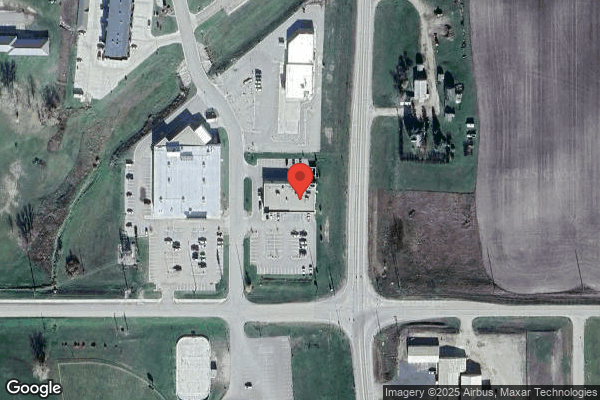

810 N WELO ST, TIOGA, ND 58852 (701) 664-3305
Non profit - Corporation 30 Beds Independent Data: November 2025
Trust Grade
28/100
#56 of 72 in ND
Last Inspection: March 2025

Within standard 12-15 month inspection cycle. Federal law requires annual inspections.

Overview

Tioga Medical Center LTC has received a Trust Grade of F, which indicates significant concerns about the quality of care provided. They rank #56 out of 72 facilities in North Dakota, placing them in the bottom half, and are the second of two facilities in Williams County, meaning only one local option is better. The facility's trend is stable, with six issues reported in both 2024 and 2025, but they have a concerning staffing turnover rate of 60%, significantly higher than the state average of 48%. While they have good staffing ratings with 4 out of 5 stars, they have less RN coverage than 95% of other facilities in North Dakota, which raises concerns about the level of oversight. Specific incidents include a resident suffering a fracture due to inadequate protection from physical abuse, and failures in accurately assessing and documenting residents' needs, which may affect their care plans. The facility also struggled to ensure appropriate care for a resident with edema, highlighting weaknesses in the implementation of care plans. While there are some strengths in staffing, the serious issues identified create a concerning picture for families considering this nursing home.

Trust Score
F
28/100
In North Dakota
#56/72
Bottom 23%
Safety Record
High Risk
Review needed
Inspections
Holding Steady
6 → 6 violations
Staff Stability
⚠ Watch
60% turnover. Above average. Higher turnover means staff may not know residents' routines.
Penalties
✓ Good
$17,550 in fines. Lower than most North Dakota facilities. Relatively clean record.
Skilled Nurses
✓ Good
Each resident gets 43 minutes of Registered Nurse (RN) attention daily — more than average for North Dakota. RNs are trained to catch health problems early.
Violations
⚠ Watch
16 deficiencies on record. Higher than average. Multiple issues found across inspections.
★★☆☆☆
2.0
Overall Rating
★★★★☆
4.0
Staff Levels
★★☆☆☆
2.0
Care Quality
★★☆☆☆
2.0
Inspection Score
Stable
2024: 6 issues
2025: 6 issues

The Good

  • 4-Star Staffing Rating · Above-average nurse staffing levels
  • Full Sprinkler Coverage · Fire safety systems throughout facility
  • No fines on record

Facility shows strength in staffing levels, fire safety.

The Bad

2-Star Overall Rating

Below North Dakota average (3.1)

Below average - review inspection findings carefully

Staff Turnover: 60%

14pts above North Dakota avg (46%)

Frequent staff changes - ask about care continuity

Federal Fines: $17,550

Below median ($33,413)

Minor penalties assessed

Staff turnover is elevated (60%)

12 points above North Dakota average of 48%

The Ugly 16 deficiencies on record

1 actual harm
Mar 2025 5 deficiencies
CONCERN (D)

Potential for Harm - no one hurt, but risky conditions existed

Quality of Care (Tag F0684)

Could have caused harm · This affected 1 resident

Based on observation, record review, and resident and staff interview, the facility failed to ensure appropriate care and services for 1 of 2 sampled residents (Resident #26) reviewed for edema (fluid...

Read full inspector narrative →
Based on observation, record review, and resident and staff interview, the facility failed to ensure appropriate care and services for 1 of 2 sampled residents (Resident #26) reviewed for edema (fluid retention). Failure to ensure consistent implementation and resident refusals of support stockings may result in worsening edema. Findings include: Review of Resident #26's medical record occurred on all days of survey and identified a diagnosis of congestive heart failure. A physician's order, dated 01/23/25, stated, Ted Hose [support stockings to control edema] on in the AM and Off at HS [bedtime] . for Edema. The current care plan stated, . I have a diagnosis of . congestive heart failure . edema . I will remain free of complications related to diagnosis through next review date. I would like staff to monitor for and document any edema and notify my provider as needed. A nursing progress note, dated 01/24/25 at 9:37 a.m., stated, . Does have edema noted to bilateral [both] lower legs at which time resident stated her legs feel itchy at those times . A provider progress note, dated 02/25/25, stated, . Doing ok. Also wondering if her LE [lower extremities] edema will ever resolve. Plan . 3. Regarding her edema - encouraged to elevate legs as much as possible. Observation on 03/10/25 at 10:56 a.m., showed Resident #26 seated in the recliner with her feet on the floor, visible swelling to both lower legs, and no support stockings present. The resident stated, I'm supposed to wear them [support stockings] but I refuse because they hurt. A note on the resident's dresser stated, Put your feet up when in your chair. The resident stated, I forget, when asked about elevating her feet. Observation on 03/11/25 at 7:47 a.m., showed Resident #26 seated on the toilet in the bathroom, dressed, visible swelling present, and without support stockings present. A certified nurse aide (CNA) (#4) stated, She refused to wear them [support stockings]. Review of Resident #26's medication administration record (MAR) dated March 10-11, 2025, showed the ted hose documented as applied on both days. During an interview on 03/11/25 at 4:50 p.m., an administrative nurse (#1) confirmed she expected the CNAs to inform the nurse if the resident refused to wear the ted hose, the nurse to visualize the ted hose are in place prior to documenting on the MAR, and document any refusals.
CONCERN (D)

Potential for Harm - no one hurt, but risky conditions existed

Medication Errors (Tag F0758)

Could have caused harm · This affected 1 resident

Based on record review, review of facility policy, and staff interview, the facility failed to ensure residents remained free from unnecessary psychotropic medications for 1 of 2 sampled residents (Re...

Read full inspector narrative →
Based on record review, review of facility policy, and staff interview, the facility failed to ensure residents remained free from unnecessary psychotropic medications for 1 of 2 sampled residents (Resident #12) reviewed for as needed (PRN) psychotropic medication use. Failure to limit PRN psychotropic medication use to 14 days unless re-evaluated by a practitioner placed the resident at risk of receiving unnecessary medications and experiencing adverse drug effects and consequences related to their use. Findings include: Review of the facility policy titled Use of Psychotropic Medication occurred on 03/12/25. This policy, dated February 2023, stated, . PRN orders for all psychotropic drugs shall be used . for a limited duration (i.e. 14 days) . If the . prescribing practitioner believes that it is appropriate for the PRN order to extend beyond 14 days, he or she shall document their rationale in the resident's medical record and indicate the duration for the PRN order. Review of Resident #12's medical record occurred on all days of survey. A current physician's order included Ativan (an antianxiety medication) 0.5 milligrams (mg) intramuscularly every six hours as needed for anxiety, with a start date of 06/26/24. The order lacked a stop date. The medical record lacked follow-up documentation from the provider since ordering the PRN medication and within the limited duration (14-day) period. During an interview on 03/12/25 at 11:25 a.m., an administrative nurse (#1) confirmed the facility failed to have the provider reevaluate the resident for further need of the antianxiety medication after 14 days.
CONCERN (D)

Potential for Harm - no one hurt, but risky conditions existed

Infection Control (Tag F0880)

Could have caused harm · This affected 1 resident

Based on observation, record review, policy review, and staff interview, the facility failed to follow standards of infection control and prevention for 2 of 2 sampled residents (Resident #3 and #26) ...

Read full inspector narrative →
Based on observation, record review, policy review, and staff interview, the facility failed to follow standards of infection control and prevention for 2 of 2 sampled residents (Resident #3 and #26) observed in enhanced barrier precautions (EBP). Failure to practice infection control standards related to EBP, catheter care, and hand hygiene has the potential to spread infection throughout the facility. Findings include: Review of the facility policy titled Enhanced Barrier Precautions occurred on 03/12/25. This policy, dated April 2024, stated, . an infection control intervention designed to reduce transmission of multidrug-resistant organisms that employs targeted gown and gloves use during high contact resident care activities. PPE [personal protective equipment] for enhanced barrier precautions is only necessary when performing high-contact care activities . High-contact resident care activities include: . dressing . providing hygiene . assisting with toileting . device care or use . Review of the facility policy titled Hand Hygiene occurred on 03/12/25. This policy, revised August 2022, stated, . All staff will perform proper hand hygiene procedures to prevent the spread of infection to other personnel, residents, patients, and visitors. 'Hand hygiene' is a general term for cleaning your hands . The use of gloves does not replace hand hygiene. If your task requires gloves, perform hand hygiene prior to donning gloves, and immediately after removing gloves. - Review of Resident #3's medical record occurred on all days of survey. The current care plan stated, . I require Enhanced Barrier Precautions (EBP) related to my suprapubic catheter . Observation on 03/10/25 at 10:44 a.m. showed an enhanced barrier precaution sign outside of Resident #3's room. Observation on 03/11/25 at 10:24 a.m. showed Resident #3 seated in a wheelchair in his room. The certified nurse aide (CNA) (#4) entered Resident #3's room wearing a gown and gloves. The CNA (#4) emptied the resident's catheter collection bag into a urinal, changed gloves without performing hand hygiene, placed a barrier on the resident's side table next to the resident's water glass, and placed the urinal containing urine on the barrier to read the measurement. The CNA (#4) emptied the urinal into the toilet, rinsed and stored the urinal, and changed gloves without performing hand hygiene. The CNA (#4) applied a gait belt to Resident #3 and assisted the resident to bed. The CNA removed her gloves, and without performing hand hygiene, covered the resident with a blanket and adjusted the side table. The CNA (#4) failed to perform hand hygiene when changing or removing gloves and touching other surfaces, and failed to follow infection control practices when emptying the catheter. - Review of Resident #26's medical record occurred on all days of survey. The current care plan stated, . I require Enhanced Barrier Precautions (EBP) related to my Jackson Pratt (JP) Drain [a closed-suction medical device used to collect fluids from surgical sites] . Observation on 03/10/25 at 10:56 a.m. showed an enhanced barrier precautions sign outside Resident #26's room. Observation on 03/11/25 at 7:47 a.m. showed Resident #26 seated on the toilet, a JP drain present, and the CNA (#4) wore gloves and performed perineal cares. After cares, the CNA removed her gloves and adjusted the resident's brief and pants. Observation on 03/11/25 at 10:55 a.m. showed Resident #26 seated in the recliner. A nurse (#5) washed her hands, donned gloves, and emptied the resident's JP drain. The CNA (#4) and the nurse (#5) failed to don a gown when performing high-contact resident care activities. During an interview on 03/12/25 at 8:40 a.m., an administrative nurse (#3) confirmed she expected staff to wear proper PPE when performing high-contact resident care activities, perform hand hygiene when removing gloves and before applying new gloves, and follow proper infection control techniques when emptying a catheter.
CONCERN (E)

Potential for Harm - no one hurt, but risky conditions existed

Assessment Accuracy (Tag F0641)

Could have caused harm · This affected multiple residents

**NOTE- TERMS IN BRACKETS HAVE BEEN EDITED TO PROTECT CONFIDENTIALITY** Based on record review, review of the Long-Term Care Facility Resident Assessment Instrument (RAI) 3.0 User's Manual (Version 1....

Read full inspector narrative →
**NOTE- TERMS IN BRACKETS HAVE BEEN EDITED TO PROTECT CONFIDENTIALITY** Based on record review, review of the Long-Term Care Facility Resident Assessment Instrument (RAI) 3.0 User's Manual (Version 1.19.1), and staff interview, the facility failed to ensure accurate coding of the Minimum Data Set (MDS) for 5 of 12 sampled residents (Resident #3, #8, #9, #17 and #20) and one supplemental resident (Resident #6). Failure to accurately complete the MDS does not allow each resident's assessment to reflect their current status/needs and may affect the accurate development of a comprehensive care plan and the care provided to the residents. Findings include: SECTION H: BLADDER AND BOWEL The Long-Term Care Facility RAI User's Manual, revised October 2024, page H-6, stated, . H0200: Urinary Toileting Program . Steps for assessment: H200C, Current Toileting Program . 1. Review the medical record for evidence of a toileting program being used to manage incontinence during the 7-day look-back period. Note the number of days during the look-back period that the toileting program was implemented or carried out. Coding Instructions . Code 1, yes: for residents who are being managed during 4 or more days of the 7-day look-back period, with some type of systematic toileting program (i.e., bladder rehabilitation/bladder retraining, prompted voiding, habit training/scheduled voiding). - Review of Resident #9's medical record occurred on all days of survey. An annual MDS, dated [DATE], showed facility staff coded H200C 1, indicating a daily toileting program. The medical record lacked evidence of an individualized/resident-centered toileting program. - Review of Resident #20's medical record occurred on all days of survey. A quarterly MDS, dated [DATE], showed facility staff coded H200C 1, indicating a daily toileting program. The medical record lacked evidence of an individualized/resident-centered toileting program. During an interview on 03/12/25 at 1:15 p.m., an administrative staff member (#2) confirmed Residents #9 and #20 did not have an individualized/resident-centered toileting program. SECTION P: RESTRAINTS AND ALARMS The Long-Term Care Facility RAI User's Manual, revised October 2024, pages P1-5, stated, . PHYSICAL RESTRAINTS: Any manual method or physical or mechanical device, material or equipment attached or adjacent to the resident's body that the individual cannot remove easily, which restricts freedom of movement or normal access to one's body. P0100: Physical Restraints . Coding Instructions: . After determining whether or not an item . is a physical restraint and was used during the 7-day look-back period, code the frequency of use: Code 0, not used: if the item was not used during the 7-day look-back or it was used but did not meet the definition. Code 2, used daily: if the item met the definition and was used on a daily basis during the look-back period. - Review of Resident #3's medical record occurred on all days of survey. A Bed Rail Assessment, dated 02/05/25, stated, . Would the side rail be considered a restraint? . 'No.' If no the side rails do not meet the definition of a restraint for this resident. A quarterly MDS, dated [DATE], showed facility staff coded section P0100A, bed rail as 2 used daily. - Review of Resident #17's medical record occurred on all days of survey. A Bed Rail Assessment, dated 02/05/25, stated, . Would the side rail be considered a restraint? . 'No.' If no the side rails do not meet the definition of a restraint for this resident. A quarterly assessment MDS, dated [DATE], showed facility staff coded section P0100A, bed rail as 2 used daily. During an interview on 03/12/25 at 1:15 p.m., an administrative staff member (#2) confirmed bed rails were not a restraint for Residents #3 and #17 and staff failed to code the quarterly MDSs correctly. The Long-Term Care Facility RAI User's Manual, revised October 2024, pages P-9 through P-11 stated, An alarm is any physical or electronic device that monitors resident movement and alerts the staff when movement is detected. Code 2, used daily: if the device was used daily during the look-back period [seven days]. Other alarm includes devices, such as alarms on the resident's bathroom and/or bedroom door, toilet seat alarms or seatbelt alarms. - Review of Resident #6's medical record occurred on all days of survey. A significant change assessment MDS, dated [DATE], showed the facility coded other alarm used daily. The record lacked evidence the resident used an alarm the RAI manual defined as other. - Review of Resident #8's medical record occurred on all days of survey. A significant change assessment MDS, dated [DATE], showed the facility coded other alarm used daily. The record lacked evidence the resident used an alarm the RAI manual defined as other. - Review of Resident #20's medical record occurred on all days of survey. A quarterly MDS, dated [DATE], showed the facility coded other alarm used daily. The record lacked evidence the resident used an alarm the RAI manual defined as other. During an interview on 03/12/25 at 9:55 a.m., an administrative staff member (#2) confirmed, the facility staff coded the facility's exit doors as the other alarm and verified the MDSs for Residents #6, #8 and #20 were coded incorrectly.
MINOR (C)

Minor Issue - procedural, no safety impact

Staffing Information (Tag F0732)

Minor procedural issue · This affected most or all residents

Based on observation, record review, facility policy, and staff interview, the facility failed to ensure posting of staff information on 2 of 3 days of survey (March 10-11, 2025). Failure to post staf...

Read full inspector narrative →
Based on observation, record review, facility policy, and staff interview, the facility failed to ensure posting of staff information on 2 of 3 days of survey (March 10-11, 2025). Failure to post staffing data does not allow residents and visitors information related to the number of licensed and unlicensed staff on duty each shift. Findings include: Review of the facility policy titled Nurse Staffing Posting Information dated 10/01/24, stated, . The Nurse Staffing Sheet will be posted on a daily basis . The facility will post the Nurse Staffing Sheet at the beginning of each shift. Nursing schedules and posting information will be maintained in the Human Resources Department for review. Observation on all days of survey showed a Nurse Staffing Posting Information form posted on a board in the hall by the residents' dining room. Review of the staffing form on 03/10/25 and 03/11/25 showed the staffing form dated 03/07/25. The facility failed to post a current staffing form for March 10th and 11th, 2025. Review of previous staff posting identified staff failed to complete the staffing form for March 8-11, 2025. During an interview on 03/12/25 at 9:51 a.m., an administrative nurse (#1) stated the night shift is responsible for staff posting, and confirmed the it had not been completed for March 8-11, 2025.
Feb 2025 1 deficiency 1 Harm
SERIOUS (G) 📢 Someone Reported This

A family member, employee, or ombudsman was alarmed enough to file a formal complaint

Actual Harm - a resident was hurt due to facility failures

Free from Abuse/Neglect (Tag F0600)

A resident was harmed · This affected 1 resident

Based on review of the facility reported incident (FRI), policy review, and staff interview, the facility failed to protect a resident's right to be free from physical abuse for 1 of 2 sampled residen...

Read full inspector narrative →
Based on review of the facility reported incident (FRI), policy review, and staff interview, the facility failed to protect a resident's right to be free from physical abuse for 1 of 2 sampled residents (Resident #1) who sustained a fracture. Failure to ensure an environment free from abuse resulted in a fracture to Resident #1 and placed all residents at risk for abuse, fear, and anxiety. Findings include: Review of the facility policy titled Abuse, Neglect, and Exploitation occurred on 02/11/25. This policy, dated June 2021, stated, . Resident to Resident Altercations . Residents who are abusive to other residents must be monitored . Documentation must be in place to identify steps taken . the corrective action taken, and follow-up monitoring . 6. Prevention of Abuse . b. Observe residents behavior and their reactions to other residents . Identify areas of the . environment that may make abuse . more likely to occur, such as secluded areas. Review of the initial FRI occurred on all days of survey and identified an altercation between Residents #1 and #2 which resulted in a fall and hip fracture for Resident #1 on 02/08/25. Review of Resident #1's medical record occurred on 02/11/25. Diagnoses included dementia and anxiety. The care plan, updated 01/14/25, stated, . I have a history of aggressive behavior towards other residents . ensure that I am monitored while around other residents. I will need redirection when I target another resident. I sit at the table closest to the dining room entry. Review of Resident #1's progress notes stated the following: * 01/12/25 at 5:25 p.m., . 1545 [3:45 p.m.] a family member came to notify this nurse that 2 residents were arguing in the dining room. This nurse went to investigate and found [Resident #1] pinned between the wall and the other resident's walker . There were no injuries sustained . All witnesses state. [Resident #1] came into the dining room . yelling and cursing directed towards another resident. [Resident #1] . took the bottles of hand sanitizer . and threw it [sic]. She then was bumping [Resident #2] with a chair. [Resident #2] . started pushing [Resident #1] around the dining room with his walker. He . pinned her between the wall and his walker. He was upset with her and verbally saying things to her as to how she was acting. [Resident #2] was escorted out of the dining room. * 02/08/25 at 8:30 p.m., . CNA [certified nurse aide] reports to nurse . Resident is on the floor in the dining room . nurse . responds to dining room to find resident . on the floor sitting up. She [Resident #1] is reporting 'he [Resident #2] pushed me' . This altercation was . witnessed by other residents. Other residents reported that she came into the dining room looking for her grandson, she had gone up to resident [Resident #2] . grabbed his wheelchair and opened up the seat, when he [Resident #2] stated, 'get out of my stuff' It was reported that resident than [sic] walked up to [Resident #2] and pushed him twice in the chest, leading him to push the resident. Resident . is sitting on the floor stating her leg hurts . She states 'ouch' and rubs her left thigh. * 02/08/25 at 8:37 p.m., . addendum: Event occurred at 1830 [6:30 p.m.] 02/08/25. Review of Resident #2's medical record occurred on 02/11/25. Diagnoses included anxiety disorder and dementia. The care plan, updated 01/14/25, stated, . monitor me for agitation when around other residents and provide redirection as needed. I sit at the table farthest away from the dining room entry near TV [television]. Review of Resident #2's progress notes stated the following: * 02/08/25 at 6:30 p.m., . Resident sitting at his table in dining room with two other residents and a resident from the independent living. CNA informs this nurse that another resident [Resident #1] is on the floor. This event was not witnessed by staff, but was witnessed by other residents. This nurse. responds to dining room. [Resident #2] reports he pushed resident [Resident #1] down because she opened his walker when he told her not to touch it the resident [Resident #1] had pushed his chest two times and [Resident #2] pushed her to the floor. [Resident #2] continues to tell resident to shut up, your [sic] faking it, your [sic] not really hurt you liar. During an interview on 02/10/25 at 5:10 p.m., an adminstrative nurse (#1) stated after the incident on 01/12/25, the facility changed the seating arrangments in the dining room and educated staff on the behaviors between Resident #1 and #2 and to redirect them as necessary. During an interview on 02/11/25 at 11:20 a.m., an administrative nurse (#1) stated facility staff were not present in the dining room at the time of the incident on 02/08/25. During an interview on 02/11/25 at 1:00 p.m., an administrative nurse (#1) stated staff received verbal education related to the plan of action for Resident #1 and #2 which included seating them at opposite sides of the dining room, observe and provide redirection when in close proximity of each other or when they target another resident, and at least one staff member in the dining room when residents are there.
Feb 2024 6 deficiencies
CONCERN (D)

Potential for Harm - no one hurt, but risky conditions existed

Report Alleged Abuse (Tag F0609)

Could have caused harm · This affected 1 resident

Based on record review, review of facility policy, and staff interview, the facility failed to investigate and report to the State Survey Agency (SSA) potential incidents of abuse/neglect for 1 of 1 s...

Read full inspector narrative →
Based on record review, review of facility policy, and staff interview, the facility failed to investigate and report to the State Survey Agency (SSA) potential incidents of abuse/neglect for 1 of 1 sampled resident (Resident #26) who experienced a major injury. Failure to investigate and report allegations of potential abuse/neglect to the SSA places all residents at risk of potential abuse/neglect. Findings include: Review of the facility policy titled Abuse, Neglect and Exploitation occurred on 01/31/24. This policy, dated January 2021, stated, . It is the policy of this facility to report all allegations of abuse/neglect/exploitation . including injuries of unknown sources . immediately to . appropriate agencies in accordance with state and federal regulations within prescribed timeframes. Immediately: Means as soon as possible . not later than 2 hours after . events that cause the allegation involve or result in serious bodily injury, or not later than 24 hours if the events that cause the allegation do not involve abuse . Injuries of unknown source: . injury was not observed by any person, or the source of injury could not be explained by the resident; and the injury is suspicious because of the extent of the injury. Review of Resident #26's medical record occurred on 01/29/24. Nurses' notes identified the following: * 01/10/24 6:20 a.m., the CNA [certified nurse aide] heard a loud thud sound in the resident's room and saw the resident on the floor lying on his right side near the drawer of his roommate. This nurse hurriedly assessed the resident and, he was alert with memory lapses and some confusion wherein he couldn't recognize nurse [nurse name] whom he usually knows. Bump was noted on back of his head on the right side, wound abrasion noted on tip of his nose. The resident complained of headache, nausea, and vomiting. head CT [computed tomography] scan result showed bilateral subarachnoid hemorrhage (heavy discharge of blood from the blood vessels) along frontal and temporal lobe. The record lacked evidence the above incident was reported to the SSA as possible abuse/neglect. During an interview on the morning of 02/01/24, two nurses (#1 and #2) confirmed the fall was unwitnessed and the resident appeared to be confused about what had happened. The nurse (#1 and #2) confirmed the facility failed to report the above incident to the SSA.
CONCERN (D)

Potential for Harm - no one hurt, but risky conditions existed

Assessment Accuracy (Tag F0641)

Could have caused harm · This affected 1 resident

**NOTE- TERMS IN BRACKETS HAVE BEEN EDITED TO PROTECT CONFIDENTIALITY** Based on record review, review of the Long-Term Care Facility Resident Assessment Instrument (RAI) 3.0 User's Manual (Version 1....

Read full inspector narrative →
**NOTE- TERMS IN BRACKETS HAVE BEEN EDITED TO PROTECT CONFIDENTIALITY** Based on record review, review of the Long-Term Care Facility Resident Assessment Instrument (RAI) 3.0 User's Manual (Version 1.18.11), and staff interview, the facility failed to ensure accurate coding of the Minimum Data Set (MDS) for 1 of 11 sampled residents (Resident #5). Failure to accurately complete the MDS does not allow each resident's assessment to reflect their current status/needs and may affect the development of a comprehensive care plan and the care provided to the residents. Findings include: The Long-Term Care Facility RAI User's Manual, revised October 2023, Section K: Swallowing/Nutritional Status, pages K-3 through K-6, stated, . K0200A: Weight: 1. Base weight on the most recent measure in the last 30 days. K0300: Weight Loss . Coding Instructions . Code 1, yes on physician-prescribed weight-loss regimen: if the resident has experienced a weight loss of 5% or more in the past 30 days or 10% or more in the last 180 days, and the weight loss was planned and pursuant to a physician's order. Code 2, yes, not on physician-prescribed weight-loss regimen: if . the weight loss was not planned and prescribed by a physician. Review of Resident #5's medical record occurred on all days of survey. A quarterly MDS, dated [DATE], identified a weight of 143 pounds and no weight loss. Weights recorded by staff included: 06/01/23 = 151.0 pounds (lbs) 09/01/23 = 145.4 lbs 11/27/23 = 134.3 lbs On 11/27/23, these weights reflected a 7.6% weight loss over 3 months and a 11.1% loss over 6 months. During an interview on 01/31/24 at 10:00 a.m., a dietary manager (#3) confirmed staff entered Resident #5's weight incorrectly on the 12/05/23 MDS and failed to code Section K as weight loss.
CONCERN (D)

Potential for Harm - no one hurt, but risky conditions existed

PASARR Coordination (Tag F0644)

Could have caused harm · This affected 1 resident

Based on record review, review of the North Dakota Provider Manual for Preadmission Screening and Resident Review (PASRR) and Level of Care Screening Procedures for Long Term Care Services, and staff ...

Read full inspector narrative →
Based on record review, review of the North Dakota Provider Manual for Preadmission Screening and Resident Review (PASRR) and Level of Care Screening Procedures for Long Term Care Services, and staff interview, the facility failed to complete a status change assessment for 1 of 4 sampled residents (Resident #13) reviewed for PASRR. Failure to complete a change in status assessment with a newly diagnosed mental illness and/or change in treatment may result in the delivery of care and services that are inconsistent with residents' needs. Findings include: The North Dakota PASRR Provider Manual, revised December 2020, page 13, states, . Change in Status Process: Whenever the following events occur, nursing facility staff must contact [the contracted agency] to update the Level I screen for determination of whether a first time or updated Level II evaluation must be performed. These situations suggest that a significant change in status has occurred: . If an individual with MI, ID, and/or RC [mental illness, intellectual disability, and conditions related to intellectual disability (referred to in regulatory language as related conditions or RC)] was not identified at the Level I screen process, and that condition later emerged or was discovered. Review of Resident #13's medical record occurred on all days of survey. A PASRR Level I screen, dated 02/25/21, included a mental health diagnoses of major depression. The outcome by the contracted agency, dated 03/1/21, stated, . A level II evaluation is not required, this level 1 is approved with a level 1 negative outcome. If changes occur or new information refutes these findings, a new screen must be submitted. A psychiatry note, dated 07/07/23, stated, . behaviors have improved with risperidone [antipsychotic] - accusing people of people stealing from him - other concerns toward his in-laws. once you get on [name of Resident #13]'s bad side - he really becomes very paranoid - and he does not forget. AXIS 1: F20.9 [diagnosis code for schizophrenia] . A physician's progress note, dated 7/13/23, stated, . was begun on risperidone in addition to his zoloft [antidepressant] . dx [diagnosis] . schizophrenia, unspecified. plan . we will follow his response to the risperidone for his behaviors. The medical record lacked evidence of an updated Level I screen with the new diagnosis of schizophrenia and an antipsychotic medication. During an interview on 02/01/24 at 10:00 a.m., a social worker (#4) agreed a new diagnosis of schizophrenia required submission of an updated Level I screen and confirmed the facility failed to complete a change in status Level I screen for Resident #13.
CONCERN (D)

Potential for Harm - no one hurt, but risky conditions existed

Accident Prevention (Tag F0689)

Could have caused harm · This affected 1 resident

Based on observation, record review, review of facility policy, and resident and staff interview, the facility failed to provide appropriate assistance and assistive devices for 1 of 4 sampled residen...

Read full inspector narrative →
Based on observation, record review, review of facility policy, and resident and staff interview, the facility failed to provide appropriate assistance and assistive devices for 1 of 4 sampled residents (Resident #3) observed during a transfer. Failure to use a gait belt and provide appropriate assistance during a pivot transfer places the resident and staff at risk for accidents, falls, and/or injuries. Findings include: Review of the facility policy titled Transfer/Gait Belts occurred on 01/31/24. This policy, dated November 2015, stated, . Staff transferring residents will properly apply and use a transfer/gait belt . transferring residents whose . balance is impaired . strength is decreased . Review of Resident #26's medical record occurred on all days of survey. The current care plan stated, . Limited assist/one-person physical assist. Resident transfers with assistance but is unable to walk. Can stand well enough to transfer. A progress note, dated 11/28/2023 at 4:14 p.m., stated, . one person stand by assist for transfers with gait belt. Observation on 01/29/24 04:02 p.m. showed a certified nurse aide (CNA) (#5) assisted Resident #3 to a standing position from the edge of the bed by lifting under the left arm. The resident's left arm stayed next to his body and tremored while he pivoted to the right without assistance from the CNA. The CNA failed to apply a gait belt before assisting with the transfer. During an interview on 01/30/24 at 6:00 p.m., Resident #3 confirmed his left arm weakness. During an interview on the morning of 02/01/24, an administrative nurse (#1) stated she expected staff to transfer Resident #3 with a gait belt and not lift under his arm.
CONCERN (D)

Potential for Harm - no one hurt, but risky conditions existed

Deficiency F0761 (Tag F0761)

Could have caused harm · This affected 1 resident

Based on observation, review of facility policy, and staff interview, the facility failed to ensure safe and secure storage of controlled medications for 1 of 1 medication cart. Failure to store medic...

Read full inspector narrative →
Based on observation, review of facility policy, and staff interview, the facility failed to ensure safe and secure storage of controlled medications for 1 of 1 medication cart. Failure to store medications securely may result in unauthorized access to medications. Findings include: Review of the facility policy titled Medication Storage occurred on 02/01/24. This policy dated January 2020, stated, . Schedule II drugs and back up stock for III, IV, and V medications are stored under double-lock and key. This policy failed to address the requirement of controlled medications II-V needing to be locked in a permanently affixed compartment within the medication cart. Observation of the medication cart with a nurse (#2) occurred on 02/01/24 at 11:10 a.m. and showed a bottle of gabapentin (nerve pain medication) for Resident #13 stored with non-controlled medications and not double locked. The nurse (#2) stated, I was unaware this needed to be locked. During an interview on the morning of 02/01/24, an administrative nurse (#1) confirmed staff failed to double lock the controlled medication.
CONCERN (D)

Potential for Harm - no one hurt, but risky conditions existed

Infection Control (Tag F0880)

Could have caused harm · This affected 1 resident

Based on observation, review of facility policy, and staff interview, the facility failed to follow standards of infection control for 1 of 7 sampled residents (Resident #26) observed during toileting...

Read full inspector narrative →
Based on observation, review of facility policy, and staff interview, the facility failed to follow standards of infection control for 1 of 7 sampled residents (Resident #26) observed during toileting cares. Failure to follow infection control standards has the potential to transmit infections to residents, staff, and visitors. Findings include: Review of the policy/procedure titled Hand Hygiene occurred on 02/01/24. This policy, dated January 2022, stated, . Hand hygiene is indicated and will be performed. After assistance with personal body functions . Observation on 01/29/24 at 2:49 p.m. showed two certified nurse aides (CNAs) (#5 and #6) transferred Resident #26 onto the toilet. The CNA (#5) donned gloves and performed perineal cares. Without removing the soiled gloves, the CNA (#5) transferred Resident #26 to bed, adjusted the resident in bed, moved the resident's bedside table, closed an open bag of chips, moved the resident's water, and adjusted the resident's call light pendant. The CNA (#5) then removed the soiled gloves and performed hand hygiene. The CNA (#5) failed to remove gloves and perform hand hygiene after perineal cares and before assisting the resident with other tasks. During an interview on the morning of 02/01/24, an administrative nurse (#1) stated she expected staff to remove gloves after personal cares and perform hand hygiene.
Jan 2023 4 deficiencies
CONCERN (D)

Potential for Harm - no one hurt, but risky conditions existed

Deficiency F0657 (Tag F0657)

Could have caused harm · This affected 1 resident

THIS IS A REPEAT DEFICIENCY FROM THE SURVEY COMPLETED ON 08/11/21 Based on observation, record review, review of facility policy, and staff interview, the facility failed to review and revise comprehe...

Read full inspector narrative →
THIS IS A REPEAT DEFICIENCY FROM THE SURVEY COMPLETED ON 08/11/21 Based on observation, record review, review of facility policy, and staff interview, the facility failed to review and revise comprehensive care plans to reflect the residents' current status for 3 of 13 sampled residents (Resident #9, #11, and #226). Failure to review/revise the care plans to reflect residents' current status limited the staff's ability to communicate needs and ensure continuity of care for each resident. Findings include: Review of the facility policy and procedure title Multidisciplinary Care Plan occurred on 01/12/23. This policy, dated August 2003, stated, An interdisciplinary team . will develop a comprehensive care plan for each resident that includes measurable objectives and timetables to meet a resident's medical, nursing, and mental and psychosocial needs that are identified in the comprehensive assessment. Assessment and care plan evaluation must be ongoing. Monitor the resident's response to care and adjust the care plan accordingly. The care plan team/staff should attempt to manage risk factors whenever possible. Nursing staff will be [sic] review individual care plans at least monthly. - Observations of care for Resident #9 showed the following: * 01/09/23 at 3:11 p.m. showed two certified nursing assistants (CNAs) (#3 and #4) transferred Resident #9 from the bed to the bathroom with the mechanical sit to stand lift. * 01/10/23 at 7:46 a.m. showed a CNA (#2) transferred Resident #9 from the wheelchair to the bathroom with a gait belt and assist of one. Review of Resident #9's medical record occurred on all days of survey and included diagnoses of Dementia and weakness. The current care plan stated, . Transfers assist of two and standing lift, due to knee weakness . 1-2 person pivot as knee can tolerate . During an interview on 01/11/22 at 4:30 p.m., a nurse manager (#1) stated CNAs would decide if Resident #9 felt comfortable to pivot transfer. - Observation on 01/10/23 at 11:06 a.m. showed two CNAs (#5 and #6) transfer Resident #226 utilizing a full body mechanical lift. Review of Resident #226's medical record occurred on all days of survey and included a diagnoses of Dementia. The current care plan stated, . May use a Hoyer lift and the assistance of two for transfer, but at times is able to transfer with the assist of two and a gait belt. The care plans lacked clear direction for resident transfers. During an interview on 01/11/23 at 5:10 p.m., a nurse manager (#1) stated the CNAs would make the decision of how to transfer Residents #9 and #226, because the nurse is usually busy. The manager agreed a nurse should make the assessment not a CNA, and the care plan needed updating to reflect this. - Review of Resident #11's medical record occurred on all days of survey. Diagnoses included heart disease, weakness, and repeated falls. The physician's orders included Eliquis (an anticoagulant) 2.5 milligrams twice a day. The care plan lacked a problem, goals, and interventions related to use of an anticoagulant. During an interview on 01/12/23 8:30 a.m., a nurse manager (#1) stated she would expect anticoagulant use addressed in Resident #11's care plan.
CONCERN (D) 📢 Someone Reported This

A family member, employee, or ombudsman was alarmed enough to file a formal complaint

Potential for Harm - no one hurt, but risky conditions existed

Accident Prevention (Tag F0689)

Could have caused harm · This affected 1 resident

Based on observation, record review, professional reference, and staff interview, the facility failed to provide appropriate supervision by a licensed nurse to prevent accidents for 2 of 2 residents (...

Read full inspector narrative →
Based on observation, record review, professional reference, and staff interview, the facility failed to provide appropriate supervision by a licensed nurse to prevent accidents for 2 of 2 residents (Resident #9 and #226) who had two different transfer modes noted on their care plan. Failure to provide supervision of certified nurse aides by a licensed nurse regarding resident transfer modes may result in resident falls and/or injury. Findings include: Review of the North Dakota Administrative Code (NDAC) online at www.ndlegis.gov/information/acdata/pdf/54-05-02.pdf stated, . Standards related to registered nurse scope of practice. Develop a plan of care based on nursing assessment and diagnoses that prescribe interventions to attain expected outcomes. 5. Revise nursing interventions consistent with the client's overall health care plan. Review of the NDAC online at www.ndlegis.gov/information/acdata/pdf/33-43-01.pdf stated, . 33-43-01-12. Supervision and delegation of nursing interventions. An individual on the department's nurse aide registry [CNA] may perform nursing interventions which have been delegated and supervised by a licensed nurse. - Observations of care for Resident #9 showed the following: * 01/09/23 at 3:11 p.m. showed two CNAs (#3 and #4) transferred Resident #9 from the bed to the bathroom with the mechanical sit to stand lift. * 01/10/23 at 7:46 a.m. showed a CNA (#2) transferred Resident #9 from the wheelchair to the bathroom with a gait belt and assist of one. Review of Resident #9's medical record occurred on all days of survey and included diagnoses of Dementia and weakness. The current care plan stated, . Transfers assist of two and standing lift, due to knee weakness . 1-2 person pivot as knee can tolerate . During an interview on 01/11/22 at 4:30 p.m., a nurse manager (#1) stated CNAs would decide if Resident #9 felt comfortable to pivot transfer. - Observation on 01/10/23 at 11:06 a.m. showed two CNAs (#5 and #6) transfer Resident #226 utilizing a full body mechanical lift. Review of Resident #226's medical record occurred on all days of survey and included a diagnosis of Dementia. The current care plan stated, . May use a Hoyer [full body] lift and the assistance of two for transfer, but at times is able to transfer with the assist of two and a gait belt. The care plans lacked clear direction for CNAs during resident transfers without first requiring a licensed nurse assessment. During an interview on 01/11/23 at 5:10 p.m., a nurse manager (#1) stated the CNAs would make the decision of how to transfer Residents #9 and #226, because the nurse is usually busy. The manager agreed a nurse should make the assessment not a CNA.
CONCERN (D)

Potential for Harm - no one hurt, but risky conditions existed

Deficiency F0757 (Tag F0757)

Could have caused harm · This affected 1 resident

**NOTE- TERMS IN BRACKETS HAVE BEEN EDITED TO PROTECT CONFIDENTIALITY** Based on record review, review of facility policy, review of professional reference, and staff interview, the facility failed to...

Read full inspector narrative →
**NOTE- TERMS IN BRACKETS HAVE BEEN EDITED TO PROTECT CONFIDENTIALITY** Based on record review, review of facility policy, review of professional reference, and staff interview, the facility failed to ensure resident's medication regimens were free of unnecessary medications for 2 of 5 sampled residents (#2 and #19) reviewed. Failure to monitor the resident's laboratory values may result in residents experiencing adverse consequences related to the medication and result in the resident receiving an unnecessary medication. Findings include: Review of the facility policy titled Medication Regimen Review occurred on 01/12/23. This policy, dated June 2017, stated, . Medication Regime Review (MRR) is a thorough evaluation of the medication regimen of a resident with the goal of promoting positive outcomes and minimizing adverse consequences associated with medication. Each residents' drug regimen remains free of unnecessary drugs. An unnecessary drug is any drug when used: . Without adequate monitoring. Prescriber's Digital Reference at https://www.pdr.net/drug-summary, accessed 01/19/23, stated, . Geriatric patients . are more likely to have reduced valproic acid clearance and higher serum concentrations of free valproic acid. The geriatric patient may require initial dosing reductions or close monitoring of serum concentrations . Hematologic effects including leukopenia, neutropenia, and agranulocytosis [low white blood cells] have been associated with antipsychotic use. may cause metabolic changes. Increased blood sugar, dyslipidemia (increased cholesterol and/or triglycerides) . Clinical monitoring of . serum [blood] lipid [fatty acid] profiles is recommended during aripiprazole [antipsychotic] treatment. Loop diuretics [furosemide] may induce metabolic alkalosis associated with hypokalemia [low potassium levels] and hypochloremia [low chloride levels] . Serum electrolytes . should be monitored frequently during furosemide therapy. Thiazides [diuretic] may also worsen dilutional hyponatremia [low sodium level], especially in elderly individuals. Patients receiving diuretics should be monitored for clinical signs of acid/base, fluid, or electrolyte imbalances. - Review of Resident #2's medical record occurred on all days of survey. Diagnoses included Dementia and Bipolar Disorder. A significant change Minimum Data Set (MDS), dated [DATE], identified seven days of diuretic use, and seven days of antipsychotic use. Current physician's orders identified: * 10/01/21 Depakote ER (extended release) (valproic acid) 250 mg (milligrams) 1 tablet daily (seizure medication used for mood stabilization) * 12/09/22 Abilify (aripiprazole)10 mg 1 tablet at HS (bedtime) (antipsychotic medication) * 06/03/20 Potassium Cl ER 20 MEQ (milliequivalent) tablet BID (two times a day) (potassium supplement) * 06/03/20 Furosemide 20 mg daily (loop diuretic medication) Resident #2's medical record showed monthly pharmacist reviews with no recommendations made and lacked physician's orders for monitoring of laboratory values since 01/19/22. - Review of Resident #19's medical record occurred on all days of survey. Diagnoses included Dementia, Hypertension and Anxiety. A quarterly MDS, dated [DATE], identified seven days of diuretic use. Current physician's orders identified: * 10/03/22 Hydrochlorothiazide 12.5 mg daily (thiazide diuretic medication) this was a change from Benazapril-HCTZ 20-12.5 mg daily (a combination antihypertensive/thiazide diuretic medication) on 04/02/22. Resident #19's medical record showed monthly pharmacist reviews with no recommendations made and lacked physician orders for laboratory value monitoring since 12/28/21, prior to resident admission on [DATE]. During an interview on 01/11/23 at 10:15 a.m., a nurse manager (#1) confirmed the pharmacist reviewed the medications monthly and failed to recommend lab monitoring for Resident #2 and #19. The nurse manager also confirmed both resident record lacked physician's orders for laboratory value monitoring.
CONCERN (D)

Potential for Harm - no one hurt, but risky conditions existed

Medication Errors (Tag F0758)

Could have caused harm · This affected 1 resident

**NOTE- TERMS IN BRACKETS HAVE BEEN EDITED TO PROTECT CONFIDENTIALITY** Based on record review, review of facility policy, and staff interview, the facility failed to ensure residents who use psychotr...

Read full inspector narrative →
**NOTE- TERMS IN BRACKETS HAVE BEEN EDITED TO PROTECT CONFIDENTIALITY** Based on record review, review of facility policy, and staff interview, the facility failed to ensure residents who use psychotropic medications receive gradual dose reductions (GDRs), unless clinically contraindicated, for 1 of 5 sampled residents (Resident #2) reviewed for psychotropic medication. Failure to attempt a GDR, or document the reason a GDR is clinically contraindicated, placed residents at risk for receiving unnecessary medications and experiencing adverse consequences. Findings include: Review of the facility policy titled Use of Psychoactive Medication occurred 01/12/23. This policy, dated June 2017, stated, . Patients/residents on antipsychotic medication will have a gradual dose reduction or drug holiday attempted twice in a 12-month period, unless medication documentation shows such an attempt would be harmful to the patient/resident. All patient/residents on psychoactive medications will undergo a gradual dose reduction or drug holiday at least once every four months unless medically contraindicated as documented in the clinical record. Gradual dose reduction should be attempted before concluding that a gradual dose reduction is clinically contraindicated. If the gradual dose reduction is causing adverse effects, it is discontinued. Documentation of the decision and reason should be included in the medical record. Review of Resident #2's medical record occurred on all days of survey. Diagnoses included Dementia, Bipolar Disorder and Depression. A significant change Minimum Data Set (MDS) dated [DATE], identified seven days of antipsychotic and antidepressant medications used. Current medication orders identified: * 10/01/21 Depakote ER (extended release) 250 mg (milligrams) for dementia with behaviors * 12/09/22 Abilify (an antipsychotic medication) 10 mg for depression with behaviors, increased from a dose of 5 mg started on 10/01/21. * 08/14/20 Escitalopram (an antidepressant medication) 30 mg for depression Resident #2's medical record lacked evidence of a GDR or documentation for clinical contraindication for the Depakote ER, Abilify, or Escitalopram at any time the medications were prescribed. During an interview on 01/11/23 at 10:15 a.m., a nurse manager (#1) confirmed the facility failed to perform GDRs for Resident #2's psychoactive medications.
Understanding Severity Codes (click to expand)
Life-Threatening (Immediate Jeopardy)
J - Isolated K - Pattern L - Widespread
Actual Harm
G - Isolated H - Pattern I - Widespread
Potential for Harm
D - Isolated E - Pattern F - Widespread
No Harm (Minor)
A - Isolated B - Pattern C - Widespread

Questions to Ask on Your Visit

  • "What safeguards are in place to prevent abuse and neglect?"
  • "Why is there high staff turnover? How do you retain staff?"
  • "Can I speak with families of current residents?"
  • "What's your RN coverage like on weekends and overnight?"

Our Honest Assessment

Strengths
  • • Licensed and certified facility. Meets minimum state requirements.
Concerns
  • • Multiple safety concerns identified: Federal abuse finding, 1 harm violation(s). Review inspection reports carefully.
  • • 16 deficiencies on record, including 1 serious (caused harm) violation. Ask about corrective actions taken.
  • • $17,550 in fines. Above average for North Dakota. Some compliance problems on record.
  • • Grade F (28/100). Below average facility with significant concerns.
Bottom line: This facility has a substantiated abuse finding. Extreme caution advised. Explore alternatives.

About This Facility

What is Tioga Medical Center Ltc's CMS Rating?

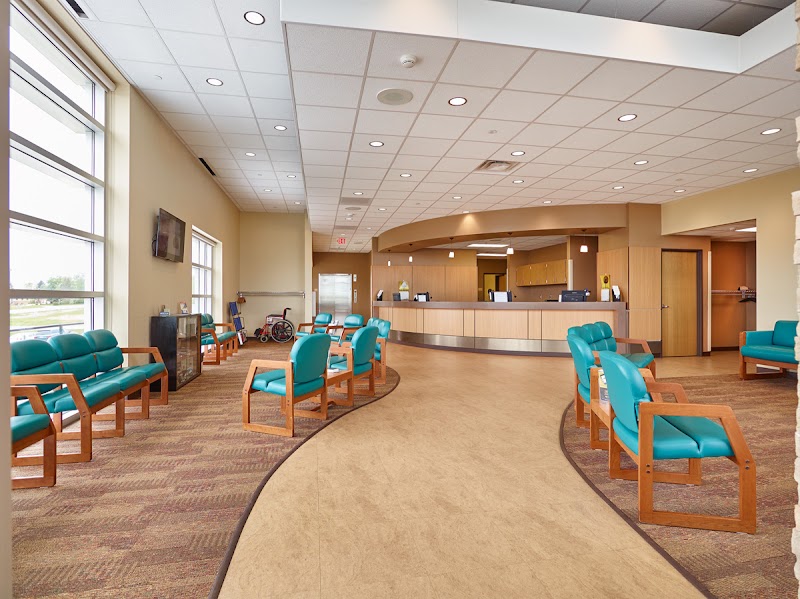
CMS assigns TIOGA MEDICAL CENTER LTC an overall rating of 2 out of 5 stars, which is considered below average nationally. Within North Dakota, this rating places the facility higher than 0% of the state's 100 nursing homes. A rating at this level reflects concerns identified through health inspections, staffing assessments, or quality measures that families should carefully consider.
How is Tioga Medical Center Ltc Staffed?

CMS rates TIOGA MEDICAL CENTER LTC's staffing level at 4 out of 5 stars, which is above average compared to other nursing homes. Staff turnover is 60%, which is 14 percentage points above the North Dakota average of 46%. High turnover can affect care consistency as new staff learn residents' individual needs. RN turnover specifically is 62%, which is notably high. RNs provide skilled clinical oversight, so turnover in this role can affect medical care quality.

What Have Inspectors Found at Tioga Medical Center Ltc?

State health inspectors documented 16 deficiencies at TIOGA MEDICAL CENTER LTC during 2023 to 2025. These included: 1 that caused actual resident harm, 14 with potential for harm, and 1 minor or isolated issues. Deficiencies causing actual harm indicate documented cases where residents experienced negative health consequences.
Who Owns and Operates Tioga Medical Center Ltc?

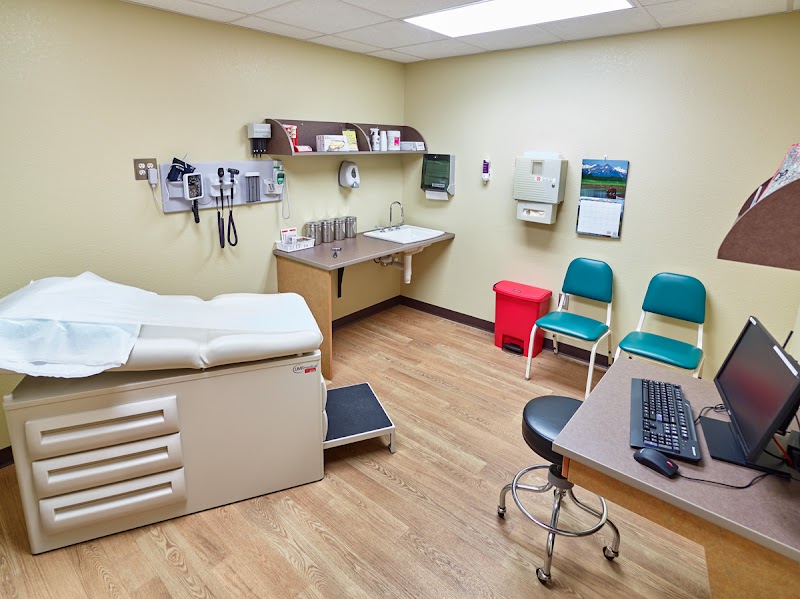
TIOGA MEDICAL CENTER LTC is owned by a non-profit organization. Non-profit facilities reinvest revenue into operations rather than distributing to shareholders. The facility operates independently rather than as part of a larger chain. With 30 certified beds and approximately 26 residents (about 87% occupancy), it is a smaller facility located in TIOGA, North Dakota.
How Does Tioga Medical Center Ltc Compare to Other North Dakota Nursing Homes?

Compared to the 100 nursing homes in North Dakota, TIOGA MEDICAL CENTER LTC's overall rating (2 stars) is below the state average of 3.1, staff turnover (60%) is significantly higher than the state average of 46%, and health inspection rating (2 stars) is below the national benchmark.

What Should Families Ask When Visiting Tioga Medical Center Ltc?

Based on this facility's data, families visiting should ask: "What safeguards and monitoring systems are in place to protect residents from abuse or neglect?" "How do you ensure continuity of care given staff turnover, and what is your staff retention strategy?" "Can I visit during a mealtime to observe dining assistance and food quality?" "How do you handle medical emergencies, and what is your hospital transfer rate?" These questions are particularly relevant given the substantiated abuse finding on record and the facility's high staff turnover rate.

Is Tioga Medical Center Ltc Safe?

Based on CMS inspection data, TIOGA MEDICAL CENTER LTC has documented safety concerns. The facility has 1 substantiated abuse finding (meaning confirmed case of resident harm by staff or other residents). The facility has a 2-star overall rating and ranks #100 of 100 nursing homes in North Dakota. Families considering this facility should ask detailed questions about what corrective actions have been taken since these incidents.

Do Nurses at Tioga Medical Center Ltc Stick Around?

Staff turnover at TIOGA MEDICAL CENTER LTC is high. At 60%, the facility is 14 percentage points above the North Dakota average of 46%. Registered Nurse turnover is particularly concerning at 62%. RNs handle complex medical decisions and coordinate care — frequent RN changes can directly impact care quality. High turnover means new staff may not know residents' individual needs, medications, or preferences. It can also be disorienting for residents, especially those with dementia who rely on familiar faces. Families should ask: What is causing the turnover? What retention programs are in place? How do you ensure care continuity during staff transitions?

Was Tioga Medical Center Ltc Ever Fined?

TIOGA MEDICAL CENTER LTC has been fined $17,550 across 1 penalty action. This is below the North Dakota average of $33,254. While any fine indicates a compliance issue, fines under $50,000 are relatively common and typically reflect isolated problems that were subsequently corrected. Families should ask what specific issues led to these fines and confirm they've been resolved.

Is Tioga Medical Center Ltc on Any Federal Watch List?

TIOGA MEDICAL CENTER LTC is not on any federal watch list. The most significant is the Special Focus Facility (SFF) program, which identifies the bottom 1% of nursing homes nationally based on persistent, serious quality problems. Not being on this list means the facility has avoided the pattern of deficiencies that triggers enhanced federal oversight. This is a positive indicator, though families should still review the facility's inspection history directly.