SMP HEALTH - ST RAPHAEL
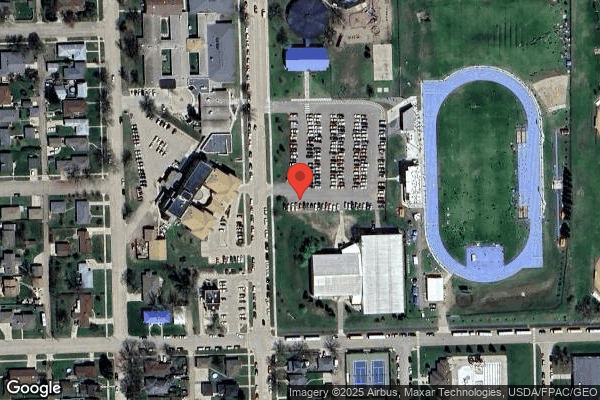
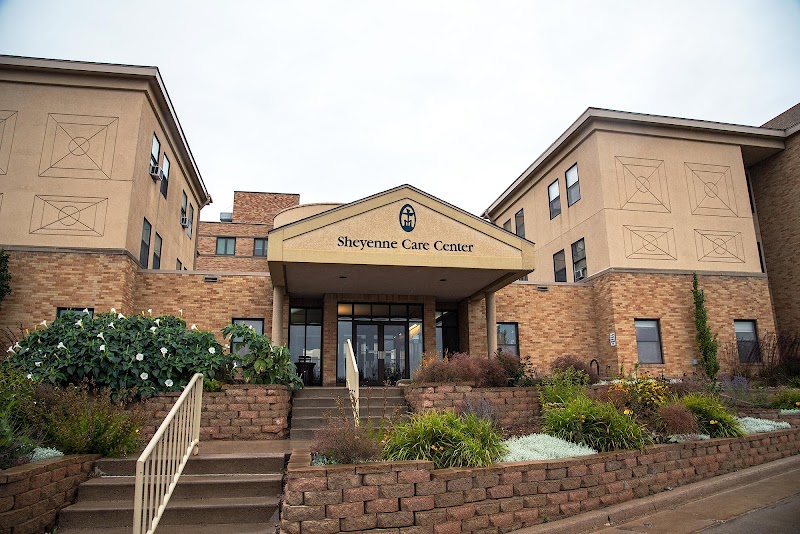
979 CENTRAL AVE N, VALLEY CITY, ND 58072 (701) 845-8222
Non profit - Church related 170 Beds SMP HEALTH Data: November 2025
Trust Grade
63/100
#29 of 72 in ND
Last Inspection: August 2024

Within standard 12-15 month inspection cycle. Federal law requires annual inspections.

Overview

SMP Health - St. Raphael has a Trust Grade of C+, which means it is slightly above average but not exceptional. It ranks #29 out of 72 nursing homes in North Dakota, placing it in the top half of facilities in the state, and it is the only option in Barnes County, indicating limited local competition. The facility is improving, having reduced its issues from five in 2024 to two in 2025. Staffing is a strong point, with a 5-star rating and a turnover rate of 32%, which is significantly lower than the state average of 48%. However, there is concerning RN coverage, as the facility has less RN support than 86% of North Dakota facilities. There are significant weaknesses to consider. For instance, a serious incident occurred where a resident suffered severe pain from an untreated hip fracture after a fall, indicating a failure to monitor and manage pain effectively. Another serious finding involved a resident sustaining a facial injury due to staff abuse, highlighting a lack of protection against neglect and harm. Additionally, the facility faced concerns over food safety, as expired food was not discarded, which could affect residents' health. Overall, while there are strengths in staffing and a positive trend in issues, families should weigh these against the serious incidents reported.

Trust Score
C+
63/100
In North Dakota
#29/72
Top 40%
Safety Record
Moderate
Needs review
Inspections
Getting Better
5 → 2 violations
Staff Stability
○ Average
32% turnover. Near North Dakota's 48% average. Typical for the industry.
Penalties
✓ Good
$8,190 in fines. Lower than most North Dakota facilities. Relatively clean record.
Skilled Nurses
✓ Good
Each resident gets 42 minutes of Registered Nurse (RN) attention daily — more than average for North Dakota. RNs are trained to catch health problems early.
Violations
⚠ Watch
14 deficiencies on record. Higher than average. Multiple issues found across inspections.
★★★★☆
4.0
Overall Rating
★★★★★
5.0
Staff Levels
★★☆☆☆
2.0
Care Quality
★★★☆☆
3.0
Inspection Score
Stable
2024: 5 issues
2025: 2 issues

The Good

  • 5-Star Staffing Rating · Excellent nurse staffing levels
  • Full Sprinkler Coverage · Fire safety systems throughout facility
  • No fines on record
  • Staff turnover below average (32%)

    16 points below North Dakota average of 48%

Facility shows strength in staffing levels, fire safety.

The Bad

Staff Turnover: 32%

14pts below North Dakota avg (46%)

Typical for the industry

Federal Fines: $8,190

Below median ($33,413)

Minor penalties assessed

Chain: SMP HEALTH

Part of a multi-facility chain

Ask about local staffing decisions and management

The Ugly 14 deficiencies on record

2 actual harm
Sept 2025 2 deficiencies
CONCERN (D) 📢 Someone Reported This

A family member, employee, or ombudsman was alarmed enough to file a formal complaint

Potential for Harm - no one hurt, but risky conditions existed

Infection Control (Tag F0880)

Could have caused harm · This affected 1 resident

Based on observation, review of facility policy, and staff interview, the facility failed to follow standards of infection control and prevention for 2 of 7 sampled residents (Resident #16 and #73) ob...

Read full inspector narrative →
Based on observation, review of facility policy, and staff interview, the facility failed to follow standards of infection control and prevention for 2 of 7 sampled residents (Resident #16 and #73) observed during cares. Failure to remove gloves and perform hand hygiene during wound care and perineal care has the potential to spread infection throughout the facility. Findings include: Review of the facility policy titled Glove Usage occurred on 09/24/25. This policy, revised November 2018, stated, Purpose: To reduce the risk of exposure, prevent the spread of infection, identify situations where usage of gloves is appropriate and incorporating proper usage of gloves. Procedure: . 2. Once gloves are contaminated, they must be changed before touching clean items or proceeding to perform clean procedure. 7. Hand hygiene must be performed prior to gloving and after removing gloves. Review of the facility policy titled Hand Hygiene occurred on 09/24/25. This policy, revised September 2023, stated, Purpose: . Hand hygiene . an effective method for preventing the spread of pathogens, such as bacteria and viruses, which cause infections. Condition: Hands are visibly soiled with blood or other body fluids. After handling contaminated objects. Before and after handling clean or soiled dressing. -Observation on 09/23/25 at 9:39 a.m. showed the nurse (#1) performed a dressing change for Resident #73. The nurse applied personal protective equipment (PPE), a gown and gloves and entered the resident's room. The nurse removed a soiled abdominal (ABD) pad from the left hip of Resident #73. Without removing her gloves, the nurse (#1) cleaned the area with wound cleanser, placed a new ABD, and applied tape. The nurse (#1) then removed the gown and gloves and washed her hands. The nurse failed to remove gloves, perform hand hygiene, and apply new gloves prior to applying the clean dressing. -Observation on the afternoon of 9/23/2025 showed two certified nurse aides (CNAs #2 and #5) applied gowns and gloves and transferred Resident #16 from the wheelchair to the bed using the mechanical lift. The CNA (#2) wore gloves and completed Resident #16's perineal care after a soft bowel movement. With the same gloves, the CNA reached into a container of ointment and applied it to the resident's bottom, fastened the new brief, pulled up his pants, opened up a drawer to retrieve a bandana and placed it by the resident's mouth. The CNA (#2) removed her gown, and with same gloves still on plugged in a pump, tied a garbage bag, lowered the bed, turned the television on, took the pillowcase off the resident's neck pillow, tied a garbage bag, and then removed gloves and performed hand hygiene. The CNA (#2) failed to remove gloves and perform hand hygiene after perineal care and prior to doing other tasks in the resident's room. During an interview on the afternoon of 09/24/25, an administrative nurse (#4), confirmed staff should remove gloves and performed hand hygiene after removing a soiled dressing and after performing perineal cares.
CONCERN (E) 📢 Someone Reported This

A family member, employee, or ombudsman was alarmed enough to file a formal complaint

Potential for Harm - no one hurt, but risky conditions existed

Food Safety (Tag F0812)

Could have caused harm · This affected multiple residents

Based on observation, review of temperature logs, review of professional reference, and staff interview, the facility failed to store food in accordance with professional standards for food service sa...

Read full inspector narrative →
Based on observation, review of temperature logs, review of professional reference, and staff interview, the facility failed to store food in accordance with professional standards for food service safety in 1 of 1 main kitchen and 6 of 7 food storage areas (Third Floor Kitchenette, First Floor Kitchenette, First Floor Sub-station, Special Care Unit, Sunshine Kitchenette, and Circle of Life Cottage Kitchenette). Failure to discard expired food, ensure required refrigerator temperatures, ensure functioning of temperature monitoring devices in refrigerator, ensure clean equipment, and ensure protection of dry food storage from leaking pipes has the potential to affect the quality and safety of food served to the residents. Findings include: Review of the Food and Drug Administration (FDA) Food Code 2022, Annex 3 - Public Health Reasons, states . Ready-to-Eat, Time/Temperature Control for Safety Food . Refrigeration prevents food from becoming a hazard by significantly slowing the growth of most microbes. ready-to-eat, time/temperature control for safety food . kept at 41 degrees Fahrenheit a total of 7 days. Food which is prepared and held, or prepared, frozen, and thawed must be controlled by date marking to ensure its safety based on the total amount of time it was held at refrigeration temperature . Time/temperature control for safety refrigerated foods must be consumed . or discarded by the expiration date .Manufacturer's use-by dates . Manufacturers assign a date to products for various reasons, and spoilage may or may not occur before pathogen growth renders the product unsafe. the manufacturer's use-by date is its recommendation for using the product while its quality is at its best. Although it is a guide for quality, it could be based on food safety reasons. It is recommended that food establishments consider the manufacturer's information as good guidance to follow to maintain the quality (taste, smell, and appearance) . If the product becomes inferior quality-wise due to time in storage, it is possible that safety concerns are not far behind . Food Storage. FOOD shall be protected from contamination by storing . (1) In a clean, dry location; (2) Where it is not exposed to splash, dust, or other contamination . FOOD may not be stored: . (G) Under leaking water lines . (I) Under other sources of contamination. Pathogens can contaminate and/or grow in food that is not stored properly. Drips of condensate and drafts of unfiltered air can be sources of microbial contamination for stored food.Temperature Measuring Devices. A permanent temperature measuring device is required in any unit storing time/temperature control for safety food because of the potential growth of pathogenic microorganisms should the temperature of the unit exceed Code requirements. Observation with an administrative dietary staff member (#3) occurred on 09/24/25 at 11:15 a.m. and showed the following: Main Kitchen:* Walk-in cooler - a black substance on the grates of the fan and around the outside of the fan. * A black pipe on the ceiling in the dry storage room dripping liquid on the floor next to a rack of food. Third Floor Kitchenette: * Turkey sandwich dated 09/13/25 (expired 11 days prior)* Hard boiled eggs dated 09/12/25 (expired 12 days prior) * Sliced cheese dated 09/15/25 (expired 9 days prior) * Thickened water dated 08/25 and 09/15 (expired 30 days and 9 days prior) * Cheese slices in a plastic bag dated 08/26 (expired 29 days prior) * Shredded American cheese in a plastic bag dated 09/15/25 (expired 9 days prior) * Shredded cheese in a plastic bag dated 09/01/25 (expired 23 days prior) Special Care Unit Kitchenette: * Refrigerator- 52 degrees Fahrenheit * Review of the refrigerator log showed a temperature of 44 degrees Fahrenheit on the morning of 09/24/25 that morning. An unidentified kitchen staff member stated he had not been in the refrigerator recently. Circle of Life Cottage Kitchenette: * Cheese slices in a plastic bag dated 09/01/25 (expired 23 days prior) * Seven yogurt cups with an expiration date of 09/16/25 (expired 8 days prior) The administrative dietary staff member (#3) threw the expired food away. Sunshine Kitchenette: * A broken and unreadable refrigerator thermometer. Review of the refrigerator/freezer log showed staff failed to log temperatures since 08/16/25. * Silverware drawer with several crumbs scattered throughout the drawer. First Floor Kitchenette: * Microwave with pieces of cooked eggs on the inside and side wall. * Toaster with numerous scattered crumbs on the top First Floor Substation: * Microwave with food debris inside The administrative dietary staff member (#3) stated she expected staff to discard expired foods and stated their policy is to discard after five days.
Aug 2024 4 deficiencies
CONCERN (D) 📢 Someone Reported This

A family member, employee, or ombudsman was alarmed enough to file a formal complaint

Potential for Harm - no one hurt, but risky conditions existed

Grievances (Tag F0585)

Could have caused harm · This affected 1 resident

Based on record review and resident and staff interviews, the facility failed to follow the grievance process for 2 of 2 sampled residents (Resident #99 and #133) with concerns regarding treatment fro...

Read full inspector narrative →
Based on record review and resident and staff interviews, the facility failed to follow the grievance process for 2 of 2 sampled residents (Resident #99 and #133) with concerns regarding treatment from staff during cares. Failure to act upon resident grievances is a violation of resident's rights and may result in resident dissatisfaction. Findings include: The facility failed to provide a policy. - During an interview on 08/05/24 at 1:25 p.m., Resident #133 stated on the night of admission, he/she pushed the call light multiple times. A certified nurse aide (CNA) (#5) came to the doorway and yelled, What the [explicit comment] do you want? This happened again the same night. The resident stated he/she did not want to deal with this CNA again, so he/she took himself/herself to the bathroom for the remainder of the night. When asked if the resident reported the incident to staff, Resident #133 replied, yes. - During an interview on 08/05/24 at 2:36 p.m., Resident #99 stated three weeks ago during the night shift, an unknown CNA came to the doorway and yelled, What do you want? The resident stated he/she felt disrespected. When asked if the resident reported the incident to staff, Resident #99 replied, yes. - During an interview on the afternoon of 08/08/24, administrative staff members (#1 and #2) stated all resident incidents are covered during the management stand up meetings and these incidents were delegated to the unit manager to further review. The staff members reported the staff involved received verbal coaching but failed to follow up with the residents. The facility failed to make a prompt effort to resolve Resident #99 and #133's grievances and keep both residents apprised of progress toward a resolution.
CONCERN (D) 📢 Someone Reported This

A family member, employee, or ombudsman was alarmed enough to file a formal complaint

Potential for Harm - no one hurt, but risky conditions existed

Deficiency F0658 (Tag F0658)

Could have caused harm · This affected 1 resident

2. Based on observation, record review, policy review, and staff interview, the facility failed to transcribe a treatment order accurately for 1 of 1 sampled resident (Resident #133) observed during a...

Read full inspector narrative →
2. Based on observation, record review, policy review, and staff interview, the facility failed to transcribe a treatment order accurately for 1 of 1 sampled resident (Resident #133) observed during a dressing change. Failure to accurately transcribe orders may result in residents receiving the wrong treatment and potentially cause adverse effects. Findings include: Review of the facility policy titled Standing Orders occurred on 08/08/24. This policy, dated July 2021, stated, . 1. standing orders must be on PCC [Point click care] MAR [Medication Administration Record] to be implemented. 4. When implementing an order from the standing orders, the nurse will enter it into . MAR . TAR [Treatment Administration Record] accordingly. Observation on 08/06/24 at 10:20 a.m. showed a medication aide (#11) removed a soiled Interdry (antimicrobial dressing) from under Resident #133's abdominal folds and replaced with a clean Interdry after bathing. Review of Resident #133's medical record occurred on 08/07/24. The recorded failed to identify an order for Interdry and instructions for administration. During an interview on 08/08/24 at 11:00 a.m., an administrative staff member (#1) confirmed the record lack the required information. 1. Based on observation, review of facility policy, and staff interview, the facility failed to follow professional standards of practice for 2 of 2 residents (Resident #22 and #149) observed for insulin preparation and administrations. Failure to prime insulin pens correctly may result in residents receiving an inaccurate dose. Findings include: Review of the facility policy titled Insulin Pen occurred on 08/08/24. This policy, revised July 2023, stated, . Insulin pens will be primed prior to each use to avoid collection of air in the insulin reservoir. screw the pen needle onto the insulin pen. Twist open and remove the outer cover from the pen needle. H. Prime the insulin pen: Dial 2 units by turning the dose selector clockwise. With the needle pointing up, push the plunger, and watch to see that at least one drop of insulin appears on the tip of the needle. If not, repeat until at least one drop appears. - Observation on 08/07/24 at 8:08 a.m. showed a nurse (#7) prepared Resident #22's insulin pen for administration. The nurse failed to remove the cover of the needle before priming the insulin pen. - Observation on 08/07/24 at 4:44 p.m. showed a nurse (#8) prepared Resident #149's insulin pen for administration. The nurse failed to remove the cover of the needle before priming the insulin pen. During an interview the morning of 08/08/24, an administrative staff member (#1) stated she expected staff to remove the cover of the needles when priming insulin pens.
CONCERN (D) 📢 Someone Reported This

A family member, employee, or ombudsman was alarmed enough to file a formal complaint

Potential for Harm - no one hurt, but risky conditions existed

Deficiency F0761 (Tag F0761)

Could have caused harm · This affected 1 resident

Based on observation, review of facility policy, and staff interview, the facility failed to ensure safe and secure storage of medications in 1 of 2 medication carts (Union Square) observed. Failure t...

Read full inspector narrative →
Based on observation, review of facility policy, and staff interview, the facility failed to ensure safe and secure storage of medications in 1 of 2 medication carts (Union Square) observed. Failure to store all medications securely may result in unauthorized access to medications. Findings include: Review of the facility policy titled Medication Cart occurred on 08/08/24. This policy, revised 2023, stated, . Medication cart will be locked when not within complete site of the nurse and/or med aid [medication aide] left unattended . Observation on 08/06/24 at 3:47 p.m. showed a staff nurse (#3) left the medication cart unlocked and unattended for 55 minutes. The medication cart remained by the nurses station unlocked and out of the nurses' view with staff members and residents present. During an interview on 08/08/24 at 10:55 a.m., an administrative nurse (#1) confirmed she expected staff to lock the medication cart when out of eyesight.
CONCERN (E) 📢 Someone Reported This

A family member, employee, or ombudsman was alarmed enough to file a formal complaint

Potential for Harm - no one hurt, but risky conditions existed

Infection Control (Tag F0880)

Could have caused harm · This affected multiple residents

ENHANCED BARRIER PRECAUTIONS: - Review of Resident #28's medical record occurred on all days of survey. Physician's orders included a dressing change to a surgical wound twice daily. The care plan sta...

Read full inspector narrative →
ENHANCED BARRIER PRECAUTIONS: - Review of Resident #28's medical record occurred on all days of survey. Physician's orders included a dressing change to a surgical wound twice daily. The care plan stated, Enhanced Barrier Precautions (EBP) related to Chronic Wounds (unhealed surgical wound) . Personal Protective Equipment (PPE) use during wound care . Observation on 08/06/24 at 10:27 a.m., showed a nurse (#14) removed a soiled dressing from Resident #28's wound, cleansed the wound, and applied a clean dressing. The nurse (#14) failed to apply a gown before providing wound care. - Observation on 08/07/24 at 1:30 p.m. showed a nurse (#9) applied gloves and entered Resident #79's room with medications. A sign on the resident door indicated EBP. The nurse administered the medications and water flushes through the resident's feeding tube. The nurse (#9) failed to wear the appropriate enhanced barrier precautions PPE. - Review of Resident #96's medical record occurred on all days of survey. Physician's orders included wound care to a right ankle pressure ulcer daily. The care plan stated, Enhanced Barrier Precautions (EBP) related to Chronic Wounds (pressure ulcer) and Indwelling Medical Device urinary catheter . Enhanced Barrier Precautions (EBP) should be used for the duration of the affected residents [sic] stay in the facility or until resolution of the wound or discontinuation of the indwelling medical device that placed them at higher risk. Observation on 08/06/24 at 9:33 a.m., showed a nurse (#14) performed a dressing change to Resident #96's wound. The nurse failed to wear the appropriate enhanced barrier precautions PPE. HAND HYGIENE/GLOVE USE - Observation on 08/06/24 at 3:08 p.m. showed the CNA (#12) assisted Resident #9 who is on enhanced barrier precautions with transferring to the wheelchair from the bed. When completed CNA (#12) removed her gown, gloves and grabbed the resident's blanket and placed on resident's lap. The CNA (#12) pushed Resident #9 out of the room and failed to perform hand hygiene. - Observation on 08/06/24 at 1:12 p.m. showed two CNAs (#4 and #10) assisted Resident #70 with incontinent cares. The CNA (#4) removed her gloves and without performing hand hygiene exited the resident's room with the Hoyer lift. WOUND CARE - Observation on 08/06/24 at 3:24 p.m. showed the nurse (#3) removed the soiled dressing from Resident 260's foot, removed the soiled gloves, and without performing hand hygiene donned new gloves, applied a clean dressing to the wound, and wrapped the resident's foot with a protective dressing. - Observation on 08/06/24 at 3:24 p.m. showed the nurse (#13) removed the soiled dressing from Resident #360's right knee, cleansed the area with soap and water, and without removing the soiled gloves and performing hand hygiene, applied a clean dressing and a compression sleeve to the wound. - Observation on 08/07/24 at 1:55 p.m. showed the nurse (#7) removed Resident #92's wound dressing. Without removing the soiled gloves and performing hand hygiene, inserted a foam dressing into the wound, secured the outer dressing with tape, and then removed her gloves. During an interview on 08/08/24 at 10:55 a.m., an administrative nurse (#1) confirmed she expected staff to follow policy and procedures for hand hygiene and dressing changes. Based on observation, record review, facility policy review, and staff interview, the facility failed to follow standards of infection control for 8 of 25 sampled residents (Resident #9, #28, #70, #79, #92, #96, #260, and #360) observed during cares. Failure to follow infection control practices during resident cares related to hand hygiene, glove use, and enhanced barrier precautions (EBP), has the potential to spread infection throughout the facility. Findings include: Review of the facility policy titled Hand Hygiene occurred on 08/08/24. This policy, revised September 2023, stated, . Staff will perform hand hygiene when indicated, using proper technique consistent with accepted standards of care. The use of gloves does not replace hand hygiene. Practice hand hygiene before donning and after doffing gloves. Review of the facility policy titled Skin and Wound Management Program occurred on 08/08/24. This policy, revised June 2024, stated, . Cleaning a Wound and Applying a Dressing . Carefully remove the soiled dressings. Place soiled dressings in the appropriate waste receptacle. Remove your gloves and dispose of them in an appropriate waste receptacle. Perform hand hygiene. Put on gloves . Apply any topical medications, foams, gels, and/or gauze to the wound . Gently place a layer of dry, . or other prescribed cover dressing . Apply tape . Remove and discard gloves. Perform hand hygiene. Review of the facility policy titled Enhanced Barrier Precautions occurred on 08/08/24. This policy, revised June 2024, stated, . Enhanced Barrier Precautions (EBP) refer to an infection control intervention designed to reduce transmission of multidrug-resistant organisms [MDRO] that employs targeted gown and glove use during high contact resident care activities. Standing orders will be implemented for enhanced barrier precautions for residents with any of the following: Wounds (e.g., chronic wounds such as pressure ulcers, diabetic foot ulcers, unhealed surgical wounds, and chronic venous stasis ulcers) and /or indwelling medical devices (e.g., central lines, urinary catheters, feeding tubes, . ) even if the resident is not known to be infected or colonized with a MDRO. make gowns and gloves available immediately in or outside of the resident's room. In general, gowns and gloves would not be required for resident care activities other than those listed below, . Device care or use: . feeding tube . Wound care: any skin opening requiring a dressing .
Feb 2024 1 deficiency 1 Harm
SERIOUS (G) 📢 Someone Reported This

A family member, employee, or ombudsman was alarmed enough to file a formal complaint

Actual Harm - a resident was hurt due to facility failures

Deficiency F0697 (Tag F0697)

A resident was harmed · This affected 1 resident

Based on information provided by the complainant, record review, review of facility policy, and staff interview, the facility failed to provide the necessary care and services to attain the highest pr...

Read full inspector narrative →
Based on information provided by the complainant, record review, review of facility policy, and staff interview, the facility failed to provide the necessary care and services to attain the highest practicable level of well-being and to prevent and/or manage pain for 1 of 1 sampled resident (Resident #1) who experienced a fall with major injury. Failure to identify circumstances when pain could be anticipated and recognize when the resident experienced pain resulted in Resident #1 experiencing uncontrollable pain related to his untreated hip fracture. Findings include: Information provided by the complainant indicated facility staff failed to identify and respond to changes in the physical status of a resident who experienced uncontrollable pain from a hip fracture sustained during a fall. The complainant also indicated Emergency Medical Services (EMS) staff administered Fentanyl (a medication given for severe pain) during the ambulance ride to the hospital in an effort to alleviate the resident's pain. Review of the facility policy titled Pain Management occurred on 02/16/24. This policy, revised December 2023, stated, . Nurses will assess the resident's pain level . Nurse will complete the following: . Pain assessment, identifying the . factors which increase or decrease pain, nonverbal signs that indicate possible pain, and effect of pain on ADL's. Review of Resident #1's medical record occurred on all days of survey. Diagnoses included Alzheimer's disease, vascular dementia, psychotic disorder with delusions, osteoarthritis, repeated falls, and history of left lower leg and right femur fractures. The care plan, dated 12/16/23, identified, . I transfer independently. I need supervision to get to desired locations. Assist me to the bathroom routinely. I take myself to the bathroom and am unable to remember to report having a BM [bowel movement] to staff. A progress note, dated 01/20/24 at 8:15 a.m., identified, . On coming nurse was walking onto the unit and resident was laying on the floor . Resident is unable to tell nursing staff what happened. Evaluation was completed and resident was assisted to feet . vitals were obtained . 0/10 pain [0 pain on 10 point scale], POA [Power of Attorney] was notified . and provider was faxed. The resident experienced a second fall later in the day on 01/20/24. A post-fall huddle tool, dated 01/20/24, identified the following: * Time of Fall 2:50 p.m. * 2:50 p.m., . laying on back . weakness - flu . bruise coccyx . on-call called - push fluids, monitor 4 [for] head injury, give prn [as needed] [medication] for pain for bruising . RLE [right lower extremity] pain . * 3:10 p.m., . Pain 6/10 . RLE WNL [within normal limits] Pain . A progress note pertaining to the second fall identified the following: * 01/20/24 at 4:32 p.m., . Date/Time of Fall . 1-20-24 1350 [1:50 p.m.] [The time entered contradicts the entry the nurse made on the post-fall huddle tool.] Heard a loud noise, Resident found laying [sic] on back with head against the doorframe . Resident has been restless since falling this morning, continues to have flu-like symptoms. Resident assisted up into wheelchair. Resident c/o [complained of] pain to right hip/pelvic area. On-Call provider notified by phone, due to resident hitting head, and being on anti-coagulants [blood thinners]. Provider also notified of increased weakness and pain related to fall. Provider instructed writer to administer PRN pain medication and monitor resident for s/s [signs/symptoms] of head injury. [POA]-Phone call . [Physician] Faxed . * 01/21/24 at 2:33 a.m., . bruising to tailbone area, pain in pelvic/hip area . yells when moved d/t [due to] pain in pelvic/hip area. Bruise noted to tailbone region. Gets very frustrated and angry when trying to help him when needing to change him . * 01/21/24 at 2:50 a.m., . frustrated and irritated when moved . * 01/21/24 at 5:26 a.m., . Staff saying when staff moves him from side to side, he yells out in pain, when he is laying still on his bed or when he moves himself, he denies having any pain. * 01/21/24 at 10:31 a.m., . C/o pain but unable to express where. Resident is still unable to stand without assistance of stand lift. Resident does become agitated and aggressive when staff is assisting. * 01/21/24 at 10:30 p.m., . c/o pain to right pelvic/hip region . continues to c/o of pain to right pelvic/hip region when moving, ROM [range of motion] is limited d/t the pain to the RLE. yells out and gets upset with staff when he is moved . * 01/22/24 at 5:19 a.m., . Reported from day [sic] staff, resident is agitated when being moved or assisted with cares. Resident is able to move RLE on own but ROM is limited when staff is helping him do this. Resident did not receive any pain medication PRN throughout the day. * 01/22/24 at 10:29 a.m., . (R) [right] hip pain and pelvic pain after fall. Pain has continued to worsen and unable to reposition due to pain. updated [Physician's Assistant] when she was here on rounds on 1/20/24 [This date was entered in error.] and she gave orders to transfer to emergency room via ambulance. * 01/22/24 at 10:59 a.m., . Reason for Transfer . increased pain, edema and bruising right hip after fall . * 01/22/24 at 2:17 p.m., . Resident presenting with uncontrollable pain with movement of LE [lower extremity]. Noted edema RLE from the hip to the knee. Resident unable to bear weight due to increased pain. 9/10 pain limited ROM on RLE, increased pain with movement of LLE [left lower extremity]. * 01/22/24 at 2:40 p.m., . Right hip fx [fracture], admitted to [Hospital] for pain control until resident can be transferred to [another Hospital] for surgical repair. Review of the eMAR [electronic medication administration record] showed Resident #1 received two doses of as-needed acetaminophen (a medication given for mild pain); the first dose on 01/20/24 at 3:21 p.m. and the second dose on 01/22/24 at 10:23 a.m. Follow-up documentation, dated 01/22/24 at 12:43 p.m., identified the as-needed acetaminophen was ineffective . Pain Scale was: 9 [on 10 point scale]. During an interview on 02/13/24 at 5:20 p.m., an administrative nurse (#1) acknowledged staff failed to identify/respond to Resident #1's verbal and nonverbal signs/symptoms of pain that were indicative of a possible hip fracture. The administrative nurse (#1) indicated staff felt these signs were related to his flu-like symptoms, weakened condition, and bruised tailbone. Resident #1 experienced uncontrollable pain when facility staff failed to: * Identify circumstances when pain could be anticipated: when Resident #1 was rolled side-to-side, repositioned, and/or bearing weight, * Recognize when Resident #1 experienced pain: when Resident #1 denied being in pain while lying still, but was frustrated, irritated, angry, agitated, aggressive and/or yelling out in pain while being moved, * Identify Resident #1's inability to perform ADLs: when Resident #1 showed limited ROM and his status changed from ambulating independently to requiring a stand-lift and/or being changed by staff, and * Follow-up with the on-call provider regarding Resident #1's verbal/nonverbal signs/symptoms of pain that were indicative of a possible hip fracture versus waiting for the nurse practitioner to make her scheduled rounds.
Sept 2023 2 deficiencies
CONCERN (D)

Potential for Harm - no one hurt, but risky conditions existed

Safe Environment (Tag F0584)

Could have caused harm · This affected 1 resident

Based on observations, review of facility policy, and staff interview the facility failed to maintain a comfortable temperature level for 1 of 6 units (Valley View). Failure to maintain comfortable ro...

Read full inspector narrative →
Based on observations, review of facility policy, and staff interview the facility failed to maintain a comfortable temperature level for 1 of 6 units (Valley View). Failure to maintain comfortable room temperature levels can result in resident discomfort. Findings include: Review of the facility policy titled Safe and Homelike Environment occurred on 09/14/23. This policy, revised May 2023, stated, . The facility should strive to keep the temperature in common resident areas between 71 and 81 degrees Fahrenheit. Observation on 09/12/23 at 4:00 p.m. showed Resident #63 in the Valley View resident common area rubbing their shoulders and making complaints of being cold. An unidentified staff member retrieved a sweater for the resident. Observation on the morning of 09/13/23 showed Resident #60 in the Valley View resident common area leaning forward in their wheelchair. An unidentified staff member asked if the resident was cold, the resident shook their head yes. The unidentified staff member retrieved a warm blanket from the tub room for the resident. Observations of air temperatures taken in the Valley View common resident areas showed the following: *09/12/23 at 11:24 a.m., 66 degrees Fahrenheit (F). *09/12/23 at 5:15 p.m., 66.5 degrees F. *09/13/23 at 8:00 a.m., 66 degrees F. *09/13/23 at 4:52 p.m., 68 degrees F. *09/14/23 at 9:23 a.m., 67 degrees F. During an interview on 09/14/23 at 9:00 a.m., a maintenance staff member (#3) reported their expectation for the temperatures in the resident's room and in the resident common areas would be between 71 degrees Fahrenheit (F) and 81 degrees F. The facility failed to maintain a comfortable temperature on the Valley View common resident areas.
CONCERN (E)

Potential for Harm - no one hurt, but risky conditions existed

Infection Control (Tag F0880)

Could have caused harm · This affected multiple residents

. Based on observation, review of facility policy, and staff interview, the facility failed to follow standards of infection control for 4 of 17 sampled residents (Resident #12, #13, #15, and #42) ob...

Read full inspector narrative →
. Based on observation, review of facility policy, and staff interview, the facility failed to follow standards of infection control for 4 of 17 sampled residents (Resident #12, #13, #15, and #42) observed during personal cares and/or insulin administration. Failure to practice infection control standards related to hand hygiene, glove use, and insulin administration has the potential to spread infection throughout the facility. Findings include: HAND HYGIENE Review of the facility policy titled Hand Hygiene occurred on 09/14/23. This policy, dated August 2022, stated, . Procedure: 1. Staff will perform hand hygiene when indicated, using proper technique consistent with accepted standards of care. 6. Additional considerations: . b. The use of gloves does not replace hand hygiene. Practice hand hygiene before donning and after doffing gloves. hand hygiene should be performed for the following conditions . between resident contacts, After Handling contaminated objects, . Before applying and after removing personal protective equipment [PPE], including gloves . Before and after handling clean or soiled dressings, linens, Before and after resident care procedures . during resident cares, moving from a contaminated body site to a clean body site . After assistance with personal body functions (e.g., [example] elimination, hair grooming . - Observation on 09/12/23 at 11:00 a.m. showed a certified nurse aide (CNA) (#4) performed perineal cares on Resident #13. The CNA (#4) performed hand hygiene, donned gloves, closed the resident's privacy curtain, removed the resident's brief, and performed perineal cares. Without removing the gloves, the CNA (#4) opened the privacy curtain to obtain more supplies from the bathroom and continued to assist Resident #13. The CNA (#4) removed the gloves and exited the room without performing hand hygiene. - Observation on 09/12/23 at 4:41 p.m. showed two CNAs (#6 and #7) donned gloves to assist Resident #12 with incontinent cares. The CNA (#6) removed the soiled incontinent product, cleansed the perineal area, applied a skin protectant cream, and a clean brief. Without removing the gloves, the CNA (#6) assisted the resident out of the bed into the wheelchair utilizing the mechanical lift. With the same gloves on, the CNA (#6) combed the resident's hair, gave the resident her purse, repositioned the wheelchair, and made the bed. The CNA (#6) collected the garbage and dirty linen, and exited the resident's room without performing hand hygiene. While walking down the hallway removed her gloves and stopped at the soiled utility room door, utilized the keypad for entry, disposed of the linen and garbage, and performed hand hygiene. - Observation on 09/13/23 at 1:37 p.m. showed two CNAs (#7 and #8) donned gloves to assist Resident #12 with incontinent cares. The CNA (#7) removed the wet brief, cleansed the resident's perineal area, placed a medicated pad in the resident's perineal area, applied a new product, and doffed her gloves. Without performing hand hygiene, the CNA moved the resident's purse, collected the garbage, exited the resident's room, utilized the key pad for entry into the soiled utility room, disposed the garbage, and performed hand hygiene. - Observation on 09/12/23 at 5:01 p.m. showed two CNAs (#6 and #7) donned gloves to assist #15 with incontinent cares. The CNA (#7) removed the soiled incontinent product, cleansed the resident's perineal area and applied a new product. Both CNAs assisted the resident from the bed to the recliner utilizing the mechanical lift. The the CNA (#7) doffed her gloves, picked up the garbage bag, exited the resident's room, utilized the keypad for entry into the soiled utility room, disposed of the garbage bag, and performed hand hygiene. During an interview on 09/14/23 at 10:22 a.m., an administrative nurse (#1) stated she expected staff to remove gloves after perineal care, perform hand hygiene prior to performing other tasks and prior to exiting a resident's room. INSULIN ADMINISTRATION Review of the facility policy titled Insulin Pen occurred on 09/14/23. This policy, revised July 2023, stated, . Injecting the insulin: i. Cleanse the skin with an alcohol pad. k. Remove gloves and perform hand hygiene. Review of the facility policy titled Medication Administration occurred on 09/14/23. This policy, revised on July 2023, stated, . Procedure: . 4. Wash hands prior to administering medication per facility protocol and product . Eye medications are administered as ordered by the physician and in accordance with professional standards of practice . - Observation of medication administration on 09/13/23 at 8:26 a.m., showed a nurse (#2) wore gloves to prime an insulin pen and prepare medications for Resident #42. The nurse failed to change the gloves, perform hand hygiene, or cleanse the resident's skin with alcohol prior to administering the insulin. While wearing the same gloves the nurse (#2) administered two different eye drops, removed the gloves, and without performing hand hygiene exited the room. During an interview on 09/13/23 at 4:30 p.m., an administrative staff member (#1) stated, she expected staff to use proper hand hygiene and glove use during medication administration.
Jan 2023 1 deficiency 1 Harm
SERIOUS (G) 📢 Someone Reported This

A family member, employee, or ombudsman was alarmed enough to file a formal complaint

Actual Harm - a resident was hurt due to facility failures

Free from Abuse/Neglect (Tag F0600)

A resident was harmed · This affected 1 resident

Based on record review, review of facility policies/procedures, review of the facility's investigation reports, review of quality assurance and process improvement (QAPI) audits, and staff interviews,...

Read full inspector narrative →
Based on record review, review of facility policies/procedures, review of the facility's investigation reports, review of quality assurance and process improvement (QAPI) audits, and staff interviews, the facility failed to ensure freedom from abuse/neglect for 1 of 1 sampled resident (Resident #1) with a facial injury sustained while residing in the facility. Failure to provide necessary services to protect residents from harm resulted in Resident #1 sustaining pain, facial bruising, and fear after being slapped by a staff member. Findings include: Review of the facility policy titled Abuse, Neglect, and Exploitation and Misappropriation of Resident Property occurred on 01/31/23. This policy, revised date 01/23/23, stated, . All residents at [name of facility] have a right to be free from abuse, neglect, misappropriation of property, and exploitation. No resident shall be subjected to abuse by anyone, including but not limited to, facility staff, other residents, consultants, . Abuse is defined as the willful infliction of injury, unreasonable confinement, intimidation or punishment with resulting physical harm, pain, . Physical abuse includes, but is not limited to hitting, slapping, . Review of Resident #1's medical record occurred on 01/31/23. The progress notes contained the following: * 01/19/23 at 7:15 a.m. During medication pass around 0530-0600 [5:30 a.m. - 6:00 a.m.] this nurse heard resident hollering in his room, get out and leave me alone. Upon entering res [resident] room, a CNA [certified nurse assistant] was noted to be kneeling down in front of resident trying to help him put his pants on. Resident was noted to be sitting in his wheelchair with his underwear at his knees and he was not wearing his oxygen at this time. The resident was hollering out that the CNA hit him across the face and knocked his glasses off. This nurse tried to reassure resident that the staff were only here to help him; in which the resident continued to holler out get him out of here! and he hit me, I want to call the cops, right now!. The CNA was then immediately sent out of the residents' room and told to not come back to his room again. Despite all this nurses' efforts, resident could not be calmed down therefore a different CNA was brought into the room to help deescalate the situation and finish getting the resident ready for the day. While in room with CNA, it was noted that resident had a new skin tear to the left ring finger and new bruising across the left side of face extending to left ear. Bruising to face was not noted to be there during medication pass the evening before. * 01/19/23 at 11:22 a.m. PT [physical therapy] Session - [name of resident] says he is not feeling well enough to do therapy this morning. He still has ringing in his ear since last night. Will check back again tomorrow. * 01/19/23 at 4:00 p.m. saw resident's call light on and went to answer it. When asked what he needed, he said he wanted to talk with someone about what happened during the night. The resident went on to ask this author who I was. I told him and he asked what authority I had. He said 'Someone came in telling me to do stuff, throwing his weight around- trying to be the boss, I told him to get out.' 'He hit me and knocked my glasses off.' 'Lucky they weren't broken.' This author asked him to describe who slapped him and he said 'I can't, what do you expect when someone hits you in the eye?' The resident said maybe he said something to make the staff mad, but he couldn't remember what. 'He hit me first, but I tried to hit him back.' . 'I don't want to be here tonight if that staff is here.'. * 01/19/23 at 4:30 p.m. Resident was self-propelling himself down the hallway and told staff he wanted to talk to someone in charge. He said, 'I am scared to go in my room because that man might come in, . * 01/19/23 at 5:03 p.m. skin assessment completed. Noted bruising to lt [left] side of face. bruising measures on lt cheek 1) 2.3 by 3.8 2) 2 by 5.5 3)1.4 by 5.5. 4) Bruising closer to nose next to number 1 measures 3.7 by 3. 5)on res lt ear 3.5 by 3 6) behind rt ear on head 2.9 by 1.4. [record failed to identify the measurement units] * 01/20/23 at 5:15 p.m. [name of nurse practitioner] called after her office visit with [name of resident] . She also reported the resident report of being slapped by a staff member and of being thrown around. * 01/21/23 at 7:39 a.m. Resident was calm and quiet the whole NOC. [night] He refused to sleep on his bed and opted to sleep on his recliner. Resident denies pain on the bruise on his left cheek and made a comment to this nurse Do you see what that guy did? He left quite a mark there. * 01/22/23 at 2:28 a.m. Resident has been in and out of nurses station agitated and looking for help. He states he needs someone to watch his back and requested staff check on him every hour. Staff agreed and this seems to have calmed him down. Resident rested in his bed the rest of the NOC. A skin assessment, completed 01/20/23, identified, .Skin Issue #4 Bruising . L [left] cheek, multiple bruises (handprint) . A provider visit note, dated 01/20/23, stated, . asked what happened to his face and why he has bruising and he states that 'the man working during the night slap [sic] me in the face so hard that it disturb [sic] my hearing for awhile'. administration and director or nursing aware of this incident. During an interview the morning of 01/31/23, an administrative team member (#1) stated staff informed her of the incident at approximately 9:00 a.m. the morning of 01/19/23, and the facility immediately initiated their investigation of the alleged abuse. Based on the following information, non-compliance at F600 is considered past non-compliance with a correction date of 01/26/23. The facility addressed the corrective action accomplished for the resident affected by the deficient practice as evidenced by the following facility actions: - 01/19/23 the facility staff completed the following: * At 7:35 a.m. the charge nurse documents in the progress notes: . Plan of Action: That particular staff member is to not enter residents' room at any given time. Reassurance will be given to resident when needed. Monitoring of resident will continue. * At 9:00 a.m. the Director of Nursing (DON) and charge nurse interview Resident #1. * At 9:30 a.m. the initial allegation of mistreatment, abuse, neglect, or theft facility reported incident reporting form completed and sent to the State Agency. * At 1:15 p.m. the Valley City Police Department (VCPD) informed of the allegation of abuse, and at 2:00 p.m. an officer from the VCPD along with the facility administrator interviewed Resident #1. * At 1:40 p.m. members of the management staff began interview with staff members. * At 5:05 p.m. members of the management staff interviewed the accused CNA. - 01/20/23 during the daily morning meeting via zoom, the leadership staff and risk management staff discussed the 01/19/23 incident and reviewed the abuse policy. * Members of the management staff continued with staff interviews. - 01/23/23 the management staff completed revisions to the policy titled, Abuse, Neglect, and Exploitation and Misappropriation of Resident Property. All staff required to review the revised policy, sign, and date upon completion of review. Review of staff education revealed staff signed and dated, acknowledging review of the policy. - 01/26/23 CNA education meetings held at 7:30 a.m., 2:00 p.m., and 3:30 p.m. to review topics of ADL (activities of daily living) charting and abuse. Review of staff education revealed staff signed the attendance rosters for each meeting. * Review of QAPI audits related to resident abuse showed a facility audit form titled QA Resident Abuse. The audit form contained the definitions of several types of resident abuse and interview questions specific to identification of signs of abuse, reporting, who to contact, etc. The facility completed one to five audits per day on the following dates, 01/19/23, 01/20/23, 01/23/23, 01/24/23, 01/25/23, 01/30/23 and is ongoing.
Jul 2022 4 deficiencies
CONCERN (D)

Potential for Harm - no one hurt, but risky conditions existed

Deficiency F0583 (Tag F0583)

Could have caused harm · This affected 1 resident

Based on observation, review of facility policy, and staff interview, the facility failed to ensure dignity and provide privacy for 1 of 19 sampled residents (Resident #64) observed during personal ca...

Read full inspector narrative →
Based on observation, review of facility policy, and staff interview, the facility failed to ensure dignity and provide privacy for 1 of 19 sampled residents (Resident #64) observed during personal cares. Failure to maintain a resident's privacy during cares is a violation of residents' rights and may decrease their quality of life. Findings include: Review of the facility policy titled Routine Cares occurred on 07/20/22. This policy, dated November 2020, stated, . Provide privacy with cares (close shade, pull privacy curtain, use towel/bath blanket to coverage.) . On 07/18/22 at 1:22 p.m. observation showed a certified nursing assistant (CNA) (#2) provided toileting cares for Resident #64 and failed to close the bedroom door, bathroom door, and window coverings prior to the cares. During an interview on 07/21/22 at 1:30 p.m., an administrative nurse (#1) confirmed staff failed to follow facility policy for privacy.
CONCERN (D)

Potential for Harm - no one hurt, but risky conditions existed

Deficiency F0657 (Tag F0657)

Could have caused harm · This affected 1 resident

Based on record review, review of facility policy, and staff interview, the facility failed to review and revise comprehensive care plans to reflect the current status for 1 of 32 sampled residents (R...

Read full inspector narrative →
Based on record review, review of facility policy, and staff interview, the facility failed to review and revise comprehensive care plans to reflect the current status for 1 of 32 sampled residents (Resident #132). Failure to review and revise the care plan limited staffs' ability to communicate needs and ensure continuity of care. Findings include: Review of the facility policy titled Care Plan occurred on 07/21/22. This policy, revised May 2022, stated, Care plans will be developed and updated in PCC (electronic health record) for each resident on admission, quarterly and annually, as well as post hospital and if a significant change in the resident's status occurs. They also must be updated on a continual basis as resident's needs change to ensure that the care plan adequately reflects the resident's status at that point and time. Review of Resident #132's medical record occurred on all days of survey. The current care plan stated, TOILET USE: I am independent with toileting. DRESSING: I require assistance with set up with dressing. BED MOBILITY: I am independent with repositioning and turning in bed. PERSONAL HYGIENE/ORAL CARE: I require supervision and reminders to complete hygiene and oral care. A progress note, dated 06/28/22, stated, Resident requires extensive assistance with bed mobility, dressing, toileting, and personal hygiene. Review of the resident's CNA charting showed staff provided extensive assistance for bed mobility, dressing, toileting, and personal hygiene throughout the period of June 21, 2022-July 20, 2022. During an interview on 07/21/22 at 1:38 p.m., an administrative nurse (#1) confirmed staff failed to revise Resident #132's care plan to reflect current care needs.
CONCERN (D)

Potential for Harm - no one hurt, but risky conditions existed

Quality of Care (Tag F0684)

Could have caused harm · This affected 1 resident

Based on observation, record review, review of professional reference, and staff interview, the facility failed to ensure appropriate care and services for 1 of 6 sampled residents (Resident #71) with...

Read full inspector narrative →
Based on observation, record review, review of professional reference, and staff interview, the facility failed to ensure appropriate care and services for 1 of 6 sampled residents (Resident #71) with an order for thickened liquids. Failure to provide appropriate thickened liquids has the potential to negatively impact a resident's overall swallow safety and placed Resident (#71) at risk for aspiration. Findings include: Review of the facility policy Thickened Liquids occurred on 7/21/22. This policy, dated July 2022, stated, POLICY: Residents requiring thickened liquids per MD [medical doctor] order will be provided beverages of appropriate consistency to prevent aspiration . 7. All staff are responsible to assure beverages they serve residents for meals, snacks, or med passes are the ordered consistency. Review of Resident #71's medical record occurred on all days of survey. Diagnoses included cerebral infarct (stroke) and dysphagia (difficulty swallowing). A speech assessment, dated 04/18/22, recommended liquids by spoon and one-to-one feeding supervision. A dietary assessment, dated 04/18/22, identified honey thick liquids given by spoon. A physician's order, dated 05/26/22, identified moderate thickened (honey) consistency fluids per dietary recommendations. Observation showed the following: * 07/19/22 at 8:25 a.m., a nurse (#7) identified Resident #71's medication administration (MAR) stated, . crush medications, mix in pudding, give nectar thick liquids, liquids to be given to him by spoon . The nurse crushed the medications and mixed them in pudding, poured a small cup of Med Pass 2.0 nectar consistency (a fortified nutritional vanilla shake), and gave it to Resident #71. The resident drank a small amount of the fluid from a nosey cup (not from a spoon) and the resident started to cough. * 07/19/22 at 8:40 AM an unidentified certified nursing assistant (CNA) assisted Resident #71 to drink using a nosey cup instead of a spoon and the resident coughed throughout the observation. When asked about Resident #71's diet for liquids, the CNA stated she thinks the resident is to receive nectar thick fluids as written on the CNA care sheets, but was unsure. * 07/19/22 at 10:02 a.m., a staff nurse (#7) obtained three more containers of nectar thick vanilla shakes from the kitchen and stated she will be using these for Resident #71. During an interview on 07/19/22 at 10:04 a.m., the nurse (#7) stated, I'm not sure what the fluid consistency is for Resident #71 . I assume it is what the MAR instructions state . (Nectar thick) . and that is what I follow to give . During an interview on 07/19/22 at 11:15 a.m., a nurse manager (#8) stated Resident #71 is to follow a moderately thickened (honey) consistency fluid diet and staff should use a spoon to assist with fluids.
CONCERN (E)

Potential for Harm - no one hurt, but risky conditions existed

Food Safety (Tag F0812)

Could have caused harm · This affected multiple residents

Based on observation, review of facility policy, and staff interview, the facility failed to maintain food and dishware storage areas in a sanitary manner for 1 of 1 kitchen (main kitchen). Failure to...

Read full inspector narrative →
Based on observation, review of facility policy, and staff interview, the facility failed to maintain food and dishware storage areas in a sanitary manner for 1 of 1 kitchen (main kitchen). Failure to store food and dishware in a sanitary environment has the potential to result in contamination of food and dishware and could result in a foodborne illness. Findings Include: Review of the policy, Purchasing, Receiving and Storage occurred on 07/21/22. This policy, revised May 2018, stated, Policy: Food will be properly stored to preserve . safety. The initial observation of the kitchen, with an administrative dietary staff member (#3) and a supervisory dietary staff member (#5), occurred on 07/18/22 at 10:50 a.m. Observation showed the following: - Walk in Cooler #1 - accumulation of thick, dark black dust/dirt on the fan and heavy accumulation of dust clumps on walls, ceiling, and light above the door. - Walk in Cooler #2 - accumulation of dark black dust/dirt on the fan and accumulation of dust clumps on the wall, ceiling, and light above the door. Observation of the kitchen, with an administrative dietary staff member (#3) and a supervisory dietary staff member (#5) occurred on 07/21/22 at 8:30 a.m. and showed the following: - Dishwashing Room (clean dish side) - accumulation of dust on the dishwashing machine, walls, and ceiling. Observation showed clean dishes stored in this area. - Walk in Cooler #1 - accumulation of thick, dark black dust/dirt on the fan and heavy accumulation of dust clumps on the walls, ceiling, and light above the door. - Walk in Cooler #2 - accumulation of dark black dust/dirt on the fan and accumulation of dust clumps on the wall, ceiling, and light above door. During an interview on 07/21/22 at 9:30 a.m., both dietary staff members (#3) and (#5) confirmed staff need to clean the dust from the walls, ceilings, and fans, and they had not included these areas on the cleaning schedule.
Understanding Severity Codes (click to expand)
Life-Threatening (Immediate Jeopardy)
J - Isolated K - Pattern L - Widespread
Actual Harm
G - Isolated H - Pattern I - Widespread
Potential for Harm
D - Isolated E - Pattern F - Widespread
No Harm (Minor)
A - Isolated B - Pattern C - Widespread

Questions to Ask on Your Visit

  • "Can I speak with families of current residents?"
  • "What's your RN coverage like on weekends and overnight?"

Our Honest Assessment

Strengths
  • • 32% turnover. Below North Dakota's 48% average. Good staff retention means consistent care.
Concerns
  • • 14 deficiencies on record, including 2 serious (caused harm) violations. Ask about corrective actions taken.
Bottom line: Mixed indicators with Trust Score of 63/100. Visit in person and ask pointed questions.

About This Facility

What is Smp Health - St Raphael's CMS Rating?

CMS assigns SMP HEALTH - ST RAPHAEL an overall rating of 4 out of 5 stars, which is considered above average nationally. Within North Dakota, this rating places the facility higher than 99% of the state's 100 nursing homes. This rating reflects solid performance across the metrics CMS uses to evaluate nursing home quality.
How is Smp Health - St Raphael Staffed?

CMS rates SMP HEALTH - ST RAPHAEL's staffing level at 5 out of 5 stars, which is much above average compared to other nursing homes. Staff turnover is 32%, compared to the North Dakota average of 46%. This relatively stable workforce can support continuity of care.

What Have Inspectors Found at Smp Health - St Raphael?

State health inspectors documented 14 deficiencies at SMP HEALTH - ST RAPHAEL during 2022 to 2025. These included: 2 that caused actual resident harm and 12 with potential for harm. Deficiencies causing actual harm indicate documented cases where residents experienced negative health consequences.
Who Owns and Operates Smp Health - St Raphael?

SMP HEALTH - ST RAPHAEL is owned by a non-profit organization. Non-profit facilities reinvest revenue into operations rather than distributing to shareholders. The facility is operated by SMP HEALTH, a chain that manages multiple nursing homes. With 170 certified beds and approximately 160 residents (about 94% occupancy), it is a mid-sized facility located in VALLEY CITY, North Dakota.

How Does Smp Health - St Raphael Compare to Other North Dakota Nursing Homes?

Compared to the 100 nursing homes in North Dakota, SMP HEALTH - ST RAPHAEL's overall rating (4 stars) is above the state average of 3.1, staff turnover (32%) is significantly lower than the state average of 46%, and health inspection rating (3 stars) is at the national benchmark.

What Should Families Ask When Visiting Smp Health - St Raphael?

Based on this facility's data, families visiting should ask: "Can I visit during a mealtime to observe dining assistance and food quality?" "How do you handle medical emergencies, and what is your hospital transfer rate?" "Can I speak with family members of current residents about their experience?"

Is Smp Health - St Raphael Safe?

Based on CMS inspection data, SMP HEALTH - ST RAPHAEL has a clean safety record: no substantiated abuse findings (meaning no confirmed cases of resident harm), no Immediate Jeopardy citations (the most serious violation level indicating risk of serious injury or death), and is not on the Special Focus Facility watch list (a federal program monitoring the lowest-performing 1% of nursing homes). The facility has a 4-star overall rating and ranks #1 of 100 nursing homes in North Dakota. While no facility is perfect, families should still ask about staff-to-resident ratios and recent inspection results during their visit.

Do Nurses at Smp Health - St Raphael Stick Around?

SMP HEALTH - ST RAPHAEL has a staff turnover rate of 32%, which is about average for North Dakota nursing homes (state average: 46%). Moderate turnover is common in nursing homes, but families should still ask about staff tenure and how the facility maintains care continuity when employees leave.

Was Smp Health - St Raphael Ever Fined?

SMP HEALTH - ST RAPHAEL has been fined $8,190 across 1 penalty action. This is below the North Dakota average of $33,161. While any fine indicates a compliance issue, fines under $50,000 are relatively common and typically reflect isolated problems that were subsequently corrected. Families should ask what specific issues led to these fines and confirm they've been resolved.

Is Smp Health - St Raphael on Any Federal Watch List?

SMP HEALTH - ST RAPHAEL is not on any federal watch list. The most significant is the Special Focus Facility (SFF) program, which identifies the bottom 1% of nursing homes nationally based on persistent, serious quality problems. Not being on this list means the facility has avoided the pattern of deficiencies that triggers enhanced federal oversight. This is a positive indicator, though families should still review the facility's inspection history directly.