SOURIS VALLEY CARE CENTER
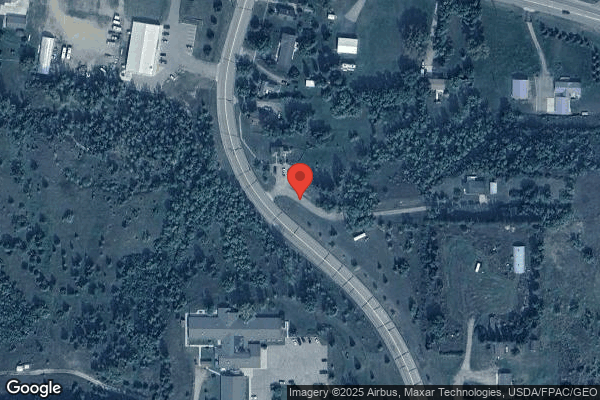

300 MAIN ST S, VELVA, ND 58790 (701) 338-2072
Non profit - Corporation 50 Beds Independent Data: November 2025 2 Immediate Jeopardy citations
Trust Grade
0/100
#67 of 72 in ND
Last Inspection: April 2025

Within standard 12-15 month inspection cycle. Federal law requires annual inspections.

Overview

Souris Valley Care Center has received a Trust Grade of F, indicating significant concerns about the facility's quality of care. Ranking #67 out of 72 nursing homes in North Dakota, they are in the bottom half of all facilities in the state. The trend shows improvement, with issues decreasing from 13 in 2024 to 4 in 2025, which is a positive sign. Staffing is rated 4 out of 5 stars, with a turnover rate of 56%, slightly above the state average of 48%, suggesting that while staff retention is decent, there is still room for improvement. However, the facility has faced serious compliance issues, including critical incidents where proper infection control was not followed, risking the spread of infections, and a failure to provide adequate supervision during resident transfers, leading to potential falls and injuries. Additionally, the center has incurred $82,312 in fines, which is concerning and indicates repeated compliance problems.

Trust Score
F
0/100
In North Dakota
#67/72
Bottom 7%
Safety Record
High Risk
Review needed
Inspections
Getting Better
13 → 4 violations
Staff Stability
⚠ Watch
56% turnover. Above average. Higher turnover means staff may not know residents' routines.
Penalties
⚠ Watch
$82,312 in fines. Higher than 82% of North Dakota facilities, suggesting repeated compliance issues.
Skilled Nurses
✓ Good
Each resident gets 46 minutes of Registered Nurse (RN) attention daily — more than average for North Dakota. RNs are trained to catch health problems early.
Violations
⚠ Watch
22 deficiencies on record. Higher than average. Multiple issues found across inspections.
★☆☆☆☆
1.0
Overall Rating
★★★★☆
4.0
Staff Levels
★☆☆☆☆
1.0
Care Quality
★☆☆☆☆
1.0
Inspection Score
Stable
2024: 13 issues
2025: 4 issues

The Good

  • 4-Star Staffing Rating · Above-average nurse staffing levels
  • Full Sprinkler Coverage · Fire safety systems throughout facility
  • No fines on record

Facility shows strength in staffing levels, fire safety.

The Bad

1-Star Overall Rating

Below North Dakota average (3.1)

Significant quality concerns identified by CMS

Staff Turnover: 56%

Near North Dakota avg (46%)

Frequent staff changes - ask about care continuity

Federal Fines: $82,312

Well above median ($33,413)

Moderate penalties - review what triggered them

Staff turnover is elevated (56%)

8 points above North Dakota average of 48%

The Ugly 22 deficiencies on record

2 life-threatening 2 actual harm
Apr 2025 4 deficiencies 1 IJ
CRITICAL (J) 📢 Someone Reported This

A family member, employee, or ombudsman was alarmed enough to file a formal complaint

Immediate Jeopardy (IJ) - the most serious Medicare violation

Infection Control (Tag F0880)

Someone could have died · This affected 1 resident

Based on observation, review of facility policy, and staff interview, the facility failed to follow standards of infection control for 1 of 1 sampled resident (Resident #18) with Multi-Resistant Staph...

Read full inspector narrative →
Based on observation, review of facility policy, and staff interview, the facility failed to follow standards of infection control for 1 of 1 sampled resident (Resident #18) with Multi-Resistant Staph Aureus (MRSA) (a type of contagious infection resistant to antibiotics) in a wound. Failure to follow infection control practices related to location of a dressing change and enhanced barrier precautions (EBP) has the potential to spread infection throughout the facility. During the on-site recertification survey, the team determined an Immediate Jeopardy (IJ) situation existed on 04/21/25 at 3:55 p.m. The IJ was identified when a staff nurse performed a dressing change in the medication room and failed to wear Personal Protective Equipment (PPE) (a gown). This finding placed all residents, staff, and visitors at risk for infection and/or spread of infection. *04/22/25 at 10:00 a.m., the survey team notified the administrator and director of nursing (DON) of the IJ situation, provided the IJ template, and requested a plan for removal of the IJ. *04/22/25 at 1:45 p.m., the survey team reviewed and accepted the facility's removal plan for the IJ. The removal plan contained the following: *Facility issued a directive that the nurse's station (medication room) must not be used for wound care. *The nurse's station (medication room) was deep cleaned. *All residents with wounds will have their wound treatments completed in the resident's room with proper PPE. *1:1 education provided to the staff nurse who performed the wound care regarding appropriate location to perform wound care, the standards of EBP, and the correct use of PPE. *Educated all staff on proper use of PPE and guidelines of EBP. This training was conducted via On Shift (all employee text message) and in person to staff on duty or prior to next scheduled shift. *04/22/25 at 2:20 p.m., the survey team verified the implementation of the removal plan and the IJ removal. The deficient practice remained at an D scope and severity following the removal of the immediate jeopardy. Findings include: Review of the facility policy titled Multidrug-Resistant Organisms, MRSA . occurred on 04/24/25. This policy, dated April 2024, stated, . Residents colonized with a CDC [Centers for Disease Control] targeted MDRO [Multi Drug Resistant Organism] and select epidemiologically important MDROs at the facilities discretion are intended to remain on Enhanced Barrier Precautions for the duration of their stay in a facility. Summary of PPE Use . Enhanced Barrier Precautions . Applies to: All residents with any of the following: Wounds . Infection or colonization with a novel or targeted MDRO . PPE used for these situations: During high-contact resident care activities: Wound care: any skin opening requiring a dressing . Required PPE: Gloves and gown prior to the high-contact care activity . Face protection may also be needed if performing activity with risk of splash or spray . Review of the facility policy titled Enhanced Barrier and Transmission-Based Precautions occurred on 04/24/25. This policy, dated April 2025, stated, . Enhanced barrier precautions expand the use of personal protective equipment beyond situations in which exposure to blood and body fluids is anticipated and refer to the use of gown and gloves during high-contact resident care activities that provide opportunities for transfer for multi drug-resistant organisms (MDROs) to staff hands and clothing. Enhanced barrier precautions are used for residents who are infected or colonized with a CDC-targeted MDRO . Review of the facility policy titled Personal Protective Equipment PPE . occurred on 04/24/25. This policy, dated January 2025, stated, . Wear a gown for direct resident/patient contact if the resident/patient is on Enhanced Barrier Precautions. to protect clothing from potential contamination. Review of the facility policy titled Wound Dressing Change occurred on 04/24/25. This policy, dated November 2024, stated, . Follow EBP (wash hands before entering and exiting the room, wear gloves and gown). Review of Resident #18's medical record occurred on all days of survey. Diagnoses identified chronic osteomyelitis (a bone infection) to the left ankle and foot, MRSA, and group B streptococcus (a type of bacterial infection). Physician's orders included Betadine (an antiseptic solution cleanser used to prevent the growth of and kill bacteria), wet to dry dressings to the wound on the left great toe, and Doxycycline (an antibiotic medication) daily for 14 days for MRSA. The current care plan stated . I require Enhanced Barrier Precautions (EBP) R/T [related to] open wounds, MRSA, & Strep B . wound to left toe . Observation on 04/21/25 at 3:55 p.m. showed a nurse (#12), with gloved hands, performed a dressing change to Resident #18's MRSA infected left great toe in the medication room. The resident's left foot rested on a disposable pad on the floor, and the soiled dressing, removed from the resident's foot by the nurse, also on the pad. Observation showed a spray bottle of wound cleanser nearby. At 4:05 p.m., Resident #18 exited the medication room and the nurse (#12) stated the dressing change should have been completed in the resident's room and not the medication room as the resident is on EBP. The staff nurse (#12) failed to complete the dressing change in the resident's room and failed to wear the appropriate PPE prior to completing the dressing change. During an interview on 04/22/25 at 10:00 a.m., an administrative nurse (#2) confirmed the medication room is considered a clean space. At 2:20 p.m., an administrative staff member stated he/she expected facility staff to perform procedures in the resident's room and wear appropriate PPE.
CONCERN (D) 📢 Someone Reported This

A family member, employee, or ombudsman was alarmed enough to file a formal complaint

Potential for Harm - no one hurt, but risky conditions existed

Resident Rights (Tag F0550)

Could have caused harm · This affected 1 resident

Based on observation, record review, review of facility policy and resident and staff interview, the facility failed to provide care in a manner that maintained, enhanced, and respected resident's dig...

Read full inspector narrative →
Based on observation, record review, review of facility policy and resident and staff interview, the facility failed to provide care in a manner that maintained, enhanced, and respected resident's dignity and individuality for 1 of 9 sampled residents (Resident #7) who voiced concerns regarding sleep and toileting cares. Failure to honor Resident #7's choice for napping, bedtime, and toileting does not enhance the resident's quality of life and may result in decreased self-esteem, quality of life, and increased pain. Findings include: Review of the facility policy titled Resident Dignity occurred on 04/24/25. This policy, dated December 2024, stated, . PURPOSE . To maintain the dignity of all residents . To promote, encourage, support and enhance the residents' self-esteem . To promote a sense of self-worth . promote care for residents in a manner and in an environment that maintains or enhances each resident's dignity and respect in full recognition of his or her individuality. Review of Resident #7's medical record occurred on all days of survey. The current care plan stated, . I have . incontinence . TOILET USE: Resident is not toileted -Is checked and changed every 3 hours and PRN [as needed] . Resident requires x2 [2 staff] assist with check and change. TRANSFER-Transfer Between Surfaces: Resident needs x2 assist with hoyer [mechanical lift]. I have chronic pain/discomfort R/T [related to] osteoarthritis right knee and limited mobility. During an interview on 04/21/25 at 12:33 p.m., Resident #7 stated she would like to go to bed at 8:00 p.m. and must wait until 10:00 p.m. The resident stated staff tell her, Well we're busy, you have to wait. Observations on 04/21/25 identified the following: *12:53 p.m., a certified nurse aide (CNA) (#3) assisted Resident #7's roommate. Resident #7 stated to the CNA (#3), I'd like to lay down too. *1:04 p.m., the CNA (#3) finished assisting the roommate. Resident #7 stated, How about me? The CNA stated, I'll come back, I have a couple of things to do, and left the room. *1:30 p.m., Resident #7's call light on. *1:37 p.m., Resident #7's call light remained on. *1:41 p.m., a medication aide (MA) (#5) entered Resident #7's room and stated, Let me go finish my med pass. The MA turned off the call light and exited room. *1:42 p.m., Resident #7 turned the call light back on. *1:44 p.m., A staff member (#6) entered resident's room and asked, What do you need? The staff member turned the call light off, exited the room and spoke with a CNA (#3) in the hall. The CNA #3 stated, It's going to be a while. *1:47 p.m., Resident #7 turned the call light back on. *1:48 p.m., approximately 55 minutes from the first time Resident #7 requested to lay down, two CNAs (#3 and #4) brought the mechanical lift into Resident #7's room. CNA (#4) asked the resident, Are you ready to lay down? The resident stated, I was ready an hour ago, there's a mess in here and everything. Where have you been? A CNA (#3) stated, Busy helping people. The resident responded, What am I, Swiss cheese? They have to go find you to help me. You did all this for my roommate and then walked out. I'm supposed to be checked at 1 [1:00 p.m.], it's almost 2 [2:00 p.m.], you do this to me all the time. It hurts to sit here like this. I've been sitting here too long; I haven't been changed since 10:00 this morning. The two CNAs (#3 and #4) transferred the resident into bed, removed the wet brief, and performed perineal care. During an interview on 04/24/25 at 11:20 a.m., an administrative staff member (#2) stated she expected staff to answer call lights within 10 minutes and provide care as soon as possible.
CONCERN (E) 📢 Someone Reported This

A family member, employee, or ombudsman was alarmed enough to file a formal complaint

Potential for Harm - no one hurt, but risky conditions existed

Assessment Accuracy (Tag F0641)

Could have caused harm · This affected multiple residents

**NOTE- TERMS IN BRACKETS HAVE BEEN EDITED TO PROTECT CONFIDENTIALITY** Based on record review, review of the Long-Term Care Facility Resident Assessment Instrument (RAI) 3.0 User's Manual (Version 1....

Read full inspector narrative →
**NOTE- TERMS IN BRACKETS HAVE BEEN EDITED TO PROTECT CONFIDENTIALITY** Based on record review, review of the Long-Term Care Facility Resident Assessment Instrument (RAI) 3.0 User's Manual (Version 1.19.1), and staff interview, the facility failed to ensure accurate coding of the Minimum Data Set (MDS) for 4 of 13 sampled residents (Residents #3, #13, #28, and #189). Failure to accurately complete the MDS does not allow each resident's assessment to reflect their current status and may affect the accurate development of a comprehensive care plan and the care provided to the residents. Findings include: SECTION I: ACTIVE DIAGNOSES The Long-Term Care Facility RAI User's Manual, revised October 2024, pages I-5 and I-8, stated, . Active Diagnoses in the Last 7 Days - Check all that apply . Coding Instructions: Code diseases that have a documented diagnosis in the last 60 days and have a direct relationship to the resident's current functional status . medical treatments . during the 7-day look-back period . Review of Resident #189's medical record occurred on all days of survey. Medications included Buspirone (an anti-anxiety) and Sertraline (an antidepressant). The admission MDS dated [DATE], showed the facility failed to include the diagnoses of anxiety and depression. SECTION M: SKIN CONDITIONS The Long-Term Care Facility RAI User's Manual, revised October 2024, page M-2 stated, . M01001 . Check A if resident has a Stage 1 or greater pressure ulcer/injury, a scar over bony prominence . Review of Resident #13's medical record occurred on all days of survey. Diagnoses identified Stage 1 and Stage 2 pressure ulcers on the buttocks. The quarterly MDS, dated [DATE], showed the facility failed to code the presence of pressure ulcers. SECTION N: MEDICATIONS The Long-Term Care Facility RAI User's Manual, revised October 2024, pages N-1 to N-3 and N-7 stated, . N0300: Injections . Record the number of days that any type of injection (e.g., subcutaneous, intramuscular, or intradermal) was received . N0350: Insulin . A. Insulin injections - Record the number of days that insulin injections were received . B. Orders for insulin - Record the number of days the physician . changed the resident's insulin orders . N0415A1. Antipsychotic: Check if an antipsychotic medication was taken by the resident at any time during the 7-day look-back period . - Review of Resident #3's medical record occurred on all days of survey. The physician's orders identified Abilify (an antipsychotic medication). The quarterly MDS, dated [DATE], showed the facility failed to code the antipsychotic. - Review of Resident #28's medical record occurred on all day of survey. A physician's order, dated 06/24/24, identified Ozempic (an injectable non-insulin hypoglycemic medication) subcutaneously weekly. The significant change MDS, dated [DATE], showed facility the facility failed to code the Ozempic injection. A quarterly MDS, dated [DATE], showed the facility coded one insulin injection and one insulin order during the look back period, even though the resident received no insulin. During interviews on 04/24/25, an administrative nurse (#2) confirmed staff coded Resident's #3, #13, #28, and #189's MDSs incorrectly.
CONCERN (E) 📢 Someone Reported This

A family member, employee, or ombudsman was alarmed enough to file a formal complaint

Potential for Harm - no one hurt, but risky conditions existed

Accident Prevention (Tag F0689)

Could have caused harm · This affected multiple residents

**NOTE- TERMS IN BRACKETS HAVE BEEN EDITED TO PROTECT CONFIDENTIALITY** Based on observation, record review, review of the facility reported incident (FRI), review of the facility policy, and staff in...

Read full inspector narrative →
**NOTE- TERMS IN BRACKETS HAVE BEEN EDITED TO PROTECT CONFIDENTIALITY** Based on observation, record review, review of the facility reported incident (FRI), review of the facility policy, and staff interview, the facility failed to ensure residents received adequate supervision and proper use of assistive devices to prevent accidents for 1 of 2 sampled residents (Resident #13) and 4 supplemental residents (Residents #7, #12, #23, and #30) observed during full body mechanical lift (Hoyer) transfers. Failure to ensure staff use a mechanical lift properly placed residents at risk of serious injury from falls. Findings include: Review of the facility policy titled Safe Resident Handling Program (SRHP) occurred on 04/24/25. This policy, dated 12/23/24, stated, . The Safe Resident Handling Program (SRHP) is a loss prevention program that has proven to reduce negative outcomes related to resident injuries . Will perform a TIME OUT safety stop while the resident is in a sling or harness and still over the surface of the bed or chair to ensure that all straps are secure before moving away from the surface. This is to be completed once the straps are taut, but before the resident leaves a surface. [NAME] a resident's weight is supported by a solid surface, such as a bed, the loops on the slings are loose and can come off the lift. After raising the resident's weight up and off the support service [sic] and before moving the resident from the support surface, STOP, take a time out, and check/tug on each and every sling connection to be sure it is secure. Review of the FRI occurred on 04/21/25. The final report, dated 02/21/25, stated, . Resident was being transferred with a Hoyer lift with an assist of two staff when harness came off of hook and resident slipped out of the Hoyer sling with head resting on leg of it. Resident was assessed by nurse and no injuries were found. The right upper sling hook came off during transfer and resident slid out of sling to the floor, lying on her right side with her head resting on the leg of the total lift. A 'timeout' double check for proper sling hook placement was not performed prior to transfer. - Review of Resident #7's medical record occurred on all days of survey. The current care plan stated, . TRANSFER - Transfer Between Surfaces: Resident needs x2 [two staff] assist with hoyer and X [extra]-Large mesh sling. Observation on 04/21/25 at 1:48 p.m. showed two CNAs (#3 and #4) transferred Resident #7 from the wheelchair to the bed using a full body mechanical lift. After connecting the lift sling straps to the hooks on the lift, CNA (#3) raised the lift while CNA (#4) moved to the opposite side of the bed. The CNAs failed to perform a timeout to check the loops of the sling were securely connected to the lift before moving the resident from above the bed. - Review of Resident #12's medical record occurred on all days of survey. The current care plan stated, . TRANSFER - Transfer Between Surfaces: x2 staff assist with large high back sling and hoyer. Observation on 04/21/25 at 2:30 p.m. showed two CNAs (#9 and #11) transferred Resident #12 from the bed to the wheelchair using a full body mechanical lift. After connecting the lift sling straps to the hooks on the lift, CNA (#9) raised the lift while CNA (#11) moved to the opposite side of the bed. The CNAs failed to perform a timeout to check the loops of the sling were securely connected to the lift before moving the resident from above the bed. - Review of Resident #23's medical record occurred on all days of survey. The current care plan stated, . Transfer Between Surfaces: x2 assist with Hoyer lift w/ [with] medium sling . Observation on 04/21/25 at 1:26 p.m. showed two CNAs (#3 and #11) transferred Resident #23 from the wheelchair to the bed using a full body mechanical lift. After connecting the lift sling straps to the hooks on the lift, CNA (#11) raised the lift while CNA (#3) moved to the opposite side of the bed. The CNAs failed to perform a timeout to check the loops of the sling were securely connected to the lift before moving the resident from above the wheelchair. - Review of Resident #30's medical record occurred on all days of survey. The current care plan stated, . Transfer between surface: hoyer using large high back sling X2 staff assist . Observation on 04/21/25 at 12:53 p.m. showed two CNAs (#3 and #5) transferred Resident #30 from the wheelchair to the bed using a full body mechanical lift. After connecting the lift sling straps to the hooks on the lift, CNA (#5) raised the lift while CNA (#3) moved to the opposite side of the bed. The CNAs failed to perform a timeout to check the loops of the sling were securely connected to the lift before moving the resident from above the wheelchair. The staff failed to perform a timeout during full body mechanical lift transfers per education provided after a facility reported incident on 02/14/25. During an interview on 04/24/25 at 11:15 a.m., an administrative nurse (#2) stated she expected staff to perform a time out with every mechanical lift transfer.
Aug 2024 1 deficiency 1 Harm
SERIOUS (G) 📢 Someone Reported This

A family member, employee, or ombudsman was alarmed enough to file a formal complaint

Actual Harm - a resident was hurt due to facility failures

Deficiency F0760 (Tag F0760)

A resident was harmed · This affected 1 resident

**NOTE- TERMS IN BRACKETS HAVE BEEN EDITED TO PROTECT CONFIDENTIALITY** Based on record review, review of the facility reported incident investigation, and staff interview, the facility failed to ensu...

Read full inspector narrative →
**NOTE- TERMS IN BRACKETS HAVE BEEN EDITED TO PROTECT CONFIDENTIALITY** Based on record review, review of the facility reported incident investigation, and staff interview, the facility failed to ensure residents remained free from significant medication errors for 1 of 1 closed record (Resident #1) receiving insulin. Failure to administer insulin according to a physician's order may have contributed to Resident #1's hospitalization. This citation is considered past noncompliance based on review of the corrective action the facility implemented immediately following the incident. Findings include: The surveyor determined a deficient practice existed on 08/16/24. The facility implemented corrective action on 08/19/24 and completed staff education and began audits on 08/19/24. The final facility reported incident, dated 08/19/24 stated, . it was determined there was a transcription error on admission for the long-acting insulin dose. Instead of having an 8 PM scheduled long-acting insulin dose it was entered as an 8 AM dose. Review of Resident #1's medical record occurred on 08/27/24 and identified an admission date of 08/16/24. The physician's orders dated 08/16/24, stated, . Toujeo: [long-acting insulin] 7 units every day in the evening. Review of Resident #1's August 2024 medication administration record showed Toujeo 7 units in the morning. A nursing progress note, dated 08/17/24 at 8:48 a.m., stated: Resident blood sugar this morning was HI on our accucheck [sic] machine [device to check blood glucose] . PAtient [sic] given PRN [as needed] fiasp [rapid-acting insulin] as well as scheduled Fiasp. She came down to 475. At 0700 [7:00 a.m.] her vitals were 138/64 [blood pressure], 97.9 [temp], 121 [heart rate], 18 [pulse], 96% [oxygen saturation] RA [room air]. Resident now has a low-grade fever of 99.6 and she is vomiting brown bile. Resident's daughter, [name], called. She would like resident sent to ER [emergency room] as well as resident requests to be seen by MD [medical doctor]. Dr [name] ordered to send to ER for evaluation. Review of Resident #1's hospital discharge notes from hospitalization on 08/17/24 - 08/19/24 identified a discharge diagnosis of diabetic ketoacidosis (a complication of diabetes in which acids build up in the blood), dehydration, and hyperglycemia (elevated blood sugar). During an interview on 08/27/24 at 2:00 p.m., an administrative nurse (#1) confirmed staff failed to administer Resident #1's long-acting insulin on the evening of 08/16/24. Based on the following information, noncompliance at F760 is considered past noncompliance. The facility implemented the corrective actions to ensure the deficient practice does not recur by: * The facility conducted an investigation on 08/19/24 with interviews of staff that determined the cause of the incident. Nursing staff failed to administer long-acting insulin as ordered due to a transcription error. * Provided 1 to 1 education on transcribing orders after the incident and on 08/19/24 with all nursing staff on insulin administration, blood glucose monitoring, and notification of change policy. Those not in attendance received education prior to start of their shift. * Suspended the nurse involved until the investigation was completed. * Reviewed medical records of all residents receiving insulin to ensure insulin administered at the appropriate time. * Implemented a secondary observer of management staff to review all new admission orders. * On 08/19/24 began audits on new admission orders, insulin administration, blood glucose monitoring, physician notification, and documentation of blood glucose parameters.
Apr 2024 12 deficiencies 1 IJ
CRITICAL (J) 📢 Someone Reported This

A family member, employee, or ombudsman was alarmed enough to file a formal complaint

Immediate Jeopardy (IJ) - the most serious Medicare violation

Accident Prevention (Tag F0689)

Someone could have died · This affected 1 resident

**NOTE- TERMS IN BRACKETS HAVE BEEN EDITED TO PROTECT CONFIDENTIALITY** Based on observation, record review, review of facility policy, and staff interview, the facility failed to provide appropriate ...

Read full inspector narrative →
**NOTE- TERMS IN BRACKETS HAVE BEEN EDITED TO PROTECT CONFIDENTIALITY** Based on observation, record review, review of facility policy, and staff interview, the facility failed to provide appropriate and sufficient supervision and/or assistive devices for 1 of 5 sampled residents (Resident #35) who required staff assistance and a gait belt with transfers. Failure to provide adequate assistance and/or use the assistive devices appropriately during transfers placed the residents at risk for accidents, falls, and/or injuries. During the standard survey, the team determined an Immediate Jeopardy (IJ) situation existed on 04/16/24 at 5:15 p.m. The IJ resulted from staff failure to provide sufficient supervision and use the assistive device (gait belt) in a manner to avoid a fall and/or potential injury. * 04/16/24 at 5:29 p.m., The survey team contacted the State Survey Agency (SSA) to report the findings and discuss potential immediate jeopardy (IJ). * 04/16/24 at 6:30 p.m., The survey team notified the administrator and the director of nursing (DON), of the IJ situation, provided them with the IJ template, and requested they develop a plan for removal of the immediate jeopardy. * 04/16/24 at 6:35 p.m., The SSA notified the CMS (Centers for Medicaid & Medicare Services) location of the IJ situation. * 04/16/24 at 8:40 p.m., The facility provided (via email) an IJ removal plan. * 04/17/24 at 8:30 a.m., The SSA reviewed and accepted the IJ removal plan. The removal plan contained the following: * Inservice and education on appropriate actions/interventions per care plan specific to toileting and transfers to meet residents needs and prevent injury, with the staff member directly involved in the deficient practice, all nursing staff on duty, and on-coming staff. * Review of Resident's transfer requirements as outlined in their individual care plans. * Review of facility policies and resources for questions/concerns. * 04/17/24 at 10:12 a.m., the survey team verified the implementation of the removal plan. The deficient practice remained at a D scope and severity following the removal of the IJ. Findings include: Review of the facility policy titled Fall Prevention and Management - Rehab/Skilled [R/S], Therapy & [and] Rehab occurred on 04/17/24. This policy, dated 04/02/24, stated, . To promote resident well-being by developing and implementing a fall prevention and management program . Proactive Approach before a Fall occurs . 2. Complete the Falls Tool UDA [user defined assessment] for fall screening and identifying fall risk factors. 3. Care Plan the appropriate interventions . 4. Communicate fall risks and interventions to prevent a fall before it occurs . Review of the facility policy titled Care Plan - R/S, LTC [Long Term Care], Therapy & Rehab occurred on 04/17/24. This policy, dated 11/01/23, stated, . Residents will receive and be provided the necessary care and services to attain or maintain the highest practicable well-being . The care plan will emphasize the care of the whole person ensuring that the resident will receive appropriate care and services. Review of Resident #35's medical record occurred on all days of survey. A quarterly Minimum Data Set (MDS), dated [DATE], identified Resident #35 had severely impaired cognition. The current care plan stated, . I am at risk for falls r/t [related to] balance difficulty, weakness and unsteadiness. I do have a hx [history] of falls r/t dementia and poor safety awareness, weakness and ambulatory dysfunction. I will not sustain serious injury through the review date. TOILET USE: I need extensive assist of two with transfers . TRANSFERS: Transfers with assist of two with gait belt . I will at times try to transfer myself in the restroom . Review of nursing progress notes identified the following: * 04/13/24 at 4:43 p.m., . Staff called nurse to resident room and stated that he is in the bathroom on the floor and bleeding from his head and blood on the floor and his hands and arms. Nurse assessed and resident cleansed and noted laceration to right side of forehead and skin tears to right elbow and top of hand. Resident was self transferring and lost balance and fell and then pulled call light. Pressure applied to laceration and vital signs obtained. Call placed to family and provider on call . and rec'd [received] verbal order to send to ER [emergency room] via ambulance. * 04/13/24 at 5:00 p.m., . Call placed to . hospital switchboard and requested to be connected to provider on call . Updated that resident had unwitnessed fall with injury and has a laceration to right side of forehead and skin tears to right elbow and top of hand. She stated to send resident to ER for evaluation of head laceration and because this is the 3rd fall resident has had since 4/11/24 and 2nd within 24 hours. * 04/14/24 12:20 a.m., . Resident returned to facility following ER visit d/t [due to] fall with head laceration. Resident returns with 6 sutures to lacerated area on right side of forehead. Observations showed the following: * 04/14/24 at 12:13 p.m., Resident #35 seated in a wheelchair in the dining room eating lunch. The resident had sutures to the right side of the forehead and a tegaderm [transparent adhesive bandage] to the right forearm. * 04/14/24 at 4:30 p.m., Resident #35 sat in a wheelchair by the dining room and stated he needed to use the bathroom to staff member (#2). The staff member (#2) opened the door to the public bathroom in the hallway for the resident, and asked Are you good? Resident #35 responded Yes. The staff member (#2) walked away. Resident #39, also cognitively impaired, pushed Resident #35 in the wheelchair into the bathroom and closed the door. The surveyor notified the nurse (#3). The nurse (#3) entered the bathroom, stopped Resident #35 from self-transferring to the toilet, placed a gait belt on Resident #35 and assisted the resident to the toilet. Resident #35 used the toilet. The nurse (#3) assisted the resident to stand and pivot back into the wheelchair with a gait belt. * 04/15/24 at 4:35 p.m., Resident #35 sat on the bed and transferred himself from the bed to the wheelchair. No staff were present in the room. * 04/16/24 at 9:35 a.m., Two certified nurse aides (CNAs) (#4 and #5) assisted Resident #35 to transfer from the wheelchair to the toilet. The resident transferred himself to the toilet before they could apply the gait belt. Once the resident was seated on the toilet the CNA (#4) applied a gait belt to the resident. Resident #35 used the toilet and the CNAs (#4 and #5) lifted under Resident #35's arms to assist him to stand, completed perineal cares and both CNAs held the resident under his arms and by the waistband of his pants, to pivot transfer to the wheelchair. During an interview on 04/16/24 at 3:20 p.m., an administrative nurse (#1) confirmed she expected staff to follow the care plan for transfers to ensure resident safety, and to use gait belts appropriately. Facility staff failed to follow the care plan to provide sufficient supervision and assistance with transferring and toileting, and use a gait belt with a resident who was identified as a fall risk, who had a recent fall with injury, and had the potential to for further falls.
SERIOUS (G)

Actual Harm - a resident was hurt due to facility failures

Deficiency F0697 (Tag F0697)

A resident was harmed · This affected 1 resident

**NOTE- TERMS IN BRACKETS HAVE BEEN EDITED TO PROTECT CONFIDENTIALITY** Based on record review, policy review, and resident and staff interviews, the facility failed to provide care and services to co...

Read full inspector narrative →
**NOTE- TERMS IN BRACKETS HAVE BEEN EDITED TO PROTECT CONFIDENTIALITY** Based on record review, policy review, and resident and staff interviews, the facility failed to provide care and services to control pain for 1 of 1 sampled resident (Resident #31) reviewed for pain management. Failure to administer as needed (prn) pain medications and inform the physician of increased use of prn pain medication resulted in Resident #31 experiencing anxiety and mental anguish and may have contributed to the resident experiencing increased and/or unresolved pain. Findings include: Review of the facility policy titled Pain Management occurred on 04/17/24. This policy, dated February 2024, stated, . PURPOSE To provide residents assistance in pain management. To promote well-being by ensuring that residents are as comfortable as possible. Individualized approaches will be developed to address the resident's pain management in a holistic manner. Review of Resident #31's medical record occurred on all days of survey. A Minimum Data Set (MDS), dated [DATE], identified intact cognition and frequent pain rated 10 on a 0-10 scale. A second MDS, dated [DATE], identified pain affected her sleep occasionally and interfered with therapy activities and day to day activities frequently. Resident #31's care plan stated, . I have chronic pain/discomfort . E/B [evidenced by] limited mobility and verbalization of pain. I will not have an interruption in normal activities due to pain . Physician's orders included: * 01/19/24, Acetaminophen Oral Tablet (Acetaminophen) [tylenol] Give 1000 mg [milligrams] by mouth three times a day related to BILATERAL PRIMARY OSTEOARTHRITIS OF KNEE . BILATERAL PRIMARY OSTEOARTHRITIS OF HIP. * 01/19/24, Ultram 50 mg (TraMADOL HCL) [narcotic analgesic] *Controlled Drug* Give 50 mg by mouth as needed for pain Take up to three times daily as needed if pain unrelieved by tylenol. * 01/29/24, LORazepam [antianxiety medication] Oral Tablet 0.5 MG Give 0.5 mg by mouth as needed for anxiety/agitation related to ANXIETY DISORDER . Take up to one time daily. During an interview on 04/14/24 at 12:54 p.m., Resident #31 stated, I have had issues getting my pain and anxiety medications which has created a lot of anxiety for me not knowing if I would get them [pain and antianxiety medications] or not. A nurse refused to give me my tramadol and Ativan [lorazepam] when I requested them. Review of Resident #31's progress notes and medication administration record (MAR) identified the following: *01/22/24 at 9:16 p.m. Resident . Stated she wanted her Ultram, Tylenol and Ativan so she can sleep. Did not give them. She stated she did not know why she cant [sic] get them three times a day like in the last place. Explained this is new facility and we don't have an order for it that often. The MAR identified Resident #31 did not receive any PRN doses of Tramadol or Ativan on this day. * 01/23/24 at 12:44 p.m. fax sent to Dr. [doctor] . re: [regarding] resident is very upset that her Tramadol is not scheduled at 0900 [9:00 a.m.], 1500 [3:00 p.m.], and at bedtime, Tramadol was scheduled at these times at her last place of residence, resident states she needs it scheduled because of her back and knee pain, can we schedule it as resident wishes? . * 01/23/24 at 3:58 p.m. fax received from Dr. stating NO Keep it prn referring to the Tramadol . * 01/26/24 at 11:31 p.m. Resident was calm and cooperative. Requesting Tramadol told her could not give she already received it 3 times today. Stated that I needed to go research and bring her the Tramadol. Restated I could not give her any because she already received it 3 times today. The MAR identified Resident #31 only received two doses of Tramadol on this day, and did not receive Ativan until 11:10 p.m., almost two hours after she requested it. The facility failed to administer prn pain and antianxiety medications as ordered and when Resident #31 requested. Review of a physician's progress note, dated 02/21/24 for Resident #31 stated, . She [Resident #31] states for years, she was on lorazepam 2-3 times daily as needed for anxiety . She also notes that the tramadol she has previously taken 2-3 times per day and that is not being given as often since her admission to the nursing home. She is wondering if those can be adjusted. She makes it a point that she is [AGE] years old and has been on the anxiolytics and tramadol for a number of years without problems and I do not see at this point any reason why we cannot be more liberal with the anxiolytics and the tramadol. She already has the tramadol ordered 3 times daily as needed if pain is unrelieved by Tylenol and I think that is adequate for now to continue with that order. The lorazepam however, will be increased to twice daily. Monthly pharmacy review progress notes for Resident #31 included the following: * 02/28/24 . Pain: freq [frequent] moderate - severe. PRN Meds: tramadol 76 (+58) [indicating the resident requested and received tramadol 58 more times in February then she did in January]. Lorazepam now scheduled, . assess need to schedule a dose of tramadol to help control pain. * 03/28/24 . Pain: frequent moderate-severe pain mostly relieved with PRN tramadol. PRN Meds: tramadol 75 [prn doses] . for pain control, may consider scheduling for better pain control next month. The facility failed to inform the physician of Resident #31's increased use of prn pain medication and suggestions for scheduled doses as indicated by the pharmacy reviews. During an interview on 04/16/24 at 11:50 a.m., an administrative nurse (#1) stated she was not aware of Resident #31's concerns with not receiving her prn pain and antianxiety medications. The also reported she did not notify the physician of the pharmacy monthly reviews since it was not noted specifically as a recommendation. During an interview on 04/16/24 at 1:29 p.m., an administrative nurse (#1) agreed Resident #31 could have received Tramadol and Ativan on 01/22/24 when she had requested it and on 01/26/24 she could have received prn tramadol when she requested it. The administrative nurse stated she expects staff to administer medications as ordered and as requested by the resident.
CONCERN (D) 📢 Someone Reported This

A family member, employee, or ombudsman was alarmed enough to file a formal complaint

Potential for Harm - no one hurt, but risky conditions existed

Deficiency F0557 (Tag F0557)

Could have caused harm · This affected 1 resident

**NOTE- TERMS IN BRACKETS HAVE BEEN EDITED TO PROTECT CONFIDENTIALITY** Based on observations, record review, facility policy, and staff interview, the facility failed to promote care in a manner that...

Read full inspector narrative →
**NOTE- TERMS IN BRACKETS HAVE BEEN EDITED TO PROTECT CONFIDENTIALITY** Based on observations, record review, facility policy, and staff interview, the facility failed to promote care in a manner that maintained or enhanced residents' dignity for 1 of 14 sampled residents (Resident #14) and 1 supplemental resident (Resident #6) who required assistance with dressing. Failure to ensure the residents wore clean clothing and were fully dressed the resident following cares does not promote mental well-being or dignity. Findings included: Review of the facility policy titled Resident Dignity occurred on 04/17/24. This policy, dated November 2023, stated, . PURPOSE To maintain the dignity of all residents . To promote, encourage, support and enhance the residents' self-esteem . - Review of Resident #14's medical record occurred on all days of survey. The Minimum Data Set (MDS), dated [DATE], identified dependent on assistance with dressing. Observations showed: * 04/14/24 at 11:40 a.m. Resident #14 wore pants soiled with food debris when staff brought the resident to the dining room for lunch. * 04/15/24 at 8:37 a.m. Resident #14 in the wheelchair in her room wearing pants soiled with food debris. The resident's roommate was in the bed with food debris noted on the bed beside her. - Review of Resident #6's medical record occurred on 04/14/24. The MDS, dated [DATE], identified dependent on assistance with dressing. Observation on 04/14/24 at 11:55 a.m. showed Resident #6 wore a shirt and pants soiled with food debris. During an interview on 04/16/24 at 3:45 p.m., an administrative nurse (#1) stated staff are expected to change residents' clothing if soiled and pull pants back up following a check and change.
CONCERN (D)

Potential for Harm - no one hurt, but risky conditions existed

Notification of Changes (Tag F0580)

Could have caused harm · This affected 1 resident

**NOTE- TERMS IN BRACKETS HAVE BEEN EDITED TO PROTECT CONFIDENTIALITY** Based on record review, review of facility policy, and staff interview, the facility failed to notify the resident's physician o...

Read full inspector narrative →
**NOTE- TERMS IN BRACKETS HAVE BEEN EDITED TO PROTECT CONFIDENTIALITY** Based on record review, review of facility policy, and staff interview, the facility failed to notify the resident's physician of a change in condition for 1 of 4 sampled residents (Resident #17) with weight loss. Failure to notify the physician of these changes may have prevented the physician from altering the treatment/care provided to the resident. Findings include: Review of the facility policy titled Weight and Height - R/S, LTC [rehab/skilled, long term care] occurred on 04/17/24. This policy, dated 09/18/23, stated, . To ensure that resident maintains acceptable parameters of nutritional status regarding weight . To report changes in a resident's clinical condition (significant weight change) immediately to physician . 8. Significant weight change is defined as five percent in 30 days, 7.5 percent in 90 days, and 10 percent in 180 days. 9. The licensed nurse should immediately notify the medical provider regarding any significant weight change . Review of Resident #17's medical record occurred on all days of survey. Diagnoses included dementia and diabetes. Review of the significant change Minimum Data Set (MDS), dated [DATE], identified weight loss and supervision/set-up assistance for eating. The progress notes identified the following: * 01/16/24 at 9:46 a.m., Nutritional Status - Dietitian Assessment . Nutrition Admit Note: . Wt [weight]-176.5# [pounds] . MNA [mini nutrirional assessment] score was a 12 which puts her w/in [within] normal nutritional status. Plan to continue to monitor & [and] allow time for her to adjust to the facility. * 02/20/24 at 10:41 a.m., Care Conference Note . Resident meal and fluid intakes are poor. Resident does need encouragement with food and fluids. Resident current weight is 169.5lb [pounds]. * 03/19/24 10:02 a.m., Care Conference Note . Resident is currently 167 pounds. meal intake is 50% [percent] or more of meals. Resident shows a weight loss, since admission. * 03/26/24 at 11:08 a.m., Nutritional Status - Dietitian Assessment . Current wt-168# . Weight is down 17# since 1/23/24 (9.2%). MNA score was a 10 which has declined & puts her at risk for malnutrition. * 04/15/24 at 12:16 p.m., Nutritional Status - Dietitian Assessment . Wt-163# . Weight is down 18# in 90 days (9.9%); & 22# in 180 days (11.9%). MNA score was a 9 which has declined. Plan to continue to monitor her nutritional status & will be following up as needed. The medical record lacked documentation of provider notification of Resident #17's significant weight loss. During an interview on 04/16/24 at 4:30 p.m., an administrative nurse (#1) confirmed facility staff failed to notify the provider of the significant weight loss for Resident #17.
CONCERN (D)

Potential for Harm - no one hurt, but risky conditions existed

Deficiency F0658 (Tag F0658)

Could have caused harm · This affected 1 resident

Based on observation, record review, review of manufacturer's instructions for use, and staff interview the facility failed to ensure staff followed standards of practice for 1 of 1 resident (Resident...

Read full inspector narrative →
Based on observation, record review, review of manufacturer's instructions for use, and staff interview the facility failed to ensure staff followed standards of practice for 1 of 1 resident (Resident #29) observed during administration of intermediate acting insulin. Failure to administer intermediate-acting insulin within fifteen minutes of a meal may result in a hypoglycemic (low blood sugar) reaction. Findings include: Prescribing information for Humalog Mix 75/25 insulin (an intermediate acting insulin), found at https://www.humalog.com/mixes, occurred on 04/17/24, and stated, . Inject HUMALOG Mix75/25 subcutaneously within 15 minutes before a meal. Review of Resident #29's medical record occurred on all days of survey. A current physician's order stated, HumaLOG Mix 75/25 KwikPen Subcutaneous Suspension Pen-injector (75-25) 100 UNIT/ML [unit/mL] . Inject 18 unit subcutaneously one time a day . with supper. Observations on 04/14/24 showed the following: * 5:19 p.m., a nurse (#3) prepared and administered 18 units of Humalog 75/25 to Resident #29. * 5:44 p.m., Resident #29 seated at the dining room table waiting for the supper meal to be served. (25 minutes later) The facility failed to follow prescribing instructions for timing of Resident #29's Humalog 75/25 insulin. During an interview on 04/16/24 at 3:30 p.m., an administrative nurse (#1) confirmed she expected staff to administer intermediate insulin within 15 minutes of a meal.
CONCERN (D)

Potential for Harm - no one hurt, but risky conditions existed

Quality of Care (Tag F0684)

Could have caused harm · This affected 1 resident

**NOTE- TERMS IN BRACKETS HAVE BEEN EDITED TO PROTECT CONFIDENTIALITY** Based on observation, record review, staff interview, and review of facility policy, the facility failed to ensure staff provide...

Read full inspector narrative →
**NOTE- TERMS IN BRACKETS HAVE BEEN EDITED TO PROTECT CONFIDENTIALITY** Based on observation, record review, staff interview, and review of facility policy, the facility failed to ensure staff provided care and services for 1 of 1 sampled resident (Resident #27) with orders for a CAM Boot (Controlled Ankle Motion boot - an orthopedic device prescribed for the treatment and stabilization of severe sprains, fractures, tendon, or ligament tears in the ankle of foot). Failure to document application and removal of an orthopedic device, and to follow physician's orders for elevating legs/heels, may result in pain and/or worsening of resident's condition. Findings include: Review of the facility policy titled Care Plan - LTC [Long Term Care], Therapy & Rehab occurred on 04/17/24. This policy, dated 11/01/23, stated, . Residents will receive and be provided the necessary care and services to attain or maintain the highest practicable well-being . The care plan will emphasize the care of the whole person ensuring that the resident will receive appropriate care and services. Review of Resident #27's medical record occurred on all days of survey and included a diagnosis of nondisplaced trimalleolar (lower leg sections that form the ankle joint) fracture of right lower leg. Physician's orders showed 100% weight bearing to right ankle when wearing the CAM boot and to keep right foot elevated every shift. The current care plan showed, . The resident has actual impairment to skin integrity R/T [related to] surgical incision/surgical wound E/B [evidenced by] recent surgery on right ankle fracture. Elevate heels off bed. Review of Resident #27's treatment administration record (TAR) and certified nurse aide (CNA) documentation, dated 04/01/24 through 04/17/24, failed to show who is responsible for application and removal of the CAM Boot or documentation to elevate the right foot. Review of the CNA [NAME] showed Repositioning/Skin Care: Elevate heels off bed. Observations throughout the survey showed Resident #27 wore a CAM boot to his right foot. Further observations showed: * 04/14/24 at 2:30 p.m. Seated in the wheelchair without his right foot elevated. * 04/15/24 at 9:45 a.m. Two CNAs (#4 and #7) transferred the resident into bed and failed to elevate the resident's heels. * 04/15/24 at 3:05 p.m. In bed without his heels elevated. *04/15/24 at 4:25 p.m. A nurse (#3) performed wound care. Upon completion, the nurse failed to elevate the resident's heels off the bed. * 04/16/24 at 9:40 a.m. Seated in the wheelchair without his right foot elevated. * 04/16/24 at 1:15 p.m. In bed, without his heels elevated. * 04/17/24 at 9:00 a.m. Seated in the wheelchair without his right foot elevated. During an interview on 04/17/24 at 12:15 p.m., an administrative staff member (#1) stated she expected nursing staff to determine who will be responsible for following the order and add it to the TAR or CNA [NAME], and she expected staff to follow the plan of care or order. The facility failed to provide care according to physician's orders, develop and follow the plan of care, and to direct the staff responsible to document the removal/application of the orthopedic device (CAM boot).
CONCERN (D)

Potential for Harm - no one hurt, but risky conditions existed

Deficiency F0692 (Tag F0692)

Could have caused harm · This affected 1 resident

Based on record review, review of facility policy, and staff interview, the facility failed to maintain acceptable parameters of nutritional status or 1 of 4 sampled residents (Resident #35) with weig...

Read full inspector narrative →
Based on record review, review of facility policy, and staff interview, the facility failed to maintain acceptable parameters of nutritional status or 1 of 4 sampled residents (Resident #35) with weight loss. Failure to reassess/monitor weight variances may delay needed treatment for weight loss and alter the resident's ability to maintain sufficient nutritional status. Findings include: Review of the facility policy titled Weight and Height - R/S, LTC [rehab/skilled, long term care] occurred on 04/17/24. This policy, dated 09/18/23, stated, . To ensure that resident maintains acceptable parameters of nutritional status regarding weight . To report changes in a resident's clinical condition (significant weight change) immediately to physician . To accurately measure weight . All residents are weighed at a minimum of weekly for the first four weeks following admission . 7. If weight varies by more than three percent, reweigh resident and document. Report weight to licensed nurse. 8. The licensed nurse should notify the director of food and nutrition (DFN) within 24 hours regarding significant weight change. Significant weight change is defined as five percent in 30 days, 7.5 percent in 90 days, and 10 percent in 180 days. Review of Resident #35's medical record occurred on all days of survey. Diagnoses included Alzheimer's disease, chronic heart failure, lymphedema, and diabetes. Physician's orders identified: * 11/01/23, Weekly weight on bath day. * 11/01/23, Metolazone [a diuretic medication] 10 milligrams in the morning. The medical record identified staff failed to weigh Resident #35 weekly from 11/13/23 until 12/04/23. During this three week period, the weights showed a 52 pound weight loss (from 186 lbs. to 134 lbs.), which represents a 27% weight loss. The medical record failed to identify the significant weight loss and/or its possible causes. During an interview on 04/17/24 at 10:12 a.m., the dietary manager (#12) and dietician (#13) agreed the facility failed to identify Resident #35's significant weight loss and address any causes. The dietary manager (#12) stated she recalled a conversation with nursing, and that the team felt the first two weights were inaccurate; however, they failed to re-weigh Resident #35 and document the conversation. Facility staff failed to perform weights and re-weighs as ordered/per facility policy, identify the significant weight loss, and assess any related causes for Resident #35.
CONCERN (D)

Potential for Harm - no one hurt, but risky conditions existed

Medication Errors (Tag F0758)

Could have caused harm · This affected 1 resident

THIS IS A REPEAT DEFICIENCY FROM THE SURVEY COMPLETED ON 05/25/23 Based on record review, review of facility policy, and staff interview, the facility failed to ensure residents remained free from unn...

Read full inspector narrative →
THIS IS A REPEAT DEFICIENCY FROM THE SURVEY COMPLETED ON 05/25/23 Based on record review, review of facility policy, and staff interview, the facility failed to ensure residents remained free from unnecessary psychotropic medications for 1 of 2 sampled resident (Resident #24) who received an as needed (PRN) psychotropic. Failure to limit PRN psychotropic use to 14 days unless reevaluated by a practitioner placed the resident at risk of receiving unnecessary medications and experiencing adverse drug effects. Findings include: Review of the facility policy titled Psychotropic Medications occurred on 04/17/24. This policy, dated December 2023, stated, . PRN orders for psychotropic drugs are limited to 14 days. If the attending physician or prescribing practitioner believes that it is appropriate for the PRN order to be extended beyond 14 days, he or she should document their rationale in the resident's medical record and indicate the duration for the PRN. Review of Resident #24's medical record occurred on all days of survey. A physician's order, dated 10/02/23, included Lorazepam (antianxiety) 0.5 milligrams every 4 hours as needed for anxiety/agitation. The facility failed to obtain an order to extend the psychotropic medication beyond the original 14 days and failed to include the rationale/specific circumstances for its extended use and a stop date established by the prescriber. During an interview on 04/16/24 at 10:48 a.m., an administrative nurse (#1) confirmed the facility failed to obtain a new order for the extended use of Resident #24's Ativan.
CONCERN (D)

Potential for Harm - no one hurt, but risky conditions existed

Infection Control (Tag F0880)

Could have caused harm · This affected 1 resident

Based on observation, record review, review of facility policy, and staff interview, the facility failed to follow standards of infection control for 3 of 6 sampled residents (Resident#17, #35 and #19...

Read full inspector narrative →
Based on observation, record review, review of facility policy, and staff interview, the facility failed to follow standards of infection control for 3 of 6 sampled residents (Resident#17, #35 and #195) observed with enhanced barrier precautions (EBP). Failure to practice infection control standards related to linen handling, hand hygiene, and glove use, and ensure staff use the proper personal protective equipment (PPE) has the potential to spread infection throughout the facility. Findings include: Review of the facility policy titled Standard and Transmission-Based Precautions, All Service Lines - Enterprise occurred on 04/17/24. This policy, revised 04/02/24, stated, . Purpose . To prevent the spread of infection . Enhanced Barrier Precautions . Enhanced barrier precautions expand the use of PPE [Personal Protective Equipment] beyond situations in which exposure to blood and body fluids is anticipated and refer to the use of gown and gloves during high-contact resident care activities that provide opportunities for transfer of MDROs [multi drug resistant organisms] . Enhanced barrier precautions are needed for residents with chronic wounds (pressure ulcers .) . and Residents with Indwelling Medical devices (. indwelling urinary catheters .) . Review of the facility policy titled Laundry, Resource Packet - Collecting Soiled Clothes and Linens occurred on 04/17/24. This undated policy stated, . Soiled laundry will be collected to prevent the spread of potential infectious disease. All soiled linens, soiled with bodily material, will be treated as if it is potentially infectious. Clothes and linens should be placed directly into plastic bags. Review of the facility policy titled Hand Hygiene - Enterprise occurred on 04/17/24. This policy, dated 03/29/22, stated, . All employees in patient care areas . will adhere to the 4 Moments of Hand Hygiene . 2. Before Clean Task 3. After Bodily Fluid/Glove removal . Gloves are a protective barrier for the HCW [health care worker] according to standard precautions. 1. Gloves are never to be reused or sanitized. 2. Hand hygiene should be performed after glove removal. Change gloves when moving from a dirty to clean or sterile activity performing hand hygiene in between changing gloves. - Review of Resident #17's medical record occurred on all days of survey. The current care plan stated, . I require Enhanced Barrier Precautions (EBP) R/T [related to] indwelling medical device:-Foley Catheter . [NAME] gown and gloves when performing high contact care activities including: dressing . Observation on 04/15/24 at 12:00 p.m. showed a sign on Resident #17's door stating, Enhanced Barrier Precautions. Everyone Must: Clean their hands, including before entering and when leaving the room. Providers and Staff Must Also: Wear gloves and a gown for the following High-Contact Resident Care Activities: Dressing . Changing Linens. A laundry aide (#8) wore a glove on the right hand, applied alcohol based hand rub (ABHR) to the gloved hand, entered Resident #17's room with clean laundry, and exited the room. Without removing the glove and performing hand hygiene, the laundry aide retrieved a set of clothes from the laundry cart, applied ABHR to the same glove on the right hand, and took the laundry into a different resident room. The laundry aide (#8) failed to follow facility policy for hand hygiene and glove use. Observation on 04/16/24 at 8:10 a.m. showed Resident #17 seated in a wheelchair by the bed and the resident's personal blanket on the floor. A certified nurse aide (CNA) (#7) wore a gown and no gloves and assisted the resident to don a shirt. The CNA performed hand hygiene and donned gloves. The CNA removed soiled linens from the bed and placed them directly on the floor. Without performing hand hygiene or donning clean gloves, the CNA (#7) applied clean linen to the bed, picked up Resident #17's the blanket off of the floor, folded it and placed it on top of clean linen at the foot of the bed. The CNA (#7) failed to wear appropriate PPE while performing high contact care activities, change gloves and perform hand hygiene per facility policy, failed to place the soiled linen in a plastic bag prior to placing it on the floor, and placed a soiled blanket back on Resident #17's bed. -Review of Resident #35's medical record occurred on all days. A Wound/Skin Assessment completed on 03/26/24 identified . Left Heel Unstageable Pressure Ulcer . Observation on 04/14/24 at 11:48 a.m. showed a sign on Resident #35's door stating, Enhanced Barrier Precautions. Everyone Must: Clean their hands, including before entering and when leaving the room. Providers and Staff Must Also: Wear gloves and a gown for the following High-Contact Resident Care Activities . Transferring . Providing Hygiene . Changing briefs or assisting with toileting . Observation on 04/16/24 at 9:35 a.m. showed two CNAs (#4 and #5) assisted resident to transfer from the wheelchair to the toilet in the public bathroom. Both CNAs wore gloves but failed to don gowns. The CNA (#5) removed the resident's soiled brief and placed a new brief. The CNA (#5) cleaned urine off the floor, removed her gloves, and without performing hand hygiene donned new gloves. The CNAs assisted the resident from the toilet to the wheelchair after CNA (#4) performed perineal cares. The CNAs (#4 and #5) failed to don appropriate PPE while they toileted Resident #35 and the CNA (#5) failed to follow facility policy for hand hygiene and glove use. - Review of Resident #195's medical record occurred on all days of survey. A Wound/Skin Assessment completed on 04/12/24 identified Stage II PU [pressure ulcer] noted on coccyx. Physician notified. The current care plan stated, . I have an actual impairment to skin integrity R/T fragile skin, immobility, and incontinence E/B [evidenced by] Stage II pressure ulcer. Observation on 04/13/24 at 4:30 p.m. showed a sign on Resident #195's door stating, Enhanced Barrier Precautions. Everyone Must: Clean their hands, including before entering and when leaving the room. Providers and Staff Must Also: Wear gloves and a gown for the following High-Contact Resident Care Activities .Transferring .Providing Hygiene . Changing briefs . A nurse (#14) and CNA (#11) performed hand hygiene, donned gloves, and entered the resident's room to provide cares and transfer the resident. Staff failed to don a gown. During an interview on 04/16/24 at 3:20 p.m., an administrative nurse (#1) stated she expected staff to handle linens and use gloves/perform hand hygiene per policy. During an interview on 04/17/24 at 12:15 p.m., an administrative nurse (#1) stated she expected staff to follow enhanced barrier precautions by donning correct PPE required for the cares being delivered.
CONCERN (D)

Potential for Harm - no one hurt, but risky conditions existed

Deficiency F0883 (Tag F0883)

Could have caused harm · This affected 1 resident

Based on record review, review of facility policy, and staff interview, the facility failed to assess each resident's pneumococcal status and provide education to residents and/or their legal represen...

Read full inspector narrative →
Based on record review, review of facility policy, and staff interview, the facility failed to assess each resident's pneumococcal status and provide education to residents and/or their legal representatives regarding the benefits and potential side effects of receiving the vaccination for 1 of 5 sampled residents (Resident #17) reviewed for immunization status. Failure to offer pneumococcal vaccine to all residents, provide education to residents and their legal representatives, and document the administration or refusal has the potential for non-immunized residents to contract pneumonia and spread the infection to other residents, visitors, and staff. Findings include: Review of the facility policy titled Immunizations/Vaccinations for Residents, Pneumococcal, Influenza, COVID-19 [coronavirus], Other . LTC [long term care] . occurred on 04/17/24. This policy dated, 09/21/23, stated, . To provide residents and clients the opportunity to receive immunizations as they fit into their healthcare goals. Upon admission, each client, resident and/or resident representative will receive the Vaccination Information Statements (VIS) for influenza and pneumococcal vaccines . Review current vaccinations. Provide and document education on the benefits and potential side effects of the vaccinations for which the client/resident is eligible. Review of Resident #17's medical record occurred on all days of survey. The resident was admitted in January of 2024. The record lacked evidence the facility assessed the resident's pneumococcal immunization status on admission and provided education to the resident and/or their legal representative. The facility failed to follow their policy for pneumococcal vaccine administration. During an interview on 04/16/24 at 3:20 p.m., an administrative nurse (#1) verified the facility failed to assess Resident #17's pneumococcal immunization status and document history, offer and/or refusal of the pneumococcal vaccine.
CONCERN (E)

Potential for Harm - no one hurt, but risky conditions existed

Assessment Accuracy (Tag F0641)

Could have caused harm · This affected multiple residents

**NOTE- TERMS IN BRACKETS HAVE BEEN EDITED TO PROTECT CONFIDENTIALITY** Based on record review, review of the Long-Term Care Facility Resident Assessment Instrument (RAI) 3.0 User's Manual (Version 1....

Read full inspector narrative →
**NOTE- TERMS IN BRACKETS HAVE BEEN EDITED TO PROTECT CONFIDENTIALITY** Based on record review, review of the Long-Term Care Facility Resident Assessment Instrument (RAI) 3.0 User's Manual (Version 1.18.11), and staff interview, the facility failed to ensure accurate coding of the Minimum Data Set (MDS) for 3 of 14 sampled residents (Resident #20, #29 and #35) and one supplemental resident (Resident #44). Failure to accurately complete the MDS does not allow each resident's assessment to reflect their current status/needs and may affect the accurate development of a comprehensive care plan and the care provided to the residents. Failure to code discharge status may affect appropriate discharge planning and follow-up if needed. Findings include: SECTION A: IDENTIFICATION INFORMATION The Long-Term Care Facility RAI Manual, revised October 2023, Section A, page A-42 stated, . A 2105 Discharge Status . Steps for Assessment 1. Review the medical record including the discharge plan and discharge orders for documentation of discharge location. Select the two-digit code that corresponds to the resident's discharge status. Code 01, Home/Community: if the resident was discharged to a private home, apartment, board and care, assisted living facility . Review of Resident #44's medical record occurred on 04/17/24. A physician's order dated, 03/28/24, stated, Discharge to [facility name] Assisted Living . A progress note, dated, 03/28/2024 9:56 [a.m.] Discharge-Home, Assisted Living . Resident #44's Discharge MDS dated [DATE] identified facility staff coded item A2105 discharge status: 04 Short-Term General Hospital. The MDS is incorrectly coded for a discharge to a hospital. During an interview on 04/17/24 at 11:55 a.m., a staff member (#11) confirmed staff failed to correctly code Resident #44's discharge MDS. SECTION K: WEIGHT LOSS The Long-Term Care Facility RAI User's Manual, revised October 2023, Section K: Swallowing/Nutritional Status, pages K-3 through K-6, stated, . K0200B: Weight: 1. Base weight on the most recent measure in the last 30 days. K0300: Weight Loss . Steps for Assessment: This item compares the resident's weight in the current observation period with their weight at two snapshots in time: . At a point closest to 30-days preceding the current weight. At a point closest to 180-days preceding the current weight. From the medical record, compare the resident's weight in the current observation period to their weight in the observation period 180 days ago. If the current weight is less than the weight in the observation period 180 days ago, calculate the percentage of weight loss. Coding Instructions . Code 0, no or unknown: if the resident has not experienced weight loss of 5% or more in the past 30 days or 10% or more in the last 180 days or if information about prior weight is not available. Code 2, yes, not on physician-prescribed weight-loss regimen: if the resident has experienced a weight loss of . 10% or more in the last 180 days, and the weight loss was not planned and prescribed by a physician. - Review of Resident #35's medical record occurred on all days of survey. An admission MDS, dated [DATE], identified the resident's weight as 190 pounds. A quarterly MDS, dated [DATE], identified the resident's weight as 140 pounds, a weight loss of 25% in 180 days. The quarterly MDS failed to identify Resident #35's weight loss. During an interview on 04/17/24 at 12:00 p.m., a dietary manager (#12) confirmed she coded Resident #35's Quarterly MDS incorrectly for weight loss. SECTION M: SKIN CONDITIONS The Long-Term Care Facility RAI User's Manual, revised October 2023, pages M-8 stated, M0300: Current Number of Unhealed Pressure Ulcers/Injuries at Each Stage . Determine Present on Admission For each pressure ulcer/injury, determine if the pressure ulcer/injury was present at the time of admission/entry or reentry and not acquired while the resident was in the care of the nursing home. Consider current and historical levels of tissue involvement. 1. Review the medical record for the history of the ulcer/injury. 2. Review for location and stage at the time of admission/entry or reentry. Pages M-12 through M-13 stated, . M0300B: Stage 2 Pressure Ulcers . Steps for Assessment . Identify the number of these pressure ulcers that were present on admission/entry . Coding Instructions for M0300B . M0300B1 . Enter the number of pressure ulcers that are currently present and whose deepest anatomical stage is Stage 2 . M0300B2 . Enter the number of these Stage 2 pressure ulcers that were first noted at the time of admission/entry . Enter 0 if no Stage 2 pressure ulcers were first noted at the time of admission/entry or reentry. Review of Resident #20's medical record occurred on all days of survey. Diagnoses included pressure ulcer to right and left buttock, stage two. The annual MDS, dated [DATE], identified 2 for number of stage two pressure ulcers present and 2 for number of stage two pressure ulcers present on admission. The quarterly MDS, dated [DATE], identified 2 for number of stage two pressure ulcers present and 0 for number of stage two pressure ulcers present on admission. During an interview on 04/16/24 at 10:58 a.m., an administrative nurse (#1) confirmed Resident #20's bilateral stage two pressure ulcers to the buttocks were present on admission. During an interview on 04/17/24 at 11:55 a.m., an administrative nurse (#9) confirmed staff failed to code Resident #20's quarterly MDS correctly regarding pressure ulcers present on admission. SECTION N: MEDICATIONS The Long-Term Care Facility RAI User's Manual, revised October 2023, pages N-1, and N-6 to N-8 stated, Section N Medications . N0415: High-Risk Drug Classes: Use and Indication . Coding Instructions . N0415E1. Anticoagulant (e.g., [for example] warfarin, heparin, or low-molecular weight heparin): Check if an anticoagulant medication was taken by the resident at any time during the 7-day look-back period . N0415I1. Antiplatelet: Check if an antiplatelet medication (e.g., . clopidogrel) was taken by the resident at any time during the 7-day observation period. Review of Resident #29's medical record occurred on all days of survey. A physician's order, dated 11/08/21, stated, Clopidogrel Bisulfate Tablet . Give 75 mg [milligrams] by mouth one time a day for antiplatelet/AFib [atrial fibrillation]. The quarterly MDS, dated [DATE], identified the use of an anticoagulant medication and failed to identify the use of an antiplatelet medication. During an interview on 04/17/24 at 12:16 p.m., an administrative nurse (#9) confirmed staff failed to code Resident #29's MDS correctly regarding anticoagulant/antiplatelet medication use.
CONCERN (E)

Potential for Harm - no one hurt, but risky conditions existed

Deficiency F0657 (Tag F0657)

Could have caused harm · This affected multiple residents

Based on record review, review of facility policy, and staff interview, the facility failed to review and revise the comprehensive care plan to reflect the resident's current status for 5 of 14 sample...

Read full inspector narrative →
Based on record review, review of facility policy, and staff interview, the facility failed to review and revise the comprehensive care plan to reflect the resident's current status for 5 of 14 sampled residents (Resident #17, #27, #29, #35, and #41). Failure to revise the care plan limited the staff's ability to communicate care needs and ensure continuity of care for each resident. Findings include: Review of the facility policy titled, Care Plan .LTC [long term care] occurred on 04/17/24. This policy, revised, 11/01/23, stated, . Residents will receive and be provided the necessary care and services to attain or maintain the highest practicable well-being in accordance with the comprehensive assessment. This plan of care will be modified to reflect the care currently required/provided for the resident. Care plans also will be reviewed, evaluated and updated when there is a significant change in the resident's condition. - Review of Resident #17's medical record occurred on all days of survey. Diagnoses included diabetes mellitus type 2, atrial fibrillation, and chronic congestive heart failure. Current physician's orders identified a diuretic and insulin. A progress note, dated 03/26/24 at 11:08 a.m., stated, . At risk for malnutrition . Has had a weight loss . Weight is down 17# [pounds] since 1/23/24 (9.2%). Resident #17's current care plan lacked problems and interventions related to risk for malnutrition, actual weight loss, use of a diuretic, diabetes, and insulin use. - Review of Resident #27's medical record occurred on all days of survey. Diagnoses included osteomyelitis right ankle, sepsis, and pneumonia. The current care plan stated, . The resident is on medications with FDA [federal drug administration] Boxed Warnings or warnings of adverse consequences R/T [related to] use of IV [intravenous] Vancomycin [antibiotic]. Physician's orders showed IV Vancomycin discontinued on 01/09/24, and Doxycycline (oral antibiotic) 500 mg (milligrams) twice a day ordered on 01/09/24. On 04/08/24, the Doxycycline was renewed to continue through 05/01/24. On 04/01/24, a physician's order stated, .100% weight bearing to right ankle, when wearing the cam boot [Controlled Ankle Motion boot - an orthopedic device prescribed for the treatment and stabilization of severe sprains, fractures, tendon, or ligament tears in the ankle of foot] . Resident #27's current care plan lacked updated information addressing the discontinuation of Vancomycin and addition of Doxycycline, and the care associated with the resident's cam boot. - Review of Resident #29's medical record occurred on all days of survey. A nursing progress note dated 01/29/24 at 3:29 p.m., stated, . Writer received written orders to d/c [discontinue] oxygen continuously . The current care plan stated, . Oxygen therapy: I am on 2L [liters] of O2 [oxygen] via NC [nasal cannula] continuously. The facility failed to update Resident #29's care plan related to oxygen use. - Review of Resident #35's medical record occurred on all days of survey. Diagnoses included diabetes mellitus type 2, chronic congestive heart failure, and lymphedema. Current physician's orders identified a diuretic and oral hypoglycemics (medications used to treat diabetes). Review of Resident #35's progress notes showed the following: * 11/20/23 at 2:11 p.m., . Nutrition Risk Note: . is triggering due to . poor meal intakes & low MNA [mini-nutritional assessment] score of 11. Wt [weight] -186# [pounds]. Intakes are averaging 59% at meals. * 01/17/24 at 3:09 p.m., . Nutrition Risk: . is triggering due to poor meal intakes. Wt-140.5# . (a 25% weight loss in 2 months) The current care plan failed to identify nutrition risk, actual weight loss, use of a diuretic, diabetes, and use of oral hypoglycemic medications. - Review of Resident #41's medical record occurred on all days of survey. Diagnosis included chronic congestive heart failure, atherosclerotic heart disease, and trochanteric fracture of right femur. Physician's orders showed Furosemide 40 mg and Spironolactone 25 mg (diuretics) every morning for heart failure. Oxycontin 10 mg twice a day, discontinued 03/06/24 and Oxycodone (narcotic pain medications) 5 mg every 8 hours as needed, discontinued 03/12/24. The current care plan stated, . I am on medications with FDA Black Boxed Warnings R/T [related to] use of Oxycontin [and] Oxycodone . The resident has acute/chronic pain/discomfort R/T arthritis & Right hip fracture E/B [evidenced by] able to vocalize pain. Takes scheduled Tylenol and Oxycontin. Has Oxycodone as needed. A review of Resident #41's progress notes, dated, 03/26/2024, showed, . Nutrition Risk Note: [resident name] is triggering due to weight loss, . Wt-110# . Weight is down 18# in 30 days (14.1%). The current care plan failed to identify nutrition risk and weight loss, use of diuretics, and discontinuation of oxycodone and oxycontin. During an interview on 04/16/24 at 4:40 p.m., an administrative nurse (#1) confirmed she expected care plans to be updated with the resident's current orders, medication changes, and when new problems are identified.
May 2023 5 deficiencies
CONCERN (D)

Potential for Harm - no one hurt, but risky conditions existed

Deficiency F0582 (Tag F0582)

Could have caused harm · This affected 1 resident

Based on review of Medicare Part A letters/notices, record review, facility policy, and staff interview, the facility failed to provide the Skilled Nursing Facility Advance Beneficiary Notice of Non-c...

Read full inspector narrative →
Based on review of Medicare Part A letters/notices, record review, facility policy, and staff interview, the facility failed to provide the Skilled Nursing Facility Advance Beneficiary Notice of Non-coverage (SNFABN) form and Notice of Medicare Non-coverage (NOMNC) form two days in advance of discharge for 2 of 3 supplemental residents (Resident A and B) discharged from Medicare Part A services. Failure to provide Medicare Part A letters/notices within the required time frame has the potential to limit the residents' right to an expedited review of service termination (NOMNC) and/or to exercise their rights to Medicare Part A services (SNFABN). Findings include: Review of the facility policy titled SNF Medicare Part A Advance Beneficiary Notice of Non-Coverage (SNFABN) occurred on 05/24/23. This policy, dated 02/13/23, stated, . to inform the beneficiary of potential non-coverage . The skilled nursing facility (SNF) will issue the Skilled nursing Facility Advance Notice of Non-Coverage (SNFABN). to appropriately inform Medicare beneficiaries of potential financial liability and allow . the opportunity to request a Medicare demand bill. Review of the facility policy titled Notice of Medicare Non-Coverage (NOMNC) occurred on 05/24/23. This policy, dated 02/14/23, stated, . affords the beneficiary the right to an expedited determination review. to dispute the provider's decision to end covered care. All beneficiary's whose covered services are being terminated must receive a Notice of Medicare Non-Coverage before their services end. Review of the Medical record showed facility staff failed to provide a written notification form NOMNC to the residents' representative before Resident A's services ended on 01/21/23 and failed to provide written SNFABN and NOMNC forms to the residents' representative before Resident B's services ended on 04/06/23. During interviews on 05/23/23 at 05:12 p.m., and on 05/24/2023 at 10:03 a.m., administrative staff members (#3 and #6) agreed the facility failed to provide Medicare notices to Resident A and B's representatives regarding the end of their Medicare Part A benefits.
CONCERN (D)

Potential for Harm - no one hurt, but risky conditions existed

Deficiency F0658 (Tag F0658)

Could have caused harm · This affected 1 resident

**NOTE- TERMS IN BRACKETS HAVE BEEN EDITED TO PROTECT CONFIDENTIALITY** THIS IS A REPEAT DEFICIENCY FROM THE STANDARD SURVEY ON 02/10/22. Based on record review, review of professional reference, and ...

Read full inspector narrative →
**NOTE- TERMS IN BRACKETS HAVE BEEN EDITED TO PROTECT CONFIDENTIALITY** THIS IS A REPEAT DEFICIENCY FROM THE STANDARD SURVEY ON 02/10/22. Based on record review, review of professional reference, and staff interview, the facility failed to ensure staff followed standards of practice for 1 of 4 sampled resident (Resident #25) reviewed for blood glucose levels. Failure to notify the physician of blood glucose levels that are out of range may result in untreated hypoglycemia (low blood glucose level). Findings include: The facility failed to provide a policy regarding following physician's orders. [NAME], [NAME], and Frandsen's Kozier & Erb's Fundamentals of Nursing: Concepts, Process, and Practice, 11th ed., Pearson Education, Inc., Massachusetts, page 64, stated, . It is the nurse's responsibility to seek clarification of ambiguous or seemingly erroneous orders from the prescriber . If the order is neither ambiguous nor apparently erroneous, the nurse is responsible for carrying it out. Review of Resident #25's medical record occurred on all days of survey. Diagnoses include Type 2 diabetes mellitus. The physician's orders included, Toujeo [insulin] inject 55 units one time a day, Ozempic [antihyperglycemic] inject 2 mg [milligrams] every Wednesday, Novolog [short acting insulin] inject 10 units in morning, hold if blood glucose is less than 120, and Novolog 8 units at lunch and supper, hold if blood glucose is less than 120. Check Blood Sugars four times daily. Notify MD [Doctor of Medicine] of blood sugar less than 70 or greater than or equal to 400. Review of Resident #25's blood glucose levels from January 20, 2023 to March 7, 2023 showed facility staff failed to notify the physician of blood sugars less than 70 mg/dl [milligrams per deciliter] on five occasions. During an interview on 05/24/23 at 11:04 a.m., an administrative nurse (#3) confirmed staff failed to notify the physician of Resident #25's blood sugar results per physician's order.
CONCERN (D)

Potential for Harm - no one hurt, but risky conditions existed

Medication Errors (Tag F0758)

Could have caused harm · This affected 1 resident

Based on record review, review of facility policy, and staff interview, the facility failed to ensure residents remained free from unnecessary psychotropic medications for 1 of 1 sampled resident (Res...

Read full inspector narrative →
Based on record review, review of facility policy, and staff interview, the facility failed to ensure residents remained free from unnecessary psychotropic medications for 1 of 1 sampled resident (Resident #36) who received an as needed (PRN) psychotropic. Failure to limit PRN psychotropic use to 14 days unless reevaluated by a practitioner placed the resident as risk of receiving unnecessary medications and experiencing adverse drug effects. Findings include: Review of the facility policy titled Psychotropic Medications occurred on 05/23/23. This policy, reviewed/revised 12/09/22, stated, . PRN orders for psychotropic drugs are limited to 14 days. If the attending physician or prescribing practitioner believes that it is appropriate for the PRN order to be extended beyond 14 days, he or she should document their rationale in the resident's medical record and indicate the duration for the PRN order. PRN orders for anti-psychotic drugs are limited to 14 days and cannot be renewed unless the attending physician or prescribing practitioner evaluates the resident for the appropriateness of the medication. Review of Resident #36's medical record occurred on all days of survey. The physician's orders included a current order for Ativan (antianxiety) 1 milligram every six hours PRN, dated 11/16/22. The facility failed to obtain an order to extend the psychotropic medication beyond the original 14 days and failed to include the rational/specific circumstances for its extended use and a stop date established by the prescriber. During an interview on 05/23/23 at 5:30 p.m., an administrative nurse (#3) confirmed the facility failed to obtain a new order for the extended use of the Ativan. The nurse (#3) also stated she discovered an order to discontinue the PRN Ativan dated 01/18/23 and confirmed the facility failed to complete the physicians order to discontinue the Ativan on 01/18/23 for Resident #36.
CONCERN (D)

Potential for Harm - no one hurt, but risky conditions existed

Infection Control (Tag F0880)

Could have caused harm · This affected 1 resident

Based on observation, review of facility policy, and staff interview, the facility failed to follow standards of infection control for 1 of 3 sampled residents (Residents #5) observed during cares. Fa...

Read full inspector narrative →
Based on observation, review of facility policy, and staff interview, the facility failed to follow standards of infection control for 1 of 3 sampled residents (Residents #5) observed during cares. Failure to practice infection control standards related to urine disposal has the potential to spread infection throughout the facility. Findings include: Review of the facility policy titled Catheter: Care, Insertion and Removal, Drainage Bags, Irrigation, Specimen occurred on 05/25/23. This policy, revised 02/10/23, stated, . Procedure . When emptying the catheter bag, place a moisture resistant barrier beneath the measuring container and avoid placing the container on the floor. Do not allow tip of tubing to touch sides of the measuring container or any surface. When done, clean drainage port tip with alcohol wipe and replace in the holder. Wash and dry measuring container according to location procedure. Review of Resident #5's medical record occurred on all days of survey. The current diagnoses included Methicillin Resistant Staphylococcus Auraus (MRSA) as the cause of other diseases. Observation on 05/23/23 at 8:48 a.m. showed a certified nurse aide (CNA) (#1) obtained a measuring container from the bathroom, placed it directly on the floor, and emptied the contents of Resident #5's urine collection bag into the container. Without cleaning the drainage port tip with an alcohol wipe, the CNA (#1) placed the port tip back into the holder. The CNA entered the shared bathroom, discarded the urine into the toilet, rinsed the container with water from the bathroom sink, and emptied it into the toilet. During an interview on 05/24/23 at 11:25 a.m., two administrative nurses (#3 and #4) stated they expected staff to place a barrier under the collection container, wipe the drainage port before and after emptying the contents of the urine collection bag, and use a clean container to obtain water from the sink.
CONCERN (E) 📢 Someone Reported This

A family member, employee, or ombudsman was alarmed enough to file a formal complaint

Potential for Harm - no one hurt, but risky conditions existed

Safe Environment (Tag F0584)

Could have caused harm · This affected multiple residents

**NOTE- TERMS IN BRACKETS HAVE BEEN EDITED TO PROTECT CONFIDENTIALITY** Based on observation, information provided by the complainant, and staff interview, the facility failed to ensure a safe, clean,...

Read full inspector narrative →
**NOTE- TERMS IN BRACKETS HAVE BEEN EDITED TO PROTECT CONFIDENTIALITY** Based on observation, information provided by the complainant, and staff interview, the facility failed to ensure a safe, clean, comfortable, homelike environment on 2 of 2 units (100 Unit and 200 Unit). Failure to maintain a safe, clean, and sanitary environment does not provide a comfortable/homelike environment and places residents at risk for injury. Findings include: The complainant indicated the facility failed to clean carpets, repair and paint walls throughout the facility. Observations of resident rooms and the environment on all days of the survey showed the following: *100 Unit: 103-1 and 2: minor scrapes on wall behind headboards. 105-1 and 2: chipped paint/wall damage behind headboards. 106-1 and 2: chipped paint/wall damage behind headboards and the room smells of urine. 107 to 111 beds 1 and 2: chipped paint/wall damage behind headboards. 112-1 and 2: chipped paint/wall damage behind headboards and the room smells of urine. 113-1 and 2: chipped paint/wall damage behind headboards. *200 Unit 205-1: a hole in the wall along the right side of the bed approximately 8 inches vertical by 1 inch horizontal. 205-2: a box fan with a broken grate and dust build up on the grate and fan blades. 206-1: area of paint scrapped off the wall above the head of the bed 207-2: multiple long scratches/gouges on the wall behind the headboard, nail or screw holes in the wall; paint outline visible; metal end cap of heater off and leaning against wall. 208-2: gouges into the wall at the head of the bed with sheet rock exposed and fragments located on the floor. 209-2: an oscillating fan with dust build up on the grates and fan blades, staining on the carpet in middle of the floor. 211-2: a blue box fan with dust build up on the grate and fan blades. 212-1: area of paint scrapped off the wall above the head of the bed. 212-2: gouges in the wall at the head of the bed with sheet rock exposed. 214-1: area of paint scrapped off the wall near the head of the bed. Review of a facility maintenance repair work binder, dated 04/15/23-05/23/23, showed requests on 05/14/23 and 05/18/23 to shampoo the carpet in room [ROOM NUMBER]. Another request on 05/14/23 stated, urine on the floor in front of bed 1. The requests had not been signed off as completed. During an interview on 05/24/23 at 8:14 a.m., a staff member (#8) stated housekeeping staff were not responsible to clean resident fans nor were fans on a cleaning schedule. During an interview on the afternoon of 05/24/23, an administrative staff member (#7) stated he expected staff to deal with requests to clean carpet of urine or feces as soon as possible and not allow multiple days to pass prior to completion.
Understanding Severity Codes (click to expand)
Life-Threatening (Immediate Jeopardy)
J - Isolated K - Pattern L - Widespread
Actual Harm
G - Isolated H - Pattern I - Widespread
Potential for Harm
D - Isolated E - Pattern F - Widespread
No Harm (Minor)
A - Isolated B - Pattern C - Widespread

Questions to Ask on Your Visit

  • "What changes have you made since the serious inspection findings?"
  • "Why is there high staff turnover? How do you retain staff?"
  • "Can I speak with families of current residents?"
  • "What's your RN coverage like on weekends and overnight?"

Our Honest Assessment

Strengths
  • • Licensed and certified facility. Meets minimum state requirements.
Concerns
  • • Multiple safety concerns identified: 2 life-threatening violation(s), 2 harm violation(s), $82,312 in fines. Review inspection reports carefully.
  • • 22 deficiencies on record, including 2 critical (life-threatening) violations. These warrant careful review before choosing this facility.
  • • $82,312 in fines. Extremely high, among the most fined facilities in North Dakota. Major compliance failures.
  • • Grade F (0/100). Below average facility with significant concerns.
Bottom line: Trust Score of 0/100 indicates significant concerns. Thoroughly evaluate alternatives.

About This Facility

What is Souris Valley's CMS Rating?

CMS assigns SOURIS VALLEY CARE CENTER an overall rating of 1 out of 5 stars, which is considered much below average nationally. Within North Dakota, this rating places the facility higher than 0% of the state's 100 nursing homes. A rating at this level reflects concerns identified through health inspections, staffing assessments, or quality measures that families should carefully consider.

How is Souris Valley Staffed?

CMS rates SOURIS VALLEY CARE CENTER's staffing level at 4 out of 5 stars, which is above average compared to other nursing homes. Staff turnover is 56%, which is 10 percentage points above the North Dakota average of 46%. High turnover can affect care consistency as new staff learn residents' individual needs.

What Have Inspectors Found at Souris Valley?

State health inspectors documented 22 deficiencies at SOURIS VALLEY CARE CENTER during 2023 to 2025. These included: 2 Immediate Jeopardy (the most serious level, indicating potential for serious harm or death), 2 that caused actual resident harm, and 18 with potential for harm. Immediate Jeopardy findings are rare and represent the most serious regulatory concerns. They require immediate corrective action.

Who Owns and Operates Souris Valley?

SOURIS VALLEY CARE CENTER is owned by a non-profit organization. Non-profit facilities reinvest revenue into operations rather than distributing to shareholders. The facility operates independently rather than as part of a larger chain. With 50 certified beds and approximately 40 residents (about 80% occupancy), it is a smaller facility located in VELVA, North Dakota.

How Does Souris Valley Compare to Other North Dakota Nursing Homes?

Compared to the 100 nursing homes in North Dakota, SOURIS VALLEY CARE CENTER's overall rating (1 stars) is below the state average of 3.1, staff turnover (56%) is near the state average of 46%, and health inspection rating (1 stars) is much below the national benchmark.

What Should Families Ask When Visiting Souris Valley?

Based on this facility's data, families visiting should ask: "What changes have been made since the serious inspection findings, and how are you preventing similar issues?" "How do you ensure continuity of care given staff turnover, and what is your staff retention strategy?" "Can I visit during a mealtime to observe dining assistance and food quality?" "How do you handle medical emergencies, and what is your hospital transfer rate?" These questions are particularly relevant given the facility's Immediate Jeopardy citations and the facility's high staff turnover rate.

Is Souris Valley Safe?

Based on CMS inspection data, SOURIS VALLEY CARE CENTER has documented safety concerns. Inspectors have issued 2 Immediate Jeopardy citations (the most serious violation level indicating risk of serious injury or death). The facility has a 1-star overall rating and ranks #100 of 100 nursing homes in North Dakota. Families considering this facility should ask detailed questions about what corrective actions have been taken since these incidents.

Do Nurses at Souris Valley Stick Around?

Staff turnover at SOURIS VALLEY CARE CENTER is high. At 56%, the facility is 10 percentage points above the North Dakota average of 46%. High turnover means new staff may not know residents' individual needs, medications, or preferences. It can also be disorienting for residents, especially those with dementia who rely on familiar faces. Families should ask: What is causing the turnover? What retention programs are in place? How do you ensure care continuity during staff transitions?

Was Souris Valley Ever Fined?

SOURIS VALLEY CARE CENTER has been fined $82,312 across 3 penalty actions. This is above the North Dakota average of $33,902. Fines in this range indicate compliance issues significant enough for CMS to impose meaningful financial consequences. Common causes include delayed correction of deficiencies, repeat violations, or care failures affecting resident safety. Families should ask facility leadership what changes have been made since these penalties.

Is Souris Valley on Any Federal Watch List?

SOURIS VALLEY CARE CENTER is not on any federal watch list. The most significant is the Special Focus Facility (SFF) program, which identifies the bottom 1% of nursing homes nationally based on persistent, serious quality problems. Not being on this list means the facility has avoided the pattern of deficiencies that triggers enhanced federal oversight. This is a positive indicator, though families should still review the facility's inspection history directly.