ST CATHERINES LIVING CENTER
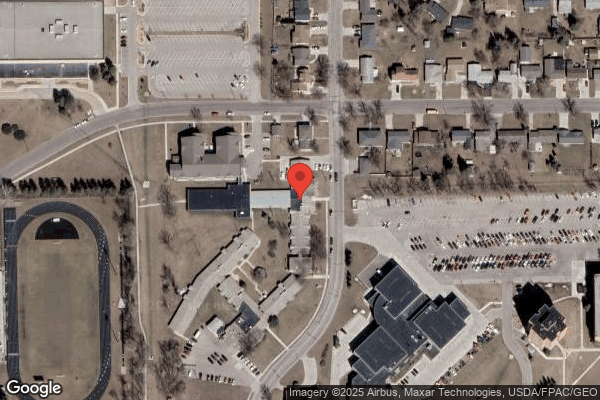
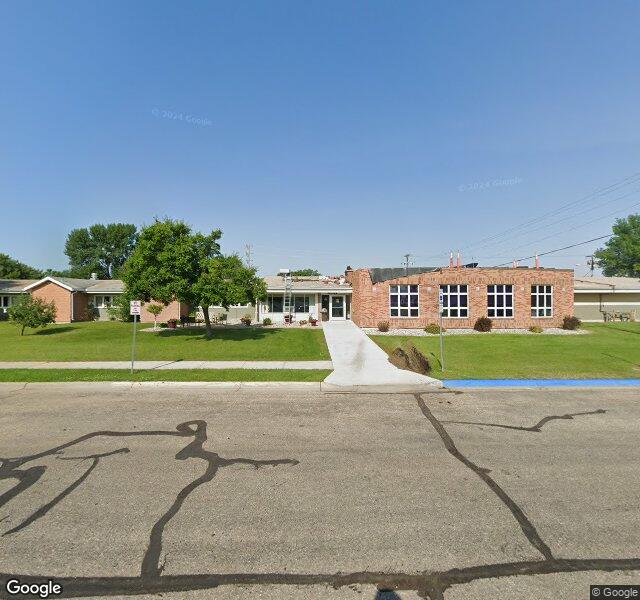
1307 N 7TH ST, WAHPETON, ND 58075 (701) 642-6667
Non profit - Corporation 49 Beds BENEDICTINE HEALTH SYSTEM Data: November 2025 1 Immediate Jeopardy citation
Trust Grade
23/100
#53 of 72 in ND
Last Inspection: November 2024

Within standard 12-15 month inspection cycle. Federal law requires annual inspections.

Overview

St. Catherine's Living Center has received a Trust Grade of F, indicating poor performance with significant concerns about resident care. Ranked #53 out of 72 facilities in North Dakota, they are in the bottom half overall, although they are #1 out of 2 in Richland County, meaning only one other local option is available. The facility's trend is stable, with the same number of issues reported in both 2024 and 2025. Staffing is a relative strength with a rating of 4 out of 5 stars and a turnover rate of 35%, which is lower than the state average of 48%. However, the facility has incurred $47,486 in fines, which is concerning as it is higher than 82% of other North Dakota facilities. There have been critical incidents, including a failure to provide a safe environment free from verbal abuse, resulting in fear and anxiety for one resident. Additionally, another resident did not receive timely care for a skin condition, leading to hospitalization and amputation of toes. Lastly, the facility struggled to accurately complete assessments for residents, which could negatively affect their care plans. Overall, while staffing is strong, the serious issues regarding resident safety and care cannot be overlooked.

Trust Score
F
23/100
In North Dakota
#53/72
Bottom 27%
Safety Record
High Risk
Review needed
Inspections
Holding Steady
1 → 1 violations
Staff Stability
○ Average
35% turnover. Near North Dakota's 48% average. Typical for the industry.
Penalties
✓ Good
$47,486 in fines. Lower than most North Dakota facilities. Relatively clean record.
Skilled Nurses
✓ Good
Each resident gets 48 minutes of Registered Nurse (RN) attention daily — more than average for North Dakota. RNs are trained to catch health problems early.
Violations
✓ Good
Only 3 deficiencies on record. Cleaner than most facilities. Minor issues only.
★★☆☆☆
2.0
Overall Rating
★★★★☆
4.0
Staff Levels
★★☆☆☆
2.0
Care Quality
★★☆☆☆
2.0
Inspection Score
Stable
2024: 1 issues
2025: 1 issues

The Good

  • 4-Star Staffing Rating · Above-average nurse staffing levels
  • Full Sprinkler Coverage · Fire safety systems throughout facility
  • No fines on record
  • Staff turnover below average (35%)

    13 points below North Dakota average of 48%

Facility shows strength in staffing levels, fire safety.

The Bad

2-Star Overall Rating

Below North Dakota average (3.1)

Below average - review inspection findings carefully

Staff Turnover: 35%

11pts below North Dakota avg (46%)

Typical for the industry

Federal Fines: $47,486

Above median ($33,413)

Moderate penalties - review what triggered them

Chain: BENEDICTINE HEALTH SYSTEM

Part of a multi-facility chain

Ask about local staffing decisions and management

The Ugly 3 deficiencies on record

1 life-threatening 1 actual harm
Mar 2025 1 deficiency 1 Harm
SERIOUS (G) 📢 Someone Reported This

A family member, employee, or ombudsman was alarmed enough to file a formal complaint

Actual Harm - a resident was hurt due to facility failures

Quality of Care (Tag F0684)

A resident was harmed · This affected 1 resident

**NOTE- TERMS IN BRACKETS HAVE BEEN EDITED TO PROTECT CONFIDENTIALITY** Based on record review, review of facility policies, and staff interview, the facility failed to provide the necessary care and ...

Read full inspector narrative →
**NOTE- TERMS IN BRACKETS HAVE BEEN EDITED TO PROTECT CONFIDENTIALITY** Based on record review, review of facility policies, and staff interview, the facility failed to provide the necessary care and treatment for 1 of 2 sampled residents (Resident #2) with impaired skin integrity of the feet/toes. Failure to assess, monitor, and treat skin issues in a timely manner resulted in a delay of treatment and contributed to Resident #2's hospitalization for amputation of fourth and fifth toes. Findings include: Review of the facility policy titled Prevention and Treatment of Skin Breakdown occurred on 03/11/25. This policy, dated 09/01/18, stated, . Skin integrity is monitored and abnormal findings are documented: Skin is observed daily with cares. Review of the facility policy titled Change in Condition occurred on 03/11/25. This policy, revised 10/02/23, stated, . Update the care plan as appropriate. Review of Resident #2's medical record occurred on 03/11/25. Diagnoses included peripheral vascular disease (PVD). Resident #2 tested positive for COVID (Coronavirus disease) and was placed in isolation from February 9-16, 2025. A physician's order, dated 02/11/24, stated, Monitor the wound every 7 days to include measurements. Notify MD [physician] if no change in 2 weeks Review of Resident #2's care plan identified the following: * Skin treatment as ordered and/or as needed. * Report any signs of skin breakdown (sore, tender, red or broken areas). Review of Resident #2's progress notes identified the following: * 02/10/25 at 1:37 p.m., SKIN ASSESSMENT In-between 4th and 5th toe on left. 4th toe, inner medial [in the middle]; eschar [dry, thick, leathery skin] noted measuring W [width] 0.7 cm [centimeter] X [by] L [length] 0.5 cm. Surrounding skin light red and blanchable [redness to the skin disappears when pressure is applied and reappears when pressure is released]. 5th toe, inner medial; eschar noted measuring W 2.2 cm X L 1.1 cm. Surrounding skin light red and blanchable. Anterior [in the front] toes also light red and blanchable. Not warm to the touch. Area cleansed with saline and gaze [sic]. Area covered with betadine [topical antiseptic] and Vaseline gauze, secured in place with dressing. Orders placed [no orders found in the resident's medical record] for dressing change every 3 days. PA [physician's assistant] informed and will assess when in house on 2/12/25. * 02/11/25 at 9:08 a.m., . IDT [interdisciplinary team] met to review plan of care. Nursing continues to monitor COVID symptoms and skin with new wounds to left 4th and 5th toes. * 02/12/25 at 11:12 a.m., Wounds to 4th and 5th toe, left assessed by [name of PA] Resident to be seen by podiatry once off of Isolation precautions. * 02/13/25 at 9:11 a.m., IDT met to review plan of care. Nursing continues to monitor COVID symptoms and skin with new wounds to left 4th and 5th toes. * 02/18/25 at 1:25 p.m., PA in facility for rounds. Notified regarding resident's left 4th and 5th toe. 5th toe appears to have black discoloration with inner aspect appearing to have black eschar. 4th toe appears purple in color with medial aspect of toe covered with black eschar, surrounding skin is red . Resident verbalized not [NAME] [sic] able to sleep last night due to pain to area. PA recommendation to have resident sent to [name of hospital] ER [emergency room] for further evaluation and intervention. * 02/18/25 at 3:36 p.m., Resident has been hospitalized at [location of hospital] for possible PVD & foot infection. * 02/24/25 at 2:30 p.m., Note Text: Resident Returned from [name of hospital] Hospital at 12pm [12:00 p.m.] following admission for amputation of 4th and 5th toe, left d/t [due to] gangrene [death of skin tissue]. Resident denies pain. Dressing noted to left foot and is to stay in place until 1 [one] week follow up with provider, per orders. Nursing to monitor every shift to ensure dressing is CDI [clean, dry, intact]. Darco [brand of protective shoe] shoe to be worn when up with reminder to have resident put pressure on heel when standing. The February 2025 treatment administration record lacked documentation of skin assessment/treatment, and the electronic health record (EHR) lacked the orders for a dressing change every three days as stated in the progress note dated 02/10/25. The nurse documented a weekly skin check on 02/13/25, but failed to identify/assess the impaired skin integrity on resident #2's toes. The EHR lacked a progress note from the PA's inhouse visit on 02/12/25. During an interview on the afternoon of 03/11/25 an administrative nurse (#1) confirmed the PA did not document an assessment/progress note and/or orders from the visit on 02/12/25. The facility failed to initiate treatment for toe wounds in a timely manner, assess, monitor, and document abnormal skin conditions daily, ensure the availability of PA notes post visit, and effectively communicate with the provider regarding treatment.
Nov 2024 1 deficiency 1 IJ
CRITICAL (J) 📢 Someone Reported This

A family member, employee, or ombudsman was alarmed enough to file a formal complaint

Immediate Jeopardy (IJ) - the most serious Medicare violation

Free from Abuse/Neglect (Tag F0600)

Someone could have died · This affected 1 resident

Based on review of the facility reported incident (FRI) and investigation reports, record review, review of facility policy, and staff and resident interviews, the facility failed to provide an enviro...

Read full inspector narrative →
Based on review of the facility reported incident (FRI) and investigation reports, record review, review of facility policy, and staff and resident interviews, the facility failed to provide an environment free of verbal abuse for 1 of 1 sampled resident (Resident #19) with an allegation of abuse. Failure to identify abuse and ensure residents are free from verbal abuse and abusive gestured language, which includes disparaging and derogatory terms caused fear, anxiety, mental anguish, and psychosocial harm. During the on-site recertification survey and FRI investigation, the team consulted with the State Survey Agency (SSA) on 11/21/24 at 8:44 a.m. and determined an immediate jeopardy (IJ) situation existed on 10/21/24. The facility failed to recognize the abuse, failed to assess the resident physically and mentally, failed to notify the IDT (Interdisciplinary Team), failed to update the care plan, and failed to notify the resident's provider. * 11/21/24 at 10:10 a.m., the survey team notified the Administrator and Director of Nursing (DON) of the IJ situation, provided the IJ template, and requested a plan for removal of the IJ. * 11/21/24 at 12:45 p.m., the survey team reviewed and accepted the facility's removal plan. The removal plan contained the following: * CNA (#AA)'s file was updated to include do not rehire. * All staff were retrained on immediate re-education on definitions of abuse and how to identify abuse. * Remaining facility staff were re-educated prior to the start of their next shift. * The facility's regional registered nurse re-education administrative staff members (#1 and #2) on definitions of abuse and how to identify abuse. * Remaining administrative staff to be educated by administrative staff members (#1 and #2). * An automated notification was sent to all staff regarding the mandatory re-education prior to start of next shift. * An education packet will be put in the employee newsletter for reference. * On 11/21/24 at 12:32 p.m., the survey team verified the implementation of the removal plan as of 11/21/24 and the IJ removal. The deficient practice remained at an G scope and severity following the removal of the immediate jeopardy. Findings include: Review of the facility policy titled Abuse Prevention Plan occurred on 11/20/24. This policy dated 2017, stated, . 'Abuse': The willful infliction of . intimidation . resulting in . mental anguish. It includes verbal abuse . and mental abuse . use of . malicious oral . or gestured language toward a vulnerable adult or the treatment of a vulnerable adult which would be considered by a reasonable person to be disparaging, derogatory, humiliating, harassing, or threatening . Review of Resident #19's medical record occurred on 11/20/24. A care conference progress note, dated 10/09/24 at 4:10 p.m., stated, Resident is cognitively intact per BIMS [Brief Interview for Mental Status] score of 15, resident is his own decision maker. The care plan, revised 08/01/24, stated, . I am a vulnerable adult and need assistance to remain safe within the community. My vulnerabilities include needing assistance with my ADLS (activities of daily living), transfers, use of wheelchair, vision impairment, behaviors towards staff, and difficulty communicating due to unclear speech at times. * Review of the investigation report occurred on 11/20/24. The report dated 10/28/24, stated, Investigation indicated that allegation of abuse was unsubstantiated although through the investigation process it appears likely a verbal altercation did occur between [Resident #19] and alleged staff member [CNA #AA]. The resident [Resident #11] across the hall verified hearing yelling between the two. During an interview on 11/20/24 at 1:59 p.m., Resident #19 indicated a CNA put him to bed. After being put to bed CNA (#AA) came into his room, leaned over his bed, and said, If you don't stop talking about me, I'm going to put a pillow over your head and kill you. When asked if he was scared, Resident #19 said Yes, wouldn't you be? During an interview on 11/20/24 at 2:06 p.m., Resident #11 stated one night in October he/she heard yelling between Resident #19 and CNA (#AA). He/she could not make out what was being said, but recalled it was around 11:00 p.m. During a phone interview on 11/20/24 at 2:55 p.m., a CNA (#5) could not recall the day she conversed with CNA (#AA), but did recall CNA (#AA) stating, he would put a pillow over his [referring to Resident #19] head. She did not take CNA (#AA) seriously and failed to report the statement to management. During a phone interview on 11/20/24 at 3:28 p.m., a CNA (#3) recalled a conversation she had with Resident #19. She stated Resident #19 told her that she should have stayed another 15 minutes the night before because [expletive] went down. Resident #19 said CNA (#AA) had come in his room, leaned over his bed, and said, If you don't stop talking [expletive] about me, I'm going to put this pillow over your face and kill you. The CNA (#3) also recalled having a conversation with Resident #11 and he/she told her about the yelling that occurred the night before between Resident #19 and CNA (#AA). During a phone interview on 11/20/24 at 3:46 p.m., a CNA (#AA) denied the allegations against him. He stated, It never happened, and I did not go in his room. No one told me that I couldn't go in his room. I worked with him one more time after that. He was a little better, I did go in another time, when he was sleeping, to empty his urinal. During an interview on 11/20/24 at 5:00 p.m., two administrative staff member (#1 and #2) indicated they spoke with the consulting social worker and the consultant determined the facility had come to the right decision. Administrative staff member (#2) stated, We highly suggested CNA (#AA) should resign or that he would be terminated. Administrative staff member (#1) confirmed CNA (#AA) resigned from his position and confirmed they marked this employee is eligible for rehire on his employment information record. After the IJ was called, CNA (#AA)'s employment record was changed to do not rehire.
Oct 2022 1 deficiency
CONCERN (D)

Potential for Harm - no one hurt, but risky conditions existed

Assessment Accuracy (Tag F0641)

Could have caused harm · This affected 1 resident

**NOTE- TERMS IN BRACKETS HAVE BEEN EDITED TO PROTECT CONFIDENTIALITY** Based on record review, review of the Long-Term Care Facility Resident Assessment Instrument (RAI) 3.0 User's Manual (Version 1....

Read full inspector narrative →
**NOTE- TERMS IN BRACKETS HAVE BEEN EDITED TO PROTECT CONFIDENTIALITY** Based on record review, review of the Long-Term Care Facility Resident Assessment Instrument (RAI) 3.0 User's Manual (Version 1.17.1) and staff interview, the facility failed to complete a Minimum Data Set (MDS) that accurately reflected the residents' status for 3 of 3 sampled residents (Resident #19, #23, and #30) reviewed for Preadmission Screening and Resident Review (PASRR). Failure to accurately code the MDS may negatively affect the development of a comprehensive care plan and the care provided to the residents. Findings include: The Long-Term Care Facility RAI Manual, revised October 2019, page A22-A23, stated, . A1500: Preadmission Screening and Resident Review (PASRR) . Review the Level I PASRR form to determine whether a Level II PASRR was required. Review the PASRR report provided by the State if Level II screening was required. Code 0, no: . if any of the following apply: PASRR Level I screening did not result in a referral for Level II screening, or Level II screening determined that the resident does not have a serious MI [mental illness] . Code 1, yes: if PASRR Level II screening determined that the resident has a serious mental illness . continue to A1510, Level II Preadmission Screening and Resident Review (PASRR) Conditions. - Review of Resident #19's medical record occurred on all days of survey and identified a Level 2 PASRR completed 08/03/18 with a diagnosis of major depression. The admission MDS, dated [DATE], failed to identify a Level 2 PASRR had been completed and the resident had a serious mental illness. During an interview on 10/11/22 at 3:25 p.m., a nurse (#1) confirmed the admission MDS was miscoded for A1500. - Review of Resident #23's medical record occurred on all days of survey and identified a Level 2 PASRR completed 10/19/15 with a diagnosis of major depression and a secondary diagnosis of dementia, due to traumatic brain injury (TBI). The annual MDS, dated [DATE], failed to identify a Level 2 PASRR had been completed and the resident had a serious mental illness. During an interview on 10/11/22 at 3:25 p.m., a nurse (#1) confirmed the annual MDS was miscoded for A1500. - Review of Resident #30's medical record occurred on all days of survey and identified a Level 2 Preadmission PASRR completed 05/21/08 with a diagnoses of anxiety disorder and schizoaffective disorder. The annual MDS, dated [DATE] failed to identify a Level 2 PASRR had been completed and the resident had a serious mental illness.
Understanding Severity Codes (click to expand)
Life-Threatening (Immediate Jeopardy)
J - Isolated K - Pattern L - Widespread
Actual Harm
G - Isolated H - Pattern I - Widespread
Potential for Harm
D - Isolated E - Pattern F - Widespread
No Harm (Minor)
A - Isolated B - Pattern C - Widespread

Questions to Ask on Your Visit

  • "What changes have you made since the serious inspection findings?"
  • "What safeguards are in place to prevent abuse and neglect?"
  • "Can I speak with families of current residents?"
  • "What's your RN coverage like on weekends and overnight?"

Our Honest Assessment

Strengths
  • • 35% turnover. Below North Dakota's 48% average. Good staff retention means consistent care.
Concerns
  • • Multiple safety concerns identified: Federal abuse finding, 1 life-threatening violation(s), 1 harm violation(s), $47,486 in fines. Review inspection reports carefully.
  • • 3 deficiencies on record, including 1 critical (life-threatening) violation. These warrant careful review before choosing this facility.
  • • $47,486 in fines. Higher than 94% of North Dakota facilities, suggesting repeated compliance issues.
  • • Grade F (23/100). Below average facility with significant concerns.
Bottom line: This facility has a substantiated abuse finding. Extreme caution advised. Explore alternatives.

About This Facility

What is St Catherines Living Center's CMS Rating?

CMS assigns ST CATHERINES LIVING CENTER an overall rating of 2 out of 5 stars, which is considered below average nationally. Within North Dakota, this rating places the facility higher than 0% of the state's 100 nursing homes. A rating at this level reflects concerns identified through health inspections, staffing assessments, or quality measures that families should carefully consider.

How is St Catherines Living Center Staffed?

CMS rates ST CATHERINES LIVING CENTER's staffing level at 4 out of 5 stars, which is above average compared to other nursing homes. Staff turnover is 35%, compared to the North Dakota average of 46%. This relatively stable workforce can support continuity of care.

What Have Inspectors Found at St Catherines Living Center?

State health inspectors documented 3 deficiencies at ST CATHERINES LIVING CENTER during 2022 to 2025. These included: 1 Immediate Jeopardy (the most serious level, indicating potential for serious harm or death), 1 that caused actual resident harm, and 1 with potential for harm. Immediate Jeopardy findings are rare and represent the most serious regulatory concerns. They require immediate corrective action.

Who Owns and Operates St Catherines Living Center?

ST CATHERINES LIVING CENTER is owned by a non-profit organization. Non-profit facilities reinvest revenue into operations rather than distributing to shareholders. The facility is operated by BENEDICTINE HEALTH SYSTEM, a chain that manages multiple nursing homes. With 49 certified beds and approximately 43 residents (about 88% occupancy), it is a smaller facility located in WAHPETON, North Dakota.

How Does St Catherines Living Center Compare to Other North Dakota Nursing Homes?

Compared to the 100 nursing homes in North Dakota, ST CATHERINES LIVING CENTER's overall rating (2 stars) is below the state average of 3.1, staff turnover (35%) is significantly lower than the state average of 46%, and health inspection rating (2 stars) is below the national benchmark.

What Should Families Ask When Visiting St Catherines Living Center?

Based on this facility's data, families visiting should ask: "What changes have been made since the serious inspection findings, and how are you preventing similar issues?" "What safeguards and monitoring systems are in place to protect residents from abuse or neglect?" "Can I visit during a mealtime to observe dining assistance and food quality?" "How do you handle medical emergencies, and what is your hospital transfer rate?" These questions are particularly relevant given the facility's Immediate Jeopardy citations and the substantiated abuse finding on record.

Is St Catherines Living Center Safe?

Based on CMS inspection data, ST CATHERINES LIVING CENTER has documented safety concerns. The facility has 1 substantiated abuse finding (meaning confirmed case of resident harm by staff or other residents). Inspectors have issued 1 Immediate Jeopardy citation (the most serious violation level indicating risk of serious injury or death). The facility has a 2-star overall rating and ranks #100 of 100 nursing homes in North Dakota. Families considering this facility should ask detailed questions about what corrective actions have been taken since these incidents.

Do Nurses at St Catherines Living Center Stick Around?

ST CATHERINES LIVING CENTER has a staff turnover rate of 35%, which is about average for North Dakota nursing homes (state average: 46%). Moderate turnover is common in nursing homes, but families should still ask about staff tenure and how the facility maintains care continuity when employees leave.

Was St Catherines Living Center Ever Fined?

ST CATHERINES LIVING CENTER has been fined $47,486 across 2 penalty actions. The North Dakota average is $33,554. While any fine indicates a compliance issue, fines under $50,000 are relatively common and typically reflect isolated problems that were subsequently corrected. Families should ask what specific issues led to these fines and confirm they've been resolved.

Is St Catherines Living Center on Any Federal Watch List?

ST CATHERINES LIVING CENTER is not on any federal watch list. The most significant is the Special Focus Facility (SFF) program, which identifies the bottom 1% of nursing homes nationally based on persistent, serious quality problems. Not being on this list means the facility has avoided the pattern of deficiencies that triggers enhanced federal oversight. This is a positive indicator, though families should still review the facility's inspection history directly.