MCKENZIE COUNTY HEALTHCARE SYSTEMS LONG TERM CARE
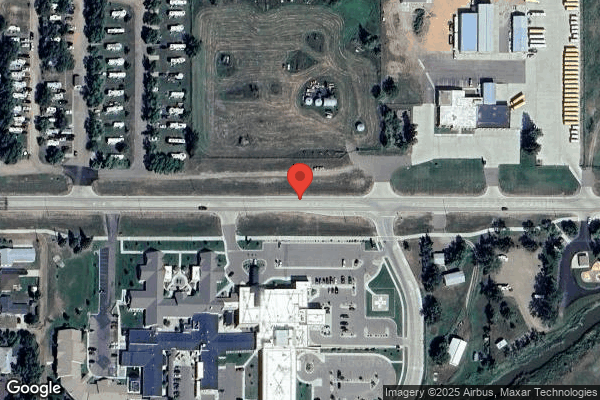
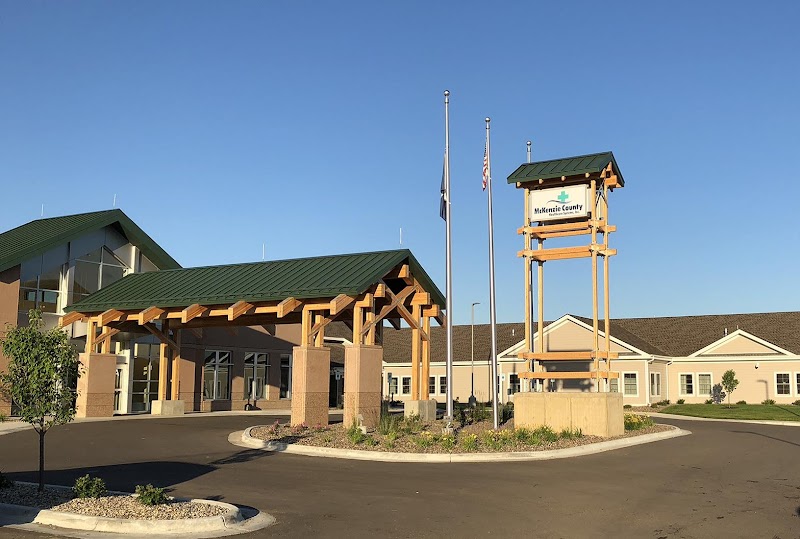
709 4TH AVENUE NE, WATFORD CITY, ND 58854 (701) 444-2331
Non profit - Corporation 36 Beds Independent Data: November 2025
Trust Grade
73/100
#26 of 72 in ND
Last Inspection: June 2024

Within standard 12-15 month inspection cycle. Federal law requires annual inspections.

Overview

McKenzie County Healthcare Systems Long Term Care has a Trust Grade of B, indicating it is a good choice for families seeking care. With a state rank of #26 out of 72 facilities, they are in the top half of North Dakota options, and they are the only facility in McKenzie County, ranking #1 locally. The facility is showing improvement, with the number of issues decreasing from 5 in 2023 to 3 in 2024. Staffing is a strong point, boasting a perfect 5/5 stars and a turnover rate of 48%, which matches the state average. However, they have faced some concerns, including a serious incident where a resident was burned by a hot beverage due to improper serving practices, and a failure to ensure the dietary manager had the necessary qualifications, which could risk food safety. Additionally, they did not provide written transfer notices for residents sent to the hospital, which could hinder informed decision-making for families.

Trust Score
B
73/100
In North Dakota
#26/72
Top 36%
Safety Record
Moderate
Needs review
Inspections
Getting Better
5 → 3 violations
Staff Stability
⚠ Watch
48% turnover. Above average. Higher turnover means staff may not know residents' routines.
Penalties
✓ Good
$6,300 in fines. Lower than most North Dakota facilities. Relatively clean record.
Skilled Nurses
✓ Good
Each resident gets 69 minutes of Registered Nurse (RN) attention daily — more than 97% of North Dakota nursing homes. RNs are the most trained staff who catch health problems before they become serious.
Violations
○ Average
10 deficiencies on record. Average for a facility this size. Mostly minor or procedural issues.
★★★★☆
4.0
Overall Rating
★★★★★
5.0
Staff Levels
★★★★☆
4.0
Care Quality
★★★☆☆
3.0
Inspection Score
Stable
2023: 5 issues
2024: 3 issues

The Good

  • 5-Star Staffing Rating · Excellent nurse staffing levels
  • 4-Star Quality Measures · Strong clinical quality outcomes
  • Full Sprinkler Coverage · Fire safety systems throughout facility
  • No fines on record

Facility shows strength in staffing levels, quality measures, fire safety.

The Bad

Staff Turnover: 48%

Near North Dakota avg (46%)

Higher turnover may affect care consistency

Federal Fines: $6,300

Below median ($33,413)

Minor penalties assessed

The Ugly 10 deficiencies on record

1 actual harm
Jun 2024 3 deficiencies
CONCERN (D)

Potential for Harm - no one hurt, but risky conditions existed

Deficiency F0657 (Tag F0657)

Could have caused harm · This affected 1 resident

**NOTE- TERMS IN BRACKETS HAVE BEEN EDITED TO PROTECT CONFIDENTIALITY** Based on record review, review of facility policy, and staff interview, the facility failed to review and revise the care plan f...

Read full inspector narrative →
**NOTE- TERMS IN BRACKETS HAVE BEEN EDITED TO PROTECT CONFIDENTIALITY** Based on record review, review of facility policy, and staff interview, the facility failed to review and revise the care plan for 1 of 12 sampled residents (Resident #3). Failure to review and revise the care plan limited staff's ability to communicate needs, ensure continuity of care, and may negatively impact the care provided to the resident. Findings include: Review of the facility policy titled Comprehensive Care Plans occurred on 06/19/24. This policy, dated 11/08/22, stated, . The comprehensive care plan will be reviewed and revised by the interdisciplinary team after each comprehensive and quarterly MDS [Minimum Data Set] assessment. Review of Resident #3's medical record occurred on all days of survey. A progress note, dated 04/07/24 at 11:04 a m., stated, Foley Cath [catheter] removed at 5 a.m. A quarterly MDS, dated [DATE], identified no Foley catheter, maximum assist required for transfers, not toileted, and no ambulation attempted. The current care plan identified Resident #3 had a Foley catheter and ambulated independently. During an interview on 06/19/24 at 5:01 p.m., an administrative staff member (#1) confirmed the facility failed to update Resident #3's care plan regarding removal of the Foley catheter and ambulation status.
CONCERN (E)

Potential for Harm - no one hurt, but risky conditions existed

Transfer Notice (Tag F0623)

Could have caused harm · This affected multiple residents

Based on record review and staff interview, the facility failed to provide the resident or the resident's representative a written notice of transfer for 5 of 5 sampled residents (Resident #3, #5, #10...

Read full inspector narrative →
Based on record review and staff interview, the facility failed to provide the resident or the resident's representative a written notice of transfer for 5 of 5 sampled residents (Resident #3, #5, #10, #23, and #28) transferred to the hospital. Failure to provide a written copy of the transfer notice does not allow the resident and/or their representative to make an informed decision regarding their rights. Findings include: Review of Resident #3, #5, #10, #23, and #28's medical records occurred on all days of survey and identified the following hospital transfers: * Resident #3: 10/27/23 and 05/07/24. * Resident #5: 08/04/23. * Resident #10: 04/05/24 and 04/26/24. * Resident #23: 05/03/24. * Resident #28: 04/29/24. The above residents' medical records lacked evidence the facility provided the resident and/or representative with a written transfer notice. During an interview on 06/18/24 at 2:13 p.m., an administrative staff member (#1) stated the facility does not have a Hospital Transfer policy. During an interview on 06/18/24 at 5:15 p.m., an administrative staff member (#1) confirmed the facility failed to complete a hospital transfer for the residents.
CONCERN (E)

Potential for Harm - no one hurt, but risky conditions existed

Deficiency F0625 (Tag F0625)

Could have caused harm · This affected multiple residents

Based on record review, review of facility policy, and staff interview, the facility failed to provide a bed hold notice upon transfer to the hospital for 5 of 5 sampled residents (Resident #3, #5, #1...

Read full inspector narrative →
Based on record review, review of facility policy, and staff interview, the facility failed to provide a bed hold notice upon transfer to the hospital for 5 of 5 sampled residents (Resident #3, #5, #10, #23, and #28) transferred to the hospital. Failure to provide a bed hold notice does not allow residents or their legal representatives to make informed choices regarding their readmission rights. Findings include: Review of the facility policy titled Bed Hold occurred on 06/19/24. This policy, dated 04/17/24, stated, It is the policy of this facility to provide written information to the resident and/or the resident representative regarding bed hold policies prior to transferring a resident to the hospital . Review of Resident #3, #5, #10, #23, and #28's medical records occurred on all days of survey and identified the following hospital transfers: * Resident #3: 10/27/23 and 05/07/24. * Resident #5: 08/04/23. * Resident #10: 04/05/24 and 04/26/24. * Resident #23: 05/03/24. * Resident #28: 04/29/24. The above residents' medical records lacked evidence the facility provided the resident and/or representative with a written bed hold notice. During an interview on 06/18/24 at 5:15 p.m., an administrative staff member (#1) stated they were unable to find written bed hold notices for the residents.
Aug 2023 1 deficiency 1 Harm
SERIOUS (G) 📢 Someone Reported This

A family member, employee, or ombudsman was alarmed enough to file a formal complaint

Actual Harm - a resident was hurt due to facility failures

Accident Prevention (Tag F0689)

A resident was harmed · This affected 1 resident

Based on record review, review of the facility reported incident investigation, and resident and staff interview, the facility failed to ensure an environment free of hazards for 1 of 1 sampled reside...

Read full inspector narrative →
Based on record review, review of the facility reported incident investigation, and resident and staff interview, the facility failed to ensure an environment free of hazards for 1 of 1 sampled resident (Resident #3) injured while consuming a hot beverage. Failure to provide assess and provide the appropriate cup for hot beverages may have contributed to Resident #3's injuries This citation is considered past non-compliance based on review of the corrective action the facility implemented immediately following the incident. Finding include: Review of Resident #3's medial record occurred on 08/23/23 and identified the following: - 07/29/2023 16:11 [4:11 p.m.] General Note: Resident was served Tea upon her request. CNA [certified nurse aide] cooled [hot] water with cold water before serving. Resident picked it up off table when it slipped from her hands and spied [sic] causing burns to bilateral [both] knee areas. - 07/29/2023 20:37 [8:37 p.m.] . Skin Issue: Burns (second or third degree). Skin Issue Location: underside3 [sic] of left knee Length:3cm [centimeter] [sic] Width (cm): 3cm No wound odor. Tissue: Painful. Tissue: Warm. Skin Issue: Burns (second or third degree). Skin Issue Location: outer side of right knee Length: 4cm Width: 3cm No wound odor. Tissue: Painful. Tissue: Warm. CNA reported to nurse that resident had picked up her tea but it slipped and spilled causing burns to her bilateral knee. This nurse applied cold compresses to relieve burning informed POC [point of contact] and Dr. Dr. gave instructions to apply silvadene [sic] [a type of burn cream] 2X [times] daily with dressing. Clinical Suggestions: Evaluated for pain, discomfort. Dressing changes/treatments performed as ordered. Area evaluated for signs of infection: redness, warmth, swelling, increased temperature, drainage, etc. The facility's investigation report dated 08/03/23 included the following documentation: - On July 29, 2023, resident [#3] requested a hot cup of water for tea in her room in a Styrofoam cup. The resident was given cup with hot water with cool water added to it by a CNA who set the cup on the resident's bedside table and left the room. When [Resident #3] went to pick the cup up, the cup slipped and landed on her legs. Resident has pressed call light in her room and when staff entered, they found the resident in her private bathroom with pants down and bilateral legs red with blister already forming to the medial/posterior knee. Staff placed a cool compress on the site immediately and notified the medical provider who ordered Silvadene cream for the resident's burn. In the subsequent days, resident's burns were treated with Silvadene cream, telfa, and kerlix [types of dressings] with little pain noted only when trying to cross legs. During an interview on 08/23/23 at 11:45 a.m. two administrative staff members (#1 and #2) indicated no other resident had received burns in the last three months. During an interview on 08/23/23 at 1:13 p.m., Resident #3 indicated a preference for hot tea in a foam cup and now gets a hard cup. Resident #3 identified being burned by hot tea and rubbed over her pant legs to demonstrate where the injury occurred and reported they are almost healed and don't hurt any more. Based on the following information, non-compliance at F689 is considered past non-compliance. The facility implemented corrective actions for the deficient practice by: * Completing an investigation that determined the primary cause of accident (foam cup). * Providing 1 on 1 education immediately after the accident with involved staff to no longer use foam cups. The facility addressed measures put in place and implemented systemic changes to ensure the deficient practice doesn't recur by: * Providing education to all staff, stating dietary staff, and when dietary staff are not available, only the nurse may provide hot beverages for residents. * Implemented temping hot beverages prior to serving. * Removing foam cups from resident use and implementing use of blue cups with lids only. The surveyor determined a deficient practice existed on 07/29/23. The facility implemented corrective action and completed training to all staff on 07/30/23.
Jul 2023 4 deficiencies
CONCERN (D)

Potential for Harm - no one hurt, but risky conditions existed

Deficiency F0657 (Tag F0657)

Could have caused harm · This affected 1 resident

Based on observation, record review, review of facility policy, and staff interview, the facility failed to review and revise comprehensive care plans to reflect the current status for 1 of 12 sampled...

Read full inspector narrative →
Based on observation, record review, review of facility policy, and staff interview, the facility failed to review and revise comprehensive care plans to reflect the current status for 1 of 12 sampled residents (Resident #32). Failure to review and revise the care plan limited staffs' ability to communicate needs and ensure continuity of care. Findings include: Review of the facility policy titled Care Plan Revisions occurred on 07/19/23. This policy, dated September 2022, stated, . the comprehensive care plan will be reviewed, and revised as necessary . the care plan will be updated with new or modified interventions . - Review of Resident #32's medical record occurred on all days of survey. A Physician's order, dated 06/22/23, stated, . foley catheter required for obstructive uropathy due to urinary retention. and included an order for Enhanced Barrier Precautions (EBP) (per CDC [centers for disease control and prevention]) related to medical device (indwelling catheter). The current care plan lacked goals and interventions related to Resident #32's indwelling catheter and EBP. During an interview on 07/19/23 at 9:20 a.m., an administrative nurse (#2) confirmed the facility staff failed to updated Resident #32's care plan with changes related to current conditions.
CONCERN (E)

Potential for Harm - no one hurt, but risky conditions existed

Accident Prevention (Tag F0689)

Could have caused harm · This affected multiple residents

**NOTE- TERMS IN BRACKETS HAVE BEEN EDITED TO PROTECT CONFIDENTIALITY** Based on observation, review of facility policy, review of a professional reference, and staff interview, the facility failed to...

Read full inspector narrative →
**NOTE- TERMS IN BRACKETS HAVE BEEN EDITED TO PROTECT CONFIDENTIALITY** Based on observation, review of facility policy, review of a professional reference, and staff interview, the facility failed to provide adequate supervision and assistive devices necessary to prevent accidents for 2 of 2 sampled residents (Resident #12 and #18) and 2 supplemental residents (#4 and #21) observed during a gait belt transfer. Failure to properly use a gait belt during transfers placed the resident at risk of accidents and injury. Findings include: Review of the facility policy Use of Gait Belt occurred on 07/19/23. This policy, dated October 2022, stated, . To prevent accidents . use gait belts with residents that cannot independently ambulate or transfer for the purpose of safety . [NAME], [NAME], and Frandsen, Kozier & Erb's Fundamentals of Nursing: Concepts, Process, and Practice, 10th edition, Pearson Education, Inc., New Jersey, page 1054, stated, . If the client is a low safety risk . use a gait/transfer belt for standby assist as needed and assistive devices as needed . and 1-2 caregivers. Make sure the belt is pulled snugly around the client's waist and fastened securely. Grasp the belt at the client's back . Observations showed the following: * 07/17/23 at 2:50 p.m., showed a certified nurse aide (CNA) (#6) transferred Resident #12 from the wheelchair to the toilet without a gait belt. The CNA held onto the waist band of the resident's pants and shirt during the transfer. * 07/17/23 at 2:55 p.m., a CNA (#4) transferred Resident #18 from the wheelchair to the toilet. During the transfer, the CNA held on to the resident's hips and shirt and failed to use the gait belt. * 07/17/23 at 4:00 p.m., two CNAs (#3 and #5) transferred Resident #21 from the wheelchair to the toilet. During the transfer, one CNA (#5) held on to the waistband of the resident's pants and the other CNA (#3) held on to the resident's waist. The CNAs failed to use the gait belt during the transfer. * 07/17/23 at 4:08 p.m., a CNA (#6) transferred Resident #4 from the wheelchair to the toilet. During the transfer, the CNA held onto the resident's waistband and failed to use the gait belt during the transfer. During an interview on 07/17/23 at 4:15 p.m., an administrative nurse (#2) stated she expects staff to use a gait belt with transfers.
CONCERN (E)

Potential for Harm - no one hurt, but risky conditions existed

Infection Control (Tag F0880)

Could have caused harm · This affected multiple residents

Based on observation, record review, review of facility policy, and staff interview, the facility failed to follow standards of infection control for 3 of 3 sampled residents (Resident #12, #13 and #3...

Read full inspector narrative →
Based on observation, record review, review of facility policy, and staff interview, the facility failed to follow standards of infection control for 3 of 3 sampled residents (Resident #12, #13 and #32) and 1 supplemental resident (#30) with orders for enhanced barrier precautions (EBP), and 2 of 12 sampled residents (Residents #1 and #15) observed during cares. Failure to practice infection control standards related to use of personal protective equipment (PPE) and hand hygiene has the potential to spread infection throughout the facility. Findings include: Review of the facility policy titled Enhanced Barrier Precautions occurred on 07/19/23. This undated policy, stated, . Enhanced barrier precautions refer to the use of gown and gloves for use during high-contact resident care activities for residents known to be colonized or infected with a MDRO [multi drug resistant organism] as well as those at risk of MDRO acquisition (e.g., residents with wounds or indwelling medical devices). Clear signage will be posted outside of the resident room indicating the type of precautions required personal protective equipment (PPE), and high-contact resident care activities that require the use of gown and gloves. High-contact resident care activities include: dressing, bathing/showering, transferring, changing linens, providing hygiene, changing briefs or assisting with toileting . Review of the facility policy titled Hand Hygiene occurred on 07/19/23. This policy, dated June 2023, stated, .Hand hygiene is a general term for cleaning your hands by hand washing with soap and water or the use of an antiseptic hand rub, also known as alcohol-based hand rub (ABHR). The use of gloves does not replace hand hygiene. If your task requires gloves, perform hand hygiene prior to donning gloves, and immediately after removing gloves. ENHANCED BARRIER PRECAUTIONS: -Review of Resident 12's medical record occurred on all days of survey. The physician's orders included Enhanced Barrier Precautions related to a MDRO. Observation on all days of survey showed a cart containing isolation gowns and gloves located outside Resident #12's room. On 07/17/23 at 2:50 pm., a certified nurse aide (CNA) (#3) failed to donn the appropriate PPE and perform hand hygiene before and after toileting cares. -Review of Resident #13's medical record occurred on all days of survey. The physician orders included Enhanced barrier precautions related to a MDRO and . wear appropriate PPE and perform hand hygiene . Observations showed the following: * 07/17/23 at 2:11 p.m., resident companions (RC) (#7 and #8) entered Resident #13's room to deliver a meal tray and handled items in the room The RCs failed to perform hand hygiene upon entering and exiting the room. * 07/18/23 at 7:57a.m., an RC (#7) entered Resident #13's room and delivered a meal tray and assisted with sitting the resident up in bed. The RC failed to don PPE or perform hand hygiene upon entering and exiting the room. * 07/18/23 at 8:58 p.m, an RC (#7) entered Resident #13's room to deliver a meal tray and assist with set up of the meal tray. The RC failed to perform hand hygiene upon entering and exiting the room. - Review of Resident 30's medical record occurred on all days of survey. The care plan included, . Enhanced Barrier Precautions related to fragile skin . breakdown . Observations on 07/17/23 showed the following: * At 9:10 a.m., a CNA (#4) entered Resident #30's room and performed toileting cares. The CNA failed to don PPE or perform hand hygiene upon entering or exiting the room. * At 12:32 p.m., a CNA (#9) entered Resident #30's room to deliver and assist with set up of the meal tray, adjusted the residents' blankets, bedside table, and call light. The CNA failed to perform hand hygiene upon entering and exiting the room. During an interview on 07/17/23 at 12:15 p.m., an administrative nurse, (#2) confirmed she would expect staff to perform hand hygiene and wear appropriate PPE when entering, exiting, and performing cares with residents on enhanced barrier precautions. - Review of Resident #32's medical record occurred on all days of survey. The physician's orders included, . Enhanced Barrier Precautions (per CDC) [centers for disease control and prevention]) related to medical device. Observation on all days of survey showed a cart containing isolation gowns and gloves located outside Resident #32's room. Staff failed to post signage outside of the resident room to indicate the type of precautions requiring PPE and the high-contact resident care activities that require the use of gown and gloves. During an interview the afternoon of 07/19/23, an administrative nurse (#2) confirmed staff failed to post EBP signage outside Resident #32's room. HAND HYGIENE: - Observation on 07/17/23 at 2:30 p.m. showed two CNAs (#3 and #4) donned gloves and completed a mechanical lift transfer with Resident #1 from the wheelchair to the bed. The CNA (#3) removed Resident #1's wet brief, completed perineal cares, removed her gloves, donned a clean pair of gloves, applied the resident's clean brief, repositioned the resident in the bed, placed the bed in the low position, placed a mat on the floor next to the bed and removed her gloves. The CNA (#3) failed to perform hand hygiene between glove changes. - Observation on 07/18/23 at 9:04 a.m. showed a CNA (#6) knocked and entered Resident #15's bathroom. The CNA (#6) donned gloves, removed the wet incontinent product, applied a clean incontinent product, removed her gloves, donned a clean pair of gloves, assisted the resident with her shoes, then placed the call light next to the resident. The CNA (#6) failed to perform hand hygiene between glove changes. - Observation on 07/18/23 at 9:24 a.m. showed two CNAs (#3 and #5) donned gloves and completed morning cares for Resident #1. Both CNAs assisted with washing, drying, and dressing Resident #1's upper body and legs. The CNA (#5) removed the wet brief and completed perineal cares. Both CNAs completed the brief change, removed their gloves, donned a clean pair of gloves, placed the mechanical lift sling under the resident, and completed a mechanical lift transfer from the bed to the wheelchair. The CNAs (#3 and #5) failed to perform hand hygiene between glove changes. During an interview the afternoon of 07/19/23, an administrative nurse (#2) confirmed she expected staff to complete hand hygiene between glove changes.
CONCERN (F)

Potential for Harm - no one hurt, but risky conditions existed

Deficiency F0801 (Tag F0801)

Could have caused harm · This affected most or all residents

Based on staff interview, the facility failed to ensure 1 of 1 dietary manager (#1) obtained the proper qualifications to serve as the director of food and nutrition services. Failure to ensure staff ...

Read full inspector narrative →
Based on staff interview, the facility failed to ensure 1 of 1 dietary manager (#1) obtained the proper qualifications to serve as the director of food and nutrition services. Failure to ensure staff have the qualifications to carry out the functions of food and nutrition services has the potential to result in foodborne illness to residents, staff, and visitors. Findings include: During an interview on 07/17/23 at 12:00 p.m., the dietary manager (#1) confirmed he has not completed the necessary courses required for the director of food and nutrition services. The facility failed to ensure the dietary manager (#1) completed the required education for a certified dietary manager, certified food service manager, or a national certification for food service management and safety from a national certifying body
Mar 2022 2 deficiencies
CONCERN (D)

Potential for Harm - no one hurt, but risky conditions existed

Deficiency F0658 (Tag F0658)

Could have caused harm · This affected 1 resident

Based on observation, record review, review of facility policy, and staff interview, the facility failed to follow professional standards of practice for 1 of 1 observation of a nebulizer treatment (R...

Read full inspector narrative →
Based on observation, record review, review of facility policy, and staff interview, the facility failed to follow professional standards of practice for 1 of 1 observation of a nebulizer treatment (Resident #18). Failure to clean the nebulizer equipment after each use may result in possible bacterial growth. Findings include: Review of the facility policy Medi-Mist occurred on 03/23/22. The undated policy, stated, . Switch off. Remove the mouth piece, T piece and tubing from the nebulizer. Wash all parts in warm soapy water or a recommended solution. Rinse all parts thoroughly with fresh water and allow them to air dry. When dry, replace all parts in the storage area to keep clean for next use. Review of Resident #18's medical record identified a physician order for Ipratropium-Albuterol Solution 0.5-2.5 (3) MG (milligrams) /3 ML (milliliters) 1 dose inhale orally three times a day. The medication administration record identified the administration times at 8:00 a.m., 1200 noon, and 6:00 p.m. Observation on 03/23/22 at 7:59 a.m., showed a facility nurse (#1) administer Ipratropium-Albuterol Solution nebulizer to Resident #18. After completion of the treatment, the nurse (#1) removed the nebulizer mask and placed all the assembled nebulizer equipment in the storage bag. The nurse failed to disassemble the equipment, clean, and allow to air dry before placing in the storage bag as per the facility policy. During an interview on 03/23/22 at 8:32 a.m., an administration nurse (#2) confirmed staff are to rinse all nebulizer equipment after each use and let dry. During an interview on 03/23/22 at 11:39 a.m., a facility nurse (#1) stated she cleans the nebulizer at the end of her shift. The nurse (#1) stated she works 12 -16 hour day shifts and cleans the nebulizer at the end of her shift, clarifying all three nebulizer treatments could be given for that time period before cleaning.
CONCERN (D)

Potential for Harm - no one hurt, but risky conditions existed

Deficiency F0883 (Tag F0883)

Could have caused harm · This affected 1 resident

Based on facility policy, review of the Centers for Disease Control and Prevention (CDC) guidelines and recommendations, record review, and staff interview, the facility failed to assess each resident...

Read full inspector narrative →
Based on facility policy, review of the Centers for Disease Control and Prevention (CDC) guidelines and recommendations, record review, and staff interview, the facility failed to assess each resident's pneumococcal status and provide education to residents and/or their legal representatives regarding the benefits and potential side effects of receiving the vaccination for 3 of 5 residents (Resident #6, #20, and #35) reviewed for immunization status. Failure to offer pneumococcal vaccine to all residents, provide education to residents and their legal representatives, and document the administration or refusal has the potential for non-immunized residents to contact pneumonia and spread the infection to other residents, visitors, and staff. Findings included: Review of the facility policy titled INFLUENZA AND PNEUMOCOCCAL VACCINE occurred on 03/23/22. This policy, dated December 2009, stated, . Assessment: All new residents will be assessed by the long-term care staff, upon admission for status of influenza and pneumococcal immunization. Refusal of immunization: Resident and/or guardian must sign and date refusal. Each year, every resident will be offered the vaccination, even if it was refused the year prior. Review of the CDC: Vaccines and Preventable Diseases webpage(https://www.cdc.gov/vaccines/vpd/pneumo/hcp/recommendations.html), last reviewed December 6, 2017, stated, . CDC recommends pneumococcal vaccination (PCV13 or Prevnar13, and PPSV23 or Pneumovax23) for all adults 65 years or older: Give a dose of PCV13 to adults 65 years or older who have not previously received a dose. Then administer a dose of PPSV23 at least 1 year later. If the patient already received one or more doses of PPSV23, give the dose of PCV13 at least 1 year after they received the most recent dose of PPSV23. - Review of Resident #6's medical record occurred on 03/22/22. The record showed Resident #6's legal representative refused administration of the PPSV23 vaccine on the day of admission in 2017. The record lacked evidence the facility assessed the resident's pneumococcal immunization status for the PCV13 immunization and/or provided education to the resident and/or their legal representative. - Review of Resident #20's medical record occurred on 03/22/22. The record showed Resident #20 admitted in August 2020, received the PPSV23 vaccine on 01/13/20 (prior to admission). The record lacked evidence the facility assessed the resident's pneumococcal immunization status for the PCV13 immunization and/or provided education to the resident and/or their legal representative. - Review of Resident #35's medical record occurred on 03/22/22. The record showed Resident #35 admitted in May 2019, received the PCV13 vaccine on 12/09/18 (prior to admission). The record lacked evidence the facility assessed the resident's pneumococcal immunization status for the PPSV23 immunization and/or provided education to the resident and/or their legal representative. The facility failed to follow the CDC recommendations for pneumococcal vaccine administration and the facility's policy. During an interview on 03/23/22 at 11:25 a.m., two administrative nurses (#2 and #3) verified the facility failed to assess residents for pneumococcal immunization and/or follow the CDC recommendations for the pneumococcal vaccinations, and follow the facility policy.
Understanding Severity Codes (click to expand)
Life-Threatening (Immediate Jeopardy)
J - Isolated K - Pattern L - Widespread
Actual Harm
G - Isolated H - Pattern I - Widespread
Potential for Harm
D - Isolated E - Pattern F - Widespread
No Harm (Minor)
A - Isolated B - Pattern C - Widespread

Questions to Ask on Your Visit

  • "Can I speak with families of current residents?"
  • "What's your RN coverage like on weekends and overnight?"

Our Honest Assessment

Strengths
  • • Licensed and certified facility. Meets minimum state requirements.
Concerns
  • • 10 deficiencies on record, including 1 serious (caused harm) violation. Ask about corrective actions taken.
Bottom line: Mixed indicators with Trust Score of 73/100. Visit in person and ask pointed questions.

About This Facility

What is Mckenzie County Healthcare Systems Long Term Care's CMS Rating?

CMS assigns MCKENZIE COUNTY HEALTHCARE SYSTEMS LONG TERM CARE an overall rating of 4 out of 5 stars, which is considered above average nationally. Within North Dakota, this rating places the facility higher than 99% of the state's 100 nursing homes. This rating reflects solid performance across the metrics CMS uses to evaluate nursing home quality.
How is Mckenzie County Healthcare Systems Long Term Care Staffed?

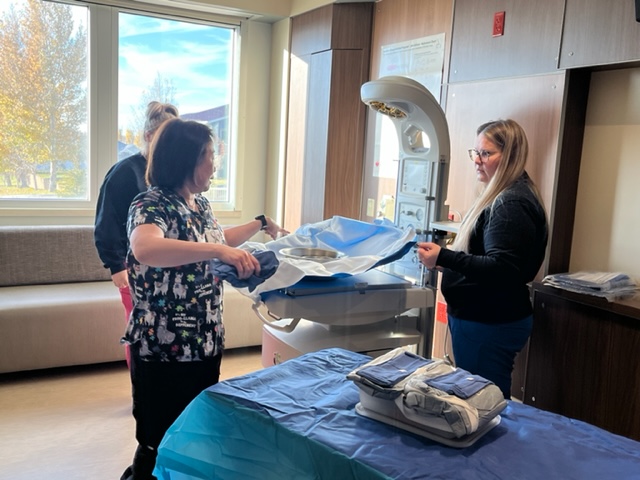
CMS rates MCKENZIE COUNTY HEALTHCARE SYSTEMS LONG TERM CARE's staffing level at 5 out of 5 stars, which is much above average compared to other nursing homes. Staff turnover is 48%, compared to the North Dakota average of 46%.

What Have Inspectors Found at Mckenzie County Healthcare Systems Long Term Care?

State health inspectors documented 10 deficiencies at MCKENZIE COUNTY HEALTHCARE SYSTEMS LONG TERM CARE during 2022 to 2024. These included: 1 that caused actual resident harm and 9 with potential for harm. Deficiencies causing actual harm indicate documented cases where residents experienced negative health consequences.
Who Owns and Operates Mckenzie County Healthcare Systems Long Term Care?

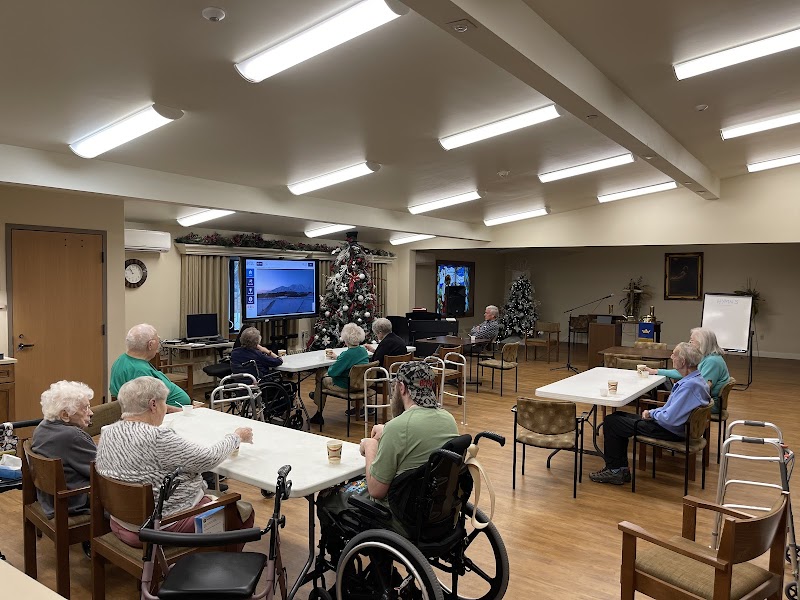
MCKENZIE COUNTY HEALTHCARE SYSTEMS LONG TERM CARE is owned by a non-profit organization. Non-profit facilities reinvest revenue into operations rather than distributing to shareholders. The facility operates independently rather than as part of a larger chain. With 36 certified beds and approximately 34 residents (about 94% occupancy), it is a smaller facility located in WATFORD CITY, North Dakota.
How Does Mckenzie County Healthcare Systems Long Term Care Compare to Other North Dakota Nursing Homes?

Compared to the 100 nursing homes in North Dakota, MCKENZIE COUNTY HEALTHCARE SYSTEMS LONG TERM CARE's overall rating (4 stars) is above the state average of 3.1, staff turnover (48%) is near the state average of 46%, and health inspection rating (3 stars) is at the national benchmark.

What Should Families Ask When Visiting Mckenzie County Healthcare Systems Long Term Care?

Based on this facility's data, families visiting should ask: "Can I visit during a mealtime to observe dining assistance and food quality?" "How do you handle medical emergencies, and what is your hospital transfer rate?" "Can I speak with family members of current residents about their experience?"

Is Mckenzie County Healthcare Systems Long Term Care Safe?

Based on CMS inspection data, MCKENZIE COUNTY HEALTHCARE SYSTEMS LONG TERM CARE has a clean safety record: no substantiated abuse findings (meaning no confirmed cases of resident harm), no Immediate Jeopardy citations (the most serious violation level indicating risk of serious injury or death), and is not on the Special Focus Facility watch list (a federal program monitoring the lowest-performing 1% of nursing homes). The facility has a 4-star overall rating and ranks #1 of 100 nursing homes in North Dakota. While no facility is perfect, families should still ask about staff-to-resident ratios and recent inspection results during their visit.

Do Nurses at Mckenzie County Healthcare Systems Long Term Care Stick Around?

MCKENZIE COUNTY HEALTHCARE SYSTEMS LONG TERM CARE has a staff turnover rate of 48%, which is about average for North Dakota nursing homes (state average: 46%). Moderate turnover is common in nursing homes, but families should still ask about staff tenure and how the facility maintains care continuity when employees leave.

Was Mckenzie County Healthcare Systems Long Term Care Ever Fined?

MCKENZIE COUNTY HEALTHCARE SYSTEMS LONG TERM CARE has been fined $6,300 across 1 penalty action. This is below the North Dakota average of $33,142. While any fine indicates a compliance issue, fines under $50,000 are relatively common and typically reflect isolated problems that were subsequently corrected. Families should ask what specific issues led to these fines and confirm they've been resolved.

Is Mckenzie County Healthcare Systems Long Term Care on Any Federal Watch List?

MCKENZIE COUNTY HEALTHCARE SYSTEMS LONG TERM CARE is not on any federal watch list. The most significant is the Special Focus Facility (SFF) program, which identifies the bottom 1% of nursing homes nationally based on persistent, serious quality problems. Not being on this list means the facility has avoided the pattern of deficiencies that triggers enhanced federal oversight. This is a positive indicator, though families should still review the facility's inspection history directly.