WISHEK LIVING CENTER
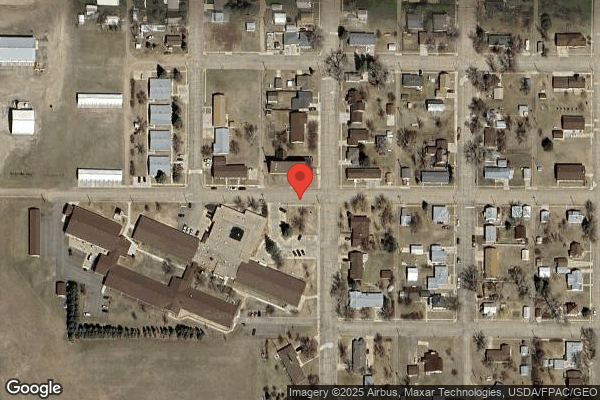
400 S 4TH ST, WISHEK, ND 58495 (701) 452-2333
Non profit - Corporation 49 Beds Independent Data: November 2025
Trust Grade
70/100
#19 of 72 in ND
Last Inspection: May 2025

Inspected within the last 6 months. Data reflects current conditions.

Overview

Wishek Living Center has a Trust Grade of B, indicating it is a good choice among nursing homes, but not the top tier. It ranks #19 out of 72 facilities in North Dakota, placing it in the top half, and is the best option in McIntosh County. The facility is improving, having decreased from three issues in 2024 to two in 2025. Staffing is strong with a 5/5 star rating, although turnover is average at 57%. However, the facility has faced some serious issues, including a failure to accommodate resident allergies that led to a hospitalization and a delay in emergency care for a resident with a changing health status. Additionally, they did not offer pneumococcal vaccinations to several residents, which could put others at risk for pneumonia. Overall, while there are strengths in staffing and some health inspections, there are notable weaknesses in care practices that families should consider.

Trust Score
B
70/100
In North Dakota
#19/72
Top 26%
Safety Record
Moderate
Needs review
Inspections
Getting Better
3 → 2 violations
Staff Stability
⚠ Watch
57% turnover. Above average. Higher turnover means staff may not know residents' routines.
Penalties
✓ Good
$26,272 in fines. Lower than most North Dakota facilities. Relatively clean record.
Skilled Nurses
✓ Good
Each resident gets 62 minutes of Registered Nurse (RN) attention daily — more than 97% of North Dakota nursing homes. RNs are the most trained staff who catch health problems before they become serious.
Violations
○ Average
6 deficiencies on record. Average for a facility this size. Mostly minor or procedural issues.
★★★★★
5.0
Overall Rating
★★★★★
5.0
Staff Levels
★★☆☆☆
2.0
Care Quality
★★★★☆
4.0
Inspection Score
Stable
2024: 3 issues
2025: 2 issues

The Good

  • 5-Star Staffing Rating · Excellent nurse staffing levels
  • Full Sprinkler Coverage · Fire safety systems throughout facility
  • No fines on record

Facility shows strength in staffing levels, fire safety.

The Bad

Staff Turnover: 57%

10pts above North Dakota avg (46%)

Frequent staff changes - ask about care continuity

Federal Fines: $26,272

Below median ($33,413)

Moderate penalties - review what triggered them

Staff turnover is elevated (57%)

9 points above North Dakota average of 48%

The Ugly 6 deficiencies on record

2 actual harm
May 2025 2 deficiencies
CONCERN (D)

Potential for Harm - no one hurt, but risky conditions existed

Infection Control (Tag F0880)

Could have caused harm · This affected 1 resident

Based on observation, record review, review of facility policy, and staff interviews, the facility failed to follow standards of infection control and prevention for 1 of 3 sampled residents (Resident...

Read full inspector narrative →
Based on observation, record review, review of facility policy, and staff interviews, the facility failed to follow standards of infection control and prevention for 1 of 3 sampled residents (Resident #22) observed with a wound. Failure to use enhanced barrier precautions (EBP) for residents with wounds has the potential to spread infection throughout the facility. Findings include: Review of the facility policy titled Enhanced Barrier Precautions occurred on 05/14/25. This policy, dated 04/01/24, stated, . An order for enhanced barrier precautions will be obtained for residents with . Wounds (e.g., chronic wounds such as pressure ulcers, diabetic foot ulcers, unhealed surgical wounds, and chronic venous stasis ulcers) . even if the resident is not known to be infected . Review of Resident #22's medical record occurred on all days of survey and identified an unstageable pressure injury (PI) on 03/04/25. The wound culture results, dated 05/02/25, showed a wound infection. Resident #22's current care plan stated, . The resident has Unstageable pressure injury to right heel. 4/15/25 Open wound to tip of right great toe. 4/30/25 Several new impairments observed on right leg anterior [front] right gt [great] toe and lateral [outer] ankle area etiology [origin] unknown-no pressure in any of these areas. Concerns of diabetes and circulation being a factor. Random observations on all days of survey showed no EBP signage on the door or in the room and no personal protective equipment outside of Resident #22's room. During an interview on 05/13/25 at 2:18 p.m., a certified nurse aide (CNA) (#2) stated Resident #22 is not in EBP. During an interview on 05/13/25 at 3:21 p.m., an administrative nurse (#1) stated staff should have placed Resident #22 in EBP. The facility failed to place Resident #22 in EBP for PI/wounds.
CONCERN (E)

Potential for Harm - no one hurt, but risky conditions existed

Deficiency F0883 (Tag F0883)

Could have caused harm · This affected multiple residents

**NOTE- TERMS IN BRACKETS HAVE BEEN EDITED TO PROTECT CONFIDENTIALITY** Based on record review, review of facility policy, review of the Centers for Disease Control and Prevention (CDC) guidelines and...

Read full inspector narrative →
**NOTE- TERMS IN BRACKETS HAVE BEEN EDITED TO PROTECT CONFIDENTIALITY** Based on record review, review of facility policy, review of the Centers for Disease Control and Prevention (CDC) guidelines and recommendations, and staff interview, the facility failed to offer residents the pneumococcal immunization to 4 of 5 residents (Resident #7, #9, #14, and #31) reviewed for immunization status. Failure to offer the pneumococcal vaccine to all residents, provide education to residents and their legal representatives, and document the administration or refusal has the potential for non-immunized residents to contract pneumonia and spread the infection to other residents, visitors, and staff. Findings included: Review of the facility policy titled Influenza and Pneumococcal Standing Orders Policy/Procedure occurred on 05/14/25. This policy, dated September 2024, stated, . All residents, regardless of age and medical condition, should receive the pneumococcal vaccine at least once unless there is a documented contraindication . All residents admitted to this facility shall be assessed to determine their current pneumococcal . vaccination status. Documentation of the resident's immunization status will be maintained in the electronic medical records . Pneumococcal vaccination status is completed after the admission process regardless of the date in the year . Vaccination is offered to residents who cannot provide documentation of previous pneumovax vaccination. Those who are unsure or do not know their status will be immunized, unless the resident declines or has a medical contraindication or allergy . The immunization records of all residents will be reviewed in September of each year. Review of the CDC: Vaccines and Preventable Diseases webpage (https://www.cdc.gov/vaccines/vpd/pneumo/hcp/recommendations.html), last reviewed October 26, 2024, stated, . CDC recommends pneumococcal vaccination . age [AGE] years or older who have . Not previously received a dose of PCV13, PCV15, PCV20, or PCV21 or whose previous vaccination history is unknown: 1 dose PCV15 or 1 dose PCV20 or 1 dose PCV21 . Previously received only PPSV23: 1 dose PCV15 or 1 dose PCV20 or 1 dose PCV21 at least 1 year after the last PPSV23 dose . Previously received both PCV13 and PPSV23 but no PPSV23 was received at age [AGE] years or older: 1 dose PCV20 or 1 dose PCV21 at least 5 years after the last pneumococcal vaccine dose. - Review of Resident #7's medical record occurred on 05/14/25. The record lacked evidence the facility assessed Resident #7's pneumococcal immunization status and offered PCV20 or PCV 21 at least 5 years after the resident's last pneumococcal vaccine dose. - Review of Resident #9's medical record occurred on 05/14/25. The record lacked evidence the facility assessed Resident #9's pneumococcal immunization status and offered PCV15, PCV20, or PCV21 at least 1 year after the last PPSV23 dose. - Review of Resident #14's medical record occurred on 05/14/25. The record lacked evidence the facility assessed Resident #14's pneumococcal immunization status and offered PCV15, PCV20, or PCV21 when vaccination status is unknown. - Review of Resident #31's medical record occurred on 05/14/25. The record lacked evidence the facility assessed Resident #31's pneumococcal immunization status and offered PCV20 or PCV21 at least 5 years after the last pneumococcal vaccine dose The facility failed to follow the CDC recommendations for pneumococcal vaccine administration and the facility's policy. During an interview on 05/14/25 at 11:20 a.m., an administrative nurse (#1) confirmed the medical records lacked provider assessments for pneumococcal immunizations, confirmed the resident's pneumococcal vaccinations were not up to date, and stated he/she was unaware of the current CDC recommendations regarding pneumococcal vaccinations.
May 2024 1 deficiency 1 Harm
SERIOUS (G) 📢 Someone Reported This

A family member, employee, or ombudsman was alarmed enough to file a formal complaint

Actual Harm - a resident was hurt due to facility failures

Quality of Care (Tag F0684)

A resident was harmed · This affected 1 resident

**NOTE- TERMS IN BRACKETS HAVE BEEN EDITED TO PROTECT CONFIDENTIALITY** Based on record review and review of the facility reported incident investigation, the facility failed to ensure food served acc...

Read full inspector narrative →
**NOTE- TERMS IN BRACKETS HAVE BEEN EDITED TO PROTECT CONFIDENTIALITY** Based on record review and review of the facility reported incident investigation, the facility failed to ensure food served accommodated resident allergies for 1 of 1 resident (Resident #1) who was hospitalized for an allergic reaction. Failure to ensure resident allergies are noted and followed while serving meals resulted in hospitalization and treatment for an anaphylactic reaction. This citation is considered past non-compliance based on review of the corrective action the facility implemented immediately following the incident. Findings include: This surveyor determined a deficient practice existed on 04/19/24. The facility implemented corrective action and completed all staff education on 04/22/24. Review of Resident #1's medical record occurred on 05/02/24 and included diagnoses of dementia and an allergy to fish on admission. The resident's current care plan stated, Resident has known allergy to: Fish . Resident will not receive (med, food, substance) to which he has a known allergy. Be alert to food allergies. Resident's diet card noted Fish/Seafood allergy. Review of Resident #1's progress notes identified the following: * 04/19/24 2:12 p.m. nurse entered dining room @ [at] 1250 [12:50 p.m.] to see resident with eyes closed . noted resident to be slow to respond . pale/grey in color. Resident taken back to . room . BP [blood pressure] 76/47, T [temperature] 96.9, P [pulse] 92, R [respirations] 16, 02 [oxygen saturation] 92% on RA [room air]. 10 mins [minutes] and resident was slumped to L) [left] side, color was more pale/grey, and was again slow to respond. BP taken 57/37, notified resident coordinator who came to room and assessed. Physician notified of status and wanted resident seen in ER [emergency room], Son [name] notified and consented to have resident transferred . Resident did loose [sic] consciousness x [times] 2 for seconds at a time . manual BP's taken unable to read/hear, could not get 02 readings, oxygen started 2L/NC [2 liters per nasal canula] for comfort, noted . [resident] to be red in color. Resident transferred to ER by ambulance, left facility @ 2pm. * 04/19/24 3:59 p.m. [provider name from hospital] called and stated that resident will be admitted to hospital for alergic [sic] reaction . Son [name] contacted and is aware, hospital has updated him on status. * 04/22/24 1:00 p.m. Resident returned from hospital approximately 10:15 this morning. hospitalized on 4-19 . for . anaphylactic reaction. The facility's investigation report, dated 04/19/24, stated, . [kitchen staff] in charge of reading the cards that lists the resident's diet, allergies, and likes/dislikes. [kitchen staff] read [Resident #1's] name and did not say anything else on the card . [Resident] was treated at the hospital for anaphylactic shock . Based on the following information, non-compliance at F806 is considered past non-compliance. The facility implemented corrective actions to ensure the deficient practice does not recur by: * The facility completed an investigation with interviews of staff that determined the cause of the incident. Kitchen staff failed to read and follow allergy (fish) noted on diet card. Resident #1 was served fish during lunch on 04/19/24. * Provided immediate dietary staff education regarding importance of reading diet cards every time. You must be reviewing these for every meal. When serving, the person reading cards must announce the resident, the diet, and any allergies or dislike pertaining to that day's meal. Additional dietary staff education completed the same day before dietary staff left regarding changing the format of the diet cards and placing the allergies in red lettering. * On 04/22/24 implemented the use of newly formatted resident diet cards with allergies noted in red lettering. * On 04/22/24 provided education via written information e-mailed to all staff regarding newly formatted resident diet cards with allergies noted in red lettering. The education included the process for breakfast, lunch, supper, and room tray delivery. * On 04/22/24 dietary staff educated and received hard copy of newly formatted resident diet card and process for serving food. * Random audits completed by dietary supervisor to ensure the new process is followed.
Mar 2024 2 deficiencies 1 Harm
SERIOUS (G)

Actual Harm - a resident was hurt due to facility failures

Quality of Care (Tag F0684)

A resident was harmed · This affected 1 resident

**NOTE- TERMS IN BRACKETS HAVE BEEN EDITED TO PROTECT CONFIDENTIALITY** Based on record review, review of professional reference, review of facility policy, and staff interview the facility failed to ...

Read full inspector narrative →
**NOTE- TERMS IN BRACKETS HAVE BEEN EDITED TO PROTECT CONFIDENTIALITY** Based on record review, review of professional reference, review of facility policy, and staff interview the facility failed to provide care and services for 1 of 1 closed record (Resident #43) reviewed with a change in health status and transfer to the emergency room (ER). Failure to assess and monitor the resident's changing condition resulted in a worsening of symptoms and delay in emergency care. Findings include: Kozier & Erb's Fundamentals of Nursing: Concepts, Process, and Practice, 11th Edition eText, 2021, Pearson, Boston, Massachusetts, page 189, stated, . the nurse is still responsible for identifying and responding to data that indicate real or potential medical problems. and preventing development of the potential complication. Review of the facility policy titled Notification of Changes occurred on 03/13/24. This policy, dated November 2023, stated, Policy: The purpose of this policy is to assure the resident, provider and or family member . is immediately informed . when there is a change requiring notification. 2. Significant change in the resident's physical, mental, and psychosocial condition such as a deterioration in health . This may include: clinical complications. Review of Resident #43's medical record occurred on all days of survey. Diagnoses included dementia with other behavioral disturbances and adult failure to thrive. An admission Minimum Data Set (MDS), dated [DATE], identified substantial/maximal assist with activities of daily living (ADLs) such as eating, oral cares, hygiene, bathing, and dressing. Review of Resident #43's Emergency department (ED) physician's report, dated 02/28/24, stated, HPI [history of present illness]: . CNA [certified nurse aide] told nursing staff the [sic] when she checked the blood pressure it was 60s/40s [60s systolic over 40s diastolic] and pulse was 111 [beats per minute] . When seen in the ER there was . food particulate in the mouth . there was also a potassium pill in his mouth . Physical exam . Neurologic: No purposeful movement, Heart sounds: irregular, but appropriate, Lungs: clear sounds, Oropharynx: full of food particulate and pills. After it was cleaned out the mucosa was dry. Assessment and Plan: Dehydration, Acute renal failure, and altered mental status . Plan: admit to inpatient. Resident #43's nursing notes showed the following: * 02/26/23 8:25 p.m. BP [blood pressure] 75/55 . noted to have difficult time with holding up his head . took medication with much attempts . writer did hold head up to take medication then resident would allow his head to drop down in front of him . * 02/26/23 8:40 p.m. BP 67/49 . lethargic . call to residents [sic] family . will call for ambulance . Review of the facility's investigation and video evidence showed the nurse (#3) entered Resident $43's room at 6:44 p.m. with medication then stepped out to crush medications and re-entered at 6:49 p.m. At 7:45 p.m., the nurse (#3) entered the resident's room for the last time. At 9:12 p.m., video evidence showed the ambulance crew tranported the resident out of the facility. Review of facility investigation, dated 02/24/24, identified the following: * Family Nurse Practitioner (FNP) (#6) called administrative staff member (#1) with . grave concerns about [nurse #3 name] and her lack of assessment . he is upset that not only did she [nurse #3] not do a manual blood pressure before calling him, but that she [nurse #3] didn't even do the basic ABC's [airway, breathing, circulation] of assessments because his [Resident #43] airway was likely partially obstructed by all of the food that was pocketed in his mouth. * CNA (#4) stated, . [nurse #3] told me to go ahead and lay him [Resident #43] down in bed as she [sic] was just hanging his head and not eating. while in the lift . he went unresponsive . [nurse #3] said she [CNA #4] should lay [Resident #43] down and get his vitals . vitals were reported to name [nurse #3] . she [CNA #4] was not feeling comfortable with the situation and urged [nurse #3] 1 or 2 times to get him out of here . she felt the ambulance needed to be called as he did not look good. * Administrative staff member (#1) stated, . [nurse #3] did not complete an assessment and relied completely on the reported vital signs from the CNAs. The facility's nursing staff failed to monitor Resident #43's declining condition to prevent the development of additional complications. During an interview on 03/13/24 at 12:54 p.m., an administrative staff member (#1) stated, She expected nursing staff to complete a full assessment and verify the vital signs themselves.
CONCERN (D)

Potential for Harm - no one hurt, but risky conditions existed

Deficiency F0658 (Tag F0658)

Could have caused harm · This affected 1 resident

Based on observation, review of professional reference, and staff interview, the facility failed to follow professional standards of practice for 1 of 1 resident (Resident #13) observed for insulin pe...

Read full inspector narrative →
Based on observation, review of professional reference, and staff interview, the facility failed to follow professional standards of practice for 1 of 1 resident (Resident #13) observed for insulin pen preparation. Failure to properly prepare insulin pens may result in the resident receiving an inaccurate dose of insulin. Findings include: Review of a professional online reference Insulin Lispro single-patient-use pen https://pi.lilly.com/insulin-lispro-kwikpen-us-ifu.pdf, occurred on 03/13/24. These instructions, dated July 2023, stated, Pull off the outer needle shield . to prime your pen, turn the dose knob to select 2 units. Hold your pen with the needle pointing up [vertically]. Tap the cartridge holder gently to collect air bubbles at the top. Continue holding your pen with needle pointing up. Push the dose knob in until it stops, and 0 is seen in the dose window. Hold the dose knob in and count to 5 slowly. You should see insulin at the tip of the needle. If you do not see insulin, repeat priming steps . Observation on 03/12/24 at 5:01 p.m. showed a nurse (#2) prepared Resident #13's insulin pen for administration. The nurse cleansed the tip of the pen with an alcohol swab, attached a needle and without removing the needle cap, dialed the insulin pen dose knob to 26 units (ordered stated 24 units), held the pen horizontally and expelled 2 units. The nurse (#2) failed to remove the needle cover, prime to 2 units only, and hold the device vertically to prime the pen. During an interview on 03/13/24 at 12:54 p.m., an administrative nurse (#1) stated, She expected nursing staff to prime the insulin pens properly.
Apr 2023 1 deficiency
CONCERN (D)

Potential for Harm - no one hurt, but risky conditions existed

Food Safety (Tag F0812)

Could have caused harm · This affected 1 resident

Based on observation, review of facility policy, and staff interview, the facility failed to store food under safe and sanitary conditions in 1 of 1 kitchen area (main kitchen). Failure to store food ...

Read full inspector narrative →
Based on observation, review of facility policy, and staff interview, the facility failed to store food under safe and sanitary conditions in 1 of 1 kitchen area (main kitchen). Failure to store food at appropriate temperatures has the potential to result in foodborne illness or decreased food quality for residents, staff, and visitors. Findings include: Review of the facility policy, Monitoring of Cooler/Freezer Temperature and Maintenance occurred on 04/11/23. This policy, dated 04/11/23, stated, Freezer temperatures will be checked and logged at least twice per day by designated personnel . all frozen storage must be maintained at or zero degrees Fahrenheit . if temperatures are above 10 degrees Fahrenheit for freezer, the dietary manager and maintenance department will be notified immediately for corrective action . if there is an ice buildup in the freezer, dietary is to completely empty the freezer and dispose of any freezer-burnt items . all foods shall be labeled, dated, monitored . deep cleaning of freezers will be done as needed . Review of facility policy Dietary Employee Personal Hygiene occurred on 04/11/23. This policy, dated 04/03/23, stated, . employee and food service employees in order to prevent contamination of food . hair restraints are required when in the kitchen at all times to prevent hair from contaminating food . Observations on 04/10/23 at 12:21 p.m. in the main kitchen with a dietary staff (#2) showed the following: * The upright freezer temperature log sheet, dated 01/01/23 to 04/10/23, showed 8 days of undocumented daily temperature recordings. * The freezer temperature log sheet, dated 01/01/23 to 04/10/23 showed 22 days of temperatures above zero degrees F, 7 of those days with temperatures 10 degrees F or greater. The facility lacked follow up from maintenance or dietary on freezer temperatures above 10 degrees F. * The freezer showed 36 bags of various food items, bread, breaded food items, and frozen potato products freezer-burnt and ice covered. * The freezer coils on the top, bottom and back of the freezer showed ice build up approximately 1/2 to 1 inch thick, and the metal shelves covered with ice. * On 04/10/23 at 1:23 p.m., a food vendor without a hair covering in the main kitchen delivering food items. During an interview on 04/12/23 at 2:30 p.m., a dietary supervisor (#2) confirmed she expected staff to record the freezer temperatures daily, report discrepancies with temperatures and follow up immediately, and anyone entering the kitchen to wear a hair covering in food areas.
Understanding Severity Codes (click to expand)
Life-Threatening (Immediate Jeopardy)
J - Isolated K - Pattern L - Widespread
Actual Harm
G - Isolated H - Pattern I - Widespread
Potential for Harm
D - Isolated E - Pattern F - Widespread
No Harm (Minor)
A - Isolated B - Pattern C - Widespread

Questions to Ask on Your Visit

  • "Why is there high staff turnover? How do you retain staff?"
  • "Can I speak with families of current residents?"
  • "What's your RN coverage like on weekends and overnight?"

Our Honest Assessment

Strengths
  • • Licensed and certified facility. Meets minimum state requirements.
Concerns
  • • 6 deficiencies on record, including 2 serious (caused harm) violations. Ask about corrective actions taken.
  • • $26,272 in fines. Higher than 94% of North Dakota facilities, suggesting repeated compliance issues.
  • • 57% turnover. Above average. Higher turnover means staff may not know residents' routines.
Bottom line: Mixed indicators with Trust Score of 70/100. Visit in person and ask pointed questions.

About This Facility

What is Wishek Living Center's CMS Rating?

CMS assigns WISHEK LIVING CENTER an overall rating of 5 out of 5 stars, which is considered much above average nationally. Within North Dakota, this rating places the facility higher than 99% of the state's 100 nursing homes. This rating reflects solid performance across the metrics CMS uses to evaluate nursing home quality.

How is Wishek Living Center Staffed?

CMS rates WISHEK LIVING CENTER's staffing level at 5 out of 5 stars, which is much above average compared to other nursing homes. Staff turnover is 57%, which is 10 percentage points above the North Dakota average of 46%. High turnover can affect care consistency as new staff learn residents' individual needs.

What Have Inspectors Found at Wishek Living Center?

State health inspectors documented 6 deficiencies at WISHEK LIVING CENTER during 2023 to 2025. These included: 2 that caused actual resident harm and 4 with potential for harm. Deficiencies causing actual harm indicate documented cases where residents experienced negative health consequences.

Who Owns and Operates Wishek Living Center?

WISHEK LIVING CENTER is owned by a non-profit organization. Non-profit facilities reinvest revenue into operations rather than distributing to shareholders. The facility operates independently rather than as part of a larger chain. With 49 certified beds and approximately 36 residents (about 73% occupancy), it is a smaller facility located in WISHEK, North Dakota.

How Does Wishek Living Center Compare to Other North Dakota Nursing Homes?

Compared to the 100 nursing homes in North Dakota, WISHEK LIVING CENTER's overall rating (5 stars) is above the state average of 3.1, staff turnover (57%) is significantly higher than the state average of 46%, and health inspection rating (4 stars) is above the national benchmark.

What Should Families Ask When Visiting Wishek Living Center?

Based on this facility's data, families visiting should ask: "How do you ensure continuity of care given staff turnover, and what is your staff retention strategy?" "Can I visit during a mealtime to observe dining assistance and food quality?" "How do you handle medical emergencies, and what is your hospital transfer rate?" "Can I speak with family members of current residents about their experience?" These questions are particularly relevant given the facility's high staff turnover rate.

Is Wishek Living Center Safe?

Based on CMS inspection data, WISHEK LIVING CENTER has a clean safety record: no substantiated abuse findings (meaning no confirmed cases of resident harm), no Immediate Jeopardy citations (the most serious violation level indicating risk of serious injury or death), and is not on the Special Focus Facility watch list (a federal program monitoring the lowest-performing 1% of nursing homes). The facility has a 5-star overall rating and ranks #1 of 100 nursing homes in North Dakota. While no facility is perfect, families should still ask about staff-to-resident ratios and recent inspection results during their visit.

Do Nurses at Wishek Living Center Stick Around?

Staff turnover at WISHEK LIVING CENTER is high. At 57%, the facility is 10 percentage points above the North Dakota average of 46%. High turnover means new staff may not know residents' individual needs, medications, or preferences. It can also be disorienting for residents, especially those with dementia who rely on familiar faces. Families should ask: What is causing the turnover? What retention programs are in place? How do you ensure care continuity during staff transitions?

Was Wishek Living Center Ever Fined?

WISHEK LIVING CENTER has been fined $26,272 across 2 penalty actions. This is below the North Dakota average of $33,342. While any fine indicates a compliance issue, fines under $50,000 are relatively common and typically reflect isolated problems that were subsequently corrected. Families should ask what specific issues led to these fines and confirm they've been resolved.

Is Wishek Living Center on Any Federal Watch List?

WISHEK LIVING CENTER is not on any federal watch list. The most significant is the Special Focus Facility (SFF) program, which identifies the bottom 1% of nursing homes nationally based on persistent, serious quality problems. Not being on this list means the facility has avoided the pattern of deficiencies that triggers enhanced federal oversight. This is a positive indicator, though families should still review the facility's inspection history directly.