BRETHREN CARE VILLAGE HEALTH CARE CENTER
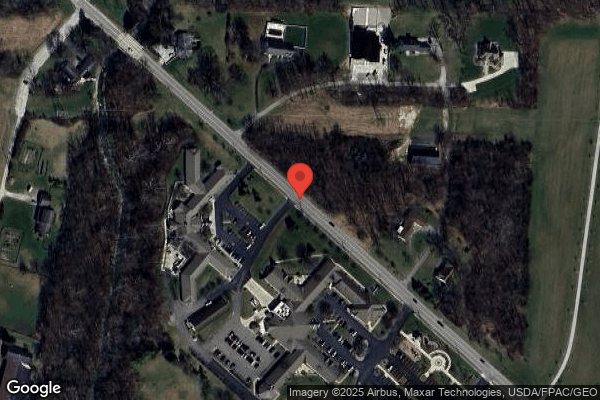
2000 CENTER ST, ASHLAND, OH 44805 (419) 289-1585
Non profit - Corporation 79 Beds Independent Data: November 2025
Trust Grade
83/100
#228 of 913 in OH
Last Inspection: September 2022

Over 2 years since last inspection. Current conditions may differ from available data.

Overview

Brethren Care Village Health Care Center has a Trust Grade of B+, indicating it is above average and recommended for families considering care options. It ranks #228 out of 913 facilities in Ohio, placing it in the top half, and is the best option out of four in Ashland County. The facility is improving, with issues decreasing from eight in 2019 to just two in 2022. Staffing is a strong point, with a 4 out of 5 star rating and a low turnover rate of 29%, suggesting that staff are experienced and familiar with the residents' needs. However, there have been some concerning findings, such as failures to prevent urinary tract infections and to timely assess significant weight loss in residents, highlighting areas for improvement despite the facility's overall strengths.

Trust Score
B+
83/100
In Ohio
#228/913
Top 24%
Safety Record
Low Risk
No red flags
Inspections
Getting Better
8 → 2 violations
Staff Stability
✓ Good
29% annual turnover. Excellent stability, 19 points below Ohio's 48% average. Staff who stay learn residents' needs.
Penalties
✓ Good
No fines on record. Clean compliance history, better than most Ohio facilities.
Skilled Nurses
✓ Good
Each resident gets 45 minutes of Registered Nurse (RN) attention daily — more than average for Ohio. RNs are trained to catch health problems early.
Violations
⚠ Watch
12 deficiencies on record. Higher than average. Multiple issues found across inspections.
★★★★☆
4.0
Overall Rating
★★★★☆
4.0
Staff Levels
★★★☆☆
3.0
Care Quality
★★★★☆
4.0
Inspection Score
Stable
2019: 8 issues
2022: 2 issues

The Good

  • 4-Star Staffing Rating · Above-average nurse staffing levels
  • Low Staff Turnover (29%) · Staff stability means consistent care
  • Full Sprinkler Coverage · Fire safety systems throughout facility
  • No fines on record
  • Staff turnover is low (29%)

    19 points below Ohio average of 48%

Facility shows strength in staffing levels, staff retention, fire safety.

The Bad

No Significant Concerns Identified

This facility shows no red flags. Among Ohio's 100 nursing homes, only 1% achieve this.

The Ugly 12 deficiencies on record

Sept 2022 2 deficiencies
CONCERN (D)

Potential for Harm - no one hurt, but risky conditions existed

Deficiency F0692 (Tag F0692)

Could have caused harm · This affected 1 resident

**NOTE- TERMS IN BRACKETS HAVE BEEN EDITED TO PROTECT CONFIDENTIALITY** Based on medical record review, staff interview, and review of the facility's policy, the facility failed to timely and routinel...

Read full inspector narrative →
**NOTE- TERMS IN BRACKETS HAVE BEEN EDITED TO PROTECT CONFIDENTIALITY** Based on medical record review, staff interview, and review of the facility's policy, the facility failed to timely and routinely assess a resident who had significant weight loss two months in a row. This affected one (Resident #60) of three residents reviewed for nutrition. The facility identified eight residents with unplanned significant weight loss/gain. The facility census was 75. Findings include: Review of Resident #60's medical record revealed the resident was admitted to the facility on [DATE]. Diagnoses included type II diabetes mellitus, hypertension, dementia, and depression. Review of Resident #60's admission Minimum Data Set (MDS) 3.0 assessment, dated 05/09/22, revealed the resident was cognitively impaired and required supervision and setup assistance for eating. Review of Resident #60's nutritional assessment and plan of care, dated 05/09/22, revealed the resident's weight had been stable since admission. Resident #60 was prone to fluid or electrolyte concerns, inadequate intake, and received medications which could cause appetite changes, gastrointestinal distress, and/or other nutrition-related side effects. Interventions included offering substitutes for uneaten foods, snacks per resident preference and choice to meet nutritional and quality of life needs, and offering supplements as ordered. Review of Resident #60's weight record revealed Resident #60 weighed the following: 189.8 lbs. on 05/04/22, 168.5 lbs. on 08/18/22, and 157.6 lbs. on 09/15/22. On 08/18/22, Resident had a 21.3 lbs. weight loss and a 11.2 significant weight loss in three months. On 09/15/22, Resident #60 had a 10.9 lbs. weight loss and a 6.5% significant weight loss in one month and a 32.2 lbs. weight loss in four months and was a 17% significant weight loss. Further review of Resident #60's medical record revealed Resident #60's significant weight loss was not addressed by the Registered Dietitian (RD) or Physician from 08/18/22 through 09/19/22. Resident #60 was last assessed by the RD on 05/09/22. Review of Resident #60's physician orders, dated 09/20/22, revealed an order for a supplement after meals as indicated. Interview on 09/21/22 at 2:22 P.M. with RD #326 revealed RD #326 was not aware of Resident #60 sustaining any significant weight loss while residing in the facility. RD #326 reported she was typically notified of significant weight loss when quarterly MDS assessments were completed and reported there was no formal process for monitoring weights in between quarterly assessments. RD #326 verified Resident #60 appeared to have sustained significant weight loss during the aforementioned dates. RD #326 verified she was unaware of any significant weight loss sustained by Resident #60 until brought to her attention during the survey on 09/20/22. RD #326 also verified there were no nutritional supplements ordered for Resident #60 until 09/20/22, after nutritional documents for Resident #60 were requested during the survey. Review of the facility's policy titled Weight, revised September 2018, revealed a significant weight change included a weight change greater than five-percent in the past 30 days or ten-percent in the past 180 days. The policy further revealed when a significant weight change was identified and verified, the interdisciplinary team, including physician and dietitian, and resident or person responsible were notified.
CONCERN (E)

Potential for Harm - no one hurt, but risky conditions existed

Infection Control (Tag F0880)

Could have caused harm · This affected multiple residents

**NOTE- TERMS IN BRACKETS HAVE BEEN EDITED TO PROTECT CONFIDENTIALITY** Based on medical record review, observations, staff interview, review of the facility's infection control logs, review of facili...

Read full inspector narrative →
**NOTE- TERMS IN BRACKETS HAVE BEEN EDITED TO PROTECT CONFIDENTIALITY** Based on medical record review, observations, staff interview, review of the facility's infection control logs, review of facility in-services, review of the Centers for Disease Control and Prevention (CDC) guidance, review of the manufacturer's instructions, and review of the facility's policy, the facility failed to prevent and respond to an increased pattern of urinary tract infections (UTIs). This affected two (Resident #1 and #28) of two residents reviewed for urinary tract infections. The facility also failed to complete blood sugar checks in a sanitary manner. This affected three (Resident #1, #18, and #37) of nine residents who required blood sugar checks. The facility census was 75. Findings include: 1. Review of Resident #28's medical record revealed the resident was admitted to the facility on [DATE]. Diagnoses included neuromuscular dysfunction of bladder, and UTI. Review of the quarterly Minimum Data Set (MDS) 3.0 assessment, dated 07/01/22, revealed Resident #28 was severely cognitively impaired and required extensive assistance from staff for toileting. The resident had an indwelling catheter and was always incontinent of bowel. Review of the infection control logs dated 03/01/22 through 07/31/22 revealed Resident #28 was identified to have a UTI on 04/13/22, 05/10/22, 05/30/22, and 06/17/22. The urine culture for the UTI on 05/10/22 identified Escherichia coli (E. coli) in the resident's urine. All UTIs were monitored and treated. 2. Review of Resident #1's medical record revealed an admission date of 04/27/18. Diagnoses included urinary tract infection, multiple sclerosis, hemiplegia, and neuromuscular dysfunction of bladder. Review of the quarterly MDS assessment, dated 02/22/22, revealed Resident #1 had an indwelling catheter. Review of the quarterly MDS assessment, dated 08/19/22, revealed the resident was cognitively intact and required total assistance of two staff for toileting. The resident had an indwelling catheter and was frequently incontinent of bowel. Review of the infection control logs dated 03/01/22 through 07/31/22 revealed the resident was identified to have a UTI on 04/02/22 which was resolved on 04/15/22. The urine culture for the UTI identified E. coli in the resident's urine. 3. Review of the infection control logs for 03/01/22 through 07/31/22 revealed there were 44 UTIs which were not present upon admission identified within this timeframe, 20 of which were identified to have E. coli. Three UTIs were identified to have began in March 2022. 12 UTIs, six of which had E. coli were identified to have began in April 2022. 13 UTIs, six of which had E. coli were identified to have began in May 2022. Six UTIs, two of which had E. coli were identified to have began in June 2022. 10 UTIs, six of which had E. coli were identified to have began in July 2022. Attempted review of the infection control logs for 08/01/22 through 09/22/22 revealed logs were incomplete for this time period. Review of the staff in-services dated 01/01/2020 through 09/21/22 revealed no in-services pertaining to prevention of UTIs. Interviews on 09/21/22 at 3:55 P.M. and on 09/22/22 at 10:15 A.M. with the Director of Nursing (DON) revealed the facility identified an increase in UTIs and discussed this during a Quality Assurance and Performance Improvement (QAPI) meeting in July 2022. The DON verified no education or in-services had been completed or provided to staff and should have been. Review of the facility's undated policy titled Infection Control Program revealed the facility has developed and maintains an Infection Control Program that provides a safe, sanitary, and comfortable environment to help prevent the development and transmission of disease or infection. 4. Review of the medical record revealed Resident #1 was admitted on [DATE]. Diagnoses included multiple sclerosis and hemiplegia affecting right dominant side. Review of the medical record revealed Resident #18 was admitted on [DATE]. Diagnoses included type II diabetes mellitus without complications. Review of the medical record revealed Resident #37 was admitted on [DATE]. Diagnoses included type II diabetes mellitus without complications. Observations on 09/21/22 at 7:27 A.M. revealed Licensed Practical Nurse (LPN) #601 was observed checking a blood sugar for Resident #37 who was seated at the dining room table. LPN #601 placed the glucometer and test strip with blood directly on the dining room table. LPN #601 was observed cleaning the glucometer with an alcohol wipe between residents. Observations on 09/21/22 at 7:32 A.M. revealed LPN #601 was observed testing blood sugars for Resident #1 and #18 who were lying in bed. LPN #601 placed the glucometer and test strip with blood directly on bedside table. LPN #601 was observed cleaning the glucometer with an alcohol wipe between residents. Interview on 09/21/22 at 7:52 A.M. with LPN #347 stated the glucometer could be cleaned with a sani-cloth or alcohol wipe. LPN #347 stated the policy directed staff to clean the glucometer with an alcohol wipe. LPN #347 verified the same glucometer was utilized for Resident #1, #18, and #37. Interview on 09/21/22 at 3:30 P.M. with the Director of Nursing (DON) verified the manufacturer's instructions for the lucimeter did not include the use of a alcohol wipe. Review of the Centers for Disease Control and Prevention titled Infection Prevention during Blood Glucose monitoring and Insulin Administration summary dated 03/02/11 revealed if glucometers must be shared, the device must be cleaned and disinfected after every use, per manufactures instructions. Review of the manufacturer's instructions revealed glucometers should be cleaned using Clorox Healthcare Bleach Germicidal Wipes, Dispatch Hospital Disinfectant Towels with bleach caviwipes and PDI Super Sani-Cloth Germicidal Disposal Wipes for disinfecting the assure prism multi meter. Review of the facility's policy titled Guidelines and Policy for Glucometer Use, dated 2022, revealed staff are to clean with Super Sani-Cloth (per manufacture guideline).
Sept 2019 8 deficiencies
CONCERN (D)

Potential for Harm - no one hurt, but risky conditions existed

Assessment Accuracy (Tag F0641)

Could have caused harm · This affected 1 resident

**NOTE- TERMS IN BRACKETS HAVE BEEN EDITED TO PROTECT CONFIDENTIALITY** Based on medical record review and staff interview, the facility failed to accurately code a discharge tracking Minimum Data Set...

Read full inspector narrative →
**NOTE- TERMS IN BRACKETS HAVE BEEN EDITED TO PROTECT CONFIDENTIALITY** Based on medical record review and staff interview, the facility failed to accurately code a discharge tracking Minimum Data Set assessment for one (#85) out of three residents reviewed for discharge. The facility census was 82. Findings include: Review of Resident #85's medical record identified admission to the facility on [DATE]. Diagnoses included bladder cancer, stroke and hemorrhage. The record identified Resident #85 was sent to the emergency room on [DATE] and expired shortly after arrival. Review of the discharge tracking Minimum Data Set (MDS) assessment, dated [DATE], identified Resident #85 was discharge return not anticipated instead of death in facility. Review of the MDS 2017 instruction manual, page 2-10 identified death in facility refers to when the resident dies in the facility or dies while on a leave of absence (LOA). The facility must complete a Death in facility tracking record. A discharge assessment is not required. Interview with Licensed Practical Nurse (LPN) #55 on [DATE] at 3:00 P.M. confirmed the discharge tracking assessment should have been identified as a death in the facility because Resident #85 was not at the hospital for greater than 24 hours.
CONCERN (D)

Potential for Harm - no one hurt, but risky conditions existed

Deficiency F0685 (Tag F0685)

Could have caused harm · This affected 1 resident

Based on medical record, resident interview, and staff interview, the facility failed to ensure new glasses were received in a timely manner for one (#8) out of one resident reviewed for vision. The f...

Read full inspector narrative →
Based on medical record, resident interview, and staff interview, the facility failed to ensure new glasses were received in a timely manner for one (#8) out of one resident reviewed for vision. The facility census was 82. Findings include: Review of Resident #8's medical record identified admission to the facility occurred on 01/18/19 with medical diagnosis including stroke. Review of the vision visit form, dated 06/06/19, identified Resident #8 had been assessed by the optometrist. The resident's chief complaint was his glasses were old and he would like a new pair. The form identified an eyeglasses order will be processed. Interview on 09/23/19 at 10:21 A.M., Resident #8 identified he saw the eye doctor several months ago and was told new glasses were ordered for him, but he has not gotten them and/or heard anything about them being available. Interview on 09/24/19 at 9:10 A.M., Social Services Designee (SSD) #63 confirmed Resident #8 was seen by the optometrist on 06/06/19 and the note identified glasses were ordered for Resident #8. SSD #63 confirmed no further up had been completed. SSD #63 identified she called the vision group whom visited on 09/24/19 and they confirmed there was a mix up and Resident #8's glasses were never ordered. SSD #63 stated the glasses would be ordered today.
CONCERN (D)

Potential for Harm - no one hurt, but risky conditions existed

Medication Errors (Tag F0758)

Could have caused harm · This affected 1 resident

**NOTE- TERMS IN BRACKETS HAVE BEEN EDITED TO PROTECT CONFIDENTIALITY** Based on medical record review, staff interview and review of a facility policy, the facility failed to ensure residents did not...

Read full inspector narrative →
**NOTE- TERMS IN BRACKETS HAVE BEEN EDITED TO PROTECT CONFIDENTIALITY** Based on medical record review, staff interview and review of a facility policy, the facility failed to ensure residents did not receive unnecessary psychotropic medications and as needed medications were not ordered for longer than 14 days. This affected two (#53, #23) of five residents reviewed for unnecessary medication. The facility census was 82. Findings include: 1. Medical record review revealed resident #53 admitted to the facility on [DATE] with a most recent readmission date of 07/20/19. Diagnoses included hypertension, dementia without behaviors, anxiety and depression. Review of Resident #53's physician orders revealed an orders dated 07/03/19 for the resident to be administered Seroquel (an anti-psychotic medication) 12.5 milligrams (mg) daily and an order dated 05/09/19 revealed the resident was to be administered Seroquel 12.5 mg daily at bed time. Both orders were discontinued when the resident discharged to an acute care hospital on [DATE]. The resident was readmitted on [DATE] and was ordered to to receive Seroquel 25 mg daily along with 12.5 mg at bedtime. Both orders were discontinued on 07/22/19 and the order was changed for the resident to receive 12.5 mg of Seroquel twice a day. None of the resident's orders listed an indication for the use of an anti-psychotic medication. Review of the resident's nursing progress notes and physician progress notes from 06/03/19 through 09/25/19, lacked any evidence of indications for the use of Seroquel. Review of the resident's behavior charting from 06/01/18 through 09/25/19, lacked any evidence for indications for the use of Seroquel. Interview on 09/25/19 at 1:04 P.M., State Tested Nursing Assistant (STNA) #64 revealed Resident #53 did not have any behaviors. STNA #64 stated the resident became anxious when she was scheduled to leave the facility for an appointment. Interview on 09/25/19 at 1:08 P.M., Licensed Practical Nurse (LPN) #181 revealed Resident #53 did not have any behaviors. LPN #181 stated the resident experienced anxiety at times when she was having increased back pain. Interview on 09/25/19 at 1:11 P.M., Registered Nurse (RN) #136 revealed she was the Unit Manager for Resident #53's hall. RN #136 revealed Resident #53 did not have any behaviors. RN #136 stated the resident was depressed over her current situation and experienced anxiety related to her chronic back pain and pending surgery. Additionally, Resident #53's physician orders revealed an order dated 07/29/19 for the resident to be administered Ativan (an anti-anxiety medication) 0.5 mg three times a day as needed. Review of the resident's medical record revealed no evidence the medication was limited to 14 days or the physician provided rational for the continued use beyond 14 days. Review of the resident's 08/2019 and 09/2019 Medication Administration Record (MAR) revealed the resident was administered Ativan 0.5 mg on 08/07/19 at 2:01 P.M. and 8:13 P.M., 08/25/19 at 5:16 A.M., 08/29/19 at 11:46 A.M., and on 09/01/19 at 10:36 P.M., 09/03/19 at 7:57 A.M., 09/10/19 at 6:32 A.M. and 09/14/19 at 8:05 A.M. No documentation of non-pharmacological interventions attempted prior to the administration of the Ativan was observed in the medical record. Interview on 09/26/19 at 3:13 P.M., the Director of Nursing (DON) confirmed the resident received the above listed doses of as needed Ativan without documented evidence staff attempted non-pharmacological interventions prior to administering the medication. The DON further confirmed the resident's as needed Ativan order was not limited to 14 days and there was no rational documented by the resident's physician to continue the medication beyond 14 days. 2. Review of Resident #23's medical record revealed she admitted to the facility on [DATE]. Diagnoses included Alzheimer's disease and dementia with behavioral disturbance. Review of Resident #23's physician's orders revealed on 02/06/19 she received orders for Ativan 25 mg as needed (PRN). On 04/05/19 Resident #23 was ordered Ativan 25 mg PRN before bathing. The prescription did not document the required rationale and determined duration to extend both PRN anti-anxiety orders past the allotted 14 days. Interview on 9/26/19 at 3:13 P.M., the DON verified the prescriber did not provide a rationale or determine a duration for the PRN anti-anxiety medication that was required after 14 days. Review of a facility policy titled Psychotropic Medication Policy and Procedure, undated, revealed psychotropic medications would not bed used unless the medication was necessary to treat a specific condition that was diagnosed and documented in the clinical record. The policy further stated residents would not receive psychotropic medications unless behavioral programming and/or environmental changes or other non-pharmacological interventions had failed to address the resident's target behavioral goals. Further review of the policy revealed PRN orders for psychotropic medications would be limited to 14 days unless the physician identified the rationale to extend the medication beyond 14 days. PRN anti-psychotic medication would be limited to 14 days and would not be renewed unless the physician evaluated the resident for appropriateness of the medication.
CONCERN (D)

Potential for Harm - no one hurt, but risky conditions existed

Deficiency F0773 (Tag F0773)

Could have caused harm · This affected 1 resident

**NOTE- TERMS IN BRACKETS HAVE BEEN EDITED TO PROTECT CONFIDENTIALITY** Based on medical record review, staff interview, and review of facility policy, the facility failed to timely notify the physici...

Read full inspector narrative →
**NOTE- TERMS IN BRACKETS HAVE BEEN EDITED TO PROTECT CONFIDENTIALITY** Based on medical record review, staff interview, and review of facility policy, the facility failed to timely notify the physician of abnormal laboratory test results for three (#7, #24 and #133) of four residents reviewed for urinary tract infections. The facility census was 82. Findings include: 1. Review of Resident #24's medical record identified admission to the facility occurred on 11/02/18. Diagnoses included dementia, urinary tract infection history, anxiety, major depression and insomnia. Review of progress notes and physician's orders dated 08/22/19 identified Resident #24 had foul smelling urine and was having increased agitation and restlessness. The physician was noted to order a urinalysis test to determine if an infection was present. The record identified on 08/23/19 at 1:23 A.M. Resident #24 was straight catheterized to obtain a urine sample. The laboratory testing results, dated 08/23/19 at 11:55 A.M. revealed they received Resident #24's urine sample. The testing report identified the culture was completed on Sunday 08/25/19 at 8:22 A.M. and was sent to the nursing facility on 08/25/19 at 10:01 A.M. The progress notes and the laboratory report dated 08/25/19 identified no evidence the physician was notified of the positive urinalysis results until 08/26/19 (Monday), when they ordered an antibiotic for a urinary tract infection. The report evidenced the nursing staff faxed the results on Sunday 08/25/19. Interview with the Director of Nursing (DON) on 09/24/19 at 1:09 P.M. confirmed the staff faxed and did not call the physician when Resident #24's urinalysis test was positive. 2. Review of Resident #133's medical record identified admission to the facility occurred on 09/06/19. Diagnoses included urinary incontinence, high blood pressure and Uranus syndrome. Review of Resident #133's medical record revealed a urinalysis was collected from Resident #133 on 09/11/19. The laboratory test identified the facility was notified of the positive results of the urinalysis on 09/12/19. The culture and sensitivity results returned on 09/15/19. The record identified the nursing staff faxed the physician the results on 09/15/19 with no evidence of telephone notification. The record identified the physician was not contacted by phone until 09/16/19, when an antibiotic was started. Interview on 09/24/19 at 1:09 P.M. the DON confirmed the staff faxed and did not call the physician when Resident #133's urinalysis test was positive. The DON confirmed the nursing staff should be calling and not faxing positive results. 3. Medical record review revealed Resident #7 admitted to the facility on [DATE]. Diagnoses included diabetes mellitus type two, multiple sclerosis and chronic scenic heart disease. Review of a urinalysis with a culture and sensitivity, collected for the resident on 09/14/19, revealed the laboratory faxed the final results of the test to the facility on [DATE] at 10:35 A.M. The results revealed the resident had a urinary tract infection. Facility staff did not notify the resident's physician of the positive results until 09/17/19 and the resident was started on an antibiotic. Interview on 09/25/19 at 1:25 P.M., Registered Nurse (RN) #136 revealed staff were expected to call the physician with any abnormal lab reports. RN #136 confirmed staff should have called Resident #7's physician on 09/16/19 and notified him of the resident's positive urinalysis with a culture and sensitivity. Review of an undated facility policy titled Obtaining Lab Samples and Reporting of Values revealed any lab value that fell outside of the normal range limit, as indicated on the lab report, were supposed to be faxed to the primary care physician (PCP) as well as called to the PCP to ensure prompt attention to the results. Further review revealed any lab value identified as critical by the lab were phoned by the lab to the nurse who was supposed to notify the PCP immediately.
CONCERN (D)

Potential for Harm - no one hurt, but risky conditions existed

Deficiency F0849 (Tag F0849)

Could have caused harm · This affected 1 resident

**NOTE- TERMS IN BRACKETS HAVE BEEN EDITED TO PROTECT CONFIDENTIALITY** Based on staff interview, review of the medical record, and review of the hospice contract, revealed the facility failed to ensu...

Read full inspector narrative →
**NOTE- TERMS IN BRACKETS HAVE BEEN EDITED TO PROTECT CONFIDENTIALITY** Based on staff interview, review of the medical record, and review of the hospice contract, revealed the facility failed to ensure the hospice plan of care and visit notes were available in the facility for one (#59) of one resident reviewed for hospice services. The facility identified 10 residents were receiving hospice services. The facility census was 82, Findings include: Review of Resident #59's medical record revealed she admitted to the facility, on 08/02/19. Diagnoses included dementia, epilepsy, major depressive disorder, and bradycardia. She was receiving hospice services at the time of admission. Review of Resident #59's Minimum Data Set (MDS) assessment, dated 08/08/19, revealed she was seriously cognitively impaired. The assessment identified Resident #59 was receiving hospice. Further review of Resident #59's medical record lacked any evidence of her hospice plan of care and visit notes. During an interview on 09/25/19 02:11 at P.M., Licensed Practical Nurse (LPN) #56 revealed hospice was to keep their documentation in Resident #59's paper chart. LPN #56 stated hospice did not keep a separate binder nor was their documentation scanned to the electronic medical record. Interview on 9/25/19 at 4:04 P.M. with Social Worker #131 revealed the facility had requested and just received the hospice documentation from the hospice provider on 9/25/19 at 2:30 P.M. Social Worker #131 confirmed the facility had no hospice documentation in the record prior to [NAME]. Review of the hospice contract dated 02/27/18 revealed hospice shall provide the nursing facility with the following: a copy of the most recent plan of care, a copy of the hospice election form and advanced directives, names and contact information for hospice personnel, instructions on how to access the hospice's twenty four hour on call system, a copy of hospice medication information specific for each resident.
CONCERN (D)

Potential for Harm - no one hurt, but risky conditions existed

Infection Control (Tag F0880)

Could have caused harm · This affected 1 resident

**NOTE- TERMS IN BRACKETS HAVE BEEN EDITED TO PROTECT CONFIDENTIALITY** Based on observation of medication administration, medical record review, staff interview and review of a facility policy, the f...

Read full inspector narrative →
**NOTE- TERMS IN BRACKETS HAVE BEEN EDITED TO PROTECT CONFIDENTIALITY** Based on observation of medication administration, medical record review, staff interview and review of a facility policy, the facility filed to ensure staff followed infection control policy when obtaining resident's blood glucose levels and administering insulin. This affected one (#56) of five resident's observed for medication administration. The facility identified three residents who received blood glucose level checks. The facility census was 82. Findings include: Medical record review revealed Resident #56 admitted to the facility on [DATE]. Diagnoses included diabetes mellitus type two, chronic kidney disease and hypertension. Review of the resident's physician orders revealed an order dated 08/17/18 for staff to check the resident's blood glucose level four times a day. Review of an order dated 04/25/19 revealed the resident was to be administered 10 units of Novolog insulin before meals. Observation on 09/25/19 at 4:16 P.M., revealed Licensed Practical Nurse (LPN) #181 obtained a glucometer (device used to obtain a sample of blood for glucose testing) out of the medication cart and proceeded to Resident #56's room. LPN #181 obtained the resident's blood glucose level then returned to the medication cart and placed the glucometer back into the top drawer. LPN #181 was not observed to clean the glucometer prior to or after obtaining the resident's blood glucose level. LPN #181 then proceeded to prepare the resident's Novolog insulin for administration. LPN #181 took the opened vile of Novolog out of the drawer and inserted a needle into the rubber stopper and drew up 10 units of the insulin. LPN #181 then proceeded to the resident's room and administered the insulin to Resident #56. LPN #181 was not observed to clean the rubber stopper on the vile of insulin prior to obtaining the resident's dose of insulin. Interview on 09/25/19 at 4:27 P.M., LPN #181 revealed glucometers were used for multiple residents and were cleaned daily on the night shift. LPN #181 confirmed she did not clean the glucometers between use for multiple residents, prior to obtaining Resident #56's blood glucose level. LPN #181 further revealed insulin vile rubber stoppers were supposed to be cleaned with alcohol prior to obtaining a dose of insulin. LPN #181 further confirmed she did not clean the rubber stopper of the Novolog insulin vile prior to obtaining Resident #56's insulin. Review of a facility policy titled Guidelines and Policy for Glucometer Use, dated 01/2012, revealed the facility would promote the safe and efficient measurement of blood glucose levels for residents. Further review revealed staff were supposed to clean glucometers with a disinfectant wipe and allowed to dry at least three minutes before using it on another resident. Review of a facility policy titled Subcutaneous Medication Administration, dated 07/01/12, revealed staff were supposed to clean the rubber stopper of a vile with alcohol prior to obtaining the dose of medication required for injection.
CONCERN (D)

Potential for Harm - no one hurt, but risky conditions existed

Antibiotic Stewardship (Tag F0881)

Could have caused harm · This affected 1 resident

**NOTE- TERMS IN BRACKETS HAVE BEEN EDITED TO PROTECT CONFIDENTIALITY** Based on medical record review, staff interview, and review of facility policy, the facility failed to follow up with the physic...

Read full inspector narrative →
**NOTE- TERMS IN BRACKETS HAVE BEEN EDITED TO PROTECT CONFIDENTIALITY** Based on medical record review, staff interview, and review of facility policy, the facility failed to follow up with the physician regarding the continued use of a prophylactic antibiotic in the presence of infections not treated by the antibiotic. This affected one (#43) of six residents reviewed for antibiotic use. The facility census was 82. Findings include: Review of Resident #43's medical record identified admission to the facility on [DATE]. Diagnoses included rectocele, recurrent urinary tract infections, and major depression. Review of the urology notes dated 11/06/18 identified Resident #43 has recurrent urinary tract infections, significant rectocele and was not candidate for surgical interventions. The recommendations identified Resident #43 would require catheterization to obtain all urine specimens. The notes further identified a prophylactic antibiotic, trimethoprim 100 milligrams daily was ordered with follow up to occurred in six months. The note identified the appointment was set for 05/13/19. Review of laboratory report dated 01/05/19 identified Resident #43 had a positive stool test for Clostridium difficule (C-Diff). Review of the medical record revealed the facility did not follow up with the urologist to inform of the presence of the C-diff to determine if the prophylactic antibiotic treatment should continue. Review of a laboratory report dated 06/17/19 identified a urinalysis culture and sensitivity revealed the resident's urine was positive for Escheria Coli. The sensitivity revealed the bacteria was resistant to the treatment of trimethoprim. The notes contained no evidence the urologist was contacted regarding the continued use of the trimethoprim daily. Review of laboratory report dated 06/25/19 identified Resident #43 had another stool test positive for C-Diff. The notes identified the prophylactic antibiotic continued with no follow up occurring with the urologist to inform of the development of antibiotic-resistant organism. Review of a urinalysis test dated 09/13/19 identified Resident #43 test was negative for a urinary infection. Review of Resident #43's medication administration record dated 09/25/19 confirmed Resident #43 remains receiving the trimethoprim 100 mg daily. Interview on 09/25/19 at 4:04 P.M., the Director of Nursing (DON) identified the facility has established criteria for urinary tract infections and when antibiotic use is appropriate. The interview confirmed Resident #43 did not have a current urinary tract infection, however remains on the antibiotic. The interview confirmed there was no evidence Resident #43 was evaluated for continued use of the prophylactic antibiotic following the laboratory tests which were positive for C-Diff and the urinalysis culture and sensitivity which identified the antibiotic was not effective against the bacteria present. Review of the undated facility policy titled Criteria of Urinary Tract Infections, Lower Respiratory Tract Infections and Skin Infections, revealed unnecessary antibiotic use can result in side effects and drug resistant bacteria. The policy indicated the minimum criteria for initiation of antibiotic in long term care residents identified at least one of the following: fever greater than 100 degrees Fahrenheit, new costovertebral tenderness (back kidney area), rigors (chills) and new onset of delirium.
CONCERN (D)

Potential for Harm - no one hurt, but risky conditions existed

Deficiency F0883 (Tag F0883)

Could have caused harm · This affected 1 resident

Based on medical record review, facility policy review, and staff interview, the facility failed to provide the pneumococcal vaccination to one (#23) of five sampled residents. The facility census was...

Read full inspector narrative →
Based on medical record review, facility policy review, and staff interview, the facility failed to provide the pneumococcal vaccination to one (#23) of five sampled residents. The facility census was 82. Findings include: Review of Resident #23's medical record identified admission occurred on 01/18/19. Diagnoses included Alzheimer's disease, dementia, chronic kidney disease and stroke. The record identified Resident #23's daughter signed a consent and requested for her to receive the pneumococcal (PCV 13) vaccine on 01/18/19. The record lacked any evidence Resident #23 received the vaccine. Interview with the facility Director of Nursing occurred on 09/25/19 at 4:04 P.M. and confirmed Resident #23 did not receive the PCV13 vaccine and this was missed by the staff. Review of the facility policy titled Pneumococcal Vaccination Policy, dated 04/25/16, identified each resident will be offered the vaccination upon admission, in accordance with the center for Disease control (CDC) guidelines. Interview with the facility Director of Nursing occurred on 09/25/19 at 4:04 P.M. The interview confirmed Resident #23 did not receive the PCV13 vaccine and this was missed by the staff.
Aug 2018 2 deficiencies
CONCERN (D)

Potential for Harm - no one hurt, but risky conditions existed

Deficiency F0688 (Tag F0688)

Could have caused harm · This affected 1 resident

**NOTE- TERMS IN BRACKETS HAVE BEEN EDITED TO PROTECT CONFIDENTIALITY** Based on medical record review, observation, staff and resident interview and policy review the facility failed to ensure a resi...

Read full inspector narrative →
**NOTE- TERMS IN BRACKETS HAVE BEEN EDITED TO PROTECT CONFIDENTIALITY** Based on medical record review, observation, staff and resident interview and policy review the facility failed to ensure a resident with limited range of motion received range of motion services. The facility did not indicate the reason the resident was not receiving services. This affected one (Resident #8) of one resident reviewed for positioning and mobility. The facility census was 84 . Findings include: Medical record review revealed Resident #8 was admitted on [DATE]. Diagnoses included multiple sclerosis, diabetes mellitus type two, hypothyroidism, hypertension, anemia, neuromuscular dysfunction of the bladder, and polyneuropathy. Review of the minimum data set assessment admission assessment for functional limitation in range of motion dated 05/04/18 revealed Resident #8 had an upper extremity impairment on one side and lower extremity impairments on both sides. Further review of the admission assessment revealed Resident #8 was cognitively intact. Review of referral therapy screens dated 05/09/18 revealed Resident #8 had limited range of motions in the bilateral lower extremities and limited range of motion of the right upper extremity. Resident #8 was recommended for occupational therapy (OT) for wheel chair positioning only. There was no recommendation for physical therapy or restorative services. Review of an OT note dated 05/23/18 revealed Resident #8 had completed 50% of normal range of motion in right upper and lower extremities and 25% of normal range of motion in left upper and lower extremity. Review of an occupational therapy discharge summary note dated 06/20/18 revealed Resident #8 received services for wheel chair positioning. There were no recommendations for restorative services. Review of an interdisciplinary patient review form dated 08/08/18 revealed Resident #8 had no changes in range of motion or contractures. There were no recommendations for restorative services including active or passive range of motion. Review of an interdisciplinary patient review form dated 08/15/18 revealed Resident #8 had no worsening contracture or change in status. Staff would continue to monitor for contracture management and declines related to comorbidities on a regular basis. There were no recommendations for physical therapy or restorative services including active or passive range of motion. Review of Resident #8's physician orders from 04/27/18 through 08/14/18 revealed no orders for restorative services. Observations on 08/14/18 at 1:05 P.M. and 08/15/18 at 8:31 A.M. revealed Resident #8 was unable to use her right arm and hand. Resident #8 had contractures of the bilateral lower extremities. Interview on 08/14/18 at 1:25 P.M. with the restorative Registered Nurse (RN) #300 revealed Resident #8 had not been referred for restorative services. Interview on 08/14/18 at 1:32 P.M. with restorative State Tested Nursing Assistant (STNA) #100 revealed Resident #8 was not on her list of residents who received restorative services for range of motion. Interview on 08/15/18 at 12:55 P.M. with Resident #8 revealed staff had not offered her any restorative services. Resident #8 revealed staff had not performed active or passive range of motion. Resident #8 further revealed she would be willing to participate in restorative exercises and range of motion services if offered. Interview on 08/16/18 at 8:22 A.M. with the Physical Therapy Director (PTD) #80 revealed Resident #8 had not experienced any decline in range of motion. Further interview with PTD #80 revealed there had been no recommendations for restorative services or range of motion for Resident #8. Review of the Restorative policy dated 11/25/13 revealed residents who showed impairment or decline would be referred to the therapy department for screening by a member of the nursing team. The therapist treating the resident would assess the progress being made and determine the need for restorative programs once therapy has ended. Further review of the policy revealed restorative programs included toileting, splinting, dining, ambulation, transfers, bed mobility, communication, grooming, passive range of motion, active range of motion and prosthesis device wearing for amputations.
CONCERN (D)

Potential for Harm - no one hurt, but risky conditions existed

Deficiency F0883 (Tag F0883)

Could have caused harm · This affected 1 resident

**NOTE- TERMS IN BRACKETS HAVE BEEN EDITED TO PROTECT CONFIDENTIALITY** Based on medical record review, staff interviews, review of facility policy and procedures and review of Center for Disease Cont...

Read full inspector narrative →
**NOTE- TERMS IN BRACKETS HAVE BEEN EDITED TO PROTECT CONFIDENTIALITY** Based on medical record review, staff interviews, review of facility policy and procedures and review of Center for Disease Control (CDC) guidelines the facility failed to ensure one (Resident #52) of five sampled residents was offered the flu and pneumococcal vaccine in the past year. The census was 84. Findings include: Review of Resident #52's medical record identified admission to the facility occurred on 08/31/11. Diagnosis included tremor, anxiety, chronic obstructive pulmonary disease (COPD) and bipolar disorder. Resident #52 was over [AGE] years of age. Further review of the medical record revealed in 2011, Resident #52 received pneumococcal polysaccharide vaccine (PPSV23). There was no evidence Resident #52 was offered any additional pneumococcal vaccines. Interview with the facility Director of Nursing (DON) on 08/15/18 at 1:54 P.M. confirmed there was no evidence in the medical record of any additional pneumococcal vaccines for Resident #52 since 2011. Review of the facilities pneumococcal vaccination policy dated 04/25/16 identified each resident will be offered the pneumococcal vaccinations in reference to the CDC Guidelines. Review of the CDC guidelines dated 11/30/15, which was attached to the facilities policy identified timing for pneumococcal vaccines for adults 65 years or older, that have received one dose of PPSV23 and no doses of PCV13 (new pneumococcal vaccine) should receive one dose of PCV13 at least one year after the dose of PPSV23.
Understanding Severity Codes (click to expand)
Life-Threatening (Immediate Jeopardy)
J - Isolated K - Pattern L - Widespread
Actual Harm
G - Isolated H - Pattern I - Widespread
Potential for Harm
D - Isolated E - Pattern F - Widespread
No Harm (Minor)
A - Isolated B - Pattern C - Widespread

Questions to Ask on Your Visit

  • "Can I speak with families of current residents?"
  • "What's your RN coverage like on weekends and overnight?"

Our Honest Assessment

Strengths
  • • Grade B+ (83/100). Above average facility, better than most options in Ohio.
  • • No major safety red flags. No abuse findings, life-threatening violations, or SFF status.
  • • No fines on record. Clean compliance history, better than most Ohio facilities.
  • • 29% annual turnover. Excellent stability, 19 points below Ohio's 48% average. Staff who stay learn residents' needs.
Concerns
  • • 12 deficiencies on record. Higher than average. Multiple issues found across inspections.
Bottom line: Generally positive indicators. Standard due diligence and a personal visit recommended.

About This Facility

What is Brethren Care Village Health's CMS Rating?

CMS assigns BRETHREN CARE VILLAGE HEALTH CARE CENTER an overall rating of 4 out of 5 stars, which is considered above average nationally. Within Ohio, this rating places the facility higher than 99% of the state's 100 nursing homes. This rating reflects solid performance across the metrics CMS uses to evaluate nursing home quality.

How is Brethren Care Village Health Staffed?

CMS rates BRETHREN CARE VILLAGE HEALTH CARE CENTER's staffing level at 4 out of 5 stars, which is above average compared to other nursing homes. Staff turnover is 29%, compared to the Ohio average of 46%. This relatively stable workforce can support continuity of care.

What Have Inspectors Found at Brethren Care Village Health?

State health inspectors documented 12 deficiencies at BRETHREN CARE VILLAGE HEALTH CARE CENTER during 2018 to 2022. These included: 12 with potential for harm.

Who Owns and Operates Brethren Care Village Health?

BRETHREN CARE VILLAGE HEALTH CARE CENTER is owned by a non-profit organization. Non-profit facilities reinvest revenue into operations rather than distributing to shareholders. The facility operates independently rather than as part of a larger chain. With 79 certified beds and approximately 71 residents (about 90% occupancy), it is a smaller facility located in ASHLAND, Ohio.

How Does Brethren Care Village Health Compare to Other Ohio Nursing Homes?

Compared to the 100 nursing homes in Ohio, BRETHREN CARE VILLAGE HEALTH CARE CENTER's overall rating (4 stars) is above the state average of 3.2, staff turnover (29%) is significantly lower than the state average of 46%, and health inspection rating (4 stars) is above the national benchmark.

What Should Families Ask When Visiting Brethren Care Village Health?

Based on this facility's data, families visiting should ask: "Can I visit during a mealtime to observe dining assistance and food quality?" "How do you handle medical emergencies, and what is your hospital transfer rate?" "Can I speak with family members of current residents about their experience?"

Is Brethren Care Village Health Safe?

Based on CMS inspection data, BRETHREN CARE VILLAGE HEALTH CARE CENTER has a clean safety record: no substantiated abuse findings (meaning no confirmed cases of resident harm), no Immediate Jeopardy citations (the most serious violation level indicating risk of serious injury or death), and is not on the Special Focus Facility watch list (a federal program monitoring the lowest-performing 1% of nursing homes). The facility has a 4-star overall rating and ranks #1 of 100 nursing homes in Ohio. While no facility is perfect, families should still ask about staff-to-resident ratios and recent inspection results during their visit.

Do Nurses at Brethren Care Village Health Stick Around?

Staff at BRETHREN CARE VILLAGE HEALTH CARE CENTER tend to stick around. With a turnover rate of 29%, the facility is 17 percentage points below the Ohio average of 46%. Low turnover is a positive sign. It means caregivers have time to learn each resident's needs, medications, and personal preferences. Consistent staff also notice subtle changes in a resident's condition more quickly.

Was Brethren Care Village Health Ever Fined?

BRETHREN CARE VILLAGE HEALTH CARE CENTER has no federal fines on record. CMS issues fines when nursing homes fail to meet care standards or don't correct problems found during inspections. The absence of fines suggests the facility has either maintained compliance or corrected any issues before penalties were assessed. This is a positive indicator, though families should still review recent inspection reports for the full picture.

Is Brethren Care Village Health on Any Federal Watch List?

BRETHREN CARE VILLAGE HEALTH CARE CENTER is not on any federal watch list. The most significant is the Special Focus Facility (SFF) program, which identifies the bottom 1% of nursing homes nationally based on persistent, serious quality problems. Not being on this list means the facility has avoided the pattern of deficiencies that triggers enhanced federal oversight. This is a positive indicator, though families should still review the facility's inspection history directly.