CRYSTAL CARE CENTER OF ASHLAND
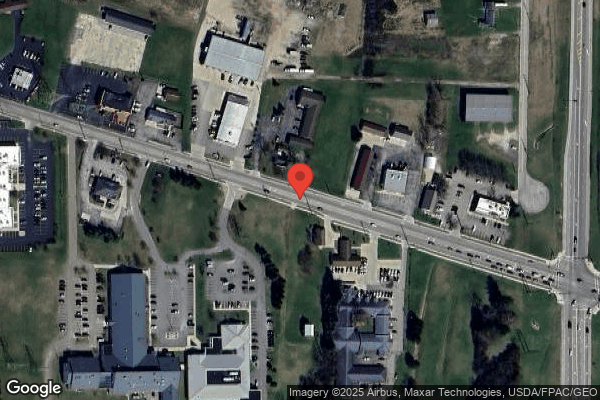
1251 EAST MAIN STREET, ASHLAND, OH 44805 (419) 281-9595
For profit - Limited Liability company 72 Beds EMBASSY HEALTHCARE Data: November 2025
Trust Grade
60/100
#447 of 913 in OH
Last Inspection: May 2025

Inspected within the last 6 months. Data reflects current conditions.

Overview

Crystal Care Center of Ashland has a Trust Grade of C+, indicating it is slightly above average but not exceptional. It ranks #447 out of 913 facilities in Ohio, placing it in the top half, and #3 out of 4 in Ashland County, meaning only one nearby option is better. Unfortunately, the facility is experiencing a worsening trend, with reported issues increasing from 1 in 2024 to 13 in 2025. Staffing is a concern, with a rating of 2 out of 5 stars and a 55% turnover rate, which is average but indicates instability. On the positive side, there have been no fines, which is a good sign, and the facility has a quality measures rating of 5 out of 5 stars, indicating strong performance in care outcomes. However, there have been serious concerns, including a failure to adequately monitor a resident's worsening cellulitis, leading to hospitalization, and reports of staff being insufficient to meet resident needs, resulting in long wait times for assistance. Additionally, the kitchen has been found to be unsanitary, which could potentially affect all residents. Families should weigh these strengths and weaknesses carefully when considering this facility.

Trust Score
C+
60/100
In Ohio
#447/913
Top 48%
Safety Record
Moderate
Needs review
Inspections
Getting Worse
1 → 13 violations
Staff Stability
⚠ Watch
55% turnover. Above average. Higher turnover means staff may not know residents' routines.
Penalties
✓ Good
No fines on record. Clean compliance history, better than most Ohio facilities.
Skilled Nurses
⚠ Watch
Each resident gets only 20 minutes of Registered Nurse (RN) attention daily — below average for Ohio. Fewer RN minutes means fewer trained eyes watching for problems.
Violations
⚠ Watch
18 deficiencies on record. Higher than average. Multiple issues found across inspections.
★★★☆☆
3.0
Overall Rating
★★☆☆☆
2.0
Staff Levels
★★★★★
5.0
Care Quality
★★☆☆☆
2.0
Inspection Score
Stable
2024: 1 issues
2025: 13 issues

The Good

  • 5-Star Quality Measures · Strong clinical quality outcomes
  • Full Sprinkler Coverage · Fire safety systems throughout facility
  • No fines on record

Facility shows strength in quality measures, fire safety.

The Bad

3-Star Overall Rating

Near Ohio average (3.2)

Meets federal standards, typical of most facilities

Staff Turnover: 55%

Near Ohio avg (46%)

Higher turnover may affect care consistency

Chain: EMBASSY HEALTHCARE

Part of a multi-facility chain

Ask about local staffing decisions and management

The Ugly 18 deficiencies on record

1 actual harm
May 2025 13 deficiencies 1 Harm
SERIOUS (G) 📢 Someone Reported This

A family member, employee, or ombudsman was alarmed enough to file a formal complaint

Actual Harm - a resident was hurt due to facility failures

Quality of Care (Tag F0684)

A resident was harmed · This affected 1 resident

**NOTE- TERMS IN BRACKETS HAVE BEEN EDITED TO PROTECT CONFIDENTIALITY** Based on medical record review, resident interview, staff interview, Nurse Practitioner (NP) interview, review of hospital recor...

Read full inspector narrative →
**NOTE- TERMS IN BRACKETS HAVE BEEN EDITED TO PROTECT CONFIDENTIALITY** Based on medical record review, resident interview, staff interview, Nurse Practitioner (NP) interview, review of hospital records, and review of facility policy, the facility failed to adequately monitor Resident #271's cellulitis (potentially serious bacterial skin infection), failed to timely identify a change in condition, and further failed to notify the physician of the resident's decline. This resulted in actual harm for Resident #271 on 03/29/25 when the facility failed to adequately monitor the resident's right lower extremity cellulitis to identify a worsening of the condition and, therefore, did not notify the physician of the decline. Resident #271's family member intervened and requested the facility transfer the resident to the hospital for further evaluation and treatment. Subsequently, Resident #271 was admitted to the hospital and treated with intravenous (IV) antibiotics due to a deterioration of the condition. Additionally, the facility failed to provide interventions for constipation for Resident #16 and further failed to implement heel protection devices per physician order for Resident #323 that placed the residents at potential for more than minimal harm that was not harm. This affected three (#271, #16 and #323) of three resident reviewed for quality of care and treatment. The facility census was 59. Findings include: 1. Review of Resident #271's closed medical record revealed an admission date of 01/14/25. Diagnoses included fracture of the right tibia, atrial fibrillation, chronic obstructive pulmonary disease (COPD), and cellulitis. The resident transferred to the hospital on [DATE] and discharged from the facility on 03/30/25. Review of the Minimum Data Set (MDS) assessment, dated 01/21/25, revealed Resident #271 required substantial staff assistance with all activities of daily living (ADLs). Review of the care plan, initiated 01/20/25, revealed Resident #271 had a potential for alteration in skin integrity. Review of the Certified Nurse Practitioner (CNP) progress note, dated 03/28/25, revealed Resident #271 was seen for a follow up visit by CNP #710 due to right leg redness due to a skin tear found the previous day. Per staff, the skin tear was observed on 03/27/25 and was cleaned and covered. Staff stated on 03/28/25, the resident's right lower leg was red, and that was a new finding. The resident complained of some pain with palpitation of the lower right leg but denied any chest pain or shortness of breath. Per nursing, vital signs were stable and no other concerns or findings were reported. Further review revealed CNP #710's assessment included a diagnosis of cellulitis with new redness to the lower right leg from the ankle to the knee. There was mild warmth and pain present with palpation. The resident did not have a fever and no additional changes were noted. Doxycycline (antibiotic) 100 milligrams (mg) was ordered. Additional orders included monitoring the skin and the resident's progress and call the CNP or medical physician if fever increased, redness with streaking, increased pain, or changes in vital signs were observed. Review of a health status note, dated 03/29/25, revealed the nurse spoke to Resident #271's daughter and informed her of the cellulitis and skin tear. The resident's daughter was very upset that she was not informed about the resident's worsening skin condition. Further review of Resident #271's medical record revealed no evidence the resident's skin condition was monitored until 03/29/25 at 7:30 P.M. when the resident's daughter brought her concerns to the attention of staff and the resident was subsequently transported to the hospital per family request. Review of Resident #271's nursing observations dated 03/29/25 revealed the resident's daughter visited at approximately 7:30 P.M. and asked the nurse to send the resident to the hospital to be evaluated properly. At the time, Resident #271 was on antibiotic therapy for right lower leg cellulitis. Review of the hospital notes, dated 03/29/25, revealed Resident #271 was brought to the emergency room (ER) due to an infection of the right lower extremity. Symptoms began on 03/27/25 and the resident was started on Doxycycline on 03/28/25. The daughter went to visit the resident and she was concerned because the dressing on the right lower extremity was too tight and the infection was spreading up to the proximal (area from the hip to the knee) leg. There were photos of the right leg in the system. There was cellulitis involving the anterior tibia (front, outer area of the leg) and also the medial aspect (inner part, located between the hip and the knee) of the thigh and across the buttocks, which appeared to be erythematous (abnormal redness) rash concerning for cellulitis as well. The resident had a previous history of stroke and a right hip fracture per the daughter. The daughter did not want the resident to return to the facility she came from. Further review of the hospital notes revealed Resident #271's lower right leg was tender with 2+ pitting edema (indicating a moderate amount of fluid buildup in the tissue) present. The leg had erythema (redness) present. The resident had diffuse edema of the right lower extremity with diffuse patchy areas of erythema with mild increase in temperature. There was also an area of erythema on the medial thigh. The resident had a lot of tenderness with palpation of the right lower extremity. The resident was admitted to the hospital and started on IV antibiotics. Additional review of the hospital records revealed photographs were taken on 03/29/25, upon arrival to the ER, and revealed the cellulitis had migrated up the resident's inner thigh and onto her buttocks. Interview with Licensed Practical Nurse (LPN) #913 on 04/30/25 at 4:40 P.M. revealed she cared for Resident #271 on 03/29/25. LPN #913 stated she informed the Infection Control Nurse (ICN) that the resident's cellulitis was weeping fluids. At that time, a mesh sleeve was applied by both nurses, with no other intervention or notification made to the physician. LPN #913 stated that at approximately 12:00 P.M., Resident #271's daughter arrived at the facility and was extremely upset because staff had failed to inform her of the resident's worsening cellulitis. Resident #271's daughter left and returned later in the day and requested the resident be transferred to the hospital for evaluation. Interview with CNP #710 on 05/01/25 at 10:55 A.M. verified she had not been notified of Resident #271's worsening cellulitis until the resident was transferred to the hospital by request of the family. CNP #710 reviewed the photographs taken at the time of Resident #271's admission to the hospital of the worsening cellulitis and stated that had the resident been in that condition when she saw her on 03/28/25, she would have sent her to the hospital immediately. Review of the facility policy titled, Notification of Changes, revised 01/01/25, revealed the facility must inform the resident, consult with the resident's physician and/or notify the resident's family member or legal representative when there is a change requiring such notification. Further review revealed circumstances requiring notification included significant change in the resident's physical, mental or psychosocial condition such as deterioration in health, mental or psychosocial status. This may include life-threatening conditions or clinical complications. 2. Review of the medical record revealed Resident #16 was admitted to the facility on [DATE]. Diagnoses included end stage renal disease, chronic pain syndrome, and type II diabetes mellitus. Review of the quarterly Minimum Data Set (MDS) assessment, dated 12/17/24, revealed Resident #16 was cognitively intact. The resident was always continent of urine and occasionally incontinent of bowel. Review of the physician orders revealed Resident #16 had an order dated 04/19/25 for lactulose oral solution, give 30 milliliters (ml) by mouth every 24 hours as needed for constipation. Review of the plan of care dated 04/21/25 revealed Resident #16 was at risk for alteration in bowel elimination and constipation. Interventions included administering laxatives, stool softeners, or other bowel medications as ordered. Additionally, if no bowel movement (BM) within three days, begin bowel evacuation protocol per facility policy. Review of Resident #16's bowel tracking log from 04/10/25 through 04/30/25 revealed no documented BMs between 04/25/25 through 04/28/25. Review of the Medication Administration Record (MAR) from 04/19/25 through 04/30/25 revealed the lactulose was not administered to the resident during this time period. Interview on 05/01/25 at 3:04 P.M. with the Administrator verified the bowel tracking log log indicated Resident #16 did not have a BM from 04/25/25 through 04/28/25 and further confirmed there was no evidence interventions for constipation were offered or administered to the resident. Review of the facility policy titled, Routine Bowel Regimen, dated August 2018, revealed the BMs of residents were monitored. The policy stated that if a resident did not have a BM for three days, a nurse would assess and notify the physician if any issues were identified. Residents who were determined to have a typical bowel movement schedule other than three days, would implement the bowel movement protocol relevant to their personal routine. Unless the physician had given a different order, a laxative would be administered. 3. Review of the medical record revealed Resident #323 was admitted to the facility on [DATE]. Diagnoses included atherosclerosis of native arteries of extremities with gangrene, hypertension, end stage renal disease, type II diabetes mellitus, and hyperkalemia. Review of the admission MDS assessment, dated 04/09/25, revealed Resident #323 was cognitively intact. Review of the hospital discharge records, dated 04/09/25, revealed Resident #323's discharge instructions included Prevalon boots (heel protectors) on when in bed. Review of the physician orders revealed an order dated 04/14/25 for Resident #323 to have Prevalon boots on while in bed. Observation on 04/28/25 at 10:30 A.M. revealed Resident #323 was in bed and was not wearing Prevalon boots. Interview on 04/28/25 at 11:28 A.M. with Certified Nursing Assistant (CNA) #610 verified Resident #323 did not have Prevalon boots or any type of heal protectors on while in bed. CNA #610 reported the resident never had Prevalon boots since admitting to the facility. Observation on 04/29/25 at approximately 4:15 P.M. revealed Resident #323 was in bed and did not have Prevalon boots on. Interview on 04/29/25 at approximately 4:17 P.M. with Resident #323 revealed he never had Prevalon boots or any type of heel protector since admitting to the facility. Resident #323 reported he would wear them if he had them. Observation on 04/30/25 at 9:30 A.M. revealed Resident #323 was in bed and did not have Prevalon boots on. This deficiency represents non-compliance investigated under Complaint Numbers OH00164819 and OH00164408.
CONCERN (D) 📢 Someone Reported This

A family member, employee, or ombudsman was alarmed enough to file a formal complaint

Potential for Harm - no one hurt, but risky conditions existed

Deficiency F0573 (Tag F0573)

Could have caused harm · This affected 1 resident

**NOTE- TERMS IN BRACKETS HAVE BEEN EDITED TO PROTECT CONFIDENTIALITY** Based on medical record review, review of electronic communications (e-mail), staff interview and review of facility policy, the...

Read full inspector narrative →
**NOTE- TERMS IN BRACKETS HAVE BEEN EDITED TO PROTECT CONFIDENTIALITY** Based on medical record review, review of electronic communications (e-mail), staff interview and review of facility policy, the facility failed to ensure a request for medical records was addressed timely. This affected one (#270) of one resident reviewed for medical record requests. The facility census was 59. Findings include: Review of the medical record for Resident #270 revealed an admission date of 01/21/25 and a discharge date of 03/21/25. Diagnoses include altered mental status, psychosis, encephalopathy, anxiety, restlessness and agitation, depression, sepsis, hypertension, and a history of cerebral infarction. Review of the admission Minimum Data Set (MDS) assessment dated [DATE] revealed the resident had severe cognitive impairment. Review of an e-mail, dated 03/07/25 at 4:08 P.M., revealed Resident #270's family member requested the resident's medical records from the facility. Further review of an e-mail dated 03/14/25 at 2:15 P.M., revealed Resident #270's family member sent another email following up on the previous request for the resident's medical records. There was no response from the facility informing the family member of the process for requesting medical records. Interview on 04/29/25 at 10:36 A.M. with Social Service Designee (SSD) #425 revealed a form must be completed to request medical records and then given to the Administrator. SSD #425 revealed she could not recall receiving a request for medical records for Resident #270. A follow-up interview on 04/29/25 at 3:40 P.M. with SSD #425 confirmed the family of Resident #270 had sent e-mails on 03/07/25 and 03/14/25 requesting medical records. SSD #425 revealed she returned from vacation on 03/17/25 and must have missed the e-mails requesting medical records from Resident #270's family. SSD #425 stated she would follow-up with the family and expedite the request. Interview on 04/30/25 at 7:45 A.M. with the Administrator revealed he had not been notified of a request for medical records for Resident #270. Review of the facility policy titled, Release of Medical Records, dated 06/01/24, revealed requests for records should be referred to the Director of Nursing, Administrator, or another staff member previously designated by the facility. After receiving a request, the facility would notify the requesting party of the cost to obtain the records and would provide the records within two days after receipt of payment for the copies. This deficiency represents non-compliance investigated under Complaint Number OH00164819.
CONCERN (D)

Potential for Harm - no one hurt, but risky conditions existed

Pressure Ulcer Prevention (Tag F0686)

Could have caused harm · This affected 1 resident

Based on observation, resident interview, staff interview, medical record review and review of facility policy, the facility failed to ensure wound care recommendations for an alternating air/low air ...

Read full inspector narrative →
Based on observation, resident interview, staff interview, medical record review and review of facility policy, the facility failed to ensure wound care recommendations for an alternating air/low air loss mattress were implemented to prevent the development of pressure ulcers. This affected on (#53) of three residents reviewed for pressure ulcers. The facility census was 59. Findings included: Review of Resident #53's medical record revealed an admission date of 10/07/24. Diagnoses included lymphedema, chronic kidney disease, and obstructive uropathy. Review of Resident #53's quarterly Minimum Data Set (MDS) assessment, dated 01/14/25, revealed the resident had an intact cognition. The resident required substantial/maximal staff assistance to roll left and right in bed and had impairments on both sides of his lower extremities. Review of Resident #53's care plan revealed he was at risk for alteration in skin integrity. Interventions included a pressure reducing mattress on his bed to promote comfort and prevent skin breakdown. Review of Resident #53's Braden Scale (assessment to determine pressure ulcer risk), dated 03/17/25, revealed he was at a low risk for the development of pressure ulcers. Review of Resident #53's wound care progress notes dated 03/11/25 revealed the resident was seen for incontinence associated dermatitis of the sacrum and a skin tear to the lower leg. The resident was noted to have a history of a chronic wound and pressure ulcer. Further review revealed Resident #53 was to be on an alternating pressure/low air loss mattress for pressure redistribution and ensure settings were maintained at an appropriate level based on the resident's needs and body habitus. Resident #53 was noted to be at high risk for pressure ulcer formation related to decreased mobility, incontinence of urine and stool, and declining turning and repositioning. Review of a wound care progress note dated 04/01/25 revealed the incontinence associated dermatitis of the sacrum was healed. Resident #53 was noted to have a history of a chronic wound and pressure ulcer. Further review revealed Resident #53 was to be on an alternating pressure/low air loss mattress for pressure redistribution and ensure settings were maintained at an appropriate level based on the resident's needs and body habitus. Resident #53 was noted to be at high risk for pressure ulcer formation related to decreased mobility, incontinence of urine and stool, and declining turning and repositioning. Observation on 04/28/25 at 11:00 A.M. revealed Resident #53 was in bed. The resident did not have an alternating pressure/low air loss mattress. Concurrent interview with Resident #53 revealed he did not get out of bed very often. The resident stated he did not have a special mattress (alternating pressure/low air loss mattress). Interview on 04/28/25 at 11:21 A.M. with Certified Nursing Assistant (CNA) #820 and Licensed Practical Nurse (LPN) #370 verified Resident #53 did not have an alternating pressure/low air loss mattress in place as recommended by wound care. Review of the facility policy titled, Pressure Injury Prevention and Management, revised 01/08/25, revealed the facility was committed to the prevention of avoidable pressure injuries, unless clinically unavoidable, and to to provide treatment and services to heal the pressure ulcer/injury Additionally, to facility was committed to prevent infection and the development of additional pressure ulcers/injuries. The unit manager, or designee, will review skin assessments, progression towards healing, and compliance at least weekly and document a summary of findings in the medical record.
CONCERN (D)

Potential for Harm - no one hurt, but risky conditions existed

Incontinence Care (Tag F0690)

Could have caused harm · This affected 1 resident

2. Review of the medical record for Resident #48 revealed an admission date of 02/02/24. Diagnoses included type II diabetes mellitus and obstructive and reflux uropathy. Review of the quarterly MDS ...

Read full inspector narrative →
2. Review of the medical record for Resident #48 revealed an admission date of 02/02/24. Diagnoses included type II diabetes mellitus and obstructive and reflux uropathy. Review of the quarterly MDS assessment, dated dated 03/31/25, revealed Resident #48 was cognitively intact and had an indwelling urinary catheter. Review of a physician order dated 09/30/24 revealed Resident #48 had an order for indwelling urinary catheter care every shift. Review of the Treatment Administration Record (TAR) for April 2025 revealed Resident #48's catheter care was not documented as provided on the 6:00 A.M. to 6:00 P.M. shift on 04/04/25, 04/06/25, 04/09/25, 04/10/25, 04/19/25, and 04/20/25. Further review revealed no evidence the care was provided on the 6:00 P.M. to 6:00 A.M. on 04/23/25. Interview on 04/30/25 at 9:18 A.M. with Registered Nurse (RN) #345 confirmed catheter care was not documented as completed for Resident #48 on the 6:00 A.M. to 6:00 P.M. shift on 04/04/25, 04/06/25, 04/09/25, 04/10/25, 04/19/25, and 04/20/25 and on the 6:00 P.M. to 6:00 A.M. shift on 04/23/25. 3. Review of the medical record for Resident #22 revealed an admission date of 05/07/21. Diagnoses included diabetes mellitus type II, peripheral vascular disease, and congestive heart failure. Review of the quarterly MDS assessment, dated 03/10/24, revealed Resident #22 had mild cognitive impairment and had a suprapubic catheter. Review of a physician order dated 01/14/25 revealed Resident #22 had and order for suprapubic catheter care every day shift. Further review revealed an order dated 03/08/25 for Mupirocin (treats bacterial infections) external ointment two percent (%), apply to surrounding skin of catheter topically two times a day for suprapubic catheter care. Review of the TAR for April 2025 revealed there was no documentation that suprapubic catheter care was provided on 04/19/25 and 04/20/25. Further review revealed there was no documentation that Mupirocin ointment was applied to the skin surrounding the resident's catheter upon rising on 04/19/25, 04/20/25, 04/24/25, and 04/29/25 and on the 6:00 P.M. to 6:00 A.M. shift on 04/23/25. Interview on 04/30/25 at 9:18 A.M. with RN #345 confirmed catheter care was not documented as completed for Resident #48 on the 6:00 A.M. to 6:00 P.M. shift on 04/04/25, 04/06/25, 04/09/25, 04/10/25, 04/19/25, and 04/20/25 and on the 6:00 P.M. to 6:00 A.M. shift on 04/23/25. Further interview with RN #345 verified Resident #22's suprapubic catheter care was not documented as completed on 04/19/25 and 04/20/25 and Mupirocin ointment was not documented as completed upon rising on 04/19/25, 04/20/25, 04/24/25, and 04/29/25 and on the 6:00 P.M. to 6:00 A.M. shift on 04/23/25. Review of the facility policy titled, Catheter Care, dated 06/01/24, revealed catheter care would be performed every shift and as needed by nursing personnel. Review of the facility policy titled, Suprapubic Catheterization, dated 06/01/24, revealed suprapubic catheters would be changed in accordance with current standards of practice to minimize risk for bacterial contamination or failed insertions. The care and maintenance of suprapubic catheters shall be in accordance with physician's orders. Based on medical record review, staff interview and review of facility policy, the facility failed to ensure physician ordered catheter care was provided. This affected three (#53, #48 and #22) of six residents reviewed for catheter care. The facility census was 59. Findings included: 1. Review of Resident #53's medical record revealed an admission date of 10/07/24. Diagnoses included lymphedema, chronic kidney disease, and obstructive uropathy. Review of Resident #53's quarterly Minimum Data Set (MDS) assessment, dated 01/14/25, revealed the resident had intact cognition. Additionally, the resident had a suprapubic catheter. Review of Resident #53's care plan revealed he was at risk for complications related to the use of a suprapubic catheter. Resident #53 would have no signs and symptoms of a urinary tract infection (UTI) or complications related to suprapubic catheter use. Interventions included to assist with suprapubic catheter care. Review of the physician orders revealed an order dated 01/14/25 to complete suprapubic catheter care every shift and an order dated 04/04/25 to apply a clean four by four (4 x 4) gauze to the suprapubic site daily. Review of the Treatment Administration Record (TAR) for March 2025 revealed no documentation Resident #53's suprapubic site was cleaned and the gauze was changed on 03/06/25, 03/20/25, 03/22/25, and 03/27/25. Further review of the TAR for April 2025 revealed no evidence the treatment was completed on 04/02/25, 04/06/25, 04/08/25, 04/09/25, 04/14/25, 04/15/25, 04/18/25, 04/19/25, 04/20/25, 04/24/25, 04/28/25, and 04/29/25. Additional review of the TAR revealed no evidence suprapubic catheter care was provided for Resident #53 on the day shift on 04/03/25, 04/06/25, 04/08/25, 04/09/25, 04/14/25, 04/15/25, 04/19/25, 04/20/25, 04/24/25, 04/28/25, and 04/29/25. Further review revealed no documentation care was provided on the night shift on 04/08/25, 04/09/25, and 04/30/25. Interview on 04/30/25 at 11:25 A.M. with Resident #53 revealed staff failed to cleanse and change the dressing to his suprapubic catheter daily. Resident #53 stated there were times when several days would pass between dressing changes. Interview on 05/01/25 at 11:22 A.M. with Infection Control Preventionist (ICP) #310 and MDS Nurse #710 confirmed treatments were not documented as completed for Resident #53's suprapubic catheter care and dressing changes.
CONCERN (D)

Potential for Harm - no one hurt, but risky conditions existed

Tube Feeding (Tag F0693)

Could have caused harm · This affected 1 resident

**NOTE- TERMS IN BRACKETS HAVE BEEN EDITED TO PROTECT CONFIDENTIALITY** Based on medical record review, observation, staff interview, visitor interview, and review of facility policies, the facility f...

Read full inspector narrative →
**NOTE- TERMS IN BRACKETS HAVE BEEN EDITED TO PROTECT CONFIDENTIALITY** Based on medical record review, observation, staff interview, visitor interview, and review of facility policies, the facility failed to obtain physician orders to ensure a percutaneous endoscopic gastrostomy (PEG) tube was monitored and cared for appropriately. This affected one (#28) of one resident reviewed fur tube feedings. The facility census was 59. Findings include: Review of the medical record revealed Resident #28 was admitted to the facility on [DATE]. Diagnoses included dysphagia, muscle weakness, anemia, ileus, and hypertension. Review of the admission Minimum Data Set (MDS) assessment, dated 01/23/25, revealed Resident #28 was severely cognitively impaired and had a feeding tube. Review of the plan of care, dated 01/21/25, revealed Resident #28 had the potential for alteration in skin integrity. Interventions included cleansing the area around the PEG tube site as ordered and as needed, apply dressing, inspect the skin around the PEG tube daily for redness/drainage/breakdown, and observe the PEG tube site for signs and/or symptoms of infection and obtain vital signs to check for temperature elevations. Review of the physician orders for April 2025 revealed Resident #28 had no orders to cleanse, inspect, or observe the area around the resident's PEG tube or to apply a dressing. There was a previous order dated 01/18/25 to cleanse PEG tube with normal saline and apply clean dry dressing daily and as needed every day and night shift. The previous order did not indicate what type of dressing was needed. Review of the Treatment Administration Record (TAR) for April 2025 revealed no documentation related to staff inspecting or observing the resident's PEG tube site. There was also no documentation staff had been cleansing the resident's PEG tube site or that a dressing had been applied or in place from 04/10/25 through 04/29/25. Interview on 04/28/25 at 3:00 P.M. with Resident #28's visitor, who reported visiting the resident daily Monday through Friday, revealed the visitor observed Resident #28's PEG tube with dried blood around it on the previous Thursday (04/24/25). The visitor reported they informed a staff member, who never returned to clean it. The visitor also reported there had been no dressing on the PEG tube site. Observation on 04/29/25 at 9:57 A.M. with Licensed Practical Nurse (LPN) #370 revealed Resident #28's PEG tube site had a split gauze dressing dated 04/29/25. Interview on 04/29/25 at 10:40 A.M. with LPN #370 verified there were no physician orders for the care of Resident #28's PEG tube, including dressings, observing, inspecting, or cleansing the site. LPN #370 stated without physician orders, there was no way to document when PEG tube care was provided, or whether it was provided. LPN #370 verified there should have been physician orders in place and documentation verifying PEG tube care was provided. LPN #370 stated the PEG tube site should be checked at least daily and the dressing should be changed at least daily. Review of the facility policy titled, Care and Treatment of Feeding Tubes, dated 01/01/25, revealed devices would be checked daily to assure the surrounding skin was intact. The policy also stated the facility would involve the physician or designated practitioner in evaluating and managing care to address complications and risk factors. Review of the facility policy titled, Clean Dressing Change, dated 06/01/24, revealed physician orders would specify the type of dressing and frequency of changes.
CONCERN (D)

Potential for Harm - no one hurt, but risky conditions existed

Deficiency F0694 (Tag F0694)

Could have caused harm · This affected 1 resident

**NOTE- TERMS IN BRACKETS HAVE BEEN EDITED TO PROTECT CONFIDENTIALITY** Based on medical record review, observation, staff interview and review of the facility policy, the facility failed to ensure ce...

Read full inspector narrative →
**NOTE- TERMS IN BRACKETS HAVE BEEN EDITED TO PROTECT CONFIDENTIALITY** Based on medical record review, observation, staff interview and review of the facility policy, the facility failed to ensure central lines were cared for in accordance with professional standards of practice. This affected one (#323) of one resident reviewed for intravenous (IV) therapy. The facility census was 59. Findings include: Review of the medical record revealed Resident #323 was admitted to the facility on [DATE]. Diagnoses included atherosclerosis of native arteries of extremities with gangrene, hypertension, end stage renal disease, type II diabetes mellitus, and hyperkalemia. Review of the admission Minimum Data Set (MDS) assessment, dated 04/09/25, revealed Resident #323 was cognitively intact. The resident had a central line. Review of the plan of care dated 04/18/25 revealed Resident #323 had potential for complications related to use of IV medications and/or IV fluids. Interventions included changing the dressing to the IV site as ordered and per facility policy, checking for signs and symptoms of infiltration at the site, and checking the IV site for signs and symptoms of infection. Review of a physician order dated 04/14/25 revealed Resident #323 had an order to flush subclavian IV antibiotic line with 10 milliliters (ml) of normal saline before and after medication administration every shift. There were no orders for monitoring the IV site or for dressing changes, including the type or frequency. Further review of Resident #323's medical record revealed no evidence the central line dressing had been changed. Observation on 04/30/25 at 9:15 A.M. of Resident #323's central line, with Registered Nurse (RN) #585, revealed the resident had a central line to his right chest. There was a transparent dressing, with a date that was illegible. Additionally, the dressing was rolled back and discolored. The resident's central line was completely uncovered and exposed. Concurrent interview with RN #585 verified Resident #323's central line was exposed and needed to be covered. RN #585 also verified the date on the dressing was unable to be read. Interview on 04/30/25 at 10:16 A.M. with Licensed Practical Nurse (LPN) #675 verified Resident #323 should have had a physician order for the central line dressing to be changed, adding staff would otherwise not know to change the dressing. Interview on 05/01/25 at 12:35 P.M. with RN #310 verified there were no orders to monitor Resident #323's central line site or for dressing changes. Further interview with RN #310 confirmed there was no evidence the facility had changed the central line dressing from admission (22 days earlier). Review of the facility policy titled, Central Vascular Access Device (CVAD) and Midline Catheter Dressing Changes, dated, revealed a sterile dressing would be applied and maintained on all midline catheters and CVADs (peripherally inserted central catheters, and accessed implanted ports), to secure the vascular access device, minimize site complications, and to detect and prevent other complications associated with infusion therapy. The policy further stated sterile transparent, semi-permeable membrane dressings were the preferred covering for CVAD and midline insertion sites due to allowed visualization of the insertion site. The policy stated dressings should be changed every five to seven days, when the site was rotated, if the integrity of the dressing was compromised, and/or upon suspected contamination. The CVAD and midline catheter skin sites and surrounding area should be assessed for redness, tenderness, swelling, and drainage upon admission, at least daily, and with dressing changes. The policy further stated documentation in the medical record would include the date and time of dressing changes, the type of dressing used, condition of the site, and the nurse's signature.
CONCERN (D)

Potential for Harm - no one hurt, but risky conditions existed

Deficiency F0697 (Tag F0697)

Could have caused harm · This affected 1 resident

**NOTE- TERMS IN BRACKETS HAVE BEEN EDITED TO PROTECT CONFIDENTIALITY** Based on medical record review, resident interview, staff interview and review of facility policy, the facility failed to ensure...

Read full inspector narrative →
**NOTE- TERMS IN BRACKETS HAVE BEEN EDITED TO PROTECT CONFIDENTIALITY** Based on medical record review, resident interview, staff interview and review of facility policy, the facility failed to ensure resident pain was effectively managed. This affected one (#269) of one resident reviewed for pain management. The facility census was 59. Findings include: Review of the medical record for Resident #269 revealed an admission date of 04/25/25. Diagnoses included fracture of the left lower leg, chronic pain, and anxiety. Review of the admission Minimum Data Set (MDS), dated [DATE], revealed Resident #269 was cognitively intact. Review of physician orders dated 04/25/25 revealed Resident #269 had orders for Tylenol 325 milligrams (mg) by mouth every four hours as needed for pain and oxycodone-acetaminophen 5-325 mg, give one tablet by mouth every six hours as needed for pain. Review of the Medication Administration Record (MAR) for April 2025 , dated 04/2025 revealed on 04/26/25 at 3:00 A.M., Licensed Practical Nurse (LPN) #360 administered Tylenol 650 mg to Resident #269 for a pain level of two. Further review of the MAR revealed the first dose of oxycodone-acetaminophen was not administered until 04/26/25 at 4:52 P.M. for a pain level of three. Interview on 04/28/25 at 10:40 A.M. with Resident #269 revealed she was only given Tylenol for pain when she was first admitted to the facility due to oxycodone-acetaminophen being unavailable. On a scale of one to 10, with 10 being the worst, Resident #269 stated her pain was a ten during the time the oxycodone acetaminophen was unavailable. Resident #269 stated the Tylenol brought her pain level down to around an eight; however, it did not last long before she was in severe pain, causing her to vomit. A telephone interview on 04/30/25 at 1:58 P.M. with LPN #490 revealed she was the nurse who entered Resident #269's admission medication orders. LPN #490 stated the facility's corporate office could not get a resident identification number for the resident so the medications could not be filled through the pharmacy. LPN #490 communicated with administration through a group chat letting the Administrator know the issues with the admission and medications. During this time, LPN #490 stated Resident #269 was in pain, quoting Resident #269 stated it hurts really bad, around a three. LPN #490 stated she told Resident #269 that she would pull the oxycodone-acetaminophen from the control box when the pharmacy verified it. A telephone interview on 04/30/25 at 2:16 P.M. with LPN #360 revealed she was the night shift nurse for Resident #269 on 04/25/25 through 04/26/25. LPN #360 stated LPN #490 contacted the Director of Nursing (DON) and the Administrator regarding Resident #269's medication being unavailable. LPN #360 stated the pharmacy had denied the authorization to pull oxycodone-acetaminophen because they could not verify the resident number. LPN #360 stated the facility was finally able to get Resident #269 in the computer system at 2:00 A.M. on 04/26/25. LPN #360 verified that when Resident #269 requested pain medication on 04/26/25 at 3:00 A.M., she could have pulled the oxycodone-acetaminophen from the control box but did not because the pharmacy said they would be sending it in the delivery tote. LPN #360 confirmed oxycodone-acetaminophen was available for administration on 04/26/25 at 3:00 A.M. when the resident requested it and further verified she inaccurately documented in Resident #269's TAR that the resident's pain level was a two out of 10, but the resident actually reported a pain level of six out of 10. Review of the facility policy titled, Pain Management, dated 08/22/22, revealed the facility must ensure that pain management is provided to residents who require such services, consistent with professional standards of practice, and the resident's preferences.
CONCERN (D)

Potential for Harm - no one hurt, but risky conditions existed

Drug Regimen Review (Tag F0756)

Could have caused harm · This affected 1 resident

**NOTE- TERMS IN BRACKETS HAVE BEEN EDITED TO PROTECT CONFIDENTIALITY** Based on medical record review, review of pharmacy recommendations, staff interview and review of facility policy, the facility ...

Read full inspector narrative →
**NOTE- TERMS IN BRACKETS HAVE BEEN EDITED TO PROTECT CONFIDENTIALITY** Based on medical record review, review of pharmacy recommendations, staff interview and review of facility policy, the facility failed to ensure pharmacy recommendations were reviewed by the physician timely. This affected one (#3) of five residents reviewed for unnecessary medications. The facility census was 59. Findings include: Review of the medical record revealed Resident #3 was admitted to the facility on [DATE]. Diagnoses included asthma, type II diabetes mellitus, schizoaffective disorder, depression, anxiety disorder, schizophrenia, and insomnia. Review of the quarterly Minimum Data Set (MDS) assessment, dated 03/30/25, revealed Resident #3 was cognitively intact. The resident received antipsychotic and antidepressant medication. Review of Resident #3's physician orders revealed an order dated 01/30/24 for Famotidine (acid reducer) 40 milligram (mg) oral tablet, give one tablet by mouth at bedtime for ulcer. The resident also had an order dated 01/13/25 through 04/05/25 for Hydroxyzine (antihistamine) oral tablet 25 mg every eight hours as needed for anxiety. Review of the pharmacy recommendation, dated 03/23/25, revealed the pharmacist recommended to decrease Resident #3's Famotidine from 40 mg to 20 mg to ensure the lowest effective dose. The recommendation was not reviewed and signed by the physician until 04/26/24, which was 34 days after the recommendation was made. Review of the pharmacy recommendation, dated 02/28/25, revealed the pharmacist reported long-term care facility regulations stated all as-needed psychoactive medications must be limited to 14 days in duration. The recommendation further stated the provider must then reassess the resident to continue the as-needed order and must document clinical rationale for extended use and duration of treatment if the medication was to be continued. The recommendation was not reviewed and signed by the physician until 03/31/25, which was 31 days after the recommendation was made. At that time, the physician discontinued the medication. Interview on 05/01/25 at 3:18 P.M. with Licensed Practical Nurse (LPN) #710 verified the facility's policy was for the physician to review recommendations within 30 days. Review of the facility policy titled, Consulting Pharmacist Monthly Drug Review, dated 2016, revealed the consultant pharmacist would conduct monthly medication regime reviews, which would be reviewed by the medical provider within 30 days.
CONCERN (D)

Potential for Harm - no one hurt, but risky conditions existed

Deficiency F0761 (Tag F0761)

Could have caused harm · This affected 1 resident

Based on observation, medical record review, staff interview and review of the facility policy, the facility failed to properly store medications in a safe manner. This affected one (#21) of one resid...

Read full inspector narrative →
Based on observation, medical record review, staff interview and review of the facility policy, the facility failed to properly store medications in a safe manner. This affected one (#21) of one resident reviewed for for medication storage. The facility census was 59. Findings include: Review of the medical record for Resident #21 revealed an admission date of 05/19/23. Diagnoses included neuromuscular dysfunction of the bladder, benign prostatic hyperplasia, and unspecified pain. Review of the quarterly Minimum Data Set (MDS) assessment, dated, revealed Resident #21 was cognitively intact. Review of the physician orders revealed an order dated for Xtampza ER (extended release oxycodone) 12 hour 18 milligram (mg), give one capsule by mouth two times a day for pain. Further review revealed no physician order for Resident #21 to self-administer medications or for medications to be left at the bedside. Observation on 05/01/25 at 7:47 A.M. revealed Resident #21 sitting in his wheelchair, reclined back with his eyes closed. Further observation revealed a medication cup with one unknown pill in it on Resident #21's bedside table. Concurrent interview with Resident #21 revealed the medication was given to him by the night shift nurse, and he had fallen asleep and forgot to take it. Interview on 05/01/25 at 7:48 A.M. with Licensed Practical Nurse (LPN) #675 confirmed the unattended medication on Resident #21's bedside table. LPN #675 stated the medication had been left by the night shift nurse and verified medications were not to be left unattended with Resident #21. A telephone interview on 05/01/25 at 12:16 P.M. with LPN #490 verified she left the medication, Xtampza, unattended on Resident #21's bedside table. Furthermore, LPN #490 confirmed Resident #21 did not have orders to leave medications at the bedside. Review of the facility policy titled, Medication Administration, dated 08/22/22, revealed to maintain compliance with medication administration, the nurse should observe the resident's consumption of medication.
CONCERN (D)

Potential for Harm - no one hurt, but risky conditions existed

Infection Control (Tag F0880)

Could have caused harm · This affected 1 resident

Based on observation, staff interview, medical record review, review of the Centers for Disease Control and Prevention (CDC) guidance and review of facility policy, the facility failed to ensure recep...

Read full inspector narrative →
Based on observation, staff interview, medical record review, review of the Centers for Disease Control and Prevention (CDC) guidance and review of facility policy, the facility failed to ensure receptacles for contaminated personal protective equipment (PPE) were appropriately placed to prevent the transmission of pathogens. This affected one (#320) reviewed for urinary tract infections and medication administration. The facility census was 59. Findings included: Review of Resident #320's medical record revealed an admission date of 04/10/25. Diagnoses included methicillin susceptible Staphylococcus aureus (MSSA - infection caused by staph bacteria) infection of the left hip joint, alcoholism, and hepatitis C. Review of Resident #320's care plan revealed she required isolation/quarantine due to MSSA of a wound. Interventions included isolation/quarantine precautions would be maintained by staff during acute infection period. Review of Resident #320's physician orders revealed an order dated 04/11/25 for Cefazolin (antibiotic) two milligrams (mg) per 100 milliliters (ml) over 30 minutes intravenously (IV) every eight hours for left hip wound dehiscence/MSSA infection. Further review revealed an order dated 04/14/25 for contact isolation (measures taken to prevent the spread of infections that can be transmitted through direct or indirect contact with a resident or their environment) related to MSSA of the wound. Observation of medication administration on 04/29/25 at 1:57 P.M. with Licensed Practical Nurse (LPN) #370, revealed Resident #320's room door had contact precaution signs posted. LPN #370 and the surveyor donned a gown, gloves, and mask to enter the room. The IV medication was administered. The surveyor and LPN #370 stepped out in the hall and doffed the PPE and found there was no place to dispose of the contaminated PPE. Further observation revealed LPN #370 was required to walk back through Resident #320's room and place the contaminated PPE into a 32 gallon container with a red bag, which was placed near the window on the opposite side of the room from the door. Interview with LPN #370 on 04/29/25 at 2:05 P.M. verified the bin for contaminated PPE was placed on the opposite side of the resident's room and further stated it was set up that way for convenience since the room was quite small and the receptacle failed to fit by the exit door. Interview on 04/30/25 at 3:10 PM with Infection Control Preventionist (ICP) #310 confirmed the bin for contaminated PPE was located across the room from the door to Resident #320's room and staff had to walk back through the room to dispose of contaminated PPE. Review of the CDC guidance for contact precautions, located at https://www.cdc.gov/infection-control/hcp/basics/transmission-based-precautions.html, revealed proper discarding of PPE before exiting the patient room is done to contain pathogens.
CONCERN (E) 📢 Someone Reported This

A family member, employee, or ombudsman was alarmed enough to file a formal complaint

Potential for Harm - no one hurt, but risky conditions existed

Safe Environment (Tag F0584)

Could have caused harm · This affected multiple residents

Based on observation, resident interview, staff interview, and policy review, the facility failed to maintain a comfortable, clean, sanitary, and homelike environment that was in good repair. This aff...

Read full inspector narrative →
Based on observation, resident interview, staff interview, and policy review, the facility failed to maintain a comfortable, clean, sanitary, and homelike environment that was in good repair. This affected four (#40, #30, #48 and #22) of four residents reviewed for the environment with the potential to affect and additional 23 residents (#3, #8, #10, #16, #17, #20, #24, #26, #27, #28, #34, #41, #42, #43, #47, #54, #57, #59, #319, #320, #321, #322, #323) residents who resided on the 300-unit. The facility census was 59. Findings include: 1. Observation on 04/28/25 at approximately 10:10 A.M. revealed a door was located at the far end of the 300-hall, past the nursing station. There was a gap between the bottom of the door and the door frame, through which the outside could be seen. Interview on 04/28/25 at approximately 10:15 A.M. with Resident #40 revealed the resident could often feel the elements of the weather because of the gap between the door and the doorframe. Resident #40 reported she could feel the heat and cold air coming in, she worried about insects getting in, and it was especially drafty and uncomfortable in the winter time. Interview on 04/30/25 at approximately 9:13 A.M., Registered Nurse (RN) #585 verified the gap between the bottom of the door and the door frame, allowing the outside elements into the facility. 2. Observation on 04/28/25 at 9:42 A.M. of Resident #30's room revealed the window air conditioning unit was not properly installed, leaving a space open to the outdoors. Coinciding interview with Resident #30 revealed she believed spiders and insects were coming in through her window where the window air conditioning unit was not properly installed and open to the outdoors. Interview on 05/01/25 at 08:37 A.M. with the Director of Maintenance (DM) #880 verified the window air conditioning unit was not properly installed and left a space open to the outdoors. 3. Observation on 05/01/25 at 10:30 A.M. of the shower room located on the 300-unit revealed the following: • There were numerous broken tiles surrounding the drain in the shower area. • There was a blood-soaked item located on the floor to the right of the toilet. • There was a dried red substance on the wall behind the toilet. • There were numerous scuffed, scraped, and chipped areas on the door. An interview on 05/01/25 at 10:36 A.M. with Certified Nursing Assistant (CNA) #500 verified the above findings. 4. Observation on 04/28/25 at 11:04 A.M. of Resident #48 and Resident #22's bathroom revealed the baseboard was not attached to the bathroom wall on the side of the toilet and sink. Further observation of the room revealed the wall behind Resident #48's recliner had a large are with the paint scrapped off and food particles scattered on the floor. Interview on 04/29/25 at 10:05 A.M. with Registered Nurse (RN) #345 confirmed the unattached baseboard in Resident #48 and Resident #22's bathroom, the paint scraped off the wall behind Resident #48's recliner, and the food particles scattered on the floor. Review of the facility policy titled, Resident Environmental Quality, dated 11/29/22, revealed the facility should have a sanitary and comfortable environment for residents, staff, and the public. Review of the facility policy titled Resident Rights, dated 06/01/24, revealed residents had the right to a safe, clean, comfortable, and homelike environment. This deficiency represents non-compliance investigated under Master Complaint Number OH00165111 and Complaint Numbers OH00164819 and OH00164408.
CONCERN (F) 📢 Someone Reported This

A family member, employee, or ombudsman was alarmed enough to file a formal complaint

Potential for Harm - no one hurt, but risky conditions existed

Deficiency F0725 (Tag F0725)

Could have caused harm · This affected most or all residents

Based on resident interview, staff interview, review of the Facility Assessment (FA) and review of staffing reports, the facility failed to have sufficient staff to meet resident needs as identified i...

Read full inspector narrative →
Based on resident interview, staff interview, review of the Facility Assessment (FA) and review of staffing reports, the facility failed to have sufficient staff to meet resident needs as identified in the FA. This had the potential to affect all 59 residents of the facility. The facility census was 59. Findings include: Interview with Resident #30 on 04/28/25 at 9:34 A.M. revealed the facility was extremely short staffed and her call light went unanswered on multiple occasions, which resulted in her urinating on herself in bed. Resident #30 revealed call lights were often unanswered within 30 minutes on second and third shifts. Interview with Resident #35 on 04/28/25 at 10:04 A.M. revealed Certified Nursing Assistants (CNAs) took a long time to answer call lights. Resident #35 stated staff instruct her to stay in bed until assistance arrived, but no one comes. Interview with Resident #269 on 04/28/25 at 10:36 A.M. revealed care was not provided timely and she had taken herself to the bathroom, even though she was directed to wait for staff assistance. Interview with Resident #18 on 04/28/25 at 10:43 A.M. revealed she had frequently wait for over 30 minutes for staff assistance after pressing her call light. Interview with Resident #28 on 04/28/25 at 3:24 P.M. revealed there were not enough CNAs, resulting in her incontinence brief not being changed timely. Interview with Licensed Practical Nurse (LPN) #913 on 04/30/25 at 4:40 P.M. verified the facility was short on staff, especially on second and third shift. While there were a sufficient number of nurses to complete their tasks, LPN #913 stated the CNAs could not handle the workload and respond to call lights timely to assist residents. Review of the FA, dated 07/29/24, revealed the facility identified second shift required six CNAs and the night shift required four CNAs for the entire shift to meet resident needs. Review of the Staffing Tool, dated 03/29/25, revealed the facility census was 66. Review of the facility staff clock in and out reports for 03/29/25 revealed on second shift (2:00 P.M. to 10:00 P.M.) four CNAs (#315, #475, #740, #820) worked the full shift. One CNA (#840) worked from 2:00 P.M. to 5:45 P.M. Two CNAs (#515 and #525) worked from 2:00 P.M. to 6:45 P.M. This revealed seven CNAs worked from 2:00 P.M. to 5:45 P.M., six CNA's from 2:00 P.M. to 6:45 P.M. and four CNAs cared for 66 residents from 6:45 P.M. to 10:00 P.M., resulting in only four CNAs from 6:45 P.M. until 10:00 P.M. when the FA identified six were needed. Further review of the facility clock in and out reports for 03/29/25 revealed on third shift (10:00 P.M. to 6:00 A.M. on 03/30/25), two CNAs (#685 and #655) worked the full shift. CNA #440 worked from 1:45 A.M. to 6:45 A.M. One CNA (#315) worked from 10:00 P.M. to 2:15 A.M. and Medication Technician (MT) #540 worked from 10:00 P.M. to 2:45 A.M. This revealed that after 2:45 A.M., there were only three CNAs working when the FA identified four CNAs were needed for the entire shift. Interview on 05/01/25 at 9:15 A.M. with the Administrator, with concurrent review of the staff clock in and out reports, verified the facility had insufficient CNA staffing on 03/29/25 for both the second and third shift, based on the CNA staffing need identified in the facility in the FA. This deficiency represents non-compliance investigated under Complaint Number OH00164408.
CONCERN (F) 📢 Someone Reported This

A family member, employee, or ombudsman was alarmed enough to file a formal complaint

Potential for Harm - no one hurt, but risky conditions existed

Food Safety (Tag F0812)

Could have caused harm · This affected most or all residents

Based on observation, staff interview and review of the facility policy, the facility failed to maintain a clean and sanitary kitchen and further failed to ensure food items were not stored directly o...

Read full inspector narrative →
Based on observation, staff interview and review of the facility policy, the facility failed to maintain a clean and sanitary kitchen and further failed to ensure food items were not stored directly on the floor. This had the potential to affect all 59 residents who received meals from the facility kitchen. The facility census was 59. Findings include: Observations on 04/28/25, beginning at approximately 8:15 A.M., revealed the following: • The dry storage area, located in the main kitchen, revealed there were three crates of onions stacked and stored directly on the floor. • The wall behind the dishwashing machine had an unknown black substance, which went from mid-wall down to the floor. • There was buildup and debris under a metal table located in the kitchen. • There was buildup and debris located against a wall and behind a refrigerator in the kitchen. A concurrent interview with Dietary Manager #750 verified the above findings. DM #750 reported the black substance behind the dishwashing machine was mold. Review of the facility policy titled, Food Safety Requirements, dated 01/01/25, revealed food would be stored in accordance with professional standards for food service safety. Food items located in dry storage areas would be kept off of the floor. This deficiency represents non-compliance investigated under Complaint Number OH00165111.
Jan 2024 1 deficiency
CONCERN (D) 📢 Someone Reported This

A family member, employee, or ombudsman was alarmed enough to file a formal complaint

Potential for Harm - no one hurt, but risky conditions existed

Incontinence Care (Tag F0690)

Could have caused harm · This affected 1 resident

Based on record review and staff interview, the facility failed to ensure physician's orders were followed timely to change the resident's Foley catheter. This affected one (#60) of three residents re...

Read full inspector narrative →
Based on record review and staff interview, the facility failed to ensure physician's orders were followed timely to change the resident's Foley catheter. This affected one (#60) of three residents reviewed for Foley catheter. The facility census was 65. Findings include: Review of the medical record for Resident #60 revealed an admission date of 11/17/23, with diagnoses including absence of left leg below the knee, diabetes mellitus, and obstructive with reflux uropathy (disorder where urine can't flow normally through the urinary tract due to an obstruction). Review of the written physician's progress note and written order dated 12/06/23, from Resident #60's urologist, revealed she had the same Foley in place from November 2023, when she was hospitalized . He had ordered for the facility staff to exchange the catheter on 12/06/23. Review of the Treatment Administration Record (TAR) for Resident #60 for December 2023 and January 2024, revealed nursing staff had not changed her catheter out as ordered on 12/06/23 until 01/02/24. Review of Resident #60's physician's order dated 01/03/24, revealed an order for Foley catheter change as needed, last changed on 01/02/24. Interview on 01/09/24 at 9:21 A.M., with Resident #60 revealed staff had not changed her Foley catheter per the physician's order. She stated she had seen her urologist on 12/06/23 and he had ordered the nursing staff to exchange her Foley catheter. Resident #60 stated nursing staff had changed her Foley catheter the first week of January 2024. Interview on 01/10/24 at 8:27 A.M., with the Director of Nursing (DON) verified Resident #60's Foley catheter was not changed per the physician's orders dated 12/06/23 until 01/02/24. This deficiency represents non-compliance investigated under Complaint Number OH00149442.
Sept 2022 4 deficiencies
CONCERN (D)

Potential for Harm - no one hurt, but risky conditions existed

Pressure Ulcer Prevention (Tag F0686)

Could have caused harm · This affected 1 resident

**NOTE- TERMS IN BRACKETS HAVE BEEN EDITED TO PROTECT CONFIDENTIALITY** Based on medical record review, staff interview, review of the hospital after visit summary, and policy review, the facility fai...

Read full inspector narrative →
**NOTE- TERMS IN BRACKETS HAVE BEEN EDITED TO PROTECT CONFIDENTIALITY** Based on medical record review, staff interview, review of the hospital after visit summary, and policy review, the facility failed to ensure timely treatments were in place when a resident was admitted with a deep tissue injury. This affected one resident (#203) out of three residents reviewed for pressure ulcers. The facility census was 57. Findings include: Review of medical record for Resident #203 revealed an admission date of 08/11/22. Diagnoses included displaced subtrochanteric fracture of left femur, subsequent encounter for closed fracture with routine healing, cognitive communication deficit, dysphagia, chronic kidney disease stage III hyperlipidemia, Alzheimer's disease, and aphasia. Review of the hospital after visit summary dated 08/11/22 revealed no indication of skin breakdown to Resident #203's left heel nor orders for treatment for skin breakdown upon discharge. Review of the admission assessment dated [DATE] revealed Resident #203 had a suspected deep tissue injury of the left heel measuring three centimeters in length by four centimeters in width and unable to determine depth. There was no description documented of the left heel. There were no documented skin care goals or treatment interventions on the assessment. Review of Resident #203's care plan initiated 08/16/22 revealed Resident #203 was admitted with impaired skin integrity related to surgical incision to left hip and a suspected deep tissue injury to the left heel. Interventions included encourage to turn and reposition routinely, evaluate wound related pain, pre-medicate prior to dressing changes as needed, notify physician or nurse practitioner if changes are noted to the wound (appearance, odor drainage, etc., weekly wound measurement and documentation on wound appearance, drainage, surrounding tissue, wound treatments as ordered. Review of the order summary report for Resident #203 revealed treatment for left heel was initiated on 08/17/22. The order stated to clean with normal saline, paint with betadine, cover with foam dressing secure with tubigrip (a dressing to hold the bandages in place.) Heel lift boot when in bed every shift for deep tissue injury. Review of the skin pressure grid dated 08/17/22 for Resident #203 revealed a left heel pressure deep tissue injury with a length of three centimeters by four centimeter width. The general appearance was described as a purple/maroon discoloration under a collapsed intact blister. The peri wound was intact, dry, and blanchable. Interview on 09/08/22 at 7:47 A.M. with the Director of Nursing (DON) revealed a nursing admission assessment was done on 08/11/22 which revealed Resident #203 had a pressure sore on her left heel measuring three centimeters by four centimeters. The DON verified the earliest date for wound treatment orders for the left heel was on 08/17/22 which were initiated on 08/18/22. Review of the facility policy titled Wound Care revised 11/2028 revealed it is the policy of the facility to provide therapeutic treatments to heal wounds, wounds will be evaluated when they are noted and weekly until resolved.
CONCERN (D)

Potential for Harm - no one hurt, but risky conditions existed

Deficiency F0804 (Tag F0804)

Could have caused harm · This affected 1 resident

**NOTE- TERMS IN BRACKETS HAVE BEEN EDITED TO PROTECT CONFIDENTIALITY** Based on observation, interview, and policy review, the facility failed to serve food at a safe and palatable temperature for re...

Read full inspector narrative →
**NOTE- TERMS IN BRACKETS HAVE BEEN EDITED TO PROTECT CONFIDENTIALITY** Based on observation, interview, and policy review, the facility failed to serve food at a safe and palatable temperature for resident satisfaction. This affected two residents (#35 and #40) out of six residents reviewed for meal service concerns. The facility census was 57. Findings include: 1. Review of the medical record for Resident #35 revealed an admission date of 06/04/21. Diagnoses included spinal stenosis, thoracic region, affective mood disorder, diabetes mellitus type II with diabetic neuropathy, and anxiety disorder. Review of the quarterly Minimum Data Set (MDS) dated [DATE] revealed Resident #35 had intact cognition. Interview on 09/06/22 at 11:12 A.M., with Resident #35 revealed the food was not always hot enough, foods were repeated too often, and had not always looked appealing. 2. Review of the medical record for Resident #40 revealed an admission date of 08/03/22. Diagnoses included COVID-19, type two diabetes, chronic kidney disease stage four, hypertension, osteoarthritis, peripheral vascular disease, and depression. Review of the quarterly MDS dated [DATE] revealed Resident #40 had intact cognition. Interview on 09/06/22 at 9:50 A.M., with Resident #40 who said the food was cold a lot of the time. Observation of tray line on 09/08/22 was initiated at 11:46 A.M. No concerns were noted during tray line assembly. Temperatures upon initiation of the meal service revealed all foods held on the steam table were above 165 degrees Fahrenheit (F). Following completion of the trayline, two test trays were requested due to multiple complaints about the temperature of the food. One test tray was of a meal prepared on a regular ceramic plate with dome lid and a second tray using a Styrofoam clamshell container used for isolation trays. Following assembly of the test trays, they were placed on an open rolling cart like the previous resident trays and transported to the last unit receiving meal trays. After the last resident tray was served at 1:18 P.M., the test trays were opened to obtain temperatures. [NAME] #489 used a digital thermometer to take the temperature of the foods. The regular plate revealed temperature for the chicken was 97.5 degrees F, the mashed potatoes were 130 degrees F, and the mixed vegetables were 110 degrees F. The second test tray using the Styrofoam disposable container revealed the temperature for the chicken was 78.4 degrees F, the mashed potatoes were 110 degrees F, and the mixed vegetables were 97 degrees F. Interview on 09/08/22 at 1:21 P.M., with [NAME] #446 revealed the food temperatures were not warm enough to provide meal satisfaction. Interview on 09/08/22 at 2:30 P.M. with [NAME] #489 verified the facility had two covered tray delivery carts which each hold 18 trays, the facility census was 57, and the remaining trays that would not fit in a cart are transported on an open wheeled cart to the nurses' stations. She also confirmed the facility does not have enough dome lids for the resident plates and was only able to complete the trays today with dome lids because some residents were receiving isolation Styrofoam containers. Interview on 09/08/22 at 2:34 P.M., with the Administrator following conversation regarding the results of the food temperatures from the test tray revealed she was unaware the kitchen did not have enough dome lids for plates for the entire facility and verified the facility did not have any tray carts on order and stated they would investigate other ways to transport the trays to maintain temperatures. A follow-up interview on 09/12/22 at 10:45 A.M., with the Administrator revealed the facility was now serving the isolation trays first to promote warmer food temperatures, dome lids were ordered on 09/08/22 and arrived on 09/10/22. An additional tray cart was ordered on 09/08/22 and was delivered on 09/12/22. Review of the facility policy titled Food Preparation Guidelines, revised November 2017 revealed proper (safe and appetizing) temperatures means appetizing to the resident. Food and drinks shall be palatable, attractive and at a safe and appetizing temperature which include serving hot foods hot and cold foods cold. This deficiency substantiates Complaint Number OH00134915.
CONCERN (E)

Potential for Harm - no one hurt, but risky conditions existed

Deficiency F0761 (Tag F0761)

Could have caused harm · This affected multiple residents

Based on observation, interview, and policy review the facility failed to ensure expired over the counter medication was removed from the medication cart and the medication storage room. This affected...

Read full inspector narrative →
Based on observation, interview, and policy review the facility failed to ensure expired over the counter medication was removed from the medication cart and the medication storage room. This affected one medication cart and one medication storage room out of one medication cart and medication storage room observed. The facility had a total of two medication carts and two medication storage rooms. The facility identified four residents (#10, #05, #03, and #48) who were ordered the expired medications in the medication cart and the medication storage room. The facility census was 57. Findings include: Observation on 09/07/22 at 7:08 A.M. of the medication cart during medication administration on the 100 hall revealed aspirin 325 milligrams (mg) had an expiration date of 06/22. Aspirin was not administered to Resident #03 at this time. Interview on 09/07/22 at 7:10 A.M., with Licensed Practical Nurse (LPN) #485 verified the aspirin 325 mg had an expiration date of 06/22. LPN #485 said it should have been removed from the cart. Observation on 09/07/22 at 7:24 A.M. of the medication storage room revealed two bottles of senna plus had an expiration date of 08/22. Interview on 09/07/22 at 7:24 A.M., with LPN #485 verified the two bottles of senna plus had an expiration date of 08/22. LPN #485 placed the expired bottles in the expired medication box in medication storage room. Review of the policy titled Medication Storage dated 06/21/17 revealed outdated, contaminated, or deteriorated medications and those in containers that are cracked, soiled, or without secure closures are immediately removed from stock, disposed of according to procedures for medication destruction, and reordered from the pharmacy, if replacements are needed.
CONCERN (F)

Potential for Harm - no one hurt, but risky conditions existed

Infection Control (Tag F0880)

Could have caused harm · This affected most or all residents

**NOTE- TERMS IN BRACKETS HAVE BEEN EDITED TO PROTECT CONFIDENTIALITY** Based on medical record review, observation, staff interview, review of the county positivity rate, review of the Centers for Di...

Read full inspector narrative →
**NOTE- TERMS IN BRACKETS HAVE BEEN EDITED TO PROTECT CONFIDENTIALITY** Based on medical record review, observation, staff interview, review of the county positivity rate, review of the Centers for Disease Control (CDC) online resources, and policy review, the facility failed to ensure staff sanitized their eye protection upon leaving the room of residents identified to be on transmission-based precautions. This had the potential to affect all residents residing in the facility. The facility census was 57. Findings include: 1. Observation on 09/06/22 at 4:30 P.M. of the designated COVID-19 unit entrance, revealed a set of double-doors with signage instructing those entering to see the nurse prior to entering. Additional signage was posted regarding donning and doffing procedures for personal protective equipment (PPE). One three-drawer cart was located near the entrance, which contained blue disposable gowns, gloves, medical-surgical masks, and hand sanitizer. No disinfectant wipes or spray was located on or near the cart. Interview on 09/06/22 at 4:35 P.M., with Licensed Practical Nurse (LPN) #483 revealed LPN #483 was the nurse assigned to the COVID-19 unit, as well as resident rooms which were not on the COVID-19 unit for the day shift on 09/06/22. LPN #483 reported staff were required to don a blue disposable gown and gloves in addition to their N95 mask and eye protection, prior to entering the COVID-19 unit. LPN #483 reported staff were not required to change their mask, wear an additional mask, or disinfect their eye protection upon exiting the COVID-19 unit. LPN #483 asked the surveyor if she would need disinfectant wipes upon exiting the COVID-19 unit, and subsequently obtained disinfectant wipes and placed them on the three-drawer cart located near the double-doors leading into the COVID-19 unit. 2. Review of Resident #155's medical record revealed the resident was admitted on [DATE] with diagnoses of type II diabetes mellitus and non-traumatic subarachnoid hemorrhage. Review of Resident #155's admission assessment dated [DATE] revealed the resident had impaired cognition and required the assistance of one staff for a majority of the activities of daily living. Reveal of Resident #155's evaluation for COVID-19 dated 09/09/22 revealed isolation precautions were in place for the resident. Observation on 09/12/22 at 8:58 A.M. revealed signage posted on the door of Resident #155's room directing those entering to see the nurse prior to entering. A three-drawer cart containing PPE was also located next to the door. State Tested Nurse Aide (STNA) #427 donned a blue disposable gown and gloves and entered the room. STNA #427 doffed the blue disposable gown and gloves prior to exiting the room and sanitized her hands after exiting the room. STNA #427 then proceeded down the hallway. During the observation, Resident #155's family asked if Resident #155 could be taken off of transmission-based precautions since he was fully vaccinated. STNA #427 reported she would check on this. Interview on 09/12/22 at 9:01 A.M. with STNA #427 verified Resident #155 was on transmission-based precautions as a precaution for COVID-19 due to being newly admitted to the facility. STNA #427 verified she did not sanitize her eye protection prior to or after exiting Resident #155's room and should have. Interview on 09/12/22 at 10:34 A.M. with the Assistant Director of Nursing (ADON) revealed Resident #155 was discovered to have been fully vaccinated and was in the process of being taken off of transmission-based precautions. Review of facility county positivity rates for COVID-19, dated 08/08/22, 08/15/22, 08/22/22, and 09/06/22, revealed the facility was in red, indicating a high communal positivity rate. Review of facility policy titled Staff Mask and Eye Wear Use, not dated, revealed to ensure source control as possible with the use of a facemask to prevent the spread of respiratory symptoms. In substantial or high community transmission - All staff members will be required to wear eyewear (face shield/goggles) at all times when in resident care areas. This includes hallways, Nurse's station, and resident rooms. Eyewear should be disinfected with an approved cleaning solution in between patient care areas for quarantine/suspect and COVID positive rooms per current CDC guidelines. Review of the CDC online resources at https://www.cdc.gov/coronavirus/2019-ncov/hcp/ppe-strategy/eye-protection.html revealed In healthcare settings, eye protection is used by the health care provider (HCP) to protect their eyes from exposure to splashes, sprays, splatter, and respiratory secretions. Disposable eye protection should be removed and discarded after use. Reusable eye protection should cleaned and disinfected after each patient encounter.
Understanding Severity Codes (click to expand)
Life-Threatening (Immediate Jeopardy)
J - Isolated K - Pattern L - Widespread
Actual Harm
G - Isolated H - Pattern I - Widespread
Potential for Harm
D - Isolated E - Pattern F - Widespread
No Harm (Minor)
A - Isolated B - Pattern C - Widespread

Questions to Ask on Your Visit

  • "Can I speak with families of current residents?"
  • "What's your RN coverage like on weekends and overnight?"

Our Honest Assessment

Strengths
  • • No fines on record. Clean compliance history, better than most Ohio facilities.
Concerns
  • • 18 deficiencies on record, including 1 serious (caused harm) violation. Ask about corrective actions taken.
Bottom line: Mixed indicators with Trust Score of 60/100. Visit in person and ask pointed questions.

About This Facility

What is Crystal Of Ashland's CMS Rating?

CMS assigns CRYSTAL CARE CENTER OF ASHLAND an overall rating of 3 out of 5 stars, which is considered average nationally. Within Ohio, this rating places the facility higher than 0% of the state's 100 nursing homes. This mid-range rating indicates the facility meets federal standards but may have areas for improvement.

How is Crystal Of Ashland Staffed?

CMS rates CRYSTAL CARE CENTER OF ASHLAND's staffing level at 2 out of 5 stars, which is below average compared to other nursing homes. Staff turnover is 55%, compared to the Ohio average of 46%.

What Have Inspectors Found at Crystal Of Ashland?

State health inspectors documented 18 deficiencies at CRYSTAL CARE CENTER OF ASHLAND during 2022 to 2025. These included: 1 that caused actual resident harm and 17 with potential for harm. Deficiencies causing actual harm indicate documented cases where residents experienced negative health consequences.
Who Owns and Operates Crystal Of Ashland?

CRYSTAL CARE CENTER OF ASHLAND is owned by a for-profit company. For-profit facilities operate as businesses with obligations to shareholders or private owners. The facility is operated by EMBASSY HEALTHCARE, a chain that manages multiple nursing homes. With 72 certified beds and approximately 58 residents (about 81% occupancy), it is a smaller facility located in ASHLAND, Ohio.

How Does Crystal Of Ashland Compare to Other Ohio Nursing Homes?

Compared to the 100 nursing homes in Ohio, CRYSTAL CARE CENTER OF ASHLAND's overall rating (3 stars) is below the state average of 3.2, staff turnover (55%) is near the state average of 46%, and health inspection rating (2 stars) is below the national benchmark.

What Should Families Ask When Visiting Crystal Of Ashland?

Based on this facility's data, families visiting should ask: "Can you walk me through typical staffing levels on day, evening, and night shifts?" "Can I visit during a mealtime to observe dining assistance and food quality?" "How do you handle medical emergencies, and what is your hospital transfer rate?" "Can I speak with family members of current residents about their experience?" These questions are particularly relevant given the below-average staffing rating.

Is Crystal Of Ashland Safe?

Based on CMS inspection data, CRYSTAL CARE CENTER OF ASHLAND has a clean safety record: no substantiated abuse findings (meaning no confirmed cases of resident harm), no Immediate Jeopardy citations (the most serious violation level indicating risk of serious injury or death), and is not on the Special Focus Facility watch list (a federal program monitoring the lowest-performing 1% of nursing homes). The facility has a 3-star overall rating and ranks #100 of 100 nursing homes in Ohio. While no facility is perfect, families should still ask about staff-to-resident ratios and recent inspection results during their visit.

Do Nurses at Crystal Of Ashland Stick Around?

CRYSTAL CARE CENTER OF ASHLAND has a staff turnover rate of 55%, which is 9 percentage points above the Ohio average of 46%. Moderate turnover is common in nursing homes, but families should still ask about staff tenure and how the facility maintains care continuity when employees leave.

Was Crystal Of Ashland Ever Fined?

CRYSTAL CARE CENTER OF ASHLAND has no federal fines on record. CMS issues fines when nursing homes fail to meet care standards or don't correct problems found during inspections. The absence of fines suggests the facility has either maintained compliance or corrected any issues before penalties were assessed. This is a positive indicator, though families should still review recent inspection reports for the full picture.

Is Crystal Of Ashland on Any Federal Watch List?

CRYSTAL CARE CENTER OF ASHLAND is not on any federal watch list. The most significant is the Special Focus Facility (SFF) program, which identifies the bottom 1% of nursing homes nationally based on persistent, serious quality problems. Not being on this list means the facility has avoided the pattern of deficiencies that triggers enhanced federal oversight. This is a positive indicator, though families should still review the facility's inspection history directly.