KENSINGTON AT ANNA MARIA
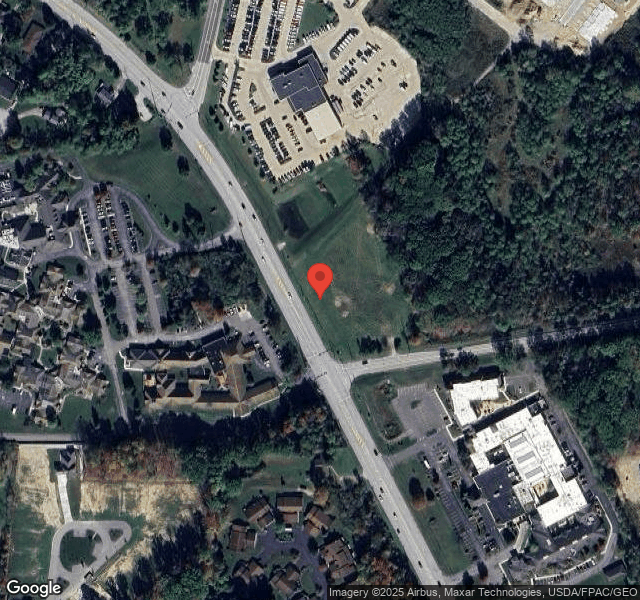
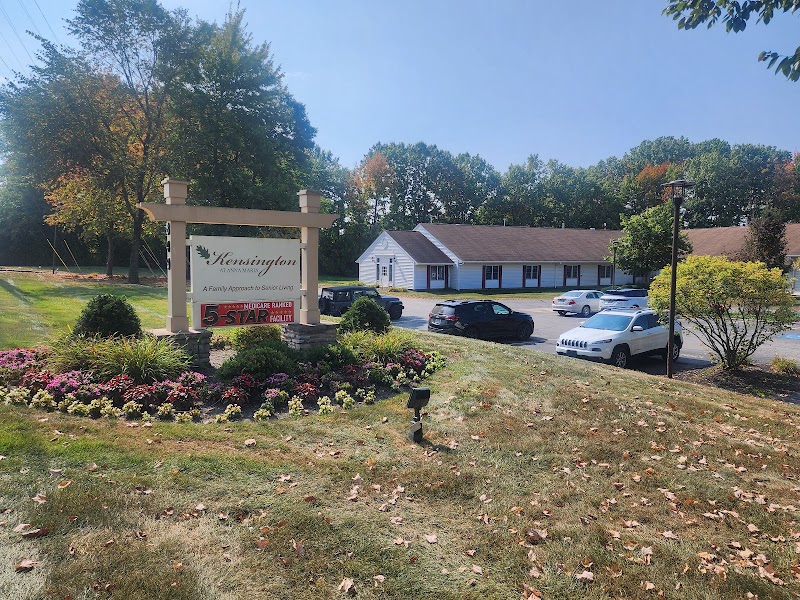
849 NORTH AURORA ROAD, AURORA, OH 44202 (330) 562-3120
For profit - Corporation 99 Beds Independent Data: November 2025
Trust Grade
75/100
#280 of 913 in OH
Last Inspection: April 2024

Within standard 12-15 month inspection cycle. Federal law requires annual inspections.

Overview

Kensington at Anna Maria has a Trust Grade of B, which indicates it is a good facility and a solid choice among nursing homes. It ranks #280 out of 913 facilities in Ohio, placing it in the top half, and #4 out of 10 in Portage County, meaning only three local options are better. The facility's trend is stable, maintaining a consistent number of issues over the past few years with six incidents noted in recent inspections. Staffing is a strength, with a 4 out of 5-star rating and a 48% turnover rate, which is slightly lower than the state average. However, there are concerns, including a serious incident where a resident was injured during a lift transfer due to inadequate assistance, and several complaints about food being served cold and lacking flavor. Overall, while there are some weaknesses, the facility also has notable strengths in staffing and overall care quality.

Trust Score
B
75/100
In Ohio
#280/913
Top 30%
Safety Record
Moderate
Needs review
Inspections
Holding Steady
3 → 3 violations
Staff Stability
⚠ Watch
48% turnover. Above average. Higher turnover means staff may not know residents' routines.
Penalties
✓ Good
No fines on record. Clean compliance history, better than most Ohio facilities.
Skilled Nurses
○ Average
Each resident gets 34 minutes of Registered Nurse (RN) attention daily — about average for Ohio. RNs are the most trained staff who monitor for health changes.
Violations
○ Average
6 deficiencies on record. Average for a facility this size. Mostly minor or procedural issues.
★★★★☆
4.0
Overall Rating
★★★★☆
4.0
Staff Levels
★★★★☆
4.0
Care Quality
★★★★☆
4.0
Inspection Score
Stable
2020: 3 issues
2024: 3 issues

The Good

  • 4-Star Staffing Rating · Above-average nurse staffing levels
  • 4-Star Quality Measures · Strong clinical quality outcomes
  • Full Sprinkler Coverage · Fire safety systems throughout facility
  • No fines on record

Facility shows strength in staffing levels, quality measures, fire safety.

The Bad

Staff Turnover: 48%

Near Ohio avg (46%)

Higher turnover may affect care consistency

The Ugly 6 deficiencies on record

1 actual harm
Apr 2024 3 deficiencies 1 Harm
SERIOUS (G)

Actual Harm - a resident was hurt due to facility failures

Accident Prevention (Tag F0689)

A resident was harmed · This affected 1 resident

**NOTE- TERMS IN BRACKETS HAVE BEEN EDITED TO PROTECT CONFIDENTIALITY** Based on record review, interview, observation, and review of witness statements, facility investigation, mechanical lift policy...

Read full inspector narrative →
**NOTE- TERMS IN BRACKETS HAVE BEEN EDITED TO PROTECT CONFIDENTIALITY** Based on record review, interview, observation, and review of witness statements, facility investigation, mechanical lift policy and fall policy and procedure the facility failed to ensure Resident #27 was safely transferred with a Hoyer (mechanical) lift to prevent a fall with injury and failed to ensure a physician ordered fall intervention was implemented for Resident #48. This affected two residents (#27 and #48) of three residents reviewed for falls. The facility census was 95. Actual Harm occurred on 10/30/23 at 7:45 P.M. when State Tested Nurse Aide (STNA) #520 attempted to transfer Resident #27 without another staff member from her wheelchair to her bed using a Hoyer lift with the Hoyer pad in the incorrect position. This resulted in Resident #27 sliding through the lift pad and falling onto the floor with subsequent transfer to emergency room for evaluation where Resident #27 was diagnosed with a closed non-displaced fracture of her left clavicle and a hematoma to her left ear. Findings include: 1. Review of the medical record for Resident #27 revealed an admission date of 10/14/21 with diagnoses including heart failure, mild cognitive impairment, muscle weakness and non-displaced fracture of the left clavicle (10/30/23). Review of Resident #27's care plan dated 10/15/21 revealed Resident #27 had a self-care deficit related to heart failure with complications, hypertension, anxiety, depression, insomnia, and malnutrition and needed assist with most activities of daily living. An intervention dated 11/01/22 revealed Resident #27 required a mechanical lift for transfers using a full body sling Hoyer pad. Review of the physician's orders for Resident #27 revealed an order dated 05/16/23 for mechanical lift for transfers and an order dated 11/02/23 to use a full sling Hoyer pad for transfers. Review of the quarterly Minimum Data Set (MDS) 3.0 assessment dated [DATE] revealed Resident #27 had intact cognition and was dependent on staff for transfers from the chair to the bed. Review of the fall risk assessment dated [DATE] revealed Resident #27 had intermittent confusion and was at high risk for falls. Review of the nursing progress note dated 10/30/23 timed 7:45 P.M. authored by Licensed Practical Nurse (LPN) #560 revealed LPN #560 was called to Resident #27's room by a STNA. The STNA stated Resident #27 had fallen out of the Hoyer pad onto the floor. Resident #27 was assessed, and a new order was obtained to send her to the emergency room for evaluation. There was no mention Resident #27 was being transferred using the Hoyer lift by only one staff member. Review of LPN #560's witness statement dated 10/30/23 revealed STNA #520 reported to her Resident #27 had fallen to the floor from the Hoyer lift. There was no mention Resident #27 was being transferred using the Hoyer lift by only one staff member. Review of LPN #624's witness statement dated 10/30/23 revealed STNA #520 came out to the hallway yelling for LPN #560 because Resident #27 had fallen and was on the floor. LPN #624 indicated Resident #27 was observed on the floor and complained of back and left ear pain. The statement indicated Resident #27 was a Hoyer lift and STNA #520 stated the lift had malfunctioned. There was no mention Resident #27 was being transferred using the Hoyer lift by only one staff member. Review of STNA #520's witness statement dated 10/30/23 revealed STNA #520 had witnessed the incident. STNA #520 indicated he was transferring Resident #27 from the wheelchair to the bed with the Hoyer lift. While transferring, Resident #27 slipped through the Hoyer pad and landed on the floor. STNA #520 indicated the Hoyer straps let loose from the machine. STNA #520 did not mention he was transferring Resident #27 using the Hoyer lift by himself. Review of the fall investigation for the incident which occurred on 10/30/23, signed by the Director of Nursing (DON) dated 11/02/23, revealed Resident #27 was dependent for transfers and mobility. On 10/30/23 during a transfer, Resident #27 was being transferred from her wheelchair to her bed. The green sling (Hoyer pad) was attached to the mechanical lift while in the wheelchair. The back straps and leg straps were crossed between the resident's legs. As Resident #27 was being lifted from her wheelchair toward the bed, the Hoyer pad slid from under her buttocks, and she slipped through the lift pad. Resident #27 landed on the floor on her bottom and rolled to her left side. The resident was assessed, and a new order was obtained to send her to the emergency room for evaluation. At the emergency room, it was noted Resident #27 had a closed non-displaced fracture of her clavicle and a hematoma to her left ear. Upon Resident #27's return to the facility an order was obtained to use a full sling for transferring Resident #27. During the DON's investigation, it was noted if the resident was sitting in the sling and it was placed too high on her, it provided enough room for her to slide through the straps due to Resident #27 having little lower body control. Resident #27's sling was changed to a full body sling and the staff were re-educated on the use and placement of the sling and educated on mechanical lift transfers. The root cause of the incident was that Resident #27 had minimal control of her lower body and her legs lifted up enough for her to slide out of the sling. There was no mention of STNA #520 transferring Resident #27 with the Hoyer lift by himself in the investigation. Review of the hospital emergency department documentation dated 10/30/23 revealed Resident #27 had an x-ray of her left shoulder. The impression indicated suspected non-displaced distal clavicular fracture. Review of the nursing progress note date 10/31/23 timed 12:30 A.M. revealed Resident #27 returned from the emergency room and was noted to have a closed non-displaced fracture of the left clavicle and hematoma to her left ear. Review of STNA #520's employee file revealed a disciplinary action dated 10/31/23 due to a new or ongoing deficiency in his conduct or performance. The notification indicated during transfer it was the facility's policy to have two people present. STNA #520 was suspended for two days. Also, in STNA #520's employee file was his job description signed and dated 08/05/20. Under the section of special skills and requirements it indicated STNA #520 would perform, and complete resident care as outlined on the care needs sheet including lifting residents as determined as a one-person, two-person or Hoyer lift as well as follow safety policies including following proper transfer techniques. Interview on 04/03/24 at 7:58 A.M. with the DON verified STNA #520 had transferred Resident #27 by himself with the Hoyer lift on 10/30/23 when Resident #27 slid out of the Hoyer pad and landed on the floor. Interview on 04/03/24 at 9:30 A.M. with STNA #520 verified he transferred Resident #27 with the Hoyer lift on 10/30/23 by himself. He stated the strap came loose and she slid through the Hoyer pad onto the floor. He stated he had been educated on hire that two staff were required to utilize the Hoyer lift. STNA #520 stated he had been in a hurry to transfer her and did not wait on another staff member because Resident #27 was visibly upset and crying and wanted to go to bed. Interview on 04/03/24 at 10:07 A.M. with STNA #552 revealed staff were trained by the facility on Hoyer lifts on hire. She stated two staff were always required when using the lift. Review of the facility policy titled, Lifting Machine, Using a Portable, revised March 2004, revealed the portable lift could be used by one nursing assistant if the resident could participate in the lifting procedures. If not, two nursing assistants were required to perform the procedure. 2. Review of the medical record for Resident #48 revealed an admission date of 09/20/23. Diagnoses included anxiety disorder, falls, subdural hemorrhage with unknown loss of consciousness, muscle weakness, difficulty walking, need for assistance with personal care, and orthostatic hypotension. Review of the care plan dated 09/21/23 revealed Resident #48 was at risk for falls related to multiple recent falls, decreased balance, mobility, and safety awareness and use of antidepressant and antianxiety medications. Resident had a history of removing and hiding alarms from staff, so they did not sound. Resident #48 had a history of a fall resulting in a subdural hemorrhage. Review of the significant change Minimum Data Set (MDS) assessment dated [DATE] revealed Resident #48 had impaired cognition, required partial and moderate assistance with sit to stand, chair/bed to chair transfer, and toilet transfer, and had falls. Interventions included Dycem (non-slip mat) above and below wheelchair cushion. Review of the fall risk evaluation dated 03/18/24 revealed Resident #48 was a high fall risk. Review of the physician orders for April 2024 revealed active orders for Dycem above and below wheelchair cushion with a start date of 01/02/24. Observation on 04/02/24 at 8:17 A.M. revealed Resident #48 was sitting in her wheelchair in the hall. Further observation revealed a blue Dycem in Resident #48' room sitting on the nightstand near her bed. Interview on 04/02/24 at 8:23 A.M. with Licensed Practical Nurse (LPN) #572 revealed therapy got Resident #48 a new cushion for her wheelchair. Observation with LPN #572 confirmed the blue Dycem on the nightstand in Resident #48's room. LPN #572 stated she did not know what the blue thing was. Interview on 04/02/24 at 8:26 A.M. with Resident #48 who sitting in her wheelchair in the common area revealed there was not a blue Dycem on her wheelchair cushion. Resident #48 stated the Dycem helped to keep her from sliding and it was her fault the Dycem was not in the cushion because she did not put it on the cushion before transferring to the wheelchair. Resident #48 stated she could not transfer herself into the wheelchair, State Tested Nurse Aide (STNA) #536 helped her into her chair. Interview on 04/02/24 at 8:29 A.M. with STNA #536 revealed she had not been to work in the past three days but knew they were waiting on a larger Dycem for Resident #48. STNA #536 stated Resident #48 received a new cushion for wheelchair and she would check to see if a Dycem was on Resident #48's wheelchair cushion. Observation revealed STNA #536 wheeling Resident #48 to a handrail, locking the wheelchair, and assisting Resident #48 to a standing position as Resident #48 held onto the handrail. There was not a Dycem on the wheelchair cushion. STNA #536 lifted up the wheelchair cushion and there was a blue Dycem under the cushion. STNA #536 verified there was not a Dycem on top of the resident's wheelchair cushion and assisted Resident #48 to sit back down in the wheelchair. Further observation revealed another staff member giving STNA #536 a large blue Dycem. STNA #536 then pushed Resident #48 to her room. Upon entering Resident #48's room, STNA #536 verified the blue Dycem sitting on the nightstand and stated it was a smaller Dycem but it should had been in the resident's wheelchair because Resident #48 slid in forward while in the wheelchair and was a high fall risk. Review of the facility policy titled Falls Policy and Procedure, revised 09/06/19 revealed the facility strived to reduce the risk of falls and injuries by implementing the falls policy and procedure. Residents were assessed for fall risk factors. The interdisciplinary team worked with the resident and family to identify and implement appropriate interventions to prevent falls or injuries while maximizing dignity and independence.
CONCERN (D)

Potential for Harm - no one hurt, but risky conditions existed

Food Safety (Tag F0812)

Could have caused harm · This affected 1 resident

Based on observation and interview, the facility failed to ensure all meals were served in a sanitary manner. This affected one (#63) of one resident who received the alternate meal selection. The fac...

Read full inspector narrative →
Based on observation and interview, the facility failed to ensure all meals were served in a sanitary manner. This affected one (#63) of one resident who received the alternate meal selection. The facility census was 95. Findings included: Observation of tray line meal service on 04/02/24 at 12:17 P.M. revealed Dietary [NAME] (DC) #609 opening the steamer with gloved hands, removing a cooked hamburger patty and setting the hamburger patty onto the steamtable. DC #609 closed the steamer door and obtained a knife and cut the hamburger into bite sized pieces. DC #609 obtained a plate, scooped the cut up hamburger patty with gloved hands and placed the hamburger on the plate. At 12:19 P.M., DC #609 changed her gloves and continued serving. Further observation revealed the meal tray with the cut up hamburger was taken to the dining room by staff. Interview on 04/02/24 at 12:24 P.M. with DC #609 verified the observation and stated she knew when she grabbed the hamburger with her hands she should not have. DC #609 stated that tray was for Resident #63.
CONCERN (F)

Potential for Harm - no one hurt, but risky conditions existed

Deficiency F0804 (Tag F0804)

Could have caused harm · This affected most or all residents

Based on observation, interview, and record, and review of the sample room test tray evaluations, the facility failed to ensure food was served at palatable temperatures. This had the potential to aff...

Read full inspector narrative →
Based on observation, interview, and record, and review of the sample room test tray evaluations, the facility failed to ensure food was served at palatable temperatures. This had the potential to affect all residents except one resident (#65) who received nothing by mouth. Facility census was 95. Findings include: Interviews on 04/01/24 from 9:41 A.M. to 11:00 A.M. with Resident #12, #28, #29, #66, and #147 revealed the food was often served cold and tasted bland. Observation of tray line service on 04/02/24 at 12:12 P.M. revealed the food was served on plates that were then placed on a food tray and covered with a thermal lid. The food tray was then placed in a metal, enclosed food cart. Completion of a test tray on 04/02/24 at 1:57 P.M. with Certified Dietary Manager (CDM) #591, after the last meal tray was served, revealed the pureed lasagna was 113 degrees Fahrenheit (F) and pureed vegetable was 107.6 degrees F. All food items were flavorful, well-seasoned but were lukewarm. CDM #591 also tasted the pureed lasagna and verified the findings. CDM #591 stated she had heard food complaints from residents that resided on the short term unit. CDM #591 stated they ordered thermal plate bottoms that coordinated with the thermal lids but did not have heated transportation units that would help keep the food warm during hall tray pass. Review of the facility's most recent Room Test Tray Evaluation form dated 03/04/24 indicated acceptable delivery temperatures were 40 to 55 degrees F for cold foods and 135 to 160 degrees F for hot foods. Review of the Consistency Census Report dated 04/02/24 revealed there was one residents (#65) who received nothing by mouth.
Feb 2020 3 deficiencies
CONCERN (D)

Potential for Harm - no one hurt, but risky conditions existed

Quality of Care (Tag F0684)

Could have caused harm · This affected 1 resident

**NOTE- TERMS IN BRACKETS HAVE BEEN EDITED TO PROTECT CONFIDENTIALITY** Based on record review and interview, the facility failed to ensure coordination of hospice services for Resident #47's advance ...

Read full inspector narrative →
**NOTE- TERMS IN BRACKETS HAVE BEEN EDITED TO PROTECT CONFIDENTIALITY** Based on record review and interview, the facility failed to ensure coordination of hospice services for Resident #47's advance directives. This finding affected one (Resident #47) of two residents reviewed for hospice. Findings include: Review of Resident #47's medical record revealed the resident was re-admitted to the facility on [DATE] with diagnoses including Alzheimer's disease, dementia and schizoaffective disorder bipolar type. Review of Resident #47's Minimum Data Set (MDS) 3.0 assessment dated [DATE] revealed the resident exhibited moderate cognitive impairment. Review of Resident #47's undated Ohio DNR (do not resuscitate) Identification Form indicated the resident's code status was DNRCC-Arrest (DNR comfort care arrest or DNRCCA). Review of Resident #47's physician order for advance directives dated 07/20/18 indicated the resident's code status was DNRCCA. Review of Resident #47's hospice documentation signed on 01/29/20 revealed the resident's code status was identified as DNRCC (DNR comfort care). Interview on 02/12/20 at 3:01 P.M. with the Director of Nursing (DON) confirmed Resident #47's medical record and physician orders were not updated to reflect the resident's current advance directives of DNRCC. Review of the Ohio DNR form confirmed DNRCC code status included not to administer chest compressions, insert an artificial air way, administer resuscitative drugs, defibrillate or cardiovert, provide respiratory emergency assistance and initiate cardiac monitoring. The form also indicated the DNRCCA code status was implemented only in the event of a cardiac arrest or a respiratory arrest.
CONCERN (D)

Potential for Harm - no one hurt, but risky conditions existed

Deficiency F0692 (Tag F0692)

Could have caused harm · This affected 1 resident

Based on observation, interview and record review, the facility failed to ensure adequate fluids were given to Resident #67 to prevent dehydration. This affected one of one resident (Resident #67) rev...

Read full inspector narrative →
Based on observation, interview and record review, the facility failed to ensure adequate fluids were given to Resident #67 to prevent dehydration. This affected one of one resident (Resident #67) reviewed for hydration. Findings include: Review of the medical record for Resident #67 revealed an admission date of 10/02/18 with medical diagnoses including Alzheimer's disease, congestive heart failure and chronic kidney disease. Review of the Minimum Data Set (3.0) assessment revealed Resident #67 had severe cognitive impairment. Review of progress notes nutrition note dated 06/26/19 revealed estimated fluid needs were 2200 to 2400 milliliters (ml) per day. Review of physician's orders for Resident #67 dated 09/21/19 revealed an order for Torsemide (diuretic-water pill) 50 milligrams (mg) two times a day by mouth for congestive heart failure. Review of physician's order for Resident #67 dated 11/11/19 revealed an order to encourage fluids every shift for nutrition. Review of the electronic record for Resident #67 dated 01/14/20 through 02/06/20 revealed documentation of fluids taken in by mouth including nutritional supplements of 600 ml per day to 1560 ml per day. Further review of the electronic record noted fluid amounts were written in for each day, but were not added up at the end of the day and documented in the record. Review of Resident #67's progress notes dated 02/05/20 revealed Certified Nurse Practitioner (CNP) #815 was notified that the resident was complaining of dizziness and a low blood pressure of 75/42. CNP #815 instructed staff to have resident drink more fluids, and she would come to the facility later in the day to assess Resident #67. Review of Resident #67's progress notes dated 02/06/20 revealed bloodwork showed Resident #67 had an acute kidney injury (most common cause is dehydration) including a BUN (blood urea nitrogen) of 146 (normal range is 7-20, a high BUN can be due to low blood flow to the kidneys caused by dehydration). CNP #815 instructed facility staff to send Resident #67 to the hospital for reasons including administration of intravenous (IV) fluids and discontinued his diuretic. Further review of the progress notes revealed Resident #67 refused to go to the hospital, and CNP #815 gave orders to start IV fluids. Review of the Medication Administration Record (MAR) for Resident #67 revealed documentation of IV fluids being continuously administered from 02/06/20 through 02/11/20 for dehydration. Interview on 02/12/20 with Director of Nursing (DON) and Licensed Practical Nurse (LPN) #810 confirmed that Resident #67 had acute kidney injury caused by dehydration. Observation on 02/13/20 at 12:18 P.M. of Resident #67 sitting in his wheelchair in the dining room being served lunch by the facility staff revealed staff offered him drinks which he willingly took and began drinking immediately. The cup and glasses in front of Resident #67 were not graduated and did not have marks for measuring fluids on them. Interview on 02/13/20 at 12:31 P.M. with Dietary Aide (DA) #812 stated that glasses and cups used to serve fluids to residents did not have have marks for measuring the fluids on them. DA #812 further stated that no measuring items were used to pour fluids into any of the cups and glasses used by residents residing in the facility. Interview on 02/13/20 at 12:37 P.M. with State Tested Nursing Assistant (STNA) #814 indicated she was responsible for writing down the fluids Resident #67 consumed on his meal ticket when he had finished eating. Resident #67 had a large empty glass, a small glass turned upside down, and an insulated cup with some light brown liquid in it. STNA #814 stated when there was fluid left in a glass or cup she estimated how much was left, and did not use any measuring device. Interview on 02/13/20 at 12:53 P.M. with the DON revealed when a physician wrote an order for the staff to encourage fluids for a resident, she did not have a rule of thumb that she followed to make sure residents received a certain amount of fluids during the day. Phone interview on 02/13/20 at 3:56 P.M. with CNP #815 revealed on 02/05/20 Resident #67 complained of dizziness and was not drinking enough fluids and needed to have intravenous fluids for hydration. CNP #815 further stated that Resident #67's acute kidney injury was most likely caused by dehydration.
CONCERN (E)

Potential for Harm - no one hurt, but risky conditions existed

Infection Control (Tag F0880)

Could have caused harm · This affected multiple residents

**NOTE- TERMS IN BRACKETS HAVE BEEN EDITED TO PROTECT CONFIDENTIALITY** Based on observation, record review and interview, the facility did not ensure appropriate personal protection equipment (PPE) w...

Read full inspector narrative →
**NOTE- TERMS IN BRACKETS HAVE BEEN EDITED TO PROTECT CONFIDENTIALITY** Based on observation, record review and interview, the facility did not ensure appropriate personal protection equipment (PPE) was implemented for Resident #189 while the resident was on isolation precautions. This finding affected one resident (Resident #189) receiving therapy services and had the potential to affect six additional residents currently receiving occupational therapy (Residents #3, #15, #71, #77, #87 and #140) and ten additional residents currently receiving speech therapy (Residents #10, #15, #26, #27, #85, #139, #140, #141, #191 and #289) of 87 residents residing in the facility. Findings include: Review of Resident #189's medical record revealed the resident was admitted to the facility on [DATE] with diagnoses including entercolitis due to clostridium difficile (C-diff), diverticulitis of small intestine with perforation and abscess with bleeding and essential hypertension. Review of Resident #189's physician orders revealed an order dated 02/06/20 for contact precautions every shift for C-diff. Observation on 02/10/20 at 9:37 A.M. revealed Speech Therapist (ST) #801 was in Resident #189's room assisting the resident to drink fluids. ST #801 donned gloves and was observed touching the resident's overbed table and the resident to assist the resident to drink fluids. ST #801 did not have a yellow protective gown over her clothing to prevent possible cross contamination of her clothing during care of the resident. Observation on 02/12/20 at 9:30 A.M. with ST #801 revealed Occupational Therapist (OT) #802 and student OT #803 were in Resident #189's room. Student OT #803 was observed leaning on Resident #189's chair with her hands on the back of the chair. Both staff members indicated they were going to provide care to the resident, both donned gloves and no isolation gown was implemented over their clothing to prevent possible cross contamination during the resident's care. Interview on 02/12/20 at 10:15 A.M. with Registered Nurse (RN) #804 confirmed the facility policy indicated the standards for contact precautions included to use universal precautions including gloves and handwashing. RN #804 also confirmed staff were required to wear a disposable gown for tasks that involve contact with the resident or potentially contaminated areas of the room including the bed, resident chair and overbed table. Interview on 02/13/20 at 12:58 P.M. with Physical Therapy Assistant (PTA) #805 confirmed seven residents resided in the facility who were receiving occupational therapy with OT #802 including Residents #3, #15, #71, #77, #87, #140 and #189 and eleven residents resided in the facility who were receiving speech therapy with ST #801 including Residents #10, #15, #26, #27, #85, #139, #140, #141, #189, #191 and #289. Review of the undated Isolation-Categories of Transmission-Based Precautions policy revealed in addition to wearing gloves, wear a disposable gown for tasks that involve contact with the resident or potentially contaminated areas of the room, such as giving care to the resident, changing bed linens, repositioning the resident in a chair, or cleaning in the room.
Understanding Severity Codes (click to expand)
Life-Threatening (Immediate Jeopardy)
J - Isolated K - Pattern L - Widespread
Actual Harm
G - Isolated H - Pattern I - Widespread
Potential for Harm
D - Isolated E - Pattern F - Widespread
No Harm (Minor)
A - Isolated B - Pattern C - Widespread

Questions to Ask on Your Visit

  • "Can I speak with families of current residents?"
  • "What's your RN coverage like on weekends and overnight?"

Our Honest Assessment

Strengths
  • • No fines on record. Clean compliance history, better than most Ohio facilities.
Concerns
  • • 6 deficiencies on record, including 1 serious (caused harm) violation. Ask about corrective actions taken.
Bottom line: Generally positive indicators. Standard due diligence and a personal visit recommended.

About This Facility

What is Kensington At Anna Maria's CMS Rating?

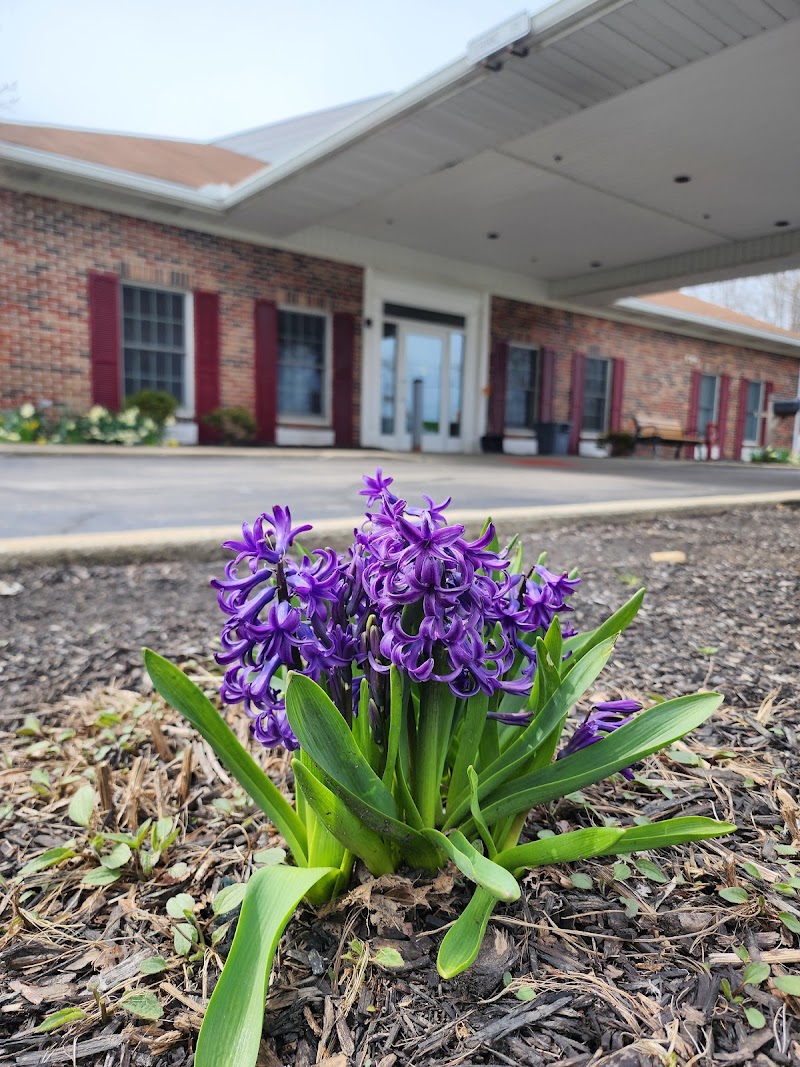
CMS assigns KENSINGTON AT ANNA MARIA an overall rating of 4 out of 5 stars, which is considered above average nationally. Within Ohio, this rating places the facility higher than 99% of the state's 100 nursing homes. This rating reflects solid performance across the metrics CMS uses to evaluate nursing home quality.
How is Kensington At Anna Maria Staffed?

CMS rates KENSINGTON AT ANNA MARIA's staffing level at 4 out of 5 stars, which is above average compared to other nursing homes. Staff turnover is 48%, compared to the Ohio average of 46%.

What Have Inspectors Found at Kensington At Anna Maria?

State health inspectors documented 6 deficiencies at KENSINGTON AT ANNA MARIA during 2020 to 2024. These included: 1 that caused actual resident harm and 5 with potential for harm. Deficiencies causing actual harm indicate documented cases where residents experienced negative health consequences.
Who Owns and Operates Kensington At Anna Maria?

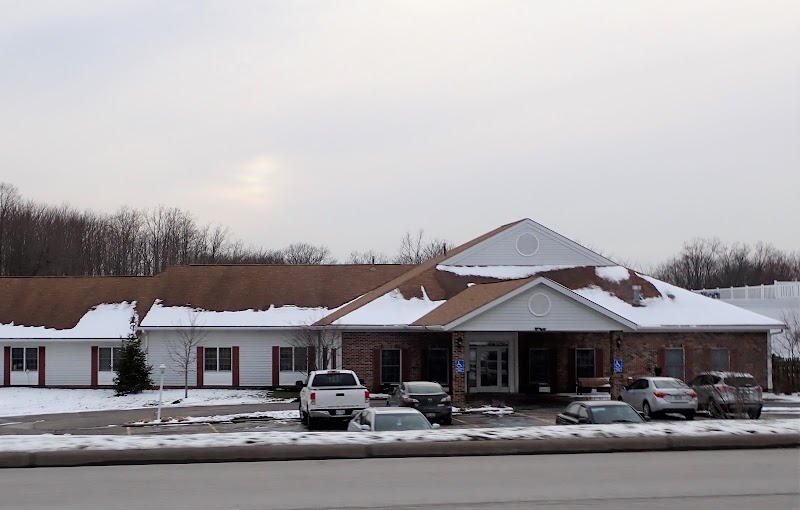
KENSINGTON AT ANNA MARIA is owned by a for-profit company. For-profit facilities operate as businesses with obligations to shareholders or private owners. The facility operates independently rather than as part of a larger chain. With 99 certified beds and approximately 89 residents (about 90% occupancy), it is a smaller facility located in AURORA, Ohio.
How Does Kensington At Anna Maria Compare to Other Ohio Nursing Homes?

Compared to the 100 nursing homes in Ohio, KENSINGTON AT ANNA MARIA's overall rating (4 stars) is above the state average of 3.2, staff turnover (48%) is near the state average of 46%, and health inspection rating (4 stars) is above the national benchmark.

What Should Families Ask When Visiting Kensington At Anna Maria?

Based on this facility's data, families visiting should ask: "Can I visit during a mealtime to observe dining assistance and food quality?" "How do you handle medical emergencies, and what is your hospital transfer rate?" "Can I speak with family members of current residents about their experience?"

Is Kensington At Anna Maria Safe?

Based on CMS inspection data, KENSINGTON AT ANNA MARIA has a clean safety record: no substantiated abuse findings (meaning no confirmed cases of resident harm), no Immediate Jeopardy citations (the most serious violation level indicating risk of serious injury or death), and is not on the Special Focus Facility watch list (a federal program monitoring the lowest-performing 1% of nursing homes). The facility has a 4-star overall rating and ranks #1 of 100 nursing homes in Ohio. While no facility is perfect, families should still ask about staff-to-resident ratios and recent inspection results during their visit.

Do Nurses at Kensington At Anna Maria Stick Around?

KENSINGTON AT ANNA MARIA has a staff turnover rate of 48%, which is about average for Ohio nursing homes (state average: 46%). Moderate turnover is common in nursing homes, but families should still ask about staff tenure and how the facility maintains care continuity when employees leave.

Was Kensington At Anna Maria Ever Fined?

KENSINGTON AT ANNA MARIA has no federal fines on record. CMS issues fines when nursing homes fail to meet care standards or don't correct problems found during inspections. The absence of fines suggests the facility has either maintained compliance or corrected any issues before penalties were assessed. This is a positive indicator, though families should still review recent inspection reports for the full picture.

Is Kensington At Anna Maria on Any Federal Watch List?

KENSINGTON AT ANNA MARIA is not on any federal watch list. The most significant is the Special Focus Facility (SFF) program, which identifies the bottom 1% of nursing homes nationally based on persistent, serious quality problems. Not being on this list means the facility has avoided the pattern of deficiencies that triggers enhanced federal oversight. This is a positive indicator, though families should still review the facility's inspection history directly.