AUSTINWOODS REHAB HEALTH CARE
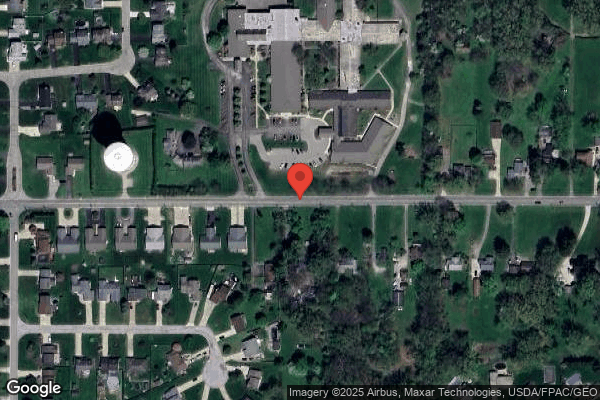
4780 KIRK RD, AUSTINTOWN, OH 44515 (330) 792-7681
For profit - Individual 99 Beds Independent Data: November 2025
Trust Grade
63/100
#215 of 913 in OH
Last Inspection: March 2025

Within standard 12-15 month inspection cycle. Federal law requires annual inspections.

Overview

Austinwoods Rehab Health Care has a Trust Grade of C+, indicating that it is decent and slightly above average among nursing homes. It ranks #215 out of 913 facilities in Ohio, placing it in the top half, and #12 out of 29 in Mahoning County, meaning there are only 11 local homes rated better. The facility is improving, with issues decreasing from 6 in 2024 to 5 in 2025. Staffing is moderately strong with a 3/5 star rating and a 39% turnover rate, which is better than the state average. However, it has concerning RN coverage, being lower than 87% of Ohio facilities, and has faced $13,340 in fines, which is average. There have been serious incidents, including a resident suffering a fractured hip due to inadequate assistance during bed mobility, despite the care plan requiring two staff members for safe transfer. Additionally, another resident developed a severe pressure ulcer because the facility did not implement an effective prevention program. Staff also failed to perform proper hand hygiene during wound care and incontinence care, raising concerns about infection control. Overall, while there are strengths in staffing and a decent Trust Grade, families should be aware of the serious incidents and the need for improvement in certain areas.

Trust Score
C+
63/100
In Ohio
#215/913
Top 23%
Safety Record
Moderate
Needs review
Inspections
Getting Better
6 → 5 violations
Staff Stability
○ Average
39% turnover. Near Ohio's 48% average. Typical for the industry.
Penalties
✓ Good
$13,340 in fines. Lower than most Ohio facilities. Relatively clean record.
Skilled Nurses
○ Average
Each resident gets 30 minutes of Registered Nurse (RN) attention daily — about average for Ohio. RNs are the most trained staff who monitor for health changes.
Violations
⚠ Watch
13 deficiencies on record. Higher than average. Multiple issues found across inspections.
★★★★☆
4.0
Overall Rating
★★★☆☆
3.0
Staff Levels
★★★★★
5.0
Care Quality
★★★☆☆
3.0
Inspection Score
Stable
2024: 6 issues
2025: 5 issues

The Good

  • 5-Star Quality Measures · Strong clinical quality outcomes
  • Full Sprinkler Coverage · Fire safety systems throughout facility
  • No fines on record
  • Staff turnover below average (39%)

    9 points below Ohio average of 48%

Facility shows strength in quality measures, fire safety.

The Bad

Staff Turnover: 39%

Near Ohio avg (46%)

Typical for the industry

Federal Fines: $13,340

Below median ($33,413)

Minor penalties assessed

The Ugly 13 deficiencies on record

2 actual harm
Mar 2025 5 deficiencies
CONCERN (D)

Potential for Harm - no one hurt, but risky conditions existed

Quality of Care (Tag F0684)

Could have caused harm · This affected 1 resident

**NOTE- TERMS IN BRACKETS HAVE BEEN EDITED TO PROTECT CONFIDENTIALITY** Based on record review, observation, interview, review of Centers for Disease Control and Prevention (CDC) guidelines and facili...

Read full inspector narrative →
**NOTE- TERMS IN BRACKETS HAVE BEEN EDITED TO PROTECT CONFIDENTIALITY** Based on record review, observation, interview, review of Centers for Disease Control and Prevention (CDC) guidelines and facility policy review, the facility failed to ensure staff performed hand hygiene to prevent possible cross contamination of germs during Resident #1's wound care and Resident #29's incontinence care. This affected one resident (#1) out of two residents reviewed for wound care and one resident (#29) out of three residents reviewed for incontinence care. The facility census was 89. Findings include: 1. Review of the medical record revealed Resident #1 was admitted on [DATE] and re-admitted on [DATE] with diagnoses including Multiple Sclerosis (MS), anxiety, psychosis, depression, quadriplegia, neuromuscular bladder, gastroesophageal reflux disease (GERD), esophagitis, vitamin B deficiency, joint contracture and osteoporosis. A review of Resident #1's Minimum Data Set (MDS) assessment dated [DATE] indicated Resident #1 had an indwelling urinary catheter and was incontinent of bowel. A review of Resident #1's medical record revealed a skin/wound note dated 03/24/24 of an assessment of a Stage IV pressure ulcer (Full thickness tissue loss with exposed bone, tendon or muscle. Slough may be present on some parts of the wound bed. Often include undermining and tunneling.), located on the left posterior thigh/ischium and measuring 9.0 centimeters (cm) long by 8.5 cm wide by 1.1 cm deep. Undermining was present at the 12 o'clock position measuring 2.0 cm. The measured area was 20 percent intact and tissue was within normal limits with 50 percent granular tissue and 10 percent slough. Edges were well defined and irregular in shape with no odor present. The skin/wound note indicated a Stage III pressure ulcer (full thickness tissue loss, subcutaneous fat may be visible but bone, tendon or muscle are not exposed, slough may be present but does not obscure the depth of tissue loss, may include undermining and tunneling.), located on the right posterior thigh measuring 1.5 cm long by 3.0 cm wide by 0.1 cm deep with 30 percent granular tissue, and 70 percent epithelial tissue. The wound edges were well defined, attached to the wound base, area irregular in shape. A small amount of serosanguinous exudate was noted when the dressing was removed from the wound. A third area of skin breakdown located on the right gluteal area was classified as moisture associated skin damage (MASD) measuring 3.5 cm long by 5.0 cm wide by 0.1 cm deep. The measured area had 60 percent partial thickness skin loss and 40 percent epithelial tissue present. The wound had irregular edges and shape with a small amount of serosanguinous exudate noted when the dressing was removed from the wound. An observation on 03/25/25 at 1:50 P.M. of Licensed Practical Nurse (LPN) #525 perform Resident #1's wound treatment with the assistance of Certified Nurse Aide (CNA) #563 revealed a failure to perform hand hygiene to prevent cross contamination of germs. Both staff entered Resident #1's room and did not perform hand hygiene and donned a pair of gloves. Both staff assisted Resident #1 to roll on her right side, and LPN #525 removed the soiled wound treatments from the three wounds on her sacral area and right/left gluteal areas. The wounds had open areas which had a small amount of serosanguinous drainage present and appeared very red with a tunneling area on the left ischium. LPN #525 cleansed the wounds with wound cleanser and gauze and discarded the soiled supplies in a plastic bag. LPN #525 did not remove her gloves or perform hand hygiene and applied the calcium alginate with silver dressing (a specialized wound care product the merges the absorbent qualities of alginate with the antimicrobial properties of silver) to the left and right gluteal wounds and border foam dressing to the sacral wound. Without removing her gloves, LPN #522 proceeded to assist Resident #1 to reposition using a foam wedge cushion, handling multiple items in the room including Resident #1's call light button and bed remote and moved the over-the bed table close to Resident #1. LPN #525 then removed her gloves and applied another pair of gloves and did not perform hand hygiene and picked up the unused clean wound treatment supplies and exited the room. CNA #563 assisted LPN #525 with repositioning Resident #1 during the wound treatment and used the same gloved hands to place Resident #1's personal items on the over-the-bed table and then exited to room and placed her gown in the soiled utility room. On 03/25/25 at 2:20 P.M. an interview with LPN #525 and CNA #563 verified they failed to perform hand hygiene to prevent the spread of germs during Resident #1's wound treatment. 2. Review of the medical record revealed Resident #29 was admitted n 01/01/25 with diagnoses including nutritional marasmus, bipolar disorder, atrial fibrillation, high cholesterol, lymphedema, high blood pressure, cognitive communication deficit, and left pelvic fracture. A review of Resident #29's MDS assessment dated [DATE] indicated she had bowel and bladder incontinence and needed maximum assistance with toileting. An observation on 03/24/25 at 9:54 A.M. of LPN #522 assist Resident #29 with incontinence care revealed a failure to perform hand hygiene to prevent cross contamination of germs. LPN #522 entered Resident #29's room and did not wash her hands, donned a pair of gloves and proceeded to clean Resident #29's buttock and perineal area of a large amount of feces. Upon completion of the incontinence care, LPN #522 removed her gloves and did not perform hand hygiene. LPN #522 proceeded to touch various surfaces and items in the room including the call light button, bed remote, bedside drawer and other surfaces. LPN #522 was waiting for staff to answer the call light and touched the underside bandage on Resident #29's right temple, Resident #29's bed linens, and repositioned Resident #29. LPN #522 then picked up the package of incontinence wipes which had feces on the outside of the package and set the package on top of Resident #29's clean clothing on top of her bedside table. LPN #522 asked CNA #567 to assist her with turning and repositioning Resident #29 for the incontinence care. CNA #567 entered the room and donned a pair of gloves without performing hand hygiene and proceeded to assist LPN #522 with turning and repositioning Resident #29. LPN #522 then placed Resident #29's call light in reach, picked up the soiled bag of incontinence supplies and soiled linen and exited the room. LPN #522 placed the bag of soiled linen and bag of soiled incontinence supplies in the soiled utility room. LPN #522 removed her gloves and performed hand hygiene. LPN #522 proceeded to obtain a cup, straw and lid and filled the cup with lemonade, walked back to Resident #29's room and assisted her with drinking from the cup of lemonade while holding the straw for her. On 03/24/25 between 10:00 A.M. and 10:30 A.M. an interview with LPN #522 and CNA #567 verified the above findings and agreed they didn't perform hand hygiene to prevent the spread of germs during Resident #29's incontinence care. The facility policy and procedure titled Handwashing revised July 2015 indicated the purpose of the policy was to maintain medical asepsis, for infection control, to reduce transferal of microorganisms from resident to resident, to reduce transferal of microorganisms between staff and residents. The policy indicated proper handwashing technique would be used by all employees to maintain optimal infection control. The Centers for Disease Control and Prevention (CDC) hand hygiene guidance dated 01/30/20 indicated to perform hand hygiene immediately before touching a resident, before performing an aseptic task, before moving from a soiled body site to a clean body site on the same resident, after touching a resident, after contact with blood, body fluids, or contaminated surfaces, after touching a resident's immediate environment. Require healthcare personnel to perform hand hygiene in accordance with CDC recommendations. Ensure healthcare personnel wash their hands with soap and water when hands were visibly soiled.
CONCERN (D)

Potential for Harm - no one hurt, but risky conditions existed

Respiratory Care (Tag F0695)

Could have caused harm · This affected 1 resident

**NOTE- TERMS IN BRACKETS HAVE BEEN EDITED TO PROTECT CONFIDENTIALITY** Based on record review, observation, interview and facility policy review, the facility failed to ensure resident #22 had a phys...

Read full inspector narrative →
**NOTE- TERMS IN BRACKETS HAVE BEEN EDITED TO PROTECT CONFIDENTIALITY** Based on record review, observation, interview and facility policy review, the facility failed to ensure resident #22 had a physician's order for oxygen use. This affected one resident (#22) of four residents reviewed for oxygen therapy. The facility identified 15 residents (#4, #16, #23, #30, #44, #52, #65, #70, #131, #284, #285, #289, #290, #291, and #294) that required oxygen. The facility census was 89. Findings include: Review of the medical record for Resident #22 revealed an admission date of 01/29/25. Diagnoses included hypertensive heart disease with chronic kidney disease, dementia, type two diabetes mellitus, and asthma. Review of the physician's orders for Resident #22 revealed no orders for oxygen. Review of the care plan dated 03/11/25 revealed Resident #22 had a respiratory diagnosis. Interventions included administering oxygen as ordered by the physician and monitoring the resident's pulse oximetry (a non-invasive medical procedure that measures the oxygen saturation of the blood). Review of the quarterly Minimum Data Set (MDS) assessment dated [DATE] revealed Resident #22 had mild cognitive impairment and required extensive assistance for all activities of daily living. Resident #22 was receiving oxygen therapy. Observations on 03/24/25 from 9:00 A.M. to 10:50 A.M. revealed Residents #22 had and oxygen concentrator and was utilizing the oxygen. Interview on 03/25/25 at 10:53 with Registered Nurse (RN) #504 confirmed Resident #22 did not have a physician's order for oxygen therapy. Review of the facility policy Oxygen Tubing and Nasal Cannula Care, effective 08/01/19, stated to verify physician's order for oxygen.
CONCERN (D)

Potential for Harm - no one hurt, but risky conditions existed

Deficiency F0761 (Tag F0761)

Could have caused harm · This affected 1 resident

**NOTE- TERMS IN BRACKETS HAVE BEEN EDITED TO PROTECT CONFIDENTIALITY** Based on record review, observation, interview and facility policy review, the facility failed to ensure nasal sprays for Reside...

Read full inspector narrative →
**NOTE- TERMS IN BRACKETS HAVE BEEN EDITED TO PROTECT CONFIDENTIALITY** Based on record review, observation, interview and facility policy review, the facility failed to ensure nasal sprays for Resident #41, who did not have an order to self-administer medications, were not left at the bedside. In addition, the nasal sprays left at the bedside were discontinued by the physician. This affected one resident (#41) of three residents reviewed for medication administration. The facility census was 89. Findings include: Review of the medical record for Resident #41 revealed an admission date of 04/12/18. Diagnoses included type two diabetes mellitus, major depressive disorder, and hypertension. Review of the physician's orders for Resident #41 revealed an order for ipratropium bromide nasal solution 0.03% (reduces the amount of mucus produced in the nose) two sprays in each nostril every six hours as needed dated 01/24/25 and discontinued on 03/13/25 and an order for Flonase allergy relief nasal suspension 50 micrograms (mcg) (corticosteroid) two sprays in both nostrils as needed for allergies one time a day dated 04/21/24 and discontinued 03/13/25. Review of the quarterly Minimum Data Set (MDS) assessment dated [DATE] revealed Resident #41 had intact cognition. Resident #41 required standby to moderate assistance for all activities of daily living. Review of the care plan dated 03/11/25 for Resident #41 revealed no focus that Resident #41 was able to self-administer medications or keep them at her bedside. Interview and observation on 03/24/25 at 9:38 A.M. with Resident #41 revealed Flonase nasal spray and ipratropium bromide nasal spray on her bedside table. Resident #41 confirmed the staff let her keep them there and give them to herself when needed. Interview on 03/25/25 at 8:03 A.M. with Registered Nurse (RN) #504 revealed that Resident #41 does keep her nasal sprays at her bedside and administers them to herself. She reported they are trying to keep Resident #41 as independent as possible. Subsequent interview on 03/25/25 at 10:45 A.M. with RN #504 revealed that Resident #41 had no physician's order to self-administer the nasal sprays, and she had brought them back from her bedside table to the medication cart for storage. RN #504 also confirmed that the order for both nasal sprays were discontinued by the physician on 03/13/25 for Resident #41. Review of the facility policy titled Self-Administration of Medication, effective 06/02/15, revealed a decision to permit self-administration is made in the interdisciplinary care plan conference. An order must be received from a physician and placed in the medication administration record. Review of the facility policy titled Medication Storage in the facility, effective 06/02/15, revealed the medication supply is assessable only to licensed personnel, pharmacy personnel, or staff members lawfully authorized to administer medications.
CONCERN (D)

Potential for Harm - no one hurt, but risky conditions existed

Deficiency F0773 (Tag F0773)

Could have caused harm · This affected 1 resident

**NOTE- TERMS IN BRACKETS HAVE BEEN EDITED TO PROTECT CONFIDENTIALITY** Based on record review, interview and facility policy review, the facility failed to obtain physician ordered laboratory testing...

Read full inspector narrative →
**NOTE- TERMS IN BRACKETS HAVE BEEN EDITED TO PROTECT CONFIDENTIALITY** Based on record review, interview and facility policy review, the facility failed to obtain physician ordered laboratory testing for Resident #283. This affected one resident (#283) of five residents reviewed for unnecessary medications. The facility census was 89. Findings include: Review of Residents #283's medical record revealed an admission date of 02/24/25 with diagnoses including infection and inflammatory reaction due to internal left knee prosthesis, atrial fibrillation, peripheral vascular disease, rhabdomyolysis, venous thrombosis, and cognitive deficit. Review of the physician orders start date 02/25/25 end date of 04/03/25 revealed Resident #283 was to receive Cefepime HCL (antibiotic) Intravenous Solution two grams use 2000 milligrams intravenously three times a day for prosthetic infection for 37 days. Review of the physician order dated 02/24/25 revealed an order for C-Reactive Protein (CRP), a protein produced by the liver in response to inflammation) and erythrocyte sedimentation rate (SED Rate), measured the rate to detect inflammation in the body, every Monday and fax to infectious disease. Review of Resident #283 Minimum Data Set (MDS) assessment dated [DATE] revealed a Brief Interview for Mental Status (BIMS) score of 11 indicating moderate cognitive deficit. Resident #283 had received anticoagulant medication and antibiotic medications in the seven days prior to 03/02/25 and had intravenous access. Review of facility document titled Specimen Collected dated 03/03/24 revealed CRP level of 29.7 (high) and SED Rate of 47 (high). Review of facility document titled Specimen Collected dated 03/17/24 revealed CRP level of 8.0 (normal) and SED Rate of 38 (high). Lab results for Monday 03/10/25 were not available to review. Interview on 03/26/25 at 7:58 A.M., the Director of Nursing (DON) confirmed the facility did not have the 03/10/25 specimen results for Resident #283 and verified no lab was drawn on 03/10/25. Review of the facility policy titled Following Physician Order dated February 2022 revealed licensed nursing professionals were to be aware of and follow all physician orders as written.
CONCERN (D)

Potential for Harm - no one hurt, but risky conditions existed

Infection Control (Tag F0880)

Could have caused harm · This affected 1 resident

**NOTE- TERMS IN BRACKETS HAVE BEEN EDITED TO PROTECT CONFIDENTIALITY** Based on observation, interview and Centers for Disease Control and Prevention guidelines the facility failed to ensure staff pe...

Read full inspector narrative →
**NOTE- TERMS IN BRACKETS HAVE BEEN EDITED TO PROTECT CONFIDENTIALITY** Based on observation, interview and Centers for Disease Control and Prevention guidelines the facility failed to ensure staff performed hand hygiene to prevent possible cross contamination of germs during Resident #1's wound care and Resident #29's incontinence care. This affected one out of three residents reviewed for incontinence care. The facility census was 89. Findings include: Resident #1 was admitted on [DATE] and re-admitted on [DATE] with diagnoses including multiple sclerosis, anxiety, psychosis, depression, quadriplegia, neuromuscular bladder, gastroesophageal reflux disease, esophagitis, vitamin B deficiency, joint contracture and osteoporosis. A review of Resident #1's Minimum Data Set (MDS) assessment dated [DATE] indicated Resident #1 had an indwelling urinary catheter and was incontinent of bowel. A review of Resident #1's clinical record revealed a skin/wound note dated 03/24/24 of an assessment of a stage IV pressure ulcer (Sores that extend below the subcutaneous fat into your deep tissues, including muscle, tendons, and ligaments.), located on the left posterior thigh/ischium and measuring 9 centimeters (cm) long by 8.5 cm wide by 1.1 cm deep. Undermining present at the 12 o'clock position measuring 2 cm. The measured area had 20 percent intact and tissue within normal limits with 50 percent granular tissue and 10 percent slough. Edges were well defined and irregular in shape with no odor present. The skin/wound note indicated a stage III pressure ulcer (Sores that have broken completely through the top two layers of the skin and into the fatty tissue below.) located on the right posterior thigh measuring 1.5 cm long by 3 cm wide by 0.1 cm deep with 30 percent granular tissue, and 70 percent epithelial tissue. The wound edges were well defined, attached to the wound base and the area was irregular in shape. A small amount of serosanguinous exudate was noted when the dressing was removed from the wound. A third area of skin breakdown located on the right gluteal area was classified as moisture associated skin damage measuring 3.5 cm long by 5 cm wide by 0.1 cm deep. The measured area had 60 percent partial thickness skin loss and 40 percent epithelial tissue present. The wound had irregular edges and shape with a small amount of serosanguinous exudate noted when the dressing was removed from the wound. An observation on 03/25/25 at 1:50 P.M. of Licensed Practical Nurse (LPN) #525 perform Resident #1's wound treatment with the assistance of Certified Nurse Aide (CNA) #563 revealed a failure to perform hand hygiene to prevent cross contamination of germs. Both staff entered Resident #1's room and did not perform hand hygiene and donned a pair of gloves. Both staff assisted Resident #1 to roll on her right side and LPN #525 removed the soiled wound treatments from the three wounds on her sacral area and right/left gluteal areas. The wounds had open areas which had a small amount of serosanguinous drainage present and appeared very red with a tunneling area on the left ischium. LPN #525 cleaned the wounds with wound cleanser and gauze and discarded the soiled supplies in a plastic bag. LPN #525 did not remove her gloves or perform hand hygiene and applied the calcium alginate with silver dressing to the left and right gluteal wounds and border foam dressing to the sacral wound. Without removing her gloves LPN #522 proceeded to assist Resident #1 to reposition using a foam wedge cushion, handling multiple items in the room including Resident #1's call light button and bed remote and moved the over-the bed table close to Resident #1. LPN #525 then removed her gloves and applied another pair of gloves and did not perform hand hygiene and picked up the unused clean wound treatment supplies and exited the room. CNA #563 assisted LPN #525 with repositioning Resident #1 during the wound treatment and used the same gloved hands to place Resident #1's personal items on the over-the-bed table and then exited to room and placed her gown in the soiled utility room. On 03/25/25 at 2:20 P.M. an interview with LPN #525 and CNA #563 verified they failed to perform hand hygiene to prevent the spread of germs during Resident #1's wound treatment. 2. Resident #29 was admitted n 01/01/25 with diagnoses including nutritional marasmus, bipolar disorder, atrial fibrillation, high cholesterol, lymphedema, high blood pressure, cognitive communication deficit, and left pelvic fracture. A review of Resident #29's MDS assessment dated [DATE] indicated she bowel and bladder incontinence and needed maximum assistance with toileting. An observation on 03/24/25 at 9:54 A.M. of Licensed Practical Nurse (LPN) #522 assist Resident #29 with incontinence care revealed a failure to perform hand hygiene to prevent cross contamination of germs. LPN #522 entered Resident #29's room and did not wash her hands, donned a pair of gloves and proceeded to clean Resident #29's buttock and perineal area of a large amount of feces. Upon completion of the incontinence care, LPN #522 removed her gloves and did not perform hand hygiene. LPN #522 proceeded to touch various surfaces and items in the room including the call light button, bed remote, bed side drawer and other surfaces. LPN #522 was waiting for staff to answer the call light and touched the underside bandage on Resident #29's right temple, Resident #29's bed linens, and repositioned Resident #29. LPN #522 then picked up the package of incontinence wipes which had feces on the outside of the package and set the package on top of Resident #29's clean clothing on top of her bed side table. LPN #522 asked CNA #567 to assist her with turning and repositioning Resident #29 for the incontinence care. CNA #567 entered the room and donned a pair of gloves without performing hand hygiene and proceeded to assist LPN #522 with turning and repositioning Resident #29. LPN #522 then placed Resident #29's call light in reach, picked up the soiled bag of incontinence supplies and soiled linen and exited the room. LPN #522 placed the bag of soiled linen and bag of soiled incontinence supplies in the soiled utility room. LPN #522 removed her gloves and did perform hand hygiene. LPN #522 proceeded to obtain a cup, straw and lid and filled the cup with lemonade, walked back to Resident #29's room and assisted her with drinking from the cup of lemonade while holding the straw for her. On 03/24/25 between 10:00 A.M. and 10:30 A.M. interview with LPN #522 and CNA #567 verified the above findings and agreed they didn't perform hand hygiene to prevent the spread of germs during Resident #29's incontinence care. The facility policy and procedure titled Handwashing revised July 2015 indicated the purpose of the policy was to maintain medical asepsis, for infection control, to reduce transferal of microorganisms from resident to resident, to reduce transferal of microorganisms between staff and residents. The policy indicated proper handwashing technique would be used by all employees to maintain optimal infection control. The Centers for Disease Control and Prevention (CDC) hand hygiene guidance dated 01/30/20 indicated to perform hand hygiene immediately before touching a resident, before performing an aseptic task, before moving from a soiled body site to a clean body site on the same resident, after touching a resident, after contact with blood, body fluids, or contaminated surfaces, after touching a resident's immediate environment. Require healthcare personnel to perform hand hygiene in accordance with CDC recommendations. Ensure healthcare personnel wash their hands with soap and water when hands were visibly soiled.
Nov 2024 1 deficiency 1 Harm
SERIOUS (G) 📢 Someone Reported This

A family member, employee, or ombudsman was alarmed enough to file a formal complaint

Actual Harm - a resident was hurt due to facility failures

Accident Prevention (Tag F0689)

A resident was harmed · This affected 1 resident

**NOTE- TERMS IN BRACKETS HAVE BEEN EDITED TO PROTECT CONFIDENTIALITY** Based on medical record review, hospital record review, facility policy review and interview, the facility failed to provide ade...

Read full inspector narrative →
**NOTE- TERMS IN BRACKETS HAVE BEEN EDITED TO PROTECT CONFIDENTIALITY** Based on medical record review, hospital record review, facility policy review and interview, the facility failed to provide adequate two-person assistance with bed mobility for Resident #36 as assessed/planned resulting in an injury. Actual harm occurred on 10/05/24 when Resident #36 sustained a fractured hip when one staff member (State Tested Nursing Assistant, (STNA) #110) was providing personal care for Resident #36. The resident had been assessed/planned to require two staff members for bed mobility prior to the incident. During care, the resident complained of extreme pain when the STNA lifted the left side of her body. On 10/07/24, the resident was transferred to the hospital for follow-up care. An x-ray obtained on 10/07/24 identified the fracture which the facility determined was caused by the single person bed mobility procedures with STNA #110 on 10/05/24. This affected one resident (#36) of three residents reviewed for accidents. The census was 90. Findings include: Record review revealed Resident #36 was admitted to the facility on [DATE] with diagnoses including multiple sclerosis, anxiety disorder, psychosis, major depressive disorder, quadriplegia, neuromuscular dysfunction of bladder, vitamin B deficiency, contracture, insomnia, glaucoma, and osteoporosis. Review of Resident #36's care card dated 09/20/24 revealed the resident required two-person assistance with bed mobility. Review of the Minimum Data Set (MDS) assessment dated [DATE] revealed Resident #36 was cognitively intact. The assessment indicated the resident was dependent on staff for bed mobility, rolling left and right in bed. Review of Resident #36's current care plan revealed the resident needed (staff) assistance with activities of daily living (ADL). One intervention within the care plan revealed she needed assistance with bed mobility. Another intervention within the care plan was for staff to follow the resident care card for assistance with her ADLs. Review of Resident #36's hospital records dated 10/07/24 revealed Resident #36 mentioned to the hospital staff that when she was being transferred/moved in her bed on 10/05/24 when she felt a sharp pain to her left hip. An x-ray was completed on 10/07/24, and confirmed she had a impacted displaced subcapital left femoral neck fracture. Review of a facility Self-Reported Incident (SRI) dated 10/07/24, revealed Resident #36 was lying in bed on 10/05/24, and used her call light to request assistance with moving from one side to the other while in bed. State Tested Nursing Aide (STNA) #110 arrived to the resident's room and attempted to assist Resident #36 with shifting her body from the left side to the right side. STNA #110 lifted Resident #36's left side of her body by herself, so she could remove the pillow and move it to the right side of the resident's body. During that time, Resident #36 expressed extreme pain when STNA #110 lifted the left side of her body. STNA #110 asked if she wanted the nurse to assess her, but Resident #36 declined. From 10/05/24 to 10/07/24, the resident received pain medication as ordered. An x-ray was not completed until 10/07/24. The results of the x-ray at the facility were inconclusive, so the resident was transferred to the hospital, where those x-rays confirmed she had a fractured hip, which was caused during the single person bed mobility procedures with STNA #110 on 10/05/24. Review of Licensed Practical Nurse (LPN) #107's interview statement dated 10/06/24 revealed Resident #36 told her about the incident the night before (on 10/05/24). She stated the aide turned her hard and quick, to the point that her left leg was not positioned correctly. LPN #107 confirmed she was still in pain. LPN #107 asked Resident #36 would like an x-ray in the morning. She also told the nurse she did not think she could attend her wound care appointment the next morning as it would be too painful to get on and off the gurney. She was given medication for pain at that time and stated she would let the daytime nurse know the next morning that they should get an x-ray. Review of LPN #105's interview statement dated 10/07/24 confirmed Resident #36 told her about the incident that happened on Saturday (10/05/24). She confirmed she had pain to her left side during the incident. LPN #105 documented she assessed her left and found no evidence of visible injury. But she contacted the nurse practitioner to report the incident and the pain; an x-ray was ordered for that day. Review of STNA #110's investigation statement dated 10/08/24 confirmed she was assisting Resident #36 with moving a pillow from underneath her left side and was going to move it to her right side as part of her turning schedule. She confirmed she was attempting to move the pillow from Resident #36 left side, and Resident #36 yelled in pain. She did not move her anymore. She ended her statement with, I was not told that 'Resident #36' required two people to assist her. Review of STNA #106's interview statement dated 10/10/24 revealed she worked the morning shift of Saturday, 10/06/24. She confirmed she was told by Resident #36 about the incident that happened the night before (10/05/24) and how her leg was hurting. She reported the incident and pain to the nurse that was working. She confirmed there was discomfort throughout her shift when they propped her up or moved her for care. There was nothing listed in the statement that the physician was notified about the incident or the resident's pain. Interview with Resident #36 on 11/09/24 at 12:00 P.M. confirmed one staff person was assisting her when she had requested to be turned/propped to the other side in bed. She stated it's usually two staff that would come in and help, but she didn't know this aide and didn't know if she could do it by herself. She confirmed she felt severe pain in her left leg/hip area as soon as the staff person (STNA #110) lifted her left side to remove the pillow. Resident #36 confirmed she was in severe pain after the incident. She stated she did not see a doctor, a doctor was not offered to her, and she did not receive an x-ray regarding her hip pain until 10/07/24. She confirmed she would have liked an x-ray sooner had it been offered. She stated the pain didn't really stop, but she received her pain medication as she typically takes it. Interview with Licensed Practical Nurse (LPN) #105 and STNA #101 on 11/09/24 at 12:10 P.M. and 12:18 P.M. confirmed each time they go in to assist Resident #36 with transferring or moving in bed, they have two people to assist. They confirmed that one person would lift the sheet that was underneath Resident #36, and the other staff would grab/move the pillow. Interview with STNA #106 on 11/09/24 at 12:46 P.M. confirmed Resident #36 told her about the incident that happened with STNA #110 and how it caused her a lot of pain. She confirmed she told the on-shift nurse about the incident and the pain. She was not certain what all the nurse did, but the nurse did give the resident as needed pain medication. She stated Resident #36 had pain, but in her opinion, she was always in pain, so she didn't feel it was different than her typical pain. But she did confirm the pain seemed to be more frequent than her typical pain, which was why she reported it to the nurse. She does not know if the physician was notified during that shift; that would be the responsibility of the nurse. Interview with LPN #107 on 11/09/24 at 12:49 P.M. confirmed she was told about the incident that happened on 10/05/24 regarding Resident #36. She asked Resident #36 if she wanted to get an x-ray the next morning; Resident #36 confirmed she would like that. She also stated she offered to send Resident #36 to the hospital that night, but stated Resident #36 declined because getting on a gurney would hurt too much. LPN #107 stated she was not given any information from the morning shift nurse at shift change about an incident with Resident #36 or any extra pain. But LPN #107 stated she did not contact the nurse practitioner or physician that night because, the x-ray technicians would not come to a facility on a Sunday night. Review of facility Condition Change Reporting, Residents policy, dated July 2015, revealed communication with the physician, the resident, and/or the responsible party was maintained when there was a significant change in condition and/or treatment. The physician, resident, and/or responsible party were notified when the resident's physical, communicative, psychosocial, or functional status changes unexpectedly, the resident is injured, or if treatment was significantly altered. This deficiency represents non-compliance investigated under Complaint Number OH00159103.
May 2024 5 deficiencies 1 Harm
SERIOUS (G) 📢 Someone Reported This

A family member, employee, or ombudsman was alarmed enough to file a formal complaint

Actual Harm - a resident was hurt due to facility failures

Pressure Ulcer Prevention (Tag F0686)

A resident was harmed · This affected 1 resident

**NOTE- TERMS IN BRACKETS HAVE BEEN EDITED TO PROTECT CONFIDENTIALITY** Based on observation, medical record review, facility policy review and interview, the facility failed to develop and implement ...

Read full inspector narrative →
**NOTE- TERMS IN BRACKETS HAVE BEEN EDITED TO PROTECT CONFIDENTIALITY** Based on observation, medical record review, facility policy review and interview, the facility failed to develop and implement an effective and individualized pressure ulcer prevention program to prevent the worsening of a pressure ulcer to the coccyx for Resident #37. Actual harm occurred on 05/01/24 when the facility Wound Nurse (WN) #318 identified Resident #37, who was at risk for pressure ulcer development and dependent on staff for turning and repositioning, had an unstageable (full thickness loss of tissue completely covered by dead tissue) pressure ulcer to the coccyx. The resident had been admitted to the facility on [DATE] with a Stage I (skin intact and redness to skin over a bony prominence) pressure ulcer to the coccyx. The facility failed to ensure adequate and effective interventions (including turning and repositioning) were provided to prevent the deterioration of the ulcer to an unstageable pressure ulcer. This affected one resident (#37) of three residents reviewed for change of condition. The facility census was 81. Findings include: Review of the medical record for Resident #37 revealed an admission date of 04/19/24 with diagnoses including end stage renal disease, arteriovenous fistula, hyperparathyroidism, disorder of plasma protein metabolism, iron deficiency anemia, hypotension of dialysis, atrial fibrillation, anxiety disorder, hypertrophic disorder of the skin unspecified, coagulation defect, angina pectoris, anemia, gallstone ileus and hip fracture with surgical intervention. Review of the facility document titled Baseline Care Plan, dated 04/19/24, revealed Resident #37 was alert and at times confused, required assistance from two staff for bed mobility, transfers, walking and toileting and used a wheelchair for mobility. Resident #37 was continent of bowel and bladder and had a Stage I pressure wound to her coccyx. Interventions included turning and repositioning every two hours, pressure reducing mattress to the bed, pressure reducing cushion to the wheelchair and a zinc cream with foam dressing to the coccyx wound. Resident #37 had pain present in her right hip (status post fracture with surgical intervention) and coccyx with oxy (oxycodone: a narcotic pain medication) as the pharmacological intervention for the pain. Review of the facility document titled Skin Grid, dated 04/19/24 and authored by Licensed Practical Nurse (LPN) #337, revealed Resident #37 was admitted with a Stage I pressure ulcer to the coccyx. The epithelial tissue was pink, there was no drainage and no odor. There were no wound measurements noted on the skin grid. Review of the facility document titled Braden Scale for Predicting Pressure Ulcers, dated 04/19/24, revealed Resident #37 was at risk for development of pressure ulcers. Review of the Medication Administration Record (MAR) dated 04/01/24 to 04/30/24, for Resident #37 revealed she was being medicated for pain with Oxycodone-Acetaminophen oral tablet 5-325 milligrams one tablet every six hours as needed for pain which ranged between a pain level of four to seven (the pain scale was zero to 10 with ten being the worst pain) on 11 out of 12 occasions for assessment of pain. The pain medication was noted to be effective at treating the pain. The documentation on the MAR did not specify the location of the pain or specify there was an associated nurse's note to reflect the location of the resident's pain. In addition, review of the medical record/MAR revealed no documented evidence of turning and repositioning being provided for the resident every two hours. Review of the Treatment Administration Record (TAR) dated 04/01/24 to 04/30/24 revealed an order dated 04/19/24 for zinc to the coccyx, pad and protect with silicone border every night shift and every other day. The treatments were signed off as being completed as ordered. Review of the TAR revealed no documented evidence of turning and repositioning being provided for the resident every two hours. Review of the progress notes dated 04/19/24 to 04/30/24 revealed on 04/19/24 Resident #37 was admitted to the facility with a reddened area to coccyx. Zinc was applied and a pad and foam border dressing placed. On 04/25/24 at 6:10 A.M. it was noted Resident #37 was sent to the hospital emergency room due to low blood pressure and increased nausea and vomiting. On 04/25/24 at 5:15 P.M. Resident #37 returned to the facility with no new orders. Further review of the progress notes and medical record revealed a skin assessment was not completed on 04/25/24 upon the resident's return from the emergency room. Review of a progress note dated 04/26/24 at 6:05 P.M. revealed the dressing to the resident's coccyx was soiled. New foam dressing applied. Daughter in facility and concerned about coccyx wound. The note documented the area was present from recent hospital stay. Small slit in skin observed with small amount of redness noted to area. Advised daughter this nurse would notify facility wound nurse. Patient education given on interventions to promote wound healing. There was no information in the progress notes to indicate the resident was noncompliant with wound care or turning and repositioning. In addition, there was no evidence the facility wound nurse had assessed this wound from 04/19/24 through 04/26/24. Review of the facility document titled Skin Grid, dated 05/01/24 and authored by (facility) Wound Nurse (WN) #318 revealed this was the first observation by WN #318. Resident #37 was admitted with a Stage I pressure ulcer and currently had an unstageable pressure ulcer. The description of the wound included the wound had 100 percent light yellow slough (dead skin that impedes healing) covering the wound base. There was a small amount of serosanguinous (fluid containing both blood and liquid part of blood) drainage and no odor. The wound edges were well defined, well attached to the wound base and irregular in shape. The area around the wound had slow blanching (skin that remains white or pale for longer than normal when pressed) erythema (redness) without temperature change. The wound measured 2.0 centimeters (cm) in length, 0.5 cm in width and depth was 0.1 cm. Treatment was changed to cleanse with normal saline, apply Santyl (medication that removes dead tissue from wounds) ointment to the wound base and cover with adaptive dressing and secure with silicon dressing. Review of the physician order dated 05/01/24 revealed wound treatment orders for Santyl external ointment 250 units per gram (collagenase); apply to sacrum topically every night for wound care and cleanse open area with normal saline solution, apply Santyl to wound base, cover with adaptic, secure with sacral size foam dressing every night shift for open area. Review of a progress note dated 05/01/24 at 11:10 A.M. and authored by WN #318 revealed she saw Resident # 37 due to worsening area to sacrum (coccyx) present on admission. The resident's daughter stated the area started as a skin tear in the hospital before coming to the facility. Resident #37 expressed slight discomfort when sitting for long periods of time. Resident #37 had expressed discomfort when sitting for long periods in dialysis. The nurse practitioner was notified. Low air loss mattress was to be placed (recommended on 05/01/24) and a gel wheelchair cushion was in place (present from admission). Resident was on a turning schedule, and incontinence program. Resident's daughter agreed. Review of the MAR and TAR for May 2024 revealed on 05/01/24 an order to cleanse open area to sacrum with normal saline solution, apply Santyl to wound base, cover with adaptic, secure with sacral size foam dressing every night shift for open area and Santyl ointment to sacral area every night shift. The treatments were signed off as completed as ordered. The resident's pain level was assessed between a level two to four with Oxycodone-Acetaminophen noted to be effective treatment for the pain. Further review of the medical record revealed no documented evidence of turning and repositioning being provided for the resident every two hours. Interview on 05/01/24 at 11:30 A.M. with facility WN #318 revealed she was not aware of Resident #37's Stage I pressure ulcer that had been present on 04/19/24. WN #318 revealed she was notified by phone to look at Resident #37's skin on 04/26/24 but felt it was not a priority, therefore WN #318 assessed Resident #37's skin on 05/01/24. WN #318 stated because there was not a comprehensive assessment completed upon admission she could not assess if the wound had become better or worse. WN #318 also verified the dialysis center had not been notified Resident #37 had a pressure ulcer and there had been no communication to the dialysis center as to what interventions were needed during treatment. WN #318 also verified she was unaware if Resident #37 was compliant with every two hour turns. Interview with the Director of Nursing (DON) on 05/01/24 at 2:31 P.M. verified WN #318 was notified on 04/26/24 of wound concerns for Resident #37, but the resident was not assessed by the wound nurse until 05/01/24. The DON verified Resident #37 was admitted to the facility with a pressure ulcer Stage I, but a complete skin assessment was not done on 04/19/24. Interview on 05/01/24 at 3:30 P.M. with Director of Dialysis #422 revealed since admission, Resident #37 had received five treatments of dialysis lasting three hours each. Director of Dialysis #422 revealed the facility did not communicate Resident #37 had a pressure ulcer or interventions that were needed. Interview on 05/01/24 at 5:30 P.M. with Resident 37's family member revealed she had requested the wound nurse to evaluate Resident #37 since admission on [DATE] because Resident #37 had a tear on the buttocks during the hospital stay before admission. Resident #37's family member stated Resident #37 was not observed to be turned every two hours, and she visited the resident daily. Interview with Resident #37 on 05/01/24 at 5:30 P.M. revealed she had pain in her tailbone and felt like her wound was not getting better. Interview on 05/02/24 at 9:45 A.M. with LPN #311 revealed skin should be assessed twice a week with a full assessment and documentation on the Skin Grid assessment in the electronic medical record. LPN #311 revealed she notified WN # 318 by phone on 04/26/24 after Resident #37's family approached her with concerns and Resident #37's dressing was soiled. LPN #311 stated she did not think the wound was concerning so she did not do any measurements on it at that time. LPN #311 verified she did not notify any physician regarding Resident #37's skin. LPN #311 said Resident #37 was compliant with the turning and repositioning, but the aides were not required to document when this intervention was performed. Interview on 05/02/24 at 11:00 A.M. with State Tested Nursing Assistant (STNA) #420 revealed Resident #37 was compliant with turning and repositioning, but stated staff were not required to document the provision of turning and repositioning. Interview on 05/02/24 at 11:50 A.M. with LPN #337 revealed she did not notify the wound nurse or the physician of Resident #37's Stage I pressure ulcer on admission. LPN #337 also verified she did not document measurements of the wound on admission. Observation on 05/02/24 at 4:30 P.M. with WN #318 revealed Resident #37 had a pressure ulcer to the coccyx. The ulcer contained yellow slough and the dressing in place was observed to be soiled. Review of the facility policy titled Pressure Ulcers Identification and Suggested Treatment Protocols, dated June 2015, revealed pressure ulcers would be identified and treatments would be ordered for proper healing of the wound. This deficiency represents noncompliance investigated under Master Complaint Number OH00153187.
CONCERN (D) 📢 Someone Reported This

A family member, employee, or ombudsman was alarmed enough to file a formal complaint

Potential for Harm - no one hurt, but risky conditions existed

Deficiency F0552 (Tag F0552)

Could have caused harm · This affected 1 resident

Based on medical record review, review or residents' rights and interview, the facility failed to ensure they honored a resident's right to choose their plan of treatment. This affected one (Resident ...

Read full inspector narrative →
Based on medical record review, review or residents' rights and interview, the facility failed to ensure they honored a resident's right to choose their plan of treatment. This affected one (Resident #88) of three residents reviewed for change in condition. The facility census was 81. Findings include: Review of Resident #88's closed medical record revealed diagnoses including acute pulmonary edema, type two diabetes mellitus, end stage renal disease, hypotension, chronic congestive heart failure, dependence on renal dialysis, hypercholesterolemia, paroxysmal atrial fibrillation, hypothyroidism, hyperlipidemia, difficulty walking, obesity, thrombocytopenia, non-rheumatic aortic valve disorder, aneurysm of the ascending aorta without rupture, atrial flutter, non-pressure chronic ulcer of the foot, acute kidney failure, aortic valve stenosis, dizziness, cellulitis, anemia and a history of gastrointestinal hemorrhage. Review of a nurse practitioner note revealed on 03/13/24 Resident #88 was alert and in no obvious distress. Resident #88 was sitting in her wheelchair and had no complaints of weakness to her bilateral lower extremities but continued to complain of burning discomfort to both legs. Gabapentin (medication used for neuropathic pain) had been increased recently but nephrology wanted no additional increases of the gabapentin. Resident #88 was concerned her weakness would increase. Treatment options were discussed. Resident #88 did not want to go to the hospital at that time. Nurses would let the physician, nurse practitioner or physician assistant know of any changes. A nursing note dated 03/14/24 at 12:27 A.M. revealed Resident #88 was insisting on going to the hospital to get a Computed Tomography (CT) scan. Resident #88 stated she could have had a stroke days ago. The doctor was already aware. A neurology appointment was scheduled and Resident #88 would continue to be monitored. There was no indication the physician was made aware of the request at that time although that was an option discussed with the nurse practitioner on 03/13/24. A nursing note dated 03/14/24 at 8:23 A.M. revealed Resident #88 was requesting to be sent to the emergency room (ER) for a CT and reported I'm just not feeling right. A nursing note dated 03/14/24 at 9:14 A.M. indicated Resident #88 was transported to the hospital for evaluation. A message was left for Resident #88's daughter. A nursing note dated 03/14/24 at 2:26 P.M. indicated Resident #88 was being transferred back to the facility. A straight catheterization was done and she had a urinary tract infection. An order was received for Omnicef (antibiotic) with the first dose given in the ER. A CT was negative. Review of the Nursing Home Resident's [NAME] of Rights revealed residents had the right to have all reasonable requests and inquiries responded to promptly. During an interview on 05/01/24 at 3:33 P.M., the Administrator stated staff were taught residents and families had the right to have wishes honored regarding treatment, including transfers to the hospital. On 05/01/24 at 4:05 P.M., the Administrator stated the nurse who did not send Resident #88 to the hospital when she was insisting on going worked for agency and the facility no longer permitted her to work at the facility. This deficiency identified noncompliance as an incidental finding during the investigation of Master Complaint Number OH00153187.
CONCERN (D) 📢 Someone Reported This

A family member, employee, or ombudsman was alarmed enough to file a formal complaint

Potential for Harm - no one hurt, but risky conditions existed

Laboratory Services (Tag F0770)

Could have caused harm · This affected 1 resident

Based on medical record review, review of a laboratory agreement, and interview, the facility failed to obtain laboratory tests in a timely manner. This affected one (Resident #88) of three residents ...

Read full inspector narrative →
Based on medical record review, review of a laboratory agreement, and interview, the facility failed to obtain laboratory tests in a timely manner. This affected one (Resident #88) of three residents reviewed for change in status. The facility census was 81. Findings include: Review of Resident #88's closed medical record revealed diagnoses including acute pulmonary edema, type two diabetes mellitus, end stage renal disease, hypotension, chronic congestive heart failure, dependence on renal dialysis, hypercholesterolemia, paroxysmal atrial fibrillation, hypothyroidism, hyperlipidemia, difficulty walking, obesity, thrombocytopenia, non-rheumatic aortic valve disorder, aneurysm of the ascending aorta without rupture, atrial flutter, non-pressure chronic ulcer of the foot, acute kidney failure, aortic valve stenosis, dizziness, cellulitis, anemia and a history of gastrointestinal hemorrhage. On 03/01/24 an order was written STAT (one time order which that should be prioritized because it was of urgent nature) to obtain labwork including a Complete Blood Count (CBC) and Comprehensive Metabolic Panel (CMP). Review of a nursing note dated 03/02/24 at 12:29 A.M. indicated at the beginning of the shift ( 7:00 P.M. - 7:00 A.M.) Resident #88 complained of pain and nausea. A blood pressure of 100/50 was recorded. Resident #88's daughter was at bedside concerned Resident #88's sodium level might be low. A call was placed to the nurse practitioner with new orders for a stat CBC and CMP or offer to send Resident #88 to the emergency room (ER). Resident #88 refused to go to the ER. Lab had not been in to draw the bloodwork for the laboratory tests. Review of a nursing note dated 03/02/24 at 2:58 P.M. revealed Resident #88's daughter called to inquire about pending blood work. Review of a nursing note dated 03/02/24 at 3:38 P.M. indicated a call was placed to the lab regarding the stat CBC and CMP. The lab stated they never received the order so the stat lab was ordered at that time. Review of the laboratory report from 03/02/24 revealed the stat lab was drawn on 03/02/24 at 4:50 P.M. Review of a nursing note dated 03/02/24 at 6:32 P.M. revealed laboratory results were returned with results including a hemoglobin value of 6.2 grams per deciliter (reference range 11.5-15.5) and hematocrit of 20.3% (reference range of 34-48). A new order was received to send Resident #88 to the ER for evaluation and treatment. Resident #88 and her daughter were aware. A nursing note dated 03/02/24 at 8:19 P.M. revealed Resident #88 left the facility via stretcher for transfer to the hospital at 7:40 P.M. Review of a Laboratory Services Agreement revealed the agreement was made on 05/02/22 and STAT phlebotomy services would be available/provided seven days a week, 24 hours a day within four hours of the request. During an interview on 04/30/24 at 3:02 P.M., the Director of Nursing (DON) stated when stat labs were ordered the expectation was they would be obtained within four hours. The DON verified the stat labs ordered 03/01/24 were not obtained until 03/02/24 at 4:50 P.M. On 04/30/24 at 4:36 P.M., the Director of Nursing (DON) verified the stat lab orders received on 03/01/24 were not obtained timely. This deficiency represents noncompliance as an incidental finding during the investigation of Master Complaint Number OH00153187.
CONCERN (D) 📢 Someone Reported This

A family member, employee, or ombudsman was alarmed enough to file a formal complaint

Potential for Harm - no one hurt, but risky conditions existed

Medical Records (Tag F0842)

Could have caused harm · This affected 1 resident

Based on medical record review, review of job responsibilities and interview, the facility failed to ensure nurse practitioners provided visit notes in a timely manner and dated notes in a consistent ...

Read full inspector narrative →
Based on medical record review, review of job responsibilities and interview, the facility failed to ensure nurse practitioners provided visit notes in a timely manner and dated notes in a consistent manner to permit the determination of when the visit was made. This affected one (Resident #88) of three residents reviewed for change in condition. The facility census was 81. Findings include: Review of Resident #88's closed medical record revealed diagnoses including acute pulmonary edema, type two diabetes mellitus, end stage renal disease, hypotension, chronic congestive heart failure, dependence on renal dialysis, hypercholesterolemia, paroxysmal atrial fibrillation, hypothyroidism, hyperlipidemia, difficulty walking, obesity, thrombocytopenia, non-rheumatic aortic valve disorder, aneurysm of the ascending aorta without rupture, atrial flutter, non-pressure chronic ulcer of the foot, acute kidney failure, aortic valve stenosis, dizziness, cellulitis, anemia and a history of gastrointestinal hemorrhage. During an interview on 05/02/24 at 10:20 A.M., the Director of Nursing (DON) verified there was only one progress note from Nurse Practitioner (NP) #501 dated 01/31/24 in the medical record. The DON stated she knew NP #501 visited Resident #88 more often than that and she would call and have her load her notes into the electronic health record. The DON verified when NP #501 or the doctor visited the resident the date of the visit should be recorded. On 05/02/24 additional notes from NP #501 regarding Resident #88 were loaded into the electronic health record including two from a previous stay at the facility (12/01/23 and 12/06/23), four notes which did not contain the date of the visit, and notes from 02/05/24, 02/12/24, 02/19/24, 12/21/24, 02/28/24, 03/01/24, 03/06/24, and 03/13/24. On 05/02/24 at 1:33 P.M., the DON verified although multiple notes from NP #501 had been put into the system that day multiple notes did not reveal the dates of the visits. Review of the facility's Physician Services Policy, effective August 2015, indicated the physician was responsible for reviewing each resident's total program of care during visits, including medications and treatments at each visit. The physician should also sign and date all orders and write, sign new orders and date progress notes at each visit, so care and services were provided according to the most recent order. This deficiency identified noncompliance as an incidental finding during the investigation of Master Complaint Number OH00153187.
CONCERN (D) 📢 Someone Reported This

A family member, employee, or ombudsman was alarmed enough to file a formal complaint

Potential for Harm - no one hurt, but risky conditions existed

Infection Control (Tag F0880)

Could have caused harm · This affected 1 resident

**NOTE- TERMS IN BRACKETS HAVE BEEN EDITED TO PROTECT CONFIDENTIALITY** Based on observation, medical record review, policy reviews and interview, the facility failed to implement Enhanced Barrier Pre...

Read full inspector narrative →
**NOTE- TERMS IN BRACKETS HAVE BEEN EDITED TO PROTECT CONFIDENTIALITY** Based on observation, medical record review, policy reviews and interview, the facility failed to implement Enhanced Barrier Precautions while providing wound care and incontinence care for Resident #37, and failed to appropriately use Personal Protective Equipment (PPE) while caring for Resident #44. This affected two residents (#37 and #44) out of three residents reviewed for infection control. The facility census was 81. Findings include: 1. Review of Resident #37's medical record revealed diagnoses including end stage renal disease and dependence on renal dialysis. On 05/01/24 an order was written to cleanse an open area on Resident #37's sacrum with normal saline, apply santyl (debriding agent) to the wound base, cover with adaptic and secure with a sacral size dressing every night shift. A wound assessment dated [DATE] revealed the open area was an unstageable pressure ulcer and was not infected. On 05/02/24 at 4:15 P.M., State Tested Nursing Assistant (STNA) #376 was observed providing incontinence care to Resident #37. No gown was worn. On 05/02/24 directly after incontinence care was provided Licensed Practical Nurse (LPN) #393 (the infection control preventionist and wound nurse) was observed changing the dressing which was placed across the buttocks and coccygeal area. An unstageable pressure ulcer with the wound bed covered with slough (dead tissue). The dressing change was performed without the use of a gown. On 05/02/24 at 4:20 P.M., LPN #393 verified gowns had not been worn during incontinence care and wound care. LPN #393 indicated the facility used a Quality and Safety Oversight group(QSO) memo in determining when to initiate Enhanced Barrier Precautions. Review of QSO-24-08-NH memo dated 03/20/24 revealed in July 2022 the Centers for Disease Control (CDC) released updated enhanced barrier precaution recommendations for implementation of personal protective equipment (PPE) use in nursing homes to prevent the spread of multi-drug resistant organisms. The new recommendations now included the use of enhanced barrier precautions during high contact care activities for residents with chronic wounds or indwelling medical devices regardless of their multi-drug resistant organism status. Wounds included chronic wounds. Examples of chronic wounds were pressure ulcers. Examples of indwelling medical devices included feeding tubes. Review of the Implementation of PPE from CDC dated 07/12/22 revealed examples of high contact care activities such as changing briefs and providing wound care required the use of gowns and gloves at a minimum. 2. During the interview with LPN #393 on 05/02/24 at 4:20 P.M., a non-pervious gown was observed hanging on the door of Resident #44. Resident #44 was observed lying in her bed with a feeding tube pump. LPN #393 indicated Resident #44 was on enhanced barrier precautions and the gown was on the outside of the door so staff could use the gown for more than one use. LPN #393 stated she believed guidance from CDC was unclear regarding the re-use of gowns. Review of Resident #44's medical record revealed diagnoses of moderate protein calorie malnutrition and gastrostomy status. Review of Resident #44's care plan initiated 11/24/20 revealed Resident #44 had anoxic brain injury, inability to receive anything by mouth, and enteral nutrition use (tube feeding). Resident #44 did not have any urinary or bowel infections. A care plan dated 12/04/20 indicated Resident #44 was totally incontinent of bowel and bladder. On 05/02/24 at 4:30 P.M., LPN #393 informed the Administrator of discussions about non-compliance related to the re-use of gowns for multiple encounters for residents on enhanced barrier precautions. The Administrator insisted the facility could re-use gowns multiple times because CDC guidelines were unclear. Review of CDC Updated Guidance of Enhanced Barrier Precautions for Nursing Homes published 07/12/22 revealed one of the sources related to the guidance was a CDC Letter to nursing home staff which indicated the gown and gloves used for each resident during high contact resident care activities should be removed and discarded after each resident care encounter. This deficiency identified noncompliance as an incidental finding during the investigation of Master Complaint Number OH00153187.
Nov 2023 1 deficiency
CONCERN (D) 📢 Someone Reported This

A family member, employee, or ombudsman was alarmed enough to file a formal complaint

Potential for Harm - no one hurt, but risky conditions existed

ADL Care (Tag F0677)

Could have caused harm · This affected 1 resident

Based on resident interview, medical record review, staff interview and facility policy review the facility failed to ensure residents were provided showers as per their preference. This affected one ...

Read full inspector narrative →
Based on resident interview, medical record review, staff interview and facility policy review the facility failed to ensure residents were provided showers as per their preference. This affected one (Resident #49) of three residents reviewed for showers. The facility census was 86. Findings include: Interview 11/17/23 at 9:40 A.M. with Resident #49 confirmed she had not had a shower or bath for several weeks. Review of Resident #49's medical record revealed an admission date of 10/03/17 with admission diagnoses that included multiple sclerosis and chronic obstructive pulmonary disease. Review of Resident #49's Minimum Data Set (MDS) 3.0 quarterly assessment with a reference date of 08/01/23 revealed the resident had an independent and intact cognition level and required extensive staff assistance with bathing. Review of the State Tested Nurse Aide (STNA) Tasks documentation for Resident #49 revealed there was no documentation indicating a bath or shower was provided for the resident for the 30-day period prior to the survey. There was no documentation of Resident #49 refusing a shower or bath during the time frame. Review of the progress notes for Resident #49 for the 30-day period prior to the survey revealed they did not include documentation regarding refusals of baths or showers for the resident. Interview with the Director of Nursing (DON) on 11/17/23 at 11:50 A.M. confirmed the facility had no documentation of a shower or bath or a refusal of a shower or bath for Resident #49 for the 30-day period prior the survey. Review of the facility policy titled Bath (Complete, Partial, Shower, Tub) with a revision date of June 2015 revealed residents will be bathed per resident request to promote cleanliness and overall psychosocial well-being. This deficiency represents non-compliance investigated under Complaint Number OH00148310.
Aug 2022 1 deficiency
CONCERN (D)

Potential for Harm - no one hurt, but risky conditions existed

Deficiency F0578 (Tag F0578)

Could have caused harm · This affected 1 resident

**NOTE- TERMS IN BRACKETS HAVE BEEN EDITED TO PROTECT CONFIDENTIALITY** Based on record review and interview the facility failed to ensure the code status in the hard chart/medical record matched the ...

Read full inspector narrative →
**NOTE- TERMS IN BRACKETS HAVE BEEN EDITED TO PROTECT CONFIDENTIALITY** Based on record review and interview the facility failed to ensure the code status in the hard chart/medical record matched the electronic medical record for two (Resident's #13 and #24) of 24 resident records reviewed. The facility census was 79. Finding Include: 1. Review of the medical record for Resident #13 revealed an admission date of 08/21/15. Diagnoses included disorder of circulatory system, heart failure, and chronic pain. Review of the quarterly Minimum Data Set (MDS) 3.0 assessment dated [DATE] revealed Resident #13 had intact cognition. Review of the physician orders for August 2022 identified orders for Do Not Resuscitate Comfort Care- Arrest (DNRCC-A) dated 08/07/22. Review of Resident #13's electronic chart revealed the code status matched the physician order. Review of Resident #13's hard chart on 08/23/22 at 10:14 A.M. revealed the code status form in the chart was marked Do Not Resuscitate Comfort Care (DNRCC). There was a Do Not Resuscitate (DNR) sticker on the outside of chart. Interview on 08/23/22 at 1:01 P.M. the Director of Nursing (DON) verified the hard chart code status form did not match the physician's order. 2. Review of the medical record for Resident #24 revealed an admission date of 03/23/22. Diagnoses included leukemia, dementia, cerebral infarction, and malignant carcinoid tumor of the jejunum. Review of the quarterly MDS 3.0 assessment dated [DATE] revealed Resident #24 had severely impaired cognition. Review of the physician orders for August 2022 identified orders for Resident #24's code status to be DNRCC-A. Review of Resident #24's electronic chart revealed the code status matched the physician order. Review of Resident #24's hard chart on 08/23/22 at 10:33 A.M. revealed the code status form was marked for both DNRCC and DNRCC-A. Interview on 08/23/22 at 10:24 A.M. the DON verified the hard chart was marked for two different code statuses.
Understanding Severity Codes (click to expand)
Life-Threatening (Immediate Jeopardy)
J - Isolated K - Pattern L - Widespread
Actual Harm
G - Isolated H - Pattern I - Widespread
Potential for Harm
D - Isolated E - Pattern F - Widespread
No Harm (Minor)
A - Isolated B - Pattern C - Widespread

Questions to Ask on Your Visit

  • "Can I speak with families of current residents?"
  • "What's your RN coverage like on weekends and overnight?"

Our Honest Assessment

Strengths
  • • 39% turnover. Below Ohio's 48% average. Good staff retention means consistent care.
Concerns
  • • 13 deficiencies on record, including 2 serious (caused harm) violations. Ask about corrective actions taken.
  • • $13,340 in fines. Above average for Ohio. Some compliance problems on record.
Bottom line: Mixed indicators with Trust Score of 63/100. Visit in person and ask pointed questions.

About This Facility

What is Austinwoods Rehab Health Care's CMS Rating?

CMS assigns AUSTINWOODS REHAB HEALTH CARE an overall rating of 4 out of 5 stars, which is considered above average nationally. Within Ohio, this rating places the facility higher than 99% of the state's 100 nursing homes. This rating reflects solid performance across the metrics CMS uses to evaluate nursing home quality.

How is Austinwoods Rehab Health Care Staffed?

CMS rates AUSTINWOODS REHAB HEALTH CARE's staffing level at 3 out of 5 stars, which is average compared to other nursing homes. Staff turnover is 39%, compared to the Ohio average of 46%. This relatively stable workforce can support continuity of care.

What Have Inspectors Found at Austinwoods Rehab Health Care?

State health inspectors documented 13 deficiencies at AUSTINWOODS REHAB HEALTH CARE during 2022 to 2025. These included: 2 that caused actual resident harm and 11 with potential for harm. Deficiencies causing actual harm indicate documented cases where residents experienced negative health consequences.

Who Owns and Operates Austinwoods Rehab Health Care?

AUSTINWOODS REHAB HEALTH CARE is owned by a for-profit company. For-profit facilities operate as businesses with obligations to shareholders or private owners. The facility operates independently rather than as part of a larger chain. With 99 certified beds and approximately 84 residents (about 85% occupancy), it is a smaller facility located in AUSTINTOWN, Ohio.

How Does Austinwoods Rehab Health Care Compare to Other Ohio Nursing Homes?

Compared to the 100 nursing homes in Ohio, AUSTINWOODS REHAB HEALTH CARE's overall rating (4 stars) is above the state average of 3.2, staff turnover (39%) is near the state average of 46%, and health inspection rating (3 stars) is at the national benchmark.

What Should Families Ask When Visiting Austinwoods Rehab Health Care?

Based on this facility's data, families visiting should ask: "Can I visit during a mealtime to observe dining assistance and food quality?" "How do you handle medical emergencies, and what is your hospital transfer rate?" "Can I speak with family members of current residents about their experience?"

Is Austinwoods Rehab Health Care Safe?

Based on CMS inspection data, AUSTINWOODS REHAB HEALTH CARE has a clean safety record: no substantiated abuse findings (meaning no confirmed cases of resident harm), no Immediate Jeopardy citations (the most serious violation level indicating risk of serious injury or death), and is not on the Special Focus Facility watch list (a federal program monitoring the lowest-performing 1% of nursing homes). The facility has a 4-star overall rating and ranks #1 of 100 nursing homes in Ohio. While no facility is perfect, families should still ask about staff-to-resident ratios and recent inspection results during their visit.

Do Nurses at Austinwoods Rehab Health Care Stick Around?

AUSTINWOODS REHAB HEALTH CARE has a staff turnover rate of 39%, which is about average for Ohio nursing homes (state average: 46%). Moderate turnover is common in nursing homes, but families should still ask about staff tenure and how the facility maintains care continuity when employees leave.

Was Austinwoods Rehab Health Care Ever Fined?

AUSTINWOODS REHAB HEALTH CARE has been fined $13,340 across 1 penalty action. This is below the Ohio average of $33,212. While any fine indicates a compliance issue, fines under $50,000 are relatively common and typically reflect isolated problems that were subsequently corrected. Families should ask what specific issues led to these fines and confirm they've been resolved.

Is Austinwoods Rehab Health Care on Any Federal Watch List?

AUSTINWOODS REHAB HEALTH CARE is not on any federal watch list. The most significant is the Special Focus Facility (SFF) program, which identifies the bottom 1% of nursing homes nationally based on persistent, serious quality problems. Not being on this list means the facility has avoided the pattern of deficiencies that triggers enhanced federal oversight. This is a positive indicator, though families should still review the facility's inspection history directly.