OAK POINTE NURSING & REHABILITATION
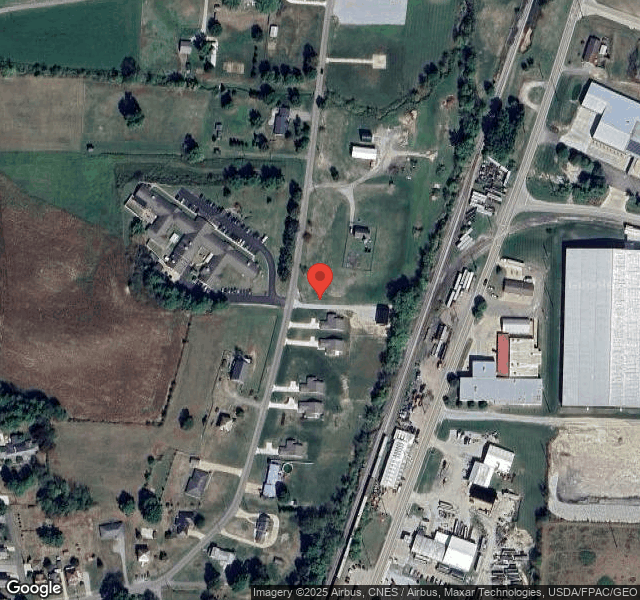

130 BUENA VISTA STREET, BALTIC, OH 43804 (330) 897-4311
For profit - Limited Liability company 85 Beds FOUNDATIONS HEALTH SOLUTIONS Data: November 2025
Trust Grade
95/100
#125 of 913 in OH
Last Inspection: May 2025

Inspected within the last 6 months. Data reflects current conditions.

Overview

Oak Pointe Nursing & Rehabilitation in Baltic, Ohio has received an impressive Trust Grade of A+, indicating it is an elite facility and among the best in the area. It ranks #125 out of 913 nursing homes in Ohio, placing it in the top half, and is the top-rated facility among 5 in Holmes County. However, the facility is currently experiencing a worsening trend, with reported issues increasing from 1 in 2024 to 2 in 2025. Staffing is average with a 3/5 star rating, and while the turnover rate of 18% is significantly better than the state average, there is concerning RN coverage that is less than 78% of other facilities. On the positive side, the facility has not incurred any fines, which is a good sign, and there are no critical or serious health concerns noted. Specific incidents of concern include a lack of RN coverage for eight consecutive hours on multiple days, potentially affecting all residents, and issues with cleanliness, as some residents reported dirty linens and furniture in disrepair.

Trust Score
A+
95/100
In Ohio
#125/913
Top 13%
Safety Record
Low Risk
No red flags
Inspections
Getting Worse
1 → 2 violations
Staff Stability
✓ Good
18% annual turnover. Excellent stability, 30 points below Ohio's 48% average. Staff who stay learn residents' needs.
Penalties
✓ Good
No fines on record. Clean compliance history, better than most Ohio facilities.
Skilled Nurses
⚠ Watch
Each resident gets only 26 minutes of Registered Nurse (RN) attention daily — below average for Ohio. Fewer RN minutes means fewer trained eyes watching for problems.
Violations
⚠ Watch
11 deficiencies on record. Higher than average. Multiple issues found across inspections.
★★★★★
5.0
Overall Rating
★★★☆☆
3.0
Staff Levels
★★★★★
5.0
Care Quality
★★★★★
5.0
Inspection Score
Stable
2024: 1 issues
2025: 2 issues

The Good

  • 5-Star Quality Measures · Strong clinical quality outcomes
  • Low Staff Turnover (18%) · Staff stability means consistent care
  • Full Sprinkler Coverage · Fire safety systems throughout facility
  • No fines on record
  • Staff turnover is low (18%)

    30 points below Ohio average of 48%

Facility shows strength in quality measures, staff retention, fire safety.

The Bad

Chain: FOUNDATIONS HEALTH SOLUTIONS

Part of a multi-facility chain

Ask about local staffing decisions and management

The Ugly 11 deficiencies on record

May 2025 2 deficiencies
CONCERN (D)

Potential for Harm - no one hurt, but risky conditions existed

PASARR Coordination (Tag F0644)

Could have caused harm · This affected 1 resident

**NOTE- TERMS IN BRACKETS HAVE BEEN EDITED TO PROTECT CONFIDENTIALITY** Based on observation, medical record review, review of the pre-admission screening and resident review (PASARR) assessment, and ...

Read full inspector narrative →
**NOTE- TERMS IN BRACKETS HAVE BEEN EDITED TO PROTECT CONFIDENTIALITY** Based on observation, medical record review, review of the pre-admission screening and resident review (PASARR) assessment, and staff interview, the facility failed to implement specialized services as indicated in the PASARR level II outcome determination letter. This affected one (#50) of three residents reviewed for PASARR. The facility census was 82. Findings include: Medical record review revealed Resident #50 was admitted on [DATE] with diagnoses including schizoaffective bipolar type disorder, delusional disorder, panic disorder, auditory hallucinations, psychosis, suicidal ideations, depression, generalized anxiety, and insomnia. Review of the care plan: PASARR recommendations due to significant change dated 01/11/24 revealed interventions for interdisciplinary team to review the PASARR recommendations and follow recommendations as able or applicable. There was no evidence the other recommended services were added to the care plan after the PASARR determination letter was received approving Specialized Services on 02/03/25. Review of the significant change Minimum Data Set (MDS) 3.0 assessment dated [DATE] revealed Resident #50's PASARR level II conditions indicated there resident had a serious mental illness and had been discharged to an inpatient psychiatric facility. Review of the PASARR level II outcome report dated 02/03/25 revealed it was determined Resident #50 was appropriate for nursing facility services with approved Specialized Services. The following behavioral health services were required to be provided by the nursing facility including: a crisis intervention plan, a behavior management safety plan to decrease inappropriate behaviors and ensure safety, ongoing evaluation of the effectiveness of current psychotropic medication on target symptoms, ongoing medication review by a psychiatrist or similarly credentialed professional, mental health counseling, and a behaviorally based treatment plan. The reason for those services was to reduce mental health symptoms and provide supports. Other recommended services the resident would need to be provided by the certified nursing facility included but were not limited to : self-health care management training, activities of daily living (ADL) training, therapy evaluations, skills training, adaptive equipment evaluation, and structured therapeutic activities. The reason for the above supports was to promote health, wellness and independence. There was no evidence in Resident #50's medical record of a crisis intervention plan or behavior management safety plan as required or other recommendations as indicated in the PASARR determination letter dated 02/03/25. On 05/27/25 at 12:17 P.M., observation and interview revealed Resident #50 was laying in bed and refused to acknowledge Registered Nurse (RN) #215 or speak to the surveyor. RN #215 stated Resident #50 has not been receptive to staff and stated Resident #50 might need her medications adjusted. RN #215 stated Resident #50 was seen by the psychiatrist but did not know if the resident had a crisis plan. On 05/28/25 at 3:03 P.M., interview with Clinical Coordinator/Licensed Practical Nurse #271 verified there was no evidence the required PASARR services had been implemented after Resident #50 was approved for Specialized Services on 02/03/25. On 05/29/25 at 8:07 A.M., interview with Social Service Designee (SSD) #273 verified Resident #50's PASARR was approved with specialized services and these had not been addressed to date. On 05/29/25 at 9:40 A.M., interview with SSD #273 stated when he receives the PASARR Level II outcomes, he reviews the determination and then he was to update the care plan. SSD #273 notifies the clinical coordinator and physician to see if they want to order any of those services on the determination letter. SSD #273 stated he did not realize the behavioral health services and Specialized Services were required to be provided per the determination letter by the admitting nursing facility.
CONCERN (D)

Potential for Harm - no one hurt, but risky conditions existed

Unnecessary Medications (Tag F0759)

Could have caused harm · This affected 1 resident

**NOTE- TERMS IN BRACKETS HAVE BEEN EDITED TO PROTECT CONFIDENTIALITY** Based on observation, medical record review, policy review, review of manufacturer guidelines and Medscape guidance, and staff i...

Read full inspector narrative →
**NOTE- TERMS IN BRACKETS HAVE BEEN EDITED TO PROTECT CONFIDENTIALITY** Based on observation, medical record review, policy review, review of manufacturer guidelines and Medscape guidance, and staff interview, the facility failed to ensure their medication error rate did not exceed five percent (%). Nine errors occurred within 26 opportunities for an error rate of 34.6%. This affected three (#17, #62, and #72) of five residents observed for medication administration. The facility census was 82. Findings include: 1. Medical record review revealed Resident #17 was admitted on [DATE] with diagnoses including schizophrenia, paraplegia, congestive heart failure, and anxiety disorder. Review of Resident #17's physician orders dated May 2025 revealed to administer medications upon rising which included Aripiprazole (antipsychotic) 7.5 milligrams (mg). Review of the pharmacy pre-packaged pouch labeled At Rise for Resident #17 dated 05/27/25 revealed the pouch included Aripiprazole 7.5 mg with instructions 'Do Not Crush'. On 05/27/25 between 9:26 A.M. and 9:35 A.M., observation revealed Licensed Practical Nurse (LPN) #255 prepared Resident #17's medications including Aripiprazole and eight other medications. LPN #22 placed the nine medications into a plastic sleeve including the Aripiprazole and crushed the medications. LPN #255 put the crushed tablets in pudding and administered the medications to Resident #17. On 05/27/25 at 9:57 A.M., interview with LPN #255 verified she crushed Resident #17's Aripiprazole and the pharmacy instructions on the pre-packaged pouch indicated do not crush Aripiprazole. Review of Medscape guidance found at https://reference.medscape.com/drug/Abilify-maintena-aristada-aripiprazole-342983#11 revealed to swallow tablet whole; do not divide, crush, or chew. 2. Medical record review revealed Resident #72 was admitted on [DATE] with diagnoses including anxiety, Alzheimer's disease, hypertension and psychosis. Review of the physician orders dated May 2025 revealed to administer medications including tramadol (opioid), ativan (anxiety), benazepril (blood pressure), Colace (stool softener), famotidine (gastroesophageal reflex disease), Meloxicam (nonsteroidal anti-inflammatory), Miralax (stool softener), and lactulose liquid (stool softener). On 05/27/25 between 9:38 A.M. and 9:55 A.M., observation revealed Licensed Practical Nurse (LPN) #255 prepared Resident #72's At Rise medications including tramadol, ativan, benazepril, colace, famotidine and Meloxicam into a plastic sleeve, crushed the medications and put the crushed tablets in pudding. LPN #255 prepared Resident #72's Miralax in six ounces of water, lactulose liquid dose was poured into a glass of nutritional supplement and the above medications were taken to the lounge area where Resident #72 was seated in a specialty wheelchair. LPN #255 was observed scooping the crushed medications from the medication cup with a plastic spoon into Resident #72's mouth. The resident was observed to take the crushed medications in pudding that was heaping above the rim of the spoon; however, the bowl of the plastic spoon remained full of crushed medications and pudding. LPN #255 poured the liquid lactulose into the nutritional supplement and Resident #72 drank approximately five ounces of the nutritional supplement. The remaining doses of the crushed medications and liquid medications were all discarded in the trash. On 05/27/25 at 9:57 A.M., interview with LPN #255 verified the entire dose of crushed medications and liquid medication were not administered to Resident #72 and had been discarded in the trash. LPN #255 was unable to state which medications and how much of the medication was left in the pudding or nutritional supplement due to the medications were mixed together. 3. Medical record review revealed Resident #62 was admitted on [DATE] with diagnoses including congestive heart failure. Review of the physician orders dated May 2025 revealed to administer medications including Eliquis (anticoagulant), Lasix (diuretic), and Sacubitril-Valsartan (treats heart failure; also known as Entresto). On 05/28/25 at 3:30 P.M., observation of Resident #62's medication administration revealed Registered Nurse (RN) #281 placed Eliquis, Lasix and Sacubitril-Valsartan into a plastic sleeve, crushed the medication, put the crushed tablets in chocolate pudding and administered the medications to Resident #62. On 05/28/25 at 3:57 P.M., interview with RN #281 verified the above observation and stated the medications including Sacubitril-Valsartan were crushed because Resident #62 would chew the medications if not crushed. Review of the Novartis: Entresto manufacturer guidelines dated April 2024 does not recommend the splitting or crushing of Entresto. If you cannot swallow tablets, or if tablets are not available in the prescribed strength, you may take Entresto tablets prepared as a liquid (oral) suspension or may take Entresto sprinkle. Review of the policy titled Medication Administration dated 06/21/17 revealed medications were to be administered by legally-authorized and trained persons in accordance to applicable state, local and federal lows and consistent with accepted standards of practice.
Jan 2024 1 deficiency
CONCERN (F)

Potential for Harm - no one hurt, but risky conditions existed

Deficiency F0727 (Tag F0727)

Could have caused harm · This affected most or all residents

THE FOLLOWING DEFICIENCY REPRESENTS AN INCIDENT OF PAST NON-COMPLIANCE THAT WAS SUBSEQUENTLY CORRECTED PRIOR TO THIS SURVEY. Based on review of nursing schedules, employee time punch review and interv...

Read full inspector narrative →
THE FOLLOWING DEFICIENCY REPRESENTS AN INCIDENT OF PAST NON-COMPLIANCE THAT WAS SUBSEQUENTLY CORRECTED PRIOR TO THIS SURVEY. Based on review of nursing schedules, employee time punch review and interviews, the facility failed to ensure a registered nurse was scheduled for eight consecutive hours every day. This had the potential to affect all 81 residents. Findings include: Review of nursing schedules and time punches for the days dated 04/08/23, 04/09/23, 04/22/23, 05/06/23, 05/07/23, 05/20/23 and 06/17/23 revealed there was no registered nurse (RN) coverage for eight consecutive hours. During an interview on 01/30/24 at 1:43 P.M. with the Administrator verified the facility had no RN coverage for eight consecutive hours on the following dates 04/08/23, 04/09/23, 04/22/23, 05/06/23, 05/07/23, 05/20/23, and 06/17/23. The deficient practice was corrected on 10/15/23 when the facility implemented the following corrective actions: - Actively recruited RN hires for both day and night shift positions. - Audited third quarter nurse schedules to ensure minimum qualifications were met. - Educated clinical staff on the need for eight hours of continually RN coverage seven days a week. - Continual monitoring of nurse schedules to ensure RN staffing levels are meeting at least the minimum requirements.
Feb 2022 8 deficiencies
CONCERN (D)

Potential for Harm - no one hurt, but risky conditions existed

ADL Care (Tag F0677)

Could have caused harm · This affected 1 resident

Based on observation, record review, staff interview and facility policy review the facility failed to ensure Resident #36, who required staff assistance for activities of daily living was provided ad...

Read full inspector narrative →
Based on observation, record review, staff interview and facility policy review the facility failed to ensure Resident #36, who required staff assistance for activities of daily living was provided adequate and timely nail care. This affected one resident (#36) of six residents reviewed for activities of daily living (ADL) care. The facility census was 80. Findings include: Review of the medical record for Resident #36 revealed an initial admission date of 09/25/20 and a readmission date of 01/06/21. Resident #36 had diagnosis including dementia with behavioral disturbance. Review of the quarterly Minimum Data Set (MDS) assessment, dated 12/13/21 revealed the resident had impaired cognition with a Brief Interview of Mental Status (BIMS) score of 99 (indicating the resident was unable to complete the interview). Behaviors included inattention, disorganized thinking, hallucinations, delusions, verbal behavioral symptoms directed towards others and other behavioral symptoms not directed towards others. The assessment revealed the resident required extensive assistance of one to two or more staff for all activities of daily living (ADL) care. Review of the care plan, dated 12/14/21 revealed the resident required assistance with ADL's and may be at risk for developing complications associated with decreased ADL self-performance. Interventions included diabetic nail care and grooming (nails/shave/hair) assistance as needed. Observation on 02/14/22 at 11:59 A.M. of Resident #36 revealed he had dirt under his fingernails on his left hand. Observation on 02/14/22 at 2:57 P.M. of Resident #36 revealed his left-hand nails were dirty, uneven, and jagged. Interview on 02/15/22 at 10:56 A.M. with Resident #36 revealed staff did not clean or trim his fingernails. The resident confirmed he would like to have nail care. Observation on 02/15/22 at 10:56 A.M. of Resident #36's nails revealed black debris under his left-hand nails and his right-hand nails were jagged and uneven. Interview on 02/15/22 at 10:58 A.M. with State Tested Nursing Assistant (STNA) #844 confirmed the resident's nails had dirt under them and they were long, uneven and jagged. The STNA revealed nail care was to be completed with every shower/bath. She revealed nail care included cleaning under the fingernails with an orange stick, then cutting and filing the nails. She revealed residents' showers/baths were completed on a resident to resident basis, but most residents were showered at least three times per week. Review of the facility policy titled, Care of Fingernails/Toenails dated 07/2006 revealed nail care included daily cleaning and regular trimming. Further review of the policy revealed fingernails were to be trimmed in an oval shape then smoothed with a nail file or emery board. The policy revealed trimmed and smooth nails prevent the resident from accidentally scratching and injuring his skin.
CONCERN (D)

Potential for Harm - no one hurt, but risky conditions existed

Deficiency F0744 (Tag F0744)

Could have caused harm · This affected 1 resident

**NOTE- TERMS IN BRACKETS HAVE BEEN EDITED TO PROTECT CONFIDENTIALITY** Based on record review, review of a facility self-reported incident (SRI) and interview the facility failed to develop and imple...

Read full inspector narrative →
**NOTE- TERMS IN BRACKETS HAVE BEEN EDITED TO PROTECT CONFIDENTIALITY** Based on record review, review of a facility self-reported incident (SRI) and interview the facility failed to develop and implement a comprehensive and individualized behavioral management plan for Resident #44 to effectively and timely identify and manage resident behaviors to prevent an altercation and assist the resident in maintaining her highest level of total well-being. This affected one resident (#44) of three residents reviewed for abuse. Findings include: Review of Resident #44's medical record revealed the resident was admitted to the facility on [DATE] with diagnoses including unspecified dementia with behavioral disturbance, muscle weakness and need for assistance with personal care. Review of Resident #44's admission Minimum Data Set (MDS) 3.0 assessment, dated 03/03/21 revealed the resident had memory impairment. Review of the dementia care plan for Resident #44 revealed the resident had altered cognitive function related to dementia, anxiety and a mood disorder. Interventions included to be patient with the resident, ensure resident's physiological needs were met, provide medication as ordered, monitor for signs or symptoms of frustration and take measures to remove these, offer verbal reminders and cues as necessary, provide a calm and relaxing environment, and use a calm and relaxed tone during conversations. Review of a facility self-reported incident (SRI), tracking number 206234, dated 05/15/21 revealed the facility reported an allegation of physical abuse involving Resident #44. A brief description of allegation/suspicion revealed an allegation of staff to resident altercation. The SRI included a narrative summary of the incident indicating during resident care with Resident #44, who was combative, a staff member made contact to posterior head of the resident with her hand. During the shift the resident was noted to have extreme agitation, verbal and physical aggression, delusions and exhibiting response to internal stimuli. The resident had previously been transferring and ambulating independently throughout lounge and dining room area, which was directly across from the nurse's station. During the period of restlessness and agitation staff were noted to be seated at nurse's station providing direct supervision to ensure safety and close monitoring of the resident. During the time period, the resident had pushed a dining room chair close to nurse's station and sat down, which placed the resident out of direct view of staff. Per a staff interview with the alleged wrongdoer, the staff member indicated she had come from behind the nurse's station and placed herself directly behind the resident, who was seated in a chair in front of the nurse's station to provide one on one to the resident. Upon staff attempt to provide one to one monitoring for safety the resident was noted to become increasingly more agitated towards staff and began flailing her arms and attempting to strike out at staff. The alleged wrongdoer attempted to provide verbal cues and reassurance with no effect resulting in staff attempting to calm the resident and gain attention of the resident, with staff reporting at that time that the alleged wrongdoer made contact to the posterior head of Resident #44 with an open hand. The resident was then assisted to a standing position and assisted to ambulate to her room where she was toileted and offered a change in environment to decrease stimuli and attempt to calm the resident. The SRI revealed once toileting and care were provided, Resident #44 was assisted to bed with a decrease in physical aggression and combative behaviors noted. The facility investigation included a witness statement from State Tested Nursing Assistant (STNA) #801, dated 05/15/21 that indicated STNA #802 punched Resident #44 in the back of her head with a closed fist. The statement revealed the resident was not hit with a full force but enough to startle the resident. The resident was yelling and saying she is hurting me. A statement from STNA #802, dated 05/15/21 revealed the STNA tried to get the resident's attention by tapping her on her head. On 02/16/22 at 6:10 A.M. interview with STNA #801 regarding the incident that had occurred on 05/15/21 revealed Resident #44 was really confused, combative and verbally calling the staff names while sitting in a chair at the nursing desk. During the interview, STNA #801 reported STNA #802 was behind the resident and used a closed fist to hit the resident in the back of her head. STNA #801 denied the resident sustained any injuries. On 02/16/22 at 6:16 A.M. interview with STNA #802 revealed she tapped the resident on the back of her head using an open palm to get the resident's attention. During the interview, the STNA confirmed she did not preserve the resident's dignity at all times while attempting to manage the resident's behaviors on this date. On 02/16/22 at 6:19 A.M. interview with the Administrator revealed she interviewed both STNA #801 and STNA #802 involved in the incident with Resident #44 and she was aware of the conflicting statements of the two staff members. She stated after completion of the investigation, she felt the incident resulted in Resident #44 not being treated with dignity. As a result of the incident, the Administrator revealed STNA #802 was counseled and educated on managing resident behaviors.
CONCERN (D)

Potential for Harm - no one hurt, but risky conditions existed

Deficiency F0790 (Tag F0790)

Could have caused harm · This affected 1 resident

Based on observation, record review, interview and facility policy review the facility failed to ensure Resident #36 was provided adequate and timely dental services. This affected one resident (#36) ...

Read full inspector narrative →
Based on observation, record review, interview and facility policy review the facility failed to ensure Resident #36 was provided adequate and timely dental services. This affected one resident (#36) of four residents reviewed for dental care. The facility census was 80. Findings include: Review of the medical record for Resident #36 revealed an initial admission date of 09/25/20 and a readmission date of 01/06/21 with a diagnosis including dementia with behavioral disturbance. Review of the quarterly Minimum Data Set (MDS) assessment, dated 12/13/21 revealed the resident had impaired cognition with a Brief Interview of Mental Status (BIMS) score of 99 (indicating the resident was unable to complete the interview). The assessment revealed the resident had behaviors including inattention, disorganized thinking, hallucinations, delusions, verbal behavioral symptoms directed towards others, and other behavioral symptoms not directed towards others. The assessment revealed the resident required extensive assistance from one to two or more staff for all activities of daily living (ADL) care. Review of the care plan, dated 12/14/21 revealed Resident #36 had impaired dentition and was at risk for problems related to wearing dentures (uppers and lowers). Interventions included if dentures were ill fitting to contact social services to make arrangements to get dentures adjusted, consult the dentist as needed, dentures to be worn for meals and monitor for ill-fitting dentures. Review of the quarterly oral examination dated 12/20/21 confirmed the resident was edentulous, had no broken teeth and revealed the resident wore dentures (uppers and lowers) most of the time. On 02/14/22 at 2:45 P.M. Resident #36 revealed he had upper and lower dentures that he believed were at his home. The resident denied seeing a dentist recently and stated his lower denture needed an adjustment. On 02/16/22 at 11:25 A.M. interview with State Tested Nursing Assistant (STNA) #844 revealed Resident #36 had a top denture but no bottom denture. The STNA was unable to recall ever seeing the resident with a bottom denture. On 02/16/22 at 2:55 P.M. during an interview with the Director of Nursing (DON), the DON was asked for additional information for the resident related to dental care/services. On 02/16/22 at 3:05 P.M. interview with the Administrator revealed the resident had upper and lower dentures up until approximately two weeks ago according to the completed oral assessment and the last time the dietician observed the resident's dentures. The Administrator revealed the resident was going to be scheduled with the dentist since he reported to her that his bottom dentures were ill fitting. She also revealed the resident told her he put the lower dentures in a shoe box at home, so the administrator assumed the resident had thrown them out. On 02/16/21 at 3:18 P.M. interview with Social Worker (SW) #814 revealed the resident was not seen by the dentist because the VA dictates when he would be seen by the dentist. She stated the resident was not seen by the in-house dentist because it was her belief the resident's family wanted him to only be seen by the VA. SW #814 was unsure when the resident had last been seen by the dentist. She stated she would contact the VA and obtain dental records. On 02/16/22 at 3:28 P.M. interview with Resident #36's wife revealed the resident had upper and lower dentures and had a history of removing his teeth and laying them wherever. The resident's wife revealed the resident had dentures in the facility although they were not in his mouth when she last visited in November 2021. The resident's wife revealed the resident usually goes to the VA to see the dentist and denied being offered in house dental services since the resident's admission. On 02/17/22 at 10:45 A.M. Resident #36 was observed sitting in a wheelchair in the dining room. The resident did not have any dentures in. Interview with the resident at the time of the interview revealed he had put his upper dentures in yesterday after speaking to the surveyor, but could not find his lower denture. On 02/17/22 at 10:57 A.M. interview with STNA #843 verified the resident only had an upper denture at this time and no lower denture. On 02/17/22 at 11:34 A.M. interview with Social Worker (SW) #814 revealed she was unable to obtain the resident's dental records since the resident was transferred from an out of state VA to a local VA and the entities do not communicate with each other and the records did not flow over. She stated she scheduled the resident for a dentist appointment for his lower denture. She stated she would not have scheduled the dentist appointment prior due to it being the VA's responsibility unless there was a specific reason for a dentist appointment and she stated she did not know there had been any dental need prior to this date. SW #814 confirmed the resident did not have a dental consent on file stating she asked him verbally on admission about it. She also confirmed the resident's dental service needs should have been care planned. Review of the facility policy titled Dental Services, dated 11/14/17 revealed the facility would refer the resident for dental services within three days or as soon as practicable for residents with lost or damaged dentures. Further review of the policy revealed the facility would assist the resident with making dental appointments and arranging transportation to and from the dental service location. The policy continued by revealing the facility would review and update the plan of care for residents or resident representatives who did not wish to be referred for dental services.
CONCERN (D)

Potential for Harm - no one hurt, but risky conditions existed

Medical Records (Tag F0842)

Could have caused harm · This affected 1 resident

**NOTE- TERMS IN BRACKETS HAVE BEEN EDITED TO PROTECT CONFIDENTIALITY** Based on observation, record review and interview the facility failed to ensure the accurate documentation for thromboembolic de...

Read full inspector narrative →
**NOTE- TERMS IN BRACKETS HAVE BEEN EDITED TO PROTECT CONFIDENTIALITY** Based on observation, record review and interview the facility failed to ensure the accurate documentation for thromboembolic deterrent (TED) hose and an ankle-foot orthosis (AFO) device for Resident #20. This affected one resident (#20) of one resident reviewed for edema. Findings include: Review of Resident #20's medical record revealed the resident was admitted to the facility on [DATE] with diagnoses including Parkinson's disease, morbid obesity, chronic obstructive pulmonary disease, diabetes mellitus, thrombocytopenia, and acute embolism and thrombosis of deep vein of left lower extremity. Review of the 11/19/21 quarterly Minimum Data Set (MDS) 3.0 assessment revealed the resident was moderately impaired for daily decision making, hallucinated and had delusions. The resident had verbal behavioral symptoms directed towards others (e.g., threatening others, screaming at others, cursing at others) one to three days of the assessment period and other behavioral symptoms not directed towards others (e.g., physical symptoms such as hitting or scratching self, pacing, rummaging, public sexual acts, disrobing in public, throwing, or smearing food or bodily wastes, or verbal/vocal symptoms like screaming, disruptive sounds) four to six days of the review review period. The assessment revealed the resident did not reject care, required extensive assistance from one staff for bed mobility and extensive assist from two staff for transfers. The resident did not receive scheduled pain medication but received as needed pain medication. The resident's pain was assessed to be almost constant and made it hard to sleep at night but did not limit activities. She said her pain was rated a ten on a scale of 0-10 with ten being the worst. Review of the resident's current physician's orders revealed an order (initiated 06/01/20) for an AFO to the left lower leg. The order indicated the AFO may be taken off for personal care and hygiene and remove at bedtime (HS). Check skin integrity daily to bilateral lower extremities (BLE) two times a day for brace (AFO) on in A.M. and off at HS and an order (initiated 08/17/20) for bilateral compression hose on in A.M. and off at bedtime (HS) two times a day for edema. On 02/14/22 at 11:56 A.M. and 1:27 P.M. and on 02/15/22 at 10:08 A.M. observation of Resident #20 revealed the resident had bilateral lower leg edema, had slipper socks on with swelling bulging over the top of the socks. The resident did not have on TED hose or an AFO. On 02/15/22 at 10:08 A.M. interview with Resident #20 revealed she had them but doesn't wear the TED hose because they leave lines on her legs. She said she doesn't like the AFO device. On 02/15/22 at 10:32 A.M. interview with State Tested Nursing Assistant (STNA) #815 revealed Resident #20 did not wear TED hose. The STNA revealed the resident's legs were usually still swollen in the morning even after being in bed at night. On 02/15/22 at 10:38 A.M. interview with Licensed Practical Nurse (LPN) #829 revealed Resident #20 refused to wear TED hose. On 02/16/22 at 11:13 A.M. Resident #20 was observed in the dining room getting ready for lunch. The resident was observed to have bilateral lower leg edema with slipper socks half off. She did not have on TED hose or an AFO in place. Review of the Treatment Administration Record (TAR) revealed Resident #20 had TED hose and the AFO documented as being in place every day from 02/01/22 through 02/14/22. However, based on the above observations and interview, neither device was in place on 02/14/22 even though staff documented they were. Review of the January 2022 TAR reflected the application of the AFO and TED hose everyday with the exception of 01/31/22. The December 2021 TAR revealed the application of the AFO was documented as ordered with the exception of 12/16/21 and 12/29/21 which noted the resident had refused on those dates. The application of the TED hose was documented as being applied as ordered with the exception of 12/15/21, 12/16/21 and 12/29/21 when the resident refused. The November 2021 TAR revealed the AFO and TED hose were applied as ordered except for on 11/05/21 when the resident refused. On 02/16/22 at 2:22 P.M. interview with Licensed Practical Nurse (LPN) #80 revealed the resident cycled. There were times she would wear the TED hose and AFO as ordered. LPN #80 revealed the last time she saw the resident with TED hose on was one day last week. LPN #80 revealed after medications were administered she completed resident documentation. The LPN revealed she documented yes, the TED hose and AFO device were in place out of habit and without actually verifying the application of the devices which resulted in the resident's medical record being inaccurate.
CONCERN (E)

Potential for Harm - no one hurt, but risky conditions existed

Safe Environment (Tag F0584)

Could have caused harm · This affected multiple residents

Based on observation, record review and interview the facility failed to ensure all residents had clean linen and furniture in good repair. This affected five residents (#12, #23, #33, #45 and #76) of...

Read full inspector narrative →
Based on observation, record review and interview the facility failed to ensure all residents had clean linen and furniture in good repair. This affected five residents (#12, #23, #33, #45 and #76) of 80 residents residing in the facility. Findings include: The following environmental concerns were identified during the annual recertification survey: a. On 02/14/22 at 1:43 P.M. interview with Resident #76 revealed concerns her bedspread and bed sheets were dirty. She said her sheets had only been changed three times since she arrived to the facility. The resident said she had spilled pop on her bedspread. On 02/14/22 at 1:45 P.M. observation of the resident's bed revealed there were approximately seven brown areas on the bedspread covering an approximate three foot by three foot area of the white bedspread. There were also brown areas on the fitted mattress sheet and pillow case. On 02/16/22 at 11:16 A.M. observation of the resident's bed revealed her pillow case had red/brown marks on it as well as the fitted sheet. The bedspread had six to seven brown areas as observed 02/14/22. On 02/16/22 at 11:13 A.M. interview with State Tested Nursing Assistant (STNA) #815 revealed the residents were to get their sheets changed on shower days. She indicated Resident #76 was a night shift shower. On 02/16/22 at 11:27 A.M. interview with STNA #815 revealed Resident #76 gets a shower every Tuesday, Thursday and Saturday. STNA #815 indicated the resident had a shower the night prior. STNA #815 stated the resident should of had her sheets changed the night prior when she received her shower. STNA #815 verified the sheets were soiled and not changed. On 02/16/22 at 12:25 P.M. observation and interview with the administrator verified the resident's bed sheets and bedspread were soiled. On 02/16/22 at 3:53 P.M. interview with the Administrator revealed the facility did not have a policy to change sheets. b. On 02/14/22 between 9:20 A.M. and 5:57 P.M. observations on the Behavior Unit revealed the following: Resident #12's over bed table was delaminating on three of the four sides. Resident #23's over bed table was in disrepair delaminating. Resident #33 did not have an over bed table. Resident #45 did not have a bedside table in his room. Resident #76's over bed table was delaminating on the top left corner and damaged in about a six inch area. On 02/16/22 at 12:19 P.M. interview with Maintenance #900 revealed the facility did not have any extra furniture for the resident rooms. On 02/16/22 at 12:25 P.M. observation and interview with the Administrator verified the above residents had damaged over bed tables on the Behavior Unit. The Administrator verified not all residents had bedside and over bed tables. The Administrator revealed she had orders a few over bed tables for no certain residents. The facility presented an invoice dated 02/04/22 where they ordered seven new over bed tables that had not been delivered as of this date.
CONCERN (E)

Potential for Harm - no one hurt, but risky conditions existed

Menu Adequacy (Tag F0803)

Could have caused harm · This affected multiple residents

Based on observation, record review and interview the facility failed to ensure the correct serving size was used during the preparation of the pureed protein (beef) on 02/15/22. This had the potentia...

Read full inspector narrative →
Based on observation, record review and interview the facility failed to ensure the correct serving size was used during the preparation of the pureed protein (beef) on 02/15/22. This had the potential to affect 17 residents (#9, #42, #13, #52, #41, #7, #55, #22, #43, #63, #2, #44, #18, #72, #3, #38 and #34) of 17 residents who were ordered a pureed diet. The facility census was 80. Findings include: Review of the facility provided menu spreadsheet, dated 11/17/21 revealed for the dinner meal on 02/15/22 residents on a pureed diet were to receive two #10 scoops (six ounces (oz)) of beef. On 02/15/22 beginning at 3:32 P.M. interview with [NAME] #850 revealed there were 17 residents (Resident #9, #42, #13, #52, #41, #7, #55, #22, #43, #63, #2, #44, #18, #72, #3, #38 and #34) who were on a pureed diet and one of those 17 residents received double portions. The cook was observed to remove the beef stir fry to puree and indicated she was using a number six (#6) scoop to measure out 20 servings of beef stir fry to puree. [NAME] #850 indicated the number six scoop was equivalent to six ounces (oz). On 02/15/22 at 4:25 P.M. observation of the dinner meal tray line revealed [NAME] #850 was serving each resident on a pureed diet one scoop of protein (beef) using a number six scoop. On 02/15/22 at 4:26 P.M. interview with [NAME] #850 confirmed she was using a #6 scoop (which was 5.33 oz) to portion out the meal tray for each resident on a pureed diet. Review of a facility provided measurement conversion document revealed a #6 scoop equaled 2/3 of a cup or 5.33 ounces. Further review of the measurement conversion revealed a number ten (#10) scoop was 3/4 of a cup (three ounces) and two scoops were equal to six-ounce servings. On 02/15/22 at approximately 4:30 P.M. interview with [NAME] #850 and Dietary Manager #818 confirmed the residents were receiving 0.67 ounces less than the planned menu when the cook used the #6 scoop instead of two of the #10 scoops. The cook incorrectly identified the #6 scoop as a six ounce serving when it was actually 5.33 oz. On 02/15/22 at 4:51 P.M. during an interview with Dietary Manager (DM) #818, the DM did not dispute the pureed beef was not served with the correct serving scoop, resulting in the residents receiving less protein than the menu called for.
CONCERN (E)

Potential for Harm - no one hurt, but risky conditions existed

Deficiency F0804 (Tag F0804)

Could have caused harm · This affected multiple residents

Based on observation, record review and interview the facility failed to ensure milk served during the dinner meal on 02/15/22 to residents on the secured unit was served at a proper and palatable tem...

Read full inspector narrative →
Based on observation, record review and interview the facility failed to ensure milk served during the dinner meal on 02/15/22 to residents on the secured unit was served at a proper and palatable temperature. This had the potential to affect 11 residents (#18, #72, #31, #5, #69, #5, #45, #23, #71, #60 and #3) of 41 residing on the secured unit who received milk with their evening meal. The facility census was 80. Findings include: On 02/15/22 at 4:40 P.M. a half gallon of milk was observed sitting on a paper towel on the counter of the small dining room on the secured unit. On 02/15/22 at 4:41 P.M. interview with State Tested Nursing Assistant (STNA) #826 revealed the half gallon of milk had been removed from the hot beverage cart, before it was removed from the dining room by kitchen staff, to provide the residents with milk when their meals were served. The STNA revealed it was the procedure to remove the milk from the beverage cart prior to the cart being taken back to the kitchen. She confirmed the milk remained on the counter while waiting for the residents meals and then indicated a glass was poured for the residents who wanted milk once their meal tray arrived. STNA #826 confirmed the milk sat out on the counter until all the meal trays were passed and the last resident was served. The milk was then returned to the kitchen. On 02/15/22 at 4:41 P.M. a glass of milk from the half gallon sitting out on the counter was poured and the temperature was taken by Dietary Manager (DM) #818. The milk temperature was 46 degrees Fahrenheit. The findings were confirmed with Dietary Manager #818 who indicated the milk should have been stored in the provided bucket of ice. DM #818 then obtained a new half gallon of milk to provide the residents. On 02/15/22 at 4:49 P.M. the last resident meal was provided and a glass of milk was poured from the half gallon of milk that remained sitting on the counter. The temperature of the milk was taken and it was 47.6 degrees. The findings were confirmed with Dietary Manager #818 at the time of the observation. On 02/15/22 at 5:20 P.M. interview with STNA #826 revealed 11 residents, Resident #18, #72, #31, #5, #69, #5, #45, #23, #71, #60 and #3 would have received the milk from this container (which was not the proper temperature) with their evening meal. On 02/16/22 at 12:51 P.M. interview with Dietician #829 revealed the facility did not have a cold food storage policy and indicated they follow the federal guidelines. Review of the Ohio Department of Health website (https://odh.ohio.gov/know-our-programs/food-safety-program/fact-sheets-for-consumers) titled Food Safety Fact Sheets for Consumer revealed cold foods needed to be kept below 41° F. A cooler with ice or gel packs should be used to keep the foods cold.
CONCERN (E)

Potential for Harm - no one hurt, but risky conditions existed

Deficiency F0805 (Tag F0805)

Could have caused harm · This affected multiple residents

Based on observation, facility policy and procedure review and interview the facility failed to ensure pureed protein (beef) was prepared at the correct consistency and prepared in a form to meet each...

Read full inspector narrative →
Based on observation, facility policy and procedure review and interview the facility failed to ensure pureed protein (beef) was prepared at the correct consistency and prepared in a form to meet each residents needs. This had the potential to affect 17 residents (#9, #42, #13, #52, #41, #7, #55, #22, #43, #63, #2, #44, #18, #72, #3, #38 and #34) of 17 residents who were ordered a pureed diet. The facility census was 80. Findings include: Review of the facility provided menu spreadsheet, dated 11/17/21 revealed for the dinner meal on 02/15/22 residents on a pureed diet were to receive two #10 scoops (six ounces (oz)) of beef. On 02/15/22 beginning at 3:32 P.M. interview with [NAME] #850 revealed there were 17 residents (Resident #9, #42, #13, #52, #41, #7, #55, #22, #43, #63, #2, #44, #18, #72, #3, #38 and #34) who were on a pureed diet and one of those 17 residents received double portions. Observation of the pureed process with [NAME] #850 revealed the cook used a number six (#6) scoop, (5.33 ounce (oz)) to remove servings of the beef stir fry to puree. The cook placed ten #6 scoops of beef in the food processor and turned it on, allowing it to puree. The beef was removed from the food processor and the process repeated for 10 additional servings. During the observation, there was no evidence the cook was following a recipe or that she had referred to a recipe to detail the steps involved in the process to puree the beef stir fry. Upon completion of the pureed process, the surveyor requested to taste the food. Observation and tasting of the beef stir fry, with [NAME] #805 and Dietary Manager (DM) #818 present revealed the food contained a piece of broccoli that was still intact and that had not been properly pureed. On 02/15/22 at 3:38 P.M. [NAME] #850 (after seeing of the broccoli that was not pureed) placed the food into a second smaller food processor and continued to process the stir fry. At 3:41 P.M. [NAME] #850 was observed filling the food processor with the partially pureed beef covering the entire blade shaft. On 02/15/22 at 3:45 P.M. [NAME] #850 and Dietary Manager #818 tasted the beef for the second time and stated the consistency was now correct for pureed food item. On 02/15/22 at 3:46 P.M. the pureed stir fry was tasted by three surveyors. The stir fry had fibers that made the texture stringy and a chunk of food had to be chewed by one of the surveyors. On 02/15/22 at 3:47 P.M. interview with [NAME] #850 revealed beef was difficult to puree and took some time. She also indicated the food processor was overfilled, stating she was trying to make the process quick. The cook then removed several scoops of the beef and pureed the beef for the third time. There was no evidence the cook obtained or followed a recipe to puree the beef. On 02/15/22 at 4:51 P.M. during an interview with Dietary Manager (DM) #818, the DM did not dispute the pureed beef would have been served after the first pureed attempt even though the consistency was not smooth, chunks were present and the texture was stringy. Review of the facility policy titled Pureed Casserole (Protein), dated 03/24/16 revealed the protein (beef) should have been pureed with a little stock/cooking liquid to reach a smooth consistency. Further review of the policy revealed the puree consistency should have been smooth and similar to pudding or mashed potato consistency. There was no evidence the policy detailed the amount of stock/cooking liquid that should be used or the included the type of stock/cooking liquid to use to puree beef stir fry.
Understanding Severity Codes (click to expand)
Life-Threatening (Immediate Jeopardy)
J - Isolated K - Pattern L - Widespread
Actual Harm
G - Isolated H - Pattern I - Widespread
Potential for Harm
D - Isolated E - Pattern F - Widespread
No Harm (Minor)
A - Isolated B - Pattern C - Widespread

Questions to Ask on Your Visit

  • "Can I speak with families of current residents?"
  • "What's your RN coverage like on weekends and overnight?"

Our Honest Assessment

Strengths
  • • Grade A+ (95/100). Above average facility, better than most options in Ohio.
  • • No major safety red flags. No abuse findings, life-threatening violations, or SFF status.
  • • No fines on record. Clean compliance history, better than most Ohio facilities.
  • • 18% annual turnover. Excellent stability, 30 points below Ohio's 48% average. Staff who stay learn residents' needs.
Concerns
  • • 11 deficiencies on record. Higher than average. Multiple issues found across inspections.
Bottom line: Generally positive indicators. Standard due diligence and a personal visit recommended.

About This Facility

What is Oak Pointe Nursing & Rehabilitation's CMS Rating?

CMS assigns OAK POINTE NURSING & REHABILITATION an overall rating of 5 out of 5 stars, which is considered much above average nationally. Within Ohio, this rating places the facility higher than 99% of the state's 100 nursing homes. This rating reflects solid performance across the metrics CMS uses to evaluate nursing home quality.

How is Oak Pointe Nursing & Rehabilitation Staffed?

CMS rates OAK POINTE NURSING & REHABILITATION's staffing level at 3 out of 5 stars, which is average compared to other nursing homes. Staff turnover is 18%, compared to the Ohio average of 46%. This relatively stable workforce can support continuity of care.

What Have Inspectors Found at Oak Pointe Nursing & Rehabilitation?

State health inspectors documented 11 deficiencies at OAK POINTE NURSING & REHABILITATION during 2022 to 2025. These included: 11 with potential for harm.

Who Owns and Operates Oak Pointe Nursing & Rehabilitation?

OAK POINTE NURSING & REHABILITATION is owned by a for-profit company. For-profit facilities operate as businesses with obligations to shareholders or private owners. The facility is operated by FOUNDATIONS HEALTH SOLUTIONS, a chain that manages multiple nursing homes. With 85 certified beds and approximately 80 residents (about 94% occupancy), it is a smaller facility located in BALTIC, Ohio.

How Does Oak Pointe Nursing & Rehabilitation Compare to Other Ohio Nursing Homes?

Compared to the 100 nursing homes in Ohio, OAK POINTE NURSING & REHABILITATION's overall rating (5 stars) is above the state average of 3.2, staff turnover (18%) is significantly lower than the state average of 46%, and health inspection rating (5 stars) is much above the national benchmark.

What Should Families Ask When Visiting Oak Pointe Nursing & Rehabilitation?

Based on this facility's data, families visiting should ask: "Can I visit during a mealtime to observe dining assistance and food quality?" "How do you handle medical emergencies, and what is your hospital transfer rate?" "Can I speak with family members of current residents about their experience?"

Is Oak Pointe Nursing & Rehabilitation Safe?

Based on CMS inspection data, OAK POINTE NURSING & REHABILITATION has a clean safety record: no substantiated abuse findings (meaning no confirmed cases of resident harm), no Immediate Jeopardy citations (the most serious violation level indicating risk of serious injury or death), and is not on the Special Focus Facility watch list (a federal program monitoring the lowest-performing 1% of nursing homes). The facility has a 5-star overall rating and ranks #1 of 100 nursing homes in Ohio. While no facility is perfect, families should still ask about staff-to-resident ratios and recent inspection results during their visit.

Do Nurses at Oak Pointe Nursing & Rehabilitation Stick Around?

Staff at OAK POINTE NURSING & REHABILITATION tend to stick around. With a turnover rate of 18%, the facility is 27 percentage points below the Ohio average of 46%. Low turnover is a positive sign. It means caregivers have time to learn each resident's needs, medications, and personal preferences. Consistent staff also notice subtle changes in a resident's condition more quickly.

Was Oak Pointe Nursing & Rehabilitation Ever Fined?

OAK POINTE NURSING & REHABILITATION has no federal fines on record. CMS issues fines when nursing homes fail to meet care standards or don't correct problems found during inspections. The absence of fines suggests the facility has either maintained compliance or corrected any issues before penalties were assessed. This is a positive indicator, though families should still review recent inspection reports for the full picture.

Is Oak Pointe Nursing & Rehabilitation on Any Federal Watch List?

OAK POINTE NURSING & REHABILITATION is not on any federal watch list. The most significant is the Special Focus Facility (SFF) program, which identifies the bottom 1% of nursing homes nationally based on persistent, serious quality problems. Not being on this list means the facility has avoided the pattern of deficiencies that triggers enhanced federal oversight. This is a positive indicator, though families should still review the facility's inspection history directly.