BATAVIA NURSING CARE CENTER

4000 GOLDEN AGE DRIVE, BATAVIA, OH 45103 (513) 732-6500
For profit - Corporation 110 Beds FOUNDATIONS HEALTH SOLUTIONS Data: November 2025
Trust Grade
80/100
#22 of 913 in OH
Last Inspection: September 2024

Within standard 12-15 month inspection cycle. Federal law requires annual inspections.

Overview

Batavia Nursing Care Center has a Trust Grade of B+, which means it is above average and recommended for families considering care options. It ranks #22 out of 913 facilities in Ohio, placing it in the top half, and #2 out of 15 in Clermont County, indicating only one local facility is better. The facility is improving, having reduced its issues from 2 in 2024 to 1 in 2025, but it currently has a staffing rating of 2 out of 5 stars, which is below average, with a turnover rate of 47%, slightly better than the state average. Notably, the facility has not incurred any fines, which is a positive sign, and it offers more registered nurse coverage than 77% of Ohio facilities. However, there have been some concerning incidents. For example, one resident did not receive prescribed range of motion exercises after occupational therapy, resulting in contractures. Additionally, there were failures in infection control practices, including inadequate hand hygiene and proper use of personal protective equipment, which could potentially impact resident safety. While the facility demonstrates strengths in overall quality and RN coverage, these issues highlight areas needing attention to ensure the highest standard of care.

Trust Score
B+
80/100
In Ohio
#22/913
Top 2%
Safety Record
Moderate
Needs review
Inspections
Getting Better
2 → 1 violations
Staff Stability
⚠ Watch
47% turnover. Above average. Higher turnover means staff may not know residents' routines.
Penalties
✓ Good
No fines on record. Clean compliance history, better than most Ohio facilities.
Skilled Nurses
✓ Good
Each resident gets 45 minutes of Registered Nurse (RN) attention daily — more than average for Ohio. RNs are trained to catch health problems early.
Violations
⚠ Watch
15 deficiencies on record. Higher than average. Multiple issues found across inspections.
★★★★★
5.0
Overall Rating
★★☆☆☆
2.0
Staff Levels
★★★★★
5.0
Care Quality
★★★★☆
4.0
Inspection Score
Stable
2024: 2 issues
2025: 1 issues

The Good

  • 5-Star Quality Measures · Strong clinical quality outcomes
  • Full Sprinkler Coverage · Fire safety systems throughout facility
  • No fines on record

Facility shows strength in quality measures, fire safety.

The Bad

Staff Turnover: 47%

Near Ohio avg (46%)

Higher turnover may affect care consistency

Chain: FOUNDATIONS HEALTH SOLUTIONS

Part of a multi-facility chain

Ask about local staffing decisions and management

The Ugly 15 deficiencies on record

1 actual harm
Mar 2025 1 deficiency
CONCERN (D) 📢 Someone Reported This

A family member, employee, or ombudsman was alarmed enough to file a formal complaint

Potential for Harm - no one hurt, but risky conditions existed

Deficiency F0694 (Tag F0694)

Could have caused harm · This affected 1 resident

Based on staff interview, observation, record review, and facility policy review, the facility failed to provide care for a peripherally inserted central catheter (PICC) consistent with standards of p...

Read full inspector narrative →
Based on staff interview, observation, record review, and facility policy review, the facility failed to provide care for a peripherally inserted central catheter (PICC) consistent with standards of practice when they did have physician orders for the dressing change of the PICC line, did not flush the catheter per order, and did not change the PICC line dressings weekly. This affected one, (Resident #59) of three residents reviewed for intravenous lines. The facility census was 92. Finding include: Record review for Resident #59 revealed an admission date of 04/13/22 with pertinent diagnoses of cerebral infarction due to thrombosis, dependence on respirator, tracheostomy status, gastrostomy status, persistent vegetative state, chronic respiratory failure with hypoxia, thrombocytopenia, pulmonary embolism, anemia, hypertension, retention of urine, and hirsutism. Review of the 01/10/25 quarterly Minimum Data Set (MDS) 3.0 assessment revealed the resident was in a persistent vegetative state and was dependent for all activities of daily living. The Resident used a ventilator for breathing. Review of Physician Orders dated 02/28/25 revealed Sodium Chloride Solution 0.9 % use 10 milliliters (ml)intravenously every shift for flush. Review of the Physician Orders on 03/26/25 at 11:30 A.M. revealed no order for changing PICC line dressings for Resident #59. Interview with Licensed Practical Nurse (LPN) #22 on 03/26/25 at 11:40 A.M. revealed there were two residents on her hallway with intravenous (IV) lines. She stated she was an LPN but was not IV certified. Observation of Resident #59's PICC line on 03/26/25 at 11:50 A.M. revealed the dressing was dated as changed 03/07/25. Interview with the Director of Nursing (DON) on 03/26/25 at 11:50 A.M. verified the PICC line dressing was dated 03/07/25 and the dressing was suppose to be changed every seven days. Review of the medication administration record for Resident #59 on 03/26/25 at 12:10 P.M. revealed there were nine times the PICC line flush was not signed off as completed during the month of March 2025. Interview with the DON on 03/26/25 at 12:55 P.M. verified there was no Physician Order for PICC line dressing change and there were nine spots on the medication administration record for March 2025 where the every shift PICC lines flushes were not sign off as completed when Licensed Practical Nurse #22 worked as Resident #59's nurse. Review of the facility 10/01/10 midline dressing changes policy revealed change midline catheter dressing 24 hours after catheter insertion, every five to seven days, or if it is wet, dirty, not intact, or compromised in any way. This deficiency represents non-compliance investigated under Complaint Number OH00163050.
Sept 2024 2 deficiencies
CONCERN (D) 📢 Someone Reported This

A family member, employee, or ombudsman was alarmed enough to file a formal complaint

Potential for Harm - no one hurt, but risky conditions existed

Resident Rights (Tag F0550)

Could have caused harm · This affected 1 resident

Based on observation, medical record review, staff interview, and facility policy review, the facility failed to ensure dignity was maintained for one (#73) of four residents observed during care. The...

Read full inspector narrative →
Based on observation, medical record review, staff interview, and facility policy review, the facility failed to ensure dignity was maintained for one (#73) of four residents observed during care. The census was 96. Findings included: Review of an admission record indicated the facility admitted Resident #73 on 01/25/23. The resident had a medical history that included diagnoses of traumatic brain injury, chronic respiratory failure with hypoxia, and a tracheostomy. Review of a quarterly Minimum Data Set (MDS) assessment, with an Assessment Reference Date (ARD) of 08/02/24, revealed Resident #73 had severe impairment in cognitive skills for daily decision-making per a staff assessment of mental status (SAMS). The MDS assessment indicated the resident was dependent on staff with all activities of daily living (ADLs) and required tracheostomy care. Review of Resident #73's care plan, included a focus area initiated 05/28/21, that indicated the resident had altered health maintenance related to a progressive physical and mental status due to a motor vehicle accident resulting in a traumatic brain injury. Interventions directed staff to provide tracheostomy care as ordered. During an observation of tracheostomy care in Resident #73's room on 09/24/24 at 8:40 A.M., Respiratory Therapist (RT) #9 removed Resident #73's inner cannula, placed another inner cannula inside the tracheostomy tube's outer cannula, suctioned a small amount of phlegm, cleansed around the tracheostomy site with a mixture of peroxide and sterile normal saline, and placed split sponges under the flange of the outer cannula. The door to Resident #73's room remained open during the tracheostomy care. During an interview on 09/24/24 at 2:37 P.M., RT #9 stated the staff member forgot to close the door while providing tracheostomy care that morning for Resident #73. RT #9 stated the door should have been closed while providing tracheostomy care for Resident #73. The Director of Nursing (DON) was interviewed on 09/24/24 at 3:03 P.M. and stated Resident #73's door should have been closed during personal care which included tracheostomy care. The Administrator was interviewed on 09/25/24 at 11:11 A.M. and stated Resident #73's door should have been closed during tracheostomy care for dignity. Review of an undated facility policy titled, Resident's [NAME] of Rights, indicated the resident has a right to a dignified existence. Nursing home residents have the right to be free from physical, verbal, mental, and emotional abuse, to be treated with the courtesy and respect in full recognition of dignity and individuality, and privacy during medical examinations and personal care. This deficiency represents non-compliance investigated under Complaint Number OH00157584.
CONCERN (E)

Potential for Harm - no one hurt, but risky conditions existed

Infection Control (Tag F0880)

Could have caused harm · This affected multiple residents

2. Review of an admission record indicated the facility admitted Resident #83 on 10/28/22. According to the admission record, the resident had a medical history that included diagnoses of need for ass...

Read full inspector narrative →
2. Review of an admission record indicated the facility admitted Resident #83 on 10/28/22. According to the admission record, the resident had a medical history that included diagnoses of need for assistance with personal care, tracheostomy status, morbid obesity, and diabetes. Review of a quarterly Minimum Data Set (MDS) assessment, with an Assessment Reference Date (ARD) of 07/11/24, revealed Resident #83 had a Brief Interview for Mental Status (BIMS) score of 15, which indicated the resident had intact cognition. The MDS assessment indicated the resident was always incontinent of urine and required substantial/maximal assistance from staff with toileting hygiene. Review of Resident #83's care plan, included a focus area initiated on 10/12/22, that indicated the resident was at risk for infection related to chronic disease and urinary tract infection (UTI). An intervention was directed for staff to monitor for signs/symptoms of UTI, including foul smelling urine, cloudy urine, sediment, and decreased urine output. The care plan also included a focus area initiated on 10/20/22, that indicated the resident required assistance with activities of daily living. An intervention was directed for staff to provide toileting assistance as needed. During an observation of incontinence care in Resident #83's room on 09/24/24 at 11:12 A.M., STNA #10 donned gloves, a gown, and mask for enhanced barrier precautions (EBP). STNA #10 removed Resident #83's incontinence brief that was soiled with pale-yellow urine. STNA #10 cleansed Resident #83's genitals, groin, buttock, and anal areas with disposable wipes. Without removing her contaminated gloves and without sanitizing or washing her hands, STNA #10 then placed a clean incontinence brief under Resident #83 and placed her gloved hands on the resident's back and assisted the resident with rolling onto their back from their side. STNA #10 then attached both sides of the incontinence brief, removed her gloves, and sanitized her hands. STNA #10 then donned clean gloves and scanned the resident's urine alarm device. STNA #10 then removed her gown, gloves, and mask and placed them in a bag. STNA #10 was interviewed on 09/24/24 at 11:30 A.M. STNA #10 stated she had failed to remove her gloves and sanitize or wash her hands after cleansing the resident's genitals, groin, buttock, and anal areas prior to placing the clean incontinence brief under Resident #83. The Director of Nursing (DON) was interviewed on 09/24/24 at 1:54 P.M. T he DON stated staff were to always change gloves going from dirty to clean tasks such as after cleansing the genitals, buttock, and anal areas and prior to putting a clean brief on the resident. The DON stated it was especially true for Resident #83, who was on EBP. The Administrator was interviewed on 09/25/24 at 11:11 A.M. The Administrator stated staff should remove gloves and wash or sanitize hands prior to placing a clean brief on because going from dirty to clean tasks required washing or sanitizing hands after glove removal and prior to placing a clean brief on a resident. Review of a facility policy titled, Hand Hygiene, revised 11/28/17, indicated staff will perform hand hygiene when indicated, using proper technique. Staff perform hand hygiene (even if gloves are used) in the following situations including; before and after contact with the resident, and after contact with blood, body fluids, or visibly contaminated surfaces or other objects and surfaces in the resident's environment. Based on observation, medical record review, staff interview, review of a job description, and facility policy review, the facility failed to maintain infection control practices when handling dirty linens for one (Hall K) of seven halls observed and failed to use proper hand hygiene during incontinence care. This had the potential to affected 16 (#2, #5, #6, #8, #10, #17, #25, #29, #42, #44, #47, #57, #65, #68, #70, and #85) residents who resided on Hall K and one (#83) of two residents observed during incontinence care. The census was 96. Findings included: 1. On 09/23/24 at 10:15 A.M., an observation on Hall K revealed an open resident's door with dirty linens on the floor. State Tested Nurse Aide (STNA) #1 was observed throwing linens on the floor and then was observed picking up the linens without wearing gloves and placing them into a bag. During an interview on 09/23/24 at 10:20 A.M., STNA #1 stated she should not have thrown anything on the floor and should have worn gloves when she put the dirty linens in the bag. STNA #1 stated she had infection control education during orientation. On 09/23/24 at 11:13 A.M., STNA #1 was observed carrying unbagged dirty linens down the hallway to the dirty linen room and the dirty linens were observed to be touching the STNA #1's clothing. During an interview on 09/23/24 at 11:16 A.M., STNA #1 stated she should have bagged the dirty linens prior to leaving the resident's room and should not have allowed the linens to touch her clothing. During an interview on 09/25/24 at 10:40 A.M., Registered Nurse Clinical Manager (RN CM) #2 stated linens should go into a bag and should never be placed on the floor. RN CM #2 stated staff should wear gloves when placing dirty linens into a bag, linens should never be carried down the hall unbagged, and should not touch their clothes. RN CM #2 stated it was an infection control issue. During an interview on 09/25/24 at 11:10 A.M., Licensed Practical Nurse Clinical Manager (LPN CM) #3 stated dirty linens should go into a bag and should never be thrown on the floor. LPN CM #3 stated staff should always wear gloves when picking up dirty linens, should bag the linens, and place them into the barrel in the utility room. LPN CM #3 stated dirty linens should never touch the staff's clothing and should always be bagged. She stated she expected staff to bag linens wearing gloves, tie the bag, and not allow the bag to touch their clothing. LPN CM #3 stated she expected dirty linens to never be placed on the floor and stated it was an infection control issue. During an interview on 09/25/24 at 11:47 A.M., the Director of Nursing (DON) stated she expected staff to place dirty linens in a bag. The DON stated that dirty linens should never be on the floor and should never be picked up without gloves or be allowed to touch staff's clothing. She stated infection control was mentioned every month during in-services. During an interview on 09/25/24 at 9:21 A.M., the Administrator stated they did not have a policy about the proper disposal of linens, but she expected staff to put dirty linens in bags and put them into the dirty linen closet. During a follow-up interview on 09/25/24 at 12:19 P.M., the Administrator stated staff should wear gloves and should place the dirty linens in a bag and the bag or linens should not touch the staff's clothing. Review of a facility policy titled, Infection Prevention and Control Program (IPCP), revised 11/28/17, revealed laundry services staff handle, store, and transport linens appropriately including but not limited to; using standard precautions (i.e. [id est, that is], gloves) and minimal agitation for contaminated linen and holding contaminated linen and laundry bags away from his/her clothing/body during transport. Review of an undated nursing assistant and STNA job description document revealed responsibilities and major duties included to adhere to all infection control policies within the assigned facility.
Dec 2023 1 deficiency
CONCERN (D) 📢 Someone Reported This

A family member, employee, or ombudsman was alarmed enough to file a formal complaint

Potential for Harm - no one hurt, but risky conditions existed

Deficiency F0761 (Tag F0761)

Could have caused harm · This affected 1 resident

**NOTE- TERMS IN BRACKETS HAVE BEEN EDITED TO PROTECT CONFIDENTIALITY** Based on observation, staff interview, and policy review, the facility failed to ensure medications were stored with accurate la...

Read full inspector narrative →
**NOTE- TERMS IN BRACKETS HAVE BEEN EDITED TO PROTECT CONFIDENTIALITY** Based on observation, staff interview, and policy review, the facility failed to ensure medications were stored with accurate labeling for safe administration when staff prepped medications and took the medications out of their original packaging. This affected two (#57 and #59) out of four residents observed for medication administration. The facility census was 93. Findings included: 1. Review of the clinical record revealed Resident #59 readmitted to the facility on [DATE]. His diagnoses included but were not limited to paraplegia, urinary tract infection, overactive bladder, neuromuscular dysfunction of the bladder, constipation, anemia, bladder disorder, and chronic pain syndrome. Review of Resident #59's quarterly Minimum Data Set (MDS) assessment dated [DATE] revealed he was cognitively intact. Observation on 12/28/23 at 5:45 A.M. of Licensed Practical Nurse (LPN) #156 pulling medication for Resident #59 revealed the resident's medications were observed to be in a foam cup with no name or label. The medications stored in the cup included Baclofen 10 milligrams (mg), Baclofen 5 mg, and Gabapentin 300 mg. 2. Review of the clinical record revealed Resident #57 had an admission date of 02/13/12. Her diagnoses included, but were not limited to, chronic obstructive pulmonary disease, hypertension, age-related osteoporosis, major depressive disorder, heart failure, hypothyroidism, peripheral vascular disease, anxiety disorder, anemia, cognitive communication deficit, polyosteoarthritis, and chronic pain syndrome. Review of Resident #57's annual MDS assessment dated [DATE] revealed she had moderate cognitive impairment. Observation on 12/28/23 at 6:26 A.M. of LPN #56 pulling medication for Resident #57 revealed the resident's medications were observed to be in a foam cup with no name or label. The medication stored in the cup included Famotidine 20 mg, Amlodipine 5 mg, Levothyroxine 75 micrograms (mcg), Clopidogrel 75 mg, Benazepril 20 mg, and Venlafaxine Hydorchloride 25 mg. Interview on 12/28/23 at 5:45 A.M. with LPN #156 revealed she set up her medications for the 5:00 A.M. and 6:00 A.M. medication administration ahead of time to make sure all of the ordered medication was in the medication packages. It would give her time to obtain medication from the e-box if needed. An interview with the Administrator on 12/28/23 at 7:20 A.M. verified it was not their policy to have medications set up ahead of time for administration. Review of the facility's policy titled, Medication Storage, dated 06/21/17 revealed the pharmacy dispenses medications in packaging/containers that meet regulatory requirements. It also stated medications shall be kept and stored in these packages/containers. It stated transfer of medications from one container to another is not permitted except by a licensed pharmacist or except as necessary in the event of an unplanned leave of absence of 24 hours duration or less.
Oct 2022 4 deficiencies 1 Harm
SERIOUS (G)

Actual Harm - a resident was hurt due to facility failures

Deficiency F0688 (Tag F0688)

A resident was harmed · This affected 1 resident

**NOTE- TERMS IN BRACKETS HAVE BEEN EDITED TO PROTECT CONFIDENTIALITY** Based on observations, record review and staff interviews, the facility failed to ensure recommendations for passive range of mo...

Read full inspector narrative →
**NOTE- TERMS IN BRACKETS HAVE BEEN EDITED TO PROTECT CONFIDENTIALITY** Based on observations, record review and staff interviews, the facility failed to ensure recommendations for passive range of motion were implemented upon discharge from Occupational Therapy services to maintain range of motion. Actual harm occurred when Resident #7 did not receive passive range of motion exercises as recommended and subsequently developed contractures of both upper extremities. This affected one (#7) of one residents reviewed for range of motion. The facility identified 25 residents with contractures. The facility identified 30 residents who were on the restorative nursing program. The facility census was 101. Findings include: Review of Resident #7's medical record revealed an admission date of 05/20/22, with diagnoses including: anoxic brain damage, acute and chronic respiratory failure, mild protein calorie malnutrition, epilepsy, and need for assistance with personal care. Review of the facility Rehab Communication Form, dated 05/20/22, revealed passive range of motion to bilateral upper extremities in all functional planes involving shoulders, elbows, wrists, and digits to be performed three times a week. Review of the Occupational Therapy (OT) Evaluation and Plan of Treatment, dated 05/23/22, revealed range of motion to Resident #7's left and right upper extremities was assessed to be within functional limits with no contractures present. Review of the OT Discharge summary, dated [DATE], revealed discharge recommendations to include Restorative Nursing Program (RNP) for passive range of motion exercises to bilateral upper extremities. Prognosis to maintain current level of function was documented to be good with consistent staff follow through. Review of the significant change Minimum Data Set (MDS) assessment, dated 07/21/22, revealed the resident was rarely/never understood. Resident #7 was assessed to be dependent upon two staff members for bed mobility and toileting. Resident #7 was assessed to have limited range of motion to bilateral upper and lower extremities. Review of the active care plans for this resident revealed there was not a plan of care or interventions in place addressing limitation in range of motion or contractures. Further review of the medical record revealed no documentation of passive range of motion exercises being completed for Resident #7. Observation on 10/25/22 at 10:26 A.M., revealed Resident #7 was lying in bed with no splints or other preventive devices in place to bilateral upper extremities. The resident's fingers, wrists, and elbows were observed to contracted. Interview on 10/27/22 at 9:40 A.M., with Occupational Therapist #170 revealed the employee had assessed and treated Resident #7 in May of 2022. Occupational Therapist #170 verified the resident did not have contractures present at the time of discharge from OT services and recommendations had been made for RNP, which was to include passive range of motion exercises to be completed to the resident's bilateral upper extremities to prevent contractures. Occupational Therapist #170 verified the resident's functional range of motion to bilateral upper extremities were documented to be within functional limits at the time of discharge from OT services. Observation on 10/27/22 at 10:00 A.M., revealed Occupational Therapist #170 entered the room of Resident #7 and assessed the resident's left and right upper extremities for the presence of contractures. Interview with Occupational Therapist #170 at the time of the observation verified the fingers, wrists, and elbows of Resident #7 were currently contracted and passive range of motion exercises being completed may have prevented the development of the contractures. Interview on 10/27/22 at 10:25 A.M., with the Director of Nursing (DON), verified the recommendations for passive range of motion exercises for Resident #7 had not been implemented.
CONCERN (D)

Potential for Harm - no one hurt, but risky conditions existed

Drug Regimen Review (Tag F0756)

Could have caused harm · This affected 1 resident

**NOTE- TERMS IN BRACKETS HAVE BEEN EDITED TO PROTECT CONFIDENTIALITY** Based on record review, staff interview and policy review, the facility failed to respond timely to pharmacy recommendations aft...

Read full inspector narrative →
**NOTE- TERMS IN BRACKETS HAVE BEEN EDITED TO PROTECT CONFIDENTIALITY** Based on record review, staff interview and policy review, the facility failed to respond timely to pharmacy recommendations after being acknowledge by the physician. This affected one (#96) of five residents reviewed for pharmacy recommendations. The total facility census was 101. Findings include: Review of Resident #96's medical record revealed an admission date of 11/15/19, with diagnoses including: diabetes, quadriplegia, chronic ulcer in foot, pressure hypertension, open wound, colostomy, suprapubic catheter, oxygen via nasal cannula and anxiety. Review of the Minimum Data Set (MDS) comprehensive assessment dated [DATE] revealed the resident had intact cognition and was receiving the medication, Midodrine HCL tablet 10 milligrams every eight hours for hypotension. Review of the pharmacy recommendation dated 03/15/22, revealed the pharmacist recommended the Midodrine order should include parameters to ensure it is only given when clinically appropriate. The physician signed the pharmacy recommendation on 03/23/22, with revised clarification to hold Midodrine with systolic blood pressure greater than 110. Review of physician orders of October 2022 revealed the Midodrine clarification was ordered on 10/26/22 to give 2 tablets by mouth every 8 hours as needed for hypotension and hold Midodrine with systolic blood pressure greater than 110. Interview on 10/27/22 at 11:03 A.M., with the Director of Nursing, (DON) verified the midodrine pharmacy recommendation order was not ordered as a clarification by the physician until 10/26/22 after the surveyor had requested the pharmacist medication recommendations. The DON verified the new clarification should have been ordered when the physician approved the clarification. Review of the policy titled Medication Monitoring, dated 06/21/17 revealed the facility must act on the reports in a manner that meets the needs of the residents.
CONCERN (E)

Potential for Harm - no one hurt, but risky conditions existed

Food Safety (Tag F0812)

Could have caused harm · This affected multiple residents

Based on observation, staff interview and policy review, the facility failed to ensure food storage was maintained in a clean manner to prevent potential food contamination or food borne illness. This...

Read full inspector narrative →
Based on observation, staff interview and policy review, the facility failed to ensure food storage was maintained in a clean manner to prevent potential food contamination or food borne illness. This had the potential to affect 50 of 50 resident who reside on the affected units. The facility census was 101. Findings include: Observation on 10/26/22 from 9:50 A.M. through 10:15 A.M., revealed the in the E/F Unit resident refrigerator: the outside of the freezer casket pull away from the top side and corner edge of the door exposing debris; inside the freezer, there was a built up of ice where the door closed, preventing the door from completely shutting and making a complete seal; there was and outside handle missing from the refrigerator door exposing two holes in the door; two large, insulated lunch containers with no name or date; two open containers of fluids with no open date and opened and partially served ice cream cake in freezer with no open date. In the J/K Unit resident refrigerator an opened and partially served resident identified gallon of milk with expiration date 10/19/22; an opened and partially used liter of pop with no open date; an outside refrigerator handle lose in the middle, taped with heavy taping material and soiled with debris and two open containers of fluids with no open date. Interview on 10/26/22 from 9:50 A.M. through 10:15 A.M., with Dietary Manager (DM) #90 verified the refrigerators on the units were for resident food storage only. She verified the open containers of fluids, pop and ice cream cake should have been dated with an open date. She verified the expired food should have been discarded within seven days of opening. She stated the insulated bags should have been labeled and dated or stored elsewhere if the bags contained employees' meals. DM #90 verified E/F refrigerator gasket was in disrepair and did not make contact with the freezer surface to prevent ice build up and the door handle tape and holes were not cleanable surfaces. Review of the policy titled, Food Storage-labeling and Dating dated July 2018, revealed items must be dated after opening with an open date. All foods should be discarded prior to or on day seven.
CONCERN (F)

Potential for Harm - no one hurt, but risky conditions existed

Infection Control (Tag F0880)

Could have caused harm · This affected most or all residents

Based on observations, staff interviews, medical record reviews, review of facility policies, and review of the Centers for Disease Control (CDC) prevention online guidance, the facility failed to ens...

Read full inspector narrative →
Based on observations, staff interviews, medical record reviews, review of facility policies, and review of the Centers for Disease Control (CDC) prevention online guidance, the facility failed to ensure appropriate isolation precautions and use of Personal Protective Equipment (PPE) were implemented and failed to ensure staff performed adequate hand hygiene when completing care hygienic care. This affected three (#7, #42 and #89) of three residents reviewed for infection control and the potential to affect all residents in the facility. The facility census was 101. Findings include: 1. Review of Resident #7's medical record review revealed an admission date of 05/20/22, with diagnoses including anoxic brain damage, acute and chronic respiratory failure, mild protein calorie malnutrition, epilepsy, tracheotomy status, and need for assistance with personal care. Review of the significant change Minimum Data Set (MDS) assessment, dated 07/21/22, revealed this resident was rarely/never understood. This resident was assessed to be dependent upon two staff members for bed mobility and toileting. Review of the physician's order, dated 07/28/22 and discontinued on 10/25/22, revealed an order for droplet precautions due to Methicillin Resistant Staphylococcus Aureus (MRSA) in sputum. Review of the active physician's order, dated 10/25/22, revealed an order for droplet and contact precautions due to MRSA in sputum. Observation on 10/24/22 at 10:20 A.M., revealed there were isolation signs reading Droplet Precautions present on the room door of Resident #7. Resident #7 was observed to have tracheostomy appliances in place. Observation on 10/25/22 at 10:53 A.M., revealed Respiratory Therapist (RT) #145 was providing care to Resident #7 inside the resident's room only wearing an N-95 mask and gloves. 2. Review of Resident #42's medical record revealed an admission date of 06/12/22 and had diagnoses including acute and chronic respiratory failure, tracheostomy status, and dependent on ventilator. Review of the quarterly MDS assessment, dated 09/20/22, revealed this resident had mildly impaired cognition and was assessed to be dependent upon two staff members for bed mobility and toileting. Review of the physician's order, dated 10/10/22 and discontinued on 10/25/22, revealed an order for droplet precautions due to Extended Spectrum Beta Lactamase (ESBL) in sputum. Review of the physician's order, dated 10/25/22 and discontinued on 10/26/22, revealed an order for droplet and contact precautions due to ESBL in sputum. Observation on 10/24/22 at 10:20 A.M., revealed there were isolation signs reading Droplet Precautions present on the room door of Resident #42. Resident #42 was observed to have a tracheostomy appliances in place. Observation on 10/25/22 at 9:20 A.M., revealed Licensed Practical Nurse (LPN) #21 was observed to be in the room of Resident #42 providing personal care to the resident while wearing an N-95 respirator mask and gloves with no gown. Interview on 10/25/22 at 9:20 A.M., with LPN #21 verified the employee had not worn a gown while providing personal care to Resident #42. LPN #21 stated staff only had to wear an N-95 and gloves in the room while providing care as the resident was only on droplet precautions. Interview on 10/25/22 at 10:53 A.M., with the Director of Nursing (DON) verified RT #145 was not wearing a gown while in the room of Resident #7. The DON stated Resident #7 and Resident #42 should also be on contact precautions due to their infections and appropriate signage was being added. Review of the policy titled Foundations Health Solutions Infection Control Policy/Procedure Manual, revised 11/28/17, revealed a resident with an infection or communicable disease should be placed on Transmission-based precautions as recommended by current CDC Guidelines for Isolation Precautions. Review of the online CDC guidance titled Implementation of Personal Protective Equipment (PPE) Use in Nursing Homes to Prevent Spread of Multidrug-resistant Organisms (MDROs) (https://www.cdc.gov/hai/containment/PPE-Nursing-Homes.html), last reviewed 07/12/2022, revealed the document was intended to provide guidance for the use of PPE and room restriction in nursing homes to prevent the spread of MDROs to include Methicillin Resistant Staphylococcus Aureus (MRSA) and ESBL producing Enterobacterales. Contact Precautions, to include use of gown and gloves, were recommended during any room entry where there was presence of acute diarrhea, draining wounds or other sites of secretions or excretions that are unable to be covered or contained. Face protection may also be needed if performing activity with risk of splash or spray. 3. Review of Residnet #89's medcial record revealed an admission date of 02/13/19, with diagnoses including: malignant neoplasm of colon, chronic kidney disease, extended spectrum beta lactamase, obstructive and reflux uropathy, retention of urine, obesity, patients non compliance with other treatment medical treatment and regimen, long term use of insulin, anxiety disorder, secondary malignant neoplasm of lung, osteomyelitis, and type two diabetes mellitus with other diabetic neurological complication. Observation on 10/27/22 at 10:56 A.M., revealed State Tested Nurse Aide (STNA) #100 completing incontinence care and urinary catheter care for Resident #89. STNA #100 gathered her supplies and put on her gloves. STNA #100 filled a basin with water and then removed her gloves and put on clean gloves. She did not wash her hands after removing her soiled gloves. STNA #100 got disposable wipes and a new adult incontinence brief. Resident #89 had a bowel movement in her adult incontinence brief. STNA #100 cleaned the resident's vaginal area of feces and STNA #100 then used a disposal wipe to clean off her gloves and moved the catheter bag to the other side of the bed and turned Resident #89 over. STNA #100 then cleaned the resident's buttocks of feces with wipes. STNA #100 then removed her soiled gloves put on new gloves and she did not wash her hands between changing gloves. STNA #100 completed Resident #89 care including catheter care then dumped water in the toilet took off her gloves cleaned out basin with water and towel. STNA #100 turned on the water, lathered her hands, washed hands used left forearm to turn on water and rinsed right hand, then used washed right hand to hold button to turn on water and rinsed left hand. Interview on 10/27/22 at 11:10 A.M., with STNA #100 verified she did not wash her hands after removing her gloves multiple times. STNA #100 verified that she wiped off her dirty glove with a disposable wipe and then grabbed the residents catheter bag and turned her over and continued doing care. She also verified that she touched the knob of the sink with her right clean hand and did not rewash her right hand when she had finished all care. Review of the policy titled, Infection Control Policy/Procedure Manual dated 11/28/17, revealed all staff should perform hand hygiene, when coming on duty, after handling contaminated objects, and after personal protective equipment removal. Gloves are worn if potential contact with blood or body fluid, and gloves are removed after contact with blood or body fluids.
Nov 2019 7 deficiencies
CONCERN (D)

Potential for Harm - no one hurt, but risky conditions existed

Deficiency F0578 (Tag F0578)

Could have caused harm · This affected 1 resident

**NOTE- TERMS IN BRACKETS HAVE BEEN EDITED TO PROTECT CONFIDENTIALITY** Based on observation, interview, and record review the facility failed to have advanced directives properly documented. This aff...

Read full inspector narrative →
**NOTE- TERMS IN BRACKETS HAVE BEEN EDITED TO PROTECT CONFIDENTIALITY** Based on observation, interview, and record review the facility failed to have advanced directives properly documented. This affected two (Resident #4 and Resident #12) of 22 residents reviewed for advanced directives. The census was 107. Findings include: 1. Review of Resident #4's medical records revealed an admission date of [DATE]. Review of the electronic health record revealed a Do Not Resuscitate - Comfort Care Arrest (DNRCCA) order entered on [DATE]. Observation on [DATE] at 12:39 P.M. revealed no physician signed DNRCCA form nor any other indication in the resident chart. Interview on [DATE] at 12:55 P.M. Licensed Practical Nurse (LPN) #480 stated if the resident coded she would look in the electronic health record for the code status, then verify signed DNRCCA in the hard chart. LPN #480 verified there was no signed DNRCCA form completed in the resident chart. LPN #480 further stated the signed copy should be in the chart. As a result LPN #480 stated she would then perform chest compressions and attempt to resuscitate the resident due to the lack of signed DNRCCA form in the hard chart. 2. Medical record review for Resident #12 revealed an admission date of [DATE]. Review of the electronic medical record revealed Resident #12 had physician orders for a Do Not Resuscitate Comfort Care (DNRCC) Advance Directive. Review of the hard chart revealed the resident had no signed DNRCC form in the medical record. Interview conducted on [DATE] at 1:00 P.M. with Registered Nurse (RN) #462 stated the resident was a DNRCC. RN #462 stated if the resident coded at that time, she would verify in the Electronic Health Record (EHR) the resident code status and look in the hard chart to verify signed form. RN #462 verified there was no signed form in the resident hard chart and if the resident coded at that time, she would perform Cardiopulmonary Resuscitation (CPR) due to no signed DNR form in the medical record. Review of policy titled Social Services Policy/Procedure Manual, dated [DATE], stated Upon admission, should the resident have an Advance Directive, copies will be made and placed on the chart as well as communicated to the staff.
CONCERN (D)

Potential for Harm - no one hurt, but risky conditions existed

Assessment Accuracy (Tag F0641)

Could have caused harm · This affected 1 resident

**NOTE- TERMS IN BRACKETS HAVE BEEN EDITED TO PROTECT CONFIDENTIALITY** Based on medical record review, observation, staff and resident interviews, the facility failed to fully complete the required q...

Read full inspector narrative →
**NOTE- TERMS IN BRACKETS HAVE BEEN EDITED TO PROTECT CONFIDENTIALITY** Based on medical record review, observation, staff and resident interviews, the facility failed to fully complete the required quarterly Minimum Data Set (MDS) assessment. This affected one (Resident #79) of twenty-two residents reviewed during the investigation stage of the annual survey. The facility census was 107. Findings include: Review of the medical record revealed Resident #79 was admitted to the facility on [DATE] with diagnoses including respiratory failure, dysphagia, abnormal posture, chronic obstructive pulmonary disease, epilepsy, major depressive disorder, anxiety disorder, and dependence on dialysis and respirator. Review of last quarterly MDS assessment dated [DATE] revealed Section C- Cognitive Patterns including the Brief Interview of Mental Status (BIMS) was not completed and noted as not assessed on all sections of the mental status assessment. Review of the Social Service Progress Note dated 10/25/19, competed by Social Services (SS) #474 documented the psychosocial assessment for the quarterly MDS dated [DATE] was attempted on 10/25/19 and Resident #79 was receiving ventilator treatment, is non-verbal and unable to complete BIMS. Observation and interview conducted on 11/20/19 at 5:05 P.M., Resident #79 was observed in bed, with ventilator in place. Resident #79 was interviewed during the annual survey, and was observed to answer questions appropriately and a reliable source of information. Interview conducted on 11/21/19 at 8:01 A.M. with the facility Director of Nursing (DON) verified Resident #79's MDS Section C assessment dated [DATE] was noted as not assessed. The DON verified Resident #79's medical record contained no documentation that additional attempts were made to complete assessment prior to SS #474's attempt on 10/25/19. DON verified Resident #79 was typically alert and able to answer questions with no issues. During interview conducted on 11/21/19 at 8:30 A.M., SS #466 stated she was aware BIMS assessments are required to be completed fully for residents. SS #466 stated she had attempted to complete the assessment for the resident, however had no documentation of verification and/or completed the required assessment. SS #474 stated he was new to the facility and attempted to see the resident on 10/25/19. SS #474 verified he did not complete the assessment as required, stating the resident was not able to talk to him, so the assessment wasn't completed. SS #474 stated he was not trained on who to complete the assessment, if they resident is non-interviewable/or unable to complete the assessment.
CONCERN (D)

Potential for Harm - no one hurt, but risky conditions existed

Unnecessary Medications (Tag F0759)

Could have caused harm · This affected 1 resident

**NOTE- TERMS IN BRACKETS HAVE BEEN EDITED TO PROTECT CONFIDENTIALITY** Based on observation, medical record review, staff interview, and review of facility policy, the facility failed to administer m...

Read full inspector narrative →
**NOTE- TERMS IN BRACKETS HAVE BEEN EDITED TO PROTECT CONFIDENTIALITY** Based on observation, medical record review, staff interview, and review of facility policy, the facility failed to administer medication to residents within an error rate less than five percent. This affected one (Residents #353) of five residents reviewed for medication administration during the annual survey. The facility census was 107. Findings include: During medication administration reviews, twenty-five medication administration opportunities were observed with two noted errors, resulting in a medication administration facility error rate of 8 percent. Review of the medical record revealed Resident #353 was admitted to the facility on [DATE] with diagnoses including hyperglycemia, hypotension, end stage renal disease, dependence on renal dialysis, and type two diabetes. Review of the physician orders revealed the resident was ordered Midodrine 5 milligram (mg) tablet with meals, for hypotension and hold if the systolic blood pressure is greater than 110 mm/Hg. Resident #353 was also ordered insulin five units with meals, and additional sliding scale insulin dependent on blood sugar. Observation and interview conducted on 11/20/19 at 11:43 A.M. during medication administration review revealed Resident #353 was observed in his room with her lunch tray on the overbed table. Resident #353 was eating his lunch meal. LPN #408 was observed at that time, checking Resident #353's blood sugar with a glucometer and providing the ordered Humalog (insulin) with additional six units sliding scale for blood sugar of 206. When questioned regarding LPN #408 checking resident's blood sugars after they had already began eating and providing ordered insulin, LPN #408 stated she does them when they are scheduled, whatever time they are due. LPN #408 was also observed during that time, checking Resident #353's blood pressure and providing his ordered Midodrine. During medication administration record (MAR) reconciliation review, Resident #353's documented blood pressure for 11/20/19 was a systolic pressure of 167, which is out of specified parameter. Further review of the MAR revealed the resident was also provided the Midodrine on twice 11/17/18 with systolic pressures of 112 and 121, 11/19/19 with systolic pressure of 144, on 11/20/19 with systolic pressure of 133, and on 11/21/19 with systolic pressure of 167. Interview conducted on 11/20/19 at 12:23 P.M. with Registered Nurse (RN) #656 state she would expect for the staff to check blood sugars prior to the resident eating, when providing insulin. Review of the facility policy titled Medication Administration, dated June 2017 revealed insulin is a high risk drug and warrants additional precautions for the safe and effective administration. Medication will be administered within accepted standards of practice.
CONCERN (D)

Potential for Harm - no one hurt, but risky conditions existed

Deficiency F0760 (Tag F0760)

Could have caused harm · This affected 1 resident

**NOTE- TERMS IN BRACKETS HAVE BEEN EDITED TO PROTECT CONFIDENTIALITY** Based on observation, medical record review, staff interview, and review of facility policy, the facility failed to check blood ...

Read full inspector narrative →
**NOTE- TERMS IN BRACKETS HAVE BEEN EDITED TO PROTECT CONFIDENTIALITY** Based on observation, medical record review, staff interview, and review of facility policy, the facility failed to check blood sugars and give ordered insulin prior to meals and failed to provide Midodrine (used to increase blood pressure) within the required parameters, both resulting in significant medication errors. This affected two (Residents #73 and #353) of 26 resident the facility identified as receiving insulin, and also affected one (Resident #353) of nine residents the facility identified as receiving Midodrine. The facility census was 107. Findings include: 1. Review of the medical record revealed Resident #73 was admitted to the facility on [DATE] with diagnoses including muscle weakness, type one diabetes, and need for assistance with personal care. Review of the physician orders revealed Resident #73 was ordered Novolog Insulin, 4 units injection before meals. Observation and interview conducted on 11/20/19 at 11:27 A.M. during medication administration review revealed Resident #73 was observed in her room with her lunch tray on her overbed table. Resident #73 stated she was finished with her meal. Licensed Practical Nurse (LPN) #408 was observed at that time, checking Resident #73's blood sugar with a glucometer and providing the ordered Novolog insulin. 2. Review of the medical record revealed Resident #353 was admitted to the facility on [DATE] with diagnoses including hyperglycemia, hypotension, end stage renal disease, dependence on renal dialysis, and type two diabetes. Review of physician orders revealed Resident #353 was ordered Midodrine 5 milligram (mg) tablet with meals for hypotension, and to hold if the systolic blood pressure is greater than 110. Resident #353 was also ordered insulin 5 unit with meals, and additional sliding scale insulin dependent on blood sugar. Observation and interview conducted on 11/20/19 at 11:43 A.M. during medication administration review revealed Resident #353 was observed in his room eating his lunch meal. LPN #408 was observed at that time, checking Resident #353's blood sugar with a glucometer and providing the ordered Humalog (insulin) with additional six units sliding scale for blood sugar of 206. When questioned regarding LPN #408 checking residents blood sugars after they had already began eating and providing ordered insulin, LPN #408 stated she does them when they are scheduled, whatever time they are due. LPN #408 was also observed during that time, checking Resident #353's blood pressure and providing his ordered Midodrine. During medication administration record (MAR) reconciliation review, Resident #353's documented blood pressure for 11/20/19 was a systolic pressure of 167, which is out of specified parameter. Further review of the MAR revealed the resident was also provided the Midodrine on twice 11/17/18 with systolic pressures of 112 and 121, 11/19/19 with systolic pressure of 144, on 11/20/19 with systolic pressure of 133, and on 11/21/19 with systolic pressure of 167. Interview conducted on 11/20/19 at 12:23 P.M. with Registered Nurse (RN) #656 state she would expect for the staff to check blood sugars prior to the resident eating, when providing insulin. Review of the facility policy titled Medication Administration, dated June 2017, revealed insulin is a high risk drug and warrants additional precautions for the safe and effective administration. Medication will be administered within accepted standards of practice.
CONCERN (E)

Potential for Harm - no one hurt, but risky conditions existed

Deficiency F0655 (Tag F0655)

Could have caused harm · This affected multiple residents

**NOTE- TERMS IN BRACKETS HAVE BEEN EDITED TO PROTECT CONFIDENTIALITY** Based on medical record review and staff interview, the facility failed to develop and implement baseline care plans that were p...

Read full inspector narrative →
**NOTE- TERMS IN BRACKETS HAVE BEEN EDITED TO PROTECT CONFIDENTIALITY** Based on medical record review and staff interview, the facility failed to develop and implement baseline care plans that were person centered and included the minimum healthcare information necessary to care for the residents. This affected three (Residents #3, #12 and #88) reviewed during the annual survey. The facility census was 107. Findings include: 1. Review of the medical record for Resident #3 revealed an admission date of 08/08/18. Medical diagnoses included but not limited to, chronic respiratory failure with hypoxia, abnormal posture, ventilator status, tracheostomy status, muscle weakness, dementia, type two diabetes mellitus, aphasia, anxiety, adult failure to thrive, gastrostomy status, persistent vegetative state, gangrene, and congestive heart failure. Review of Resident #3's quarterly Minimum Data Set (MDS) assessment dated [DATE] revealed Resident #3 was cognition was severely impaired and the resident was comatose. Review of Resident #3's medical chart revealed no baseline care plan. Interview on 11/21/19 at 12:19 P.M. with the Director of Nursing (DON) who stated the facility could not locate a baseline care plan for Resident #3. 2. Review of the medical record for Resident #12 revealed an admission date of 05/30/19. Medical diagnoses included but not limited to, respiratory failure, ventilator status, tracheostomy status, end stage renal status, atrial fibrillation, pressure ulcer, anemia, depression, peripheral vascular disease, and anxiety. Review of the quarterly MDS assessment dated [DATE] revealed Resident #12's cognition was intact. Interview on 11/21/19 at 12:19 P.M. with the Director of Nursing (DON) who stated the facility could not locate a baseline care plan for Resident #12. 3. Review of the medical record for Resident #88 revealed an admission date of 10/29/19. Medical diagnoses included but not limited to, enterocolitis due to clostridium difficile, end stage renal disease, osteoarthritis, muscle weakness, depression, type two diabetes, hypertension and atrial fibrillation. Review of the admission MDS assessment dated [DATE] revealed Resident #88's cognition was intact. Resident #88 was noted on the MDS under Section O to have received Dialysis. Interview on 11/21/19 at 8:56 A.M. with the Assistant Director of Nursing (ADON) who reviewed the baseline care plan which was in the resident's chart and he verified he did not see that the baseline care plan addressed the resident's dialysis needs.
CONCERN (E)

Potential for Harm - no one hurt, but risky conditions existed

Deficiency F0657 (Tag F0657)

Could have caused harm · This affected multiple residents

**NOTE- TERMS IN BRACKETS HAVE BEEN EDITED TO PROTECT CONFIDENTIALITY** 5. Review of Resident #4's medical records revealed an admission date of 06/07/19 with diagnoses including acute and chronic res...

Read full inspector narrative →
**NOTE- TERMS IN BRACKETS HAVE BEEN EDITED TO PROTECT CONFIDENTIALITY** 5. Review of Resident #4's medical records revealed an admission date of 06/07/19 with diagnoses including acute and chronic respiratory failure, dependence on respirator, tracheostomy, type two diabetes mellitus, dementia, seizures, atherosclerotic heart disease of native coronary artery, hypertension, protein-calorie malnutrition, dysphagia, and chronic obstructive pulmonary disease. Review of minimum data set (MDS) dated [DATE] revealed resident had moderate cognitive impairment. Resident #4 required extensive to total assistance of one or two people for all activities of daily living. Review of resident's social work records and progress notes revealed no documentation of care conferences being held for the resident. Interview on 11/20/19 at 8:00 A.M. Administrator stated the facility had a new social services staff and they had discovered care conferences were not being done consistently. The Administrator further verified that the facility did not have and care conference documentation for Resident #4. Based on medical record review, staff and resident interviews and review of facility policy, the facility failed to conduct appropriate interdisciplinary team (IDT) care plan meetings (care conferences) as required. This affected five (Residents #4, #7, #12, #30, and #97) of five reviewed for care planning during the annual survey. The facility census was 107. Findings include: 1. Review of the medical record revealed Resident #7 was admitted to the facility on [DATE] with a diagnoses including paraplegia, personality disorder, hypertension, bipolar, chronic pain syndrome, and pressure ulcers. Review of the quarterly Minimum Data Set (MDS) assessment dated [DATE] revealed Resident #7 was cognitively intact with rejection of care behaviors one to three days during the seven day look back period. Review of Social Services Progress Notes dated 11/19/19, 08/21/19, 08/14/19, 04/12/19, 01/10/19 revealed the care conference offered to resident and the resident declined. On 10/10/19, the care conference was offered to resident and brother, and both declined. Further review of the medical record revealed no documentation the IDT still conducted the required comprehensive assessments, with the required staff, to review appropriate care. Interview conducted on 11/19/19 at 11:16 A.M., Resident #7 stated he use to be invited to care conference meetings, but he was unsure of when they last had one. Interview conducted on 11/20/19 at 2:48 P.M. the facility Administrator verified the facility did not hold IDT care conference for Resident #7 with a appropriate staff. 2. Review of the medical record revealed Resident #30 was admitted to the facility on [DATE] with diagnoses including dependence on respirator, tracheostomy, severe morbid obesity, epilepsy, heart failure, asthma, chronic pain, major depressive disorder, anxiety disorder, type two diabetes, and chronic obstructive pulmonary disease. Review of the quarterly Minimum Data Set (MDS) 09/18/19 revealed Resident #30 was cognitively intact with rejection of care noted one to three days during the look back period. Review of the Social Service Progress Notes dated 09/18/19, 05/01/19, 02/22/19, and 11/22/18 revealed the resident was offered a care conference and declined. The medical record contained no documentation verification the facility held an IDT care plan meeting with the required staff, to review Resident #30's care. Interview conducted on 11/19/19 at 9:50 A.M., Resident #30 stated the facility use to have care conferences, but she had no been invited to one in a long time. Interview conducted on 11/20/19 at 2:47 P.M. the Administrator stated the facility conducted a care conference on 11/04/19 that the resident and her mother were invited to, however also verified the conference held did not include the required staff including but not limited to, the attending physician and/or non-physician practitioner, and nurse aid with responsibility for the resident. 3. Review of the medical record revealed Resident #97 was admitted to the facility on [DATE] with diagnoses including dependence on renal dialysis, liver transplant, type two diabetes, mood disorder, constipation, heart failure, and stage 5 chronic kidney disease. Review of the admission Minimum Data Set (MDS) dated [DATE] revealed the resident was cognitive intact, with noted delusions, behavioral symptoms not directed towards others and rejection of care noted one to three days during the look back period. Interview conducted on 11/19/19 at 10:57 A.M., Resident #97 stated she had not been invited to attend a care plan meeting and/or care conference since admission to the facility. Review of Nursing progress Note dated 11/12/19 revealed a care conference was held, over the phone, with Resident #97's son and the social worker. Interview conducted on 11/20/19 at 3:09 P.M., the facility Administrator stated Resident #97's son is very specific, and had requested weekly conferences over the phone. Administrator verified Resident #97 was cognitively intact, and the facility was unable to provide any verification the resident was invited or even addressed regarding care conferences, and/or care conferences only with her son. 4. Medical record review for Resident #12 revealed an admission date of 05/30/19. Medical diagnoses included but not limited to, respiratory failure, ventilator status, tracheostomy status, end stage renal status, atrial fibrillation, pressure ulcer, anemia, depression, peripheral vascular disease, and anxiety. Review of Resident #12's quarterly MDS assessment dated [DATE] revealed Resident #12's cognition was intact. Review of the medical record for Resident #12 revealed no care conferences had been held. Interview on 11/20/19 at 4:56 P.M. with the Administrator) who stated the facility did not have the care conferences for this resident. The facility was not able to reach her family via telephone but that did not impact the resident.
CONCERN (F)

Potential for Harm - no one hurt, but risky conditions existed

Deficiency F0761 (Tag F0761)

Could have caused harm · This affected most or all residents

Based on observation, staff interview, and review of facility policy, the facility failed to date open vials of Influenza vaccine and Tuberculin Purified Protein Derivative(PPD) and the facility faile...

Read full inspector narrative →
Based on observation, staff interview, and review of facility policy, the facility failed to date open vials of Influenza vaccine and Tuberculin Purified Protein Derivative(PPD) and the facility failed to dispose of outdated Prostat (protein supplement). This had the potential to affect all 107 residents residing in the facility. Findings include: Medication storage observation and interview conducted on 11/20/19 at 8:58 A.M. with Licensed Practical Nurse (LPN) #486 revealed an open/undated vial of influenza vaccine noted in the L-Hall medication storage refrigerator. LPN #486 verified the vial was open and undated, and should have been dated when it was opened. Medication storage observation and interview conducted on 11/20/19 at 10:37 A.M. with LPN # 480 revealed two bottle of Prostat (protein supplement) expiration dated 06/06/19 and the other dated 10/02/19 in the F-Hall medication cart, and a open/undated insulin pen. LPN #480 verified the Prostat was out of expiration date, and should had been disposed of, and the insulin pen should have been dated when opened. Further review of medication storage conducted at 10:52 A.M. with LPN #480, of the E/F medication storage room, revealed two bottles of Tuberculin PPD. LPN #480 stated the Tuberculin PPD was used on resident's and staff member to check for Tuberculosis when they are admitted /hired to the facility. LPN #480 verified the bottles were both opened and undated, and should have been dated upon opening. Interview conducted on 11/20/19 at 12:23 P.M. with Registered Nurse (RN) #656 stated she would expect all vial medications to be dated upon opening and disposed of within the required time frames, as applicable. Review of the facility policy titled, Medication Storage, dated June 2017, revealed outdated medication are immediately removed from stock, and disposed of accordingly. Staff should ensure the opened date is documented on the vial or pen.
Understanding Severity Codes (click to expand)
Life-Threatening (Immediate Jeopardy)
J - Isolated K - Pattern L - Widespread
Actual Harm
G - Isolated H - Pattern I - Widespread
Potential for Harm
D - Isolated E - Pattern F - Widespread
No Harm (Minor)
A - Isolated B - Pattern C - Widespread

Questions to Ask on Your Visit

  • "Can I speak with families of current residents?"
  • "What's your RN coverage like on weekends and overnight?"

Our Honest Assessment

Strengths
  • • Grade B+ (80/100). Above average facility, better than most options in Ohio.
  • • No fines on record. Clean compliance history, better than most Ohio facilities.
Concerns
  • • 15 deficiencies on record, including 1 serious (caused harm) violation. Ask about corrective actions taken.
Bottom line: Generally positive indicators. Standard due diligence and a personal visit recommended.

About This Facility

What is Batavia Nursing's CMS Rating?

CMS assigns BATAVIA NURSING CARE CENTER an overall rating of 5 out of 5 stars, which is considered much above average nationally. Within Ohio, this rating places the facility higher than 99% of the state's 100 nursing homes. This rating reflects solid performance across the metrics CMS uses to evaluate nursing home quality.
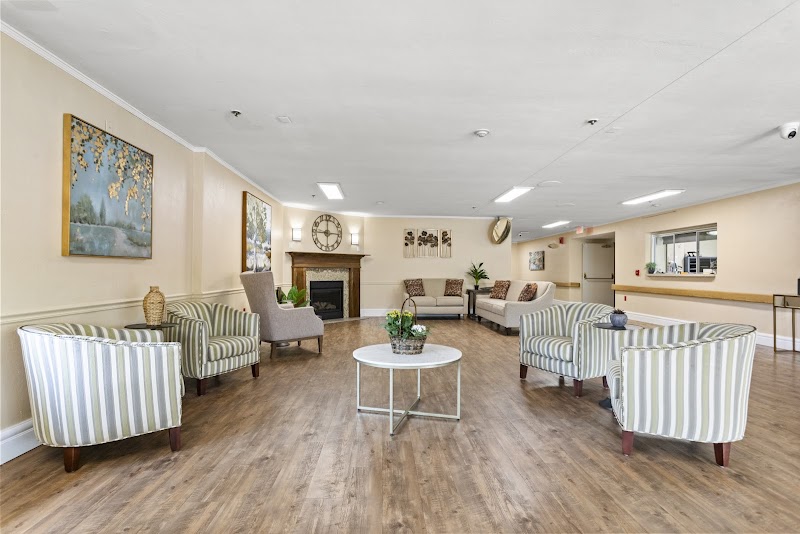
How is Batavia Nursing Staffed?

CMS rates BATAVIA NURSING CARE CENTER's staffing level at 2 out of 5 stars, which is below average compared to other nursing homes. Staff turnover is 47%, compared to the Ohio average of 46%.

What Have Inspectors Found at Batavia Nursing?

State health inspectors documented 15 deficiencies at BATAVIA NURSING CARE CENTER during 2019 to 2025. These included: 1 that caused actual resident harm and 14 with potential for harm. Deficiencies causing actual harm indicate documented cases where residents experienced negative health consequences.
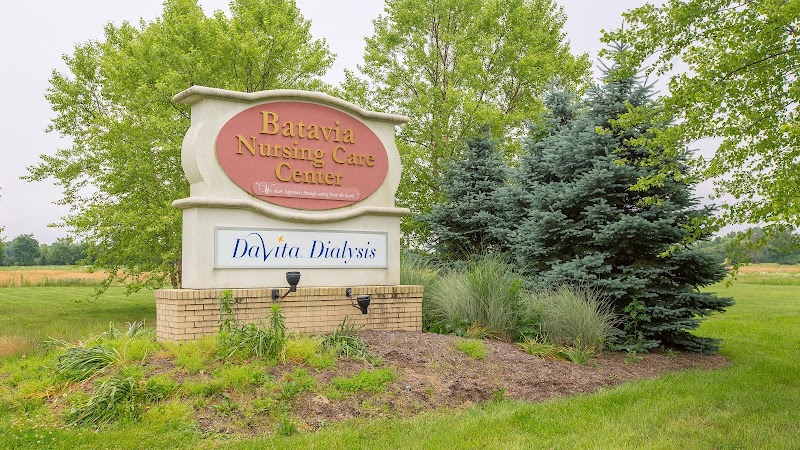
Who Owns and Operates Batavia Nursing?

BATAVIA NURSING CARE CENTER is owned by a for-profit company. For-profit facilities operate as businesses with obligations to shareholders or private owners. The facility is operated by FOUNDATIONS HEALTH SOLUTIONS, a chain that manages multiple nursing homes. With 110 certified beds and approximately 92 residents (about 84% occupancy), it is a mid-sized facility located in BATAVIA, Ohio.
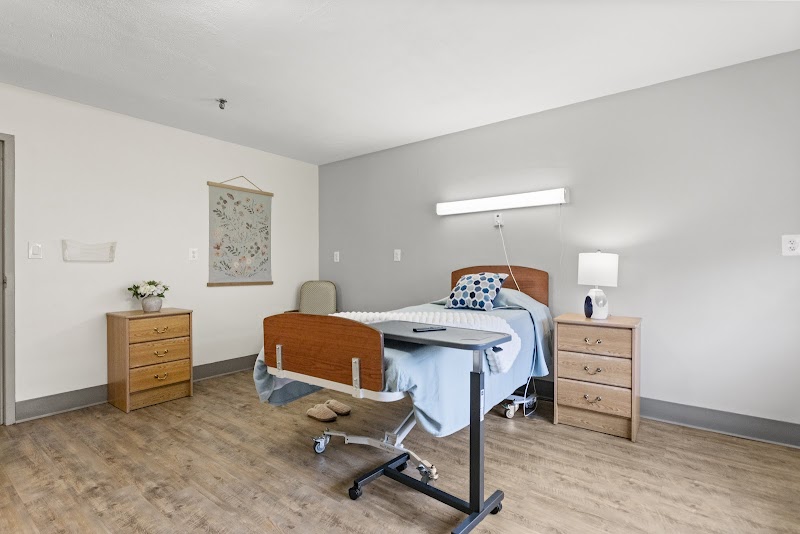
How Does Batavia Nursing Compare to Other Ohio Nursing Homes?

Compared to the 100 nursing homes in Ohio, BATAVIA NURSING CARE CENTER's overall rating (5 stars) is above the state average of 3.2, staff turnover (47%) is near the state average of 46%, and health inspection rating (4 stars) is above the national benchmark.

What Should Families Ask When Visiting Batavia Nursing?

Based on this facility's data, families visiting should ask: "Can you walk me through typical staffing levels on day, evening, and night shifts?" "Can I visit during a mealtime to observe dining assistance and food quality?" "How do you handle medical emergencies, and what is your hospital transfer rate?" "Can I speak with family members of current residents about their experience?" These questions are particularly relevant given the below-average staffing rating.

Is Batavia Nursing Safe?

Based on CMS inspection data, BATAVIA NURSING CARE CENTER has a clean safety record: no substantiated abuse findings (meaning no confirmed cases of resident harm), no Immediate Jeopardy citations (the most serious violation level indicating risk of serious injury or death), and is not on the Special Focus Facility watch list (a federal program monitoring the lowest-performing 1% of nursing homes). The facility has a 5-star overall rating and ranks #1 of 100 nursing homes in Ohio. While no facility is perfect, families should still ask about staff-to-resident ratios and recent inspection results during their visit.

Do Nurses at Batavia Nursing Stick Around?

BATAVIA NURSING CARE CENTER has a staff turnover rate of 47%, which is about average for Ohio nursing homes (state average: 46%). Moderate turnover is common in nursing homes, but families should still ask about staff tenure and how the facility maintains care continuity when employees leave.

Was Batavia Nursing Ever Fined?

BATAVIA NURSING CARE CENTER has no federal fines on record. CMS issues fines when nursing homes fail to meet care standards or don't correct problems found during inspections. The absence of fines suggests the facility has either maintained compliance or corrected any issues before penalties were assessed. This is a positive indicator, though families should still review recent inspection reports for the full picture.

Is Batavia Nursing on Any Federal Watch List?

BATAVIA NURSING CARE CENTER is not on any federal watch list. The most significant is the Special Focus Facility (SFF) program, which identifies the bottom 1% of nursing homes nationally based on persistent, serious quality problems. Not being on this list means the facility has avoided the pattern of deficiencies that triggers enhanced federal oversight. This is a positive indicator, though families should still review the facility's inspection history directly.