LOGAN ACRES

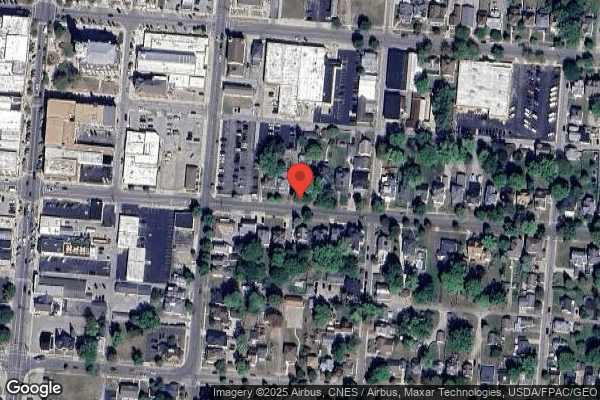
2739 COUNTY ROAD 91, BELLEFONTAINE, OH 43311 (937) 592-2901
Government - County 110 Beds Independent Data: November 2025
Trust Grade
70/100
#284 of 913 in OH
Last Inspection: January 2023

Over 2 years since last inspection. Current conditions may differ from available data.

Overview

Logan Acres in Bellefontaine, Ohio, has a Trust Grade of B, indicating that it is a good facility and a solid choice among nursing homes. It ranks #284 out of 913 in Ohio, placing it in the top half of state facilities, and #3 out of 4 in Logan County, meaning only one local option is better. The facility is improving, with the number of issues found decreasing from 9 in 2018 to 7 in 2023. Staffing is a strength here with a rating of 4 out of 5 stars and a turnover rate of 34%, which is significantly better than the state average of 49%. There have been no fines, which is a positive sign, but there were serious concerns, including a past incident where a resident did not have a bowel movement for six days due to a failure to follow care orders, leading to hospitalization. Additionally, there were concerns about improper sanitation practices in the kitchen and incomplete resident assessments, indicating areas that need attention despite the overall good ratings.

Trust Score
B
70/100
In Ohio
#284/913
Top 31%
Safety Record
Moderate
Needs review
Inspections
Getting Better
9 → 7 violations
Staff Stability
○ Average
34% turnover. Near Ohio's 48% average. Typical for the industry.
Penalties
✓ Good
No fines on record. Clean compliance history, better than most Ohio facilities.
Skilled Nurses
○ Average
Each resident gets 36 minutes of Registered Nurse (RN) attention daily — about average for Ohio. RNs are the most trained staff who monitor for health changes.
Violations
⚠ Watch
16 deficiencies on record. Higher than average. Multiple issues found across inspections.
★★★★☆
4.0
Overall Rating
★★★★☆
4.0
Staff Levels
★★★☆☆
3.0
Care Quality
★★★★☆
4.0
Inspection Score
Stable
2018: 9 issues
2023: 7 issues

The Good

  • 4-Star Staffing Rating · Above-average nurse staffing levels
  • Full Sprinkler Coverage · Fire safety systems throughout facility
  • No fines on record
  • Staff turnover below average (34%)

    14 points below Ohio average of 48%

Facility shows strength in staffing levels, fire safety.

The Bad

Staff Turnover: 34%

12pts below Ohio avg (46%)

Typical for the industry

The Ugly 16 deficiencies on record

1 actual harm
Jan 2023 7 deficiencies
CONCERN (D)

Potential for Harm - no one hurt, but risky conditions existed

Deficiency F0553 (Tag F0553)

Could have caused harm · This affected 1 resident

**NOTE- TERMS IN BRACKETS HAVE BEEN EDITED TO PROTECT CONFIDENTIALITY** Based on record review, staff, family, and resident representative interview, and policy review, the facility failed to ensure r...

Read full inspector narrative →
**NOTE- TERMS IN BRACKETS HAVE BEEN EDITED TO PROTECT CONFIDENTIALITY** Based on record review, staff, family, and resident representative interview, and policy review, the facility failed to ensure residents and representatives participated in care conference meetings. This affected one resident (#59) out of two residents reviewed for care conferences. The facility census was 88. Finding include: Review of the medical record for the Resident #59 revealed an admission date of 05/11/21. Diagnoses included Parkinson's disease, cognitive communication deficit, dysphasia, dementia, urine retention, tremors, psychotic disorder with delusions, neurocognitive disorder with lewy bodies, aphasia, hemiplegia, and urgency of urination. Review of the annual Minimum Data Set (MDS) assessment dated [DATE] revealed Resident #59 was cognitively impaired and required extensive assistance of one staff member for transfers and mobility. Review of the care conferences dated 12/27/21, 03/15/22, 06/21/22, 09/20/22, and 12/01/22 revealed care conferences had no evidence of the resident or the resident representative was invited or attended. Review of the progress notes dated 12/2021 to 12/2022 revealed no documentation of the resident or the resident representative invited or attending care conferences. Interview on 01/23/23 at 11:07 A.M., with Resident #59's representative revealed she had never been invited to attend any multidisciplinary care conferences. She revealed she would have interest in attending had she been invited. Interview on 01/23/23 at 1:30 P.M., with Resident #73's family revealed they typically received the letter after the care conference had occurred. Interview on 01/24/23 at 2:35 P.M., with Social Services designee (SSD) #118 revealed the facility held care conferences for each resident quarterly and revealed they were typically held in the residents room. She revealed she tried to invite family to the meetings about one week to 10 days ahead of time either through phone call or through a mailed letter. The SSD #118 said residents do not sign the sheet when they attend the meeting and families do not always sign the attendance form. No families were informed of care conferences on 01/24/23 due to the SSD #118 being off, and revealed she informed resident's families today for meetings on 01/26/23. The SSD #118 revealed Resident #59's power of attorney (POA) was his girlfriend and could not remember if resident's POA had been been invited to attend any care conferences. The SSD #118 said she had not documented in the medical record about who was invited to attend the care conferences. Review of the facility policy titled Care Conferences, dated 08/23/18 revealed the facility failed to implement the policy regarding the allegation. The policy revealed the care conference are a time when staff resident and family/POA/guardian can discuss concerns. The care conference should include resident, family/POA/Guardian if able to participate and staff including State Tested Nurse Aide (STNA), nurse, dietary, activities, and social services. The procedure included to make sure the resident and family are aware of the date and time of the care conference. All attendees would sign the bottom of the care conference summary form used during the meeting.
CONCERN (D)

Potential for Harm - no one hurt, but risky conditions existed

Comprehensive Care Plan (Tag F0656)

Could have caused harm · This affected 1 resident

**NOTE- TERMS IN BRACKETS HAVE BEEN EDITED TO PROTECT CONFIDENTIALITY** Based on medical record review, staff interview, and policy review, the facility failed to develop a comprehensive care plan for...

Read full inspector narrative →
**NOTE- TERMS IN BRACKETS HAVE BEEN EDITED TO PROTECT CONFIDENTIALITY** Based on medical record review, staff interview, and policy review, the facility failed to develop a comprehensive care plan for contracture's. This affected one resident (#33) out of one resident reviewed for position and mobility. The facility identified three additional residents (#18, #55, and #14) with contracture's. The facility census was 88. Findings include: Medical record review for Resident #33 revealed admission date 01/13/22. Diagnoses included hemiplegia and hemiparesis, congestive heart failure, history of transient ischemic attack, and cerebral infarction without residual deficits. Review of the quarterly Minimum Data Set (MDS) dated [DATE] revealed the resident had intact cognition. Resident #33 required extensive assistance of two plus persons physical assistance for bed mobility, dressing, and personal hygiene. The resident required total dependence of two plus persons for transfers. The resident had functional limitations in range of motion (ROM) in the upper and the lower extremities on both sides. The resident received Occupational Therapy (OT) services from 06/07/22 to 09/15/22. Review of the plan of care dated 10/24/22 revealed Resident #33 was independent with eating, needs extensive assist with bed mobility, transfers, dressing, toilet use and personal hygiene. The resident was dependent on staff for locomotion on and off the unit, bathing. The goal was maintain current level of independence. Interventions include encourage resident to participate in activities of daily living (ADL) and praise effort to do so. Offer ROM with morning and bedtime care. Educate on risks and benefits if the resident refused. Review of Occupational Therapy Recertification Progress Report and Updated Therapy Plan dated 06/07/22 revealed hemiplegia and hemiparesis following other cerebrovascular disease affecting the right dominant side. Treatment for contracture, unspecified joint. Interview on 01/24/23 at 2:42 P.M., the Occupational Therapist (OT) #160 stated Resident #33 was on the case load from 06/07/22 to 09/15/22 with goals for transfers with staff, a custom wheelchair, for pressure relief, passive range of motion goals for the right hand and arm. She stated the resident had a contracture of the right hand, with additional medical events, and then a goal for a resting hand splint. She stated the resident was showing swan neck deformity. She stated they discontinued the hand splint and trialed oval eight (8) splints (a type of splint for the fingers), morning to afternoon, one for each digit. She stated the resident hated them and did not wish to continue. She stated last week the nursing staff mentioned the resident's hand contracture was worse. She stated they have to get preauthorization and try to pick up the resident for additional therapy. She stated they planned to try a palm protector. Interview on 01/26/23 at 1:51 P.M., Registered Nurse (RN) #150 stated Resident #33 did not have an individualized comprehensive care plan for contractures. She stated the requested list of residents with contractures did not include Resident #33, but he would be added. Review of facility policy titled Advance Care Planning, dated 01/01/12 revealed it is the policy of [NAME] Acres to give the residents the opportunity to discuss their goals for care including their preferences for advance care planning. The problems, goals and interventions are discussed and documented during the care planning session and documented in the medical record of the resident. Results of the care planning session are communicated to the care team by oral, written, or telecommunication methods.
CONCERN (D)

Potential for Harm - no one hurt, but risky conditions existed

Deficiency F0657 (Tag F0657)

Could have caused harm · This affected 1 resident

**NOTE- TERMS IN BRACKETS HAVE BEEN EDITED TO PROTECT CONFIDENTIALITY** Based on medical record review, review of the Fall/Incident Statement, staff interview, and policy review, the facility failed t...

Read full inspector narrative →
**NOTE- TERMS IN BRACKETS HAVE BEEN EDITED TO PROTECT CONFIDENTIALITY** Based on medical record review, review of the Fall/Incident Statement, staff interview, and policy review, the facility failed to ensure care plans were timely updated. This affected one resident (#14) out of two residents (#12 and #14) reviewed for falls. The facility census was 88. Findings include: Medical Record Review for Resident #14 revealed admission date 06/30/18. Diagnoses included congestive heart failure (CHF), headache, macular degeneration, stiffness of the right hip, cardiomegaly, history of falling, and protein-calorie malnutrition. Review of the quarterly Minimum Data Set (MDS) assessment dated [DATE] revealed Resident #14 had intact cognition. The Resident required extensive two plus person assistance for bed mobility and transfers. The resident required extensive one person assistance for dressing, toilet use, and personal hygiene. The resident was frequently incontinent of bladder and always continent bowel. The resident assessment revealed no falls since admission/entry or reentry. Review of the plan of care dated 11/16/22 revealed Resident #14 was at risk for injuries from falls related to impaired balance, use of psychoactive/narcotic/cardiovascular medications, diagnoses bradycardia, and anemia. The goal will be free of injuries from falls. Interventions included appropriate nonskid footwear when out of bed or dressed for the day. Call light within reach at all times. Keep room free of obstacles, clutter, and debris which may cause injury. Mat beside the bed when in it. Medications as ordered. Personal items within reach at all times. Soft touch call light. When non-compliant with need for assistance, re-educate on risks/benefits and document. Toilet in advance of need initiated 12/02/22 this intervention created date was 01/25/23 by Registered Nurse (RN) #146. Review of the Fall/Incident Statement dated 12/02/22 revealed Resident #14 had an unwitnessed fall. The last fall was dated 07/19/21. The resident was found on the floor in front of her recliner. Resident #14 stated, I was trying to go to the bathroom. No injuries found. Action Plan: Resident educated on call light use. Conclusions/Summary/Interventions included toilet in advance of need. Interview on 01/26/23 at 9:53 A.M., the RN #146 stated the care plan was updated on 01/25/23 to include toilet in advance of need. She stated the intervention was overlooked and not added to the plan of care. Review of facility policy titled Advance Care Planning, dated 01/01/12 revealed any situations that need investigation and/or follow up are conducted timely and reported to the resident, responsible party, and interdisciplinary team (IDT) as soon as possible. The problems, goals and interventions are discussed and documented during the care planning session and documented in the medical record of the resident. Results of the care planning session are communicated to the care team by oral, written, or telecommunication methods.
CONCERN (D)

Potential for Harm - no one hurt, but risky conditions existed

Pressure Ulcer Prevention (Tag F0686)

Could have caused harm · This affected 1 resident

**NOTE- TERMS IN BRACKETS HAVE BEEN EDITED TO PROTECT CONFIDENTIALITY** Based on observation, staff interview, and policy review the facility failed to ensure proper hand hygiene was performed during ...

Read full inspector narrative →
**NOTE- TERMS IN BRACKETS HAVE BEEN EDITED TO PROTECT CONFIDENTIALITY** Based on observation, staff interview, and policy review the facility failed to ensure proper hand hygiene was performed during a wound/dressing treatment to promote healing and prevent infection. This affected one resident (#76) out of one resident reviewed for pressure ulcers. The facility identified four residents (#53, #71, #76, and #82) with pressure ulcers. The facility census was 88. Review of the medical record for Resident #76 revealed she was admitted to the facility on [DATE] with a diagnosis of Alzheimer's Disease, diabetes type II, hypertension, rheumatic tricuspid valve insufficiency, nonrheumatic aortic valve stenosis, nonrheumatic mitral valve insufficiency. Review of the Minimal Data Set (MDS) dated [DATE] revealed Resident #76 had extensive cognitive impairment. Her functional status was listed as extensive two person assist for all activities of daily living. The assessment also revealed Resident #76 had a stage III pressure ulcer. Observation of the wound/dressing change on 01/24/23 at 1:35 P.M. with License Practical Nurse (LPN) #67 revealed she used hand sanitizer upon entering Resident #76's room. She placed gloves on her hands and removed the old dressing from the wound and placed it in the trash can along with her gloves. The LPN #67 donned new gloves and started to clean and redress the resident's wound when the surveyor stopped her and asked her if she used sanitizer or washed her hands after removing the old dressing. The LPN #67 then stopped removed the gloves, used the sanitizer to clean her hands, donned new gloves, and continued to complete the dressing change. Interview with the LPN #67 on 01/24/23 at 1:50 P.M., verified she failed to wash her hands between removing the old and cleaning and redressing Resident #76's wound. Review of the facility policy titled Dressing-Clean, dated 11/1919 revealed to perform hand hygiene, apply clean gloves, remove soiled dressing, place soiled dressing and gloves in plastic bag, complete hand hygiene, apply clean gloves, follow treatment order for application of topical medication, and apply absorbent dressing , remove gloves and discard in plastic bag. Wash hands.
CONCERN (D)

Potential for Harm - no one hurt, but risky conditions existed

Deficiency F0692 (Tag F0692)

Could have caused harm · This affected 1 resident

**NOTE- TERMS IN BRACKETS HAVE BEEN EDITED TO PROTECT CONFIDENTIALITY** Based on medical record review, staff interview and policy review, the facility failed to ensure a significant weight loss was t...

Read full inspector narrative →
**NOTE- TERMS IN BRACKETS HAVE BEEN EDITED TO PROTECT CONFIDENTIALITY** Based on medical record review, staff interview and policy review, the facility failed to ensure a significant weight loss was timely notified to the Dietician and the resident family. This affected one resident (#71) out of four residents reviewed for nutrition. The facility census was 88. Findings include: Review of the medical record for the Resident #71 revealed an admission date of 12/22/22. Diagnoses included pneumonia, dementia, dehydration, unsteadiness, syncope and collapse. Review of the Minimum Data Set (MDS) assessment dated [DATE] revealed Resident #71 was cognitively impaired and required extensive assistance of two staff members for mobility and transfers. Review of the baseline care plan dated 12/22/22 revealed Resident #71 was at risk for alteration in nutrition. Review of the physician orders dated 12/22/22 revealed an order for Resident #71 weights daily for seven days then weekly for three weeks then monthly. An order dated 01/07/22 revealed an order for registered dietician (RD) consult for a 9.33 pound weight loss since arrival. An order dated 01/22/22 revealed an order for RD consult due to weight loss. Review of Resident #71's weights revealed an admission weight on 12/22/22 of 107.8 pounds (lbs), a weight on 12/31/22 of 112.5 lbs, a weight on 01/07/22 of 98.6 lbs, and a weight on 01/22/23 of 96 lbs. On 01/07/23 the resident had a significant weight loss of 8.53 percent since admission on [DATE]. On 01/22/23 resident had a significant weight loss of 10.95 percent since admission [DATE]. Review of the physician note dated 01/04/22 revealed Resident #71 had low food intake and was refusing medications and food and the medical team was discussing concerns with the family with the possibility of initiating palliative care. Review of the progress note dated 01/24/23 revealed the dietician was informed of the weight loss on 01/22/23. The dietician reviewed Resident #71's dietary needs and revealed he had increased intake over the previous week and felt he had stabilized and had not recommend additional supplements at that time. Their was no mention in the progress notes related to the dietician or family being informed of a significant weight loss on 01/07/23. Interview on 01/25/23 at 3:05 P.M., with the State Tested Nursing Assistant (STNA) #62 revealed the nurses would inform the aides of which residents had scheduled weights for a given shift and would report the weight back to the nurse upon completion for documentation and follow up. Interview on 01/25/23 at 3:20 P.M., with the Dietician #162 revealed she assessed residents upon admission and with significant changes in weights. The Dietician #162 revealed she was informed of Resident #71's weight loss on 01/22/23 and assessed the resident on 01/24/23. Interview on 01/26/23 at 11:18 A.M., with the Infection Preventionist (IP) #150 revealed the nurse checked the daily notes that Resident #71's family was contacted on 01/07/22 about the significant weight loss, but confirmed no note was made related to informing the family or the dietician of the weight loss, or related to any follow-up from the dietician related to the weight loss. A follow-up interview on 01/26/23 at 11:27 A.M., with the Dietician #162 revealed when a resident had weight loss staff would put a note in her mailbox to see the next time she was at the facility. The Dietician #162 revealed she worked onsite at the facility on Tuesdays each week. The Dietician #162 revealed she was not informed of the weight loss on 01/07/23 and revealed she was not aware of the order put in on 01/07/23 related to assessing the resident for weight loss. Review of facility policy titled Weights, dated 08/2021 revealed significant weight loss would be reported to the responsible party or family member and the dietician.
CONCERN (D)

Potential for Harm - no one hurt, but risky conditions existed

Drug Regimen Review (Tag F0756)

Could have caused harm · This affected 1 resident

**NOTE- TERMS IN BRACKETS HAVE BEEN EDITED TO PROTECT CONFIDENTIALITY** Based on medical record review, review of the pharmacy recommendations, staff interview, and policy review, the facility failed ...

Read full inspector narrative →
**NOTE- TERMS IN BRACKETS HAVE BEEN EDITED TO PROTECT CONFIDENTIALITY** Based on medical record review, review of the pharmacy recommendations, staff interview, and policy review, the facility failed to ensure a pharmacy recommendation were timely reviewed by the physician and included an appropriate reasoning for continuing the medication. This affected one resident (#59) out of five residents reviewed for pharmacy recommendations. The facility census was 88. Finding include Review of the medical record for the Resident #59 revealed an admission date of 05/11/21. Diagnoses included Parkinson's disease, cognitive communication deficit, dysphagia, dementia, urine retention, tremors, psychotic disorder with delusions, neurocognitive disorder with lewy bodies, aphasia, hemiplegia, and urgency of urination. Review of the annual Minimum Data Set (MDS) assessment dated [DATE] revealed Resident #59 was cognitively impaired and required extensive assistance of one staff member for transfers and mobility. The MDS also revealed the resident had a urinary catheter. Review of the plan of care dated 01/11/23 revealed Resident #59 had a suprapubic catheter due to urinary obstruction and lower urinary symptoms with interventions for medication as ordered (oxybutynin), refer to the urologist, provide catheter care and complete bladder scans each shift. Review of the physician orders dated 09/04/22 identified orders for oxybutynin chloride tablet five milligram (mg) with instructions to give one tablet by mouth twice daily for bladder spasms. Review of Resident #59's pharmacy recommendation form dated 09/15/22 revealed a concern of resident receiving oxybutynin five mg twice daily for bladder spasms ordered 09/04/22. The pharmacist recommendation revealed this medication was contraindicated for geriatric residents due to side effects of urine retention, hallucinations confusions and increased risk of falls. Request was documented to have the medication changed to bethanechol or another urinary antispasm agent. The recommendation was reviewed by the physician on 10/27/22 and did not mark a decision but left a comment of urologist prescribed. Review of the progress notes dated 09/2022 to 01/23/23 revealed no mention of the urologist being informed of the pharmacy recommendation from 09/15/22. The progress note dated 01/24/23 revealed a message was left with the urology office regarding a pharmacy review recommendation related to the oxybutynin medication. No determination was noted from the call. Interview on 01/24/23 at 12:40 P.M., with the Director of Nursing (DON) and Infection Preventionist (IP) #150 revealed the pharmacy recommendations were printed off and provided to the physician on the next scheduled visit. The DON revealed the physician comes in every two weeks. The DON revealed being unaware of staff or the physician contacted the urologist regarding Resident #59's pharmacy recommendation. Interview on 01/26/23 at 11:26 A.M., with the Physician #160 revealed he was at the facility two days every other week. He revealed he reviews pharmacy recommendations during those visits and they should be responded to within two weeks of the facility receiving the recommendation. The Physician #160 revealed he has made changes to urology medications in the past if residents had been on multiple medications for the same thing without reasoning. He revealed no memory of speaking with the urologist specifically related to the 09/15/22 recommendation and denied a system was in place to refer the pharmacy recommendations related to a specialist prescribed medication to that specialist. The Physician #160 revealed he does not typically make changes to a resident's medications prescribed by a specialty physician. Review of facility policy titled Pharmacist consulting services, dated 06/08/18 revealed each resident would be reviewed monthly by a pharmacist for any medication concerns or irregularities and provide a written recommendation. The policy does not address how the facility was to follow up on the recommendations made by the consulted pharmacist.
CONCERN (E)

Potential for Harm - no one hurt, but risky conditions existed

PASARR Coordination (Tag F0644)

Could have caused harm · This affected multiple residents

**NOTE- TERMS IN BRACKETS HAVE BEEN EDITED TO PROTECT CONFIDENTIALITY** Based on medical record review, staff interview and policy review, the facility failed to ensure the preadmission screening and ...

Read full inspector narrative →
**NOTE- TERMS IN BRACKETS HAVE BEEN EDITED TO PROTECT CONFIDENTIALITY** Based on medical record review, staff interview and policy review, the facility failed to ensure the preadmission screening and resident review (PASARR) were accurately completed and updated. This affected four residents (#02, #21, #23, and #61) out of four residents reviewed. The facility census was 88. Findings include 1. Review of the medical record for the Resident #61 revealed an admission date of 10/17/20. Diagnoses included heart failure, diabetes, chronic obstructive pulmonary disease, dysphagia, dementia, bipolar disorder, and depression. Review of the Minimum Data Set (MDS) assessment dated [DATE] revealed Resident #61 was cognitively impaired and required extensive assistance of one staff members for transfers and mobility. Review of the plan of care dated 01/04/23 revealed Resident #61 had impaired cognition with interventions for medications, clip call light with bright colors, establish a routine for resident and provide cueing and prompting to resident. The care plan also revealed the resident had diagnosis of depression, bipolar disorder, and anxiety with interventions including acknowledge resident moods, provide medication as ordered, encourage group activities and encourage family visits. Review of the physician orders dated 10/17/20 revealed an order for citalopram hydrobromide tablet 20 milligram (mg) for depression, buspirone tablet five mg for anxiety, and donepezil tablet 10 mg for dementia. An order dated 03/21/22 for hydroxyzine tablet 25 mg for anxiety. Review of the PASARR document dated 03/25/19 revealed Resident #61 had no dementia diagnosis listed. The resident also had no mental health diagnosis listed under section D of the PASARR. 2. Review of the medical record for the Resident #23 revealed an admission date of 07/23/16. Diagnoses included pulmonary embolism, heart failure, edema, peripheral vascular disease, anxiety, schizophrenia, and depression. Review of the MDS assessment dated [DATE] revealed Resident #23 was cognitively intact and was independent with transfers and mobility. Review of the plan of care dated 01/24/23 revealed Resident #23 had diagnosis of schizophrenia, anxiety and depression with interventions to see the social worker for one-on-one visits, use diversional activities as appropriate, provided medications as ordered and refer to psychiatric services as needed. Review of the physician orders dated 09/21/17 identified orders for escitalopram oxalate tablet 20 mg for depression. An order dated 11/15/21 for risperidone tablet four mg for schizophrenia. An order dated 03/21/22 for hydroxzine tablet 25 mg for anxiety. Review of the PASARR document dated 07/13/16 revealed Resident #23 had dementia and schizophrenia listed under the mental health diagnosis. Anxiety and depression were not documented on the PASARR. Further review of the medical record found no record of dementia documented as one of Resident #23's medical diagnoses. Interview on 01/24/23 at 2:35 P.M., with the Social Service designee (SSD) #118 revealed admissions completed PASARR's upon admissions and after a hospital exemption expires. She revealed she had completed updated PASARRs for changes in condition or diagnosis but does not regularly do them. The SSD #118 revealed she was unsure if admissions staff were also responsible for updating the PASARRs for already admitted residents. The SSD #118 revealed the facility staff had not updated her with changes in diagnosis, only changes in medications and if psychotropic medications were started. The SSD #118 verified the PASARR information for Resident #23 and #61 were not updated with changes in diagnosis. Review of the facility policy titled admission Manual: Universal Preadmission review, undated revealed the facility would follow all state and federal preadmission review regulations. The policy revealed copies of the screens would be kept in a consistent place on the medical record. The policy did not address how often the PASARRs would be updated. 4. Review of the Medical record for Resident #02 revealed admission date 02/17/12. Diagnoses included dementia, acute and chronic respiratory failure, chronic pain, emphysema, bipolar disorder, anxiety disorder, hallucinations, psychosis not due to a substance or known physiological condition, and major depressive disorder. Review of the PASARR dated 02/13/12 revealed Resident #02 did not have a documented diagnosis of dementia and had no diagnosis of mental disorders. Interview on 01/24/23 at 2:29 P.M., the SSD #118 stated the admissions staff took care of the PASARR. She stated she had helped with them, but admissions usually completed them. She stated the PASARR should be updated with change of diagnosis or status. She stated she usually was not informed when there was a change in diagnosis, or updates. She stated she usually received notification of a drug change, but not a diagnosis. She stated if she were aware of changes the PASARR would have been updated. 3. Review of the medical record for Resident #21 revealed he was admitted to the facility on [DATE] with a diagnosis of schizoaffective disorder, bipolar type, sprain ligaments of the cervical and lumbar spine, hypertension, suicidal ideation, post traumatic stress disorder, chronic obstructive pulmonary disease, anxiety, and morbid obesity. Review of the quarterly MDS dated [DATE] revealed Resident #21 was cognitively intact. His functional status is listed as independent set up only. Review of the PASARR dated 06/21/19 revealed Resident #21 had no indications of serious mental illness nor a developmental disability. The resident had not qualified for a PASARR II at that time. Review of Resident #21's diagnosis revealed chronic post-traumatic stress disorder, schizoaffective disorder bipolar type, on his diagnosis list dated 06/14/19. Review of the physician orders dated 01/13/22 revealed aripiprazole tablet 20 mg, give one tablet by mouth, one time a day related to schizoaffective disorder, bipolar type, give with 5 mg tablet to equal 25 mg. Fluoxetine capsule 40 mg, give one capsule by mouth one time a day related to schizoaffective disorder bipolar type and anxiety disorder. Interview with the Social Services Designee #118 on 01/24/23 at 2:35 P.M., verified the PASARR was not completed properly.
Aug 2018 9 deficiencies 1 Harm
SERIOUS (G)

Actual Harm - a resident was hurt due to facility failures

Quality of Care (Tag F0684)

A resident was harmed · This affected 1 resident

**NOTE- TERMS IN BRACKETS HAVE BEEN EDITED TO PROTECT CONFIDENTIALITY** Based on medical record review, staff interview and review of standing house orders, the facility failed to monitor Resident #23...

Read full inspector narrative →
**NOTE- TERMS IN BRACKETS HAVE BEEN EDITED TO PROTECT CONFIDENTIALITY** Based on medical record review, staff interview and review of standing house orders, the facility failed to monitor Resident #23's bowel status and implement their standing house orders as directed. This resulted in Actual Harm when Resident #23 did not have a bowel movement for six days and the resident was subsequently hospitalized for an acute large bowel obstruction. This affected one (#23) of two residents reviewed for hospitalization. Facility census was 91. Findings include: Review of the medical record revealed Resident #23 was admitted to the facility on [DATE]. Diagnoses included cerebral infarction, coronary artery disease, hypertension, type II diabetes mellitus, vascular dementia, functional quadriplegia, and dysphagia. Review of the admission minimum data set (MDS) assessment, dated 06/29/18, revealed the residents brief interview for mental status was not assessed due to being rarely or never understood. Further review revealed the resident was frequently incontinent of bowel and required extensive staff assist with toileting. Review of the care plan, initiated 07/05/18, revealed Resident #23 was prone to constipation, had decreased mobility, and a history of constipation. The goal was for Resident #23 to have a bowel movement every one to three days. Care plan interventions instructed staff to monitor for a bowel movement every shift. Review of physician orders from dates 06/22/18 through 08/01/18 revealed routine stool softeners were not ordered for Resident #23. Further review of orders, dated 06/22/18, revealed Resident #23 was to receive Tramadol (pain medicine that can cause constipation) 50 milligrams (mg) three times daily. Review of a report titled Look Back Report regarding Resident #23's bowel movement history revealed the resident had a medium bowel movement documented on 07/26/18 at 4:16 A.M. Further review of the report revealed the resident did not have a bowel movement documented on 07/27/18, 07/28/18, 07/29/18, 07/30/18 or 07/31/18. Review of progress notes dated 08/01/18 at 6:20 A.M. (late entry) revealed Resident #23 had large emesis (vomiting). The resident's abdomen was slightly distended, was passing gas, and had three small bowel movements while turning and repositioning. Review of progress notes, dated 08/01/18 at 2:30 P.M., revealed Resident #23 had nausea with periodic emesis since the morning. The resident had a large bowel movement, however the nausea and vomiting continued. The resident's abdomen was distended and firm. After suppositories (for constipation) were given and an abdominal x-ray was obtained the resident was sent to the emergency room for evaluation at 11:30 P.M. Review of the hospital history and physical, dated 08/02/18, revealed Resident #23 was admitted with an acute large bowel obstruction, gastrointestinal hemorrhage, and acute kidney failure. The resident had nausea, vomiting, and abdominal distention likely due to large bowel obstructions from fecal impaction. The plan was to aggressively treat constipation with stool softeners and a daily enema. The resident was hospitalized for six days and returned to the facility on [DATE]. Interview on 08/27/18 at 4:02 P.M. with the Director of Nursing (DON) confirmed Resident #23 had no bowel movement times for a period of six days (07/26/18 to 08/01/18). Further interview confirmed the facility did not assess the resident after not having a bowel movement after three days and did not follow standing house orders for constipation. The DON confirmed Resident #23 was admitted to the hospital for an acute large bowel obstruction. Review of standing house orders, physician approved 07/03/18, revealed if the resident does not have a bowel movement for three days to assess their bowel sounds and document in nurses' notes, administer 120 milliliters (ml) of prune juice with breakfast, and assess manually for stool after each meal removing if present. If prune juice is ineffective and no stool present upon manual assessment, administer milk of magnesia (for constipation) 30 milliliter (ml) by mouth before the end of first shift. Further review revealed if the resident does not have a bowel movement for four days the facility is to assess bowel sounds and document in nurse's notes and assess manually for stool after each meal. If no stool present, administer Bisacodyl (for constipation) 10 milligram (mg) suppository rectally times one by 6:00 A.M. unless contraindicated. If no results from Bisacodyl within eight hours, administer Fleets enema times one at 2:00 P.M. If no results from Fleets enema within one hour, administer soapsuds enema. If no results from soap suds enema contact physician immediately.
CONCERN (D)

Potential for Harm - no one hurt, but risky conditions existed

Abuse Prevention Policies (Tag F0607)

Could have caused harm · This affected 1 resident

**NOTE- TERMS IN BRACKETS HAVE BEEN EDITED TO PROTECT CONFIDENTIALITY** Based on medical record review, resident and staff interview, review of facility self-reported incidents (SRI's) and review of f...

Read full inspector narrative →
**NOTE- TERMS IN BRACKETS HAVE BEEN EDITED TO PROTECT CONFIDENTIALITY** Based on medical record review, resident and staff interview, review of facility self-reported incidents (SRI's) and review of facility policy, the facility failed to implement their abuse policy to ensure allegations of abuse were immediately reported and thoroughly investigated. This affected two (#69 and #73) of two residents reviewed for abuse. The census was 91. Findings include: 1. Review of the medical record revealed Resident #69 was admitted to the facility on [DATE] with diagnoses that included irritable bowel syndrome, dizziness and giddiness, anemia, adult failure to thrive, heart failure, and major depressive disorder. The resident was hospitalized from [DATE] through 08/19/18 for a right hip sustained after a fall in the facility. Review of the minimum data set (MDS) assessment, dated 07/07/18, revealed a brief interview for mental status (BIMS) of 14. Interview on 08/26/18 at 2:41 P.M. with Resident #69 revealed State Tested Nurse Aide (STNA) #64 was loud and rough when providing care. The resident stated she fought with me, she yelled and screamed at me, I wasn't sitting right, I wasn't walking right, I wasn't doing anything right, it was horrible. Further interview revealed allegations that STNA #64 drug her (with assist of an unnamed STNA) to the bathroom in the middle of the night. The resident reported being a nervous wreck ever since STNA #64 worked with her. Interview on 08/28/18 at 11:51 A.M. with Registered Nurse (RN) Unit Manager #29 revealed she was aware that STNA #64 had upset Resident #69 by saying you need to try, you are weight bearing as tolerated. Further interview revealed RN #29 had not interviewed the resident and/or other residents on the unit regarding care provided by STNA #64. Interview on 08/28/18 at 12:15 P.M. with STNA #39 revealed Resident #69 had complained about care provided by STNA #64. She stated STNA #64 was too rough with putting her to bed and assisting her to the bathroom. Interview on 08/28/18 at 12:24 P.M. with Licensed Practical Nurse (LPN) #85 revealed Resident #69 reported allegations that STNA #64 was rough and told her she should be doing more for herself. Further interview revealed she reported the allegations to LPN #59 on 08/25/18 at 7:00 P.M. during shift change. Interview on 08/28/18 at 12:08 P.M. with the Director of Nursing (DON) revealed she was notified on 08/25/18 at 7:42 P.M. by LPN #59 via text messages of the allegations. The text message read there was a complaint from the resident on STNA #64. LPN #59 assumed all direct care for Resident #69 the remainder of the shift. STNA #64 continued to work the shift taking care of other residents. Further interview confirmed Resident #69 and/or other residents had not been interviewed regarding allegations of abuse. Interview on 08/28/18 at 5:00 P.M. with the Administrator confirmed an investigation had not been initiated regarding the allegation of abuse from Resident #69. Further interview confirmed the facility did not report an allegation of abuse to the required officials per policy. 2. Review of the medical record revealed Resident #73 was admitted to the facility on [DATE] with diagnoses that included major depressive disorder, chronic pain, heart failure, coronary artery disease, and obesity. Review of the MDS assessment, dated 08/01/18, revealed a BIMS of 15. Further review revealed the resident required extensive staff assist with transfers and toileting. Interview on 08/28/18 at 12:34 P.M. with Activities Assistant #13 revealed Resident #73 complained about care provided by STNA #64 on 06/25/18. Resident #73 had asked for assistance with going to the bathroom. The resident reported that STNA #64 told her to go in her diaper. Further interview revealed Activities Assistant #13 gave a written statement regarding the allegation to the Assistant Director of Nursing (ADON). Interview on 08/28/18 at 12:44 P.M. with the Assistant DON (ADON) revealed she was aware Resident #73 reported an allegation that STNA #64 would not let her use the bed pan. Further interview revealed no further investigation was done by the ADON. Interview on 08/28/18 at 4:05 P.M. with Resident #73 revealed an STNA told her to pee in her diaper because they were not putting her on the bedpan. Interview on 08/28/18 at 5:00 P.M. with the Administrator confirmed an investigation had not been initiated regarding the allegation of abuse from Resident #73. Further interview confirmed the facility did not report an allegation of abuse to the required officials per policy. Review of the facilities SRI's revealed no incident/investigations regarding Resident #69 or #73's allegations. Review of the undated facility policy titled Abuse, Mistreatment, Neglect, Exploitation, and Misappropriation of Resident Property revealed abuse is the willful infliction of injury, unreasonable confinement, intimidation, or punishment with resulting physical harm, pain, or mental anguish. Abuse also includes the deprivation by an individual, including a caretaker of goods or services that are necessary to attain or maintain physical, mental and psychosocial well-being. Review of section, initial report, revealed the Administrator or designee will notify the Ohio Department of Health (ODH) of all alleged violations involving mistreatment, neglect, and abuse as soon as possible, but in no event later than 24 hours from the time of the incident/allegation was made known to the staff member. If the event that caused the allegation involves an allegation of abuse or serious bodily injury, it should be reported to ODH immediately, but not later than two hours after the allegation is made. Review of section, investigate, revealed once the Administrator and ODH are notified, an investigation of the allegation violation will be conducted. The investigation must be completed within five working days unless there are special circumstances. If a staff member is accused or suspected of abuse or neglect the facility should immediately remove that staff member from the facility and the schedule pending the outcome of the investigation.
CONCERN (D)

Potential for Harm - no one hurt, but risky conditions existed

Report Alleged Abuse (Tag F0609)

Could have caused harm · This affected 1 resident

**NOTE- TERMS IN BRACKETS HAVE BEEN EDITED TO PROTECT CONFIDENTIALITY** Based on medical record review, resident and staff interview, review of facility self-reported incidents (SRI's) and review of f...

Read full inspector narrative →
**NOTE- TERMS IN BRACKETS HAVE BEEN EDITED TO PROTECT CONFIDENTIALITY** Based on medical record review, resident and staff interview, review of facility self-reported incidents (SRI's) and review of facility policy, the facility failed to report allegations of abuse to the state agency. This affected two (#69 and #73) of two residents reviewed for abuse. The census was 91. Findings include: 1. Review of the medical record revealed Resident #69 was admitted to the facility on [DATE] with diagnoses that included irritable bowel syndrome, dizziness and giddiness, anemia, adult failure to thrive, heart failure, and major depressive disorder. The resident was hospitalized from [DATE] through 08/19/18 for a right hip sustained after a fall in the facility. Review of the minimum data set (MDS) assessment, dated 07/07/18, revealed a brief interview for mental status (BIMS) of 14. Interview on 08/26/18 at 2:41 P.M. with Resident #69 revealed State Tested Nurse Aide (STNA) #64 was loud and rough when providing care. The resident stated she fought with me, she yelled and screamed at me, I wasn't sitting right, I wasn't walking right, I wasn't doing anything right, it was horrible. Further interview revealed allegations that STNA #64 drug her (with assist of an unnamed STNA) to the bathroom in the middle of the night. The resident reported being a nervous wreck ever since STNA #64 worked with her. Interview on 08/28/18 at 11:51 A.M. with Registered Nurse (RN) Unit Manager #29 revealed she was aware that STNA #64 had upset Resident #69 by saying you need to try, you are weight bearing as tolerated. Further interview revealed RN #29 had not interviewed the resident and/or other residents on the unit regarding care provided by STNA #64. Interview on 08/28/18 at 12:15 P.M. with STNA #39 revealed Resident #69 had complained about care provided by STNA #64. She stated STNA #64 was too rough with putting her to bed and assisting her to the bathroom. Interview on 08/28/18 at 12:24 P.M. with Licensed Practical Nurse (LPN) #85 revealed Resident #69 reported allegations that STNA #64 was rough and told her she should be doing more for herself. Further interview revealed she reported the allegations to LPN #59 on 08/25/18 at 7:00 P.M. during shift change. Interview on 08/28/18 at 12:08 P.M. with the Director of Nursing (DON) revealed she was notified on 08/25/18 at 7:42 P.M. by LPN #59 via text messages of the allegations. The text message read there was a complaint from the resident on STNA #64. LPN #59 assumed all direct care for Resident #69 the remainder of the shift. STNA #64 continued to work the shift taking care of other residents. Further interview confirmed Resident #69 and/or other residents had not been interviewed regarding allegations of abuse. Interview on 08/28/18 at 5:00 P.M. with the Administrator confirmed an investigation had not been initiated regarding the allegation of abuse from Resident #69. Further interview confirmed the facility did not report an allegation of abuse to the required officials per policy. 2. Review of the medical record revealed Resident #73 was admitted to the facility on [DATE] with diagnoses that included major depressive disorder, chronic pain, heart failure, coronary artery disease, and obesity. Review of the MDS assessment, dated 08/01/18, revealed a BIMS of 15. Further review revealed the resident required extensive staff assist with transfers and toileting. Interview on 08/28/18 at 12:34 P.M. with Activities Assistant #13 revealed Resident #73 complained about care provided by STNA #64 on 06/25/18. Resident #73 had asked for assistance with going to the bathroom. The resident reported that STNA #64 told her to go in her diaper. Further interview revealed Activities Assistant #13 gave a written statement regarding the allegation to the Assistant Director of Nursing (ADON). Interview on 08/28/18 at 12:44 P.M. with the Assistant DON (ADON) revealed she was aware Resident #73 reported an allegation that STNA #64 would not let her use the bed pan. Further interview revealed no further investigation was done by the ADON. Interview on 08/28/18 at 4:05 P.M. with Resident #73 revealed an STNA told her to pee in her diaper because they were not putting her on the bedpan. Interview on 08/28/18 at 5:00 P.M. with the Administrator confirmed an investigation had not been initiated regarding the allegation of abuse from Resident #73. Further interview confirmed the facility did not report an allegation of abuse to the required officials per policy. Review of the facilities SRI's revealed no incident/investigations regarding Resident #69 or #73's allegations. Review of the undated facility policy titled Abuse, Mistreatment, Neglect, Exploitation, and Misappropriation of Resident Property revealed abuse is the willful infliction of injury, unreasonable confinement, intimidation, or punishment with resulting physical harm, pain, or mental anguish. Abuse also includes the deprivation by an individual, including a caretaker of goods or services that are necessary to attain or maintain physical, mental and psychosocial well-being. Review of section, initial report, revealed the Administrator or designee will notify the Ohio Department of Health (ODH) of all alleged violations involving mistreatment, neglect, and abuse as soon as possible, but in no event later than 24 hours from the time of the incident/allegation was made known to the staff member. If the event that caused the allegation involves an allegation of abuse or serious bodily injury, it should be reported to ODH immediately, but not later than two hours after the allegation is made.
CONCERN (D)

Potential for Harm - no one hurt, but risky conditions existed

Investigate Abuse (Tag F0610)

Could have caused harm · This affected 1 resident

**NOTE- TERMS IN BRACKETS HAVE BEEN EDITED TO PROTECT CONFIDENTIALITY** Based on medical record review, resident and staff interview, review of facility self-reported incidents (SRI's) and review of f...

Read full inspector narrative →
**NOTE- TERMS IN BRACKETS HAVE BEEN EDITED TO PROTECT CONFIDENTIALITY** Based on medical record review, resident and staff interview, review of facility self-reported incidents (SRI's) and review of facility policy, the facility failed to thoroughly investigate allegations of abuse. This affected two (#69 and #73) of two residents reviewed for abuse. The census was 91. Findings include: 1. Review of the medical record revealed Resident #69 was admitted to the facility on [DATE] with diagnoses that included irritable bowel syndrome, dizziness and giddiness, anemia, adult failure to thrive, heart failure, and major depressive disorder. The resident was hospitalized from [DATE] through 08/19/18 for a right hip sustained after a fall in the facility. Review of the minimum data set (MDS) assessment, dated 07/07/18, revealed a brief interview for mental status (BIMS) of 14. Interview on 08/26/18 at 2:41 P.M. with Resident #69 revealed State Tested Nurse Aide (STNA) #64 was loud and rough when providing care. The resident stated she fought with me, she yelled and screamed at me, I wasn't sitting right, I wasn't walking right, I wasn't doing anything right, it was horrible. Further interview revealed allegations that STNA #64 drug her (with assist of an unnamed STNA) to the bathroom in the middle of the night. The resident reported being a nervous wreck ever since STNA #64 worked with her. Interview on 08/28/18 at 11:51 A.M. with Registered Nurse (RN) Unit Manager #29 revealed she was aware that STNA #64 had upset Resident #69 by saying you need to try, you are weight bearing as tolerated. Further interview revealed RN #29 had not interviewed the resident and/or other residents on the unit regarding care provided by STNA #64. Interview on 08/28/18 at 12:15 P.M. with STNA #39 revealed Resident #69 had complained about care provided by STNA #64. She stated STNA #64 was too rough with putting her to bed and assisting her to the bathroom. Interview on 08/28/18 at 12:24 P.M. with Licensed Practical Nurse (LPN) #85 revealed Resident #69 reported allegations that STNA #64 was rough and told her she should be doing more for herself. Further interview revealed she reported the allegations to LPN #59 on 08/25/18 at 7:00 P.M. during shift change. Interview on 08/28/18 at 12:08 P.M. with the Director of Nursing (DON) revealed she was notified on 08/25/18 at 7:42 P.M. by LPN #59 via text messages of the allegations. The text message read there was a complaint from the resident on STNA #64. LPN #59 assumed all direct care for Resident #69 the remainder of the shift. STNA #64 continued to work the shift taking care of other residents. Further interview confirmed Resident #69 and/or other residents had not been interviewed regarding allegations of abuse. Interview on 08/28/18 at 5:00 P.M. with the Administrator confirmed an investigation had not been initiated regarding the allegation of abuse from Resident #69. Further interview confirmed the facility did not report an allegation of abuse to the required officials per policy. 2. Review of the medical record revealed Resident #73 was admitted to the facility on [DATE] with diagnoses that included major depressive disorder, chronic pain, heart failure, coronary artery disease, and obesity. Review of the MDS assessment, dated 08/01/18, revealed a BIMS of 15. Further review revealed the resident required extensive staff assist with transfers and toileting. Interview on 08/28/18 at 12:34 P.M. with Activities Assistant #13 revealed Resident #73 complained about care provided by STNA #64 on 06/25/18. Resident #73 had asked for assistance with going to the bathroom. The resident reported that STNA #64 told her to go in her diaper. Further interview revealed Activities Assistant #13 gave a written statement regarding the allegation to the Assistant Director of Nursing (ADON). Interview on 08/28/18 at 12:44 P.M. with the Assistant DON (ADON) revealed she was aware Resident #73 reported an allegation that STNA #64 would not let her use the bed pan. Further interview revealed no further investigation was done by the ADON. Interview on 08/28/18 at 4:05 P.M. with Resident #73 revealed an STNA told her to pee in her diaper because they were not putting her on the bedpan. Interview on 08/28/18 at 5:00 P.M. with the Administrator confirmed an investigation had not been initiated regarding the allegation of abuse from Resident #73. Further interview confirmed the facility did not report an allegation of abuse to the required officials per policy. Review of the facilities SRI's revealed no incident/investigations regarding Resident #69 or #73's allegations. Review of the undated facility policy titled Abuse, Mistreatment, Neglect, Exploitation, and Misappropriation of Resident Property revealed abuse is the willful infliction of injury, unreasonable confinement, intimidation, or punishment with resulting physical harm, pain, or mental anguish. Abuse also includes the deprivation by an individual, including a caretaker of goods or services that are necessary to attain or maintain physical, mental and psychosocial well-being. Review of section, initial report, revealed the Administrator or designee will notify the Ohio Department of Health (ODH) of all alleged violations involving mistreatment, neglect, and abuse as soon as possible, but in no event later than 24 hours from the time of the incident/allegation was made known to the staff member. If the event that caused the allegation involves an allegation of abuse or serious bodily injury, it should be reported to ODH immediately, but not later than two hours after the allegation is made.
CONCERN (D)

Potential for Harm - no one hurt, but risky conditions existed

Transfer Notice (Tag F0623)

Could have caused harm · This affected 1 resident

**NOTE- TERMS IN BRACKETS HAVE BEEN EDITED TO PROTECT CONFIDENTIALITY** Based on medical record review and staff interview, the facility failed to provide written notice of discharge and transfer to r...

Read full inspector narrative →
**NOTE- TERMS IN BRACKETS HAVE BEEN EDITED TO PROTECT CONFIDENTIALITY** Based on medical record review and staff interview, the facility failed to provide written notice of discharge and transfer to residents, resident's representative, and the ombudsman. This affected two (#23 and #82) of two residents reviewed for hospitalizations. The census was 91. Findings include: 1. Review of the medical record revealed Resident #23 was admitted to the facility on [DATE] with diagnoses that included cerebral infarction, acute kidney failure, type II diabetes mellitus, and functional quadriplegia. Further review revealed Resident #23 was transferred to the hospital on [DATE]. A written notice of the transfer was not given to the resident, resident's representative, or the ombudsman. The resident returned to the facility on [DATE]. Interview on 08/28/18 at 6:00 P.M. with the Administrator confirmed written notice of Resident #23's transfer was not given to the resident, resident's representative, or the ombudsman. 2. Review of the medical record revealed Resident #82 was admitted to the facility on [DATE] with diagnoses that included hypertension, Crohn's disease, anxiety, and aftercare following surgery on the digestive system. Further review revealed Resident #82 was transferred to the hospital on [DATE]. A written notice of the transfer was not given to the resident, resident's representative, or the ombudsman. The resident did not return to the facility. Interview on 08/28/18 at 6:00 P.M. with the Administrator confirmed written notice of Resident #82's transfer was not given to the resident, resident's representative, or the ombudsman.
CONCERN (D)

Potential for Harm - no one hurt, but risky conditions existed

Deficiency F0625 (Tag F0625)

Could have caused harm · This affected 1 resident

**NOTE- TERMS IN BRACKETS HAVE BEEN EDITED TO PROTECT CONFIDENTIALITY** Based on medical record review and staff interview, the facility failed to provide written notice of the bed hold policy to resi...

Read full inspector narrative →
**NOTE- TERMS IN BRACKETS HAVE BEEN EDITED TO PROTECT CONFIDENTIALITY** Based on medical record review and staff interview, the facility failed to provide written notice of the bed hold policy to residents and resident's representative when transferred to the hospital. This affected two (#23 and #82) of two residents reviewed for hospitalizations. The census was 91. Findings include: 1. Review of the medical record revealed Resident #23 was admitted to the facility on [DATE] with diagnoses that included cerebral infarction, acute kidney failure, type II diabetes mellitus, and functional quadriplegia. Further review revealed Resident #23 was transferred to the hospital on [DATE]. A written notice of the bed hold policy was not given to the resident or the resident's representative. The resident returned to the facility on [DATE]. Interview on 08/28/18 at 6:00 P.M. with the Administrator confirmed Resident #23 and/or Resident #23's representative was not given written notice of the bed hold policy. 2. Review of the medical record revealed Resident #82 was admitted to the facility on [DATE] with diagnoses that included hypertension, Crohn's disease, anxiety, and aftercare following surgery on the digestive system. Further review revealed Resident #82 was transferred to the hospital on [DATE]. A written notice of the bed hold policy was not given to the resident or the resident's representative. The resident did not return to the facility. Interview on 08/28/18 at 6:00 P.M. with the Administrator confirmed Resident #82 and/or Resident #82's representative was not given written notice of the bed hold policy.
CONCERN (E)

Potential for Harm - no one hurt, but risky conditions existed

Menu Adequacy (Tag F0803)

Could have caused harm · This affected multiple residents

Based on observation, review of dietary spreadsheets, and staff interview the facility failed to serve bread per the dietician approved spreadsheet to residents receiving puree diets. This affected ei...

Read full inspector narrative →
Based on observation, review of dietary spreadsheets, and staff interview the facility failed to serve bread per the dietician approved spreadsheet to residents receiving puree diets. This affected eight (#6, #8, #17, #43, #49, #61, #64, and #66) of eight residents receiving pureed diets. The census was 91. Findings include: Observation during lunch on 08/27/18 at 11:25 A.M. revealed bread was not served to residents receiving pureed diets. Review of the dietician approved spreadsheet revealed residents receiving pureed diets were to receive a pureed wheat roll for lunch on 08/27/18. Interview on 08/27/18 at 11:35 A.M. with Dietary Manager #109 confirmed bread was not served to residents receiving pureed diets. Further interview revealed the facility stopped serving pureed bread items approximately one year ago due to residents dislike. Interview on 08/28/18 at 11:39 A.M. with Registered Dietician #144 revealed she was aware residents were not receiving pureed bread, but was not aware it was still on the spreadsheet. The facility confirmed eight (#6, #8, #17, #43, #49, #61, #64, and #66) residents receive pureed diets.
CONCERN (E)

Potential for Harm - no one hurt, but risky conditions existed

Infection Control (Tag F0880)

Could have caused harm · This affected multiple residents

Based on observation, staff interview, list provided by the facility and review of policy and procedures, the facility failed to appropriately clean a glucometer after checking a resident's blood suga...

Read full inspector narrative →
Based on observation, staff interview, list provided by the facility and review of policy and procedures, the facility failed to appropriately clean a glucometer after checking a resident's blood sugar. This affected one (#283) out of one resident observed having their blood sugar checked during medication administration and had the potential to affect five (#2, #16,#32, #41 and #282) additional residents identified by the facility as using the same glucometer for blood sugar monitoring. Facility census was 91. Findings include: Review of list provided by the facility identified six (#2, #16, #32, #41, #282 and #283) Residents as using the same glucometer for blood sugar monitoring. On 08/26/18 at 11:36 A.M. an observation was made of Resident #283 blood sugar check with a glucometer device. At this time Registered Nurse (RN) #100 nurse checked the Resident's blood sugar. When she was completed with the blood sugar check she cleaned the glucometer device with an alcohol prep pad and placed it back in the medication cart drawer. On 08/26/18 at 11:38 A.M. an interview with RN #100 verified she cleaned the glucometer with an alcohol prep pad. She stated she isn't sure but she did have the proper sanitizing wipes available in her cart. She revealed she is not sure if the facility is out so it had to be cleaned with something. She verified there are six (#2, #16, #32, #41, #282 and #283) residents all together who use the same glucometer machine for the unit. Review of policy titled glucometer-infection control/disinfecting dated 11/29/17 documented the glucometer must be cleaned with super sani-cloth germicidal disposable wipes after each resident use. The glucometer is to be wiped down. The glucometer is to be wet for two full minutes and be left out to air dry for each use.
CONCERN (F)

Potential for Harm - no one hurt, but risky conditions existed

Food Safety (Tag F0812)

Could have caused harm · This affected most or all residents

Based on observation, staff interview, review of a dietary listing and review of policy, the facility failed to ensure pans were appropriately dried to maintain proper sanitation. In addition, the fac...

Read full inspector narrative →
Based on observation, staff interview, review of a dietary listing and review of policy, the facility failed to ensure pans were appropriately dried to maintain proper sanitation. In addition, the facility failed to store ready to use icing in the refrigerator per label to prevent contamination. This had to the potential to affect all residents residing in the facility. The census was 91. Findings include: 1. Observation on 08/26/18 at 9:00 A.M. during the initial tour of the kitchen revealed seven stacks of various sized metal storage pans on the shelf. Further observation of Dietary Aide #34 remove pans from each stack revealed condensation on the inside. Two stacks had visible water dripping off the edges. Interview on 08/26/18 at 9:00 A.M. with Dietary Aide #34 confirmed seven stacks of various sized metal storage pans were not dried prior to stacking on the shelves. Further interview revealed the pans were washed and put away the night before. Review of the undated facility policy titled Cleaning Procedure - Pots and Pans revealed to remove the pans from the sanitizing sink and invert on drain board. Let air dry. Do not wipe. 2. Observation on 08/26/18 at 9:00 A.M. during the initial tour of the kitchen revealed one opened container of ready to serve cream cheese icing in the dry storage room. The icing was opened on 08/15/18. Further review of the label read once icing container has been opened, the icing can be stored covered at room temperature for one week. After this time period, store covered in the cooler. Interview on 08/26/18 at 9:00 A.M. with Dietary Aide #34 confirmed the icing was opened on 08/15/18 and had not been stored properly in the cooler. Review of the dietary list revealed all 91 residents receive food from the kitchen.
Understanding Severity Codes (click to expand)
Life-Threatening (Immediate Jeopardy)
J - Isolated K - Pattern L - Widespread
Actual Harm
G - Isolated H - Pattern I - Widespread
Potential for Harm
D - Isolated E - Pattern F - Widespread
No Harm (Minor)
A - Isolated B - Pattern C - Widespread

Questions to Ask on Your Visit

  • "Can I speak with families of current residents?"
  • "What's your RN coverage like on weekends and overnight?"

Our Honest Assessment

Strengths
  • • No fines on record. Clean compliance history, better than most Ohio facilities.
  • • 34% turnover. Below Ohio's 48% average. Good staff retention means consistent care.
Concerns
  • • 16 deficiencies on record, including 1 serious (caused harm) violation. Ask about corrective actions taken.
Bottom line: Mixed indicators with Trust Score of 70/100. Visit in person and ask pointed questions.

About This Facility

What is Logan Acres's CMS Rating?

CMS assigns LOGAN ACRES an overall rating of 4 out of 5 stars, which is considered above average nationally. Within Ohio, this rating places the facility higher than 99% of the state's 100 nursing homes. This rating reflects solid performance across the metrics CMS uses to evaluate nursing home quality.

How is Logan Acres Staffed?

CMS rates LOGAN ACRES's staffing level at 4 out of 5 stars, which is above average compared to other nursing homes. Staff turnover is 34%, compared to the Ohio average of 46%. This relatively stable workforce can support continuity of care.

What Have Inspectors Found at Logan Acres?

State health inspectors documented 16 deficiencies at LOGAN ACRES during 2018 to 2023. These included: 1 that caused actual resident harm and 15 with potential for harm. Deficiencies causing actual harm indicate documented cases where residents experienced negative health consequences.

Who Owns and Operates Logan Acres?

LOGAN ACRES is owned by a government entity. Government-operated facilities are typically run by state, county, or municipal agencies. The facility operates independently rather than as part of a larger chain. With 110 certified beds and approximately 101 residents (about 92% occupancy), it is a mid-sized facility located in BELLEFONTAINE, Ohio.

How Does Logan Acres Compare to Other Ohio Nursing Homes?

Compared to the 100 nursing homes in Ohio, LOGAN ACRES's overall rating (4 stars) is above the state average of 3.2, staff turnover (34%) is significantly lower than the state average of 46%, and health inspection rating (4 stars) is above the national benchmark.

What Should Families Ask When Visiting Logan Acres?

Based on this facility's data, families visiting should ask: "Can I visit during a mealtime to observe dining assistance and food quality?" "How do you handle medical emergencies, and what is your hospital transfer rate?" "Can I speak with family members of current residents about their experience?"

Is Logan Acres Safe?

Based on CMS inspection data, LOGAN ACRES has a clean safety record: no substantiated abuse findings (meaning no confirmed cases of resident harm), no Immediate Jeopardy citations (the most serious violation level indicating risk of serious injury or death), and is not on the Special Focus Facility watch list (a federal program monitoring the lowest-performing 1% of nursing homes). The facility has a 4-star overall rating and ranks #1 of 100 nursing homes in Ohio. While no facility is perfect, families should still ask about staff-to-resident ratios and recent inspection results during their visit.

Do Nurses at Logan Acres Stick Around?

LOGAN ACRES has a staff turnover rate of 34%, which is about average for Ohio nursing homes (state average: 46%). Moderate turnover is common in nursing homes, but families should still ask about staff tenure and how the facility maintains care continuity when employees leave.

Was Logan Acres Ever Fined?

LOGAN ACRES has no federal fines on record. CMS issues fines when nursing homes fail to meet care standards or don't correct problems found during inspections. The absence of fines suggests the facility has either maintained compliance or corrected any issues before penalties were assessed. This is a positive indicator, though families should still review recent inspection reports for the full picture.

Is Logan Acres on Any Federal Watch List?

LOGAN ACRES is not on any federal watch list. The most significant is the Special Focus Facility (SFF) program, which identifies the bottom 1% of nursing homes nationally based on persistent, serious quality problems. Not being on this list means the facility has avoided the pattern of deficiencies that triggers enhanced federal oversight. This is a positive indicator, though families should still review the facility's inspection history directly.