BROOKHAVEN NURSING & REHABILITATION CENTER
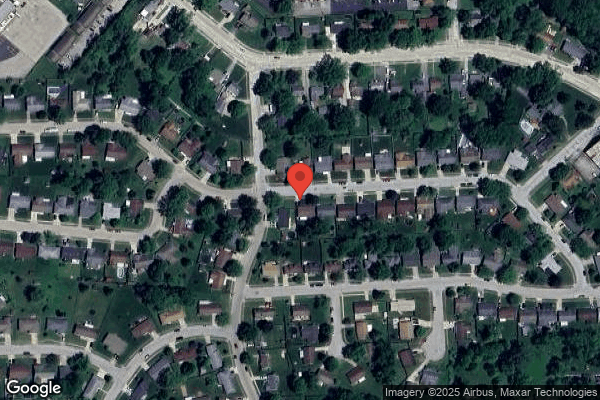
ONE COUNTRY LANE, BROOKVILLE, OH 45309 (937) 833-2133
For profit - Individual 99 Beds Independent Data: November 2025
Trust Grade
85/100
#36 of 913 in OH
Last Inspection: November 2024

Within standard 12-15 month inspection cycle. Federal law requires annual inspections.

Overview

Brookhaven Nursing & Rehabilitation Center has a Trust Grade of B+, indicating it is above average and recommended for families considering care options. It ranks #36 out of 913 facilities in Ohio, placing it in the top half for quality, and #4 out of 40 in Montgomery County, suggesting only three local options are better. Unfortunately, the facility is experiencing a worsening trend, with reported issues increasing from 2 in 2021 to 5 in 2024. Staffing is a strength, with a 4/5 star rating and a turnover rate of 31%, which is significantly lower than the state average. There have been no fines reported, which is a positive sign of compliance. However, recent inspections revealed concerns such as food safety issues in the kitchen, including improperly dated food items and unclean conditions, which could potentially affect many residents. Additionally, the facility has struggled with maintaining adequate infection control practices, raising concerns about overall resident safety.

Trust Score
B+
85/100
In Ohio
#36/913
Top 3%
Safety Record
Low Risk
No red flags
Inspections
Getting Worse
2 → 5 violations
Staff Stability
○ Average
31% turnover. Near Ohio's 48% average. Typical for the industry.
Penalties
✓ Good
No fines on record. Clean compliance history, better than most Ohio facilities.
Skilled Nurses
○ Average
Each resident gets 34 minutes of Registered Nurse (RN) attention daily — about average for Ohio. RNs are the most trained staff who monitor for health changes.
Violations
⚠ Watch
16 deficiencies on record. Higher than average. Multiple issues found across inspections.
★★★★★
5.0
Overall Rating
★★★★☆
4.0
Staff Levels
★★★★★
5.0
Care Quality
★★★★☆
4.0
Inspection Score
Stable
2021: 2 issues
2024: 5 issues

The Good

  • 4-Star Staffing Rating · Above-average nurse staffing levels
  • 5-Star Quality Measures · Strong clinical quality outcomes
  • Full Sprinkler Coverage · Fire safety systems throughout facility
  • No fines on record
  • Staff turnover below average (31%)

    17 points below Ohio average of 48%

Facility shows strength in staffing levels, quality measures, fire safety.

The Bad

Staff Turnover: 31%

15pts below Ohio avg (46%)

Typical for the industry

The Ugly 16 deficiencies on record

Nov 2024 4 deficiencies
CONCERN (D)

Potential for Harm - no one hurt, but risky conditions existed

Tube Feeding (Tag F0693)

Could have caused harm · This affected 1 resident

**NOTE- TERMS IN BRACKETS HAVE BEEN EDITED TO PROTECT CONFIDENTIALITY** Based on medical record review, observation, and staff interview, the facility failed to timely address concerns with a resident...

Read full inspector narrative →
**NOTE- TERMS IN BRACKETS HAVE BEEN EDITED TO PROTECT CONFIDENTIALITY** Based on medical record review, observation, and staff interview, the facility failed to timely address concerns with a resident's feeding tube. This affected one (#39) of two residents reviewed for feeding tubes. The census was 94. Findings include: Review of Resident #39's medical record revealed an admission date of 08/23/24. Diagnoses listed included abnormal weight loss, Parkinson's disease, bipolar disorder, dementia, and dysphagia. Review of an admission Minimum Data Set (MDS) assessment dated [DATE] revealed Resident #39 had severe cognitive impairment, had a feeding tube, and was receiving Hospice services. Review of nursing notes revealed on 11/02/24 at 9:08 P.M. Resident #39's feeding tube was clogged. After unclogging the feeding tube it was noticed that the feeding tube was dark almost black in color and had a foul odor. Feeding tube was flushed repeatedly and a new dressing place. A note was left for physician in the physician communication book. On 11/08/24 at 5:56 A.M., Resident #39's feeding tube was black and had a foul odor even after flushing. Feeding tube was not clogged and working properly. A note would be left for physician in the physician communication book. On 11/09/24 at 1:28 A.M., Resident #39's feeding tube was black and had a foul odor even after flushing. Attempted to be flushed again with no change in appearance. A note would be left for physician again. On 11/13/24 at 4:59 A.M., Resident #39's feeding tube was black and had a foul odor. A note would be left for physician and reported to oncoming nurse. Feeding tube was flushed and feed given as ordered. On 11/13/24 at 5:01 A.M., the Hospice on call physician was notified about Resident #39's feeding tube. Further review of Resident #39's medical record revealed no documentation of feeding tube concerns being addressed by physician, Nurse Practitioner (NP), or Hospice staff. Observation of Resident #39's feeding tube on 11/20/24 at 11:49 A.M. revealed it was black in color. Interview with Licensed Practical Nurse (LPN) #185 on 11/20/24 at 11:54 A.M. revealed Resident #39's feeding tube was black in color when he was admitted . Interview with the Director of Nursing (DON) on 11/21/24 at 9:42 A.M. confirmed concerns with Resident #39's feeding tube were not addressed by the facility physician, NP, or Hospice staff.
CONCERN (D)

Potential for Harm - no one hurt, but risky conditions existed

Pharmacy Services (Tag F0755)

Could have caused harm · This affected 1 resident

**NOTE- TERMS IN BRACKETS HAVE BEEN EDITED TO PROTECT CONFIDENTIALITY** Based on record review, staff interview, and policy review, the facility failed to administer medications per physician orders. ...

Read full inspector narrative →
**NOTE- TERMS IN BRACKETS HAVE BEEN EDITED TO PROTECT CONFIDENTIALITY** Based on record review, staff interview, and policy review, the facility failed to administer medications per physician orders. This affected one (Resident #57) of four residents reviewed for medication administration. The facility census was 94. Findings include: Review of the medical record for Resident #57 revealed an admission date of 06/26/24 with diagnoses of malignant neoplasm of right kidney, anemia in chronic kidney disease, and unspecified atrial fibrillation. Review of the Minimum Data Set (MDS) assessment dated [DATE] revealed the resident was cognitively intact, was independent with eating, required set-up assistance with oral hygiene, required supervision with wheelchair mobility, required partial assistance with bed mobility, and required substantial assistance with toileting hygiene, bathing, and dressing. Review of the Medication Administration Record (MAR) for Resident #57 for November 2024 revealed Potassium Chloride ER Capsule Extended Release (Potassium Chloride) 20 mEq was ordered, but the facility had Potassium Chloride ER Oral Tablet Extended Release (Potassium Chloride) 20 mEq in stock for the resident. Review of the physician orders revealed an order dated 09/09/24 to crush medications with applesauce or pudding two times a day for preventative and an order dated 10/08/24 for Potassium Chloride ER Oral Capsule Extended Release (Potassium Chloride) give 20 mEq by mouth one time a day. Observation on 11/19/24 at 8:35 A.M. with Licensed Practical Nurse (LPN) #188 confirmed during medication administration, Potassium Extended Release 20 mg 1 tab was held due to medication is not crushable. Interview on 11/19/24 at 8:35 A.M. with Licensed Practical Nurse (LPN) #188 confirmed the resident has an order to crush medications due to a swallow evaluation result. Interview on 11/19/24 at 10:02 A.M. with Licensed Practical Nurse (LPN) #188 confirmed the resident has had her medications crushed the whole month of November per the MAR and that the Potassium Chloride ER Oral Tablet Extended Release (Potassium Chloride) 20 mEq has been administered every day in November 2024, except this morning due to needing a crushable form of the medication. Interview on 11/19/24 at 10:58 A.M. with LPN #188 and Director of Nursing (DON) confirmed there was a Fax Form for Non-Emergency Communications dated 10/05/24 and signed by the Nurse Practitioner (NP) on 10/07/24 approving Potassium Chloride ER Oral Capsule Extended Release (Potassium Chloride) 20 mEq crushable, and that the order was processed but not initiated. Review of the Medication Administration - General Guidelines policy, dated 01/17/24 revealed medication tablets may be crushed or capsules emptied out when a resident has difficulty swallowing or is tube fed. Long-acting or enteric-coated dosage forms should generally not be crushed, and an alternative should be sought.
CONCERN (D)

Potential for Harm - no one hurt, but risky conditions existed

Infection Control (Tag F0880)

Could have caused harm · This affected 1 resident

Based on observation, staff interviews, and policy review, the facility failed to implement Enhanced Barrier Precautions (EBP) for two residents. This affected two (Residents #75 and #138) of four rev...

Read full inspector narrative →
Based on observation, staff interviews, and policy review, the facility failed to implement Enhanced Barrier Precautions (EBP) for two residents. This affected two (Residents #75 and #138) of four reviewed for infection control. The facility census was 94. Findings include: 1. Review of the Medical Record for Resident #75 revealed an admission date of 10/02/24 with diagnoses of Parkinsonism, dementia, and neuromuscular dysfunction of the bladder. Review of Resident #75's medical record revealed no documentation for EBP. Observation on 11/18/24 at 3:30 P.M. of Resident #75 revealed the resident had a suprapubic catheter. Observation revealed there were no gowns or gloves available, and there was no sign to advise staff resident was in EBP. Observation on 11/21/24 at 3:00 P.M. revealed Resident #75 with suprapubic catheter to abdomen, with no EBP in place. 2. Review of the Medical Record for Resident #138 revealed an admission date of 10/26/24 with diagnoses of acute kidney failure, end stage renal disease, and dependence on renal dialysis. Review of Resident #138's medical record revealed no documentation for EBP. Observation on 11/19/24 at 8:44 A.M. of Resident #138 revealed the resident had a dialysis catheter located on the right upper chest. Observation revealed there were no gowns or gloves available, and there was no sign to advise staff resident was in EBP. Interview on 11/19/24 2:41 P.M. with Licensed Practical Nurse (LPN) Unit Manager/Infection Preventionist (IP) #212 confirmed all residents with foleys, ostomies, wounds, picc lines, and dialysis catheters should all be in EBP at a minimum. Observation on 11/21/24 at 2:58 P.M. revealed Resident #138 with dialysis catheter to right upper chest area, with no EBP in place. Interview on 11/21/24 at 3:03 P.M. with LPN/IP #212 confirmed Resident #138 had a dialysis catheter to right upper chest area, with no EBP in place. Interview also confirmed Resident #75 with suprapubic catheter to abdomen, with no EBP in place. Interview also conformed Resident #75 and Resident #138 should have been in EBP. Review of the EBP list provided to the survey team on 11/18/24, undated, revealed Resident #75 and Resident #138 were not listed on the list. Interview on 11/21/24 at 3:30 P.M. with the Director of Nursing (DON) confirmed Resident #75 and #138 was not listed on the Enhanced Barrier Precautions list provided to the survey team on 11/18/24 and confirmed Residents #75 and #138 were not care planned for EBP. Review of the Enhanced Barrier Precautions policy dated 08/2022, revealed EBP may be considered for indwelling medical devices (central line, urinary catheter, feeding tube, tracheostomy /ventilator). Gloves and gowns would be utilized for residents on EBP.
CONCERN (F)

Potential for Harm - no one hurt, but risky conditions existed

Food Safety (Tag F0812)

Could have caused harm · This affected most or all residents

Based on observation, record review, and interview, the facility failed to maintain a clean and sanitary kitchen area. This had the potential to affect 91 residents who received meals in the facility....

Read full inspector narrative →
Based on observation, record review, and interview, the facility failed to maintain a clean and sanitary kitchen area. This had the potential to affect 91 residents who received meals in the facility. The facility identified Resident #13, #39 and #74 as receiving no food and drink from the kitchen. The facility census was 94. Findings include: Observation on 11/18/24 at 8:58 A.M. and 11/20/24 at 11:19 A.M. revealed a tacky substance on the hoses and a dark substance on the nozzles that connect to juice boxes. Interview on 11/20/24 at 11:19 A.M. with Dietary Director #172 confirmed a tacky substance on the hoses and the presence of a dark substance on the nozzles that connect to the juice boxes. Interview on 11/20/24 at 11:19 A.M. with Corporate Dietician #135 confirmed a tacky substance on the hoses and the presence of a dark substance on the nozzles that connect to the juice boxes. Record review of document titled, Monthly Kitchen Deep Clean, not dated, revealed Dietary and Maintenance will work in combination on a pre-scheduled evening to clean equipment.
May 2024 1 deficiency
CONCERN (D) 📢 Someone Reported This

A family member, employee, or ombudsman was alarmed enough to file a formal complaint

Potential for Harm - no one hurt, but risky conditions existed

Notification of Changes (Tag F0580)

Could have caused harm · This affected 1 resident

**NOTE- TERMS IN BRACKETS HAVE BEEN EDITED TO PROTECT CONFIDENTIALITY** Based on medical record review, staff interview, and review of the facility policy, the facility failed to ensure a resident's e...

Read full inspector narrative →
**NOTE- TERMS IN BRACKETS HAVE BEEN EDITED TO PROTECT CONFIDENTIALITY** Based on medical record review, staff interview, and review of the facility policy, the facility failed to ensure a resident's emergency contact was notified of a fall and a change in condition. This affected one (Resident #3) of three reviewed for notification of changes. The facility census was 91. Findings include: Review of Resident #3's closed medical record revealed an admission date of 01/24/24. Diagnoses included muscle weakness, vascular dementia, heart failure, and pleural effusion. Resident #3 was transferred to a local hospital on [DATE] and did not return to the facility. Review of an admission Minimum Data Set (MDS) assessment dated [DATE] revealed Resident #3 was moderately cognitively impaired with a brief interview for mental status (BIMS) score of 10. Review of the progress notes dated 04/06/24 at 3:46 P.M. revealed Resident #3 was found by an State Tested Nursing Assistant (STNA) sitting upright on the floor next to his bed with his wheelchair next to him. The wheelchair was locked and Resident #3 was wearing gripper socks. Resident #3 stated he was standing to transfer from his wheelchair to his bed and his feet slipped out from under him causing him to slide to the floor landing on his bottom. Resident #3 denied any head injury. Resident #3's physician and son were notified. Resident #3's son was not listed as an emergency contact. Review of the neurological checks conducted post-fall revealed Resident #3's level of consciousness (LOC) had declined from one (alert wakefulness: responds quickly and appropriately) on 04/07/24 at 3:15 A.M. to a two (drowsy/lethargic: responds to stimuli appropriately, but with delay and slowness) on 04/07/24 at 7:15 A.M. Resident #3's LOC was documented as two on 04/07/24 at 11:15 A.M. and 3:15 P.M. The progress notes dated 04/07/24 at 1:28 P.M. revealed Resident #3 was increasing lethargic and drowsy. Resident #3's blood pressure was trending low. There was no documentation of Resident #3's emergency contact being notified of the decline in LOC until 04/07/24 at 7:50 P.M. when Resident #3's emergency contact came to the facility and had concerns about Resident #3's hallucinations and twitching. Resident #3 was sent the the emergency room (ER) for evaluation. Interview on 05/08/24 at 11:20 A.M. with the Director of Nursing (DON) and Register Nurse (RN) #75 revealed when Resident #3 fell on [DATE], Licensed Practical Nurse (LPN) #50 was the nurse assigned to his care. A family member came to visit Resident #3 on 04/06/24 after his fall and LPN #50 at first believed this family member was the Resident #3's emergency contact. When discussing Resident #3's fall with this family member, she discovered he was not the emergency contact. LPN #50 thought she heard this family member talking to the listed emergency contact on the telephone. LPN #50 did not call Resident #3's listed emergency contact about the fall on 04/06/24. Telephone interview with LPN #50 on 05/08/24 at 1:36 P.M. revealed she was the nurse caring for Resident #3 when he fell on [DATE]. A family member came to visit Resident #3 right after the fall on 04/06/24. LPN #50 talked with this family member about fall interventions and thought the family member had spoken with Resident #3's emergency contact about Resident #3's fall. LPN #50 confirmed the family member she had spoken with on 04/06/24 was not Resident #3's listed emergency contact. LPN #50 stated that Resident #3 was lethargic the next day (04/07/24) and had called Resident #3's physician. LPN #50 did not call Resident #3's emergency contact about Resident #3's decline in LOC on 04/07/24. Review of the facility's policy titled Notification of Changes Policy, revised 11/02/16, revealed the facility will inform the resident, the attending physician and the resident's representative or interested family member of changes which affect the resident. The facility must inform the resident immediately, the attending physician and the resident's representative or interested family member when there is: • An accident involving the resident, which may or may not result in injury. • A significant change in the resident's physical, mental or psychosocial status. • A need to alter treatment significantly. • A decision to transfer or discharge the resident from the facility. This deficiency represents non-compliance investigated under Complaint Number OH00153323.
Sept 2021 2 deficiencies
CONCERN (D)

Potential for Harm - no one hurt, but risky conditions existed

Deficiency F0810 (Tag F0810)

Could have caused harm · This affected 1 resident

**NOTE- TERMS IN BRACKETS HAVE BEEN EDITED TO PROTECT CONFIDENTIALITY** Based on medical record review, observation, and staff interview, the facility failed to provide adaptive equipment as ordered. ...

Read full inspector narrative →
**NOTE- TERMS IN BRACKETS HAVE BEEN EDITED TO PROTECT CONFIDENTIALITY** Based on medical record review, observation, and staff interview, the facility failed to provide adaptive equipment as ordered. This affected one (Resident #12) of two residents reviewed for use of adaptive equipment. The facility census was 78. Findings include: Review of the medical record for Resident #12 revealed an admission date of 11/30/01. Diagnoses included multiple sclerosis, hemiplegia and hemiparesis following unspecified cerebrovascular disease affecting left non-dominant side. Review of the quarterly minimum data set (MDS) assessment dated [DATE] revealed the resident had impaired cognition. The resident required extensive assistance of one staff for eating. Review of the care plan dated 03/10/21 revealed the resident required a divided plate to aid in self-feeding. Review of the nutrition services progress note dated 03/10/21 revealed the resident was able to feed herself at times and a divided plate would be provided with meals. Review of the nutrition services progress note dated 08/26/21 revealed a divided plate was provided to aid in self-feeding. During observation on 08/30/21 at 12:03 P.M., Resident #12 was seated in a wheelchair by herself at a table in the dining room. The resident was attempting to scoop mashed potatoes from a regular, non-divided plate with a spoon. The mashed potatoes were pushed off the left side of the plate as the resident attempted to place the food onto the spoon. The resident then picked up the mashed potatoes from the table with her fingers and placed them in her mouth. Review of Resident #12's meal ticket on 08/30/21 at 12:06 P.M. stated she needed a divided plate. During interview on 08/30/21 at 12:12 P.M., State Tested Nursing Assistant (STNA) #322 verified Resident #12 did not have a divided plate and was pushing her food off the plate as she was attempting to scoop the food. STNA #322 stated dietary staff are supposed to provide adaptive equipment when preparing the meal tray. During observation on 08/31/21 at 12:21 P.M., Resident #12 was laying in her bed attempting to eat a pureed sandwich. The food was not served on a divided plate. Resident #12 picked up the pureed food from the plate with her fingers. During interview on 08/31/21 at 12:29 P.M., Registered Nurse (RN) #358 verified the resident did not have a divided plate.
CONCERN (F)

Potential for Harm - no one hurt, but risky conditions existed

Food Safety (Tag F0812)

Could have caused harm · This affected most or all residents

Based on observation, record review and interview, the facility failed to store and serve food in accordance with professional standards for food safety. This had the potential to affect 78 residents ...

Read full inspector narrative →
Based on observation, record review and interview, the facility failed to store and serve food in accordance with professional standards for food safety. This had the potential to affect 78 residents who received meals in the facility. The facility census was 78. Findings include: Observation of the kitchen on 08/30/21 at 08:28 A.M. revealed a tray of chocolate pudding and vanilla pudding dated 08/23/21. Seven gallons of drinks marked tea, prune juice, and lemonade were not dated. The next cooler contained eight glasses of poured dinks. The drinks were not labeled or dated. Review of the facility food temperature log revealed on 08/02/21, 08/19/21, and 08/20/21 the facility did not record any food temperatures for the meals served on that day. On 08/03/21, 08/04/21, 08/05/21, 08/08/21, 08/09/21, 08/10/21, 08/11/21, 08/12/21, and 08/13/21, the facility did not record any food temperatures of the evening meal. During interview on 08/30/21 at the time of the observations, Registered Dietitian (RD) #500 during the initial tour of the kitchen confirmed the pudding were labeled and dated 08/23/21 and the drinks were not dated. RD #500 also verified the food temperate logs were incomplete. During observation on 09/01/01 at 11:20 A.M. of kitchen of food prep and tray line, Dietary Manger (DM) #355 check the temperature of a piece of cooked chicken without cleaning the thermometer. DM #355 used the same food thermometer to check the temperature of a cooked hamburger without sanitizing the food thermometer. DM #355 donned plastic gloves and attempted to separate raw frozen beef patties. Without removing the gloves, DM #355 opened a drawer and pulled out a utensil to separate the frozen raw beef patties. DM #355 went back to the raw beef patties and attempt to separate without washing her hands or changing her gloves. During interview on 09/01/21 at 11:20 A.M., DM #355 stated she did not sanitize the thermometer in between food items and did not change her gloves while working with the raw beef patties. She stated thought it was okay not to remove her gloves, because cooking the hamburger would kill the germs. She said she would go back later and clean the drawer she touched with the gloves on. During observation on 09/01/21 at 12:00 P.M. the top of the trash can was soiled with splashes of dried stains and food debris. There was a dried grease like substance on the bottom of a food prep table with stacked clean dishes. The top of the food tray line shelf contained bottles of spices that was dirty with food particles and droppings. Review of the facility cleaning log notebook revealed a cleaning schedule for each day of the week. The kitchen was last documented as cleaned on 08/12/21. This was verified by RD #500. During interview 09/01/21 at 12:00 P.M. RD #500 verified the above findings and verified the kitchen was last documented as being clean on 08/12/21. During interview on 09/02/21 at 1:31 P.M., RD #500 stated she was unable to provide a policy regarding labeling and discarding food or the kitchen cleaning schedule.
Nov 2019 9 deficiencies
CONCERN (D)

Potential for Harm - no one hurt, but risky conditions existed

Deficiency F0578 (Tag F0578)

Could have caused harm · This affected 1 resident

Based on medical record review and staff interview, the facility failed to ensure a resident's advance directives matched in the electronic and hard copy medical record. This affected one (#47) of two...

Read full inspector narrative →
Based on medical record review and staff interview, the facility failed to ensure a resident's advance directives matched in the electronic and hard copy medical record. This affected one (#47) of two residents reviewed for advance directives. The census was 96. Findings include: Review of Resident #47's medical record revealed an admission dated of 11/14/17. Diagnoses included dementia, major depressive disorder, heart failure, and acute kidney failure. Review of Resident #47's electronic medical record revealed an order for do not resuscitate comfort care (DNRCC) dated 10/29/19. Review of Resident #47's hard chart medical record revealed a page located under the advance directives tab that contained Resident #47's name and statement of full code status. Interview with the Director of Nursing (DON) on 11/20/19 at 8:00 A.M. confirmed Resident #47's electronic and hard chart medical directives did not match. The DON confirmed this would cause confusion during an emergency situation.
CONCERN (D)

Potential for Harm - no one hurt, but risky conditions existed

Deficiency F0645 (Tag F0645)

Could have caused harm · This affected 1 resident

**NOTE- TERMS IN BRACKETS HAVE BEEN EDITED TO PROTECT CONFIDENTIALITY** Based on medical record review and staff interview; the facility failed to complete a level one preadmission screening and resid...

Read full inspector narrative →
**NOTE- TERMS IN BRACKETS HAVE BEEN EDITED TO PROTECT CONFIDENTIALITY** Based on medical record review and staff interview; the facility failed to complete a level one preadmission screening and resident review (PASRR) prior to the 30th day following admission to the facility from the hospital. This affected one (#75) of one resident reviewed for preadmission screening and resident review. The census was 96. Finding include: Review of the medical record for Resident #75 revealed the resident was admitted to the facility on [DATE]. Diagnoses include psychosis, congestive heart failure, hypertension, chronic kidney disease stage three, repeated falls, muscle weakness, hyperlipidemia, and arthritis. Review of the medical record for Resident #75 revealed a document titled, Hospital Exemption from Preadmission Screening Notification dated 10/19/19. Review of the document revealed the nursing facility accepted the admission of Resident #75 only after receipt and review of this notification form for 100 percent accuracy and completion. Further review of the document revealed the nursing facility accepted responsibility for requesting a resident review prior to the 30th day following admission from the hospital. Interview on 11/19/19 at 1:16 P.M. with social service director (SSD) #250 revealed the SSD was not aware of Resident #75's need for a level one prescreening. SSD #250 verified the level one PASRR was not completed prior to the 30th day following Resident #75's admission to the facility from the hospital.
CONCERN (D)

Potential for Harm - no one hurt, but risky conditions existed

Comprehensive Care Plan (Tag F0656)

Could have caused harm · This affected 1 resident

**NOTE- TERMS IN BRACKETS HAVE BEEN EDITED TO PROTECT CONFIDENTIALITY** Based on medical record review and staff interview; the facility failed to develop and implement a person-centered comprehensive...

Read full inspector narrative →
**NOTE- TERMS IN BRACKETS HAVE BEEN EDITED TO PROTECT CONFIDENTIALITY** Based on medical record review and staff interview; the facility failed to develop and implement a person-centered comprehensive care plan related to anxiety and the use of antianxiety medication. This affected one (#77) of five resident reviewed for unnecessary medication. The census was 96. Findings include: Review of the medical record for Resident #77 revealed the resident was admitted to the facility on [DATE]. Diagnoses include anxiety, osteoarthritis, muscle weakness, major depressive disorder, hypokalemia, colitis, osteoporosis, constipation, vascular disorder of of intestines, polyneuropathy, insomnia, chronic embolism, and epilepsy. Review of a physician order start date 07/24/19, revealed Resident #77 had an order for Clonazepam (antianxiety medication) tablet 0.5 milligram (mg); administer 0.25 mg by mouth two times a day related to anxiety disorder. Review of a quarterly minimum data set (MDS) assessment assessment dated [DATE], revealed the resident was administered antianxiety medication on seven days during the seven day reference period. Review of Resident #77's medication administration record (MAR) dated 11/19, revealed the residents was administered Clonazepam two times a day as ordered by the physician. Review of the medical record for Resident #77 revealed there was no care plan developed to address Resident #77's diagnoses of anxiety. Continued review of the medical record revealed there was no care plan was developed to address the use of antianxiety medication. Interview on 11/21/19 at 11:54 A.M. with the Director of Nursing (DON) verified Resident #77 had a physicians order for and was being administered the antianxiety medication Clonazepam for the diagnoses of anxiety. The DON further verified there was no care plan developed to address anxiety or antianxiety medication.
CONCERN (D)

Potential for Harm - no one hurt, but risky conditions existed

Quality of Care (Tag F0684)

Could have caused harm · This affected 1 resident

**NOTE- TERMS IN BRACKETS HAVE BEEN EDITED TO PROTECT CONFIDENTIALITY** Based on medical record review, review of a physician notification sheet, observation and resident and staff interview, the faci...

Read full inspector narrative →
**NOTE- TERMS IN BRACKETS HAVE BEEN EDITED TO PROTECT CONFIDENTIALITY** Based on medical record review, review of a physician notification sheet, observation and resident and staff interview, the facility failed to follow through with a nurse practitioners treatment recommendation. This affected one (#75) of one resident reviewed for infection. The census was 96. Findings include: Review of the medical record for Resident #75 revealed the resident was admitted to the facility on [DATE]. Diagnoses include psychosis, congestive heart failure, hypertension, chronic kidney disease stage three, repeated falls, muscle weakness, hyperlipidemia, and arthritis. Review of a nurse progress note dated 11/10/19 at 9:30 P.M. revealed Resident #75's right eye was red with swelling observed. Documentation revealed notification was left for the physician. Review of a physician notification sheet dated 11/10/19, revealed the nurse practitioner (NP) was notified of the resident having red swollen eye. Documentation revealed the resident was to have a warm compress as needed and continue to monitor. Review of the medical record for Resident #75 revealed there was no physician order for the warm compress and no evidence of the warm compress being offered or provided. Interview on 11/18/19 at 2:13 P.M. with Resident #75 revealed the resident right eye was bothering the resident. The resident revealed he/she reported the red/irritated eye to staff many days ago but there had been no follow up from the staff. Resident #75 revealed the right eye was not painful but was very irritated. Observation during the interview revealed Resident #75's right eye sclera was red. The resident's lower eye lid appeared to be drooping and red. Interview on 11/19/19 at 1:23 P.M. with Registered Nurse (RN) #245 revealed Resident #75's right eye had been red and irritated since admission to the facility. RN #245 verified the resident did not have a treatment or medication orders for the treatment of the residents red/irritated eye. Interview on 11/20/19 at 10:30 A.M. with the Director of Nursing (DON) revealed on 11/10/19 a notification was placed on the physician notification sheet to notify the the physician of Resident #75's right eye being assessed as red and swollen. Continued interview with the DON revealed on 11/12/19 the nurse practitioner (NP) addressed the notification with an order for warm compress as needed and continue to monitor. Interview with the DON verified the warm compress treatment was missed by staff. Further interview with the DON revealed the nurse practitioner was made aware of the missed order for the warm compress 11/19/19. The DON revealed a new order was received for an eye ointment as needed and to continue the warm compress orders.
CONCERN (D)

Potential for Harm - no one hurt, but risky conditions existed

Deficiency F0698 (Tag F0698)

Could have caused harm · This affected 1 resident

**NOTE- TERMS IN BRACKETS HAVE BEEN EDITED TO PROTECT CONFIDENTIALITY** Based on medical record review, observation and resident and staff interview, the facility failed to ensure a residents dialysis...

Read full inspector narrative →
**NOTE- TERMS IN BRACKETS HAVE BEEN EDITED TO PROTECT CONFIDENTIALITY** Based on medical record review, observation and resident and staff interview, the facility failed to ensure a residents dialysis access site was accurately assessed and documented in the medical record. This affected one (#27) of one residents reviewed for dialysis. The census was 96. Findings include: Review of Resident #27's medical record revealed and admission date of 06/18/17. Diagnose included hypertension, chronic kidney disease, atrial fibrillation, and type II diabetes mellitus. Resident #27's was assessed as being cognitively intact in a Minimum Data Set (MDS) dated [DATE]. Further review revealed Resident #27 had a dialysis catheter to her right upper chest. Review of progress notes dated 10/21/19 at 3:59 P.M. revealed there was positive auscultation of bruit and positive palpation of thrill in a right upper chest arteriovenous (AV) fistula. Review of progress notes dated 10/22/19 at 6:36 P.M. revealed there was positive auscultation of bruit and positive palpation of thrill in a right upper extremity (LUE) arteriovenous (AV) fistula. Review of progress notes dated 11/04/19 at 6:47 P.M. revealed that Resident #27's AV fistula to her right upper chest was palpated for thrill and auscultated for bruit, no bleeding was noted. Interview with Resident #27 on 11/20/19 at 7:33 A.M. revealed she did not have an AV fistula to neither her LUE or left upper chest. A dialysis catheter was observed to Resident #27's right upper chest. Interview with the Director of Nursing (DON) and Registered Nurse (RN) #175 on 11/20/19 confirmed that Resident #27 did not have and had never had an AV fistula. Both the DON and RN #175 confirmed that assessment of an AV fistula was inaccurately assessed/documented. Both confirmed that a dialysis catheter could not be assessed for bruit and thrill.
CONCERN (D)

Potential for Harm - no one hurt, but risky conditions existed

Deficiency F0760 (Tag F0760)

Could have caused harm · This affected 1 resident

**NOTE- TERMS IN BRACKETS HAVE BEEN EDITED TO PROTECT CONFIDENTIALITY** Based on medical record review, observation, staff interview, and policy review, the facility failed to prime an insulin flex pe...

Read full inspector narrative →
**NOTE- TERMS IN BRACKETS HAVE BEEN EDITED TO PROTECT CONFIDENTIALITY** Based on medical record review, observation, staff interview, and policy review, the facility failed to prime an insulin flex pen to ensure the accurate dose was administered. This affected one (#79) of one resident observed for the administration of insulin. The census was 96. Findings include: Review of the medical record for Resident #79 revealed the resident was admitted to the facility on [DATE]. Diagnoses include diabetes mellitus type two, low back pain, chronic kidney disease, chronic obstructive pulmonary disease, and diabetic neuropathy. Review of a physician order dated 07/28/19, revealed Resident #79 was to be administered insulin aspart solution per pen-injectors 100 units per milliliter; inject subcutaneously three times a day as per sliding scale: if finger stick blood sugar was 0-150 administer 0 units; 151-200 give administer two units; 201-250 administer four unit; 251-300 administer six units; 301-350 administer eight units; 351-400 administer 10 units; 401-450 administer 12 units and anything over 450 call the physician. Observation on 11/20/19 at 6:16 P.M. of medication administration revealed Licensed Practical Nurse (LPN) #150 was preparing a Novolog flex pen to administer two units of insulin to Resident #79 for a finger stick blood sugar (FSBS) result of 185. The LPN cleansed the tip of the flex pen with an alcohol swab and screwed the pen needle on to the pen. LPN #150 then dialed up two units of insulin, cleansed Resident #79's skin with an alcohol swab, and administered the insulin. There was no observation of LPN #150 priming the flex pen prior to dialing up the two unit dose and administering the insulin. Interview on 11/20/19 at 6:19 P.M. with LPN #150 verified the insulin flex pen was not primed prior to the administration of the insulin to Resident #79. Review of the policy titled, Insulin Pen Administration Instructions revision date 08/31/16, revealed the flex pen was to be primed with two units of insulin prior to dialing up and administering the prescribed dose of insulin.
CONCERN (D)

Potential for Harm - no one hurt, but risky conditions existed

Deficiency F0761 (Tag F0761)

Could have caused harm · This affected 1 resident

**NOTE- TERMS IN BRACKETS HAVE BEEN EDITED TO PROTECT CONFIDENTIALITY** Based on medical record review, observation, resident and staff interview, and review of an employee competency checklist, the f...

Read full inspector narrative →
**NOTE- TERMS IN BRACKETS HAVE BEEN EDITED TO PROTECT CONFIDENTIALITY** Based on medical record review, observation, resident and staff interview, and review of an employee competency checklist, the facility failed to ensure a resident consumed medications that were administered. This affected one (#27) of 22 residents reviewed during stage two of the annual survey. The census was 96. Findings include: Review of Resident #27's medical record revealed and admission date of 06/18/17. Diagnose included hypertension, chronic kidney disease, atrial fibrillation, and type II diabetes mellitus. Resident #27's was assessed as being cognitively intact in a Minimum Data Set (MDS) dated [DATE]. During an interview with Resident #27 on 11/20/19 at 7:30 A.M. medicine cup with a pill inside was observed on top Resident #27 beside chest of drawers. Resident #27 stated she needed more water to take the pill. Inside the medicine cup one pink oval shaped pill was observed. Interview with Licensed Practical Nurse (LPN) #150 on 11/20/19 at 7:32 A.M. confirmed she had left the pill with Resident #27 to take. LPN #150 identified the pill as Protonix (gastrointestinal reflux medication). LPN #150 stated Resident #27 had already eaten when she went to give her the Protonix. Further review of Resident #27's medical record revealed an order dated 10/12/19 for Protonix 40 milligrams (mg) to be given by mouth one time a day. Review of a facility document titled Skills Competency Checklist-Medication Administration dated April 2013 revealed nurse remains till medications are swallowed. Medications are not left at bedside.
CONCERN (F)

Potential for Harm - no one hurt, but risky conditions existed

Infection Control (Tag F0880)

Could have caused harm · This affected most or all residents

Based on review of the infection control logs, staff interview and policy review, the facility failed to have an adequate infection control surveillance program in place to ensure proper monitoring as...

Read full inspector narrative →
Based on review of the infection control logs, staff interview and policy review, the facility failed to have an adequate infection control surveillance program in place to ensure proper monitoring as required. This had the potential to affect all 96 residents residing in the facility. Facility census was 96. Findings include: Review of infection control logs/surveillance information for September 2019 revealed multiple missing areas of documentation which included; a lack of all organism being tracked to ensure adequate trending to identified and prevent the spread of infections. Further review of the antibiotic use was not completed to ensure it appropriately use for the identified infection to meet the requirements for antibiotic stewardship program on a consistent basis. Review of infection control logs/surveillance information for October 2019 revealed no organism were identified tracked and trended to identified and prevent the spread of infections. There was documentation of percentages of antibiotic used and percentages of infections. There was a color coded map of infection but no documentation of organism to ensure tracking and trending was accurate. Further review of the antibiotic use was not completed to ensure it appropriately use for the identified infection to meet the requirements for antibiotic stewardship program on a consistent basis. Review of infection control log/surveillance for November 2019 lacked any documented information related to infections, organisms or antibiotic use. On 11/20/19 at 4:27 P.M. and interview with Infection Preventionist #200 revealed he acquired the infection control position in September 2019. He then verified the September 2019 infection control logs/surveillance were incomplete to ensure proper tracking and trending of infections. He then verified he does not have the log started for October 2019 to ensure proper tracking and trending of infections. Infection Preventionist #200 verified the Antibiotic Stewardship Program to monitor the use for the antibiotic is not being followed up on when ordered per the physician to ensure it is prescribed for the proper organism or type of infection on a consistent basis following McGeer's criteria for September 2019 and October 2019. He also revealed he was just starting to review antibiotic use, and track and trend infections for November 2019 but had no documentation to provide. The facility confirmed this had the potential to affect all 96 residents residing in the facility. Review of policy and procedure for infection control overview revised 11/02/16 documented the primary purpose for of the infection control plan was to establish guidelines to follow in preventing, identifying, reporting, investigating, and controlling the spread of contagious, infection or communicable diseases.
CONCERN (F)

Potential for Harm - no one hurt, but risky conditions existed

Antibiotic Stewardship (Tag F0881)

Could have caused harm · This affected most or all residents

Based on review of infection control logs, staff interview and policy review, the facility failed to have an adequate antibiotic stewardship program in place to ensure proper antibiotic usage as requi...

Read full inspector narrative →
Based on review of infection control logs, staff interview and policy review, the facility failed to have an adequate antibiotic stewardship program in place to ensure proper antibiotic usage as required. This had the potential to affect all 96 residents residing in the facility. Facility census was 96. Findings include: Review of infection control logs/surveillance information for September 2019 revealed multiple missing areas of documentation which included; a lack of all organism being tracked to ensure adequate trending to identified and prevent the spread of infections. Further review of the antibiotic use was not completed to ensure it appropriately use for the identified infection to meet the requirements for antibiotic stewardship program on a consistent basis. Review of infection control logs/surveillance information for October 2019 revealed no organism were identified tracked and trended to identified and prevent the spread of infections. There was documentation of percentages of antibiotic used and percentages of infections. There was a color coded map of infection but no documentation again of organism to ensure tracking and trending was accurate. Further review of the antibiotic use was not completed to ensure it appropriately use for the identified infection to meet the requirements for antibiotic stewardship program on a consistent basis. Review of infection control log/surveillance for November 2019 lacked any documented information related to infections, organisms or antibiotic use. On 11/20/19 at 4:27 P.M. an interview Infection Preventionist #200 with revealed he acquired the infection control position in September 2019. He then verified September 2019 infection control logs/surveillance were incomplete to ensure proper tracking and trending of infections. He then verified he does not have the log started for October 2019 to ensure proper tracking and trending of infections. Infection Control Preventionist #200 verified the Antibiotic Stewardship Program to monitor the use for the antibiotic is not being followed up on when ordered per the physician to ensure it is prescribed for the proper organism or type of infection on a consistent basis following McGeer's criteria for September 2019 and October 2019. He also revealed he was just starting to review antibiotic use, and track and trend infections for November 2019 but had no documentation to provide. The facility confirmed this had the potential to affect all 96 residents residing in the facility. Review of policy and procedure for antibiotic stewardship dated 10/17/19 documented the review of antibiotics is a vital aspect of the infection prevention and control program. Further review revealed surveillance of antibiotic use is ongoing to include trends, outcome and patterns will be conducted. The facility will review the use of antibiotics for the appropriateness.
Understanding Severity Codes (click to expand)
Life-Threatening (Immediate Jeopardy)
J - Isolated K - Pattern L - Widespread
Actual Harm
G - Isolated H - Pattern I - Widespread
Potential for Harm
D - Isolated E - Pattern F - Widespread
No Harm (Minor)
A - Isolated B - Pattern C - Widespread

Questions to Ask on Your Visit

  • "Can I speak with families of current residents?"
  • "What's your RN coverage like on weekends and overnight?"

Our Honest Assessment

Strengths
  • • Grade B+ (85/100). Above average facility, better than most options in Ohio.
  • • No major safety red flags. No abuse findings, life-threatening violations, or SFF status.
  • • No fines on record. Clean compliance history, better than most Ohio facilities.
  • • 31% turnover. Below Ohio's 48% average. Good staff retention means consistent care.
Concerns
  • • 16 deficiencies on record. Higher than average. Multiple issues found across inspections.
Bottom line: Generally positive indicators. Standard due diligence and a personal visit recommended.

About This Facility

What is Brookhaven Nursing & Rehabilitation Center's CMS Rating?

CMS assigns BROOKHAVEN NURSING & REHABILITATION CENTER an overall rating of 5 out of 5 stars, which is considered much above average nationally. Within Ohio, this rating places the facility higher than 99% of the state's 100 nursing homes. This rating reflects solid performance across the metrics CMS uses to evaluate nursing home quality.

How is Brookhaven Nursing & Rehabilitation Center Staffed?

CMS rates BROOKHAVEN NURSING & REHABILITATION CENTER's staffing level at 4 out of 5 stars, which is above average compared to other nursing homes. Staff turnover is 31%, compared to the Ohio average of 46%. This relatively stable workforce can support continuity of care.

What Have Inspectors Found at Brookhaven Nursing & Rehabilitation Center?

State health inspectors documented 16 deficiencies at BROOKHAVEN NURSING & REHABILITATION CENTER during 2019 to 2024. These included: 16 with potential for harm.

Who Owns and Operates Brookhaven Nursing & Rehabilitation Center?

BROOKHAVEN NURSING & REHABILITATION CENTER is owned by a for-profit company. For-profit facilities operate as businesses with obligations to shareholders or private owners. The facility operates independently rather than as part of a larger chain. With 99 certified beds and approximately 93 residents (about 94% occupancy), it is a smaller facility located in BROOKVILLE, Ohio.

How Does Brookhaven Nursing & Rehabilitation Center Compare to Other Ohio Nursing Homes?

Compared to the 100 nursing homes in Ohio, BROOKHAVEN NURSING & REHABILITATION CENTER's overall rating (5 stars) is above the state average of 3.2, staff turnover (31%) is significantly lower than the state average of 46%, and health inspection rating (4 stars) is above the national benchmark.

What Should Families Ask When Visiting Brookhaven Nursing & Rehabilitation Center?

Based on this facility's data, families visiting should ask: "Can I visit during a mealtime to observe dining assistance and food quality?" "How do you handle medical emergencies, and what is your hospital transfer rate?" "Can I speak with family members of current residents about their experience?"

Is Brookhaven Nursing & Rehabilitation Center Safe?

Based on CMS inspection data, BROOKHAVEN NURSING & REHABILITATION CENTER has a clean safety record: no substantiated abuse findings (meaning no confirmed cases of resident harm), no Immediate Jeopardy citations (the most serious violation level indicating risk of serious injury or death), and is not on the Special Focus Facility watch list (a federal program monitoring the lowest-performing 1% of nursing homes). The facility has a 5-star overall rating and ranks #1 of 100 nursing homes in Ohio. While no facility is perfect, families should still ask about staff-to-resident ratios and recent inspection results during their visit.

Do Nurses at Brookhaven Nursing & Rehabilitation Center Stick Around?

BROOKHAVEN NURSING & REHABILITATION CENTER has a staff turnover rate of 31%, which is about average for Ohio nursing homes (state average: 46%). Moderate turnover is common in nursing homes, but families should still ask about staff tenure and how the facility maintains care continuity when employees leave.

Was Brookhaven Nursing & Rehabilitation Center Ever Fined?

BROOKHAVEN NURSING & REHABILITATION CENTER has no federal fines on record. CMS issues fines when nursing homes fail to meet care standards or don't correct problems found during inspections. The absence of fines suggests the facility has either maintained compliance or corrected any issues before penalties were assessed. This is a positive indicator, though families should still review recent inspection reports for the full picture.

Is Brookhaven Nursing & Rehabilitation Center on Any Federal Watch List?

BROOKHAVEN NURSING & REHABILITATION CENTER is not on any federal watch list. The most significant is the Special Focus Facility (SFF) program, which identifies the bottom 1% of nursing homes nationally based on persistent, serious quality problems. Not being on this list means the facility has avoided the pattern of deficiencies that triggers enhanced federal oversight. This is a positive indicator, though families should still review the facility's inspection history directly.