BRYAN HEALTHCARE AND REHABILITATION
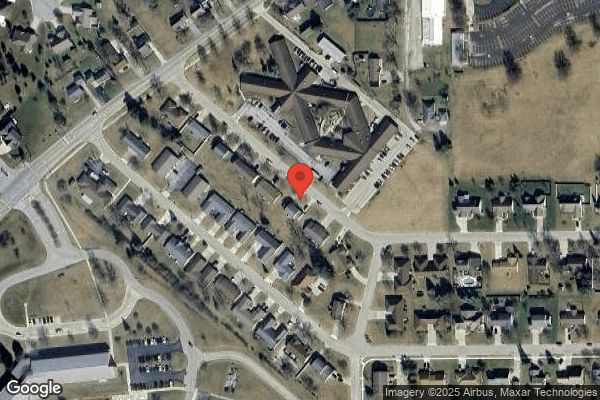
1104 WESLEY AVENUE, BRYAN, OH 43506 (419) 636-5071
For profit - Limited Liability company 149 Beds CERTUS HEALTHCARE Data: November 2025 2 Immediate Jeopardy citations
Trust Grade
0/100
#843 of 913 in OH
Last Inspection: March 2024

Within standard 12-15 month inspection cycle. Federal law requires annual inspections.

Overview

Bryan Healthcare and Rehabilitation has received a Trust Grade of F, indicating significant concerns about the quality of care provided. It ranks #843 out of 913 facilities in Ohio, placing it in the bottom half, and is the lowest-ranked facility in Williams County. Although the facility is improving, with the number of issues decreasing from 21 to 19 in the past year, it still has a troubling record, including $206,265 in fines, which is higher than 93% of Ohio facilities. Staffing is a notable weakness, with only 1 out of 5 stars and concerning RN coverage that ranks lower than 82% of state facilities, putting residents at risk of neglect. Specific incidents include a failure to provide timely treatment for a resident's respiratory decline, neglecting to follow up on a urinary tract infection, and inadequate COVID-19 infection control practices, all of which demonstrate serious gaps in care that families should consider.

Trust Score
F
0/100
In Ohio
#843/913
Bottom 8%
Safety Record
High Risk
Review needed
Inspections
Getting Better
21 → 19 violations
Staff Stability
⚠ Watch
49% turnover. Above average. Higher turnover means staff may not know residents' routines.
Penalties
✓ Good
$206,265 in fines. Lower than most Ohio facilities. Relatively clean record.
Skilled Nurses
⚠ Watch
Each resident gets only 24 minutes of Registered Nurse (RN) attention daily — below average for Ohio. Fewer RN minutes means fewer trained eyes watching for problems.
Violations
⚠ Watch
77 deficiencies on record. Higher than average. Multiple issues found across inspections.
★☆☆☆☆
1.0
Overall Rating
★☆☆☆☆
1.0
Staff Levels
★★★★☆
4.0
Care Quality
★☆☆☆☆
1.0
Inspection Score
Stable
2023: 21 issues
2024: 19 issues

The Good

  • 4-Star Quality Measures · Strong clinical quality outcomes
  • Full Sprinkler Coverage · Fire safety systems throughout facility
  • No fines on record

Facility shows strength in quality measures, fire safety.

The Bad

1-Star Overall Rating

Below Ohio average (3.2)

Significant quality concerns identified by CMS

Staff Turnover: 49%

Near Ohio avg (46%)

Higher turnover may affect care consistency

Federal Fines: $206,265

Well above median ($33,413)

Significant penalties indicating serious issues

Chain: CERTUS HEALTHCARE

Part of a multi-facility chain

Ask about local staffing decisions and management

The Ugly 77 deficiencies on record

2 life-threatening 2 actual harm
Dec 2024 1 deficiency
CONCERN (D) 📢 Someone Reported This

A family member, employee, or ombudsman was alarmed enough to file a formal complaint

Potential for Harm - no one hurt, but risky conditions existed

Free from Abuse/Neglect (Tag F0600)

Could have caused harm · This affected 1 resident

**NOTE- TERMS IN BRACKETS HAVE BEEN EDITED TO PROTECT CONFIDENTIALITY** THE FOLLOWING DEFICIENCY REPRESENTS AN INCIDENT OF PAST NON-COMPLIANCE THAT WAS SUBSEQUENTLY CORRECTED PRIOR TO THIS SURVEY. Ba...

Read full inspector narrative →
**NOTE- TERMS IN BRACKETS HAVE BEEN EDITED TO PROTECT CONFIDENTIALITY** THE FOLLOWING DEFICIENCY REPRESENTS AN INCIDENT OF PAST NON-COMPLIANCE THAT WAS SUBSEQUENTLY CORRECTED PRIOR TO THIS SURVEY. Based on review of Self-Report Incidents (SRI), review of open and closed medical records, review of facility incident reports, staff interview and review of facility policy, the facility failed to prevent resident to resident sexual abuse. This affected two (#8 and #12) of three residents reviewed for abuse. The facility census was 79. Findings include: 1. Review of the closed medical record revealed Resident #8 was admitted to the facility on [DATE] and discharged on 11/25/24. Diagnoses included atherosclerotic heart disease of native coronary artery without angina pectoris, essential hypertension, hyperlipidemia and paroxysmal atrial fibrillation. Review of the Minimum Data Set (MDS) assessment, dated 10/22/24, revealed Resident #8 was moderately cognitively impaired. Review of Self-Reported Incident #253805, dated 11/07/24 at 10:12 A.M., revealed at approximately 8:45 A.M. Resident #9 was observed to walk up to Resident #8 and touched her breast on top of her clothing. Resident #9 was placed on one-on-one staff supervision. Resident #9 remained on one-on-one staff supervision until discharge on [DATE]. Review of the resident to resident altercation incident report, dated 11/07/24 at 5:27 P.M., revealed the nurse was completing morning mediation pass and pushing the medication cart when she looked over and saw a male resident (Resident #9) with his hand down Resident #8's shirt. The male resident (Resident #9) was directed to another chair away from Resident #8. 3. Review of the medical record revealed Resident #12 was admitted [DATE]. Diagnoses included pressure ulcer of sacral region stage 4, unspecified dementia severe with anxiety, rheumatoid arthritis without rheumatoid factor, and cognitive communication deficit. Review of the MDS assessment, dated 10/29/24, revealed Resident #12 was rarely understood. Review of SRI #253810, dated 11/07/24 at 11:48 A.M., revealed it was reported Resident #9 walked away from staff and before staff could intervene, he was witnessed touching Resident #12's brief, near her crotch area. Staff immediately separated the residents and were able to redirect Resident #9 to another area of the unit with a staff member by his side to continue monitoring. Resident #9 remained on one-on-one staff supervision until discharged on 11/08/24. Review of the resident to resident altercation incident report, dated 11/07/24 at 5:03 P.M., revealed, after assisting another resident and transportation personnel out the locked doors, the nurse walked back into the lounge area and saw a male resident (Resident #9) beside Resident #12, who was in her wheelchair, with his hand in her pants. The nurse proceeded to redirect Resident #9 and moved him to a different area, without other residents in his presence. Interview on 12/09/24 at 9:10 A.M. with Certified Nursing Assistant (CNA) #202 revealed she worked on 11/07/24, during the time of both incidents involving Resident #9 and Residents #8 and #12. CNA #202 verified Resident #9 was placed on one-on-one supervision after the first incident with Resident #8. CNA #202 confirmed Licensed Practical Nurse (LPN) #201 was providing the one-on-one supervision for Resident #9 when she left him unsupervised and walked down the hall to let visitors off of the unit. CNA #202 verified it was during the time LPN #201 left Resident #9 unsupervised that the second incident involving Resident #12 occurred. Review of the facility policy titled Abuse, Mistreatment, Neglect, Exploitation and Misappropriation of Resident Property, dated October 2022, revealed residents have the right to be free from abuse, neglect, exploitation and misappropriation of resident property. As a result of the incident, the facility took the following actions to correct the deficient practice by 11/12/24: • On 11/07/24, Resident #9 was placed on one-on-one staff supervision. • On 11/07/24, social services assessed Resident #12 with no negative findings. Resident #12 was at baseline. • On 11/07/24, social services assessed Resident #8 with no negative findings. Resident #8 was at baseline. • On 11/07/24, Resident #9 was transferred to the hospital for further evaluation and treatment. Resident #9 returned to the facility on [DATE] at approximately 12:30 A.M. and remained on one-on-one staff supervision until discharge from the facility later that day. • On 11/07/24, the Director of Nursing (DON) or designee, interviewed all interviewable residents related to abuse. Residents who were not interviewable received skin assessments. No adverse findings were identified. • On 11/07/24, the DON or designee completed a staff questionnaire for all staff related to witnessing abuse and inquired if this resident (Resident #9) was witnessed off the unit with any other residents with no negative findings. • On 11/07/24, the DON or designee assessed all residents/care plans to ensure no residents currently had sexually inappropriate behaviors, with no negative findings identified. • On 11/07/24, the DON or designee re-educated all staff on the facility's abuse policy, including reporting of abuse. On 11/07/24, the Administrator or designee re-educated all staff on the facility procedures following an incident, with an emphasis on one-on-one staff supervision and abuse prevention. One-on-one staff supervision education included: one staff member must be assigned; if a staff member goes on a break, shift change or needs to leave the one-on-one supervision to complete any task, they must have another staff member take over the one-on-one staff supervision prior to leaving the one-on-one supervision assignment; and under no circumstances should a resident who is on one- on-one be left unattended. • Beginning on 11/07/24, the DON or designee will complete ten random staff competencies weekly for four weeks to ensure staff knowledge of the procedures related to one-on-one staff supervision. • Beginning on 11/07/24, the DON or designee will conduct random observations one time weekly for four weeks across all three shifts to ensure staff are following one-on-one procedures. • On 11/12/24, an ad hoc Quality Assurance Performance Improvement (QAPI) meeting was held to review the incidents, corrective action and relevant polices. • The results of the weekly audits will be reviewed by QAPI and any concerns will be addressed by QAPI. • This violation represents non-compliance investigated under Complaint Number OH00159861.
Aug 2024 3 deficiencies
CONCERN (D) 📢 Someone Reported This

A family member, employee, or ombudsman was alarmed enough to file a formal complaint

Potential for Harm - no one hurt, but risky conditions existed

Deficiency F0660 (Tag F0660)

Could have caused harm · This affected 1 resident

**NOTE- TERMS IN BRACKETS HAVE BEEN EDITED TO PROTECT CONFIDENTIALITY** Based on observation, medical record review, and staff interview, the facility failed to ensure ongoing interventions were imple...

Read full inspector narrative →
**NOTE- TERMS IN BRACKETS HAVE BEEN EDITED TO PROTECT CONFIDENTIALITY** Based on observation, medical record review, and staff interview, the facility failed to ensure ongoing interventions were implemented to promote discharge from the facility were provided. This affected one (#4) of four sampled residents reviewed for discharge opportunity. The facility census was 82. Findings include: Resident #4 admitted to the facility on [DATE] with the diagnoses including, quadriplegia, cervical spinal cord injury, hypertension, type two diabetes mellitus, history of urinary tract infection, depression, colostomy, and urostomy. Review of the most current minimum data set assessment dated [DATE] Resident #4 was assessed with intact cognition, dependent on staff for activities of daily living including bed mobility, rejection of care four to six days during assessment period, received a therapeutic diet, had no identified weight loss, and admitted with a stage IV pressure ulcer. Review of the baseline care plan documentation dated 04/13/24 Resident #4 had an discharge goal to assist resident in establishing a discharge with interventions including; discuss resident desire for long-term placement, discuss resident desire for short-term placement. Resident is unsure at this time. Initiate anticipation of community resources. Involve family/resident representative as appropriate. On 04/19/24 a plan of care was developed. Resident #4's admission and documented anticipated to have a length of stay less than 90 days related to Resident/family desire to discharge home. Interventions included the following: Resident will have a post-discharge plan to meet needs after discharge. Arrange for home care services, equipment and support services as indicated prior to discharge. Assist resident / family to determine most appropriate post-discharge setting. Assist resident/family with developing realistic discharge plans related to medical, physical, emotional and other needs. Be alert for significant changes in status that could have an impact on the resident's ability to discharge per the discharge plan. Keep resident, physician, and responsible party updated as needed. Educate resident and family regarding current diagnoses and typical progression. Encourage identified post-discharge caregivers or support persons to attend discharge planning meeting with resident and Interdisciplinary Team with permission of resident and or responsible party. Identify areas of needed education and training and implement to increase resident and or family knowledge and comfort with specific care. Provide emotional support to resident and or family as the date for discharge approaches. Be alert for specific areas of anxiety or concern and attempt to address. Further review of the medical record lacked documentation assisting Resident #4 with discharge planning until Social Services notes on 06/11/24 at 11:41 A.M. which revealed Licensed Social Worker (LSW) #500 discussed discharge planning with the resident. Resident relayed her goal is to heal her wound then return home. She is on a waiver program and identified a case manager (CM). LSW advised will need to follow-up with her to consult with her services, recommended home health and assistance is available and in place, prior to discharge. On 06/19/24 at 2:54 P.M. LSW #500 documented speaking with CM and Resident #4 option to secure own residence again. CM reported Resident would need to be in facility for 60 days to qualify for a specific home agency. LSW #500 documented follow-up with home health agency with future referral and consult with CM for discharge purposes. No further documentation contained in the medical record included discharge progress or follow-up dialog. On 07/18/24 at 6:35 P.M. LSW #500 documented resident reported attempting to line up aides for when she discharged . The resident indicated she attempted to contact a home discharge agency and left a message. No documentation included attempts made by LSW #500 to assist with discharge planning. No further Social Service notes were contained in the medical record. Interview with LSW #500 on 08/28/24 at 8:51 A.M. revealed on 07/18/24 LSW provided Resident #4 information regarding a specific community agency to assist with discharge. Resident #4 is able to use computer to complete application. Resident left a detailed message with the agency. LSW #500 confirmed she had not returned to assist Resident #4 with progress toward home goal or to determine if resident needed assistance completing application process and associated discharge arrangements.
CONCERN (D) 📢 Someone Reported This

A family member, employee, or ombudsman was alarmed enough to file a formal complaint

Potential for Harm - no one hurt, but risky conditions existed

Accident Prevention (Tag F0689)

Could have caused harm · This affected 1 resident

**NOTE- TERMS IN BRACKETS HAVE BEEN EDITED TO PROTECT CONFIDENTIALITY** Based on observation, medical record review, and staff interview, the facility failed to ensure interventions and monitoring wer...

Read full inspector narrative →
**NOTE- TERMS IN BRACKETS HAVE BEEN EDITED TO PROTECT CONFIDENTIALITY** Based on observation, medical record review, and staff interview, the facility failed to ensure interventions and monitoring were provided to a resident following difficulty consuming meal. This affected one (#3) of three sampled residents reviewed for meal time assistance in a facility census of 82. Findings include: Resident #3 admitted to the facility on [DATE] with the diagnoses including, chronic obstructive pulmonary disease, vascular dementia, repeated falls, chronic kidney disease, neuropathy, hypothyroidism, depression and cognitive communication deficit. Review of the most current minimum data set assessment dated [DATE] revealed Resident #3 had moderately impaired cognition, required set-up or clean-up assistance with eating, substantial to maximal assistance with activities of daily living, was incontinent of bowel and bladder, and received a mechanically altered diet. Review of nursing progress notes revealed on 08/03/24 at 6:56 P.M. at lunch today, resident struggled to eat a burrito that was served even after being cut up. Resident had an episode of choking. Back blows were administered, and resident was able to get food up and out. Resident #3 then struggled to eat dinner that had chunks of chicken. Resident was able to eat rice that was severed at lunch and noodles at dinner. Writer is changing resident diet to dysphagia advanced. Writer spoke with State Tested Nursing Assistants (STNA's), and they also felt that this was in the resident's best interest because she does not have any dentures. On 08/05/23 physician orders included Speech Therapy evaluation and treatment three-five times a week for 30 days effective 08/05/24 for dysphagia management and regular diet with mechanical soft texture and thin liquid consistency for diet. According to Speech Therapy Progress Report between 08/05/24-08/20/24 listed dysphagia therapy to include patient and staff educated on safe swallow strategies. As of 08/20/24 progress included patient tolerated diet less than 5% overt signs and symptoms of oral/pharyngeal stasis/aspiration. Patient needs minimal to moderate cueing to complete 50% or more of meals. On 08/23/24 a nursing plan of care was implemented to address Resident #3's risk for choking related to need for mechanically altered diet and recent choking episode. Interventions included: Diet to be followed as prescribed. Instruct resident to eat in an upright position, to eat slowly, and to chew each bite thoroughly. Monitor, document, and report to nurse, dietitian and Physician (MD) as needed (PRN) for difficulty swallowing, holding food in mouth, prolonged swallowing time, repeated swallows per bite, coughing, throat clearing, drooling, pocketing food in mouth. Refer to Speech therapy PRN. Observation on 08/27/24 at 12:10 P.M. noted Resident #3 in her room in bed. Resident #3 bed was the second bed from the entry door and the privacy curtain was drawn, which obstructed the view of the resident from the corridor. Resident #3 was seated in bed with the head of the bed upright. The resident was attempting to eat a mechanically altered diet. No staff were in the room or observed monitoring the resident. Observation at 1:30 P.M. noted the resident with the curtain drawn, in bed seated leaning to the left. The resident's eyes were closed with spilled food debris and liquids on clothing and bed linen. 100% of meal was uneaten including burger, french fries, coffee, juice and ice cream. A container of strawberry health shake was spilled on bed linens. On 08/27/24 at 1:35 P.M. Surveyor summonsed STNA #302 to Resident #3's bedside. STNA #302 confirmed Resident #3 had not consumed the lunch meal. STNA #302 stated the tray was placed in the resident's room at 11:45 A.M. and staff had not returned to assist the resident. STNA #302 was unaware Resident #3 required monitoring with eating. On 08/28/24 at 11:57 A.M. interview with Regional Registered Nurse (RRN) #200 during a review of the medical record confirmed Resident #3 was not monitored as indicated and instructed on intake or swallowing during the lunch meal on 08/27/24.
CONCERN (D) 📢 Someone Reported This

A family member, employee, or ombudsman was alarmed enough to file a formal complaint

Potential for Harm - no one hurt, but risky conditions existed

Incontinence Care (Tag F0690)

Could have caused harm · This affected 1 resident

**NOTE- TERMS IN BRACKETS HAVE BEEN EDITED TO PROTECT CONFIDENTIALITY** Based on observation, medical record review, staff and resident interview, and facility bowel and bladder management policy, the...

Read full inspector narrative →
**NOTE- TERMS IN BRACKETS HAVE BEEN EDITED TO PROTECT CONFIDENTIALITY** Based on observation, medical record review, staff and resident interview, and facility bowel and bladder management policy, the facility failed to provide and implement interventions to address specific resident incontinence needs. This affected one (#1) of three sampled residents reviewed for incontinence maintenance. The facility census was 82. Findings include: 2. Resident #1 admitted to the facility on [DATE] with the diagnoses including, cerebral infarction, hemiplegia affecting left side, traumatic hemorrhage right cerebrum, hypertension, morbid obesity, dysarthria, anarthria, hypothyroidism, and dysphagia. Review of the most current minimum data set assessment dated [DATE] Resident #1 had intact cognition, limited range of motion to upper and lower extremities of one side, utilized a wheelchair for mobility propelled by staff, required substantial to maximal assistance with activities of daily living (ADL) including bed mobility, dependent on staff for transfer to and from bed, and was always incontinent of bowel and bladder. Review of nursing plans of care revealed the following: On 07/19/23 plan of care revised to address Resident #1's incontinence of bladder related to impaired mobility, cerebral vascular accident with interventions including incontinence care: frequent check and change per protocol. On 07/26/21 a nursing plan of care was revised to address Resident #1's bowel incontinence related to impaired mobility with the intervention to check resident every two hours and assist with toileting as needed, and check and change at regular intervals. On 07/30/24 a bowel and bladder assessment was completed and recorded the resident as always incontinent of bowel and bladder. Bladder history noted Resident #1 voids large amount each episode, resident doesn't request toileting, requires staff assist for toileting, and was unable to transfer to commode or toilet. The plan was to check and change. No further interventions were listed to address Resident #1's incontinence. Observations on 08/27/24 noted at 9:36 A.M. Resident #1 in bed and State Tested Nurse Aide (STNA) #300 was preparing to provide the resident a bed bath. Interview with STNA #300 noted she was providing Resident #1 with morning activities of daily living including an incontinence check for the first time since assuming care at 6:00 A.M. STNA #301 also entered the room and proceeded to assist with resident care. STNA #301 stated the resident will notify staff when needing incontinence care. Observation noted Resident #1 with an adult incontinence brief which was clean. STNA #301 provided perineal care and placed a new brief with choice of clothing. At 10:37 A.M. Resident #1 was transferred to the wheelchair using a mechanical lift and the resident was propelled to the unit activities room. At 12:22 P.M. Resident #1 was observed in the unit activity room eating lunch. Resident #1 stated she sits in her wheelchair frequently up to and exceeding five hours without incontinence checks or repositioning. Continued observation noted Resident #1 to remain in the unit Activity room without repositioning or incontinence checks. On 08/27/24 at 1:40 P.M. interview with STNA #301 and Registered Nurse #402 during a review of Resident #1's point of care electronic documentation revealed no information indicating the resident required incontinence check and changes every two hours as per plan of care. STNA #301 confirmed she was unaware the resident required the two hour checks and confirmed the resident had not been repositioned or checked for incontinence since the resident was placed into the wheelchair. At 2:13 P.M. observation noted STNA #301 to propel Resident #1 to her room with assistance from RN #402 and placed the resident in bed using a mechanical lift. During the transfer STNA #301 asked Resident #1 if the resident was incontinent of bowel. Resident #1 replied she was not aware until that moment. STNA proceeded to assist the resident with incontinence care, removed the resident brief and discovered the resident incontinent of a small amount urine and medium formed stool contained in the brief. Following cleansing of the residents buttock, red areas were noted to the skin. RN #402 stated not to apply barrier cream and confirmed the reddened areas. RN #402 stated she would contact the physician for a possible treatment to the buttock. According to facility Bowel and Bladder Management policy dated 2018 the intent is to help resident maintain or improve bowel and bladder incontinence. Appropriate interventions shall be put into place when appropriate and may include: Encourage to utilize or assist resident to the bathroom at strategic periods of the day for that resident. Take in advance of need ([NAME]) if the resident is frequently incontinent of bowel and bladder and does not have the cognitive ability to follow directions, nursing will anticipate the need to void and assist resident to the bathroom more frequently. This deficiency represents non-compliance investigated under Master Complaint Number OH00156737.
Jul 2024 3 deficiencies
CONCERN (D) 📢 Someone Reported This

A family member, employee, or ombudsman was alarmed enough to file a formal complaint

Potential for Harm - no one hurt, but risky conditions existed

Pressure Ulcer Prevention (Tag F0686)

Could have caused harm · This affected 1 resident

**NOTE- TERMS IN BRACKETS HAVE BEEN EDITED TO PROTECT CONFIDENTIALITY** Based on observation, medical record review, staff interview, and review of the facility wound care policy, the facility failed ...

Read full inspector narrative →
**NOTE- TERMS IN BRACKETS HAVE BEEN EDITED TO PROTECT CONFIDENTIALITY** Based on observation, medical record review, staff interview, and review of the facility wound care policy, the facility failed to ensure pressure ulcer wound dressings and preventative interventions were implemented as ordered by the physician. This affected one (#1) of three sampled residents reviewed for skin integrity and wound prevention in a facility census of 90. Findings include: Review of the medical record revealed Resident #1 admitted to the facility on [DATE] with diagnoses including quadriplegia, cervical spinal cord injury, hypertension, type two diabetes mellitus, history of urinary tract infection, depression, colostomy, and urostomy. Review of the most current Minimum Data Set (MDS) assessment dated [DATE] Resident #1 was assessed with intact cognition, was dependent on staff for activities of daily living including bed mobility, received a therapeutic diet, was identified with no weight loss, and was admitted with a stage three (full-thickness skin loss) and a stage four (full-thickness skin and tissue loss) pressure ulcer. Review of skin grid pressure ulcer forms dated 04/15/24 noted wound measurements of Resident #1 pressure wounds documented as present on admission and original discovery date of 11/29/23. A right ischium stage four pressure ulcer measured 1.7 centimeters (cm) long by (x) 0 .7 cm wide x 2.1 cm deep. A left buttock stage three pressure ulcer measured 1.5 cm long x 1.7 cm wide x 0.1 cm deep. Review of a nursing plan of care dated 05/01/24 revealed a care plan was developed to address Resident #1's risk for further impaired skin integrity related to immobility due to quadriplegia, varicose veins, diabetes mellitus, and being admitted with pressure wounds to the left buttock and right ischium. Interventions included to administer treatments as ordered and monitor for effectiveness, and follow facility policies and protocols for the prevention and treatment of skin breakdown. Review of physician ordered revealed on 05/26/24 the physician changed Resident #1's wound treatment to the right ischium to have staff irrigate/rinse the wound with normal saline, apply Triad (wound cream) to the periwound, pack with Vashe (wound solution) moistened gauze, and cover the wound with silicone bordered foam dressing. The dressing was to be administered every morning and at bedtime scheduled at 10:00 A.M. and 9:00 P.M. and as needed. Resident #1 was evaluated by the wound center physician on 06/21/24 and indicated the wound to the left buttock was closed. An order was give to continue treatment to the area including to irrigate or rinse with normal saline, and cover with sacral silicone. On 06/25/24 the treatment was modified to include instructions for staff to irrigate or rinse with normal saline, apply Triad to the periwound, cover with sacral silicone, and apply coconut oil to reddened and dry areas on the buttocks. On 07/01/24 at 9:59 A.M. interview with Resident #1 revealed the wound dressing treatments were not completed the previous day and were last completed on 06/29/24. Observation and interview on 07/01/24 at 10:26 A.M. with Licensed Practical Nurse (LPN) #302, State Tested Nurse Aide (STNA) #204, and STNA #205 noted the dressing to Resident #1's right ischium to be soiled and pealing off the wound with no date or initials indicating when the dressing was last applied. The left hip dressing was not applied. Interview with LPN #302, during the observation, stated she was not aware the left buttock dressing was not applied as ordered and confirmed the right ischium dressing lacked a date or initials of the nurse indicating when the dressing was last changed. Interview with STNA #204 and STNA #205, at the time of the observation, stated they were not aware the right hip dressing was missing, and indicated the previous shift did not report any information related to the wound dressings to them. According to wound measurements obtained on 07/02/24, Resident #1's left buttock wound was healed and the right ischium stage four pressure ulcer measured 1.0 centimeters (cm) long x 0.8 cm wide x 1.5 cm deep. On 07/01/24 at 11:40 A.M., interview with the Director of Nursing (DON) verified Resident #1's wound dressings were not applied as ordered by the physician, and stated the facility wound treatment policy directed staff to apply initials with a date on the dressing at the time of application. Review of the facility wound care policy, revised October 2021, revealed staff are to verify there is a physician's order for the procedure, and when staff prepared to apply a wound dressing, they are to mark the tape with initials and date when the dressing was applied. This deficiency represents non-compliance investigated under Master Complaint Number OH00154646.
CONCERN (D) 📢 Someone Reported This

A family member, employee, or ombudsman was alarmed enough to file a formal complaint

Potential for Harm - no one hurt, but risky conditions existed

Deficiency F0760 (Tag F0760)

Could have caused harm · This affected 1 resident

**NOTE- TERMS IN BRACKETS HAVE BEEN EDITED TO PROTECT CONFIDENTIALITY** Based on observation, medical record review, staff interview, and review of the facility administration and documentation of med...

Read full inspector narrative →
**NOTE- TERMS IN BRACKETS HAVE BEEN EDITED TO PROTECT CONFIDENTIALITY** Based on observation, medical record review, staff interview, and review of the facility administration and documentation of medication policy, the facility failed to ensure medications were provided as ordered by the physician. This resulted in a significant medication error when a resident was not administered an antipsychotic medication as prescribed. The affected one (#4) of three residents reviewed for medications in a facility census of 90. Findings include: Review of the medical record revealed Resident #4 was admitted to the facility on [DATE] with diagnoses including, seizure disorder, major depressive disorder with recurrent severe psychotic symptoms, type two diabetes mellitus, anxiety disorder, chronic obstructive pulmonary disease, schizoaffective disorder, borderline intellectual functioning, delusional disorders, hypertension, and visual hallucinations. Review of the Minimum Data Set (MDS) assessment dated [DATE] assessed Resident #4 with intact cognition, a depressed mood two to six days during the assessment period, the resident was independent with activities of daily living and ambulation, and received the antipsychotic, antidepressant, and hypoglycemic medications daily. Review of Resident #4's nursing plan of care dated 10/17/22 revealed a care plan was implemented, and on 05/17/24 was revised, to address Resident #4's behavior problem related to depression with psychotic features, traumatic brain injury, schizoaffective disorder, visual and auditory hallucinations, and delusional disorder. Interventions included to administer medications as ordered and to Monitor/document for side effects and effectiveness. Review of Resident #4's physician orders revealed on 11/11/22 an order was initiated for the administration of the antipsychotic medication Risperdal with instructions to give 0.75 milligrams (mg) by mouth in the morning related to schizoaffective disorder and give 1.5 mg by mouth at bedtime. Review of nursing progress notes revealed on 06/22/24 at 8:20 P.M. Risperdal 1.5 mg was not available for administration. On 06/23/24 at 8:27 A.M. Risperdal 0.75 mg was not available and documented with an, N/A, in the medical record. On 06/29/24 at 11:20 A.M. Risperdal 0.75 mg was documented as on order. Observation on 07/01/24 at 8:40 A.M. revealed Licensed Practical Nurse (LPN) #301 obtained Resident #4's medications from the medication cart. LPN #301 was unable to locate a Risperdal 0.75 mg tablet in the cart and proceeded to the facility medication storage room which contained contingency medications. LPN #301 accessed the contingency medication storage cabinet and discovered two Risperdal drawers were empty. At 8:45 A.M., LPN #301 notified Certified Nurse Practitioner (CNP) #201 to make notification that the medication was not available in the facility for administration. At 9:08 A.M., CNP #201 confirmed the medication was not available in the facility, indicating the medication was not available in a secondary contingency medication location in the facility. On 07/01/24 at 11:45 A.M., during review of Resident #4's medical record with the Director of Nursing (DON), confirmed entries in progress notes indicating Risperdal 0.75 mg and 1.5 mg were not available for administration on 06/22/24, 06/23/24, and 06/29/24. Review of the facility administration and documentation of medications policy, revised May 2023, noted it is facility policy that every resident receives medications by the licensed nurse as prescribed by a licensed physician or other healthcare provider legally permitted to prescribe medications, safely, properly and in a timely manner, and that medications shall be accurately and completely documented. Documentation must be completed of medications not administered as ordered with the reason why, notifications completed and negative outcome to the resident, if any. This deficiency represents non-compliance investigated under Master Complaint Number OH00154646.
CONCERN (F) 📢 Someone Reported This

A family member, employee, or ombudsman was alarmed enough to file a formal complaint

Potential for Harm - no one hurt, but risky conditions existed

Deficiency F0727 (Tag F0727)

Could have caused harm · This affected most or all residents

Based on staff interview and review of staffing schedules, the facility failed to ensure staffing included the services of a registered nurse (RN) in-house for at least eight consecutive hours a day, ...

Read full inspector narrative →
Based on staff interview and review of staffing schedules, the facility failed to ensure staffing included the services of a registered nurse (RN) in-house for at least eight consecutive hours a day, seven days a week. This had the potential to affected all 90 residents residing in the facility. The facility census was 90. Findings include: Review of facility staffing schedules between 06/01/24 and 06/30/24 identified three dates lacking RN coverage for eight consecutive hours. The were no RN hours on 06/09/24, 06/20/24, and 06/27/24 during a 24-hour period. On 07/02/24 at 11:20 A.M., interview with the Director of Nursing (DON) during review of the facility staffing schedules verified three days the facility did not have an RN scheduled in the facility during a 24-hour period. The DON confirmed there was no RN hours on the 06/09/24, 06/20/24, and 06/27/24 staffing schedules for a 24-hour period. This deficiency represents non-compliance investigated under Master Complaint Number OH00154646 and Complaint Number OH00154464.
May 2024 1 deficiency
CONCERN (D) 📢 Someone Reported This

A family member, employee, or ombudsman was alarmed enough to file a formal complaint

Potential for Harm - no one hurt, but risky conditions existed

ADL Care (Tag F0677)

Could have caused harm · This affected 1 resident

Based on staff interview, resident interview, record review and review of the facility policy, the facility failed to ensure residents dependent for care received showers as scheduled or per request. ...

Read full inspector narrative →
Based on staff interview, resident interview, record review and review of the facility policy, the facility failed to ensure residents dependent for care received showers as scheduled or per request. This affected one (#14) of four residents reviewed for showers. The facility census was 90. Findings include: Review of the medical record for Resident #14 revealed an admission date of 10/06/23. Diagnoses included fracture of right lower leg, spinal stenosis and heart failure. Review of the quarterly Minimum Data Set (MDS) assessment, dated 04/26/24, revealed Resident #14 had intact cognition, did not reject care, and was dependent for transfers and showers. Review of the shower task documentation for the previous 30 days revealed Resident #14 was scheduled for routine showers on Mondays and Thursdays and received showers 05/02/24, 05/06/24, 05/16/24, and 05/27/24. Further review revealed Resident #14 refused a shower on 05/20/24. There was no evidence Resident #14 received showers on 05/09/24, 05/13/24 or 05/23/24 as scheduled or on 05/24/24 as requested. Interview on 05/29/24 at 2:00 P.M. with Resident #14 revealed she refused her shower on 05/20/24 because she did not feel well. However, Resident #14 stated she asked twice for a shower on Thursday, 05/23/24 and reported a male State Tested Nurse Aide (STNA), whom she could not identify, told her he did not know when her shower was scheduled. Resident #14 stated she did not receive a shower on Thursday, asked again on Friday, 05/24/24 for a shower and still did not receive a shower. Resident #14 confirmed she wanted a shower on 05/23/24 and did not receive one until her next scheduled shower day 05/27/24. Interview on 05/29/24 at approximately 6:00 P.M. with the Interim Director of Nursing (DON) confirmed the facility had no evidence Resident #14 received a shower on 05/09/24, 05/13/24, 05/23/24 or 05/24/24. Review of the policy Personal Care, revised 01/2021, revealed bath/showers may be given at any time the resident chooses and a shower is typically scheduled twice a week unless the resident requests additional showers. This deficiency represents non-compliance investigated under Complaint Number OH00153677.
Mar 2024 3 deficiencies
CONCERN (D)

Potential for Harm - no one hurt, but risky conditions existed

Deficiency F0569 (Tag F0569)

Could have caused harm · This affected 1 resident

Based on review of resident funds records and staff interview, the facility failed to ensure resident's funds were maintained under the Medicaid limit. This affected three residents (#02, #25, and #47...

Read full inspector narrative →
Based on review of resident funds records and staff interview, the facility failed to ensure resident's funds were maintained under the Medicaid limit. This affected three residents (#02, #25, and #47) of five residents reviewed for personal funds. The facility census was 101. Findings include: 1. Review of Resident #02's personal funds revealed a balance of $,3390.68 as of 03/20/24. The balance on 09/30/23 was $2,937.52. The facility had sent a Resident Fund Balance Notification on 01/03/24 to the resident's representative indicating they were to notify the Social Worker within the next seven days to discuss ways to assure continuance of Medicaid benefits. No record of discussion with the representative was located in the medical record. 2. Review of Resident #25's personal funds revealed a balance of $6,790.21 as of 03/20/24. The balance on 09/30/23 was $7,481.77. The facility had sent a Resident Fund Balance Notification on 01/03/24 to the resident's representative indicating they were to notify the Social Worker within the next seven days to discuss ways to assure continuance of Medicaid benefits. No record of discussion with the representative was located in the medical record. 3. Review of Resident #47's personal funds revealed a balance of $2,533.19 as of 03/20/24. The balance on 09/30/23 was $3,638.48. The facility had sent a Resident Fund Balance Notification on 01/03/24 to the resident's representative indicating they were to notify the Social Worker within the next seven days to discuss ways to assure continuance of Medicaid benefits. No record of discussion with the representative was located in the medical record. Interview on 03/20/24 at 3:55 P.M. with [NAME] President of Operations #360 verified the facility had not followed through with ensuring the resident's funds were maintained at or below the allowable limit set by Medicaid.
CONCERN (D)

Potential for Harm - no one hurt, but risky conditions existed

Quality of Care (Tag F0684)

Could have caused harm · This affected 1 resident

**NOTE- TERMS IN BRACKETS HAVE BEEN EDITED TO PROTECT CONFIDENTIALITY** Based on observations, medical record reviews, resident and staff interviews, and review of the facility policy, the facility fa...

Read full inspector narrative →
**NOTE- TERMS IN BRACKETS HAVE BEEN EDITED TO PROTECT CONFIDENTIALITY** Based on observations, medical record reviews, resident and staff interviews, and review of the facility policy, the facility failed to timely address the resident's skin impairments and failed to implement physician orders routinely to address the resident's skin conditions. This affected two (#21 and #68) of four residents reviewed for skin integrity. The facility census was 101. Findings include: 1. Review of Resident #68's medical record revealed the resident was admitted to the facility on [DATE]. Diagnoses included type II diabetes mellitus and coronary artery disease. Review of the Minimum Data Set (MDS) assessment dated [DATE] revealed Resident #68 had intact cognition. Resident #68 required set-up assistance from staff with activities of daily living, had no refusal of treatment, was independently mobile utilizing a walker or wheelchair, and was at risk for pressure ulcer development with no current skin breakdown. Review of the physician order dated 11/01/23 revealed an order to apply (Tubigrips) compression stockings to the bilateral lower extremities every day and night shift for edema. On 03/14/24, a physician order was implemented for the application of Clobetasol Propionate External Cream 0.05 % (Clobetasol Propionate) to be applied to the left posterior calf topically two times a day for dermatitis for seven days. Review of the treatment administration record (TAR) revealed the physician orders were signed as applied at morning and bedtime. Review of the nursing plan of care (POC) dated 02/27/24 revealed the POC was revised to address Resident #68's risk for impairment to skin integrity related to occasional incontinence, diabetes, anticoagulant use, and multiple comorbidities. Interventions included to follow physician orders for treatment of skin impairments and refer to the electronic Treatment Administration Record (eTAR) for specifics. Provide pain management with treatments as needed. Keep skin clean and dry. Use lotion on dry skin. Observe skin daily with care activities. Report any changes in coloration, integrity to nurse. Observation and interview on 03/18/24 at 8:01 P.M. revealed Resident #68 had an area of red skin excoriation to the back of the left leg and bilateral lower extremity edema. Resident #68 stated he wears compression stockings to the lower extremities. However, staff do not apply and the resident attempts to apply himself. The resident also stated he has an ointment that was to be applied to the back of the left leg, which does not get applied consistently. Additional observation on 03/19/24 at 12:30 P.M. revealed Resident #68 was dressed and seated in a wheelchair. Resident #68 did not have the compression stockings applied and stated the ointment had not been applied to the left calf (back of leg). On 03/19/24 at 12:46 P.M., an interview with Licensed Practical Nurse (LPN) #322 during a review of treatment administration records (TAR) revealed she had recorded (signed off) the ointment to Resident #68's leg as applied and also the compression stockings as applied for the morning administration on 03/19/24. However, LPN #322 verified the ointment and compression stockings had not been applied as ordered. On 03/19/24 at 1:31 P.M., observation with LPN #322 and #361 and Certified Nurse Practitioner (CNP) #361 assessed Resident #68 with two plus bilateral lower extremity edema. LPN #322 went on to apply the Clobetasol Propionate External Cream 0.05 % to the left posterior calf. Review of the facility's Skin Alterations Non-Pressure Guidance revised 03/2023 revealed skin alteration treatments will be initiated as ordered by the physician or physician extender. 2. Review of Resident #21's medical record revealed the resident was admitted to the facility on [DATE]. Diagnoses included type II diabetes mellitus, venous insufficiency, chronic kidney disease, morbid obesity, and lymphedema. Review of the Minimum Data Set (MDS) assessment dated [DATE] revealed Resident #21 had intact cognition, dependent on staff for the completion of activities of daily living, and required substantial to maximal assistance from staff with bed mobility. Resident #21 was at risk for pressure ulcer development with no current skin breakdown. Review of the plan of care dated 06/09/23 revealed Resident #21 had peripheral vascular disease (PVD) related to diabetes mellitus and heart disease. Interventions included inspect feet daily and daily change of hosiery and socks. Monitor/document/report as needed (PRN) any signs or symptoms (s/sx) of complications of extremities: coldness of extremity, pallor, rubor, cyanosis and pain. Monitor/document/report PRN any s/sx of skin problems related to PVD: redness, edema, blistering, itching, burning, bruises, cuts, and other skin lesions. Review of the nursing plan of care dated 03/18/24 revealed Resident #21 was at risk for skin breakdown due to decreased mobility, incontinence of urine, chronic redness between toes, complaints of itchy, dry skin, diabetes, mellitus, lymphedema, PVD, and obesity. Skin assessment weekly. Treatments as ordered. Review of the physician's orders dated 03/18/24 revealed there were no orders for any treatment to Resident #21's thighs or shins. Interview on 03/18/24 at 7:17 P.M. with Resident #21 revealed she had a skin irritation to the lower extremities and no treatment had been initiated. Observation on 03/20/24 at 9:00 A.M. with State Tested Nurse Aide (STNA) #235 noted Resident #21 with bilateral red shins and inner posterior thighs were reddened. STNA #235 stated Resident #21 had the reddened tissue to the thighs for approximately one week and the bilateral shins for two months. STNA #235 was unaware if a treatment to the skin had been obtained. Interview on 03/20/24 at 9:19 A.M. with Licensed Practical Nurse (LPN) #276 was unaware of Resident #21's excoriation or rash to inner lower thigh or treatment to the bilateral shins. LPN #276 verified there were no treatments ordered in the electronic treatment administration record (eTAR) to to address the bilateral shins or inner thighs. LPN #276 obtained measurements to include the following; right thigh 20.0 centimeters (cm) long by (x) 12.0 cm wide and left thigh 15.0 cm x 12.0 cm with deep red tissues. Review of the Skin Alterations Non-Pressure Guidance revised 03/2023 revealed ways to identify skin alterations included during showers, bed baths and completing incontinence care, repositioning, dressing, undressing and activities of daily living care. Skin alteration treatments will be initiated as ordered by the physician or physician extender. Skin assessment will be initiated, and the area will be monitored routinely for healing progress of need to change treatment orders. Investigation into causal factors of skin alteration.
CONCERN (F)

Potential for Harm - no one hurt, but risky conditions existed

Food Safety (Tag F0812)

Could have caused harm · This affected most or all residents

Based on observation, staff interview, and review of the facility policy, the facility failed to remove molded foods from the refrigerator, store food off the floor, and discard expired foods. This ha...

Read full inspector narrative →
Based on observation, staff interview, and review of the facility policy, the facility failed to remove molded foods from the refrigerator, store food off the floor, and discard expired foods. This had the potential to affect all 100 residents who received food from the kitchen. There was one resident (#84) identified by the facility as not receiving food from the kitchen. The facility census was 101. Findings include: Observation and interview on 03/18/24 from 6:20 P.M. through 6:45 P.M. during the initial kitchen tour with [NAME] #310 revealed a partially aluminum foil covered metal pan approximately 11 inches by 15 inches filled with slider type sandwiches, 15 boxes of frozen food items sitting on the floor of the walk-in freezer, 15 boxes of produce items sitting on the floor in the walk-in cooler, four boxes of bread and buns sitting on the floor next to the bread cooler, and two containers of molded strawberries in the walk-in cooler. Cook #310 verified the partially covered sliders, the boxes of frozen food items in the walk-in freezer sitting on the floor, the boxes of produce sitting on the floor in the walk-in cooler, the four boxes of bread and buns sitting on the floor, and the containers of molded strawberries in the walk-in cooler. [NAME] #310 stated the facility received delivery of products earlier in the day and the products were not put away. [NAME] #310 stated the delivery of products arrived between 5:00 A.M. to 8:00 A.M. earlier in the day. [NAME] #310 stated the sliders were served at an event on 03/14/24, four days prior. Review of the facility policy titled Food Storage Guidelines revised 05/2023 revealed sufficient storage facilities will be provided to keep foods safe, wholesome, and by methods designed to prevent contamination or cross contamination. Food items will be stored on shelves. Food should be stored a minimum of six inches above the floor. Leftover food should be stored in covered containers or wrapped carefully and securely and clearly labeled. All foods should be stored off the floor.
Feb 2024 1 deficiency
CONCERN (D) 📢 Someone Reported This

A family member, employee, or ombudsman was alarmed enough to file a formal complaint

Potential for Harm - no one hurt, but risky conditions existed

Deficiency F0760 (Tag F0760)

Could have caused harm · This affected 1 resident

**NOTE- TERMS IN BRACKETS HAVE BEEN EDITED TO PROTECT CONFIDENTIALITY** Based on record review, staff interview, and review of facility policy, the facility failed to administer medications per physic...

Read full inspector narrative →
**NOTE- TERMS IN BRACKETS HAVE BEEN EDITED TO PROTECT CONFIDENTIALITY** Based on record review, staff interview, and review of facility policy, the facility failed to administer medications per physician which resulted in a significant medication error for one (#94) of three residents reviewed for medication administration. The facility census was 101. Findings include: Review of the medical record for Resident #94 revealed an admission date of 08/23/23. Diagnosis included pulmonary hypertension (medical condition where the heart and lungs do not pump effectively and can cause significant fluid build up in the pulmonary system, the lungs. This can cause significant difficulty in breathing.) Review of the quarterly Minimum Data Set (MDS) assessment dated [DATE] revealed Resident #94 was cognitively intact. Review of the physician orders for November 2023, December 2023, and January 2024 revealed Resident #94 was ordered sildenafil 20 milligrams (mg) every six hours for pulmonary hypertension. Review of the care plan, revised 11/27/23, revealed Resident #94 was care planned for pulmonary hypertension with interventions of medication administration per physician orders. Review of the medication administration record (MAR) for December 2023 revealed Resident #94 was not administered the sildenafil 20 mg on 12/13/23, 12/14/23, and the midnight dose on 12/15/23. Review of the nursing progress notes dated from 12/13/23 through 12/15/23 at midnight revealed the sildenafil was not available for administration. Review of the MAR for January 2024 revealed Resident #94 was not administered sildenafil 20 mg as ordered from 01/14/24 the 12:00 P.M. dose through 01/16/24; from 01/17/24 at the 12:00 P.M. through 01/21/24 the 6:00 A.M. dose; from 01/22/24 through 01/23/24, and on 01/25/24 the 12:00 A.M., 6:00 A.M. and the 12:00 P.M. doses. Interview on 02/07/24 at 1:19 P.M. with the Director of Nursing (DON) verified the silidenafil not administered as ordered for Resident #94. Review of the facility policy titled Administration and Documentation of Medications, revised 10/22, revealed nurses are responsible for the proper administration of all medications scheduled during their shifts. This deficiency represents non-compliance investigated under Complaint Number OH00150277, Complaint Number OH00150284, and Complaint Number OH00150769 and is an example of continued non-compliance from the survey completed on 01/11/24.
Jan 2024 7 deficiencies 1 Harm
SERIOUS (G) 📢 Someone Reported This

A family member, employee, or ombudsman was alarmed enough to file a formal complaint

Actual Harm - a resident was hurt due to facility failures

Incontinence Care (Tag F0690)

A resident was harmed · This affected 1 resident

**NOTE- TERMS IN BRACKETS HAVE BEEN EDITED TO PROTECT CONFIDENTIALITY** Based on closed medical record review, review of hospital records, staff interview and review of facility policy, the facility f...

Read full inspector narrative →
**NOTE- TERMS IN BRACKETS HAVE BEEN EDITED TO PROTECT CONFIDENTIALITY** Based on closed medical record review, review of hospital records, staff interview and review of facility policy, the facility failed to ensure physician ordered labs were followed-up on and completed timely to identify a urinary tract infection (UTI) for Resident #110 who had a urinary catheter. Actual harm occurred on 12/07/23 when the facility failed to properly obtain a urine specimen for Resident #110 who was symptomatic of a urinary tract infection. Between 12/07/23 and 12/14/23 no additional testing or interventions to treat a urinary tract infection were provided. On 12/14/23 Resident #110's family transported the resident to the hospital where the resident was admitted and required intravenous (IV) antibiotics for treatment of a urinary tract infection. The resident was hospitalized for four days. This affected one resident (#110) of three residents reviewed for UTIs. The facility census was 105. Findings include: Review of Resident #110's closed medical record revealed an admission date of 10/31/23. Diagnoses included spina bifida with hydrocephalus, anxiety disorder, pseudobulbar affect, and a tongue abscess. Resident #110 had a history of frequent urinary tract infections. Review of the comprehensive Minimum Data Set (MDS) assessment, dated 11/06/23, revealed Resident #110 had moderate cognitive impairment, required maximum assistance for activities of daily living (ADLs), and had an indwelling catheter and a colostomy. Additional review of the discharge MDS, dated [DATE], revealed family notified the facility Resident #110 would not return to the facility due to being admitted to the hospital for a UTI. Review of the care plan, dated 11/07/23, revealed Resident #110 had a suprapubic catheter related to a diagnosis of spina bifida and was at risk for developing UTIs and trauma related to the catheter. Interventions included staff to monitor for signs and symptoms of frequency and discomfort upon urination, pain and discomfort related to the catheter, and monitor/record/report to the physician any signs and symptoms of a UTI, which included pain, burning, blood tinged urine, cloudiness, no output, deepening of urine color, increased pulse, increased temperature, urinary frequency, foul smelling urine, fever, chills, altered mental status, change in behavior, or a change in eating patterns. Review of a physician's order, dated 12/07/23, revealed Resident #110 was to have a urinalysis with culture and sensitivity completed due to a family concern the resident may have a UTI. Review of Nurse Practitioner (NP) #202's progress note, dated 12/08/23 and timed 8:23 A.M., revealed Resident #110 was seen for urinary frequency. Review of the Laboratory Results Report, dated 12/11/23 and timed 1:49 P.M., revealed Resident #110 had urine collected for a urinalysis on 12/07/23 at 5:00 A.M., the urine was received in the laboratory on 12/08/23 at 8:10 A.M. and resulted on 12/11/23 at 2:45 P.M. Further review of the results revealed probable contamination with greater than 100,000 colony forming units per milliliter (CFU/ml), which is the concentration of live, viable growth bacteria cells capable of reproducing when grown on a petri plate, and mixed pathology with greater than or equal to three organisms isolated. Further review of Resident #110's medical record revealed no documentation of the facility acknowledgement of the urinalysis results or physician notification for follow-up on the contaminated urinalysis results. Review of a progress note from NP #202, dated 12/13/23 and signed on 12/14/23 at 7:38 A.M., revealed a diagnosis of urinary frequency. Additionally, it noted results of the urinalysis dated 12/11/23 suggested contamination and the specimen was to be redrawn. Review of the physician order summary, dated 12/13/23, revealed Resident #110 was to have a urinalysis with culture and sensitivity completed, to be collected on 12/14/23. Additional review of Resident #110's medical record revealed no evidence urine was collected on 12/14/23 to complete the urinalysis ordered. Review of an emergency department encounter, dated 12/14/23, revealed Resident #110 had an elevated white blood cell count of 15.5 cells per microliter (normal is four to 11 cells per microliter of blood) and an abnormal urinalysis with the urine having a cloudy appearance (normal is clear or light yellow in color), a trace of ketones (normal is none), a trace of blood (normal is none), protein 1 plus, (normal is none), nitrates were positive (normal is negative) and leukocytes were 3 plus (normal is negative). Resident #110 was admitted to the hospital due to a UTI and was treated with Rocephin (antibiotic) one gram (gm) intravenously daily. Review of the hospital Discharge summary, dated [DATE] and timed 4:49 P.M., revealed Resident #110 had a four-day length of stay and was treated for a UTI with hematuria (blood in urine) and hyponatremia (low sodium). Resident #110 responded well to treatment and discharged to a new facility. Interview on 01/10/24 at 11:30 A.M. of the Administrator revealed on 12/14/23, Resident #110's family transported the resident to an outside appointment. The family took Resident #110 to the hospital due to concerns of the resident having a UTI. Interview on 01/10/24 at 3:45 P.M. with the Director of Nursing (DON) verified the urinalysis ordered for collection on 12/14/23 had not been collected. The DON had no knowledge of why the urine was not collected other than Resident #110 was going out for a scheduled appointment the morning of 12/14/23 and it was not obtained due to getting Resident #110 ready for the appointment. Interview on 11/11/24 at 9:40 A.M. with Corporate Registered Nurse (CRN) #203 verified the medical record for Resident #110 was silent for the urinalysis resulted on 12/11/23 being received and reviewed by the facility and further verified the medical record was silent for physician notification and follow-up on the contaminated specimen. Interview on 01/11/23 at 8:45 A.M. with NP #202 confirmed the facility did not provide notification of the contamination results for the urinalysis collected on 12/07/23 and resulted on 12/11/23. Additionally, NP #202 verified she had discovered the contamination result when seeing Resident #110 on 12/13/23, at which time NP #202 ordered a repeat urinalysis. Review of the facility policy titled Laboratory Testing Process, dated June 2018, revealed it is the responsibility of the facility nurse to process all laboratory orders for each resident in their care. Laboratory results will be reviewed, and appropriate actions taken including physician notification as appropriate. This deficiency represents non-compliance investigated under Complaint Number OH00149314.
CONCERN (D) 📢 Someone Reported This

A family member, employee, or ombudsman was alarmed enough to file a formal complaint

Potential for Harm - no one hurt, but risky conditions existed

Pharmacy Services (Tag F0755)

Could have caused harm · This affected 1 resident

Based on observation, medical record review, staff interview and review of facility policy, the facility failed to ensure timely pharmacy response for medication refill requests. This affected one #40...

Read full inspector narrative →
Based on observation, medical record review, staff interview and review of facility policy, the facility failed to ensure timely pharmacy response for medication refill requests. This affected one #40) of seven residents reviewed for medication administration. The facility census was 105. Finding include: Review of the medical record for Resident #40 revealed an admission date of 05/21/23. Diagnoses included diabetes mellitus type II, hypertension, hydronephrosis with renal and ureteral calculous obstruction and anxiety disorder. Review of the quarterly Minimum Data Set (MDS) assessment, dated 11/17/23, revealed Resident #40 had moderate cognitive impairment, was dependent on staff for activities of daily living (ADLs), had a metabolic diagnosis of diabetes mellitus and received insulin on a daily basis. Review of the care plan, revised 11/27/23, revealed Resident #40 had diabetes mellitus. Interventions included for diabetes medication to be provided as ordered, monitor and document side effects and effectiveness of the medications, fasting blood sugar as ordered, and monitor for signs and symptoms of hypoglycemia or hyperglycemia and report to the physician as needed. Review of the current physician orders for Resident #40 revealed an order for Trulicity (medication used to help lower blood sugar) Subcutaneous Solution Pen-Injector three milligrams (mg) per 0.5 milliliter (ml) with 0.5 ml to be administered subcutaneously once weekly on Tuesday at 8:30 A.M. Observation of medication administration on 01/09/24 (Tuesday) at 8:57 A.M. by Registered Nurse (RN) #200 revealed the Trulicity Pen- Injector was unavailable for Resident #40's weekly administration. Concurrent interview with RN #200 at the time of the observation verified the Trulicity Pen-Injector had not been found in either the medication cart or in the refrigerator and would not be able to be administered at the scheduled time. Review of the Medication Administration Record (MAR) for January 2024 revealed Resident #40 had not received the weekly dose of Trulicity on 01/02/24 or 01/09/24 at 8:30 A.M. as ordered. A follow-up interview on 01/09/24 at 11:51 A.M. with RN #200 confirmed Resident #40 did not receive the scheduled dose of Trulicity at 8:30 A.M. on Tuesday, 01/09/24 and further verified the dose scheduled for Tuesday, 01/02/24 at 8:30 A.M. had also not been administered. RN #200 stated a request to refill the Trulicity Pen-Injector had been made to the pharmacy on 12/26/23. Interview on 01/09/24 at 12:00 P.M. with RN #201 revealed nursing had contacted the pharmacy in regard to the Trulicity for Resident #40 and was told there was an error on the pharmacy processing side as to why the Trulicity refill had not been sent to the facility as requested. RN #201 also verified Resident #40 last received the weekly ordered Trulicity on 12/26/23. Review of the facility policy titled Pharmacy Services Provider Agreement, dated 02/21/22, revealed the pharmacy is responsible to provide products in a prompt manner and to provide drug information to the facility regarding products ordered for residents by members of the facility. This deficiency represents non-compliance investigated under Complaint Numbers OH00149303 and OH00149314.
CONCERN (D) 📢 Someone Reported This

A family member, employee, or ombudsman was alarmed enough to file a formal complaint

Potential for Harm - no one hurt, but risky conditions existed

Deficiency F0760 (Tag F0760)

Could have caused harm · This affected 1 resident

Based on observation, medical record review, staff interview, and review of the pharmacy services provider agreement, the facility failed to ensure medication prescribed to assist with lowering blood ...

Read full inspector narrative →
Based on observation, medical record review, staff interview, and review of the pharmacy services provider agreement, the facility failed to ensure medication prescribed to assist with lowering blood sugar was available and administered as ordered. This affected one (#40) of seven residents reviewed for medication administration. The facility census was 105. Findings include: Review of the medical record for Resident #40 revealed an admission date of 05/21/23. Diagnoses included diabetes mellitus type II, hypertension, hydronephrosis with renal and ureteral calculous obstruction and anxiety disorder. Review of the quarterly Minimum Data Set (MDS) assessment, dated 11/17/23, revealed Resident #40 had moderate cognitive impairment, was dependent on staff for activities of daily living (ADLs), had a metabolic diagnosis of diabetes mellitus and received insulin on a daily basis. Review of the care plan, revised 11/27/23, revealed Resident #40 had diabetes mellitus. Interventions included for diabetes medication to be provided as ordered, monitor and document side effects and effectiveness of the medications, fasting blood sugar as ordered, and monitor for signs and symptoms of hypoglycemia or hyperglycemia and report to the physician as needed. Review of the current physician orders for Resident #40 revealed an order for Trulicity (medication used to help lower blood sugar) Subcutaneous Solution Pen-Injector three milligrams (mg) per 0.5 milliliter (ml) with 0.5 ml to be administered subcutaneously once weekly on Tuesday at 8:30 A.M. Observation of medication administration on 01/09/24 (Tuesday) at 8:57 A.M. by Registered Nurse (RN) #200 revealed the Trulicity Pen- Injector was unavailable for Resident #40's weekly administration. Concurrent interview with RN #200 at the time of the observation verified the Trulicity Pen-Injector had not been found in either the medication cart or in the refrigerator and would not be able to be administered at the scheduled time. Review of the Medication Administration Record (MAR) for January 2024 revealed Resident #40 had not received the weekly dose of Trulicity on 01/02/24 or 01/09/24 at 8:30 A.M. as ordered. A follow-up interview on 01/09/24 at 11:51 A.M. with RN #200 confirmed Resident #40 did not receive the scheduled dose of Trulicity at 8:30 A.M. on Tuesday, 01/09/24 and further verified the dose scheduled for Tuesday, 01/02/24 at 8:30 A.M. had also not been administered. RN #200 stated a request to refill the Trulicity Pen-Injector had been made to the pharmacy on 12/26/23. Interview on 01/09/24 at 12:00 P.M. with RN #201 revealed nursing had contacted the pharmacy in regard to the Trulicity for Resident #40 and was told there was an error on the pharmacy processing side as to why the Trulicity refill had not been sent to the facility as requested. RN #201 also verified Resident #40 last received the weekly ordered Trulicity on 12/26/23. Review of the pharmacy services provider agreement, dated 02/21/22, revealed the pharmacy would provide products in a prompt and timely manner. This deficiency represents non-compliance investigated under Complaint Numbers OH00149303 and OH00149314.
CONCERN (D) 📢 Someone Reported This

A family member, employee, or ombudsman was alarmed enough to file a formal complaint

Potential for Harm - no one hurt, but risky conditions existed

Deficiency F0761 (Tag F0761)

Could have caused harm · This affected 1 resident

Based on observation, resident interview, staff interview, and review of facility policy, the facility failed to ensure medications were kept secure at all times. This affected one (#97) of one reside...

Read full inspector narrative →
Based on observation, resident interview, staff interview, and review of facility policy, the facility failed to ensure medications were kept secure at all times. This affected one (#97) of one residents reviewed for medication storage. The facility census was 105. Findings include: Review of the medical record for Resident #97 revealed an admission date of 11/12/23. Diagnoses included chronic osteomyelitis, diabetes mellitus, type II, chronic obstructive pulmonary disease, hypertension, heart failure and depression. Review of the Minimum Data Set (MDS) assessment, dated 11/16/23, revealed Resident #97 was cognitively intact. Review of the current physician orders revealed Resident #97 had the following medications ordered for morning administration: • Ascorbic Acid 500 milligrams (mg), one tablet • Cholecalciferol 5000 units, one tablet • Daily-Vite multivitamin, 400 micrograms (mcg), one tablet • Lasix 20 mg, one tablet • Metoprolol Succinate extended release 25 mg, one tablet • Sertraline 50 mg, two tablets and Sertraline 180 mg, one tablet • Tamsulosin hydrochloride 0.4 mg, one tablet • Baclofen 5 mg, one tablet • Eliquis 5 mg, one tablet • Lyrica 75 mg, one tablet • Sennosides-docusate sodium 8.6 mg - 50 mg, one tablet Observation on 01/09/24 at 10:15 A.M. of Resident #97's room revealed a medication cup with several pills sitting on the left corner of the over bed table, next to a half full glass of clear fluid. The over bed table was in front of Resident #97, who was lying in bed with his eyes closed. Concurrent interview with Resident #97 revealed the nurse had brought in his morning medications and, because he was not ready to take them, the nurse left them. Review of the Medication Administration Record (MAR) on 01/09/23 at 11:00 A.M. revealed the morning medications had been signed off as administered. Additional observation on 01/09/24 at 12:10 P.M. of Resident #97's room revealed the cup containing several pills remained on the over bed table in front of the resident. Interview on 01/09/24 at 12:35 P.M. with Registered Nurse (RN) #201 verified the cup of medication sitting on the over bed table in front of Resident #97. Additionally, RN #201 confirmed medications should not be left at the bedside and nurses were to observe residents taking all medications provided. Review of a progress note, dated 01/09/24 and timed 1:41 P.M. by RN #201, revealed Resident #97 was educated by RN #201 regarding the importance of taking medications at their scheduled times and medications were not to be left bedside for any reason. RN #201 also provided education to RN #200 that medications were not to be left at bedside and residents had to be observed taking the medications provided. Review of the facility policy titled General Standards for Medication Administration, revised October 2022 stated medications must be kept secure at all times and nurses must give medications directly to each resident and may not leave them at bedside and nurses are responsible for ensuring residents take medications and do not keep or dispose of prescribed medications. This deficiency represents non-compliance investigated under Complaint Numbers OH00149303 and OH00149314.
CONCERN (D) 📢 Someone Reported This

A family member, employee, or ombudsman was alarmed enough to file a formal complaint

Potential for Harm - no one hurt, but risky conditions existed

Laboratory Services (Tag F0770)

Could have caused harm · This affected 1 resident

**NOTE- TERMS IN BRACKETS HAVE BEEN EDITED TO PROTECT CONFIDENTIALITY** Based on medical record review, staff interview and review of facility policy the facility failed to ensure physician ordered la...

Read full inspector narrative →
**NOTE- TERMS IN BRACKETS HAVE BEEN EDITED TO PROTECT CONFIDENTIALITY** Based on medical record review, staff interview and review of facility policy the facility failed to ensure physician ordered laboratory services were completed in a timely manner. This affected one (#18) of three residents reviewed for laboratory services. The facility census was 105. Findings include: Review of the medical record for Resident #18 revealed an admission date of 10/06/23. Diagnoses included a displaced bimalleolar fracture of right lower leg, hypertension, osteoarthritis, heart failure, retention of urine, morbid obesity, spinal stenosis, cor pulmonale, dilated cardiomyopathy, and lymphedema. Review of the comprehensive Minimum Data Set (MDS) assessment, dated 10/13/23, revealed Resident #18 was cognitively intact and was dependent for activities of daily living (ADLs). Review of the care plan dated, 10/15/23, revealed Resident #18 was on diuretic therapy related to hypertension and heart failure. Interventions included to administered medications as ordered and report pertinent laboratory results to the physician, especially hematocrit, sodium, and potassium. Review of a nursing progress note, dated 01/04/24 and timed 11:52 P.M., revealed abnormal laboratory results for Resident #18 were called to the physician. The abnormal critical result was a potassium of 2.8 millimoles per liter, (mEq/L) (normal is between 3.5 and 5.3 millimoles per liter). The note indicated the physician ordered three doses of potassium chloride 20 milliequivalent's (mEq) to be administered with the first dose to be given tonight, the second dose the morning of 01/05/24 and the third dose to be administered the afternoon of 01/05/24 and a repeat potassium level to drawn after the administrations. Review of a laboratory results report, dated 01/04/24 and timed 1:53 P.M., confirmed Resident #18 had labs completed on 01/04/24, with a low potassium result of 2.8 mEq/L. Review of physician orders revealed an order dated 01/04/24 for one dose of Potassium Chloride Extended Release 20 mEq to be administered by mouth now for a low potassium and an order dated 01/05/24 for Potassium Chloride Extended Release 20 mEq by mouth two times a day for two doses. Review of the medication administration record (MAR) for January 2024 confirmed Potassium Chloride Extended Release 20 mEq tablet was administered as ordered on 01/04/24 and 01/05/24. Review of the medical record on 01/09/24 remained silent for a repeat potassium for Resident #18 after the three doses of Potassium Chloride had been administered on 01/04/24 and 01/05/24. Review of the laboratory testing book on 01/09/24 at 3:00 P.M. revealed no laboratory requisition for laboratory testing had been printed and no laboratory testing had been completed for Resident #18 from 01/05/24 through 01/09/24. Review of Nurse Practitioner (NP) #202's progress note, dated 01/09/24, revealed Resident #18's potassium was critically low on 01/05/24 and new laboratory testing was to be completed on 01/08/24, but this did not happen. Will obtain potassium level today. Additional review of physician orders revealed an order dated 01/09/24 for a potassium to be drawn stat (immediately). Review of the laboratory testing results for 01/09/24 revealed a stat potassium had not been drawn. Review of a progress note dated 01/09/24 at 9:45 P.M., and created by the Director of Nursing (DON) revealed the stat potassium was unable to be performed and was scheduled to be completed first thing in the morning. The resident, family and doctor were notified. Interview on 01/11/24 at 8:45 A.M. with NP #202 verified a repeat laboratory test for potassium had not been completed on Resident #18 after the three doses of Potassium Chloride had been administered on 01/04/24 and 01/05/24 and a stat order had been entered by NP #202 on 01/09/24. NP #202 verified the 01/09/24 stat potassium lab draw had not been completed on 01/09/24. Review of the laboratory testing results dated 01/10/24 revealed Resident #18 had blood collected for a potassium level at 6:04 A.M Further review revealed Resident #18's potassium level was 2.5 mEq/L and was reported to the facility on [DATE] at 5:21 P.M. Further review of a physician order dated 01/10/24 revealed an order to recheck Resident #18's potassium level on 01/15/23 and an order for 20 mEq of oral potassium to be administered by mouth three times a day. Review of the facility policy titled Laboratory Testing Process, dated June 2018, revealed it is the responsibility of the facility nurse to process all laboratory orders for each resident in their care. When an order is received from the physician, the order is to be placed in the lab portal, a requisition printed off and placed in the laboratory book under the corresponding date for which the laboratory test is to be drawn, laboratory results will be reviewed, and appropriate actions taken to include physician notification of laboratory results with any new orders processed at that time. This was an incidental finding discovered during the investigation of Master Complaint Number OH00149642 and Complaint Numbers OH00149528, OH00149483, OH00149464, OH00149314, and OH00149303.
CONCERN (D) 📢 Someone Reported This

A family member, employee, or ombudsman was alarmed enough to file a formal complaint

Potential for Harm - no one hurt, but risky conditions existed

Deficiency F0773 (Tag F0773)

Could have caused harm · This affected 1 resident

**NOTE- TERMS IN BRACKETS HAVE BEEN EDITED TO PROTECT CONFIDENTIALITY** Based on closed medical record review, staff interview and review of facility policy, the facility failed to ensure timely physi...

Read full inspector narrative →
**NOTE- TERMS IN BRACKETS HAVE BEEN EDITED TO PROTECT CONFIDENTIALITY** Based on closed medical record review, staff interview and review of facility policy, the facility failed to ensure timely physician notification of laboratory (lab) results. This affected one (#110) of three residents reviewed for physician notification. The facility census was 105. Findings include: Review of the medical record for Resident #110 revealed an admission date of 10/31/23. Diagnoses included spina bifida with hydrocephalus, anxiety disorder, pseudobulbar affect, and a tongue abscess. Resident #110 had a history of frequent urinary tract infections. Review of the comprehensive Minimum Data Set (MDS) assessment dated [DATE] revealed Resident #110 had moderate cognitive impairment and had an indwelling catheter and a colostomy. Review of the care plan for Resident #110, dated 11/06/23, revealed Resident #110' had a suprapubic catheter related to a diagnosis of spina bifida and was at risk for developing urinary tract infections and trauma related to the catheter. Interventions included staff to monitor for signs and symptoms of frequency and discomfort upon urination, pain and discomfort related to the catheter and to monitor/record/report to the physician any signs and symptoms of a urinary tract infection, which included pain, burning, blood tinged urine, cloudiness, no output, deepening of urine color, increased pulse,increased temperature, urinary frequency, foul smelling urine, fever, chills, altered mental status, change in behavior, or a change in eating patterns. Review of a physician order dated 12/07/23 revealed a urinalysis with culture and sensitivity to be completed once for Resident #110. Review of Nurse Practitioner (NP) #202's progress note dated 12/08/23 revealed Resident #110 was seen for urinary frequency. Review of a Laboratory Results Report, dated 12/11/23, revealed Resident #110 had urine collected for a urinalysis on 12/07/23 at 5:00 A.M. and resulted on 12/11/23 at 2:45 P.M. Further review of the laboratory results revealed probable contamination with greater than 100,000 colony forming units per milliliter (CFU/ml), which is the concentration of live, viable growth bacteria cells capable of reproducing when grown on a petri plate, and mixes pathology with greater than or equal to three organisms isolated. Review of the medical record from 12/11/23 through 12/13/23 revealed no evidence of physician notification of the urinalysis results. Review of an additional NP #202' progress note, dated 12/13/23 and signed on 12/14/23 at 7:38 A.M., revealed a diagnosis of urinary frequency and noted results of the urinalysis resulted on 12/11/23 suggested contamination and the specimen was to be redrawn. Interview on 01/11/24 at 9:40 A.M. with Corporate Registered Nurse (CRN) #203 verified the medical record for Resident #110 was silent for physician notification of the urinalysis results on 12/11/23. Interview on 01/11/23 at 8:45 A.M. with NP #202 verified she was not notified of the lab findings, resulted on 12/11/23. NP #202 stated she discovered the the lab results during a visit with Resident #110 on 12/13/23. Review of the facility policy titled Laboratory Testing Process, dated June 2018 revealed it was the responsibility of the facility nurse to process all laboratory orders for each resident in their care. Laboratory results will be reviewed, and appropriate actions taken including physician notification as appropriate. This deficiency was an incidental finding discovered during the investigation of Master Complaint Number OH00149642, OH00149528, OH00149483, OH00149464, OH00149314 and OH00149303.
CONCERN (D) 📢 Someone Reported This

A family member, employee, or ombudsman was alarmed enough to file a formal complaint

Potential for Harm - no one hurt, but risky conditions existed

Infection Control (Tag F0880)

Could have caused harm · This affected 1 resident

Based on observation, medical record review, staff interview and review of facility policy, the facility failed to maintain proper infection control practices during wound care. This affected three (#...

Read full inspector narrative →
Based on observation, medical record review, staff interview and review of facility policy, the facility failed to maintain proper infection control practices during wound care. This affected three (#9, #40 and #85) of three residents reviewed for wound care. The facility census was 105. Findings include: 1. Review of the medical record for Resident #9 revealed an admission date of 04/26/22. Diagnoses included peripheral vascular disease, type II diabetes mellitus, chronic kidney disease, and hypothyroidism. Review of the quarterly Minimum Data Set (MDS) assessment, dated 11/20/23, revealed Resident #9 was cognitively intact. Review of the care plan for Resident #9, revised on 10/06/23, revealed a potential for skin impairment related to fragile skin. Interventions included to follow facility protocols for treatment of injury, monitor and document location, size, and treatment for skin injury. Review of Resident #9's current physician orders revealed an order written on 12/29/23 for a skin tear to the left elbow to be cleansed with wound cleaner, have xeroform applied, cover with an abdominal pad, and wrap with rolled gauze daily and as needed. Observation of wound care on 01/09/24 at 2:30 P.M. with Licensed Practical Nurse (LPN) #204 revealed LPN #204 completed hand hygiene, donned gloves, assisted Resident #9 with pulling up the left shirt sleeve, removed the dressing to the left elbow, opened two packages of 4 by 4 gauze pads, sprayed one of the 4 by 4 gauze pads with wound cleanser, cleansed the left elbow wound and used the second 4 by 4 gauze pad to dry the wound. LPN #204 then opened the xeroform, the abdominal gauze pad and the rolled gauze. LPN #204 layered the xeroform dressing onto the abdominal pad. LPN #204 placed the layered dressings onto Resident #9's left elbow, grabbed the rolled gauze and wrapped the left elbow and taped the rolled gauze. LPN #204 removed her gloves and assisted Resident #9 with lowering the left shirt sleeve over the dressing on the left elbow. 2. Review of the medical record for Resident #40 revealed an admission date of 05/21/23. Diagnoses included type II diabetes mellitus, hypertension, spinal stenosis, and anxiety disorder. Review of the quarterly MDS assessment, dated 11/17/23, revealed Resident #40 had moderate cognitive impairment and had wounds to the coccyx. Review of Resident #40's current physician orders revealed an order dated 12/27/23 for the coccyx wound to be cleansed with normal saline, apply collagen, and cover with a dry dressing every other day and as needed. Observation of wound care on 01/10/24 at 8:32 A.M. with LPN #204 revealed LPN #204 completed hand hygiene after removing the soiled dressing from Resident #40's coccyx. LPN #204 donned gloves, opened three 4 by 4 gauze pad packages, sprayed one 4 by 4 gauze pad with normal saline and washed around the wound. Using the second 4 by 4 gauze pad, LPN #204 sprayed the coccyx wound with normal saline and cleansed the wound. LPN #204 patted the wound dry using the third 4 by 4 gauze pad. LPN #204 picked up the collagen and the dry dressing and applied the dressings to the coccyx wound. LPN #204 removed the gloves worn throughout the dressing change and assisted Resident #40 with repositioning. 3. Review of the medical record for Resident #85 revealed an admission date of 02/14/23. Diagnoses included type II diabetes mellitus, kidney disease, anxiety disorder, depression, dementia, and morbid obesity. Review of the quarterly MDS assessment, dated 11/28/23, revealed Resident #85 was cognitively impaired and had an unhealed pressure ulcer to the sacrum. Review of the care plan for Resident #85, revised on 12/07/23, revealed Resident #85 had actual and was at risk for impaired skin integrity related to decreased mobility and incontinence. Interventions included for medications and treatments to be provided as ordered, low air loss mattress and for the facility policies and protocols to be followed for skin breakdown. Review of Resident #85's current physician orders revealed an order written on 12/28/23 for the sacrum to be cleansed with normal saline, patted dry and packed with hydrofera blue moistened with sterile water and covered with a dry clean dressing every three days and as needed. Observation on 01/10/24 at 8:52 A.M. of wound care with LPN #204 revealed LPN #204 performed hand hygiene, donned gloves, and rolled Resident #85 onto the left side. Resident #85 was soiled with stool. LPN #204 provided incontinence care and removed the soiled sacral wound dressing. LPN #204 removed her gloves, completed hand hygiene, applied another pair of gloves, opened several packages of 4 by 4 gauze pads, applied normal saline to the gauze pads and to the wound and proceeded to cleanse the sacral wound. LPN #204 disposed of the used gauze pads and opened two packages of hydrofera blue and one large dry clean dressing. LPN #204 placed the hydrofera blue into the sacral wound and covered the wound with the large border foam dressing. LPN #204 removed her gloves and assisted Resident #85 with repositioning. Interview on 01/10/24 with LPN #204, following the observation of dressing changes for Residents #40 and #85, verified she did not perform hand hygiene or change her gloves between cleansing the wounds and applying clean dressings during wound care for Resident #9 on 01/09/24 or on 01/10/24 during wound care for Residents #40 and #85. LPN #204 stated she does not perform hand hygiene or change gloves between the step of cleaning a wound and applying the new clean dressing (moving from dirty to clean). Interview on 01/10/24 at 4:00 P.M. with the Corporate Registered Nurse #203 verified infection control practices were not followed by LPN #204 when hand hygiene was not completed between cleaning a wound and applying a new, clean dressing. Review of the facility policy titled Wound Management, dated November 2021, revealed the maintenance of a physiological local wound includes preventing and managing infection, cleansing the wound with general infection control practices maintained during wound care and dressing changes. This deficiency represents non-compliance investigated under Complaint Numbers OH00149464, OH00149314 and OH00149303.
Nov 2023 3 deficiencies
CONCERN (D) 📢 Someone Reported This

A family member, employee, or ombudsman was alarmed enough to file a formal complaint

Potential for Harm - no one hurt, but risky conditions existed

Deficiency F0604 (Tag F0604)

Could have caused harm · This affected 1 resident

THE FOLLOWING DEFICIENCY REPRESENTS AN INCIDENT OF PAST NONCOMPLIANCE THAT WAS SUBSEQUENTLY CORRECTED PRIOR TO THIS SURVEY. Based on medical record review, staff interview, review of the facility Self...

Read full inspector narrative →
THE FOLLOWING DEFICIENCY REPRESENTS AN INCIDENT OF PAST NONCOMPLIANCE THAT WAS SUBSEQUENTLY CORRECTED PRIOR TO THIS SURVEY. Based on medical record review, staff interview, review of the facility Self-Reported Incident (SRI), review of facility corrective action documents, and policy review, the facility failed to ensure a resident was not physically restrained. This affected one (#57) of five residents reviewed for abuse. The facility census was 107. Findings include: Review of Resident #57's medical record revealed an admission date of 04/24/23. Diagnoses included frontotemporal neuro cognitive disorder, dementia, motor neuron disease, aphasia, depression, and anxiety disorder. Review of the Minimum Data Set (MDS) assessment, dated 11/08/23, revealed Resident #57 was assessed with severe cognitive impairment, was independent with mobility and required supervision with Activities of Daily Living (ADLs) after set up. Review of a plan of care focus area, initiated 10/16/23, revealed Resident #57 demonstrated inappropriate behavior related to dementia, could be verbally and physically aggressive towards others and rummaged through and took others belongings. Interventions included for staff to analyze times of day, places, circumstances, and triggers and what de-escalates behavior, talk in low pitch, calm voice to decrease undesired behavior and provide diversional activities, anticipate needs and if resident shows signs of agitation staff were to intervene prior to escalation, remain calm, stand out of reach of the resident, listen and respond with empathy, guide away from the source of distress and calmly engage in conversation. If Resident #57's response was aggressive, staff were to calmly walk away, ensure the safety of the resident and other residents and discuss other approaches and reapproach. Review of a progress note, dated 11/07/23 at 1:57 P.M., revealed on 11/05/23 at approximately 5:30 P.M., Resident #57 had taken a soda and a set of keys belonging to a nursing assistant from the nurses' station on the 200 hall. When the nurse and aide went to look for the items in Resident #57's room, the resident became verbally aggressive and combative with staff members, causing them to hold Resident #57's arms down in order to search the resident's pockets and retrieve the taken items. All items were collected, and Resident #57 was left in the room following the incident. Review of the facility SRI, dated 11/07/23, revealed an investigation of staff to resident abuse was initiated. Further review revealed Resident #57 had gotten into the nurses' station and apparently took some staff property. When staff determined the items were missing, they went into Resident #57's room and asked the resident if she had the items and noticed items under the bathroom sink. Staff proceeded to pick up Resident #57's purse, at which time the resident began to get combative with staff and the staff held Resident #57's hands while another staff got the purse. The report was closed by the facility on 11/10/23 at 3:59 P.M., which substantiated abuse occurred and summarized immediate actions taken, a summary of investigation and interventions implemented. Further review of the plan of care revealed on 11/08/23, the plan was updated to include an intervention for Resident #57 to be offered a pop periodically throughout the day, have her own set of keys, and for staff to keep personal items locked up. An additional intervention was added to the plan of care on 11/13/23, which included to leave extra keys around the unit for Resident #57 to pick-up. Interview on 11/21/23 at 9:30 A.M with the Executive Director (ED), verified Resident #57 was restrained by staff when the staff placed Resident #57 in a physical hold. The ED stated Resident #57's hands were held by the nursing assistant, State Tested Nurse Aide (STNA) #213, and the nurse, Licensed Practical Nurse (LPN) #214, held Resident #57's shoulders so items could be removed from the resident's pockets. The ED stated the incident occurred on 11/05/23 and was discovered during a chart review on 11/07/23. The ED stated there were no notifications made to either herself or the Director of Nursing (DON) of the incident on 11/05/23. Review of facility policy titled Resident Rights, dated December 2020, revealed each resident has the right to be free of coercion, interference, discrimination, or reprisal from the facility in exercising their rights and each resident has the right to be free of physical or chemical restraints. Review of facility policy titled Abuse, Neglect and Exploitation, dated June 2021, the intent of the facility is to prevent abuse, mistreatment, corporal punishment and or involuntary seclusion and to provide guidance to direct staff to manage any concerns or allegations of abuse with reporting of incidents to occur immediately As a result of the deficient practice the facility implemented the following corrective action as of 11/14/23: • On 11/07/23, the DON completed a head-to-toe assessment of Resident #57; no injuries were noted from the incident. Interview of Resident #57 at the time of the assessment revealed Resident #57 did not recall the incident. • On 11/07/23, Director of Social Services (DSS) #211 interviewed all alert residents on the unit regarding abuse. No concerns were identified. • On 11/07/23, LPN #220 completed head-to-toe assessments on 22, non-interviewable, residents residing on the unit. No injuries were identified. • On 11/07/23, the three (LPN #214, STNA #213 and STNA #216) employees alleged to be involved in the incident were suspended pending the investigation. • On 11/07/23, the ED notified the Medical Director of the allegation. An Ad Hoc Quality Assurance and Performance Improvement (QAPI) committee meeting was held to develop a corrective action plan. • On 11/08/23, Resident #57 was evaluated by Nurse Practitioner (NP) #215, with no concerns identified and no new orders given. • On 11/08/23, Resident #57's plan of care was updated to include interventions of providing the resident with extra keys and offering and providing pop to the resident. • By 11/09/23 all staff were re-educated by the DON on the Abuse, Neglect and Exploitation Policy and reporting of abuse concerns. • On 11/10/23, LPN #214 and STNA #213, identified as the staff who physically restrained Resident #57, were terminated. The ED notified the Ohio Board of Nursing and the Ohio Nurse Aide Registry of the substantiated allegation. The third staff member, STNA #216, who witnessed the incident, received a final written warning for failing to stop the incident and for failure to report the incident. • On 11/10/23, the facility provided a locking file drawer at the nurses' station for staff to secure personal belongings. • On 11/10/23, the DON placed extra keys throughout the unit for Resident #57 to pick up, as desired. The DON, or designee, will continue to monitor and place extra keys on the unit for Resident #57 to randomly pick-up, as desired. • On 11/13/23, Resident #57's plan of care was updated to include the intervention of placing keys throughout the unit for the resident to randomly pick-up. • Beginning on 11/14/23, the ED, or designee, will conduct random audits of three staff members three times a week for four weeks to ensure responsibility in identifying and reporting allegations of abuse. Review of audits conducted through 11/21/23 revealed no concerns. • Interviews from 11/20/23 through 11/22/23 with STNAs #206, #208, and #212, LPNs #205 and #207, Occupational Therapist (OT) #209, Social Worker (SW) #210 and Director of Social Services (DSS) #211 confirmed staff were re-educated on the facility's abuse policy and reporting procedures and each staff were knowledgeable about the facility's procedures. • QAPI will meet monthly to review outcomes of audits and to ensure continued compliance. This deficiency represents non-compliance investigated under Master Complaint Number OH00148413 and Complaint Number OH00147731.
CONCERN (D) 📢 Someone Reported This

A family member, employee, or ombudsman was alarmed enough to file a formal complaint

Potential for Harm - no one hurt, but risky conditions existed

Quality of Care (Tag F0684)

Could have caused harm · This affected 1 resident

Based on observation, staff interview, review of the medical record and review of facility policy, the facility failed to ensure wound treatments were completed as ordered. This affected one (#56) of ...

Read full inspector narrative →
Based on observation, staff interview, review of the medical record and review of facility policy, the facility failed to ensure wound treatments were completed as ordered. This affected one (#56) of four residents reviewed for wound care. The facility census was 107. Findings include: Review of the medical record for Resident #56 revealed an admission date of 10/04/22. Diagnoses included Chronic Obstructive Pulmonary Disease (COPD), atrial fibrillation, acute posthemorrhagic anemia, and Zenker's diverticulum. Review of the annual Minimum Data Set (MDS) assessment, dated 10/10/23, revealed Resident #56 was cognitively intact, was at risk for developing skin injury, and required the application of non-surgical dressings. Review of current physician orders revealed Resident #56 had an order dated 11/12/23 for the abdomen to be cleansed with normal saline, patted dry, followed by an application of Mesalt and to cover with dry sterile dressing every day and every eight hours as needed if gastrostomy site was leaking. Review of a wound care note date 11/15/23 revealed the gastrostomy tube site was slow to heal and measured 0.2 centimeters (cm) long by 0.3 cm wide by 0.1 cm deep. The peri wound was within normal limits and there was minimal exudate. Observation on 11/22/23 at 8:47 A.M. of the wound dressing change, completed by Licensed Practical Nurse (LPN) #205 and wound assessment completed by the Wound Care Physician (WCP) #300, revealed Resident #56 had a foam dressing, dated 11/22/23, in place over the gastrostomy site, instead of the physician ordered dry sterile dressing. Upon removing the foam dressing the skin below and to the right of the gastrostomy tube was noted to be red in color. Interview on 11/22/23 at 9:00 A.M. with LPN #205 verified the dressing removed from Resident #56's abdomen was the incorrect dressing. LPN #205 further added the foam dressing holds moisture and the order for Resident #56 is for a dry dressing, so the moisture is absorbed and pulled away for the skin. Interview on 11/22/23 at 9:02 A.M. with WCP #300 verified the incorrect dressing was in place for Resident #56, adding the gastrostomy site was slow to heal, leaked at times and, to ensure healing, it was important for the resident's skin to stay dry. Furthermore, no worsening of the wound had been noted during assessment. Review of the facility policy titled Wound Care, revised October 2021, revealed wound care is provided per physician order to promote wound healing. This deficiency represents non-compliance investigated under Complaint Number OH00147731.
CONCERN (D) 📢 Someone Reported This

A family member, employee, or ombudsman was alarmed enough to file a formal complaint

Potential for Harm - no one hurt, but risky conditions existed

Deficiency F0760 (Tag F0760)

Could have caused harm · This affected 1 resident

Based on observation, staff interview, medical record review, review of facility policy and review of manufacturer's instructions, the facility failed to ensure medications were administered as ordere...

Read full inspector narrative →
Based on observation, staff interview, medical record review, review of facility policy and review of manufacturer's instructions, the facility failed to ensure medications were administered as ordered. This affected one (#90) of six residents reviewed for medication administration. The facility census was 107. Findings include: Review of the medical record for Resident #90 revealed an admission date of 02/11/14. Diagnoses included hypertension, type II diabetes mellitus, heart failure, vascular dementia, atrial fibrillation, hemiplegia, hemiparesis, and aphasia following a cerebral infarction. Review of the quarterly Minimum Data Set (MDS) assessment, dated 10/06/23, revealed Resident #90 was cognitively intact. Review of a physician order, dated 11/02/23, revealed Resident #90 was ordered Victoza Solution (used to treat type II diabetes), per pen-injector, 18 milligrams (mg) per three milliliters (ml), inject 1.8 mg subcutaneously each morning. Observation on 11/21/23 at 8:30 A.M. of Licensed Practical Nurse (LPN) #200 prepare to administer insulin to Resident #90 revealed there was not a Victoza pen injector in the medication cart. LPN #200 secured the medication cart, walked to the medication storage room, opened the refrigerator, and located an unopened Victoza injector pen for Resident #90. LPN #200 returned to the medication cart, stationed outside and across the hallway from Resident #90's room. LPN #200 unlocked the medication cart, removed two alcohol preparation pads and a needle from the top right-hand drawer of the medication cart, closed the drawer, removed the cap from the pen injector, opened an alcohol preparation pad, cleansed the rubber stopper of the pen injector with alcohol and attached the needle. LPN #200 proceeded to verify the name on the pen to be that of Resident #90, verified the order and turned the dose selector on the pen to display 1.8 mg in the dose display. LPN #200 locked the medication cart, picked up the second alcohol preparation pad, turned and knocked on the door, opened the door to Resident #90's room and entered. Resident #90 was sitting upright in bed. LPN #200 explained the morning dose of Victoza needed to be administered and Resident #90 moved the covers and exposed the left side of the lower abdomen. LPN #200 opened the alcohol preparation pad, cleansed the lower left abdomen, waited a few seconds to allow the alcohol to dry and then placed the injector pen against the left lower abdomen of Resident #90 and administered the dose of Victoza. Continued observation of LPN #200 revealed she exited Resident #90's room at 8:39 A.M. and, upon returning the medication cart, LPN #200 placed the cap back on the injector pen, dated the pen as opened on 11/21/23 and proceeded to unlock the cart to place the Victoza injector pen in the top right-hand drawer of the medication cart. Interview with LPN #200 at the time of the observation confirmed LPN #200 did not prime the new Victoza pen injector prior to administering the dose to Resident #90. LPN #200 was unsure of the need to prime the Victoza injector pen upon opening and stated she would need to look at the manufacturer's recommendation for use. Review of the manufacturer's instructions for Victoza use, dated July 2023, revealed each new pen required the pen to be dialed to the flow check symbol and, with the pen pointed upward, the dosed button is pressed until 0 mg lines up with the pointer, this should be repeated up to six times until a drop of Victoza appears at the needle tip. The manufacturer's instructions indicated this step is completed only once for each new pen and only required the first time the new pen is used. Review of the undated facility policy titled Administration and Documentation of Medications, stated every resident received medication by a licensed nurse as prescribed by a licensed physician safely, properly and in a timely manner and that medications shall be accurately completed and documented. The policy also stated nurses were responsible for proper administration of all medications scheduled during their shift. This deficiency represents non-compliance investigated under Complaint Number OH00147731.
Sept 2023 1 deficiency
CONCERN (D) 📢 Someone Reported This

A family member, employee, or ombudsman was alarmed enough to file a formal complaint

Potential for Harm - no one hurt, but risky conditions existed

Deficiency F0561 (Tag F0561)

Could have caused harm · This affected 1 resident

Based on review of the medical record, staff interview, and policy review, the facility failed to ensure resident preferences for showers were honored. This affected one (Resident #6) of three residen...

Read full inspector narrative →
Based on review of the medical record, staff interview, and policy review, the facility failed to ensure resident preferences for showers were honored. This affected one (Resident #6) of three residents reviewed for bathing/showers. The facility census was 105. Findings include: Review of the medical record revealed Resident #6 had an admission date of 10/05/22. Diagnoses included type two diabetes, peripheral vascular disease, and hypertension. Review of the quarterly Minimum Data Set (MDS) assessment completed 07/10/23 revealed Resident #6 had intact cognition. The resident required the extensive assistance of one staff for bed mobility. The resident was independent for transfers and toilet use. The resident required supervision for walking and personal hygiene. The resident was independent for bathing requiring set-up help only. Review of the activities of daily (ADL) plan of care last revised 12/22/22 revealed Resident #6 required set up and clean up assistance for bathing. Review of the shower schedule revealed Resident #5 was scheduled for showers on Tuesdays and Fridays during day shift. Review of activities of daily living task documentation revealed Resident #6 preference for showers were for Wednesday and Saturday evenings. Review of the shower task documentation revealed no documentation Resident #6 received a shower on 09/02/23, 09/06/23, 09/09/23, 09/13/23, 09/16/23, and 09/23/23 as preferred. The resident received a shower on 09/20/23. Review of the as needed bathing task documentation revealed Resident #6 received bathing (not a shower) on 09/01/23, 09/03/23, 09/06/23, 09/07/23, 09/08/23, 09/09/23, 09/12/23, 09/14/23, 09/15/23, 09/20/23, 09/21/23, 09/22/23. Review of the nurses' notes from 09/01/23 through 09/24/23 revealed no documentation Resident #6 refused a shower. Interview on 09/26/23 at 12:10 P.M. with Resident #6 revealed he preferred showers over baths. Resident #6 stated he received only one shower since the beginning of the month and staff just washed him up. Resident #6 stated he got everything ready for his showers and no staff showed up. Resident #6 revealed he could tell by who was working whether he would receive a shower or not. Resident #6 stated he had not refused any showers. Interview on 09/26/23 at 12:14 P.M. with State Tested Nursing Assistant (STNA) #102 revealed some days were harder to get showers done. Interview on 09/26/23 at 12:18 P.M. with STNA #103 revealed there were a lot of times resident showers were not completed. Interview on 09/27/23 at 11:07 A.M. with Registered Nurse (RN) #300 verified there was no documentation Resident #6 was provided showers on 09/02/23, 09/06/23, 09/09/23, 09/13/23, 09/16/23, and 09/23/23. RN #300 also verified there was no documentation the resident refused showers. Review of the policy, Activities of Daily Living Policy, revised 01/2022, revealed resident bathing/shower and other ADL preference would be factored into daily activities as much as possible for each resident. This deficiency represents non-compliance investigated under Complaint Number OH00146140.
Sept 2023 6 deficiencies 1 Harm
SERIOUS (G) 📢 Someone Reported This

A family member, employee, or ombudsman was alarmed enough to file a formal complaint

Actual Harm - a resident was hurt due to facility failures

Pressure Ulcer Prevention (Tag F0686)

A resident was harmed · This affected 1 resident

**NOTE- TERMS IN BRACKETS HAVE BEEN EDITED TO PROTECT CONFIDENTIALITY** THE FOLLOWING DEFICIENCY REPRESENTS AN INCIDENT OF PAST NONCOMPLIANCE THAT WAS SUBSEQUENTLY CORRECTED PRIOR TO THIS SURVEY. Base...

Read full inspector narrative →
**NOTE- TERMS IN BRACKETS HAVE BEEN EDITED TO PROTECT CONFIDENTIALITY** THE FOLLOWING DEFICIENCY REPRESENTS AN INCIDENT OF PAST NONCOMPLIANCE THAT WAS SUBSEQUENTLY CORRECTED PRIOR TO THIS SURVEY. Based on medical record review, staff interview, review of facility corrective action documents, and policy review, the facility failed to ensure a resident identified at risk for pressure ulcer development did not develop an in-house acquired stage III pressure ulcer (full thickness skin loss) and received timely interventions to promote healing. Actual harm occurred when Resident #61 was discovered with a stage III pressure ulcer to the sacrum one day after being assessed with intact skin integrity and no documented intervention was implemented to promote healing or further tissue damage until three days following discovery. This affected one (#61) of three residents reviewed for pressure ulcer care and treatment. The facility census was 109. Findings include: Review of Resident #61's medical record revealed the resident admitted to the facility on [DATE] with the diagnoses including, left femur fracture, type II diabetes mellitus, hypertension, chronic kidney disease stage III, Alzheimer's disease, vitreous degeneration, depression, dysphagia, dementia, history of urinary tract infection, transient ischemic attack, and cerebral infarction. Review of the Minimum Data Set (MDS) assessment dated [DATE] revealed Resident #61 was assessed with severe cognitive impairment, was dependent on staff for the completion of activities of daily living (ADLs) including bed mobility, transfers, dressing, and hygiene, was assessed as incontinent of bowel and bladder, and was at risk for pressure ulcer development with a current stage III pressure ulcer. Review of a pressure sore risk assessment dated [DATE] revealed Resident #61 scored at risk. On 06/08/23 the resident was assessed at high risk of developing a pressure sore. Review of a weekly skin check dated 06/03/23 at 9:57 A.M. revealed the assessment noted Resident #61's skin appearance as normal with no new alteration in skin integrity. Review of a skin grid pressure assessment dated [DATE] revealed Resident #61 was assessed with a new in-house acquired pressure ulcer to the sacrum which was discovered on 06/04/23. The wound characteristics were described as a stage III pressure ulcer measuring 4.3 centimeters (cm) long by 6.0 cm wide by 0.1 cm deep. There was granulation, epithelialization, and slough tissue noted to the wound bed with moderate serous (thin, watery, clear) drainage and associated pain. The summary of care and treatment noted a treatment implemented to cleanse with normal saline or sterile water, pat dry, apply calcium alginate to wound bed, and cover with a dry clean dressing every two days and as needed for a stage III pressure ulcer with irregular shape and moderate drainage. Resident #61 had a low air loss (LAL) mattress with risk factors for pressure ulcer formation and complications to healing included type II diabetes and poor mobility. Further review of the medical record lacked documentation indicating preventative interventions and a treatment for the wound were implemented until 06/07/23. Review of a nursing plan of care was revised on 06/09/23 to address Resident #61's risk for impaired skin integrity related to decreased mobility, incontinence, morbid obesity, diabetes mellitus, chronic kidney disease, and history of moisture associated skin damage. Interventions and dates of implementations included to administer treatments as ordered and monitor for effectiveness on 05/03/23 to assess, record, and monitor wound healing measuring length, width and depth where possible; assess and document status of the wound perimeter, wound bed, and healing progress reporting improvements and declines to the physician on 05/03/23; the resident needs monitoring, reminding, and assistance to turn and reposition at least every two hours or more often as needed or requested on 05/03/23; encourage and assist with frequent repositioning in bed as tolerated on 05/03/23; follow facility policies and protocols for the prevention and treatment of skin breakdown on 05/03/23; inform the physician or nurse practitioner and resident, family, or caregivers of any new area of skin breakdown on 05/03/23; utilize a LAL mattress on 05/03/23; monitor nutritional status on 05/03/23, serve diet as ordered and monitor intake and record on 05/03/23; monitor, document, and report to the physician as needed changes in skin status on 05/03/23; notify a nurse immediately of any new areas of skin breakdown including redness, blisters, bruises, and discoloration noted during bath or daily care on 05/03/23; nutritional supplements as ordered on 05/03/23; use of a lifting device, draw sheet, and others to reduce friction on 05/03/23; and updated to float heels in bed as tolerated on 06/02/23, and utilize a Roho cushion (pressure relieving cushion) in the wheelchair on 06/25/23. Review of wound physician evaluation documentation dated 06/14/23 noted Resident #61's wound measured 4.0 cm long by 6.0 cm wide by 0.1 cm deep and assessed the wound as healing. Interventions included a treatment application of alginate and to cleanse the wound with normal saline or sterile water, apply the alginate to the wound bed, cover with a dry clean dressing, and bordered gauze every two day(s) and as needed. Further review revealed preventative wound recommendations included a LAL mattress and a pressure reduction cushion. Staff were to consult with physical therapy (PT) and occupational therapy (OT) for wound offloading needs. Weekly assessments and associated dressing changes to the wound were to continue. Review of a wound physician assessment and plan dated 08/30/23 noted Resident #61's sacrum wound was healing with wound measurements of 1.5 cm long by 1.5 cm wide by 0.2 cm deep. The treatment order included cleansing the wound with normal saline or sterile water, apply medical honey gel to the wound bed, and cover with a dry clean dressing as instructed. Additional treatment with bordered gauze every two day(s) and as needed. Preventative wound recommendations continued with a LAL mattress and a pressure reduction cushion. On 08/31/23 at 12:15 P.M., interview with the Administrator, Director of Nursing (DON), and Regional Support Registered Nurse (RN) #500, during a review of Resident #61 medical record, confirmed Resident #61 was assessed at risk for pressure ulcer development. On 06/03/23 at 9:57 A.M., Resident #61 had a skin assessment which indicated there was no skin breakdown. On 06/07/23, a skin grid pressure assessment identified Resident #61 acquired a stage III pressure ulcer to the sacrum that was discovered on 06/04/23. All staff verified there was no documented evidence of a treatment or additional interventions in place to prevent further deterioration of the wound until 06/07/23 when a treatment was documented to be implemented to the wound. Review of a wound management program policy, dated 11/2021, revealed wound management principles provide a basis for effective wound care and are considered in development of the plan of care. Provision of systemic support to reduce existing and potential cofactors included nutritional and fluid support, maintenance of physiological local wound environment including, preventing and managing infection, cleaning wound, managing exudates, protecting wound, and managing pain. As a result of the deficient practice the facility has implemented corrective action as of 07/14/23 as follows: • The DON completed a wound audit of all residents residing in the facility started and completed on 06/14/23. • In-service education was provided to all state tested nurse aides (STNAs) by the DON including wound management and notification to nursing when skin changes are identified and was completed 06/22/23. • In-service education was provided to all nurses by the DON including the wound management program, initiation of wound observations, and proper notifications when wounds were identified, and was completed 06/22/23. • On-going audits were completed by the DON/designee of wound dressing observations to ensure orders and treatments matched wound dressing change observations with three staff members weekly conducted between 06/23/23 through 07/28/23 with no concerns identified. • On 07/27/23, the facility Quality Assurance Performance Improvement (QAPI) team reviewed audits, discussed corrections, and on-going education. • On 08/01/14, a post survey revisit was completed regarding skin breakdown, treatment, and care, and determined a compliance date of 07/14/23. • On 08/31/23, interview with Licensed Practical Nurse (LPN) #300, LPN #301, STNA #201, STNA #202, and STNA #203 confirmed corrective action in-service participation and were all knowledgeable about in-service topics. • On 08/31/23, review of two (#95 and #108) additional residents identified with pressure ulcers noted effective evidence of corrective actions with no concerns noted.
CONCERN (D) 📢 Someone Reported This

A family member, employee, or ombudsman was alarmed enough to file a formal complaint

Potential for Harm - no one hurt, but risky conditions existed

Deficiency F0568 (Tag F0568)

Could have caused harm · This affected 1 resident

Based on review of resident trust account records, review of receipts, review of a withdrawal record document, and staff interview, the facility failed to ensure funds were withdrawn from the appropri...

Read full inspector narrative →
Based on review of resident trust account records, review of receipts, review of a withdrawal record document, and staff interview, the facility failed to ensure funds were withdrawn from the appropriate resident account. This affected two (#12 and #123) of three residents reviewed for resident trust accounts. The facility census was 109. Findings include: Review of the resident trust account for Resident #12 revealed a handwritten receipt for a withdrawal of $55.00 on 06/06/23. Review of the itemized statement for Resident #12 dated between 01/03/23 and 08/23/23 revealed no corresponding withdrawal for $55.00 on 06/06/23. Review of a withdrawal record dated 06/06/23 revealed $55.00 was withdrawn from Resident #123's trust account. Interview on 08/31/23 at 11:20 A.M. with Receptionist #361, who verified she was responsible for managing withdrawals from resident trust accounts, confirmed Resident #12's trust account had no corresponding withdrawal for the handwritten receipt on 06/06/23 for $55.00. Follow-up interview on 08/31/23 at approximately 12:30 P.M. with Receptionist #361 confirmed the $55.00 withdrawal was removed in error from Resident #123's account on 06/06/23 instead of Resident #12's account. Interview on 08/31/23 at approximately 3:45 P.M. with Regional Support Registered Nurse (RN) #500 confirmed resident trust withdrawals should be withdrawn from the resident's own trust account not another resident's account. This deficiency represents non-compliance investigated under Master Complaint Number OH00145933.
CONCERN (D) 📢 Someone Reported This

A family member, employee, or ombudsman was alarmed enough to file a formal complaint

Potential for Harm - no one hurt, but risky conditions existed

Report Alleged Abuse (Tag F0609)

Could have caused harm · This affected 1 resident

**NOTE- TERMS IN BRACKETS HAVE BEEN EDITED TO PROTECT CONFIDENTIALITY** Based on medical record review, review of a facility investigation, staff interview, review of self-reported incidents, and revi...

Read full inspector narrative →
**NOTE- TERMS IN BRACKETS HAVE BEEN EDITED TO PROTECT CONFIDENTIALITY** Based on medical record review, review of a facility investigation, staff interview, review of self-reported incidents, and review of a facility policy, the facility failed to report an allegation of sexual abuse to the State Survey Agency. This affected two (#12 and #105) of four residents reviewed for abuse. The facility census was 109. Findings include: Review of the medical record for Resident #12 revealed an admission date of 02/02/20 with diagnoses of schizoaffective disorder and insomnia. Review of the quarterly Minimum Data Set (MDS) assessment dated [DATE] revealed Resident #12 had intact cognation and was independent for transfers and walking. Review of a progress note dated 07/19/23 in Resident #12's medical record revealed a report to staff that Resident #12 was outside smoking with a female resident when Resident #12 pulled his pants down in front of the female resident, and Resident #12 asked the female resident if she could pull her shirt up. Review of the medical record for Resident #105 revealed an admission date of 09/14/22 with diagnoses of type II diabetes mellitus, paraplegia, and multiple sclerosis. Review of the quarterly MDS assessment dated [DATE] revealed Resident #105 had intact cognition. Review of a progress note dated 07/19/23 in Resident #105's medical record revealed Resident #105 let the writer know that another resident was making sexual remarks to her. Review of the facility's self-reported incidents (SRIs) between 07/12/23 and 08/09/23 revealed the allegation between Resident #12 and Resident #105 was not reported to the State Survey Agency. Review of the facility's investigation revealed the Director of Nursing (DON) wrote a statement on 07/21/23 that after interviewing Resident #105, the facility developed a plan for Resident #105 to avoid interacting with Resident #12 in the courtyard smoking area. Interview on 08/31/23 at 2:17 P.M., with the Administrator revealed she was notified of the alleged incident between Resident #12 and Resident #105. The Administrator stated she did not report an allegation of sexual abuse to the State Survey Agency because she did not believe abuse occurred as evidenced by her investigation and knowledge of the both residents' personalities. Review of the facility's abuse policy, revised October 2022, revealed if any form of abuse is alleged or serious bodily injury is identified related to any other reportable incident the Administrator and/or designee will notify the Ohio Department of Health (ODH) immediately, but not greater than two hours after the allegation is made or the serious bodily injury identified.
CONCERN (D) 📢 Someone Reported This

A family member, employee, or ombudsman was alarmed enough to file a formal complaint

Potential for Harm - no one hurt, but risky conditions existed

Deficiency F0676 (Tag F0676)

Could have caused harm · This affected 1 resident

**NOTE- TERMS IN BRACKETS HAVE BEEN EDITED TO PROTECT CONFIDENTIALITY** Based on observation, record review, and staff interview, the facility failed to ensure a cognitively impaired resident received...

Read full inspector narrative →
**NOTE- TERMS IN BRACKETS HAVE BEEN EDITED TO PROTECT CONFIDENTIALITY** Based on observation, record review, and staff interview, the facility failed to ensure a cognitively impaired resident received adequate assistance with eating. This affected one (#61) of three residents reviewed for assistance with meals. The facility census was 109. Findings include: Review of the medical record for the Resident #61 revealed an admission date of 02/14/23 with diagnoses of left femur fracture, type II diabetes mellitus, and Alzheimer's disease. Review of the comprehensive Minimum Data Set (MDS) assessment dated [DATE] revealed Resident #61 had impaired cognition and required supervision with setup for meals. Review of the current care plan for Resident #61 revealed she had an activities of daily life deficit due to Alzheimer's disease. Interventions included encouraging the resident to participate to the fullest extent possible with each interaction. Observation on 08/30/23 at 8:09 A.M. revealed State Tested Nurse Aide (STNA) #200 provided Resident #61 with her breakfast tray. STNA #200 used Resident #61's knife and fork to cut her omelet and encouraged her to eat. Observation on 08/30/23 at 8:33 A.M. revealed Resident #61 was eating oatmeal with her fingers. Interview at that time with Resident #61 revealed she felt it was easier to eat with her hands. There was no observation of staff intervention or encouragement observed. Observation on 08/30/23 at 11:58 A.M. revealed Resident #61 sitting up in bed eating the noon meal with her fingers with no staff members in the room. On her plate was beef and noodles and diced carrots. The silverware remained wrapped inside a cloth napkin. Interview at that time with Resident #61 revealed she could open her silverware; however, she made no attempt to extract her silverware from the napkin. Resident #61 was observed pulling the plastic lid off the top of her apple juice and drinking. Interview on 08/30/23 at 12:01 P.M. with STNA #278 confirmed Resident #61's silverware remained wrapped in the napkin. STNA #278 stated she did not frequently care for Resident #61, but was aware she ate with her fingers. STNA #278 further stated staff typically would remove silverware from the napkin during tray setup for Resident #61. Interview on 08/30/23 at 2:35 P.M. with Director of Rehabilitation (DOR) #248 stated Resident #61 was not currently receiving therapy. Further interview with DOR #248 stated Resident #61 did very well eating when she was set up and received prompts from staff, and was not aware Resident #61 was eating with her fingers rather than using eating utensils. Interview on 08/31/23 at 8:11 A.M. with STNA #200 stated he often cared for Resident #61 and was aware she ate with her fingers. STNA #200 stated he encouraged Resident #61 to use eating utensils and advised the nurse regarding Resident #61's use of her fingers for eating. This deficiency represents non-compliance investigated under Master Complaint Number OH00145933.
CONCERN (D) 📢 Someone Reported This

A family member, employee, or ombudsman was alarmed enough to file a formal complaint

Potential for Harm - no one hurt, but risky conditions existed

Incontinence Care (Tag F0690)

Could have caused harm · This affected 1 resident

**NOTE- TERMS IN BRACKETS HAVE BEEN EDITED TO PROTECT CONFIDENTIALITY** Based on observation, medical record review, staff interview, and facility policy review, the facility failed to ensure a reside...

Read full inspector narrative →
**NOTE- TERMS IN BRACKETS HAVE BEEN EDITED TO PROTECT CONFIDENTIALITY** Based on observation, medical record review, staff interview, and facility policy review, the facility failed to ensure a resident at risk for incontinence received timely and adequate incontinence care following an episode of urinary incontinence. This affected one (#61) of three residents reviewed for incontinence. The census was 109. Findings include: Review of Resident #61's medical record revealed the resident admitted to the facility on [DATE] with the diagnoses including, left femur fracture, type II diabetes mellitus, hypertension, chronic kidney disease stage III, Alzheimer's disease, vitreous degeneration, depression, dysphagia, dementia, history of urinary tract infection, transient ischemic attack, and cerebral infarction. Review of the Minimum Data Set (MDS) assessment dated [DATE] revealed Resident #61 was assessed with severe cognitive impairment, was dependent on staff for the completion of activities of daily living including bed mobility, transfers, dressing, and hygiene, was incontinent of bowel and bladder, and was at risk for pressure ulcer development with a current stage III pressure ulcer (full-thickness skin loss). Review of a nursing plan of care dated 05/09/23 revealed it was revised to address Resident #61 incontinence of bladder due to dementia, decreased mobility, diabetes mellitus, chronic kidney disease, and needs assist from staff for toileting. Interventions included to assist with being clean, dry, and comfortable with briefs; check the resident as required for incontinence; wash, rinse, and dry perineum; change clothing as needed after incontinence episodes; monitor/document for signs and symptoms of a urinary tract infection (UTI); and monitor/document/report to a physician as needed for possible medical causes of incontinence. Observation on 08/30/23 at 9:32 A.M. revealed staff providing incontinence care to Resident #61. Observation on 08/30/23 at 10:19 A.M. and 11:23 A.M. revealed Resident #61 was sitting up in bed, awake, and interactive. Observation on 08/30/23 at 11:58 A.M. revealed Resident #61 was sitting up in bed eating the noon meal. Observation on 08/30/23 at 1:12 P.M. revealed Resident #61 was sleeping in bed. Interview on 08/30/23 at 1:17 P.M. with State Tested Nurse Aide (STNA) #265 and STNA #278 confirmed Resident #61 had not been checked for incontinence since approximately 9:30 A.M. Observation on 08/30/23 at approximately 1:18 P.M. revealed STNA #265 and STNA #278 entered Resident #61's room to provide incontinence care. Subsequent interview on 08/30/23 at approximately 1:22 P.M. with STNA #265 and STNA #278 stated Resident #61's brief was heavily wet with urine when they changed it, and the urine did not leak onto the bedding or her clothes. Interview on 08/30/23 at 1:29 P.M. with STNA #265 stated residents should be checked for toileting needs every two hours. Observation on 08/31/23 at 11:32 A.M. revealed STNA #200 and STNA #201 transferred Resident #61 to bed. Resident #61 was noted to be incontinent of a small to moderate amount of urine contained in an adult incontinence brief with a distinct urine odor. STNA #200 and STNA #201 verified the urine odor at the time and removed the soiled brief. STNA #200 applied barrier cream to the resident's buttocks and applied a new adult incontinence brief followed by staff placing pants onto Resident #61's lower extremities. Neither STNA #200 nor STNA #201 provided peri-care or incontinence care to Resident #61 during this observation. Interview on 08/31/23 at 11:48 A.M. with STNA #200 and STNA #201 confirmed they did not provide incontinence care to Resident #61 following the episode of urinary incontinence. Review of the facility's incontinence care policy, revised 02/2022, revealed after each episode of incontinence, staff are to cleanse the area with perineal wash or mild cleanser, apply protective barrier ointment to protect the skin, and provide absorbent under pad(s) and briefs as needed. This deficiency represents non-compliance investigated under Master Complaint Number OH00145933.
CONCERN (D) 📢 Someone Reported This

A family member, employee, or ombudsman was alarmed enough to file a formal complaint

Potential for Harm - no one hurt, but risky conditions existed

Deficiency F0692 (Tag F0692)

Could have caused harm · This affected 1 resident

**NOTE- TERMS IN BRACKETS HAVE BEEN EDITED TO PROTECT CONFIDENTIALITY** Based on observation, medical record review, staff interview, and review of a facility policy, the facility failed to obtain wei...

Read full inspector narrative →
**NOTE- TERMS IN BRACKETS HAVE BEEN EDITED TO PROTECT CONFIDENTIALITY** Based on observation, medical record review, staff interview, and review of a facility policy, the facility failed to obtain weights per the plan of care and per the facility policy to assess residents for unplanned weight loss. This affected one (#61) of one residents reviewed for weight loss. The facility census was 109. Findings include: Review of the medical record for Resident #61 revealed an admission date of 02/14/23 with diagnoses of left femur fracture, type II diabetes mellitus, and Alzheimer's disease. Review of the comprehensive Minimum Data Set (MDS) assessment dated [DATE] revealed Resident #61 had impaired cognition and required extensive assistance of two people for bed mobility and transfers. Further review revealed Resident #61 exhibited no rejection of care. Review of the progress notes dated between 05/02/23 and 08/30/23 revealed no concerns related to facility staff obtaining weights for Resident #61. There was no documentation of Resident #61 refusing to be weighed. Review of the current care plan for Resident #61 revealed she had a nutritional problem or potential nutritional problem related to obesity, a mechanically altered diet, Alzheimer's disease, dementia, and dysphagia. Interventions included monthly weights and monitoring for signs or symptoms of malnutrition such as significant weight loss (more than 7.5 percent (%) in three months). Review of the weight history for Resident #61 revealed her weight was stable from 03/01/23 through 06/12/23. There was no documentation of additional weights obtained after 06/12/23 at which time she weighed 190.8 pounds. Interview on 08/30/23 at approximately 4:35 P.M. with the Director of Nursing (DON) stated she did not know why Resident #61 was not weighed since 06/12/23 and confirmed there were no weights for Resident #61 since that time. Observation on 08/31/23 at 4:51 P.M. revealed the DON and the Regional Support Registered Nurse (RN) #500 weighed Resident #61 using an electronic lift with a scale. Observation revealed the scale was zeroed prior to beginning use. Continued observation revealed Resident #61 weighed 162.4 pounds. Interview with Regional Support RN #500 after Resident #61's current weight was obtained confirmed Resident #61's weight loss was approximately 30 pounds in approximately 2.5 months. Review of Resident #61's weights between 06/12/23 (the last time the resident's weight was obtained) and 08/31/23 (the resident's current weight) revealed a loss of 28.4 pounds or a 14.9% weight loss over that time frame. Review of the policy titled, Weight Policy, revised May 2021, revealed residents would be weighed monthly unless the record reflected documented refusals.
Jul 2023 1 deficiency
CONCERN (D) 📢 Someone Reported This

A family member, employee, or ombudsman was alarmed enough to file a formal complaint

Potential for Harm - no one hurt, but risky conditions existed

Safe Environment (Tag F0584)

Could have caused harm · This affected 1 resident

Based on observation, resident and staff interview, review of a deep cleaning check off list, and review of facility policies, the facility failed to maintain a clean and sanitary environment. This af...

Read full inspector narrative →
Based on observation, resident and staff interview, review of a deep cleaning check off list, and review of facility policies, the facility failed to maintain a clean and sanitary environment. This affected two (#9 and #29) of three residents reviewed for environment. The facility census was 112. Findings include: Observation on 07/12/23 at 10:15 A.M. of Residents #9's and #29's shared room revealed a privacy curtain gathered and tied resting between a reclining chair and a night stand with three quarter-sized brown spots on the curtain above the tie. The spots on the curtain were visible from the hallway. Additionally, eight brownish-red splatter marks approximately two feet in circumference was observed on the ceiling above the foot of Resident #29's bed. At the foot of Resident #9's bed was an air vent in the ceiling with a black film on the vent and black colored dust hanging from the ceiling in an area of approximately 12 inches surrounding the vent. Observation on 07/12/23 at 10:18 A.M. of Resident #9's and Resident #29's shared bathroom revealed a piece of bare soft wood hanging from the underside of the sink which was located on the left side when entering the bathroom. Additionally, the left side of the toilet seat and the inside of the toilet bowl contained a dried brown substance. Interview on 07/12/23 with Resident #9, at the time of the observations, verified the dirty ceiling, the soiled privacy curtain, and the exposed bare wood under the bathroom sink. Resident #9 stated the room conditions existed since the resident moved into the room a couple of months ago, and also stated a request was made on 07/11/23 for the toilet to be cleaned. Interview on 07/12/23 at 10:20 A.M. with Resident #29 stated the ceiling was dirty for some time and was unsure of what the substance on the ceiling above the foot of the bed was. Interview on 07/12/23 at 10:48 A.M. with the Environmental Service Director (ESD) #271 verified the condition of the ceiling, privacy curtain, sink, and toilet in Resident #9's and Resident #29's shared room and bathroom. ESD #271 verified the area of splatter above the foot of Resident #29's bed, verified the air vent and the area surrounding the ceiling air vent was dirty and with dust, verified the bathroom toilet was soiled and needed to be cleaned, and verified the exposed bare wood under the sink. Additional observation on 07/12/23 at 2:00 P.M. revealed the soiled privacy curtain and the dirty toilet remained untouched in Resident #9's and Resident #29's shared room and bathroom. Interview on 07/12/23 at 3:19 P.M. with Regional Corporate Nurse #358 stated environmental service had a staff member call-off on first shift and the hall Resident #9 and Resident #29 resided on had not yet had the daily cleaning completed. Regional Corporate Nurse #358 stated that hall and resident rooms would be cleaned by the second shift environmental service staff. Review of the deep clean check off list revealed the ceiling, vents, and light fixtures are to be cleaned and wiped down, curtains are to be inspected for spills or damage, and management was to be alerted so the curtains get replaced. Further review of the document revealed Resident #9's and Resident #29's shared room was documented to be deep cleaned on 07/07/23. Review of the facility policy titled, Housekeeping, dated April 2018, revealed the facility is to be cleaned on a regular basis and resident rooms are to be clear of spills, stains and debris and cubicle curtains should be present, clean, and properly hung and not torn. Review of the facility policy titled, Resident Rights, dated December 2020, stated residents have the right to a safe and clean living environment. This deficiency represents non-compliance investigated under Complaint Number OH00143929.
Jun 2023 4 deficiencies 1 IJ
CRITICAL (J) 📢 Someone Reported This

A family member, employee, or ombudsman was alarmed enough to file a formal complaint

Immediate Jeopardy (IJ) - the most serious Medicare violation

Free from Abuse/Neglect (Tag F0600)

Someone could have died · This affected 1 resident

**NOTE- TERMS IN BRACKETS HAVE BEEN EDITED TO PROTECT CONFIDENTIALITY** Based on medical record review, review of hospital documentation, review of a death certificate, review of staffing schedules, s...

Read full inspector narrative →
**NOTE- TERMS IN BRACKETS HAVE BEEN EDITED TO PROTECT CONFIDENTIALITY** Based on medical record review, review of hospital documentation, review of a death certificate, review of staffing schedules, staff interviews, and review of facility policies, the facility failed to ensure a resident (#110) was free from neglect when the facility staff failed to provide appropriate and timely treatment, care, services, and equipment, and failed to notify the physician of a change in condition. Resident #110 was admitted to the facility and physician orders for care and treatment were not processed timely, clinical assessments and follow-up of abnormal findings were not completed, a known Continuous Positive Airway Pressure (CPAP) machine (a non-invasive ventilation therapy used to facilitate breathing during sleep) for sleep apnea was not available in the facility, and the physician was not notified of a change in respiratory status when the resident's oxygen saturation declined, and the resident exhibited use of accessory muscles (muscles other than the diaphragm and intercostal muscles that are used during labored breathing) when breathing. This resulted in Immediate Jeopardy and the potential for serious life-threatening harm, injuries, and/or death when the lack of timely and appropriate care, services, treatment, equipment, and notification to the physician contributed to Resident #110's untimely death when he was found unresponsive and absent of vital signs within 12 hours of admission to the facility. This affected one (#110) of three residents reviewed for death. The facility census was 108. On [DATE] at 12:24 P.M., Corporate Clinical Support Nurse (CCSN) #358, the facility Administrator, and the Director of Nursing (DON), were notified Immediate Jeopardy began on [DATE] when Resident #110 was admitted to the facility and staff failed to provide appropriate and timely treatment, care, services, and equipment, and failed to notify the physician of a change in condition. Resident #110's admitting physician orders for care and treatment were never activated in the Electronic Medical Record (EMR), there was no documentation in the medical record to show any treatment or care was provided, the facility did not ensure Resident #110 had a CPAP machine for use at night, and there was no documented evidence Resident #110's blood sugar levels were monitored, medications were administered, or notification made to the physician of Resident #110's abnormal oxygen saturation level and need for intervention. Resident #110 did not have any follow up assessments, evaluations of respiratory status, or monitoring of blood sugar levels or oxygen saturation rates through the night on [DATE] and was found unresponsive and without a pulse on [DATE] at 6:35 A.M. Cardiopulmonary resuscitation (CPR) was initiated by the facility staff until Emergency Medical Services (EMS) personnel arrived and took over CPR. The EMS personnel stopped CPR on [DATE] at 7:07 A.M. and Resident #110 was pronounced dead. The Immediate Jeopardy was removed on [DATE] when the facility implemented the following corrective actions: • On [DATE], a facility-wide audit was completed of all in-house residents by the DON and CCSN #358 to ensure all orders were processed, all residents had the appropriate equipment in house, and the physician was notified of all new admissions since [DATE]. • On [DATE], Licensed Practical Nurse (LPN) #265, who admitted Resident #110 to the facility on [DATE], was suspended pending investigation. • On [DATE], nursing audits were conducted by Unit Manager #338 to ensure CPAP and Bilevel Positive Airway Pressure (BiPAP) machines in house were in proper working condition and appropriate orders were in place for each resident using either a CPAP or BiPAP machine. • On [DATE], oxygen audits were conducted by Unit Manager #338 to ensure appropriate equipment was in house and in working condition and each resident had appropriate orders. • On [DATE], nursing audits were completed by Assisted Director of Nursing (ADON) #214 for blood sugar monitoring and administration of insulin to ensure each resident had appropriate orders in place for the monitoring of blood sugars and medications were administered as ordered. • On [DATE], medication audits were completed by Unit Manager #285 to ensure all prescribed medications were in house and available. • On [DATE], a supply audit was completed by Central Supply #222 to ensure the periodic auto-replenishment (PAR) levels were met and all necessary supplies were on hand for resident care. • On [DATE], all new admissions audits were conducted by ADON #214 and CCSN #358 to ensure all newly admitted residents had an identified code status, orders entered, the physician was notified of the admission, the required/ordered equipment was on hand and functioning, and resident monitoring was in place. • On [DATE], all staff were educated on the facility policies related to abuse and neglect, admissions to the facility, physician notification of a change in condition, and of the need to notify the manager on call of all new admissions within 60 minutes of the newly admitted resident's arrival. • On [DATE], a Quality Assurance and Performance Improvement (QAPI) meeting was held with the Medical Director, Administrator, DON, ADON #214, and CCSN #358 in attendance with the facility's removal plan and initial audits reviewed. • Beginning on [DATE], the DON began weekly audits for all new admissions to ensure each resident had the necessary equipment, orders, physician notification, and assessments, and will continue until [DATE]. Results of the admission audits will be presented at daily stand-up meetings and at the monthly QAPI meeting for review and recommendations. The QAPI team will determine when compliance is obtained. • Beginning on [DATE], ADON #214 will continue to provide education to all newly hired staff members and new agency staff members on the facility policies related to abuse and neglect, admissions to the facility, and physician notification and change in condition, and of the need to notify the manager on call of all new admissions within 60 minutes of the newly admitted resident's arrival. Newly hired staff and new agency staff will not be able to work until education is completed. • On [DATE], interviews at random times with Registered Nurse (RN) #212, RN #215, LPN #273, LPN #283, LPN #357, State Tested Nurse Aide (STNA) #261, STNA #249, STNA #327, STNA #330, and STNA #347 verified they were educated on the facility's polices related to abuse and neglect, admissions to the facility, physician notification of a change in condition, and of the need to notify the manager on call of all new admissions. All staff members interviewed were knowledgeable about the education content and felt confident the information could be applied during their work tasks. Although the Immediate Jeopardy was removed on [DATE], the facility remained out of compliance at Severity Level 2 (no actual harm with potential for more than minimal harm that is not Immediate Jeopardy) as the facility is still in the process of implementing their corrective action plan and monitoring to ensure on-going compliance. Findings include: Review of the closed medical record for Resident #110 revealed an admission date of [DATE] and a discharge date of [DATE] due to death in facility. Admitting diagnoses for Resident #110 included diabetes mellitus type II, chronic obstruction pulmonary disease, sleep apnea, hypertension, heart disease, and peripheral vascular disease. Review of the hospital inpatient record dated [DATE] revealed Resident #110 had diagnoses of diabetes with long term insulin use, diabetic neuropathy, chronic obstructive pulmonary disease, and obstructive sleep apnea on a CPAP machine. On assessment, Resident #110 was noted to have a normal pulmonary effort with bilateral expiratory wheezes, and was alert and oriented to person, place, and time, and cooperative. Review of the hospital referral printed [DATE] at 1:51 P.M. revealed Resident #110 was admitted to the hospital on [DATE] with hyperglycemia with blood sugars greater than 400 milligrams per deciliter (mg/dL), with the initial blood sugar in the emergency department greater than 700 mg/dL. The resident was started on an insulin drip to treat hyperglycemia. Diagnoses included anxiety, arthritis, asthma, atherosclerosis, chronic obstructive pulmonary disease, diabetes mellitus, encephalopathy, aortic valve stenosis, moderate to severe with bioprosthetic replacement [DATE], obstructive sleep apnea with use of a CPAP machine since [DATE], hyperlipidemia, paroxysmal atrial fibrillation, and peripheral vascular disease. Resident #110 also had a cardiac pacemaker placed on [DATE]. Review of the facility communication paperwork for Resident #110's planned admission dated [DATE] revealed Resident #110 had primary diagnoses of diabetes and dehydration, should have a walker, wheelchair, and CPAP machine with a comment that indicated Resident #110 had his own CPAP machine and the facility must be sure to stay on top of blood sugar checks. Review of Resident #110's hospital discharge vital signs dated [DATE] at 3:43 P.M. revealed a pulse rate of 77 beats per minute, temperature of 98.6 degrees Fahrenheit (F), 18 respirations per minute, and an oxygen saturation of 96 percent (%). Review of the hospital discharge record dated [DATE] at 4:35 P.M. revealed Resident #110 was to be admitted to an extended care facility for therapy with activity per physical therapy recommendations. The continuation of care documentation included orders for Novolog insulin six units subcutaneously (SQ) with meals plus sliding scale, call to schedule modified barium swallow study, CPAP at bedtime per home settings, notify the physician if Resident #110 gained more than five pounds in one week, and for the resident to be turned and repositioned every two hours. Resident #110 was ordered medications to treat high blood pressure including Coreg 12.5 milligrams (mg) twice a day by mouth and Hydralazine 50 mg twice a day by mouth. Resident #110 was also ordered blood sugar checks four times a day and a Freestyle Libre sensor (a device worn directly on the skin which continuously monitors blood sugar levels without the need for finger pricking). Orders to be clarified included insulin detemir 15 units SQ at bedtime, Levemir insulin 20 units SQ daily with breakfast, Novolog insulin six units SQ three times a day before meals, and Novolog 12 insulin units SQ four times a day before meals and at bedtime. Review of Resident #110's admission assessment dated [DATE] and timed 9:56 P.M. revealed Resident #110 arrived per wheelchair with an admitting diagnosis of hyperglycemia. Resident #110 was alert and oriented, was identified to be independent for bed mobility and eating, and required supervision for transfers, dressing, toilet use, and personal hygiene. Resident #110 had bruised skin throughout the upper extremities with bruising noted on his abdomen, and the assessment did not address Resident #110's overall skin color or warmth. The nutrition and oral assessment, as part of the admission assessment, contained two comments in the comment box that read diabetic and dysphagia. The respiratory assessment, as part of the admission assessment, indicated Resident #110 had regular respirations with a comment that read, No oxygen tank or CPAP brought in with resident. The cardiovascular assessment, as part of the admission assessment, revealed heart tones were audible and regular, pedal pulses were equal, normal, and palpable with edema noted to the right foot. Resident #110 was assessed with the presence of a pacemaker. Resident #110's abdomen was soft and nontender with bowel sounds present, and Resident #110 was identified to be continent of bowel and bladder with a note indicating the resident was on diuretic medications. Review of Resident #110's admission summary dated [DATE] at 11:21 P.M., written by LPN #265, revealed Resident #110 arrived via wheelchair accompanied by family. Resident #110 was an uncontrolled diabetic and had an exacerbation of chronic obstructive pulmonary disease (COPD). Resident #110's plan was to have a short stay in the facility. LPN #265 continued to encourage Resident #110 to use the call light before transferring as Resident #110 was a supervised assist with transfers. Resident #110 was resting in bed with the call light in reach. Review of Resident #110's vital signs dated [DATE] at 11:27 P.M. revealed a blood pressure of 155/64 mmHg (millimeters of mercury), a temperature of 97.7 degrees F, a pulse rate of 86 beats per minute, respirations were 20 breaths per minute, and an oxygen saturation of 89 %. Review of Resident #110's physician orders revealed one order dated [DATE] at 10:00 A.M. to release the deceased body to the funeral home. There were no other active physician orders in the medical record. Review of Resident #110's EMR revealed no Medication Administration Record (MAR) or Treatment Administration Record (TAR) existed for Resident #110 on either [DATE] or [DATE]. Review of the nursing progress notes revealed a note dated [DATE] at 7:39 A.M. which documented Resident #110's family (son) was notified of the death. Further review of the nursing progress notes revealed a note dated [DATE] at 9:48 A.M., written by LPN #361, revealed Resident #110 was checked on by the nurse aides at 3:35 A.M. and the resident was asleep in bed. The nurse checked on the resident at 4:15 A.M. and witnessed the resident in bed. The resident had no complaints of pain or discomfort noted throughout the night. At 6:35 A.M., STNA #293 called the nurse to Resident #110's room, and the resident was found to be unresponsive and without a pulse. CPR was started at 6:40 A.M. and EMS were called. EMS personnel arrived at the facility at 6:48 A.M. on [DATE] and took over CPR. EMS personnel pronounced the time of death for Resident #110 as 7:07 A.M. and the family and the physician were notified of the death. Review of the complete paper medical record and EMR from Resident #110's admission on [DATE] to discharge on [DATE] revealed no evidence the physician was contacted for physician orders to address the care and services needed for Resident #110. There was no evidence of use of supplemental oxygen or use of a CPAP machine, and no documented evidence of notification of change in condition related to an oxygen saturation of 89% on admission, no reassessment of Resident #110's condition, and no interventions to address the change in condition. Review of Resident #110's death certificate dated [DATE] revealed the cause of death to be sudden cardiac death due to complete heart block with coronary artery disease and diabetes noted as significant conditions contributing to death but not resulting in the immediate cause of death. Review of the daily staffing schedules revealed LPN #265 was assigned to care for Resident #110 on [DATE] from 3:00 P.M. to 11:30 P.M. and an agency nurse, LPN #361, was assigned to care for Resident #110 from 11:00 P.M. on [DATE] to 7:30 A.M. on [DATE]. Interview on [DATE] at 12:30 P.M. with LPN #265 verified she admitted Resident #110 to the facility and provided care on [DATE]. LPN #265 stated Resident #110 arrived at the facility on [DATE] at approximately 6:00 P.M. with family, and confirmed he had no supplemental oxygen tanks or CPAP machine with him. LPN #265 stated Resident #110 was alert and oriented with labored breathing. LPN #265 stated Resident #110's vital signs were obtained on admission and verified his oxygen saturation was 89 %. LPN #265 verified no supplemental oxygen was applied and the physician was not notified of the low oxygen saturation rate at that time. LPN #265 stated a blood sugar check was completed on [DATE] around dinner time and Resident #110 had a blood sugar level of 160 mg/dL. LPN #265 stated she could not find the ordered parameters for when Resident #110 was to receive insulin coverage, so she called the physician and received orders. LPN #265 stated insulin coverage was provided to Resident #110 but was unable to state what type of insulin was given or how many units were administered. LPN #265 further stated Resident #110's vital signs were rechecked on [DATE] between 9:30 P.M. and 10:00 P.M. and Resident #110's oxygen saturation at that time was 88 %. LPN #265 stated Resident #110 was sitting in a wheelchair and used accessory muscles to breathe. LPN #265 stated Resident #110 was short of breath with any exertion, so she applied supplemental oxygen via nasal cannula on Resident #110 at a rate of three liters per minute. LPN #265, again, verified she did not communicate the change in condition to the physician, did not obtain orders for supplemental oxygen, and further verified there were no further interventions attempted. LPN #265 further verified she did not address or inquire about the supplemental oxygen or the absence of a CPAP machine with Resident #110, his family, or the physician, and did not communicate Resident #110's low oxygen saturation levels to Resident #110, his family, or the physician. LPN #265 stated physician orders were not activated in Resident #110's medical record to allow for care and treatment to be completed, and confirmed documentation or any care or treatment could not be entered into the medical record as a result. Interview on [DATE] at 1:12 P.M. with Physician #360 verified he was called once by the facility and was notified of Resident #110's admission and to review orders. Physician #360 stated Resident #110's orders were reviewed with LPN #265. Physician #360 stated he was not aware Resident #110 had difficulty breathing, was not aware his CPAP was not available at the facility and was not aware of Resident #110's oxygen saturation rates once in the facility. Physician #360 stated he was surprised by Resident #110's death as the resident was only at the facility for approximately 12 hours. Interview on [DATE] at 2:41 P.M. with STNA #293 verified Resident #110 was checked at 3:30 P.M., oxygen was in place, and Resident #110 appeared to be sleeping. STNA #293 stated she entered the resident's room at 6:30 A.M. and verified it appeared Resident #110 had passed away. STNA #293 immediately called the nurse. STNA #293 verified Resident #110 did not have a CPAP machine in place. Interview on [DATE] at 2:45 P.M. with STNA #243 verified Resident #110 was checked on at approximately 3:30 A.M. on [DATE] and appeared to be sleeping. STNA #243 stated she did not recall the resident having supplemental oxygen on, and further confirmed there was not a CPAP machine on Resident #110. Interview on [DATE] at 3:56 P.M. with LPN Supervisor #359 stated she was called by Agency LPN #361 to assist with Resident #110 when he was found unresponsive and without a pulse on [DATE]. LPN Supervisor #359 stated she called a code and started CPR on Resident #110. LPN Supervisor #359 stated upon arrival to the resident's room, Resident #110 did not have supplemental oxygen in his nose as the nasal cannula was around his neck below the chin. LPN Supervisor #365 verified Resident #110 did not have a CPAP machine on or at the bedside. Review of the policy titled, Abuse, Mistreatment, Neglect, Exploitation and Misappropriation of Resident Property, dated [DATE], revealed residents have the right to be free from neglect and further revealed neglect is the failure of the facility, its employees or facility services providers to provide goods and services to a resident necessary to avoid physical harm, pain, mental anguish, or emotional distress. Review of the policy titled, admission Assessment and Follow Up: The Role of the Nurse, dated [DATE], revealed the nurse is to gather information about the resident's physical, emotional, cognitive, and psychosocial condition upon admission for the purposes of managing the resident, initiating the care plan, and completing required assessment instruments, including the Minimum Data Set (MDS) assessment. The nurse is required to reconcile the list of medications from the medication history, admitting orders, the previous medication administration record (if available), and the discharge summary from the previous institution, contact the attending physician to communicate and review the findings of the initial assessment and any other pertinent information and obtain admission orders that are based on these findings and notify other disciplines and departments of the resident's admission. The nurse is also responsible for reporting immediate needs of the resident to the supervisor and the attending physician. Review of the policy titled, Notification of Change in Condition, with a revision date of February 2022, revealed the primary care physician and the resident representative should be notified in a timely manner with a significant change in status. Review of the policy titled, Documentation Guidelines: All Departments, dated [DATE], revealed the following information should be recorded in the resident's medical record: the date and time the assessment was performed, information provided to the resident during the assessment, and orders obtained from the physician. Additionally, any observations or interactions with the resident relevant to care and services should be outlined in an episodic note containing the relevant information, any physician communication, or orders as a result of the observation/interaction. This deficiency represents non-compliance investigated under Complaint Number OH00143177.
CONCERN (D) 📢 Someone Reported This

A family member, employee, or ombudsman was alarmed enough to file a formal complaint

Potential for Harm - no one hurt, but risky conditions existed

Quality of Care (Tag F0684)

Could have caused harm · This affected 1 resident

**NOTE- TERMS IN BRACKETS HAVE BEEN EDITED TO PROTECT CONFIDENTIALITY** Based on observation, medical record review, staff interview, and review of a facility policy, the facility failed to ensure app...

Read full inspector narrative →
**NOTE- TERMS IN BRACKETS HAVE BEEN EDITED TO PROTECT CONFIDENTIALITY** Based on observation, medical record review, staff interview, and review of a facility policy, the facility failed to ensure appropriate wound care treatment was provided as ordered for a non-pressure wound. This affected one (#9) of three residents reviewed with wounds. The facility census was 108. Findings include: Review of Resident #9's medical record revealed an admission date of 10/11/22. Diagnoses included hemiplegia, hemiparesis following cerebral infract, type II diabetes mellitus, atrial fibrillation, major depressive disorder, anxiety disorder, hypertension, hypothyroidism, and vitamin D deficiency. Review of the most recently completed Minimum Data Set (MDS) assessment dated [DATE] revealed Resident #9 was assessed with intact cognition and had a healing burn to the left flank. Review of a physician order dated 04/05/23 revealed Resident #9 was ordered to have the left flank area cleansed with normal saline and to be covered with a clean five inches long by nine inches wide abdominal dressing daily and as needed. Observation of a dressing change on 06/01/23 at 8:50 A.M., completed by Licensed Practical Nurse (LPN) #357, revealed an adhesive foam dressing dated 06/01/23 was in place over Resident #9's left flank area. The foam dressing did not cover the entire wound. Interview on 06/01/23 at approximately 8:50 A.M. with LPN #357, during Resident #9's wound care observation, verified the foam dressing was not what was ordered for treatment of Resident #9's burn, verified the foam dressing did not cover the wound entirely, and further stated the dressing was ordered to prevent the resident from scratching at the area. Review of the facility policy titled, Wound Care, dated October 2021, stated wound care was to be completed to promote wound healing and per physician order.
CONCERN (D) 📢 Someone Reported This

A family member, employee, or ombudsman was alarmed enough to file a formal complaint

Potential for Harm - no one hurt, but risky conditions existed

Incontinence Care (Tag F0690)

Could have caused harm · This affected 1 resident

**NOTE- TERMS IN BRACKETS HAVE BEEN EDITED TO PROTECT CONFIDENTIALITY** Based on record review, observation, staff and resident interview, and review of facility policies, the facility failed to ensur...

Read full inspector narrative →
**NOTE- TERMS IN BRACKETS HAVE BEEN EDITED TO PROTECT CONFIDENTIALITY** Based on record review, observation, staff and resident interview, and review of facility policies, the facility failed to ensure dependent residents were provided with timely timely incontinence care. This affected one (#39) of two residents observed for incontinence care. The facility census was 108. Findings include: Review of the medical record for Resident #39 revealed an admission date of 02/01/23. Diagnoses included chronic kidney disease and anxiety disorder. The quarterly Minimum Data Set (MDS) assessment dated [DATE] revealed Resident #39 was cognitively intact and required the physical assistance of two staff for bed mobility and toilet use. Review of the care plan dated 02/17/23 revealed Resident #39 had bladder incontinence related to immobility and a care plan on 05/12/23 with a focus on bowel incontinence. Interventions included peri-care to be provided after each episode of incontinence, assist with toilet use as needed, assist with being clean, dry, and comfortable in an incontinence brief, and toilet in advance of a need. Observation on 06/12/23 at 9:36 A.M. of incontinence care for Resident #39 with State Tested Nurse Aide (STNA) #249 and STNA #347 revealed the blue incontinence brief Resident #39 was wearing was saturated with urine and bowel movement, and had a dark shadow of discoloration visible from the front of the brief. When STNA #347 removed the brief from the front of Resident #39, there was bowel movement noted under Resident #39's abdominal fold. The nurse aides provided care using one package of personal wipes. Resident #39 was turned to the right and dark bowel movement was noted to be leaking from both sides of the incontinence brief, and the pad and bed sheet under Resident #39 were soiled. Interview with STNA #347 at the time of the observation on 06/12/23 at 9:36 A.M. stated Resident #39 had not been checked and changed since the beginning of the shift on 06/12/23 at 5:00 A.M. STNA #347 verified Resident #39 had not been checked or changed for incontinence in a timely manner. Interview with Resident #39 at 9:55 A.M. on 06/12/23 stated the last time a staff member provided a check and change for incontinence was around 11:00 P.M. on 06/11/23. Review of facility policy titled, Incontinence Care, dated February 2022, stated incontinence care was provided to maintain skin integrity and to prevent skin breakdown, control odor, and provide comfort and self-esteem for the resident. Review of the facility policy titled, Activities of Daily Living, revised January 2022, revealed incontinence care will be delivered timely while attempting to anticipate the resident's need. This deficiency represents non-compliance investigated under Master Complaint Number OH00143475, Complaint Number OH00143177, and Complaint Number OH00142845.
CONCERN (E) 📢 Someone Reported This

A family member, employee, or ombudsman was alarmed enough to file a formal complaint

Potential for Harm - no one hurt, but risky conditions existed

Deficiency F0561 (Tag F0561)

Could have caused harm · This affected multiple residents

**NOTE- TERMS IN BRACKETS HAVE BEEN EDITED TO PROTECT CONFIDENTIALITY** Based on record review, resident and staff interviews, and review of facility policies, the facility failed to follow schedules ...

Read full inspector narrative →
**NOTE- TERMS IN BRACKETS HAVE BEEN EDITED TO PROTECT CONFIDENTIALITY** Based on record review, resident and staff interviews, and review of facility policies, the facility failed to follow schedules and resident preference for bathing activities. This affected four (#48, #49, #72, and #78) of nine residents reviewed for bathing. The census was 108. Findings include: 1. Review of the medical record for Resident #49 revealed an admission date of 10/17/19. Diagnoses included chronic obstructive pulmonary disease, atrial fibrillation, diabetes mellitus type II, asthma, morbid obesity, major depressive disorder, anemia, hypertension, congestive heart failure, liver cell carcinoma, kidney disease, and spondylolisthesis of the lumbar region. Review of the quarterly Minimum Data Set (MDS) assessment dated [DATE] revealed Resident #49 was cognitively intact and required extensive assistance of two staff members for bed mobility, transfers, and toilet use, and required extensive assistance of one member staff for dressing, personal hygiene, and bathing. Review of the care plan initiated on 03/07/21, and revised on 03/23/23, revealed Resident #49 had an activities of daily living (ADLs) self-care deficit related to syncope and weakness. Interventions included encouragement of resident to discuss feelings about her self-care deficit, for staff to provide supportive care with ADLs, and to shower and bath per schedule. Review of the shower schedule for Resident #49 revealed showers were scheduled for Wednesday and Saturday evening. Review of the bathing documentation between 03/01/23 and 05/30/23 revealed Resident #49 received six showers on 03/11/23, 03/18/23, 04/03/23, 04/08/23, 04/15/23 and 04/29/23. Interview with Resident #49 on 05/30/23 at 10:45 A.M. stated showers were not provided twice a week, and the resident would like showers as scheduled. 2. Review of the medical record for Resident #72 revealed an admission date of 06/03/22. Diagnoses included malignant neoplasm of left breast, secondary neoplasm of bone, atrial fibrillation, type II diabetes mellitus, chronic peripheral vascular insufficiency, morbid obesity, kidney disease, depressive disorder, insomnia, and hypertension. Review of the quarterly MDS assessment dated [DATE] revealed Resident #72 was cognitively intact and required the total dependence of two staff members for bathing. Review of the care plan with a revision date of 03/23/23 revealed Resident #72 had an ADLs self-care deficit related to breast cancer, diabetes, neuropathy, and lymphedema with and intervention for bathing to occur per schedule. Review of the shower schedule for Resident #72 revealed showers were scheduled for Monday and Friday on day shift. Review of the bathing documentation between 03/01/23 and 05/30/23 revealed Resident #72 received ten showers on 03/04/23, 03/13/23, 03/20/23, 03/24/23, 03/27/23, 04/03/23, 04/07/23, 04/17/23, 04/24/23, and 05/04/23. Interview on 05/30/23 at 3:32 P.M. with Resident #72 stated showers were provided sometimes only once a week, and Resident #72 stated she wanted showers twice a week. 3. Review of the medical record for Resident #78 revealed an admission date of 10/05/22. Diagnoses included type II diabetes mellitus, peripheral vascular disease, cerebrovascular disease, encephalopathy, and hypertension. Review of the annual MDS assessment dated [DATE] revealed Resident #78 was cognitively intact and required the assistance of one staff member for part of bathing activities. Review of the care plan with a revision date of 12/22/22 revealed Resident #78 had an ADLs self-care deficit related to glaucoma and required the assistance of one staff member for bathing. Review of the shower schedule for Resident #78 revealed a shower was scheduled every Wednesday. Review of the current physician order dated 04/30/23 revealed Resident #78 was to receive showers on Monday and Thursday evenings. Review of the bathing documentation between 03/01/23 and 05/30/23 revealed Resident #72 received ten showers on 03/04/23, 03/13/23, 03/20/23, 03/24/23, 03/27/23, 04/03/23, 04/07/23, 04/17/23, 04/24/23, and 05/04/23. Interview on 05/30/23 at 4:15 P.M. with Resident #78 stated showers were not provided as scheduled, and when the resident asked about a shower the staff indicated they were too busy and they would come back but never come back. Resident #78 stated he wanted his showers twice a week. 4. Review of the medical record for Resident #48 revealed an admission date of 12/04/20. Diagnoses included acute and chronic respiratory failure with hypoxia, schizoaffective disorder, chronic obstructive pulmonary disease, pulmonary fibrosis, morbid obesity, atrial fibrillation, vitamin D deficiency, chronic kidney disease, asthma, hypertension, hypothyroidism, and osteoarthritis. Review of the MDS assessment dated [DATE] revealed Resident #48 was cognitively intact and required the extensive assistance of two staff members for bed mobility, dressing, and toilet use, and the extensive assistance of one staff member for personal hygiene and bathing. Review of the care plan initiated on 03/26/21, and revised on 04/25/23, revealed Resident #48 had an ADLs self-care deficit and required extensive to total assistance with ADLs. Interventions included to allow sufficient time for the activity and allow the resident to make choices regarding the ADLs performance to include the choice of time for bathing. Resident #48 required extensive assistance for bathing. Review of the shower schedule for Resident #48 revealed showers were scheduled for even Monday evening and every Thursday during day hours. Review of the bathing documentation between 03/01/23 and 05/30/23 revealed Resident #48 received six showers on 03/13/23, 04/13/23, 04/17/23, 04/24/23, 05/18/23 and 05/29/23. Interview with the Director of Nursing (DON) on 05/30/23 at 3:45 P.M. verified Resident #48, Resident #49, Resident #72, and Resident #78 were not bathed twice a week as scheduled, and further verified there was not documentation to support the residents were bathed as scheduled. Interview with the Administrator on 06/05/23 at 2:30 P.M. further verified evidence did not exist to support Resident #48, Resident #49, Resident #72, and Resident #78 were bathed as scheduled per the resident request. Review of the facility policy titled, Activities of Daily Living, revised January 2022, revealed each resident will have their activities of daily living needs determined within seven days of admission and then will have an individualized care plan to guide staff in delivering the necessary activities of daily living support and care. The activities of daily living need for a resident will be reassessed annually when there is a referral to therapy and upon significant change in status in a resident. A residents bathing/showering preference will be factored in the daily activities of a resident. This deficiency represents non-compliance investigated under Complaint Number OH00143177 and Complaint Number OH00142845.
Feb 2023 4 deficiencies
CONCERN (D) 📢 Someone Reported This

A family member, employee, or ombudsman was alarmed enough to file a formal complaint

Potential for Harm - no one hurt, but risky conditions existed

Transfer Requirements (Tag F0622)

Could have caused harm · This affected 1 resident

**NOTE- TERMS IN BRACKETS HAVE BEEN EDITED TO PROTECT CONFIDENTIALITY** Based on medical record review, staff interview, and policy review, the facility failed to ensure required documentation was pro...

Read full inspector narrative →
**NOTE- TERMS IN BRACKETS HAVE BEEN EDITED TO PROTECT CONFIDENTIALITY** Based on medical record review, staff interview, and policy review, the facility failed to ensure required documentation was provided to the receiving facility following a resident's transfer to the hospital. This affected one resident (#01) out of three residents reviewed for hospital transfer. The facility census was 119. Findings include: Review of Resident #01's medical record revealed an admission date of 10/10/22 and a discharge date of 02/07/23. Diagnoses included schizophrenia, chronic obstructive pulmonary disease (COPD), spinal stenosis, bipolar disorder, anxiety disorder, hypertension, major depressive disorder, nicotine dependence, obsessive compulsive disorder (OCD), post-traumatic stress disorder (PTSD), and alcohol dependence. Review of the quarterly Minimum Data Set (MDS) assessment dated [DATE] revealed Resident #01 was cognitively intact and was independent for transfers, ambulation, and toilet use and required set up assistance only with dressing, eating and personal hygiene. Additionally, Resident #01 received oxygen therapy. Review of a plan of care focus area revised 01/26/23 revealed Resident #01 had a Do Not Resuscitate Comfort Care - Arrest (DNRCCA) code status. Review of physician orders revealed Resident #01 had the following orders: DNR-CCA; Advair diskus aerosol powder breath activated 250-50 micrograms (mcg)/dose, one inhalation orally two times daily for COPD; Zoloft 100 milligrams (mg) two tablets by mouth one time daily related to major depression; Latuda 80 mg one tablet one time daily related to schizophrenia and bipolar disorder; gabapentin capsule 100 mg one capsule three times daily for neuropathy; Ambien 10 mg one every 24 hours as needed for insomnia; clonazepam 0.5 mg one tablet three times daily for anxiety; ipratropium-albuterol inhalation solution 0.5-2.5 mg/3 milliliters (ml) one vial inhale orally every four hours as needed for shortness of breath related to COPD; melatonin 10 mg one tablet by mouth at bedtime for insomnia; minipress capsule two mg (Prazosin HCI) one time a day related to PTSD; Remeron 15 mg one in the evening for depression; requip tablet 3 mg one by mouth four times daily for spinal stenosis; and oxygen (O2) at two to four liters per minute (lpm) via nasal cannula every shift for COPD exacerbation. Review of a nursing progress note dated 02/04/23 revealed at 7:40 P.M., the nurse received a phone call from Resident #01's sister who voiced concerns because the resident had not answered his phone and she had been unable to reach him. The nurse gave an update on Resident #01's behavior that shift, which began at 3:00 P.M. as well as the report from the first shift nurse. The State Tested Nurse Aide (STNA) verbalized to the nurse the resident ate dinner and was alert, laying in bed with his oxygen on and call light in reach. After speaking with Resident #01's sister, the nurse went to the resident's room. Resident #01 was difficult to arouse and had dusky color. At 9:30 P.M., nine-one-one (911) was called for change in resident's status and at 10:15 P.M., Resident #01 was transported to the hospital. Review of a Hospital Transfer Form, dated 02/05/23, revealed documented vital signs were dated 02/01/23 for blood pressure, respirations and heart rate and oxygen saturation of 94% was dated 02/04/23 at 4:29 P.M. The hospital transfer form was dated the day following Resident #01's hospitalization and did not include any updated information from the time of the event that subsequently led to Resident #01's hospitalization. Interview on 02/15/23 at 11:23 A.M., the Director of Nursing (DON) revealed when a resident was transferred from the facility to the hospital, the Hospital Transfer Form should accompany the resident, along with any other pertinent information such as code status and medications. While the responding Emergency Medical Services (EMS) squad who arrived at the facility on 02/04/23 to assist with Resident #01's medical emergency was made aware of the resident's code status, the DON verified the facility did not provide any information related to Resident #01 to the receiving hospital, including the hospital transfer form, code status, and medications. In addition, the DON confirmed there was no evidence the facility provided any verbal report to the receiving hospital. The DON confirmed the hospital transfer form was completed the next day by a nurse who was not present at the time of the medical emergency and used the information that was available to her in the resident's record to complete the form. Review of facility policy titled Transfer to Hospital for Further Medical Evaluation Guidelines, dated July 2018 revealed upon clinical evaluation by the licensed nurse in collaboration with the physician, if an order was obtained to send the resident to a hospital for further medical evaluation, the following documents may be sent: admission record (Face Sheet), current medication list or copy of the Medication Administration Record (MAR), advanced directives, verbal report to the receiving facility of medical reason for transfer, most recent history and physical if indicated along with most recent hospital discharge summary if applicable, and any relevant laboratory of x-ray results relevant to their condition.
CONCERN (D) 📢 Someone Reported This

A family member, employee, or ombudsman was alarmed enough to file a formal complaint

Potential for Harm - no one hurt, but risky conditions existed

Pharmacy Services (Tag F0755)

Could have caused harm · This affected 1 resident

**NOTE- TERMS IN BRACKETS HAVE BEEN EDITED TO PROTECT CONFIDENTIALITY** Based on medical record review, staff interview, and policy review, the facility failed to ensure medications were available fro...

Read full inspector narrative →
**NOTE- TERMS IN BRACKETS HAVE BEEN EDITED TO PROTECT CONFIDENTIALITY** Based on medical record review, staff interview, and policy review, the facility failed to ensure medications were available from the pharmacy for administration. This affected one resident (#01) out of three residents reviewed for medication administration. The facility census was 119. Findings include: Review of Resident #01's medical record revealed an admission date of 10/10/22 and a discharge date of 02/07/23. Diagnoses included schizophrenia, chronic obstructive pulmonary disease (COPD), spinal stenosis, bipolar disorder, anxiety disorder, hypertension, major depressive disorder, nicotine dependence, obsessive compulsive disorder (OCD), post-traumatic stress disorder (PTSD), and alcohol dependence. Review of the quarterly Minimum Data Set (MDS) assessment dated [DATE] revealed Resident #01 was cognitively intact. Review of physician orders revealed Resident #01's orders included Latuda 80 milligrams (mg) one tablet daily related to schizophrenia and bipolar disorder. Review of the Medication Administration Record (MAR) for January 2023 revealed Resident #01 had not received Latuda 80 mg on 01/09/23, 01/10/23, 01/19/23 and 01/20/23 and the number nine was documented on the MAR those dates, indicating to see nursing progress notes. Review of a nursing progress note dated 01/09/23 revealed Latuda was on order with the pharmacy and not available. Review of a nursing progress note dated 01/10/23 revealed Latuda was on order. Review of a nursing progress note dated 01/19/23 revealed Latuda was not available. Review of a nursing progress note dated 01/20/23 revealed Latuda was not available and the pharmacy was called. Interview on 02/15/23 at 1:41 P.M., the Licensed Practical Nurse (LPN) #366 confirmed Resident #01 had not received Latuda as ordered on 01/09/23, 01/10/23, 01/19/23, and 01/20/23. LPN #366 stated the medication was ordered from the pharmacy and was not delivered timely for administration on 01/09/23 and 01/10/23. The medication was eventually delivered but it was not the full order, resulting in the facility again not having the medication available for administration on 01/19/23 and 01/20/23. Review of facility policy titled Providing Pharmacy Services, undated revealed the pharmacy would provide a continuum of pharmaceutical services to the facility and essential medication and services for the customers and ensure the facility's staff had access to medication, emergency service for medications, and drug information on a 24 hour basis. This deficiency represents non-compliance investigated under Master Complaint Number OH00140192.
CONCERN (D) 📢 Someone Reported This

A family member, employee, or ombudsman was alarmed enough to file a formal complaint

Potential for Harm - no one hurt, but risky conditions existed

Medical Records (Tag F0842)

Could have caused harm · This affected 1 resident

**NOTE- TERMS IN BRACKETS HAVE BEEN EDITED TO PROTECT CONFIDENTIALITY** Based on medical record review, staff interview, and policy review, the facility failed to ensure residents records contained co...

Read full inspector narrative →
**NOTE- TERMS IN BRACKETS HAVE BEEN EDITED TO PROTECT CONFIDENTIALITY** Based on medical record review, staff interview, and policy review, the facility failed to ensure residents records contained complete and accurate information. This affected one resident (#01) out of three residents reviewed for accuracy of records. The facility census was 119. Findings include: Review of Resident #01's medical record revealed an admission date of 10/10/22 and a discharge date of 02/07/23. Diagnoses included schizophrenia, chronic obstructive pulmonary disease (COPD), spinal stenosis, bipolar disorder, anxiety disorder, hypertension, major depressive disorder, nicotine dependence, obsessive compulsive disorder (OCD), post-traumatic stress disorder (PTSD), and alcohol dependence. Review of the quarterly Minimum Data Set (MDS) assessment dated [DATE] revealed Resident #01 was cognitively intact and was independent for transfers, ambulation, and toilet use and required set up assistance only with dressing, eating and personal hygiene. Additionally, Resident #01 received oxygen therapy. Review of a plan of care focus area, revised 01/26/23, revealed Resident #01 had a Do Not Resuscitate Comfort Care - Arrest (DNRCCA) code status. Review of a nursing progress note dated 02/04/23 revealed at 7:40 P.M., the nurse received a phone call from Resident #01's sister who voiced concerns because the resident had not answered his phone and she had been unable to reach him. The nurse gave an update on Resident #01's behavior that shift, which began at 3:00 P.M. as well as the report from the first shift nurse. The State Tested Nurse Aide (STNA) verbalized to the nurse the resident ate dinner and was alert, laying in bed with his oxygen on and call light in reach. After speaking with Resident #01's sister, the nurse went to the resident's room. Resident #01 was difficult to arouse and had dusky color. At 9:30 P.M., nine-one-one (911) was called for change in resident's status and at 10:15 P.M., Resident #01 was transported to the hospital. Review of a Hospital Transfer Form dated 02/05/23 revealed documented vital signs were dated 02/01/22 for respirations, 02/01/23 for blood pressure and heart rate, and 02/04/23 at 4:29 P.M. for oxygen saturation. Assessment results, including vital signs obtained during Resident #01's medical emergency on 02/04/23 were not documented on the hospital transfer form. In addition, the hospital transfer form was dated the day following Resident #01's hospitalization. Further review of Resident #01's medical record revealed no additional information related to the assessment completed by nursing staff during Resident #01's medical emergency, including vital signs. Interview on 02/15/23 at 11:23 A.M. of the Director of Nursing (DON) revealed she was speaking with nursing staff on 02/04/23, during Resident #01's medical emergency, and was provided with information related to the assessment completed on Resident #01 during the event. The DON had documented the resident's vitals in a notebook as the nurse was providing her with the information. The DON verified the resident assessment information was not documented in Resident #01's medical record. In addition, the DON verified the hospital transfer form was completed the day following the medical emergency by a nurse who was not present during the event and the document did not include the most accurate and up to date assessment information for Resident #01. Review of facility policy titled Documentation Guidelines: All Departments, revised December 2021 revealed documentation should reflect a true picture of the care and services provided and any interaction or observation made that reflects the true picture of the resident, the date and time of the assessment, and all relevant assessment data obtained.
CONCERN (F) 📢 Someone Reported This

A family member, employee, or ombudsman was alarmed enough to file a formal complaint

Potential for Harm - no one hurt, but risky conditions existed

Deficiency F0809 (Tag F0809)

Could have caused harm · This affected most or all residents

Based on observation, resident and staff interview and review of the Resident Council meeting minutes, the facility failed to ensure meals were served at consistent times. This had the potential to af...

Read full inspector narrative →
Based on observation, resident and staff interview and review of the Resident Council meeting minutes, the facility failed to ensure meals were served at consistent times. This had the potential to affect 116 residents who ate meals from the kitchen, except three residents (#28, #90 and #98) identified by the facility as receiving no food from the kitchen. The facility census was 119. Findings include: Observation on 02/15/23 at 8:42 A.M. of Resident #03 revealed the resident in bed with a breakfast tray placed in front of her. Interview of Resident #03 at the time of the observation revealed meals were frequently served late. Resident #03 could not recall the exact time, but stated last night's dinner was very late and breakfast arrived late on her hall this morning. Observation on 02/15/23 at 9:29 A.M. of Resident #05 revealed the resident up in her wheelchair in her room eating breakfast. While the resident could not state what time her breakfast meal arrived this morning, she noted she was still eating at 9:30 A.M. Resident #05 stated meals were always served late. Observation on 02/15/23 at 9:36 A.M. of the dining room revealed a sign posted outside of the door indicating the following mealtimes: breakfast hall carts started at 7:00 A.M. and dining room service at 8:45 A.M., lunch hall carts started at 11:00 A.M. and dining room service at 12:50 P.M., and dinner hall carts started at 4:45 P.M. and dining room service began at 6:20 P.M. Interview on 02/15/23 at 9:43 A.M. of Resident #49 revealed meals were always served late. Resident #49 stated it was approximately 6:45 P.M. when she received dinner last night. Observation on 02/15/23 at 11:21 A.M. revealed hall carts were being delivered. Continued observation revealed the lunch meal hall carts arrived on the 700 hall at 12:45 P.M. and the 800 hall at 12:55 P.M. Observation on 02/15/23 at 1:00 P.M. revealed residents in the dining room preparing for lunch. Continued observation revealed the first lunch meal served in the dining room was at 1:05 P.M. Interview on 02/15/23 at 1:11 P.M. of Stated Tested Nurse Aide (STNA) #357 verified the times lunch trays were delivered to the 700 and 800 halls and the time lunch service actually began in the dining room. STNA #357 stated it was not unusual for meals to be served late. Interview on 02/15/23 at 2:09 P.M. of STNA #423 revealed the dinner meal trays were not delivered to the memory care unit until approximately 6:10 P.M. on 02/14/23. STNA #423 stated the memory care unit was the first hall to be served meal trays and it was not unusual for meals arriving late. Interview on 02/15/23 at 4:22 P.M. of Licensed Practical Nurse (LPN) #475 revealed she had worked the previous evening. LPN #475 stated dinner hall trays were late last night and the STNA who had worked requested she send her a text message when the cart arrived to the hall. LPN #475 reviewed her text messages and confirmed she notified the STNA the dinner trays had arrived to the 100 hall at 6:20 P.M. Interview on 02/15/23 at 4:24 P.M. of STNA #370 stated while she did not work on 02/14/23, 6:20 P.M. would have been very late for hall trays to be delivered to the 100 hall, with the normal time being between 5:00 P.M. and 5:15 P.M. STNA #370 stated it was not unusual for meals to be served late. Interview on 02/15/23 at 5:00 P.M. of the Administrator revealed she had heard the dinner meal had been served late last night but had not been able to verify the time dinner was served. The Administrator stated the facility hired a new dietary manager, who would be starting on 03/01/23, and hoped this would address any concerns resulting from dietary services. Review of Resident Council meeting minutes dated 01/11/23 and 02/08/23 revealed resident concerns had been voiced related to meal trays not being passed timely and dining times not being consistent. This deficiency represents non-compliance discovered in Complaint Number OH00140038.
Feb 2023 2 deficiencies
CONCERN (D) 📢 Someone Reported This

A family member, employee, or ombudsman was alarmed enough to file a formal complaint

Potential for Harm - no one hurt, but risky conditions existed

Quality of Care (Tag F0684)

Could have caused harm · This affected 1 resident

**NOTE- TERMS IN BRACKETS HAVE BEEN EDITED TO PROTECT CONFIDENTIALITY** Based on medical record review, observation, staff interview, and policy review, the facility failed to ensure wound assessments...

Read full inspector narrative →
**NOTE- TERMS IN BRACKETS HAVE BEEN EDITED TO PROTECT CONFIDENTIALITY** Based on medical record review, observation, staff interview, and policy review, the facility failed to ensure wound assessments were documented, wound treatment was implemented, and physician orders for wound treatment was obtained prior to the wound care. This affected one resident (#05) out of four residents reviewed for change in condition. The facility census was 118. Findings include: Review of the medical record of Resident #05 revealed an admission date of 02/03/21. Diagnoses included chronic obstructive pulmonary disease, type II diabetes mellitus without complications, unspecified dementia with behavioral disturbance, vascular disorder of intestine, and myasthenia gravis without exacerbation. Review of the quarterly minimum data set assessment dated [DATE] revealed Resident #05 was severely cognitively impaired. The resident required extensive assistance of two staff for bed mobility, and personal hygiene, total dependence on two staff for transfers. Resident #05 was frequently incontinent of bladder and always incontinent of bowel. Review of the progress note dated 02/04/23 at 10:09 A.M. documented by Licensed Practical Nurse (LPN) #261 revealed Resident #05 had been sent to the emergency room with complaint of pain and swelling to the left wrist. The emergency room called the facility to inform of his pending admission for cellulitis in the wrist, tachycardia, and a fever. The note indicated the emergency room found a wound LPN #261 was unaware of on the right ankle in which someone placed gauze on it and the gauze was embedded in wound. Review of the progress note dated 02/04/23 revealed LPN #261 received a report from the local emergency room stating Resident #05 was returning with an antibiotic and the wound on the ankle was not cleared up, there was still gauze in the skin. The note indicated Resident #05 returned to the facility at 3:15 P.M. This note had no documentation of a skin assessment of the right ankle wound. Review of the progress note dated 02/04/23 at 6:19 P.M. documented by another LPN, had no documentation of an assessment of the right ankle wound. Review of the medical record revealed the first documentation of the wound was on 02/07/23 at 11:11 A.M. by LPN #271. The skin grid non pressure had no documentation the physician was notified of the wound. Observation of Resident #05 on 02/07/23 at 10:50 A.M. with the Director of Nursing (DON), the Unit Manager #297 and LPN #271 revealed he was in his wheelchair near the nurse's desk. A dressing was noted to the right inner ankle. Resident #05 was taken to his room by the DON and the gauze wrap to the right ankle was noted to have the initials of LPN #271 and the date of 02/07/23. The gauze was removed and then a nonadherent gauze pad and then the xeroform (a petroleum infused gauze) was removed to expose the wound. The wound, located on the medial aspect of the right ankle, was measured to be 9.5 centimeters (cm) by 5.3 cm of a shiny bluish discoloration with seven individual small dry scabs scattered in the discoloration. Two of the scabs appeared to be draining a small amount of serosanguineous fluid. Resident #05 denied pain to the area. LPN #271 cleansed with wound with normal saline and reapplied a xeroform gauze, a nonadherent gauze and wrapped the ankle with gauze. Review of the physician orders revealed no order for the treatment until 02/08/23 at 9:31 A.M. The treatment indicated to cleanse the right lower leg with normal saline, pat it dry, apply xeroform to the wound bed, apply a nonadherent gauze over the xeroform, wrap with a gauze bandage and change every other day and as needed. Interview on 02/08/23 at 11:15 A.M., with the DON provided verification the wound had not been documented on nor the physician notified, and a treatment had begun before receiving an order. Review of the facility policy titled Wound Care dated 10/21 revealed the facility will verify there is a physician's order for the procedure. Documentation to be included in the medical record included type of care provided, date and time of care, and assessment obtained when inspecting hte wound (wound bed color, size and any drainage).
CONCERN (E) 📢 Someone Reported This

A family member, employee, or ombudsman was alarmed enough to file a formal complaint

Potential for Harm - no one hurt, but risky conditions existed

Notification of Changes (Tag F0580)

Could have caused harm · This affected multiple residents

**NOTE- TERMS IN BRACKETS HAVE BEEN EDITED TO PROTECT CONFIDENTIALITY** Based on medical record review, observation, staff interview, and policy review, the facility failed to ensure the family and/or...

Read full inspector narrative →
**NOTE- TERMS IN BRACKETS HAVE BEEN EDITED TO PROTECT CONFIDENTIALITY** Based on medical record review, observation, staff interview, and policy review, the facility failed to ensure the family and/or the physician were notified following a change in resident condition. This affected four residents (#05, #70, #90, and #97) out of eight residents reviewed for change of condition. The facility census was 118. Findings include: 1. Review of the medical record of Resident #05 revealed an admission date of 02/03/21. Diagnoses included chronic obstructive pulmonary disease, type II diabetes mellitus without complications, unspecified dementia with behavioral disturbance, vascular disorder of intestine, and myasthenia gravis without exacerbation. Review of the quarterly minimum data set assessment dated [DATE] revealed Resident #05 was severely cognitively impaired. The resident required extensive assistance of two staff for bed mobility, and personal hygiene, total dependence on two staff for transfers. Resident #05 was frequently incontinent of bladder and always incontinent of bowel. Review of the progress note dated 02/04/23 at 10:09 A.M. documented by Licensed Practical Nurse (LPN) #261 revealed Resident #05 had been sent to the emergency room with complaint of pain and swelling to the left wrist. The emergency room called the facility to inform of his pending admission for cellulitis in the wrist, tachycardia, and a fever. The note indicated the emergency room found a wound LPN #261 was unaware of on the right ankle in which someone placed gauze on it and the gauze was embedded in wound. Review of the progress note dated 02/04/23 revealed LPN #261 received a report from the local emergency room stating Resident #05 was returning with an antibiotic and the wound on the ankle was not cleared up, there was still gauze in the skin. The note indicated Resident #05 returned to the facility at 3:15 P.M. This note had no documentation of a skin assessment of the right ankle wound. Review of the progress note dated 02/04/23 at 6:19 P.M. documented by another LPN, had no documentation of an assessment of the right ankle wound. Review of the medical record revealed the first documentation of the wound was on 02/07/23 at 11:11 A.M. by LPN #271. The skin grid non pressure had no documentation the physician was notified of the wound. Observation of Resident #05 on 02/07/23 at 10:50 A.M. with the Director of Nursing (DON), the Unit Manager #297 and LPN #271 revealed he was in his wheelchair near the nurse's desk. A dressing was noted to the right inner ankle. Resident #05 was taken to his room by the DON and the gauze wrap to the right ankle was noted to have the initials of LPN #271 and the date of 02/07/23. The gauze was removed and then a nonadherent gauze pad and then the xeroform (a petroleum infused gauze) was removed to expose the wound. The wound, located on the medial aspect of the right ankle, was measured to be 9.5 centimeters (cm) by 5.3 cm of a shiny bluish discoloration with seven individual small dry scabs scattered in the discoloration. Two of the scabs appeared to be draining a small amount of serosanguineous fluid. Resident #05 denied pain to the area. LPN #271 cleansed with wound with normal saline and reapplied a xeroform gauze, a nonadherent gauze and wrapped the ankle with gauze. Review of the physician orders revealed no order for the treatment until 02/08/23 at 9:31 A.M. The treatment indicated to cleanse the right lower leg with normal saline, pat it dry, apply xeroform to the wound bed, apply a nonadherent gauze over the xeroform, wrap with a gauze bandage and change every other day and as needed. Interview on 02/08/23 at 11:15 A.M., with the DON provided verification the wound had not been documented on nor the physician notified, and a treatment had begun before receiving an order. 2. Review of the medical record of Resident #70 revealed an admission date of 04/01/22. Diagnoses include nontraumatic subdural hemorrhage with loss of consciousness (01/05/23), neuroleptic induced parkinsonism, schizophrenia, and convulsions. Review of the significant change in status minimum data set assessment dated [DATE] revealed Resident #70 was severely cognitively impaired. The resident required extensive assistance of two staff for bed mobility, transfers, and personal hygiene. Review of the care plan dated 01/23/23 revealed Resident #70 was at a risk for falls related to cognitive deficits, use of medications, wandering on the unit and occasional exit seeking, and a recent fall with fracture and laceration with an intracranial bleed. Interventions included to attempt to keep her in view of staff while awake and out of bed, consult activities staff for sensory activities, bed in low position, encourage exercises while in wheelchair, and offer toilet use after meals. Review of a progress note dated 12/09/22 at 9:50 A.M. revealed Resident #70 was heard calling out and found in the dining room on the floor lying on her left side. Range of motion was performed with no signs of pain, no abrasions or bruising noted. The note had no documentation the family was notified. Review of a progress note dated 12/09/22 at 11:00 P.M. revealed Resident #70 was heard yelling out. The resident was on her knees beside the bed. Range of motion was completed without abnormalities. There was no documentation of family notification. Review of a progress note dated 12/13/22 at 9:51 A.M. revealed Resident #70 was found on the floor with the tray table on its side beside her. She exhibited no signs of pain, range of motion was within normal limits. There was no documentation of family notification. A progress note dated 12/20/22 at 4:00 P.M. revealed Resident #70 had fallen out of her wheelchair onto the floor. There was no documentation of family notification. Review of the progress note dated 12/29/22 at 6:24 P.M. revealed the daughter was notified of Resident #70's fall. Review of the progress note dated 01/02/23 revealed both daughters were notified of Resident #70's fall. Interview on 02/08/23 at 11:10 A.M., with LPN #270 revealed she attempted to always notify family after a fall or change in condition. 3. Review of the medical record of Resident #90 revealed an admission date of 11/28/22. Diagnoses include atherosclerotic heart disease, hypertension, cognitive communication deficit, myasthenia gravis without exacerbation, and glaucoma. Review of the admission minimum data set assessment dated [DATE] revealed Resident #90 was moderately cognitively impaired. The resident required extensive assistance of one staff for bed mobility, and personal hygiene and extensive assistance of two for transfers and toilet use. Review of the care plan dated 12/28/22 revealed Resident #90 was at a risk for falls related to an actual fall prior to admission and a recent fall in the facility. The falls were related to unsteady gait, arthritis, and confusion. Interventions included to assist with mobility as needed and monitor cognitive changes. Review of the progress note dated 11/28/22 at 10:21 P.M. revealed Resident #90 was observed walking unassisted and then sat on the floor. No injuries were noted, and the record had no documentation the family was notified. Review of the progress note dated 02/05/23 at 4:58 P.M. revealed Resident #90 was heard calling for help and found on the floor in front of her recliner. A head-to-toe assessment was completed with no negative findings. The record had no documentation the family or the physician was notified. 4. Review of the medical record of Resident #97 revealed an admission date of 12/01/21. Diagnoses include Parkinson's disease, cerebral infarction, and dementia, Review of the quarterly minimum data set assessment dated [DATE] revealed Resident #97 was cognitively intact. The resident required extensive assistance of two staff for bed mobility, transfers, and personal hygiene. Review of the progress note dated 01/21/23 at 10:49 A.M. revealed Resident #97 was found on the floor in her bathroom next to the toilet. No injuries were noted. The note indicated the physician was notified but no documentation the family was notified. A progress note dated 01/30/23 at 2:48 P.M. revealed Resident #97 was found on the floor in her room picking popcorn up from the floor. She stated she slid from her chair while trying to pick the popcorn up and denied striking her head. The note had no documentation the family or the physician were notified. Interview on 02/08/23 at 1:15 P.M., with the DON provided verification of the lack of documentation of family and or physician notifications. Review of the facility policy titled Change in Condition dated 11/21 revealed the center will consult with the residents' physician and the resident's representative when there is a significant change in the resident's physical status. This deficiency represents non-compliance investigated under Complaint Number OH00139318.
Dec 2022 2 deficiencies
CONCERN (D) 📢 Someone Reported This

A family member, employee, or ombudsman was alarmed enough to file a formal complaint

Potential for Harm - no one hurt, but risky conditions existed

Accident Prevention (Tag F0689)

Could have caused harm · This affected 1 resident

Based on observation, medical record review, staff interview, and review of a facility policy, the facility failed to ensure fall interventions were maintained and utilized as ordered. This affected o...

Read full inspector narrative →
Based on observation, medical record review, staff interview, and review of a facility policy, the facility failed to ensure fall interventions were maintained and utilized as ordered. This affected one (Resident #108) of three residents reviewed for falls. The facility identified 25 residents assessed at risk for falls. The census was 117. Findings include: Review of Resident #108's medical record revealed an admission date of 10/25/21. Diagnoses included generalized anxiety disorder, adjustment disorder with depressed mood, major depression, weakness, history of falling, difficulty walking, unspecified dementia, and Parkinson's disease. Review of the most recently completed Minimum Data Set (MDS) assessment completed 10/20/22 revealed Resident #108 was assessed with intact cognition, required extensive one person physical assistance with transfers, walking did not occur, and had two or more falls since admission with no injuries. Review of an at risk for falls care plan dated 10/26/21, and last revised on 12/13/22, revealed Resident #108 was at risk for falls related to impaired balance and gait. Resident #108 was noted to place herself on the floor at times and crawl on the floor when getting out of the recliner. Further review of the care plan revealed interventions last revised on 10/25/22 to have staff check Resident #108's bed alarm and apply a pressure alarm to Resident #108 reclining chair. Review of fall risk assessments completed 09/20/22, 10/24/22, 11/25/22, 12/03/22, and 12/09/22 revealed Resident #108 was assessed at high risk for falls. Review of a physician order dated 12/13/22 revealed Resident #108 was ordered a pressure alarm to the bed and recliner with staff to check function and placement every shift. Interview on 12/13/22 at 1:35 P.M. with State Tested Nurse Aide (STNA) #307 stated Resident #108 had a history of putting herself on the floor and self-transferring which resulted in multiple falls. STNA #307 stated staff are very attentive to Resident #108 and do everything they can do to keep her safe. STNA #307 stated all fall interventions were maintained for Resident #108 with the exception of the pad alarm to her reclining chair and her bed. STNA #307 stated the pad alarms do not always work for Resident #108 because the power cord did not stay in the alarming mechanism. Observation on 12/13/22 at 1:48 P.M. with STNA #307, revealed Resident #108 was not in her bedroom. Observation of Resident #108's recliner and bed revealed pressure pads were laying on the seat of the recliner and on the mattress of the bed. STNA #307 identified the pressure pad on the recliner and the pressure pad on the bed were switched (the recliner pad was on the bed and the bed pad was on the recliner) and placed the correct pad on the recliner and bed. STNA #307 then revealed the cord affixed to both pressure pads was frayed at the insertion point and the plastic clips on the insertion component were missing. STNA #307 explained with the clips missing, the cord could not be locked into place on the alarming box and therefore the cord could fall out and the alarm would not sound when it should. STNA #307 then demonstrated placing the pressure alarm cords into the sounding device with the power supply and showed the cord could easily be removed from the power supply rendering the alarm not functional. Interview on 12/13/22 at 1:53 P.M. with STNA #307 stated Resident #108 was not currently in the facility and she did not know when she would be back. STNA #307 stated sometimes the alarms worked and sometimes they did not but stated other staff members knew the pressure pad alarms did not always work like they were supposed to. Observation on 12/14/22 at 4:07 A.M. revealed Resident #108 was laying in her bed in her room. Resident #108's reclining chair was in the recline position with the footrest fully extended. There were no alarms sounding during this observation and Resident #108 was resting quietly in bed. Observation on 12/14/22 at 4:48 A.M. with STNA #220, revealed Resident #108 remained in bed in her room. Further observation revealed the pressure pad alarm was in Resident #108's reclining chair seat with the cord dangling in front of the seat and the alarming device and power supply laying on the floor to the right of the chair was not connected. The reclining chair alarm was not sounding at this time. Further observation revealed Resident #108 was laying on the pressure pad alarm in her bed, however, there was no alarming device or power supply attached to the pad and the cord was dangling from the right side of the bed and laying on the floor. Resident #108's bed alarm was not sounding during this observation. There was only one pressure pad alarm power supply device observed in Resident #108's bedroom to be used for the pressure pad alarms in the reclining chair and in the bed. STNA #220 demonstrated how the pressure pad alarms were supposed to work when they were properly connected and both alarms sounded, but not consistently. Interview on 12/14/22 at 4:50 A.M. with STNA #220 stated she last checked on Resident #108 around 3:30 A.M. and she was sitting in her reclining chair with the pressure pad alarm to the reclining chair. STNA #220 stated she did not assist Resident #108 from her reclining chair to her bed and verified she did not hear either her chair or bed alarm sound. STNA #220 stated she and Licensed Practical Nurse (LPN) #210 were the only staff members working on Resident #108's hall that morning. STNA #220 verified she was aware the power cords for Resident #108's pressure pads were broken and did not lock into the alarming and power supply device like they should so the cord could fall out. STNA #220 stated she told the previous director of nursing about it, but she no longer worked in the facility, and no one had addressed the issue. An interview was attempted on 12/14/22 at 5:00 A.M. with Resident #108 who voiced no concerns, however, was not able to answer questions with any in depth discussion or provide specific details of incidents. Resident #108 was free from distress and injuries at this time. Interview on 12/14/22 at 5:06 A.M. with LPN #210 verified only she and STNA #220 worked in the hall Resident #108 resided and stated she did not transfer Resident #108 from her reclining chair to her bed. LPN #210 stated she did not hear either of Resident #108's pressure pad alarms go off during the night prior to the observation on 12/14/22 at 4:48 A.M. with STNA #220. Interview on 12/14/22 at 5:14 A.M. with LPN #210 and STNA #220 both verified Resident #108 had active orders for pressure pad alarms to the reclining chair and pad and verified Resident #108 also had current care plan interventions for the pressure pad alarms. Review of a facility policy titled, Fall Policy, revised April 2021, revealed it is the policy of the facility to assure proper review of resident fall risk and implementation of interventions to attempt to prevent or educe falls/accidents and injuries related to falls. An intervention will be put in place after a fall unless the interdisciplinary team (IDT) determines all appropriate interventions are in place. An intervention put in place after a fall will be reviewed by the IDT at their next meeting to determine if the intervention put in place is the most appropriate or if it should be changed. Physician orders will reflect the current interventions. Care plans will be updated with new and discontinued interventions by the MDS nurse or IDT quarterly and following a fall as appropriate. This deficiency represents non-compliance investigated under Complaint Number OH00137781.
CONCERN (D) 📢 Someone Reported This

A family member, employee, or ombudsman was alarmed enough to file a formal complaint

Potential for Harm - no one hurt, but risky conditions existed

Pharmacy Services (Tag F0755)

Could have caused harm · This affected 1 resident

**NOTE- TERMS IN BRACKETS HAVE BEEN EDITED TO PROTECT CONFIDENTIALITY** Based on record review, staff interview, and review of the facility policy, the facility failed to ensure all prescribed insulin...

Read full inspector narrative →
**NOTE- TERMS IN BRACKETS HAVE BEEN EDITED TO PROTECT CONFIDENTIALITY** Based on record review, staff interview, and review of the facility policy, the facility failed to ensure all prescribed insulin medications were administered to a resident per physician order. This affected one (Resident #91) of three residents reviewed for insulin prescribed medications. The facility's census was 117. Findings include: Record review of Resident #91 revealed the resident was admitted to the facility on [DATE]. Diagnoses for Resident #91 included schizoaffective disorder, diabetes type one, epilepsy, depression, obsessive compulsive, anxiety, intellectual disabilities. Review of the comprehensive Minimum Data Set (MDS) assessment dated [DATE] revealed the resident had slightly impaired cognition and was independent with Activities of Daily Living (ADL). Review of Resident #91's care plan dated 11/2022 revealed a focus for a risk of fluctuation in blood sugars and complications related to the diagnosis of diabetes. Resident #91 was non-compliant with diet, at times. Interventions included to administer glucagon as needed, assess and record blood levels as ordered, and administer medications per physician order. Review of Resident #91's physician orders for 12/2022 revealed on 12/02/22 the resident was ordered to receive Novolog Flex Pen Solution 100 unit/milliliter (ml) insulin, inject per sliding scale before meals subcutaneously. Per the order the sliding scale stated if the blood glucose is 201-250 give 16 units, 251-300 give 18 unit, 301-350 give 22 units, and 351-400 give 26 units. On 12/05/22 the resident's insulin order changed to Insulin Lispro 100 unit/ml pen-injector, inject per sliding scale intradermally before meals. Per the order the sliding scale stated if the blood glucose is 201-250 give 16 units, 251-300 give 18 unit, 301-350 give 22 units, and 351-400 give 26 units. Review of Resident #91's Medication Administration Record (MAR) dated 12/2022 revealed the resident received the Novolog insulin coverage on 12/03/22 at 11:00 A.M. of 26 units for a blood glucose reading of 378, no coverage was needed for the 6:00 P.M. meal with a blood glucose reading of 173. Further review of the MAR dated 12/2022 revealed on 12/04/22 there was no documentation of any blood glucose readings or administration of the Novolog Flex Pen Solution 100/unit/ml insulin for the 8:00 A.M., 11:00 A.M. or 6:00 P.M. coverage. Review of Resident #91's progress notes dated from 12/01/22 to 12/14/22 revealed there were no entries on 12/04/22 explaining why the resident was not receiving her Novolog insulin. No documentation of the medications being held or refused were noted in the records. Interview on 12/14/22 at 4:00 P.M. with Licensed Practical Nurse (LPN) #250 revealed on the weekend of 12/03/22 to 12/05/22 Resident #91's Novolog insulin medication was not available in the facility and ordered from the pharmacy. Per LPN #250, she contacted the Nurse Practioner (NP) and the NP approved the order to have the Novolog switched to Lispro (Humalog) instead on 12/05/22. LPN #250 stated she was unsure how many doses of insulin Resident #91 missed during the order change. LPN #250 stated on 12/03/22, after the NP had the order changed, the meal coverage Novolog was still active in the computer so the resident received her prescribed insulin for meals. LPN #250 stated at sometime from 12/03/22 to 12/04/22 the order had changed in the computer. Interview on 12/15/22 at 9:02 A.M. with the NP revealed she adjusted Resident #91's fast acting insulin on 12/02/22 due to her recent high blood glucose readings. Per the NP, she was unaware the resident had not been receiving her fast-acting insulin until 12/05/22. The NP stated she did adjust the brand of fast acting insulin and increased the sliding scale parameters. NP stated the pharmacy should have been updated when the order was placed. NP verified there was no documentation of Resident #91 receiving her fast-acting insulin on 12/04/22 for meal coverage. Interview on 12/15/22 at 11:08 A.M. with LPN #240 revealed she was aware of the insulin medication not being administered to Resident #91. LPN #240 stated she got the order from the NP and put it into the computer on 12/02/22. LPN #240 stated she administered Resident #91's dinner meal coverage per the new order. LPN #240 stated when she came in for her next shift, she noticed the meal coverage was not 'active' in the computer, so she contacted the pharmacy on 12/05/22 to find out why the order had not updated in the system. Per LPN #240, the pharmacy explained they changed Resident #91's medications due to insurance. LPN #240 stated the pharmacy explained they were waiting for the facility staff to update the order with the correct sliding scale. LPN #240 stated she contacted the NP, and the correction was made to the insulin order. The resident received the correct dose of insulin starting 12/05/22. LPN #240 verified on 12/04/22, Resident #91 missed doses of her fast-acting insulin and did not have blood glucose checks completed Review of the facility policy titled, Administering Medications, dated 04/2018 revealed all medications are to be administered in accordance with the orders including the required time frames. This deficiency represents non-compliance investigated under Complaint Number OH00138064.
Nov 2022 8 deficiencies 1 IJ (1 facility-wide)
CRITICAL (L) 📢 Someone Reported This

A family member, employee, or ombudsman was alarmed enough to file a formal complaint

Immediate Jeopardy (IJ) - the most serious Medicare violation

Infection Control (Tag F0880)

Someone could have died · This affected most or all residents

⚠️ Facility-wide issue

**NOTE- TERMS IN BRACKETS HAVE BEEN EDITED TO PROTECT CONFIDENTIALITY** Based on the unprecedented global pandemic that resulted in the Presidential declaration of a State of National Emergency dated ...

Read full inspector narrative →
**NOTE- TERMS IN BRACKETS HAVE BEEN EDITED TO PROTECT CONFIDENTIALITY** Based on the unprecedented global pandemic that resulted in the Presidential declaration of a State of National Emergency dated 03/13/20, review of The Department of Health and Human Services, review of the Centers for Disease Control and Prevention (CDC) COVID Data tracker and guidance, review of posted COVID-19 signage regarding Personal Protective Equipment (PPE), observations, review of the facility policies and procedures, and staff interviews, the facility failed to implement effective and recommended infection control practices, including a system to ensure the appropriate use of PPE by staff to prevent the spread of COVID-19 in the building, a system to ensure staff was donning and doffing PPE when required, ensure residents who tested positive for COVID-19 remained in their room or were wearing appropriate PPE outside of the room, a system in place to ensure contaminated trash was disposed of properly, a system to ensure the appropriate signage was posted outside of required PPE for isolation rooms, a system in place to ensure potentially contaminated dishes from isolation rooms were transported in a manner to prevent the spread of COVID and failure to ensure the dishwashing machine ran at the appropriate temperature to sanitize dishes to help reduce the spread of COVID-19 throughout the facility. This resulted in Immediate Jeopardy and the potential for serious negative health outcomes and/or life-threatening harm when 38 residents (#03, #05, #08, #12, #16, #20, #21, #28, #31, #34, #38, #39, #42, #46, #52, #53, #55, #57, #61, #63, #64, #66, #68, #69, #74, #79, #82, #86, #88, #90, #93, #94, #97, #106, #108, #109, #111 and #114) and nine staff including Nurse Practitioner (NP) #505, Dietary Manager (DM) #600, State Tested Nurse Aide (STNA) #104, Licensed Practical Nurse (LPN) #204, STNA #105, STNA #106, STNA #107, STNA #108, and Housekeeping Director #402, tested positive for COVID-19 without the aforementioned systems in place to prevent the spread of COVID-19 to the vulnerable residents in the facility. The lack of current effective infection control practices during a COVID-19 outbreak in the facility placed all 114 residents at potential risk for the likelihood of harm, negative health complications and/or death. The facility census was 114 residents. On 10/25/22 at 5:31 P.M., the Administrator, Director of Nursing (DON) and Regional Director of Clinical Operations (RDCO) #501, were notified that Immediate Jeopardy began on 10/19/22 when 16 residents (#03, #05, #12, #34, #42, #52, #53, #55, #57, #69, #74, #79, #82, #86, #106 and #108) tested positive for COVID-19 and the facility failed to implement appropriate and recommended infection control practices during a COVID-19 outbreak at the facility, including inappropriate donning and doffing of PPE when entering and exiting a COVID-19 isolation room, appropriate signage was posted outside of required PPE for isolation rooms, placing contaminated trash from a COVID-19 isolation room on the floor in the hallway, allowing residents diagnosed with COVID-19 to walk through the facility without any PPE and/or sit in hallways and having a system in place on how to transport used dishes from a COVID positive room to prevent the transmission and spread of COVID-19 to the vulnerable residents in the facility. Upon entrance to the facility on [DATE], a total of 34 residents had tested positive within a six-day time frame since 10/19/22. The Immediate Jeopardy was removed on 10/26/22 when the facility implemented the following corrective actions: • On 10/25/22 at 3:30 P.M., the Administrator and Maintenance Director #502 added a COVID-19 smoking area for use by smokers currently diagnosed with COVID-19. Residents who smoked and were positive with COVID-19 were educated on the area and educated on wearing mask when leaving room. The education was completed by the DON. • On 10/25/22 at 6:00 P.M., RDCO #501 educated the management team on proper use of PPE, transmission-based precautions, proper signage on doorway of isolation rooms and proper disposal of trash. • On 10/25/22 at 6:30 P.M., the management team notified all staff of their department, on the proper use of PPE; transmission-based precautions; proper signage on doorway of isolation rooms; proper disposal of trash; redirections/education of residents who are COVID positive and sitting in their doorways or walking in hallways to wear appropriate PPE which was completed at 8:06 P.M. • Agency staff will be educated upon entrance to the building via a read and sign on all policies and will sign off on the education. This was set up by and monitored by Unit Manager #500, and education began on 10/25/22. • On 10/25/22 at 7:30 P.M., Medical Records Staff #504 updated all signage on doorways of COVID-19 isolation rooms to encourage proper use of PPE. • On 10/25/22 at 7:47 P.M., the clinical management team started assessing all residents not diagnosed with COVID-19 for potential negative effects from alleged deficient practice, and completed the assessments at 8:40 P.M. • On 10/25/22 at 7:47 P.M., the DON contacted the doctors for the residents and updated the doctors on the residents ' conditions who were diagnosed with COVID-19. Notification was completed at 9:10 P.M. • On 10/25/22 at 7:47 P.M., the DON contacted the doctor for the residents and updated on residents ' conditions who were not diagnosed with COVID-19 and had the potential to be affected by alleged deficient practice. Notification was completed at 9:10 P.M. • On 10/25/22 at 8:47 P.M., RDCO #501 provided additional education to all staff through on shift messaging system (electronic message system) on PPE and changing PPE, and proper disposal of trash. This was completed at 8:56 P.M. • On 10/26/22, the facility was informed the dish machine rinse temperature was 112 degrees Fahrenheit (F). The Administrator, Regional Administrator #503 and Maintenance Director #502 assessed the dish machine and found the booster heater was off. The heater was turned on and the temperature returned to the appropriate temperature to ensure proper sanitation of dishware and utensils. This was completed by 12:00 P.M. • On 10/26/22 at 12:33 P.M., RDCO #501 sent education to all staff via OnShift computerized system on not using Styrofoam for residents in isolation for COVID-19. • Beginning on 10/26/22, audits to be completed by DON/designee on proper Donning/Doffing of proper PPE for four random staff members and random shifts, three times a week for four weeks. • Beginning on 10/26/22, audits to be completed by DON/designee on proper signage on doorway to alert staff on proper PPE to use in isolation rooms, three times a week for four weeks. • Beginning on 10/26/22, audits to be completed by DON/designee on all PPE being utilized when entering an isolation room of four random staff members and on random shifts, three times a week for four weeks. • Beginning on 10/26/22, audits to be completed by Dietary Manager/designee on monitoring of dish machine temperatures and heater booster, two times a day for four weeks. • Deficiencies will be submitted to the Quality Assurance Performance Improvement (QAPI) committee monthly at the next two QAPI meetings for review and further recommendations. Although the Immediate Jeopardy was removed on 10/26/22, the facility remained out of compliance at Severity Level 2 (no actual harm with potential for more than minimal harm that is not Immediate Jeopardy) as the facility was still in the process of implementing their corrective action and monitoring to ensure ongoing compliance. Findings include: Observations on 10/25/22 between 7:50 A.M. and 8:31 A.M., revealed residents diagnosed with COVID-19 were spread throughout the facility, and the facility did not have a designated COVID-19 unit. Review of the CDC's County Transmission rate dated 10/25/22 revealed the facility was in a red county indicating a high county transmission rate. Observation on 10/25/22 at 8:37 A.M., revealed Resident #108 coming out of his COVID-19 isolation room and walking through the hallway out to the smoking area. Resident #108 was observed not wearing any type of PPE. Continued observation revealed Resident #108 walking from the smoking area back to his room without wearing PPE. Observation on 10/25/22 at 8:54 A.M., revealed Resident #108 walking from his room to the smoking area without wearing any PPE. Continued observation revealed Resident #108 sitting outside in the smoking area with Resident #83 and Resident #24 (who are not on isolation status). Interview at the time of the observation with STNA #102 confirmed Resident #108 was currently diagnosed with COVID-19, was not wearing any PPE, and was sitting with Resident #83 and Resident #24. STNA #102 was observed not to provide any guidance to Resident #108 at that time regarding PPE or returning to his room. Observation on 10/25/22 at 8:56 A.M., revealed STNA #101 coming out of a COVID-19 isolation room wearing a gown, gloves, goggles, and an N95 mask. STNA #101 then picked up a breakfast tray off the cart and entered a different COVID-19 isolation room without changing PPE. Continued observation revealed STNA #101 coming out of the second isolation room with a trash bag in her hands that contained her soiled PPE. Interview at the time of the observation with STNA #101, confirmed she did not doff PPE before exiting the first COVID-19 isolation room. Further observation and interview confirmed STNA #101 set her trash bag on the floor during the interview. Continued observation revealed residents not diagnosed with COVID-19 also resided on the hallway. Observation on 10/25/22 at 9:22 A.M., revealed Housekeeper #401 cleaning a COVID-19 isolation room wearing a gown, gloves, goggles, and a surgical mask below her nose. Continued observation revealed her cleaning cart was on the opposite side of the hall from the room she was cleaning. Housekeeper #401 then exited the COVID-19 isolation room wearing PPE to access her cart to empty trash, then reentered the same room. Further observation revealed Housekeeper #401 came out of the room again, still wearing PPE, to get a mop head from her cart, and went back into the room to mop. Housekeeper #401 was observed to come back out of the room wearing the same PPE to dispose of the soiled mop head at her cart across the hallway, then she reentered the room. Housekeeper #401 then removed the gown and gloves and exited the COVID-19 isolation room. Interview at the time of the observation with the Housekeeper #401, confirmed she wore a surgical mask below her nose into a COVID-19 isolation room, and confirmed she exited the room several times to access her cart across the hallway without doffing the contaminated PPE. Observation on 10/25/22 at 9:37 A.M., revealed LPN #201 exiting a COVID-19 isolation room after doffing gloves and a gown, not changing her N95 mask or cleaning her goggles, then performing hand hygiene. Continued observation revealed LPN #201 left the hall, entered a different hall, and administered Resident #111 her medications. Resident #111 was not diagnosed with COVID-19 and was not in isolation. Interview at the time of the observation with LPN #201, confirmed she did not change her N95 or clean her goggles upon exiting a COVID-19 isolation room and before assisting Resident #111. Further interview revealed LPN #201 was unsure of when to change her N95 mask. Observation on 10/25/22 at 9:43 A.M. of Housekeeper #400, revealed she was cleaning a COVID-19 isolation room wearing a gown, gloves, goggles, and N95 mask. Continued observation revealed she exited the room without doffing the PPE to access her cleaning cart which was located across the hall from the room she was cleaning. Subsequent interview with Housekeeper #400 confirmed she exited the room without doffing the contaminated PPE. Observation on 10/25/22 at 9:44 A.M., revealed Resident #74 sitting in a wheelchair in the hallway outside her room with a sign to indicate her COVID-19 isolation status. Resident #74 was observed not wearing any PPE. Physical Therapy Assistant (PTA) #300 was standing nearby and was observed not to provide redirection or encouragement for Resident #74 to reenter her room. Observation on 10/25/22 at 9:58 A.M., revealed Housekeeper #401 exiting a COVID-19 isolation room wearing a gown, gloves, goggles, and a surgical mask, and walking in the hallway to access her cleaning cart. Interview at the time of the observation with LPN #203, confirmed Housekeeper #401 was in the hallway wearing contaminated PPE from a COVID-19 isolation room and was wearing a surgical mask. Observation on 10/25/22 at 10:55 A.M., revealed Resident #74 sitting in a wheelchair in her doorway. Interview at the time of the observation with Housekeeper #400, confirmed Resident #74 often sat in her doorway, and further confirmed the posted signage indicated Resident #74 was in isolation. Housekeeper #400 was observed not to encourage Resident #74 to return to the interior of her room. Observation and interview on 10/25/22 at 12:41 P.M. with STNA #104 revealed she was wearing her surgical mask below her nose and was wearing glasses without goggles and carried a meal tray from a COVID-19 isolation room down the hall to the dining cart. Further interview revealed STNA #104 was unsure whether glasses were adequate eye protection and was unsure of what PPE was required to enter a COVID-19 isolation room. STNA #104 stated residents in isolation received regular meal trays (not Styrofoam) and STNA #104 had received no guidance regarding special handling of meal trays from isolation rooms. Observation on 10/25/22 at approximately 1:40 P.M., revealed the posted signage outside the COVID isolation rooms indicated: Droplet Precautions. Everyone must: clean their hands, including before entering and when leaving the room. Make sure their eyes, nose and mouth are fully covered before room entry. Remove face protection before room exit. No additional signage was posted to indicate use of N95 masks upon entrance, or any additional PPE such as gowns or gloves. Interview on 10/25/22 at 1:53 P.M. with Dietary Manager (DM) #600 revealed he received guidance from regional staff to stop using Styrofoam trays for residents in isolation. Observation at that time, revealed DM #600 was wearing glasses and a surgical mask. Further interview revealed he understood glasses were adequate to wear as eye protection in common areas in the facility. Interview on 10/25/22 at 2:22 P.M., with RDCO #501 and the Administrator revealed the facility's COVID-19 outbreak began on 10/10/22 when NP #505 tested positive. The facility began twice weekly testing of staff and residents. DM #600 tested positive for COVID-19 on 10/17/22, STNA #104 tested positive on 10/17/22, and LPN #204 tested positive on 10/19/22. Additionally, on 10/19/22, 16 residents (#03, #05, #12, #34, #42, #52, #53, #55, #57, #69, #74, #79, #82, #86, #106 and #108) tested positive for COVID-19. On 10/20/22, STNA #105, STNA #106, and STNA #107 tested positive. On 10/21/22, Resident #88 tested positive. On 10/23/22, STNA #108 tested positive, and six residents tested positive (#63, #66, #97, #38, #08, and #39). On 10/24/22, nine residents tested positive (#114, #68, #64, #94, #46, #21, #61, #109, and #16). On 10/25/22, prior to the surveyor's entrance to the facility, two additional residents tested positive on 10/25/22 (#90 and #28). Upon entrance to the facility, 34 residents had tested positive for COVID-19, and eight staff tested positive for COVID-19 since 10/10/22. Further interview on 10/25/22 at 2:22 P.M., with the RDCO #501 confirmed the signage posted outside the COVID-19 isolation rooms did not include language addressing the use of N95 masks, gowns and gloves upon entering the room. Continued interview on 10/25/22 at 2:22 P.M. with RDCO #501 and the Administrator revealed staff were expected to wear goggles and a surgical mask in common areas of the facility when the Community Transmission Level was high, and during outbreak. Interview on 10/25/22 at 3:40 P.M., with Infection Control Preventionist #500 revealed no audits were conducted to monitor the staff's use of PPE. Observation on 10/25/22 at 5:08 P.M. of the high-temperature dish machine revealed a wash temperature of 172 degrees Fahrenheit (F), and a rinse temperature of 112 degrees F after three cycles of the dish machine were run. Interview at the time of the observation with Dietary Aide #603 confirmed the rinse temperature was below the required 180 degrees F in order to effectively sanitize dishware and utensils. Interview on 10/26/22 at 10:10 A.M. with DM #600 revealed meal trays from isolation rooms should be placed in garbage bags before being placed on the cart to return to the kitchen so they can be separated from other trays on the cart. Observation on 10/26/22 at 10:11 A.M. of the dishwashing machine revealed a wash temperature of 148 degrees F and a rinse temperature of 112 degrees F. Interview at the time of the observation with Dietary Aide #604 confirmed she had washed several loads of dishes and confirmed the dishwasher temperatures. Further interview revealed she had worked in the position for approximately three months and was unaware of a dishwashing machine temperature log or what the temperatures should be. Interview on 10/26/22 at 10:17 A.M. with DM #600 confirmed a dishwasher temperature log was supposed to be completed; however, he further confirmed he could not locate a current log. DM #600 confirmed the dishwashing machine did not reach 180 degrees F on the rinse cycle at that time (which is the temperature recommended to ensure dishware and utensils are properly sanitized). Interview on 10/26/22 at 10:24 A.M. with DM #600 revealed he was unsure his staff was complying with performing additional sanitizing on dishes from an isolation room. Further interview at that time revealed he could not provide the current facility policy that provided guidance for not using Styrofoam containers in isolation rooms. Interview on 10/26/22 at 11:45 A.M. with the Administrator and RDCO #501 revealed two additional residents (#31 and #20) and Housekeeping Director #402 were diagnosed with COVID-19 on 10/25/22. The facility does not require special handling of dishes coming from an isolation room. Interview on 10/26/22 at 4:23 P.M. with the Administrator revealed two additional residents (#93 and #111) tested positive for COVID-19 that day. Review of the policy titled Infection Control Guidance, revised October 2022, revealed when the Community Transmission level of COVID-19 was high, the staff should use eye protection during all patient care encounters. Further review revealed staff were required to wear an N95 mask, goggles or face shield, a gown, and gloves upon entering a COVID-19 isolation room. The policy provided no guidance regarding the use of masks for Health Care Professionals (HCP) in common areas of the facility. The policy provided no guidance regarding doffing PPE upon exit from a COVID-19 isolation room. The policy provided no guidance regarding the handling of meal trays/dishes for residents in COVID-19 isolation rooms. Review of the undated policy titled Use of Disposable Dishes/Flatware revealed resident meals shall be served using reusable dishes and flatware. Appropriate exceptions did not include residents on transmission-based precautions or COVID-19 isolation. Review of the CDC guidance for Interim Infection Prevention and Control Recommendations for Healthcare Personnel During the Coronavirus Disease 2019 (COVID-19) Pandemic, at https://www.cdc.gov/coronavirus/2019-ncov/hcp/infection-control-recommendations.html, updated Sept. 23, 2022, revealed under Implement Source Control Measures: Source control refers to use of respirators or well-fitting facemasks or cloth masks to cover a person's mouth and nose to prevent spread of respiratory secretions when they are breathing, talking, sneezing, or coughing. Community Transmission levels are high, source control is recommended for everyone in a healthcare setting when they are in areas of the healthcare facility where they could encounter patients. As community transmission levels increase, the potential for encountering asymptomatic or pre-symptomatic patients with SARS-CoV-2 infection also likely increases. In these circumstances, healthcare facilities should consider implementing broader use of respirators and eye protection by HCP during patient care encounters. For example, facilities located in counties where Community Transmission is high should also consider having HCP use PPE as described, NIOSH-approved particulate respirators with N95 filters or higher used for: All aerosol-generating procedures (refer to Which procedures are considered aerosol generating procedures in healthcare settings?). NIOSH-approved particulate respirators with N95 filters or higher can also be used by HCP working in other situations where additional risk factors for transmission are present, such as the patient is unable to use source control and the area is poorly ventilated. They may also be considered if healthcare-associated SARS-CoV-2 transmission is identified and universal respirator use by HCP working in affected areas is not already in place. To simplify implementation, facilities in counties with high transmission may consider implementing universal use of NIOSH-approved particulate respirators with N95 filters or higher for HCP during all patient care encounters or in specific units or areas of the facility at higher risk for SARS-CoV-2 transmission. Eye protection (i.e., goggles or a face shield that covers the front and sides of the face) worn during all patient care encounters. Patient Placement: Place a patient with suspected or confirmed SARS-CoV-2 infection in a single-person room. The door should be kept closed (if safe to do so). Ideally, the patient should have a dedicated bathroom. If cohorting, only patients with the same respiratory pathogen should be housed in the same room. Multidrug resistant organism (MDRO) colonization status and/or presence of other communicable disease should also be taken into consideration during the cohorting process. Facilities could consider designating entire units within the facility, with dedicated HCP, to care for patients with SARS-CoV-2 infection when the number of patients with SARS-CoV-2 infection is high. Dedicated means that HCP are assigned to care only for these patients during their shifts. Dedicated units and/or HCP might not be feasible due to staffing crises or a small number of patients with SARS-CoV-2 infection. Limit transport and movement of the patient outside of the room to medically essential purposes. Personal Protective Equipment: HCP who enter the room of a patient with suspected or confirmed SARS-CoV-2 infection should adhere to Standard Precautions and use a NIOSH-approved particulate respirator with N95 filters or higher, gown, gloves, and eye protection (i.e., goggles or a face shield that covers the front and sides of the face). Respirators should be used in the context of a comprehensive respiratory protection program, which includes medical evaluations, fit testing and training in accordance with the Occupational Safety and Health Administration's (OSHA) Respiratory Protection standard (29 CFR 1910.134) Environmental Infection Control: Dedicated medical equipment should be used when caring for a patient with suspected or confirmed SARS-CoV-2 infection. All non-dedicated, non-disposable medical equipment used for that patient should be cleaned and disinfected according to manufacturer's instructions and facility policies before use on another patient. Routine cleaning and disinfection procedures (e.g., using cleaners and water to pre-clean surfaces prior to applying an EPA-registered, hospital-grade disinfectant to frequently touched surfaces or objects for appropriate contact times as indicated on the product's label) are appropriate for SARS-CoV-2 in healthcare settings, including those patient-care areas in which aerosol-generating procedures (AGPs) are performed. Management of laundry, food service utensils, and medical waste should be performed in accordance with routine procedures. This deficiency represents the continued noncompliance from the survey dated 08/16/22 and the noncompliance investigated under Master Complaint Number OH00137247 and Complaint Number OH00136921.
CONCERN (D) 📢 Someone Reported This

A family member, employee, or ombudsman was alarmed enough to file a formal complaint

Potential for Harm - no one hurt, but risky conditions existed

ADL Care (Tag F0677)

Could have caused harm · This affected 1 resident

**NOTE- TERMS IN BRACKETS HAVE BEEN EDITED TO PROTECT CONFIDENTIALITY** Based on observation, medical record review, staff interview, policy review, the facility failed to ensure activities of daily l...

Read full inspector narrative →
**NOTE- TERMS IN BRACKETS HAVE BEEN EDITED TO PROTECT CONFIDENTIALITY** Based on observation, medical record review, staff interview, policy review, the facility failed to ensure activities of daily living including bathing grooming, toleting and nail care were provided to a dependent resident. This affected one (#29) of three residents reviewed for the provision of timely care and grooming. The facility census 114. Findings include: Review of the medical record for Resident #29 revealed an admission of 09/20/19, with the diagnoses including: schizophrenia, chronic obstructive pulmonary disease, alcohol abuse with alcohol induced psychotic disorder, peripheral neuropathy, insomnia, hypertension, COVID-19, anemia, and hyperlipidemia. Review of the minimum data set (MDS) assessment dated [DATE], revealed Resident #29 was assessed with moderately impaired cognition, dependent on two person physical assistance with activities of daily living including bed mobility, transfer, dressing and bathing, always incontinent of bowel and bladder, and at risk for pressure ulcer development with no skin breakdown. Review of the nursing plan of care for activity of daily living (ADL) self-care performance deficit related to non-ambulatory, weakness, behaviors, decreased activity tolerance, refuses turning and repositioning in bed and ADL care at times, restlessness and agitation, pseudobulbar affect was implemented on 12/03/19 and revised 11/11/21. Interventions included the following: avoid scrubbing and pat dry sensitive skin; provide sponge bath when a full bath or shower cannot be tolerated; encourage her to participate to the fullest extent possible with each interaction; ensure her glasses are clean and in good repair and available for her to use; mechanical lift for all transfers; requires 2 person hands on assistance with bed mobility, transfers locomotion, dressing, toileting, hygiene and bathing; requires set up/clean up assistance with meals and make sure to offer clothing protector; wishes to keep her fingernails long, and ensure they are kept clean. Review of a physician order dated 11/29/21, revealed to check and change (for incontinence) at regular intervals, provide incontinence care as needed. Review of the nurse aide task history for Resident #29 revealed the resident is to receive showers every Monday night. Review of task entries for a look back of the last 30 days revealed no documentation indicating the resident received a shower during the last 30 days or refusal of care. Review of the Medical Practitioner Progress notes dated 10/31/22 at 1:21 P.M., revealed Resident #29 tested positive for COVID during the routine testing during the facility outbreak. Resident #29 denies all symptoms at this time. Droplet precautions initiated. Review of a physician order dated 10/31/22, directed Resident #29 to be placed on strict single room droplet and respiratory isolation related to diagnosis of COVID 19. All services are to be provided in room. No documentation indicated the resident was provided with bathing or scheduled incontinence/toileting care. Observation on 11/07/22 at 9:15 A.M., noted Resident #29 placed in isolation with the door closed. Observation of the resident noted long, unkept matted hair with a greasy appearance and long jagged fingernails with a black and brown substance under the surface. Interview with State Tested Nurse Aide (STNA) #110, at the time of observation, revealed STNA #110 started the shift at 6:00 A.M. and this was the first incontinence check of the shift for Resident #29. STNA #110 verified the resident's hair, fingernails and grooming. STNA #110 was unable to provide information indicating when the resident was last provided a shower or bath. Further observation noted STNA #110 to provide incontinence care without assistance of a second staff member as described in the plan of care. STNA #110 indicated she was working alone and no staff was available to assist with the dependent resident. Interview on 11/08/22 at 12:15 P.M., with the Administrator and Regional Registered Nurse (RRN) #1 revealed the resident has a history of refusing care. However, no documentation contained in the medical record documented the resident refusing during the past 30 days and no strategies were listed to promote Resident #29 with specific interventions to complete activities of daily living routinely. Review of a policy titled, Activities of Daily Living, revised January 2022, revealed ADL services are directed toward the goal of promoting the highest practicable physical, mental, and psychosocial functioning of the resident. Residents will be assessed within seven days of admission to determine their ADL status and plans of care implemented. ADL care plans may be implemented for dressing and grooming, bathing, toileting, mobility, transfers, and eating. Staff carrying out the ADL care tasks will follow the resident's ADL care plan. This deficiency represents the continued noncompliance from the surveys dated 07/20/22 and 09/23/22; and the noncompliance investigated under Master Complaint Number OH00137247 and Complaint Number OH00137247.
CONCERN (D) 📢 Someone Reported This

A family member, employee, or ombudsman was alarmed enough to file a formal complaint

Potential for Harm - no one hurt, but risky conditions existed

Incontinence Care (Tag F0690)

Could have caused harm · This affected 1 resident

**NOTE- TERMS IN BRACKETS HAVE BEEN EDITED TO PROTECT CONFIDENTIALITY** Based on observation, medical record review, staff interview, and policy review, the facility failed to ensure incontinence care...

Read full inspector narrative →
**NOTE- TERMS IN BRACKETS HAVE BEEN EDITED TO PROTECT CONFIDENTIALITY** Based on observation, medical record review, staff interview, and policy review, the facility failed to ensure incontinence care was provided timely. This affected one (#29) of three residents reviewed for the provision of incontinence care. The facility census was 114. Findings include: Review of the medical record for Resident #29 revealed an admission of 09/20/19, with the diagnoses including: schizophrenia, chronic obstructive pulmonary disease, alcohol abuse with alcohol induced psychotic disorder, peripheral neuropathy, insomnia, hypertension, COVID-19, anemia, and hyperlipidemia. Review of the minimum data set (MDS) assessment dated [DATE], revealed Resident #29 was assessed with moderately impaired cognition, dependent on two person physical assistance with activities of daily living including bed mobility, transfer, dressing and bathing, always incontinent of bowel and bladder, and at risk for pressure ulcer development with no skin breakdown. Review of the nursing plan of care for activity of daily living (ADL) self-care performance deficit related to non-ambulatory, weakness, behaviors, decreased activity tolerance, refuses turning and repositioning in bed and ADL care at times, restlessness and agitation, pseudobulbar affect was implemented on 12/03/19 and revised 11/11/21. Interventions included the following: avoid scrubbing and pat dry sensitive skin; provide sponge bath when a full bath or shower cannot be tolerated; encourage her to participate to the fullest extent possible with each interaction; ensure her glasses are clean and in good repair and available for her to use; mechanical lift for all transfers; requires 2 person hands on assistance with bed mobility, transfers locomotion, dressing, toileting, hygiene and bathing; requires set up/clean up assistance with meals and make sure to offer clothing protector; wishes to keep her fingernails long, and ensure they are kept clean. Review of the nursing plan of care for bladder incontinence related to impaired mobility was implemented on 12/03/19 and revised on 04/05/22. Interventions included the following: clean peri-area with each incontinence episode; monitor/document for signs or symptom of urinary tract infection: pain, burning, blood tinged urine, cloudiness, no output, deepening of urine color, increased pulse, increased temperature, urinary frequency, foul smelling urine, fever, chills, altered mental status, change in behavior, change in eating patterns; resident uses incontinence management products, change per protocol, preference, and as needed; and toilet upon rising before and after meals, at bedtime, with bed checks at night and as needed. Review of a physician order dated 11/29/21, revealed to check and change (for incontinence) at regular intervals, provide incontinence care as needed. Review of the nurse aide task history for Resident #29 is to be checked and changed for incontinence every two during eight hour shift. Review of task entries for a look back of 30 days revealed no documentation indicating the resident was checked or changed every two hours. Review of the Medical Practitioner Progress notes dated 10/31/22 at 1:21 P.M., revealed Resident #29 tested positive for COVID during the routine testing during the facility outbreak. Resident #29 denies all symptoms at this time. Droplet precautions initiated. Review of a physician order dated 10/31/22, directed Resident #29 to be placed on strict single room droplet and respiratory isolation related to diagnosis of COVID 19. All services are to be provided in room. No documentation indicated the resident was provided with bathing or scheduled incontinence/toileting care. Observation on 11/07/22 at 9:15 A.M., noted Resident #29 placed in isolation with the door closed. Interview with State Tested Nurse Aide (STNA) #110, at the time of observation, revealed STNA #110 started the shift at 6:00 A.M. and this was the first incontinence check of the shift for Resident #29. Resident #29 was discovered with a moderate of urinary incontinence per adult brief. The urine was soiled through the brief onto a disposable incontinence pad under the resident. The resident did not respond or interact with STNA #110 and was totally dependent for care and repositioning. STNA #110 provided peri-care and placed a new dry brief on the resident without assistance. Interview with STNA #110 confirmed the resident requires two staff to provide care and repositioning. However, STNA #110 indicated she was working alone and no staff was available to assist with the dependent resident. Review of a policy titled, Activities of Daily Living, revised January 2022, revealed ADL services are directed toward the goal of promoting the highest practicable physical, mental, and psychosocial functioning of the resident. Residents will be assessed within seven days of admission to determine their ADL status and plans of care implemented. ADL care plans may be implemented for dressing and grooming, bathing, toileting, mobility, transfers, and eating. Staff carrying out the ADL care tasks will follow the resident's ADL care plan. This deficiency represents the continued noncompliance from the survey dated 07/20/22 and the noncompliance investigated under Complaint Number OH00137247.
CONCERN (D) 📢 Someone Reported This

A family member, employee, or ombudsman was alarmed enough to file a formal complaint

Potential for Harm - no one hurt, but risky conditions existed

Unnecessary Medications (Tag F0759)

Could have caused harm · This affected 1 resident

Based on observation, staff interview, medical record review and medication administration policy, the facility failed to ensure the administration of medications were provided in accordance with phys...

Read full inspector narrative →
Based on observation, staff interview, medical record review and medication administration policy, the facility failed to ensure the administration of medications were provided in accordance with physician orders and designated with less than a 5% error rate. This resulted in 18 of 40 medications being administered in error. These medication errors calculated as a medication error rate of 45.0%. This affected three (#89, #120, #54) of three residents reviewed for medication administration. The facility census was 114. Findings include: Observation on 11/07/22 at 9:46 A.M., noted Registered Nurse (RN) #205 conducting medication administration. RN #205 indicated the medications being provided were due for administration between 7:00 A.M. and 9:00 A.M., during the 8:00 A.M. medication timeframe. RN #205 then proceeded to obtain and administer Resident #89's medications including the following according to the electronic medication administration record (MAR): eliquis 5 milligrams (mg) to be given twice daily at 8:00 A.M. and 8:00 P.M.; gabapentin 800 mg to be given three times daily at 8:00 A.M., 11:00 A.M., 4:00 P.M.; sennosides-docusate 8.6-50 mg two tablets twice daily at 8:00 A.M. and 4:00 P.M.; baclofen 20 mg three times daily at 8:00 A.M., 11:00 A.M. 4:00 P.M.; and carbamazepine 200 mg ordered three times daily at 8:00 A.M., 11:00 A.M., 8:00 P.M. Review of Resident #89 medical record noted the following physician orders and medications including the following; eliquis 5 milligrams (mg) ordered on 10/28/22 to be given twice daily at 8:00 A.M. and 8:00 P.M.; gabapentin 800 mg ordered 01/26/22 to be given three times daily at 8:00 A.M., 11:00 A.M., 4:00 P.M.; sennosides-docusate 8.6-50 mg ordered 01/26/22 two tablets twice daily at 8:00 A.M. and 4:00 P.M.; baclofen 20 mg ordered 09/28/22 three times daily at 8:00 A.M., 11:00 A.M. 4:00 P.M.; and carbamazepine 200 mg ordered 07/06/22 three times daily at 8:00 A.M., 11:00 A.M., 8:00 P.M. Further observation revealed calcium 600 mg ordered on 09/01/22 to be given twice daily at 8:00 A.M. and 8:00 P.M., which was not available and not administered. Interview with RN#205, at the time of the observation confirmed the calcium was not available and therefore not given. Observation on 11/07/22 at 10:06 A.M., revealed RN #205 was observed to obtain and administer Resident #120's 8:00 A.M. medications in accordance with the electronic MAR including the following: prostat 30 milliliters (ml) twice daily at 8:00 A.M. and 4:00 P.M. (which the resident refused); and cosopt solution 22.3 mg/6.8 ml twice daily to include one drop each eye at 8:00 A.M. and 8:00 P.M. RN #205 stated the resident was to receive enteric coated aspirin 81 mg and indicated the medication is not available in the facility. RN #205 revealed he suspected nurses were providing residents with 81 mg chewable aspirin instead. Interview with RN #205 confirmed the medications were provided an hour and six minutes past the administration guideline and actually scheduled for 8:00 A.M. Review of Resident #120 medical record noted the following physician orders and medications including the following: prostat 30 milliters (ml) ordered on 10/27/22 twice daily at 8:00 A.M. and 4:00 P.M.; cosopt solution 22.3 mg/6.8 ml ordered 10/26/22 twice daily to include one drop each eye at 8:00 A.M. and 8:00 P.M.; and aspirin enteric coated 81 mg ordered 10/26/22 daily at 8:00 A.M. Observation on 11/07/22 at 10:40 A.M., noted RN #205 to obtain and administer Resident #54's 8:00 A.M. medications in accordance with the electronic MAR including the following: acetaminophen extended release 650 mg two tablets ordered on 03/09/22 twice daily at 8:00 A.M. and 8:00 P.M.; allopurinol 100 mg ordered on 03/07/21 twice daily at 8:00 A.M. and 4:00 P.M.; ayr saline nasal gel one application each nares ordered on 03/31/22 three times daily at 12:30 A.M., 8:00 A.M., 4:00 P.M.; apixaban 2.5 mg ordered on 03/09/22 twice daily at 8:00 A.M. and 4:00 P.M.; lasix 40 mg ordered on 12/21/21 twice daily at 8:00 A.M. and 4:00 P.M.; aldactone 25 mg ordered on 12/27/21 twice daily at 8:00 A.M. and 4:00 A.M.; senna 8.6 mg ordered 03/09/22 twice daily at 8:00 A.M. and 4:00 P.M.; and tramadol 50 mg ordered on 06/23/21 twice daily at 8:00 A.M. and 4:00 P.M. The medication dilt-xr (diltiazem er) 120 mg was ordered on 12/27/22 to be administered at 8:00 A.M. and was not available. Additionally, Resident #54 was to have Novolog insulin based on sliding scale ordered on 07/27/22 four times daily at 8:00 A.M., 12:00 P.M., 5:00 P.M., 8:00 P.M., which had not been completed until 10:43 A.M. with a blood sugar result of 187 indicating the resident was to receive two units of Novolog insulin. The resident went on to refuse the insulin. Review of Resident #54 medical record noted the following physician orders and associated medications to include: acetaminophen extended release 650 mg two tablets ordered on 03/09/22 twice daily at 8:00 A.M. and 8:00 P.M.; allopurinol 100 mg ordered on 03/07/21 twice daily at 8:00 A.M. and 4:00 P.M.; ayr saline nasal gel one application each nares ordered on 03/31/22 three times daily at 12:30 A.M., 8:00 A.M., 4:00 P.M.; apixaban 2.5 mg ordered on 03/09/22 twice daily at 8:00 A.M. and 4:00 P.M.; lasix 40 mg ordered on 12/21/21 twice daily at 8:00 A.M. and 4:00 P.M.; aldactone 25 mg ordered on 12/27/21 twice daily at 8:00 A.M. and 4:00 A.M.; senna 8.6 mg ordered 03/09/22 twice daily at 8:00 A.M. and 4:00 P.M.; and tramadol 50 mg ordered on 06/23/21 twice daily at 8:00 A.M. and 4:00 P.M. The medication dilt-xr (diltiazem er) 120 mg ordered on 12/27/22 to be administered at 8:00 A.M., that was not available or administered. Novolog insulin based on sliding scale ordered on 07/27/22 four times daily at 8:00 A.M., 12:00 P.M., 5:00 P.M., 8:00 P.M. two units per sliding scale for blood sugar result between 180 and 300. Interview on 11/07/22 at 10:46 A.M., with RN #205 confirmed the medications were to be administered at prescribed times due to the medications being administered multiple times daily. These medications were confirmed to be administered past the 60 minute administration guideline. RN #205 stated the medications were late due to having to administer medications to two different units including the 100 and 300 halls. RN#205 stated the halls involve twenty two residents that require heavy care staffed with one State Tested Nurses Aide (STNA) and RN#205 is often directed to assist the STNA with resident care in conjunction with administering treatments with medications. Interview on 11/07/22 at 12:15 P.M., with the Administrator and Regional Registered Nurse (RRN) #1 confirmed the medications were administered outside the designated administration times as described in facility policy. Review of a facility policy titled, Administration and Documentation of Medications, revised October 2022, revealed every resident will receive medications by a licensed nurse as prescribed by a licensed physician or other healthcare provider legally permitted to prescribed medications. Medications may be given up to 60 minutes before or after the designated administration time unless ordered at specific times. This deficiency represents the continued noncompliance from the surveys dated 07/20/22 and 08/16/22.
CONCERN (D) 📢 Someone Reported This

A family member, employee, or ombudsman was alarmed enough to file a formal complaint

Potential for Harm - no one hurt, but risky conditions existed

Deficiency F0760 (Tag F0760)

Could have caused harm · This affected 1 resident

Based on observation, medical record review, staff interview, and facility medication administration policy, the facility failed to provide medications in accordance with physicians orders which resul...

Read full inspector narrative →
Based on observation, medical record review, staff interview, and facility medication administration policy, the facility failed to provide medications in accordance with physicians orders which resulted in medication omissions and significant medication errors. This affected two (#86 and #54) of three residents observed and reviewed for medication administration. The facility census was 114. Findings include: Observation on 11/07/22 at 9:46 A.M., noted Registered Nurse (RN) #205 conducting medication administration. RN #205 indicated the medications being provided were due for administration between 7:00 A.M. and 9:00 A.M. during the 8:00 A.M. medication timeframe. RN #205 then proceeded to obtain and administer Resident #89's medications including the following according to the electronic medication administration record (MAR): eliquis 5 milligrams (mg) to be given twice daily at 8:00 A.M. and 8:00 P.M.; gabapentin 800 mg to be given three times daily at 8:00 A.M., 11:00 A.M., 4:00 P.M.; baclofen 20 mg three times daily at 8:00 A.M., 11:00 A.M. 4:00 P.M.; and carbamazepine 200 mg ordered three times daily at 8:00 A.M., 11:00 A.M., 8:00 P.M. Review of Resident #89's medical record noted the following physician orders and medications including the following: eliquis 5 milligrams (mg) ordered on 10/28/22 to be given twice daily at 8:00 A.M. and 8:00 P.M.; gabapentin 800 mg ordered 01/26/22 to be given three times daily at 8:00 A.M., 11:00 A.M., 4:00 P.M.; baclofen 20 mg ordered 09/28/22 three times daily at 8:00 A.M., 11:00 A.M. 4:00 P.M.; and carbamazepine 200 mg ordered 07/06/22 three times daily at 8:00 A.M., 11:00 A.M., 8:00 P.M. Observation on 11/07/22 at 10:40 A.M., noted RN #205 to obtain and administer Resident #54's 8:00 A.M. medications in accordance with the electronic MAR including the following: allopurinol 100 mg twice daily at 8:00 A.M. and 4:00 P.M.; apixaban 2.5 mg ordered twice daily at 8:00 A.M. and 4:00 P.M.; lasix 40 mg ordered twice daily at 8:00 A.M. and 4:00 P.M.; aldactone 25 mg ordered twice daily at 8:00 A.M. and 4:00 A.M.; and tramadol 50 mg ordered twice daily at 8:00 A.M. and 4:00 P.M. RN #205 stated the medication dilt-xr (diltiazem er) 120 mg to be administered at 8:00 A.M., and was not available. Further observation of the MAR noted the medication not provided on 11/05/22 or 11/06/22. Additionally, Resident #54 was to have Novolog insulin based on sliding scale ordered four times daily at 8:00 A.M., 12:00 P.M., 5:00 P.M., 8:00 P.M., which had not been completed until 10:43 A.M. with a blood sugar result of 187 indicating the resident was to receive two units of Novolog insulin. The resident went on to refuse the insulin. Review of Resident #54's medical record noted the following physician orders and associated medications to include: allopurinol 100 mg ordered on 03/07/21 twice daily at 8:00 A.M. and 4:00 P.M.; apixaban 2.5 mg ordered on 03/09/22 twice daily at 8:00 A.M. and 4:00 P.M.; lasix 40 mg ordered on 12/21/21 twice daily at 8:00 A.M. and 4:00 P.M.; aldactone 25 mg ordered on 12/27/21 twice daily at 8:00 A.M. and 4:00 A.M.; and tramadol 50 mg ordered on 06/23/21 twice daily at 8:00 A.M. and 4:00 P.M. The medication dilt-xr (diltiazem er) 120 mg ordered on 12/27/22 to be administered at 8:00 A.M. According to the medical record including the MAR noted the medication also omitted on 11/05/22 and 11/06/22. Novolog insulin based on sliding scale ordered on 07/27/22 four times daily at 8:00 A.M., 12:00 P.M., 5:00 P.M., 8:00 P.M., two units per sliding scale for blood sugar result between 180 and 300. Interview on 11/07/22 at 10:46 A.M., with RN #205 confirmed the medications were to be administered at prescribed times due to the medications being administered multiple times daily. These medications were confirmed to be administered past the 60 minute administration guideline. RN #205 stated the medications were late due to having to administer medications to two different units including the 100 and 300 halls. RN#205 stated the halls involve twenty two residents that require heavy care staffed with one state tested nurses aide (STNA) and RN#205 is often directed to assist the STNA with resident care in conjunction with administering treatments with medications. Interview on 11/07/22 at 12:15 P.M., with the Administrator and Regional Registered Nurse (RRN) #1 confirmed the medications were administered outside the designated administration times as described in facility policy. Review of a facility policy titled, Administration and Documentation of Medications, revised October 2022, revealed every resident will receive medications by a licensed nurse as prescribed by a licensed physician or other healthcare provider legally permitted to prescribed medications. Medications may be given up to 60 minutes before or after the designated administration time unless ordered at specific times. This deficiency represents the continued noncompliance from the surveys dated 07/20/22 and 10/13/22.
CONCERN (E) 📢 Someone Reported This

A family member, employee, or ombudsman was alarmed enough to file a formal complaint

Potential for Harm - no one hurt, but risky conditions existed

Deficiency F0725 (Tag F0725)

Could have caused harm · This affected multiple residents

**NOTE- TERMS IN BRACKETS HAVE BEEN EDITED TO PROTECT CONFIDENTIALITY** Based on observations, resident and staff interviews, medical record reviews, resident council minute review, and review of faci...

Read full inspector narrative →
**NOTE- TERMS IN BRACKETS HAVE BEEN EDITED TO PROTECT CONFIDENTIALITY** Based on observations, resident and staff interviews, medical record reviews, resident council minute review, and review of facility policies, the facility failed to provide sufficient nursing staff to meet the needs of the residents. This directly affected nine residents (#29, #120, #89, #54, #14, #32, #78, #102, #82) and had the potential to affect the remaining 90 residents (#2, #3, #4, #6, #8, #9, #11, #12, #14, #15, #16, #18, #19, #20, #21, #22, #23, #24, #25, #26, #28, #29, #31, #32, #33, #34, #35, #36, #37, #38, #39, #40, #41, #42, #43, #44, #45, #46, #47, #48, #51, #52, #53, #54, #55, #56, #57, #58, #59, #60, #62, #63, #64, #65, #66, #67, #69, #70, #72, #73, #74, #75, #77, #78, #79, #80, #82, #83, #84, #85, #86, #87, #88, #89, #90, #91, #92, #93, #95, #97, #98, #99, #100, #101, #102, #103, #104, #105, #106, #107, #108, #109, #100, #111, #114) residing on the 100, 300, 500, 600, 700, and 800 Halls. Excluding the residents on the special care unit (200 hall). The census was 114. Findings include: 1. Interview on 11/07/22 at 7:20 A.M., with State Tested Nurse Aide (STNA) #112 reported to the facility at 6:00 A.M. and assumed the care of residents on the 100 and 300 halls including 22 total residents with heavy care needs. STNA #112 stated she was the only STNA scheduled to work the 100 and 300 halls with a Registered Nurse (RN) #205. STNA #112 revealed she did not have the ability to provide all care needs in a timely manner due to the lack of sufficient staff. 2. Interview on 11/07/22 at 7:40 A.M., with Licensed Practical Nurse (LPN) #200 identified to have finished the previous shift from 11:30 P.M. to 7:30 A.M. LPN #200 was assigned to the 54 residents residing on the 500, 600, 700, 800 halls with two STNA's. LPN #200 indicated the STNA's were unable to check, change, and reposition all the residents during the shift on a two-hour schedule. However, the STNAs did the best they could. 3. Interview on 11/07/22 at 7:59 A.M., with STNA #105 revealed she was assigned to resident care on the 500 and 600 halls and working alone. STNA #105 indicated it was difficult to provide residents with timely care or treatment in addition to assisting residents that require more than one staff to assist with positioning and transfers. STNA #105 stated she was assigned to 22 residents and must wait or find someone to assist with care of residents requiring two or more staff. 4. Interview on 11/07/22 at 8:20 A.M., with LPN #208 revealed she was working the 700 hall and with one aide who was also assigned to the 800-hall including 33 residents. LPN #208 stated this routinely occurs with the STNA staffing and residents do not receive timely incontinence care or turning repositions with frequent delays in additional care areas. 5. Review of the medical record for Resident #29 revealed an admission of 09/20/19, with the diagnoses including: schizophrenia, chronic obstructive pulmonary disease, alcohol abuse with alcohol induced psychotic disorder, peripheral neuropathy, insomnia, hypertension, COVID-19, anemia, and hyperlipidemia. Review of the minimum data set (MDS) assessment dated [DATE], revealed Resident #29 was assessed with moderately impaired cognition, dependent on two-person physical assistance with activities of daily living including bed mobility, transfer, dressing and bathing, always incontinent of bowel and bladder, and at risk for pressure ulcer development with no skin breakdown. Review of a physician order dated 11/29/21, revealed to check and change (for incontinence) at regular intervals, provide incontinence care as needed. Review of the nurse aide task history for Resident #29 revealed the resident is to receive showers every Monday night. Review of task entries for a look back of the last 30 days revealed no documentation indicating the resident received a shower during the last 30 days or refusal of care. Resident #29 is to be checked and changed for incontinence every two during eight-hour shift. Review of task entries for a look back of 30 days revealed no documentation indicating the resident was checked or changed every two hours. Review of the Medical Practitioner Progress notes dated 10/31/22 at 1:21 P.M., revealed Resident #29 tested positive for COVID during the routine testing during the facility outbreak. Resident #29 denies all symptoms currently. Droplet precautions initiated. Review of a physician order dated 10/31/22, directed Resident #29 to be placed on strict single room droplet and respiratory isolation related to diagnosis of COVID 19. All services are to be provided in room. No documentation indicated the resident was provided with bathing or scheduled incontinence/toileting care. Observation on 11/07/22 at 9:15 A.M., noted Resident #29 placed in isolation with the door closed. Interview with State Tested Nurse Aide (STNA) #110, at the time of observation, revealed STNA #110 started the shift at 6:00 A.M. and this was the first incontinence check of the shift for Resident #29. Resident #29 was discovered with a moderate of urinary incontinence per adult brief. The urine was soiled through the brief onto a disposable incontinence pad under the resident. Observation of the resident noted long, unkept matted hair with a greasy appearance and long jagged fingernails with a black and brown substance under the surface. The resident did not respond or interact with STNA #110 and was totally dependent for care and repositioning. STNA #110 provided peri-care and placed a new dry brief on the resident without assistance of a second staff member. Interview with STNA #110 confirmed the resident requires two staff to provide care and repositioning. However, STNA #110 indicated she was working alone, and no staff was available to assist with the dependent resident. STNA #110 was unable to indicate the last time the resident received a shower or bath. STNA #110 further stated she was responsible for providing care to the 33 current residents residing on the 700 and 800 halls. Interview on 11/08/22 at 12:15 P.M., with the Administrator and Regional Registered Nurse (RRN) #1 revealed the resident has a history of refusing care. However, no documentation contained in the medical record documented the resident refusing during the past 30 days and no strategies were listed to promote Resident #29 with specific interventions to complete activities of daily living routinely. Review of a policy titled, Activities of Daily Living, revised January 2022, revealed ADL services are directed toward the goal of promoting the highest practicable physical, mental, and psychosocial functioning of the resident. Residents will be assessed within seven days of admission to determine their ADL status and plans of care implemented. ADL care plans may be implemented for dressing and grooming, bathing, toileting, mobility, transfers, and eating. Staff carrying out the ADL care tasks will follow the resident's ADL care plan. 6. Observations on 11/07/22 at 9:46 A.M., 10:06 A.M. and 10:40 A.M. revealed Registered Nurse (RN) #205 was conducting medication administration for Residents #89, #120 and #54. RN #205 indicated the medications being provided were due for administration between 7:00 A.M. and 9:00 A.M., during the 8:00 A.M. medication timeframe. Interview with Resident #54, during observation, revealed frequently not receiving 8:00 A.M. medications and other scheduled medications in the late morning after 10:30 A.M. Resident #54 indicated this occurs on all shifts due to the lack of staff. Interview on 11/07/22 at 10:46 A.M., with RN #205 confirmed the medications were to be administered at prescribed times due to the medications being administered multiple times daily. These medications were confirmed to be administered past the 60-minute administration guideline. RN #205 stated the medications were late due to having to administer medications to two different units including the 100 and 300 halls. RN#205 stated the halls involve twenty-two (22) residents that require heavy care staffed with one state tested nurse's aide (STNA) and RN#205 is often directed to assist the STNA with resident care in conjunction with administering treatments with medications. 7. Interview on 11/07/22 at 1:15 P.M., with the Administrator revealed she was resigning as the Administrator on Thursday (11/10/11). The Administrator stated she would be assuming a role as a facility Registered Nurse in the facility due to the shortage of nursing staff. 8. Review of the resident council minutes from 08/03/22, 09/07/22, and 10/14/22, revealed resident repeated concerns included medications not being passed on time, resident showers not being completed as scheduled, and resident care not being completed. 9. Interview on 11/08/22 at 7:00 A.M., with LPN #209 revealed she was working the night shift and continuing to complete medication administration for the 6:00 A.M. medication pass. LPN #209 indicated that due to being assigned 22 residents on the 100 and 300 halls with one STNA she still had a few residents to provide 6:00 A.M. medications. 10. Interview on 11/08/22 at 7:05 A.M., with STNA #114 assigned to work the 400-hall revealed, she reported to work on Sunday (11/06/22) and found multiple residents soaked in urine due to the lack of sufficient STNA's. 11. Interview on 11/08/22 at 10:30 A.M., with LPN #208 stated she is assigned to the 100 and 300 halls with one STNA and 22 current residents. As of 10:30 A.M., LPN #208 had three residents (#82, #14, #79) that had not received 8:00 A.M. medications. LPN #208 revealed the medications were late due to having to stop and assist the STNA with resident care. Interview on 11/08/22 at 11:06 A.M., with the Administrator revealed the facility scheduling takes place through an off-site corporate scheduling department. The scheduling staff are assigned to multiple facilities. Scheduling staff are available Monday through Friday between 9:00 A.M. and 5:00 P. M., after 5:00 P.M. any call offs or scheduling changes are responded to through an On Call, scheduler and they attempt to notify staff via the application to assume or cover the vacant shifts. Staff are informed of their schedule through an electronic application to their electronic devices. No notification of staffing needs is provided to the facility administrative staff to fill it all goes through the centralized scheduling. Review of the Staffing Guidelines revised 11/2022, revealed the Director of Nursing (DON) is responsible for determining the specific number and level of nursing staff personnel to meet the needs of the residents in the facility. The health information that can be utilized by the DON to make this determination can be the number of residents residing in each care area, amount of assist required for each resident, use of mechanical lifts, need for assist with eating meals etc. The facility may also utilize the facility assessment to assist in determining sufficient staffing. The DON will staff within the established facility staffing guidelines but may temporarily increase nurse of STNA hours to meet the needs of a resident or unit. If it is felt there is a permanent need to increase hours, the Administrator, DON and other appropriate staff will review the needs of residents/units to determine the appropriate base staffing levels. Sufficient nursing staff will be scheduled on each shift to meet the needs of the residents in the facility with notification of the administrator for assistance if unable to schedule sufficient staff. A scheduler may be utilized to make the schedule, fill openings or call offs within the parameters set by the DON. This deficiency represents the continued noncompliance from the survey dated 07/20/22 and 10/13/22 and the noncompliance investigated under Master Complaint Number OH00137247 and Complaint Number OH00136291.
CONCERN (F)

Potential for Harm - no one hurt, but risky conditions existed

Food Safety (Tag F0812)

Could have caused harm · This affected most or all residents

Based on observation, staff interview, review of posted temperature logs and policy review, the facility failed to ensure the dishwashing machine was functioning properly and sanitizing dishes at the ...

Read full inspector narrative →
Based on observation, staff interview, review of posted temperature logs and policy review, the facility failed to ensure the dishwashing machine was functioning properly and sanitizing dishes at the correct temperature. This had the potential to affect 113 of 113 residents in the facility who received food from the kitchen. The facility identified one resident (#25) who received no food by mouth. The facility census was 114. Findings include: Interview on 10/25/22 at 1:53 P.M., with Dietary Manager (DM) #600 revealed he received guidance from regional staff to stop using Styrofoam trays for residents in isolation. Observation on 10/25/22 at 5:08 P.M., of the high-temperature dish machine revealed a wash temperature of 172 degrees Fahrenheit (F), and a rinse temperature of 112 degrees F after three cycles of the dish machine were run. Interview at the time of the observation with Dietary Aide #603 confirmed the rinse temperature was below the required 180 degrees F in order to effectively sanitize dishware and utensils. Interview on 10/26/22 at 10:10 A.M., with DM #600 revealed meal trays from isolation rooms should be placed in garbage bags before being placed on the cart to return to the kitchen so they can be separated from other trays on the cart. Observation on 10/26/22 at 10:11 A.M., of the dishwashing machine revealed a wash temperature of 148 degrees F and a rinse temperature of 112 degrees F. Interview at the time of the observation with Dietary Aide #604 confirmed she had washed several loads of dishes and confirmed the dishwasher temperatures. Further interview revealed she had worked in the position for approximately three months and was unaware of a dishwashing machine temperature log or what the temperatures should be. Interview on 10/26/22 at 10:17 A.M., with DM #600 confirmed a dishwasher temperature log was supposed to be completed; however, he further confirmed he could not locate a current log. DM #600 confirmed the dishwashing machine did not reach 180 degrees F on the rinse cycle at that time (which is the temperature recommended to ensure dishware and utensils are properly sanitized). Interview on 10/26/22 at 10:24 A.M., with DM #600 revealed he was unsure his staff was complying with performing additional sanitizing on dishes from an isolation room. Further interview at that time revealed he could not provide the current facility policy that provided guidance for not using Styrofoam containers in isolation rooms. Additionally, the DM #600 revealed he was unable to locate any temperature logs for the dishwasher machine. Observation on 11/08/22 at 1:46 P.M., in the main kitchen, noted Dietary Aide #604 washing dishes using the facility dishwasher. Observation of the dishwashing machine revealed it to be classified as a hot water wash at 160 degrees Fahrenheit and Rinse of 180 degrees Fahrenheit. Several wash cycles noted the dishwasher to reach a maximum wash temperature of 136 degrees to 140 degrees. The rinse cycle reached 180 degrees as required. Interview with Dietary Aide #604, at the time, revealed she had checked the temperatures at approximately 10:30 A.M. and the wash cycle was 163 degrees and rinse was 185 degrees. Review of the dishwasher temperature log dated 11/08/22 noted the 10:30 A.M., temperatures documented on the log was appropriate. Interview on 11/08/22 at 1:54 P.M., with Dietary Manager #600 during observation of the dishwasher wash and rinse cycle confirmed the machine was not reaching the required 160 degrees wash temperature and verified he was unaware. Review of the undated policy titled Use of Disposable Dishes/Flatware revealed resident meals shall be served using reusable dishes and flatware. Appropriate exceptions did not include residents on transmission-based precautions or COVID-19 isolation. This deficiency represents the continued noncompliance from the survey dated 10/13/22 and the noncompliance investigated under Master Complaint Number OH00137247 and Complaint Number OH00136921.
CONCERN (F) 📢 Someone Reported This

A family member, employee, or ombudsman was alarmed enough to file a formal complaint

Potential for Harm - no one hurt, but risky conditions existed

Administration (Tag F0835)

Could have caused harm · This affected most or all residents

Based on observations, resident and staff interviews, medical record reviews, review of facility policies, review of resident council notes, review of administrator job description, review of previous...

Read full inspector narrative →
Based on observations, resident and staff interviews, medical record reviews, review of facility policies, review of resident council notes, review of administrator job description, review of previous survey results, and review of the facility assessment, the facility failed to implement resources to ensure staffing levels were sufficient to meet the resident care needs. In addition, the facility failure to meet sufficient staffing levels to ensure the needs of residents has resulted in repeated deficiencies for the past four months. These concerns affected all 114 residents residing in the facility. Findings include: 1. The administrative staff failure to have sufficient staff resulted in Resident #29, who resided in a COVID isolation status, not receiving timely incontinence care as she required the assistance of two staff members and only one State Tested Nurse Aide (STNA) was available. In addition, the lack of sufficient staff resulted in Resident #29 not receiving timely hygienic care for a resident who was dependent on staff for all activities of daily living. Interview on 11/07/22 at 9:15 A.M., with STNA #110 at the time of observation revealed STNA #110 started the shift at 6:00 A.M. and this was the first incontinence check of the shift for Resident #29. Observation noted STNA #110 to provide incontinence care without assistance of a second staff member as described in the plan of care. STNA #110 indicated she was working alone, and no staff was available to assist with the dependent resident. 2. Observations on 11/07/22 revealed medications were administered late to Residents #89, #120 and #54. The medications were scheduled to be administered between 7:00 A.M. and 9:00 A.M., during the 8:00 A.M. medication timeframe. The medications were not delivered until between 9:46 A.M. and 10:40 A.M., due to the administrative staff failure to ensure adequate nursing staff was available. Interview with Resident #54, during medication observation, reported frequently not receiving 8:00 A.M. medications and other scheduled medications in the late morning after 10:30 A.M. Resident #54 indicated this occurs on all shifts due to the lack of staff. Interview on 11/07/22 at 10:46 A.M., with RN #205 confirmed the medications were to be administered at prescribed times due to the medications being administered multiple times daily. RN #205 stated the medications were late due to having to administer medications to two different units including the 100 and 300 halls. RN #205 stated the halls involve twenty-two residents that require heavy care staffed with one State Tested Nurse Aide (STNA) and RN #205 is often directed to assist the STNA with resident care in conjunction with administering treatments with medications. 3. The administrative staff failure to have sufficient staff resulted in STNAs and Licensed Practical Nurse (LPNs)reporting they were unable to provided care and treatment to residents due to the lack of staff availability. 4. Interview on 11/07/22 at 1:15 P.M., with the Administrator revealed she was resigning as the Administrator on Thursday (11/10/11). The Administrator stated she would be assuming a role as a facility Registered Nurse in the facility due to the shortage of nursing staff. 5. Observations on 11/08/22 revealed medications had not been administered to Residents #82, #14 and #70. The medications were scheduled to be administered between 7:00 A.M. and 9:00 A.M., during the 8:00 A.M. medication timeframe. The medications still had not been delivered at 10:30 A.M., due to the administrative staff failure to ensure adequate nursing staff was available. Interview on 11/08/22 at 10:30 A.M., with LPN #208 stated she is assigned to the 100 and 300 halls with one STNA and 22 current residents. LPN #208 revealed the medications were late due to having to stop and assist the STNA with resident care. 6. Interview on 11/08/22 at 11:06 A.M., with the Administrator revealed the facility scheduling takes place through a off-site corporate scheduling department. The scheduling staff are assigned to multiple facilities. Scheduling staff are available Monday through Friday between 9:00 A.M. and 5:00 P. M., after 5:00 P.M. any call offs or scheduling changes are responded to through an, On Call, scheduler and they attempt to notify staff via the application to assume or cover the vacant shifts. Staff are informed of their schedule through an electronic application to their electronic devices. No notification of staffing needs is provided to the facility administrative staff to fill it all goes through the centralized scheduling. 7. Interview on 11/07/22 at 9:00 A.M., with Resident #90 revealed incidents of being left incontinent in bed and sometimes during the night between 10:00 P.M. and 6:00 A.M., due to the administrative staff failure to ensure adequate nursing staff was available. 6. Interview on 11/07/22 at 10:43 A.M., with Resident #54, during observation of medication administration, revealed frequently not receiving 8:00 A.M. medications and other scheduled medications in the late morning after 10:30 A.M. Resident #54 indicated this occurs on all shifts, due to the administrative staff failure to ensure adequate nursing staff was available. 7. Review of facility assessment updated 10/10/22 revealed the facility's average daily census on 10/12/22 was 117 residents per day and an evaluation of overall number of facility staff needed to ensure a sufficient number of qualified staff are available to meet each resident's needs. The assessment indicated facility staffing to support current resident needs as follows: Licensed nurses providing direct care 17 working eight-hour shifts, Nurse aides 29 working eight-hour shifts, other nursing personnel (e.g., those with administrative duties) six. 8. The administrative staff failure to have sufficient staff resulted in repeated concerns being brought up in the resident council minutes from 08/03/22, 09/07/22, and 10/14/22, including medications not being passed on time, resident showers not being completed as scheduled, and resident care not being completed. Review of the undated Executive Director (Administrator) job description listed essential job functions and responsibilities to include the following: Develop and maintain written policies and procedures that govern the operation of the facility. Assume the administrative authority, responsibility, and accountability of directing the activities and programs of the facility. Make written and oral reports/recommendations to the governing board concerning the operation of the facility. Ensure that an adequate number of appropriately trained professional and auxiliary personnel are always on duty to meet the needs of the residents. Ensure that each resident receives the necessary nursing, medical and psychosocial services to attain and maintain the highest possible mental and physical functional status, as defined by the comprehensive assessment and care plan. Review of the current outstanding surveys from 07/20/22, 08/16/22, 09/23/22 and 10/13/22, revealed the facility has remained out of compliance for deficiencies at Code of Federal Regulations (CFR) 483.10 Resident Rights, CFR 483.25 Quality of Care, CFR 483.35 Nursing Services, CFR 483.45 Pharmacy Services, CFR 483.60 Food and Nutrition Services and CFR 483.80 Infection Control. Review of a policy titled, Activities of Daily Living (ADL), revised January 2022, revealed ADL services are directed toward the goal of promoting the highest practicable physical, mental, and psychosocial functioning of the resident. Residents will be assessed within seven days of admission to determine their ADL status and plans of care implemented. ADL care plans may be implemented for dressing and grooming, bathing, toileting, mobility, transfers, and eating. Staff carrying out the ADL care tasks will follow the resident's ADL care plan. Review of a facility policy titled, Administration and Documentation of Medications, revised October 2022, revealed every resident will receive medications by a licensed nurse as prescribed by a licensed physician or other healthcare provider legally permitted to prescribed medications. Medications may be given up to 60 minutes before or after the designated administration time unless ordered at specific times. Review of the Staffing Guidelines revised 11/2022, revealed the Director of Nursing (DON) is responsible for determining the specific number and level of nursing staff personnel to meet the needs of the residents in the facility. The health information that can be utilized by the DON to make this determination can be the number of residents residing in each care area, amount of assist required for each resident, use of mechanical lifts, need for assist with eating meals etc. The facility may also utilize the facility assessment to assist in determining sufficient staffing. The DON will staff within the established facility staffing guidelines but may temporarily increase nurse of STNA hours to meet the needs of a resident or unit. If it is felt there is a permanent need to increase hours, the Administrator, DON, and other appropriate staff will review the needs of residents/units to determine the appropriate base staffing levels. Sufficient nursing staff will be scheduled on each shift to meet the needs of the residents in the facility with notification of the administrator for assistance if unable to schedule sufficient staff. A scheduler may be utilized to make the schedule, fill openings, or call offs within the parameters set by the DON.
Apr 2022 19 deficiencies
CONCERN (D)

Potential for Harm - no one hurt, but risky conditions existed

Deficiency F0558 (Tag F0558)

Could have caused harm · This affected 1 resident

Based on observation, resident and staff interviews, and policy review, the facility failed to ensure call lights were provided to residents to alert staff to needs. This affected two (#41 and #60) of...

Read full inspector narrative →
Based on observation, resident and staff interviews, and policy review, the facility failed to ensure call lights were provided to residents to alert staff to needs. This affected two (#41 and #60) of 91 residents in the facility. The facility census was 91. Finding included : Observation on 04/05/22 10:20 A.M., upon entering Resident #41 and 60's room, revealed two soft touch call lights lying on the floor in between Resident #41 and Resident #60 bed. Resident #60 asked the surveyor where her call light was because she wanted the staff to be repositioned her in bed. Interview on 04/05/22 at 10:22 A.M., with State Tested Nursing Assistant (STNA) #580 and STNA #628, upon entering the room, verified both residents were in bed with their call lights on the floor. Review of the policy titled, Answering the Call Light, dated April 2018, stated when the resident is in bed or confined to a chair the staff should be sure the call light is within easy reach of the resident.
CONCERN (D)

Potential for Harm - no one hurt, but risky conditions existed

Deficiency F0561 (Tag F0561)

Could have caused harm · This affected 1 resident

Based on medical record review, resident and staff interviews, and policy reviews, the facility failed to ensure a resident's requests to get out of bed were honored. This affected one (#7) of one res...

Read full inspector narrative →
Based on medical record review, resident and staff interviews, and policy reviews, the facility failed to ensure a resident's requests to get out of bed were honored. This affected one (#7) of one residents reviewed for choices. The facility census was 91. Findings include: Review Resident #7's medical record revealed and admission date of 05/14/21. Diagnoses included: traumatic spondylopathy, spinal stenosis, pain in thoracic spine, personal history of transient ischemic attack and cerebral infarction without residual deficits, spastic hemiplegia affecting left dominant side, spondylosis without myelopathy or radiculopathy other cervical disc degeneration, abnormal posture, fibromyalgia, central pain syndrome, bipolar disorder, and other intervertebral disc degeneration lumbar region. Review of the Minimum Data Set (MDS) assessment, dated 01/11/22, revealed Resident #7 was cognitively intact and required two person assistance of total dependent for transfer. Review of the safety smoking screen, dated 01/26/22, revealed Resident #7 was safe to smoke without supervision. Interview on 04/05/22 at 8:53 A.M., with Resident #7 revealed he required a Hoyer lift to get out of bed and there were days the facility staff reported to the resident, they are too busy to get him up to smoke after each meal as he requested. Resident #7 stated one day last week he was in bed for 19.5 hours. Interview on 04/05/22 at 4:02 P.M., with State Tested Nursing Assistant (STNA) #566 verified one unknown day she had refused to transfer Resident #7 out of bed for an entire eight first hour shift. STNA #566 verified Resident #7 had asked numerous times. STNA #566 stated the facility does not have enough staff and she had to chose between providing incontinence care for residents or transferring Resident #7 out of bed to go smoke. Review of the policy titled, Self-Determination Policy, revised December 2021, revealed it is important for residents to have a choice about which activities they participate in and needs/choices will be supported and accommodated to the extent possible. There are times when the safety of the resident and others must be considered, an example of this would be the resident smoking policy. Review of the undated policy titled, Smoking Policy, revealed independent smokers and families must understand that resident care will come first before smoking and must be patient while waiting for nurses to get their supplies. This deficiency substantiates Complaint Number OH00131421 and Complaint Number OH00131339.
CONCERN (D)

Potential for Harm - no one hurt, but risky conditions existed

Deficiency F0602 (Tag F0602)

Could have caused harm · This affected 1 resident

**NOTE- TERMS IN BRACKETS HAVE BEEN EDITED TO PROTECT CONFIDENTIALITY** Based on medical record review, personal funds account review, policy review, resident and staff interviews, the facility failed...

Read full inspector narrative →
**NOTE- TERMS IN BRACKETS HAVE BEEN EDITED TO PROTECT CONFIDENTIALITY** Based on medical record review, personal funds account review, policy review, resident and staff interviews, the facility failed to ensure a resident was free from misappropriation. This affected one (#6) of seven residents reviewed for personal funds. The facility census was 91. Findings include: Review of Resident #6's medical record revealed an admission date of 08/15/20, with diagnoses that included: diabetes mellitus, heart failure, coronary heart disease, atrial fibrillation, hypertension, hyperlipidemia and anxiety. Review of the most recent Minimum Data Set (MDS) assessment dated [DATE] revealed Resident #6 was alert, oriented, cognitively intact and required supervision for activities of daily living. Interview with Resident #6 on 04/04/22 at 7:00 P.M., revealed concerns regarding personal funds. Resident #6 stating he had around $1100.00 in his account and when he went to get cash in early March, he was told he only had $98.00 in his account. Review of Resident #6's personal funds account on 04/06/22 at 10: 32 A.M., with Receptionist #544 verified funds were missing from Resident #6 account. Receptionist #544 stated Resident #6 currently has $88.00 in his account and should have $1171.65. Interview on 04/06/22 at 3:25 P.M., with Administrator in Training (AIT) #631 verified he was aware of the missing personal funds for Resident #6. Interview on 04/11/22 at 9:26 A.M., with Corporate Accounts Receivable #633 revealed no funds for Resident #6 were transferred after the facility ownership change. Corporate Accounts Receivable #633 stated she is unaware of why the funds for Resident #6 did not transfer. Further stating Resident #6 is the only resident for which personal funds did not transfer after the ownership change. Review of policy titled, Abuse, Neglect and Exploitation, dated June 2021, indicated the intent of the facility is to prevent the abuse, mistreatment, or neglect of residents or the misappropriation of their belongings including the guidance to direct staff to manage any concerns or allegations of abuse, neglect or misappropriation of property. This deficiency substantiates Master Complaint Number OH0013142.
CONCERN (D)

Potential for Harm - no one hurt, but risky conditions existed

Report Alleged Abuse (Tag F0609)

Could have caused harm · This affected 1 resident

**NOTE- TERMS IN BRACKETS HAVE BEEN EDITED TO PROTECT CONFIDENTIALITY** Based on medical record review, personal funds account review, policy review, resident and staff interviews, the facility failed...

Read full inspector narrative →
**NOTE- TERMS IN BRACKETS HAVE BEEN EDITED TO PROTECT CONFIDENTIALITY** Based on medical record review, personal funds account review, policy review, resident and staff interviews, the facility failed to timely report the potential misappropriation of property to the appropriate state agency. This affected one resident (#6) of seven residents reviewed for personal funds. The facility census was 91. Findings include: Review of Resident #6's medical record revealed an admission date of 08/15/20, with diagnoses that included: diabetes mellitus, heart failure, coronary heart disease, atrial fibrillation, hypertension, hyperlipidemia and anxiety. Review of the most recent Minimum Data Set (MDS) assessment dated [DATE] revealed Resident #6 was alert, oriented, cognitively intact and required supervision for activities of daily living. Interview with Resident #6 on 04/04/22 at 7:00 P.M., revealed concerns regarding personal funds. Resident #6 stating he had around $1100.00 in his account and when he went to get cash in early March, he was told he only had $98.00 in his account. Review of Resident #6's personal funds account on 04/06/22 at 10: 32 A.M., with Receptionist #544 verified funds were missing from Resident #6 account. Receptionist #544 stated Resident #6 currently has $88.00 in his account and should have $1171.65. Interview on 04/06/22 at 3:25 P.M., with Administrator in Training (AIT) #631 verified he was aware of the missing personal funds for Resident #6. Interview on 04/11/22 at 9:26 A.M., with Corporate Accounts Receivable #633 revealed no funds for Resident #6 were transferred after the facility ownership change. Corporate Accounts Receivable #633 stated she is unaware of why the funds for Resident #6 did not transfer. Further stating Resident #6 is the only resident for which personal funds did not transfer after the ownership change. Interview on 04/11/22 at 11:15 A.M., with AIT #631 verified no investigation had been completed regarding the missing personal funds for Resident #6. Interview on 04/11/22 at 11:16 A.M., with the Administrator revealed the missing funds for Resident #6 had not been investigated or reported to the appropriate state agency. Review of policy titled Abuse, Neglect and Exploitation, dated of June 2021, stated the intent of the facility to prevent the abuse, mistreatment, or neglect of residents or the misappropriation of their belongings including the guidance to direct staff to manage any concerns or allegations of abuse, neglect or misappropriation of property with the Executive Director or Director of Nursing to conduct a thorough investigation with the results of the investigation reported within five working days of the incident.
CONCERN (D)

Potential for Harm - no one hurt, but risky conditions existed

Investigate Abuse (Tag F0610)

Could have caused harm · This affected 1 resident

**NOTE- TERMS IN BRACKETS HAVE BEEN EDITED TO PROTECT CONFIDENTIALITY** Based on medical record review, personal funds account review, policy review, resident and staff interviews, the facility failed...

Read full inspector narrative →
**NOTE- TERMS IN BRACKETS HAVE BEEN EDITED TO PROTECT CONFIDENTIALITY** Based on medical record review, personal funds account review, policy review, resident and staff interviews, the facility failed to complete an investigation of possible misappropriation of personal funds. This affected one (#6) of seven residents reviewed for personal funds. The facility census was 91. Findings include: Review of Resident #6's medical record revealed an admission date of 08/15/20, with diagnoses that included: diabetes mellitus, heart failure, coronary heart disease, atrial fibrillation, hypertension, hyperlipidem and anxiety. Review of the most recent Minimum Data Set (MDS) assessment dated [DATE] revealed Resident #6 was alert, oriented, cognitively intact and required supervision for activities of daily living. Interview with Resident #6 on 04/04/22 at 7:00 P.M., revealed concerns regarding personal funds. Resident #6 stating he had around $1100.00 in his account and when he went to get cash in early March, he was told he only had $98.00 in his account. Review of Resident #6's personal funds account on 04/06/22 at 10: 32 A.M., with Receptionist #544 verified funds were missing from Resident #6 account. Receptionist #544 stated Resident #6 currently has $88.00 in his account and should have $1171.65. Interview on 04/06/22 at 3:25 P.M., with Administrator in Training (AIT) #631 verified he was aware of the missing personal funds for Resident #6. Interview on 04/11/22 at 9:26 A.M., with Corporate Accounts Receivable #633 revealed no funds for Resident #6 were transferred after the facility ownership change. Corporate Accounts Receivable #633 stated she is unaware of why the funds for Resident #6 did not transfer. Further stating Resident #6 is the only resident for which personal funds did not transfer after the ownership change. Interview on 04/11/22 at 11:15 A.M., with AIT #631 verified no investigation had been completed regarding the missing personal funds for Resident #6. Interview on 04/11/22 at 11:16 A.M., with the Administrator revealed the missing funds for Resident #6 had not been investigated or reported to the appropriate state agency. Review of policy titled Abuse, Neglect and Exploitation, dated of June 2021, stated a thorough investigation will be conducted and the results of the investigation reported within five working days of the incident.
CONCERN (D)

Potential for Harm - no one hurt, but risky conditions existed

ADL Care (Tag F0677)

Could have caused harm · This affected 1 resident

**NOTE- TERMS IN BRACKETS HAVE BEEN EDITED TO PROTECT CONFIDENTIALITY** Based on medical record review, resident representative and staff interview, and review of policy, the facility failed to ensure...

Read full inspector narrative →
**NOTE- TERMS IN BRACKETS HAVE BEEN EDITED TO PROTECT CONFIDENTIALITY** Based on medical record review, resident representative and staff interview, and review of policy, the facility failed to ensure residents were provided with timely and adequate bathing. This affected three (#7, #32, and #69) of seven residents reviewed for activities of daily living (ADLs). The facility identified 66 residents that required assist of one or two staff for bathing and 21 residents who were dependent with bathing activities. The census was 91. Findings include: 1. Review of Resident #32's medical record revealed an admission date of 12/16/16. Diagnoses included Parkinson's disease, transient cerebral ischemic attack, unspecified dementia without behavioral disturbance, hyperlipidemia, muscle weakness, supraventricular tachycardia, and chronic kidney disease. Review of a Minimum Data Set (MDS) assessment completed 02/01/22 revealed Resident #32 had severely impaired cognition and was assessed to require physical help with part of the bathing activity with a two-plus persons assistance. Review of an activities of daily living (ADLs) self-care deficit care plan dated 12/11/19 revealed Resident #32 was to be showered or bathed per schedule of as needed. Review of nurse aide documentation between 03/10/22 and 04/07/22 revealed documentation Resident #32 was bathed on 03/11/22 and was totally dependent on staff to complete the task. Resident #32 was scheduled to be bathed every Friday on the day shift. There was no other documentation in the nurse aide documentation that indicated Resident #32 was bathed. Review of a shower sheet dated 03/18/22 revealed Resident #32 received a shower. Review of nursing progress notes dated between 03/01/22 and 04/07/22 revealed one nursing progress note dated 04/06/22 which revealed Resident #42 was showered. The progress notes were silent for any additional bathing care during the time frame reviewed. Observation on 04/05/22 between 12:30 P.M. and 3:45 P.M., revealed Resident #32 appeared clean and appropriately dressed with no soiling or odors noted. Interview on 04/06/22 at 9:32 A.M., with State Tested Nurse Aide (STNA) #623 and at 9:40 A.M. with STNA #616 both verified Resident #32 required total assistance from staff for bathing and stated they were not able to get her to the shower on her scheduled day. Interview on 04/06/22 at 12:19 P.M., with Resident #32's Family Representative stated Resident #32 was not being bathed appropriately and a few weeks ago she had to ask a nurse aide to bath her because Resident #32 had not been showered for over two weeks. Resident #32's Family Representative stated Resident #32 was not soiled or odiferous but needed to be freshened up by being cleaned. Interview on 04/06/22 at 4:03 P.M., with STNA #558 verified she was the nurse aide Resident #32's Family Representative informed that Resident #32 had not been showered for a few weeks. STNA #558 stated she could not remember the specific date she was told Resident #32 was not bathed but verified she did give Resident #32 a shower that day. STNA #558 stated Resident #32 was not dirty or odiferous when she gave her a shower. STNA #558 stated it was not a surprise Resident #32 was not being bathed because the facility was not providing adequate staff to ensure all the care on Resident #32's hall could be completed. STNA #558 verified the only documentation in Resident #32's medical record for a being bathed in the past 30 days was on 03/11/22 in the nurse aide documentation. STNA #558 stated many of the nurse aides did not have time to document all care in the electronic medical record and they were not utilizing paper shower sheets anymore to show when a resident was bathed. Interview on 04/06/22 at 4:13 P.M. with Licensed Practical Nurse (LPN) #584 verified Resident #32 required total care from the facility staff including assistance with bathing. LPN #584 verified the facility used to have the nurse aides complete shower sheets when a resident was bathed to give to the nurses but her unit stopped using them because their unit manager left the facility and was not replaced, so there was no one to turn the shower sheets into. LPN #584 verified there was no other evidence to provide to indicate Resident #32 was showered or bathed on any other day that 03/11/22, 03/18/22, or 04/06/22. Review of a facility policy titled, Personal Care, revised January 2021, revealed it is the policy of the facility to provide and assist resident care and hygiene to each resident based on their individual status and needs and includes baths, showers, and bed bath. Residents who need assistance should be provided as much help as needed. When providing resident care staff should document all resident care. A shower is typically scheduled twice a week unless the resident requests additional showers. A bed bath should be offered and encouraged on days a resident does not get a shower. 2. Review of the medical record revealed Resident #7 was admitted on [DATE]. Diagnoses includes traumatic spondylopathy, spinal stenosis, pain in thoracic spine, personal history of transient ischemic attack and cerebral infarction without residual deficits, spastic hemiplegia affecting left dominant side, spondylosis without myelopathy or radiculopathy other cervical disc degeneration, constipation, abnormal posture, hemiplegia, other pulmonary embolism with acute cor pulmonale, fibromyalgia, nontraumatic hematoma of soft tissue, hemiplegia and hemiparesis following cerebral infarction affecting left non-dominant side, long term (current) use of opiate analgesic, central pain syndrome, bipolar disorder, spondylosis without myelopathy or radiculopathy insomnia, other intervertebral disc degeneration lumbar region, benign prostatic hyperplasia with lower urinary tract symptoms. Review of the Minimum Data Set (MDS) assessment, dated 01/11/22, revealed Resident #7 was cognitively intact. Resident #7 was two person total dependent for transfer and personal hygiene. Review of the shower/bed bath documentation, for March 2022, revealed a shower was documented for Resident #7 one time on 03/26/22. Interview on 04/05/22 at 8:53 A.M., with Resident #7 revealed showers are only offered once a week. 3. Review of the medical record review revealed Resident #69 was admitted on [DATE]. Diagnoses included chronic obstructive pulmonary disease, unspecified atrial fibrillation, type two diabetes mellitus without complications, unspecified asthma, morbid (severe) obesity due to excess calories, other intervertebral disc degeneration, unspecified rotator cuff teat or rupture of right shoulder, muscle weakness, difficulty in walking, atherosclerotic heart disease of native coronary artery without angina pectoris, pulmonary heart disease, gout, other gastritis without bleeding, major depressive disorder recurrent, sleep apnea, liver cell carcinoma, syncope and collapse, chronic kidney disease stage four, spondylolisthesis lumber region, hyperlipidemia, insomnia, nutritional anemia, malignant neoplasm of colon, essential (primary) hypertension, lymphedema, and chronic diastolic (congestive) heart failure. Review of the MDS assessment, dated 03/03/22, revealed the resident was cognitively intact. Resident #69 was totally dependent for bathing. Interview on 04/05/22 at 8:20 A.M., with State Tested Nursing Assistant (STNA) #619 revealed residents are only scheduled for showers one time a week. Interview on 04/05/22 at 4:02 P.M., with STNA #566 verified most residents are scheduled for showers one day a week. Interview on 04/06/22 at 9:35 A.M., with Resident #69 revealed receiving showers one day a week on Saturdays. Resident #69 reported she did not know she could receive a shower or bed bath more then once a week. Interview on 04/06/22 at 9:46 A.M., with Licensed Practical Nurse (LPN) #599 verified most residents are scheduled for a shower one day a week. Review of policy titled, Personal Care, revised January 2021, verified a shower is typically scheduled twice a week unless the resident requests additional showers. This deficiency substantiates Complaint Number OH00131421, Complaint Number OH00131330, and Complaint Number OH00131339.
CONCERN (D)

Potential for Harm - no one hurt, but risky conditions existed

Pressure Ulcer Prevention (Tag F0686)

Could have caused harm · This affected 1 resident

**NOTE- TERMS IN BRACKETS HAVE BEEN EDITED TO PROTECT CONFIDENTIALITY** Based on medical record review, observations, and staff interviews, the facility failed to accurately assess and treat an existi...

Read full inspector narrative →
**NOTE- TERMS IN BRACKETS HAVE BEEN EDITED TO PROTECT CONFIDENTIALITY** Based on medical record review, observations, and staff interviews, the facility failed to accurately assess and treat an existing pressure ulcer, implement care planned and physician ordered pressure relieving interventions, and accurately document wounds. This affected two (#22 and #61) of three residents reviewed for pressure ulcers. The facility identified a total of four residents with pressure ulcers. The facility census was 91. Findings include: 1. Review Resident #22's medical record revealed an admission date of 08/19/22, with diagnoses including gangrenous hernia with obstruction resulting in colostomy placement, anemia, contractures of knees legs. Resident was admitted to the hospital on [DATE], with readmission to the facility on [DATE]. Review of the admission Minimum Data Set (MDS) assessment dated [DATE], revealed moderate cognitive deficit, required total assistance of two staff for bed mobility and extensive assistance of two staff members for all other activities of daily living. Review of the plan of care, dated 10/25/22, stated Resident #22 currently has a Stage IV pressure area to buttock. The resident is at risk for delayed healing and further skin breakdown. Interventions include an air mattress to the bed, frequent turning repositioning, and fortified foods. Review of the medical record revealed a Report Consultation dated 03/01/22, stating the resident had been seeing the wound clinic and was to return to the wound clinic in one week. The next Report Consultation was dated 04/01/22. On the 04/01/22, consultation report the treatment to the Stage IV pressure ulcer was to place a white sponge in the tunnel area and a black sponge to the wound bed. Review of the Skin Integrity Report stated a the resident has a Stage IV pressure ulcer on her left buttocks which was as discovered on 10/18/21. Review of the weekly measurement on 03/23/22 revealed the ulcer measured 2.8 centimeters (cm) in length, 2.6 cm in width, and 1.2 cm depth with no tunneling or undermining. Measurement on 03/30/22 was 3.0 cm length, 2.7 cm. width and 1.2 cm. depth. Review of left hip Skin Integrity Report states a Stage II pressure ulcer developed in the facility on 11/02/21 to the resident's left hip. The last assessment of the ulcer was on 03/08/22. The ulcer measured 2.5 cm. in length, 1.0 cm in width and less than 0.1 cm in depth. Observation on 04/05/22 at 2:30 P.M., revealed Resident #22 was in bed on her left side. There was an alternating air mattress pump at the foot of her bed. The air mattress control was set to float and the dial was turned to the firmest setting. The mattress was firm to touch. When the resident was asked if her mattress was comfortable she stated she did not know she was on a special mattress. Observation on 04/05/22 at 4:15 P.M., revealed Resident #22 was in bed on her left side. The alternating air mattress was set on float and comfort mode. The mattress was firm to touch. Interview on 04/05/22 at 4:20 P.M., Licensed Practical Nurse (LPN) #537 verified Resident #22 air mattress was firm. LPN #537 stated there was no order for what the alternating air mattress should be set at. She changed the setting from float to alternating and turned the dial to four. She stated she would check the mattress later to make sure it was working Interview on 04/05/22 at 5:00 P.M., with Director of Nursing (DON) stated she did not have any manufacture's instructions for the use of low air loss mattress on Resident #22's bed. She stated she called the rental company and the air loss mattress should be set to the resident's comfort. She stated by the resident's weight, the mattress should be set 2.5 - 3 on the dial. The DON verified Resident #22 had a stage IV pressure ulcer with a wound vac to her left buttocks and another pressure sore on her left hip. The DON was unable to address the pressure relief the current mattress would provide for a Stage IV area. Observation of the wound treatment on 04/06/22 at 9:15 A.M., revealed LPN#592 was positioning Resident #22 when a scab and open area was noted to the resident's right outer hip area. Interviewed with LPN #592, verified the the areas were identified as new. There was a moderate amount of serious sanguineous draining on lift pad where the resident was lying on her right side prior to repositioning. The open area measured 4.5 centimeters (cm) by 4 cm. with less than 0.1 cm depth. Certified Nurse Practitioner (CNP) #637 was observing wound care and she gave a verbal order to place xeroform gauze and cover with a border dressing. Observations of the left hip, Stage II pressure ulcer was observed. There was a moderate amount of dark red drainage on the old dressing. The ulcer measured 1.5 cm. in length, 0.7 cm in width. LPN #592 stated there was no depth. The DON was observing the treatment at the time of the measurement and instructed LPN #592 to check the depth. The depth measured 0.2 cm. Observation of the left buttock Stage IV pressure ulcer revealed LPN #592 removed a black wound vac sponge from the wound. She cleaned the wound. LPN #592 measured the wound at 3.3 cm in length, 1.9 cm in width and 0.7 cm depth with tunneling between 1-2 o'clock. LPN #592 placed a black sponge into the wound bed and covered with a cleat dressing with the connection to the wound pump. Further review of the Stage IV pressure ulcer Skin Integrity Report revealed a measurement on 04/06/22 of 3.3 cm in length, 1.9 cm in width and 0.7 cm depth with no tunneling. Interview on 04/06/22 at 4:00 P.M., with the DON, verified there was no weekly measurement or assessment of the left hip pressure ulcer. The DON stated LPN #592 was working as the Wound Nurse and verified LPN #592 had no formal training in wound measurement or treatment. The DON verified the documentation on 04/06/22 of the Stage IV pressure ulcer to the left buttock was inaccurate as it did not mention the tunneling. The DON was unable to obtain instructions for the proper use of the current alternating air mattress. The DON verified the resident is going to the wound clinic for treatment of the left buttock Stage IV wound. The DON verified on 03/01/22, the resident was to return in one week and did not know the reason for the resident did not return in one week. The DON verified the dressing to the left buttock had been changed by the wound clinic physician on 04/01/22 and the order had never been implemented. 2. Review of Resident #61's medical record revealed an admission date of 05/22/17, with the diagnoses including: chronic obstructive pulmonary disease, rheumatoid arthritis, thoracic aortic aneurysm, chronic kidney disease, contracture to right and left knee, dementia with behavior disturbance, hypertension, constipation, and Alzheimer's disease. Review of the Minimum Data Set (MDS) assessment dated [DATE] identified the resident with severe cognitive impairment, dependent on staff for completion of activities of daily living including bed mobility, transfer, incontinent of bowel and bladder, utilizes a wheel chair propelled by staff, at risk for skin breakdown with no current skin concerns. Review of the skin assessments dated 02/22/22, 03/17/22, and 04/01/22, revealed the resident was assessed at high risk for skin breakdown. Review of the plan of care dated 11/21/19, revealed a plan to address the resident's potential for skin breakdown due to skin integrity related to decreased mobility, incontinence of bowel/bladder and Resident has end stage Alzheimer's Disease. The care plan was for the resident to maintain intact skin with no skin breaks through the next review date. Interventions were documented to be implemented as follows: 09/20/21, check and change at regular intervals and as needed; 10/12/19, elevate heels off bed surface with cushion while at rest in bed; 10/12/19, encourage/assist to turn and reposition at regular intervals as needed; 10/12/19, keep skin clean and dry; 10/12/19 check and change, 11/29/21, low air loss mattress to bed (set to resident comfort and check function every shift); 10/12/19, moisture barrier after incontinence episodes; 10/12/19, observe skin daily with care activities and report any changes in coloration, integrity, etc. to nurse; 10/12/19, needs pressure reduction interventions: mattress, chair cushion; and on 02/18/21, skin prep to bilateral heels for protection. Review of physician orders dated 08/16/19, apply moisture barrier cream every shift and with each incontinent episode; 02/17/21, elevate heels using heel elevating cushion while in bed; 08/16/21, low air loss mattress to bed (set to resident comfort and check function every shift); and 01/20/21, house shake nutritional supplement three times daily. Review of the medical revealed there was no documented evidence of the resident being turned and repositioned at regular intervals. Review of skin observation shower documentation noted dated 02/27/22, no time indicated, revealed Resident #61 was provided with a bed bath due to sickness. The form documented a red area to the residents coccyx region. No intervention to address the skin concern or wound descriptions with measurements were contained in the medical record. Review of a nurse's note dated 02/27/22 at 2:14 A.M., documented the resident with a change in condition regarding Diarrhea Nausea/Vomiting. On 02/28/22 at 1:02 P.M., the resident presents with an area on the buttock just under the coccyx that is open and measures 1.5 centimeters (cm) x 0.5 cm., minimal bleeding in brief, notified the wound nurse, directions to rotate side to side and add silicone barrier for protection. Interview on 04/06/22 at 2:50 P.M., with Licensed Practical Nurse (LPN) #599 revealed she observed a small open red area to Resident #61 coccyx on 02/28/22. LPN #599 further stated staff was unable to reposition the resident on a specific frequency resulting in the resident sitting in the same position without offloading for extended periods of time. Review of skin ulcer site sheet documentation dated 02/28/22 recorded areas of moisture associated skin damage (MASD) to the right and left buttocks. No measurements are recorded until 03/08/22 with the left buttock measuring 0.5 cm x 0.5 cm x less than (<) 0.1 cm deep and described as pink/beefy red with no drainage. The right buttock measured 1.0 cm x 1.0 cm x <0.1 cm and described as pink/beefy red with no drainage. Review of the nurse note dated 03/01/22 at 10:44 A.M., documented a new area of skin breakdown to the right buttocks measuring 1.5 centimeters (cm) x 0.5 cm x less than 0.1 cm deep. The wound description indicated the area as pink, no drainage, redness, pain or odor noted treatment interventions (new/ongoing): skin prep, silicone border foam dressing, specialty mattress. On 03/17/22 at 3:25 P.M., staff came to alert the nurse of a new ulcer to the residents coccyx. The nurse and Certified Nurse Practitioner (CNP) #1 assessed and measured resident's wound to coccyx. Area measured 4.4 cm x 2.1 cm x<0.1 cm. Area is pink, eschar and slough noted to wound bed. Scant serous drainage. Surrounding area is pink. Resident is to be turned side to side and be up for meals only. Wound to be followed by wound nurse weekly. Review of pressure ulcer site sheet documentation dated 03/17/22 recorded the wound measurements and indicated the wound classified as a stage 3 pressure ulcer. Review of skin integrity report documentation noted a initial wound date of 03/17/22 classified as a pressure type stage 3 pressure ulcer. On 03/23/22, wound descriptions were listed as follows: 4.6 cm x 4.4 cm x 0.2 cm minimal serosanguineous (red tinge) drainage and inflamed surrounding tissue. The wound appearance was noted with 75% necrotic and 25% slough tissue. No additional interventions were documented to be implemented. Review of skin integrity report documentation noted a initial wound date of 03/17/22 classified as a pressure type stage 3 pressure ulcer. On 03/30/22, wound descriptions were listed as follows: 4.8 centimeter (cm) x 5.9 cm x 2.0 cm moderate serosanguineous (red tinge) drainage and inflamed surrounding tissue. The wound appearance was noted with 50% necrotic and 50% slough tissue. Review of a physician order dated 03/29/22, revealed an physician order for prostat (protein supplement) administered three times daily, diet with double entrée portions and fortified foods with breakfast and supper for wound healing. On 03/30/22 the physician added zinc stress tablet administered daily for wound healing. Review of the 30- day documented look back form contained in the medical record revealed an entry listing the question, How many times was the resident turned and repositioned this shift?, noted the resident recorded with repositioning on the following dates and times (military): 03/09/22 at 00:42, 08:45, 16:40; 03/10/22 at 05:53, 10:19, 21:59; 03/11/22 at 10:16, 21:59, 03/12/22 at 01:41, 13:59, 21:59; 03/13/22 at 00:44, 13:59, 16:46; 03/14/22 at 03:17, 13:59, 21:59; 03/15/22 at 02:01, 10:06, 21:59, 23:27; 03/16/2022 at 11:53; 03/17/22 at 13:59, 21:36; 03/18/22 at 05:54, 03/21/22 at 10:44; 03/22/22 at 00:58, 09:13; 03/27/22 at 02:52; 04/03/22 at 00:53; 04/04/2022 at 21:39. No further documentation indicated the resident was turned and repositioned at any other time between 03/09/22 and 04/04/22. Observation on 04/04/22 between 8:41 P.M. and 10:30 P.M. noted the resident in bed positioned on the back. The air mattress control was at the foot of the bed with the settings set to 4 of 5 maximum firmness. On 04/05/22 at 7:10 A.M., 7:49 A.M., the resident was observed in bed with the head of bed set at 90 degrees positioned to the left side. The air mattress settings remained at 4 of 5 maximum firmness. At 8:55 A.M., the resident was observed in bed seated at approximately. 90 degrees resting on her on back. At 9:08 A.M., observation and interview with LPN #689 verified the firm setting of the air mattress and LPN #689 stated the mattress should not be set at firm with resident, having a wound. LPN #689 proceeded to lower the head of bed, and mattress setting to 2 (1 softest) softer alternate. LPN #689 confirmed no orders or instructions were available to address the use of the air mattress or the level of pressure relief the mattress adjustments would provide the resident. Observation on 04/05/22 at 9:39 A.M., revealed State Tested Nurse Aide (STNA) #623 raised the head of bed to 90 degrees, with the resident continued on her back in an attempted to provide the resident with the breakfast meal. Additional observation on 04/05/22 at 11:10 A.M., noted the resident to remain on her back with the head of bed lowered to 30 degrees. Interview 04/05/22 at 11:10 A.M., with STNA #623 verified the resident had remained on her back from approximately 7:00 A.M. until 11:10 A. M, and stated he was unable to assist the resident with repositioning every 2 hours due to needing time to address the other resident needs and care. STNA #623 stated he gets to residents when they he gets an opportunity and not on an established frequency. Observation on 04/06/22 at 7:35 A.M., with the wound nurse LPN #592 and the Director of Nursing (DON) noted the resident in bed. LPN #592 obtained 0.25 % Dakin's solution and dressing supplied before entering the residents room. LPN #592 had the DON position the resident to the right side and proceeded to remove the existing dressing from the coccyx. No wounds were observed to the buttock. Wound descriptions included measurements of 4.8 cm x 5.2 cm x 3.4 cm with moderate serosanguineous drainage and moderate odor. The wound was classified as a stage 4 (IV) pressure ulcer. LPN #592 proceeded to replace the wound dressing including moist 0.25%, 4 x 4 gauze pads to the wound bed, covered with an ABD (abdominal dressing) dressing and taped in place. Interview with the DON and LPN #592 confirmed the condition of the resident's air mattress and the lack of softness or pliability. Observations on 04/06/22 at 7:50 A.M., revealed Resident #61 was observed positioned to the left side in bed. The air mattress was set at 2 indicating softer pliability and increased pressure relief. Attempt to compress the mattress resulted in the lack of mattress pliability or pressure relieving properties. At 8:54 A.M., the resident remained positioned to the left. STNA #553 was providing the resident with the breakfast meal. The meal included the fortified cereal. However, the health shake was not provided. STNA #553 verified the health shake was not provided and she would inform the nurse Licensed Practical Nurse (LPN) #585. At 10:00 A. M, the resident remained positioned to the left in bed. Interview on 04/06/22 at 10:35 A.M., with STNA #553 confirmed Resident #61 was not provided with repositioning as required every two hours. The STNA #553 went on to state the delay in care is due to the extensive level of care the residents require and they are unable to provide timely care including two hour incontinence checks or repositioning of dependent residents. Interview on 04/06/22 at 10:50 A.M., with LPN #585 revealed she was not informed Resident #61 had not received the 8:00 A.M. health shake as ordered. LPN #585 confirmed she had marked the health shake as provided due to no staff reporting the shake was not delivered to the resident. Interview on 04/07/22 at 10:40 A.M., with the DON verified no information was available regarding the air mattress the resident was utilizing or an indication the air mattress was the appropriate intervention for the residents specific skin condition. In addition no documentation was available indicating the resident was positioned as ordered from side to side and remained off the back. Review of consultation report progress notes dated 04/07/22 at 11:45 A.M., the wound specialist evaluated the residents stage 4 pressure ulcer to the coccyx. The physician indicated they were asked to examine the wound related to rapid onset coccyx/sacral ulcer. Exam noted surface necrotic tissue and a piece of necrotic material hanging loose that needs debridement. Impression documented the stage 4 ulcer to the coccyx may be a Kennedy ulcer. The physician indicated they were informed the resident is terminal and surgical debridement is not an option. Review of medical director consultation report progress notes dated 04/07/22, documented based on clinical review and history given by family, and nurse practitioner, the physician believed the resident was progressing to morbid status and the deep tissue injury is a Kennedy ulcer and treatment is for comfort measures only appropriate at this time. This deficiency substantiates Master Complaint Number OH00131423, Complaint Number OH00131330, Complaint Number OH00131339, Complaint Number OH00131247, Complaint Number OH00131235.
CONCERN (D)

Potential for Harm - no one hurt, but risky conditions existed

Incontinence Care (Tag F0690)

Could have caused harm · This affected 1 resident

**NOTE- TERMS IN BRACKETS HAVE BEEN EDITED TO PROTECT CONFIDENTIALITY** Based on observation, medical record review, facility policy review, and staff interview, the facility failed to ensure timely i...

Read full inspector narrative →
**NOTE- TERMS IN BRACKETS HAVE BEEN EDITED TO PROTECT CONFIDENTIALITY** Based on observation, medical record review, facility policy review, and staff interview, the facility failed to ensure timely incontinence care was provided. This affected two (#14 and #42) of six residents reviewed for the provision of incontinence interventions and assistance. The facility census was 91. Findings include: 1. Review of Resident #14's medical record revealed an admission date of 05/13/19, with the diagnoses including: Alzheimer's disease, dementia, anxiety disorder, major depression, psychotic disorder with delusions, anemia, malignant neoplasm of breast, secondary malignant neoplasm of bone, macular degeneration, hypothyroidism, cardiac murmur, and osteoarthritis. Review of the minimum data set (MDS) assessment dated [DATE], identified Resident #14 with severe cognitive impairment, dependent on staff for the completion of activities of daily living including bed mobility, transfer, incontinent of bowel and bladder, utilizes a wheelchair propelled by staff, receives mechanically altered therapeutic diet, at risk for skin breakdown with intact skin, and receives an antipsychotic and antianxiety medication. On 01/14/22, the resident was assessed at high risk for skin breakdown. Review of the nursing plan of care was revised on 08/19/21, addressing Resident #14 activity of daily living (ADL) self care performance deficit due to cognitive deficits related to dementia, breast and bone cancer, osteoarthritis. Interventions included, mechanical (Hoyer) lift for transfers, provide resident with two person extensive assistance with bed mobility, transfers, and bathing, toileting, and provide with extensive of one for hygiene, dressing, locomotion in wheelchair. In addition, a nursing plan of care was revised on 12/10/19, which addresses the resident's bladder and bowel incontinence related to confusion, dementia, and impaired mobility. The care plan goal indicated the resident will be clean, dry, and odor-free through the review date. Interventions include notify nursing if incontinent during activities, apply barrier cream to perineal area as needed, check and change at regular intervals with peri-care as needed, and clean peri-area with each incontinence episode. According to the medical record on 01/05/22 a task was added to include check and change every two hours. No documentation contained in the medical record indicated the resident was checked and changed for incontinence every two hours. Observations continuously on 04/06/22 between 7:17 A.M. and 9:30 A.M., identified Resident #14 located in the Alzheimer's unit dining room seated in a wheelchair at the dining room table. At 9:30 A.M., the resident was propelled in the wheelchair to the television room located on the unit and remained seated in the room until 10:04 A.M., when the resident was propelled to her room by State Tested Nurse Aide (STNA) #553. Interview with STNA #553, at the time, verified the resident was in the dining room at 7:00 A.M., prior to her reporting to work. STNA #553 stated and verified she had not checked the resident for incontinence since before 7:00 A.M., and the resident requires every two hour incontinence checks. At 10:08 A.M., STNA #553 and STNA #616 utilized a Hoyer mechanical lift and transferred the resident to her bed. STNA #553 proceeded to remove the resident's incontinence brief that was soiled with a moderate amount of urine and small amount of bowel movement. Further observation discovered Resident #14 with reddened tissues to the bilateral buttocks. STNA #553 proceeded to cleanse the resident and placed a new adult brief on the resident. On 04/06/22 at 10:30 A.M., additional interview with STNA #553 and STNA #616 confirmed Resident #14 was not provided with incontinence care of repositioning as required every two hours and the resident went greater than three hours before they were able to provide the resident with care. The STNA's went on to state the delay in care is due to the extensive level of care the residents require and they are unable to provide timely care including two hour incontinence checks or repositioning of dependent residents. 2. Review of Resident #42's medical record revealed an original admission date of 05/19/18 and a most recent re-admission rate of 10/27/18. Diagnoses included Alzheimer's disease, other recurrent depressive episodes, essential hypertension, unspecified disorder of the bone, and unspecified osteoarthritis. Review of the most recently completed Minimum Data Set (MDS) assessment dated [DATE] revealed Resident #42 was assessed with moderately impaired cognition, required an extensive two-plus persons assist for bed mobility, transfers, and toileting, and was assessed as always incontinent of bowel and bladder. Review of an activities of daily living (ADLs) care plan dated 10/15/21 revealed Resident #42 has an ADL self-care performance deficit with an intervention which indicated she required limited assist by one staff for toileting, transfers, and bed mobility. Review of a care plan dated 04/05/22 revealed Resident #42 had bowel incontinence related to immobility and a requirement for use of a mechanical lift with an intervention to check Resident #42 at least every two hours and assist with toileting as needed. Observation on 04/04/22 at 8:49 P.M., revealed Resident #42 was sitting in her chair in her bedroom and activated her call light. Licensed Practical Nurse (LPN) #617 answered Resident #42's call light and Resident #42 indicated she needed to have her brief changed. LPN #617 deactivated Resident #42's call light and told Resident #42 the nurse aides would be in shortly to change her. Interview on 04/04/22 at 8:54 P.M., with Resident #42 verified she told LPN #617 she needed to be changed and verified she was incontinent of bowel. Observations of Resident #42's room was continually observed on 04/04/22 between 8:54 P.M. and 9:19 P.M., with no staff entering Resident #42's bedroom. Resident #42 could be heard in her bedroom muttering, Are they ever going to come in and change me? Interview on 04/04/22 at 9:19 P.M., with Resident #42 verified she still was waiting to be changed and no staff had been in her room. Observation on 04/04/22 at 9:34 P.M., revealed Resident #42, again, activated her call light and STNA #621 answered the call light at 9:35 P.M. Resident #42 was heard informing STNA #621 she needed her brief changed. Interview on 04/04/22 at 9:35 P.M., with STNA #621 stated she and the other nurse aide on the hall were attempting to get all residents ready for bed and she had not had a chance to get to Resident #42's bed yet. STNA #621 verified LPN #621 informed her Resident #42 needed to be changed but was busy with other residents and could not get to Resident #42's bedroom timely. Observation on 04/04/22 at 9:48 P.M., revealed Resident #42 was transferred to her bed and STNA #621 began incontinence care. Resident #42 was noted to have bowel movement between her legs, in and on her genitals, and the back of her legs and buttocks. STNA #621 cleaned all bowel movement from Resident #42's skin with no infection control issues and Resident #42's skin was free from redness and breakdown. Review of the policy titled, Activities of Daily Living, reviewed January 2022, revealed it is the facility ADL goal that a resident's abilities in activities of daily living do no diminish unless circumstances of the individual's clinical condition demonstrate that decline was unavoidable. This includes the resident's ability to bathe, dress, groom, transfer and ambulate, toilet, and eat. ADL services are directed toward the goal of promoting the highest practicable physical, mental, and psychosocial functioning of the resident. This deficiency substantiates Master Complaint Number OH00131423, Complaint Number OH00131330, Complaint Number OH00131339, Complaint Number OH00131247, Complaint Number OH00131203.
CONCERN (D)

Potential for Harm - no one hurt, but risky conditions existed

Deficiency F0692 (Tag F0692)

Could have caused harm · This affected 1 resident

**NOTE- TERMS IN BRACKETS HAVE BEEN EDITED TO PROTECT CONFIDENTIALITY** Based on observation, medical record review, and staff interview, the facility failed to ensure nutritional supplements were pro...

Read full inspector narrative →
**NOTE- TERMS IN BRACKETS HAVE BEEN EDITED TO PROTECT CONFIDENTIALITY** Based on observation, medical record review, and staff interview, the facility failed to ensure nutritional supplements were provided as ordered by the physician. This affected one (#61) of four residents reviewed for the provision of nutritional interventions. The facility census was 91. Findings include: Resident #61 admitted to the facility on [DATE] with the diagnosis including, chronic obstructive pulmonary disease, rheumatoid arthritis, thoracic aortic aneurysm, chronic kidney disease, contracture to right and left knee, dementia with behavior disturbance, hypertension, constipation, and Alzheimer's disease. Review of the minimum data set assessment (MDS) dated [DATE], identified the resident with severe cognitive impairment, dependent on staff for completion of activities of daily living including bed mobility, transfer, incontinent of bowel and bladder, utilizes a wheel chair propelled by staff, at risk for skin breakdown with no current skin concerns. Review of a nursing plan of care revealed the plan was developed on 08/07/19 and revised on 03/29/22, to address Resident #61 potential risk for altered nutrition/hydration status due to Alzheimer's disease, dementia, and dysphagia. The plan of care indicated the resident utilizes a mechanically altered diet and supplementation. Requires staff assistance for eating/drinking and provide the diet as ordered. Monitor intake and record each meal, provide supplement as ordered. Record and monitor amount consumed. Review of the physician ordered on 01/20/21, the resident to receive a house shake three times a day as a supplement. Review of nurse's notes revealed on 01/27/22 at 9:02 A.M. revealed the facility kitchen did not have any house shake and did not provide the shake as ordered. Review of the diet requisition form dated 02/01/22, revealed to discontinued the health shakes and changed the administration to meal trays at 8:00 A.M., 12:00 P.M. and 4:00 P.M. Review of the residents weights were as follows: 11/01/21-129.3 pounds (lbs.), 12/01/21-127 lbs., 01/01/22-127.4 lbs., 02/01/22-128.5 lbs, 03/01/22-133.6 lbs., 04/03/22-121.3 lbs. Review of the nutrition progress notes dated 03/29/22 at 1:13 P.M., a Wound Nutrition Note documented the resident has developed a stage 3 pressure ulcer to the coccyx. Her most recent weight (03/01/22) is 133.6 pounds (#). Her current body mass index (BMI) is 23.3 (within normal limits). She had been gaining desirably over the past 13 months. Her new wound condition raises her requirements for calories (kcals), protein (pro), fluids, and some micronutrients. Updated estimated nutritional needs are as follows: 2135-2440 kcal (35-40 kcal/kilogram (kg)); 79-92 grams (g) pro (1.3-1.5 g/kg); 2135-2440 milliliter (ml) fluid (1 ml/kcal). Her diet order remains dysphagia pureed texture without therapeutic restrictions. Meal intakes have been decreased from her usual 75-100% to now average 25-50% over the past 9 days (~500-1000 kcal/20-40 g pro/day). Fluid intake with meals continues at 120-240 ml/meal. She continues to receive House Shakes three times daily (TID). Consumption has dropped from 100% to 85% over the last 9 days (~510 kcal/15 g pro/day). Current needs are not being met by intakes. Expect weight loss at next weight obtainment. Plan to add to weekly weights, add 30 milliliters (ml) ProStat TID to offer 300 kcal/45 g protein/daily, add fortified foods at breakfast and supper, add daily stress multiple vitamin. Observations on 04/06/22 at at 8:54 A.M., the resident was observed with State Tested Nurse Aide (STNA) #553 providing the resident with the breakfast meal. The meal included the fortified cereal. However, the health shake was not provided. STNA#553 verified the health shake was not provided and she would inform the nurse. Interview on 04/06/22 at 10:50 A.M., with Licensed Practical nurse (LPN) #585 revealed she was not informed Resident #61 had not received the 8:00 A.M. health shake as ordered. LPN #585 confirmed she had marked the health shake as provided due to no staff reporting the shake was not delivered to the resident.
CONCERN (D)

Potential for Harm - no one hurt, but risky conditions existed

Deficiency F0698 (Tag F0698)

Could have caused harm · This affected 1 resident

**NOTE- TERMS IN BRACKETS HAVE BEEN EDITED TO PROTECT CONFIDENTIALITY** Based on observations, medical record review, policy review, resident and staff interviews, the facility failed to ensure a resi...

Read full inspector narrative →
**NOTE- TERMS IN BRACKETS HAVE BEEN EDITED TO PROTECT CONFIDENTIALITY** Based on observations, medical record review, policy review, resident and staff interviews, the facility failed to ensure a resident on a fluid restriction had the fluid restriction noted on their meal ticket and properly communicated with staff providing meals. This affected one (#10) of one reviewed for dialysis. The facility identified one resident receiving dialysis. The facility census was 91. Findings include: Review of Resident #10's medical record revealed an admission date of 10/04/21. Diagnoses included chronic kidney disease, emphysema, morbid obesity, anxiety disorder, and lymphedema. Review of Resident #10's Minimum Data Set (MDS) assessment dated [DATE] revealed Resident #10 was cognitively intact and required extensive assistance with bed mobility, dressing, toilet use and personal hygiene. Resident #10 was receiving dialysis at the time of the review. Resident #10 was on a mechanically altered diet and a therapeutic diet. Review of Resident #10's care plan revised 01/05/22 revealed Resident #10 needed hemodialysis. Interventions included education to Resident #10 and her spouse on extra fluid over her fluid restriction, facility serve early breakfast, and maintain 1500 ml fluid restriction per physician orders. In addition, Resident #10 had a nutritional problem. Supports included to provide diet as ordered including 1500 ml fluid restriction. Review of Resident #10's physician orders revealed a physician order dated 10/23/21 for 24 hour fluid restriction of total 1500 milliliters (ml). Dietary and nursing 660 ml day shift, 330 ml evening shift and 180 ml night shift. Notify the physician and family if greater than 1500 ml. Interview on 04/04/22 at 9:01 P.M., with Resident #10 revealed she relied on hemodialysis, was on a fluid restriction, but was no longer on a renal diet. Observation on 04/05/22 at 8:13 A.M., of Resident #10 found Medical Records Coordinator (MRC) #542 had brought Resident #10 her breakfast tray. Resident #10 asked MRC #542 for fresh ice and her drink mix. MRC #542 filled a large lidded cup with ice and water and placed it on her tray table next to Resident #10's two small cups of juice on her breakfast tray. Observation of Resident #10's meal ticket found the ticket did not indicated Resident #10 was on a fluid restriction. Coinciding interview with MRC #542 revealed MRC #542 was not aware Resident #10 was on a fluid restriction. Interview on 04/05/22 at 8:22 A.M., with Certified Nurse Practitioner (CNP) #550 verified Resident #10 was on a fluid restriction and an order was in place. CNP #550 verified Resident #10's fluid restriction and preferences were not documented on her meal ticket. CNP #550 reported there was a new dietary manager and a new system for updating meal tickets. CNP #550 stated there has been some miscommunication during the change over and not all the residents' information have made it on the tickets. Observation on 04/05/22 at 12:34 P.M., of Resident #10's meal ticket revealed no fluid restriction and no preferences were noted. Interview on 04/06/22 at 7:35 A.M., with State Tested Nursing Assistant (STNA) #582 revealed she was assigned to Resident #10's hallway and she was not aware Resident #10 was on a fluid restriction. STNA #582 stated diet restrictions were written on the resident's meal tickets and she would review the tickets while she passed trays to make sure residents received their proper meals. Interview on 04/06/22 at 9:07 A.M., with Dietary Manager #500 reported when he first started Resident #10 was on a fluid restriction and he was pretty sure it was on the old system tickets. He verified Resident #10's fluid restriction was not on her current meal tickets and he had not received an order change slip. Review of the policy titled, Physician Ordered Diet Policy, revised 12/2021, revealed any staff member who was to serve and or order food for a resident of the facility will have knowledge of the current physician diet order.
CONCERN (D)

Potential for Harm - no one hurt, but risky conditions existed

Pharmacy Services (Tag F0755)

Could have caused harm · This affected 1 resident

Based on medical record review, policy review and staff interview, the facility failed to administer medications as ordered by the physician. This affected one (#23) of five residents reviewed for unn...

Read full inspector narrative →
Based on medical record review, policy review and staff interview, the facility failed to administer medications as ordered by the physician. This affected one (#23) of five residents reviewed for unnecessary medications. The census was 91. Findings included: Review of Resident #23's medical record revealed an admission date of 10/25/21. Diagnoses included Parkinson's disease, cerebral infarction, unspecified dementia without behavioral disturbances, idiopathic hypotension, major depression, other psychotic disorder, adjustment disorder with depressed mood, and anxiety. Review of the most recently completed Minimum Data Set (MDS) assessment completed 01/27/22 revealed Resident #23 was assessed with moderately impaired cognition. Review of a physician order dated 10/26/21 revealed Resident #23 was ordered the blood pressure medication hydralazine 10 milligrams (mg) by mouth three times daily with instructions to hold the medication if Resident #23's systolic blood pressure (pressure on the heart while it is beating) was less than 150 millimeters of mercury (mmHg) or if Resident #23's diastolic blood pressure (pressure on the heart while it is at rest) was less than 90 mmHg). Review of the March 2022 medication administration record (MAR) revealed Resident #23's hydralazine was scheduled daily at 10:00 A.M., 2:00 P.M., and 7:00 P.M. Further review revealed Resident #23 was administered her scheduled hydralazine at 10:00 A.M., on 03/20/22, 03/27/22, and 03/28/22 when her blood pressure readings were outside ordered parameters. Resident #23's systolic blood pressure was never more than 135 mmHg and her diastolic blood pressure was never more than 84 mmHg on the days the medication was administered at 10:00 A.M. Resident #23 received her scheduled hydralazine at 2:00 P.M., on 03/11/22, 03/20/22, 03/25/22, and 03/27/22 when her blood pressure reading were outside ordered parameters. Resident #23's systolic blood pressure was never more than 122 mmHg and her diastolic blood pressure was never more than 80 mmHg on the days the medication was administered at 2:00 P.M. Resident #23 received her scheduled hydralazine at 7:00 P.M., on 03/02/22, 03/04/22, 03/10/22, 03/12/22, 03/13/22, 03/13/22, 03/15/22, 03/16/22, 03/17/22, 03/18/22, 03/21/22, 03/22/22, 03/23/22, 03/24/22, 03/26/22, 03/27/22, 03/29/22, 03/30/22, and 03/31/22 when her blood pressure readings were outside ordered parameters. Resident #23's systolic blood pressure was never more than 138 mmHg and her diastolic blood pressure was never more than 88 mmHg with the exception of on 03/05/22 when Resident #23's blood pressure was 131/99 mmHg and on 03/25/22 when Resident #23's blood pressure was 153/68 mmHg and the medication was administered on both days. Review of the April 2022, MAR revealed Resident #23's hydralazine was scheduled daily at 10:00 A.M., 2:00 P.M., and 7:00 P.M. Further review revealed Resident #23 was administered her scheduled hydralazine at 10:00 A.M., on 04/02/22, 04/03/22, 04/04/22, and 04/05/22 when her blood pressure reading were outside normal parameters. Resident #23's systolic blood pressure was never more than 132 mmHg and her diastolic blood pressure was never more than 78 mmHg on the days the medication was administered. Resident #23 was administered her scheduled hydralazine at 2:00 P.M., on 04/02/22 and 04/03/22 when her blood pressure reading were outside normal parameters. Resident #23's systolic blood pressure was never more than 128 mmHg and her diastolic blood pressure was never more than 76 mmHg on the days it was administered. Resident #23 was administered her scheduled hydralazine at 7:00 P.M., on 04/01/22, 04/03/22, 04/04/22, 04/05/22, 04/06/22, and 04/07/22 when her blood pressure reading were outside normal parameters. Resident #23's systolic blood pressure was never more than 128 mmHg and her diastolic blood pressure was never more than 76 mmHg on the days it was administered. Review of the nursing progress notes dated between 03/01/22 and 04/07/22 revealed no documented evidence Resident #23's hydralazine 10 mg by mouth at 10:00 A.M., 2:00 P.M., and 7:00 P.M. were held on the days she blood pressure were outside ordered parameters and the MARs indicated the medication was given. Interview on 04/11/22 at 12:15 P.M., with Certified Nurse Practitioner (CNP) #1 stated she was not aware of any issues with Resident #23's blood pressure or any incidents related to her blood pressures while in the facility. CNP #1 verified Resident #23's blood pressures were outside ordered parameters to administer her scheduled hydralazine daily at 10:00 A.M., 2:00 P.M., and 7:00 P.M., on 28 occasions in March 2022 and on 12 occasions in April 2022. Review of a policy titled, Administering Medications, dated April 2018, revealed medications must be administered in accordance with the orders, including any required time frame. This deficiency substantiates Complaint Number OH00131421 and Complaint Number OH00131330.
CONCERN (D)

Potential for Harm - no one hurt, but risky conditions existed

Dental Services (Tag F0791)

Could have caused harm · This affected 1 resident

**NOTE- TERMS IN BRACKETS HAVE BEEN EDITED TO PROTECT CONFIDENTIALITY** Based on medical record review, resident and staff interview, and policy review, the facility failed to ensure lost dentures wer...

Read full inspector narrative →
**NOTE- TERMS IN BRACKETS HAVE BEEN EDITED TO PROTECT CONFIDENTIALITY** Based on medical record review, resident and staff interview, and policy review, the facility failed to ensure lost dentures were replaced timely for a resident. This affected one (#86) of one resident reviewed for dental care. The facility census was 91. Findings include: Review of Resident #86's medical record revealed an admission date of 12/01/21, with diagnoses including: congestive heart failure, diabetes type II and morbid obesity. The resident was admitted to the hospital on [DATE] with re-entry to the facility on [DATE]. Review of the annual Minimum Data Set (MDS) assessment, dated 03/22/22 revealed the resident had moderate cognitive deficits and did not display any behaviors. She had no significant weight loss. She was assessed with being edentulous without ill fitting or broken dentures. Review of the plan of care dated 03/22/22 stated the resident has a potential risk for altered nutrition/hydration. There is no mention of dentures in the resident's plan of care. Review of the Transfer Sheet dated 02/21/22 revealed under Auxiliary Devices Personal Belongings the dentures were not marked as sent with the resident to the hospital . Review of the physician order dated 03/18/22 revealed the resident was to have an advanced dysphasia carbohydrate consistent diet with chopped meats. Review of the nutrition assessment, dated 03/18/22 revealed following readmission from the hospital on [DATE], the resident has a full set of dentures that were missing upon readmission to the facility. The assessment stated her intakes were good without supplements. The goal was for the resident to have no significant weight changes. Interview on 04/04/22 at 8:06 P.M., with Resident #86 stated her dentures were missing. She stated she went to the hospital and when she came back no one could find her dentures. She stated she did not remember if she had her dentures in the hospital. She stated she has told everyone her dentures were missing and no has done anything about it. Resident #86 stated it is very hard to eat without them and I don't think anyone cares. Interview with Licensed Social Worker (LSW) #635 on 04/05/22 at 4:15 P.M., verified she was aware Resident #86 dentures were lost. She stated she interviewed staff who are no longer employed by the facility and they stated the resident's full set of dentures were sent to the hospital on [DATE] with the resident. She stated she contacted the hospital and they only have record of the upper dentures and offered to pay for the upper dentures not the lower ones. She stated the facility dentist was notified although he did not see the resident. She stated she had a quote for the cost of replacing the dentures although she had not presented it to the Administrator. She verified the Transfer Sheet dated 02/21/22, did not verify the dentures were sent with the resident to the hospital. She stated she was unaware a Transfer Sheet existed. Interview on 04/06/22 at 10:15 A.M., with the Administrator in Training (AIT) #631 verified he was aware of Resident #86 has been missing her dentures since 02/21/22. AIT #631 stated Resident #86 had not had a dental appointment for replacement. AIT #631 stated the Administrator and LSW #635 were discussing replacement on 04/05/22. Review of the policy titled, Denture/ Eye Glass/ Hearing Aid Policy and Procedure, revised 01/21, stated in the case of missing dentures the facility will make a dental referral within 3 days. If a referral cannot be made documentation will explain why and all efforts being made to resolve the situation. The facility Executive Director will make the final determination based on the findings. The determination will be reviewed with the resident and/or the resident's representative.
CONCERN (D)

Potential for Harm - no one hurt, but risky conditions existed

Deficiency F0804 (Tag F0804)

Could have caused harm · This affected 1 resident

Based on observation, medical record review, and staff interview the facility failed to ensure a resident received a meal served at a palatable, safe, and appetizing temperature. This affected two (#3...

Read full inspector narrative →
Based on observation, medical record review, and staff interview the facility failed to ensure a resident received a meal served at a palatable, safe, and appetizing temperature. This affected two (#33 and #61) of 90 residents identified to received food from the facility kitchen. The facility census was 91. Findings include: Interview with State Tested Nurse Aide (STNA) #623 on 04/05/22 at 8:55 A.M., revealed the STNA was assigned to the resident's remaining in their rooms for meals. STNA #623 stated he was unable to assist in the Alzheimer's unit dining room due to residents with heavy needs on the unit requiring care and assist with breakfast. STNA #623 verified Resident #61 and #33 have not been provided with breakfast yet. Observation on 04/05/22 at 9:15 A.M., revealed STNA #623 was observed to provide Resident #33 with complete eating assistance providing bites and drinks by hand with bare hands. At 9:39 A.M, without washing hands STNA #623 proceeded to Resident #61 bedside, handled the resident with bare hands without handwashing, and sat the resident in the seated up right position. STNA #623 handled the utensils and items on the meal tray and obtained a spoonful of puree hot cereal. Surveyor intervention at that time, verified with STNA #623, the meal tray had been delivered to the Alzheimer's unit at 8:00 A.M. and the food had not been reheated. Temperatures were obtained of the food on the breakfast tray were recorded in Fahrenheit and as follows: puree omelet 80 degrees, cream of wheat 80 degrees, health shake 62 degrees, coffee 90 degrees, milk 68 degrees, and orange juice 62 degrees. STNA #623 confirmed the food temperatures at the time of observation and verified he had not washed his hands between feeding Resident #33 and handling Resident #61 food items including utensils. This deficiency substantiates Master Complaint Number OH00131423, Complaint Number OH00131330, Complaint Number OH00131339, Complaint Number OH00131235, Complaint Number OH00131247.
CONCERN (E)

Potential for Harm - no one hurt, but risky conditions existed

Resident Rights (Tag F0550)

Could have caused harm · This affected multiple residents

**NOTE- TERMS IN BRACKETS HAVE BEEN EDITED TO PROTECT CONFIDENTIALITY** Based on observations, medical record reviews, policy review, resident and staff interviews, the facility failed to promote dign...

Read full inspector narrative →
**NOTE- TERMS IN BRACKETS HAVE BEEN EDITED TO PROTECT CONFIDENTIALITY** Based on observations, medical record reviews, policy review, resident and staff interviews, the facility failed to promote dignity by ensuring a resident (#27) was provided with grooming and clean clothing and a dignified experience when responding to a resident's (#42) request for incontinence care. In addition, the facility failed to ensure seven (#12, #14, #18, #32, #42, #49, #61) were provided with eating assistance in a dignified manner. This affected eight (#12, #14, #18, #32, #27, #42, #49, #61) of 21 residents observed for the promotion of resident dignity. The facility census was 91. Findings include: 1. Review of Resident #27's medical record revealed admission date of 01/14/22, with the diagnoses including: history of urinary tract infection, chronic obstructive pulmonary disease, dementia, hypertension, hyperlipidemia, dysphagia, weakness, and insomnia. Review of the Minimum Data Set (MDS) assessment dated [DATE], revealed Resident #27 had severe cognitive impairment, dependent on staff for the completion of activities of daily living including eating and dressing, independent with ambulation, incontinent of bowel and bladder, received a therapeutic diet, and receives an antipsychotic and antidepressant medication. Review of a physician order dated 01/14/22 revealed the resident has the diagnosis of Alzheimer's and would benefit from the structure and activity based philosophy of the Memory Care Unit. Review of the activity of daily living (ADL) plan of care dated 02/02/02 developed to address the resident's self care deficit due related to Alzheimer's disease was revised, to include interventions for the resident to maintain current level of function in ADL's through the review date, encourage the resident to participate to the fullest extent possible with each interaction. Observations on 04/04/22 at 8:58 P.M., revealed Resident #27 seated in a chair in the Alzheimer's unit dining room. Located under the chair was a puddle of clear liquid on the floor, the resident's right foot was resting on the floor with a missing right sock. The resident was wearing a light green sweat shirt with large orange stain covering the front of the shirt. Interview on 04/04/22 at 10:17 P.M., with Registered Nurse (RN) #617 confirmed the resident was seated in the unit dining room with a puddle of clear liquid on the floor, missing the right sock leaving her foot bare to the floor, and wearing a light green sweat shirt with large orange stain covering the front of the shirt. RN #617 stated the resident plays with food, removes shoes and socks and walks the unit independently. RN #617 stated the supper (evening) meal was served at approximately 6:00 P.M. and the resident fed herself. RN #617 verified the resident remained in the dining room with the soiled clothing from the time of the supper meal. 2. Observation on 04/05/22 at 8:00 A.M., noted the Alzheimer's unit breakfast meal cart arrive to the unit. Sixteen residents were seated inside the unit dining room. At 8:21 A.M., Resident #14 was identified seated at a table in the dining room with State Tested Nurse Aide (STNA) #632 standing over the resident providing bites of hot cereal and drinks of beverage with bare hands. At 8:24 A.M., STNA #632 proceeded to Resident #32 without cleansing hands. STNA #632 handled the resident's utensil providing the resident bites of food and handled the resident's blueberry muffin with bare hands placing bites of food to the residents mouth. STNA #632 continued to touch multiple surfaces including wheelchair handles, resident's clothing and tables. No handwashing was observed. At 8:27 A.M., STNA #632 provided Resident #49 spoon full bites of food while standing over the resident. STNA #632 then continued standing between Resident #49 and #32 placing bites of food and drinks of beverages to the residents, handling food with bare hands and no handwashing. At 8:32 A.M., STNA #632 proceeded to Resident #12 without washing hands and standing over the resident handing a cup of beverage to the resident and handling a spoon while stirring the resident's hot cereal. At 8:35 A.M., STNA #632 returned to Resident #32 standing over the resident, handing a bite of muffin to the resident; then Resident #49 handling her beverage and then to Resident #12 placing hands to the resident. No handwashing was observed between touching the resident eating/drinking utensils or residents themselves. At 8:38 A.M., STNA #632 proceeded to Resident #18 placing hands to the resident's eating utensils; then returned to Resident #32 handling food (muffin) utensils, and cup. At 8:52 A.M., STNA #632 began clearing the place settings from the dining room. Interview on 04/05/22 at 8:52 A.M., with STNA #632 verified standing over the residents while providing them with meal assistance and confirmed she did not wash her hands between resident contacts. STNA #632 stated it was difficult to provide the residents in the dining room with the care they required due to being the only staff working with the residents. STNA#632 indicated the unit is staffed with one additional STNA and they are assigned to feed the residents remaining in their rooms and the nurse is busy administering medications. Interview on 04/05/22 at 8:45 A.M., with Licensed Practical Nurse (LPN) #689 verified the residents eating in the Alzheimer's unit are dependent on staff for the provision of eating assistance and STNA #632 was assigned to provide the residents with assistance; while a second STNA #623 provided residents remaining in their rooms with care and the breakfast meal. LPN #689 confirmed she was unable to assist the STNA #632 in the dining room due to the need to provide residents with medication administration. 3. Review of Resident #42's medical record revealed an original admission date of 05/19/18 and a most recent re-admission rate of 10/27/18. Diagnoses included Alzheimer's disease, other recurrent depressive episodes, essential hypertension, unspecified disorder of the bone, and unspecified osteoarthritis. Review of the most recently completed Minimum Data Set (MDS) assessment dated [DATE] revealed Resident #42 was assessed with moderately impaired cognition, required an extensive two-plus persons assist for bed mobility, transfers, and toileting, and was assessed as always incontinent of bowel and bladder. Review of an activities of daily living (ADLs) care plan dated 10/15/21 revealed Resident #42 has an ADL self-care performance deficit with an intervention which indicated she required limited assist by one staff for toileting, transfers, and bed mobility. Review of a care plan dated 04/05/22 revealed Resident #42 had bowel incontinence related to immobility and a requirement for use of a mechanical lift with an intervention to check Resident #42 at least every two hours and assist with toileting as needed. Observation on 04/04/22 at 8:49 P.M., revealed Resident #42 was sitting in her chair, in her bedroom and activated her call light. LPN #617 answered Resident #42's call light and Resident #42 indicated she needed to have her brief changed. LPN #617 deactivated Resident #42's call light and told Resident #42 the nurse aides would be in shortly to change her. Interview on 04/04/22 at 8:54 P.M., with Resident #42 verified she told LPN #617 she needed to be changed and verified she was incontinent of bowel. Resident #42's room was continually watched on 04/04/22 between 8:54 P.M. and 9:19 P.M., with no staff entering Resident #42's bedroom. Resident #42 could be heard in her bedroom muttering, Are they ever going to come in and change me? Interview on 04/04/22 at 9:19 P.M., with Resident #42 verified she still was waiting to be changed and no staff had been in her room. Observation on 04/04/22 at 9:34 P.M., revealed Resident #42, again, activated her call light and State Tested Nurse Aide (STNA) #621 answered the call light at 9:35 P.M. Resident #42 was heard informing STNA #621 she needed her brief changed. Interview on 04/04/22 at 9:35 P.M., with STNA #621 stated she and the other nurse aide on the hall were attempting to get all residents ready for bed and she had not had a chance to get to Resident #42's bed yet. STNA #621 verified LPN #621 informed her Resident #42 needed to be changed but was busy with other residents and could not get to Resident #42's bedroom timely. Observation on 04/04/22 at 9:48 P.M., revealed Resident #42 was transferred to her bed and STNA #621 began incontinence care. Resident #42 was noted to have bowel movement between her legs, in and on her genitals, and the back of her legs and buttocks. STNA #621 cleaned all bowel movement from Resident #42's skin with no infection control issues and Resident #42's skin was free from redness and breakdown. Review of a facility policy titled, Activities of Daily Living, dated January 2022, revealed it is the ADL goal that a resident's abilities in activities of daily living do no diminish unless circumstances of the individual's clinical condition demonstrate that decline was unavoidable. This includes the resident's ability to bathe, dress, groom, transfer and ambulate, toilet, and eat. ADL services are directed toward the goal of promoting the highest practicable physical, mental, and psychosocial functioning of the resident. This deficiency substantiates Master Complaint Number OH00131423 and Complaint Number OH00131421.
CONCERN (E)

Potential for Harm - no one hurt, but risky conditions existed

Deficiency F0725 (Tag F0725)

Could have caused harm · This affected multiple residents

**NOTE- TERMS IN BRACKETS HAVE BEEN EDITED TO PROTECT CONFIDENTIALITY** Based on observations record reviews, policy reviews, interviews with resident representative, residents and staff, the facility...

Read full inspector narrative →
**NOTE- TERMS IN BRACKETS HAVE BEEN EDITED TO PROTECT CONFIDENTIALITY** Based on observations record reviews, policy reviews, interviews with resident representative, residents and staff, the facility failed to provide adequate staff to meet the residents needs. This affected twelve (#7, #12, #14, #18, #22, #27, #32, #42, #49, #61, #69) of 91 residents discovered to experience the lack of care and treatment related to insufficient nursing service staffing levels. The census was 91. Findings include: Review of the Resident Census and Condition of Residents Form 672, dated 04/05/22 the facility identified the resident level of care needs as follows; 66 residents require assistance from staff with bathing and 21 are dependent, 85 residents require assistance with dressing and one is dependent, 60 residents require assistance with transferring and 26 are dependent, 80 residents require toileting assistance and two are dependent, 88 residents require assistance with eating and three are dependent. The facility listed 72 residents frequently incontinent of bladder, 48 residents frequently incontinent of bowel, and 75 residents in a chair all or most of the time, four current residents with pressure ulcers, and 5 residents with indwelling urinary catheters. Interview on 04/07/22 at 8:48 A.M., with Nursing Staff Scheduler (NSS) #548 revealed the facility didn't mandate staff for coverage. If a nurse or aide called off, they would first call the staff on the call list to find a replacement. If they were not able to get coverage, they would call agency to cover. NSS #548 reported using agency was a challenge because often if the agency staff were not scheduled for a premium pay shift they would call off. NSS #548 reported four agency staff called off yesterday. NSS #548 stated it was difficult when agency called off but denied inability to find staff coverage. Review of the facility policy titled, Nursing Department Staffing Guidelines, revised 04/2018 revealed the facility would ensure sufficient nursing staff will be scheduled on each shift to meet the needs of the residents in the facility with notification of the administrator for assistance if unable to schedule sufficient staff. The following examples were identified as deficient practices due to the lack of sufficient staffing: 1. Review of Resident #27's medical record revealed admission date of 01/14/22, with the diagnoses including: history of urinary tract infection, chronic obstructive pulmonary disease, dementia, hypertension, hyperlipidemia, dysphagia, weakness, and insomnia. Review of the Minimum Data Set (MDS) assessment dated [DATE], revealed Resident #27 had severe cognitive impairment, dependent on staff for the completion of activities of daily living including eating and dressing, independent with ambulation, incontinent of bowel and bladder, received a therapeutic diet, and receives an antipsychotic and antidepressant medication. Review of a physician order dated 01/14/22 revealed the resident has the diagnosis of Alzheimer's and would benefit from the structure and activity based philosophy of the Memory Care Unit. Review of the activity of daily living (ADL) plan of care dated 02/02/02 developed to address the resident's self care deficit due related to Alzheimer's disease was revised, to include interventions for the resident to maintain current level of function in ADL's through the review date, encourage the resident to participate to the fullest extent possible with each interaction. Observations on 04/04/22 at 8:58 P.M., revealed Resident #27 seated in a chair in the Alzheimer's unit dining room. Located under the chair was a puddle of clear liquid on the floor, the resident's right foot was resting on the floor with a missing right sock. The resident was wearing a light green sweat shirt with large orange stain covering the front of the shirt. Interview on 04/04/22 at 10:17 P.M., with Registered Nurse (RN) #617 confirmed the resident was seated in the unit dining room with a puddle of clear liquid on the floor, missing the right sock leaving her foot bare to the floor, and wearing a light green sweat shirt with large orange stain covering the front of the shirt. RN #617 stated the resident plays with food, removes shoes and socks and walks the unit independently. RN #617 stated the supper (evening) meal was served at approximately 6:00 P.M. and the resident fed herself. RN #617 verified the resident remained in the dining room with the soiled clothing from the time of the supper meal. 2. Observation on 04/05/22 at 8:00 A.M., noted the Alzheimer's unit breakfast meal cart arrive to the unit. Sixteen residents were seated inside the unit dining room. At 8:21 A.M., Resident #14 was identified seated at a table in the dining room with State Tested Nurse Aide (STNA) #632 standing over the resident providing bites of hot cereal and drinks of beverage with bare hands. At 8:24 A.M., STNA #632 proceeded to Resident #32 without cleansing hands. STNA #632 handled the resident's utensil providing the resident bites of food and handled the resident's blueberry muffin with bare hands placing bites of food to the residents mouth. STNA #632 continued to touch multiple surfaces including wheelchair handles, resident's clothing and tables. No handwashing was observed. At 8:27 A.M., STNA #632 provided Resident #49 spoon full bites of food while standing over the resident. STNA #632 then continued standing between Resident #49 and #32 placing bites of food and drinks of beverages to the residents, handling food with bare hands and no handwashing. At 8:32 A.M., STNA #632 proceeded to Resident #12 without washing hands and standing over the resident handing a cup of beverage to the resident and handling a spoon while stirring the resident's hot cereal. At 8:35 A.M., STNA #632 returned to Resident #32 standing over the resident, handing a bite of muffin to the resident; then Resident #49 handling her beverage and then to Resident #12 placing hands to the resident. No handwashing was observed between touching the resident eating/drinking utensils or residents themselves. At 8:38 A.M., STNA #632 proceeded to Resident #18 placing hands to the resident's eating utensils; then returned to Resident #32 handling food (muffin) utensils, and cup. At 8:52 A.M., STNA #632 began clearing the place settings from the dining room. Interview on 04/05/22 at 8:52 A.M., with STNA #632 verified standing over the residents while providing them with meal assistance and confirmed she did not wash her hands between resident contacts. STNA #632 stated it was difficult to provide the residents in the dining room with the care they required due to being the only staff working with the residents. STNA#632 indicated the unit is staffed with one additional STNA and they are assigned to feed the residents remaining in their rooms and the nurse is busy administering medications. Interview on 04/05/22 at 8:45 A.M., with Licensed Practical Nurse (LPN) #689 verified the residents eating in the Alzheimer's unit are dependent on staff for the provision of eating assistance and STNA #632 was assigned to provide the residents with assistance; while a second STNA #623 provided residents remaining in their rooms with care and the breakfast meal. LPN #689 confirmed she was unable to assist the STNA #632 in the dining room due to the need to provide residents with medication administration. 3. Review of Resident #42's medical record revealed an original admission date of 05/19/18 and a most recent re-admission rate of 10/27/18. Diagnoses included Alzheimer's disease, other recurrent depressive episodes, essential hypertension, unspecified disorder of the bone, and unspecified osteoarthritis. Review of the most recently completed Minimum Data Set (MDS) assessment dated [DATE] revealed Resident #42 was assessed with moderately impaired cognition, required an extensive two-plus persons assist for bed mobility, transfers, and toileting, and was assessed as always incontinent of bowel and bladder. Review of an activities of daily living (ADLs) care plan dated 10/15/21 revealed Resident #42 has an ADL self-care performance deficit with an intervention which indicated she required limited assist by one staff for toileting, transfers, and bed mobility. Review of a care plan dated 04/05/22 revealed Resident #42 had bowel incontinence related to immobility and a requirement for use of a mechanical lift with an intervention to check Resident #42 at least every two hours and assist with toileting as needed. Observation on 04/04/22 at 8:49 P.M., revealed Resident #42 was sitting in her chair, in her bedroom and activated her call light. LPN #617 answered Resident #42's call light and Resident #42 indicated she needed to have her brief changed. LPN #617 deactivated Resident #42's call light and told Resident #42 the nurse aides would be in shortly to change her. Interview on 04/04/22 at 8:54 P.M., with Resident #42 verified she told LPN #617 she needed to be changed and verified she was incontinent of bowel. Resident #42's room was continually watched on 04/04/22 between 8:54 P.M. and 9:19 P.M., with no staff entering Resident #42's bedroom. Resident #42 could be heard in her bedroom muttering, Are they ever going to come in and change me? Interview on 04/04/22 at 9:19 P.M., with Resident #42 verified she still was waiting to be changed and no staff had been in her room. Observation on 04/04/22 at 9:34 P.M., revealed Resident #42, again, activated her call light and State Tested Nurse Aide (STNA) #621 answered the call light at 9:35 P.M. Resident #42 was heard informing STNA #621 she needed her brief changed. Interview on 04/04/22 at 9:35 P.M., with STNA #621 stated she and the other nurse aide on the hall were attempting to get all residents ready for bed and she had not had a chance to get to Resident #42's bed yet. STNA #621 verified LPN #621 informed her Resident #42 needed to be changed but was busy with other residents and could not get to Resident #42's bedroom timely. Observation on 04/04/22 at 9:48 P.M., revealed Resident #42 was transferred to her bed and STNA #621 began incontinence care. Resident #42 was noted to have bowel movement between her legs, in and on her genitals, and the back of her legs and buttocks. STNA #621 cleaned all bowel movement from Resident #42's skin with no infection control issues and Resident #42's skin was free from redness and breakdown. Review of a facility policy titled, Activities of Daily Living, dated January 2022, revealed it is the ADL goal that a resident's abilities in activities of daily living do no diminish unless circumstances of the individual's clinical condition demonstrate that decline was unavoidable. This includes the resident's ability to bathe, dress, groom, transfer and ambulate, toilet, and eat. ADL services are directed toward the goal of promoting the highest practicable physical, mental, and psychosocial functioning of the resident. 4. Review Resident #7's medical record revealed and admission date of 05/14/21. Diagnoses included: traumatic spondylopathy, spinal stenosis, pain in thoracic spine, personal history of transient ischemic attack and cerebral infarction without residual deficits, spastic hemiplegia affecting left dominant side, spondylosis without myelopathy or radiculopathy other cervical disc degeneration, abnormal posture, fibromyalgia, central pain syndrome, bipolar disorder, and other intervertebral disc degeneration lumbar region. Review of the Minimum Data Set (MDS) assessment, dated 01/11/22, revealed Resident #7 was cognitively intact and required two person assistance of total dependent for transfer. Review of the safety smoking screen, dated 01/26/22, revealed Resident #7 was safe to smoke without supervision. Interview on 04/05/22 at 8:53 A.M., with Resident #7 revealed he required a Hoyer lift to get out of bed and there were days the facility staff reported to the resident, they are too busy to get him up to smoke after each meal as he requested. Resident #7 stated one day last week he was in bed for 19.5 hours. Interview on 04/05/22 at 4:02 P.M., with State Tested Nursing Assistant (STNA) #566 verified one unknown day she had refused to transfer Resident #7 out of bed for an entire eight first hour shift. STNA #566 verified Resident #7 had asked numerous times. STNA #566 stated the facility does not have enough staff and she had to chose between providing incontinence care for residents or transferring Resident #7 out of bed to go smoke. Review of the policy titled, Self-Determination Policy, revised December 2021, revealed it is important for residents to have a choice about which activities they participate in and needs/choices will be supported and accommodated to the extent possible. There are times when the safety of the resident and others must be considered, an example of this would be the resident smoking policy. Review of the undated policy titled, Smoking Policy, revealed independent smokers and families must understand that resident care will come first before smoking and must be patient while waiting for nurses to get their supplies. 5. Review of Resident #32's medical record revealed an admission date of 12/16/16. Diagnoses included Parkinson's disease, transient cerebral ischemic attack, unspecified dementia without behavioral disturbance, hyperlipidemia, muscle weakness, supraventricular tachycardia, and chronic kidney disease. Review of a Minimum Data Set (MDS) assessment completed 02/01/22 revealed Resident #32 had severely impaired cognition and was assessed to require physical help with part of the bathing activity with a two-plus persons assistance. Review of an activities of daily living (ADLs) self-care deficit care plan dated 12/11/19 revealed Resident #32 was to be showered or bathed per schedule of as needed. Review of nurse aide documentation between 03/10/22 and 04/07/22 revealed documentation Resident #32 was bathed on 03/11/22 and was totally dependent on staff to complete the task. Resident #32 was scheduled to be bathed every Friday on the day shift. There was no other documentation in the nurse aide documentation that indicated Resident #32 was bathed. Review of a shower sheet dated 03/18/22 revealed Resident #32 received a shower. Review of nursing progress notes dated between 03/01/22 and 04/07/22 revealed one nursing progress note dated 04/06/22 which revealed Resident #42 was showered. The progress notes were silent for any additional bathing care during the time frame reviewed. Observation on 04/05/22 between 12:30 P.M. and 3:45 P.M., revealed Resident #32 appeared clean and appropriately dressed with no soiling or odors noted. Interview on 04/06/22 at 9:32 A.M., with State Tested Nurse Aide (STNA) #623 and at 9:40 A.M. with STNA #616 both verified Resident #32 required total assistance from staff for bathing and stated they were not able to get her to the shower on her scheduled day. Interview on 04/06/22 at 12:19 P.M., with Resident #32's Family Representative stated Resident #32 was not being bathed appropriately and a few weeks ago she had to ask a nurse aide to bath her because Resident #32 had not been showered for over two weeks. Resident #32's Family Representative stated Resident #32 was not soiled or odiferous but needed to be freshened up by being cleaned. Interview on 04/06/22 at 4:03 P.M., with STNA #558 verified she was the nurse aide Resident #32's Family Representative informed that Resident #32 had not been showered for a few weeks. STNA #558 stated she could not remember the specific date she was told Resident #32 was not bathed but verified she did give Resident #32 a shower that day. STNA #558 stated Resident #32 was not dirty or odiferous when she gave her a shower. STNA #558 stated it was not a surprise Resident #32 was not being bathed because the facility was not providing adequate staff to ensure all the care on Resident #32's hall could be completed. STNA #558 verified the only documentation in Resident #32's medical record for a being bathed in the past 30 days was on 03/11/22 in the nurse aide documentation. STNA #558 stated many of the nurse aides did not have time to document all care in the electronic medical record and they were not utilizing paper shower sheets anymore to show when a resident was bathed. Interview on 04/06/22 at 4:13 P.M. with Licensed Practical Nurse (LPN) #584 verified Resident #32 required total care from the facility staff including assistance with bathing. LPN #584 verified the facility used to have the nurse aides complete shower sheets when a resident was bathed to give to the nurses but her unit stopped using them because their unit manager left the facility and was not replaced, so there was no one to turn the shower sheets into. LPN #584 verified there was no other evidence to provide to indicate Resident #32 was showered or bathed on any other day that 03/11/22, 03/18/22, or 04/06/22. Review of a facility policy titled, Personal Care, revised January 2021, revealed it is the policy of the facility to provide and assist resident care and hygiene to each resident based on their individual status and needs and includes baths, showers, and bed bath. Residents who need assistance should be provided as much help as needed. When providing resident care staff should document all resident care. A shower is typically scheduled twice a week unless the resident requests additional showers. A bed bath should be offered and encouraged on days a resident does not get a shower. 6. Review of the medical record revealed Resident #7 was admitted on [DATE]. Diagnoses includes traumatic spondylopathy, spinal stenosis, pain in thoracic spine, personal history of transient ischemic attack and cerebral infarction without residual deficits, spastic hemiplegia affecting left dominant side, spondylosis without myelopathy or radiculopathy other cervical disc degeneration, constipation, abnormal posture, hemiplegia, other pulmonary embolism with acute cor pulmonale, fibromyalgia, nontraumatic hematoma of soft tissue, hemiplegia and hemiparesis following cerebral infarction affecting left non-dominant side, long term (current) use of opiate analgesic, central pain syndrome, bipolar disorder, spondylosis without myelopathy or radiculopathy insomnia, other intervertebral disc degeneration lumbar region, benign prostatic hyperplasia with lower urinary tract symptoms. Review of the Minimum Data Set (MDS) assessment, dated 01/11/22, revealed Resident #7 was cognitively intact. Resident #7 was two person total dependent for transfer and personal hygiene. Review of the shower/bed bath documentation, for March 2022, revealed a shower was documented for Resident #7 one time on 03/26/22. Interview on 04/05/22 at 8:53 A.M., with Resident #7 revealed showers are only offered once a week. 7. Review of the medical record review revealed Resident #69 was admitted on [DATE]. Diagnoses included chronic obstructive pulmonary disease, unspecified atrial fibrillation, type two diabetes mellitus without complications, unspecified asthma, morbid (severe) obesity due to excess calories, other intervertebral disc degeneration, unspecified rotator cuff teat or rupture of right shoulder, muscle weakness, difficulty in walking, atherosclerotic heart disease of native coronary artery without angina pectoris, pulmonary heart disease, gout, other gastritis without bleeding, major depressive disorder recurrent, sleep apnea, liver cell carcinoma, syncope and collapse, chronic kidney disease stage four, spondylolisthesis lumber region, hyperlipidemia, insomnia, nutritional anemia, malignant neoplasm of colon, essential (primary) hypertension, lymphedema, and chronic diastolic (congestive) heart failure. Review of the MDS assessment, dated 03/03/22, revealed the resident was cognitively intact. Resident #69 was totally dependent for bathing. Interview on 04/05/22 at 8:20 A.M., with State Tested Nursing Assistant (STNA) #619 revealed residents are only scheduled for showers one time a week. Interview on 04/05/22 at 4:02 P.M., with STNA #566 verified most residents are scheduled for showers one day a week. Interview on 04/06/22 at 9:35 A.M., with Resident #69 revealed receiving showers one day a week on Saturdays. Resident #69 reported she did not know she could receive a shower or bed bath more then once a week. Interview on 04/06/22 at 9:46 A.M., with Licensed Practical Nurse (LPN) #599 verified most residents are scheduled for a shower one day a week. Review of policy titled, Personal Care, revised January 2021, verified a shower is typically scheduled twice a week unless the resident requests additional showers. 8. Review Resident #22's medical record revealed an admission date of 08/19/22, with diagnoses including gangrenous hernia with obstruction resulting in colostomy placement, anemia, contractures of knees legs. Resident was admitted to the hospital on [DATE], with readmission to the facility on [DATE]. Review of the admission Minimum Data Set (MDS) assessment dated [DATE], revealed moderate cognitive deficit, required total assistance of two staff for bed mobility and extensive assistance of two staff members for all other activities of daily living. Review of the plan of care, dated 10/25/22, stated Resident #22 currently has a Stage IV pressure area to buttock. The resident is at risk for delayed healing and further skin breakdown. Interventions include an air mattress to the bed, frequent turning repositioning, and fortified foods. Review of the medical record revealed a Report Consultation dated 03/01/22, stating the resident had been seeing the wound clinic and was to return to the wound clinic in one week. The next Report Consultation was dated 04/01/22. On the 04/01/22, consultation report the treatment to the Stage IV pressure ulcer was to place a white sponge in the tunnel area and a black sponge to the wound bed. Review of the Skin Integrity Report stated a the resident has a Stage IV pressure ulcer on her left buttocks which was as discovered on 10/18/21. Review of the weekly measurement on 03/23/22 revealed the ulcer measured 2.8 centimeters (cm) in length, 2.6 cm in width, and 1.2 cm depth with no tunneling or undermining. Measurement on 03/30/22 was 3.0 cm length, 2.7 cm. width and 1.2 cm. depth. Review of left hip Skin Integrity Report states a Stage II pressure ulcer developed in the facility on 11/02/21 to the resident's left hip. The last assessment of the ulcer was on 03/08/22. The ulcer measured 2.5 cm. in length, 1.0 cm in width and less than 0.1 cm in depth. Observation on 04/05/22 at 2:30 P.M., revealed Resident #22 was in bed on her left side. There was an alternating air mattress pump at the foot of her bed. The air mattress control was set to float and the dial was turned to the firmest setting. The mattress was firm to touch. When the resident was asked if her mattress was comfortable she stated she did not know she was on a special mattress. Observation on 04/05/22 at 4:15 P.M., revealed Resident #22 was in bed on her left side. The alternating air mattress was set on float and comfort mode. The mattress was firm to touch. Interview on 04/05/22 at 4:20 P.M., Licensed Practical Nurse (LPN) #537 verified Resident #22 air mattress was firm. LPN #537 stated there was no order for what the alternating air mattress should be set at. She changed the setting from float to alternating and turned the dial to four. She stated she would check the mattress later to make sure it was working Interview on 04/05/22 at 5:00 P.M., with Director of Nursing (DON) stated she did not have any manufacture's instructions for the use of low air loss mattress on Resident #22's bed. She stated she called the rental company and the air loss mattress should be set to the resident's comfort. She stated by the resident's weight, the mattress should be set 2.5 - 3 on the dial. The DON verified Resident #22 had a stage IV pressure ulcer with a wound vac to her left buttocks and another pressure sore on her left hip. The DON was unable to address the pressure relief the current mattress would provide for a Stage IV area. Observation of the wound treatment on 04/06/22 at 9:15 A.M., revealed LPN #592 was positioning Resident #22 when a scab and open area was noted to the resident's right outer hip area. Interviewed with LPN #592, verified the the areas were identified as new. There was a moderate amount of serious sanguineous draining on lift pad where the resident was lying on her right side prior to repositioning. The open area measured 4.5 centimeters (cm) by 4 cm. with less than 0.1 cm depth. Certified Nurse Practitioner (CNP) #637 was observing wound care and she gave a verbal order to place xeroform gauze and cover with a border dressing. Observations of the left hip, Stage II pressure ulcer was observed. There was a moderate amount of dark red drainage on the old dressing. The ulcer measured 1.5 cm. in length, 0.7 cm in width. LPN #592 stated there was no depth. The DON was observing the treatment at the time of the measurement and instructed LPN #592 to check the depth. The depth measured 0.2 cm. Observation of the left buttock Stage IV pressure ulcer revealed LPN #592 removed a black wound vac sponge from the wound. She cleaned the wound. LPN #592 measured the wound at 3.3 cm in length, 1.9 cm in width and 0.7 cm depth with tunneling between 1-2 o'clock. LPN #592 placed a black sponge into the wound bed and covered with a cleat dressing with the connection to the wound pump. Further review of the Stage IV pressure ulcer Skin Integrity Report revealed a measurement on 04/06/22 of 3.3 cm in length, 1.9 cm in width and 0.7 cm depth with no tunneling. Interview on 04/06/22 at 4:00 P.M., with the DON, verified there was no weekly measurement or assessment of the left hip pressure ulcer. The DON stated LPN #592 was working as the Wound Nurse and verified LPN #592 had no formal training in wound measurement or treatment. The DON verified the documentation on 04/06/22 of the Stage IV pressure ulcer to the left buttock was inaccurate as it did not mention the tunneling. The DON was unable to obtain instructions for the proper use of the current alternating air mattress. The DON verified the resident is going to the wound clinic for treatment of the left buttock Stage IV wound. The DON verified on 03/01/22, the resident was to return in one week and did not know the reason for the resident did not return in one week. The DON verified the dressing to the left buttock had been changed by the wound clinic physician on 04/01/22 and the order had never been implemented. 9. 2. Review of Resident #61's medical record revealed an admission date of 05/22/17, with the diagnoses including: chronic obstructive pulmonary disease, rheumatoid arthritis, thoracic aortic aneurysm, chronic kidney disease, contracture to right and left knee, dementia with behavior disturbance, hypertension, constipation, and Alzheimer's disease. Review of the Minimum Data Set (MDS) assessment dated [DATE] identified the resident with severe cognitive impairment, dependent on staff for completion of activities of daily living including bed mobility, transfer, incontinent of bowel and bladder, utilizes a wheel chair propelled by staff, at risk for skin breakdown with no current skin concerns. Review of the skin assessments dated 02/22/22, 03/17/22, and 04/01/22, revealed the resident was assessed at high risk for skin breakdown. Review of the plan of care dated 11/21/19, revealed a plan to address the resident's potential for skin breakdown due to skin integrity related to decreased mobility, incontinence of bowel/bladder and Resident has end stage Alzheimer's Disease. The care plan was for the resident to maintain intact skin with no skin breaks through the next review date. Interventions were documented to be implemented as follows: 09/20/21, check and change at regular intervals and as needed; 10/12/19, elevate heels off bed surface with cushion while at rest in bed; 10/12/19, encourage/assist to turn and reposition at regular intervals as needed; 10/12/19, keep skin clean and dry; 10/12/19 check and change, 11/29/21, low air loss mattress to bed (set to resident comfort and check function every shift); 10/12/19, moisture barrier after incontinence episodes; 10/12/19, observe skin daily with care activities and report any changes in coloration, integrity, etc. to nurse; 10/12/19, needs pressure reduction interventions: mattress, chair cushion; and on 02/18/21, skin prep to bilateral heels for protection. Review of physician orders dated 08/16/19, apply moisture barrier cream every shift and with each incontinent episode; 02/17/21, elevate heels using heel elevating cushion while in bed; 08/16/21, low air loss mattress to bed (set to resident comfort and check function every shift); and 01/20/21, house shake nutritional supplement three times daily. Review of the medical revealed there was no documented evidence of the resident being turned and repositioned at regular intervals. Review of skin observation shower documentation noted dated 02/27/22, no time indicated, revealed Resident #61 was provided with a bed bath due to sickness. The form documented a red area to the residents coccyx region. No intervention to address the skin concern or wound descriptions with measurements were contained in the medical record. Review of a nurse's note dated 02/27/22 at 2:14 A.M., documented the resident with a change in condition regarding Diarrhea Nausea/Vomiting. On 02/28/22 at 1:02 P.M., the resident presents with an area on the buttock just under the coccyx that is open and measures 1.5 centimeters (cm) x 0.5 cm., minimal bleeding in brief, notified the wound nurse, directions to rotate side to side and add silicone barrier for protection. Interview on 04/06/22 at 2:50 P.M., with Licensed Practical Nurse (LPN) #599 revealed she observed a small open red area to Resident #61 coccyx on 02/28/22. LPN #599 further stated staff was unable to reposition the resident on a specific frequency resulting in the resident sitting in the same position without offloading for extended periods of time. Review of skin ulcer site sheet documentation dated 02/28/22 recorded areas of moisture associated skin damage (MASD) to the right and left buttocks. No measurements are recorded until 03/08/22 with the left buttock measuring 0.5 cm x 0.5 cm x less than (<) 0.1 cm deep and described as pink/beefy red with no drainage. The right buttock measured 1.0 cm x 1.0 cm x <0.1 cm and described as pink/beefy red with no drainage. Review of the nurse note dated 03/01/22 at 10:44 A.M., documented a new area of skin breakdown to the right buttocks measuring 1.5 centimeters (cm) x 0.5 cm x less than 0.1 cm deep. The wound description indicated the area as pink, no drainage, redness, pain or odor noted treatment interventions (new/ongoing): skin prep, silicone border foam dressing, specialty mattress. On 03/17/22 at 3:25 P.M., staff came to alert the nurse of a new ulcer to the residents coccyx. The nurse and Certified Nurse Practitioner (CNP) #1 assessed and measured resident's wound to coccyx. Area measured 4.4 cm x 2.1 cm x<0.1 cm. Area is pink, eschar and slough noted to wound bed. Scant serous drainage. Surrounding area is pink. Resident is to be turned side to side and be up for meals only. Wound to be followed by wound nurse weekly. Review of pressure ulcer site sheet documentation dated 03/17/22 recorded the wound measurements and indicated the wound classified as a stage 3 pressure ulcer. Review of skin integrity report documentation noted a initial wound date of 03/17/22 classified as a pressure type stage 3 pressure ulcer. On 03/23/22, wound descriptions were listed as follows: 4.6 cm x 4.4 cm x 0.2 cm minimal serosanguineous (red tinge) drainage and inflamed surrounding t[TRUNCATED]
CONCERN (E)

Potential for Harm - no one hurt, but risky conditions existed

Menu Adequacy (Tag F0803)

Could have caused harm · This affected multiple residents

**NOTE- TERMS IN BRACKETS HAVE BEEN EDITED TO PROTECT CONFIDENTIALITY** Based on observation, facility census review, meal ticket reviews, food menus and spreadsheet review, resident and staff intervi...

Read full inspector narrative →
**NOTE- TERMS IN BRACKETS HAVE BEEN EDITED TO PROTECT CONFIDENTIALITY** Based on observation, facility census review, meal ticket reviews, food menus and spreadsheet review, resident and staff interviews, the facility failed to provide appropriate food servings sizes to residents who received the regular and pureed main lunch meal. This affected 25 (#4, #7, #9, #19, #25, #30, #31, #39, #40, #44, #47, #51, #53, #55, #58, #59, #63, #67, #68, #78, #79 #80, #83, #88, and #441) residents on the 100, 300, and 500 hall. In addition, the facility failed to honor Resident #10's food choices. The facility census was 91. Findings include: 1. Interview on 04/06/22 at 11:15 A.M., with Dietary Manager #500 prior to serving resident meals verified using 6-ounce scoop for the pureed baked ziti and regular baked ziti. Observation on 04/06/22 at 11:18 A.M., revealed Dietary Manager #500 serving residents the main dish of the baked ziti with four cheeses with a 6 ounce scoop. Dietary Manger #500 served all meals to residents in halls 100, 300, and 500. Interview on 04/06/22 at 11:48 A.M., with Dietary Manager #500 verified the incorrect scoop sizes were used when serving the pureed and regular bake ziti on hall trays for the 100, 300, and 500 hall for lunch on 04/06/22. Review of the menu for the fall/winter 2021/22 menu week one day four, revealed the lunch menu was baked ziti with four cheeses, Italian blend vegetables, garlic bread, ice cream, choice of milk, and beverage of choice. Review of the spreadsheet for fall/winter 2021/22 menu week one day four revealed purred baked ziti with four cheese was to be served with two #8 (4 ounce) scoops and baked ziti with four cheeses to be served with 8 ounces. Review of the facility census revealed residents served food on the 100, 300 and 500 halls was #4, #7, #9, #19, #25, #30, #31, #39, #40, #44, #47, #51, #53, #55, #58, #59, #63, #67, #68, #78, #79 #80, #83, #88, and #441. 2. Review of Resident #10's medical record revealed an admission date of 10/04/21. Diagnoses included chronic kidney disease, emphysema, morbid obesity, dysphagia, dementia with behavioral disturbance, anxiety disorder, lymphedema. Review of Resident #10's Minimum Data Set (MDS) dated [DATE] revealed Resident #10 was cognitively intact and was on a mechanically altered diet and a therapeutic diet. Resident #10 was receiving dialysis services. Review of Resident #10's physician orders revealed an order dated 10/23/21 for 24 hour fluid restriction of total 1500 milliliters (ml). Dietary and nursing 660 ml day shift, 330 ml evening shift and 180 ml night shift. Notify the physician and family if greater than 1500 ml. Review of Resident #10's care plan revised 01/05/22 revealed Resident #10 had a nutritional problem. Supports included provide breakfast prior to dialysis from unit pantry, provide diet as ordered including 1500 ml fluid restriction, monitor and record intakes, and coordinate with the Registered Dietician as needed. Review of Resident #10's Dietary Request Form dated 01/05/22 revealed Resident #10 was to receive a consistent carbohydrate diet with thin liquids and dysphagia advanced texture. It was noted Resident #10 was to be upright during meals and 30 minutes following all meals. Oral care was to follow meals. Resident #10's food preferences and fluid restriction were not indicated on the form. Review of Resident #10's lunch meal ticket dated 04/05/22 revealed Resident #10 was on a dysphagia advanced, carbohydrate controlled diet. Resident #10 was to receive fortified mashed potatoes and cranberry juice. Special instructions indicated Resident #10 was to receive lemon juice and honey for her tea. The section on the form for Dislikes/Do Not Serve was blank. Review of Resident #10's breakfast meal ticket dated 04/06/22 revealed Resident #10 was to receive cranberry juice with breakfast. The section on the form for Dislikes/Do Not Serve was blank. Interview on 04/04/22 at 9:01 P.M., with Resident #10 revealed she had a childhood trauma and had requested she not be served oatmeal. Resident #10 stated she was not sure why they no longer honored this request. Resident #10 reported she received oatmeal with almost every breakfast meal. Observation on 04/05/22 at 8:13 A.M., of Resident #10 observed Medical Records Coordinator (MRC) #542 had brought Resident #10 her breakfast tray and oatmeal was on Resident #10's tray. MRC #542 assisted with setting up Resident #10's breakfast meal. Resident #10 instructed MRC #542 to take the oatmeal away. Resident #10 stated she doesn't ever want oatmeal and they keep giving it to her. Coinciding interview with MRC #542 verified Resident #10 was provided oatmeal on her lunch tray and Resident #10's preference of not receiving oatmeal was not on her meal ticket. Review of the policy titled, Self-Determination Policy, revised 12/2021 revealed it was important for residents to have choice. The facility would try to accommodate and respect resident self-determination to the extent possible.
CONCERN (E)

Potential for Harm - no one hurt, but risky conditions existed

Food Safety (Tag F0812)

Could have caused harm · This affected multiple residents

Based on observation, staff interview, and facility policy the facility failed to store food in a safe and sanitary manner in the unused kitchen, main kitchen, and unit refrigerators. The facility ide...

Read full inspector narrative →
Based on observation, staff interview, and facility policy the facility failed to store food in a safe and sanitary manner in the unused kitchen, main kitchen, and unit refrigerators. The facility identified one resident (#13) that does not receive food from the kitchen. The facility failed to ensure residents were provided with eating assistance in a manner to prevent food borne illness, infection, or cross contamination. This affected five residents (#12, #14, #18, #32, and #61) observed during meals. The facility census was 91. Findings include: Observation on 04/04/22 at 6:29 P.M., of the main kitchen freezer revealed a box of garlic breadsticks, potato fries, and a bag of snap peas on the freezer floor. Observation on 04/04/22 at 6:36 P.M., of the stand alone refrigerator revealed two trays of prepared drinking cups with chocolate milk, white milk, juice, and tea were undated and unlabeled. Interview on 04/04/22 at 6:45 P.M., with Dietary Aide #502 verified packaged food directly on the freezer floor and undated and unlabeled drinks in the stand alone refrigerator. Observation on 04/04/22 at 7:00 P.M., of the unused kitchen revealed a one gallon jug of teriyaki sauce with approximately two thirds of the jug used and was not refrigerated. The instructions on the jug of the teriyaki sauce stated to refrigerate after opening. Additional observation of the unused kitchen revealed the kitchen had an identifiable foul odor and was unclean. The dishwasher area was observed to have dirty cooking trays and pots stacked next to the dishwasher. The walk-in refrigerator was observed to have eight packages of five pound ground beef in two different boxes. Underneath the ground beef was a reddish liquid on the floor approximately one foot by one foot. Two five pound pork loin was also observed in the refrigerator. No date of the meat dethawed was observed on the pork loin or ground beef. Interview on 04/04/22 at 7:11 P.M., with Dietary Manager #500 verified the teriyaki sauce was open and not refrigerated. Dietary Manager #500 revealed the facility had two kitchens and had stopped using secondary kitchen approximately three days prior. The kitchen was abandoned and reported not having time to come back to clean. Dietary Manager #500 verified the liquid on the walk in refrigerator floor was from the ground beef. It was verified the ground beef and pork loin had been placed in the walk in refrigerator to dethawed four days prior. Observation on 04/04/22 at 7:15 P.M., of the resident refrigerator in the locked unit revealed the refrigerator was dirty with a crusty like layer on the glass shelf. On the shelf was a spoodle utensil. Additional observation of the 200 hall freezer revealed a unlabeled, undated Styrofoam cup with a pink substance with a straw inserted. Interview on 04/04/22 at 7:18 P.M., with Dietary Manager #500 verified the 200 hall refrigerator needed cleaned, had a used utensil, and a undated unlabeled cup with a straw inserted in the freezer. Observation on 04/04/22 at 7:25 P.M., of the activity refrigerator designated for resident food only revealed an unidentifiable, undated, and unlabeled lunch bag. In addition, there were four gallons of milk that expired on 03/09/22, 03/15/22, and 03/30/22. Additional foods unlabeled and undated included two five ounce containers of cottage cheese, ham and potatoes, and a slice of pizza. Interview on 04/04/22 at 7:30 P.M., with Dietary Manager #500 verified expired milk in addition to undated and unlabeled food in the activity refrigerator. Review of the policy titled, Food Storage, dated 09/08/21, revealed all food stock and food products are stored in a safe and sanitary manner. All food stock is dated and used on a first in, first out basis. Food stock and products are stored six (6) inches on the floor in the storeroom, walk-in cooler, and freezer. Observation on 04/05/22 at 8:00 A.M. noted the Alzheimer unit breakfast meal cart arrive to the unit. Sixteen residents were seated inside the unit dining room. At 8:21 A.M. Resident #14 was identified seated at a table in the dining room with State Tested Nurse Aide (STNA) #632 standing over the resident providing bites of hot cereal and drinks of beverage with bare hands. At 8:24 A.M. STNA #632 proceeded to Resident #32 without cleansing hands. STNA #632 handled the residents utensil providing the resident bites of food and handled the residents blueberry muffin with bare hands placing bites of food to the residents mouth. STNA #632 continued to touch multiple surfaces including wheelchair handles, residents clothing and tables. No handwashing was observed. At 8:27 A.M. STNA #632 provided Resident #49 spoon full bites of food while standing over the resident. STNA #632 then continued standing between Resident #49 and #32 placing bites of food and drinks of beverages to the residents, handling food with bare hands and no handwashing. At 8:32 A.M. STNA #632 proceeded to Resident #12 without washing hands and standing over the resident handing a cup of beverage to the resident and handling a spoon while stirring the residents hot cereal. At 8:35 A.M. STNA #632 returned to Resident #32 standing over the resident, handing a bite of muffin to the resident and then Resident #49 handling her beverage and then to Resident #12 placing hands to the resident. No handwashing was observed between touching the resident eating/drinking utensils or residents themselves. At 8:38 A.M. STNA #632 proceeded to Resident #18 placing hands to the resident eating utensils then returned to Resident #32 handling food (muffin) utensils, and cup. At 8:52 A.M. STNA #632 began clearing the place settings from the dining room. Interview on 04/05/22 at 8:52 A.M., with STNA #632 verified standing over the residents while providing them with meal assistance and confirmed she did not wash her hands between resident contacts. STNA #632 stated it was difficult to provide the residents in the dining room with the care they required due to being the only staff working with the residents. STNA#632 indicated the unit is staffed with one additional STNA and they are assigned to feed the residents remaining in their rooms and the nurse is busy administering medications. Interview on 04/05/22 at 8:45 A.M., with Licensed Practical Nurse (LPN) #689 verified the residents eating in the Alzheimer's unit are dependent on staff for the provision of eating assistance and STNA#632 was assigned to provide the residents with assistance while a second STNA#623 provided residents remaining in their rooms with care and the breakfast meal. LPN#689 confirmed she was unable to assist the STNA#632 in the dining room due to the need to provide residents with medication administration.
CONCERN (E)

Potential for Harm - no one hurt, but risky conditions existed

Deficiency F0925 (Tag F0925)

Could have caused harm · This affected multiple residents

**NOTE- TERMS IN BRACKETS HAVE BEEN EDITED TO PROTECT CONFIDENTIALITY** Based on observations, resident and staff interviews, and review of exterminator invoices, the facility failed to effectively en...

Read full inspector narrative →
**NOTE- TERMS IN BRACKETS HAVE BEEN EDITED TO PROTECT CONFIDENTIALITY** Based on observations, resident and staff interviews, and review of exterminator invoices, the facility failed to effectively ensure there were no gnats in the facility. This affected 38 of 38 residents residing on the 500, 700, and 800 hall. The facility census was 91. Findings include: Observation on 04/05/22 at 11:18 A.M., revealed a gnat was flying around a resident in room [ROOM NUMBER]. Interview with Resident #86 on 04/05/22 at 11:18 A.M., verified there have been gnats in the facility for a long time. Interview on 04/05/22 between 11:00 A.M. to 1:00 P.M., gnats were flying around the nursing station located between the 700 and 800 hallways. Observations on 04/05/22 at 2:00 P.M., revealed gnats were observed in the 500 hallway. Review of the exterminating reports dated 12/22/21 stated treatment for insects was completed in the common areas, kitchen 1&2 and rooms. Review of the exterminating reports dated 01/27/22 stated treatment for insects was completed in the common areas Kitchen 1&2 and rooms and utility rooms. Review of the exterminating reports dated 02/24/22 stated treatment for insects was completed in the common areas Kitchen 1&2 and rooms and utility rooms. Review of the exterminating reports dated 03/24/22 stated treatment for insects was completed in the common areas Kitchen 1&2 and rooms utility rooms. Further review of the exterminator invoices there was no mention of insect extermination on the 700 hallway. Interview with Licensed Practical Nurse (LPN) #570 on 04/05/22 at 2:30 P.M., stated there have been gnats in the facility for months on the 700 hallway. She stated she uses the Telecommunication System (TELS) reporting system in the computer to alert the maintenance department of any needs. LPN #570 stated she has never personally put in a maintenance request for the gnats. She stated on 03/18/22 both of the maintenance staff resigned. Interview with Maintenance Coordinator #630 on 04/06/22 at 8:30 A.M., stated he covers two buildings and is usually in this facility three days a week in the afternoon. He stated the facility no longer uses TELS for maintenance requests. A paper document is to be completed and put in a bin at the receptionist desk. Maintenance Coordinator #630 stated he was unaware of the gnats in the building. He stated the exterminator comes to the facility monthly for pest control maintenance. This deficiency substantiates Master Complaint Number OH00131423, Complaint Number OH00131421, Complaint Number OH00131203.
MINOR (C)

Minor Issue - procedural, no safety impact

Deficiency F0730 (Tag F0730)

Minor procedural issue · This affected most or all residents

Based on personnel record reviews and staff interviews, the facility failed to ensure annual performance evaluations were completed as required for State Tested Nursing Assistants (STNAs). This affect...

Read full inspector narrative →
Based on personnel record reviews and staff interviews, the facility failed to ensure annual performance evaluations were completed as required for State Tested Nursing Assistants (STNAs). This affected two (#572 and #576) of three STNAs whose personnel files were reviewed and had the potential to affect all 91 residents residing in the facility. The facility census was 91. Findings include: Review of the personnel file for STNA #572 revealed a hire date of 03/17/21. Review of the employee personnel file revealed the annual performance evaluation for 2021-2022 had no been completed. Review of the personnel file for STNA #576 revealed a hire date of 01/20/21. Review of the employee personnel file revealed the 2021-2022 annual performance evaluation had not been completed. Interview on 04/06/22 at 3:30 P.M., interview with Human Resources Director #543 verified 2021-2022 annual performance evaluations for STNA #572 and STNA #576 had not been completed.
Nov 2019 8 deficiencies
CONCERN (D)

Potential for Harm - no one hurt, but risky conditions existed

Deficiency F0578 (Tag F0578)

Could have caused harm · This affected 1 resident

**NOTE- TERMS IN BRACKETS HAVE BEEN EDITED TO PROTECT CONFIDENTIALITY** Based on review of the medical record, review of a Do Not Resuscitate (DNR) identification form, staff interviews, and policy re...

Read full inspector narrative →
**NOTE- TERMS IN BRACKETS HAVE BEEN EDITED TO PROTECT CONFIDENTIALITY** Based on review of the medical record, review of a Do Not Resuscitate (DNR) identification form, staff interviews, and policy review, the facility failed to correctly document advanced directives for one (#76) of one resident reviewed for advanced directives. The facility census was 108. Findings include: Review of the medical record revealed Resident #76 was admitted to the facility on [DATE] with a re-admission on [DATE]. Diagnoses included disorganized schizophrenia, primary osteoarthritis, cerebral palsy, unspecified intellectual disabilities, essential hypertension, bipolar disorder, hypothyroidism, diabetes type II without complications, hyperlipidemia, and peripheral vascular disease. Review of the quarterly Minimum Data Set (MDS) assessment, dated 10/27/19, revealed Resident #76 had severe cognitive impairment. Review of the paper chart for Resident #76 revealed a DNR Identification Form with a DNRCC-Arrest status. Review of the electronic health record for Resident #76 revealed a DNR status of DNR Comfort Care (DNRCC). Interview on 11/20/19 at 9:18 A.M. with Unit Manager #401 verified the advanced directive in the electronic health record did not match the advance directive in the paper chart. Review of the policy titled Advanced Directives, adopted 07/11/18, revealed the facility will ensure the resident's choice about advanced directives is respected.
CONCERN (D)

Potential for Harm - no one hurt, but risky conditions existed

Transfer Notice (Tag F0623)

Could have caused harm · This affected 1 resident

**NOTE- TERMS IN BRACKETS HAVE BEEN EDITED TO PROTECT CONFIDENTIALITY** Based on medical record review, staff interview, and review of facility policy, the facility failed to provide written notificat...

Read full inspector narrative →
**NOTE- TERMS IN BRACKETS HAVE BEEN EDITED TO PROTECT CONFIDENTIALITY** Based on medical record review, staff interview, and review of facility policy, the facility failed to provide written notification of transfer information upon discharge to the hospital for two (#28 and #153) of three residents reviewed for hospitalization. The facility identified 15 residents who were transferred or discharged in the last thirty day. The facility census was 108. Findings include: Review of the medical record for Resident #28 revealed the resident was admitted to the facility on [DATE]. Diagnoses included dislocation of internal right hip prosthesis, repeated falls, muscle weakness, dementia with behavioral disturbances, urinary tract infection, atrial fibrillation, bone density issues, difficulty walking, hypertension, cognitive communication deficit, and anemia. Review of an Interact Transfer Form, dated 10/31/19, revealed the resident was transferred to the hospital. The resident returned to the facility on [DATE]. Review of an Interact Transfer Form, dated 11/12/19, revealed the resident was transferred to the hospital again on 11/12/19. The resident returned to the facility on [DATE]. There was no evidence the responsible party was provided a written copy of the notice of transfer or discharge on either hospital transfer. Review of the Notice of Transfer or Discharge, dated 10/31/19 and 11/12/19, revealed the resident was sent to the hospital on the above dates. Verbal consent was given by the power of attorney. Interview with Licensed Social Worker #200 on 11/20/19 at 11:15 am verified the responsible party was not sent or given a written copy of the notice of transfer or discharge for the transfer on 10/31/19 or 11/12/19. 2. Review of the medical record for Resident #153 revealed the resident was admitted to the hospital on [DATE]. Diagnoses included sepsis, atelectasis, paranoid schizophrenia, gall stones, anemia, chronic obstructive pulmonary disease, pancreatitis, hypothyroidism, cardiac arrest, contracture, bilateral knee contractures, dysphagia, dementia, urinary tract infection, heart failure, hypertension, muscle weakness, shortness of breath, depression, acute kidney failure, delusions, vitamin D deficiency, nutritional anemia, and venous insufficiency. Review of an Interact Transfer Form, dated 09/16/19, revealed the resident had an unplanned transfer to the hospital. Resident #153 returned to the facility on [DATE]. No written notification containing the reason for hospital transfer was found in Resident #153's medical record. Review of the Notice of Transfer or Discharge, dated 09/16/19, revealed the resident was sent to the hospital. Verbal consent was given by the power of attorney. Interview with Licensed Social Worker #200 on 11/20/19 at 11:15 A.M. revealed she would contact the family members regarding the notice of transfer on the day the resident was transferred unless it was after hours, on a weekend, or a holiday. Then she could talk with them the next business day. She stated she would go over the transfer and ensure the family was aware of the transfer. She verified she did not send the notice to the family and would give it to a family member if they happened to be at the facility. She verified the responsible party for Resident #153 was not sent or given a copy of the notice of transfer or discharge for the transfer on 09/16/19. Review of the facility policy titled Discharge or Transfer, revised 07/09/19, revealed upon an emergency transfer/discharge the facility was to provide a copy of the bed hold policy to the resident and/or an immediate family member or legal representative.
CONCERN (D)

Potential for Harm - no one hurt, but risky conditions existed

Deficiency F0657 (Tag F0657)

Could have caused harm · This affected 1 resident

Based on medical record review, staff interview, resident interview, and policy review, the facility failed to hold a care conference in the past year for one (#64) of one resident reviewed for care p...

Read full inspector narrative →
Based on medical record review, staff interview, resident interview, and policy review, the facility failed to hold a care conference in the past year for one (#64) of one resident reviewed for care planning conferences. The facility census was 108. Findings include: Review of the medical record for Resident #64 revealed an admission date of 11/08/18. Diagnoses included chronic obstructive pulmonary disease, neurofibromatosis, type 2 diabetes mellitus, morbid obesity, depression, insomnia, dysphagia, rheumatoid arthritis with rheumatoid factor of multiple sites, venous insufficiency, paroxysmal atrial fibrillation, non-pressure chronic ulcer of left lower leg, hyperlipidemia, gastro-esophageal reflux disease, hypertension, and lymphedema. Review of the admission Minimum Data Set (MDS) assessment revealed it was completed on 11/26/18. The medical record revealed no evidence of any care conference being held for Resident #64 since admission. Interview on 11/18/19 at 1:58 P.M. with Resident #64 revealed she has not been invited to a care conference for the past year. Interview on 11/23/19 at 1:53 P.M., the Administrator verified there were no care conferences completed for Resident #64 for the past year. Review of the policy titled Care Planning, dated 07/11/18, revealed a comprehensive care plan is developed by the Interdisciplinary Team, the resident's family and/or responsible party should participate in the development of the care plan. Every effort will be made to schedule care plan meetings to accommodate the availability of the resident and family or responsible party.
CONCERN (D)

Potential for Harm - no one hurt, but risky conditions existed

Deficiency F0679 (Tag F0679)

Could have caused harm · This affected 1 resident

**NOTE- TERMS IN BRACKETS HAVE BEEN EDITED TO PROTECT CONFIDENTIALITY** Based on observation, record review, staff interview, and review of facility policy, the facility failed to provide activities f...

Read full inspector narrative →
**NOTE- TERMS IN BRACKETS HAVE BEEN EDITED TO PROTECT CONFIDENTIALITY** Based on observation, record review, staff interview, and review of facility policy, the facility failed to provide activities for one (#4) of two residents reviewed for activities. The facility census was 108. Findings include: Review of medical record revealed Resident #4 was admitted to the facility on [DATE]. Diagnoses included Alzheimer's disease, restlessness, agitation, dysphagia, hypertension, hypothyroidism, hyperlipidemia, and functional dyspepsia. Review of the annual Minimum Data Set (MDS) assessment, dated 08/18/19, revealed activity preferences for Resident #4 included family involvement in care discussions, listening to music, being around animals such as pets, and doing things with groups of people. There was no care plan regarding activities. Observation of Resident #4 on 11/19/19 at 1:06 P.M., 2:51 P.M., and 4:49 P.M. revealed the resident laying in bed or in a tilted wheelchair at the nurse's station looking at the ceiling. There was no interaction with staff during the observations. Observation of Resident #4 on 11/20/19 at 9:10 A.M., 10:43 A.M., and 4:37 P.M. revealed the resident lying in bed or in a tilted wheelchair at the nurse's station looking at the ceiling. There was no interaction with staff during the observations. Observation on 11/20/19 at 3:21 P.M. revealed Resident #4 was awake in bed with the door open and light off. At the time of the observation there was live music entertainment in the facility. Interview on 11/20/19 at 3:05 P.M., Activities Assistant #402 revealed Resident #4 was on the list to receive one on one time once the facility has that set up, but this has not been done. Activities Assistant #402 reported staff will take Resident #4 to music activities if the resident is not in bed. Activities Assistant #402 stated the activity department needs to do more for the resident. Review of Resident #4's care plan revealed the care plan was updated on 11/20/19 to include activities. The care plan revealed the resident enjoys attending music activities as well as sitting in the back lobby and people watching. She also enjoys watching the birds and will receive one on ones effective 11/20/19. Review of facility policy titled Activities, adopted 07/11/18, noted residents who prefer not to participate in structured programs will be offered alternatives and necessary support/recourses for meaningful individual pursuit of leisure interest.
CONCERN (D)

Potential for Harm - no one hurt, but risky conditions existed

Quality of Care (Tag F0684)

Could have caused harm · This affected 1 resident

Based on medical record review, resident interview, and staff interview, the facility failed to follow physician orders to notify the physician when blood sugars were outside a specific parameter for ...

Read full inspector narrative →
Based on medical record review, resident interview, and staff interview, the facility failed to follow physician orders to notify the physician when blood sugars were outside a specific parameter for one (#39) of five residents reviewed for unnecessary medications. The facility census was 108. Findings include: Review of Resident 39's medical record revealed an admission date of 07/24/19. Diagnoses included schizoaffective disorder, bipolar disorder, type II diabetes, morbid obesity, depressive disorder, chronic obstructive pulmonary disease, peripheral vascular disease, hypertension, abnormal posture, hyperthyroidism, hyperlipidemia, compulsive eating, and pain. Review of the Minimum Data Set (MDS) assessment, dated 10/06/19, revealed Resident #39 was cognitively intact. Review of Resident #39's care plan revised 11/08/19 revealed supports and interventions for risk for fluctuating blood sugars, and risk for complications related to diabetes. Interventions for fluctuating blood sugars included reporting abnormal findings to physician. Review of Resident #39's physician orders revealed an order dated 08/11/19 for a blood glucose test to be obtained before meals related to type II diabetes. Notify physician and family if blood glucose (sugar) was lower than 70 or greater than 400. Review of the November 2019 Medication Administration Record (MAR) revealed on 11/05/19 at 4:00 P.M. Resident #39's blood sugar was 537. On 11/06/19 at 4:00 P.M. Resident #39's blood sugar was 447. On 11/08/19 at 4:00 P.M. Resident #39's blood sugar was 424. On 11/09/19 at 4:00 P.M. Resident #39's blood sugar 440. On 11/10/19 at 11:00 A.M. Resident #39's blood sugar was 437. On 11/11/19 at 4:00 P.M. Resident #39's blood sugar was 439. On 11/14/19 at 4:00 P.M. Resident #39's blood sugar was 446. Interview on 11/18/19 at 10:31 A.M. with Resident #39 revealed she had type II diabetes her blood sugars often ran high, over 400. Interview on 11/20/19 at 9:21 A.M., Licensed Practical Nurse (LPN) #280 verified if Resident #39's blood sugar was over 400 they were to notify the physician. LPN #280 reported documentation of notification was to be in the electronic medical record under the progress notes or in the MAR. Interview on 11/20/19 at 3:56 P.M., Registered Nurse (RN) #300 verified notifications were not made to the physician or family when Resident #39's blood sugars were greater than 400.
CONCERN (D)

Potential for Harm - no one hurt, but risky conditions existed

Deficiency F0760 (Tag F0760)

Could have caused harm · This affected 1 resident

Based on medical record review, observation, staff interview and policy review, the facility failed to prevent a significant medication error by not administering insulin at the ordered time for one (...

Read full inspector narrative →
Based on medical record review, observation, staff interview and policy review, the facility failed to prevent a significant medication error by not administering insulin at the ordered time for one (#32) of eleven residents observed for medication administration. This had the potential affect 24 residents the facility identified as receiving insulin. The facility census was 108. Findings include: Review of medical record for Resident #32 revealed an admission date of 12/23/14. Diagnoses included Alzheimer's Disease, type 2 diabetes mellitus without complications, depressive disorders, hypertension, hypothyroidism, hyperlipidemia, and osteoarthritis. Review of the physician orders revealed an order dated 10/02/19 for Novolog six units subcutaneously with meals. Observation on 11/21/19 at 9:22 A.M. revealed Licensed Practical Nurse (LPN) #290 administer Novolog six units subcutaneous to Resident #32 after her breakfast at 9:22 A.M. Breakfast was completed by 8:15 A.M. Interview on 11/21/19 at 9:27 A.M., LPN #290 verified she gave the insulin late to Resident #32. LPN #290 stated she usually gives it before breakfast but was busy with another resident that had problems that morning. Interview on 11/21/19 at 10:02 A.M., Registered Nurse (RN) #300 revealed she received an order from the Nurse Practitioner that it was okay to give the insulin late that day. RN #300 verified the medication error occurred prior to the facility receiving the order. Interview on 11/21/19 at 10:33 A.M., Unit Manager #401 verified if a nurse was busy on the floor with another resident and was unable to administer her medications, she would jump in to help or another nurse would be available to help. Review of the policy titled Administration of Drugs, dated 07/11/19, revealed unless otherwise specified by the resident's ordering/prescribing physician, routine medications should be administered as scheduled.
CONCERN (D)

Potential for Harm - no one hurt, but risky conditions existed

Safe Environment (Tag F0921)

Could have caused harm · This affected 1 resident

**NOTE- TERMS IN BRACKETS HAVE BEEN EDITED TO PROTECT CONFIDENTIALITY** Based on observation, staff interview and review of the daily patient room cleaning schedule, the facility failed to keep reside...

Read full inspector narrative →
**NOTE- TERMS IN BRACKETS HAVE BEEN EDITED TO PROTECT CONFIDENTIALITY** Based on observation, staff interview and review of the daily patient room cleaning schedule, the facility failed to keep residents rooms clean. This affected two (room [ROOM NUMBER]-B and room [ROOM NUMBER]) of twenty-two rooms observed for cleanliness. The facility census was 108. Findings include: Observation on 11/18/19 at 1:59 P.M. revealed crackers and papers under the bed in room [ROOM NUMBER]. Observation of room [ROOM NUMBER] on 11/20/19 at 10:41 A.M. and 12:34 P.M. revealed there were still papers underneath the bed. Observation on 11/19/19 at 9:43 A.M. and 11/20/ 19 at 10:19 A.M. of room [ROOM NUMBER]-B revealed a Kleenex box, paper clip and dust clusters present under the bed. Interview on 11/20/19 at 1:18 P.M. with Housekeeping #404 stated she had already cleaned room [ROOM NUMBER] and room [ROOM NUMBER]. She verified there was a Kleenex box, paper clip and dust clusters under the bed in room [ROOM NUMBER] and there were papers under the bed in room [ROOM NUMBER]. Housekeeping #404 verified she was to clean under the beds everyday with the big broom and she did not clean under the beds on 11/20/19. Review of the daily patient room cleaning, revised 06/2016, revealed housekeeping was to follow a five step cleaning method which included dust mop floor, use a dust mop to gather all trash and debris on the floor. Sweep to the door, pick up with dust pan. Damp mop floor with germicide solution damp mop floor working from back corner to door.
CONCERN (F)

Potential for Harm - no one hurt, but risky conditions existed

Infection Control (Tag F0880)

Could have caused harm · This affected most or all residents

Based on review of monitoring measures, staff interview, and policy review the facility failed to follow their infection control policy for Legionella monitoring. This has the potential to affect all ...

Read full inspector narrative →
Based on review of monitoring measures, staff interview, and policy review the facility failed to follow their infection control policy for Legionella monitoring. This has the potential to affect all residents residing in the facility. Facility census was 85. Findings include: Review of the facility's 2019-2020 Water Management Plan revealed no evidence of water temperatures being obtained in rooms or water heaters, no evidence of flushing of resident rooms/unused rooms, and no evidence of wash basins aerators or shower heads being cleaned or replaced. Interview on 11/21/19 at 2:00 P.M., the Administrator verified there was no evidence of water temperatures being obtained in rooms or water heaters, no evidence of flushing of resident rooms/unused rooms. He further verified there had been no chlorine level testing completed and they used only the water reports from the city. Review of the facility's policy Legionella Water Management Plan revealed control measures and monitoring included the ice machine, dead legs, less frequently used areas, including soiled utility rooms, medication rooms, empty room and eyewash station with which there was a current weekly task in Technology Enhanced Learning in Science (TELS) system to run hot water and cold water for eight minutes. Respiratory therapy equipment and Heating, Ventilation, Air Conditioning (HVAC) Packaged Terminal Air Conditioning (PTAC) units/filters were to be cleaned. Juice machines were to be cleaned daily by dietary staff in a disinfectant solution and taken apart weekly to be cleaned. Eyewash systems were to be checked weekly, which included an eight minute flush time of running the water. This was to be documented in the TELS preventative maintenance. Faucet aerators and shower heads were on a six month cycle to be either disinfected with a quaternary disinfectant by taking off and soaking for a minimum of 30 minutes or replace with new. this was to be documented in TELS. It revealed when control limits were not met, the facility was to closely monitor the temperature of all hot water on a daily basis . Additionally, the facility staff was to test for Legionella and document findings. It further revealed the validation process could be completed when an individual possibly sick with pneumonia, the facility should test for Legionella because pneumonia could be masking the symptoms of Legionella.
Understanding Severity Codes (click to expand)
Life-Threatening (Immediate Jeopardy)
J - Isolated K - Pattern L - Widespread
Actual Harm
G - Isolated H - Pattern I - Widespread
Potential for Harm
D - Isolated E - Pattern F - Widespread
No Harm (Minor)
A - Isolated B - Pattern C - Widespread

Questions to Ask on Your Visit

  • "What changes have you made since the serious inspection findings?"
  • "What safeguards are in place to prevent abuse and neglect?"
  • "Can I speak with families of current residents?"
  • "What's your RN coverage like on weekends and overnight?"

Our Honest Assessment

Strengths
  • • Licensed and certified facility. Meets minimum state requirements.
Concerns
  • • Multiple safety concerns identified: Federal abuse finding, 2 life-threatening violation(s), 2 harm violation(s), $206,265 in fines, Payment denial on record. Review inspection reports carefully.
  • • 77 deficiencies on record, including 2 critical (life-threatening) violations. These warrant careful review before choosing this facility.
  • • $206,265 in fines. Extremely high, among the most fined facilities in Ohio. Major compliance failures.
  • • Grade F (0/100). Below average facility with significant concerns.
Bottom line: This facility has a substantiated abuse finding. Extreme caution advised. Explore alternatives.

About This Facility

What is Bryan Healthcare And Rehabilitation's CMS Rating?

CMS assigns BRYAN HEALTHCARE AND REHABILITATION an overall rating of 1 out of 5 stars, which is considered much below average nationally. Within Ohio, this rating places the facility higher than 0% of the state's 100 nursing homes. A rating at this level reflects concerns identified through health inspections, staffing assessments, or quality measures that families should carefully consider.
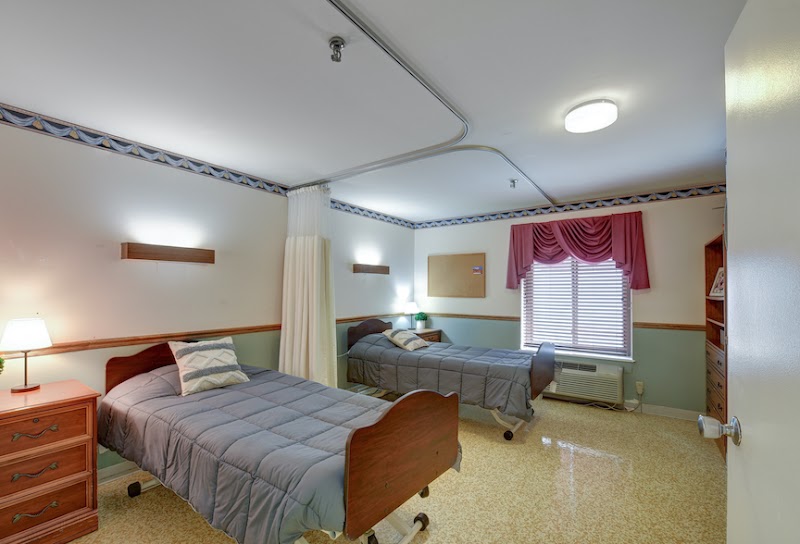
How is Bryan Healthcare And Rehabilitation Staffed?

CMS rates BRYAN HEALTHCARE AND REHABILITATION's staffing level at 1 out of 5 stars, which is much below average compared to other nursing homes. Staff turnover is 49%, compared to the Ohio average of 46%. RN turnover specifically is 73%, which is notably high. RNs provide skilled clinical oversight, so turnover in this role can affect medical care quality.

What Have Inspectors Found at Bryan Healthcare And Rehabilitation?

State health inspectors documented 77 deficiencies at BRYAN HEALTHCARE AND REHABILITATION during 2019 to 2024. These included: 2 Immediate Jeopardy (the most serious level, indicating potential for serious harm or death), 2 that caused actual resident harm, 72 with potential for harm, and 1 minor or isolated issues. Immediate Jeopardy findings are rare and represent the most serious regulatory concerns. They require immediate corrective action.
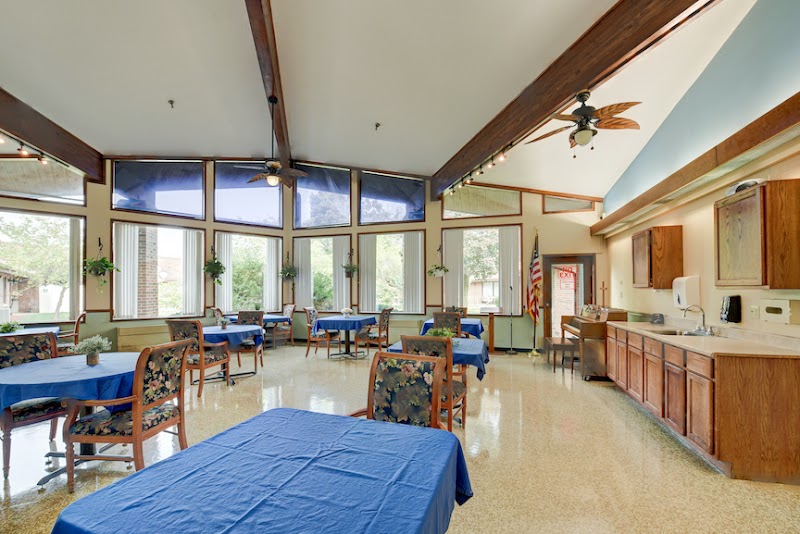
Who Owns and Operates Bryan Healthcare And Rehabilitation?

BRYAN HEALTHCARE AND REHABILITATION is owned by a for-profit company. For-profit facilities operate as businesses with obligations to shareholders or private owners. The facility is operated by CERTUS HEALTHCARE, a chain that manages multiple nursing homes. With 149 certified beds and approximately 71 residents (about 48% occupancy), it is a mid-sized facility located in BRYAN, Ohio.
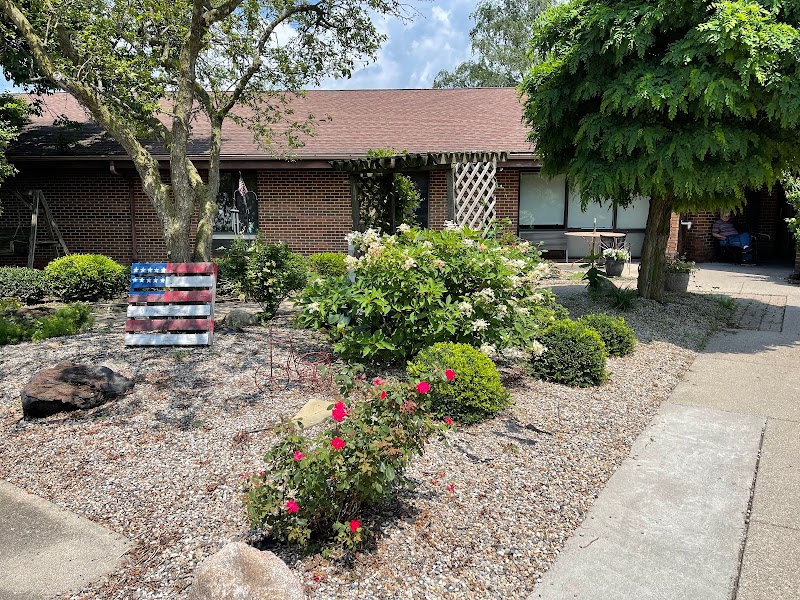
How Does Bryan Healthcare And Rehabilitation Compare to Other Ohio Nursing Homes?

Compared to the 100 nursing homes in Ohio, BRYAN HEALTHCARE AND REHABILITATION's overall rating (1 stars) is below the state average of 3.2, staff turnover (49%) is near the state average of 46%, and health inspection rating (1 stars) is much below the national benchmark.

What Should Families Ask When Visiting Bryan Healthcare And Rehabilitation?

Based on this facility's data, families visiting should ask: "What changes have been made since the serious inspection findings, and how are you preventing similar issues?" "What safeguards and monitoring systems are in place to protect residents from abuse or neglect?" "Can you walk me through typical staffing levels on day, evening, and night shifts?" "Can I visit during a mealtime to observe dining assistance and food quality?" These questions are particularly relevant given the facility's Immediate Jeopardy citations, the substantiated abuse finding on record, and the below-average staffing rating.

Is Bryan Healthcare And Rehabilitation Safe?

Based on CMS inspection data, BRYAN HEALTHCARE AND REHABILITATION has documented safety concerns. The facility has 1 substantiated abuse finding (meaning confirmed case of resident harm by staff or other residents). Inspectors have issued 2 Immediate Jeopardy citations (the most serious violation level indicating risk of serious injury or death). The facility has a 1-star overall rating and ranks #100 of 100 nursing homes in Ohio. Families considering this facility should ask detailed questions about what corrective actions have been taken since these incidents.

Do Nurses at Bryan Healthcare And Rehabilitation Stick Around?

BRYAN HEALTHCARE AND REHABILITATION has a staff turnover rate of 49%, which is about average for Ohio nursing homes (state average: 46%). Moderate turnover is common in nursing homes, but families should still ask about staff tenure and how the facility maintains care continuity when employees leave.

Was Bryan Healthcare And Rehabilitation Ever Fined?

BRYAN HEALTHCARE AND REHABILITATION has been fined $206,265 across 3 penalty actions. This is 5.9x the Ohio average of $35,142. Fines at this level are uncommon and typically indicate a pattern of serious deficiencies, repeated violations, or failure to correct problems promptly. CMS reserves penalties of this magnitude for facilities that pose significant, documented risk to resident health or safety. Families should request specific documentation of what issues led to these fines and what systemic changes have been implemented.

Is Bryan Healthcare And Rehabilitation on Any Federal Watch List?

BRYAN HEALTHCARE AND REHABILITATION is not on any federal watch list. The most significant is the Special Focus Facility (SFF) program, which identifies the bottom 1% of nursing homes nationally based on persistent, serious quality problems. Not being on this list means the facility has avoided the pattern of deficiencies that triggers enhanced federal oversight. This is a positive indicator, though families should still review the facility's inspection history directly.