WILLIAMS CO HILLSIDE COUNTRY L
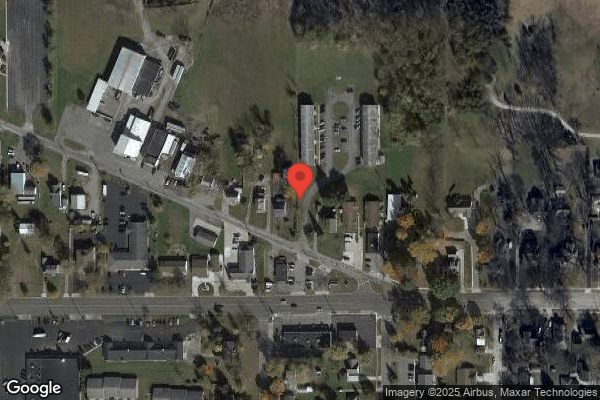
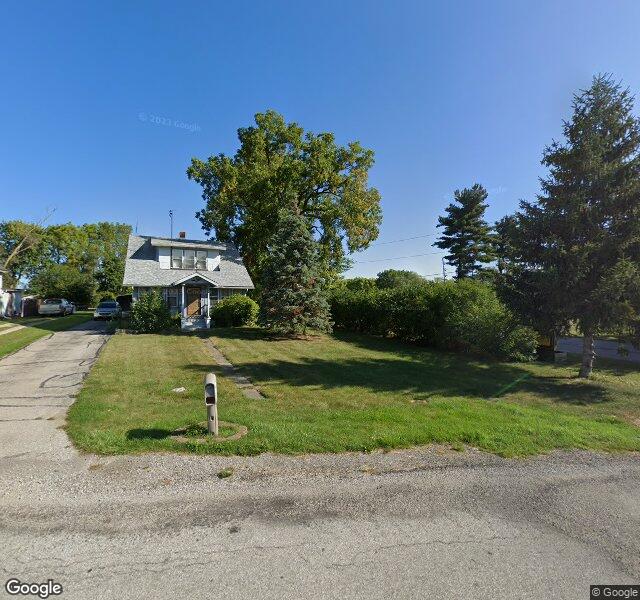
09 876 COUNTY RD 16, BRYAN, OH 43506 (419) 636-4508
Government - County 71 Beds Independent Data: November 2025
Trust Grade
65/100
#571 of 913 in OH
Last Inspection: February 2025

Within standard 12-15 month inspection cycle. Federal law requires annual inspections.

Overview

Williams Co Hillside Country Living in Bryan, Ohio, has a Trust Grade of C+, indicating it's slightly above average but not outstanding. It ranks #571 out of 913 facilities in Ohio, placing it in the bottom half, but it is the second-best option out of four in Williams County. The facility's performance is worsening, with the number of issues reported increasing from 2 in 2023 to 7 in 2025. Staffing is a strength, rated 4 out of 5 stars, with a turnover rate of 39%, which is better than the state average. There have been no fines, which is a positive sign, and there is more RN coverage than 78% of other facilities in Ohio, ensuring better monitoring of residents' health. However, there are notable weaknesses. Inspector findings reveal that the facility failed to adequately manage water safety, posing potential health risks to residents, and did not ensure that staff were fully vaccinated against COVID-19, which could affect the entire resident population. Additionally, a dishwasher did not reach the required temperature for proper sanitation, risking the health of residents who receive food from the kitchen. While there are strengths in staffing and RN coverage, these health and safety issues raise significant concerns for prospective families.

Trust Score
C+
65/100
In Ohio
#571/913
Bottom 38%
Safety Record
Low Risk
No red flags
Inspections
Getting Worse
2 → 7 violations
Staff Stability
○ Average
39% turnover. Near Ohio's 48% average. Typical for the industry.
Penalties
✓ Good
No fines on record. Clean compliance history, better than most Ohio facilities.
Skilled Nurses
✓ Good
Each resident gets 44 minutes of Registered Nurse (RN) attention daily — more than average for Ohio. RNs are trained to catch health problems early.
Violations
⚠ Watch
19 deficiencies on record. Higher than average. Multiple issues found across inspections.
★★★☆☆
3.0
Overall Rating
★★★★☆
4.0
Staff Levels
★★☆☆☆
2.0
Care Quality
★★★☆☆
3.0
Inspection Score
Stable
2023: 2 issues
2025: 7 issues

The Good

  • 4-Star Staffing Rating · Above-average nurse staffing levels
  • Full Sprinkler Coverage · Fire safety systems throughout facility
  • No fines on record
  • Staff turnover below average (39%)

    9 points below Ohio average of 48%

Facility shows strength in staffing levels, fire safety.

The Bad

3-Star Overall Rating

Near Ohio average (3.2)

Meets federal standards, typical of most facilities

Staff Turnover: 39%

Near Ohio avg (46%)

Typical for the industry

The Ugly 19 deficiencies on record

Feb 2025 7 deficiencies
CONCERN (D)

Potential for Harm - no one hurt, but risky conditions existed

Deficiency F0558 (Tag F0558)

Could have caused harm · This affected 1 resident

**NOTE- TERMS IN BRACKETS HAVE BEEN EDITED TO PROTECT CONFIDENTIALITY** Based on observation, medical record review and staff interview the facility failed to ensure call lights were within reach and ...

Read full inspector narrative →
**NOTE- TERMS IN BRACKETS HAVE BEEN EDITED TO PROTECT CONFIDENTIALITY** Based on observation, medical record review and staff interview the facility failed to ensure call lights were within reach and accessible to residents. This affected one (#52) of one resident reviewed for call lights. The facility census was 65. Findings include: Review of the medical record revealed Resident #52 was admitted on [DATE]. Diagnoses included dementia, major depressive disorder and chronic kidney disease. Review of the quarterly Minimum Data Set (MDS) assessment, dated 12/28/24, revealed Resident #52 was frequently incontinent of bowel and bladder, required substantial/maximal staff assistance with toileting and received hospice care. Observation on 02/24/25 at 9:54 A.M. revealed Resident #52 was sitting in a chair in her room, watching television. Further observation revealed the resident's call light was wrapped around side rail of the bed, approximately three feet from the resident, and was not within Resident #52's reach. Interview on 02/24/25 at 9:54 A.M. with Certified Nursing Assistant (CNA) #519 revealed Resident #52 was able to express care needs and utilized the call light for assistance. CNA #519 verified Resident #52's call light was not within the resident's reach and further confirmed call lights should be accessible to residents.
CONCERN (D)

Potential for Harm - no one hurt, but risky conditions existed

Safe Environment (Tag F0584)

Could have caused harm · This affected 1 resident

Based on medical record review, observation and staff interview, the facility failed to ensure privacy curtains were maintained in good repair. This affected two residents (#3 and #29) of two resident...

Read full inspector narrative →
Based on medical record review, observation and staff interview, the facility failed to ensure privacy curtains were maintained in good repair. This affected two residents (#3 and #29) of two residents reviewed for privacy curtains. The facility census was 65. Findings include: 1. Review of the medical record Resident #3 revealed an admission date of 05/28/24 with diagnoses of cerebral vascular accident (CVA) and Alzheimer's disease. Review of the quarterly Minimum Data Set (MDS) assessment, dated 12/31/24, revealed Resident #3 was cognitively intact. Observation on 02/24/25 at 2:22 P.M. of Resident #3's room revealed the privacy curtain in the semi-private room was in disrepair and ripped at the top. Further observation revealed binder clips were used to hold the curtains together. Concurrent interview with Resident #3's daughter revealed the curtain had been like that the entire time the resident resided in that room, adding she reported it and requested it be repaired. Interview on 02/24/25 at 2:30 P.M. with Hospitality Aide (HA) #507 verified the ripped privacy curtain and verified binder clips were used to hold the curtain together. 2. Review of the medical record for Resident #29 revealed an admission date of 06/28/22 with diagnoses of atrial fibrillation, transient ischemic attack (TIA), and anxiety. Review of the quarterly MDS assessment, dated 01/05/25, revealed Resident #29 was cognitively impaired. Observation on 02/24/25 at 11:23 A.M. of Resident #29's room revealed the resident resided in a semi-private room and the privacy curtain was ripped at the top and hanging onto the floor. Interview on 02/24/25 at 2:31 P.M. with HA #507 verified the privacy curtain in Resident #29's room was ripped at the top and hanging onto the floor. Interview on 02/25/25 at 4:44 P.M. Director of Nursing (DON) revealed the facility did not have a policy for homelike environment.
CONCERN (D)

Potential for Harm - no one hurt, but risky conditions existed

Accident Prevention (Tag F0689)

Could have caused harm · This affected 1 resident

Based on observation, staff interview and review of the facility policy, the facility failed to ensure medications were not left at the bedside. This affected one (#47) of one resident reviewed for me...

Read full inspector narrative →
Based on observation, staff interview and review of the facility policy, the facility failed to ensure medications were not left at the bedside. This affected one (#47) of one resident reviewed for medication storage. The facility identified five (#22, #25, #33, #55, and #56) additional residents who were cognitively impaired and independently mobility residing on the 800-Hall. The facility census was 65. Findings include: Review of the medical record for Resident #47 revealed an admission date of 12/20/22. Diagnoses included dementia. Review of the annual Minimum Data Set (MDS) assessment, dated 12/17/24, revealed Resident #47 was mildly cognitively impaired. Review of the current physician orders for February 2025 revealed Resident #47 was not prescribed Tums (antacid). Additional review revealed no order for self-administration of medication. Further review of the medical record revealed no evidence Resident #47 had been assessed for self-administration of medication. Observation on 02/24/25 at 2:02 P.M. of Resident #47's room revealed a bottle of Tums at the resident's bedside. A warning label on the Tums bottle read to Keep out of reach. Concurrent interview with Resident #47 revealed her son bought the bottle of Tums for her. Interview on 02/24/25 at 2:14 P.M. with Registered Nurse (RN) #509 verified the bottle of Tums at Resident #47's bedside and confirmed they should not have been there. Interview on 02/26/25 at 2:00 P.M. with the Director of Nursing (DON) revealed five additional residents (#22, #25, #33, #55, #56) resided on the 800-Hall and were cognitively impaired and independently mobile. A follow-up interview on 02/27/25 at 1:17 P.M. with the DON and verified Resident #47 did not have a physician order for Tums until 02/25/25.
CONCERN (D)

Potential for Harm - no one hurt, but risky conditions existed

Incontinence Care (Tag F0690)

Could have caused harm · This affected 1 resident

Based on medical record review, staff interview and review of the facility bowel protocol, the facility failed to implement bowel interventions. This affected two (#24 and #52) of two residents review...

Read full inspector narrative →
Based on medical record review, staff interview and review of the facility bowel protocol, the facility failed to implement bowel interventions. This affected two (#24 and #52) of two residents reviewed for bowel protocol. The facility census was 65. Findings include: 1. Review of Resident #24's medical record revealed and admission date of 10/13/21. Diagnoses included dementia, major depressive disorder, myocardial infarction (heart attack) of unspecified site, and weakness. Review of the quarterly Minimum Data Set (MDS) assessment, dated 01/18/25, revealed Resident #24 was cognitively impaired, required substantial/maximal staff assistance with toileting and was frequently incontinent. Review of the care plan, dated 02/06/25, revealed Resident #24 was at risk for constipation due to impaired mobility. Interventions included administer stool softeners and laxatives as ordered, follow facility bowel protocol for bowel management, monitor medications for side effects of constipation and keep the physician informed of any problems. Review of the February 2025 physician orders revealed Resident #24 was ordered Senna oral tablet 8.6 milligrams (mg) one time a day for constipation from 02/01/25 through 02/12/25. On 02/13/25, Senna Plus oral tablet 8.5 mg-50 mg one tablet by mouth one time per day for constipation was added. Additionally, Resident #47 had orders for milk of magnesium oral suspension 400 mg/5 milliliters (ml), 30 ml by mouth daily as needed for constipation and docusate sodium oral capsule 100 mg, give one by mouth as needed for constipation. Further review revealed an order dated 02/24/25 for Dulcolax rectal suppository 10 mg, insert one suppository rectally as needed for constipation. Review of the bowel elimination record from 01/27/25 to 02/25/25 revealed no evidence Resident #24 had a bowel movement from 02/09/25 through 02/12/25 (four days), from 02/14/25 through 02/17/25 (four days) and 02/20/25 through 02/23/25 (four days). Review of the Medication Administration Record (MAR) for February 2025 revealed Resident #47 received no ordered as needed medications for constipation. 2. Review of Resident #52's medical record revealed an admission date of 10/17/24. Diagnoses included dementia, major depressive disorder, and chronic kidney disease. Review of the quarterly MDS assessment, dated 12/28/24, revealed Resident #54 was cognitively impaired, was frequently incontinent of bowel and bladder, required substantial/maximal staff assistance with toileting and received hospice care. Review of the care plan, dated 02/20/25, revealed Resident #52 was at risk for constipation related to decreased mobility. Interventions included to administer stool softeners and laxatives as ordered, follow facility bowel protocol for bowel management, monitor medications for side effects of constipation, and monitor/document/report as needed signs and symptoms of complications related to constipation. Review of the current physicians orders revealed Resident #52 was ordered Miralax oral packet 17 grams (gm), give one packet one time a day, every other day, for constipation. Additionally, Resident #52 had orders for milk of magnesia oral suspension 400 mg/5 ml, give 30 ml by mouth as needed for constipation every other day if no bowel movement in three days and bisacodyl laxative rectal suppository 10 mg, insert one suppository rectally as needed for constipation daily. Review of bowel elimination record from 01/27/25 to 02/25/25 revealed no evidence Resident #52 had a bowel movement from 02/11/25 through 02/14/25 (four days) and 02/16/25 through 02/19/25 (four days). Review of the MAR for February 2025 revealed Resident #52 received no additional ordered as needed medications for constipation. Interview on 02/25/25 at 3:10 P.M. with the Director of Nursing (DON) confirmed there was no evidence Resident #24 had a bowel movement from 02/09/25 through 02/12/25, 02/14/25 through 02/17/25 and 02/20/25 through 02/23/25. Additionally, the DON verified there was no evidence Resident #52 had a bowel movement from 02/11/24 through 02/14/25 and 02/16/25 through 02/19/25. The DON further verified no additional bowel interventions were implemented for Resident #24 and Resident #52. Interview on 02/26/25 at 11:43 A.M. with Licensed Practical Nurse (LPN) #438 revealed the facility bowel protocol included the administration of milk of magnesia and, after three days of no bowel movement, a suppository would be given. LPN #438 stated interventions would be documented on the MAR. Interview on 02/26/25 at 11:46 A.M. with Certified Nurse Aide (CNA) #474 confirmed bowel movements were documented on the bowel elimination record. Review of the facility document titled, Bowel Protocol Per Medial Director, revised 10/30/19, revealed if there was no documentation of a bowel movement in three days, administer bisacodyl suppository 10 mg rectally every other day as needed.
CONCERN (E)

Potential for Harm - no one hurt, but risky conditions existed

Investigate Abuse (Tag F0610)

Could have caused harm · This affected multiple residents

Based on review of the facility submitted self-reported incidents (SRI), staff interview and review of the facility policy, the facility failed to ensure thorough investigations were completed. This a...

Read full inspector narrative →
Based on review of the facility submitted self-reported incidents (SRI), staff interview and review of the facility policy, the facility failed to ensure thorough investigations were completed. This affected six (#30, #31, #43, #45, #52, and #56) of six residents reviewed for thorough facility investigations. The facility census was 65. Findings include: 1. Review of the facility submitted SRI, created on 11/04/24 at 10:46 A.M., revealed an allegation of physical abuse involving Resident #45 and Resident #30. Review of the corresponding facility investigation revealed no evidence a thorough investigation was completed, including staff interviews, witness statements, like resident interviews/assessments, or any staff education. 2. Review of the facility submitted SRI, created on 11/25/24 at 8:18 A.M., revealed an allegation of physical abuse involving Resident #56 and Resident #43. Review of the corresponding facility investigation revealed no evidence a thorough investigation was completed, including staff interviews, witness statements, like resident interviews/assessments, or any staff education. 3. Review of the facility submitted SRI, created 12/01/24 at 8:55 A.M., revealed an allegation of physical abuse involving Resident #54 and Resident #31. Review of the corresponding facility investigation revealed no evidence a thorough investigation was completed, including staff interviews, witness statements, like resident interviews/assessments, or any staff education. 4. Review of the facility submitted SRI, created 01/17/25 at 9:32 A.M., revealed an allegation of physical abuse involving Resident #31 and Resident #56. Review of the corresponding facility investigation revealed no evidence a thorough investigation was completed, including staff interviews, witness statements, like resident interviews/assessments, or any staff education. Interview on 02/27/25 at 2:03 P.M. with the Administrator verified the facility investigations related to the identified SRIs included no staff interviews, witness statements, like resident interviews/assessments, or evidence of any staff education completed. Interview on 02/27/25 at 2:20 P.M. with the Director of Nursing (DON) confirmed no staff education was completed related to any of the identified SRIs. Review of the facility policy titled, Abuse and Neglect, revised August 2023, revealed the facility would complete an internal investigation of the incident; have evidence that all alleged violations were thoroughly investigated and document all pertinent information. When a resident to resident abuse was reported, the residents would be removed from the situation and assessments completed, the charge nurse would write a written statement providing all factual events as possible and an investigation would be conducted.
CONCERN (E)

Potential for Harm - no one hurt, but risky conditions existed

Food Safety (Tag F0812)

Could have caused harm · This affected multiple residents

Based on observation, staff interview, medical record review and review of facility policy, the facility failed to ensure non-pasteurized eggs were cooked appropriately. This affected three (#11, #23,...

Read full inspector narrative →
Based on observation, staff interview, medical record review and review of facility policy, the facility failed to ensure non-pasteurized eggs were cooked appropriately. This affected three (#11, #23, and #40) residents who received soft cooked eggs from the kitchen. Additionally, the facility failed to ensure staff practiced proper hand hygiene while providing meal assistance. This affected two (#26 and #49) residents observed during meal service. The facility identified five additional residents (#10, #16, #29, #41, and #58) who required assistance during meals. The facility census was 65. Findings include: 1. Review of the medical record for Resident #11 revealed an admission date of 08/15/23 with a diagnosis of hypertension. Review of the quarterly Minimum Data Set (MDS) assessment, dated 11/22/24, revealed Resident #11 had intact cognition and required set-up or clean-up assistance with meals. Further review of the physician order initiated 08/15/23 revealed Resident #11 received a regular diet. Review of the medical record for Resident #23 revealed an admission date of 11/22/23 with a diagnosis of congestive heart failure. Review of the modified annual comprehensive MDS assessment, dated 11/26/24, revealed Resident #23 had intact cognition and required set-up or clean-up assistance with meals. Further review of the physician order initiated 11/23/23 revealed Resident #23 received a regular diet. Review of the medical record for Resident #40 revealed an admission date of 05/13/22 with diagnoses of hypertension and chronic kidney disease. Review of the quarterly MDS assessment, dated 01/27/25, revealed Resident #40 had impaired cognition and required set-up or clean-up assistance with meals. Further review of the physician order initiated 05/13/22 revealed Resident #40 received a regular diet. Observation on 02/24/25 at 8:28 A.M. of the kitchen revealed an 18-count carton of eggs near the griddle. Further observation revealed the egg carton did not indicate the eggs were pasteurized. Concurrent interviews with [NAME] #446 and [NAME] #464 confirmed the facility ran out of pasteurized eggs and the eggs used for the morning meal were unpasteurized. Further interview with [NAME] #446 stated she prepared medium cooked eggs for Resident #11, and soft cooked eggs for Resident #23 and Resident #40. Review of the policy titled, Food Service - Serving Eggs to Residents, revised 05/25/21, revealed pasteurized eggs would be used to prepare soft-cooked, undercooked, or sunny-side up eggs for all residents. 2. Review of the medical record for Resident #26 revealed an admission date of 03/04/19 with diagnoses of Alzheimer's disease, dementia, and depression. Review of the quarterly MDS assessment, dated 12/21/24, revealed Resident #26 had impaired cognition and required set-up or clean-up assistance with meals. Further review of the physician order dated 07/17/24 revealed Resident #26 received a regular diet with soft and bite sized textures. Review of the medical record for Resident #49 revealed an admission date of 02/13/24 with diagnoses of dementia and chronic pain. Review of the quarterly MDS assessment,t dated 11/21/24, revealed Resident #49 had impaired cognition and required set-up or clean-up assistance for eating. Further review of the physician order dated 02/14/25 revealed Resident #49 received a regular diet with regular textures. Observation during the noon meal service on 02/24/25 at 11:12 A.M. revealed Certified Nursing Assistant (CNA) #458 sitting at a table in the dining room with residents who required cuing and assistance with meals. A bottle of hand sanitizer and a box of disposable gloves were on the table. CNA #458 performed hand hygiene but did not put on disposable gloves before encouraging Resident #26 to eat a cut-up sandwich. CNA #458 picked up the plate and verbally continued to encourage Resident #26 to pick up a piece of sandwich. Resident #26 began to pick up a piece of sandwich, but found it was stuck to another piece, and CNA #458 held the piece of sandwich with her bare hands so Resident #26 could separate the two pieces. Continued observation on 02/24/25 revealed at 11:31 A.M., Resident #29, who was sitting at another table, began calling out. CNA #458 walked over to Resident #29 and attempted to calm him. CNA #458 was not wearing disposable gloves. After CNA #458 was unable to calm Resident #29, she used the telephone to call another staff to remove Resident #29 from the dining room and provide his meal elsewhere. Further observation revealed CNA #458 returned to Resident #29 and again attempted to calm him by touching his arm with one hand while the other hand touched his wheelchair. Continued observation revealed CNA #458 then returned to her chair at the table, did not perform hand hygiene, and picked up silverware and attempted to feed Resident #49. Interview on 02/24/25 at approximately 11:35 A.M. with CNA #458 confirmed she touched Resident #26's sandwich with her bare hand, and further confirmed she touched the telephone, then Resident #29, and did not perform hand hygiene before beginning to assist Resident #49 with eating. CNA #458 confirmed Resident #49 required total assistance with eating. Finally, CNA #458 confirmed she should have donned gloves before touching Resident #26's sandwich and should have sanitized her hands after touching the telephone and Resident #29 before beginning to assist Resident #49 with her meal. Interview on 02/27/25 at 10:00 A.M. with MDS Director #515 revealed Resident #49 had a change in condition mid-February 2025 and was dependent on staff for eating. MDS Director #515 confirmed this was a change from the quarterly MDS assessment completed 11/21/24 when Resident #49 only required set-up assistance. Review of the policy titled Infection Control - Handwashing, revised 03/16/20, revealed no guidance regarding hand hygiene while providing assistance to residents during meals. Review of the policy titled, Food Service - Personal Hygiene, revised 06/27/18, revealed no guidance regarding hand hygiene while providing assistance to residents during meals. Interview on 02/27/25 at 2:50 P.M. with the Director of Nursing (DON) revealed the facility had no policy regarding cleansing hands between residents when providing meal assistance or hand hygiene regarding touching ready-to-eat foods.
CONCERN (F)

Potential for Harm - no one hurt, but risky conditions existed

Infection Control (Tag F0880)

Could have caused harm · This affected most or all residents

Based on observation, staff interview, review of the facility's water management program, review of the Centers for Disease Control (CDC) guidance and review of facility policy, the facility failed to...

Read full inspector narrative →
Based on observation, staff interview, review of the facility's water management program, review of the Centers for Disease Control (CDC) guidance and review of facility policy, the facility failed to meet the requirements for a Legionella water management program. This had the potential to affect all residents. Additionally, the facility failed to maintain infection control practices during insulin administration. This affected one resident (#18) for administration of insulin. The facility census was 65. Findings include: 1. Interview on 02/27/25 at 9:15 A.M. with Maintenance Director (MD) #486 revealed the facility had eye wash stations and a whirlpool. MD #486 verified the eye wash stations and whirlpool were not flushed to prevent the buildup of bacteria. A follow-up interview on 02/27/25 at 9:30 A.M. with MD #486 verified the facility did not have a risk assessment or flow chart/diagram describing the water systems and offered the blueprint of the building. MD #486 also verified chlorination levels were only tested on ce a week in the facility. Interview on 02/27/25 at 11:53 A.M. with the Administrator confirmed the facility did not meet the requirements for the legionella prevention water management system. Review of the Legionella Prevention Weekly Free Chlorine Log, dated 1/23/23 to 2/24/25, verified chlorination levels were only tested in one room once per week. Review of the Water Plan Operating Report, dated 01/01/24 to 01/31/25, revealed the plant tap/entry point chlorination levels were to be tested daily. Review of the facility policy titled, Legionella Environmental, dated 03/09/20, revealed chlorination levels were checked daily, both in the treatment plant and inside the facility, to ensure disinfection tolerances. In addition, chlorination levels at the furthest point of use were monitored on a weekly basis to ensure residual chlorination was adequate to prevent Legionella growth. Review of the undated CDC guidance titled, Overview of Water Management Programs, revealed water management programs identify hazardous conditions and take steps to minimize the growth and transmission of Legionella and other waterborne pathogens in building water systems. Developing and maintaining a water management program was a multi-step process that required continuous review. Further review revealed the seven key elements of a Legionella water management program were to: • Establish a water management program team • Describe the building water systems using text and flow diagrams • Identify areas where Legionella could grow and spread • Decide where to apply and how to monitor control measures • Establish interventions when control limits were not met • Ensure the program was running as designed and is effective • Document and communicate all the activities 2. Review of the medical record for Resident #18 revealed an admission date of 01/28/18 with diagnoses of diabetes mellitus and long term use of insulin. Review of the annual Minimum Data Set (MDS) assessment, dated 11/17/24, revealed Resident #18 was cognitively intact. Review of the February 2025 physician orders for Resident #18 revealed she was prescribed Fiasp FlexTouch subcutaneous solution injector-pen (fast acting insulin) 100 unit/milliliter (ml), inject eight units three times a day. Observation on 02/24/25 at 12:02 P.M. of insulin administration for Resident #18 revealed Registered Nurse (RN) #511 administered the resident's insulin without donning a pair of gloves. Concurrent interview with RN #511 verified she did not don gloves to administering the injectable insulin to Resident #18. Review of the facility policy titled, Bloodborne Pathogen Exposure Control, revised July 2023, revealed the facility established a safety plan for all employees who handle, store, use, process, or dispose of potentially infected blood and blood products. Further review revealed to wear disposable latex or vinyl gloves if handling blood, blood products or body secretions.
Aug 2023 2 deficiencies
CONCERN (D) 📢 Someone Reported This

A family member, employee, or ombudsman was alarmed enough to file a formal complaint

Potential for Harm - no one hurt, but risky conditions existed

Abuse Prevention Policies (Tag F0607)

Could have caused harm · This affected 1 resident

**NOTE- TERMS IN BRACKETS HAVE BEEN EDITED TO PROTECT CONFIDENTIALITY** Based on record review, staff interview, review of the facility's Self-Reported Incidents (SRI), and policy review, the facility...

Read full inspector narrative →
**NOTE- TERMS IN BRACKETS HAVE BEEN EDITED TO PROTECT CONFIDENTIALITY** Based on record review, staff interview, review of the facility's Self-Reported Incidents (SRI), and policy review, the facility failed to implement their abuse policy when an allegation of physical and verbal abuse of a resident was not reported to the State Survey Agency, the Ohio Department of Health (ODH) and the facility did not not notify the family/Power of Attorney (POA) of the abuse allegation. This affected one (Resident #68) of three residents reviewed for abuse. The facility census was 68. Findings include: Review of Resident #68's medical record revealed an admission date of 03/15/21. Diagnoses included Parkinson's disease, dementia, and Alzheimer's disease. Review of the quarterly Minimum Data Set (MDS) assessment dated [DATE] revealed Resident #68 had a low cognitive function. Review of the Administrator's investigation dated 06/28/23 revealed a Housekeeper reported an employee sitting in front of Resident #68 with their legs positioned over the recliner, in order to not allow Resident #68 to get up. The Housekeeper also reported another employee called Resident #68 crazy in front of Resident #68. There was no documentation in the medical record or the Administrator's investigation dated 06/28/23 that the family/POA was no notified of the allegations of abuse involving Resident #68. Review of the facility's SRIs dated 06/28/23 to 08/06/23 revealed there was no allegation of physical and verbal abuse of Resident #68 reported to ODH. Interview with the Administrator on 08/07/23 at 2:24 P.M. revealed on 06/28/23 he received an allegation of abuse from a housekeeper regarding employees abusing Resident #68. The Administrator stated he completed an investigation and made a decision that it was unsubstantiated within 24 hours so felt he did not need to report the allegation of abuse to ODH. Interview with the Director of Nursing (DON) on 08/08/23 at 2:29 P.M. verified the facility did not notify Resident #68's family/POA of the abuse allegations involving Resident #68. Review of the facility policy titled Abuse and Neglect, revised 11/01/22, revealed Hillsdale Country Living will report all allegations of abuse, neglect, exploitation or mistreatment, including injuries of unknown source and misappropriation of resident property immediately, but not later than two hours after the allegation is made, if the event that cause the allegation involve abuse or result in serious bodily injury, or not later than 24 hours if the events do not result in serious bodily injury to the Administrator of the facility and to other officials (ODH) in accordance with State law through established procedures. Following an investigation, a finalized report will be submitted to the ODH within five working days of the initial report. Notify the resident representative, as applicable, as soon as possible. This deficiency represents non-compliance investigated under Complaint Number OH00144651.
CONCERN (D) 📢 Someone Reported This

A family member, employee, or ombudsman was alarmed enough to file a formal complaint

Potential for Harm - no one hurt, but risky conditions existed

Report Alleged Abuse (Tag F0609)

Could have caused harm · This affected 1 resident

**NOTE- TERMS IN BRACKETS HAVE BEEN EDITED TO PROTECT CONFIDENTIALITY** Based on record review, staff interview, review of the facility's Self-Reported Incidents (SRI), and policy review, the facility...

Read full inspector narrative →
**NOTE- TERMS IN BRACKETS HAVE BEEN EDITED TO PROTECT CONFIDENTIALITY** Based on record review, staff interview, review of the facility's Self-Reported Incidents (SRI), and policy review, the facility failed to report an allegation of physical and verbal abuse of a resident to the State Survey Agency, the Ohio Department of Health (ODH). This affected one (Resident #68) of three residents reviewed for abuse. The facility census was 68. Findings include: Review of Resident #68's medical record revealed an admission date of 03/15/21. Diagnoses included Parkinson's disease, dementia, and Alzheimer's disease. Review of the quarterly Minimum Data Set (MDS) assessment dated [DATE] revealed Resident #68 had a low cognitive function and required a two-person assist for all activities of daily living (ADL) except eating. Review of the Administrator's investigation dated 06/28/23 revealed a Housekeeper reported an employee sitting in front of Resident #68 with their legs positioned over the recliner, in order to not allow Resident #68 to get up. The Housekeeper also reported another employee called Resident #68 crazy in front of Resident #68. Review of the facility's SRIs dated 06/28/23 to 08/06/23 revealed there was no allegation of physical and verbal abuse of Resident #68 reported to ODH. Interview with the Administrator on 08/07/23 at 2:24 P.M. revealed on 06/28/2,3 he received an allegation of abuse from a housekeeper regarding employees abusing Resident #68. The Administrator stated he completed an investigation and made a decision that it was unsubstantiated within 24 hours so felt he did not need to report the allegation of abuse to ODH. Review of the facility policy titled Abuse and Neglect, revised 11/01/22, revealed Hillsdale Country Living will report all allegations of abuse, neglect, exploitation or mistreatment, including injuries of unknown source and misappropriation of resident property immediately, but not later than two hours after the allegation is made, if the event that cause the allegation involve abuse or result in serious bodily injury, or not later than 24 hours if the events do not result in serious bodily injury to the Administrator of the facility and to other officials (ODH) in accordance with State law through established procedures. Following an investigation, a finalized report will be submitted to the ODH within five working days of the initial report. This deficiency represents non-compliance investigated under Complaint Number OH00144651.
Oct 2022 6 deficiencies
CONCERN (D)

Potential for Harm - no one hurt, but risky conditions existed

Deficiency F0561 (Tag F0561)

Could have caused harm · This affected 1 resident

**NOTE- TERMS IN BRACKETS HAVE BEEN EDITED TO PROTECT CONFIDENTIALITY** Based on observation, resident interview, staff interview, medical record review, review of the Weather Channel's weather report...

Read full inspector narrative →
**NOTE- TERMS IN BRACKETS HAVE BEEN EDITED TO PROTECT CONFIDENTIALITY** Based on observation, resident interview, staff interview, medical record review, review of the Weather Channel's weather report, and review of the facility's policy, the facility failed to ensure residents were provided consistent individualized activities of their choice to meet their interests and psychosocial needs. This affected one (Resident #3) of one resident reviewed for choices. The facility census was 65. Findings include: Review of Resident #3's medical record revealed an admission date of 03/24/22. Diagnoses included heart disease, atrial fibrillation, cognitive communication deficit, major depressive disorder, and prostate cancer with metastasis to the bone. Review of Resident #3's Minimum Data Set (MDS) assessment dated [DATE] revealed a Brief Interview for Mental Status (BIMS) score of eight indicating Resident #3 was moderately cognitively impaired. Resident #3 required extensive assistance with bed mobility, transfer, dressing, and personal hygiene. Resident #3 displayed no behaviors during the review period. Resident #3 was not receiving chemotherapy or radiation at the time of the review. Review of Resident #3's care plan revised 10/05/22 revealed supports and interventions for pain, risk for alteration in mood, risk for falls, and participation in actives included going outside. Interventions included all staff to converse with the resident while providing care, invite resident to scheduled activities, assist the resident with activities of daily living as required during the activity, escort to activity functions, self-care deficit, and provide activities of interest and empowers the resident by encouraging and allowing choice, self-expression and responsibility. Review of Resident #3's State Tested Nursing Assistant (STNA) Tasks for the last 30 days revealed activity programming for outside activities was included under the social activities task. Resident #3 was noted to have gone outdoors on 10/02/22. This was the only outdoor activity found for the last 30 days. Further review revealed Resident #3 went out on an outing with his family on 10/15/22 and 10/23/22. Resident #3 also went out to eat with the facility on 10/17/22. Review of Resident #3's progress notes revealed on 10/19/22 a care plan meeting was held and Resident #3's activity participation was discussed. It was noted Resident #3 liked going outside in nice weather and staff would continue to invite Resident #3 to a variety of activities of his choice. Observation on 10/24/22 at 10:48 A.M. revealed Resident #3 sitting up in his wheelchair in the front of the facility looking out the glass doors. Resident #3 was clean, dressed, and aware. The weather outside was sunny and in the high sixties. Interview on 10/24/22 at 2:32 P.M. revealed Resident #3 was alert and aware. Resident #3 reported he had no concerns for care other than he would like to go outside and he couldn't. Resident #3 stated the weather was nice but there was no one who would take him outside and he was not allowed to go by himself. Resident #3 reported he didn't like the rule that said he could not go outside by himself. Resident #3 stated the staff were busy and were not able to take him outside when he wanted to go. Resident #3 stated he had told the staff today he wanted to go outside but he had been waiting all day and no one had had time to take him. The weather outside was sunny and in the seventies. Observation throughout the morning on 10/25/22 revealed Resident #3 was up in his wheelchair moving around the facility. Resident #3 was not observed being taken outside. The weather was partially cloudy and in the seventies. Interview on 10/25/22 at 2:22 P.M. with Resident #3 revealed Resident #3 thought it looked nice outside but he had not been able to go outside. Resident #3 stated he wanted to go outside whenever the weather was nice because it wasn't going to be nice for much longer. Interview on 10/26/22 at 9:41 A.M. with Activity Director (AD) #405 revealed one of Resident #3's favorite things to do was to go outside. AD #405 reported they would take Resident #3 outside individually when the weather was nice. AD #405 reported Resident #3 was not able to go out by himself for safety reasons so he had to have staff with him. AD #405 reviewed the list of outdoor activities Resident #3 participated in and verified he had not been taken outside since 10/02/22 and verified the weather had been nice for the past couple days. Interview on 10/26/22 at 11:18 A.M. with State Tested Nursing Assistant (STNA) #469 revealed Resident #3 was able to make his needs known and really enjoyed going outside when the weather was nice. STNA #469 reported the STNAs provided direct care and the activity department were the staff responsible for assisting Resident #3 outside when he wanted to go. Review of the Weather Channel's temperature history for the local area revealed on 10/24/22, the highest temperature for the day was 77 degrees Fahrenheit (F) and the lowest temperature at night was 53 degrees F. On 10/25/22, the highest temperature for the day was 75 degrees F and the lowest temperature at night was 56 degrees F. Review of the facility's policy titled Resident Rights, revised 11/28/16, revealed the residents had the right to a dignified existence and self determination. The resident had the right to and the facility must promote and facilitate resident self-determination through support of resident choice.
CONCERN (D)

Potential for Harm - no one hurt, but risky conditions existed

Report Alleged Abuse (Tag F0609)

Could have caused harm · This affected 1 resident

**NOTE- TERMS IN BRACKETS HAVE BEEN EDITED TO PROTECT CONFIDENTIALITY** Based on medical record review, review of the facility's Self-Reported Incidents (SRI), staff interview, and review of the facil...

Read full inspector narrative →
**NOTE- TERMS IN BRACKETS HAVE BEEN EDITED TO PROTECT CONFIDENTIALITY** Based on medical record review, review of the facility's Self-Reported Incidents (SRI), staff interview, and review of the facility's policy, the facility failed to report an allegations of abuse to the State Survey Agency. This affected one (Resident #35) of 24 residents reviewed for abuse. The facility census was 65. Findings include: Review of Resident #35's medical record revealed Resident #35 was admitted on [DATE]. Diagnoses included cerebral atherosclerosis, dementia, Alzheimer's Disease, and peripheral vascular disease. Review of the Minimum Data Set (MDS) assessment, dated 08/17/22, revealed Resident #35 was moderately cognitively impaired. Review of Resident #35's initial skin assessment dated [DATE] revealed there were no identified bruises to Resident #35's arms or wrists. Review of Resident #35's progress notes, dated 08/15/22, revealed the facility was notified by a hospice nurse that Resident #35 had two bruises that were not observed last week. Resident #35 had stated a man was in her room and attacked her which resulted in the bruises. The bruise on the right arm measured 13 centimeters (cm) in length by 11 cm wide and was dark purple in color with yellow around the edges. Bruise on the left wrist measured 7.0 cm by 7.5 cm and were dark purple in color. Review of the progress notes, dated 08/15/22, revealed the facility talked to the family regarding the resident's bruises on the right arm and left wrist. Resident #35's daughter stated she was aware of the bruises prior to admission. Review of the facility's SRIs, dated from 08/11/22 through 10/25/22, revealed there was no SRI completed for the allegation of abuse involving Resident #35. Interview on 10/26/22 at 1:42 P.M. with Registered Nurse (RN) #462 revealed on an unknown date, a hospice nurse reported to her that Resident #35 had reported the bruises were noted on the resident's arms and the Resident #35 reported she was grabbed. Telephone interview on 10/26/22 at 3:18 P.M. with Hospice RN #504 revealed there was a hospice note that a hospice Licensed Practical Nurse (LPN) #505 was at the facility on 08/16/22 and noted bruising to the right upper arm and left forearm. RN #504 stated Resident #35 was known to make false allegations. Interview on 10/26/22 at 2:00 P.M. with the Administrator verified an SRI was not completed for the allegation of abuse with Resident #35. The Administrator reported the facility was able to quickly unsubstantiate the allegation and did not enter the information as required. Review of the facility's policy titled Abuse and Neglect, last reviewed 07/22/21, revealed the facility will report all allegations of abuse, neglect, exploitation or mistreatment, including injuries of unknown source and misappropriation of the resident property immediately, but not later than two hours after the allegation is made, if the even that cause the allegation involve abuse or result in serious bodily injury , or not later than 24 hours if the events do not result in serious bodily injury to the Administrator of the facility and to other officials (ODH) in accordance with state law through established procedures. The Administrator, Director of Nursing, or designee will contact the Ohio Department of Health and law enforcement if appropriate. All allegations, even those proven unsubstantiated, must be reported.
CONCERN (D)

Potential for Harm - no one hurt, but risky conditions existed

Deficiency F0657 (Tag F0657)

Could have caused harm · This affected 1 resident

**NOTE- TERMS IN BRACKETS HAVE BEEN EDITED TO PROTECT CONFIDENTIALITY** Based on resident interview, family interview, medical record review, staff interview and review of the facility's policy, the f...

Read full inspector narrative →
**NOTE- TERMS IN BRACKETS HAVE BEEN EDITED TO PROTECT CONFIDENTIALITY** Based on resident interview, family interview, medical record review, staff interview and review of the facility's policy, the facility failed to ensure residents and their representatives were properly notified of scheduled care conference meetings so they had the opportunity to attend. This affected one (Resident #59) of 19 residents whose care plans were reviewed. The facility census was 65. Findings Include: Review of Resident #59's medical record revealed an admission date of 08/24/22. Diagnoses included history of COVID-19, cognitive communication deficit, generalized anxiety disorder, type II diabetes mellitus, and major depressive disorder. Review of Resident #59's Minimum Data Set (MDS) assessment dated [DATE] revealed a Brief Interview for Mental Status (BIMS) score of 12 indicating Resident #59 was moderately cognitively impaired. Resident #59 required limited assistance bed mobility, and transfer. Resident #59 required extensive assistance with dressing, toilet use and personal hygiene. Resident #59 displayed no behaviors during the review period. Review of Resident #59's care plan revised 10/24/22 revealed supports and interventions for potential for risk for decline in mood, self-care deficit, risk for falls, and potential for pain. Review of Resident #59's Care Plan Meeting forms revealed care plan meetings were held on 08/25/22 and 09/06/22. Neither Resident #59 nor his Power of Attorney (POA) were in attendance. Four facility staff were in attendance on 08/25/22 and six facility staff were in attendance on 09/06/22. Further review of Resident #59's record revealed there were no invitations or notifications to Resident #59 or his POA for either meeting. Review of Resident #59's progress notes revealed on 09/01/22, it was noted a care conference was held on 08/25/22. The note reported neither Resident #59 nor his POA were present. It stated Resident #59's POA was updated following the conference and a copy of Resident #59's care plan was offered but declined. During the care conference, it was noted the facility staff discussed diet, weight, activity participation, activity of daily living status, restorative information, and Resident #59's medication. Resident #59 had a Do Not Resuscitate Comfort Care Arrest (DNRCCA) code status, and the facility had his living will and documentation of POA on file. Resident #59 was noted to be in the facility for long term care. Further review of Resident #59's progress notes revealed on 09/06/22, it was noted Resident #59's Entry Care Conference was held on 09/06/22. Neither Resident #59 nor his POA were present. It stated Resident #59's POA was updated following the conference and a copy of Resident #59's care plan was offered but declined. During the care conference, it was noted the facility staff discussed diet, weight, activity participation, activity of daily living status, restorative information, and Resident #59's medication. Resident #59 had an appointment with urology on 09/19/22 at 10:40 A.M. and 09/19/22 at 1:00 P.M. with cardiology. Interview on 10/24/22 at 1:23 P.M. with Resident #59 revealed he was alert and oriented. Resident #59 reported he was not invited to care plan meetings. Resident #59 reported he did not get to attend those. Interview on 10/27/22 at 8:42 A.M. with Social Services Director (SSD) #408 revealed letters were sent out to families a couple weeks prior with the date and time of the care conference. SSD #408 was unable to provide evidence notification was provided to Resident #59 or his representative prior to the care conference being held. SSD #408 provided a blank standard form as a copy of what was sent out. SSD #408 verified neither Resident #59 nor his representative were in attendance at either of his care planning meetings. Interview on 10/27/22 at 10:34 A.M. with Resident #59's daughter revealed she was verbally told of the care planning meeting to be held in September 2022 when her father moved from the assisted living to the nursing home in August 2022. She was not informed of a care conference being held in August 2022. Resident #59's daughter reported she never received a reminder for the September 2022 meeting and thus her and her father did not attend. Resident #59's daughter verified she was her father's POA and they would have liked to have participated. Review of the facility's policy titled Care Conference, revised 03/22/16, revealed the residents would have an opportunity to discuss their desired preferences and goals. On the day of the conference, a member of the Interdisciplinary Team would invite the resident to attend the meeting. The resident's responsible party would be notified of the scheduled care conference via letter format. This would be an invitation for the responsible party to call and set up an appointment to attend the care conference meeting.
CONCERN (D)

Potential for Harm - no one hurt, but risky conditions existed

ADL Care (Tag F0677)

Could have caused harm · This affected 1 resident

**NOTE- TERMS IN BRACKETS HAVE BEEN EDITED TO PROTECT CONFIDENTIALITY** Based on medical record review, observations, and staff interview, the facility failed to ensure residents who required assistan...

Read full inspector narrative →
**NOTE- TERMS IN BRACKETS HAVE BEEN EDITED TO PROTECT CONFIDENTIALITY** Based on medical record review, observations, and staff interview, the facility failed to ensure residents who required assistance from staff with activities of daily living (ADL) received adequate and timely assistance with grooming. This affected two (Resident #19 and #48) of two residents reviewed for ADL care. The facility identified all 65 residents required assistance from staff with bathing and 64 residents required assistance from staff with dressing. The facility census was 65. Findings include: 1. Review of Resident #48's medical record revealed Resident #48 was admitted on [DATE]. Diagnoses included Alzheimer's Disease, major depressive disorder in partial remission, cognitive communication disorder, and muscle weakness. Review of the Minimum Data Set (MDS) assessment revealed Resident #48 was severely cognitively impaired and required one person extensive assistance with personal hygiene. Observations on 10/24/22 at 2:59 P.M., on 10/25/22 at 4:17 P.M., and on 10/26/22 at 9:15 A.M. revealed Resident #48 was observed in the common area with a heavy medium length white stubble above her upper lip. Interview on 10/26/22 at 9:18 A.M. with State Tested Nursing Assistant (STNA) #503 revealed Resident #48 was compliant with care, has never refused care, and required assistance with personal hygiene. STNA #503 stated she had noticed heavy facial hair on the female resident previously. STNA #503 verified Resident #48's facial hair was obvious and in need of trimming. 2. Review of Resident #19's medical record revealed Resident #19 was admitted on [DATE]. Diagnoses included dementia, unspecified atrial fibrillation. Review of the MDS assessment, dated 07/26/22, revealed Resident #19 was severely cognitively impaired. Resident #19 required one person extensive assistance with personal hygiene. Observation on 10/26/22 at 9:28 A.M. revealed Resident #19 had numerous long (approximately one-fourth to half inch long) facial hair on the chin. Interview on 10/16/22 at 9:28 A.M. with STNA #485 verified Resident #19 was in need of grooming for facial hair.
CONCERN (F)

Potential for Harm - no one hurt, but risky conditions existed

Deficiency F0888 (Tag F0888)

Could have caused harm · This affected most or all residents

Based on review of the facility's staff vaccination COVID-19 log, staff interview, review of the facility's policy, and review of the Centers of Medicare and Medicaid Services (CMS) memorandum QSO-23-...

Read full inspector narrative →
Based on review of the facility's staff vaccination COVID-19 log, staff interview, review of the facility's policy, and review of the Centers of Medicare and Medicaid Services (CMS) memorandum QSO-23-02-ALL, the facility failed to ensure staff were COVID-19 vaccinated, had an approved exemption, or had been identified as appropriate for a temporary delay per Center for Disease Control and Prevention (CDC) guidance. The vaccination rate for the facility was calculated at 74%. This had the potential to affect all 65 residents currently residing in the facility. Findings include: Review of the Staff Vaccination COVID-19 log, provided on 10/24/22, revealed the facility had 104 employees with 60 employees vaccinated, 17 employees with a religious exemption, and 27 employees with neither a COVID-19 vaccination, approved exemption, or temporary delay. Interview on 10/26/22 at 2:48 P.M. with the Administrator revealed the employees have the choice to receive the vaccination, have an exemption, or neither. The Administrator stated he decided not to have facility employees in an ethical dilemma and does not require employees to have the COVID-19 vaccination or a valid exemption. Review of the Centers for Medicare & Medicaid Services (CMS) memorandum, QSO-23-02-ALL regarding COVID-19 health care staff vaccination, dated 10/26/22, revealed CMS expects all providers' and suppliers' staff to have received the appropriate number of doses of the primary vaccine series unless exempted as required by law, or delayed as recommended by the Centers for Disease Control and Prevention (CDC). Facility staff vaccination rates under 100% constitute noncompliance under the rule. Review of the facility's policy titled COVID-19 Immunization Policy, last revised 08/01/22, revealed in November 2021, CMS regulated all healthcare workers are required to be COVID-19 vaccinated as a Condition of Participation (COP) regarding Medicare and Medicaid Funding. Prior to 12/06/21, as well as upon or prior to hire, the facility will determine if an employee has had the recommended vaccinations. Those who have not received the recommended vaccinations will be provided with education upon hire and given the opportunity to receive the vaccine, if consent is received, arrangements will be made. Employees have the right to decline or claim exemptions from the COVID-19 vaccine based upon medical exemption and sincere religious belief, practice, or observation.
CONCERN (F)

Potential for Harm - no one hurt, but risky conditions existed

Room Equipment (Tag F0908)

Could have caused harm · This affected most or all residents

Based on observation, staff interview, review of the dishwasher temperature log, and review of the facility's policy, the facility failed to ensure the dishwashing machine maintained the appropriate t...

Read full inspector narrative →
Based on observation, staff interview, review of the dishwasher temperature log, and review of the facility's policy, the facility failed to ensure the dishwashing machine maintained the appropriate temperature for effective sanitation. This had the potential to affect 64 residents who resided in the facility and received food from the kitchen. Resident #41 received no food by mouth and thus no food from the kitchen. The facility census was 65. Findings include: Observation on 10/24/22 at 10:24 A.M. of the dishwasher in the kitchen washroom revealed the dishwasher was a high temperature dishwasher. The sticker on the outside of the machine indicated the dishwasher needed to reach 180 degrees Fahrenheit (F) during the rinse cycle. The dishwasher was in use with three trays of silverware, cups, and plates on the clean side of the dishwasher drying in racks. Dietary Manager (DM) #430 ran another rack through and observation of the rinse cycle revealed it only reached 178 degrees F. Interview on 10/24/22 at 10:25 A.M. with DM #430 verified the dishwasher did not reach the proper temperature for sanitation. DM #430 reported they had been having trouble with the dishwasher and it took three or four runs before it would get up to temperature. DM #430 ran the dishwasher again and it only reached 178 degrees F. Observation and interview on 10/24/22 at 10:27 A.M. of the dishwasher being run with a thermometer disk and a temperature strip with DM #430 revealed the thermometer disk read 148 degrees F after the cycle was complete and the sticker continued to be white and had not turned black indicating it has not reached the appropriate temperatures. DM #430 verified even after running three times, the dishwasher was not reaching the appropriate temperature for sanitation. DM #430 stated maintenance would be notified and advised the staff to use the three sink system until the dishwasher was repaired. Observation on 10/25/22 at 8:56 A.M. of the kitchen dishwasher found it was in use. Three trays of plates, cups and bowls were observed on the clean side of the dishwasher and were being put away or added to the drying rack by Dietary Staff (DS) #423. Observation on 10/25/22 at 8:58 A.M. of the wash temperature of the dishwashing machine for the fourth rack run through, found the temperature reached only 176 degrees F during the rinse cycle. Interview on 10/25/22 at 8:59 A.M. with DM #430 verified the temperature had reached only 176 degrees F. DM #430 reported maintenance cleaned the temperature probes yesterday and it had been working fine afterwards. DM #430 ran the dishwasher again and it reached only 178 degrees F. The dishwasher was run again and only reached 178 degrees F during the rinse cycle. Observations on 10/25/22 at 9:14 A.M. with DS #419 revealed DS #419 was removing dishes from the dishwasher racks and putting them away. The temperature was observed reaching 178 degrees F and the three sink system was not in use. At 9:18 A.M., DS #419 was inspecting cups for cleanliness. DS #419 was observed putting one back on the dirty side of the dishwashing machine to be washed again. All other cups were added to the drying rack. The three sink system was not in use. The temperature was observed reaching 176 degrees F. Interview on 10/25/22 at 9:25 A.M. with DS #419 revealed the facility used the three sink system for bigger pans and steam table trays. DS #419 stated they ran plates and cups through the dishwasher on racks. DS #419 verified he had ran a few racks through the dishwasher this morning and they had already been put away. Observation on 10/25/22 at 11:06 A.M. of DS #412 revealed she was in the dishwashing room instructing the other staff to not use the dishwasher until it was repaired. A maintenance staff was overheard verifying the dishwasher was broken and should not be used until it was repaired. Interview on 10/25/22 at 1:19 P.M. with DM #430 revealed the maintenance staff contacted a repair company who evaluated the dishwasher. DM #430 verified there was a bad thermostat which was being replaced. Review of the facility's dishwashing log for the months of August 2022, September 2022, and October 2022 revealed on 08/23/22 the dishwasher began not consistently maintaining appropriate dishwasher rinse temperatures. From 08/01/22 through 10/23/22, there were 58 times the dishwasher was recorded as being below the required 180 degree F during the rinse cycle. No record of temperature was documented for 20 days during this time frame. The following 20 dates had no dishwasher temperatures recorded: on 08/26/22, 09/02/22, 09/03/22, 09/04/22, 09/10/22, 09/12/22, 09/13/22, 09/18/22, 09/23/22, 09/24/22, 09/26/22, 09/27/22, 09/29/22, 10/02/22, 10/06/22, 10/09/22, 10/10/22, 10/12/22, 10/15/22, and 10/16/22. Review of the facility's policy titled Food and Nutritional Service-Machine Dishwashing, revised 05/18/21, revealed the machine dishwashing would be conducted in accordance with the directions of the dishwashing machine's manufacturer. The temperatures of the machine's wash and rinse cycle was to be 150 degrees F during the wash and 180 degrees F during the final rinse.
Oct 2019 4 deficiencies
CONCERN (D)

Potential for Harm - no one hurt, but risky conditions existed

Abuse Prevention Policies (Tag F0607)

Could have caused harm · This affected 1 resident

**NOTE- TERMS IN BRACKETS HAVE BEEN EDITED TO PROTECT CONFIDENTIALITY** Based on medical record review, review of the facility self reported incident (SRI), resident interview, staff interview, and re...

Read full inspector narrative →
**NOTE- TERMS IN BRACKETS HAVE BEEN EDITED TO PROTECT CONFIDENTIALITY** Based on medical record review, review of the facility self reported incident (SRI), resident interview, staff interview, and review of facility policy, the facility failed to implement their abuse policy when an allegation of staff to resident abuse was alleged and not investigated thoroughly. This affected one (#46) of one resident reviewed for abuse The facility census was 70. Findings include: Review of the medical record for Resident #46 revealed the resident was admitted to the facility on [DATE] with diagnoses including chronic kidney disease, Parkinson's Disease, and heart failure. Review of the Minimum Data Set (MDS) assessment completed on 08/19/19 revealed the resident was cognitively intact. Review of the SRI (#180721) dated 09/17/19 revealed Resident #46 reported Nursing Aide (NA) #107 had put him to bed and was a little rough. The SRI also alleged the NA turned off the resident's call light without responding to the resident's needs. Review of the facility's investigation revealed on 09/19/19 at 9:15 A.M. Resident #46 reported to the Director of Nursing (DON) #102 that NA #107 had put him to bed and that it was a little rough and was sat down on his privates. Resident #46 also revealed when the NA rolled him over he about rolled out of bed. Resident #46 revealed he did not believe the NA was trying to harm him, however felt the NA was rougher than the other staff. The facility investigation revealed there had been two staff who had reported Resident #46 felt NA #107 man-handled him and was very rough and had shoved him against the wall. There was no evidence the facility investigated the alleged physical abuse. Resident #46 and the resident's roommate were the only residents interviewed. Interview on 10/15/19 at 10:05 A.M. with Resident #46 revealed NA #107 had dropped him on the bed causing him pain. The resident revealed he had reported the incident to the facility. Interview on 10/17/18 at 11:49 A.M. with Administrator #100 and DON #102 confirmed a physical assessment for Resident #46 had not been completed after the alleged incident. DON #102 confirmed no other residents were interviewed regarding the alleged physical abuse other than Resident #46 and his roommate. Review of facility policy, Abuse and Neglect, effective 10/12/99 and last reviewed on 07/18/19, revealed the facility would thoroughly investigate all reports of alleged abuse and neglect. The facility policy revealed when there is an allegation of abuse by a staff member toward a resident the nurse will assess the resident for any injury.
CONCERN (D)

Potential for Harm - no one hurt, but risky conditions existed

Investigate Abuse (Tag F0610)

Could have caused harm · This affected 1 resident

**NOTE- TERMS IN BRACKETS HAVE BEEN EDITED TO PROTECT CONFIDENTIALITY** Based on medical record review, review of the facility self reported incident (SRI), resident interview, staff interview, and re...

Read full inspector narrative →
**NOTE- TERMS IN BRACKETS HAVE BEEN EDITED TO PROTECT CONFIDENTIALITY** Based on medical record review, review of the facility self reported incident (SRI), resident interview, staff interview, and review of facility policy, the facility failed to investigate an allegation of staff to resident abuse thoroughly. This affected one (#46) of one resident reviewed for abuse The facility census was 70. Findings include: Review of the medical record for Resident #46 revealed the resident was admitted to the facility on [DATE] with diagnoses including chronic kidney disease, Parkinson's Disease, and heart failure. Review of the Minimum Data Set (MDS) assessment completed on 08/19/19 revealed the resident was cognitively intact. Review of the SRI (#180721) dated 09/17/19 revealed Resident #46 reported Nursing Aide (NA) #107 had put him to bed and was a little rough. The SRI also alleged the NA turned off the resident's call light without responding to the resident's needs. Review of the facility's investigation revealed on 09/19/19 at 9:15 A.M. Resident #46 reported to the Director of Nursing (DON) #102 that NA #107 had put him to bed and that it was a little rough and was sat down on his privates. Resident #46 also revealed when the NA rolled him over he about rolled out of bed. Resident #46 revealed he did not believe the NA was trying to harm him, however felt the NA was rougher than the other staff. The facility investigation revealed there had been two staff who had reported Resident #46 felt NA #107 man-handled him and was very rough and had shoved him against the wall. There was no evidence the facility investigated the alleged physical abuse. Resident #46 and the resident's roommate were the only residents interviewed. Interview on 10/15/19 at 10:05 A.M. with Resident #46 revealed NA #107 had dropped him on the bed causing him pain. The resident revealed he had reported the incident to the facility. Interview on 10/17/18 at 11:49 A.M. with Administrator #100 and DON #102 confirmed a physical assessment for Resident #46 had not been completed after the alleged incident. DON #102 confirmed no other residents were interviewed regarding the alleged physical abuse other than Resident #46 and his roommate. Review of facility policy, Abuse and Neglect, effective 10/12/99 and last reviewed on 07/18/19, revealed the facility would thoroughly investigate all reports of alleged abuse and neglect. The facility policy revealed when there is an allegation of abuse by a staff member toward a resident the nurse will assess the resident for any injury.
CONCERN (D)

Potential for Harm - no one hurt, but risky conditions existed

Quality of Care (Tag F0684)

Could have caused harm · This affected 1 resident

**NOTE- TERMS IN BRACKETS HAVE BEEN EDITED TO PROTECT CONFIDENTIALITY** Based on medical record review, staff interview, and facility protocol review, the facility failed to initiate the bowel protoco...

Read full inspector narrative →
**NOTE- TERMS IN BRACKETS HAVE BEEN EDITED TO PROTECT CONFIDENTIALITY** Based on medical record review, staff interview, and facility protocol review, the facility failed to initiate the bowel protocol for one resident (#57) of two reviewed for constipation. The facility census was 70. Findings include: Review of the medical record for Resident #57 revealed the resident was admitted to the facility on [DATE] with diagnoses including Alzheimer's disease, chronic kidney disease sage 4, and congestive heart failure. Review of the most recent Minimum Data Set (MDS) assessment dated [DATE] revealed the resident was severely cognitively impaired. Review of Resident #57's bowel documentation revealed the resident did not have a bowel movement for five consecutive days from 10/10/19 through 10/14/19. Review of Resident #57's Medication Administration Review (MAR) revealed Resident #57 did not receive a suppository or any other medication for constipation. Interview on 10/16/19 at 11:45 A.M. with Licensed Practical Nurse (LPN) #103 confirmed the bowel protocol should have been initiated for Resident #57 after three consecutive days of no bowel movement and it was not. Interview on 10/16/19 at 4:17 P.M. with the Director of Nursing (DON) #102 confirmed according to documentation, Resident #57 had not had a bowel movement for five consecutive days. The DON confirmed the facility's computer system flagged for the bowel protocol to be initiated for Resident #57, however it was not initiated by staff. Review of the Bowel Protocol, dated 10/17/19, revealed if there is no bowel movement for three days the facility is to administer bisacodyl suppository 10 milligrams (mg) rectally every other day as needed.
CONCERN (E)

Potential for Harm - no one hurt, but risky conditions existed

Safe Environment (Tag F0584)

Could have caused harm · This affected multiple residents

Based observation, resident interview, visitor interview, and staff interview, the facility failed to maintain comfortable temperatures in the main dining room. This affected seven residents (#13, #30...

Read full inspector narrative →
Based observation, resident interview, visitor interview, and staff interview, the facility failed to maintain comfortable temperatures in the main dining room. This affected seven residents (#13, #30, #47, #6, #272, #59, and #51), as well as a visitor eating lunch in the main dining room. The facility identified 22 residents who were eating lunch in the main dining room. The facility census was 70. Findings include: Observation on 10/15/19 at 11:11 A.M. of the main dining room revealed Resident #13 wrapped in a fleece blanket. The blanket was pulled up to her chin. An interview was attempted with Resident #13, however the resident was not able to respond. Interview on 10/15/19 at 11:13 A.M. with Resident #30, #47 and #6 revealed they were cold and uncomfortable in the dining room. Resident #47 revealed it had been cold in the dining room for over a week and they had been wearing sweaters, and other layers to keep warm. Resident #47 reported they had told the staff, however it was still cold. Observation on 10/15/19 at 11:15 A.M. of the dining room thermostat revealed the temperature was 66 degrees Fahrenheit (F). Interview on 10/15/19 at 11:19 A.M. with Activities Director (AD) #200 verified the temperature in the dining room was 66 degrees (F). AD #200 revealed she did not have a key to unlock the plastic box to adjust the temperature. She was not sure who had the key. Interview on 10/15/19 at 11:23 A.M. with Resident #51, #59, #272, and a visitor revealed it was cold and uncomfortable in the dining room. Resident #59 revealed it had been too cold the dining room for a few days and she had to wear a jacket in the dining room. Resident #59 revealed she wore layers because she was told by staff there was nothing they could do about the temperature. Interview on 10/15/19 at 11:25 A.M. with Dietary Staff (DS) #106 revealed the maintenance staff were the only ones with a key to unlock the thermostat and adjust the temperature. DS #106 verified the dining room was cold and residents were uncomfortable. DS #106 revealed they were not able to make any adjustments themselves. Observation on 10/15/19 at 11:27 A.M. of the main dining room thermostat revealed the temperature was 67 degrees (F). Interview on 10/15/19 at 11:28 A.M. with Maintenance Staff (MS) #150 verified the maintenance staff were the only ones with a key for the dining room thermostat and the temperature was currently 67 degrees (F) in the main dining room. MS #150 revealed the thermostat had not been switched over from cool to heat yet. MD #150 made the adjustment. Observation on 10/15/19 at 5:07 P.M. of the main dining room revealed the thermostat revealed the temperature was 71 degrees (F). Interview on 10/17/19 at 11:20 A.M. with the Director of Nursing (DON) revealed there was no written policy for environmental temperatures. The DON revealed they followed the regulation requirements to maintain temperatures between 71 degrees and 81 degrees (F).
Understanding Severity Codes (click to expand)
Life-Threatening (Immediate Jeopardy)
J - Isolated K - Pattern L - Widespread
Actual Harm
G - Isolated H - Pattern I - Widespread
Potential for Harm
D - Isolated E - Pattern F - Widespread
No Harm (Minor)
A - Isolated B - Pattern C - Widespread

Questions to Ask on Your Visit

  • "Can I speak with families of current residents?"
  • "What's your RN coverage like on weekends and overnight?"

Our Honest Assessment

Strengths
  • • No major safety red flags. No abuse findings, life-threatening violations, or SFF status.
  • • No fines on record. Clean compliance history, better than most Ohio facilities.
  • • 39% turnover. Below Ohio's 48% average. Good staff retention means consistent care.
Concerns
  • • 19 deficiencies on record. Higher than average. Multiple issues found across inspections.
Bottom line: Mixed indicators with Trust Score of 65/100. Visit in person and ask pointed questions.

About This Facility

What is Williams Co Hillside Country L's CMS Rating?

CMS assigns WILLIAMS CO HILLSIDE COUNTRY L an overall rating of 3 out of 5 stars, which is considered average nationally. Within Ohio, this rating places the facility higher than 0% of the state's 100 nursing homes. This mid-range rating indicates the facility meets federal standards but may have areas for improvement.

How is Williams Co Hillside Country L Staffed?

CMS rates WILLIAMS CO HILLSIDE COUNTRY L's staffing level at 4 out of 5 stars, which is above average compared to other nursing homes. Staff turnover is 39%, compared to the Ohio average of 46%. This relatively stable workforce can support continuity of care.

What Have Inspectors Found at Williams Co Hillside Country L?

State health inspectors documented 19 deficiencies at WILLIAMS CO HILLSIDE COUNTRY L during 2019 to 2025. These included: 19 with potential for harm.

Who Owns and Operates Williams Co Hillside Country L?

WILLIAMS CO HILLSIDE COUNTRY L is owned by a government entity. Government-operated facilities are typically run by state, county, or municipal agencies. The facility operates independently rather than as part of a larger chain. With 71 certified beds and approximately 63 residents (about 89% occupancy), it is a smaller facility located in BRYAN, Ohio.

How Does Williams Co Hillside Country L Compare to Other Ohio Nursing Homes?

Compared to the 100 nursing homes in Ohio, WILLIAMS CO HILLSIDE COUNTRY L's overall rating (3 stars) is below the state average of 3.2, staff turnover (39%) is near the state average of 46%, and health inspection rating (3 stars) is at the national benchmark.

What Should Families Ask When Visiting Williams Co Hillside Country L?

Based on this facility's data, families visiting should ask: "Can I visit during a mealtime to observe dining assistance and food quality?" "How do you handle medical emergencies, and what is your hospital transfer rate?" "Can I speak with family members of current residents about their experience?"

Is Williams Co Hillside Country L Safe?

Based on CMS inspection data, WILLIAMS CO HILLSIDE COUNTRY L has a clean safety record: no substantiated abuse findings (meaning no confirmed cases of resident harm), no Immediate Jeopardy citations (the most serious violation level indicating risk of serious injury or death), and is not on the Special Focus Facility watch list (a federal program monitoring the lowest-performing 1% of nursing homes). The facility has a 3-star overall rating and ranks #100 of 100 nursing homes in Ohio. While no facility is perfect, families should still ask about staff-to-resident ratios and recent inspection results during their visit.

Do Nurses at Williams Co Hillside Country L Stick Around?

WILLIAMS CO HILLSIDE COUNTRY L has a staff turnover rate of 39%, which is about average for Ohio nursing homes (state average: 46%). Moderate turnover is common in nursing homes, but families should still ask about staff tenure and how the facility maintains care continuity when employees leave.

Was Williams Co Hillside Country L Ever Fined?

WILLIAMS CO HILLSIDE COUNTRY L has no federal fines on record. CMS issues fines when nursing homes fail to meet care standards or don't correct problems found during inspections. The absence of fines suggests the facility has either maintained compliance or corrected any issues before penalties were assessed. This is a positive indicator, though families should still review recent inspection reports for the full picture.

Is Williams Co Hillside Country L on Any Federal Watch List?

WILLIAMS CO HILLSIDE COUNTRY L is not on any federal watch list. The most significant is the Special Focus Facility (SFF) program, which identifies the bottom 1% of nursing homes nationally based on persistent, serious quality problems. Not being on this list means the facility has avoided the pattern of deficiencies that triggers enhanced federal oversight. This is a positive indicator, though families should still review the facility's inspection history directly.