CARRIAGE INN OF CADIZ INC
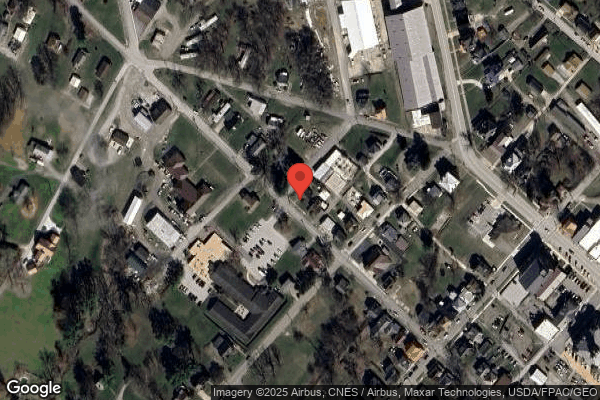
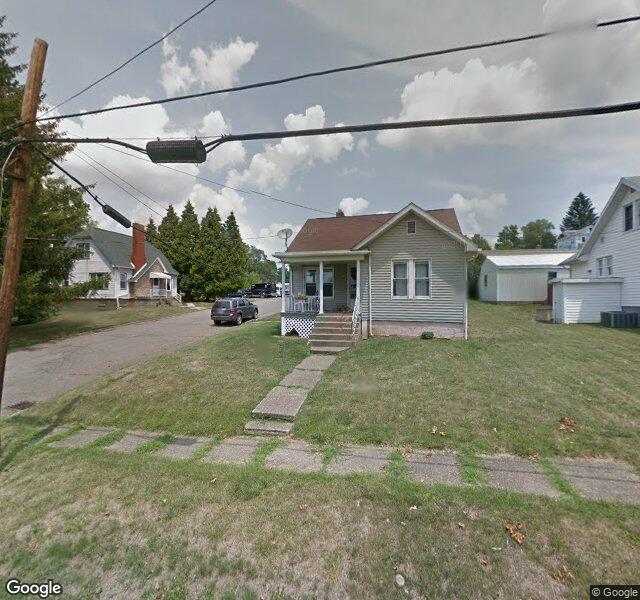
308 WEST WARREN STREET, CADIZ, OH 43907 (740) 942-8084
For profit - Corporation 70 Beds Independent Data: November 2025
Trust Grade
48/100
#432 of 913 in OH
Last Inspection: February 2024

Within standard 12-15 month inspection cycle. Federal law requires annual inspections.

Overview

Carriage Inn of Cadiz Inc has a Trust Grade of D, indicating below average quality with some concerns. It ranks #432 out of 913 facilities in Ohio, placing it in the top half of the state, but it is the last-ranked facility in Harrison County. The facility's trend is stable, maintaining eight issues from 2023 to 2024, which suggests they are not improving. Staffing is a relative strength, with a turnover rate of 37%, which is below the state average, and they have more RN coverage than 91% of Ohio facilities, ensuring better care. However, there are serious concerns, including a recent incident where a resident fell and sustained a hip fracture due to inadequate assistance, and another where therapy recommendations were not implemented, impacting residents' mobility. These findings highlight both the strengths and weaknesses of the facility, making it essential for families to weigh their options carefully.

Trust Score
D
48/100
In Ohio
#432/913
Top 47%
Safety Record
Moderate
Needs review
Inspections
Holding Steady
8 → 8 violations
Staff Stability
○ Average
37% turnover. Near Ohio's 48% average. Typical for the industry.
Penalties
✓ Good
$14,991 in fines. Lower than most Ohio facilities. Relatively clean record.
Skilled Nurses
✓ Good
Each resident gets 53 minutes of Registered Nurse (RN) attention daily — more than average for Ohio. RNs are trained to catch health problems early.
Violations
⚠ Watch
35 deficiencies on record. Higher than average. Multiple issues found across inspections.
★★★☆☆
3.0
Overall Rating
★★★☆☆
3.0
Staff Levels
★★☆☆☆
2.0
Care Quality
★★★☆☆
3.0
Inspection Score
Stable
2023: 8 issues
2024: 8 issues

The Good

  • Full Sprinkler Coverage · Fire safety systems throughout facility
  • No fines on record
  • Staff turnover below average (37%)

    11 points below Ohio average of 48%

Facility shows strength in fire safety.

The Bad

3-Star Overall Rating

Near Ohio average (3.2)

Meets federal standards, typical of most facilities

Staff Turnover: 37%

Near Ohio avg (46%)

Typical for the industry

Federal Fines: $14,991

Below median ($33,413)

Minor penalties assessed

The Ugly 35 deficiencies on record

2 actual harm
Jun 2024 2 deficiencies
CONCERN (E) 📢 Someone Reported This

A family member, employee, or ombudsman was alarmed enough to file a formal complaint

Potential for Harm - no one hurt, but risky conditions existed

Accident Prevention (Tag F0689)

Could have caused harm · This affected multiple residents

Based on observation, record review, incident log review, procedure review and interview, the facility failed to maintain hot water temperatures below 120 degrees Fahrenheit (F). This had the potentia...

Read full inspector narrative →
Based on observation, record review, incident log review, procedure review and interview, the facility failed to maintain hot water temperatures below 120 degrees Fahrenheit (F). This had the potential to affect 16 residents (#6, #8, #11, #13, #14, #15, #18, #19, #20, #21, #23, #24, #25, #26, #28 and #30) identified by the facility as cognitively impaired and independent with mobility of 34 residents who reside on the 200 and 300 halls. The census was 55. Findings include: Record review revealed Resident #6 and #8 were moderately impaired for daily decision-making and resided on the long-term unit (200 hall). Resident #11, #13, #14, #15, #18, #19, #20, #21, #23, #24, #25, #26, #28 and #30 were severely impaired for daily decision-making and resided on the locked Alzheimer's unit (300 hall). On 06/17/24 at 10:15 A.M., observation of the second floor mechanical room with Maintenance Director (MD) #89 revealed two hot water tanks. One hot water tank was set to 140 degrees Fahrenheit (F) and the second tank did not have a temperature display visible. MD #89 verified the first hot water tank was set to 140 degrees (F) to ensure hot water was delivered to the 200 and 300 units. Further interview revealed resident room hot water temperatures were not to exceed 120 degrees (F). On 06/17/24 between 10:18 A.M. and 10:59 A.M., MD #89 was observed testing the following resident room bathroom sink hot water temperatures. MD #89 verified the readings at the time of the observation which included the following: a. Resident #6's water temperature was 121.1 degrees (F). b. Resident #8, #11, #25, #26 and #28's water temperature was 121.2 degrees (F). c. Resident #13, #14 and #15's water temperature was 121.4 degrees (F). d. Resident #18 and #24's water temperature was 120.8 degrees (F). e. Resident #19's water temperature was 120.9 degrees (F). f. Resident #20, #21 and #23's water temperature was 121.7 degrees (F). g. Resident #30's water temperature was 120.6 degrees (F). Review of Ambulatory with Cognitive Impairment resident list provided by the facility revealed Resident #6, #8, #11, #13, #14, #15, #18, #19, #20, #21, #23, #24, #25, #26, #28 and #30 were independent with mobility and cognitively impaired. On 06/17/24 between 10:33 A.M. and 10:47 A.M., Resident #11, #13, #14, #15, #18, #19, #20, #21, #23, #24, #25, #26, #28 and #30 were observed on the locked Alzheimer's unit. Resident #14 and #18 were observed ambulating in and out of rooms including the bathrooms and Resident #28 was in an unoccupied room, laying on a bed. On 06/17/24 at 10:59 A.M., interview with MD #89 verified the long term unit (200 hall) and the Alzheimer's locked unit (300 hall) hot water temperatures were above 120 degrees (F) and the water for those units came from the hot water tank set to 140 degrees (F). MD #89 stated he tests two rooms per unit per week and normally tested the water temperatures in the afternoon without any concerns. MD #89 verified the water temperatures exceeded 120 degrees (F) and should not be above 115 degrees (F) according to the facility's guidelines. On 06/17/24 at 11:09 A.M., interview with Registered Nurse (RN) #143 verified the water temperatures exceeded 120 degrees (F) and posed a burn risk. RN #143 stated there had been no reports of residents receiving a burn from the elevated water temperatures. Review of the Incidents by Incident Type report dated 04/17/24 to 06/17/24 revealed no resident burns. Review of the procedure: Resident Hot Water Temperature Log revealed all hot water for resident rooms and areas were supplied through a single closed loop system. Choose one patient room on the 2nd and 3rd floors to measure the water temperature. Each week rotate between all three wings. Take a thermometer and test the hot water in each restroom. It must be between 105 degrees (F) and 115 degrees (F). Water temperatures out of range must be corrected immediately. This deficiency represents an incidental finding of non-compliance investigated under Complaint Number OH00154268.
CONCERN (F) 📢 Someone Reported This

A family member, employee, or ombudsman was alarmed enough to file a formal complaint

Potential for Harm - no one hurt, but risky conditions existed

Food Safety (Tag F0812)

Could have caused harm · This affected most or all residents

Based on observation, policy review and interview, the facility failed to prepare and serve food in a sanitary manner. This had the potential to affect 54 of 55 residents residing in the facility. The...

Read full inspector narrative →
Based on observation, policy review and interview, the facility failed to prepare and serve food in a sanitary manner. This had the potential to affect 54 of 55 residents residing in the facility. The facility identified Resident #55 not receiving nutrition by mouth. The facility census was 55. Findings include: On 06/17/24 between 9:45 A.M. and 10:01 A.M. observations of the kitchen revealed Dietary Director #69 and Dietary [NAME] #73 were observed to have beards and a mustache. Upon entrance to the kitchen, Dietary [NAME] #73 had his beard net below his chin and when the surveyor approached the dishwashing station, Dietary [NAME] #73 raised the beard net to cover his beard; however, his mustache remained uncovered. Dietary [NAME] #73 was washing dishes and removing clean dishes from the low temperature dishwasher at the time of the observation. Dietary Director #69 and Dietary [NAME] #73 were both observed with facial hair approximately one inch in length, uncovered at the time of the observation. On 06/17/24 between 11:56 A.M. and 12:08 P.M., observation of the lunch meal tray line service revealed Dietary [NAME] #73 was positioned over the kitchen steam tables and serving individual resident meals and placed them on a cafeteria-style serving tray to be distributed to residents. Dietary [NAME] #73 was observed to have a beard net covering only a portion of his beard and his mustache was uncovered. Dietary Director #69 was standing next to the surveyor and did not have his beard net covering his mustache during the lunch meal observation. Dietary Director #69 verified Dietary [NAME] #73's beard was only partially covered and his mustache was uncovered during the meal service. On 06/17/24 between 12:01 P.M. and 12:07 P.M., observation revealed Dietary [NAME] #100 washed his hands and donned gloves. Dietary [NAME] #100 then grabbed a package of hamburger buns placed them on the prep table, was handed a cafeteria-style tray from Dietary [NAME] #73 and placed it on the prep area to put the buns on. Dietary [NAME] #100 used a utensil to open the top of the bun package and then reached into the bag of buns and opened the buns with his gloved hands and put them on the cafeteria-style tray. Dietary [NAME] #100 repeated the above with a second bag of hamburger buns and Dietary [NAME] #73 was observed using the buns to serve a BBQ rib sandwich for the lunch meal service. Dietary [NAME] #100 did not change his gloves during the above observation. On 06/17/24 at 12:08 P.M., the above observation was verified by Dietary Director #69. Review of the undated policy: What to Wear revealed a hair covering was to be worn in prep areas, while prepping food, working in areas used to clean utensils and equipment and food handlers with facial hair should also wear a beard restraint. This deficiency represents non-compliance investigated under Complaint Number OH00154268.
Feb 2024 6 deficiencies
CONCERN (D)

Potential for Harm - no one hurt, but risky conditions existed

Deficiency F0604 (Tag F0604)

Could have caused harm · This affected 1 resident

**NOTE- TERMS IN BRACKETS HAVE BEEN EDITED TO PROTECT CONFIDENTIALITY** Based on observation, record review, policy review, and interview, the facility failed to complete a comprehensive assessment to...

Read full inspector narrative →
**NOTE- TERMS IN BRACKETS HAVE BEEN EDITED TO PROTECT CONFIDENTIALITY** Based on observation, record review, policy review, and interview, the facility failed to complete a comprehensive assessment to determine if side rails were used as a restraint or an enabler. This affected one (Resident #56) of 24 residents observed for possible restraints. Te census was 58. Findings include: Review of Resident #56's medical record revealed diagnoses including severe dementia with agitation, abnormal posture, mood disorder, generalized muscle weakness and Parkinson's disease. An admission assessment dated [DATE] indicated Resident #56 had a siderail screening tool which indicated Resident #56 was non-ambulatory, had alterations in safety awareness due to cognitive decline, had a history of falls, demonstrated poor bed mobility or difficulty moving to a sitting position on the side of the bed, had difficulty with balance or poor trunk control, was currently using side rails raised while in bed, and had not expressed a desire to have rails raised while in bed. The assessment indicated siderails were indicated and served as an enabler to promote independence. The functional status of the admission assessment indicated Resident #56 was totally dependent for bed mobility. Review of a baseline care plan dated 04/10/23 indicated Resident #56 had the potential for falls with interventions for 1/2 or 1/4 side rails up when in bed. Review of a care plan initiated 04/18/23 indicated Resident #56 was at risk for falls and fall related injury related to a history of falls with fracture prior to admission, muscle weakness, unsteadiness on her feet, abnormalities of gait and mobility, lack of coordination, cognitive communication deficit, disorientation, depression, age-related physical disability, atrial flutter, Alzheimer's disease, dementia, Parkinson's disease, and poor safety awareness. On 05/19/23 an order was written for bilateral enabler bars to assist with bed mobility, turning and repositioning, transfers and to promote independence. The care plan related to fall risk was updated to include an intervention dated 06/19/23 for the use of bilateral enabler bars to assist with bed mobility, positioning, and transfers. There was no evidence of assessments for side rail/enabler bar use after the admission assessment. On 02/05/24 at 10:18 A.M., Resident #56 was observed lying in bed with bilateral quarter side rails which were raised and located on the lower top half of the bed. On 02/05/24 at 11:26 A.M., Resident #56 remained in the bed with the side rails raised. A family member who was present stated the side rails were raised to prevent falls. Subsequent observations on 02/05/24 at 2:59 P.M., on 02/06/24 at 10:26 A.M., 11:15 A.M. and 4:32 P.M., and on 02/07/24 at 5:37 A.M. revealed Resident #56 was in bed with the side rails raised. Resident #56 was not observed using the rails for mobility or repositioning herself. On 02/06/24 at 4:44 P.M., Licensed Practical Nurse (LPN) #520 stated she was unaware of any side rails assessments being completed to determine if the side rail/mobility bars restrained movement. At 5:08 P.M., LPN #520 added Resident #56 would sometimes grab hold of the bar when being transferred with a gait belt and two assists. However, Resident #56 did not have enough strength to hold herself up. LPN #520 also stated Resident #56 would squirm in bed but did not make an effort to reposition herself or turn in bed with use of the rail/enabler bars. On 02/07/24 at 9:30 A.M., LPN #520 verified she could find no siderail assessment since Resident #56's admission. LPN #520 stated the use of siderails should be assessed quarterly. During an interview on 02/07/24 at 4:07 P.M., State Tested Nursing Assistant (STNA) #543 stated Resident #56 squirmed in bed and sometimes got her legs over the bed but believed the rail might prevent her upper body from leaving the bed. Resident #56 did not use the rail for bed mobility or transfers. The rail was lowered before transferring Resident #56 to prevent skin tears/injury. During an interview on 02/07/24 at 4:40 P.M., Registered Nurse (RN) #581 stated she had Resident #56's siderails/enabler bars reassessed. The assessment indicated Resident #56 no longer used the side rails/enablers for bed mobility but that she sometimes got her legs out of the bed and it aided in her not falling from the bed. RN #580, who was also present, stated Resident #56 used to use the siderails for mobility but it was unclear when she was no longer able to. Review of the facility's Mobility Bars policy, dated November 2016 and reviewed/revised 02/06/24 indicated the facility would only use mobility bars to assist in bed mobility and transfer when it was appropriate. The therapy department or designee should work with nursing to assess the suitability of mobility bars for residents. The assessment should be done on admission, quarterly and with any major changes in residents' function.
CONCERN (D)

Potential for Harm - no one hurt, but risky conditions existed

Assessment Accuracy (Tag F0641)

Could have caused harm · This affected 1 resident

**NOTE- TERMS IN BRACKETS HAVE BEEN EDITED TO PROTECT CONFIDENTIALITY** Based on medical record review and staff interview the facility failed to ensure comprehensive assessments were completed accura...

Read full inspector narrative →
**NOTE- TERMS IN BRACKETS HAVE BEEN EDITED TO PROTECT CONFIDENTIALITY** Based on medical record review and staff interview the facility failed to ensure comprehensive assessments were completed accurately related to hospice services and medication use. This affected two (Resident #18 and #35) of 19 residents reviewed for comprehensive assessments. The facility census was 58. Findings include: 1. Review of Resident #18's medical record revealed an admission date of 03/18/17 with diagnoses that included congestive heart failure, dementia and chronic kidney disease. Further review of the medical record including physician's orders revealed on 02/26/23 Resident #18 was admitted to hospice services. Review of the quarterly Minimum Data Set (MDS) 3.0 assessment with a reference date of 11/03/23 indicated Resident #18 was not currently receiving hospice services. A previous quarterly MDS 3.0 assessment with a reference date of 08/03/23 indicated the resident was receiving hospice services. On 02/07/23 at 9:53 A.M. interview with [NAME] President of Clinical Services #581 verified the MDS with a reference date of 11/03/23 did not indicate Resident #18 was currently receiving hospice services. 2. Review of Resident #35's medical record revealed diagnoses including depression, anxiety disorder and Alzheimer's disease. A quarterly Minimum Data Set (MDS) assessment dated [DATE] indicated contradictory information regarding medication use. One section of the MDS indicated Resident #35 did not receive antipsychotic medication while another section indicated Resident #35 received antipsychotic medication on a routine basis only with a gradual dose reduction attempted 10/06/23. Review of the November 2023 Medication Administration Record (MAR) revealed no antipsychotic medications were administered. On 02/07/24 at 9:53 A.M., Registered Nurse (RN) #581 verified the coding on the quarterly MDS dated [DATE] was inaccurate as Resident #35 was not receiving antipsychotics on a routine basis.
CONCERN (D)

Potential for Harm - no one hurt, but risky conditions existed

Pressure Ulcer Prevention (Tag F0686)

Could have caused harm · This affected 1 resident

Based on medical record review, observations, policy review and staff interview the facility failed to ensure Resident #21 was turned and repositioned as per the care plan and ordered by the physician...

Read full inspector narrative →
Based on medical record review, observations, policy review and staff interview the facility failed to ensure Resident #21 was turned and repositioned as per the care plan and ordered by the physician. The facility also failed to accurately stage pressure ulcer wounds for Resident #44. This affected two (Residents #21 and #44) of two resident reviewed for pressure ulcer wounds. The facility census was 58. Findings include: 1. Review of Resident #21's medical record revealed an admission date of 07/05/22 with admission diagnoses that include a stage four pressure ulcer (full thickness skin loss with exposed bone, tendon or muscle) to the sacral region, Parkinson's disease with dementia and chronic kidney disease. Review of wound assessments revealed a chronic unhealed stage four pressure ulcer wound to the sacrum/coccyx area which was present upon admission. Review of Resident #21's Minimum Data Set (MDS) quarterly assessment with a reference date of 11/08/23 indicated the resident had a severely impaired cognition level and was dependent upon staff assistance for bed mobility. Further review of the medical record including physician's orders dated 07/05/22 staff were to encourage the resident to turn and reposition every two hours. Review of Resident #21's plan of care related to impaired skin integrity revealed an intervention to turn and reposition the resident every two hours. Observation of Resident #21 on 02/06/24 from 9:37 A.M. to 3:17 P.M. revealed the resident lying in bed on her back with no evidence of turning and repositioning. Interview with State Tested Nurse Aide (STNA) #524 on 02/06/24 at 3:20 P.M. verified Resident #21 had not been turned and repositioned since early that morning. STNA #524 indicated the resident prefers to stay on her back and previous use of foam wedges for positioning failed due to comfort of the resident. Interview with the Director of Nursing on 02/06/24 at 3:40 P.M. verified Resident #21's care plan did not indicate a preference to remain on her back and non-compliance with turning and repositioning. Review of the facility policy titled Turning and Repositioning with an implemented date of 10/25/23 and reviewed/revised on 02/08/24 indicated; All residents at risk of, or with existing pressure injuries, will be turned and repositioned, unless it is contraindicated due to a medical condition. The frequency of turning and repositioning will be documented in the resident's plan of care. 2. Review of Resident #44's medical record revealed an admission date of 04/16/22 with diagnoses that included dementia, diabetes mellitus and congestive heart failure. Review of Resident #44's weekly skin assessments revealed on 12/27/23 a suspected deep tissue injury (SDTI (purple or maroon localized area of discolored skin, may include a thin blister over a dark wound bed)) to the right heel was found. Further review of the weekly wound assessments revealed the wound was described as dry with 100% eschar (leathery, scab like tissue) to the wound from onset to the last assessment completed on 02/05/24. Review of the weekly wound nurse practitioner consultant assessments revealed the wound was initially staged as a SDTI on 01/08/24 and then changed to an unstageable pressure ulcer wound on 01/15/24. Observation of wound care for Resident #44 on 02/07/24 at 8:45 A.M. with Licensed Practical Nurse (LPN) #582 revealed a wound to the right heel. The wound bed was covered with 100% black and dry eschar tissue. On 02/07/24 at 8:55 A.M. interview with LPN #582 revealed she described the wound as an unstageable pressure ulcer wound. Additional interview on 02/08/24 at 8:12 A.M. with LPN #582 verified inaccurate wound assessment which indicates wound is a suspected deep tissue injury and is currently an unstageable wound as indicated by wound nurse consultant. Review of the facility policy titled Documentation of Wound Treatments with a date implemented of 2016 and Review/Revised date of 02/08/24 indicated; the facility completes accurate documentation of wound assessments and treatments, including response to treatment, change in condition and changes in treatment. The following elements are documented as part of a complete wound assessment: stage of the wound, if pressure injury (stage 1, 2, 3, 4, deep tissue injury, unstageable pressure injury).
CONCERN (E)

Potential for Harm - no one hurt, but risky conditions existed

Deficiency F0567 (Tag F0567)

Could have caused harm · This affected multiple residents

Based on interview and record review the facility failed to ensure that witness authorizations were obtained to manage resident funds. This affected five residents (#1, #6, #24, #26, and #56) of five ...

Read full inspector narrative →
Based on interview and record review the facility failed to ensure that witness authorizations were obtained to manage resident funds. This affected five residents (#1, #6, #24, #26, and #56) of five reviewed for personal funds. This had the potential to affect 33 residents whose funds were managed by the facility. The census was 58. Findings include: Review of financial records for Residents #1, #6, #24, #26, and #56 revealed no witness signatures on the Authorization and Agreement to Handle Resident Funds Forms. On 02/06/24 at 2:55 P.M., an interview with the Administrator verified there were no witness signatures on the Resident Fund Management Agreement Forms. On 02/06/24 at 9:40 A.M. an interview with Business Office Manager # 511 verified there were no witness signatures on the Resident Fund Management Agreement Form.
CONCERN (E)

Potential for Harm - no one hurt, but risky conditions existed

Accident Prevention (Tag F0689)

Could have caused harm · This affected multiple residents

Based on observation and interview, the facility failed to ensure residents disposed of cigarettes in the designated containers and that facility staff supervising residents smoking knew where the fir...

Read full inspector narrative →
Based on observation and interview, the facility failed to ensure residents disposed of cigarettes in the designated containers and that facility staff supervising residents smoking knew where the fire safety devices were located. This affected four residents (#3, #14, #19, and #20) of four identified by the facility as smokers. The facility census was 58. Findings include: On 02/05/24 at 9:12 A.M., observation of the courtyard, which was the designated resident smoking area, revealed there were 23 cigarette butts scattered throughout the grass, 21 cigarette butts scattered throughout the mulch, and six cigarette butts on the sidewalk. There was no fire extinguisher or fire blanket in the designated smoking area. On 02/05/24 at 9:26 A.M., interview with Licensed Practical Nurse (LPN) #582 verified cigarette butts were in the grass, mulch, and on the sidewalk. LPN #582 confirmed there was no fire extinguisher or fire blanket in the exterior courtyard which was the designated smoking area for residents. On 02/05/24 at 9:37 A.M., interview with Housekeeper #568, who was supervising residents smoking, stated she did not know where the fire blanket was and she confirmed the nearest fire extinguisher was inside the building on the other side of the resident common area.
CONCERN (E)

Potential for Harm - no one hurt, but risky conditions existed

Deficiency F0725 (Tag F0725)

Could have caused harm · This affected multiple residents

Based on observation and interview, the facility failed to ensure there was sufficient staff to monitor dining activities on the secure unit. This had the potential to affect all 19 residents who resi...

Read full inspector narrative →
Based on observation and interview, the facility failed to ensure there was sufficient staff to monitor dining activities on the secure unit. This had the potential to affect all 19 residents who resided on the secure unit. The facility census was 58. Findings include: During observations of the lunch meal delivery and service on 02/05/24 of the secure unit the following was observed: The first meal cart arrived at 12:25 P.M. and staff immediately began serving residents. At 12:43 P.M. all other residents at the main/long table in the dining room were eating or had received their trays with the exception of Resident #12. No staff were present at the table or directly monitoring the residents when Resident #12 reached over and took a bowl of applesauce from Resident #53's tray and started drinking the applesauce from the bowl. When staff did observed Resident #53 with the applesauce they stated they did not know where Resident #53 got it from. At 12:45 P.M., State Tested Nursing Assistant (STNA) #521 sat beside Resident #12 to assist with her meal. One bowl of food was provided with staff providing cues and physical assistance. The last two bowls were provided at the same time. At 1:02 P.M., Resident #53, who had orders for a pureed diet, was observed with two bowls of regular carrots, one of which he had taken from Resident #12. Staff intervened after Resident #53 already had a regular carrot in his mouth telling him he was on a pureed diet and could not eat regular carrots. At 1:05 P.M., staff noted Resident #32 had left the table without eating much and asked staff on the floor to redirect him back to the dining room. Resident #32 was overheard indicating he did not want to eat any more. Resident #303 was observed pushing a piece of pie across the table to Resident #28 who was also eating a pureed diet. STNA #546 was informed of this by the surveyor prior to intervening and verified Resident #28 was on a pureed diet and should not have regular pie. At 1:39 P.M., Resident #32 was observed sitting at a table at the end of the hall near the nursing station eating food from Resident #54's tray. After about 20 second staff walking down the hall observed this and intervened. On 02/05/24 at 1:30 P.M., STNA #521 stated there was not enough staff to monitor resident behaviors and feed residents at meal time on the secure unit. STNA #543 agreed. Both STNA #521 and #542 acknowledged residents were taking food from one another and the food was not always appropriate for residents' diets. On 02/06/24 at 4:22 P.M., STNA #508 stated there was not sufficient staff on the secure unit because residents liked to wander and behaviors could be better monitored with a third aide. STNA #508 stated staffing was not sufficient enough during meals to prevent residents from taking one another's food or sharing food which was inappropriate for diets. On 02/06/24 at 4:55 P.M., Registered Nurse (RN) #571 stated there were some residents on the secured unit who fixated on food and who were sometimes able to get food which was inconsistent with their diets. It would be beneficial to have more staff to monitor behaviors. On 02/07/24 at 4:07 P.M., STNA #543 stated the secured unit had multiple residents with behaviors. Some of the residents required two assists to provide personal care which tied up both aides on the unit. The STNAs tried to reserve those residents' care to be provided when the nurse was available to monitor behavior of other residents. However, it was difficult to monitor residents with behaviors at times as they were mobile and behaviors could escalate quickly. On 02/08/24 at 1:55 P.M., STNA #546 verified after Resident #STNA #521 left the dining room on 02/05/24 during lunch and she was the only staff member monitoring the other residents she was unable to monitor the residents closely enough to prevent them from sharing and taking food. STNA #546 indicated she was asked to assist in the secure dining room on 02/05/24 but she did not normally do so. The facility identified Residents #7, #9, #12, #16, #24, #28, #30, #32, #35, #36, #39, #40, #43, #53, #54, #55, #56, #57, and #113 as residing on the secure unit. Review of the facility's policy, Nursing Services and Sufficient Staff, implemented October 2022 and reviewed/revised 02/06/24, indicated the facility's census, acuity and diagnoses of the resident population would be considered based on the facility assessment. The facility was to supply sufficient direct care services on a 24-hour basis to meet the needs of residents in an appropriate and timely manner. The facility would determine the number and type of additional staff required based on the services needing to be performed as identified in the care plan.
Nov 2023 2 deficiencies 1 Harm
SERIOUS (G) 📢 Someone Reported This

A family member, employee, or ombudsman was alarmed enough to file a formal complaint

Actual Harm - a resident was hurt due to facility failures

Accident Prevention (Tag F0689)

A resident was harmed · This affected 1 resident

**NOTE- TERMS IN BRACKETS HAVE BEEN EDITED TO PROTECT CONFIDENTIALITY** Based on review of the medical record, review of the facility investigation, and interviews with staff, the facility failed to e...

Read full inspector narrative →
**NOTE- TERMS IN BRACKETS HAVE BEEN EDITED TO PROTECT CONFIDENTIALITY** Based on review of the medical record, review of the facility investigation, and interviews with staff, the facility failed to ensure Resident #41 was free from accident hazards. Actual harm occurred on 10/16/23 when Resident #41, who was cognitively impaired, at risk for falls, and dependent on two staff for bed mobility, fell out of bed while State Tested Nursing Assistant (STNA) #112 was providing incontinence care by himself. Resident #41 sustained a fracture to the right hip and hematoma to the back of her head. Resident #41 was transferred to the hospital and received surgical intervention to her right hip. This affected one resident (Resident #41) of three residents reviewed for accident hazards. The facility census was 57. Findings include: Review of the medical record revealed Resident #41 was admitted to the facility on [DATE]. Resident #41's list of diagnoses included diabetes, diabetic polyneuropathy, protein-calorie malnutrition, intertrochanteric fracture of the right femur, atrial fibrillation, dysphagia, contusion to the scalp, psychotic disorders, major depressive disorder, mood disorder, anxiety disorder, malignant neoplasm of the skin, osteoarthritis, hypothyroidism, kidney disease, and glaucoma. Review of the quarterly Minimum Data Set (MDS) assessment dated [DATE] revealed Resident #41 had severely impaired cognition and had delusions. She had physical symptoms such as hitting or scratching herself and screaming daily. She required total assistance from two staff members for bed mobility and transfers. Review of the plan of care dated 03/17/23 revealed Resident #41 was at risk for falls and fall related injuries related to dementia with behaviors, visual impairment, psychosis, osteoarthritis, anxiety, mood disorders, depression, abnormalities of gait and mobility, lack of coordination, muscle weakness, decreased sensation, physical debility, impaired cognition, incontinence, medication use, and poor safety awareness. Interventions included assist resident with wheelchair or walker for mobility as needed, assist with wearing proper footwear, assist with toileting needs and incontinence care, keep call light within reach, and non-skid gripper socks when not wearing shoes. On 10/07/23 the plan of care was revised to include mat to the floor and revised again on 10/16/23 to include two persons to assist for bed mobility and transfers. Review of the physician orders revealed Resident #41 had an order for bilateral grab bars dated 10/24/22, padding added to the bilateral grab bars for altered skin integrity dated 07/28/23, and her bed to be in the lowest position when not providing direct care dated 10/07/23. Further review of Resident #41's medical record revealed the State Tested Nursing Assistant (STNA) task documentation for October 2023 indicated the staff were using total or extensive assistance of two staff members for all bed mobility for Resident #41. Review of an incident note dated 10/16/23 at 1:00 A.M. revealed the nursing assistant (STNA #112) was assisting Resident #41 during care when the resident became combative and rolled out of bed. Resident #41 was assessed and noted to have a golf ball size fluid filled hematoma to back of her head. Resident #41 was complaining of right hip pain, her pupils were equal and reactive to light. Two-person assistance with bed mobility and transfer was listed as a potential new intervention. Resident #41 was sent to the emergency room for evaluation. Review of the hospital emergency room radiology report dated 10/16/23 at 3:33 A.M. revealed Resident #41 had an acute, displaced intertrochanteric right femur fracture and a right scalp hematoma with no fracture. Review of health status reports dated 10/16/23 at 8:10 A.M. and 10/16/23 at 11:11 A.M. revealed Resident #41 returned to the facility with no surgical intervention. Resident #41's physician was on the unit, the son was at the bedside and the son wanted Resident #41 to be sent to another hospital for another evaluation of the fracture and the physician agreed. Review of the second hospital emergency room report dated 10/16/23 revealed Resident #41 had been seen at another hospital the same day, diagnosed with right hip fracture, was sent back to the facility then the family requested she be sent back to another hospital. Resident #41 was in no distress, appeared comfortable, was alert to person and had an internally rotated right hip with mild angulation but not displaced and no skull fractures or brain bleed. Resident #41 would be cleared for surgery for the hip fracture. Review of a psychosocial note dated 10/17/23 at 11:00 A.M. revealed Resident #41 was still at the hospital and would be having surgery for her fractured hip. Review of the progress note dated 10/22/23 revealed Resident #41 returned to the facility with post-surgical aftercare orders following hip repair surgery. Review of the facility's fall investigation dated 10/16/23 revealed Resident #41 fell out of bed during care being provided by STNA #112. Review of the signed witness statement from STNA #112 dated 10/16/23 at 1:00 AM revealed he was assisting the resident with her disposable brief change and the resident reached out, scratched him, he lost his grip and she fell out of bed. Review of a second signed witness statement from STNA #112 dated 10/27/23 revealed he noticed Resident #41 had a bowel movement, so he gathered all the stuff he needed, raised the bed, lowered her head and feet in bed and removed the wedge and pillow from under her legs. STNA #112 then tucked the adult brief the resident was wearing to one side so he could pull the brief when he turned Resident #41. After telling the resident what he was about to do and turning her, he was getting ready to pull the old brief out when Resident #41 pinched and scratched the hand and arm he was using to steady her. STNA #112 reacted by letting go of her and that was when she fell out of the bed. Review of the signed witness statement from LPN #114 dated 10/16/23 revealed the nursing assistant came running down the hall stating the resident fell on the floor. LPN #114 followed him back to the room and a head-to-toe assessment was completed. Vital signs were normal, and the resident was found to have an area to the back of her head and a red area to the right hip. LPN #114 initiated neurological checks while another nurse arranged transportation to the emergency room at the hospital. Review of the signed witness statement from Licensed Practical Nurse (LPN) #113 dated 10/16/23 revealed LPN #113 assessed the resident with the other nurse, the resident was having pain with palpation to the right hip, and she had redness noted to the area. She had a hematoma to the back of her head. Her range of motion (ROM) to the right hip was abnormal and she complained of pain with ROM. On 11/21/23 at 2:24 P.M. an interview with the Director of Nursing (DON) verified STNA #112 was the aide working when Resident #41 had fallen out of bed. The DON stated STNA #112 was providing care to Resident #41, and she fell out of bed. The DON verified Resident #41 was a two person assist with turning and repositioning. On 11/21/23 at 2:40 P.M. an interview with STNA #109 revealed he had provided care to Resident #41 prior to her fall on 10/16/23 and Resident #41 required two staff members to provide care. On 11/21/23 at 2:45 P.M. an interview with STNA #110 revealed she provided care to Resident #41 prior to her fall on 10/16/23 and Resident #41 required two staff members to provide care. On 11/21/23 at 2:47 P.M. an interview with STNA #111 revealed Resident #41 required two staff members to provide incontinence care prior to her fall because she usually became combative and resisted care. STNA #111 stated she was very hard to roll with only one staff person so two staff were required, and the resident was a two person assist for transfers. On 11/21/23 at 2:53 P.M. an interview with LPN #103 revealed the nursing assistants usually used two STNAs when providing care to Resident #41 because she was difficult to turn and could become combative. On 11/21/23 at 4:00 P.M. an interview with STNA #112 verified on 10/16/23 he provided incontinence care to Resident #41 by himself, and Resident #41 rolled out of bed onto the floor. STNA #112 stated he did have another aide working with him, but she was in the other room. STNA #112 stated he was rolling Resident #41 to change her brief and she did not like to be rolled in the bed so would become combative and grab at staff. STNA #112 stated when he rolled her towards the window to pull the brief out from under her, she reached around, grabbed at his arm and hand, and scratched him. STNA #112 stated he let go of her as a reaction to being scratched and she fell out of the bed onto the floor between the bed and the wall and from a waist high position of the bed. He stated this was the first time he had ever had anyone fall out of bed and he ran out to get the nurse. On 11/22/23 at 10:15 A.M. an interview with STNA #106 revealed the STNAs have always used two staff to turn and position, provide incontinence care, and transfer Resident #41 because she was a heavy woman and had very limited mobility. STNA #106 added Resident #41 could become combative very easily with care. Review of the facility policy titled, Falls and Fall Risk Managing, date revised 05/06/2020, indicated staff would identify interventions related to the resident's specific risks and causes to try to prevent the resident from falling and to try to minimize complications from falling. This deficiency represents non-compliance investigated under Complaint Number OH00147981.
CONCERN (F) 📢 Someone Reported This

A family member, employee, or ombudsman was alarmed enough to file a formal complaint

Potential for Harm - no one hurt, but risky conditions existed

Smoking Policies (Tag F0926)

Could have caused harm · This affected most or all residents

**NOTE- TERMS IN BRACKETS HAVE BEEN EDITED TO PROTECT CONFIDENTIALITY** Based on observations, interview with staff and review of the facility policy, the facility failed to implement the smoking poli...

Read full inspector narrative →
**NOTE- TERMS IN BRACKETS HAVE BEEN EDITED TO PROTECT CONFIDENTIALITY** Based on observations, interview with staff and review of the facility policy, the facility failed to implement the smoking policy to maintain a safe and clean environment free from discarded cigarette butts at the facility main entrance door. This had the potential to affect all the residents in the facility. The facility census was 57. Findings included: Observation upon entrance to the facility on [DATE] at 8:00 A.M. revealed there were numerous (20 plus) cigarette butts on the left side of the entrance door laying in the mulch beds. On 11/21/23 at 8:30 A.M. an interview with Receptionist #102 verified the cigarette butts in the mulch by the front door, and verified there was no smoking receptacle at the main entrance to extinguish cigarettes properly. On 11/21/23 at 1:20 P.M. an interview with Maintenance Director (MD) #100 revealed there was not supposed to be anyone smoking at the entrance because it was not the designated smoking area. MD #100 explained the housekeepers were supposed to be checking outside for cigarette butts but evidently had not been checking for the cigarette butts. Review of the facility policy titled, Resident Smoking, dated 04/05/22 with a revision date of 11/20/23, revealed the facility would provide a safe and healthy environment for residents, visitors and employees including safety as related to smoking. Smoking was prohibited in all areas except the designated smoking areas. This deficiency represents non-compliance investigated under Complaint Number OH00147981.
Jun 2023 6 deficiencies 1 Harm
SERIOUS (G) 📢 Someone Reported This

A family member, employee, or ombudsman was alarmed enough to file a formal complaint

Actual Harm - a resident was hurt due to facility failures

Deficiency F0688 (Tag F0688)

A resident was harmed · This affected 1 resident

**NOTE- TERMS IN BRACKETS HAVE BEEN EDITED TO PROTECT CONFIDENTIALITY** Based on observation, record review and interview, the facility failed to ensure therapy recommendations were implemented upon d...

Read full inspector narrative →
**NOTE- TERMS IN BRACKETS HAVE BEEN EDITED TO PROTECT CONFIDENTIALITY** Based on observation, record review and interview, the facility failed to ensure therapy recommendations were implemented upon discontinuation of therapy services. Actual harm occurred when Resident #1 had worsening contractures and decline in range of motion when restorative/maintenance programs for application of hand splints, passive range of motion (PROM) exercises and a timed out of bed schedule was not provided as recommended impacting the resident's mobility and skin integrity. This affected two residents (Resident #1 and #40) of three residents reviewed for range of motion. The census was 59. Findings include: 1. Review of Resident #1's medical record revealed an admission date of 06/03/22 with diagnoses including anoxic brain damage, nontraumatic intracerebral hemorrhage, neuromuscular dysfunction of bladder, presence of cerebrospinal fluid drainage device, need for assistance with personal care, contracture left elbow, right hand, left hand, muscle wasting and atrophy. Review of the admission five-day Minimum Data Set Assessment (MDS) dated [DATE] included the resident was never understood, required extensive two-person physical assist with bed mobility, and dressing; total dependence and two-person physical assist with transfer, eating, and toileting. Review of an impaired range of motion as evidenced by contractures of bilateral hands, left elbow and paraplegia plan of care dated 06/11/22 revealed interventions including to apply any assistive devices needed for contracture management. Review of Resident #1's therapy evaluations revealed she was initially admitted [DATE] and evaluated by occupational therapy on 06/06/22. The resident was totally dependent (on staff) for all activities of daily living. She was unable to follow commands, or track with visual movements. She did open her eyes and fixate (her) gaze on the therapist. She was admitted with resting hand splints (a splint used to maintain hand(s) in functional positioning by supporting the hand and wrist joint during periods of inactivity). The resident was evaluated by physical therapy on 06/07/22. Initial evaluation included the resident was totally dependent for sitting, with no right or left upper or lower extremity strength. The resident was readmitted to the hospital and returned to the facility 06/18/22. The Occupational therapy evaluation (upon re-admission) was unchanged and included she was admitted with two resting hand splints however they would need to be trialed and slightly modified due to bilateral upper extremity contractures and wear tolerance of two hours. The resident had a left elbow contraction with 55-140 degrees of motion on the left and 40-150 degrees on the right elbow (normal ROM of the elbow is 180 degrees). The resident was approved for a specified number of therapy visits, three of which were used for Occupational Therapy, and discharged from therapy on 06/24/22 until she could be re-evaluated under Medicaid part B. She was discharged with hand splints up to two hours a day and weighted stuffed animals to her arms since the left arm brace did not arrive. The resident resumed services on 07/20/22 under Medicaid part B and provided services until 10/10/22. She was thin and the elbow brace was too large for her. The therapists were looking for a pediatric elbow brace and utilized weighted stuffed animals in her arms to extend her elbows. Upon discharge from therapy, restorative/maintenance programs included out of bed up to four hours a day, passive range of motion (PROM) bilateral upper extremities two sets of 10 and bilateral resting hand splints four hours on and four hours off after PROM with skin checks. The resident was also to hold a large stuffed animal to left elbow to prevent contracture. Education was provided to the Director of Nursing, Assistant Director of Nursing and restorative/ MDS nurse on donning resting hand splints every four hours and not using washcloths because they do not prevent worsening of contractures. PROM education prior to donning splints was provided. Review of the medical record revealed no evidence a restorative or maintenance program was written for the nursing staff to provide. There were no instructions for the STNAs to follow, there was no physician order or treatment orders written and there was no restorative plan of care. On 03/06/23 a therapy screening was completed for Resident #1 and therapy services for contractures, positioning for promotion of skin integrity, as well as increased out of bed participation was planned. The resident was re-evaluated on 03/08/23 by occupational therapy secondary to having an increase of contractures and poor out of bed tolerance. The resident presented with decreased joint mobility in bilateral upper extremities impacting her positioning and skin integrity. The resident was re-evaluated 03/15/23 by physical therapy due to decreased range of motion in her lower extremities and had a decrease in her prior level of function with PROM of left hip abductor declining from 30 degrees of motion to 15 degrees, left hip flexion declining from 100 degrees of motion to 70 degrees, and PROM to knee extension declining from zero extension to minus 15 degrees. The goal was to improve trunk and lower extremity range of motion to improve positioning in bed and up in chair. The resident had no existing lower extremity contracture. The left lower extremity was tight in all muscle groups. The resident presented with decreasing range of motion in bilateral lower extremities and trunk due to neurological insult of traumatic brain injury and being bedfast. The Quarterly MDS dated [DATE] revealed the resident required total dependence, two-person assist for bed mobility, transfer, and personal hygiene. The resident was total dependence, one-person assist for dressing and eating. The resident had functional range of motion (ROM) impairment on both sides of upper and lower extremities. Review of the 06/01/23 occupational therapy discharge note included a referral for a restorative nursing program and functional maintenance program to be completed to maintain progess. Review of the STNA TASK section and care plans dated 06/02/23 included a Restorative Range of Motion Program: Needs Passive Range of Motion: Gentle stretching to bilateral upper and lower extremities, three sets of five, two times a day for at least 15 minutes. Ensure completing upper extremity stretching before and after palm guard application. A 06/02/23 Restorative: splint application and removal program-complete passive range motion gentle stretching prior to applying and after removing palm guards. Guards to be encouraged to be in place six to eight hours daily, six to seven days a week, at least 15 minutes of staff restorative direct care per day. Observation on 06/12/23 at 9:28 A.M. revealed Resident #1 sitting in tilt-in-space wheelchair, in the common area beside the nursing station. There were no splints, braces, or rolled washcloths applied to either hand. An observation was completed at 11:18 A.M. and remained unchanged. Observation on 06/12/23 at 11:26 A.M. revealed Resident #1 was removed from the common area to receive care. No washcloths, splints, palm guards, or braces were in her hands. Observation on 06/12/23 at 11:52 A.M. revealed Resident #1 was she was in the hall with a stuffed animal in each arm. No washcloths, splints, palm guards or braces were observed to the resident's hands. Interview 06/12/23 at 2:58 P.M. with Certified Occupational Therapy Assistant (COTA) #140 revealed when Resident #1 was screened on 03/08/23 therapy became aware staff were not utilizing the resting hand splints and were not getting Resident #1 up in the custom chair. Some staff said they were providing restorative recommendations from the 10/10/22 discharge from therapy and other staff stated they were not providing the recommendations. Therapy stated facility staff had been educated on out of bed transfers and splint placement in October when therapy was discontinued. The restorative program would have been given to the MDS nurse when the resident was discharged from therapy for follow-up and/or implementation. When the resident was discharged from therapy, she was wearing the resting hand splints. The resident's hands were now rigid. Therapy located her resting hand splints and she was not able to wear them at that time, due to the worsening of her hand contractures. The resting hand splints did not move enough and she could not use them. The COTA stated panacea palm guards were trialed and they were misplaced. She had skin sloughing with them and could not tolerate them (palm guards) and therapy noted the panacea palm guards were heavy. On 05/23/23 COTA #140 emailed supply to order sheep skin palm guards and they have not yet arrived. She included they are currently using washcloth roll ups on Resident #1's hands until the ordered palm guards arrive. The therapy department was never able to restore motion back to her hands to resume use of the resting hand splints. Observation on 06/12/23 at 3:09 P.M. revealed Resident #1 lying in bed on her back. There were no splints, braces, palm guard or rolled washcloths applied to either hand. Interview 06/12/23 at 5:24 P.M. with State Tested Nurse Aide (STNA) #122 revealed she had never been trained on splints. She had never been trained to put washcloths in Resident #1's hands. She had never been told to do it. She has rarely seen washcloths in Resident #1's hands. She verified she did not see washcloths in the resident hands today. She is usually only able to put one finger in her fist to make room to clean her hands. She cannot manually straighten her fingers or elbows. Interview 06/12/23 at 5:31 P.M. with STNA #152 revealed she had not been trained in putting on splints on Resident #1's hands. She has never put them on. She said therapy would put them on. She is not able to straighten the residents fingers out all the way. We put a washcloth in her hand when we shower her and check her nails. The nurse cuts them every other weekend at least; to keep her fingernails from cutting into her palm. She has not been told to put washcloths rolls in her hands during the day but has seen them in there before. She assumed therapy was putting them in. She is not able to straighten the resident's elbows. She always has the weighted stuffed animals in her arms. She is not able to straighten the resident's knees. Observation on 06/12/23 at 6:04 P.M. revealed Resident #1 was in bed with stuff animals in her arms. Her fingers/hands were clenched into fists. There were no splints, braces, or rolled washcloths applied to either hand. Interview and observation 06/12/23 at 6:04 P.M. with STNA #117 revealed she attempted to provide range of motion to Resident #1's fingers and was unable to move them on either hand. STNA #117 was able to get the resident's right wrist to straighten but not the left. Both knees were contracted with the left knee worse than the right knee. The STNA was unable to straighten either knee fully. STNA #117 verified the resident did not have a washcloth, splints or palm guards on her hands. Interview 06/12/23 at 7:28 P.M. with the Administrator and the Director of Nursing revealed the Director of Nursing just started the end of March so she would not of been the one taught about the restorative program for Resident #1 in October. The Administrator verified they did not have a restorative program in October of 2022. They had a maintenance program the aides were to do. The Administrator and Director of Nursing verified they could not find where the October programs were written for Resident #1. A paper referral would have been written for nursing. They verified the staff would not know to do it when the programs were not written in the TASK or treatments. They included a nurse was trained for restorative 03/16/23 and they started a restorative program 03/29/23. A new unit manager had been hired with restorative experience, but he had not started yet. 2. Review of Resident #40's medical record revealed a 04/23/21 admission with diagnosis including wedge compression fracture of first lumbar vertebra, Vitamin D deficiency, dementia with behavioral disturbance and mood disturbance, spinal stenosis, and Alzheimer. Review of the 03/02/23 Quarterly MDS revealed the resident was severely impaired for daily decision making with delusions, but no rejection of care or other behaviors. The resident was extensive, two-person assistance for bed mobility, transfer, and toileting. Extensive, one-person assistance for dressing, and walking in room. The resident was supervision, one-person assistance for eating. She had no impairment of the upper or lower extremities. Mobility devices included a walker and wheelchair. She was always incontinent of urine and frequently incontinent of bowel with no venous or pressure ulcers. Review of therapy records revealed the resident was in occupational therapy from 01/02/23 to 03/02/23 working on sitting with functional endurance, bilateral upper extremity strength, good positioning in bed for feeding, improving wheelchair posture and the ability to complete toileting with contact guard assist. Review of the Occupational therapy discharge revealed a 03/02/23 discharge date . The discharge read a referral was completed to the restorative nursing/functional mobility program. There was no evidence of what the program was related to and no evidence the program was written by the nursing department. There were no instructions in Task for the State Tested Nurse Aides to follow, there was no physician order or treatment orders written. There was no restorative plan of care for March of 2023. Interview 06/12/23 at 7:21 P.M. with COTA #140 revealed the resident was picked up for therapy based on a screening. A handwritten referral sheet would have been given to nursing outlining what the restorative program was to include/address. COTA #140 included the resident was picked up by physical therapy on 03/17/23. Interview on 06/12/23 at 7:28 P.M. with the Administrator and the Director of Nursing revealed they did not have any evidence of the resident receiving a restorative/maintenance program after her 03/02/23 discharge from occupational therapy. The facility did not provide a restorative program policy. This deficiency represents noncompliance investigated under Master Complaint Number OH00143484 and Complaint Number OH00138029.
CONCERN (D) 📢 Someone Reported This

A family member, employee, or ombudsman was alarmed enough to file a formal complaint

Potential for Harm - no one hurt, but risky conditions existed

Deficiency F0573 (Tag F0573)

Could have caused harm · This affected 1 resident

**NOTE- TERMS IN BRACKETS HAVE BEEN EDITED TO PROTECT CONFIDENTIALITY** Based on record review, email review, policy review and interview, the facility failed to provide requested copies of resident m...

Read full inspector narrative →
**NOTE- TERMS IN BRACKETS HAVE BEEN EDITED TO PROTECT CONFIDENTIALITY** Based on record review, email review, policy review and interview, the facility failed to provide requested copies of resident medical records timely. This affected one resident (Resident #1) of three residents reviewed for medical records. The census was 59. Findings include: Review of Resident #1's medical record revealed an admission date of 06/03/22 with diagnoses including anoxic brain damage, nontraumatic intracerebral hemorrhage, presence of cerebrospinal fluid drainage device, need for assistance with personal care, contracture left elbow, right hand, left hand, muscle wasting and atrophy. Review of the admission five day Minimum Data Set Assessment (MDS) dated [DATE] revealed the resident was never understood, extensive two-person physical assist with bed mobility, and dressing, total dependence, and two-person physical assist with transfer, eating, and toileting. The Quarterly MDS assessment dated [DATE] revealed the resident was never understood, had no psychosis, no behaviors or rejection of care. Total dependence, two-person assist for bed mobility, transfer, and personal hygiene. The resident was total dependence, one-person assist for dressing and eating. The resident had functional range of motion (ROM) impairment on both sides of upper and lower extremities. The resident had an indwelling catheter, and was always incontinent of bowel. Interview on 06/12/23 at 12:13 P.M. with Medical Records #86 revealed the guardian had requested medical records three times. Review of emails revealed on 09/03/22 a request from the residents brother, who was filing for guardianship, was emailed to the admission Director #83 for care plans. The email was forwarded to medical records on 09/06/22. Also on 09/06/22 Admissions sent the guardian an email that requests for medical records would need to go through Medical Records #86. Medical Records #86 was copied on the email. There was no evidence of Medical Records #86 forwarding a release of medical record form to the guardian. On 09/13/22 the guardian emailed Medical records #86 as well as the Administrator informing them he had not heard back on the care plan documents and he also requested the emergency evacuation plan for his sister who was totally dependent on staff. He said he filed for guardianship and was waiting on the background check. He emailed again on 09/14/22 and asked if he could get the medical records on his sister by 09/15/22. On 09/15/22 Admissions #83 emailed the guardian medical records was off. On 09/16/22 Medical Records #86 emailed the brother 29 pages of care plans without proof of guardianship or a signed medical release. On 09/21/22 Medical Record's #86 sent an email to the company's lawyer. She wrote the brother was going for guardianship and she doesn't feel comfortable with this (providing medical information). He (the company lawyer) emailed her back the same day and told her to give the resident's brother a release form as the first step and explain the facility can only give the information based on the criteria on the form. Medical Records sent the brother an Authorization for Release of Health information on 09/21/22. After being informed Resident #1 reached her maximum potential in therapy on 11/18/22 the guardian emailed a request to Director of Therapy #90 as well as the Administrator, Social Services #90, for Resident #1's start to finish dates for therapy and day to day exercises that were performed. On 11/23/22 the guardian sent a follow up email to the same staff expressing he did not receive a response related to his request. The Administrator emailed the guardian and stated she did not realize medical records was not copied on the email and advised him to go through medical records, who she copied on the email. The guardian sent an email to medical records on 11/23/22 requesting physical and speech therapy records, time and date of attempts on the following: concussion specialist, cardiology referral, and date change of the cat scan of the brain in 03/2022 to evaluate for reoccurrence of aneurysm. Medical Records #86 sent him an authorization for release on 11/25/22. The guardian returned the request the same day requesting physical and speech therapy records. He noted the office had a copy of the guardianship from probate court. Medical Records #86 sent him a copy of the cost to obtain the medical records 09/28/22 and he paid the fee the same day electronically. The records were available for pick up on 11/29/22. On 05/31/23 the guardian sent an email to Activities #138, Social Services #82, Medical Records #86, Registered Nurse #139, Director of Rehabilitation #90, the Director of Nursing and Registered Nurse #121 with a release form for what exercises or program was provided and completed during physical and occupational therapy, the baseline data and progress reports, information on how often the restorative information would be reviewed and what exercises, therapies would it entail and if activities had worked with the resident prior to now. The Director of Rehabilitation emailed him back on 06/01/23 and informed him he could request therapy documentation from medical records that would show the baseline and progress made. The Director of Rehabilitation Informed him therapy screened every three months to check for a decline and nursing would also notify therapy if there were concerns. The restorative program would consist of passive range of motion to the upper and lower extremities up to five days a week. Palm guards/hand rolls up to six hours daily. The guardian replied the same day he attached the release in the first email and included Medical Records #86. He also asked to please confirm he did the correct process so he could get the records in a timely manner. The Administrator replied the same day that Medical Records works part time. Medical Records was added to the email on 05/31/23 and would reach out to him directly with any concerns. Each new request needed a new signed request. If Medical Records is out of the building another staff would fill the request. She informed him Medical Records could email the information or fax if he preferred. The guardian responded the same day, on 06/01/23 asking medical records to let him know as soon as possible if medical records needed anything else signed. He asked that the records be left at the front desk for his mother to pick up. If this is an issue or will hold up getting the information to him he will provide a secure email/fax. Last time he was told she did not do that. Also asked that the cost be sent to him so he could log in to pay the fee. The resident's brother was not provided the therapy records until 06/08/23. The activity records were not provided at that time. Interview on 06/12/23 at 1:47 P.M. with Medical Records #86 revealed she did not respond to the 09/03/22 request for medical records timely. She did not reach out to the resident's brother and inform him of the need for a signed release and the fee schedule to obtain the medical records. The resident's brother had requested medical records 09/03/22 and they were not provided until 09/16/23. Further, she provided the records without a signed release or proof of guardianship. For the 11/18/22 request no one sent her the email to inform her of the request until 11/23/22. She was off and no one else provided the release of information authorization to the guardian which delayed them being ready until 11/29/22. On 05/31/23 the guardian requested information and copied her on the email. The guardian was not provided the requested records until 06/08/23. With that the activity records were not provided because there were none available. Review of the facility release of medical records policy revised 06/2023 revealed request for records to be referred to the Director of Nursing or Administration or another staff member previously designated by the facility. Upon request to assess or obtain copies of medical records the facility should review the authorization to ascertain access rights of that person. Authority to assess or release records is only granted by the resident or the resident's legal representative. The facility should request copies of any legal papers necessary to authenticate authority. The legal papers should be attached to the request for records. A valid request for medical information concerning a resident, by a party other than the resident includes: name of resident, name and address of facility and name and address of individual or organization requesting information, specific information reports requested, period of stayed for which information is to be released, date of request, signature of the resident or legally appointed representative authorizing release of information. Upon receipt of a request for medical record copies the facility should notify the requesting party in writing of the cost for obtaining records, and that records are available two days after receipt of payment for the copies. Copy should not be released prior to receipt of payment for copying charges. The resident and or his legal representative may receive a copy of his or her record within two working days after the request has been made. Family has no right to assess the resident's medical record without a valid authorization by the resident or his her legal representative. This deficiency represents noncompliance investigated under Master Complaint Number OH00143484 and Complaint Number OH00138029.
CONCERN (D) 📢 Someone Reported This

A family member, employee, or ombudsman was alarmed enough to file a formal complaint

Potential for Harm - no one hurt, but risky conditions existed

Assessment Accuracy (Tag F0641)

Could have caused harm · This affected 1 resident

**NOTE- TERMS IN BRACKETS HAVE BEEN EDITED TO PROTECT CONFIDENTIALITY** Based on medical record review and interview, the facility failed to ensure assessments accurately reflected activities of daily...

Read full inspector narrative →
**NOTE- TERMS IN BRACKETS HAVE BEEN EDITED TO PROTECT CONFIDENTIALITY** Based on medical record review and interview, the facility failed to ensure assessments accurately reflected activities of daily living (ADL) assistance level. This affected one resident (Resident #1) of three residents reviewed for ADLs. The census was 59. Findings include: Review of the medical record revealed Resident #1 was admitted to the facility on [DATE]. Diagnoses included non-traumatic intracerebral hemorrhage, anoxic brain damage, poisoning by unspecified drugs, presence of cerebrospinal fluid drainage device, paraplegia, muscle wasting, and neuromuscular dysfunction of bladder. Review of a hospital history and physical report, dated 05/04/22, revealed Resident #1 responded to noxious stimuli, opened eyes, was unable to follow commands, and unable to voice needs. Review of the Physical Therapy Evaluation and Plan of Treatment, dated 06/07/22, revealed the functional assessment for bed mobility indicated Resident #1 was totally dependent without attempts to initiate and had flaccid muscle tone. Review of the Minimum Data Set (MDS) 3.0 Five-Day assessment, dated 06/10/22, inaccurately revealed that Resident #1 required extensive, two-person physical assistance for bed mobility and dressing. During interview on 06/12/23 at 11:29 A.M., Licensed Practical Nurse (LPN) #120 confirmed Resident #1 is totally dependent on two-staff for bed mobility and dressing. During interview on 06/12/23 at 5:45 P.M., MDS/LPN #80 stated the MDS 3.0 5-Day assessment, dated 06/10/22, was incorrect and should have indicated the resident required total dependence with bed mobility and dressing. This deficiency represents non-compliance investigated under Master Complaint Number OH00143484.
CONCERN (D) 📢 Someone Reported This

A family member, employee, or ombudsman was alarmed enough to file a formal complaint

Potential for Harm - no one hurt, but risky conditions existed

Deficiency F0657 (Tag F0657)

Could have caused harm · This affected 1 resident

**NOTE- TERMS IN BRACKETS HAVE BEEN EDITED TO PROTECT CONFIDENTIALITY** Based on record review, interview, and facility policy review, the facility failed to ensure care planning conferences were cond...

Read full inspector narrative →
**NOTE- TERMS IN BRACKETS HAVE BEEN EDITED TO PROTECT CONFIDENTIALITY** Based on record review, interview, and facility policy review, the facility failed to ensure care planning conferences were conducted quarterly. This affected one resident (Resident #1) of three residents reviewed for care planning. The facility census was 59. Findings included: Review of the medical record revealed Resident #1 was admitted to the facility on [DATE]. Diagnoses included non-traumatic intracerebral hemorrhage, anoxic brain damage, poisoning by unspecified drugs, presence of cerebrospinal fluid drainage device, paraplegia, muscle wasting, and neuromuscular dysfunction of bladder. Review of the quarterly Minimum Data Set (MDS) 3.0 assessment, dated 03/19/23, revealed the resident was severely cognitively impaired. Review of Resident #27's care conferences revealed care conferences were conducted on 07/13/22, 09/28/22, 11/15/22, and 04/23/23. Interview on 06/13/23 at 4:10 P.M. with Social Services Designee (SSD) #82 revealed care planning conferences are to be completed quarterly or every three months and Resident #1 did not have a care planning conference between 11/16/22 until 04/22/23. SSD #82 further confirmed there was no evidence of a letter having been sent to Resident #1's responsible party informing them of a scheduled care conference until 04/18/23. Review of the facility policy titled, Participation in Care Conference, revised 06/12/23, revealed care conferences for long-term care residents shall occur on a regular basis (initial, quarterly, annual, significant change and as needed). A letter informing the resident and/or the responsible party shall be provided two weeks in advance of the scheduled conference. This deficiency represents non-compliance investigated under Master Complaint Number OH00143484.
CONCERN (D) 📢 Someone Reported This

A family member, employee, or ombudsman was alarmed enough to file a formal complaint

Potential for Harm - no one hurt, but risky conditions existed

Deficiency F0679 (Tag F0679)

Could have caused harm · This affected 1 resident

**NOTE- TERMS IN BRACKETS HAVE BEEN EDITED TO PROTECT CONFIDENTIALITY** Based on record review, policy review, and interview, the facility failed to provide a sufficient amount of individual activitie...

Read full inspector narrative →
**NOTE- TERMS IN BRACKETS HAVE BEEN EDITED TO PROTECT CONFIDENTIALITY** Based on record review, policy review, and interview, the facility failed to provide a sufficient amount of individual activities. This affected one resident (Resident #1) of three residents reviewed for activities. The facility census was 59. Findings include: Review of the medical record revealed Resident #1 was admitted to the facility on [DATE]. Diagnoses included non-traumatic intracerebral hemorrhage, anoxic brain damage, poisoning by unspecified drugs, presence of cerebrospinal fluid drainage device, paraplegia, muscle wasting, and neuromuscular dysfunction of bladder. Review of the quarterly Minimum Data Set (MDS) 3.0 assessment, dated 03/19/23, revealed the resident was severely cognitively impaired. Review of the Activity Interview for Daily and Activity Preferences assessment, dated 06/25/22, revealed the resident was unable to be interviewed. Further review revealed no activities assessments had been completed since 06/25/22. Review of the plan of care, dated 06/19/22, revealed the resident had little or no involvement with activities and needs individualized visits for stimulating her senses and companionship contact. Interventions included to determine and adjust session duration to help resident attain goals, involve responsible party in activity plan of care, to speak to resident throughout visit as she can hear you, and to touch gently and address softly by name. Review of the May 2023 activity attendance sheet for Resident #1 revealed there were two individual activities during the week of 05/07/23 through 05/13/23 and two individual activities during the week of 05/14/23 through 05/20/23. During interview on 06/12/23 at 5:30 P.M., Activities Director #87 confirmed Resident #1 only attended two individual activities during the weeks of 05/07/23 through 05/13/23 and of 05/14/23 through 05/20/23. Activities Director #87 stated that she would expect the resident to receive individual activities three to four times per week. Activities Director #87 further confirmed the resident's quarterly activity assessments were not completed timely. During interview on 06/12/23 at 4:37 P.M., the Administrator stated the previous Activities Director was not providing a variety of activities for the residents. Review of the facility's policy, Activities, dated June 2023, revealed it is the policy of this facility to provide an ongoing program to support residents in their choice of activities based on their comprehensive assessment, care plan, and preferences. Each resident's interests will be assessed on a routine basis. This assessment shall include, but is not limited to activity assessment to include resident's interest, preferences, and needed adaptations. This deficiency represents non-compliance investigated under Master Complaint Number OH00143484.
CONCERN (D) 📢 Someone Reported This

A family member, employee, or ombudsman was alarmed enough to file a formal complaint

Potential for Harm - no one hurt, but risky conditions existed

Deficiency F0790 (Tag F0790)

Could have caused harm · This affected 1 resident

**NOTE- TERMS IN BRACKETS HAVE BEEN EDITED TO PROTECT CONFIDENTIALITY** Based on medical record review and interview, the facility failed to provide timely dental services for one resident (Resident #...

Read full inspector narrative →
**NOTE- TERMS IN BRACKETS HAVE BEEN EDITED TO PROTECT CONFIDENTIALITY** Based on medical record review and interview, the facility failed to provide timely dental services for one resident (Resident #1) of three residents reviewed for dental services. The census was 59. Findings include: Review of the medical record revealed Resident #1 was admitted to the facility on [DATE]. Diagnoses included non-traumatic intracerebral hemorrhage, anoxic brain damage, poisoning by unspecified drugs, presence of cerebrospinal fluid drainage device, paraplegia, muscle wasting, and neuromuscular dysfunction of bladder. Review of the quarterly Minimum Data Set (MDS) 3.0 assessment, dated 03/19/23, revealed the resident was severely cognitively impaired. There were no behaviors or rejection of care. The MDS further revealed Resident #1 was totally dependent on two-person assistance with personal hygiene, transfer, bed mobility, and toileting. There was no mouth or facial pain. Review of an oral surgery referral, dated 09/08/22, revealed a referral for tooth extraction. Review of the dental summary report revealed Resident #1 was examined by the dentist on 09/08/22 for an emergency examination due to broken teeth, upper and lower jaws. The area has been a problem for several months. Extraction was recommended. Further review of the dental summary report revealed on 03/29/23 the dentist noted the resident has not had teeth extracted per the social worker. During interview on 06/13/23 at 2:04 P.M., Transportation Scheduler #126, revealed she was not the scheduler at the time of the referral, however, when she assumed the position in February 2023, she was informed the reason for the delay was due to finding an oral surgeon who would accept the resident's insurance. Transportation Scheduler #126 stated that she notified the Administrator, Director of Nursing (DON) and the Social Services Designee of the inability to find an oral surgeon who would accept Resident #1's referral. During interview on 06/13/23 at 4:04 P.M., Social Services Designee #82 confirmed the resident's tooth extraction had not yet occurred, however, an appointment is scheduled for 06/27/23. SSD #83 confirmed there is no evidence the referring dentist was notified of the delay in obtaining an oral surgery appointment until 03/29/23. This deficiency represents non-compliance investigated under Complaint Number OH00143484.
Apr 2022 7 deficiencies
CONCERN (D)

Potential for Harm - no one hurt, but risky conditions existed

Deficiency F0582 (Tag F0582)

Could have caused harm · This affected 1 resident

Based on interview and record review the facility failed to use the correct form to notify Resident #42 and #112 of a change in their skilled nursing benefits. This affected two Residents ( #42 and #1...

Read full inspector narrative →
Based on interview and record review the facility failed to use the correct form to notify Resident #42 and #112 of a change in their skilled nursing benefits. This affected two Residents ( #42 and #112 ) of three Residents reviewed for skilled nursing facility advanced beneficiary notifications (SNFABN). The facility census was 64. Findings included: Record review was conducted of the Skilled Nursing Facility (SNF) Beneficiary Notification Review form provided by the facility to the survey team. The form included Resident #42 and Resident #112 as Residents who were identified by the facility to receive a notice called the Skilled Nursing Facility Advanced Beneficiary Notice (SNFABN) form CMS-10055. The facility was asked to provide a completed copy, as provided to Resident #42 and #112, of the SNFABN CMS-10055 forms to the survey team as evidence the Residents were indeed issued the appropriate notifications. Record review was conducted of Advanced Beneficiary Notice (ABN) CMS-R-131 for Resident #42 and #112, as the facility had issued CMS-R-131 to them instead of the SNFABN form CMS-10055. Interview on 04/13/22 at 1:45 P.M. with Social Services (SS) #403 revealed SS #403 was responsible for providing residents with the appropriate notifications of benefits coverage in the facility. She verified she had not issued them the appropriate form CMS-10055 as it was indicated to do so on the SNF Beneficiary Notification Review form. She instead gave Resident #42 and #112 each the ABN CMS-R-131. She said she was not aware she was completing the wrong form.
CONCERN (D)

Potential for Harm - no one hurt, but risky conditions existed

Deficiency F0646 (Tag F0646)

Could have caused harm · This affected 1 resident

**NOTE- TERMS IN BRACKETS HAVE BEEN EDITED TO PROTECT CONFIDENTIALITY** Based on interview and record review the facility failed to accurately complete the Preadmission Screening and Resident Review R...

Read full inspector narrative →
**NOTE- TERMS IN BRACKETS HAVE BEEN EDITED TO PROTECT CONFIDENTIALITY** Based on interview and record review the facility failed to accurately complete the Preadmission Screening and Resident Review Result notice (PASRR) for a significant change in status. This affected two (Residents #23 and #52) of two residents reviewed for PASRR. The facility census was 64. Findings included: 1. Review of the medical record for Resident #23 revealed an admission date of 08/22/14. Diagnoses included type two diabetes mellitus, chronic kidney disease stage three, and schizophrenia. Review of physician's order dated 05/18/21 revealed Resident #23 was ordered pimavanserin tartrate (antipsychotic medication) for schizophrenia. Review of the significant change of status PASRR dated 01/19/22 for Resident #23 was marked he had no mental illness diagnoses. Review of the quarterly Minimum Data Set (MDS) assessment dated [DATE] for Resident #23 revealed he had a mental illness diagnoses of schizophrenia. Interview on 04/12/22 at 4:00 P.M. with SS #403 confirmed she did answer that question wrong; Resident #23 did have a diagnosis of schizophrenia and she completed the significant change PASSR when Resident #23 was prescribed an antipsychotic medication. Review of the facility policy The Healthcare Electronic Notification System Pre-admission Screening and Resident Review, revised August 2019, revealed a resident review is required for any resident with serious mental illness or intellectual developmental disability who has experienced a significant change in condition. 2. Review of Resident #52's medical record revealed an admission date of 03/15/22 with admission diagnosis that included dementia with behavior disturbance. Further review of the medical record revealed new diagnoses which included psychotic disorder with hallucinations and mood disorder on 03/29/22 after an evaluation from a mental health nurse practitioner. Review of the Pre-admission Screening and Resident Review (PASRR) completed prior to admission to the facility on [DATE] indicated Resident #52 had dementia. No further evidence of mental illness was indicated on this PASRR. No evidence was found of an additional PASRR completed after a new mental illness diagnosis was made of psychotic disorder and mood disorder on 03/29/22. On 04/13/22 at 1:05 P.M. interview with SS #403 verified a new PASRR was required for any new mental illness diagnoses and was not completed.
CONCERN (D)

Potential for Harm - no one hurt, but risky conditions existed

ADL Care (Tag F0677)

Could have caused harm · This affected 1 resident

**NOTE- TERMS IN BRACKETS HAVE BEEN EDITED TO PROTECT CONFIDENTIALITY** Based on record review, observations, and staff interview, the facility failed to ensure a resident, who required an extensive a...

Read full inspector narrative →
**NOTE- TERMS IN BRACKETS HAVE BEEN EDITED TO PROTECT CONFIDENTIALITY** Based on record review, observations, and staff interview, the facility failed to ensure a resident, who required an extensive assist of one from staff for personal care, received the assistance needed to keep his fingernails trimmed. This affected one (Resident #57) of four residents reviewed for activities of daily living (ADL's). The facility census was 64. Findings included: A review of Resident #57's medical record revealed he was admitted to the facility on [DATE]. His diagnoses included need for assistance with personal care, major depressive disorder, congestive heart failure, Alzheimer's disease, muscle weakness, adult-onset diabetes mellitus, and dementia with behavioral disturbances. A review of Resident #57's quarterly Minimum Data Set (MDS) assessment dated [DATE] revealed the resident was usually able to make himself understood and was usually able to understand others. His cognition was severely impaired and he was not known to have displayed any behaviors or reject care. He required an extensive assist of one for personal hygiene and was totally dependent with the physical assist of one for bathing. A review of Resident #57's care plans revealed he had a care plan in place for impaired ADL function related to requiring assistance to perform and complete ADL care. The goals included the resident to have his ADL needs met with staff assistance. Interventions included anticipating needs for resident for care, observe for and report to the nurse/ physician a decline or improvement in self-care, and observe resident's ability to perform/ participate in self care activities to determine the need for assistance. A review of Resident #57's shower documentation under the task tab of the electronic health record (EHR) revealed the resident's scheduled shower days were on the day shift on Sundays and Wednesdays. The need to provide nail care with showers was included on the document as well. On 04/12/22 at 11:27 A.M., an observation of Resident #57 noted him to be lying in bed in a supine position with the head of his bed elevated. His fingernails were noted to be long and in need of being trimmed. On 04/13/22 at 8:12 A.M., an observation of Resident #57 noted him to be sitting up in his wheelchair in his room eating breakfast. His fingernails continued to be long and in need of being trimmed. On 04/13/22 at 12:36 P.M., an interview with State Tested Nursing Assistant (STNA) #510 revealed Resident #57 required an extensive assist of one for personal care. She reported she had just given him a shower earlier that day. She was asked what personal hygiene care was provided to the residents as part of their shower and she replied mouth care and hair care. She did not include nail care as one of the activities they would provide as part of his personal care. She denied he was one to be known to refuse any personal care. She was asked who was responsible for providing nail care to the residents. She stated the aides provided nail care unless the resident was a diabetic and then the nurse would trim those residents' fingernails. She was asked if the resident was a diabetic and she was not sure. She stated she would have to check with the nurse. She was then asked how they knew which residents were diabetics when they were giving them a shower to know if their fingernails could be trimmed or not. She again stated she would have to check with the nurse. She denied that she had checked with the nurse to see if she was able to trim Resident #57's or not. She did not notice that they needed to be trimmed. She was asked to verify the length of his fingernails and confirmed they were long and in need of being trimmed. She checked with the nurse and verified Resident #57 was a diabetic and the nurse would have to trim his fingernails. The facility's Administrator denied having any policies for ADL's or nail care for diabetic residents.
CONCERN (D)

Potential for Harm - no one hurt, but risky conditions existed

Deficiency F0688 (Tag F0688)

Could have caused harm · This affected 1 resident

Based on observation, resident interview, medical record review and staff interview the facility failed to provide joint movement services or splint use for residents identified with limited range of ...

Read full inspector narrative →
Based on observation, resident interview, medical record review and staff interview the facility failed to provide joint movement services or splint use for residents identified with limited range of motion. This affected one (Resident #35) of one residents reviewed for range of motion services. The facility census was 64. Findings included: Observation of Resident #35 on 04/11/22 at 12:49 P.M. revealed the right wrist contracted in a flexed position. Additional observation on 04/13/22 at 8:34 A.M. revealed Resident #35 was able to independently complete passive range of motion (manually move an affected joint using something besides the affected extremity ). At no time during the annual survey was any type of splint device or range of motion services observed in place for Resident #35. Review of Resident #35's medical record revealed an admission date of 03/09/18 with admission diagnosis that included cerebrovascular accident with hemiplegia (stroke with weakness to one side of the body). Review of the Minimum Data Set (MDS) 3.0 annual assessment with a reference date of 03/04/22 indicated Resident #35 had limitation in functional range of motion (ROM) to one side of his upper extremities. A facility ROM assessment completed on 03/11/22 indicated a severe impairment to the right wrist and right fingers. No evidence of any joint mobility services or splint device use was noted for the right wrist. Review of physician's orders found no evidence of any type of joint mobility services or splint device use in place for the right wrist. Review of Restorative Nursing Services for Resident #35 found no evidence of any type of joint mobility services or splint device use in place for the right wrist. On 04/13/22 at 11:10 A.M. interview with Registered Nurse (RN) #575 verified Resident #35 was at risk for contracture development, had decreased ROM to the right wrist and had no services in place for joint mobility or splint device use.
CONCERN (D)

Potential for Harm - no one hurt, but risky conditions existed

Accident Prevention (Tag F0689)

Could have caused harm · This affected 1 resident

**NOTE- TERMS IN BRACKETS HAVE BEEN EDITED TO PROTECT CONFIDENTIALITY** Based on record review, observation, staff interview and policy review, the facility failed to ensure a resident's fall preventi...

Read full inspector narrative →
**NOTE- TERMS IN BRACKETS HAVE BEEN EDITED TO PROTECT CONFIDENTIALITY** Based on record review, observation, staff interview and policy review, the facility failed to ensure a resident's fall prevention interventions were implemented as per their plan of care. This affected one (Resident #59) of two residents reviewed for falls. The facility census was 64. Findings included: A review of Resident #59's medical record revealed she was admitted to the facility on [DATE]. Her diagnoses included muscle weakness, need for assistance with personal care, abnormalities of gait and mobility, dementia with behavioral disturbances and a fall resulting in a displaced fracture of distal phalanx of right lesser toes (3rd and 4th metatarsals). A review of Resident #59's active physician's orders revealed she had an order in place for Dycem to be used in the wheelchair every shift for a fall. The order originated on 03/22/22. A review of Resident #59's quarterly Minimum Data Set (MDS) assessment dated [DATE] revealed the resident did not have any communication issues and her cognition was moderately impaired. She required an extensive assist of one for transfers and ambulation in her room. She required a limited assist of one for ambulation in the hall. She required supervision with the assist of one for locomotion on and off the unit. A walker and wheelchair were identified as mobility devices being used. The resident was indicated to have had one fall without injury since the prior assessment. A review of Resident #59's care plans revealed she had a care plan in place for having the potential for falls. She was at risk related to incontinence, medication use and impaired vision. The care plan was initiated on 01/26/22. One of the goals developed was for the resident to have her risk of falls minimized. The interventions included the use of Dycem (a tacky material that prevents slipping if placed on a seated surface) to her wheelchair as ordered. The date that intervention was initiated was on 03/22/22. A review of Resident #59's nurses' progress notes revealed a nurse's note dated 03/22/22 at 11:20 A.M. that indicated the aide had notified the nurse of the resident being found on the floor. The resident stated she slipped out of her chair while moving around. A new order was received for the use of Dycem to her wheelchair to prevent slipping. On 04/12/22 at 3:19 P.M., an observation of Resident #59 noted her to be sitting up in a wheelchair in the lounge area. The nursing staff was asked to assist the resident to a standing position to be able to determine if the resident had Dycem in place as per her plan of care. Registered Nurse (RN) #580 and an aide assisted the resident to a standing position and confirmed she did not have Dycem in her wheelchair as part of her fall prevention interventions. They searched her room and could not find any Dycem available for use. On 04/12/22 at 3:22 P.M., an interview with RN #580 revealed Dycem was part of the resident's fall prevention interventions. She was not sure why it was not in place or present in her room for use. A review of the facility policy Managing Falls and Fall Risk, revised 05/06/20, revealed it was the facility's policy to identify interventions related to the resident's specific risks and causes to try to prevent the resident from falling. The staff would implement a resident centered fall prevention plan to reduce the specific risk factors of falls for each resident at risk or with a history of falls. If a fall occurred, staff would implement additional or different interventions, or indicate why the current approach remained relevant.
CONCERN (D)

Potential for Harm - no one hurt, but risky conditions existed

Deficiency F0692 (Tag F0692)

Could have caused harm · This affected 1 resident

**NOTE- TERMS IN BRACKETS HAVE BEEN EDITED TO PROTECT CONFIDENTIALITY** Based on observation, record review and interview, the facility failed to ensure Resident #54 received therapeutic dietary inter...

Read full inspector narrative →
**NOTE- TERMS IN BRACKETS HAVE BEEN EDITED TO PROTECT CONFIDENTIALITY** Based on observation, record review and interview, the facility failed to ensure Resident #54 received therapeutic dietary interventions to prevent weight loss. This affected one resident (#54) of three residents reviewed for nutrition and weight loss. The facility census was 64. Findings included: Review of Resident #54's medical record revealed the resident was admitted on [DATE] with diagnoses including chronic obstructive pulmonary disease, dementia and chronic pain. Review of Resident #54's Minimum Data Set (MDS) 3.0 assessment dated [DATE] revealed the resident exhibited a memory problem and the resident had a weight loss of 5% (percent) or more in the last month or 10% or more in the last six months. Review of Resident #54's physician orders revealed an order dated 05/13/21 for half a cup (4 ounces) of fortified mashed potatoes at lunch and dinner. Review of Resident #54's care plan revealed an intervention dated 05/22/19 to provide diet and fluids as ordered an an intervention dated 09/22/20 to provide nutritional supplements/snacks/interventions as ordered. Observation on 04/12/22 at 12:30 P.M. of Resident #54's lunch tray revealed a slice of cherry pie, grilled cheese, potato chips, magic cup ice cream, milk, chocolate pudding, peanut butter, and soup. The resident's tray did not include fortified mashed potatoes. Interview on 04/12/22 at 12:30 P.M. with State Tested Nursing Assistant (STNA) # 456 verified the contents of Resident #54's lunch tray did not include fortified mashed potatoes. Interview on 04/12/22 at 2:05 P.M. with Registered Dietitian (RD) #874 indicated Resident #54 had a significant weight loss for the past six months which had stabilized since the addition of fortified mashed potatoes for lunch and dinner, pudding and frozen supplements. Interview on 04/13/22 at 12:47 P.M. with Dietary Manager #686 confirmed Resident #54's fortified mashed potatoes were not included on the meals tickets from 04/04/22 to 04/12/22 due to a new computerized meal ticket tracking system.
CONCERN (E)

Potential for Harm - no one hurt, but risky conditions existed

Safe Environment (Tag F0584)

Could have caused harm · This affected multiple residents

Based on observation and interview, the facility failed to ensure resident bathrooms were in good repair. This affected four Residents (#12, #28, #31, and #40) of 19 residents reviewed for physical en...

Read full inspector narrative →
Based on observation and interview, the facility failed to ensure resident bathrooms were in good repair. This affected four Residents (#12, #28, #31, and #40) of 19 residents reviewed for physical environment . The facility census was 64. Findings included: Observation on 04/11/22 at 2:43 P.M. of the shared restroom for Residents #12, #28, #31, and #40 revealed bath towels stuffed behind the toilet. A moderate amount of water was observed on the bath towel and the toilet was visibly leaking onto the floor. Observation and interview on 04/13/22 at 7:31 A.M. with the Administrator of the shared restroom for Residents #12, #28, #31, and #40 revealed bath towels stuffed behind the toilet. The Administrator confirmed the toilet was leaking and the bath towels were there to collect the water leaking onto the floor. Interview on 04/13/22 at 8:47 A.M. with Housekeeper #400 confirmed she had been placing a clean bath towel behind the toilet daily after she cleaned the bathroom for Residents #12, #28, #31, and #40. She confirmed a month ago the toilet was leaking, and Maintenance #401 fixed it. She explained it did not leak for at least a month then last week it started leaking again and she had notified Maintenance #401 on 04/07/22. Interview on 04/13/22 at 11:00 A.M. with Maintenance #401 confirmed he did fix the toilet for Residents #12, #28, #31, and #40 a month ago by changing the wax ring and resealing it. He did confirm he was informed the toilet was leaking again on 04/07/22. Maintenance #401 reported he did look at the toilet, but he was unsure how to fix it. Maintenance #401 reported he waited from 04/07/22 to 04/13/22 to call the plumber because he had been busy.
Aug 2019 12 deficiencies
CONCERN (D)

Potential for Harm - no one hurt, but risky conditions existed

Notification of Changes (Tag F0580)

Could have caused harm · This affected 1 resident

**NOTE- TERMS IN BRACKETS HAVE BEEN EDITED TO PROTECT CONFIDENTIALITY** Based on record review and staff interview the facility failed to ensure Resident #30's physician was notified of elevated blood...

Read full inspector narrative →
**NOTE- TERMS IN BRACKETS HAVE BEEN EDITED TO PROTECT CONFIDENTIALITY** Based on record review and staff interview the facility failed to ensure Resident #30's physician was notified of elevated blood glucose levels as ordered. This affected one resident (#30) of six residents reviewed for medication use. Findings include: Review of Resident #30's medical record revealed the resident was admitted to the facility on [DATE] with diagnoses that included hemodialysis, right above knee amputation, diabetes mellitus and chronic kidney failure. Review of the quarterly Minimum Data Set (MDS) 3.0 assessment, dated 07/05/19 revealed the resident's cognition was intact and she required extensive assistance of two or more staff members for bed mobility and transfers. Review of the resident's physician orders revealed the resident had an order for insulin, Novolog to be administered using a sliding scale before meals and at bed time. The parameters for administration included for a blood sugar of 341 to 400 to administer 12 units and notify the physician. Review of the blood sugar documentation for June 2019 revealed no evidence the physician was notified when the resident's blood sugar was between 341-400 on 06/09/19, 06/11/19, 06/12/19, 06/16/19, 06/18/19, 06/20/19, 06/27/19 and 06/29/19. Review of the blood sugar documentation for July 2019 revealed no evidence the physician was notified when the resident's blood sugar was between 341-400 on 07/09/19, 07/12/19, 07/13/19, 07/16/19, 07/17/19, 07/20/19, 07/22/19, 07/23/19, 07/25/19, 07/28/19, 07/29/19 and 07/30/19. Review of the blood sugar documentation from 08/01/19 through 08/14/19 revealed no evidence the physician was notified when the resident's blood sugar was between 341-400 on 08/04/19 and 08/06/19. Record review revealed there was no evidence of notification of the physician for any blood sugars between 341 to 400 for the the months of 04/2019 to 08/2019. Interview with the Director of Nursing (DON) on 08/14/19 at 3:10 P.M. revealed the facility had not been notifying the physician of the resident's blood sugars between 341 and 400 as ordered.
CONCERN (D)

Potential for Harm - no one hurt, but risky conditions existed

Safe Environment (Tag F0584)

Could have caused harm · This affected 1 resident

**NOTE- TERMS IN BRACKETS HAVE BEEN EDITED TO PROTECT CONFIDENTIALITY** Based on observation, record review and interview the facility failed to ensure Resident #32's room was maintained in an odor fr...

Read full inspector narrative →
**NOTE- TERMS IN BRACKETS HAVE BEEN EDITED TO PROTECT CONFIDENTIALITY** Based on observation, record review and interview the facility failed to ensure Resident #32's room was maintained in an odor free manner. This affected one resident (#32) of three residents reviewed for physical environment. Findings include: Resident #32 was initially admitted on [DATE] and readmitted on [DATE] with a diagnosis including Alzheimer's Disease. Review of Resident #32's quarterly Minimum Data Set (MDS) 3.0 assessment dated [DATE] revealed the resident required supervision with bed mobility, transfers, and toileting, and his cognition was severely impaired. Observation on 08/14/19 at 2:34 P.M. with Licensed Practical Nurse (LPN) #114 revealed Resident #32's bathroom had a strong pungent odor in the room. LPN #114 revealed Resident #32's restroom has had a smell because his roommate was incontinent. Interview on 08/15/19 at 9:39 A.M. with Resident #32's family member revealed the facility does not clean well, and that the family had to scrub Resident #32's room on 08/13/19 due to the odors. Resident #32's family member explained the bathroom has smelled for some time.
CONCERN (D)

Potential for Harm - no one hurt, but risky conditions existed

Assessment Accuracy (Tag F0641)

Could have caused harm · This affected 1 resident

**NOTE- TERMS IN BRACKETS HAVE BEEN EDITED TO PROTECT CONFIDENTIALITY** 2. Record review revealed Resident #43 was admitted to the facility on [DATE] with diagnoses including major depression and inso...

Read full inspector narrative →
**NOTE- TERMS IN BRACKETS HAVE BEEN EDITED TO PROTECT CONFIDENTIALITY** 2. Record review revealed Resident #43 was admitted to the facility on [DATE] with diagnoses including major depression and insomnia. Review of Resident #43's orders and Medication Administration Records (MAR) dated 07/06/19 to 07/12/19 revealed the resident had received five doses Ramelteon 8 milligrams (mg) at bedtime for insomnia. The Ramelteon was discontinued on 07/11/19. There was no other evidence the resident had received any other type of hypnotics from 07/06/19 to 07/12/19. Review of Resident #43's 60-day MDS 3.0 assessment, dated 07/12/19 revealed the resident received seven days of hypnotics during the seven day look back period (07/06/19 to 07/12/10). Interview on 08/14/19 at 3:57 P.M., with Registered Nurse (RN) #122 verified the 60-day MDS was coded inaccurately and should have reflected the resident received five days not seven days of hypnotics. Based on record review and interview the facility failed to ensure Minimum Data Set (MDS) 3.0 assessments were accurately completed for Resident #30 and Resident #43. This affected two residents (#30 and #43) of 14 residents whose MDS 3.0 assessments were reviewed. Findings include: 1. Review of Resident #30's medical record revealed the resident was admitted to the facility on [DATE] with diagnoses that included hemodialysis, right above knee amputation, diabetes and chronic kidney failure. Review of the quarterly MDS 3.0 assessment dated [DATE] revealed her cognition was intact and she required extensive assistance of two or more staff members for bed mobility and transfers. Further review of the history and physical dated 06/28/19 from the hospital revealed the resident was on her power scooter coming out of the bathroom and she used her leg to kick the door open. She accidentally hit the power button on her scooter and her leg somehow got smashed/caught in her door which caused a fracture. Review of the MDS 3.0 assessment, dated 07/05/19 revealed it did not capture fracture. Interview with MDS Supervisor #122 on 08/15/19 at 1:30 P.M. verified the MDS 3.0 assessment completed on 07/05/19 was not accurate to reflect the resident's fracture.
CONCERN (D)

Potential for Harm - no one hurt, but risky conditions existed

Comprehensive Care Plan (Tag F0656)

Could have caused harm · This affected 1 resident

**NOTE- TERMS IN BRACKETS HAVE BEEN EDITED TO PROTECT CONFIDENTIALITY** Based on record review and staff interview the facility failed to develop and implement a comprehensive and individualized plan ...

Read full inspector narrative →
**NOTE- TERMS IN BRACKETS HAVE BEEN EDITED TO PROTECT CONFIDENTIALITY** Based on record review and staff interview the facility failed to develop and implement a comprehensive and individualized plan of care for Resident #28 related to suicidal ideation/self harm. This affected one resident (#28) of 14 residents whose care plans were reviewed. Findings include: Review of Resident #28's medical record revealed the resident was admitted to the facility on [DATE] with diagnoses that included chronic pain, scoliosis, osteoarthritis, Alzheimer's disease, major depression, anxiety,and kidney failure. Review of the Minimum Data Set (MDS) 3.0 assessment dated [DATE] revealed his cognition was intact. Review of the progress notes dated 08/09/2019 at 9:15 A.M. revealed the MDS nurse was informed by Social Worker (via telephone) and Nutritionist (at nurse's station) that Resident #28 was suicidal and stated he had a plan to jump in front of a car and it would happen very soon. Immediately after the phone call the Administrator was informed and the Director of Nursing was contacted. The MDS nurse reported to the resident's room for one on one observation. The resident was sleeping quietly upon arrival. Resident slept on and off but remained in bed the entire time. During the observation the resident woke and asked why are you here? This nurse informed the resident that she was keeping him company because he had stated he was going to hurt himself. Review of the ongoing entry in the progress notes revealed the resident continued to make self harm statements to staff and one on one care was provided. Review of the progress note, dated 08/10/2019 at 7:11 A.M. revealed the resident was on every 15 minute checks at that time. Review of Resident #28's plan of care revealed no care plan had been developed for suicidal ideations/self harm. Interview with MDS Supervisor #122 on 08/15/19 at 12:45 P.M. verified no plan of care for suicidal ideations had been developed for Resident #28 following the above identified behaviors.
CONCERN (D)

Potential for Harm - no one hurt, but risky conditions existed

Accident Prevention (Tag F0689)

Could have caused harm · This affected 1 resident

**NOTE- TERMS IN BRACKETS HAVE BEEN EDITED TO PROTECT CONFIDENTIALITY** Based on observation, record review and interview the facility failed to ensure Resident #32's fall prevention interventions wer...

Read full inspector narrative →
**NOTE- TERMS IN BRACKETS HAVE BEEN EDITED TO PROTECT CONFIDENTIALITY** Based on observation, record review and interview the facility failed to ensure Resident #32's fall prevention interventions were in place at all times to decrease the resident's risk of falls. This affected one resident (#32) of five residents reviewed for falls. Findings include: Record review revealed Resident #32 was initially admitted to the facility on [DATE] and readmitted on [DATE] with diagnoses including abnormalities of gait and mobility, lack of coordination, abnormal posture, history of falling, right and left ankle contractures, and Alzheimer's Disease. Resident #32's physician orders dated 05/30/19 revealed he was to have a weight rollator in room to aid in mobility. Resident #32's current comprehensive care plan revealed the resident was at risk for falls. Interventions included for the resident to have non-skid socks or tennis shoes on when up ambulating and on 08/02/19 an intervention was added to place rollator beside chair and/or bed. Review of Resident #32's medical record revealed from 03/01/19 through 08/12/19 the resident sustained five falls. Review of Resident #32's quarterly Minimum Data Set (MDS) 3.0 assessment dated [DATE] revealed he required supervision with bed mobility, transfers, and toileting, and his cognition was severely impaired. On 08/12/19 at 12:01 P.M. Resident #32 was observed in his room revealed he was sitting in his recliner in room with his rollator walker out of reach across his room and he was not wearing non skid footwear. Licensed Practical Nurse (LPN) #133 confirmed Resident #32's rollator was out of reach and he was not wearing non skid footwear. Interview on 08/12/19 at 12:01 P.M. with LPN #133 revealed Resident #32 could get him self out of bed into his recliner and back into bed.
CONCERN (D)

Potential for Harm - no one hurt, but risky conditions existed

Deficiency F0698 (Tag F0698)

Could have caused harm · This affected 1 resident

**NOTE- TERMS IN BRACKETS HAVE BEEN EDITED TO PROTECT CONFIDENTIALITY** Based on record review and staff interview the facility failed to monitor Resident #30's hemodialysis access site. This affected...

Read full inspector narrative →
**NOTE- TERMS IN BRACKETS HAVE BEEN EDITED TO PROTECT CONFIDENTIALITY** Based on record review and staff interview the facility failed to monitor Resident #30's hemodialysis access site. This affected one resident (#30) of one resident reviewed for hemodialysis. Findings include: Review of Resident #30's medical record revealed the resident was admitted to the facility on [DATE] with diagnoses that included hemodialysis, right above knee amputation, diabetes and chronic kidney failure. Review of the quarterly Minimum Data Set (MDS) 3.0 assessment dated [DATE] revealed the resident's cognition was intact and she required extensive assistance of two or more staff members for bed mobility and transfers. Review of the medical record revealed no evidence the facility staff were monitoring the resident's hemodialysis access site (a port to the left chest) for complications such as infection, redness or bleeding. On 08/14/19 at 4:34 P.M. interview with the Director of Nursing verified there was no evidence to support the resident's hemodialysis access site was being monitored.
CONCERN (D)

Potential for Harm - no one hurt, but risky conditions existed

Pharmacy Services (Tag F0755)

Could have caused harm · This affected 1 resident

**NOTE- TERMS IN BRACKETS HAVE BEEN EDITED TO PROTECT CONFIDENTIALITY** Based on record review and interview the facility failed to provide routine medication to Resident #33 as ordered. This affected...

Read full inspector narrative →
**NOTE- TERMS IN BRACKETS HAVE BEEN EDITED TO PROTECT CONFIDENTIALITY** Based on record review and interview the facility failed to provide routine medication to Resident #33 as ordered. This affected one resident (#33) of five residents reviewed for unnecessary medication use. Findings include: Record review revealed Resident #33 was admitted to the facility on [DATE] with diagnoses including major depressive disorder, obsessive-compulsive disorder, insomnia, anxiety disorder, psychosis, and chronic obstructive pulmonary disorder. Review of Resident #33's quarterly Minimum Data Set (MDS) 3.0 assessment, dated 07/08/19 revealed her cognition was intact. Review of Resident #32's physician progress note, dated 07/24/19 revealed Resident #33 was on Klonopin, an anti-anxiety medication 0.5 milligrams (mg) two times a day and one mg at bedtime. Staff noted the resident was very anxious and tended to perseverate over medical conditions. Resident #33 reported she was worried about upcoming colonoscopy and could not stop her racing thoughts. The Klonopin helped, but it was not enough. The plan was to increase her Klonopin to one mg three time a day. Review of Resident #33's physician's orders revealed on 07/24/19 the Klonopin was increased to one mg three times a day for psychotic disorder. Review of Resident #33's July 2019 Medication Administration Record (MAR) revealed she she did not receive the Klonopin as ordered on 07/25/19, 07/26/19 or 07/27/19. Review of Resident #33's Health Status Note, dated 07/25/19 revealed the nurse spoke with pharmacy related to a request for the resident's Klonopin script. Pharmacy sent communication to the physician on 07/24/19 to obtain script, and the nurse left a message for the physician to call the facility to follow up on script request. Interview on 08/13/19 at 10:43 A.M. with Resident #33 revealed she went three days without her Klonopin recently, and her anxiety was difficult to control. Interview on 08/13/19 at 3:48 A.M. with Licensed Practical Nurse (LPN) #133 revealed when the physician increased Resident #33's Klonopin on 07/24/19 he did not write a prescription, confirming Resident #33 was without her medication. LPN #133 revealed they had to go to the nurse practitioner to get the prescription.
CONCERN (D)

Potential for Harm - no one hurt, but risky conditions existed

Dental Services (Tag F0791)

Could have caused harm · This affected 1 resident

**NOTE- TERMS IN BRACKETS HAVE BEEN EDITED TO PROTECT CONFIDENTIALITY** Based on observation, record review and interview the facility failed to ensure timely dental services were provided to Resident...

Read full inspector narrative →
**NOTE- TERMS IN BRACKETS HAVE BEEN EDITED TO PROTECT CONFIDENTIALITY** Based on observation, record review and interview the facility failed to ensure timely dental services were provided to Resident #33. This affected one resident (#33) of two residents reviewed for dental care. Findings include: Record review revealed Resident #33 was admitted to the facility on [DATE] with diagnoses including major depressive disorder, obsessive-compulsive disorder, insomnia, anxiety disorder, psychosis, and chronic obstructive pulmonary disorder. Resident #33's comprehensive care plan for dental care, initiated 10/14/18, revealed the facility would observe for recommendations from dental consult and include the resident in her treatment plan. Resident #33's quarterly Minimum Data Set (MDS) 3.0 assessment, dated 07/08/19 revealed her cognition was intact. Review of Resident #33's psychosocial note, dated 07/12/19 revealed the resident was seen by dentist. Resident #33's psychosocial note, dated 07/18/19 revealed the resident's dentures came back on this day, and upon trying them out, the resident stated the dentures did not fit and were causing significant pain. The social worker called the dentist's office and informed them of the resident's complaints/concerns. The office stated they were going to be unable to make a visit back to the facility for quite some time. The office sent over an order for the resident to only wear dentures during meal times and to remove them between meals. Orders were passed on to the nurse. The resident stated that would be impossible due to the amount of pain and discomfort the dentures caused just by being in her mouth for a very short amount of time. The resident refused to wear them during meals. The note indicated the social worker would follow up with the dental office about alternate possibilities. Resident #33's psychosocial note, dated 08/07/19 revealed the social worker spoke with the dental office and the office stated the resident would be added to the schedule of their next visit to evaluate the realignment of her dentures. The date was to be determined. Interview on 08/12/19 at 10:44 A.M. with Resident #33 revealed her dentures were realigned, but they did not fit, and the facility indicated she would not been seen by the dentist for six months. Resident #33 indicated she could not eat without the dentures, so she chose soft food. The resident also revealed she did not like to go to activities because she could not wear her teeth. Resident #33 revealed the dentist would come to the facility if they had enough patients. Resident #33 was observed without any dentures in at the time of the interview. Interview on 08/13/19 at 1:40 P.M. with Social Services Director (SSD) #102 and Licensed Practical Nurse (LPN) #133 revealed Resident #33 was seen by the dentist on 07/12/19 to adjust her dentures. When the dentures were sent to the facility they did not fit properly with an order for nursing to glue them in. Resident #33 reported the dentures were painful, so she did not wear them. The facility notified the doctor, and the doctor ordered to encourage the resident to remove the dentures between meals. SSD #102 revealed she contacted the dental office on 07/18/19 and on 08/07/19 and the office indicated they had to find an appropriate date to come to the area the facility was in. LPN #133 revealed the dentist comes quarterly. Observation on 08/13/19 at 2:27 P.M. revealed Resident #33 was sitting in a chair near the common room where an activity was going to begin. An employee walked by the resident and asked her if she wanted to play bingo. Resident #33 shook her head no and pointed to her mouth with no teeth.
CONCERN (D)

Potential for Harm - no one hurt, but risky conditions existed

Medical Records (Tag F0842)

Could have caused harm · This affected 1 resident

**NOTE- TERMS IN BRACKETS HAVE BEEN EDITED TO PROTECT CONFIDENTIALITY** Based on record review and interview the facility failed to ensure adequate doses of insulin were administered/documented for Re...

Read full inspector narrative →
**NOTE- TERMS IN BRACKETS HAVE BEEN EDITED TO PROTECT CONFIDENTIALITY** Based on record review and interview the facility failed to ensure adequate doses of insulin were administered/documented for Resident #43 based on the physician orders for insulin administration. This affected one resident (#43) of five residents reviewed for medication use. Findings include: Record review revealed Resident #43 was admitted to the facility on [DATE] with diagnosis including type two diabetes mellitus with long term use of insulin. Review of Resident #43's orders and Medication Administration Records (MAR) revealed the resident's blood sugar was to be checked before meals and at bedtime. The resident had an order for Lispro insulin which was to be administered based on sliding scale coverage. If the resident's blood sugar was between 200 and 400, staff were to divide the blood glucose by 30 and subtract 3 (to determine the amount of insulin to administer). Record review revealed the resident's blood glucose was greater than 200 69 times in July 2019 and 21 times in August 2019. There was no evidence staff documented the amount of insulin administered for the blood glucose levels that were over 200 during this time period. Interview on 08/14/19 at 3:32 P.M., with the Director of Nursing (DON) confirmed there was no evidence of the amount of insulin administered per the order if blood sugar was between 200-400 from 07/01/19 to 08/14/19 on the MAR. She confirmed there was one progress note, dated 08/04/19 as the resident's blood glucose was 505 and the nurse had to call the physician for orders. She verified there was no way to determine the resident received the correct dose of insulin during the reviewed time period.
CONCERN (D)

Potential for Harm - no one hurt, but risky conditions existed

Antibiotic Stewardship (Tag F0881)

Could have caused harm · This affected 1 resident

**NOTE- TERMS IN BRACKETS HAVE BEEN EDITED TO PROTECT CONFIDENTIALITY** Based on observation, record review and interview the facility failed to implement a comprehensive antibiotic stewardship progra...

Read full inspector narrative →
**NOTE- TERMS IN BRACKETS HAVE BEEN EDITED TO PROTECT CONFIDENTIALITY** Based on observation, record review and interview the facility failed to implement a comprehensive antibiotic stewardship program to monitor and prevent unnecessary/inappropriate use of antibiotics. This affected two residents (#5 and #43) of five residents reviewed for medication use. Findings include: 1. Record review revealed Resident #5 was admitted to the facility on [DATE] with diagnoses including diabetes, mood disorder, Alzheimer's, intermittent explosive disorder, chronic pain and dementia. Review of Resident #5's progress notes revealed on 06/18/19 the resident was having (urinary)dribbling and a strong foul (urine) odor. The physician was contacted and new orders were received for a urine specimen to be sent for urinalysis and culture/sensitivity. The resident was straight cathed and 75 milliliters (ml) of dark yellow urine was returned. Review of Resident #5's urinalysis, dated 06/18/19 revealed the resident had negative leukocytes, blood, and few bacteria. The urine culture indicted mixed skin flora. No sensitivity was done. On 06/19/19 and 06/24/19 the physician was notified of the laboratory results and no new orders were given at this time. On 06/27/19 new orders were received to start the antibiotic, Macrobid 100 mg twice daily due to complaints of pain with urination. There was no evidence the resident met the criteria for antibiotic administration, the physician was notified the resident did not met criteria for antibiotic treatment or justification why the resident needed antibiotic treatment without meeting the criteria. Review of Resident #5's orders and Medication Administration Records (MAR) dated 06/27/19 to 07/06/19 revealed the resident received the antibiotic, Macrobid 100 milligrams (mg) one capsule by mouth twice daily for urinary tract infection. Review of Resident #5's McGeer criteria for infection surveillance checklist dated 06/29/19 indicted the resident did not met criteria for antibiotic. The resident did not have an indwelling catheter and did not met the #2 criteria. The #2 criteria included having at least one of the following: microbiologic criteria greater than or equal 10 cfu/ml of no more than two species of organisms in a voided urine sample or greater than or equal of 10 cfu/ml of any organism in a specimen collected by an in-and -out catheter. Interview on 08/15/19 at 12:20 P.M. with the Director of Nursing (DON) verified Resident #5 did not met criteria for antibiotic treatment for UTI. Interview on 08/15/19 at 9:08 A.M., with Physician #172 revealed it had been about a year ago when she received training on the antibiotic stewardship program. She was not aware which criteria the facility was currently using to ensure appropriateness of antibiotic use. 2. Record review revealed Resident #43 was admitted to the facility on [DATE] with diagnoses including dementia with behavioral disturbance, diabetes, depression, intermittent explosive disorder, Alzheimer's disease, insomnia, heart disease, pain and osteoporosis. Review of Resident #43's orders and MAR, dated 07/16/16 to 07/24/19 revealed the resident received Amoxicillin 500 mg three times a day for tooth infection. Review of Resident #43's McGeer criteria for infection surveillance checklist dated 07/16/19 revealed there was no evidence the resident met the criteria for antibiotic treatment. Review of fax communication sheet dated 07/16/19 revealed social worker (SW) #102 faxed the dentist regarding Resident #43 having broken her front bottom tooth. The resident had dementia and seemed to be in pain per the nurse. The dentist requested the physician to prescribe an antibiotic for seven to 10 days and pain medication for five to seven days. Review of Resident #43's progress notes dated 07/09/19 to 07/17/19 revealed on 07/09/19 the resident frequently complained of hunger (I'm hungry). Snacks offered. Resident sits at table eating chips and fruit. On 07/16/19 the social worker was made aware by therapy that the resident's front, bottom tooth was broken. Therapy believed that some of the resident's behaviors (constantly asking for food or claiming to be hungry) might be due to symptoms stemming from the broken tooth. The dental office was notified, and new orders were received. Medicaid authorization was sent to the dental office. On 07/17/19 the resident was resting quietly in bed with eyes closed. Received new orders for the antibiotic, Amoxicillin 500 mg by mouth every eight hours for seven days for broken tooth. The resident's temperate was 98.2 degrees Fahrenheit. There was no evidence the physician saw/followed up with the resident 72 hours after the telephoning in the antibiotic. Interview on 08/14/19 at 5:02 P.M., with the DON verified the resident did not met antibiotic criteria and the dentist order the antibiotic prophylactic. She confirmed the resident did not have any documented evidence of fever or infected gums/tooth. She reported the resident still had not seen the dentist as of this time. She reported she was going to call the family and possibly send her to an outside dentist for treatment. Interview on 08/14/19 at 5:17 P.M., with SW #102 verified the resident's tooth had been broken for almost a month now and the resident still had not seen a dentist. She stated the facility dentist usually comes back between visits to see emergency cases and to fit dentures, however she had not heard when he was going to return. She stated he usually visits every 60-90 days. The resident was on the list be seen next visit. She reported she would talk with nursing staff to see if the resident needed to be seen sooner since she was having questionable pain prior. Observation on 08/14/19 from 5:18 P.M. to 5:33 P.M., of Resident #43 revealed the resident would not open her mouth to visualize teeth. When asked she would smile but would not open her mouth or lips. The resident was observed eating dinner without difficultly. Review of the antibiotic stewardship policy dated 11/2017 revealed antibiotics would be prescribed and administered to residents under the guidance of the facility antibiotic stewardship program. Orientation, training and education of staff would emphasize the importance of antibiotics stewardship and would include how inappropriate use of antibiotics affect individual residents and the overall community. Appropriate indication for use of antibiotic include: McGeer's criteria met for clinical definition of active infection or suspected sepsis, pathogen susceptibility, based on culture and sensitivity, to antimicrobial. When antibiotics were prescribed over the phone, the primary care practitioner would assess the resident within 72 hours of the telephone ordered. The DON and infection preventionist, administrative and management personnel with clinical oversight responsibilities would receive initial orientation and ongoing training on the facility's antibiotic stewardship program and the rational for judicious use of antibiotics. The DON would monitor individual resident antibiotic regimens including reviewing clinical documentation supporting antibiotic orders and compliance with start/stop dates and/or days of therapy. The consultant pharmacist would identify, and flag orders for antibiotics that were not consistent with the antibiotic stewardship practice. The pharmacist would review the microbiology culture data (antibiogram) and share with the providers to help guide antibiotic selection. The pharmacist would participate in the meeting on a regular basis. Interview on 08/15/19 from 8:14 A.M. to 11:14 A.M, with the DON revealed the new policy for antibiotic stewardship was just reviewed in June 2019 and staff had not been educated on the new policy as of this time. The DON reported the only revision to the new policy was they added McGeer to the verbiage. The DON confirmed prior to that the staff were only educated on stop dates for antibiotics not the entire criteria. The DON reported she could not assess or review the labs antibiograms. The pharmacist was not reviewing them either per her knowledge. The DON verified the physician did not see Resident #43 within 72 hours of ordering antibiotics via phone per the policy.
CONCERN (D)

Potential for Harm - no one hurt, but risky conditions existed

Deficiency F0925 (Tag F0925)

Could have caused harm · This affected 1 resident

**NOTE- TERMS IN BRACKETS HAVE BEEN EDITED TO PROTECT CONFIDENTIALITY** Based on observation, record review and interview the facility failed to ensure Resident #32's room was maintained in a manner t...

Read full inspector narrative →
**NOTE- TERMS IN BRACKETS HAVE BEEN EDITED TO PROTECT CONFIDENTIALITY** Based on observation, record review and interview the facility failed to ensure Resident #32's room was maintained in a manner that was free from pests. This affected one resident (#32) of three residents reviewed for physical environment. Findings include: Record review revealed Resident #32 was initially admitted on [DATE] and readmitted on [DATE] with a diagnosis including Alzheimer's Disease. Review of Resident #32's quarterly Minimum Data Set (MDS) 3.0 assessment, dated 07/08/19 revealed the resident required supervision with bed mobility, transfers, and toileting, and his cognition was severely impaired. Observation on 08/12/19 at 12:02 P.M. of Resident #32's room revealed Resident #32 was sitting in his recliner with three flies flying around and landing on the resident. Observation on 08/14/19 at 2:34 P.M. with the Licensed Practical Nurse (LPN) verified there were three flies flying around and landing on Resident #32's recliner. Interview on 08/15/19 at 9:39 A.M. with Resident #32's family member revealed there were flies in the resident's room when they visit.
MINOR (B)

Minor Issue - procedural, no safety impact

Deficiency F0582 (Tag F0582)

Minor procedural issue · This affected multiple residents

**NOTE- TERMS IN BRACKETS HAVE BEEN EDITED TO PROTECT CONFIDENTIALITY** Based on record review and interview the facility failed to ensure Notice of Medicare Non-Coverage (NOMNC) forms dated after 06/...

Read full inspector narrative →
**NOTE- TERMS IN BRACKETS HAVE BEEN EDITED TO PROTECT CONFIDENTIALITY** Based on record review and interview the facility failed to ensure Notice of Medicare Non-Coverage (NOMNC) forms dated after 06/08/19 had the correct Quality Improvement Organization (QIO) contact information. This affected five residents (#10, #15, #56, #57, and #105) of five residents reviewed who had been issued NOMNC forms after 06/08/19. Findings include: Resident #10 was admitted to the facility under Medicare skilled services on 04/18/19 and was issued a last covered skilled Medicare date of 06/10/19. Resident #15 was admitted to the facility under Medicare skilled services on 04/30/19 and was issued a last covered skilled Medicare date of 06/27/19. Resident #56 was admitted to the facility on [DATE] and was issued a last covered skilled Medicare date of 06/28/19. Resident #57 was admitted to the facility on [DATE] and was issued a last covered skilled Medicare date of 07/28/19. Resident #105's latest admission to the facility was 08/02/19 and was issued a last covered skilled Medicare date of 08/06/19. Review of the facility NOMNC forms revealed the QIO information provided to residents included the name and contact information for Ohio Kepro. According to the Centers for Medicare and Medicaid Services website, cms.gov, the QIO changed to Livanta QIO on 06/08/19. Interview with Social Services Designee (SSD) #102 on 08/14/19 at 5:17 P.M. confirmed the facility NOMNC forms given to Resident #10, #15, #56, #57 and #105 did not have the correct QIO contact information. SSD #102 also confirmed the current blank NOMNC forms the facility provided did not have the correct QIO information.
Understanding Severity Codes (click to expand)
Life-Threatening (Immediate Jeopardy)
J - Isolated K - Pattern L - Widespread
Actual Harm
G - Isolated H - Pattern I - Widespread
Potential for Harm
D - Isolated E - Pattern F - Widespread
No Harm (Minor)
A - Isolated B - Pattern C - Widespread

Questions to Ask on Your Visit

  • "Can I speak with families of current residents?"
  • "What's your RN coverage like on weekends and overnight?"

Our Honest Assessment

Strengths
  • • 37% turnover. Below Ohio's 48% average. Good staff retention means consistent care.
Concerns
  • • Multiple safety concerns identified: 2 harm violation(s), Payment denial on record. Review inspection reports carefully.
  • • 35 deficiencies on record, including 2 serious (caused harm) violations. Ask about corrective actions taken.
  • • $14,991 in fines. Above average for Ohio. Some compliance problems on record.
  • • Grade D (48/100). Below average facility with significant concerns.
Bottom line: Trust Score of 48/100 indicates significant concerns. Thoroughly evaluate alternatives.

About This Facility

What is Carriage Inn Of Cadiz Inc's CMS Rating?

CMS assigns CARRIAGE INN OF CADIZ INC an overall rating of 3 out of 5 stars, which is considered average nationally. Within Ohio, this rating places the facility higher than 0% of the state's 100 nursing homes. This mid-range rating indicates the facility meets federal standards but may have areas for improvement.

How is Carriage Inn Of Cadiz Inc Staffed?

CMS rates CARRIAGE INN OF CADIZ INC's staffing level at 3 out of 5 stars, which is average compared to other nursing homes. Staff turnover is 37%, compared to the Ohio average of 46%. This relatively stable workforce can support continuity of care.

What Have Inspectors Found at Carriage Inn Of Cadiz Inc?

State health inspectors documented 35 deficiencies at CARRIAGE INN OF CADIZ INC during 2019 to 2024. These included: 2 that caused actual resident harm, 32 with potential for harm, and 1 minor or isolated issues. Deficiencies causing actual harm indicate documented cases where residents experienced negative health consequences.

Who Owns and Operates Carriage Inn Of Cadiz Inc?

CARRIAGE INN OF CADIZ INC is owned by a for-profit company. For-profit facilities operate as businesses with obligations to shareholders or private owners. The facility operates independently rather than as part of a larger chain. With 70 certified beds and approximately 55 residents (about 79% occupancy), it is a smaller facility located in CADIZ, Ohio.

How Does Carriage Inn Of Cadiz Inc Compare to Other Ohio Nursing Homes?

Compared to the 100 nursing homes in Ohio, CARRIAGE INN OF CADIZ INC's overall rating (3 stars) is below the state average of 3.2, staff turnover (37%) is near the state average of 46%, and health inspection rating (3 stars) is at the national benchmark.

What Should Families Ask When Visiting Carriage Inn Of Cadiz Inc?

Based on this facility's data, families visiting should ask: "Can I visit during a mealtime to observe dining assistance and food quality?" "How do you handle medical emergencies, and what is your hospital transfer rate?" "Can I speak with family members of current residents about their experience?"

Is Carriage Inn Of Cadiz Inc Safe?

Based on CMS inspection data, CARRIAGE INN OF CADIZ INC has a clean safety record: no substantiated abuse findings (meaning no confirmed cases of resident harm), no Immediate Jeopardy citations (the most serious violation level indicating risk of serious injury or death), and is not on the Special Focus Facility watch list (a federal program monitoring the lowest-performing 1% of nursing homes). The facility has a 3-star overall rating and ranks #100 of 100 nursing homes in Ohio. While no facility is perfect, families should still ask about staff-to-resident ratios and recent inspection results during their visit.

Do Nurses at Carriage Inn Of Cadiz Inc Stick Around?

CARRIAGE INN OF CADIZ INC has a staff turnover rate of 37%, which is about average for Ohio nursing homes (state average: 46%). Moderate turnover is common in nursing homes, but families should still ask about staff tenure and how the facility maintains care continuity when employees leave.

Was Carriage Inn Of Cadiz Inc Ever Fined?

CARRIAGE INN OF CADIZ INC has been fined $14,991 across 1 penalty action. This is below the Ohio average of $33,229. While any fine indicates a compliance issue, fines under $50,000 are relatively common and typically reflect isolated problems that were subsequently corrected. Families should ask what specific issues led to these fines and confirm they've been resolved.

Is Carriage Inn Of Cadiz Inc on Any Federal Watch List?

CARRIAGE INN OF CADIZ INC is not on any federal watch list. The most significant is the Special Focus Facility (SFF) program, which identifies the bottom 1% of nursing homes nationally based on persistent, serious quality problems. Not being on this list means the facility has avoided the pattern of deficiencies that triggers enhanced federal oversight. This is a positive indicator, though families should still review the facility's inspection history directly.